Peggy and I are continuing our exploration of 25 of America’s most beautiful national parks in celebration of America’s 250th Birthday. Today we are journeying to northern Wyoming and visiting Grand Teton National Park with its spectacular mountain range: Our second national park.
I have good news. I mentioned in a recent blog that the Washington Post had reported that Major League Baseball, working in conjunction with the Trump Administration, was exploring the possibility of building a baseball stadium in the Park. Local government and community leaders dashed off a resounding “NO” to MLB and Trump. The idea was dropped faster than a 100 MPH pitched baseball can travel. Concerned citizens can make a difference!
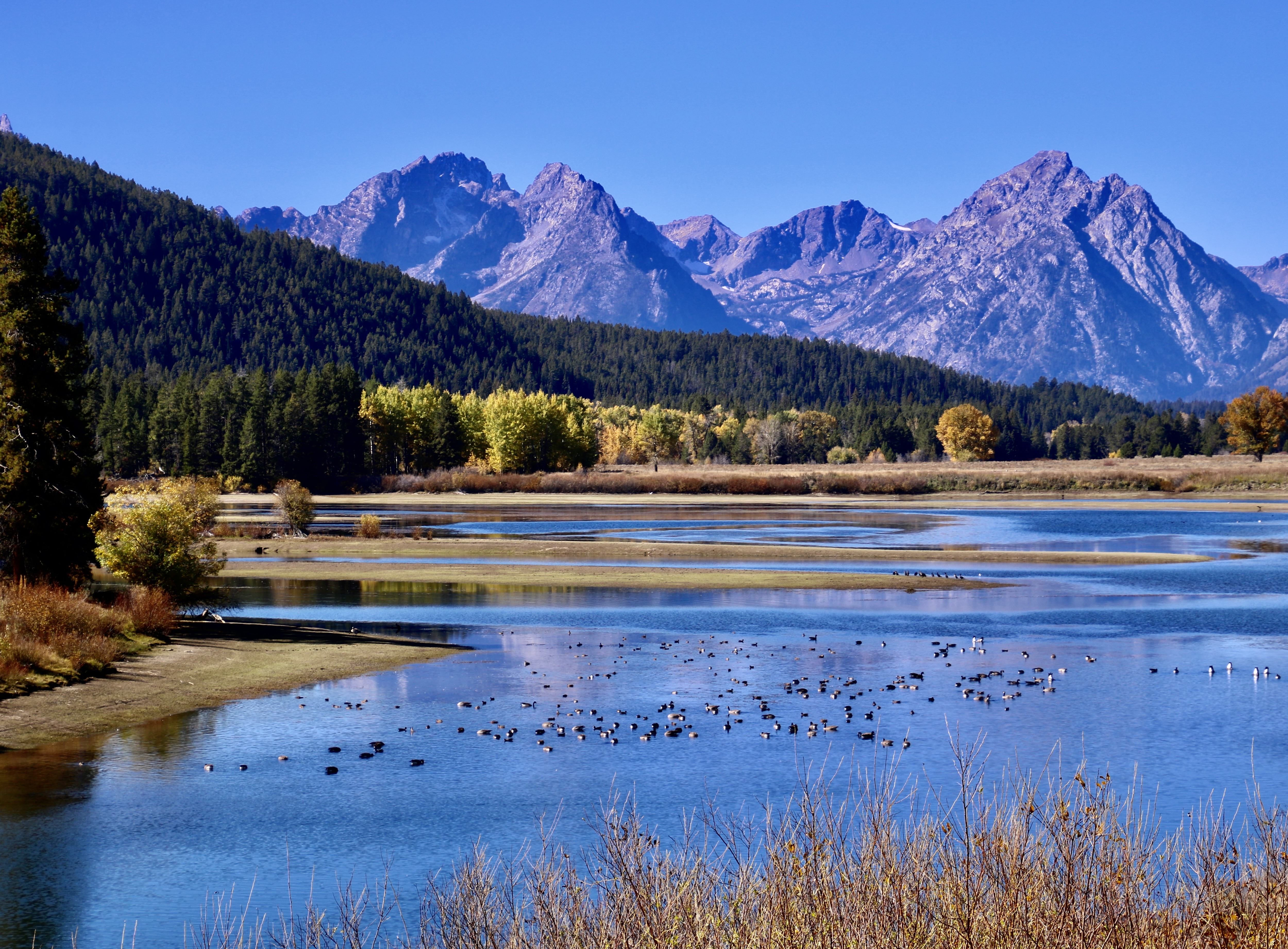
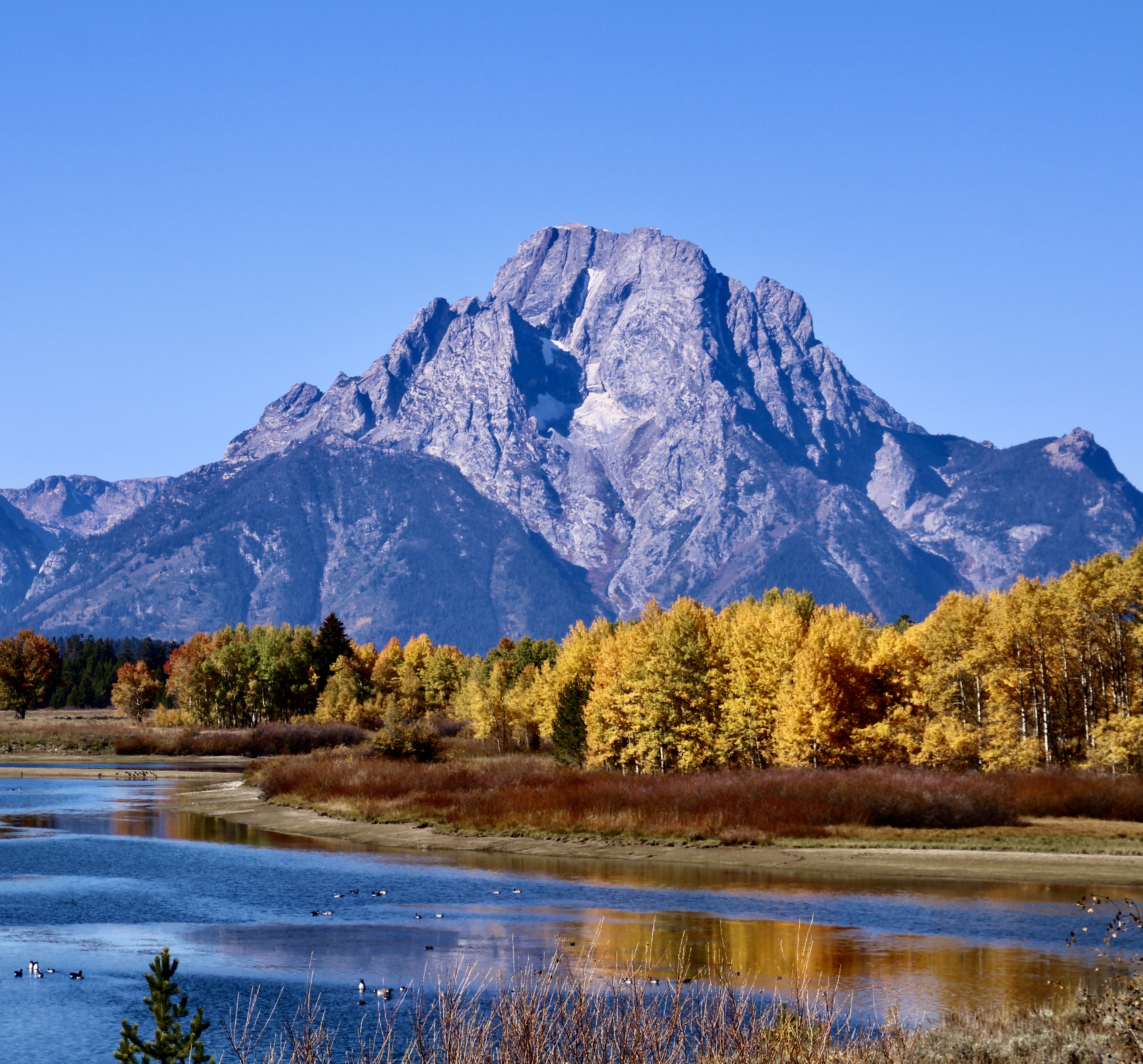
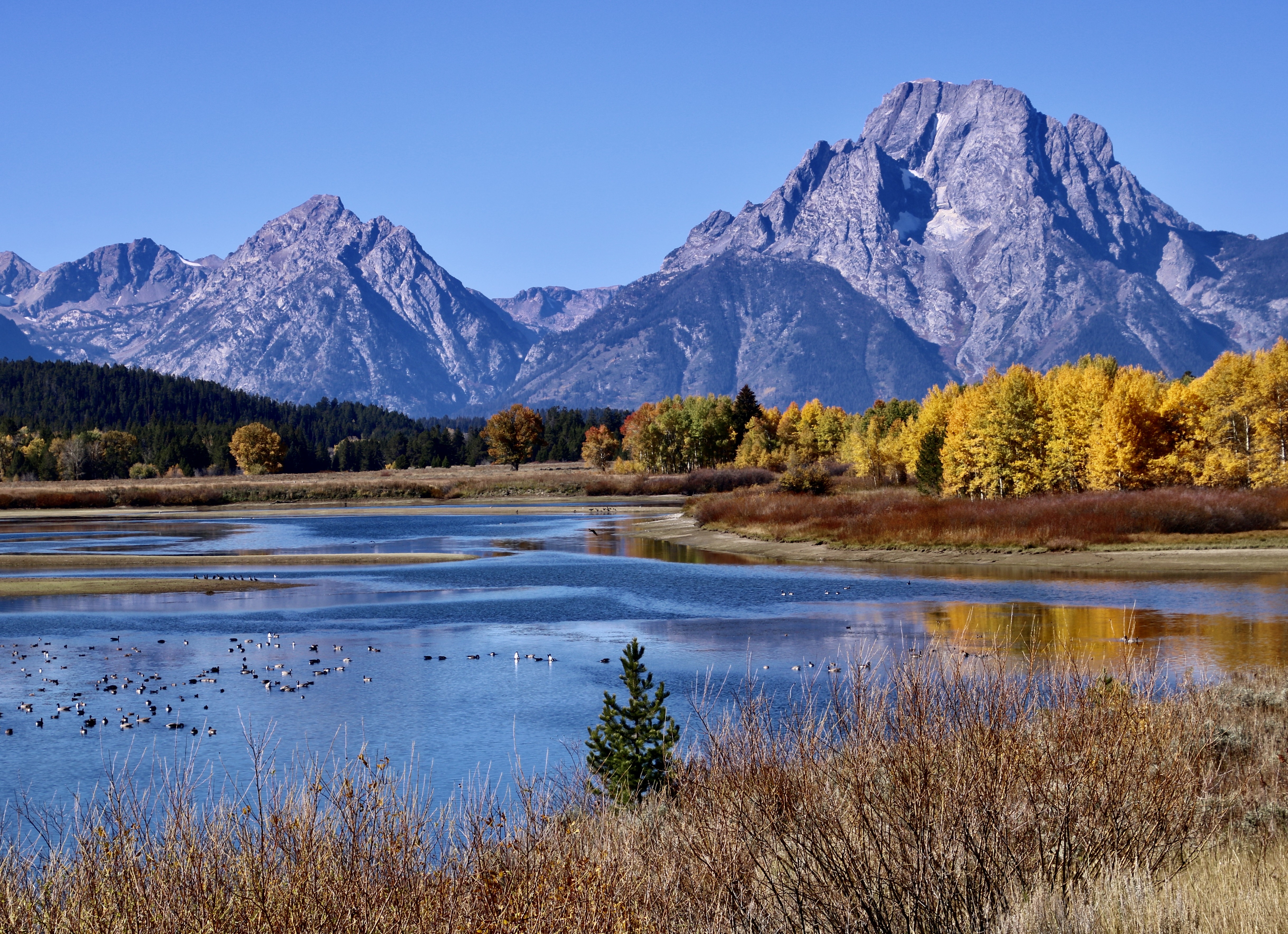
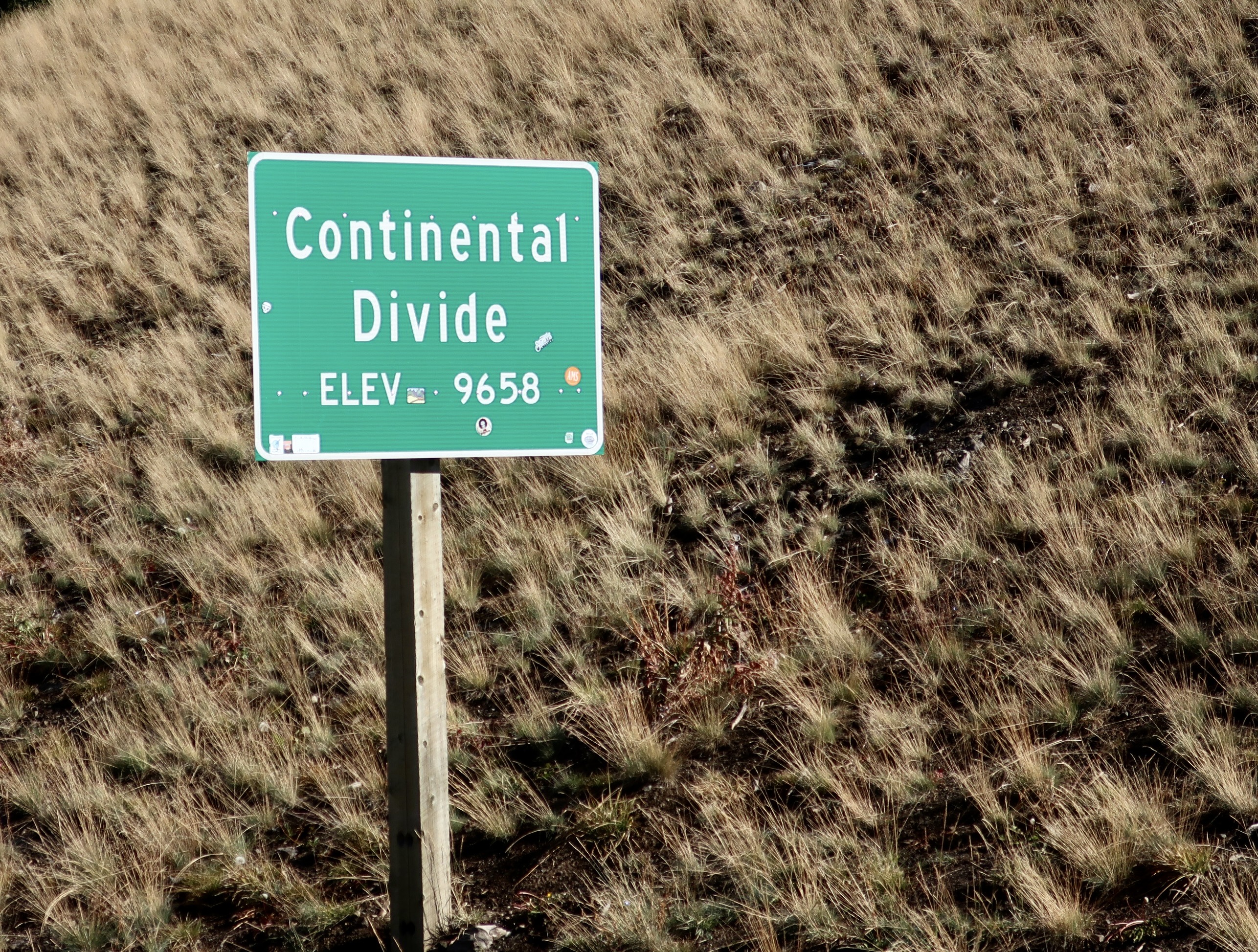
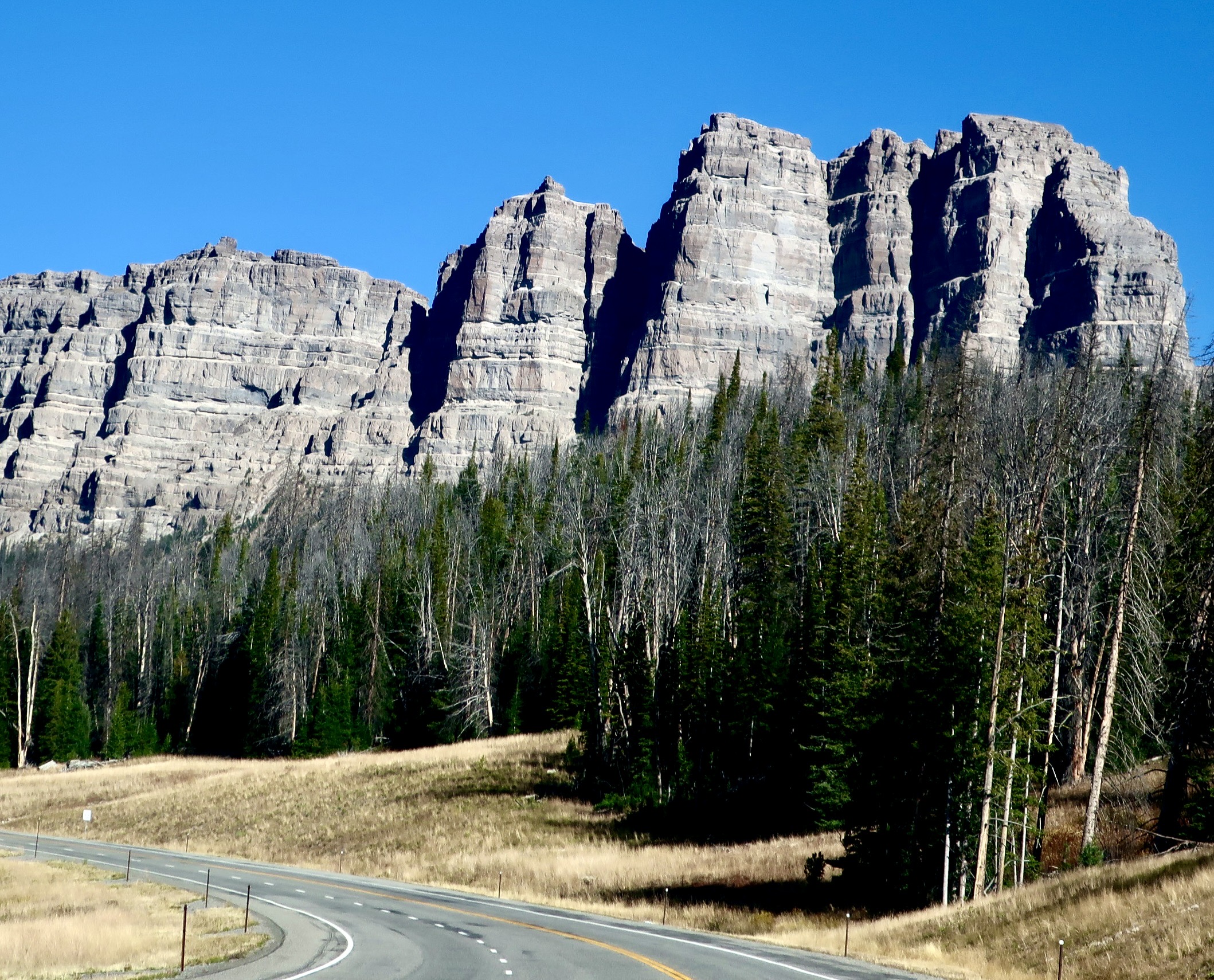
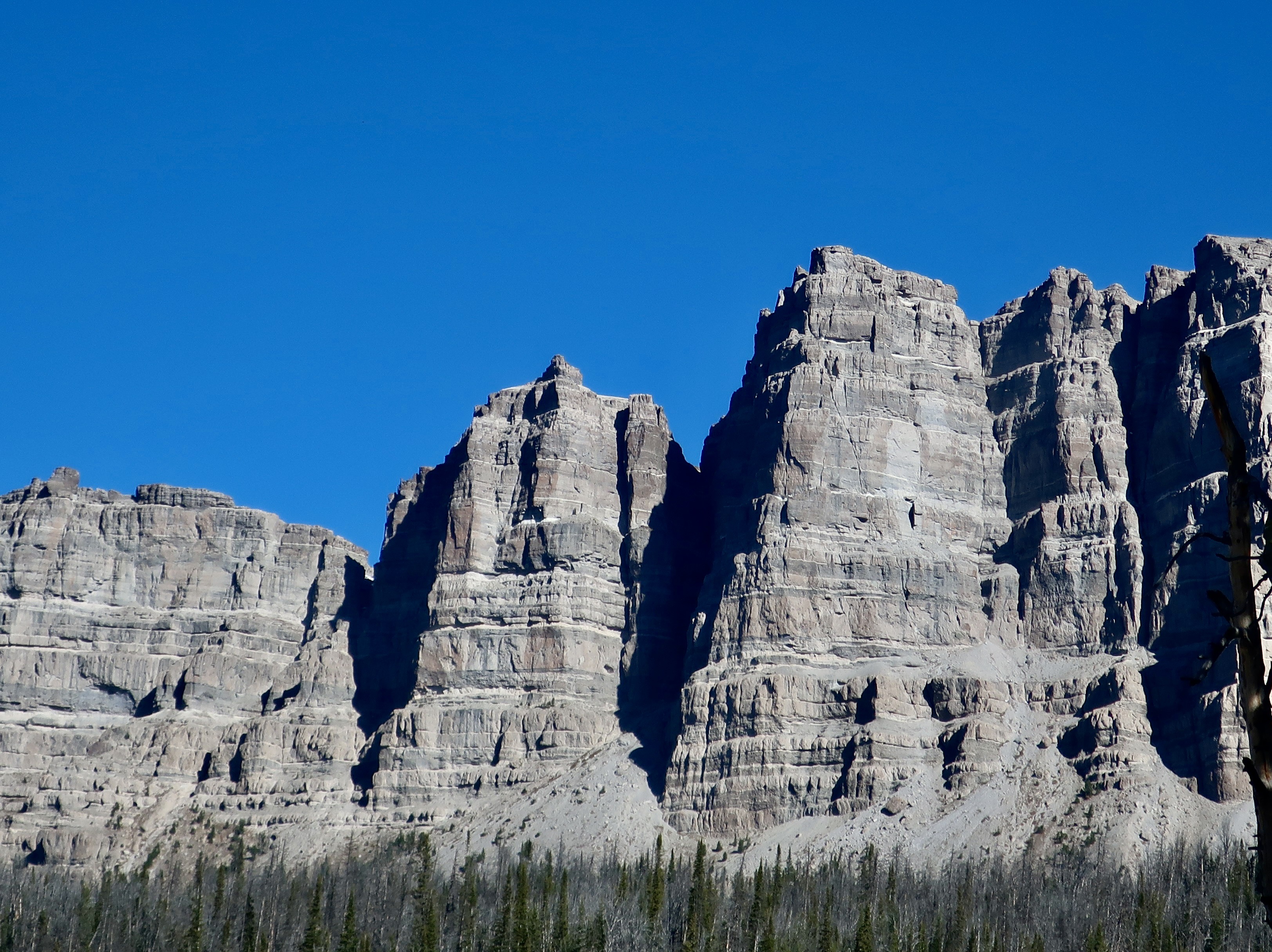
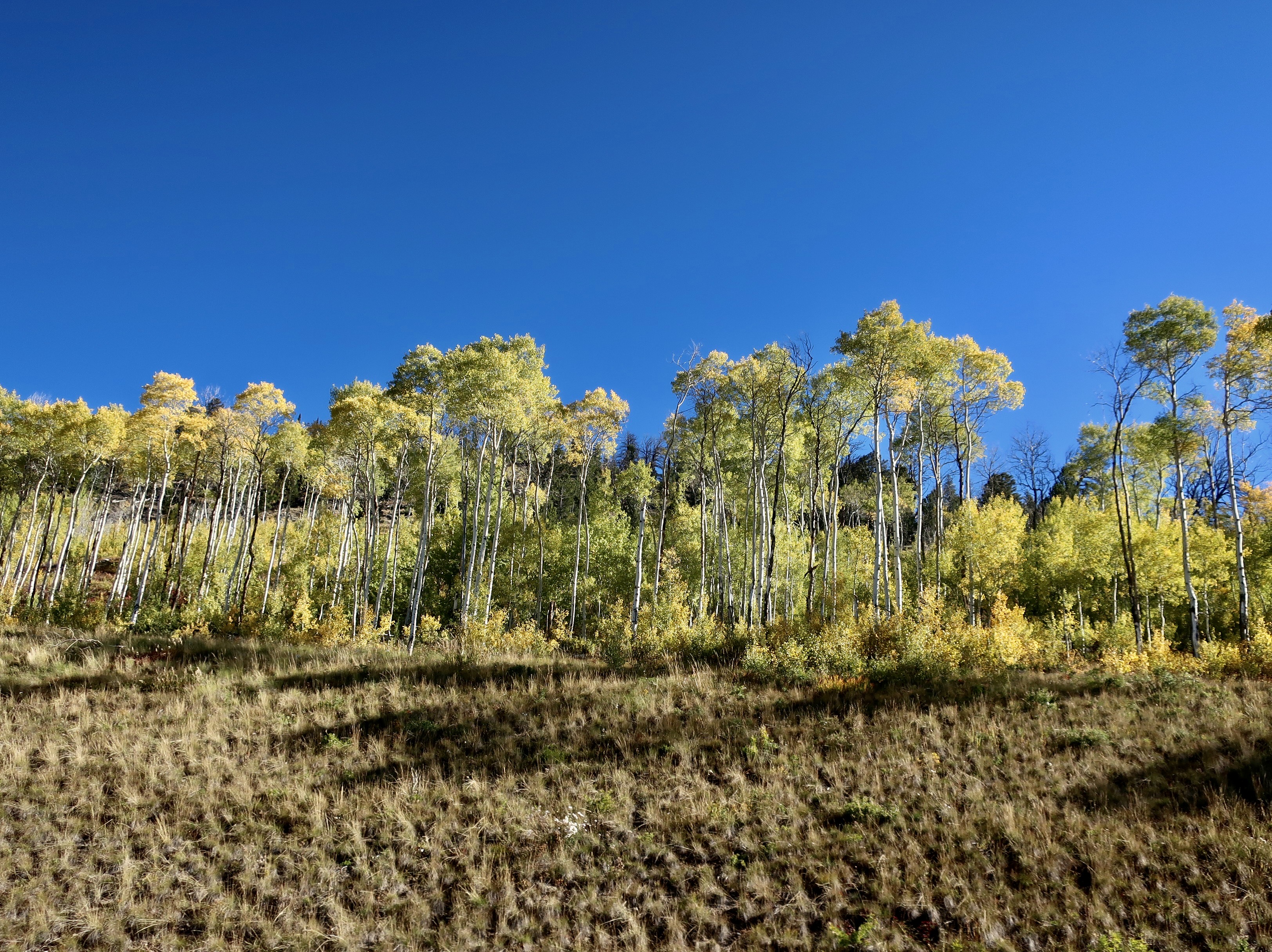
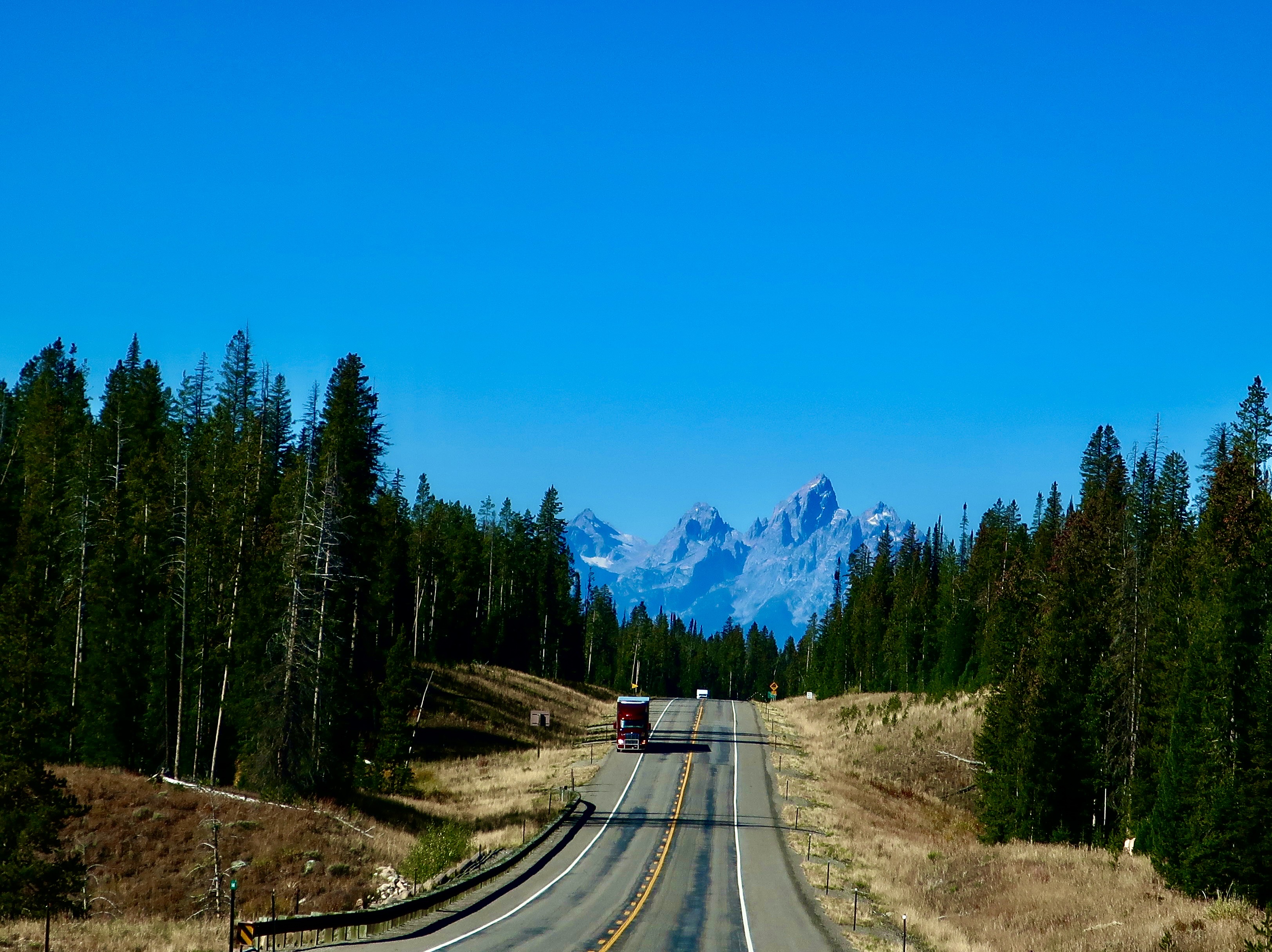
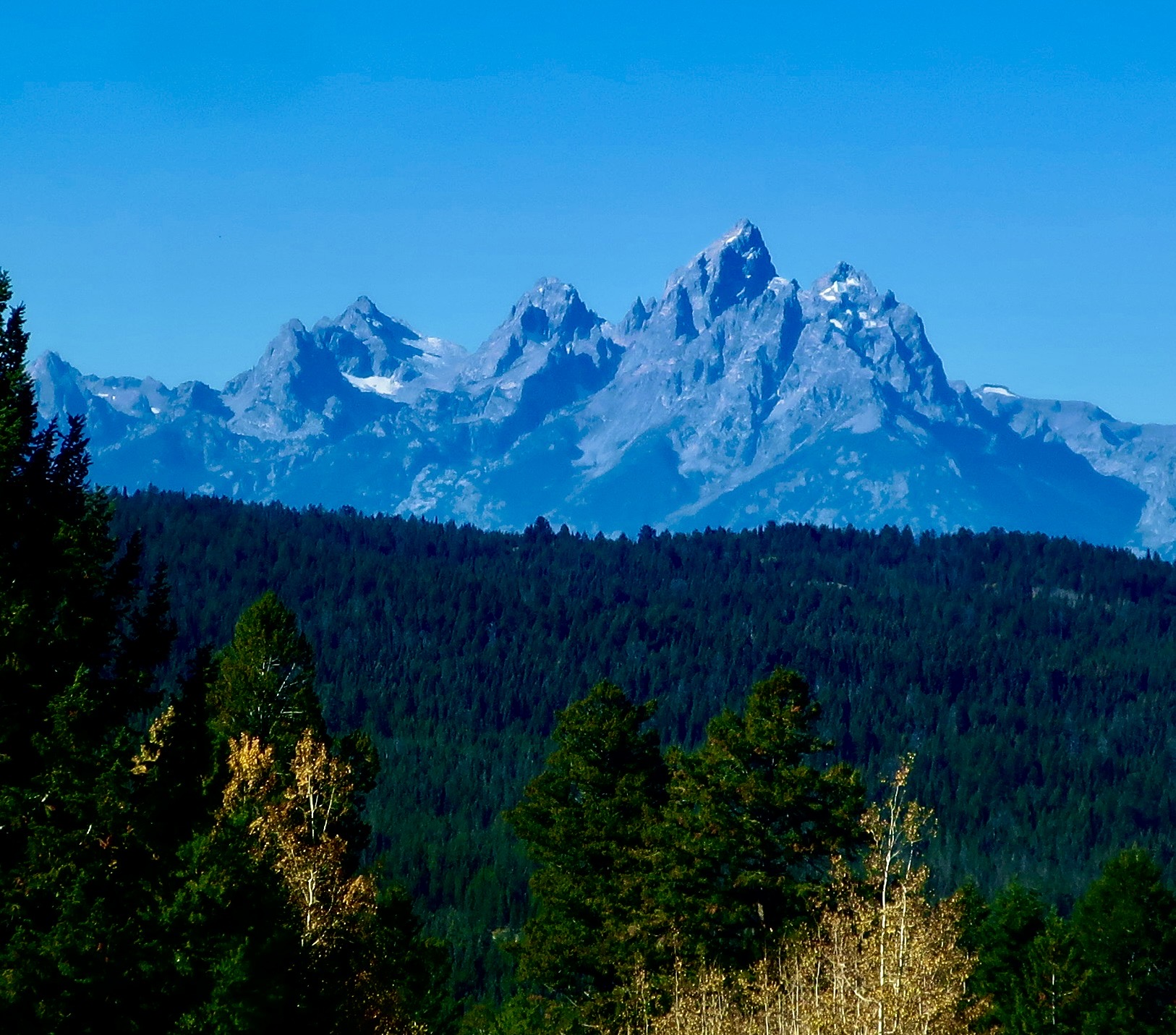
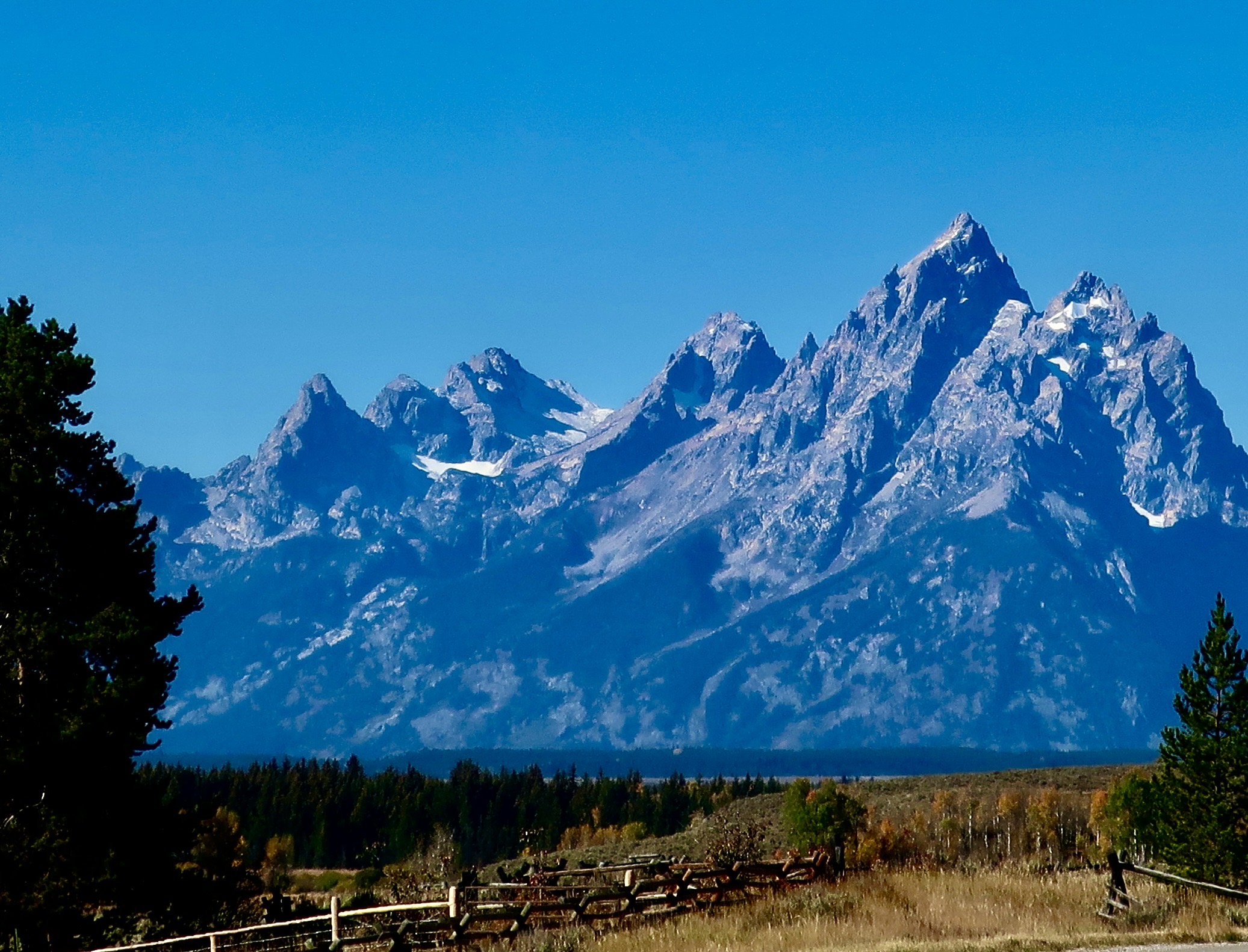
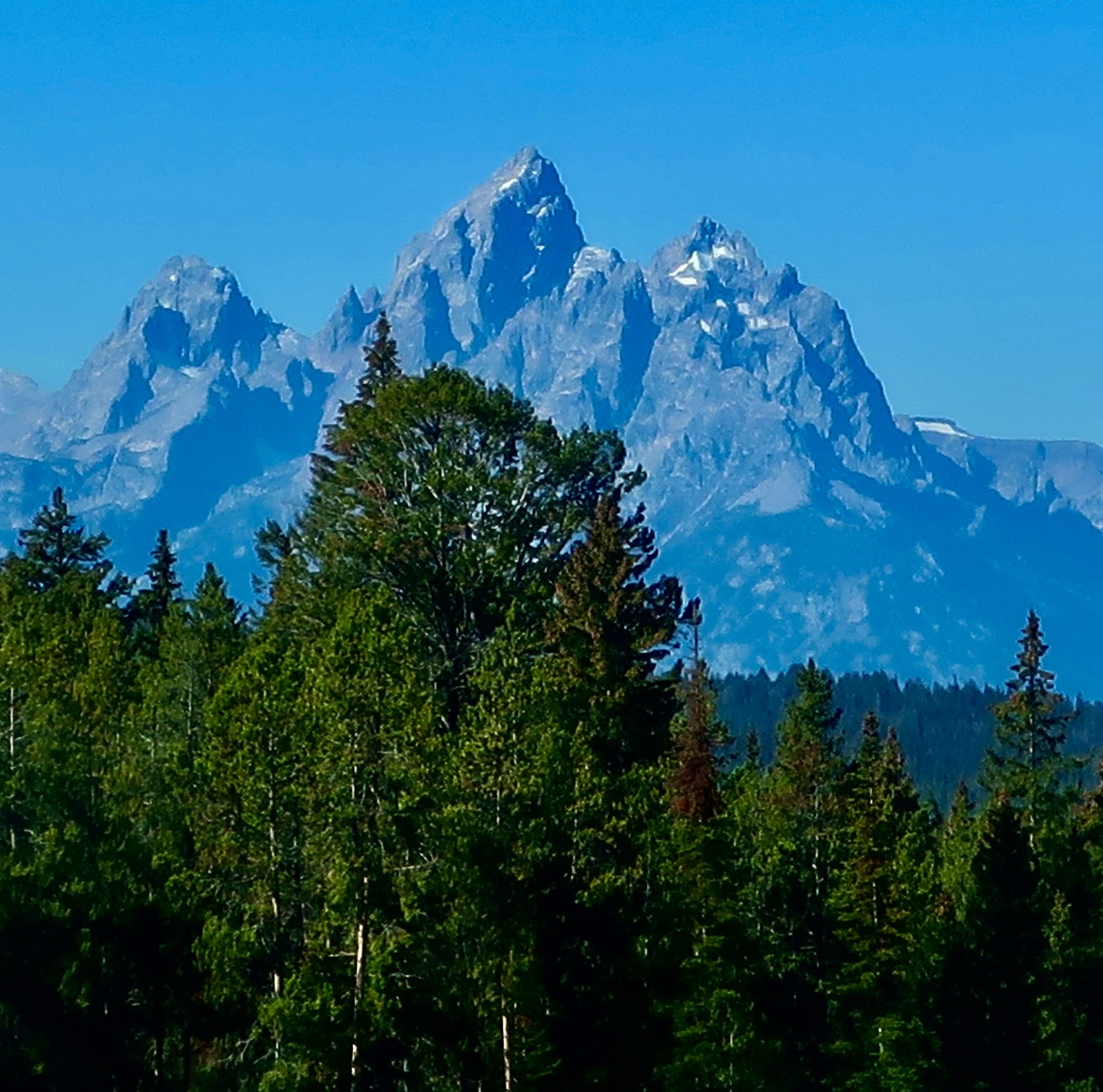
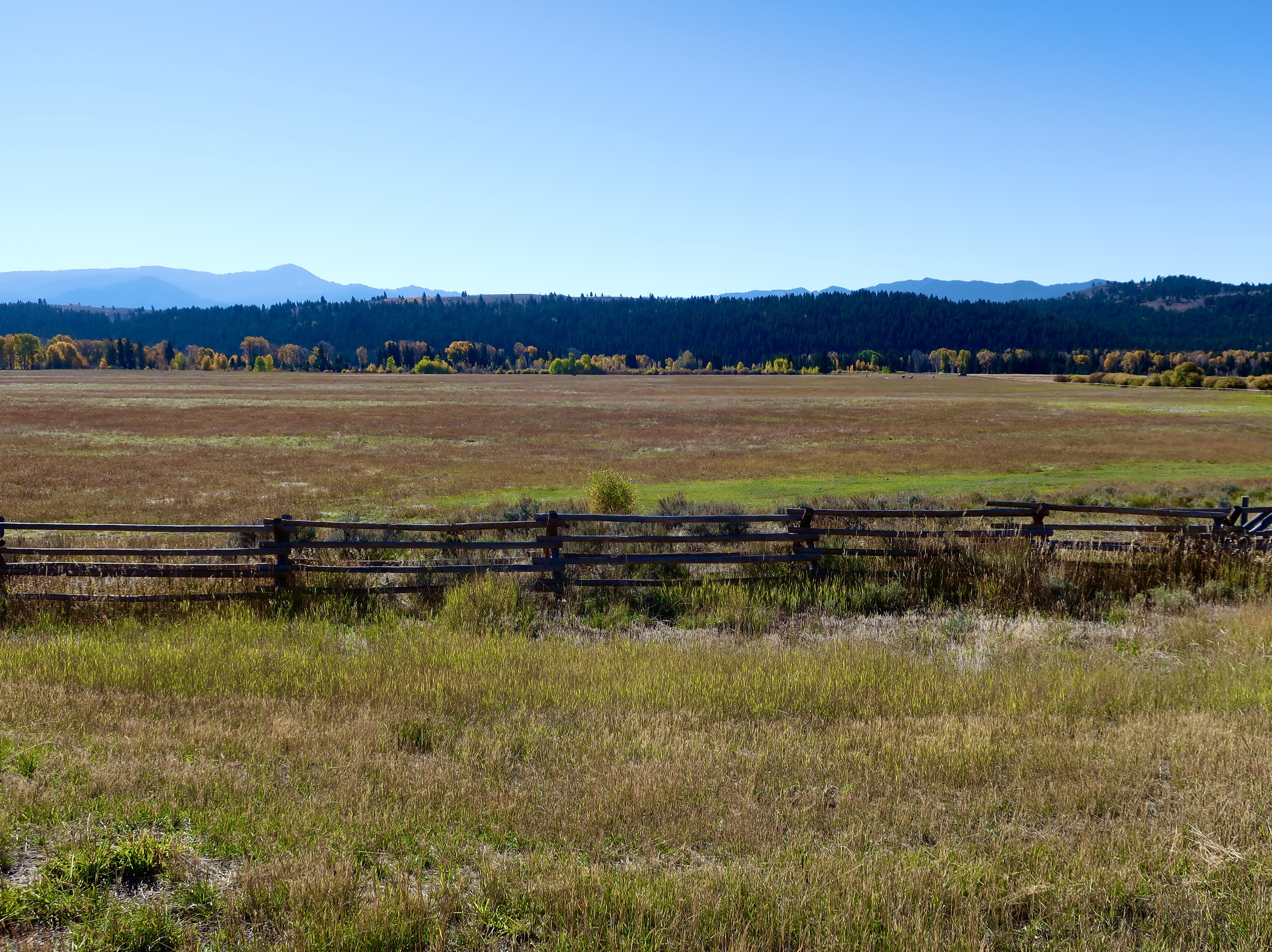
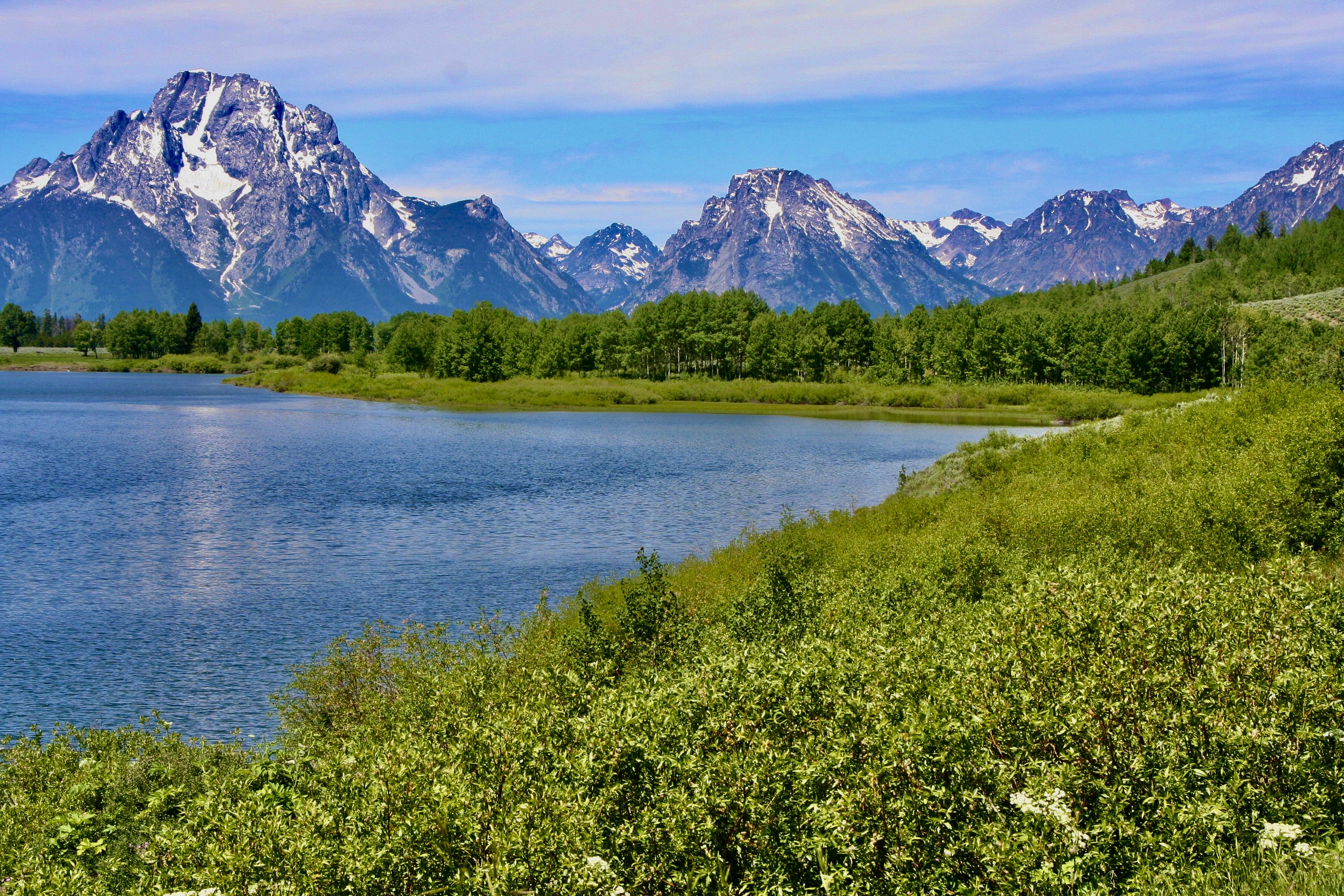
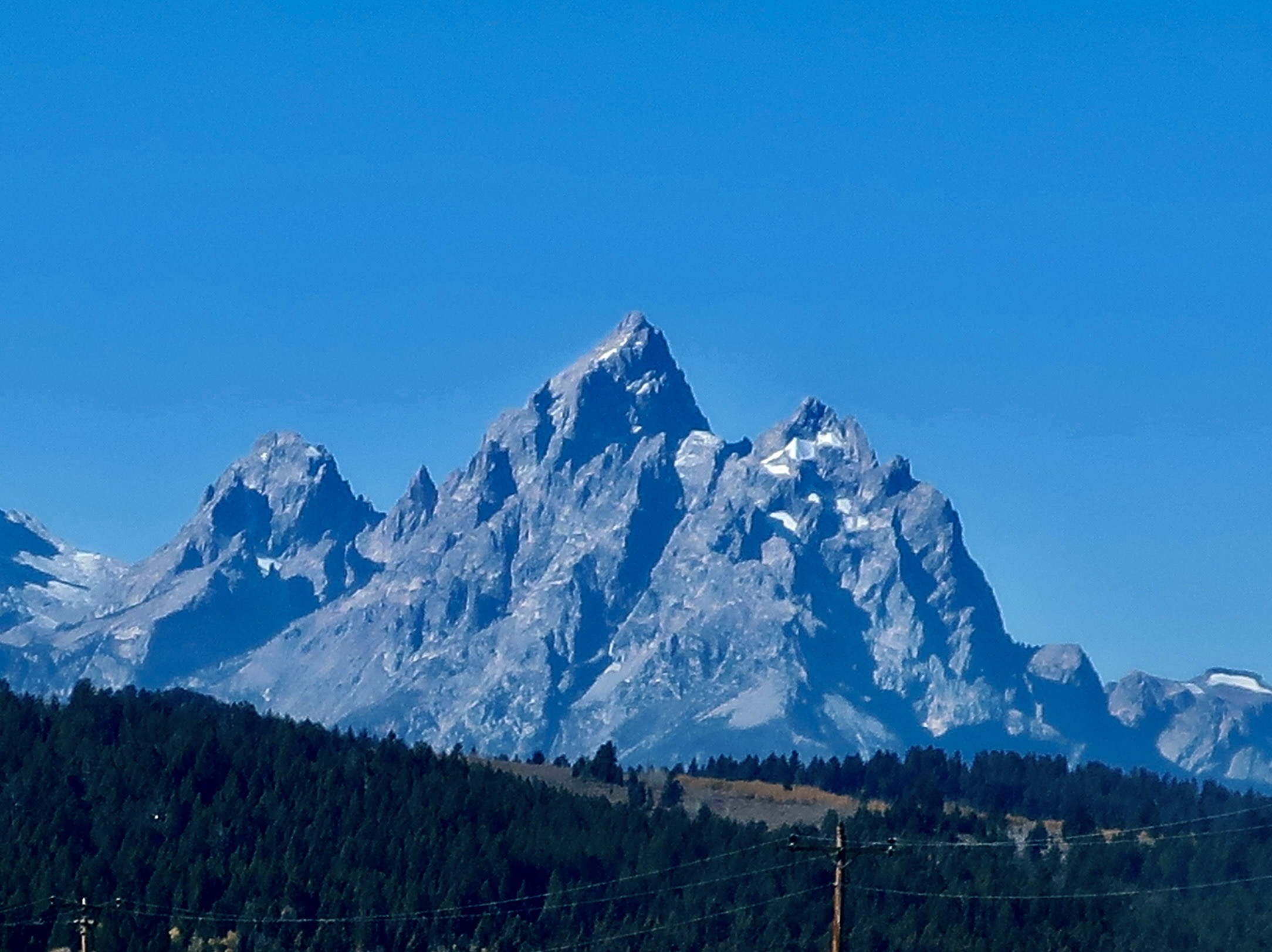
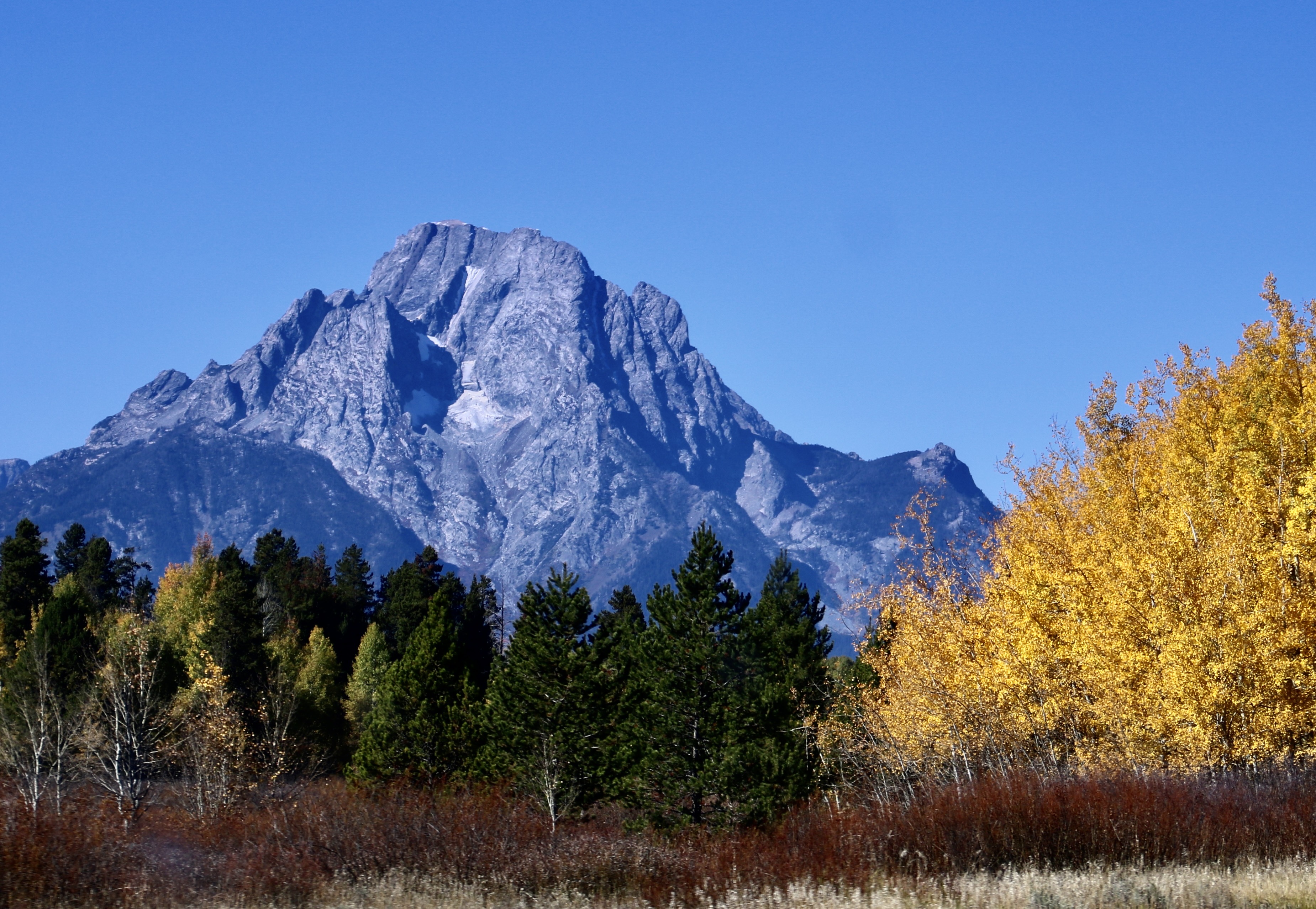
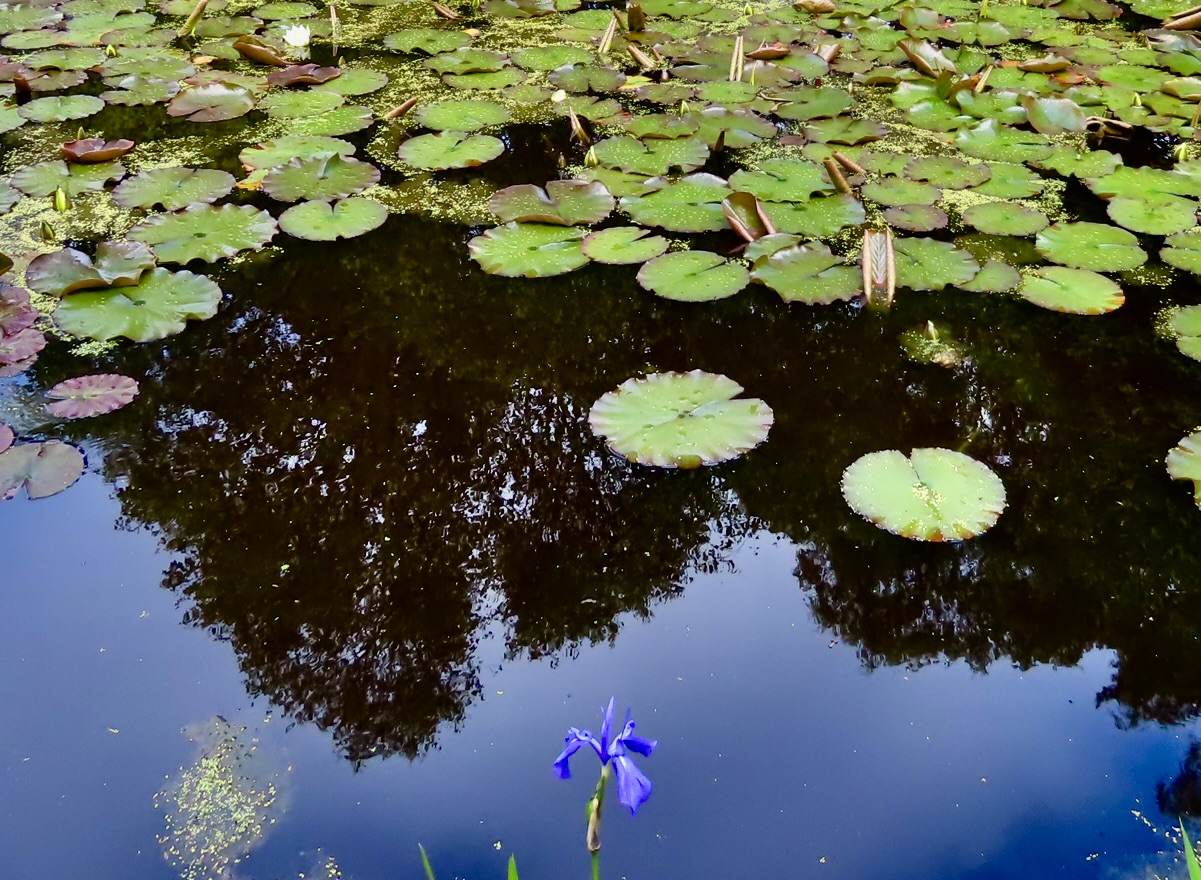
An unobstructed fall view of the Grand Teton mountains with their great natural beauty. Plus ducks. Probably hanging out on their way south.Visitors and wildlife won’t have to cope with thousands of more people clogging the narrow two lane highways and park if a baseball stadium had been built. One can only wonder what would happen if a grizzly attended a baseball tailgate party! One thing’s for sure: It could have had its choice of snacks.Staring to rise 6-9 million years ago, the Grand Teton Mountain Range is the youngest mountain range in North America. The Rocky Mountains developed between 55-80 million years ago and the Appalachians 480 million years. Even the baby Sierra Nevada Mountain Range of California is a million or so years older.And the Grand Tetons are still growing, one earthquake at a time. The latest occurred 5,900, 8,000, and 10,000 years ago. The earthquakes happen along the Teton Fault that runs 40 miles along the eastern side of the mountains. Each quake sees about 10 feet (3 meters) in uplift with the mountain rising 5 feet and the Jackson Hole Valley dropping 5. Is it time for another one? It has the potential of about 7.0 to 7.5 in magnitude.The last time we visited Grand Teton NP we followed Highway 26 out of Casper, Wyoming. Our first view of the Tetons would have been shortly after we passed over Togwotee Pass sitting on the Continental Divide at an elevation of 9,655 feet. Togwotee is a Shoshone word meaning expert spear thrower.Before we could spot the Grand Tetons, we saw these impressive breccia peaks to the north of Highway 26 near the Togwotee Pass. (My father painted these mountains once.)Professional photographer Glen Fishback took this photo of my dad painting the Absaroka Range in the 1980s. Pop, as we knew him, had wandered around the country with his sister, Elanor, a few years earlier.Breccia consists of sharp, angular fragments of various minerals and rocks cemented together within a crumbly matrix of volcanic ash. The peaks are between 10 and 11 thousand feet high.Aspens were also found near the pass. We were definitely being treated to fall colors.Our first view of the Tetons on Highway 26 coming down from the Continental Divide into Jackson Hole Valley.They grew quickly in size and clarity.A closer valley view of the southern Tetons.Now picture yourself as French fur trappers after a winter of being isolated all winter in a single room cabin without female companionship trapping beaver, and you come across your first view of these mountains in 1818. Legend has it that their reaction was something like, “Sacrebleu! Regardez les grand tétons! (Sacred Blue! Look at the great tits!)” Both their imagination and testosterone were running rampant. The mountain range and the future national park got its name. The center peak shown here is the Grand Teton of the park with an elevation 13, 776 feet (4200 meters).I thought this view of the Jackson Hole Valley was rather attractive and looking fall-ish.While the Teton Mountains are young, the rocks that make them up are some of the North America’s oldest, dating back some 2.7 billion years, before there was any life on earth. This photo was from an earlier trip we made to the park (July, 2009). No fall colors! This is looking toward the northern end of the park. The large mountain on the left is Mt. Moran.A final photo of Grand Teton mountain.And a final photo of Mt. Moran. This wraps up our second national park out of 25. Next we will drive up the road from the Grand Tetons and visit Yellowstone National Park. But first— We’ve checked out the natural beauty of the Scottish Highlands; it’s time to check out some of the gorgeous landscaping and flowers of Scottish castles, parks and arboretums.Water lily garden in Scottish Highlands.
21 thoughts on “Grand Teton NP: The Youngest Mountain Range in North America… 25 World Class National Parks – #2”
I’d seen the headlines about the possibility of that baseball park, and was more than happy to read it’s been quashed. Apparently anything can be the target of human impulses toward destruction, particularly in the case of one particular human.
I’m really looking forward to your next post. When I saw the blue flag and lily pads in your last photo, I thought, “Grand Tetons?” Then I read where it’s located!
Thanks, Marg. Noted. Always appreciate fact checking. And Snopes does a good job. I don’t know what the Post’s sources were since the Post listed them as anonymous. But there would have been a certain amount of fact-checking that the Post would have carried out as well. Normal procedure with anonymous sources is to check them through other avenues as well. False claims by journalists can lead to suspension and even firing. This doesn’t mean the media is unbiased, grin.
I suspect that anonymous meant staff of the National Park Service. In my 30 years in working as an advocate on health and environmental issues on local and state levels in California and Alaska, government staff often came to me with important issues that they weren’t free to discuss publicly, often with the possibility of severe retaliation.
I checked the article you referenced. The Post didn’t claim any permits had been issued, only that the proposal was being explored.
“the White House also said that it was “incorrect” that members of the administration had already scouted locations at Grand Teton National Park. We could not verify this independently as it stemmed from a report by The Washington Post that cited two anonymous sources. We reached out to MLB and the NPS and await a response.” So that issue remains open.
There is apparently no question that the issue was being considered, Snopes reported. Or was it clear that MLB hadn’t been scouting locations.Apparently, MLB, has been thinking about the concept for a while. It isn’t surprising that Trump would at least give the idea consideration. He is known for being a great fan of sports and Snopes pointed out that a Guardian article had reported the 95% of major sports contributions have gone to the President.
From my perspective as an ardent supporter of protecting national parks, the good news was that the idea was snapped in the bud. Such ideas of considerable national importance deserve being discussed in the open and often they aren’t unless brought to light by concerned individuals and the media.
I was also pleased that there was a strong local reaction. Too often things come down from the top with little or no consideration for local input.
Again thanks. I found the Snopes article quite well done.
I don’t think this is one that can be pinned on Trump personally – but using the words ‘Trump Administration’ is a close enough connection to stir up his detractors, right!? (I follow Trump on Social Media, and I think if this was something he endorsed, he would have talked about it!)
Every article I have read says “The MLB came to the Administration asking if it was possible to host a game at a national park, similar to the Field of Dreams game,” a White House source told Sport & State.
“This is not a Presidential directive, nor is it being directed by the White House. It’s also not being driven by the Department of Interior. Therefore, this is not a White House or Administration priority.”
Maybe, Marge, but he is certainly no friend of National Parks. There’s a significant list of things he has done.
Yes, reducing the size and cost of Federal Government agencies can be upsetting. Sadly the public does not pay attention to where the national debt is at.
I’ve never had any problems with reducing the size, Marg, as long as cuts are made wisely and with compassion. As for national debt, neither party has a handle on it. And it is getting more and more serious.
Love all the photos, especially the one of your dad painting.
Thanks Peggy. It was his life-long passion. Unfortunately, life demanded that he do other things with his time. At least he started out and ended as an artist.
I love the Tetons so much, they just never get any less amazing. I’ve never seen Togwotee Pass but I really love the horizontal banding in those mountains.
Totally agree, Diana. It’s an awe experience every time I see them.
It’s an easy drive up to (or down from) Togwotee Pass, Diana. And worth it. The banding is a result of alternating sedimentary and volcanic deposits.
My favorite photos as well. It helped that nature was adding fall colors. But the Tetons are incredible any time of the year. I would love to seen them in winter as well.
Actually, no Brian. Possibly ambidextrous when it came to painting? Thanks. That is my favorite photo of him, pursuing his passions: painting and nature.
Yes they are. Photography was the other one. He had great fun photographing natural scenes and then painting them.
How nice. The pictures served as a basis for his painting. Better than relying on just memory. I imagine you still have some of his paintings? (I’ve kept all of my mother’s paintings, many are on the walls.)
I have some, Brian and rotate them in with the others that hang on our walls.
How nice. Rotating now? That’s a good idea… I donated a few to my daughters, and have some here and at the country house, but I still have some in a closet… I might rotate a few… Hmmm.



I’d seen the headlines about the possibility of that baseball park, and was more than happy to read it’s been quashed. Apparently anything can be the target of human impulses toward destruction, particularly in the case of one particular human.
I’m really looking forward to your next post. When I saw the blue flag and lily pads in your last photo, I thought, “Grand Tetons?” Then I read where it’s located!
The administration has been no friend to National Parks and Monuments, Linda. And I think that MLB will think twice before proposing the idea again.
There will be some fun photos, Linda. And one very curious one I would like your feedback on.
Fact Checking because I know you would want to be accurate about what you say in your blog! https://sports.yahoo.com/articles/fact-check-mlb-approached-white-194900849.html
Thanks, Marg. Noted. Always appreciate fact checking. And Snopes does a good job. I don’t know what the Post’s sources were since the Post listed them as anonymous. But there would have been a certain amount of fact-checking that the Post would have carried out as well. Normal procedure with anonymous sources is to check them through other avenues as well. False claims by journalists can lead to suspension and even firing. This doesn’t mean the media is unbiased, grin.
I suspect that anonymous meant staff of the National Park Service. In my 30 years in working as an advocate on health and environmental issues on local and state levels in California and Alaska, government staff often came to me with important issues that they weren’t free to discuss publicly, often with the possibility of severe retaliation.
I checked the article you referenced. The Post didn’t claim any permits had been issued, only that the proposal was being explored.
“the White House also said that it was “incorrect” that members of the administration had already scouted locations at Grand Teton National Park. We could not verify this independently as it stemmed from a report by The Washington Post that cited two anonymous sources. We reached out to MLB and the NPS and await a response.” So that issue remains open.
There is apparently no question that the issue was being considered, Snopes reported. Or was it clear that MLB hadn’t been scouting locations.Apparently, MLB, has been thinking about the concept for a while. It isn’t surprising that Trump would at least give the idea consideration. He is known for being a great fan of sports and Snopes pointed out that a Guardian article had reported the 95% of major sports contributions have gone to the President.
From my perspective as an ardent supporter of protecting national parks, the good news was that the idea was snapped in the bud. Such ideas of considerable national importance deserve being discussed in the open and often they aren’t unless brought to light by concerned individuals and the media.
I was also pleased that there was a strong local reaction. Too often things come down from the top with little or no consideration for local input.
Again thanks. I found the Snopes article quite well done.
I don’t think this is one that can be pinned on Trump personally – but using the words ‘Trump Administration’ is a close enough connection to stir up his detractors, right!? (I follow Trump on Social Media, and I think if this was something he endorsed, he would have talked about it!)
Every article I have read says “The MLB came to the Administration asking if it was possible to host a game at a national park, similar to the Field of Dreams game,” a White House source told Sport & State.
“This is not a Presidential directive, nor is it being directed by the White House. It’s also not being driven by the Department of Interior. Therefore, this is not a White House or Administration priority.”
Maybe, Marge, but he is certainly no friend of National Parks. There’s a significant list of things he has done.
Yes, reducing the size and cost of Federal Government agencies can be upsetting. Sadly the public does not pay attention to where the national debt is at.
I’ve never had any problems with reducing the size, Marg, as long as cuts are made wisely and with compassion. As for national debt, neither party has a handle on it. And it is getting more and more serious.
Love all the photos, especially the one of your dad painting.
Thanks Peggy. It was his life-long passion. Unfortunately, life demanded that he do other things with his time. At least he started out and ended as an artist.
I love the Tetons so much, they just never get any less amazing. I’ve never seen Togwotee Pass but I really love the horizontal banding in those mountains.
Totally agree, Diana. It’s an awe experience every time I see them.
It’s an easy drive up to (or down from) Togwotee Pass, Diana. And worth it. The banding is a result of alternating sedimentary and volcanic deposits.
Images two and three are to die for, and I always love seeing that painting of your dad, especially up close when we were able to visit. ❤
❤️ That was one fun visit, Crystal.
My favorite photos as well. It helped that nature was adding fall colors. But the Tetons are incredible any time of the year. I would love to seen them in winter as well.
Impressive.
I liked the photo of your Dad. (He was a lefty wasn’t he?)
Cheers Curt
Actually, no Brian. Possibly ambidextrous when it came to painting? Thanks. That is my favorite photo of him, pursuing his passions: painting and nature.
Two nice passions… And one great picture.
Yes they are. Photography was the other one. He had great fun photographing natural scenes and then painting them.
How nice. The pictures served as a basis for his painting. Better than relying on just memory. I imagine you still have some of his paintings? (I’ve kept all of my mother’s paintings, many are on the walls.)
I have some, Brian and rotate them in with the others that hang on our walls.
How nice. Rotating now? That’s a good idea… I donated a few to my daughters, and have some here and at the country house, but I still have some in a closet… I might rotate a few… Hmmm.