Mono Lake: Four Trillion Brine Shrimp Call It Home… the Desert Series

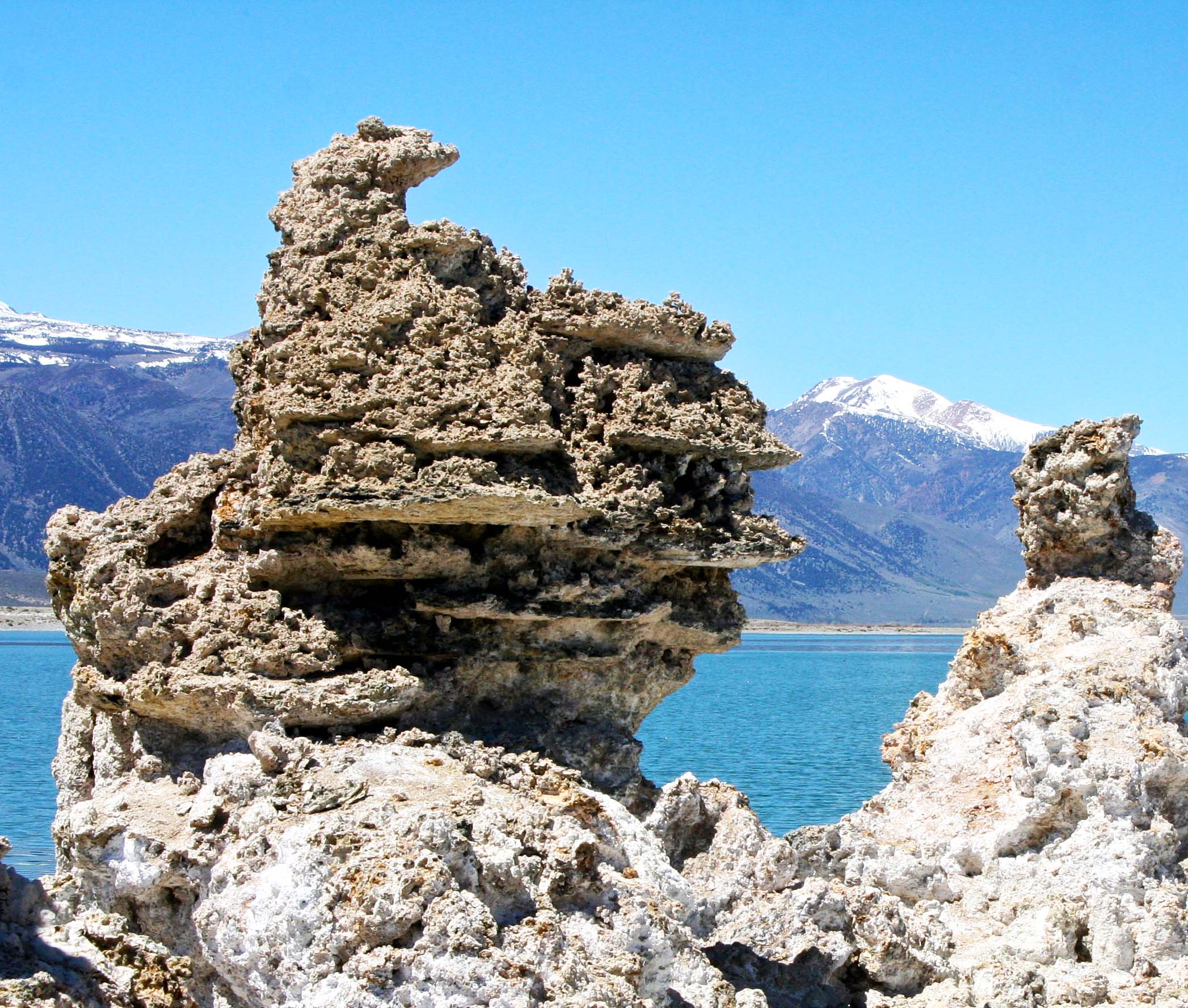
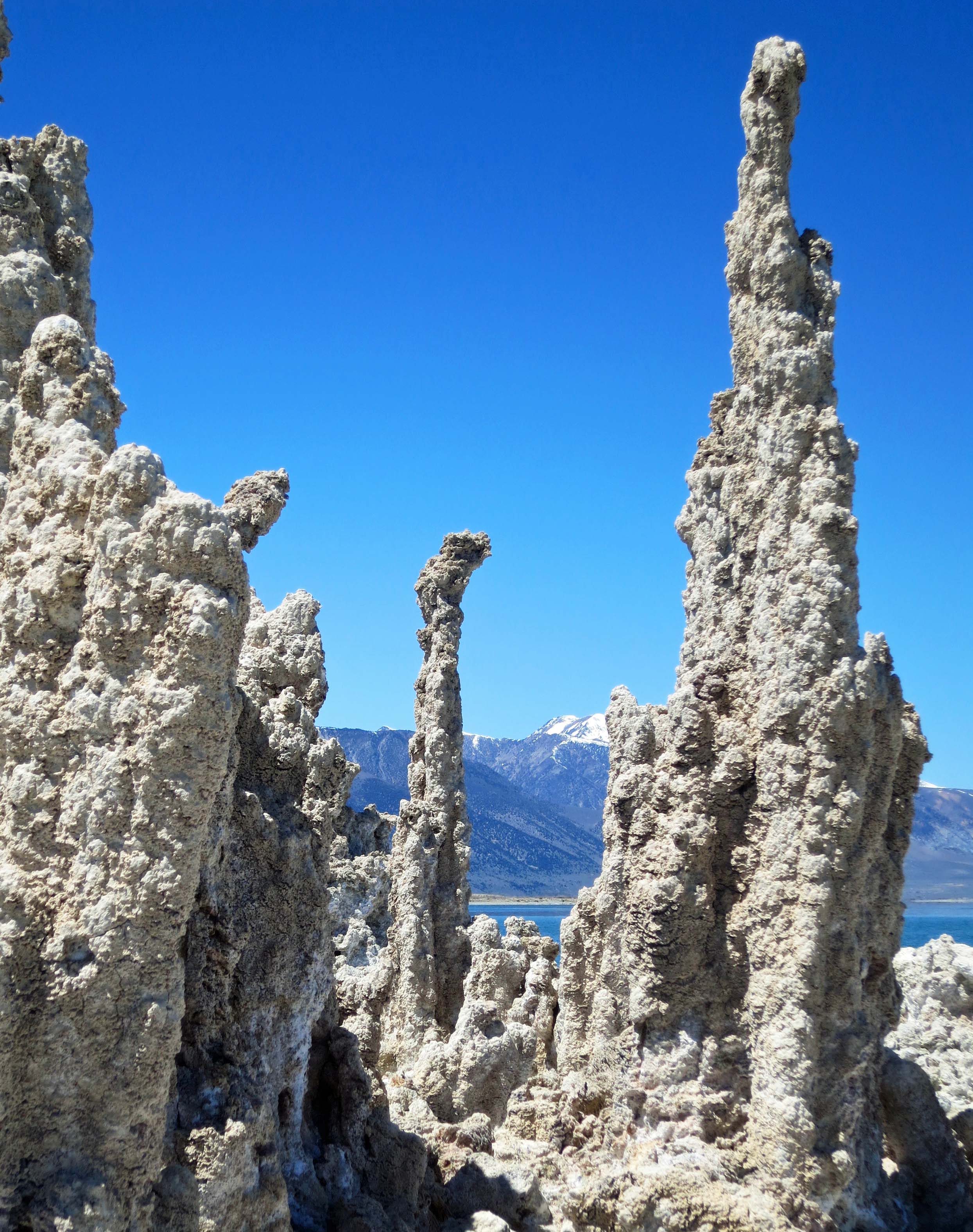
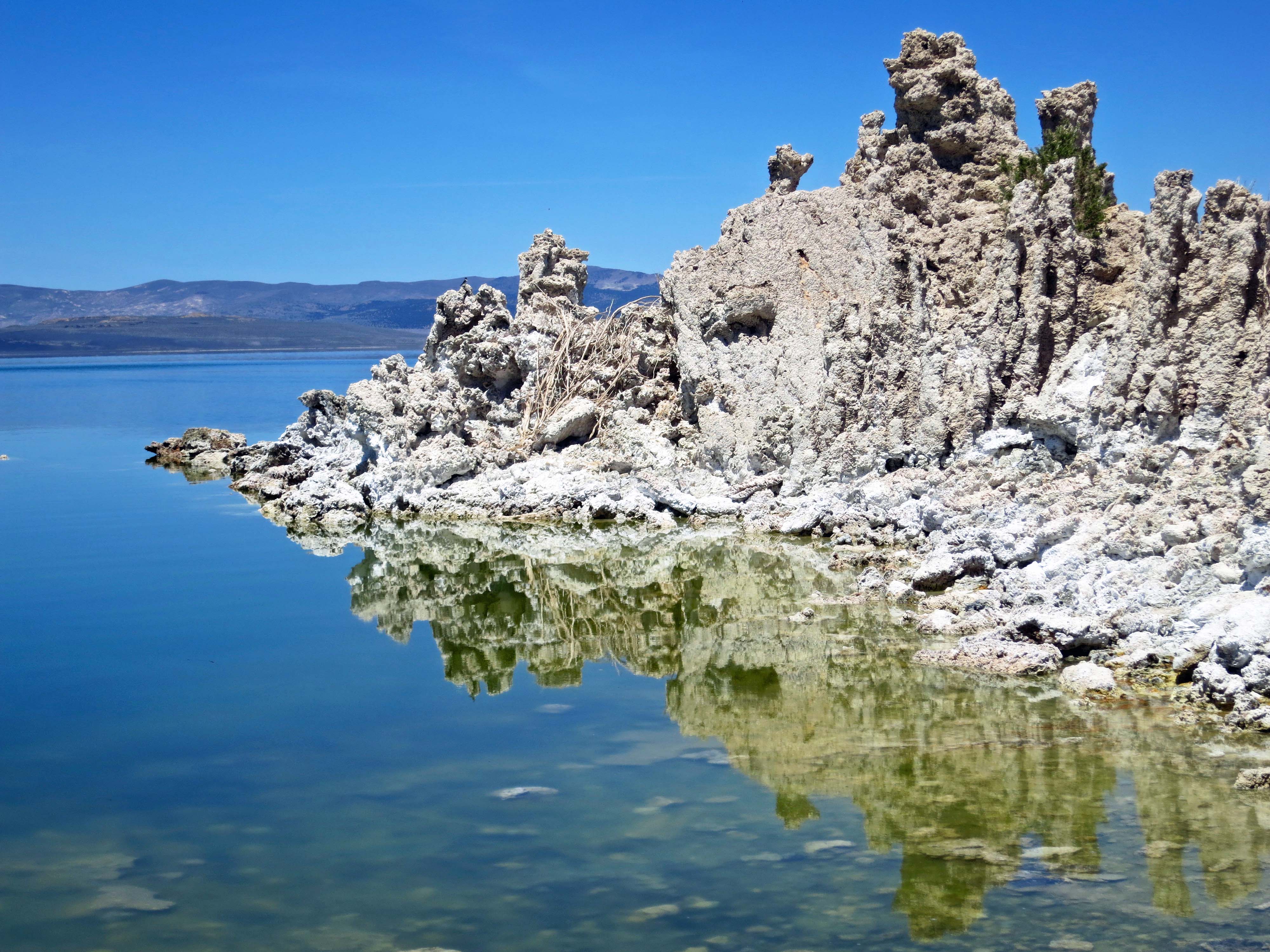
Strange towers made of lime, tufa, give Mono Lake its unique personality.

Towers made of lime known as tufa give Mono Lake its unique personality.

To say the least, Mono Lake is a strange place. Some people even call it weird. Once upon a time, back when glaciers stretched across North America, it was part of a series of large lakes that covered much of modern-day Eastern California, Nevada and Utah, a region that is now primarily desert. Left behind as a remnant by retreating glaciers, Mono Lake is at least 760,000 years old and could be as old as three million years, making it one of the oldest lakes in North America.

What flows into Mono Lake, stays. There are no outlets. As a result, the lake is 2-3 times as salty as the ocean. Swimmers don’t have to worry about sinking. In fact the lake contains some 280 million tons of dissolved salts, which makes it even too salty for fish. An effort to introduce trout left them belly up on the surface, like the proverbial dead gold-fish destined for a close encounter with the family toilet.

Algae, brine shrimp, and alkali flies thrive in the water, however. The thumbnail-sized shrimp population is estimated to be somewhere between 4 and 6 trillion in the summer. Historically, the fly pupae served as a major source of food for the Kutzadika’a Indians. In fact, the name for the tribe means fly eater.

Today, both the flies and shrimp provide food for some two million birds that migrate through the area. One visitor, Wilson’s Phalarope, a tiny, fist-sized shorebird, takes advantage of the gourmet flies to double its weight and grow a new set of feathers before journeying 3000 miles to South America— a feat that is accomplished in three days of nonstop flying at speeds of over 40 miles per hour.

It isn’t flies, shrimp, birds, or salt water that Mono Lake is famous for, however. It’s tufa, the fantastical, fairy-like structures that grow in the lake and appeal to photographers from around the world. Calcium-rich water bubbling up from underwater springs combines with the lakes carbonate-rich waters in a chemical reaction to create the lime-based structures.  Towers as high as 30 feet can be built under water through this process in a time span that may involve centuries.

The reason these towers are visible today is due to the unquenchable thirst of millions of people in Los Angeles. This thirst came close to destroying Mono Lake, as it did the Owens River and Owens Valley south of Mono Lake. Starting in 1941 the politically formidable Los Angeles Water and Power Company tapped into the streams flowing into Mono Lake and sent the water on a one-way, 330 mile journey south, reducing water in the lake from 4.3 million acre feet in 1941 to 2.1 million acre feet in 1982.

The United States Navy also posed a threat to Mono Lake by carrying out a series of under water explosion tests during the Cold War. The plaque at the site described these explosions as top-secret seismic tests. Whether the navy was searching for a way to predict earthquakes and tsunamis or cause them is the question. Fortunately, public pressure and concerns for public safety led to the navy abandoning its activities at Mono Lake in the late 50s/early 60s.

It was the growing environmental movement of the 70s and the Mono Lake Organization that eventually forced the Los Angeles Power and Water Company to reduce the amount of water it was exporting from Mono Lake’s tributaries.  Today the lake is on the way to recovering its pre 1941 water levels (assuming it isn’t wiped out by global warming and drought). Mono Lake is found just north of Lee Vining off of Highway 395. Following Highway 120 west out of Lee Vining will take travelers into Yosemite National Park.

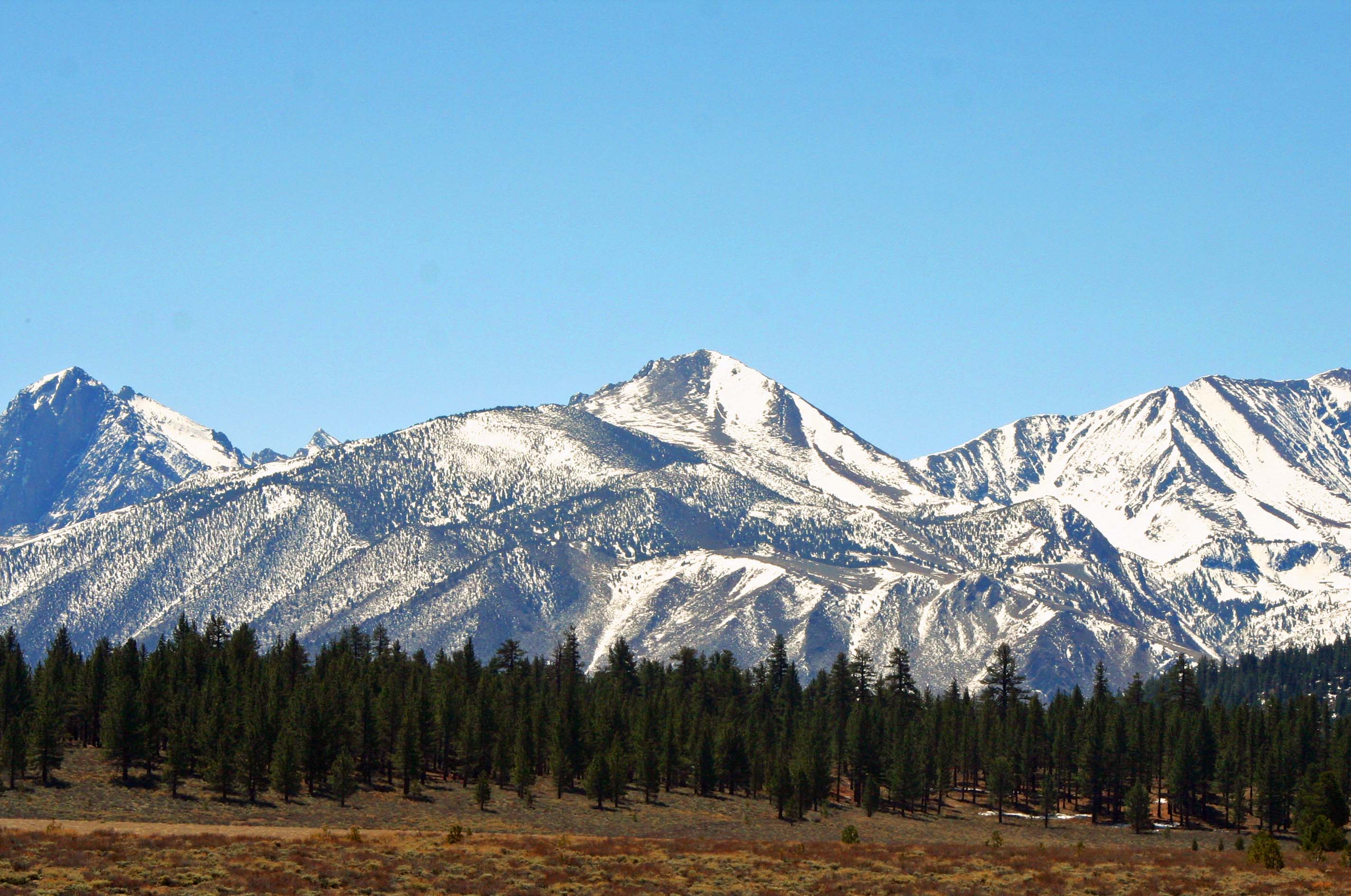
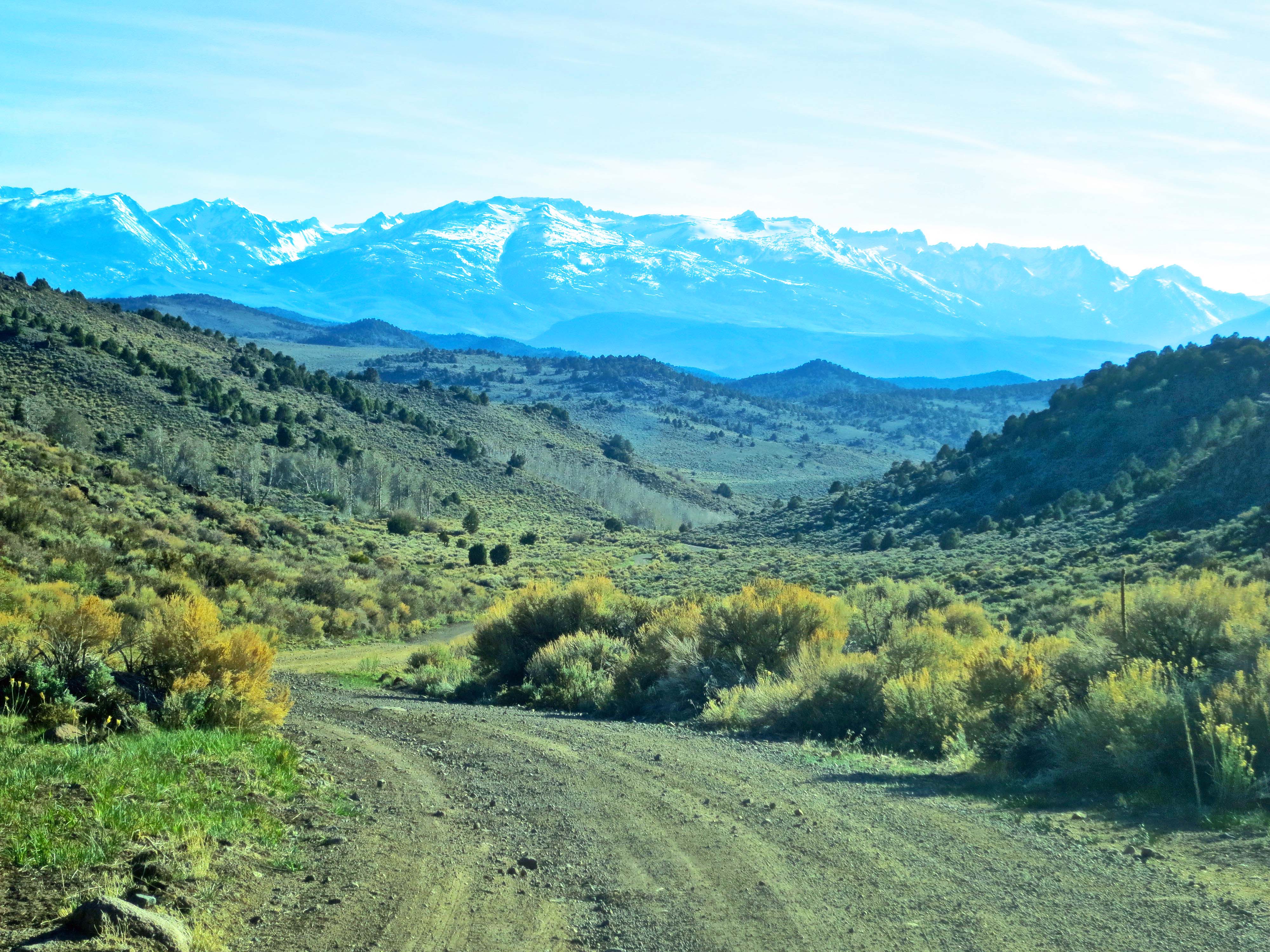
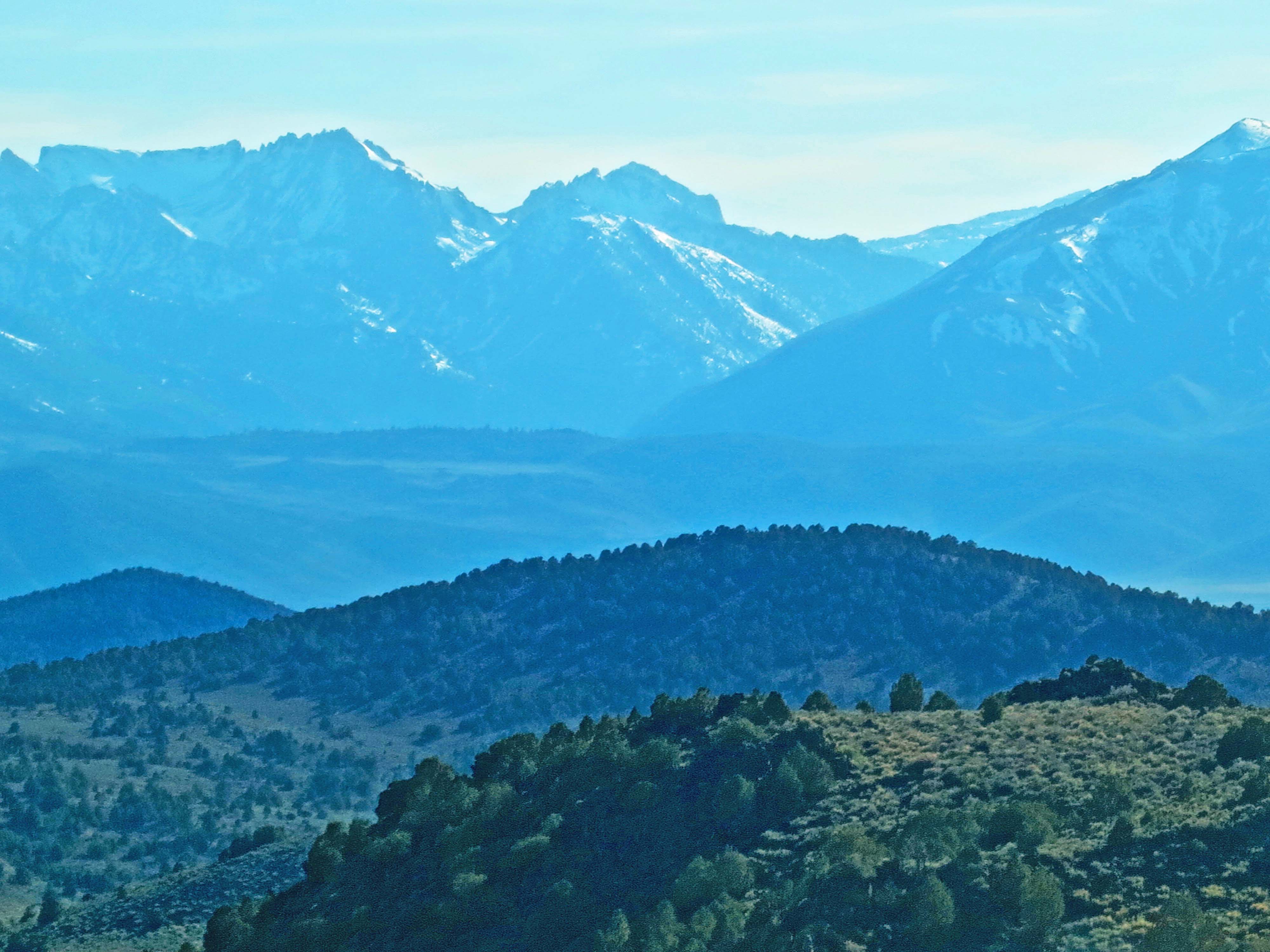
The Sierra Nevada Mountains provide a scenic backdrop in the west for Mono Lake. Highway 395 runs slog the base of the foothills. Tufa can be seen emerging from the lake.

The Sierra Nevada Mountains provide a scenic backdrop in the west for Mono Lake. Highway 395 runs along the base of the foothills. Tufa can be seen emerging from the lake.

Following Highway 120 east off of Highway 395 will bring visitors to Mono Lake's South Tufa Trail where the photos in they blog were taken.

Following Highway 120 east off of Highway 395 will bring visitors to Mono Lake’s South Tufa Trail where the photos in this blog were taken. (Photo by Peggy Mekemson.)
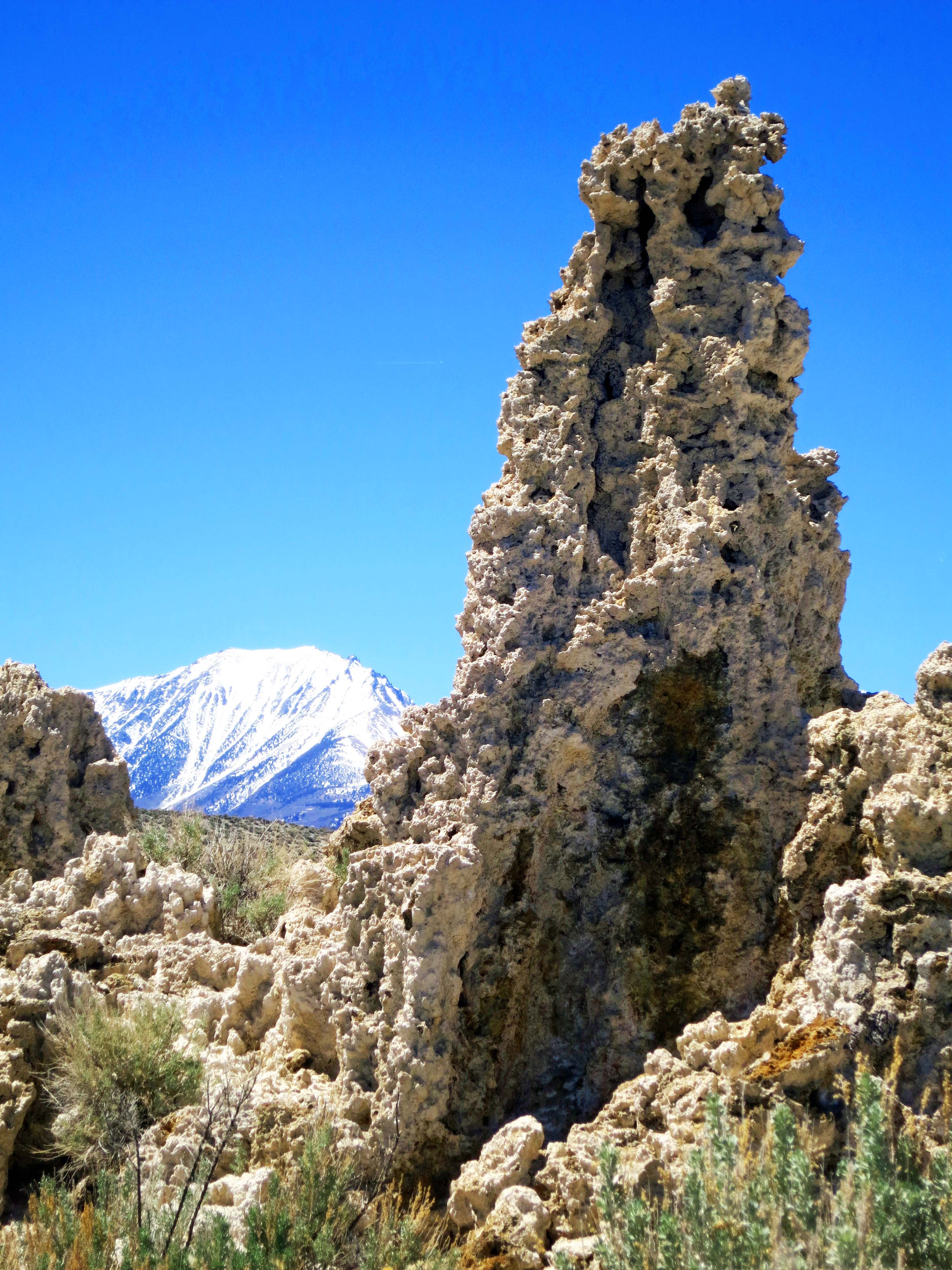
Prior to Los Angeles tapping into the streams that provide water to Mono Lake, this tufa tower would have been underwater.

Prior to Los Angeles tapping into the streams that provide water to Mono Lake, this tufa tower would have been underwater. Now it sits on dry land.

Reflections add extra character to this often photographed tufa island in Mono Lake. (Photo by Peggy Mekemson.)

Reflections add extra character to this often photographed tufa island in Mono Lake— as they do in the next two photos. (Photo by Peggy Mekemson.)
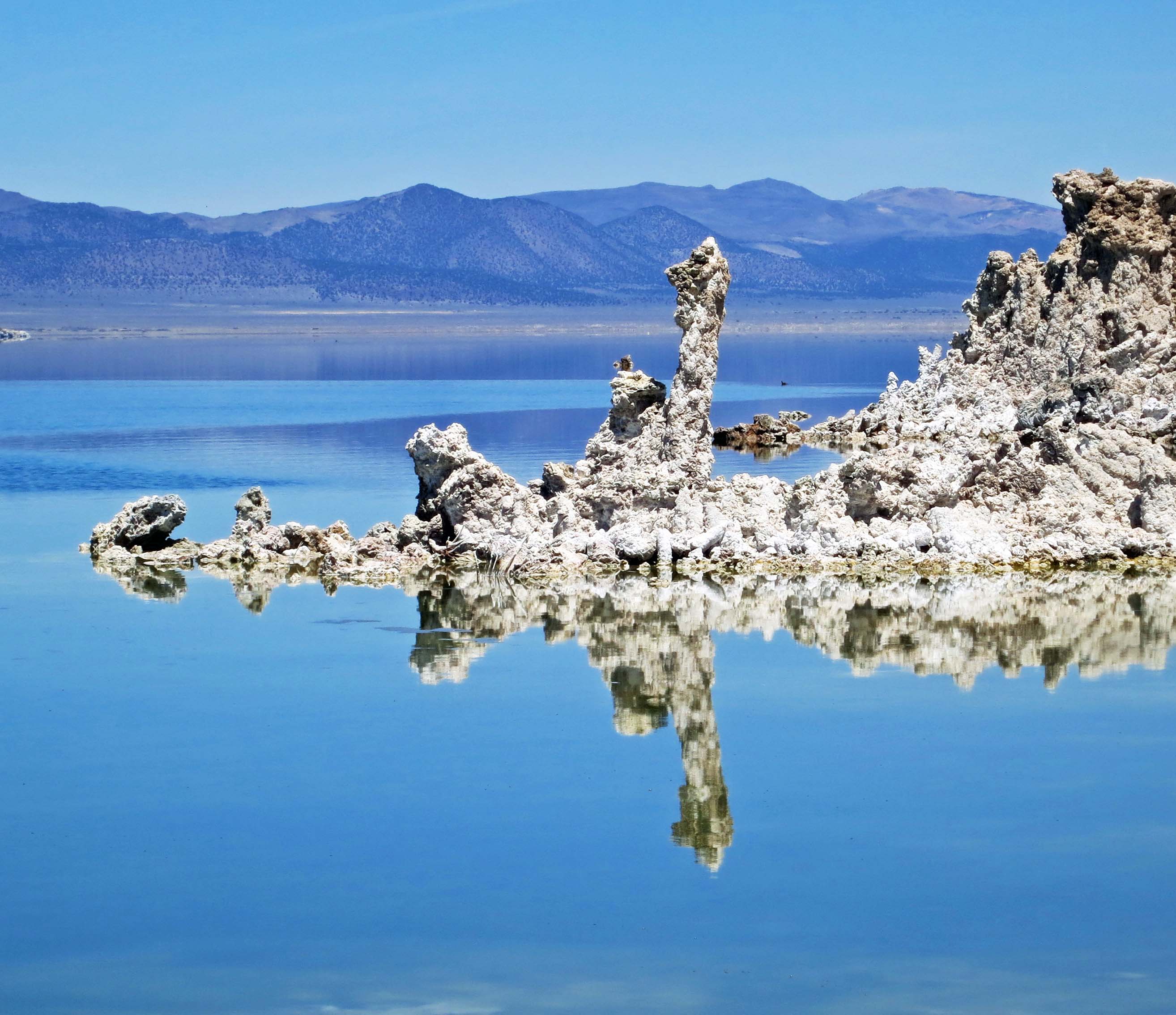
Tufa at Mono Lake near Lee Vining.Tufa reflection in Mono Lake, California near Lee Vining.

Tufa tower at Mono Lake, California.

I thought of this tufa tower as a frog face topped off by a frog hat. (Photo by Peggy Mekemson.)
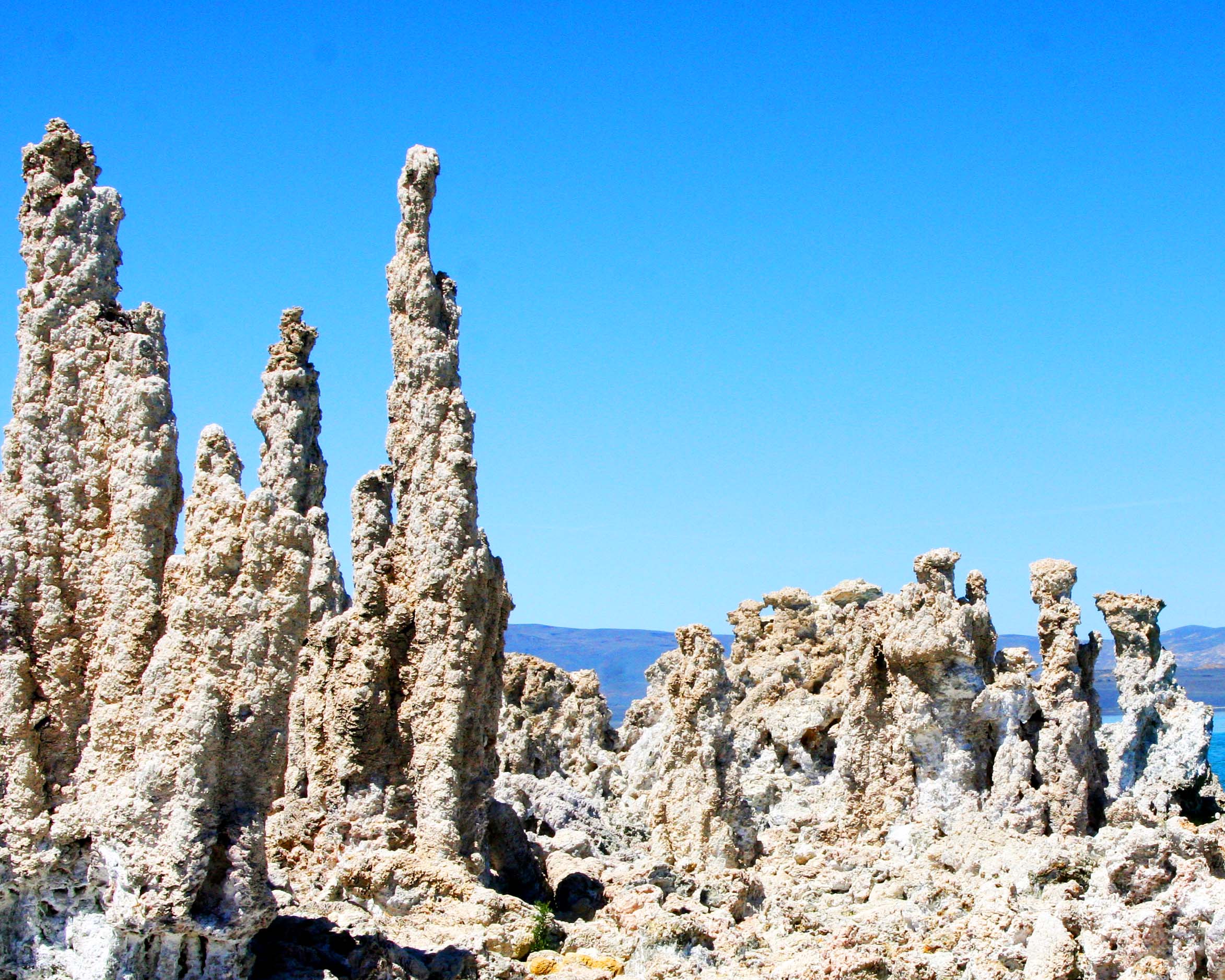
Tufa towers located at Mono Lake, California near Lee Vining.

A tufa family? (Photo by Peggy Mekemson.)

A final view of the Sierra Nevada Mountains framed by tufa towers at Mono Lake.

A final view of the Sierra Nevada Mountains framed by tufa towers at Mono Lake.

NEXT BLOG: Having finished our desert series, Peggy and I return to Oregon and visit Oregon Caves National Monument.
 

Mt. Whitney: 14,505 feet— Or Is that 14,496.811 Feet… But Who’s Counting?

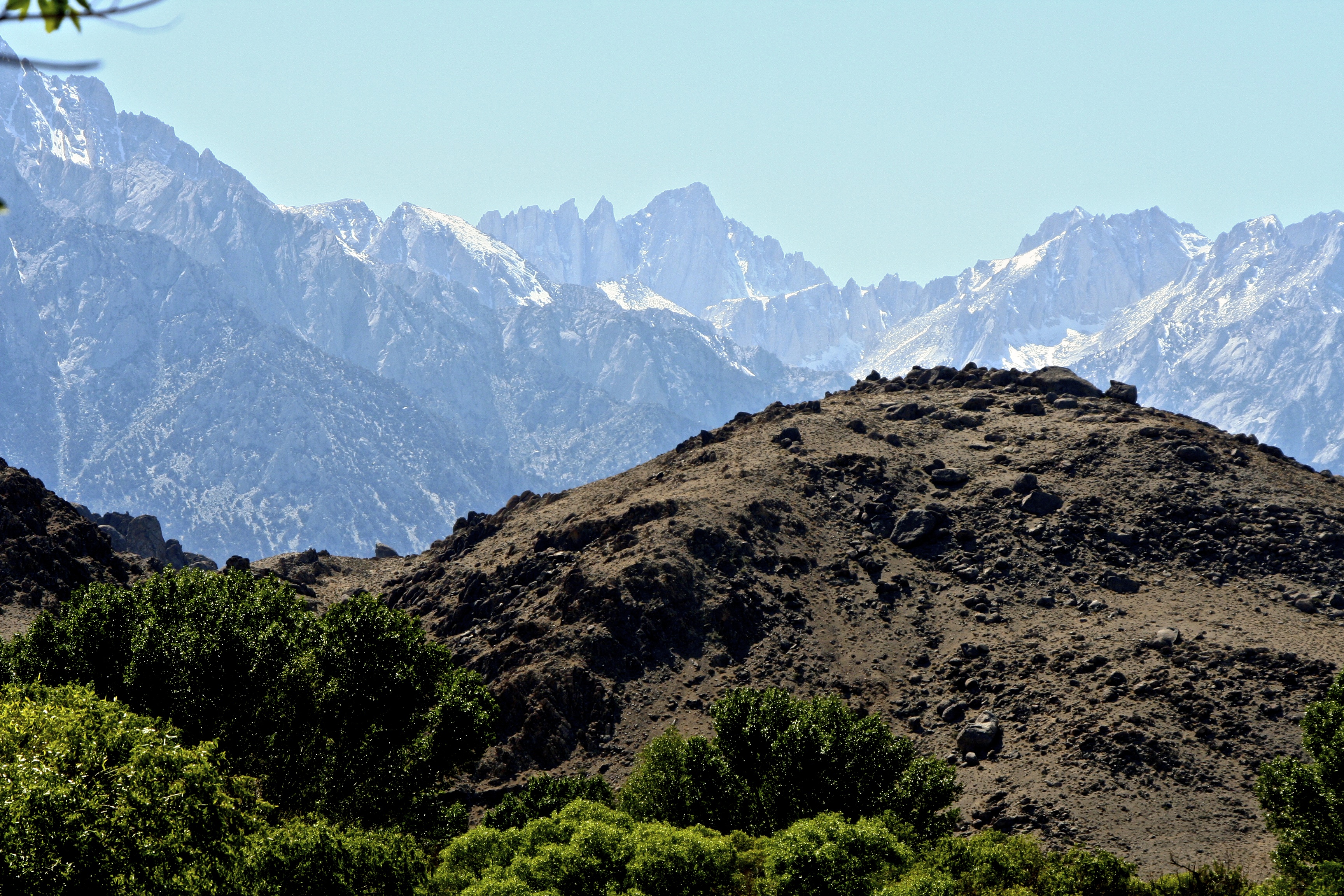
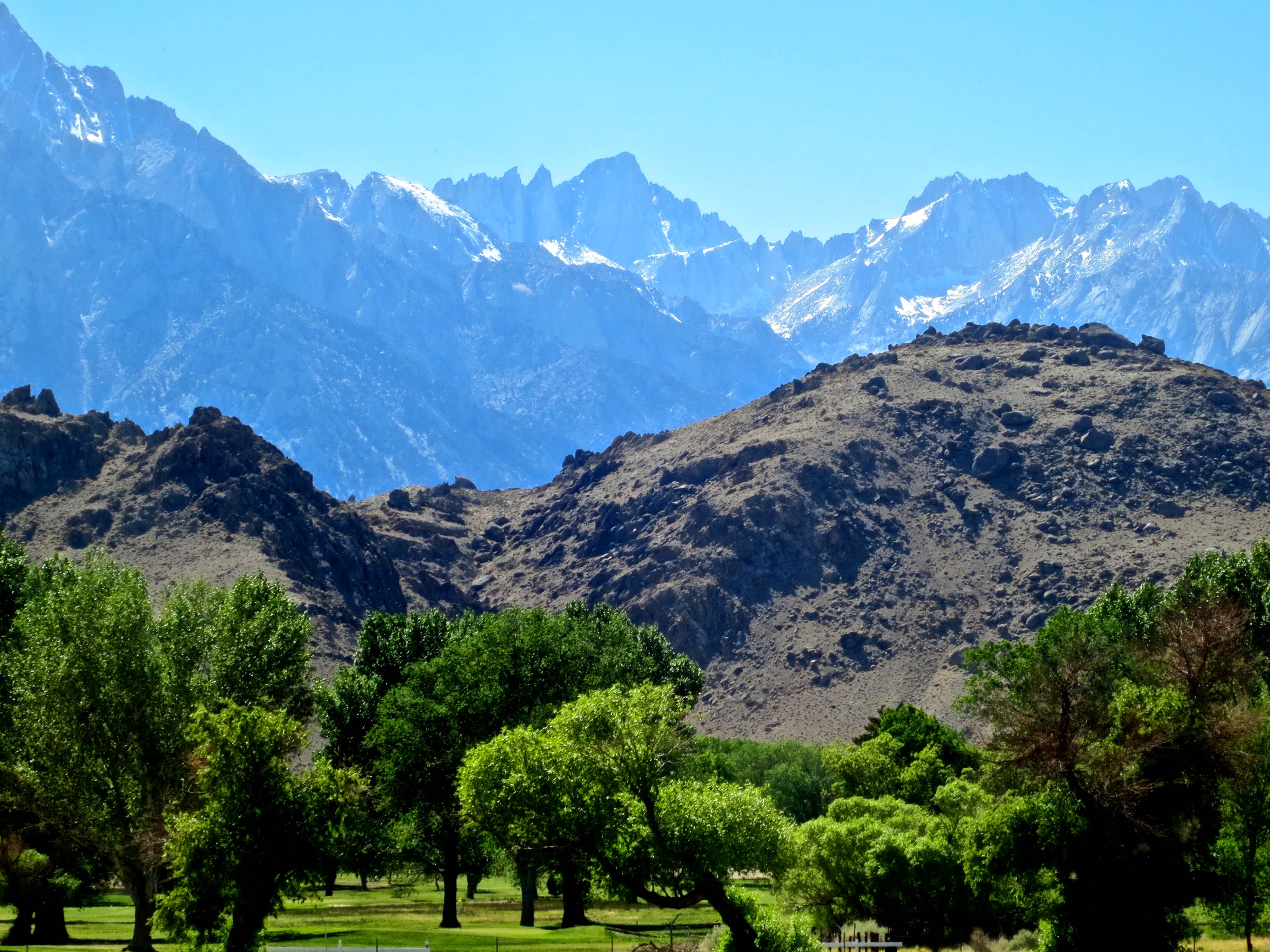
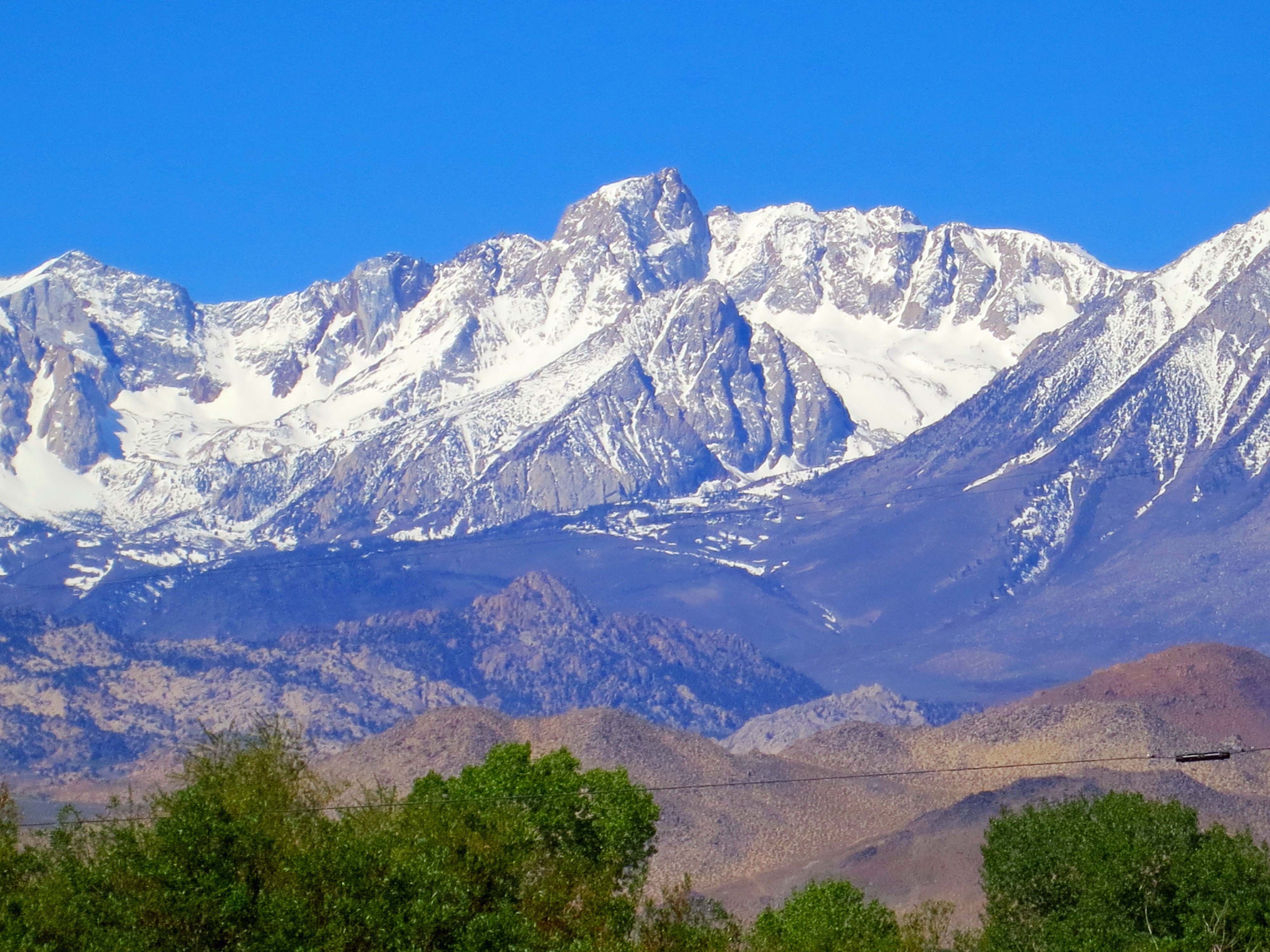
Highway 395 is one of America's most scenic drives. This view looking up at Mt. Whitney, center top, is one of the reasons why.

Highway 395 is one of America’s most scenic drives. This view looking up at Mt. Whitney, center top, is one of the reasons why.

Highway 395, with its panoramic views of the eastern Sierra Nevada Mountains, is one of the most scenic highways in the United States. I will admit to a degree of prejudice, however. John Muir called the High Sierras the Range of Light. I think of them as ‘home.’ I have backpacked up and down the range numerous times. The mountains call to me in a way that no city or town does.

Driving up California's Highway 395 provides and ever changing perspective of the eastern Sierra Nevada Mountains.

Driving up California’s Highway 395 provides an ever-changing perspective of the eastern Sierra Nevada Mountains.

Another view of the Sierra Nevada Mountains along highway 395.

Another view of the Sierra Nevada Mountains along highway 395. This seems to fit Muir’s Range of Light description. (Photo by Peggy Mekemson.)

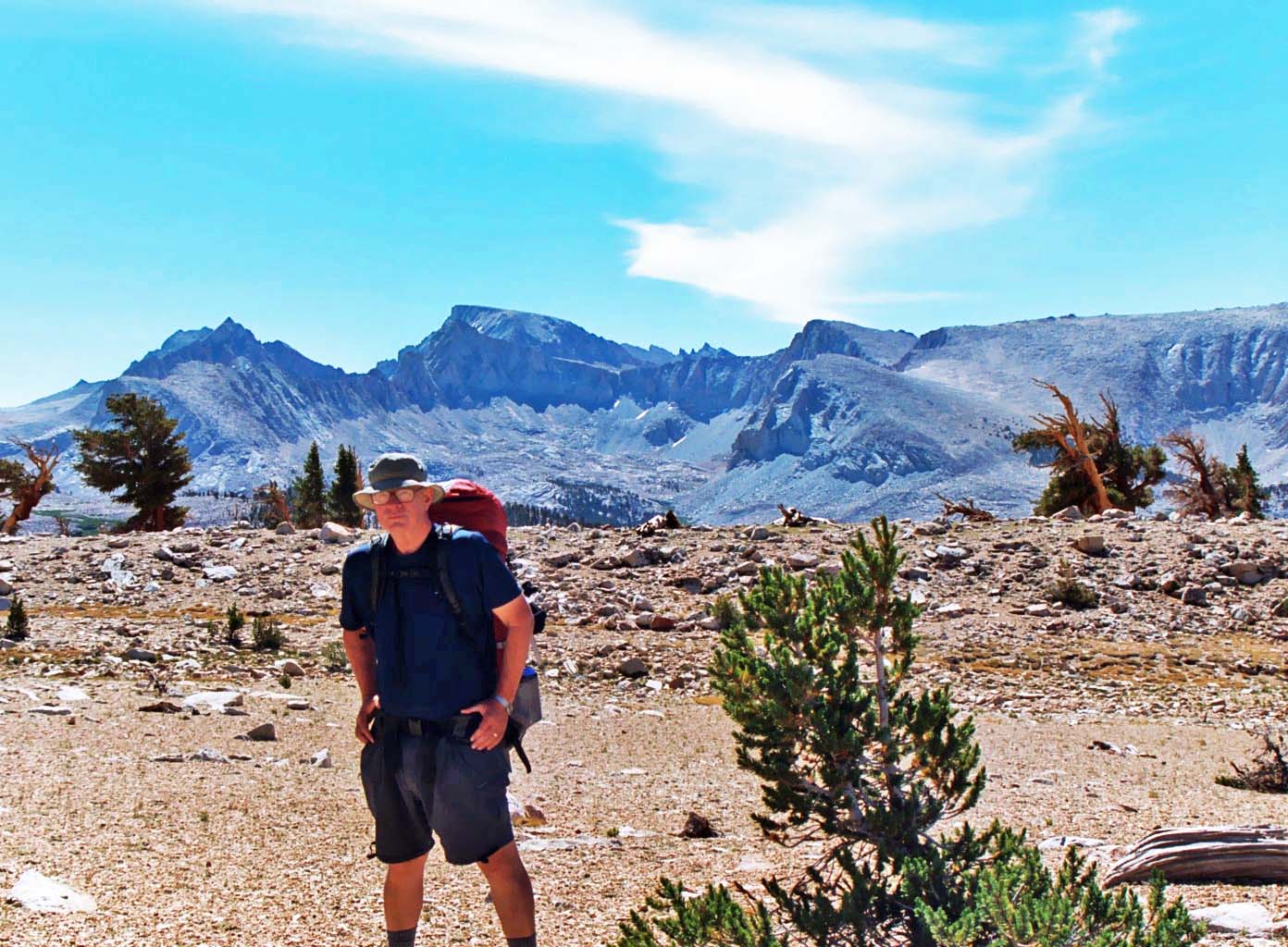
I celebrated my 60th birthday by backpacking over 300 miles down the spine of the Sierras, I started at Squaw Valley, which is north-west of Lake Tahoe, and ended by climbing up Mt. Whitney. It was my sixth trip up Whitney. I figured it would be a fitting way to kick off my sixth decade.

View of Mt. Whitney from the west including Curtis Mekemson.

Wrapping up five weeks of backpacking, my final climb looms in the distance. The curved mountain just to the right of my head is Whitney. I will be sitting on top the next day. The Sierras are fault block mountains, climbing gradually on their western slope and dropping off rapidly in the east. (Photo by Jay Dallen.)

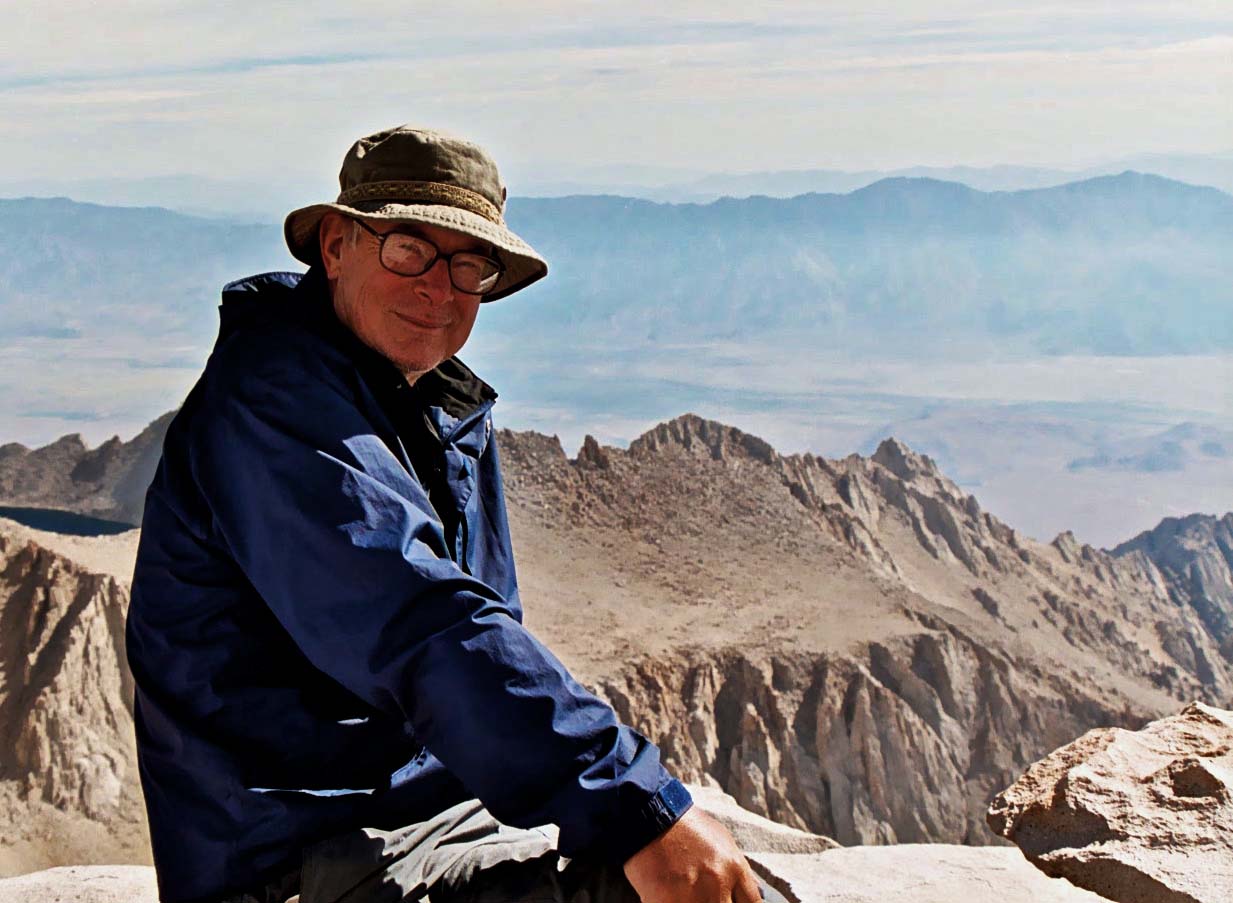
Curtis Mekemson sitting on top of Mt. Whitney.

And here I am on top, complete with a large grin. The Owens Valley and Highway 395 lie some 10,000 feet below. (Photo by Jay Dallen.)

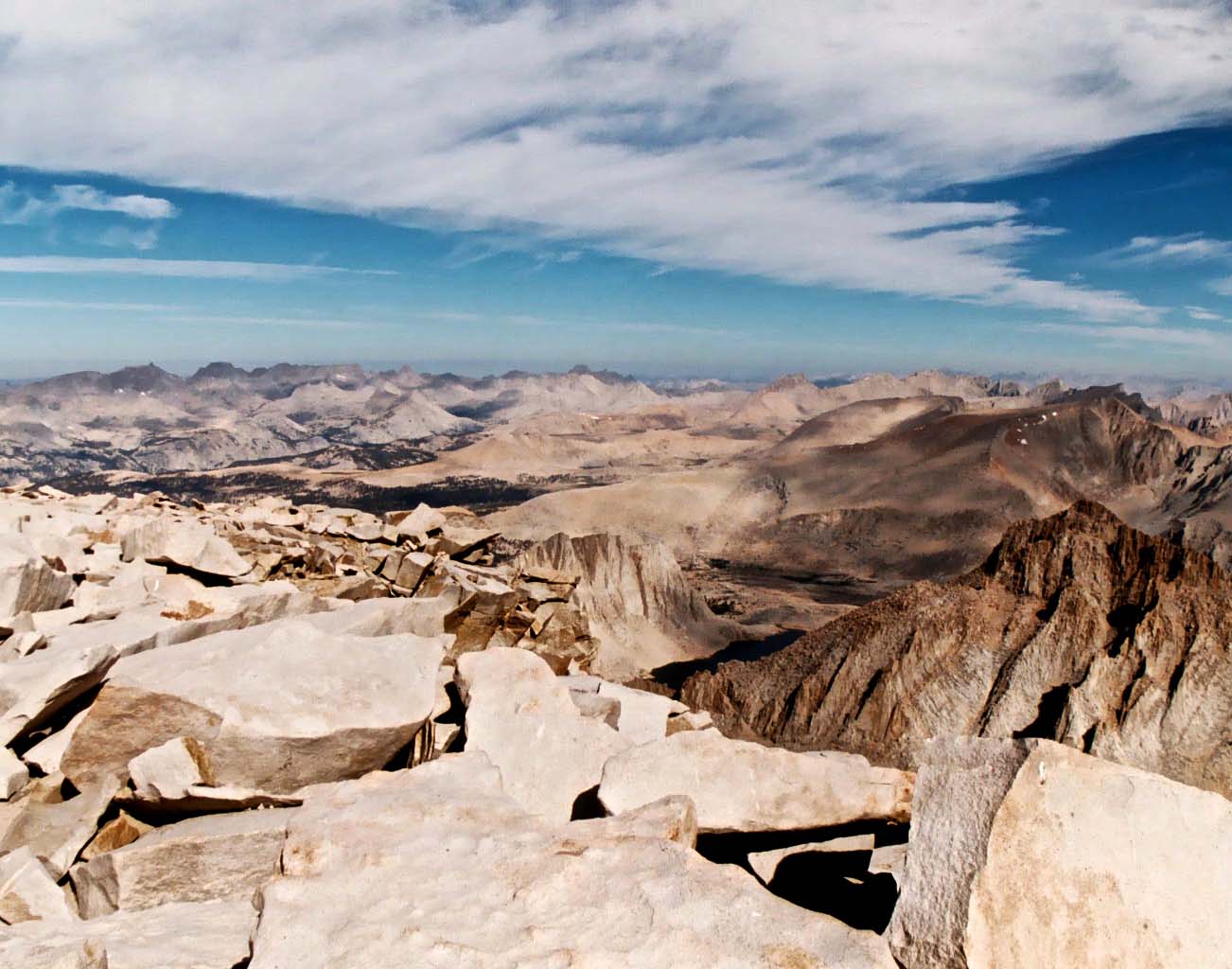
Looking north form Mt. Whitney up the crest of the Sierra Nevada Mountains that I had just hiked through following the Pacific Crest and John Muir Trails.

Looking north from Mt. Whitney up the crest of the Sierra Nevada Mountains where I had just backpacked following the Pacific Crest and John Muir Trails.

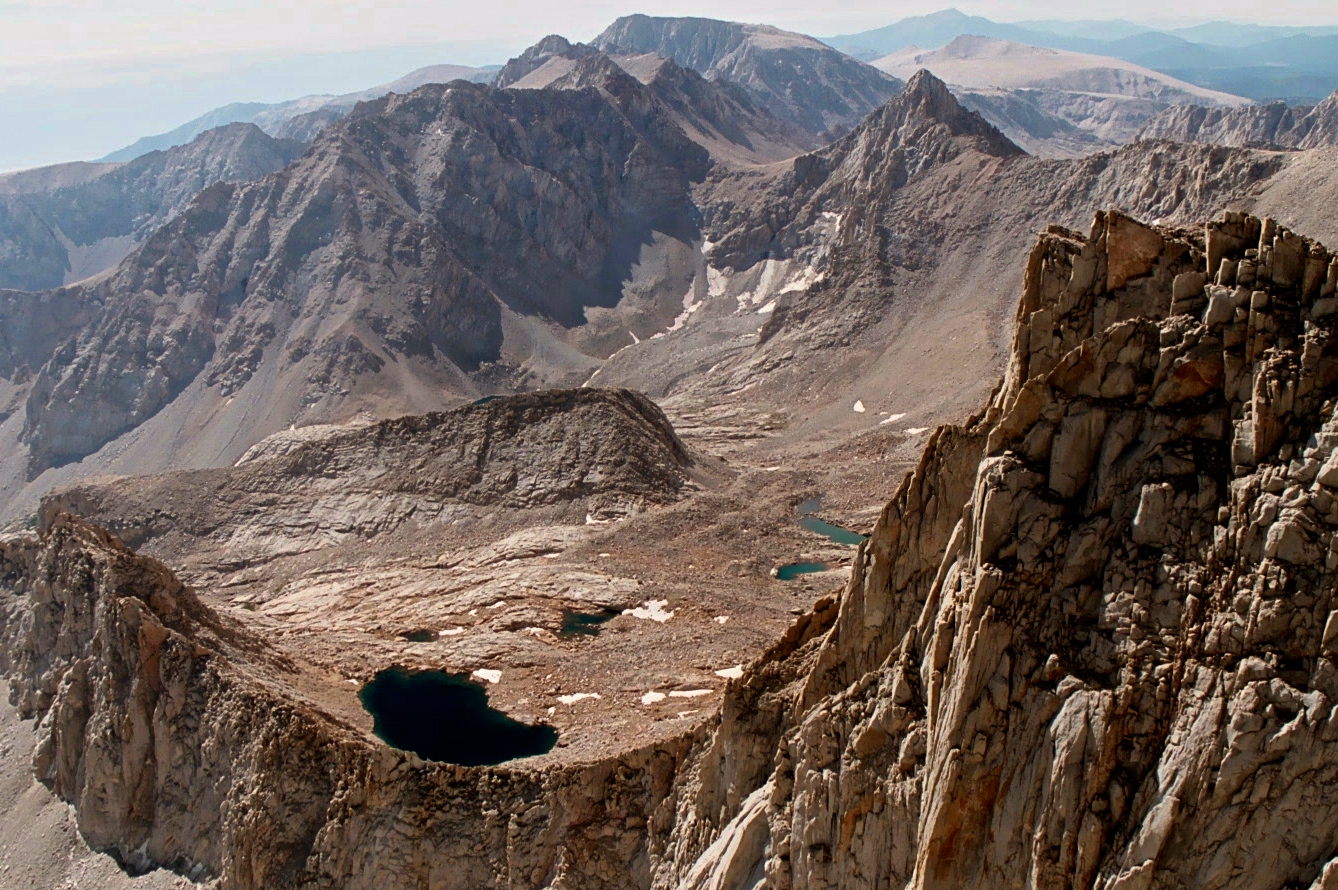
View looking down from the top of Mt. Whitney. Photo by Curtis Mekemson.

Another view from the top of Mt. Whitney.

The mountain’s claim to fame is being the highest mountain in the contiguous United States. It stands at 14,505 feet (4,421 meters). My friends in Alaska are quick to point out that Mt. McKinley/Denali is 20,322 feet. Mt. Shasta, where I began this particular series, is 14, 180 feet. And finally, for comparison, Mt. Everest, the world’s highest mountain, tops out at 29,029 feet (8,848 meters).

Mt. Shasta is one of the world's most beautiful mountains. Driving up I-5 through Northern California on a clear day presents this view.

Mt. Shasta.

Once the snow has melted, climbing Whitney does not require any technical climbing skills. A good trail leads to the top. According to the plaque on top, it is the highest trail in the United States. It was started in 1928 and completed in 1930. The plaque used to (and still may) claim that the mountain is 14, 496.811 feet high, which would seem pretty darn accurate, especially given the .811 feet. Apparently modern measuring techniques have added a few feet. Not that it matters, unless you happen to be the person climbing those last nine feet.

Getting to the top requires stamina, lots of it. The eastern route up the mountain starts at Whitney Portal and climbs 6000 feet. That’s a bunch of up, and the higher you climb, the thinner the air becomes. Most people slow way down near the top as their bodies fight to get enough oxygen.

I’ve always started from the west since I am either ending or in the middle of a backpack trip. There are two advantages. Most important, I’ve already spent several days hiking at higher elevations. My body has both toughened up and adjusted to thinner air. Second, by starting at Guitar Lake, the climb is only 4,000 feet. Still that’s 4000 feet up and 6,000 feet down on a 15-mile day carrying a 40-pound pack— hardly a walk in the park. (Grin)

The reason for climbing the mountain, beyond being able to say you have, is the spectacular scenery. I wouldn’t recommend the trip for anyone with acrophobia (fear of heights), however, given that all of the views involve looking down several thousand feet.

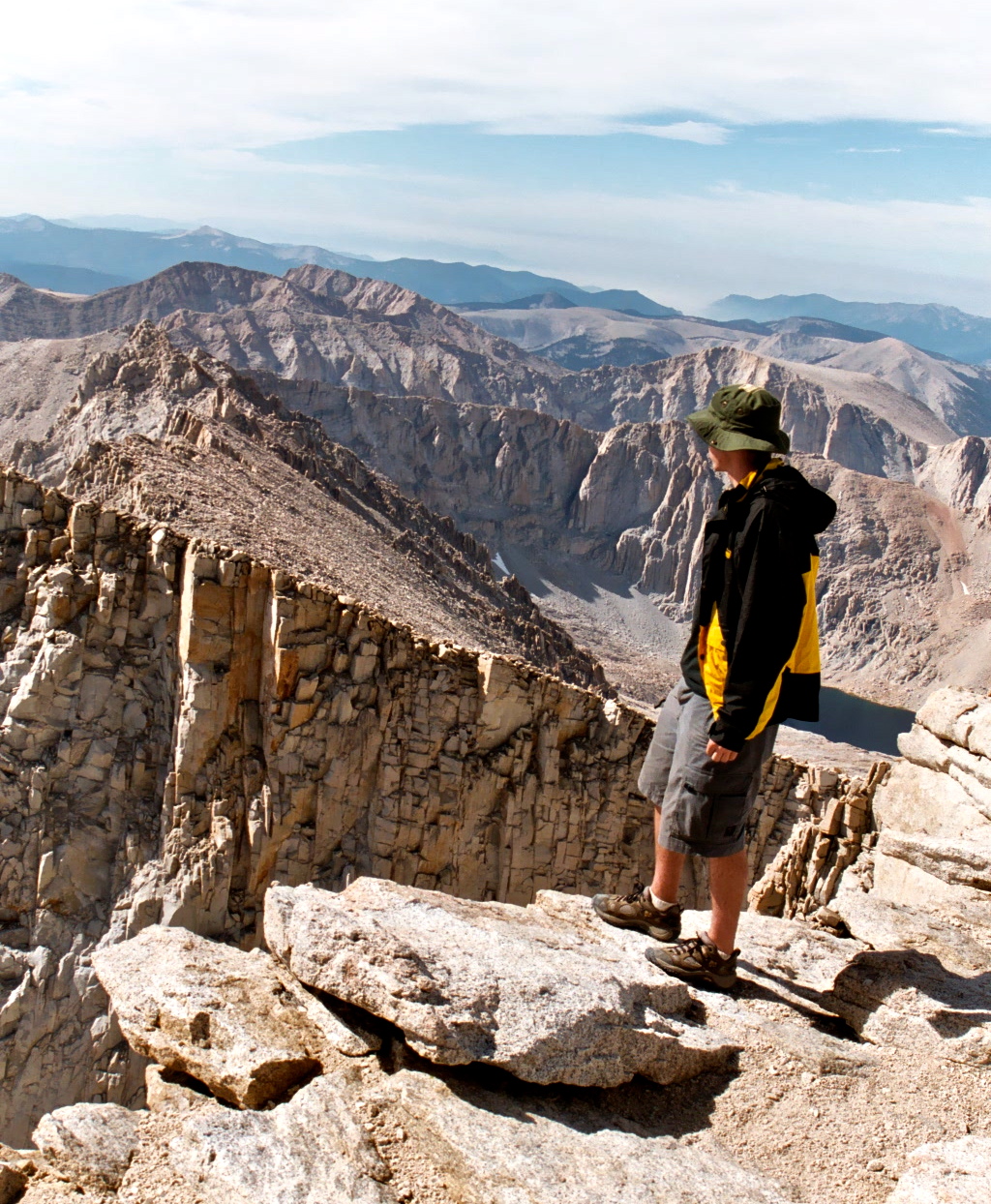
Jay Dallen standing on the edge of Mt. Whitney.

My nephew, Jay Dallen, stands on the edge of a thousand foot precipice and looks down. He obviously does not suffer from acrophobia. Different people joined me on each of my five-week segments. Jay was 16 at the time.

The Alabama Hills, featured in the photo below, are located just outside of Lone Pine at the base of Mt. Whitney. Over 300 movies, mainly Westerns, have been filmed in the area. Almost every major Hollywood cowboy from the 1920s up to the present have made movies there. (Photo by Peggy Mekemson.)

A final view of Mt. Whitney. This one features the Alabama Hills, the site of many early movies featuring the likes of Hop-a-long Cassidy and the Lone Ranger.

A final view of Mt. Whitney. This one features the Alabama Hills, the site of many Western movies featuring everyone from Tom Mix, Hop-along Cassidy and Roy Rogers to John Wayne and Johnny Depp. (Photo by Peggy Mekemson.)

“Goodbye God. I am going to Bodie.” Ghost Towns of the Old West


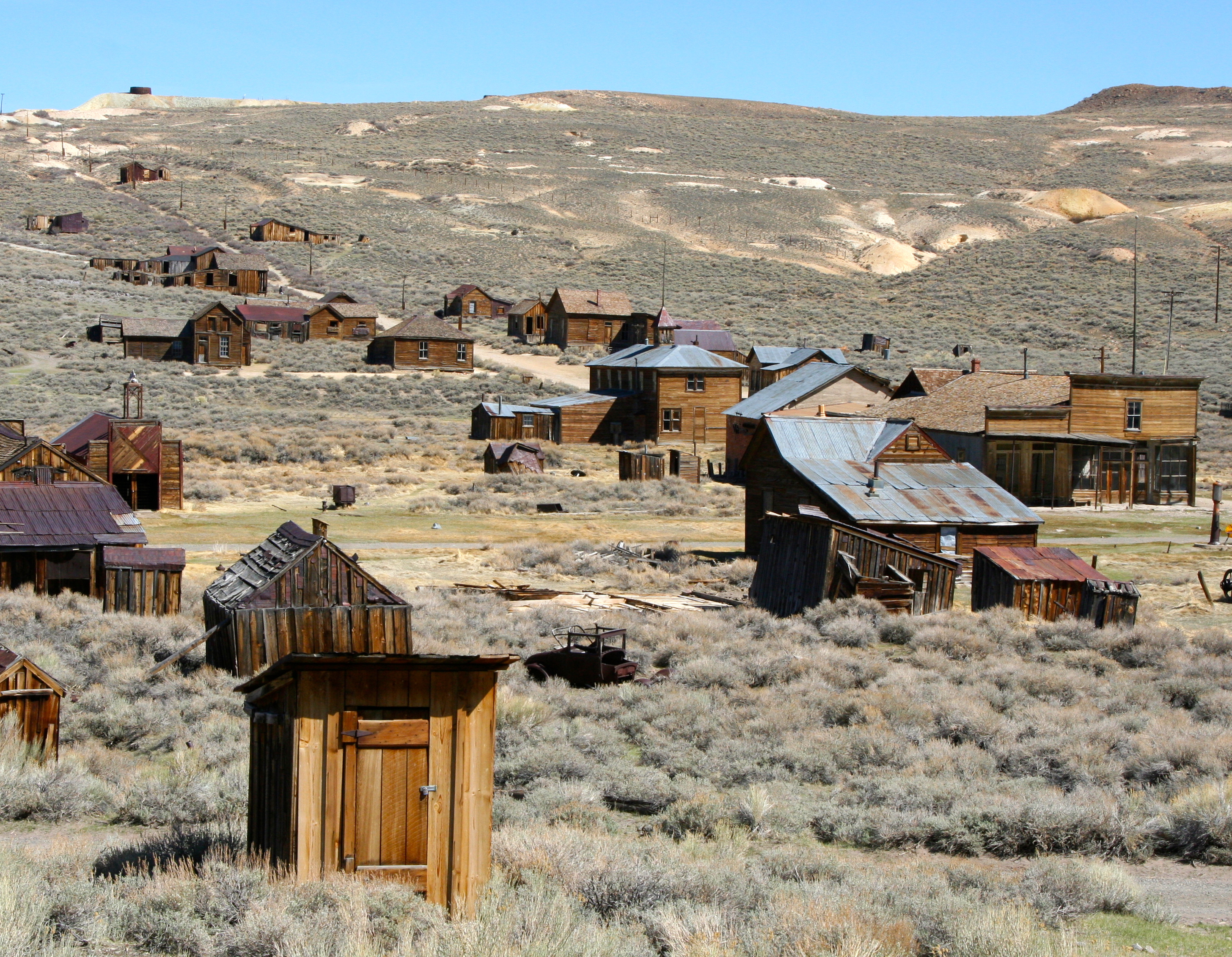
Tattered curtains, a cracked window, and a reflection of weather warn buildings capture the essence of the Old West ghost town of Bodie, California.

Ghostly curtains, a cracked window, and a reflection of weather worn buildings capture the essence of Bodie, California.

Goodbye God, I am going to Bodie,”  was a statement made by a ten-year old in her journal when her family took her to Bodie during its glory days as a gold rush town.

She was right to be concerned. There was plenty of sin to go around as various bad men of the Old West came together with gold seekers and other adventurers in the 1870s. Killings took place almost daily. The fire station would toll the age of the person killed. Robberies, stagecoach holdups and barroom brawls filled in around the edges. It’s “a sea of sin lashed by the tempests of lust and passion,” Reverend F.M. Warrington noted.

And if that weren’t enough, there was the weather to contend with. Winter could bring snows as deep as 20 feet, winds up to 100 miles per hour, and temperatures that dropped to 30˚ F below zero. Freezing to death was on the list of things that might kill you.

Today Bodie is maintained in a state of “arrested decay” as a California State Historical Park. This makes it substantially different from Rhyolite, where things are more or less allowed to fall apart. Most of Bodie’s buildings are still intact– even though some may need a little help. (Grin)

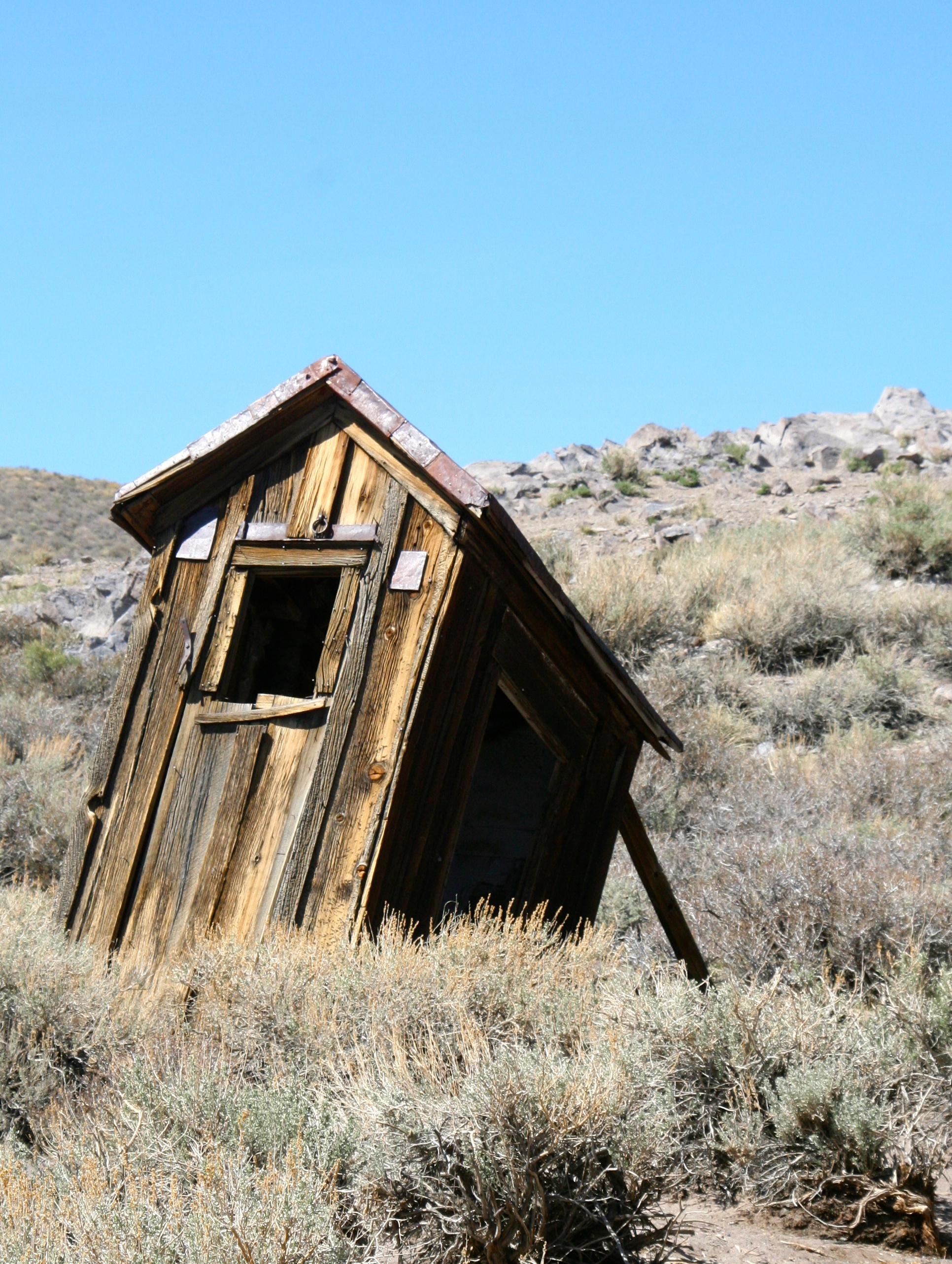
Propped up outhouse in the ghost town of Bodie, California.

Decay doesn’t get much more ‘arrested’ than this propped up outhouse. (Photo by Peggy Mekemson.)

Leaning building in the Bodie State Park ghost town. Photo by Curtis Mekemson.

This building is a little confused about which direction it wants to lean. The support beam it is ‘leaning into’ is on the left.

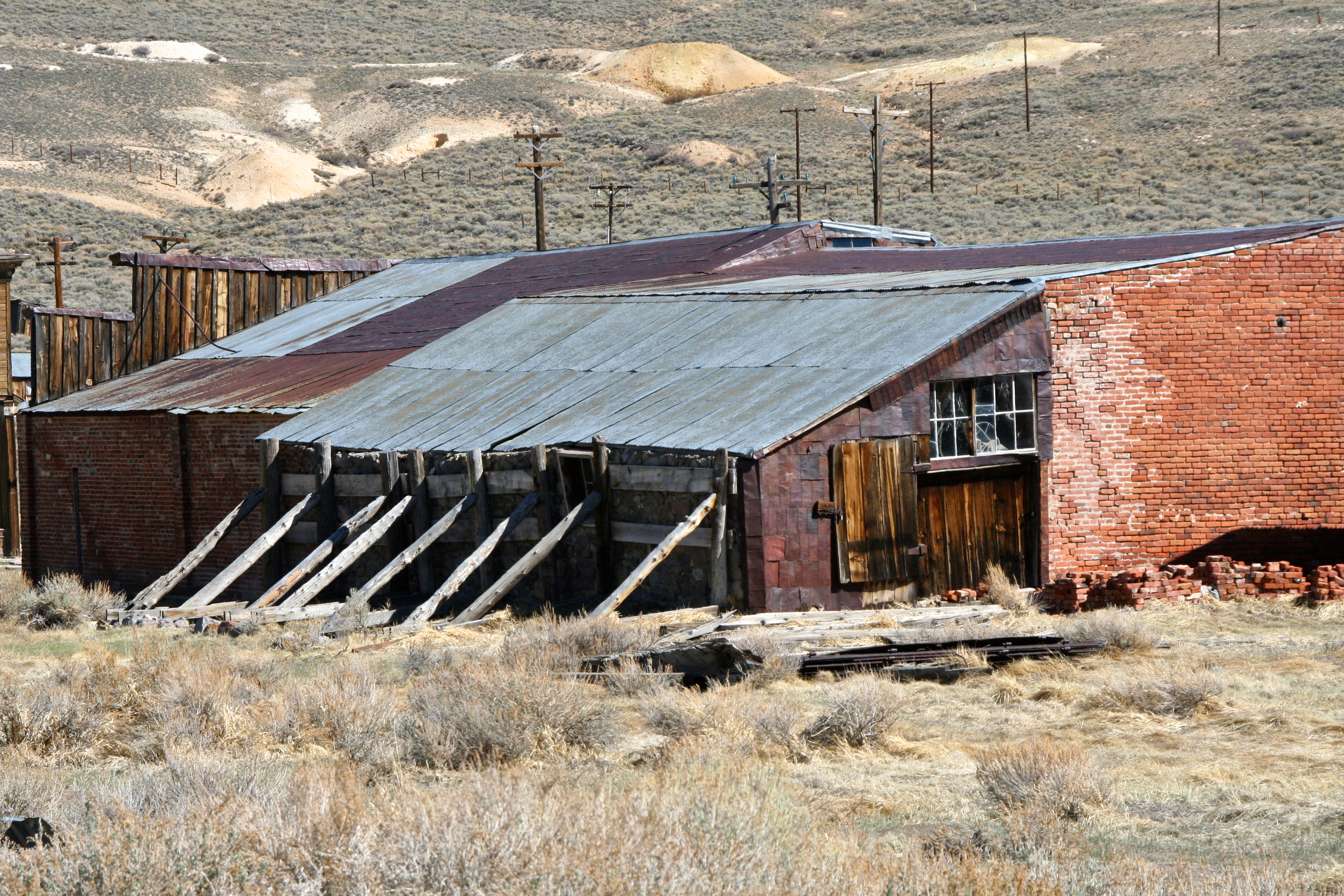
Building held up by support beams at Bodie State Park in California.

A building that apparently needed a lot of help. (Photo by Peggy Mekemson.)

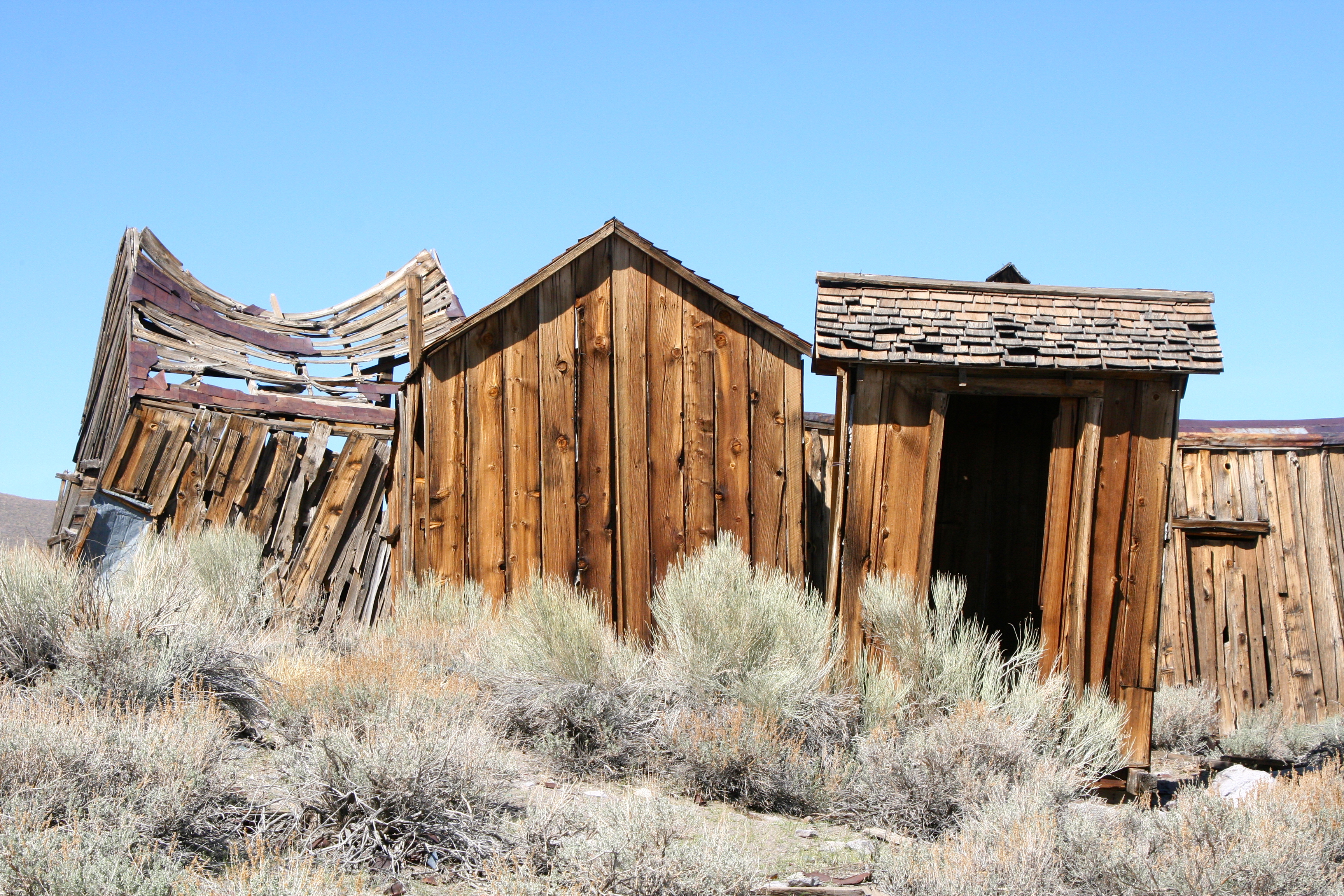
Bones of building at Bodie State Park in California.

Almost beyond help, this building relies on its neighbor for support. (Photo by Peggy Mekemson.)

Bodie is located east of the Sierra Nevada Mountains off of Highway 395 near the town of Bridgeport. A paved side road that soon turns to dirt delivers visitors to the ghost town. When we arrived, Mono County was seriously engaged in tearing up the dirt section of the road. Our truck was not happy. (I assume they have put the road back together by now.) Peggy and I got ‘lost’ leaving the town. It is really hard to do. I chalk it up to subconsciously wanting to avoid another personal encounter with the Mono County Highway Department. Anyway, we explored 20 or so miles of dirt road before finding our way back to the highway.

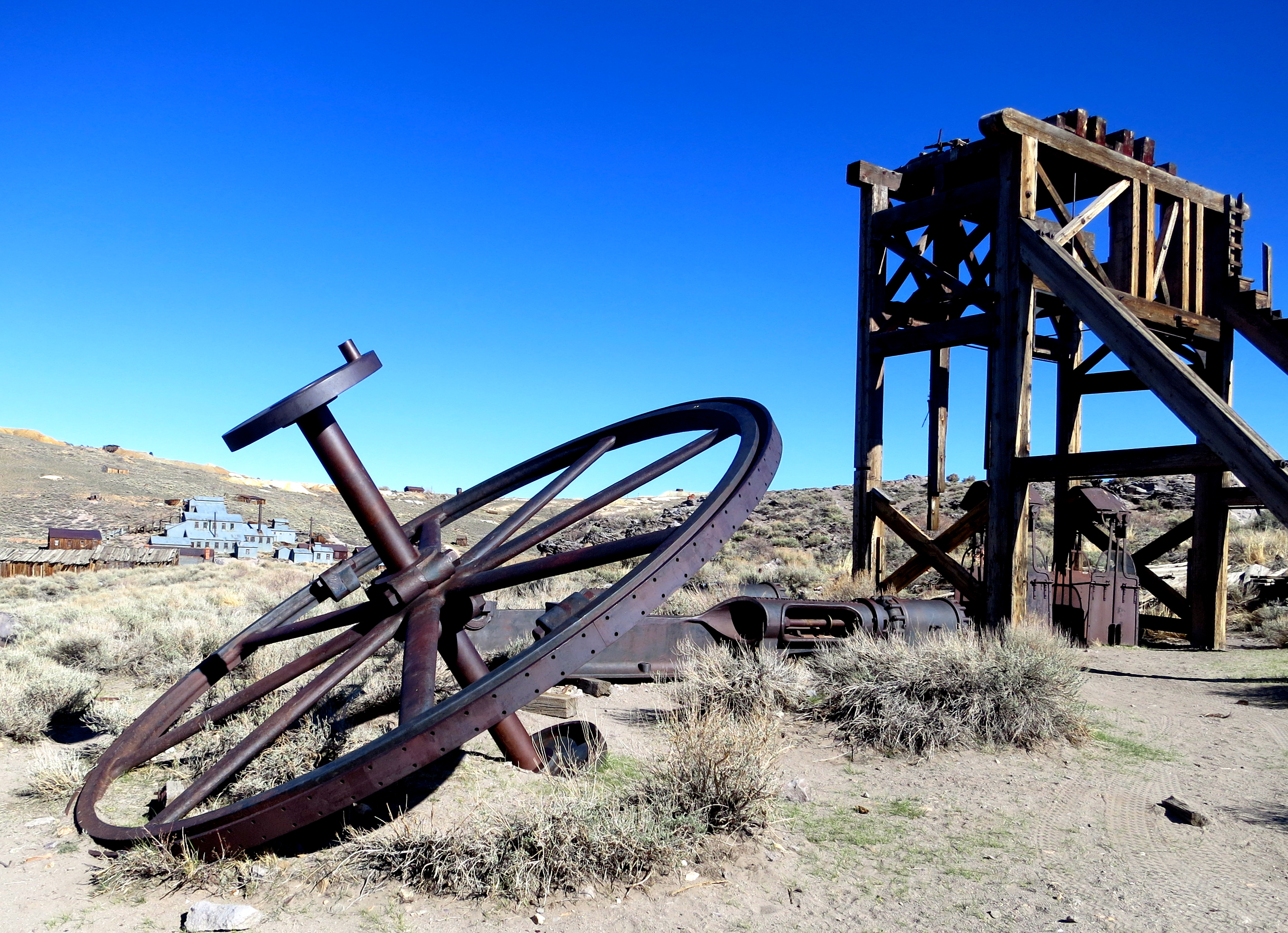
Mining equipment at Bodie State Historical Park in California.

As expected, one place to find old mining equipment is in old mining towns. The cages seen beneath the head frame were used to lift miners into and out of the mines.

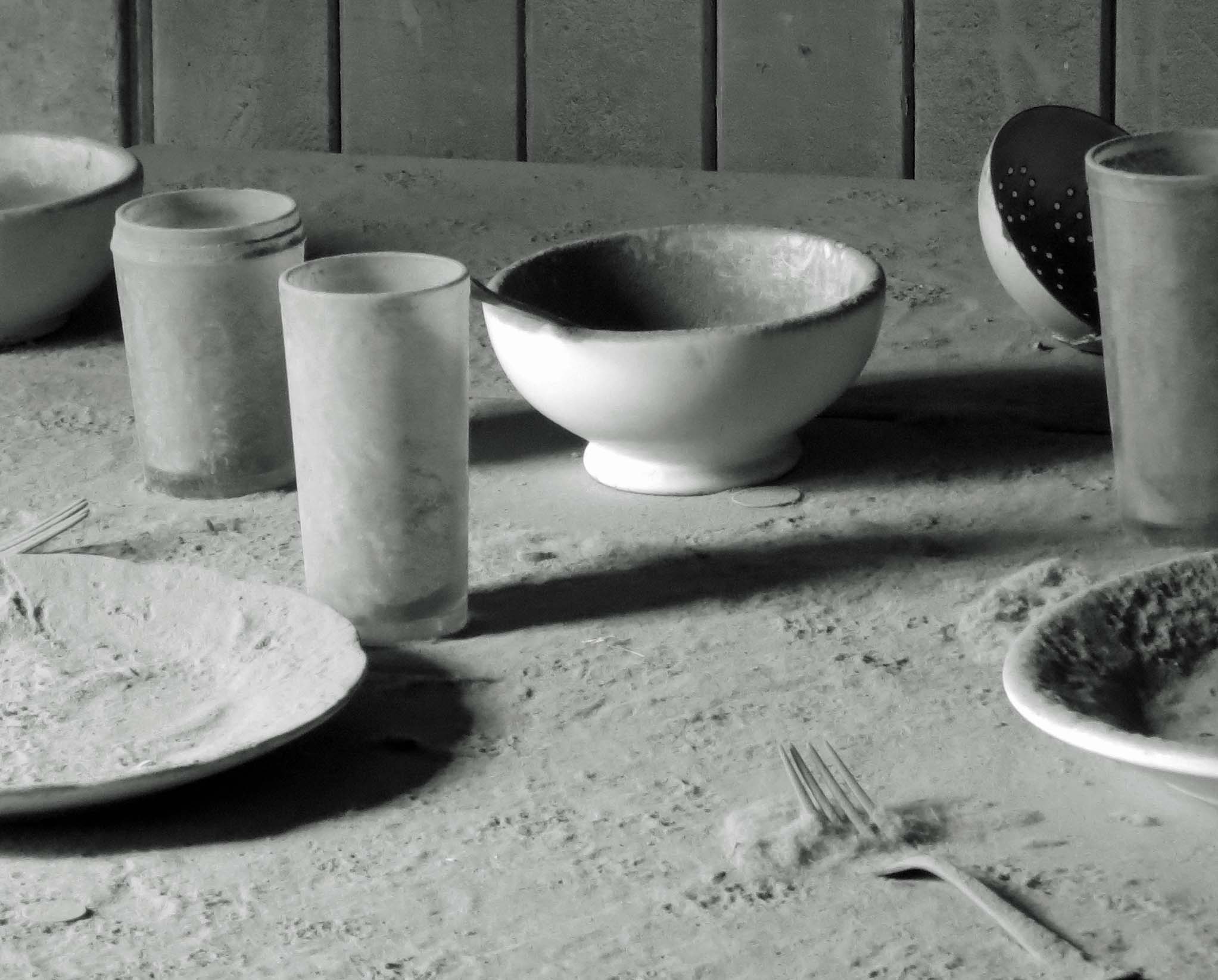
Place setting covered in dust at Bodie State Historical Park.

I’ll classify this as a ‘still life’ photo. Apparently it’s been still for decades. It’s what happens when you are late for dinner.

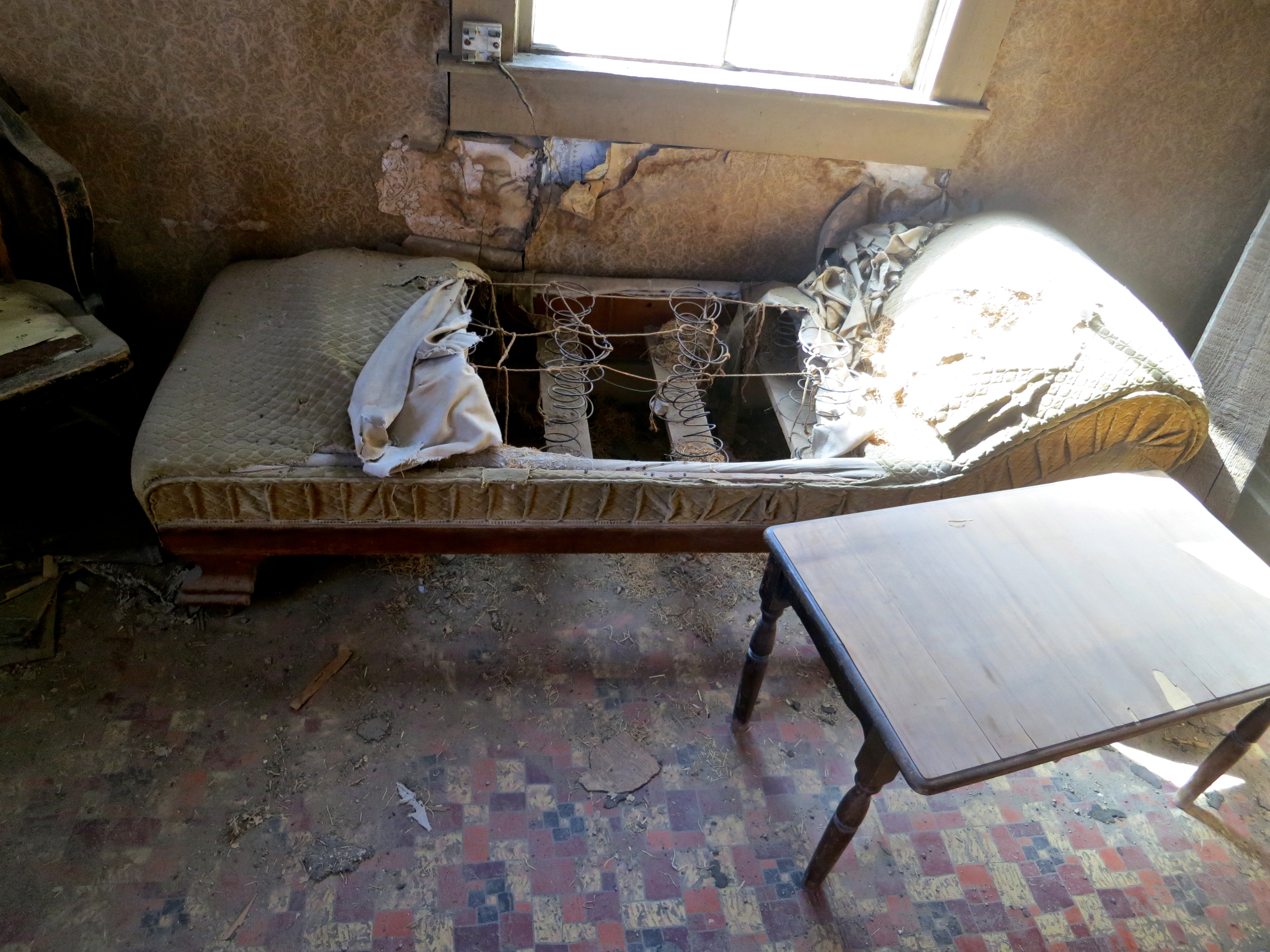
Old bed at Bodie State Historic Park in California.

Why does ‘spring into action’ come to mind?

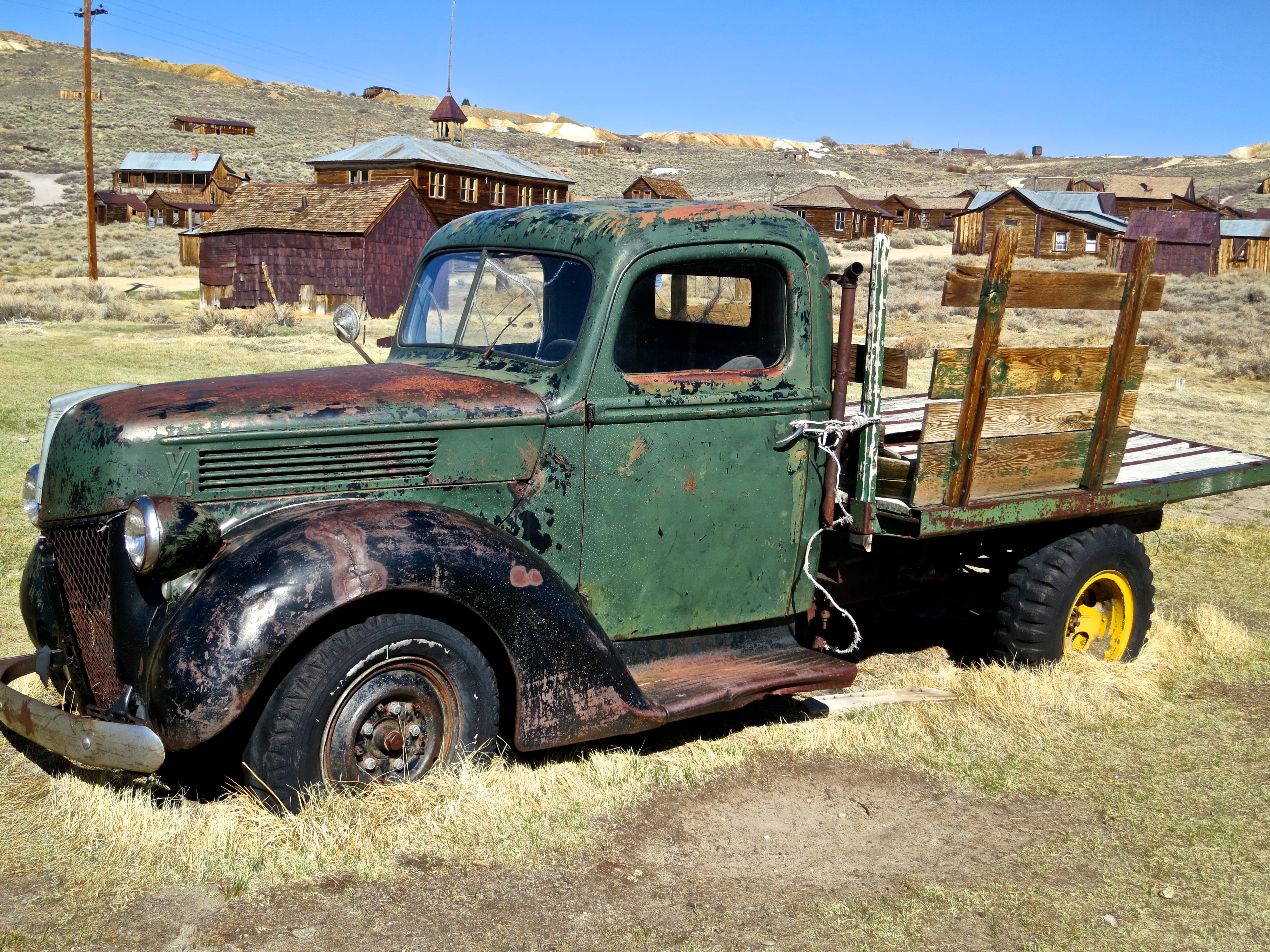
An old truck at Bodie State Historical Park in California.

This truck had character including the yellow rim on the back wheel. I assume the roped door was to keep kids (both small and big) out of the vehicle.

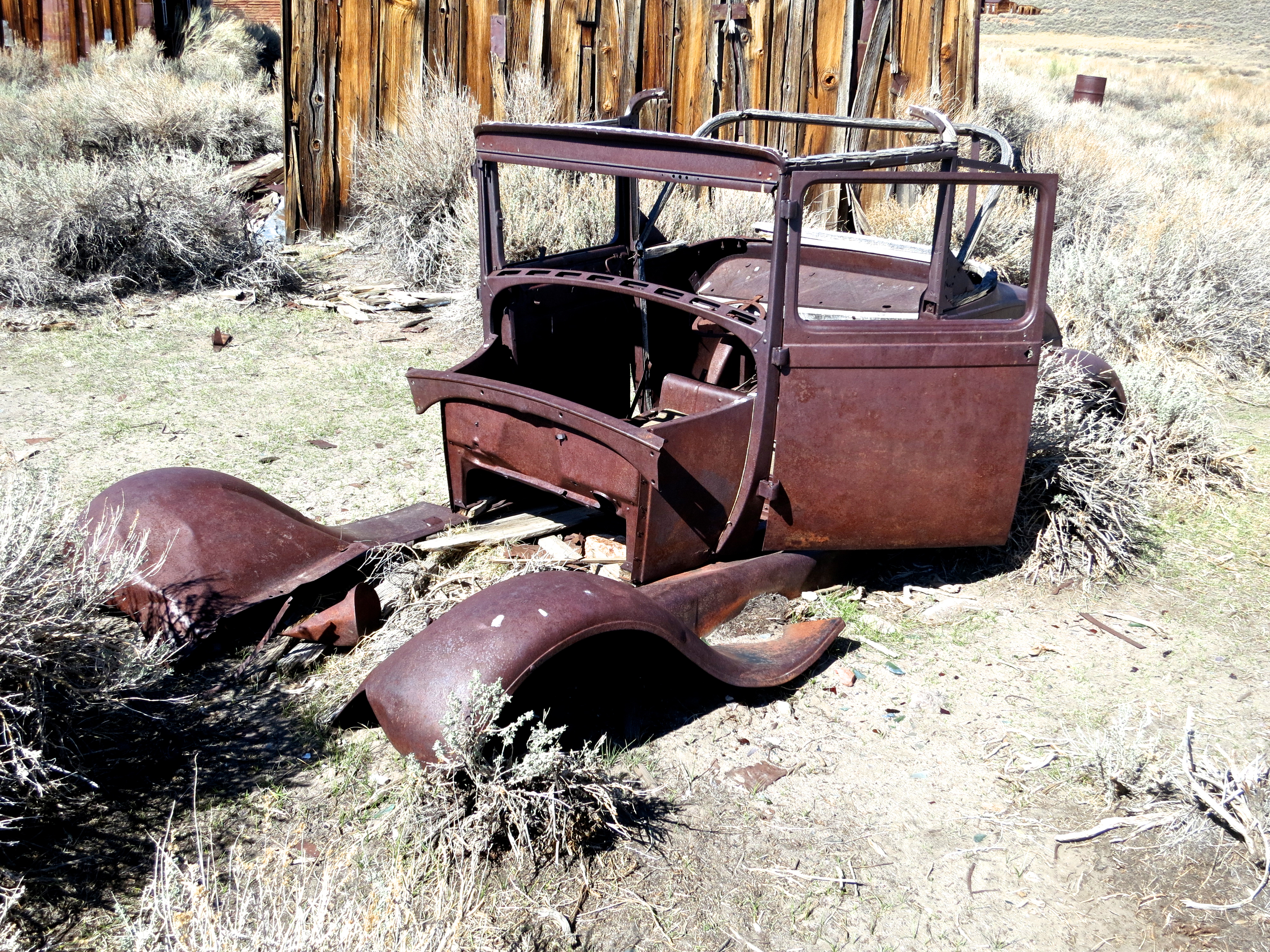
Old car remains at Bodie State Historical Park in California.

This car was more open for inspection.

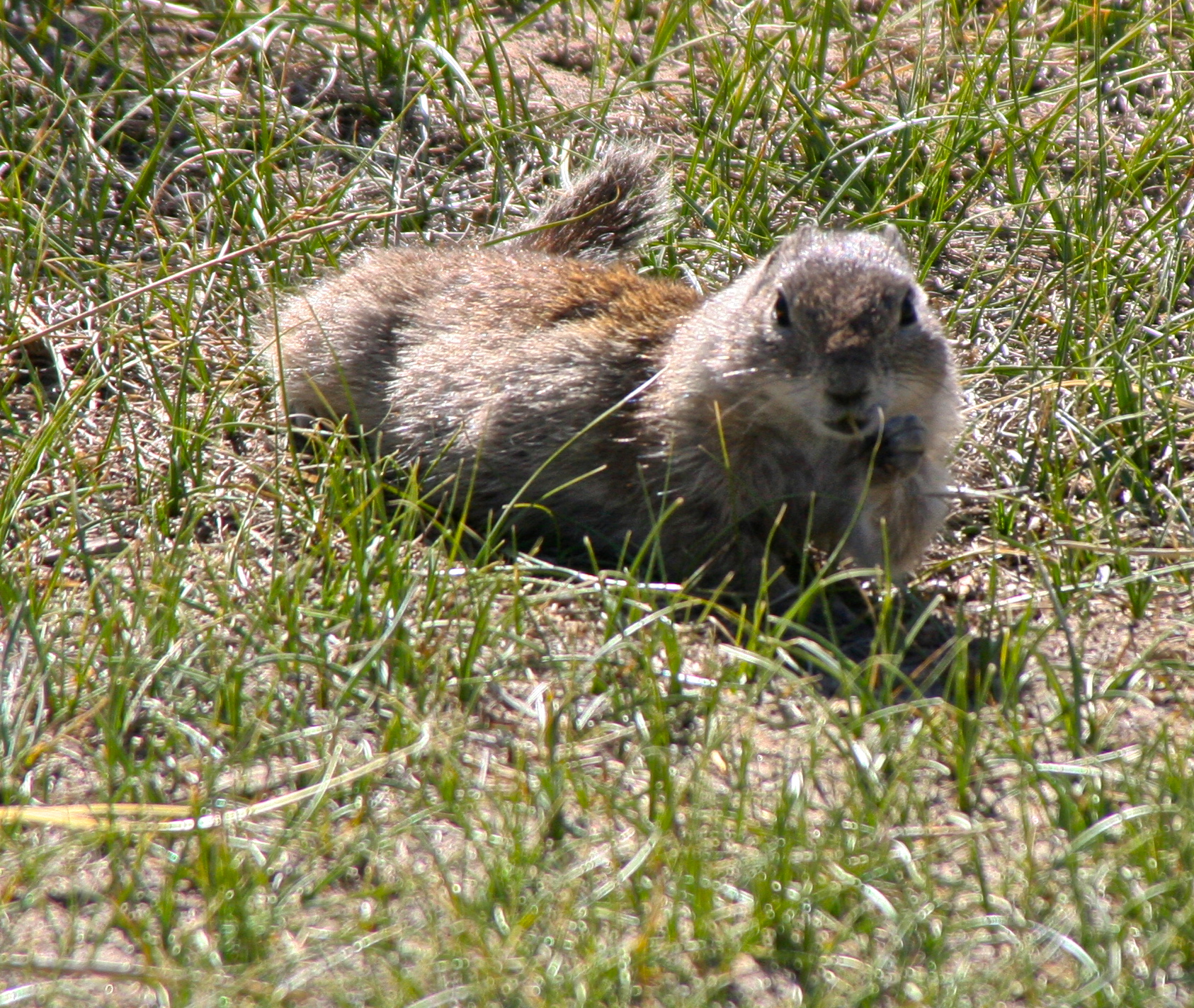
Prairie dog at Bodie State Historical Park in California.

Speaking of inspection, a prairie dog stopped his busy rounds of grass chomping to check us out. (Photo by Peggy Mekemson.)

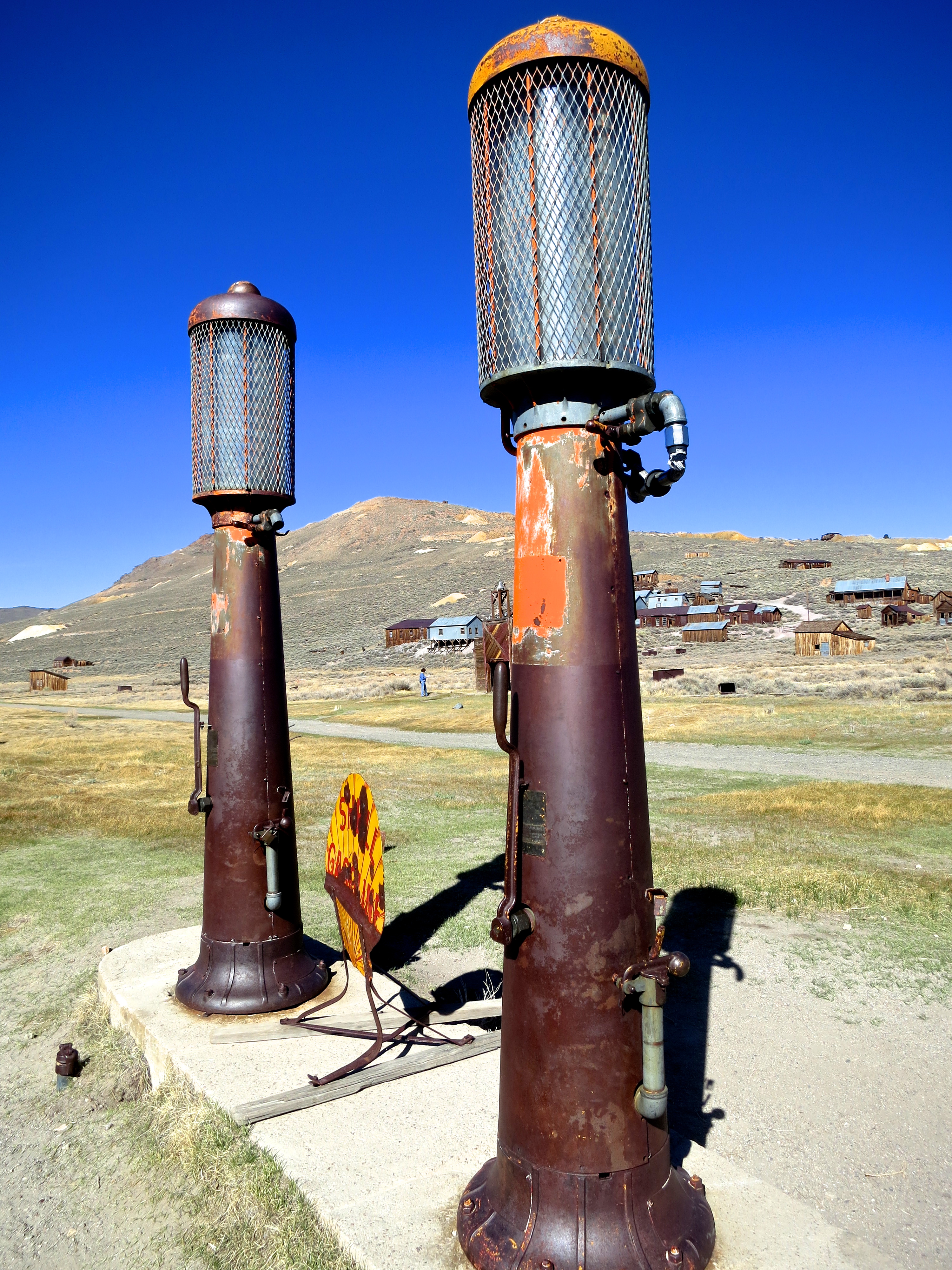
Shell gas station at Bodie State Historical Park in California.

A Shell gas station.

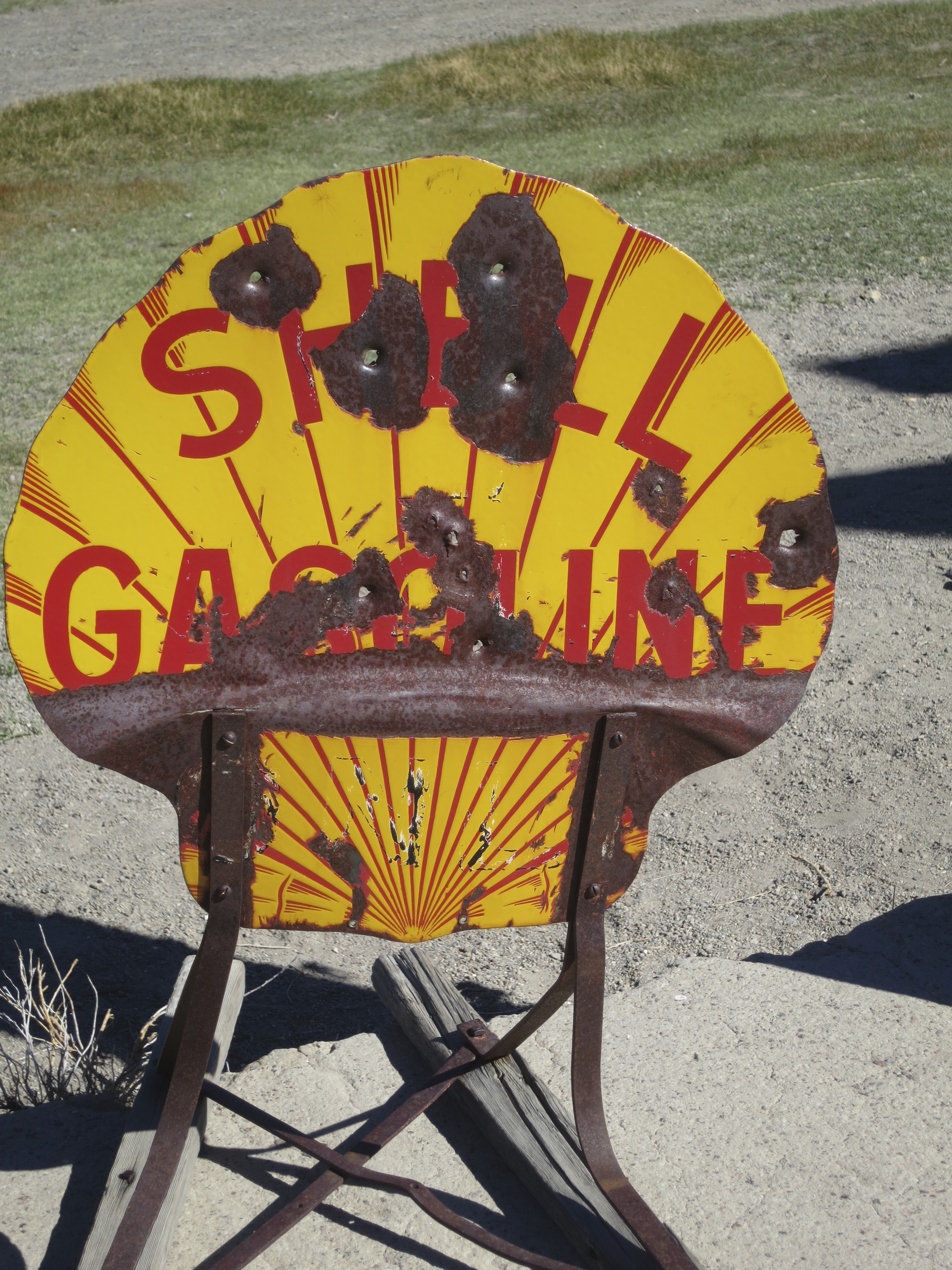
Old Shell gas sign at Bodie Historical Park in California

Apparently someone was upset about the increased cost of gas. Maybe it had jumped from fifteen to sixteen cents a gallon.

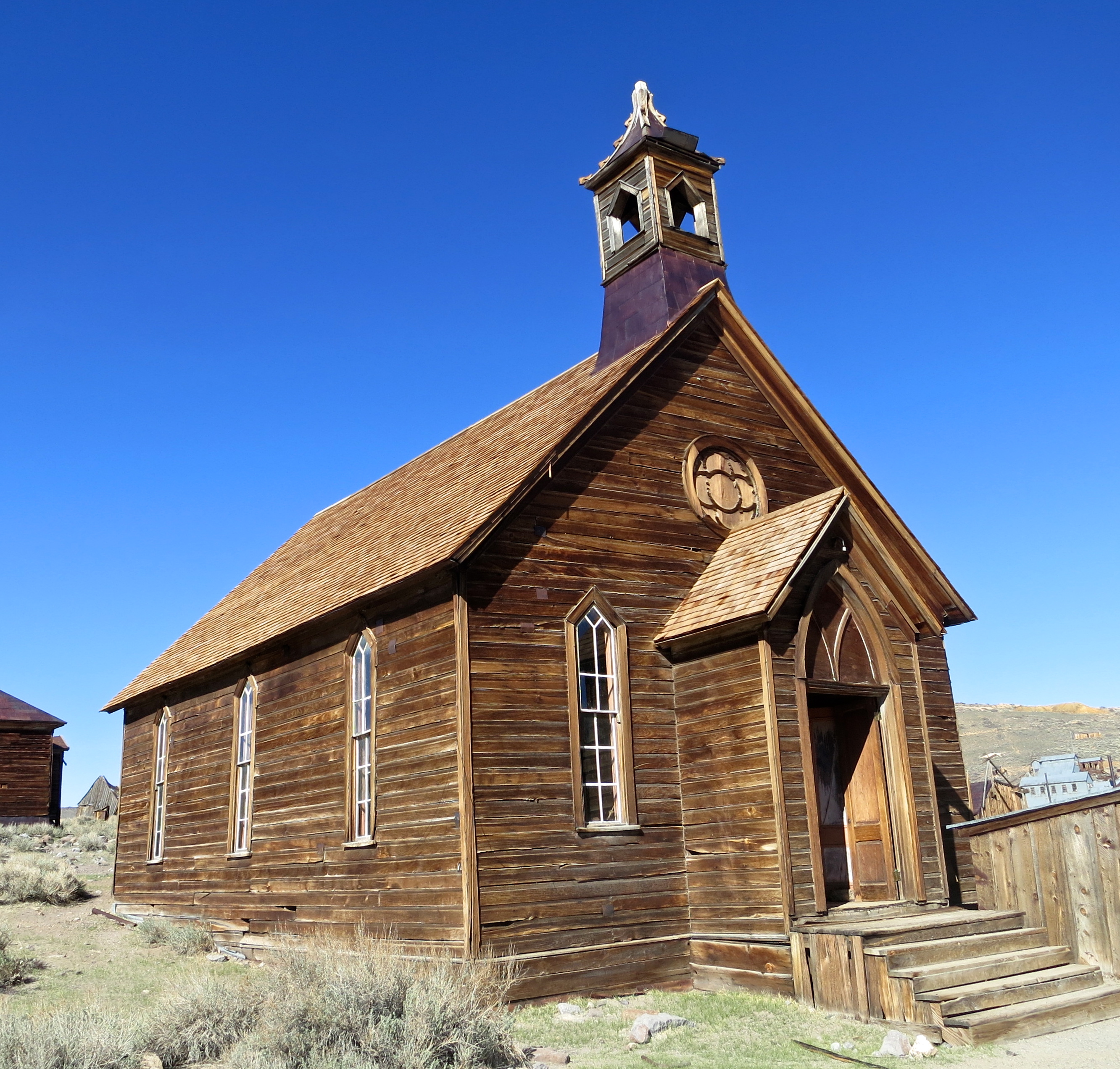
Methodist Church is Bodie State Historical Park in California.

The end of the bad old days in the West was often signified by the building of a church. It appears they weren’t quite over in Bodie however. An oil cloth painting of the Ten Commandants in the Methodist Church that hung behind the altar was stolen. So much for “Thou shalt not steal.”

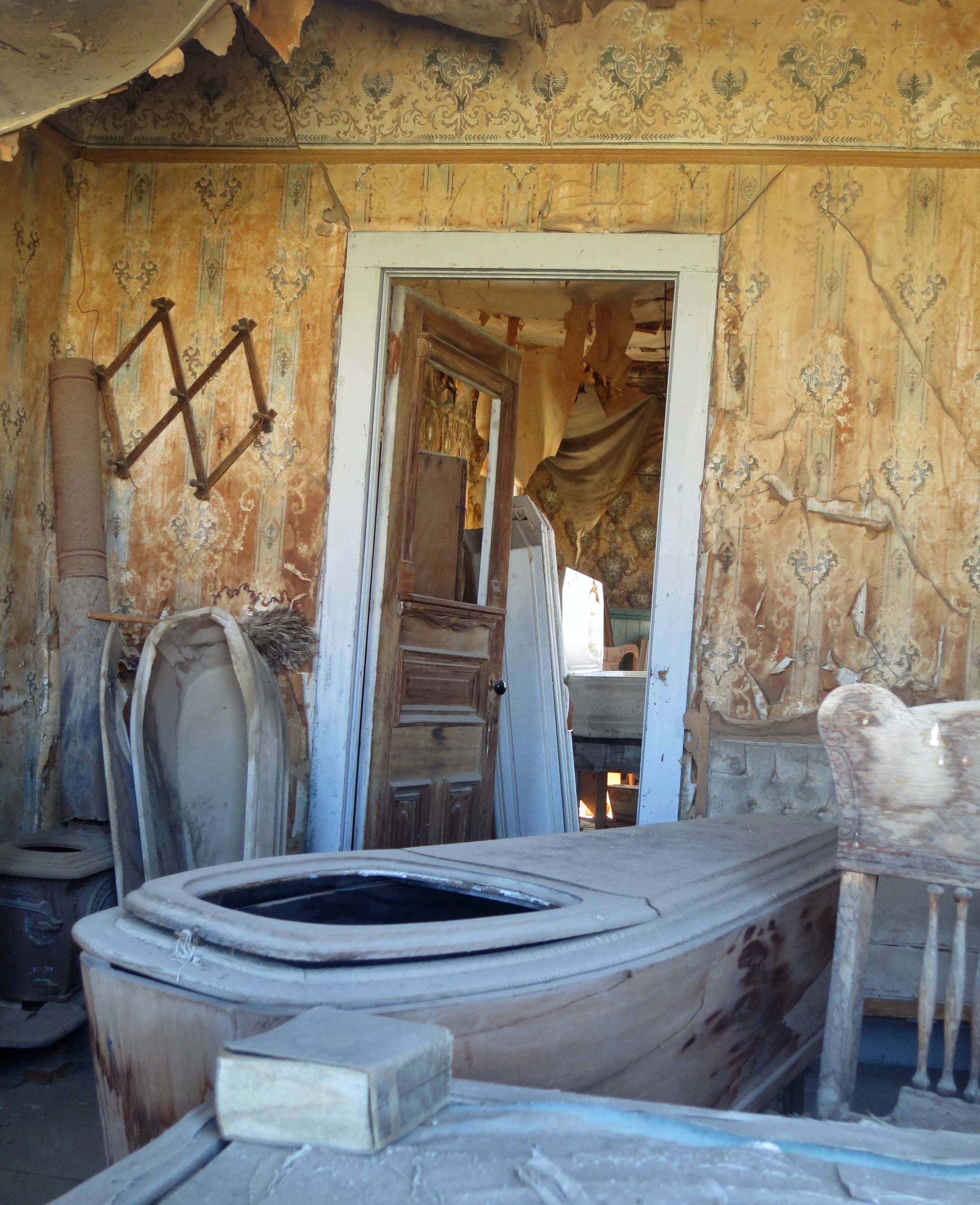
The morgue at Bodie State Historical Park in California.

If there are haunted places in Bodie, the morgue is a prime location. The featured casket provides a window to view the deceased. A Bible rests on the table. Or maybe it is a copy of Mortuary Science for Dummies.

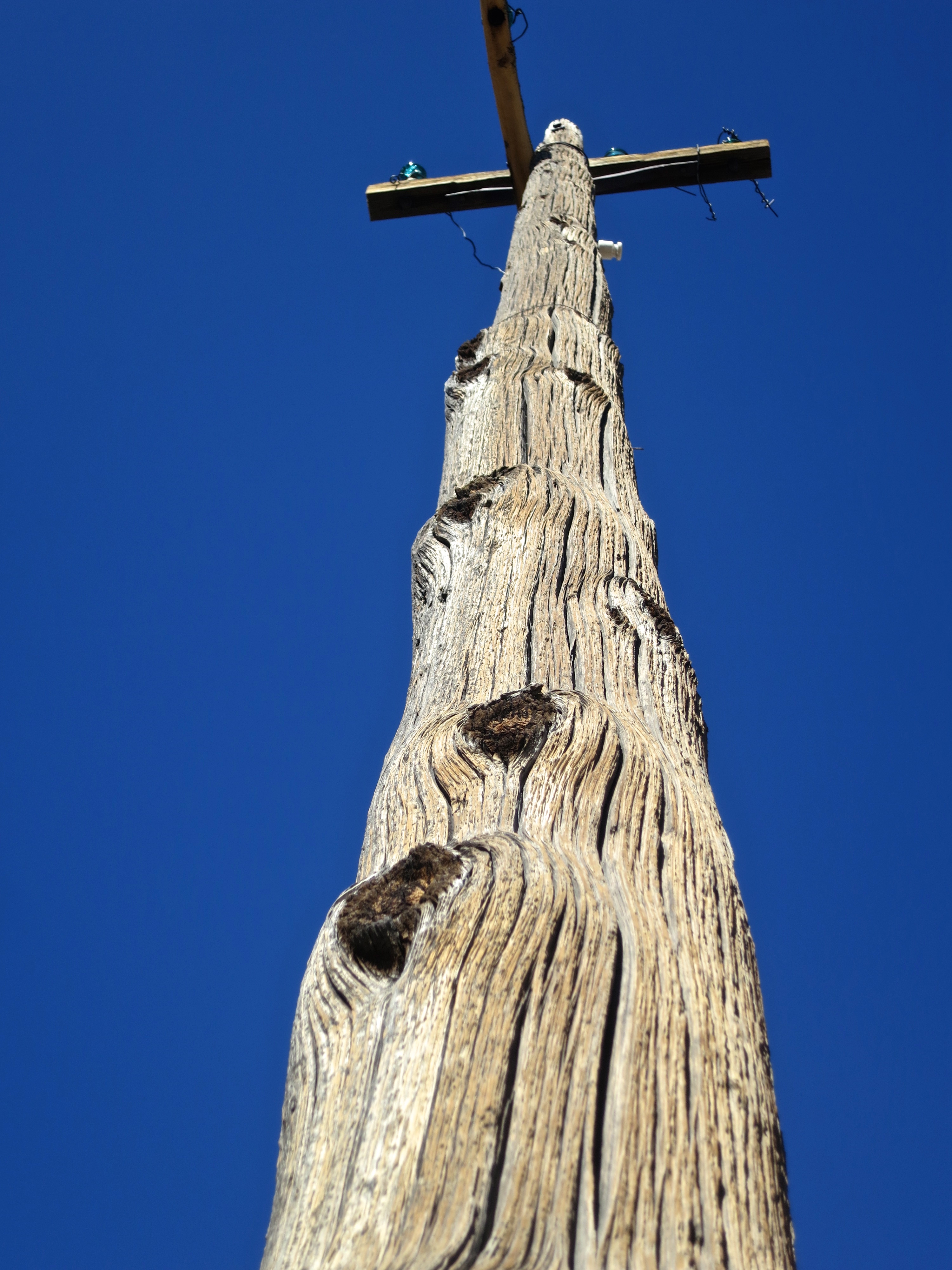
Old power pole in the ghost town of Bodie.

This power pole seemed sufficiently ghostly to reside in a ghost town.

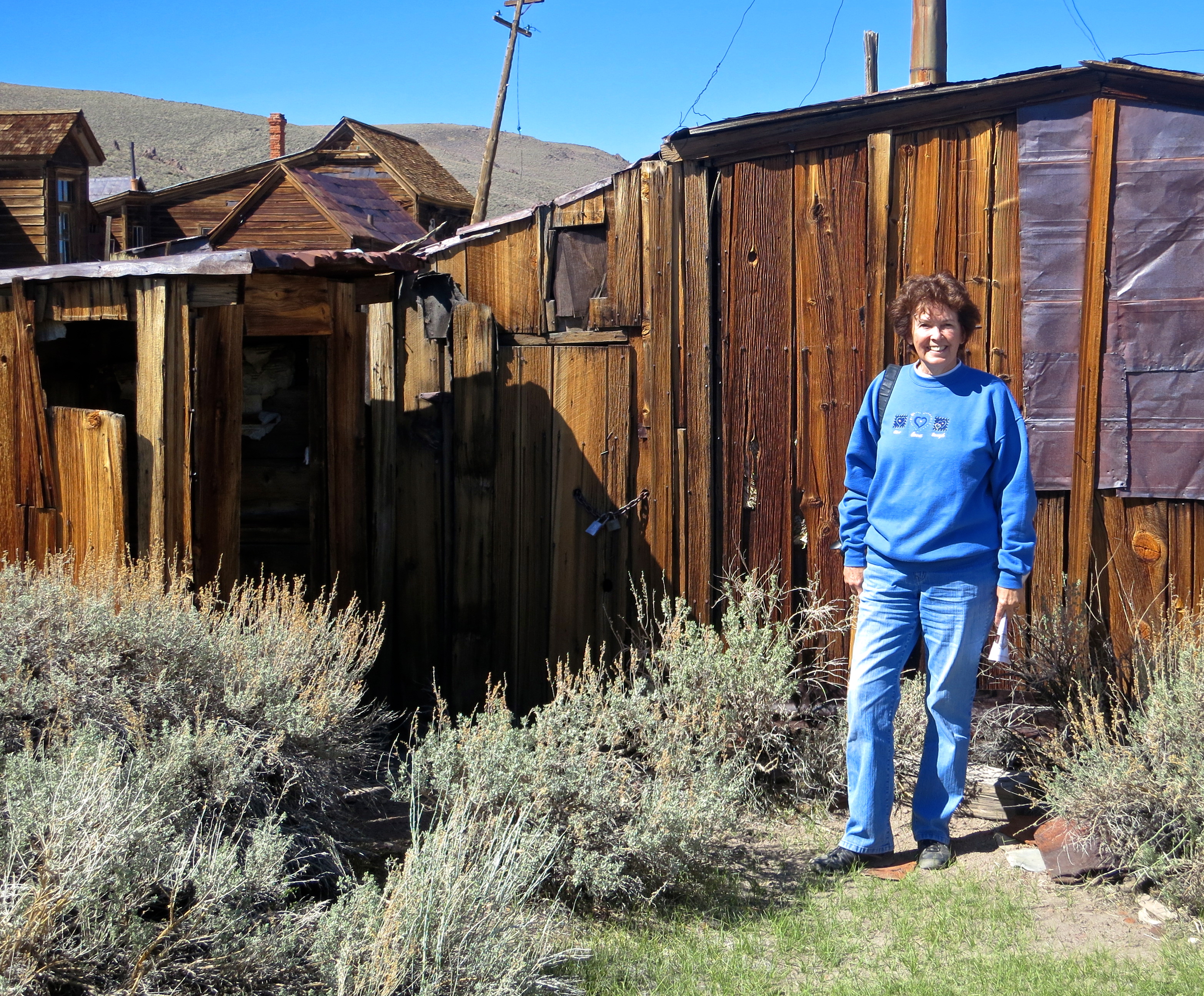
House of mine worker at Bodie ghost town.

Peggy stands in front of one of the shacks where a miner  lived.

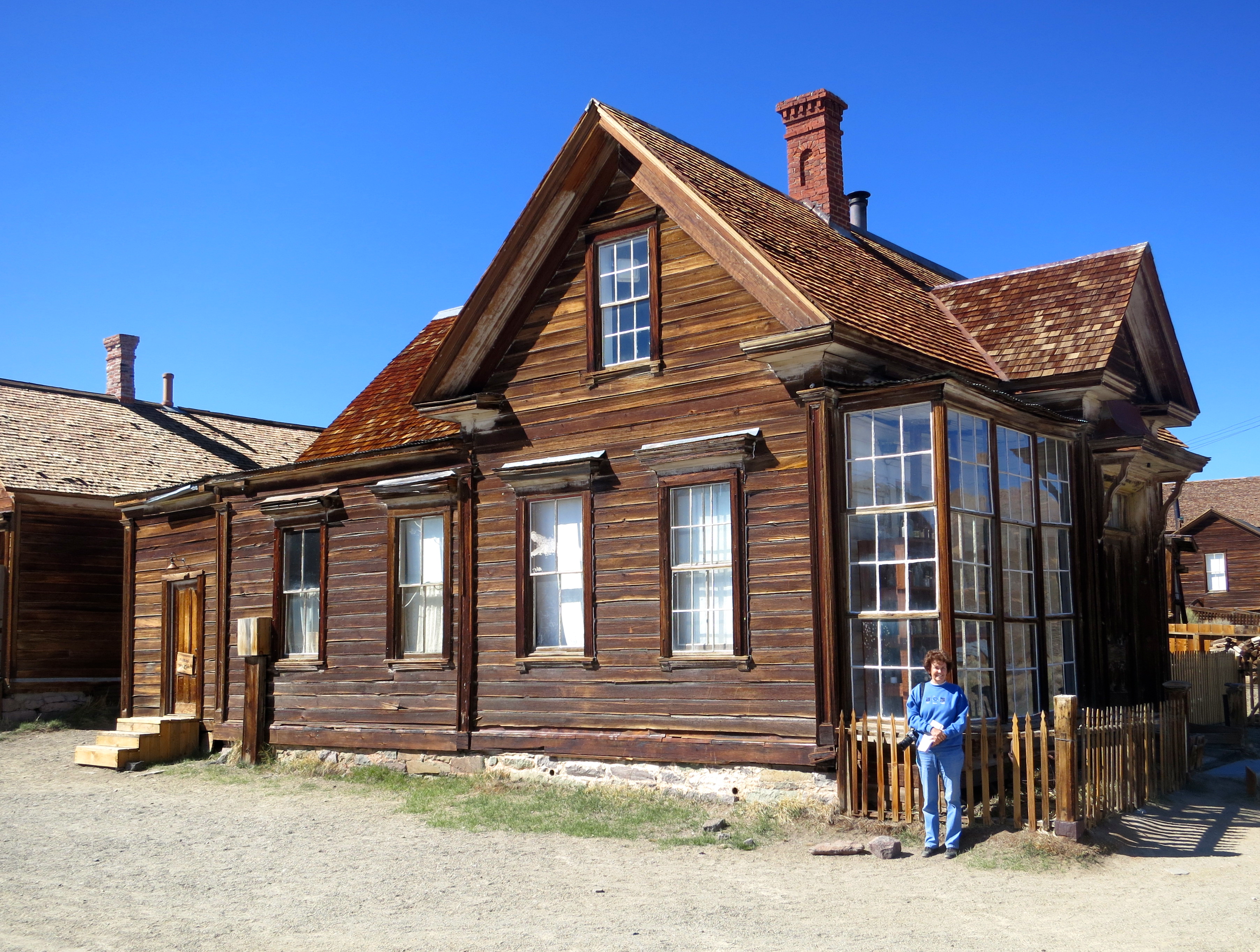
The J.S. Caine residence at Bodie State Historical Park in California.

Here she stands in front of the house of the guy who owned the mine.

IOOF Hall in the ghost town of Bodie.

The International Order of Odd Fellows Hall. I’d almost join for the name alone.

View of the ghost town of Bodie.

A wider view of Bodie. (Photo by Peggy Mekemson.)

Getting lost on the way out of Bodie wasn't bad considering the scenery.

Getting lost on the way out of Bodie wasn’t bad considering the scenery.

We did become a little concerned as evening approached and we were still wandering around on our dirt road.

We did become a little concerned as evening approached and we were still wandering around on our dirt road. But eventually we arrived in Bridgeport and could declare our detour another adventure.

NEXT BLOG: We journey up California’s beautiful Highway 395 and stop to admire Mt. Whitney, the highest mountain in the contiguous United States. And, I might add, a mountain I have climbed six times.


Rhyolite’s Neighbor: The Goldwell Open Air Museum… The Desert Series

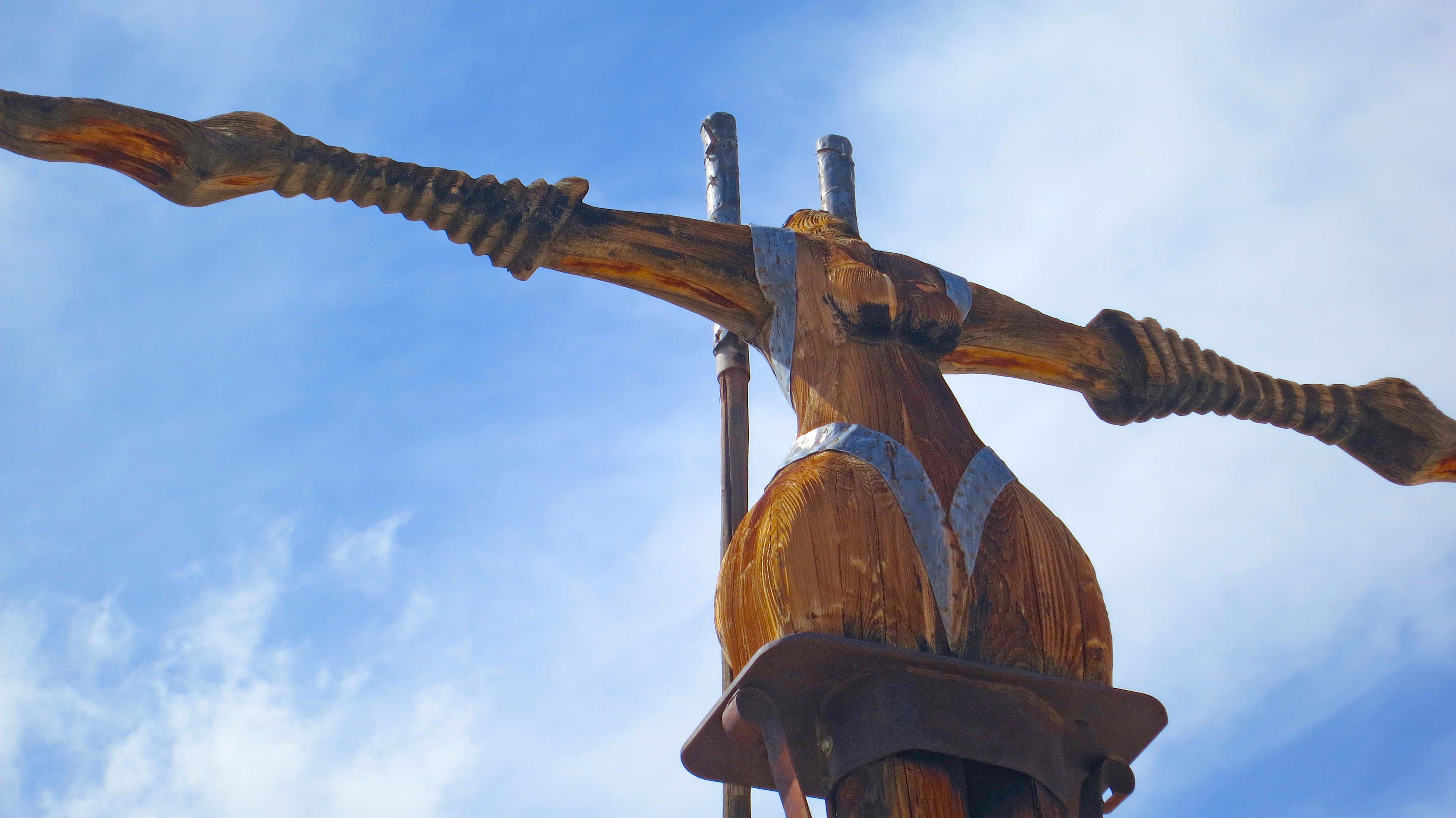
A tall, naked, pink lady is visible from the Nevada ghost town of Rhyolite. Known as the The Venus of Nevada, this 1992 work by Hugo Heyrman is part of the Goldwell Open Air Museum.

A tall, pink lady is visible from the Nevada ghost town of Rhyolite. Known as the Venus of Nevada, this 1992 work by Hugo Heyrman is part of the Goldwell Open Air Museum.

The first time we drove into Rhyolite, I noticed a tall, naked  lady with blond hair next door to the town. And no, I hadn’t consumed any peyote or other hallucinogenic drugs normally found in deserts and used by shamans to enter places that might be inhabited by tall, naked, pink ladies. I was gazing down at the Goldwell Open Air Museum, a truly unique art museum in the world of art museums.

Goldwell was started in 1984 by the Dutch artist Albert Szukalski as a way to display ghostly figures he created by wrapping live models in wet plaster. Soon, other Dutch artists joined him in his efforts to create a sculpture museum in the desert. Today, a Nevada non-profit organization cares for the museum and supports on-site artistic endeavors.

I’ve blogged about the museum before and I will undoubtedly blog about it again. Why? I’ll let the photos tell the story.

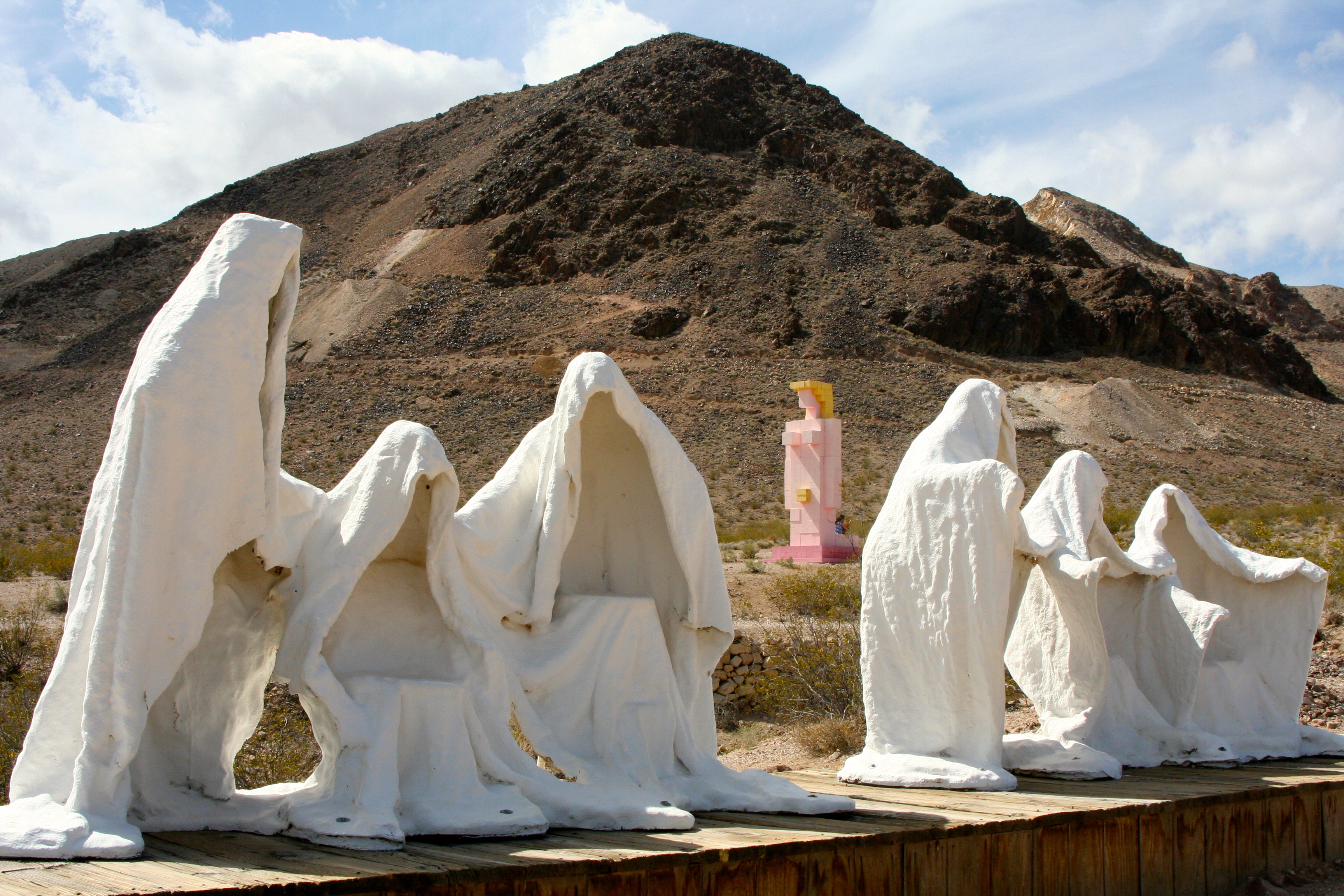
Albert Szukalski's work, The Last Supper, was the first sculpture created for the Goldwell Open Air Museum.

Albert Szukalski’s work, The Last Supper, was the first sculpture created for the Goldwell Open Air Museum. The mountains and clouds provide a dramatic backdrop for the sculpture.

Albert Szukalski's Last Supper sculpture at the Goldwell Open Air Museum just east of Death Valley National Park.

Using Davinci’s fresco of the Last Supper as a model, Szukalski wanted a desert setting for his sculpture. Here, the ghostly figures are seen from behind.

Lady Desert and the Last Supper sculptures at the Goldwell Open Air Museum located east of Death Valley.

Lady Desert, the Venus of Nevada, is located behind the Last Supper. (Photo by Peggy Mekemson.)

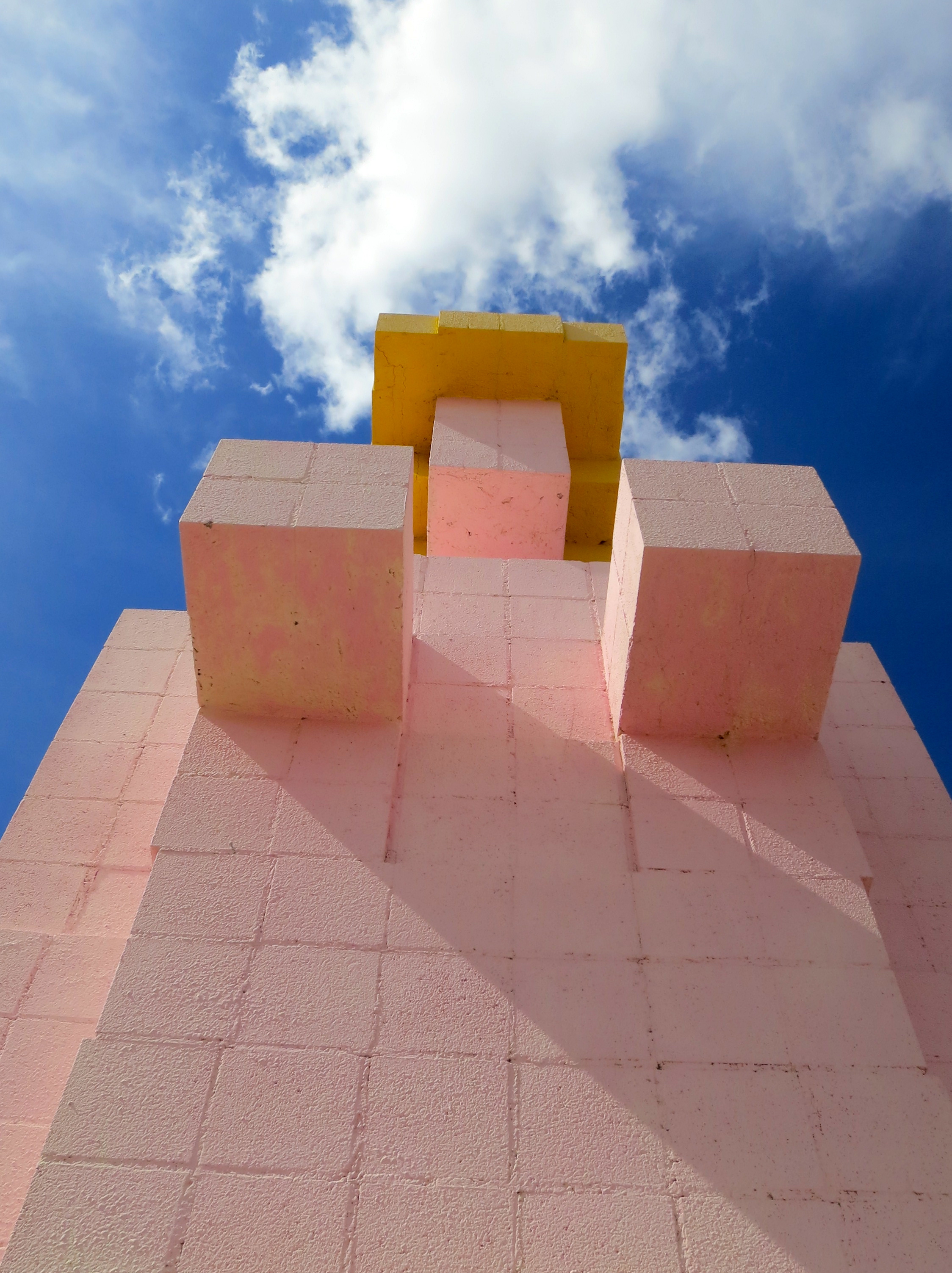
Looking up at Lady Desert at the Goldwell Open Air Museum in Nevada.

Hugo Heyrman used cinder blocks in his creation of the Venus of Nevada to represent the pixellated, technological world we live in. I found this perspective interesting. Peggy just shook her head.

Ghost Rider Sculpture by Albert Szukalski at the Goldwell Open Air Museum east of Death Valley.

A local resident of the nearby town of Beatty donated his bike and his body for this sculpture by Albert Szukalski. He served as the model by allowing wet, plaster infused burlap to be draped over his body.The sculpture is appropriately named Ghost Rider.

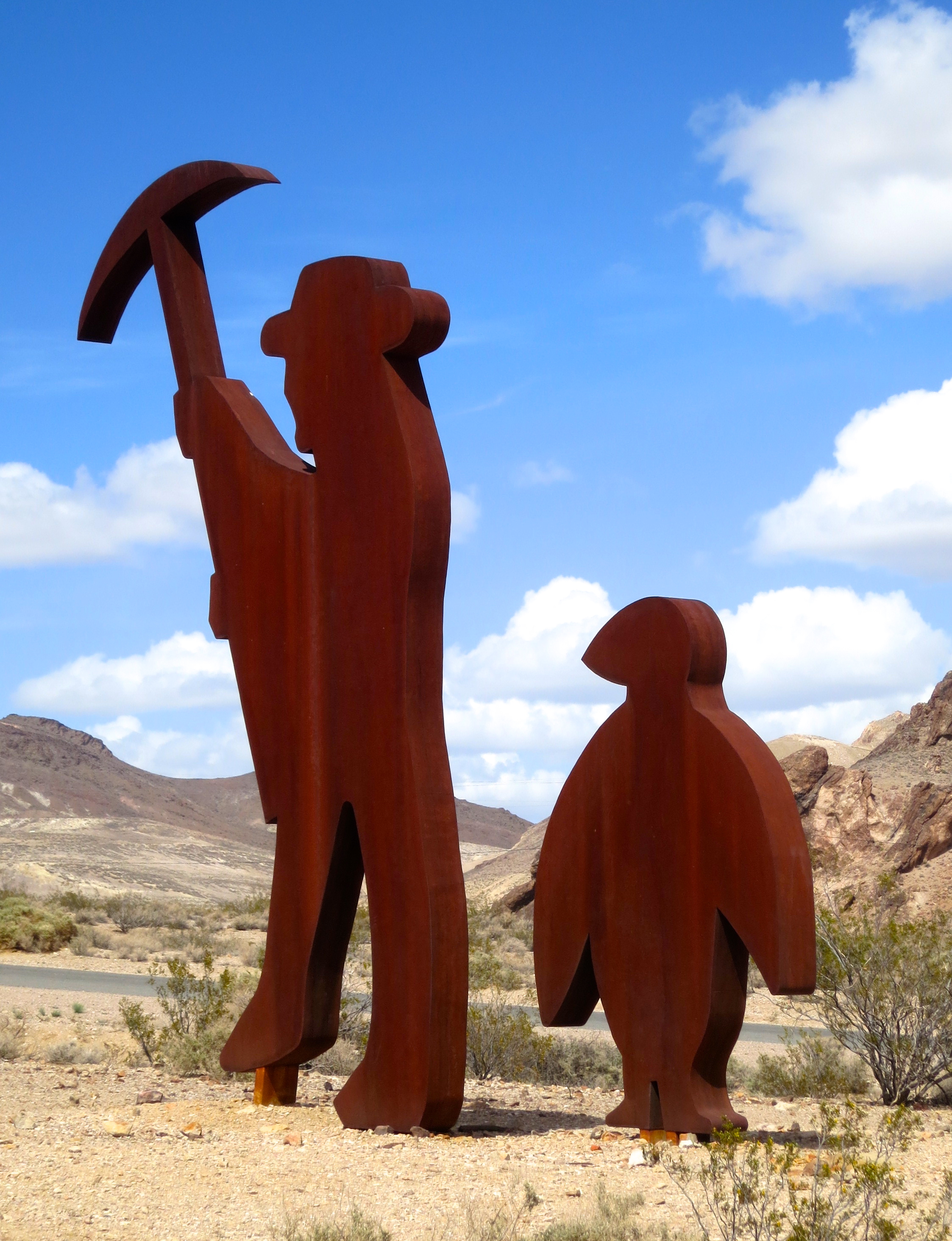
Every lonely desert prospector needs a penguin for company, right? Wait, isn't that a donkey? The artist Fred Bervoets decided on a penguin for his tribute to Shorty Harris at the Goldwell Open Air Museum. And Fred is an artist; he's supposed to see the world in a strange way. As for Shorty, he was a legendary prospector who worked the Rhyolite area.

Every lonely desert prospector needs a penguin for company, right? Wait, isn’t that a donkey? The artist Fred Bervoets decided on a penguin for his tribute to Shorty Harris at the Goldwell Open Air Museum.  Shorty was a legendary prospector who worked the Rhyolite area.

Couch by Sophie Siegmann at the Goldwell Open Air Museum in Nevada.

This couch by Sofie Siegmann is titled “Sit Here.”

the Sit Here couch by Sophie Siegmann at the Goldwell Open Air Museum near Beatty, Nevada.

So Peggy did. The buildings in the background are located in the ghost town of Rhyolite.

Detail on couch sculpture at Goldwell Open Air Museum.

The back of the couch featured this face. (Photo by Peggy Mekemson.)

Statue of Icara by Dre Peters at the Goldwell Open Air Museum.

Dre Peeters named his hand carved statue Icara, a female equivalent of Icarus, the legendary Greek boy who flew too close to the sun.

Wagon wheel at the Goldwell Open Air Museum near Beatty, Nevada.

An old wagon was located at the base of the Icara, so naturally I had to take a photo of its wheel. It makes a fitting end for this blog about an art museum located next to a ghost town.

NEXT BLOG: Off to the well know California ghost town of Bodie.


Ghost Towns of the Old West: Rhyolite… The Desert Series

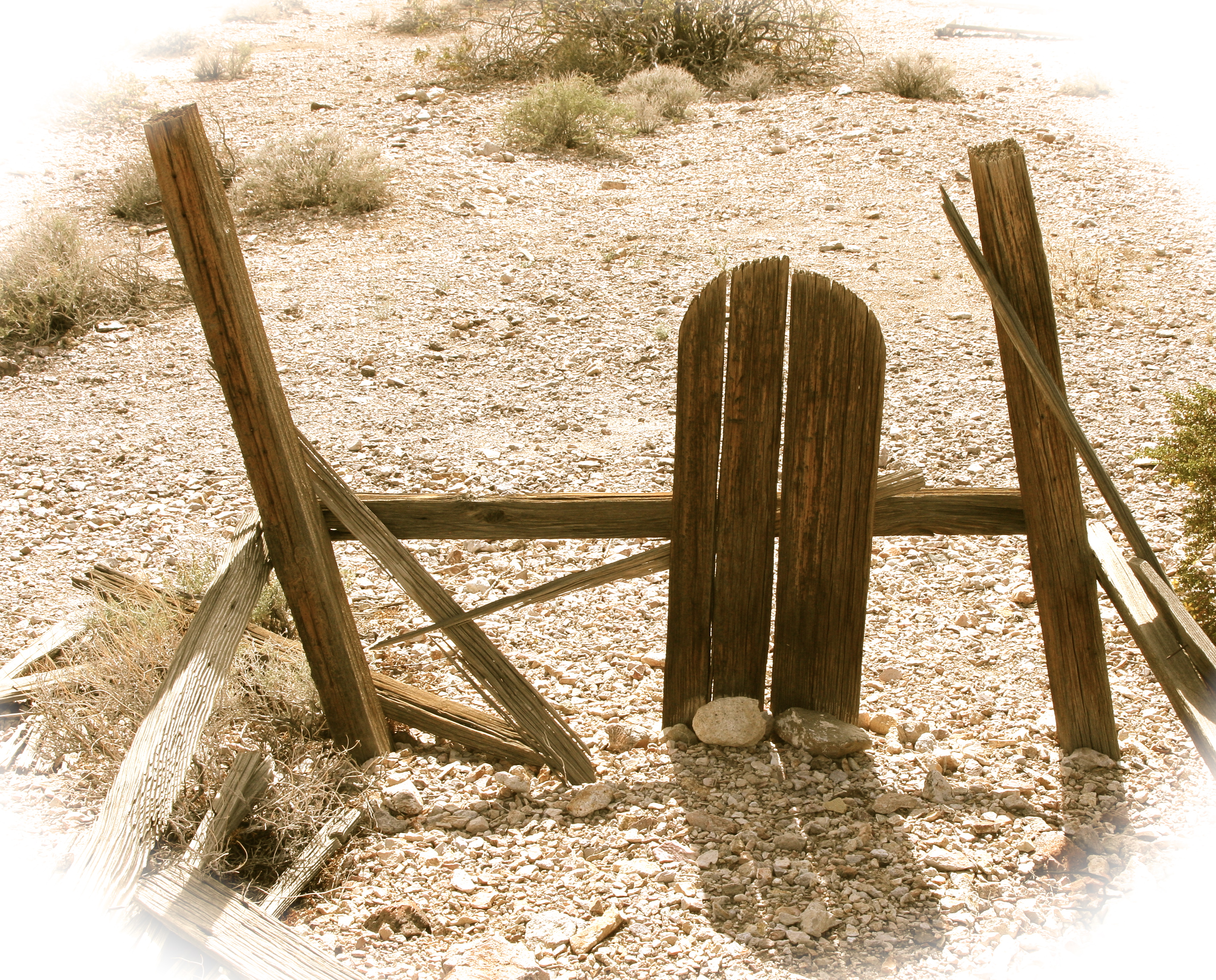
Old grave at the ghost town of Rhyolite outside of Death Valley.

What better way to introduce a ghost town than to show where the ghosts live? This is one of the better kept grave sites in the Rhyolite cemetery. (Photo by Peggy Mekemson.)


What’s a desert without a ghost town or two?

Boom and bust are the go-to words when it comes to creating ghost towns in the desert. Gold, or some other valuable mineral is found. Miners, developers, speculators and others burning with get-rich-quick-itis rush in where angels fear to tread (wisely so). Eventually the vein runs out. Unless the town has other ways of providing a livelihood, people leave. The ghosts are left behind. That’s the story of Rhyolite.

Boom! At the beginning of January in 1905, Rhyolite was a non-town of two people. They struck it rich. Two weeks later the population had grown to 1200 people. By 1907 somewhere between 4,000 and 8,000 people called the place home. Apparently no one was interested in doing an accurate census count. But the small city had banks, a school, its own railroad, a hospital, an opera house, some 50 saloons and a generous smattering of ladies of the evening with hearts of gold, or at least pockets filled with gold coins. There was electricity, running water, and telephones.

Charles Schwab, the steel magnate, (as opposed to Charles Schwab of brokerage house fame) was the money behind the development of Rhyolite. Thomas Edison, who was responsible for inventing the electric lights that lit up the town, once called Schwab a master hustler. It fit, but Schwab’s hustling in Rhyolite failed to pan out (to use an old gold mining term).

Bust! In 1907, a British mining engineer discovered that the ‘fabulously high-grade ore’ mine Schwab had bought was actually filled with low-grade ore. By 1910 the banks were closed. The last train left town in 1916. A motor tour organized by the LA Times in 1922 found only one person remaining in the town, a 94-year-old man who died two years later. Rhyolite began its career as a ghost town.

For enquiring minds that want to know, Rhyolite is located approximately 120 miles north of Las Vegas and sits on the eastern edge of Death Valley, just outside the small Nevada town of Beatty. It is named after an igneous rock common throughout the area.

An old truck in the ghost town of Rhyolite, Nevada.

Ghost truck in Rhyolite. Its engine had long since departed.

Interior of old truck in Rhyolite, Nevada.

I was torn over which interior photograph I would use, but opted for the steering wheel and dashboard. It, and the faded surrounding mountains struck me as ghostly. The odometer had stopped at 45,438 miles. Or make that 45,438.5. It was rolling over to 45,439 when its roving days ended.

Cook Bank in the ghost town of Rhyolite, Nevada.

Once the pride of Rhyolite, the Cook Bank’s floors were marble and its windows were stain glass.

Cook Bank in Rhyolite Nevada.

Almost everything of value was ripped out of the Cook Bank and Rhyolite in general. Many of the buildings in nearby Beatty, owe their existence to this pilferage. It led me to wonder why the fine bricks on top of the Cook Bank were still there. Were they a little difficult to reach, a little perilous to remove? (Photo by Peggy Mekemson.)

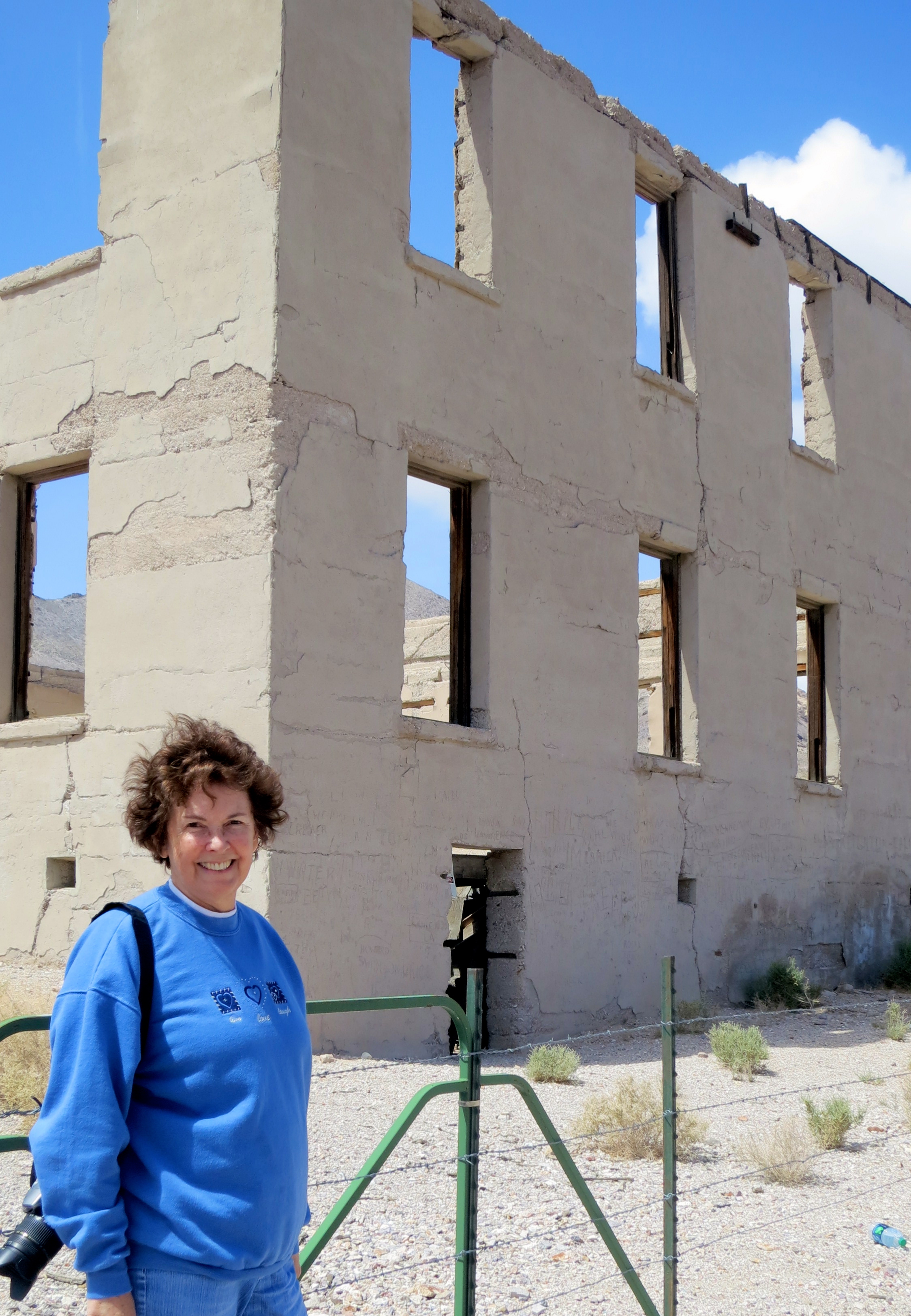
School in the ghost town of Rhyolite, Nevada.

I asked Peggy, a retired elementary school principal, to pose for me in front of Rhyolite’s school. Her hair, which totally has a mind of its own, had been teased by the desert wind.

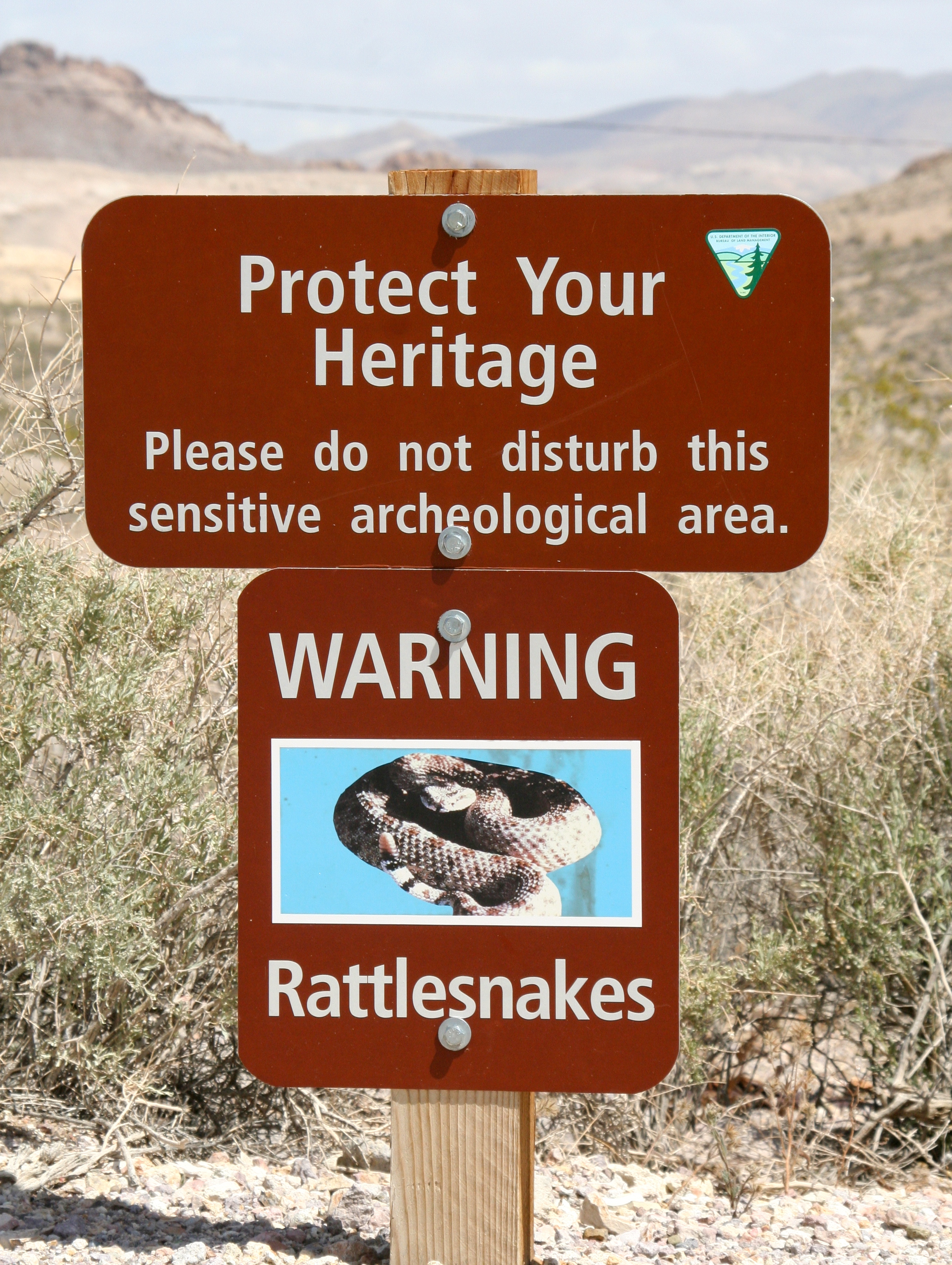
Rattlesnake warning sign in Rhyolite, Nevada.

We laughed. If the reasonable approach doesn’t work, try another. (Photo by Peggy Mekemson.)

Rhyolite Nevada view.

They say it is better to be on the inside looking out than the outside looking in. I don’t think it matters in Rhyolite. But I did like the composition that pulls you out toward the mountains.

HD and LD Porter sign in Rhyolite, Nevada.

A rather classy sign that is lucky it didn’t end up in an antique shop somewhere.

The old railway station at Rhyolite, Nevada.

Speaking of classy, Rhyolite’s railway station was, and still is an attractive building. Over the years it morphed into a hotel, casino, souvenir shop, all connected to Rhyolite’s ghost town status. (Photo by Peggy Mekemson.)

Old rail found near the ghost town of Rhyolite.

Most of the rails leading up to the station were pulled out and used during World War I, but I did find this old one in a junk pile behind the station.

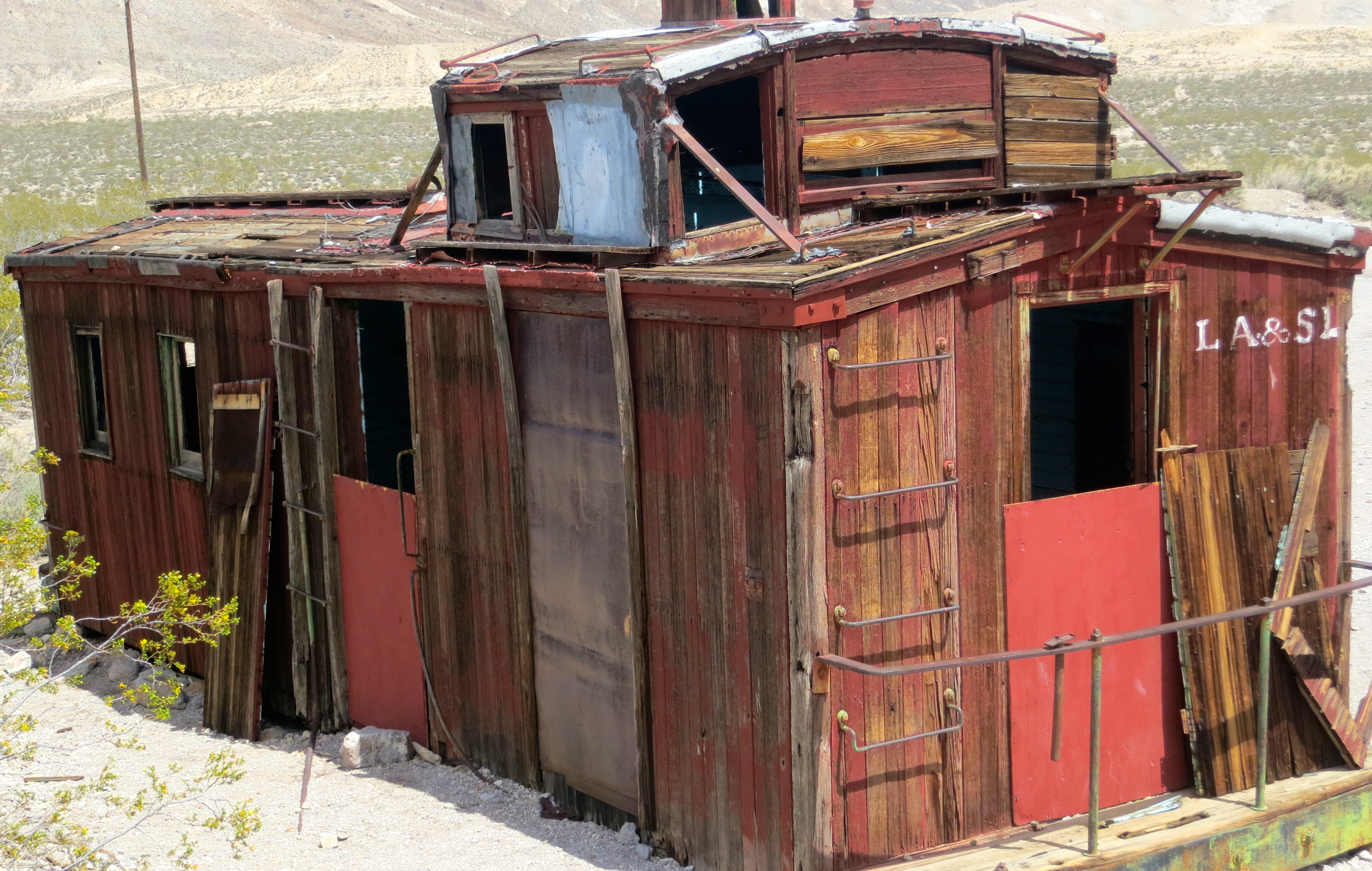
Caboose in Rhyolite.

One of the more intriguing buildings in Rhyolite, from my perspective, is this old caboose that was once used on the Las Vegas to Salt Lake line. It was reborn as a service station in Rhyolite to serve the visitors that came to visit the ghost town and probably the casino.

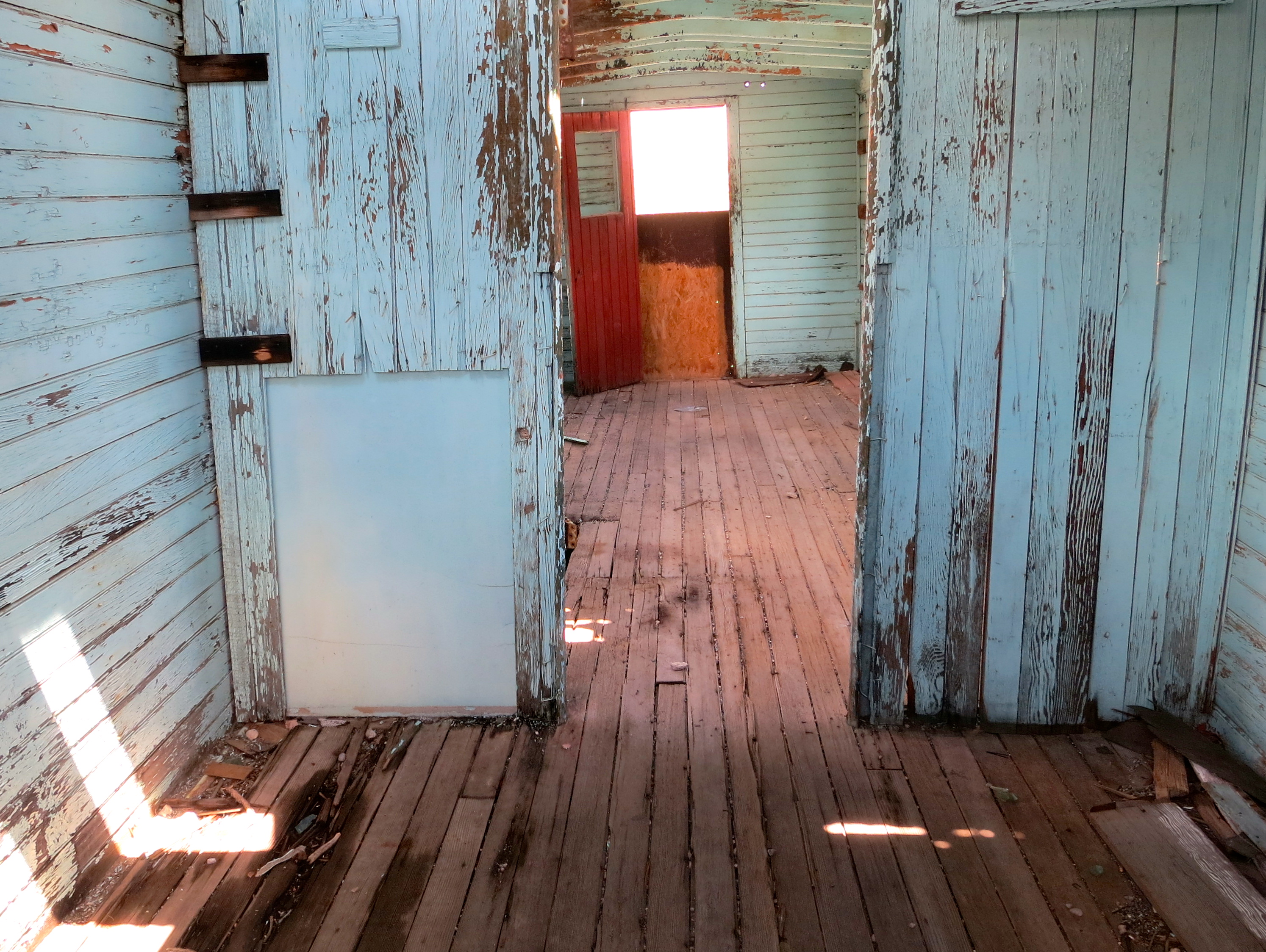
An inside view of the caboose located at Rhyolite, Nevada.

Looking inside the caboose.

Tom Kelly's hose made of glass bottles in Rhyolite, Nevada.

This house made of 30,00 glass bottles (mainly alcohol related– not surprising considering a couple of thousand thirsty miners), may be Rhyolite’s most famous building. 76-year-old Tom Kelly built it in 1905-06 and then auctioned it off at $5.00 a ticket.

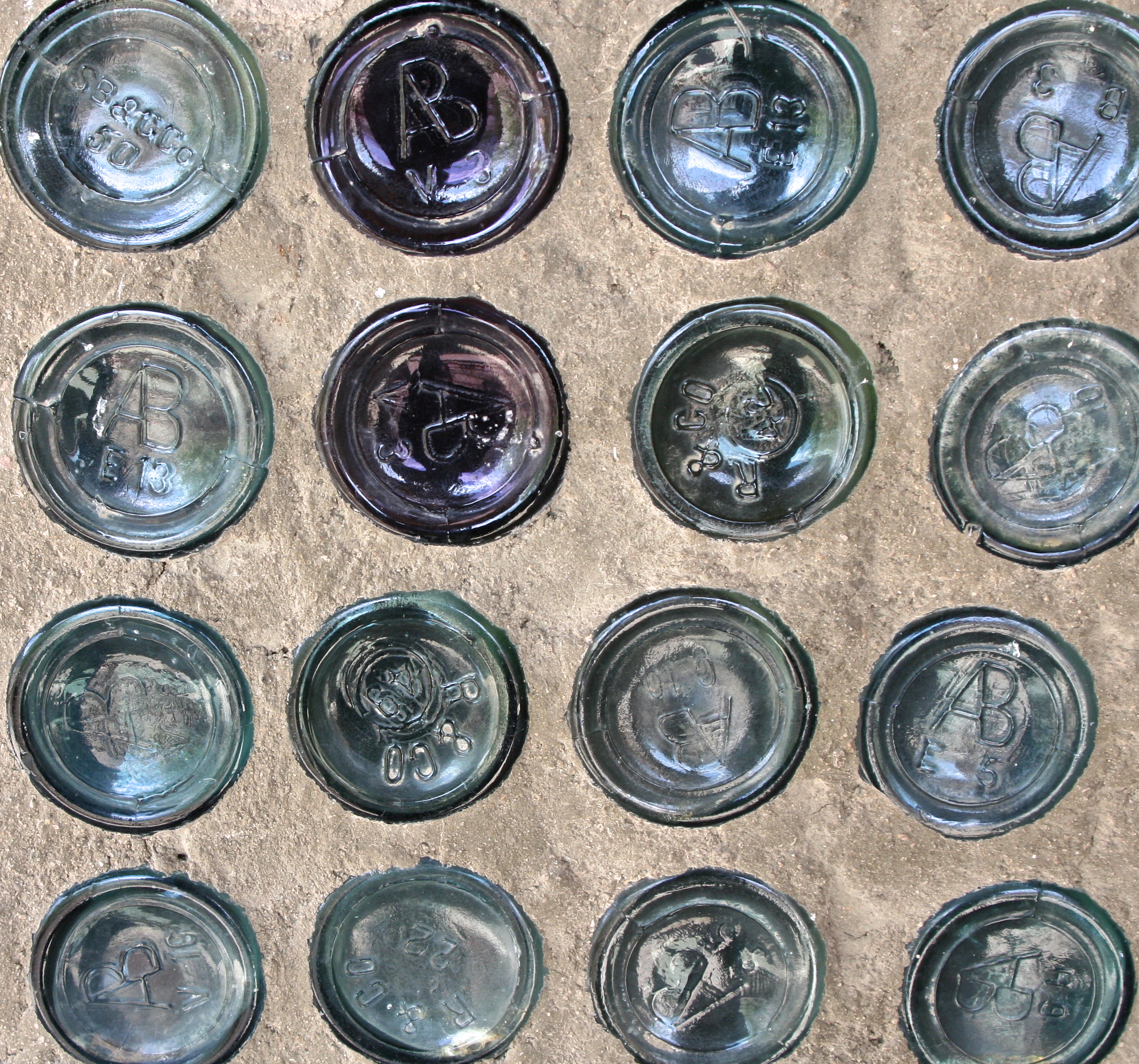
Bottles used to make the Bottle House in the ghost town of Rhyolite, Nevada.

A close up of the bottles. The marks on the bottom indicate the company that made the bottles. AB stands for American Bottling Company, for example. (Photo by Peggy Mekemson.)

Hostetter Bitters Bottle used in the Bottle House at Rhyolite, Nevada.

A few bottles are more prominently displayed, such as this Dr. J. Hostetter Bitters bottle. While it was sold to cure what ailed your tummy, it contained up to 47 % alcohol. Earlier, Hostetter had sold the bitters to Union soldiers during the Civil War to fight off diseases they might catch while chasing Confederates through southern swamps.

A final ghostly reminder from the Rhyolite graveyard.

A final ghostly reminder from the Rhyolite graveyard.

NEXT BLOG: Traveling a couple of hundred yards west of Rhyolite, we visit the Goldwell Open Air Museum


The Panamint Range of Death Valley: A Rattlesnake, Flowers, and Very Large Kilns… The Desert Series


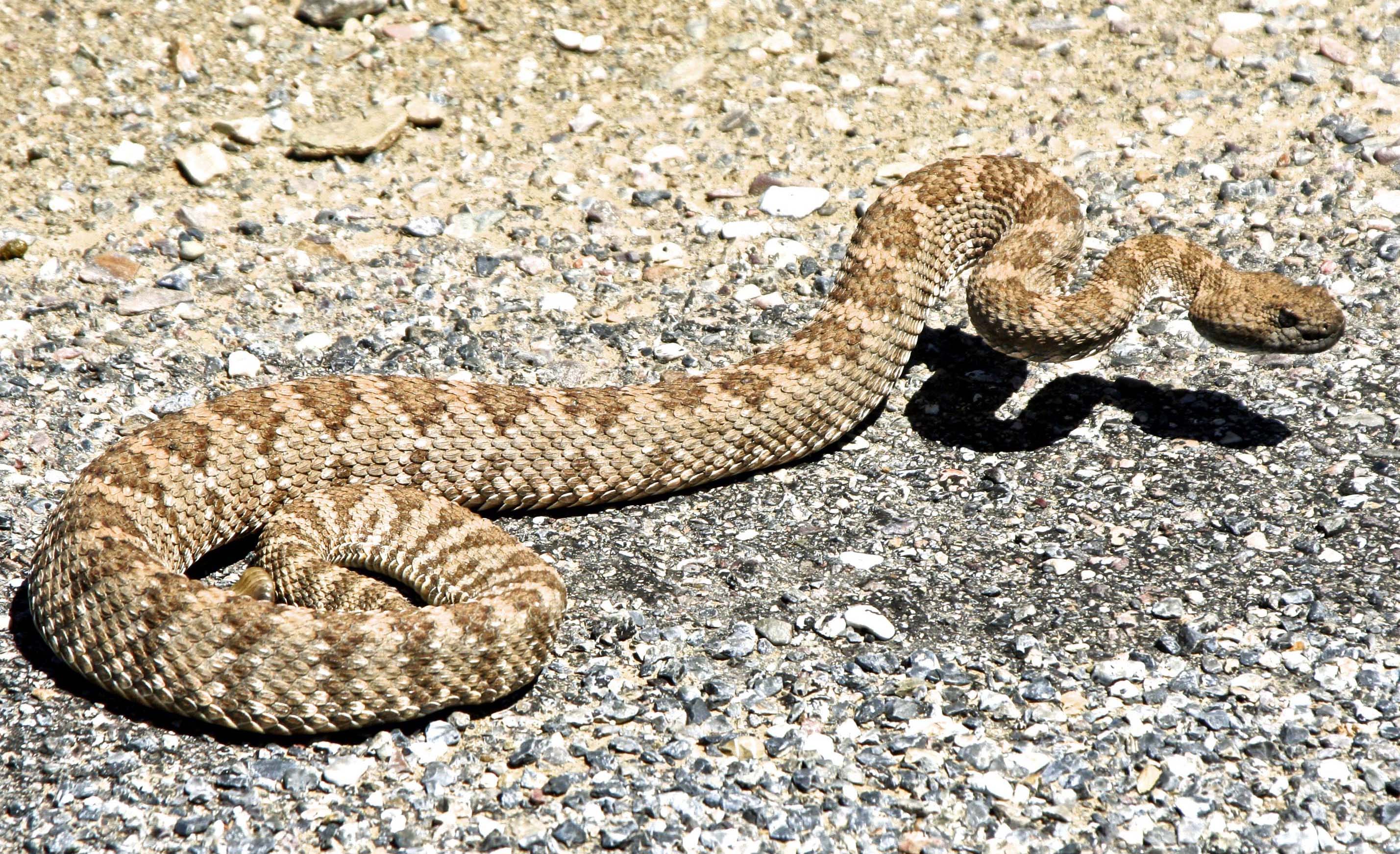
Panamint Rattlesnake in Death Valley.

We found this rather handsome fellow on our way up to Wildrose in Death Valley. Check out the shadow! (Photo by Peggy Mekemson.)

I crossed over the Panamint Range once on a bicycle. It wasn’t fun. Or let me put it this way, the nine-mile climb up out of Panamint Valley wasn’t fun. It was at the beginning of my 10,000-mile solo trip around the US. I only had seven days of cycling behind me so I was still getting in shape (massive understatement).  Adding to the challenge, I was carrying over 50 pounds of gear, everything I needed to survive six months on the open road.

Standing out of the saddle in my lowest gear, and exerting every bit of muscle power I could, I averaged two miles an hour. And yes, it would have been much easier to get off my bike and push. But I am a stubborn when it comes to things physical. The ride down, on the other hand, was lovely and about 20 times as fast.

Our Toyota Tacoma thought nothing of the climb out of Death Valley to the Emigrant Canyon Road and on to Wildrose Canyon. In fact the pickup loves a challenge and likes to be on the road as much as Peggy and I do. Or maybe I am anthropomorphizing a bit too much here. (And don’t you just love that word, all 18 letters of it.)

We were lollygagging along on the Wildrose road and stopping often to photograph flowers when we passed the rattlesnake. Peggy was driving. “Stop, back up,” I urged. Laughing, Peggy complied. She’s used to my fascination with rattlesnakes. I’ve had dozens of encounters over the years. One of my favorite tricks is to get down on my belly in front of them to take photos as they crawl toward me. Unfortunately, my headshots are usually blurry. Could it be that I am backing up too fast?

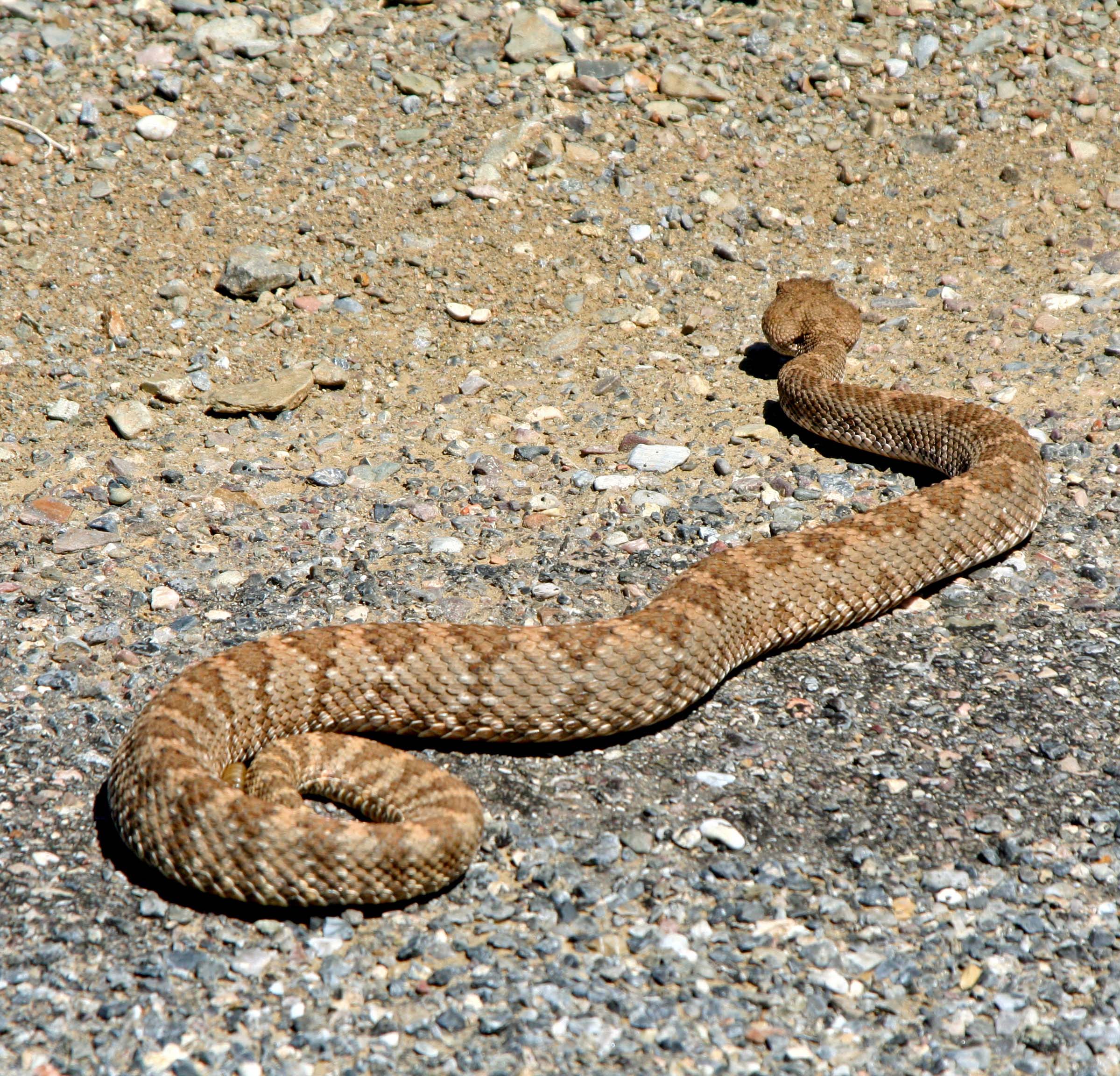
Panamint Rattlesnake in the Panamint Mountains, Death valley.

Having determined that we weren’t edible, the large snake went on his way. Isn’t the head magnificent? It shouts pit viper.(Photo by Peggy Mekemson.)

This guy was a beauty, a Panamint rattler (Crotalus stephensi), and I would guess almost record size. He was on the driver’s side of the truck so I handed Peggy her camera and she snapped three shots. And then, before I could get out to the truck for some close-ups, she stepped on the gas and we were out of there. Can you imagine that? I whined for an hour.

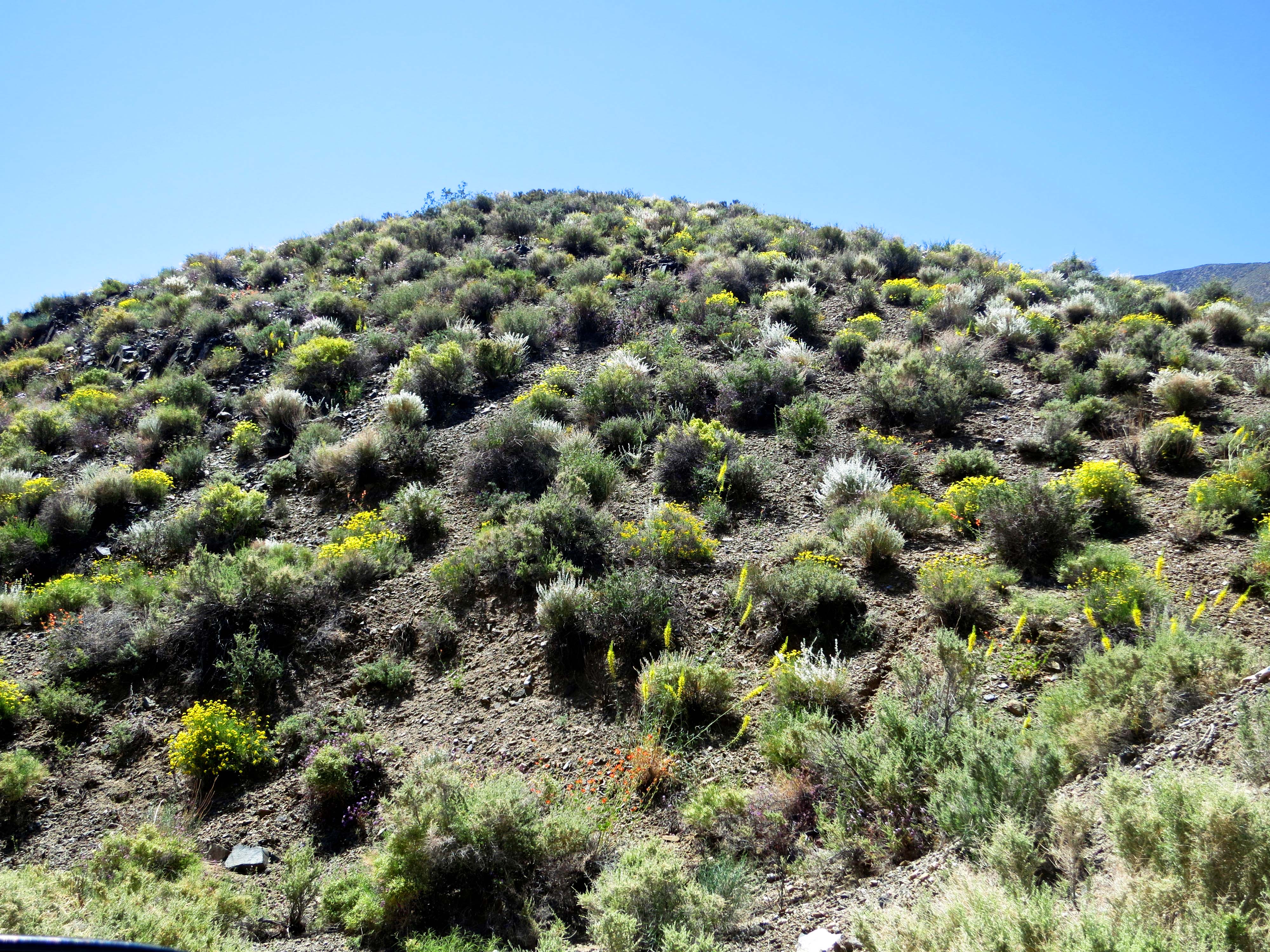
The flowers soon assuaged my disappointment, however. At our elevation of around 5,000-7,000 feet, they were everywhere. While we were too late to catch flowers blooming in the valley, our trips up to Dante’s View and Wildrose more than made up for it.

Desert flowers in the Panamint Range of Death Valley.

I was taken by this old desert road that cut off the main road and was covered with flowers as far as the eye could see.

Hill covered with flowers in the Panamint Range of Death Valley.

And how about this hillside?

Prickly poppies growing in the Panamint Range of Death Valley.

These prickly poppies were attractive. Petals were tissue paper thin. The red beetle was quite busy.

Death Valley flower.

I don’t know what this striking yellow beauty was. Maybe one of my readers can identify it. (Finally found it in one of my field guides. It’s called Desert Plume and is a member of the mustard family.)

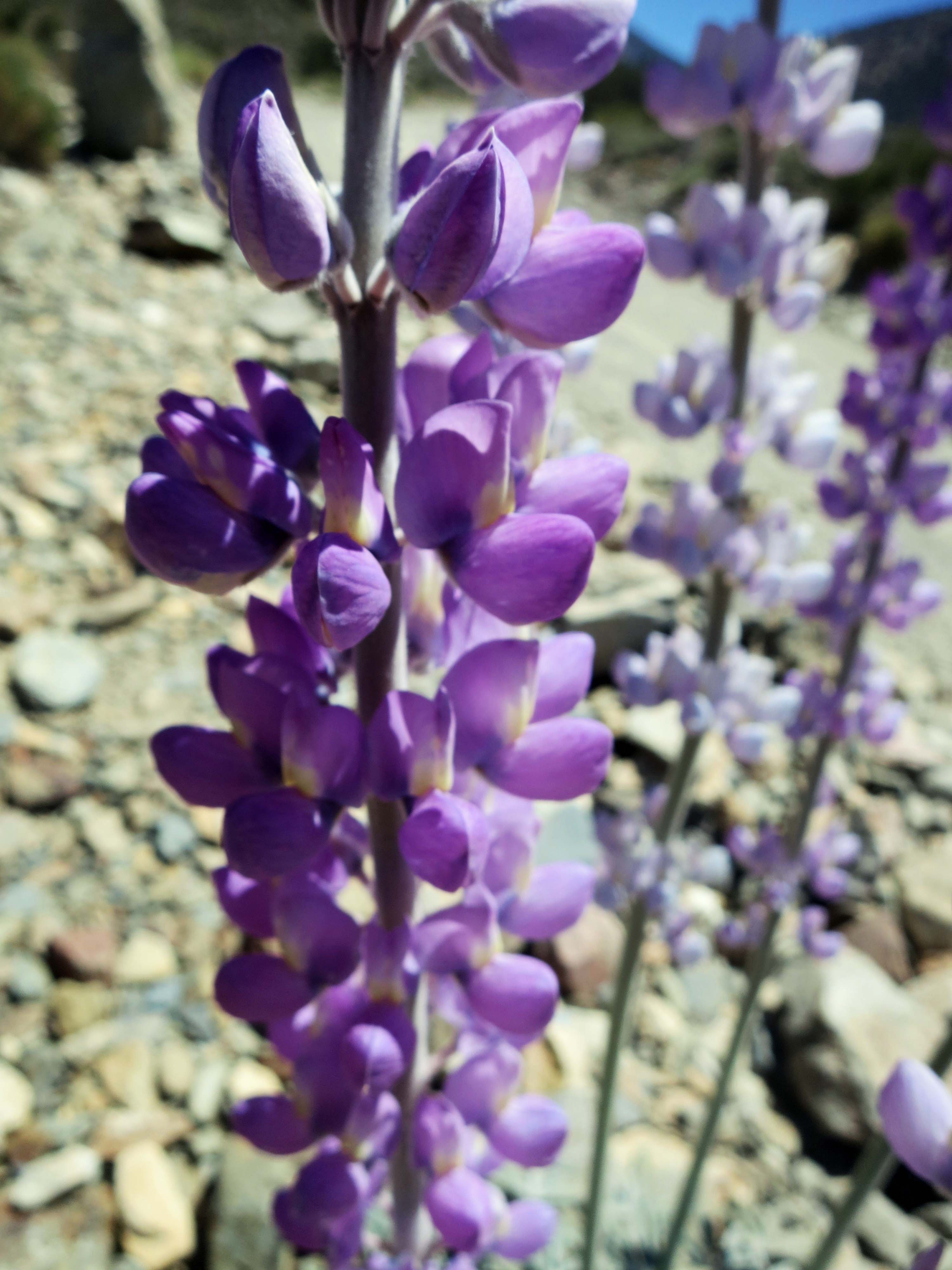
Lupine growing in the Panamint Range of Death Valley.

This lupine, however, is an old friend. It is common throughout the west. Peggy is even growing some. What was amazing about this plant was its size. I would say around four feet tall.

Beyond the rattlesnake and the flowers, the highlight of the tour was the ten charcoal kilns built in by the Modoc Consolidated Mining Company in 1877 to prepare charcoal to be used in smelters at its lead-silver mine about 25 miles away. Local pinion pines and junipers were cut down and hauled to the kilns. It took approximately four cords of wood to fill one kiln. After 6-8 days for burning and another 5 days for cooling the charcoal was then transported by an army of jackasses.

Charcoal kilns located in Death Valley.

The kilns, which were used for about three years, have sat quietly for over a century. Navajo Indian stonemasons from Arizona restored the kilns in 1971. (Photo by Peggy Mekemson.)

An interesting aside is that George Hearst was the principal investor in the mining company. His son, William Randolph Hearst, would go on to found the Hearst media empire. And it was his great grand-daughter, Patty Hearst, who was kidnapped by the Symbionese Liberation Army in the 70s. Where this is going is that I met Patty and her abductors in the Sierra Nevada Mountains. I was up with some friends scouting out streams for trout fishing when a van roared around us and got stuck in a snow bank, which we found rather amusing. A group of folks came tumbled out of the van including a young woman who came over to talk with us while her companions tried to dig out of the snow.

“Do you have any guns in your car?” she asked. “My friends have been teaching me how to shoot automatic weapons in the Bay Area and we are up here for practice today.” That’s when the alarm bells started going off for me. We were talking to Patty Hearst and her ‘friends’ were SLA members. When Patty wandered off to check on the van’s progress, I whispered my concerns to my friends and suggested we help get the van on its way, which is what we did.

But so much for the detour (grin). I was either going to tell you stories about rattlesnakes today or the Patty Hearst. Patty won. Back to the kilns.

Charcoal kiln in Panamint Mountains in Death Valley.

Peggy provides perspective on the size of the kilns that are 25 feet tall.

Back view of charcoal kilns in Death Valley.

Back view of kilns showing window where smoke escaped. You can still smell the smoke inside.

View looking out from inside a charcoal kiln in Death Valley.

View from inside the kiln looking out at the pines.

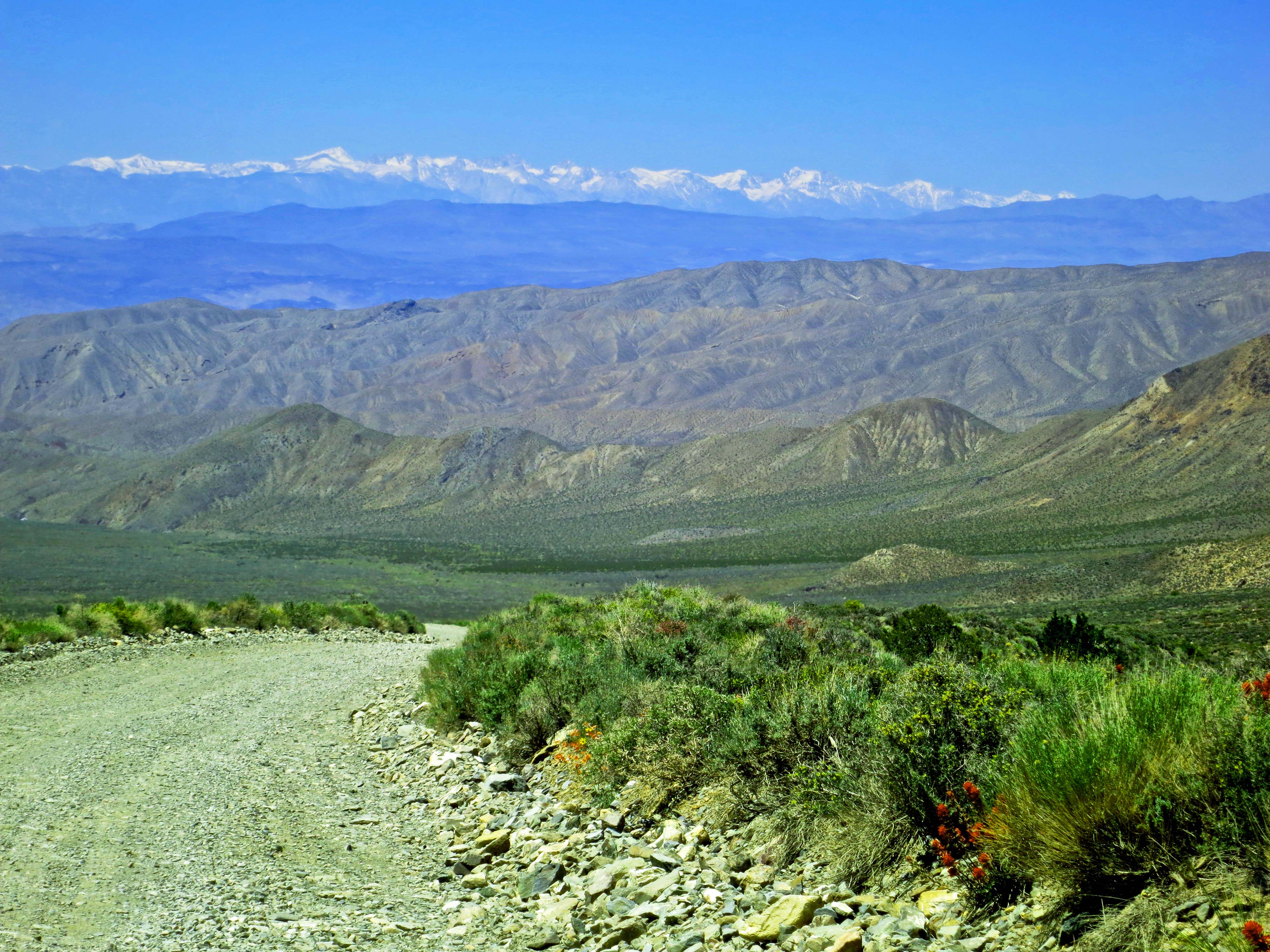
A final view from Wildrose. What appears to be puffy white clouds on the horizons are the snow covered Sierra Nevada Mountains.

A final view from Wildrose. What appears to be puffy white clouds on the horizons are the snow-covered Sierra Nevada Mountains.

NEXT BLOG: What’s a desert without a ghost town, or two. We head off to the old mining town of Rhyolite sitting on the edge of  Death Valley.

Death Valley Part II: We Are At Zabriskie Point but Where Is R2-D2… The Desert Series

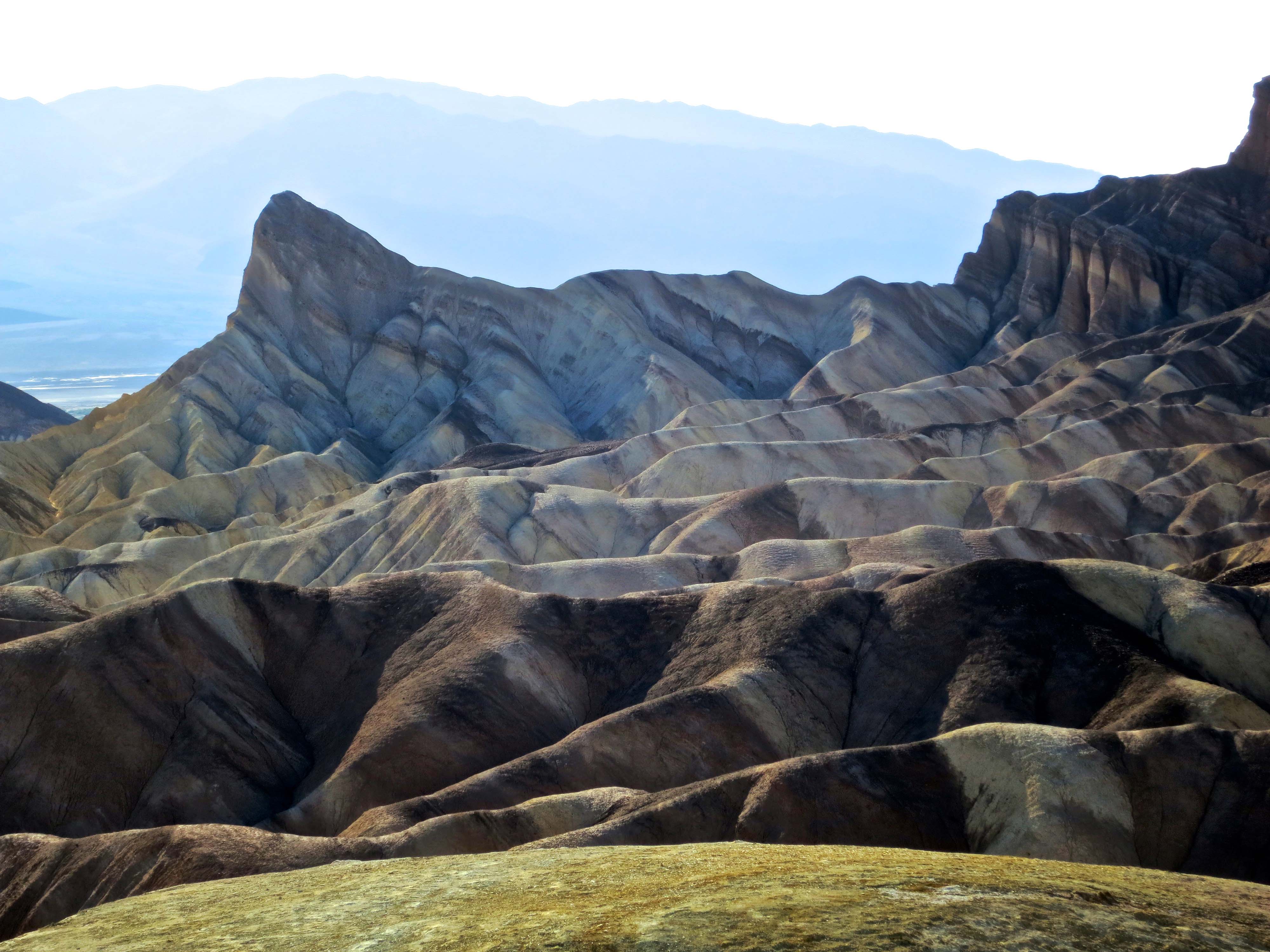
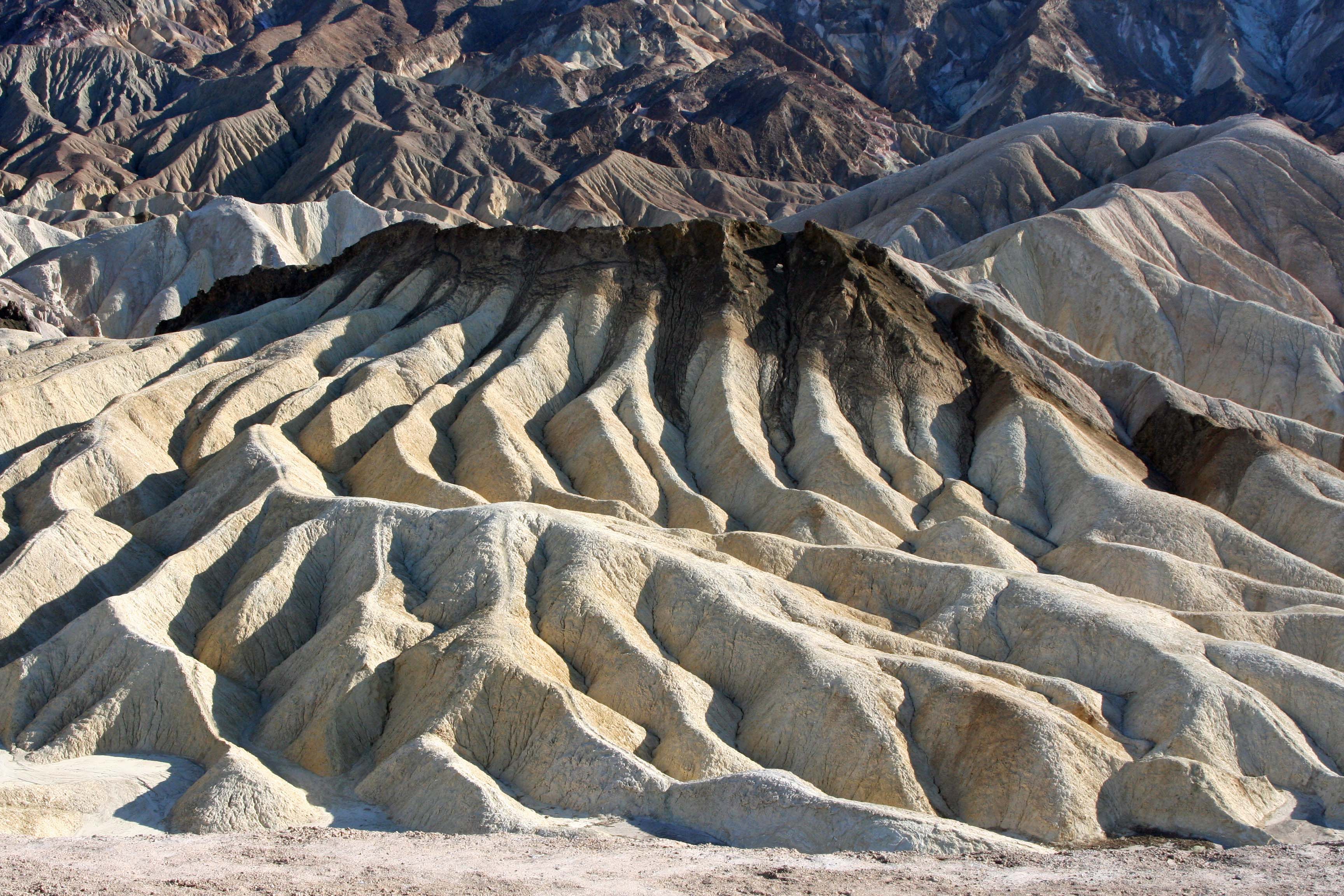
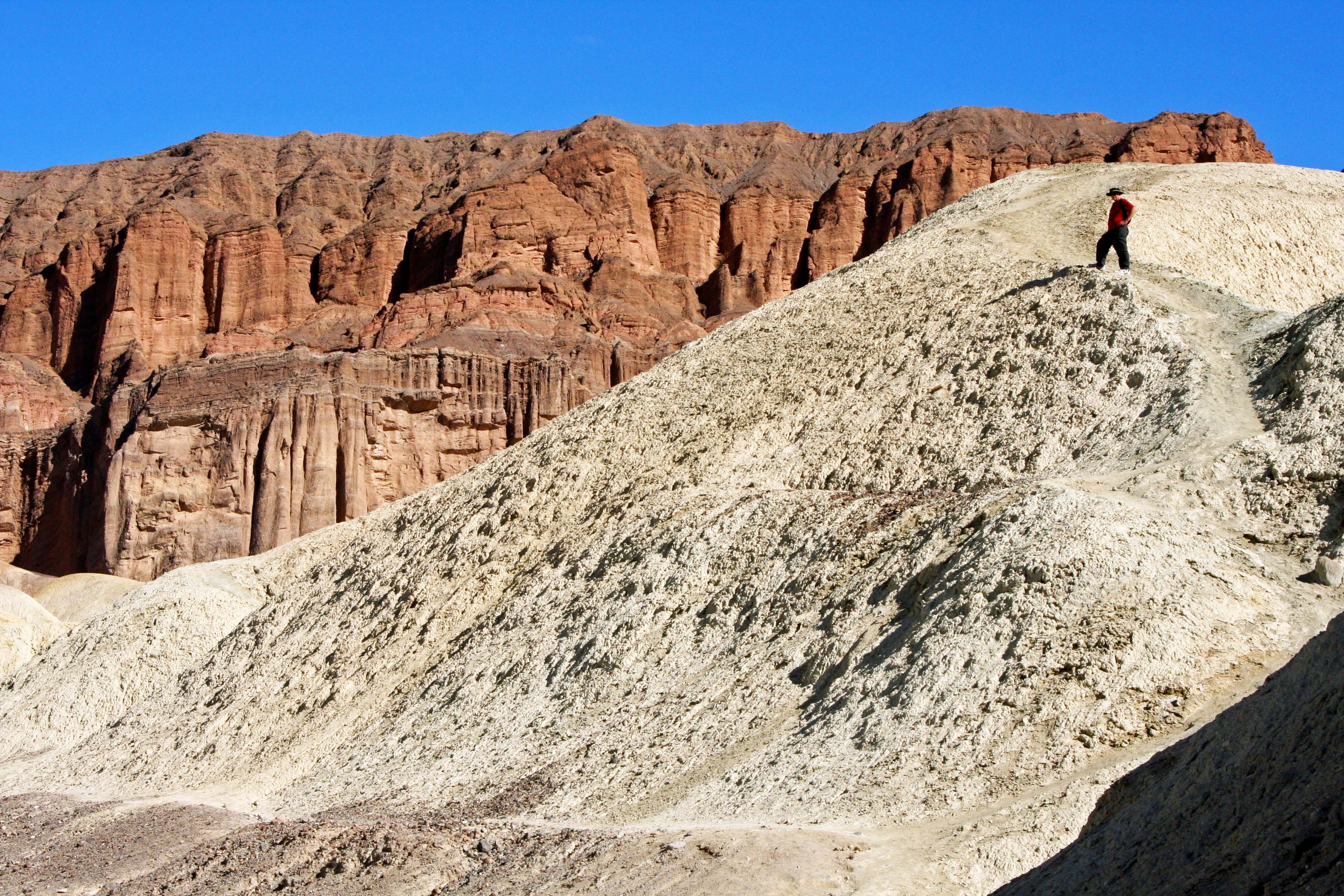
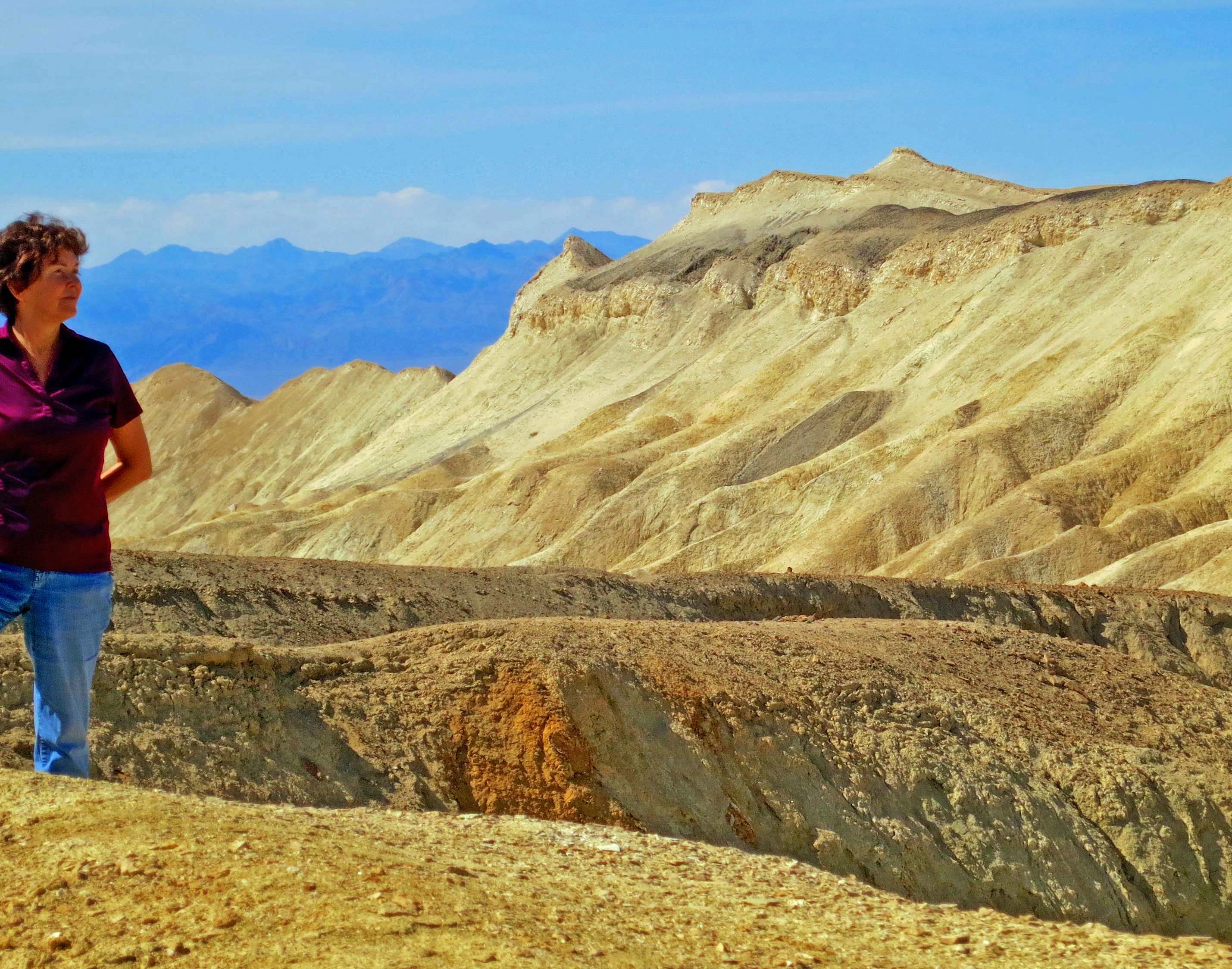
Erosion of rocks created in an ancient lake bed gives Zabriskie Point its unique look.

Erosion of rocks gives Zabriskie Point its unique look.

Zabriskie Point is one of the most photographed spots in Death Valley. Tour busses stop here and disgorge thousands of passengers annually. Everyone comes armed with a camera, or at least a cell phone camera. Twenty shots or so later they are on their way, scurrying back to the bus and Death Valley’s next must-see sight. We are more leisurely in our approach, but we also take a more photos. Erosion is king here, wearing away rocks that were deposited in a lakebed some five million years ago– back before tectonic forces created Death Valley and back before the region became a desert.

Zabriskie Point Death Valley.

As in other parts of Death Valley, the rocks of Zabriskie Point are multi-hued. (Photo by Peggy Mekemson.)

Manly Beacon in Death Valley.

Manly Beacon or Point, is another popular view from Zabriskie Point. Justifiably so.

Peggy and I were at Zabriskie Point in the late afternoon. The rocks above Manly Beacon seemed to take on an inner glow.

Peggy and I were at Zabriskie Point in the late afternoon. The rocks above Manly Beacon seemed to take on an inner glow.

The volcanic caprock provides an interesting contrast. (Photo by Peggy Mekemson.)

The volcanic caprock provides an interesting contrast. (Photo by Peggy Mekemson.)

A three-mile trail leads down to the Valley floor from Zabriskie Point and passes through Golden Canyon on the way. For fans of Star Wars IV, segments of the movie were filmed in Golden Canyon. The diminutive, eye glowing Jawas captured R2-D2 and C-3PO there.  So you can think of Death Valley as Tatooine, the home planet of Luke Skywalker. (Tunisia was also used for scenes on Tatooine.)

Golden Canyon looking out toward Death Valley

Golden Canyon looking out toward Death Valley. This photo and the one below were taken from an earlier trip. R2-D2 and C-3PO were captured in the canyon by the Jawas.

Golden Canyon in Death Valley

Golden Canyon looking up toward Zabriskie Point. I am on the trail. (Photo by Peggy Mekemson.)

Here’s some Star Wars trivia I picked up when doing research for this blog that you can use to wow your friends: sounds made by dogs, bears, lions, tigers and walruses were combined to create Chewbacca’s voice.

The Twenty Mule Team Canyon that I blogged about in my last post starts a mile or so above Zabriskie Point. A few miles farther, a road jogs off to the right that leads to Dante’s View, which towers some 5000 feet above the valley floor. The last part of the road is steep and narrow but the view is worth it.

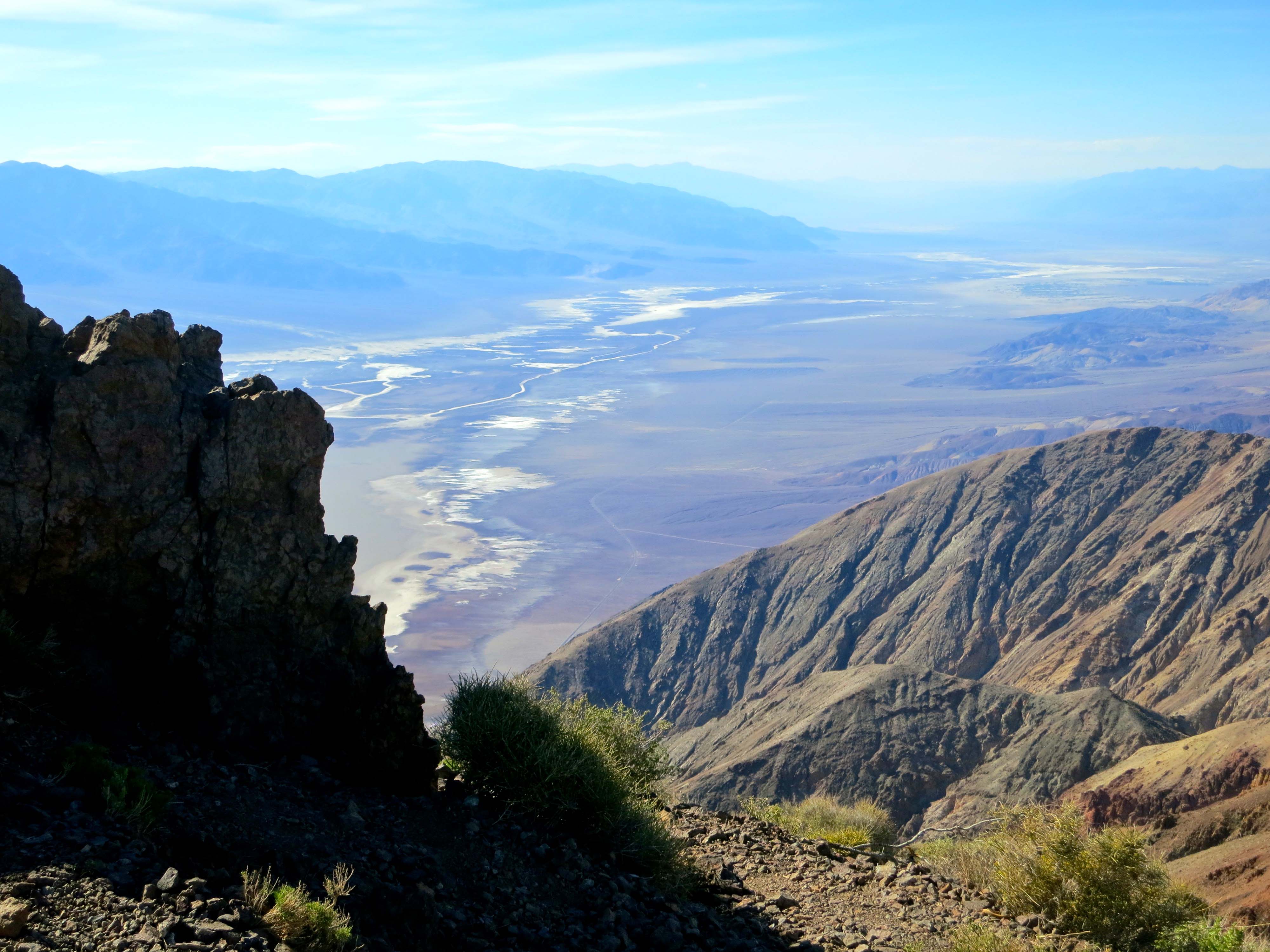
Looking down into Death Valley from Dante's View.

Looking down into Death Valley from Dante’s View.

Dante's View provides a spectacular view of Death Valley.

Another perspective.

Given the higher elevation at Dante's View, Spring Flowers were still blooming.

Given the higher elevation at Dante’s View, spring flowers were still blooming.

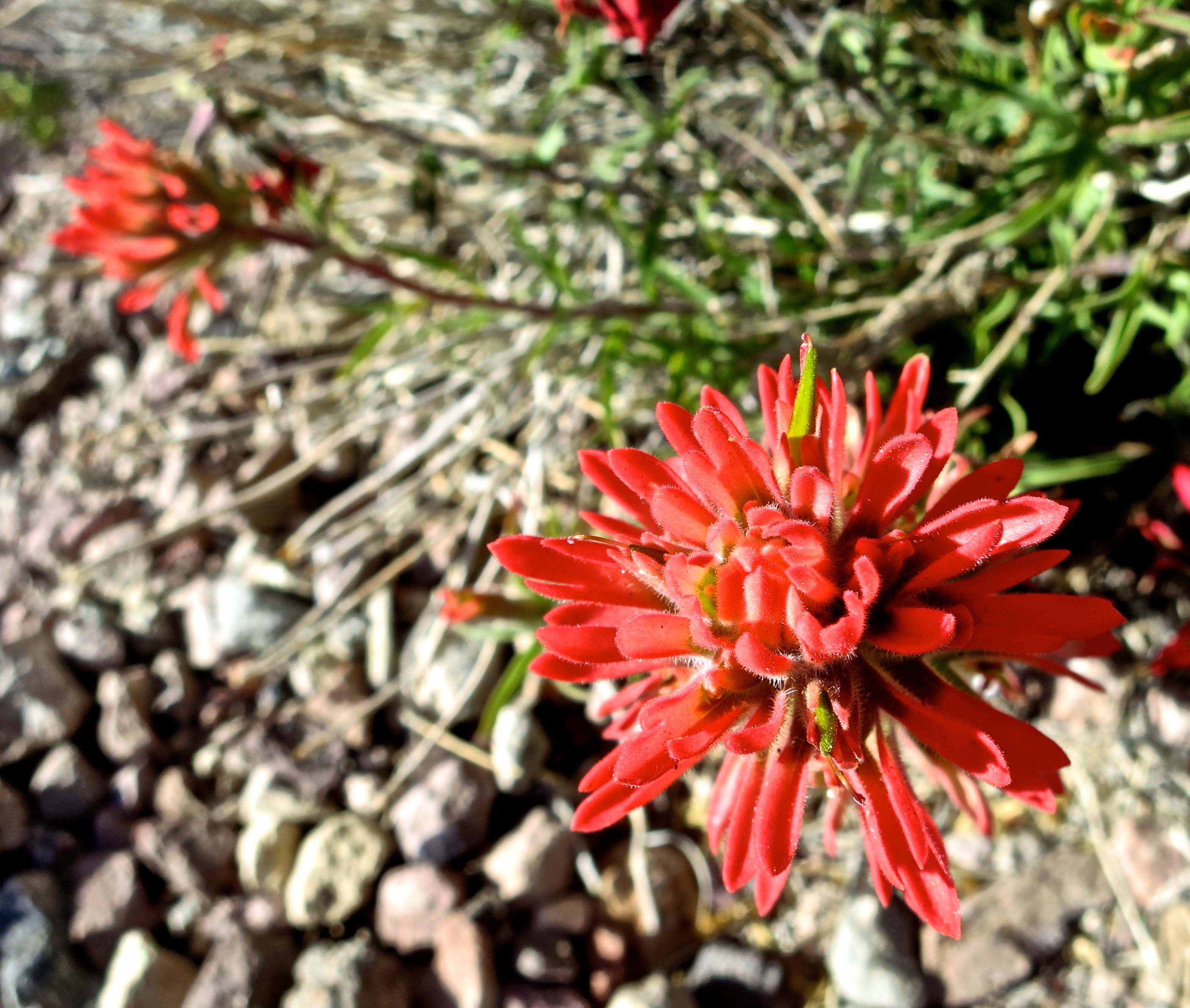
Indian Paintbrush at Dante's View in Death Valley National Park.

This is an Indian Paintbrush.

I took this photo to capture the very impressive alluvial fan spreading out on the Death Valley floor far below Dante's View. Debris coming down off the mountain had built this fan up over thousands of year.

I took this final photo from Dante’s View to capture the very impressive alluvial fan spreading out on the Death Valley floor far below. Debris coming down off the mountain had built this fan up over thousands of year.

NEXT BLOG: Traveling into the Panamint Range of Death Valley: wild flowers, huge charcoal kilns, and one very large, irritated rattlesnake.

Death Valley: Part I: The Twenty Mule Team Canyon… The Desert Series

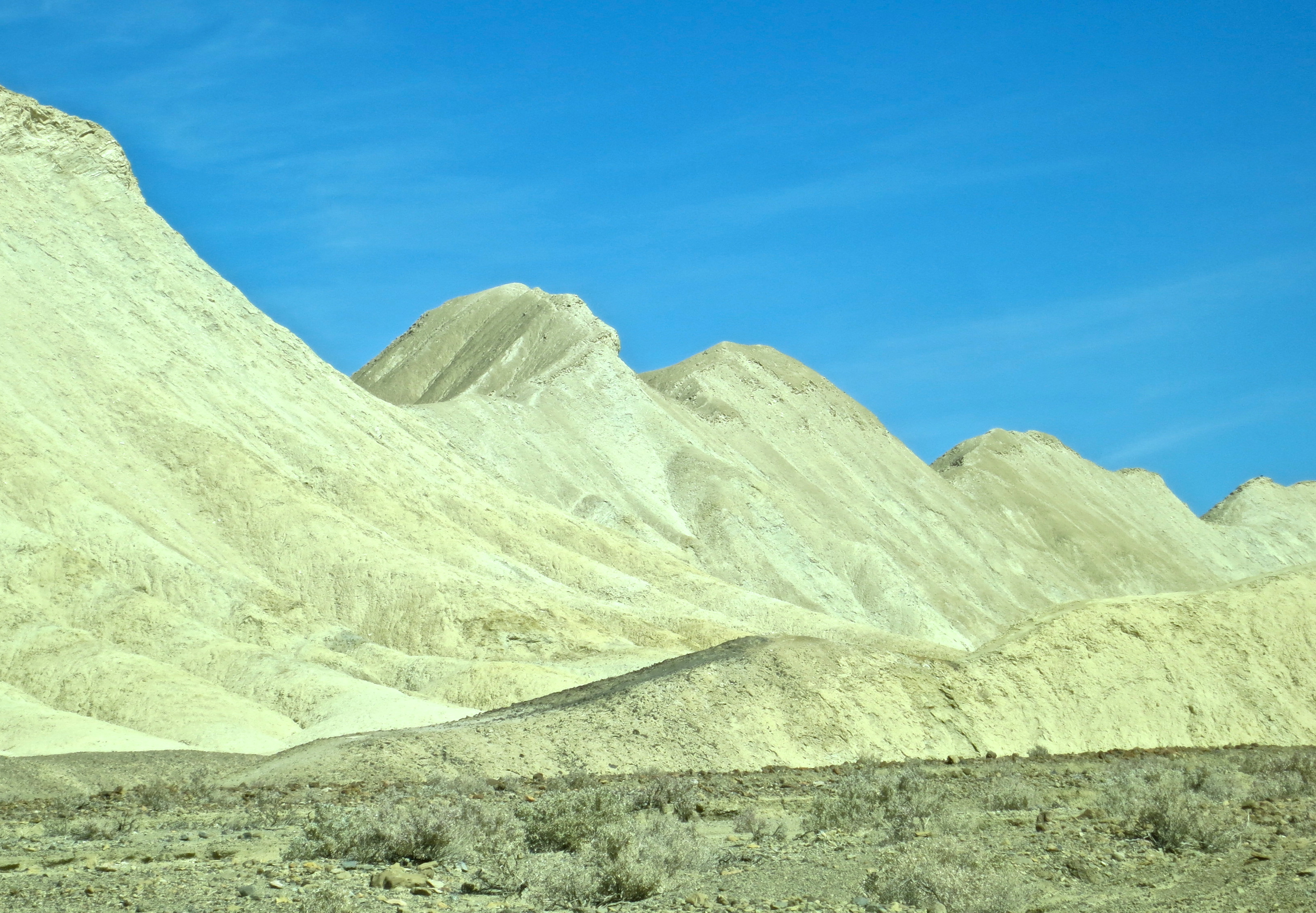
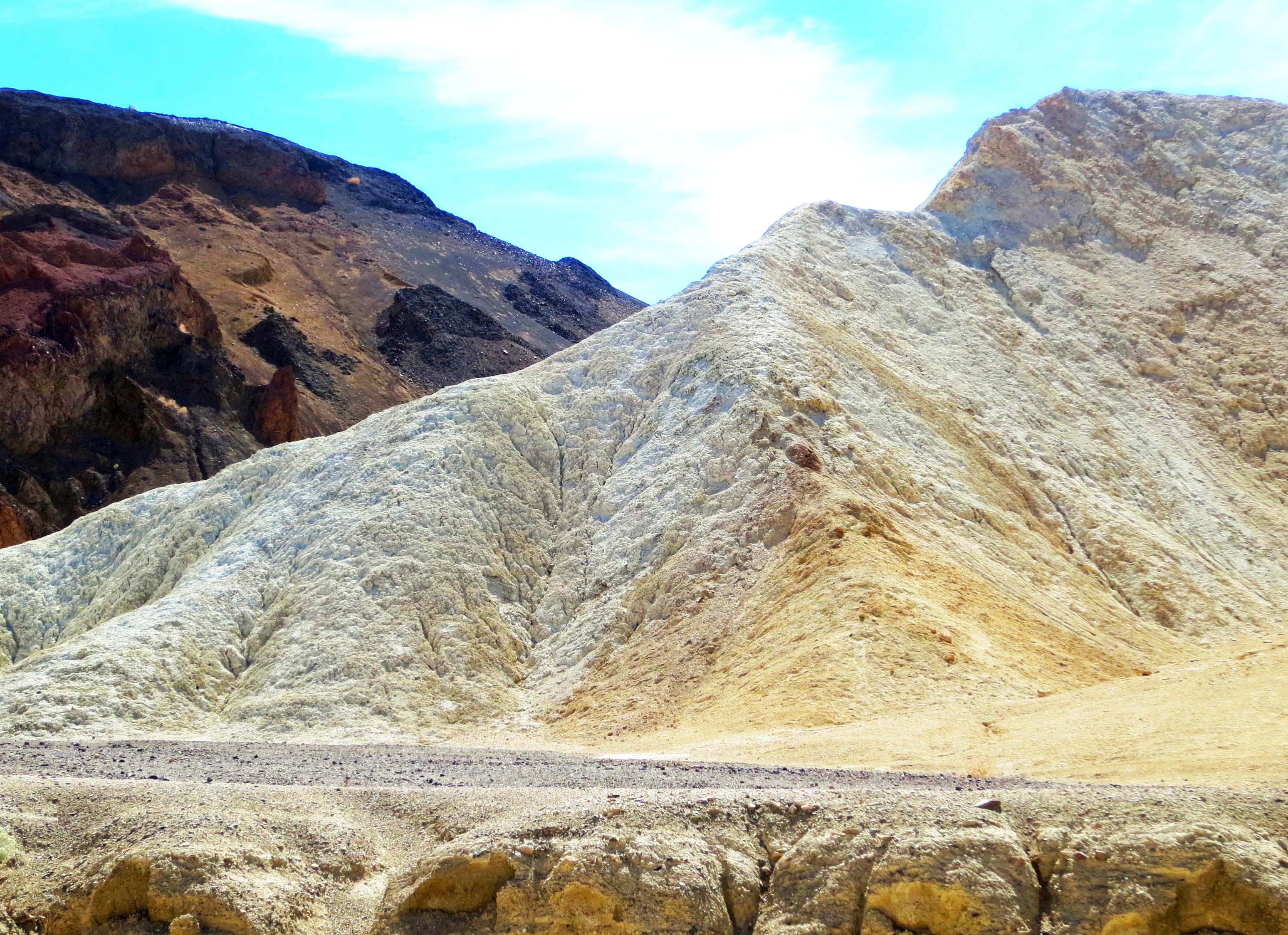
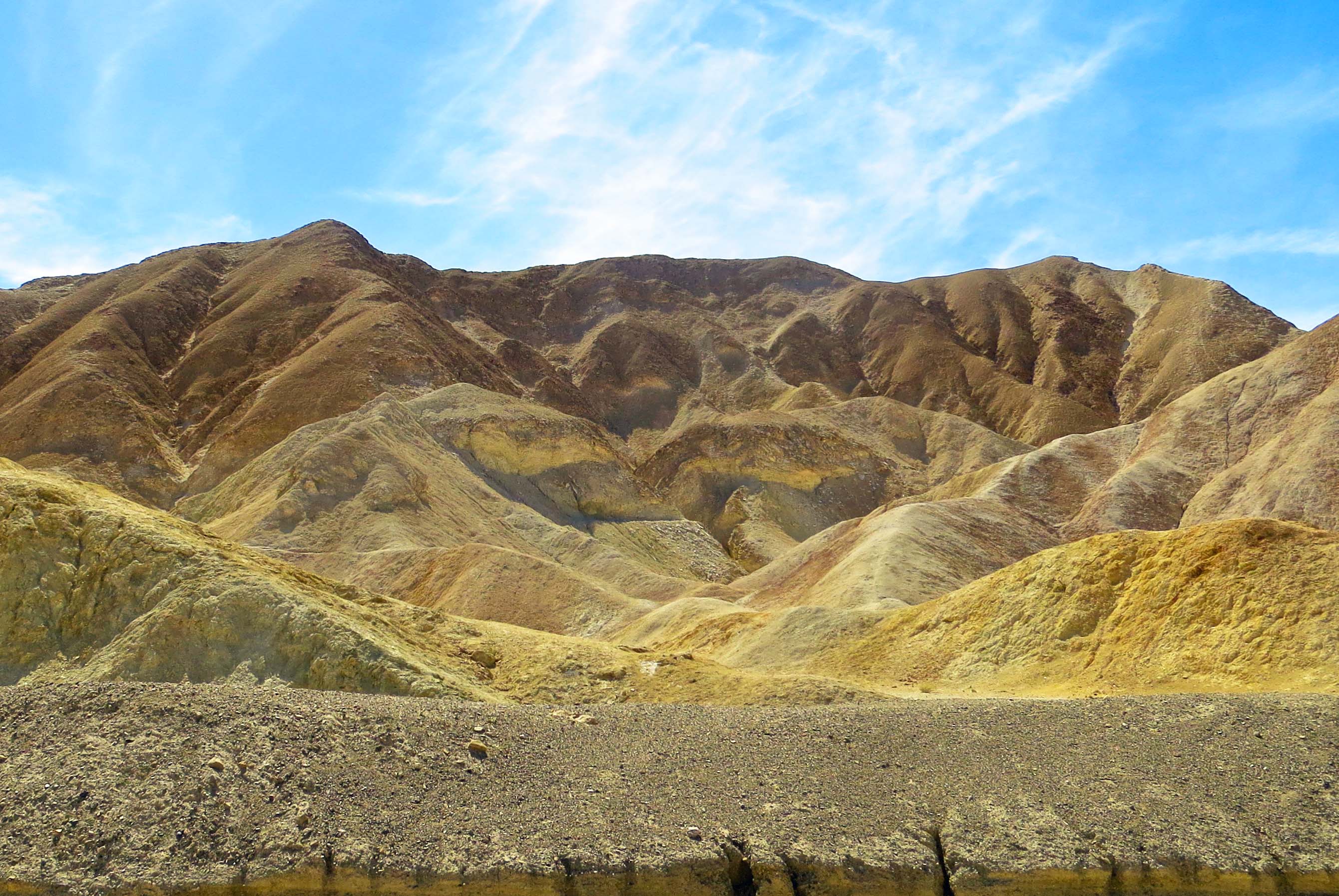
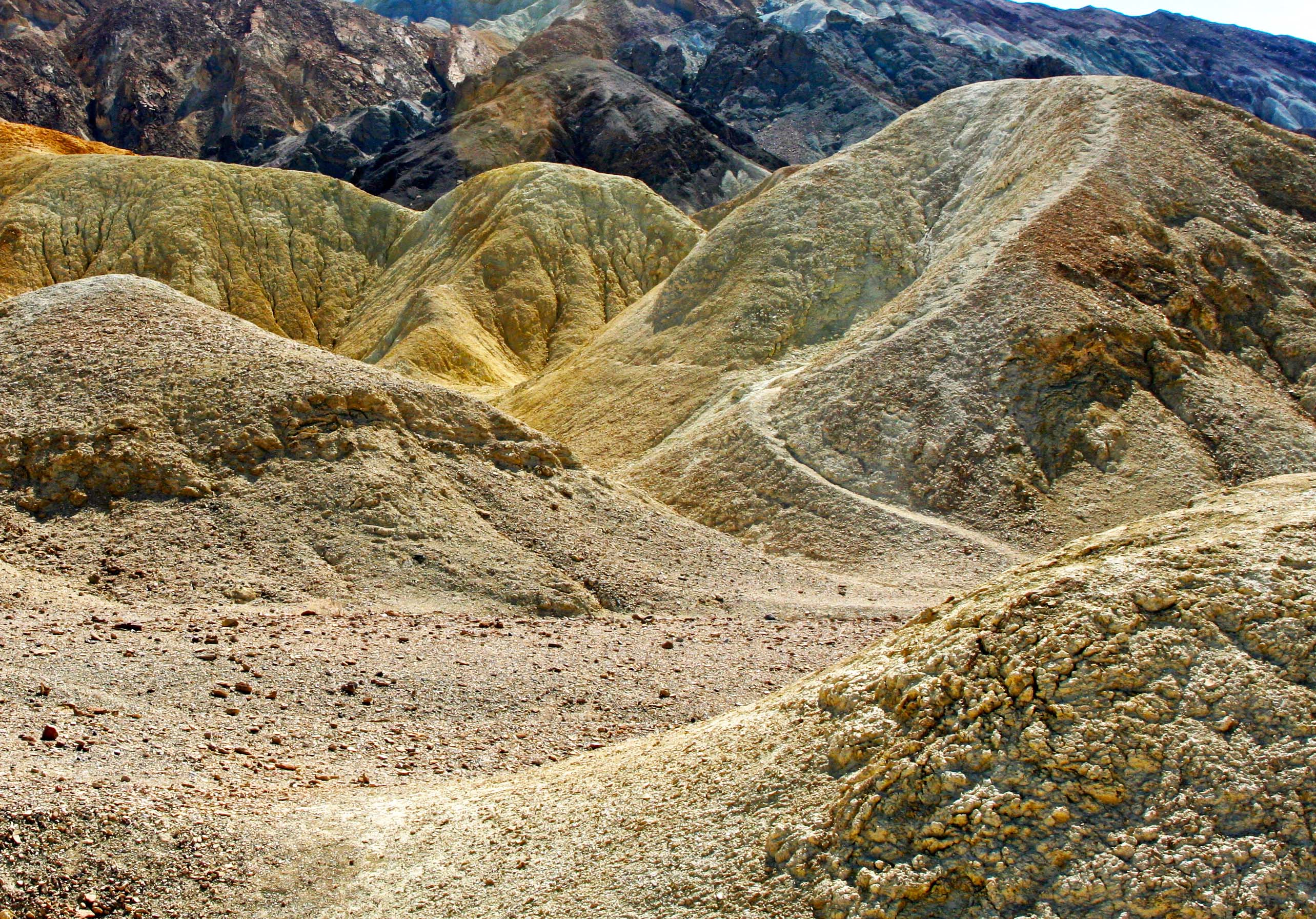
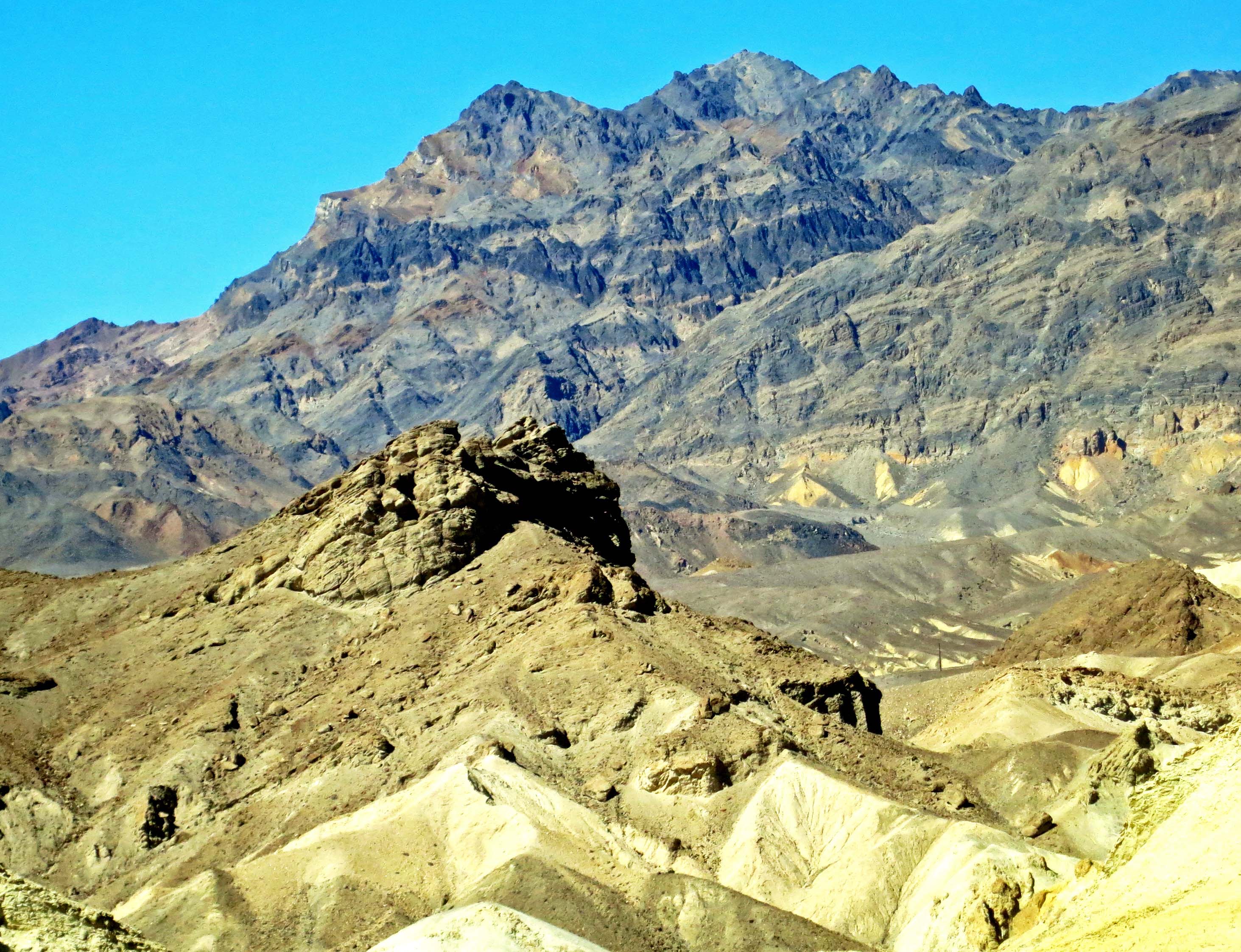
Prepare to be dazzled with a kalaidiscope of color on a drive through Twenty Mule Team canyon in Death Valley.

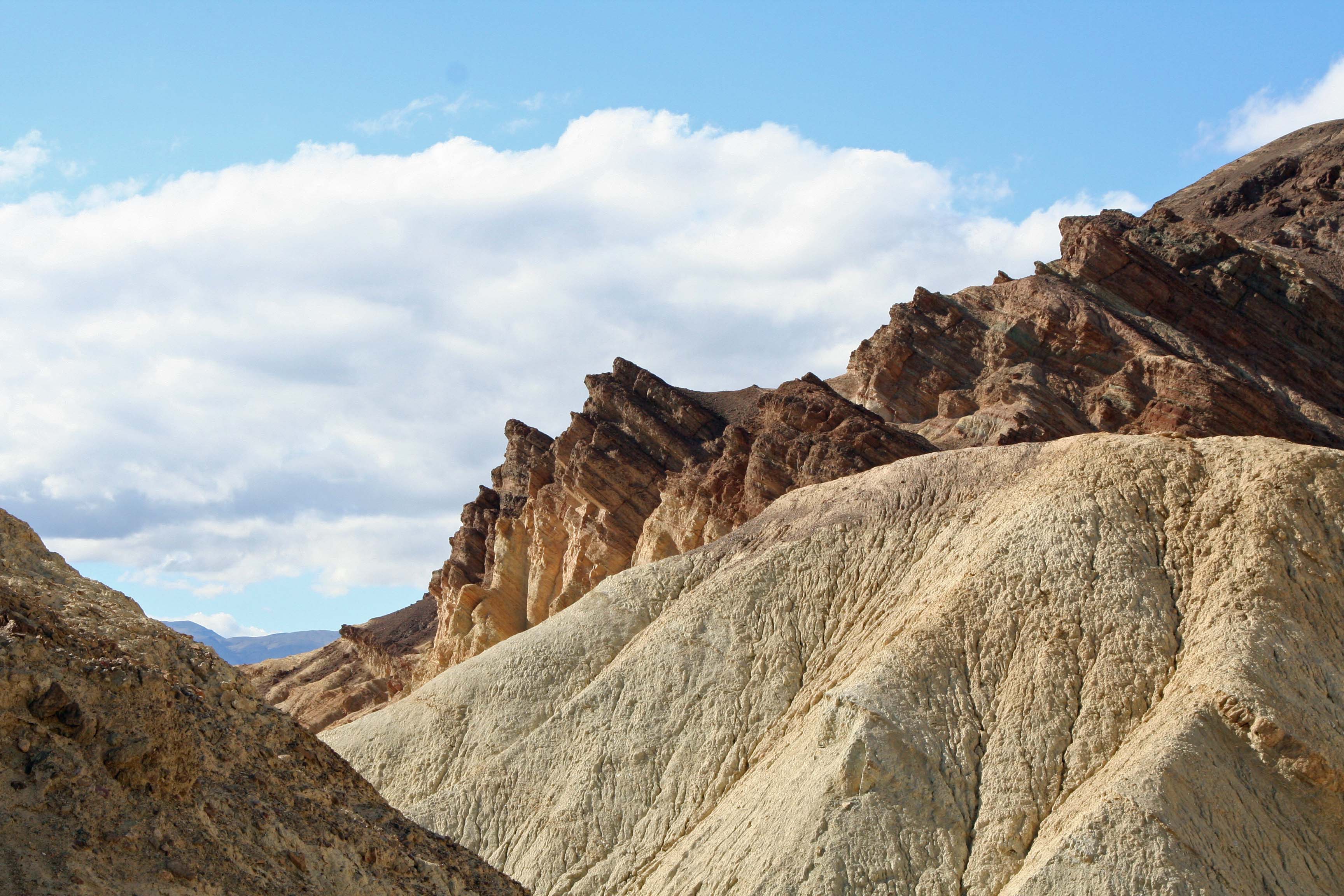
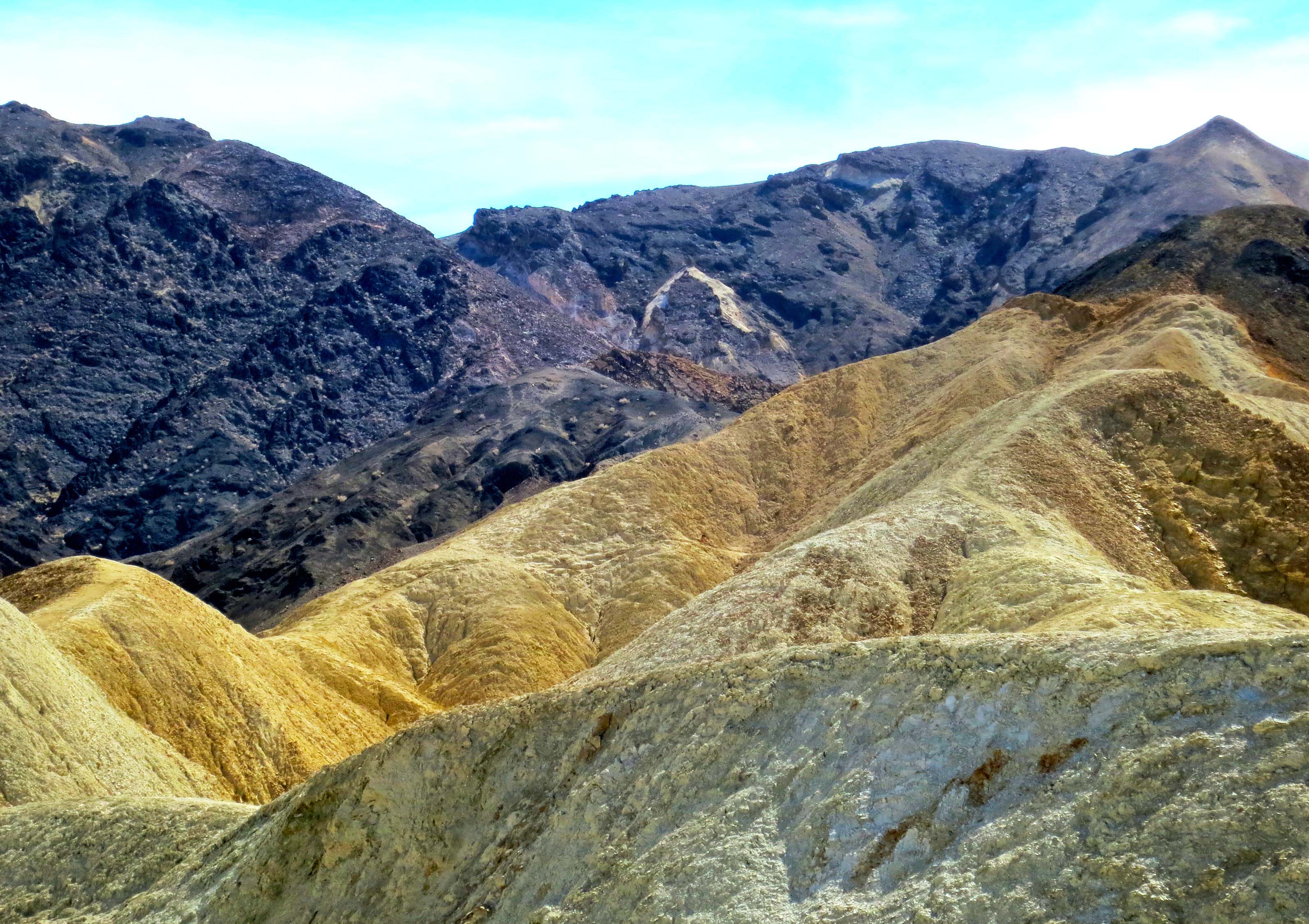
Prepare to be dazzled with a kaleidoscope of color on a drive through Twenty Mule Team Canyon in Death Valley. Various minerals are responsible for the colors.

Death Valley is a land of superlatives. Think hottest, lowest, and driest place in North America. It holds the world record for heat at 134 ˚ F (57˚ C). Ground temperatures have actually been measured at 201˚ F. As for rainfall, there are years without any and the annual average is 2.36 inches (60 mm). Finally, a trip into Badwater Basin, easily reachable by car, will drop you down to 282 feet below sea level.

Given these extremes, a person might wish to travel to Death Valley for the sole purpose of saying he or she has been there. (Or conversely avoid Death Valley passionately.) But from my perspective, the reason for visiting Death Valley is its exotic beauty. Over the past three weeks, I’ve taken you to the Valley of Fire and Red Rock Canyon. Not bad on scenery, eh? Consider it a warm up.

I’ve been to Death Valley numerous times and have blogged about it in the past. On our recent trip, we climbed out of the valley and explored other parts of the National Park including Twenty Mule Team Canyon, Dante’s View, Zabriskie Point and the unusual Charcoal Kilns high up in the Panamint Mountains.

Today, we will begin our journey with a drive through the colorful badlands of Twenty Mule Team Canyon. Imagine for the moment, taking 18 mules and two horses, hitching them to a huge wagon, and hauling 10 tons of borax over desert terrain for 160 miles. That is how borax was hauled out of Death Valley between 1883-1889 and it has become part of the local lore and legend. Francis Smith, the founder of Pacific Borax was also a first class promoter and sent his mule teams out to major cities across the US to push his soap products.  At one point, they paraded down Broadway in New York City.

This early, unattributed photo in the public domain, provides a view of the team with its Death Valley backdrop.

This early, unattributed photo in the public domain, provides a view of the 20 mule team with its Death Valley backdrop. The driver had a very long bullwhip to encourage his mules along the way.

Old Dinah steam tractor in Death Valley National Park.

The mules were eventually replaced by a steam tractor. “Old Dinah” is featured at Furnace Creek. Dinah, in turn, was replaced by a railroad.

Twenty Mule Team Canyon was never part of the route the mules followed. So why the name? It could have been to honor the teams but I suspect it was the bright idea of a tour agent. Whatever, no harm was done. Twenty Mule Team Canyon provides a kaleidoscope of color, a laboratory of erosion, and a fun drive.
Road through Twenty Mule Team Canyon in Death Valley.

The 2.8 mile road through Twenty Mule Team Canyon is a fun drive but it isn’t made for large RVs or fifth wheels. (Photo by Peggy Mekemson.)

Scene on Twenty Mule Team Canyon road in Death Valley. Photo by Curtis Mekemson.

Every corner you turn brings a new view and most are quite dramatic…

Dramatic view along Twenty Mule Team Canyon road in Death Valley.

Case in point.
Road shot traveling through Twenty Mule Team Canyon in Death Valley National Park.

Another road shot. (Photo by Peggy Mekemson.)

View along the Twenty Mule Team Canyon road in Death Valley.
I liked the effect of these contrasting light and dark colors.

Photo of blue skies with puffy clouds provides backdrop for Twenty Mule Team Canyon in Death Valley.

Blue skies, light clouds provide a backdrop for gold, reddish-brown and tan rocks.

Trail in Twenty Mule Team Canyon, Death Valley.

A number of trails wander off into the rocks, inviting visitors to stay for a while and explore. (Photo by Peggy Mekemson.)

Funeral Mountains provide a dramatic backdrop in Twenty Mule Team Canyon, Death Valley.

Mountains provide the backdrop here. These, BTW, are the Funeral Mountains.

Distant mountains appear purple in Twenty Mule Team Canyon, Death Valley.

More distant mountains appear almost purple. (Photo by Peggy Mekemson.)

Peggy Mekemson checks out the view at Twenty Mule Team Canyon in Death Valley.

Peggy admires the view.

A final view of the riotous colors found in Twenty Mule Team Canyon.

A final view of the riotous colors found in Twenty Mule Team Canyon.

NEXT BLOG: We check out what is probably the most photographed area of Death Valley, Zabriskie Point, and climb 5000 feet above the valley to Dante’s View floor for a bird’s eye perspective.

Escape from Las Vegas to the Red Rock Canyon… The Desert Series

Depending on traffic conditions, Red Rock Canyon National Conservation Area is 30-45 minutes outside of Las Vegas. It is hard to imagine two more diverse worlds.

Depending on traffic conditions, Red Rock Canyon National Conservation Area is 30-45 minutes outside of Las Vegas. It is hard to imagine two more diverse worlds.


Las Vegas shouldn’t exist.
Why would any sane person build a city in middle of a desert where summer temperatures regularly climb over 110 degrees F and annual rainfall hangs around 4 inches? Sure, it’s a great place for jackrabbits and rattlesnakes and scorpions and cacti and desert tortoises. Maybe even lonely miners, ladies of the evening, jet jockeys, crotchety cowmen, and aliens belong there.
What Las Vegas would look like without water.

What Las Vegas would look like without imported water.

But putting 1.8 million people into Las Vegas and the surrounding Clark County– what were they thinking? Everything has to be imported… and I mean everything including the ever-precious water for golf courses and tourists with bucks to toss. Cut off either one and Las Vegas is SOL. The city returns to the jackrabbits and LA sucks up any extra water from the Colorado River.

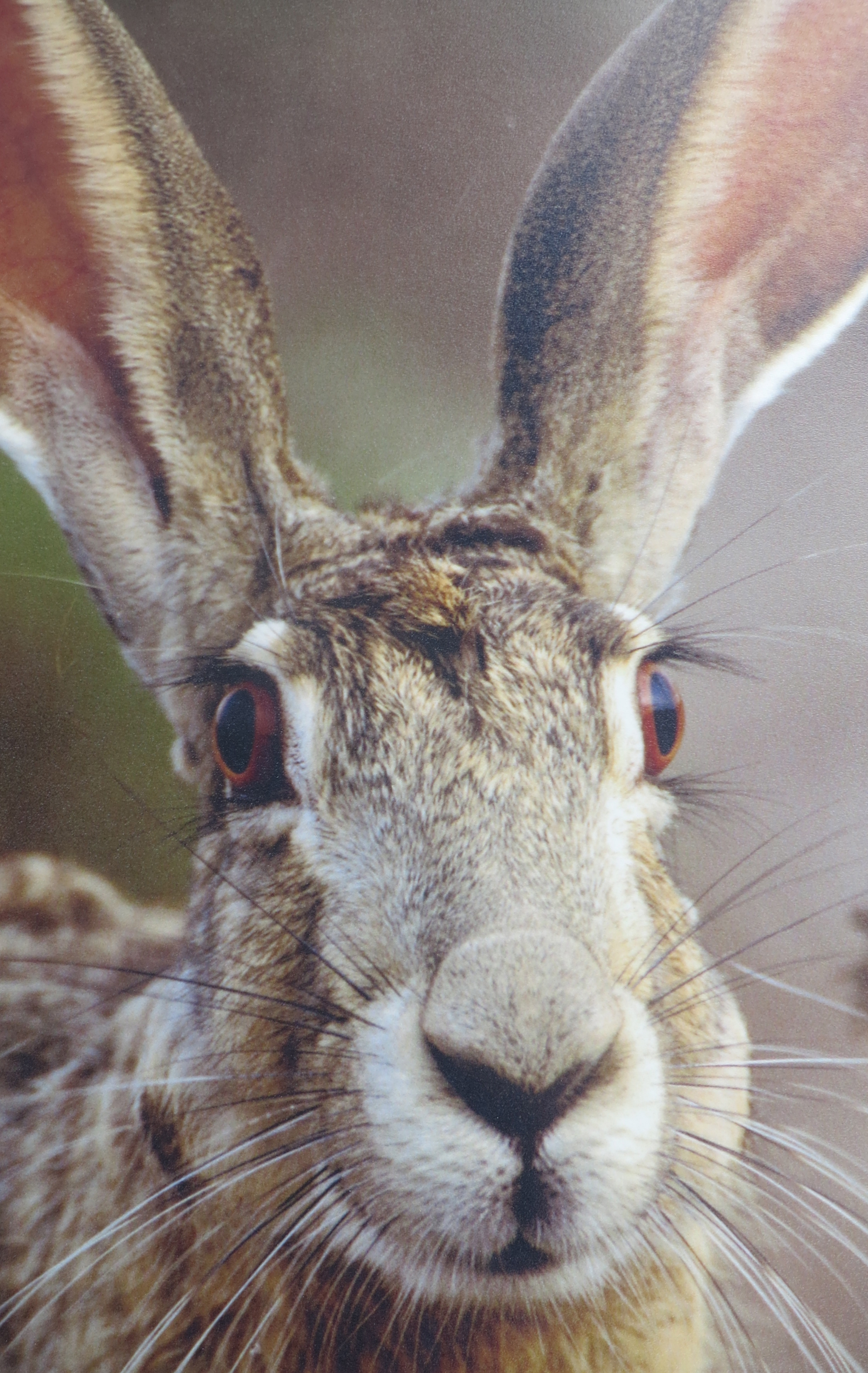
A jackrabbit. (Photo at Red Rock Canyon Museum.)

“I want my desert back.” Hoppy Jackrabbit. (Photo from Red Rock Canyon Museum.)

MONEY, of course, is the answer for the city’s existence– obscene amounts of it, like bundles and bundles and bundles. Mafia hit men joined together with Mormon bankers following World War II to build the Flamingo Casino and start milking the proverbial cash cow. This kicked off a spree of building pleasure palaces that continues even today, with each one being bigger and glitzier than the one before. The names and faces have changed, but the basic underlying purpose remains the same: separate tourists from their hard-earned cash, as quickly as possible.

Down around Fremont Street a touch of Old Vegas here mobsters ruled as been preserved. If you go down there, be sure to visit the Mobster Museum.

Down around Fremont Street, a touch of Old Vegas where mobsters ruled has been preserved. If you go down there, and you should, be sure to visit the mobster museum. The cowboy above  would have been the epitome of neon lighting in its day.

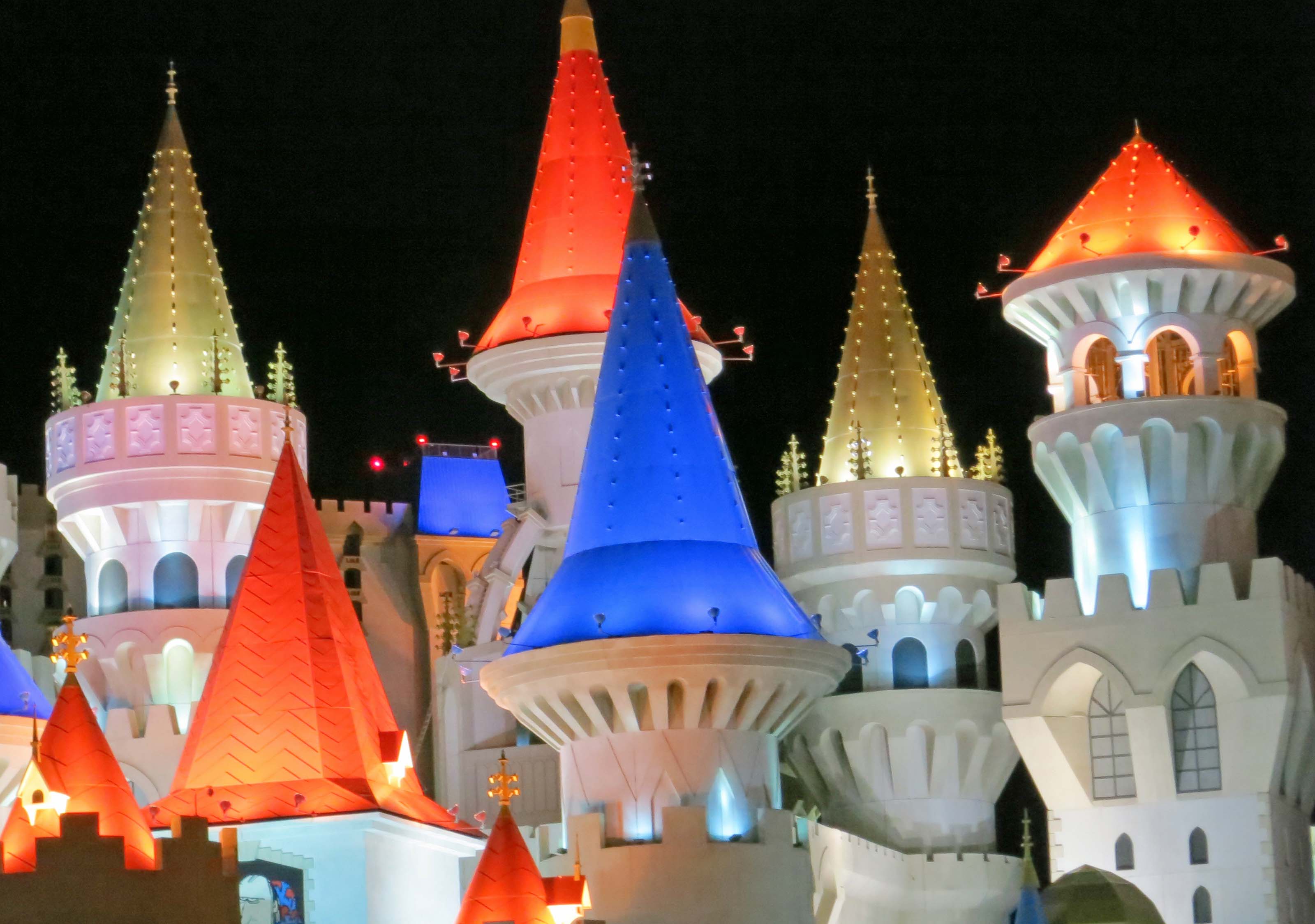
Most of the older casinos in Las Vegas have now been replaced with fantasy creations that out-Disney Disney.

Most of the older casinos in Las Vegas have now been replaced with fantasy creations that out-Disney Disney.

Now I confess to liking a little glitter from time to time. A stroll down the Strip drops me into Venice, New York City, Paris or even a pyramid. While pale in comparison to the real thing, the moguls of Las Vegas have spent billions creating these make-believe worlds. And the price of admission is right: free. At least it is if you can avoid the multiple temptations. I can’t. I am sure there is a quarter video poker machine out there that will make me rich beyond my wildest dreams, or at least pay for dinner. Or, failing all of that, cover the tourist tax. (Remember here, however, that I also believe in UFOs.)

Venice, Las Vegas style.

Venice, Las Vegas style complete with fake sky and a singing gondolier.

Venice, Italy from our 2012 visit. (Photo by Peggy Mekemson.)

The real thing from our 2012 visit to the Mediterranean. (Photo by Peggy Mekemson.)

There comes that inevitable moment, however, when I have to escape the glitter, noise, and crowds for the wilderness. I have to return to my roots, to commune with nature. Luckily, it’s easy from Las Vegas. Last week I took you out to the Valley of Fire, a short hour drive away. Today we are going to visit Red Rock Canyon National Conservation Area, which is even closer, 30–45 minutes.

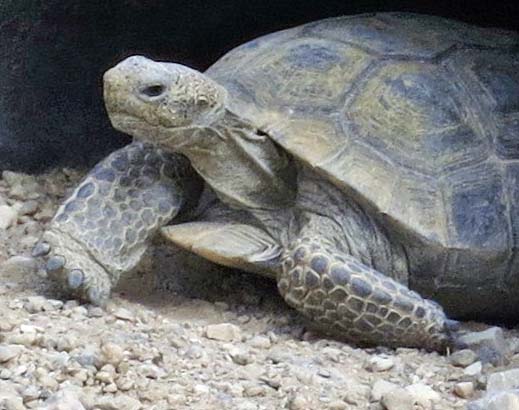
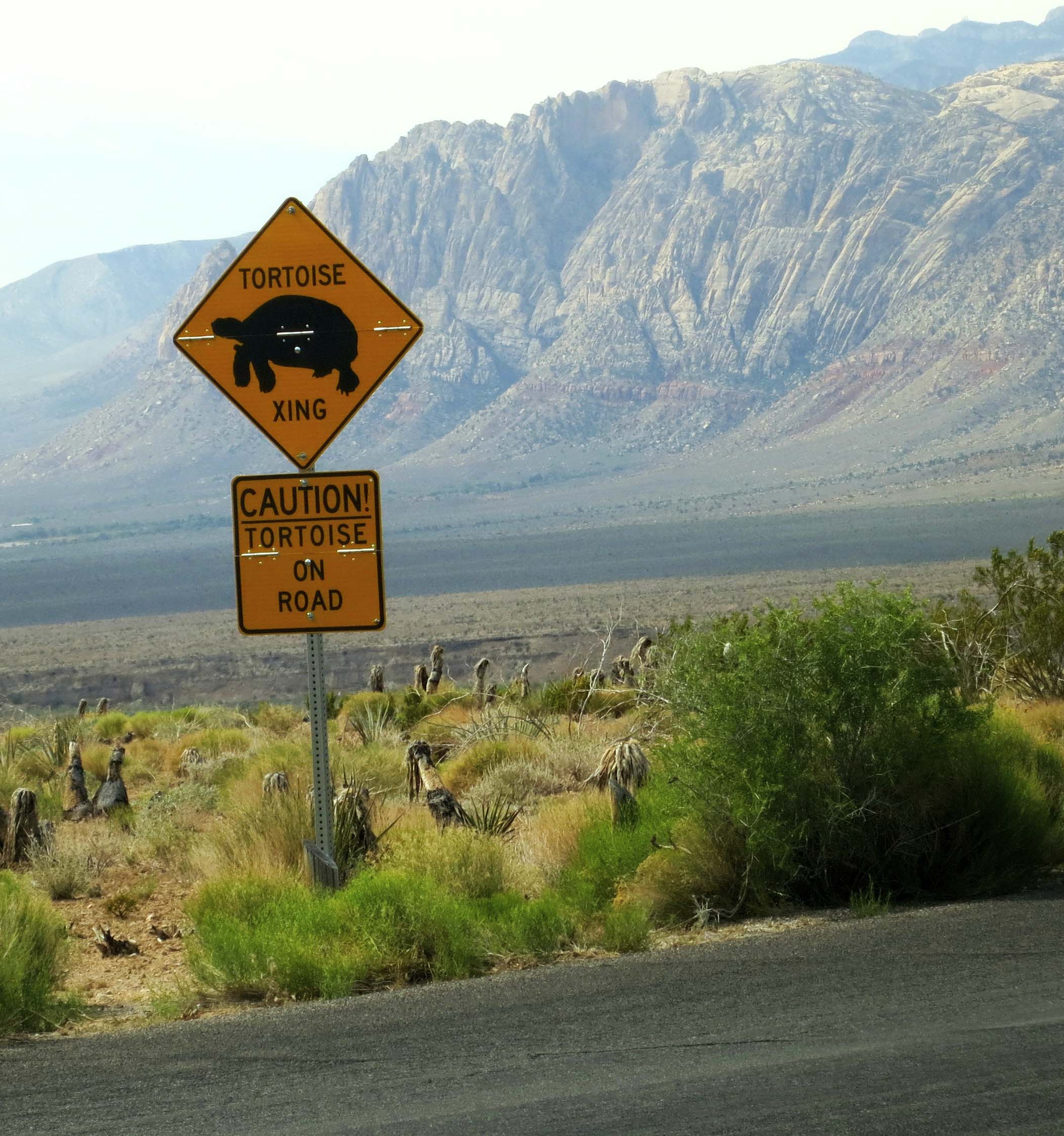
Truth be told, if I have to choose between urban fantasies and natural wonders, I'll go for the natural wonders. We found this desert tortoise outside the Red Rock Canyon Visitor Center but you might see them anywhere in the park, as the sign below attests.

Truth be told, if I have to choose between urban fantasies and natural wonders, I’ll go for the natural wonders. We found this desert tortoise outside the Red Rock Canyon Visitor Center but you might see them anywhere in the park, as the sign below attests.

Watch out for tortoises on the road sign in Red Rock Canyon park outside of Las Vegas, Nevada.

This gem sits on the edge of Las Vegas. An easy morning trip will get you there, around the park and back. The park features a one way, 13-mile drive with numerous turnouts. There are several hiking trails that crisscross the area. Many people also enjoy biking the route. I highly recommend starting your trip at the excellent visitor’s center.

Here are some views along the way.

Be sure to stop off at the Visitor's Center for an overview of Red Rock Canyon. In addition to having excellent information on the park, it includes lots of fun things like this kid-sized snail sculpture.

Be sure to stop off at the Visitor’s Center for an overview of Red Rock Canyon. In addition to having excellent information on the park, it includes lots of fun things like this kid-sized snail sculpture.

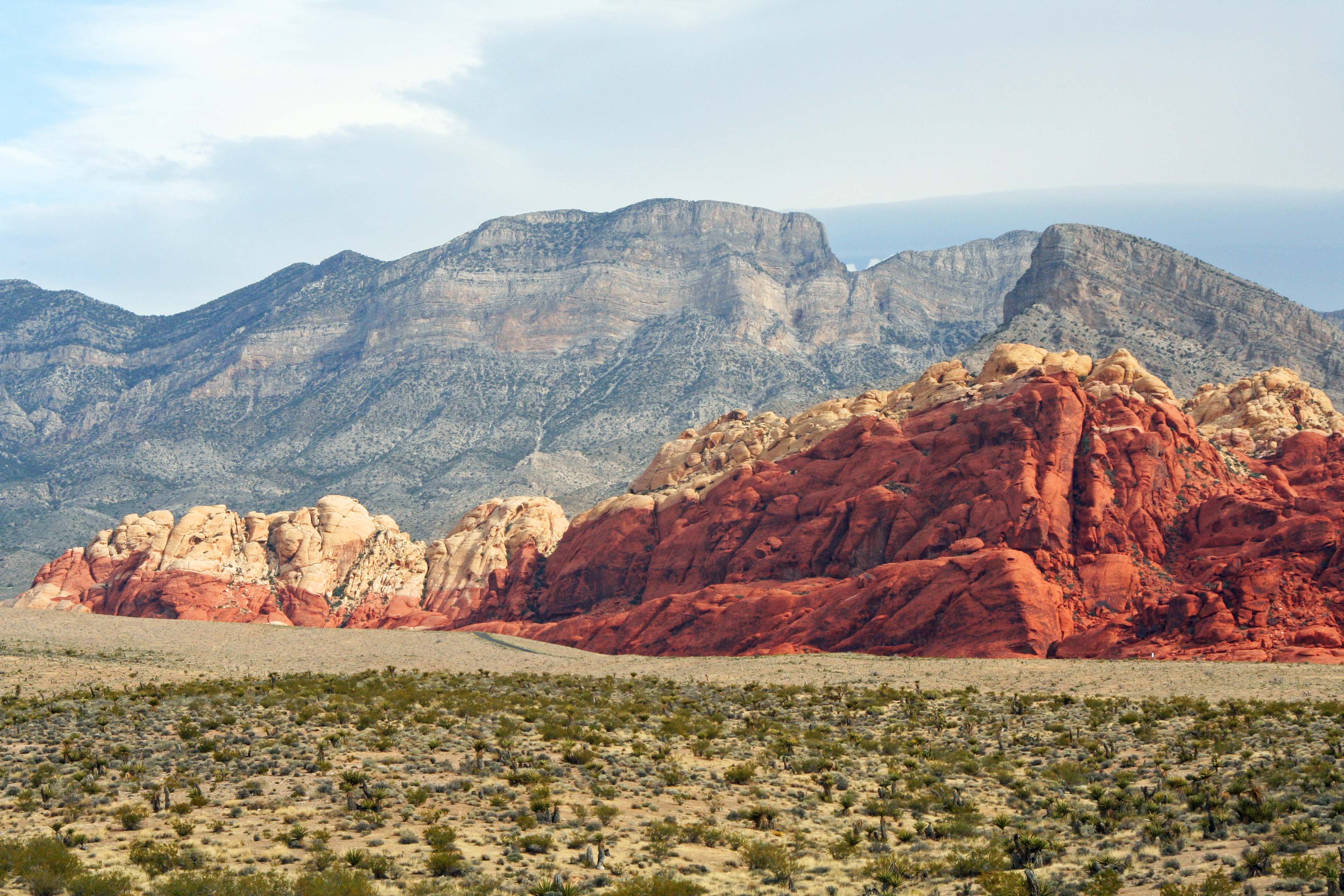
Red Rock Canyon National Conservation Area.

You can also preview your route from the Visitor’s Center. The road snakes around the colorful hill in the foreground. (Photo by Peggy Mekemson.)

Red sandstone hill in Red Rock Canyon National Conservation Area outside of Las Vegas, Nevada.

A close up of the same hill taken from the road. One of Red Rock Canyon’s many hiking trails is seen at the base of hill.

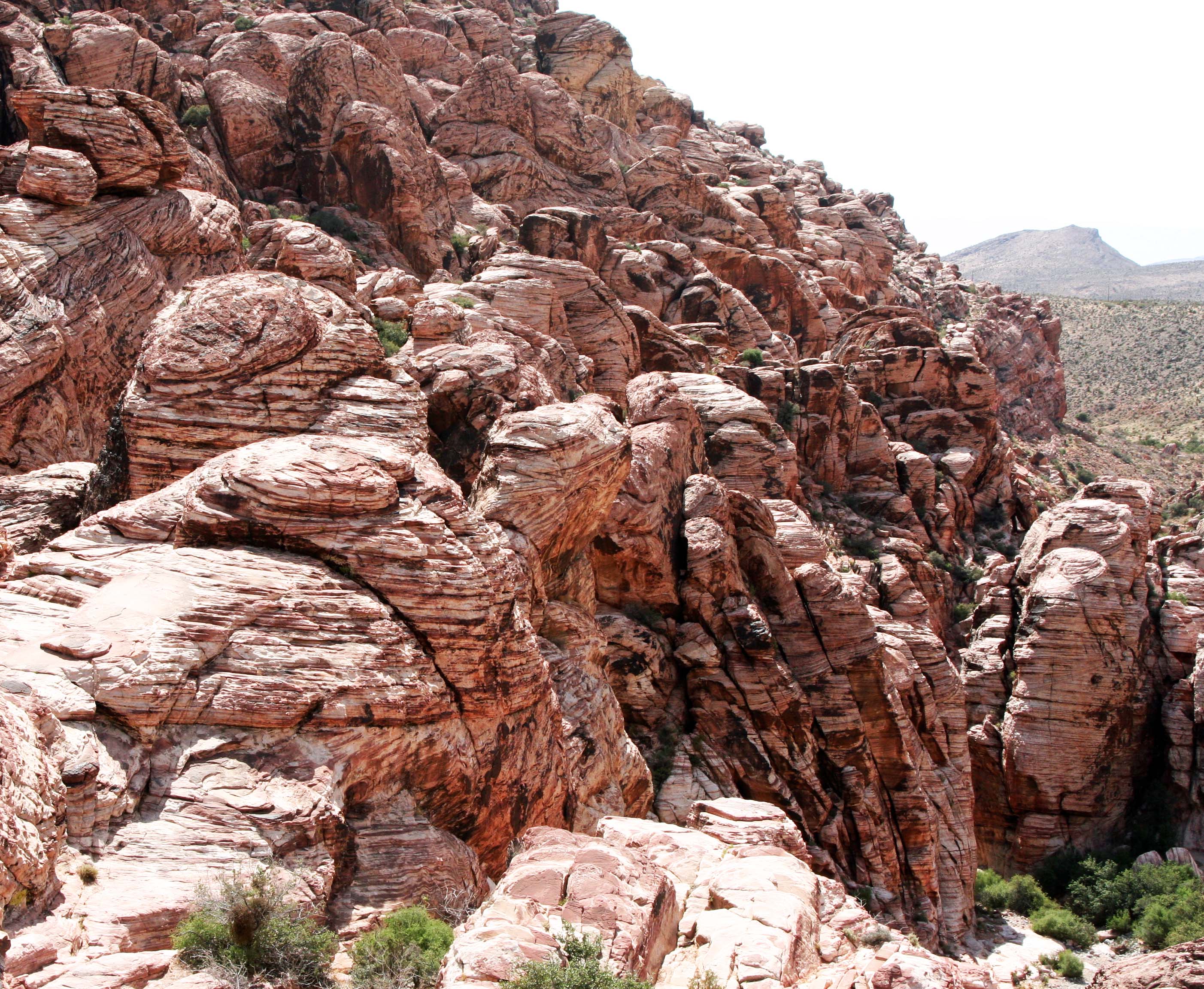
As in the Valley of Fire, the various rock formations in Red Rock Canyon are carved out of  ancient sand dunes that have been turned to rock. Peggy captures one of the formations here.

As in the Valley of Fire, the various rock formations in Red Rock Canyon are carved out of ancient sand dunes that have been turned to rock. Peggy captures one of the formations here.

Photograph of Red Rock Canyon near Las Vegas Nevada.

What she saw through her lens. (Photograph by Peggy Mekemson.)

Sand Stone Quarry pull off in Red Rock Canyon National Conservation Area.

Pull offs from the road provide a number of opportunities to stop and admire the scenery. I took this shot from the Sand Stone Quarry pull off.

Which is where I also found this flower.

Which is where I also found this flower.

Pictoglyphs found in Red Rock Canyon National Conservation Area.

We found these Native American pictoglyphs near Willow Springs. Petroglyphs are made by pecking the rock surface with a rock. Pictoglyphs are made with natural paint derived from minerals. flowers, etc. The pigment for these handprints came from hematite, iron oxide.

Scenic mountain in Red Rock Canyon National Conservation Area.

I enjoyed the contrast in this Red Rock Canyon scene.

Mountains in Red Rock Canyon National Conservation Area framed by a juniper tree.

Juniper provided a frame for this photo of Red Rock Canyon mountains.

I thought these twin cactus flowers would provide a fitting conclusion for my blog on Red Rock Canyon National Conservation Area.

I thought these twin cactus flowers would provide a fitting conclusion for my blog on Red Rock Canyon National Conservation Area.

NEXT BLOG: Hello Death Valley!


Ancient Petroglyphs in the Valley of Fire State Park… The Desert Series

Petroglyphs found at the Valley of Fire State Park

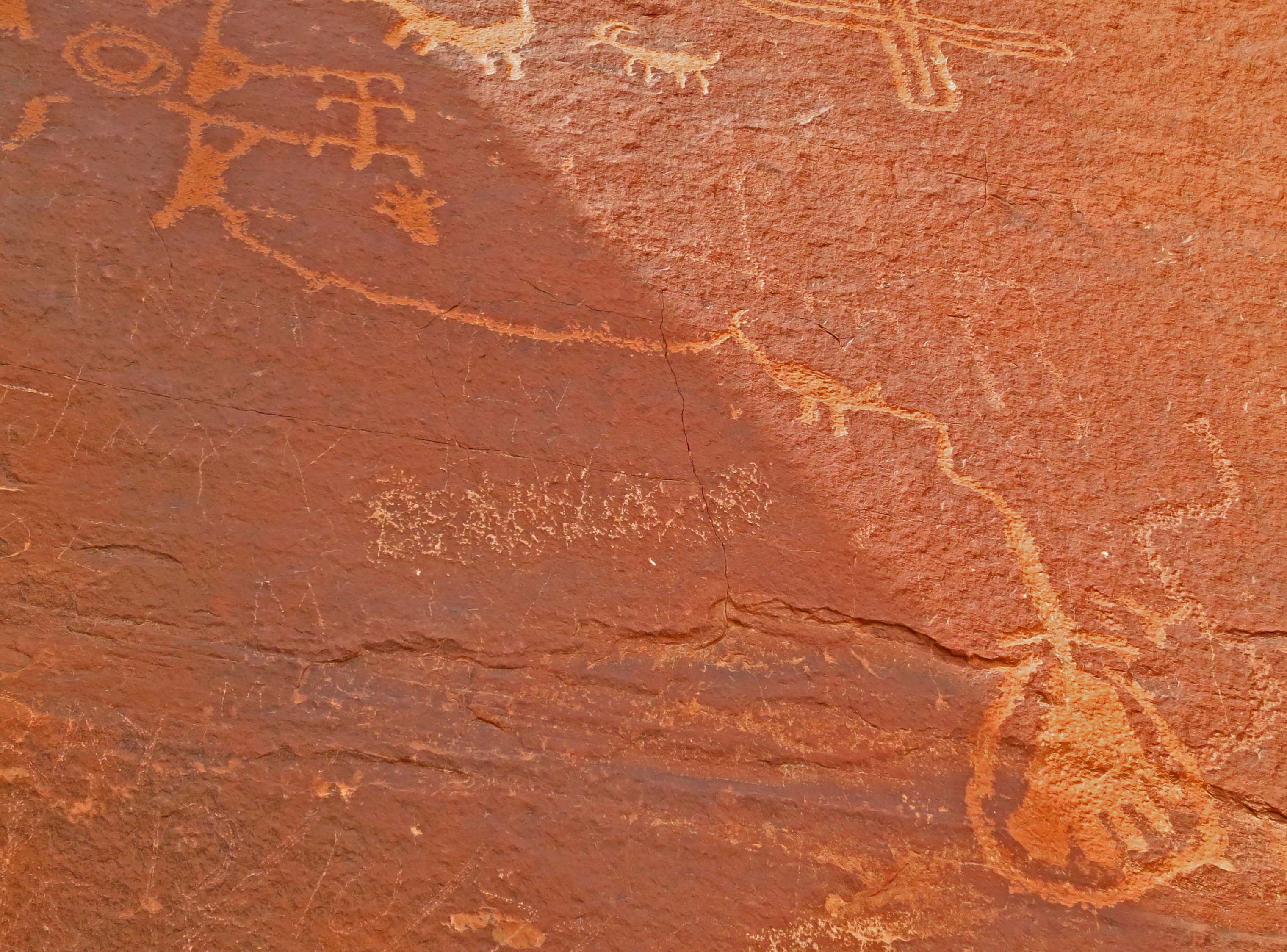
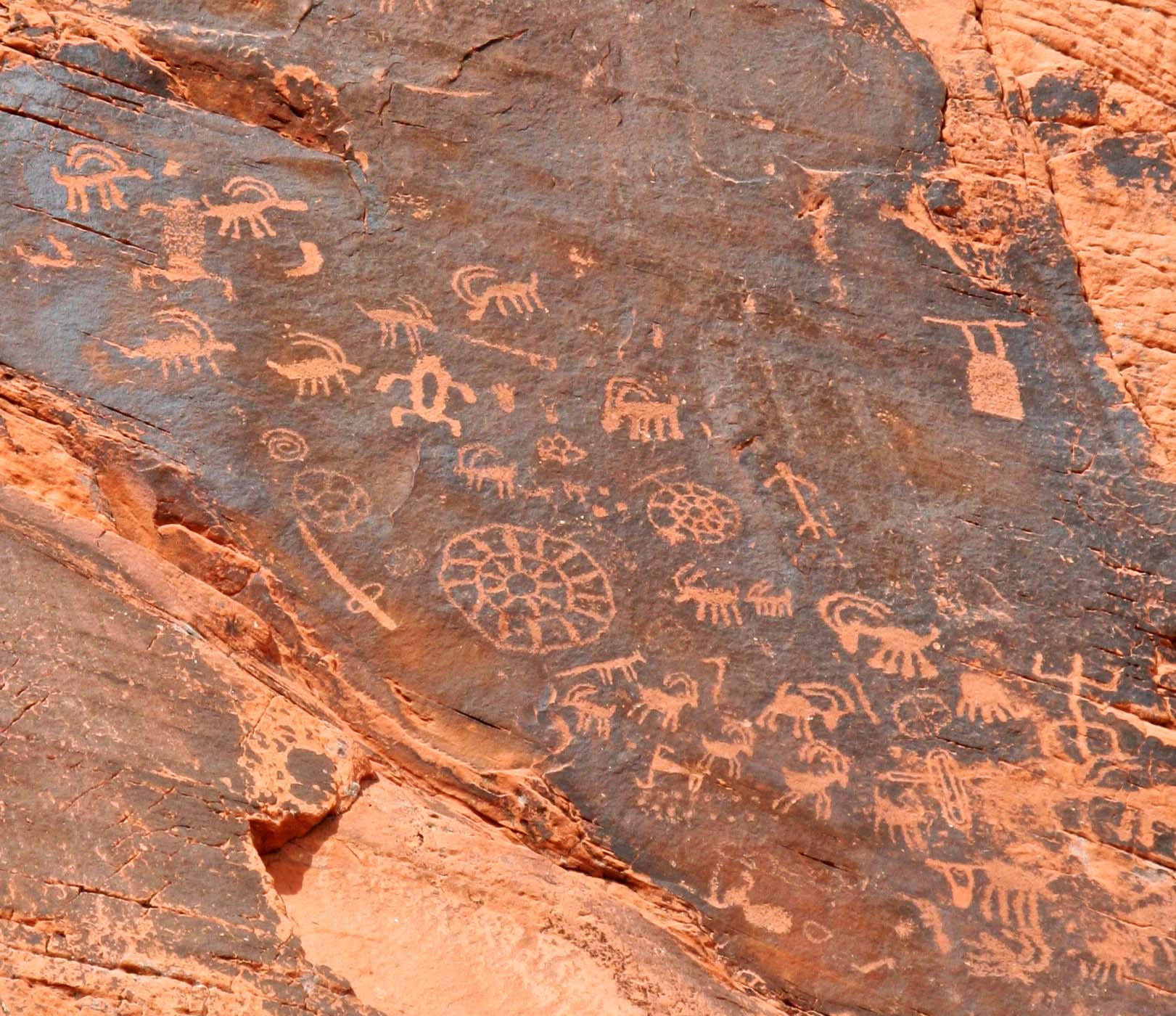
Imagine walking around a corner and coming on this wall of petroglyphs. The red sandstone provided a dramatic canvas for early artists. (Photo by Peggy Mekemson.)

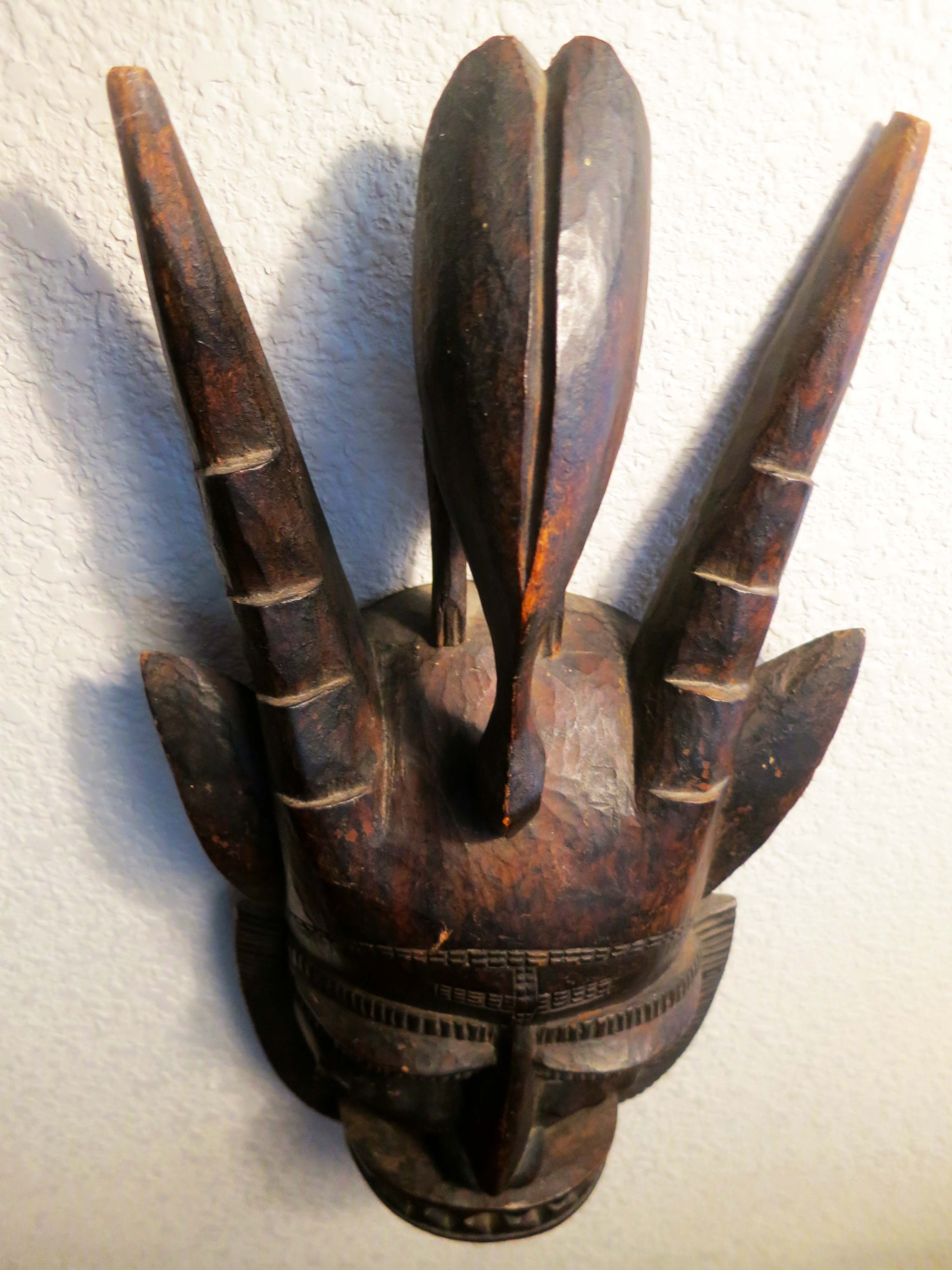
I first became aware of art from traditional cultures as a Peace Corps Volunteer in Liberia, West Africa. The power of its simplicity and almost magical connection with another world caught my imagination– as it had artists such as Picasso and Matisse in the early 1900s. I collected several pieces and brought them home. Two of my favorites are the medicine mask and the bush devil shown below.

African medicine mask from the Ivory Coast.

African medicine mask from the Ivory Coast.

African Bush Devil from Liberia, West Africa.

African Bush Devil from Liberia

It was a natural transition for me to like and appreciate the rock art of Native Americans in the Southwestern United States. Found in hundreds of locations, it reflects several thousand years of cultural traditions. The arid climate of the Southwest combined with the fact that petroglyphs are carved in stone has allowed for their preservation. Only modern man with his graffiti poses a threat.

The Valley of Fire State Park near Las Vegas, Nevada hosts a significant collection of petroglyphs. The rock art was created by a culture known as the Basket makers (2000-1450 years ago) and the Anasazi/Ancient Pueblo group (1500-850 years ago). The Anasazi lived throughout the Southwest and were responsible for creating the impressive cliff dwellings at Mesa Verde National Park. They mysteriously disappeared around 1300, a fact which still has archeologists searching for answers.

The majority of the petroglyphs at Valley Of Fire are found at a site named Atlatl Rock by the park. The atlatl was a carved stick used for throwing spears and is featured in petroglyphs at the site. A steep, metal stairway leads up to the petroglyphs. Most tourists stop, climb the stairs and then hurry on their way. Walking a few hundred feet in either direction, which most tourists don’t do, leads to the discovery of hundreds of other petroglyphs– and Chuck. Following is a sample of what we found on our walk-about.

Petroglyph wall at Valley Of Fire State Park in Nevada.

A closeup of the petroglyph wall shown above. Can you find the dog?

Dog petroglyph at the Valley of Fire State Park.

The dog– or what I think is a dog, is located in the photo above on the left beneath what may be a river.

Petroglyph trees at Valley of Fire State Park in southern Nevada.

I have never seen such a direct representation of trees in petroglyphs. It is possible they are being struck by lightning. And check out the strange horned being on the right. He likely has shamanistic connections.

Petroglyph showing use of an atlatl at Valley of Fire State Park near Las Vegas, Nevada.

I am intrigued by this petroglyph. The figure in the upper left is using an atlatl to launch a spear. But follow the line down. It starts from his left leg, passes through what appears to be a fox or coyote, and then becomes a big foot. How would you interpret this? On the left, you can see graffiti scratched on the stone by more recent visitors.

Petroglyph showing birth at Nevada's Valley Of Fire State Park.

Early rock artists could be quite graphic in their depictions. This shows a child being born. I like to think of it as an early day birth announcement: “Big Bear and Bird Song are proud to announce the birth of their first daughter…” Not sure what the bird is doing sitting on her head. Maybe it’s a singing telegram. (Photo by Peggy Mekemson.)

Big horn sheep petroglyph at Valley of Fire State Park in Nevada.

Big horn sheep, from our experience, are the most common animal found on Southwest petroglyphs, which speaks to their importance, probably as a food source.

Donkey-like petroglyph at Valley of Fire State Park.

Given that donkeys weren’t around in North America when this petroglyph was created, I don’t have a clue what this animal is. The ears may be antlers, but even then… Any ideas?

Big horn sheep petroglyph with sun at Valley of Fire State Park.

The sun is shining down on this big horn sheep. What surprised me were the eyes. It is unusual to see eyes on an animal petroglyphs. (Photo by Peggy Mekemson.)

Petroglyphs high on cliff at Valley of Fire State Park.

We often find petroglyphs perched high up on cliffs and marvel at the rock artists ability to climb up and do their work.

Petroglyphs on cliff at Valley of Fire State Park in Nevada.

Here is a closer photo of the work they were doing, and my final photo for this blog.

NEXT BLOG: On to Red Rock Canyon.