Walking the Villages of The Cotswolds… by Peggy Mekemson

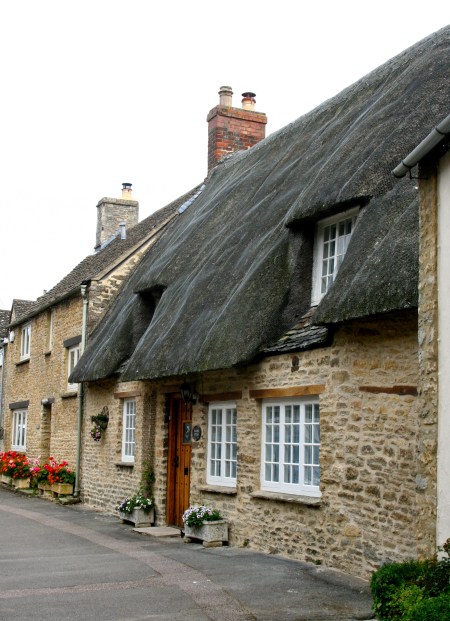
One of my favorite thatched roof homes found while wandering streets away from the village centers.

One of my favorite thatched roof homes found while wandering streets away from the village centers.

Yes, the gardens were beautiful, and the tour allowed us to see a wonderful variety of them from one acre to 5000 acres. My favorite time, however, was wandering the villages in the Cotswolds. Here we had free time to enjoy a lunch and roam at will. The challenge: we only had two hours! Jane and I found the visitors’ centers, gathered maps, asked about recommended walking paths and highlights, and hit the road running— or at least walking fast.

Of course it was not enough time to do justice to each village, but what I saw made me want to return. Following are the visual highlights and a few fun stories.

Our trip started with Highclere Castle, AKA Downton Abbey, a major destination on our tour before we headed to the Cotswolds. Even more fun for me, though, was the visit to Bampton, which is the village featured in Downton Abbey for the weddings, the shopping and general villages scenes. I loved the story that it was chosen not only for its atmosphere but also for the lack of street markings and signs, which made it easier to represent the early 1900s when the story takes place. It was interesting to compare how the village and church look on the TV series with how it looks in reality. I liked the reality; Bampton is a lovely, quaint town.

The Bampton chapel and cemetery was the site of the weddings featured in Downton Abbey.

The Bampton chapel and cemetery was the site of the weddings featured in Downton Abbey.

This tree overlooking the Bampton graves captured my attention.
This tree overlooking the Bampton graves captured my attention.

Taking a Bampton walk about.

Taking a Bampton walk about.

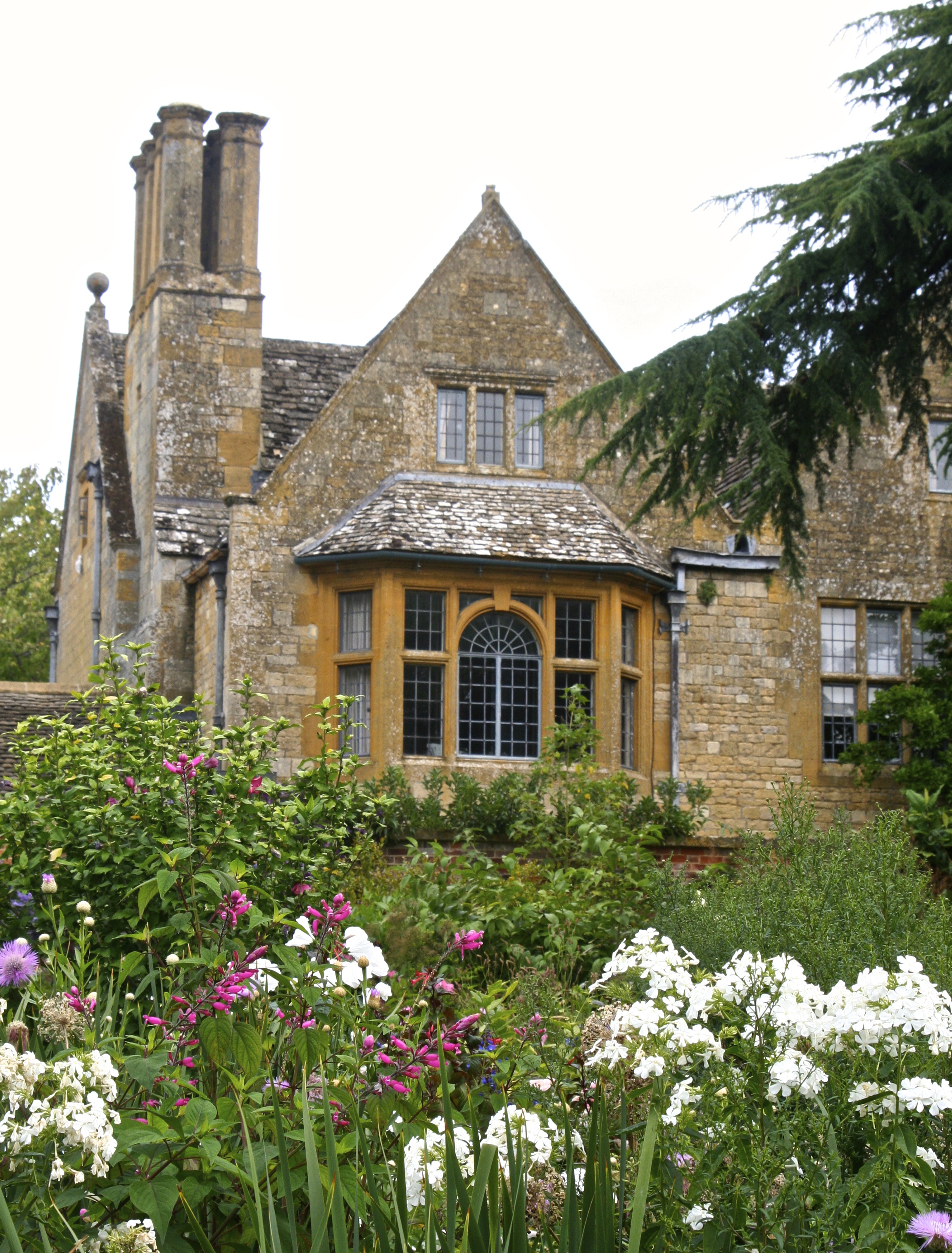
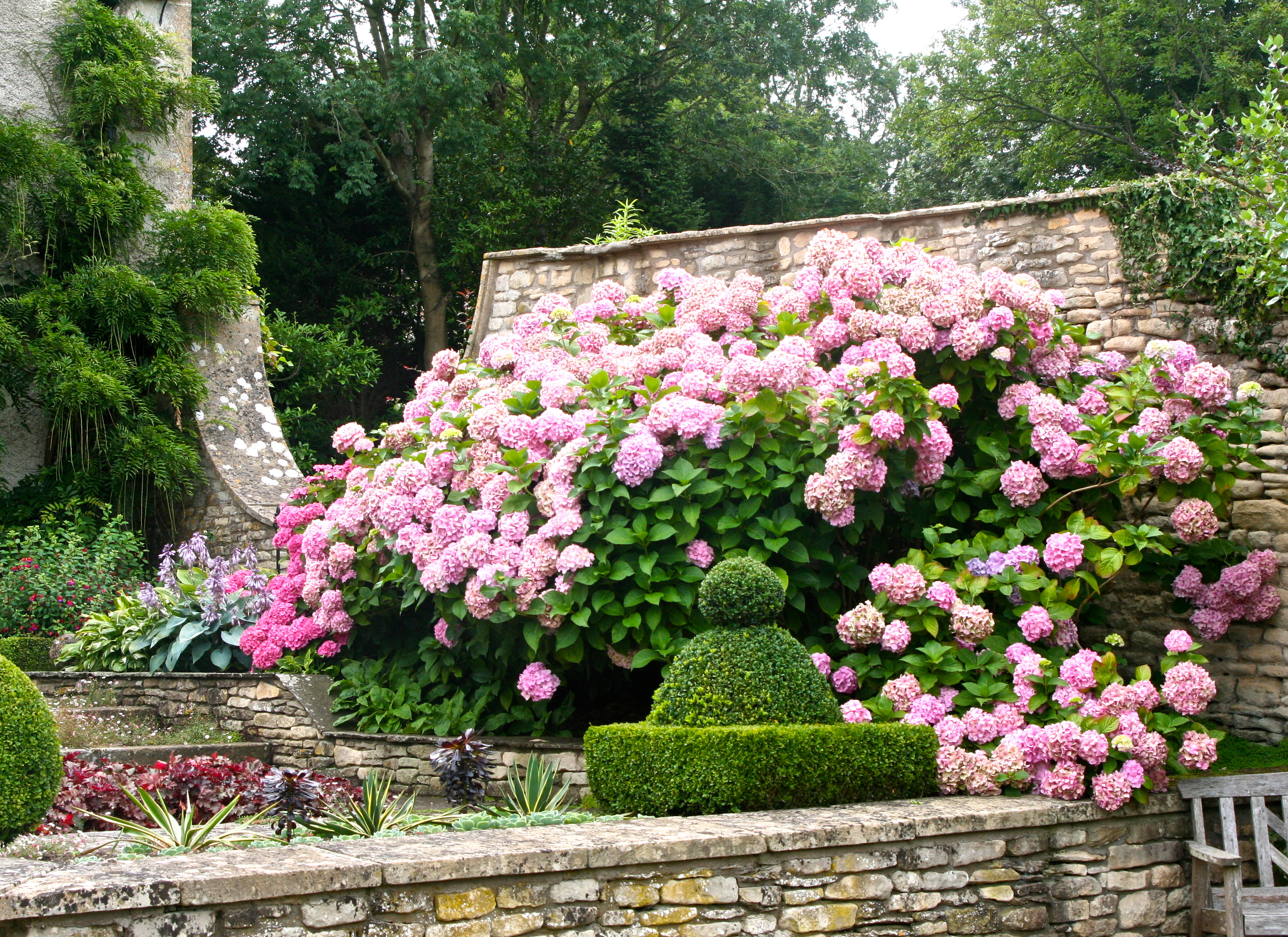
One has to admire the Cotswold stone hamlet.

One has to admire the Cotswold stone hamlet with its gorgeous flowers.

Villages visited were Malmesbury, Chipping Campden, Cirencester, Tewkesbury, Misarden, and Ledbury. Malmesbury, the oldest inhabited town in England, and Tewkesbury, a medieval village with one of the largest parish churches in the country, will be featured for their abbeys in my final blog on the Cotswolds.
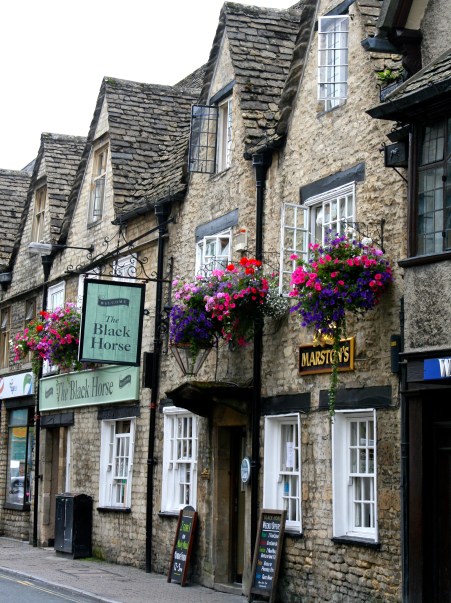
A village scene from Cirencester, known as the “Capital of the Cotswolds.” The term “cester” means Roman fort indicating the origin of the village.

A village scene from Cirencester, known as the “Capital of the Cotswolds.”
The term “cester” means Roman fort indicating the origin of the village.

A scene captured during a walk about in Chipping Campden, a favorite village of mine, one to be revisited!

A scene captured during a walk about in Chipping Campden, a favorite village of mine, one to be revisited!

While in Chipping Campden, Jane and I noticed a children’s bookstore called A Festival of Books. Greeted by the owner, Emily Dunn, we asked about local children’s books (we both have grandmother duty, grin), and had a delightful surprise. Emily is the author of The Tale of the Cotswold Mice, a book written for Princess Charlotte and embraced by the royal family. Our luck continued! The illustrator and gold/silversmith, Aneata Boote, owns the shop next door. Not only did Aneata illustrate the book, but she also designed silver napkin rings (complete with the mice) to accompany the book. Naturally we bought a signed copy. As a retired elementary school principal, I highly recommend it for young children. Although the first printing sold out, it is being reprinted with a percentage of the profits going to a children’s art fund. Check out their website www.cotswoldmice.com

The Tale of the Cotswold Mice along with two napkin rings were presented to Princess Charlotte after her birth.

The Tale of the Cotswold Mice along with two napkin rings were presented to Princess Charlotte after her birth.

The author was Emily Dunn, the owner of bookstore, A Festival of Books, located in Chipping Campden. The silversmith and illustrator was Aneata Boote who owned the shop next door. Both were welcoming and charming!

The author was Emily Dunn, the owner of bookstore, A Festival of Books, located in Chipping Campden. The silversmith and illustrator was Aneata Boote who owned the shop next door. Both were welcoming and charming!

While many of the homes and businesses were architectural eye candy, two features caught my eye over and over again: the famous honey-colored Cotswold stone and the thatched roof cottages. My sister had to drag me away from several of the structures in order to catch the bus on time. Just when I thought I had seen the best examples, I would walk another block and then— Wow!

How could I resist this rooftop view with its chimneys.

How could I resist this rooftop view with its fairytale chimneys.

Then there were the markets. Once the centers of agriculture, wool, and silk spinning, the villages are making an economic come back with a refocus on farmers’ markets and crafts. I couldn’t resist the basket market.

Basket market in Cirencester, a city founded by the Romans.

Basket market in Cirencester, a city founded by the Romans.

The market in Ledbury, a photo taken from the bus as we left town.

The historical market in Ledbury, a photo taken from the bus as we left town.

The historical market in Chipping Campden.

The historical market in Chipping Campden.

While exploring the village of Misarden (previous garden blog), we discovered a home being renovated. The three young men working on the house noticed our interest and rushed out to invite us inside to admire their work. Their enthusiasm and humor were catching. One, the future tenant, had grown up in the area, and was looking forward to returning home. His plumbing skills were being put to good use in the renovation. Having once remodeled a colonial house, I appreciated what the young men had accomplished and how much work they still had to do.
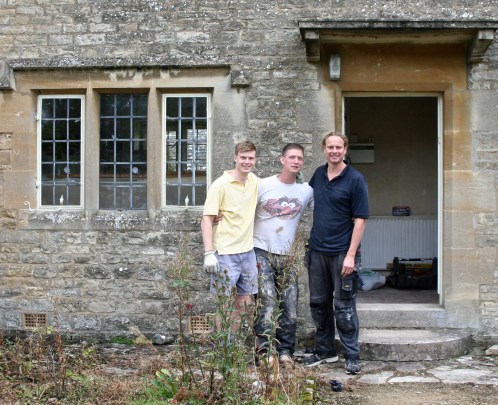
These are the three men who welcomed us into the cottage they were renovating. They were such fun I promised them I would post their photo!

These are the three men who welcomed us into the cottage they were renovating. They were such fun I promised them I would post their photo!

After leaving the renovation house I came across this garden.It was a a good reminder to take the time to stop and look around, behind, beside, up, down…

After leaving the renovation house I came across this tucked away garden.It was a good reminder to take the time to stop and look around, behind, beside, up, down…

Ledbury, the home of Elizabeth Barrett Browning (memories of English-lit days), is an ancient borough with centuries old timber-framed buildings. As we wandered the town, we stopped outside a building described as a 16th Century Painted House. Curious, we stepped inside only to discover the guide was closing things down. When we insisted we would only take two minutes to see the famous room, she hesitated, took a deep breath, and then led us upstairs. Our two minutes turned into 20. Apparently, a couple was preparing the walls for new paint when they discovered curious painted patterns under the layers of old paint they had removed. What they discovered dated back over 600 years.

 I loved the winding streets in Ledbury with their surprising views, such as the church.

I loved the winding streets in Ledbury with their surprising views, such as the church.

Ledbury is known for its centuries old timber framed buildings. The clock tower made a picturesque addition.

Ledbury is known for its centuries old timber-framed buildings. The clock tower made a picturesque addition.

The 16th Century Painted House was tucked away in the narrow bend of the street.

The 16th Century Painted House was tucked away in the narrow bend of the street. My sister Jane knocks at the door.
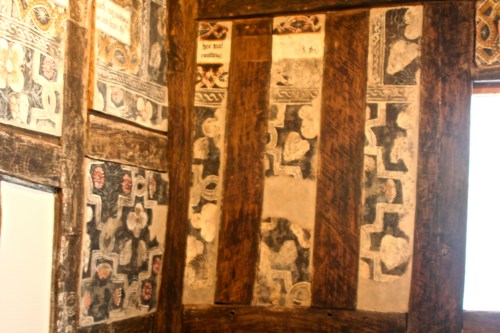
Trying to capture the 600 year old painted walls was challenging but worth the try!

Trying to capture the 600 year old painted walls was challenging but worth the try!

I was captivated by what I saw in each village and would return, without hesitation, to continue my explorations. The history, beauty, care, friendly people, and, delicious food all make a visit worthwhile.

This doorknocker found in Chipping Campden seemed a fitting end to this blog. It was hard to resist knocking on this door. I will be back to try it out!

This doorknocker found in Chipping Campden seemed a fitting end to this blog. It was hard to resist knocking on this door. I will be back to try it out!

My Fantasy: Living on a House Boat


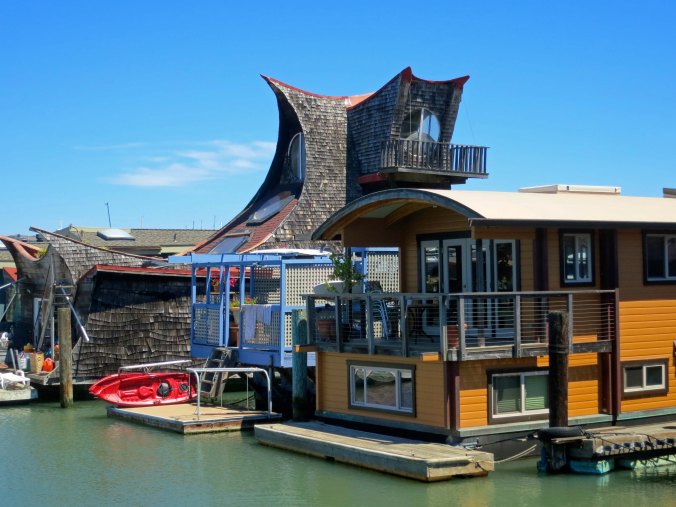
House Boats in Sausalito come in a wide range of shapes, colors and sizes.

House Boats in Sausalito come in a wide range of shapes, colors and sizes.

Peggy and I are in Puerto Vallarta, Mexico. Since the beautiful sandy beaches and an occasional margarita have pulled Peggy away from her guest blogging, I decided to do a quick post on houseboats. Peggy may have soaked up enough sun to get back to blogging later this week. (grin)

As water people go, I’d place myself on the lower end of want-to. Even though I’ve travelled by sailboat, water taxi, gondola, fishing boat, raft, kayak, canoe and cruise ship, I prefer other means of transport— like walking, or bicycling, or driving, or flying. (The flying part, however, thanks to security hassles and the modern cattle car approach to air travel, has worked its way down the list over the years, while kayaking, which I’ve come to think of as walking or backpacking on water, has worked its way up.)

I have a confession to make here, though; I have always dreamed about living on a houseboat. I can’t really explain why. Somehow, it seems romantic. Maybe it appeals to the nascent hippie in me. My introduction to these floating fantasies was in Sausalito during the late 60s. I’d wandered into the town on a whim and there they were: beckoning. I was a responsible adult at the time, however, or at least trying to be. I had a wife, a job, an apartment, and a large basset hound named Socrates who drooled a lot. How much more responsible can you get? (Yeah, I know, have babies who drool a lot.) Anyway, I banished the thought of living on a houseboat and returned to my exciting life in Sacramento.

On my August trip up the Northern California coast, I learned that Don McCoy had helped establish Sausalito’s houseboat community in the mid-60s before he had tuned in and dropped out to found the Chosen Family commune at Olompali. This fact led me to drive thirty minutes south down 101 from Novato to re-explore my lost youth.

Sausalito has changed almost beyond recognition. At least it seems that way to me. I spent most of my time dodging tourists. There were at least a million (slight exaggeration). I didn’t have time to look around when I drove through town for fear of running over one. But the houseboat community felt familiar. Each home had a unique personality, emphasized even more by art and plants surrounding it. If there were a major difference from the 60s, it was in who could afford them. The days of naked hippies joyfully cavorting on the decks had long since passed.

How you build your houseboat is only limited by your imagination. And I might add, the size of your pocketbook.

How you build your houseboat is only limited by your imagination. And, I might add, the size of your portfolio.

Ditto the above with art and plants.

Ditto the above with art and plants.

This driftwood crocodile was lurking on a ledge.

This driftwood crocodile was lurking on a ledge.

And this guy popped out of a flower pot.

And this guy popped out of a flower-pot.

The houseboat docks were decorated with flower gardens. The flower head here seemed like it was lit from within.

The houseboat docks were decorated with flower gardens. The flower here seemed like it was lit from within.

Other areas also have their houseboat communities. Victoria, British Columbia is one. Peggy and I stopped by to check them out on our way home from a weeklong kayak tour on the north coast of Vancouver Island last year.


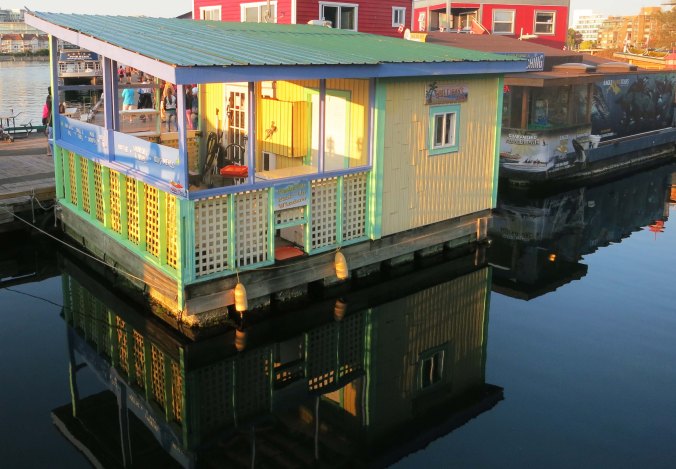
We discovered this little yellow jewel on the Island of Vancouver in Victoria, BC

We discovered this little yellow jewel and its perfect reflection on the Island of Vancouver in Victoria, BC

Caption

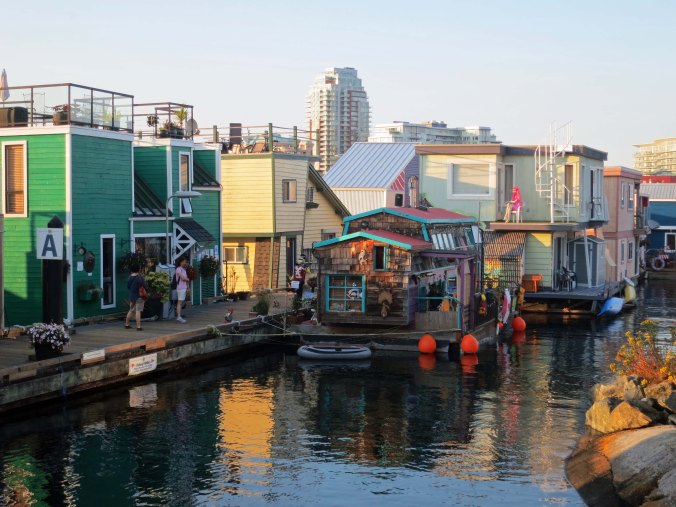
Several Victoria, BC houseboats with downtown Victoria in the background.

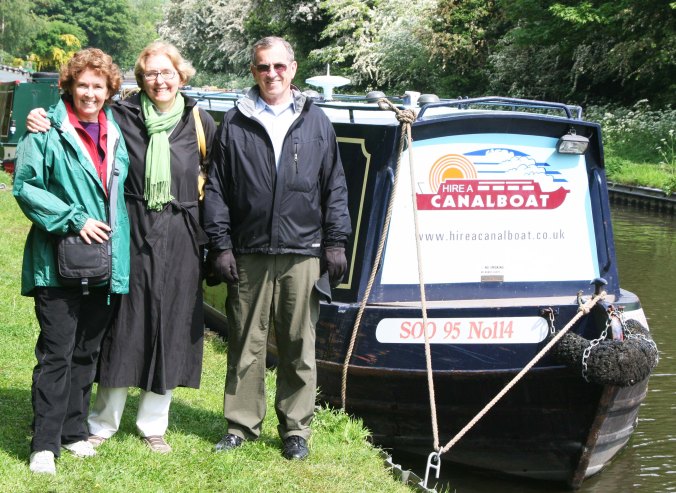
We found a different kind of houseboat in England. They were six feet wide and up to sixty feet long. (Think of it this way: If we were configured in the same way, our noses would stretch out some 20 feet. Pinocchio would be jealous.) Three summers ago Peggy and I, along with Peggy’s sister Jane and her husband Jim, spent a week piloting one of these “narrowboats” along the Trent and Mercey Canals near Robin Hood’s old hangout. It was a kick— maneuvering our long boat, stopping at pubs and villages along the way, and pulling off at night to camp along the canal. This inexpensive, gypsy-like lifestyle has great appeal for some people and they’ve turned their narrow vessels into gaily painted, imaginatively named houseboats. Sign me up.

Here I am, piloting our 60 foot boat down the Trent and Mercey Canal. It's a good thing we only travelled 3-4 miles per hour.

Here I am, piloting our 60 foot boat down the Trent and Mercey Canal. It’s a good thing we only travelled 3-4 miles per hour.

Our crew. Peggy and Jane operated the locks. Jim and I piloted the boat.

Our crew. Peggy and Jane operated the locks. Jim and I piloted the boat.

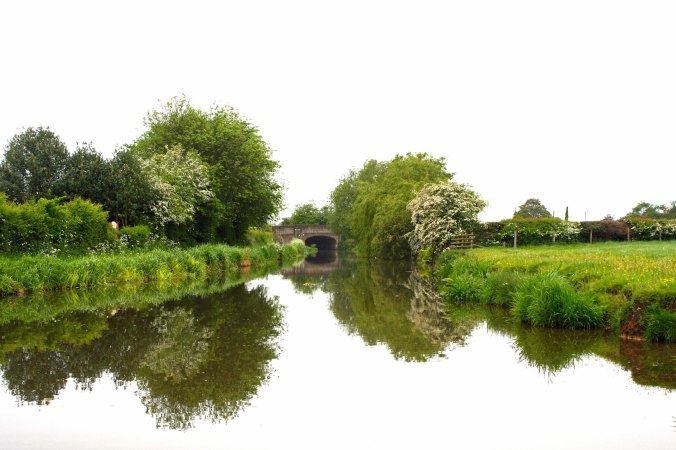
As this photo suggests, the Trent and Mercey Canal Canal can be quite scenic.

As this photo suggests, the Trent and Mercey Canal can be quite scenic. Low underpasses limit the height of the narrowboats.

How would you like to have a house named Belly Button? Fun names, plants and unique paint jobs give narrow boats personality.

How would you like to have a house named Belly Button? Fun names, plants and colorful paint jobs give narrowboats their personality.

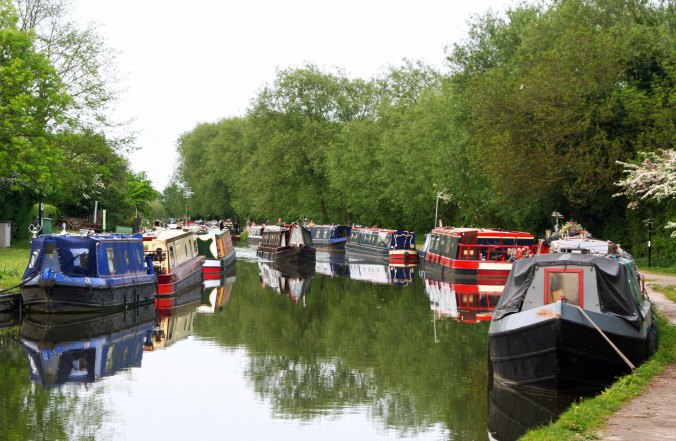
A community of houseboats, Trent and Mercey Canal style. They could be gone the next day.

A community of houseboats, Trent and Mercey Canal style. They could be gone the next day.

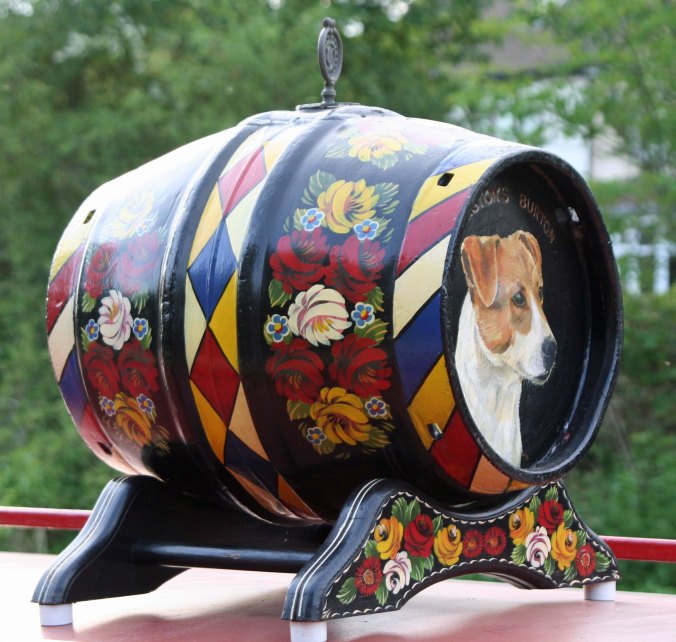
We spotted this water cask with its realistic portrayal of a dog on top of a narrowboat.

We spotted this water cask with its realistic portrayal of a dog on top of a narrowboat.

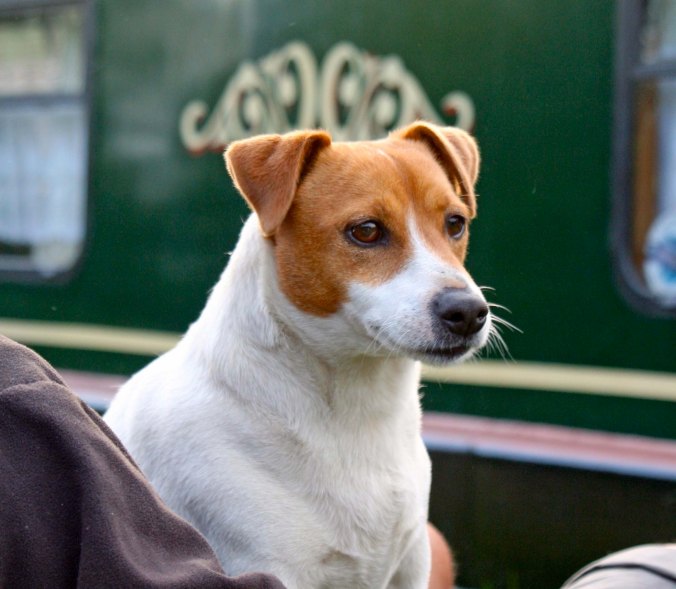
Next to the boat, sitting on the owner's lap, was the dog.

Next to the boat, sitting on the owner’s lap, was the dog.


NEXT BLOG: Peggy will post her blog on the small towns of Cotswold, England.

A Garden of Weeds— and More… in the Cotswolds by Peggy Mekemson

Caption

Yes, Anne, the host AKA “Bad Tempered Gardener,” shared that there were gardens of weeds throughout her garden. Still beautiful…but I did have a massive allergy attack after wandering around. It was still worth the visit!
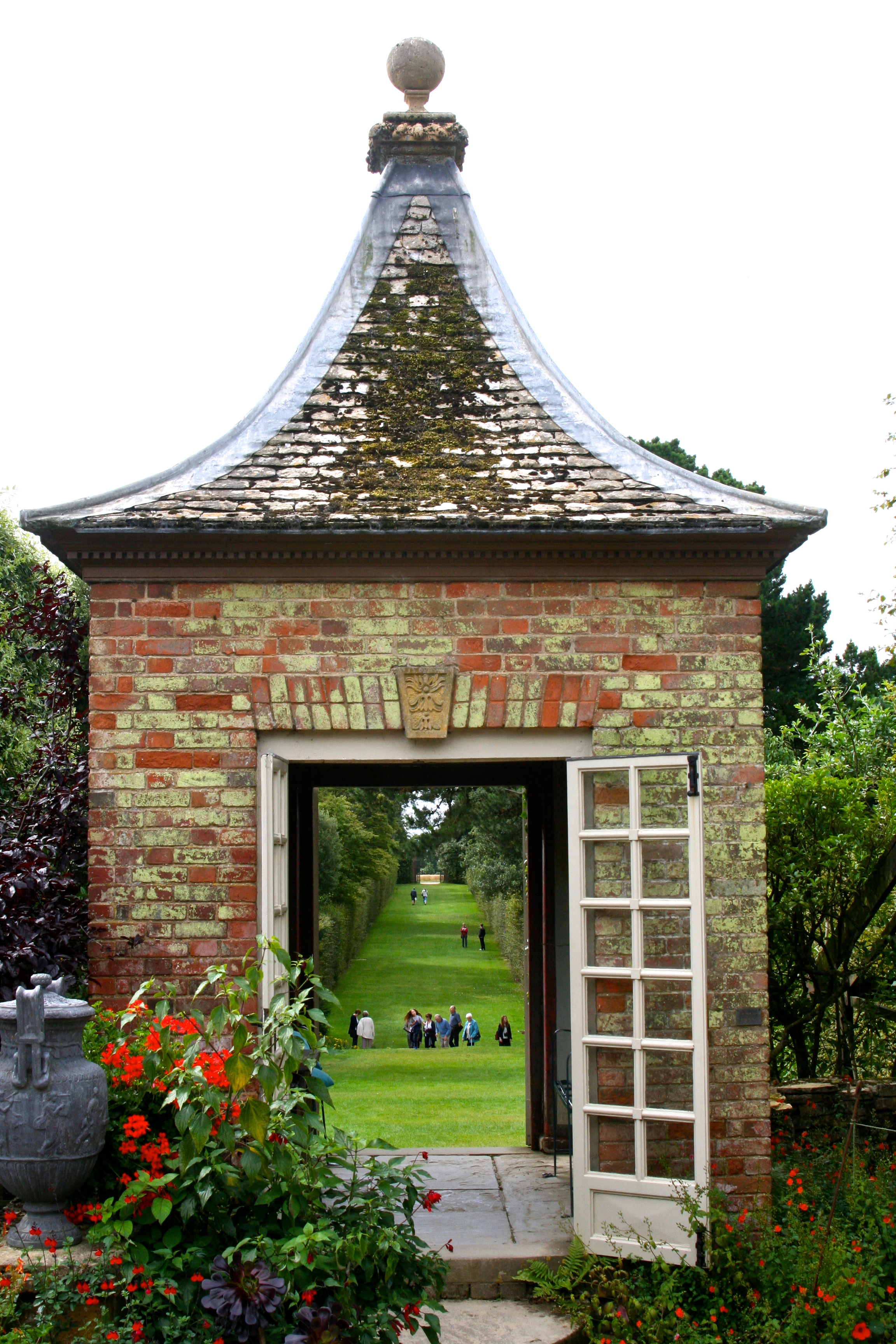
Today, I wrap up my tour of English gardens with Cerney House, Overbury Court, Whitcombe House, Wyndcliffe Court Sculpture Gardens, Veddw House Gardens in Wales, and Hellens Manor. (I have two more blogs on the Abbeys and Villages of Cotswolds, however. And I may do one on the Tower of London.)

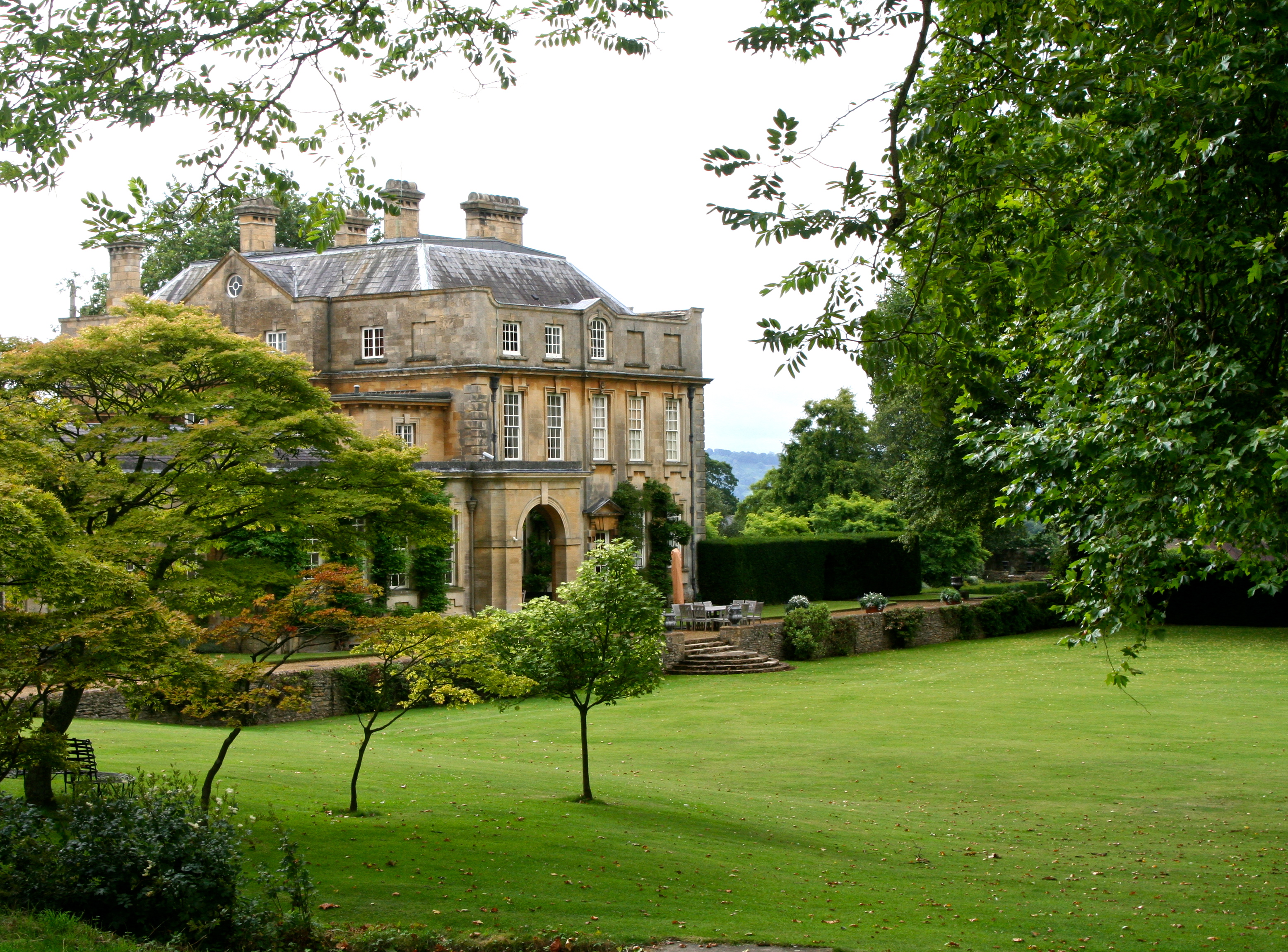
Cerney House was described originally as a romantic, secret place. (It’s also known for its goat cheese.) Built in 1660, it was renovated in 1983 by Sir Michael and Lady Angus. It is still a work in progress with “a pleasantly un-manicured garden, happy plants…unrestrained.” We enjoyed pigs in the woods, Roman snails in the garden and delicious tea and cakes! Rather unique…

Caption

The residence had a unique look compared to our other experiences.

Caption

This was part of the garden in front of the house. How could I resist this rooster?

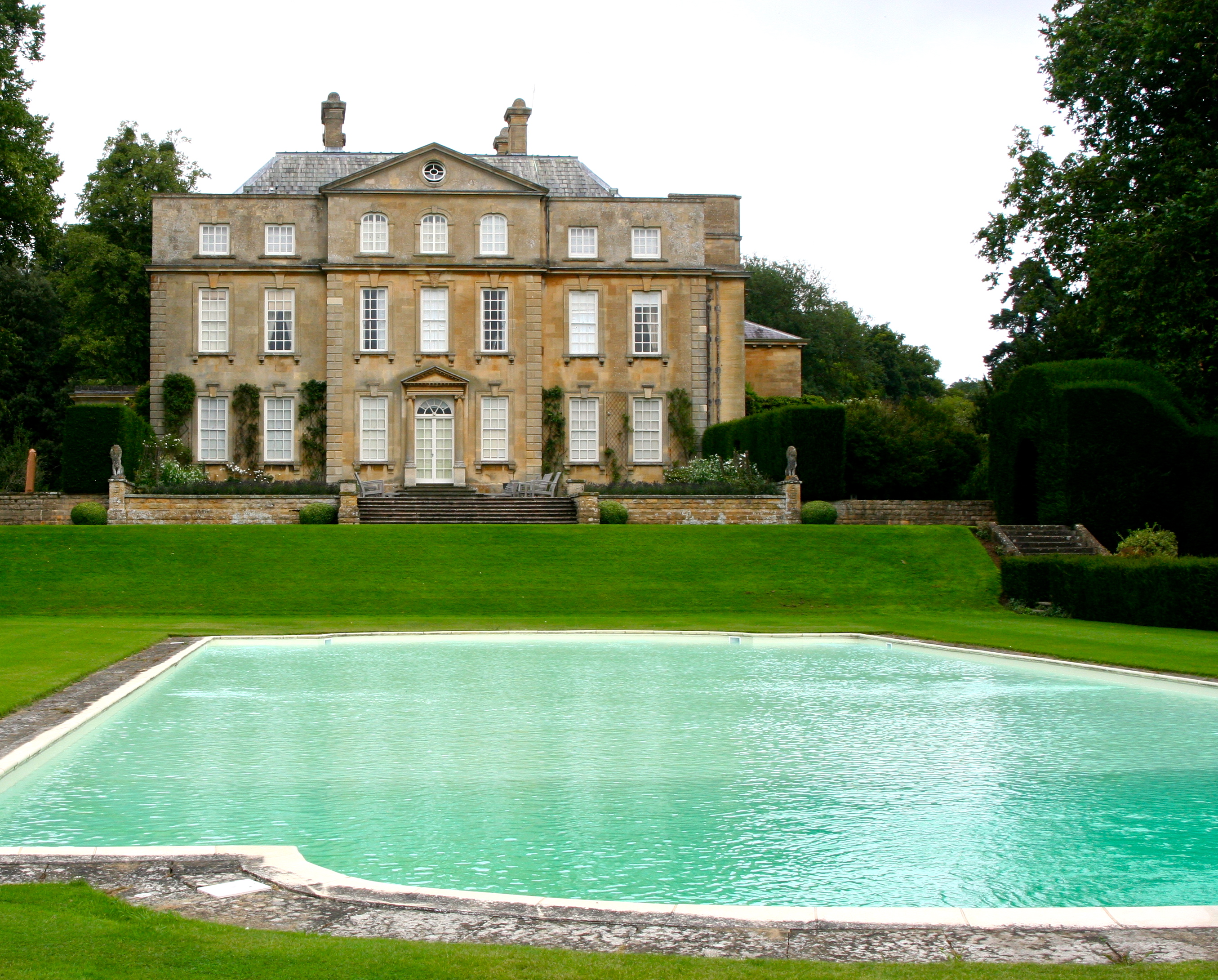
Overbury House was rebuilt after a fire in 1738. Constructed of the golden, ashlar faced stone famous in the Cotswold, it is privately owned. The head gardener treated us to the tour of the three acre garden and the lush parkland surrounding the house. The owners were present so we were kept discretely away from the main house. The 3000 acres included 2 villages— yes, they own the villages also. This estate is surrounding by 3 rivers and is subject to flooding according to the gardener, perhaps the reason for the lush parkland and simplicity of design!

Caption

Overbury Estate

Caption

The head gardener shared that staff would often enjoy a swim here when work was completed. I like that thought!

Caption

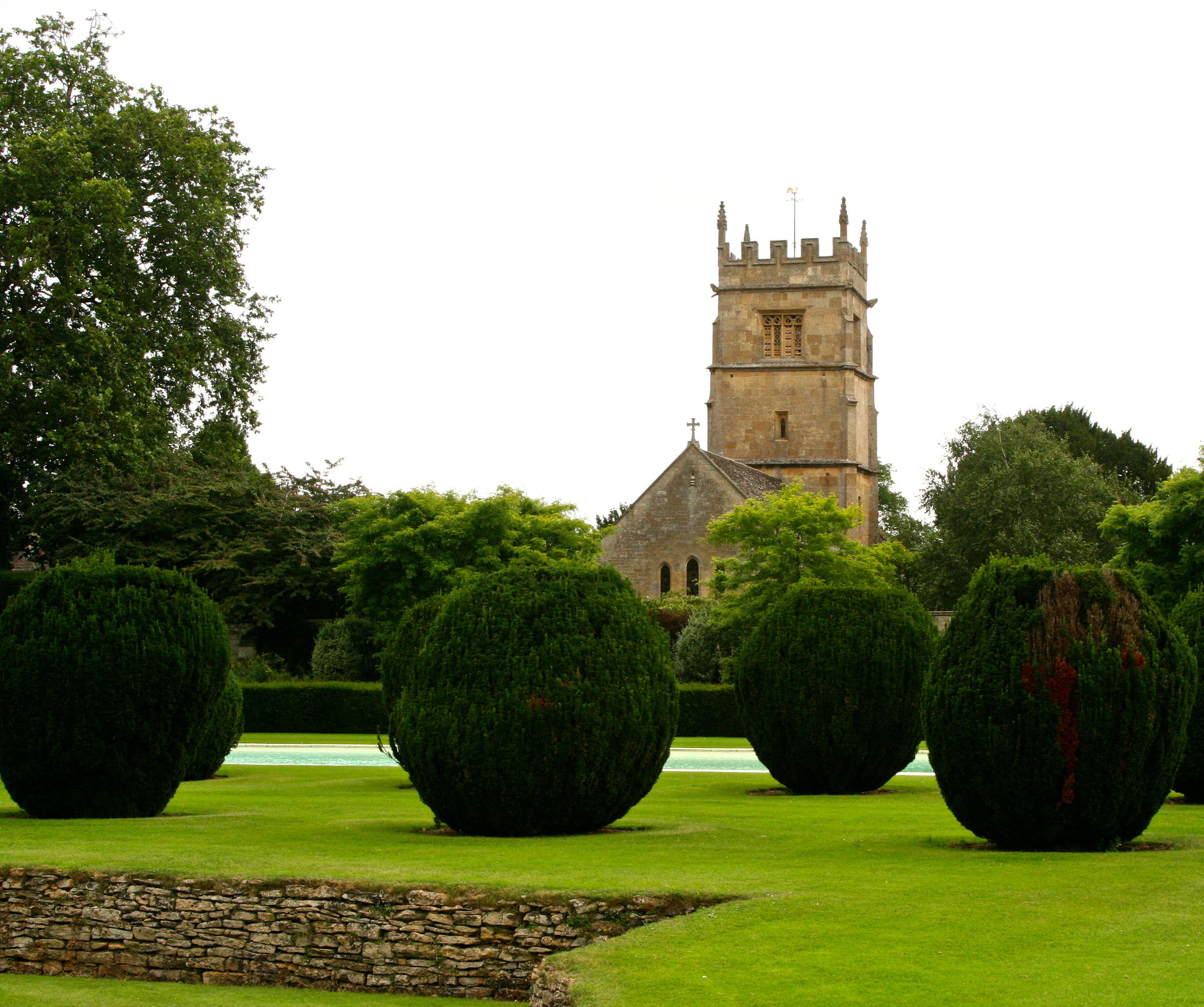
This gives you a sense of the manicured grounds with a view of the estate chapel.

Whitcombe House is literally next door to the Overbury House. It voluntarily participates in the National Garden Scheme, where revenues raised through entrance fees are donated to various charities. We were excited about its lovely one acre garden. We had finally found something we might hope to replicate. We were treated to homemade cakes and tea by the family, while grandchildren ran free with the dog . The personal touch was a delightful change from our previous experiences of estates…. manors….. courts….etc.

Caption

Our first view of Whitcombe House from the bus.

Caption

I love stone walls. I wanted to take this one home!

Caption

Part of the backyard garden, full of delightful surprises, all in one acre.

Wyndcliffe Court Sculpture Gardens was not on our original agenda. It turned out to be one of my favorites. Described in the “arts and crafts” style, this estate hosted two sculpture shows during the year featuring hundreds of sculptures throughout the gardens. (There are never enough; I was one happy visitor!) The original gardens were completed in 1933. Eventually, the owner left his fortune to his gardener. Together they had created sculpted yew hedging, topiary birds and animals, and long grass bowling greens, a perfect venue for the present day sculpture displays.

Caption

Wyndcliffe Court

Caption

This bench awaited us as we entered the grounds. Jane and I could not resist. I wanted to bring it home!

Caption

Like this nymph one had to look closely to spot many a hidden delight.

Caption

From large metal dragonflies in the forest to these glass sculptures, the variety was amazing.

Caption

Just plain fun…..

Veddw House Garden, in Wales, was truly unique in that it was designed and cared for by “The Bad Tempered Gardener” and her husband. Anne, our hostess, shared with us that she loved gardens but hated gardening! Despite her challenge, they have created what is described as “a modern romantic garden.” Using two acres for gardens and two acres as woodland, the quirky garden was dominated by incredible hedges and LOTS of wild flowers including flowering weeds— yup, I had a massive allergy attack and used up half of England’s supply of Kleenex.

Caption

Each view brought a smile, such creativity.

Caption

This was a favorite. What you do not see is the reflection pool, also mesmerizing.

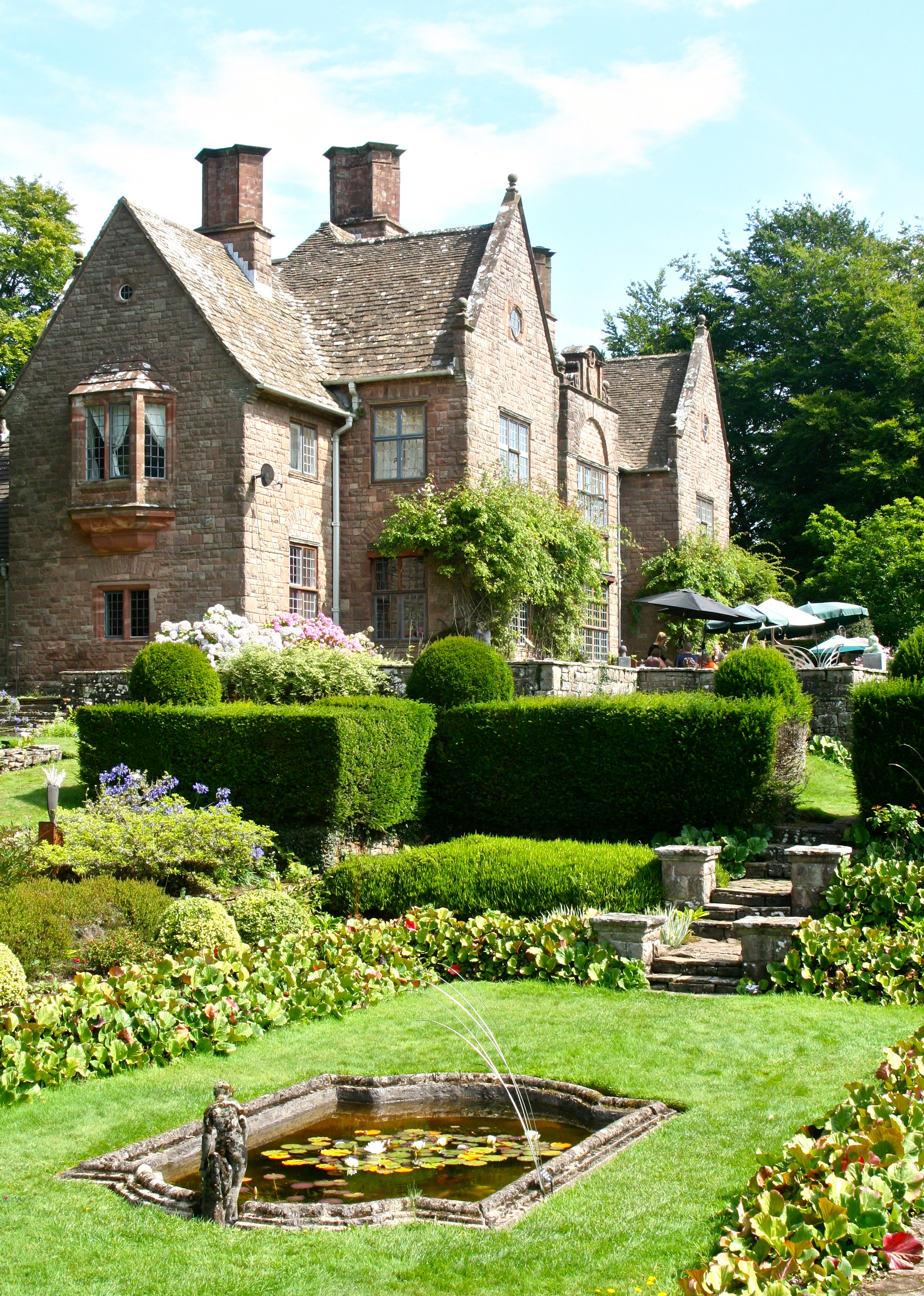
Hellens Manor was our last garden to be visited. More than a garden, Hellens was a historical monument to centuries of history including stories of Ann Boleyn, Mary Tudor, the Earl of Essex, ghosts, and more. The manor was granted to the Bolem Family in 1096, one of whom witnessed the signing of the Magna Carta. Our focus was on the house this time. We had a delightful tour guide who had many stories to tell, including one about surprising guests in a bedroom while leading a tour. The owners created a charitable trust, which runs the estate today. The curator is both American and English, not so unusual apparently based on our experience. The gardens are a work in progress, but did include animal sculptures, a yew labyrinth (easy solved!), and a walled knot garden.

Hellens Manor

Hellens Manor in the town of Much Marcle.

Caption

A favorite part of the garden near Hellens Manor.

As you can imagine, there was so much more to see and describe with the gardens. This was just a taste of our experience, which was absolutely delightful and magical.

Next Blog:

On to the colorful towns in Cotswold were we were free to eat and walk and discover on our own! My kind of touring…

Note: Peggy and I will be traveling in Mexico for the next couple of weeks. We should have Internet but if not we will be off line. –Curt

More Beautiful Gardens in the Cotswolds… by Peggy Mekemson

Hidcote Manor (hedged rooms and sculptured hedges)

Hidcote Manor is known for its “outdoor rooms,” which include  sculptured hedges and dramatic plantings.

In my last blog we visited the gardens of Highclere Castle, Camers, and Abbey House. Today we move on to Hidcote Manor, Kiftsgate Court and Misarden Park.

First up. Hidcote Manor is referred to as the garden of “hedged rooms” and sculptured hedges. In fact, I read that the four miles of hedges require gardeners to work four days a week for seven months just to maintain them! An American horticulturist and later a naturalized British citizen, Major Lawrence Johnson, spent 40 years creating the gardens on land his mother had purchased in 1907. In 1948 he gave this estate to the National Trust. The Trust now advertises this site as an Arts and Crafts Garden.

Caption

Despite overcast days, the colors were still striking.

An example of a hedged room.

An example of a hedged room.

Jane and a sculptured hedge.

Jane and a sculptured hedge.

Caption

The Long Walk at Hidcote Garden.

Caption

The village of thatched stone cottages behind the manor was a wonderful surprise. They were once home to Johnstone’s gardeners. Now the Trust rents them out.

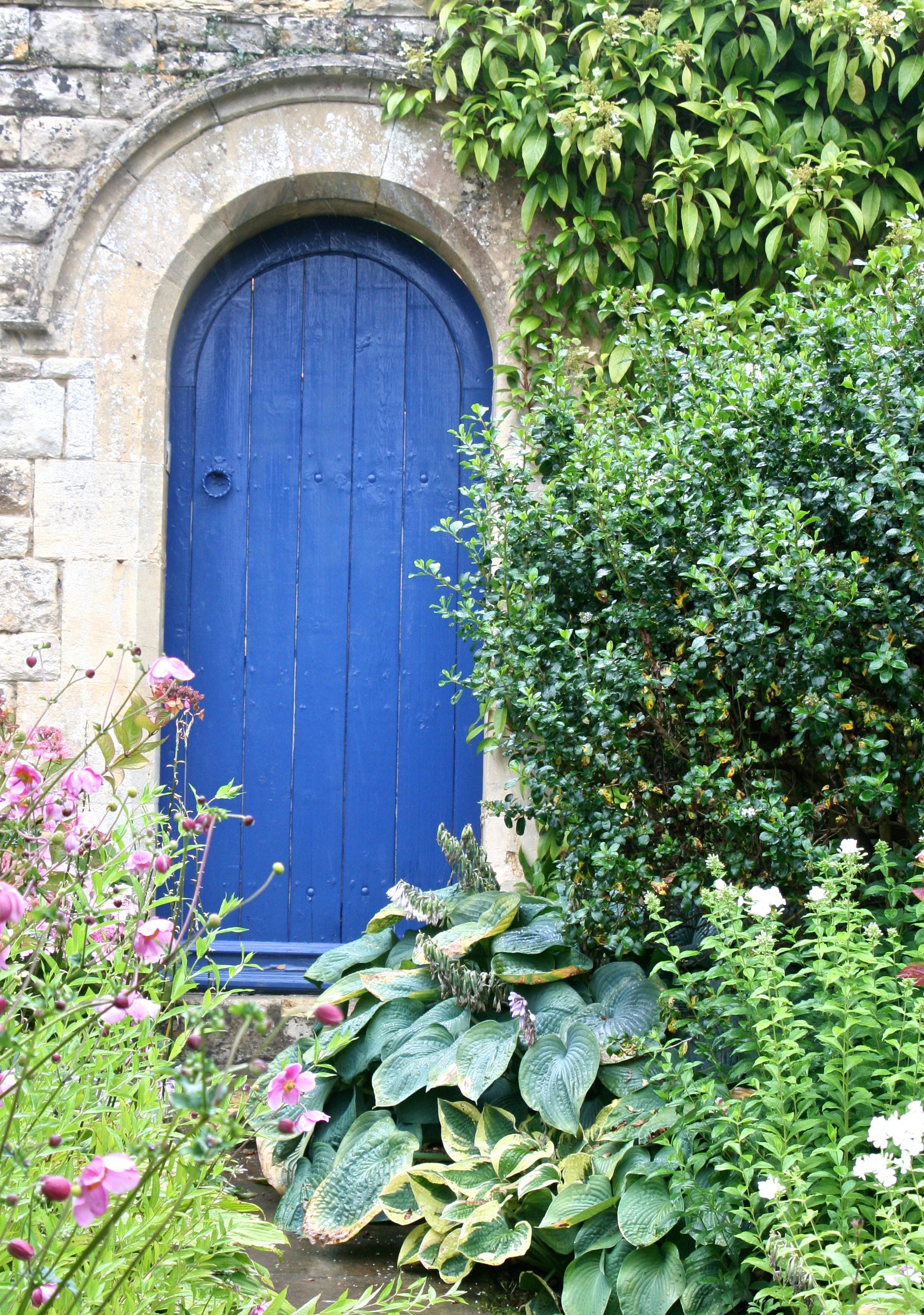
We visited Kiftsgate Court on a rainy day. Having just come from a very dry summer in Oregon, I was thrilled to soak up the rain. With rain comes green, green, green instead of drought, drought, drought! I thoroughly enjoyed the fountains and the reflection pool, which, we were told, is a great swimming hole. The colors that popped out on the rainy day were another treat, especially the blue door leading to who knows what treasures. Your guess is as good as mine.

Kiftsgate Court

Kiftsgate Court

Caption

We were told that we had missed the prime time for full blooms. However, I was pretty impressed by what I saw.

The blue door

The blue door with its overgrown path was quite intriguing.

Reflection and swimming pool.

Our path took us to this reflection pool. We learned that this was also used as  a swimming pool. I was tempted! Just below this overlook was a herd of sheep, quite a magical contrast of white on green.

Misarden Park/Estate began as a 17th century manor house, including 3000 acres and most of the village of Misarden (only the pub and school are not owned by the estate). The Wills, a tobacco family, bought this estate and village in 1913 and takes pride in both “the environment and the wider community.” For example, all electrical lines are buried. They will only rent to tenants who will contribute to the maintaining of the community and the estate. We were delighted to meet a future tenant and his friends who were renovating one of the cottages and happily took us on a tour.

caption

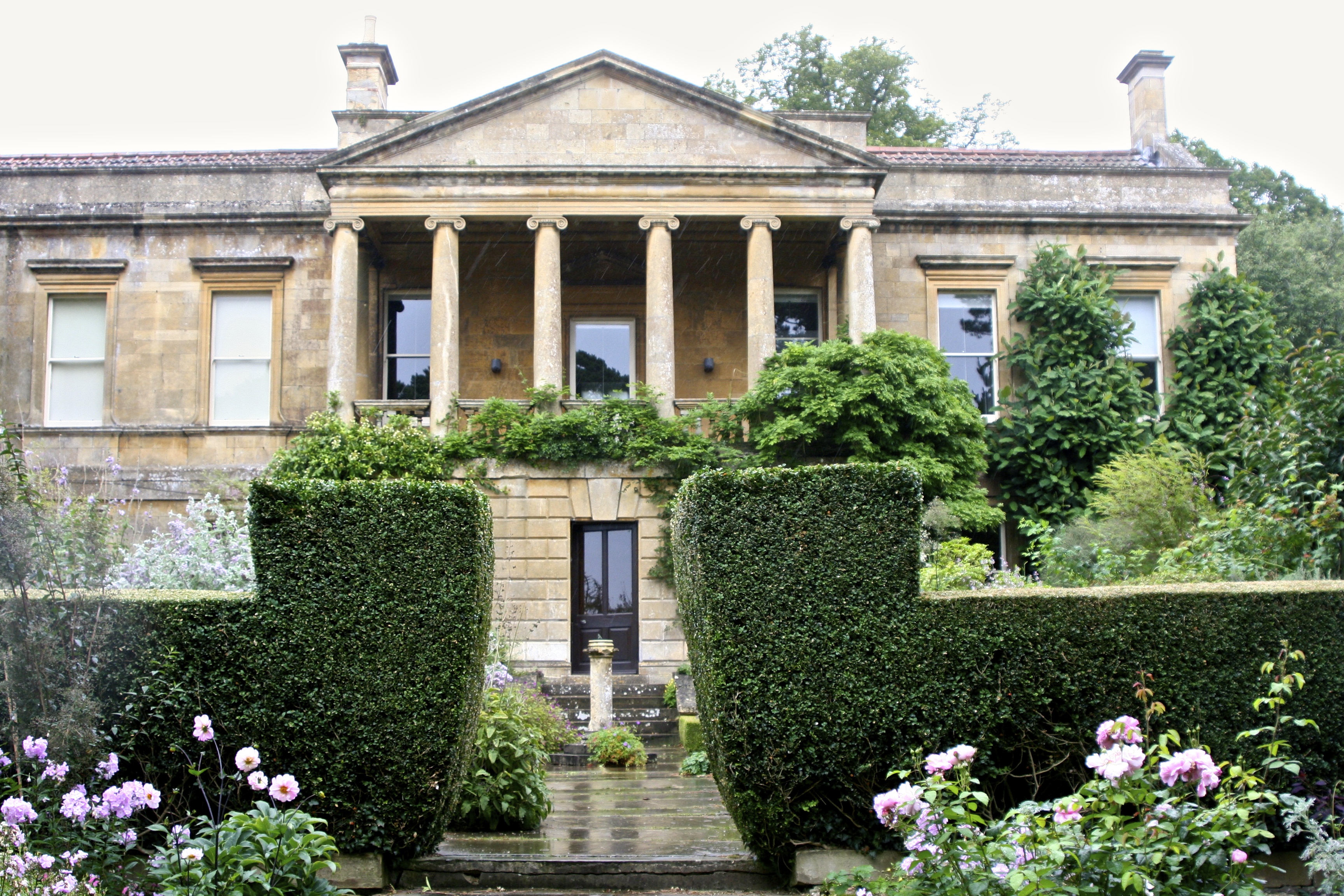
My first view of the residence, which is privately owned.  It was occupied when we arrived. We respected the family’s privacy and gave the house wide berth.

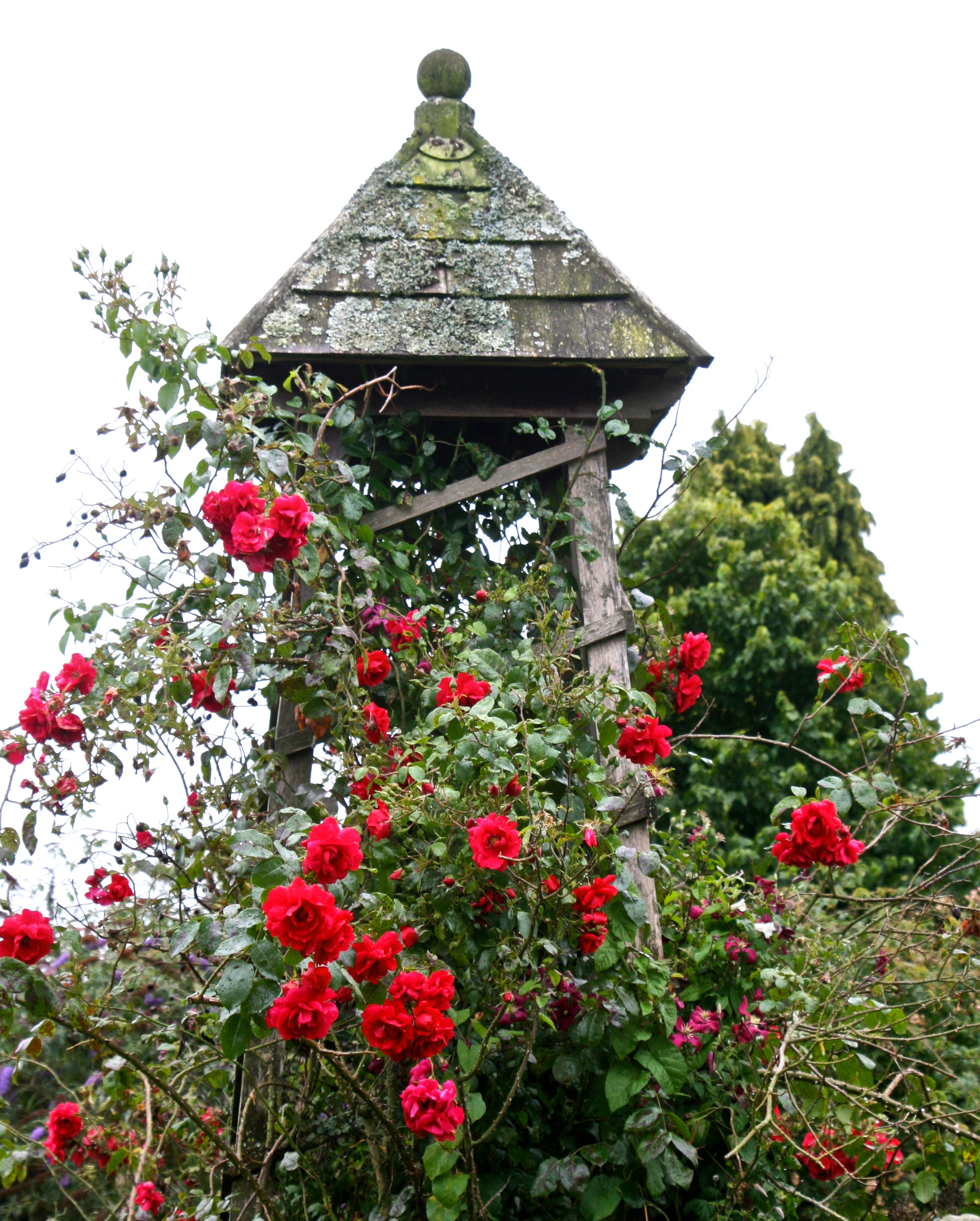
Roses

We had been looking for roses and finally found them— beautifully entwined in this old tower.

Tree

A Hobbit tree? Let your imagination go on this one. Yes, that is a tree packed with stones, all merged for a unique fence.

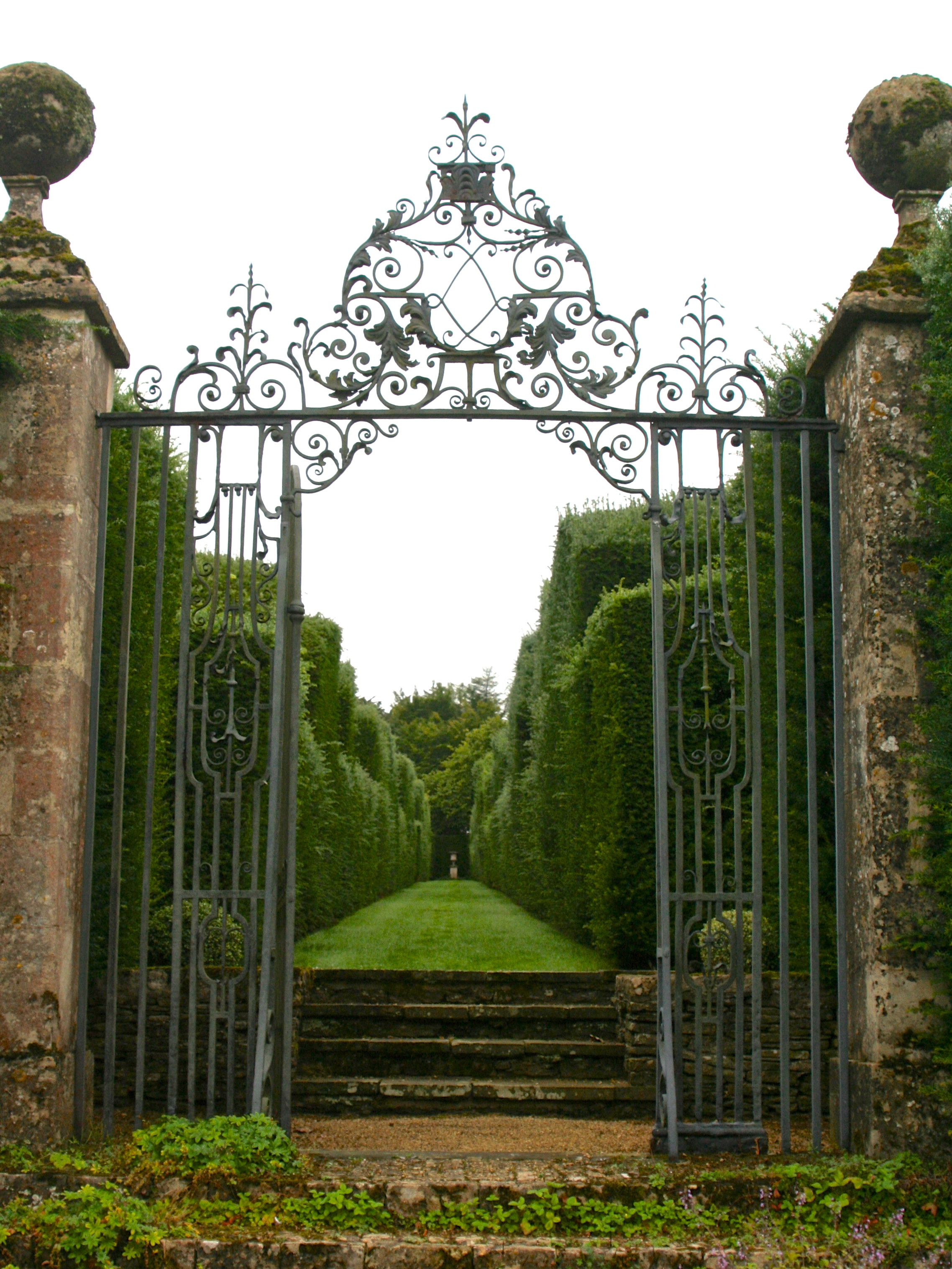
Gateway

Gateway to another Long Walk. How can one resist following it to the end?

Caption

A final view of the residence with its Cotswold stone roof. I will feature scenes from the village in another blog which captures the character of the small villages in the Cotswolds.

NEXT BLOG: Cerney House, Overbury Court, Whitcombe House, Wyndcliffe Court, Veddw (that’s Welsh, not a misspelling),  and Hellens Manor gardens.

A Garden Tour of England’s Cotswolds… by Peggy Mekemson

Jane and I sit among magnificent Hydrangeas at Highclere Castle (Downton Abbey). A taste of things to come.

Jane and I sit among magnificent Hydrangea at Highclere Castle (Downton Abbey). A taste of things to come.

While I was off touring the California coast north of San Francisco in August, my wife Peggy was on a garden tour of the Cotswolds in England with her sister Jane. She’s been eager to blog about her experience, but I had to finish my Olompali series first. Please join her as she shares the beautiful gardens and charming towns she visited over the next couple of weeks. —Curt

My sister, Jane Hagedorn, loves gardens and she loves England. I love my sister. So when Jane called and asked that I join her for a garden tour in the Cotswolds, of course, I said “yes.” I did little research other than reading the notes sent to us by the tour company and checking the weather in England in August. I was going into this with a completely open mind wondering what my impressions would be….and of course, what kind of photographs would reflect this journey of 12 gardens, several abbeys, a cathedral, and seven English villages. The camera was packed!

We extended our stay to join my brother John and his wife Frances for a few days in London. They had been traveling via auto throughout Europe for 5 months. We had some catching up to do. John also had been blogging about their adventures, a great read. Check it out: http://dallen.posthaven.com

When Curt suggested I put together 4-6 guest blogs, I delayed, delayed, delayed! How could I take 800 photos and select a mere 50-75 to share on the blogs? What would I say— Curt is the writer in this family! Nevertheless here you are, beginning with three blogs featuring a brief photo journey of gardens in the Cotswolds. Following the gardens I will feature the Abbeys and small, colorful towns of Cotswolds.

1st Blog: Highclere Castle aka Downton Abbey, Camers in Old Sodbury, and Abbey House Garden aka Home of the Naked Gardeners in Malmesbury.

Let me start by noting that all of the gardens were gorgeous. The colors, the size of the flowers, the hedges, the orchards, the kitchen gardens, sculptures and water fountains— wow! It was really, really hard to limit myself to 15 photos per blog that Curt suggested. I quickly learned that gardens came in all shapes and sizes ranging from 1 acre to 5000 acres. They were attached to castles, farmhouses, abbeys, manors, courts, parks, and houses. Also, I love architecture, so I have included photos of the various residences.

Historically, what was once a medieval palace became a house and then a castle rebuilt between 1838-1878. Over 1000 acres, it is considered a parkland featuring lawns, cedars, and deciduous trees….and a few gardens.

Historically, what was once a medieval palace became a house and then a castle rebuilt between 1838-1878. Over 1000 acres, Highclere Castle is considered a parkland featuring lawns, cedars, and deciduous trees….and a few gardens.

First stop on the garden tour: Highclere Castle aka Downton Abbey. Although its location is actually in Berkshire, it was on the way to the Cotswolds and….we had tickets! With the popularity of the PBS series Downton Abbey, Highclere Castle has become quite a challenge to visit. It is open to visitors only 60-70 days a year. It is privately owned and family still lives in part of the castle! Add to this the fact that August is also a heavy month for tourism— well, there were a lot of people wanting to share this experience.

Second stop: Camers in Old Sodbury (love the English names) was an absolute delight! It is an Elizabethan farmhouse and is part of the National Garden Scheme. That means it is open occasionally for the charity to raise money. We were greeted by the elderly couple who, with their son, own and manage the gardens. They now live in the converted outer building while the son lives in the farmhouse (not open to the public).

We wandered the 2 ½ acre garden which is part of the wooded 4 acres. It was amazing how much color and variety could be found!

We wandered the 2 ½ acre garden which is part of the wooded 4 acres. It was amazing how much color and variety could be found!

Add caption

As I soon discovered, hedges are everywhere…all sizes, shapes, and forms.

One of many intriguing garden walkways at Camers.

One of many intriguing garden walkways at Camers.

This got our attention. Jane provides perspective! There must be plenty of water in England.

This got our attention. Jane provides perspective! There must be plenty of water in England.

Brilliant colors galore. My last photo at Camers.

Brilliant colors galore. My last photo at Camers.

The final stop today is Malmesbury, the oldest inhabited town in England. Abbey House Gardens is also known as the Home of the Naked Gardeners, Ian and Barbara Pollard. (Their web-site claims clothing is optional on six Sundays during the year.) I couldn’t help but wonder what the monks who lived here in the 12th Century would have thought about going naked. The Pollards purchased the residence and abandoned 5.5-acre garden in 1994 and revitalized it, adding their own touches. I found their design both amusing and eclectic.

I found the Abbey Gardens eclectic and amusing.

I found the Abbey Gardens eclectic and amusing.

Ad caption

The gardens can be almost overwhelming when trying to capture the design, color, depth, lushness, and uniqueness. However, I had a good time trying!

Leaving the Monastery one is greeted by this sculpture at the entrance to Abbey House Gardens.

Leaving the 12th century abbey grounds,  one is greeted by this sculpture at the entrance to Abbey House Gardens.

Next blog: On to Hidcote Manor, Kiftsgate Court and Mismarden Park.

The Scary Tale of the Graveyard Ghost

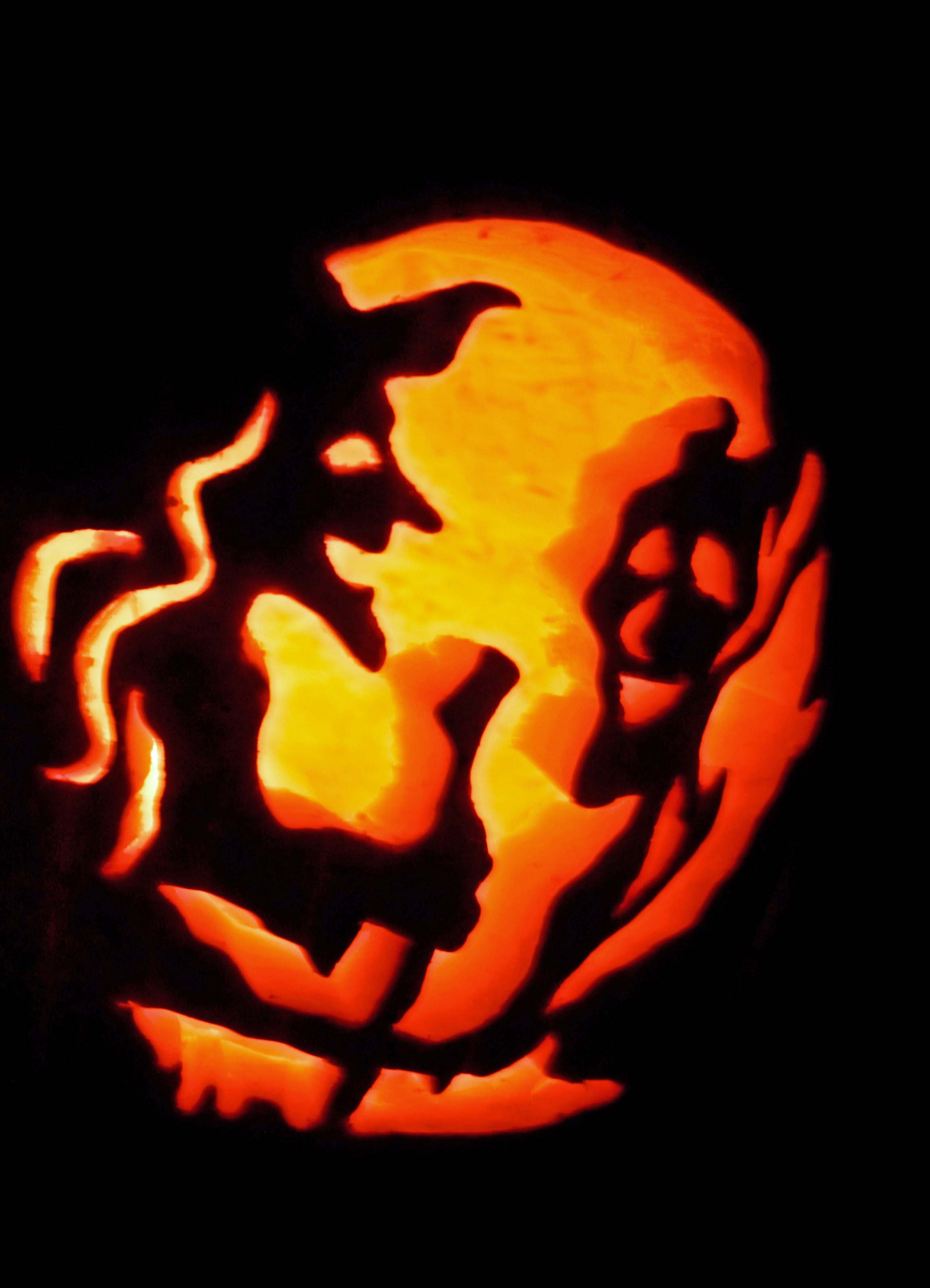
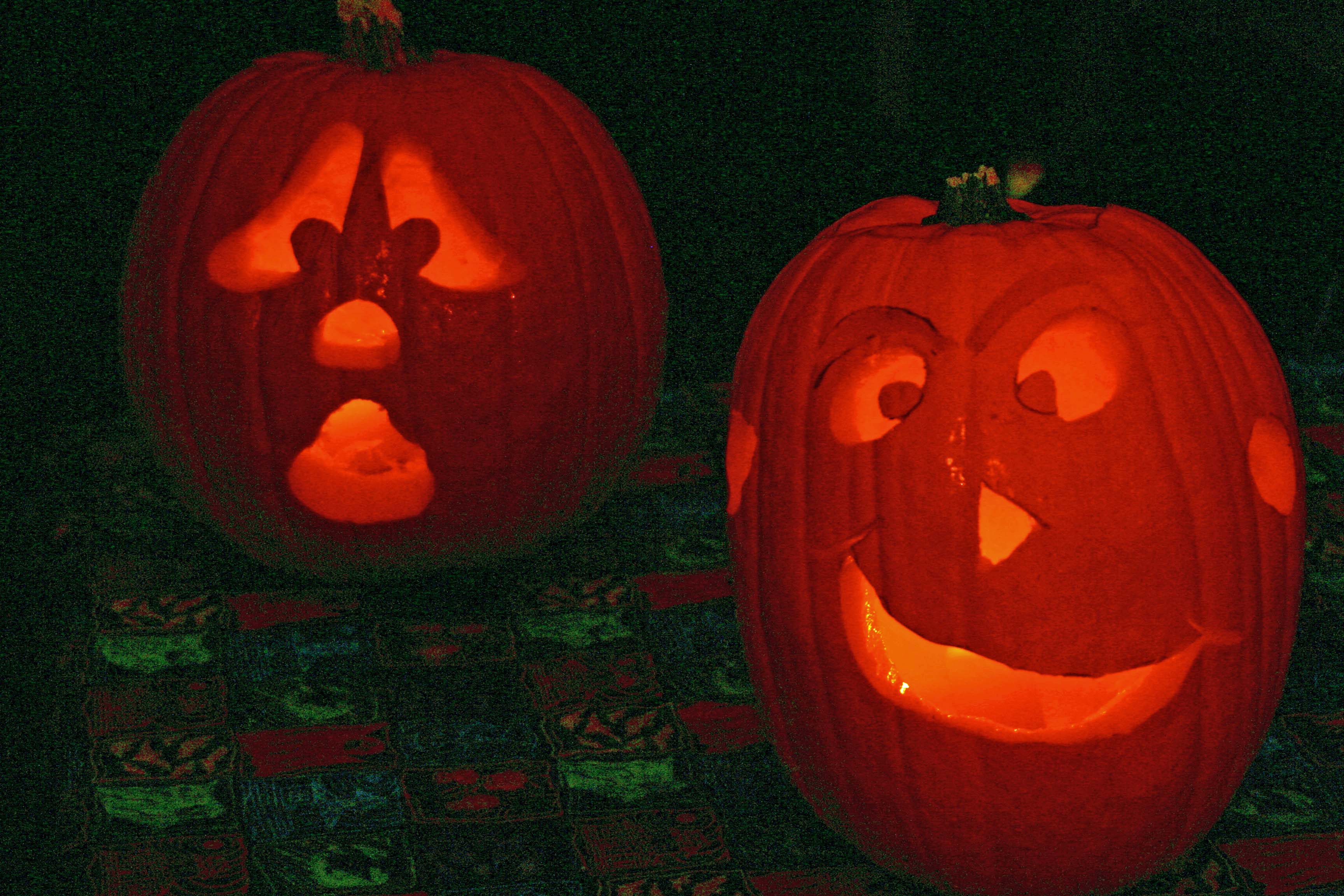
It is that time year when ghoulies and ghosties and long legged beasties take to the streets. The pumpkins in this blog were carved by my sister Nancy, her husband Jim and Peggy and I over the past 20 years.

It is that time year when ghoulies and ghosties and long-legged beasties take to the streets. And it is also the time when innocent pumpkins assume ghostly appearances. These scary fellows were carved by my sister Nancy, her husband, Jim, Peggy and I over the last several years.


Peggy and I had lunch with my sister Nancy and her husband Jim yesterday. With Halloween a day away, my thoughts turned to the Graveyard that loomed so ominously behind our house when we were growing up. While my brother Marshall and I had a healthy respect for its inhabitants, my sister Nancy Jo’s fear of dead people bordered on monumental. This tale relates to her encounter with the Graveyard Ghost as a teenage girl. I trot this story out every couple of years for Halloween. You may have read it before.

My sister was seven years older than I and lived on a different planet, the mysterious world of teenage girls. Her concern about ghosts makes this story a powerful testimony to teenage hormones. It begins with Nancy falling in ‘love’ with the ‘boy’ next door, Johnny.

Johnny’s parents were good folks from a kids’ perspective. Marshall and I raided their apple trees with impunity and Mama, a big Italian lady, made great spaghetti. I was fascinated with the way she yelled “Bullll Sheeeet” in a community-wide voice when she was whipping Papa into line. He was a skinny, Old Country type of guy who thought he should be in charge.

I use the terms love and boy somewhat loosely since Nancy at 15 was a little young for love and Johnny, a 22-year-old Korean War Veteran, was a little old for the boy designation, not to mention Nancy. Our parents were not happy, a fact that only seemed to encourage my sister.

Her teenage hormones aided by a healthy dose of rebellion overcame her good sense and she pursued the budding relationship. Johnny didn’t make it easy. His idea of a special date was to drive down the alley and honk. Otherwise, he avoided our place. If Nancy wanted to see him, she had to visit his home.

It should have been easy; his house was right behind ours. But there was a major obstacle, the dreaded Graveyard.

Mekemson pumpkin 2

Nancy had to climb over the fence or walk up the alley past the Graveyard to visit. Given her feelings about dead people, the solution seemed easy— climb the fence. Marsh and I had been over many times in search of apples. Something about teenage girl dignity I didn’t understand eliminated fence climbing, however.

Nancy was left up the alley without an escort.

While she wasn’t above sneaking out of the house, Nancy asked permission to see Johnny the night of the Graveyard Ghost attack. She approached Mother around seven. It was one of those warm summer evenings where the sun is reluctant to go down and boys are granted special permission to stay up. Marshall and I listened intently.

“Mother, I think I’ll go visit Johnny,” Nancy stated and asked in the same sentence. Careful maneuvering was required. An outright statement would have triggered a parental prerogative no and an outright question may have solicited a parental concern no.

Silence. This communicated disapproval, a possible no, and a tad of punishment for raising the issue.

“Mother?” We were on the edge of an impending teenage tantrum. Nancy could throw a good one.

“OK” with weary resignation followed by, “but you have to be home by ten.”

What we heard was TEN. Translate after dark. Nancy would be coming down the alley past the Graveyard in the dark and she would be scared. Knowing Johnny’s desire to avoid my parents, we figured she would also be alone. A fiendish plot was hatched.

P 2

At 9:45 Marsh and I slipped outside and made our way up the alley to a point half way between our house and Johnny’s. Next we took a few steps into Graveyard where weed-like Heavenly Trees and deep Myrtle provided perfect cover. Hiding there at night was scary but Marshall and I were operating under inspiration.

Marsh stripped the limbs off of one of the young trees, bent it over like a catapult, and draped his white T-shirt on the trunk. We then scrunched down and waited.

At exactly ten, Nancy opened the back door and stepped outside with Johnny. Our hearts skipped a beat. Would he walk her home? No. After a perfunctory goodnight, Johnny dutifully went back inside and one very alone sister began her hesitant but fateful walk down the alley.

She approached slowly, desperately looking the other direction to avoid seeing tombstones and keeping as far from the Graveyard as the alley and fence allowed. At exactly the right moment, we struck. Marshall let go of the T-shirt and the supple Heavenly Tree whipped it into the air. It arched up over the alley and floated down in front of our already frightened sister. We started woooooing wildly like the eight and eleven year old ghosts we were supposed to be.

Did Nancy streak down the alley to the safety of the House? No. Did she figure out her two little brothers were playing a trick and commit murder? No. Absolute hysteria ensued. She stood still and screamed. She was feet stuck to the ground petrified except for her lungs and mouth; they worked fine.

As her voice hit opera pitch, we realized that our prank was not going as planned. Nancy was not having fun. We leapt out to remedy the problem.

Bad idea.

Two bodies hurtling at you out of a graveyard in the dark of night is not a recommended solution for frayed nerves and intense fear of dead people. The three of us, Nancy bawling and Marshall and I worrying about consequences, proceeded to the house. As I recall, our parents were not impressed with our concept of evening entertainment. I suspect they laughed after we went to bed. Sixty years later, Nancy, Marshall and I still are.

Happy Halloween to our friends in the blogging world!

Curt and Peggy

Mekemson Pumpkin 4

Rancho Olompali: “The White House of Hippiedom”

It was quiet and peaceful when I visit Olompali. But this platform was once alive with laughter, music and work as members of the Chosen Family made bread to be distributed by the Diggers in San Francisco.

It was quiet and peaceful when I visited Olompali. But this platform was once alive with laughter, music and bread as members of the Chosen Family commune made thousands of loaves to be distributed by the Diggers for free in San Francisco during the late 60s.

Today marks the end of my series on Olompali. Originally, I had planned to write one blog. This is my fifth, and each post has been relatively long. The truth is, I got caught up in the subject, and the more research I did, the more caught up I became. I lived through the 60s and spent considerable time in the Bay Area where these tales took place. I became an activist, committed to change, but I missed the early rock scene, didn’t do LSD, and steered clear of communes. None-the-less, I shared many of the values of those who did travel down these paths. 

The 60s were a time when a significant number of young people rebelled against the world of their parents and went seeking something else. As Don McCoy, the founder of the Chosen Family would say, to “create a new way of life, a new way of doing things, a new way of living together, getting along in a peaceful world.” Looking back, this perspective seems almost Quixotic to me. We were tilting at windmills.

But the windmills were real— and scary. America and Russia had accumulated enough nuclear weapons to wipe out the world several times over. Minorities, women, and gays were buried under a suffocating blanket of discrimination that limited who they were and what they might become. Leaders that promised change, John Kennedy, Martin Luther King, and Bobby Kennedy, were shot down, one after another by people who may have been insane— but were reflective of something deeper and darker. A far-off war in Southeast Asia was sucking us into a quagmire that was tearing our nation apart. And last, but far from least, we were awakening to the fact that our desire for more and more of everything was polluting the planet, literally poisoning our home. “We have met the enemy, and he is us,” Pogo proclaimed.

In spite of all of this, or maybe because of it, change was in the air. People across the country felt it. In the Bay Area it was so palpable you could almost taste it. (Listen to the Age of Aquarius here by the Fifth Dimension to get an over-the-top sense of its idealistic flavor.)

Those of us who got caught up in optimism and passion of the 60s believed we could make a difference. Our solutions varied tremendously. For some, like me, it meant joining groups like the Peace Corps and Vista, and working from within the system to achieve change. Others believed more radical solutions were called for. Massive protests and even violence resulted. And some people opted out, either by focusing inward with the aid of meditation or drugs such as LSD, or, more directly, by simply removing themselves from every day society and establishing a new life.

Don McCoy represented the latter. He and a few friends, plus their children, moved to Rancho Olompali in November of 1967 to establish the Chosen Family commune. “God chose us to be family with each other, and also, we chose each other for family,” he said. McCoy was aided in his vision by a $350, 000 inheritance, which is the equivalent of close to 3½ million dollars today.

By most accounts, McCoy was a generous man. One story that reflects his generosity relates to Alan Watts, the Zen philosopher, who was living on a houseboat in Sausalito (possibly one of Don’s). When the Indian musician, Ali Akbar Khan, told Watts he wanted to start a music college for teaching Indian music in Northern California and needed money, Alan immediately called Don. Within an hour, McCoy had shown up and given Khan a check for $20,000. (Khan, along with Ravi Shankar, was instrumental in introducing Indian music to the West. His college still exists today in San Rafael.)

As for Rancho Olompali, McCoy picked up the full tab. He started by leasing the property around the house and barns, including the swimming pool. When neighbors, who ran a riding school business on another section of the property, complained about seeing nude people in the swimming pool, he leased the whole ranch and kicked out the neighbors.

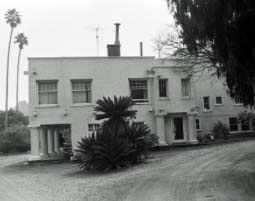
Olompali provided an excellent location for the Chosen Family and Included this 20 plus room mansion.

Olompali provided an excellent location for the Chosen Family. It included this 20 plus room mansion, beautiful landscaping and an Olympic-size swimming pool. (Archival photo.)

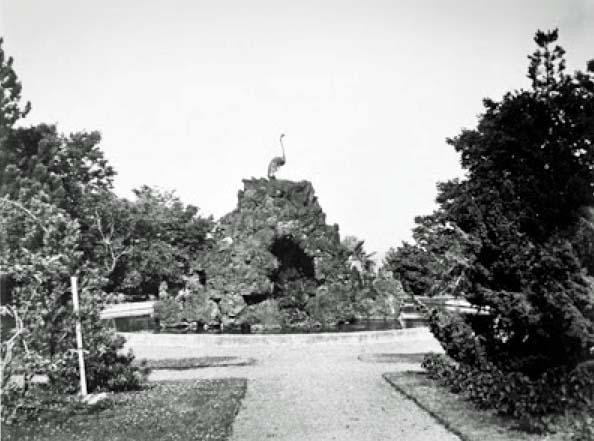
This large fountain with a blue heron sculpture on top was part of the landscaping.

This large fountain with a blue heron sculpture on top was part of the landscaping. (Archival photo.)

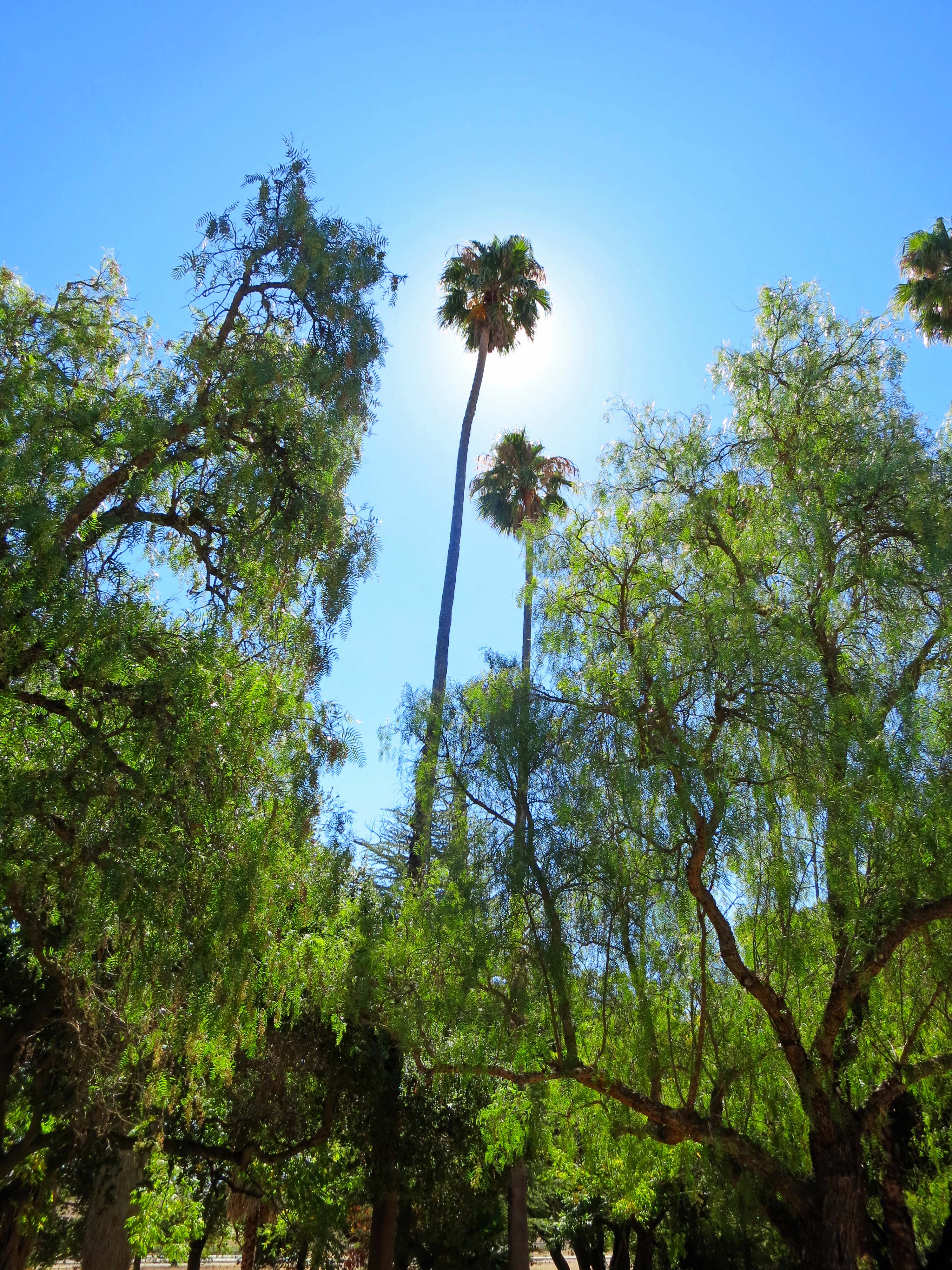
The palms seen on the left side of the mansion as they appear today.

The palms seen on the left side of the mansion as they appear today.

Leasing the rest of the property open up several hundred acres for the commune members to wander through.

Leasing the rest of the property opened up several hundred acres of beautiful country for the commune members to wander through.

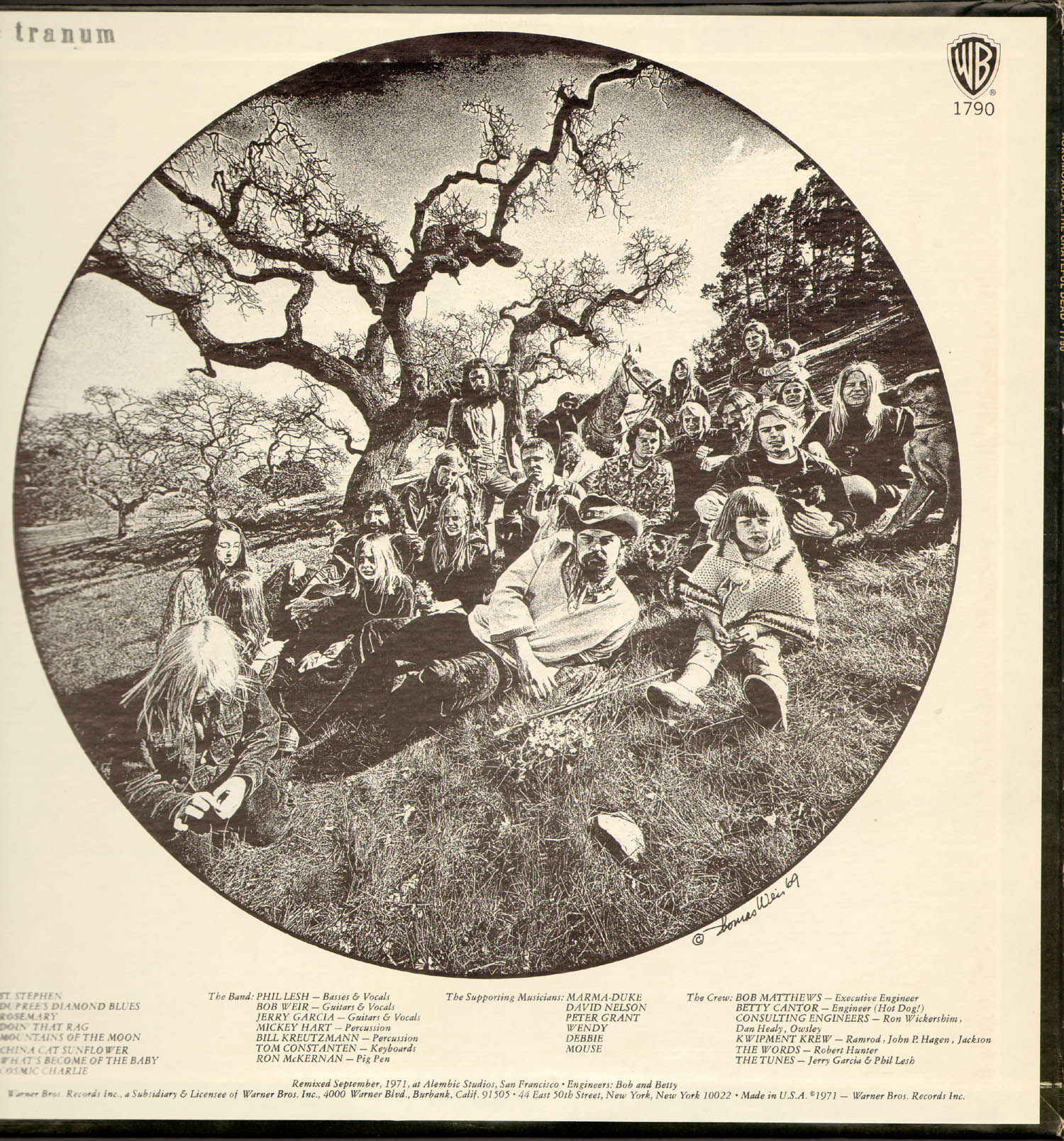
McCoy insisted that the adults who came to live at Olompali give up their day jobs. The commune was to be the center of their lives. Food, transportation, health care, and even entertainment were to be supplied, everything necessary to live. And McCoy would pay for it. This didn’t mean that commune members didn’t work. There was food to grow, meals to cook, dishes to do, cows to milk and horses to care for. The property had several horses, including one boarded by Mickey Hart, the Grateful Dead percussionist. Snorty, the horse, even made it into the group photo taken at Olompali that appeared on the back of the Dead’s album, Aoxomoxoa.

Snorty is in the back of the photo.

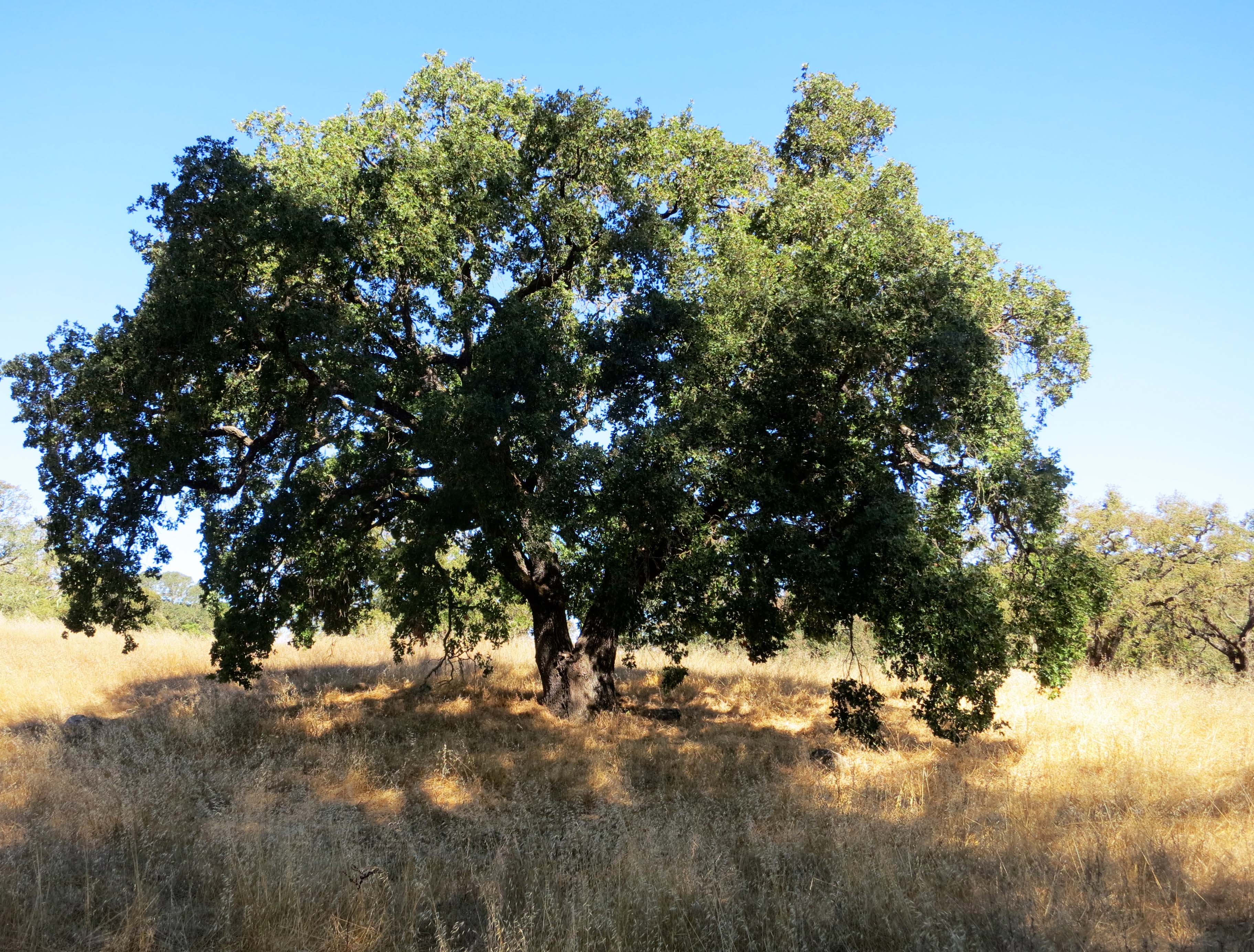
Snorty is in the back of the photo to the right of the oak tree.

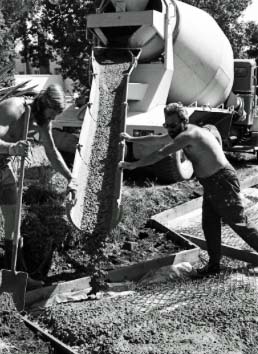
All of the commune members, including the children, were expected to chip in when it came to chores. One of the biggest was cooking bread. A bakery owner had gone out of business and donated his equipment to the commune. A seven-sided cement pad was poured (it still stands at the park as shown in the top photo), and the equipment installed. Commune members then went to work. Clothing was optional. Twice a week they would bake several hundred loaves of bread in coffee cans. The bread was then turned over to the Diggers to distribute for free in San Francisco.

Pouring concrète for the cement pad.

Pouring concrète for the cement pad. (Archival photo.)

Chosen Family members making bread at Rancho Olompali that will be distributed by the Diggers for free in San Francisco. Clothing was optional. (Photo from the Berkeley Barb.)

Chosen Family members making bread at Rancho Olompali that was distributed by the Diggers for free in San Francisco. Clothing was optional. The bread was put in coffee cans as seen in foreground and rose over the top, giving it the name mushroom bread. (Photo from the Berkeley Barb.)

There was also a side business known as The Garden of Delights where commune members would put on light shows for the various rock groups performing at venues in the Bay Area.

Children were regarded as a communal responsibility. On Mondays, their names were placed in a hat. Adults would then draw names and adopt the child he or she drew for the week. If you had issues as a child, you took them to your adopted parent, not Mommy or Daddy.

A decision was made to educate the children on site rather in local schools. (Otherwise, how could you instill the proper hippie values?) An ex-principal/teacher from the Nicasio Elementary School, Garnet Brennan, was recruited into the commune as the teacher. Brennan had been fired from the Nicasio School District after a thirty-year career in education because she had admitted to smoking pot when she was testifying on behalf of a young man who faced a five-year to life sentence for selling marijuana. She had noted that she knew marijuana wasn’t harmful because she had smoked it for 18 years on a daily basis without any notable damage to herself or anyone else. The issue received national attention including an article in Life Magazine.

Brennan set up a Montessori-type school that the children named Not School. Children were encouraged to pursue subjects that captured their imagination. Education was slipped in as part of the process. “We had displays, supplies, books, and tests,” Maura McCoy remembers. “She was a professional educator and a great person to have there.” Brennan had been known as a “beloved teacher” at the Nicasio School according to the Life magazine article.

Extensive freedom was granted to the children. If you wanted to skip school or go to town, okay. If you wanted smoke pot or try LSD, okay. If you wanted to ride horses, go swimming, or go for a walk in the woods, it was your choice. You were even allowed to pick your own bedtime. (After all, how could you go to sleep with the Grateful Dead playing music in your front yard or living room?) And, if you wanted to run around naked— well that was okay, too. Understandably, some people would and did condemn the freedom, lack of structure and use of drugs as a form of abuse. For the most part, however, the children who spent two years of their life growing up at Olompali remember the experience as fun and filled with loving support. They even took delight in going into Novato and being the “Hippie Kids.”

Not surprisingly, the media pounced on the commune. It was big news: pot-smoking hippies ran around naked and baked bread while grooving out to music produced by the Grateful Dead. They labeled Rancho Olompali as the White House of Hippiedom and Don was their guru, the supreme Hippie. They also recorded the bad times. A horse escaped, ran out on Highway 101, and caused an accident that killed a trucker. There were two raids to seize drugs. Faulty wires caused a fire that gutted the mansion.

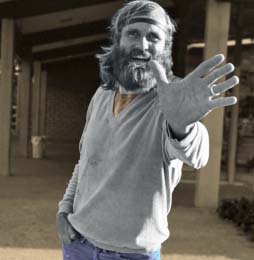
Don McCoy. (Archival photo.)

Don McCoy. (Archival photo.)

Don’s family, concerned about how life on the commune was affecting the children, obtained a conservatorship that took away custody of his children and stopped the flow of money. He ended up in the hospital suffering from physical and mental illness.

The final straw for the Chosen Family was that two of the commune’s children, cycling around the half empty swimming pool, fell in and died. With the death of the children, the commune died as well, its utopian dream snuffed out. The University of San Francisco, who still owned the property, evicted the Chosen Family and set about selling it to a developer who was planning on turning Olompali into condos and a trailer park, an inglorious ending to a fascinating history. But it wasn’t the end of the story.

Olompali was saved by a coin, not just any coin, but an English sixpence found on the property that traced the area’s history all the way back to the initial contact between the Miwoks and Sir Francis Drake. Plans for the trailer park were dropped. Marin Open Space, working with the State of California, obtained the property in 1977 and turned it into Olompali State Park.

Final Notes: Maura McCoy, along with another former member of the commune, Noelle Olompali-Barton, is now making a documentary about the commune. As Noelle says, “We have a lot of colorful history.” Their Facebook page is worth a visit. Scroll down and check out the trailer for the documentary.

NEXT BLOGS: Peggy (my wife) will do several guest blogs on her recent trip to England where she visited a number of gardens and estates, starting with Downton Abbey (Highclere Castle.)

Houseboats, Hippies and Haight-Ashbury… Olompali Part IV

Don McCoy would create one of the first modern houseboat communities in Sausalito California in the years before he created the Chosen Family commune at Olompali. A large, thriving community of houseboats still exists in Sausalito.

Don McCoy would create one of the first modern houseboat communities in Sausalito, California in the years before he created the Chosen Family commune at Olompali. A large, thriving community of houseboats still exists in Sausalito.

“I felt we were chosen for something. I thought we were going to create a new society. I thought we were going to change the world, or create a new way of life, a new way of doing things, a new way of living together, getting along in a peaceful world.” —Don McCoy, founder of the Chosen Family. It would be hard to find a statement that better summarizes the hope surrounding ‘The Age of Aquarius’ that seemed so tantalizingly close in the 60s, but was ever so far away.

“The failure to curb personal indulgence was a major collective error. Our journeys down the path (of extensive drug use)… disordered our senses, senselessly wasted young lives, and often sabotaged what we labored so diligently to construct. … It is the artist’s responsibility to manifest sanity and health—something we did not fully understand.” Peter Coyote— Co-founder of the Digger Movement in San Francisco, and friend of Paula McCoy. He would go on to become chair of the California Art’s Council under Jerry Brown, a popular actor (think ET), and a Zen advocate.

“I was definitely exposed to different ways of thought, to people who had yearning for peaceful ways of living, collectively with others. It gave me a more liberal and progressive outlook on life in general, introduced me to organic foods, to eastern religion, to farming, to alternative theater.  Maybe today that sounds almost mainstream, but we were really counterculture then.” Maura McCoy, daughter of Paula and Don, who is presently finishing up a documentary on The Chosen Family that Peter Coyote will narrate.


“What I remember about Thanksgiving dinners at Uncle Bud’s was that they were always loud— boisterous in a positive, friendly way,” my brother-in-law Jim told me, as his mind reached back to his childhood in the 40s and early 50s. Jim is married to Peggy’s sister, Jane. Bud Carrington was Jim’s uncle and Paula McCoy’s father, so Paula was his cousin. Maura is her daughter. Paula would have been part of the boisterous Thanksgiving holidays.

What Jane and Jim recall of the 60s and 70s hippie culture in San Francisco was the darkness of the drug scene that Peter Coyote referred to. It would lead to Paula’s early death. Understandably, they see the Chosen Family, the Diggers, and the Summer of Love in the light of Paula’s shortened life.

My own perspective of the time is somewhat different. My stint at Berkeley was from 1963 to 65, when the Bay Area rock music scene was in its formative stages. Herb Caen had yet to make the word ‘hippies’ part of our every day vocabulary. The Free Speech Movement, Peace Corps, graduation, and marriage dominated my thinking. My awareness of ‘hip’ hadn’t travelled beyond the Beatniks. (I was curious enough about the Beats, however, to make a pilgrimage across the Bay to Lawrence Ferlinghetti’s City Lights Bookstore.)

I was in the final months of my Peace Corps assignment in Liberia in July of 1967 when I first became aware of the Summer of Love. A new group of Volunteers hosted a party in Tapeta. A large sign claiming Haight-Asbury Africa greeted us on the edge of town. There wasn’t any LSD (at least that I was aware of), but Liberia’s Club Beer ran freely. And the Bush Devil was there. He seemed to fit right in. Any of the 60’s rock groups would have been delighted to have him shuffle across their stage. (If you want to learn more about the Bush Devil, check out my book, The Bush Devil Ate Sam, on Amazon.)

By the summer of 1968, I was Director of Peace Corps Recruiting and Public Affairs for Northern California and Northern Nevada. While my territory didn’t cover San Francisco, I travelled into the city on a monthly basis for staff meetings. Out of curiosity I wandered over to Haight-Asbury, which had already lost its luster. I also spent much of my time on college campuses, and some, especially Sonoma State— just up Highway 101 from Olompali, closely reflected what was happening in the more open society of the times. I was drawn to the sense of exploration and freedom the lifestyle offered. My feelings could have easily carried me in that direction, but I got caught up in the world of environmental action instead. “Tune in, Turn on, Drop out” never became part of my vocabulary. But, back to the McCoys.

In 1961, Don and Paula McCoy moved from Southern California to Marin County and Don started an investment property and construction company with his brother Douglas. Within two years they were busily developing Sausalito’s first modern houseboat community at the Sausalito heliport on Richardson Bay. Houseboat living, apparently, had great appeal to artists and musicians. A young Bill Cosby rented a space at the development and Otis Reading used one of Don’s houseboats as an escape from San Francisco. Otis used his stay as inspiration for the hit songSitting on the Dock of the Bay.” A warehouse that Don owned at the Heliport also became a popular rehearsal space for local bands including the Grateful Dead, Country Joe and the Fish, and Quicksilver. Chicago apparently practiced there as well.

At some point, Don and Paula bought a house in San Francisco at 715 Ashbury Street. The Grateful Dead lived directly across the road at 710 Ashbury Street. A constant stream of people moved back and forth between the two Victorian houses.

Paula and Don divorced in September of 1977. I couldn’t find the reason, but given the couple’s close association with rock bands, drugs, and the era of free love, it isn’t hard to imagine. Whatever the reason, Don got the kids and within a couple of months he would be creating his commune at Olompali. Paula stayed at the house on Ashbury Street.

While this blog series is focused on Olompali, I broadened my research when I learned about the relationship between my brother-in-law and Paula. Her life in San Francisco was equally interesting to Don’s at the commune. 215 Ashbury became one of the focal points of Haight-Ashbury and the Summer of Love. Janis Joplin was so close by that she could stand out on her balcony and yell out to her neighbors at 215 and 210. Peter Coyote describes an incident where he was upstairs at Paula’s when Neal Cassady came out of the Dead’s house. Peter lobbed apples at him from the window and Cassady came over to visit and get high. Ken Kesey reportedly used the house to stop his car when he lost his brakes. Several people with close connections to the Dead actually lived at Paula’s. This included Stanley Mouse and Alton Kelly, who would earn fame for their psychedelic Grateful Dead poster art and album covers.

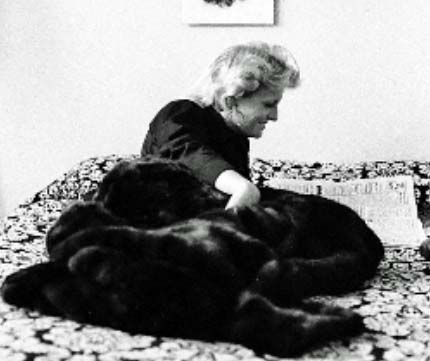
A photo of Paula McCoy wearing her fur coat taken by Peter Coyote.

A photo of Paula McCoy wearing her fur coat taken by Peter Coyote.

715 Asbury Street also became a gathering point for the Hell’s Angels and Diggers. The Angels had developed an early relationship with the Pranksters during the acid tests and this relationship extended to the Dead. Two Angels, Frisco Pete Knell, president of the San Francisco Chapter of the Hells Angels, and Billy “Sweet William” Fritsch, even accompanied the Grateful Dead, Paula, Ken Kesey, and Peter Coyote on a mission to London to meet with the Beatles in 1968. The Dead were concerned about whether the Beatles had a social conscience and were ‘socially adventurous.’ While the Dead found the Beatles more focused on making money than making change, the Beatles found the Dead scary, which is no surprise, considering Knell smashed one of their staff in the nose because Christmas dinner was late. Lennon was present to witness this episode and Coyote had to use his diplomatic skills to calm John down.

Paula and Coyote were invited on the journey because of their close connection with the Dead and with the anarchic Diggers, who were major players in San Francisco and Haight-Ashbury’s 1967 Summer of Love. Coyote, who went by his birth name at the time, Peter Cohon, was one of the founders of the Diggers, along with Emmett Grogan and Peter Berg. Free is the word that best describes what the Diggers did during the summer of 1967 when up to 100,000 young people (hippies/flower children) descended on Haight-Ashbury with little more than the clothes on their backs. The Diggers operated a free store and health clinic, provided free crash pads, gave away free bread in Golden Gate Park (much of which was baked at Olompali), and performed free, radical theater events on the streets and in the parks of the city. (Both Coyote and Berg had been members of the San Francisco Mime Troupe.)

The Diggers would distribute thousands of loaves of bread, baked in a coffee can like this.

The Diggers would distribute thousands of loaves of bread, baked in a coffee can like this.

The Diggers were always welcome at 215 Ashbury. Coyote referred to Paula as the doyen of the Diggers and Vanity Fair described her as the group’s patron. Either way, she played an important role in the Diggers’ loose knit organization, the Summer of Love, and what came afterwards. (Imagine being able to say, “Oh, I went off with the Grateful Dead to meet with the Beatles and discuss their social conscience.”) Paula also became part of the dark side of the 60s counter-culture, the use of hard drugs. Coyote blames Emmett Grogan for introducing Paula to heroin. A woman commenting in the March 15, 2003 Digger Archives confirms this observation:

“Emmett was a junkie. Every woman he got involved with, perhaps his last wife being the exception, ended up strung out right along with him, big time. He left a wake and it amazed me some of the women that gave in. Not all of them lived through it. Paula McCoy being a prime example. She was the most intelligent high-toned woman in the scene. God was she smart and politically hip. I never in a million years could have seen those two together.”

But give in she did, and in 1976 the addiction plus ‘a drug deal gone bad’ would lead to her death in San Rafael. As Coyote would note “The Sixties turned into the Seventies and the hard-life changed a lot of things. A lot of friends died: Tracy, Marcus, Bill Lyndon, Billy Batman, Pete Knell, and Paula McCoy. The list is longer than I have the heart to type.”

Emmett Grogan died of an overdose in 1978.

NEXT BLOG: Olompali… the final chapter.

The Grateful Dead Move to Olompali… Olompali Part III

The Grateful Dead leased Olompali for the months of May and June in 1966 and returned several times over the next three years. In 1969 they returned for a photo shoot for the back cover of their album, Aoxomoxoa.

The Grateful Dead leased Olompali for the months of May and June in 1966 and visited the ranch several times over the next three years. In 1969 they returned for a photo shoot for the back cover of their album, Aoxomoxoa. Pigpen is lying in front. Jerry Garcia is on the left with the tree trunk behind him. In addition to the band, members of the Merry Pranksters and the Chosen Family Commune were also included in the photo. The blonde girl in the left front and the blonde girl sitting next to Garcia are the daughters of my brother-in-law Jim Hagedorn’s cousin, Paula McCoy.


“The (San Francisco/Haight-Asbury) Summer of Love began one afternoon at Olompali.” Ken Kesey, author of One Flew Over the Cuckoo’s Nest.


In my last post on Olompali, I mentioned that the Burdells sold Olompali in the early 40s. The purchaser, Count Harrington, had made his money dredging Pearl Harbor, an activity that was brought to a dramatic halt by the Japanese bombing in 1941. Desperate for dredging equipment, the US military paid him a small fortune for his dredges. He then used this money to purchase Olompali. Harrington, in turn sold the property to the University of San Francisco in 1948.

USF wanted to use the property as a Jesuit retreat but quickly discovered that maintaining Olompali was an expensive proposition. So they decided to sell, which turned out to be somewhat challenging. Buyers kept defaulting. At one point, USF was desperate enough to dig up the brick sidewalks and sell the bricks. For a brief time in the early 60s, the property was turned into an exclusive club with $5000 memberships. This effort failed as well, but it left a great swimming pool for the next inhabitants, The Grateful Dead.


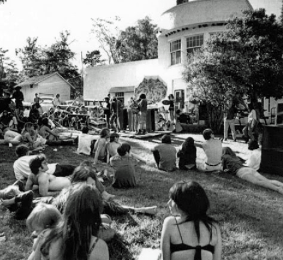
The Grateful Dead and other bands such as Quick Silver and Jefferson Airplane would set up in front of the Burwell Mansion and play free music for hours on end.

The Grateful Dead and other bands such as Quick Silver and Jefferson Airplane would set up in front of the Burwell Mansion and play free music for hours on end during their brief stay in May and June of 1966. (Archived photo.)

The mansion as it looked when I visited Olompali State Park in August. A fire gutted the building in 1969.

My photo of the mansion as it looked when I visited Olompali State Park in August. A fire gutted the building in 1969. I thought it was interesting that swallows still nested on the upper part of the mansion. (The dark dots.)

The best way to describe the Grateful Dead’s two month stay at Olompali in 1966 is to use a 60’s term: a happening. It was a continuous party that featured the early beginnings of rock music and a number of rock music legends. The Grateful Dead had formed a year earlier in 1965 from their initial band, The Warlocks, and Jerry Garcia was looking for a place where his group could hang out. A real estate friend turned him on to Olompali. The rent was reasonable and the property came with a large “Tara-like” house, a swimming pool, and gorgeous scenery. It was far enough away from everything that the band could play outdoors without disturbing any neighbors.

It was the type of place that demanded a party. An announcement sent out on May 22, 1966, invited the Dead’s friends from the Bay Area, “to an afternoon of inter-galactic travel, to a communion with the spirits of long dead Indians, to a dance celebrating mainly all of us.” It would be one of many parties. The ‘mainly all of us’ described a fascinating blend of musicians, promoters, poster artists, writers, film makers, beats, hippies and other alternative/creative types.

The original invitation to the Grateful Dead's party. The Swastica,

The original invitation to the Grateful Dead’s party. The swastika symbol, BTW, did not represent the Nazis. It was used by Native Americans to represent migration, thousands of years before it was picked up by Hitler. I’ve seen it on rock art throughout the Southwest.

Here’s how Garcia described the Dead’s stay at Olompali: “It was a great place. It had a swimming pool and barns and that sort of thing… We didn’t have that place very long, only about eight weeks. It was incredibly intense for everybody… Everything was just super-groovy. It was a model of how things could really be good… (It) was a firming up of the whole social world of rock and roll around here… The guys in Jefferson Airplane would get together with Quicksilver and different guys, 81 different players, would get together and get high and get loose and have some fun… That was when we started getting tight with Quicksilver… They came and hung out at our place in Novato when we had our parties. And a lot of people like the various filmmakers and writers and dope dealers. All the people who were into doing stuff. People who had seen each other at rock and roll shows…in that first year. Those parties were like a chance to move the whole thing closer, so to speak. It was good times – unselfconscious and totally free.”

Grace Slick dropped by, as did Janice Joplin, Santana, David Crosby, Moby Grape and even a five-year-old Courtney Love. But the gatherings went beyond musicians. Ken Kesey and the Merry Pranksters made their way to Olompali along with the LSD guru, “tune in, turn on, drop out,” Timothy Leary.

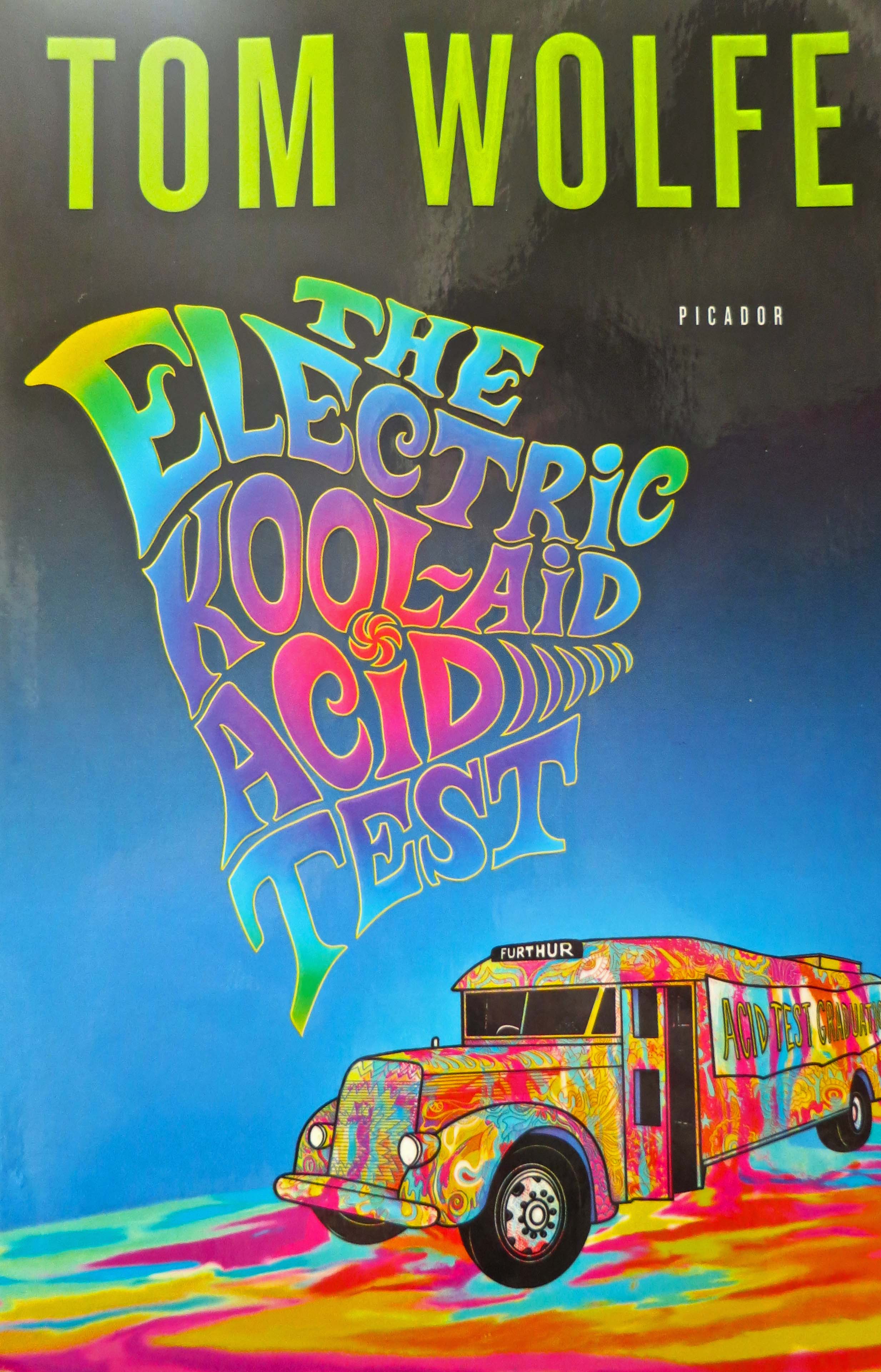
The cover of Tom Wolfe's book The Electric Kool-Aid Acid Test featuring the bus Further.

The cover of Tom Wolfe’s book The Electric Kool-Aid Acid Test featuring the bus Further.

The Merry Pranksters were known for their 1964 trip across America in their gaily decorated bus, Further— a trip made famous by Tom Wolfe’s book, The Electric Kool-Aid Acid Test. I had run into the Pranksters and Further at Berkeley in the spring of 1965 when they came tumbling off their bus to participate in one of the nation’s first anti-Vietnam War rallies. The Grateful Dead, in their earlier guise as The Warlocks, had played at several of Kesey’s “Acid Tests” in the Bay area designed to turn the world on with a concoction of LSD and Kool-Aid.

Garcia reportedly took his last acid trip at Olompali. “He developed three hundred-and-sixty-degree vision, died a few thousand times, and saw the word  “All” float into the sky before he turned into a field of wheat and heard “Bringing In the Sheaves.” Garcia would later note, “I unraveled every strand of DNA in my body. I felt both full and empty. I hardly spoke a word for two months, but it was worth it.”

Visitors to the free concerts at Olompali would spread out on the lawn, jump into the pool, and get comfortable, which, on occasion, involved taking off their clothes. Minus the lawn and the swimming pool, I am reminded of Burning Man where Burners spread out in the dust, instead.

Band member Phil Lesh noted, “Bear and some of the Pranksters set up [speakers] in the living room and all over the grounds; there was food and drink for all, and the pool was wall to wall with mostly nude people… From the makeshift bandstand by the kitchen terrace, an ad hoc band composed of members of the Dead, Quicksilver, and the Airplane played some of the most startling music I’ve ever heard, a new kind of music no one had ever made before, a true synergy of spontaneity and structure, created on the spot.” (Bear was none other than Owsley, the LSD Cook, known for producing over one million doses of acid. He worked as a sound-man for the Dead in the early years and helped with financial support. His ashes were placed on the soundboard at the Grateful Dead’s 50th Anniversary show in Chicago this year.)

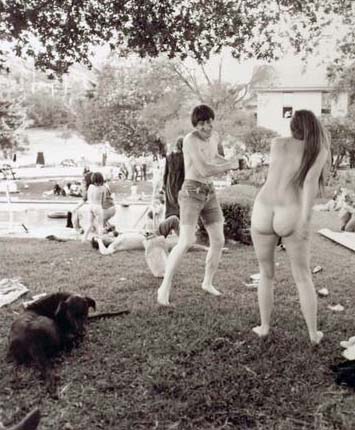
Clothing was optional at the parties held by the Grateful Dead at Olompali. The swimming pool is at the back of the photo.

Clothing was optional at the parties held by the Grateful Dead at Olompali. The swimming pool is at the back of the photo. The building on the right is now park headquarters. (Archived photo)

Neal Cassidy was another legendary visitor. Neal had hitchhiked across the country with Jack Kerouac in his epic journey described in On the Road. Later he would drive the bus Further across the country with the Merry Pranksters, thus serving as a bridge between the Beat Generation of the 50’s and the Hippie Generation of the 60s. George Hunter of the Charlatans’ band remembered, “the Dead would be playing and Neal Cassady would be doing this strange little dance— it was almost like breakdancing; very fluid. Out on the lawn there was this very far-out configuration of plumbing that was once part of a sprinkler system or something. It stuck out of the ground and stood maybe five feet high. I couldn’t figure out what the hell it was for. It was just a mess of pipes with faucets coming out of it that had been modified over the years. Very strange. So the Dead would be playing, and Neal would be dancing on the lawn with this bizarre metal partner. He’d dance around it, with it really. He had some pretty good moves, too. Neal was always in the thick of things.”

While only at Olompali for two months, Jerry Garcia would remember his time there as “idyllic.” And, he would come back several times over the next three years. His Haight-Asbury neighbor and friend, Don McCoy, was soon to lease Olompali for one of the most famous hippie communes of the 60s, The Chosen Family. The area’s wonderfully strange history would continue. It’s the subject of my NEXT BLOG.

Speaking of strange, or at least small world, Peggy’s sister Jane and her husband Jim were up this week visiting. Jane and I were talking about the 60s and Jane mentioned that Jim’s cousin Paula was mixed up in the San Francisco music scene in some way. Turns out that she was the wife of Don McCoy in his pre-commune period.

From Miwoks to Ewoks— Plus the Bear Flag Revolt… Olompali: Part II

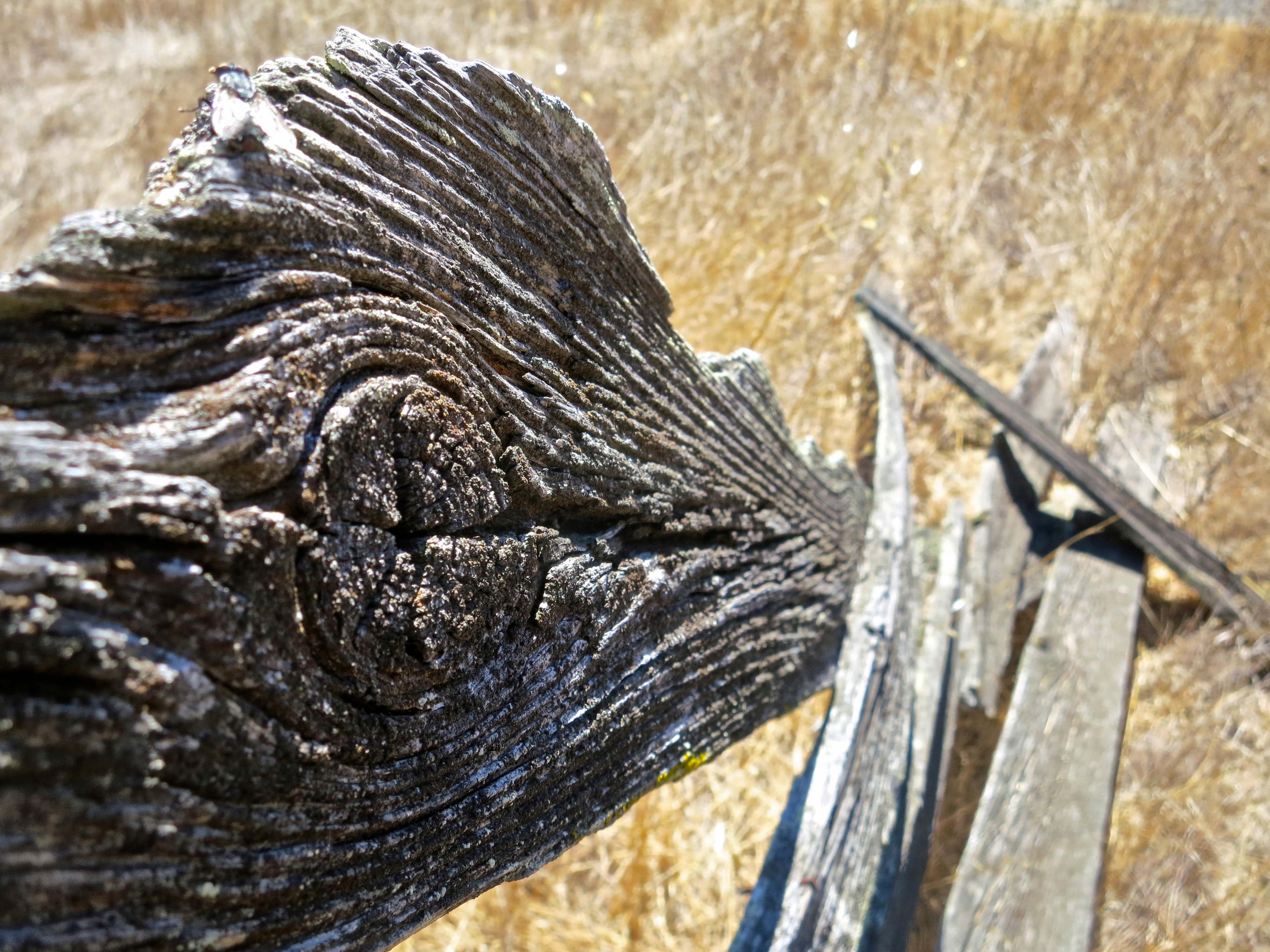
I found this ancient fence at Olompali State Park. It was likely built by the Black/Burdell Families who owned the property between 1852 and 1940.

I found this ancient fence at Olompali State Park north of San Francisco. It was likely built by the Black/Burdell Families who owned the property between 1852 and 1940.

After 3000 years of relative stability under the Miwoks, the fate of Olompali entered a period of rapid change in the 1800s. Mexican Independence in 1821 signaled the beginning of the end for the mission system in California. By 1834, the Mexican government had decreed that the missions would be secularized. The priests would no longer control vast estates.

It was the intention of the Mexican government to give the mission land to the Native Americans, but this intention was quickly subverted. Californios, California born people of Spanish/Mexican descent, either bamboozled the Indians out of their land or seized it outright for their own use, and then initiated a campaign of terror, stealing whatever the Indians had left— including, on occasion, their freedom.

An interesting exception to the mistreatment of the Miwoks took place at Olompali where, in 1843, the Miwok chief, Camilo Ynitia, was awarded a Mexican land grant. (Ynitia was the only Native American in California to receive one.) His father had built the first adobe house north of San Francisco. Portions of the house, along with Camilo’s, still stand at the park.

Remnants of Camilo's adobe house, and that of his father, still stand at Olompali State Park.

Remnants of Camilo Ynitia’s  adobe house, and that of his father, still stand at Olompali State Park.

Ynitia’s Rancho would soon play a role in the Bear Flag Revolt. With encouragement from John C. Fremont, the explorer and future US presidential candidate, a small band of American settlers in Northern California revolted against Mexican rule in 1846. The revolt was short-lived and only one person was killed, which is hard to imagine in any revolution. The point here is that the person was killed at Olompali in a clash between the settlers and Californios.

With bloodless coups in San Francisco and Monterey, Fremont and his followers soon afterwards declared California a republic. A quick flag was created featuring a grizzly bear, a star, and the word Republic. The fledgling country lasted three weeks; the Mexican-American War made it irrelevant. All that is left of the revolution today is the flag. It still flies over California even though there is no republic— or grizzly bear for that matter. The last known grizzly in California was killed in 1922.

The California flag, adopted during the three week existence of the Bear Flag Revolt.

The flag from the three-week republic still flies over California as the California state flag. The hump back of the bear is a defining characteristic of the grizzly bear. I once had a guy like this stalk me in Alaska. It was sneaking through the brush when I spotted its hump.

In 1852 Ynitia sold most of his land to James Black, who was on his way to becoming one of the largest landowners in Marin County. Legend is that robbers killed Ynitia for the money he received, or that he buried the money on the Olompali property, or that members of his own tribe did him in the old-fashioned way, with an arrow. Whatever happened, our history of Olompali now leaves the Miwoks and Californios, and moves into modern times.

Before leaving the Miwoks, I did want to pass on one more bit of trivia I picked up doing research. George Lucas’s Skywalker Ranch is located in Marin County, not far from Olompali. Nearby redwood forests were used for some of the Star Wars scenes for the forest moon of Endor, where the Ewoks lived. Lucas reportedly used the Miwok name as inspiration for the Ewok name.

Sky Walker Ranch is appropriately located on Lucas Valley Road. (The road was there before George Lucas built his ranch there, however. Maybe the road inspired Lucas's choice.)

Skywalker Ranch is appropriately located on Lucas Valley Road. (The road was there before George Lucas built his ranch, however. Maybe the road inspired his choice.)

Black, and his family, through various convolutions, would own the land up to the 1940s. Black gave the land to his daughter Mary as a wedding present when she married Galen Burdell, a dentist. But when Black’s wife died in Burdell’s dentist chair, he reneged on the gift and took Mary and Galen out of his will. When Mary first saw the will after Black’s death, she allegedly ripped her dad’s signature off  with her teeth and ate it. Tough woman. She then hired a bevy of top lawyers and managed to obtain Olompali.

A barn built by the Burdells and other ranch structures still stand at Olompali Park. And I have a weakness for old barns. (grin)

A barn, built by the Burdells, still stands at Olompali Park.  I think the massive stump on the left  is from a eucalyptus tree. Old barns demand being photographed; I couldn’t resist…


A corner shot of the barn looking up for a different perspective.

A corner shot of the barn looking up for a different perspective.

This old, boarded up window on the barn had personality plus. Animals must have chewed away at the right side.

This old, boarded-up window on the barn had personality plus. Animals must have chewed away at the right side.

Reflections caught in one the barn's windows.

A reflection, caught in one the barn’s windows, showed the ‘salt block’ house next door.

This salt block house

Salt block houses like this with their steep and sloped roofs were commonly built throughout Northern California in the 1850s. With the exception of the adobe houses, this may be the oldest structure at Olompali.

Remnants of an extensive fruit orchard planted by the Burdells still remain. It was said that their oranges matched anything coming out of Southern California. Bananas— not so good.

Remnants of an extensive fruit orchard planted by the Burdells still remain. It was said that their oranges matched anything coming out of Southern California. Bananas— not so good.

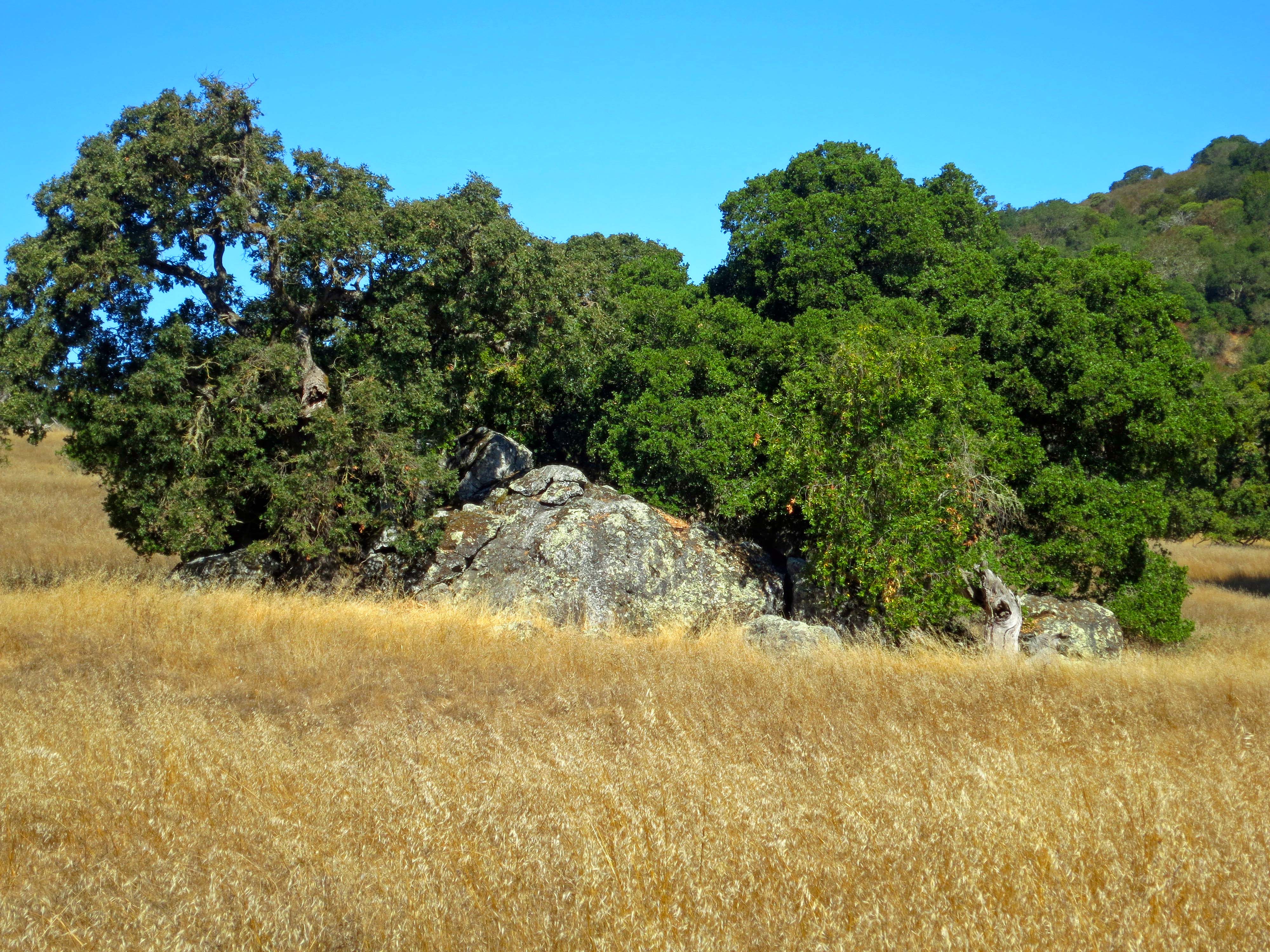
This large rock with its gorgeous backdrop above the barn caught my attention.

This large rock with its gorgeous backdrop was above the barn.

Camilo Ynitia, Miwok chief, received Olompali as a Mexican Land grant and in turn sold it to James Black.

I thought I would conclude with this close up of the fence I featured at the top of my post…

And this aptly named Fence Lizard I found sunning itself on the fence.

…And this aptly named Western fence lizard sunning itself on the fence.

NEXT BLOG: By the late 40s/early 50s, the University of San Francisco had obtained Olompali with plans to turn the ranch into a retreat for Jesuits. The effort failed. Maybe the Jesuits didn’t go along with the plan. It was this lack of success, however, that eventually led Olompali to become a footnote in the history of the Grateful Dead, as well as a famous/infamous hippie commune: The Chosen Family. But that is a story for my next blog.