The Bush Devil Ate Sam is an important record and a serious story, yet told easily, and with delightful humor. This is one of the most satisfying books I have ever read, because it entertained me thoroughly AND made me feel better informed. —Hilary Custance Green: British Author... Click on the image to learn more about my book, the Bush Devil Ate Sam, and find out where it can be ordered.













 Wandering through Time and Place
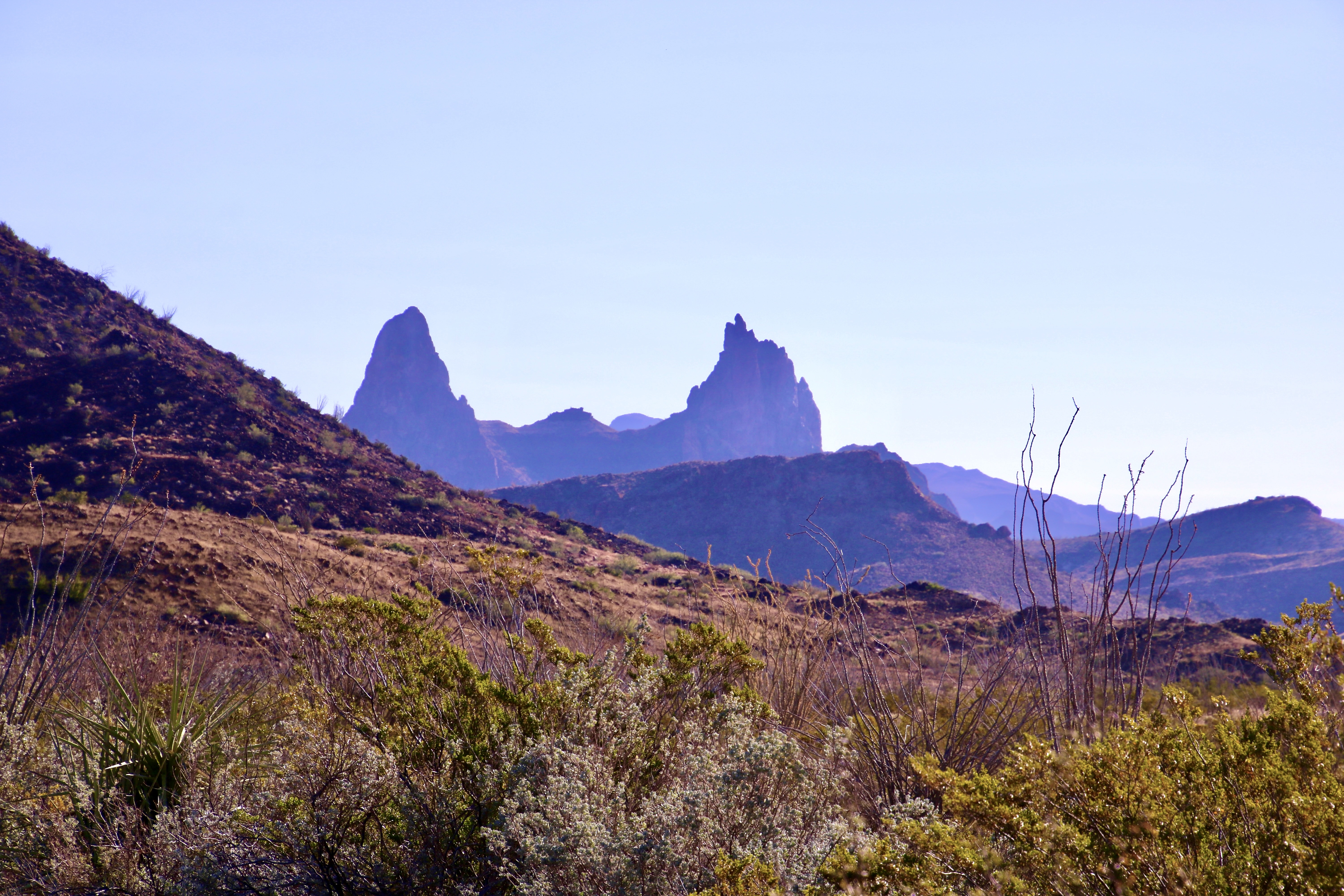
So much varied scenery! I think the mule ears are my favorite.
Definitely the most distinctive! LOL
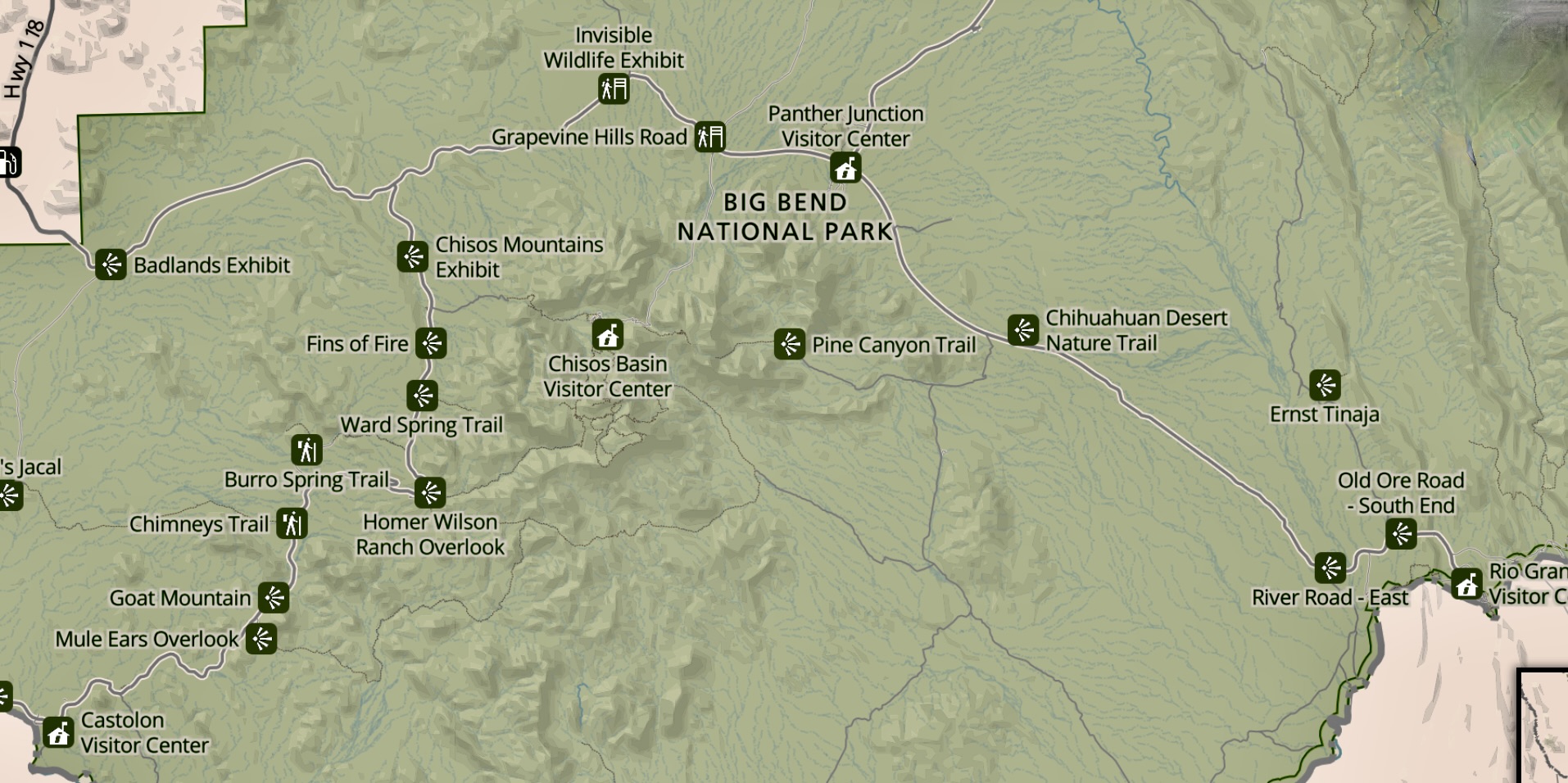
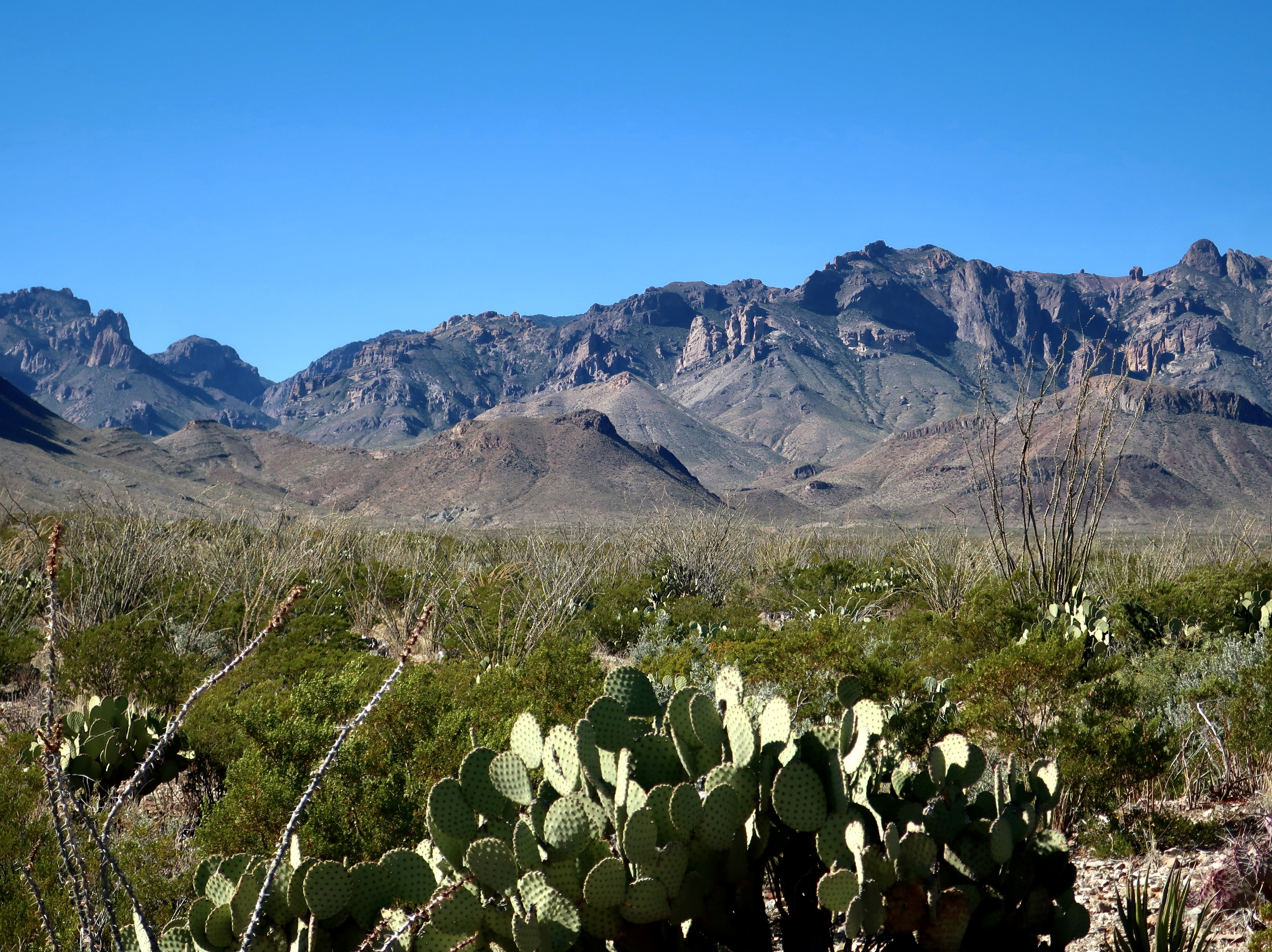
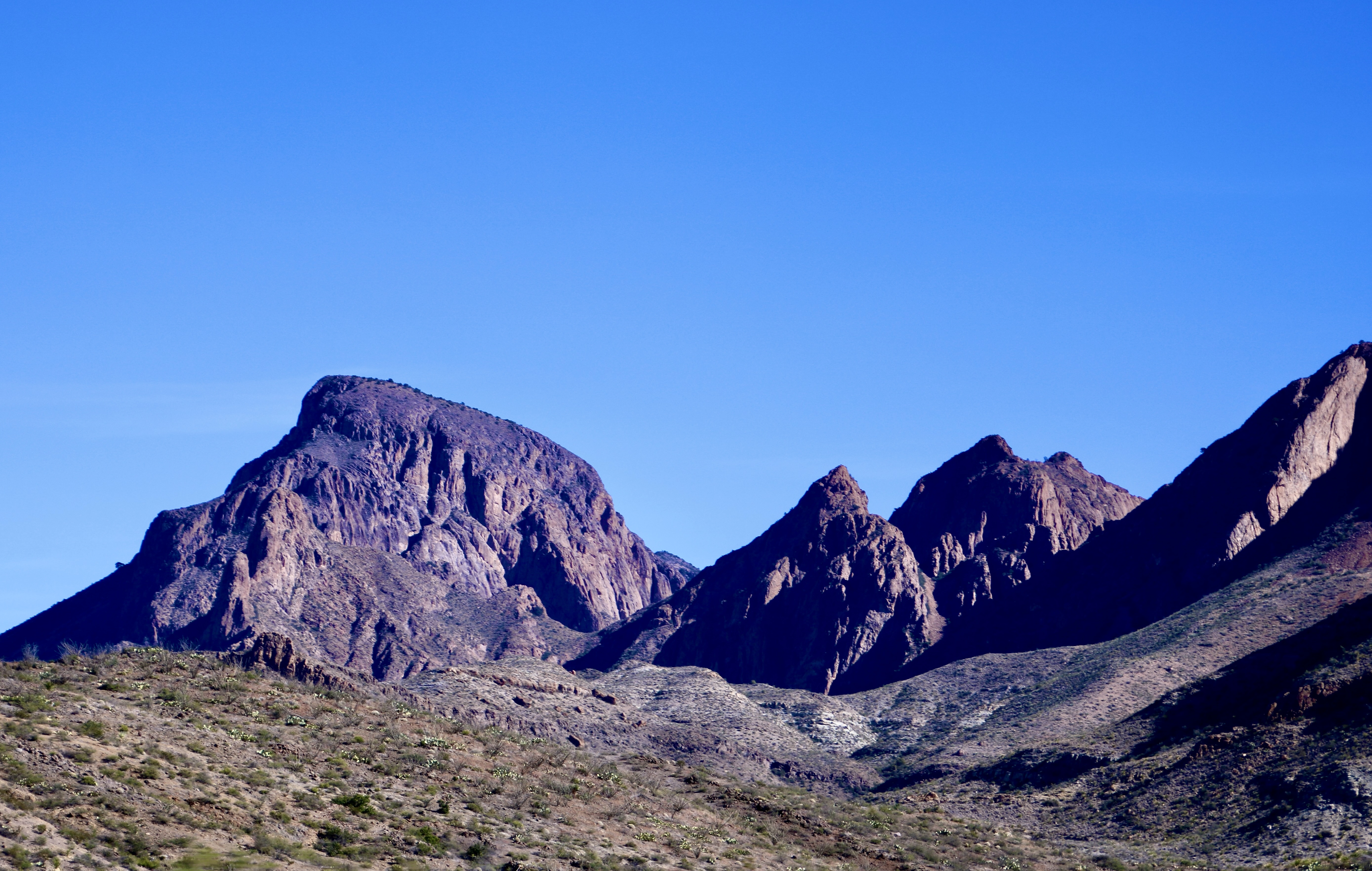
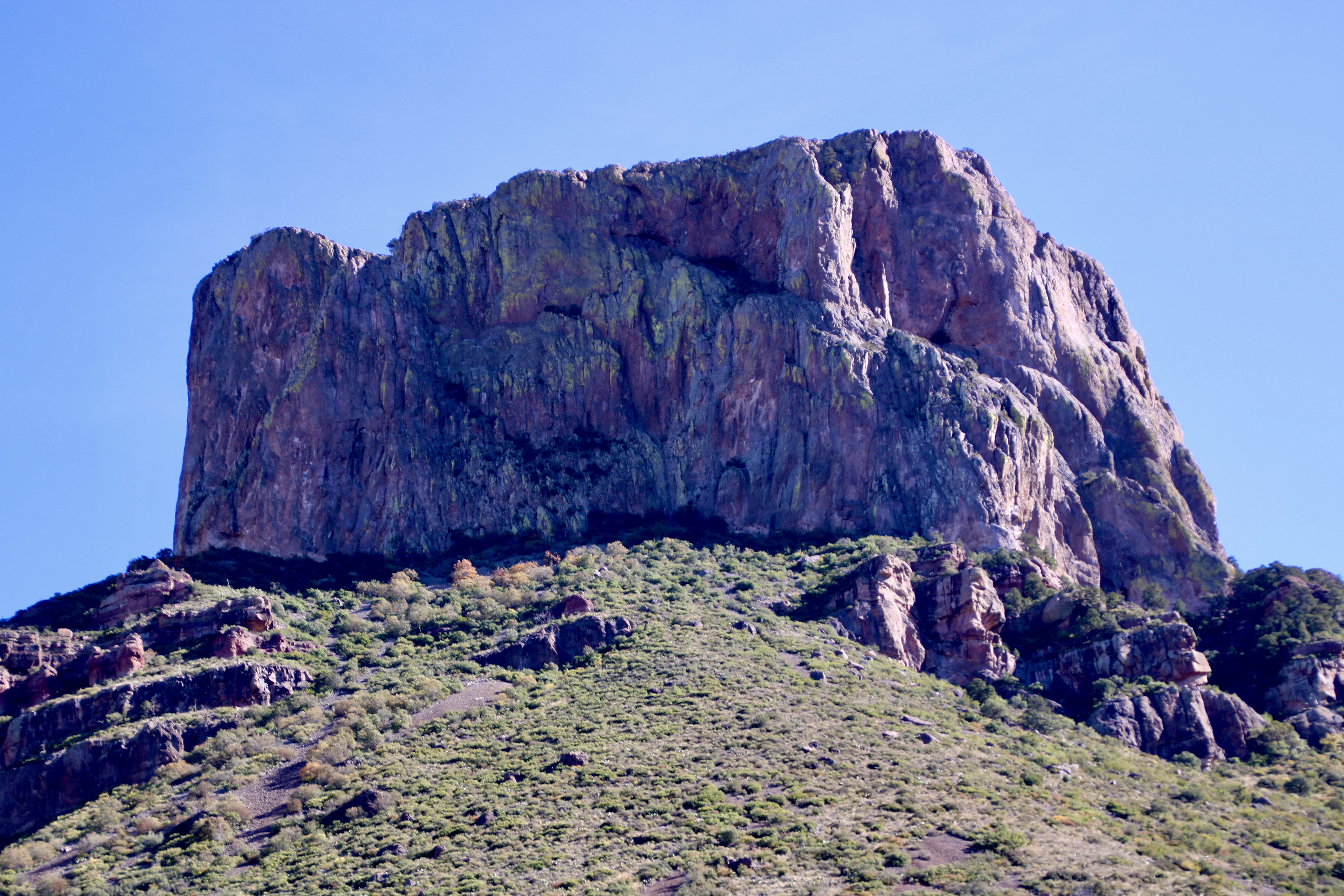
You sure cover a lot of terrain in your travels and your photos are exquisite. I almost feel like I don’t have to leave how when I see your snap shots and read your commentary, Curt! My fav is the Chisos Mountain to the Chisos Basin photo so vivid and serene. If you ever get tired of the travel, you could house and animal sit and we could trade places for awhile. ha🤣💕💓
You might even throw in the grandkids for a brief period of time. Laughing. And thanks. Nature is very accommodating when it comes to photography.
Hahahahaha… YES to that.. I wouldn’t want you bored.. lol It really is.. and I wish i had your skill! 💓
I doubt there would be a moment of respite. Grin. I think I’ll keep taking photos.
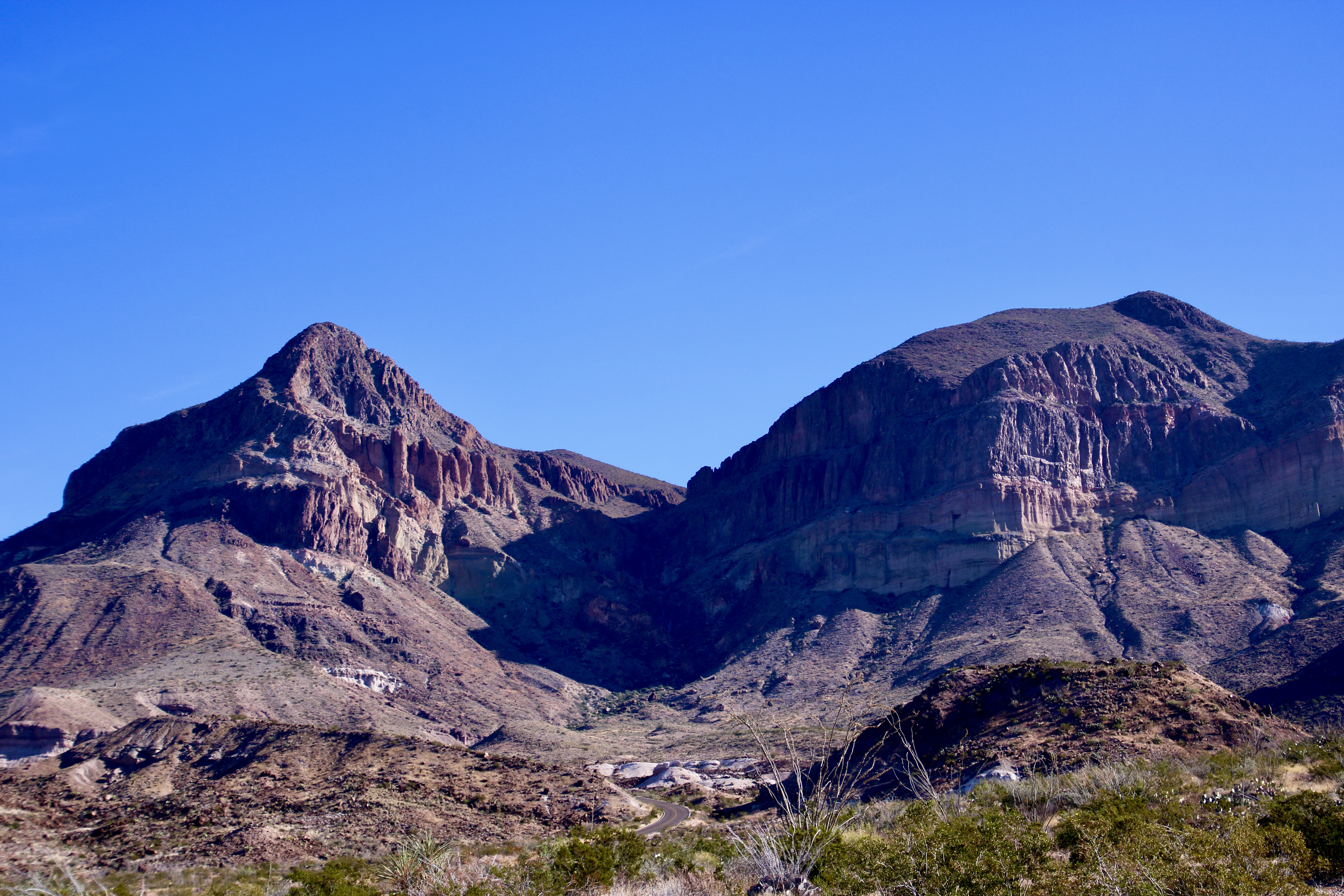
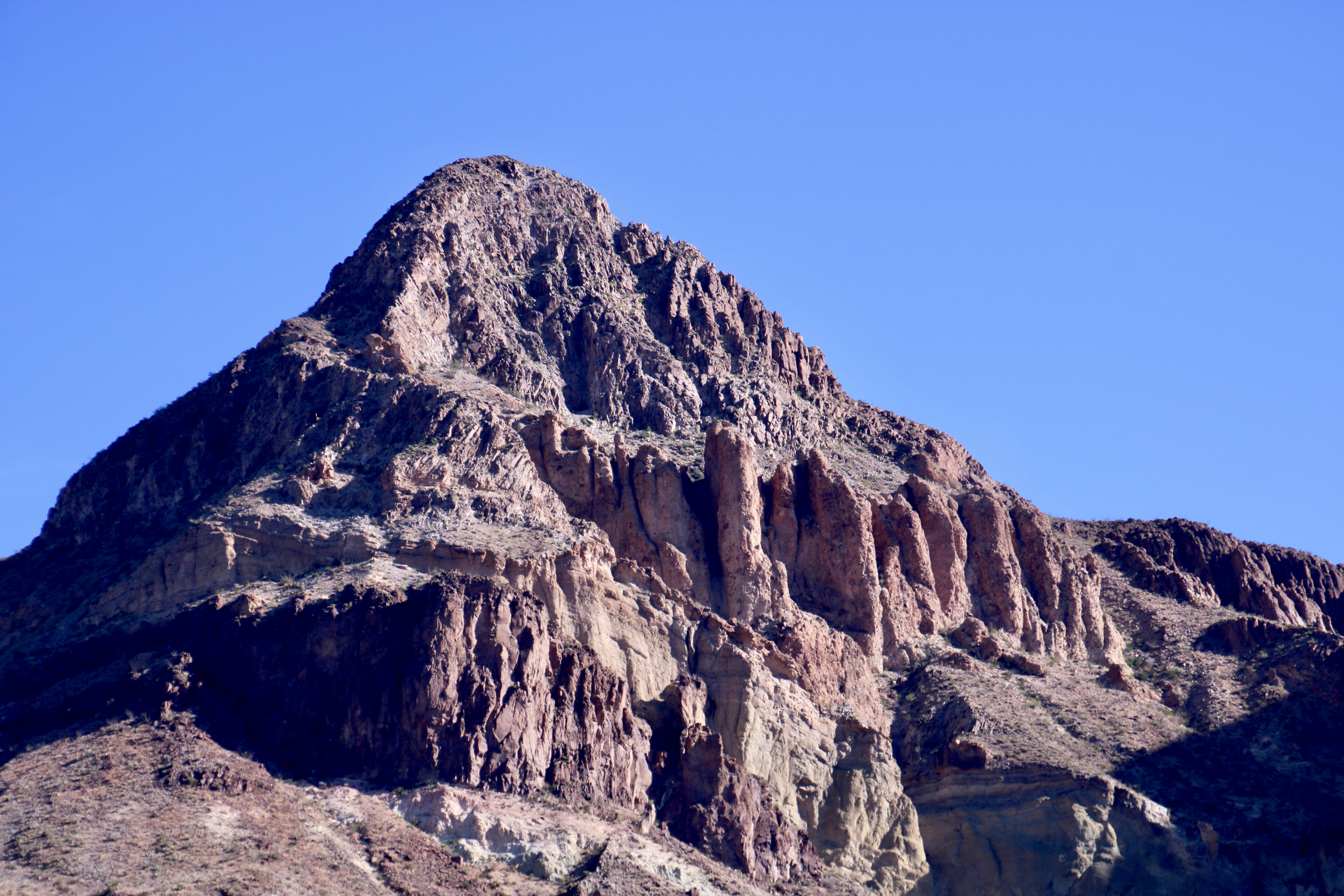
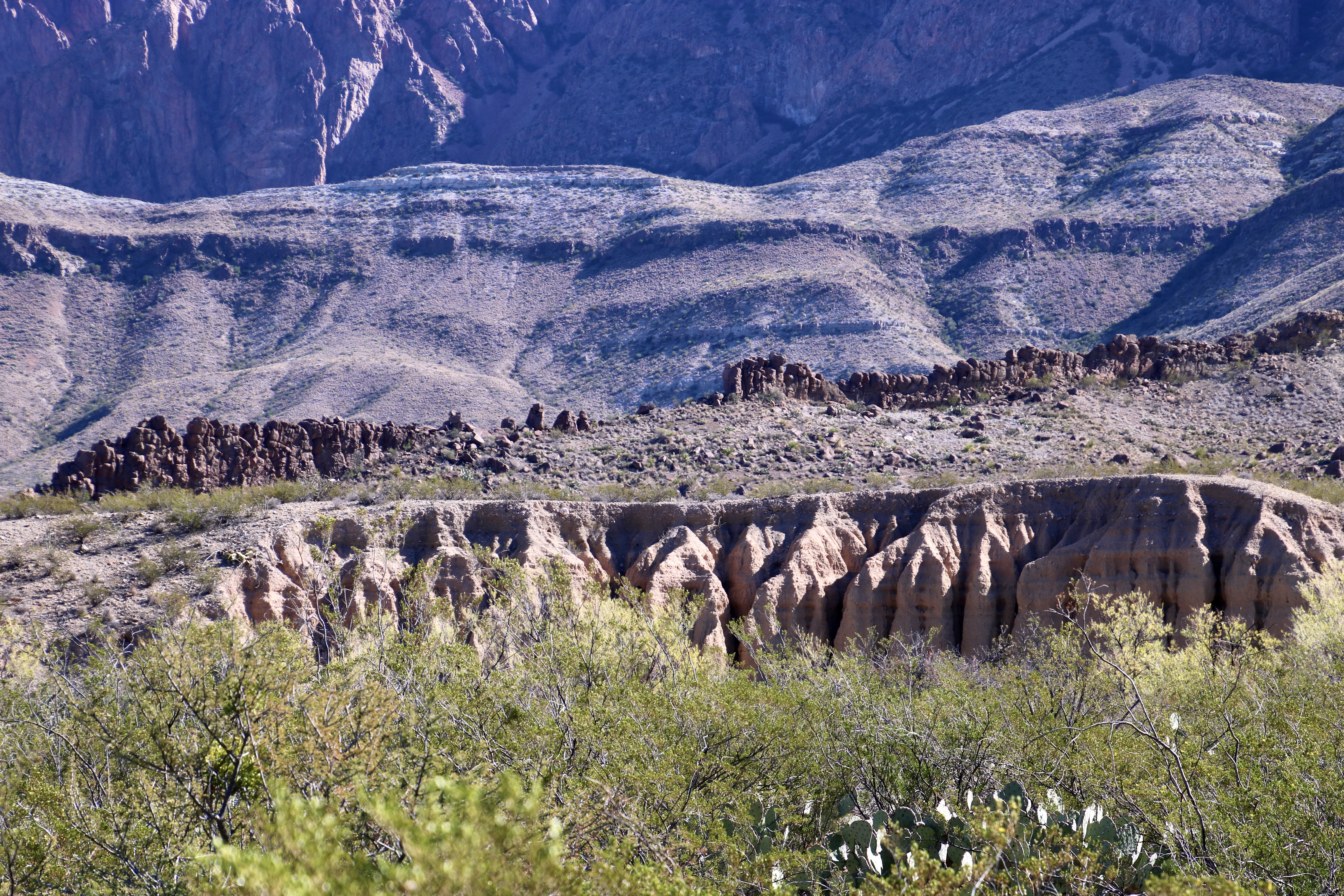
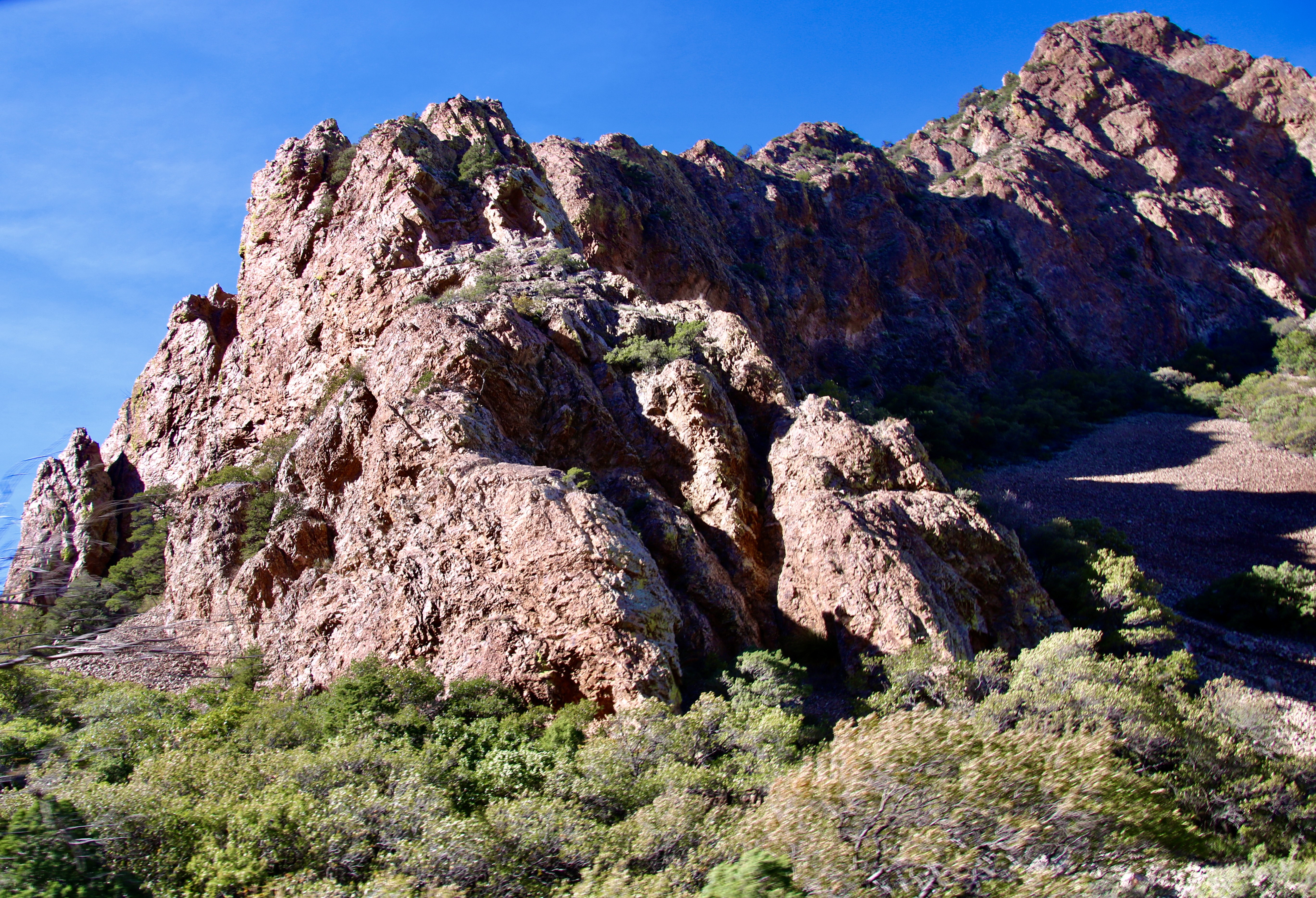
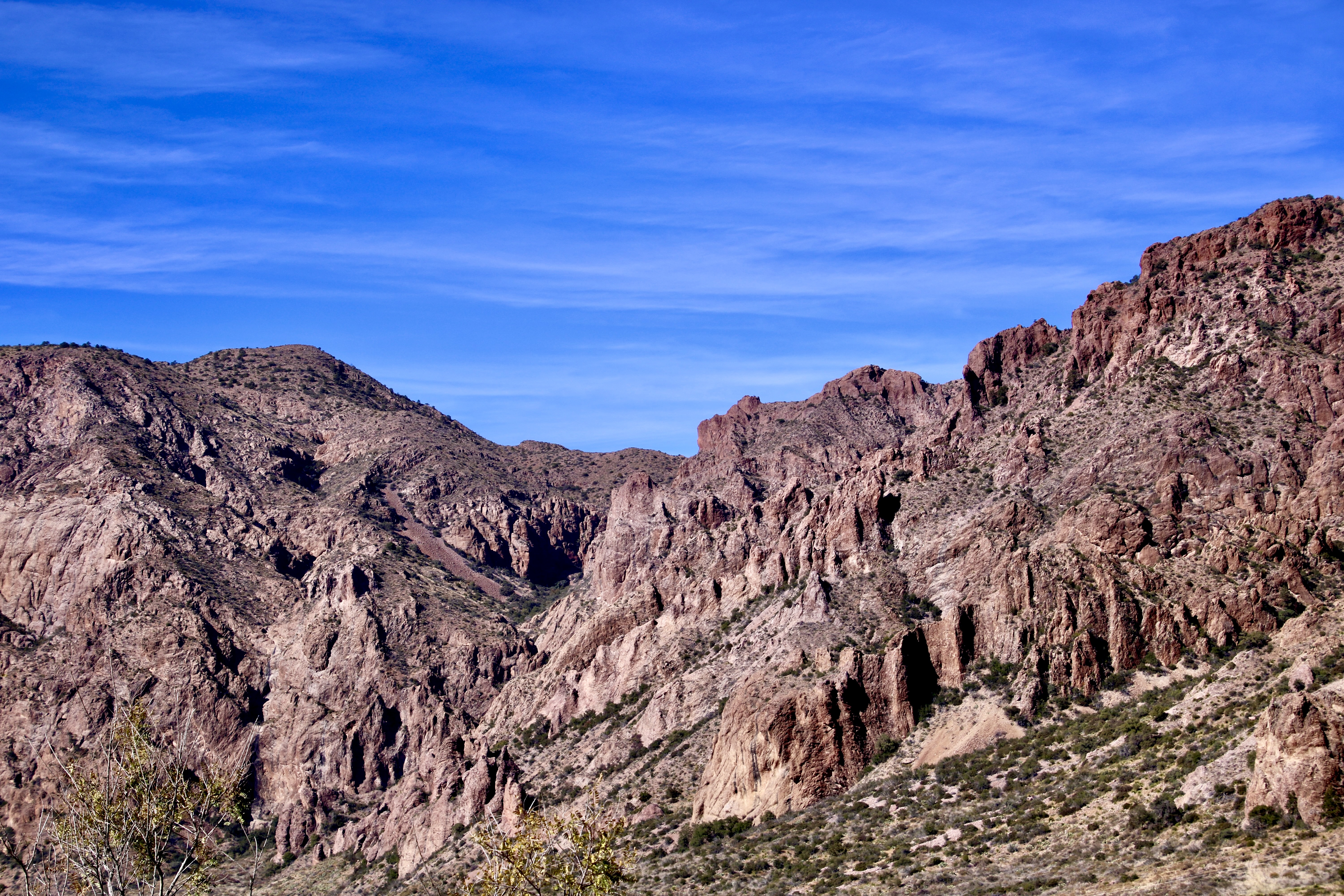
That’s some rugged country. I’d love to visit at the right time in the spring when the wildflowers are in bloom. One of our bluebonnet species is known as the Chisos bluebonnet: it’s very tall, and is limited to these mountains and other areas of Big Bend. Here’s one image I found of them. The red dikes are really interesting. There have been so many ways of the earth shaping itself over the years; every time I turn around I’m learning about something new.
You’d feel right at home, Linda, visiting all of the wildflowers and blooming Cacti. And don’t the bluebonnets add a wonderful splash of color to the mountains. Our greatest enjoyment of traveling through deserts is how obvious that “earth shaping” is, right down to the faults.
Hello Travelers! If there wasn’t a bit of green on the ground, some of your pictures look like craters on the moon or some other planet! How wonderful and amazing how they all are such individuals! I know I may have said this before but when we travel from west to east in our state, there is such a definite line when the vegetation becomes dry and brown. It has amazed me all of my life! On the home front, the debate was not really a debate as I would term it. Pretty much an argument. I don’t know your voting choice but Chris Christy has said that the Donald reminded him of a 24-hour leaf blower! I am a Harris supporter myself. You remember the nickname for Nixon so long ago…Tricky Dick. I grew up in a very active political family so my interest is always there. Take care! I really look forward to your travels!
Comparing leaf blowers to DT, Wendy, would be unfair to leaf blowers. Grin.
Having lived in Sacramento with frequent trips into Nevada, I have a great appreciation of just how dramatic a rain-shadow desert can be. Given the rainforest nature of the northwest, your appreciation would be even greater, Wendy. As for Craters of the Moon, Peggy and I love its desolate look. It’s easy to understand how NASA could have chosen it to train our early astronauts!
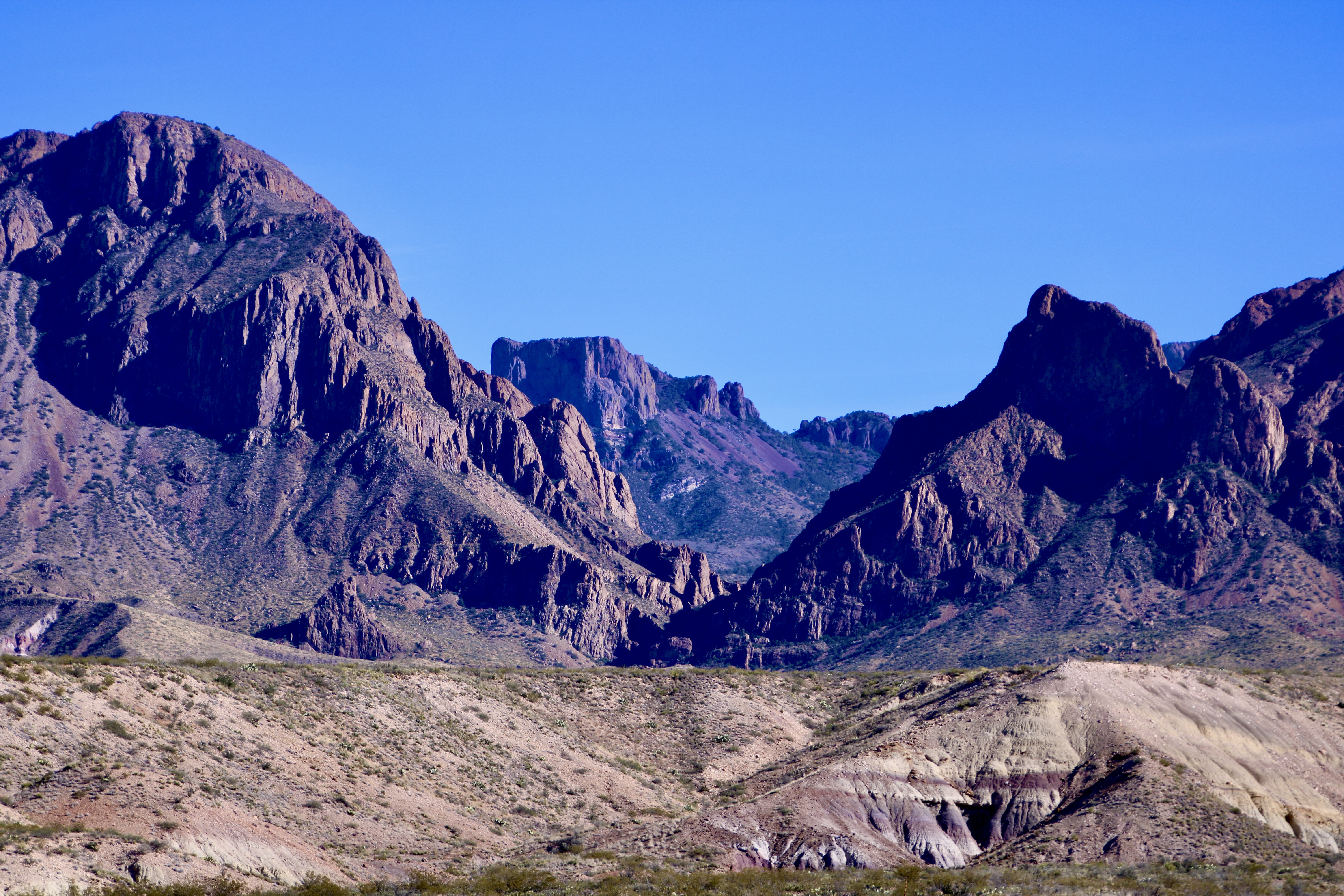
Love the colours and contrast in that northwestern view of the mountains.
Lots of color in Big Bend, Peggy. Just about everywhere we turned our cameras!
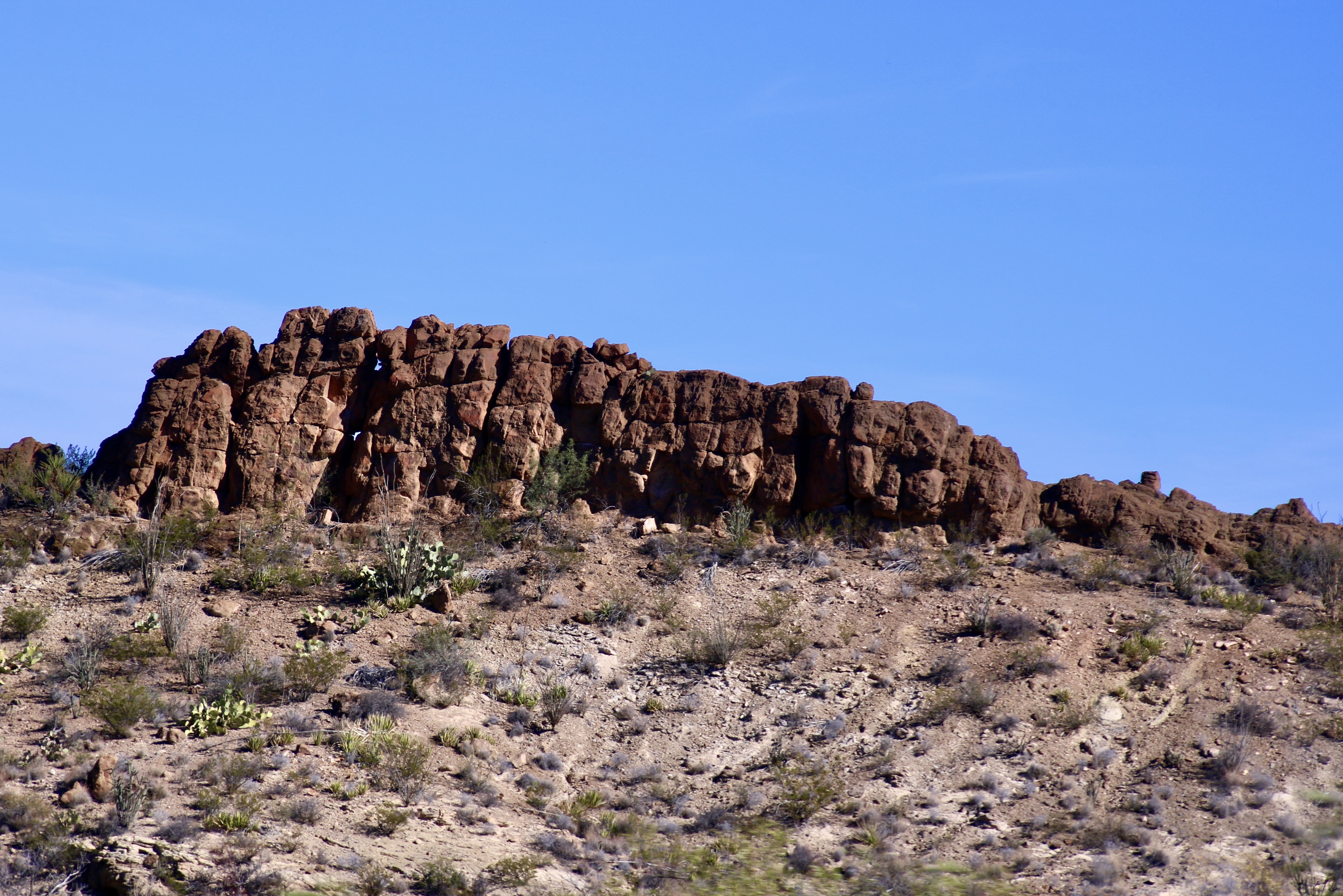
These land formations are outstanding! Thank you for explaining so much. Love those volcanic dikes and the red colour, and also all the prickly pear in the foreground.
Nice to have the land formations standing out there to see, Crystal! I meant to show some of the prickly pears partially eaten by the peccaries. Neat little round bites. All I could think was what tough mouths they must have. Apparently, in addition to food, they are a major source of water during times when there isn’t any rain!
Amazing to imagine just chomping at a cactus.
I’ve eaten cactus, but only after the thistles were removed!
Spectacular scenery!
Alison
Yes, it is!
So, in another life, would you be a geologist?
I’ve always thought “ungulate” was a strange word. Especially, as at least back in the days, they used hooves as a glue-ant.
You noticed how much I like rocks. I do recall Dave, one of may all-time favorite class in college was one on geology. Maybe there was a message for me there…
Laughing, Dave. Pretty funny. Actually, really funny.