Fishing for Piranhas on the Amazon… The Passport Series

The piranha is indeed a fearsome creature.

Hollywood loves piranhas. They make great movies. Take one cow, throw her in the Amazon, and watch with horror as Bessie is reduced from a surprised moo to a pile of bones in mere minutes by a school of frenzied fish with big teeth. PETA does not approve of this activity.

“Today we are going fishing for piranhas,” the captain of our boat, the M/V Amazon Clipper informed us. “Watch your fingers.”

We were chugging up a tributary of a tributary of the Amazon River in Brazil and it was time to replenish the refrigerator.

We dutifully boarded the canoe and were issued hand lines with hooks and a ration of raw chicken. There were no cows or fishing poles. When we arrived at what the guide considered prime piranha water, we baited our hooks and threw them over the edge.

Bam! I got a hit… and a fight. My flesh-eating fish was not happy to have the tables turned. Ever so carefully I pulled him over the side of the boat and was greeted with the snapping jaws of death. My wife Peggy dutifully took a picture and our guide firmly grabbed the piranha and yanked out the hook.
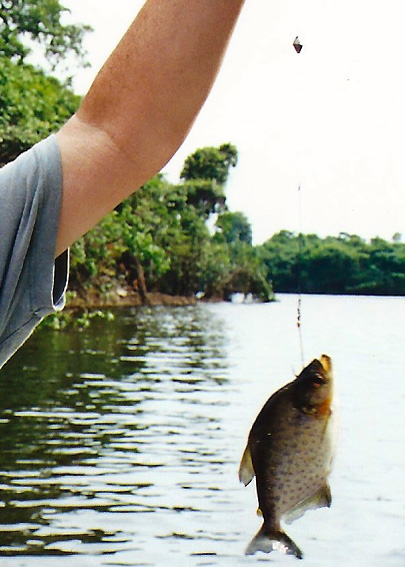
Peggy took a photo of the piranha I caught. I was careful to hold it far away from me.

Fish are slippery characters however and mine slipped out of the guide’s hands, landed on the bottom of the boat, and immediately went looking for someone to eat.  Eight pairs of feet shot up into the air.

Eventually we got things under control and caught several more fish. That night we would feast off piranhas. But first, the itinerary said, we were supposed to go swimming. Why anyone would want to go swimming in piranha-infested water, I didn’t have a clue. The little buggers would be out for revenge.

“They don’t come in here,” the guide assured us when we reached a white, sandy beach. I looked around. It was all part of the same river. There were no signs warning the fish to stay out and there was no fence to keep them out. As far as I could tell the clear water and the white sand would make it easier for the piranhas to find toes.

There is always someone willing to test the waters and jump in feet first, though. Usually it’s Peggy. This time was no exception. I volunteered to take photos. She returned with toes intact.

Peggy went swimming in the Amazon, which was supposedly free of piranhas.

The piranhas were waiting for us at dinner, tastefully cooked. The jaws were on a separate platter, grinning up at us with dentist white teeth. In the age-old question of who eats whom, we had won, at least this time. The fish tasted, uh, fishy with a slight hint of chicken and something else. Was it cow or toe?
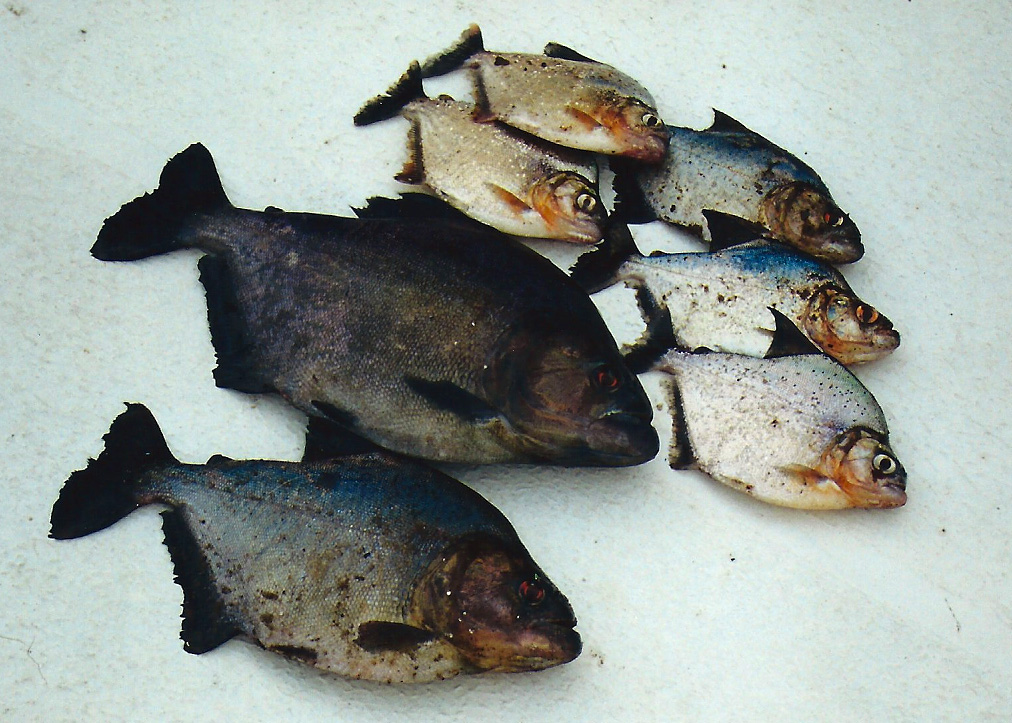
Our catch of piranha, ready to face the cook.

An Amazon Boa Went Slithering by… The Passport Series

Our boat, the Amazon Clipper, docked for the evening deep in the rainforest on a tributary of the Rio Negro River, Brazil.

Peggy and I sat on the upper deck of the M/V Amazon Clipper, sipped a cold beer and watched the Rio Negro River hurry along on its journey to the Amazon.

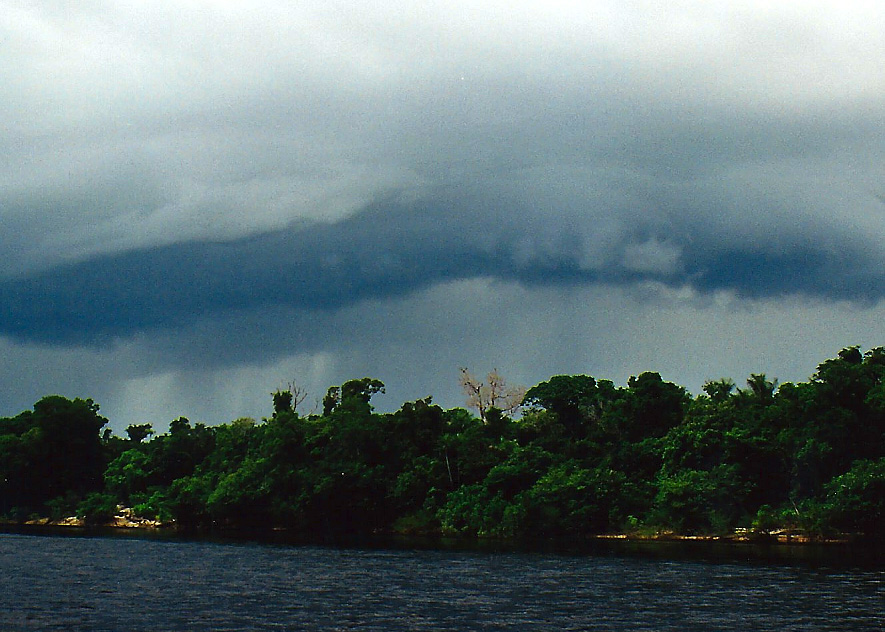
Dark clouds dumped buckets of rain on the forest and threatened our cocktail hour.  Thunder and lightning upped the ante. One thousand one, one thousand two, one thousand three… I counted to determine how close the lightning was in a ritual dating back to my childhood. Seven seconds equals a mile. When the flash and the boom arrive together, it’s time to worry. Lots.

Dark clouds and rain predicted a stormy cocktail hour in the Amazon rainforest.

Between watching the river and watching the storm, we scanned the rainforest for wildlife. A flock of parrots flew by heading for its evening roost. Our guide informed us that the dark blob we spotted hidden in the trees was a three-toed sloth, a creature famed for sleeping four fifths of the time and pooping once a week. He makes a rare trip to the ground to accomplish the latter and digs a hole with his short, stubby tail.
Peggy and I clinked our beer cans, toasted the sloth and toasted another adventure. Two days earlier we had been buried in work. An 18-hour day out of Sacramento California via Los Angeles and Sao Paulo had eventually deposited us at Manaus, Brazil in the heart of the Amazon. Now we were chugging up a tributary of the Amazon River on a small boat with six fellow passengers and a crew of three.

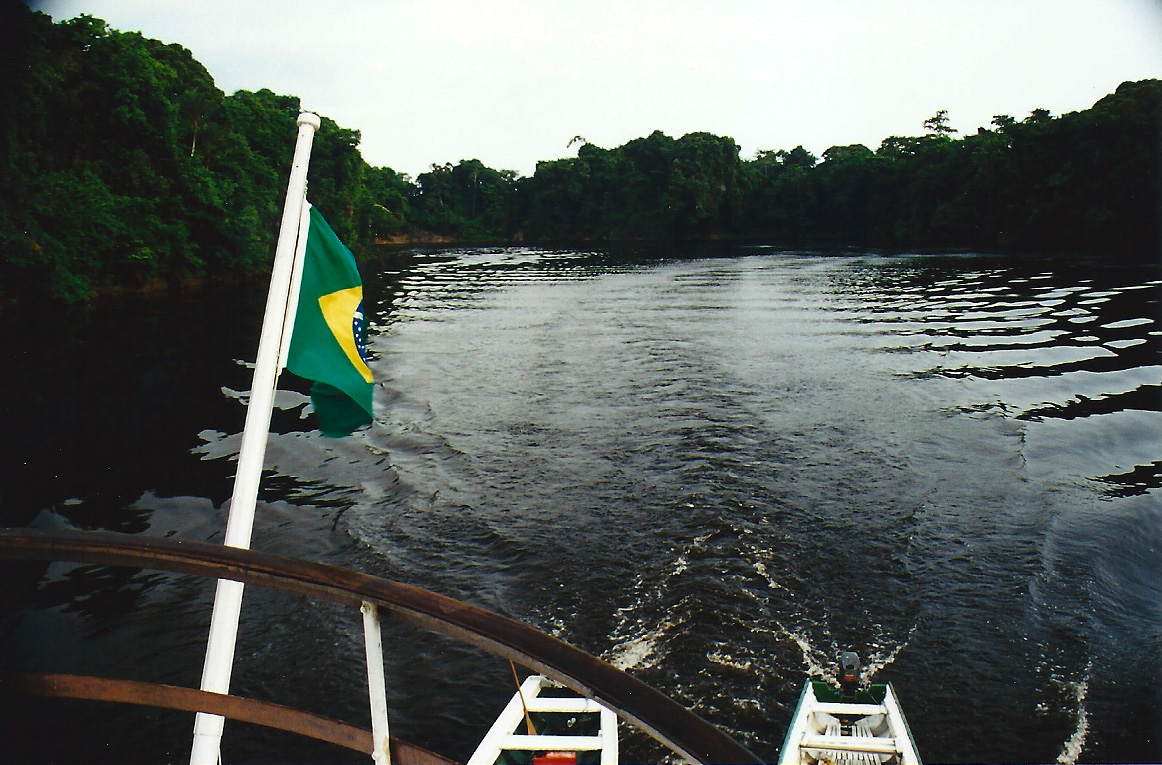
The Amazon Clipper chugs up the Pagodo River, a tributary of the Rio Negro. Our ‘canoes’ trail behind. The afternoon’s storm has passed by. Soon we will be experiencing the Amazon night.

The Amazon is a world of the BIG: big rivers, big forests, big storms and big snakes. We had met the river, forest and a storm during the afternoon. That evening we met one of the snakes. Our crew took us out in a large canoe to experience the Amazonian night. An eight-foot boa went slithering by us in the river and checked out our boat.

“It’s a baby,” the guide teased. Right. The boat came equipped with a large spotlight for peering into the jungle. Bright, shiny eyes peered back at us along the shore. They were Caiman, small alligator like reptiles. The crew caught one for us to examine more closely back on the Clipper and then turned off the spotlight.

It was don’t see your hands dark. Something plopped in the water. A creature went crashing off through the brush. It wasn’t particularly scary, the guides are expected to return their guests unharmed, but it was interesting, especially the sounds our imaginations turned into bone crushing snakes and ferocious jaguars.

Back on the deck of the Clipper, the Caiman was turned loose. It dutifully whipped its head around and snapped at us before escaping back to the river.

Peggy and I retired to our small room with its bunk beds and porthole window. High humidity and heat had us sleeping on top of the covers with the porthole window open and hopes of no nighttime visitors. Fortunately our bodies had been pumped full of protection to foil disease carrying mosquitoes and other tropical maladies.

We slept fitfully and dreamed of our next adventure, fishing for the legendary sharp toothed Piranha.

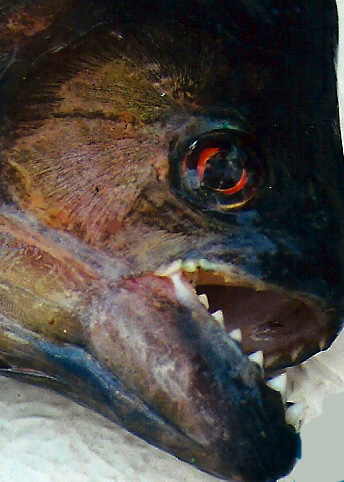
This Amazon piranha was hardly a dream. I caught him on a hand-line. Check out the teeth.

The Missing Turtles of Tortuga… The Passport Series

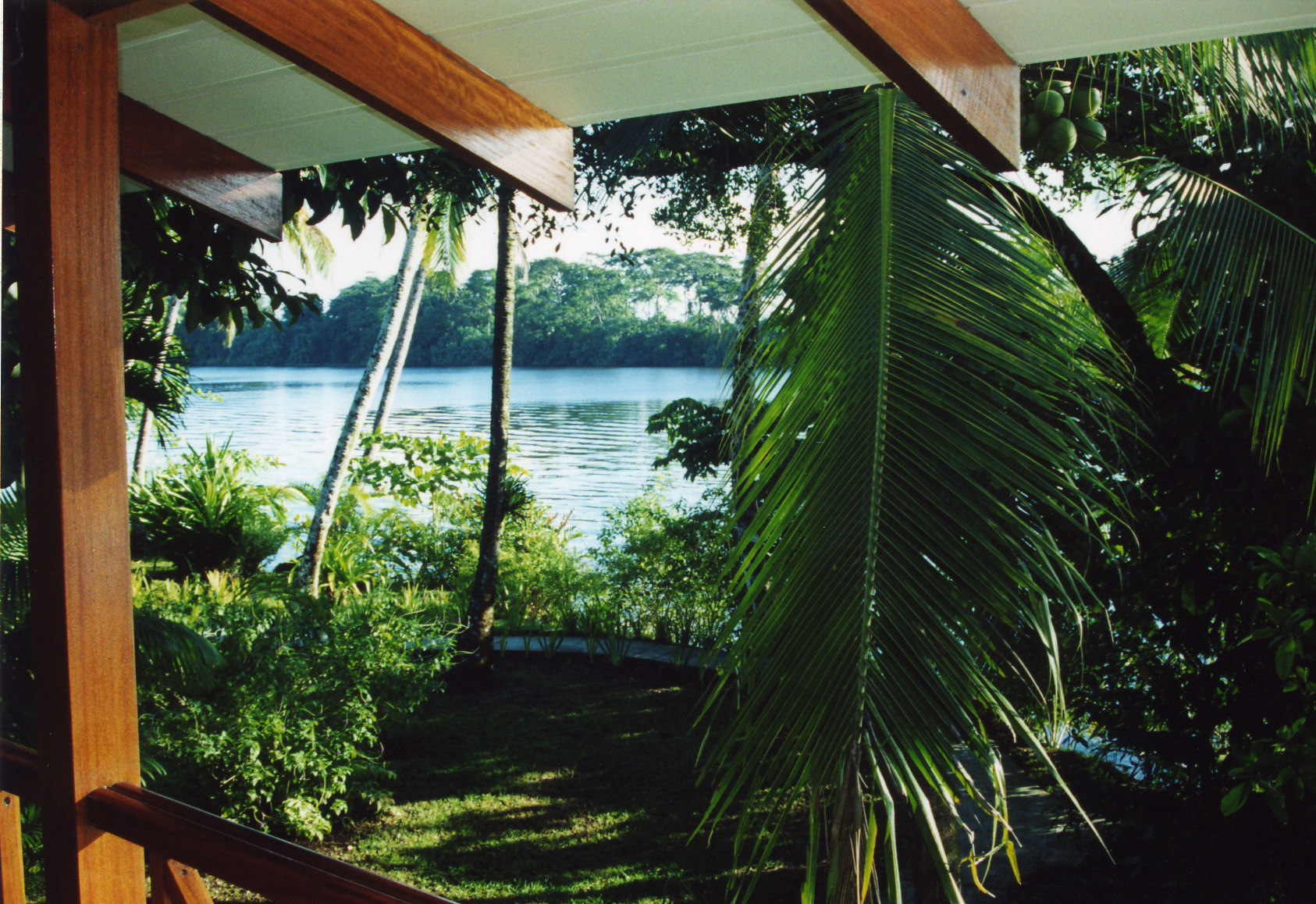
The view from our balcony at Tortuga Lodge on the edge of Tortuguero National Park on the Caribbean side of Costa Rica.

We missed seeing the giant 300 pound Green Sea Turtles and their prodigious effort of laying 80-100 eggs on our trip to Tortuga Lodge in Costa Rica. The large females go into a trance during the process. It sounds like a good idea when you are having 100 babies. Once mom has dug her hole in the sand and settled in, visitors can walk up and watch the process.

Seven weeks later the eggs hatch and the baby turtles instinctively scurry for the ocean. They’re tasty. Scurrying is good. On shore, sea gulls and crabs think feast. Jaguars also hang out in hopes of crunching down their share.

The ocean is hardly safer. Last fall I watched a flock of Brown Pelicans off of the coast of Puerto Vallarta discover a swarm of baby turtles heading out to sea. It was like Armageddon.

Of the hundred or so babies who hatch, one may be lucky enough to make it to adulthood… not good odds. If you are one of the lucky ones, however, you can expect to survive for 80 years. Your only enemies are men and sharks. Of course that’s enough. By the mid 1900s Green Sea Turtles were on the edge of extinction. Sharks were not the problem.

People found the meat tasty and behaved like the Pelicans when the turtles came ashore.  Possibly even worse, they believed the eggs had an aphrodisiac quality. They killed the mamas and dug up the babies.

Tortuguero National Park on the northern Caribbean Coast of Costa Rica was established in 1970 as a sanctuary for the turtles. Tortuga Lodge sits on the edge of the park and offers a “gourmet dining opportunity” to view egg-laying mamas. I checked to make sure turtle soup wasn’t on the menu. Dinner by candlelight in the wilderness and the private viewing sounded good but I was wary of the last sentence, “You might get back to the lodge around 11 pm.”

What was with the might? It implies there is a might not. Could the jaguars somehow be involved? “Let’s see. I can eat this 2-ounce turtle or that 200-pound person. Hmmm.”

Anyhow, we arrived in late November, well past the egg-laying season. Turtles and jaguars were not on our agenda. Instead, we watched giant iguanas climb trees during the day and listened to howler monkeys howl at night. We ventured out on a tour of the regions dark, murky streams and then took out canoes on our own. Crocodiles lurked along the banks, bright butterflies went flitting by, and a Jesus Christ Lizard walked across the water.

Tortuga Lodge, like Monteverde Lodge, is owned and operated by Costa Rica Expeditions. Rooms were quite attractive, the food excellent and the guides knowledgeable. Getting there from San Jose involved travel by both van and boat. We flew back from a small airstrip located near the lodge.

Crocodiles lurk along the edges of canals located in Tortuguero National Park.

The eye of a Cayman.

We found an unusual beetle crawling across the lawn at Tortuga Lodge.

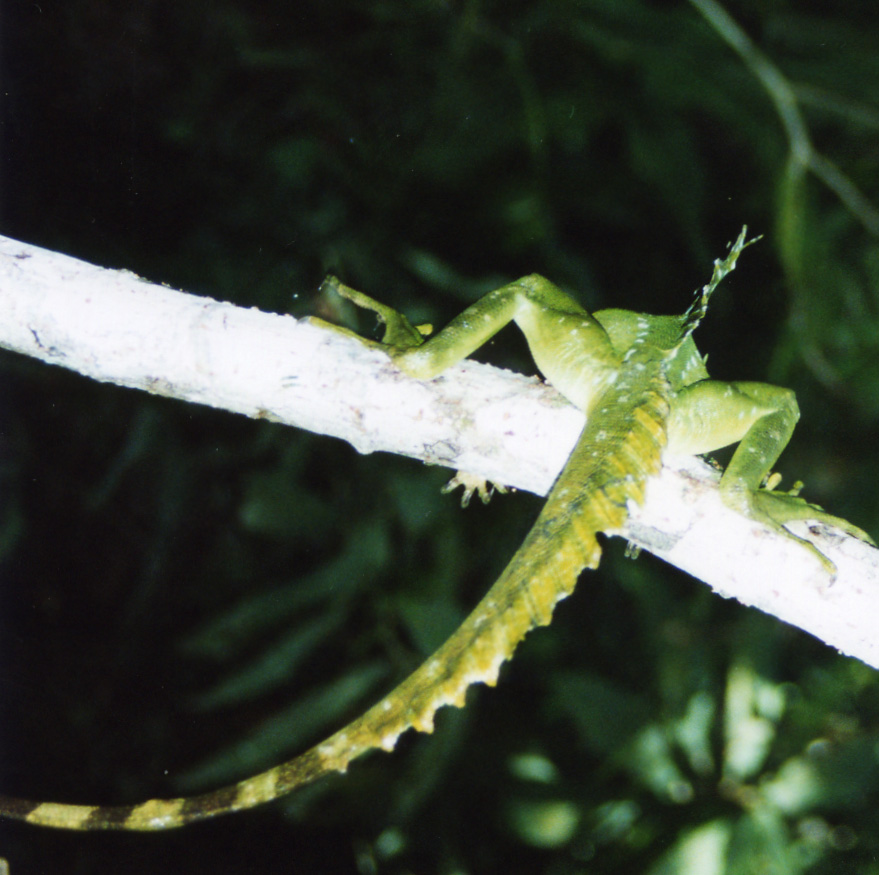
This lizard provided a colorful rear end view.

Monteverde Cloud Forest, Costa Rica… The Passport Series

The Monteverde Cloud Forest Reserve in Costa Rica is filled with tall trees and massive vines. These Strangler Vines once surrounded a tree. As their name implies, they strangled their host. Now only the vines remain.

The drive from San Jose, the Capital of Costa Rica, to the Monteverde takes around 3½ hours. Our guide and driver from Costa Rica Expeditions picked us up at our hotel. He was funny and knowledgeable, which made the journey pass quickly. We learned and laughed a lot.

Monteverde’s claim to fame is its cloud forest where mists hang out in mythical proportions. Luxuriant plant growth and abundant animal life have turned the area into a major tourist destination as well as a center for ecological study.

The area has an interesting history dating back to the 1950s when a group of Quakers and other pacifists out of Alabama arrived. They had moved from the US to avoid being drafted into the Korean War. Eventually a portion of the land they farmed became the base for Monteverde Cloud Forest Reserve.

We climbed some 4000 feet to reach the Montverde Lodge, the hotel where we were staying. The lodge perches on the edge of the rainforest and its rooms provide a front row seat to whatever action is taking place. I kept expecting a Howler Monkey to appear on our window ledge. The Lodge also features attractive gardens.

Leaving the valley floor, we climbed over 4000 feet up into Costa Rica’s central mountains to reach Monteverde. This photo is looking back over the way we came.

The Monteverde Lodge features a flower filled garden including this beauty.

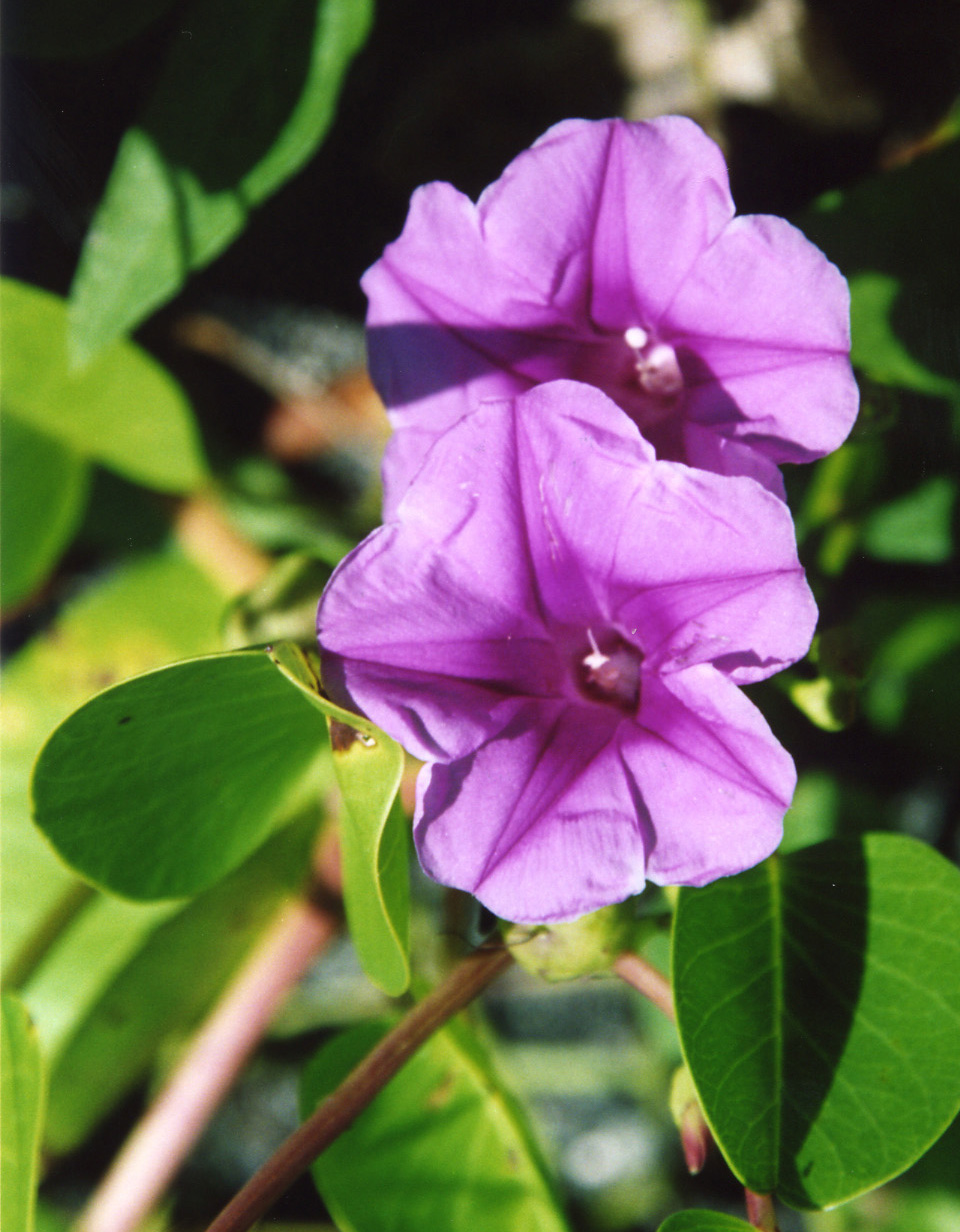
I also found this pair of flowers at the Monteverde Lodge quite attractive.

This fern at the lodge.was particularly interesting. it made me think of gears within gears.

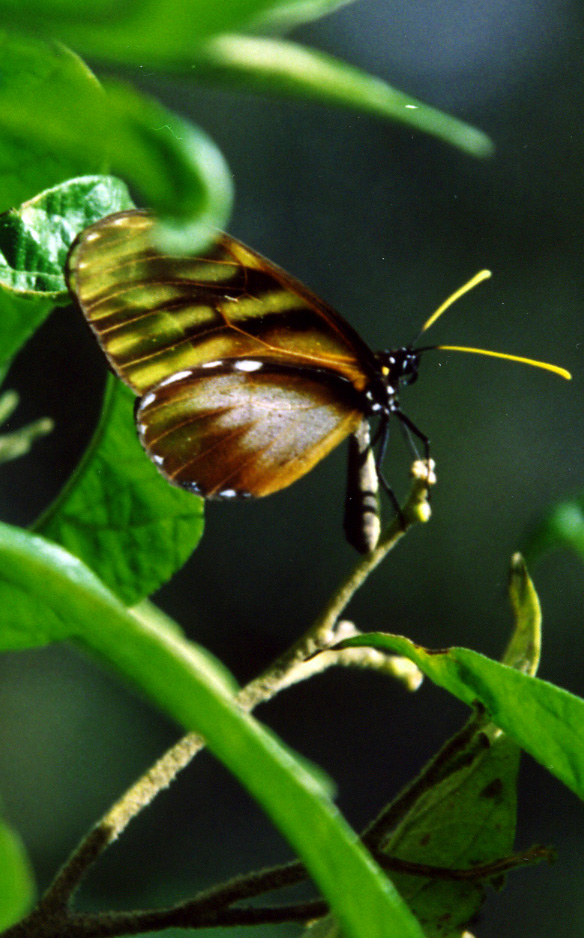
This butterfly we found at the Monteverde Lodge is a member of the Clearwing Family.

Our objective was to explore the rainforest, however. We went on several hikes including one at night and another that took us to a platform high in the forest canopy. The pitch-black night tour was quite interesting, especially when we turned our flashlights off.

On one of our hikes, we climbed to a platform high in the canopy of the Monteverde Cloud Forest. I think Peggy is smiling because we made it to the top.

This is a view of the Monteverde Cloud Forest looking down from the platform we climbed up to.

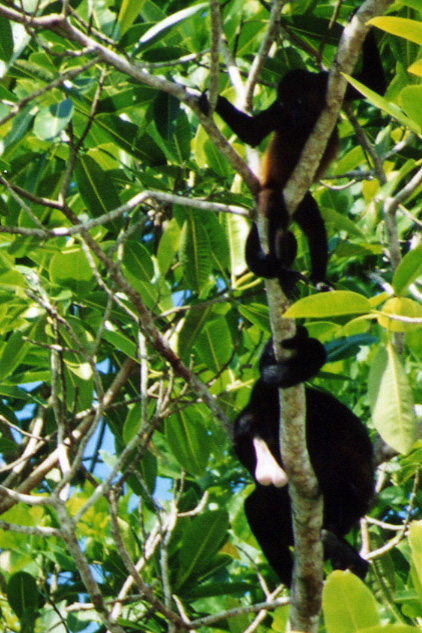
We spotted a pair of Howler Monkeys up in the trees. The one on top is all limbs and tail. The lower Howler looks like he is gnawing on a thigh bone… Hmmm.

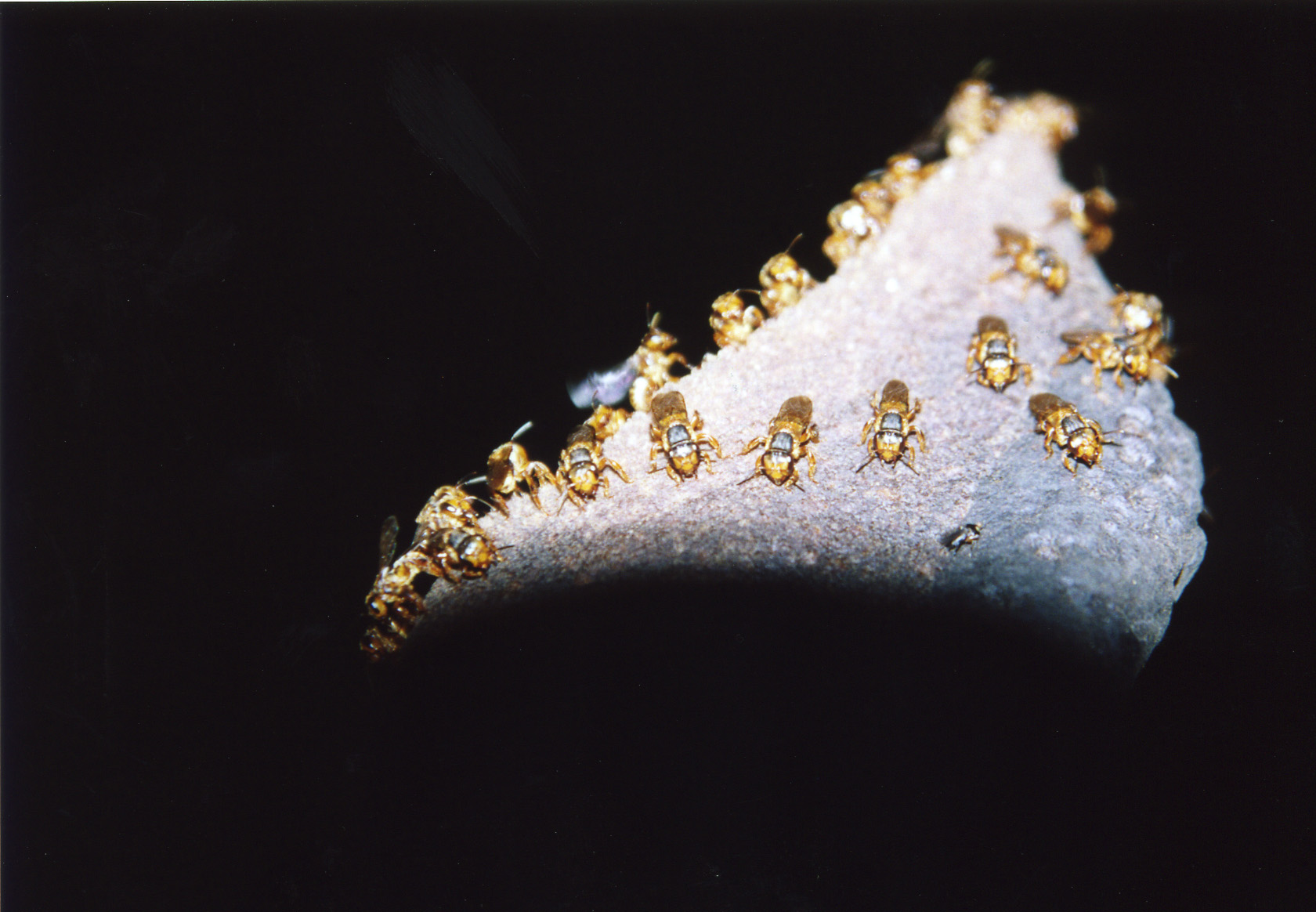
We came across this strange army of insects about to take flight on our night walk. The look ant-like but my guess is they are termites because of their thick bodies.

This colorful fungus was another denizen of the Monteverde Cloud Forest we came across on our night walk.

Corcovado National Park, Costa Rica… The Passport Series

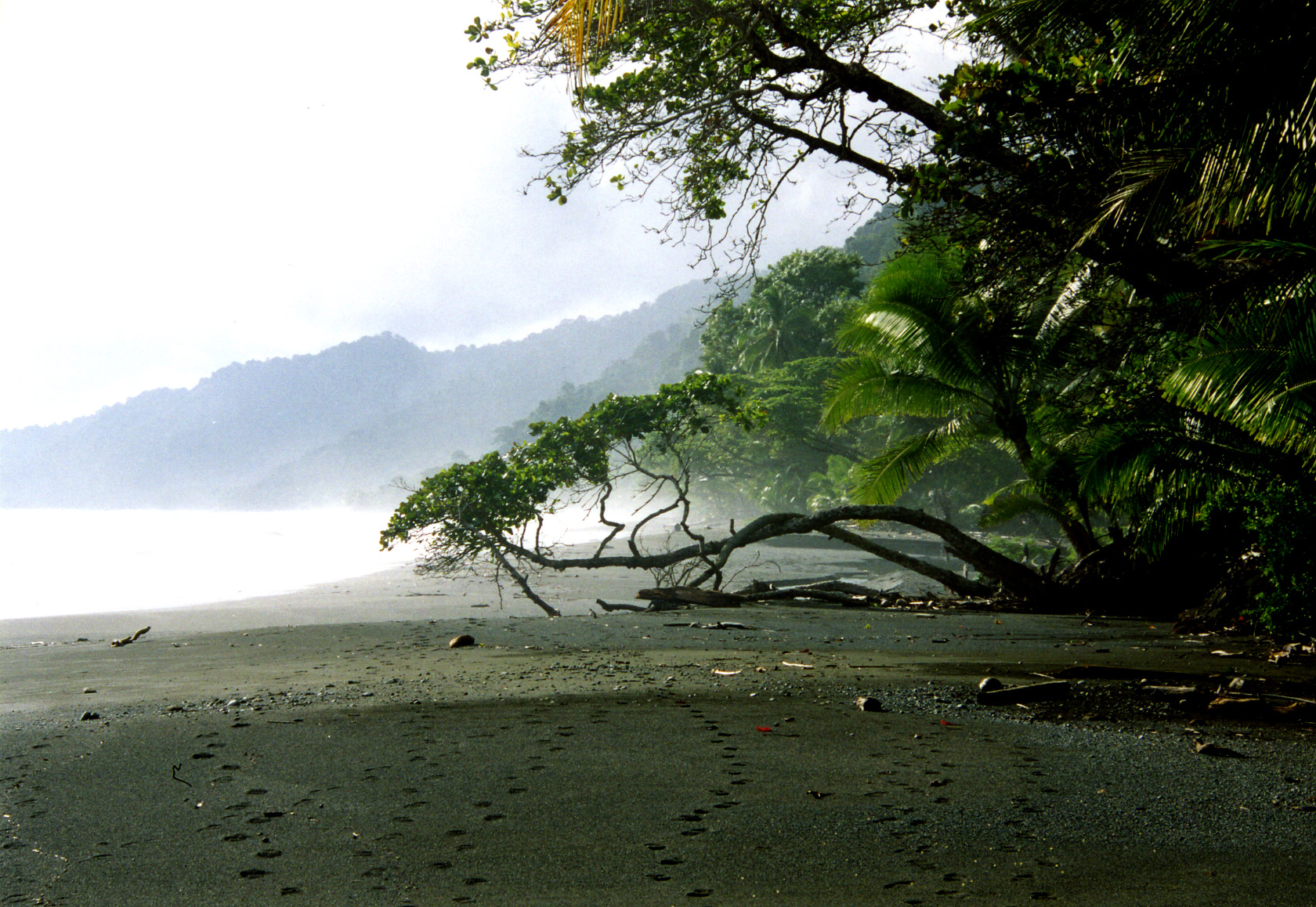
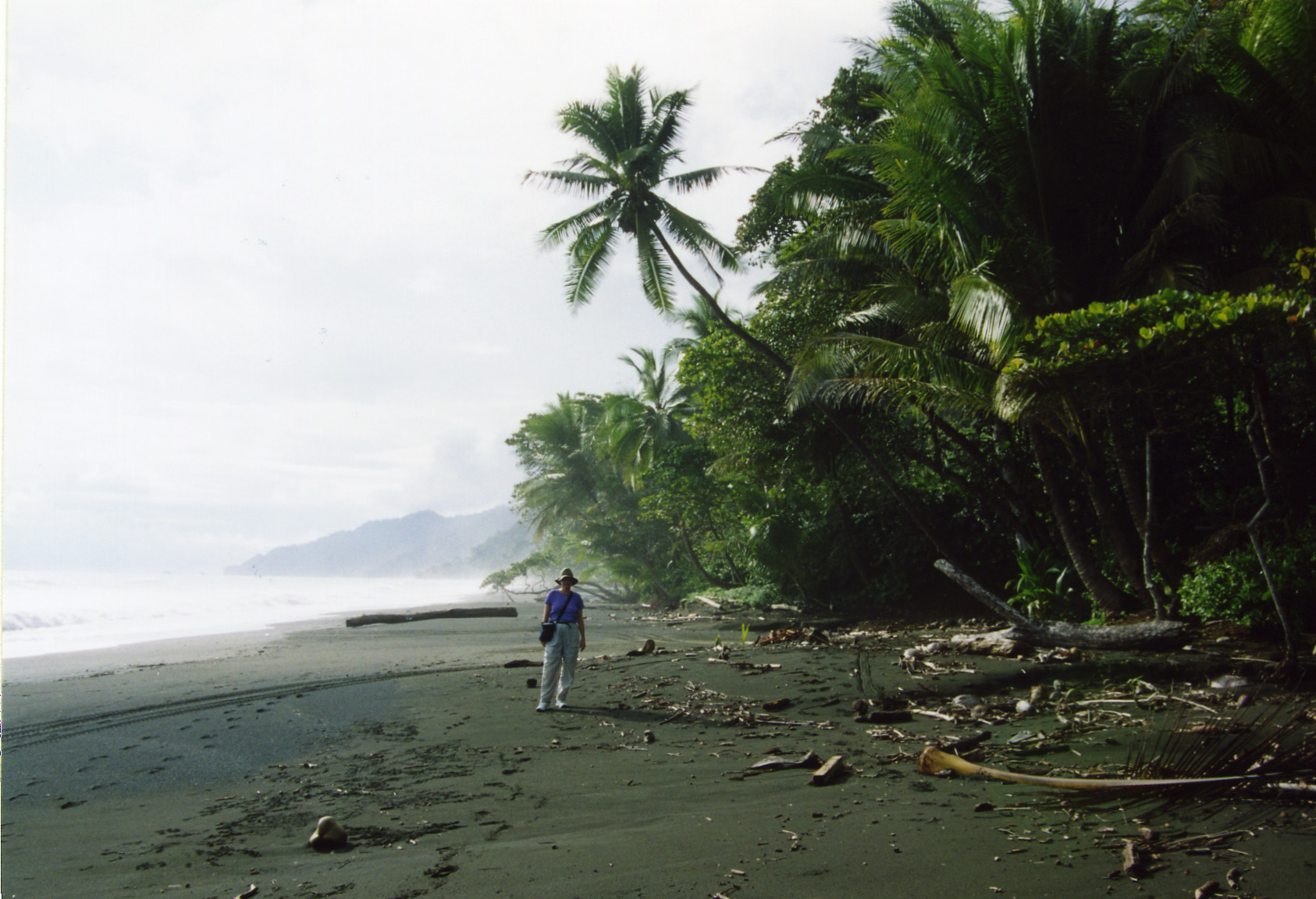
Miles and miles of scenic Pacific Ocean beach greet the visitor to Corcovado National Park in Costa Rica.

Vacation was two weeks away and I hadn’t made any plans. “Let’s go to Costa Rica,” I suggested to my wife, Peggy. “Why not,” she responded. Peggy is used to my procrastinating ways. Sometimes they even pay off.

I jumped on-line and lucked out. Costa Rica Expeditions had tours to fill at last-minute bargain basement prices. We could go to three great places for a cost we would normally pay for one. The company, by the way, did an excellent job.

Our itinerary included the Tortuga Lodge on the Atlantic Coast, Monteverde Lodge in Costa Rica’s central highlands, and La Leona Lodge on the edge of Corcovado National Park on the Pacific Coast. It was an ecotourist’s dream.

Today I am going to feature Corcovado, an area that National Geographic has described as “the most biological intense place on earth in terms of biodiversity.” The National Park is located on the Osa Peninsula in southwest Costa Rica. It teems with life including some 375 species of birds, 125 species of mammals, 500 species of trees and over 10,000 species of insects. The insects win.

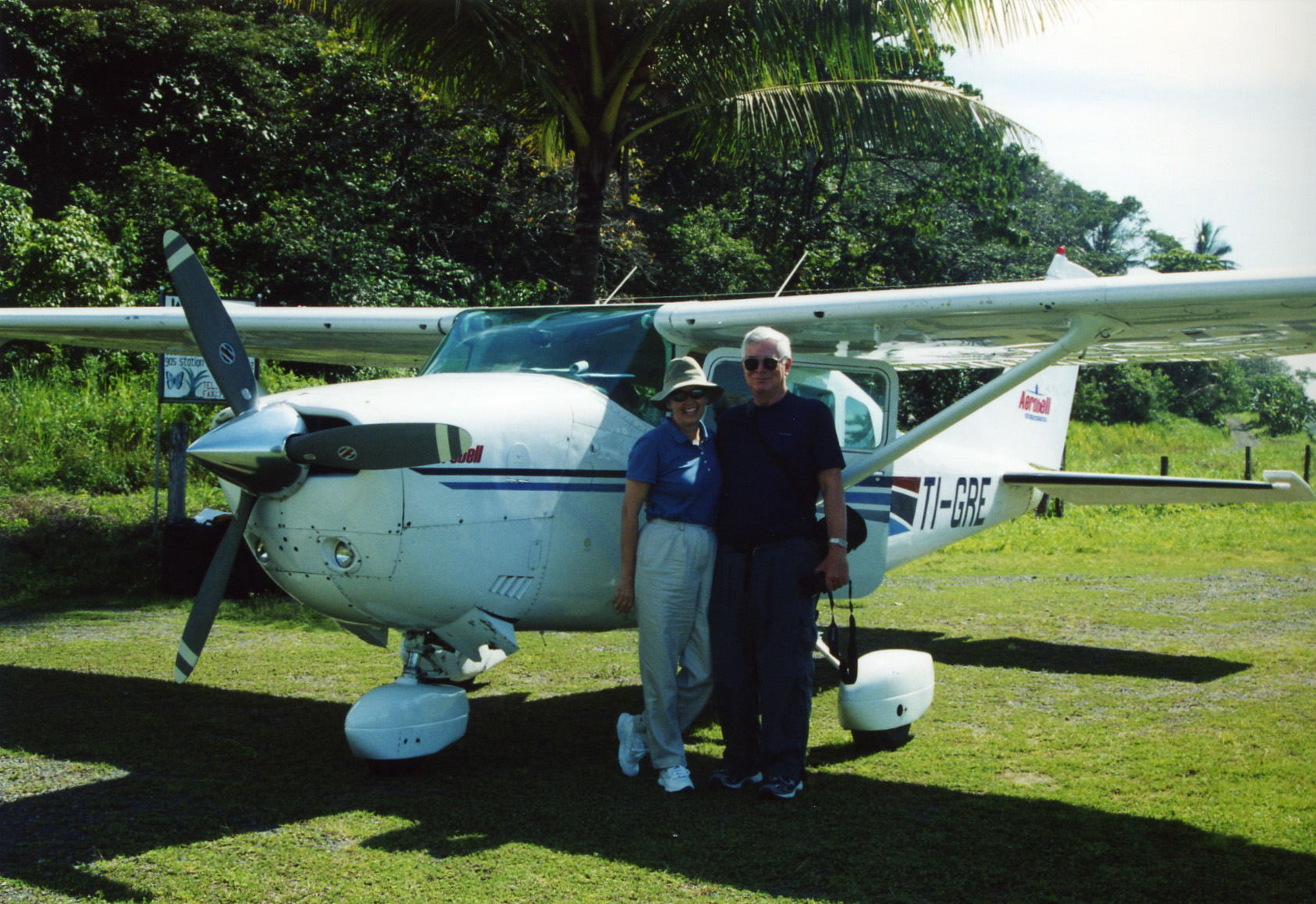
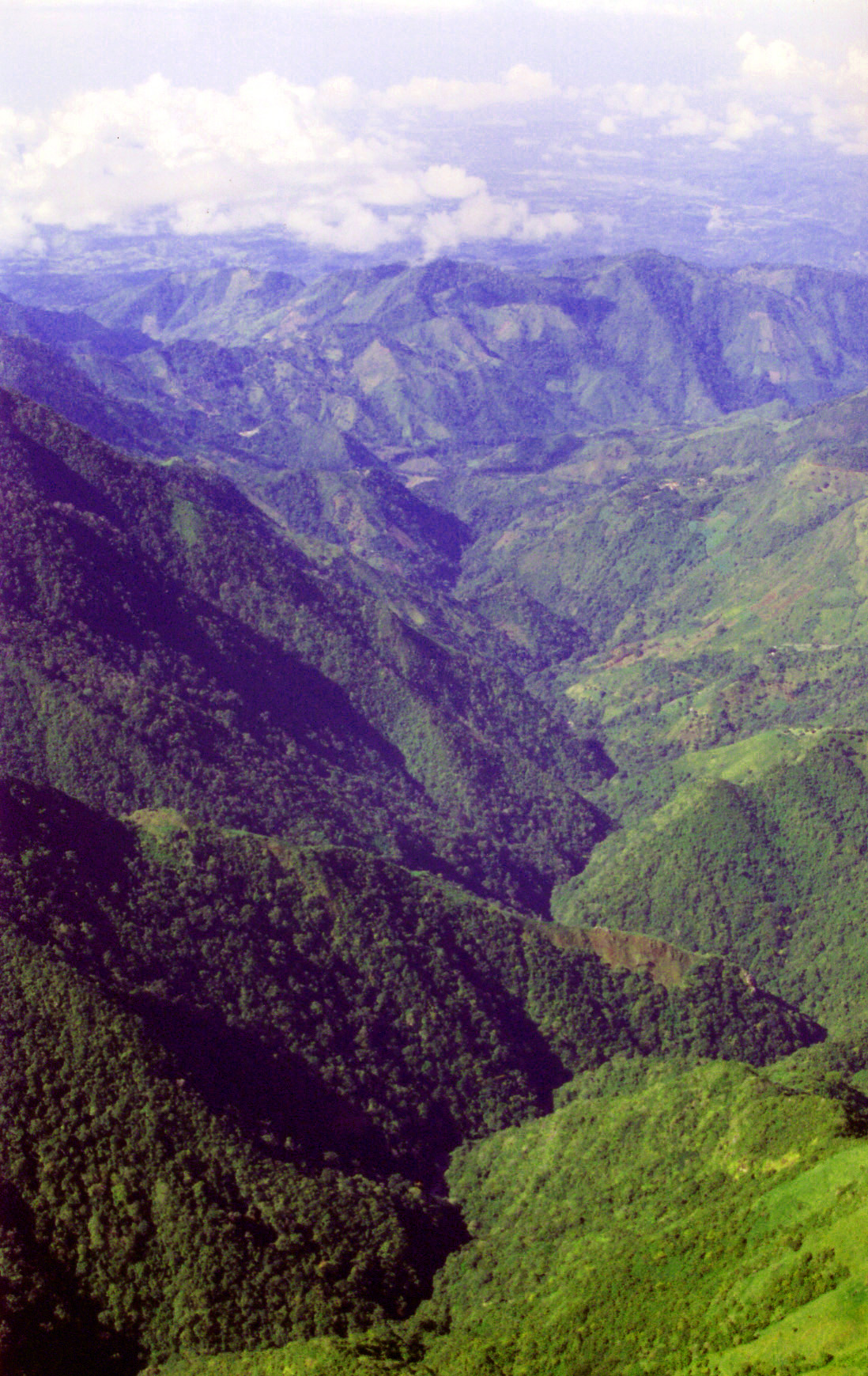
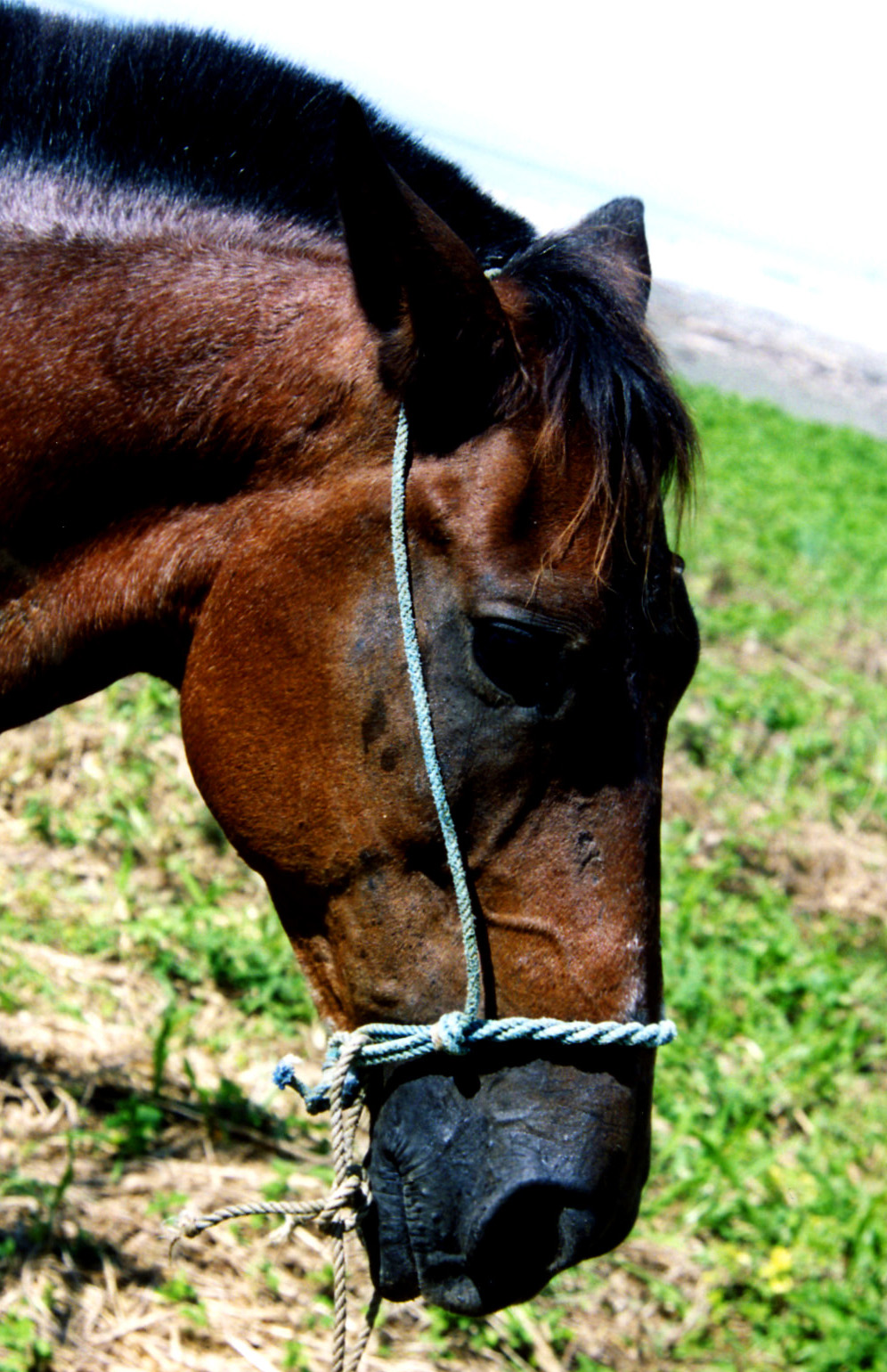
We flew down from San Jose, Costa Rica’s capital, in a small 6-seater prop plane that skimmed over the country’s tropical-green mountains, jungles and rivers to a landing strip next to the small community of Carate. A one-horse cart was waiting to carry our bags to the La Leona Lodge. Guests are expected to make the 45-minute walk on their own. There are no roads. We strolled down the beach, waded in the ocean and enjoyed the scenery.

Peggy, I and the plane we flew in to Corcovado National Park.

The plane skimmed over Costa Rica’s tropical-green mountains.

A one-horse cart waited to carry our luggage. I can’t say the horse was particularly excited about the prospect.

La Leona features comfortable tent camping, great meals, miles of beaches and a fascinating tropical rainforest. Each tent has a porch facing the Pacific Ocean. Waves lull you to sleep at night and at least a dozen of the regions 375 species of birds wake you each morning.

Our tent cabin at La Leona Lodge, Corcovado.

We spent our days hiking along the coast with detours into the rainforest. We also took advantage of the hammocks the Lodge has strung under the palm trees next to the beach. In the evening we would sit on our porch and watch the waves roll in or enjoy a cold beer at the Lodges open-air bar.

Peggy and I spent hours exploring the deserted beaches of Corcovado.

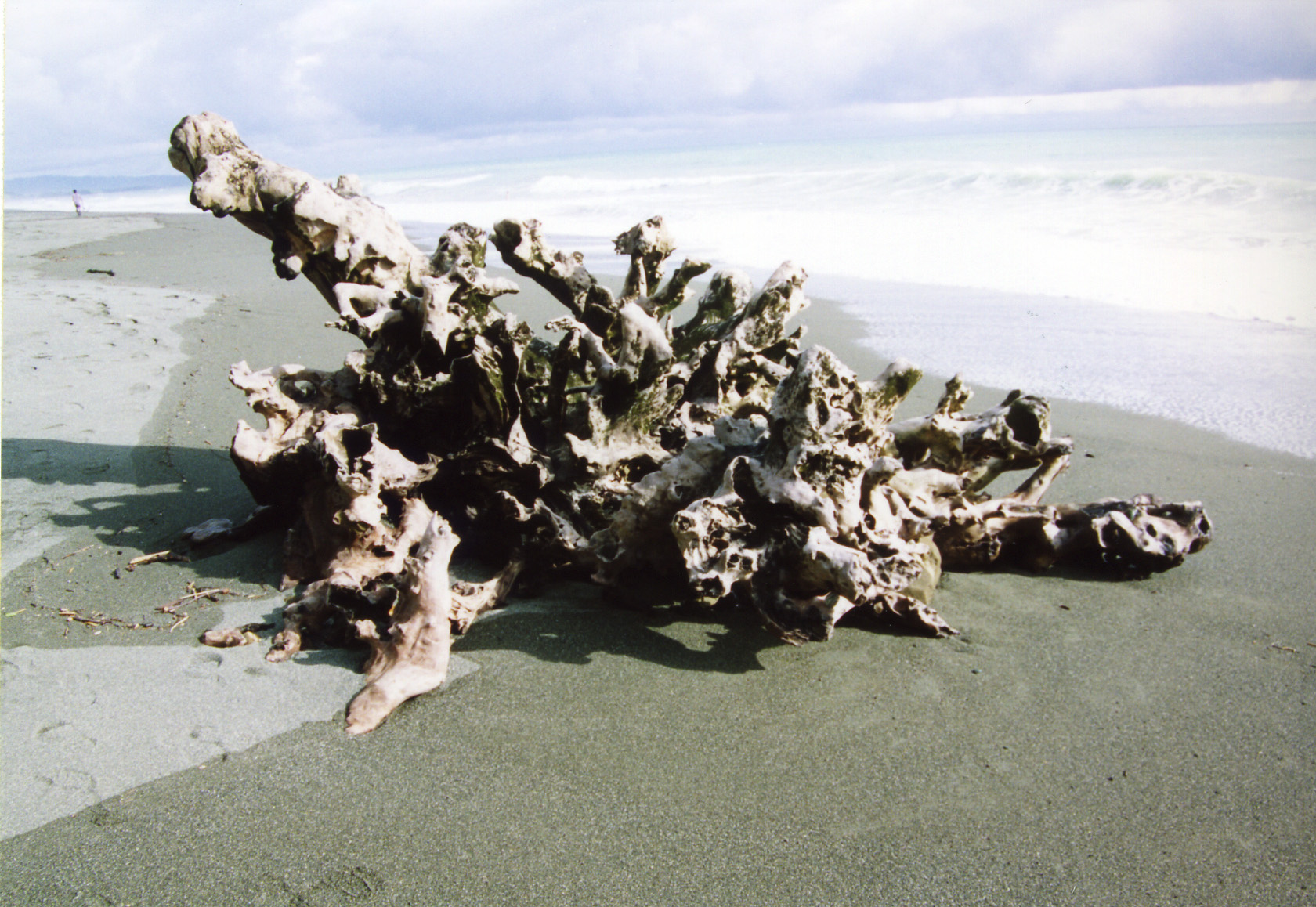
At one point we came across an impressive bit of driftwood.

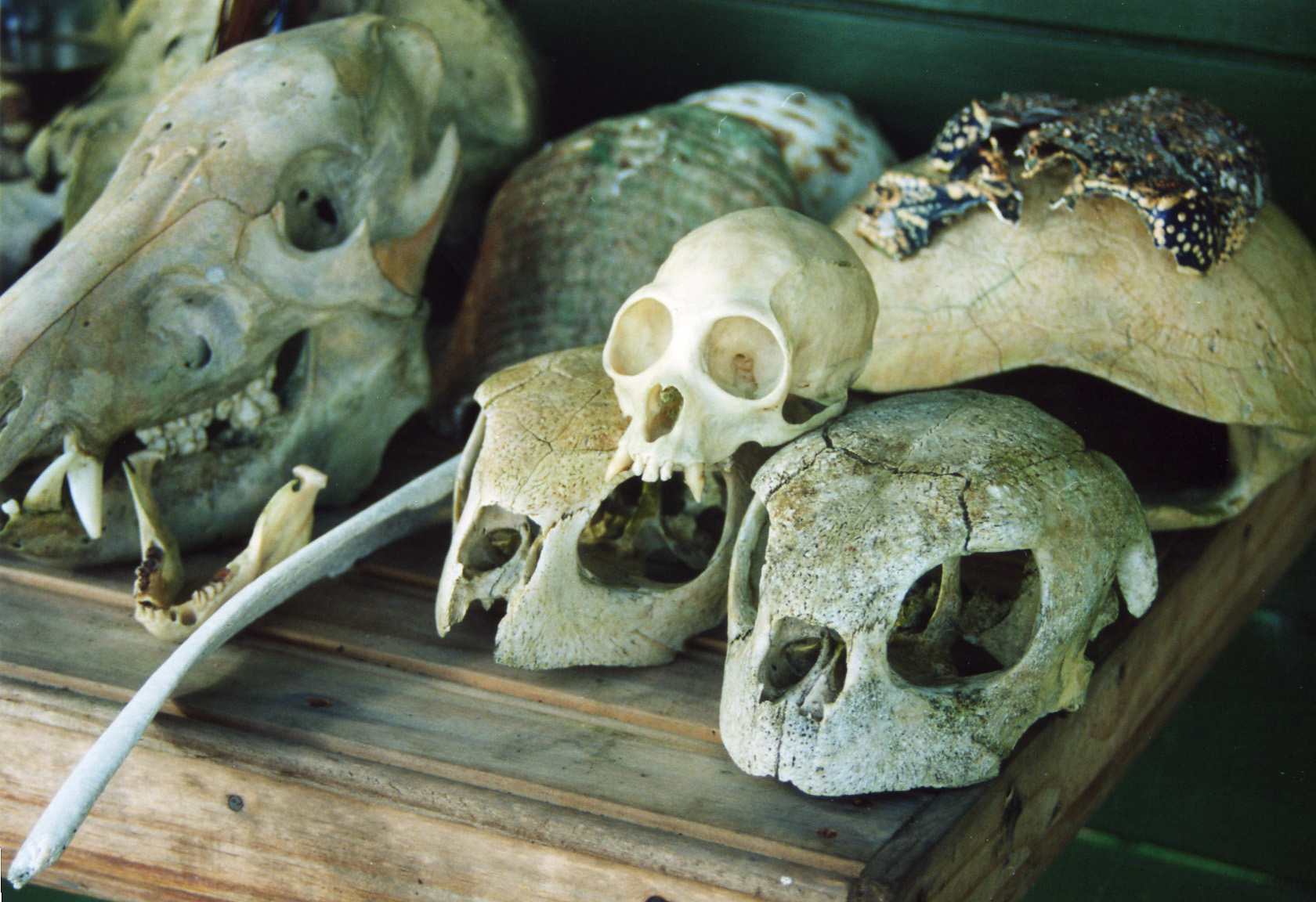
A Corcovado National Park ranger had gathered skulls of several park animals. A jaguar is on the left. The small human-like skull comes from a monkey. I believe the large smooth skulls are from dolphins… either that or aliens.

One time a troop of monkeys came swinging in through the trees and entertained us. Another time a boa constrictor went slithering by. All too soon, it was time to pack up our bags for the horse cart and walk back to the landing strip. We will return to La Leona Lodge and Corcovado National Park.

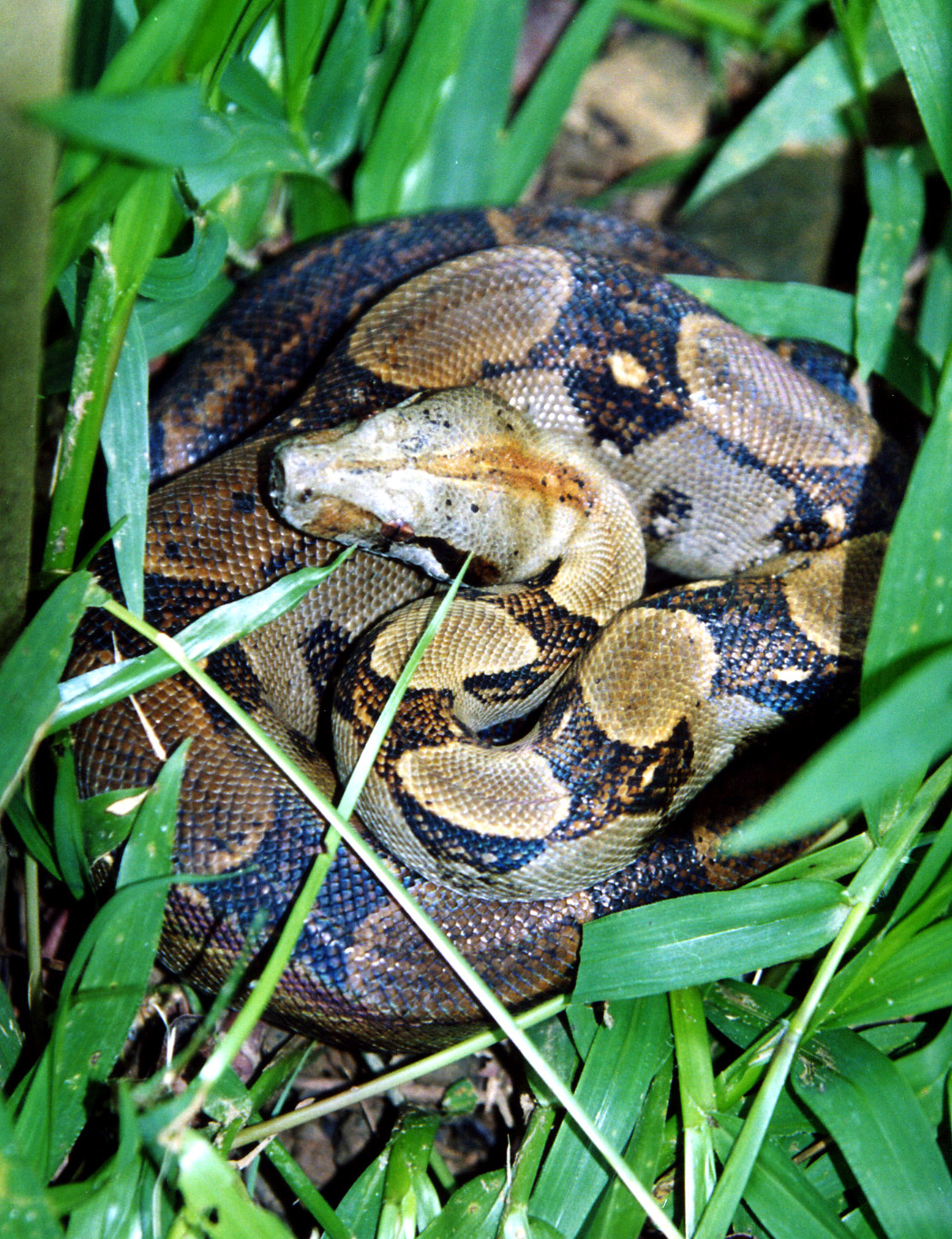
A boa came slithering through camp and then coiled up when I tried to take its photo. I kept plopping down about a foot in front of him trying to get an action shot and he became irritated.

A pair of Coatis were more amenable to having their photo taken. I love the way their tails appear to be entwined. The tail of a third Coati can also be seen.

A final reason why you should add Corcovado National Park in Costa Rica to your bucket list.

Beautiful Victoria BC… The Vancouver Island Adventure

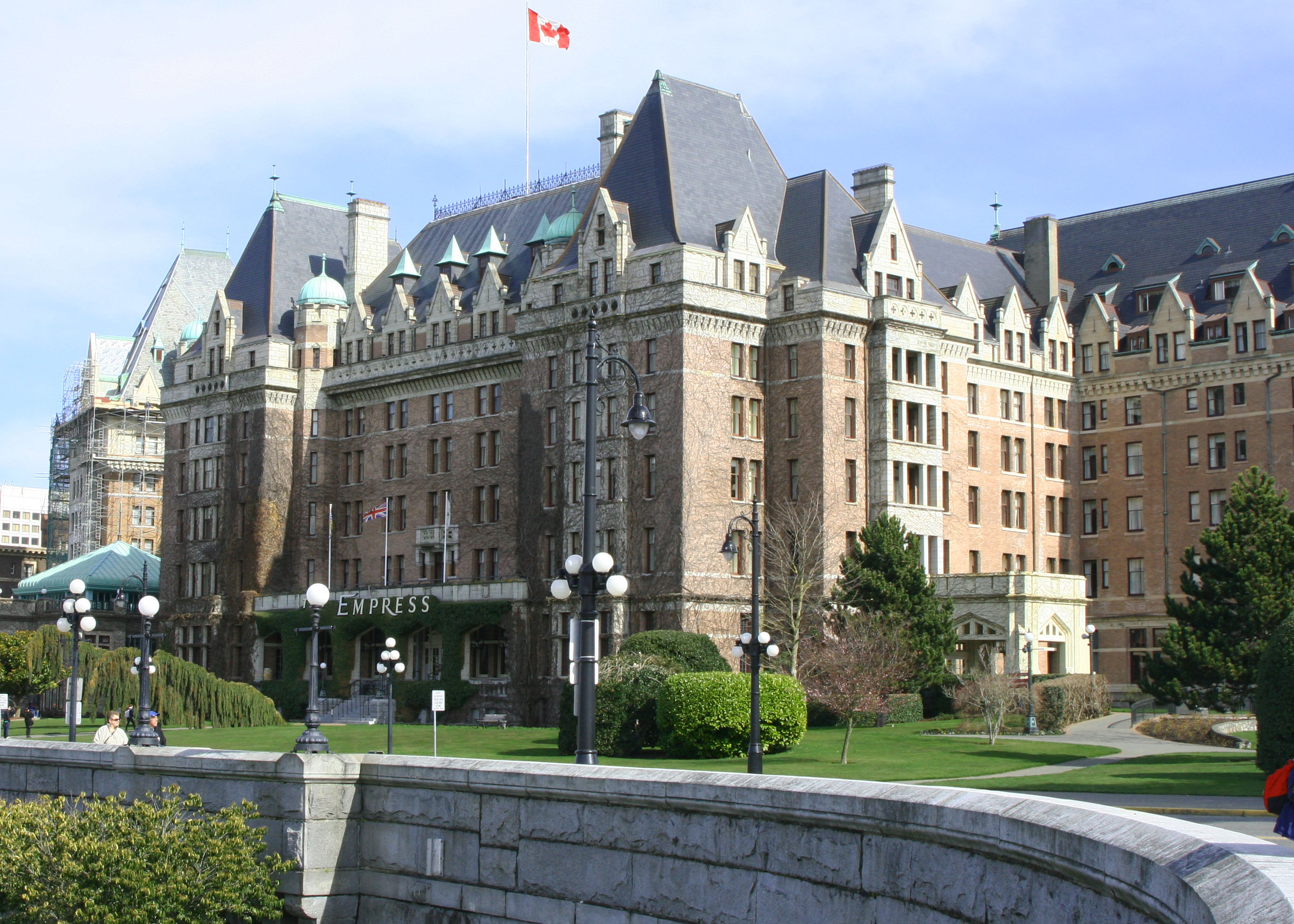
Anybody who has ever been to Victoria BC on Vancouver Island comments about the grand Empress Hotel overlooking the Inner Harbor.

The sun came out for us in Victoria. The city wanted to show off its treasures: its beautiful harbor, the grand old Empress Hotel, Parliament Building, flowers, interesting architecture, British flavor and First Nation art.

I’ve been to British Columbia’s Capitol several times over the years and am always eager to come back. This time, Peggy and I were able to share our experience with our friends Ken and Leslie Lake from California. It was the last day of our Vancouver Island adventure and an appropriate way to end the trip.

Catching the Black Ball Ferry back to Port Angeles limited our time so we focused on the Inner Harbor. I will let the photographs that Peggy and I took speak for our experience.

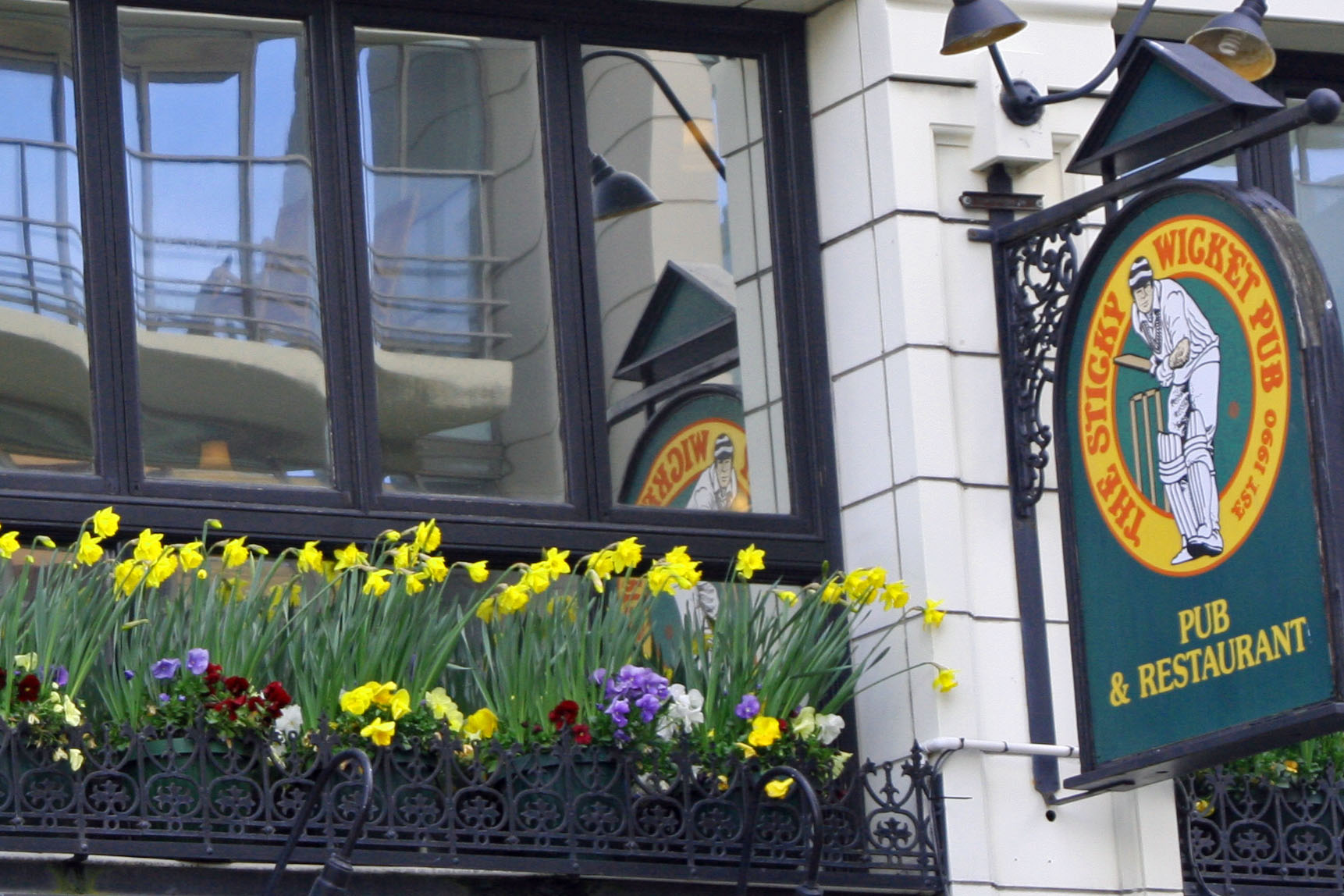
There are those who say Victoria BC is more British than Britain. To check out the theory, we visited the Sticky Wicket Pub for a pint, or two. Cricket, anyone?


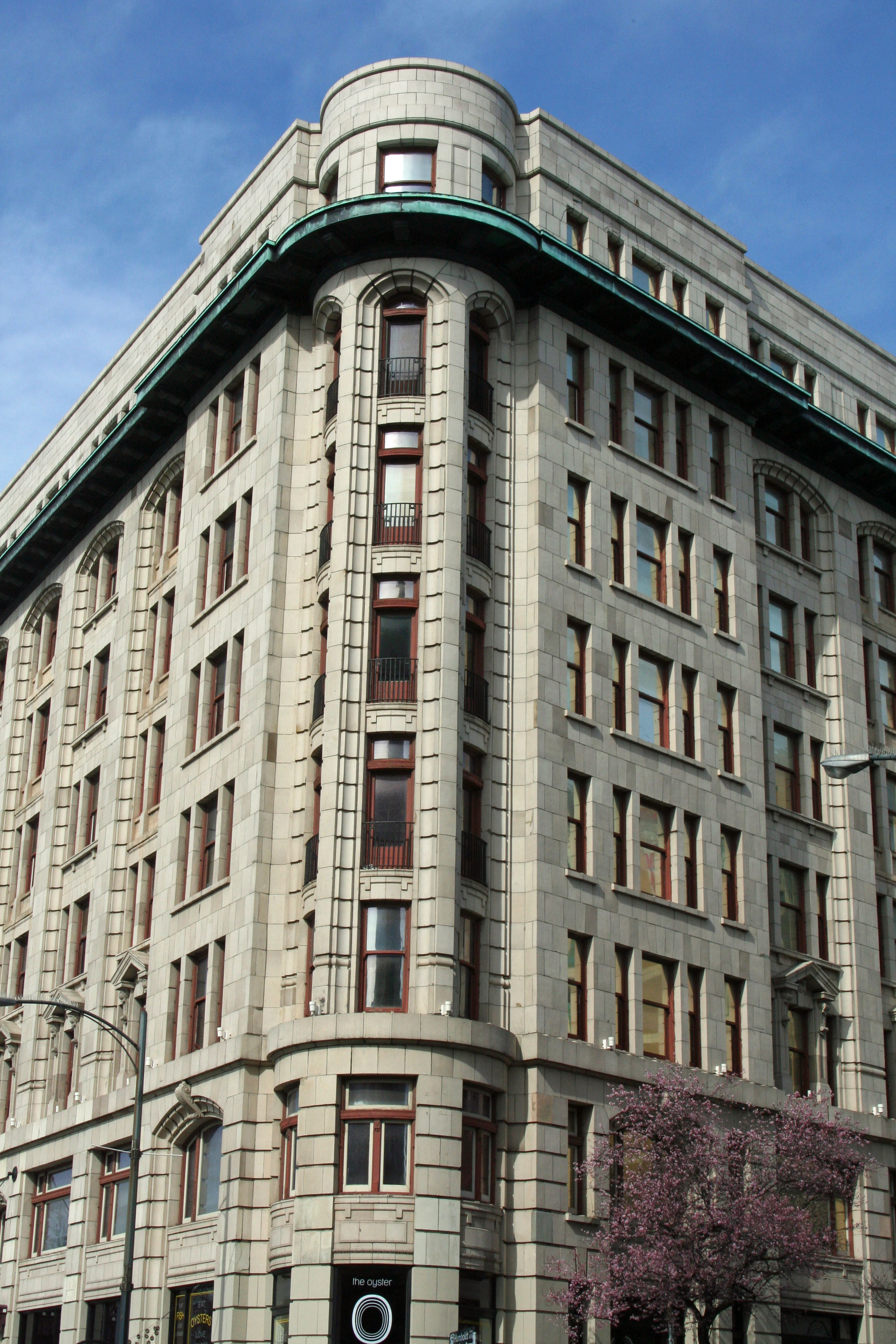
The architecture of this Victoria BC building reminded me of London.


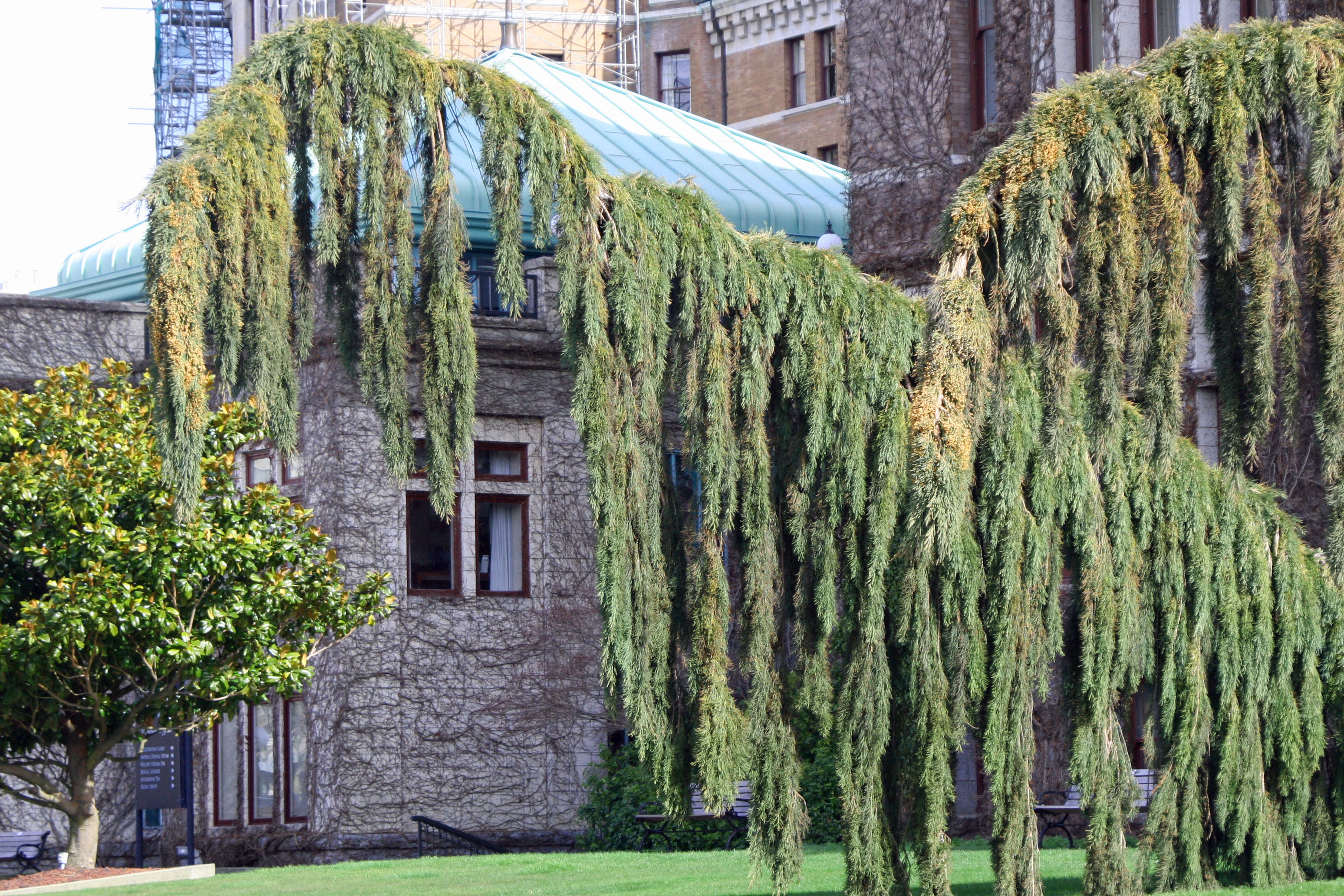
Two strange-looking trees dominated the grounds in front of the Empress Hotel. I thought they looked like droopy dogs.


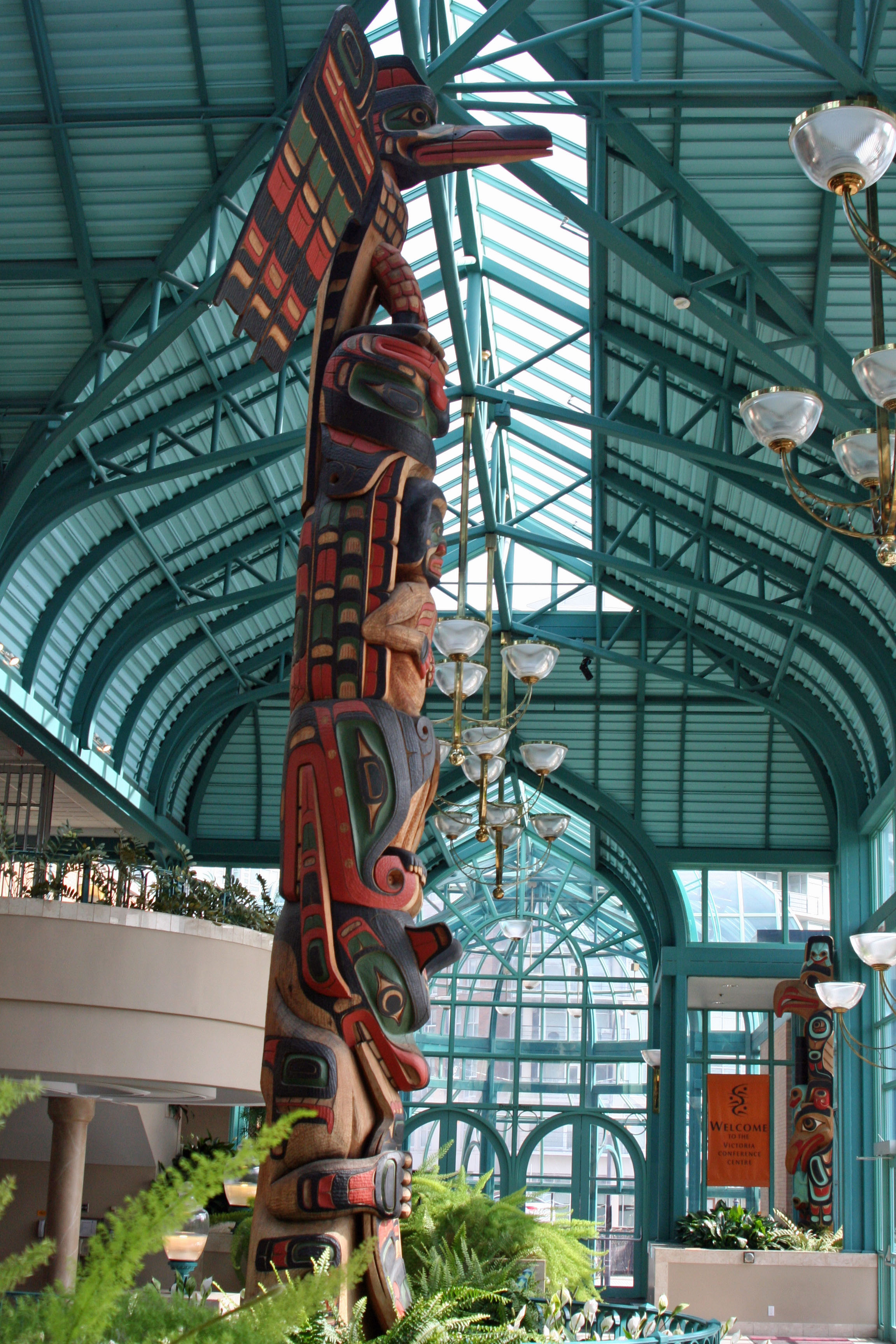
The atrium of Victoria Conference Center, located behind the Empress Hotel (and connected to it), is definitely worth a visit.


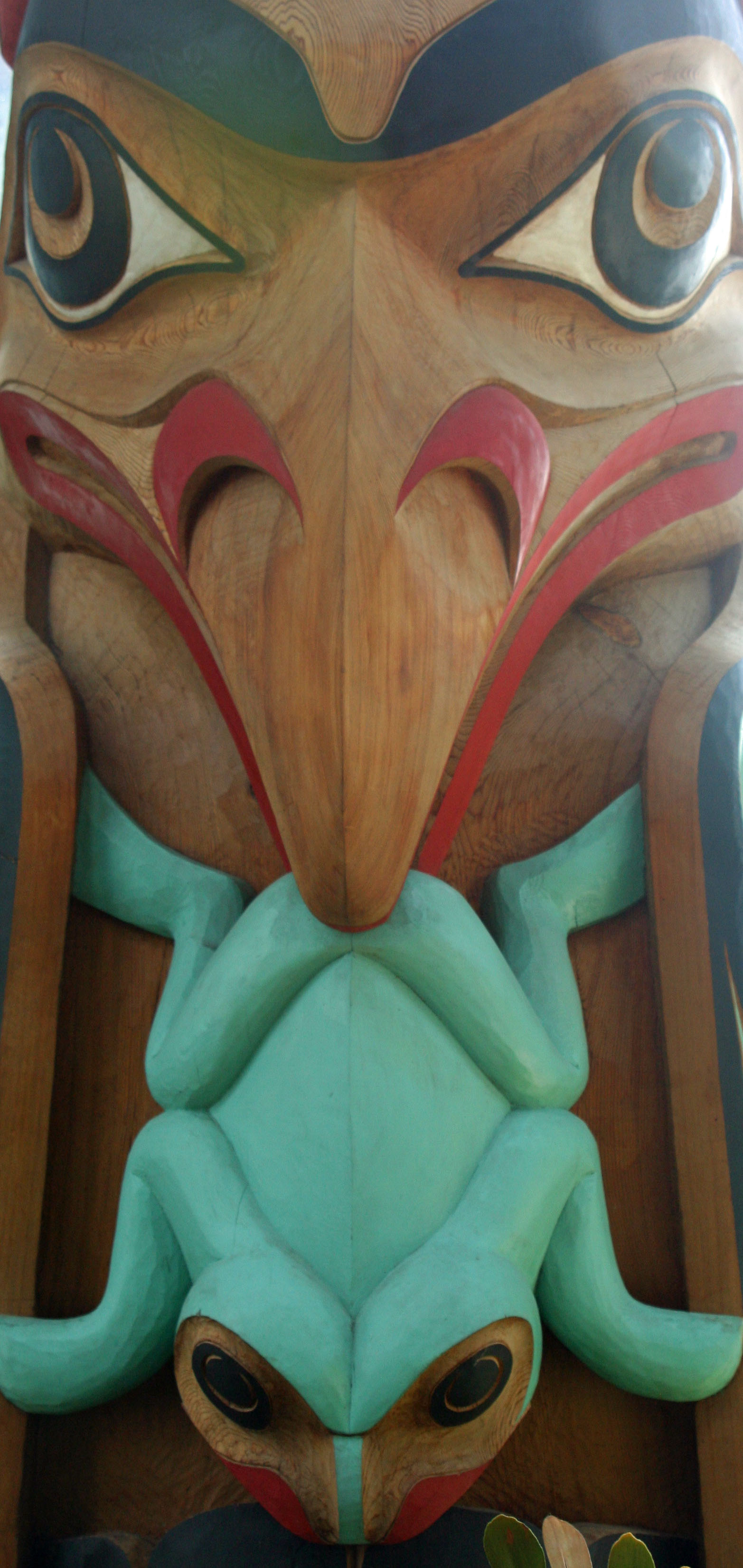
Close up of Victoria Conference Center totem pole. Frog legs for dinner...


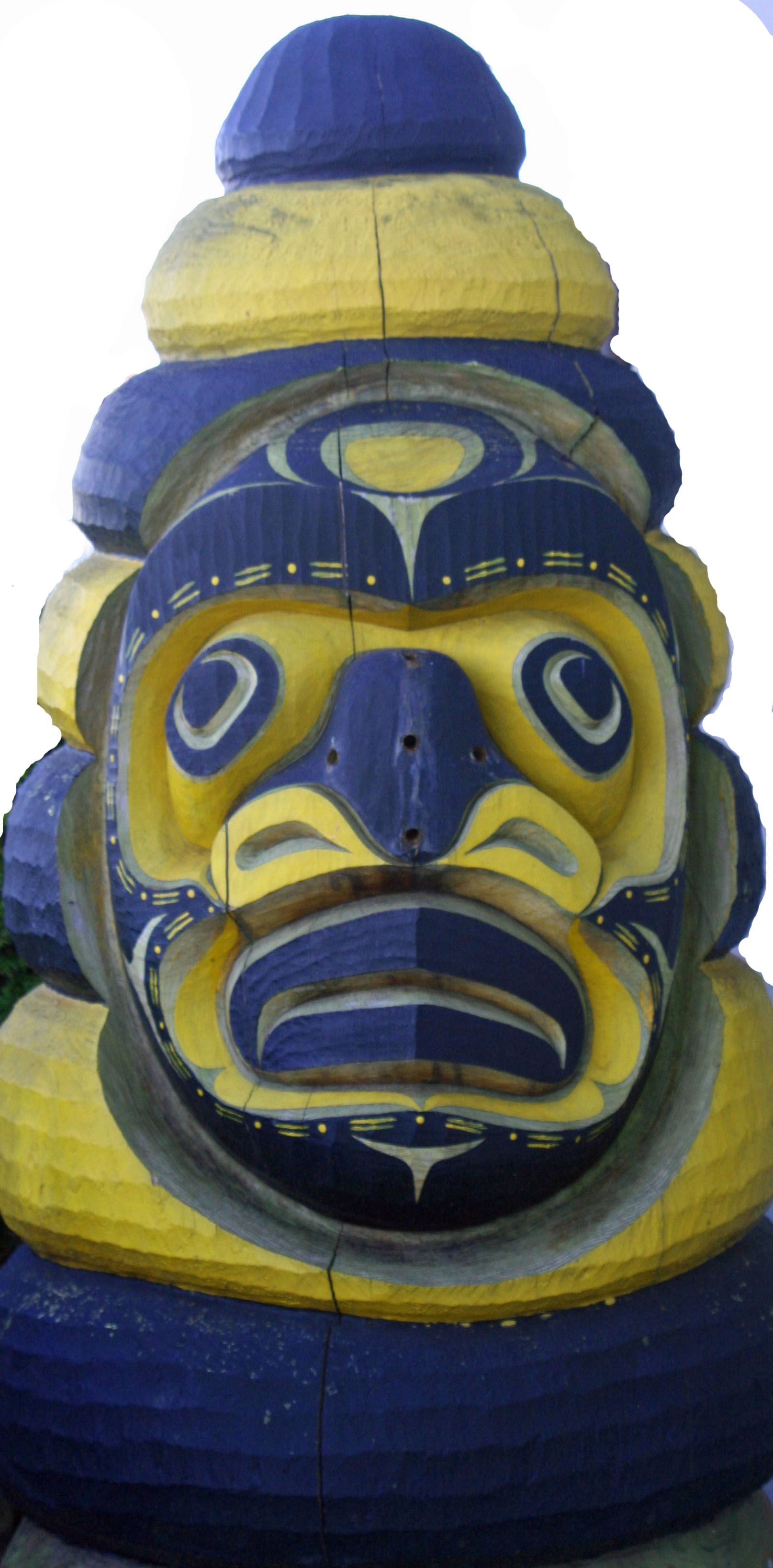
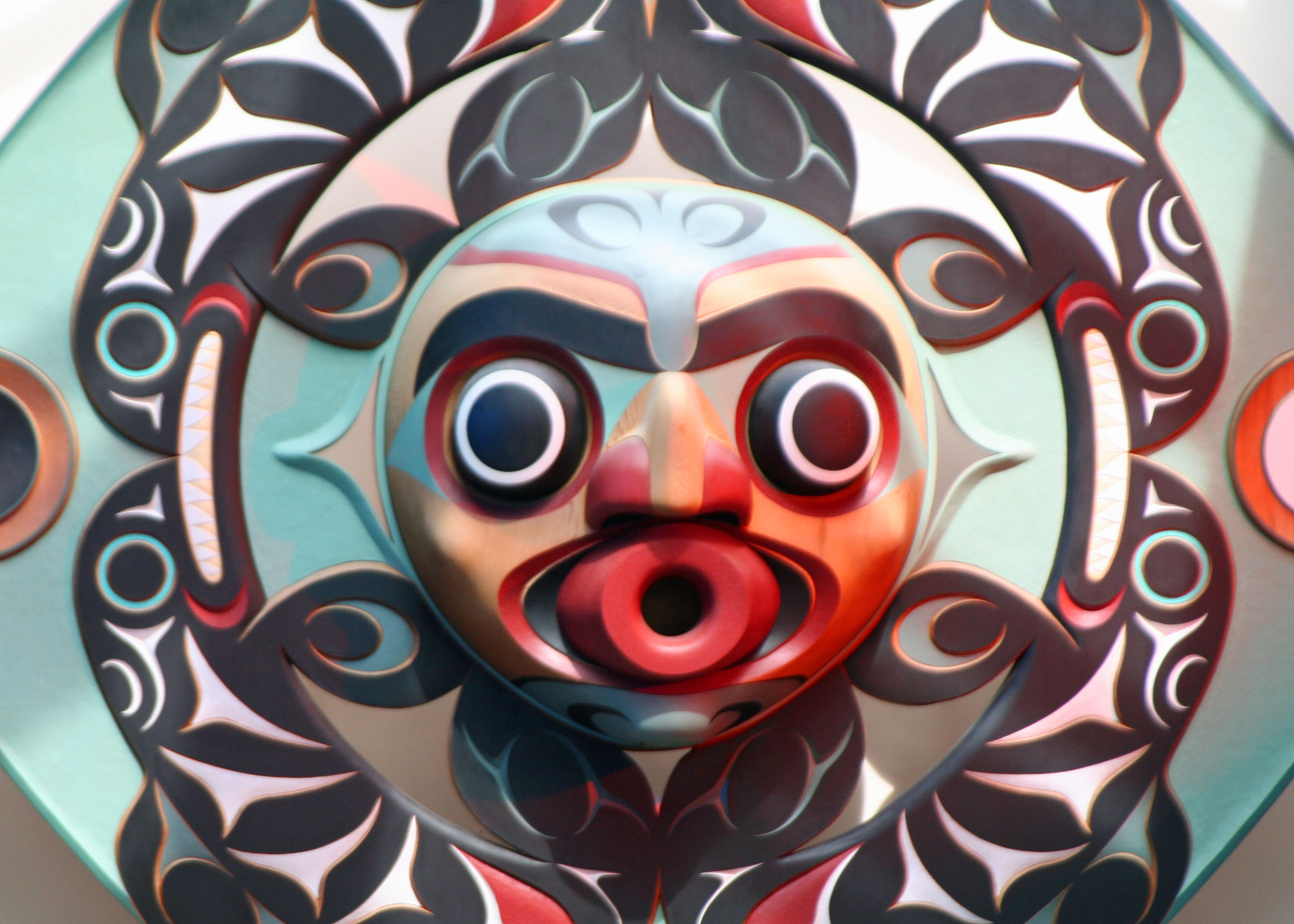
Large First Nation mask-like sculpture in Victoria Conference Center, Victoria BC. Peggy considered it her favorite among the masks we saw on Vancouver Island.


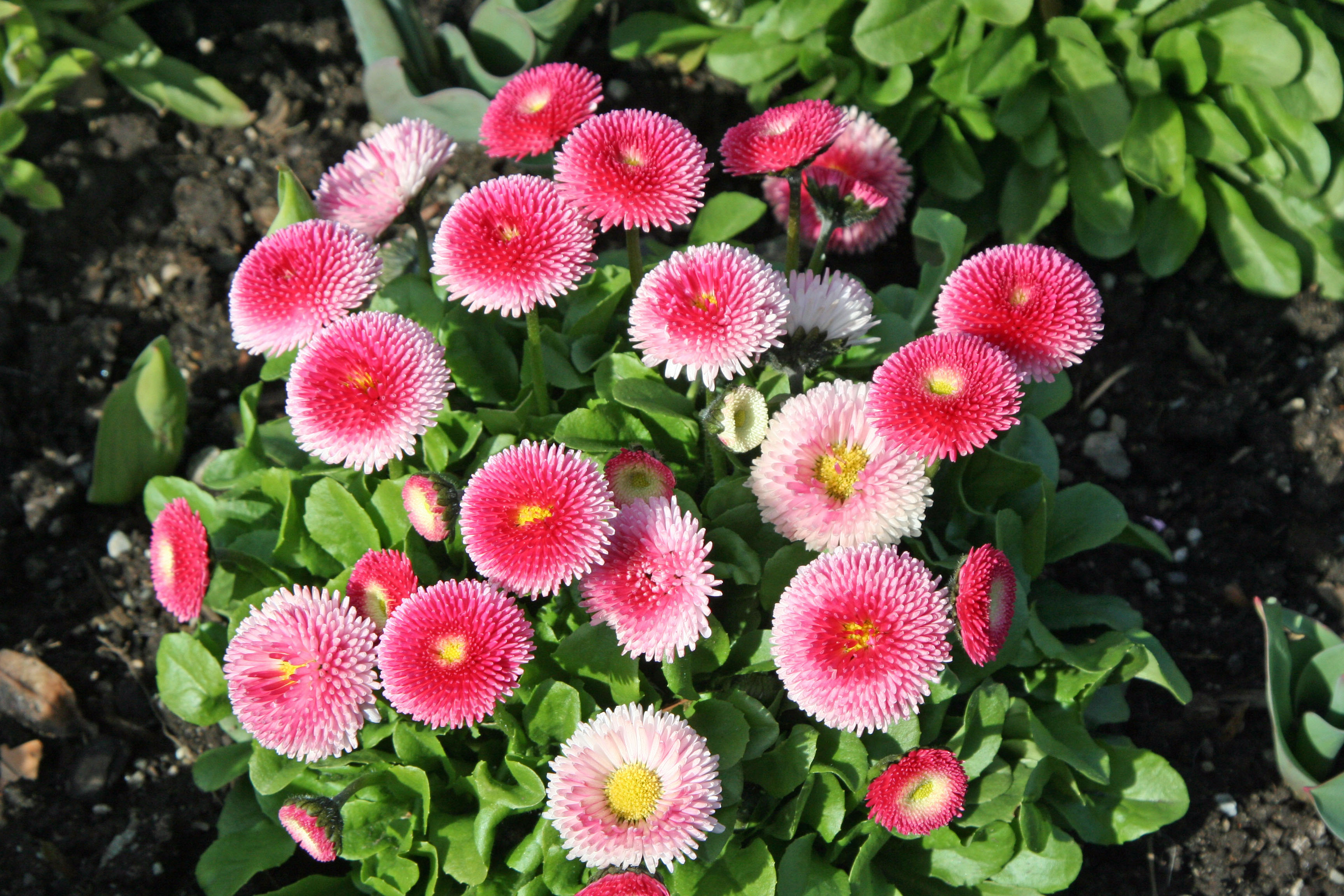
One of my all time favorite memories of Victoria and Vancouver Island is of flowers and magnificent gardens. We were a little early this year and we didn't make it to Butchart Gardens so these perky fellows will have to represent the flowers of Victoria.


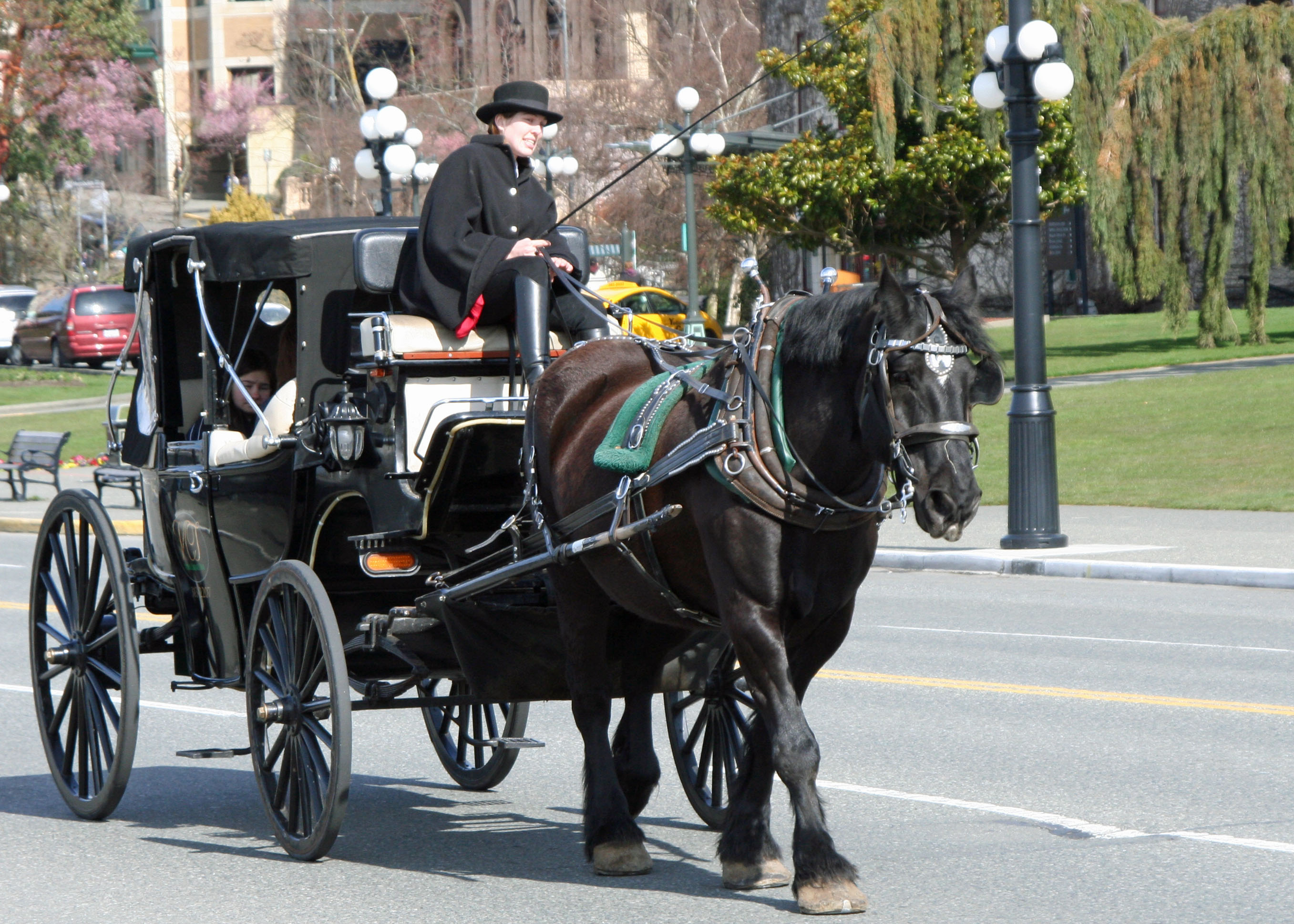
Like in many historic communities, carriage rides are offered as a way to tour the city. I like the matched black horse, black carriage, and black clothes.


Parliament Building. Victoria is the capital of British Columbia.


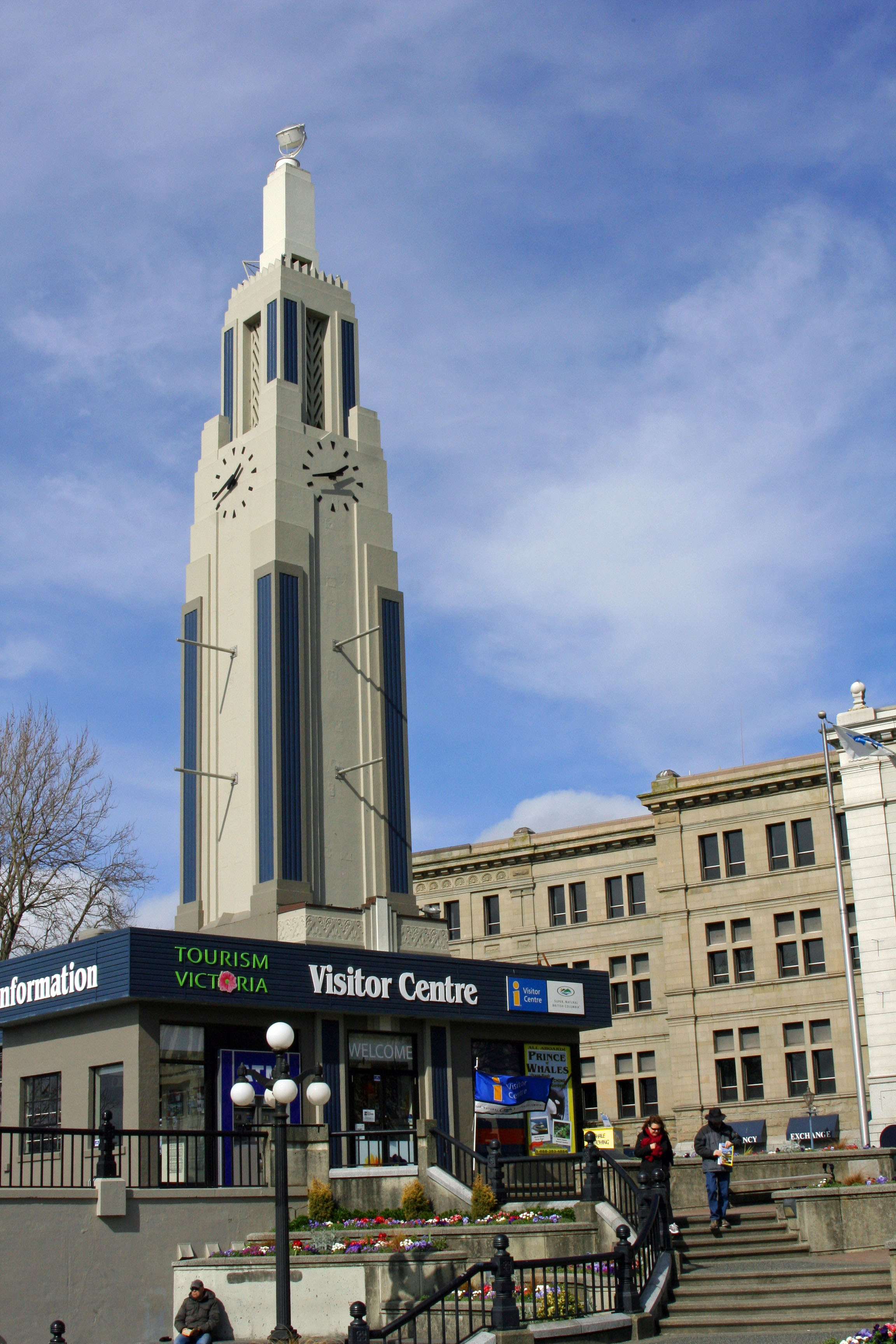
Victoria BC's unique art-deco visitor center was once a gas station. It gives new meaning to the word recycling.


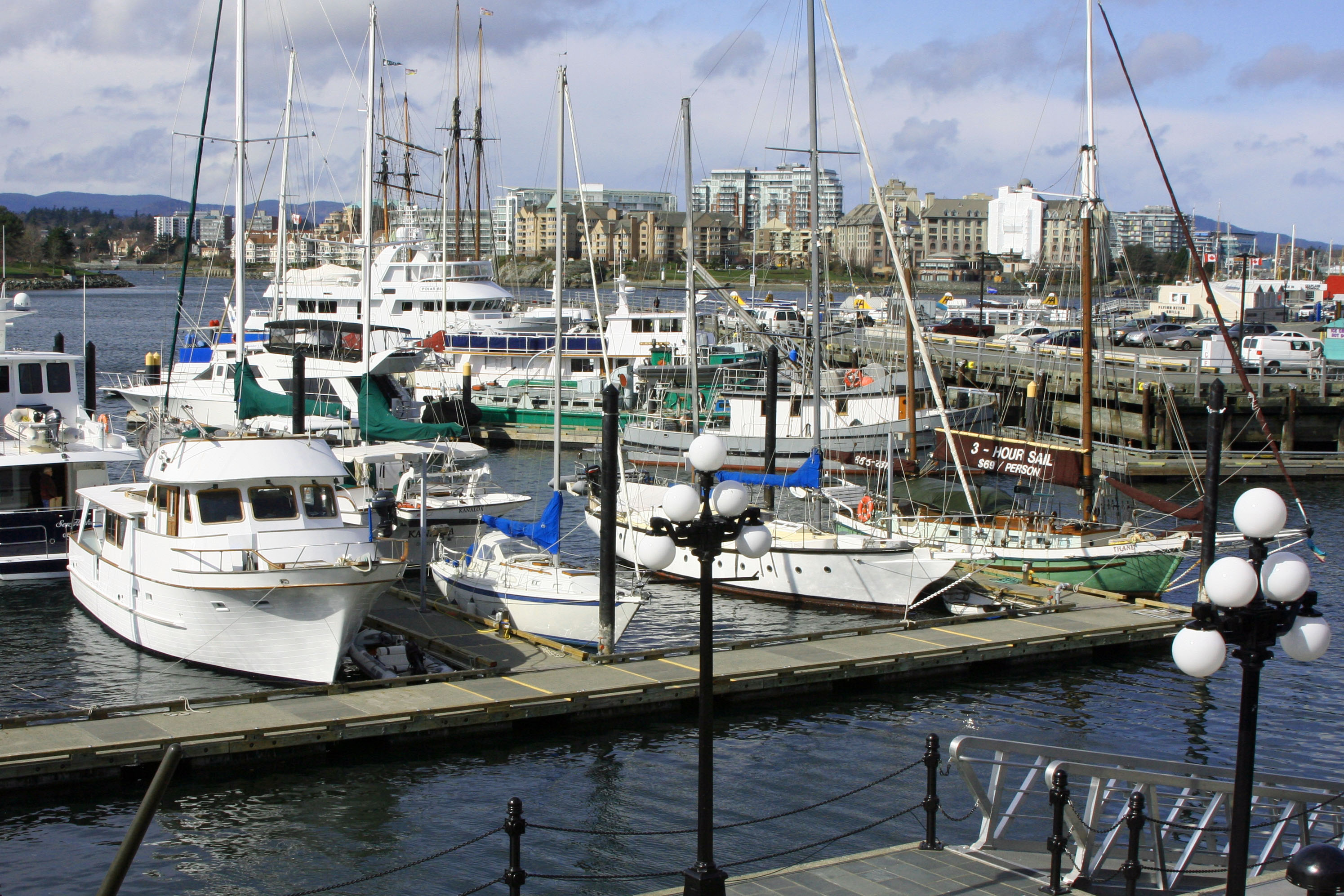
Yachts, sport fishing boats, and sail boats rest on the blue water of Victoria's Inner Harbor.


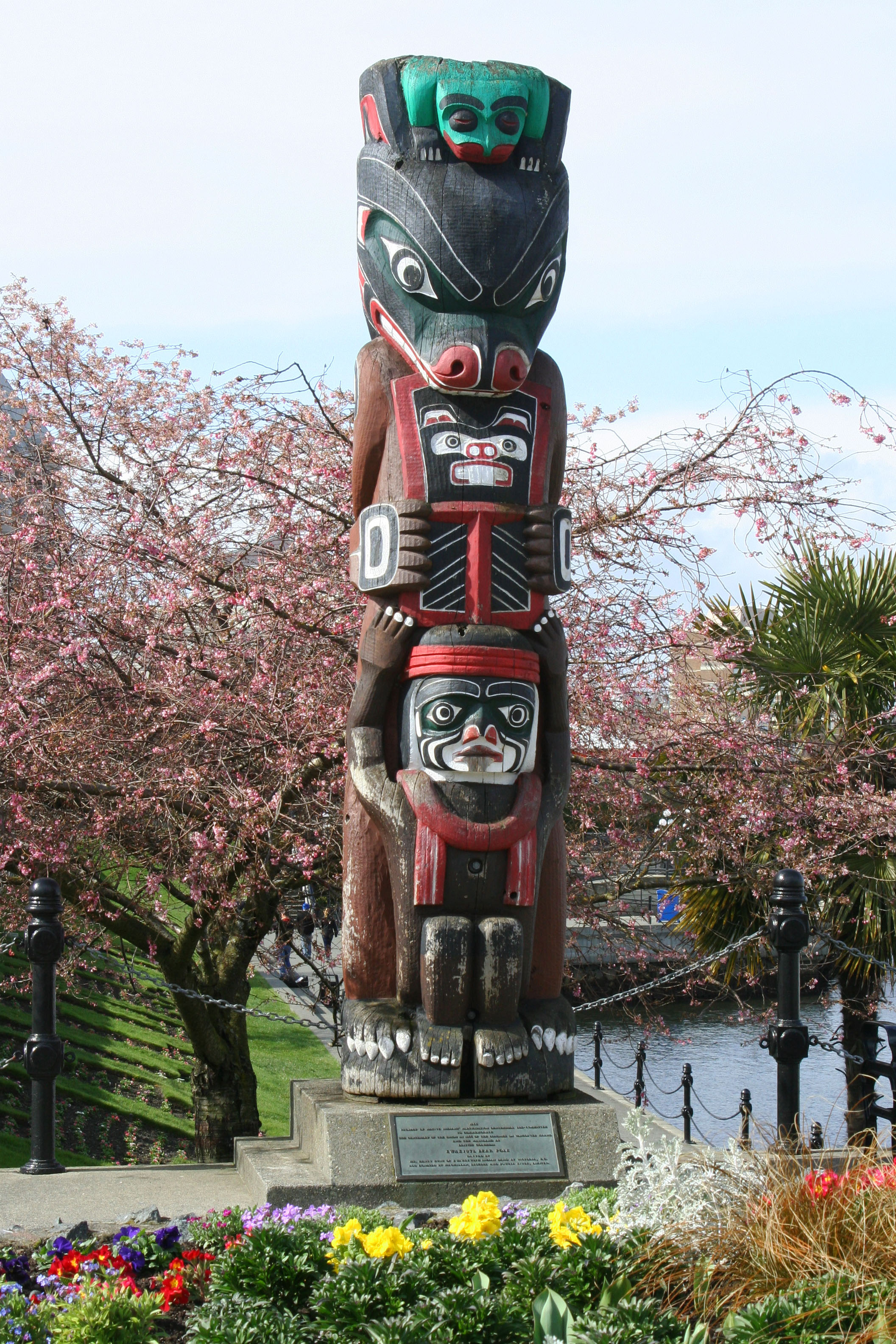
I can't resist putting in a final First Nation totem pole as I wrap up our Vancouver Island adventure. This guy rests on the edge of Inner Harbor and is surrounded by flowers, a suggestion that spring is finally arriving.

Leslie and Peggy hold hands with a bear dressed up as a Mountie. I grew up listening to Sergeant Preston of the RCMP on the radio. It was my introduction to Canada. Sergeant Preston and his faithful dog, King, always caught the bad guy. "On King, on you huskies!"


Port Alberni, a Seaport in the Middle of an Island… The Vancouver Island Adventure

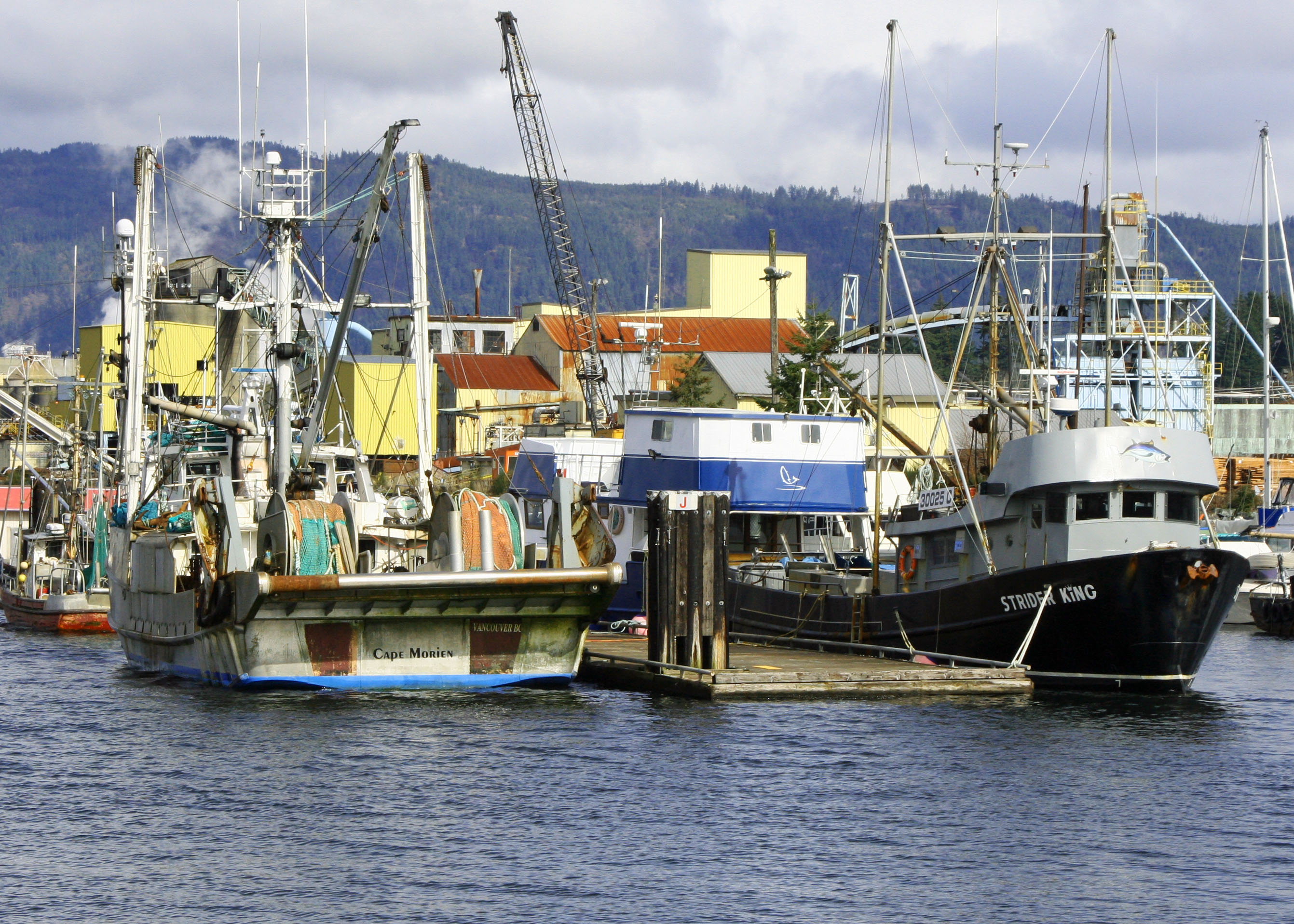
Serious fishing boats are a reminder that the town of Port Alberni located in the middle of Vancouver Island, British Columbia is connected to the Pacific Ocean via Alberni Sound.

It felt strange to find a seaport in the middle of Vancouver Island. Our original goal had been to visit the Pacific Rim National Park but time and weather discouraged the trip. So we stopped half way at Port Alberni.

The town has a different feel to it than the Vancouver Island BC communities we visited on the east coast, more down to earth and less resort like. Saw and pulp mills once dominated the city’s economy but today the timber industry prefers to ship its logs off to China.

The good news here is that with the demise of the pulp mill the salmon returned and today, Port Alberni is the center of a major sports fishing industry. Like Campbell River, it bills itself the ‘Salmon Capitol of the World.” I suspect there are some interesting politics at work here.

The surrounding mountains, lakes and wilderness have also made the Alberni Valley a growing center of ecotourism.

We stopped at the visitor’s bureau to pick up tips on what we should see. And here it is time for an editorial comment. Canada’s neighbor to the south could really learn something from British Columbia about the promotion of tourism. Not only do most communities have information centers, they are normally very attractive, staffed with friendly, knowledgeable staff, and filled with information.

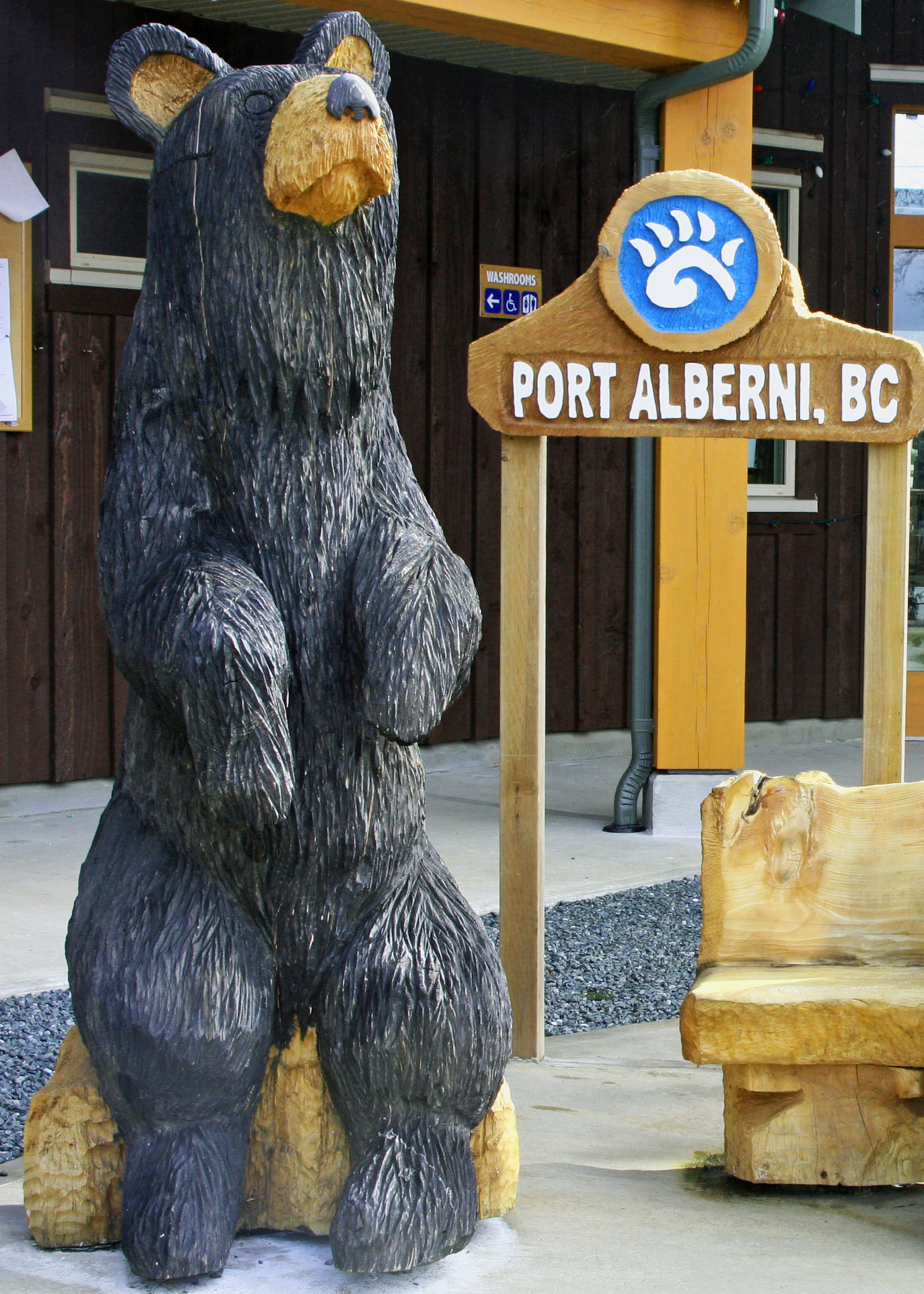
British Columbia and its communities do an excellent job or providing attractive, information packed, visitor bureaus. This bear welcomes visitors to Port Alberni BC.

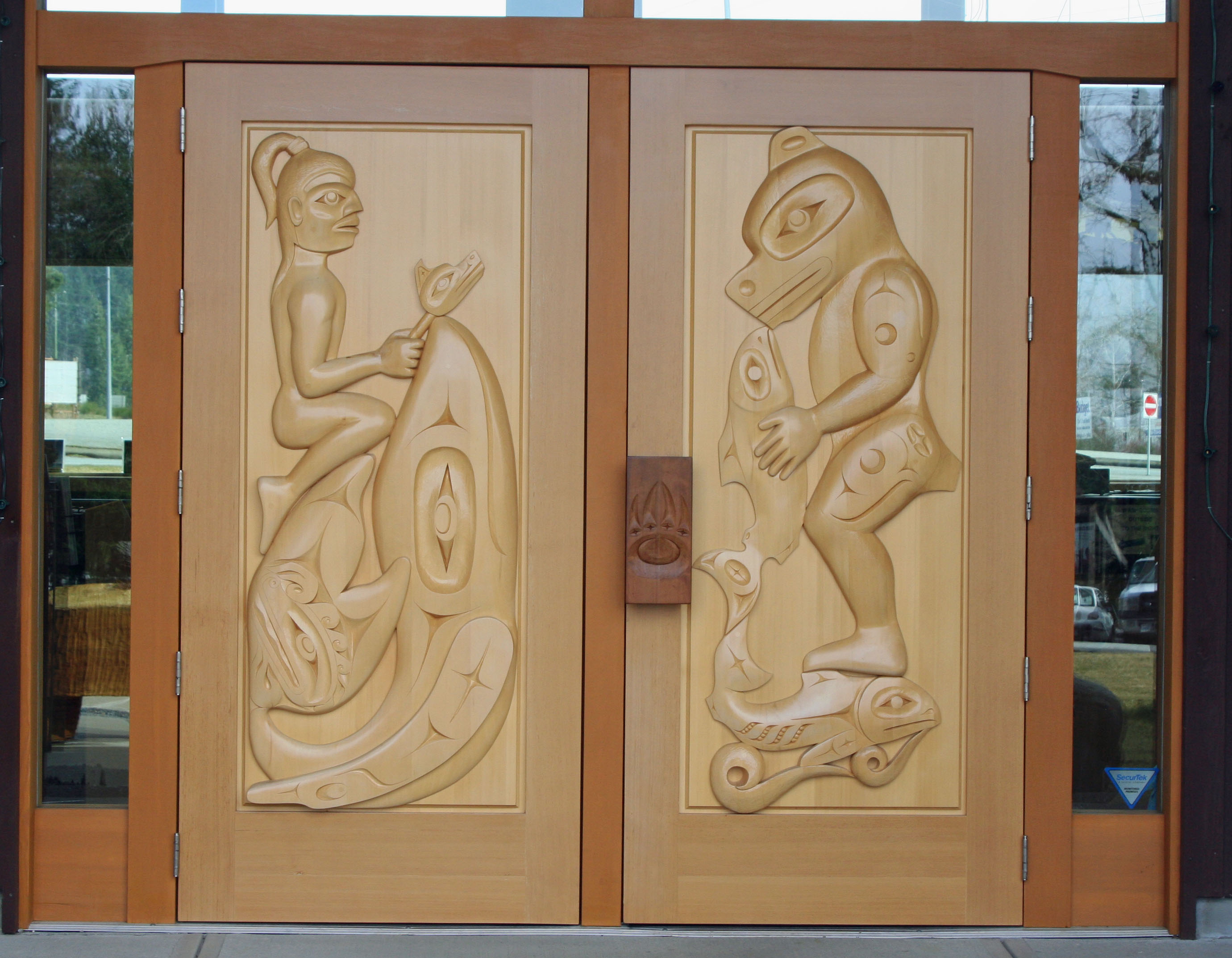
These doors into the Port Alberni Visitor's Center feature a First Nation theme and are another example of how attractive and welcoming the centers are. The US could learn a lesson from BC and Canada about the promotion of tourism.

“You have to visit Harbor Quay,” was the recommendation for the short time we had. So we did. The Quay provided a beautiful view of the Alberni Inlet that makes its way out to the Pacific Ocean and provides Port Alberni with its seaport status. The presence of fishing boats reminded us of another major Vancouver Island industry.

After lunch, Peggy and Ken took advantage of a carved Thunderbird and eagle for photo ops. We visited small shops and downed some of the best cake donuts we’ve ever eaten. It was then time to head back to Parksville. Port Alberni and the Alberni Valley definitely deserved more time.

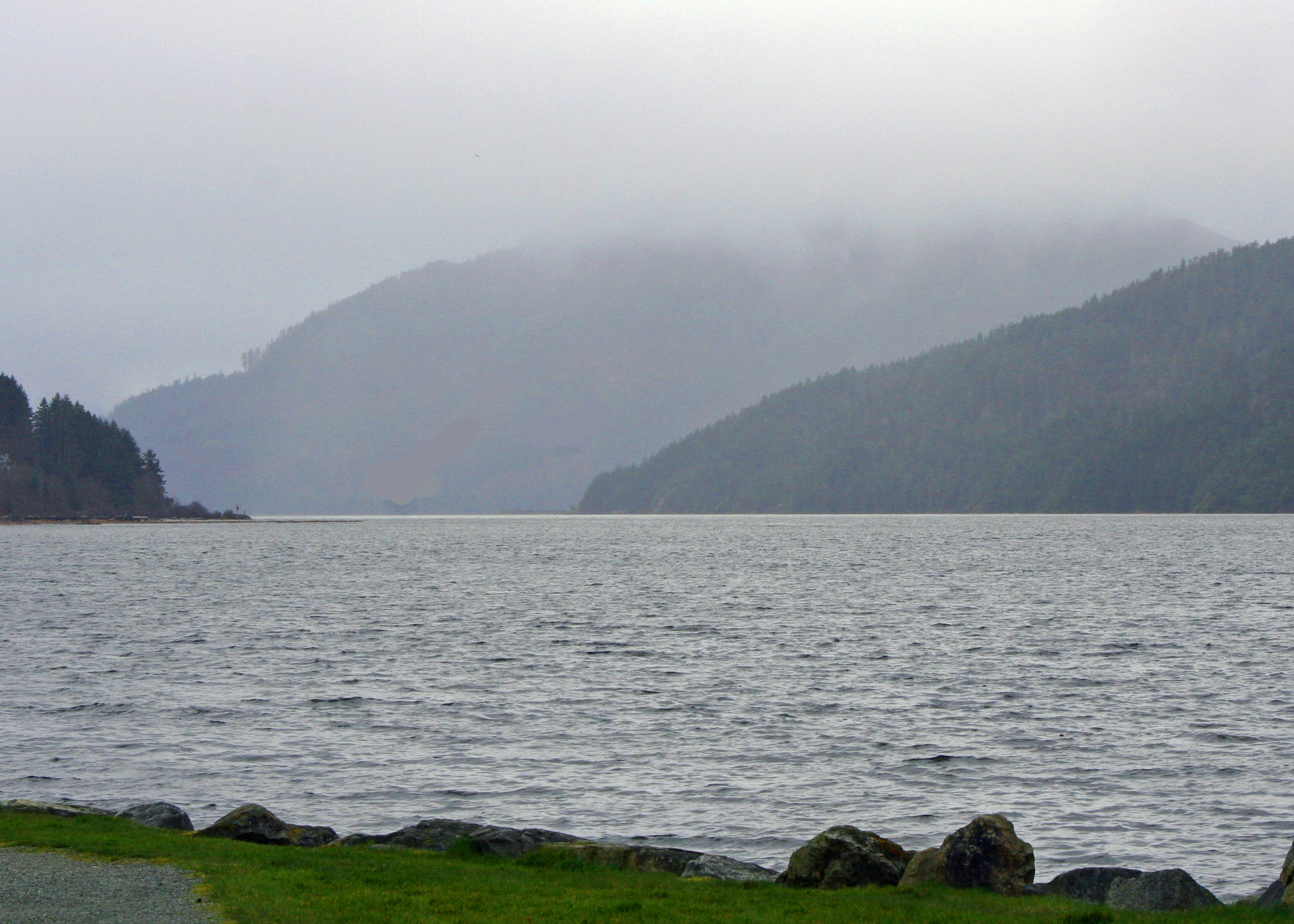
Alberni Sound leads out to the Pacific Ocean. Clouds and rain limited our view.


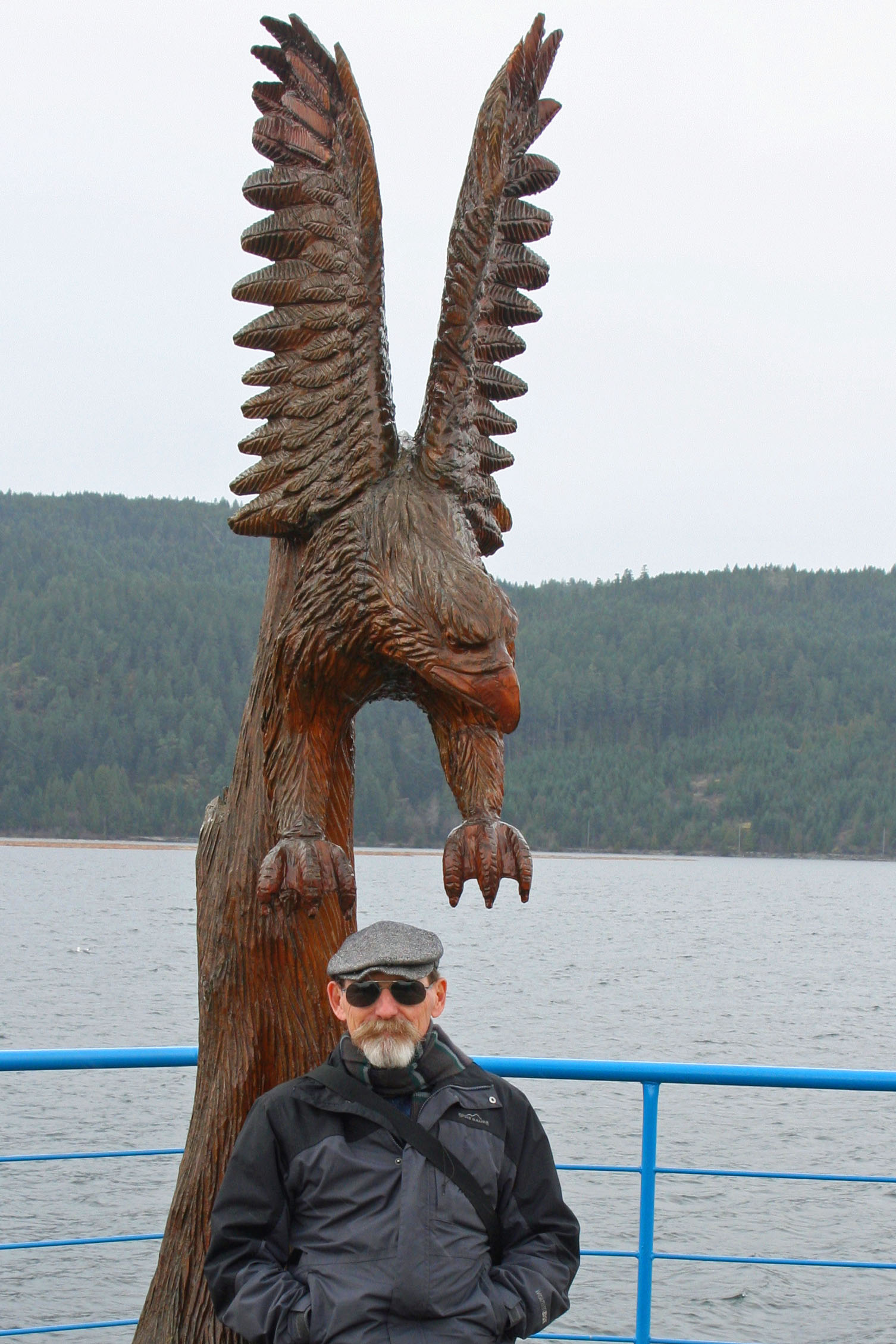
My friend Ken Lake bravely sits beneath the grasping talons of a plunging eagle at Port Alberni.


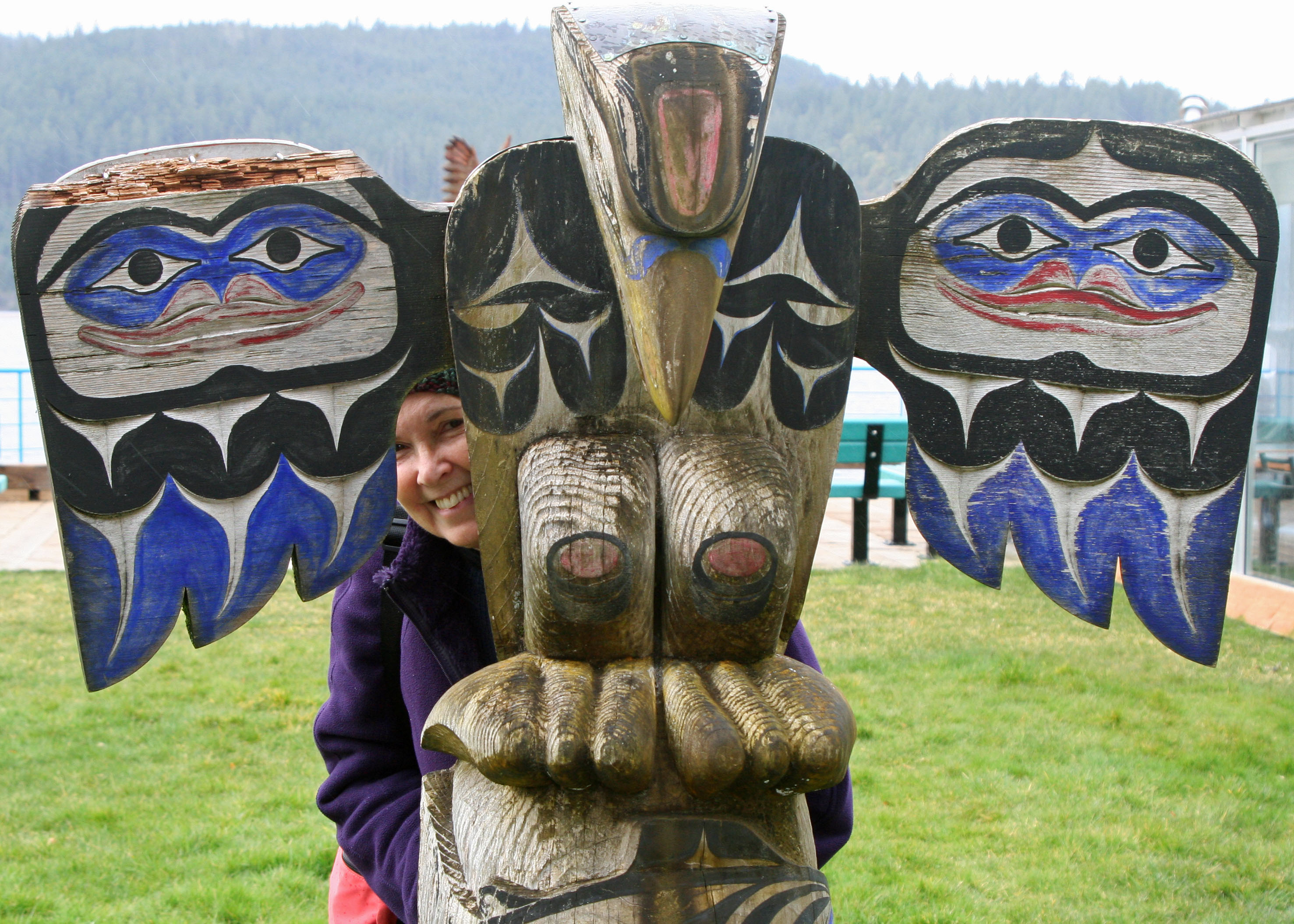
Peggy prefers to play peekaboo from beneath the wings and all-seeing eyes of a First Nation Thunderbird. The Thunderbird makes thunder by flapping his wings together while the eyes shoot out lightning.

Road Trip to Campbell River BC… The Vancouver Island Adventure

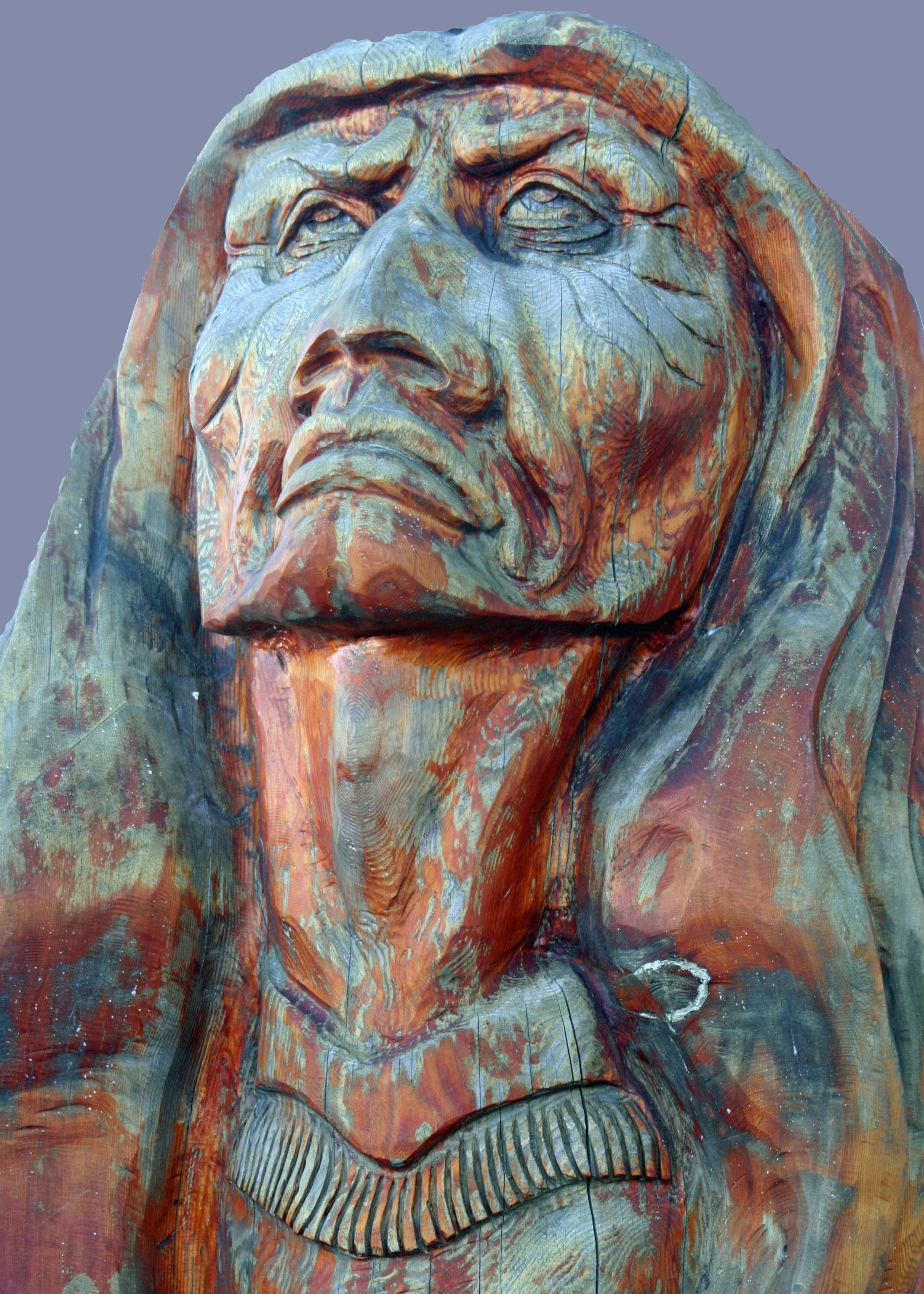
Once again, we were impressed with the First Nation art of British Columbia. I photographed this carved face of a First Nation man in Campbell River BC on Vancouver Island.

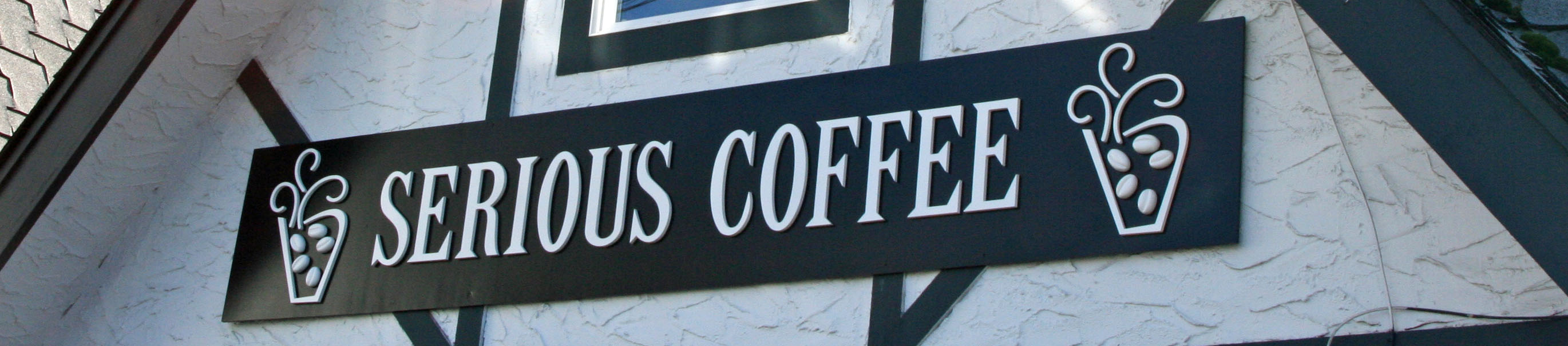
We stopped the car and dashed for the restroom. Our day had started with a 16-ounce cup of Serious Coffee and we had serious business to attend to. (Serious Coffee is Vancouver Island’s Starbuck equivalent, plus. We were impressed.)

16 ounces of serious coffee called for a serious stop on the road to Campbell River, Vancouver Island BC.

It was only after we reemerged into the world that we noticed the gorgeous view our much-needed stop provided. We were on a road trip following Highway 19 A from Parksville on our way north to Campbell River along the East Coast of Vancouver Island BC. Our eyes (and cameras) were drawn to the towering coastal mountains of mainland British Columbia, which were set off by the dazzling blue of the Georgia Strait.

One glacier carved mountain was particularly dramatic. Its side had been sheered off by ice and reminded me of the Sierra Nevada Mountains in California where I have roamed for 40 years. Possibly one of my Canadian readers can provide a name for the mountain.

The dramatic coastal mountains of British Columbia as see from Vancouver Island across the Georgia Strait on Highway 19 A. The sheer face of the glacially carved mountain captured our interest.

Campbell River has adopted the name ‘Salmon Capital of the World.’ Sports fishermen, including Bob Hope and Bing Crosby, have been making pilgrimages to the area for decades.

We didn’t see any salmon but we did enjoy more First Nation art and visit the very impressive Museum at Campbell River (http://www.crmuseum.ca/).

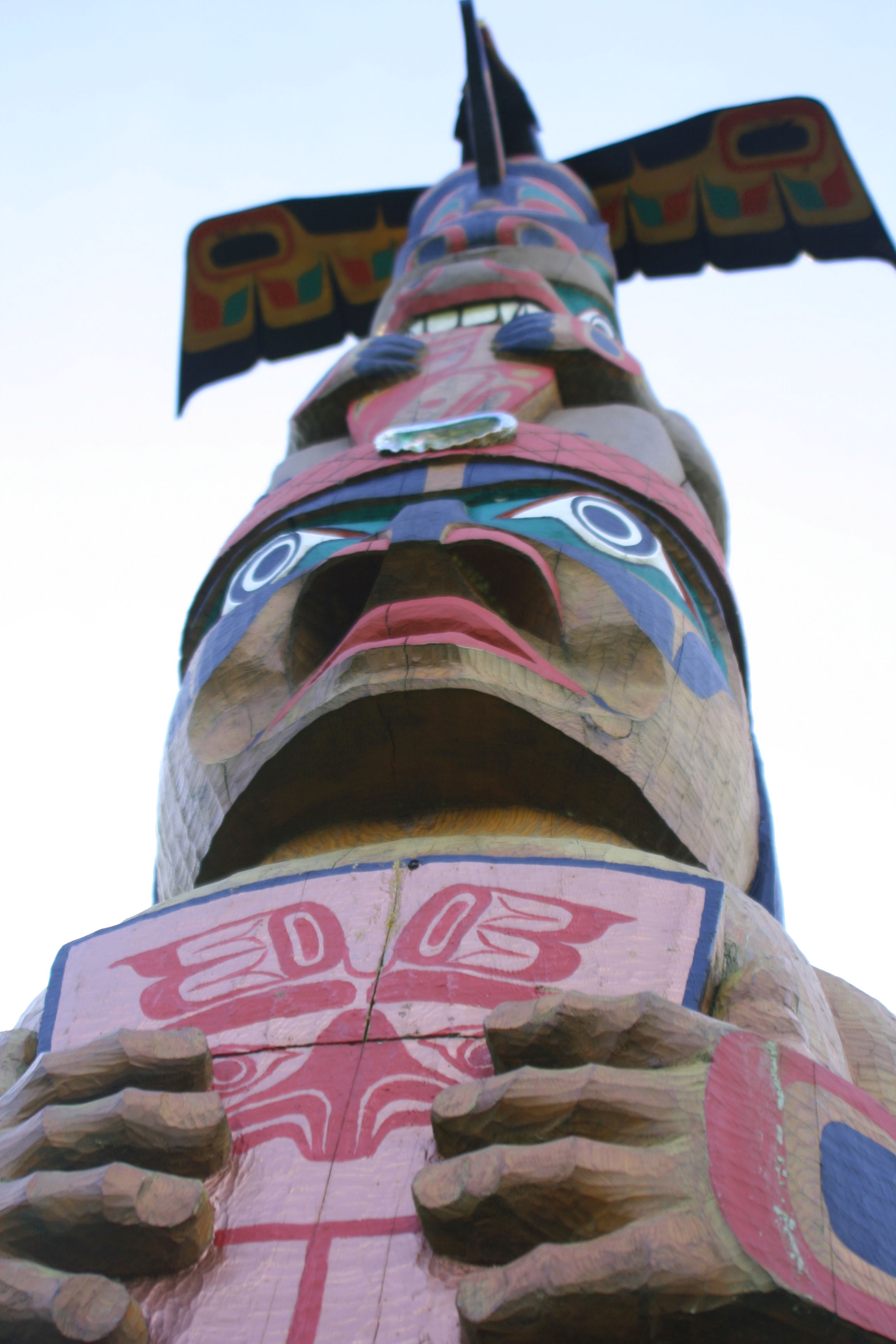
This First Nation totem pole gazes out toward the water in Campbell River BC.


I found this carving amusing. Not sure the First Nation folks would agree but Ringling Brothers came to my mind.


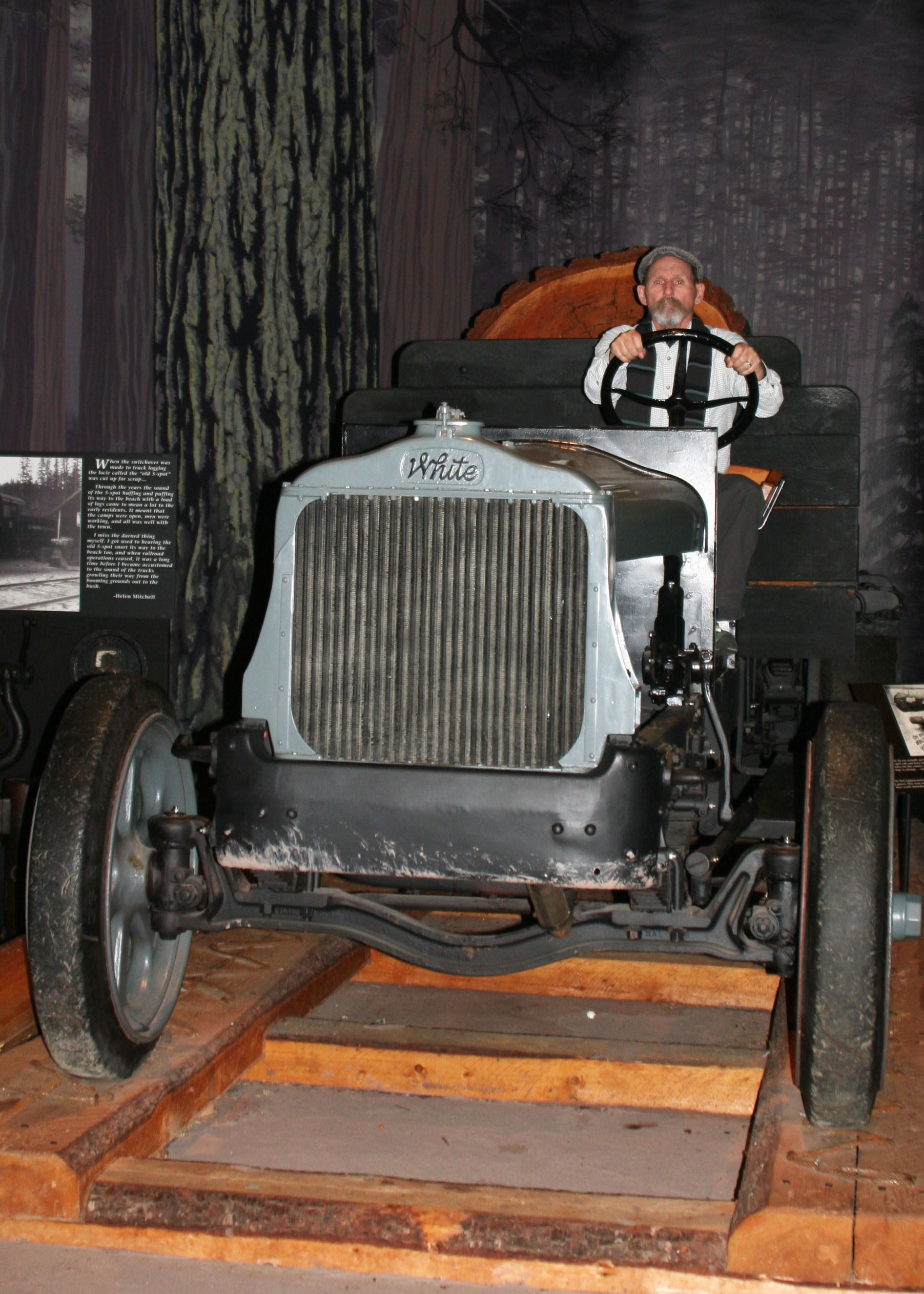
Ken Lake poses on an old logging truck in the Museum at Campbell River. The museum features native masks and local history including logging and sports fishing. It is well worth a visit.


Cathedral Gove: Green and Sacred… The Vancouver Island Adventure

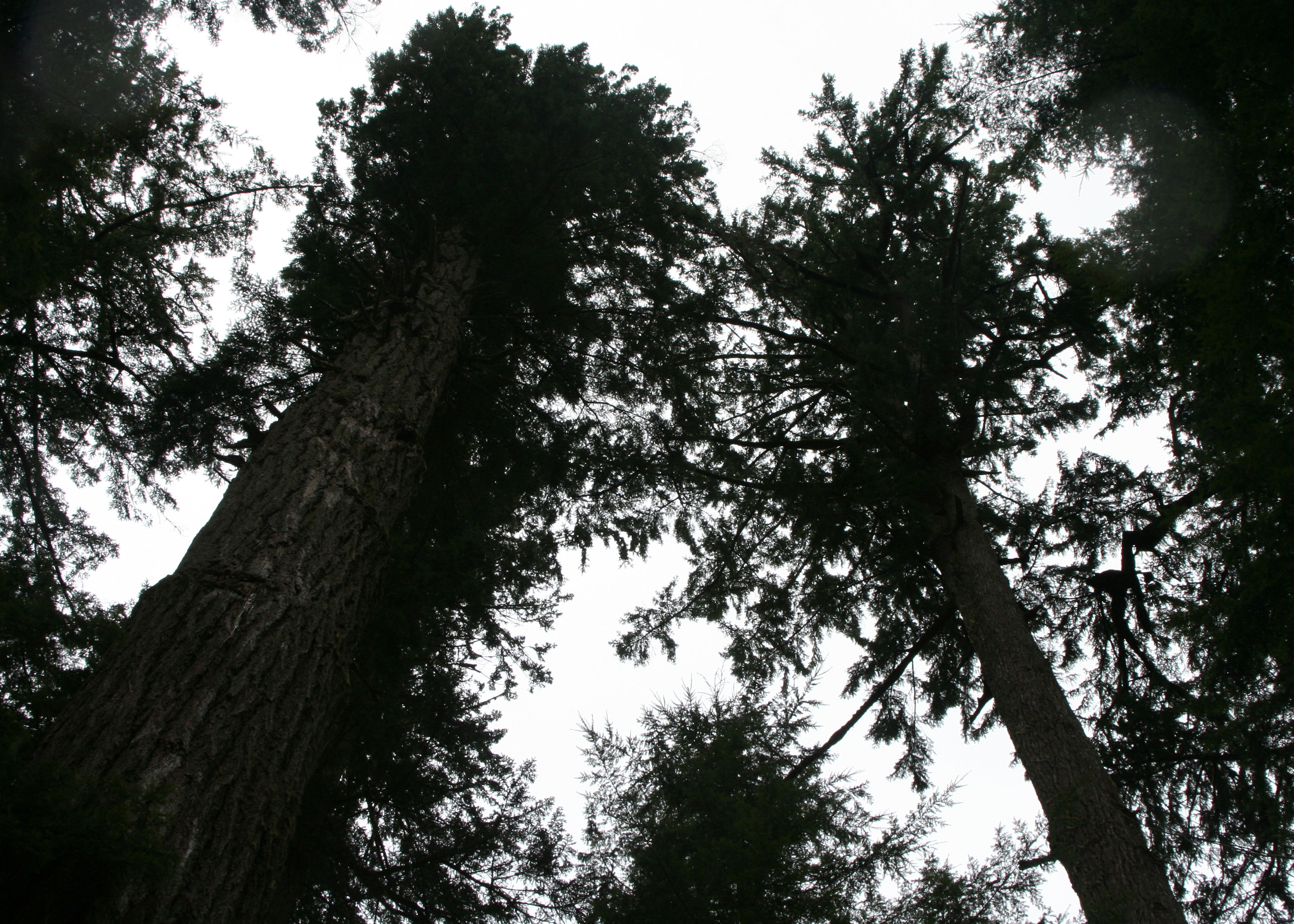
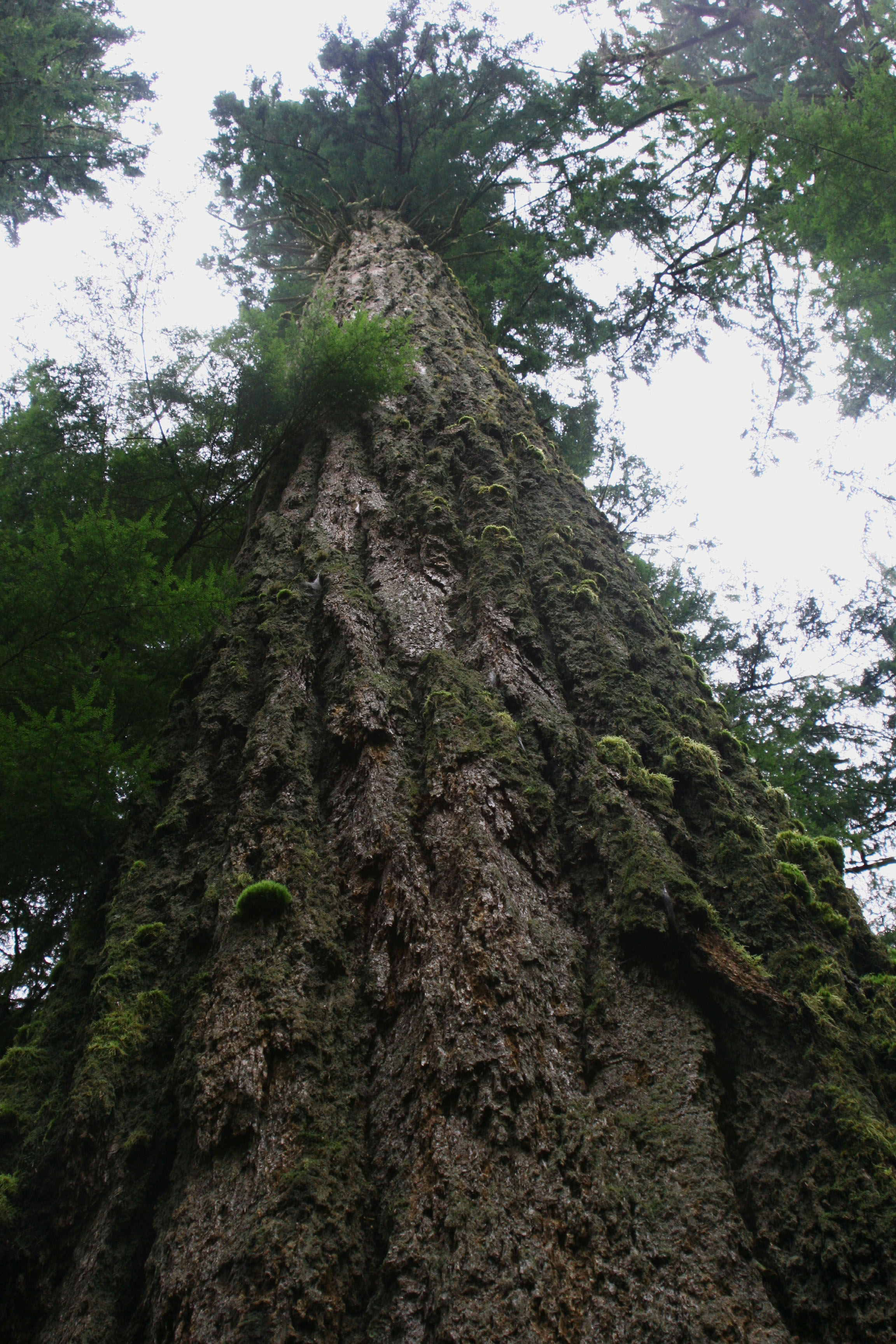
Looking up at the towering canopy of trees, one easily understands how Cathedral Grove on Vancouver Island in British Columbia received its name. There is both beauty and a sense of the sacred.

An Episcopal Minister once asked my daughter why I wasn’t in church.

“Oh, he’s out wandering in the woods,” she replied. “He considers it a sacred experience.”

“You can’t get absolution from a tree!” had been his angry retort.

I suspect the man had never hiked in the wilderness and experienced the sense of peace and healing such an experience can bring. Maybe he should have checked in with St. Francis. As for me, I go along with John Muir who said, “The clearest way into the Universe is through a forest wilderness.”

I find any natural area, even a tree on a busy urban street, worthy of appreciation. But some areas deserve special attention. I’ve wandered the world to find them.

Cathedral Grove on Vancouver Island in British Columbia is one such place. Ancient giants of the tree world call it home. This is a land of Red Cedars and Douglas Firs, some reaching 250 feet in height and dating back 800 years. It’s known as an old growth forest, which means it’s a rarity, one of the few forests to escape the relentless chainsaw.

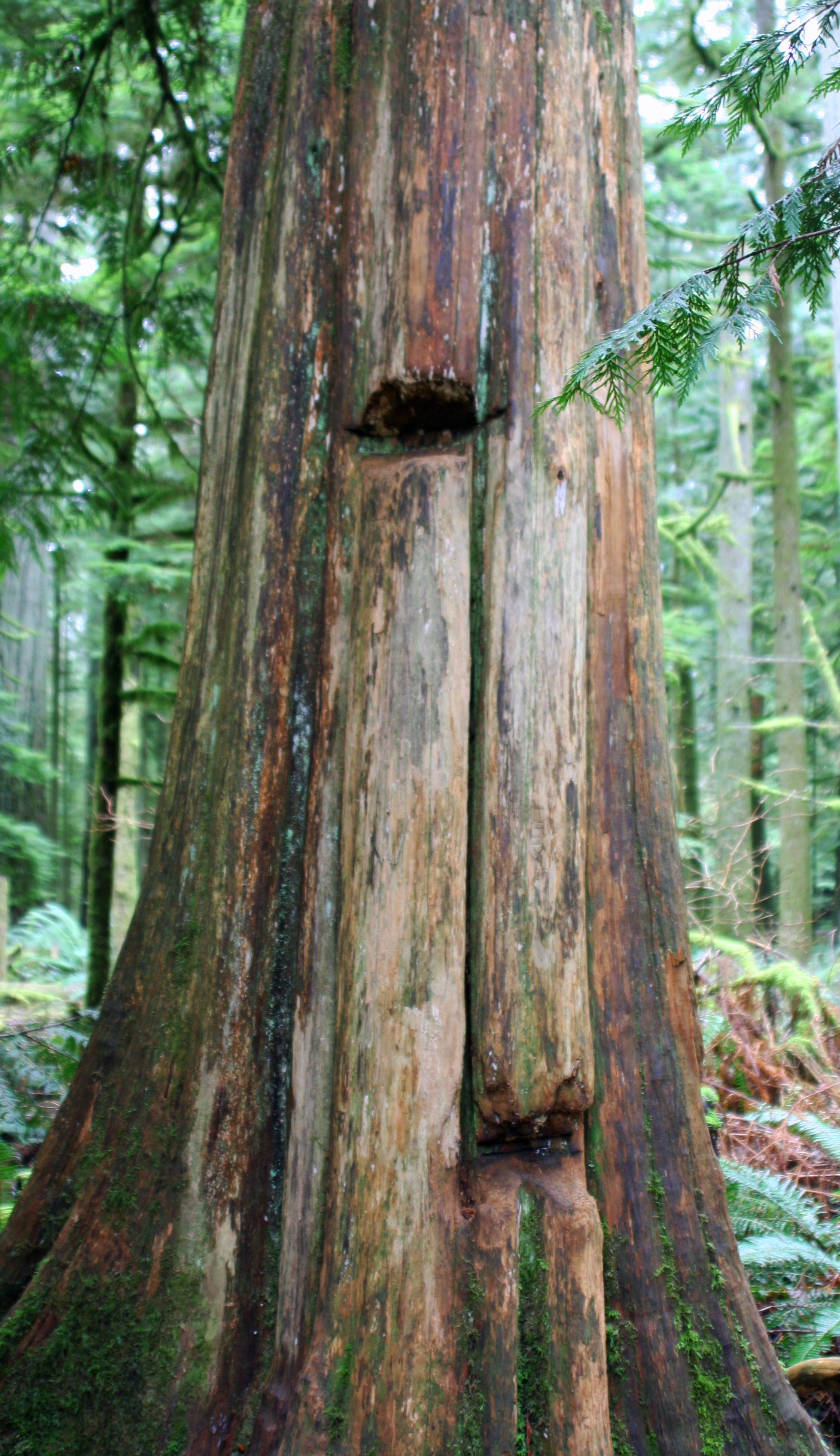
This springboard tree attests to the fact that even a beautiful area like Cathedral Grove was subject to the woodsman's axe. Loggers cut the holes in the tree so they could put in planks to serve as a base for cutting the tree down. The bouncy nature of the plank gave it the name springboard.

Gradually we are learning to value and protect wilderness areas but it is a race against time. Driven by the desire to maximize profits and acting under the guise of job creation, timber interests continue to value forests primarily in terms of board feet produced.

As Peggy, Ken, Leslie and I hiked along the trails, we were struck by the beauty and greenness of the Grove. Hopefully my photographs below capture what we experienced. I found that http://www.cathedralgrove.eu/ provides a good overview on the Grove and the issues relating to protecting such areas.

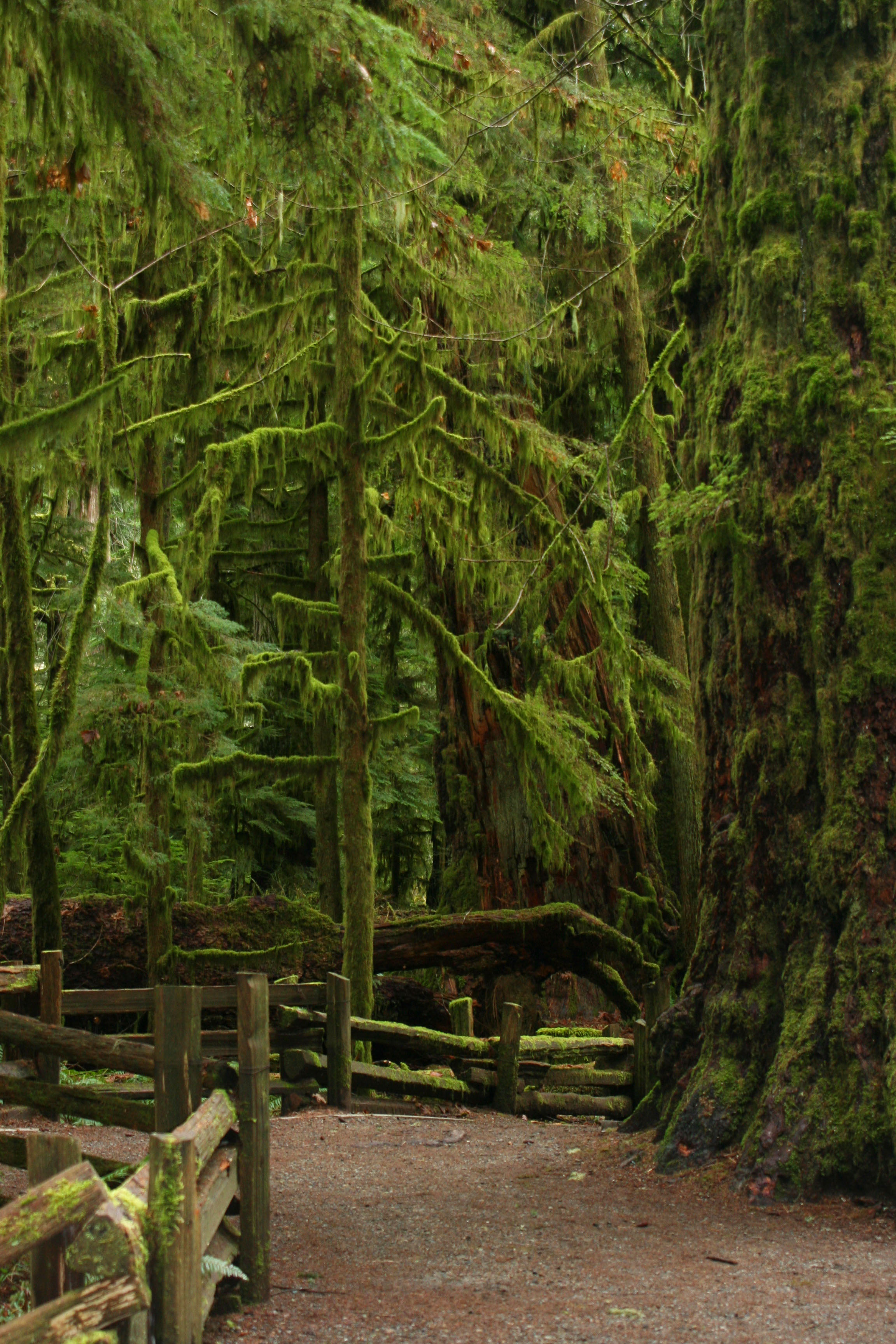
An inviting path led into the green forest.


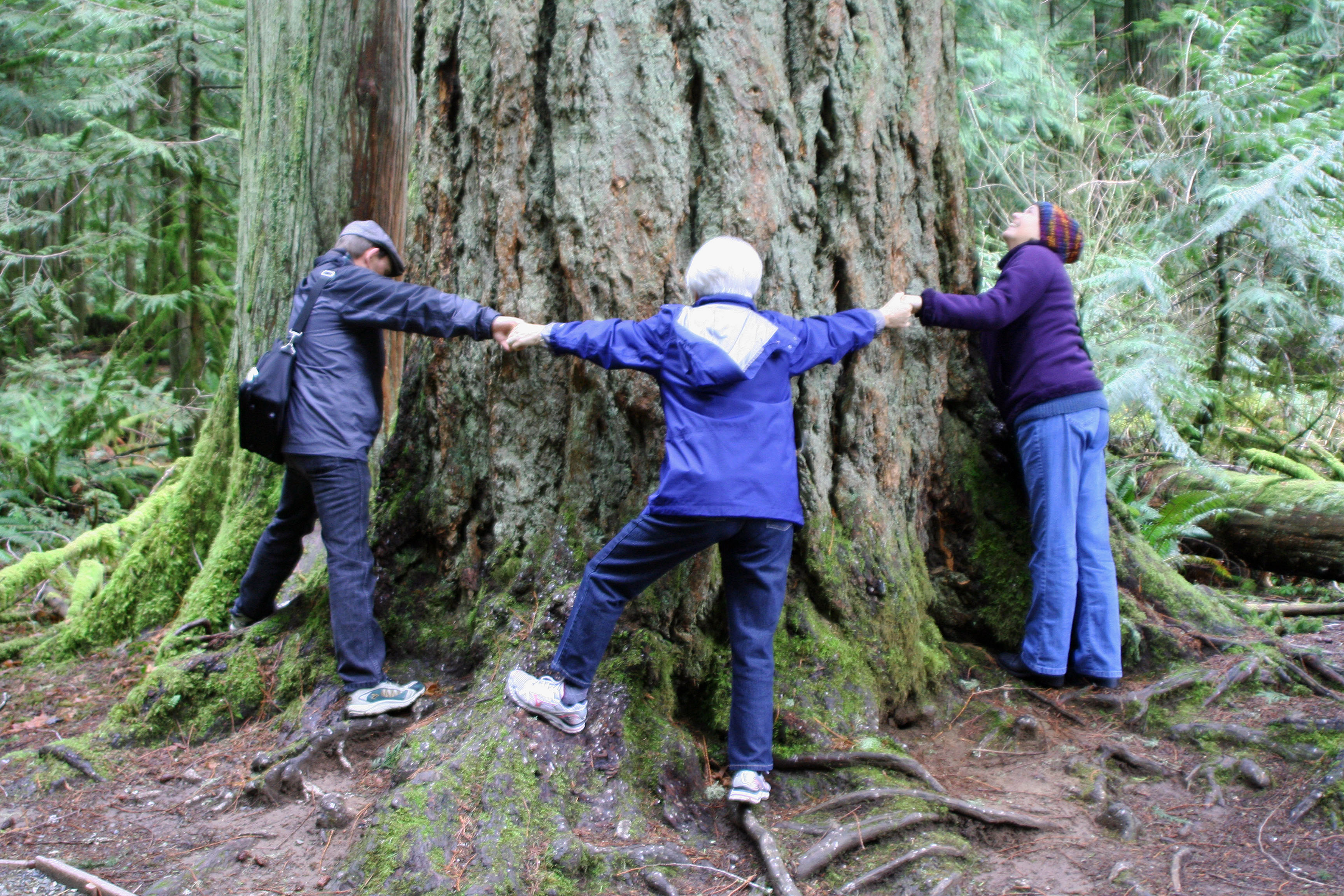
Ken and Leslie Lake, along with Peggy qualify as Tree Huggers.


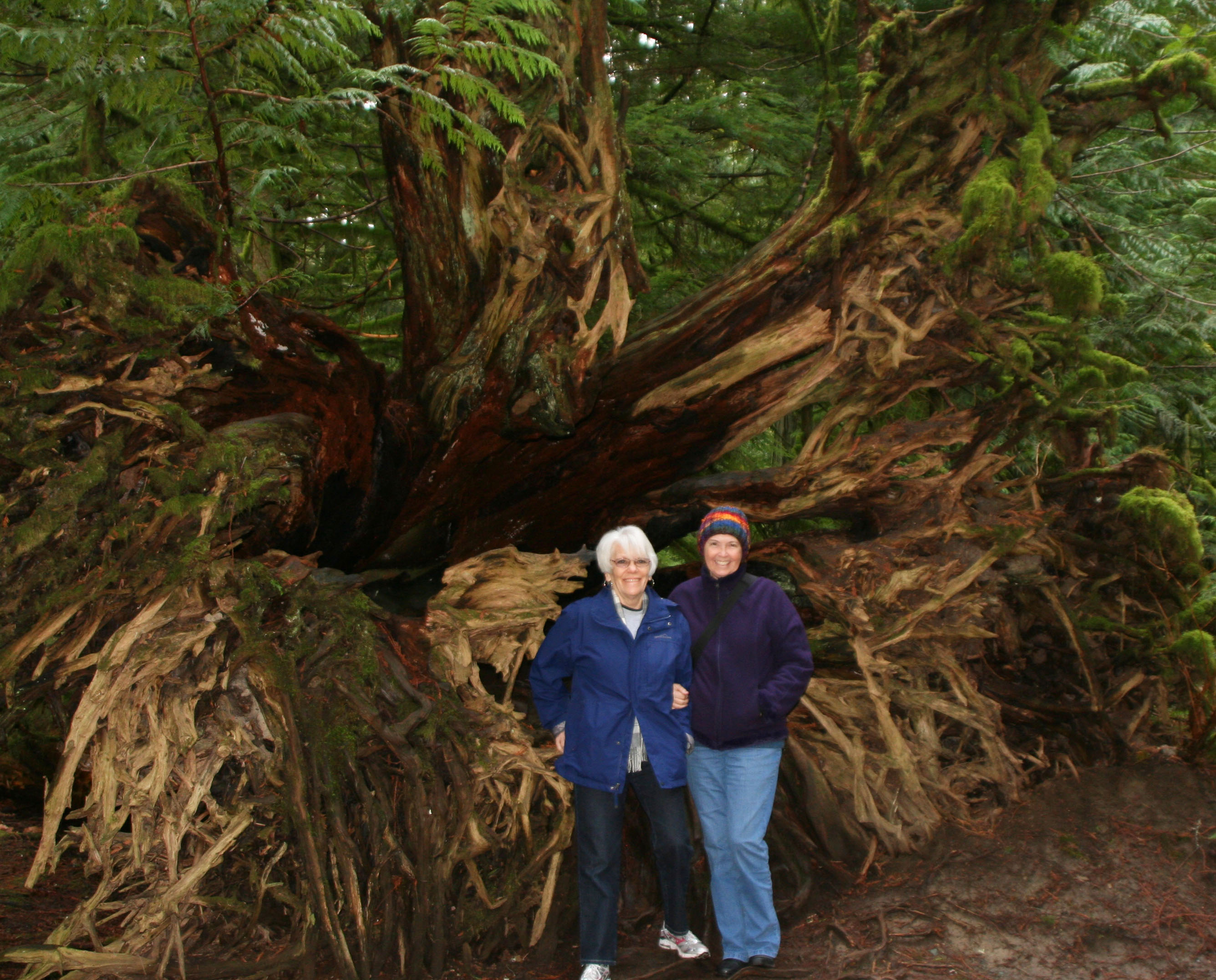
Roots of a Cathedral Grove forest giant tower behind Leslie and Peggy. A sign at the entry warned that trees fall during wind storms and that visitors should vacate the premises. Sounds like good advice.


Reaching toward the sky, Cathedral Grove trees can reach a height of 250 feet.


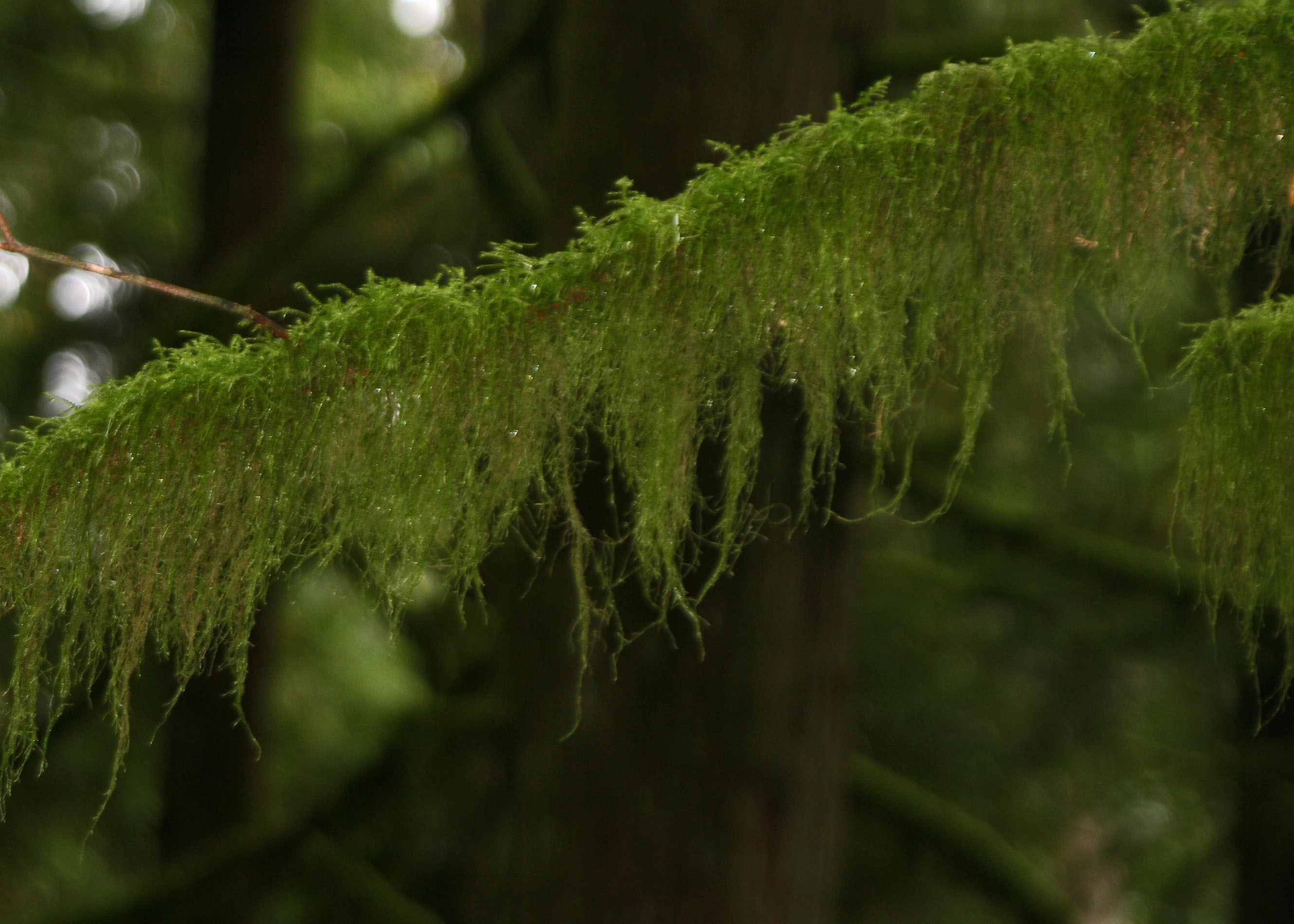
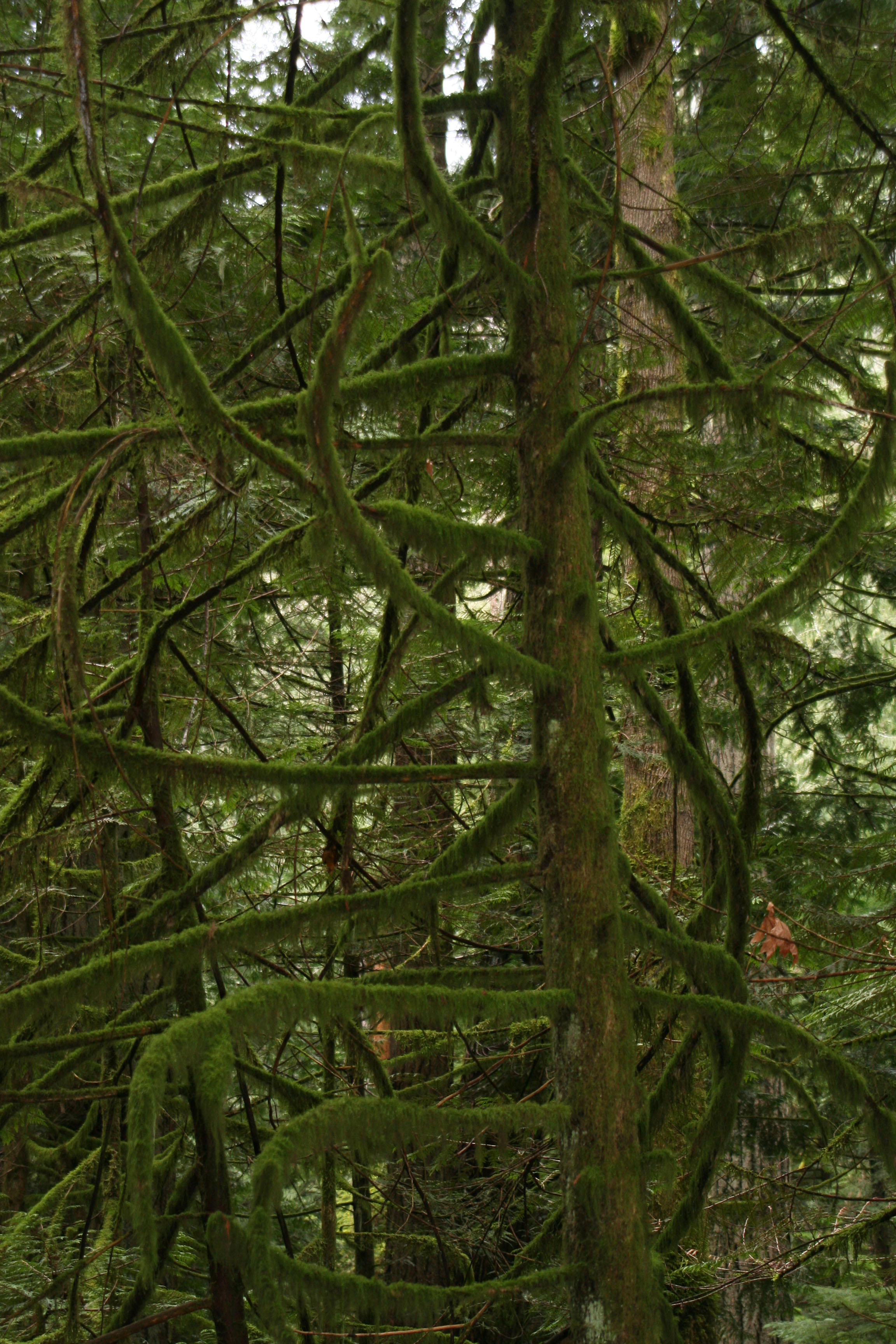
Typical of Pacific Coast rain forests, moss covers everything, providing another definition to 'being green.'


Beyond the greenness, I also found the twisted shape of limbs interesting.


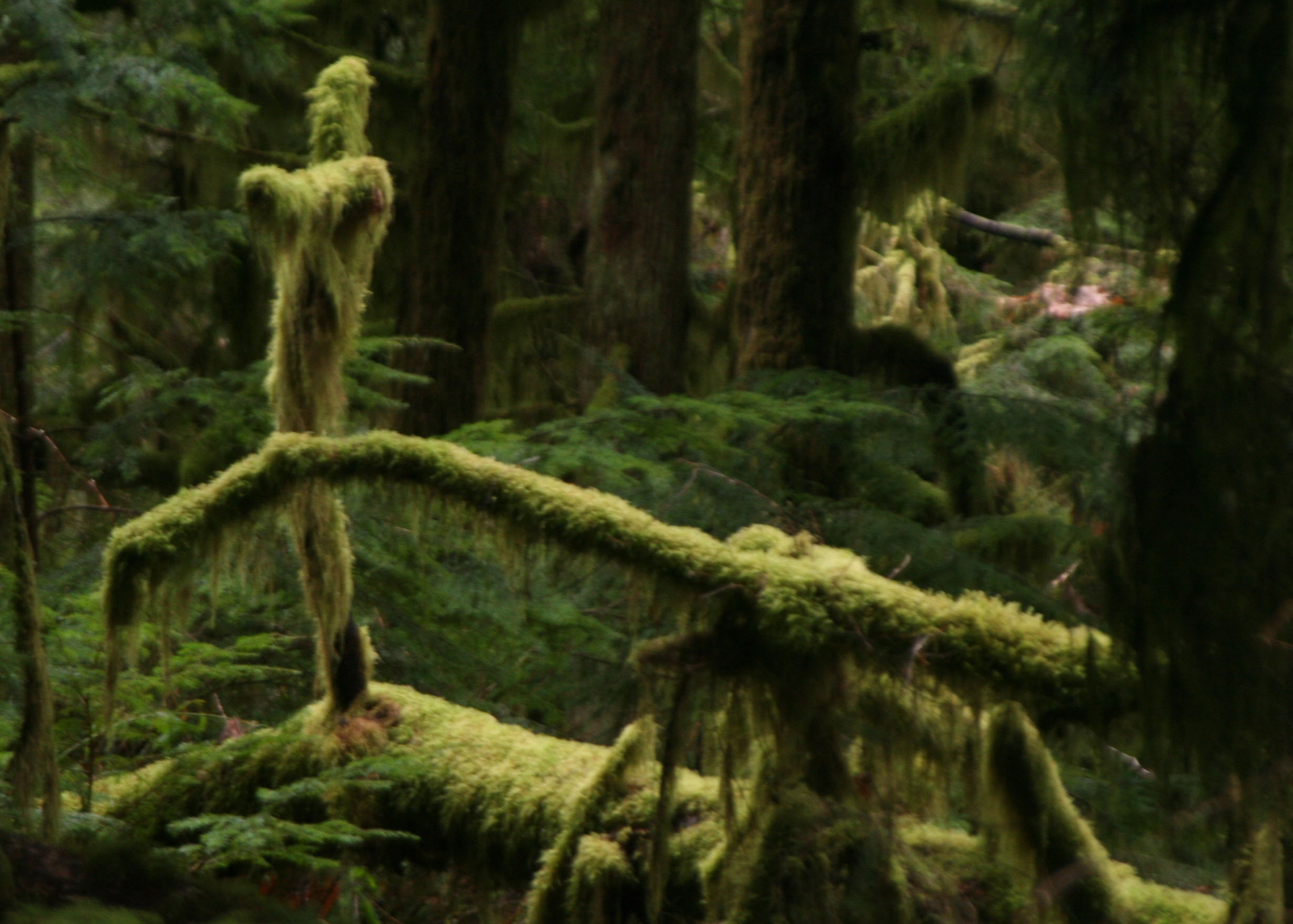
No imagination was required to turn this moss-covered limb into a forest sprite. Or maybe it was a forest sprite...


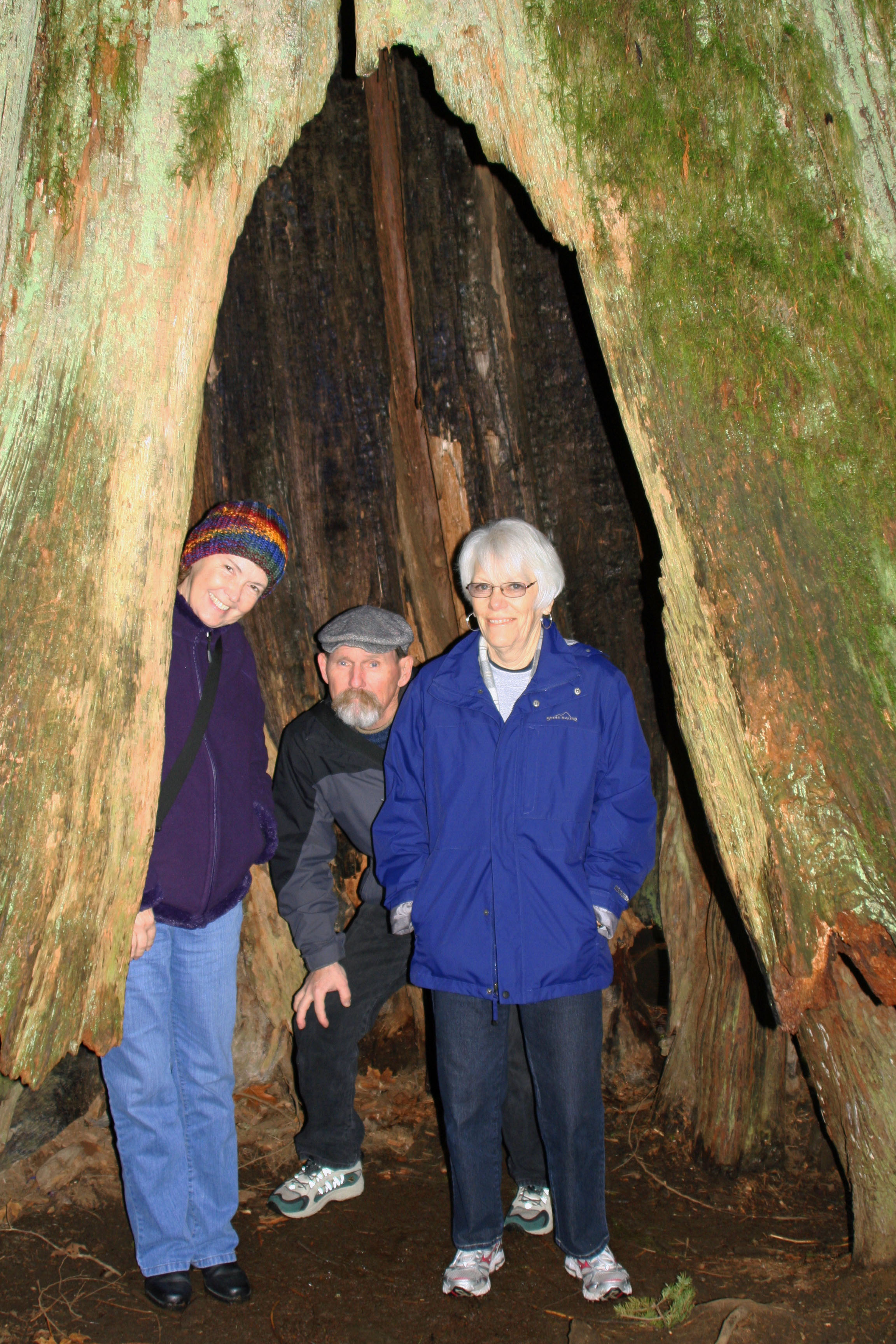
Speaking of sprites, it appears that Ken might be shape shifting into one in this photo of him along with Peggy and Leslie in a giant tree hollow.

The Missing Goats of Coombs… The Vancouver Island Adventure

We arrived in Coombs BC on Vancouver Island looking for goats on the sod roof of the Old Country Market. We found the roof with its long grass, but the goats were missing.

As the story is told, the Graaten Family resolved its crisis by consuming several bottles of wine. The grass on their roof had grown quite long and the Coombs Fair was only days away.

Kris, his wife Solveig, and their children emigrated from Norway to Vancouver Island in the 50s. Sod roofs were common in Norway at the time so Kris decided to put one on his market in Coombs. Makes sense, I guess, in a Norwegian sort of way… but it also created the long grass crisis.

Son-in-law Larry had an idea. “Let’s borrow some goats and have them mow the grass.” No one recorded how many glasses of wine the family had downed but the response was “why not.” And the legend was born. Having goats on your roof is a great for business.

Today, the Coombs’ Market with its sod roof and goats is one of the top tourist attractions in British Columbia.

“You have to go to Coombs,” Peggy’s new friends from Qualicum Beach had insisted on the ferry ride between Port Angeles and Victoria. Since we were staying in nearby Parksville with our friends Ken and Leslie Lake, we responded like the Graaten Family, “why not.”

It was snowing when we arrived. And yes, we immediately spotted the sod roof. But there were no goats. It seemed like a no-brainer. What goat in his right mind would stand on a roof in the middle of a snowstorm to entertain tourists? Actually, the goats had another reason for their absence. They were off having babies.

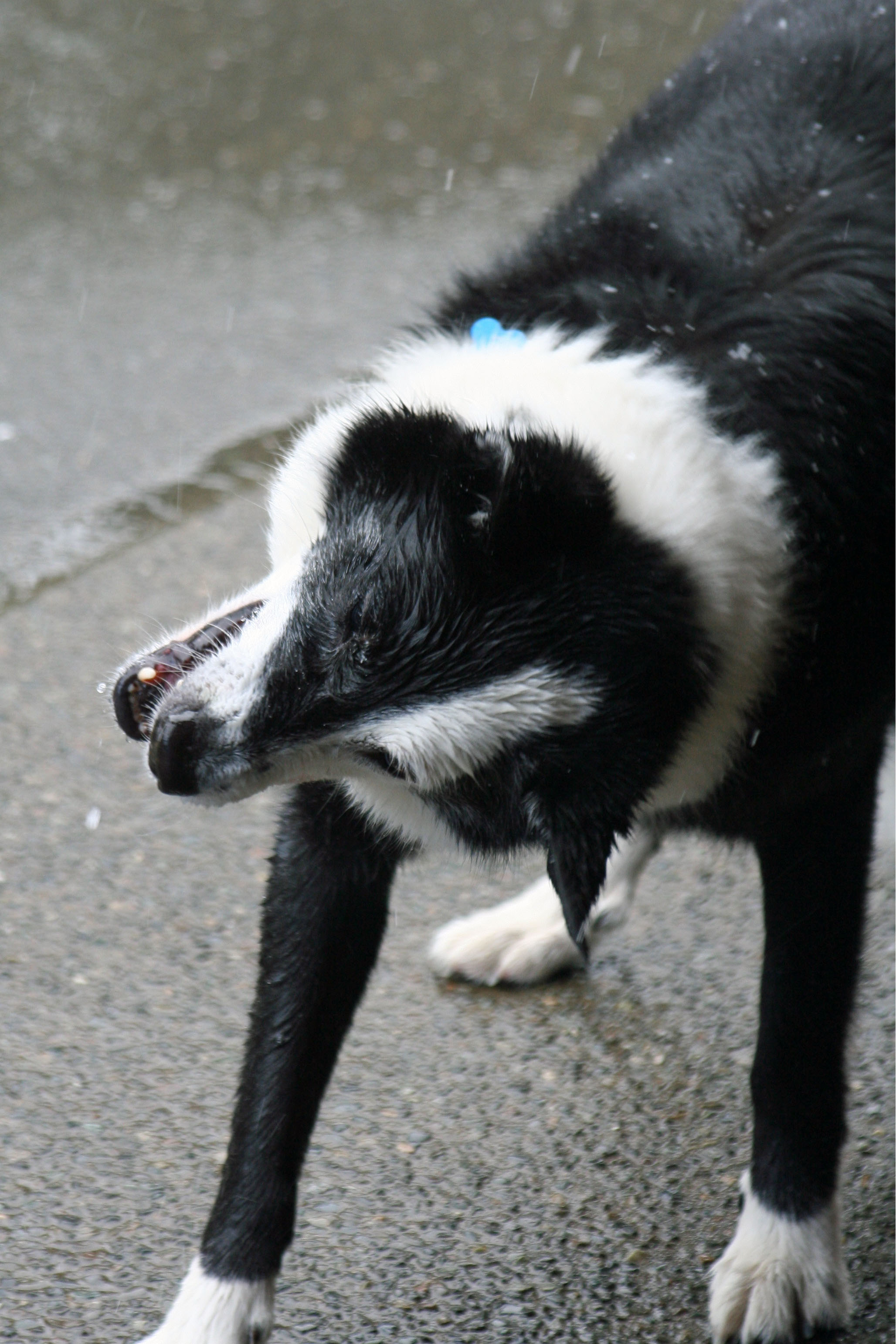
We did find a dog that looked like he was trying to remove a bone from his throat. On closer inspection it turned out he was catching snowflakes. It was quite humorous. Maybe the goats hired him as a substitute.

The dog in Coombs BC looked like he had a chicken bone stuck in his throat. Turns out he was catching snow flakes.

Even without the goats, the market was worth the visit. It is crammed full of artisan bread, great cheese, wine, other foodstuffs and hand-made knickknacks. We wandered up and down the aisles waiting for the snowstorm to stop.

Sunshine sent us scooting outside. We visited a fruit and vegetable stand and then ate at Cuckoo’s Italian Restaurant. The food was great but apparently there is a shortage of waiters in the area. The same young man who had served us dinner ten miles away the night before was our waiter for lunch.

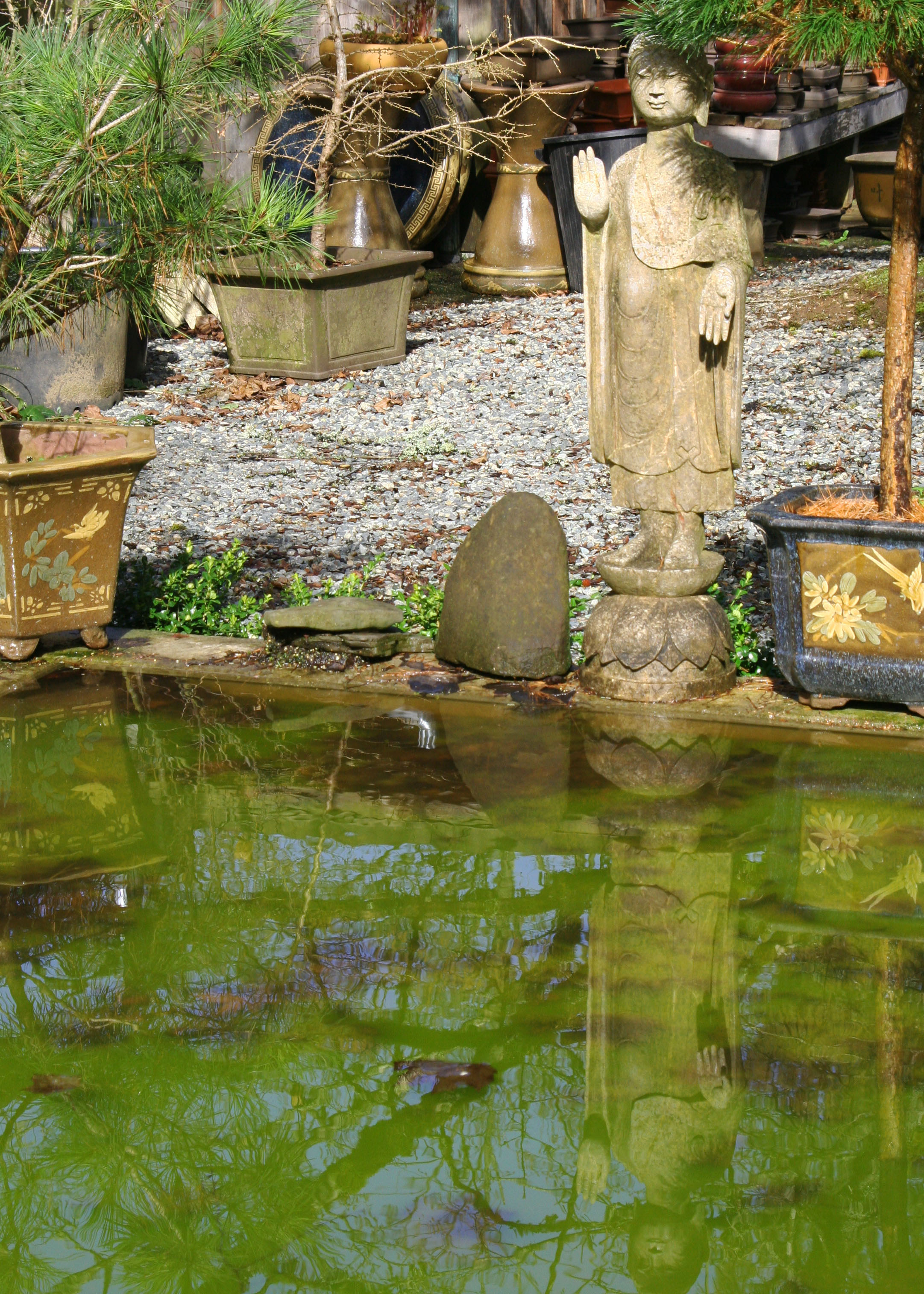
I looked out the window and saw a reflecting pool with a stone Buddha. My mind went into Alice in Wonderland mode. Not only was the same waiter following us around, we had skipped from Norway to Italy to the mysterious Far East in 50 yards.

A calm Buddha gave his blessing to the green reflection pool outside of Cuckoo's Italian Restaurant in Coombs.


Chinese vases and another Buddha added to the Oriental theme. The snowflake eating dog is on the left.


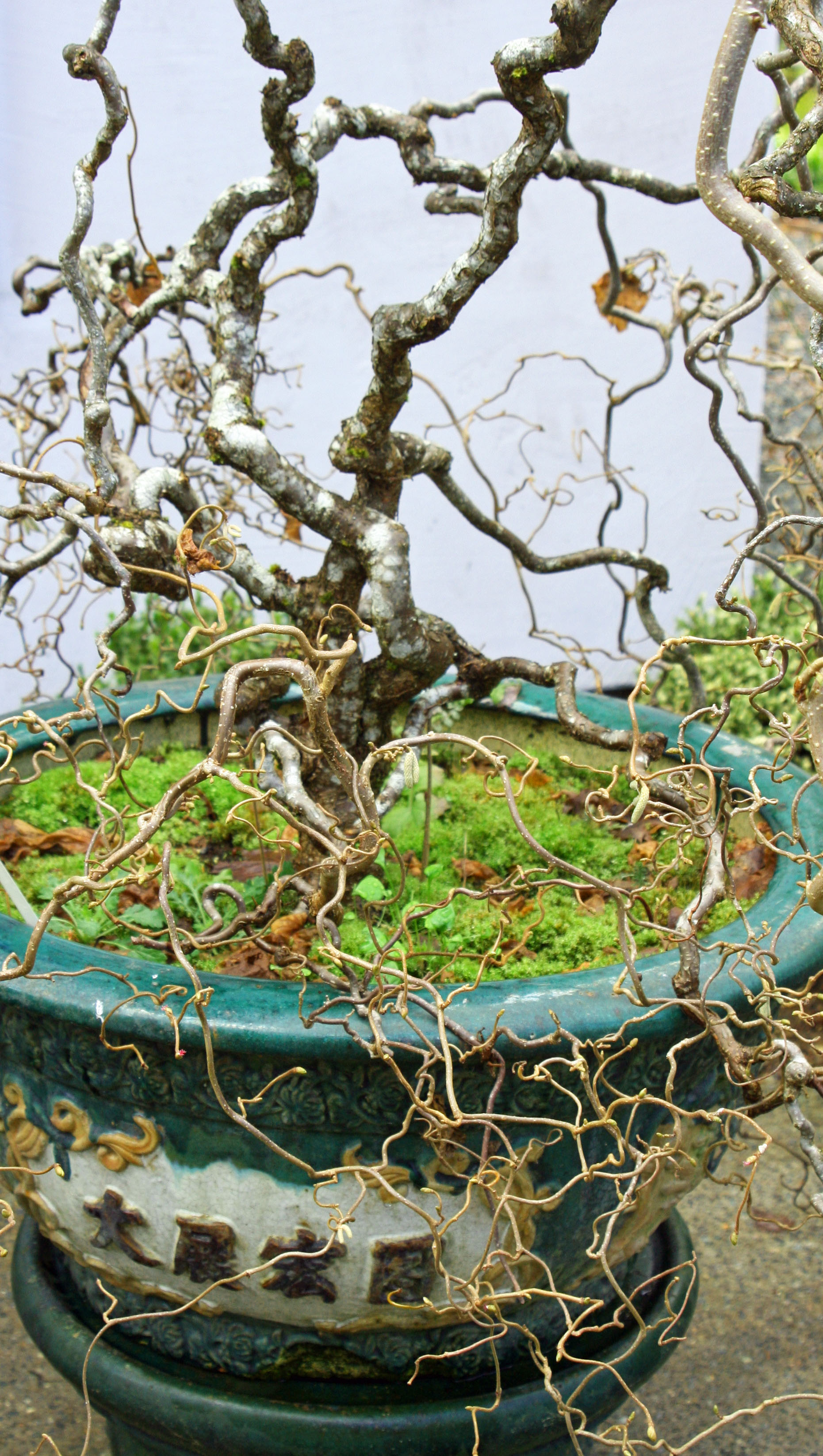
I also liked this bonsai tree with its wonderfully crooked limbs. The bonsai lived next to Cuckoo's Restaurant.

Next door a 15-foot tall, belled lion stood in front of Fengy’s boutique. Carved wooden statues enticed us in. A large Mongol warrior stared down on us. A sign at its base warned against taking pictures. Fengy came over.

“If people take photos, they will copy my work.” It was either that or she didn’t want me photographing the chair that was based on male anatomy.

“Warrior is too big to sell,” she told me. “You photograph it.”

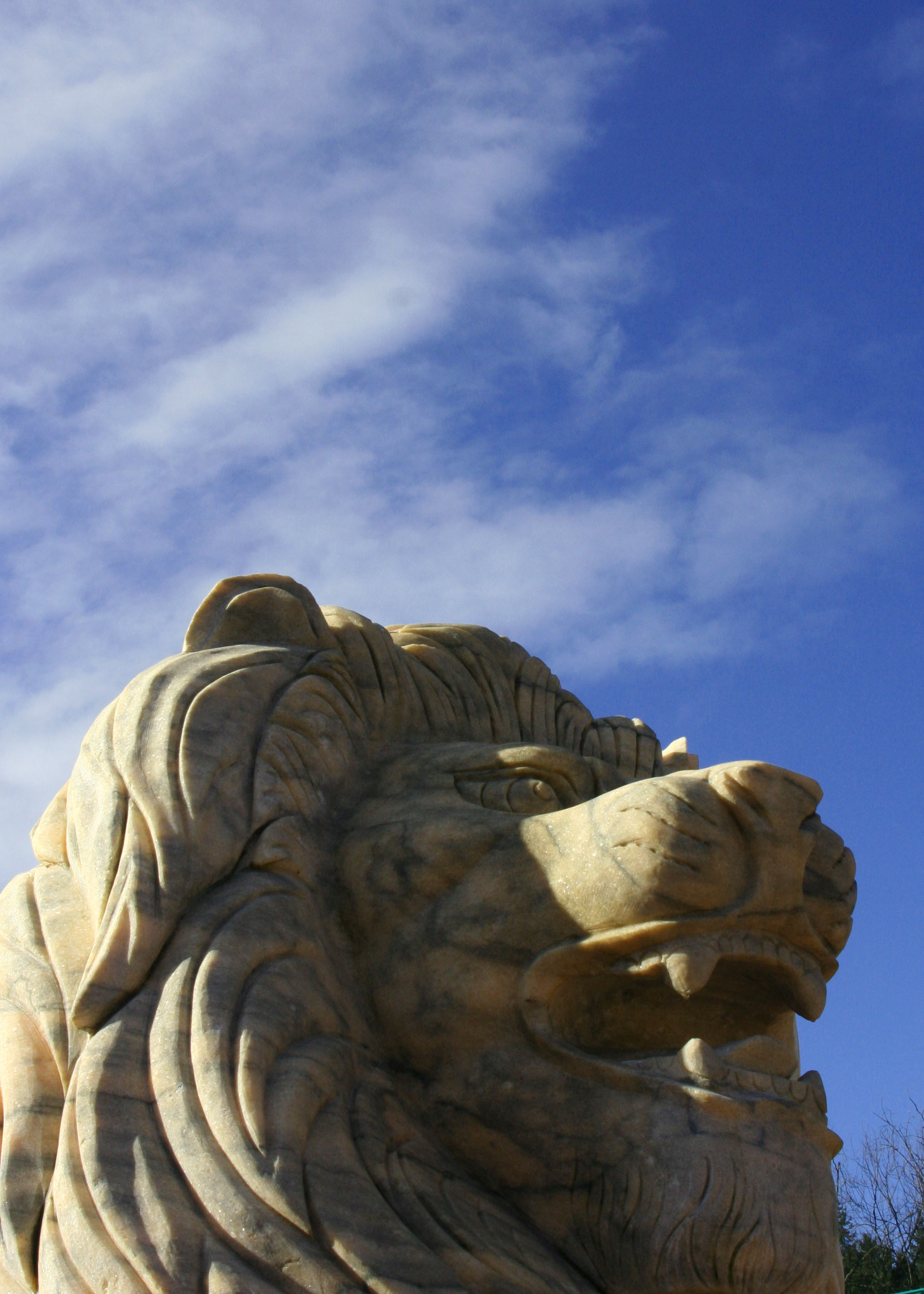
The market place next door to the Old Country Market in Coombs BC included the Fengy Boutique. A 15 foot tall lion with a bell on its chest sat in front. Arnold Schwarzenegger would have been jealous of the lion's muscles.


A giant Mongol warrior carved from wood is the centerpiece of Fengy's Boutique.

Outside, two dogs were driving a car, Peggy went nose to nose with a bear, and Ken had a shouting match with a rooster. There were also a lion, owls and another Buddha. Coombs was our kind of town.

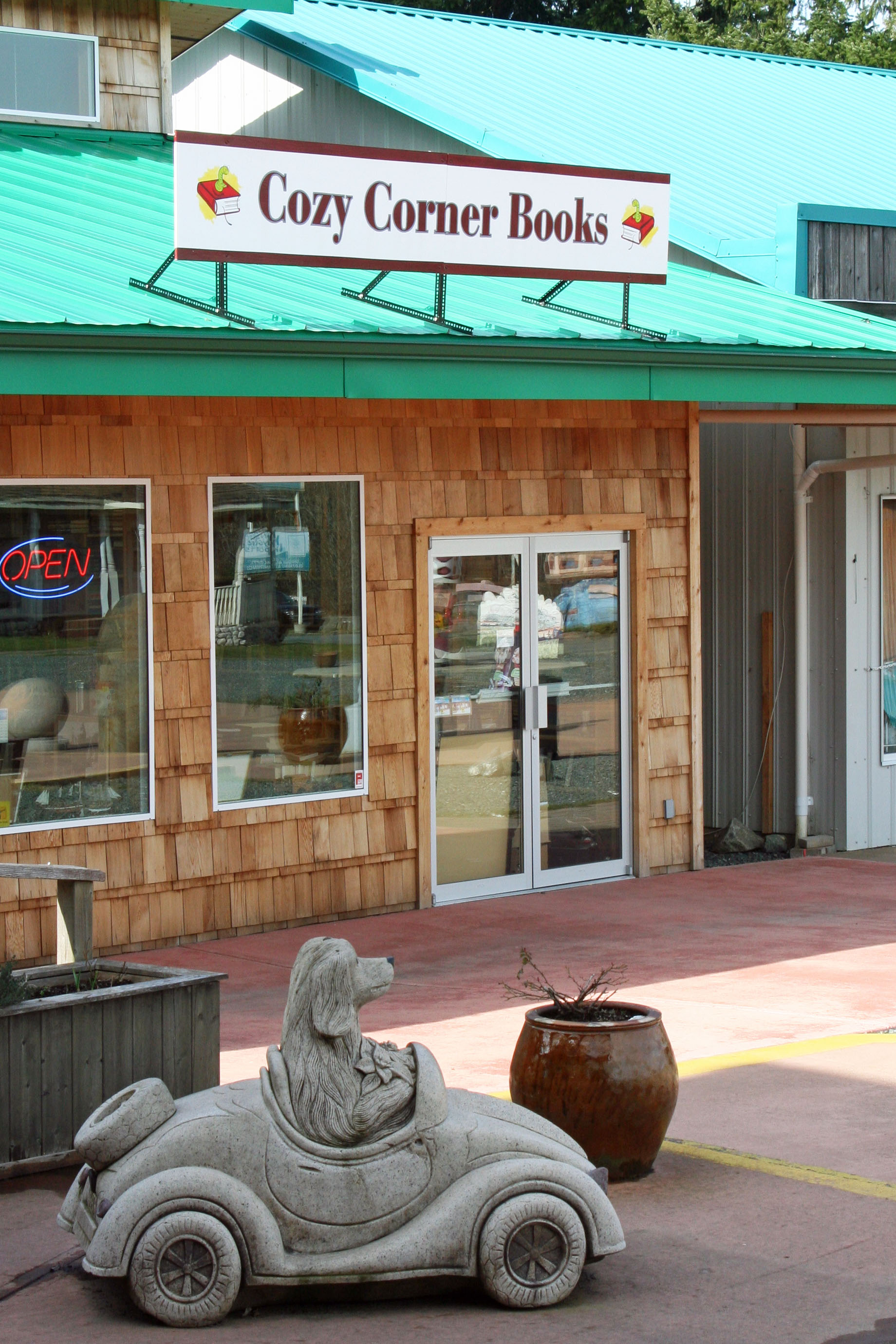
Two dogs were driving a car in front of the Cozy Corner Book Store. I stopped to pet the dogs before going into the store. We have a policy of always going into local bookstores and buying books to support the store.


Another view of the car-driving dogs of Coombs BC.


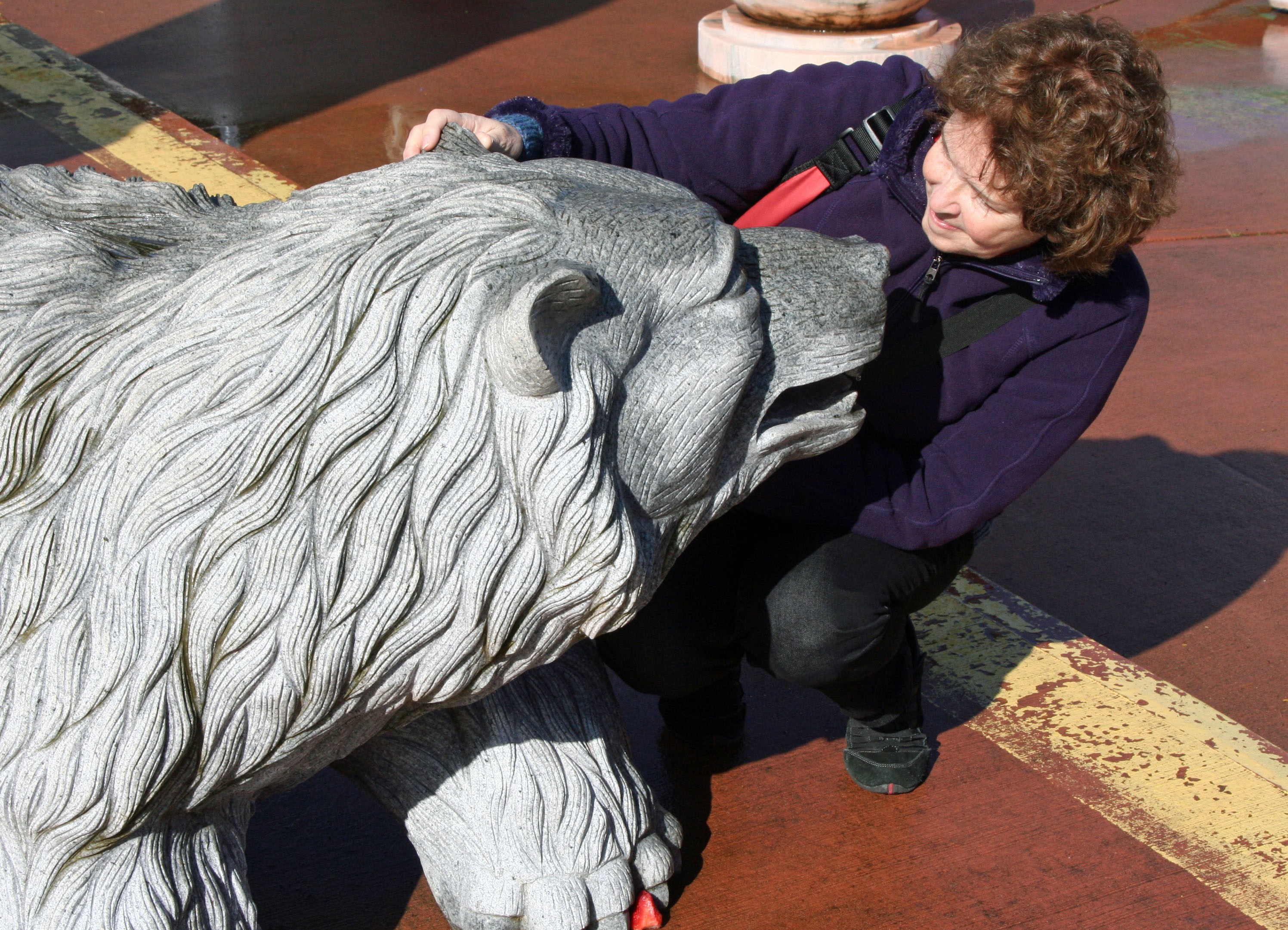
Peggy had a nose to nose chat with Bear.


Ken had a crow-off with Rooster. Rooster won.


I found this family of owls in Coombs quite cute.


The lion looked quite regal.


And the ubiquitous Buddha provided an end-of-blog blessing.


Coombs is located two hours north of Victoria on the east coast of Vancouver Island, British Columbia. If you would like to learn more about the Old Country Market go to www.oldcountrymarket.com/. I understand there will even be live, streaming video of the roof and goats, assuming the goats decide to return.

With the sun shining I returned to the sod roof. Since the goats were still missing, I took a close-up of the sod.