Petros, the Magnificent Pelican of Mykonos… The Mediterranean Cruise

"What a wonderful bird is the pelican, whose beak can hold more than his belly can." Pelicans are my absolute favorite bird and I have never met a more impressive specimen than Petros of Mykonos.

“What a wonderful bird is the pelican, whose beak can hold more than his belly can.” Pelicans are my absolute favorite birds and I have never met a more impressive specimen than Petros of Mykonos.

One sight you are almost guaranteed to see when you visit the Greek island of Mykonos in the Aegean Sea is Petros, the Great White Pelican. He’s easy to locate. Look for a large flock of camera-pointing tourists.

I googled Petros to see what I could discover about this magnificent bird. Sorting through the various “facts” was challenging. Here’s what I learned. In 1954 or 1955 or 1958 a fisherman found a wounded or exhausted Pelican and nursed it back to health. He then freed the bird so it would return to his wild ways of summering in Europe and wintering in Africa. The pelican, however, had discovered that life in Mykonos was quite sweet. Why spend all that energy flying thousands of miles, swooping over the waves, and diving for dinner when he could waddle around town and have people toss him fish? He decided to stay.

The Mykonosians fell in love with the big bird and named him Petros after St. Peter or maybe after Petros, a popular World War II Greek hero. Once, a neighboring Island stole him. It almost caused a war. In 1986… or there about, he was run over by a car. The driver was lynched. (Actually the driver wasn’t lynched. I just made that up. But look at it my way. With all of the misinformation floating around on the Web about Petros, how could one more piece hurt?) Anyway, Jackie Kennedy Onassis felt for the grieving Island and found them a new pelican that was promptly named Petros. Or, more likely, Jackie contributed a mate for Petros before he was run over and the Hamburg Zoo in Germany provided the replacement (or two, or three).

Whatever the truth about Petros, there is no doubt that the Mykonosians love their mascot, that he continues to enjoy his life of leisure, and that tourists flock to take his picture. In fact Petros has become a major tourist attraction in his half-century on Mykonos and a community that depends on tourism can never have enough tourist attractions. Petros is worth his weight in gold, or at least Hungarian Goose down.

Petros seemingly enjoys cool water dripping down onto his beak.

Petros seemingly enjoys cool water dripping down onto his beak.

Petros playing ghost? Or possibly drying his wings cormorant style.

Petros playing ghost? Or possibly drying his wings cormorant style. (Photo by Peggy Mekemson)

Ah, that feels good.

Ah, that feels good. (Photo by Peggy Mekemson)

A final cose up of Petros, the White Pelican of Mykonos.

A final close up of Petros, the White Pelican of Mykonos. If you have enjoyed these photos of Petros, I would highly recommend that you check out the blog of my friend FeyGirl at  Serenity Spell out of Florida who is producing some of the most beautiful bird photography to be found on the Web..

NEXT BLOG: Continuing our exploration of Mykonos on our Mediterranean Cruise adventure, we get lost in the town’s confusing, narrow streets, find windmills, and discover a church to match the beautiful churches of Santorini.

“Psst, you want to buy a fine rug?” Kusadasi, Turkey: The Mediterranean Cruise

Dozens of Turkish rugs were scattered on the floor in Kusadasi, Turkey, thrown out in a frenzy of encouraging us to buy.

Dozens of Turkish rugs were scattered on the floor in Kusadasi, Turkey, thrown out in a frenzy of encouraging us to buy.

The rugs were flying, quite literally, and landing on the floor in front of us. Twenty minutes earlier they had been neatly rolled up at the back of the room. Now five Turkish Rug salesmen were expertly flipping them out onto the floor, a new one every ten seconds. We had been wined; we had been dined; we had been educated. Now the final push was on, the push to get us alone in a room where more multi-thousand dollar rugs would be thrown at us and we would eagerly pull out our credit card with the highest limit.

Part of the show was an interesting demonstration on how carpets are made. Hundreds of hours are involved.

Part of the show was an interesting demonstration in the craft of carpet weaving. Fine rugs can take over a year to complete.

Peggy was ready. The falling rugs had hypnotized her. Her eyes were glazing over and she was levitating out of her seat as a handsome dark-eyed Turk wooed her with fine words. The last time I had seen that look we had ended up with a timeshare in Mexico. This time I was fortified, however. When the salesmen was passing out drinks to soften us up, I was one of two from our tour group of 30 who ordered arak or raki, the unsweetened Middle-Eastern anis drink with the smell of turpentine and the kick of a mule.

I admit the rugs were beautiful works of art, but I was arak strong. Our cabin in the woods of Southern Oregon did not need a Turkish carpet. “I’m sorry,” Peggy explained to her new best friend. “My husband doesn’t want a rug.” I was truly the bad guy in this scenario and the salesman gave me the look to prove it before he sidled off to corner another victim… oops I mean client.

Buying a rug in Kusadasi is reputedly the quintessential Turkish experience and a whole industry is set up to make sure you have it. The cruise industry is a major partner in this endeavor. Lectures on bargaining and quality are given on board the ship before arrival. Lists are provided of safe, preferred shops (i.e. those that share their profit with the ship). Our tour guide hurried us through ancient Ephesus sergeant-like to make sure we would make it to the shop on time. Tours are tightly scheduled. Each tourist needs the opportunity to buy a carpet.  Everyone profits. For the cruise ship this can mean a 50-60 percent kickback.

I hurried Peggy out with the promise of lunch and the opportunity to buy presents for the grandkids. Her brother John and his wife Frances stayed to buy a carpet, however, and ended up with two. Later we celebrated with them in their rambling Texas home as they rolled their children’s inheritance out on the floor.

Dozens of small shops were located in a modern Turkey bazaar near the port. It was touristy but fun. Since we were one of the last ships of the season, we found true bargains.

Dozens of small shops were located in a modern Turkish bazaar near the port. It was touristy but fun. Since we were one of the last ships of the season, Peggy found numerous bargains to make up for carpet we didn’t buy.

I was amused by this shop that offered genuinely fake watches... truth in advertising.

Truth in advertising. (grin)

As we wandered through the shops of Kusadasi I was attracted by the rich colors.

As we wandered through the shops of Kusadasi I was attracted by the wealth of colors.

This plate was another example of the rich colors found in the shops of Kusadasi.

This plate closeup is another example of the rich colors and intricate patterns found in the shops of Kusadasi.

Francis unrolls John and her new silk carpet in their Texas home.

Frances eagerly unrolls John and her new silk carpet in their Texas home.

A closer look at the carpet. It really is beautiful and John assured me they bargained for a good price.

A closer look at the family heirloom. It really is beautiful and John assures me they bargained for a good price.

NEXT BLOG: We visit the Greek Island of Mykonos on our Mediterranean cruise adventure and meet the island’s famous Pelicans up close and personal.

Santorini’s Akrotiri: An Impressive Ancient City… but Is It Atlantis?

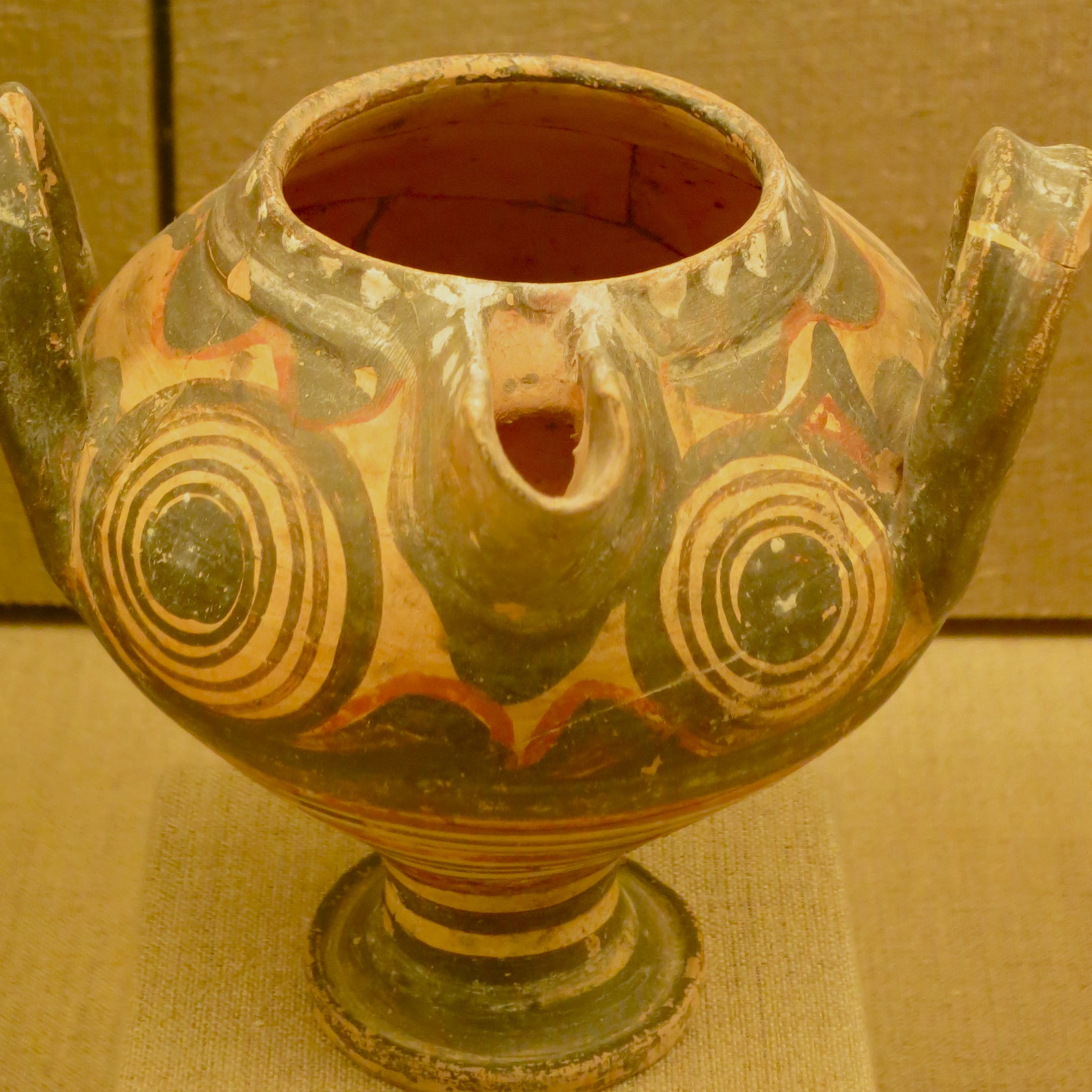
This piece of pottery is one of my favorites on display at the museum. I like to believe that the Minoans of Akrotiri had a sense of humor.

This piece of pottery is one of my favorites on display at the Museum of Historic Thira on Santorini. I like to believe that the Minoans of Akrotiri had a sense of humor. Note the red lips.

The small Museum of Historic Thira is definitely worth a visit if you are on the Greek island of Santorini. Located in the town of Fira, it’s mission is to trace the development of prehistoric Thira from 3000-1600 BC by displaying artifacts found in the ruins of ancient Akrotiri. Before Santorini blew its top in a massive volcanic explosion around 1600 BC and buried the city under a sea of volcanic ash, Akrotiri was a center of a Bronze Age Minoan Culture second only to Knossos on Crete.

Picture hot and cold water running water, indoor bathrooms, two and three-story buildings, beautiful frescos, intriguing pottery, weights and measures, and a fleet of ships that delivered cargo throughout the known world of the time. We are fortunate that many of these artifacts have been preserved under the volcanic ash, which makes Akrotiri similar to Pompeii. Unlike Pompeii, no bodies have been found in the ruins. Apparently the Minoans were given ample warning to escape.

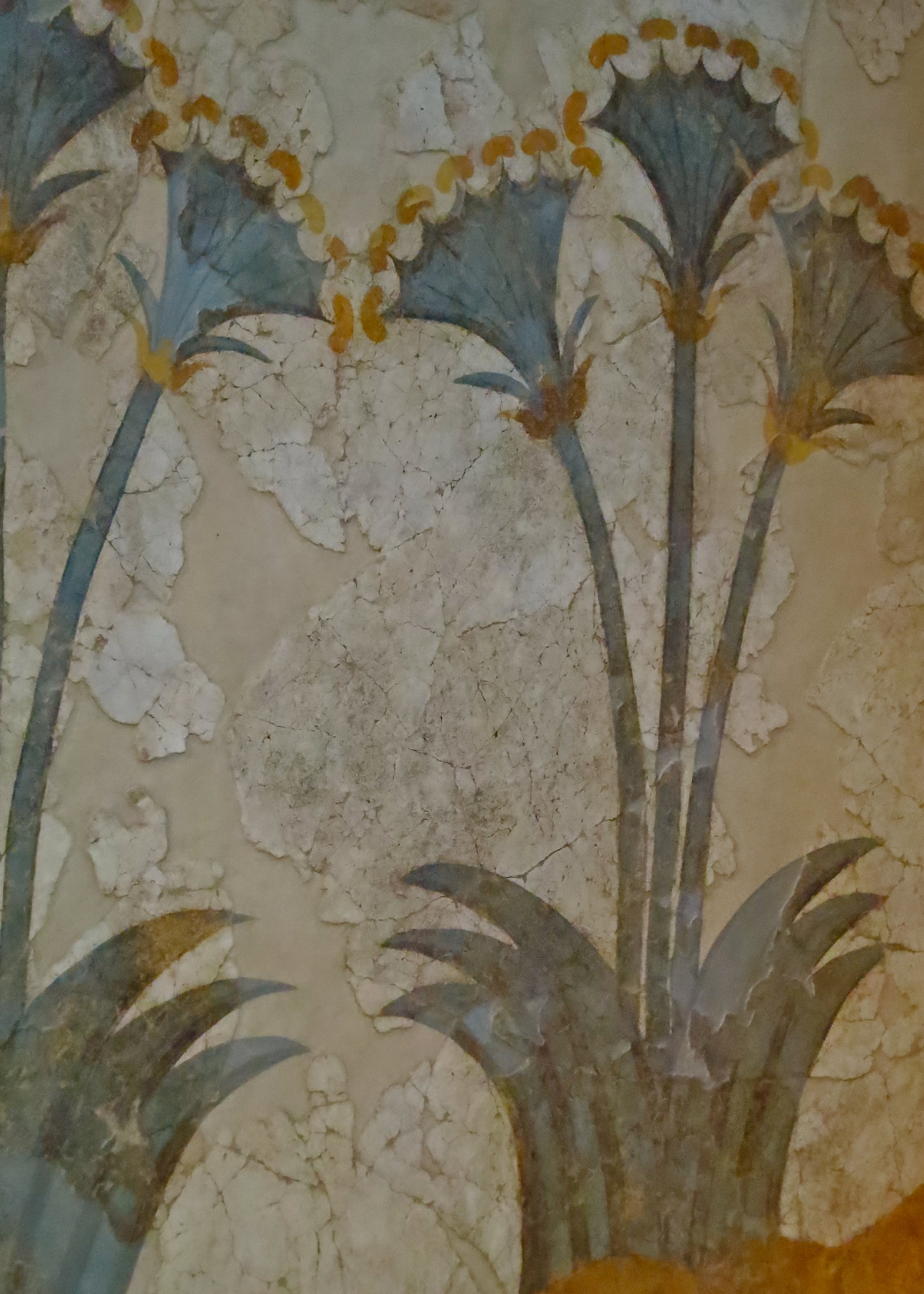
This fresco is one of many that lined the walls of buildings in Akrotiri, Santorini is close to 4000 years old.

This fresco is one of many that lined the walls of buildings in Akrotiri, Santorini is close to 4000 years old.

Excavations of the ruins, which are located on the southern part of Santorini, began in 1957 and continue today. Only a small portion of the city has been uncovered. Because of its level of civilization combined with the fact that it disappeared, there is speculation that Akrotiri may have served as the inspiration for the myth of Atlantis.

Plato mentioned the fabled city around 360 BC. He described it as an ancient civilization existing some 9000 years before his time that was buried under a flood of water. Modern archeologists suggest that the 9000 years may have been mistranslated from earlier Egyptian accounts and actually be 900 years, which would put the destruction of Atlantis right around the time Akrotiri met a similar fate. Substitute an ocean of ash for a sea of water and there is ample room for the speculation. Buried is buried. We will probably never know the truth.

The volcanic activity that brought Akrotiri to its spectacular end continues to be a fact of life on Santorini, however. “Santorini Bulges as Magma Balloons Underneath” a September 12, 2012 article in National Geographic news reported. Somewhere between 13-26 million cubic yards of molten rock were filling the magma chamber located directly under the sea where our cruise ship was anchored! The Crown Princess did not cover the bulge in its newsletter. Apparently, there is no imminent danger… at least to speak of.

Here's another favorite Akrotiri artifact of mine. It's called a nipple ewer (or pitcher) for obvious reasons. This one comes with tiny breasts, ear rings and a beak. Archeologists speculate that the ewer may have had religious significance. My wife Peggy, always practical, suggests that may have been used like baby bottles.

Here’s another favorite Akrotiri artifact of mine. It’s called a nipple ewer (or pitcher) for obvious reasons. This one comes with tiny breasts, ear rings and a beak. Archeologists speculate that the ewers may have had religious significance. My wife Peggy, always practical, suggests that may have been used like baby bottles.

Another nipple ewer. This one featured a swallow. Both wild and domestic animals were featured prominently on Akrotiri artifacts. The yellow color, BTW, is because of the lights used by the museum to protect the ancient works of art.

Another nipple ewer. This one featured a swallow. Both wild and domestic animals were featured prominently on Akrotiri artifacts. The yellow color, BTW, is because of the lights used by the museum to protect the ancient works of art.

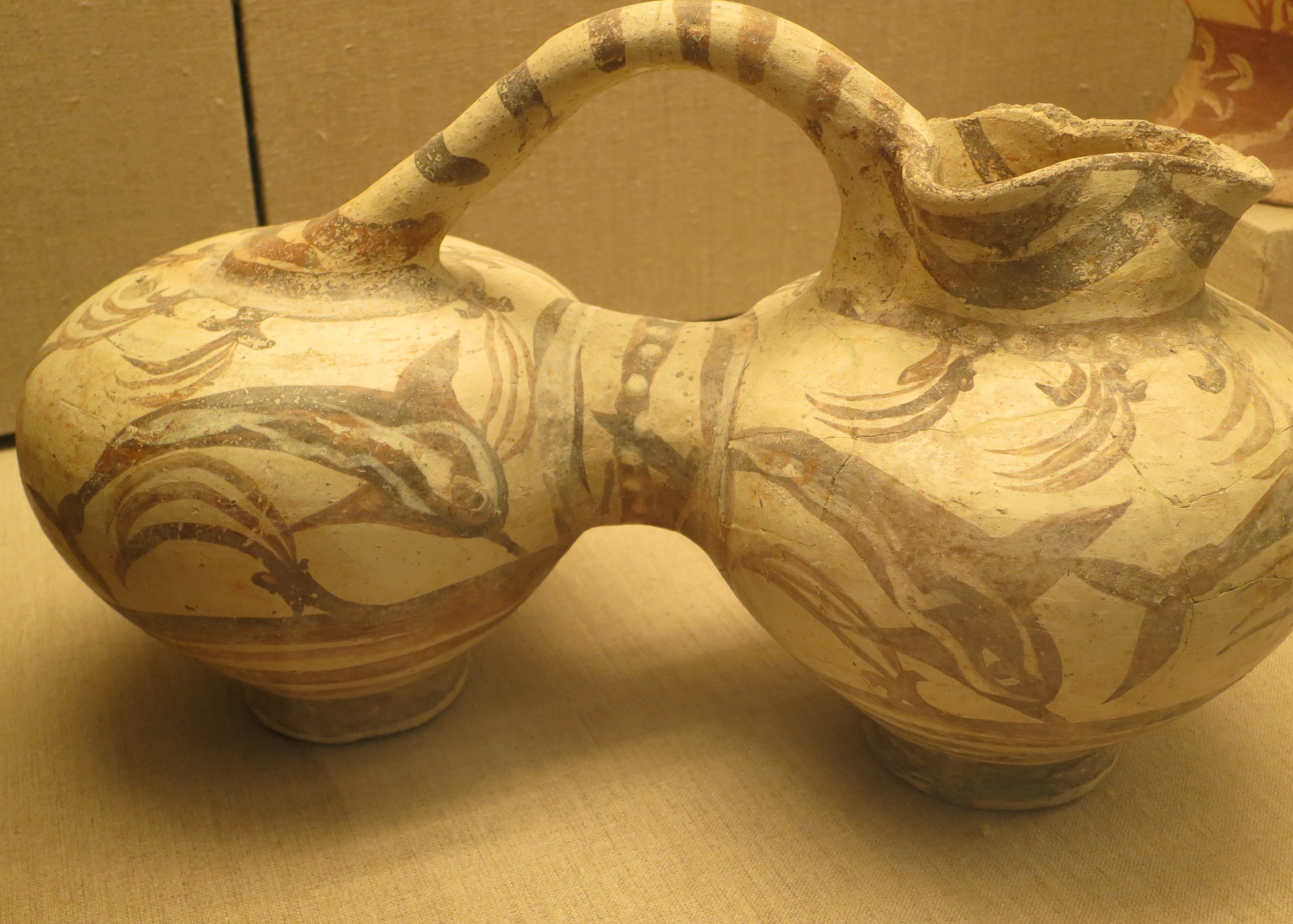
I found this elongated double pitcher with its leaping dolphins to be quite graceful.

I found this elongated double pitcher with its leaping dolphins to be quite graceful.

This reconstructed storage container features a bull that appears to be mooing quite loudly.

This reconstructed storage container features a bull that appears to be mooing quite loudly.

Much of the pottery found in Akrotiri also featured common crops grown by the Minoans. The grapes reflect the wine industry that has been in existence on Santorini for over 4000 years.

Much of the pottery found in Akrotiri also features common crops grown by the Minoans. The grapes on this jar reflect the wine industry that has been in existence on Santorini for over 4000 years.

The Museum of Historic Thira also displays a number of small figurines such as this bull.

The Museum of Historic Thira also displays a number of small figurines such as this bull.

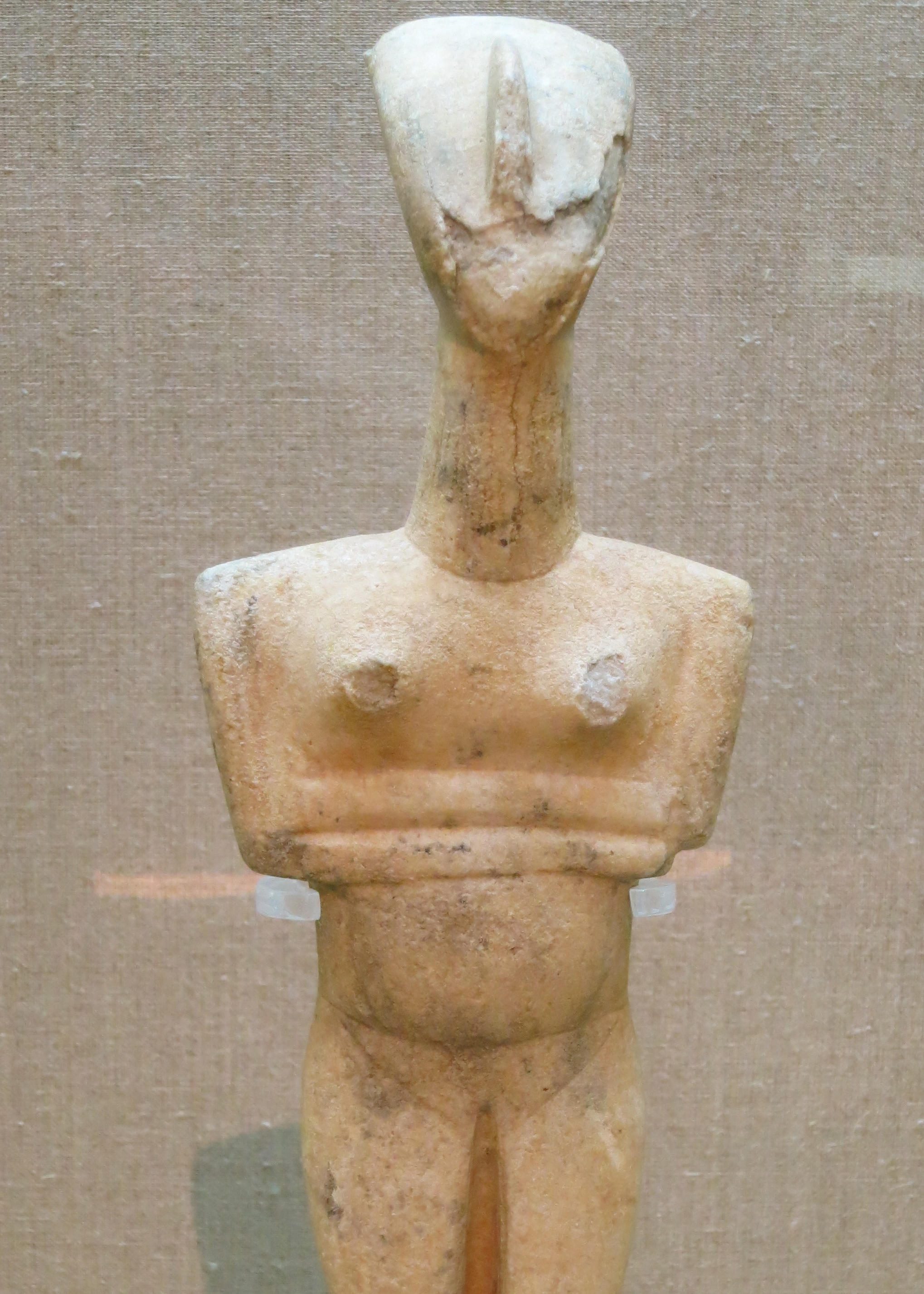
For those who like to attribute alien influence to the development of Atlantis, I will end my photos from the museum with this piece, possibly as old as 2700 BC. (grin)

For those who like to attribute alien influence to the development of Atlantis, I will end my photos of artifacts from Akrotiri with this piece (grin), possibly as old as 2700 BC.

As we returned to our ship, which was anchored above the bulging lava chamber, we had a final look at the towering cliffs of Santorini and their beautiful white villages.

As we returned to our ship, which was anchored above the bulging lava chamber, we had a final look at the towering cliffs of Santorini with their beautiful white villages perched on top.

A beautiful sunset greeted our ship as we headed out to sea and our next adventure.

A beautiful sunset greeted our ship as we headed out to sea and our next adventure.

NEXT BLOG: I continue my travel blog on the Mediterranean with a visit to the second largest city in the Roman Empire, Ephesus, which is located on the Turkish mainland.

The Stairs, Doors and Gates of Santorini… Personality Plus!

Stairways of all shapes and sizes went snaking down off the cliff in Oia, Santorini. This one was rather grand.

Stairways of all shapes and sizes went snaking down off the cliff in Oia, Santorini. This one was rather grand.

When I was growing up in Diamond Springs, California, significant stairways were few and far between. Most of our homes were single floor western style ranch homes. Our climbing was more or less relegated to trees and lumber stacks, the latter much to the dismay of the grumpy watchman at Caldor Lumber Company who could never catch us. We learned a number of interesting words from him, however.

I’ve always been fascinated with stairs, particularly stairs that disappear around corners. They almost beg exploration, like a trail in the woods. Doors share a similar characteristic, especially interesting doors. I’m convinced that people who live behind interesting doors lead interesting lives. Unfortunately, doors tend to be very private affairs; they hide secrets.

Gates are different.  They don’t say ‘stay out’ in the same way a door does… even when they sport a no-trespassing sign. Gates in Diamond Springs tended to be low on design and high on barbed wire. We climbed over with impunity except for being chased by dogs or yelled at. Old Tony Pavy was an exception; he had a shotgun that he was quick to pull when he caught kids gigging frogs in his pond or plunking squirrels out of his trees, especially the time I hit one of his pigs by mistake with a ricocheting bullet. The man had zero sense of humor. “Get my gun Mama!” he roared to his wife as we disappeared over the hill.

They have to have stairways in the town of Oia, Santorini. Houses are built right down the cliff and there are no elevators. People must be in great shape from all of the hiking. And here’s the fun part, all of the stairs are different and I think quite attractive. Peggy and I kept our digital cameras busy. We also found our share of interesting doors and two very attractive gates to photograph.

Another set of stairs with unique personality works its way down toward the Mediterranean in Oia, Santorini.

Another set of stairs with unique personality works its way down toward the Mediterranean in Oia, Santorini.

This set of stairs on Santorini added a touch of color.

This set of stairs on Santorini added a touch of color.

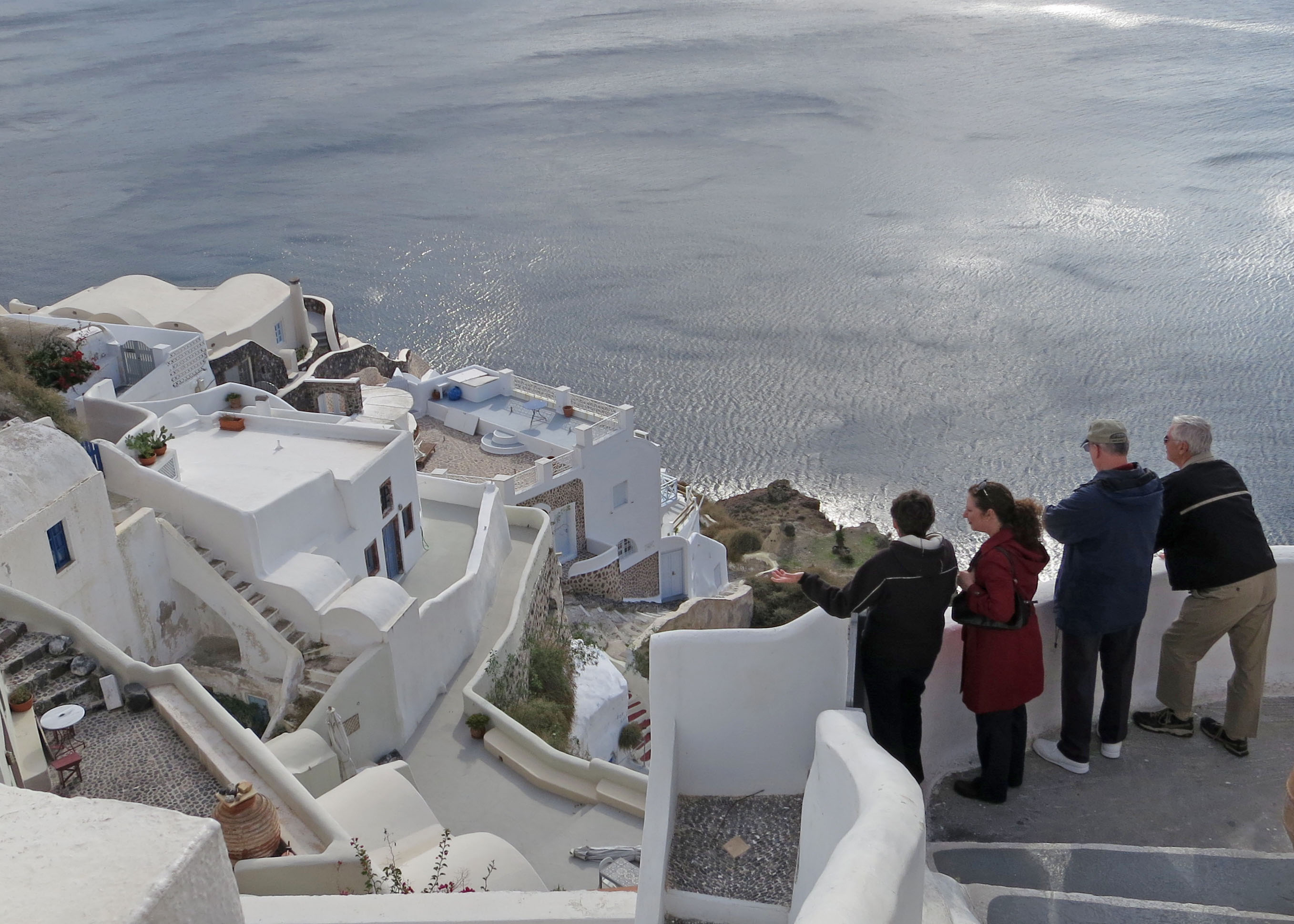
Our traveling companions, the Dallens from Austin and Saages from San Francisco look down on  several sets of stairs. It reminded me of an Echer painting.

Our traveling companions, the Dallens from Austin and Saages from San Francisco look down on several sets of stairs. It reminded me of an M.C. Escher painting.

Mules working down on the cliff used these stairs for carrying construction debris up to the top. These were definitely one-way stairs: the one-way being whichever way the mules were traveling.

Mules working down on the cliff used these stairs for carrying construction debris up to the top. These were definitely one-way stairs: the one-way being whichever way the mules were traveling.

The ultimate stairway on Santorini... the one that takes you from the old port up a thousand feet to the town of Fira.

The ultimate stairway on Santorini… the one that takes you from the old port up a thousand feet to the town of Fira.

Blue was about as close as it got to being a common door color on Santorini.

Blue seemed to be the most common door color on Santorini.

This halfway hidden door in Oia on Santorini caught my imagination. I wanted to go up and knock.

This halfway hidden door with its plant in Oia,  Santorini caught my imagination. I wanted to go up and knock.

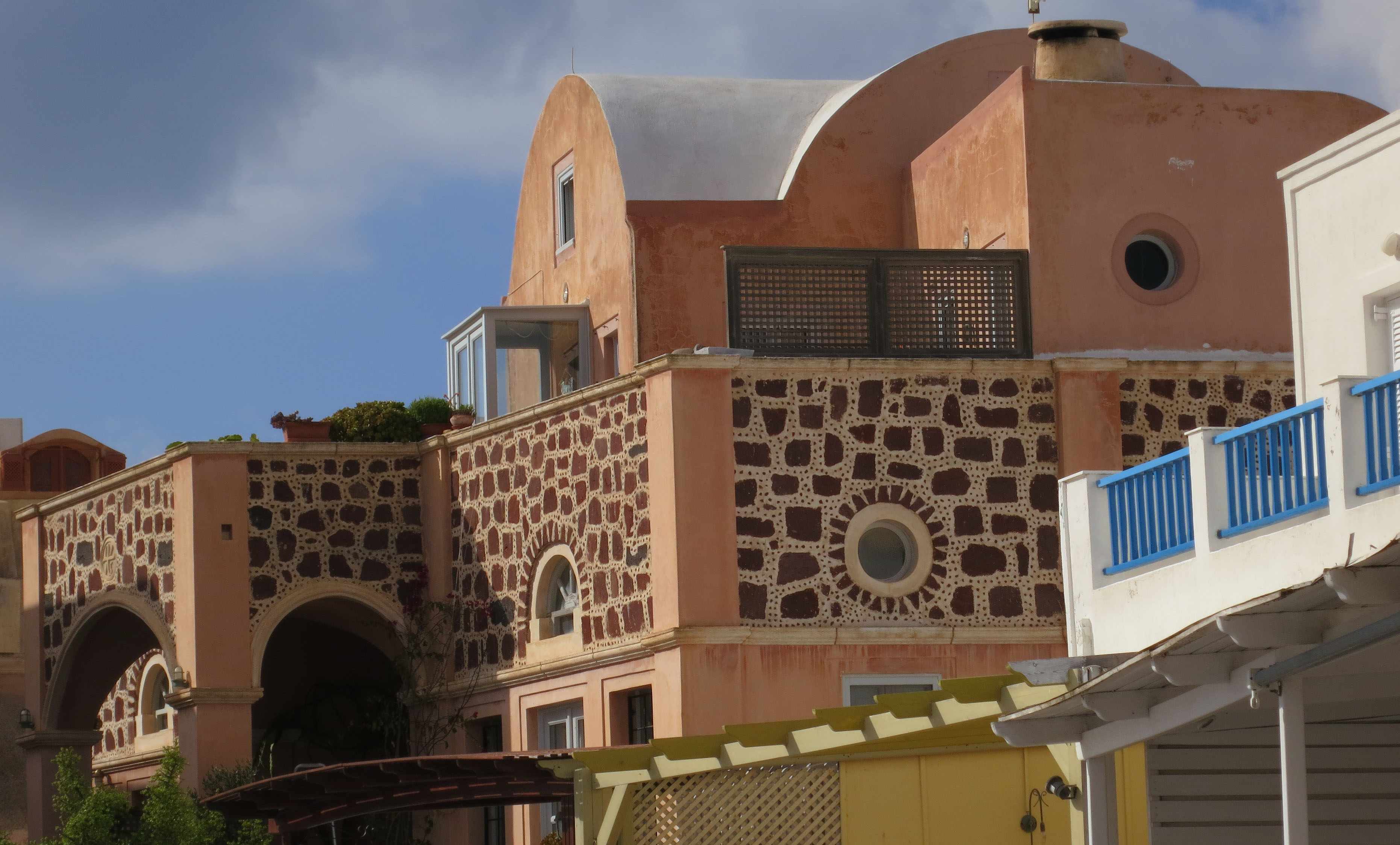
This house in Oia displayed an interesting choice of colors.

This house in Oia displayed an interesting choice of colors.

The most secretive of doors are old ones like this one in Oia.

The most secretive of doors are old like this one in Oia. It must have a thousand stories to tell.

This simple gate in Oia with its dramatic shadows was quite beautiful.

This simple gate in Oia with its dramatic shadows, white pillar and Mediterranean background was quite beautiful. (Photo by Peggy Mekemson.)

The door/gate to nowhere? Peggy shot this photo in Fira, Santorini. There was nothing behind it except open space... and a set of stairs that went downward.

The door/gate to nowhere: Peggy shot this photo in Fira, Santorini. There was nothing behind it except open space… and a set of stairs that went downward to a restaurant.


NEXT BLOG: We travel back in time 4000 years to Santorini’s ancient civilization of Thira. Could there be an Atlantis connection?


The Beautiful and Unique Churches on the Greek Island of Santorini

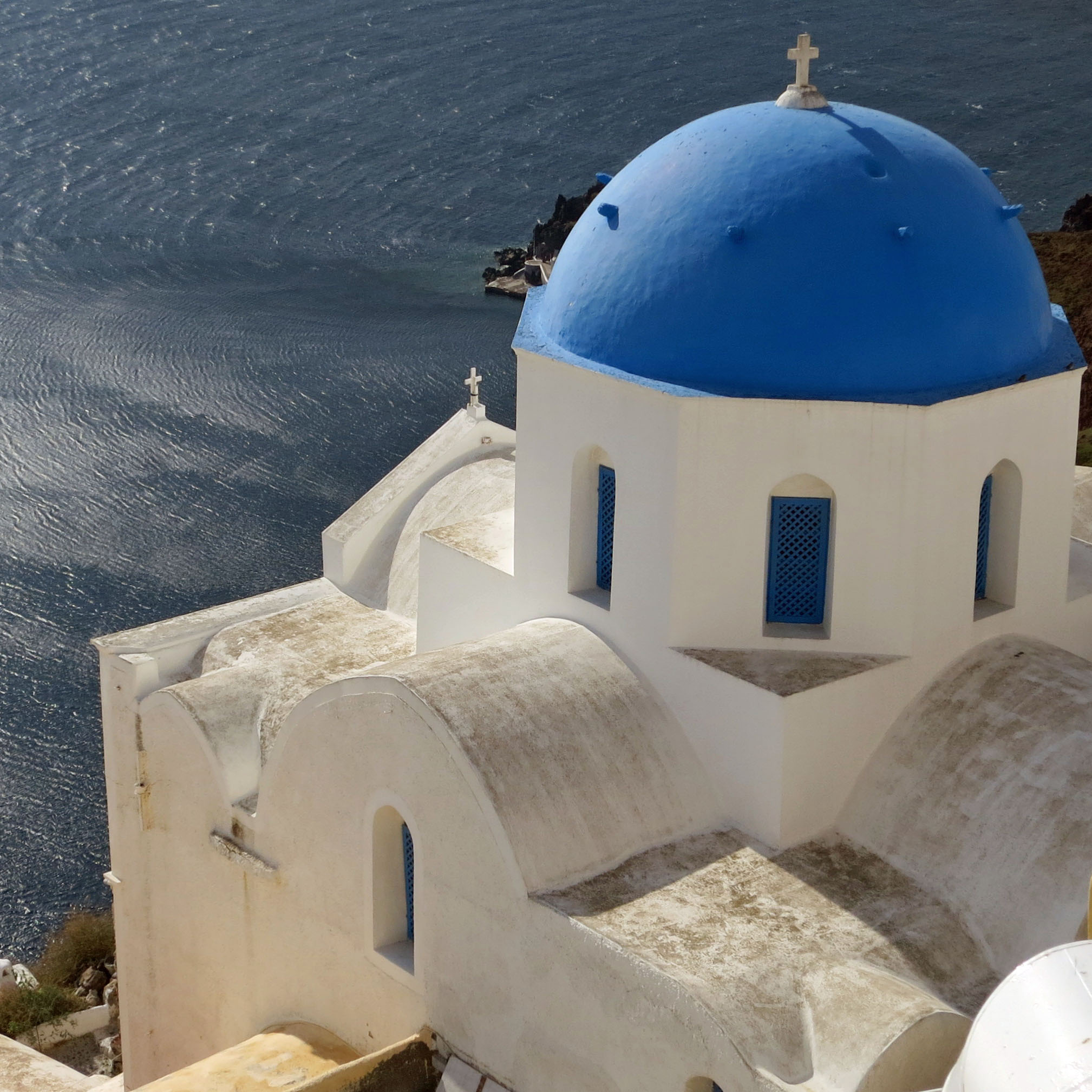
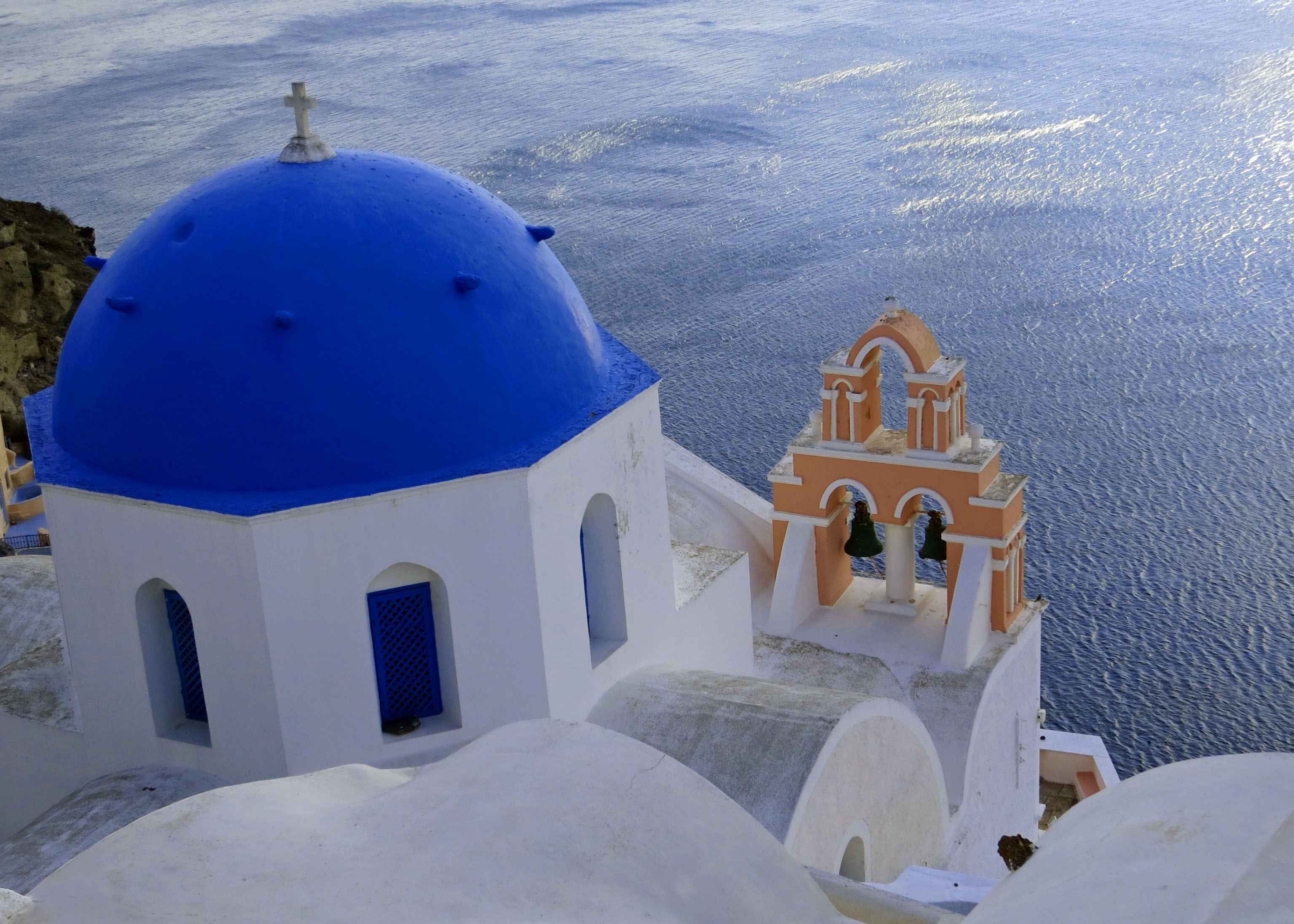
The Church of St. George in Oia, Santorini. Most, but not all of Santorini's churches featured a blue dome.

The Church of St. George in Oia, Santorini. Most, but not all of Santorini’s churches featured a blue dome.

Europe is filled with great churches that are known as much for their art and architecture as they are for religion. Our cruise through the Mediterranean would take us to some of the world’s most renowned cathedrals. While the churches on the Greek Island of Santorini are no match for the splendor of what you find in Venice, Rome or Florence, they have a subtle beauty and uniqueness of their own.  The following photos are meant to capture something of their beauty.

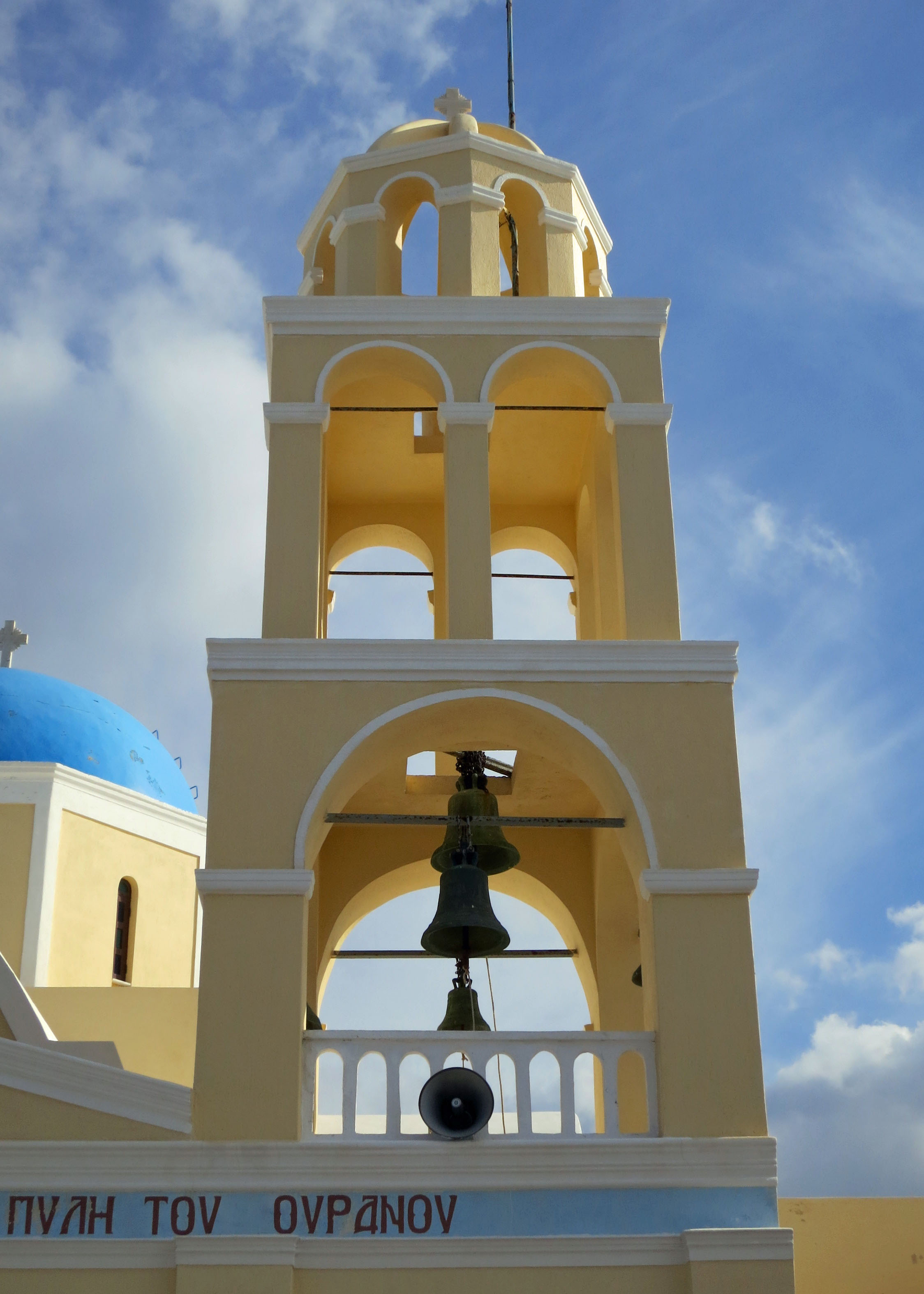
This is a close up of the bell tower on the Church of St. George in Oia, Santorini. The bell towers throught the town were as unique as the churches.

This is a close up of the bell tower on the Church of St. George in Oia, Santorini. The bell towers throughout the town were as unique as the churches.

I found this church with its white rocks surreal.

I found this church with its white rocks surreal.

A view of the same church seen in the photo above from behind.

A view of the same church seen in the photo above from behind.

This church provided and interesting backdrop for the homes in front.

This church provided an interesting backdrop for the homes in front. I also liked the fun play of light and shadow.

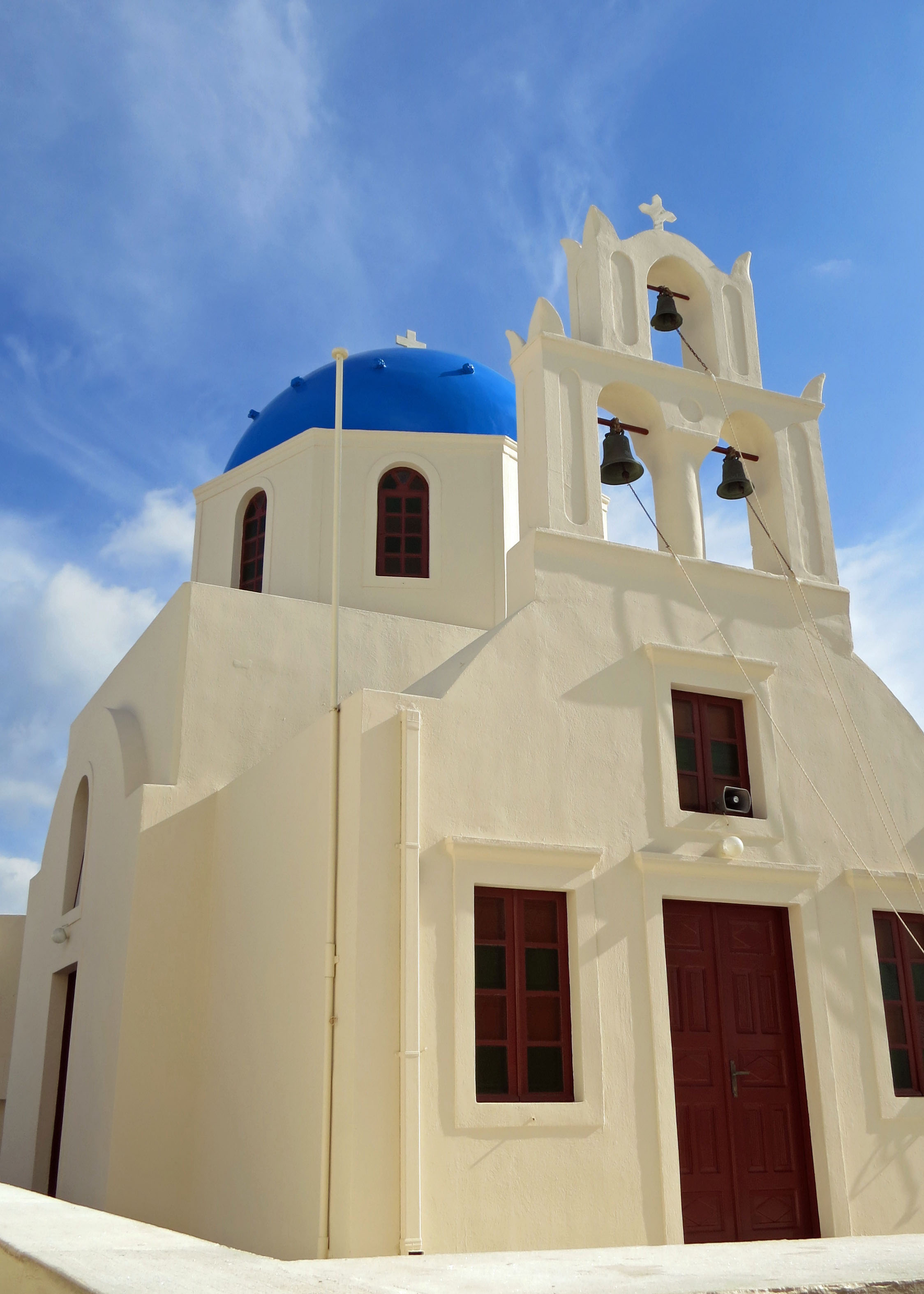
The Church of Panagia provides a gateway into Oia on Santorini. Once again, dramatic clouds added interest to our day of photography.

The Church of Panagia provides a gateway into Oia on Santorini. Once again, dramatic clouds added interest to our day of photography. (Photograph by Peggy Mekemson)

The bell tower of the Church of Panagia in Oia, Santorini.

The bell tower of the Church of Panagia in Oia, Santorini.

Another of Santorini's uniquely beautiful churches.

Another of Santorini’s uniquely beautiful churches.

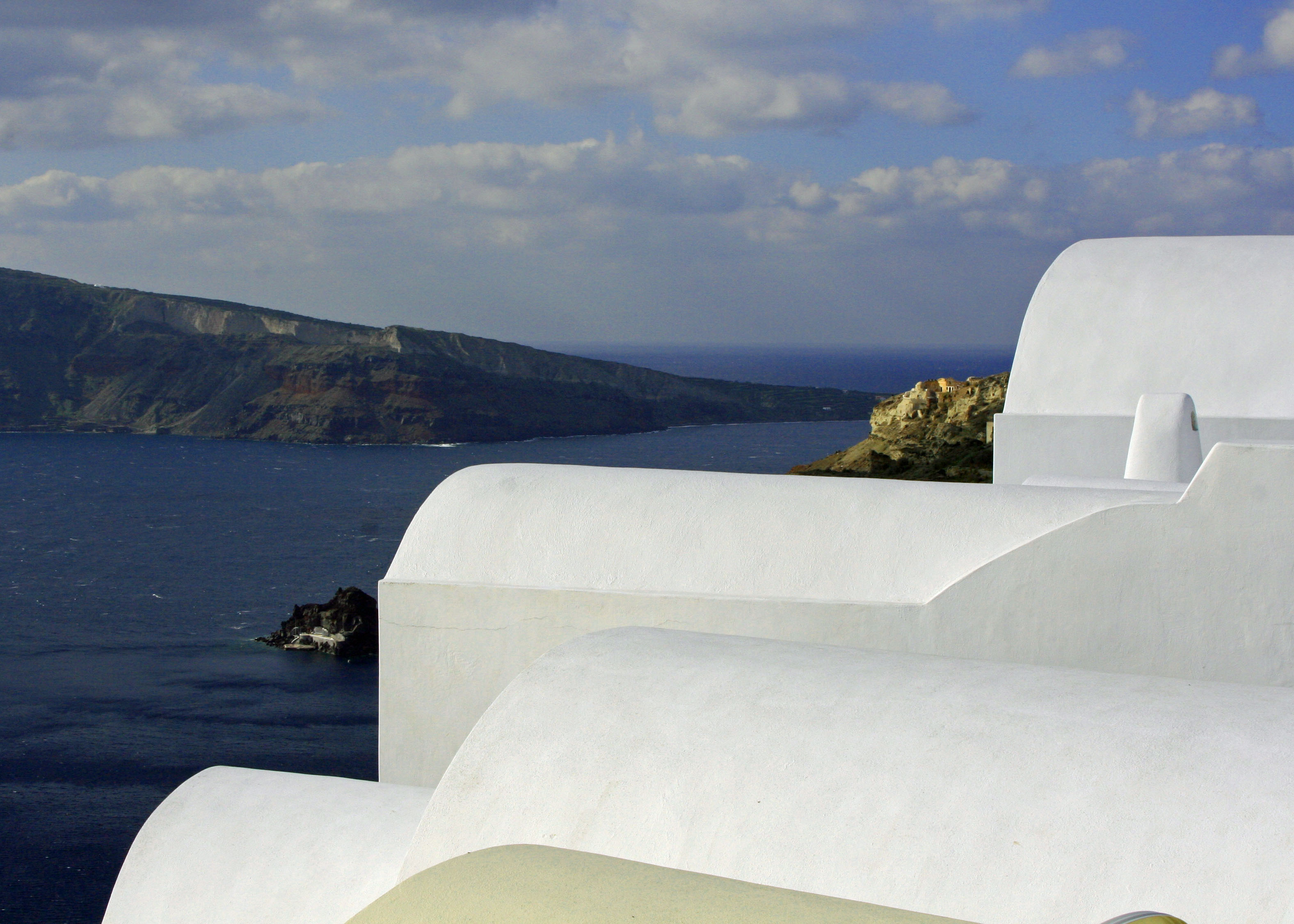
I like this church on Santorini because of its almost sensuous lines. Can a church be sensuous? Having the Mediterranean for a backdrop didn't hurt either.

I like this church on Santorini because of its almost sensuous lines. Can a church be sensuous? Having the Mediterranean for a backdrop didn’t hurt either.

This is another perspective on the Santorini church shown above featuring its salmon colored bell tower.

This is another perspective on the Santorini church shown above featuring its salmon colored bell tower.

My concluding photo on the beautiful and unique churches found on the Greek island of Santorini.

My concluding photo on the beautiful and unique churches found on the Greek island of Santorini.

NEXT BLOG: Join me as I explore the picturesque stairways and doorways of Santorini.


Oia, Santorini… A Photographer’s Paradise

Oia is built on a cliff that drops off a thousand feet into the Mediterranean Sea. Its colorful buildings with their unique architecture and the beauty of the area combine to make the town truly unique.

Oia is built on a cliff that drops off a thousand feet into the Mediterranean Sea. Its colorful buildings with their unique architecture and plunging stairways combine with the beauty of the area to make the town truly unique.

Fira, the administrative center of Santorini, is a pleasant town and definitely worth wandering through. It is filled with shops selling everything from cheap souvenirs to fine jewelry, all of which are designed to separate tourists from their euros. But that’s OK, Santorini makes much of its living off tourists. What most impressed me about the town was its small but excellent Museum of Prehistoric Thira. I’ll blog about the museum next week.

What I am going to do now is make the short trip from Fira to Oia, which is arguably one of the most attractive towns in the Mediterranean, or anywhere. Oia, BTW, is pronounced EE-ah. As the daughter of a friend reminded me, it sounds like something Eeyore might say minus the donkey emphasis.

My recent blogs about my Peace Corps experience in Africa have been long on words and short on photos. That’s about to change as I make why way through the Mediterranean. Oia is best enjoyed by being there, but if you can’t be, the next best thing is through the eye of a camera.

Each of my next three blogs will provide a different perspective on the community. First, I am going to provide a general overview including buildings, animals, flowers and other miscellaneous items that caught our attention. (Peggy took several of the photos.) Next I will focus in on Oia’s unique churches. I’ll finish by looking at stairways and doors, which might seem strange… but don’t miss it. Enjoy.

Another view of the town that provides a perspective on how it clings to the cliff. The whitewashed buildings reflect heat from the intense summer sun.

Another view of the town that provides a perspective on how it clings to the cliff. The whitewashed buildings reflect heat from the intense summer sun.

The rounded roof of this home is typical. Once these homes provided housing for poor sailors. Now they provide housing for millionaires. Another note on these downward trending homes. One person's patio becomes another person's roof.

The rounded roof of this home is typical. Once these homes provided housing for poor sailors. Now they provide housing for millionaires. Another note on these downward trending homes. One person’s patio becomes another person’s roof.

While the sailors lived in their homes on the cliff, sea captains built mansions on top.

While the sailors lived in their homes on the cliff, sea captains built mansions on top.

I would have happily bought this colorful home. Darn, where's my million dollars when I need it.

I would have happily bought this colorful home. 

Peggy captured this artistic shot from Oia looking down on the Mediterranean.

Peggy captured this artistic shot from Oia looking down on the Mediterranean.

I mentioned the unique doors found in Oia. These are color coordinated.

I mentioned the unique doors found in Oia. These are color coordinated.

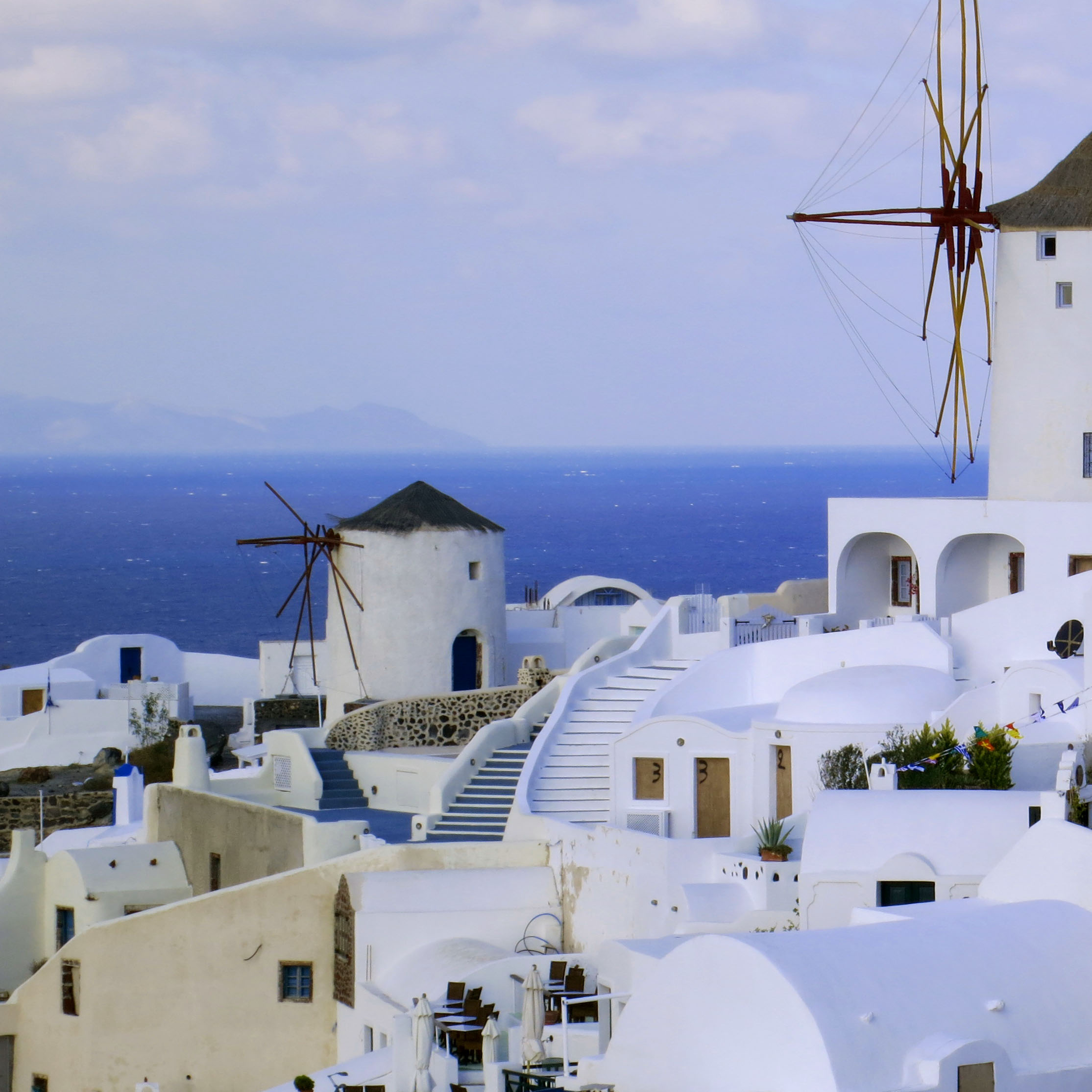
Retired windmills are found on both Santorini and the island of Mykonos.

Retired windmills are found on both Santorini and the island of Mykonos.

This sphinx in Oia provided an artistic touch and seemed right at home.

This sphinx in Oia provided an artistic touch and seemed right at home.

Peggy discovered this sculpture on the side of a building in Oia. Everyone should have a goal in life.

Peggy discovered this sculpture on the side of a building in Oia. Everyone should have a goal in life.

This restaurant sign promised a leisurely meal.

This restaurant sign promised a leisurely meal… or was that poor service?

Dogs ran free in Oia. We found this one climbing about on walls before he settled in for a nap. All of the animals seemed well fed and happy...

Dogs ran free in Oia. We found this one climbing about on walls before he settled in for a nap. All of the animals seemed well fed and relaxed around the tourists…

Maybe too relaxed. (grin)

Maybe too relaxed. (grin)

There was no relaxation for this mule. He and his buddies were carrying debris being generated by a construction site down the cliff. These guys literally ran us off the road.

There was no relaxation for this mule. He and his buddies were carrying debris being generated by a construction site down the cliff. These guys literally ran us off the road.

I discovered this colorful plant and couldn't resist taking its picture.

I discovered this colorful plant and couldn’t resist taking its picture.

Event the souvenirs featuring Santorini were colorful.

Even the souvenirs featuring Santorini were colorful.

One of the narrow walkways we followed through town. The lack of people was indicative of the fact we were traveling off season. Instead of 3 or 4 cruise ships in port, there was only ours.

One of the narrow walkways we followed through town. The lack of people was indicative of the fact we were traveling off-season. Instead of 3 or 4 cruise ships in port, there was only ours.

I'll close this blog with a final shot of Oia. The blue domed building is one of the towns many beautiful churches, which I will feature in my next blog.

I’ll close this blog with a final shot of Oia. The blue domed building is one of the towns many beautiful churches, which I will feature in my next blog.


Let the Cruise Begin: Santorini… A Magical Greek Island

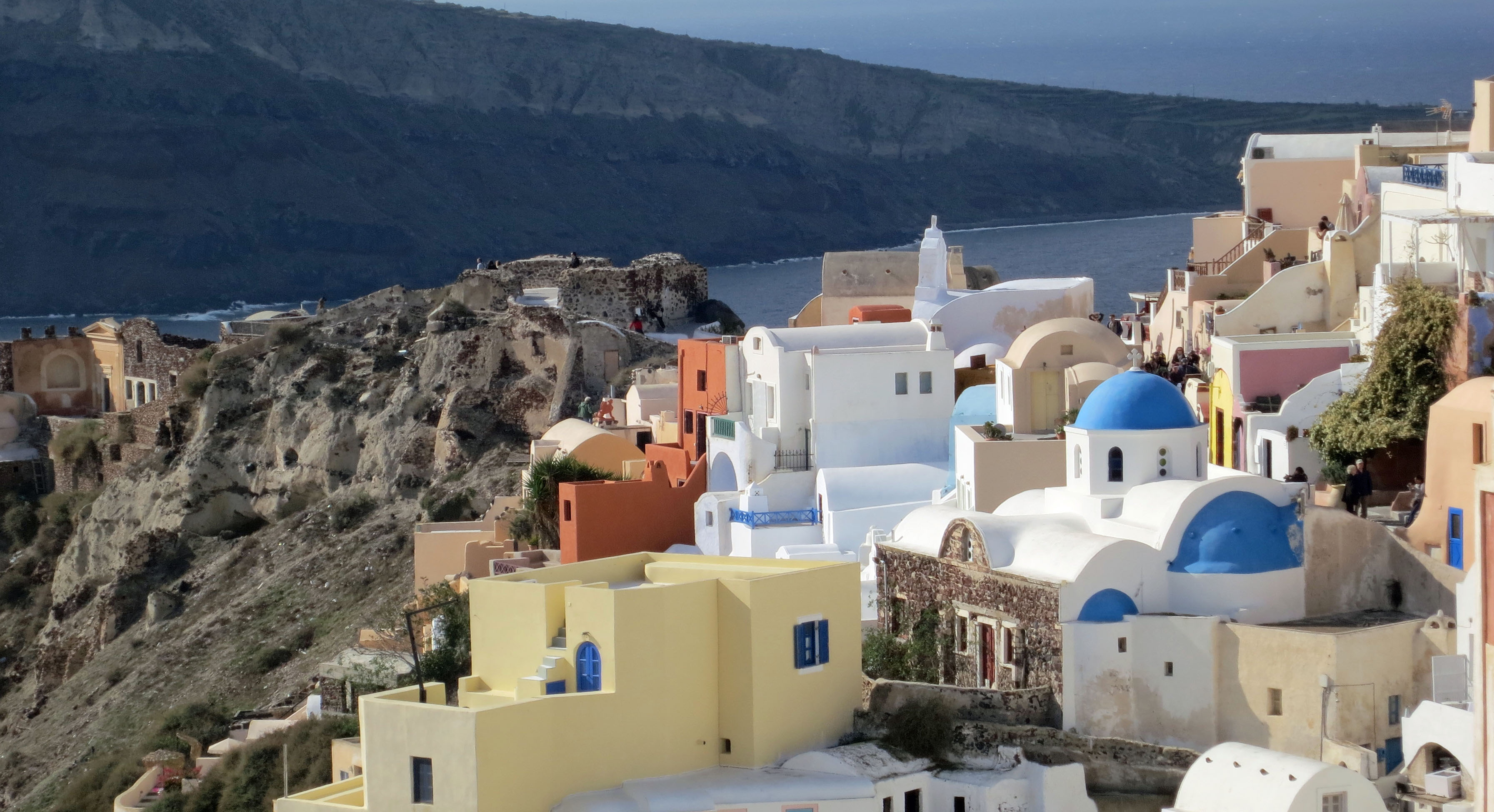
Buildings cascade down the cliffs on the Greek island of Santorini located in the Aegean Sea.

Churches, homes, shops and hotels cascade down the cliffs on the Greek island of Santorini located in the Aegean Sea.

I am normally not the cruising type; it’s too social, crowded and regimented for the part of me that demands solitude, wide-open spaces, and independence. Still, when my brother-in-law, John Dallen, sent my wife Peggy and me an itinerary of a 32-day repositioning cruise he was planning to take with his wife Francis, I was intrigued.

The cruise included visits to a number of Mediterranean ports I had always wanted to see and a voyage across the Atlantic I had never made. It sounded like an adventure. It also took place during our Twentieth Anniversary and Peggy, unlike me, loves to cruise. It seemed like a great way to celebrate. We signed on the dotted line and sent off our deposit.

Our ship, the Crown Princess, anchored in the caldera located off Santorini.

Our ship, the Crown Princess, anchored off Santorini. The island behind it is a small volcanic island.

Over the next couple of months I will blog about the journey we just completed. Join us as we visit the Greek islands of Santorini, Mykonos and Corfu, stop off at the historic sites of Pompeii and Ephesus, scale the walls of Dubrovnik, and explore the cities of Athens, Venice, Rome, Florence, Barcelona, Cannes and Lisbon. I’ll conclude with our brief stopover on the Azores Islands and trip across the Atlantic.

I will also describe shipboard life where food was served 24/7, our bed was always made, and entertainment was just a few floors away. Be warned, though, the trip wasn’t all four-course meals plus dessert; there was also the Noro-Virus that reached red alert status and forced employees to wear rubber gloves, rolling seas that threatened to dump us out of our bed, the guy who dropped dead in our dining room, and the daring Coast Guard rescue off of Louisiana.

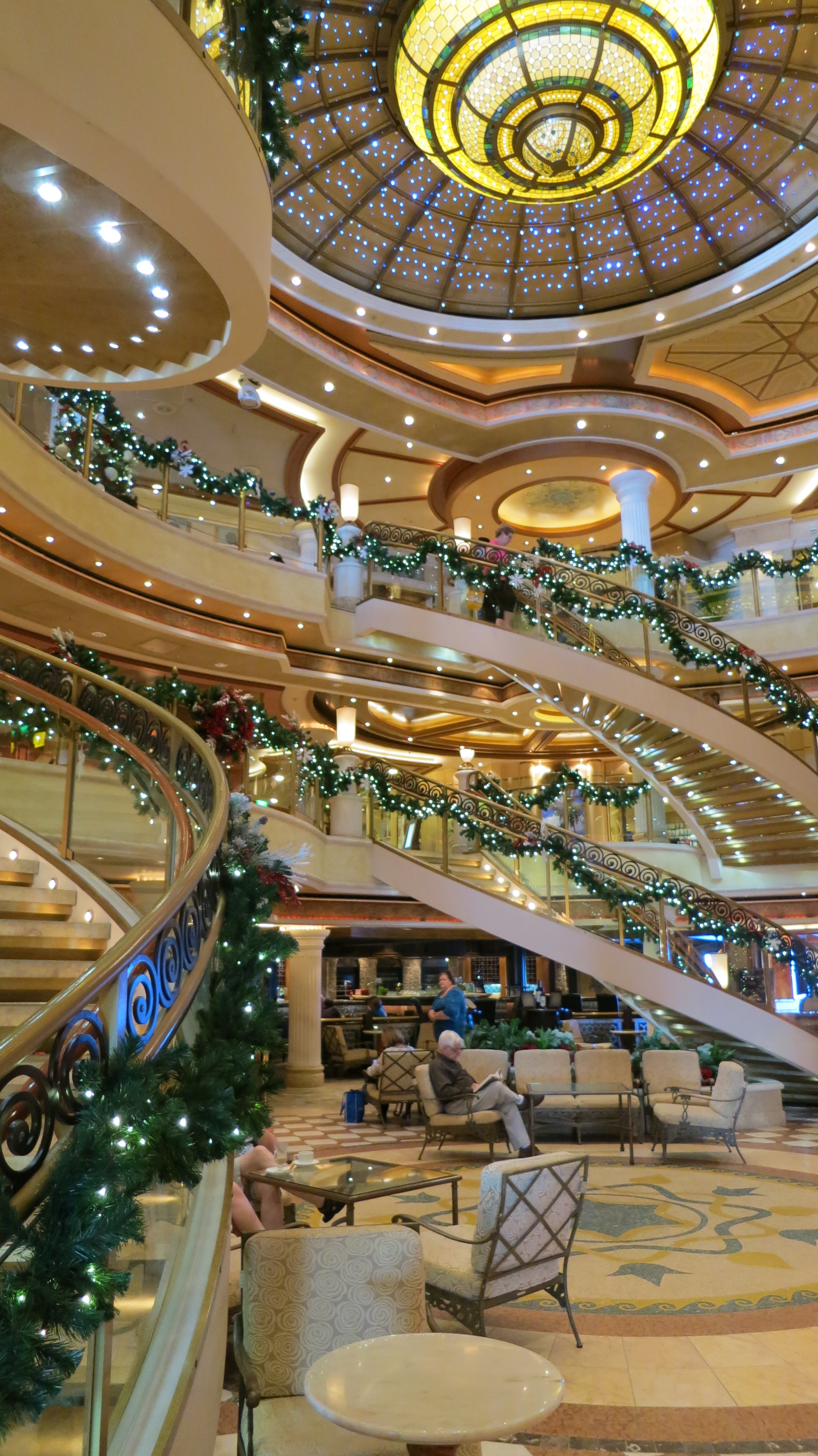
Cruise ships sell luxury and visits to exotic locations. This is an inside view of the Crown Princess.

Cruise ships sell luxury and visits to exotic locations. This is an inside view of the Crown Princess.

I am going to start this series with the Greek island of Santorini rather than Rome where we began our cruise. Santorini is more personal, easier to comprehend, has an intriguing history, and is exactly what I imagined a Greek island to be. In 2011 Travel and Leisure magazine declared it the World’s Best Island. Rick Steves, the renowned travel expert on Europe, said, “If you can’t snap a post-card quality photo here, it is time to retire your camera.”

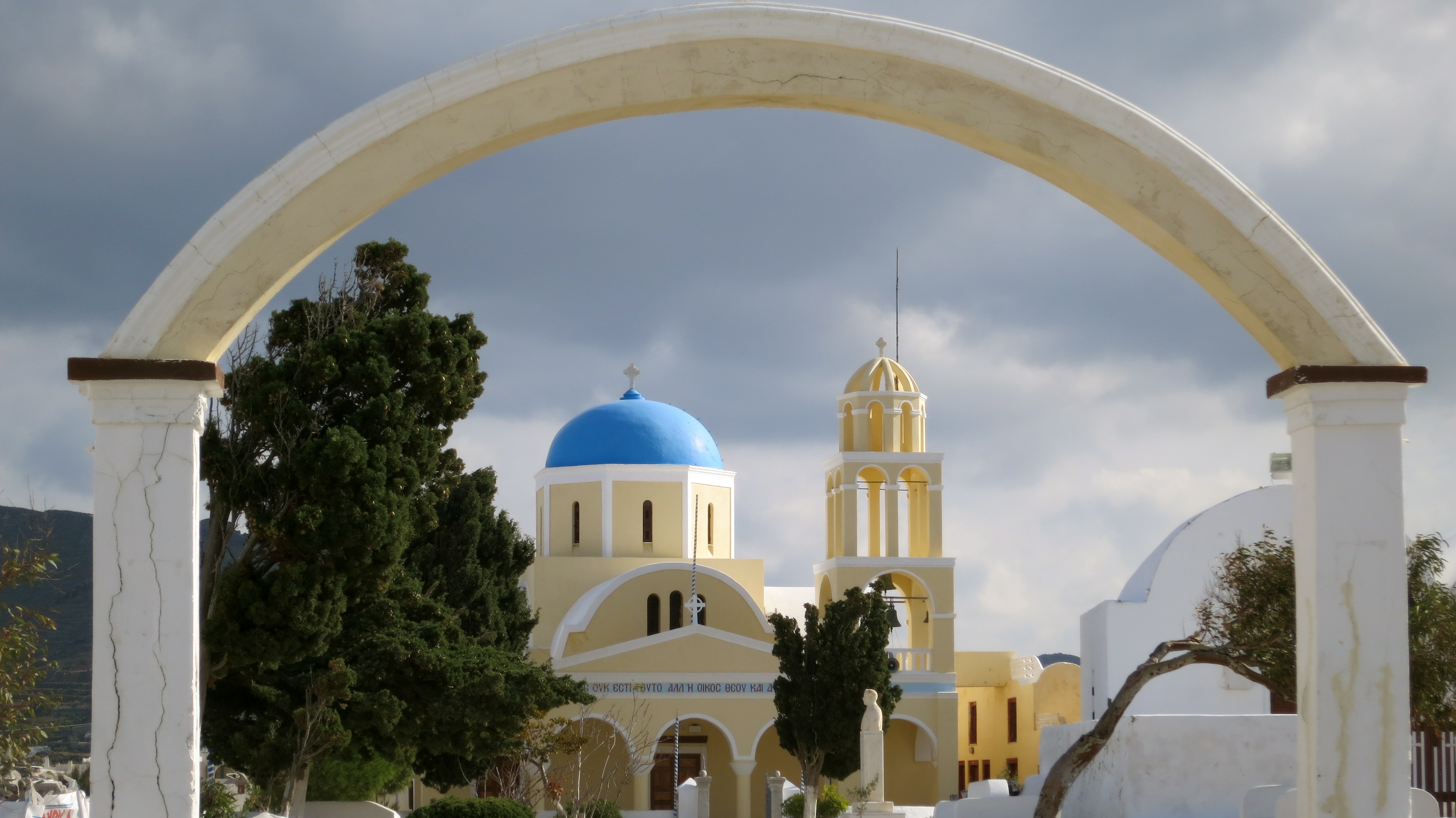
A post card type photo of a church in the town of Oia on Santorini

A post card type photo of the Church of St. George in the town of Oia on Santorini

Santorini is located in the southern part of the Aegean Sea southeast of Athens. Once upon a time it was a huge volcano, now the island is part of a large caldera. When Santorini blew its top somewhere around 1600 BC, it was one of the largest volcanic explosions in the last 5000 years. Effects were felt as far away as China where crops withered. The resulting tsunami destroyed much of the Mediterranean’s Bronze Age Minoan civilization. Legend is that this destruction included Atlantis. In fact, the ruins of Akrotiri on Santorini are considered a prime candidate for being the Lost City.

Excavated ruins of the ancient city of Akrotiri on Santorini are a candidate for the lost city of Atlantis. If so, this mural taken from the ruins may show a resident of the Lost City.

Excavated ruins of the ancient city of Akrotiri on Santorini are a candidate for the lost city of Atlantis. If so, this mural taken from the ruins may show a resident of the Lost City.

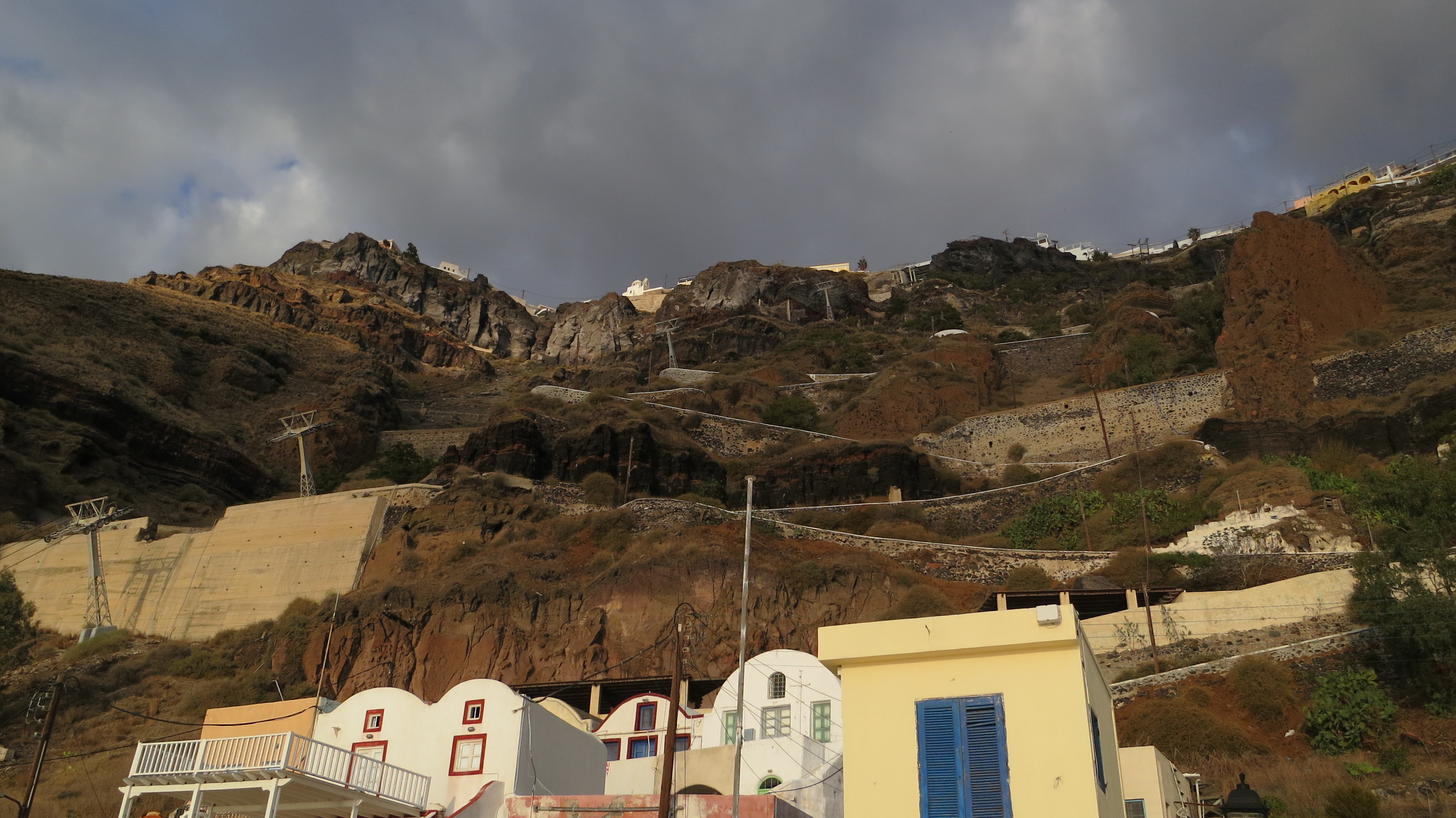
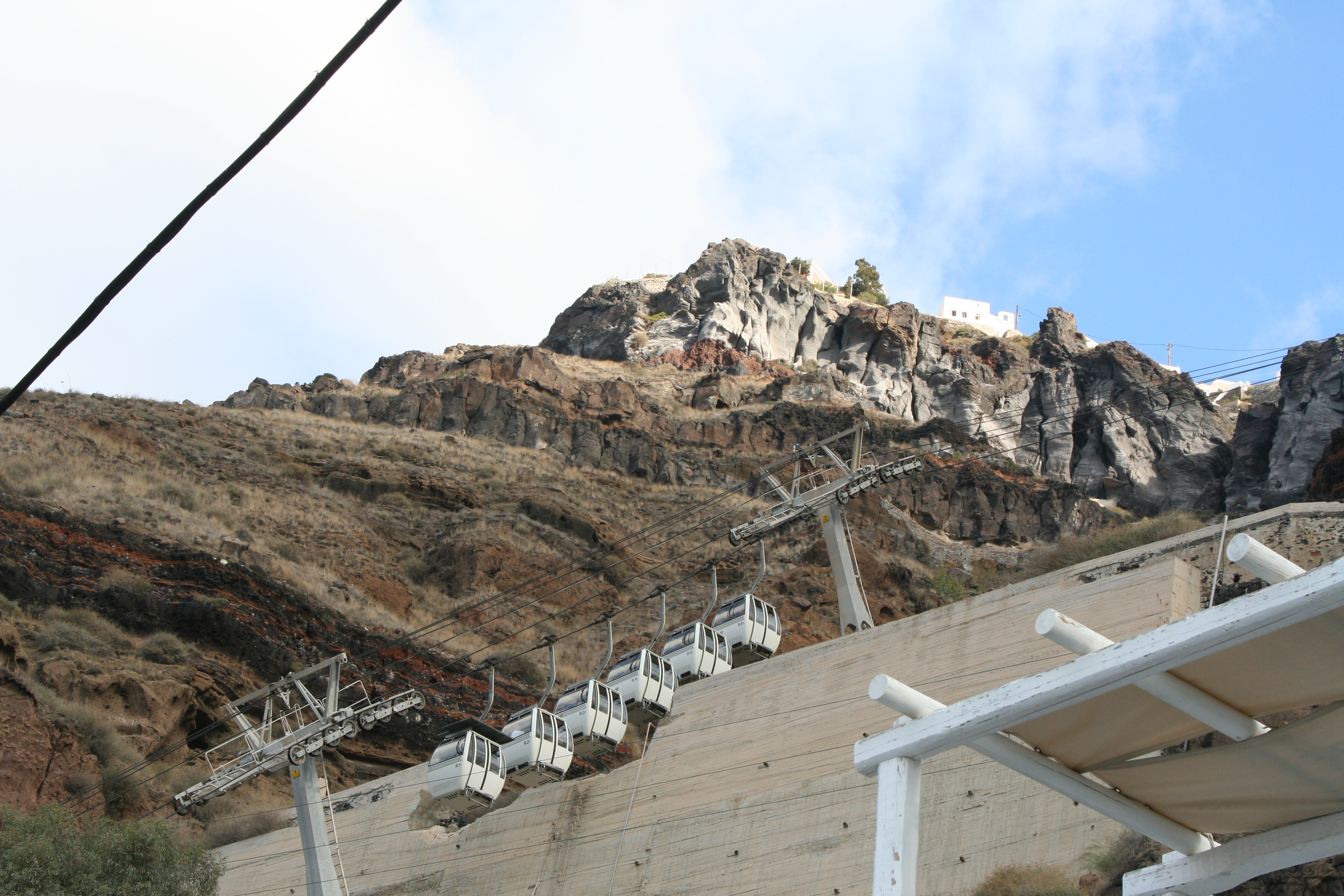
Arrival in Santorini by ship quickly reinforced that we had sailed into a caldera.  Everything was up. Fira, the islands administrative center, was perched above us on top of daunting cliffs a thousand feet high. Getting to the top involved hiking, riding a donkey or taking a tram. Riding the donkeys sounded romantic except we would end up smelling like donkeys and not able to sit down for a day. Walking had more appeal but then we would be dodging Donkey poop. We opted for the tram. Once on top, we were prepared to explore.

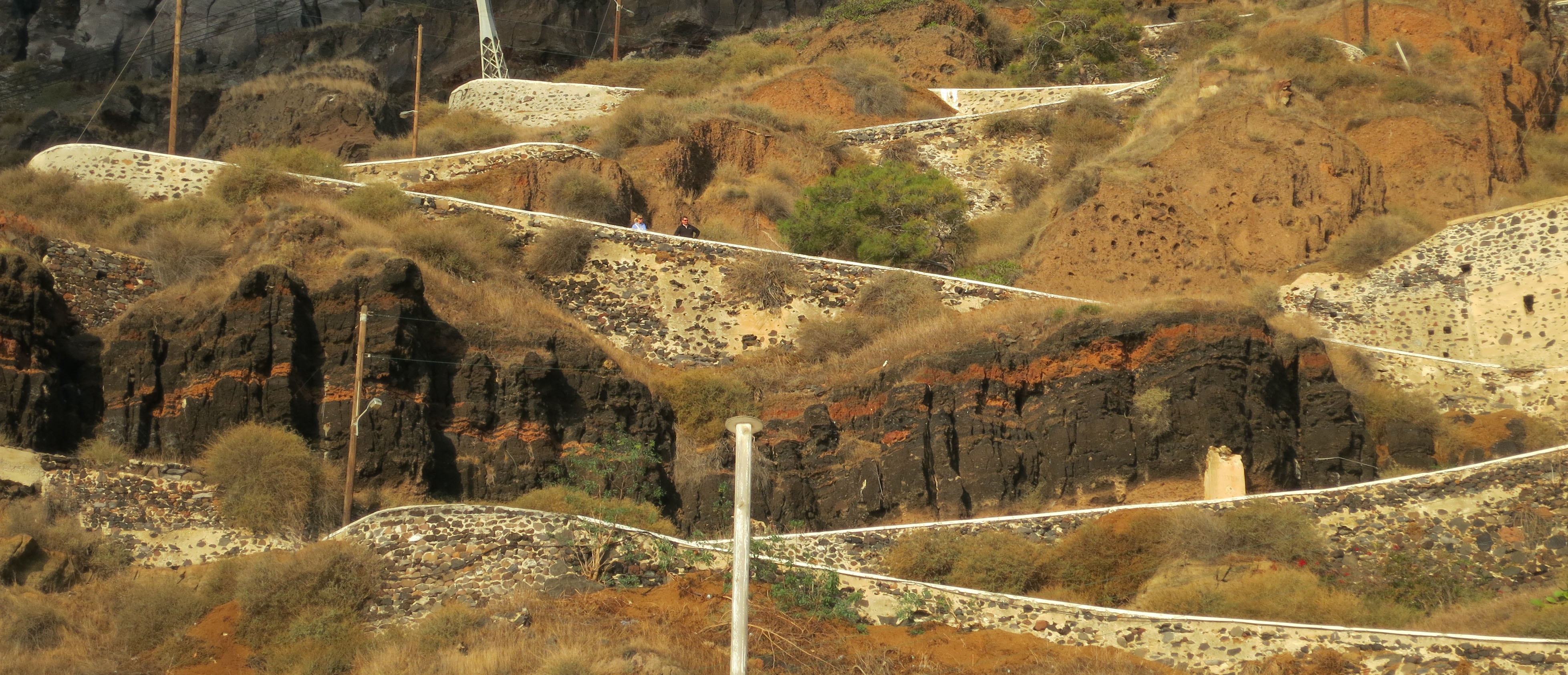
Looking up toward Fira our options were to take the tram or follow the zigzag trail.

Looking up toward Fira our options were to take the tram on the left or follow the zigzag trail in the center of the photo.

We wisely chose the tram.

We wisely chose the tram.

Looking back down the donkey trail toward the dock from the tram.

Looking back down the donkey trail toward the dock from the tram.

NEXT BLOG: The Santorini town of Oia, a photographer’s paradise.

A Scottish Ghost… Halloween Tales II

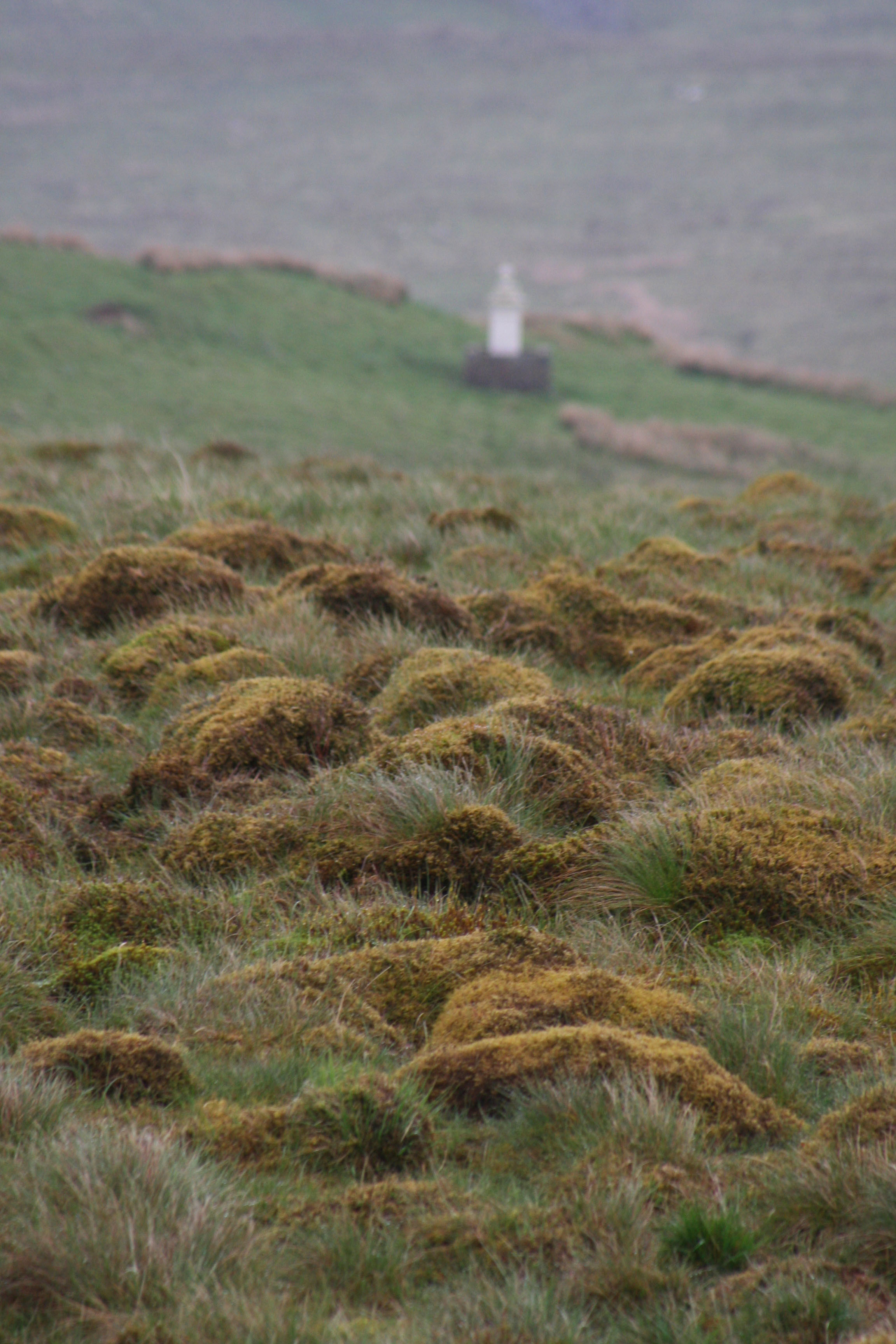
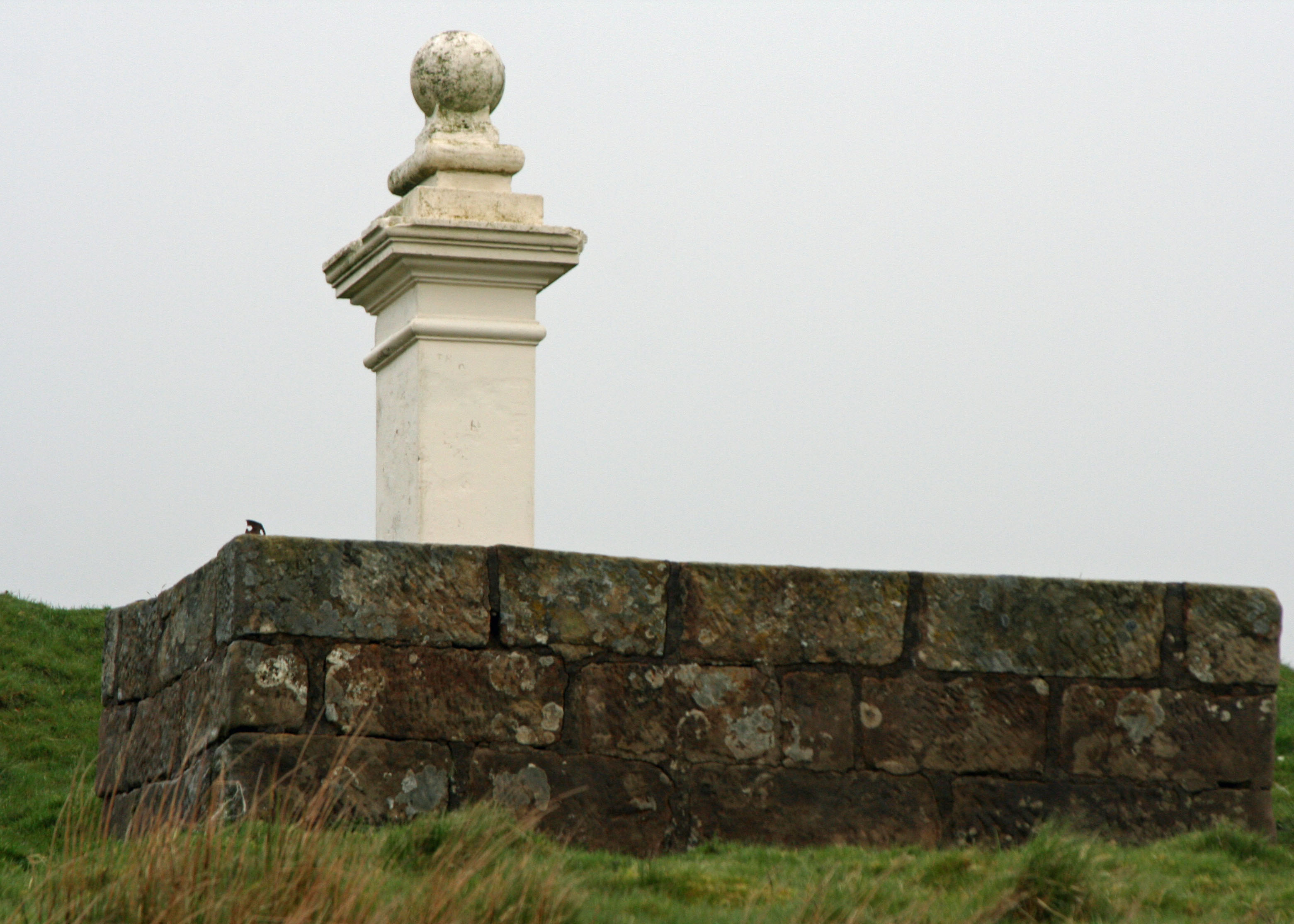
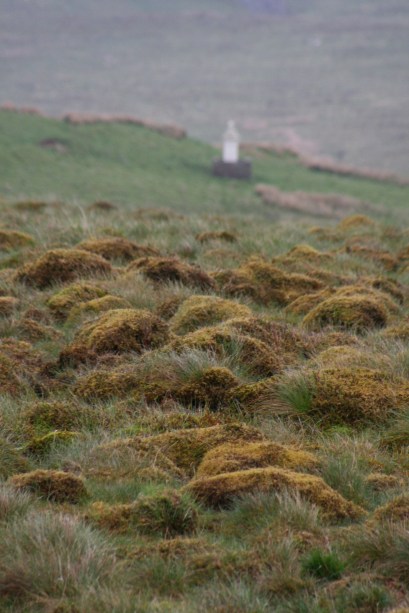
The ghostly grave of John Brown the Martyr on a lonely Scottish moor.

Since I am telling family ghost stories this week, I am going to relate a ghostly encounter that Peggy and I had in Scotland last year.

It has to do with my search for the grave of John Brown, the Martyr of Priesthill.

I first heard of Brown in the late 60s when my dad arrived home from a Mekemson family reunion. He proudly produced a family tree that traced a branch of the Mekemsons back to the martyr. Given the staunch Presbyterian leanings of our ancestors, it was an important connection.

My Great, Great, Great Grand Father, James Mekemson, married Mary Brown Laughhead Findlay. (Mary had already seen two husbands die.) John Brown was five generations up the line.

The story of John Brown’s murder verges on legend. He was, as the saying goes, a Covenanter’s Covenanter, a very devout man. The Scottish Covenanters received their name from signing a Covenant that only Christ could be King, which eliminated the King of England from being God’s representative on earth. The King was not happy.

Reverend Alexander Peden, one of the top leaders of the Covenanter Movement, described Brown as “a clear shining light, the greatest Christian I ever conversed with.” High praise indeed; the type you reserve for a man who is killed for your cause.

They say that Brown would have been a great preacher, except he stuttered. Leading Covenanters visited his home and secret church services were held there. Important meetings took place.

Alexander Peden stayed at his house the night before Brown earned his martyrdom and warned of dark times. Peden was something of a prophet when it came to predicting dire events. This time he was right.

Brown was out gathering peat with his nephew the next morning when soldiers led by John Graham of Claverhouse appeared out of the mist and captured him. The date was May 2, 1685.
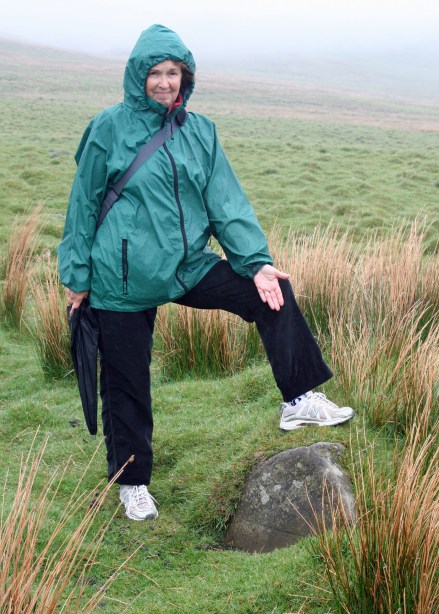
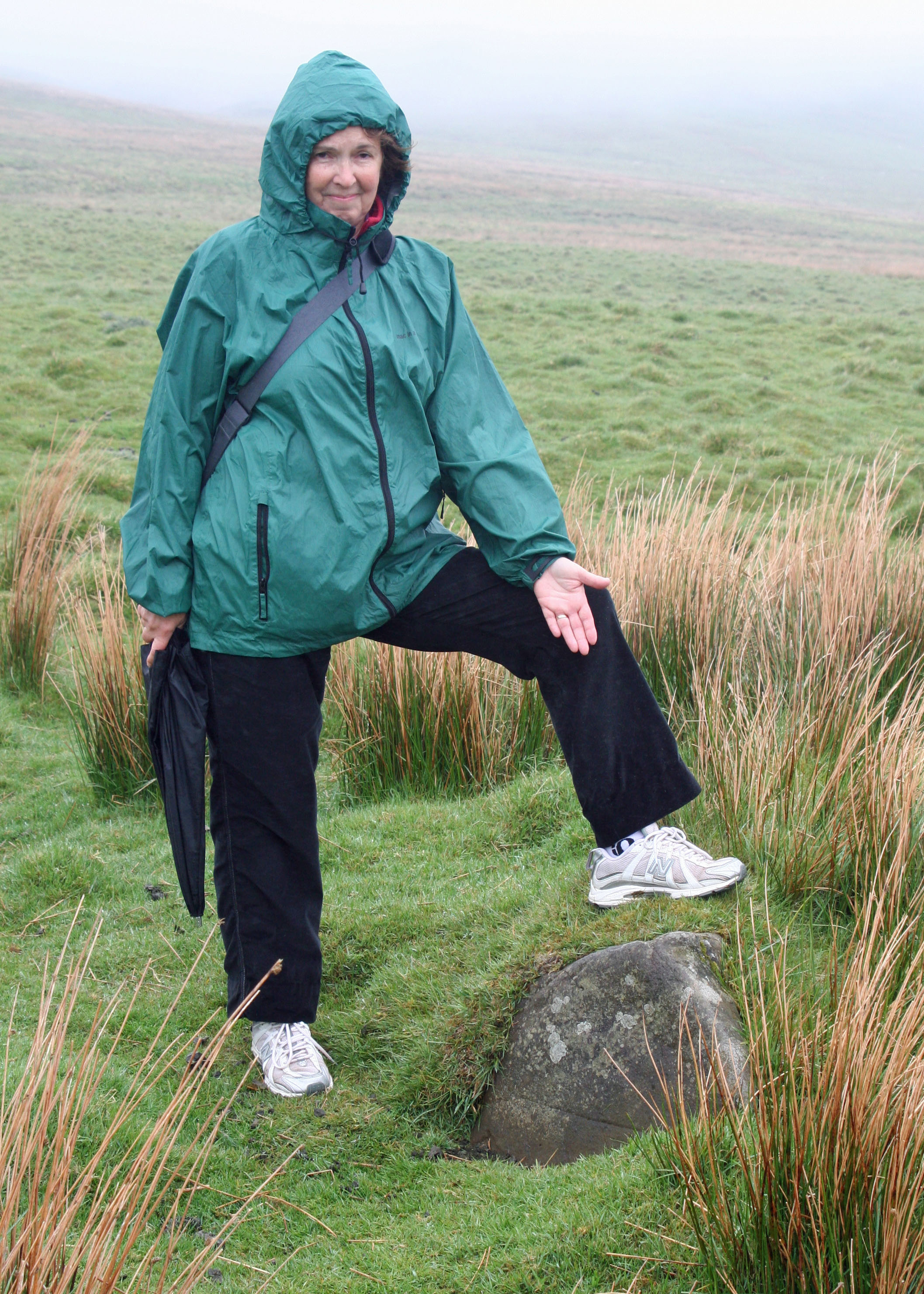
Peggy stands near where John Brown was shot on the likely remains of his house. Mist covers the distance as it would have on the day he was captured.

Claverhouse, or Bloody Clavers as the early Presbyterians identified him, was the King’s go-to man when it came to eliminating Covenanters. He was not noted for his compassion.
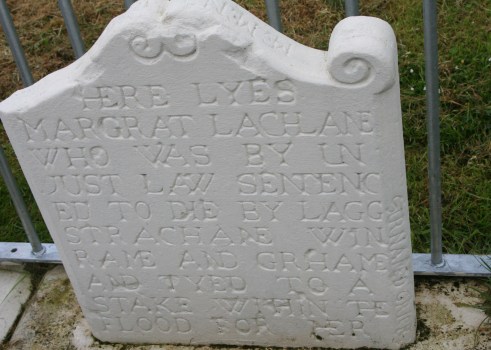
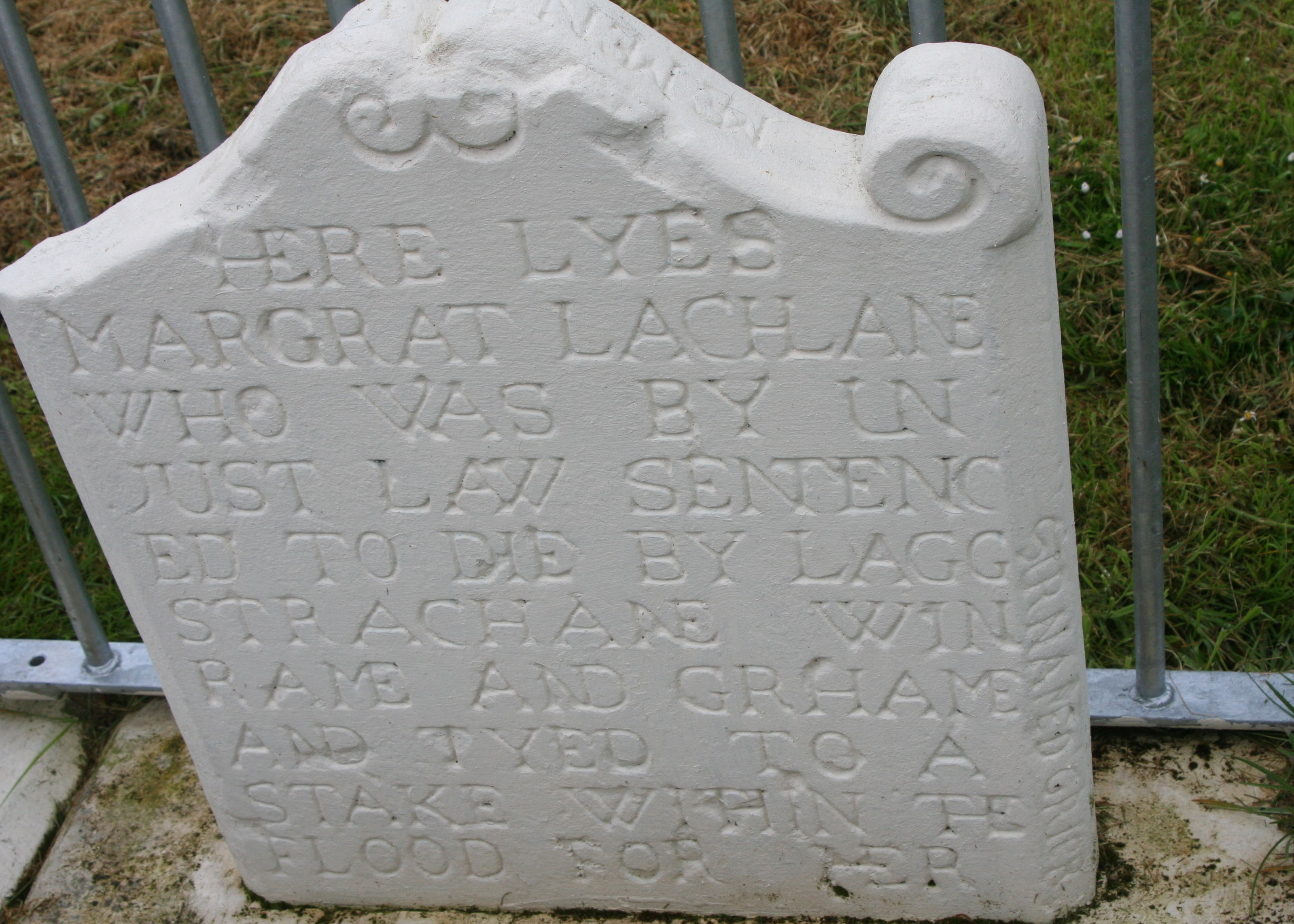
Covenanter’s martyr graves are found throughout the Scottish Lowlands. This woman was staked out in the ocean to be drowned. If violent deaths create ghosts, the Scottish Lowlands are filled with them.

He took Brown back to his home and demanded that he swear an oath to the King in front of his wife and children. Brown started praying instead. The legend states that Claverhouse ordered his soldiers to kill Brown but they refused. So he took out his own pistol and shot him in the head in front of his family.

The story then goes on to describe how Brown’s wife, Isabel Weir, went about the yard collecting pieces of her husband’s brain. (I don’t mean to treat this lightly, but somehow I can’t help thinking about a TV episode of Bones.)

The family eventually escaped to Ireland and then moved on to North America where it settled in Paxtang, Pennsylvania.

John Brown’s appearance on our family chart in 1969 immediately caught my attention. Not many families can claim a certified martyr. When I became serious about genealogy three years ago, I determined I would go to Scotland and find his grave.

It was listed as being near the small town of Muirkirk on Priesthill farm. Priesthill is an old Scottish sheep ranch, dating back to at least the 1600s. This was the time when Scottish Covenanters had gone ‘off the grid’ with their Presbyterian Church and held services out in the open fields hidden away from the prying eyes of the English King and his henchmen. Armed men were posted around the perimeter in case the soldiers came.

Getting caught wasn’t much fun. You could lose your sheep, your cattle, your land and your life. You might find your body quartered and hung up in various communities to provide an example of why you should be a good Anglican.
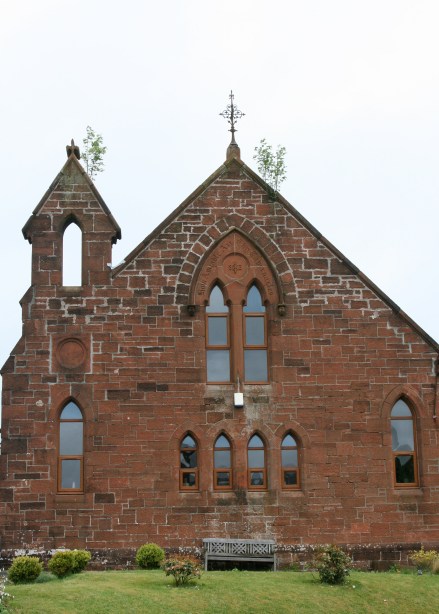
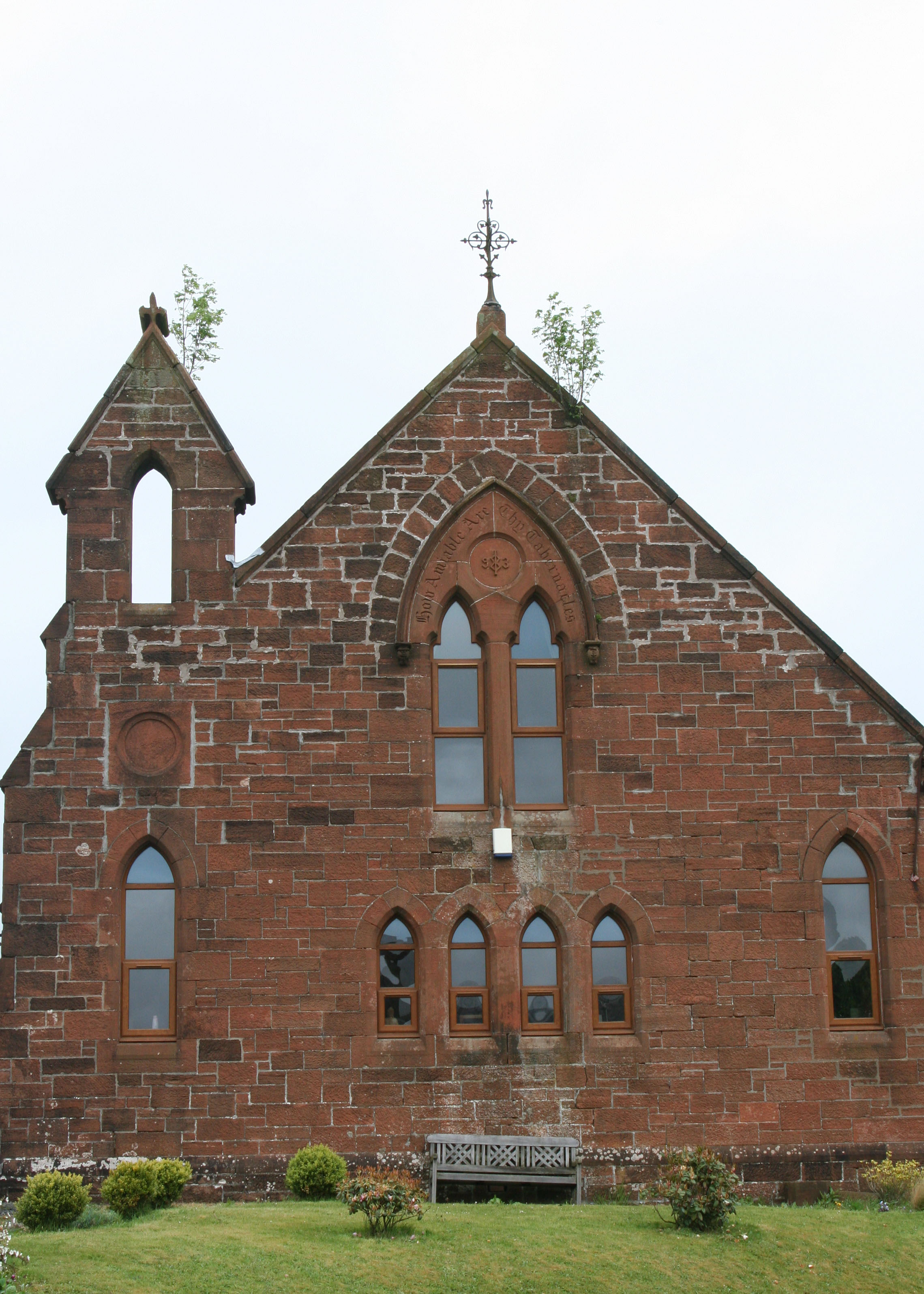
The Old Church B&B in Muirkirk Scotland where we stayed when searching for John Brown’s grave.

Priesthill was one of the remote sites where the hidden services were held. To get there we drove north on the road in front of our B&B (the Old Church B&B in Muirkirk… highly recommended) for a couple of miles and picked up a dirt road snaking off to the right through a sheep farm.

The road seemed to go on and on; recent rains had turned it into a muddy mess. Our brand new Mercedes rental car bounced along dodging sheep and accumulating glue-like mud mixed with sheep dung. It was still on the car when we returned it to Edinburgh.
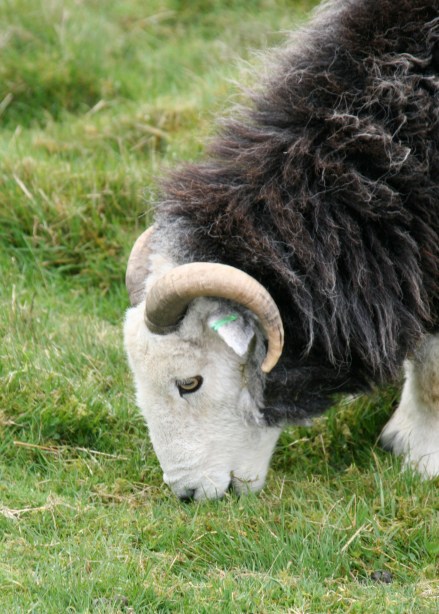
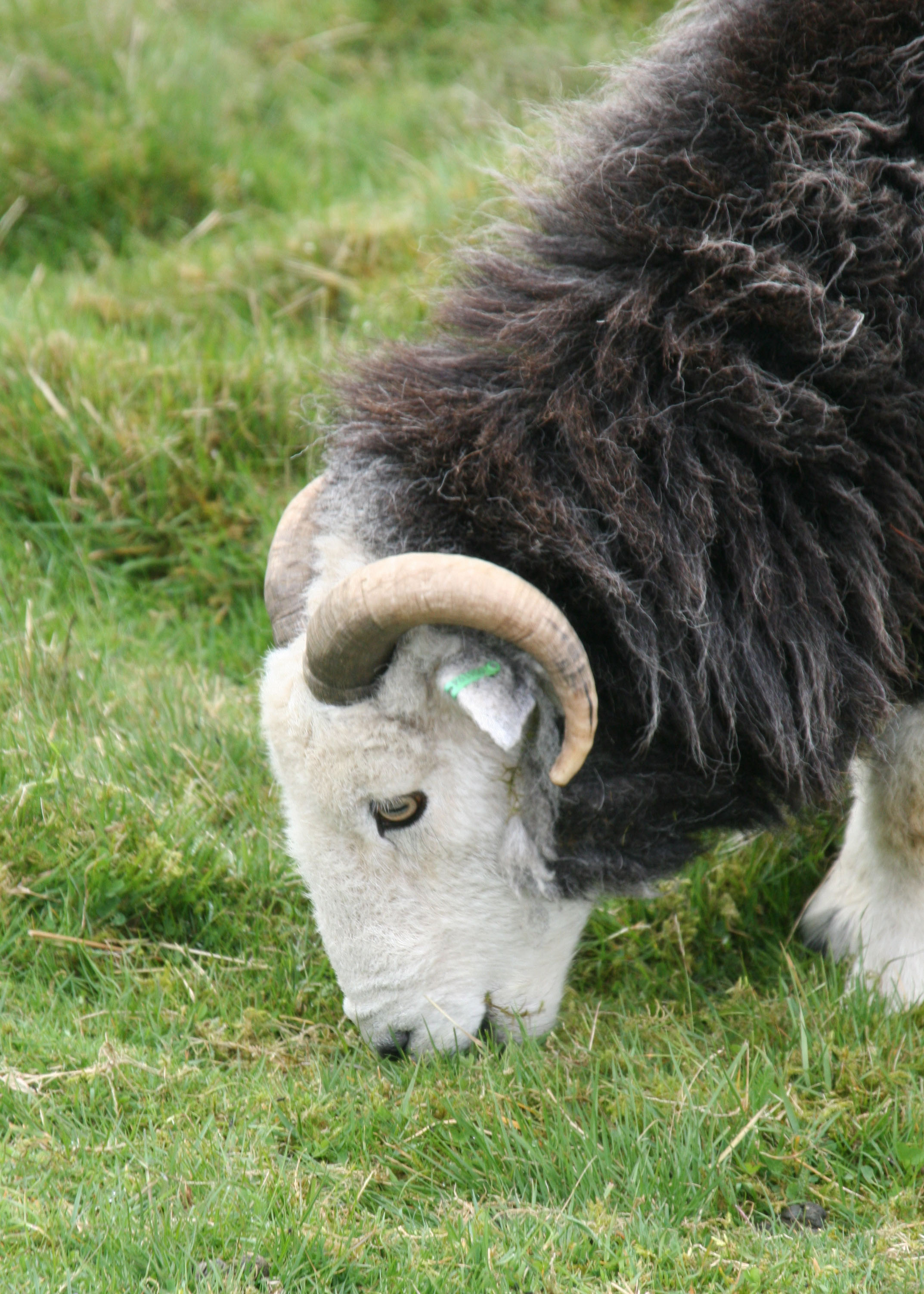
One of the sheep we had to dodge.

Finally the old farmhouse came into sight. A woman was standing on a porch enclosed by a three-foot high rock wall. She was wearing clothes that my great-grandmother times five might have found fashionable. Since we would be walking through her property in search of John Brown’s grave, I got out to talk with her. (Unfortunately, I left my camera behind.)

But she did something strange. She disappeared. Now this was strange in two ways. Obviously she didn’t want to talk with us. She turned her back and walked rapidly toward the door.  OK, I could live with that even though we had found most Scots to be friendly and helpful. Possibly she was shy.

What bothered me more was she sank.

It was like she was traveling down an escalator or open elevator. Her head disappeared beneath the stonewall, before she reached the door. I did not see her go inside.

“Maybe there are steps down to an underground cellar,” I thought. Or maybe she merely bent over to work on a flower garden. Curiosity got the better of me. I walked over. There was no woman; there were no flowers; there were no stairs. As far as I could see the floor of the porch was solid stone.

I asked Peggy, “Did you see that woman disappear?”

“She went inside,” my logical wife explained.

“Ah,” I said and put the matter out of my mind as we wandered out the indistinct trail across the vacant moors to John Brown’s lonely grave. But the thought wouldn’t conveniently disappear like the woman; it kept nibbling away at me. Later I asked Peggy if she had seen the woman sink into the porch.
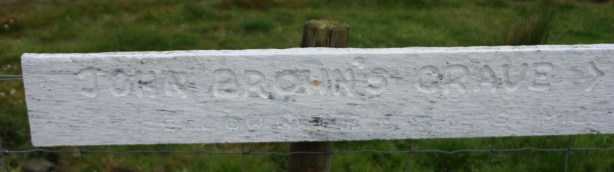
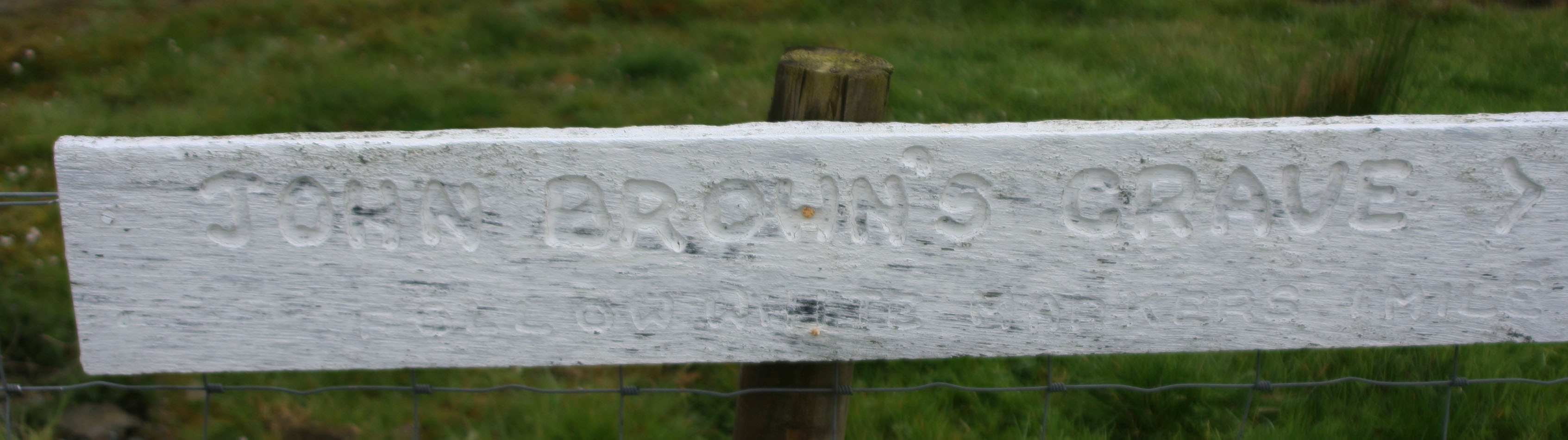
The sign in the farmyard pointing us toward John Brown’s grave.

“Yes,” she replied.

“Did you actually see her go in the house?”

“No.”

So I rest my case for a possible ghost. We did, by the way, find John Brown’s grave. His ghost was said to have appeared gloatingly in Clavers’ tent the night before Clavers was killed in battle.
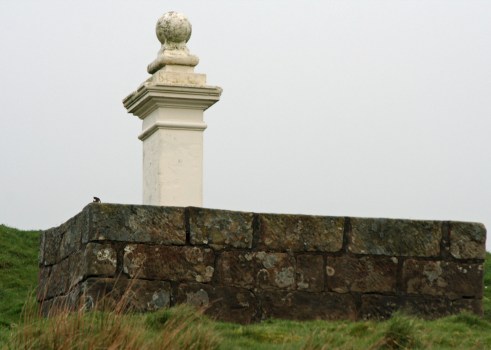
A close up of John Brown’s grave.

The Murky Depths of the Amazon’s Rio Negro… The Passport Series

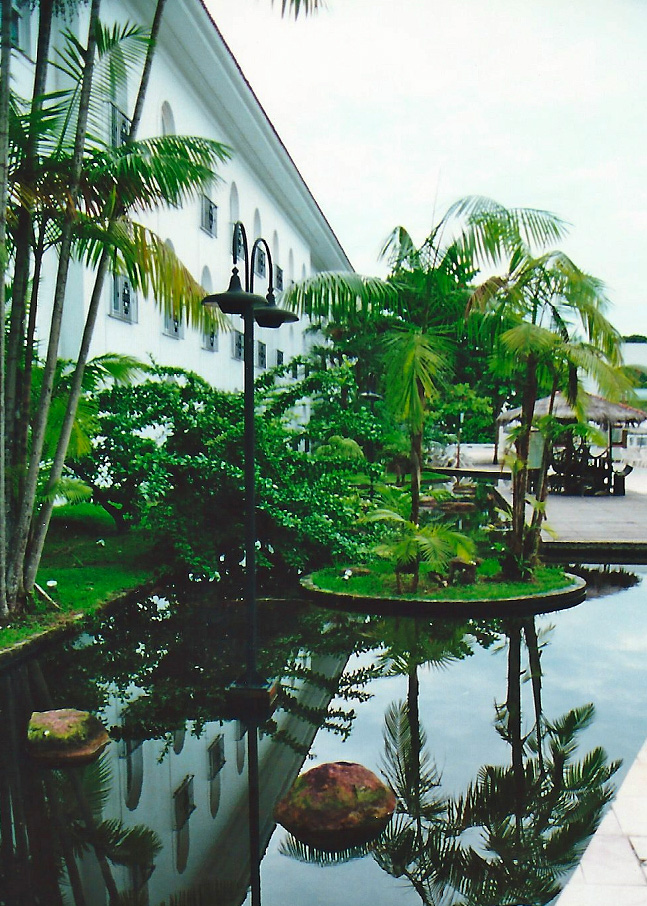
The Tropical Hotel in Manaus Brazil.

Having survived swimming in piranha-infested waters, Peggy played Titanic. The Peripatetic Bone decided to get into the act by posing on the rail. The boat lurched and Bone was on his way to reside forever in the murky depths of the Rio Negro. I leapt and made a saving catch as he went over the edge.

Having gone swimming in the piranha-infested waters of the Amazon, Peggy tempted fate again by doing her Titanic pose.

The Peripatetic Bone poses on railing of the M/V Amazon Clipper shortly before he went plummeting toward the murky depths of the Rio Negro.

After being rescued from his fall, Bone was limited to more prosaic activities, such as steering the boat.

We were wrapping up our tour on the M/V Amazon Clipper. There was the village of Novo Alrao to visit and a jungle walk to take. Then we would return to the Tropical Hotel in Manaus. Good-looking Latin men with sharp knives seemed to lurk everywhere. I told Peggy, “No, you can’t bring one home.”

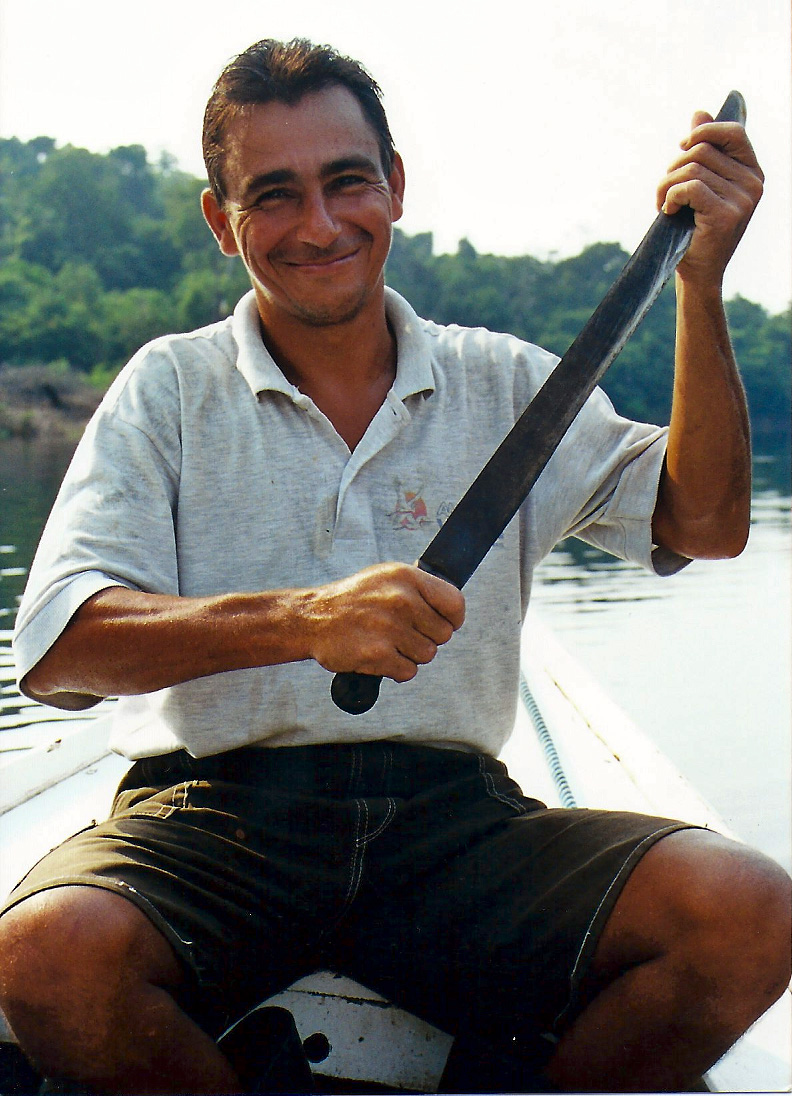
One of our guides. Nice smile, sharp knife/machete.

One of the women applied the word “hunk” to this machete wielding Amazonian who was demonstrating how to open Brazil Nuts. Brazil Nuts, BTW, live in heavy pods high in the trees. Getting hit by one can cause serious damage.

A touch of Disney in the village of Novo Alrao. I assume the building was an elementary school.

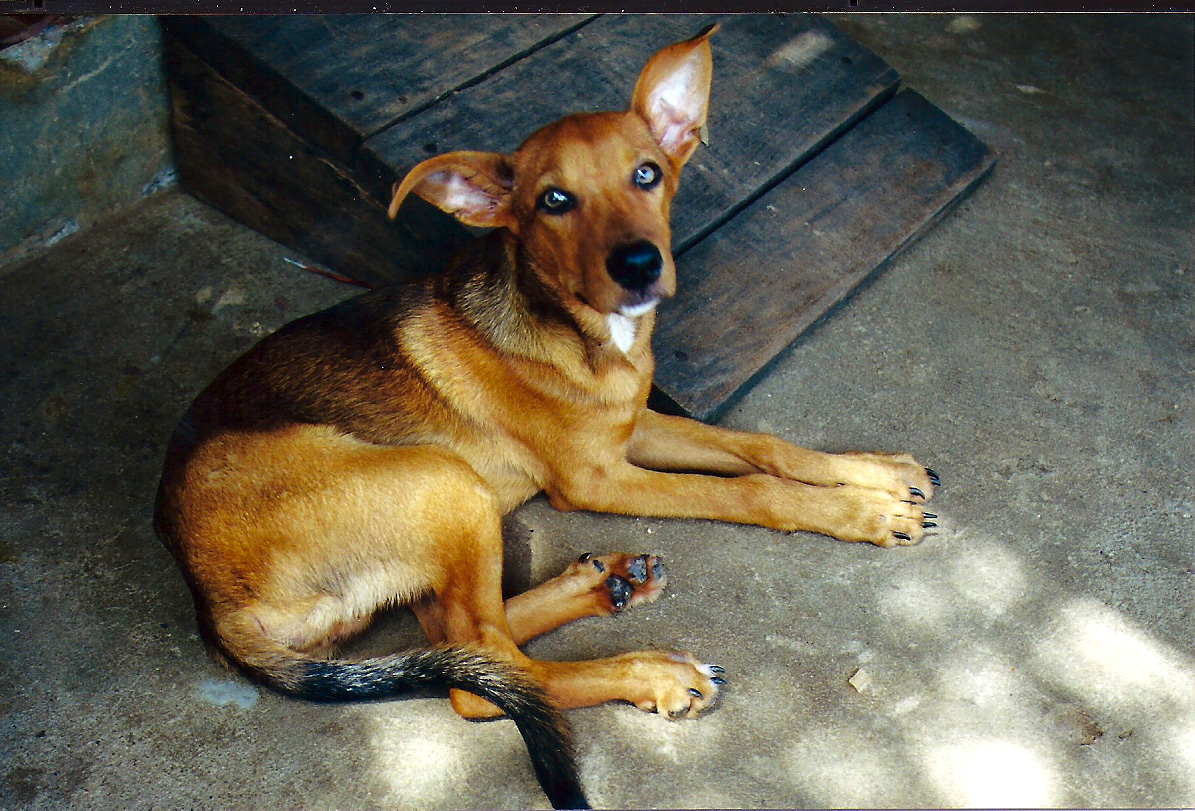
I thought this dog in Novo Alrao, Brazil was quite handsome although his ears made his head look small.

These Amazon River boats were beached at the edge of the village.

A Brazilian houseboat came in for resupply when we were in Novo Ariau. Ten of the world’s largest rivers are found in the Amazon Basin. Living and traveling on these rivers makes sense.

I was much more concerned about the soldiers with automatic weapons who filled the Tropical Hotel in Manaus than I was the guys with the machetes. The soldiers surrounded the hotel and were posted in every corridor, at the swimming pool and in the restaurant. A serious looking gunboat cruised back and forth in front of the hotel’s dock.

A sign posted in front of the hotel welcomed the Defense Ministers of North and South America. We had been invaded. We were lucky to still have a room. To escape from constant surveillance, we took a taxi into Manaus to visit the Opera House, public market and waterfront.

Manaus, Brazil has a large colorful market, which is a must see stop on a tour of the city.

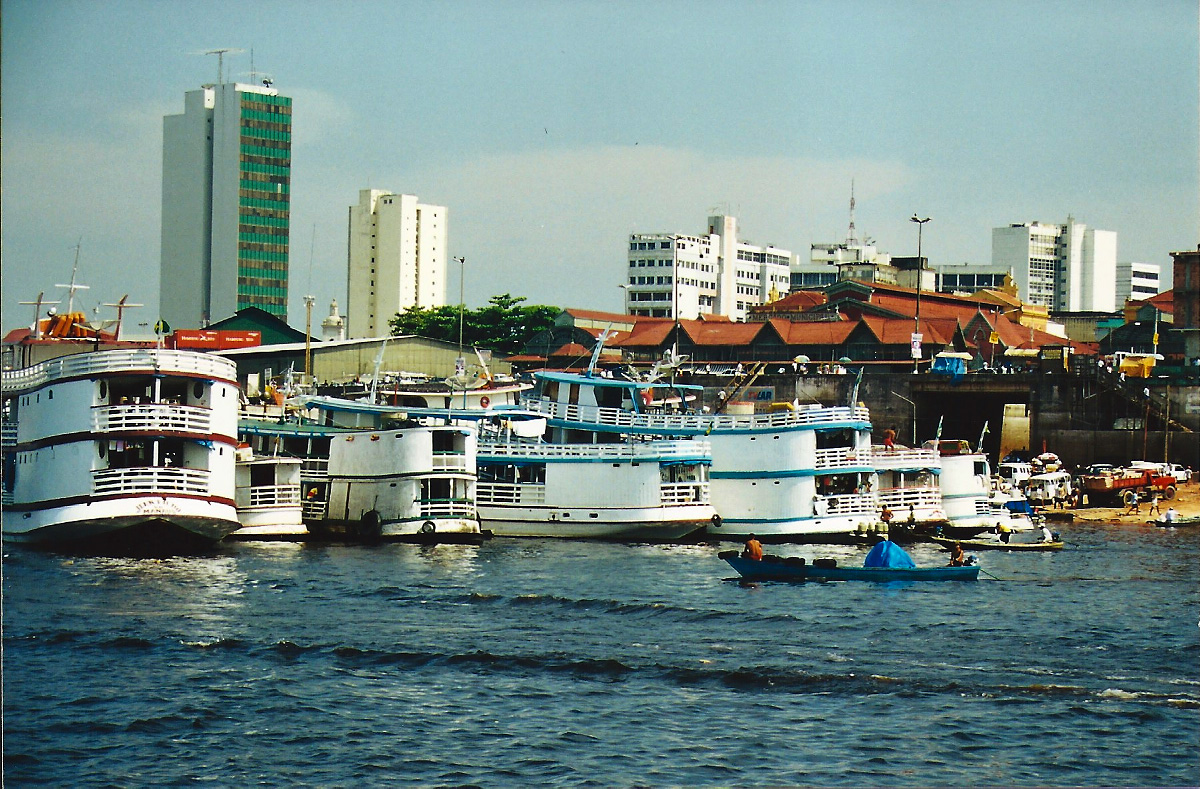
The Manaus waterfront. The market is located in the reddish buildings on the right. The boats in the foreground serve as the major form of transportation up and down the Amazon River. Captains wait for the boats to fill before leaving. It can take several days. Passengers bring their hammocks and sleep on the boat.

That night we took photos of the sunset and then finished up our stay by playing cribbage with another couple that had been on the Amazon Clipper with us. He was a CPA out of Texas who specialized in loopholes and apparently cribbage. We were severely trounced. The next day we made the long flight back to Sacramento. Our Amazon adventure was over.

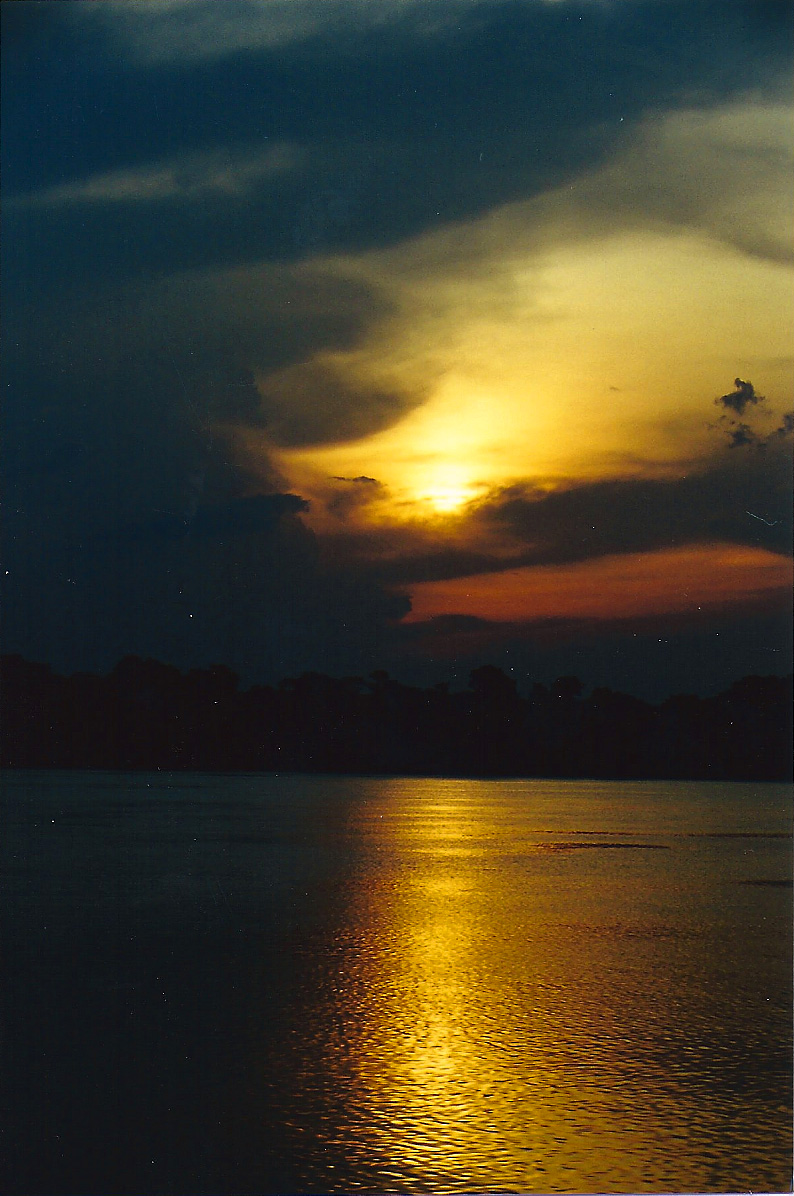
A beautiful sunset capped off our visit to Brazil and the Amazon Rainforest.

Monkey Business at the Ariau Amazon Lodge… the Passport Series

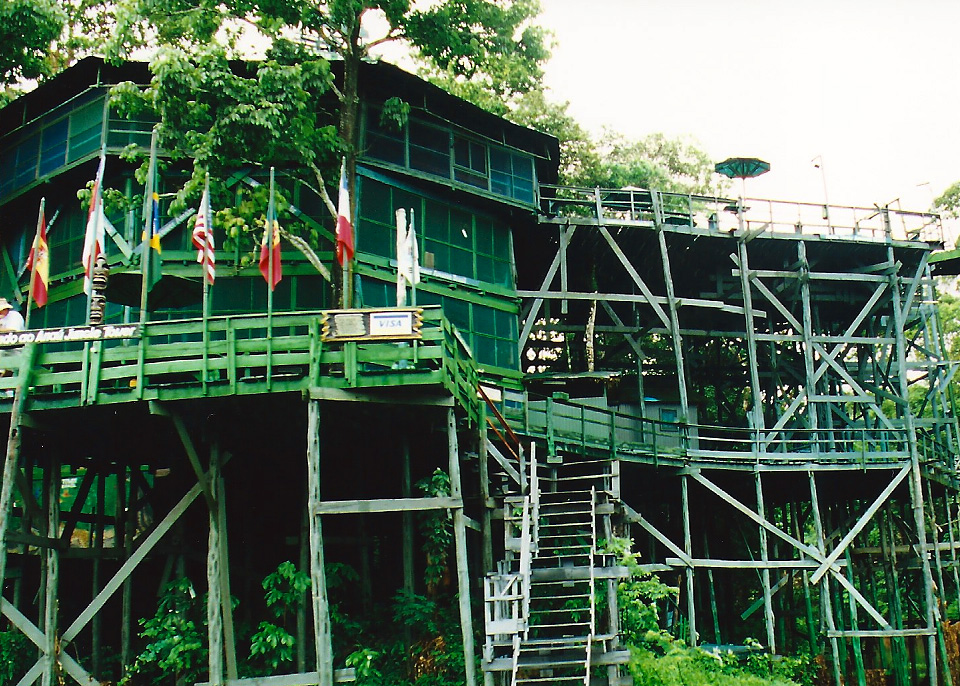
This photo captures the tree house nature of the Ariau Lodge located on the Rio Negro River near Manaus in the Amazon Rainforest of Brazil.

“The war of the future will be between those who defend nature and those who destroy it. The Amazon will be in the eye of the hurricane. Scientists, politicians, and artists will land here to see what is being done to the forest.”

Jacques Cousteau

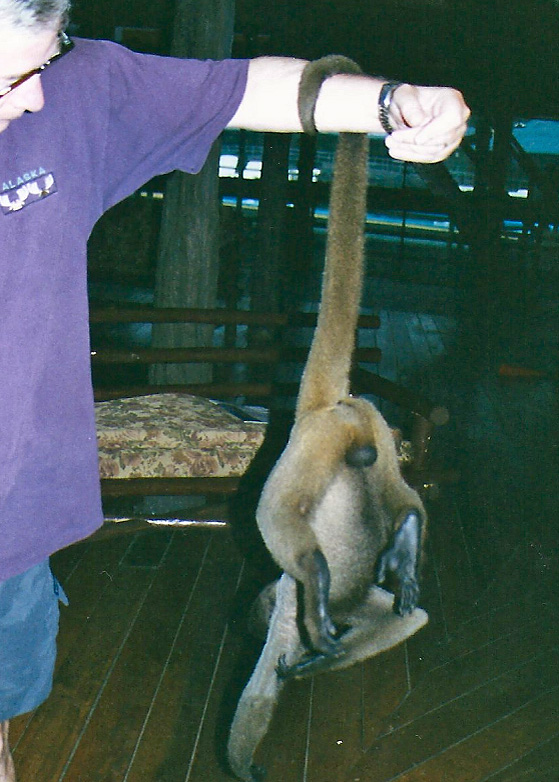
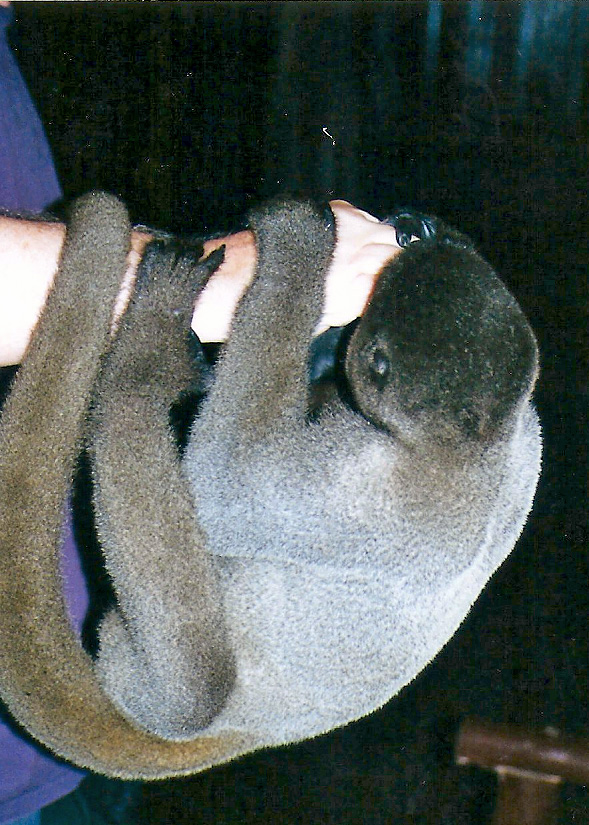
The Woolly Monkey leapt on to my shoulders and rested one paw on my forehead. I hadn’t invited him and suggested he leave.  When I tried to put him down he wrapped his powerful tail around my wrist and then threatened to bite my hand.

An upside down Woolly Monkey holds on to my arm with his powerful tail at the Ariau Lodge in the Amazon.

When I suggested to the Wooly Monkey that he should get down, he threatened to bite my hand.

My wife Peggy took photos and laughed at my predicament. Her turn was coming.

We were staying at the Ariau Amazon Towers Lodge some 35 miles from Manaus Brazil in the heart of the Amazon Rainforest overlooking the Rio Negro River. Located high in the rainforest above the river, the Ariau is the Mother of all tree houses. Tarzan would appreciate the luxury. In fact there is a “Tarzan Suite” perched 110 feet up in the air.

The Tarzan/Honeymoon suite at the Ariau Lodge perched 110 feet above the Rio Negro.

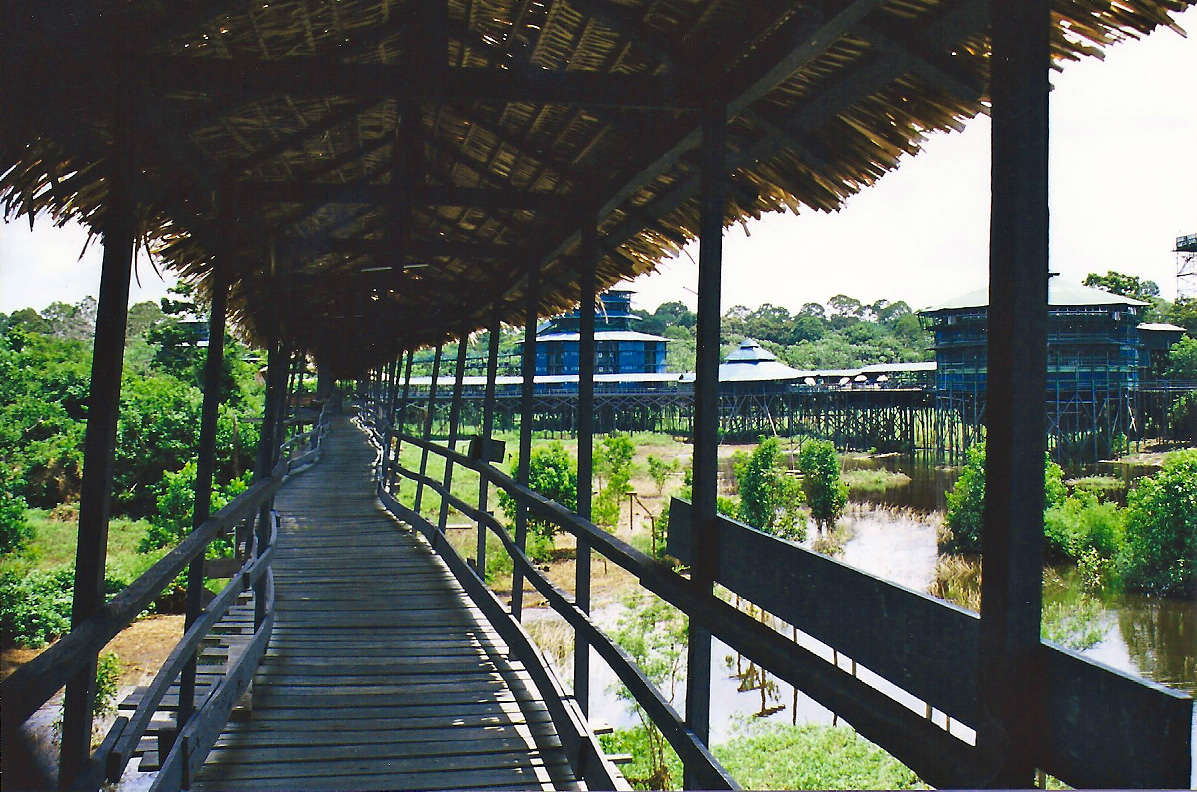
Catwalks, some as high as 70 feet, radiate out from the lodge for five miles into the forest and provide the visitor with the unique Amazon experience of walking among the treetops and visiting with the wildlife… including parrots and the far-too-tame monkeys.

Attractive walkways or catwalks extend out for some five miles from the Ariau Lodge providing visitors with an opportunity to wander through the tree tops of the Amazon rainforest.

This photo provides another view of the catwalks at the Ariau Lodge in Brazil.

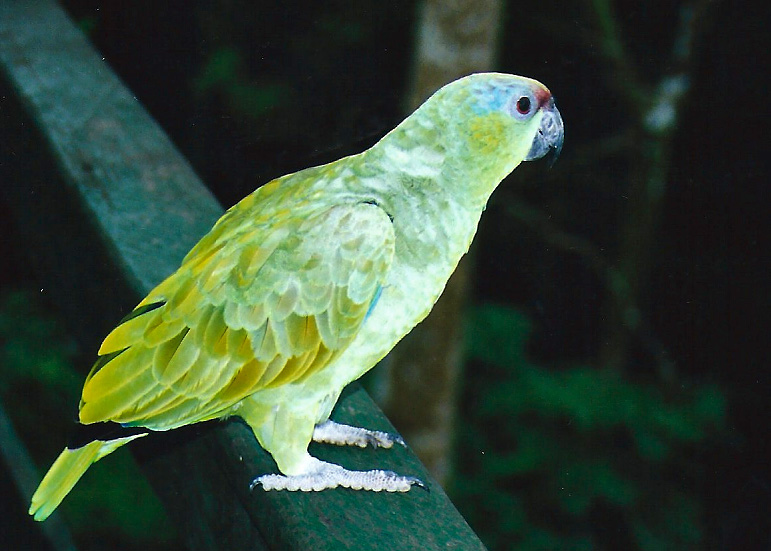
This brilliant green parrot greeted us on our walk at the Ariau Lodge.
Jacques Cousteau inspired building the Ariau in the mid 80s.  His statement to Dr. Francisco Bernardino quoted above led Bernardino to erect the hotel to accommodate the expected influx of ‘artists, scientists and politicians.’ Since then the lodge has accommodated a steady stream of famous visitors ranging from Prince Charles to Bill Gates. Peggy and I stayed in the “Jimmy Carter Room,” which was given its name after Carter slept there.

The Peripatetic Bone insisted on having his picture taken with the Carter sign and with a Brazilian mask.
The Peripatetic Bone rests on the Jimmy Carter sign.

A number of carved artworks are found at the Ariau Lodge. Bone is taking a nap in the mouth of this snake-tongue protruding from the mouth of a Brazilian mask.

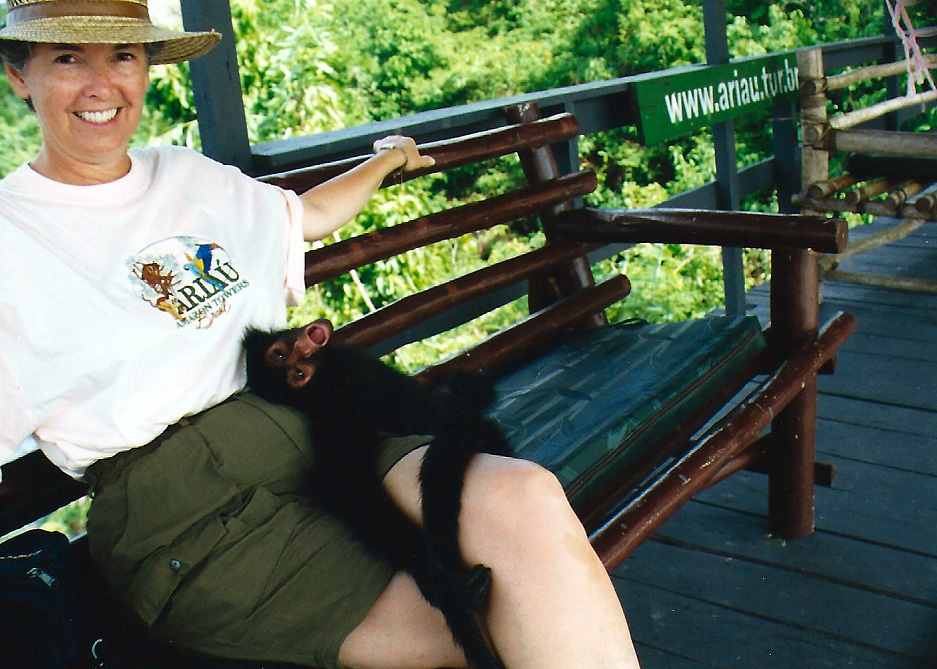
But back to the monkeys… Peggy’s want-to-be friend was a long-legged Spider Monkey. He joined us on the walkway and immediately wrapped one leg around her neck and looked up adoringly. He held on for a mile as we strolled along the catwalk. When we stopped, he immediately stretched out on her lap and made faces at me.

She only lost her long-legged furry friend when we returned to the lodge. That night she discovered the flea bites.

The Spider Monkey climbed up on Peggy, draped his arm/leg around her neck, and looked up adoringly.

The Spider Monkey joined us for our walk among the tree tops of the Amazon forest.

When Peggy sat down, her new best friend spread out on her lap and made faces at me.

This “wild” creature of the Amazonian Rainforest then proceeded to take a nap.