Escape from Alaska… Part II: The Friday Essay

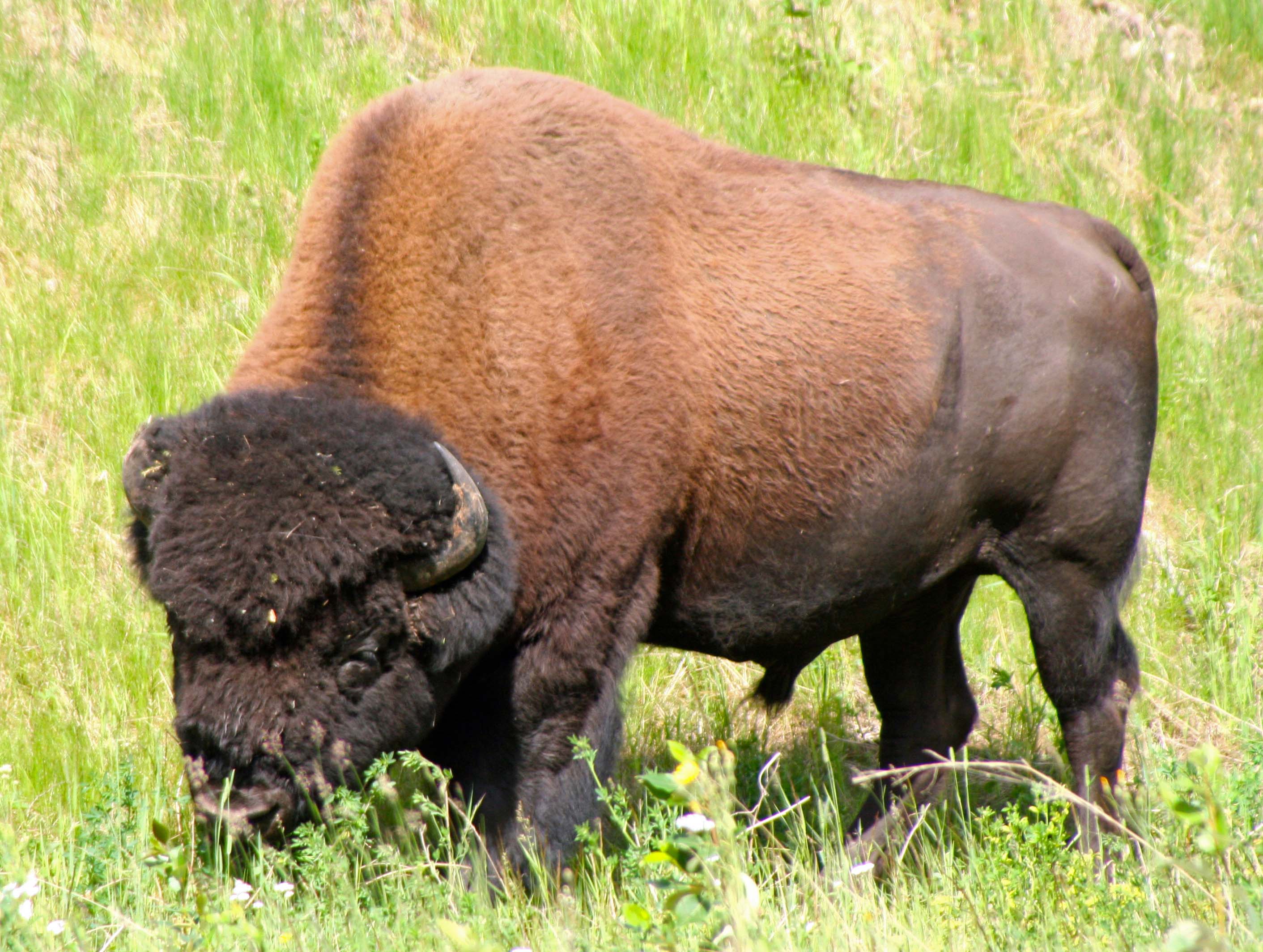
Woodland buffalo have become fairly common when driving through portions of the Yukon Territory. As noted in my last Escape from Alaska blog, Peggy and I took these photos two years ago when we drove the Alaska Highway in the summer.

Woodland buffalo like this guy have become fairly common when driving through portions of the Yukon Territory. As noted in my last Alaska blog, Peggy and I took these photos two years ago when we drove the Alaska Highway in the summer.

The next day after my encounter with the Trooper (see here), I zipped down the Alaska Highway through the Yukon Territory to White Horse. With the exception of gigantic trucks on their way to the North Slope, I saw few other vehicles. Snow still covered the surrounding wilderness and the road was frozen solid. The annual migration of tourists traveling north was months away.

That night I chose to stay in a campground, preferring not to repeat my previous night’s experience. I also avoided wasting away in Margaritaville— instead I broke out the brownies.

As a going away present, some friends had given me a gallon Zip Lock bag of Alaska’s finest pot. At first sight, it might seem that they were involved in a criminal activity, but marijuana was legal in Alaska. You could grow your own and somebody had obviously grown a lot. Giving me the grass had been the Alaskan equivalent of sending me off with a bottle of 25-year-old single malt Scotch whiskey, or several bottles.

In honor of lung health, I promised not to smoke it. I practiced my baking techniques on my last night at my friend’s house. The cat, the two dogs and I tested the results. It was a mellow evening and the whole menagerie was allowed to sleep on the bed. We purred, wagged our tails, and had wild dreams.

Here’s some advice to the uninitiated that Alice B. Toklas didn’t provide: go easy on brownies. They have a way of sneaking up on you. The problem is physiological. Long before your body has done its job and processed the herb, you are thinking, ‘this stuff has absolutely zero impact, I should have stuck with wine.’ So you eat another brownie, and then another. By the time you realize the error of your ways, it’s too late and you are wacko.

Luckily, I had already been there, done that. I ate a small piece and waited patiently. Then I broke out an ounce of Swiss cheese. I was all moderation. Marijuana enhances flavor and encourages gluttony. I once watched a woman down a quart of ice cream in one sitting and demand more.

A friend had slipped me a fat letter to read on the way. I opened it as an option to eating the other 15 ounces of cheese. She had offered to pinch hit if my other Alaska relationship didn’t work out.

“We can run off to Mexico and open an orphanage for homeless children, Curt,” she had suggested. She was serious about the orphanage. It was a dream of hers. It made the suggestion of my staying home, writing, and raising one or two kids look like a ride on a merry-go-round. I had declined her generous proposal. The gist of the letter was that the offer was still open.
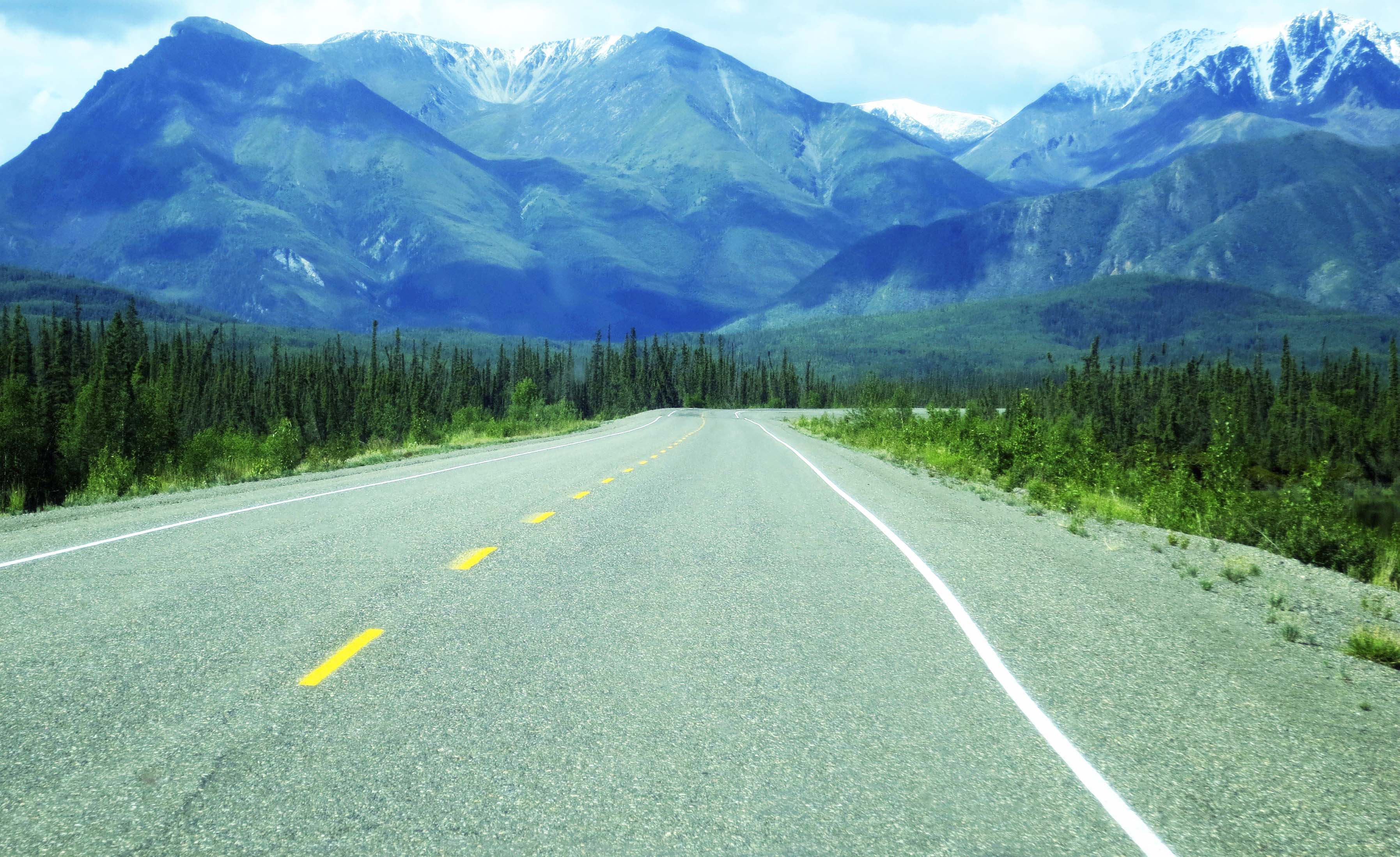
Sights along the the Alaska Highway include towering mountains...

Sights along the Alaska Highway include towering mountains…
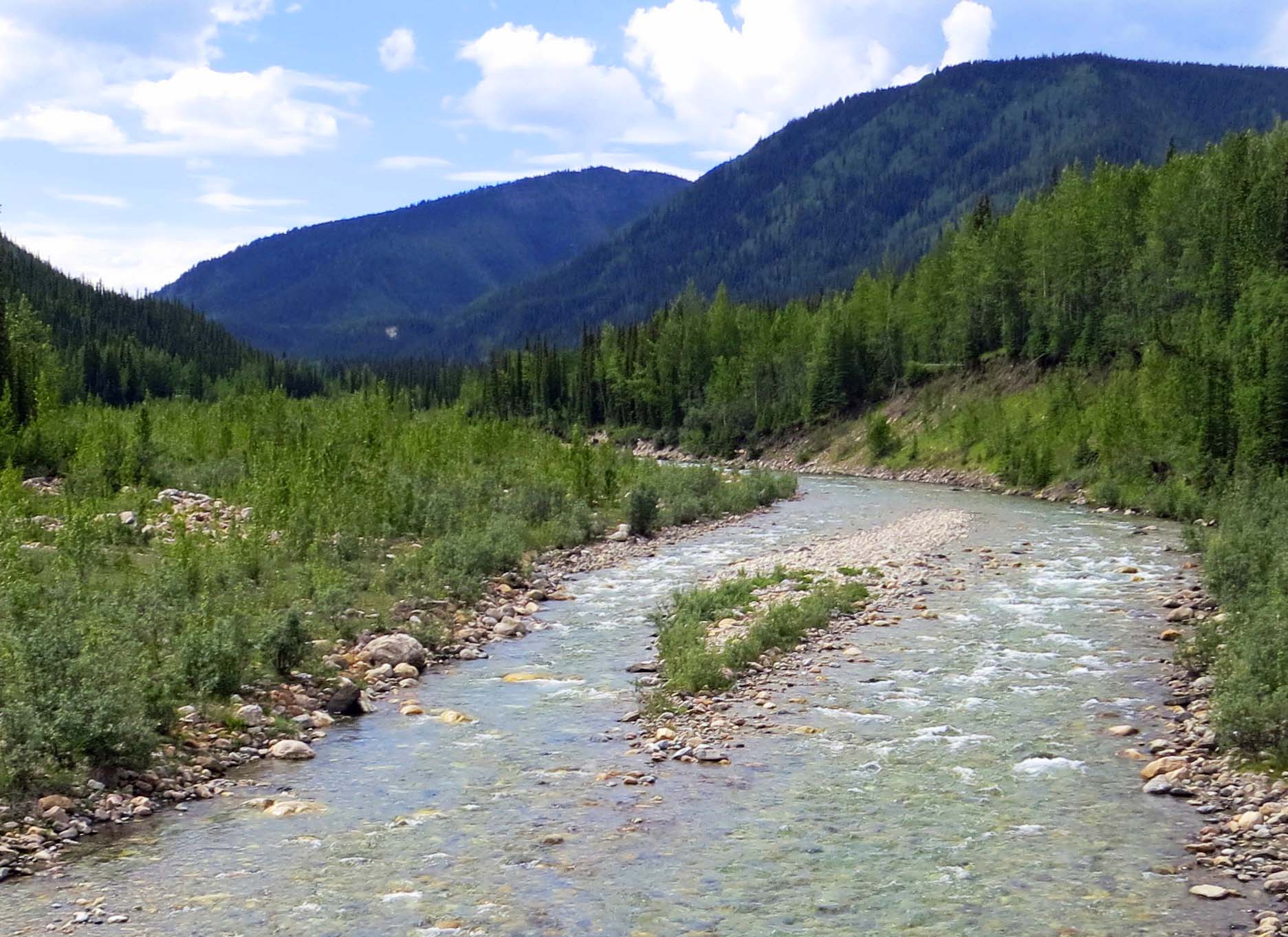
Wild rivers...

Wild rivers…

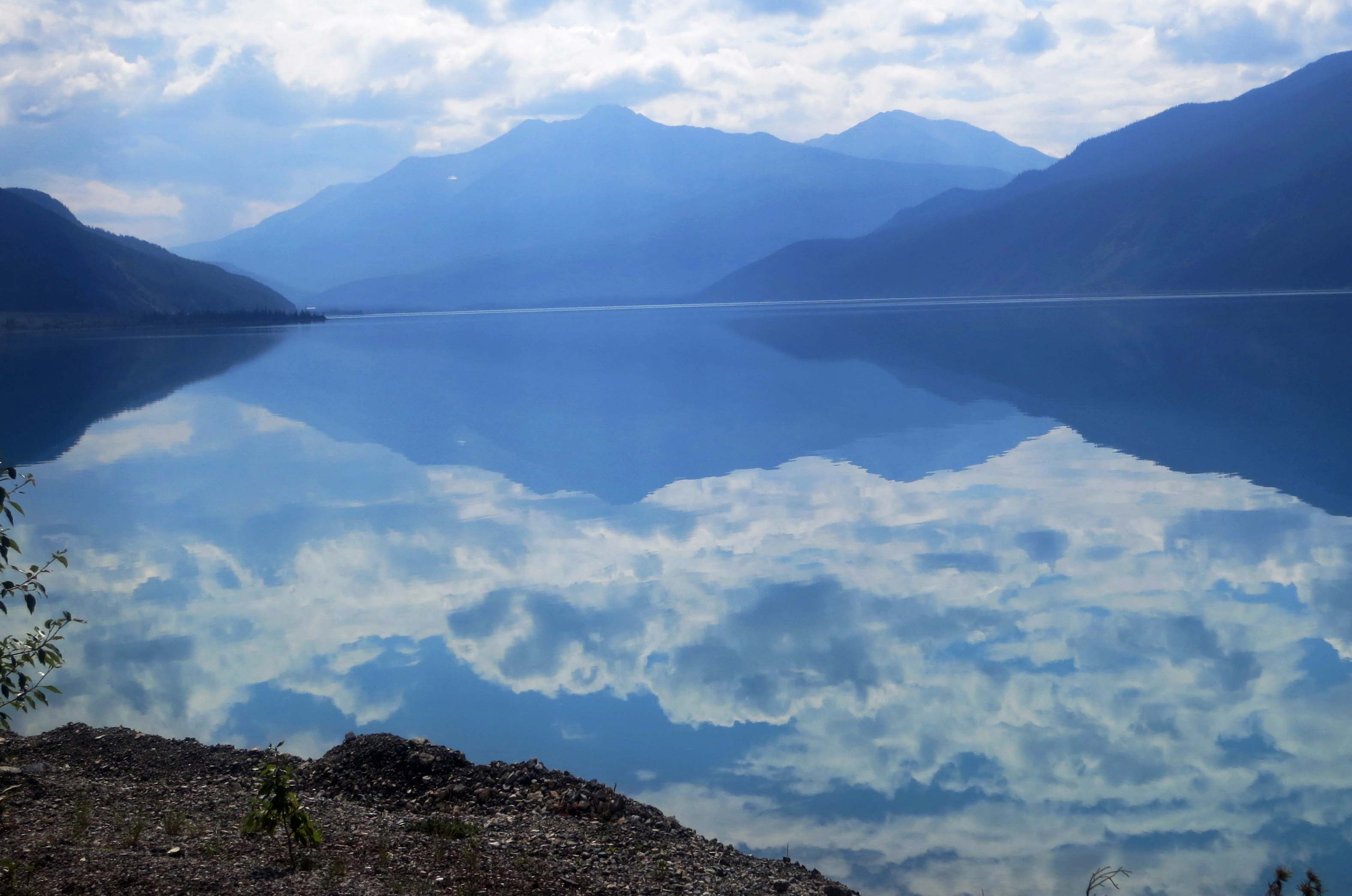
Reflecting lakes...

Reflecting lakes…

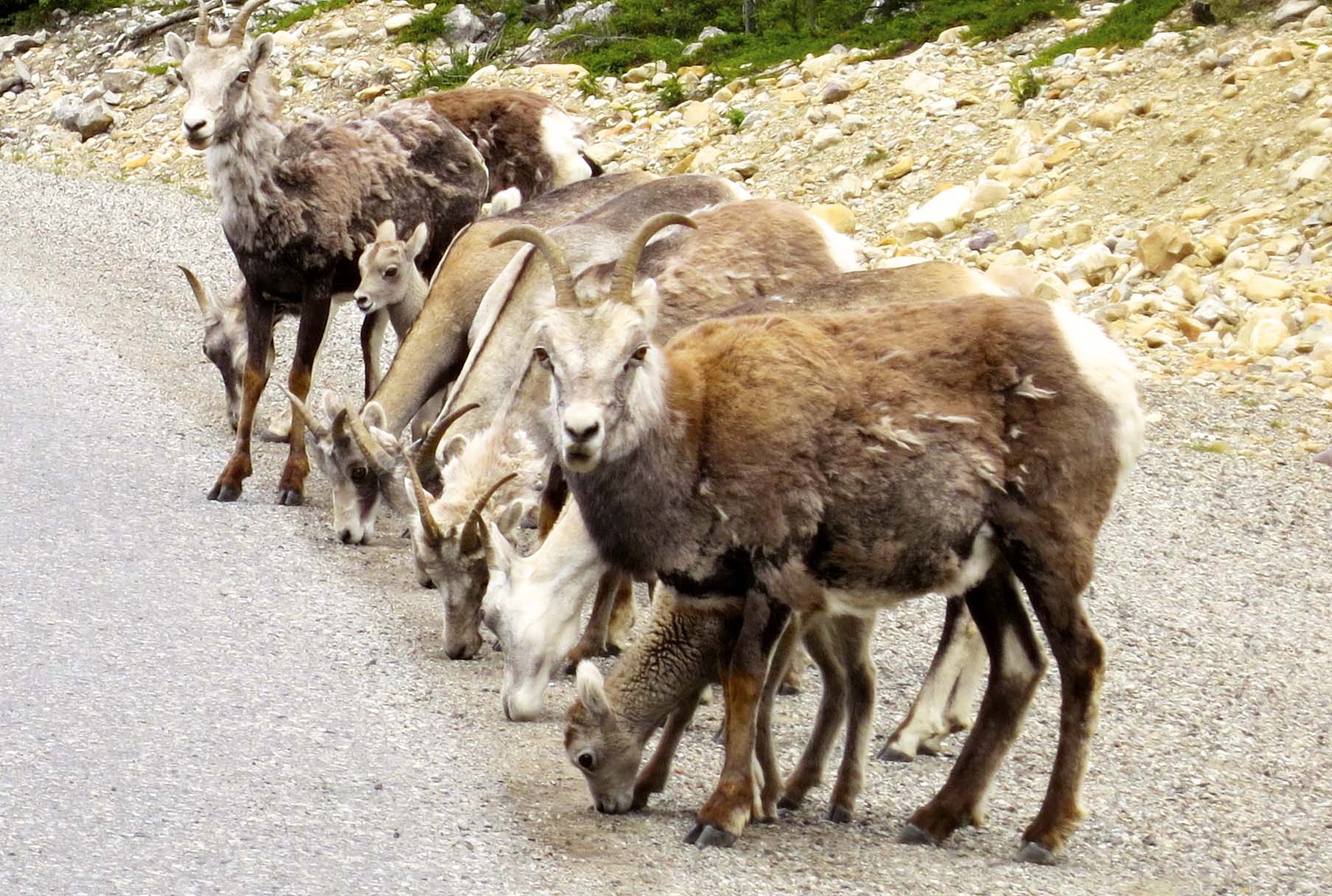
And Dall Sheep...

And Dall Sheep…

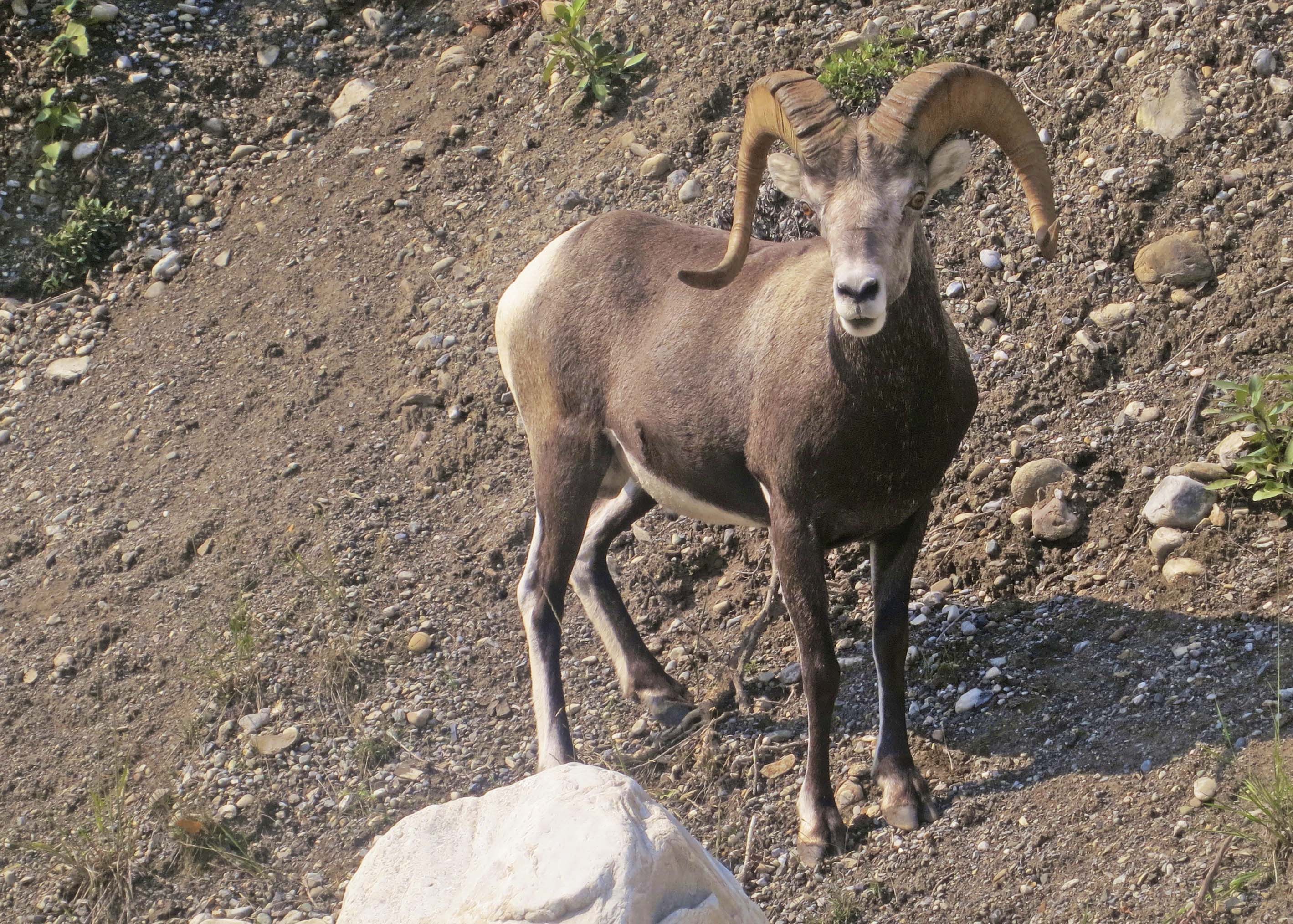
Including this ram...

Including this ram…

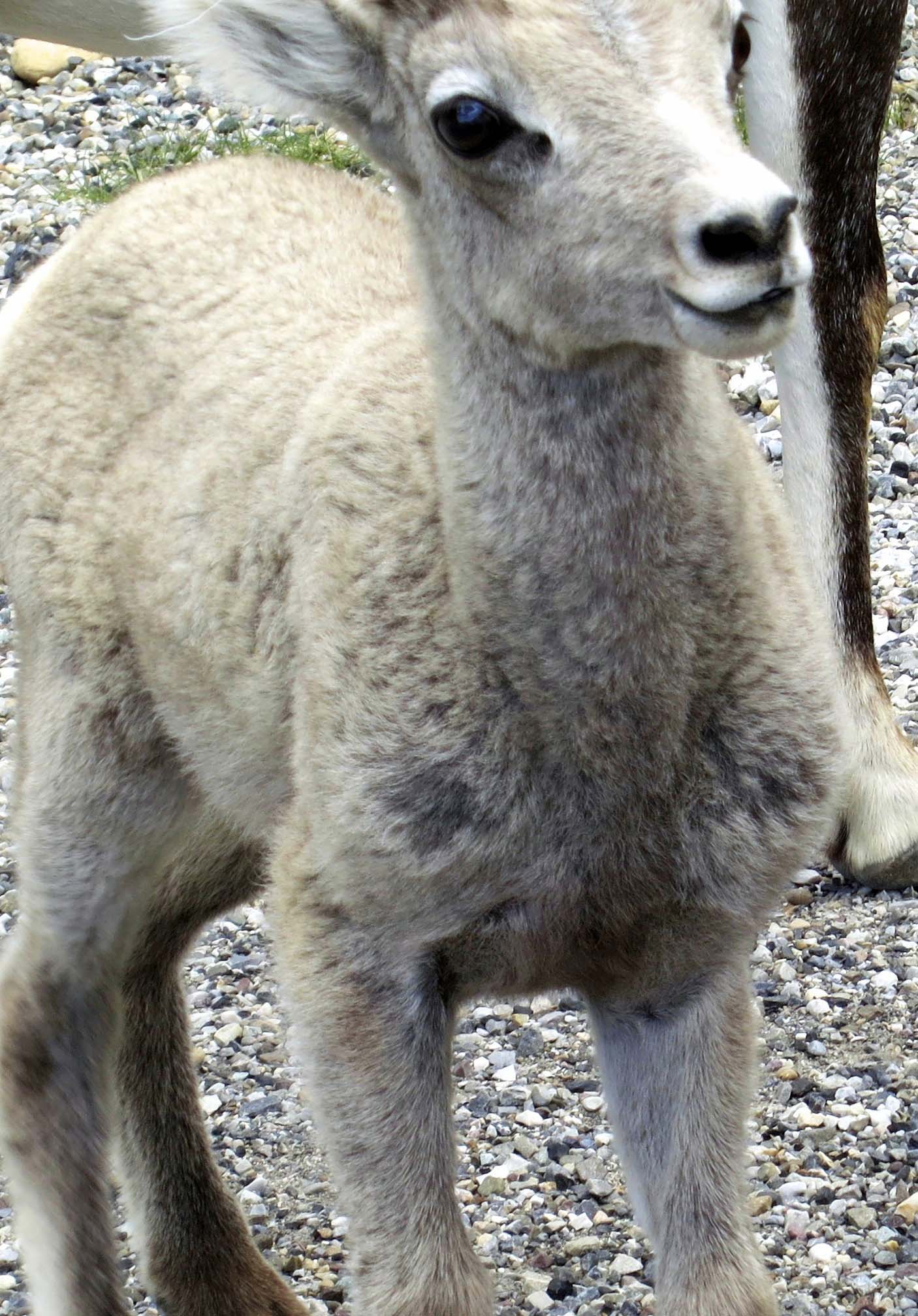
And this curious kid.

And this curious kid.

Five days later I drove into Sacramento. The grass was green and flowers were blooming even though a major flood had threatened the region in February. I planned on spending a few days visiting my father and some friends before taking off for the woods. As part of my itinerary I stopped by to see Jane Hagedorn at the Sacramento Lung Association. Jane is a fierce friend. Every time I had tried to escape, she had reeled me back in, frustrating my desire to become a happy wanderer by making me offers I couldn’t refuse.
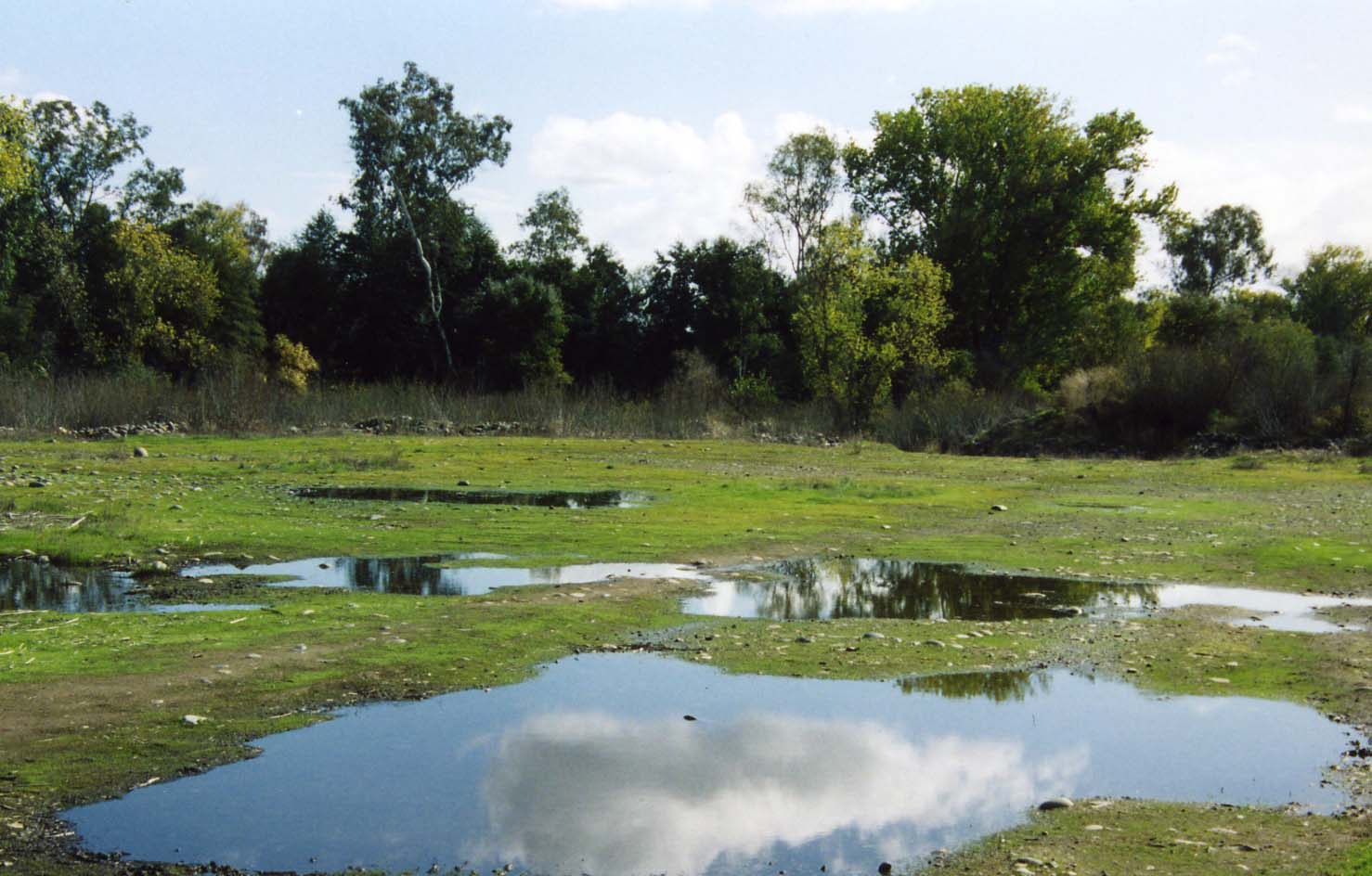
I found my green grass in Sacramento.
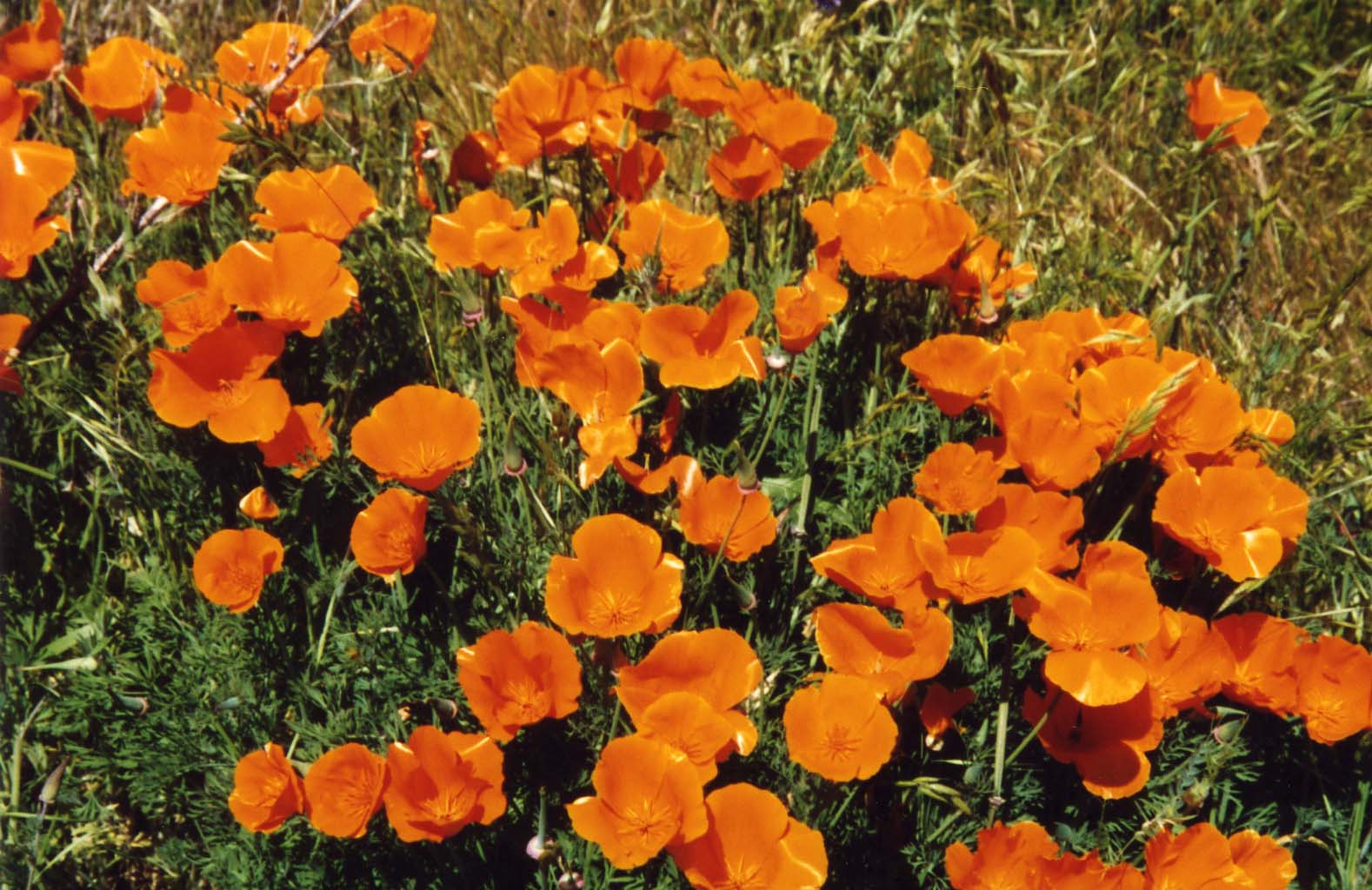
I found my green grass in Sacramento.

And California Poppies, plus two job offers.

And California Poppies— plus two job offers.

“You will come back to Sacramento and work for Lung when you are done playing,” she informed me and then dangled the Trek Program in front of me for bait. As I usually do, I tentatively agreed. It’s not wise to cross Jane. As I was leaving the Lung Building, I ran into Jerry Meral, the Executive Director of the Planning and Conservation League of California. Along with the Sierra Club, PCL is the main lobbying group for environmental groups in California.

“Curt,” Jerry said with his always-high level of enthusiasm, “I have a job for you.”

“I’m not looking for a job, Jerry,” had been my reply. “I am going backpacking for six months.”

Jerry, who is even worse than Jane at taking no for an answer, continued on, “But this job is perfect for you. I want you to work on raising California’s tobacco tax by five cents so we can use the money for buying parks.” I knew that Jerry and his crew at PCL had successfully done more at raising money for parks than anyone else in California and probably the world. If Jerry was behind the concept, it was legitimate.

“Interesting Jerry, but I am going backpacking.” I figured that took care of it.

“OK and have fun,” said Jerry, “but see me as soon as you get back.”

I half nodded my head in agreement. So here I was, desperate to free myself from any major commitments, and already agreeing to think about taking on two significant tasks— one that was monumental. But they could wait. The next day, I was on my way to the Grand Canyon. And who knew what I would be doing in six months.

NEXT BLOG: The wilderness cure begins. It’s off to backpack the Grand Canyon via Death Valley and Las Vegas.
 

Santorini Potpourri… The Amusing and the Picturesque

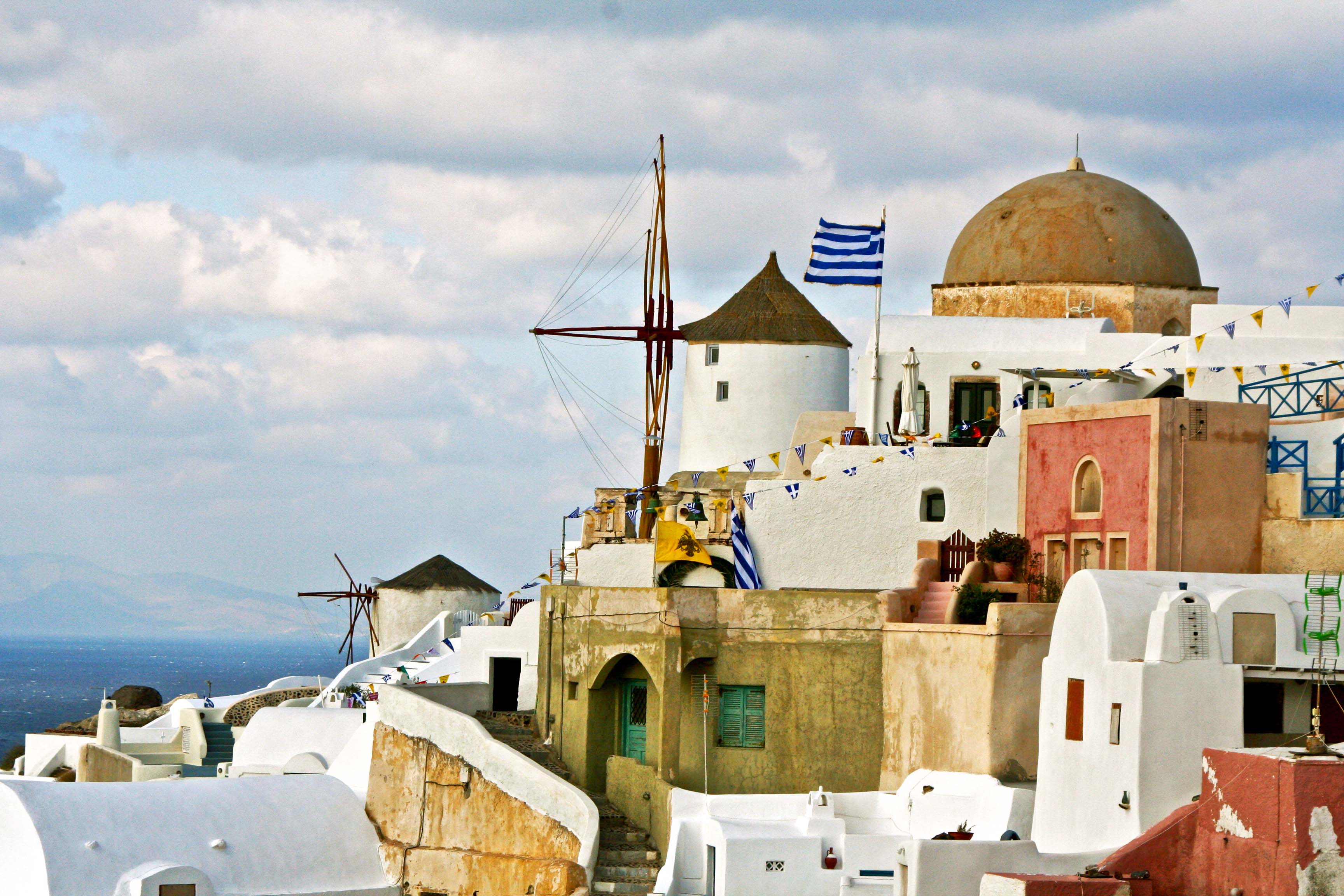
Peggy caught this photo of an old Santorini windmill that I found quite stunning. We found similar windmills won other Greek islands.

Peggy caught this photo of an old Santorini windmill that I found quite striking outlined against the horizon. The blue striped flag belongs to Greece.

Wrapping up my Wednesday photo essays on Santorini, I thought I would go for a potpourri of things that either amused Peggy and me, or that we found interesting and picturesque. Enjoy. Next Wednesday I will randomly pick another selection from my collection of 20,000 iPhotos. Who knows where we will land…

We found this dog admiring the Aegean Sea while perched on a rock. In our travels through the Mediterranean we often found cats and occasionally dogs that seemed owner free or at least wandered at will.

We found this dog admiring the Aegean Sea while perched on the end of a rock. In our travels through the Mediterranean we often found cats and occasionally dogs that seemed owner free or at least wandered at will.

He and I shared a common perspective on the value of an afternoon nap.

He and I shared a common perspective on the value of an afternoon nap.

For get modern excavation equipment when it comes to building on the sides of the volcano. How are you going to get a back hoe and dump trucks down a narrow star way?

Forget modern excavation equipment when it comes to building on the sides of the volcano. How are you going to get a backhoe and dump trucks down a narrow stairway? Dirt and rock dug out of the mountainside has to be bagged up and shipped out another way.

By mules.

By mules. (Photo by Peggy Mekemson.)

You quickly lean red you had to get out of the way or get stepped on. There was no posing for photos by these heavily laden mules.

You quickly learned that  you had to get out of the way or get stepped on. There was no posing for photos by these heavily laden mules.

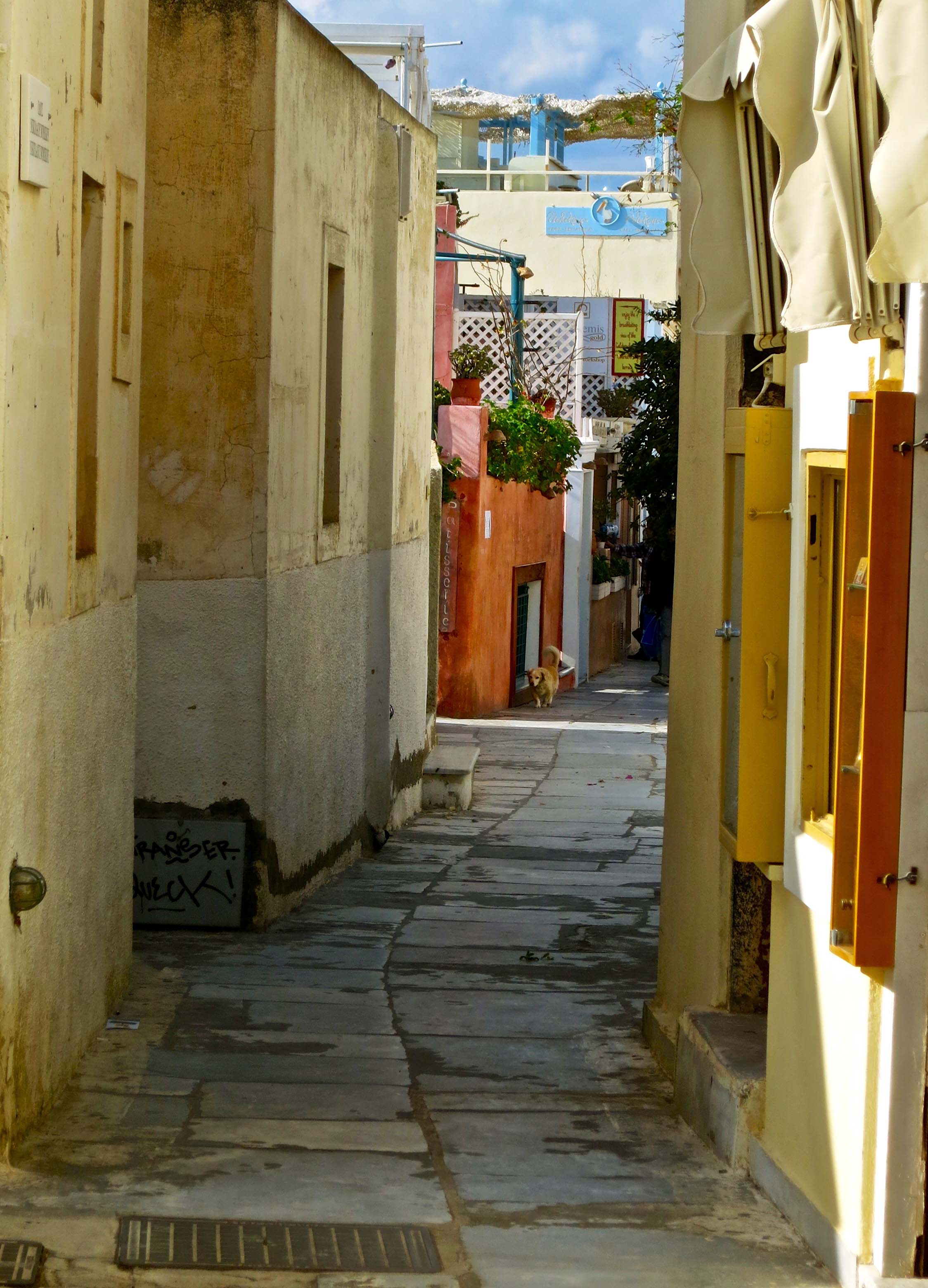
There were numerous small walkways to explore. During the height of tourist season these walkways would be packed with people.

There were numerous small walkways to explore. During the height of tourist season these walkways would be packed with people.

Several of the people who follow my blog like murals. This one is for you. I really liked the way its tentacles wrapped around the door.

Several of the people who follow my blog like murals. This one is for you. I really liked the way its tentacles wrapped around the door.

I am sure you've all had the experience of slow food. (grin) This restaurant apparently made an art out of it. And how could you complain. You had been warned.

We’ve  all had the experience of food that takes forever to be delivered. (grin) This restaurant apparently made an art out of it.

Peggy has wild, naturally curly head, that has a mind of its own. It seemed to me in this photo that it was attacking her head.

Peggy has wonderfully wild, naturally curly hair, that has a mind of its own. It seemed to me in this photo that it was attacking her head. I kept my distance.

This amusing sculpture was propped up against the wall. I don't think this guy was a fireman or that he had rescue on his mind.

This amusing sculpture was propped up against the wall. I don’t think this guy was a fireman or that he had rescue on his mind.

Normally I avoid tourist souvenirs, and I did this time. I did think these plates and vases did a good job of representing the color of Santorini.

Normally I avoid tourist souvenirs, and I did this time. These plates and vases did do a good job of capturing the colors of Santorini, however.

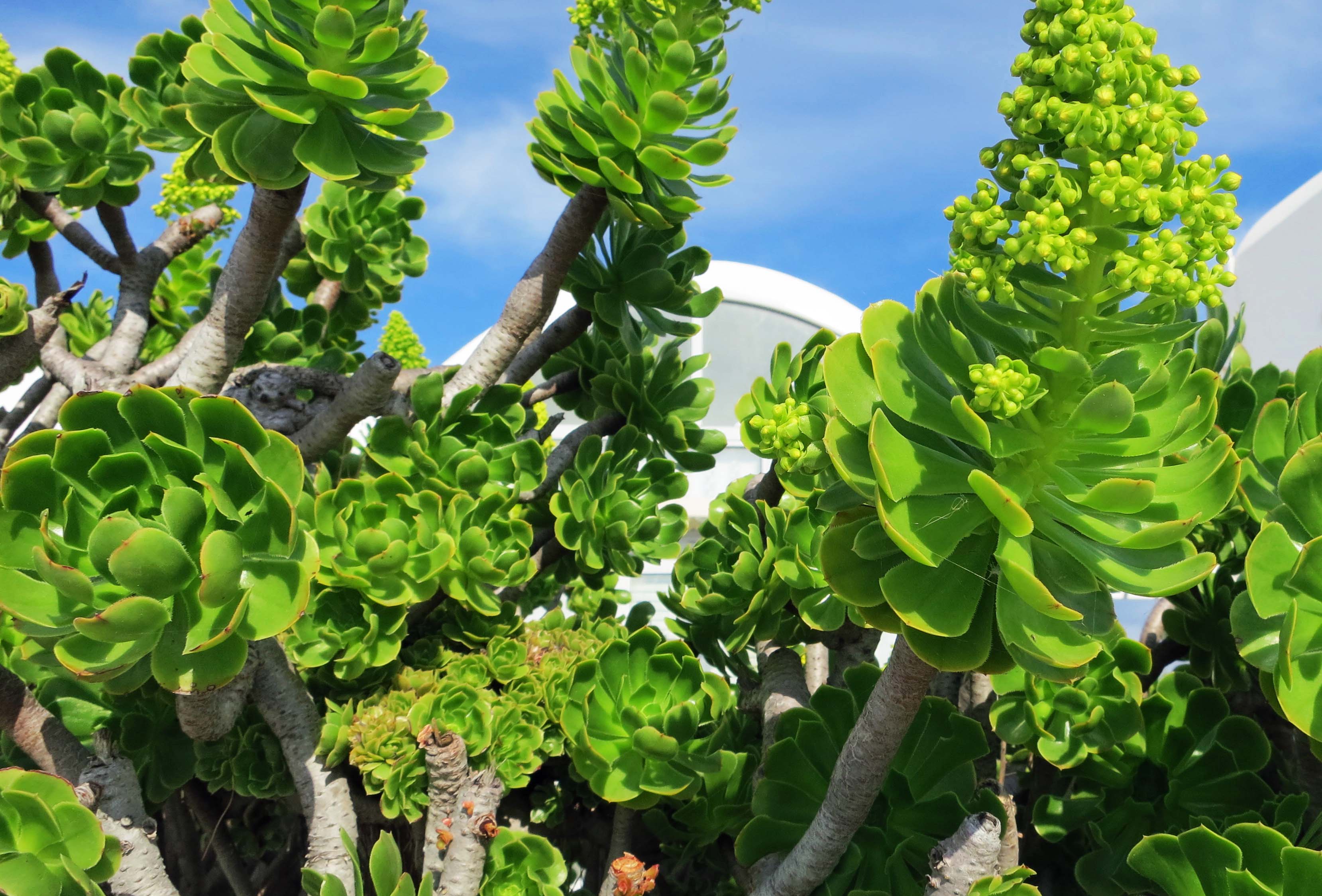
Green plant

Speaking of color, this green was vivid.

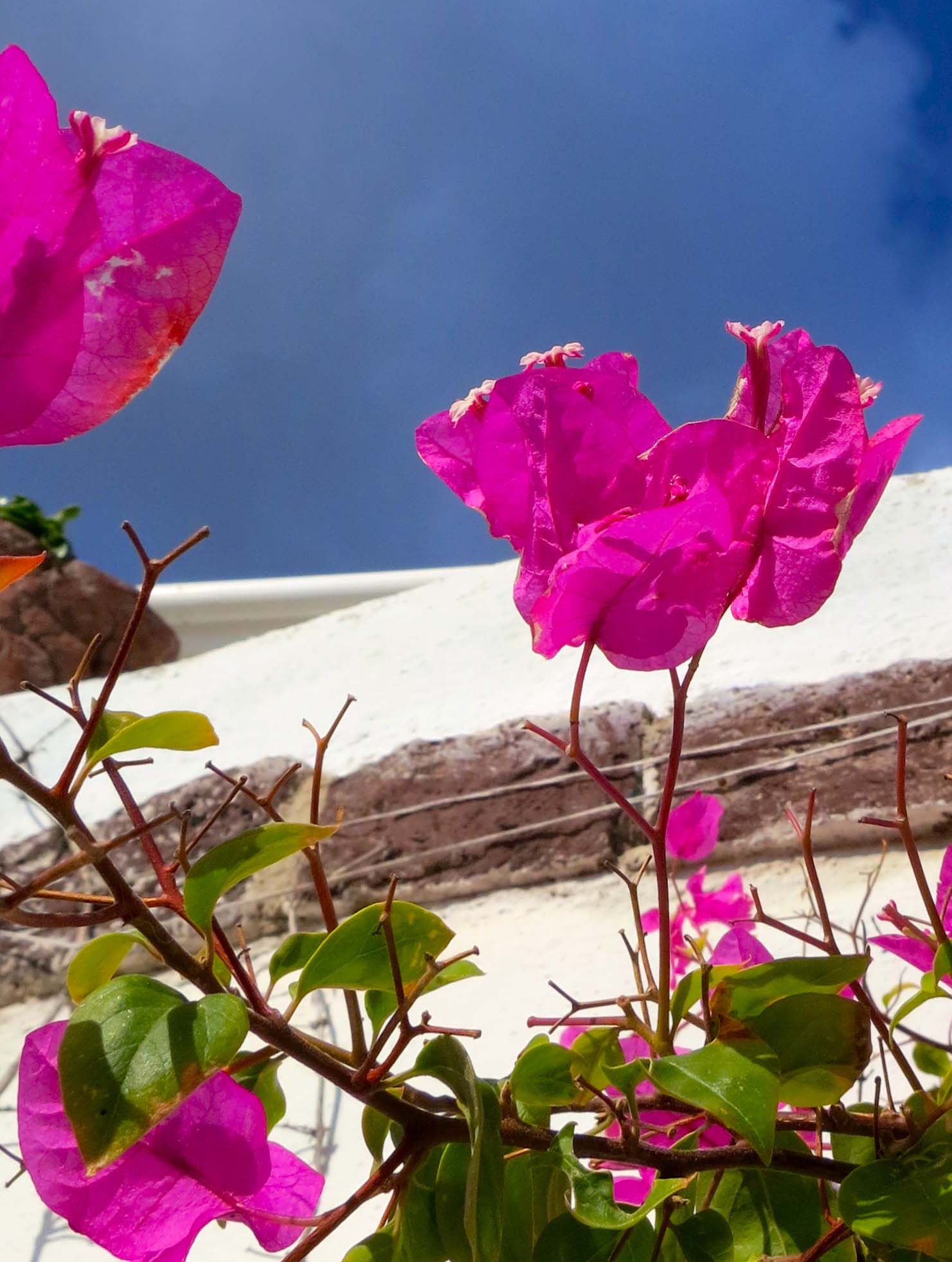
The flowers were also colorful, including this bougainvillea.

As was the pinkish red of these Bougainvillea.

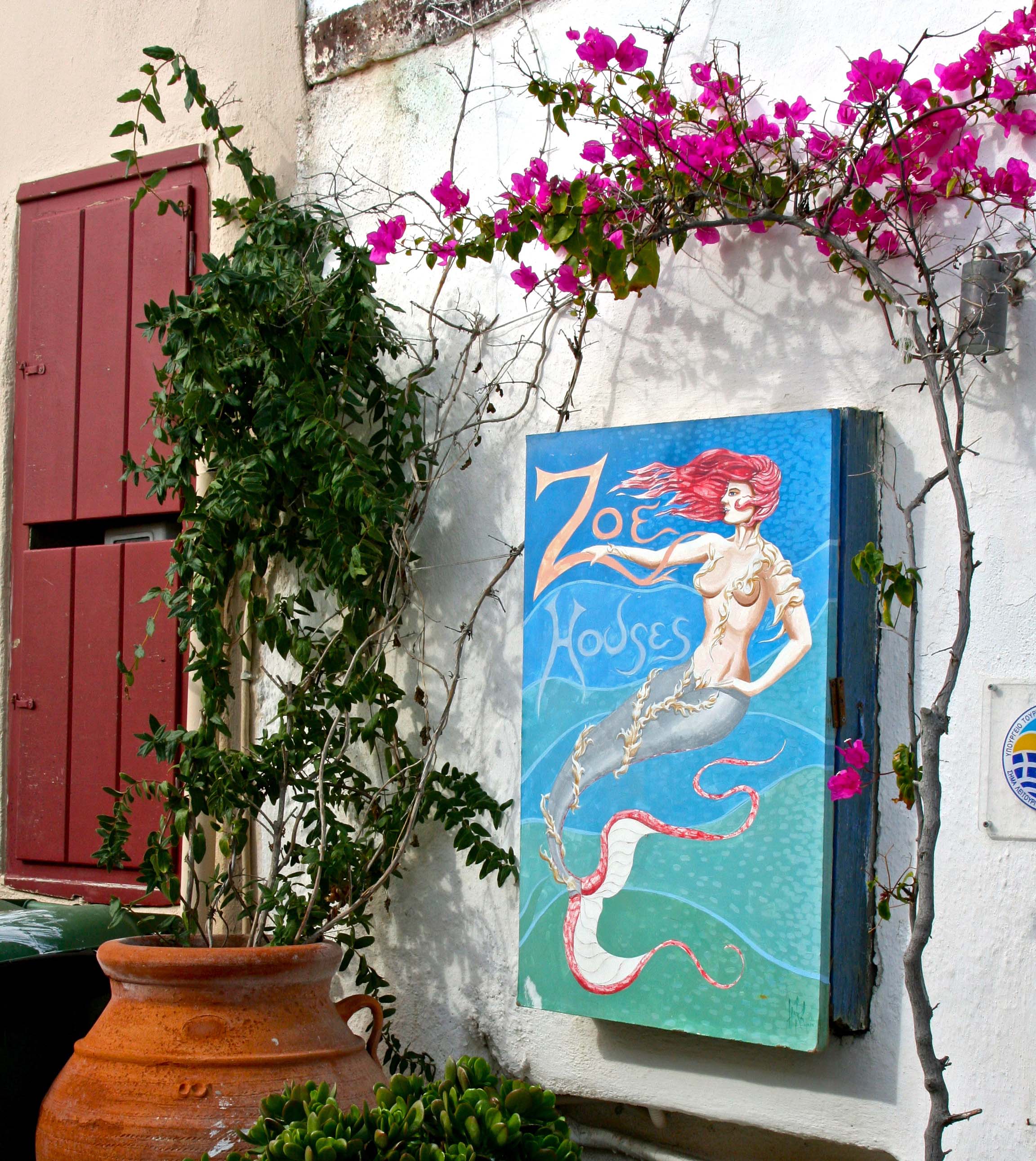
Certainly one would expect to find mermaids lulling around on the rocks off of Santorini. The bougainvillea  made a nice frame.

Certainly one would expect to find mermaids lulling around on the rocks off of Santorini. The Bougainvillea provided a colorful  frame.


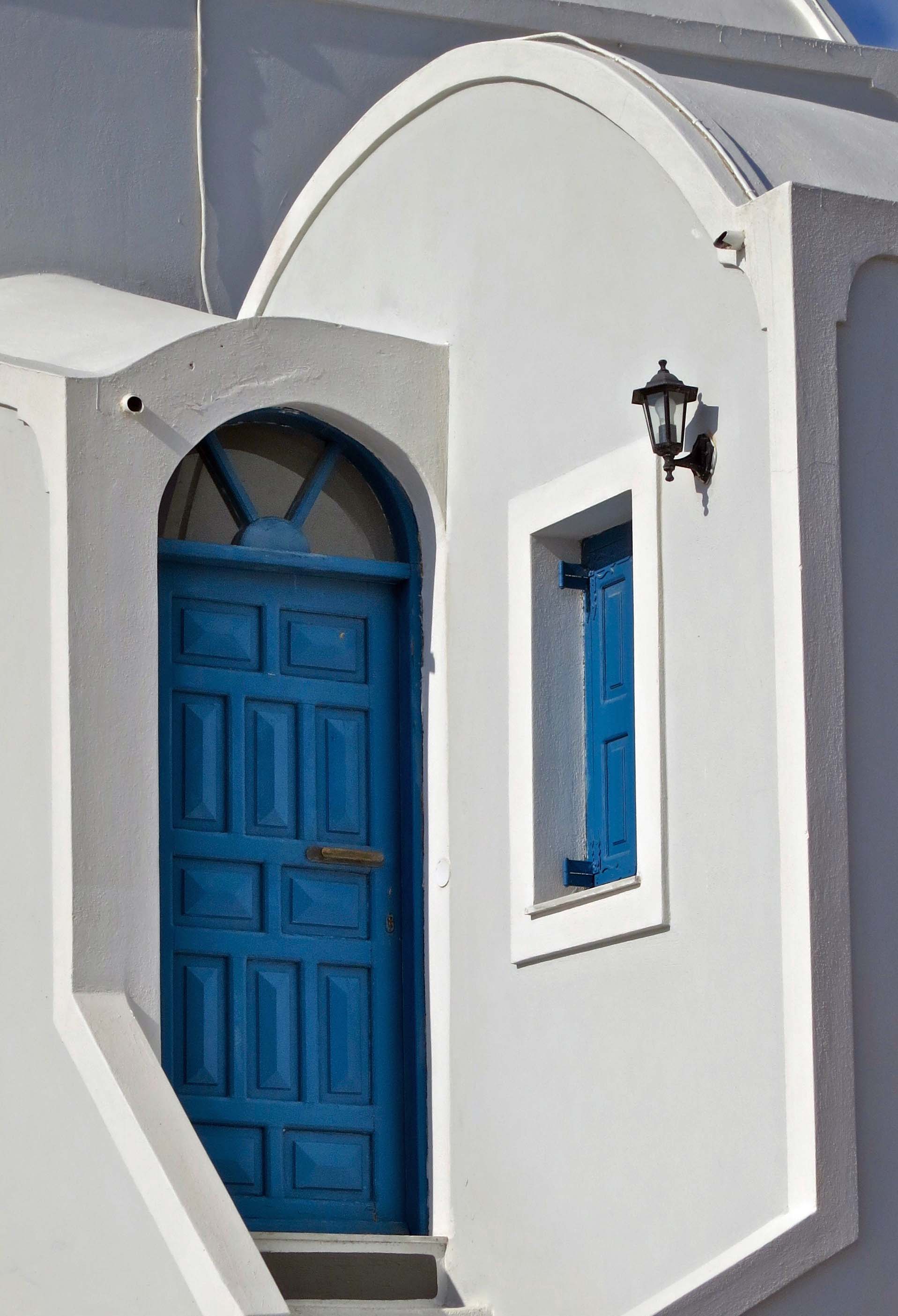
I really like painted doors.

I was impressed with this blue door.

Lots of blue doors.

And found lots more like it. (Photo by Peggy Mekemson.)

And then we found a door to nowhere.

And then we found a green door to nowhere.

As we sailed away at sunset, we caught a final view of Santorini.

As we sailed away at sunset, we caught a final view of Santorini’s towns perched up on the high cliffs.


Escape from Alaska… Part I

I was drawn to Alaska by its incredible wilderness. Lisa Murkowski, one of Alaska's Senators, recently introduced legislation to sell off all of America's public lands including national forests, wilderness areas, national historic sites and national seashores (everything except National Parks) to private developer so they can make money off of the lands.

The Wrangell-St. Elias Mountains. I was drawn to Alaska by its incredible wilderness. It may not be there for our children. Lisa Murkowski (R-Alaska) recently introduced a non-binding budget amendment to the US Senate that would allow states to sell off all of America’s public lands including national forests, wilderness areas, national historic sites, etc. (everything except National Parks) to private interests so they could turn our national heritage into profit.

The story of my involvement with California’s Proposition 99 tobacco tax campaign began on my 43rd birthday when I escaped from Alaska— and escape is the appropriate term.

My three years in Alaska had been a great adventure. I had explored the state’s magnificent wilderness areas and accomplished a fair amount in my role as Executive Director of the Alaska Lung Association. The organization had a great board and staff. We had taken a sleepy organization and turned it into a powerhouse on air quality and tobacco issues. I had led backpack, bike, and cross-country ski trek fundraisers, substantially increasing the organization’s income, not to mention giving myself an excuse to play in the woods. (As if I needed an excuse.)

But I am not cut out for the Executive Director business— or any other long-term, high stress job, for that matter. I only know one speed: fast forward. In time, the job starts to feel like I am locked in a steel cage, which just happens to be dangling from a frayed rope, hanging over a dark abyss. If that sounds to you like an imaginative description of depression, you are right. It is something of a curse on my mother’s side of the family, or to be more scientific, call it a genetic disposition.

Unfortunately, I am a slow learner. I had been executive director of several environmental and health nonprofits, done my job, and moved on. It seemed like a natural fit; so I persisted. But each time, it was like I was flirting with the dark side of my mind. I had learned I made a better ‘consultant,’ where I created the jobs I would work on. For example, I developed the wilderness trek program as a fundraiser and then became the American Lung Association’s national trek consultant. The consulting work was intense, but it had a definite beginning and a definite end. Afterwards, I would go play.

Alaska had sounded really good, however. And it was. There was all of that great outdoors (over 50% of America’s wilderness area), important issues to address on the environmental and tobacco front, and a relationship in Sacramento that needed a serious time-out. So I had taken the bait when Alaska had called— hook, line and sinker.

"It's time to pack your bags, Curt." (Peggy and I took the photos of Alaska and the Alaska Highway two years ago when we visited the state.)

“It’s time to pack your bags, Curt.” Alaskan Brown Bear. (Peggy and I took the photos of Alaska and the Alaska Highway found on today and next week’s post two years ago when we visited the state.)

By the end of the first year, I was climbing the walls. It was time to leave. Except I had made a commitment to myself, and to the organization that I would stay for three years. I struggled my way through the second year, barely keeping my head above the water. But we accomplished some good things— like forcing Tesoro to clean up the air pollution from its oil refinery, creating one of the first state-wide non-smoking laws in the nation, leading an effort to double the state tobacco tax with money going toward prevention, and bringing automobile inspection and maintenance to Alaska. But I was coming to the end of my tether. It was a short rope.
The stress at the back of my head was palpable. Even now, as I write about the experience, I can feel it gathering. It influenced my decision-making. Instead of coasting and turning more work over to my staff, I jumped feet first into the fire. It wasn’t necessary; my board and staff were good folks. They would have been eager to help. But asking for help assumes a rational mind. Mine wasn’t. I started making mistakes— and I started increasing my nightly consumption of alcohol, from two, to four, to six cans of beer. Alcohol was singing its seductive song.

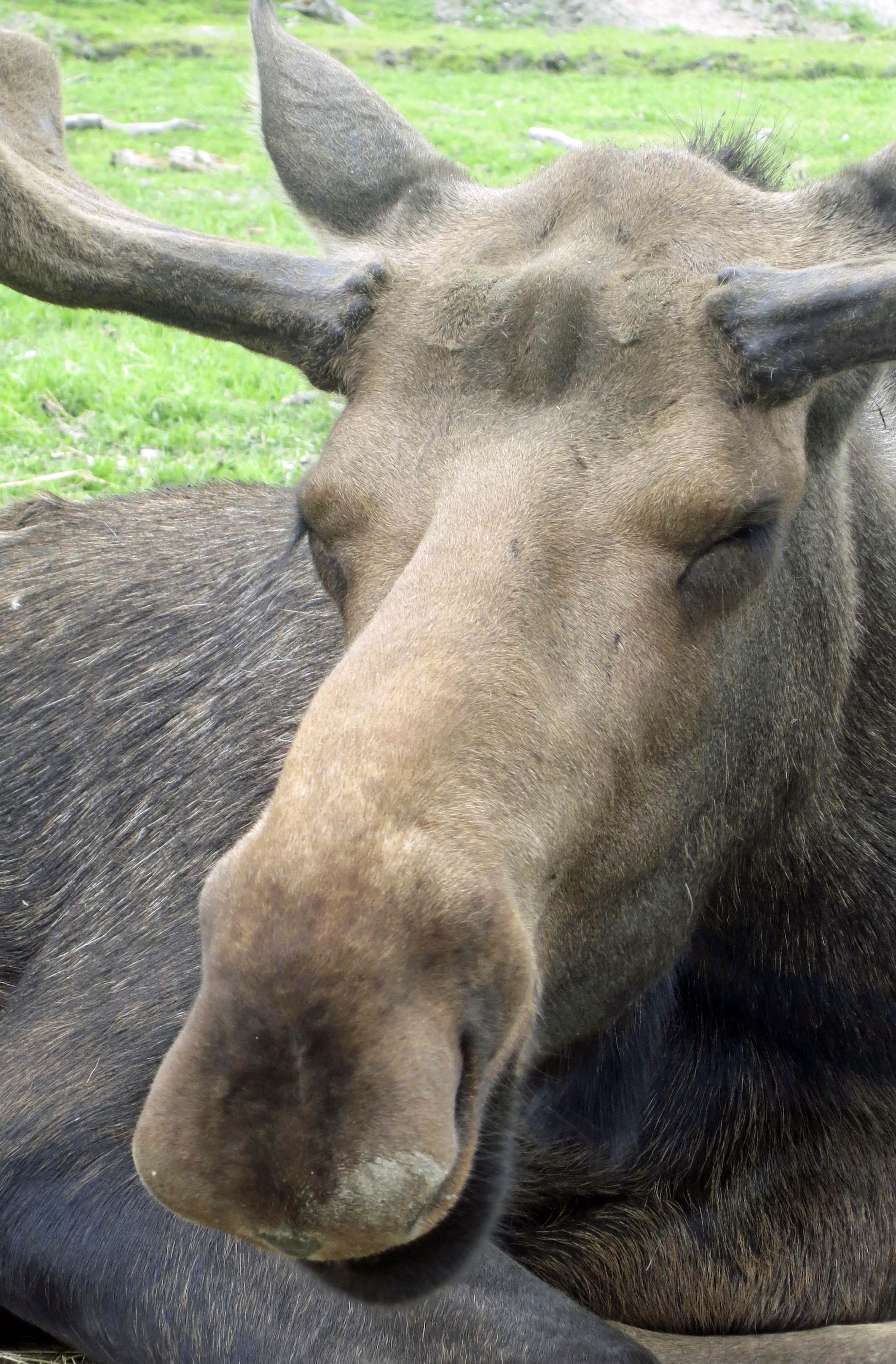
Had I learned to be laid back like this moose, there never would have been a problem.

Had I learned to be laid back like this moose, there never would have been a problem.

Over Christmas, I took a break by myself and drove down to Homer on the Kenai Peninsula. There’s a motel that sits out at the end of the Homer Spit providing panoramic views of Kachemak Bay. I got a room and spent hours staring out at the water and distant mountains. And I made a decision. I would return to Anchorage and give a three-month notice that I was leaving. When the time was up, I would disappear into the woods for several months of backpacking. I would take the wilderness cure.

I spent my last day packing the things I wanted to take: a few books and camping gear. I would leave Alaska like I had arrived, with what I could fit in the back of my pickup. I spent the night at a friend’s home, but she wasn’t there. She had disappeared into the lower 48 states so she wouldn’t see me drive away. I had passed on her offer to get married, stay home, write, and raise kids. Her two dogs and cat kept me company.

The views along the highway between anchorage and the lower 48 states are incredible— not that I paid much attention is my mad dash for the border.

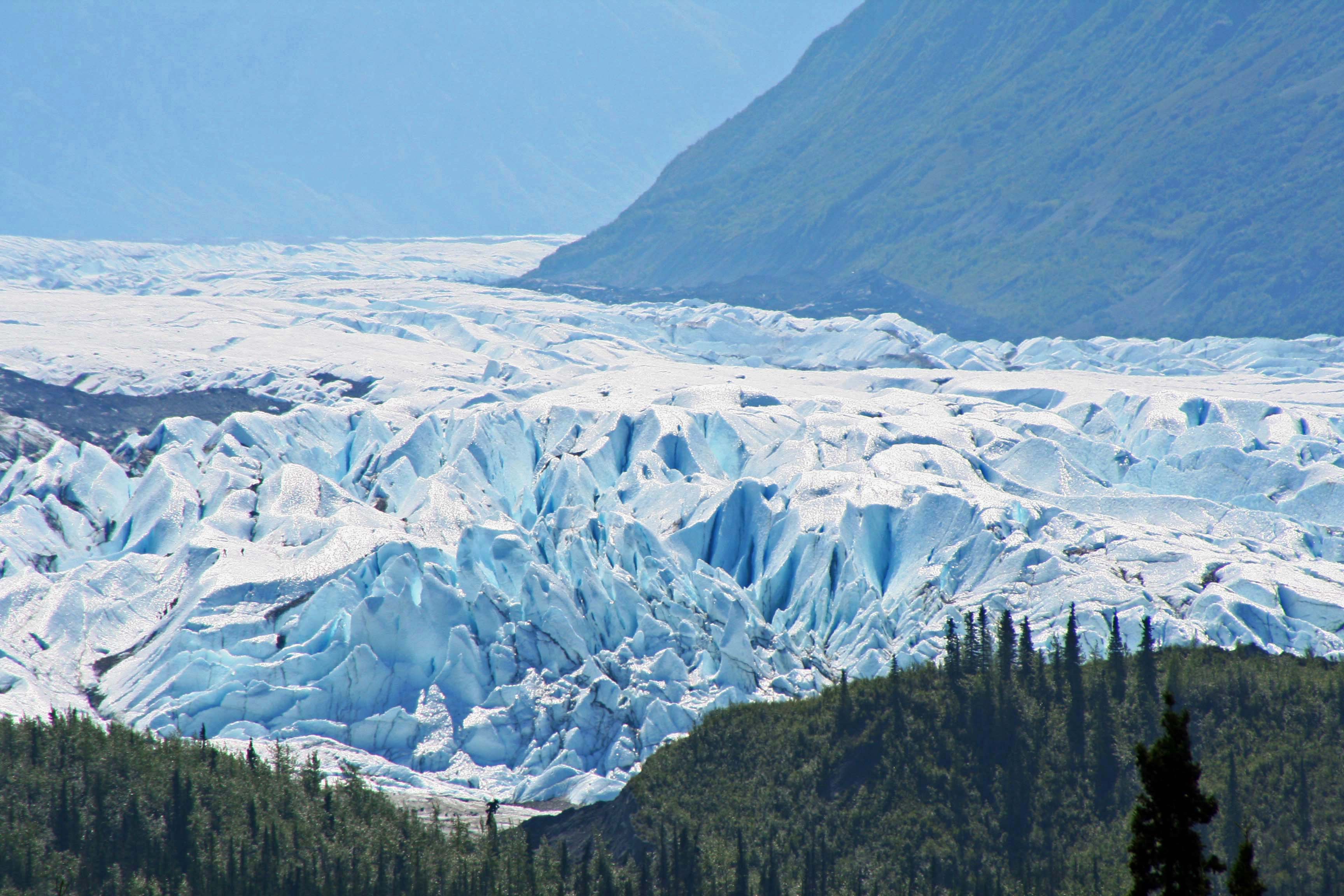
The views along the highway between Anchorage and the lower 48 states are incredible— not that I paid much attention in my mad dash for the border. This is the Matanuska Glacier.

These mountains were near the Matanuska Glacier, easy driving distance from Anchorage.

These mountains were near the Matanuska Glacier, easy driving distance from Anchorage. 30 minutes from my house, I could be hiking in similar terrain.

Another view of the Wrangell-St.Elias Mountains that I would have passed.

Another view of the Wrangell-St.Elias Mountains shown in the top photo.

I flew down the Alaska Highway the next morning, exhausting myself, searching for green grass and flowers. I almost made the Canadian border the first night. Too tired to move on, I pulled into a closed truck inspection point and crawled into the back of my pickup.

Once I had arranged my sleeping bag on top of my few possessions, I broke out some liquid refreshment to scare off the banshees that were nipping at my heels. My truck was packed with more guilt than goods, a lot more. Some old friends from California— Tom Lovering, Jean Snuggs and a new friend of Tom’s, an irrepressible minister by the name of Jeanie Shaw, had put together a South of the Border Care Package to ease my way toward California. It consisted of several ripe avocados, salsa, chips and a gallon of pre-made margaritas, heavy on the tequila. I held a little party with my staff before leaving. We did serious damage to the guacamole but hardly touched the margaritas.

I knocked off a water-sized glass of the latter. It put me well on the way to oblivion but it wasn’t enough to let me sleep through the horrendous racket of someone trying to break into my camper shell. I sat up with a start and yelled, banging my head against the top. A flashlight with enough candlepower to light up Las Vegas was shining directly into my eyes.
The Troopers flash light had about the same intensity as the sun on this lake that is located close to the Alaska-Canada Border.

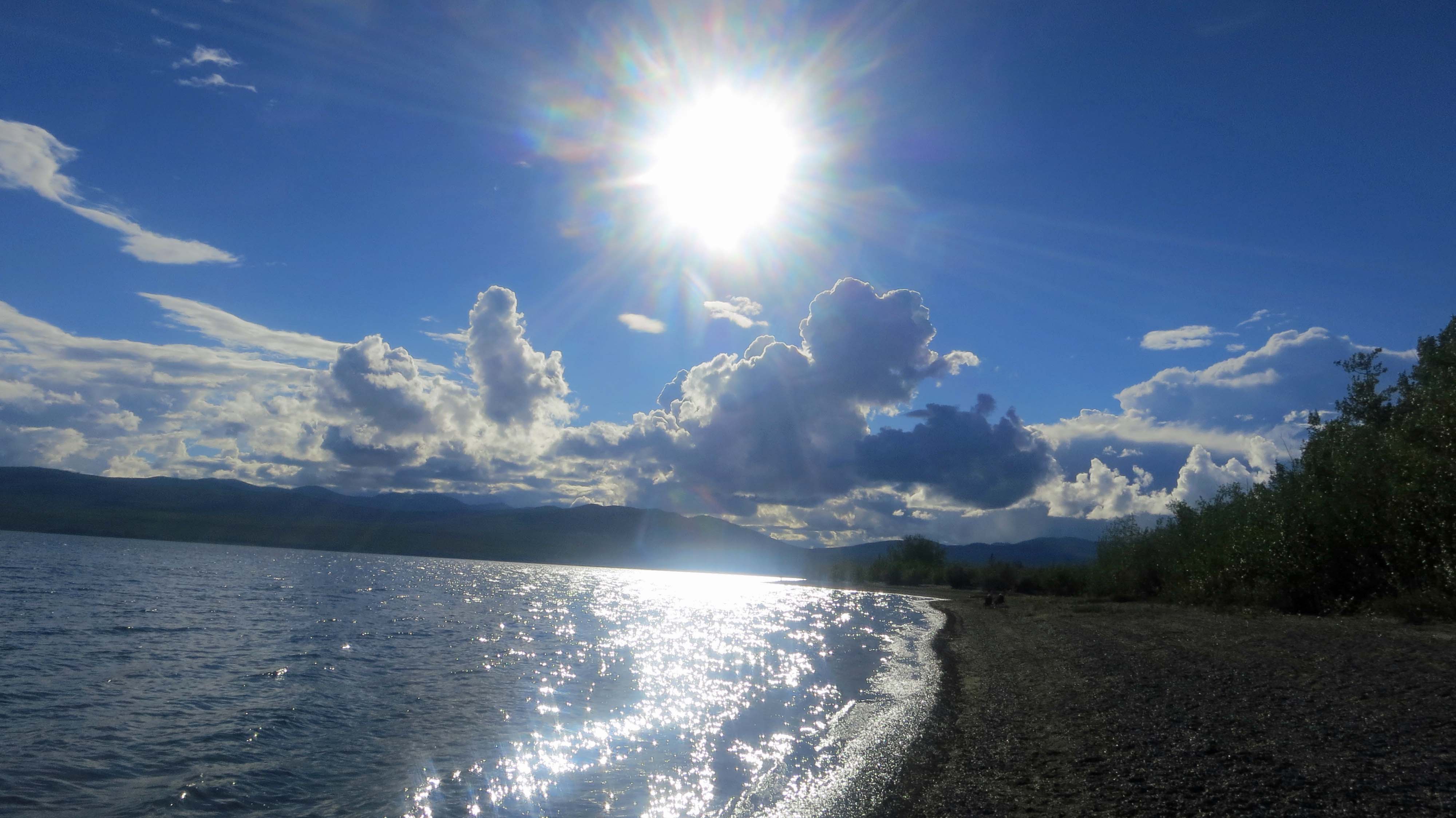
The flashlight had about the same intensity as the sun on this lake that is located close to the Alaska-Canada Border.

“You in the truck, what are you doing here?” It was the voice of Authority. An Alaskan State Trooper had been banging on my camper shell with his baton. I thought it was quite obvious what I was doing but wisely decided to refrain from the obscene comment that was perched on the tip of my tongue. I chose a mildly sarcastic response.

“Uh, sleeping?” I hazarded a guess.

“You are not supposed to sleep here,” the disembodied voice behind the flashlight responded. “Why didn’t you go to a motel?” I was obviously a suspicious character, having chosen not to support the Alaskan economy. I was also being interrogated with the bright light of the law shining in my eyes. It was time to think fast.

“I fell asleep behind the wheel,” I exaggerated slightly. “I was afraid I might do serious damage to myself or someone else on the highway.”

That put a serious crimp in his nightstick. I could tell he was pondering my answer by the slowness of his response. He was torn between his job to roust out suspected vagrants and his responsibility to save lives. His good sense won.

“Go back to sleep,” the voice said. It was a lot easier for him to say than it was for me to do.

NEXT FRIDAY’s ESSAY: I reject an offer to run off to Mexico and open an orphanage for homeless children, decide what I should do with a gallon bag of pot I was given as a going away present, and finish my journey to Sacramento— where I am immediately asked to put together a statewide campaign to increase California’s tobacco tax. Instead, I go backpacking.

The Striking Churches of Oia, Santorini…

It is a combination of the blue domes, unique architecture, magnificent setting and Mediterranean light that make the many churches in Oia so outstanding. (Photo by Peggy Mekemson.)

It is a combination of the blue domes, unique architecture, magnificent setting and Mediterranean light that make the many churches in Oia so outstanding. (Photo by Peggy Mekemson.)

I’ve blogged about the churches on Santorini before, but their beauty, surroundings, and unique architecture are such that they are worth revisiting— often. Most of these photos are from the village of Oia and the surrounding area that contains some 70 churches.

The obvious question here is ‘Why so many?’ One or two large churches could easily accommodate the population, especially since the majority of the population is Greek Orthodox. The answer lies in the fact that Oia is a fishing village and the life of a fisherman is filled with danger.

When things become iffy, religious folks, and even not so religious folks start talking to God and making promises. “Get me through this and I’ll do so and so…” There is a long list of options. In Oia, for those who could afford it, the offering became “I’ll build you a church.”

To make things a little more personal, the fishermen dedicated their churches to whatever saints they thought were looking out for them. The saint was their go-to guy (or gal), their direct line to God. And even today, the feast day of the saint is a big thing at the various chapels.

One final note: many of the churches are privately owned, passed down within a family for generations from the original builder.

Another photo of the same church that I took. This one from a different angle. A separate post could easily be made on each church in Oia.

Another photo of the same church. I took this one from a different angle. A separate post could easily be made on each church in Oia.

The Church of St. George, set off by dramatic clouds occupied my camera for 30 minutes.

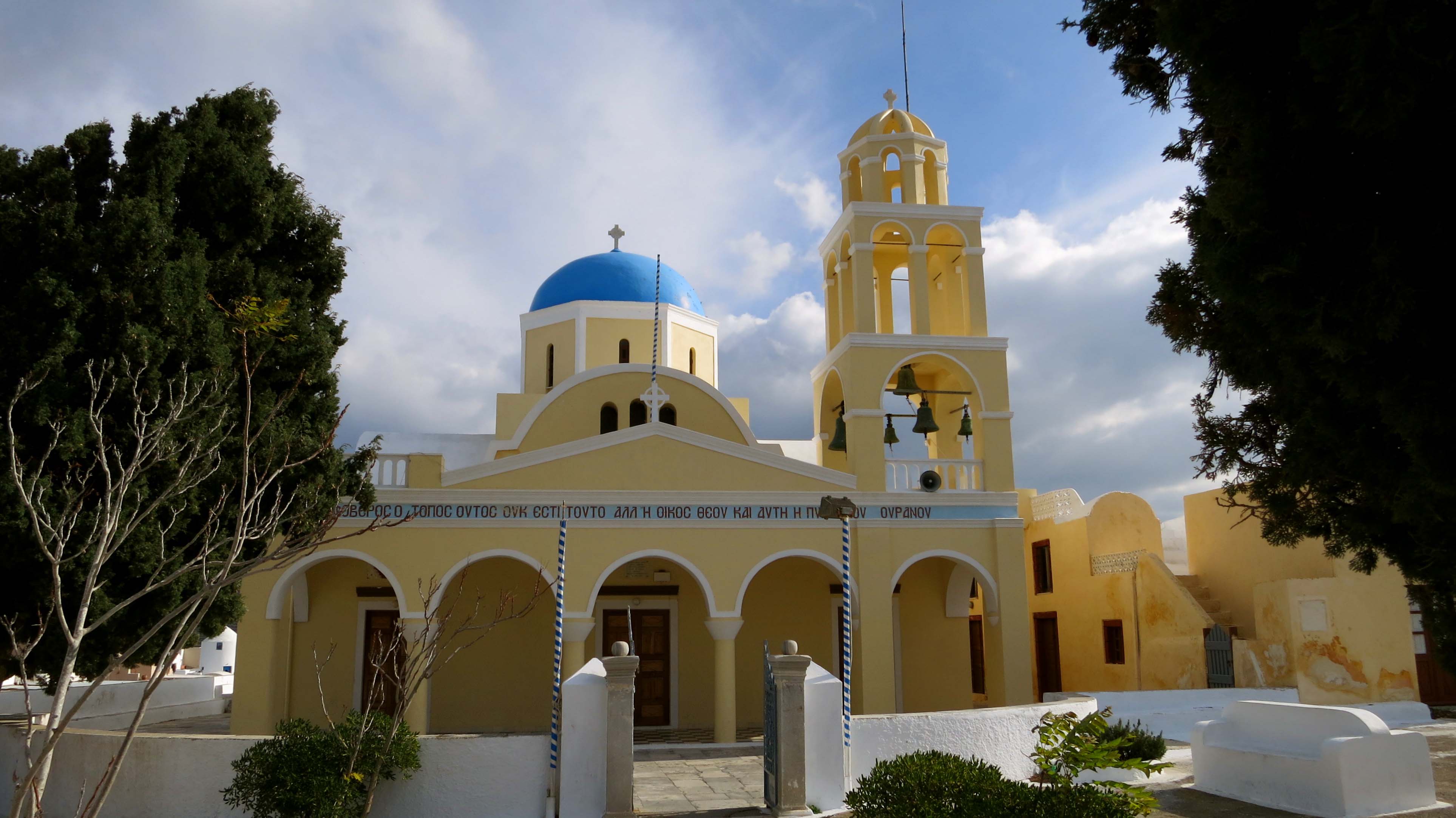
The Church of St. George, set off by dramatic clouds, occupied my camera for 30 minutes.Lightning rods also adorn the church.

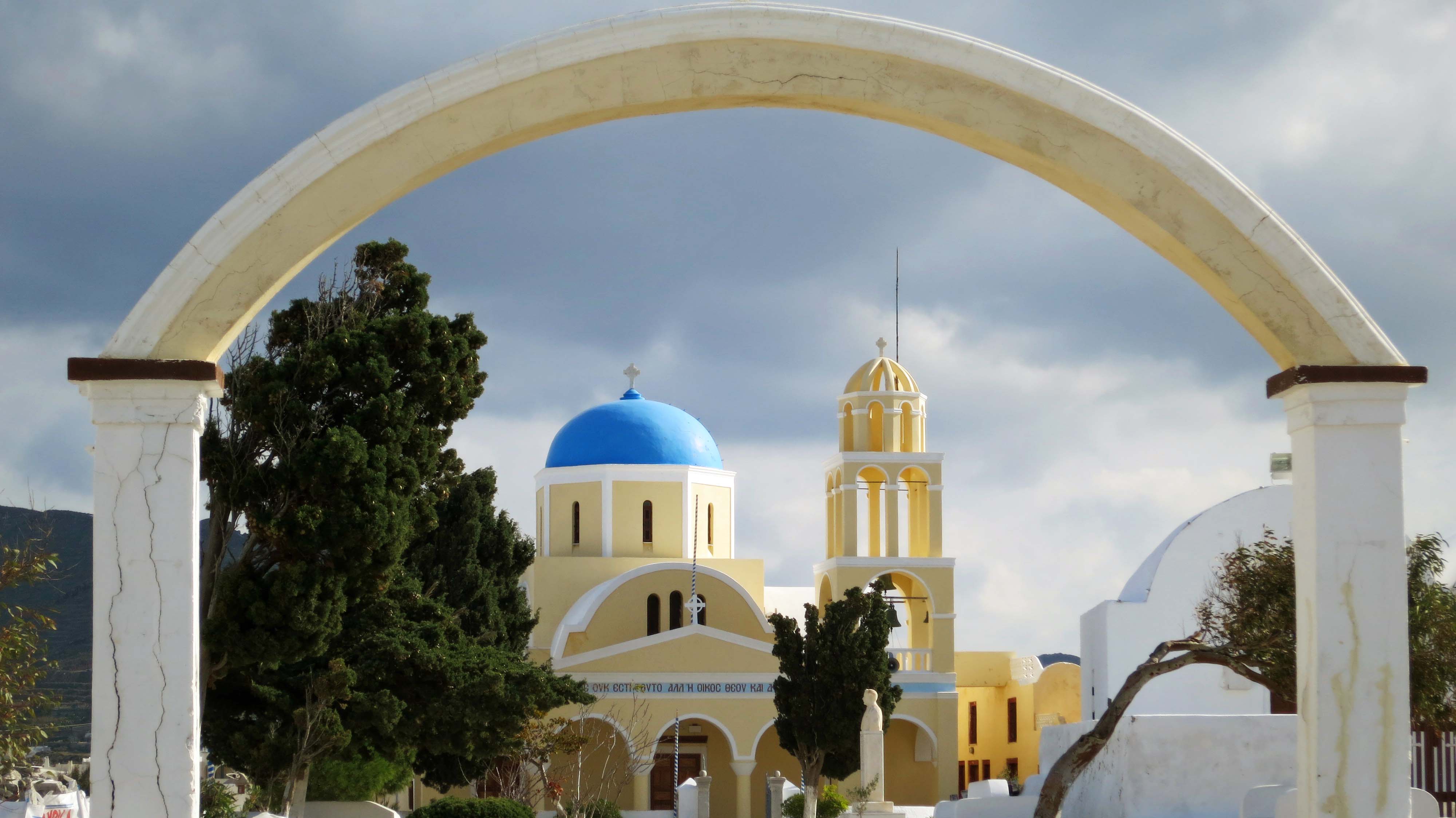
Moving back, this arch provided a fun composition for the church. I suspect it has been used for the same purpose thousands of times. (grin)

Moving back, this arch provided a fun composition for the church. I suspect it has been used for the same purpose thousands of times. (grin)

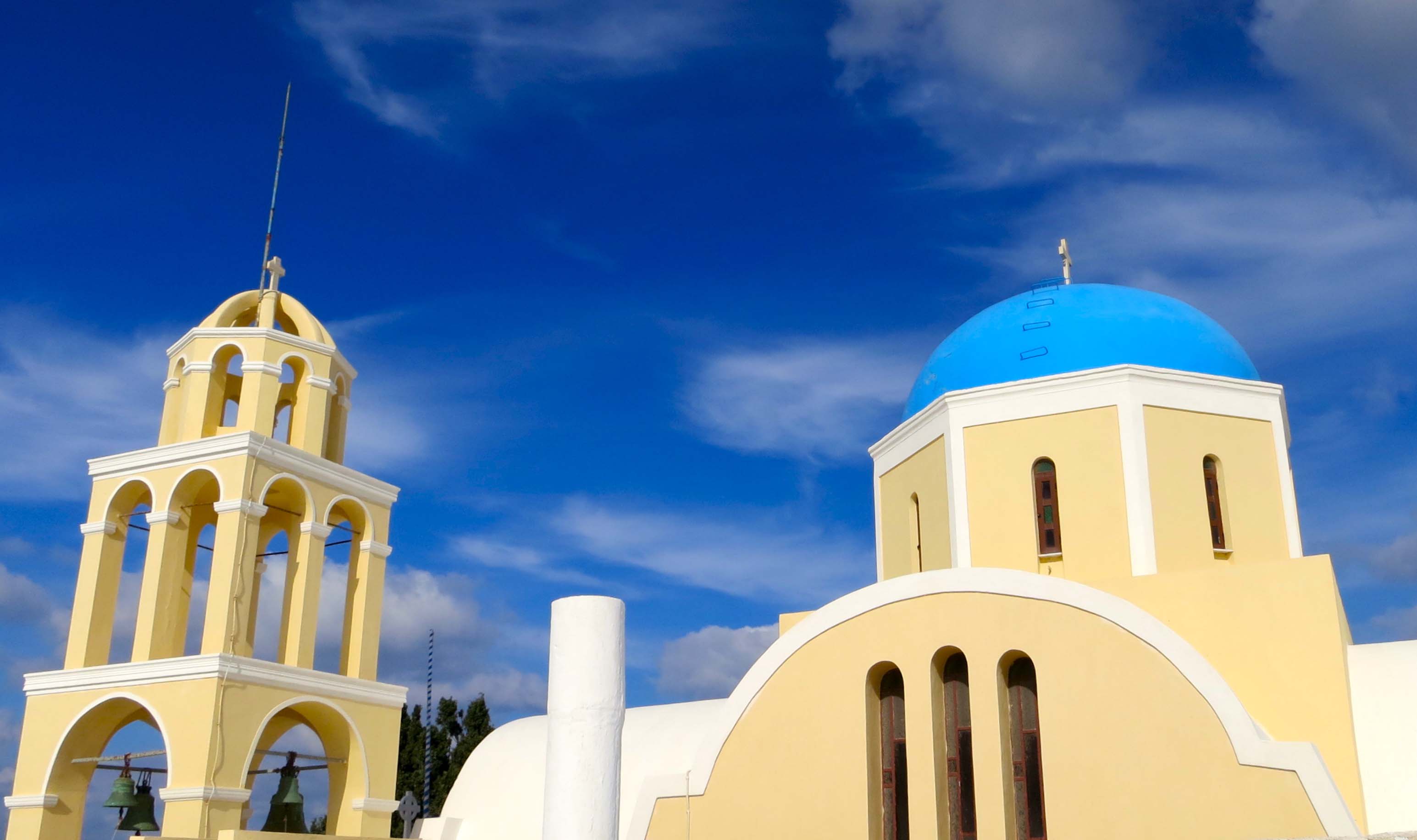
A side view of the church.

A side view of the church.

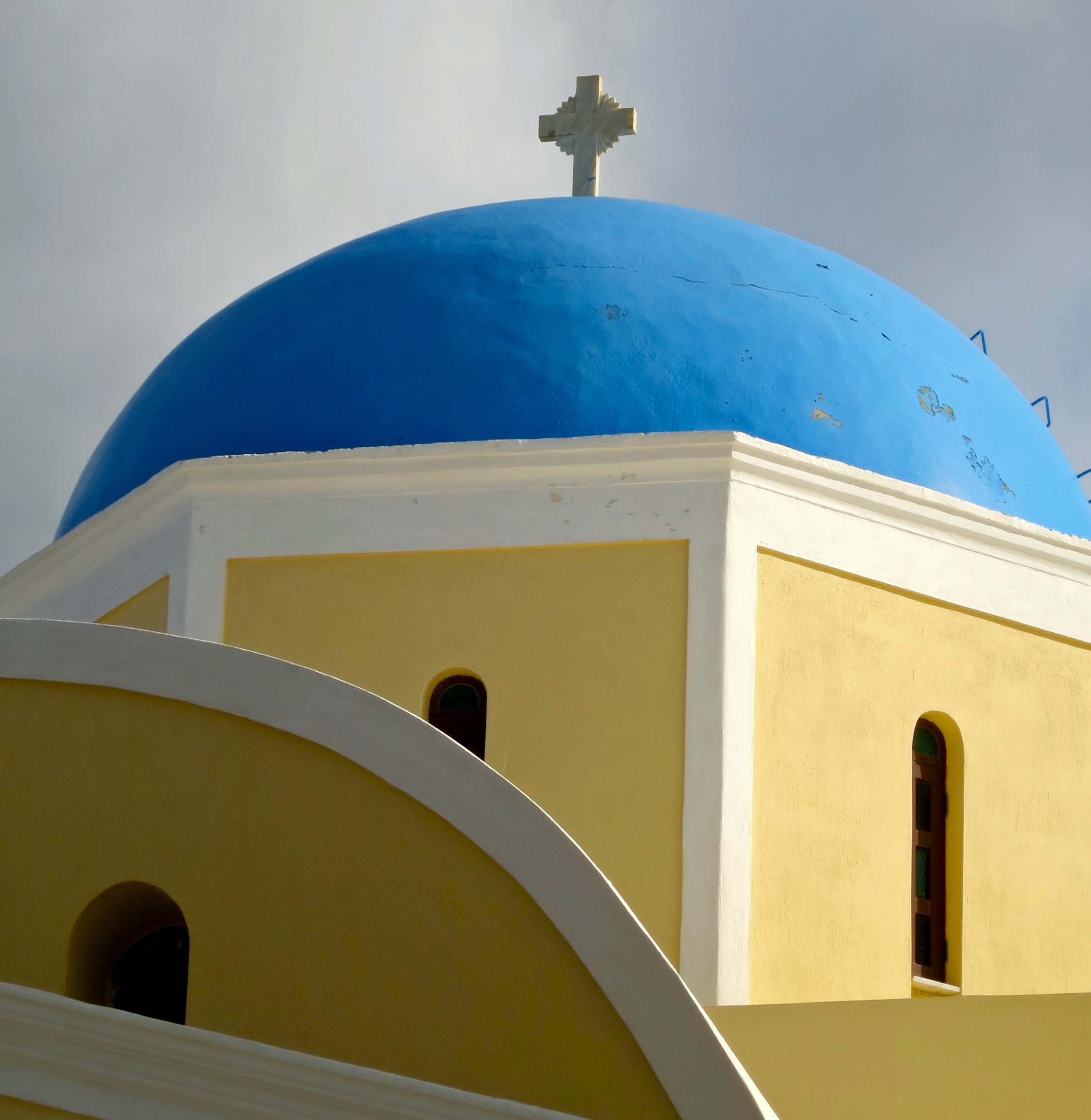
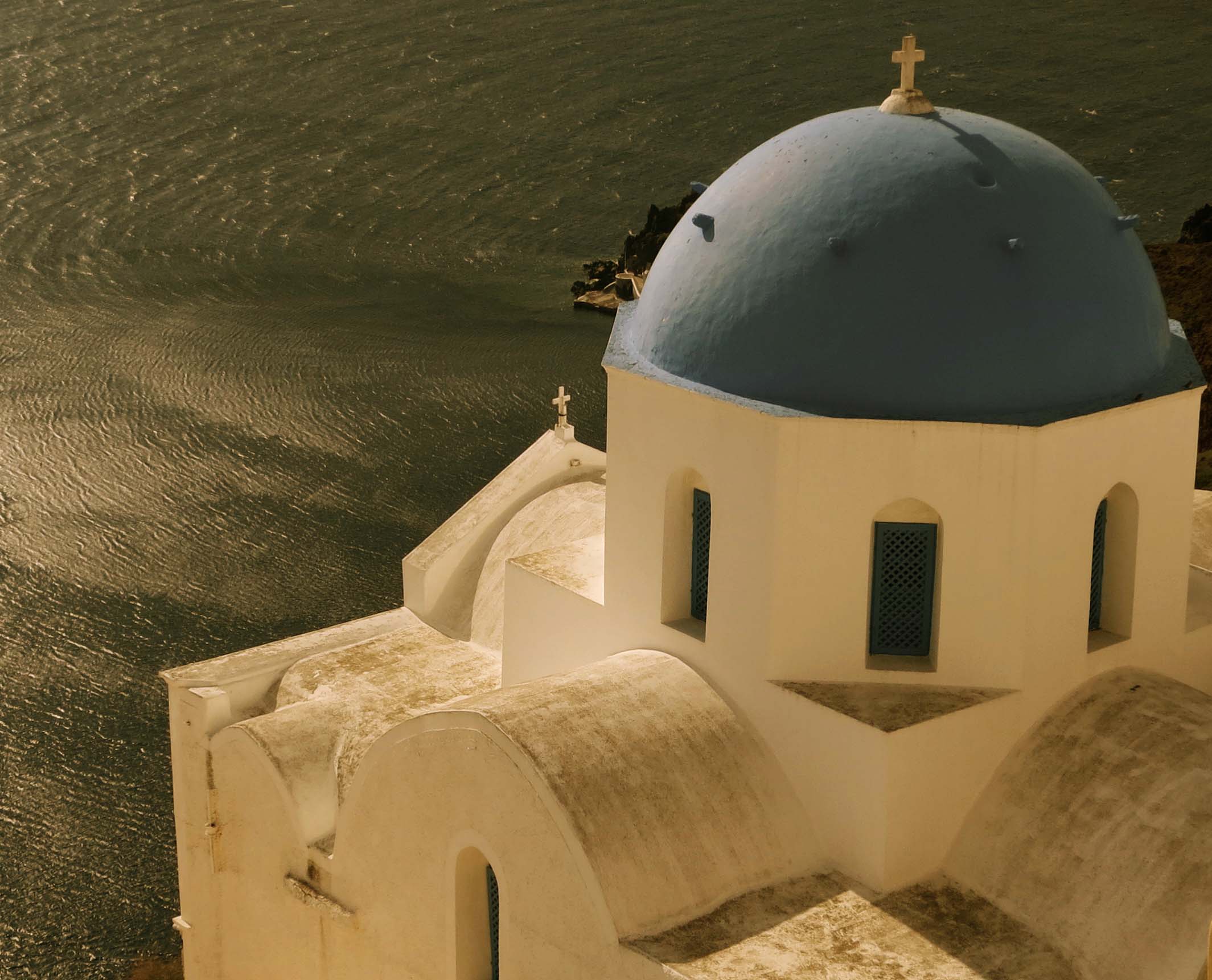
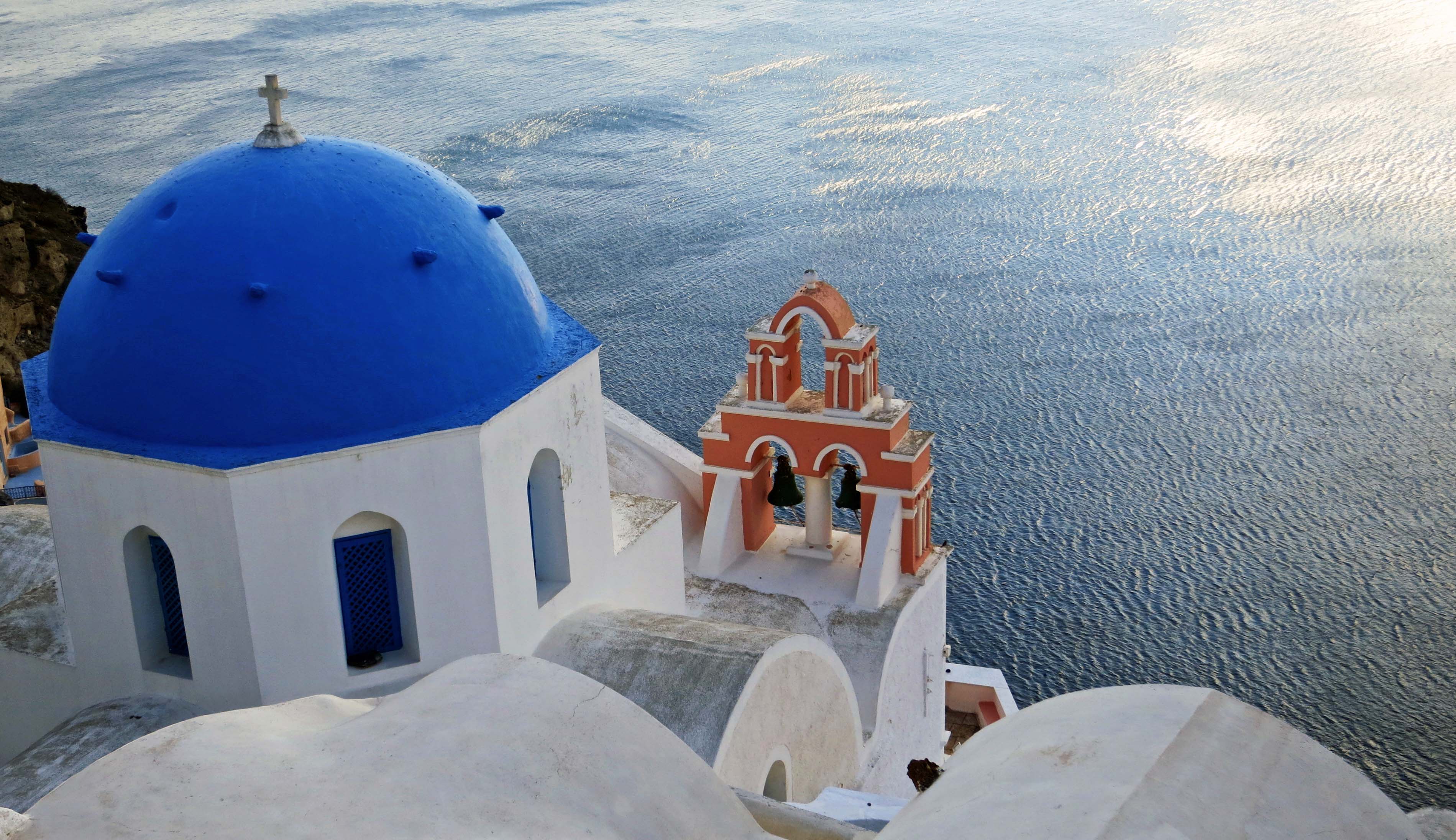
A view of the dome...

A view of the dome…

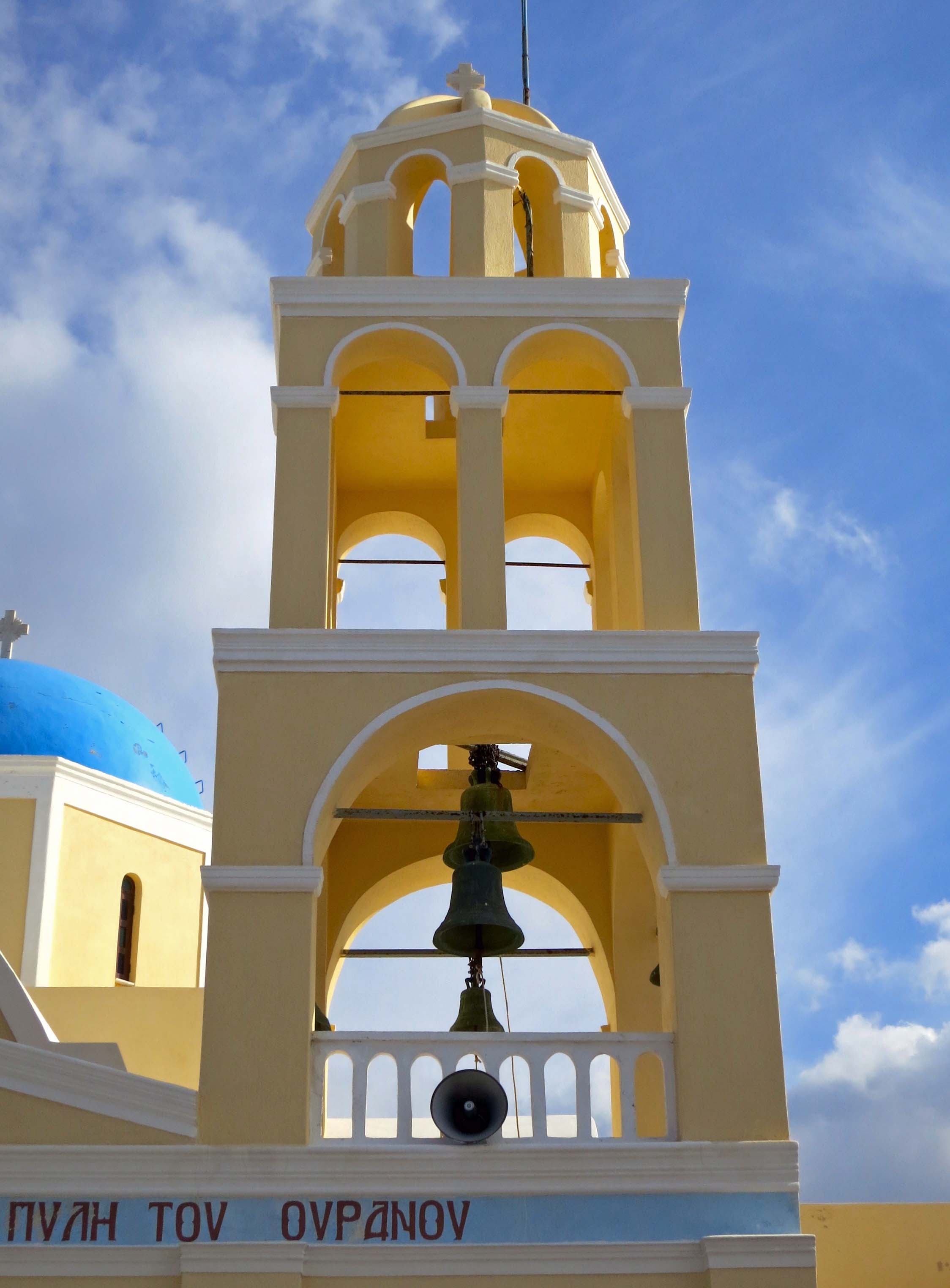
And the bell tower. The walls seemed to be glowing.

And the bell tower. The walls seemed to be glowing.

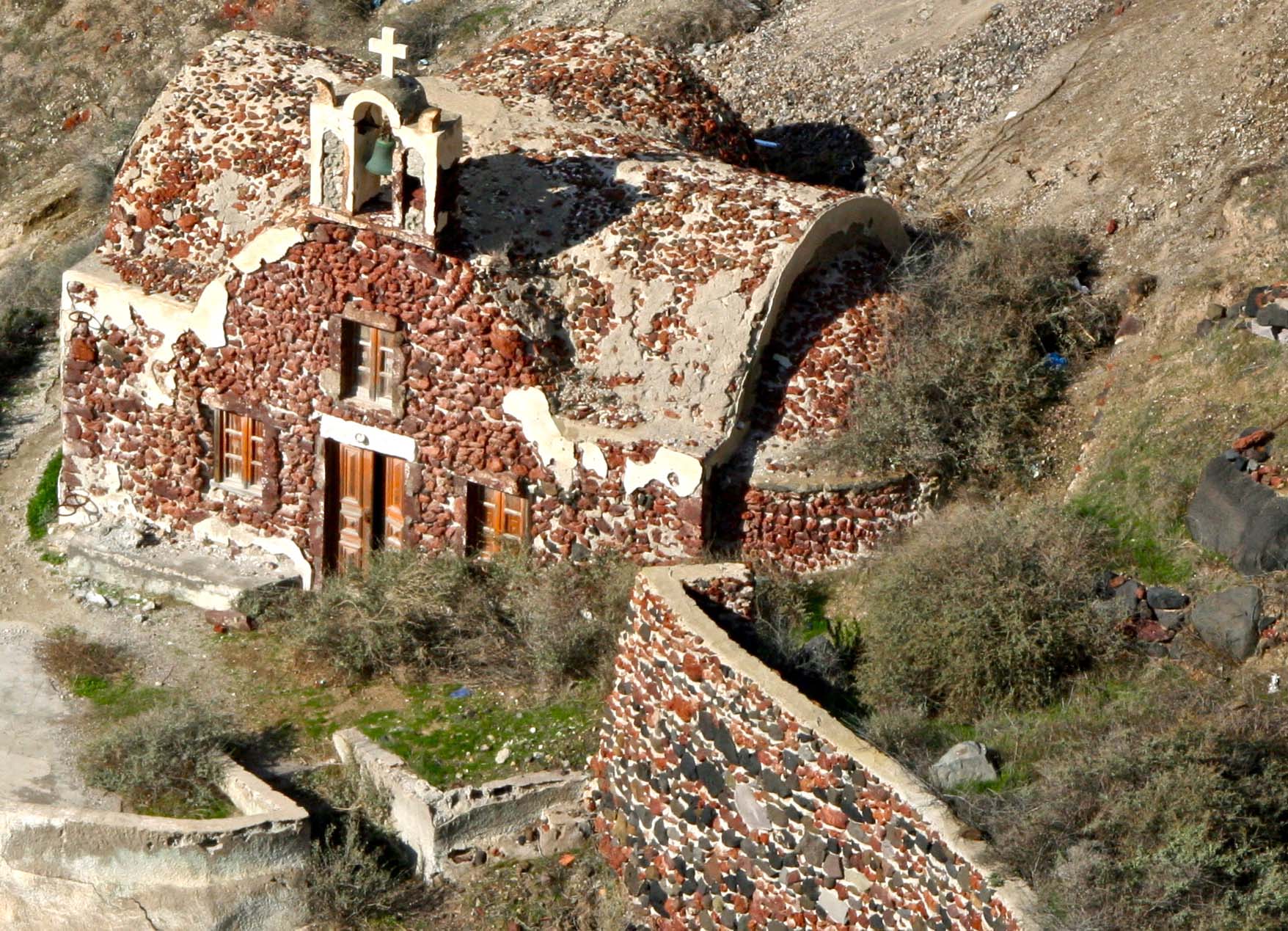
Many of the churches are smaller and more personal, built by families as thanks for surviving sea journeys and passed down to family members over generations.

Many of the churches are smaller and more personal, built by families as thanks for surviving sea journeys and passed down to family members over generations. Love the salmon pink.

I always appreciate it when nature provides a convenient frame for my photos.

I always appreciate it when nature provides a convenient frame for my photos.

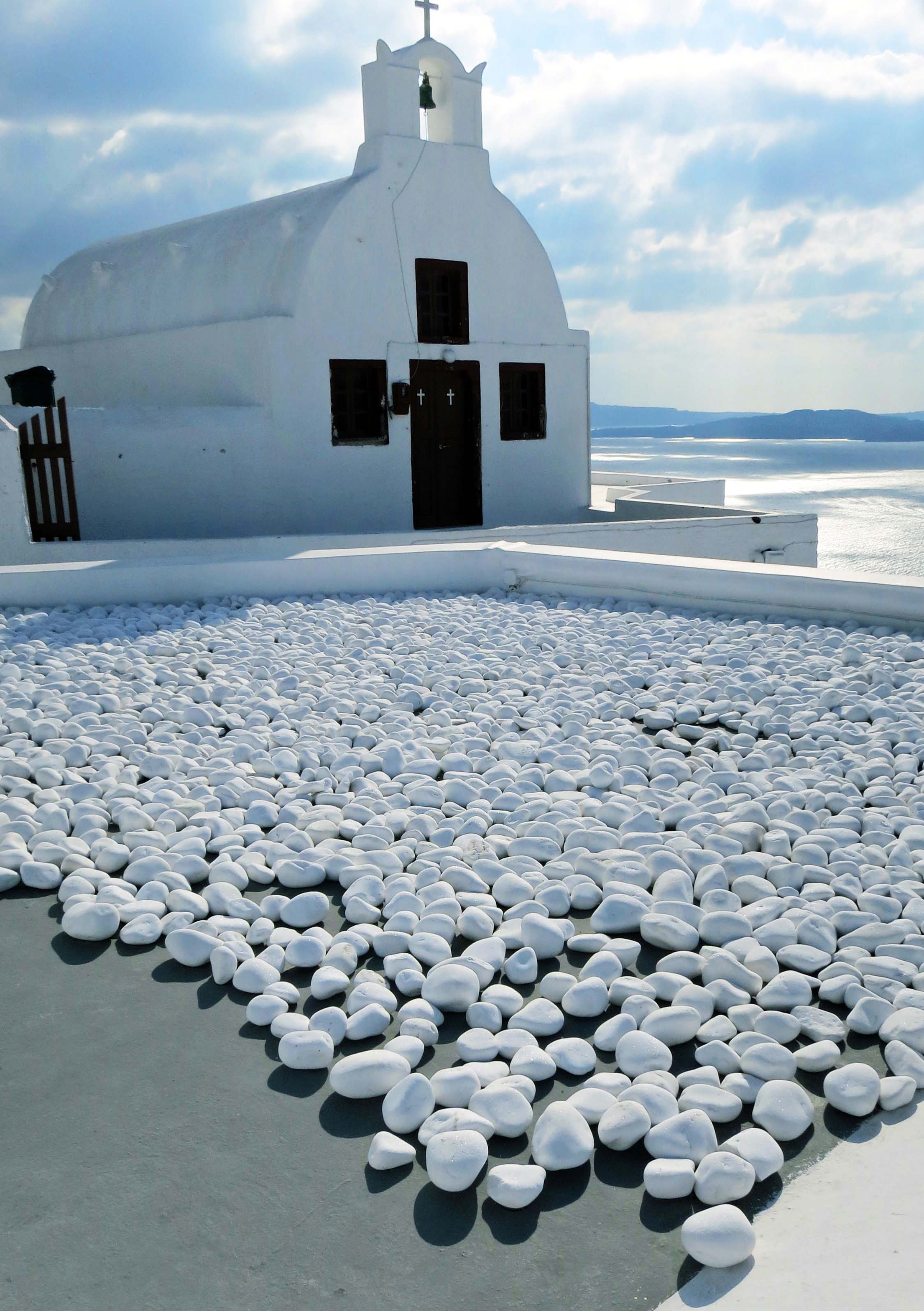
Think of the imagination that went into the decision to put white rocks in front of this white church.

Think of the imagination that went into the decision to put white rocks in front of this white church.

A back view of the church with Oia, Santorini stretching out in front.

A back view of the church with Oia, Santorini stretching out in front.

This looked like a very old church to me. Notice how it is built into the cliff. (Photo by Peggy Mekemson.)

This looked like a very old church to me. Notice how it is built into the cliff. (Photo by Peggy Mekemson.)

The Anastasis Church in Oia provides a striking view of the Aegean Sea.

The Anastasis Church in Oia provides a striking view of the Aegean Sea.

Another view of the church.

Another view of the church.

The Church of Panagia Platsani is the first church we encountered in Oia. (Photo by Peggy Mekemson.)

The Church of Panagia Platsani is the first church we encountered in Oia. (Photo by Peggy Mekemson.)

The church's bell tower. (Photo by Peggy Mekemson.)

The church’s bell tower. Again, the sky provided a dramatic backdrop. (Photo by Peggy Mekemson.)

I don't have the name for this church but thought it was quite striking.

I don’t have the name for this church but thought it was quite striking.

A final view looking out into the Aegean and the walls of the caldera that forms Santorini, a solemn reminder that this is earthquake country. NEXT BLOG: Friday's essay— Escape from Alaska

A final view looking out into the Aegean and the walls of the ancient volcano that form Santorini, a solemn reminder that this is earthquake country. NEXT BLOG: Friday’s essay— Escape from Alaska


Santorini: A Photographer’s Paradise… The Wednesday Photo Essay

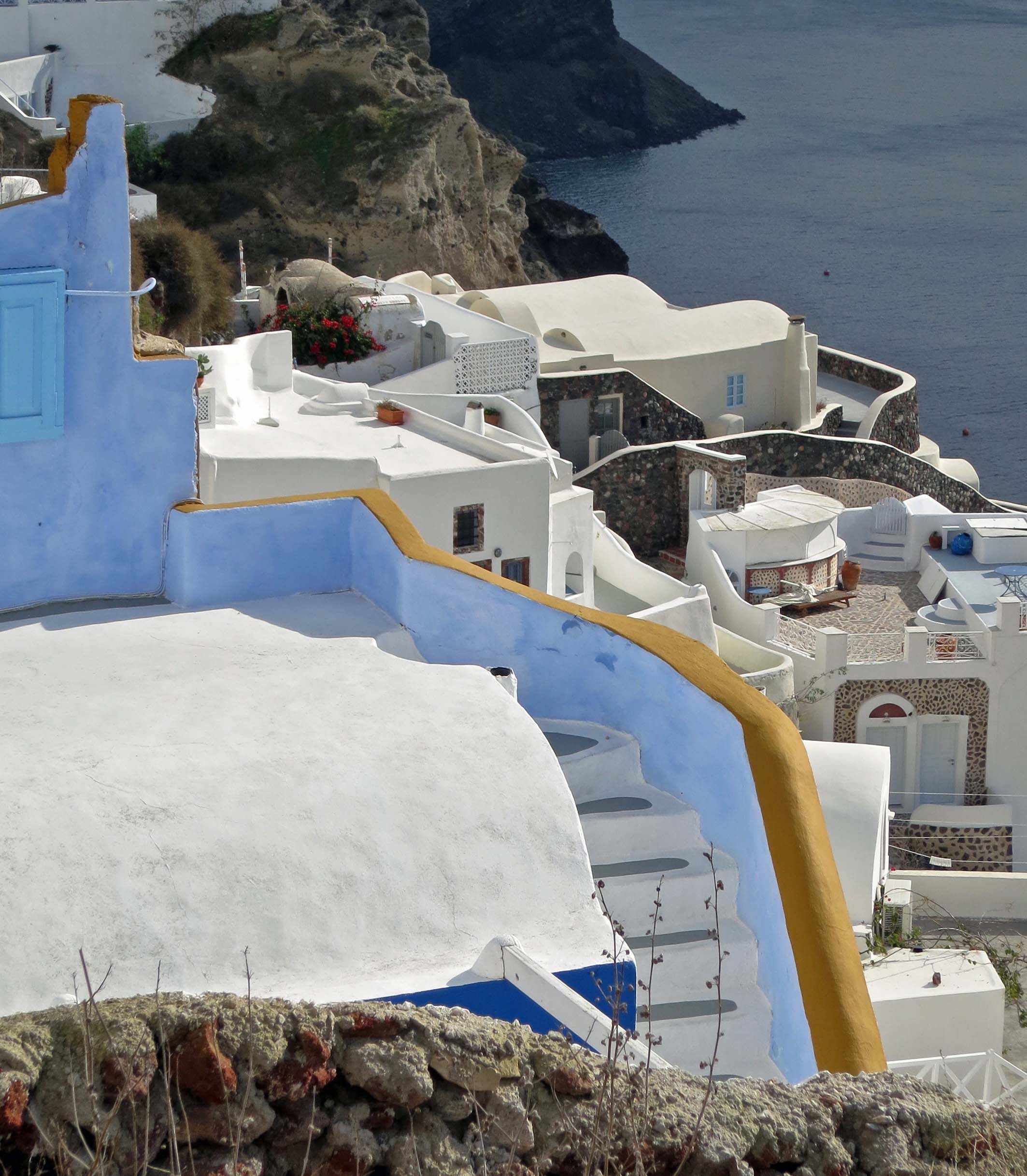
Perched on the remaining wall of an ancient volcano, the Greek town of Oia overlooks the Aegean Sea.

Perched on the remaining wall of an ancient volcano, the Greek town of Oia, Santorini overlooks the Aegean Sea.


Once again, it’s time for my Wednesday photo essay. This time my random search through iPhoto landed on Santorini. And that got me excited. It is one of the most photogenic places on earth. Almost any photo you take has postcard (or blog) potential. This post allowed me to revisit the island and once more enjoy its beauty. My challenge, I immediately discovered, was that Peggy and I had taken 400 plus photos. “Okay, Curt,” I said to me, “I have to do more than one blog.” So expect to find Santorini on my next 3 or 4 Wednesday posts. I think you will enjoy the journey.


The town of Oia overlooks the caldera of what was once a volcano and is now filled with the Aegean Sea.

The town of Oia cascades down the inner slope of a volcano toward the caldera that was left behind when the volcano exploded. The wall of the volcano recedes off into the distance. (Photo by Peggy Mekemson.)

Some basics: Santorini is a Greek island located in the Aegean Sea, 120 miles (200 kilometers) southeast of the Greek mainland. Once upon a time it was a huge volcano. 2600 years ago it blew its top in a dramatic fashion, destroying much of the Minoan Civilization and giving rise to the myth of Atlantis. All that remains is a large caldera filled with seawater and the weathered edge of what was once the volcano’s wall. Lime-white homes dug into the sides of the cliff perch high above the water and cascade down the mountainside, providing great views of the sea below.

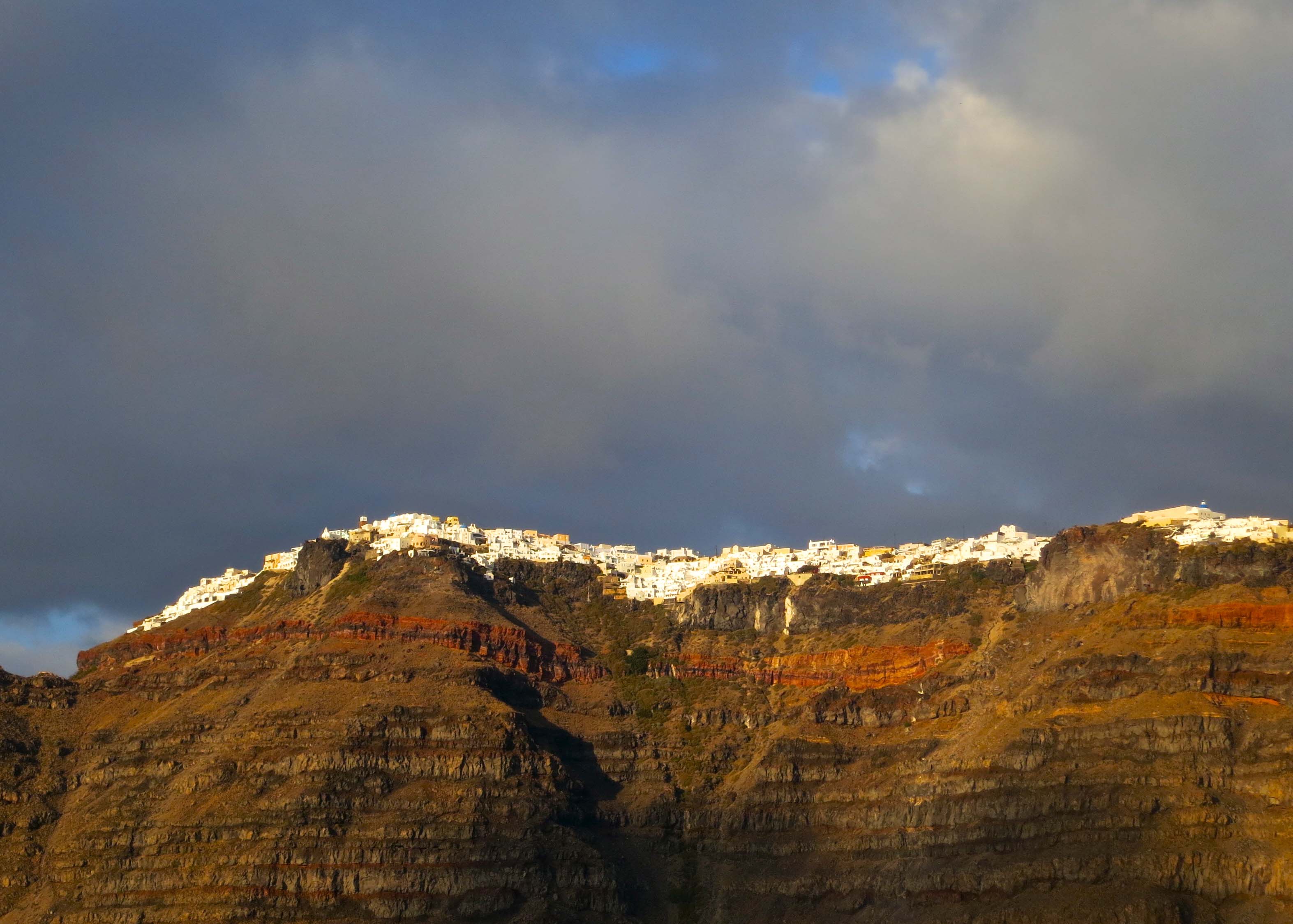
This photo provides a perspective on how high the small communities of Santorini perch above the water. The layers represent different volcano flows that took place before the volcano erupted creating one of the largest explosions in written history.

This photo provides a perspective on how high the small communities of Santorini perch above the water. The layers represent different volcanic flows that took place before the volcano erupted, creating one of the largest explosions in written history. I took this photo from our ship as the sun was setting.

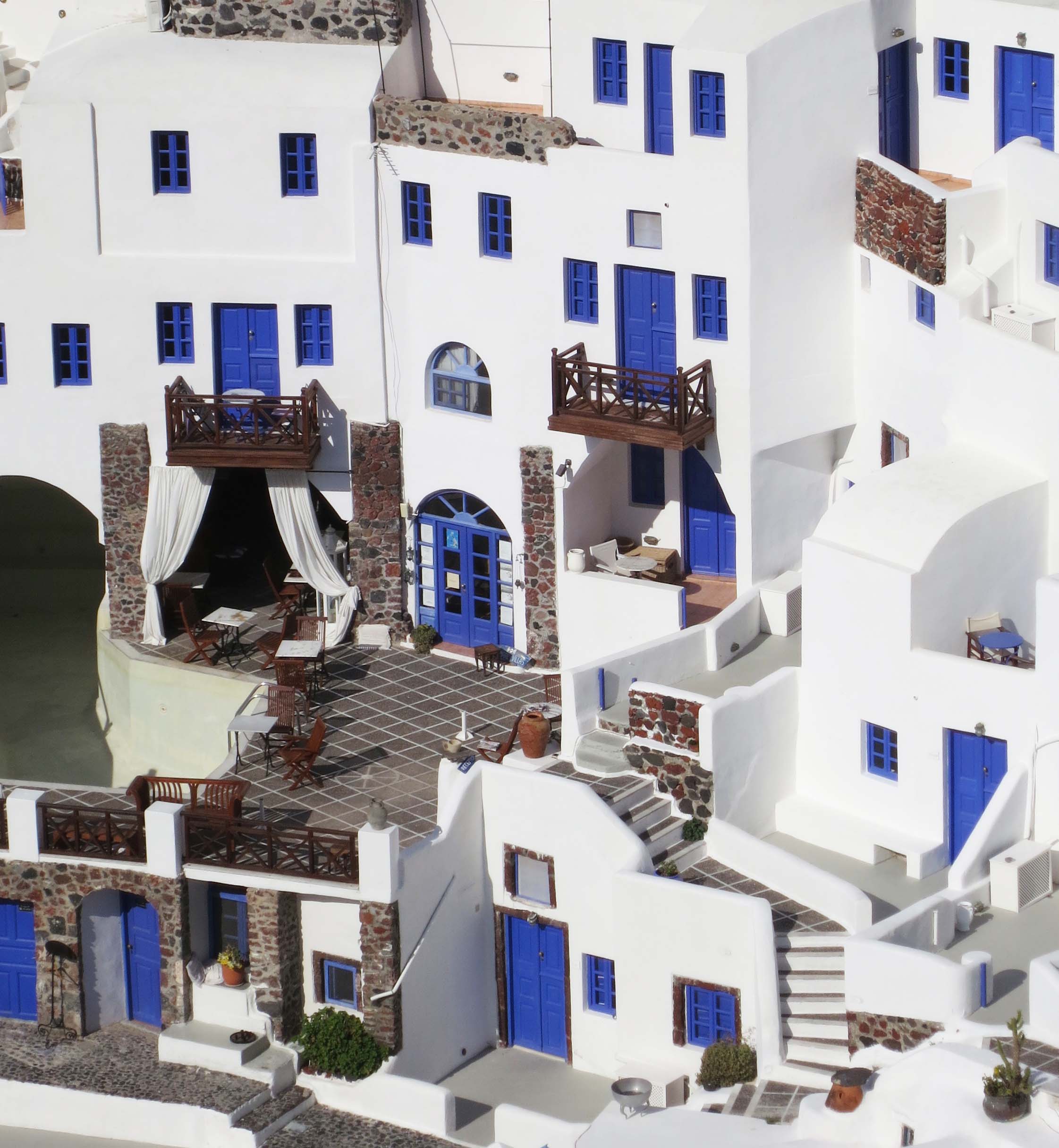
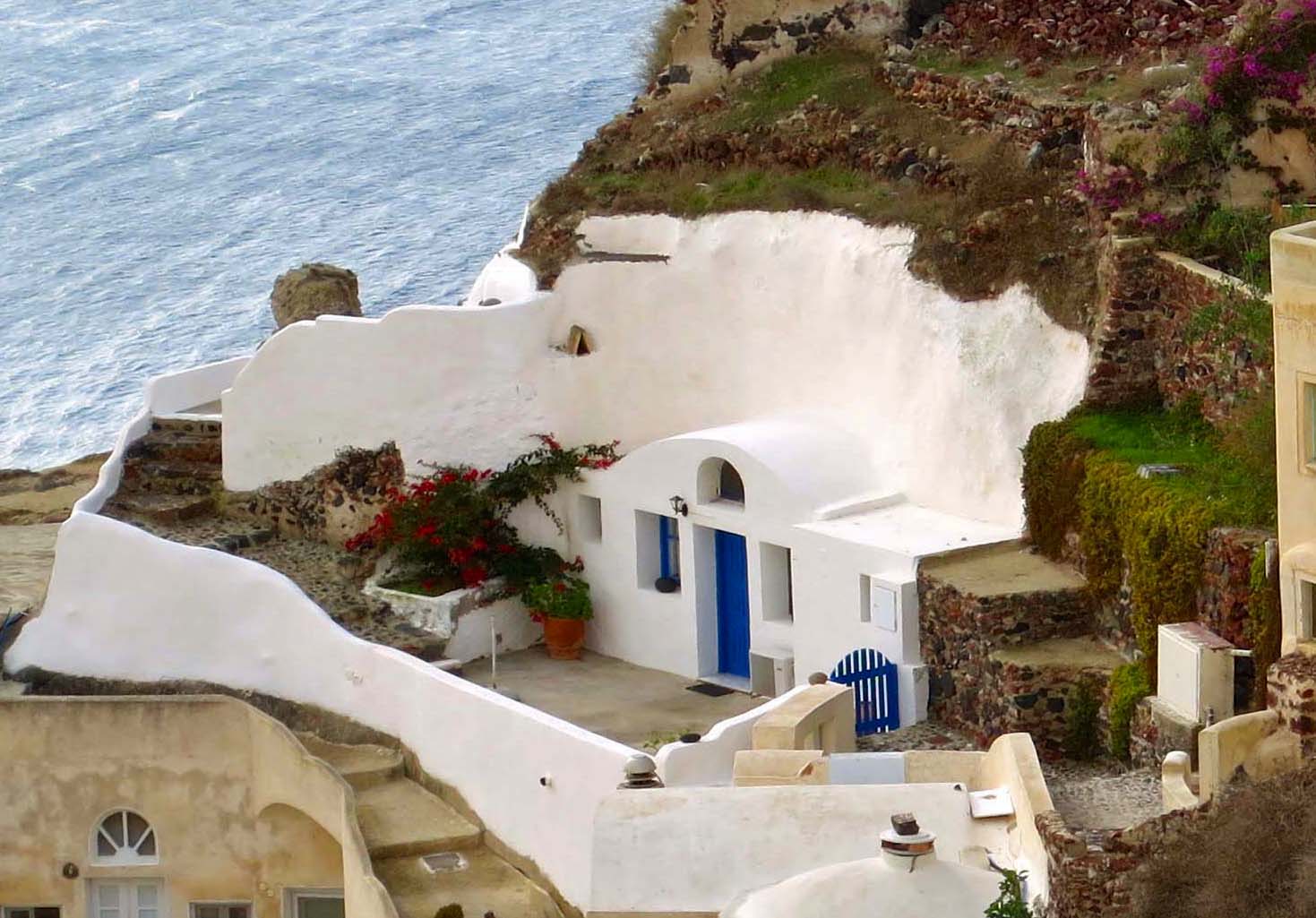
Homes are actually built into the volcanic cliff as this photo illustrates. The added insulation means the houses are cool in the summer and warm in the winter.

Homes are actually built into the volcanic cliff as this photo illustrates. The added insulation means the houses are cool in the summer and warm in the winter.

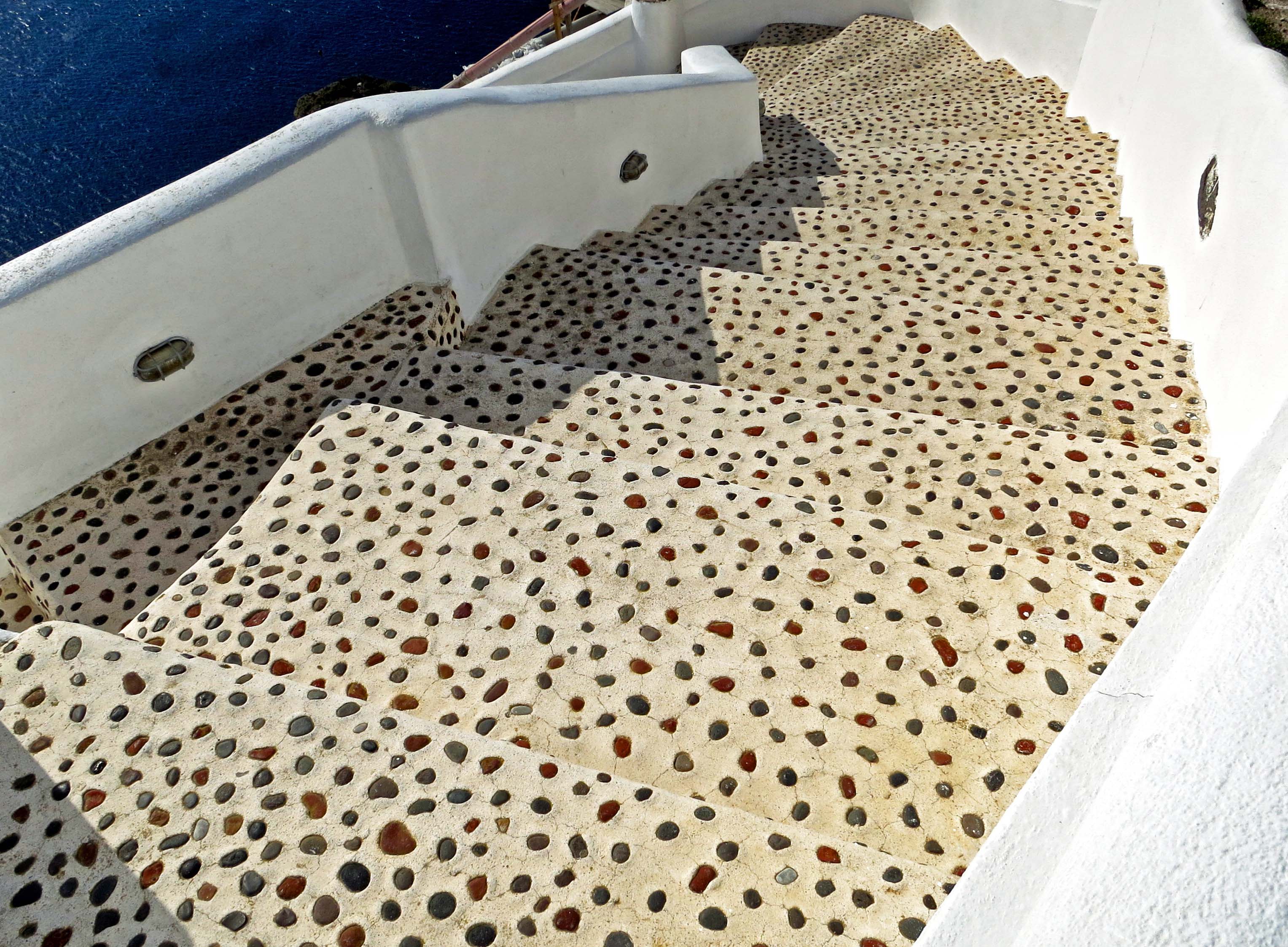
Forget elevators, escalators, or roads. You get to and from your home, motel, etc. by walking up and down stairs.

Forget elevators, escalators, or roads. You get to and from your home, hotel, etc. by walking up and down stairs.

Stairways that come in a variety of shapes, sizes...

Stairways that come in a variety of shapes, sizes…

…and colors.

…and colors.

And lead to intriguing places such as this...

And lead to oh so many intriguing places such as this… (Photo by Peggy Mekemson.)

…leading to oh so many intriguing places.

…and this.

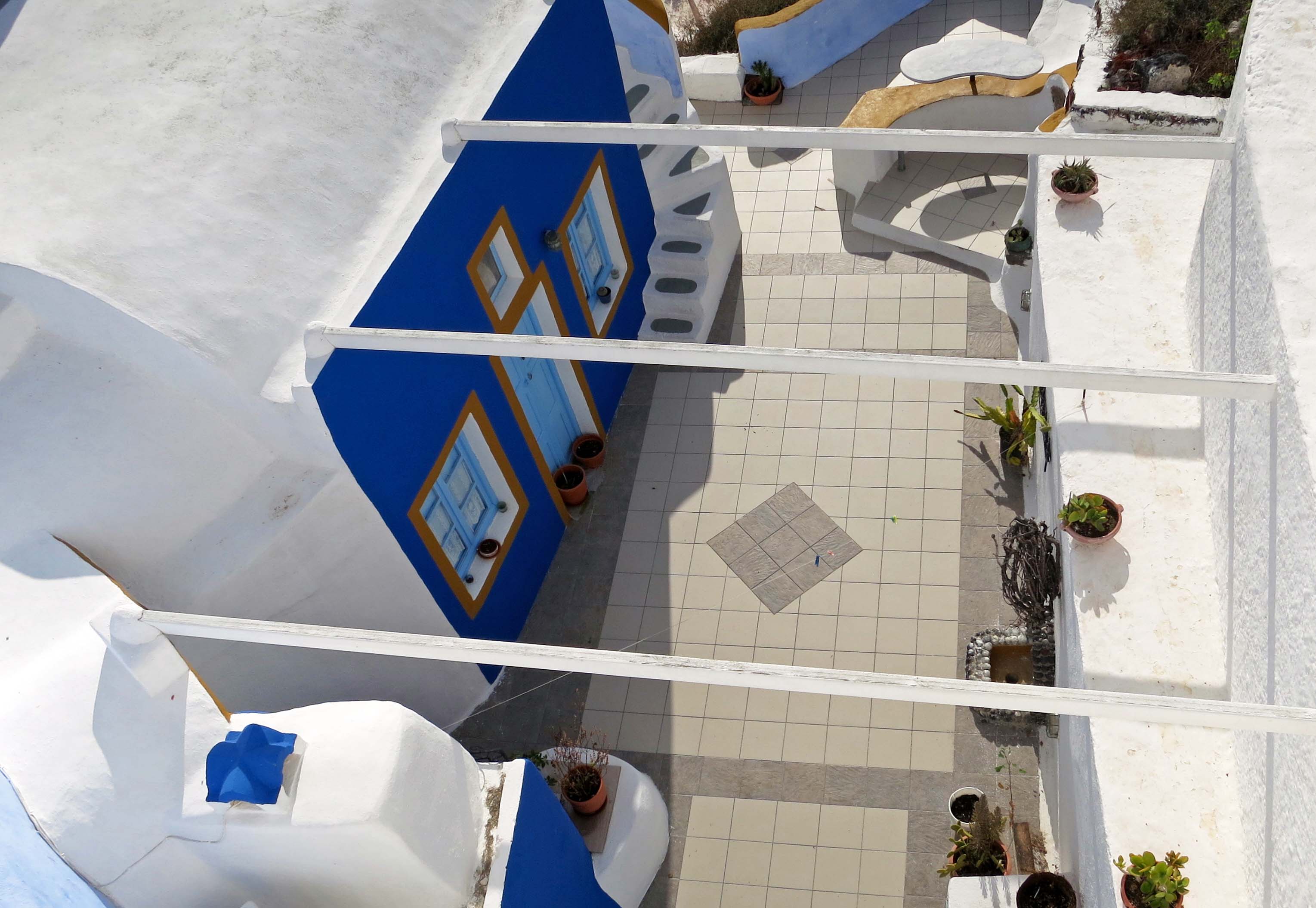
Most homes come with attractive patios, great for sitting out on an admiring a beautiful sunset, or...

Many homes come with attractive patios.

Your patio is your yard, and there isn't much space.

Your patio is your yard, but there isn’t much space.

There is always room for laundry, but for get privacy. What you do on your patio is defined as entertainment by your neighbors above you.

There is always room for laundry, but forget privacy. What you do on your patio is defined as entertainment by your neighbors above you.

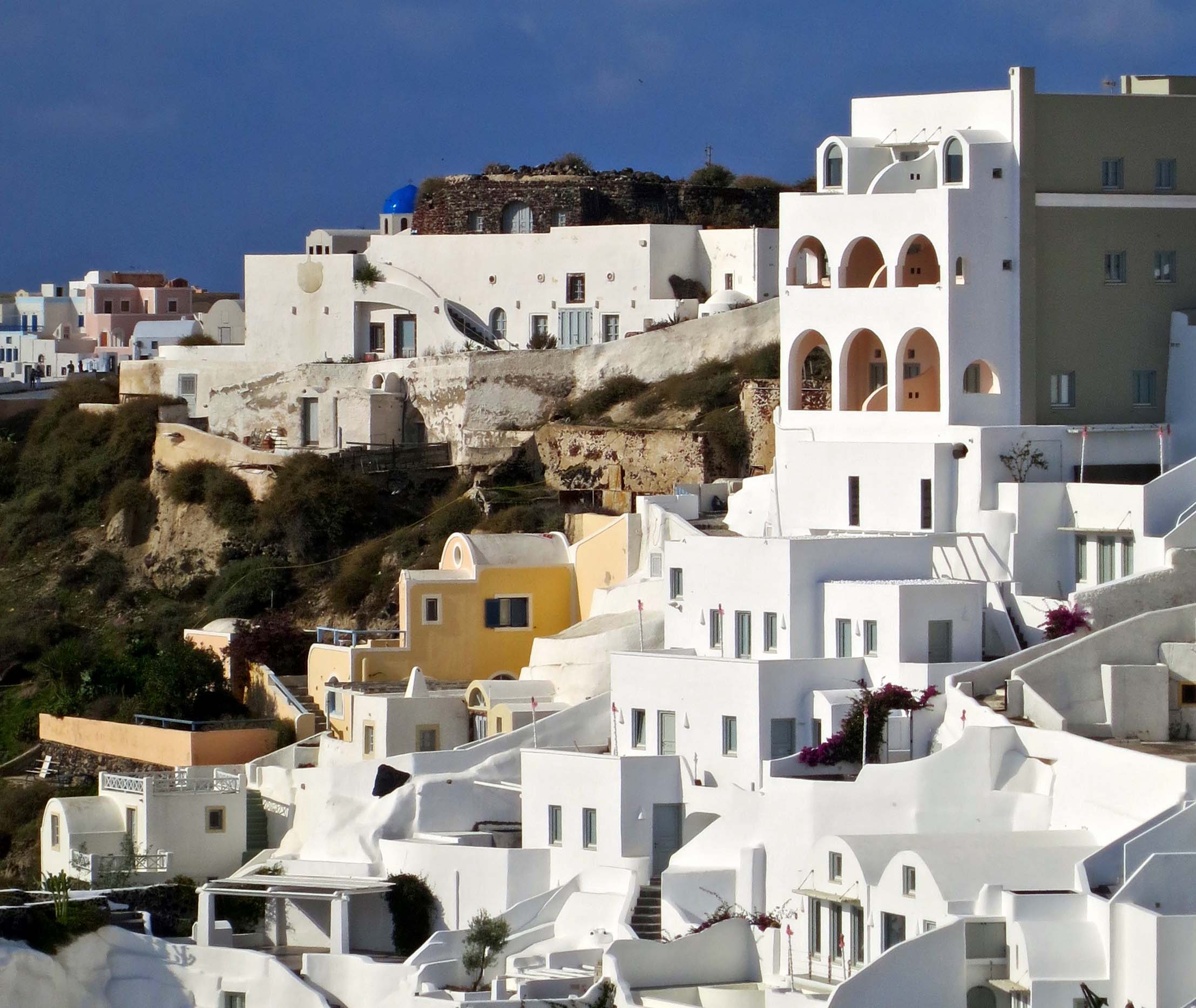
When you live on the wall of a volcano, space is limited.

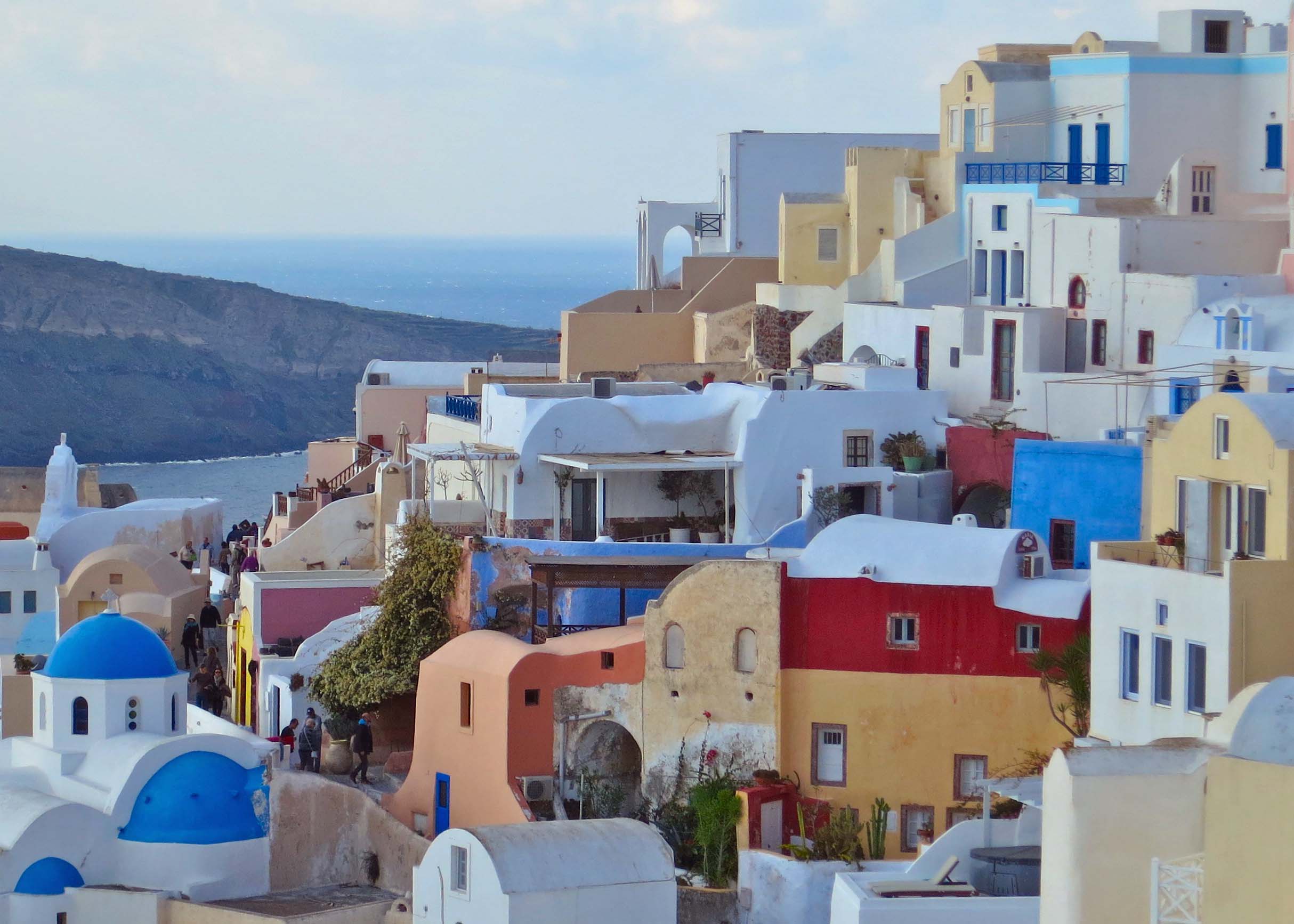
Every view of Oia, Santorini is different, and beautiful.

I really like the whites, pastels and bright blues of Oia. The blue dome is part of a church. NEXT BLOG: How 25 cents saved one million lives.

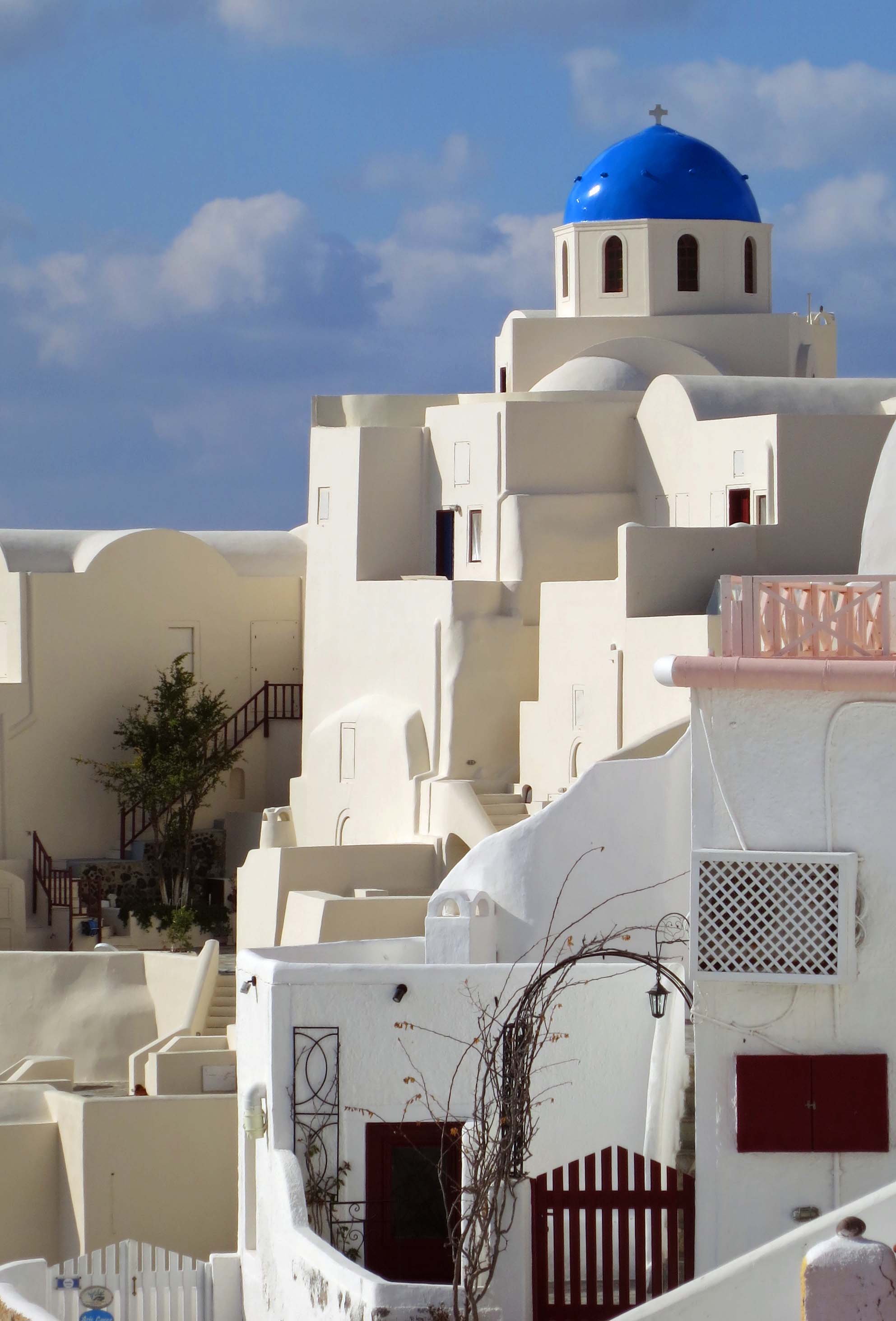
I really like the whites, pastels and bright blues of Oia. The blue dome is part of a church. NEXT BLOG: How 25 cents saved one million lives. (More on Santorini next Wednesday.)


Bush Devils, Juju, and Lightning Men

Liberian Bush Devil photo by Curtis Mekemson.

A Grebo Bush Devil, with his jaws open and teeth showing, was guest of honor at a Haight-Asbury party put on by Liberian Peace Corps Volunteers in 1967. I was quite surprised to find my photo from then being used by the Liberian Observer newspaper a few months ago. It is an interesting article.

The book about my Peace Corps experience in West Africa, The Bush Devil Ate Sam, is now available in printed as well as digital form on Amazon. It’s taken a while to get the print copy. To celebrate, I decided to post a sample chapter from the book and feature the story that gave the book its name. Every month or so, I will post another chapter.

Here is this month’s chapter:

Sam, the young man who worked for us in Liberia, was enamored with western culture. It fired his imagination. He spent hours listening to the Kingston Trio get Charlie off the MTA and dove into peanut butter and jelly sandwiches like a frog dives into water. Still, for all of his excitement about things modern, ancient African was an integral part of who he was. He had the scars to prove it. They marched down his chest in two neat rows.

“How did you get those,” Jo (my former wife) asked with ten percent concern and ninety percent curiosity.

“I can’t tell you,” Sam replied with obvious nervousness as Jo’s eyebrows rose. “But I can tell Mr. Mekemson.”

Aha, I thought, Sam and I belong to the same organization, the Men’s Club! Actually Sam belonged to a very exclusive men’s organization, the Poro Society, which I wasn’t allowed to join. Its functions were to pass on tribal traditions, teach useful skills, and keep errant tribe members in line. Everything about the organization was hush-hush. Tribal members who revealed secrets could be banned and even executed.

Political power on the local level was closely tied to membership in the Poro Society. On the national level, President Tubman assumed leadership of all Poro Societies in Liberia. Tribal women had a similar secret organization called the Sande Society, which prepared young women for adulthood and marriage. A controversial aspect of the Sande initiation ceremony was female genital mutilation— cutting off the clitoris.

Sam got off easy.

He had been to Bush School the previous summer and learned how to be a good Kpelle man. Graduation to adulthood consisted of an all-consuming encounter with the Poro Society’s Bush Devil. It ate him— metaphorically speaking. Sam was consumed as a child and spit out as a man. The scarification marks had been left by the devil’s ‘teeth.’ It seemed like a tough way to achieve adulthood, but at least it was fast and definitive. Maybe we should introduce the process to our kids in the US and skip the teenage years. Think of all of the angst it would avoid.

The Bush Devil was a very important tribal figure who was part religious leader, part cultural cop and part political hack. Non-Kpelle types weren’t allowed to see him. When the Devil came to visit outlying villages, a frontman preceded him and ran circles around the local Peace Corps Volunteer’s house while blowing a whistle. The Volunteer was expected to go inside, shut the door, close the shutters and stay there. No peeking.

We did get to see a Grebo Devil once. The Grebo Tribe was less secretive, or at least more mercenary. Some Peace Corps Volunteers had hired the local Devil for a Haight-Ashbury style African party. It was, after all, 1967, the “summer of love” in San Francisco and the “Dawning of the Age of Aquarius.” Along with several other Volunteers, we hired a money bus to get to the party. Had we been thinking, we would have painted the bus with Day-Glo, like Ken Kesey’s bus, Further.

The Devil was all decked out in his regalia. His persona was somewhere between a voodoo nightmare and walking haystack. Grebo men scurried in front of him with brooms, clearing his path and grunting a lot. We stayed out of the way and took pictures.

The Grebo men carefully tended the Bush Devil.

The Grebo men carefully tended the Bush Devil.

Another area where Sam showed his tribal side was his fear of the newly dead. A person’s spirit was considered particularly powerful and dangerous right after he or she died. Later, the spirit would move away into the bush and fade. But first it had to be tamed with appropriate mourning, an all-night bash. One didn’t take chances. When Sam worked late for us after someone had died, he would borrow a knife and a flashlight in case he had to fight off the malevolent ghost on his way home. I had grown up next to a graveyard and was sympathetic with his concern.

Juju, or African witch doctor medicine, was another area where African reality varied from modern Western reality. Late one evening, in the middle of a tropical downpour, one of my high school students appeared on our doorstep very wet and very frightened. Mamadee Wattee was running for student body president. His opponent had purchased ‘medicine’ from a Juju man to make him sick.

It was serious business; people were known to die in similar circumstances. Had the opposition slandered Mamadee or stuffed the ballot box, I could have helped, but countering a magic potion wasn’t taught at Berkeley, at least not officially. I took the issue to Mr. Bonal, the high school principal, and he dealt with it. Mamadee stayed well and won the election.

The use of Juju medicine represents the darker side of tribal culture. Human body parts derived from ritual human sacrifice are reputed to be particularly effective in creating potions. Cannibalism may be involved. On the lighter side, my students once obtained a less potent ‘medicine’ and buried it under the goal post on the football (soccer) field with the belief that it would cause the other team to miss goals. Apparently, it wasn’t potent enough; the other team won.

This is my senior class. Mamadee is second form the left. Later he would become an elementary school principal in New Jersey.

This is my senior class. Mamadee is second from the left. Later he would become an elementary school principal in New Jersey.

Mamadee was also the reason behind our introduction to the Lightning Man. When Jo and I went on vacation to East Africa, we left Mamadee with $50 to buy a 50-gallon drum of kerosene. When we returned there was neither kerosene nor $50, but Mamadee was sitting on our doorstep. Someone had stolen the money and Mamadee was extremely upset. Fifty dollars represented a month’s income for a Kpelle farmer. Mamadee’s father, a chief of the Kpelle tribe, was even more upset and wanted to assure us that his son had nothing to do with the missing fortune. It was a matter of honor. He offered to have Mamadee submit to the Lightning Man to prove his innocence.

The Lightning Man had a unique power; he could make lighting strike whoever was guilty of a crime. If someone stole your cow or your spouse, zap! Since we were in the tropics, there was lots of lightning. Whenever anyone was struck, people would shake their heads knowingly. Another bad guy had been cooked; justice had been served.

We didn’t believe Mamadee had taken the money, and even if he had, we certainly didn’t want him fried, or even singed. We passed on the offer. The Chief insisted on giving us $50 to replace the stolen money.

Another Liberian Peace Corps Volunteer in a similar situation chose a different path. Here’s how the story was told to us. The Volunteer had just purchased a brand new $70 radio so he could listen to the BBC and keep track of what was happening in the world. The money represented close to half of the Volunteer’s monthly income. He had owned his new toy for two days when it disappeared.

“I am going to get my radio back,” he announced to anyone who would listen and then walked into the village where he quickly gathered some of his students to take him to the Lightning Man. Off he and half the town went, winding through the rainforest to the Lighting Man’s hut. The Volunteer took out five dollars and gave it to the Lighting Man. (Lighting Men have to eat, too.)

“I want you to make lighting strike whoever stole my radio,” he said.

The Volunteer and his substantial entourage then returned home. By this time, everyone in the village knew about the trip, including, undoubtedly, the person who had stolen the radio.

That night, there was a tremendous thunder and lightning storm. Ignoring for the moment that it was in the middle of the rainy season and there were always tremendous thunder and lightning storms, place yourself in the shoes of the thief who believed in the Lightning Man’s power. Each clap of thunder would have been shouting his name.

In the morning the Volunteer got up, had breakfast and went out on his porch. There was his radio.

NEXT BLOG: Wednesday’s photo essay.

Blog Hopping the World… with Curt and Peggy Mekemson

There are millions of beautiful photos of the Greek Island of Santorini, but none can match going there.

There are millions of beautiful photos of the Greek Island of Santorini, but none can match going there.

“There are travelers and then there are Travelers. If you take some time to review Curt’s lengthy résumé you’ll see what we mean: Peace Corps in Liberia, year after year at Burning Man, kayaking with orcas, and backpacking with the grizzlies. He walks the walk and his blog documents all of it.”

Travel Bloggers James and Terri Vance

"Now where did I leave that fish?" A big Kodiak Bear looks for salmon on the Frazer River of Kodiak Island.

“Now where did I leave that fish?” A big Kodiak Bear looks for salmon on the Frazer River of Kodiak Island. He was about 50 yards away from Peggy and me, a distance he could travel in 10 seconds. 1o, 9, 8,7…

A couple of weeks ago, two of my favorite world travelers, James and Terri Vance at Gallivance, nominated me to participate in what is called a “Behind the Scenes Blog Hop.” It’s a project making its way around the blogosphere where bloggers provide insight into why they blog. In this particular case, it was about people who travel frequently and write about their experiences. Go here to learn about what James and Terri have to say about their own journeys. I highly recommend following their blog if you don’t already.

The project sounded like fun but I was busy at the time. Today, I came up for air. Let me start by noting I am a wanderer by nature. I think it’s genetic. I’ve done a fair amount of genealogical research and discovered that my direct line of ancestors, at least as far as the 1600s, hit the road running and rarely looked back. As for me, as soon as I was allowed out of the house on my own, I set off to explore the fields, woods, ponds and creeks of the Sierra Nevada Mountain foothills where I grew up.

Why do you write what you write?

I am a storyteller and some of my best stories are about my travels and adventures. I believe that travel is one of the most enriching experiences we can have. Mark Twain said, “Twenty years from now you will be more disappointed by the things you didn’t do than by the ones you did do. So throw off the bowlines, sail away from the safe harbor. Catch the trade winds in your sails. Explore. Dream. Discover.” Explore, dream, discover: magical words that have always been my motto. Consequently, I have a lifetime full of wandering and very few regrets. My wife Peggy and I are wealthy with the experiences we have had.

And it is wealth we love to share— partially because it is fun to relive the adventures, but there is more. I hope to encourage those who read my blogs to “catch the trade winds in their sails.” And if not? I at least hope I can provide a taste of adventure, a dash of humor, a pinch of education, and on occasion, a serious thought.

There are two of other points I try to make with my travel writing. One, adventure travel doesn’t have to be expensive or difficult. Of course it can be, but it can also be a walk in the woods or a visit to a new restaurant. Anything that broadens our perspective on life can be an adventure. Just recently, for example, I wrote about a visit to a restaurant in Nashville that served really hot chicken. Believe me it was an adventure. And last year I wrote about a walk to my mailbox. It didn’t have to be an adventure, but I turned it into one.

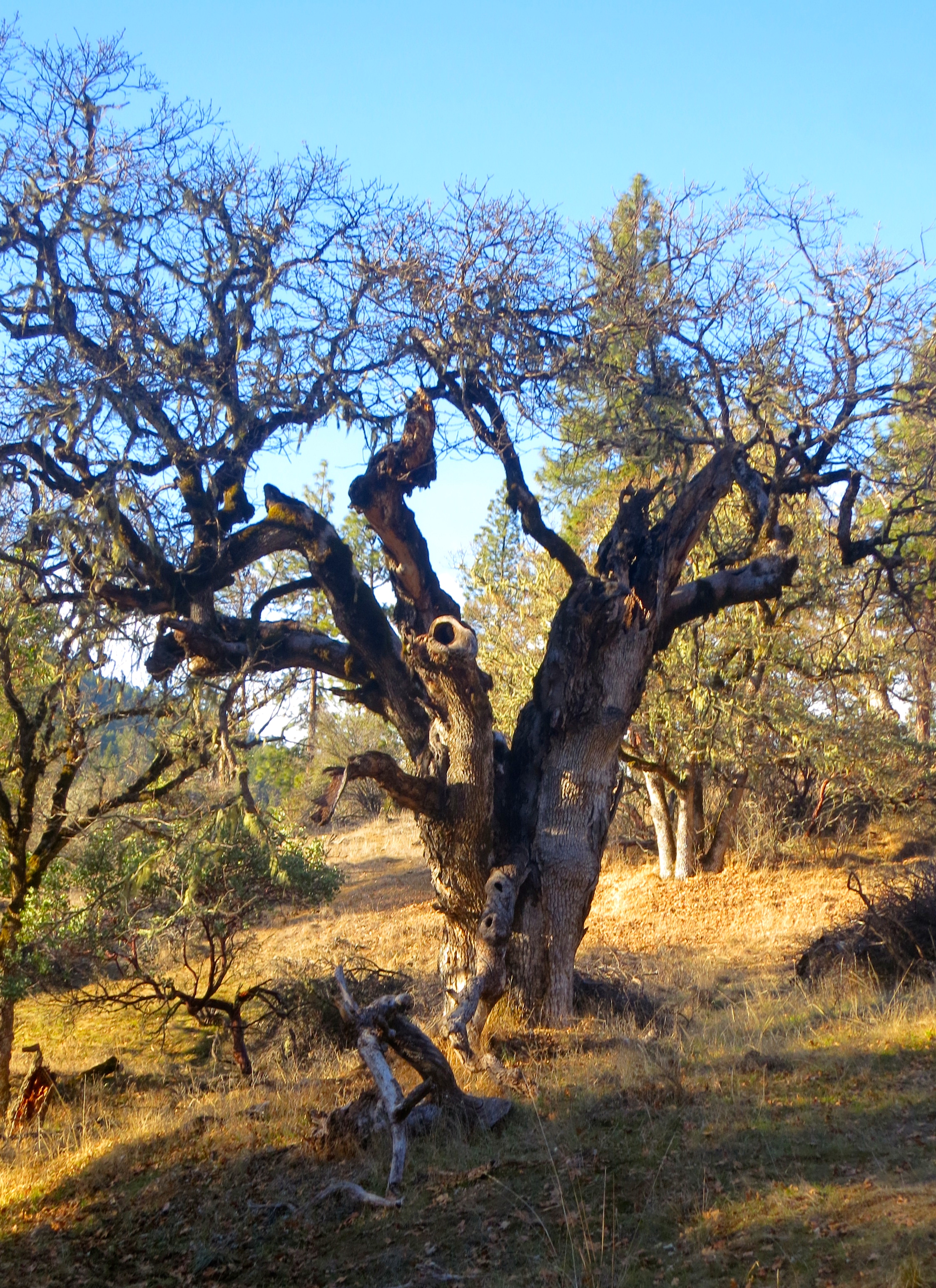
This oak tree lives along the path I walk to the mailbox.

This oak tree lives along the path I walk to the mailbox. In addition to having its own unique look, it serves as a home to a number of woodland creatures. A whole adventure could be built around watching it for 24 hours. I might add, this tree would be completely happy in the Hobbit.

Two, age does not have to be a barrier to travel. Peggy is big on this point. Young and old alike can have adventures. I am now in my 70s and Peggy is in her 60s and yet last year found us disappearing into a remote wilderness on a backpacking trip by ourselves, sea kayaking with the orcas off Vancouver Island, and going to Burning Man in the Nevada desert. If we can do these things, certainly people in their 50s, 40s, 30s and 20s can, not to mention 60s and 70s. And if you have children, take them along. You will create a lifetime of memories.

How does your blog differ from others of its genre?

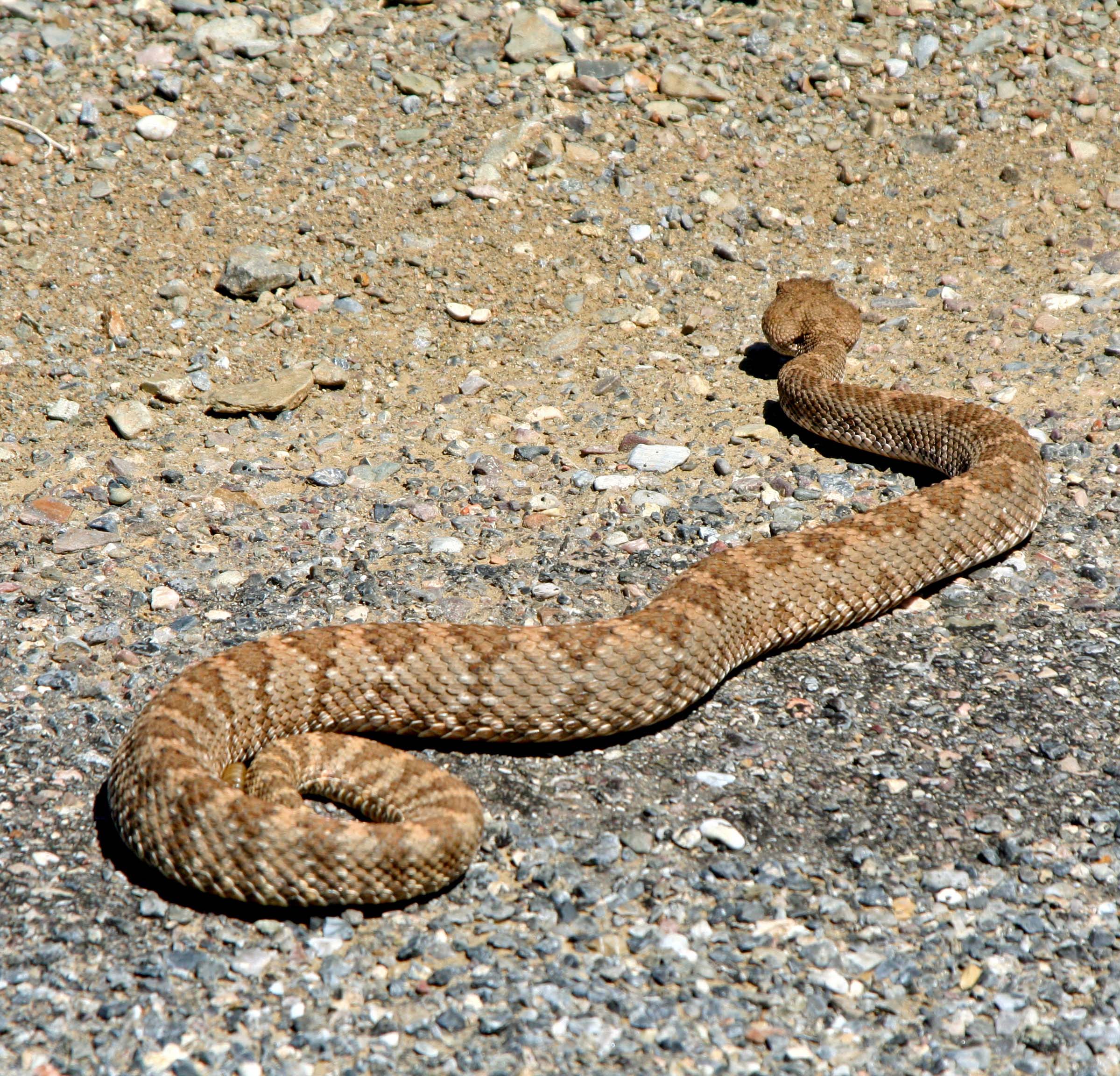
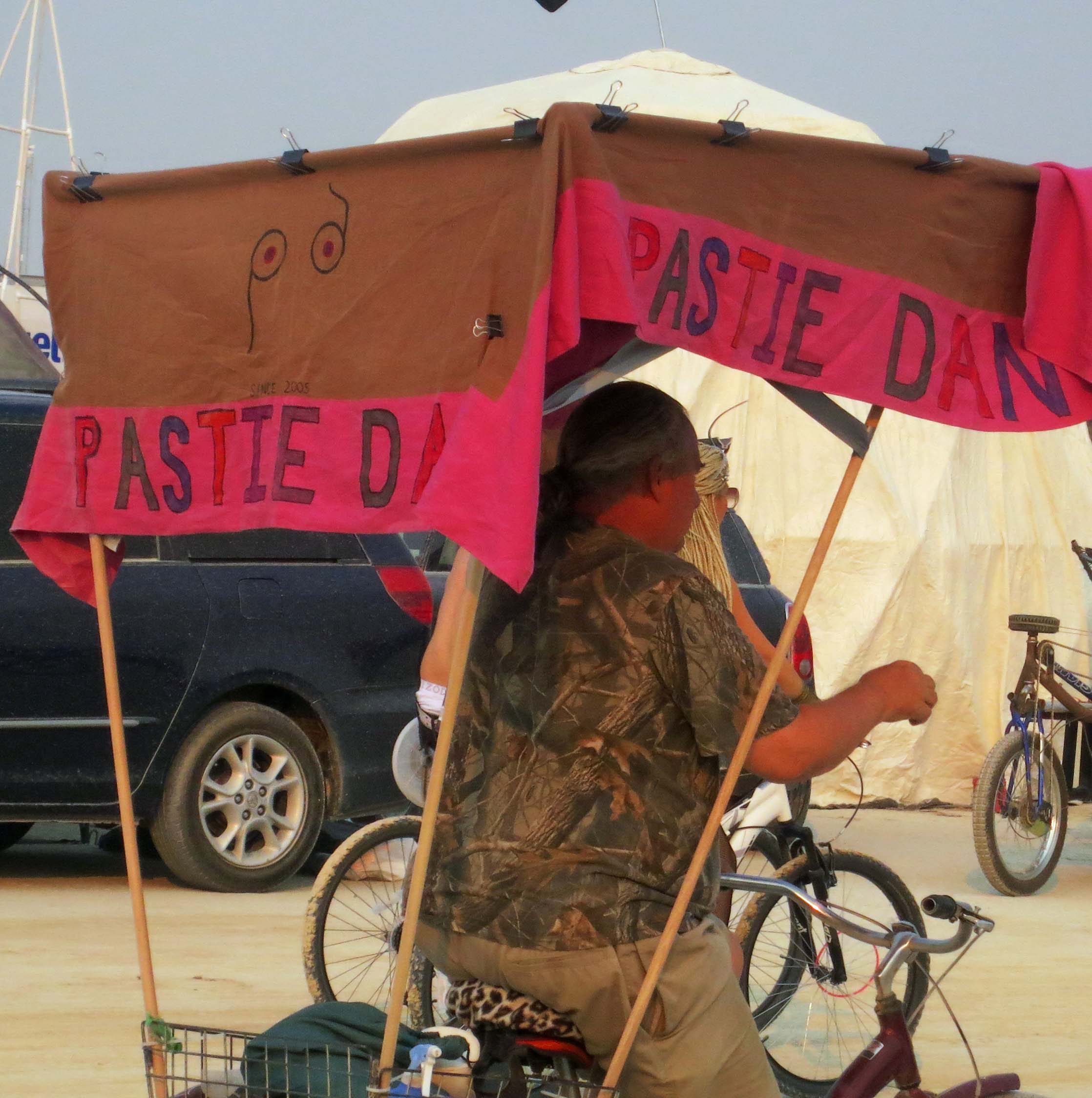
Variety comes to mind. One day I might be writing about cruising the Mediterranean Sea and visiting a Greek Island like Santorini. Another day I could be introducing you to Pastie Dan, a character at Burning Man who makes, and will gladly apply, pasties to cover women’s nipples. You might join me for a raft trip down the Colorado, a boat trip up the Amazon, or a narrow boat tour in England. Want a little excitement? Try waking up at 3 a.m. with a bear standing on your chest in the backcountry of Yosemite National Park. Then there was the rattlesnake that tried to bite me on the butt when I was doing my thing in the woods. My poor sphincter was frozen for a week. Want a touch of the exotic? Join Peggy and me as we search for Big Foot, UFOs and ghosts— it’s all in fun, and yet…

Panamint Rattlesnake in the Panamint Mountains, Death valley.

Admittedly, this guy is a little bigger than the rattlesnake that tried to bite me on the butt. With rattlesnakes, I am not sure size matters, however. (Photo by Peggy Mekemson.)

Bigfoot trap found above Applegate Lake in Southern Oregon.

This Bigfoot trap is located four miles from my home. It was maintained in the 70s in hopes of actually capturing one of the big fellows. (Photo by Peggy Mekemson.)

Pastie Dan in Black Rock City.

Normally Pastie Dan plies his trade at the Center Camp Cafe but occasionally, he wanders the roads of Black Rock City. He stopped at our camp to see if any of the women were in the market for pasties.

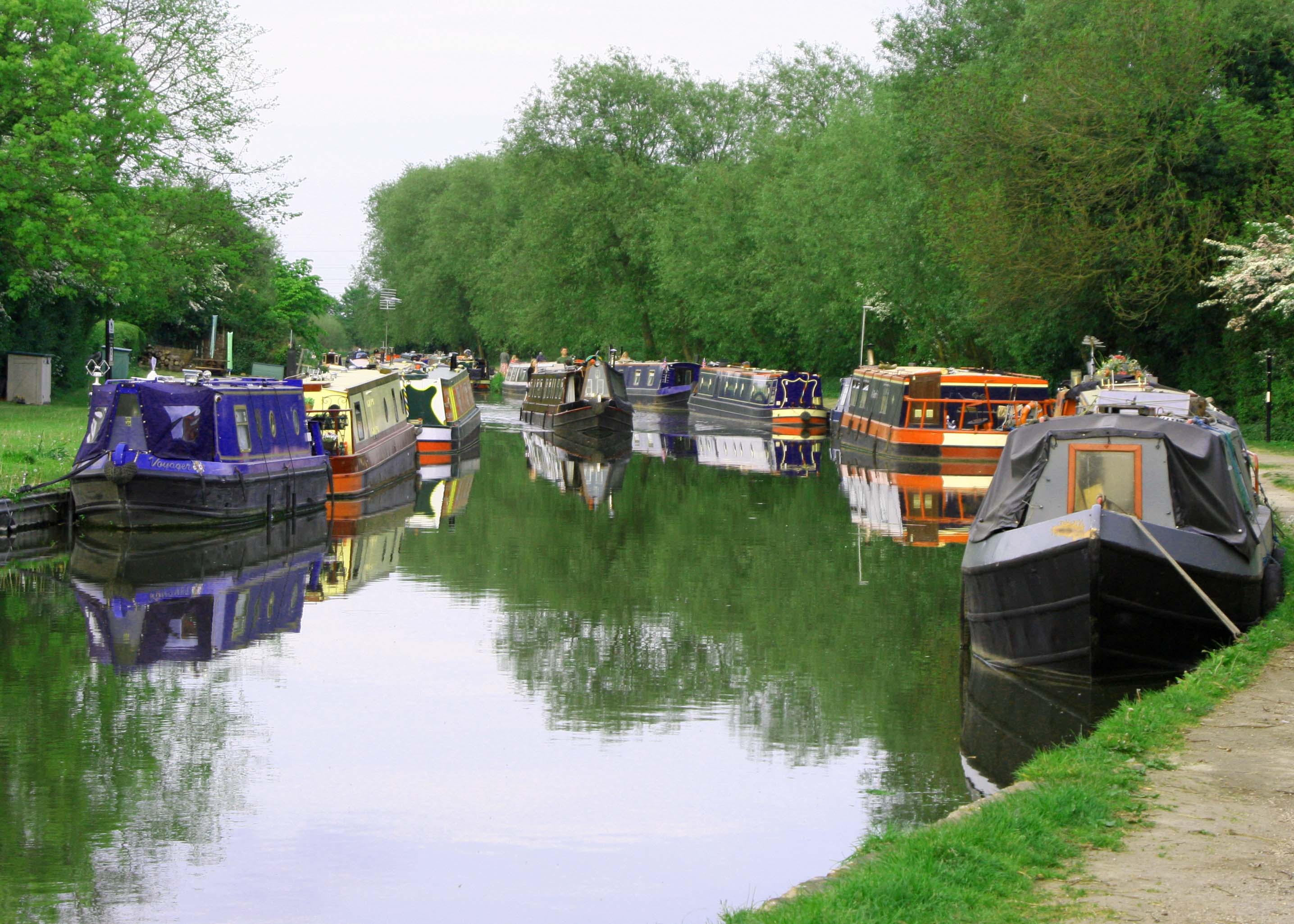
Maneuvering a 60 foot long Narrow Boat through the Trent and Mersey Canal in England two summers ago was a very different but equally rewarding experience.

Maneuvering a 60 foot long Narrow Boat through the Trent and Mersey Canal in England is a wonderful adventure that comes with pubs along the way.

How does your writing process work?

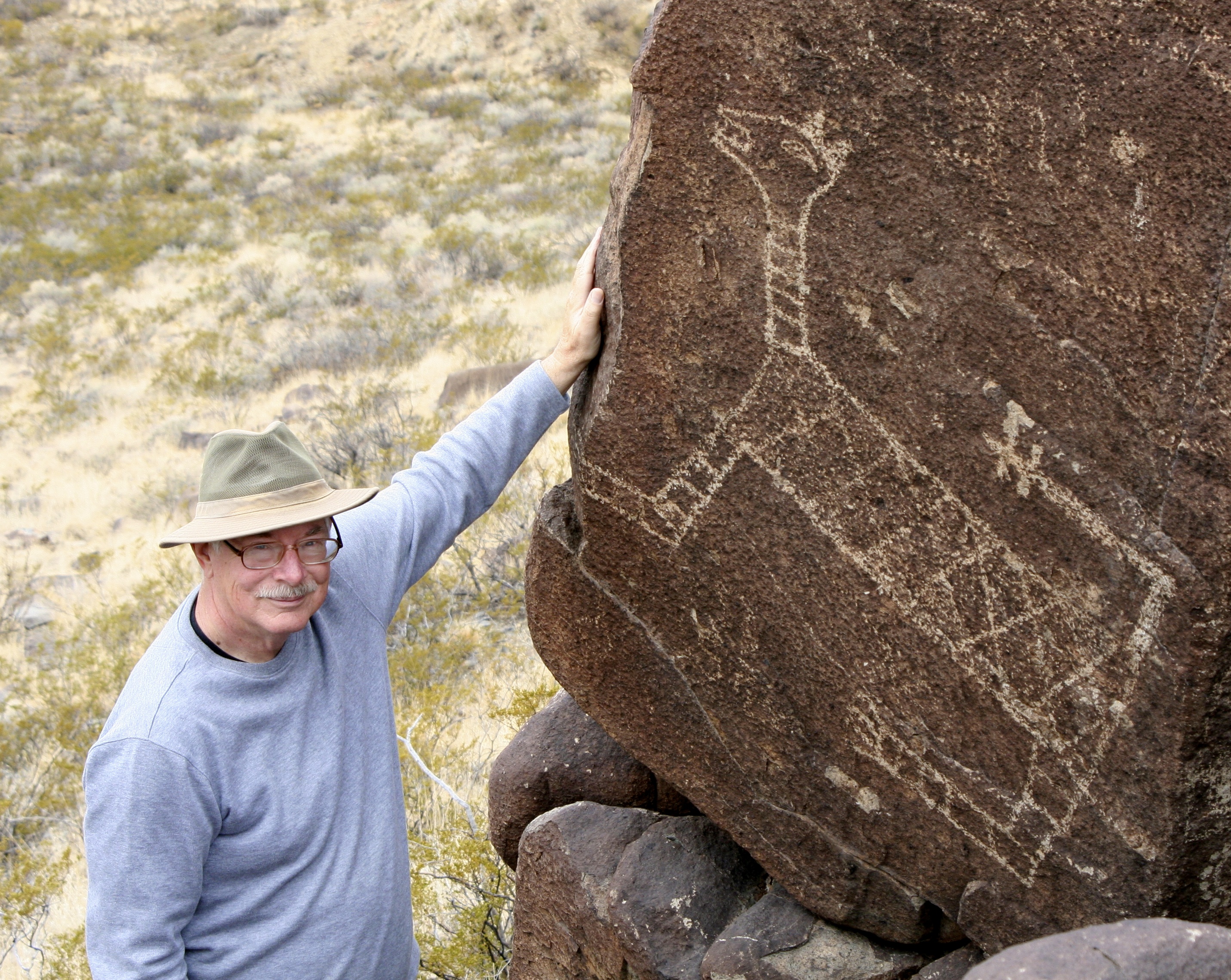
My stories start with experiences. I don’t scramble over rocks in New Mexico looking for petroglyphs because I want to write about the experience. I risk life and limb because I am fascinated with petroglyphs. I will confess, though, that when Peggy and I take photographs, we think about the blog— in addition to documenting our travels.

We call this large cat a cougar, mountain lion, puma… it would be interesting to know what the ancient Native American who made this rock art thought about and called his creation.

We call this large cat a cougar, mountain lion, puma… it would be interesting to know what the ancient Native American who made this rock art thought about and called his creation. (Photo by Peggy Mekemson.)

Research is also part of the process, either before we traipse off on an adventure because it enhances the experience, or afterwards because I want to add depth to what I am writing about.

As for the actual writing… writing is writing; it’s work. And I say this even though I love to write. I will normally think through what I want to write about, create a first draft, do a rewrite and then edit for mistakes. Then I turn it over to Peggy for further editing.

Photographs are also a very important part of my blogging. Between Peggy and me, we often have as many as 100 photos we have taken in relation to a particular blog. Ten to fifteen have to be selected out for a post and then processed. Mainly I work on cropping the photo to capture what I want, but I also make minor adjustments to light, color, shadows and sharpness if needed. Altogether, the process of creating a blog can take from three to eight hours.

What are you working on/writing?

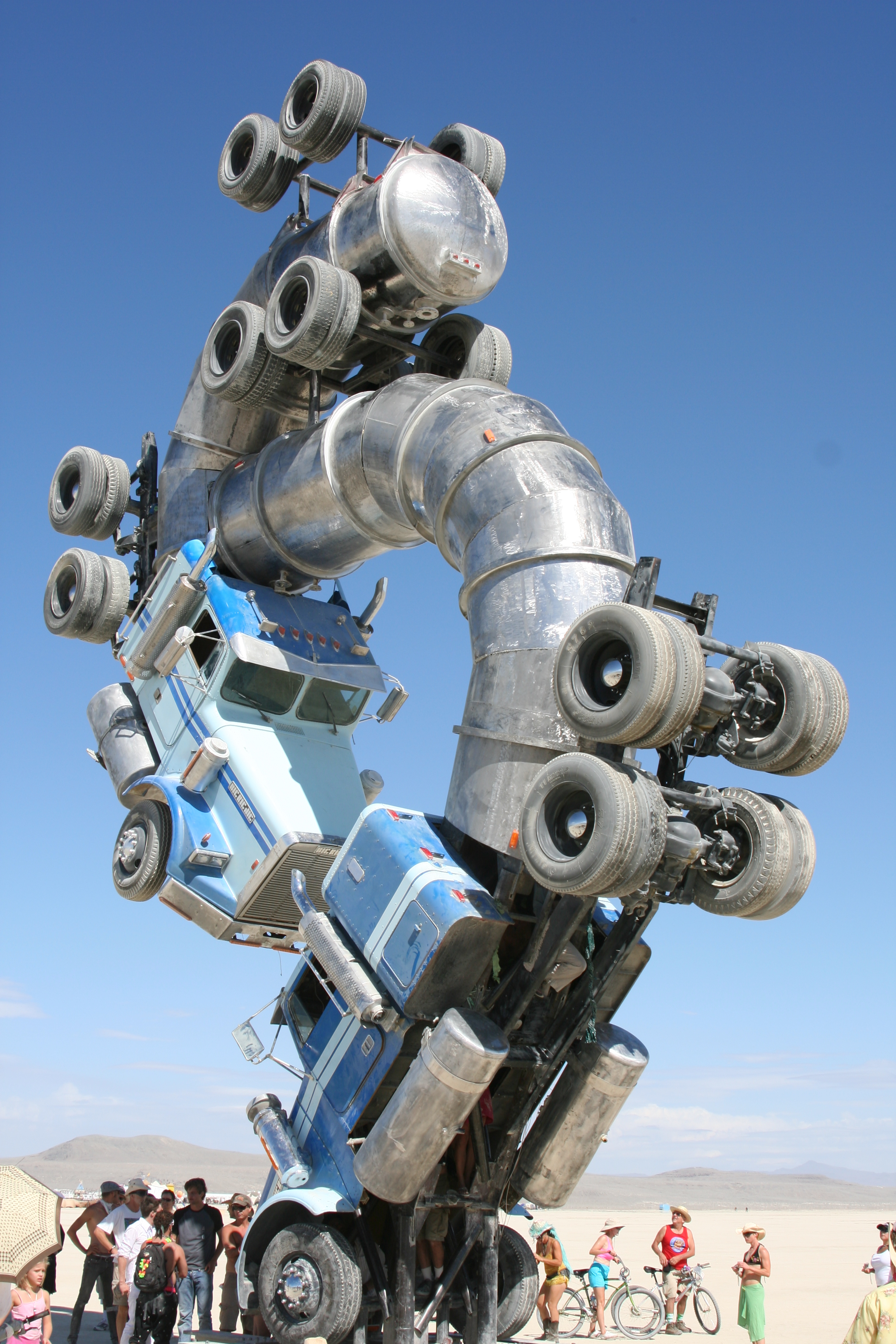
I work from a calendar of blogs I want to write. I’ll usually have two or three months’ worth of blogs in mind. This time of the year, I often do several on Burning Man because many of my readers are Burners, excited about getting tickets. Since I have now been to Burning Man for ten years, I am going to do a best of ten series (from my perspective) of sculptures, mutant vehicles, burns, structures, etc. over the next few weeks. After that, I will return to my north coast series exploring the coast of Northern California, Oregon and Washington. Or I may do a series on California’s gold rush towns. (My home town was one.)

Two oil tankers provide an interesting Sculpture at Burning Man

One of my all-time favorite sculptures at Burning Man.

The really big writing project I have been working on has been the book about my Peace Corps experience in Liberia, West Africa: The Bush Devil Ate Sam. I’ve posted several chapters over the past couple of years on my blog and a number of you helped me select the title of the book. This is my first venture into self-publishing and let me say unequivocally and undeniably, it has been a steep learning curve (understatement). I wrapped up getting the book in to Bookbaby two months ago, or at least thought I did. Bookbaby dutifully put the book on numerous E-pub sites and sent me back printed copies I requested. And what did I discover? Even though Peggy and I had meticulously done a line-by-line edit, some 30 errors. Damn. (A woman who is really good at editing found 25 of them, friends and family others.) So it was back to the drawing boards. Anyway, I sent all the corrections in last Wednesday and also set up the print on demand option. Soon…

One good bit of news, Steven Spatz, the president of Bookbaby, wrote to me on Friday and said he would like to feature The Bush Devil Ate Sam this week on Bookbaby’s blog. Given that Bookbaby is one the largest self-publishing companies in the world, produces thousands of books, and has an excellent reputation, things are looking up. (And no, Steven is not going to use me as an example of how not to.)

Kpelle footbridge near Gbarnga, Liberia circa 1965.

When I graduated from UC Berkeley and travelled off to Liberia, West Africa as a Peace Corps Volunteer, I began one of the grandest adventures of my life. Once there, I continued to explore my surroundings by hiking off into the jungle. Here, I am standing on a bridge built by Kpelle villagers.

NOMINATIONS

As part of this process of blog hopping, we are asked to nominate two other bloggers to participate in the blog hop. This is tough; there are so many great bloggers I follow. But that said, here are my two nominations:

Linda at Shoreacres: Wow, this woman can write. While she isn’t exactly a travel blogger, I can guarantee she will take you on some great journeys. As a compliment to the posts she writes, her followers comment in paragraphs instead of sentences.

Cindy Knoke: Cindy takes you from her home in southern California, the Holler, to journeys around the world. Her photography, particularly in terms of birds and wildlife, is superb.


When Orcas Go Swimming By… British Columbia Sea Kayak Adventure: The Conclusion

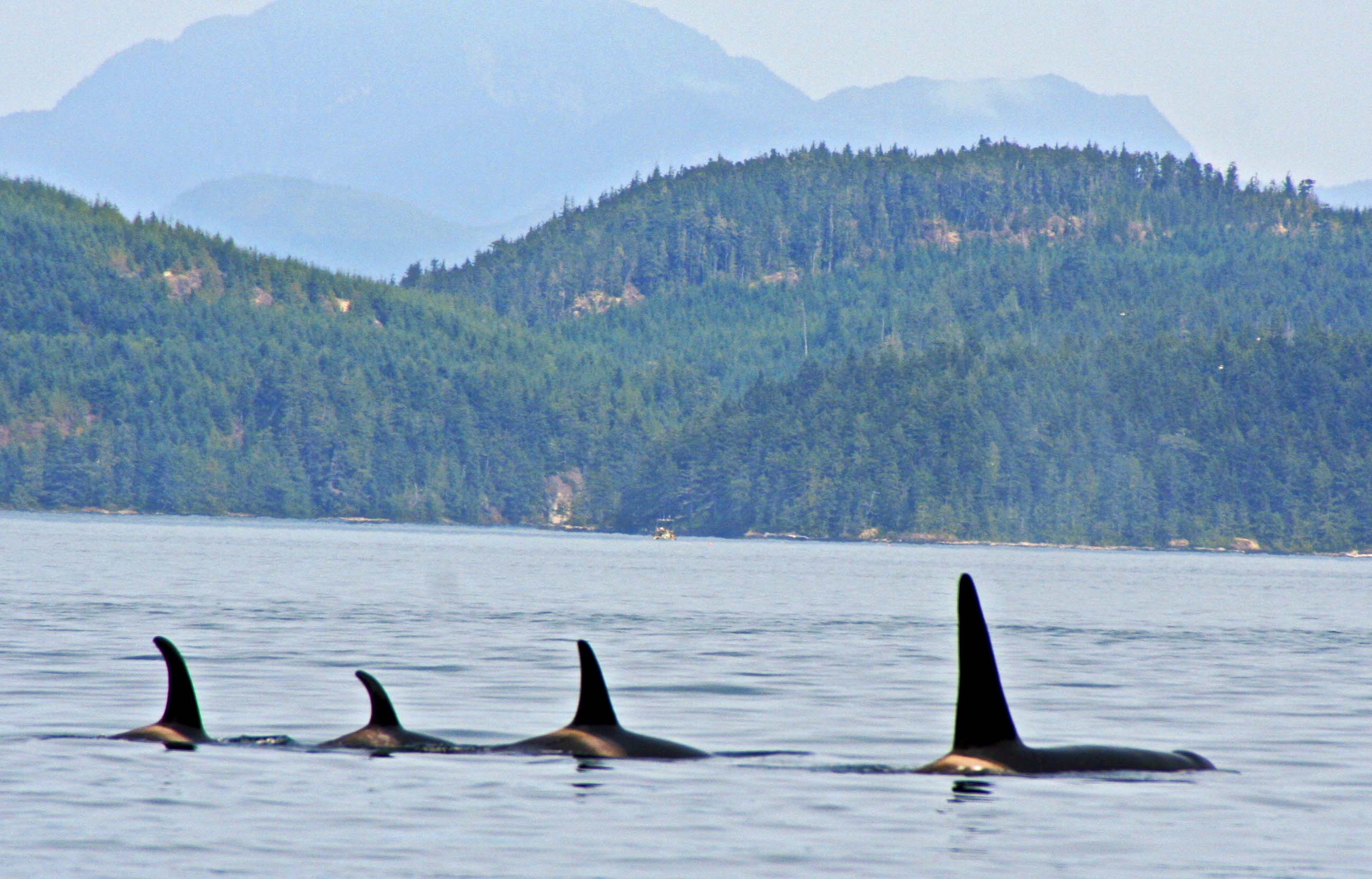
Orca family in Johnstone Strait, British Columbia.

We dropped what we were doing to watch the orca family pass by our campsite. (Photo by Peggy Mekemson.)

“Orcas!” Kimberly cried out, and we all went dashing for the beach with our cameras. Kimberly liked to perch on convenient logs and rocks, looking out at the Johnstone Strait. It gave her a front row seat on the action. I get it. I can stare out at the Pacific Ocean for hours— watching the waves roll in, listening to the lonely calls of seagulls, admiring the crazy antics of pelicans, and, yes, looking for whales.

Looking for orcas in Johnstone Strait, British Columbia.

Perched on a rock, Kimberly keeps a sharp eye out for orcas.

We had barely arrived at our campsite when the first family of orcas came swimming by. We were still in the middle of tucking our kayaks away in the forest above the tide line. Everything was dropped, including the kayaks. There were whales to see.

Sea Kayak Adventures group watches orcas in Johnstone Strait, BC. Photo by Curtis Mekemson.

The rallying cry of “Orcas!” sent everyone scrambling for a view.

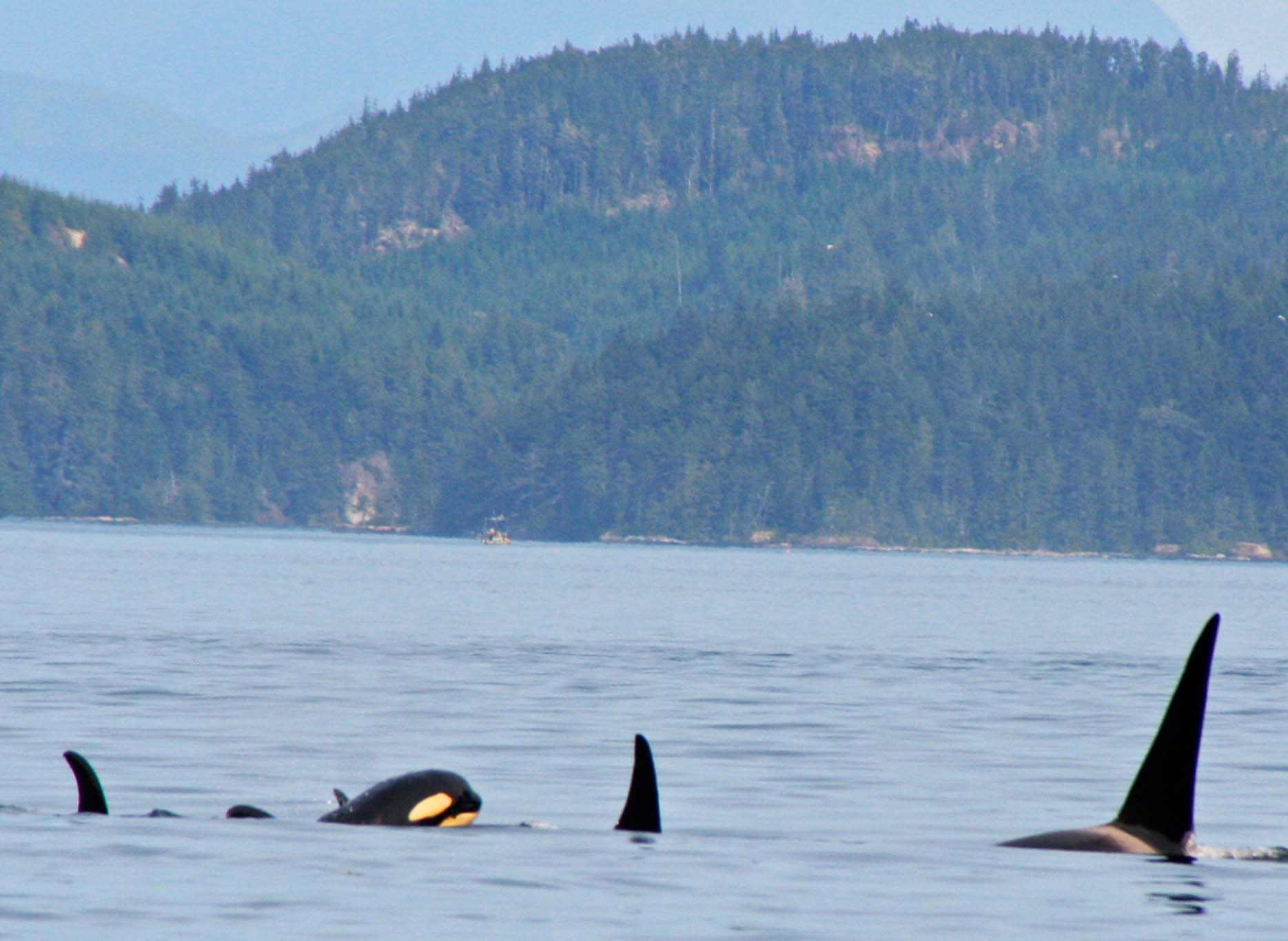
A baby orca surfaces in Johnstone Strait, BC.

A baby orca surfaces. Our reward for being vigilant. (Photo by Peggy Mekemson.)

This was our last campsite before heading home. Once again we had returned to Vancouver Island. We were located at Sea Kayak Adventures’ Little Kai Camp and would be there for two nights. Seeing orcas on our arrival was a good omen. We were happy campers. Not even the surround sound of fishing boats or a deluge of cold rain could dampen our spirits.

Beach at Little Kai Camp on Vancouver Island. and Johnstone Strait.

The beach at Little Kai camp.

Who can complain when surrounded by good people and beautiful scenery? But our trip was drawing to a close. After several more good meals, another kayak adventure, an evening of fun and story telling, and more orcas, it was time to pack up our kayaks and paddle back to Telegraph Cove. An orca gave us a final British Columbia send-off.

Our group works its way south along Vancouver Island. Shortly afterwards the skies opened up and dumped buckets of rain on us.

Our group works its way south from Little Kai Camp along Vancouver Island. Shortly afterwards the skies opened up and dumped buckets of rain on us. (Photo by Peggy Mekemson.)

Driftwood on Johnstone Strait, Vancouver Island. Photo by Curtis Mekemson.

Back at camp, I found interesting driftwood.

Heart shaped rocks found on Little Kai Beach off of Johnstone Strait. Photo by Curtis Mekemson.

We were amused to find that previous kayakers had collected numerous heart-shaped rocks off of Little Kai Beach.

Dinner is served on Sea Kayak Adventures' trip on Johnstone Strait.

Dinner is served.

Fishing boats shattered the quiet of our campground. BC fisheries had declared an eight hour fishing season to reduce the number of salmon trying to get up streams.

Fishing boats shattered the quiet of our campground. BC fisheries had declared an eight-hour fishing season to reduce the number of salmon trying to get up streams. Boats came from everywhere. (Photo by Peggy Mekemson.)

We wrapped up our final evening with a campfire, story telling, songs and a skit.

We wrapped up our last evening with a campfire, story telling, songs and skits.

The final morning we posed for an 'official' group photo.

Our ‘official’ group photo.

Bear on Johnstone Strait, BC.

Kayaking back to Telegraph Cove, we came on a black bear. We weren’t able to determine how he managed to get the stick lodged in his fur. Was it the shaft of an arrow? (Photo by Peggy Mekemson.)

Since we had begun our kayak adventure searching for orcas, it is appropriate that I end this series with a picture of the final orca we saw. (Photo by Peggy Mekemson.)

Since we had begun our kayak adventure searching for orcas, it is appropriate that I end this series with a picture of the final orca we saw. (Photo by Peggy Mekemson.)


Free Corky— and Stay Out of the Death Vortex… British Columbia Kayak Adventure


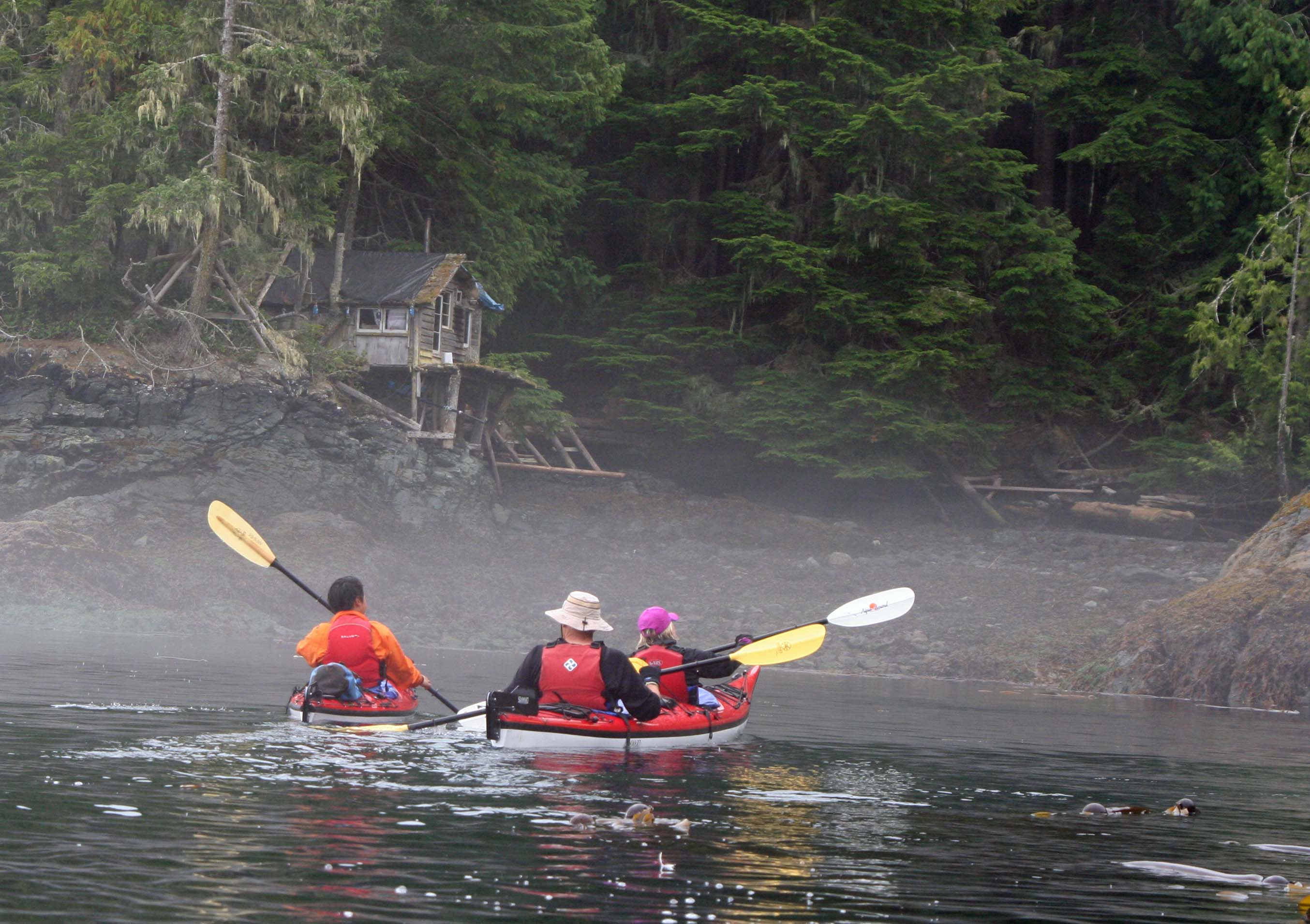
Sea Kayak Adventures likes to stop for lunch at the beach next to Orca-Lab on Hanson Island.

Sea Kayak Adventures likes to stop for lunch at the beach next to Orca-Lab on Hanson Island. One of the researcher’s cabins is on the left. (Photo by Peggy Mekemson.)

“Paddle, Curt and Peggy, paddle!” Julia yelled at us across the water. The tides of Johnstone Strait between Vancouver Island and mainland British Columbia can be ferocious. And we were caught in the current— the death vortex as the guides described it. We had been futzing along behind the group, happily paddling along, and matching strokes. Matching strokes is more efficient in kayaking, and it is certainly more aesthetic. I doubled my efforts and so did Peggy, paddling fast and digging deep, not concerned about style, driven by adrenaline. What seemed like an hour later (mere minutes), we were out of trouble. Afterwards, I continued to be unaesthetic, and we moved up to the head of the line.

The day had started out foggy. In fact the guides were worried about whether the fog would clear. As I mentioned before, sharing a narrow strait in zero visibility with huge cruise ships is at the top of every kayaker’s bad-idea list. The sun came out, however, and, beyond being caught in the death vortex, we had a great day of kayaking. The highlight, from my perspective, was visiting the site of the Orca-Lab.

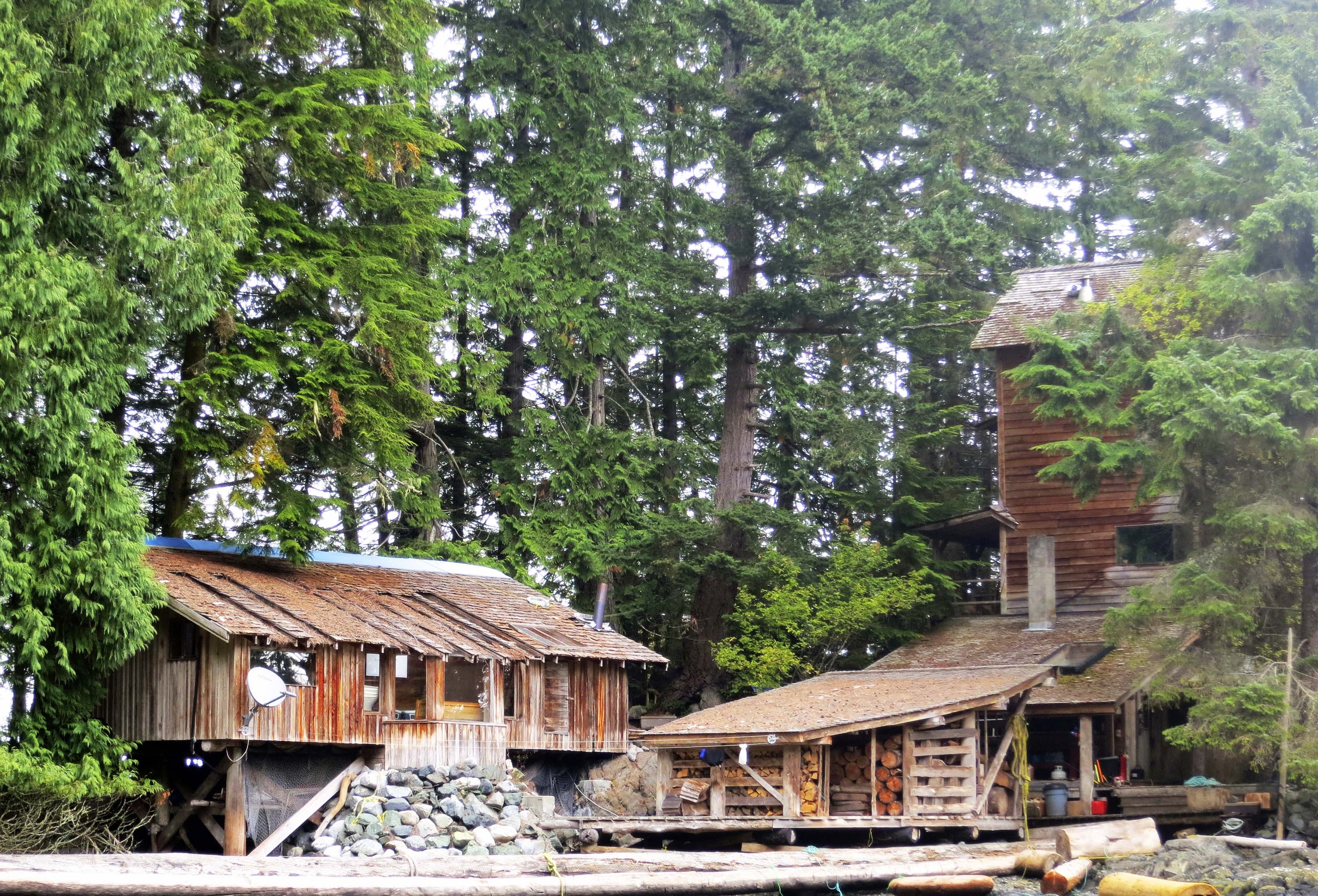
A side view of the Orca-Lab and an out buildings. Tents were located behind these buildings, which I assumed housed some of the volunteers who come fro all over the world to work at the research facility.

A side view of the Orca-Lab and an out building. Tents were located behind these buildings, which I assumed housed some of the volunteers who come from all over the world to work at the research facility.

Some 150 orcas live and travel in Johnstone Strait and Blackfish Sound during the summer and fall months when the salmon are running. Orcas are quite social with the primary grouping built around the mother. She and her children stay together for life. Maternal groups form pods of extended family members and, beyond that, join together in clans, who more or less speak the same language: they share common calls.

Dr. Paul Spong established Orca-Lab on Hanson Island in 1970. It has been functioning ever since to study the local whale population. A number of hydrophones (underwater listening devices) are positioned around the Orcas’ territory to listen in on their ‘discussions.’ These sonic recordings are supplemented by visual sightings of orcas as they pass by Orca-Lab and from other land-based locations in Johnstone Strait.

Julia drops a hydrophone into the water to see if we can pick up any orca calls. Is that a huge orca photo bombing the picture under her arm??? No, unfortunately, it was a view of a peninsula modified by Julia's shirt. I was excited for a second, though.

Julia drops a hydrophone into the water to see if we can pick up any orca calls. Is that a huge orca photo bombing the picture next to her waist??? Nope, it was a view of a peninsula modified by Julia’s shirt. I was excited for a second, though… (Photo by Peggy Mekemson.)

In addition to Orca-Lab’s ongoing scientific studies, it works to improve whale habitat, free captive whales, and oppose whale hunting. Number one on its “Free Willy” type campaign is Free Corky. She was captured when she was four years old and has now been in captivity for 42 years. You are more likely to know her as Shamu of Sea World in San Diego. Orca-Lab wants her reunited with her family.

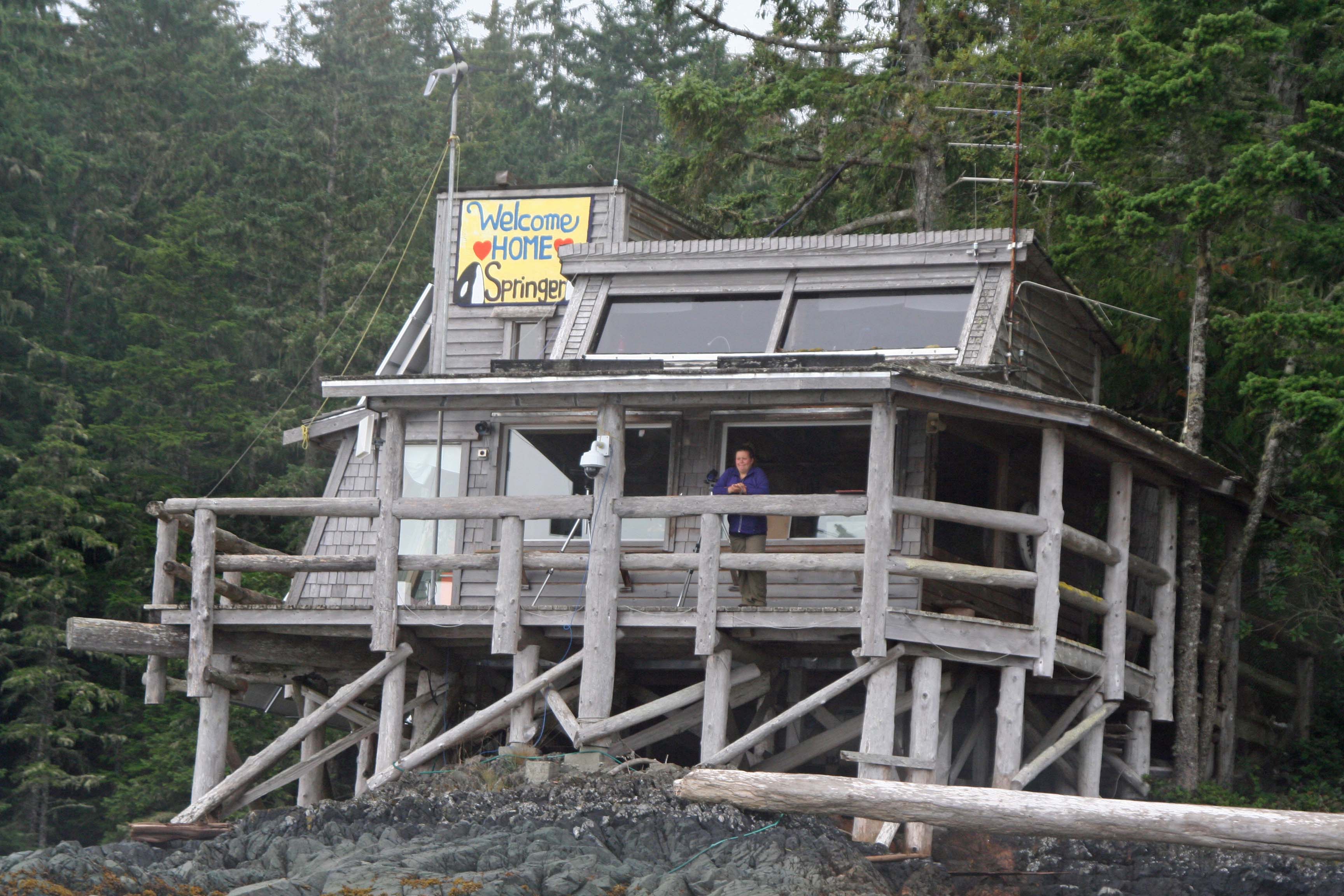
A frontal view of the Orca Lab with a Welcome Home Springer sign. Springer is the poster child of reuniting orca whales with their families. Orphaned as a child, she wandered far from home and begin approaching fishing boats for companionship. Close to starving, she was captured, fed and returned to her pod where family members adopted her— and taught her to stay away  from fishing boats. Each year, she returns to Johnstone Strait.

A frontal view of the Orca Lab with a Welcome Home Springer sign. Springer is the poster child of reuniting orca whales with their families. Orphaned as a child, she wandered far from home and began approaching fishing boats for companionship. Close to starving, she was captured, fed, and returned to her pod where family members adopted her— and taught her to stay away from fishing boats. Each year, she returns to Johnstone Strait. (Photo by Peggy Mekemson.)

Orca-Lab beach on Hanson Island, British Columbia. Photo by Curtis Mekemson.

There was some very impressive driftwood on the beach at Orca-Lab, including this massive example. One might assume there were some large trees around…

Giant cedar tree on Hanson Island near the Orca Lab in Johnstone Strait, British Columbia.

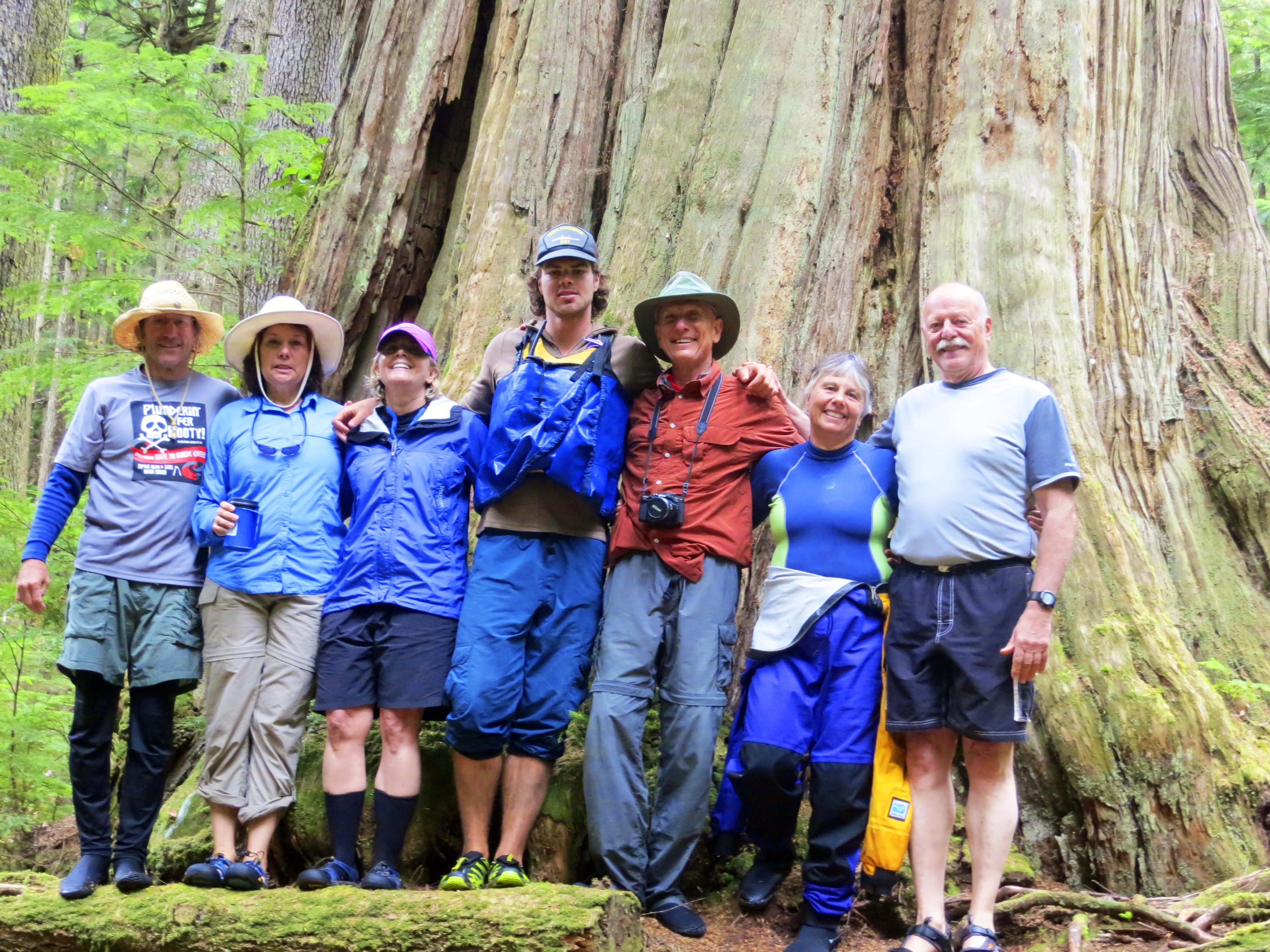
We went for a walk and found this giant tree that the folks at Orca-Lab call Grandma Cedar.

Grandma Cedar on Hanson Island BC near the Orca-Lab. Photo by Curtis Mekemson.

I took this photo of Grandma Cedar looking up.

Some photographers will go to any length to capture a photo of Grandma Cedar, as David demonstrates here.

Some photographers will go to any length to capture a photo of Grandma Cedar, as David demonstrates here.

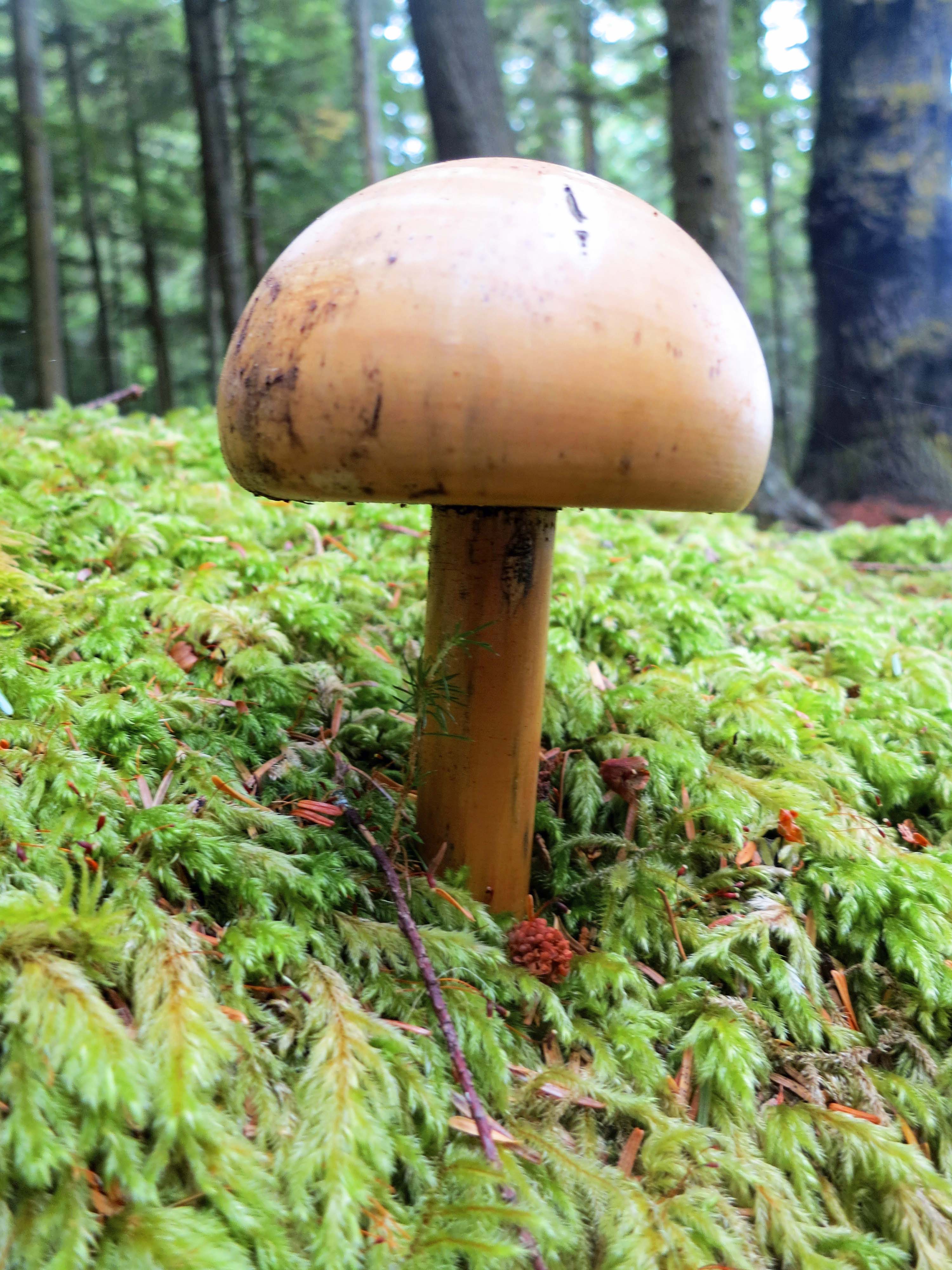
On the way back to the beach, I found some strange mushrooms growing along side the trail. On close inspection I discovered they were carved out of wood. My thoughts: the folks at Orca Lab were having a slow day.

On the way back to the beach, I found some strange mushrooms growing alongside the trail. On close inspection, I discovered they were carved out of wood. My thoughts: the folks at Orca-Lab were having a slow day.

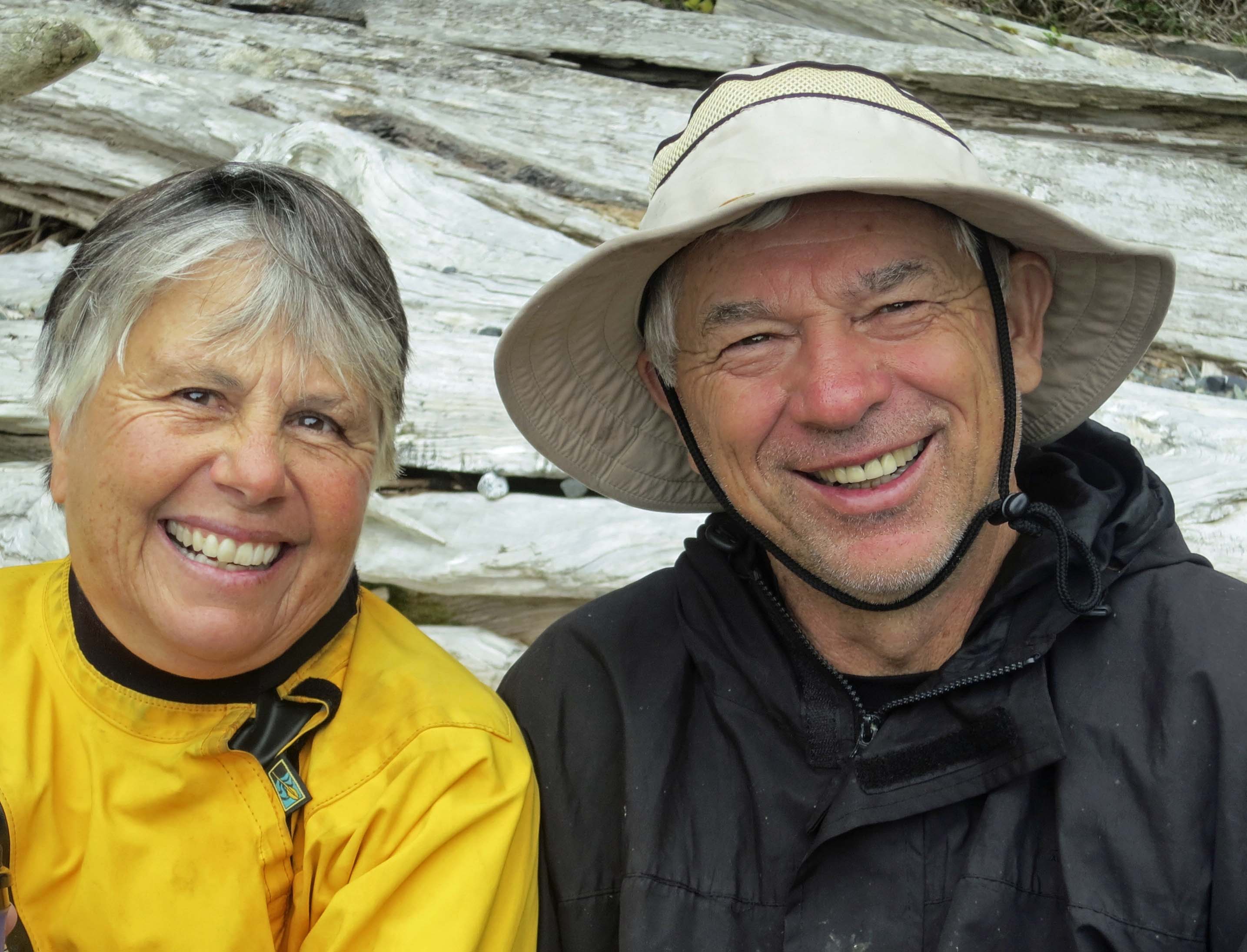
Back at the beach I found smiling faces— Wendy and Dennis.

Back at the beach I found smiling faces— Wendy and Dennis…

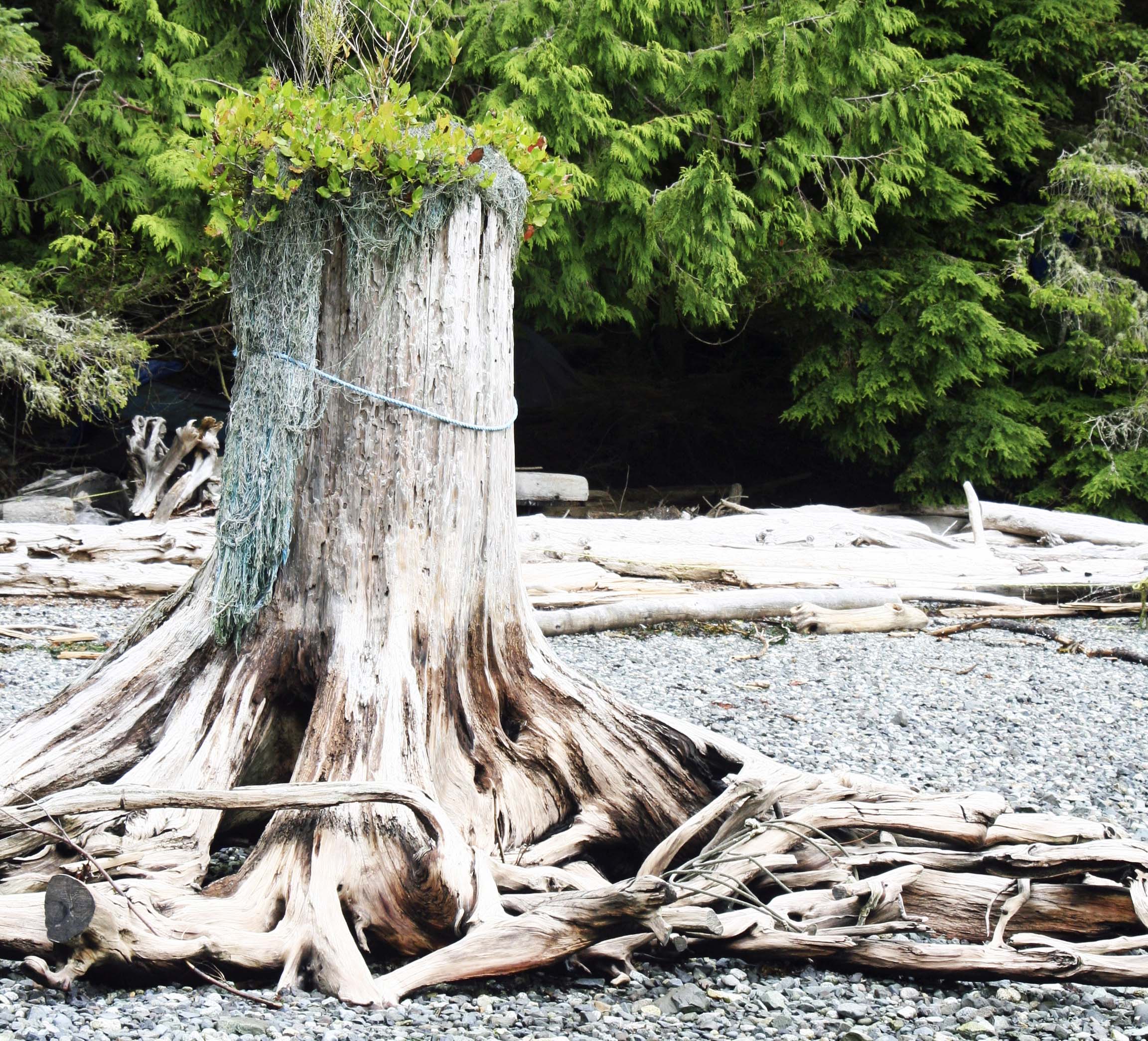
Dead stump with green growth on beach next to Orca-Lab on Hanson Island, Johnstone Strait, British Columbia.

A stump with green hair. Could it be Treebeard of Hobbit fame… (Photo by Peggy Mekemson.)

Driftwood found next to Orca-Lab on Hanson Island, British Columbia. Photo by Curtis Mekemson.

This entwined piece of driftwood…

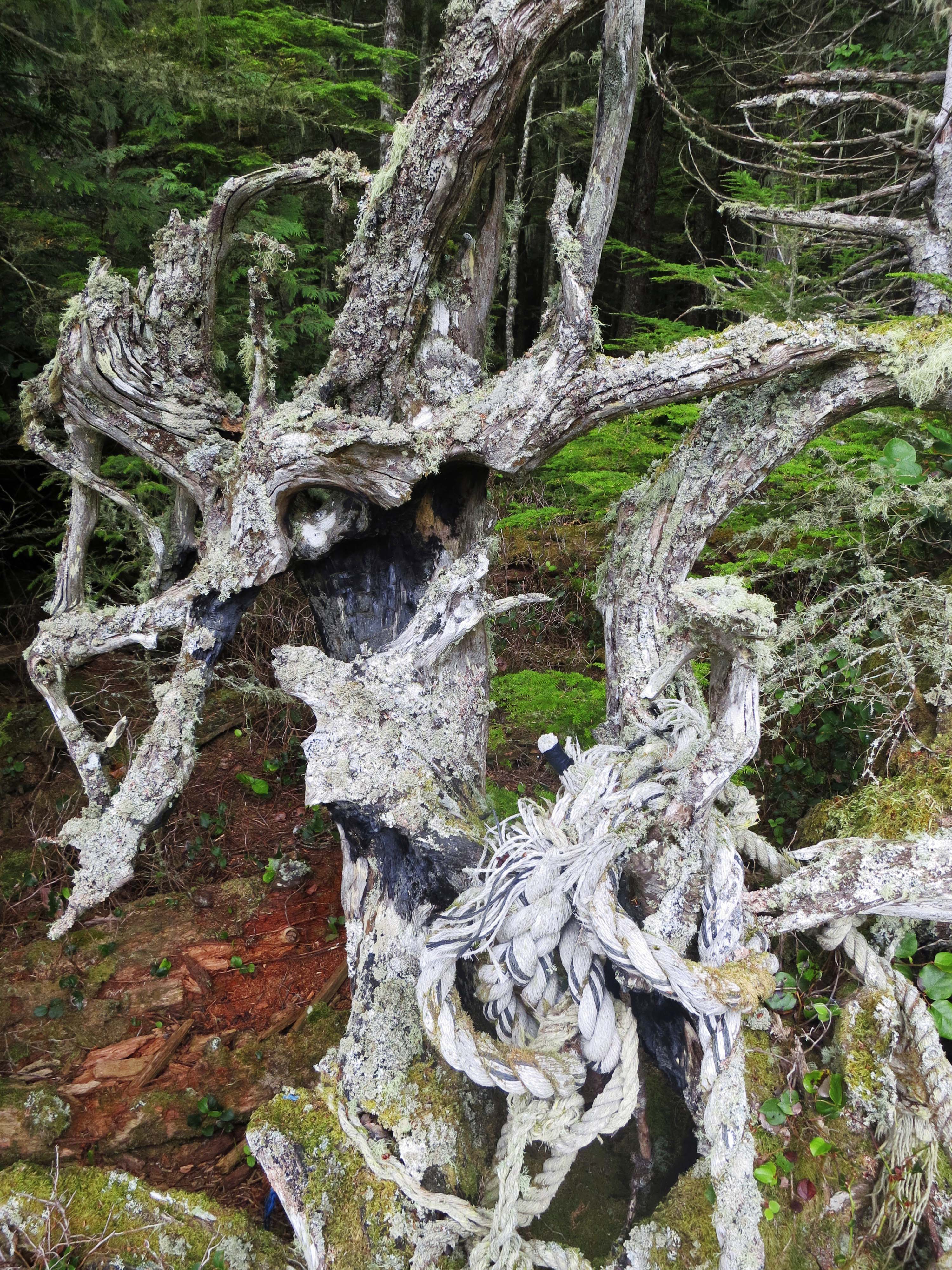
Old driftwood and rope on Hanson Island near the Orca-Lab.

An interesting combination of old wood and rope…

Sea kayaks of Sea Kayak Adventures waiting on Hanson Island next to Orca-Lab.

And our waiting kayaks. Our’s is third from the left. I was surprised she hadn’t escaped given that we had tried to dump her in the death vortex. It was time to saddle up and head for our last campground. Next Blog: I conclude the kayak adventure in British Columbia.

The Monster on the Rock— And Sasquatch… British Columbia Kayak Adventure: Part 4

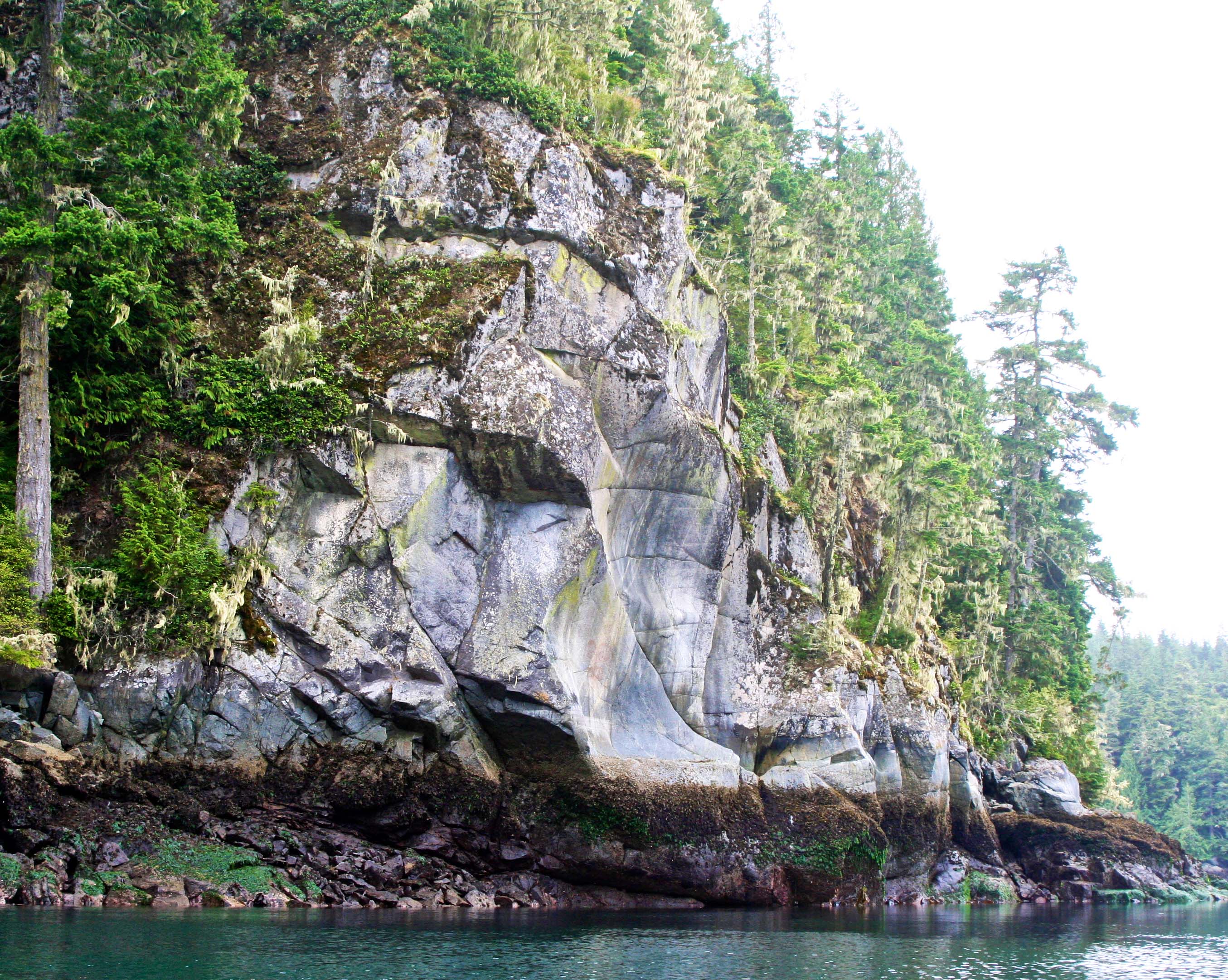
First Nation people had chosen this rock on Berry Island in Blackfish Sound, British Columbia as the location for a pictograph warning people to stay off of the island.

First Nation natives had chosen this rock on Berry Island in Blackfish Sound, British Columbia as the location for a pictograph warning people to stay off of the island. The dark line marks how high the tide climbs.

The third day of our kayak trip was a ‘layover day.’ It was a layover in the sense that we would be spending two nights at our camp on Compton Island, not that we would be sleeping in and relaxing. There was kayaking to do. Berry Island and a pictograph was our morning destination. We found the pictograph on a tall rock cliff that hung over the water.

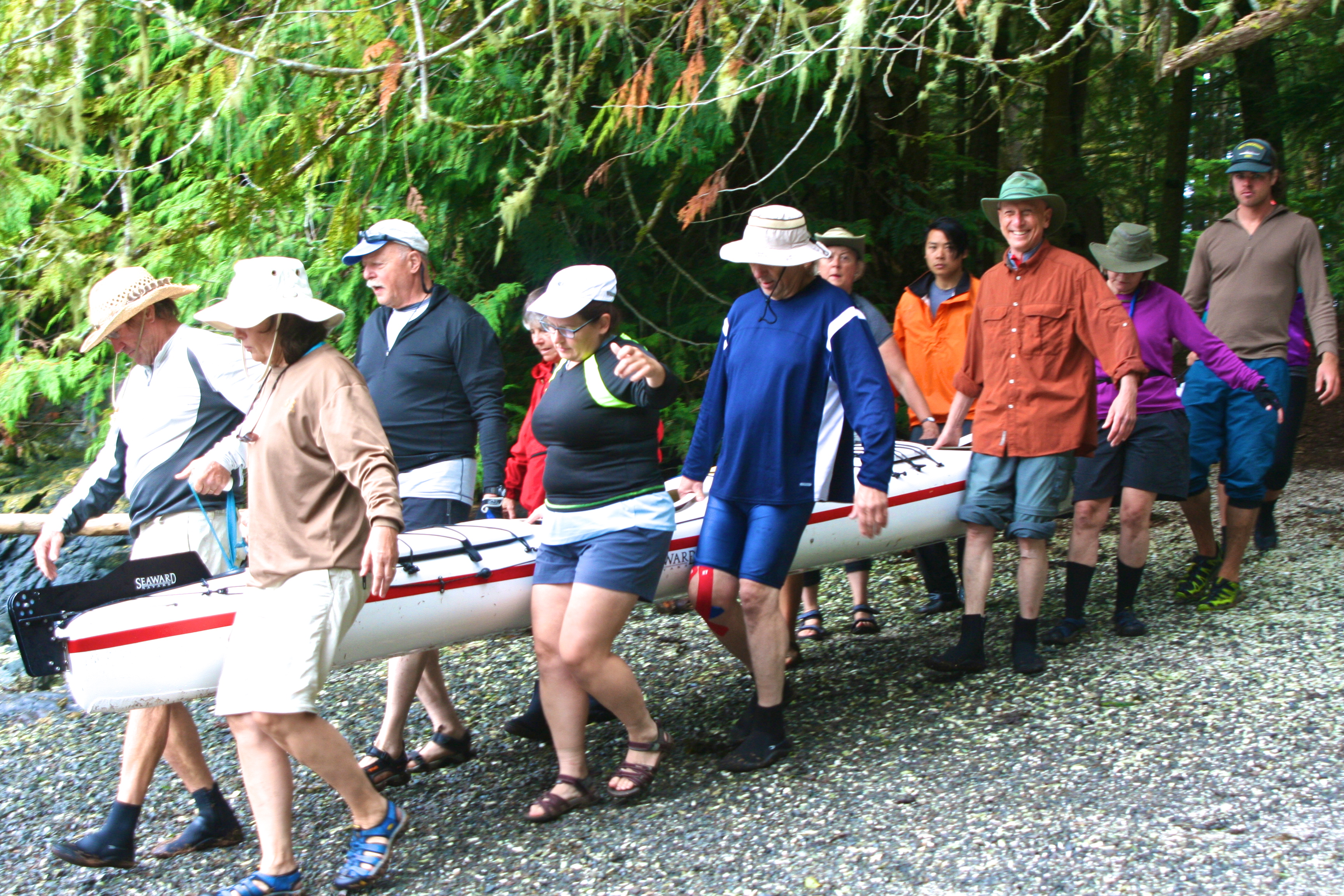
Our layover was not designed to be a kick-back and relax day. Here we are carrying our kayaks down to the water. The number of people required to move Peggy and my kayak suggests how heavy it was.  (Photo by Peggy Mekemson.)

Our layover was not designed to be a kick-back day. Here we are carrying our kayak down to the water. The number of people required to move it suggests how heavy it was. (Photo by Peggy Mekemson.)

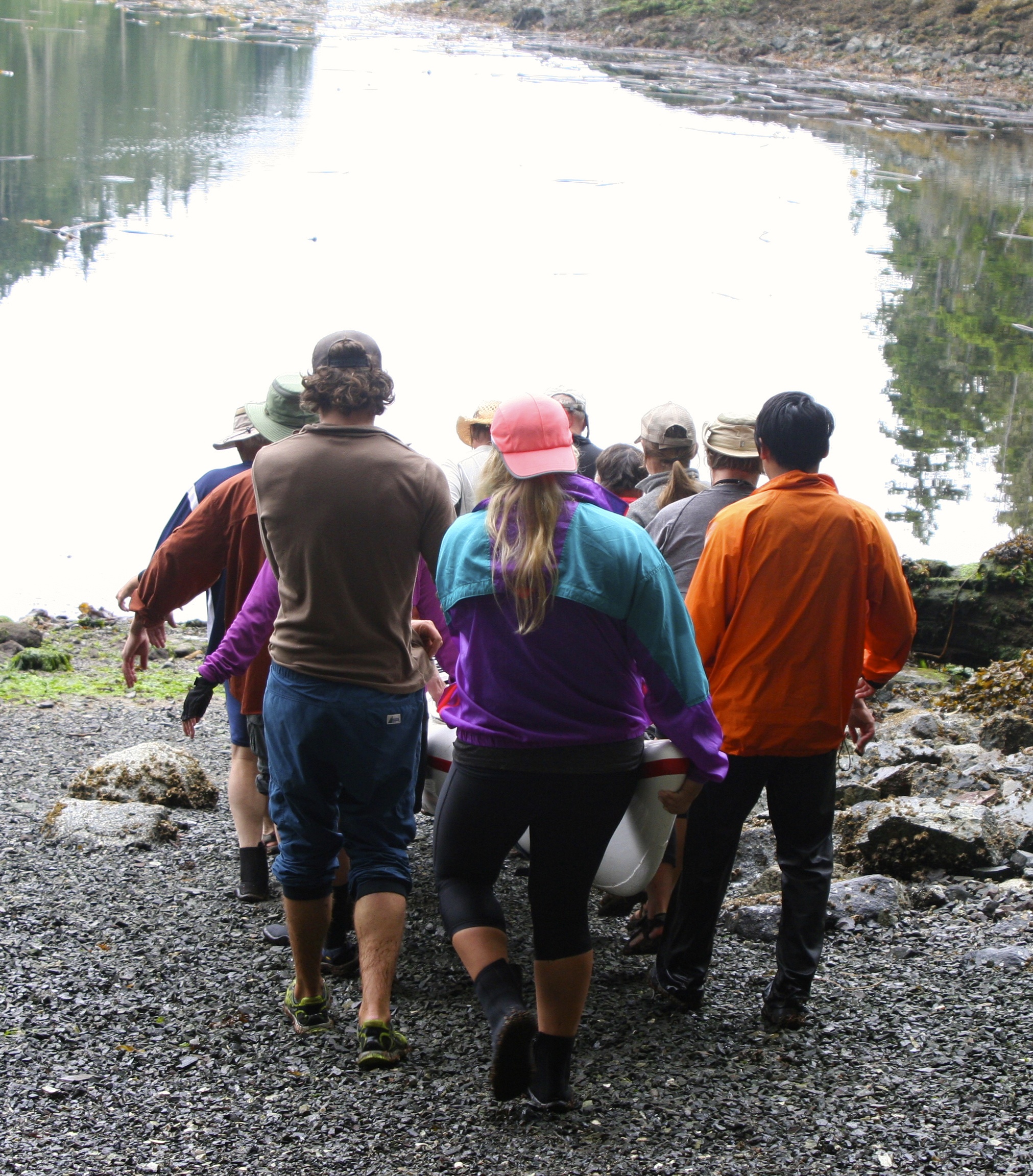
Extreme high and low tides in Johnstone Strait meant we often had to carry the kayaks a fair distance to water.

Extreme high and low tides in Johnstone Strait meant we often had to carry the kayaks a fair distance to water. (Photo by Peggy Mekemson.)

Stretching across the rock face, ancient First Nation natives had painted a monster to warn people away from Berry Island, where they buried their dead. It was an early no-trespassing sign— probably implying that the monster would eat you if you landed. I had seen its modern equivalent in west Texas, except there, the sign had declared that trespassers would be shot. Such admonitions make one hesitate; at least they do me. When my choice is to be eaten by a monster or shot by a Texan, I choose neither.

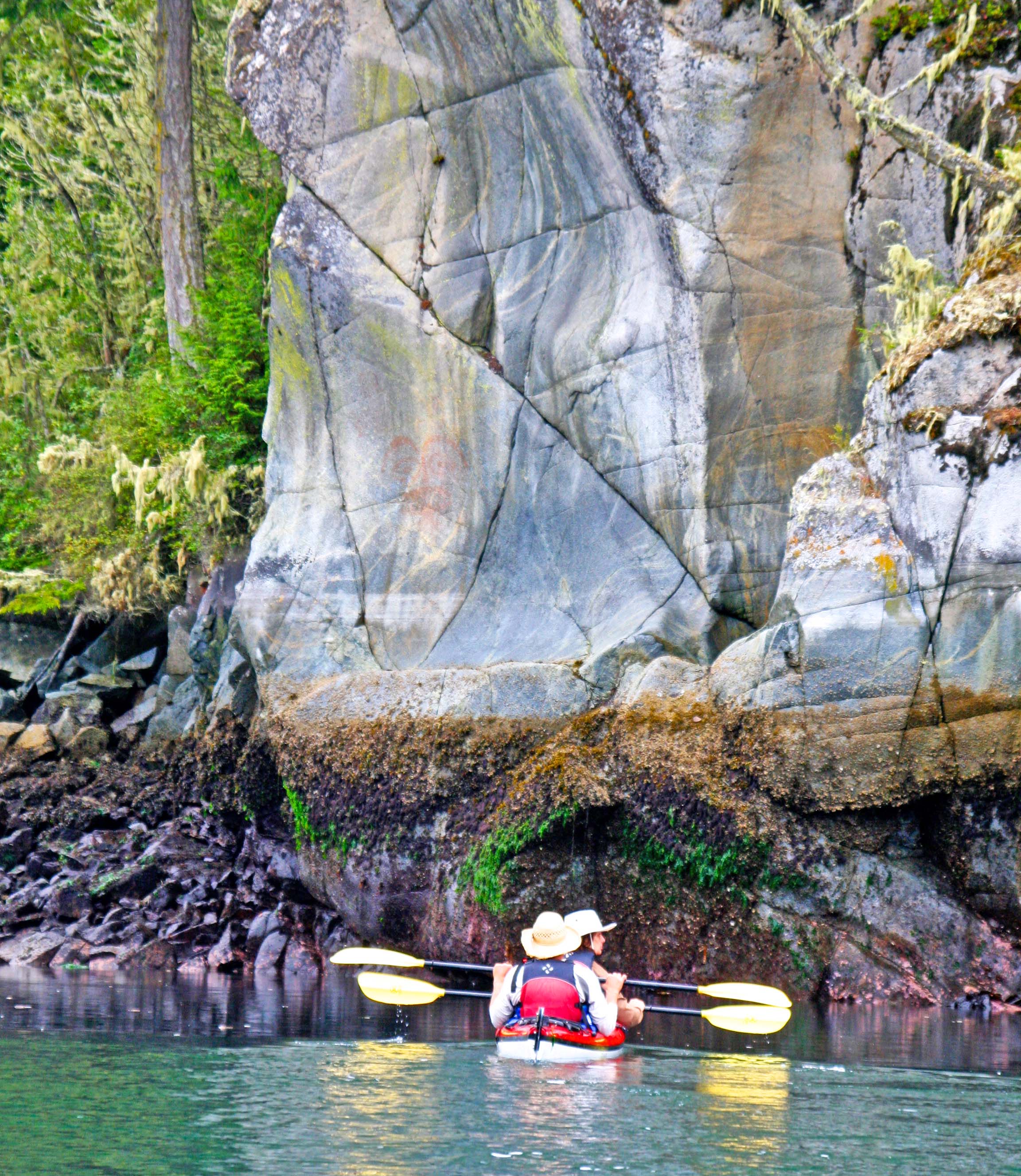
Mary and Rod, two of our kayakers from Idaho, paddle up close to get a look at the pictograph. It was above there right paddles on the shaded rock face. Can't see it? Don't feel bad; neither could I. (Photograph by Peggy Mekemson.)

Mary and Rod, two of our kayakers from Idaho, paddle up close to get a look at the pictograph(s). One is barely visible above the right paddles. Look closely and you will see two round eyes. Another is above the left paddles— red, round and also barely visible. (Photo by Peggy Mekemson.)

Rod seemed quite happy with what he saw, however. Or maybe he was happy the monster chose not to eat him.

Rod seemed quite happy with what he saw, however. Or maybe he was happy the monster chose not to eat him.

Our guide, Nick, told us another story; this one had been passed on by the kayaking community. A lone, female kayaker had stopped to camp on Berry Island and had set up her tent for the night. Shortly afterwards, a boulder went flying by her head. She neither saw nor heard anyone, but another boulder came whizzing past. It was time to vacate the premises. She grabbed her kayak and paddled away as more boulders landed nearby. When nothing else had been hurled at her for two hours, she paddled back in, grabbed her tent (rather quickly, I suspect) and hightailed it. Back in town, the locals told her that Berry Island was also known as Sasquatch Island. Had Bigfoot been lobbing rocks at her? The Sasquatch/Bigfoot Research Organization claims this is a common practice of the big, hairy fellow. See here.

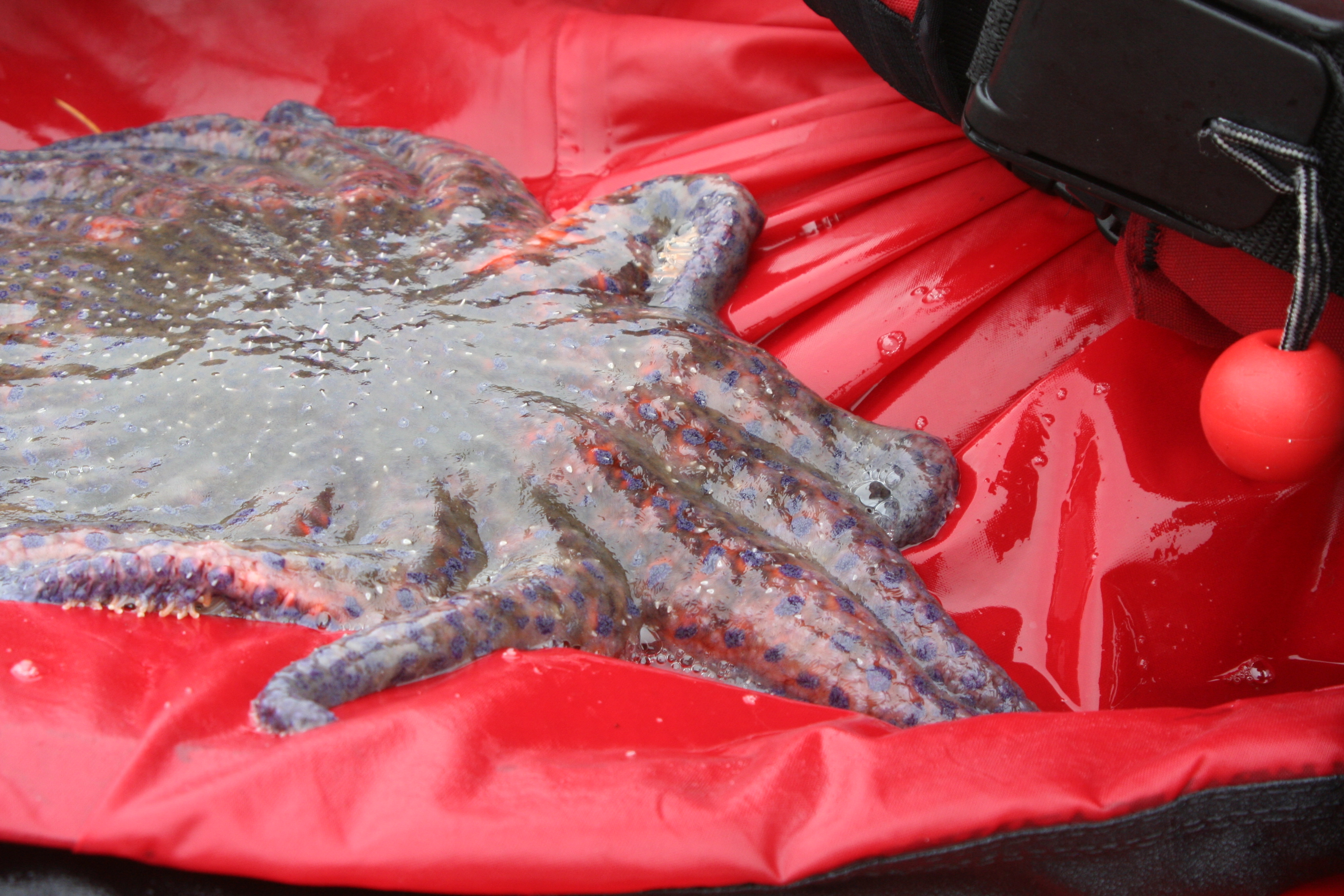
Heading back for camp and lunch, our guide, Julia, found a starfish that made Bigfoot seem normal in comparison. Julia handled it with aplomb, sort of. As for lunch, we ate the delicious salmon that I blogged about in my last post.

Starfish in Blackfish Sound, British Columbia.

This amorphous mass is actually a starfish. Here it rests on our guide Julia’s kayak skirt.

Julia picked the starfish up to show us. I think there was a slight 'ewww' factor. There certainly would have been for me.

Julia picked the starfish up to show us. I think there was a slight ‘ewww’ factor. There certainly would have been for me. (Photo by Peggy Mekemson.)

Sea Kayak Adventures cooks up a delicious lunch of freshly caught salmon at its camp on Compton Island, British Columbia.

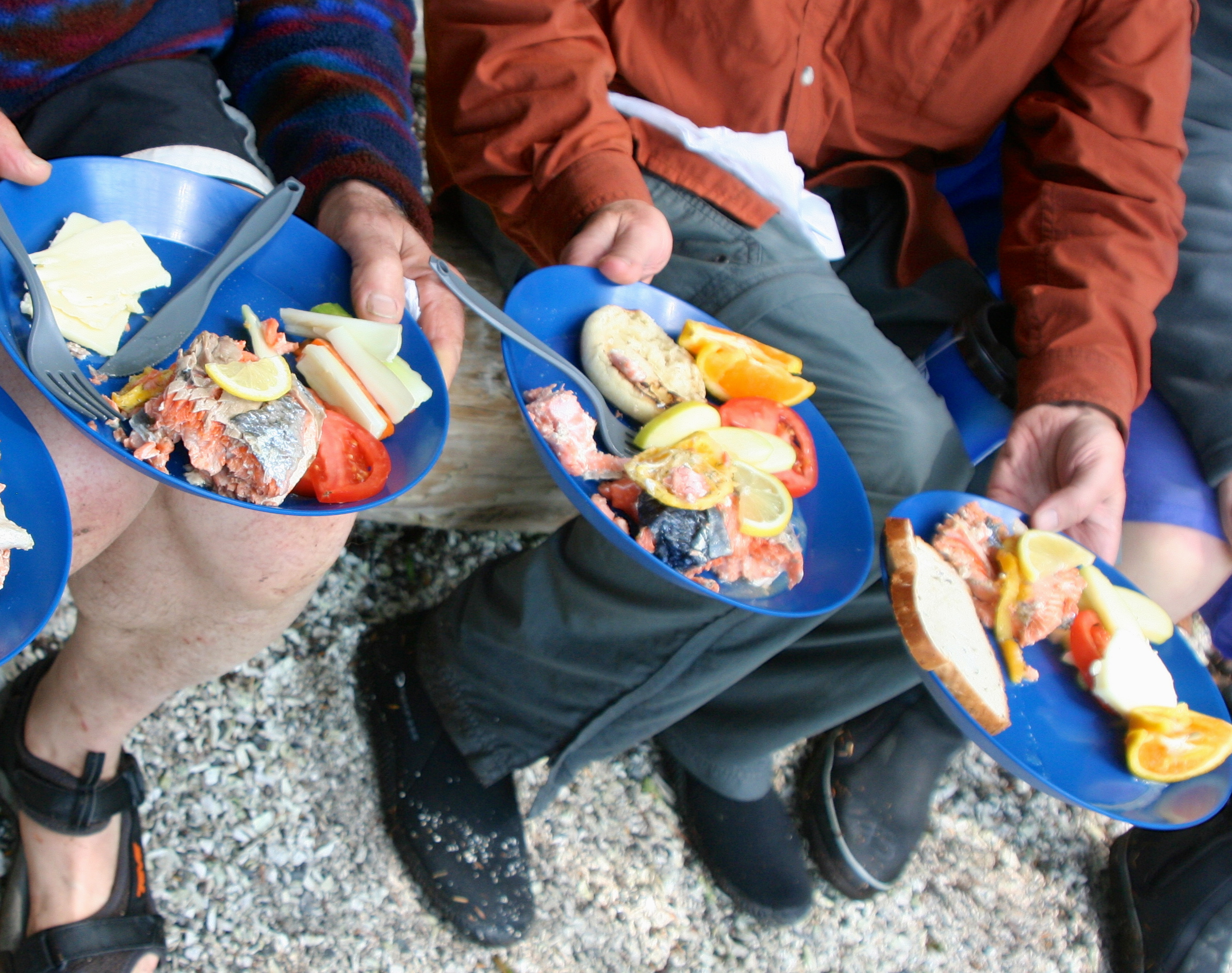
The fresh salmon delivered to us the night before by a fisherman, ended up as a delicious lunch. We weren’t the only ones interested in the salmon, however…

Bald eagle on Compton Island in British Columbia.

Each bite was carefully monitored. This bald eagle had already eaten the salmon’s guts, and he was eager for more fish. Sushi would be fine.

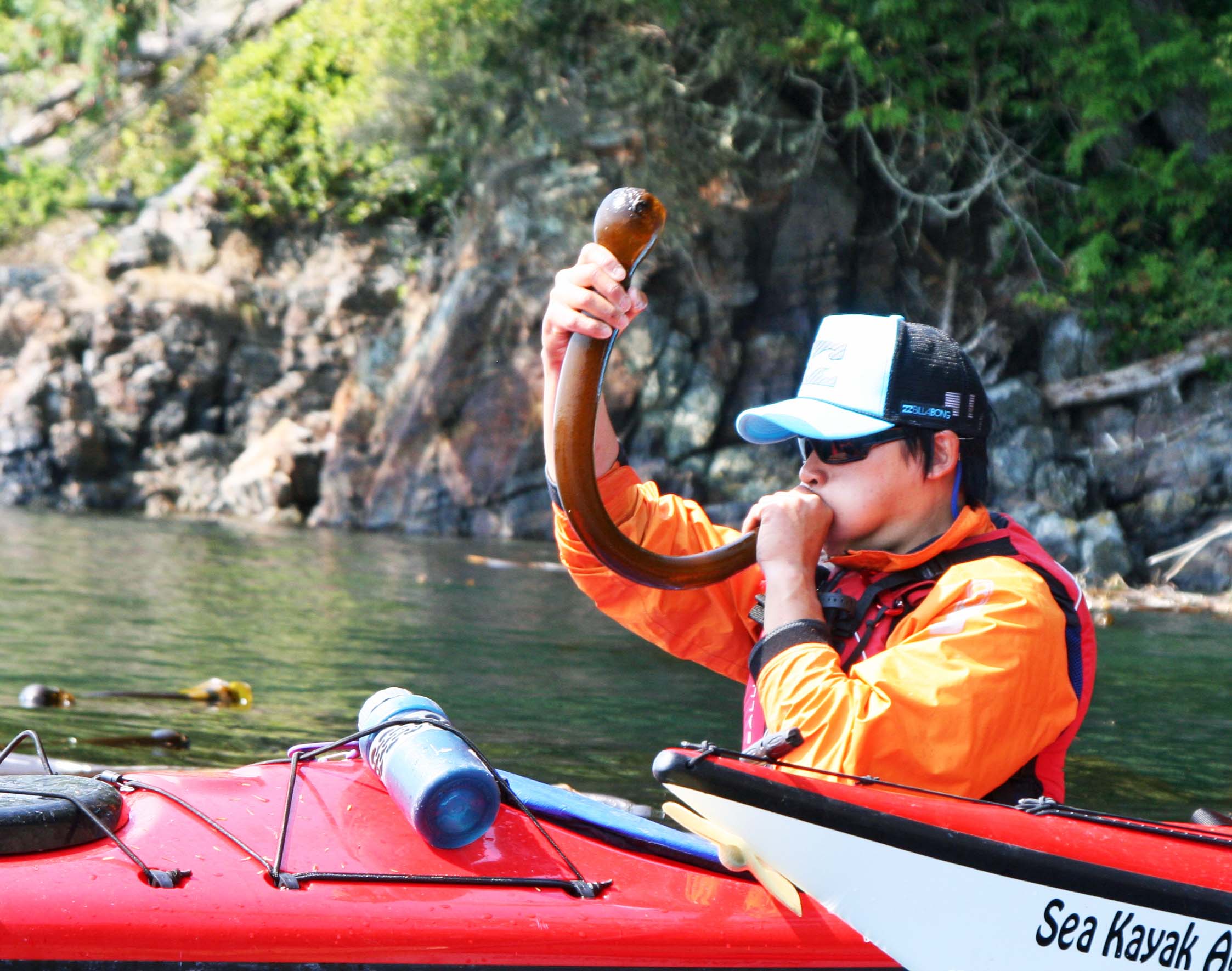
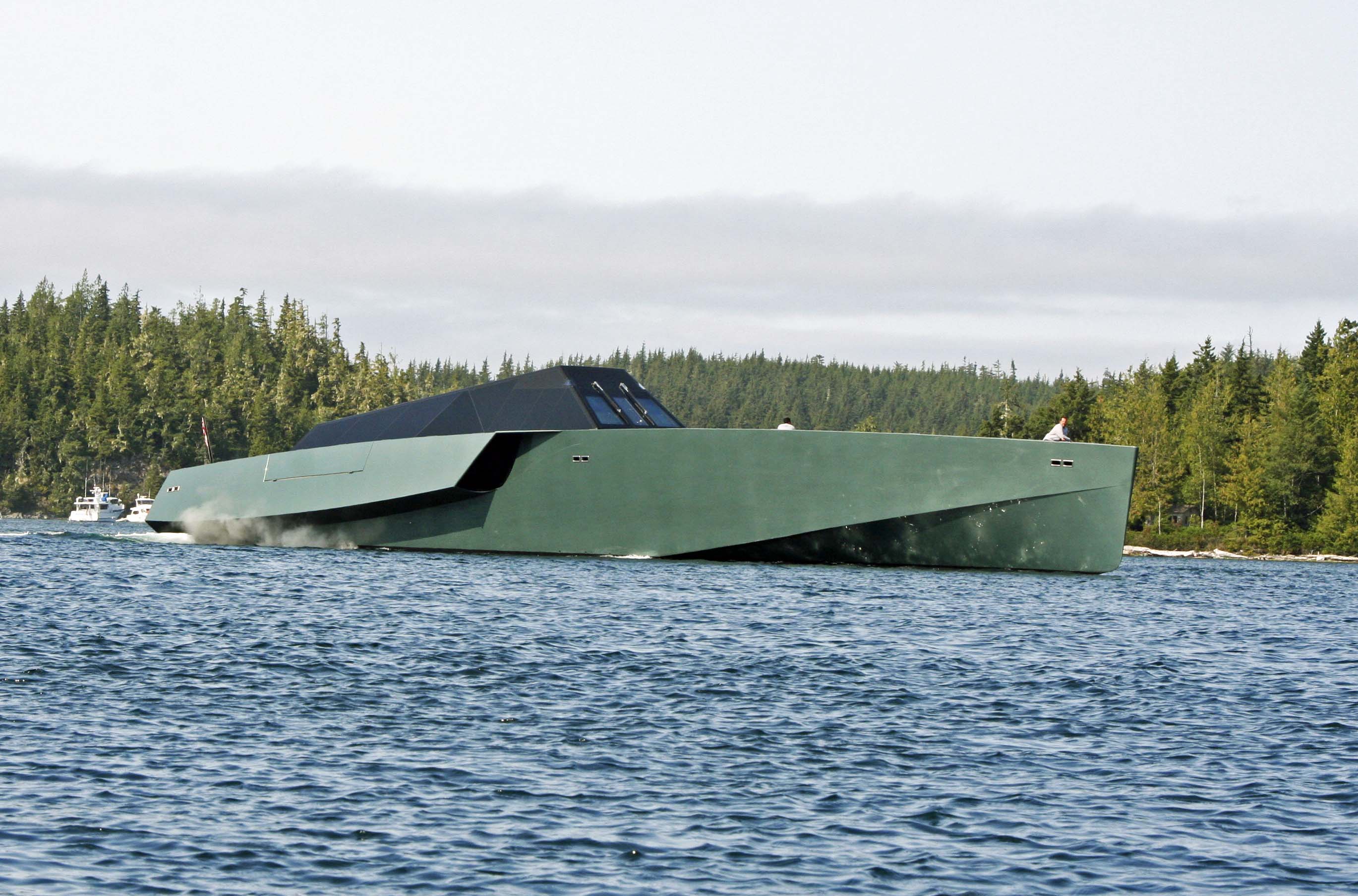
In the afternoon, we went searching for whales again. Along the way, Quy taught us how to blow kelp like a trumpet, and we saw a mysterious yacht that looked like it was straight out of a sci-fi flick.

Kelp beds off Vancouver Island in Blackfish Sound, British Columbia.

Floating kelp provided something of a challenge for kayaking through, but it also provided an opportunity.

Quy taught us how to cut up the kelp so it could be blown like a trumpet.

Quy taught us how to cut the kelp so it could be blown like a trumpet. (Photo by Peggy Mekemson.)

Here Lindy takes a turn. Peggy had also tried her luck. My advice to them: they should keep their day jobs.

Here Lindy takes a turn. Peggy had also tried her luck. My advice to the two of them: they should keep their day jobs.

Nick looks on in amazement at the performance.

Nick looked on in amazement at the performances.

The whales kept their distance, but a curious seal stopped by to check us out. (Photo by Peggy Mekemson.)

The whales kept their distance, but a curious seal stopped by to check us out. (Photo by Peggy Mekemson.)

This futuristic yacht didn't look nearly as friendly as the seal. (Photo by Peggy Mekemson.)

This futuristic yacht didn’t look nearly as friendly as the seal. At first we thought it belonged to the military. (Photo by Peggy Mekemson.)

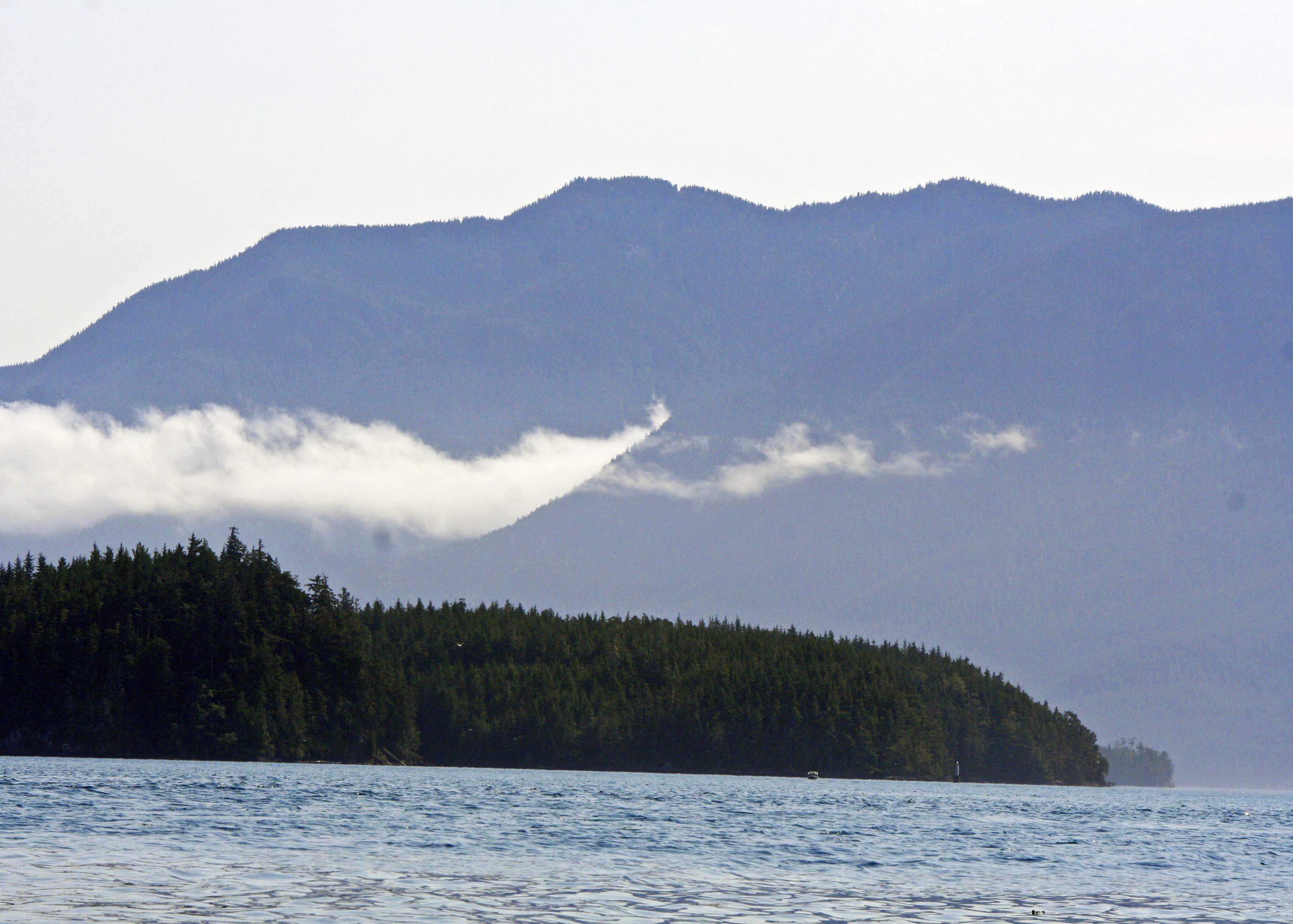
Blackfish Sound in British Columbia.

I liked the contrast here between water, clouds, and islands. (Photo by Peggy Mekemson.)

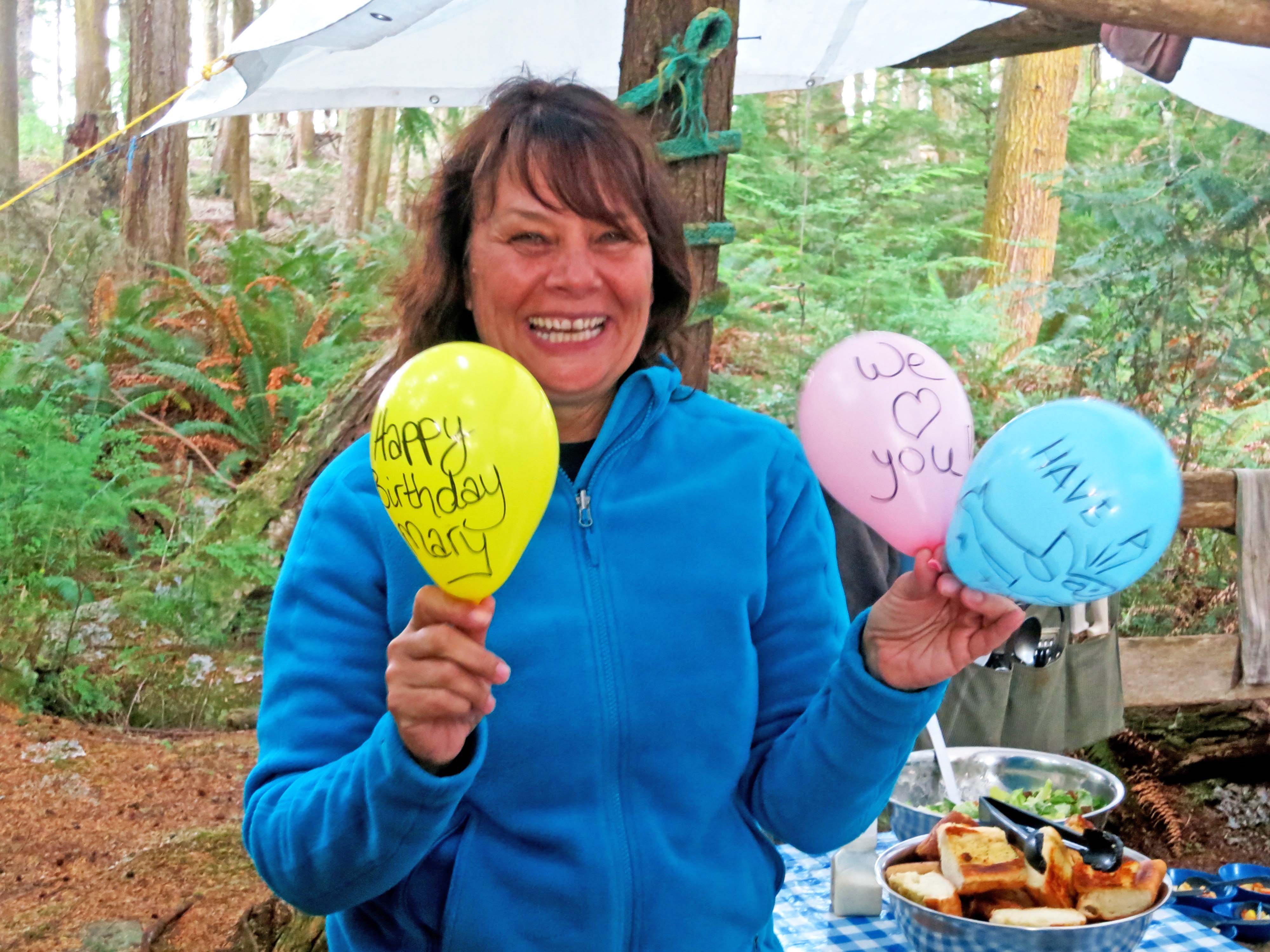
Back in camp, Mary celebrated her birthday...

Back in camp, Mary celebrated her birthday…

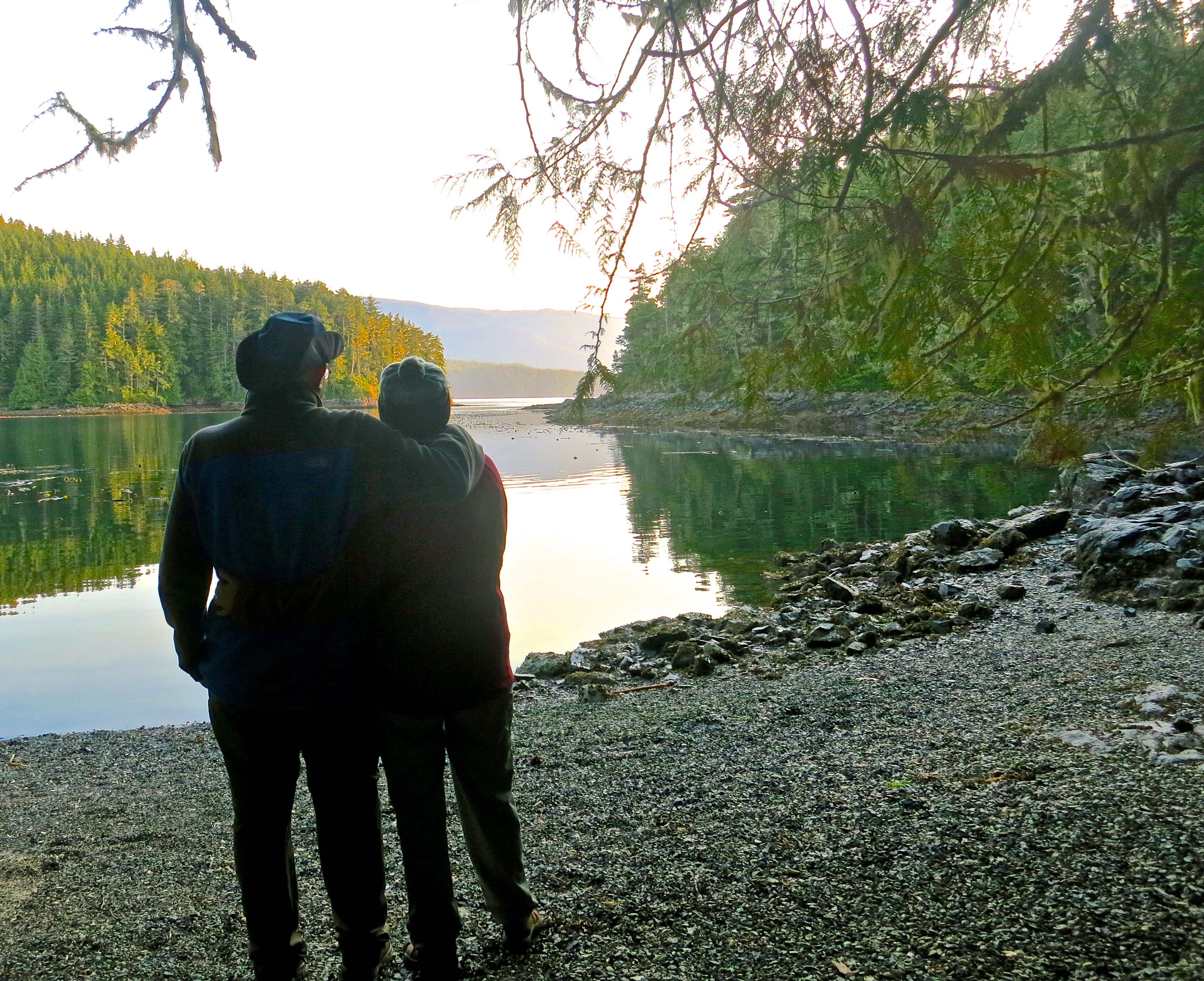
Peggy and Curtis Mekemson on Compton Island off of Vancouver Island, British Columbia.

Peggy and I shared a quiet moment…

Evening on Compton Island, Blackfish Sound, British Columbia. Photo by Curtis Mekemson.

And evening settled in. Next Blog: Peggy and I get caught in a powerful current.