Darn, I thought to myself as I checked my blogs for Santorini. I’ve done a lot on the island. I can’t seem to help myself— it is so beautiful and unique. I really thought about doing something different today, but I had promised Santorini. Plus, as noted, I can’t resist. When I found a post on the churches I had done in 2013, I decided to put it up in hopes that there might be a few photos I haven’t shared on my blog four or five times. 🙂Still, even if you have seen these, they are always worthy of seeing again!
The Church of St. George in Oia, Santorini. Most, but not all of Santorini’s churches featured a blue dome.
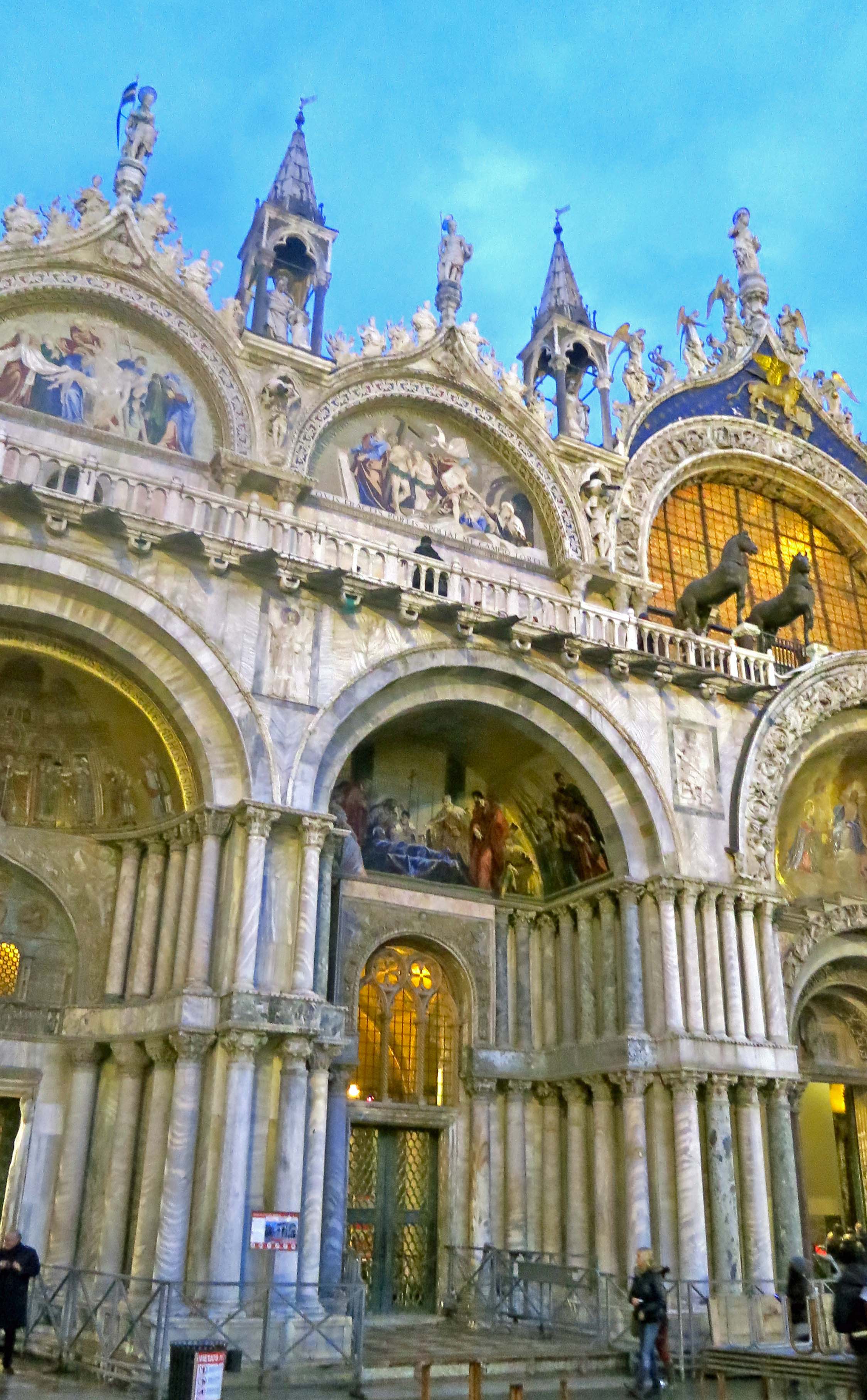
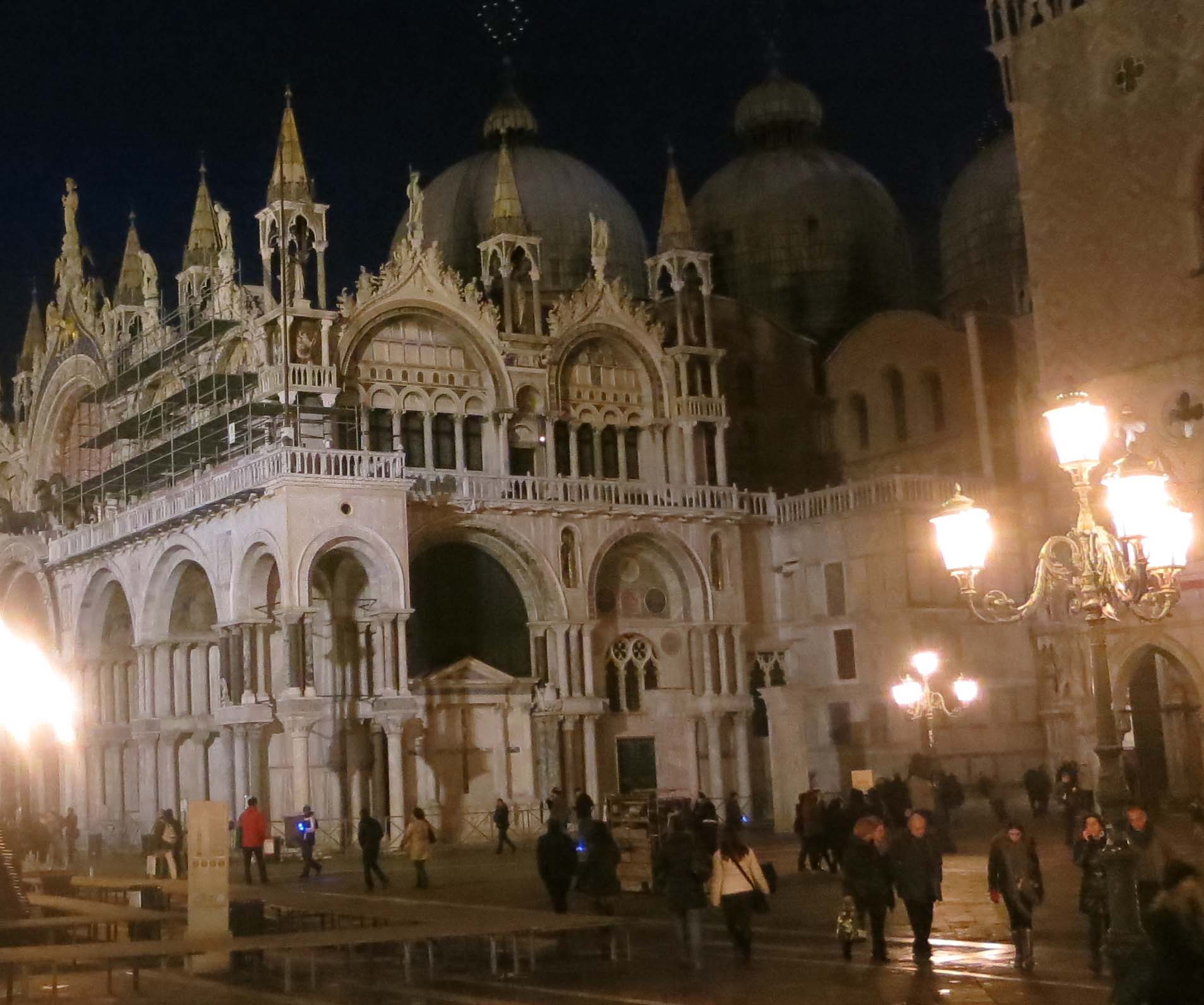
Europe is filled with great churches that are known as much for their art and architecture as they are for religion. Our cruise through the Mediterranean would take us to some of the world’s most renowned cathedrals. While the churches on the Greek Island of Santorini are no match for the splendor of what you find in Venice, Rome or Florence, they have a subtle beauty and uniqueness of their own. The following photos are meant to capture something of their beauty.
This is a close up of the bell tower on the Church of St. George in Oia, Santorini. The bell towers throughout the town were as unique as the churches.
I found this church with its white rocks surreal.
A view of the same church seen in the photo above from behind.
This church provided an interesting backdrop for the homes in front. I also liked the fun play of light and shadow.
The Church of Panagia provides a gateway into Oia on Santorini. Once again, dramatic clouds added interest to our day of photography. (Photograph by Peggy Mekemson)
The bell tower of the Church of Panagia in Oia, Santorini.
Another of Santorini’s uniquely beautiful churches.
I like this church on Santorini because of its almost sensuous lines. Can a church be sensuous? Having the Mediterranean for a backdrop didn’t hurt either.
This is another perspective on the Santorini church shown above featuring its salmon colored bell tower.
My concluding photo on the beautiful and unique churches found on the Greek island of Santorini.
FRIDAY’S BLOG: Assuming the weather cooperates, I thought it would be fun to share my seven different offices on the property. If I am feeling the least bit stir crazy during the lock down, I move! (Grin.)
Peggy and I are continuing to self-isolate ourselves, as are so many of you. Medford, Oregon, the medium sized town where we do most of our shopping, is on the edge of becoming a coronavirus hotspot. (Nowhere is safe.) We have zero desire to go there and have enough food— and wine— that we don’t have to for a couple of weeks. I even have older blogs to repurpose. (Grin.) Something like 900. I’ve been blogging for 10 years. Last week I re-posted a blog on the Greek island of Corfu. Today is Mykonos. Stay safe.
The area known as Little Venice is one of many charming sites on Mykonos. (Photo by Peggy Mekemson)
The maze-like town of Mykonos (Chora) was designed to discourage invasion. It was easy for invaders to get lost in the narrow, winding streets that ran into other narrow, winding streets that ran into other narrow, winding streets.
Modern day invaders, otherwise known as tourists, also find it easy to get lost. But that’s half the fun. Except for finding a restroom when you really, really need it, there is no danger. You can easily spend an hour or several wandering along the town’s crooked roads and paths. There are beautiful white buildings slathered in stucco to admire, shops to explore, and cats to photograph. You may even find a Greek musician playing the bouzouki, a mandolin-like instrument that produces what most people think of as Greek music. Picture Zorba dancing.
White is the common color for buildings on Mykonos, Santorini and other islands of the Cyclades in the Aegean Sea.
One of the main streets in Mykonos. This road is freeway size in comparison to most routes through the town.
Routes through Mykonos are much more likely to look like this. Note the blue trim used to add color to windows and doors.
This blue Mykonos door is decorated by a cactus.
My wife Peggy on the right and two of our traveling companions, Kathi and Frances stand in front of another blue door.
Bougainvillea seems to be the flower of choice in Mykonos.
A street musician entertained us by playing his bouzouki…
And a cat confiscated a cafe chair for its midday snooze.
We managed to get both lost and separated. There was no hope of finding each other in the labyrinth, but fortunately we had a plan. We would meet at the island’s famous windmills. Long since retired, five of them remain hunkered down on a ridge south of town. Mykonos is noted for its winds. The locals even have names for them based on their intensity: bell-ringer, chair thrower, and knock you off your horse. We experienced a brief example of chair thrower but fortunately missed knock you off your horse.
The windmills used cloth sails to capture the winds and run mills for grinding grain. Local bakeries then turned the grain into sea biscuits, aka hardtack, which is flour and water baked several times into a consistency of hardness just this side of rock. The value of sea biscuits is they are basically indestructible. Before modern refrigeration, they were used on long sea voyages. Throw in a lime plus a generous dollop of rum and it was dinner. Producing these ‘delicacies’ was the island’s main industry.
One of the windmills of Mykonos. Dark clouds brought brief rain and a “chair thrower” wind. (Photo by Peggy Mekemson)
Three of the five windmills.
Following the coastline back into town we came upon Little Venice (pictured above), a community where sea captains of yore built mini-mansions perched on the ocean edge. Since it neither looks like Venice nor has canals, my thoughts are its name is derived from its proximity to water. Either that or a real estate agent was involved. The community is quite colorful, however. I’d be glad to call it home.
Mykonos has some 70 churches to meet the needs of its 7000 residents, which seems like a lot. I am reminded of the number of Baptist churches found in the rural South of the United States. When I was traveling through East Texas on my bicycle in 1989, I estimated there was one for each family. The Mykonosians had a unique use for their churches, however. They enshrined the bones of their dead relatives in the walls. I doubt the Baptists do this but it might give new meaning to the old saying, “the family that prays together, stays together.”
Scrunched between Little Venice and the harbor is the Church of Panagia Paraportiani, the most unusual church on the Mykonos. Once upon a time five different chapels existed side by side. Then they morphed together into what has become one of the most photographed sites on the island, with reason. We contributed our share of picture-taking.
The Church of Paraportiani of Mykonos.
Another view of the church.
The small harbor area of Mykonos definitely fits the description of picturesque. It was our last stop (except for lunch) on our way back to the ship. That’s where we met Petros the Pelican.
We have this photo of Petros on our living room wall.Petros playing ghost? Or possibly drying his wings cormorant style.
Unfortunately, it was Sunday and the local fishermen had taken the day off. We satisfied ourselves with admiring the boats. The area also features a small beach that would be crammed with sun worshippers in the summer. Now all it featured was golden sand and blue sea.
Idle fishing boats in the Mykonos harbor.
The golden sands and blue waters of the Aegean Sea of the small beach in Mykonos is a good place to end this post..
WEDNESDAY’S BLOG: Santorini. I’ve posted on this more recently but this beautiful island is always worth revisiting.
A view of Corfu on a misty day with its multi-colored buildings and tree covered hills. I took this photo looking down from the Old Fortress.
Seven years ago, Peggy and I made a trip to Europe and cruised the Mediterranean along with her brother John, his wife Frances, and two of their friends Lee and Kathi. Now that our wings are clipped due to coronavirus, I decided a little armchair travel might help satisfy my thwarted desire to travel. Instead of ‘wandering through time and place,’ I am wandering in place. You are invited along…
“The sea is high again today, with a thrilling flush of wind. In the midst of winter you can feel the inventions of spring.” Lawrence Durrell
I was visiting the Pioneer Bookstore in Placerville when I was first introduced to Lawrence Durrell and the Greek Island of Corfu. The bookstore was a favorite hangout of mine during my senior year in high school in 1960 and George Yohalem, the owner, had become a mentor, helping guide my 17-year-old mind to a number of good books. He and his wife Betty had retired to the foothills of California after long careers in Hollywood where George had worked as a screenwriter and she as an actress.
I had picked up a new book that had just arrived and read the first couple of pages. Since it looked interesting, I carried it over to George for advice. “It’s quite good,” he had told me, “but don’t tell your mother that I recommended it.” That caught my attention.
The book was “Justine” by Lawrence Durrell. The quote above is the first line in the book and Durrell is describing Corfu. He had lived there from 1935-40 and fallen in love with the island. “Justine” became one of my first ventures into serious literature and definitely my first venture into erotic literature— thus George’s admonition. The book transfixed me, not so much by the sex (well, maybe a little), but by the sheer mastery of the language and the sense of the exotic. I was picked up and dropped into Corfu and then Alexandria… the main setting for “Justine” and the other three books in the Alexandria Quartet. It was magic.
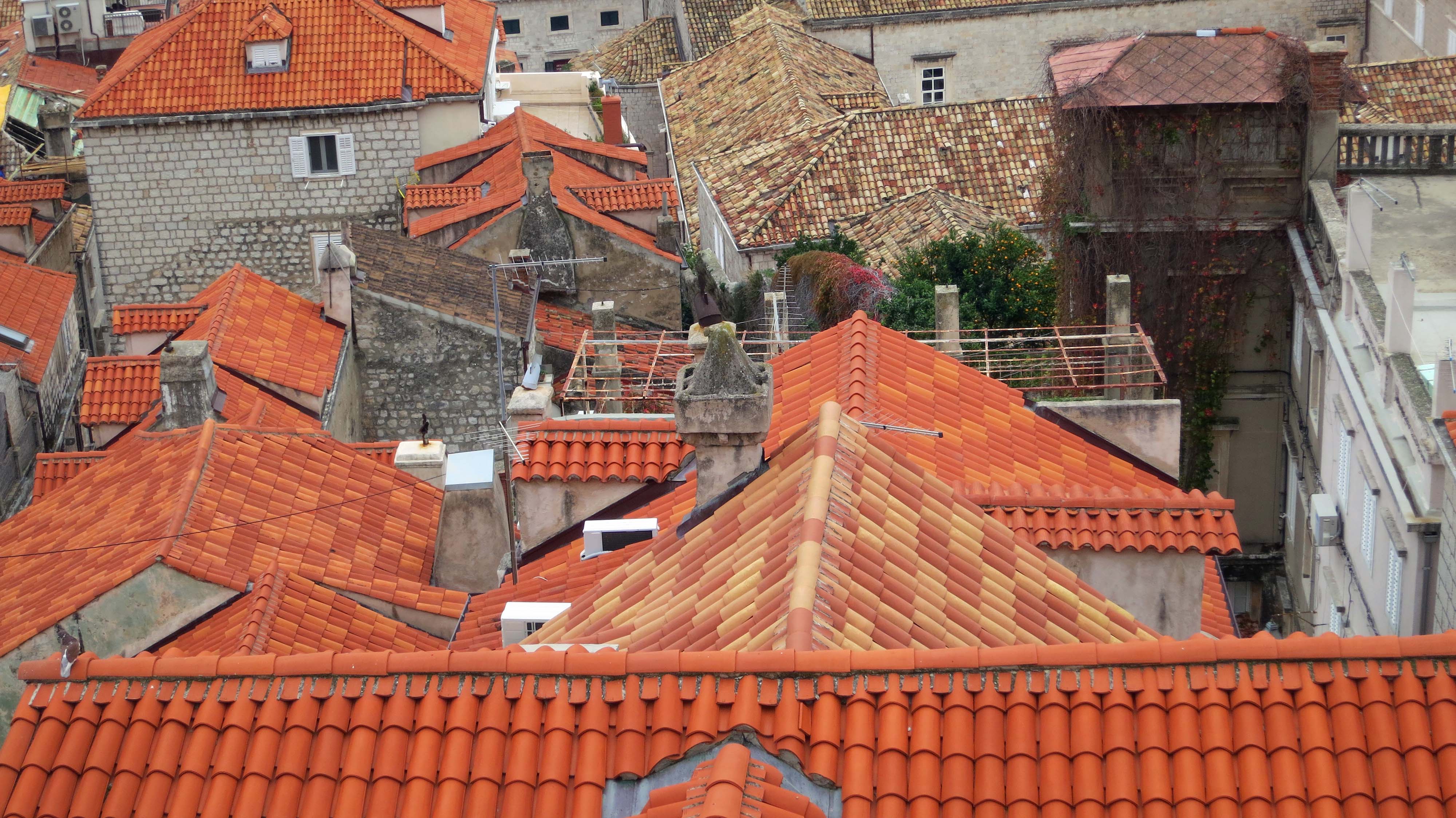
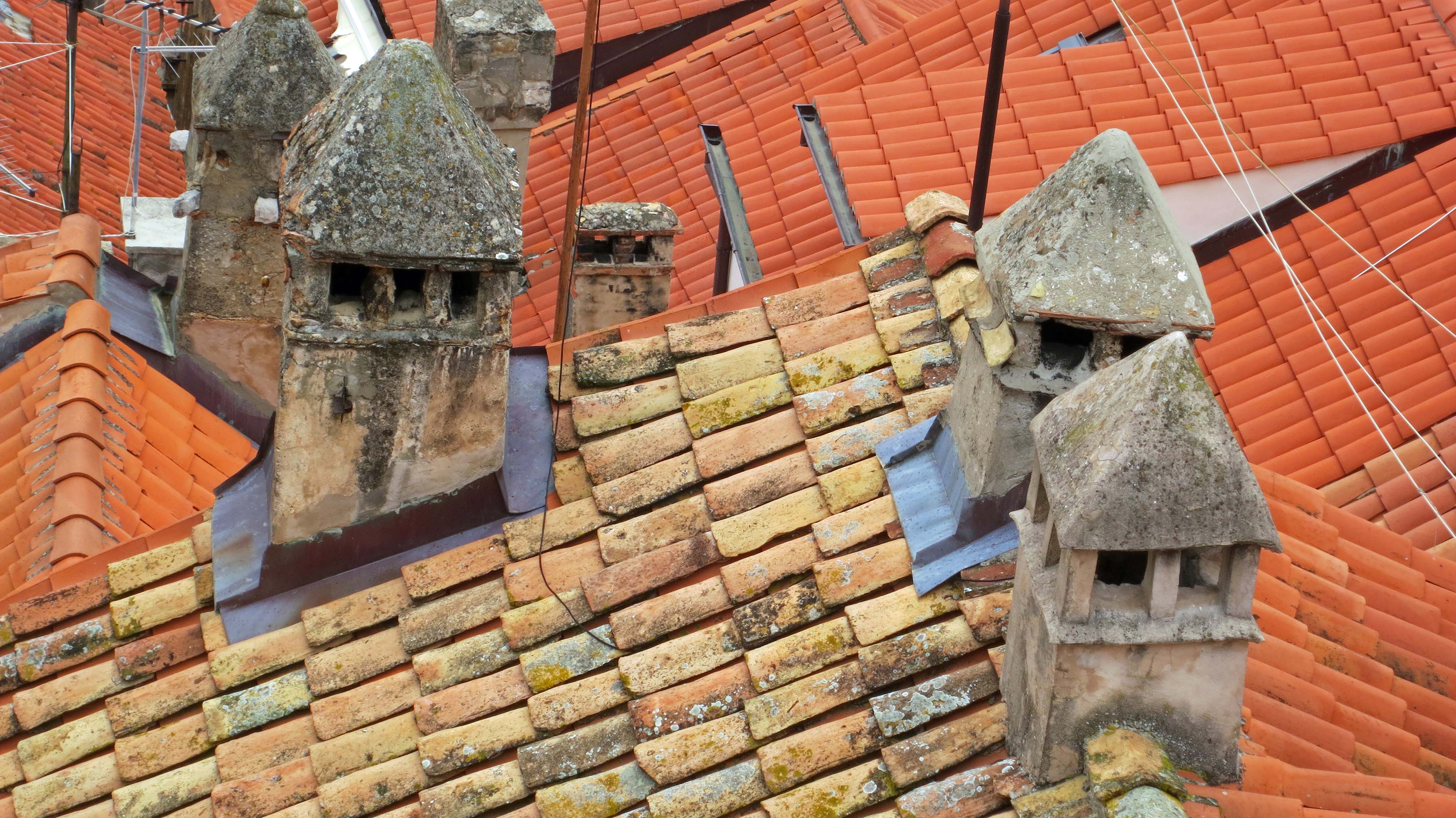
Durrell wasn’t the only author to find Corfu a touch exotic. Homer had the ship wrecked Odysseus land on the island during his long journey and Shakespeare used it for the setting of Prospero’s magical realm in The Tempest. In Corfu’s long history Corinthians, Romans, Venetians, French and English had occupied the island as a gateway to both the East and West. At one point, the feared pirate Barbarossa laid siege to Corfu and succeeded in enslaving a substantial portion of its population.
Corfu’s location in the Ionian Sea sets it apart from its Greek cousins Santorini and Mykonos in the Aegean Sea. We found no more sparkling white washed buildings perched on treeless terrain. Corfu is an island covered with over a million olive trees and its buildings are multi-hued with a well-lived-in look. Two massive forts serve as bookends for its main town, also known as Corfu. We wandered through its winding narrow streets, visited an Asian museum housed in a colonial British mansion, checked out a Greek Orthodox Church, and climbed the steep hill to the top of the Old Fortress overlooking the town.
The most magical place for me in Corfu was the Old Fortress. I was fortunate to capture Kathi’s silhouette as she walked through the tunnel entrance. Dating back to ancient times, the Venetians updated the fortress in the Fourteenth Century.
I loved how the fort seems to be an organic part of the hill.
This photo and the next, both by Peggy, also capture the ancient feel of the fortress.
This room probably served as a gun placement in the fort. The clock tower peaks out on the right. (Photo by Peggy Mekemson)
The clock tower. The sky provided a dramatic backdrop.
A final view of the Old Fort looking Irish green. (Photo by Peggy Mekemson)
A Corfu street scene. Once again we enjoyed the narrow, car-free streets as we did time and again in Europe. Peggy’s brother John and his wife Frances are walking in front of us.
Another view of Corfu buildings with their shutters and balconies.
Peggy found this pigeon hanging out on the broken shutters of an abandoned building.
Lamp posts don’t get much more strange than the one we found outside of Corfu’s Asian Museum located in an old British mansion. Does it qualify as art, or just weird?
The Asian Museum, BTW, includes an excellent collection of art, as represented by this painting.
Part of the adventure in travel is experiencing new sites and cultures. This was a beautiful Greek Orthodox Church we wandered into.
There are some things that I am almost guaranteed to photograph when I travel…
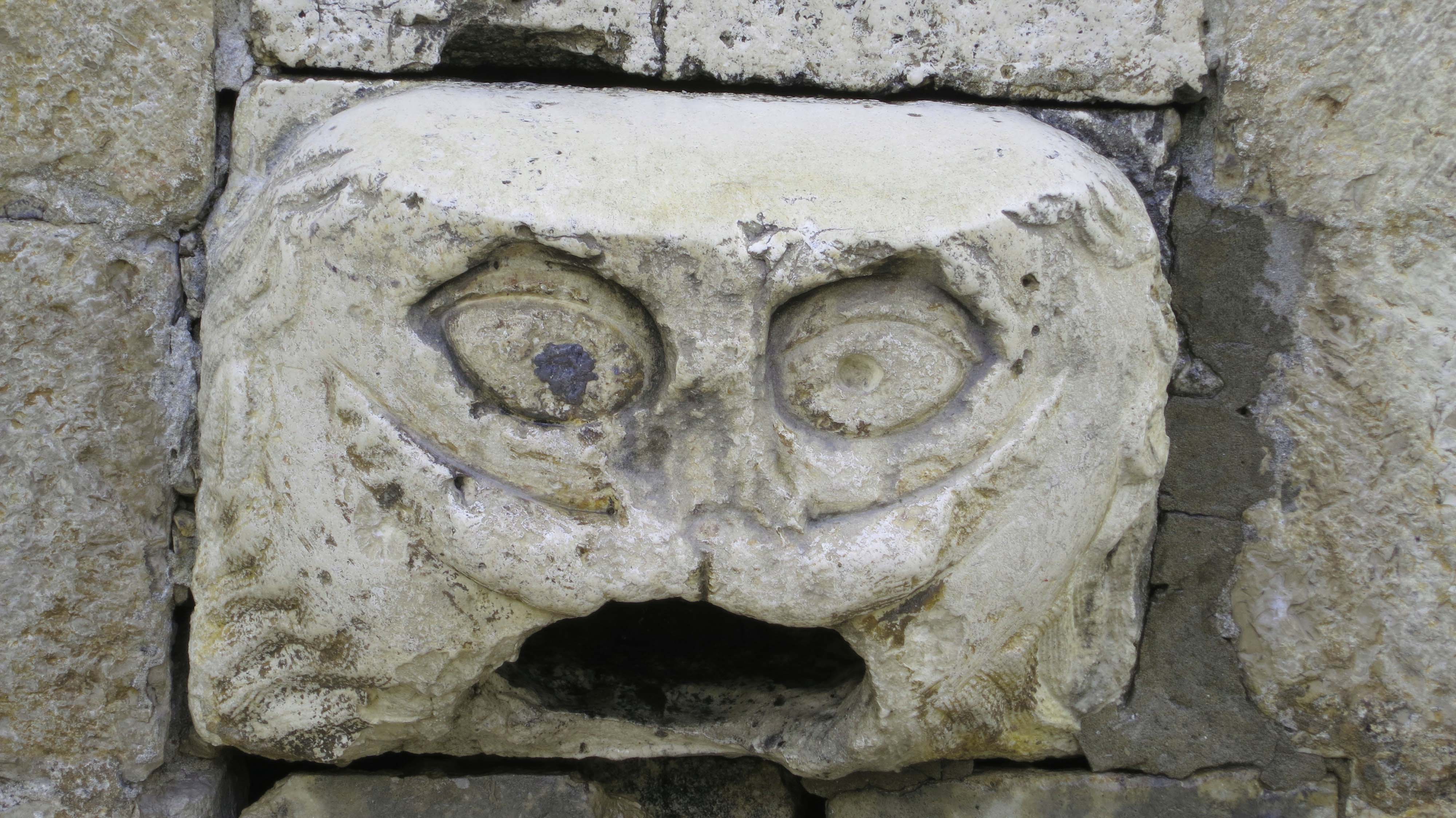
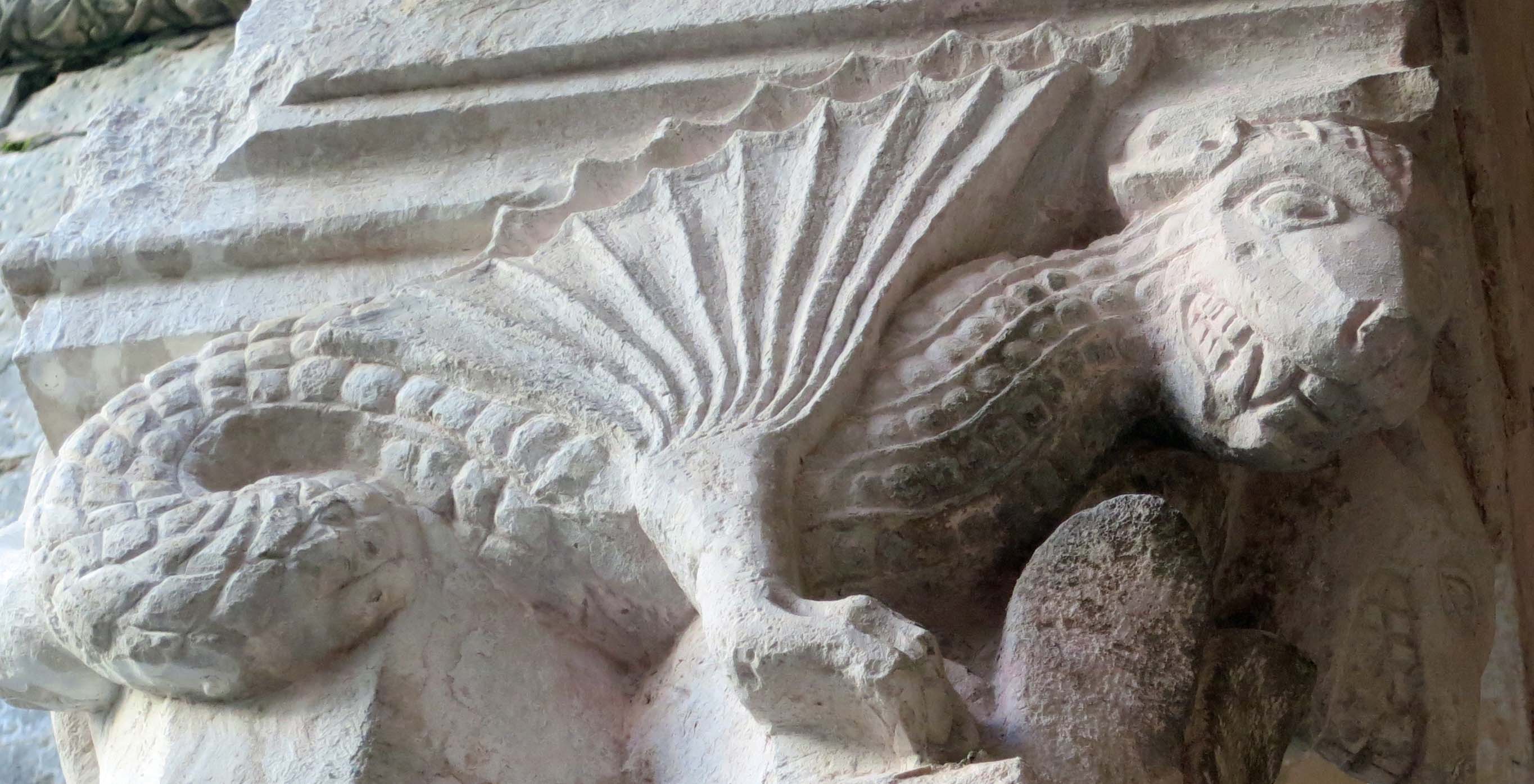
Gargoyles…
Colorful fruit markets…
And animals… I caught this kitty sleeping on the seat of a motor bike catching some rays at the entrance to the Old Fortress. She may be a new definition of contentment. It’s a good place to wrap up today’s post.
FRIDAY’S POST: We made it up to Crater Lake National Park last week, practicing social distancing the whole way. Snow added to its natural beauty.
This fellow is a JC lizard from Costa Rica. Like Peggy and me, he likes to hang out in interesting places.
Today marks the beginning of a new series for me: Using Wednesdays for photo essays. When you hang out with cameras in lots of interesting and often beautiful places, as Peggy and I do, you end up with a few photos. Right? Our digital collection is approaching 90,000! What in the heck do you do with all of those photos? I have mainly used ours to illustrate blogs. Usually that involves looking at a hundred or so photos and reducing them down to 20 or 30. I’ve decided to use a few more by doing a “Photo Essay Wednesday.” It will be light on writing and heavy on photography. I’ll simply scroll through our photos, pick out an interesting subject, and download the photos onto WordPress. Voila!
It has an added advantage of being quick, which my more writing-focused posts aren’t. Given that I am now well into my next book, It’s 4 AM and a Bear Is Standing on Top of Me, I need to free up all the writing time I can.
My first photo essay is based on a trip Peggy and I made to Costa Rica in 2012. I blogged about it at the time but I am going to assume that most of you weren’t reading my posts then. Grin. Without further ado…
Costa Rica is a beautiful country that includes mountains and seashores on both the Pacific Ocean and Caribbean Sea. Peggy and I spent time in both settings.Monteverde.Much of the country is covered in rainforest.Which includes strangler figs like this. I think Tarzan would be excited.Peggy spent a lot of time with binoculars looking for monkeys. We were up on a high walkway that perched above the rainforest when I took this photo.This was the view down. We were fascinated with how this light green tree stood out in a jungle of dark trees.We also visited a coffee plantation where Peggy was invited up to learn how to be a coffee taster. Sip and spit.As you might expect in the tropics, plant life was both interesting and impressive, as with this daisy like flower.Know what this is? It’s the head of an opening fern.And how about this. It’s a want-to-be bunch of bananas waiting to grow up.On a jungle night hike we found this colorful fungus…And these strange ants guarding their perch. I was careful to keep my fingers at a distance.One afternoon, a family of coatis stopped by for a visit. Their tails were quite impressive.We rented a canoe and paddled into the jungle on the Caribbean coast. Crocodiles lurked in the shadows along the way.While we enjoyed all of the areas we visited, my favorite was Corcovado.This was our home.One day we looked out and saw a boa constrictor slithering across our lawn. Of course it was a photo op we couldn’t pass up. The boa wasn’t very happy with me chasing him down and decided to coil up. 🙂Down on the beach we discovered a treasure trove of skulls some naturalist had gathered.I am always fascinated by carvings and traditional art, so I conclude my first photo essay with three. This guy reminded me of what we found lurking along the Caribbean Coast.A sufficiently scary mask.A Mayan sculpture and someone you would not like to meet on a dark night. That does it for my first Wednesday Photo Essay. Who knows where we will be next Wednesday. I don’t.
NEXT POSTS: 1) Clickety Clack 3. We travel home from Washington DC, to Chicago, to LA and back to Sacramento on Amtrak. 2) A preview of Peggy and my travel plans and blogs for 2020.
Puerto Vallarta has always produced pretty sunsets when we have visited. Sometimes they have been spectacular.
“Postcard pictures” is how my dad used to describe sunset photos somewhat dismissively. He was a serious landscape photographer and considered them less than desirable as a subject. Yet, when he passed away and I was going through his photos several years ago, what should I find? Sunset photos. Lots of them. I just smiled. Who can resist a beautiful sunset?
Peggy and I wrapped up our timeshare and said goodbye to PV this fall. I know we will miss the city with its friendly people, culture, great food, beautiful art, interesting wildlife, scenic settings and camera grabbing sunsets. I know we will be back some day, but for now, like the cowboys and cowgirls of yore, we are going to ride off into the sunset!
Every day, this fellow would ride by on our hotel’s beach. We rarely missed an evening of sitting out on the beach with a glass of wine or beer in hand to watch the sunset over Banderas Bay. And were rarely disappointed. Some days, when there was limited cloud cover, the sun just seem to fall into the ocean. There was almost always a sailboat in the Bay somewhere. When our son, Tony, had gotten out of the Marines, he had actually sailed a boat with his future wife, Cammie and our nephew, Jay, from San Diego to PV.When clouds were around, the sunset would linger however, often turning the clouds into almost unbelievable colors. Pelicans, graceful frigate birds and leaping dolphins often added to the evening’s show.As the sun sank into the West, it would often leave a gentle reminder on the waves and beach. Our palapa always provided a convenient viewing location. And a sunshade. While I always enjoyed and took full advantages of sunsets, I am more of a mountain man. Peggy enjoys the mountains, but she loves the ocean and beaches.Thank you Puerto Vallarta for your many years of joy. We will return someday. It’s a promise.
NEXT POST: South on the PCT into the Carson Iceberg Wilderness
Walking down Puerto Vallarta’s Malecon is always interesting. The Subtle Rock Eater is one of the reasons. I think he might just as well be named The ‘not so’ Subtle Rock Eater or possibly Mr. Eggplant Man.
It’s time to return to Puerto Vallarta’s Malecon. In my last post about the seaside walk, I introduced you to some very strange creatures. There are more of the same today plus some graceful dancers, playful porpoises, a ferocious bandido, a unicorn of sorts, and PV’s iconic seahorse.
Looks like an eggplant to me.Chomping on rocks under cloudy skies.And Senor Rock Eater looking just a bit scary.
Love was in the air with this couple as they looked out to sea, or at least down the Malecon.
This piece is titled Nostalgia.Another perspective. This one provides a view of the Malecon.And a front view with the Bay of Banderas forming a backdrop.Graceful Vallarta dancers under swirling clouds.And the twirling dancers up close.The Friendship Fountain reflects the relationship between Puerto Vallarta and its sister city, Santa Barbara, California.Another perspective.And in black and white.Pancho VillaThis ‘whale’ included in the Origins and Destination sculpture had a toothy grin. Given its location, I wonder if it is saying “Make Mexico Grate Again.” 🙂Our toothy friend had an interesting look as he swam forward to grate-ness.Its companion had a strange look as well. Is our destination to become some kind of combination of animal and machine? If so, I wouldn’t mind flying.What if you saw your children climbing a ladder and disappearing into the darkness?Would this be your reaction?The Millenia sculpture is located at the top of the Malecon. Reaching toward the future. Evolving.Closer look.Touching a unicorn is supposed to bring you good luck. But I suspect that you already knew that.No trip down the Malecon would be complete without a visit to Puerto Vallarta’s iconic Boy on a Seahorse.Today he is centered in a colorful Puerto Vallarta sign for the many thousands of annual photos taken by tourists.A final view from the Malecon for this post. My next PV post will feature postcard pretty sunsets from the city as we say goodbye to Puerto Vallarta.
The shaman is a central figure in the Huichol culture. Capable of traveling between worlds with the aid of peyote, he brings important messages back to the members of his tribe.
Since Peggy and I first came to Puerto Vallarta years ago I have been fascinated with Huichol art and the Huichol people. Living in the Sierra Madre Mountains of the Occidental range, they have been able to combine their belief in numerous gods with art that is highly popular among tourists. For example, it’s unlikely that many Huichol have ever seen a moose, but when Peggy and I were going through shops along the Malecon, we came across this beauty featured below.
The moose is for the tourists, the designs found on the moose’s antlers and body reflect the Huichol gods. (This artwork was crammed in among hundreds of pieces so I used Photoshop to white out everything except the piece.)A moose that Peggy and I found in Alaska.
The design on the right side of the Huichol antler is peyote, which is central to the Huichol religion. Each year, the members of the tribe undertake a 300 mile journey (usually on foot) to their sacred homeland to gather a year’s supply of the potent drug. The gatherer is expected to take a bite of the first plant he or she encounters. Maybe as a result, one of them saw a moose like the one I featured above. (grin)
Another example of an animal unlikely to be encountered by the Huichol. It looks a lot like the fellow I encountered at Busch Gardens.
The Huichol are quite familiar with the iguana…One of the iguanas we photographed in Puerto Vallarta..I am just as glad we didn’t encounter a jaguar. They still roam the mountains surrounding Puerto Vallarta.The horse continues to be an important form of transportation for the Huichol, but with the coming of roads, trucks are becoming more common.Cattle are raised by the Huichol. Here they have covered a skull with their beadwork.Not quite sure what this animal is, I thought it was more dog-like than cat-like.I am thinking a bit of acid-rock here, although peyote would probably work. String paintings reflecting the gods are also quite popular among the Huichol.A brown painting…And a blue painting to wrap up today’s post.
NEXT POST: I’ll be back to featuring rock sculptures found on the PCT in Mokelumne Wilderness.
No doubt about it, monsters lurk along Puerto Vallarta’s Malecon. But they tend to be fun and weird rather than scary.
A walk down the Malecon is a walk down memory lane for Peggy and me. No trip to Puerto Vallarta would be complete without one, or two, or three. The ocean with its waves, and beach and sealife— like pelicans performing their insane dives— the attractive city backed up against the hills, and the art. Especially the art!
My next three posts will feature the work of the various artists starting today with the Roundabout of the Sea, a creative work by Alejandro Colunga from Guadalajara. It combines weird and fun at the same time. My kind of art. These photos have been taken on different trips at various times of the day.
Take this octopus, for example. It hangs up in the air on a high pedestal and stares down at passing folks. With a palm frond backdrop.And finally at night with out iPhone (having lost my camera).
Each of the pieces in the Roundabout is designed as a chair to allow people walking along the Malecon a chance to sit down and rest, or, more likely, have their photos taken.
Picture yourself leaning back here. (grin) Other chairs can be seen in the background. I call this piece Miss Golden Orbs. (Not sure how the artist would relate to the names I have created.)Here is chair connected to Senior Long Snout. He is also featured at the top of the post.Another view of Senior Long Snout.And a side view in black and white.Meet Bugle Nose.And in color.Bugle Nose’s chair with the Bay of Bandaras in the background.Couldn’t come up with a name for this fellow…But he grew on me.A different perspective. A close up.Finally, leaving the Roundabout wouldn’t be right without noticing the interesting feet these characters have.
I was looking for the perfect camp location on Forestdale Creek when I noticed another man putting up a tent nearby. I went over to chat, or hobnob, so to speak.
The 65-year-old Hob McConville was on a mission: finish his second trip over the PCT. (His first trip had been back in 1976 when I was hiking on the Appalachian Trail in Maine.) He had already hiked the Appalachian Trail twice, and the Continental Divide Trail once. He and his wife had walked across Europe three times. In other words, hiking long distances is pretty much what Hob does. He didn’t know whether he would do the Continental Divide again. Large bears, i.e. grizzlies, worry him.
“I’ve camped under this beautiful sugar pine,” he informed me, “because it is my tent’s last night and I want to give it a good experience.” Obviously he liked his tent. In fact, it was well-loved, like a child’s teddy bear after five years of hard loving. The tent was literally falling apart at the seams and Hob had been repairing it with Post Office packaging tape. “My wife is meeting me at Echo Summit with a new tent,” he sighed, more sad than excited. Hob deeply believes that anything you purchase should be used until it is beyond use, and then a little longer.
I hated to tell him that his beautiful sugar pine was a white pine. I’m not sure why I did, except older mountain men like the two of us enjoy knowing our trees. He wanted to debate until I pointed out the cones. And the tree was a beauty, regardless of the type of cones it produced. I am sure that his tent felt well-honored. I wondered if Hob would take it home and bury it in his Connecticut backyard, like a favorite pet. Hob’s pack was in similar condition, but apparently it had a lot of miles left.
This gorgeous white pine with limbs askew sheltered Hob’s tent on its last night.Hob’s backpack looked a bit threadbare, as well. But it hadn’t quite reached the status of being retired.
The next morning, our discussion turned to the PCT and Hob’s philosophy on long-distance hiking. “It shouldn’t be a race,” he proclaimed fervently. His feeling was that it was becoming more and more like one. He could foresee the day when companies like Nike might sponsor races to see who could finish the trail in the shortest amount of time. I agreed. Just completing the trail in a season leaves little time to appreciate the beauty of the region. Jumping from the already long 20-25 mile days to 30 or 40-mile days would make such appreciation much more difficult. I see nothing wrong with the pride through-hikers feel in finishing the trail; it is a pride well earned. And Hob was quite proud of his accomplishments. But the ultimate value of the hiking the PCT— beyond personal satisfaction and growth— is in experiencing nature and developing a commitment to protecting wilderness areas. The PCT is not a race track.
While the conversation had been stimulating, Hob had miles to go to meet up with his new tent (and wife), and I had more nature to go appreciate. We parted company with Hob heading north and me heading south. Here are some of the things I saw along the way.
No more than a quarter of a mile up the trail, I came on a beautiful flower garden that would make an English lord lust over having it on his estate. I promptly took a half hour off to admire it, which is time that few through-hikers could spare.The garden was filled with a variety of flowers. I think that the daisy like flowers are asters. The yellow flowers are groundsel.The aster-like flowers up close.And the groundsel.More groundsel.Rock fringe.And monkey flowers. Not much farther along, I came on this small lake that demanded another 15 minutes of my time.
I passed a few more lakes and then the PCT did what the PCT always does.
It headed up a mountain.
I met a young woman who was talking on her cell-phone with her brother. “I just saw a bear up the trail,” she told me breathlessly. I didn’t see the bear, but I did see…
Red elderberries…Rabbit bush with an iridescent blue butterfly… A caterpillar chomping down on a leaf. When I tried for a closeup, it saw my shadow, assumed I was something wanting to eat it, and dropped to the ground.Charteuse green on the rocks. This may not be Facebook, but I am lichen it!A closeup of the lichen. A pretty rust-colored lichen is also found in the area.I don’t have a clue what this plant is, but I am pretty sure it was left behind by a UFO-alien. I kept my distance.Looking way down from the mountain I could see the Blue Lakes. The tiny dot on the road is a car.
The last time I had hiked through this area, we had walked around the lakes. The night before, one of my long time trekkers, Nancy Pape, had choked on pills. My friend Ken Lake had jumped in with the Heimlich Maneuver and saved her life. The time before, we had hiked out from the lakes to the small town of Markleeville, California and happened upon the Clampers holding their sacred initiation rites. Men were walking around with toilet seats over their necks shouting obscenities. They were quite upset that we had women along who witnessed the ceremony. The women were amused.
As I started down from the mountain, I came on this bunch of dead flowers that were reflecting the coming fall. I thought of it as a dried floral arrangement.I also had a view of this Mokelumne Wilderness landmark that has been known from the days of the early pioneers up to today as the Nipple. Once again, smoke filled the skies. I found a snag…That pointed toward the Nipple.And a tall, weird, flowering plant that is known as deer’s tongue. Why? I don’t know.A close up of its greenish flowers.Corn lilies are another plant with greenish flowers. These were backlit by the sun.These are corn lily flowers.I’ll close today’s post with this shot of hemlock trees silhouetted against the sky and forest. You can tell that they are hemlocks by the way their tops are bent.
NEXT POST: A walk down Puerto Vallarta’s Malecon and an exploration of the public art along the way. After that, I will do a post on Huichol art in PV and then another post on the PCT.
As I went through my photos for today’s post, I noticed that almost all of the human size sculptures were women. I wonder why?
The Day of the Dead, or Día de Muertos, is a seriously fun holiday in Puerto Vallarta and throughout Mexico where the dearly departed are celebrated with hopes that the celebration will help them on their journey. People dress up in dead-people skeleton costumes, altars are established, and special foods are prepared. Gaily decorated skulls and skeletons are everywhere. Peggy and I have yet to be in Mexico when the event takes place (which is at the end of October/beginning of November), but the skulls and skeletons are still around, lots of them.
The skulls seem to represent both sexes equally, although this one seems to have a feminine cast to it. The gold teeth made me think of the dentist’s chair, a place I am all too familiar with. Ouch!
Of the life-size sculptures, I photographed, I could only find one man. This led me to speculate, naturally, as to why. I don’t think there is a reason particular to the holiday. About an equal number of men and women die, right. So is it that the girls dress up prettier, or that their eyes are more beautiful, or is it some other attribute, like the colorful bosom of the top photo.
Obviously, clothing is important, and you can do so much more with hats!And certainly this woman with her red flowers and curls is well-dressed.The hat and the boas lit up the lady from an earlier year. But what’s with the dead roses?The eyes have it here…And here. Same girl dressed up differently it would seem.Remember the Red Hat Ladies. How about a long necked Red Hat Lady?This gal had something to say. But I am not sure you would want to hear it.Here was my only large guy sculpture. I had to go back in time to find it.Smaller sculptures are found in the shops, often representing Huichol art.Another example but probably not Huichol art since it is lacking in Huichol symbolism. (More on this in a later post.)The red fingernails were a nice touch.Peggy and I were walking down one of Puerto Vallarta’s road and came on this lady walking her dog.And then there was this tile of a man out walking his dog— a dog that has a mission on its mind. Humor is an important part of the Day of the Dead.Here’s a lady monkeying around.A lady on a tile…And a lady on a dish. Once again, the hat is an important item of clothing.Skulls are found just about everywhere.And are creatively decorated, with clouds, for example.And with hearts.You could have your kitchen decorated with Day of the Dead tiles. Maybe even peace symbols.The Huichol have their own versions…I conclude my Day of the Dead collection with this fellow. Just possibly, he had imbibed a little too much Huichol peyote!
NEXT POST: I am back on the PCT making my way between Carson Pass and Sonora Pass.