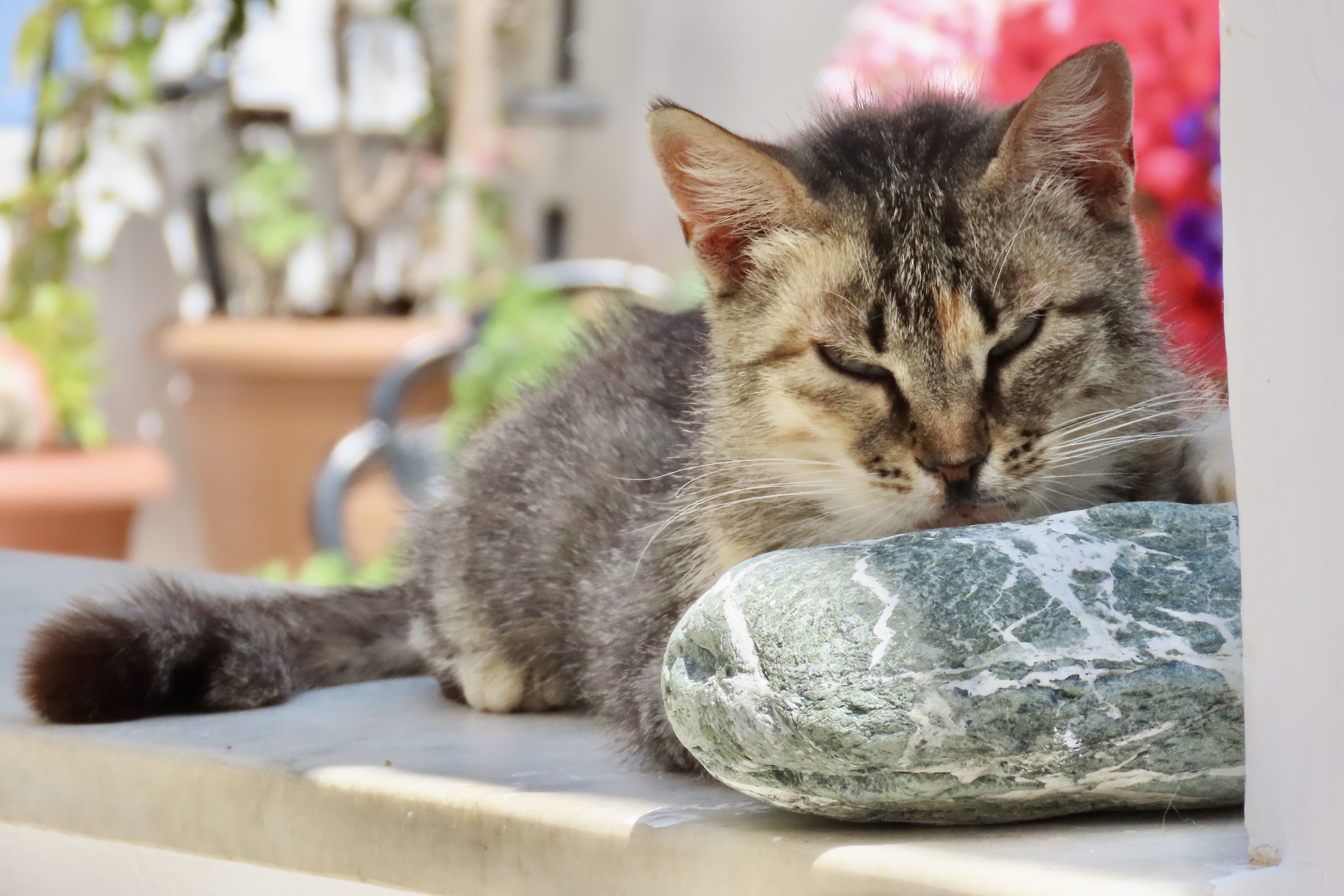
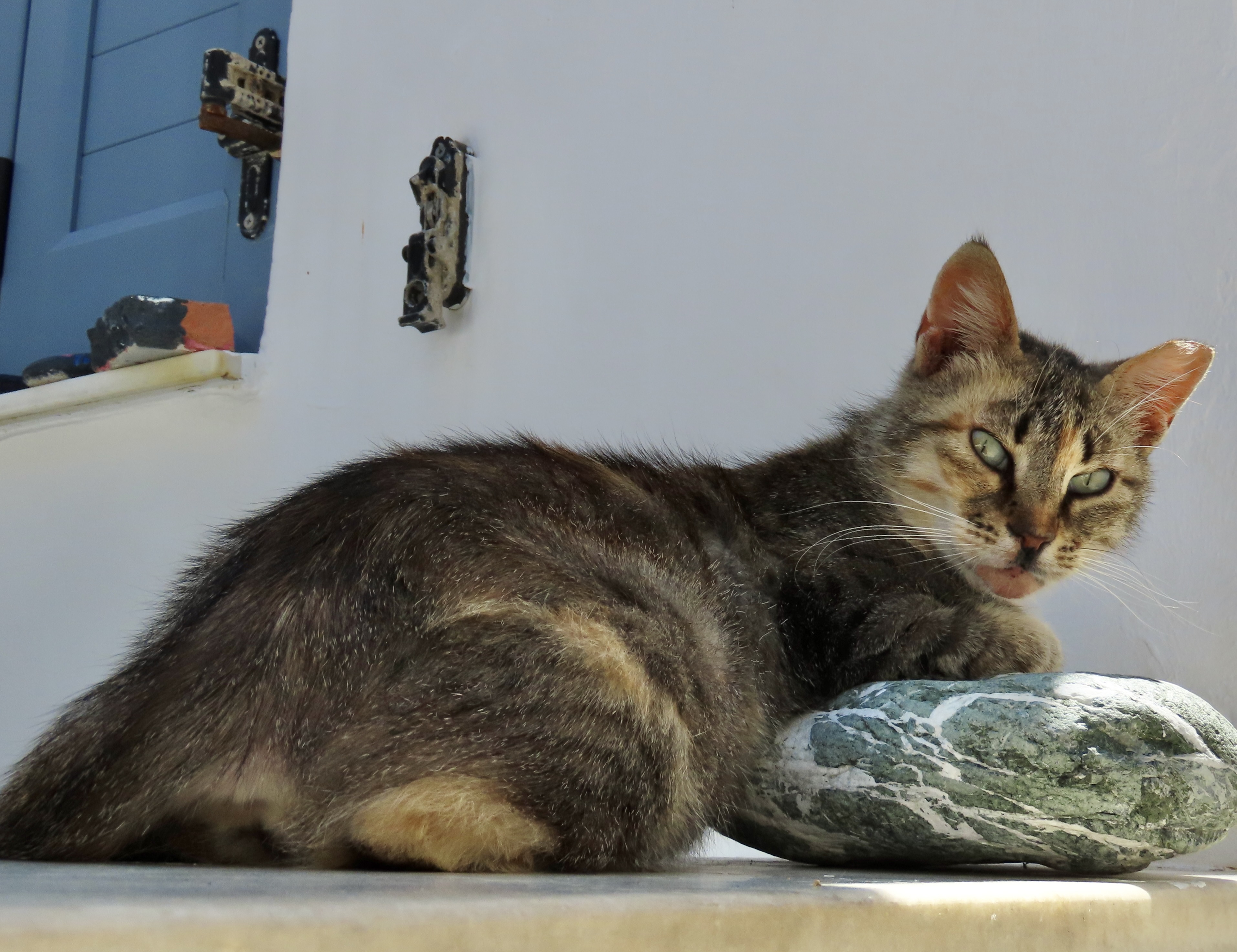
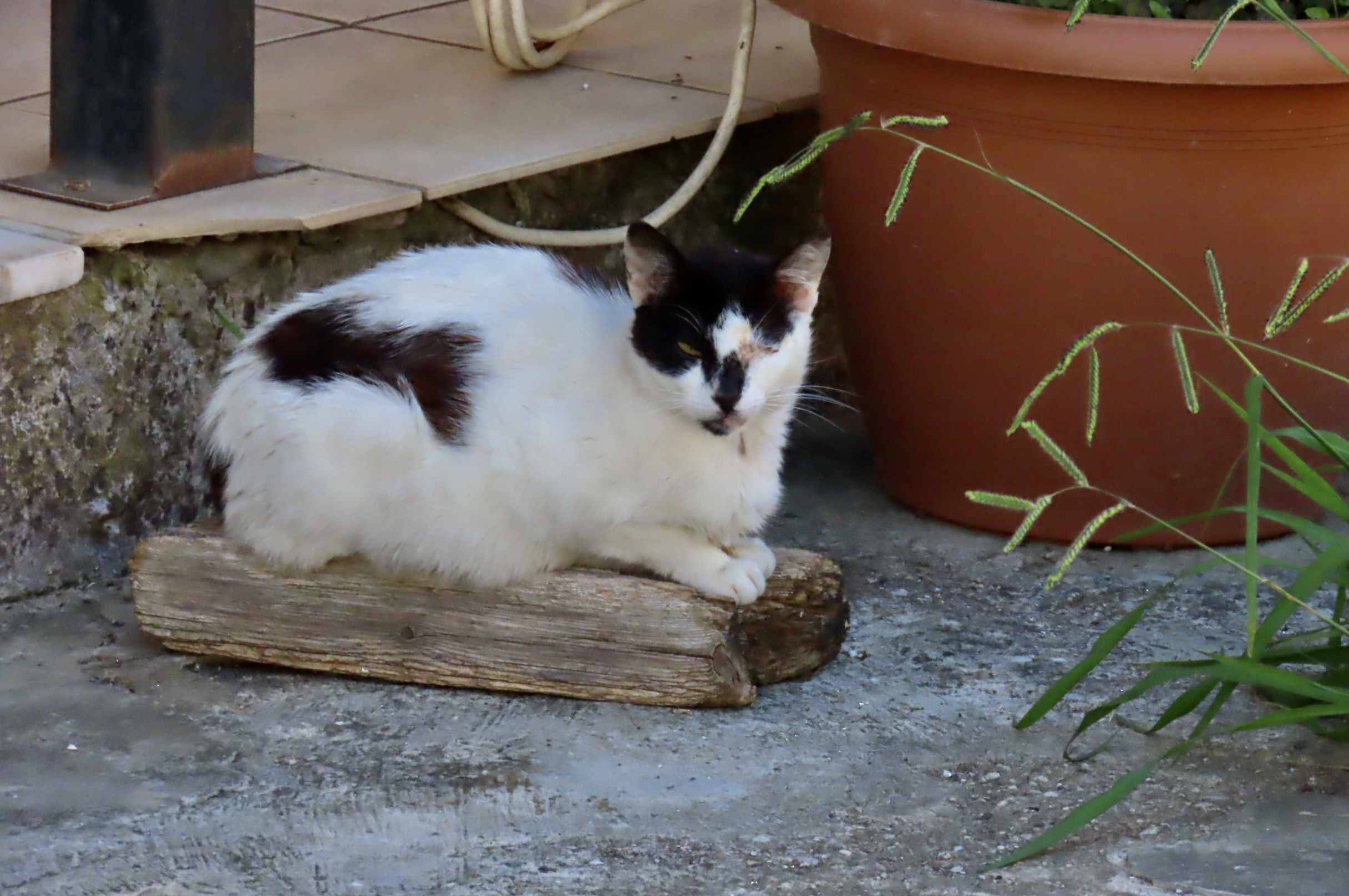
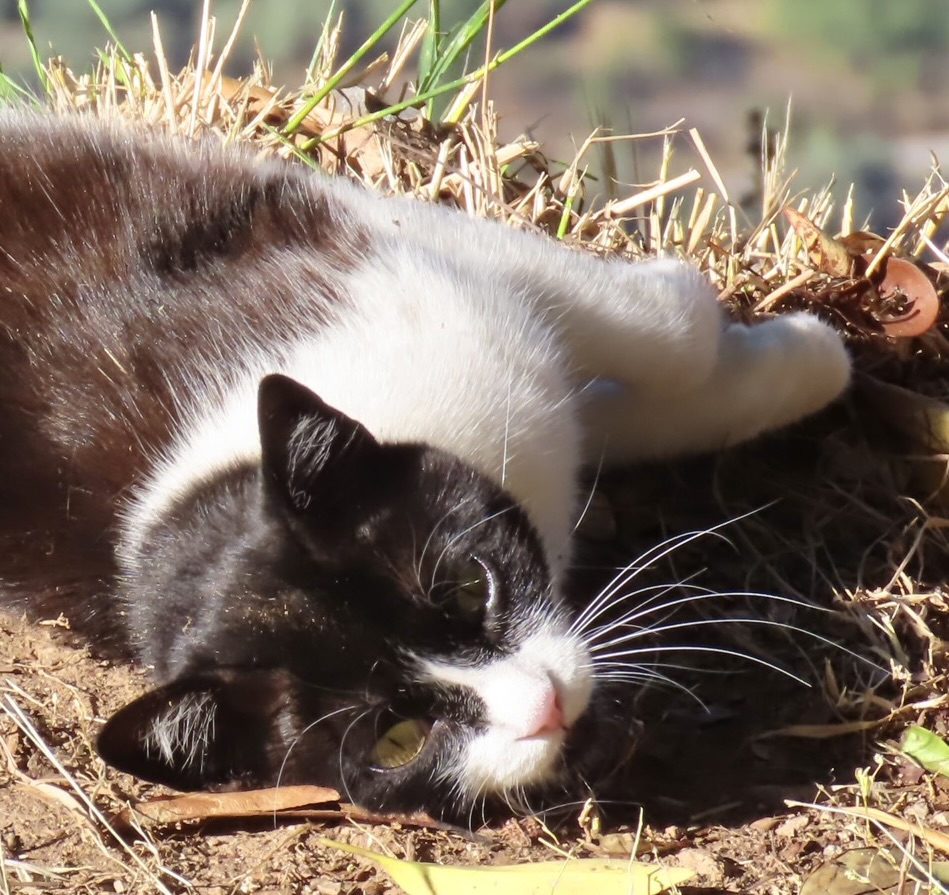
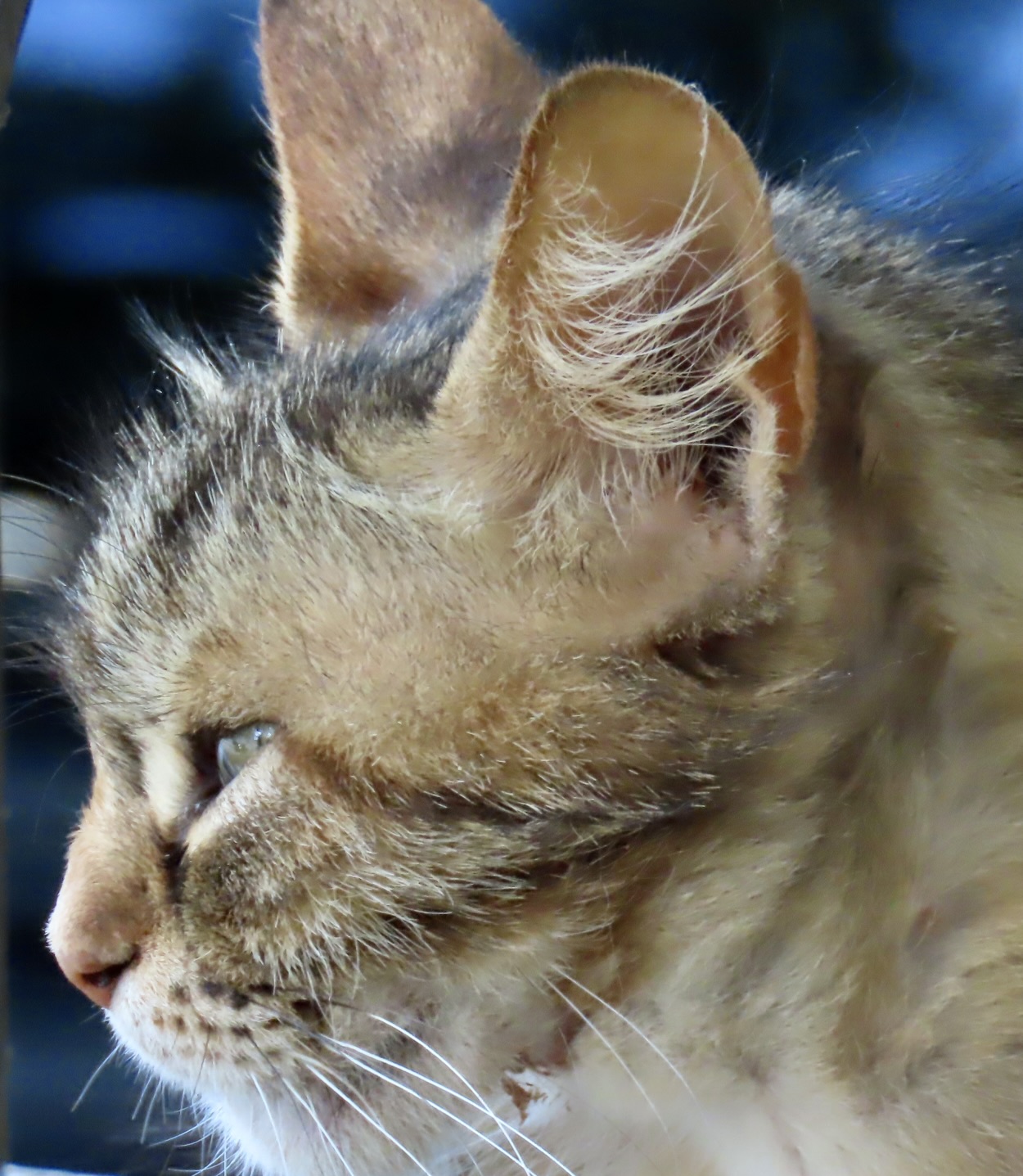
We found this fellow in Pyrgos on the Greek island of Tinos. It was giving us the look. “Why are you interrupting my nap time?” Cats, as everyone knows, enjoy their naps— 12-16 hours a day, or even up to 20.
Unlike Ancient Egypt, where people had a cat god and mummified their pets, domestic cats weren’t around in Ancient Greece. Now it’s different. We found them everywhere we travelled this past month: Athens, the island of Tinos, Nafplio, Olympia, and Delphi. We even had temps, cats that volunteered to be our pets, to hang around and meow at us— assuming that we kept the food coming.
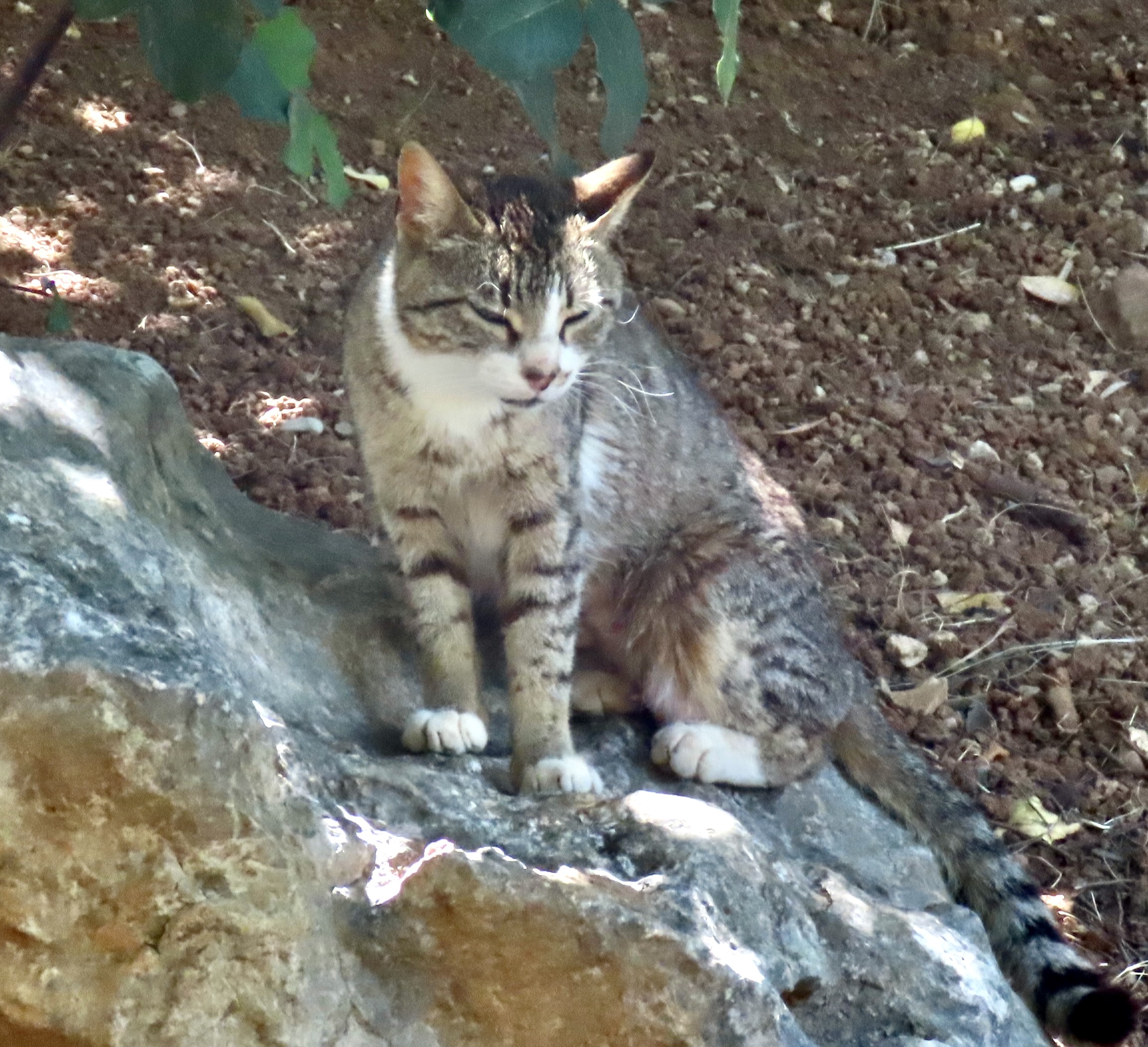
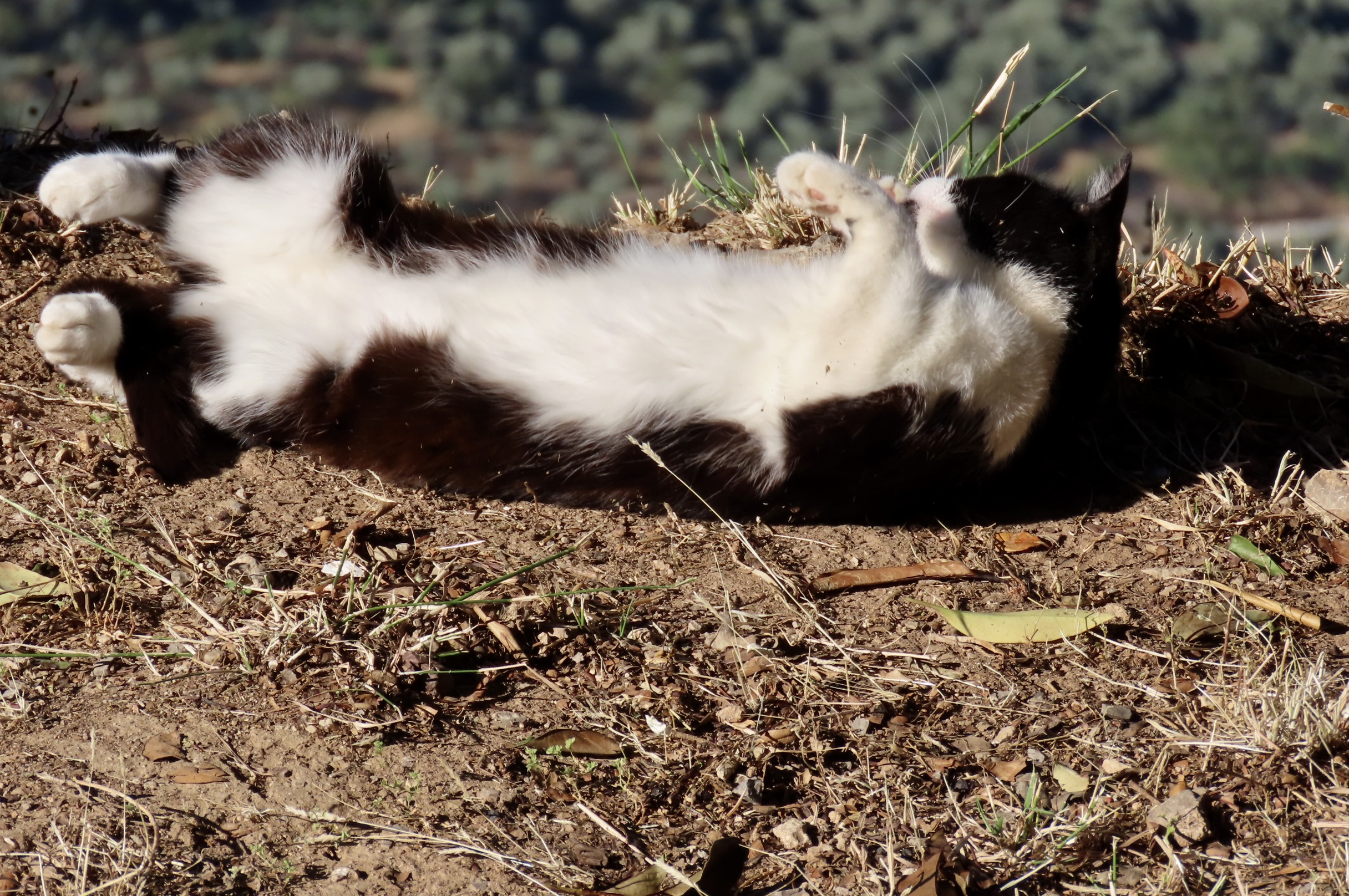
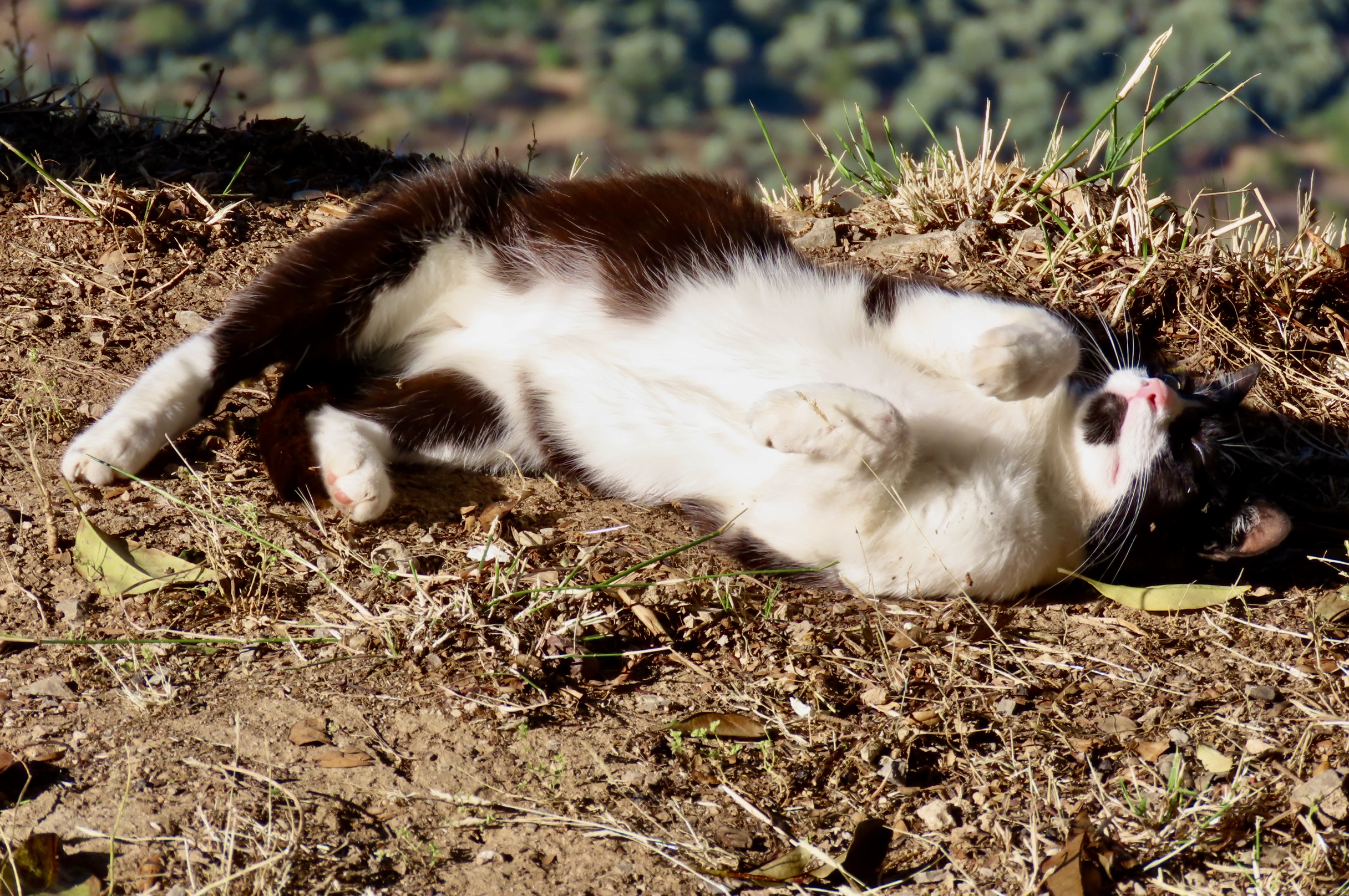
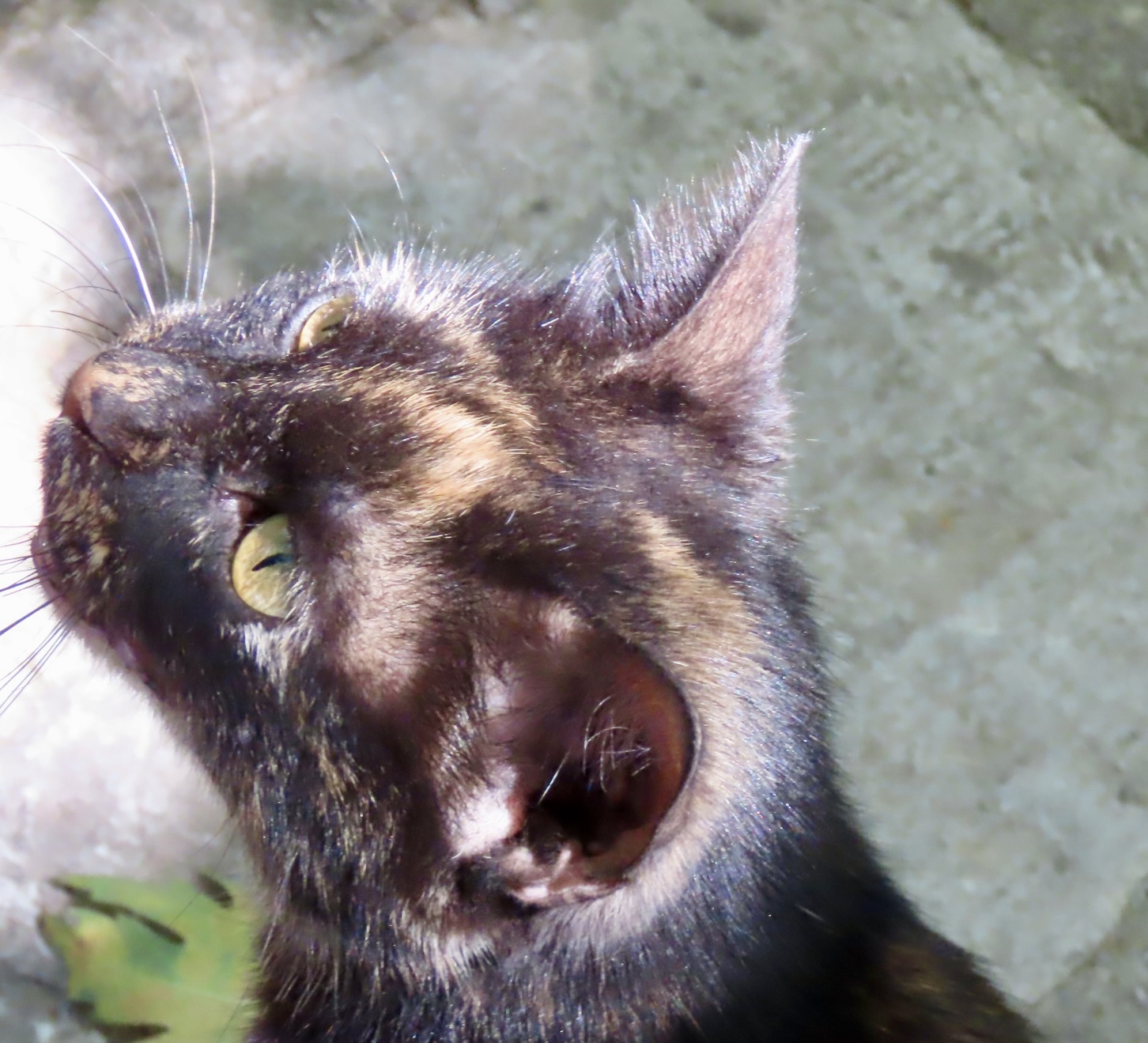
This skinny female didn’t mind us waking her up. She had adopted us at our Vrbo on Tinos and persuaded me to feed her while we were there for a few days. Our appearance meant the it was time to jump down and start rubbing against my leg.
From research on past posts I’ve done that included cats, I learned that the leg rubbing business is the way a cat marks you with its scent to claim ownership. Other cats need not apply. I also learned about the kneading business where the cat sinks its claws into your leg or stomach while purring. That apparently comes from when they were kittens and kneaded their mother’s teats to encourage milk flow. Even grouchy old toms seem to take comfort from this activity.
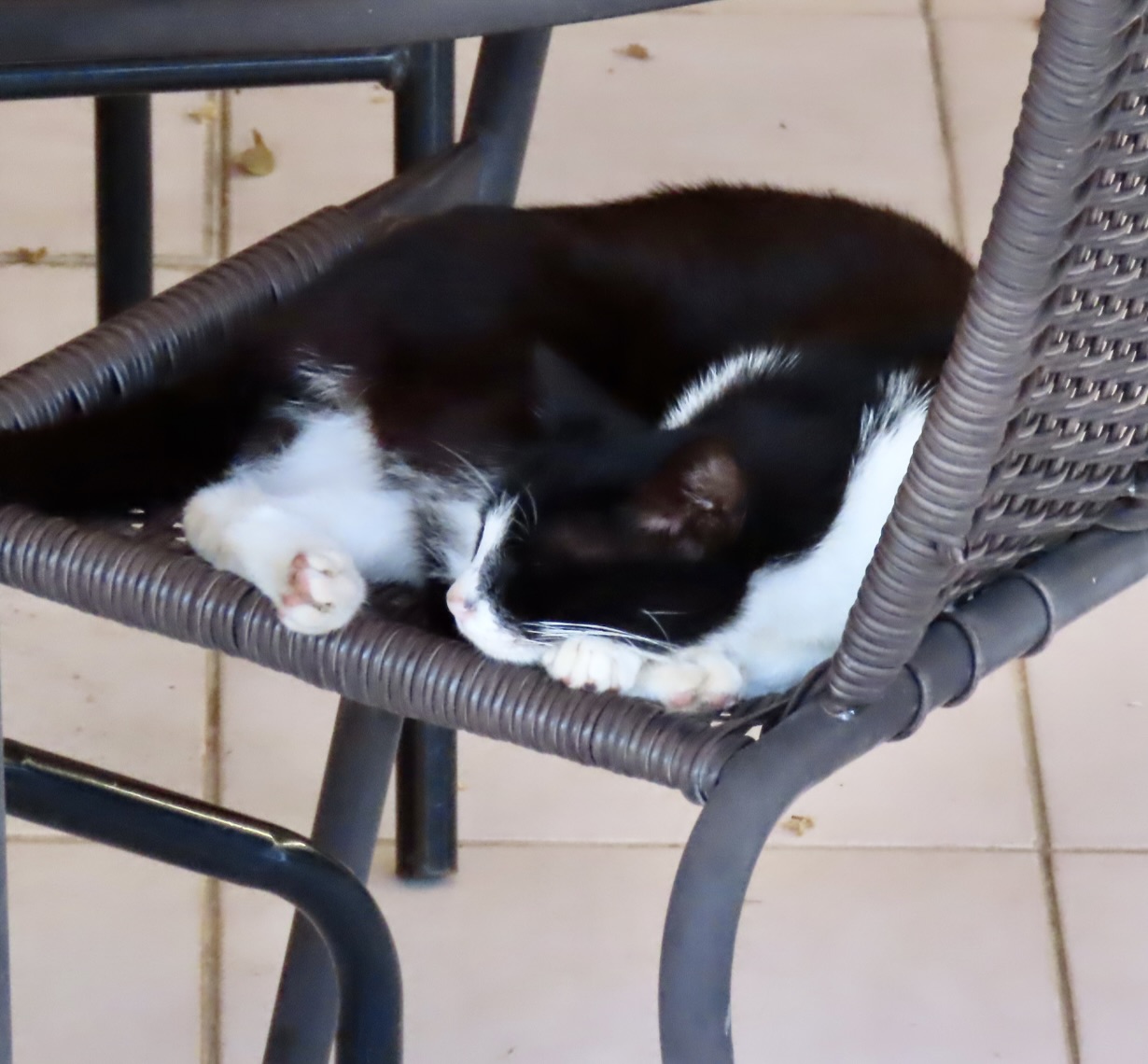
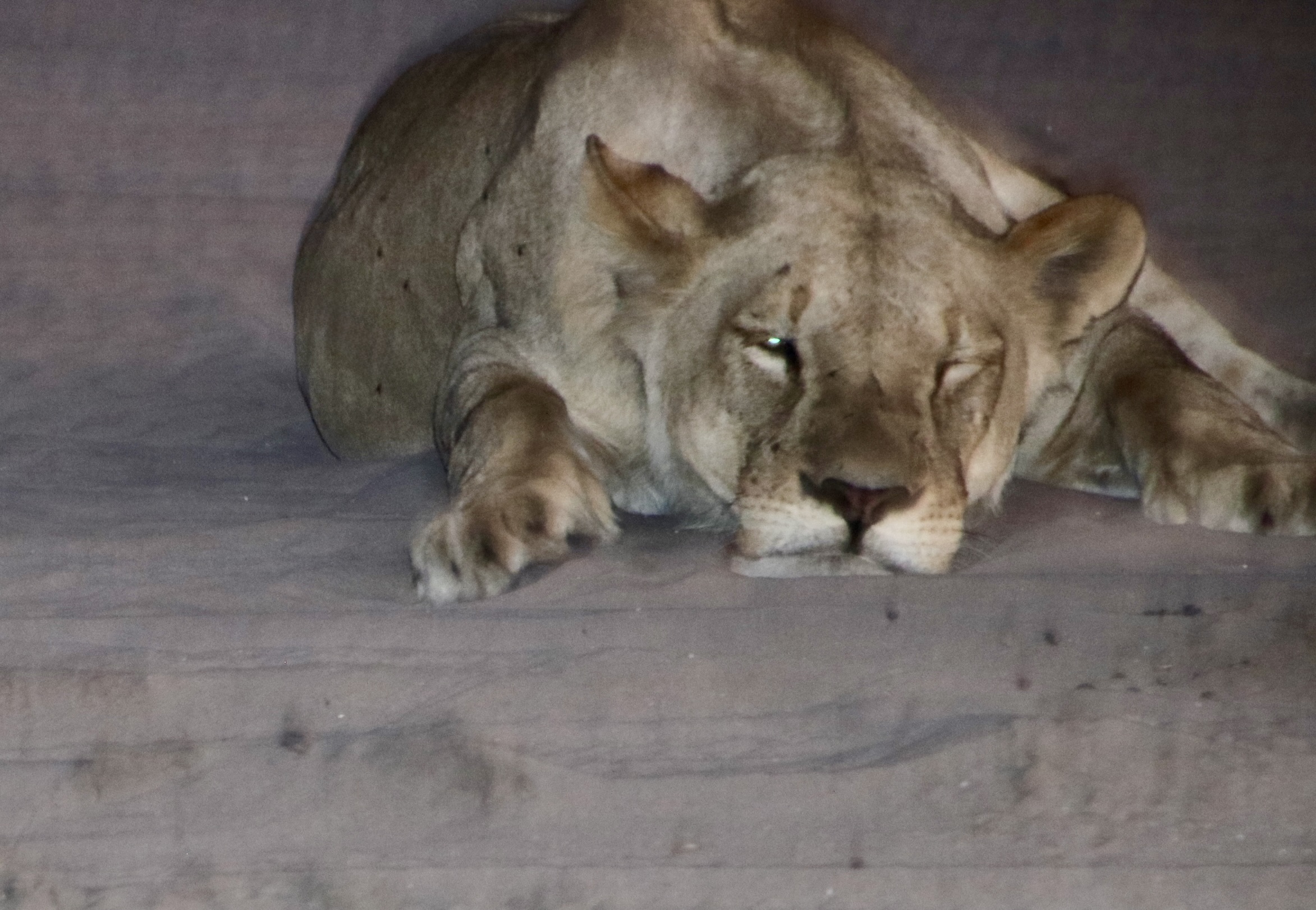
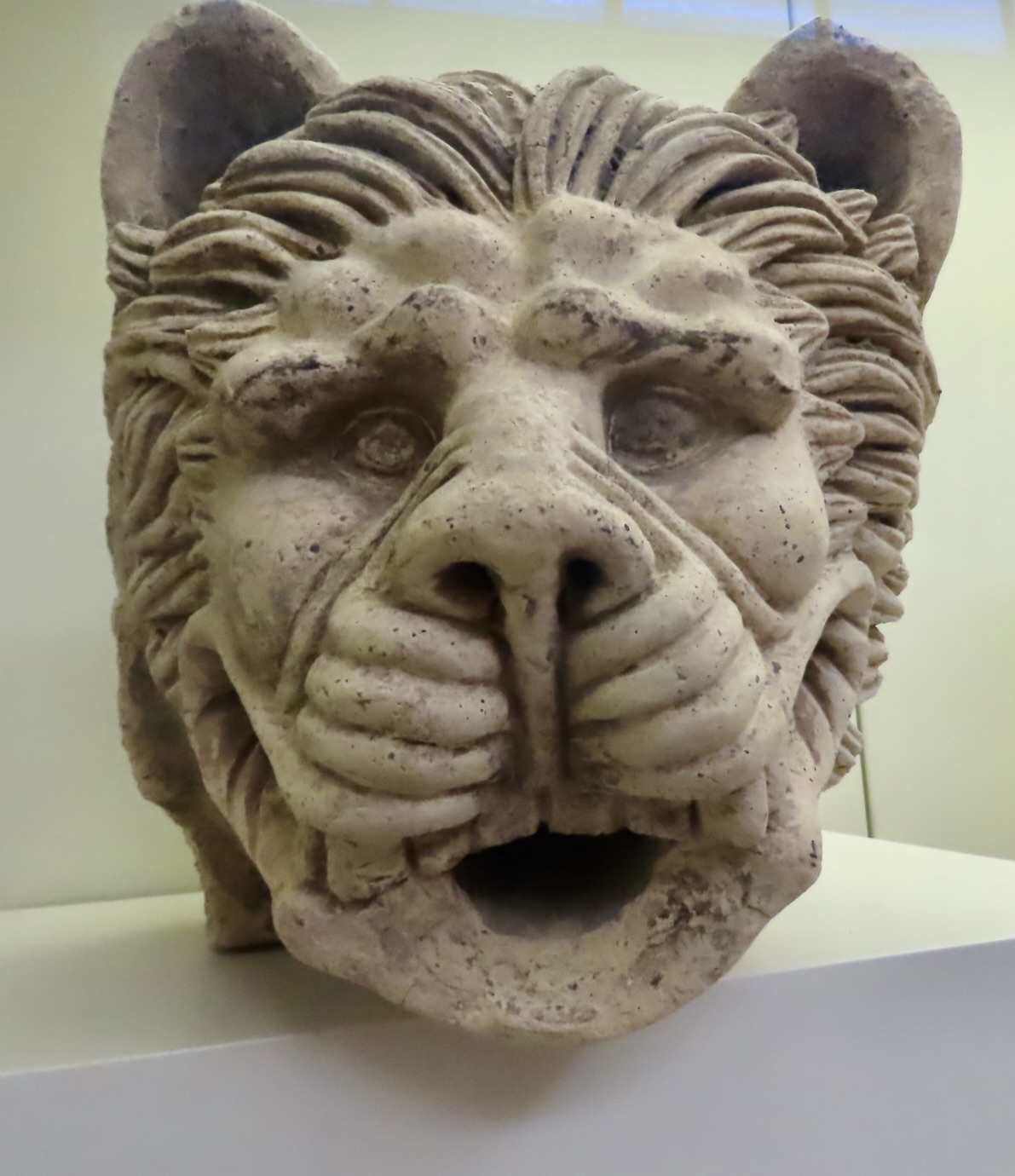
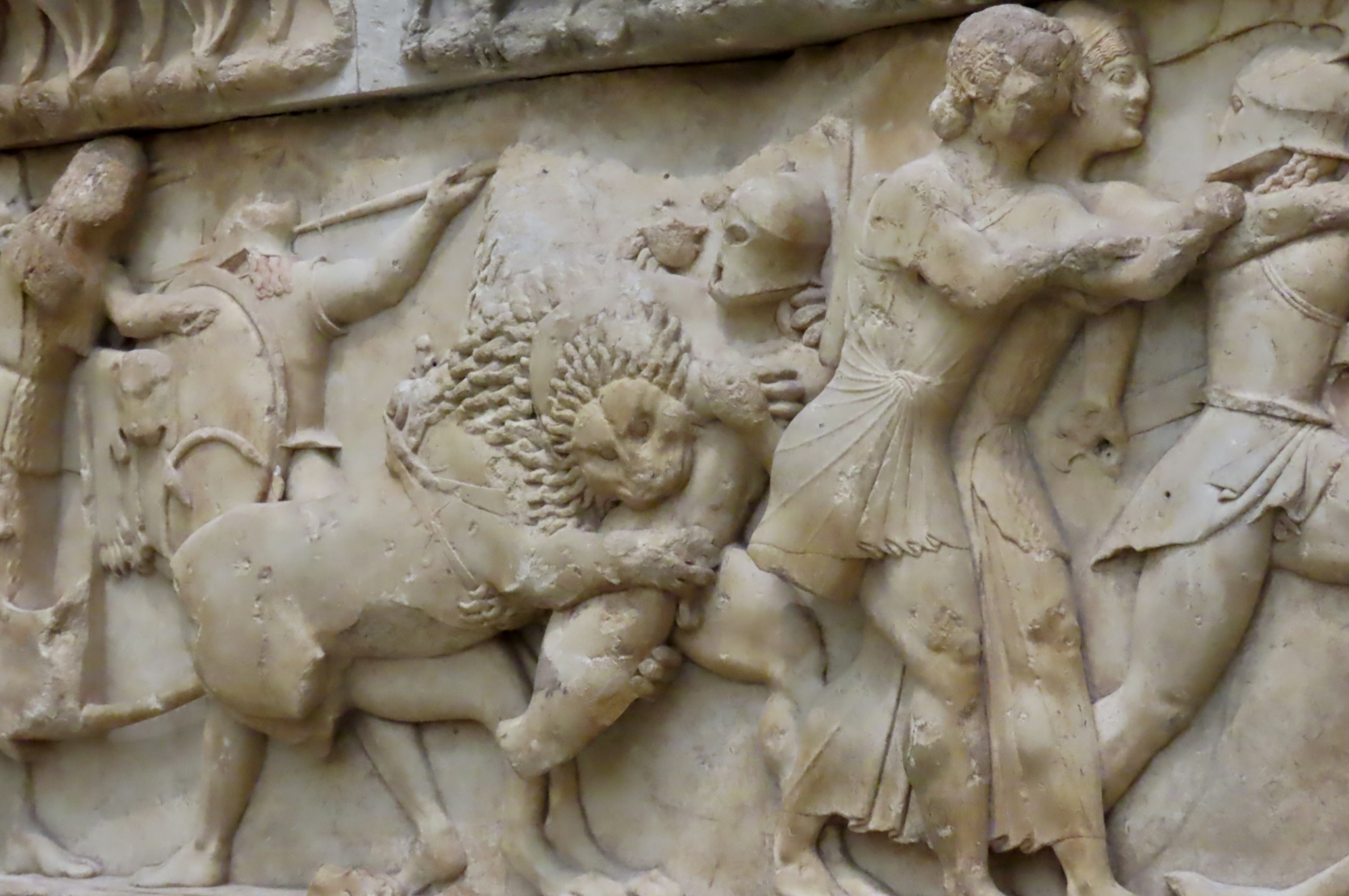
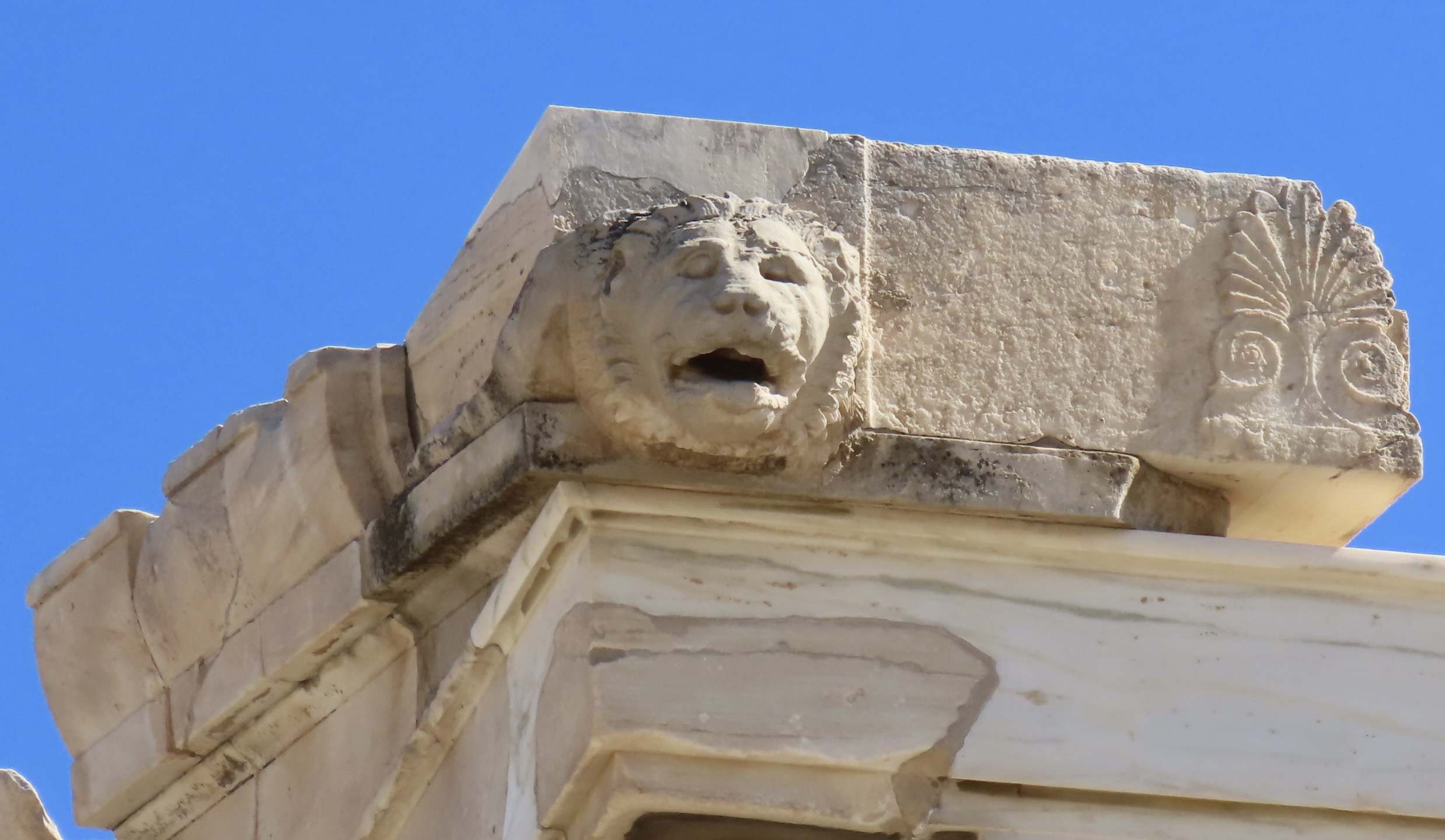
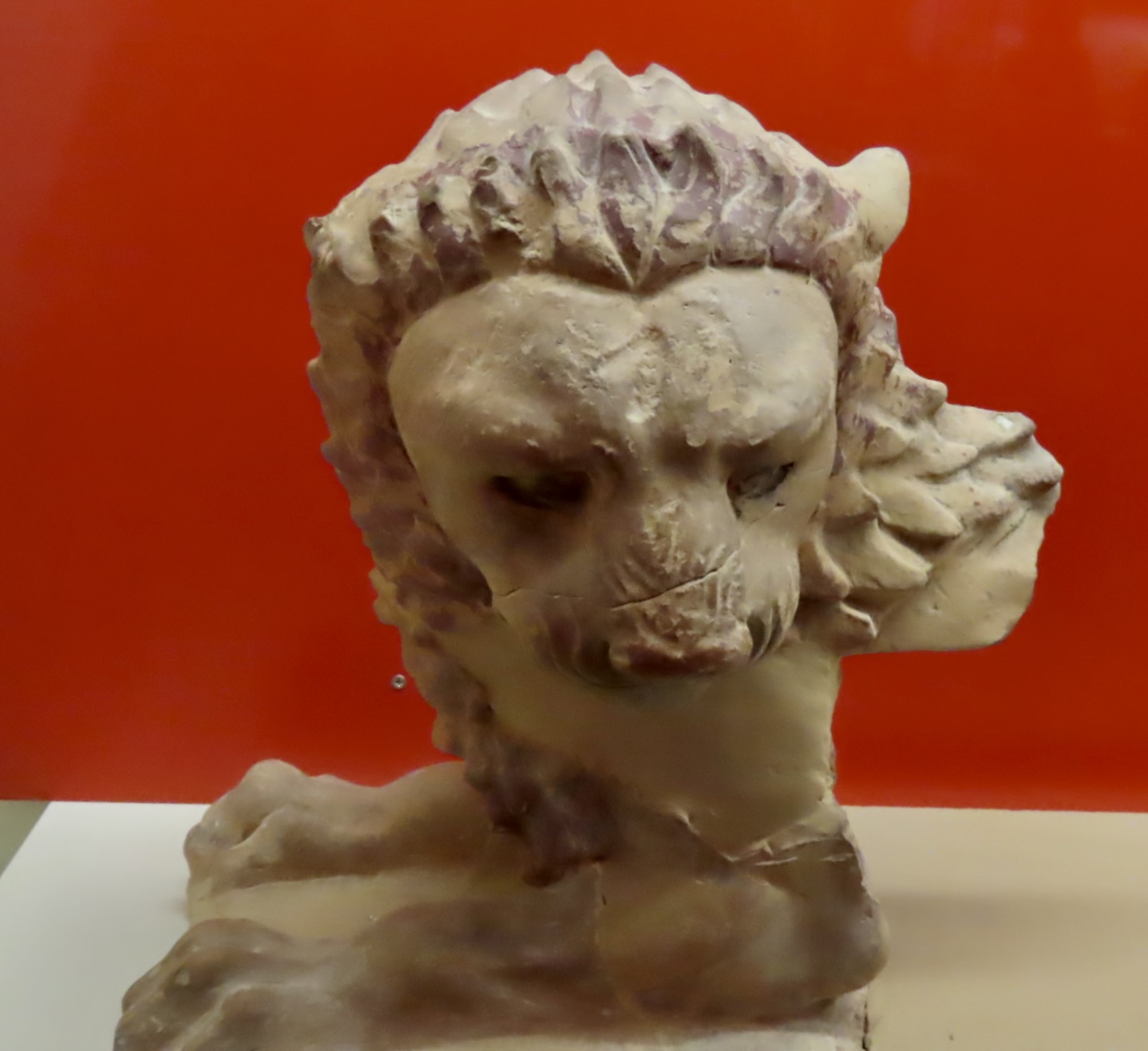
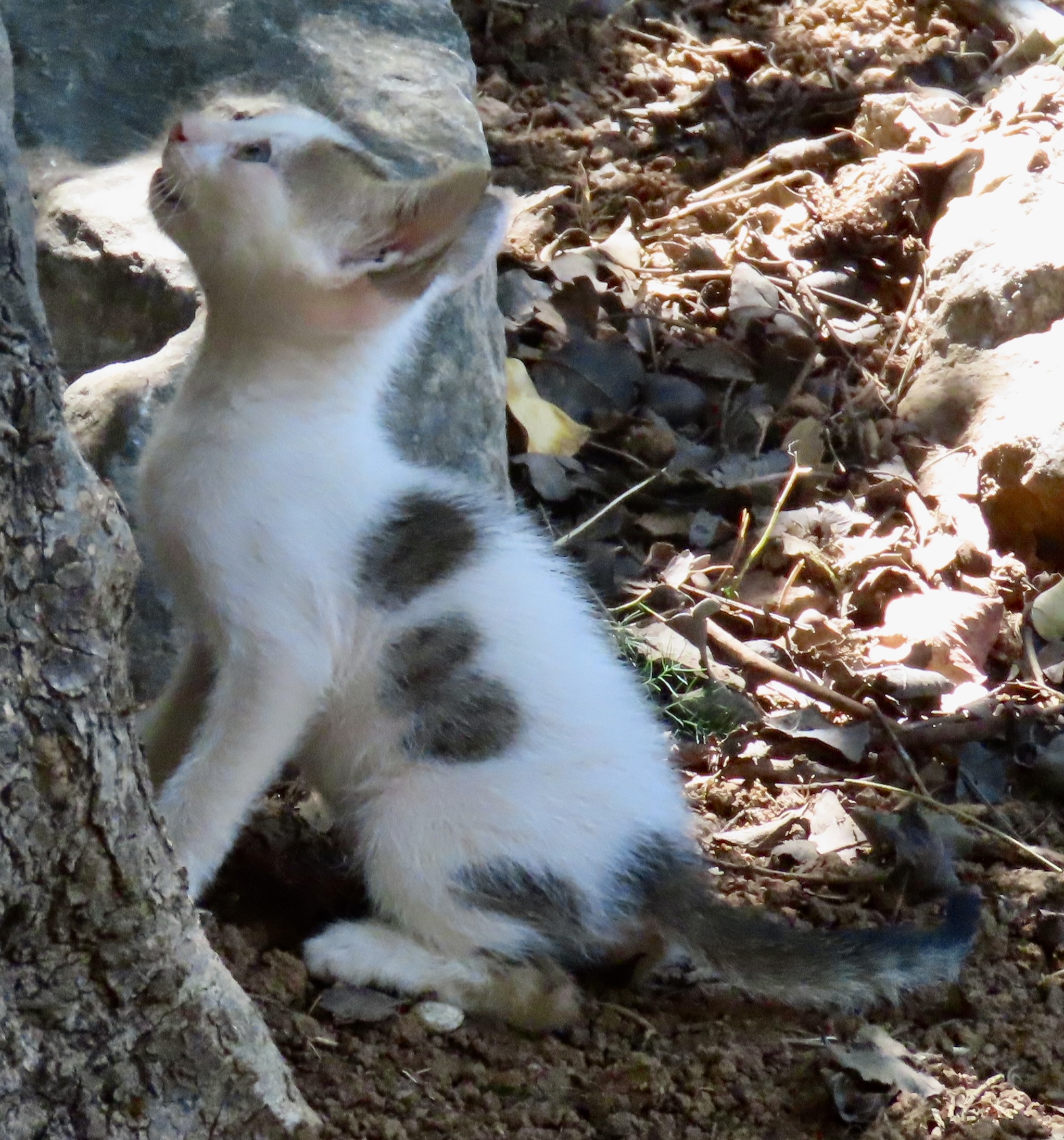
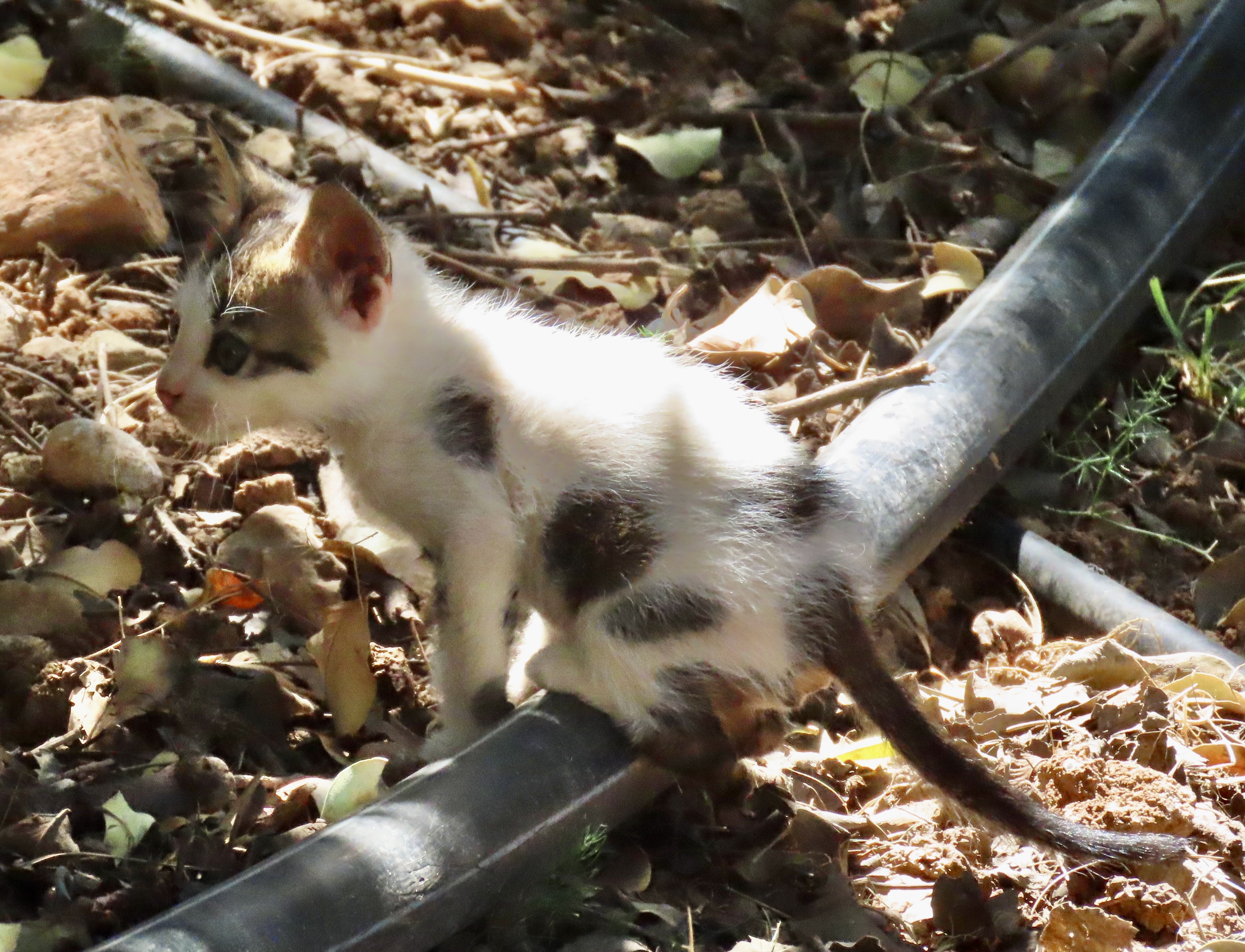
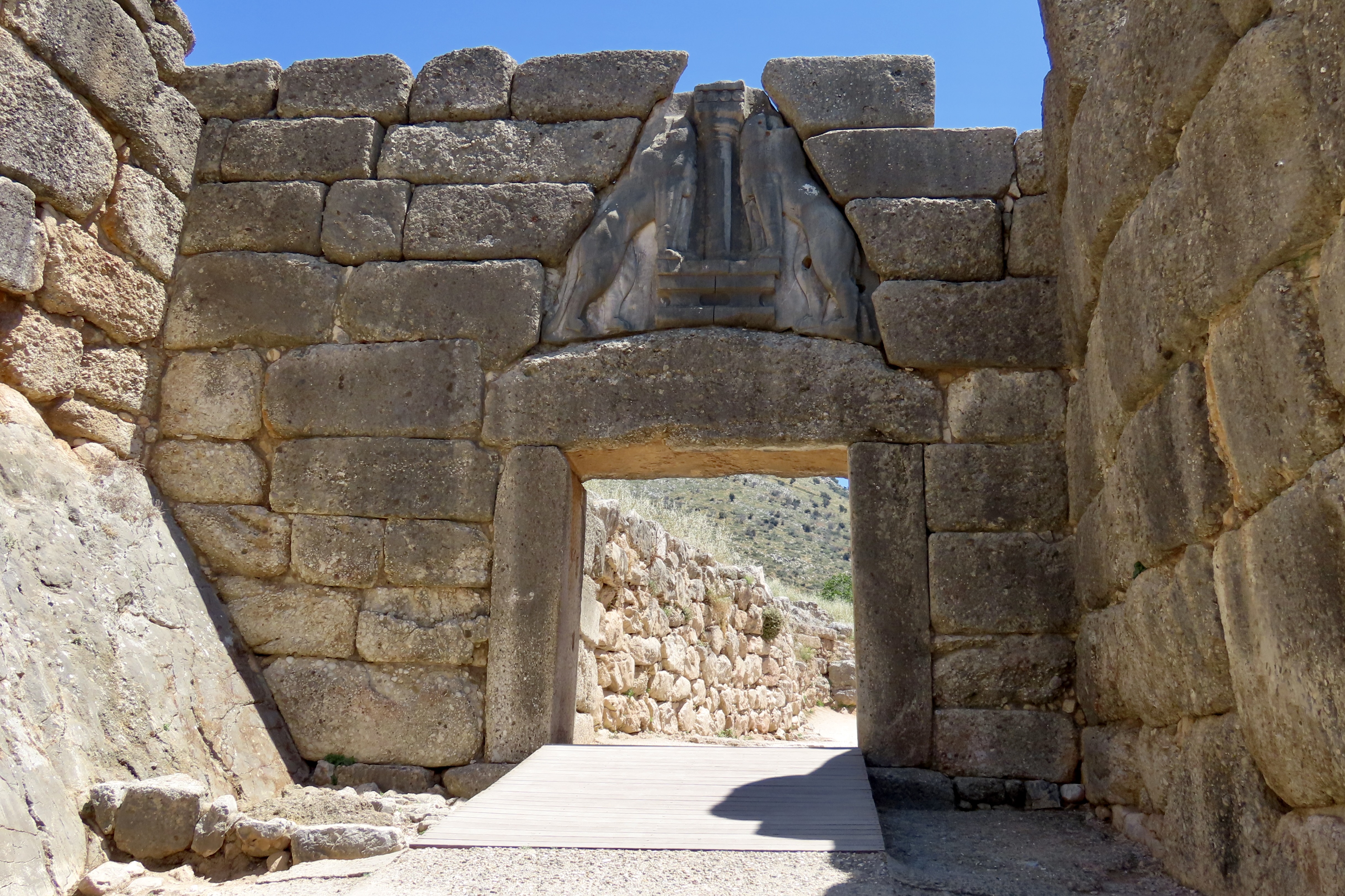
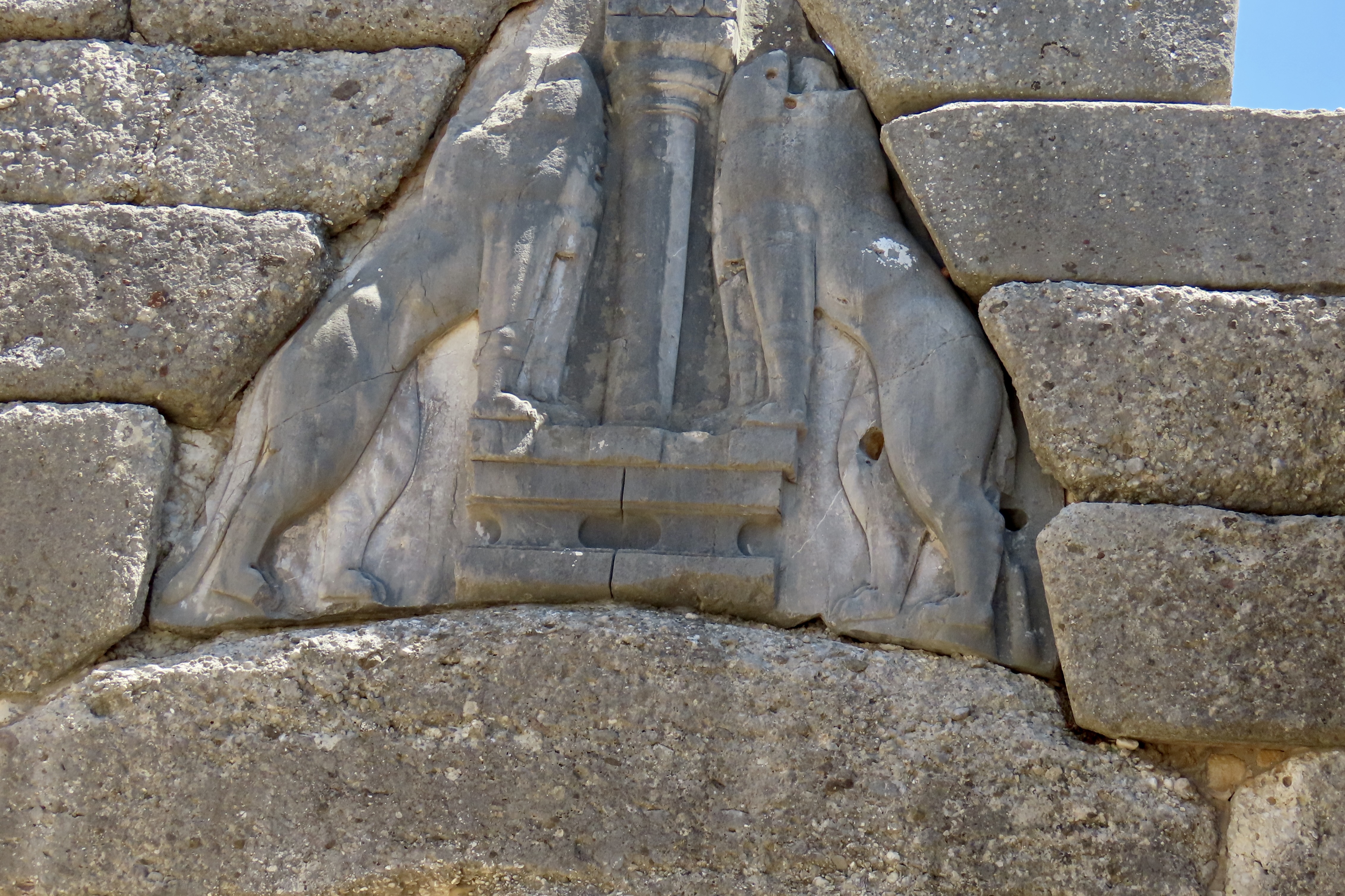
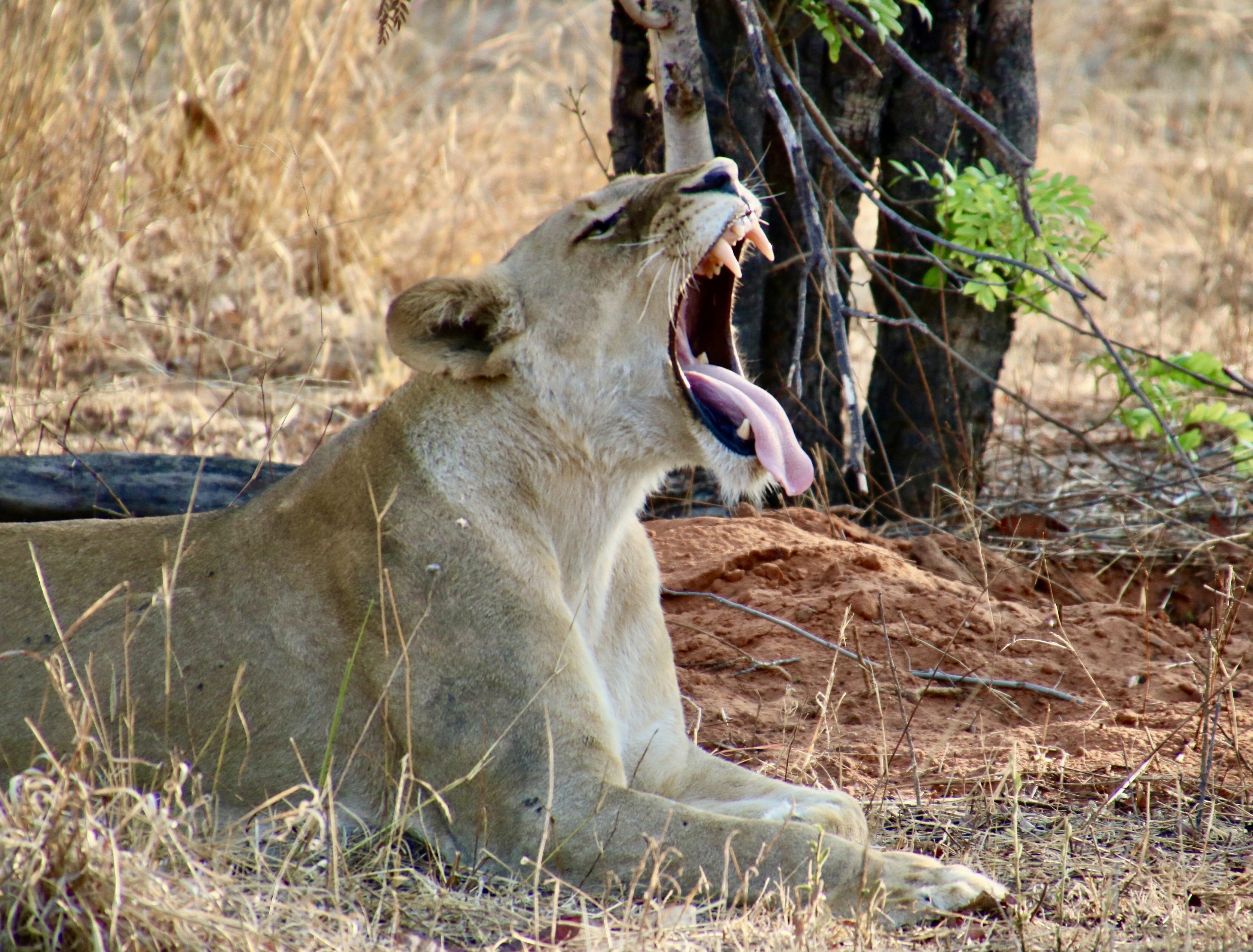
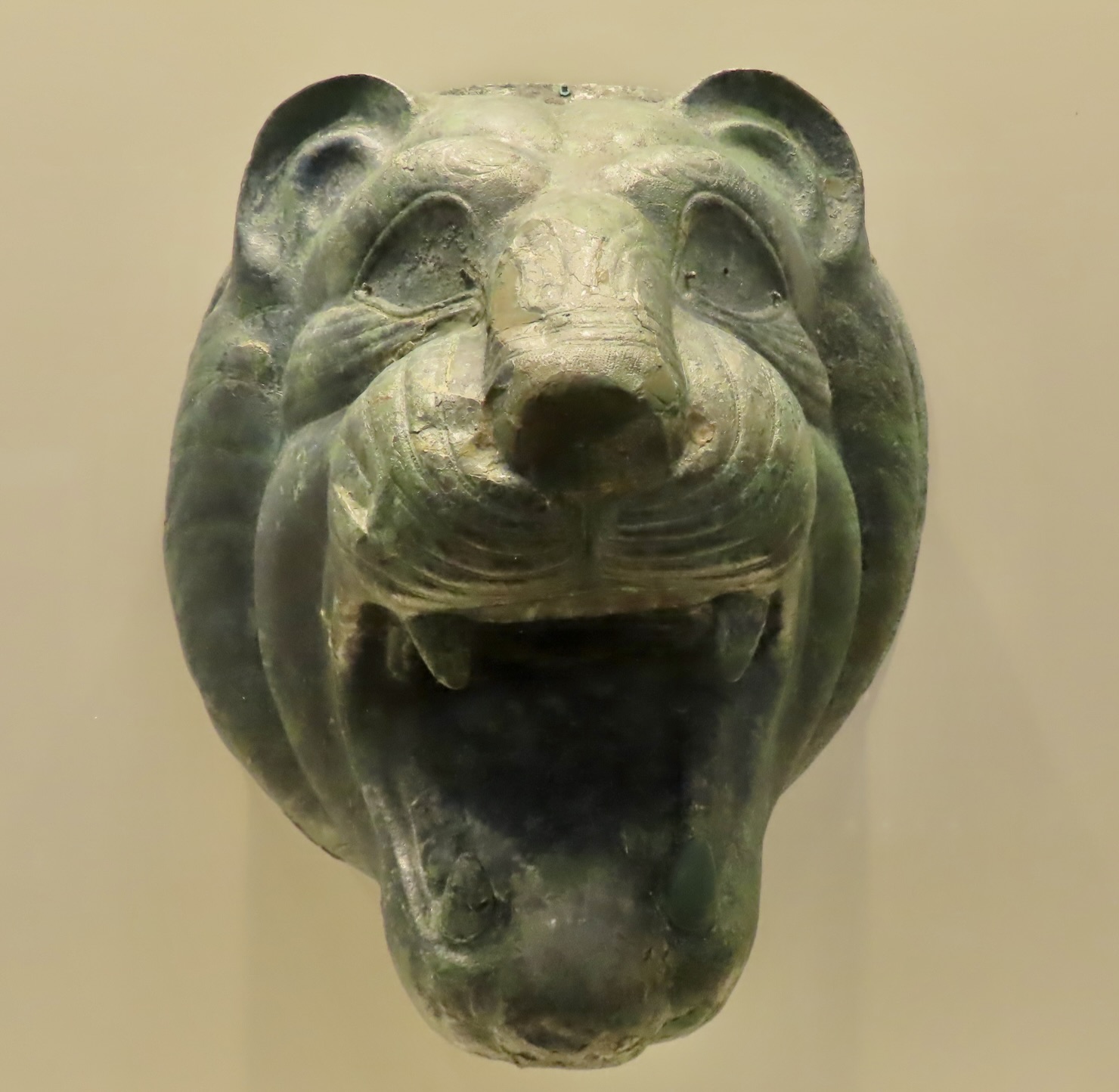
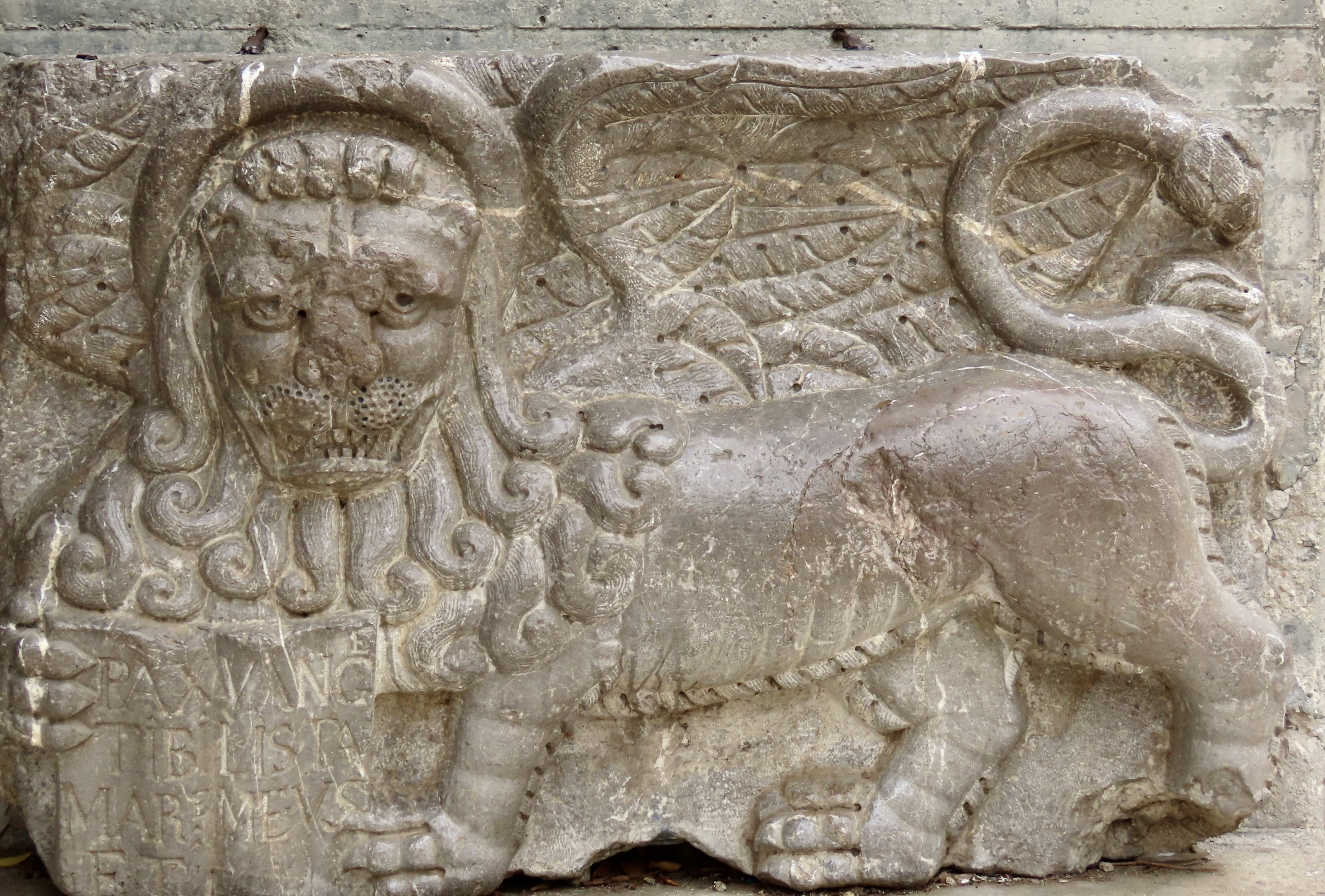
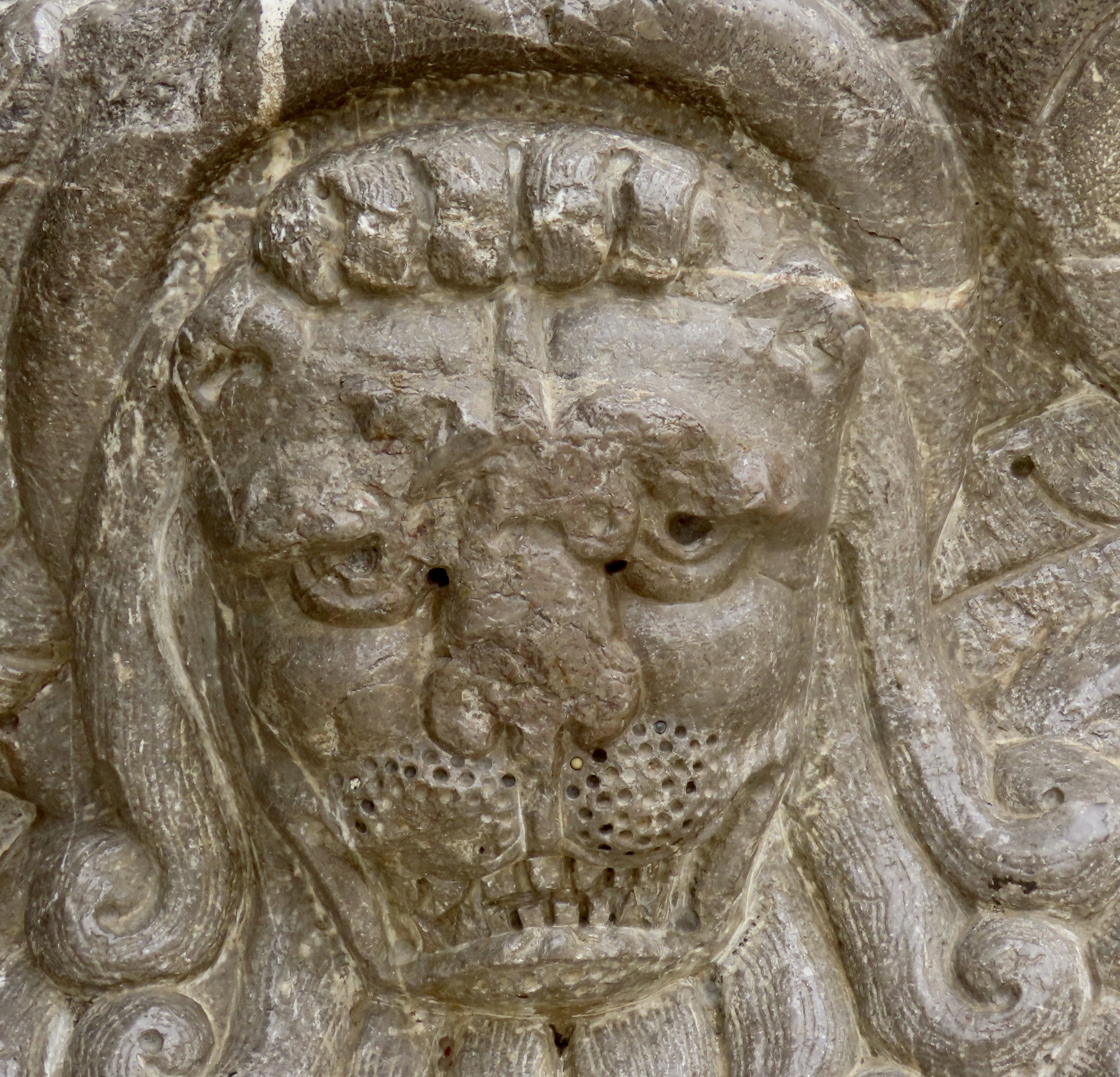
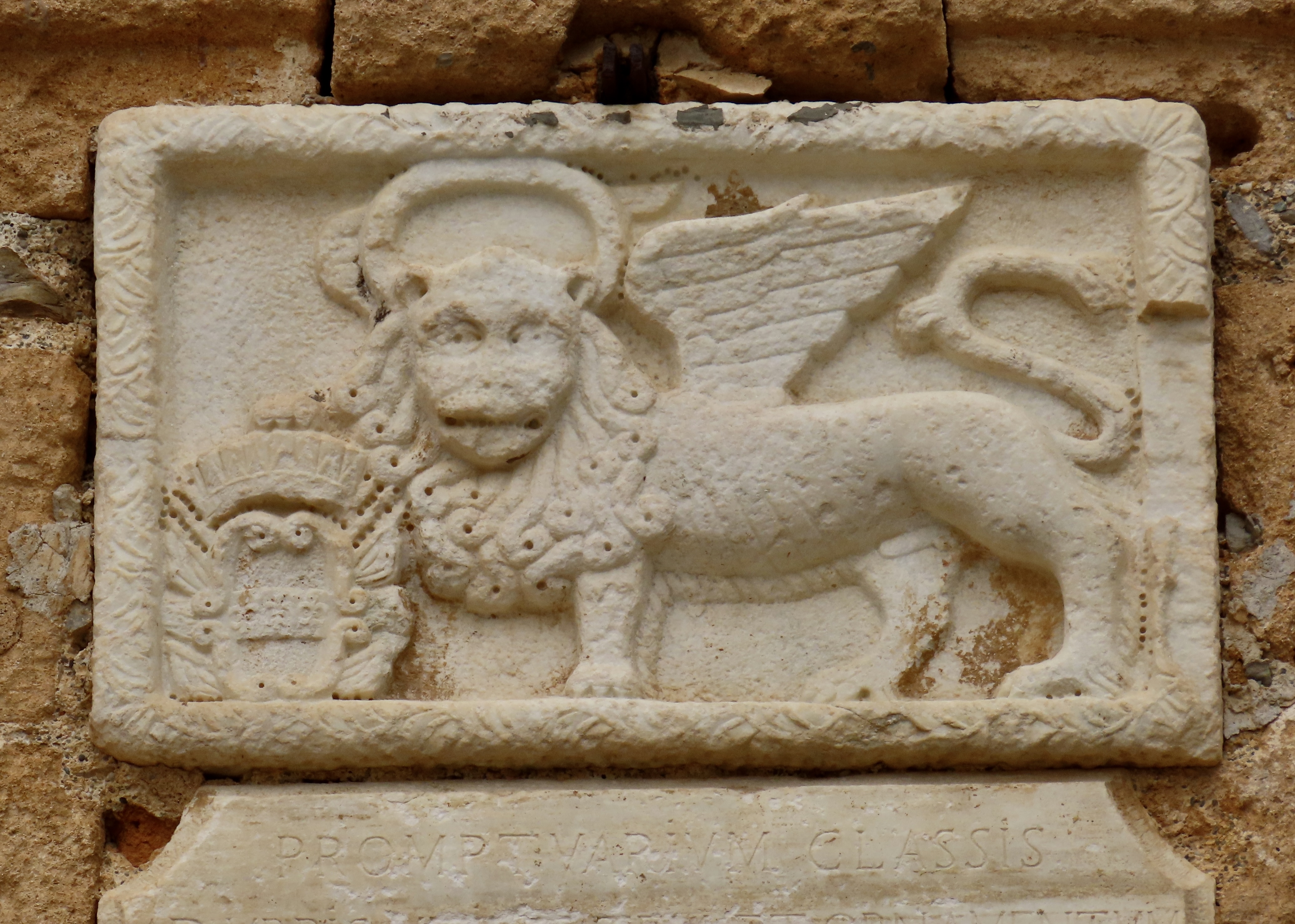
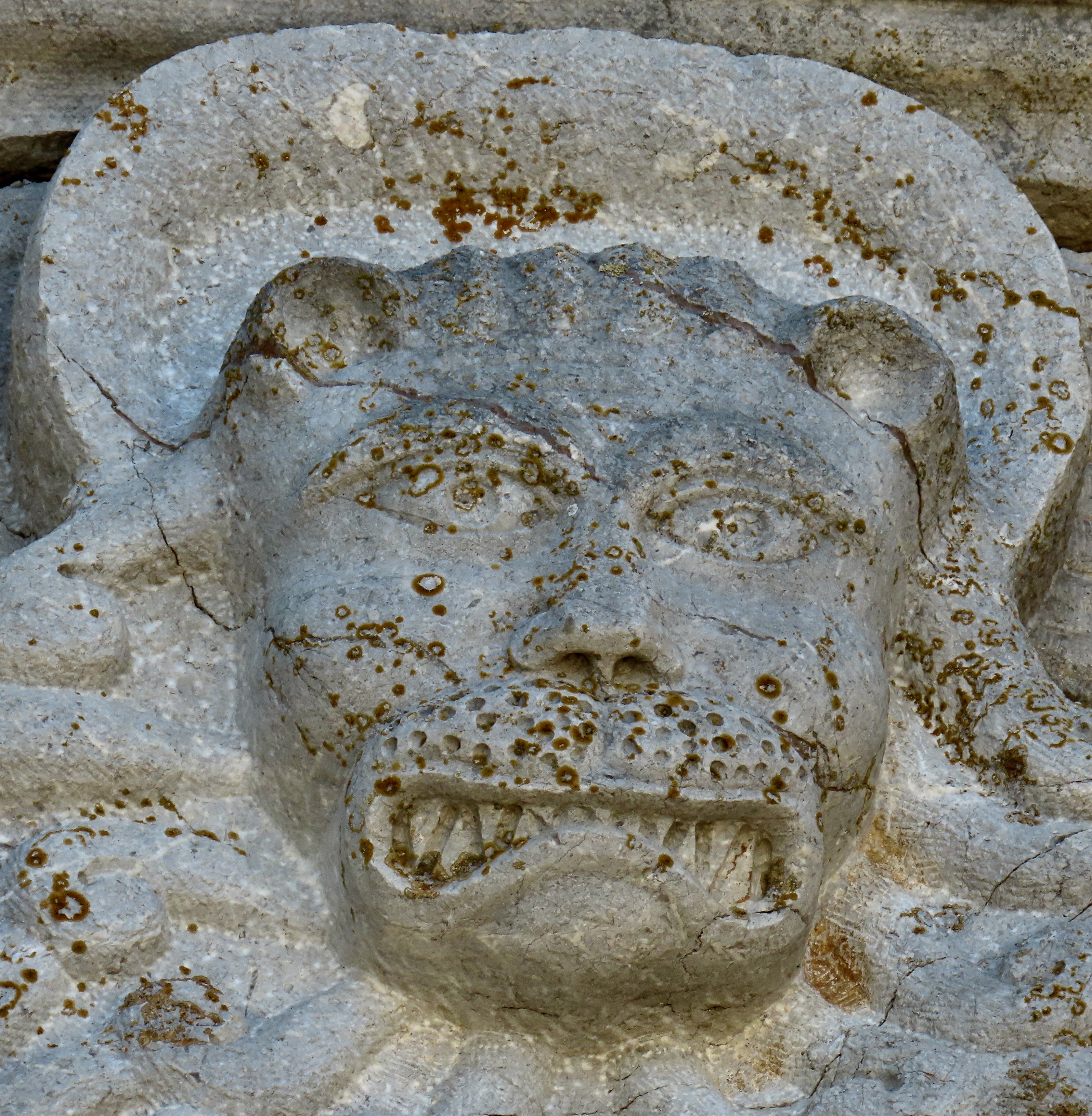
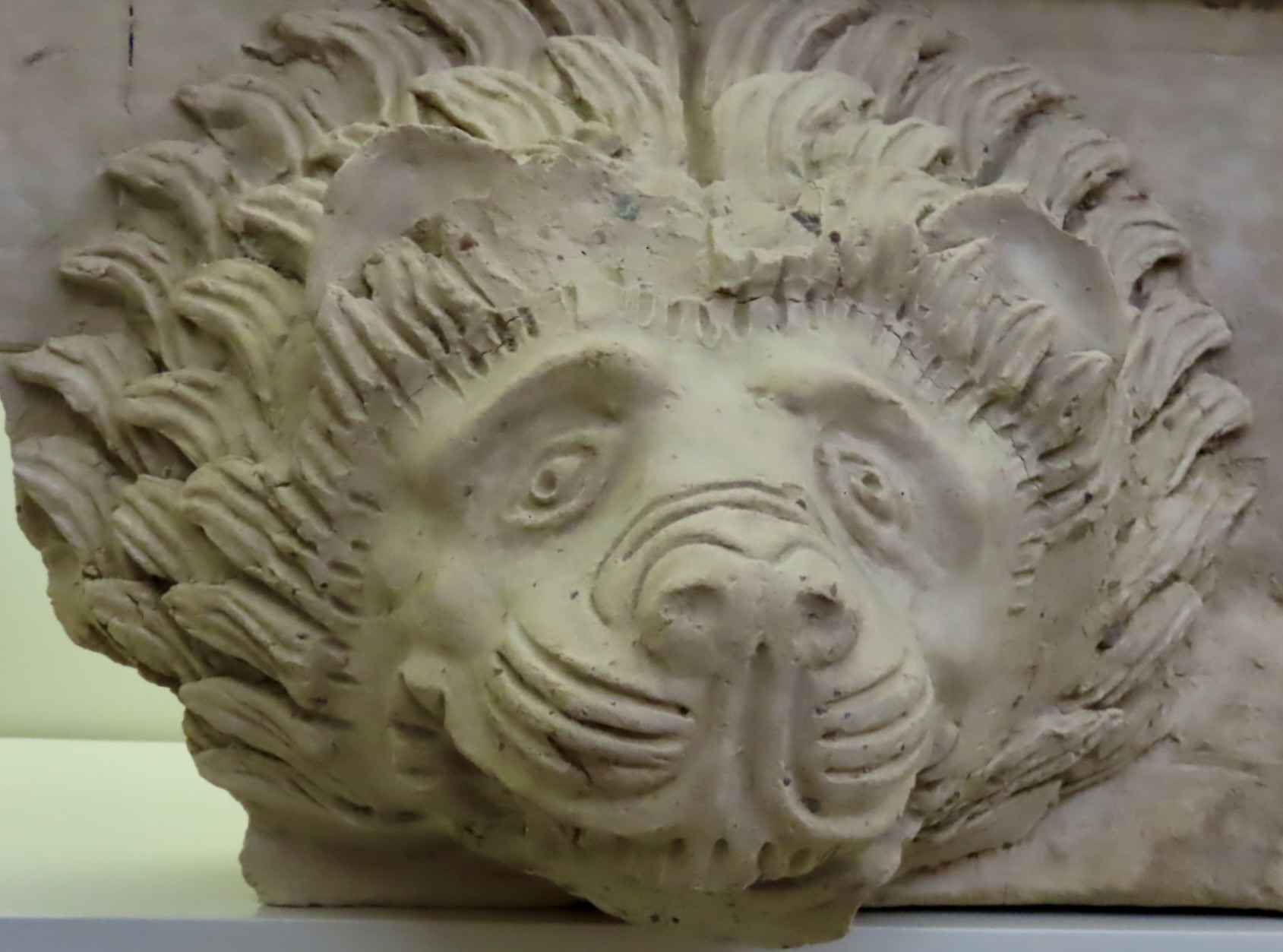
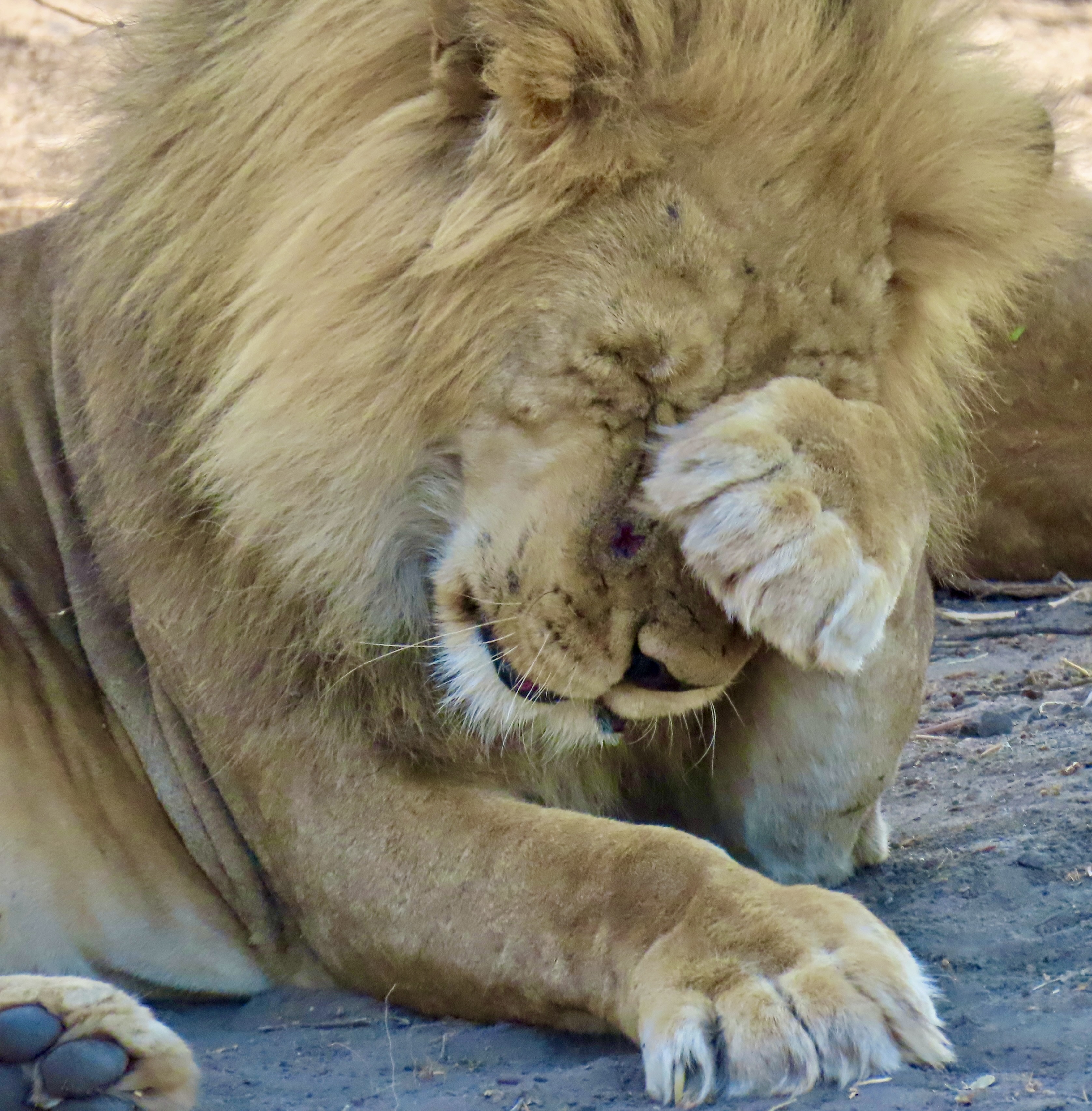
There was no leg rubbing from the cat in Pyros however. The message was “Go bother another cat. Preferably a big one.”Uh, I think we’ll let that kitty sleep. (Photo from our Southern Africa safari.)Actually, lions once roamed throughout Greece and the surrounding area with the last being recorded in Macedonia in the first century CE. I think every Greek ruin we visited had at least one sculpture of the large, scary animals. A few were chomping down on something… or someone.Ouch. Scary didn’t involve chomping in most of the sculptures, however. Looks were enough.This lion was having a hard time keeping it together. No wonder it was angry. “Where did my body go?”I introduced this kitten in my last post. She was fascinated with a bird up in the tree. We were down on the Peloponnesian Peninsula at Mycenae, which includes one the world’s most famous lion carvings. Her brother appeared to be off on an adventure. I imagined it saying, “Can I see the Lion Gate again, Mom? Please, please, please.”“If you are a good kitty,” Mom admonished.Kitty wasn’t alone in his desire to see the Lion Gate. I also promised to be good. Mycenae had been the center of Greek civilization between 1600 and 1100 BCE. I had been waiting to see it ever since I took World History in High School. While that wasn’t 3000 years ago, it was awhile. The Gate features two lionesses flanking a central pillar.A close up. The lionesses are missing their heads. It is thought that they may have been made out of metal and been facing outward to warn any potential invaders.This lioness that Peggy and I took photos of in Southern Africa would have served as a great model for the missing heads. Invaders wouldn’t have to had known that the lion was simply yawning.This lioness would have worked.Shortly after leaving Mycenae, we came to the town of Nafplio where we stayed for a week. The lion sculptures there had wings! We had seen them before. In Venice. Their presence in Nafplio was due to the fact that Venice had once occupied the city. The winged lion is the symbol for Saint Mark the Evangelist, who was the patron saint of Venice. A close up.Another example of a Venetian winged lion in Nafplio. In case you are wondering about the round things around the lions’ heads, they represent halos, a required accouterment of saints. (“Don’t forget to put on your halo, honey.”)The halo is solid here. Judging from the looks on the lion’s face, he was not having a good day. Is pissed a good word here? Sort of how one might look if you had spent your day being dragged through the streets of Alexandria, which is how St. Mark met his maker and gained his wings. But, now, back to kitties.We found this cat ensconced on its chunk of wood in Ancient Pisa, a small community about two miles away from Olympia, Greece where the Olympics were founded. To us it symbolized the fact that cats can sleep almost anywhere. Chairs are quite common in Europe but we have also found cats on the backs of motorcycles, tombstones, all sorts of stone ruins and even on the ground, if nothing else is available.The ground seemed okay to this cat outside our Vrbo in Delphi, Greece…The challenge was getting comfortable…Here’s a hint if you are looking for a little kitty companionship in Greece. Sit down at any of the innumerable outdoor tables you find throughout the country. The odds are a cat will be by to visit in minutes, if not immediately. It’s how they make their living and seems to be universally acceptable to restaurant owners. A bite of whatever you are eating, followed up by another and another will guarantee you have a companion for the whole meal. Unless someone makes a better offer. This pretty little calico had just issued an inquiring meow. It was joined by two other cats while we all had lunch.Including this handsome fellow.I’ll conclude today with one final lion sculpture. My question is does having a bad hair day make you look scary? Or does it just make you look silly?That’s embarrassing. (Photo from Peggy’s and my trip through southern Africa.)
Peggy and I have been back in Virginia for a few days, but tomorrow we head out again, this time for the Scottish Highlands and Northern Ireland. Once again, I be choosing tales from UT-OH to fill in while we are traveling.
First up: I’m going to start with bear tales from the years I lived in Alaska. This is large grizzly that was self-entertaining with the bone of a moose that it kept throwing up into the air. “Come a little closer, you will get a much better look.” Yeah, right.
Here’s something that just occurred to me. I don’t remember ever seeing a cat in Liberia. They must have been around, in Monrovia and other populated areas if nowhere else, but I sure don’t remember seeing one. Did you?
That’s right! Now I remember. I’ll have to pull out my copy and re-read it!
I wonder if the scarcity of cats had anything to do with Liberian food preferences, Linda. My students used to come by, pinch Rasputin, and say, “Really fine meat, Mr. Mekemson.”
That had occurred to me as well. There’s really no reason cats would escape the hunt for protein’
I enjoyed this post very much, as I am a huge cat lover as you know. I enjoy spotting these little street workers in every country I visit them. What I really liked was your incorporation of lion statues and information about their history. I did not realize they roamed the area that is now Greece. That helps me understand the multiple lion carvings we saw in Jordan. I thought they had heard about lions and carved them to represent something exotic, but if lions were in Greece, they could easily have been in Jordan, so I’ll bet these were all monuments to local fierce wildlife. That brings some of the history a bit more to life for me. Thanks!
Cats are one of mu favorite things about traveling overseas, Crystal. It’s rare that I don’t take photos when I come across one! Yep, lions were once found throughout the Balkan countries up until late BCE and even in to early CE.


I havve mixed feelings about cats. I like them but know they wipe out so much Australian wildlife.
One more case of the damage an introduced species can do, Peggy. If they would just limit themselves to the introduced rabbits and mice….
Here’s something that just occurred to me. I don’t remember ever seeing a cat in Liberia. They must have been around, in Monrovia and other populated areas if nowhere else, but I sure don’t remember seeing one. Did you?
I had a great cat, Linda, that I named Rasputin. Several tales about him in the “Bush Devil.”
That’s right! Now I remember. I’ll have to pull out my copy and re-read it!
I wonder if the scarcity of cats had anything to do with Liberian food preferences, Linda. My students used to come by, pinch Rasputin, and say, “Really fine meat, Mr. Mekemson.”
That had occurred to me as well. There’s really no reason cats would escape the hunt for protein’
I enjoyed this post very much, as I am a huge cat lover as you know. I enjoy spotting these little street workers in every country I visit them. What I really liked was your incorporation of lion statues and information about their history. I did not realize they roamed the area that is now Greece. That helps me understand the multiple lion carvings we saw in Jordan. I thought they had heard about lions and carved them to represent something exotic, but if lions were in Greece, they could easily have been in Jordan, so I’ll bet these were all monuments to local fierce wildlife. That brings some of the history a bit more to life for me. Thanks!
Cats are one of mu favorite things about traveling overseas, Crystal. It’s rare that I don’t take photos when I come across one! Yep, lions were once found throughout the Balkan countries up until late BCE and even in to early CE.
The lion gate? Wow. Lucky you. (I indeed have that photo in a old book back from my high school days…)
Nice combination cats and big cats…
Enjoy
Thanks. A new meaning to here kitty, kitty, kitty.
🤣