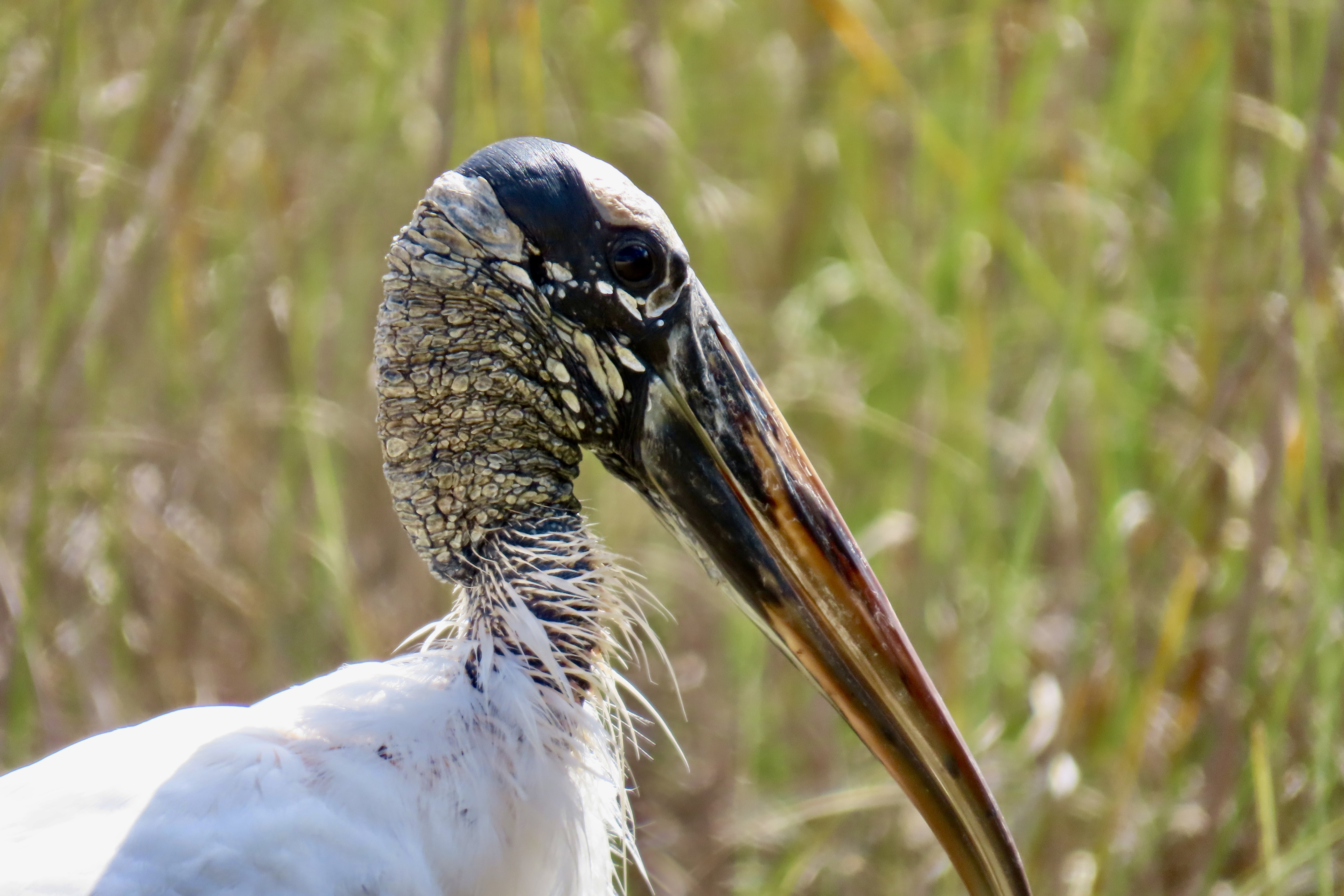
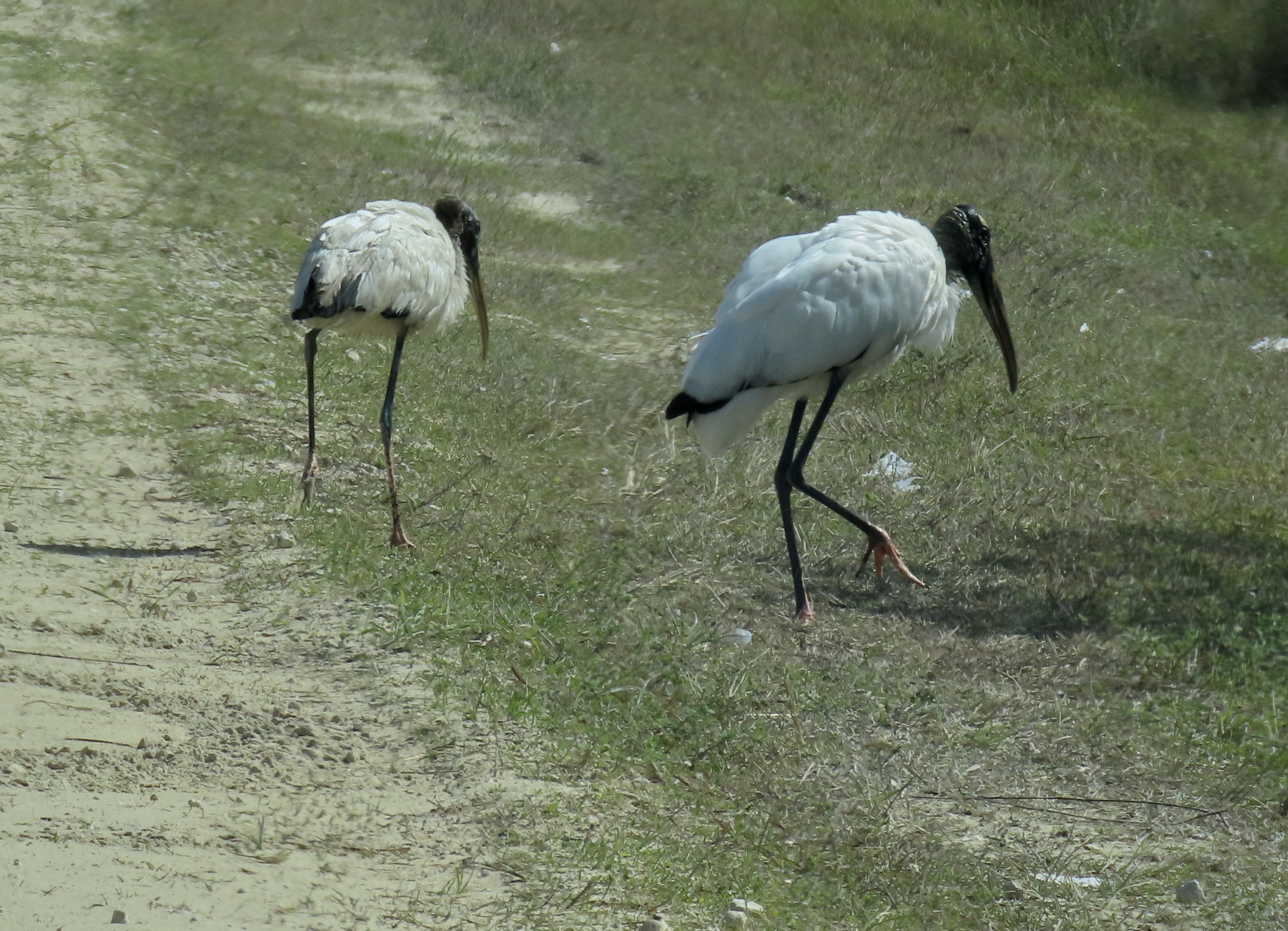
Well maybe not pretty, but we thought the neck colors of this wood stork we found standing next to the road in Big Cypress National Preserve rather striking. We asked her if she hired out for delivering babies. Her response was, “Are they tasty?”
Peggy and I visited two different areas during our recent trip to the Everglades. The first was Everglade City that I will be blogging about today. It’s a small town on the southwest Gulf Coast that has a feel of old Florida. It’s far away from the huge populations and hustle-bustle of the southeast coast where Miami reigns. We could easily walk anywhere in town and meet friendly people, including a few old timers who fit the description of quirky. Our kind of folks.
The town’s primary source of income is the tourist trade that comes to experience the natural wonders and adventures provided by the Everglades 10,000 Islands and the Big Cypress National Preserve. Local businesses offer a variety of options for exploring inside and outside of the park from airboats and swamp buggies to eco-tours and kayaks. We chose a motorboat eco-tour for the 10,000 Islands area. To start, we drove south from Everglade City for a couple of miles to Chokoloskee Island and the end of the road. Our objective was the old Smallwood Store, which does double duty as a museum and a tour center. The store provided a perspective on the first white settlers in the area. We met out tour guide/boat captain there and headed out into the 10,000 Islands with one other couple. Following are a few highlights.
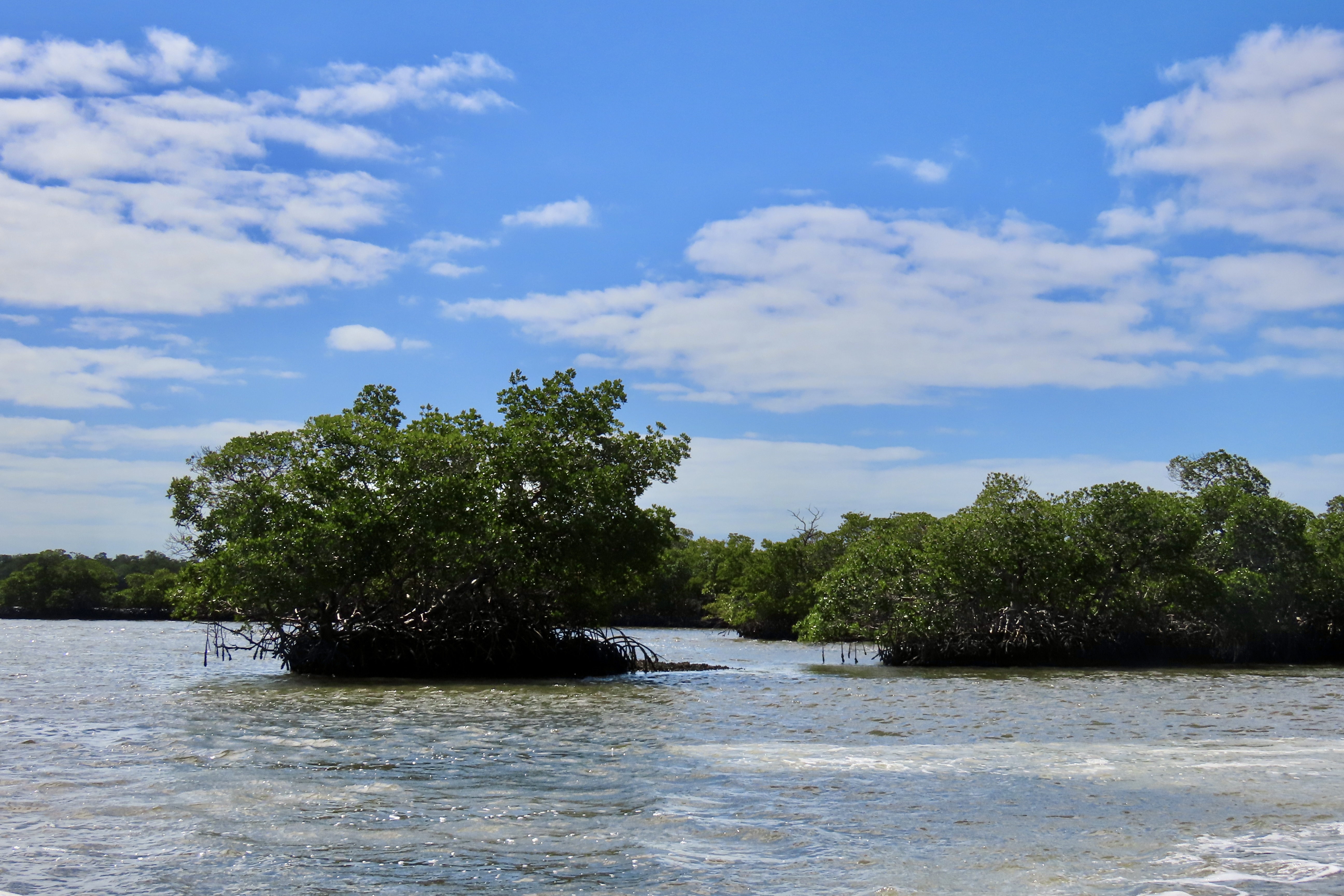
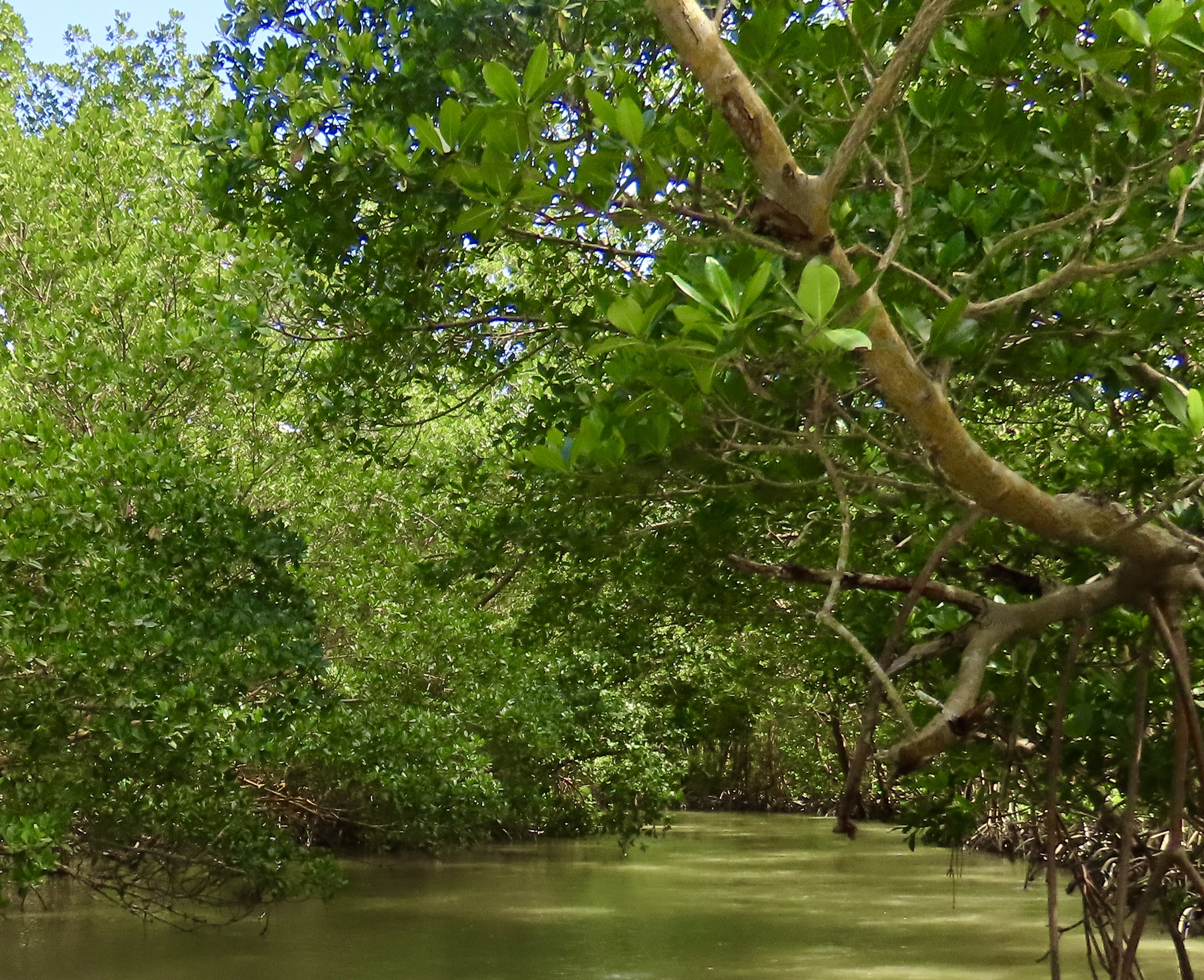
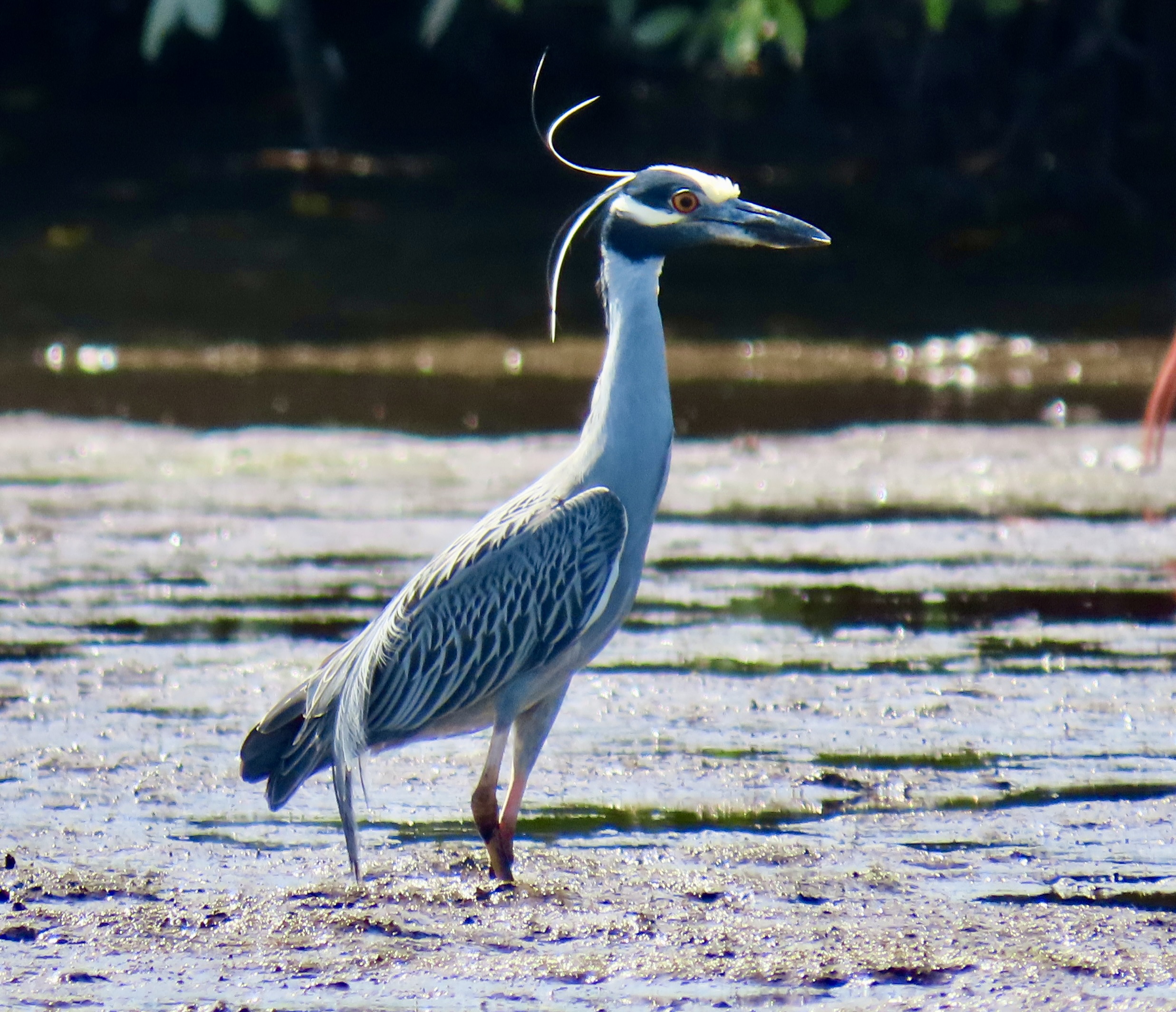
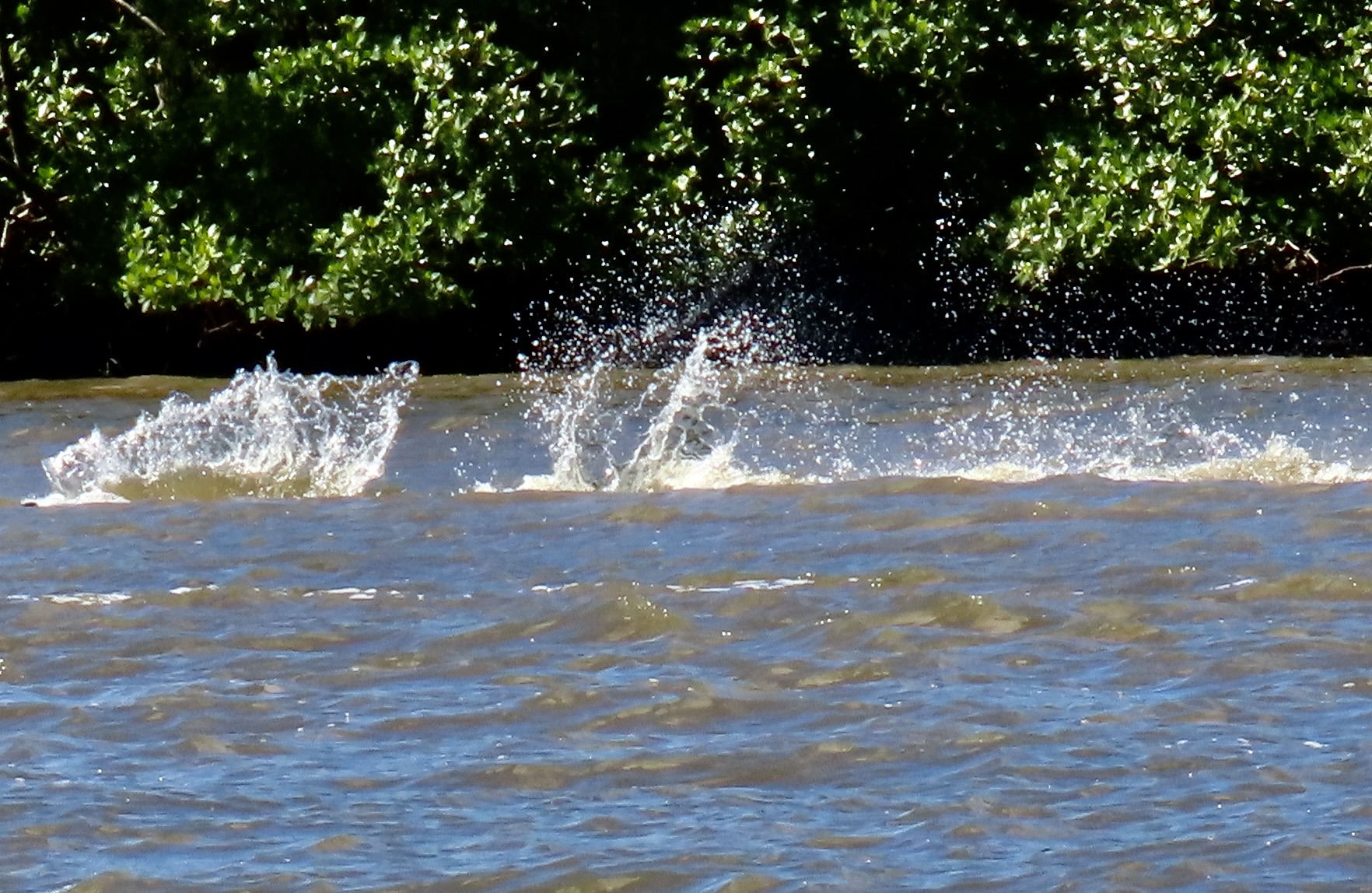
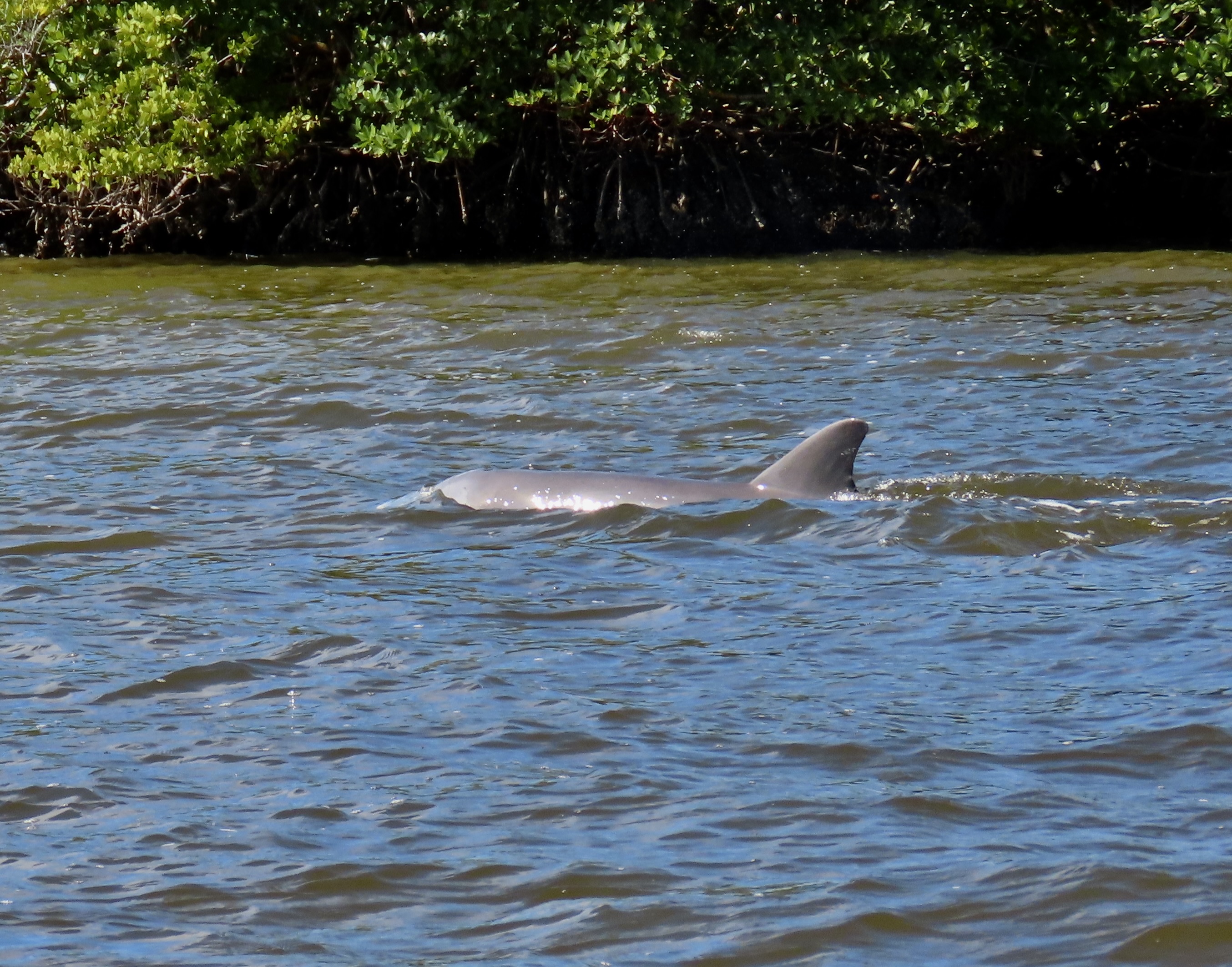
After our tour, we stopped at a local Chokoloski Island institution, the HavAnnA Cafe for lunch. It’s a charming, roofed-over, open air restaurant with lots of greenery— and chickens. A flock came clucking through while we were eating, eager to pick up any crumbs that had escaped to the floor. “The officials won’t let me sell their eggs to our customers,” the owner complained to us. I was both surprised and pleased that the officials allowed the chickens visiting rights at all. I did see chicken on the menu, however. I ordered a Cuban Sandwich instead.
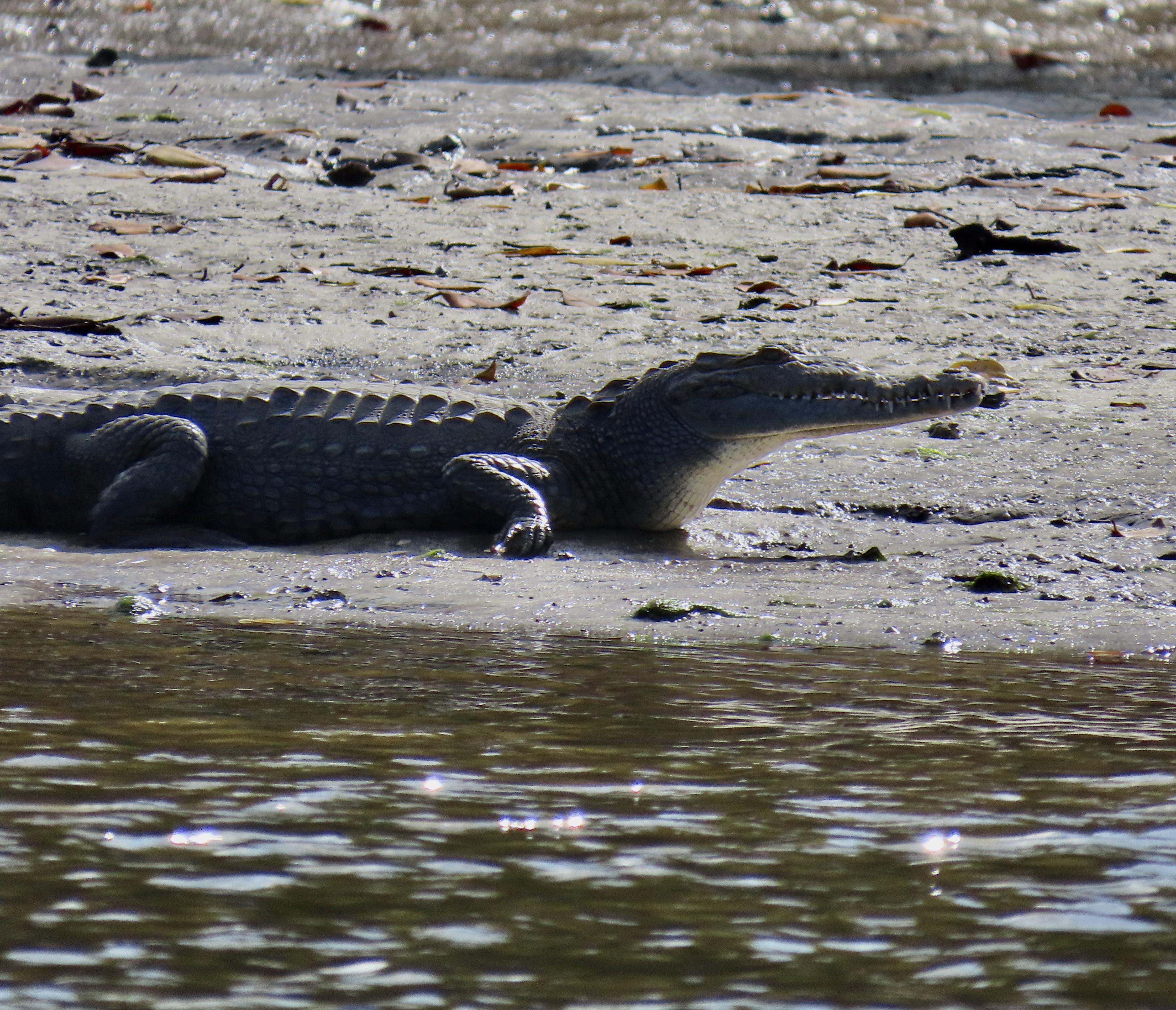
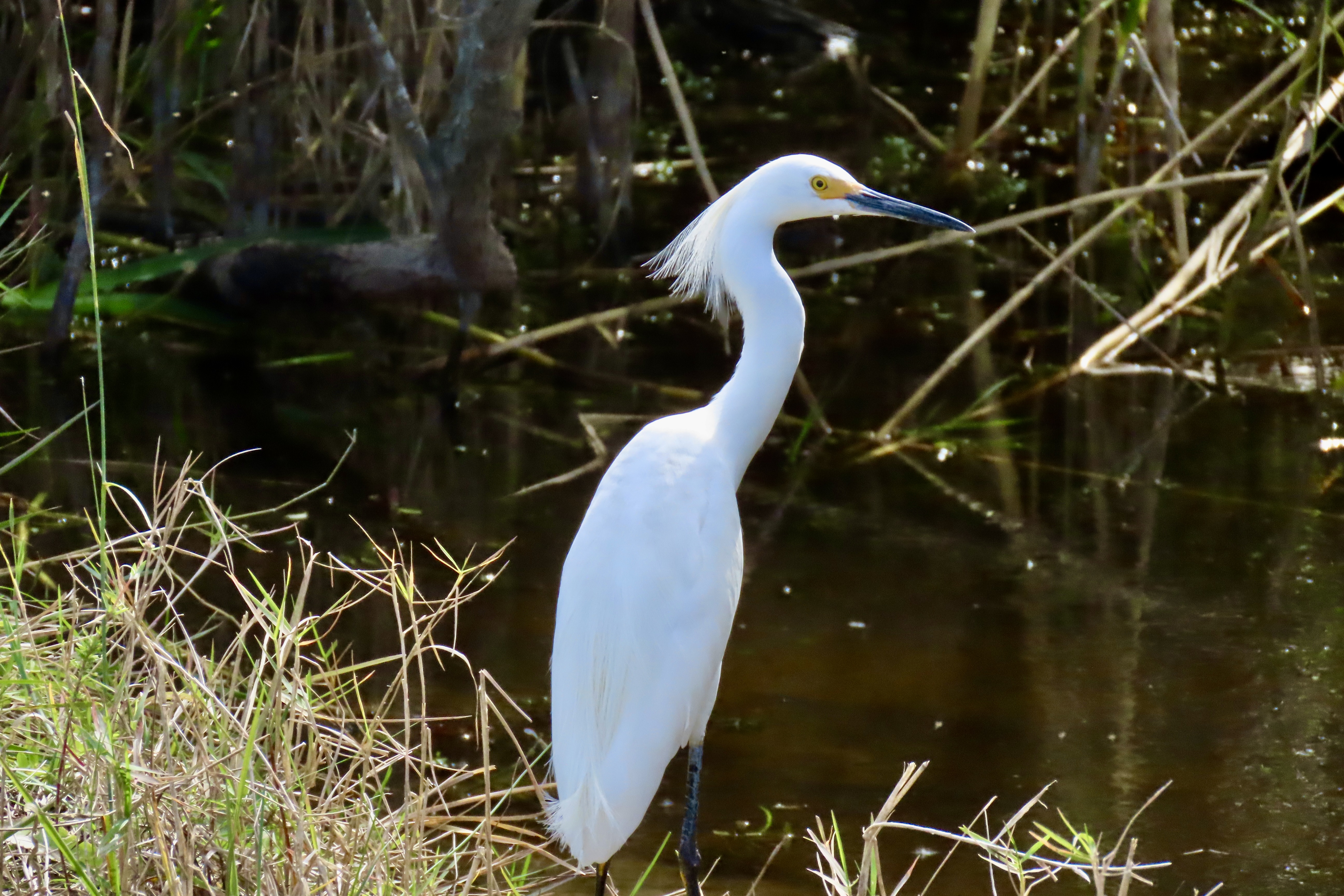
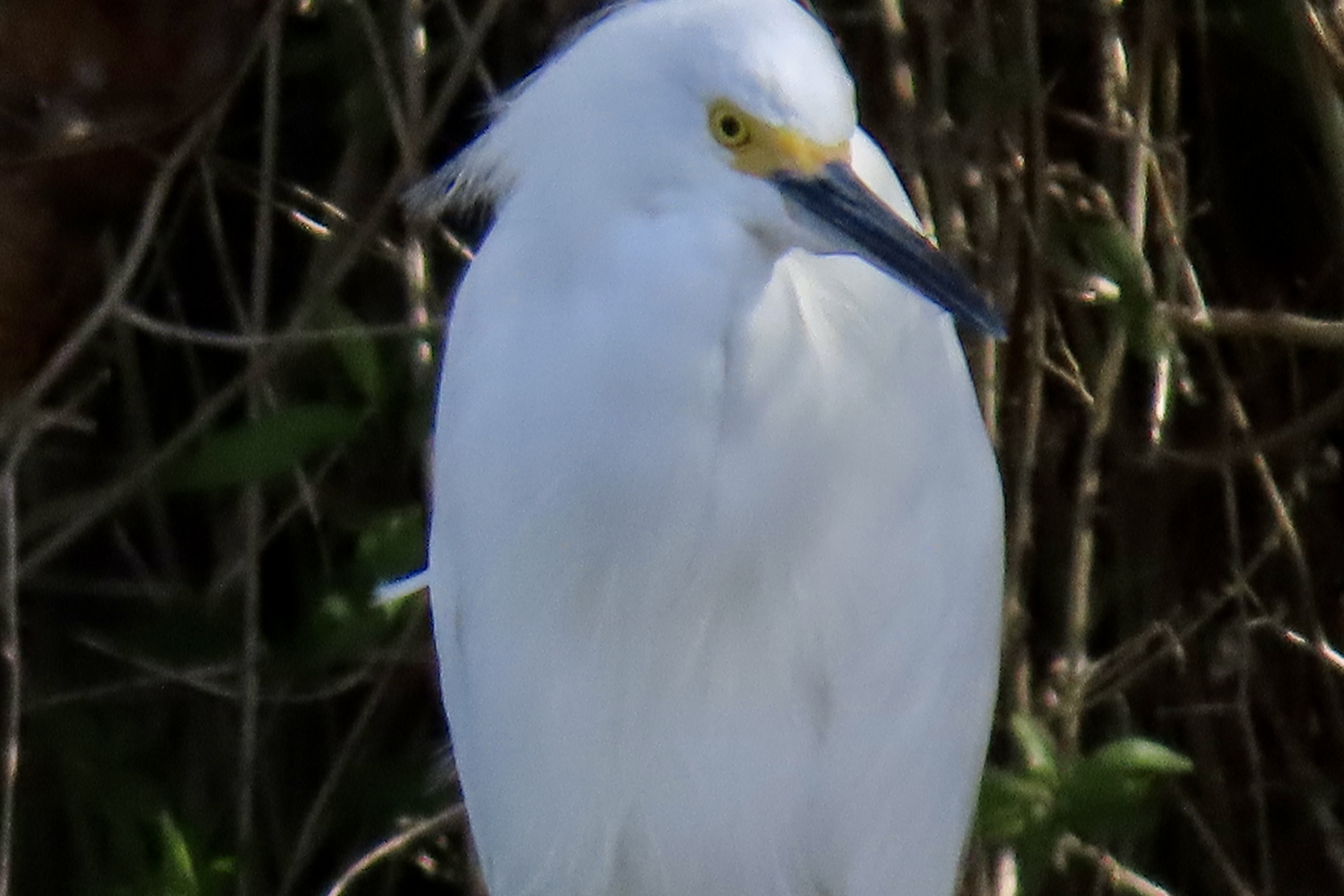
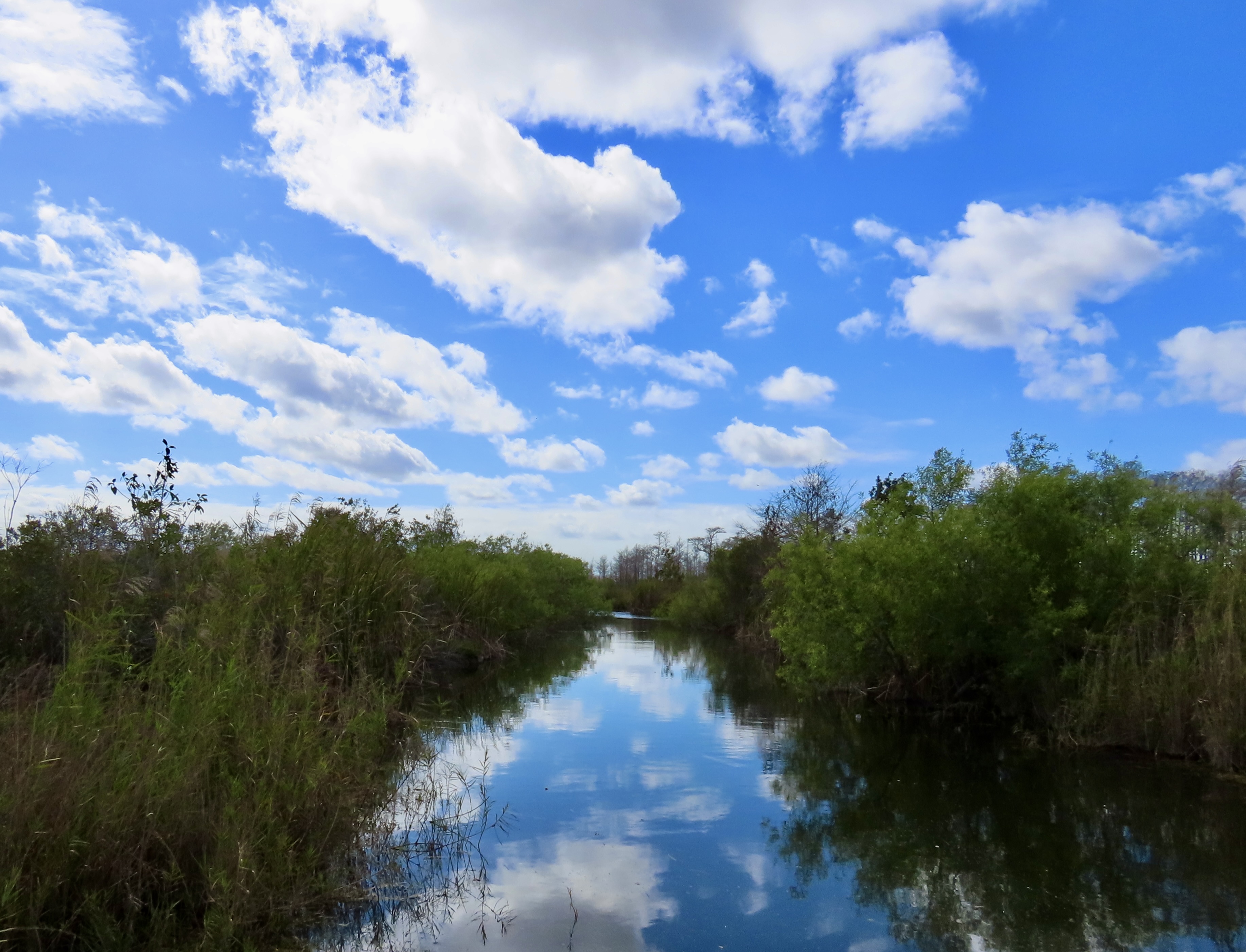
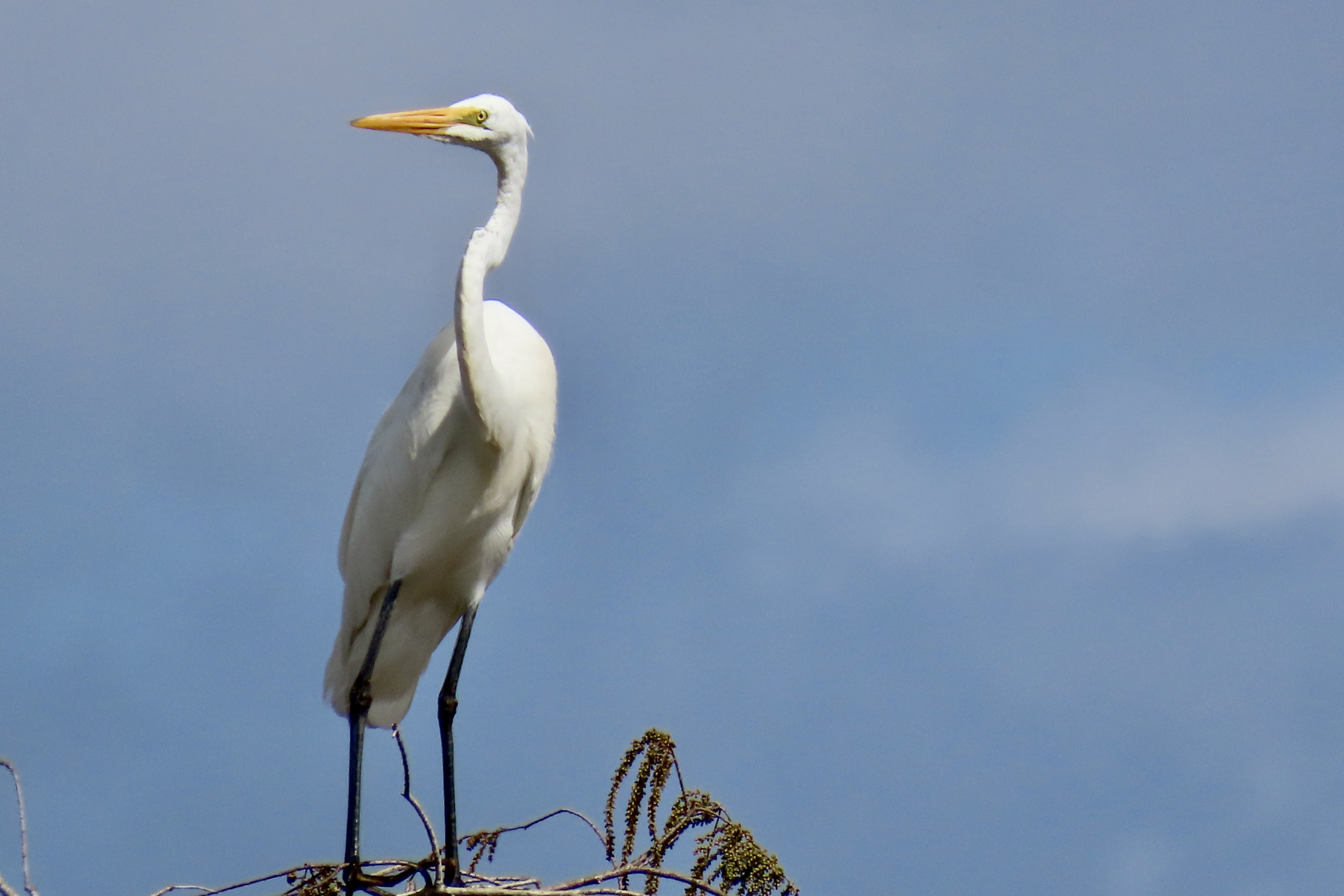
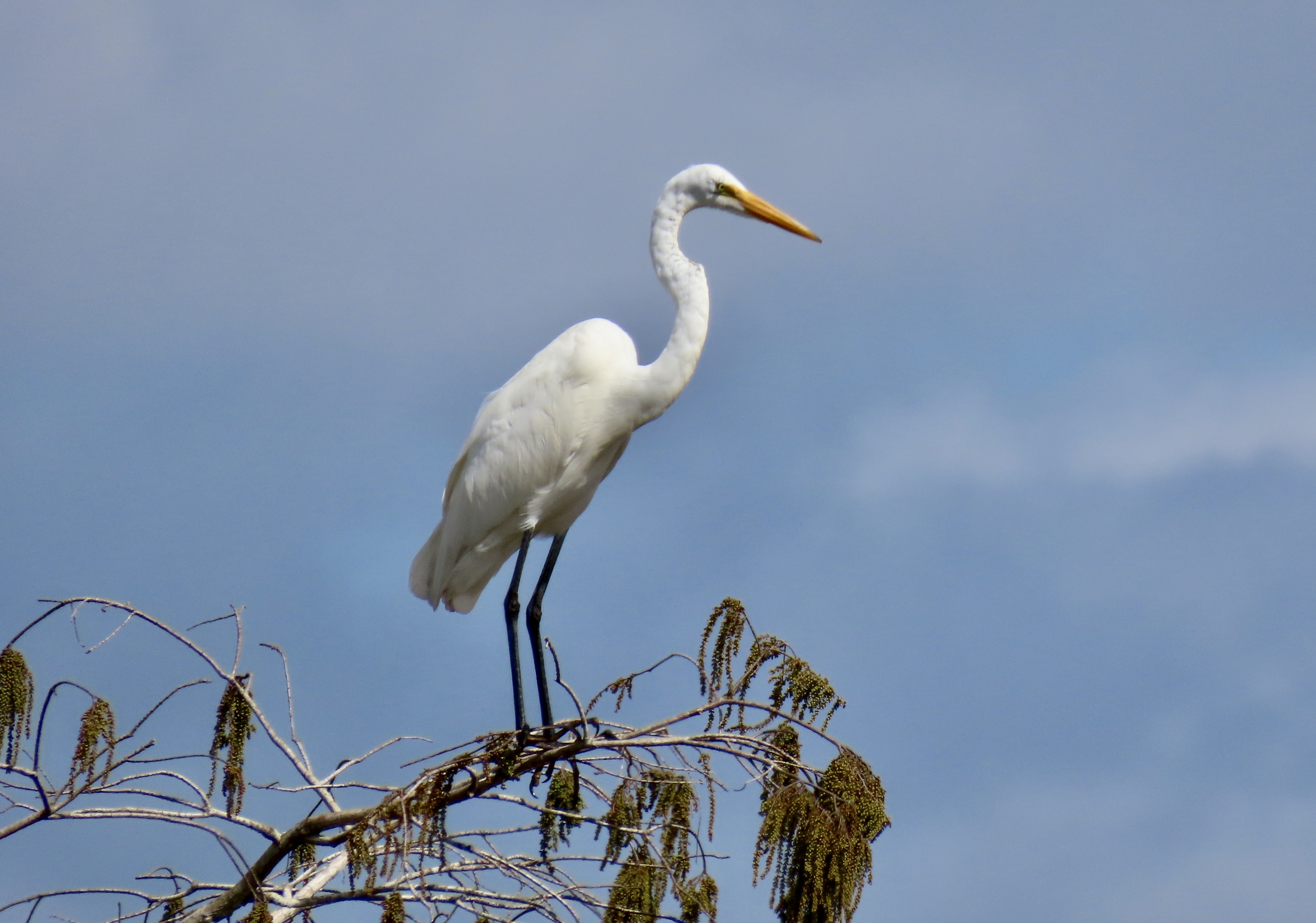
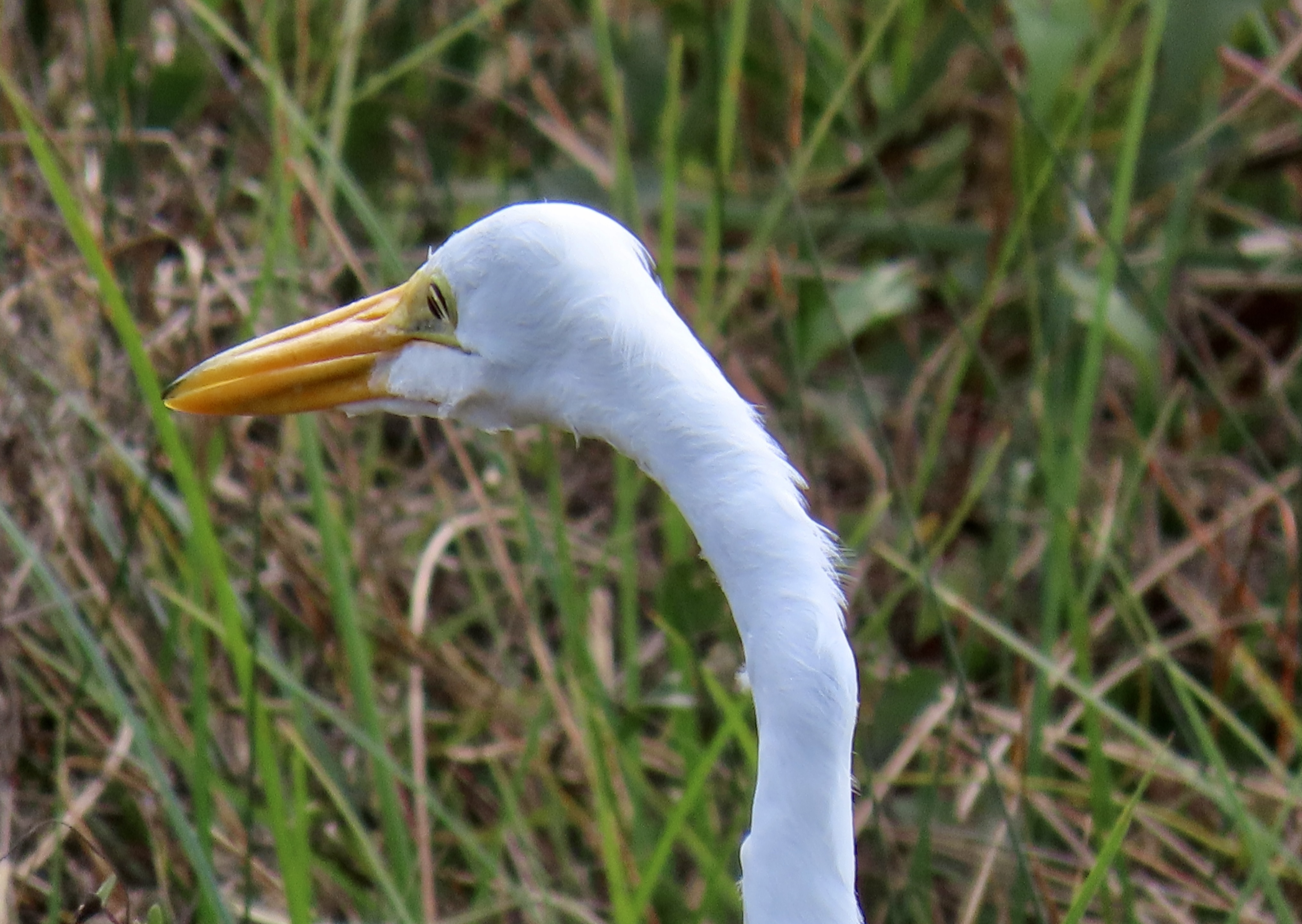
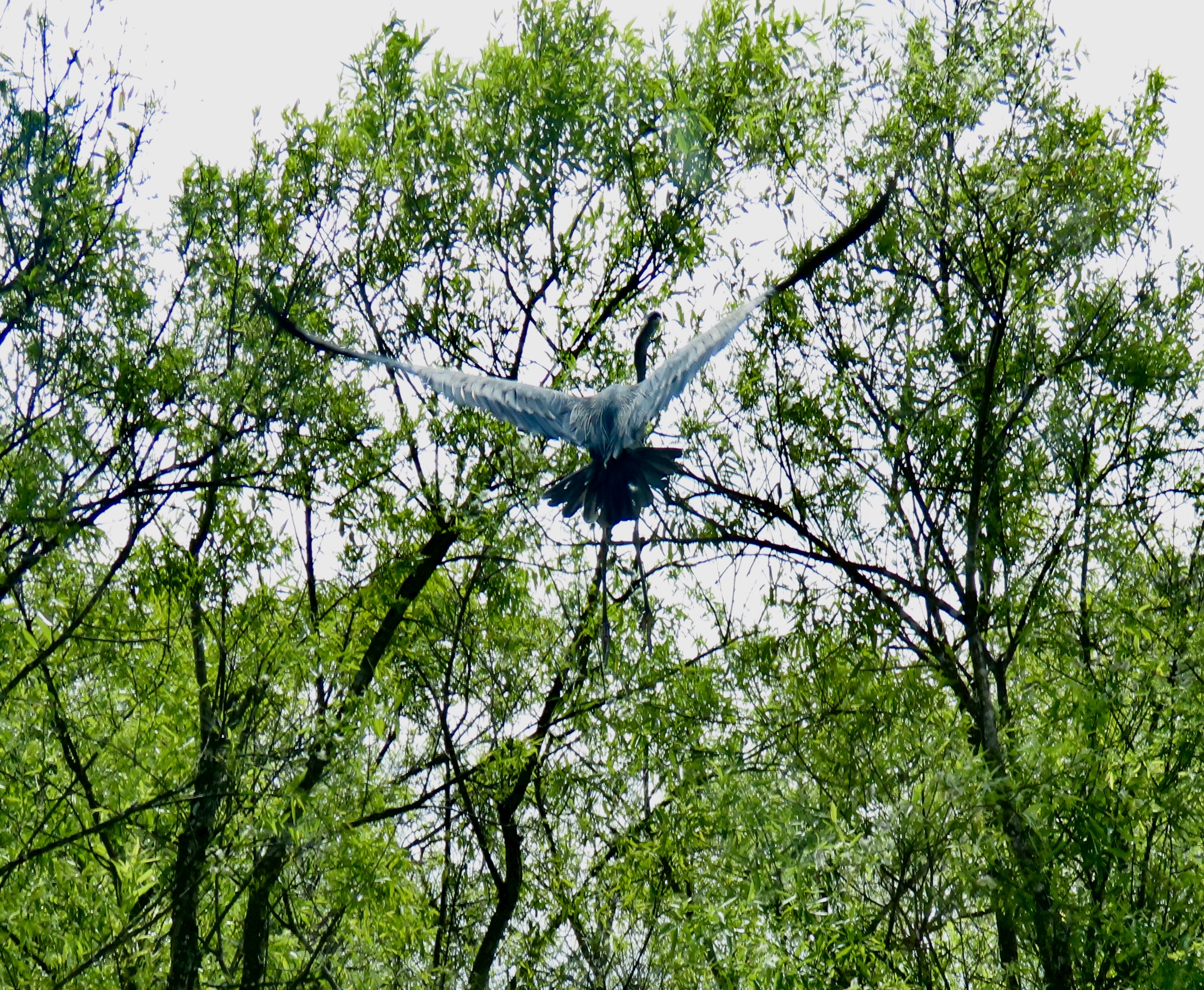
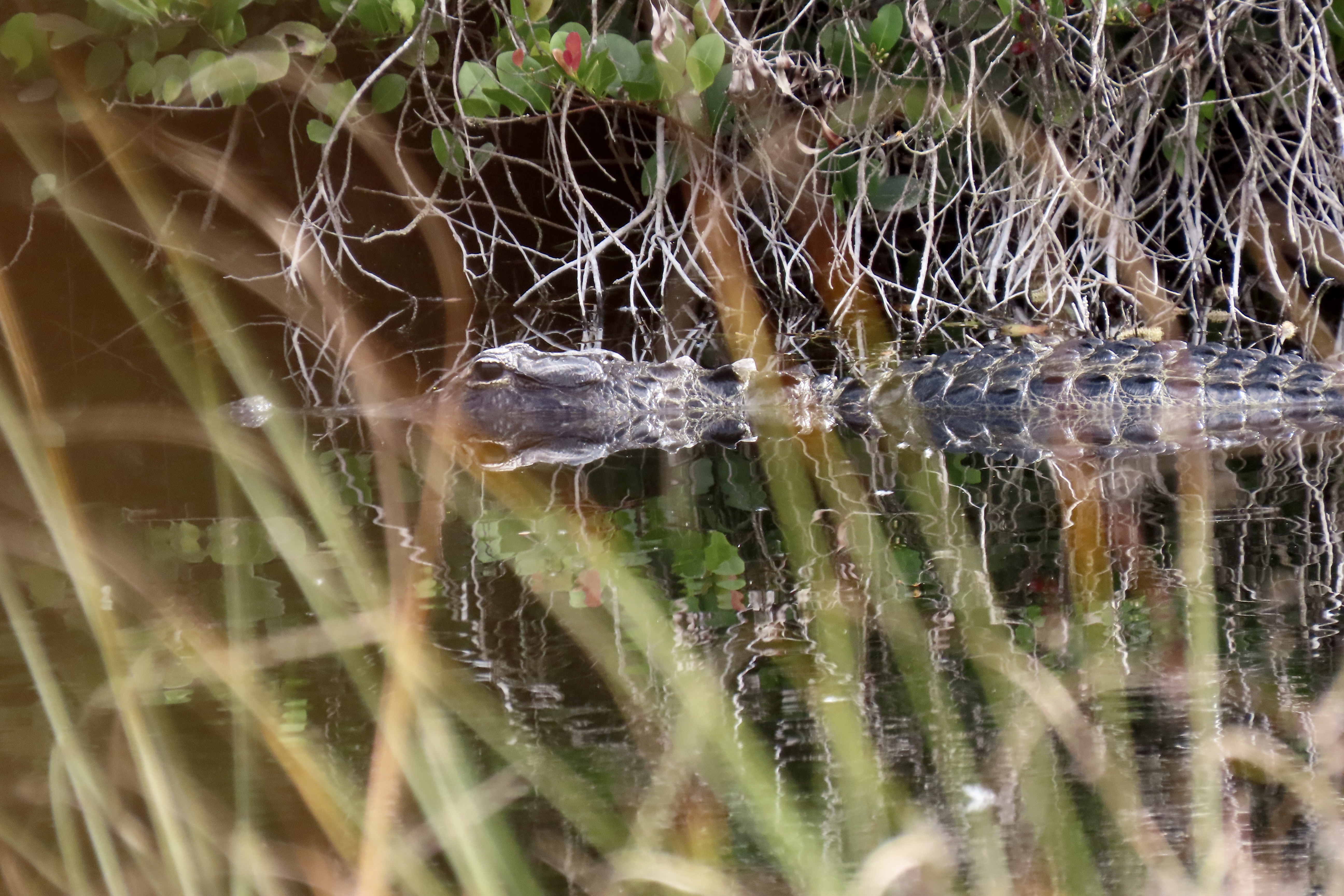
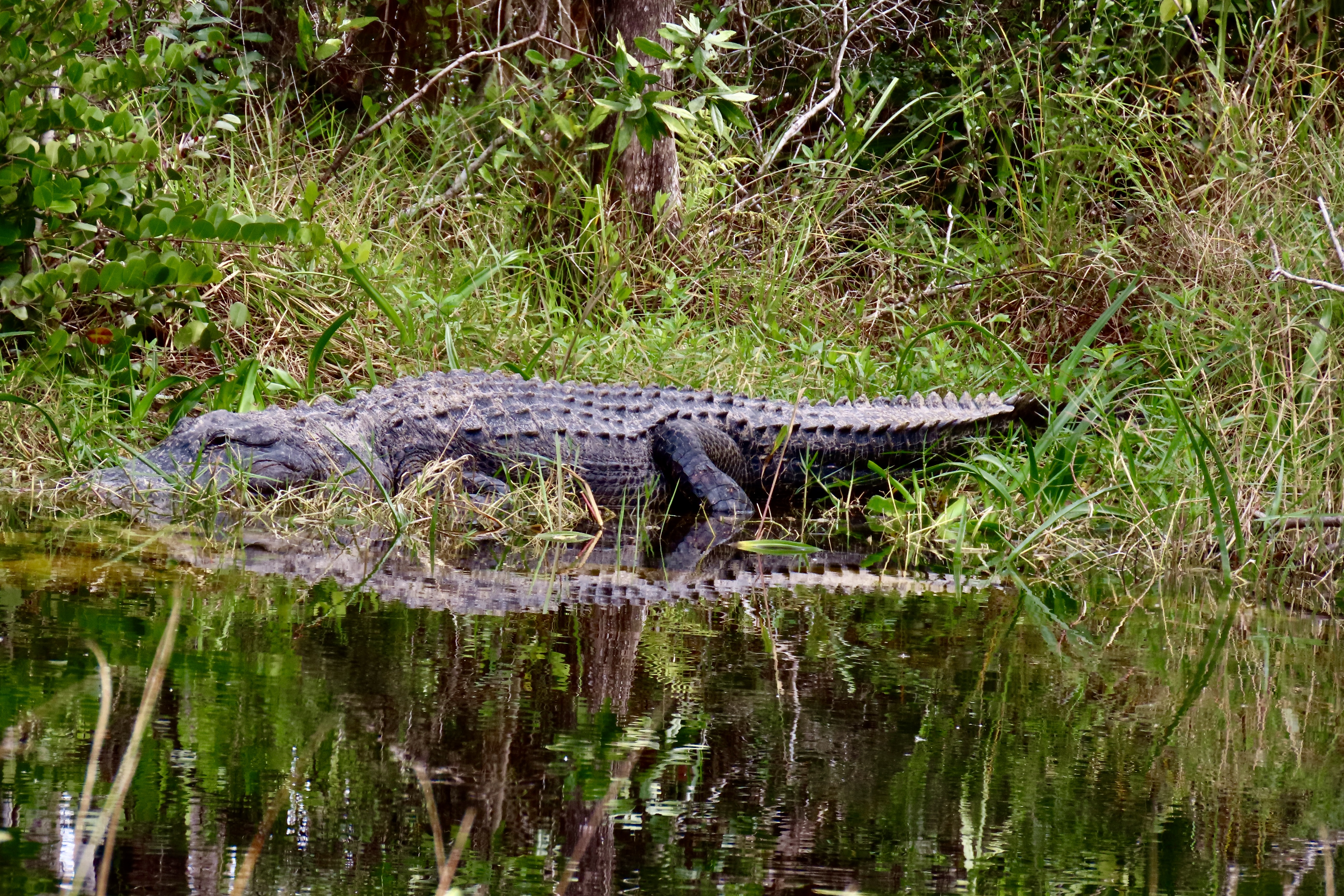
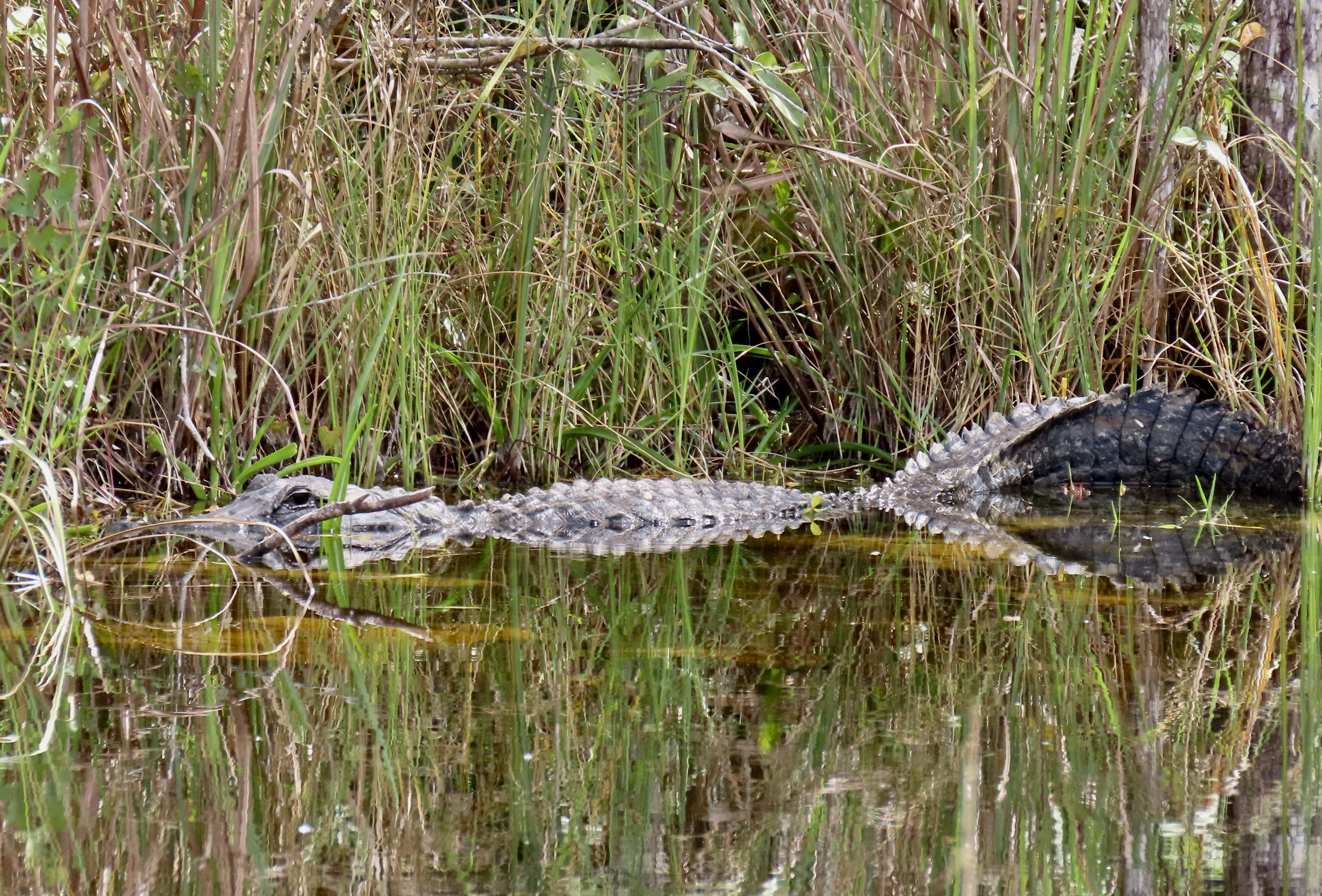
We decided to drive ourselves on a tour of the Big Cypress National Preserve, which was just north of Everglade City. The name of the road we would start on is Birdon Road. How could we resist? And it was true. The three roads we drove over— Birdon, Wagon Wheel, and the Turner River— followed streams and were packed with birds, and alligators.
 Wandering through Time and Place
Wow! Abundant life there. Thank you for sharing!
Thanks, Michelle. Jumped over to your post and really enjoyed the images and poem.
You are welcome, Curt and thank you!
Mangroves are amazing. A wonderful habitat for all sorts of wildlife.
It is a unique world, Peggy.
Amazing photos Curt!
Thanks, Cindy. Whenever I post bird photos I think of you.
Curt, a lovely way to start my morning, touring the Everglades through your post! 😀 Wow! That’s a lot of islands and the wildlife is glorious.
Thanks Annika. It’s a special place and was well worth the visit.
It’s so crowded around here, I sometimes forget how beautiful FL can be.
Glad my post was a reminder, G. A lot is owed to the folks who helped to save the wild areas of Florida. An article I read talked about how they had to fight placing a major airport in the middle of what is now the Big Cypress Nature Preserve. And everyone knows the massive battle that went on to save the Everglades.
I was a lot younger when that was first proposed and being a tree-hugger, I helped fight it!
Proud of you, G!
😊
We have one mangrove species rather than three, and we don’t have the crocodiles, but otherwise most of these birds are ones I’ve seen here in Texas. The wood storks are only occasional visitors, but they’re around during parts of the year. They’re such amazing creatures; I remember GP talking about seeing them in his Florida parking lots the way we see grackles.
Not surprised that you would see most of the birds given the gulf and climate you share, G. I like grackles and their tails, Linda. But having a parking lot full of wood storks would indeed be a sight to see.
Wood storks used to gather around our pond in Cape Coral, Florida. They seemed the ugliest bird in the neighborhood, but when they flew, the black edge along their white wings and body really looked lovely.
It’s interesting Ray, how birds often have a different look when they fly. I also read that wood storks fly high into the sky to take advantage of thermals.
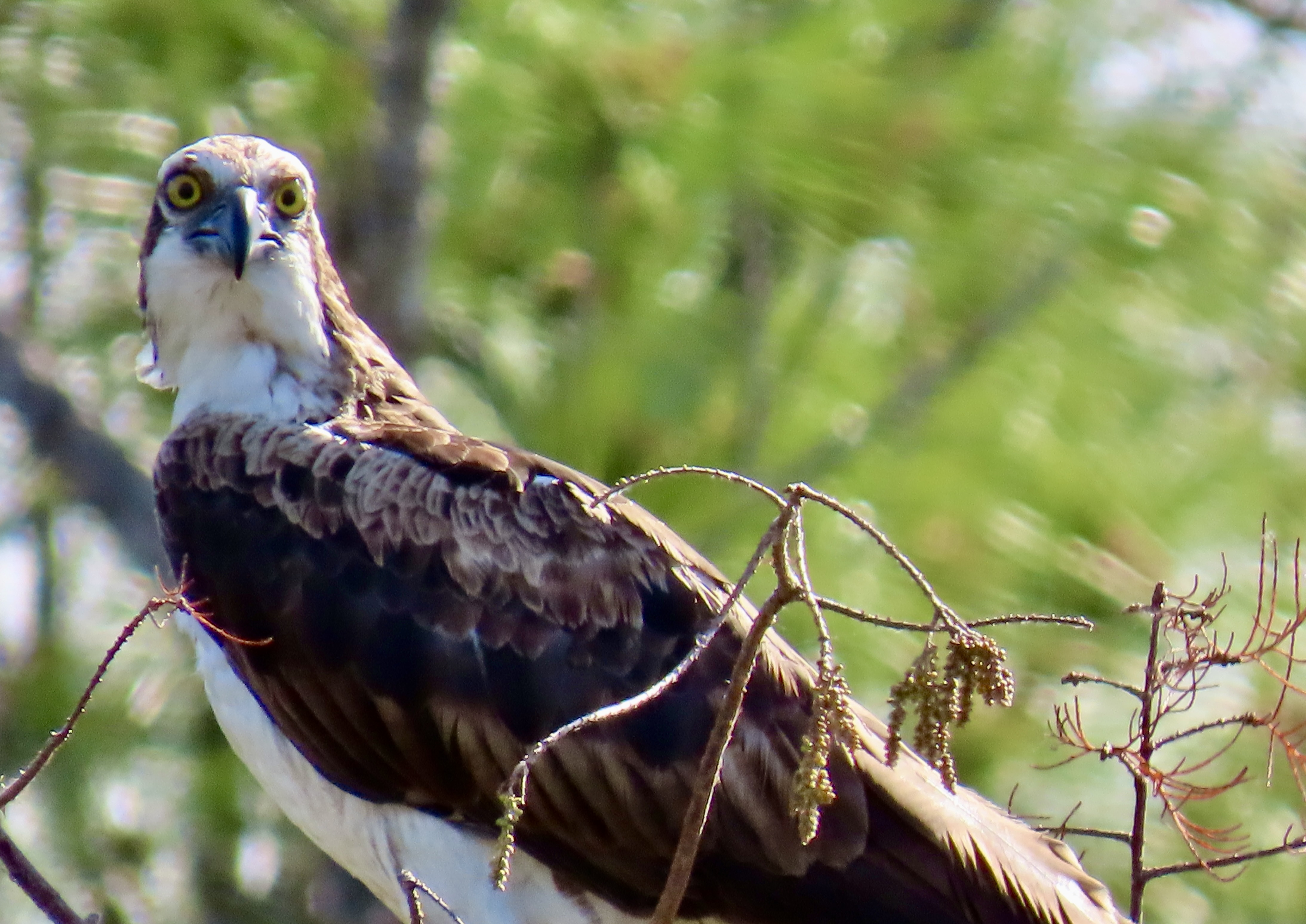
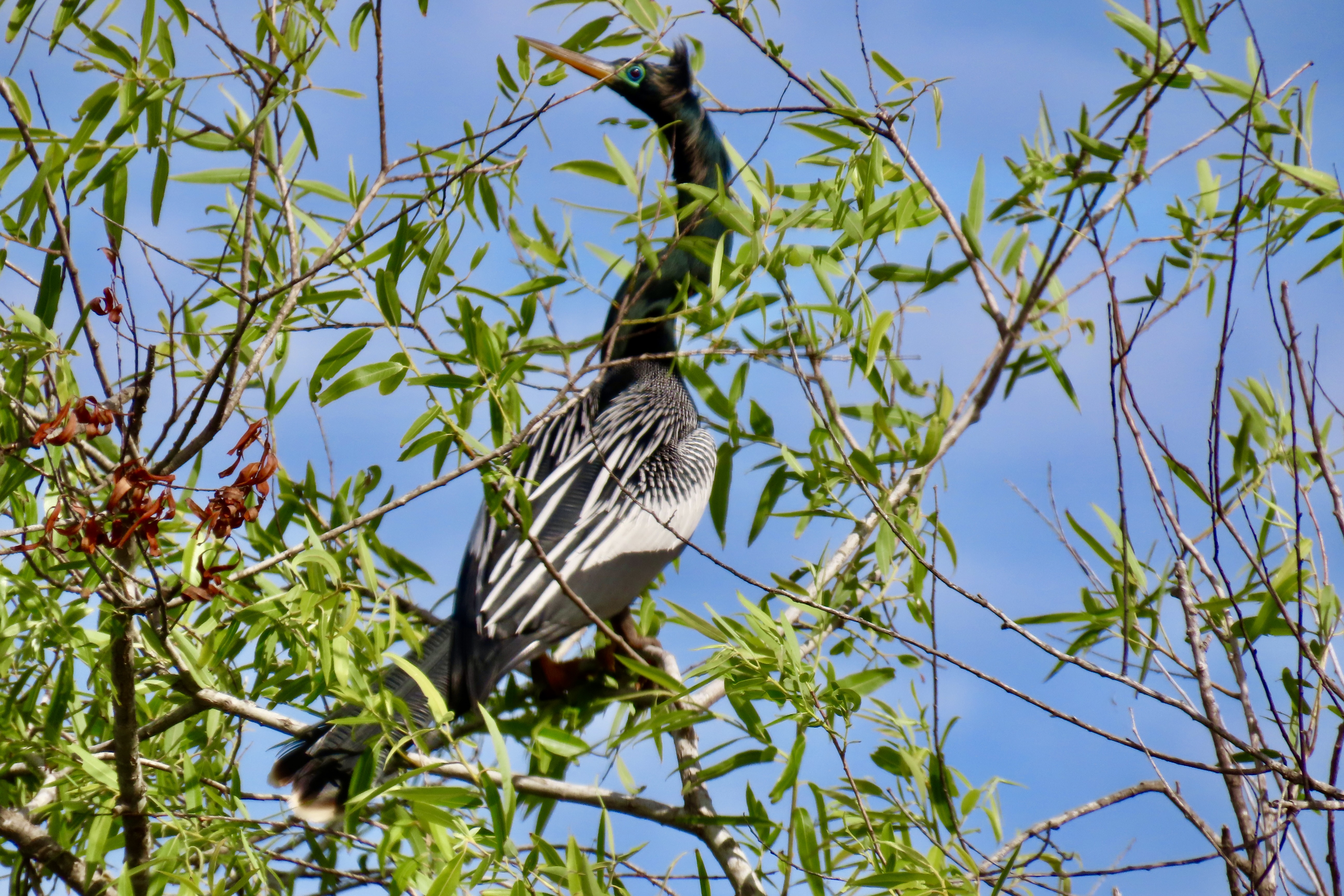
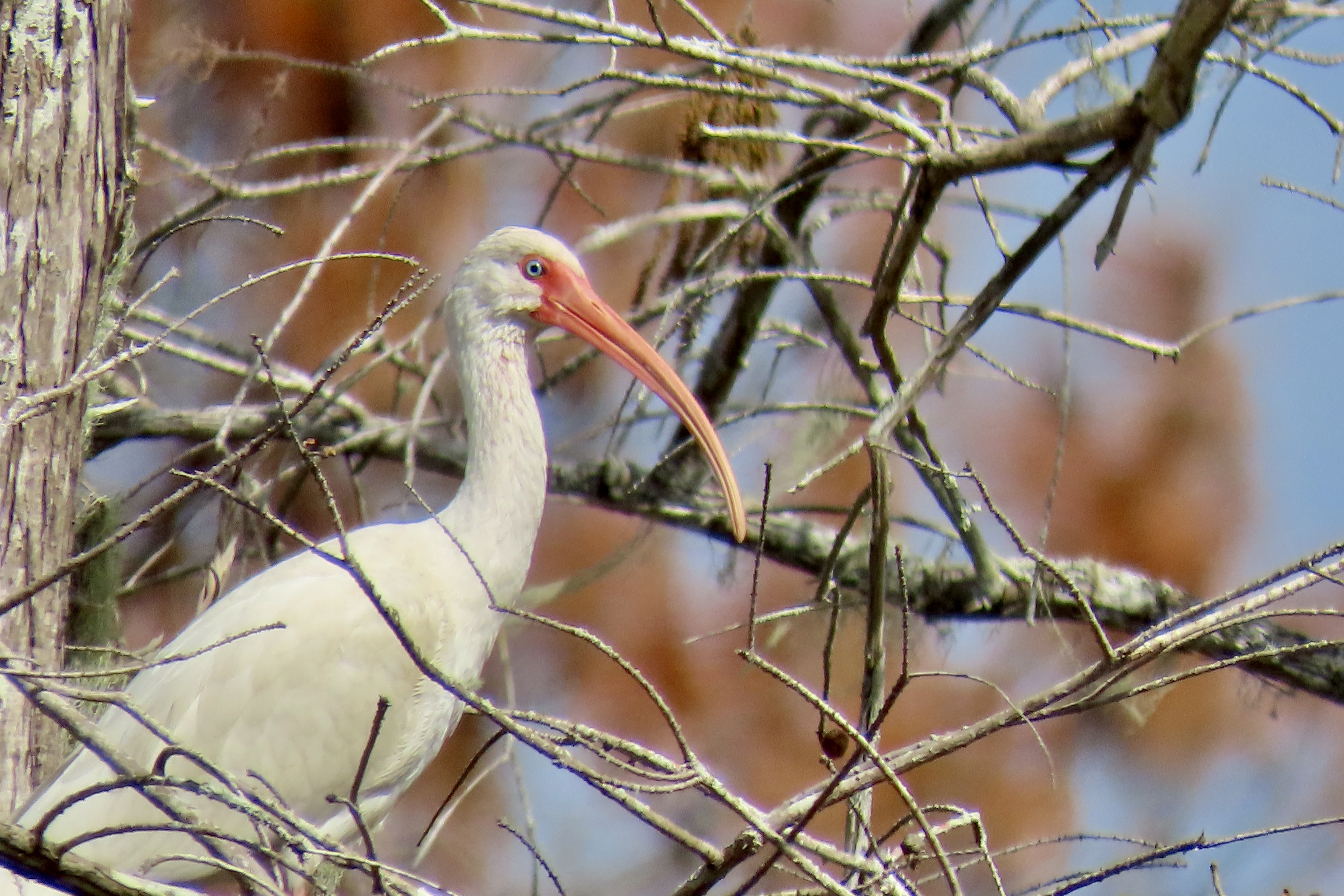
“Chicken on the menu”…. so funny. Oh, the osprey here reminds me of your recent factoid that ospreys are on every continent except antarctica. That is truly remarkable and wonderful. Your photo of the stream reflecting the blue and clouded sky is so pretty. The anhinga is a COOL bird and I’m glad you captured it for us. The Ibis reminds me of the first Ibis I ever saw/heard were in Chile a couple years ago. A group of them in a tree above us sounded like a bunch of old ladies telling jokes and laughing. Their “haaa -haaaa-haaaa haaa ha ha ha” had Margaret and me laughing too. Fun reflective alligator shots. Those turned out pretty neat.
Still playing catchup here, Crystal. You would have enjoyed the chickens. I thought of you at the time. LOL The Ibis were quiet but I have heard their cackle. I always enjoy reflection shots but that one crocodile bordered on weird. 🙂
We discovered that dolphins can swim up to 37mph! Peggy
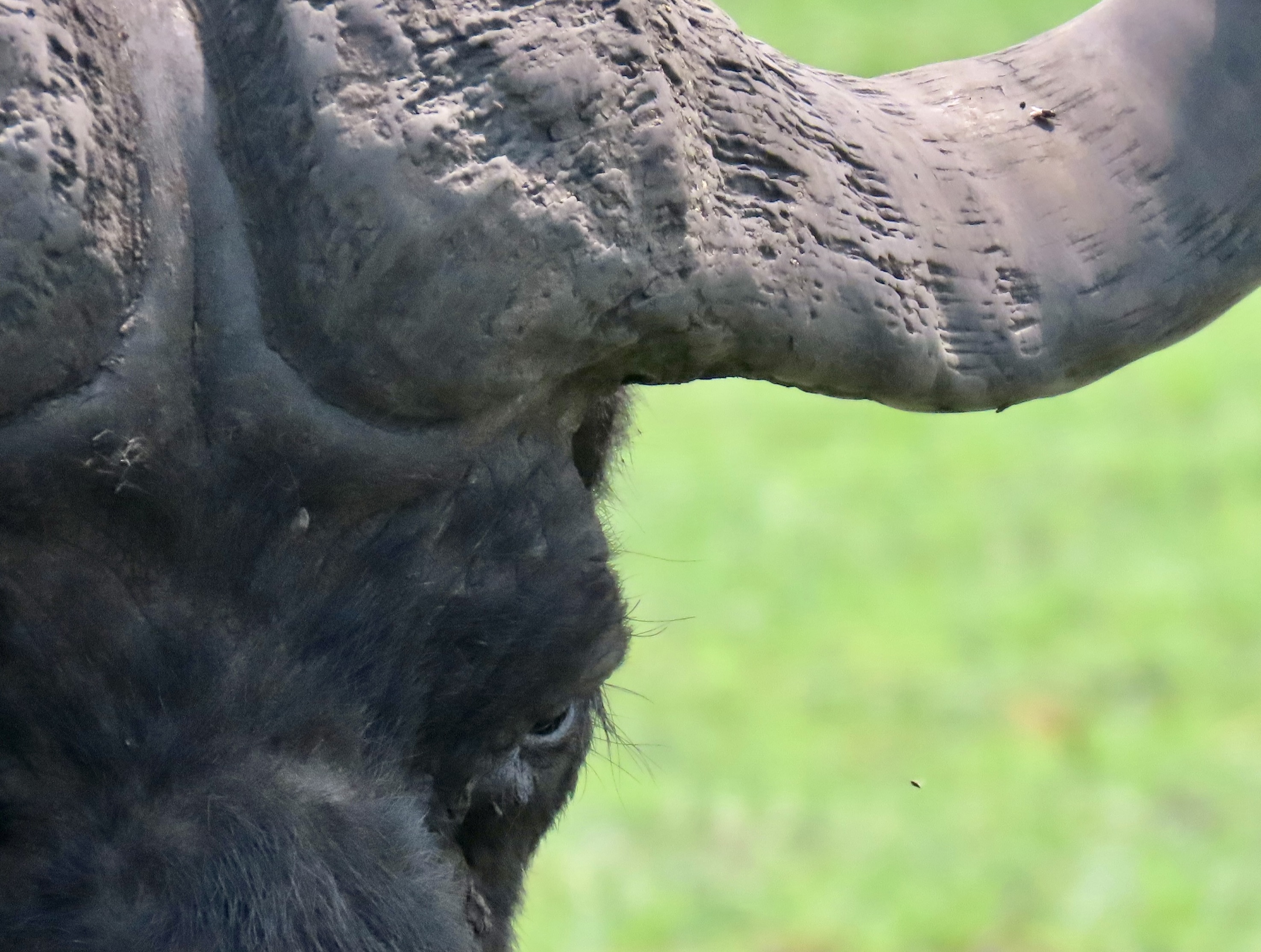
The buffalo’s eyes even look mean! I watched a PBS special about polar bears in Canada. Do you think you might explore that area? If so, be very careful! Looking forward to your travels here in the PNW!
I’ve had encounters with the large brown bears of Alaska, Wendy, was stalked by a grizzly, and woke up one morning with a black bear standing on me (grin), but I’ve never encountered a polar bear.
What a great place for bird watching, Curt. I’d go there for that reason alone, although those reflected alligator shots are fabulous too. And the dolphins! Now back to see the Cute African Animals. 🙂
Catching up, here, D. We crossed a time zone today so I got an extra hour and I’m working backwards through my comments. Those alligator reflection shots were something else. More birds and alligators on yesterday’s post. 😳
Some wonderful birds, some more elegant than others 😂 and those reflection shots are truly confusing.
Alison
Peggy and I had to look twice on one of the reflection shots, Alison. Did the alligator have two tails!? –Curt
wow, lions and tigers and bears, oh my, Curt!…. only this was crocks, egrets, dolphins and buffalos… lol. amazing pics! All in Florida no less!🙌🏽👏🌊🌊