I Bit the Chicken and the Chicken Bit Back… Nashville’s HOT Chicken Restaurants

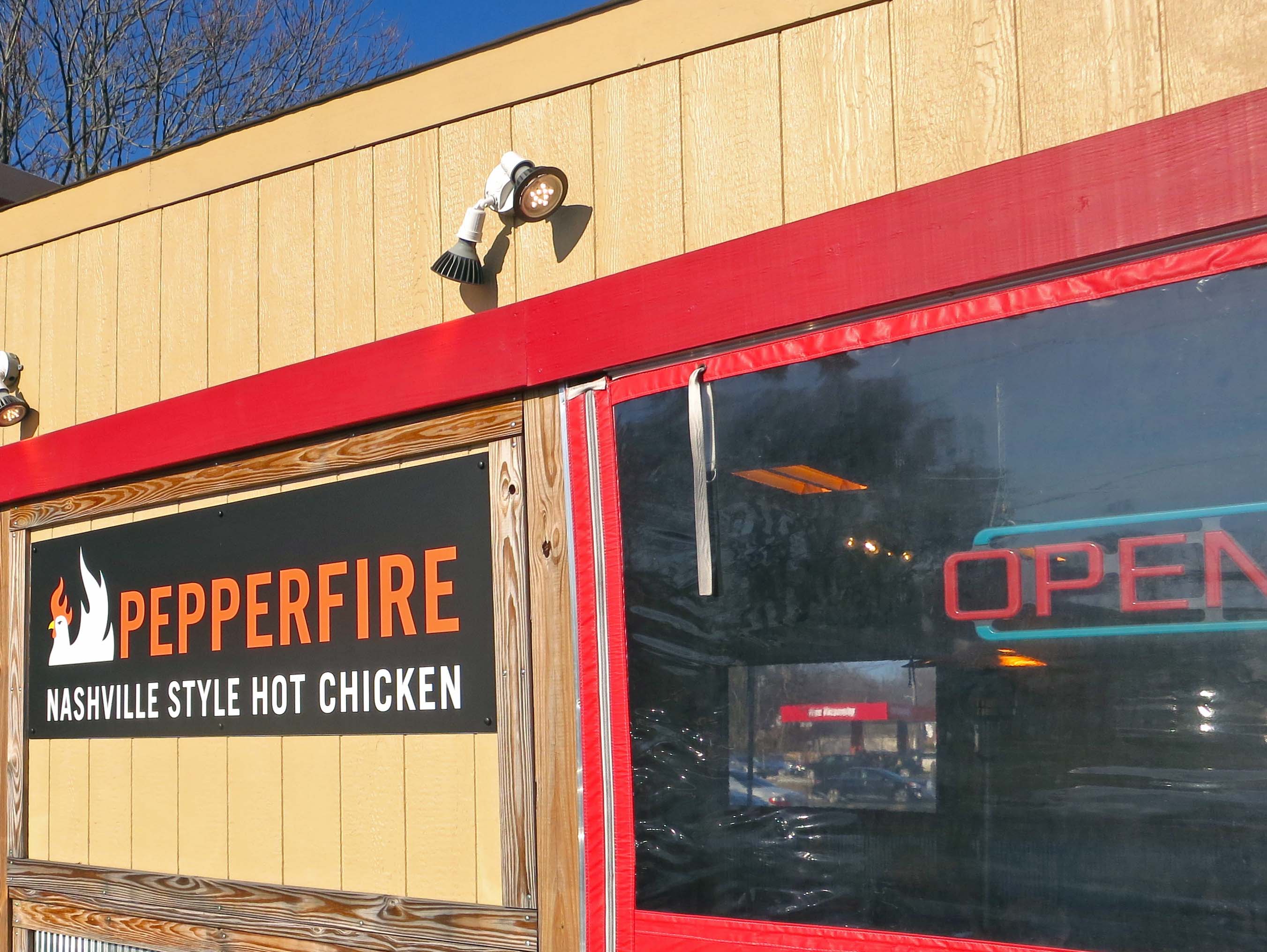
Pepperfire Restaurant in Nashville, TN. Photo by Curtis Mekemson

Hot chicken is all the rage in Nashville today. But just how hot is it?

My son-in-law Clay and I have been hassling each other over hot food ever since he first started dating our daughter. Clay, Tasha, Peggy and I had gone out to a steak house in Sacramento, California and ordered prime rib. Normally, the restaurant served a mild horseradish cream sauce along side. This time, for whatever the reason, it didn’t.

“Can we have a side order of horseradish cream sauce?” I had asked our waiter.

He had brought it out, straight up, no cream. I slathered it on my prime rib. Clay, watching me, had done the same thing. I took one bite and thought ‘Holy Ghost Pepper!’ as it burned all the way down to my toes. I quickly scraped it off. I didn’t mean to hide my action from Clay, but he didn’t see me do it. He just kept nonchalantly chewing away and all I could think was, ‘He is one tough dude.’

This went on for a while as perspiration broke out on Clay’s forehead and his eyes began to water. Suddenly he threw down his fork.

“You’re the man,” he declared. “How can you eat that stuff?”

We all had a good laugh when I confessed, but it established a tradition. Whenever Clay comes to visit, I take him out for the hottest food I can find. (The girls stay as far way from this activity as possible.) Last time we went to the India Palace, my favorite Indian restaurant in southern Oregon. Clay insisted on ordering the food one notch hotter than I did.

Of course what goes around comes around, right? So whenever Peggy and I visit Clay and Tasha in Tennessee, Clay introduces me to his latest mouth-burning find. He outdid himself this time. “Google Nashville hot chicken and pick out a restaurant,” he suggested to me as he scooted off to his job as a regional manager for Verizon. I was soon up to my ears in hot sauce.

The legend is that Thornton Prince was having girlfriend problems back in the 1930s. He had too many. Girlfriend number #1 decided on revenge. She secretly dumped several extra tablespoons of cayenne pepper on Thornton’s chicken when he came in late one night. The effort backfired. Prince loved it. In fact he loved the hot chicken so much he opened a restaurant featuring it.

The restaurant quickly became a gathering place for the local African American community. When white musicians playing at the Grand Ole Opry heard about the chicken, they started visiting as well. This was still the era of segregation, however. The whites had to come through the back door and eat in the kitchen. Seventy years later the restaurant is still serving up its signature dish. Everyone goes through the front door now.

Today, Nashville is renowned for its hot chicken. There are several restaurants present, and my sense is that they vie with one another over who can produce the hottest food. I should note here that I like hot food. I developed the taste when I was a Peace Corps Volunteer in Liberia, West Africa where I started out as a one-pepper person. By the time I left, I had worked my way up to three. Since then I have continued to increase my tolerance for hot.

But in the world of hot peppers, there is hot and there is HOT. Two blogs ago I wrote about how my father-in-law, John Dallen, was concerned about the Naga headhunters of Nagaland when he had to bail out of his airplane in World War II. Well, as it turns out, I just learned the Naga are also renowned for raising Bhut Joloki peppers (ghost peppers), which happen to be among the hottest peppers in the world. John was wise not to eat what the local natives offered.

To provide a perspective on how hot these peppers are, consider the following. Pepper heat is measured in Scoville heat units (SHU). Your typical jalapeno pepper checks in at around 4000 SHU. Habanero peppers are measured at 80,000 to 600,000 SHU. The Bhut Joloki pepper normally tests out between 500,000 and 1,500,000!

I doubted I would be eating any fried chicken infused with Bhut Joloki peppers on my Nashville excursion, but I still entered the Pepperfire restaurant with a touch of trepidation. I’d read the reviews and seen the menu. My choices ranged from mild to XX hot. The Internet description had said that either the X or XX will “jump on you and grab you.” I wasn’t sure what that meant. But how could it be good?

The menu listed the various levels of hot.

The menu listed the various levels of hot. The Pepperfire website had informed me that “hot” was painful for most.

I was out with Clay, however, so I had to man-up. I went for chicken leg/thigh combo on the X level. Since I was in the south, I also ordered fried okra. Clay ordered XX chicken wings with French fries. For dessert we ordered a waffle that was topped off with hot chicken tenders and fried apples.

Chicken quarter at Pepperfire Restaurant in Nashville, Tennessee. Photo by Curtis Mekemson.

Just looking at this chicken quarter says hot. It reeks hot. You can see the flames. It was served on top of white bread, whose purpose is to soak up the grease.

Fried okra served at the Pepperfire restaurant in Nashville, Tennessee.

A close up of the okra. Eating it gave me that ‘old boy’ feeling. Just call me Bubba.

XX hot chicken wings served at the Pepperfire Restaurant in Nashville, Tennessee.

Clay’s hot chicken wings. It was the third one over from the left that bit me.
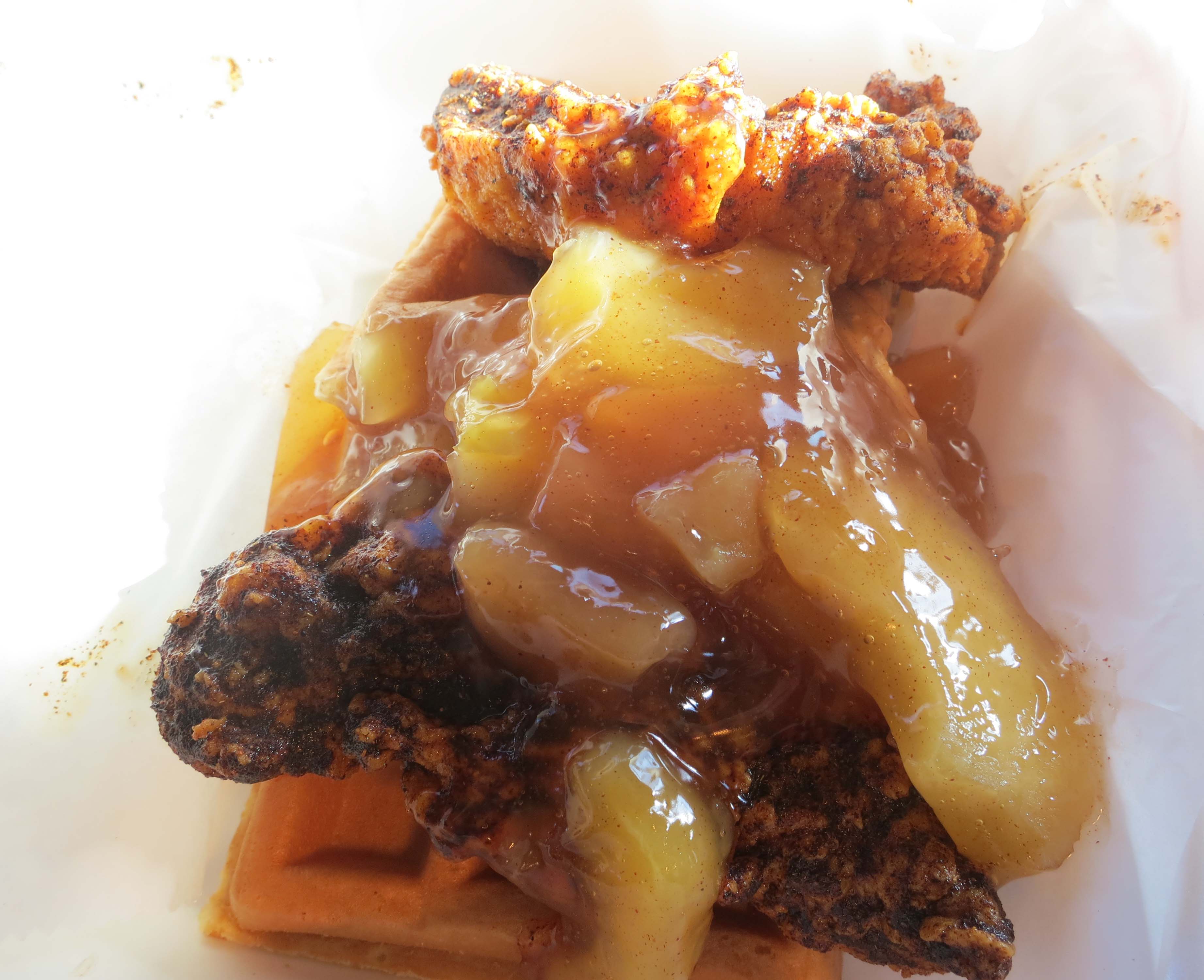
Dessert at Pepperfire Restaurant in Nashville Restaurant.

Dessert: a waffle topped by chicken tenders topped by fried apples. It was definitely unique— make that a tad weird.

When the food arrived, I picked up one of Clay’s chicken wings. Maybe it would make my food seem cool in comparison. I bit down. The damn chicken bit back. I smiled at Clay. “This really tastes good,” I managed to get out as my tongue turned into a pretzel, my throat screamed “water!” and my stomach proclaimed, “you idiot.” Only its words weren’t quite that polite. I will say that the chicken was tender and juicy, and that there were spices other than hot that were quite tasteful.

Did it make my chicken seem cooler? No way. Once you get beyond hot, you are beyond hot. Those are my words of wisdom for the day. Within two hours, Henny Penny was waging the mother of all wars in my stomach. It was a triple burn day. The chicken burned on the way in. It burned inside. And it burned on the way out. Enough said. Now I have to start planning for the next time Clay comes to Oregon.
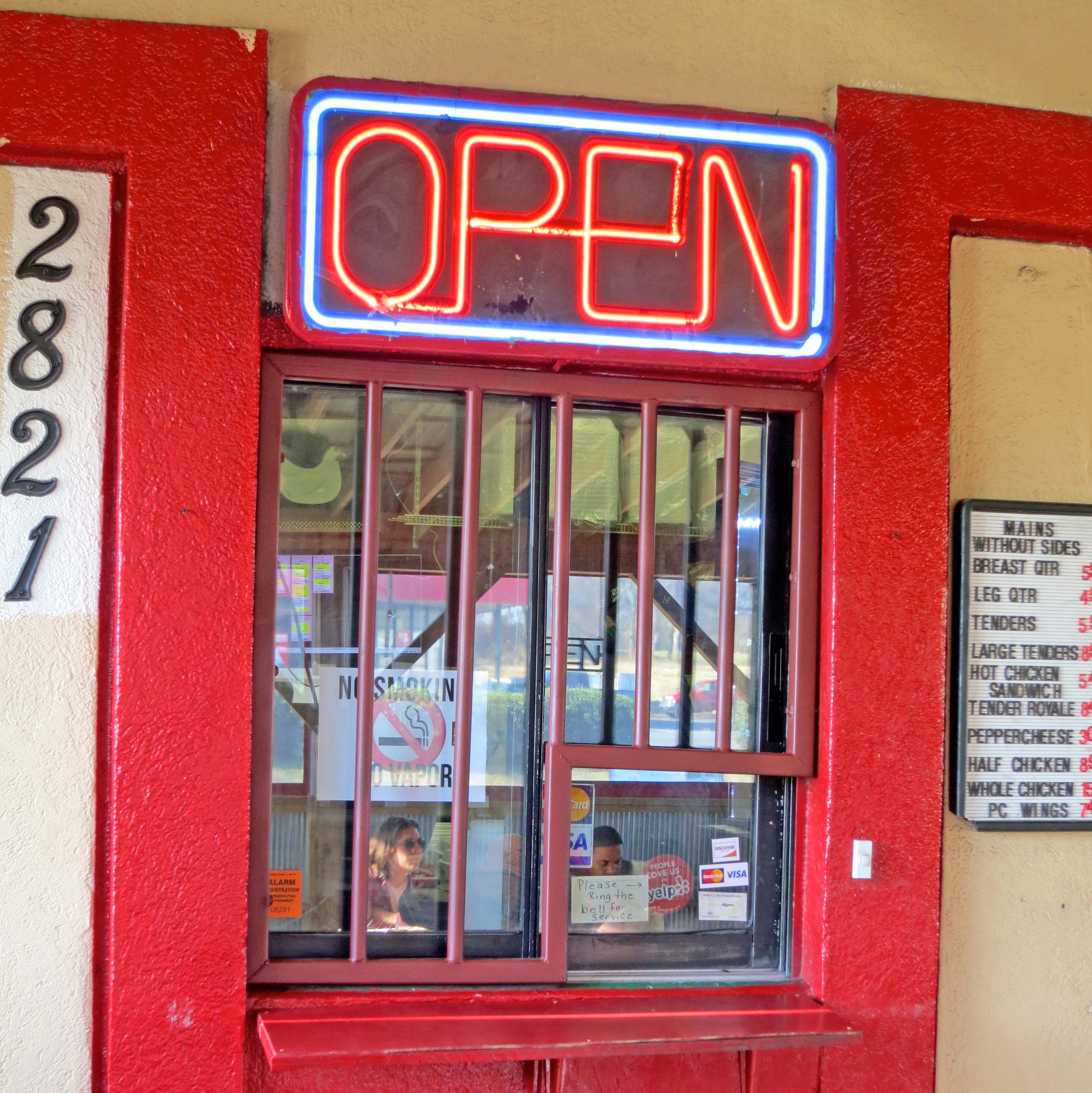
All joking aside, if you are in Nashville and want to try the city's famous (infamous) hot chicken, I recommend checking out the Pepperfire restaurant.

All joking aside, if you are in Nashville and want to try the city’s famous (infamous) hot chicken, I recommend checking out the Pepperfire restaurant.
What Happens When Your Blog Becomes A Lesson Plan for Fifth Graders?

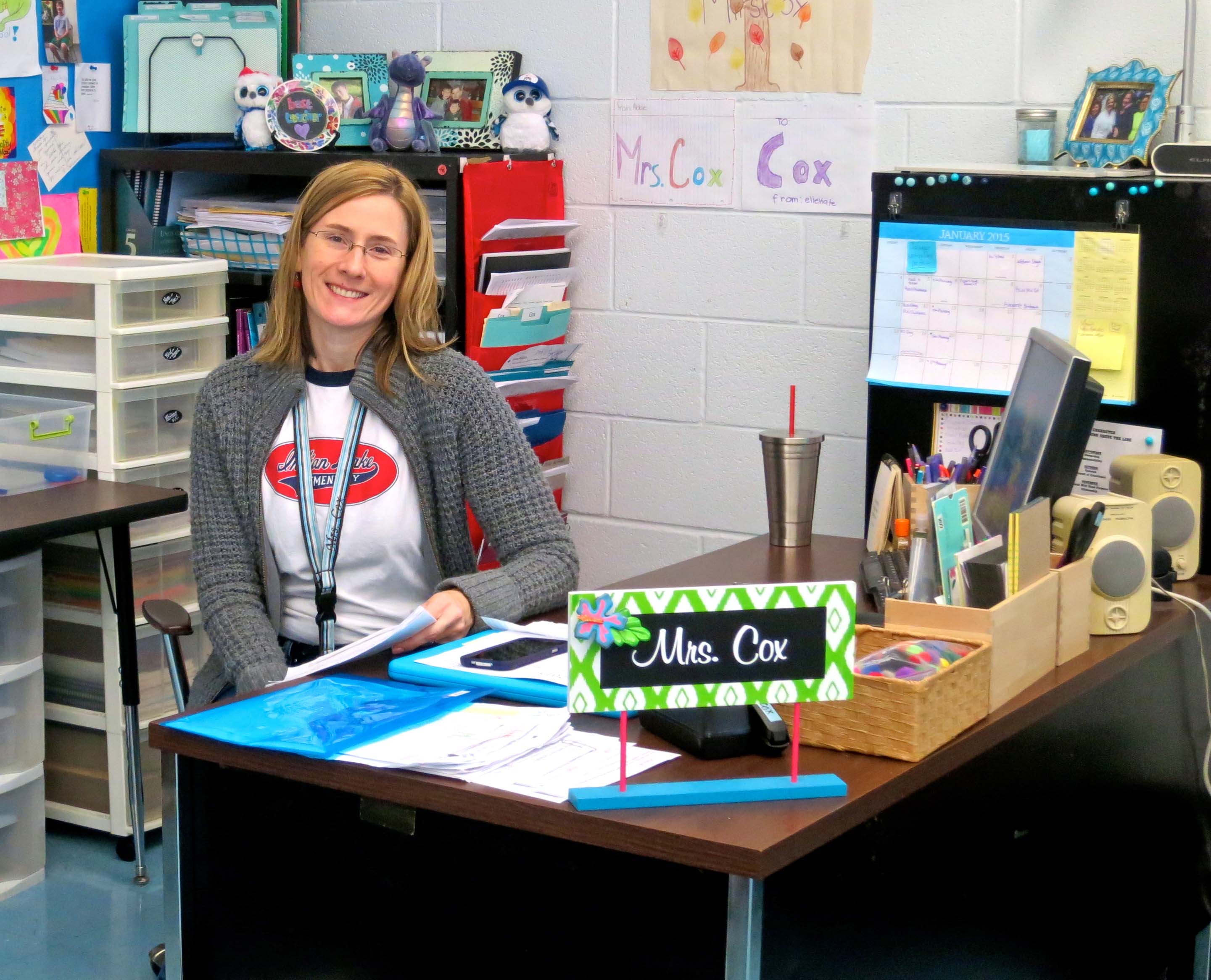
Tasha in her fifth grade classroom at Indian Lake Elementary School.

Tasha in her fifth grade classroom at Indian Lake Elementary School.

Our daughter, Tasha (Mrs. Cox), is a fifth grade teacher at Indian Lake Elementary School in Hendersonville, Tennessee where she teaches language arts, including writing. A month or so ago she called and asked if she could use one of my blogs in her writing class. “Of course,” I had replied. Parents often tell me they have shared some blog or the other I’ve written with their children. Most of my stuff is G-rated.

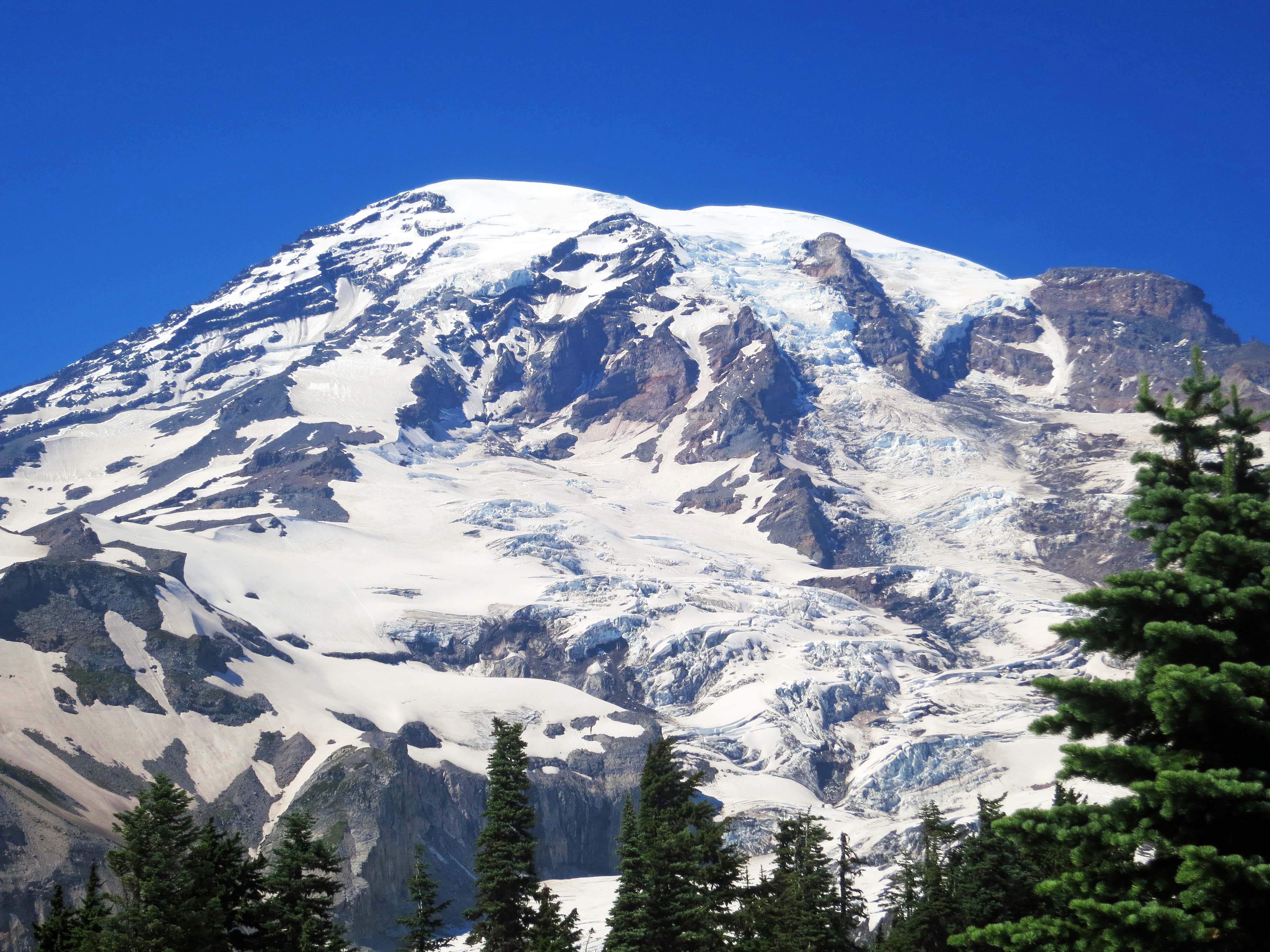
Tasha picked out a recent blog I had posted on Mt. Rainier National Park. It featured a picture of her brother, Tony, and of her son, Ethan, as well as lots of photos of the Park. I figured that was it. My work was done.

Mt. Rainier

Mt. Rainier

I should have known better.

When Peggy and I arrived in Hendersonville for Christmas, there was a two-inch stack of yellow Post-its waiting. Each one included a question from a student directed to me. It looked like I might spend Christmas answering them all. That would have been okay, but I also wanted to enjoy the season. Maybe jolly old St. Nick had brought me a rocket ship so I could zoom around the universe.

Tasha took pity. She organized the Post-its by category so I could answer a handful of questions instead of 5,472. She is good at organizing. She even wants to organize me. Lots of luck with that…

So here are the key questions and my answers. I thought the folks who follow my blog might find them interesting as well.

Why do you write a blog?

I started blogging with a specific purpose in mind. I wanted to write a book and a blog would introduce my writing to people. If they liked how I wrote and what I wrote about, they might like my book as well.

Since then blogging has also become valuable to me for other reasons. One, it allows my wife Peggy and I to share our travels and adventures with people who live all over the world. Two, I have made a lot of new friends who share their travels, photography, and ideas with me. Three, it helps me improve my writing.

Finally, I love to write and tell stories. Each morning I wake up excited to begin my blog.

Is blogging hard?

Yes and no. Since my blogs include both writing and photography, they take a fair amount of work. I often start by researching a subject I am going to blog about. Then I pick out photos. Peggy and I take a lot when we travel; I may have to choose ten from a hundred. I then use software to work over each photo to make it look the best I can. Finally I write and edit my blog. Peggy then does a final read-through to catch any errors I may have missed. Each blog takes from three to eight hours to produce.

Blogging can be a lot easier, however. I have friends who may put up a photo and write a few words about it, but still have a very good blog.

The platform I use for my blog, Word Press, takes care of all the technical aspects of blogging. If someone wants to start a new blog, all he or she has to do is go to Word Press and click on “get started.” Word Press will then take the person through the process.

Where do your ideas for a blog come from?

Since my blog focuses on travel, most of my ideas come from places we visit. I am always on the look out for good blog material. Maybe it will be a town we visit, or a national park, or an ancient site where Native Americans did rock art. When in Hendersonville over Christmas, my son-in-law, Clay (Tasha’s husband) took me out to eat outrageously hot (spicy) chicken that Nashville is famous for. My stomach is still complaining. I am going to blog about it.

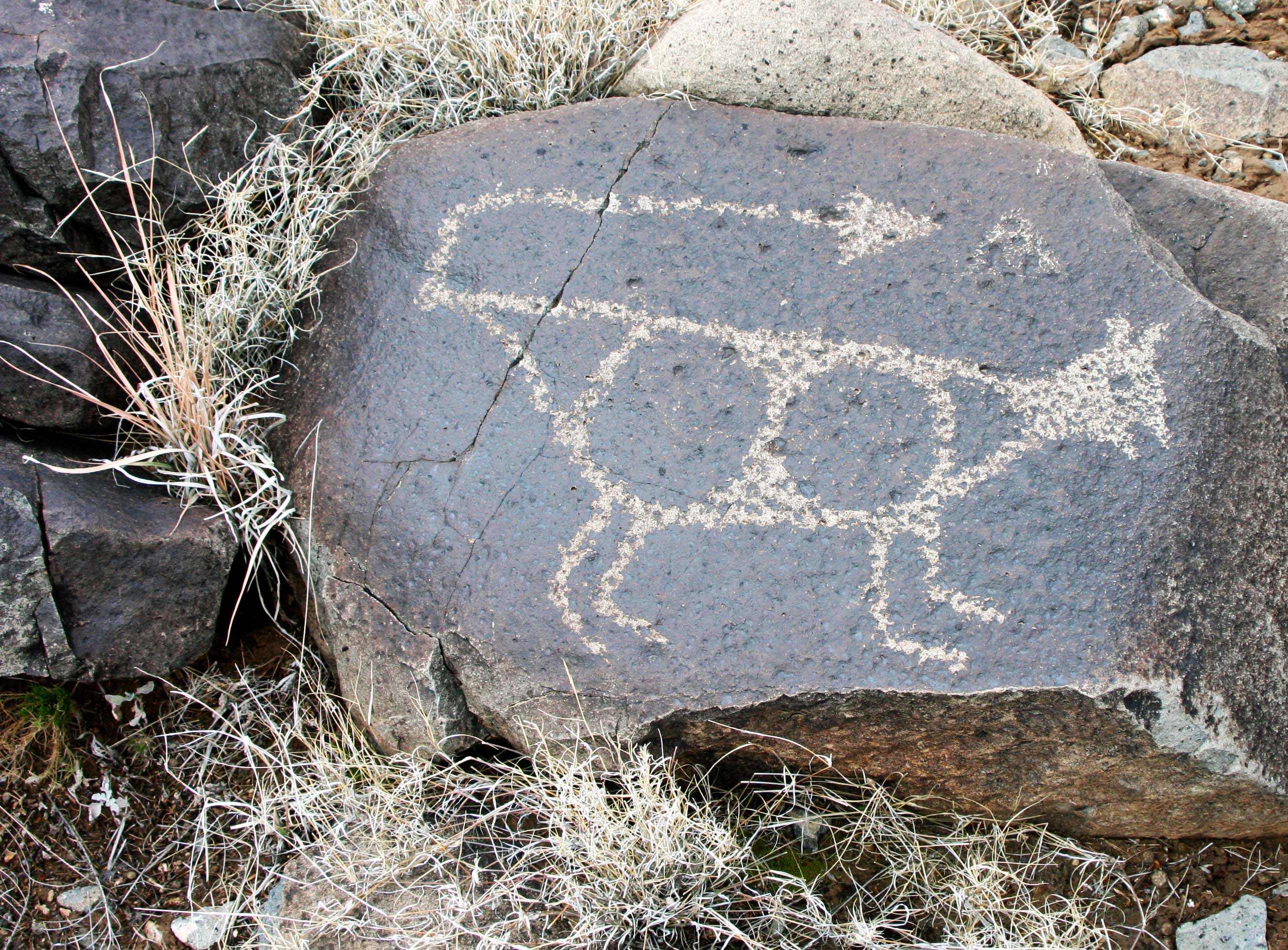
Indian rock art found in New Mexico.

Indian rock art found in New Mexico.

But I don’t limit my writing to travel. Sometimes I write about when I was growing up. Or I may write about where I live in Oregon. A while back some baby goats were born next door. I visited the goats and wrote a blog about them. Recently I did a series of blogs about Tasha’s grandfather who flew airplanes across the Himalayan Mountains in World War II. He had to bail out of his airplane when it ran out of gas and walk out of a jungle that was known for its tigers and headhunters.

What is the favorite place you have ever been?

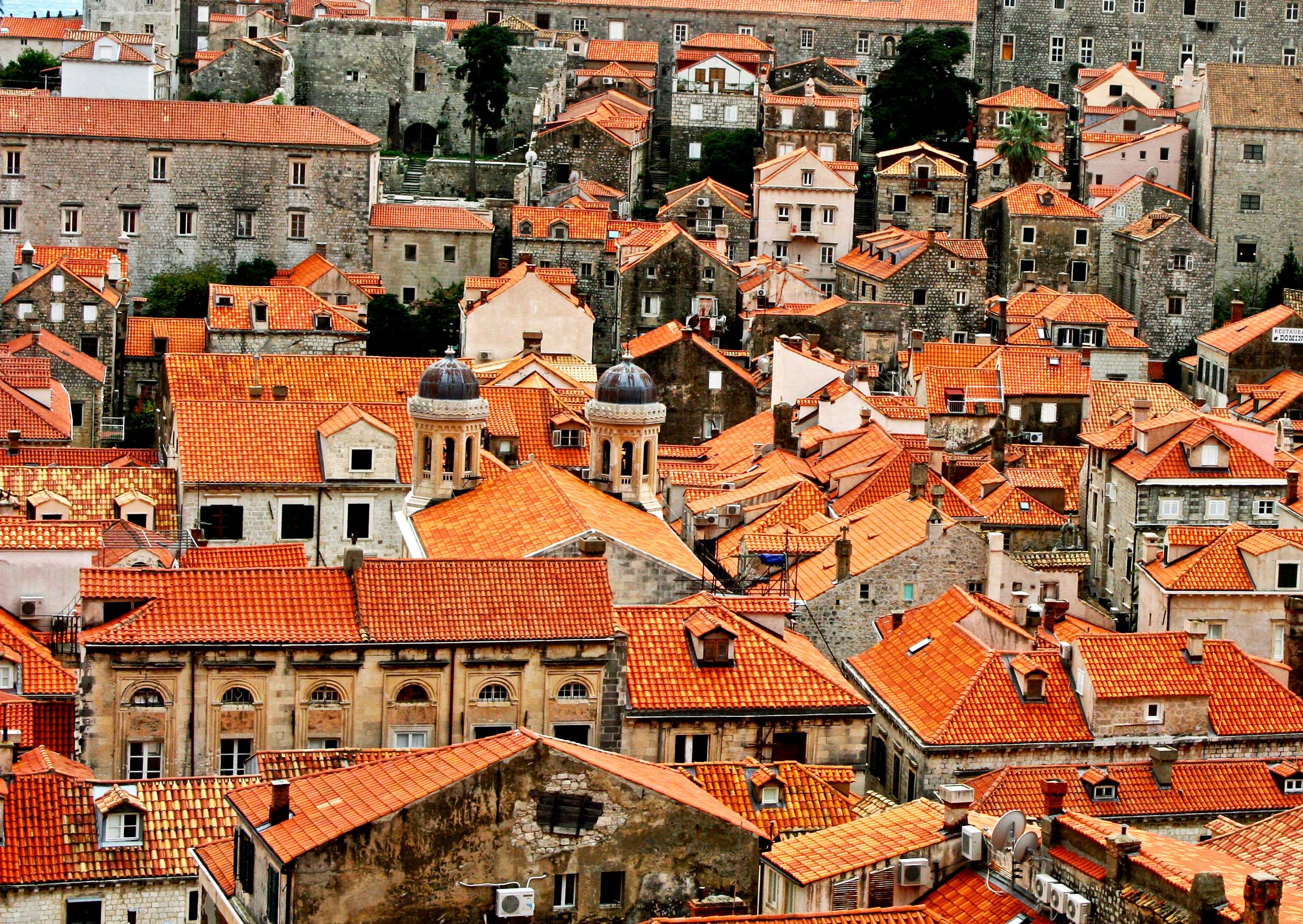
This is a really hard question because different places have different things to offer. How do you compare Dubrovnik, Croatia with the Redwoods of California, or a cruise through the Mediterranean Sea with an 18-day raft trip down the Colorado River? Or, to bring it closer to home, how do you compare Nashville, Tennessee with Chattanooga. Each is unique.

Dubrovnik, Croatia

Dubrovnik, Croatia

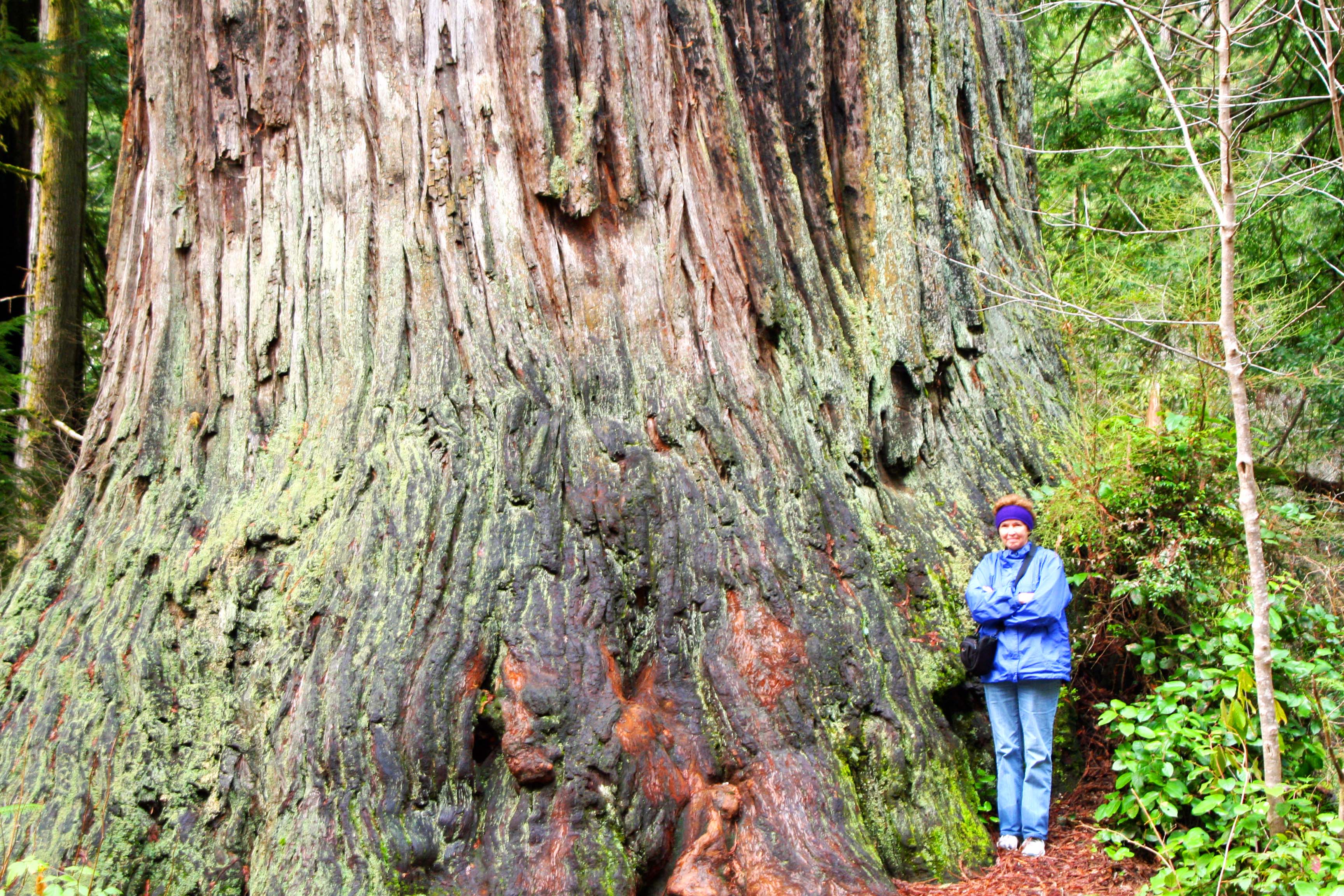
Tasha's mom, Peggy, stands next to a redwood tree.

Tasha’s mom, Peggy, stands next to a redwood tree.

My favorite type of travel is adventure travel. Peggy and I once took a boat ride up the Amazon River. This summer we were kayaking out among the Orca Whales off of British Columbia. I once climbed on my bicycle and did a 10,000-mile solo trip around the US that took me six-months. (I bicycled through Tennessee as part of my trip.)

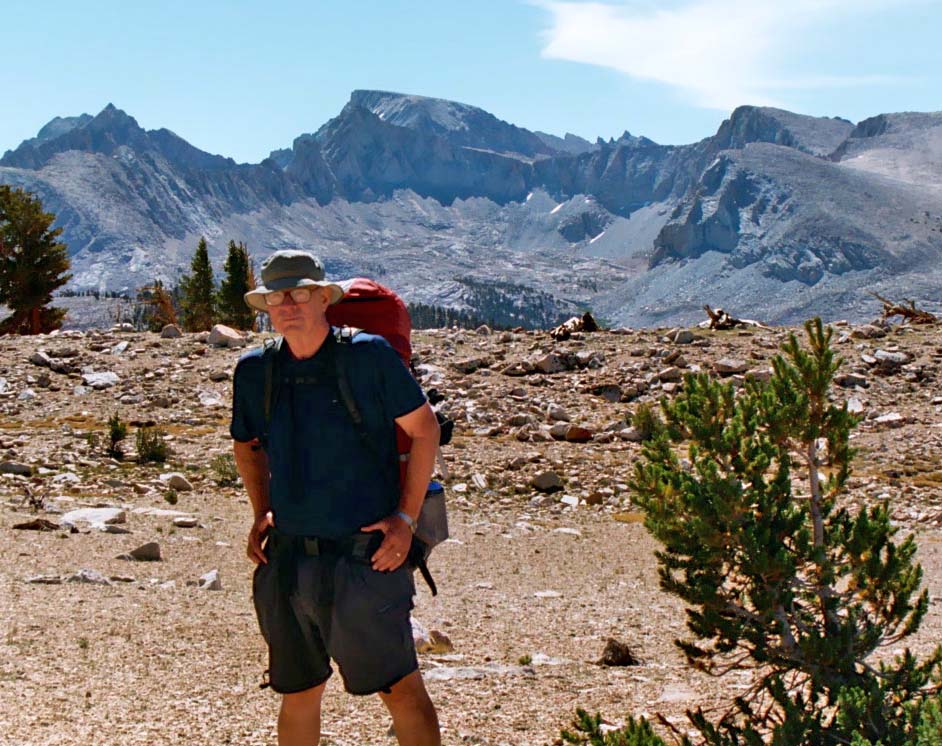
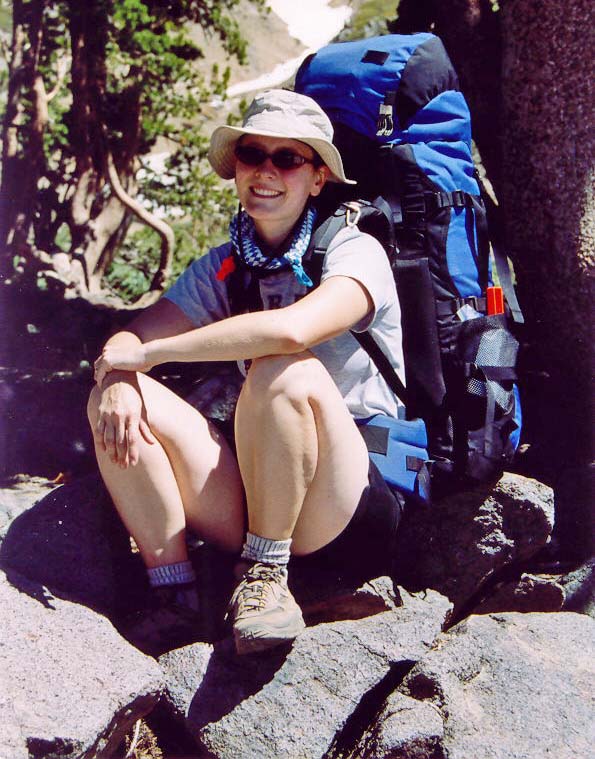
If forced to choose, I would say my favorite place to be is out in the woods. I am never happier than when I put on a backpack and disappear into the wilderness. I’ve backpacked all over the US including Alaska and Hawaii. When I turned 60, I backpacked 360 miles through the Sierra Nevada Mountains of California from Lake Tahoe to Mt. Whitney.

Nearing the end of my journey 360 mile backpack trek, Mt. Whitney stands in the background.

Nearing the end of my  360 mile backpack trek, I pose in front of Mt. Whitney.

Tasha joined me along the way for one week of my trip.

Tasha joined me along the way for one week of my trip.

How do you become a writer?

Write! I am serious. The best thing you can do to become a writer is to write all of the time. Keep a journal; make up stories for your friends; start a blog. One girl wrote, “I am writing a book at home, and I don’t know if there is a specific age to start. Do you?” My answer is that now is the perfect time, whether you are in the fifth grade or your seventh decade.

Reading is also very important. Read authors who are known as good writers and pay attention to how they write. Also read authors in the genre you want to write. For example, if you want to write mysteries, read mysteries.

It is also important to pay attention to the details of writing, such as learning grammar, avoiding spelling errors and painting pictures with words. A couple of students wanted to know how I found adjectives to describe my travels. It was a good question. Was it a black cat that crossed my path or a cat as dark as a moonless night? Two of the best tools an author can have are an active imagination and a good thesaurus.

My thanks to the fifth graders at Indian Lake Elementary School for inspiring this blog. Good luck in your future writing efforts.

NEXT BLOG: I bite a chicken and the chicken bites back.

I Am Dreaming of a White Christmas…

White oaks ans cedar covered with snow on the Applegat River of southern Oregon.

White oaks and one of our cedars dressed in white as seen from our patio.

I grew up listening to Bing Crosby singing White Christmas. It was one of my mother’s all-time favorite carols and became one of mine as well. As hard as I wished for a white Christmas in Diamond Springs, however, we never had one. I didn’t in Liberia or Sacramento, either. Alaska was a different story. (Grin)

This past week, I was hoping, hoping, hoping to wake up and find the ground covered in white. The local weather forecasters even hinted that there might be some snow in our future. It wasn’t to be, however. Sigh. As this post goes up, we are off in Tennessee celebrating Christmas with our daughter and family. Who knows what is happening on the Upper Applegate River?

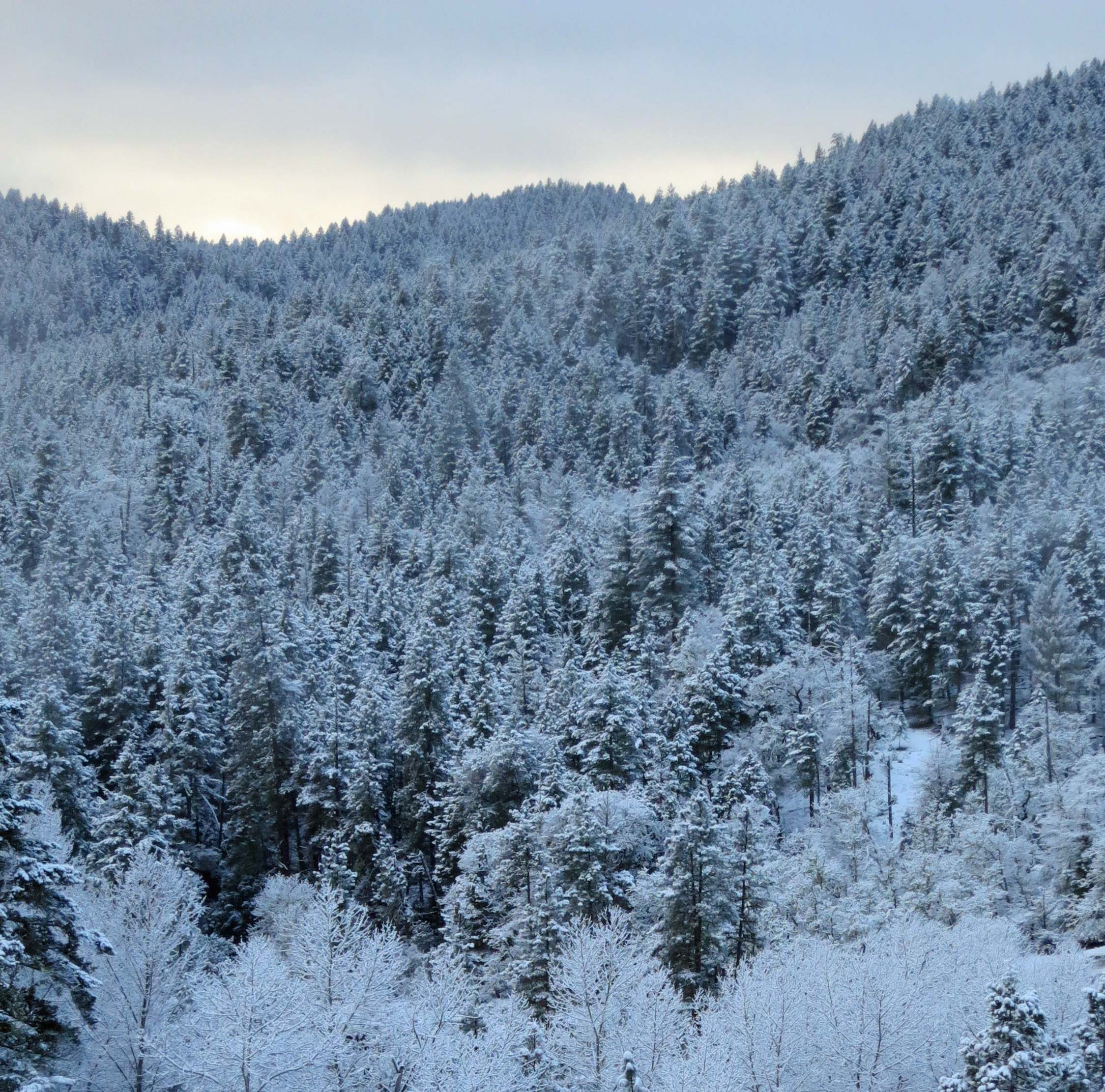
It does snow here, though, in the Oregon foothills of the Siskiyou Mountains. And when it does, I dash outside with my camera. With that in mind, I went searching through i-Photo looking for snowstorms of the past, so you—and I, could have a white Christmas. All of these photos are taken from our property. Enjoy.

Peggy and I would like to take this opportunity to thank each and every one of you for joining us on our adventures this past year. We’ve enjoyed having you along. May all of our friends around the world have a joyous holiday season and a wonderful New Year.

Curt and Peggy

Upper Applegate Valley of southern Oregon covered in snow. Photo by Curtis Mekemson.

Another view from our patio looking out across the Applegate River south toward California.

Southern Oregon forest covered with snow. Photo by Curtis Mekemson.

This time, the forest is decorated with a low cloud.

White oaks in the Applegate Valley of southern Oregon covered in snow. Photo by Curtis Mekemson.

Our white oaks covered in snow.

A close up.

A close up. Can’t you just feel it? This is the type of snow I put on my tongue and let melt.

View of driveway on Mekemson property in southern Oregon.

A view of our driveway with the snow coming down.

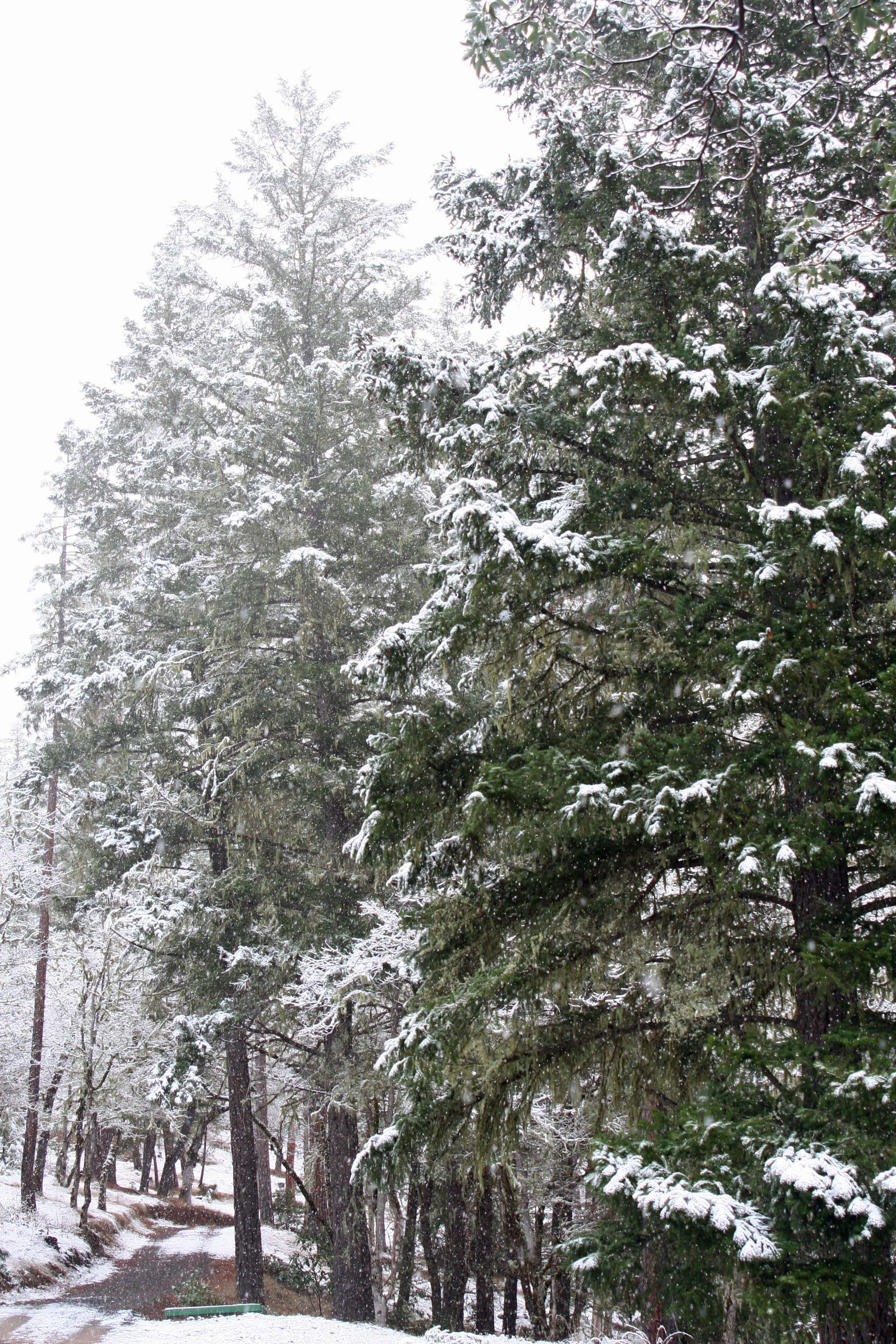
Snow falls on cedars in Upper Applegate Valley of southern Oregon.

Huge, white, fluffy Flakes.

Doe and buck black tail deer in snow in southern Oregon.

A doe and a buck black tail deer, part of the herd that owns our property, wonder what we are doing out in the snow storm.

And what is a snowstorm without a snowman? I called this guy George. He reminded me of someone.

And what is a snowstorm without a snowman? I called this guy George.

And this was Peggy's joyous creation. Happy Holidays everyone.

And this was Peggy’s joyous creation. Happy Holidays everyone.


Wandering the Far West in 2014… Interim 2

The cover: A tufa tower in Mono Lake with Sierra Nevada Mountains in Background. Eastern California.

The cover of our 2015 calendar: A tufa tower at Mono Lake with Sierra Nevada Mountains in background. Eastern California.

I am still working on my blog about Peg’s dad and his experience as a Hump pilot in World War II. In fact, Peggy’s brother, John Dallen Jr., is now helping. I’ve been learning a lot. For example, yesterday, I discovered the approximate location where the plane John Sr. was flying crashed in the Indian jungle. I find the new information fascinating, but the research is slowing down the post.

In the meantime, I decided to put up another interim post or two. Today is calendar day. Each year, Peggy and I create a calendar for our families using photos we have taken during the year. Family birthdays and anniversaries are included. This year we are mailing out 28 calendars, which include 80 birthdays and anniversaries.   It’s quite the production.

Since the photos we use on the calendar reflect this past year’s adventures and are among some of our favorites, I thought they would be fun to share on the blog. If you are a regular follower of Wandering through Time and Place, I am sure you will recognize several of them. All photos were taken by either Peggy or me. Enjoy.

January: Burney Falls. Northern California

January: Burney Falls. Northern California

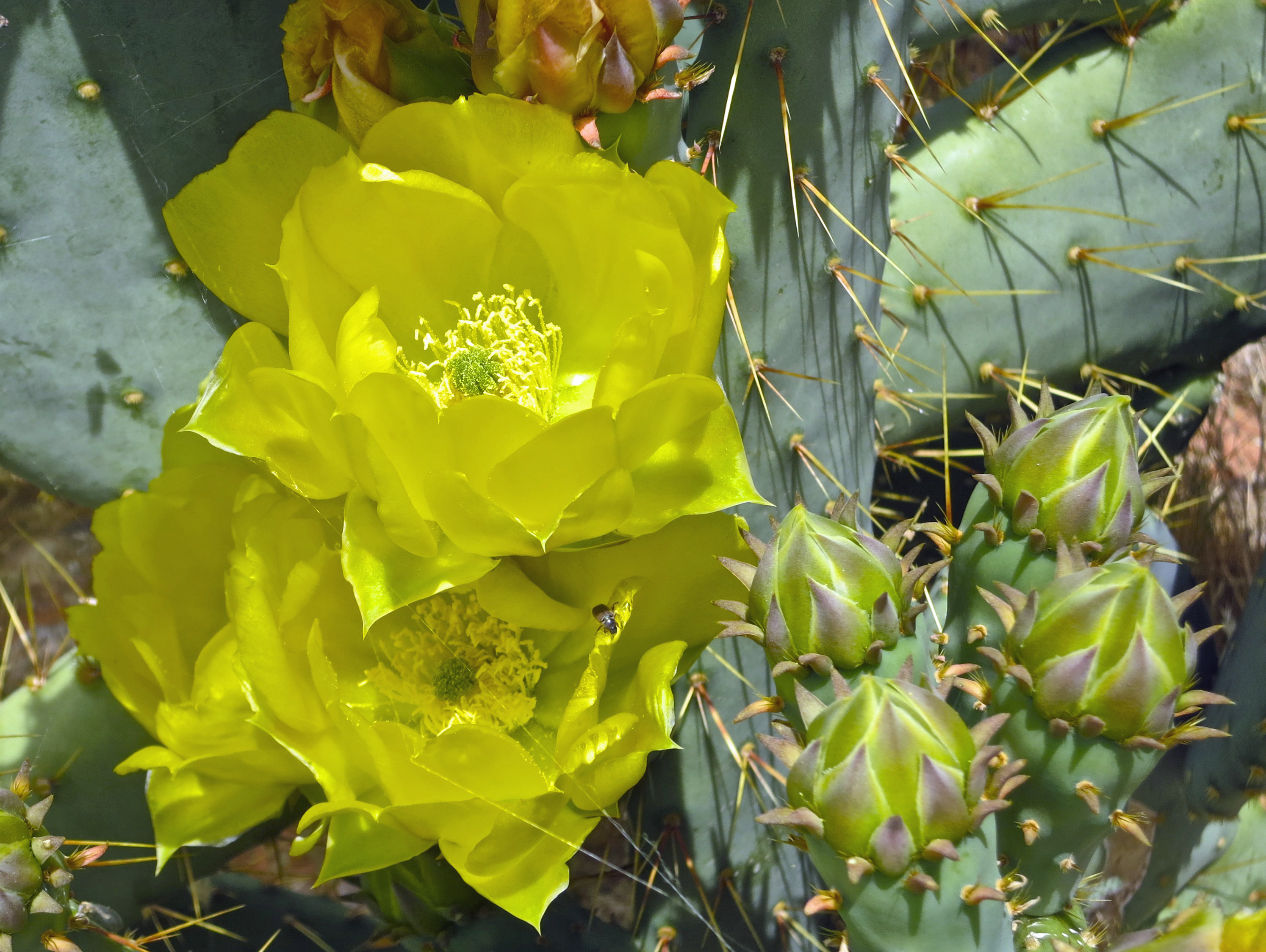
February: Cactus flowers. Valley of Fire State Park, Southern Nevada.

February: Cactus flowers. Valley of Fire State Park, Southern Nevada.

March: Red Rock Canyon National Conservation Area in southern Nevada.

March: Red Rock Canyon National Conservation Area in southern Nevada.

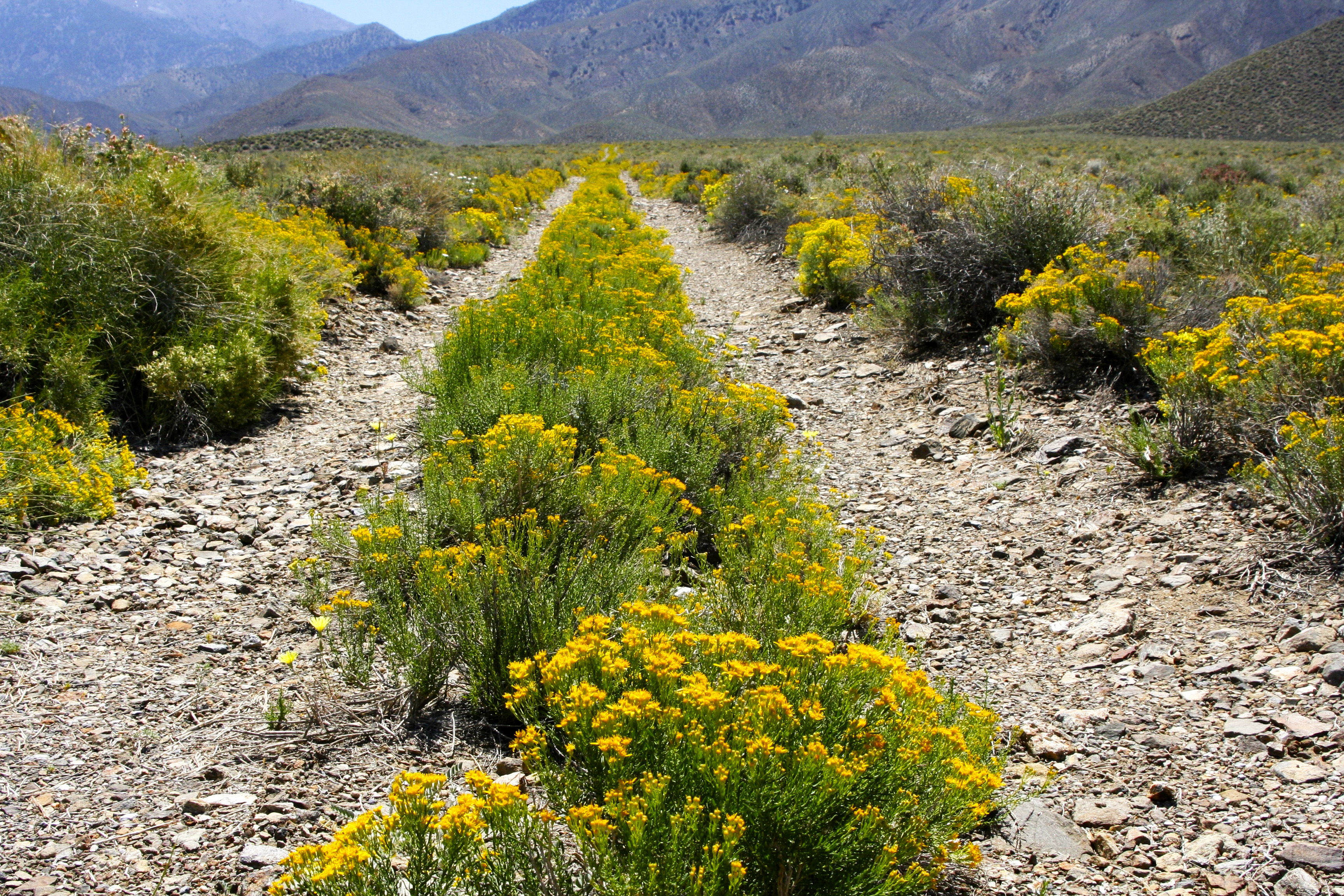
April: Old road with April flowers in Death Valley National Park. Eastern California.

April: Old road with April flowers in Death Valley National Park. Eastern California.

May: Weathered buildings at Bodie State Historical Park, a ghost town in Eastern California.

May: Weathered buildings at Bodie State Historical Park, a ghost town in Eastern California.

June: Sierra Nevada Mountains form the East. Peggy and I have backpacked through these mountains numerous times.

June: Sierra Nevada Mountains from the East. Peggy and I have backpacked through these mountains numerous times.

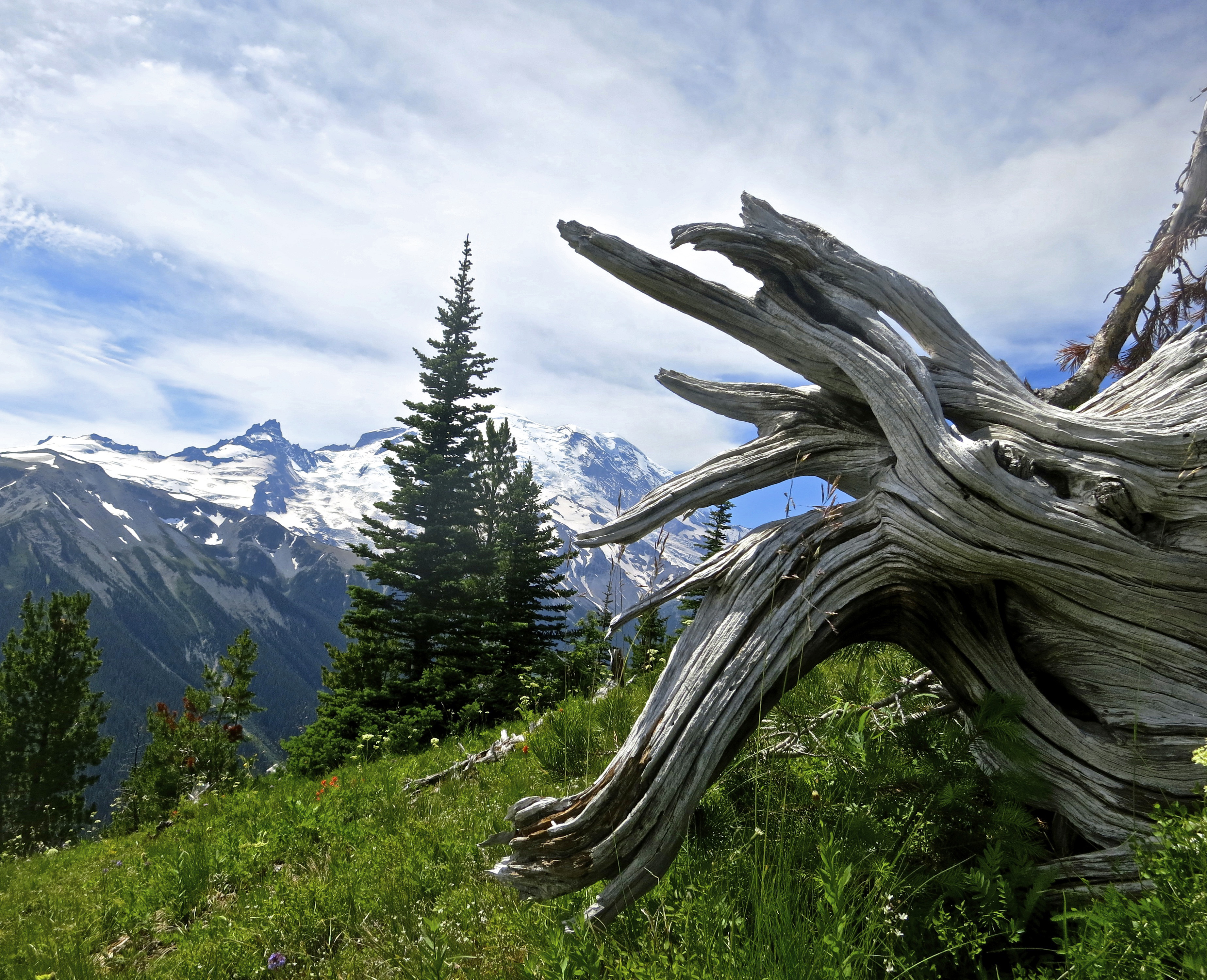
July:: Mt. Rainier National Park. Washington State.

July:: Mt. Rainier National Park. Washington State.

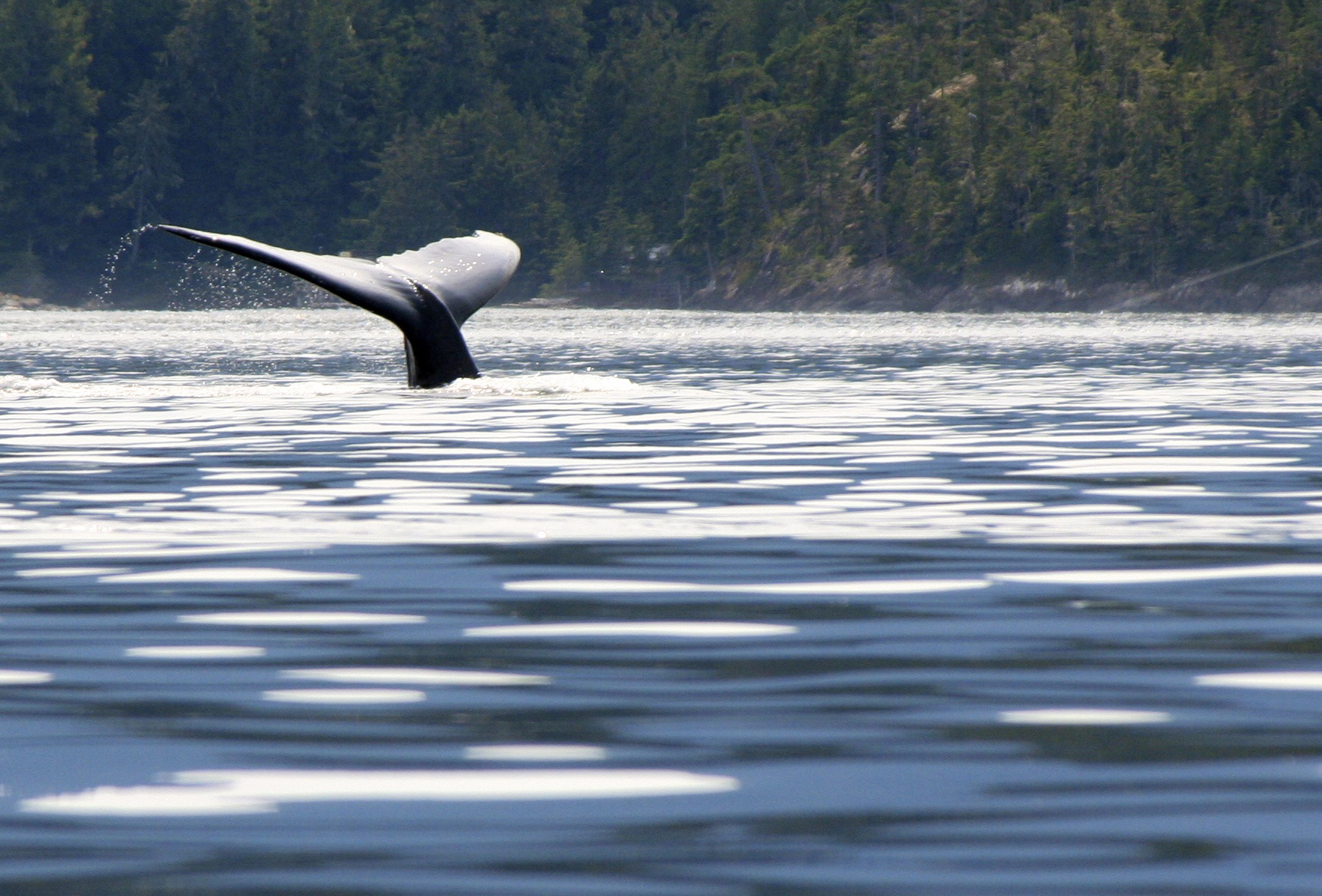
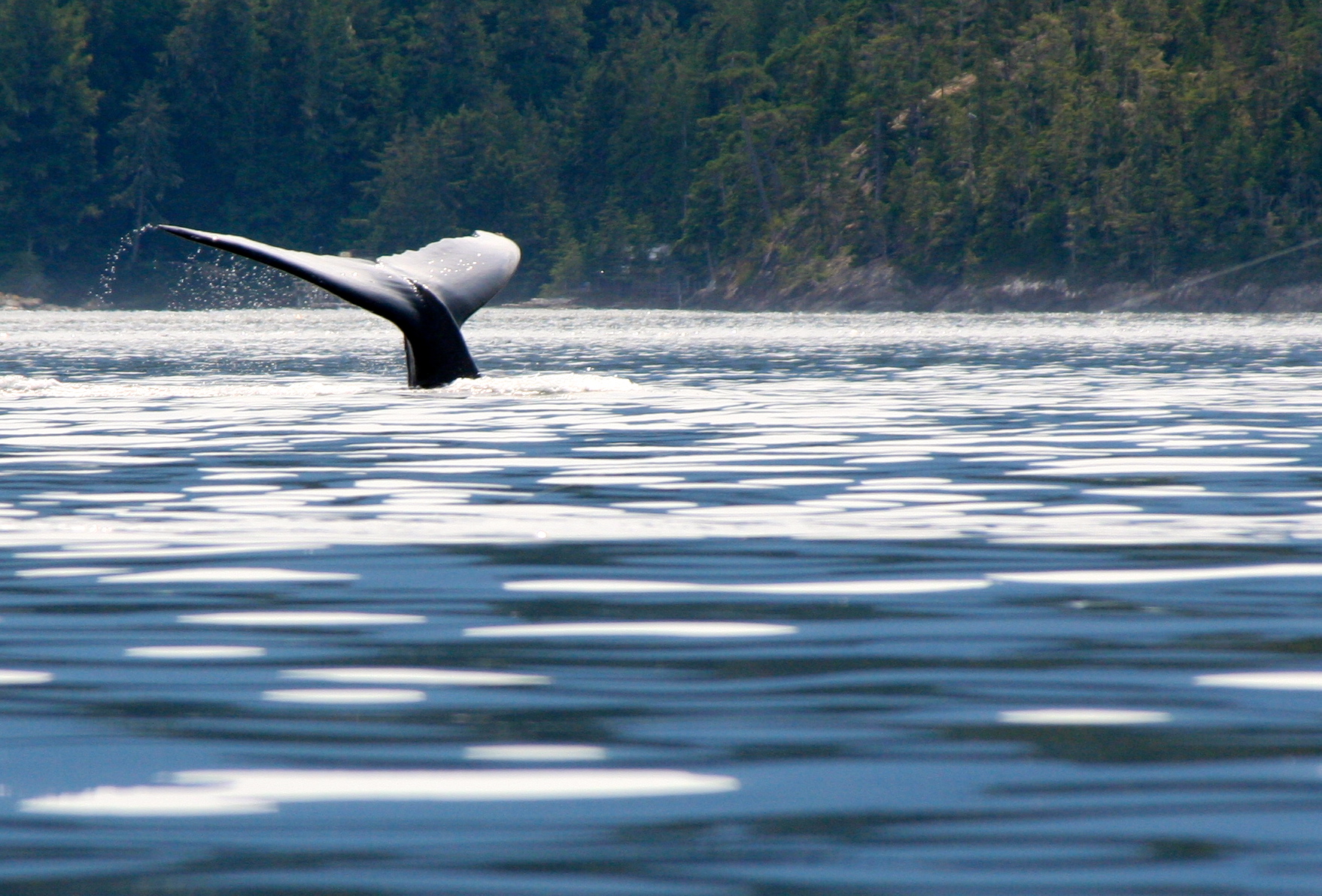
August: Humpback whale dives when Peggy and I are on kayaking trip off Vancouver Island.

August: Humpback whale dives when Peggy and I are on kayaking trip off Vancouver Island.

September: Burning Man in remote northern Nevada desert.

September: Burning Man in remote northern Nevada desert.

October: Rainbow caught in waves on Oregon Coast.

October: Rainbow caught in waves on Oregon Coast.

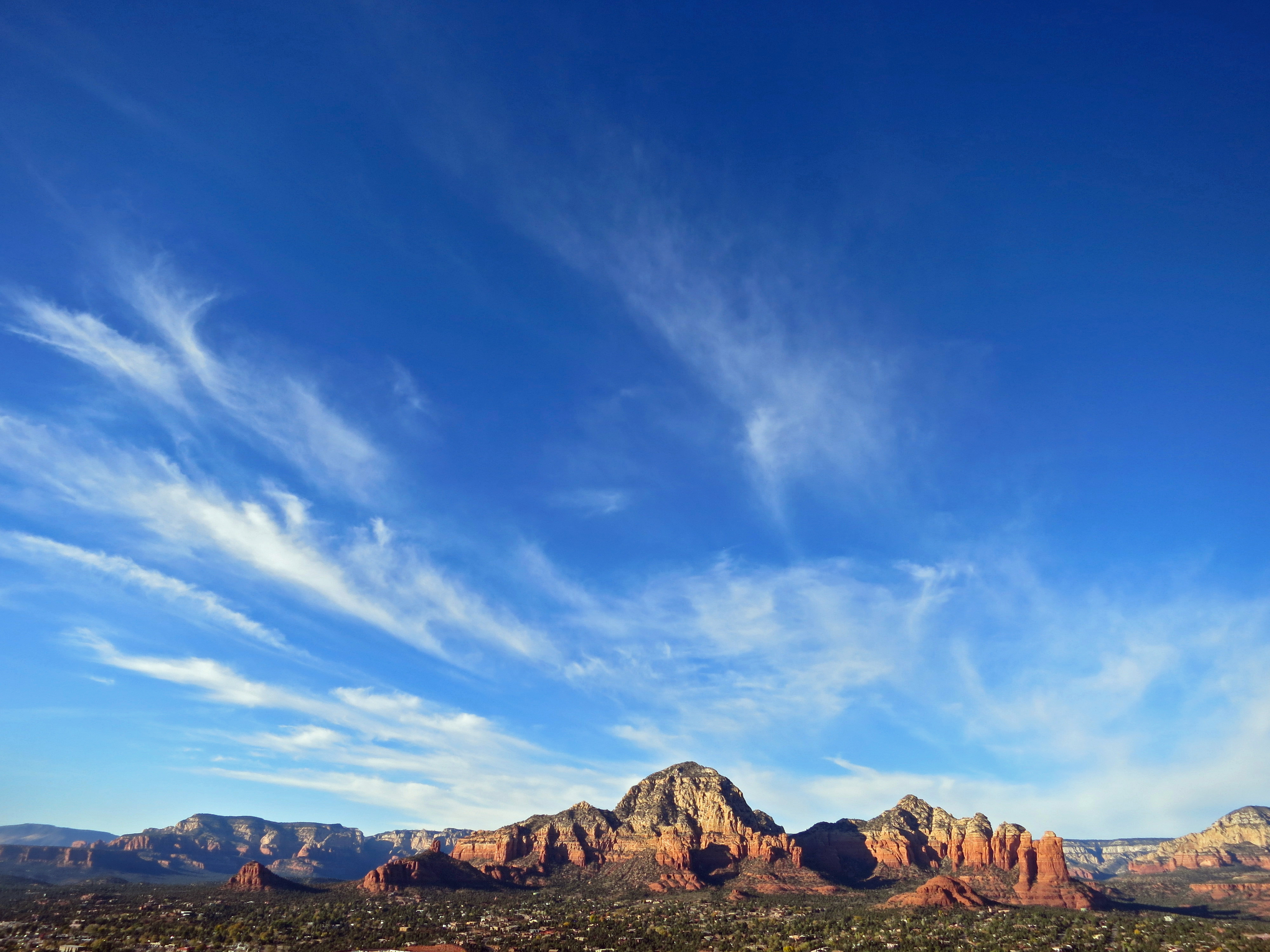
November: Sunset in Sedona, Arizona.

November: Sunset in Sedona, Arizona.

December: Bell Rock in Sedona, Arizona.

December: Bell Rock in Sedona, Arizona.


Now Playing in Our Back Yard: A Turkey Fan Dance… An Interlude

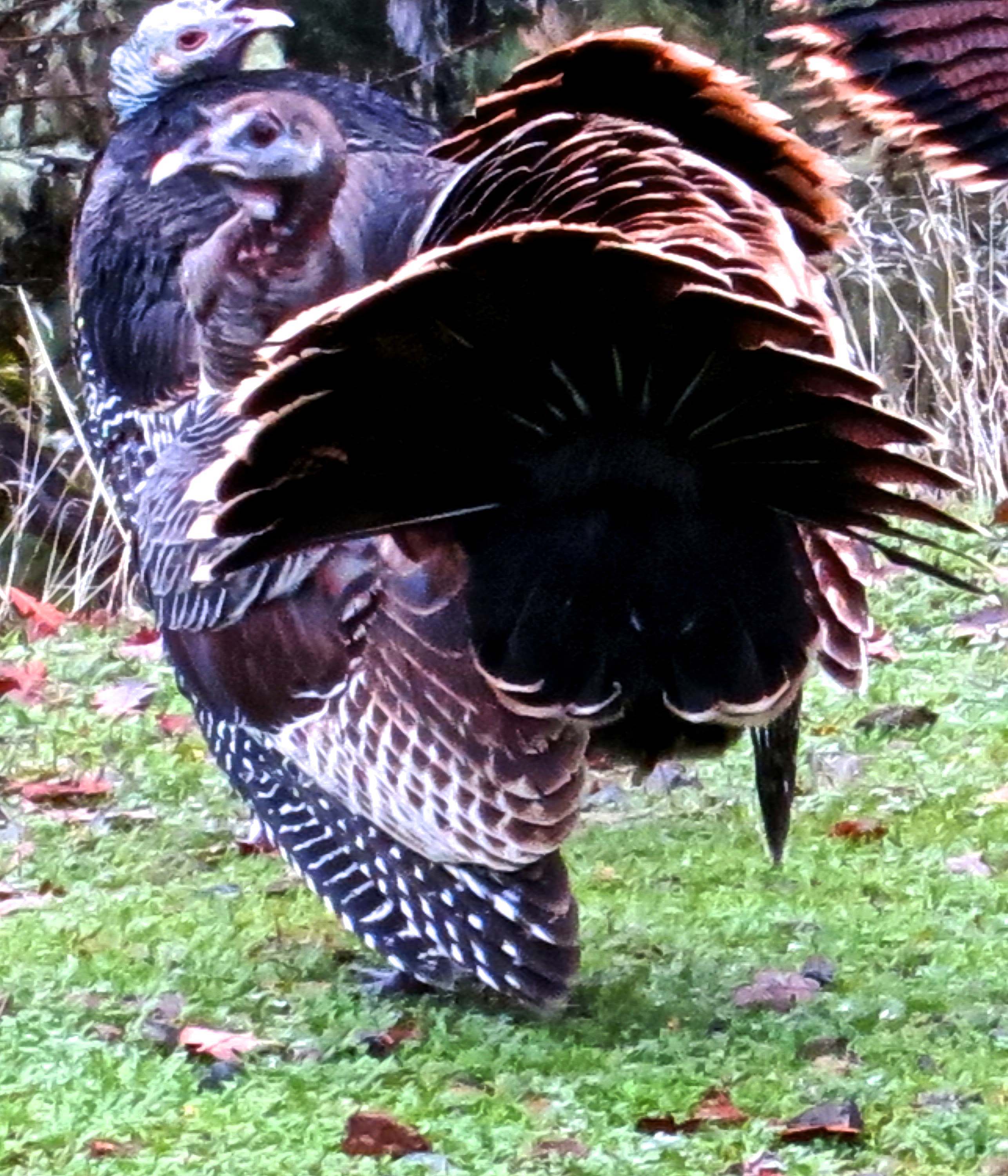
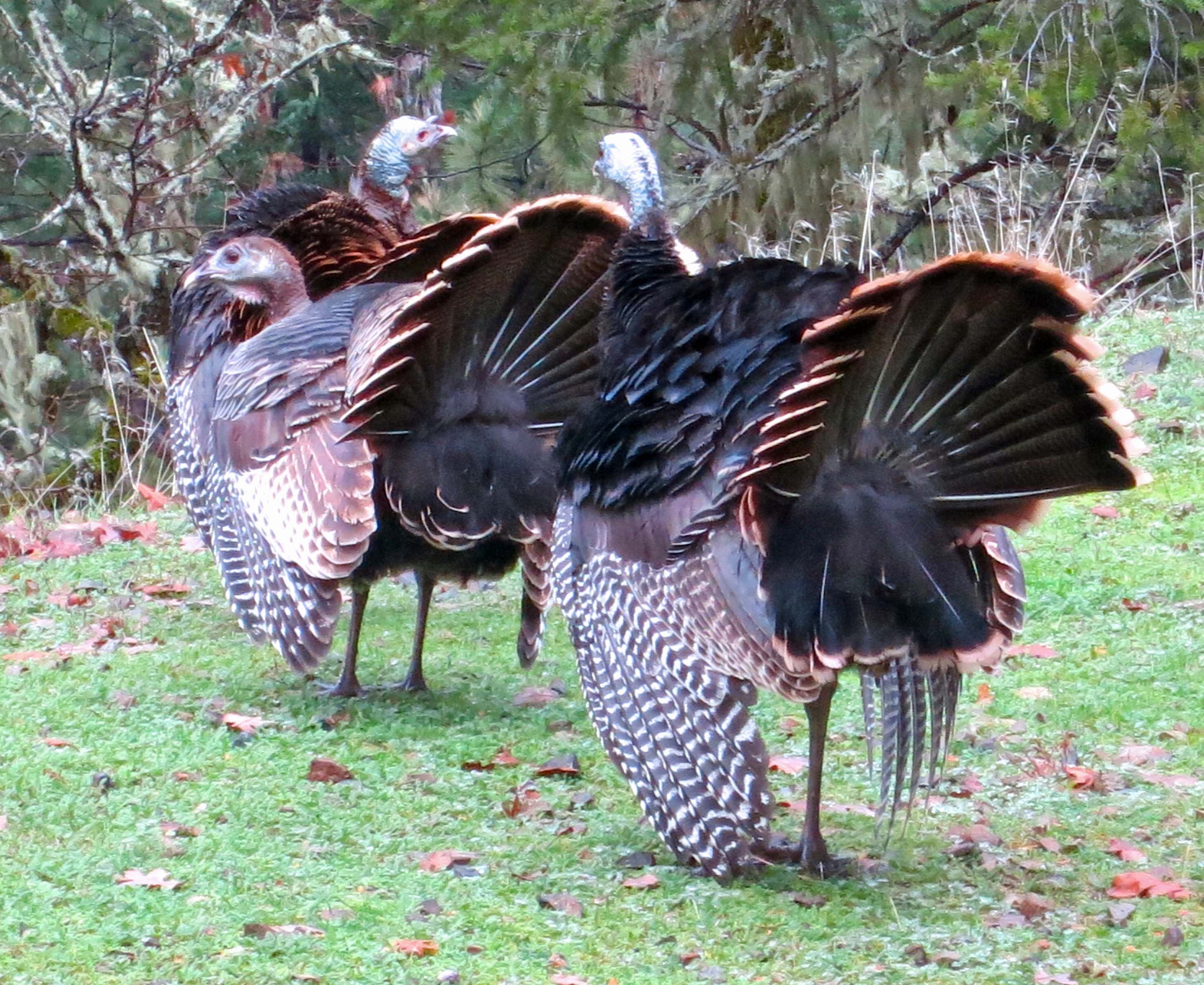
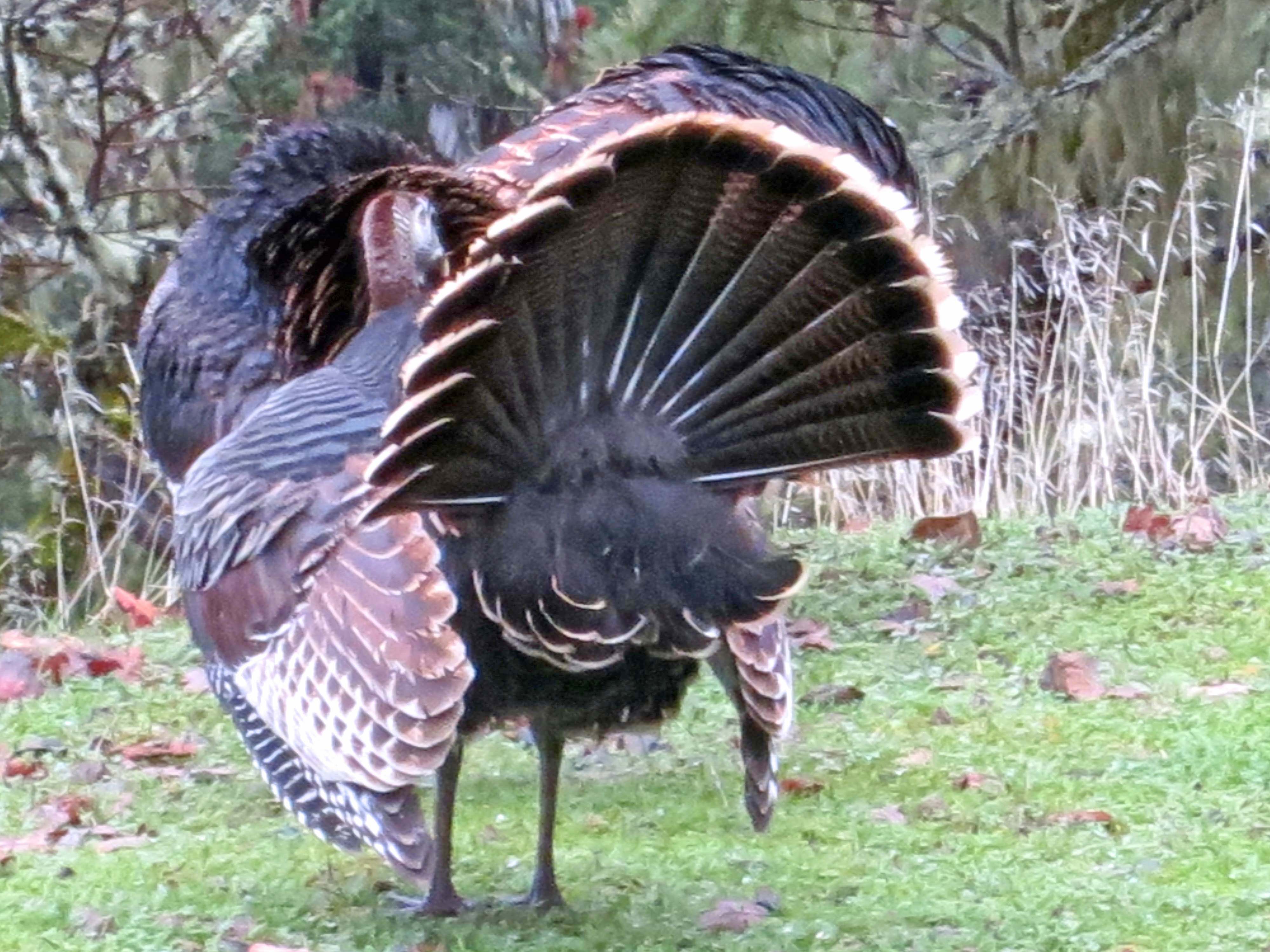
Wild turkeys use their tails for a fan dance in southern Oregon. (Photo by Curtis Mekemson.)

Wild turkeys use their tails to perform a fan dance in our back yard.

It’s pouring down rain as I write. Northern California is getting slammed and some of the rain is slipping across the border into Southern Oregon. The Weather Channel has named our deluge THE MONSTER STORM. Get out your hammer, Noah. I sat in our sunroom (very much a misnomer today) and watched the rain fall while Peggy listened to Christmas carols and worked on a quilt inside.

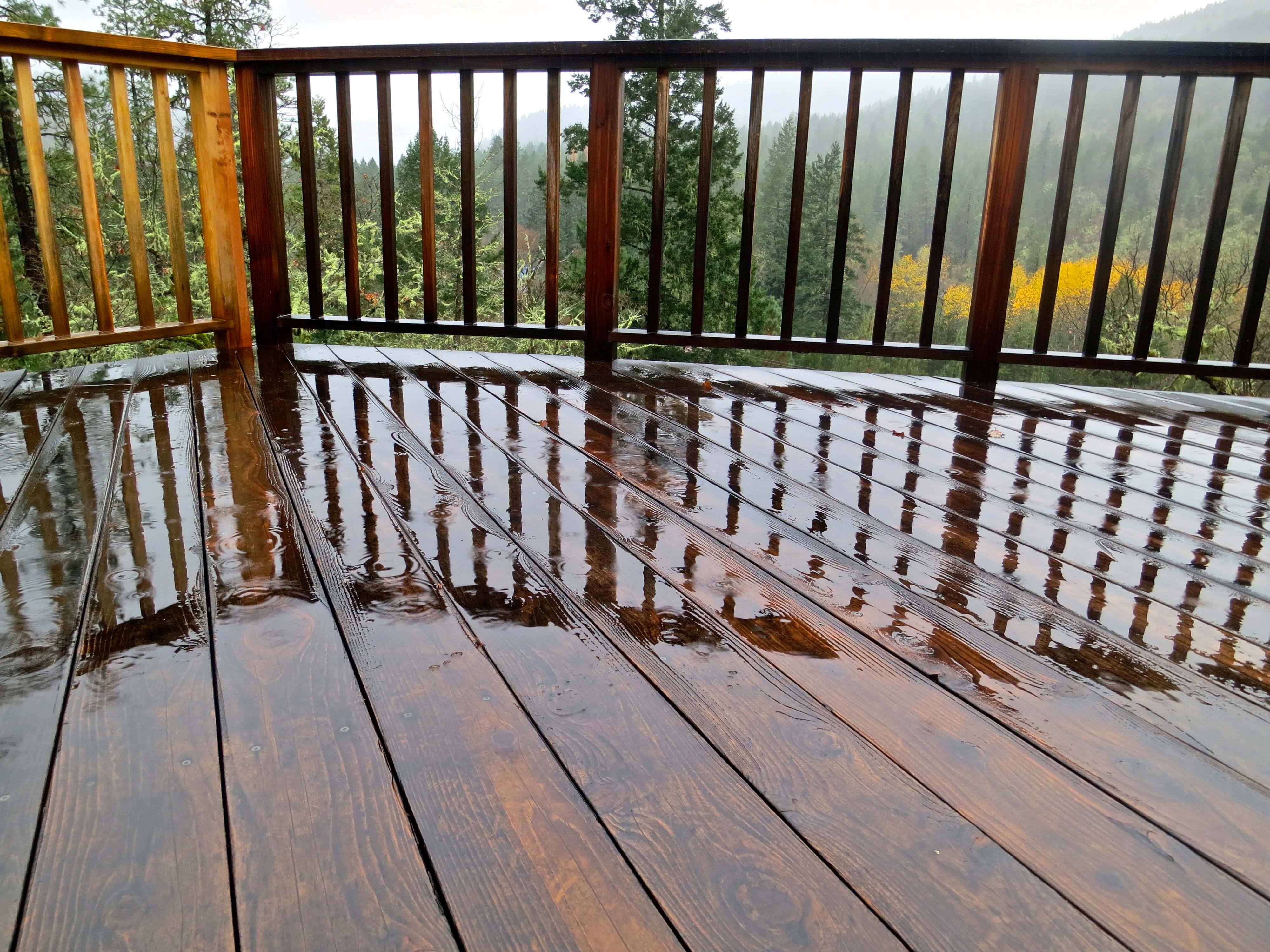
Our deck reflects the rain.

Our deck reflects the rain. The last of fall adds a touch of color along the Applegate River.

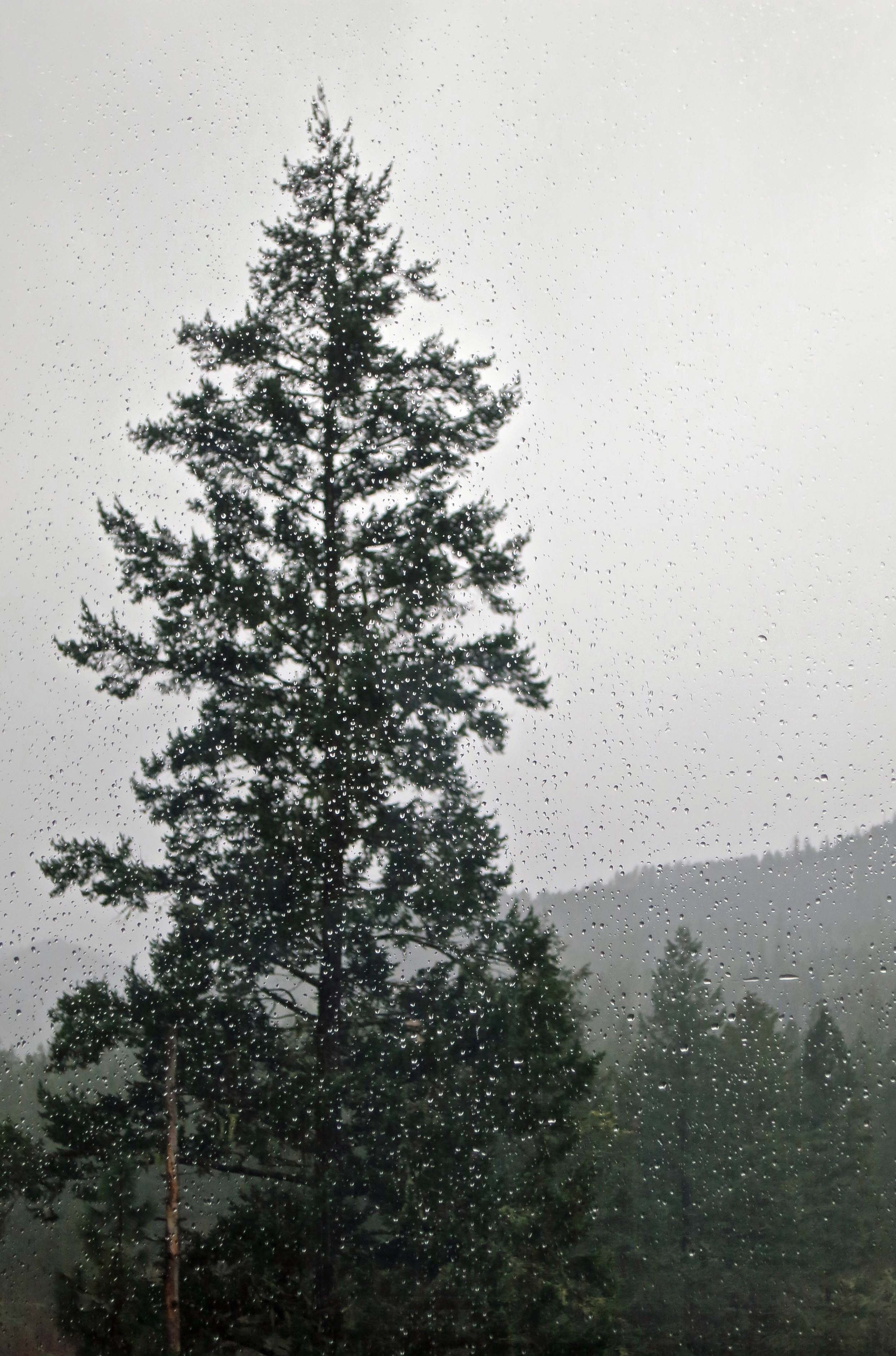
Rain splattered windows provided a view of our cedar tree out of the sunroom.

Rain splattered windows provided a view of our cedar tree from the sunroom.

I was escaping from work, playing hooky. Things have become a bit hectic around here. Christmas and a trip to Tennessee are just around the corner. So I have been shopping, writing the Christmas letter, and putting together the annual family calendar.

I am also up to my eyeballs in writing an extensive blog about the time that Peggy’s father was forced to bail out of a damaged airplane into the jungle known for headhunters when he was flying supplies into China during World War II.

And last— very far from least, the final proofs on the book about my Peace Corps experience in West Africa are supposed to come in today or tomorrow. I can’t figure out whether I am more nervous or excited. The book should be available world-wide as an E-book by Christmas. So keep your eyes open for The Bush Devil Ate Sam. Several of you helped me choose the title. I will post how to obtain copies on my blog as soon as it is available. Peggy and I are donating half of whatever profits we receive to fighting Ebola in Liberia.

A carved rendition of a Liberian Bush Devil that I purchased from a leper in Ganta, Liberia in 1965.

A carved rendition of a Liberian Bush Devil that I purchased from a leper in Ganta, Liberia in 1965.

One result of all this activity is that my blog production has slowed down. So I was delighted this afternoon when a flock of turkeys that hangs out on our property came by and put on a fan dance with their tails. It was a blog-ready show! And the rain was taking a break. I grabbed my small S-100 Canon and ran out to join them.

Wild turkeys on display in southern Oregon. Photo by Curtis Mekemson.

The turkeys line up for their dance.

Turkeys strut their stuff in southern Oregon. Photo by Curtis Mekemson.

Begin.

And strut their stuff.

And strut their stuff.

Doing the turkey trot.

Doing the turkey trot.

With tail feathers extended. Next blog: Peggy's dad crashes his air plane in a remote Burma jungle.

With tail feathers extended. Next blog: Peggy’s dad bails out into a remote Burma jungle during World War II.

When Orcas Go Swimming By… British Columbia Sea Kayak Adventure: The Conclusion

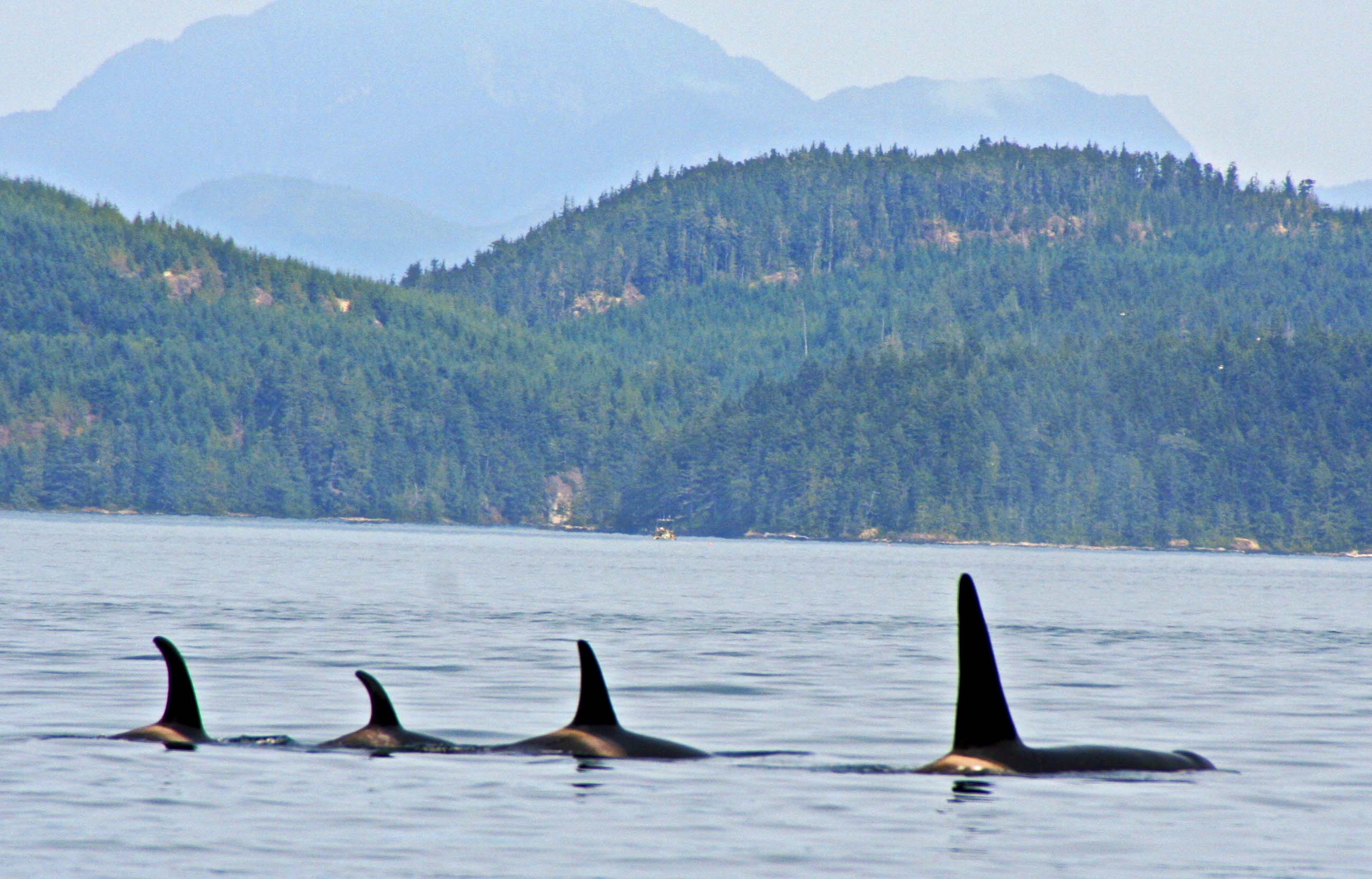
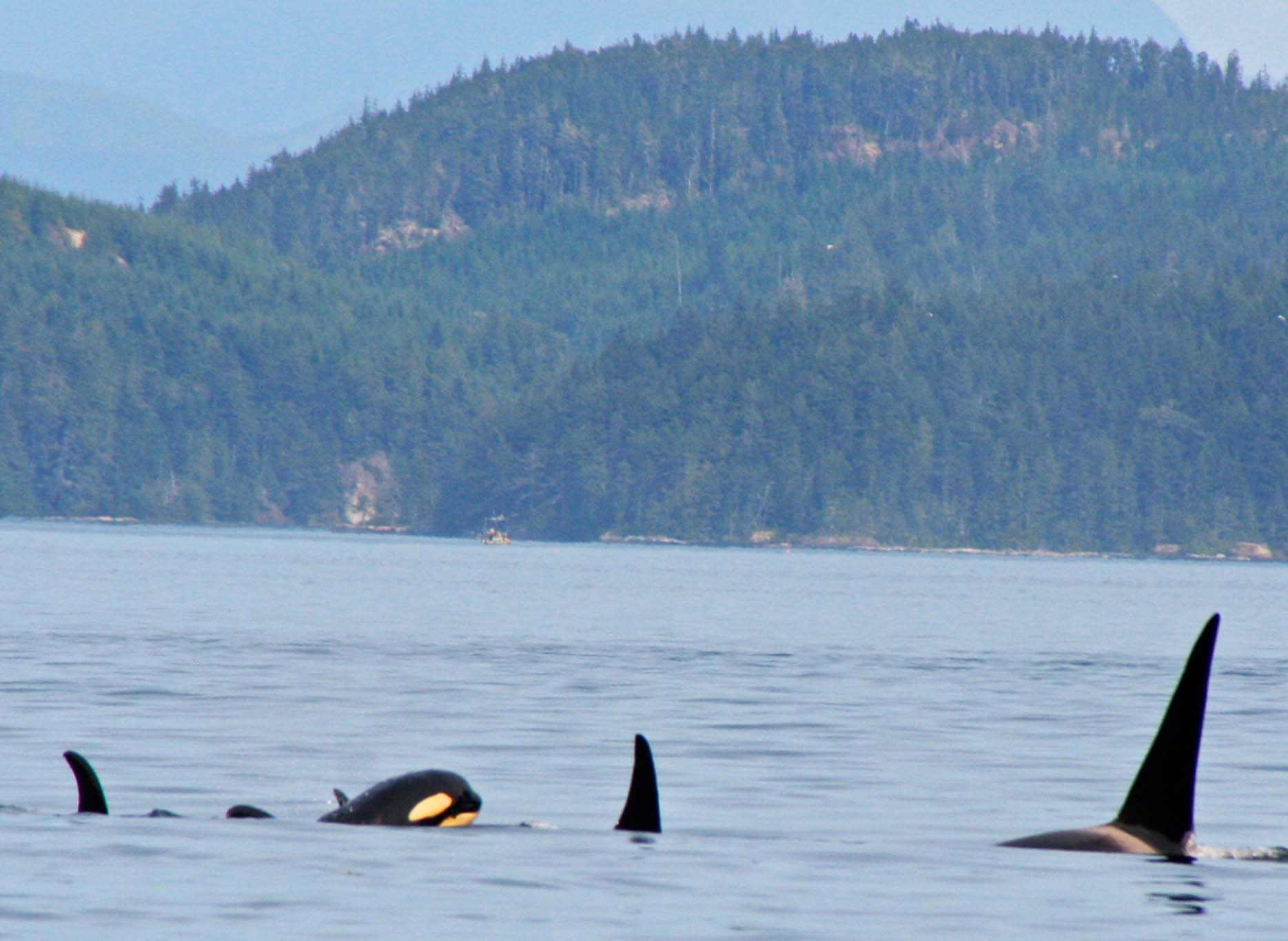
Orca family in Johnstone Strait, British Columbia.

We dropped what we were doing to watch the orca family pass by our campsite. (Photo by Peggy Mekemson.)

“Orcas!” Kimberly cried out, and we all went dashing for the beach with our cameras. Kimberly liked to perch on convenient logs and rocks, looking out at the Johnstone Strait. It gave her a front row seat on the action. I get it. I can stare out at the Pacific Ocean for hours— watching the waves roll in, listening to the lonely calls of seagulls, admiring the crazy antics of pelicans, and, yes, looking for whales.

Looking for orcas in Johnstone Strait, British Columbia.

Perched on a rock, Kimberly keeps a sharp eye out for orcas.

We had barely arrived at our campsite when the first family of orcas came swimming by. We were still in the middle of tucking our kayaks away in the forest above the tide line. Everything was dropped, including the kayaks. There were whales to see.

Sea Kayak Adventures group watches orcas in Johnstone Strait, BC. Photo by Curtis Mekemson.

The rallying cry of “Orcas!” sent everyone scrambling for a view.

A baby orca surfaces in Johnstone Strait, BC.

A baby orca surfaces. Our reward for being vigilant. (Photo by Peggy Mekemson.)

This was our last campsite before heading home. Once again we had returned to Vancouver Island. We were located at Sea Kayak Adventures’ Little Kai Camp and would be there for two nights. Seeing orcas on our arrival was a good omen. We were happy campers. Not even the surround sound of fishing boats or a deluge of cold rain could dampen our spirits.

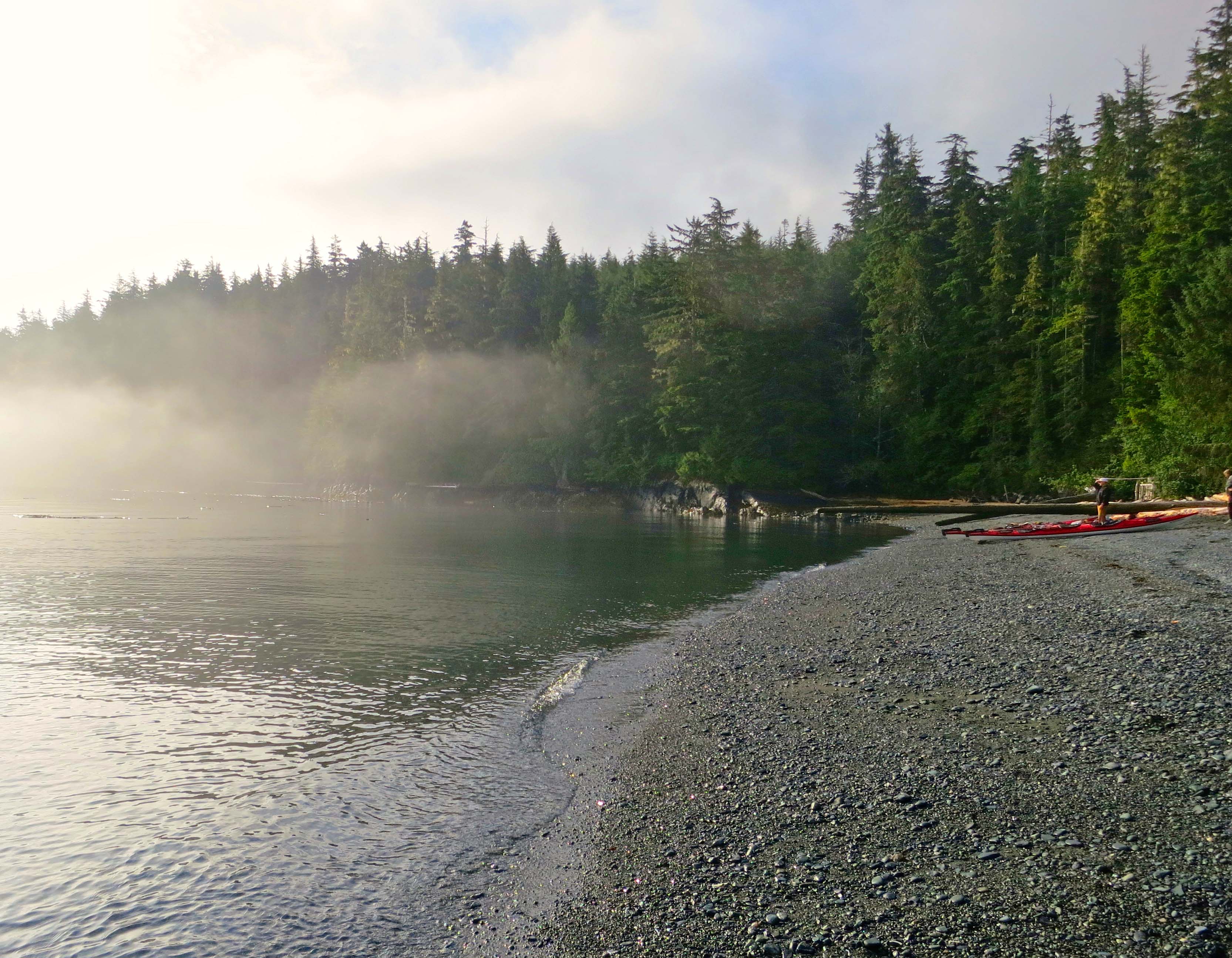
Beach at Little Kai Camp on Vancouver Island. and Johnstone Strait.
The beach at Little Kai camp.
Who can complain when surrounded by good people and beautiful scenery? But our trip was drawing to a close. After several more good meals, another kayak adventure, an evening of fun and story telling, and more orcas, it was time to pack up our kayaks and paddle back to Telegraph Cove. An orca gave us a final British Columbia send-off.

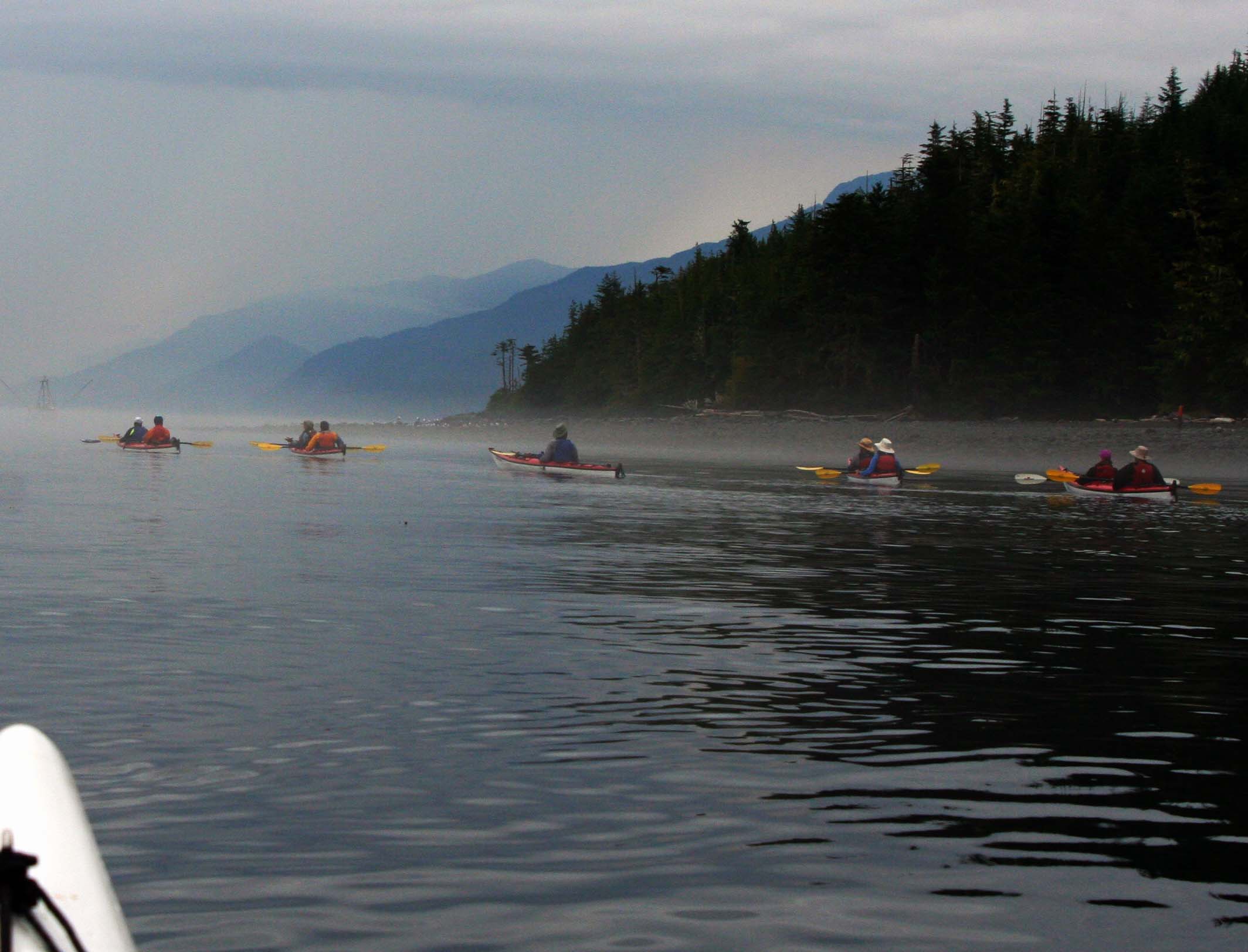
Our group works its way south along Vancouver Island. Shortly afterwards the skies opened up and dumped buckets of rain on us.

Our group works its way south from Little Kai Camp along Vancouver Island. Shortly afterwards the skies opened up and dumped buckets of rain on us. (Photo by Peggy Mekemson.)

Driftwood on Johnstone Strait, Vancouver Island. Photo by Curtis Mekemson.

Back at camp, I found interesting driftwood.

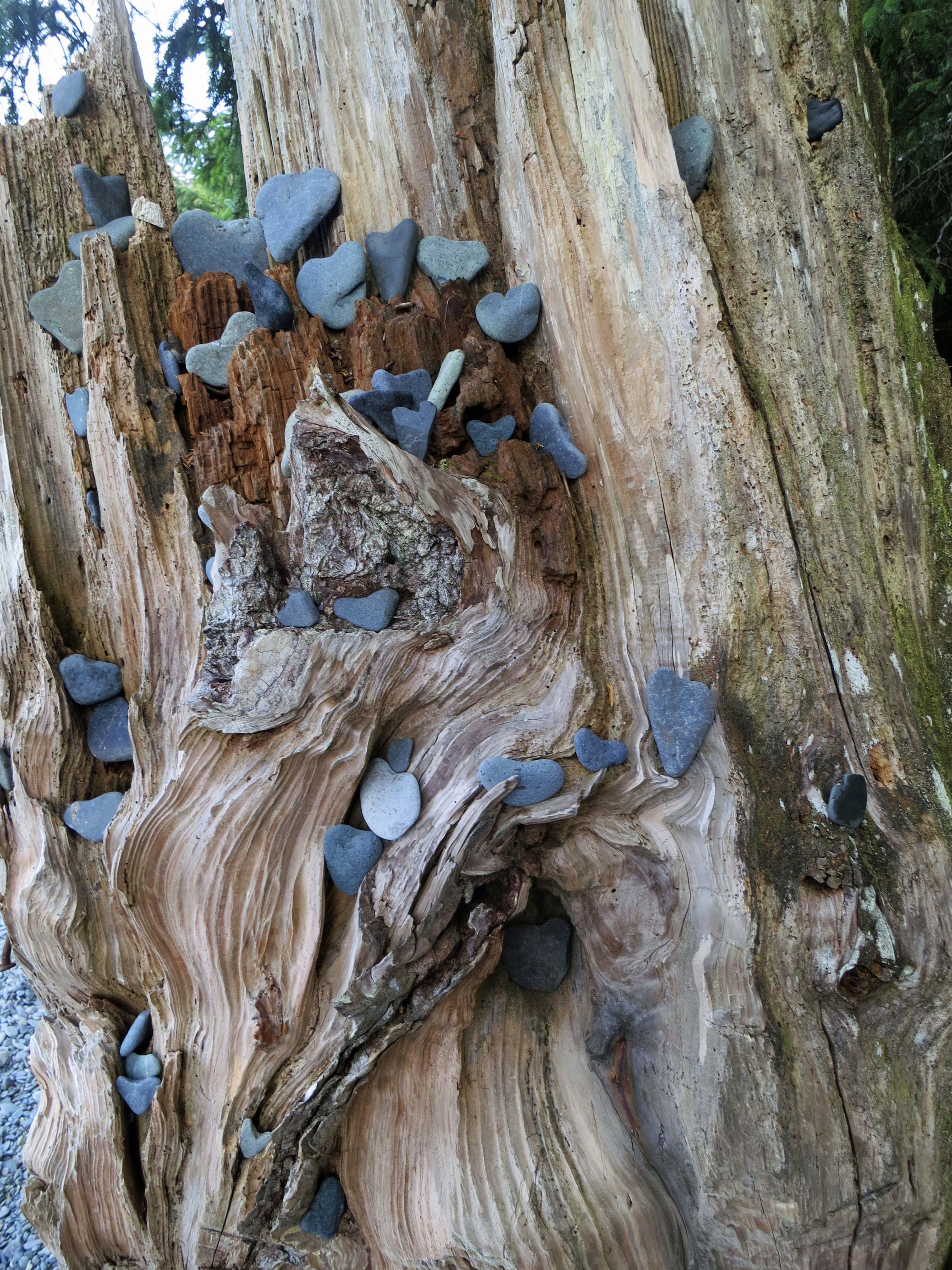
Heart shaped rocks found on Little Kai Beach off of Johnstone Strait. Photo by Curtis Mekemson.

We were amused to find that previous kayakers had collected numerous heart-shaped rocks off of Little Kai Beach.

Dinner is served on Sea Kayak Adventures' trip on Johnstone Strait.

Dinner is served.

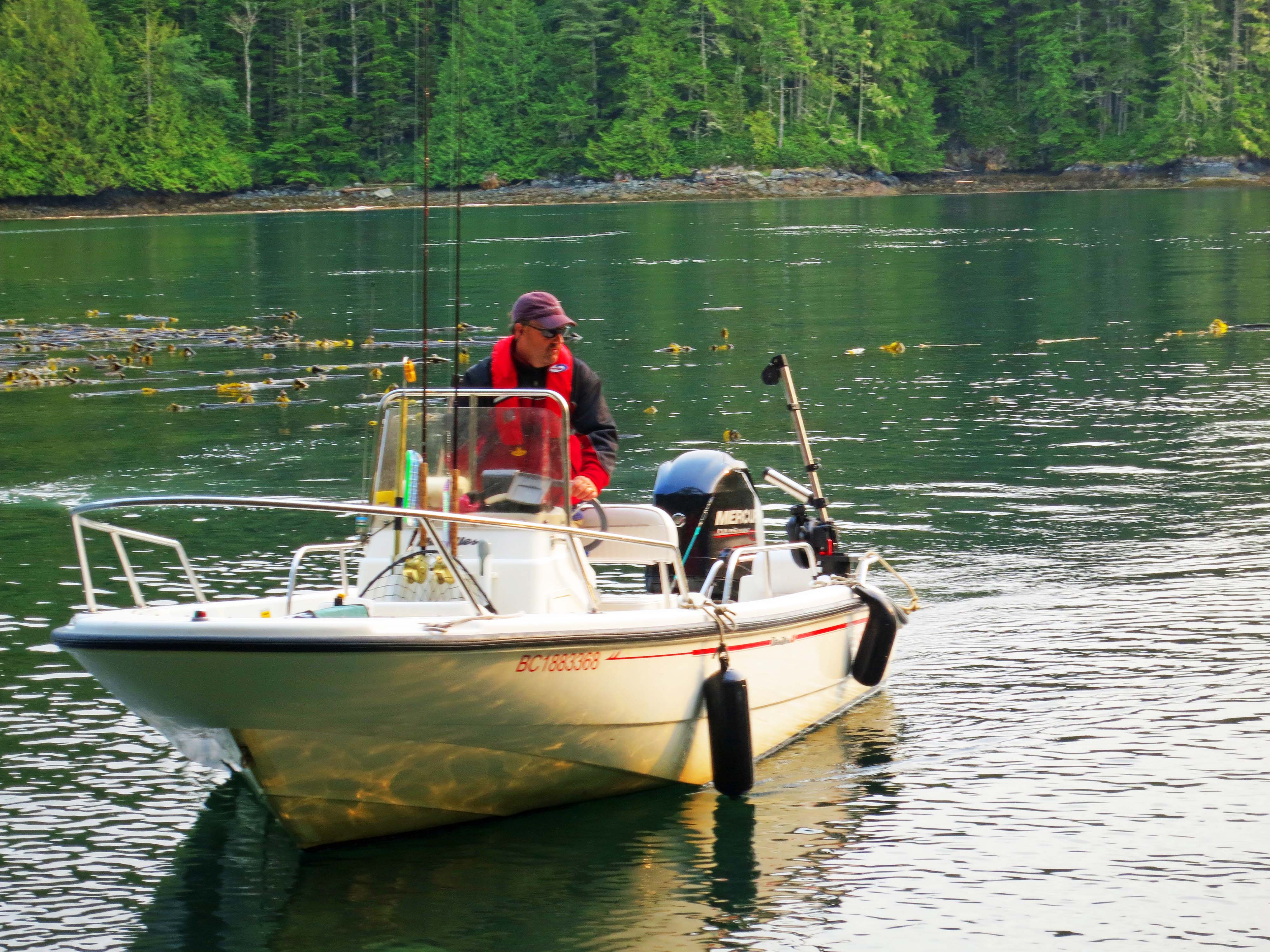
Fishing boats shattered the quiet of our campground. BC fisheries had declared an eight hour fishing season to reduce the number of salmon trying to get up streams.

Fishing boats shattered the quiet of our campground. BC fisheries had declared an eight-hour fishing season to reduce the number of salmon trying to get up streams. Boats came from everywhere. (Photo by Peggy Mekemson.)

We wrapped up our final evening with a campfire, story telling, songs and a skit.

We wrapped up our last evening with a campfire, story telling, songs and skits.

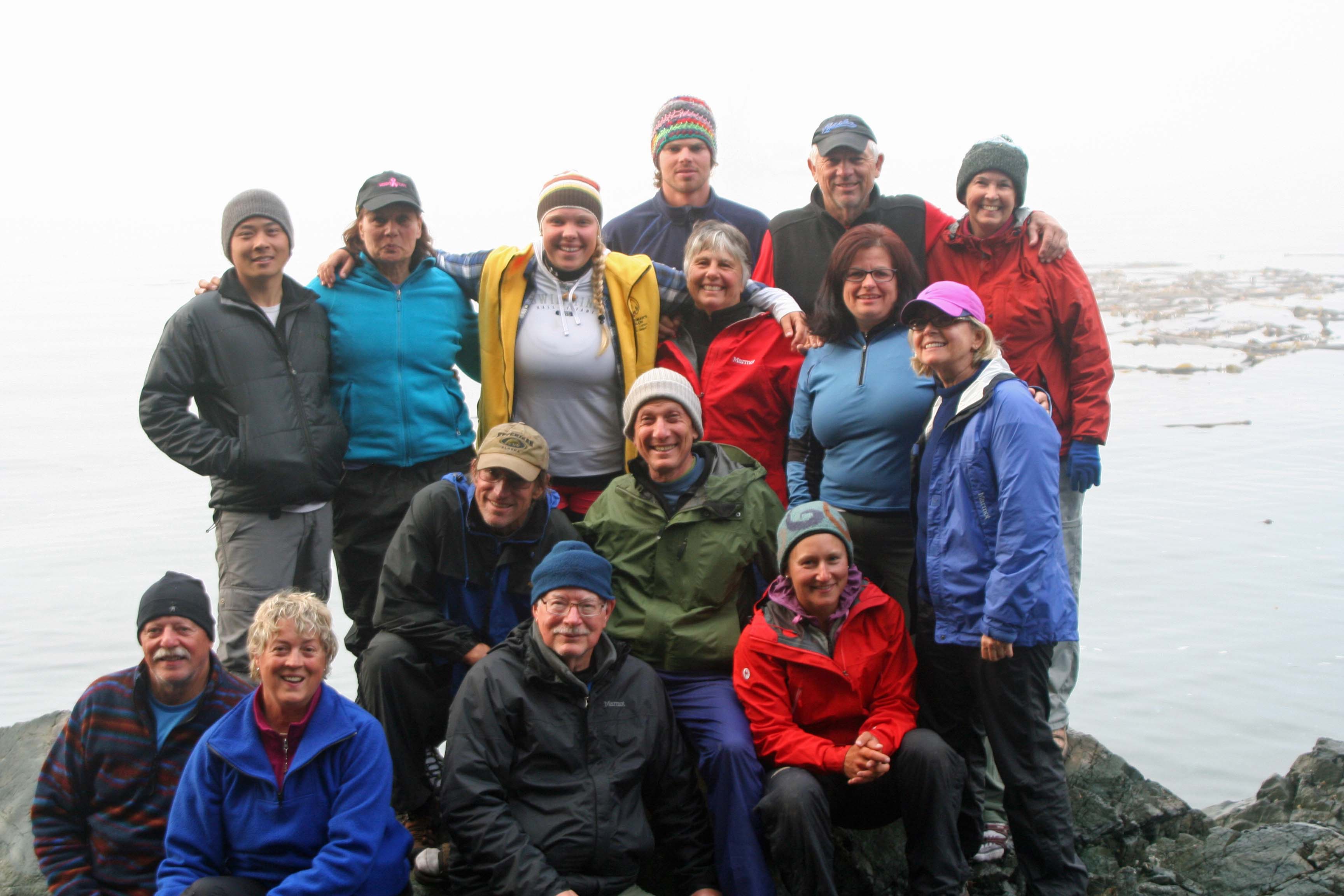
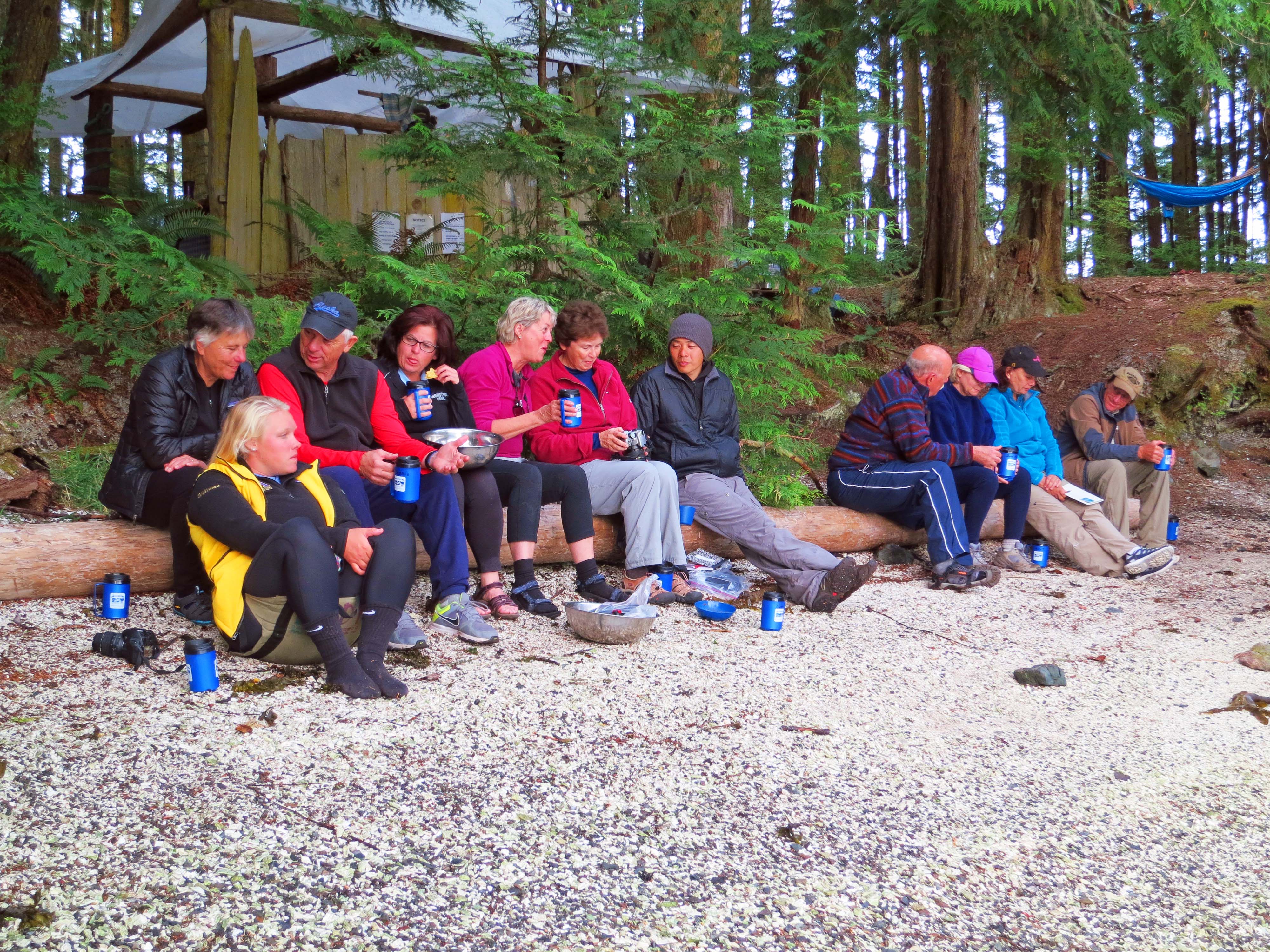
The final morning we posed for an 'official' group photo.

Our ‘official’ group photo.

Bear on Johnstone Strait, BC.

Kayaking back to Telegraph Cove, we came on a black bear. We weren’t able to determine how he managed to get the stick lodged in his fur. Was it the shaft of an arrow? (Photo by Peggy Mekemson.)

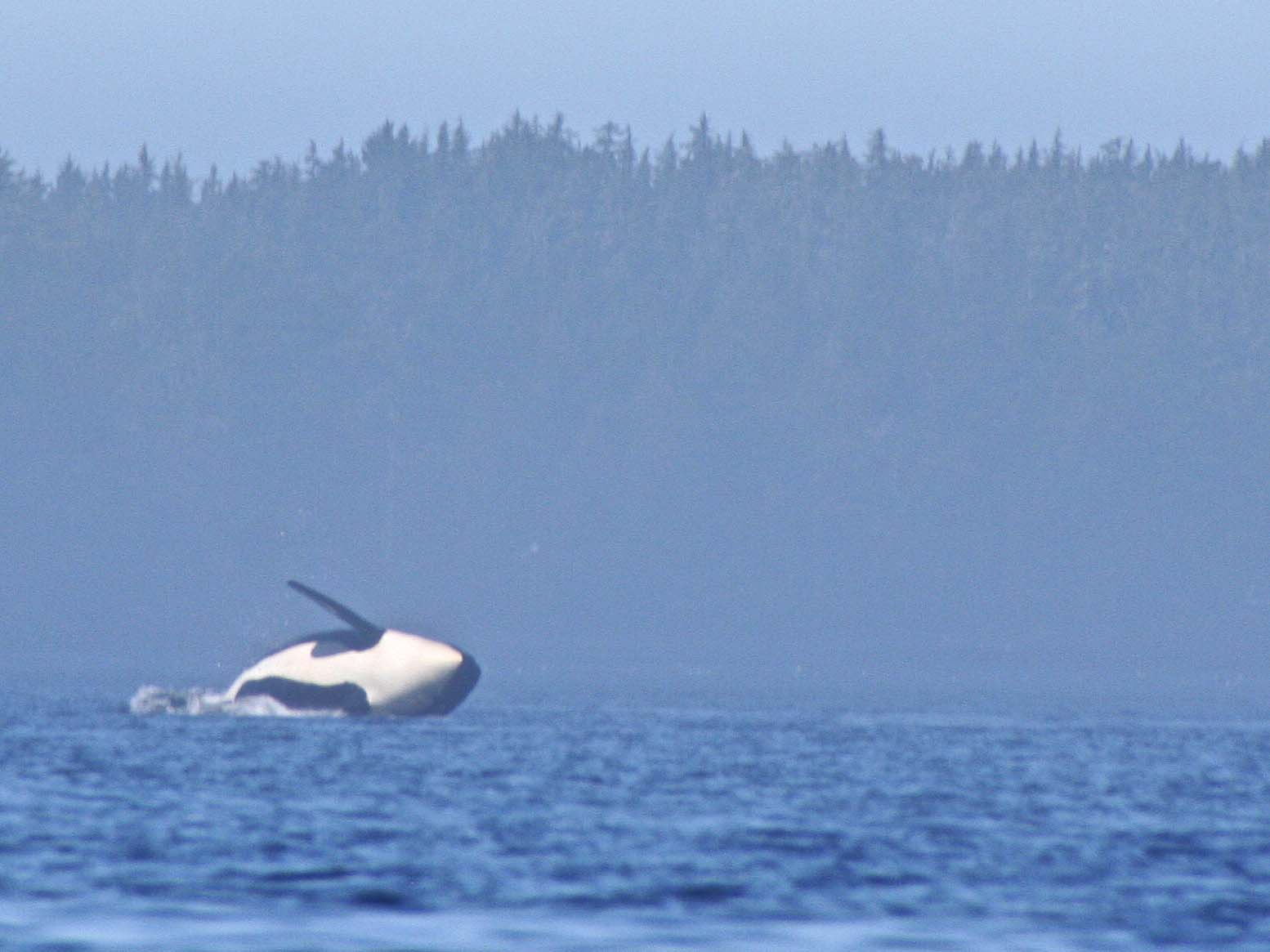
Since we had begun our kayak adventure searching for orcas, it is appropriate that I end this series with a picture of the final orca we saw. (Photo by Peggy Mekemson.)

Since we had begun our kayak adventure searching for orcas, it is appropriate that I end this series with a picture of the final orca we saw. (Photo by Peggy Mekemson.)


Free Corky— and Stay Out of the Death Vortex… British Columbia Kayak Adventure


Sea Kayak Adventures likes to stop for lunch at the beach next to Orca-Lab on Hanson Island.

Sea Kayak Adventures likes to stop for lunch at the beach next to Orca-Lab on Hanson Island. One of the researcher’s cabins is on the left. (Photo by Peggy Mekemson.)

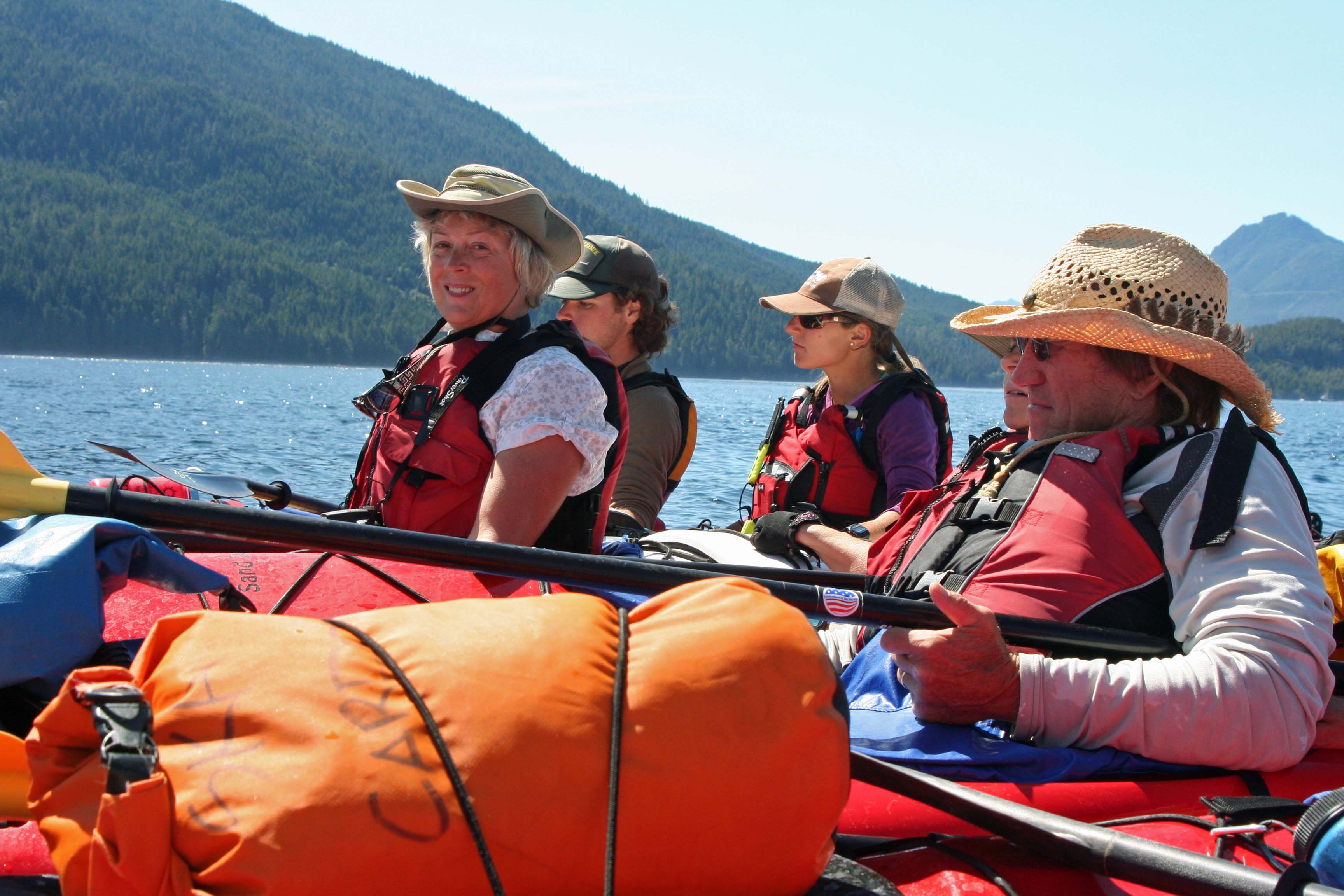
“Paddle, Curt and Peggy, paddle!” Julia yelled at us across the water. The tides of Johnstone Strait between Vancouver Island and mainland British Columbia can be ferocious. And we were caught in the current— the death vortex as the guides described it. We had been futzing along behind the group, happily paddling along, and matching strokes. Matching strokes is more efficient in kayaking, and it is certainly more aesthetic. I doubled my efforts and so did Peggy, paddling fast and digging deep, not concerned about style, driven by adrenaline. What seemed like an hour later (mere minutes), we were out of trouble. Afterwards, I continued to be unaesthetic, and we moved up to the head of the line.

The day had started out foggy. In fact the guides were worried about whether the fog would clear. As I mentioned before, sharing a narrow strait in zero visibility with huge cruise ships is at the top of every kayaker’s bad-idea list. The sun came out, however, and, beyond being caught in the death vortex, we had a great day of kayaking. The highlight, from my perspective, was visiting the site of the Orca-Lab.

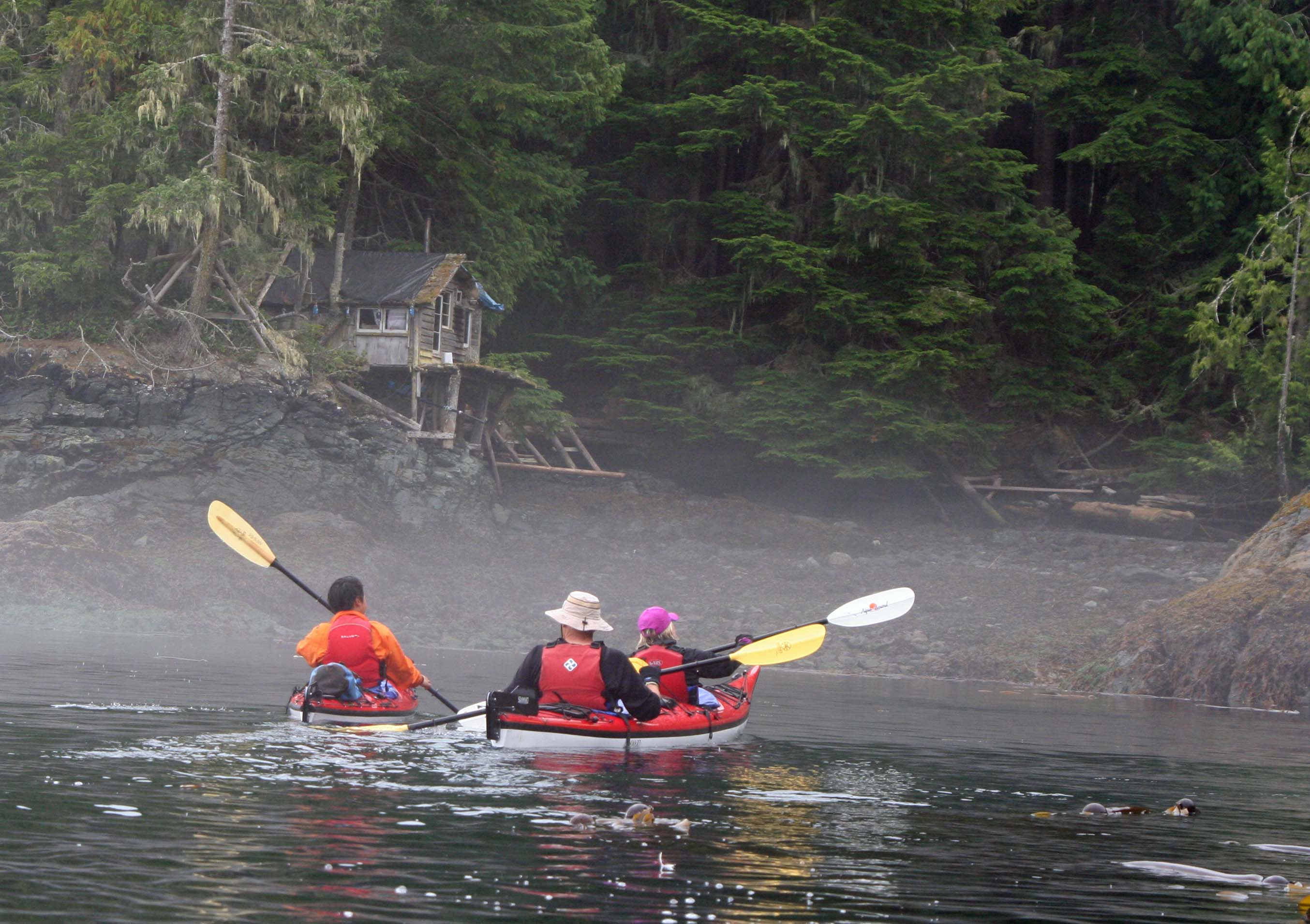
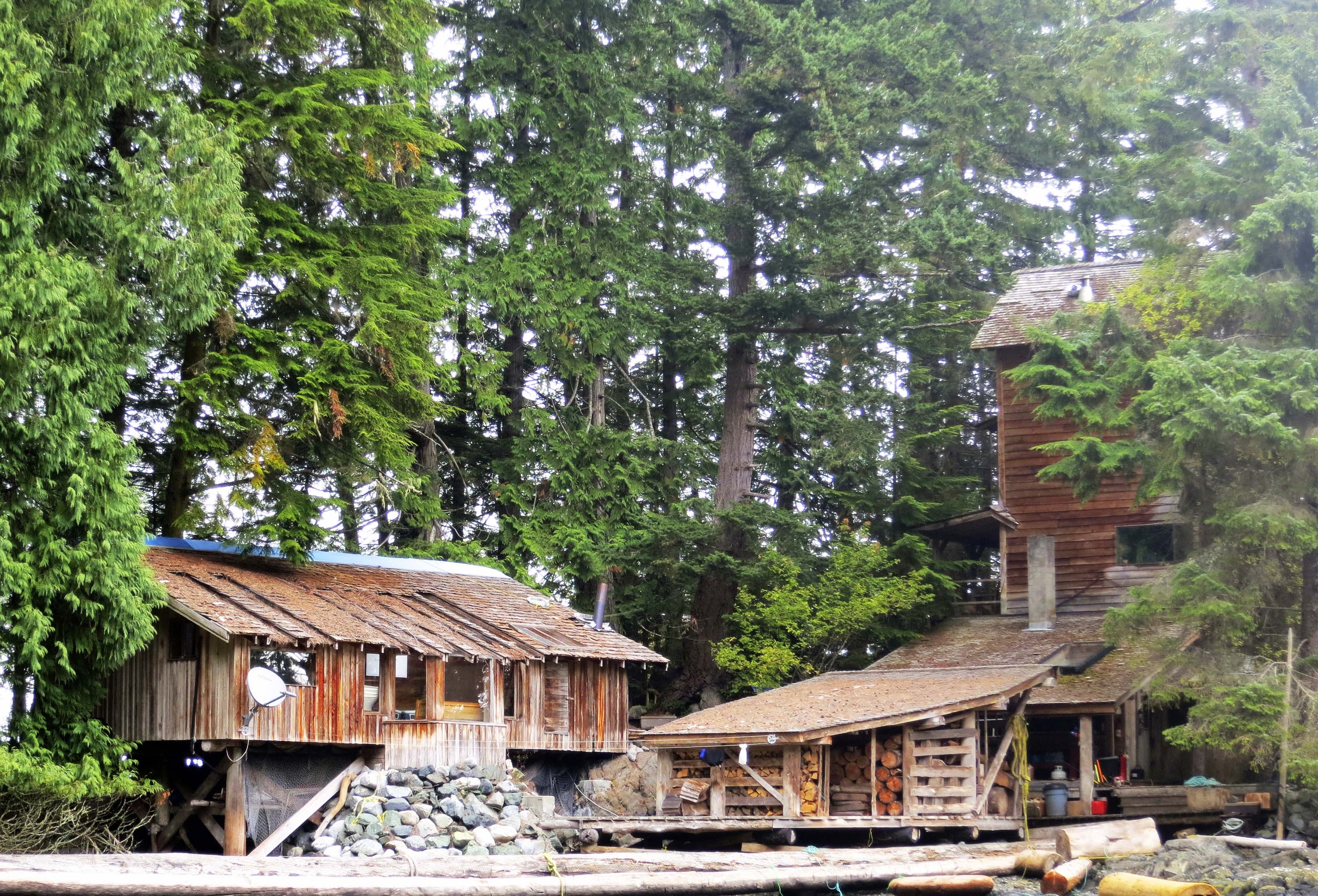
A side view of the Orca-Lab and an out buildings. Tents were located behind these buildings, which I assumed housed some of the volunteers who come fro all over the world to work at the research facility.

A side view of the Orca-Lab and an out building. Tents were located behind these buildings, which I assumed housed some of the volunteers who come from all over the world to work at the research facility.

Some 150 orcas live and travel in Johnstone Strait and Blackfish Sound during the summer and fall months when the salmon are running. Orcas are quite social with the primary grouping built around the mother. She and her children stay together for life. Maternal groups form pods of extended family members and, beyond that, join together in clans, who more or less speak the same language: they share common calls.

Dr. Paul Spong established Orca-Lab on Hanson Island in 1970. It has been functioning ever since to study the local whale population. A number of hydrophones (underwater listening devices) are positioned around the Orcas’ territory to listen in on their ‘discussions.’ These sonic recordings are supplemented by visual sightings of orcas as they pass by Orca-Lab and from other land-based locations in Johnstone Strait.

Julia drops a hydrophone into the water to see if we can pick up any orca calls. Is that a huge orca photo bombing the picture under her arm??? No, unfortunately, it was a view of a peninsula modified by Julia's shirt. I was excited for a second, though.

Julia drops a hydrophone into the water to see if we can pick up any orca calls. Is that a huge orca photo bombing the picture next to her waist??? Nope, it was a view of a peninsula modified by Julia’s shirt. I was excited for a second, though… (Photo by Peggy Mekemson.)

In addition to Orca-Lab’s ongoing scientific studies, it works to improve whale habitat, free captive whales, and oppose whale hunting. Number one on its “Free Willy” type campaign is Free Corky. She was captured when she was four years old and has now been in captivity for 42 years. You are more likely to know her as Shamu of Sea World in San Diego. Orca-Lab wants her reunited with her family.

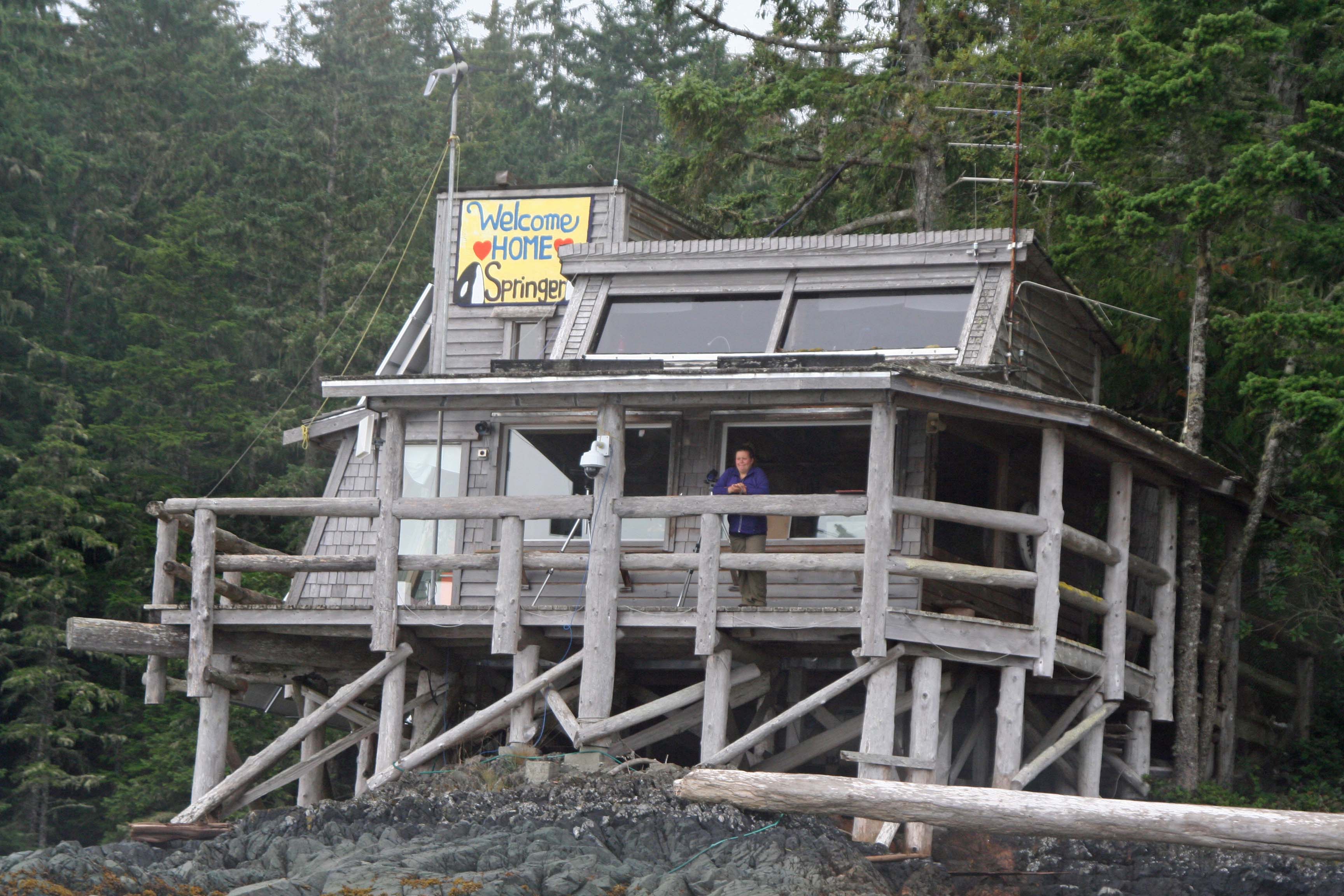
A frontal view of the Orca Lab with a Welcome Home Springer sign. Springer is the poster child of reuniting orca whales with their families. Orphaned as a child, she wandered far from home and begin approaching fishing boats for companionship. Close to starving, she was captured, fed and returned to her pod where family members adopted her— and taught her to stay away  from fishing boats. Each year, she returns to Johnstone Strait.

A frontal view of the Orca Lab with a Welcome Home Springer sign. Springer is the poster child of reuniting orca whales with their families. Orphaned as a child, she wandered far from home and began approaching fishing boats for companionship. Close to starving, she was captured, fed, and returned to her pod where family members adopted her— and taught her to stay away from fishing boats. Each year, she returns to Johnstone Strait. (Photo by Peggy Mekemson.)

Orca-Lab beach on Hanson Island, British Columbia. Photo by Curtis Mekemson.

There was some very impressive driftwood on the beach at Orca-Lab, including this massive example. One might assume there were some large trees around…

Giant cedar tree on Hanson Island near the Orca Lab in Johnstone Strait, British Columbia.

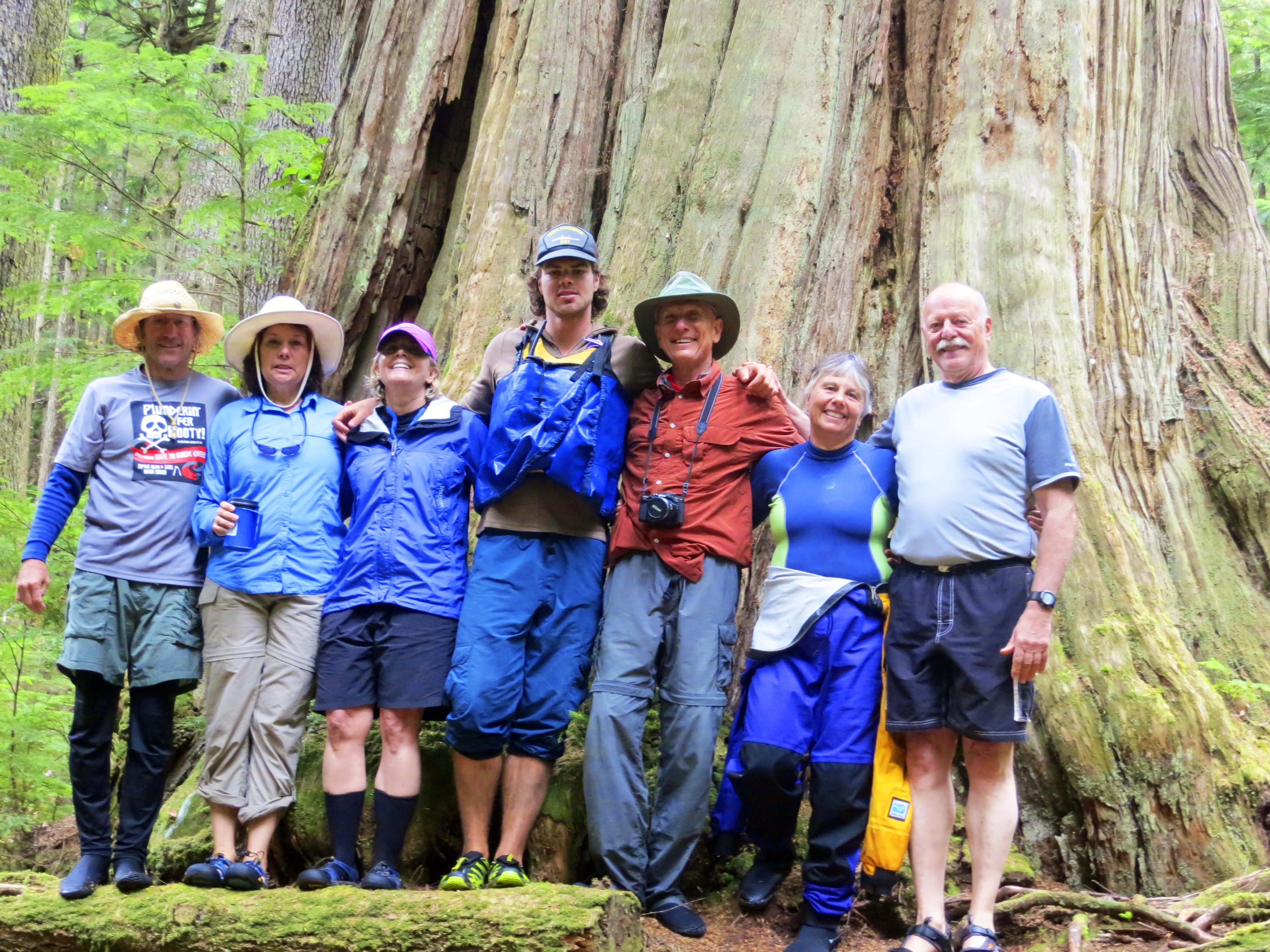
We went for a walk and found this giant tree that the folks at Orca-Lab call Grandma Cedar.

Grandma Cedar on Hanson Island BC near the Orca-Lab. Photo by Curtis Mekemson.

I took this photo of Grandma Cedar looking up.

Some photographers will go to any length to capture a photo of Grandma Cedar, as David demonstrates here.

Some photographers will go to any length to capture a photo of Grandma Cedar, as David demonstrates here.

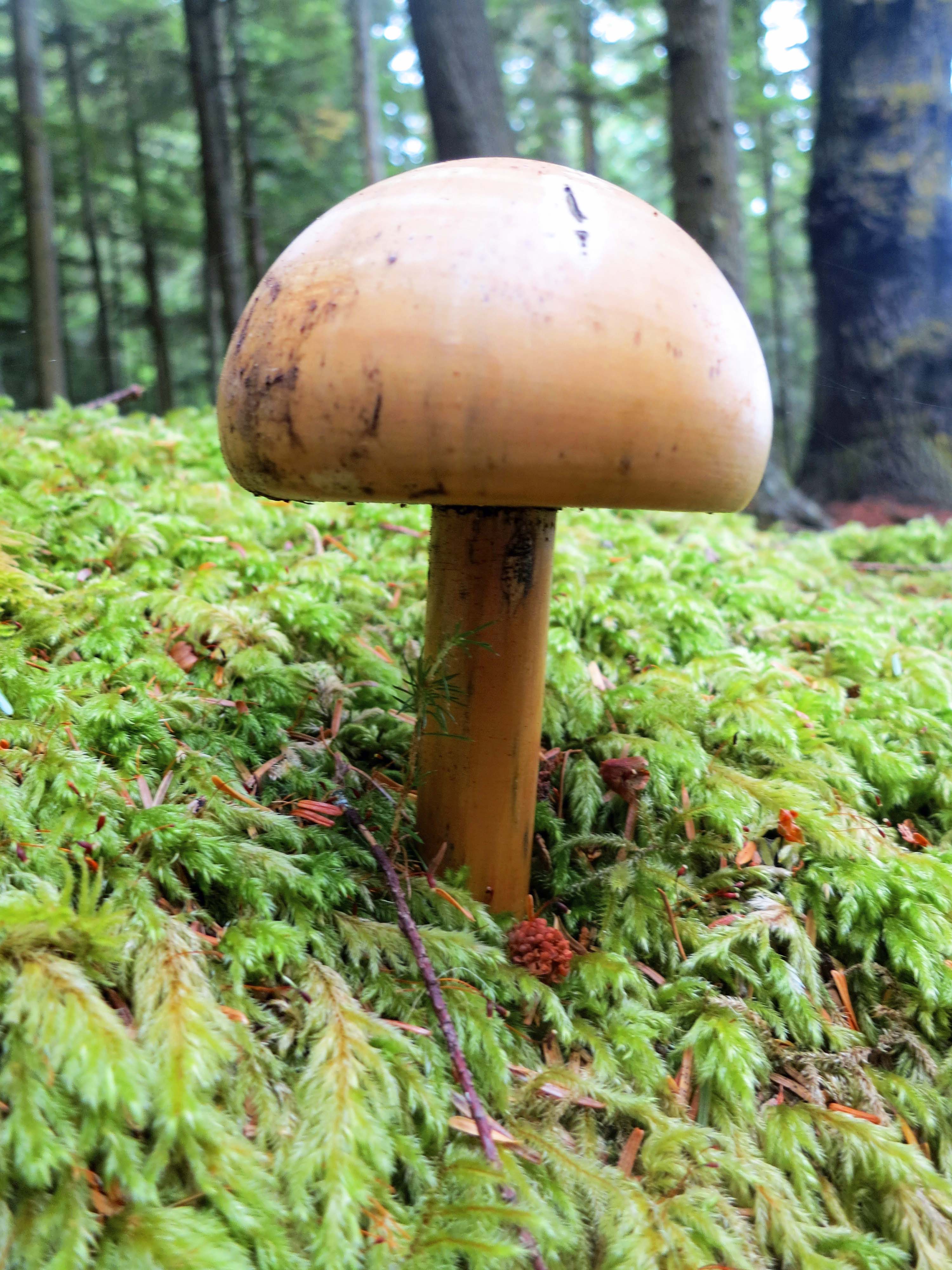
On the way back to the beach, I found some strange mushrooms growing along side the trail. On close inspection I discovered they were carved out of wood. My thoughts: the folks at Orca Lab were having a slow day.

On the way back to the beach, I found some strange mushrooms growing alongside the trail. On close inspection, I discovered they were carved out of wood. My thoughts: the folks at Orca-Lab were having a slow day.

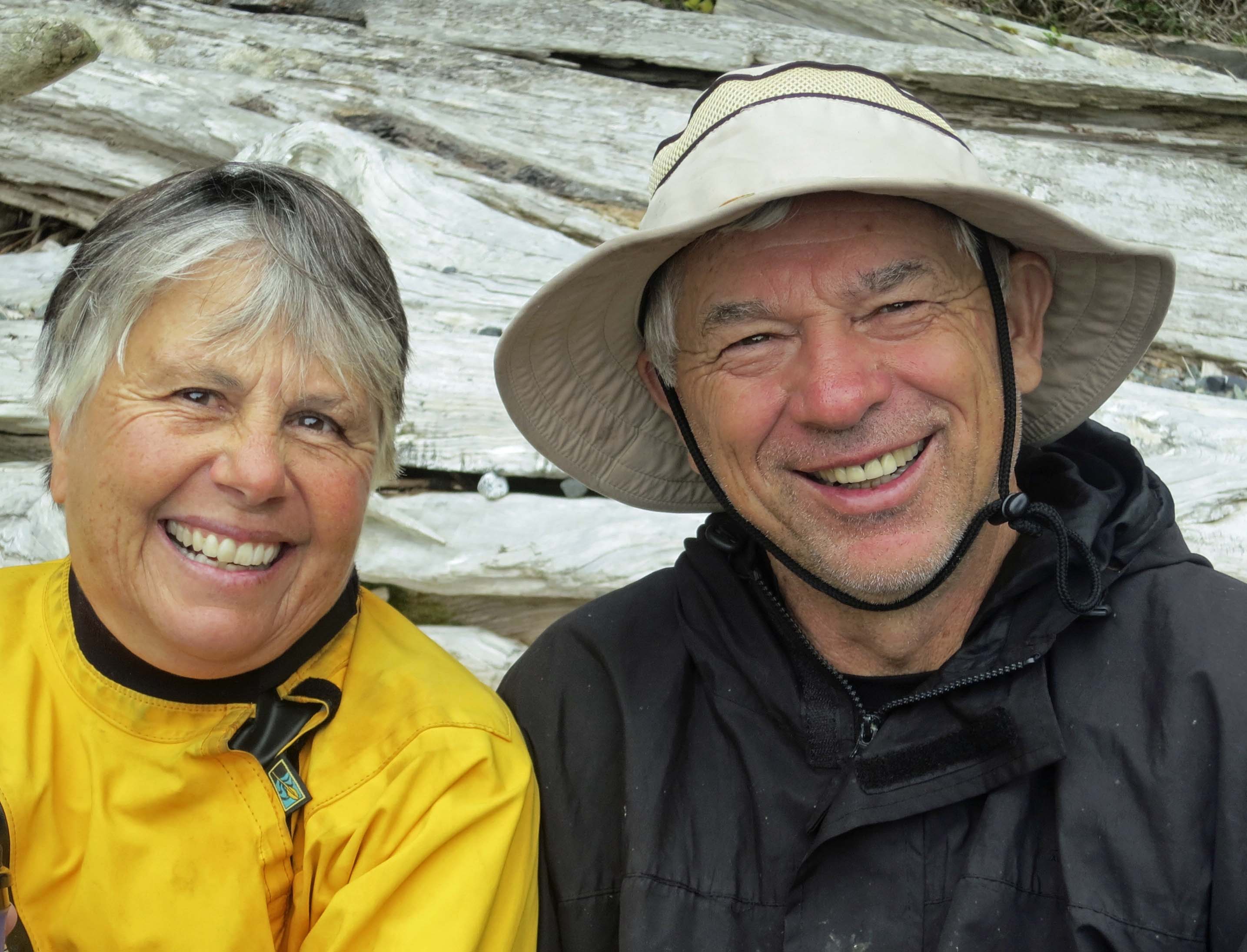
Back at the beach I found smiling faces— Wendy and Dennis.

Back at the beach I found smiling faces— Wendy and Dennis…

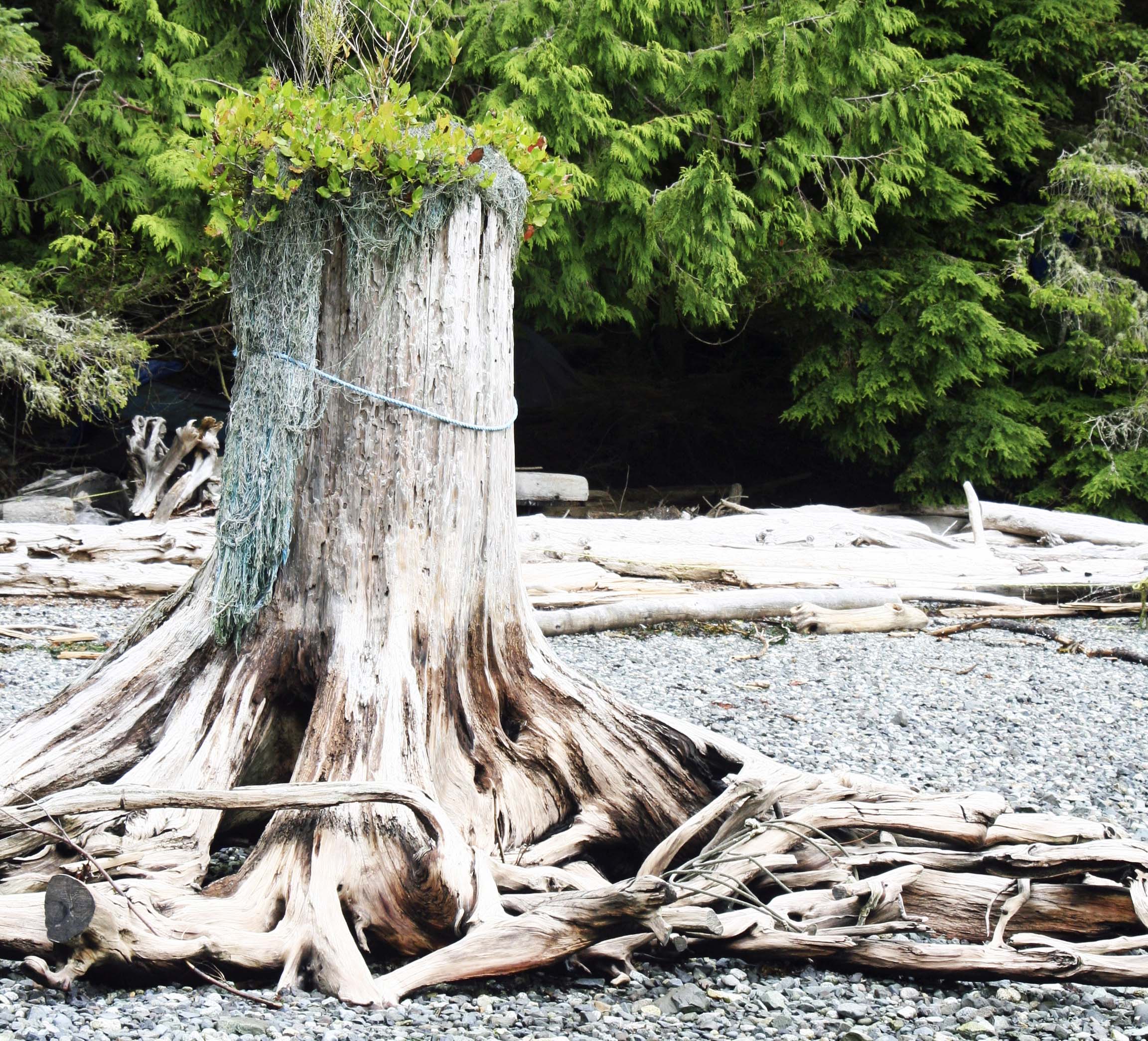
Dead stump with green growth on beach next to Orca-Lab on Hanson Island, Johnstone Strait, British Columbia.

A stump with green hair. Could it be Treebeard of Hobbit fame… (Photo by Peggy Mekemson.)

Driftwood found next to Orca-Lab on Hanson Island, British Columbia. Photo by Curtis Mekemson.

This entwined piece of driftwood…

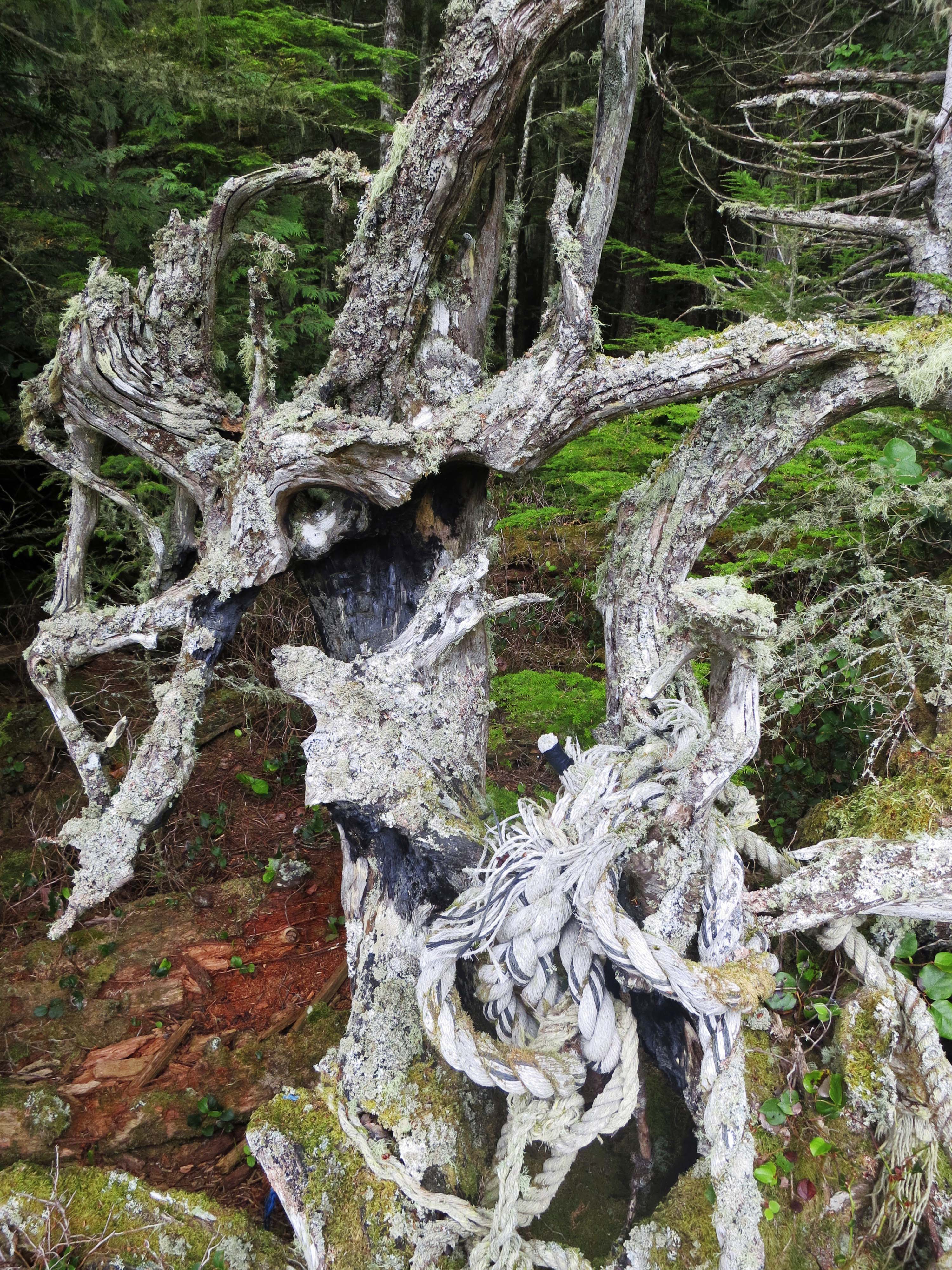
Old driftwood and rope on Hanson Island near the Orca-Lab.

An interesting combination of old wood and rope…

Sea kayaks of Sea Kayak Adventures waiting on Hanson Island next to Orca-Lab.

And our waiting kayaks. Our’s is third from the left. I was surprised she hadn’t escaped given that we had tried to dump her in the death vortex. It was time to saddle up and head for our last campground. Next Blog: I conclude the kayak adventure in British Columbia.

The Monster on the Rock— And Sasquatch… British Columbia Kayak Adventure: Part 4

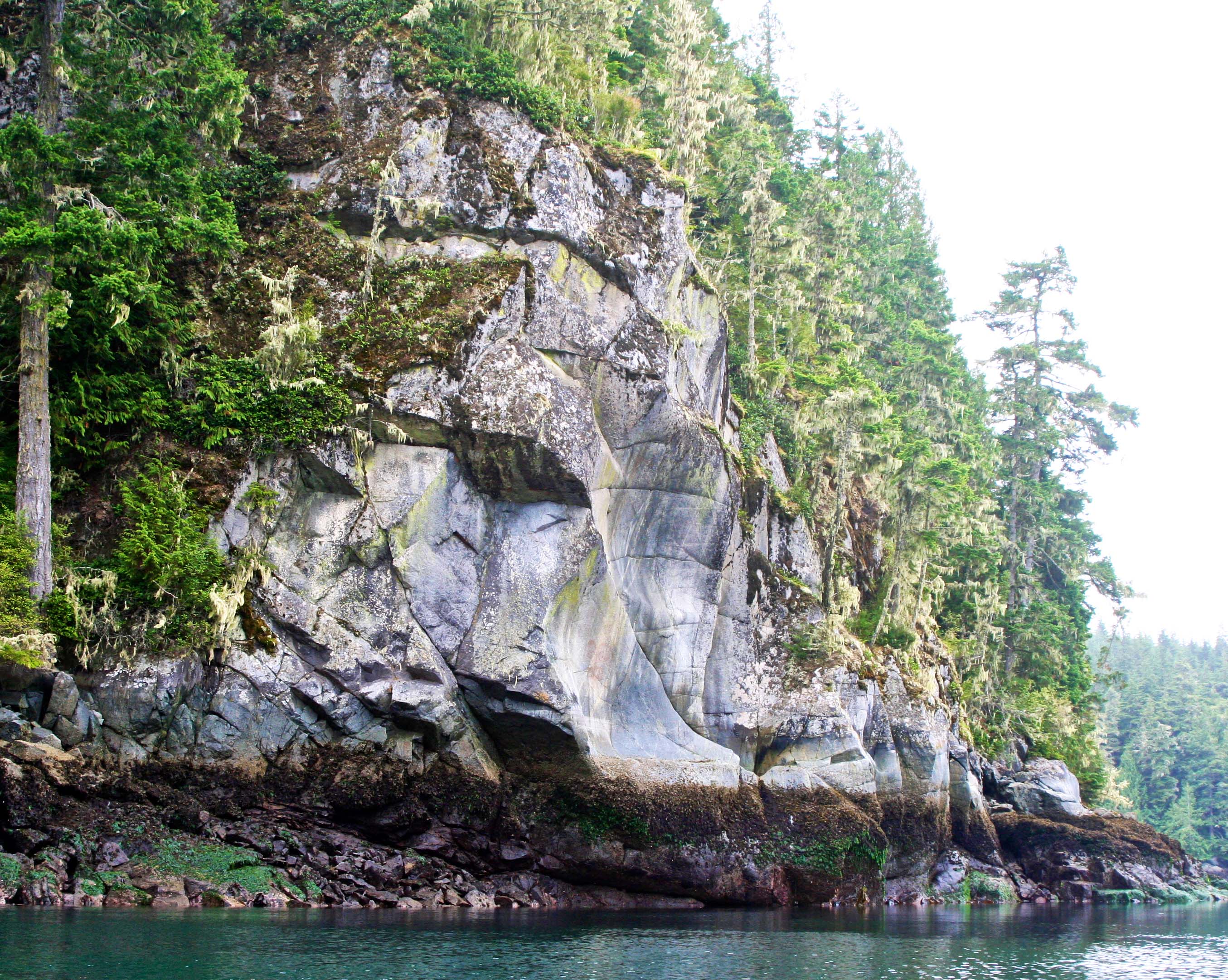
First Nation people had chosen this rock on Berry Island in Blackfish Sound, British Columbia as the location for a pictograph warning people to stay off of the island.

First Nation natives had chosen this rock on Berry Island in Blackfish Sound, British Columbia as the location for a pictograph warning people to stay off of the island. The dark line marks how high the tide climbs.

The third day of our kayak trip was a ‘layover day.’ It was a layover in the sense that we would be spending two nights at our camp on Compton Island, not that we would be sleeping in and relaxing. There was kayaking to do. Berry Island and a pictograph was our morning destination. We found the pictograph on a tall rock cliff that hung over the water.

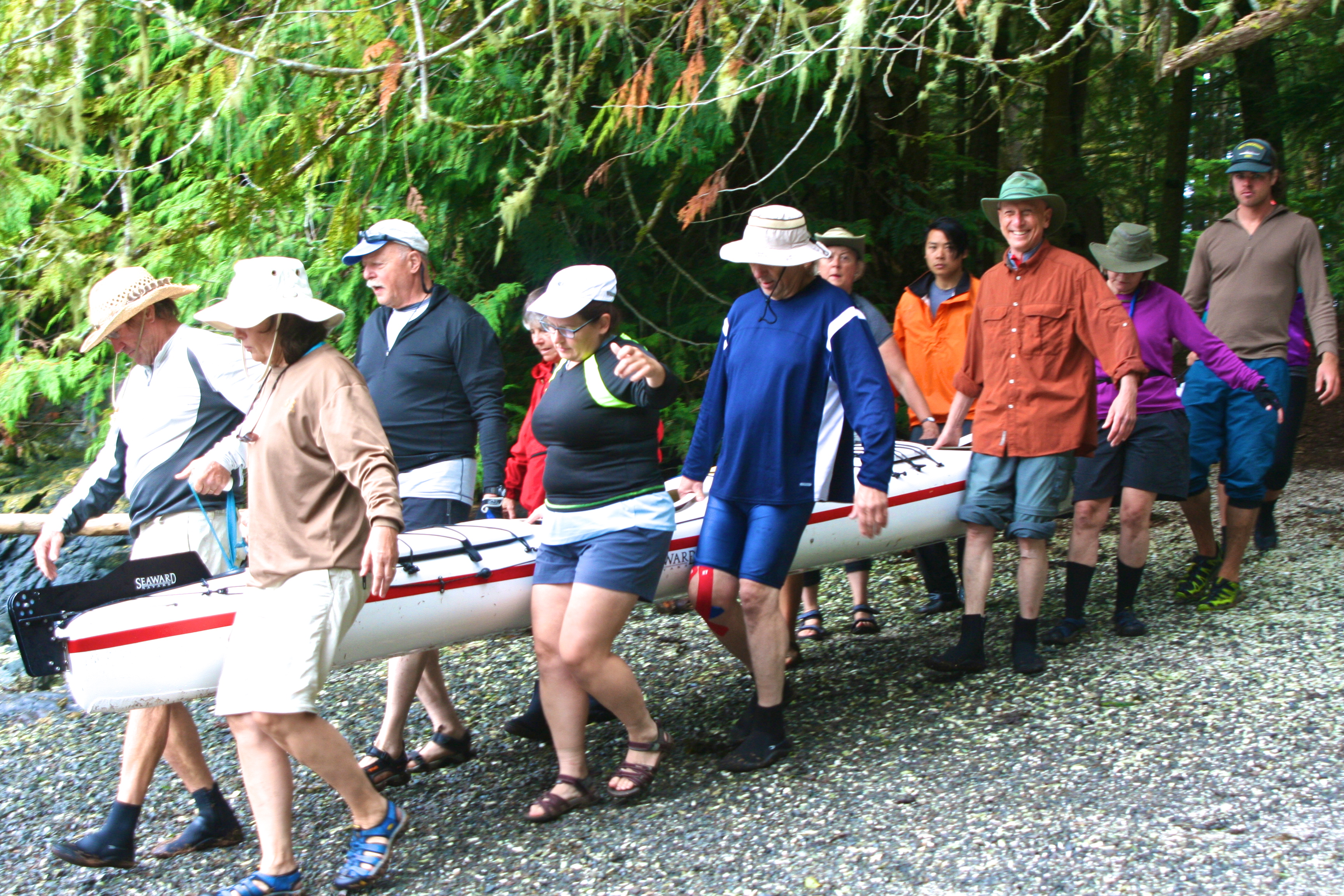
Our layover was not designed to be a kick-back and relax day. Here we are carrying our kayaks down to the water. The number of people required to move Peggy and my kayak suggests how heavy it was.  (Photo by Peggy Mekemson.)

Our layover was not designed to be a kick-back day. Here we are carrying our kayak down to the water. The number of people required to move it suggests how heavy it was. (Photo by Peggy Mekemson.)

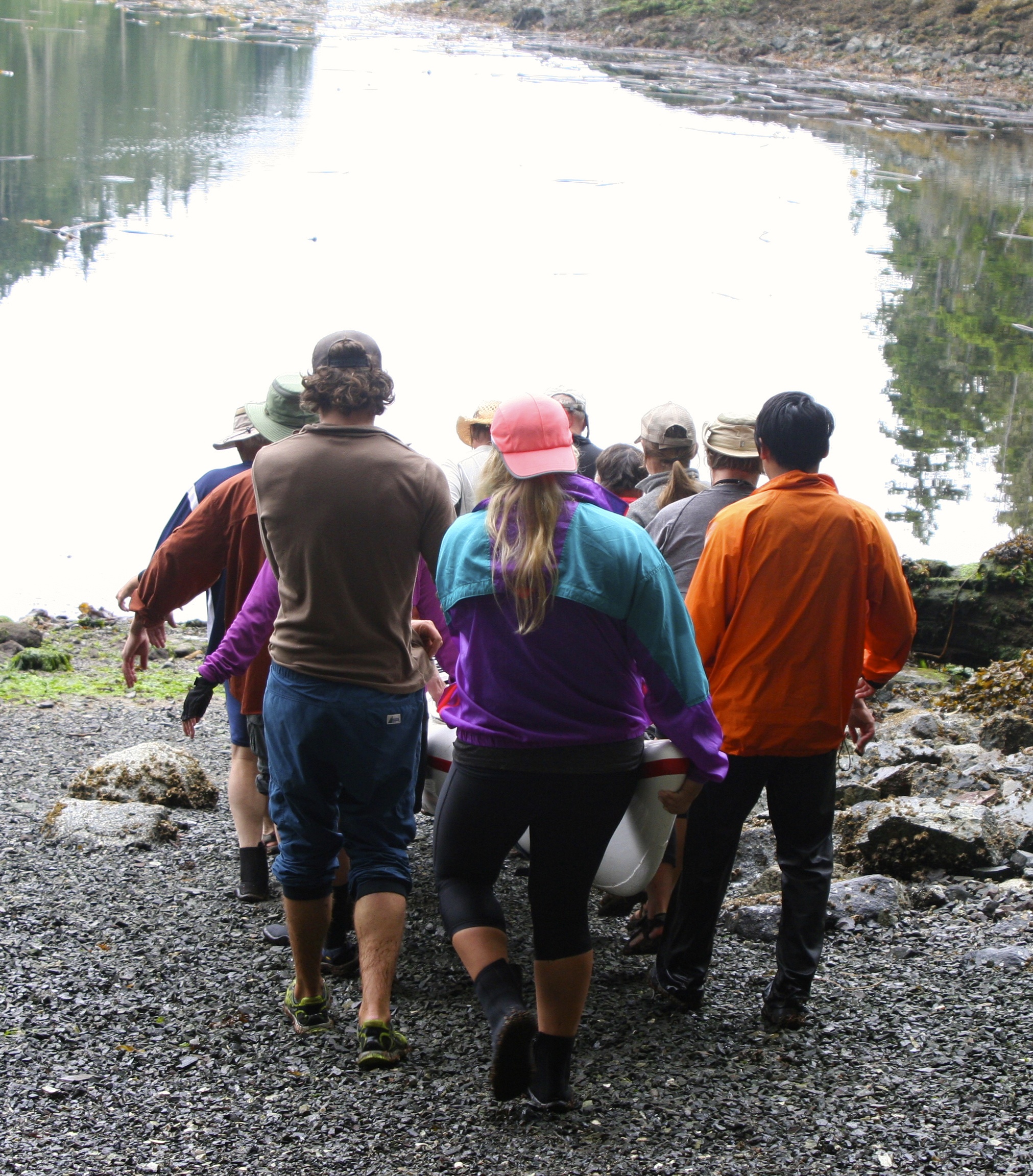
Extreme high and low tides in Johnstone Strait meant we often had to carry the kayaks a fair distance to water.

Extreme high and low tides in Johnstone Strait meant we often had to carry the kayaks a fair distance to water. (Photo by Peggy Mekemson.)

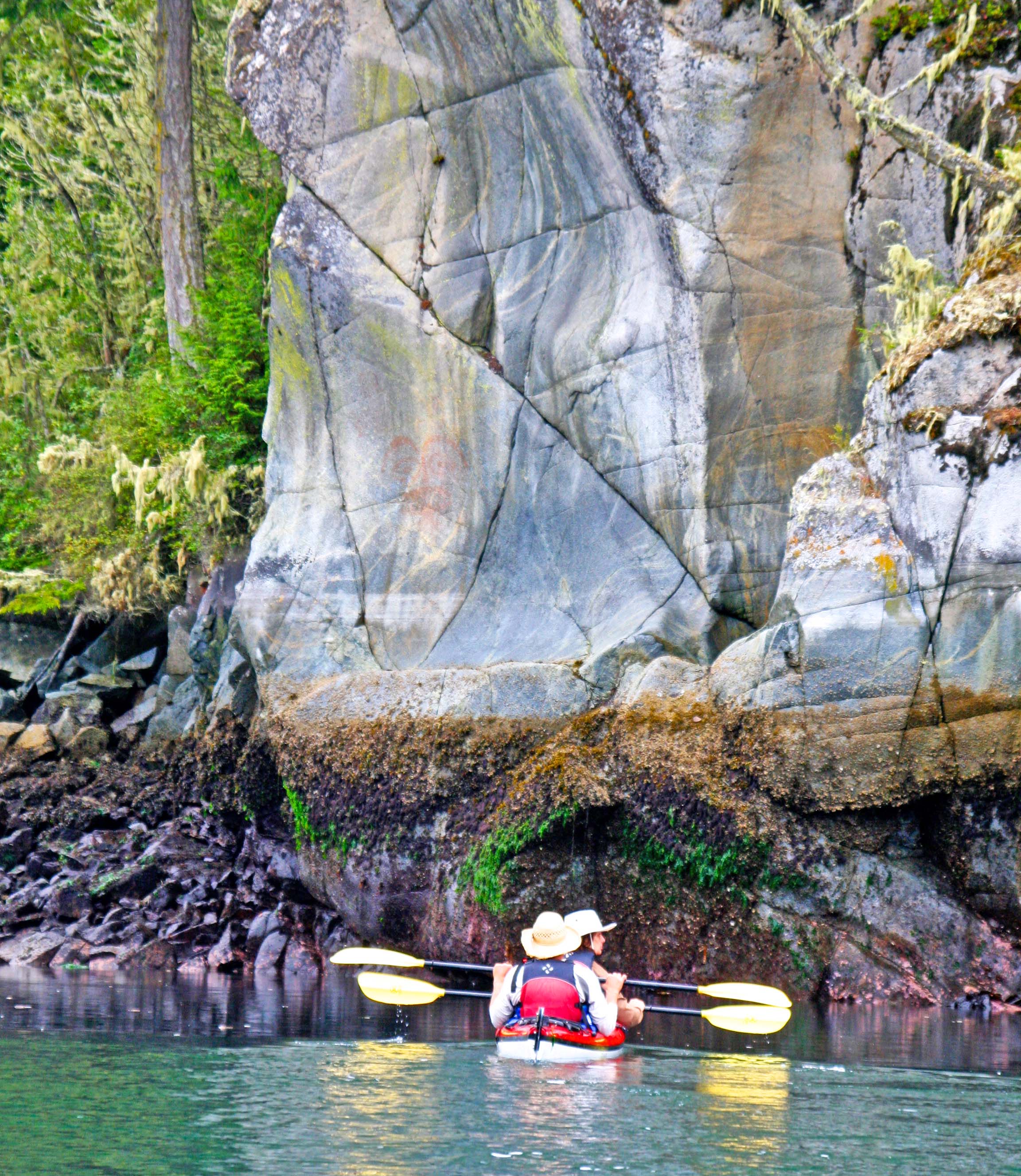
Stretching across the rock face, ancient First Nation natives had painted a monster to warn people away from Berry Island, where they buried their dead. It was an early no-trespassing sign— probably implying that the monster would eat you if you landed. I had seen its modern equivalent in west Texas, except there, the sign had declared that trespassers would be shot. Such admonitions make one hesitate; at least they do me. When my choice is to be eaten by a monster or shot by a Texan, I choose neither.

Mary and Rod, two of our kayakers from Idaho, paddle up close to get a look at the pictograph. It was above there right paddles on the shaded rock face. Can't see it? Don't feel bad; neither could I. (Photograph by Peggy Mekemson.)

Mary and Rod, two of our kayakers from Idaho, paddle up close to get a look at the pictograph(s). One is barely visible above the right paddles. Look closely and you will see two round eyes. Another is above the left paddles— red, round and also barely visible. (Photo by Peggy Mekemson.)

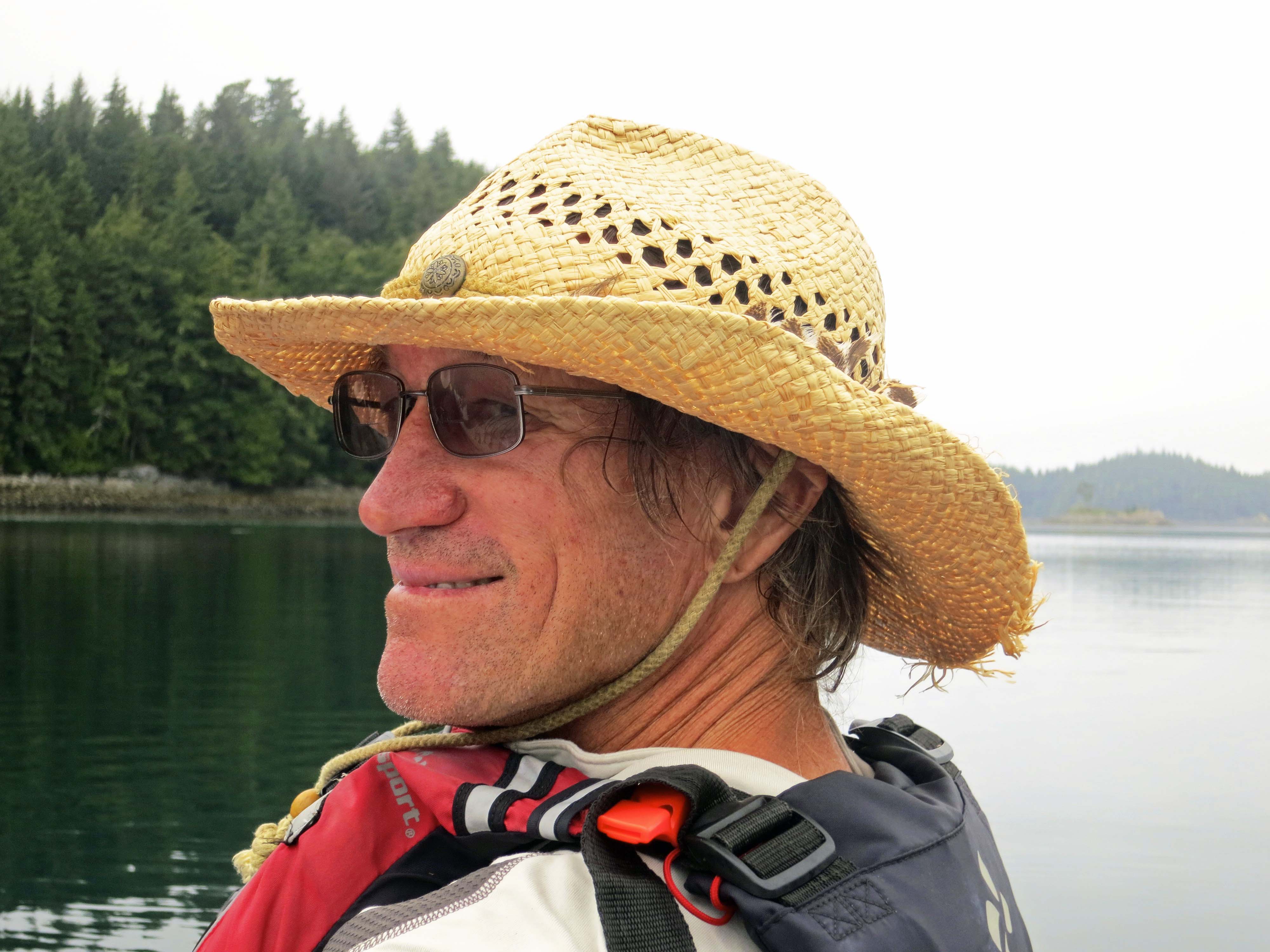
Rod seemed quite happy with what he saw, however. Or maybe he was happy the monster chose not to eat him.

Rod seemed quite happy with what he saw, however. Or maybe he was happy the monster chose not to eat him.

Our guide, Nick, told us another story; this one had been passed on by the kayaking community. A lone, female kayaker had stopped to camp on Berry Island and had set up her tent for the night. Shortly afterwards, a boulder went flying by her head. She neither saw nor heard anyone, but another boulder came whizzing past. It was time to vacate the premises. She grabbed her kayak and paddled away as more boulders landed nearby. When nothing else had been hurled at her for two hours, she paddled back in, grabbed her tent (rather quickly, I suspect) and hightailed it. Back in town, the locals told her that Berry Island was also known as Sasquatch Island. Had Bigfoot been lobbing rocks at her? The Sasquatch/Bigfoot Research Organization claims this is a common practice of the big, hairy fellow. See here.

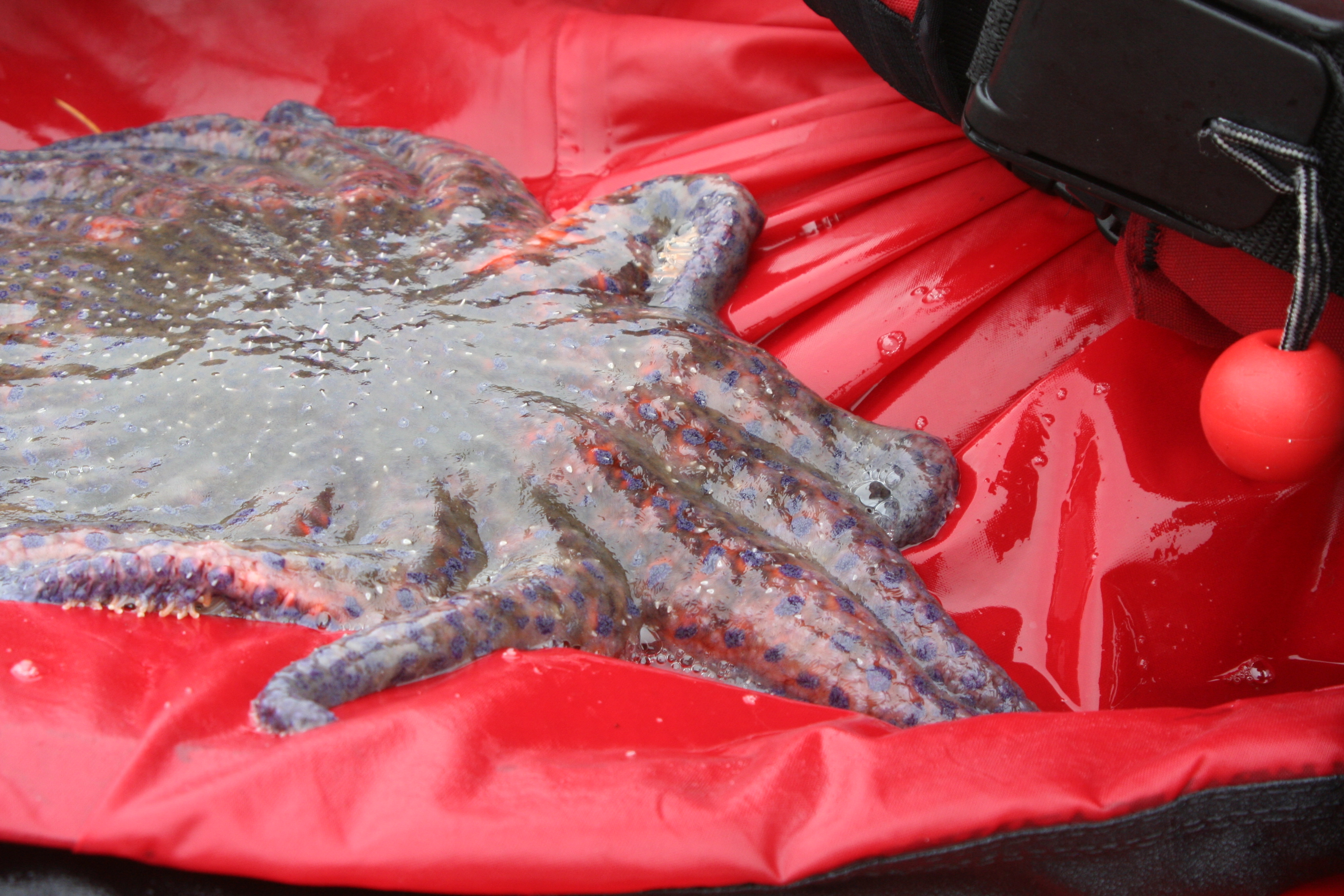
Heading back for camp and lunch, our guide, Julia, found a starfish that made Bigfoot seem normal in comparison. Julia handled it with aplomb, sort of. As for lunch, we ate the delicious salmon that I blogged about in my last post.

Starfish in Blackfish Sound, British Columbia.

This amorphous mass is actually a starfish. Here it rests on our guide Julia’s kayak skirt.

Julia picked the starfish up to show us. I think there was a slight 'ewww' factor. There certainly would have been for me.

Julia picked the starfish up to show us. I think there was a slight ‘ewww’ factor. There certainly would have been for me. (Photo by Peggy Mekemson.)

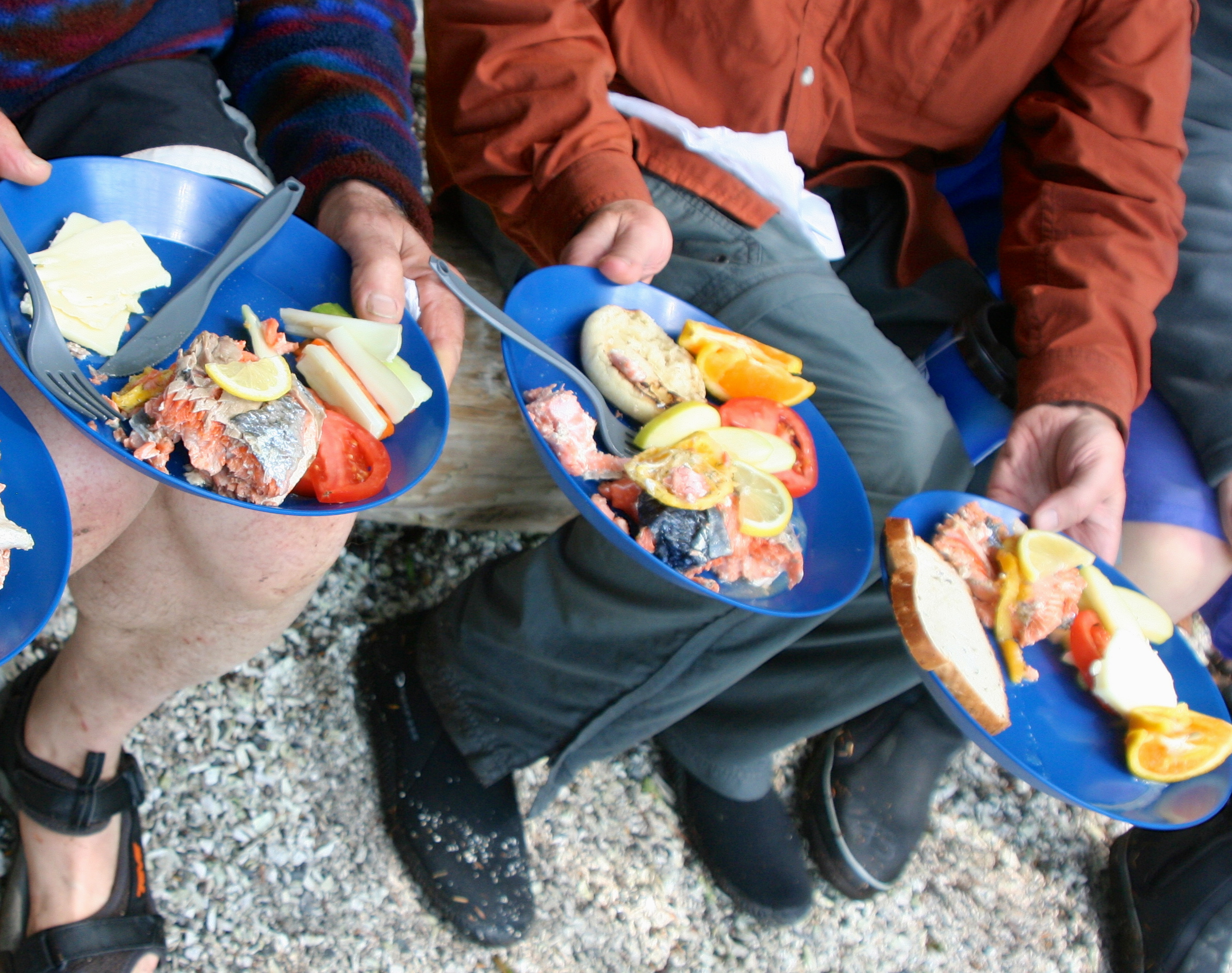
Sea Kayak Adventures cooks up a delicious lunch of freshly caught salmon at its camp on Compton Island, British Columbia.

The fresh salmon delivered to us the night before by a fisherman, ended up as a delicious lunch. We weren’t the only ones interested in the salmon, however…

Bald eagle on Compton Island in British Columbia.

Each bite was carefully monitored. This bald eagle had already eaten the salmon’s guts, and he was eager for more fish. Sushi would be fine.

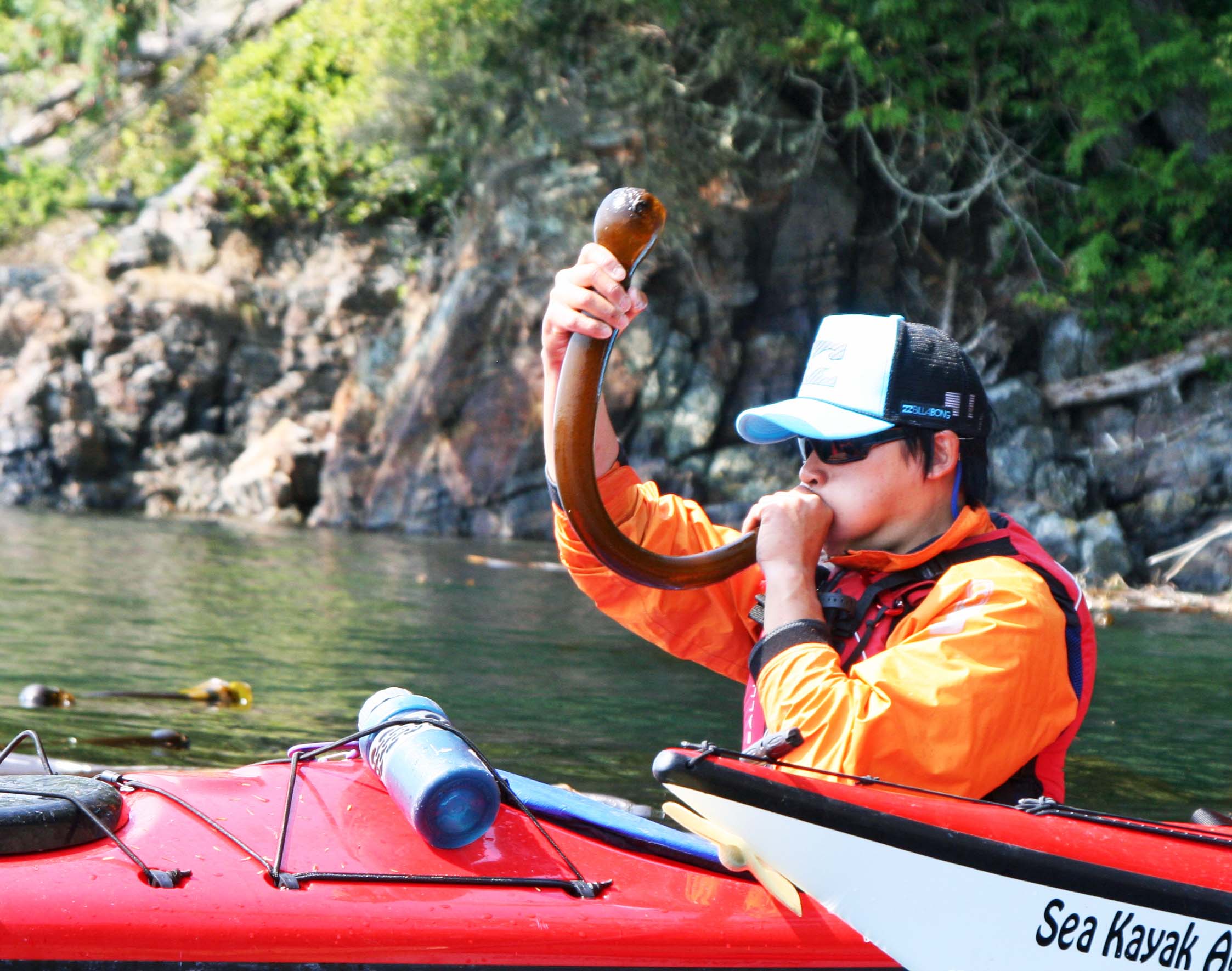
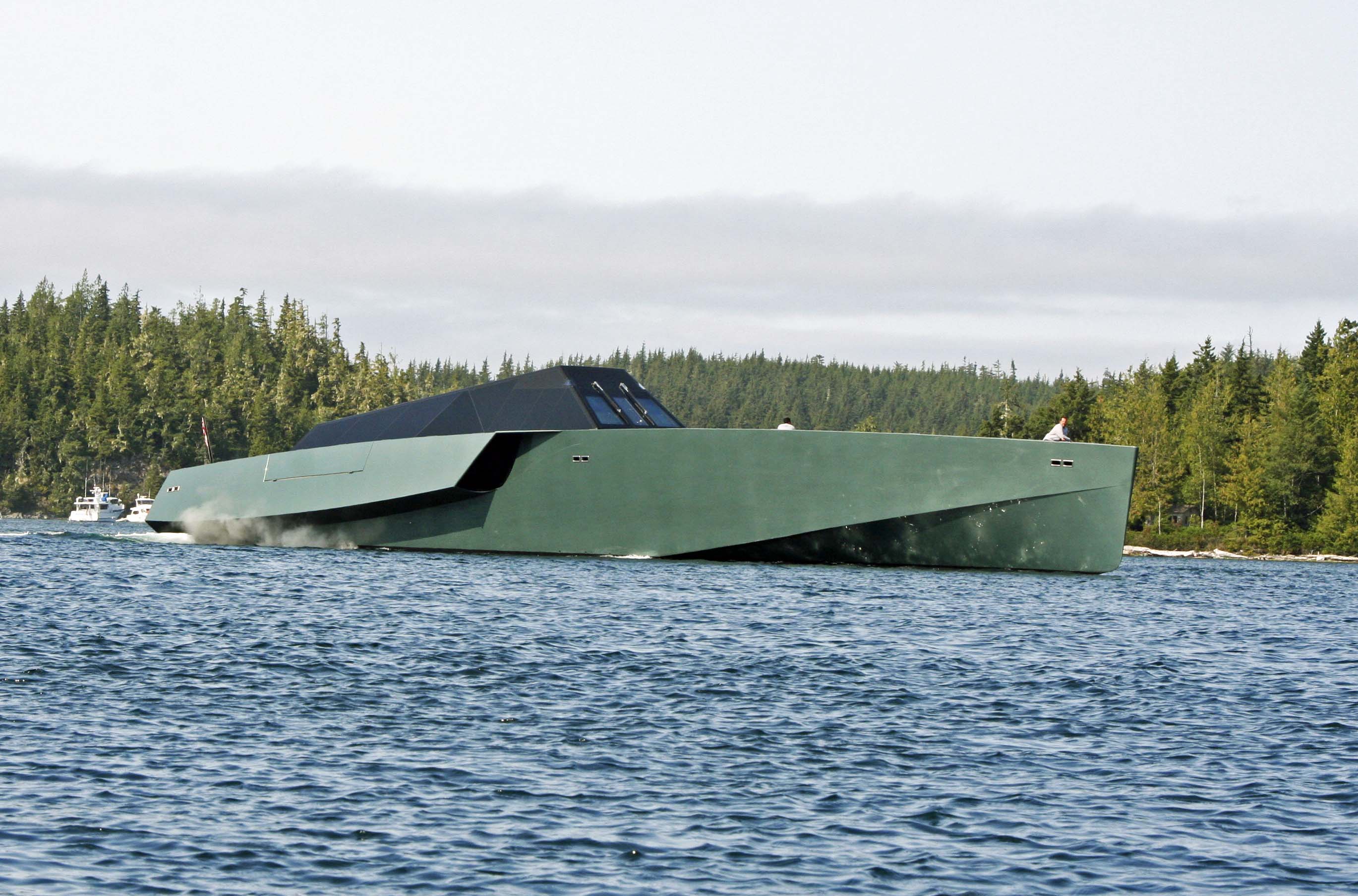
In the afternoon, we went searching for whales again. Along the way, Quy taught us how to blow kelp like a trumpet, and we saw a mysterious yacht that looked like it was straight out of a sci-fi flick.

Kelp beds off Vancouver Island in Blackfish Sound, British Columbia.

Floating kelp provided something of a challenge for kayaking through, but it also provided an opportunity.

Quy taught us how to cut up the kelp so it could be blown like a trumpet.

Quy taught us how to cut the kelp so it could be blown like a trumpet. (Photo by Peggy Mekemson.)

Here Lindy takes a turn. Peggy had also tried her luck. My advice to them: they should keep their day jobs.

Here Lindy takes a turn. Peggy had also tried her luck. My advice to the two of them: they should keep their day jobs.

Nick looks on in amazement at the performance.

Nick looked on in amazement at the performances.

The whales kept their distance, but a curious seal stopped by to check us out. (Photo by Peggy Mekemson.)

The whales kept their distance, but a curious seal stopped by to check us out. (Photo by Peggy Mekemson.)

This futuristic yacht didn't look nearly as friendly as the seal. (Photo by Peggy Mekemson.)

This futuristic yacht didn’t look nearly as friendly as the seal. At first we thought it belonged to the military. (Photo by Peggy Mekemson.)

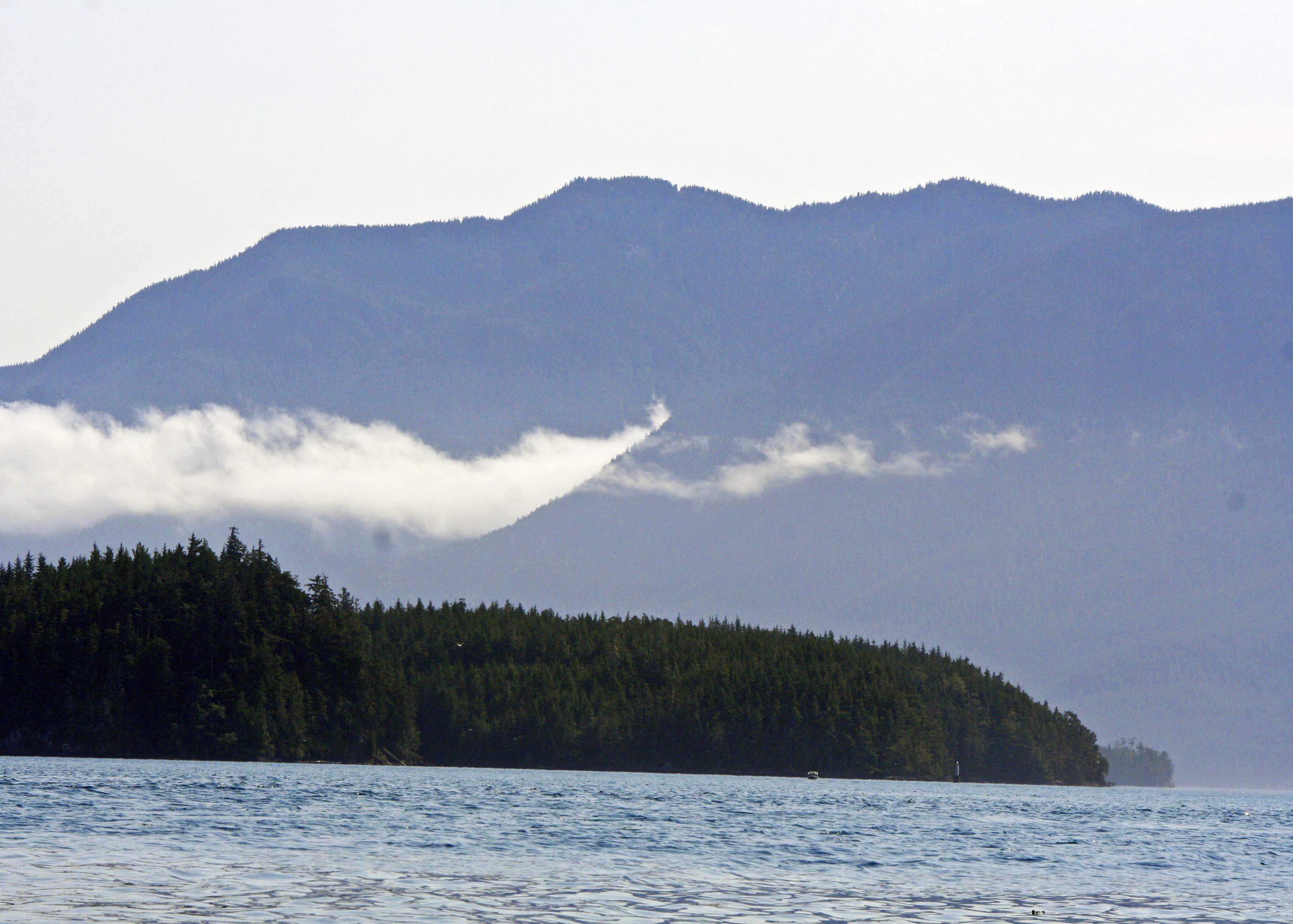
Blackfish Sound in British Columbia.

I liked the contrast here between water, clouds, and islands. (Photo by Peggy Mekemson.)

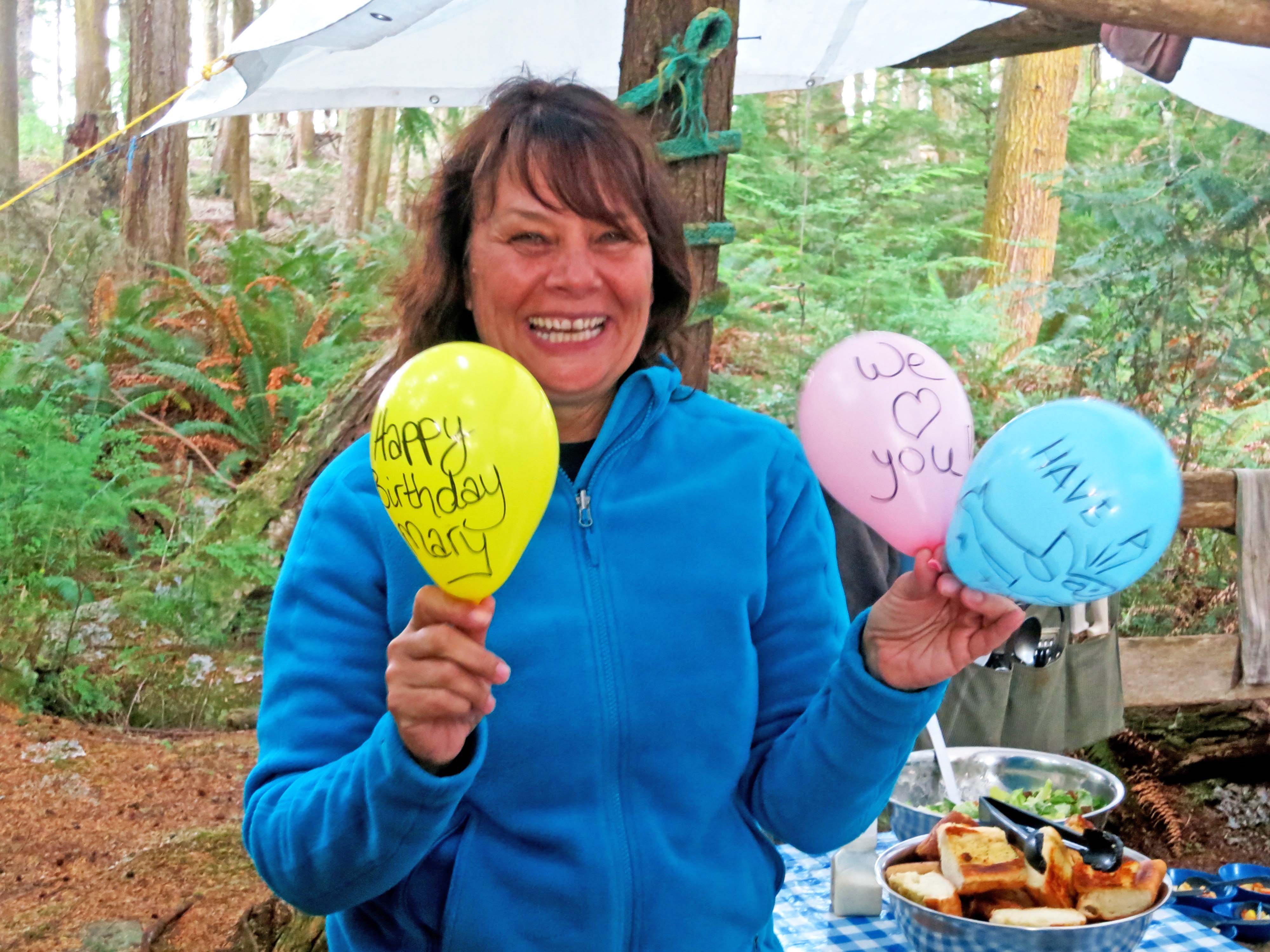
Back in camp, Mary celebrated her birthday...

Back in camp, Mary celebrated her birthday…

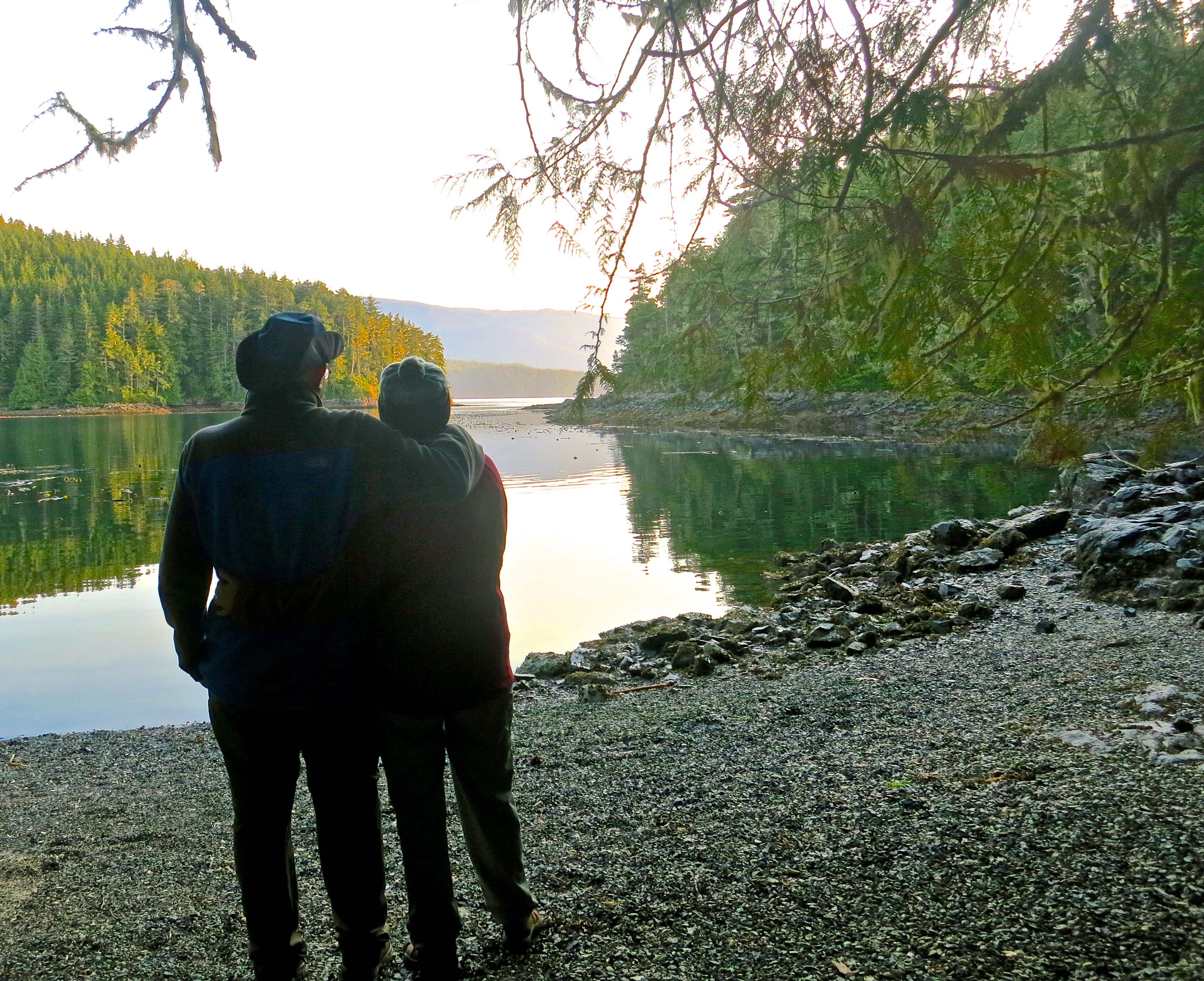
Peggy and Curtis Mekemson on Compton Island off of Vancouver Island, British Columbia.

Peggy and I shared a quiet moment…

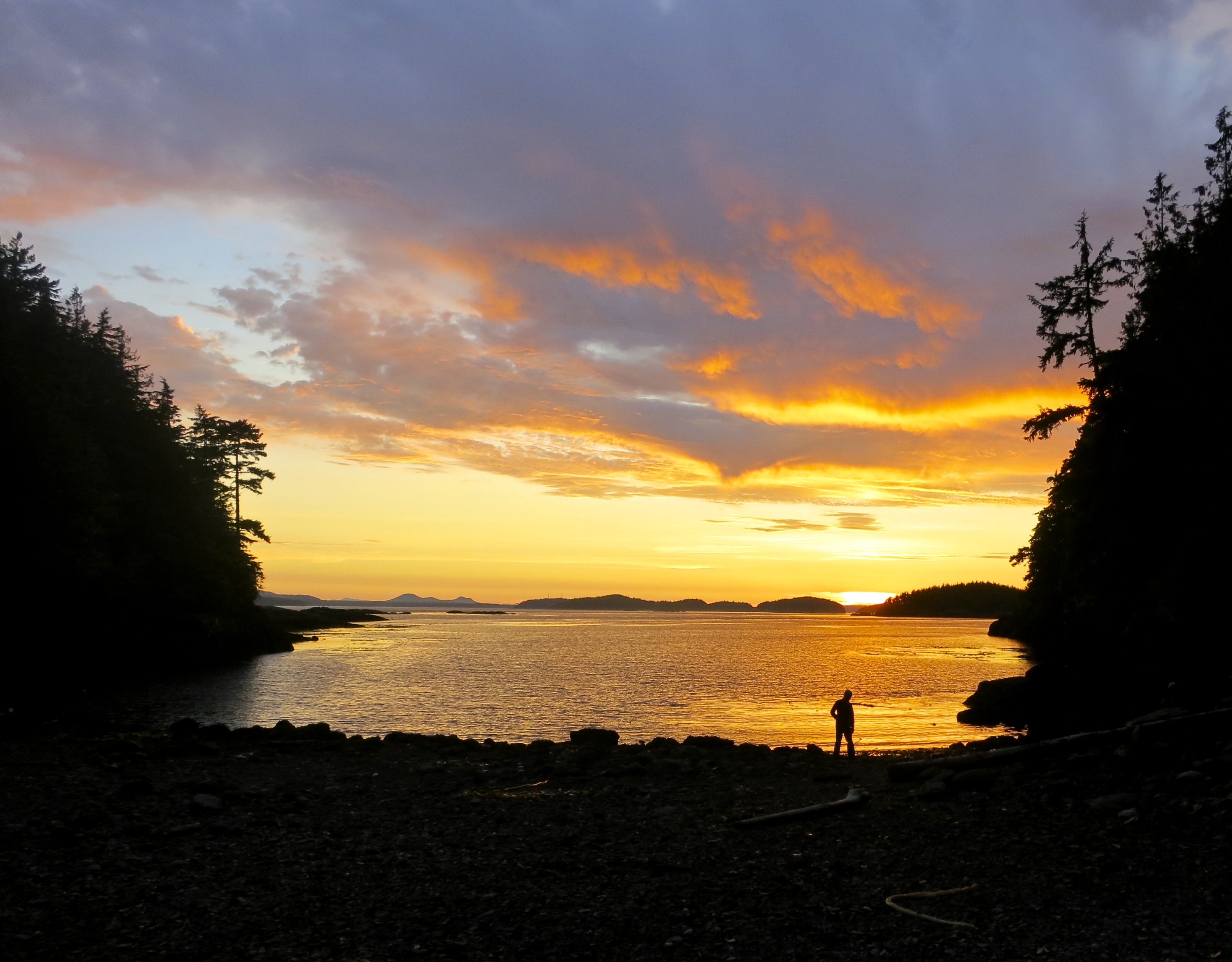
Evening on Compton Island, Blackfish Sound, British Columbia. Photo by Curtis Mekemson.

And evening settled in. Next Blog: Peggy and I get caught in a powerful current.
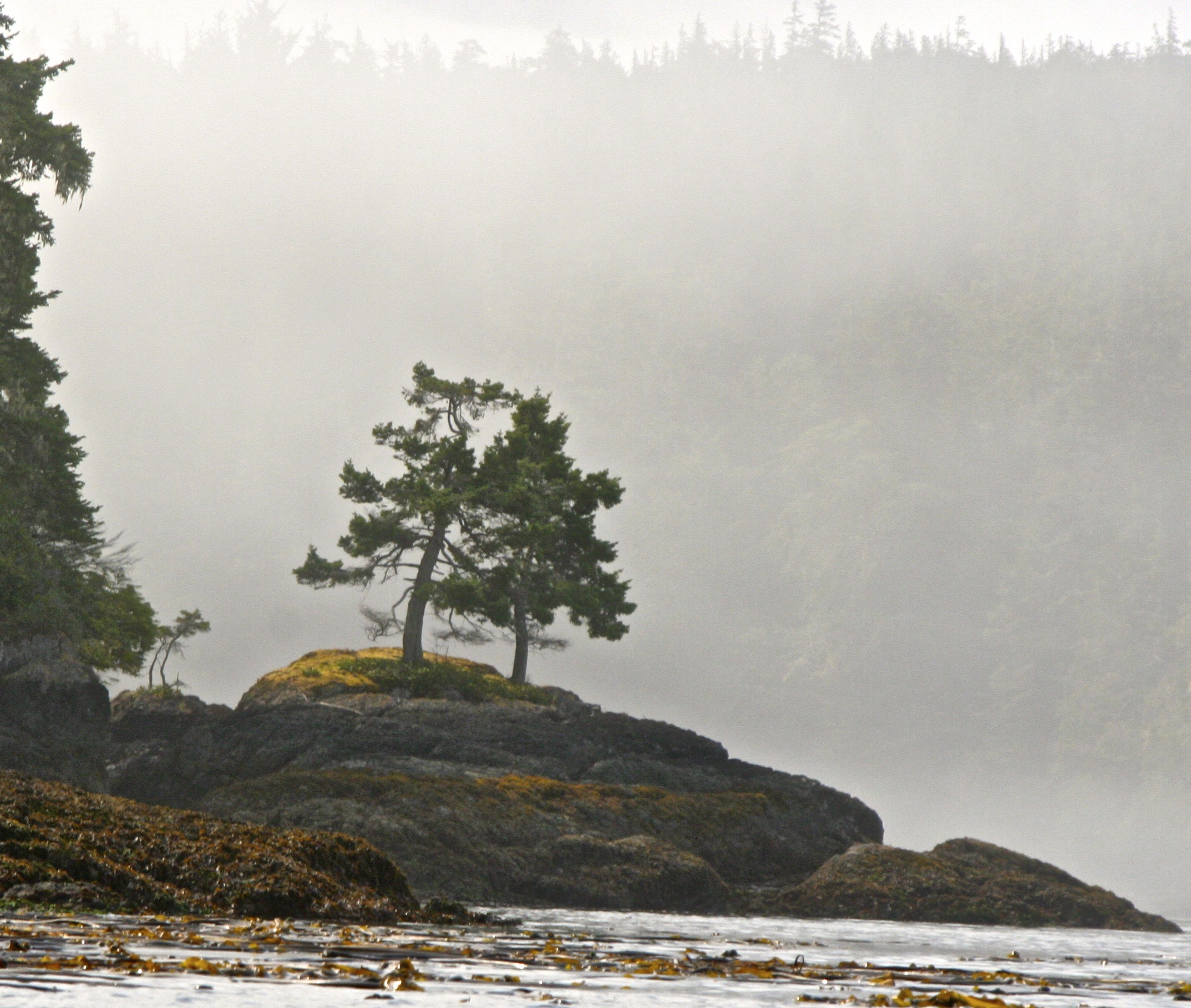
 

Who Needs A Barber When You Have a Starfish? British Columbia Sea Kayak Adventure: Part 3

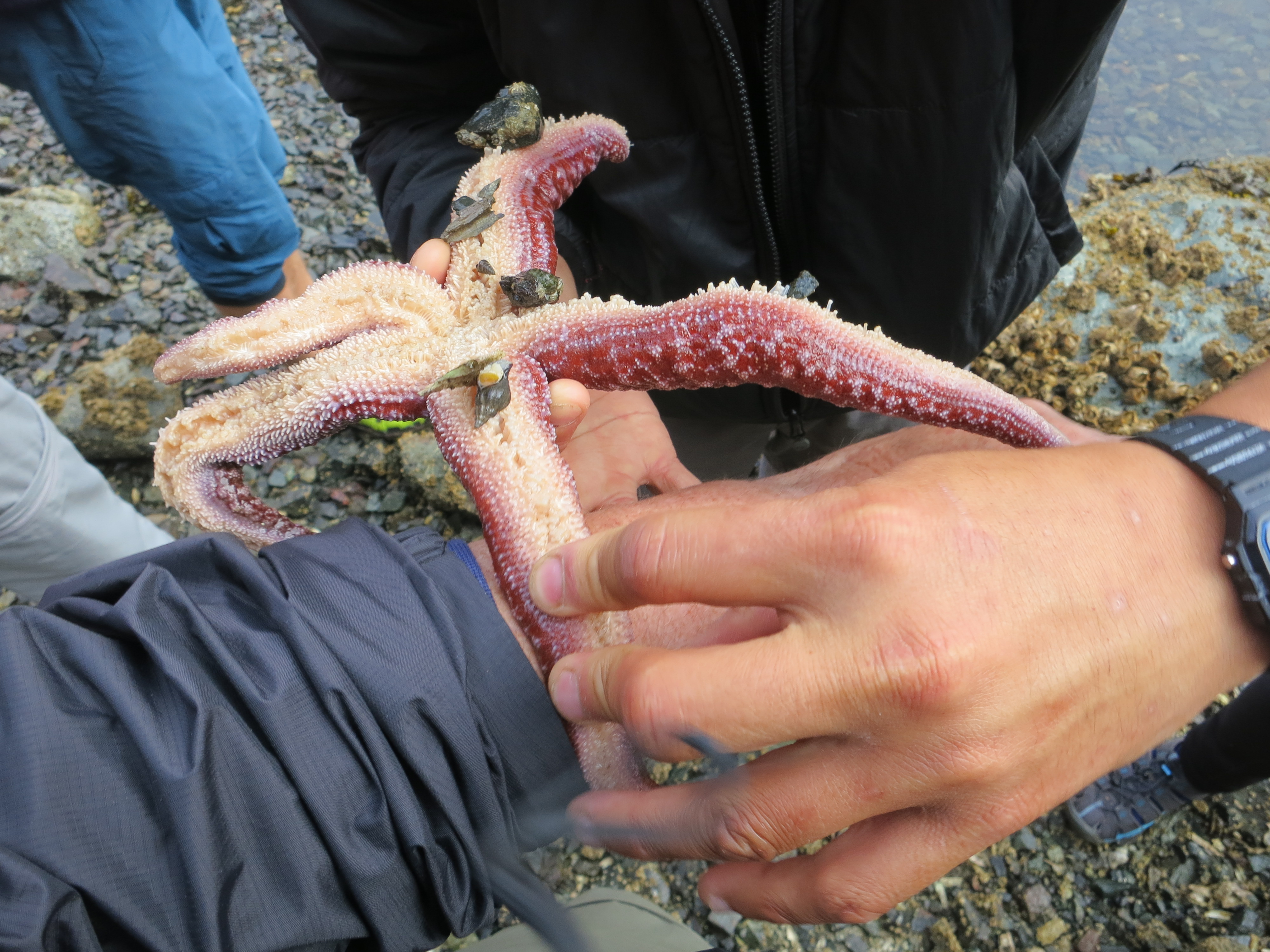
Starfish pedicellariae can clip the hair off an arm. Photo by Curtis Mekemson.

Quy bent the starfish over my wrist, and it clipped hair off my arm while I took a selfie of the process.

I’ve never been much of a with-it type guy. When there is a fad, I try to do the opposite. But I confess I’ve tried a selfie or two. And I just had to take a picture of the starfish clipping hair off of my arm. When Quy picked up a starfish on our six-day, British Columbia sea kayak adventure and offered to demonstrate pedicellariae at work, I was the first to volunteer. Pedicellariae what, you say?

While you are probably stumbling over the word like I did, I’ll explain how it works. Starfish have a defense mechanism for destroying tiny parasites that land on their skin. They have tiny claws that cut the bad guys in half. If you put these claws under a microscope, they look like your worst nightmare. (Check this out.)

Quy, however, assured us that while the pedicellariae would define our hairs as enemy invaders and clip them off, there would only be a slight pulling sensation with no harm done to us. Easy for him to say, right. But that’s what happened. Quy bent the arm of the starfish over my wrist and I felt the pulling sensation. When he removed the starfish, my arm was bare. Peggy was up next.
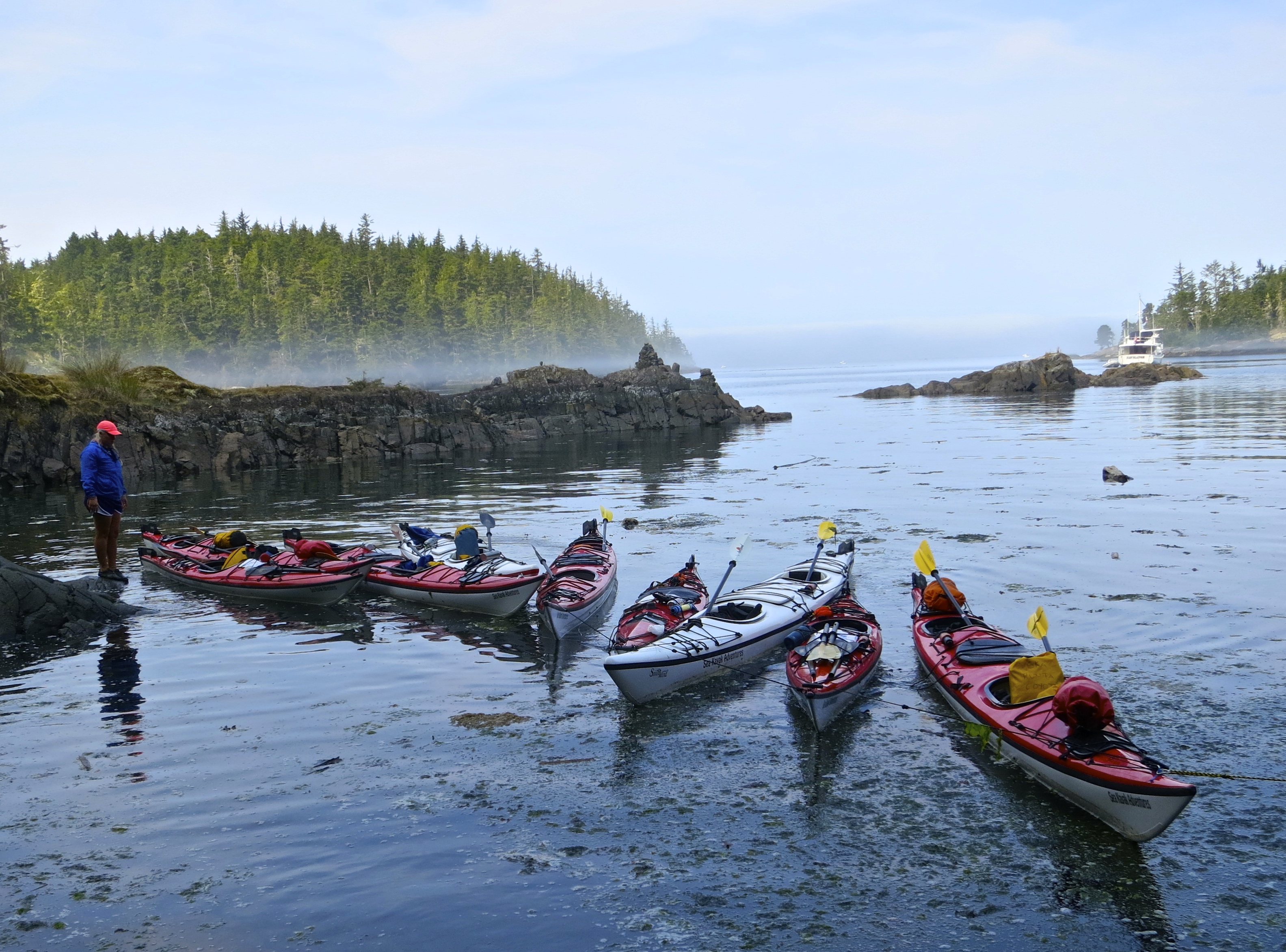
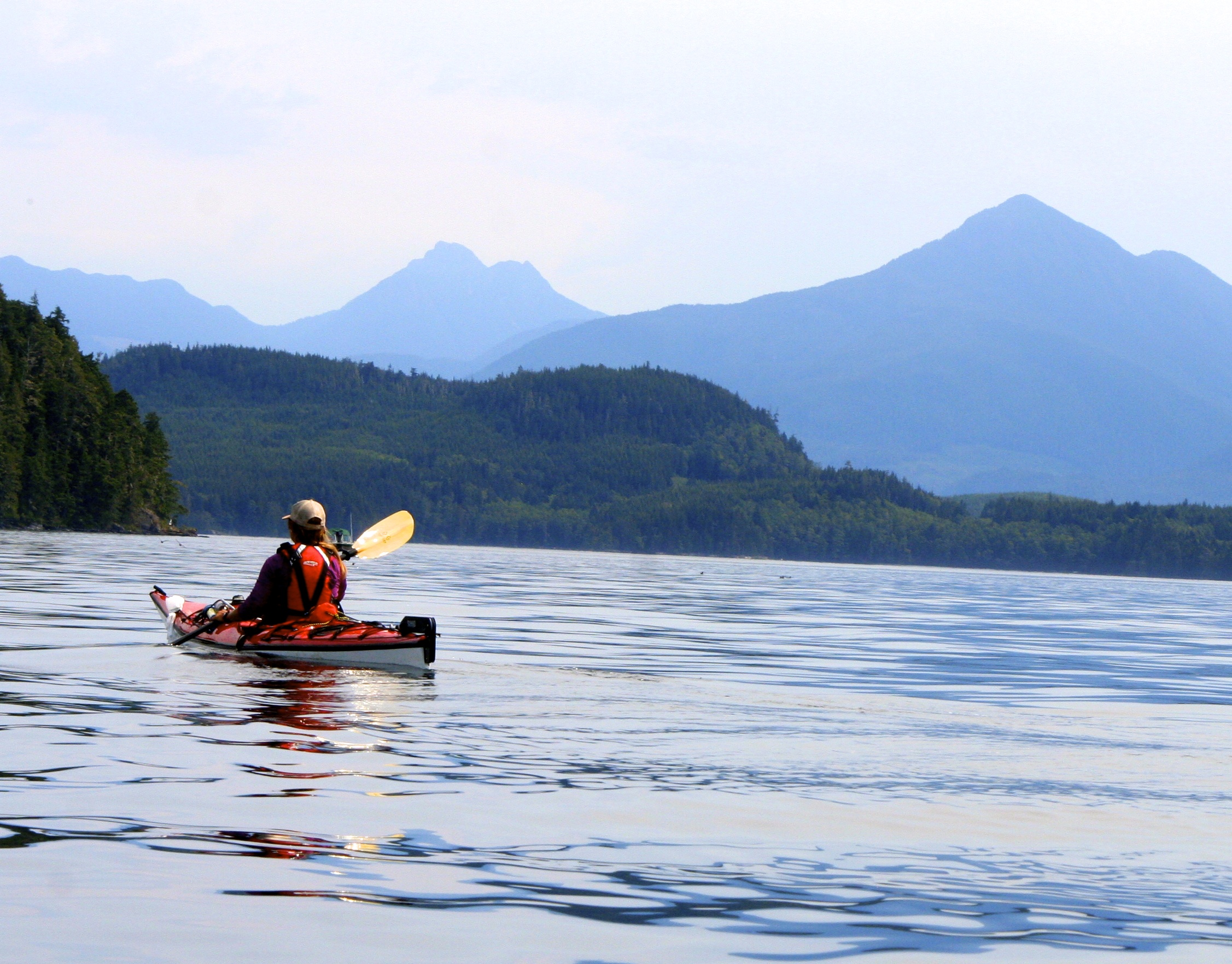
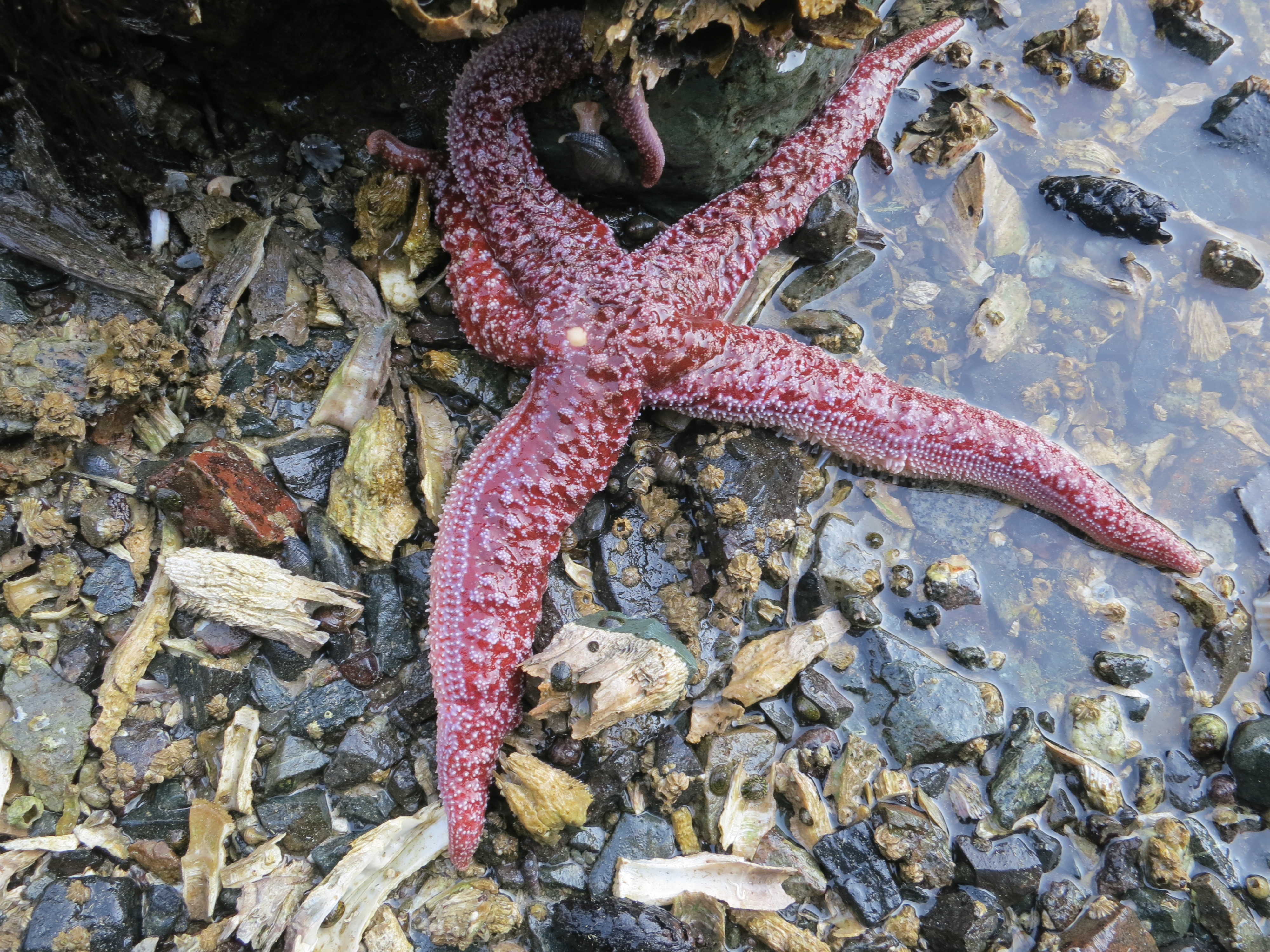
Here is the starfish happily at home in Johnstone Strait before Quy picked him up to clip hair.

Here is the innocent starfish, happily at home in Johnstone Strait before Quy picked him up to clip hair.

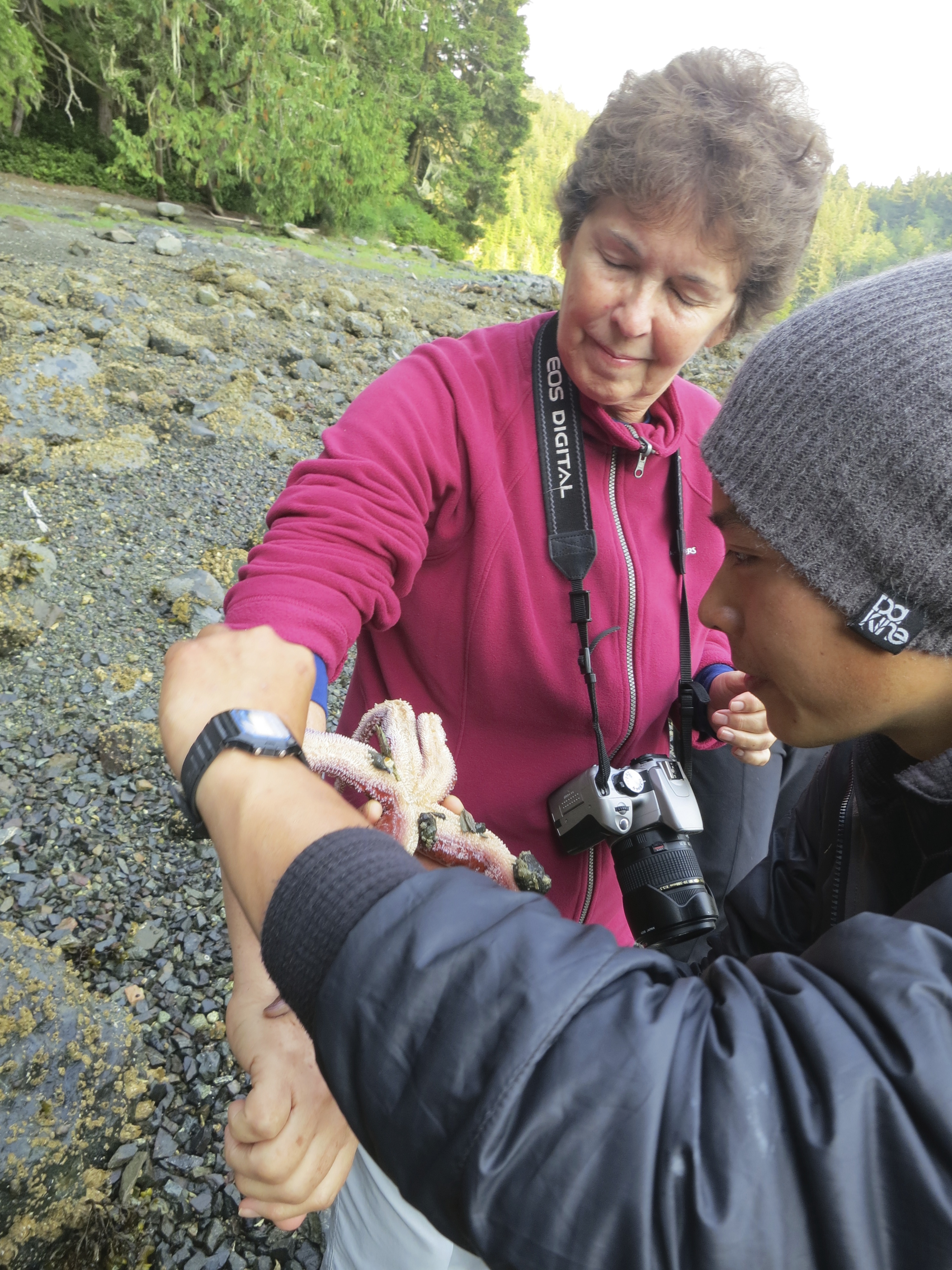
And here, the starfish goes to work on Peggy. Is that a smile or a grimace on her face?

And here, the starfish goes to work on Peggy. Is that a smile or a grimace on her face?

I expected whales and striking scenery on our Sea Kayak Adventures’ trip, but hair-removing starfish, no way. The pedicellariae were only a small part of our second day, however. We kayaked from our campsite on Hanson Island to Compton Island on Blackfish Sound. Along the way we watched humpback whales and were once again awed by the beauty of the region. At Compton Island, we got to play with our food….

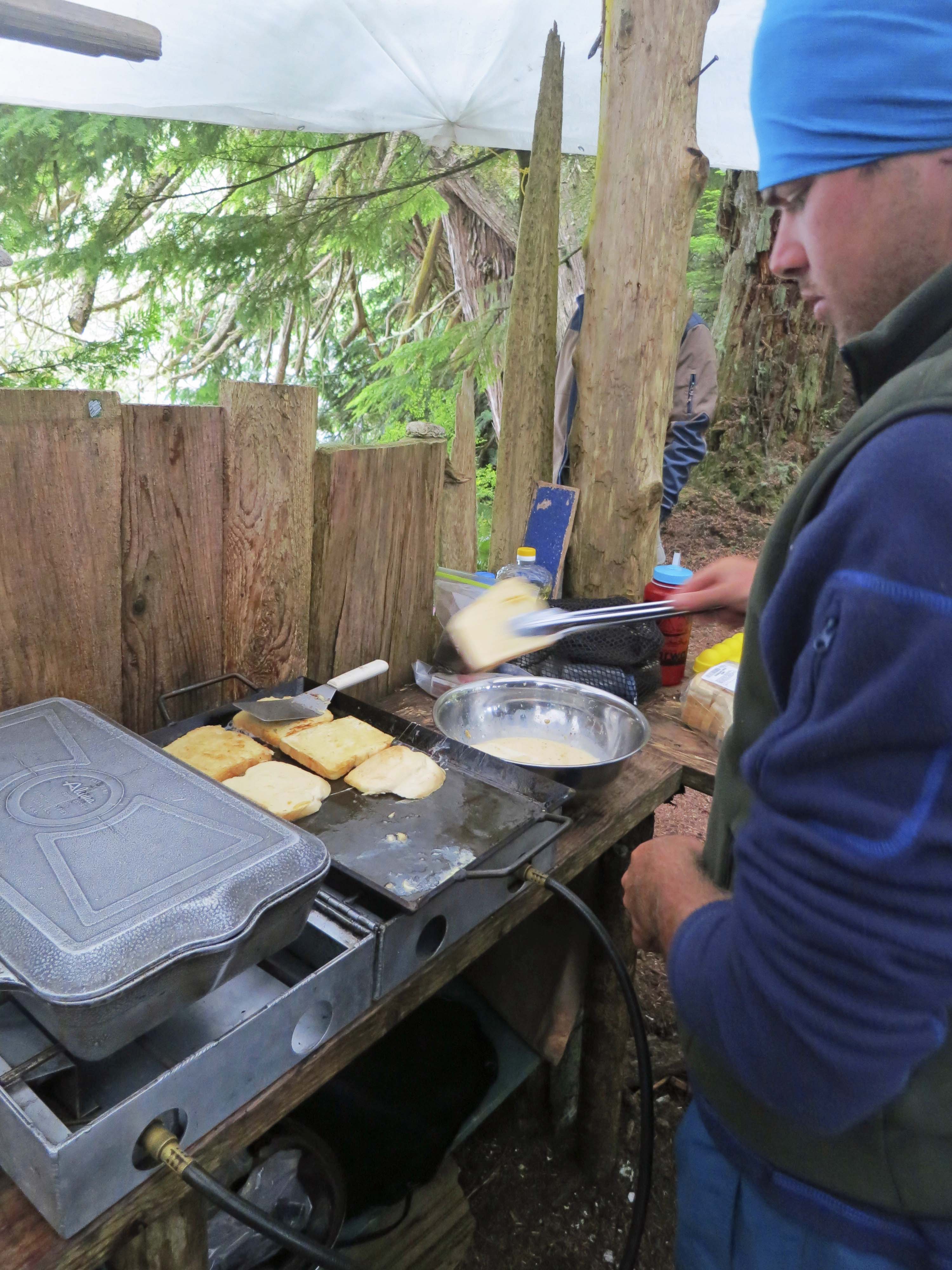
Sea Kayak Adventures provides a hearty breakfast to its sea kayakers.

Coffee would be waiting when we got up each morning— to be followed by a hefty breakfast. Here, our guide, Nick, whips up French toast in the make-shift kitchen.

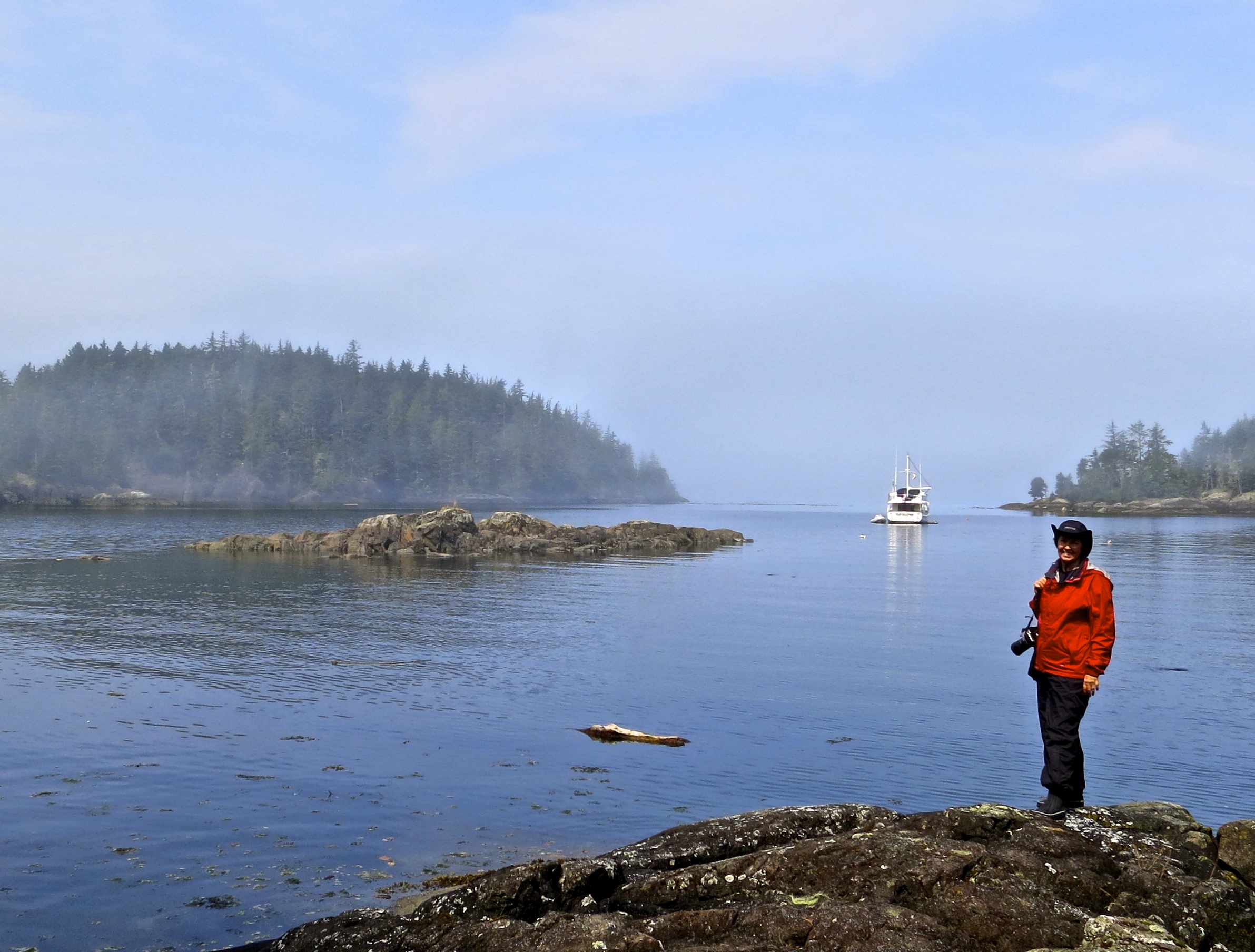
Fishing boat in Johnstone Strait off of Hanson Island. Photo by Curtis Mekemson.

After breakfast, we had time to go for a brief walk. A fishing boat moves between islands on  Johnstone Strait looking for salmon.

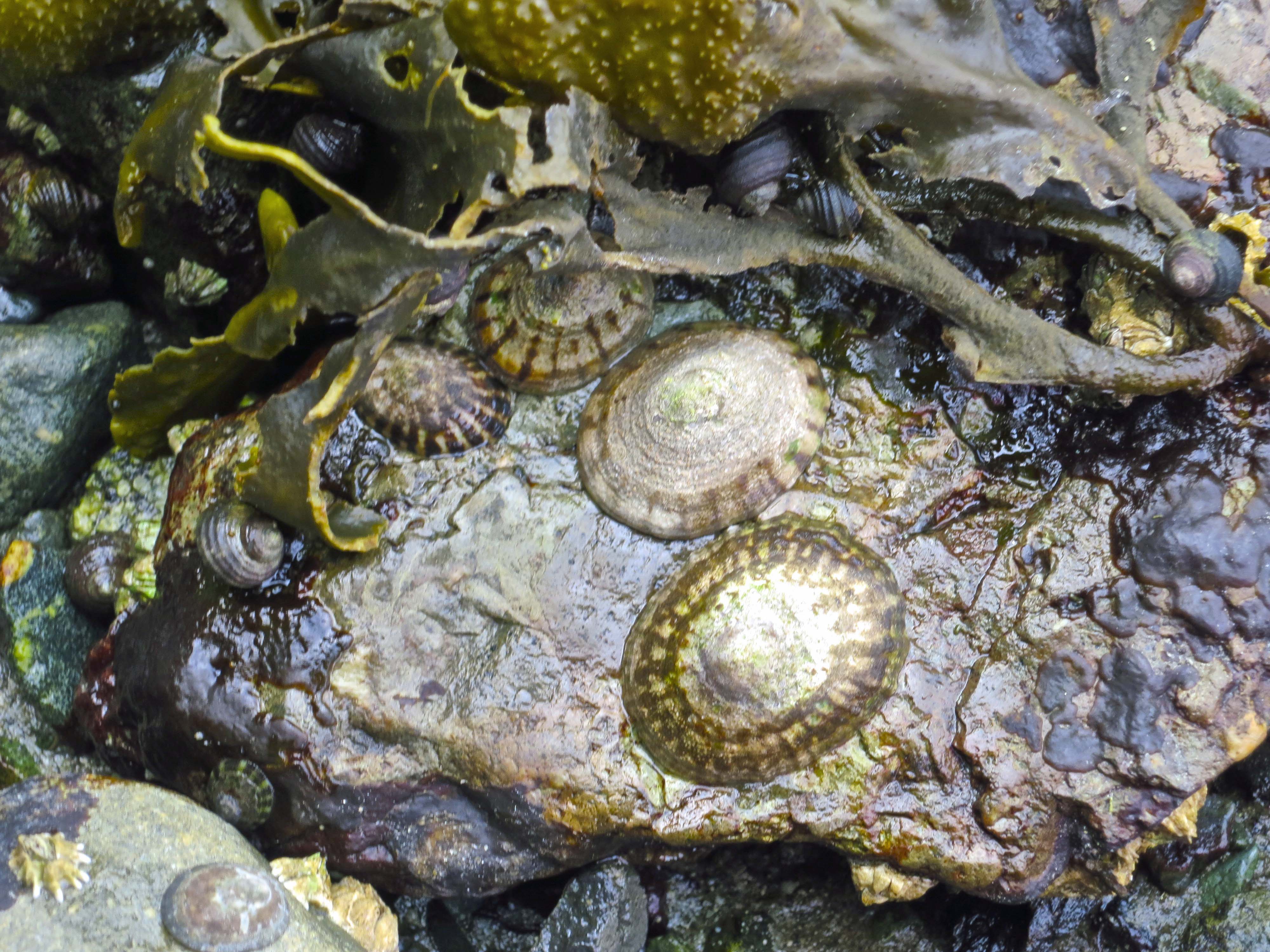
Limpets and snails are exposed by low tide on Hanson Island British Columbia off of Johnstone Strait. Photo by Curtis Mekemson.

Low tide exposed theses limpets and snails.

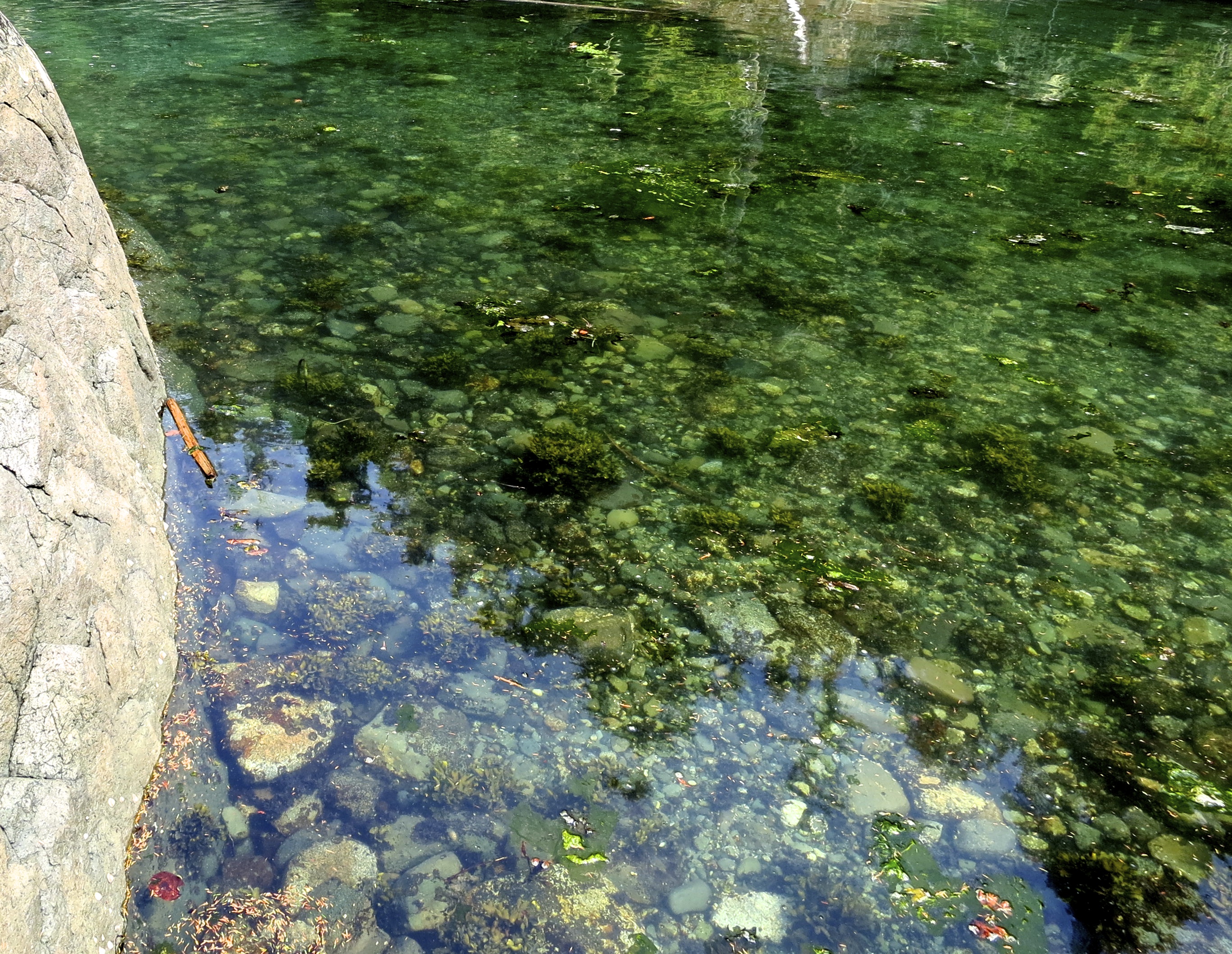
Green waters of a small bay on Hanson Island on Johnstone Strait off of Vancouver Island. Photo by Curtis Mekemson.

We peered in to the green waters of the small bay we were camped on.

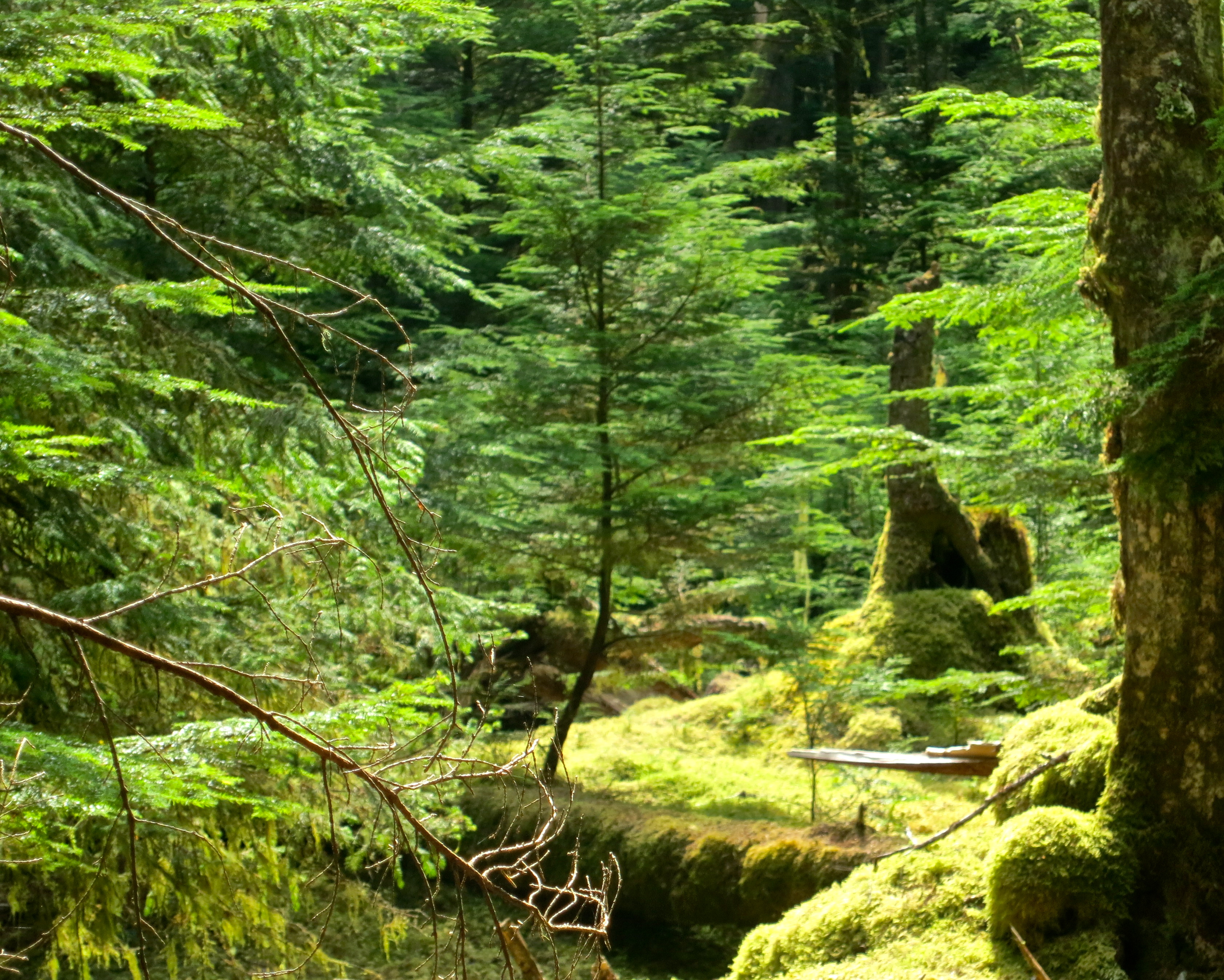
Sunlight illuminates a very green forest on Hanson Island in British Columbia. Photo by Curtis Mekemson.

And were dazzled by the sun illuminated green of the forest.

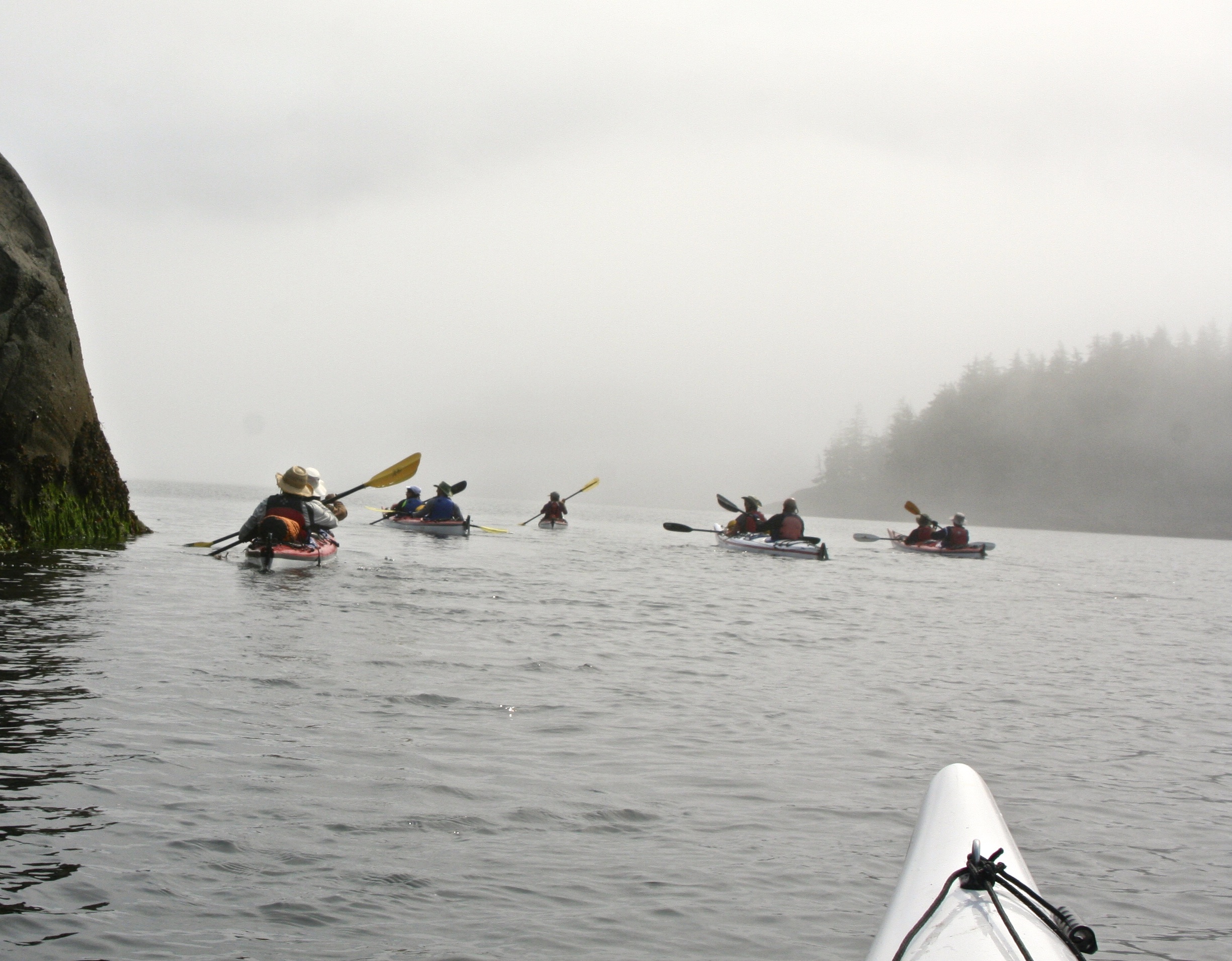
Sea Kayak Adventure group works its way around Hanson Island, British Columbia in the fog.

Morning fog greeted us as we worked our way around Hanson Island and into Blackfish Sound. (Photo by Peggy Mekemson.)

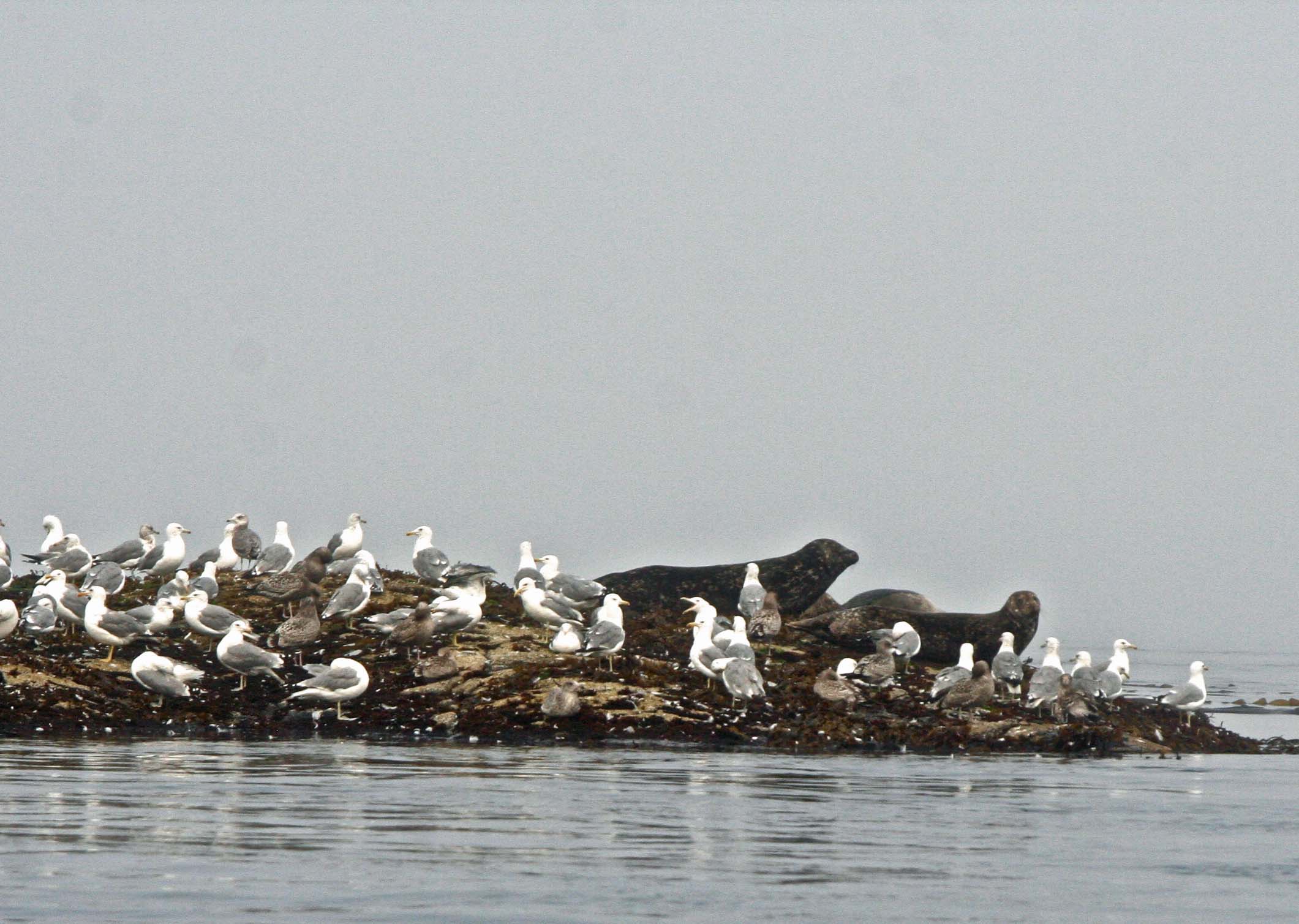
Seals and seagulls on an island in Blackfish Sound, British Columbia.

We checked out these seals and seagulls on a small island. Or were they checking us out? (Photo by Peggy Mekemson.)

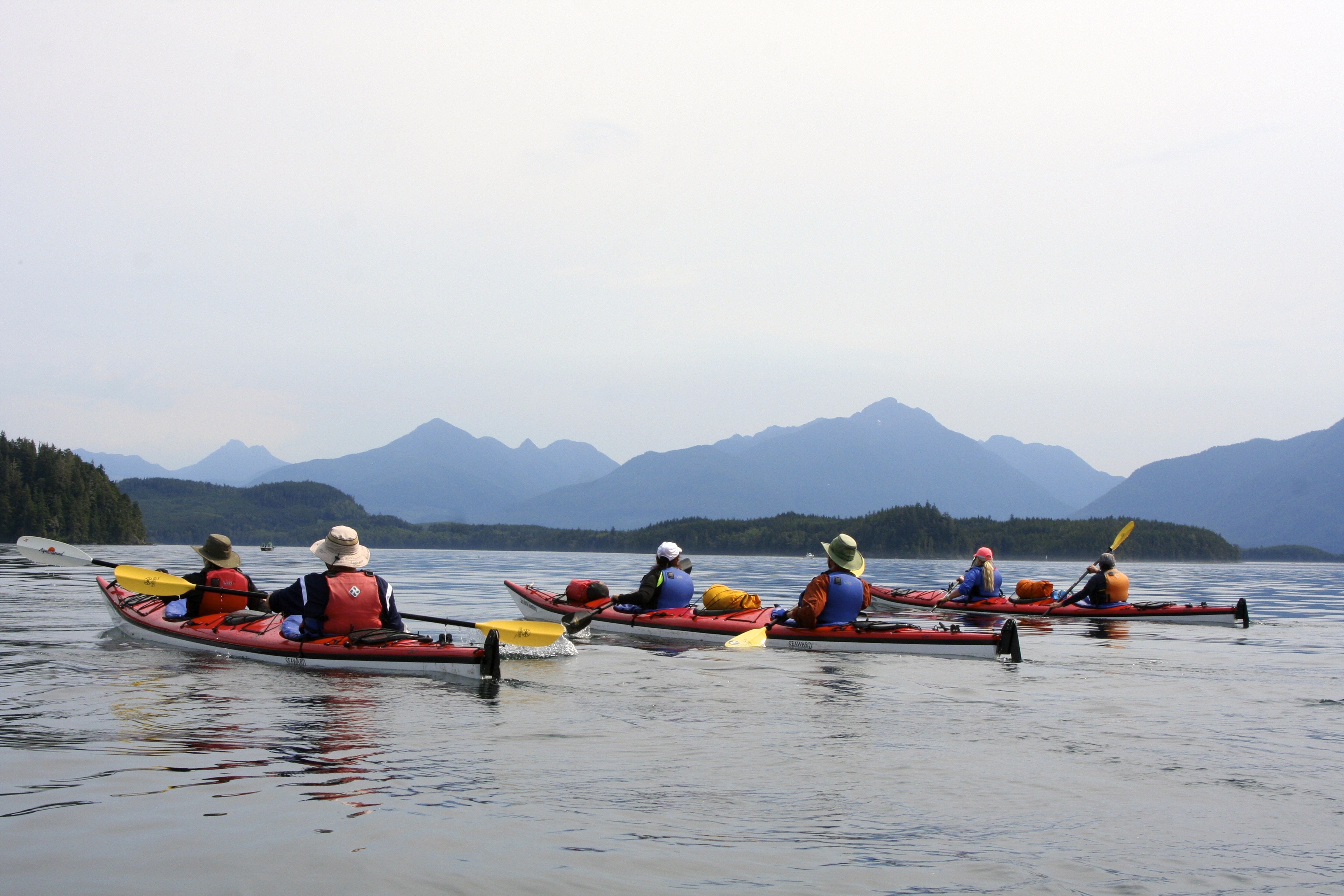
By the time we had worked our way around the end of Hanson Island, the sun was beginning to peak through. (Photo by Peggy Mekemson.)

By the time we had worked our way around the end of Hanson Island, the sun was beginning to peak through. (Photo by Peggy Mekemson.)

Sea Kayak Adventure kayaks roped together in small inlet on Hanson Island. Photo by Curtis Mekemson.

I took this picture of our kayaks at lunch. They were roped together so they wouldn’t stray.

After lunch, we followed out trip leader, Julia, out into Blackfish Sound. As you will note, most of our on-water photos are taken by Peggy. I was busy paddling. (grin) (Photo by Peggy Mekemson.)

After lunch, we followed out trip leader, Julia, out into Blackfish Sound. As you will note, most of our on-water photos were taken by Peggy. I was busy paddling. (grin) (Photo by Peggy Mekemson.)

A whooshing sound caused us to stop and search for whales. (Photo by Peggy Mekemson.)

A whooshing sound caused us to stop and search for whales. (Photo by Peggy Mekemson.)

Peggy Mekemson prepared to photograph whales in Blackfish Sound, British Columbia. Photo by Curtis Mekemson.

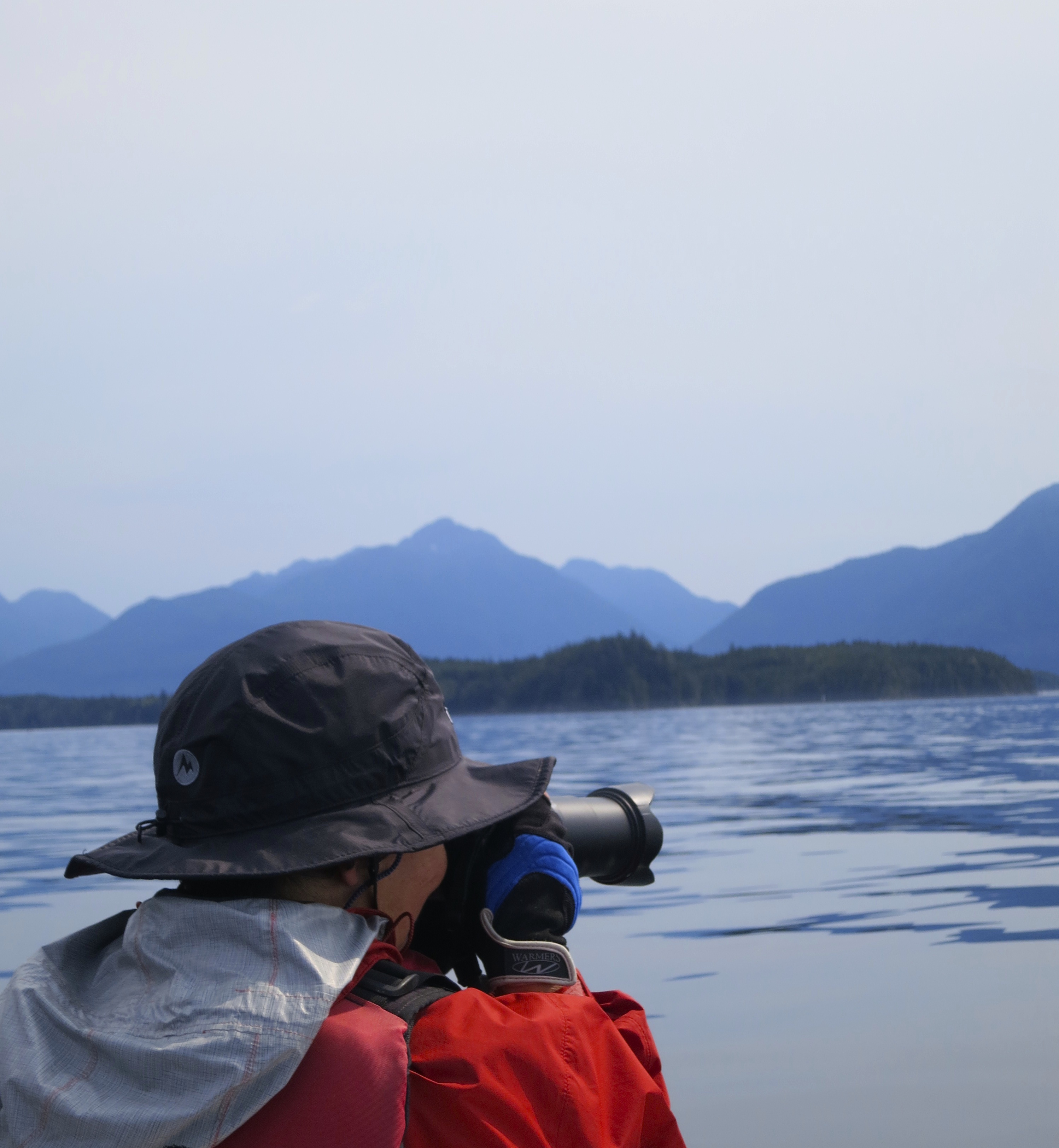
I took this photo of Peggy poised to capture a picture of the whale with her telephoto.

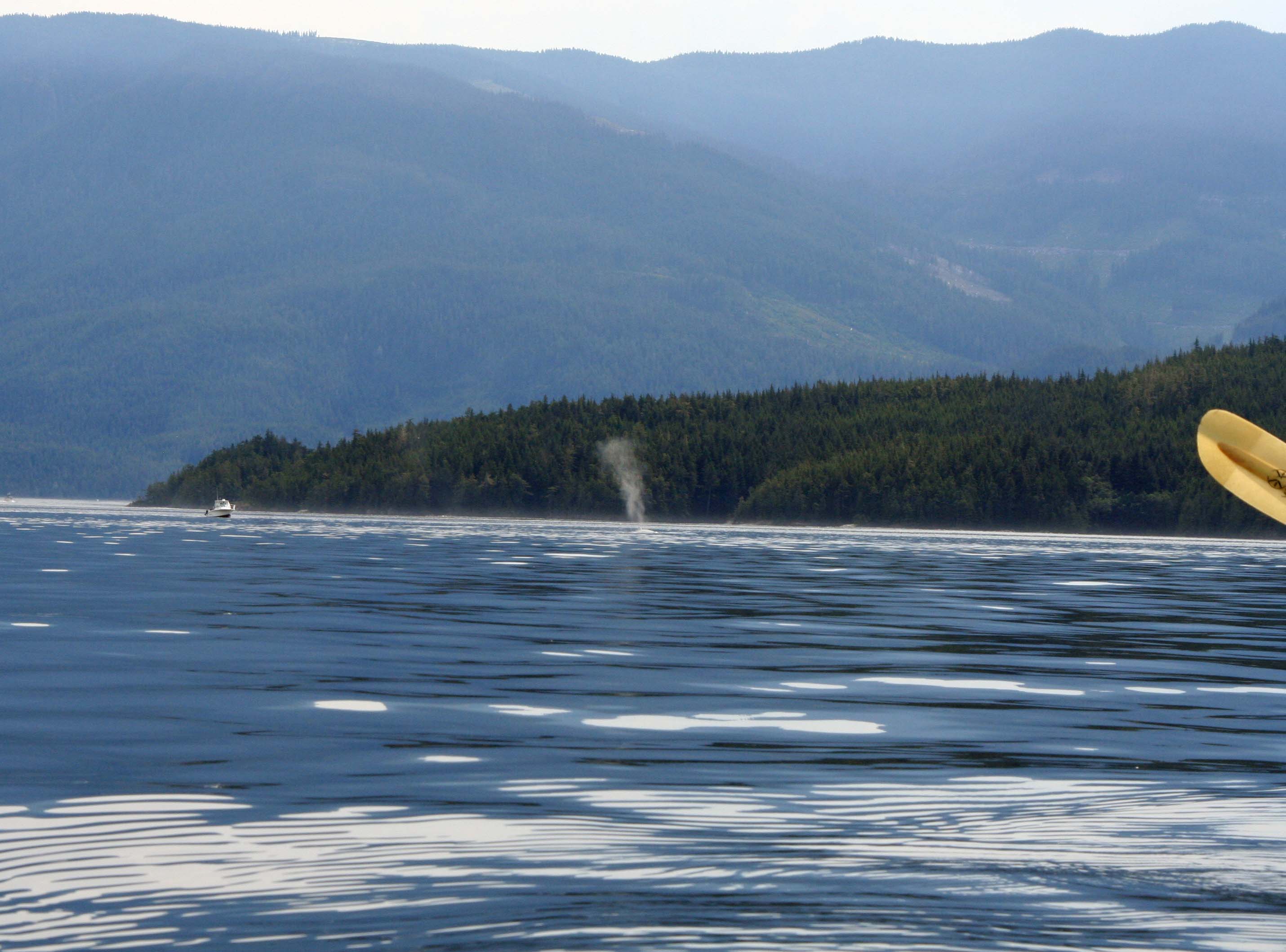
Thar she blows! We spot the tell-tale spume of a humpback whale as it surfaces. (Photo by Peggy Mekemson.)

Thar she blows! We spot the tell-tale spume of a humpback whale as it surfaces. That’s a kayak paddle on the right.(Photo by Peggy Mekemson.)

The humpback, brought in closer by Peggy's telephoto, dives back under the water. (Photo by Peggy Mekemson.)

The humpback, brought in closer by Peggy’s telephoto, dives back under the water. (Photo by Peggy Mekemson.)

I liked the watch the waves distorted the reflection of Quy in the water. Edie and Dave look on. The other kayakers are watching the approach of a cruise ship. (Photo by Peggy Mekemson.)

I liked the way the waves distorted the reflection of Quy in the water. Edie and Dave look on. The other kayakers are watching the approach of a cruise ship. (Photo by Peggy Mekemson.)

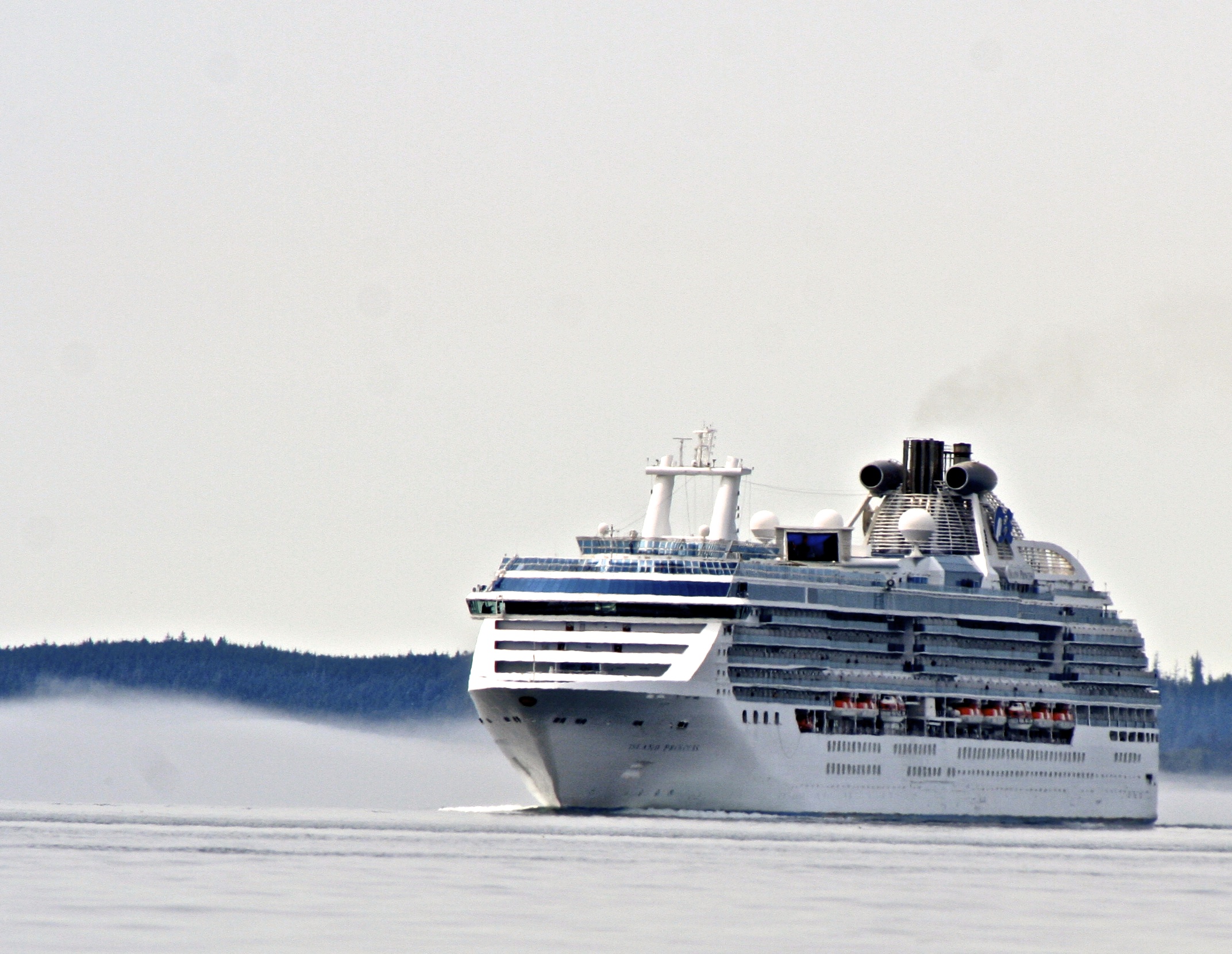
The cruise ship. You can imagine how big the ship seems from the perspective of a kayak. You do not want to get in the way. (Photo by Peggy Mekemson.)

The cruise ship. You can imagine how big the ship seems from the perspective of a kayak. You do not want to get in the way. (Photo by Peggy Mekemson.)

Sea Kayak Adventures group relaxes on beach at campsite on Compton Island, British Columbia.

Our group, having safely navigated through the whales and the cruise ships, relaxes at cocktail hour in our campsite on Compton Island. It was right about then that a fishing boat approached the beach.

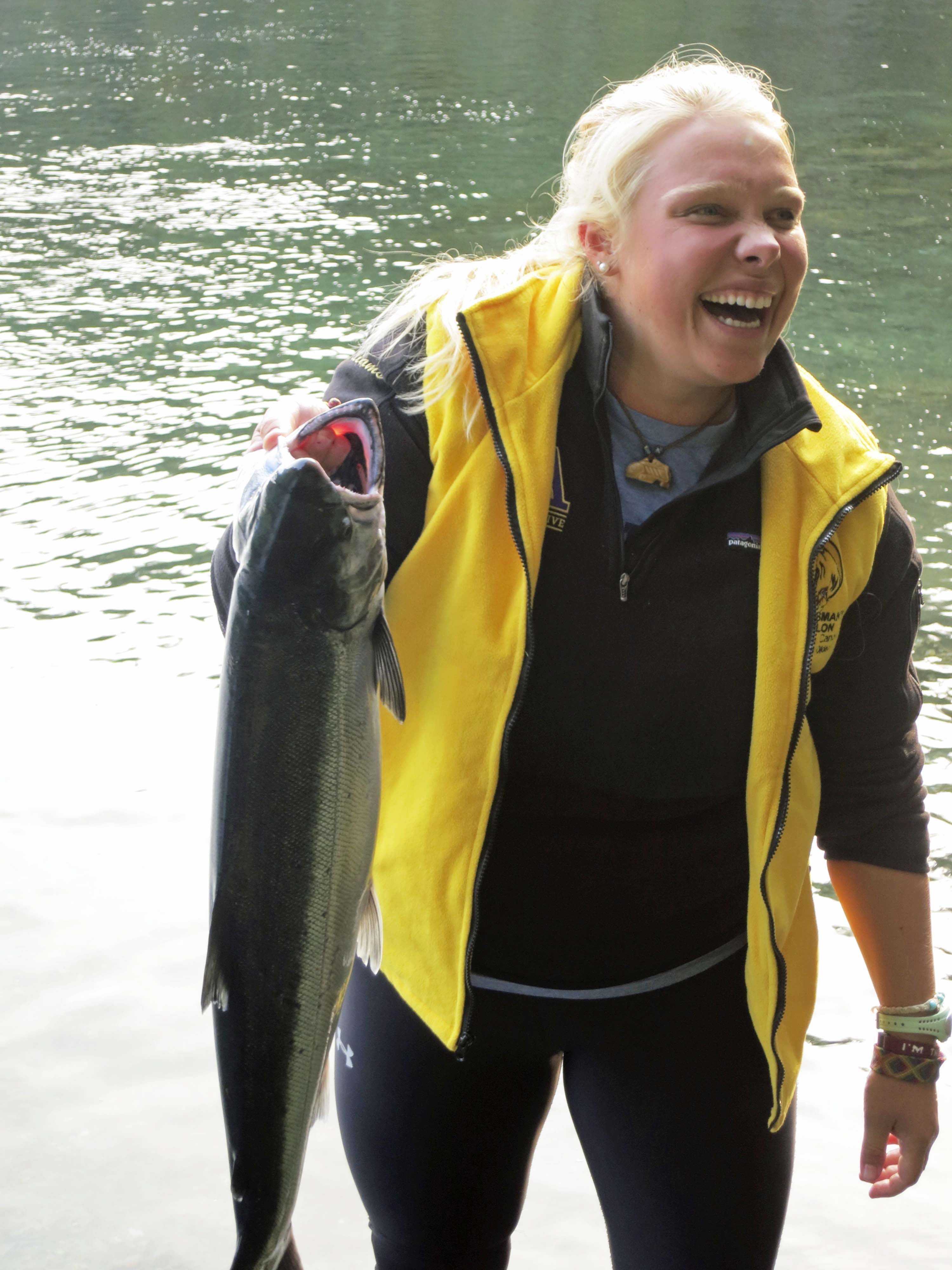
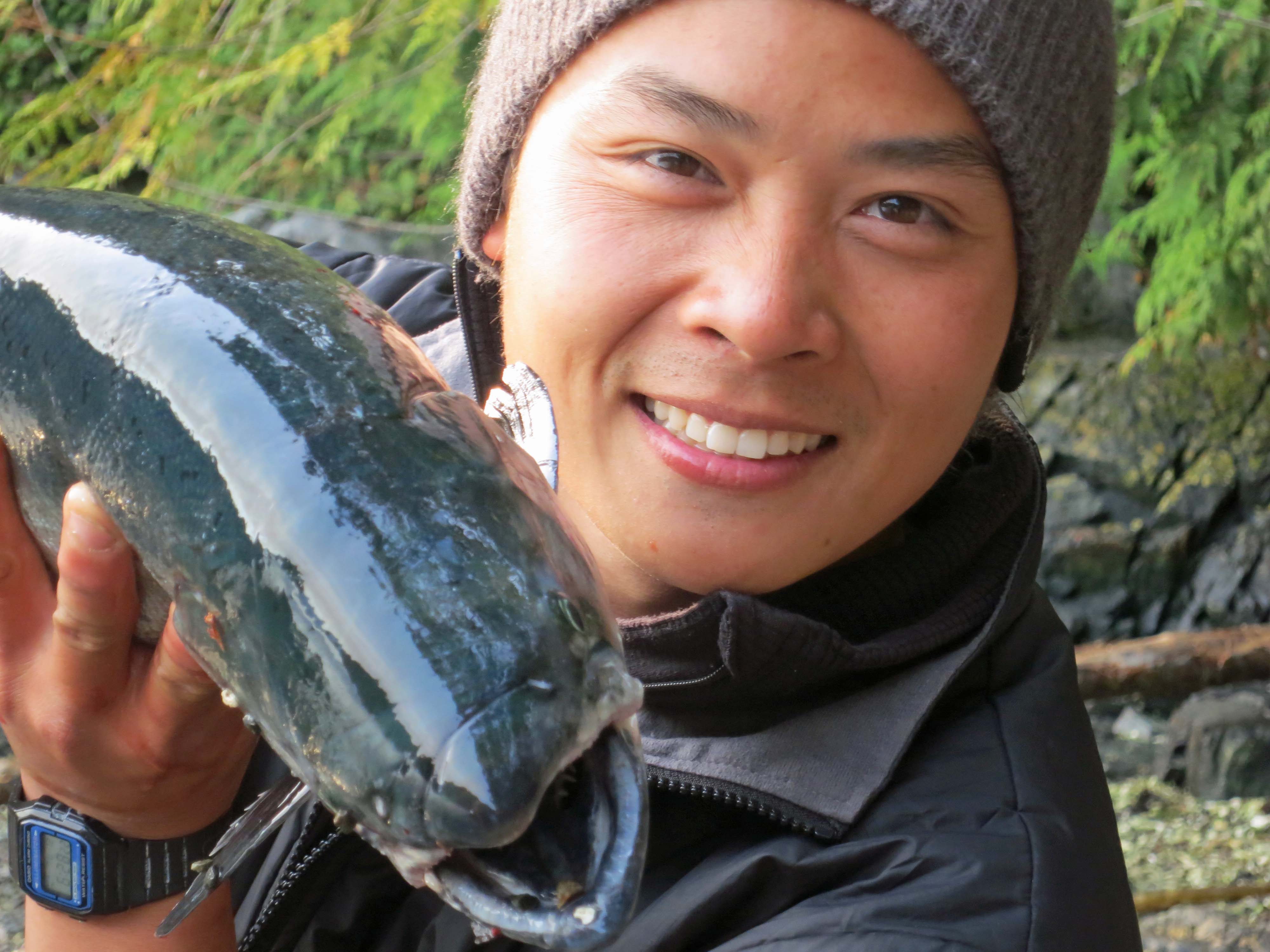
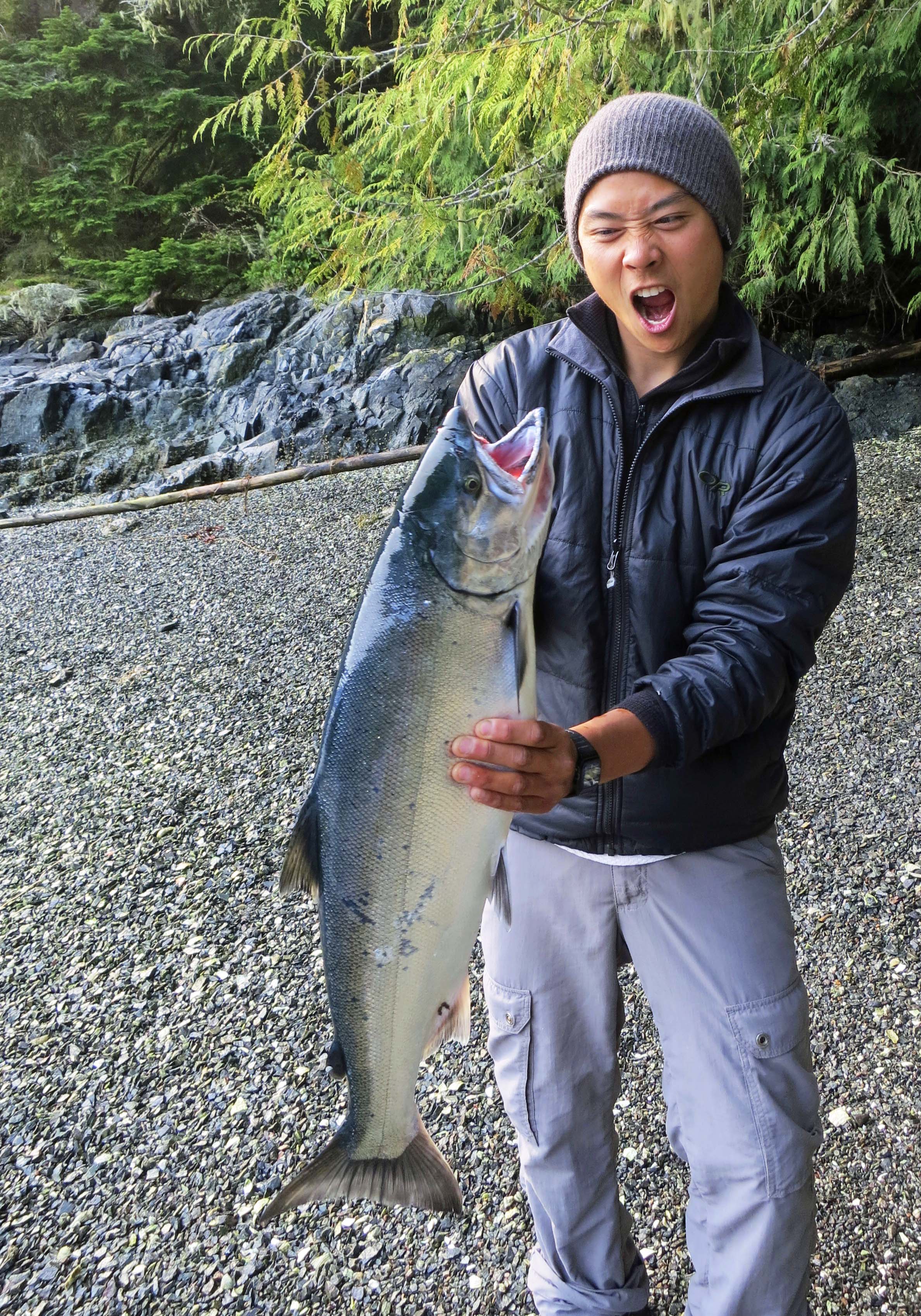
"Would you like a salmon?" he asked— and to our enthusiastic  yes, threw it overboard.

“Would you like a salmon?” he called out— and to our enthusiastic, yes!, threw it overboard.

Coho salmon caught in Blackfish Sound, British Columbia. Photo by Curtis Mekemson.

The ever energetic and vivacious Lindy retrieved the salmon and handed it off to Quy.

Quy was happy to pose with the salmon, until...

Quy was happy to pose with the salmon, until…

Sea Kayak Adventures guide reacts to wiggling salmon he thought was dead.

… it wiggled.

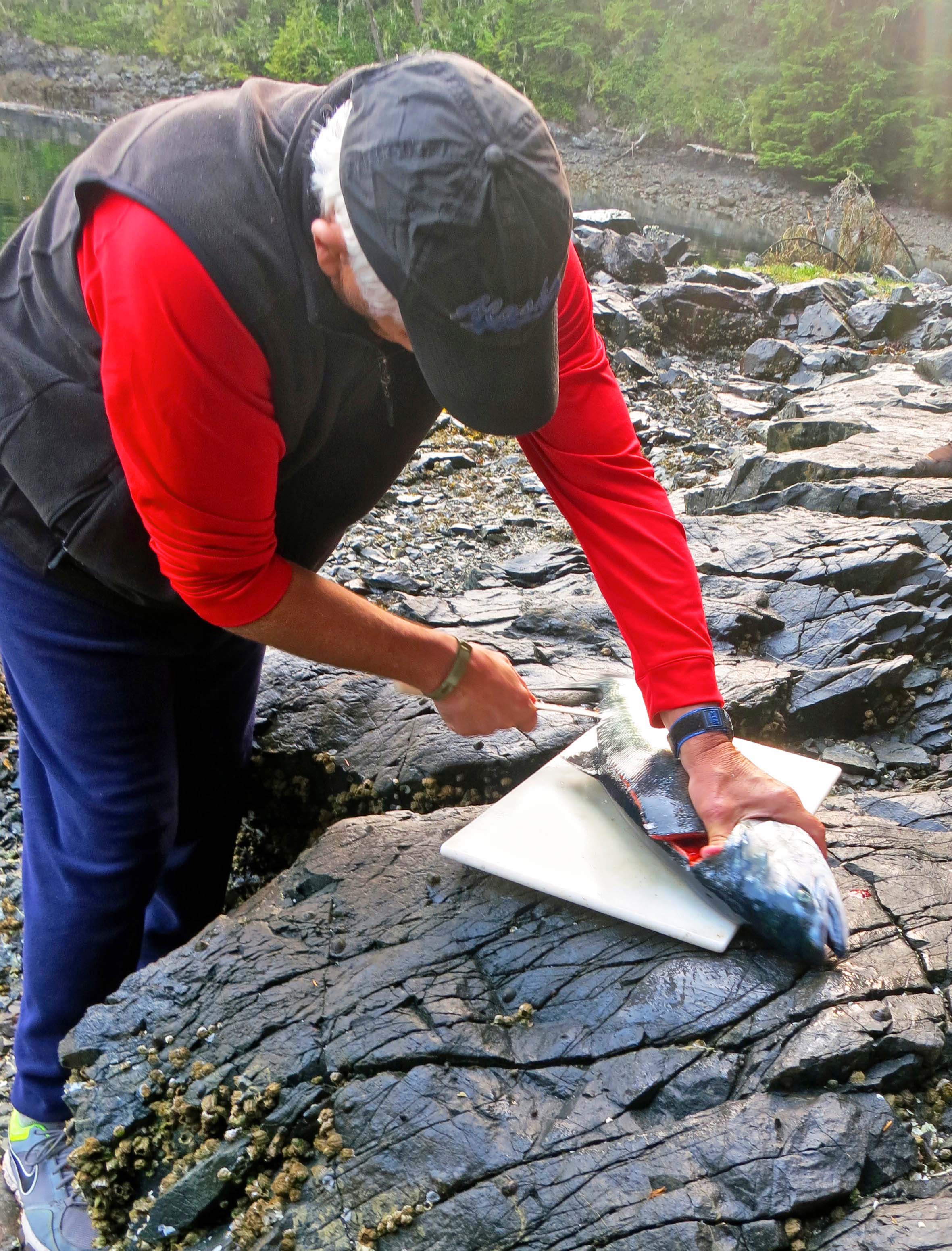
The true hero of the day was Dennis who now lives in Idaho but has fished extensively off of Alaska. He offered to fillet the fish.

The true hero of the day was Dennis, who now lives in Idaho but has fished extensively off of Alaska. He offered to fillet the fish.

Here, Dennis goes to work.

Here, Dennis goes to work.

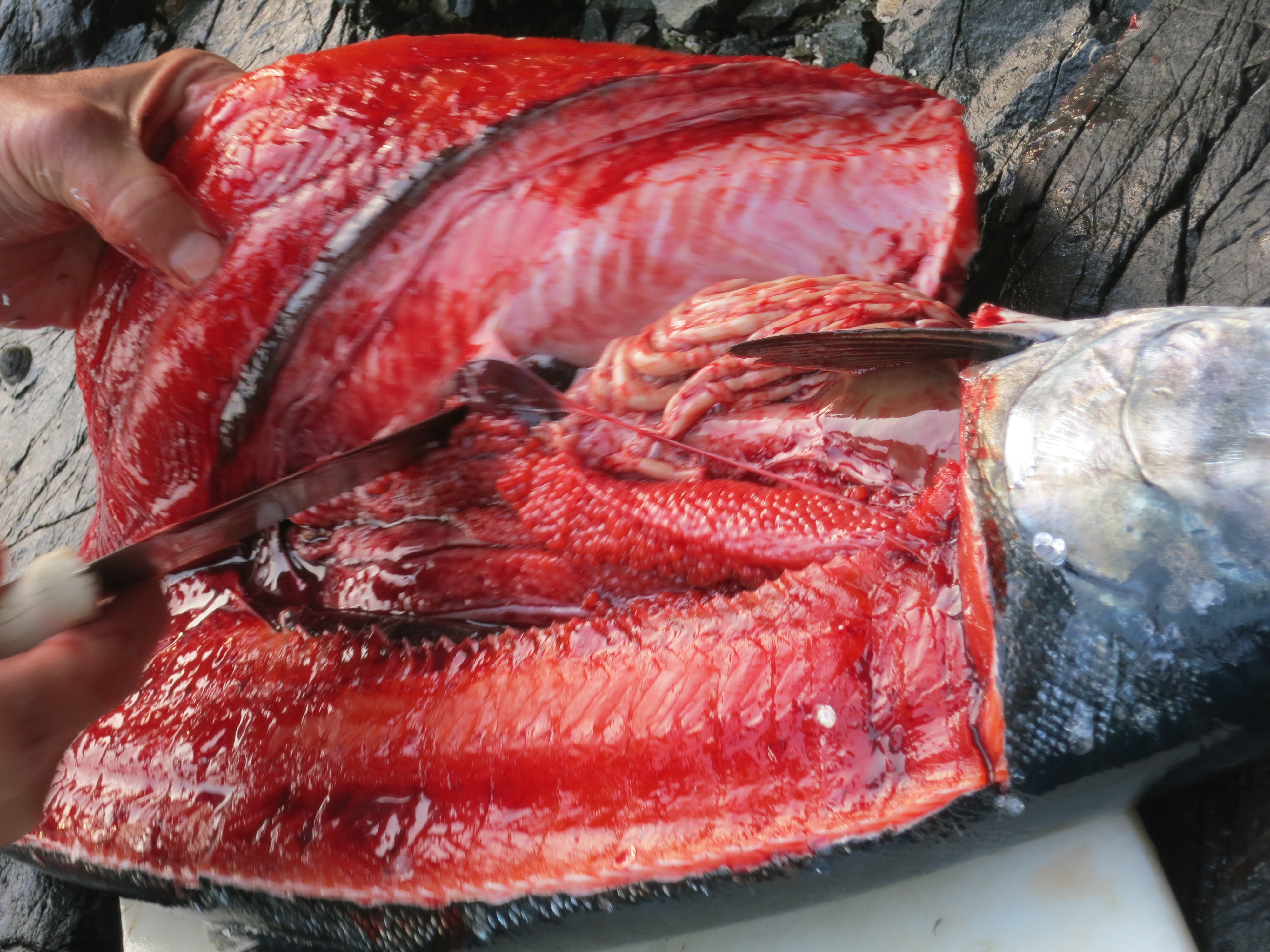
A filleted coho salmon displaying roe. Photo by Curtis Mekemson.

And displays the rich red meat, roe, and innards of the salmon. The salmon made a delicious lunch the next day, easily feeding all of us.

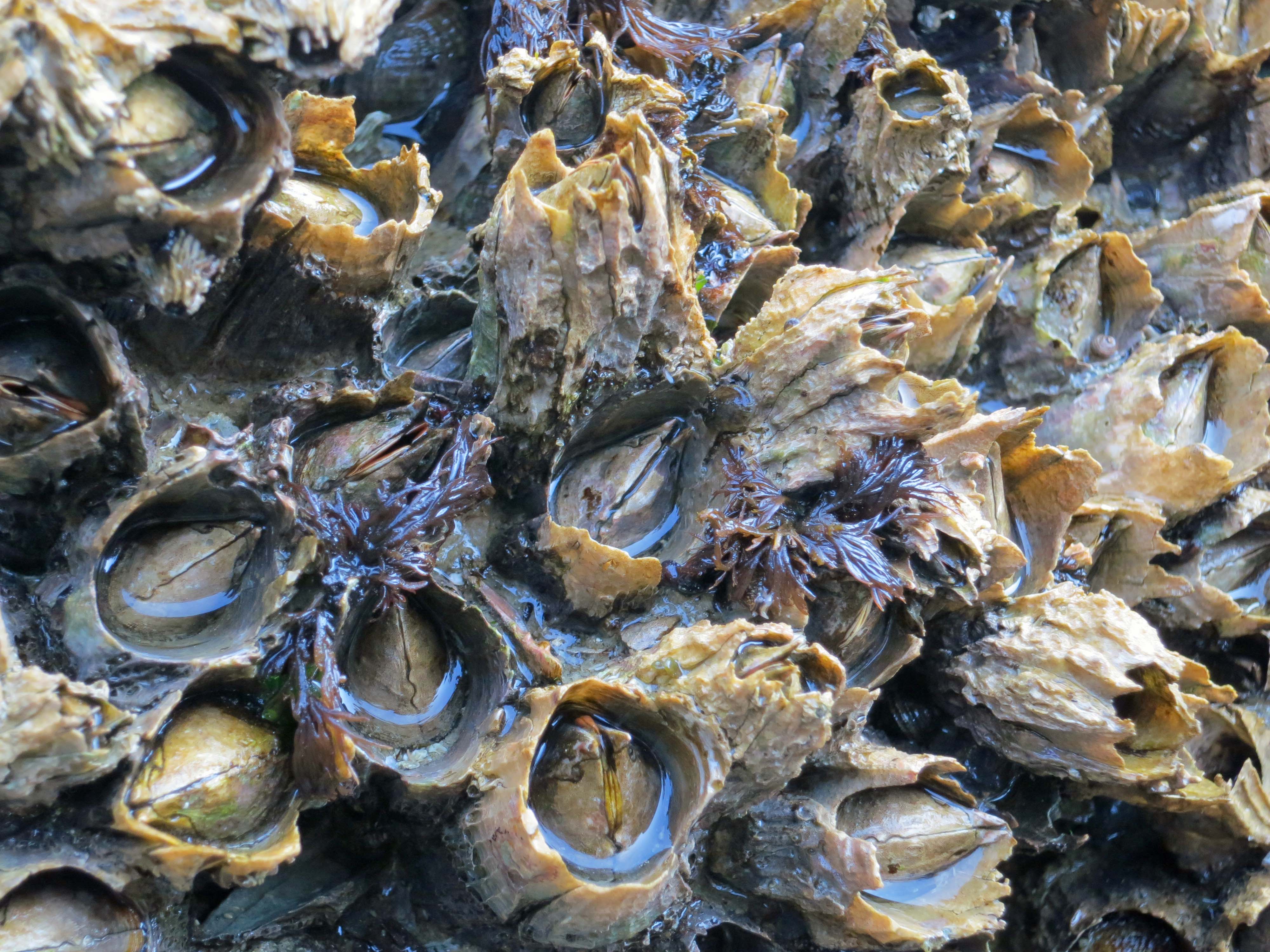
Photo of barnacles off of Compton Island in Blackfish Sound, British Columbia. Photo by Curtis Mekemson.

It was after all of the salmon excitement that we discovered the starfish, and these barnacles.

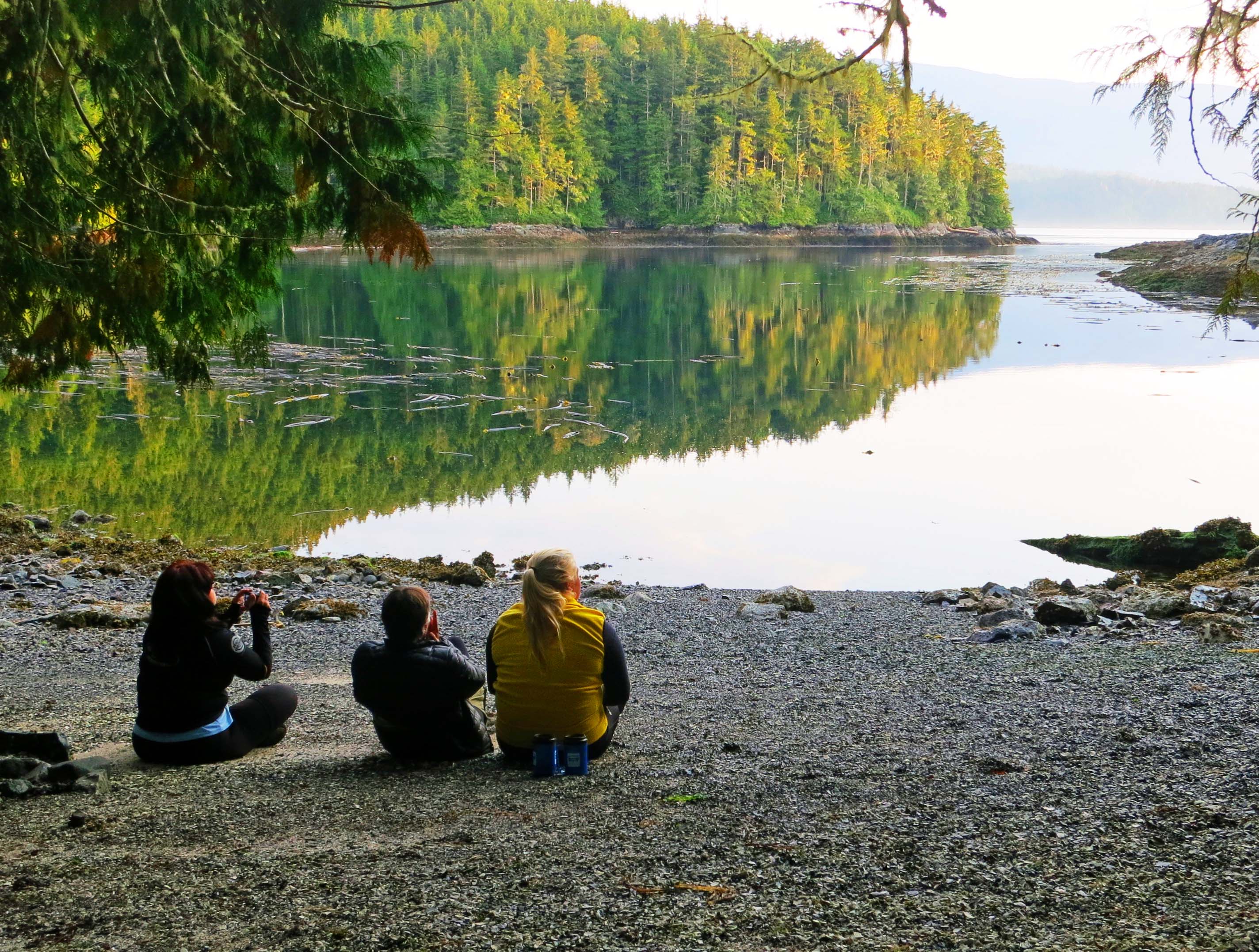
Members of our group enjoy a quiet moment at the end of the day, hoping for a whale to appear. Next blog: we kayak to Berry Island and hear a tale about Bigfoot.

Members of our group enjoy a quiet moment at the end of the day, hoping for a whale to appear. Next blog: we kayak to Berry Island and hear a strange tale about Bigfoot.

A Gorgeous Sunset and a Breaching Killer Whale… British Columbia Sea Kayak Adventure: Part 2

Sunset at Sea Kayak Adventure's campsite on Hanson Island in Johnstone Strait. Photo by Curtis Mekemson.

As the day ends, one of our kayakers takes a moment to enjoy the sunset from our campsite on Hanson Island.

A post-card-glorious sunset marked the end of Monday, our first day of kayaking on Johnstone Strait off the northeast coast of Vancouver Island. Morning seemed long ago and far away— and my body spoke to just how long ago and far away that was. It had passed 71 earlier in the year and was wondering when the fabled golden years were going to start. “They are here,” I told it with a grin. It grumped. My mind and body aren’t always in agreement.

The guides and group, including Peggy and I, were in high spirits. We had successfully completed our first day of kayaking, seen stunning scenery, and watched an orca breach. We were in a beautiful setting. Our guides had just fed us a gourmet meal, and our tents were set up, promising a good night’s sleep. What was there to complain about?

We had all met for the first time on Sunday night. The session had started with the usual meet and greet. “Tell us something about yourselves.” We half listened as we composed whatever we were going to say. There were the Canadian guides, a contingent from Idaho, three mid-westerners, one Californian, and our friends David and Edie from Alaska. Peggy and I are from Oregon. We also had a family of Asians until they figured out they had come to the wrong meeting. Everyone had at least some kayak experience. David and I, along with our child brides, were the elders.

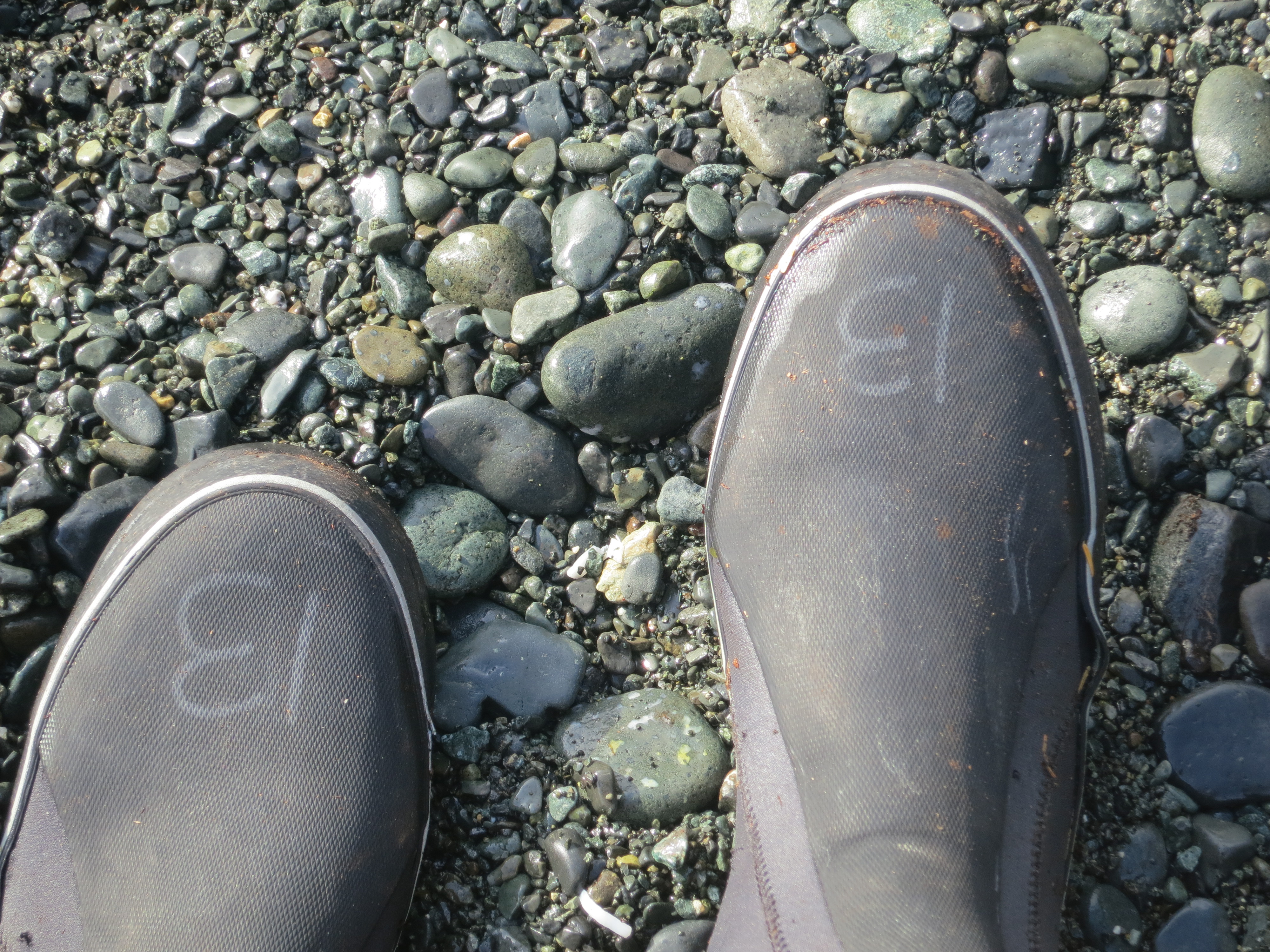
Our guides gave us an overview of the journey and then distributed dry bags and rubber boots. I debated between size 13 and 14. The 14s were a little loose, the 13s a little snug. I went with snug and wondered how my large feet would work in the tight confines of the kayak. Carefully, I presumed. Peggy and I retired to our rooms and begin the packing process— what to take and what to leave. Sea Kayak Adventures had recommended a lot and our guides had suggested less. Everything had to fit in the boats. There were important decisions to make.

Rubber boots issued by Sea Kayak Adventures.

My size 13 boots, clearly marked for all to see. I wondered how they would relate to the small rudder pedals in the Kayak.

The next morning we were up early, went through our gear for the umpteenth time, had a quick bite, and caught the taxi hired to take us to Telegraph Cove. It was time to break out the cameras.

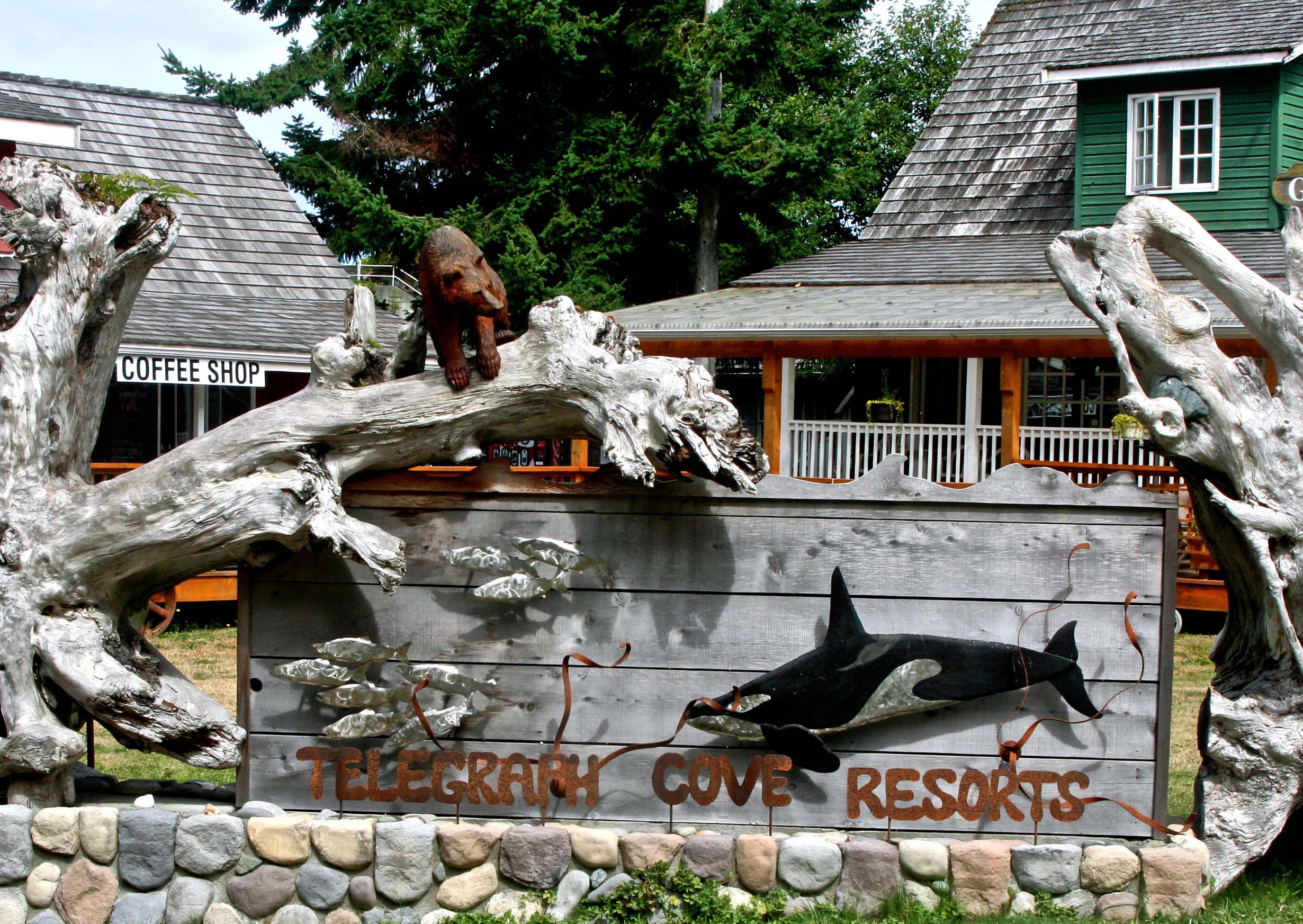
Telegraph Cove started life as a lumber mill. Nowadays it is an eco tourism center. A couple of hundred thousand people visit in the summer for whale watching, kayaking, fishing and checking out grizzlies. In the winter, its population drops to 20. The town has done a great job of preserving historical buildings from its past.

This sign, featuring an Orca, grizzly and salmon welcomes visitors to Telegraph Cove.

This sign, featuring an orca, grizzly and salmon, welcomes visitors to Telegraph Cove. Also note the impressive drift wood. We were to find some on our trip. (Photo by Peggy Mekemson.)

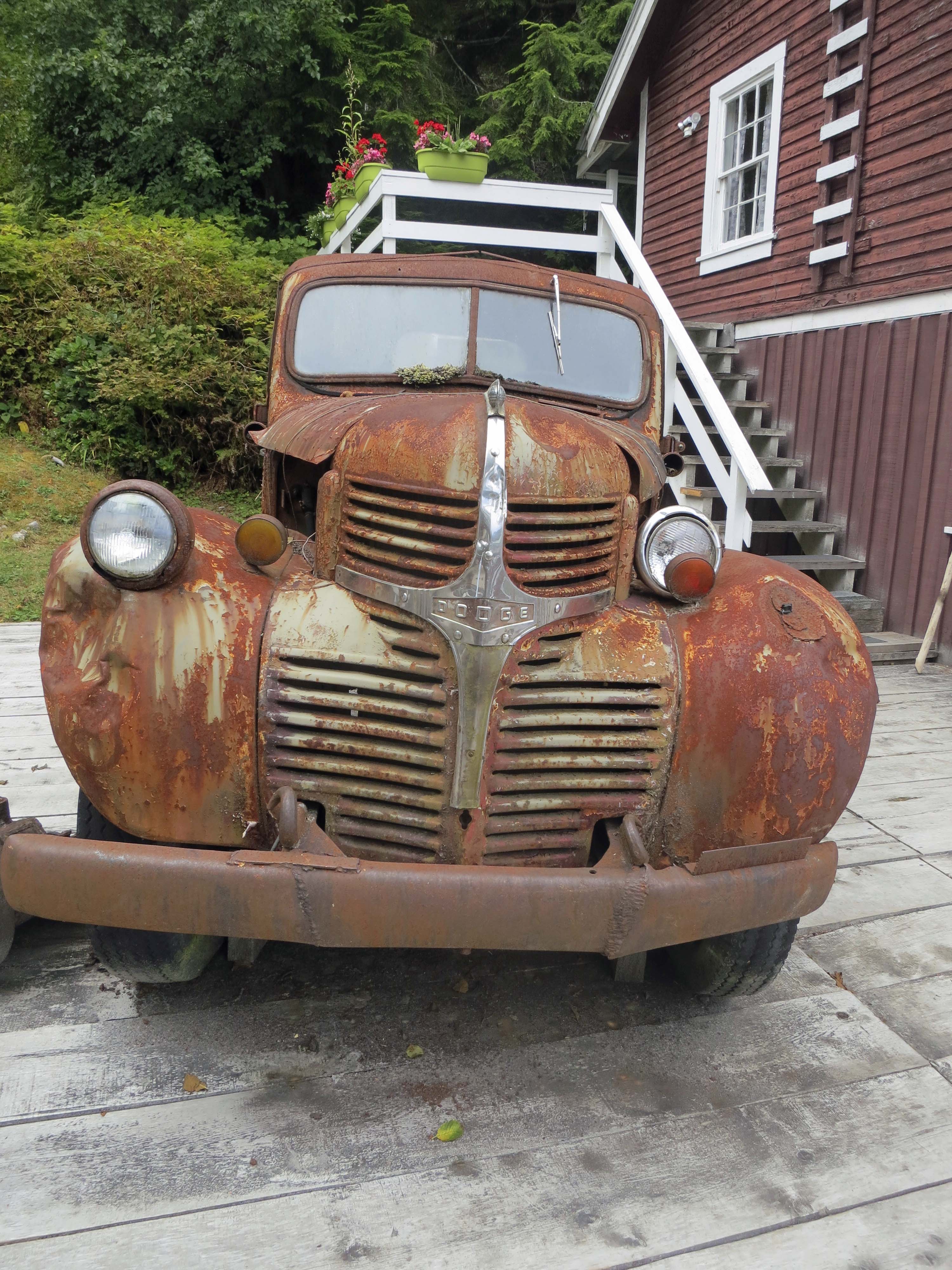
Old Dodge Truck at Telegraph Cove on Vancouver Island. Photo by Curtis Mekemson.

Part of the appeal of Telegraph Cove is its preservation of the past, as with this old Dodge truck. I think the truck was confused about where its lights should be. Or maybe it was so old it needed bifocals.

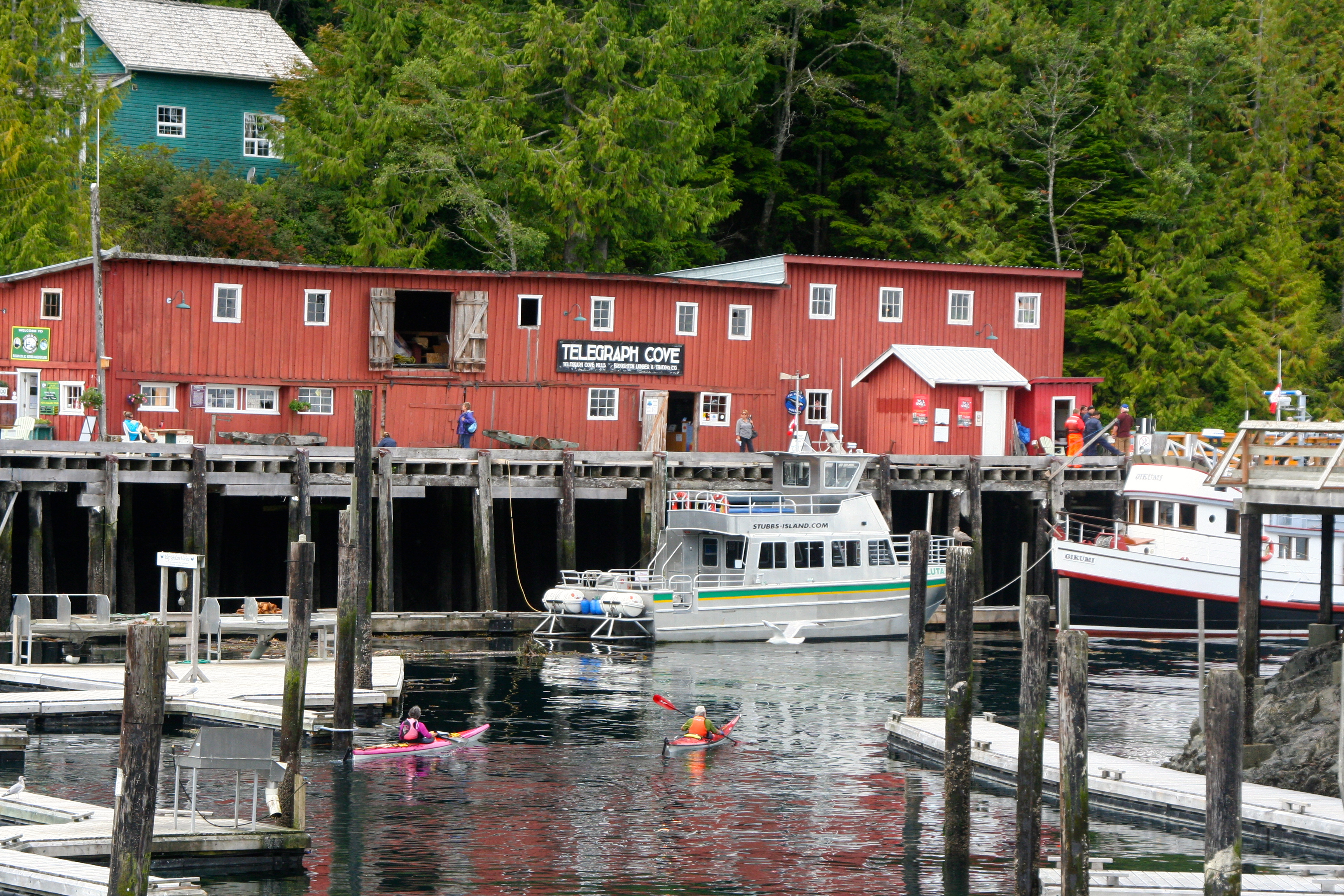
Telegraph Cove is all about water as this photo suggests. Here we see the Whale Interpretive Center, a fishing boat, and kayakers. (Photo by Peggy Mekemson.)

Telegraph Cove is all about water as this photo suggests. Here we see the Whale Interpretive Center, a fishing/tour boat, and kayakers. (Photo by Peggy Mekemson.)

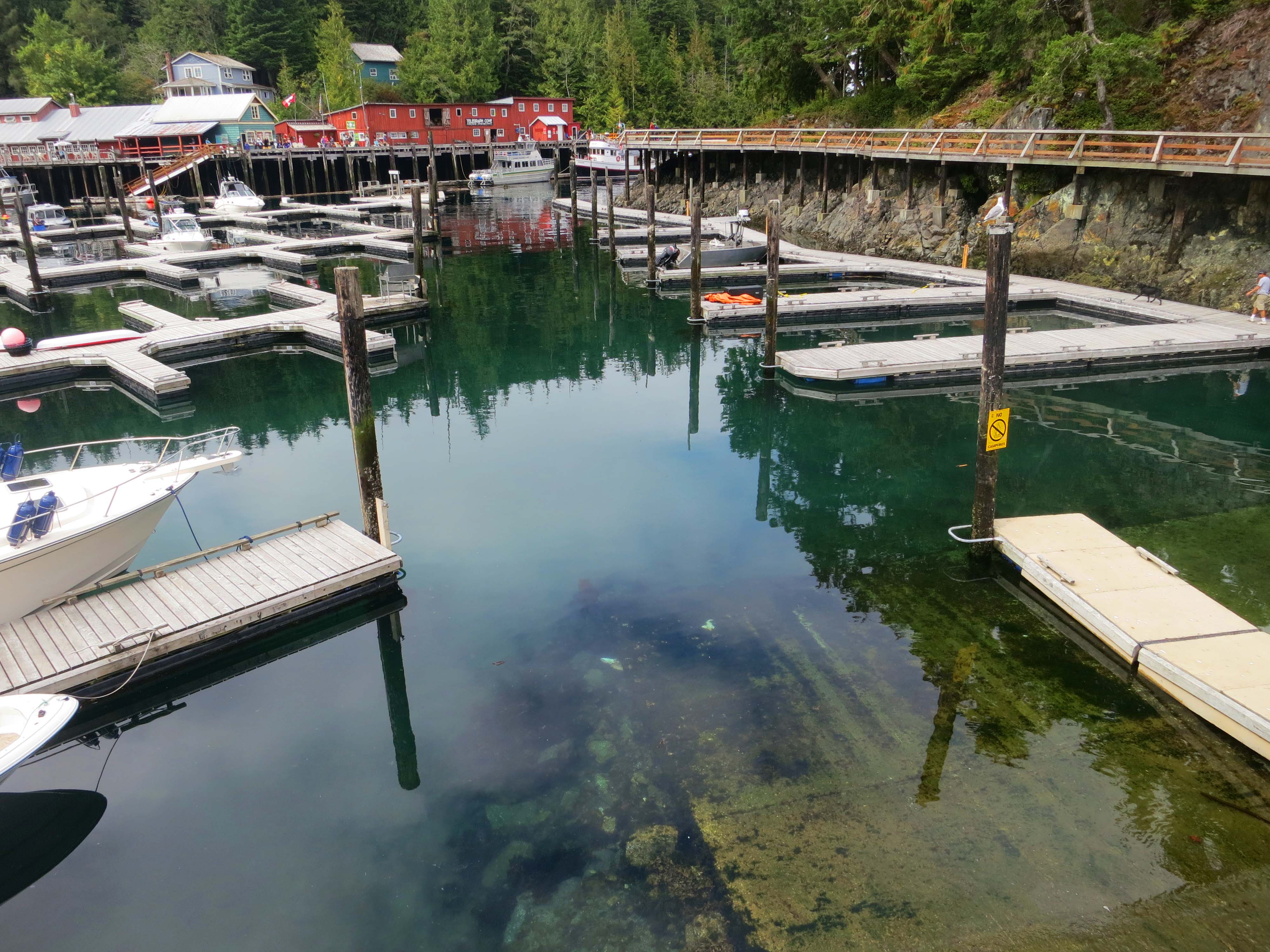
Empty docks at Telegraph Cove suggests all of the tours and fishing expeditions are already out on Johnstone Strait. Photo by Curtis Mekemson.

The empty boat docks tell a tale. We would not be the first to leave Telegraph Cove that morning for the Johnstone Strait. Our route took us right down the row and made a right at the Whale Interpretive Center.

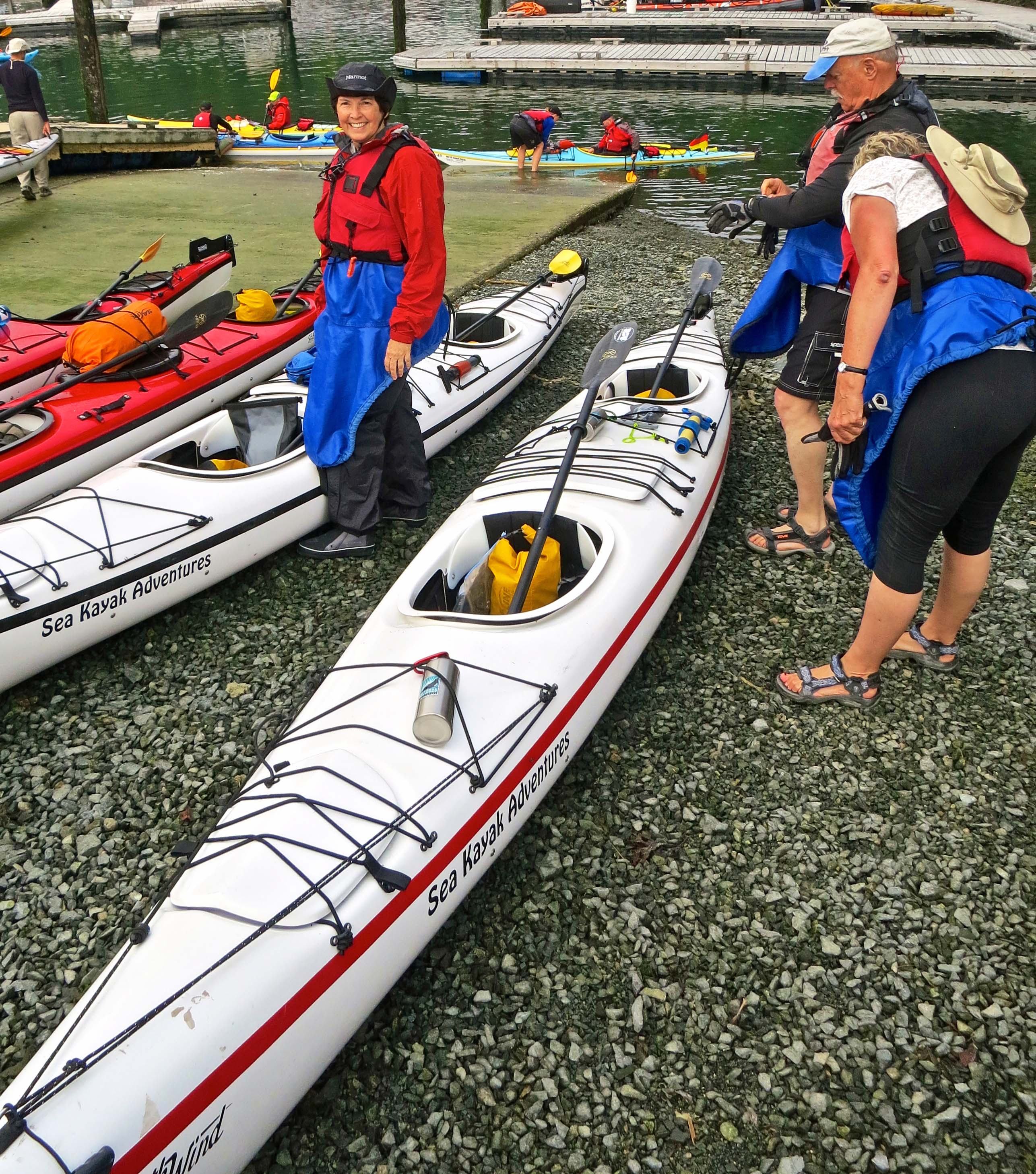
Once our taxis dropped us off at Telegraph Cove, it was time to get busy. There were kayaks to pick, gear to load, life vests to fit, and last-minute instructions, such as which side of our paddle was up.

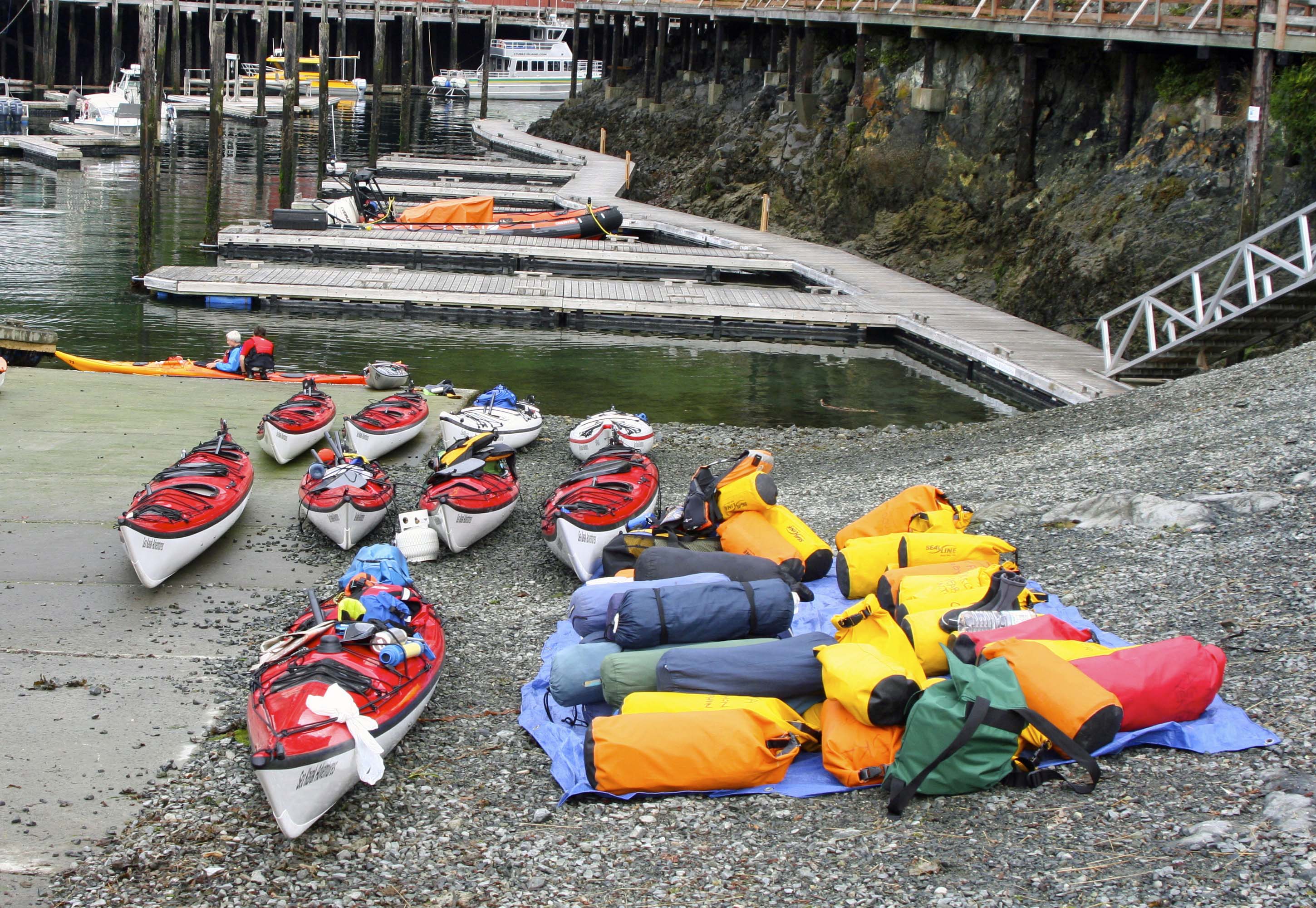
Sea kayaks wait for the next Sea Kayak Adventure tour group in Telegraph Cove.

Our guides, Julia, Nick and Quy, had been up  before dawn getting ready for us. Kayaks, life vests, and sleeping pads were waiting. Group gear had already been packed. Our first chore was to pick out our kayaks. (Photo by Peggy Mekemson.)

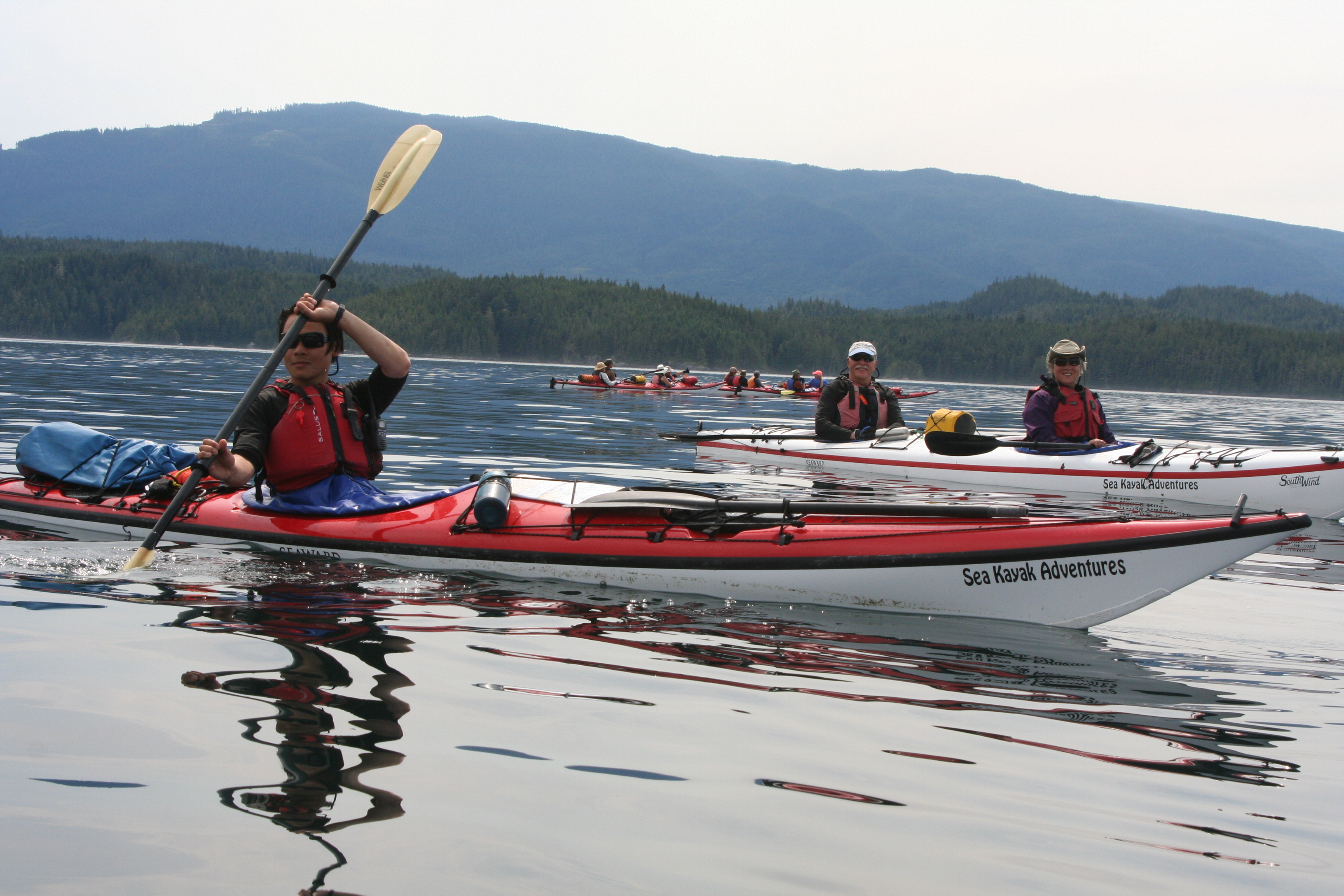
The white boats are more stable, the guides told us. Being the oldest, David, Edie, Peggy and I decided we could use the most stability. What the guides failed to mention in the fine print was that the white kayaks were also the largest, the heaviest, and could carry more of the group gear.Translation: they would be slower and harder to move.

The white boats are more stable, the guides told us. Being the oldest, David, Edie, Peggy and I decided we could use the most stability. What we failed to think through was that the white kayaks were also the largest, the heaviest, and carried more of the group gear.Translation: they would be slower and harder to row.

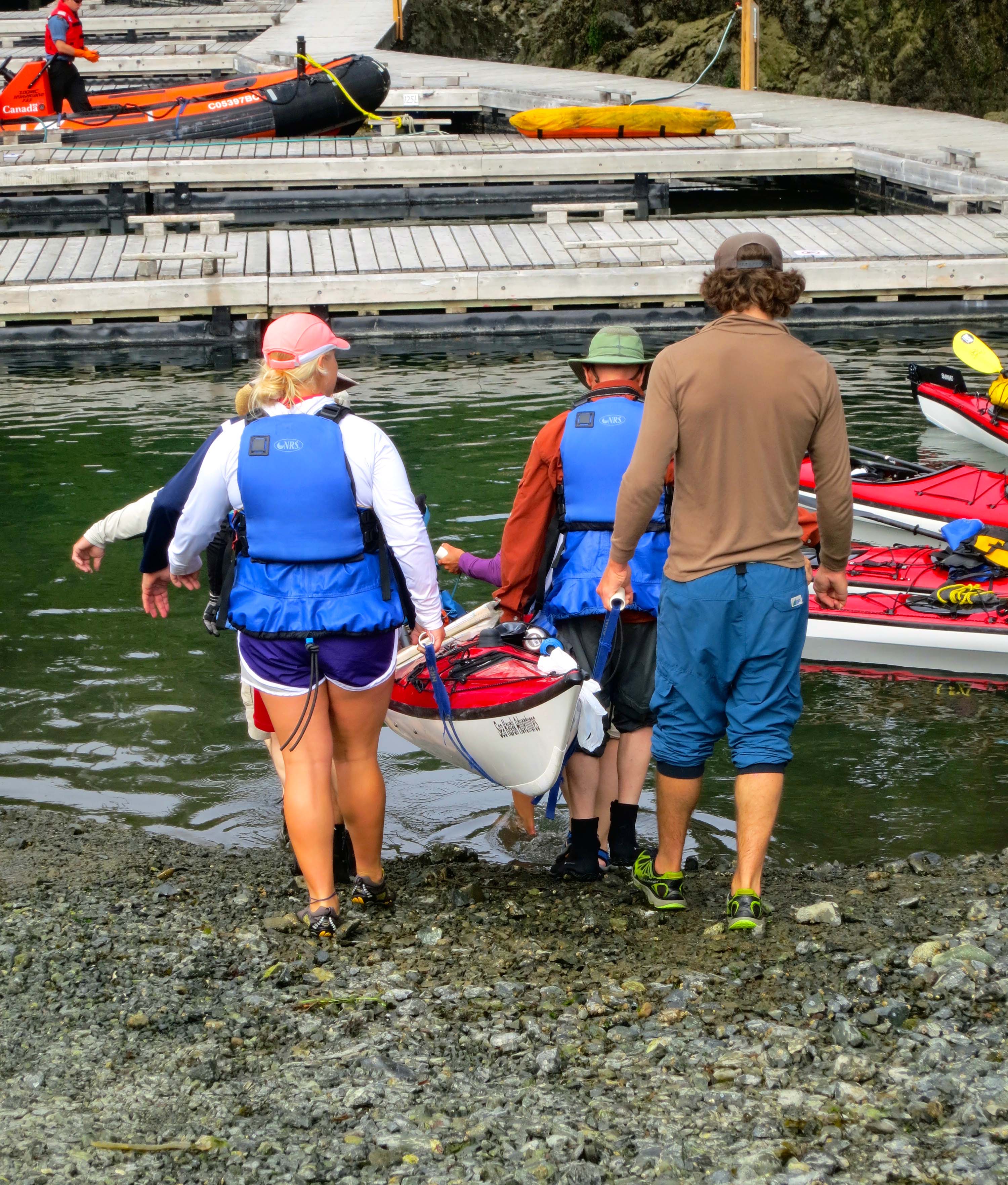
Kayaks are placed in the water at Telegraph Cove. Photo by Curtis Mekemson.

And then the moment arrived. It was time to put our kayaks in the water and start paddling. Put in and take out were always a group effort.

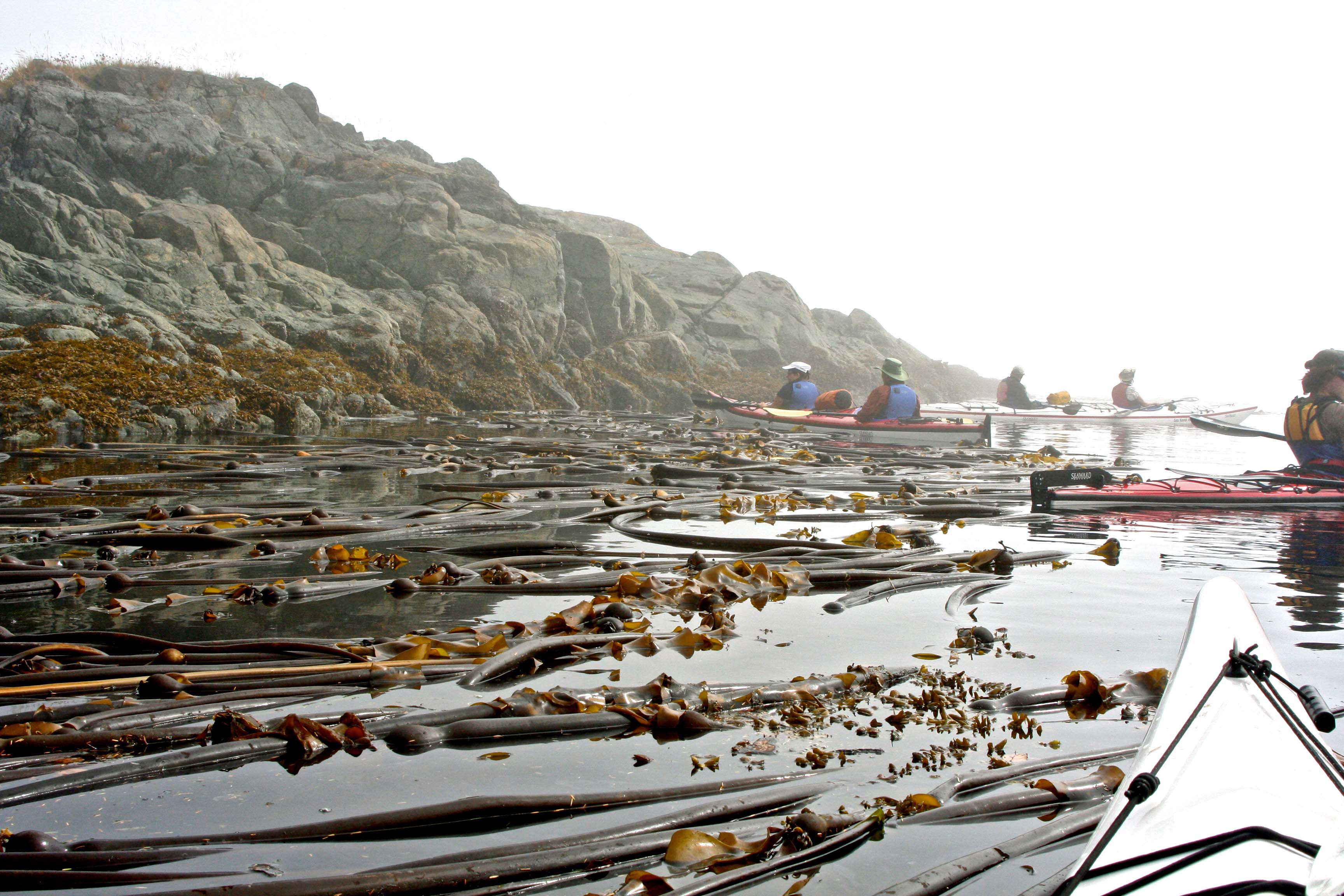
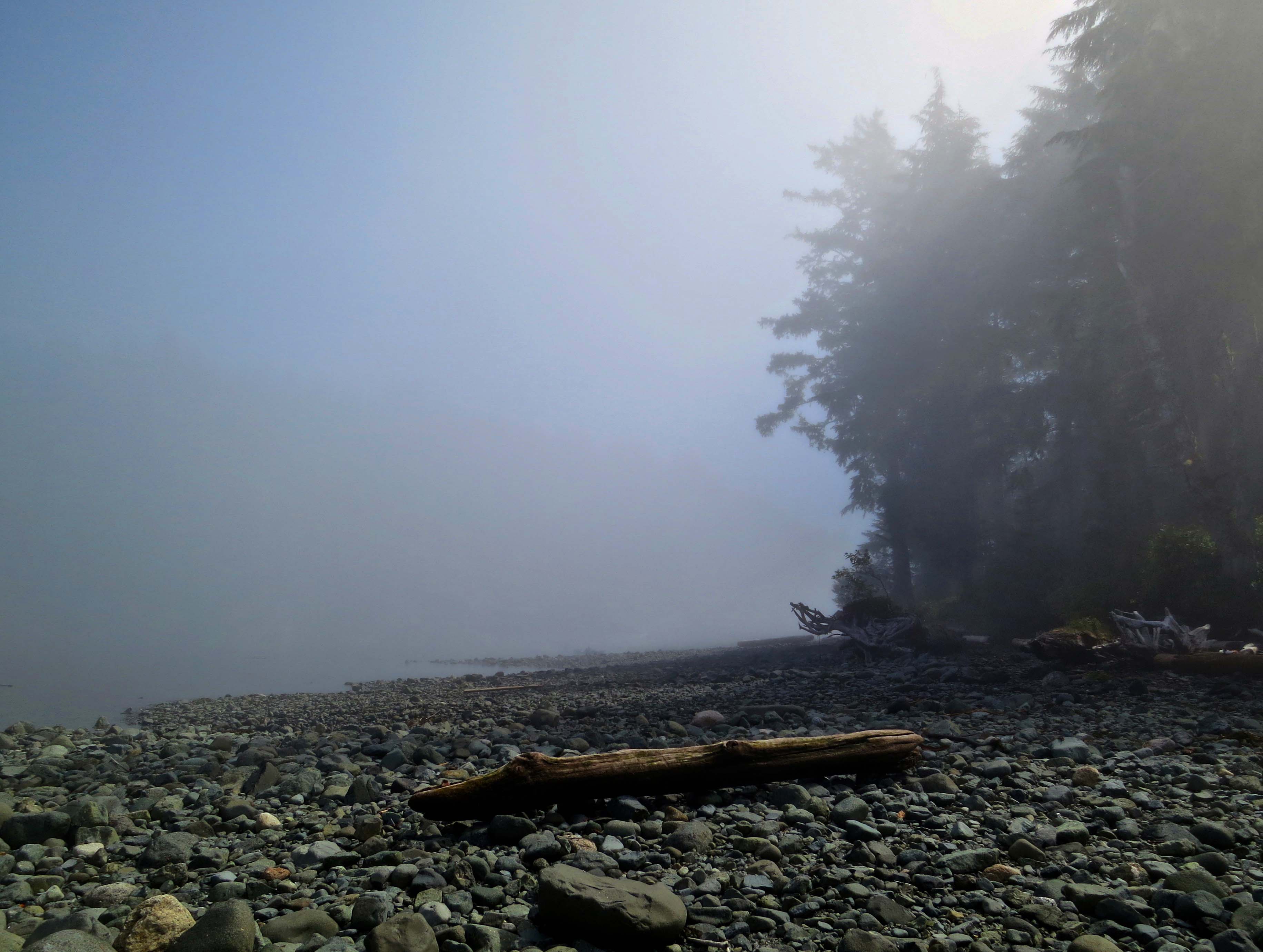
Heavy fog hung over Johnstone Strait and along the shore. We moved slowly, keeping each other in sight and waiting for the fog to clear. Large boats, including cruise ships, use the Strait. You want to be damn sure you can see them— and that they can see you. At one point, Nick, who was on rear guard duty, decided my seat needed adjusting. I was too laid back. By the time the adjustments were made, the other kayakers had disappeared into the fog. They waited patiently. We stopped and had a leisurely lunch. Then the sky turned a bright blue and we were off across the Strait. Orcas were waiting.

Kayakers work their way through kelp beds and fog in the Johnstone Strait of British Columbia.

Kelp beds and fog slowed us down. Here, we maneuvered our way through the kelp. Some of our group had almost disappeared into the mist— and they weren’t that far away. (Photo by Peggy Mekemson.)

Vancouver Island cast on Johnstone Strait near Telegraph Cove. Photo by Curtis Mekemson.

Working our way along Vancouver Island, Julia decided to stop for lunch and wait the fog out. The bright sun was already creating a patch of blue.

Sun illuminates forest during kayak trip on Johnstone Strait, BC. Photo by Curtis Mekemson.

Everywhere we went, the beauty of the forests matched the beauty of the waterways.

Lunch on Sea Kayak Adventures tour on the Johnstone Strait in British Columbia.

“Come and get it.” Julia and Nick announced that lunch was ready. (Photo by Peggy Mekemson.)

Peggy Mekemson searches for Killer Whales while kayaking across Johnstone Strait off of Vancouver Island. Photo by Curtis Mekemson.

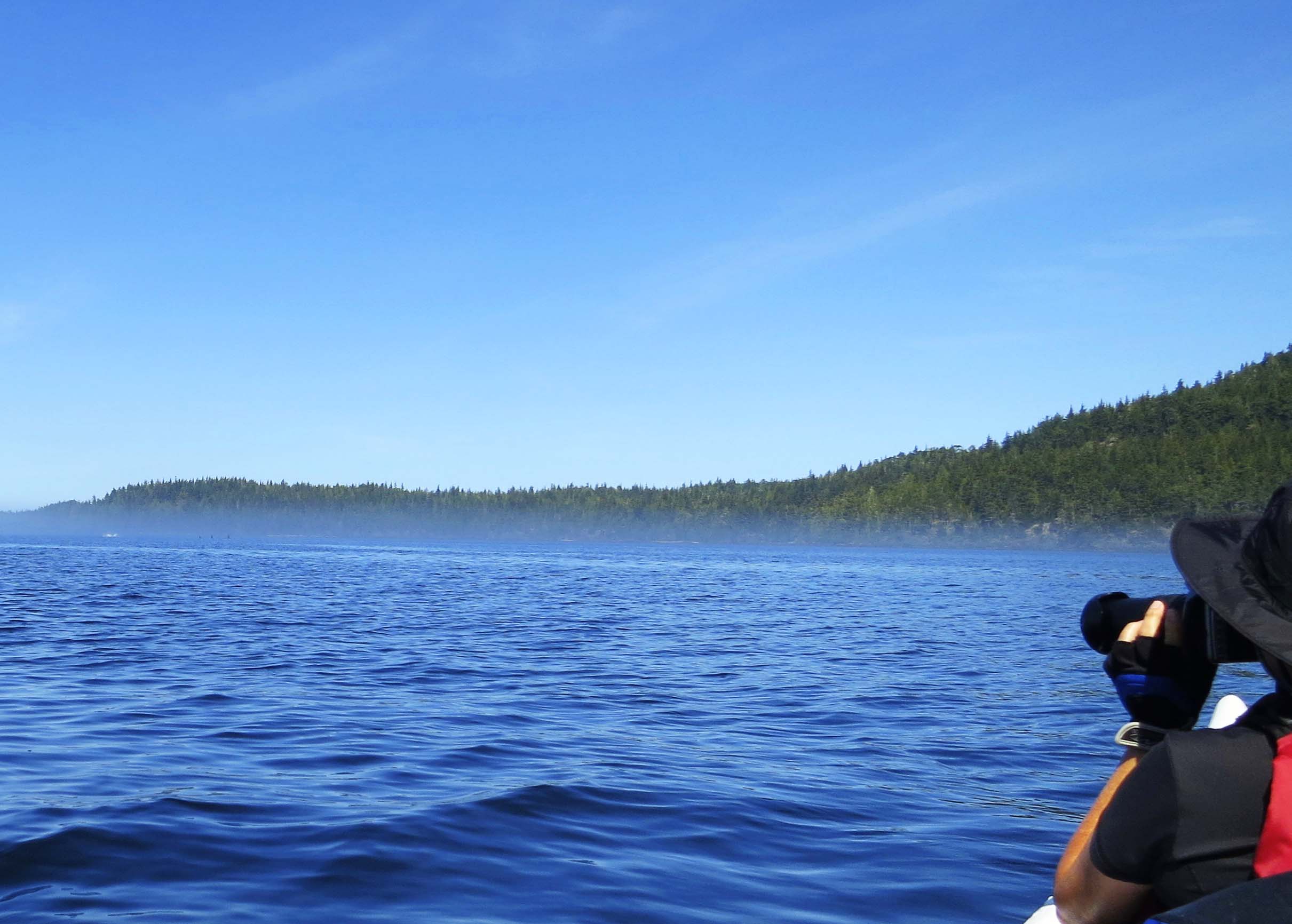
With lunch over and the fog lifted, we made our way across Johnstone Strait. Peggy searched the water for orcas/killer whales.

Kayakers with Kayak Adventure Tours raft up on Johnstone Strait in British Columbia when seeing a Killer Whale.

The distinctive whoosh made by a whale when it surfaced and blew caused our group to raft up, where we held on to each other’s kayaks. Edie gave us a smile while we waited, hoping to catch sight of the whale. (Photo by Peggy Mekemson.)

Orca breaches in the Johnstone Strait.

And were rewarded by one breaching in the distance. (Photo by Peggy Mekemson.)

Sea Kayak Adventures campsite on Hanson Island in the Johnstone Strait, British Columbia.

Having also been slowed down by a pod of dolphins, we finally made it to our first night’s campsite on Hanson Island. The camp is to the right of the rocks, back in the cove.

Sea Kayak Adventures leases its sites from a First Nation tribe. Each site is chosen for its beauty and its natural setting.  Camps are pre-set up with tents, a cooking area, and a primitive but comfortable and private open-air restroom. We carried our kayaks up into the camping area, selected tents, packed away gear, and then went for a hike. Afterwards it was time for cocktail hour and dinner. We finished off our evening watching the sunset— and a gorgeous sunset it was.

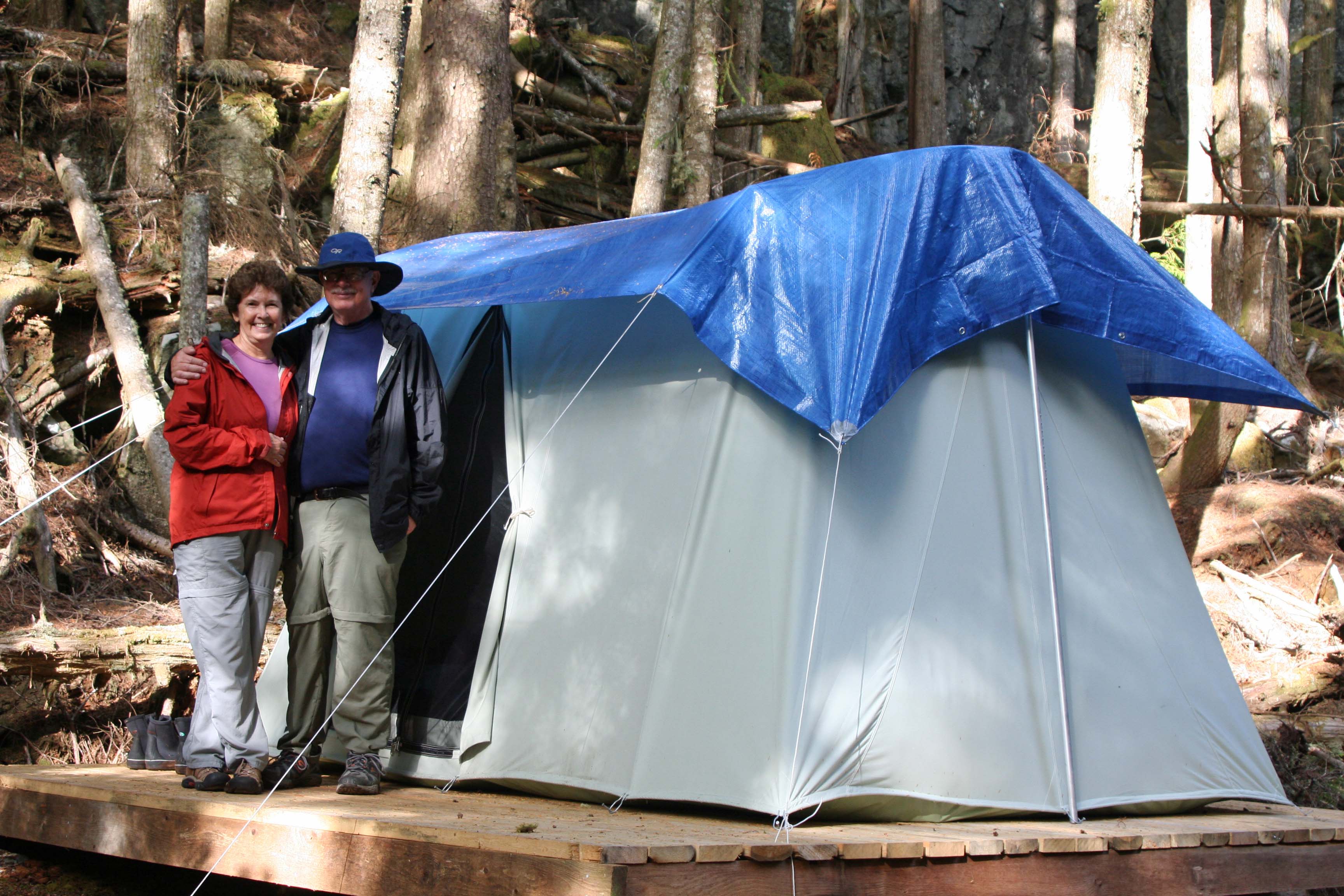
Sea Kayak Tours sets up comfortable tents for  guests to use while on their tours.

Peggy and I stand next to our home in the woods for the night.

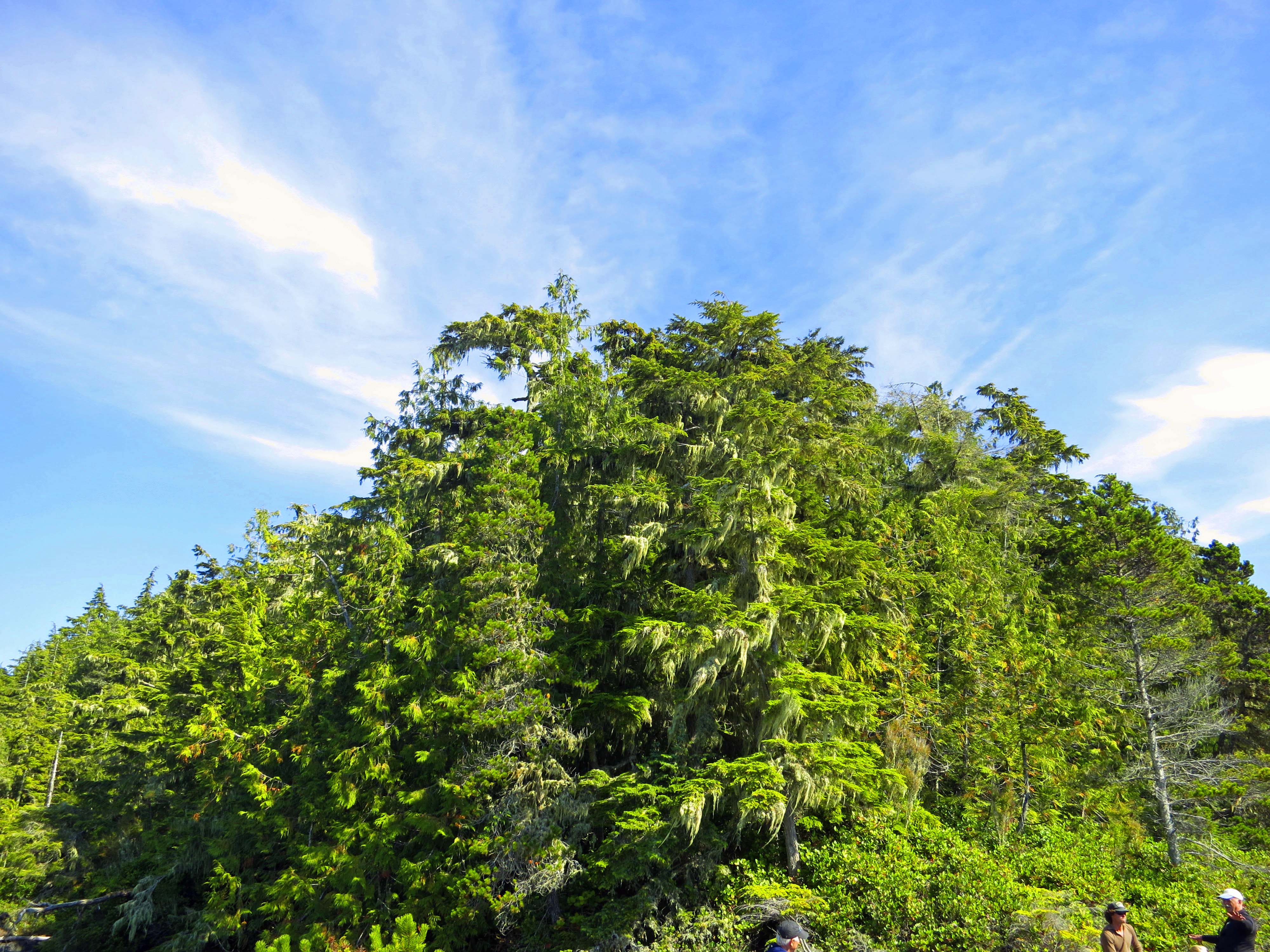
Sky and clouds meet forest on Hanson Island in the Johnstone Strait of British Columbia. Photo by Curtis Mekemson.

Our walk provided this fun photo where the sky and clouds met the forest…

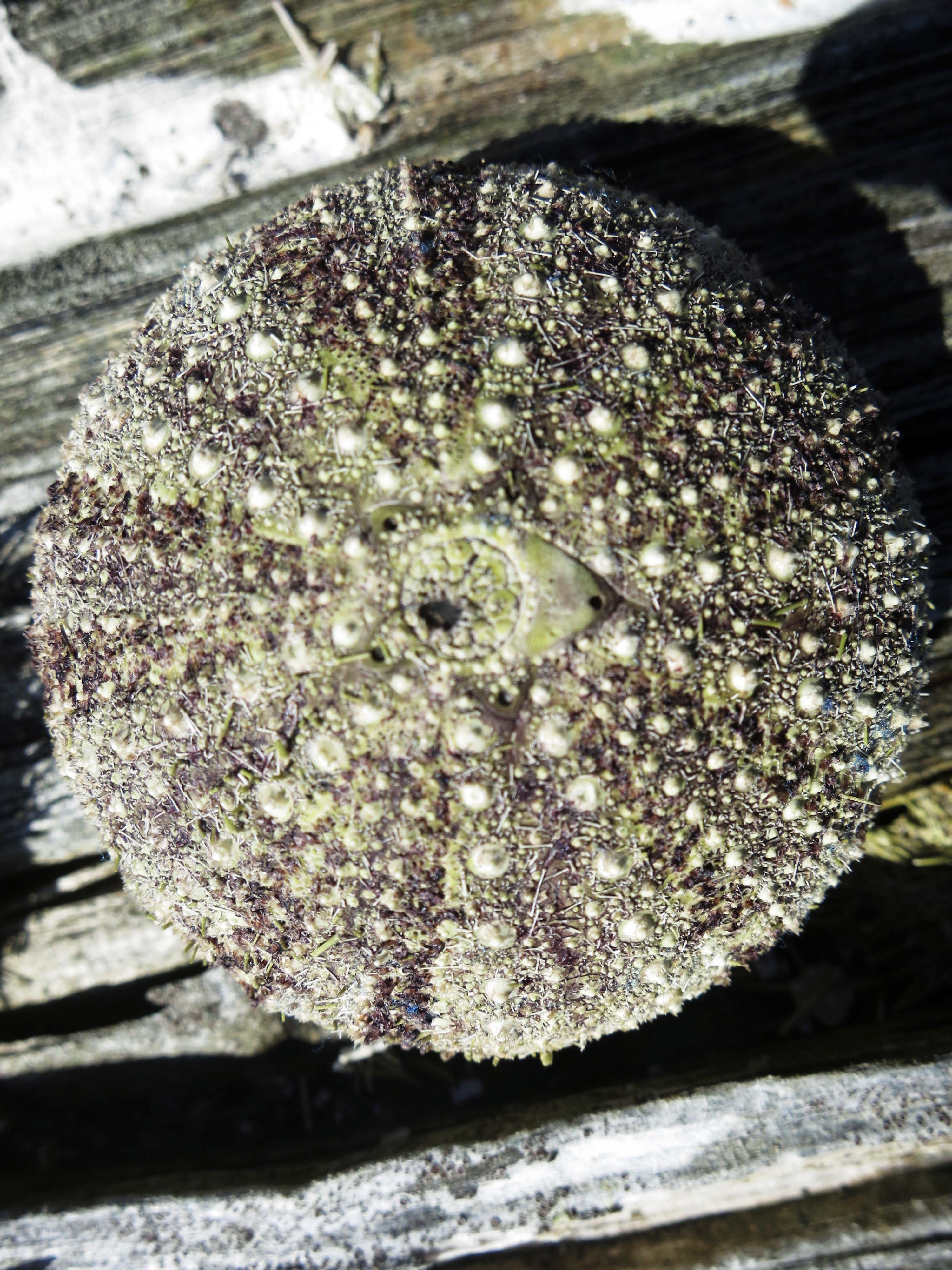
Urchin shell found on Hanson Island in Johnson Strait. Photo by Curtis Mekemson.

We found this jewel of an urchin shell…

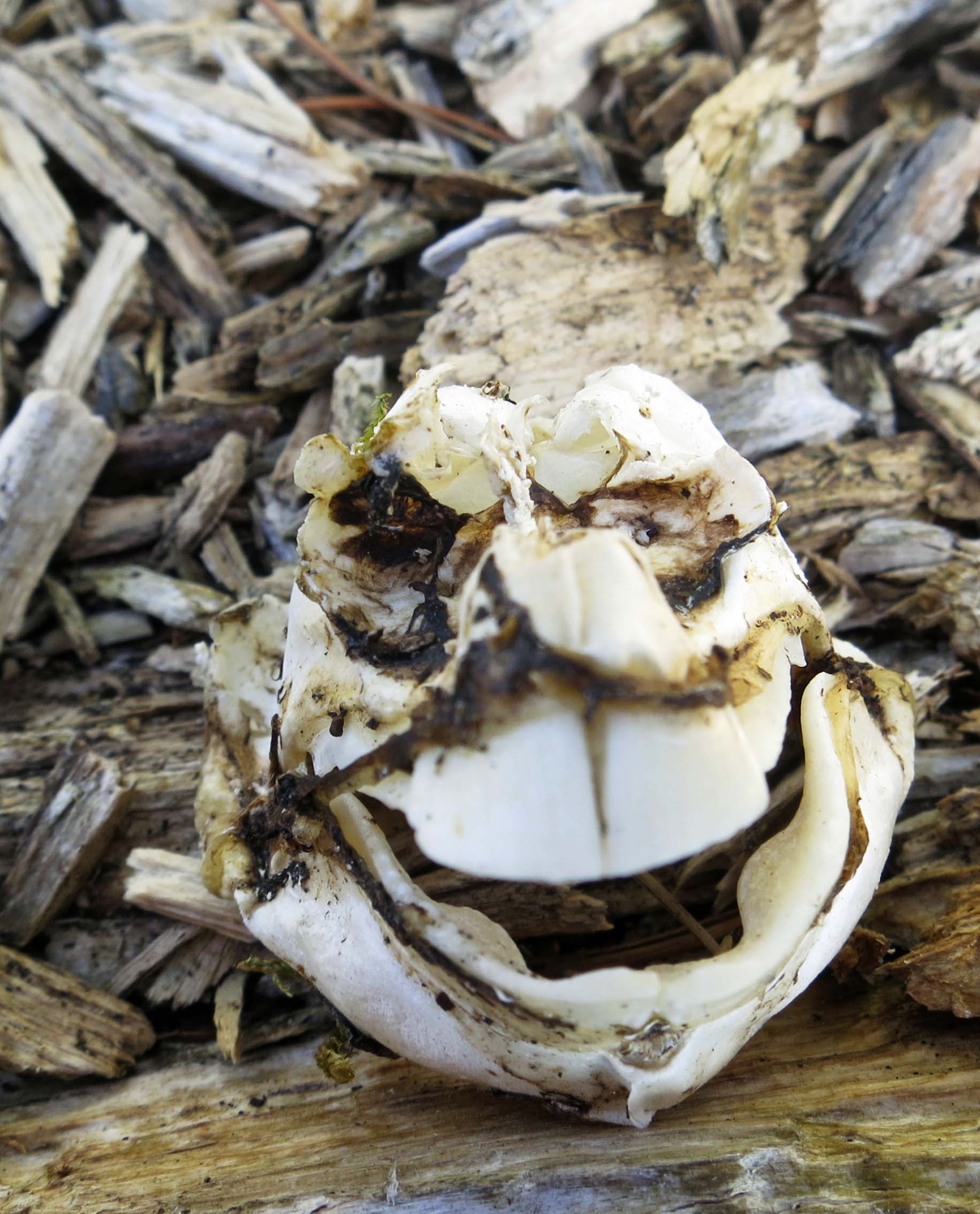
And this rather odd shell/skeleton that our experts debated over. Considering this post is going up on October 30th, I am going with Happy Halloween.

And this rather odd shell/skeleton that our experts debated over. Check out the buck teeth. This guy would put a beaver to shame. Considering this post is going up on October 30th, Peggy, the creature, and I would like to wish all of you a Happy Halloween.

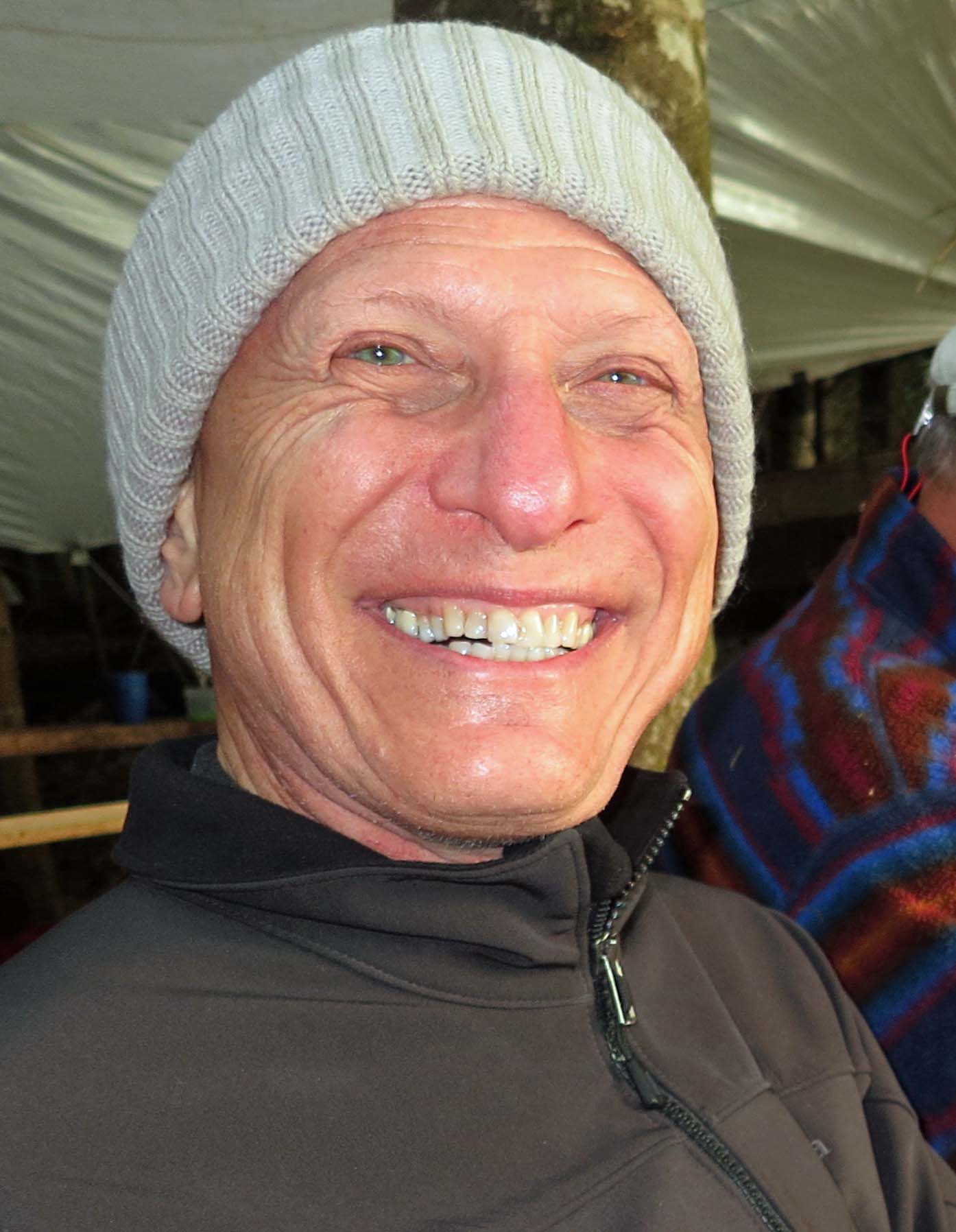
Back in camp, I got a happy, toothy grin from Dennis...

Back in camp, I got a happy, toothy grin from David…

And a shy smile from Julia.

And a shy smile from Julia.

Sunset over Johnstone Striait off of Hanson Island. Photo by Curtis Mekemson.

We finished off the day by watching the sunset over Johnstone Strait. Next blog: We kayak onward to our next island.