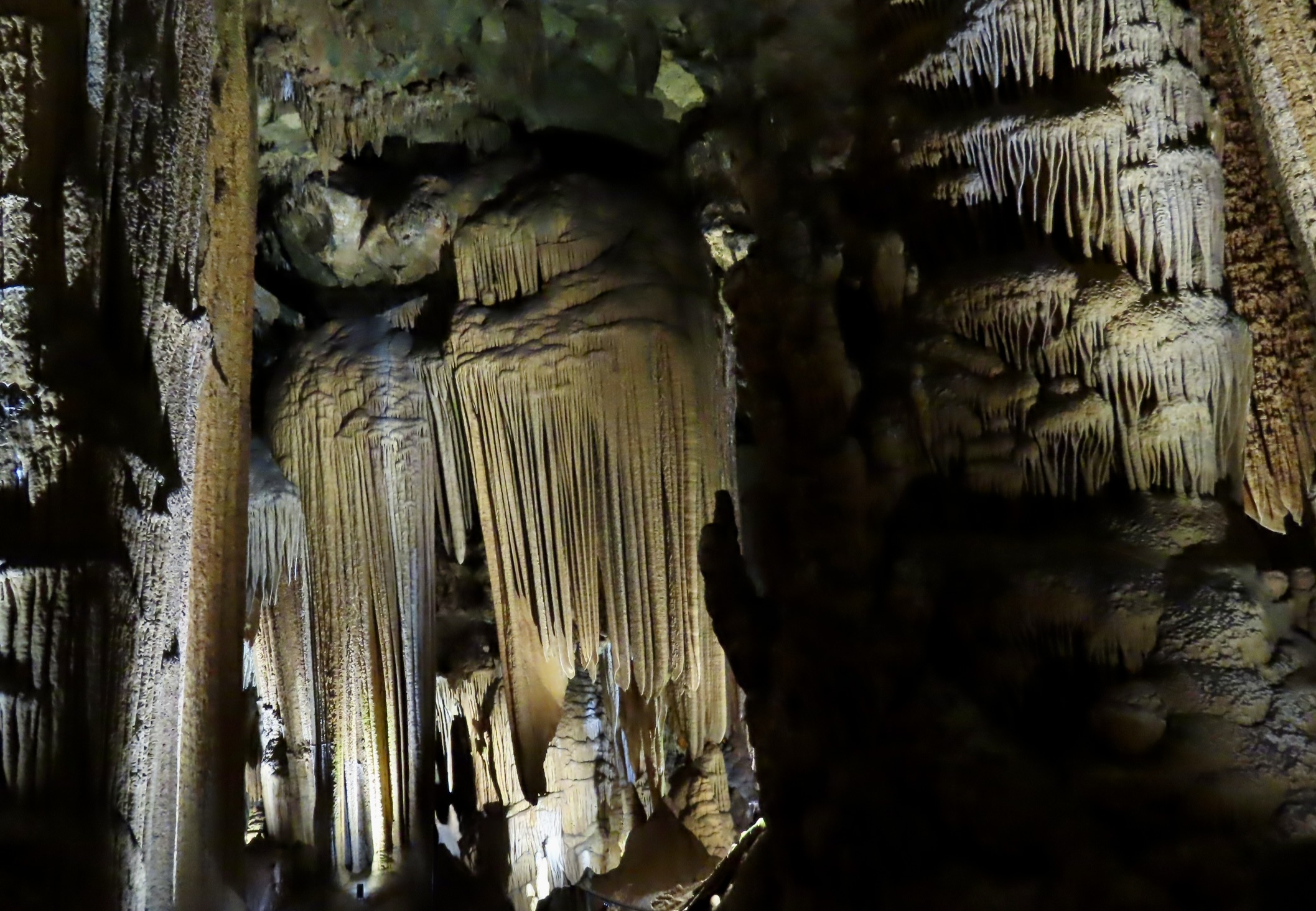
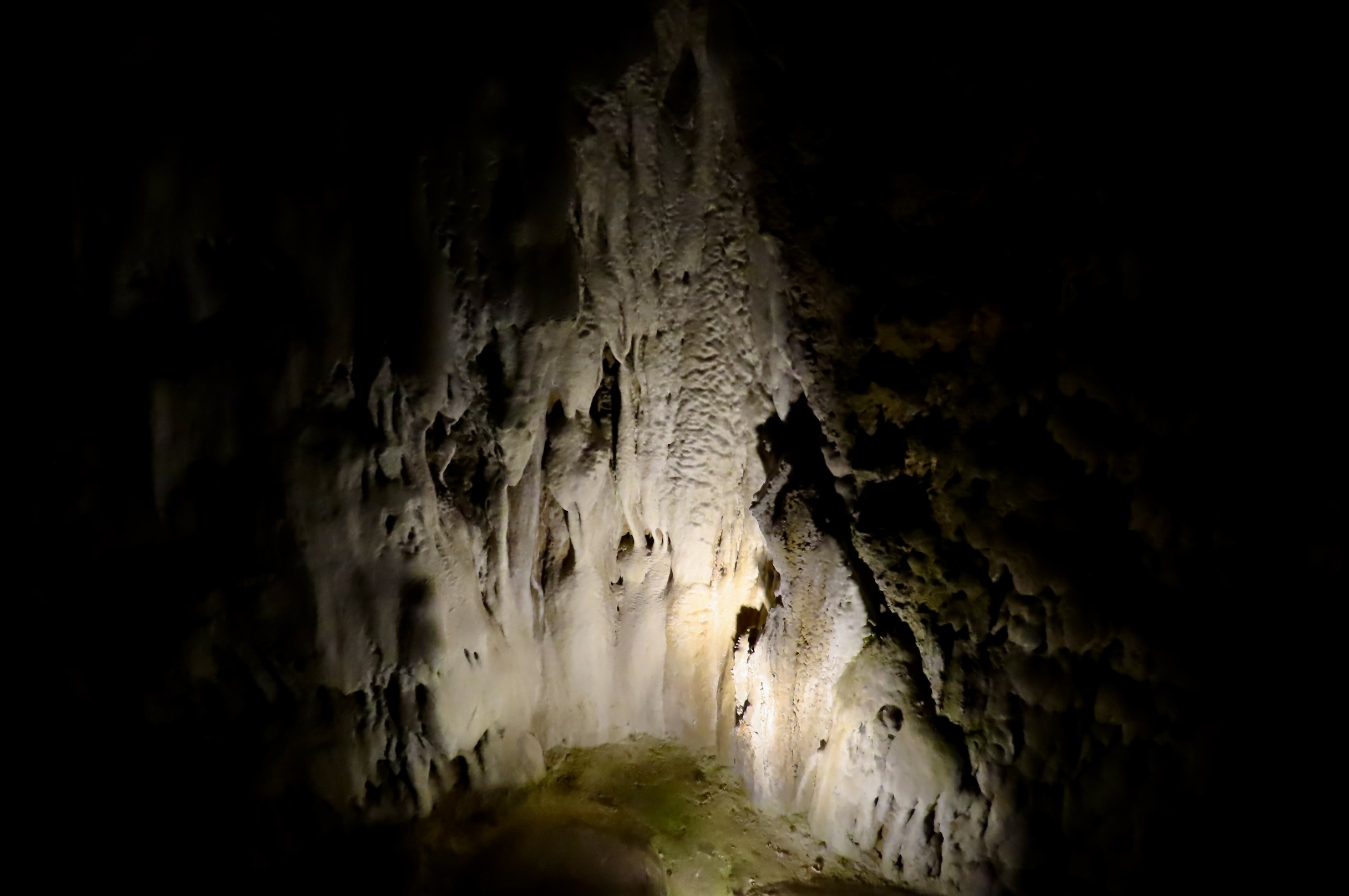
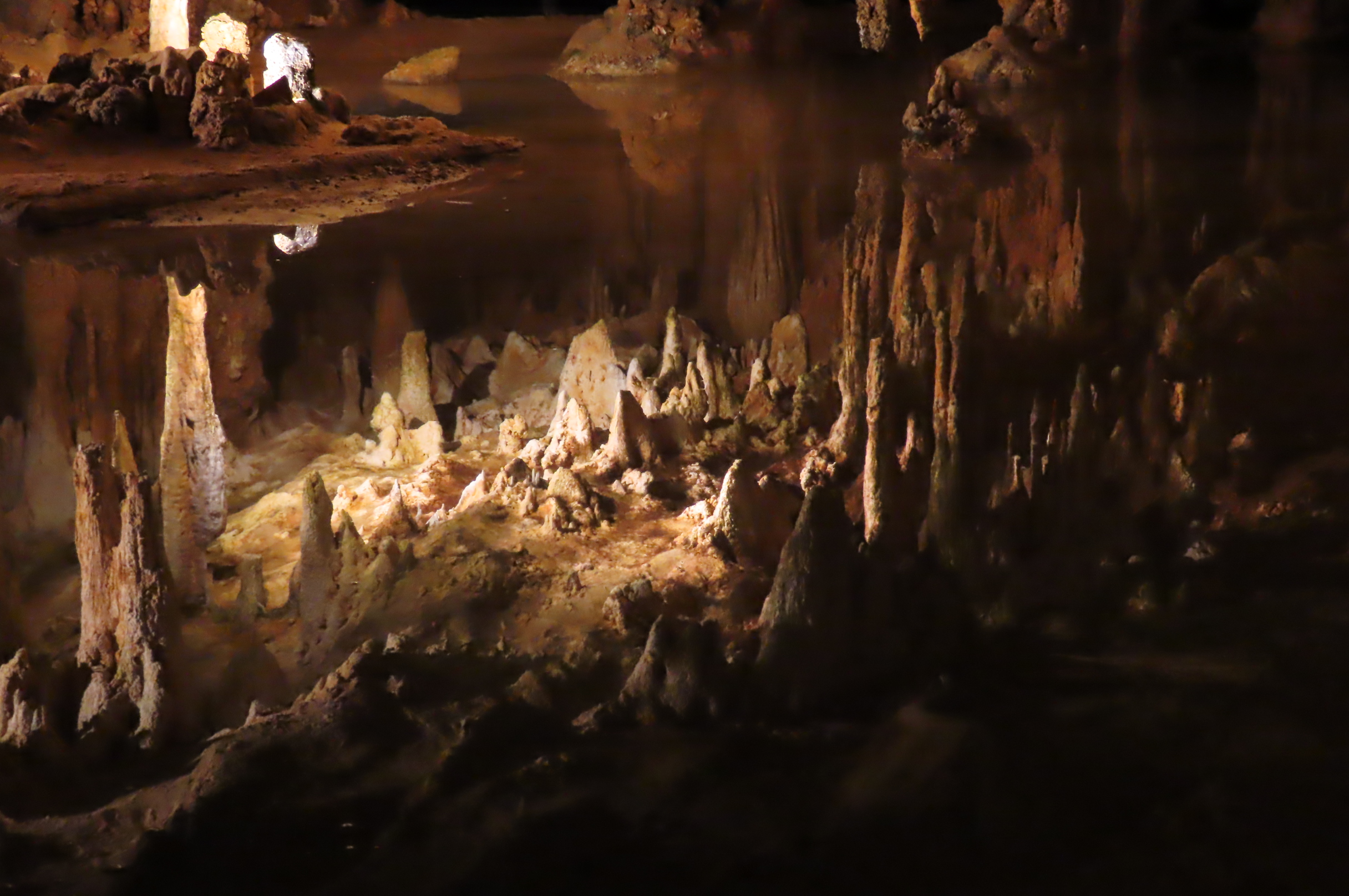
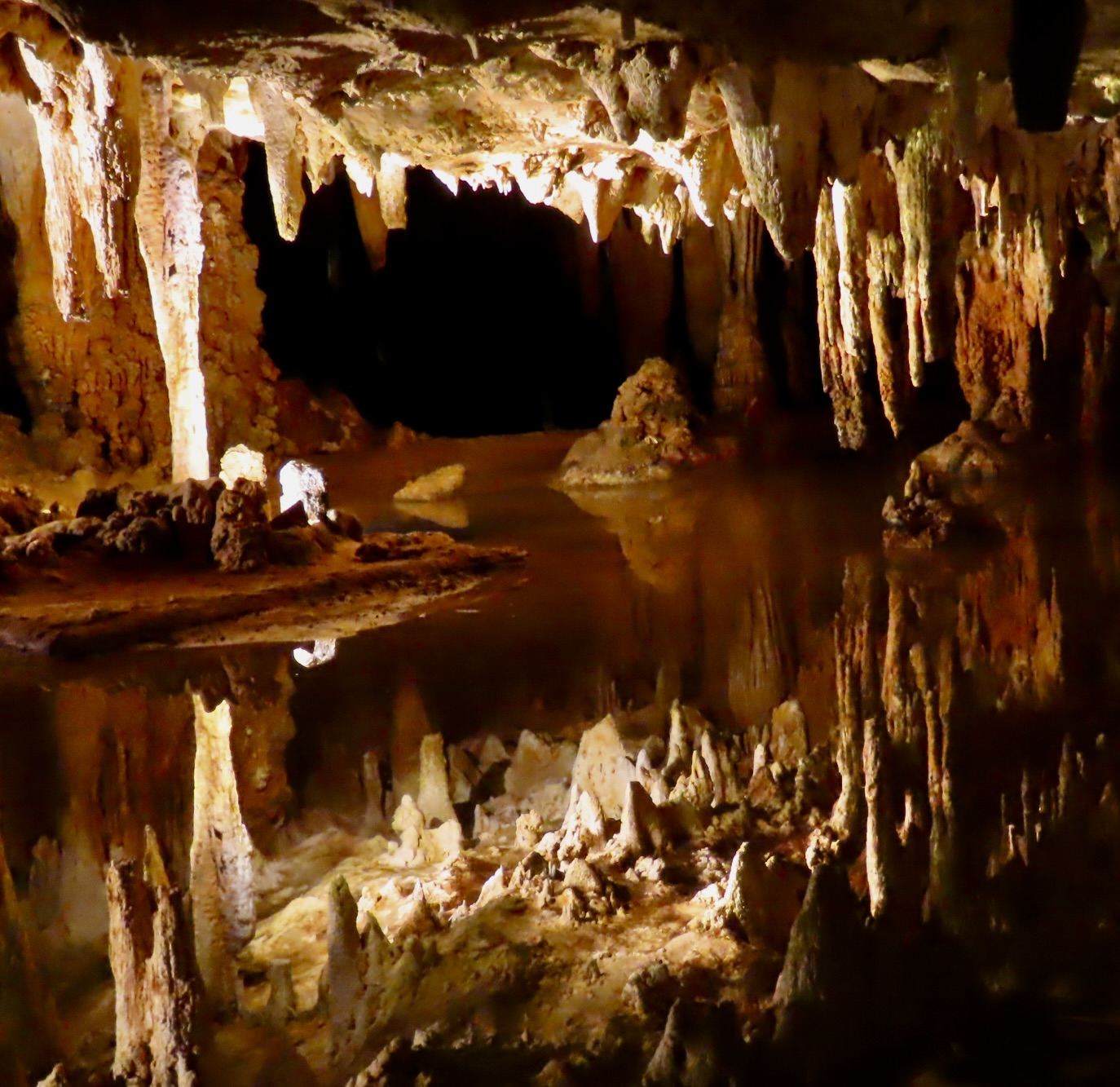
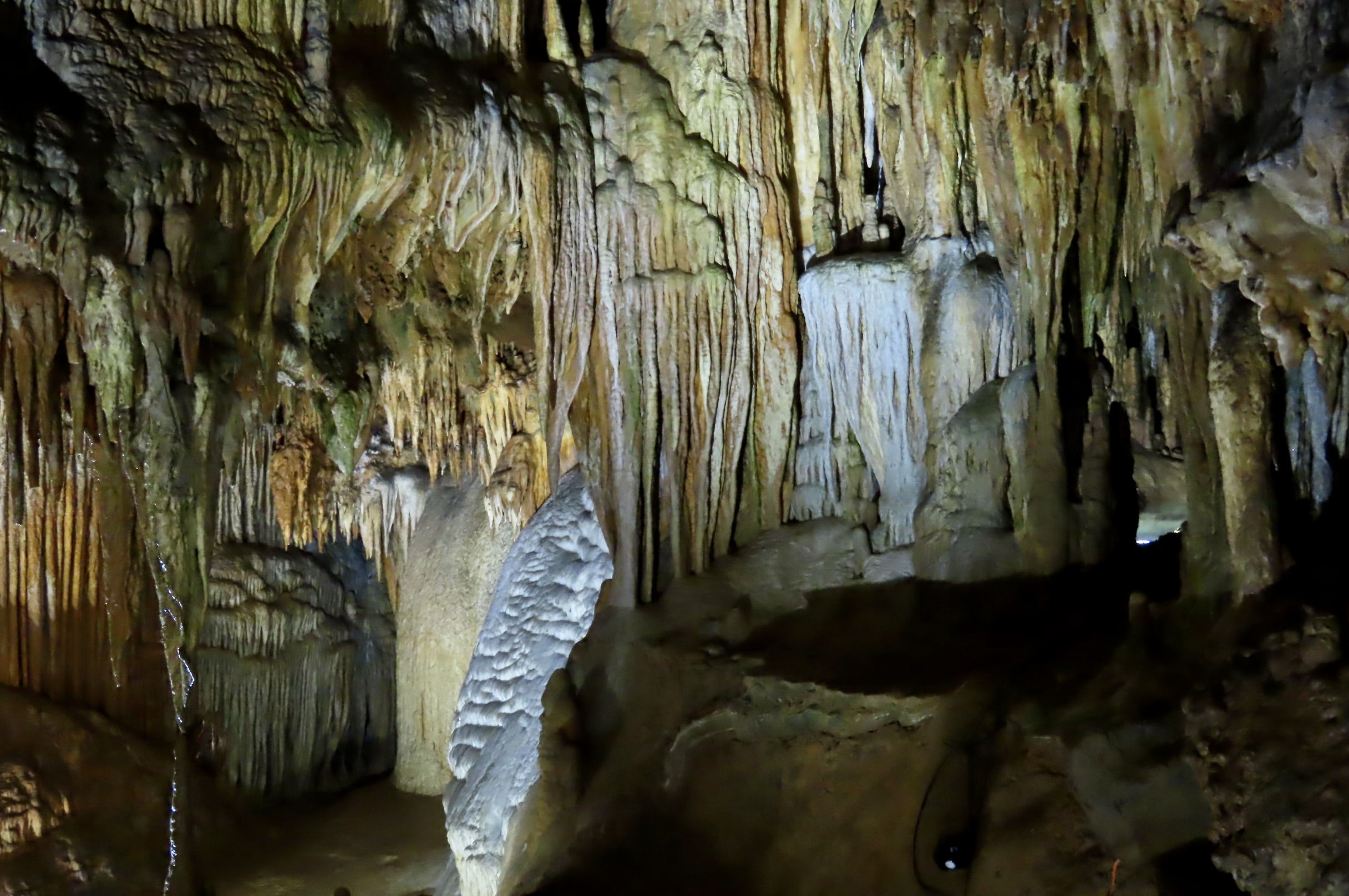
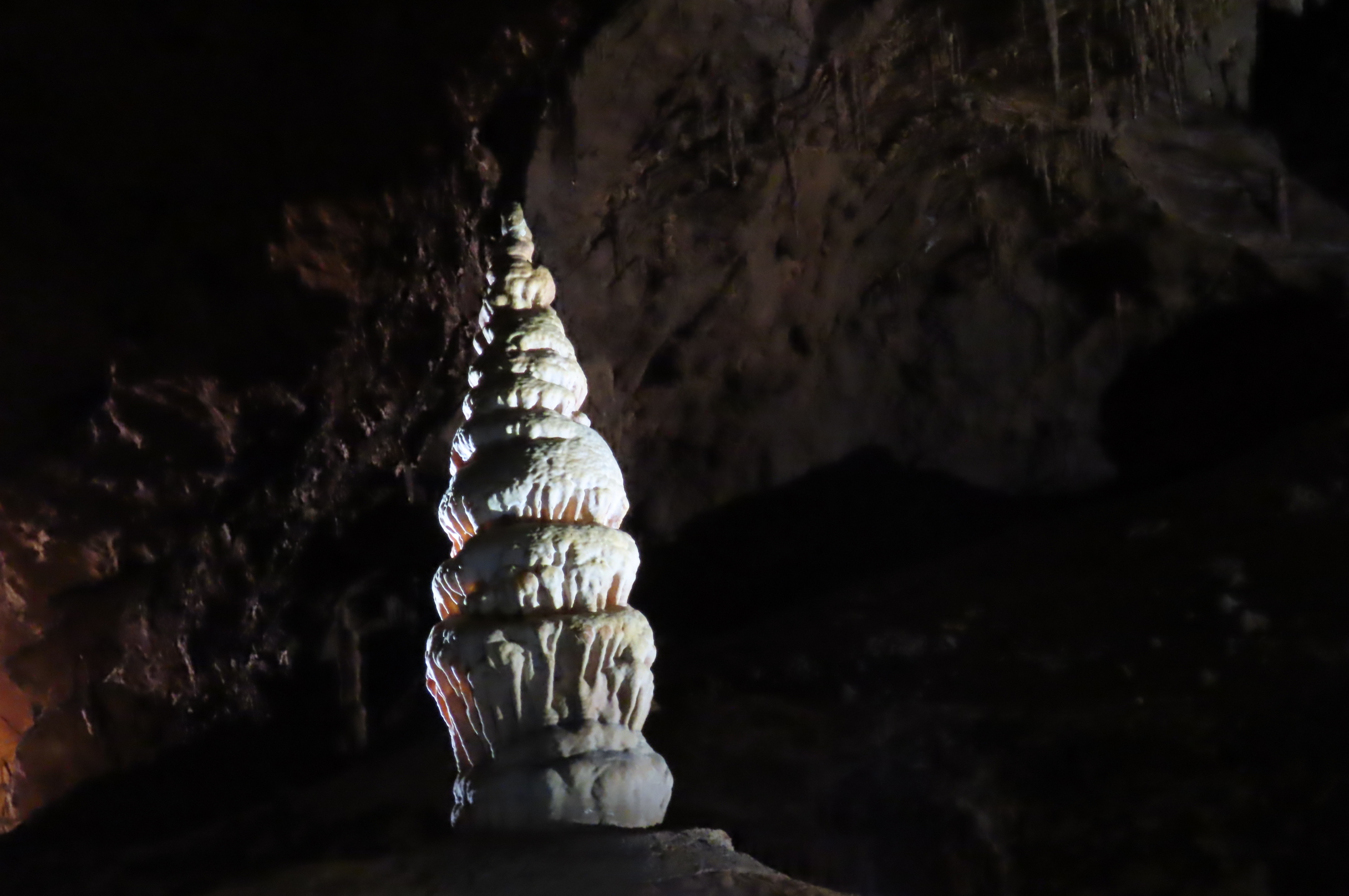
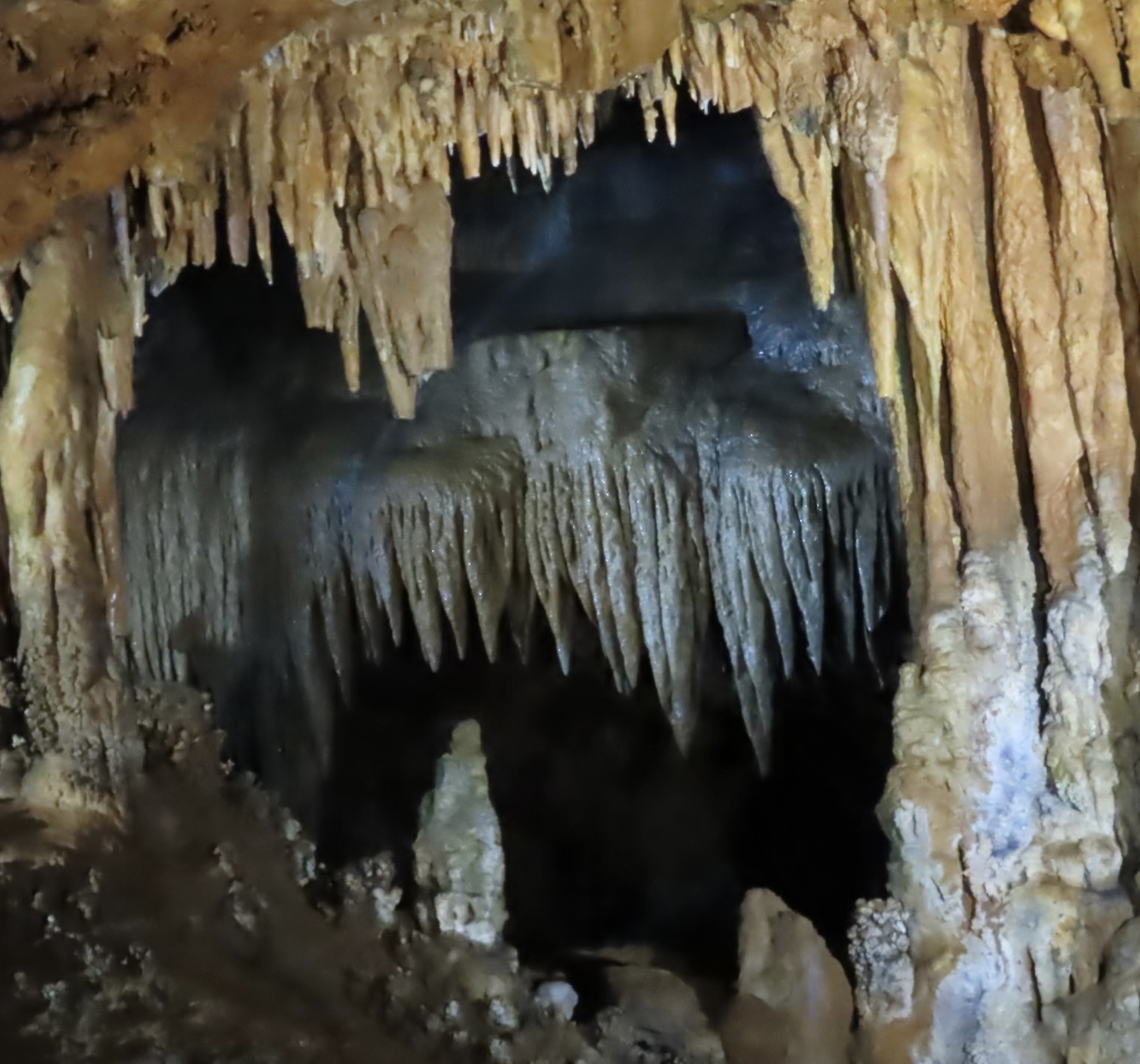
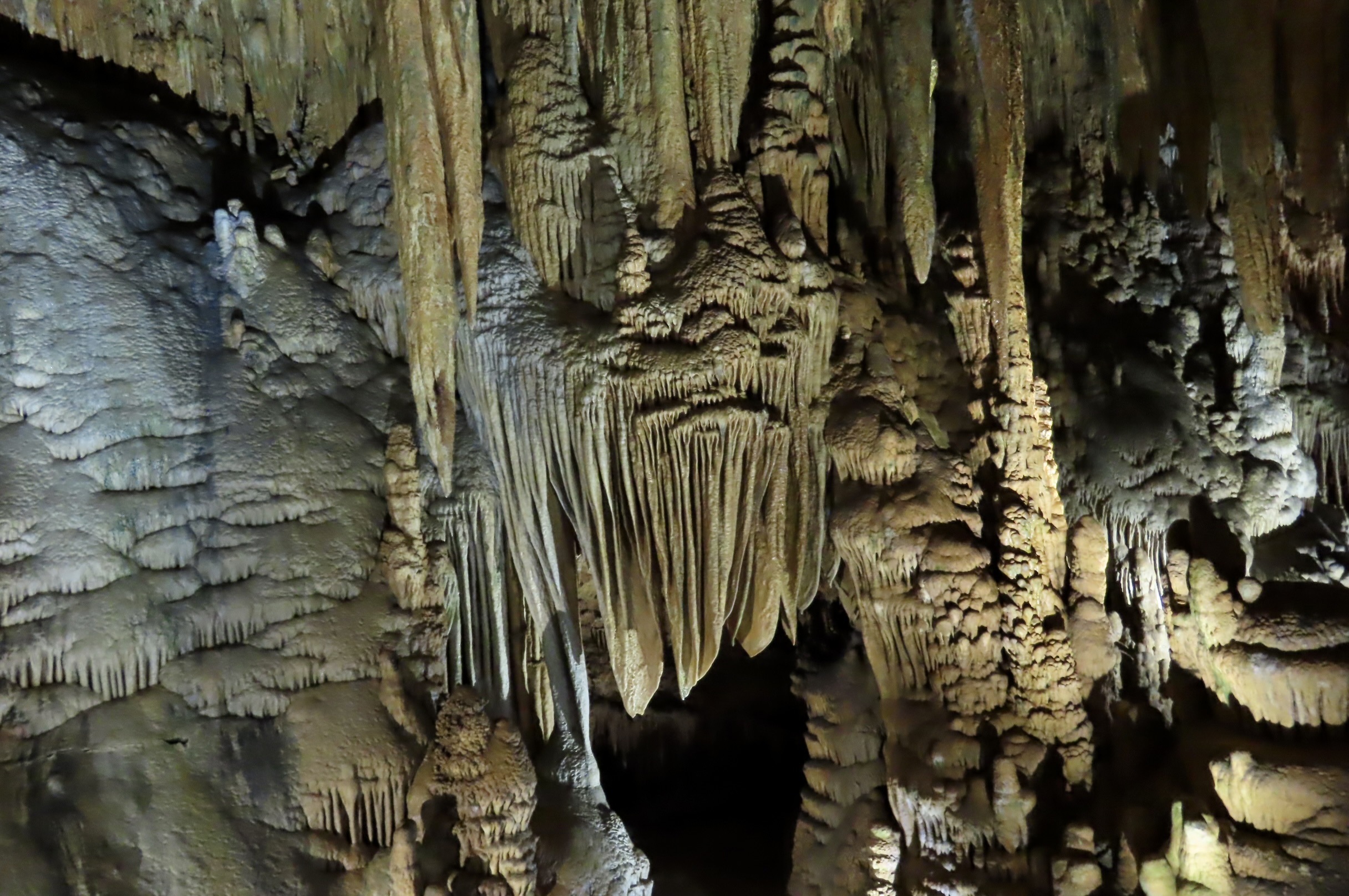
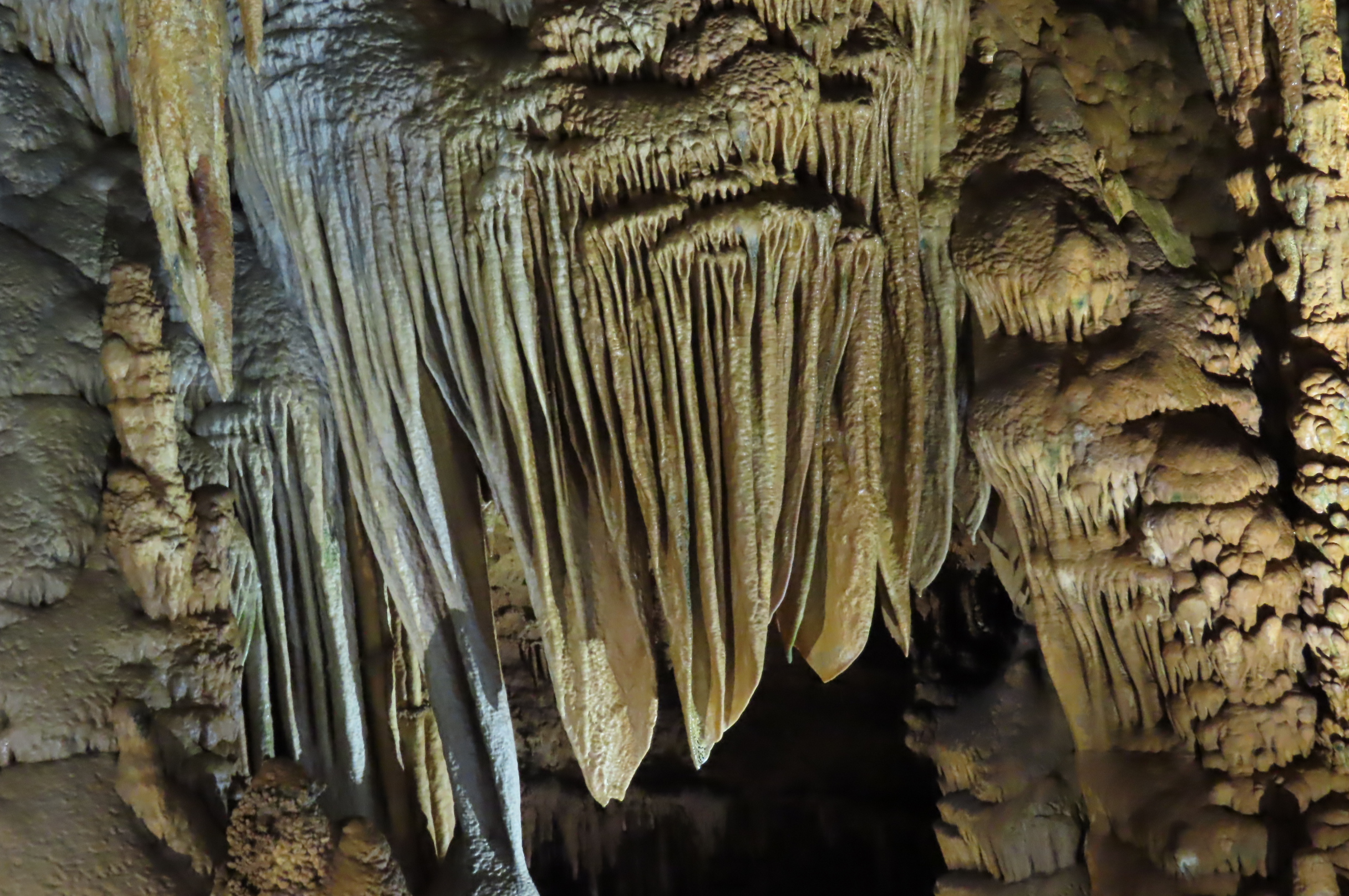
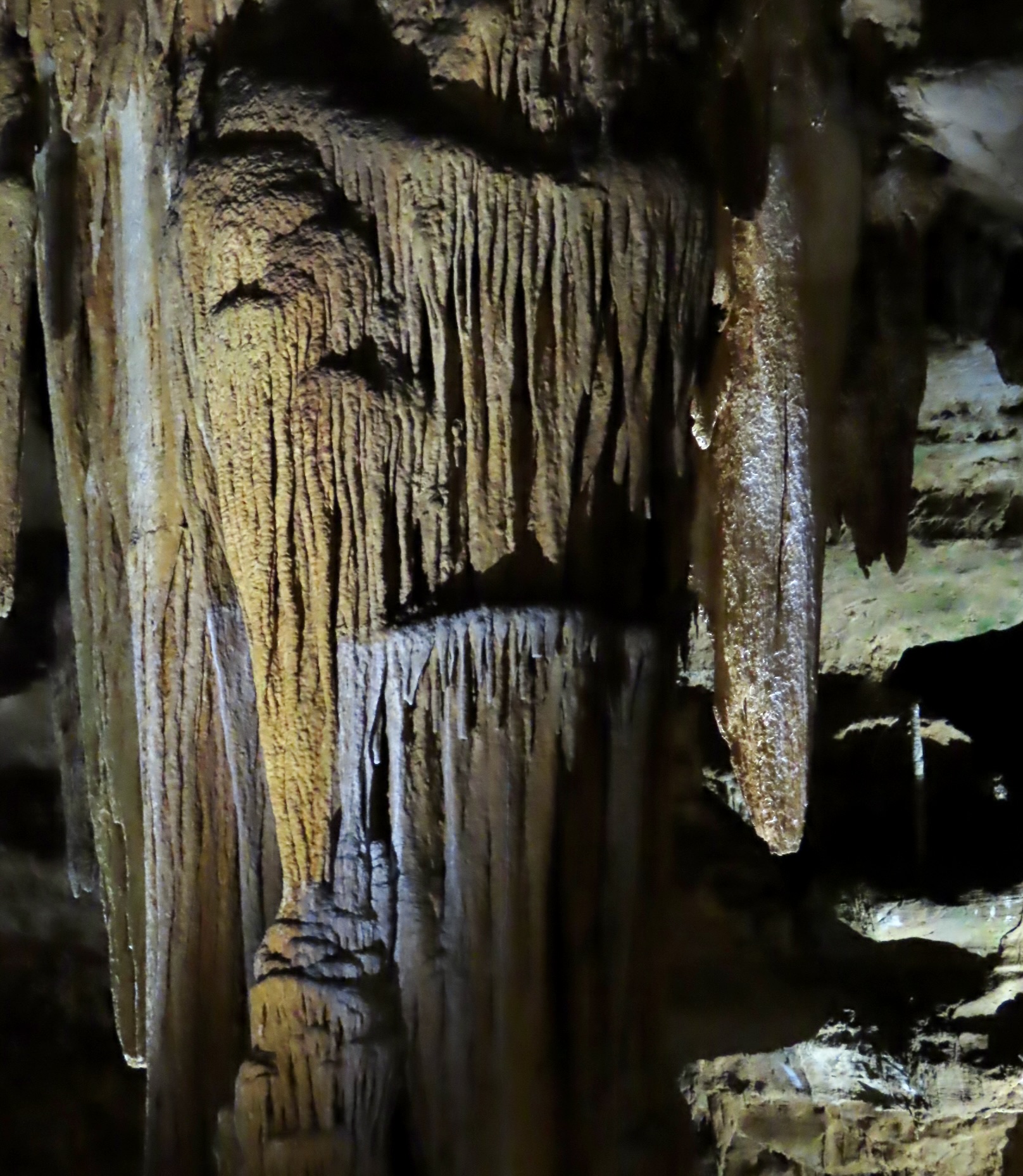
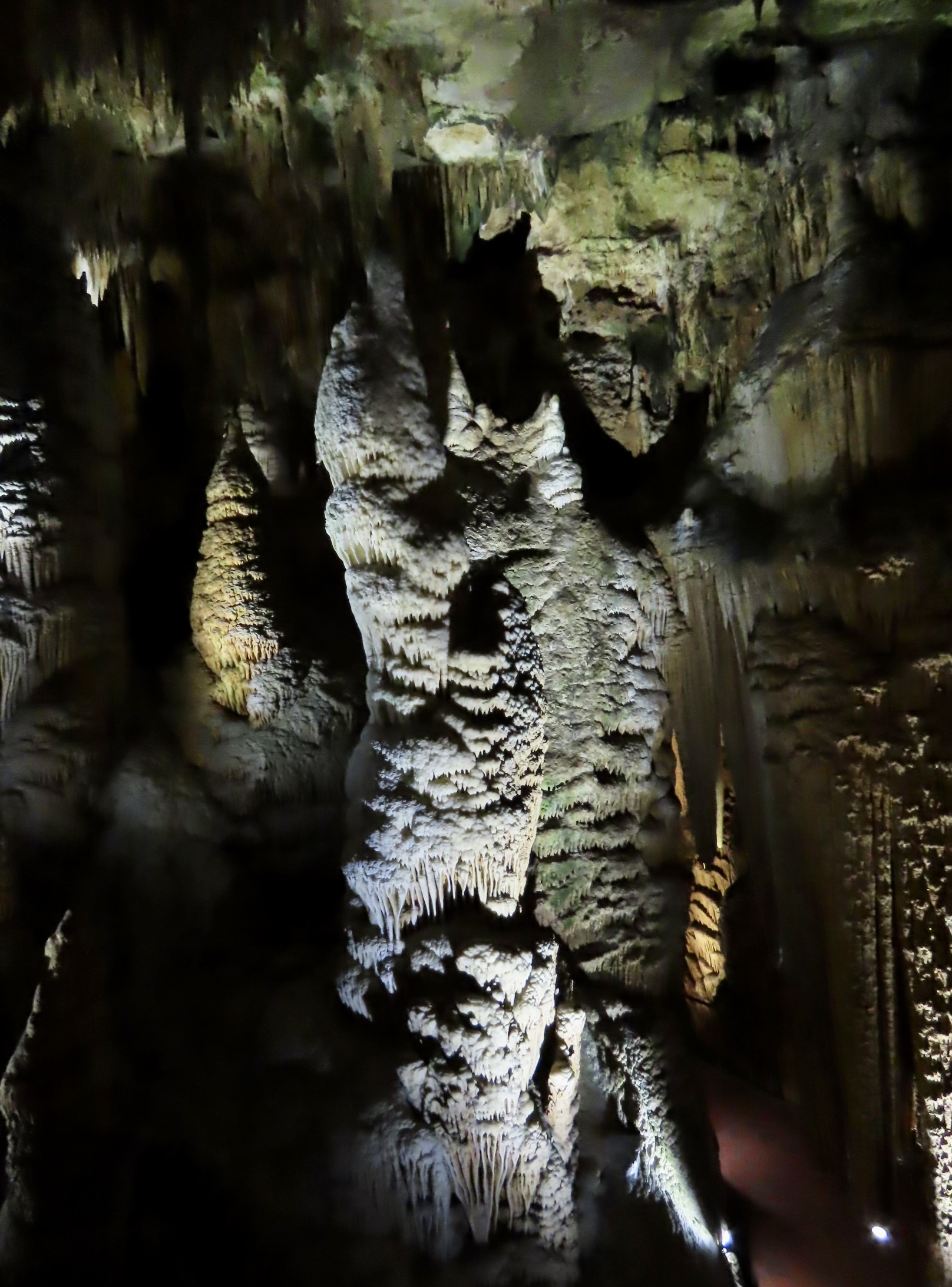
While my wife Peggy was off cruising through the Caribbean with our daughter Tasha and visiting Mayan ruins on a mother-daughter excursion, I traveled south some 60 miles from our home near Leesburg, Virginia to the small town of Luray in the ShenandoahValley. My motel was in an ideal location. A 15 minute drive east took me onto Skyline Drive with its fantastic fall views of Shenandoah National Park. A 15 minute drive west took me to Luray Caverns. I’ve already featured the fall colors of the Blue Ridge Mountains. Today, I am going underground to focus on the colors and mind-blowing rock structures that are found in what is considered the best and largest cavern on the eastern coast of the US.
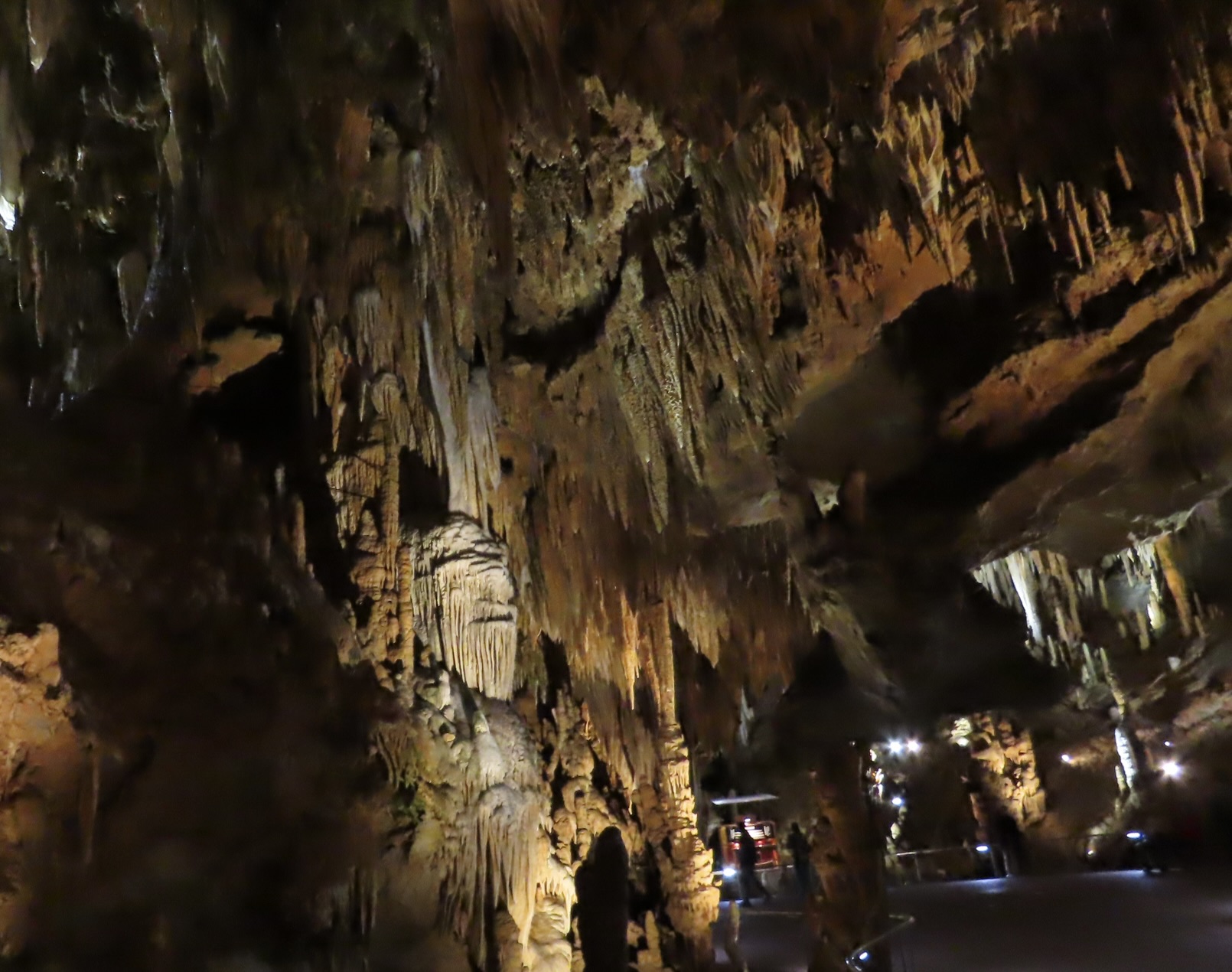
A one and one half mile self-guided tour takes visitors through the section of Luray Caverns opened to the public. One can easily cover it in an hour. I took two, stopping frequently to admire (and photograph) the sheer variety of speleothems (stalactites, stalagmites, columns, flowstones, plus mirrored pools), and their distinct colors.
A Smithsonian report in 1880 stated: “It is safe to say that there is probably no other cave in the world more completely and profusely decorated with stalactite and stalagmite ornamentation than that of Luray.” Several, such as Mammoth and Carlsbad in the US, and others throughout the world are equally unique, but I can guarantee that visitors to Luray will not be disappointed.
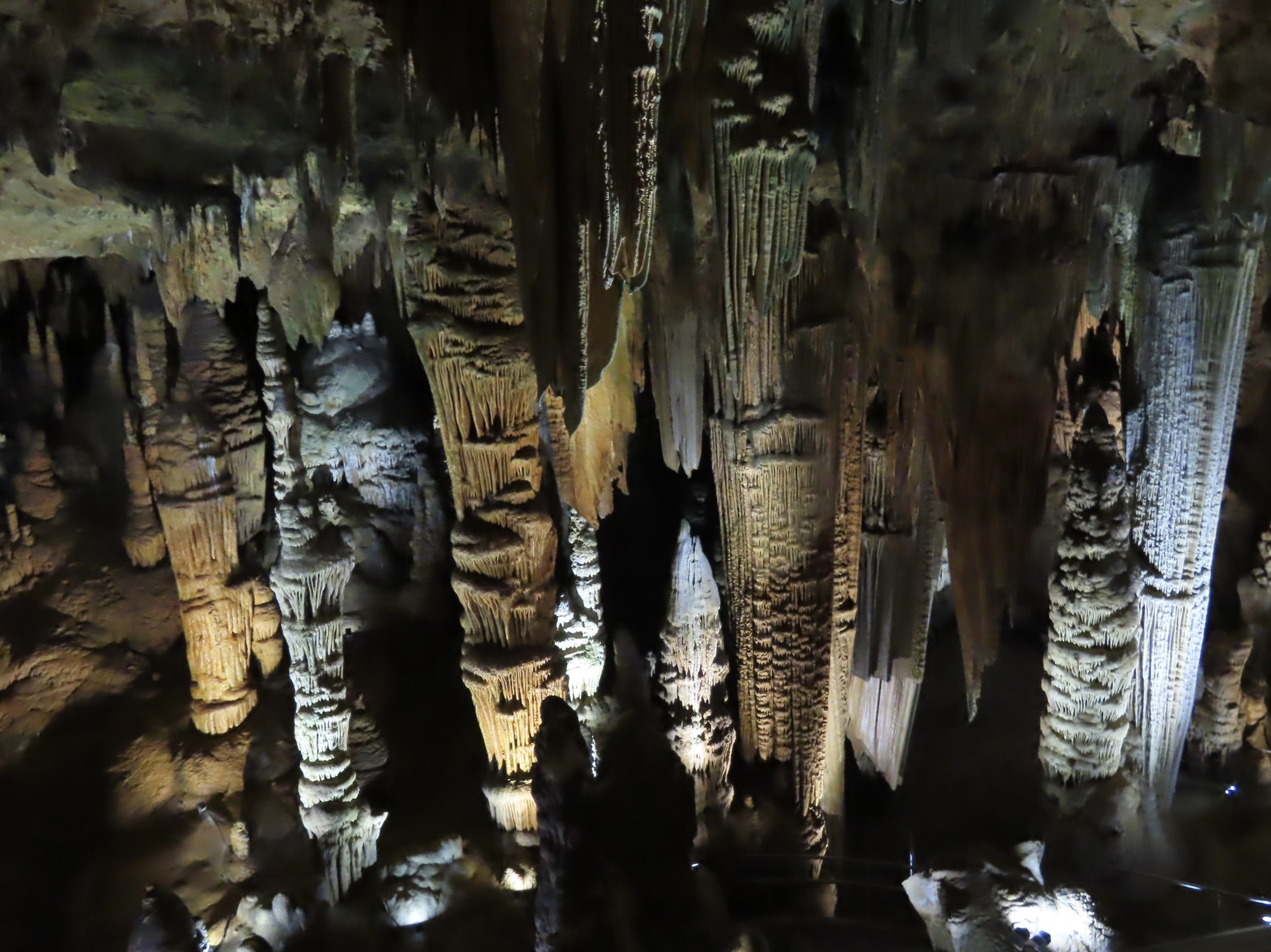
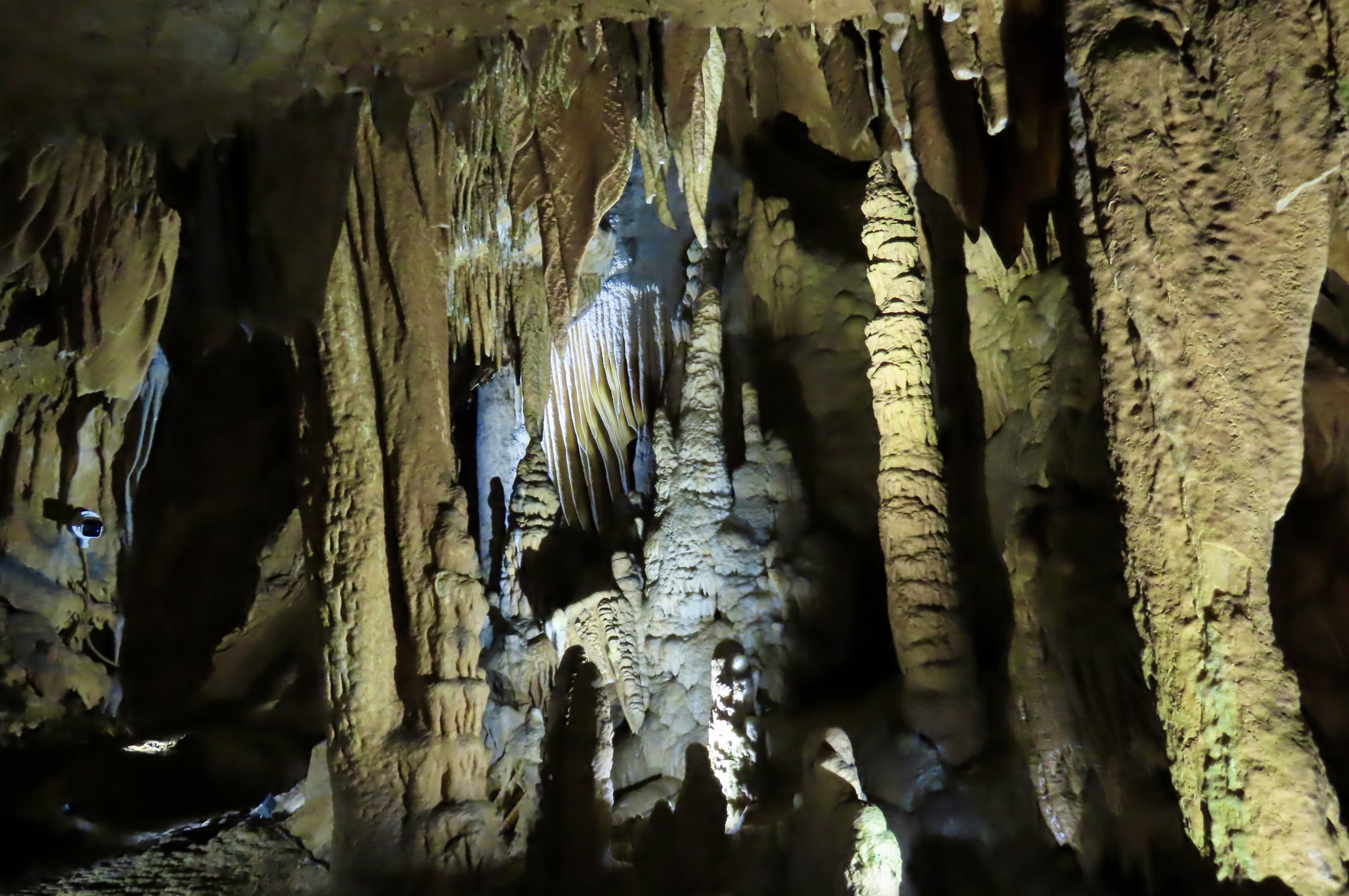
My first thoughts on the colors, as shown in the above photo, were enhanced by colored lighting, but I learned that Luray emphasizes natural-looking illumination which includes “neutral and cooler white as well as amber-toned lighting designed to highlight the rock textures, calcite, and crystal formations.” Also, while Luray Caverns is privately owned, it is designated as a National Natural Landmark. Along with this designation comes the requirement that colored lighting not be used. Presently, Luray is switching to LED lighting, which it claims will replace older, harsh lighting with “softer illumination that will highlight geological details while supporting cave preservation.”
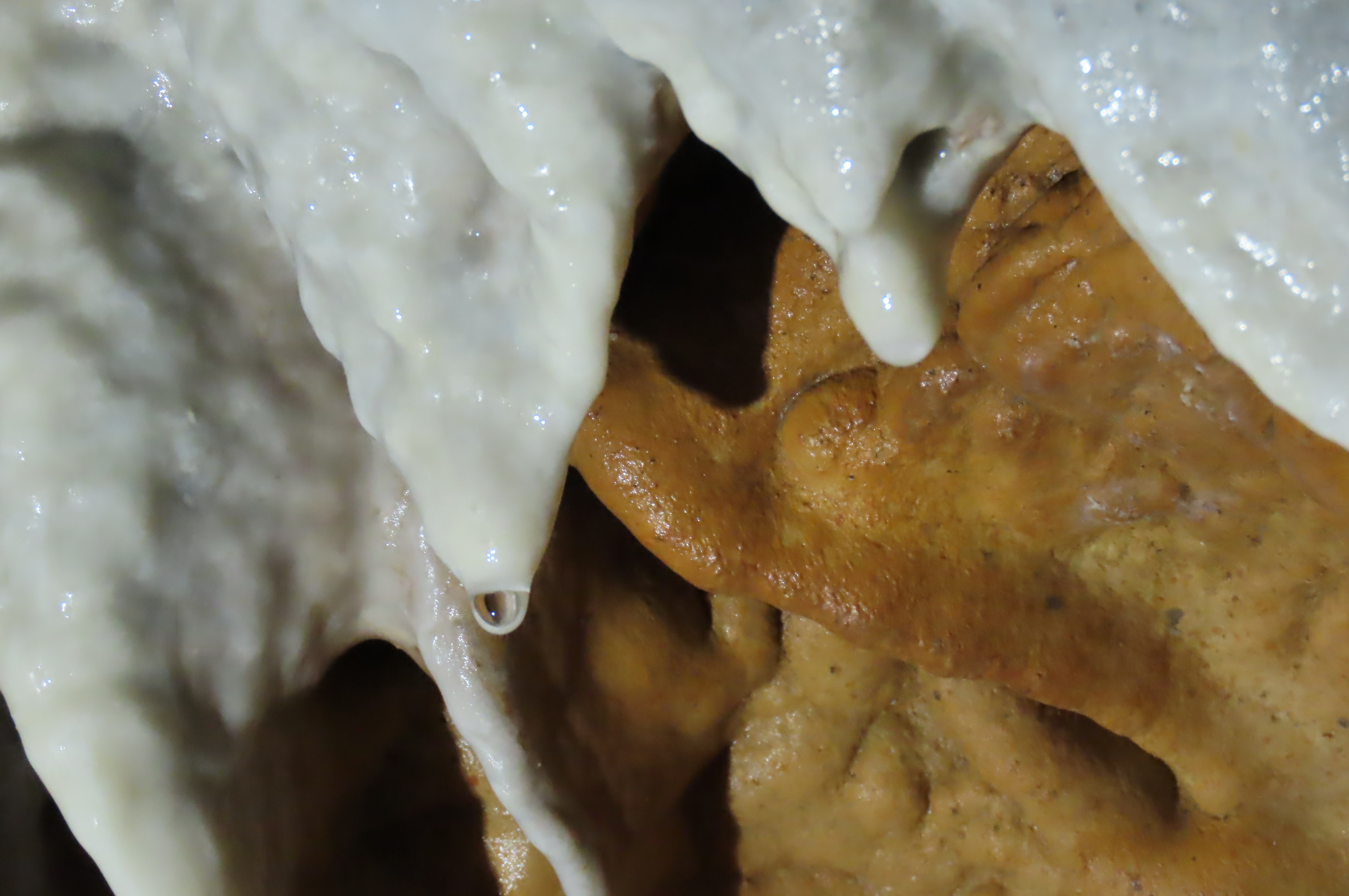
My ‘live action’ camera caught the formation of a stalactite! It’s being created by water, one drop at a time— and will grow a walloping one cubic inch in the next 120 years. When the drop of water falls to the floor it starts building a stalagmite that will eventually reach and combine with the stalactite. Do you see the cat’s eye in the drop of water? That was a bonus.
The drop of water isn’t just water. It’s a weak carbonic acid formed when rain water absorbs carbon dioxide from decaying vegetation. As it seeps down to the caves, the carbonic acid passes through a layer of lime rock, dissolving and absorbing some of it to create the mineral calcite (calcium carbonate). Upon reaching the cave, a portion of the carbon dioxide is released into to the air, which reduces the amount of calcite the water can carry. The calcite precipitates out of the water in a circle, beginning or continuing the creation of the stalactite and a tube that carries the water.
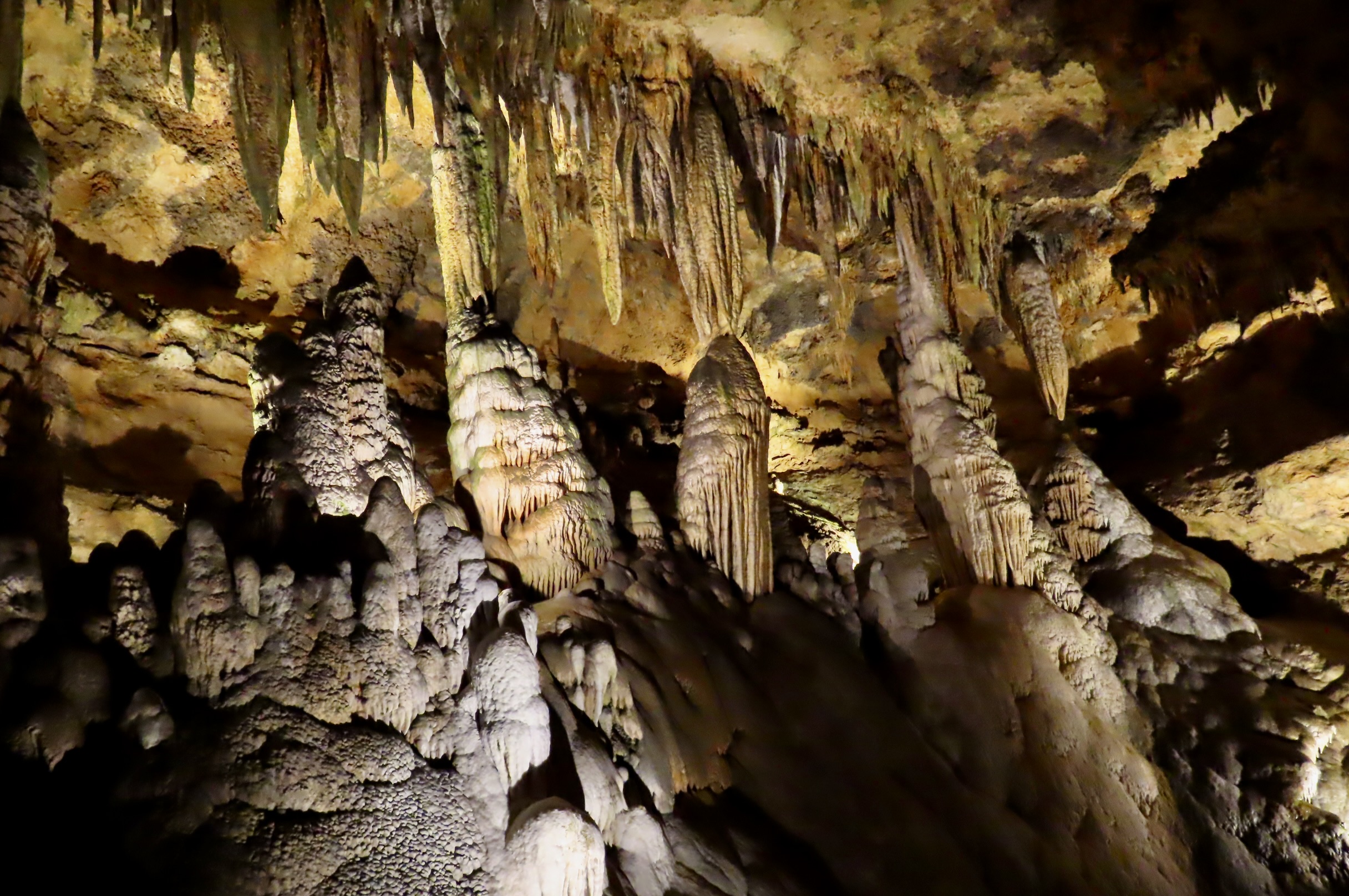
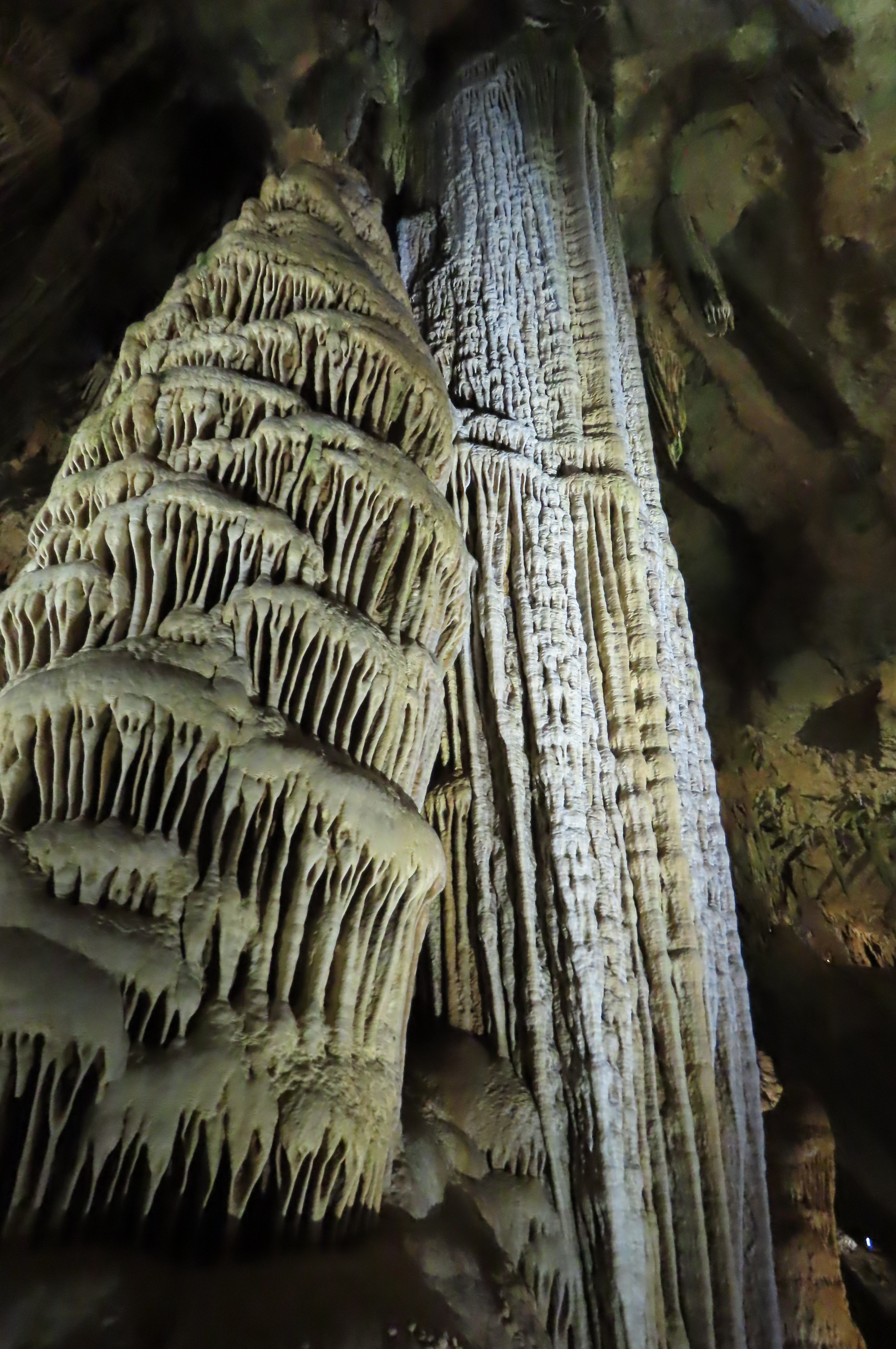
The creation of stalactites and stalagmites in Luray Caverns.A united stalactite and stalagmite forming a column. Note its multi colored look.
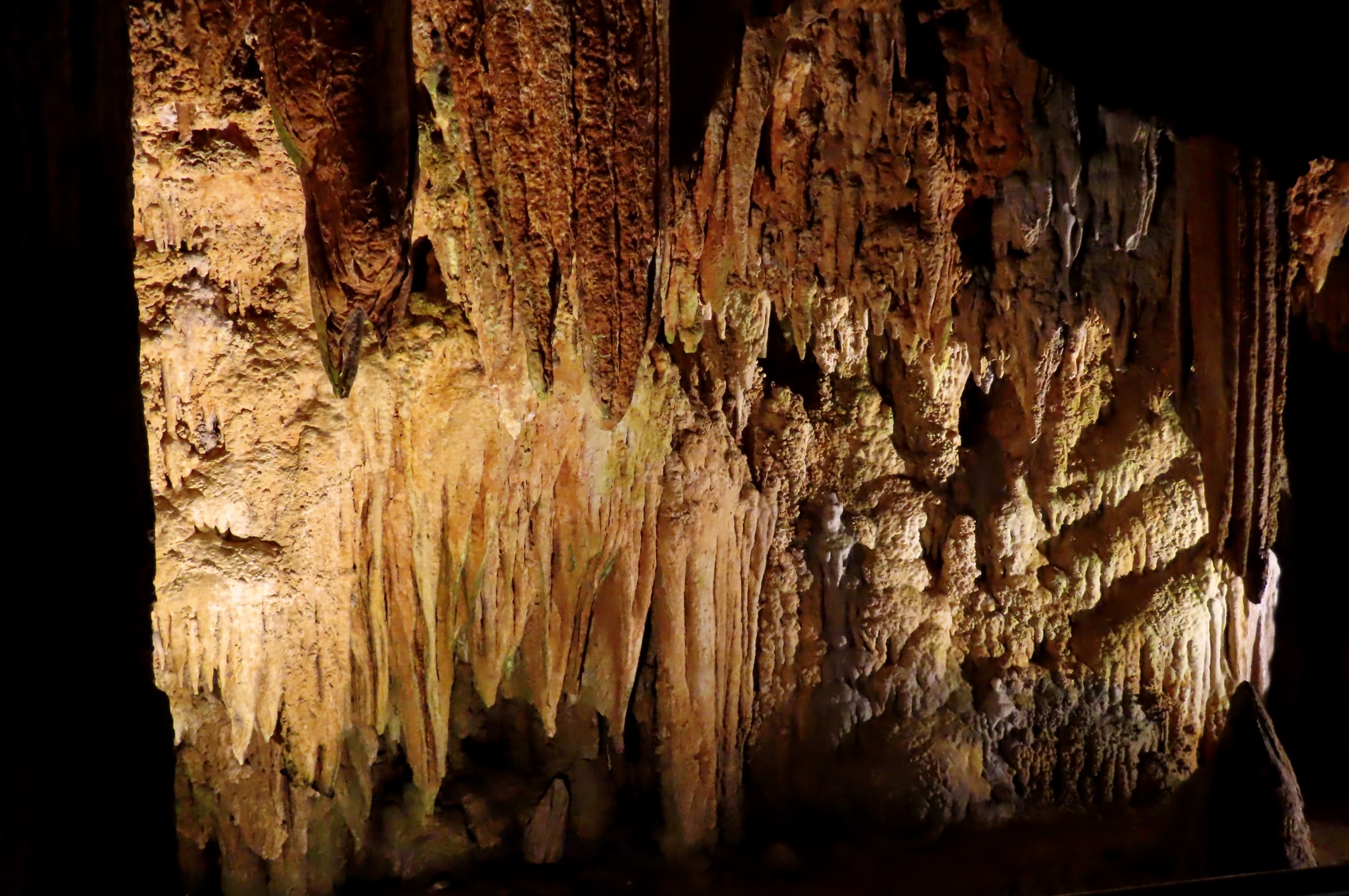
White is the natural color of calcite, so where do the colors come from? In addition to absorbing carbon dioxide and dissolved lime, the water also absorbs traces of the minerals it passes through. These minerals create the various colors: Reds and yellows come from iron and iron-stained clays, blacks from manganese dioxide, and blues and greens from copper compound solutions.
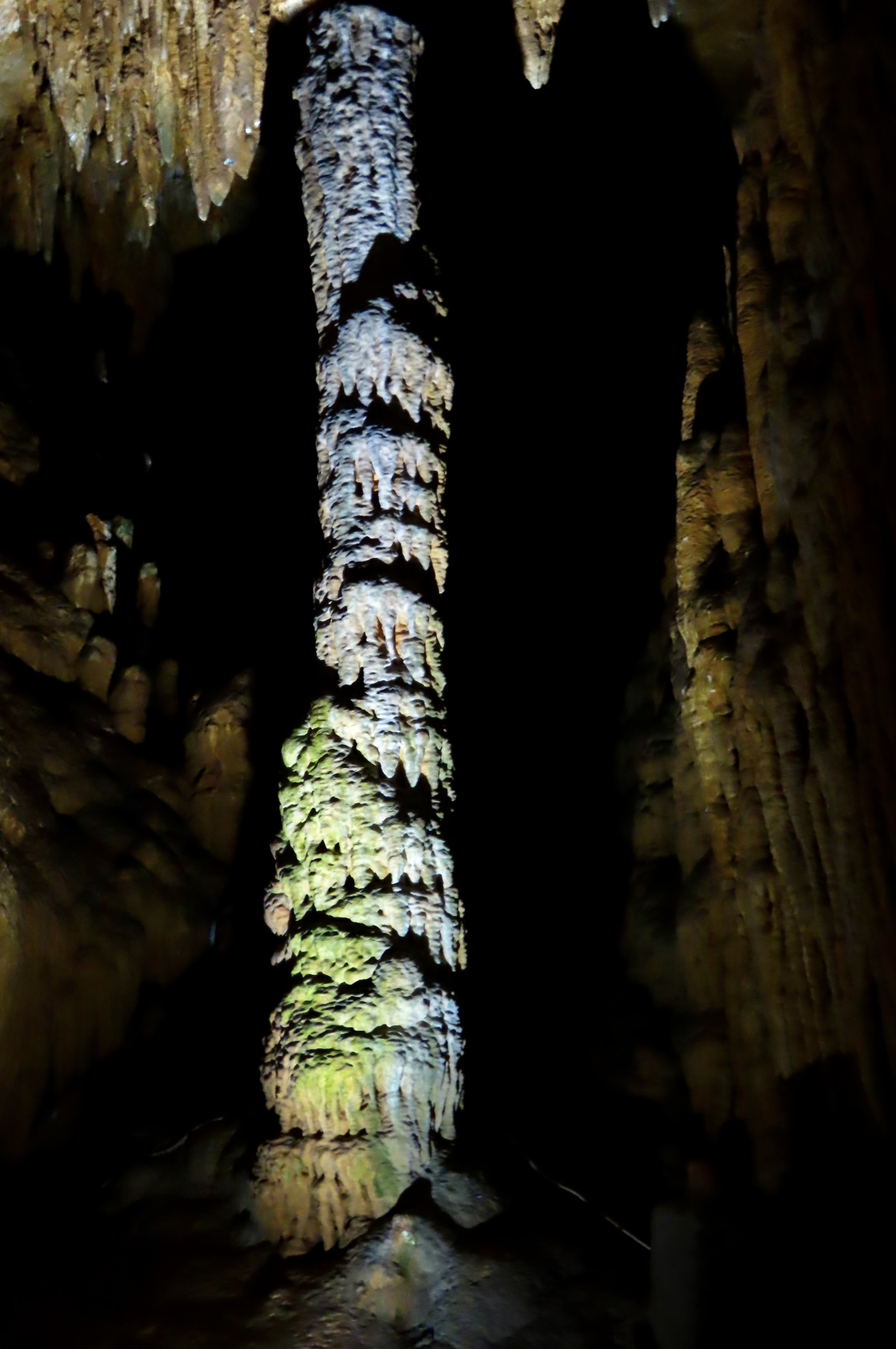
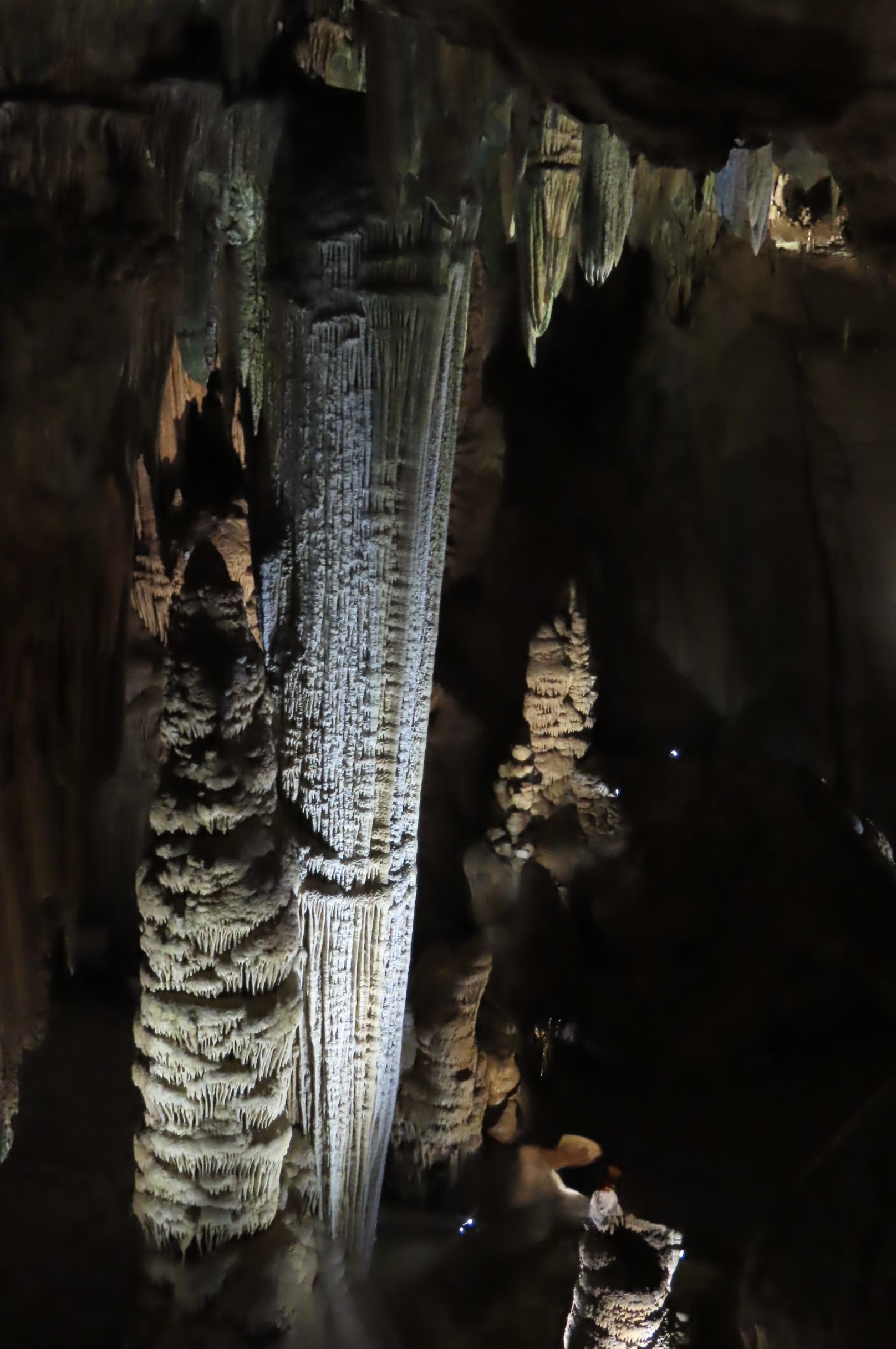
The speleothem columns in Luray Caverns can be gigantic, with the tallest reaching 49 feet and taking millions of years to create.
Speleothems of this size require huge caves. Their creation was also caused by carbonic acid water. It doesn’t seep down from above, however. It follows fractures in the rock underground and dissolves the limestone and dolomite along the way, creating chambers and passage ways. When carbonic acid water filled these chambers, as it did in its prehistoric past, it continued to dissolve the limestone and dolomite helping form the large caves of today.
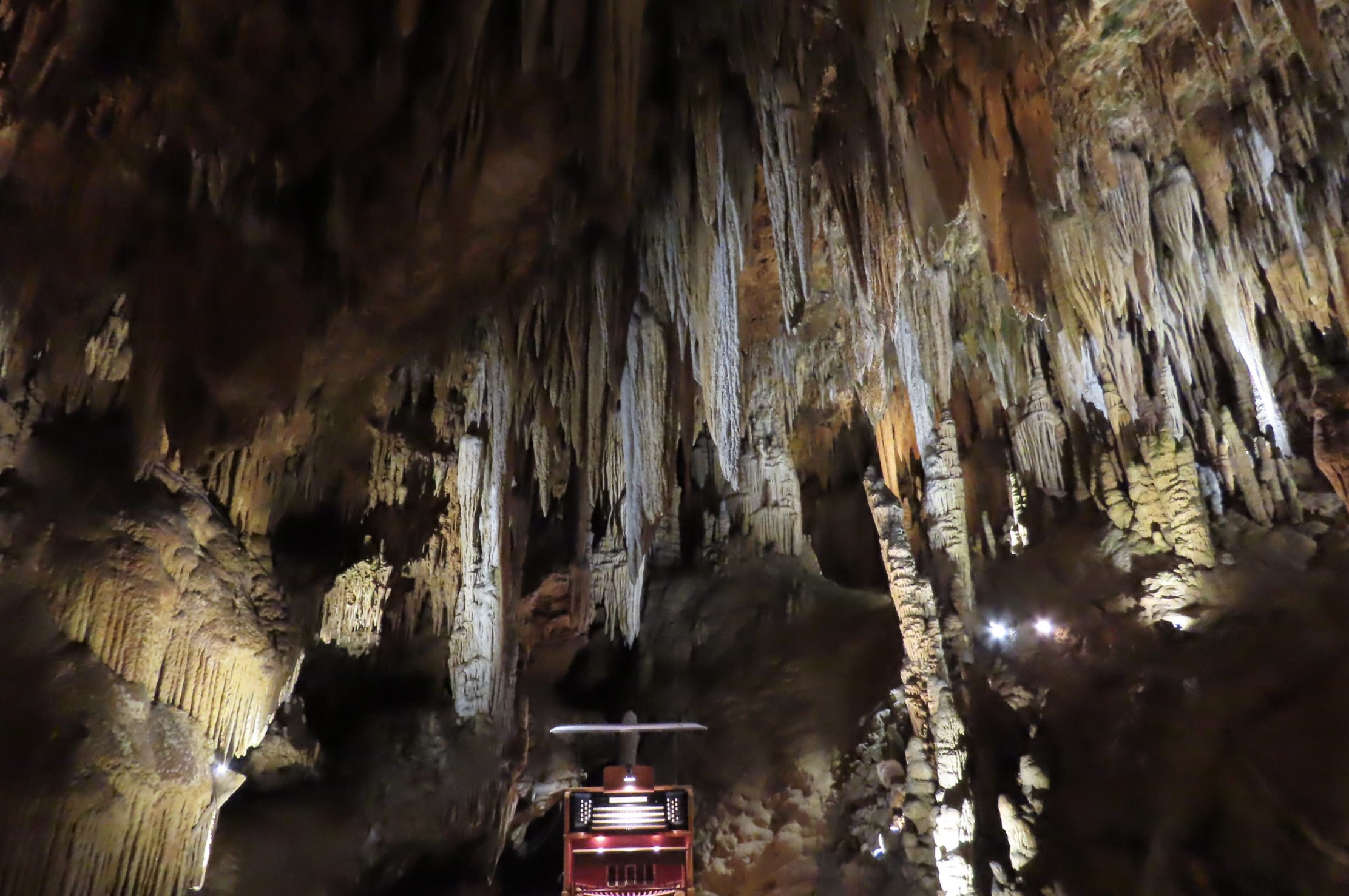
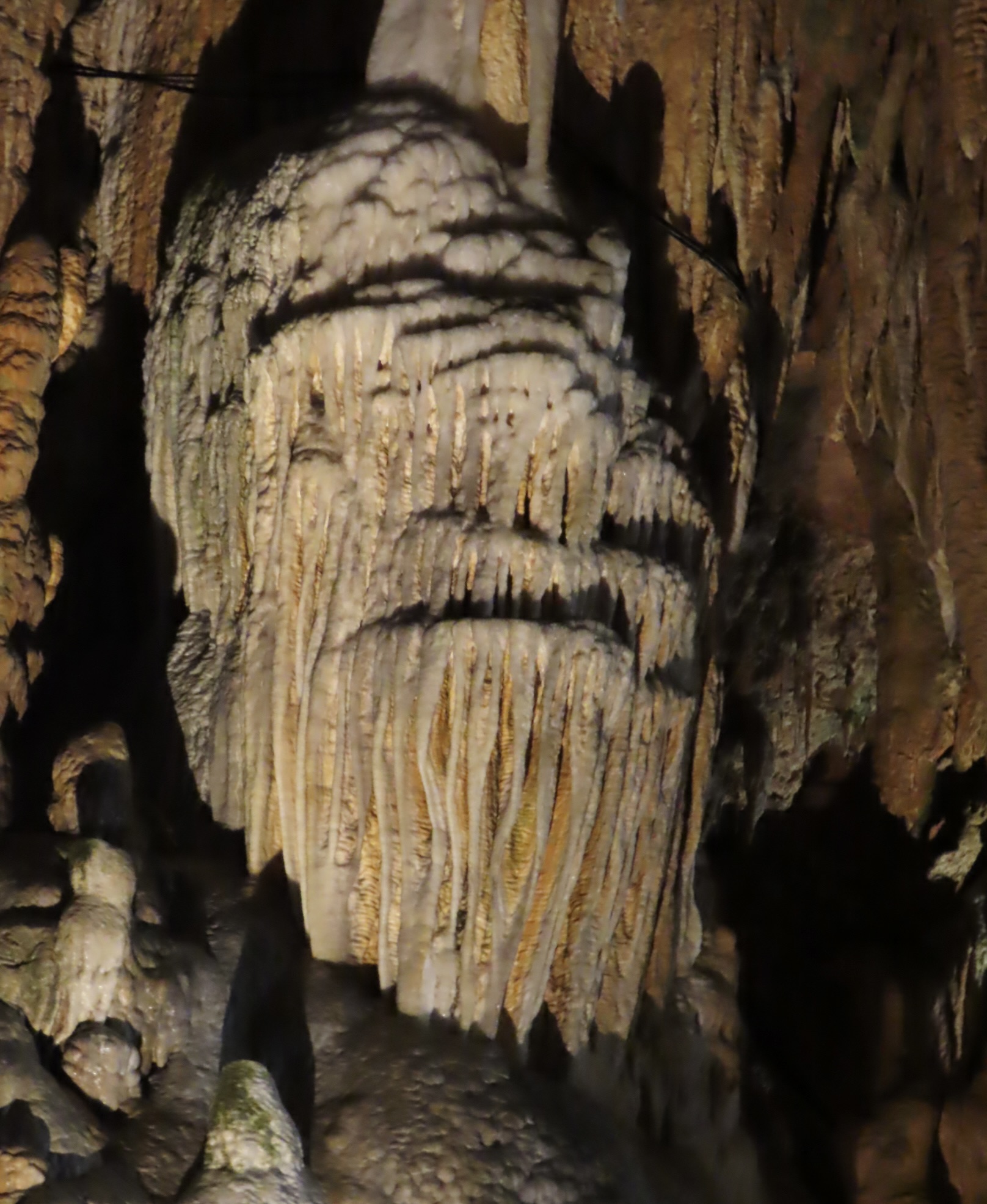
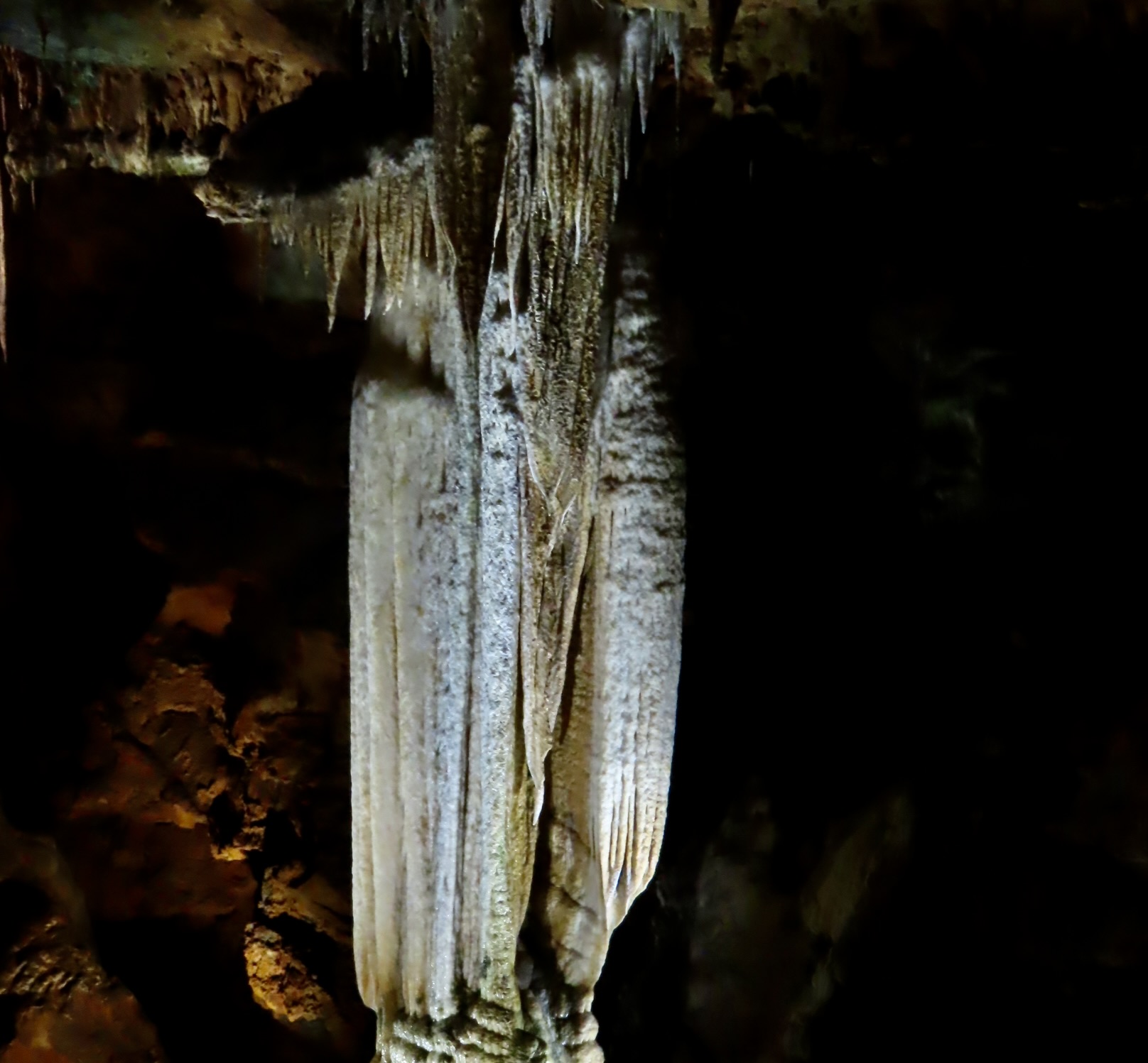
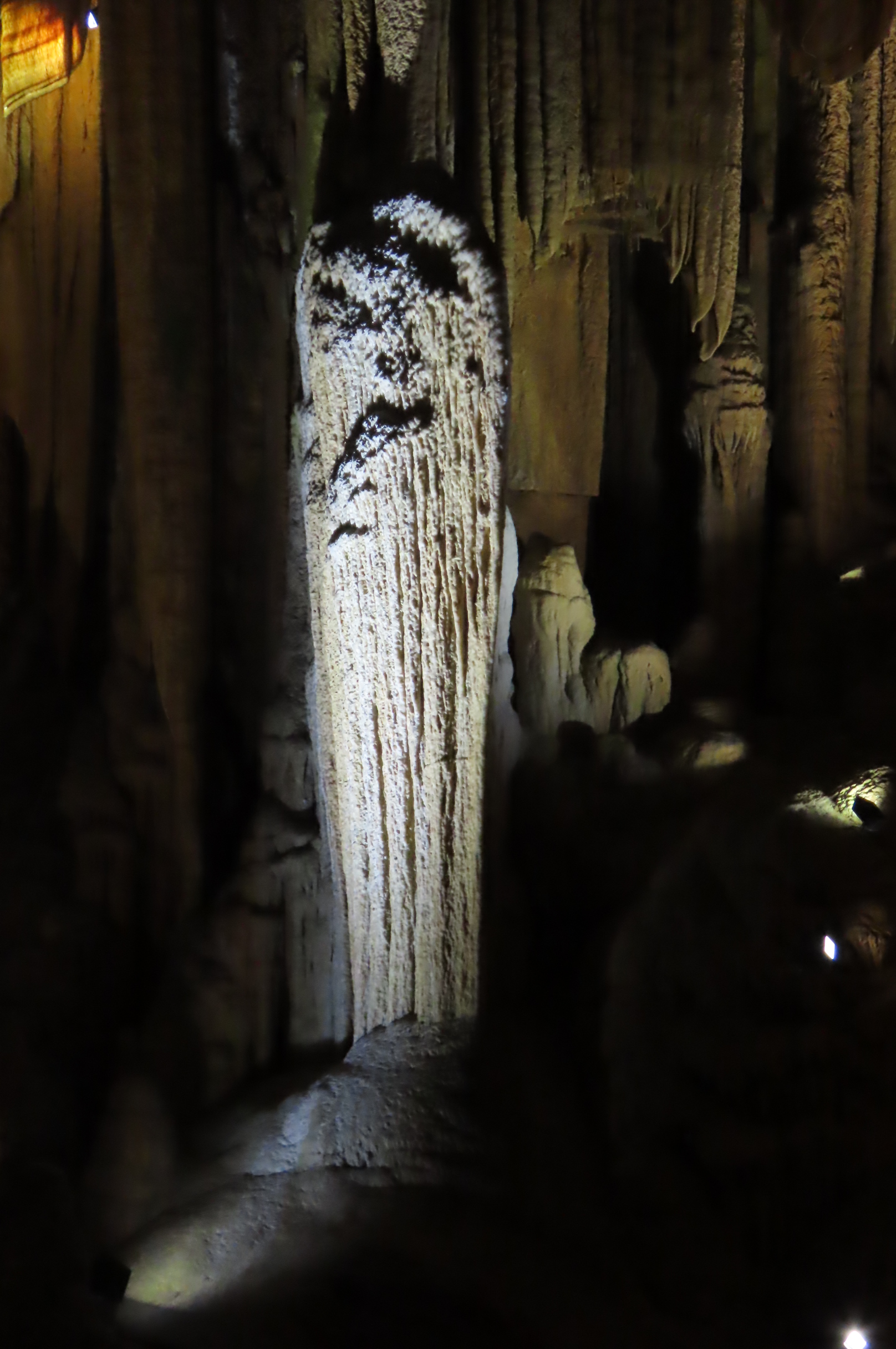
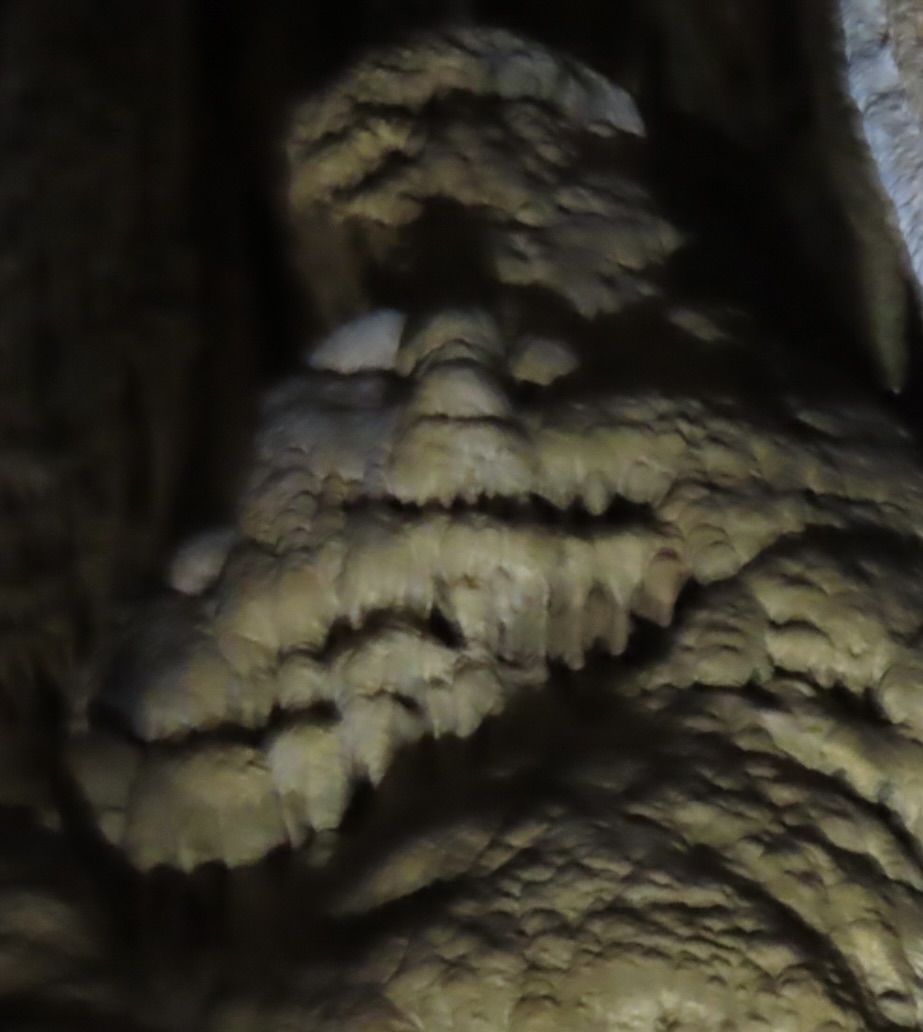
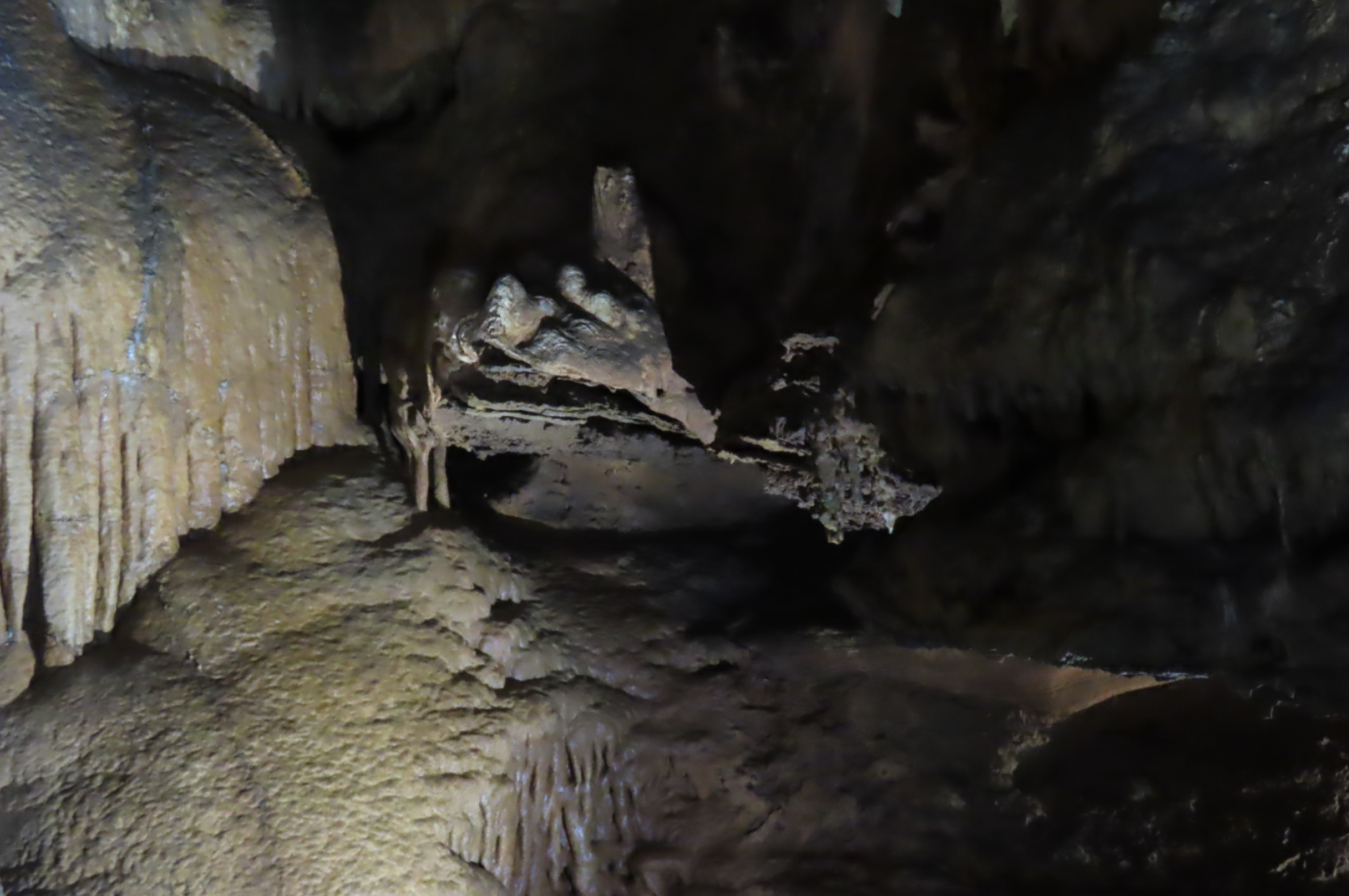
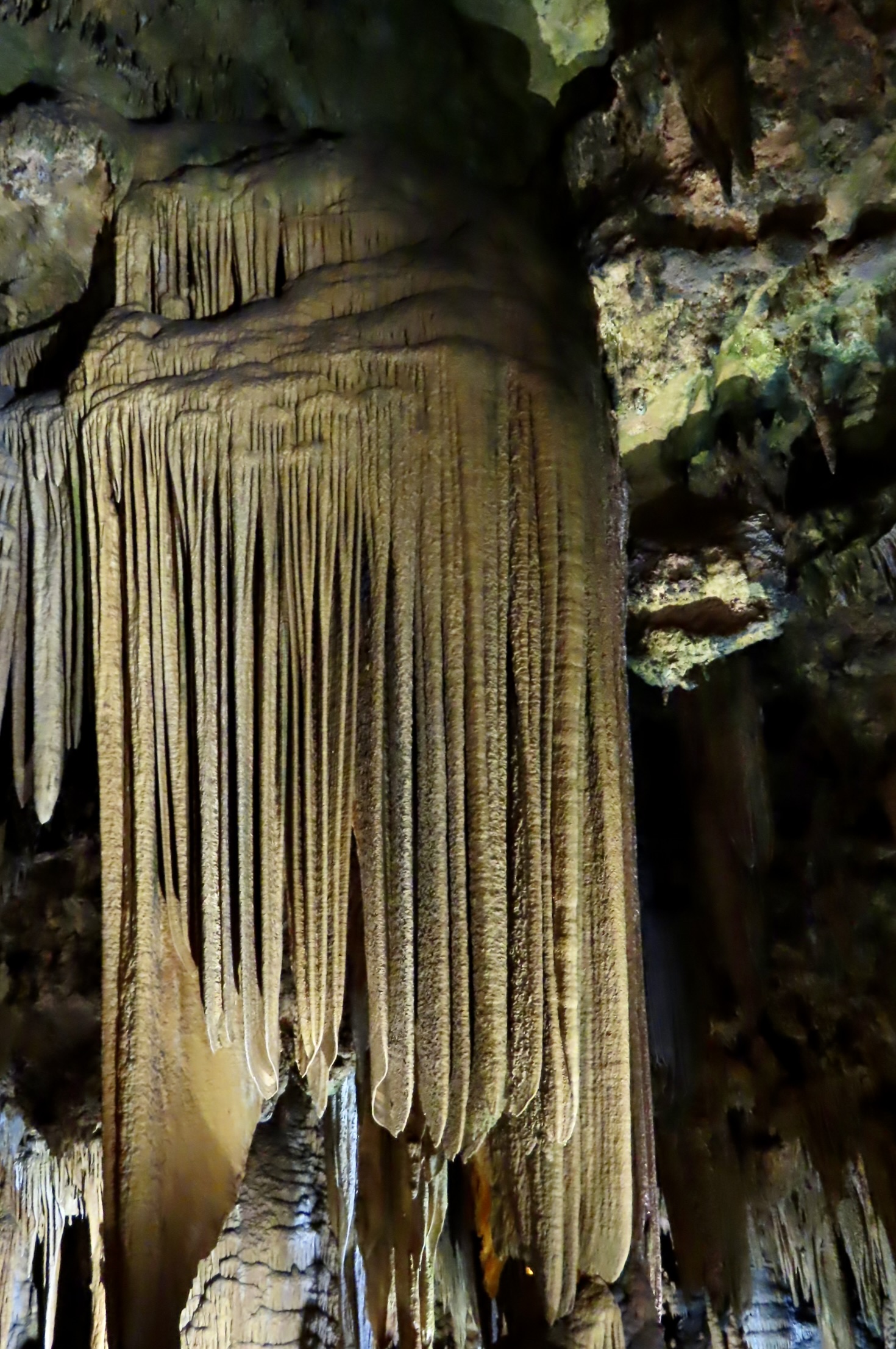
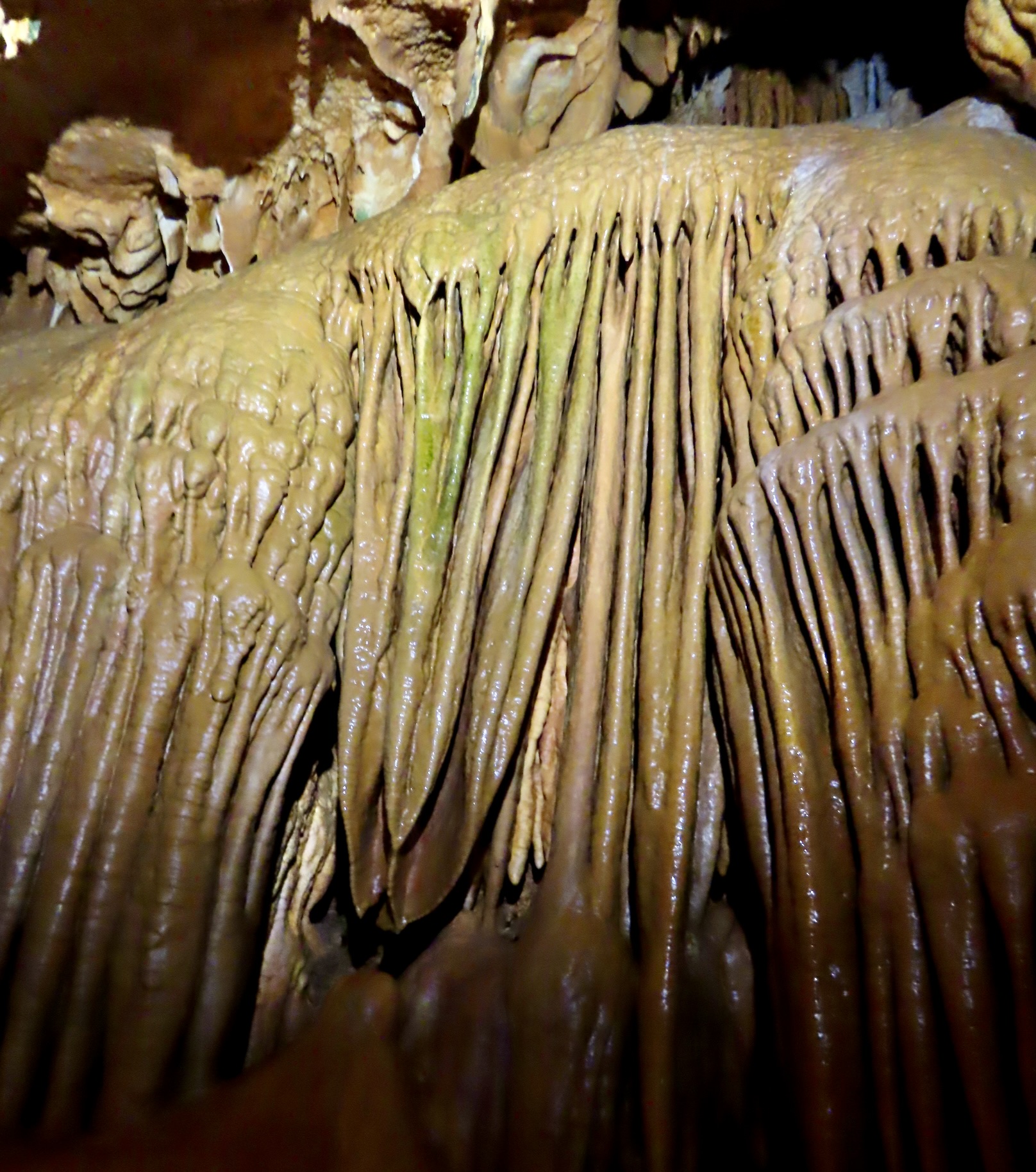
One of the large chambers contains an organ. Does it perform concerts? Sort of. Its claim to fame is being the largest musical instrument in the world, a claim backed up by Guinness Book of Records. The Great Stalacpipe organ uses stalactites to create music. Rubber tipped mallets are electronically signaled to tap various stalactites, creating different tones. It was doing so when I walked through. They were gentle, almost meditative. I felt like I was in a temple. Luray calls the chamber the Cathedral.I was amused to find this bearded character illuminated in the Cathedral. A gargoyle, perhaps? As those of you who follow this blog know, Peggy and I are always looking for ‘faces and creatures’ created by nature.A close up. Note the half lidded eye above the left corner of the mouth. A bit creepy, I’d say. Grin.Luray Caverns named this column the Ghost of Pluto, The Roman God of the Underworld. The spelunker who found it declared it felt like it was following him as he made his way through the cave.My favorite, however, was this ghost with no name! I think Luray could host a great Halloween by featuring the various ‘creatures’ found in the Caverns. I’d wait until people were next to this ghost and then turn the spotlight on it! Most of the characters we spotted were in the darker corners, hard to photograph. Maybe they are hiding.For example, this fellow. It reminded me of some of images I’ve seen of Big Foot.A croc lurking in the shadows. But enough fun. I suspect that people don’t come to Luray Caverns to seek out monsters hiding in the shadows.They come for views like this. It’s named Saracen’s Tent. (Saracen was a Medieval term referring to nomadic Arabs.)It’s quite famous. National Geographic has named this one of the best examples of flowstone in the world. Unlike the water flowing through a tube in the stalactite as shown in the second photo, this drapery-like formation is created when water/carbonic acid flows down the outside, releasing carbon dioxide into the air and depositing the calcite that creates the flowstone.Flowstones are found throughout the cavern. Here, it is being created.
Now, random photos that continue to emphasize the formations and color that make Luray Caverns famous.
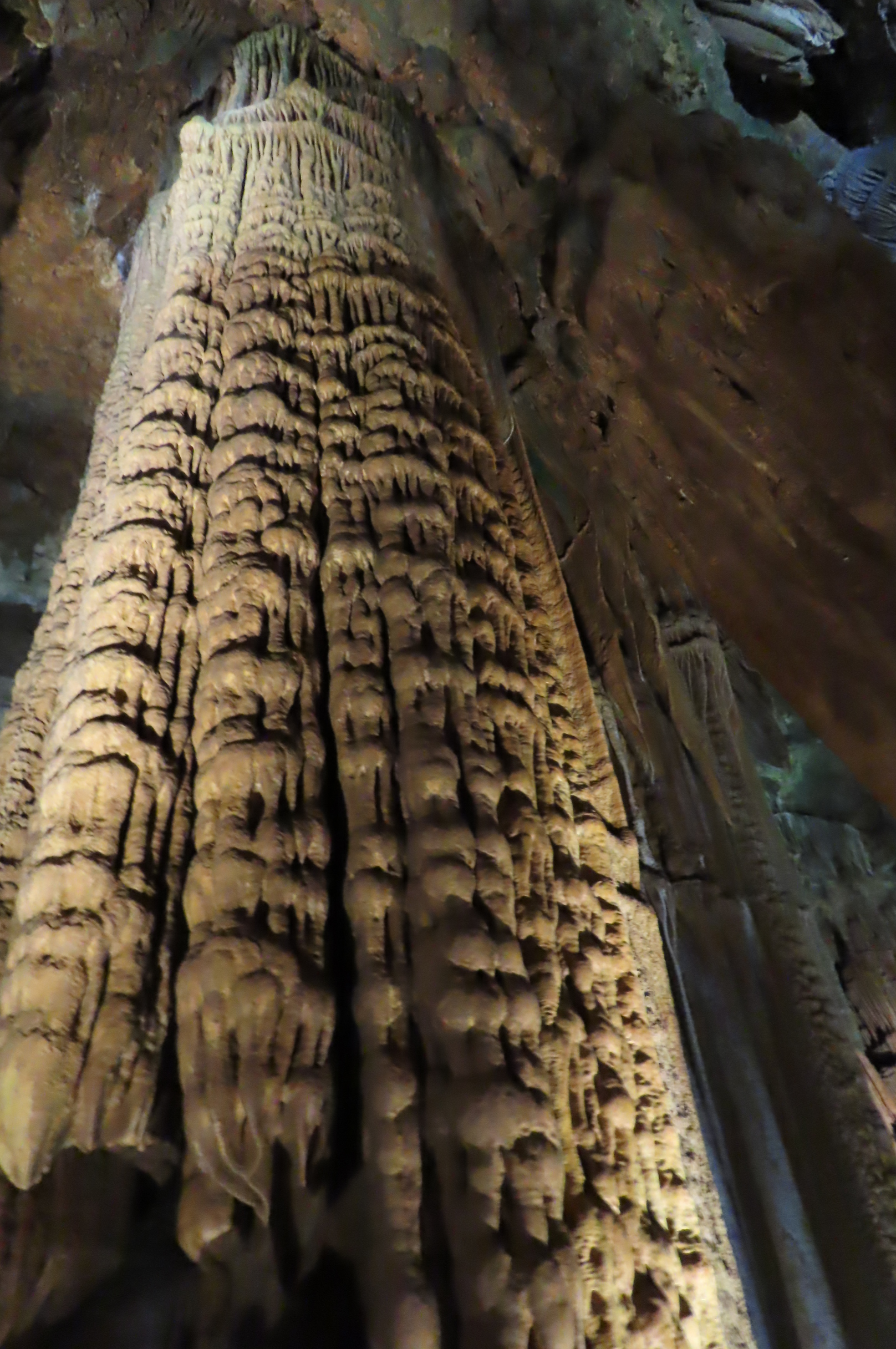
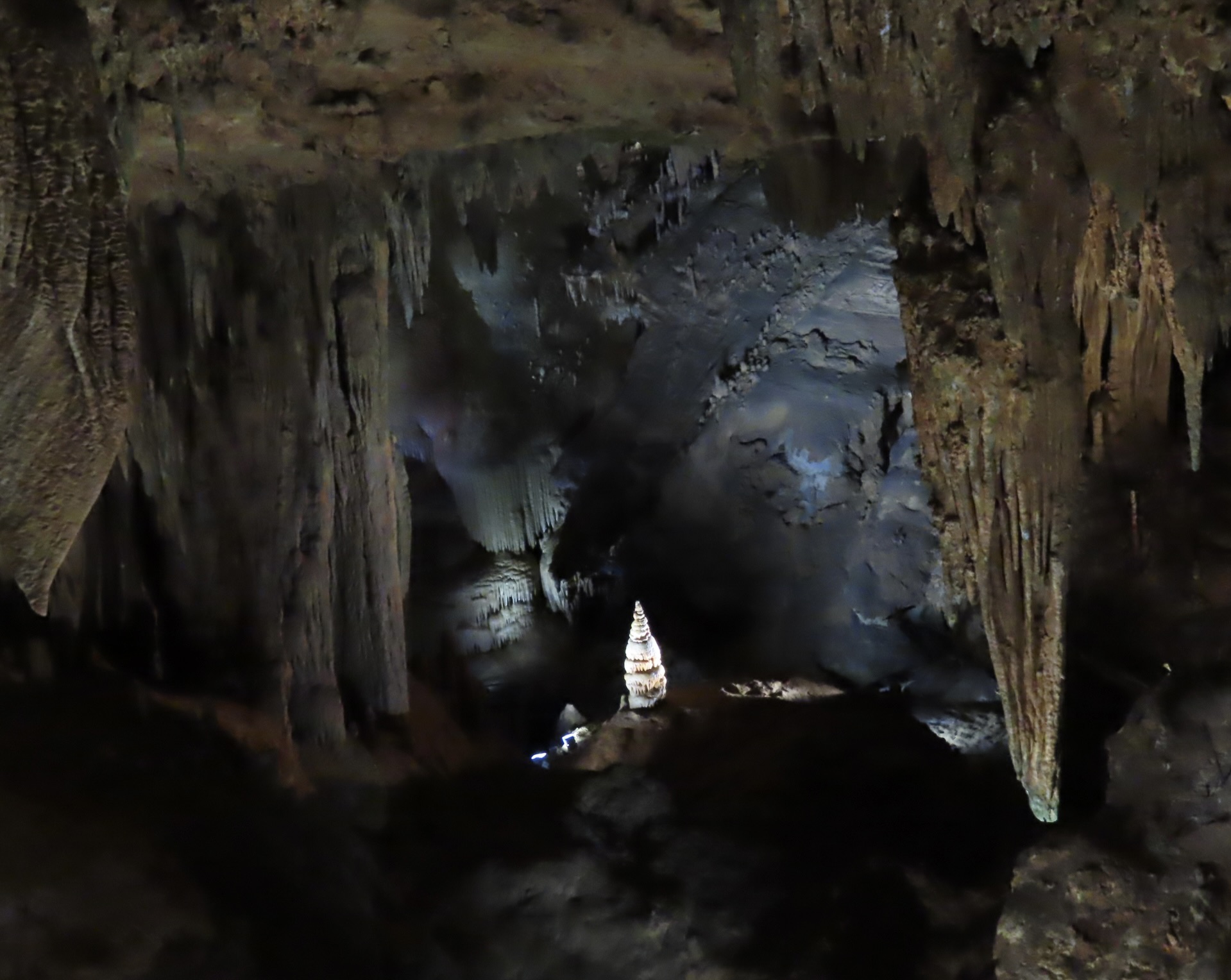
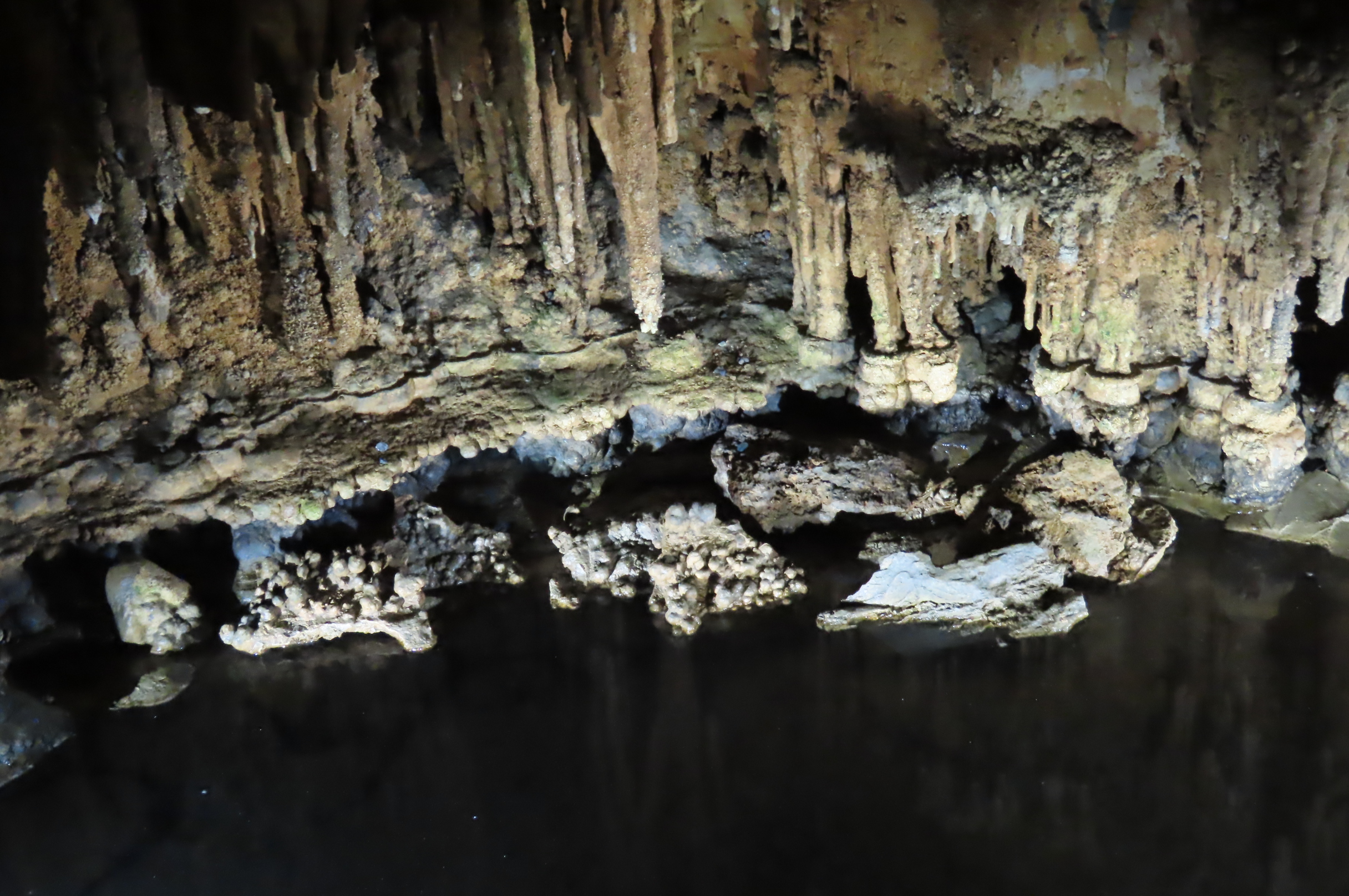
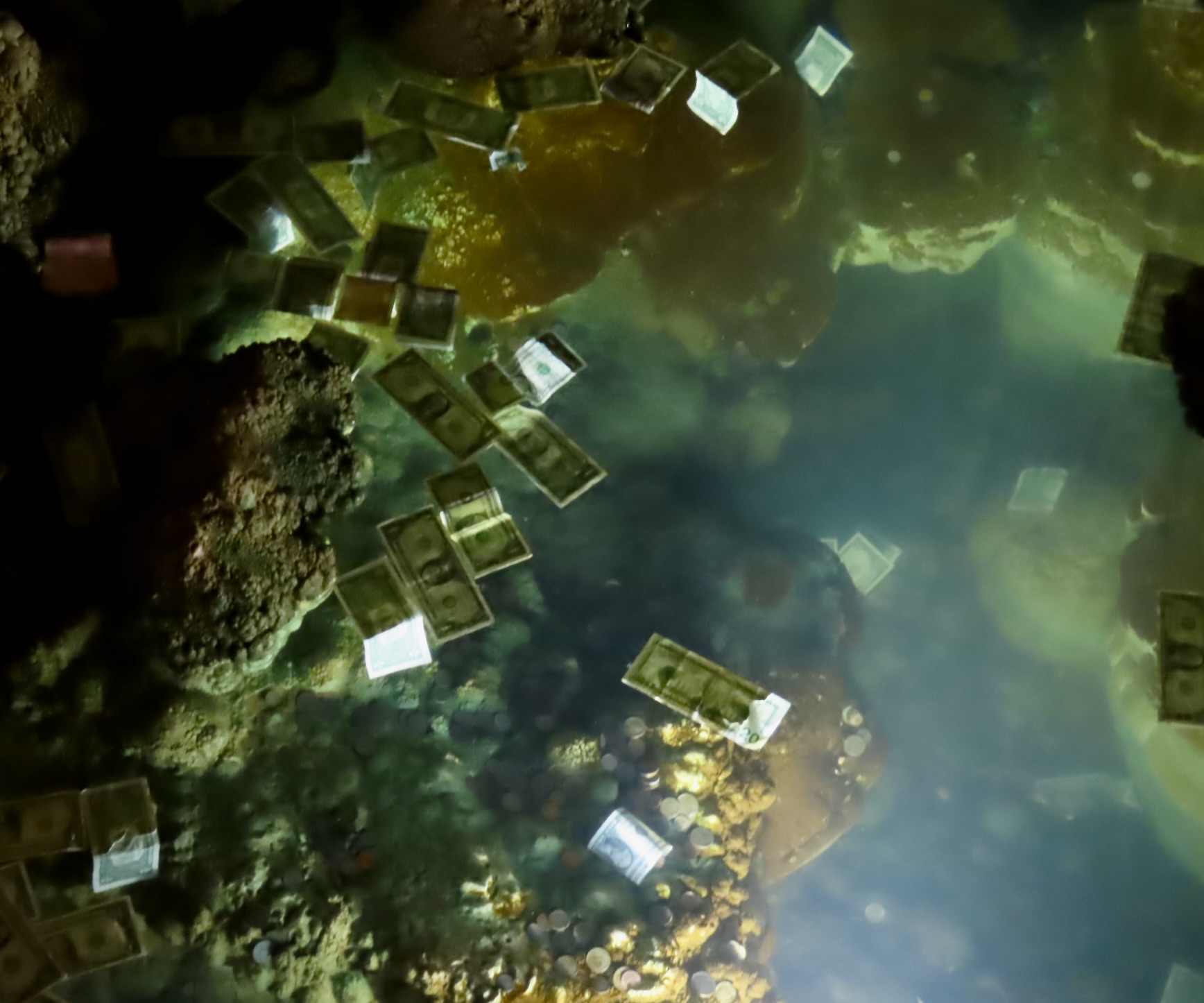
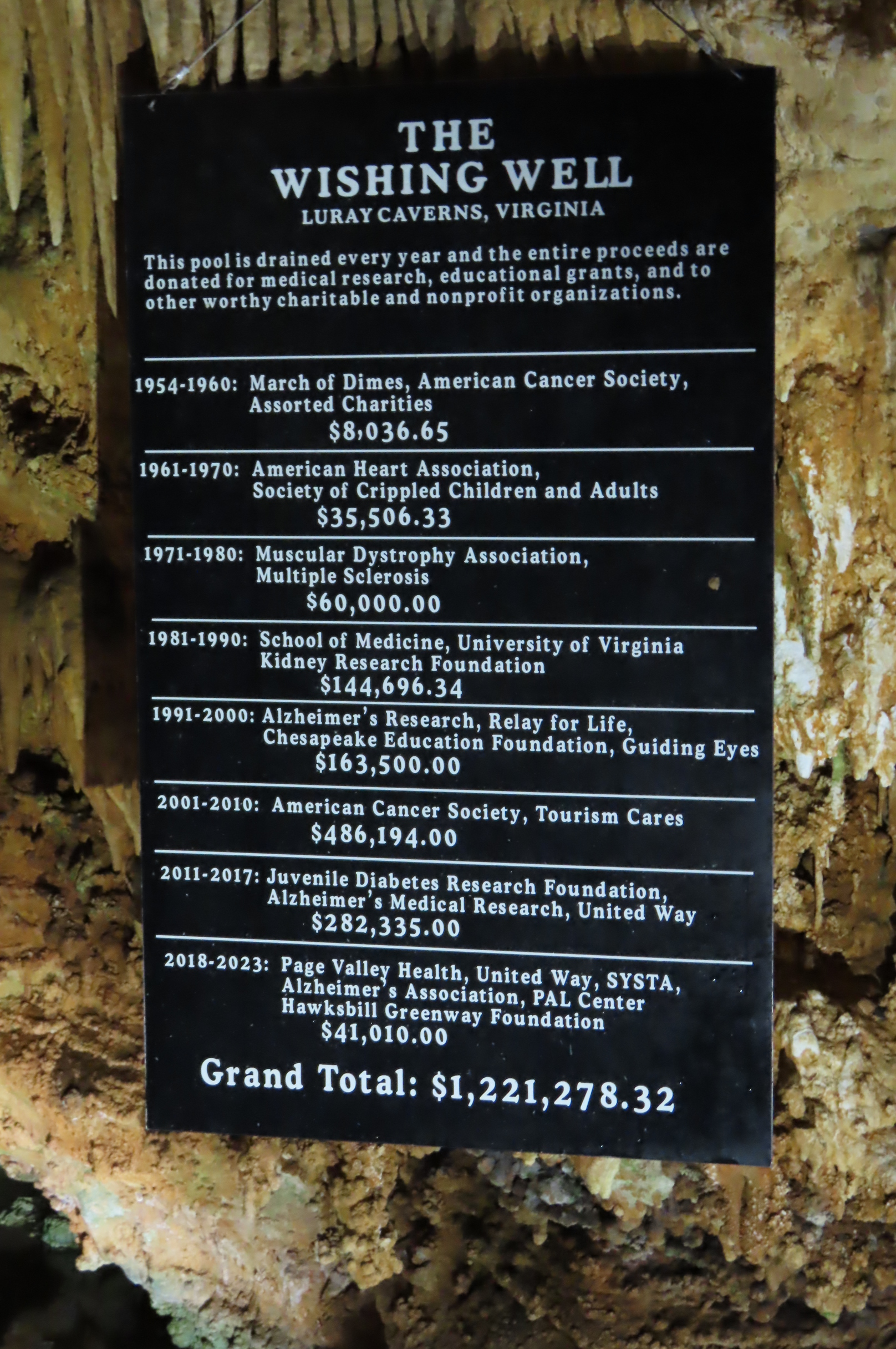
Golden browns.The white od pure calcite.Real or not. Are these stalagmites under water?Not. They are actually stalactites, a reflection of the ceiling in Dream Lake, one of the cavern’s main attractions.A chamber where the white calcite seems to glow. (Thank you, lighting.)Massive. (Peggy said she saw elephants all the way up!)Same as my fifth photo but looking down. The pathway through the caves provides both perspectives for many of the formations in the cave.Flowstone, columns, stalagmites and stalactites.I thought Luray did a great job of highlighting the white stalagmite. I was looking down.Here, I was level with it.Islands in a spring. Speaking of springs, this one was special. It’s called the Wishing Well. Toss your money in and make a wish. But this goes beyond your wish…Luray Caverns designed the Wishing Well to raise funds for designated charities and non-profits. Once a year, the well is drained, money collected, and the donation made.Many views feature layer upon layer upon layer. Sometimes it felt like I was looking into infinity.Again, flowstones, stalactites, stalagmites and columns.A close up.Blue, suggesting trace elements of copper are present. And a final photo. I journeyed down to the town of Luray with thoughts of catching the beautiful fall colors of the Shenandoah National Park and the Blue Ridge Mountains from Skyline Drive. And I did, even though it was late in the ‘leaf-peeping’ season. Luray Caverns were something of an afterthought. I’m ever so glad I visited them. To easily combine both in one trip was a real bonus! If you find yourself in the area, take advantage of the opportunity.
Next, Peggy and I resume our posts about our summer travels in Scotland, Ireland, and Greece.
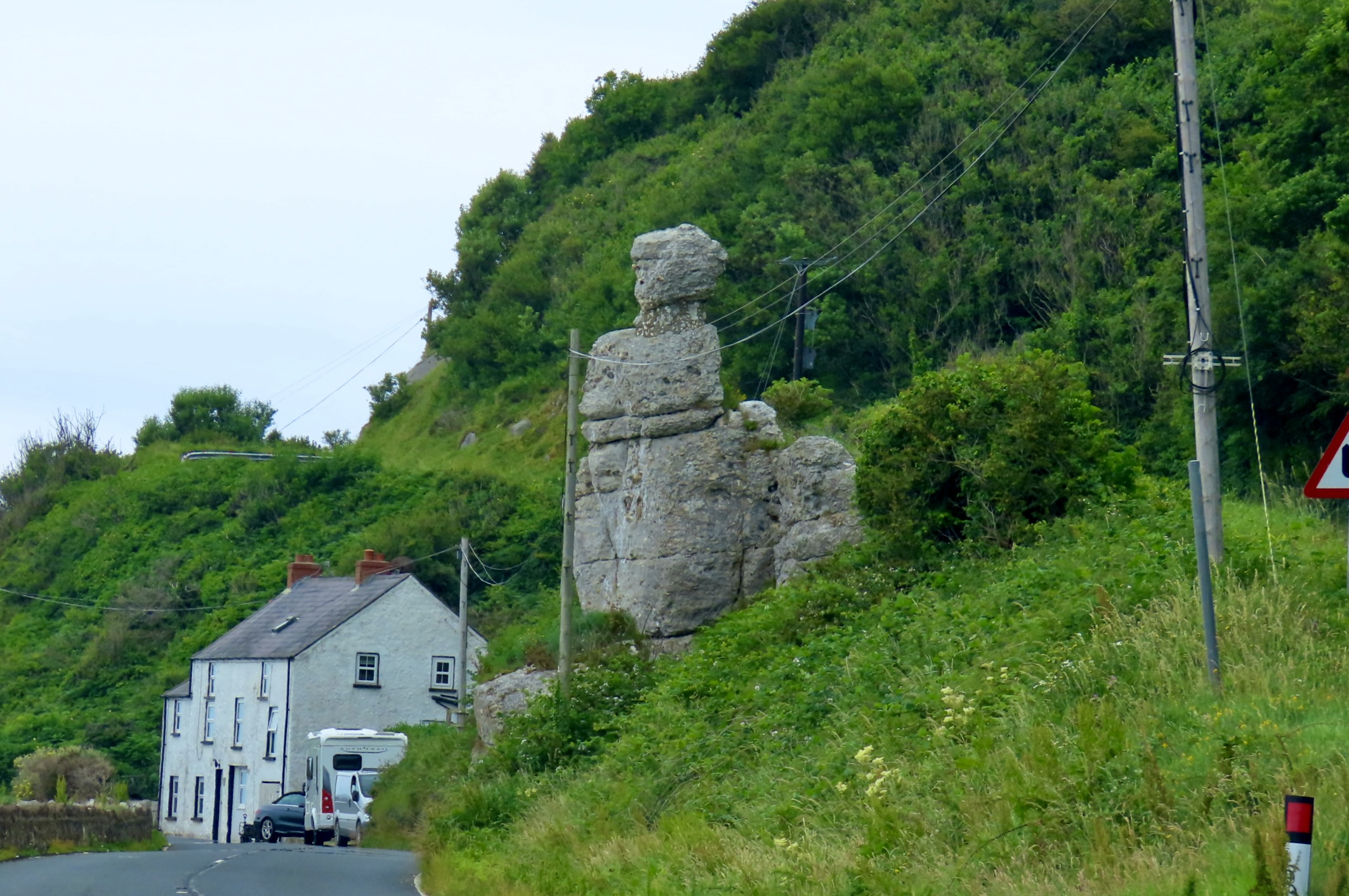
Northern Ireland has much to offer. Lots of green, for example. Scenery, history, culture and fun places to stay can all be added to the mix. This was our VRBO on the northeastern Antrim coast looking out on the Irish Sea toward Scotland. The upper three windows on the left side were part of our apartment. Episodes of the Game of Thrones were filmed just over the hill behind us. Our first post will begin in Belfast and work its way up the coast. Items will include a fun bookstore, the Titanic, Ireland’s unending ‘Troubles,’ a botanic garden, an ancient graveyard where we search for long dead ancestors, and beautiful waterfalls. Lots. You won’t want to miss it. Join us.
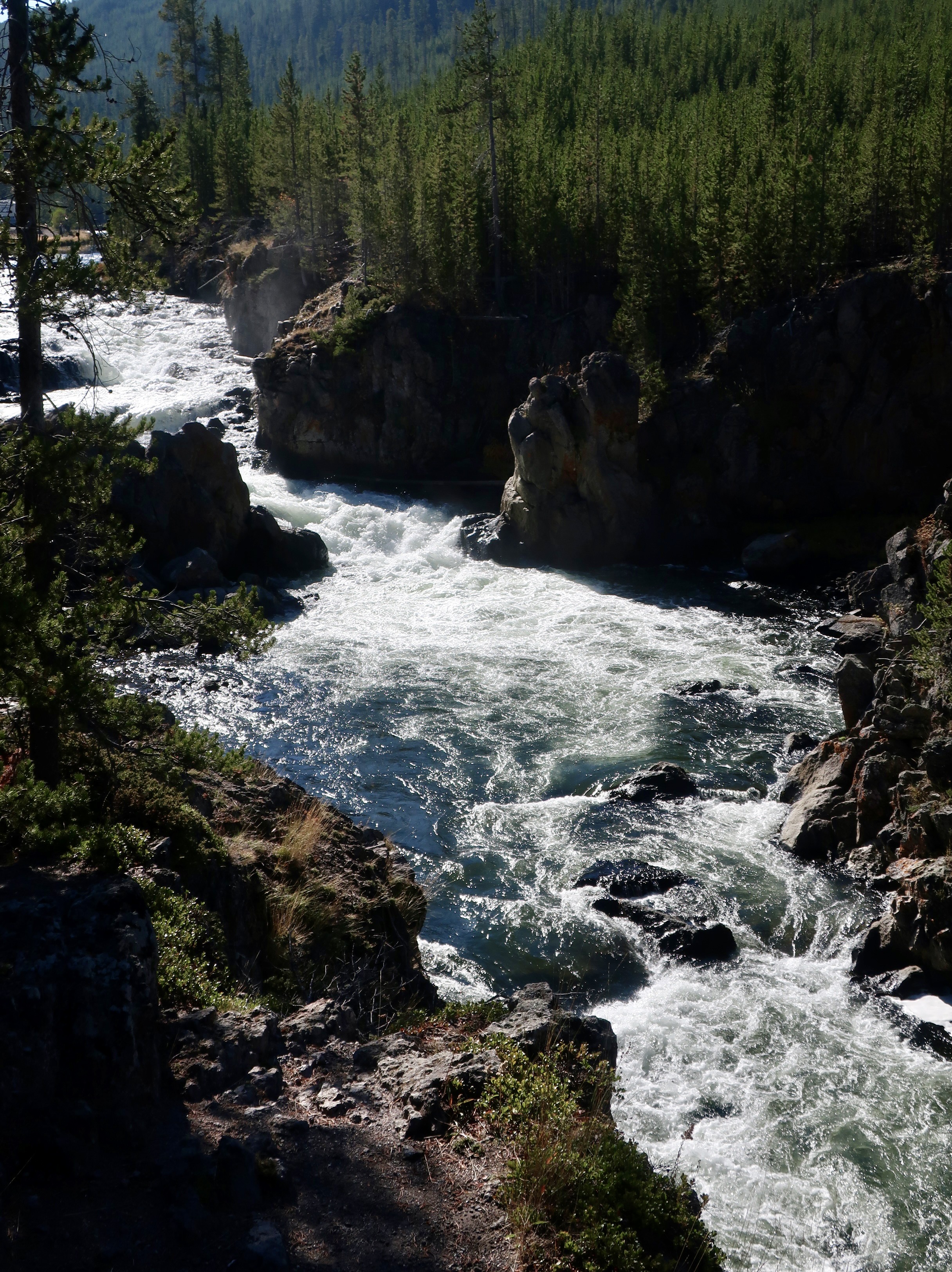
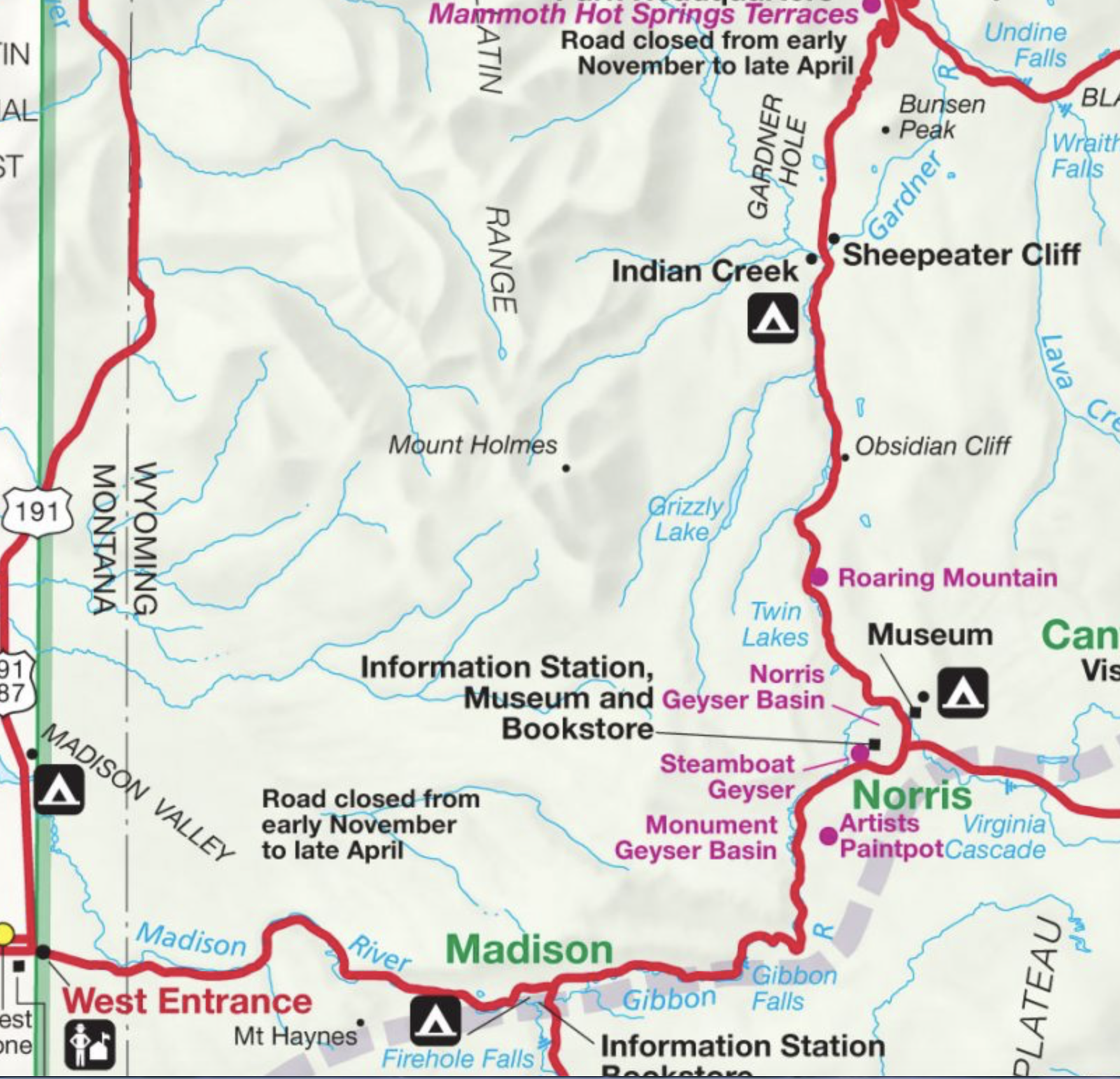
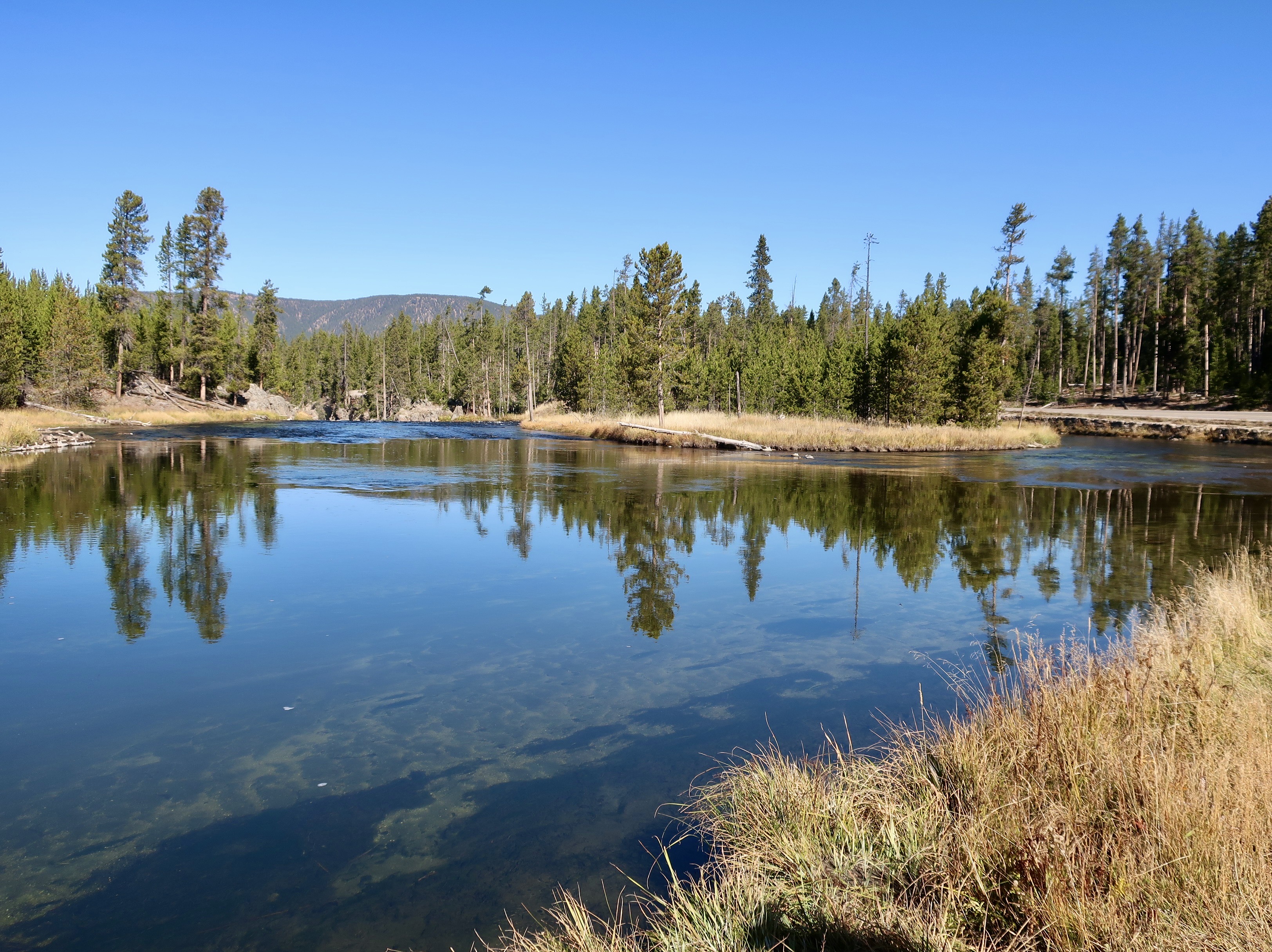
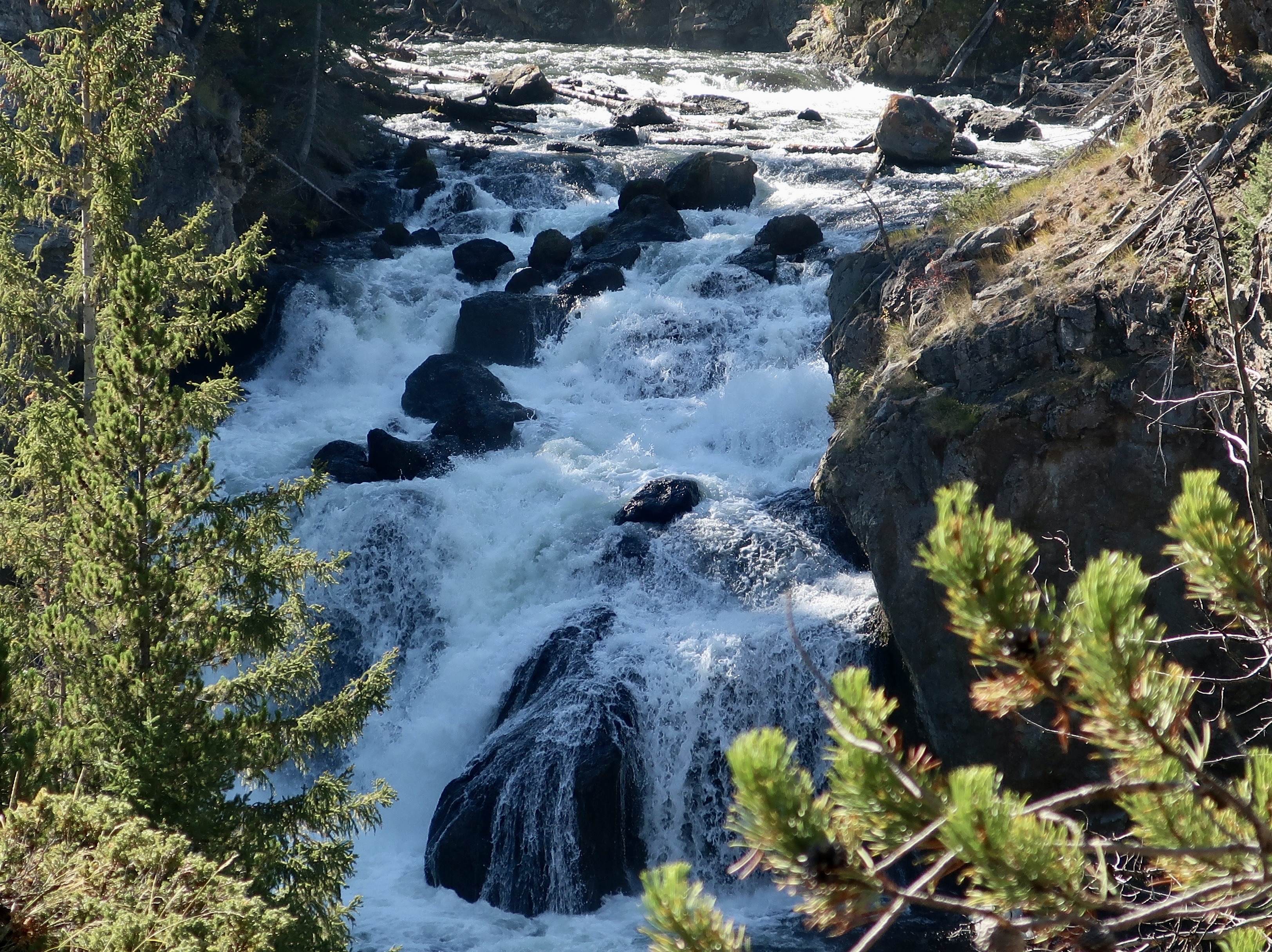
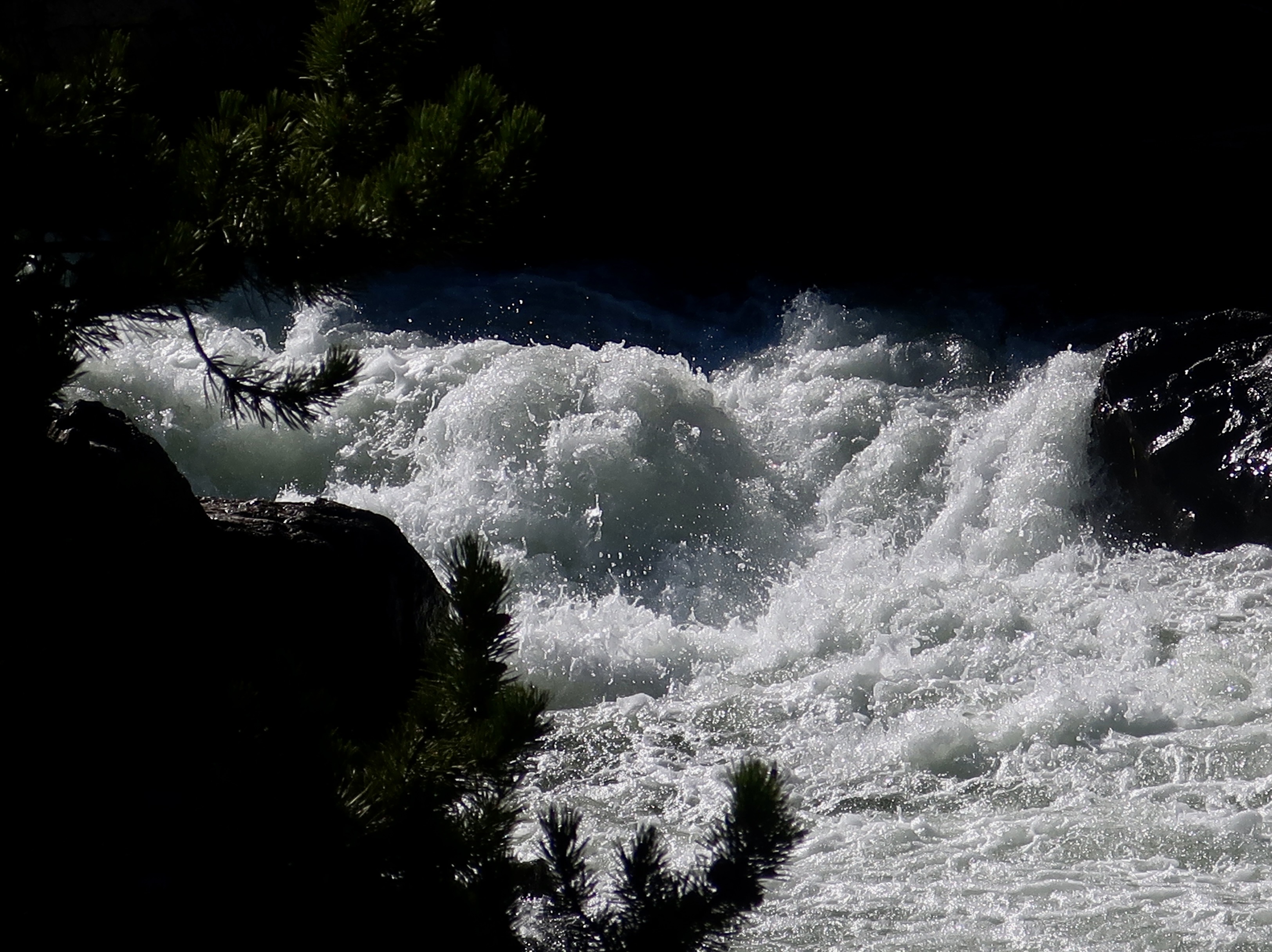
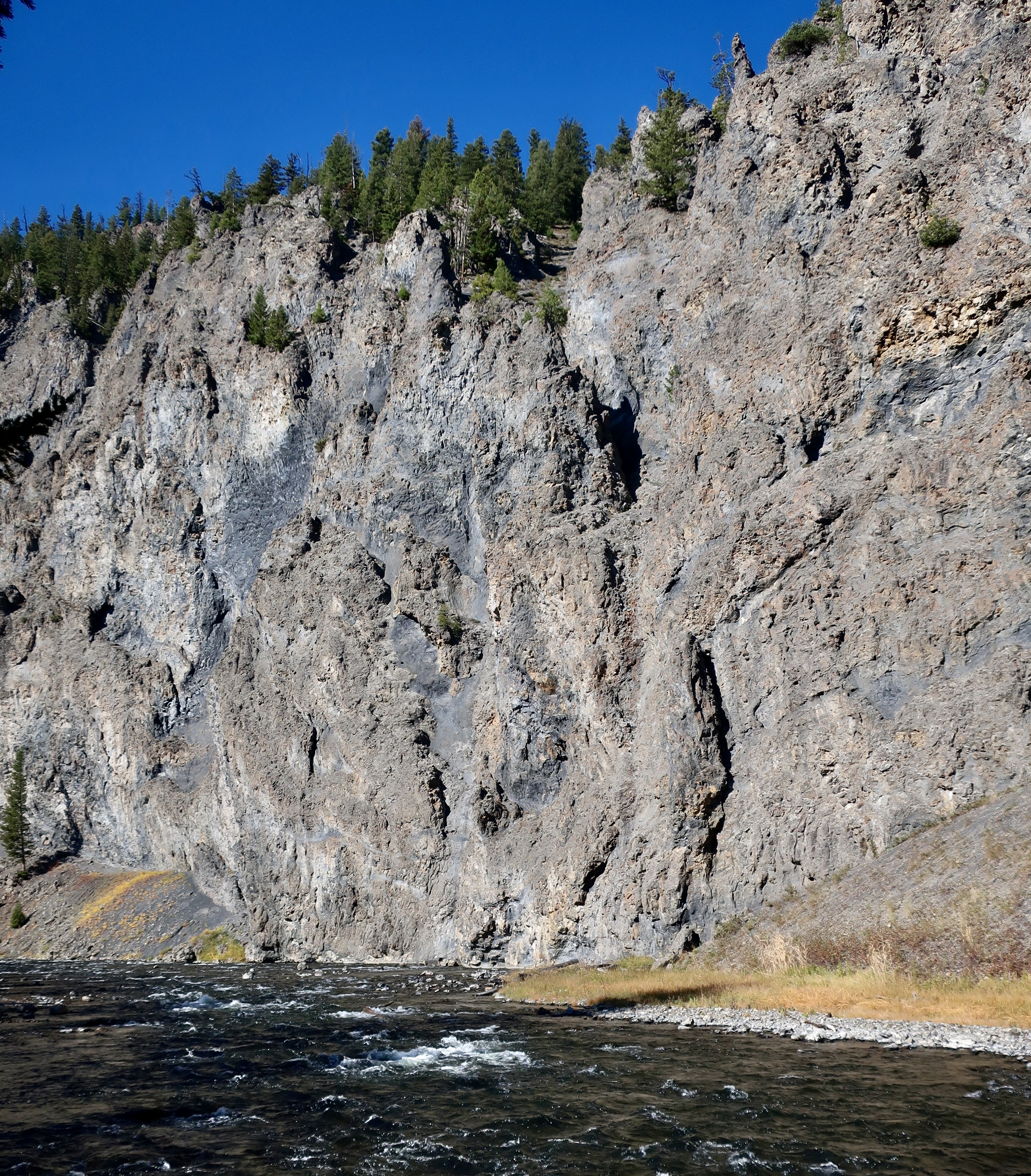
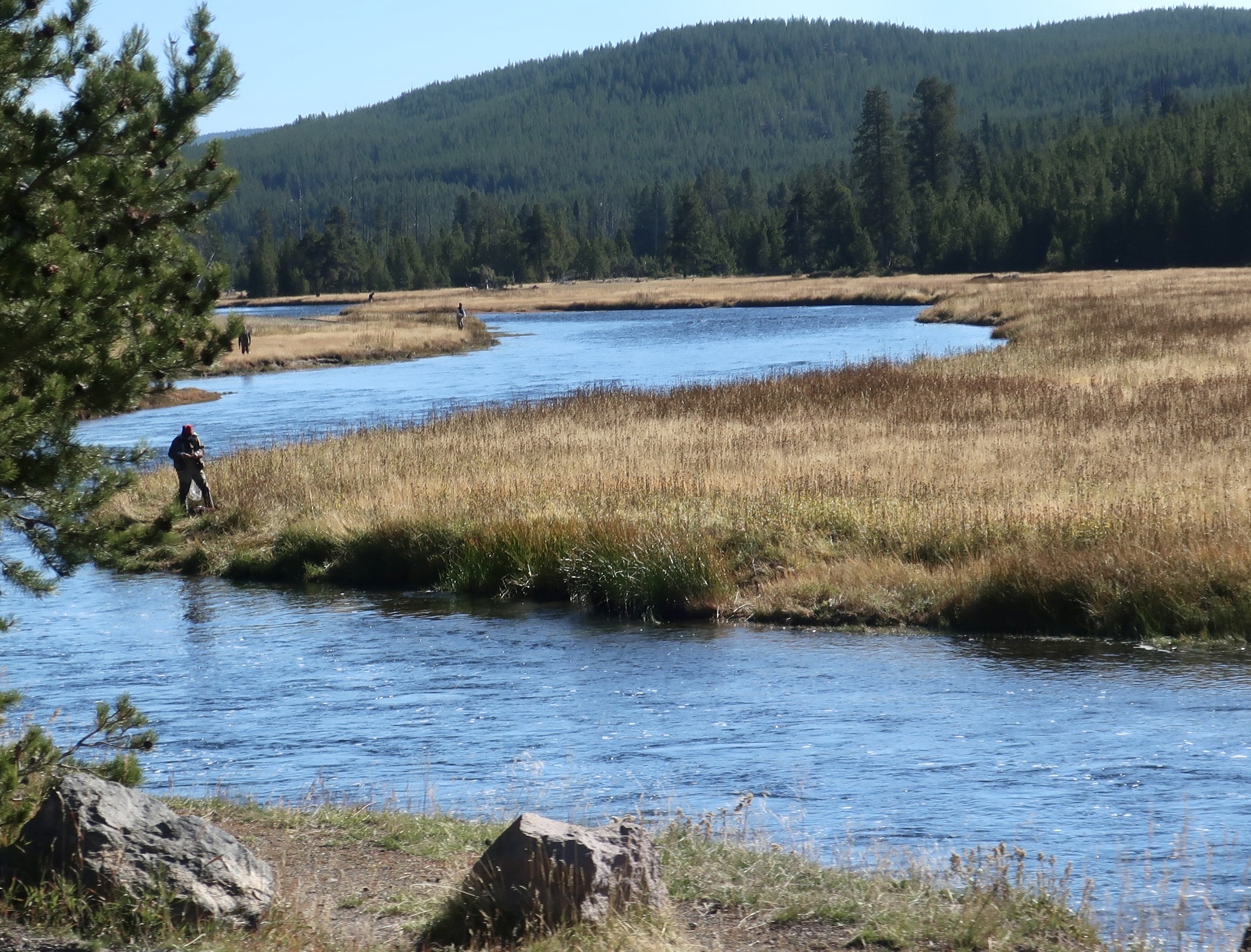
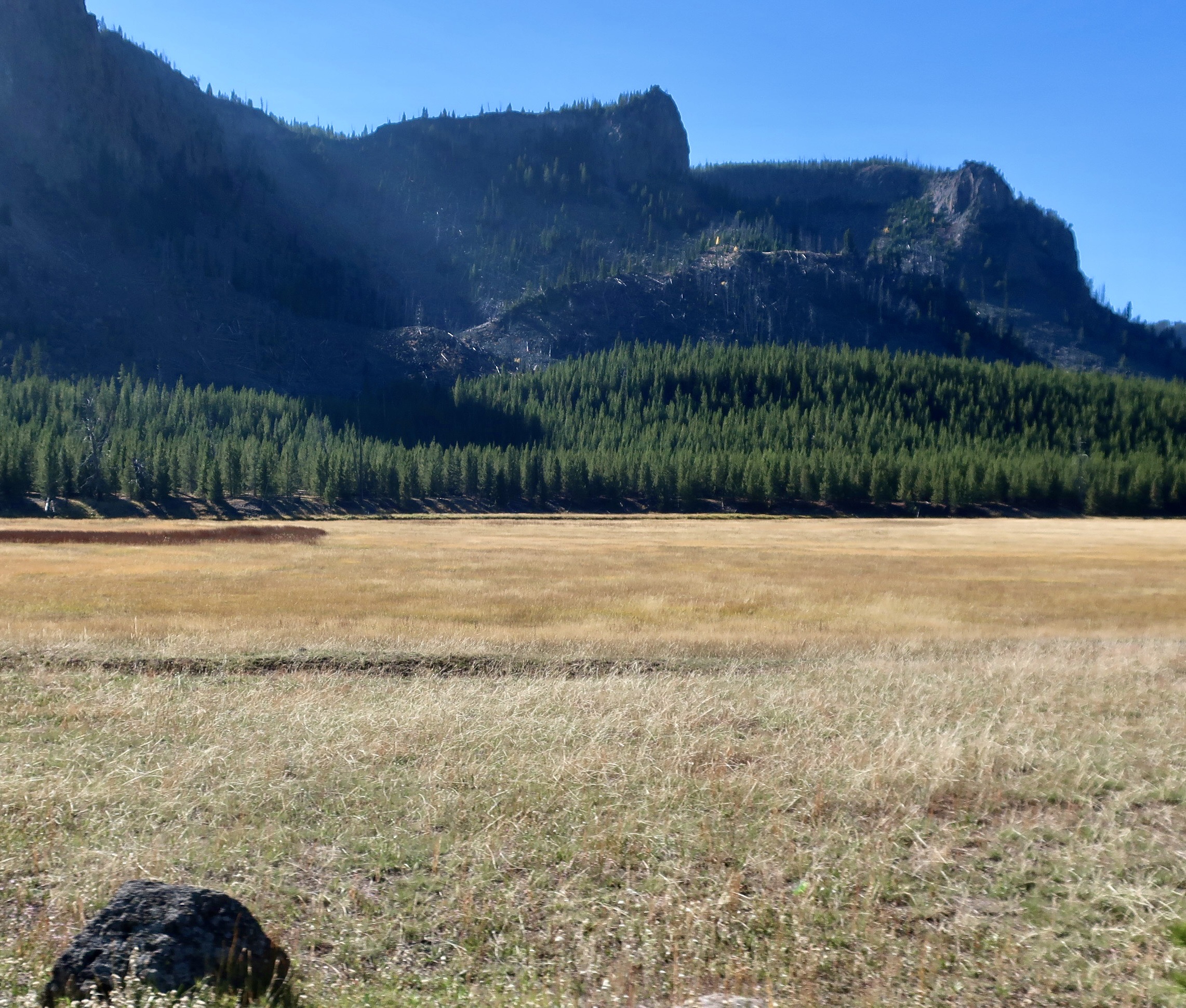
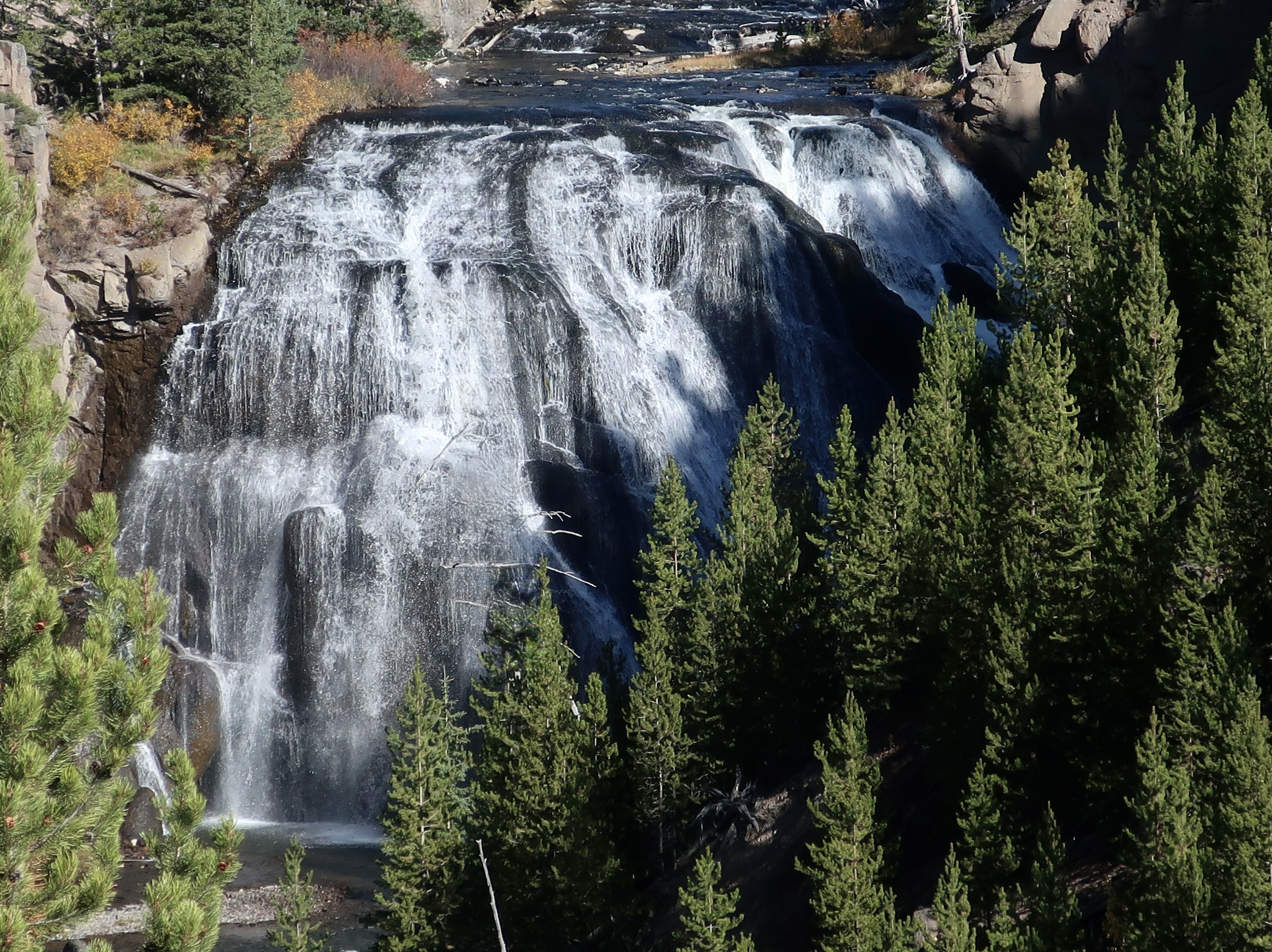
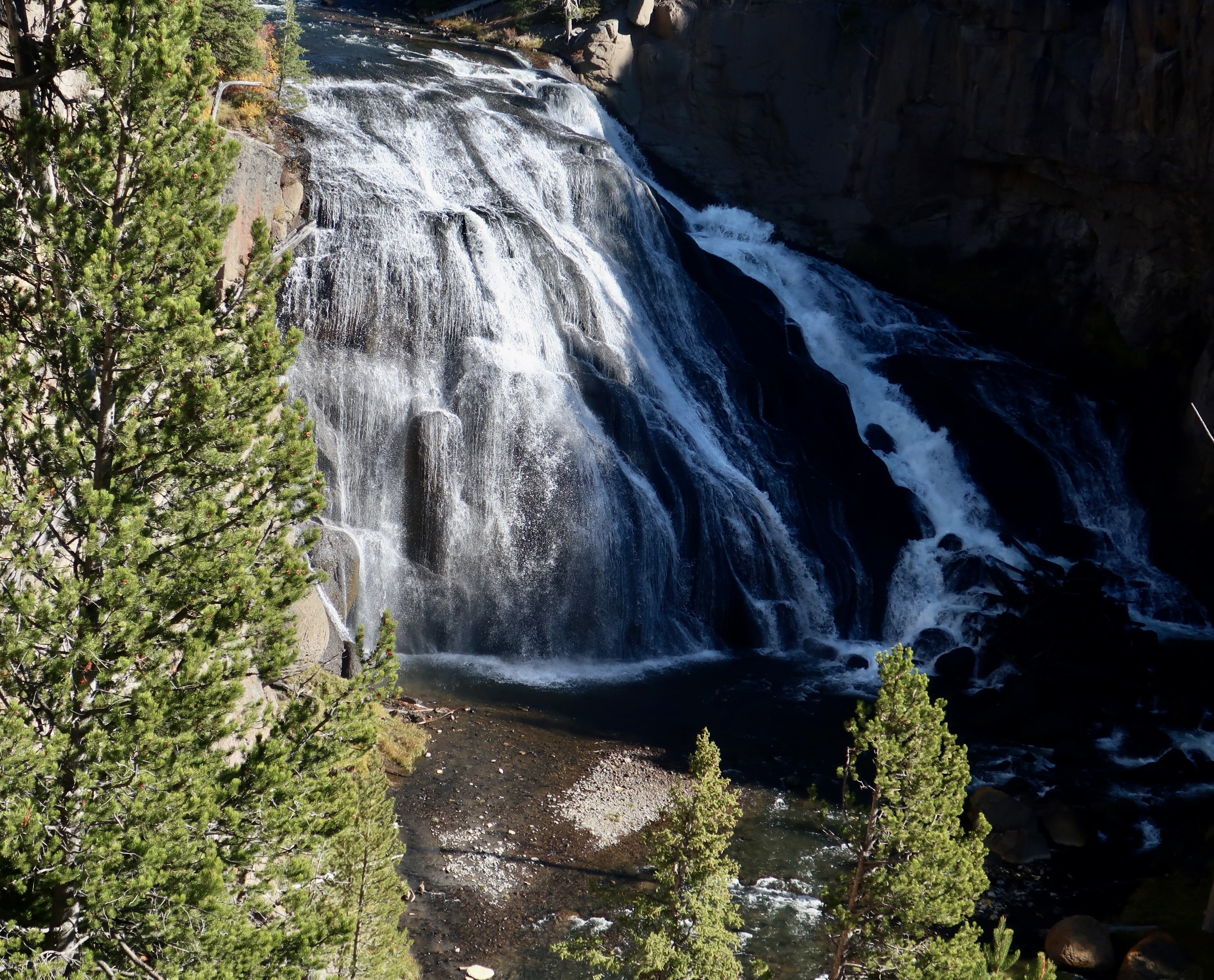
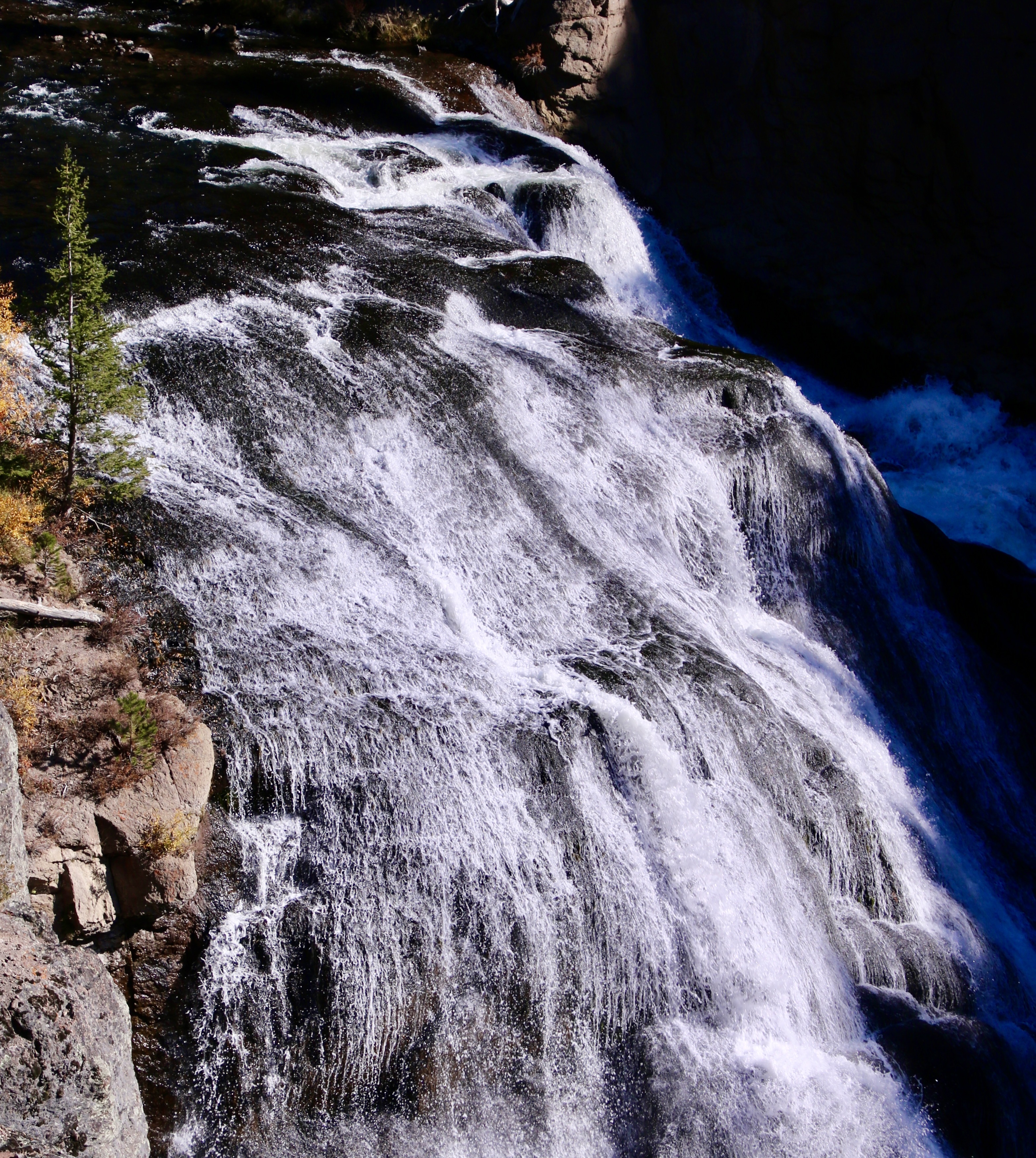
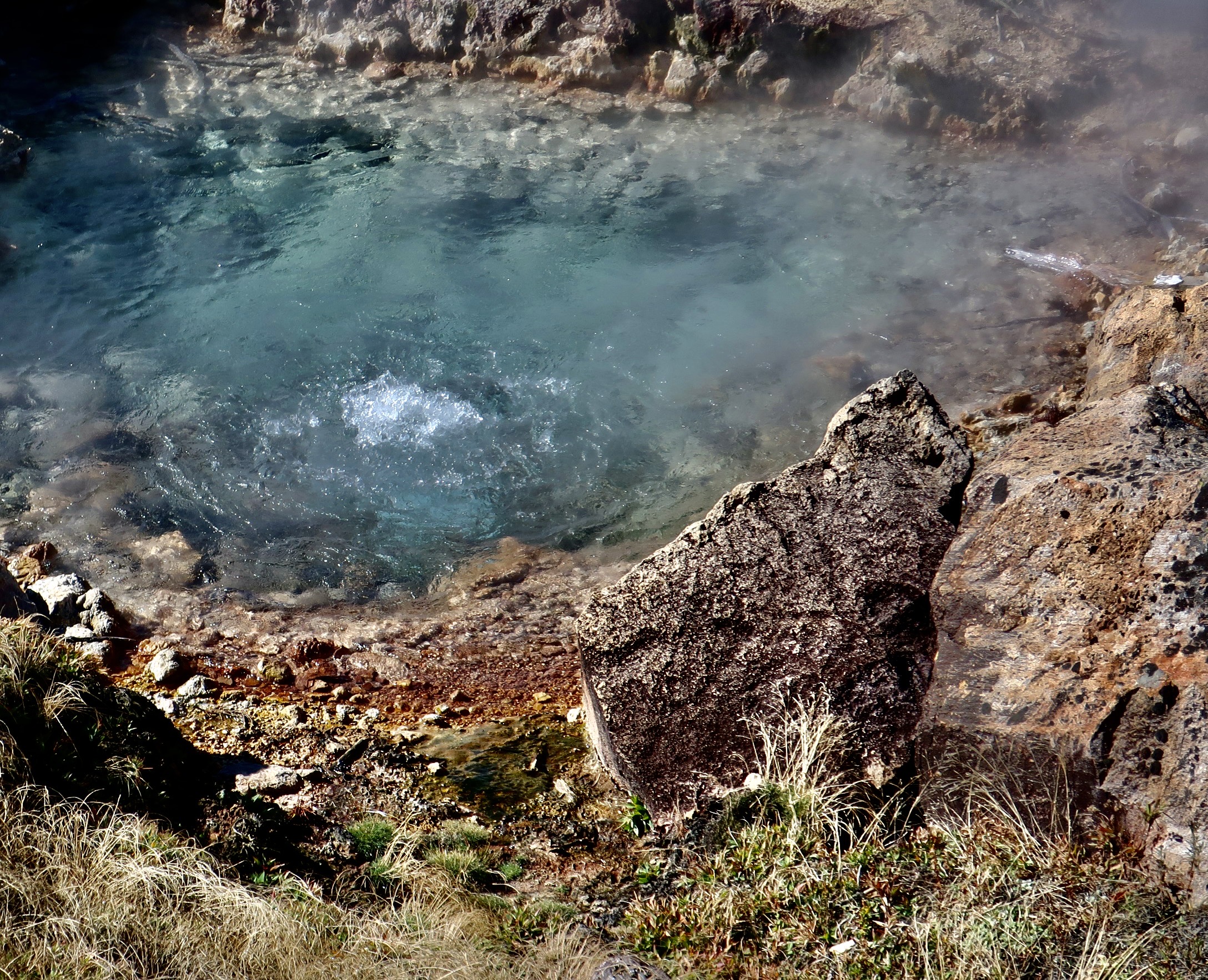
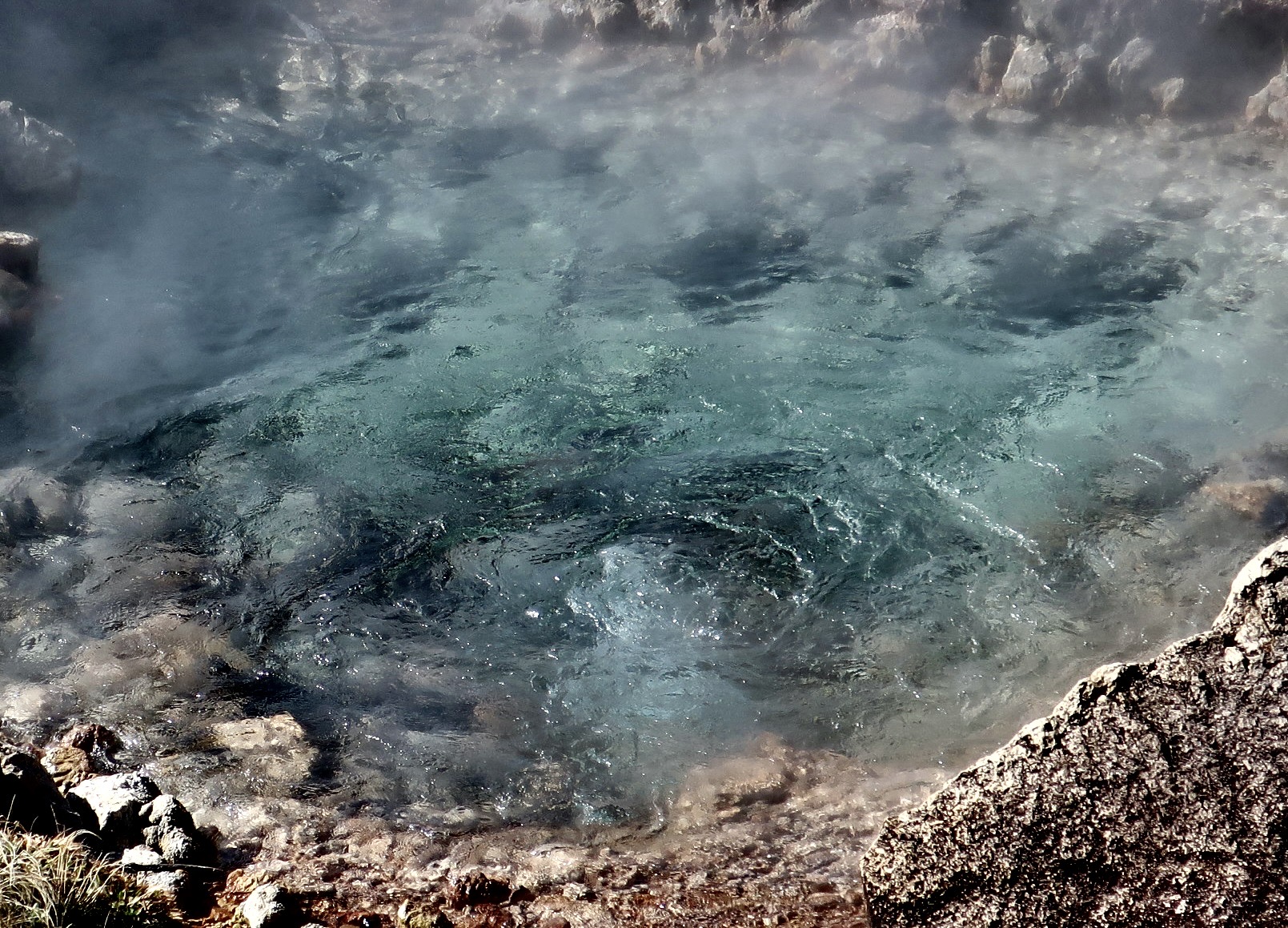
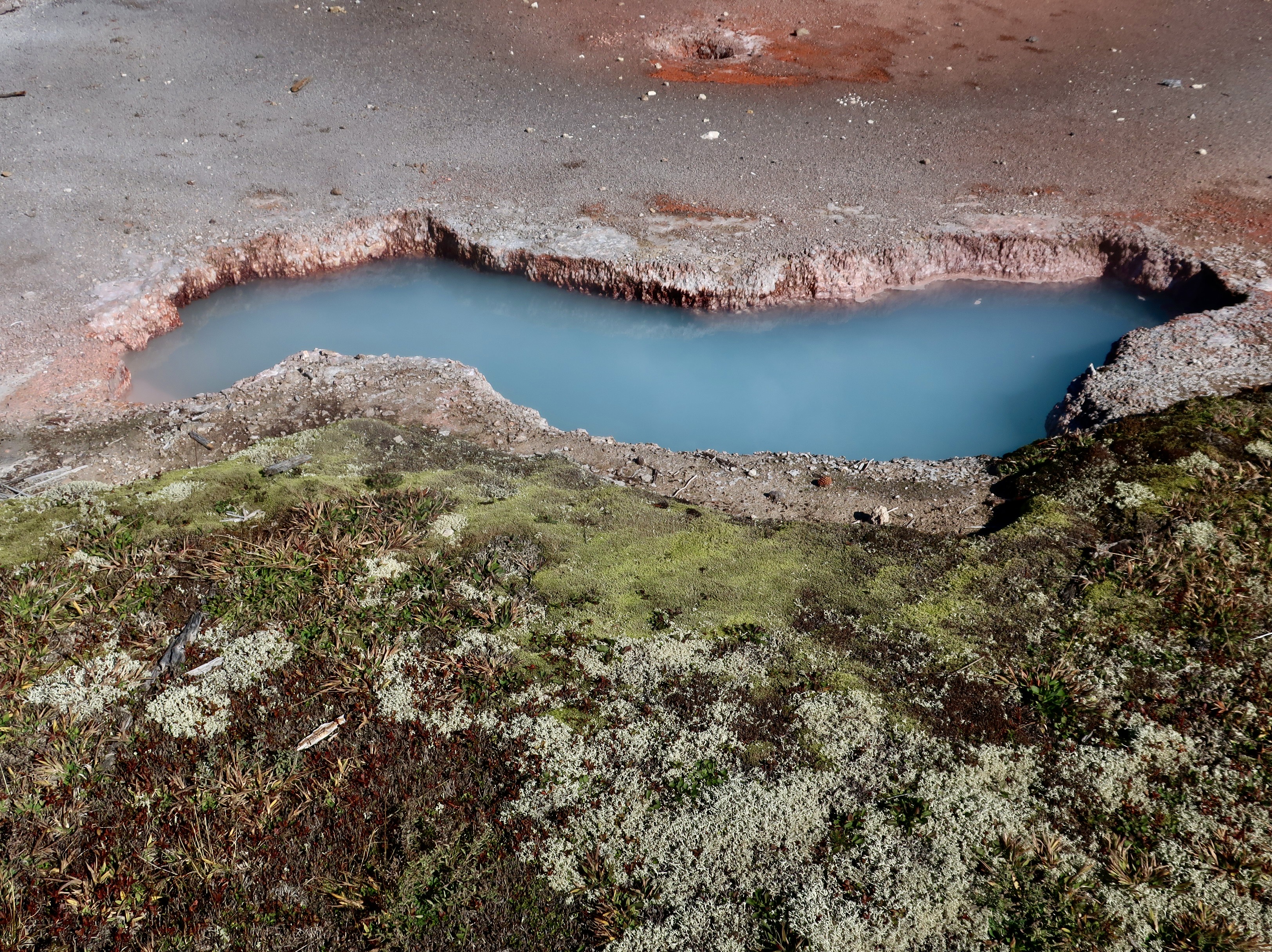
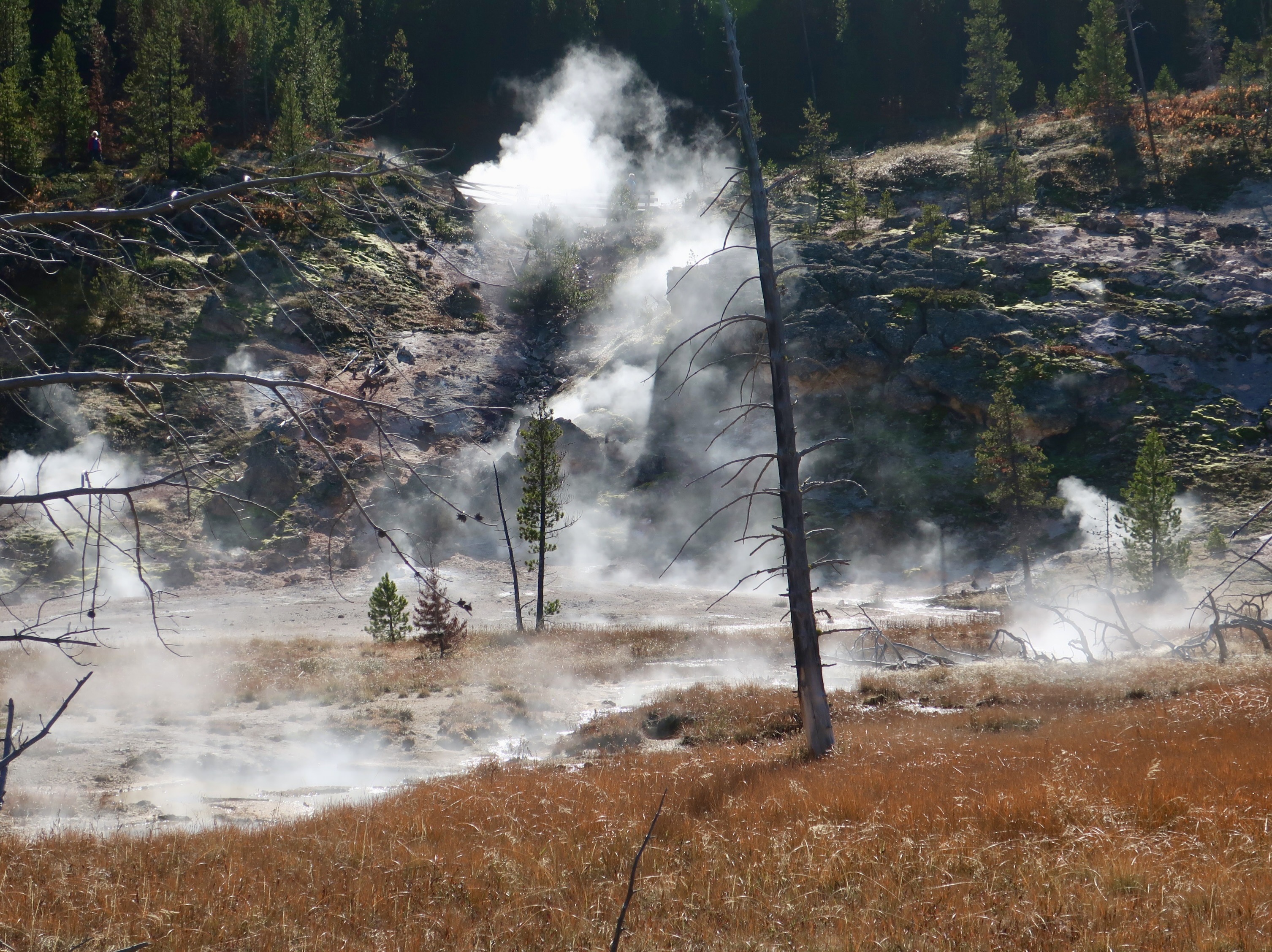
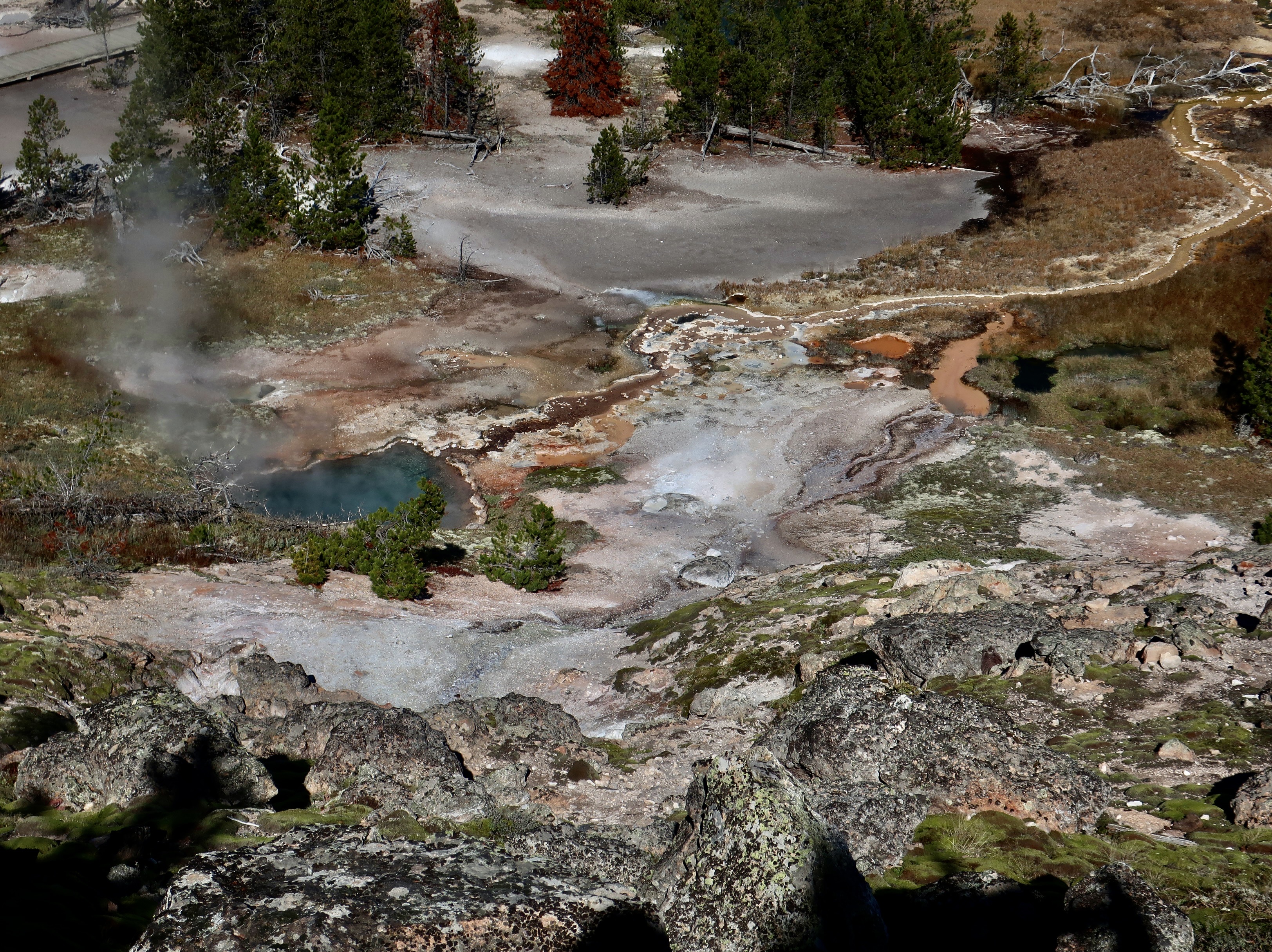
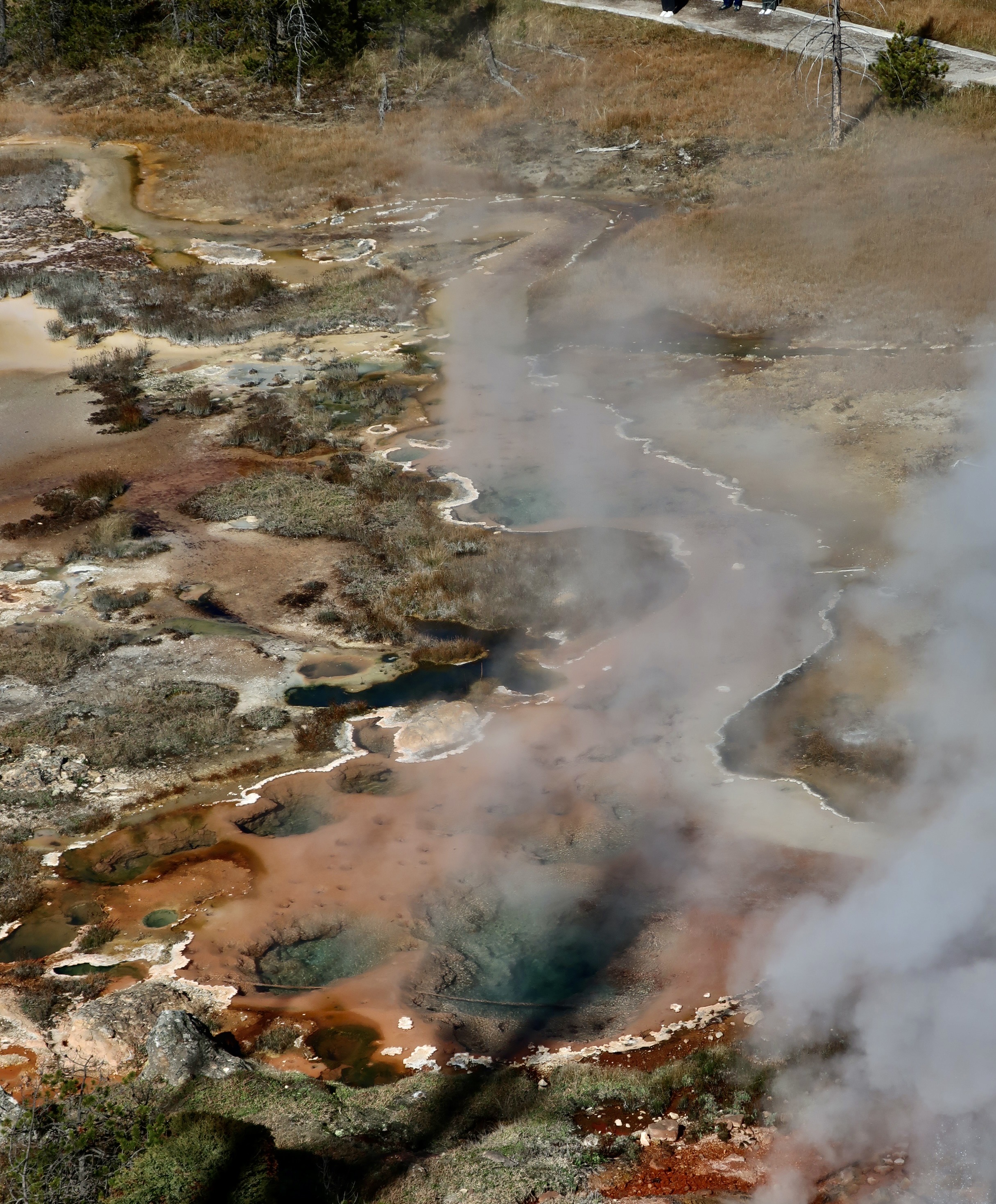
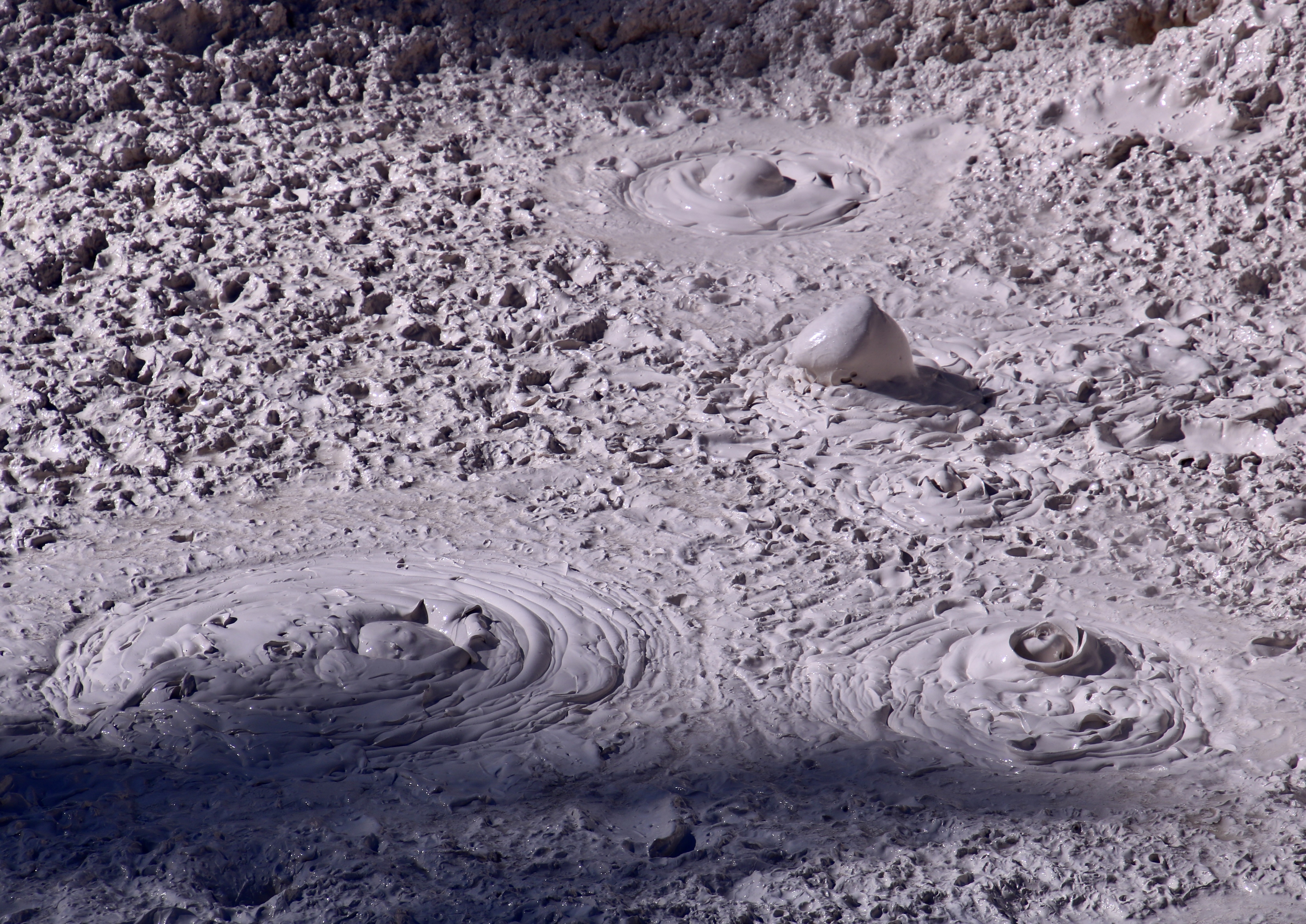
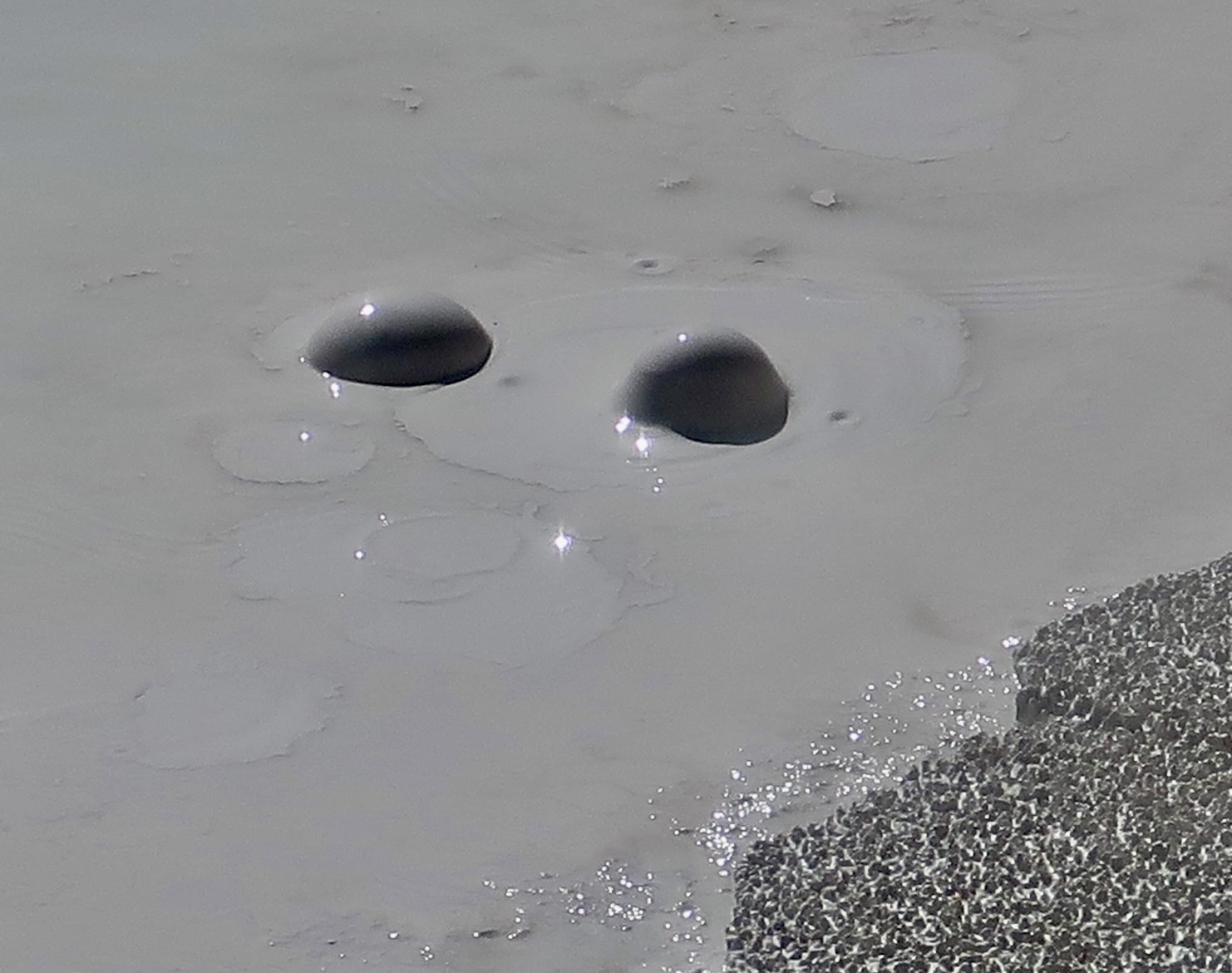
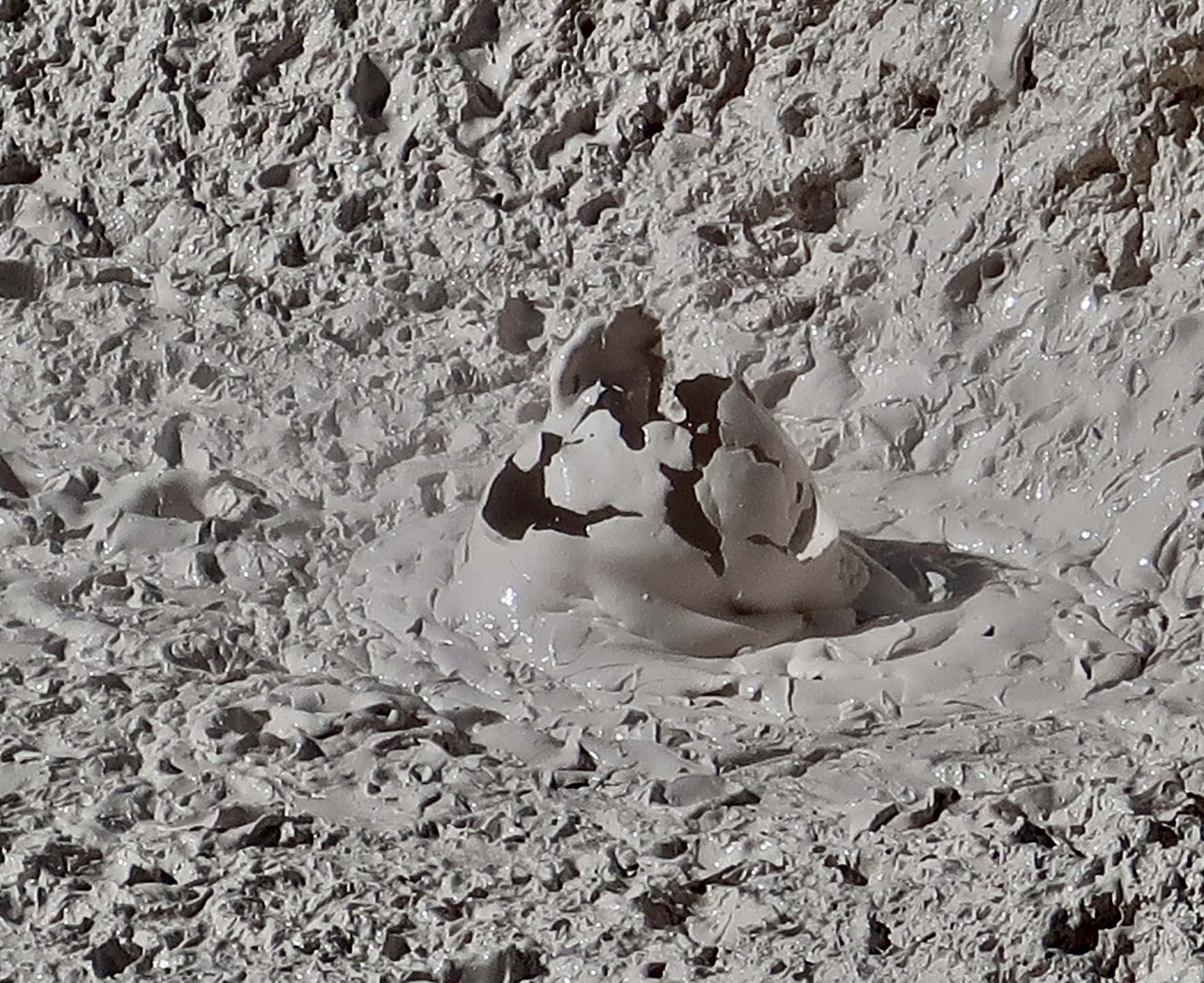
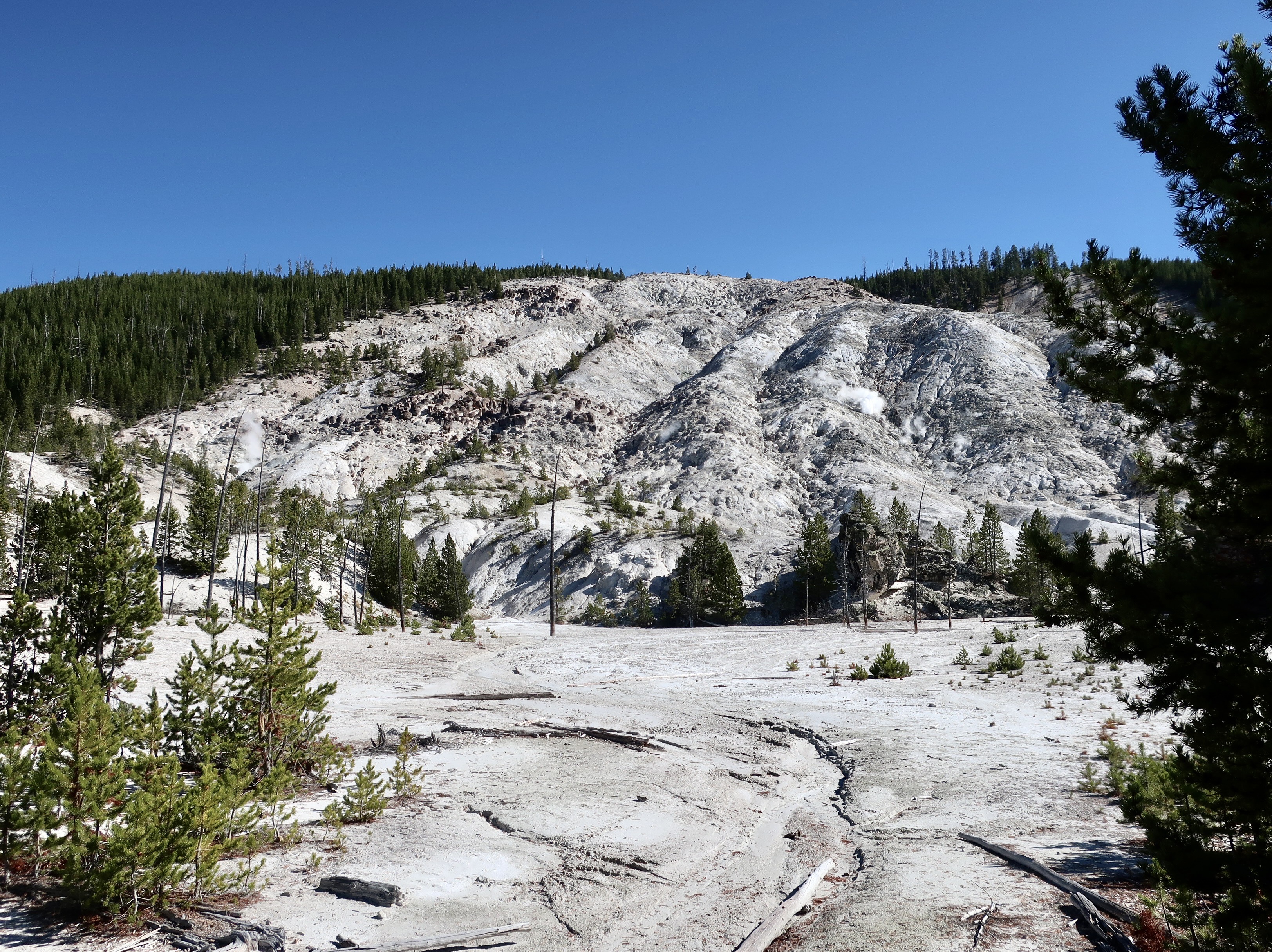
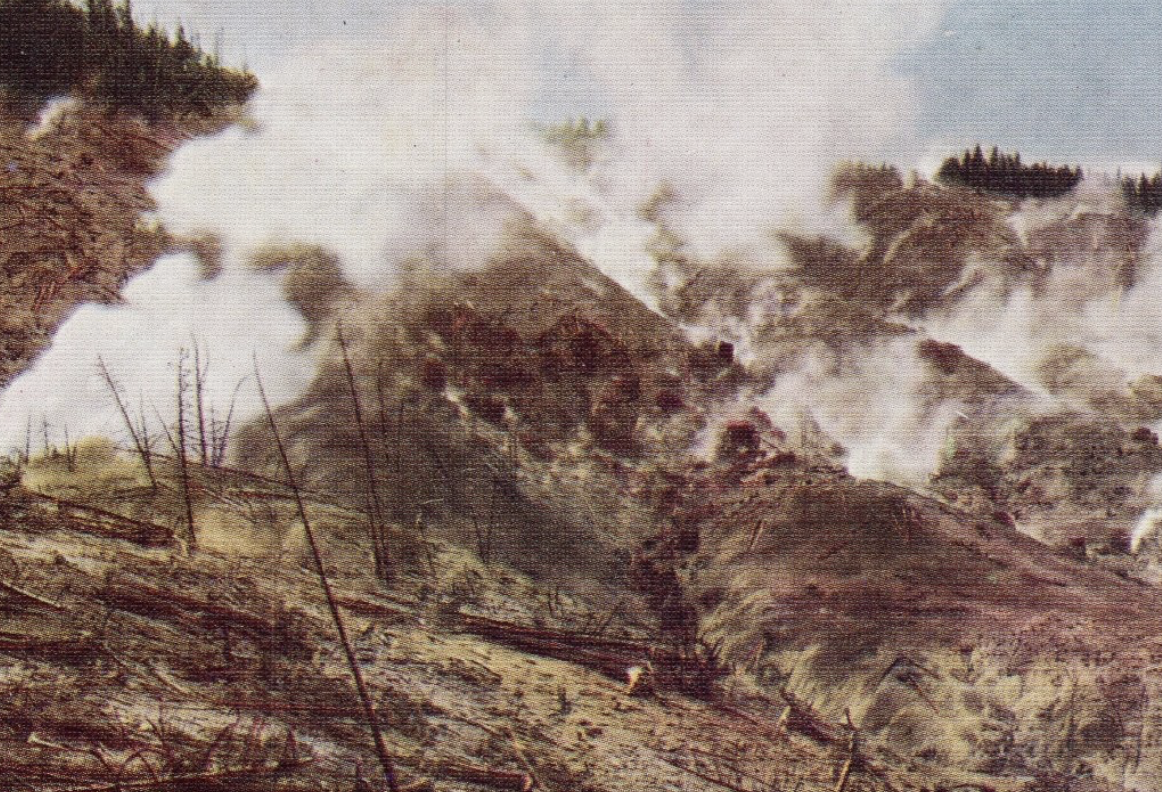
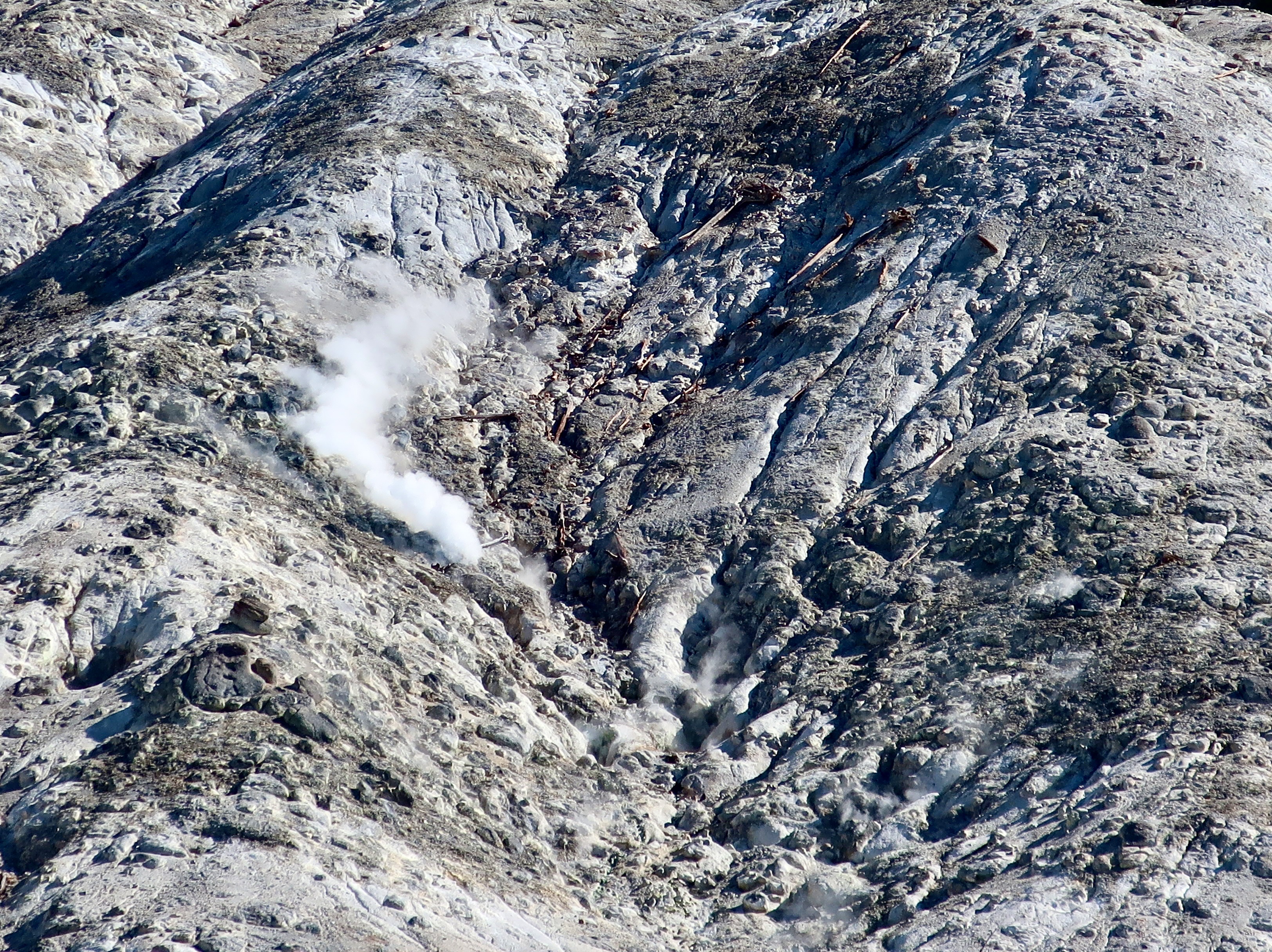
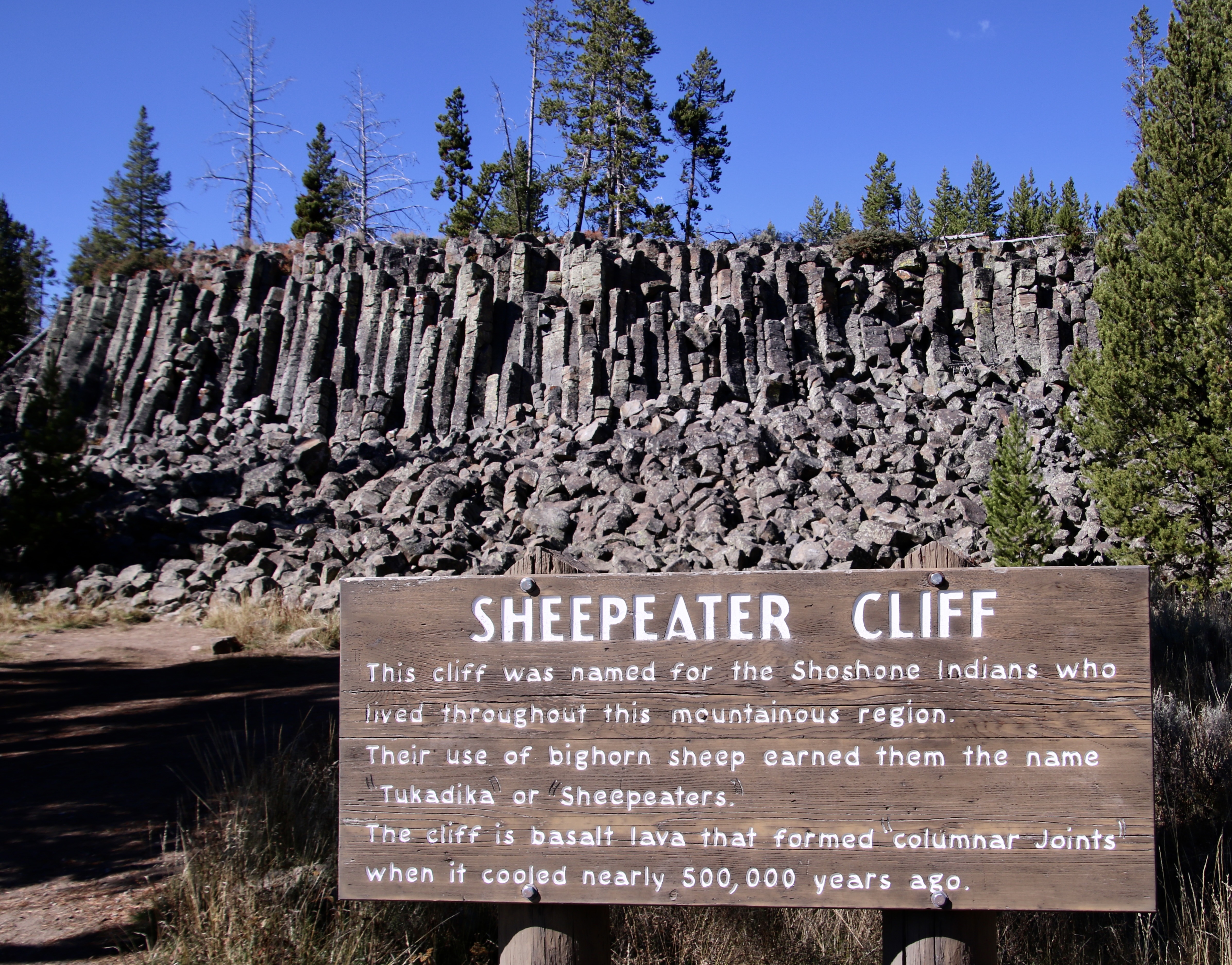
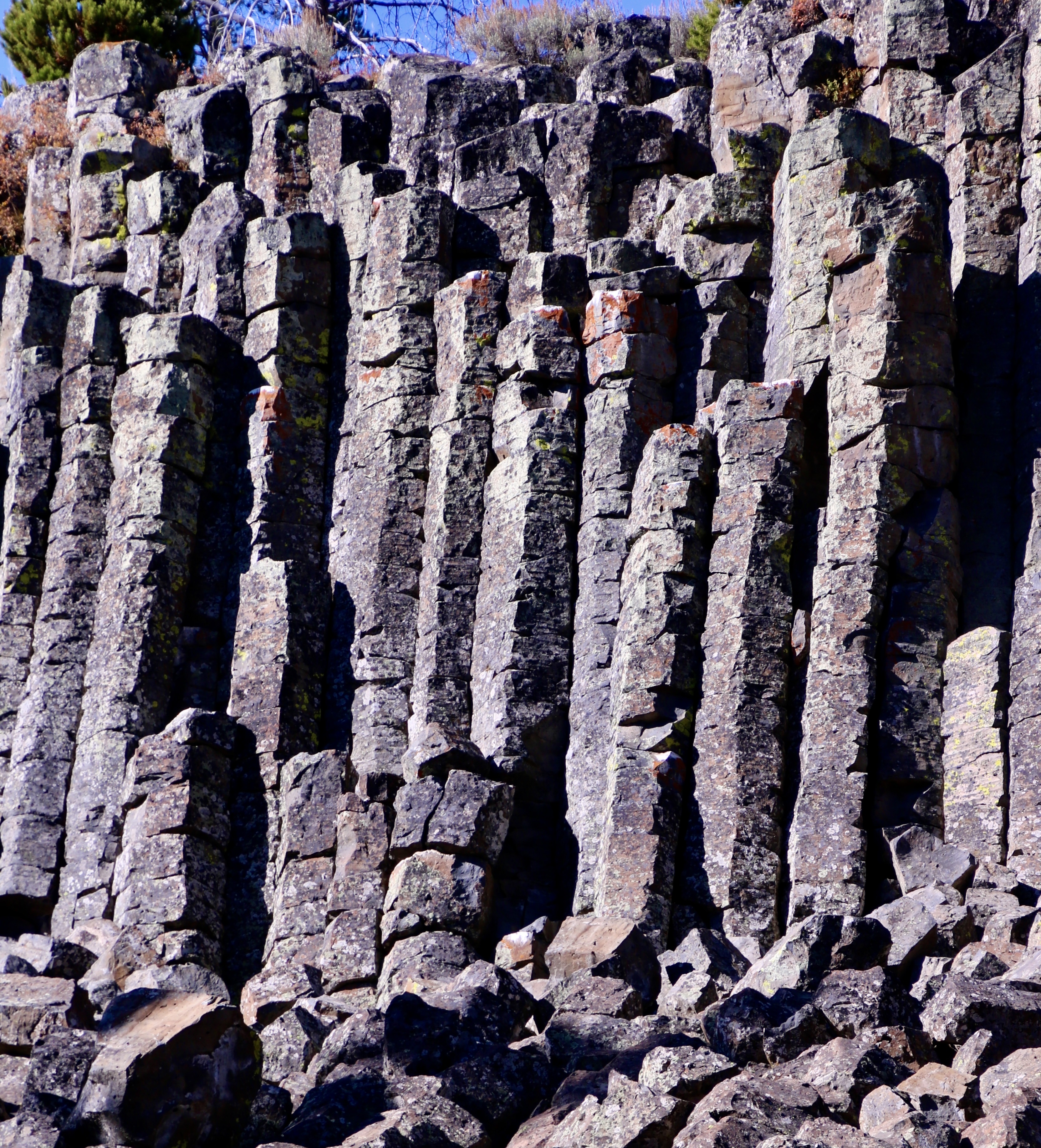
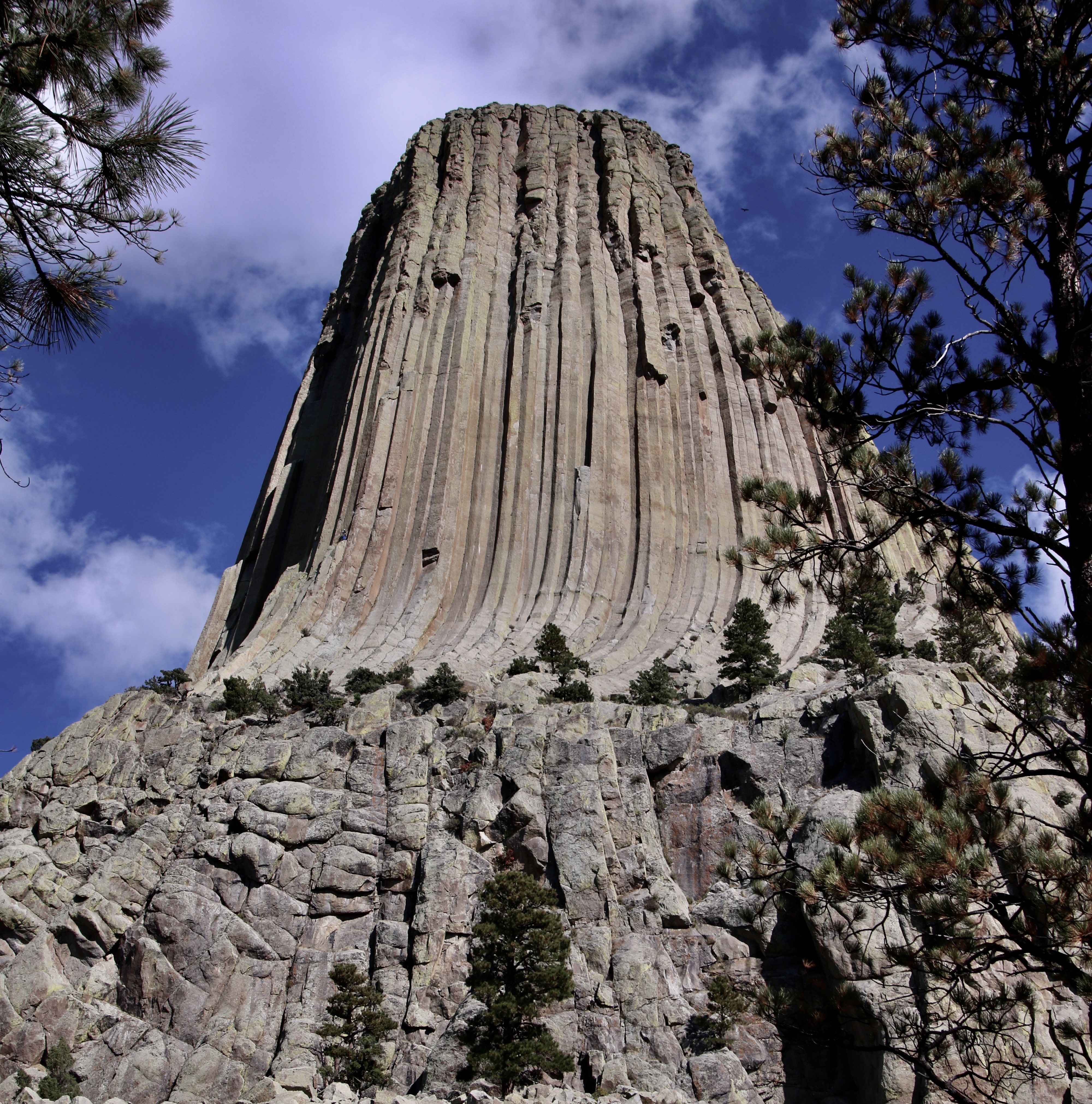
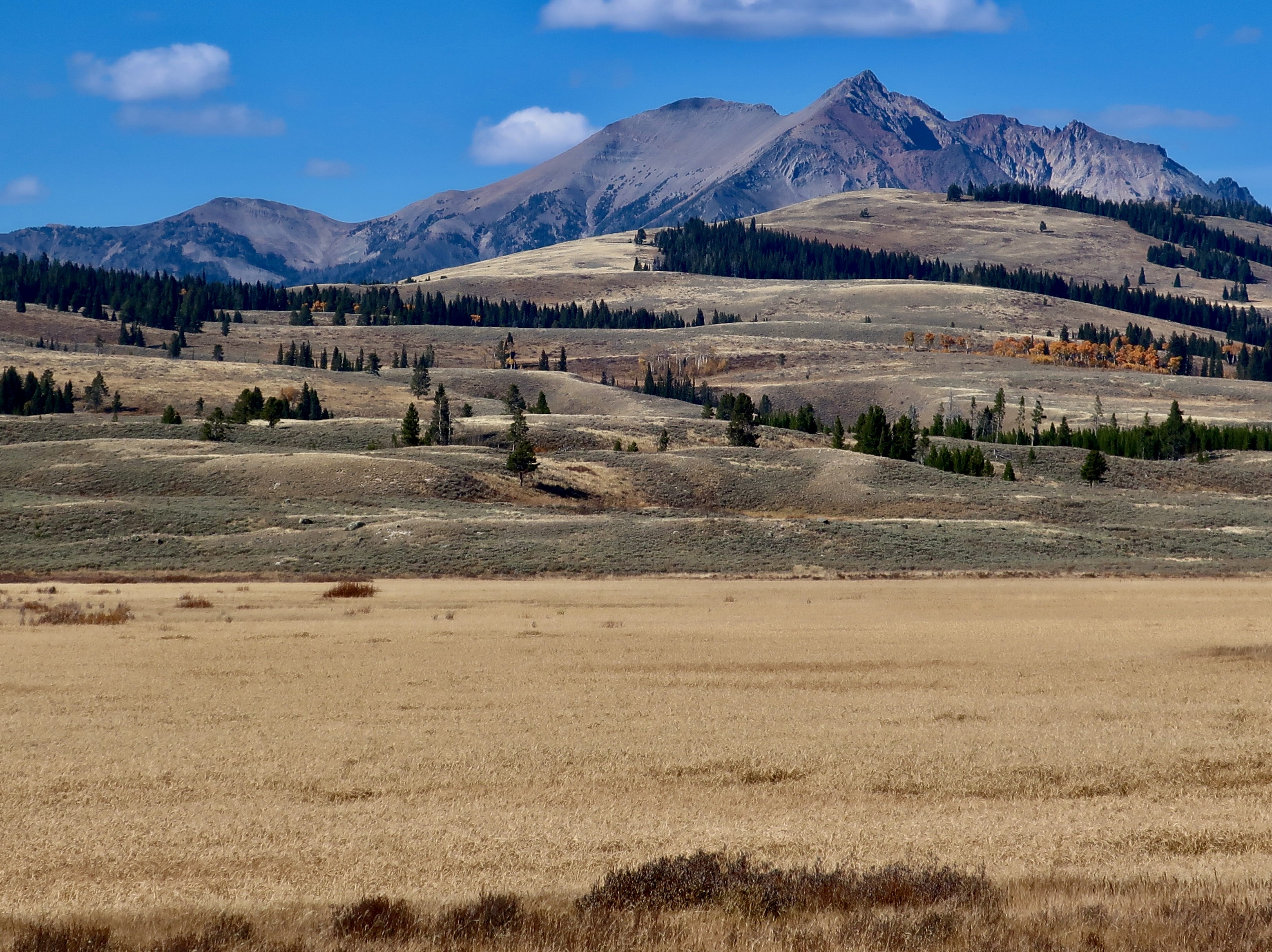
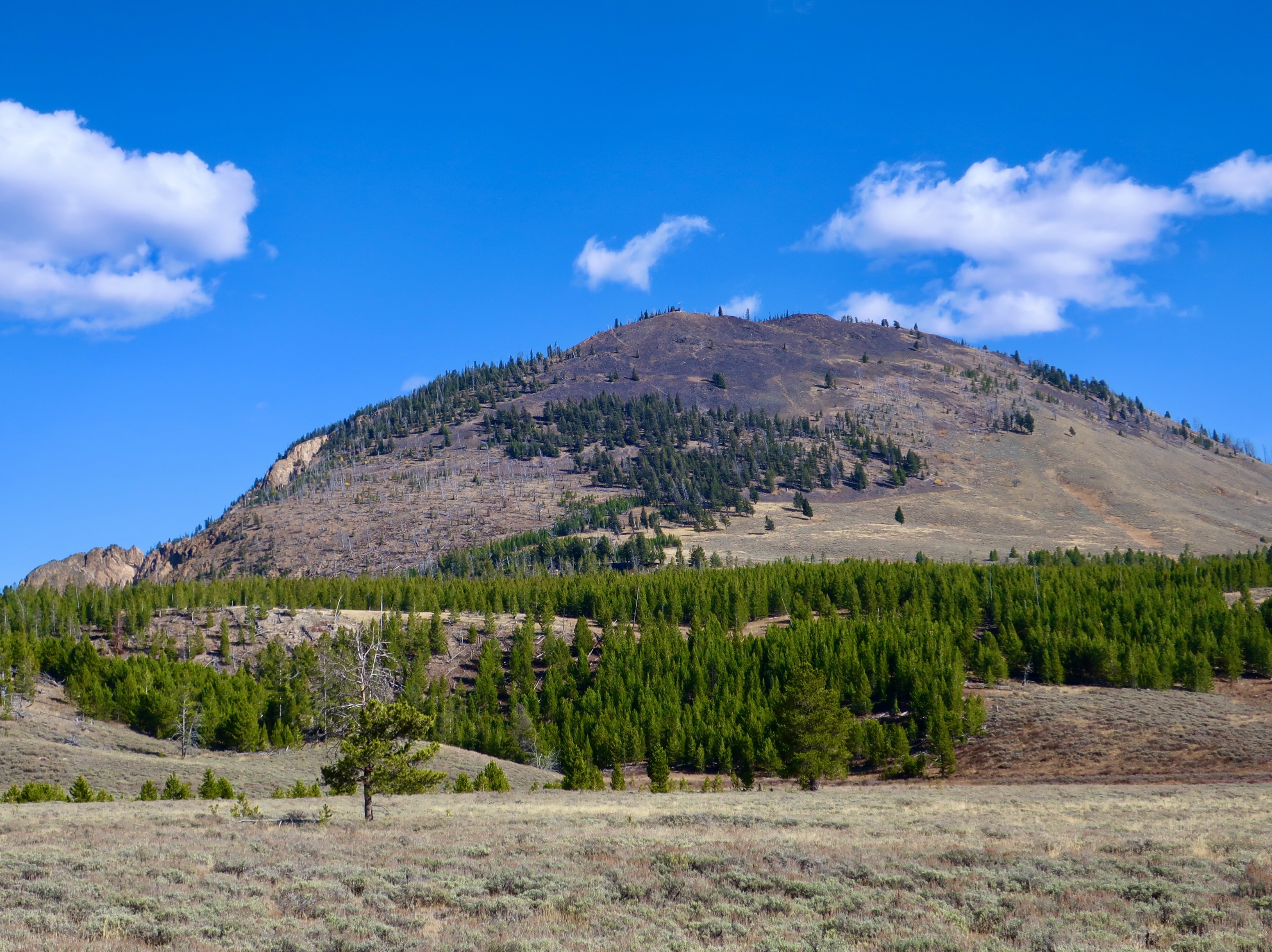
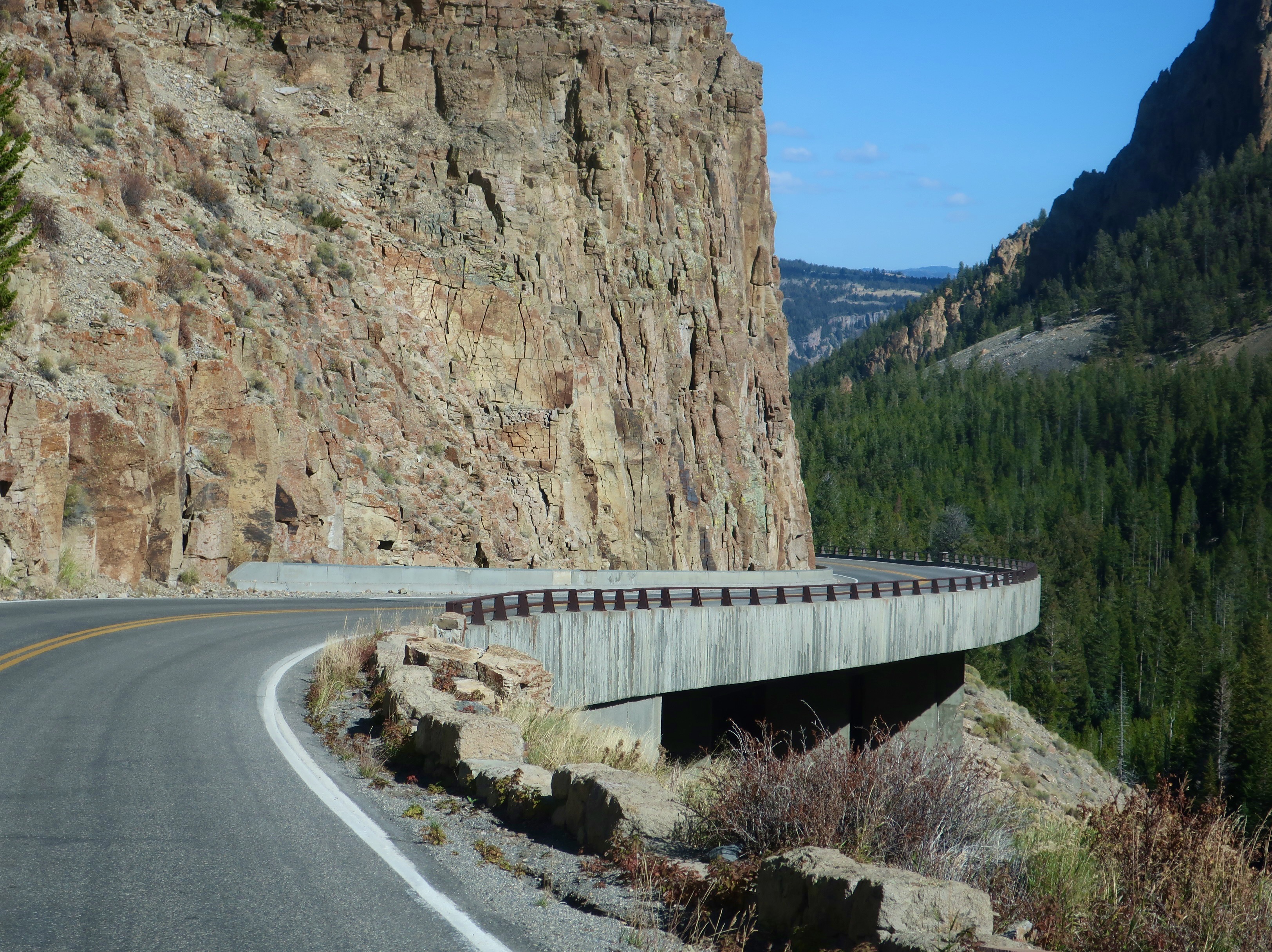
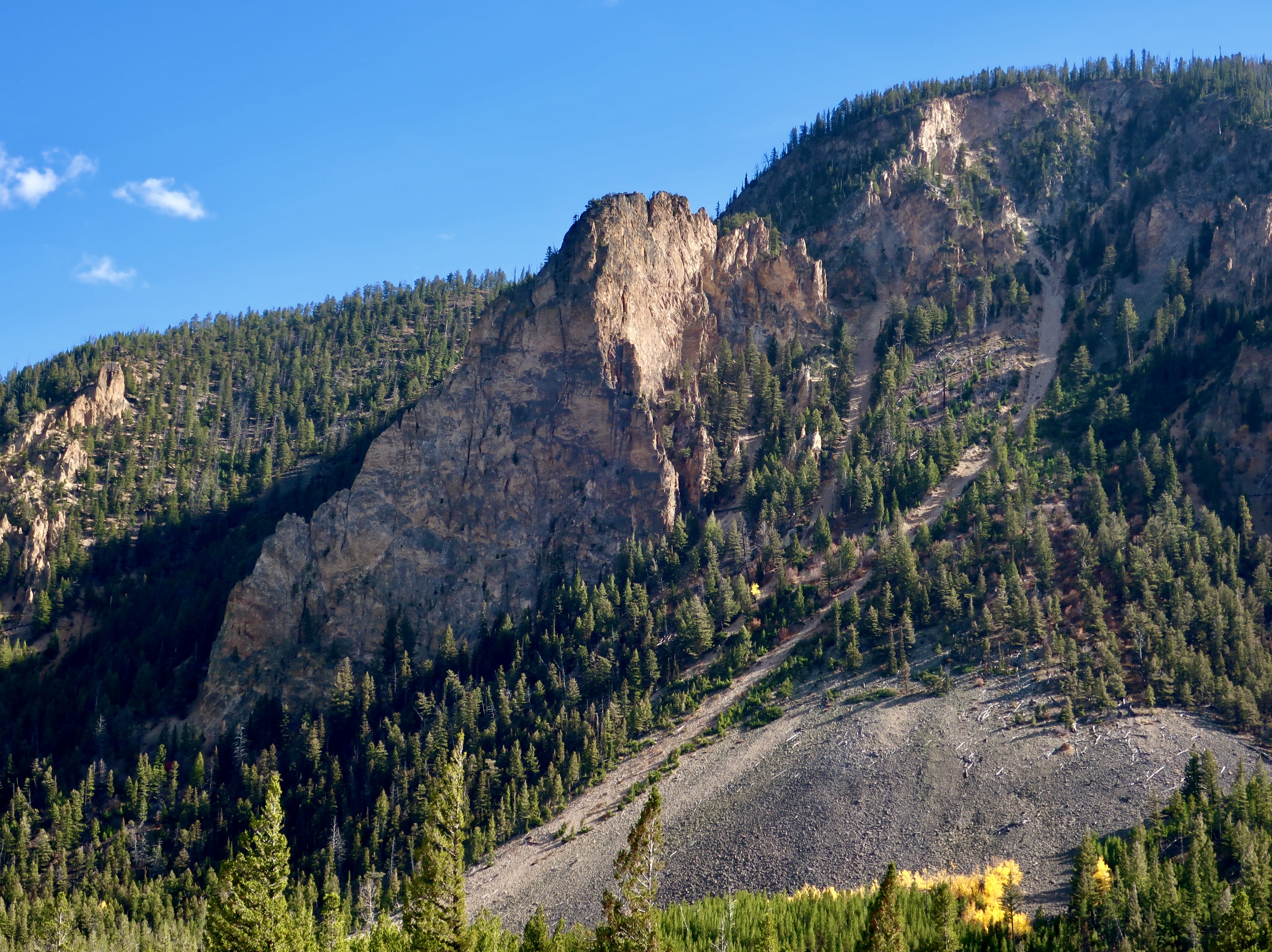
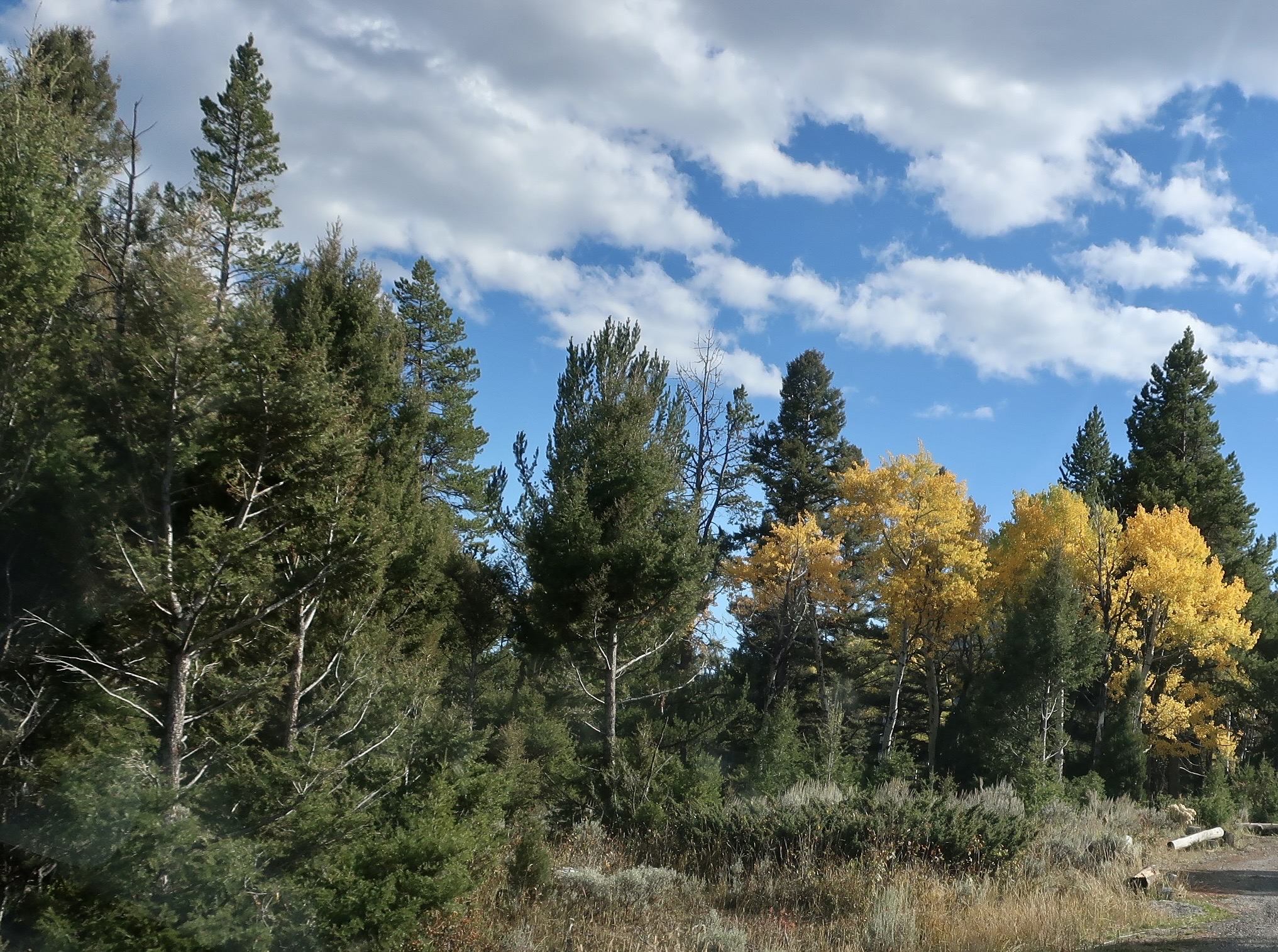
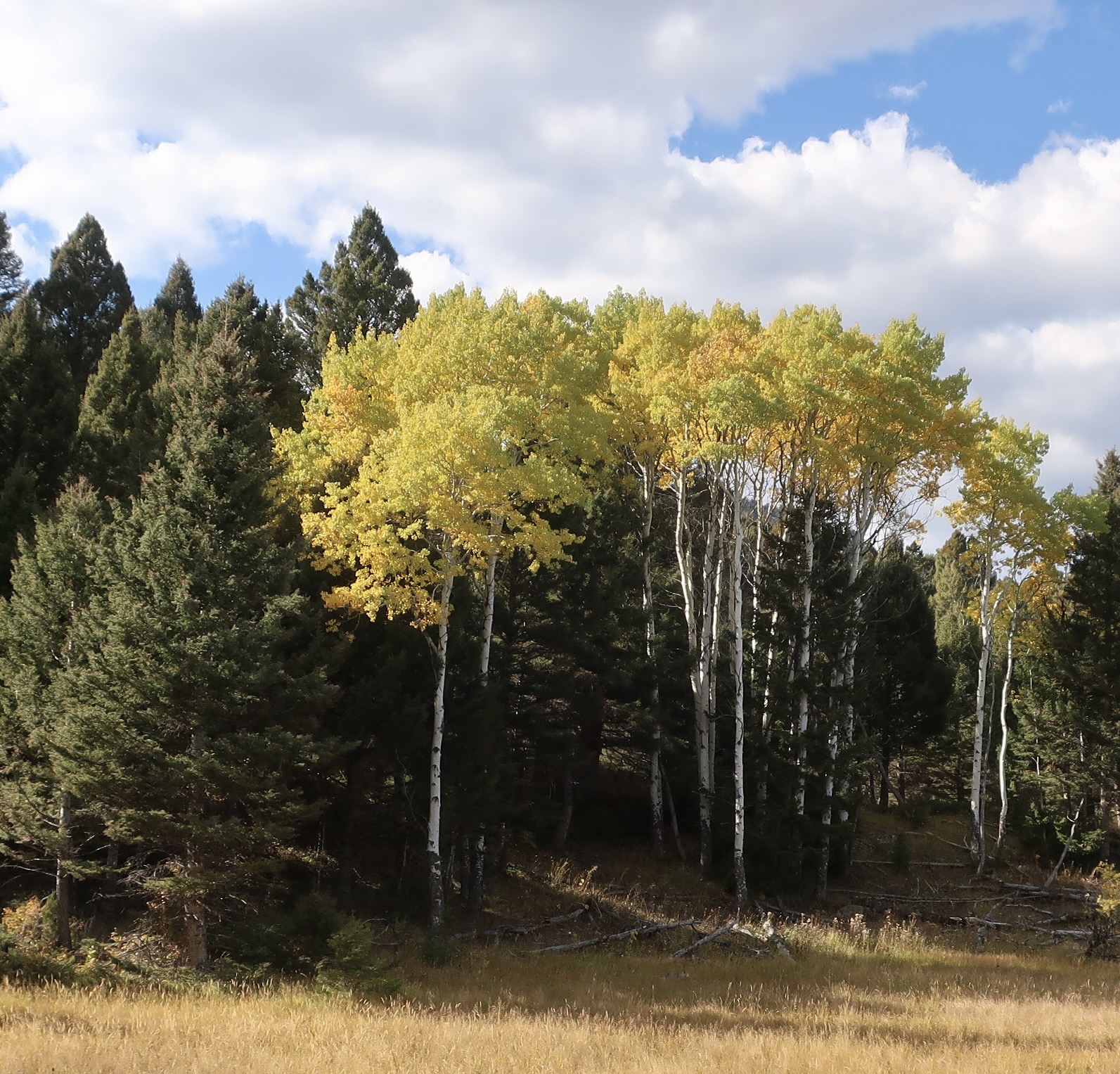
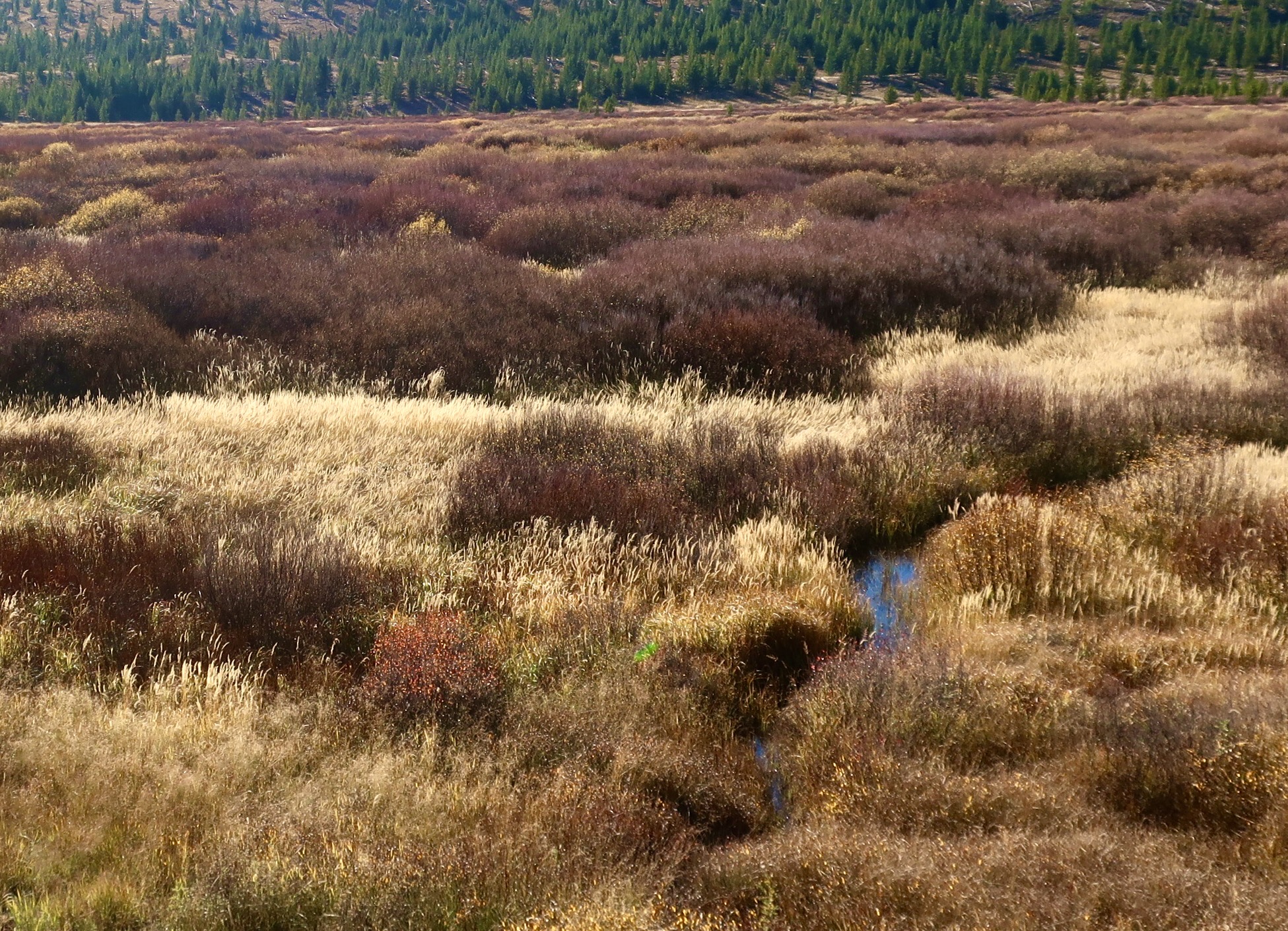
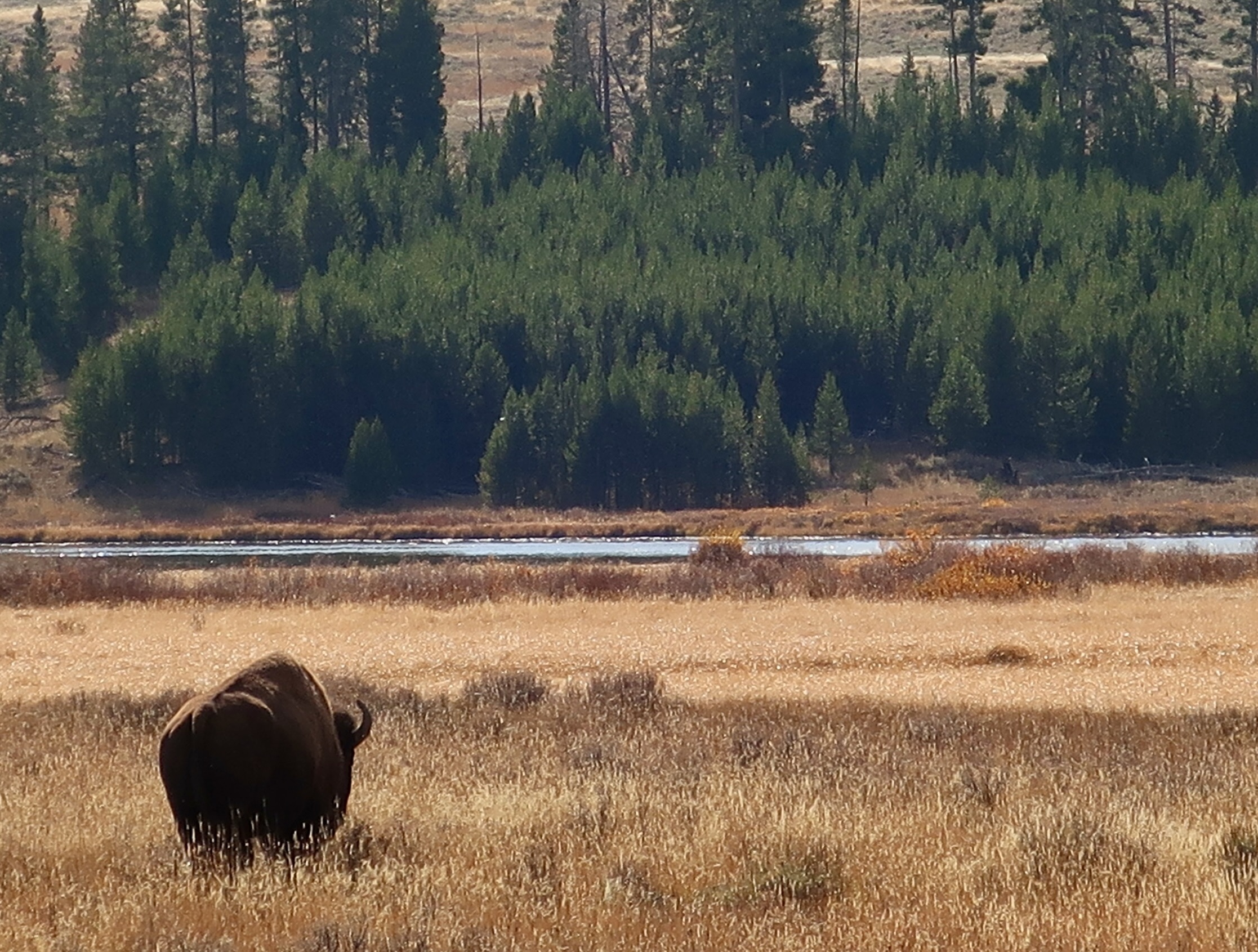
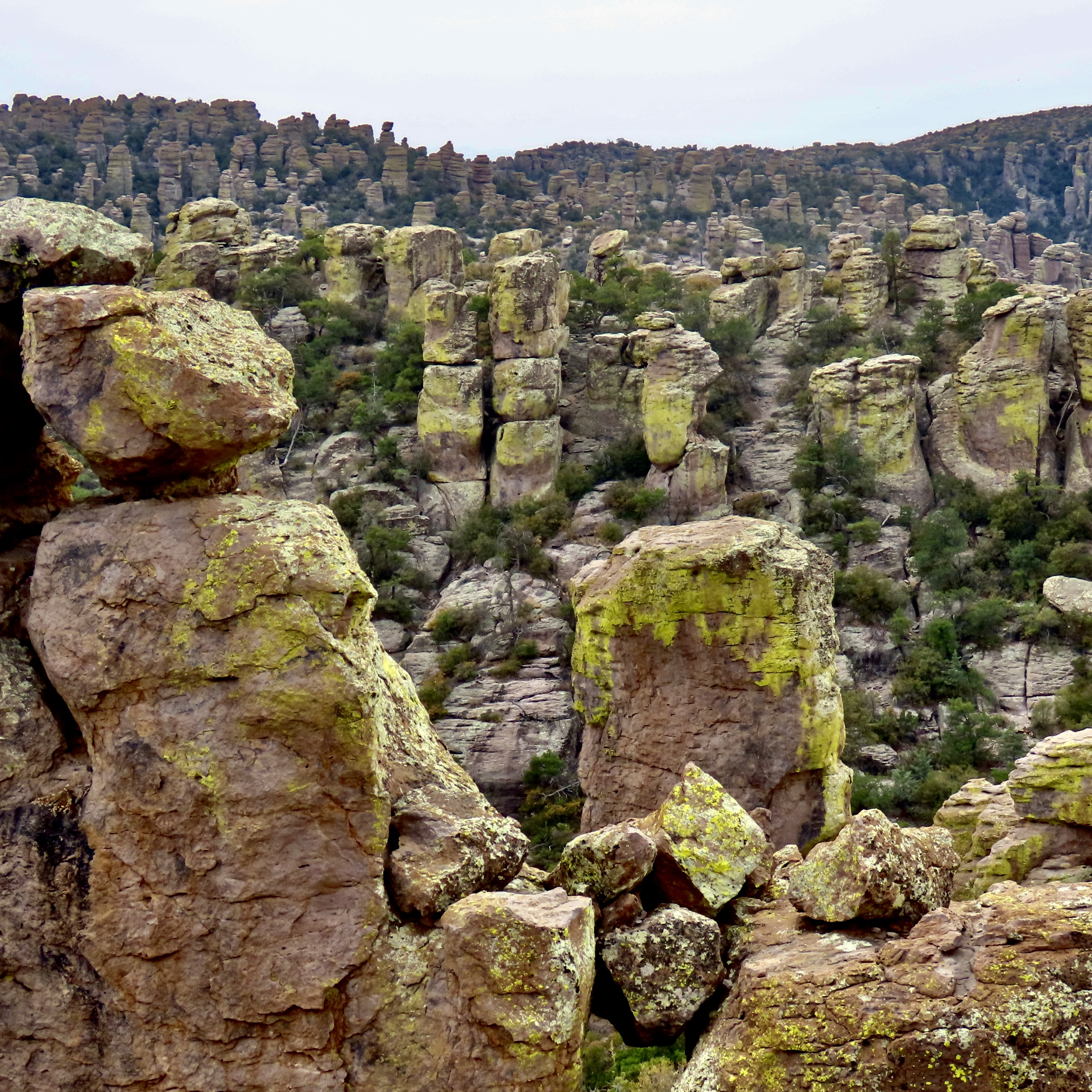
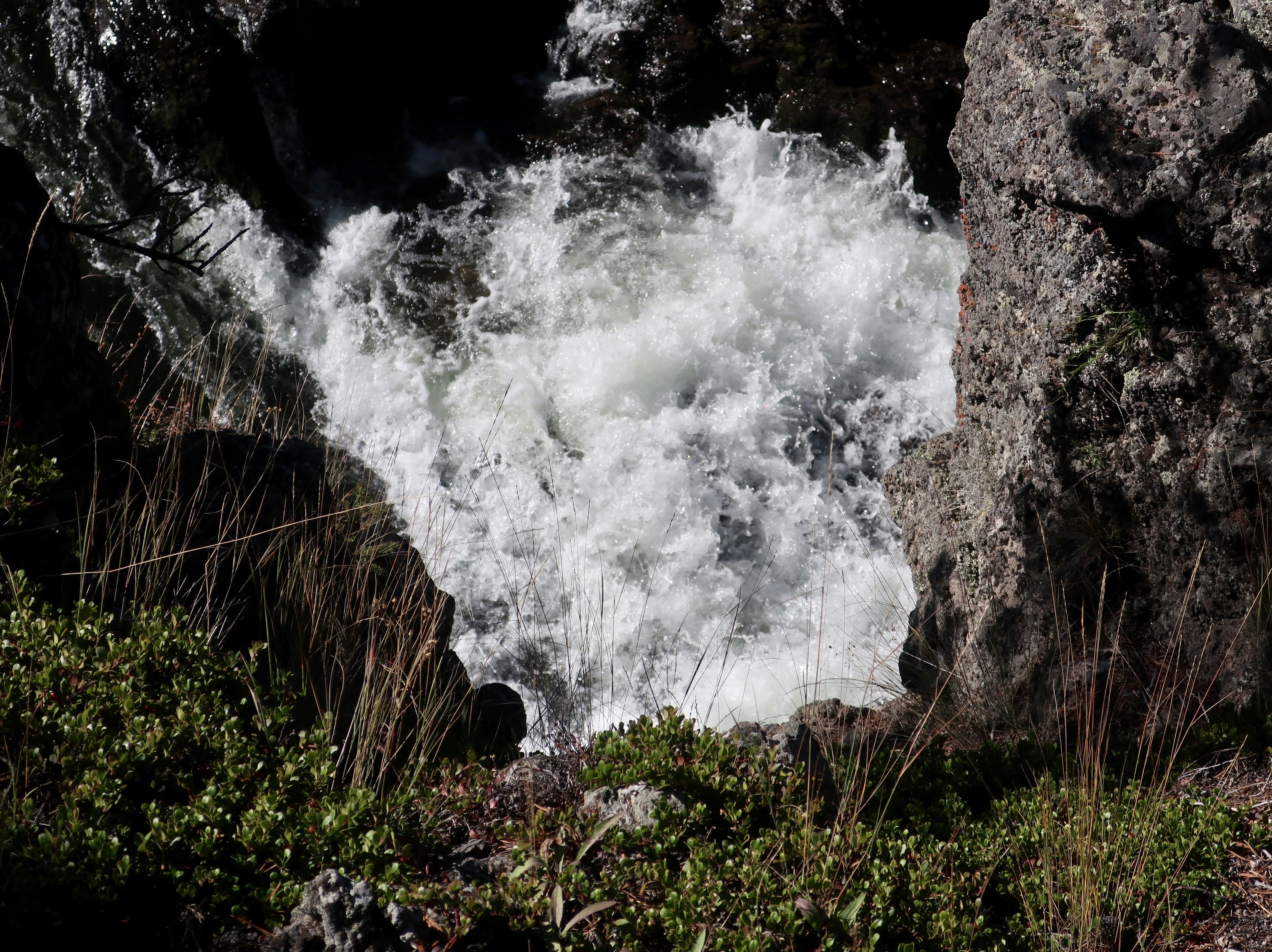
Our journey today takes us up the northwest side of Yellowstone NP from the Firehole River, shown above, to Mammoth Hot Springs. The latter will be the subject of another post.This map shows our route. We will start at Firehole Falls just below Madison, make a brief detour toward the West Entrance and then begin to work our way north, stopping at Gibbon Falls, the Artist’s Paint Pot, Roaring Mountain, and Sheepeater Cliff before journeying on through impressive scenery up to just this side of Mammoth Hot Springs.You may recall that I used this photo in my last Yellowstone NP post to show the Firehole River in its calm, peaceful stage just before it dropped off the edge of the world…And became a raging torrent, the type that extreme white water rafters and kayakers love.Imagine you are on a raft and glance behind you to see this monster wave with its mouth wide open following you. Grin. No rafters, kayakers, or other boaters are allowed on the river, however. The monster has to eat fish. Peggy tells me that she and her friends found a relatively calm spot on the Firehole and swam in it when she was working at Yellowstone in 1969. “We had to be careful to avoid getting caught in the current,” she told me. I can only imagine…These cliffs stand above where the Firehole and Gibson Rivers come together at Madison (shown on the map above) to create the Madison River.Going west from here will take you to the west entrance to the park and the town of West Yellowstone. Early morning fishermen on the Madison River have high hopes of landing a big one.It’s a short, scenic, 14 mile drive to the park’s border. Well worth it. Peggy and I stayed in West Yellowstone on our last visit to the park.Going north from Madison toward Mammoth Hot Springs, our first stop was at Gibbon Falls on the Gibbon River.A dedicated walkway along the road beneath the falls provides numerous views.A close up.Our next stop was at the Artist’s Paint Pot, where we went on a short walk. This rock and the rocks beneath spiral downward to a hot spring.A turquoise green hot springs.I couldn’t help but think of Dante’s Inferno here. A strong smell of sulfur reinforced the idea of the Biblical ‘fire and brimstone.’ Our trail led up the hill through the steam…And provided views looking down.A closer look at one of the hot springs below.We also found a mud pot, one of the stranger of the hydro-thermal features found in Yellowstone. This one was busy burbling away. Mud pots occur when hot thermal water is flowing under a layer of clay that blocks the water from escaping to the surface. Steam from the water, however, is able to make its way through the clay. Certain microorganisms convert the sulfur dioxide in the steam to sulfuric acid which turns the clay into a gooey, sticky consistency. Bubbles are created as a result of the steam coming up through the goo. They sound like plop, plop, plop.Googly eyes from a mud pot’s perspective.‘Burst your bubble’ might apply here. Onward…Roaring Mountain, (or more appropriately today, the mountain that roared) is known for its fumaroles. A fumarole is similar to a geyser but lacks the water to create eruptions. Instead, the heat from the volcanic rocks turns what water is available into incredibly hot steam that escapes from vents and ranges in temperatures up to 280°F (138°C). It can be noisy. When dozens of large fumaroles covered the mountain in the early 1900s, it roared.This is from a vintage 1902 photo of Roaring Mountain.There was the one large fumarole when we visited Roaring Mountain. A few small ones were nearby. With the help of an earthquake— they happen frequently here— it could very well ‘roar’ again in the future.Next, we visited Sheepeater Cliff. A handy information board told us most of what we needed to know about the cliff. I’m something of a sheepeater myself, especially when it comes in the form of lamb cooked in a hot sauce of Indian Curry. Yum!Basalt columns have made it into a number of posts we’ve done ranging in size from the gigantic Devil’s Tower of eastern Wyoming to ones like this. The Devil’s Tower columns developed far under ground where they had a long time to cool and grow. Sheepeaters’ columns are from a volcanic flow on top of the ground that cooled much more quickly.Devil’s Tower. It makes a great stop for aliens, at least according to the movies Close Encounters of the Third Kind and Paul.The country opened up after Sheepeater Cliff with an iconic view of the west. The high mountain is Electric Peak.Sepulcher Mountain is close by. It was given its name in 1871 by an army captain who thought the jagged dark rocks on top looked like a crypt. Electric Peak was named by a geologist who was caught in a thunder and lightning storm when he was exploring the peak. I experienced that once in the Sierra Nevada Mountains of California. My hair was actually standing on end. Scary. I made it off the mountain in record time.The area where this road snakes around the cliff is called the Golden Gate. A series of 11 concrete arches are built into the cliff wall over the canyon below holding the road up. The scenery is spectacular, if you can get over being nervous about the road.High cliffs and aspens were caught in the sunlight. Note the long avalanche path to the right of the cliff. It would be a guaranteed fast ride down— one with a likely bad ending. The odds aren’t good.Aspens are among my favorite fall trees for color. We were in Yellowstone at the perfect time.Brush and grass did their part in creating a fall feeling.As did one solitary buffalo. Older males, no longer able to compete for females, often leave breeding herds and strike off on their own for a quiet retirement of grazing, lazing about, and wallowing in dirt and mud. Don’t know if they miss the girls. When we took this photo, we were nearing the magnificent Mammoth Hot Springs. It’s next on our Yellowstone Series. But first, we have two treats. Number 1: we will feature Chiricahua National Monument, soon to be America’s newest National Park! Peggy and I visited last year and marveled at the amazing rock formations.
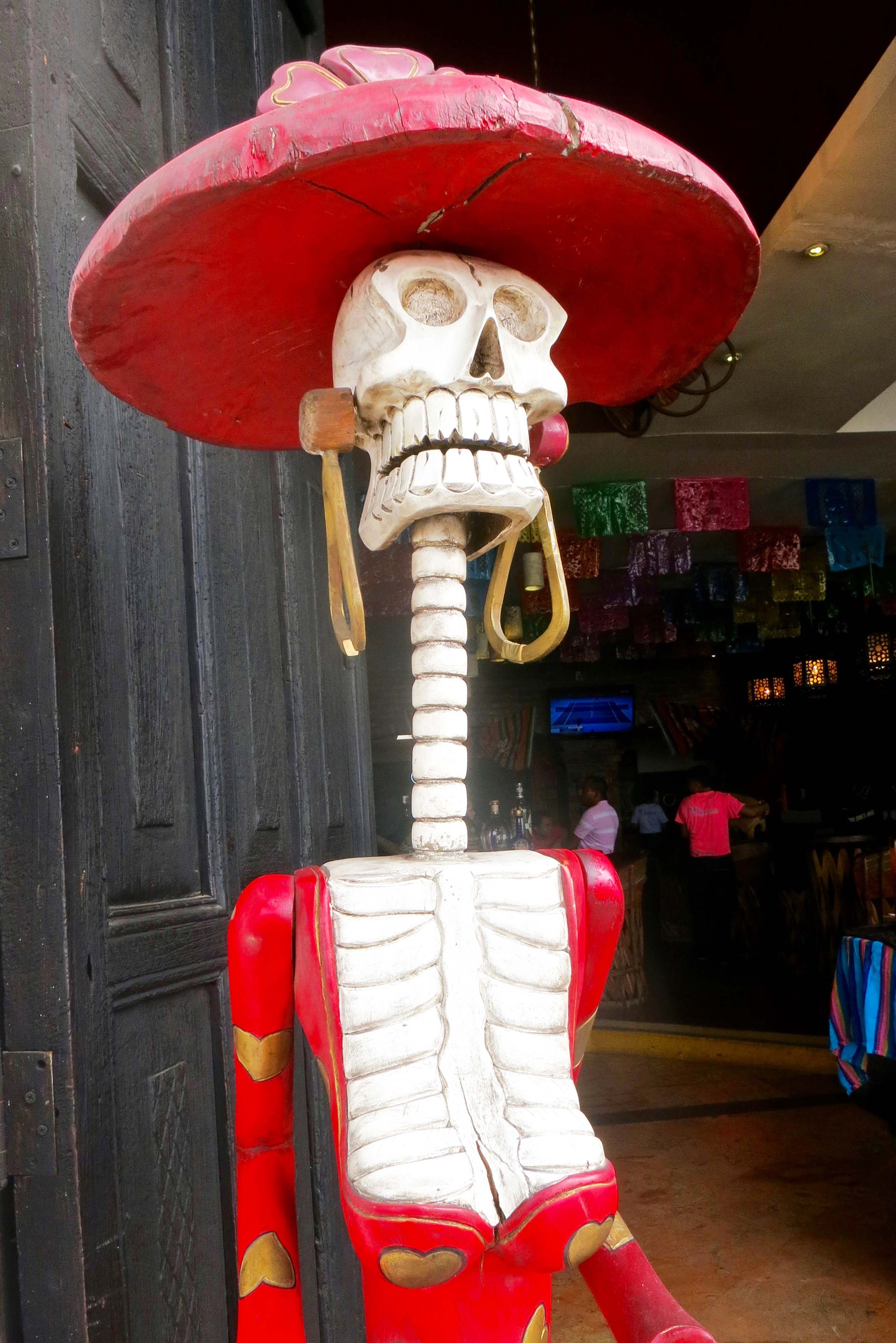
Second it’s Halloween week. Peggy and I will honor it by relating three personal encounters we have had with ghosts. Plus we will introduce a bevy of Day of the Dead beauties from Puerto Vallarta, Mexico.
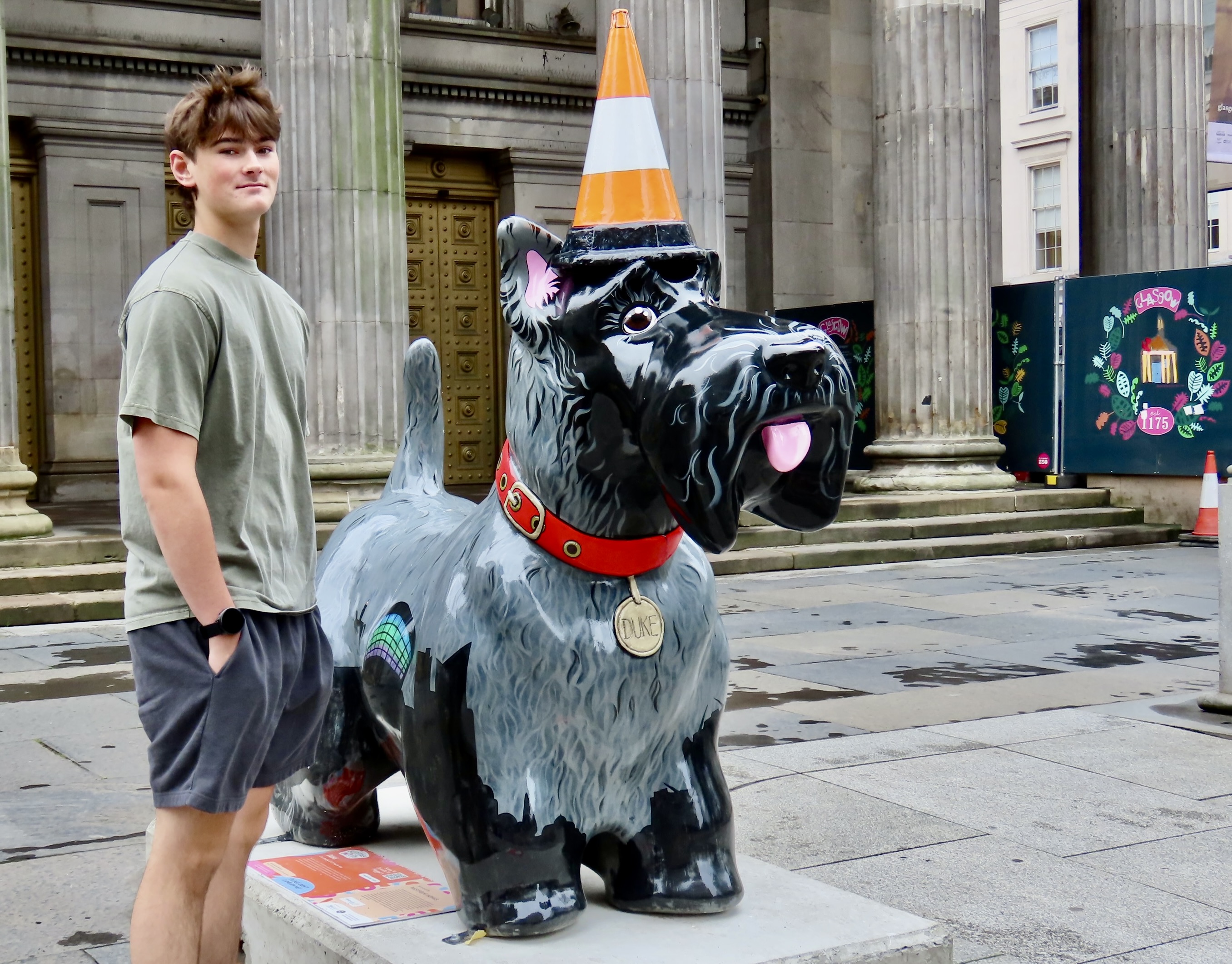
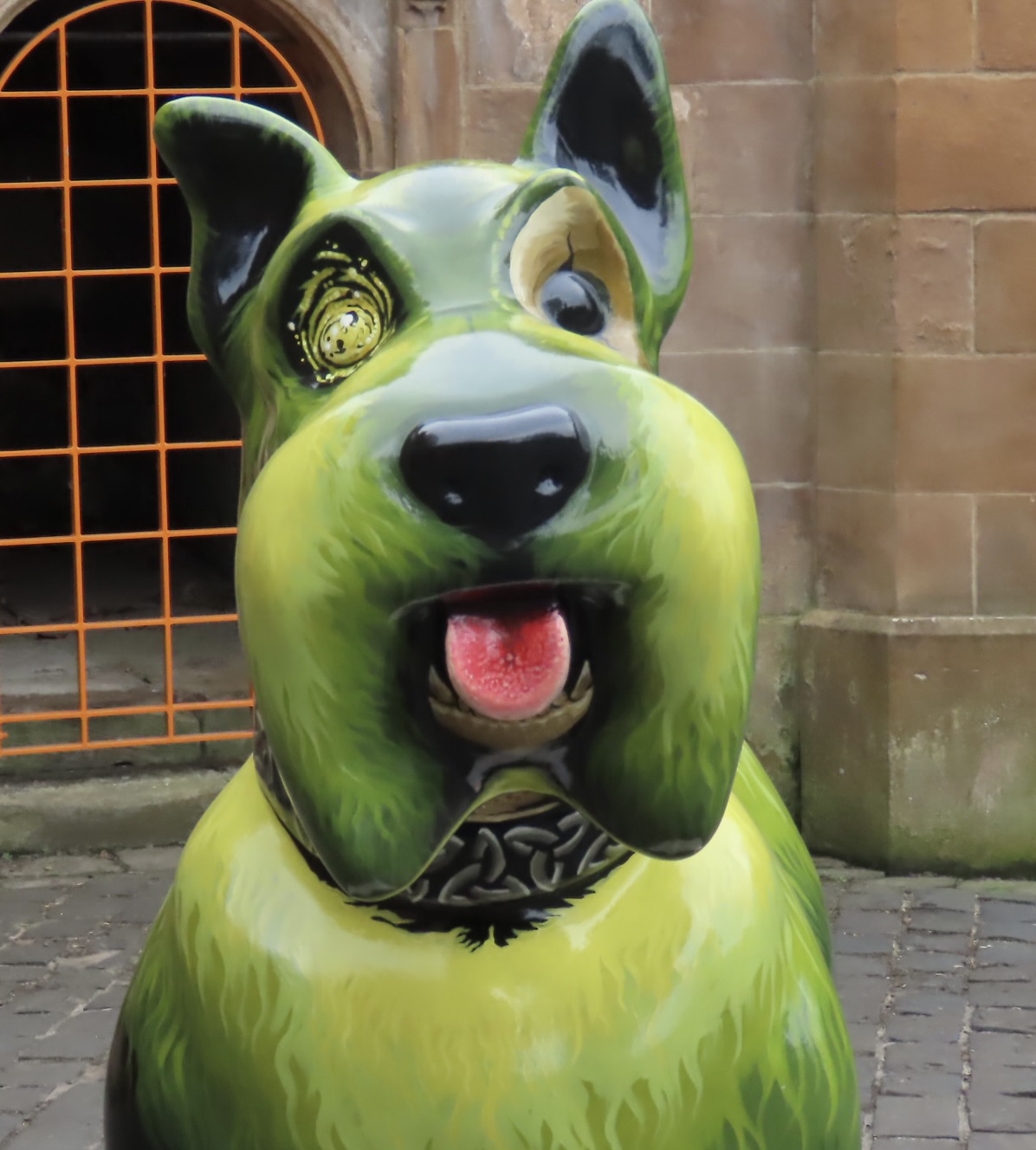
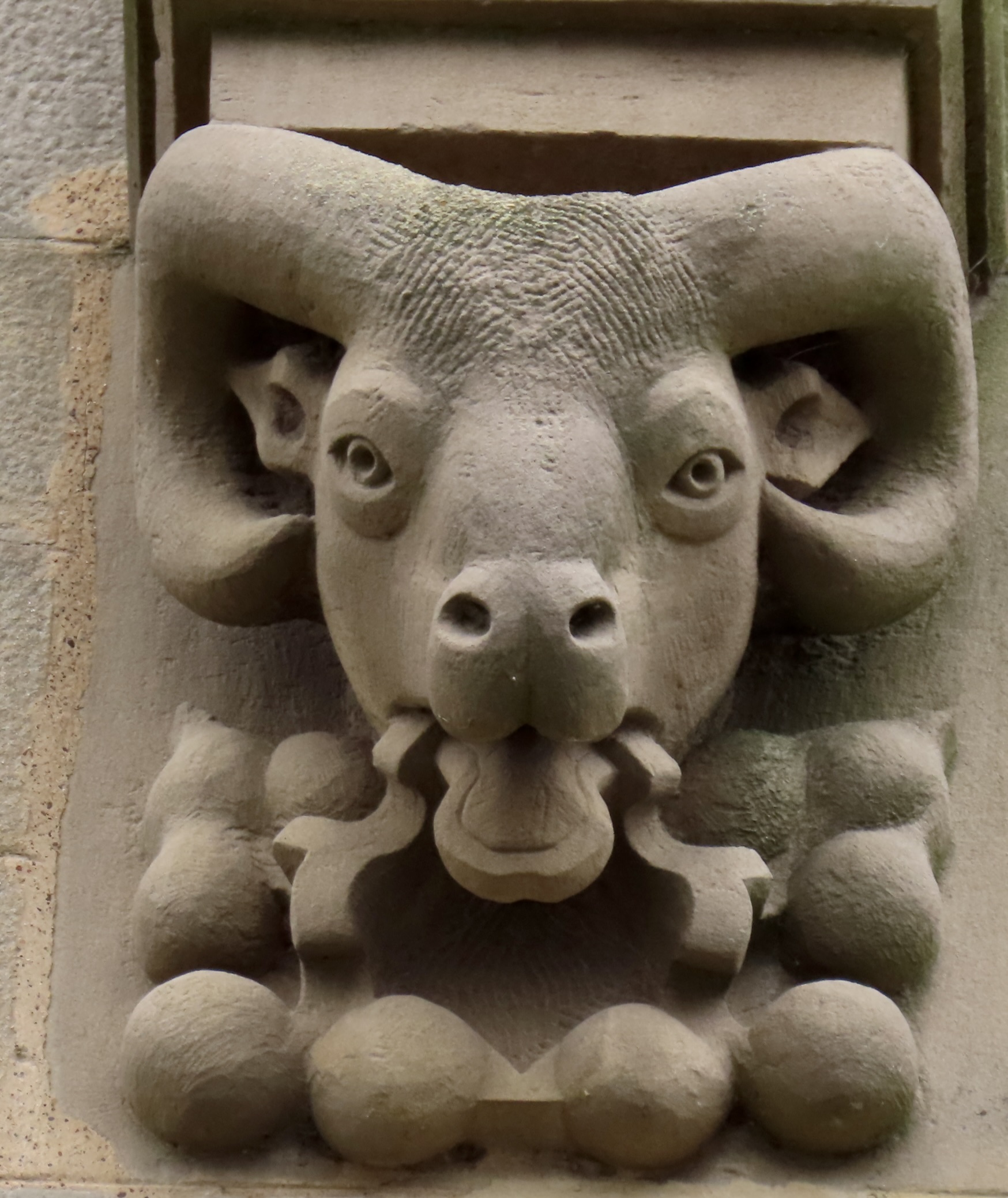
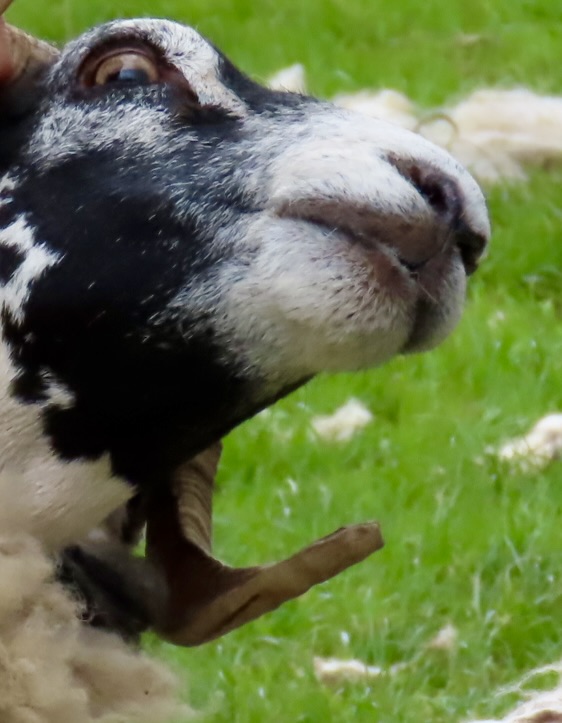
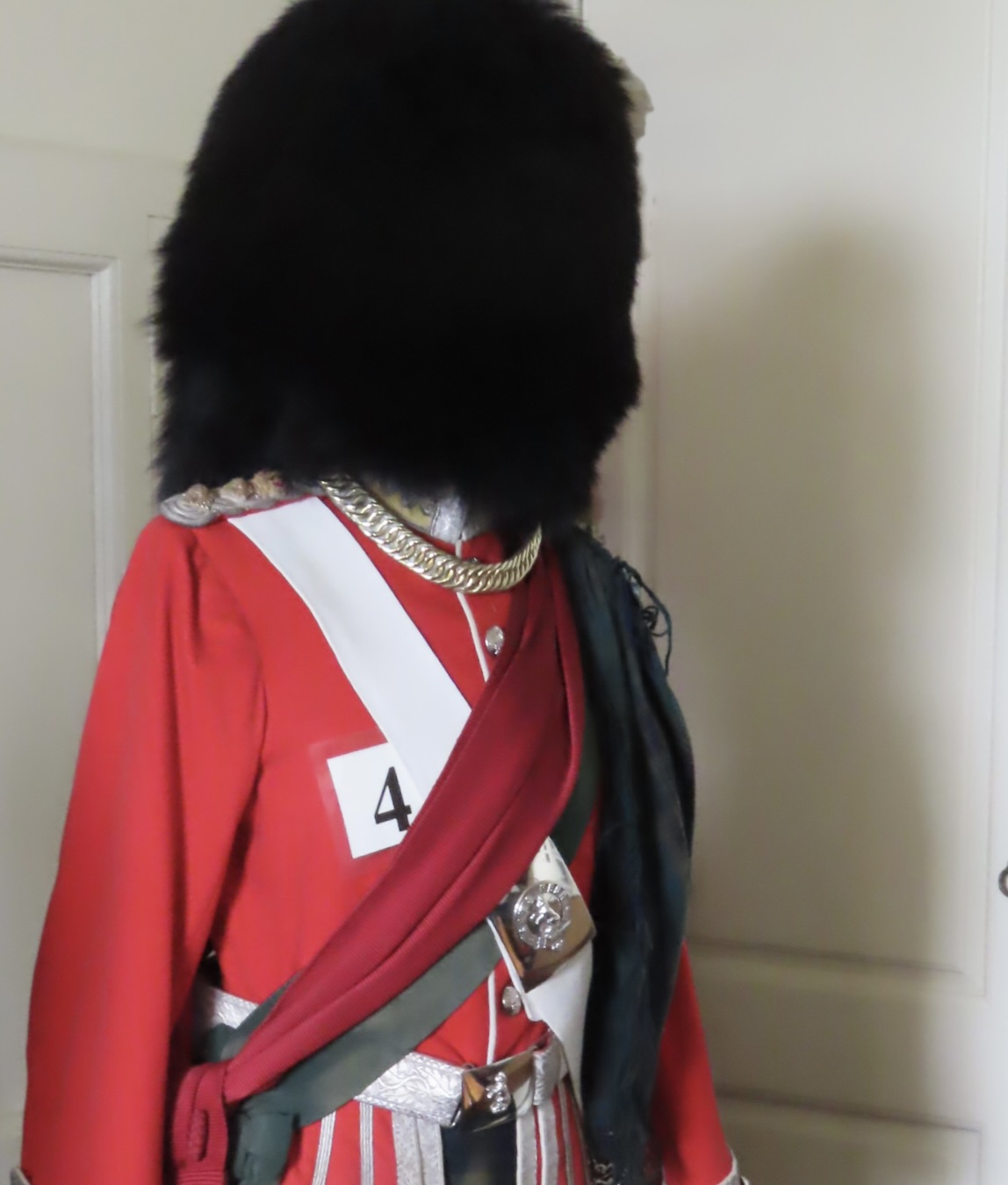
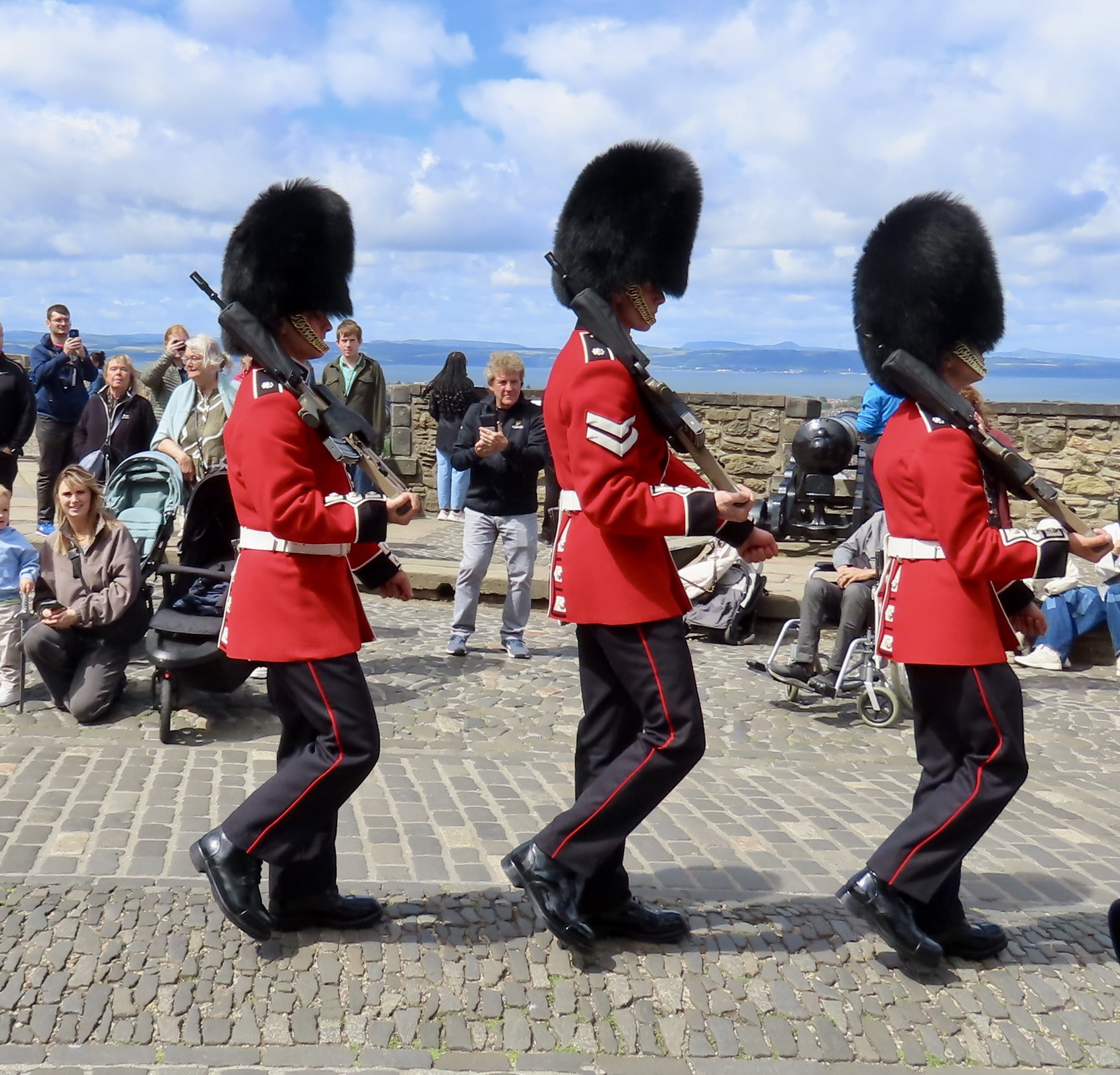
It’s time to wrap up our posts on the Scottish Highlands. While our CIE tour included Edinburg and Glasgow, neither related to our focus on the Highlands. I did include some photos from Glasgow in relation to my post on flowers. And today, I will add a few more from both Glasgow and Edinburg. While natural beauty isn’t normally an urban thing, no one has a franchise on weird. It’s found everywhere. Peggy and I always keep an eye out for it! We love quirky. So fasten your seatbelts. Here we go. There is even a story to tie it together… (All of the photos here were taken by Peggy, me, or our Grandson Cody, who had the courage to join us on our tour.)
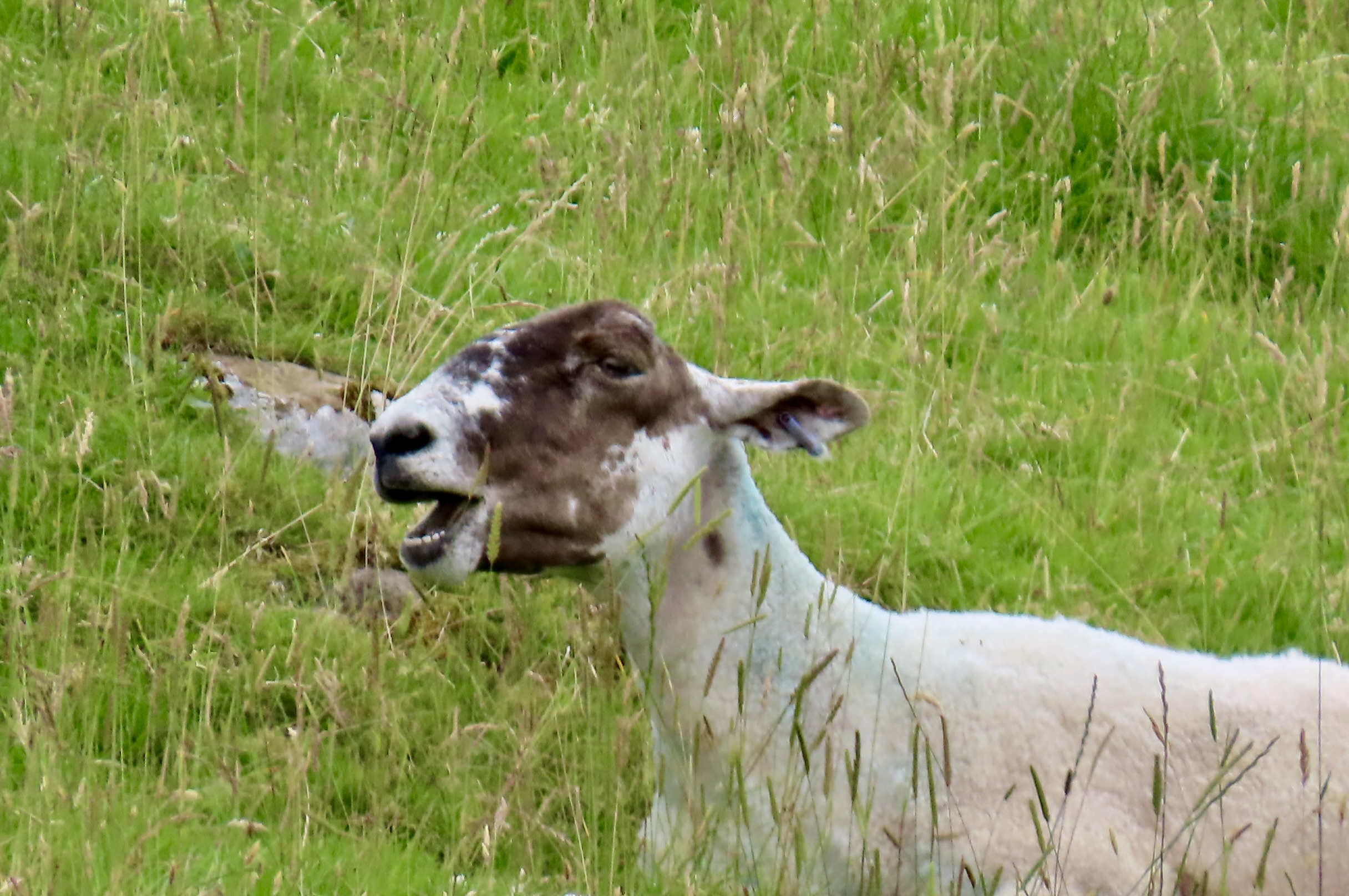
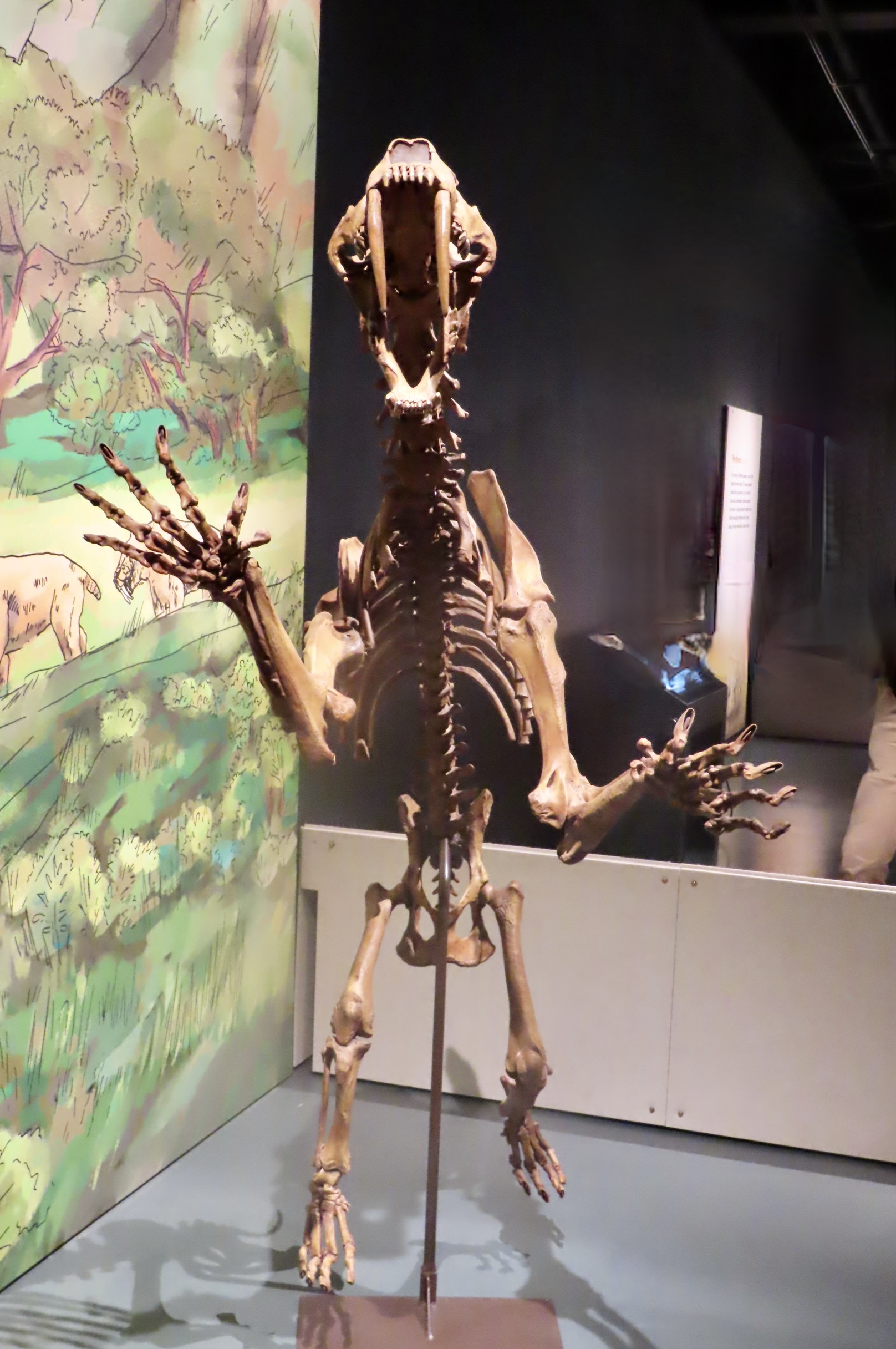
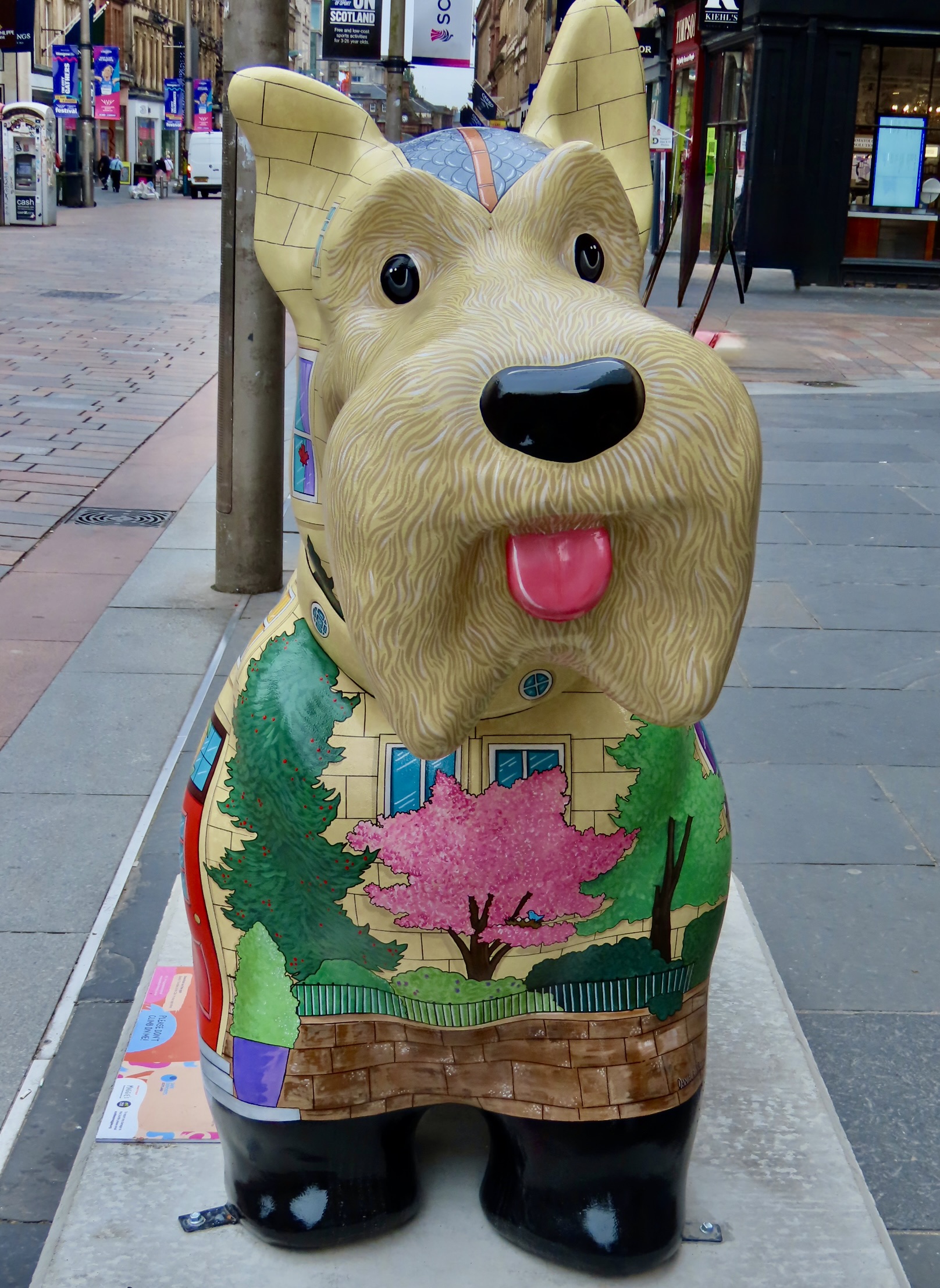
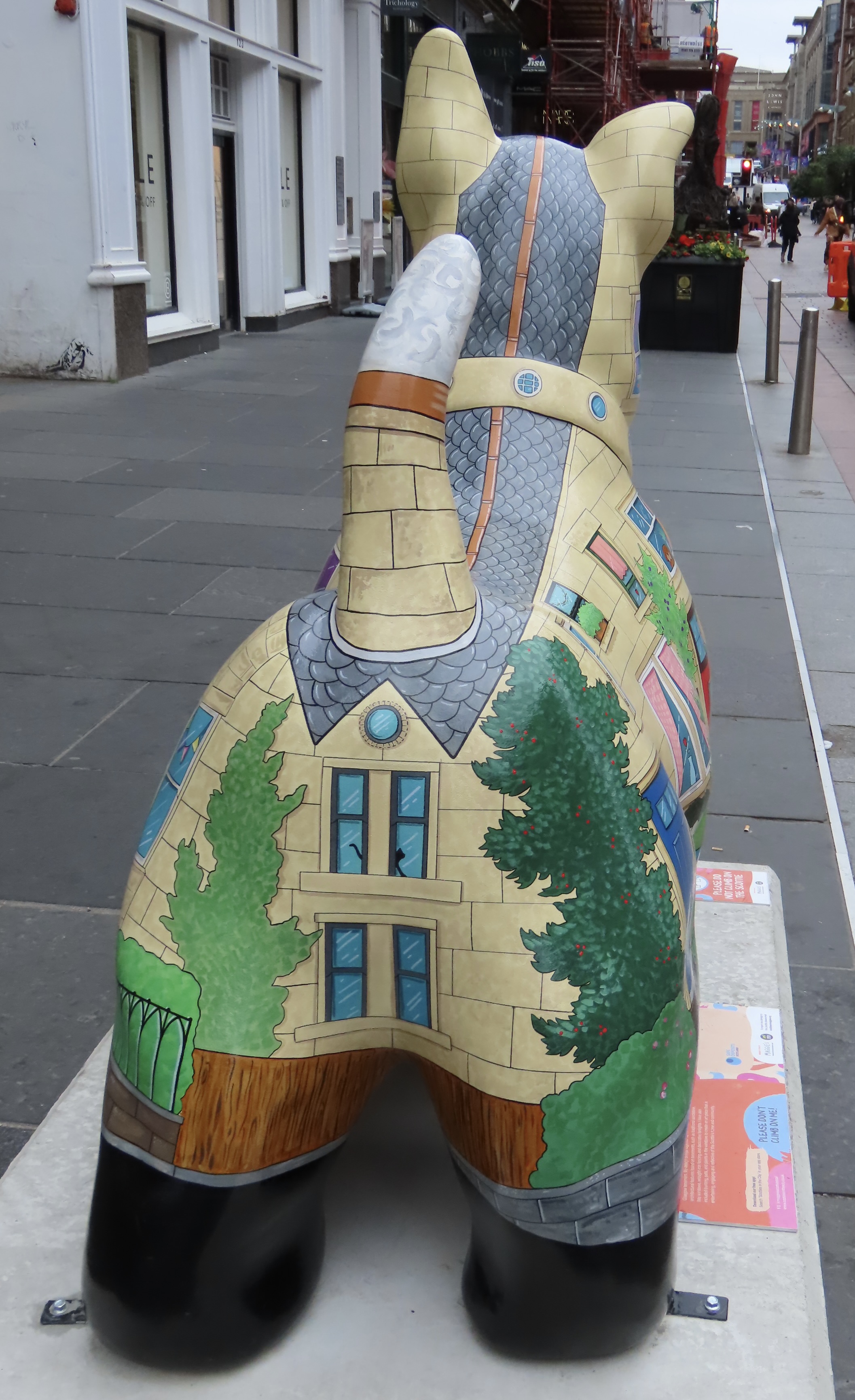
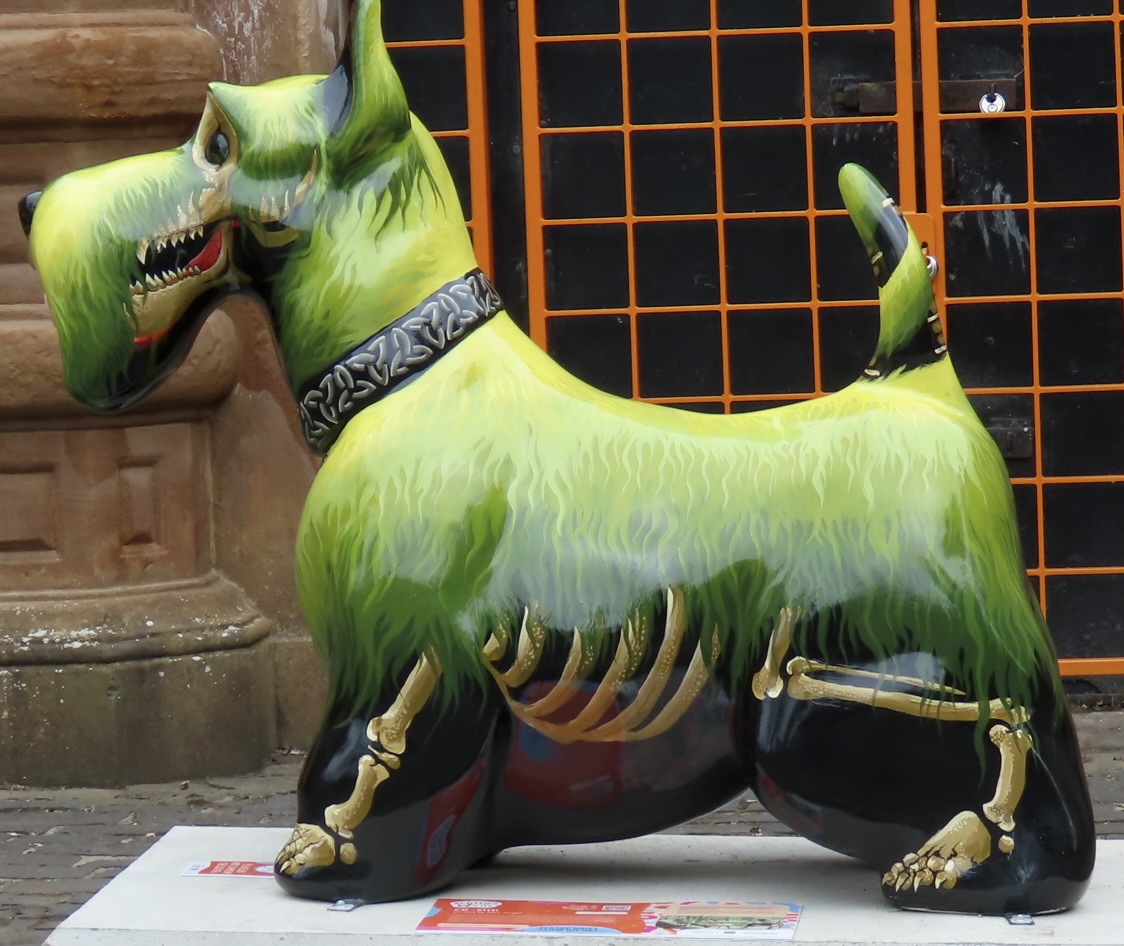
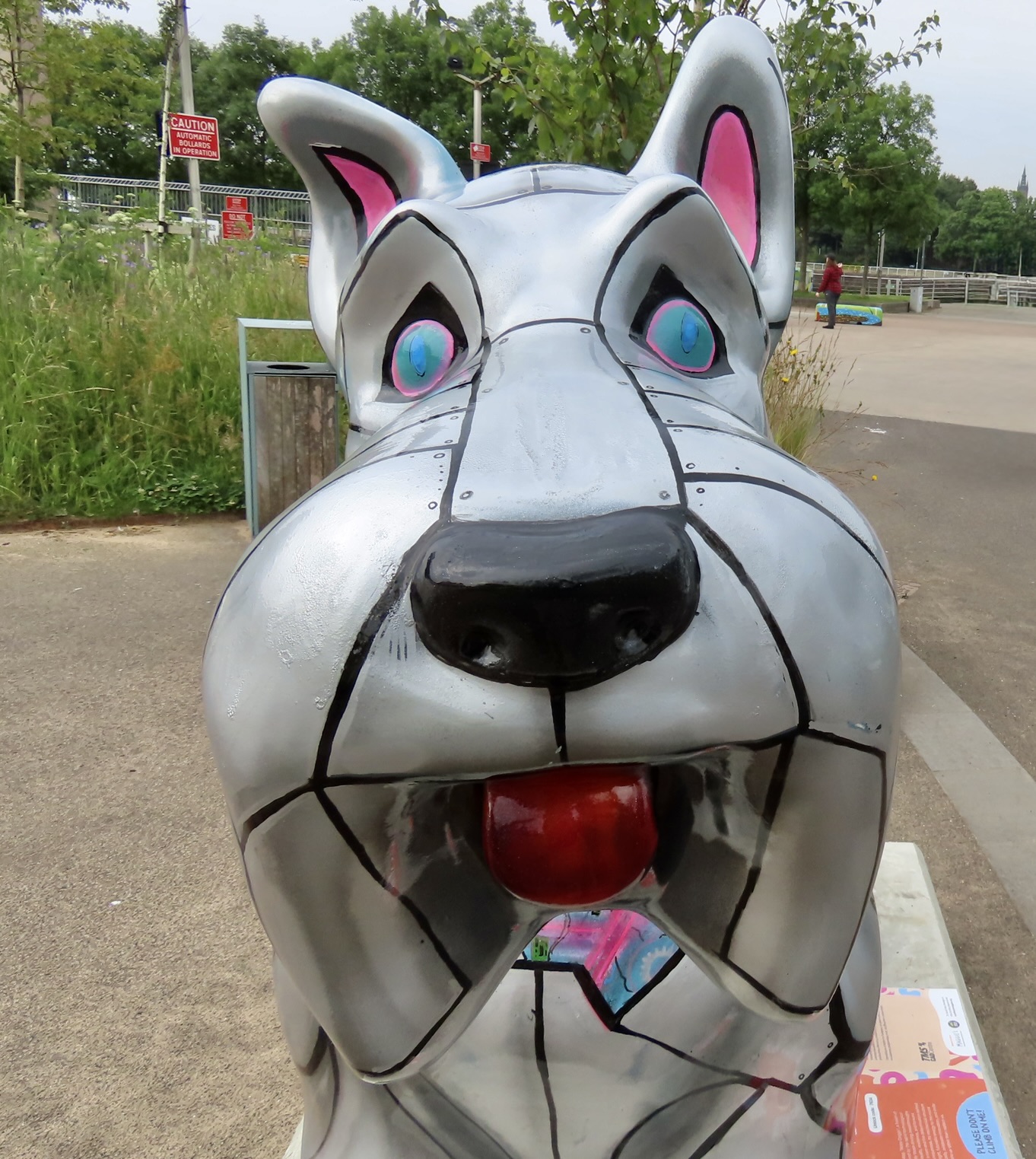
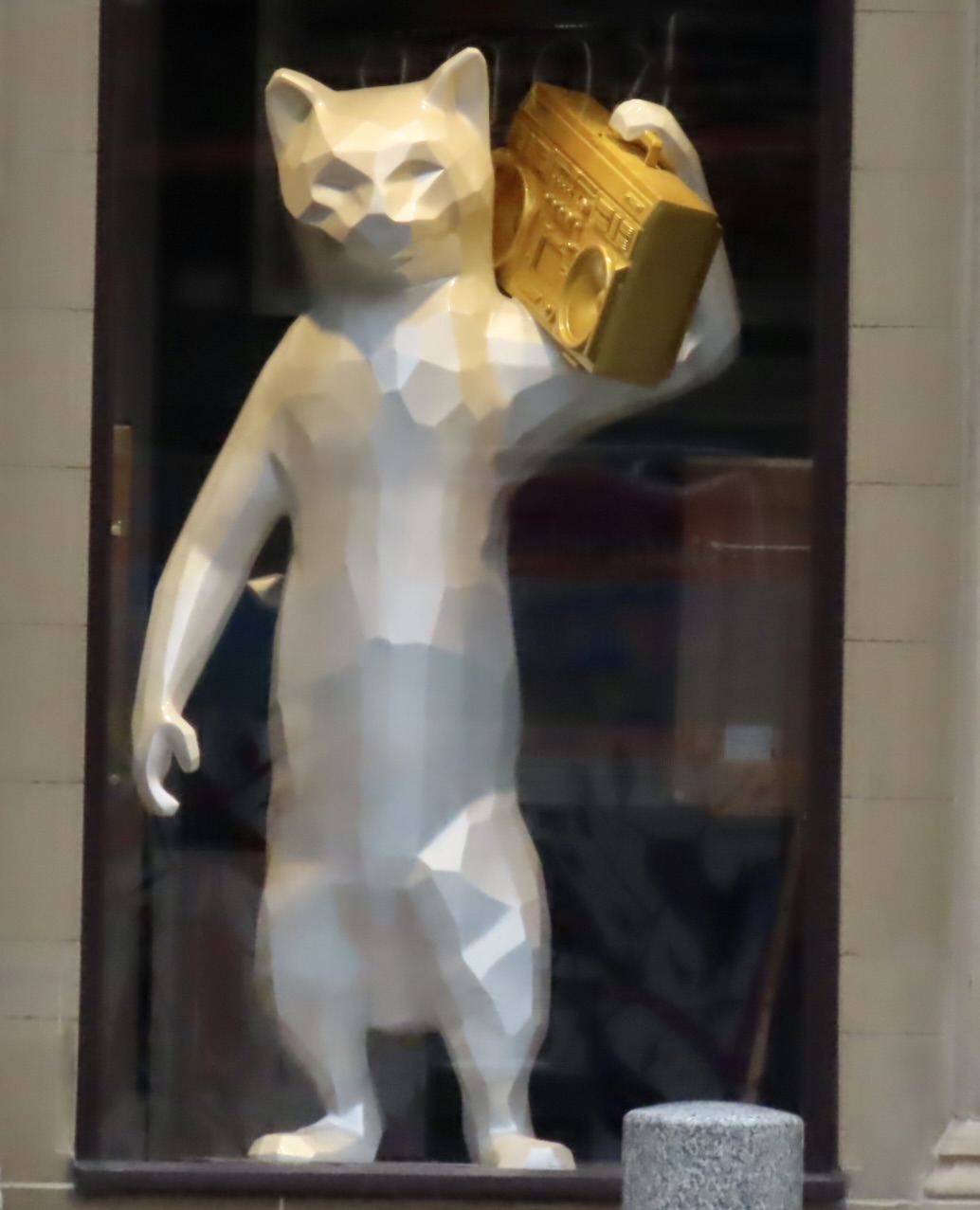
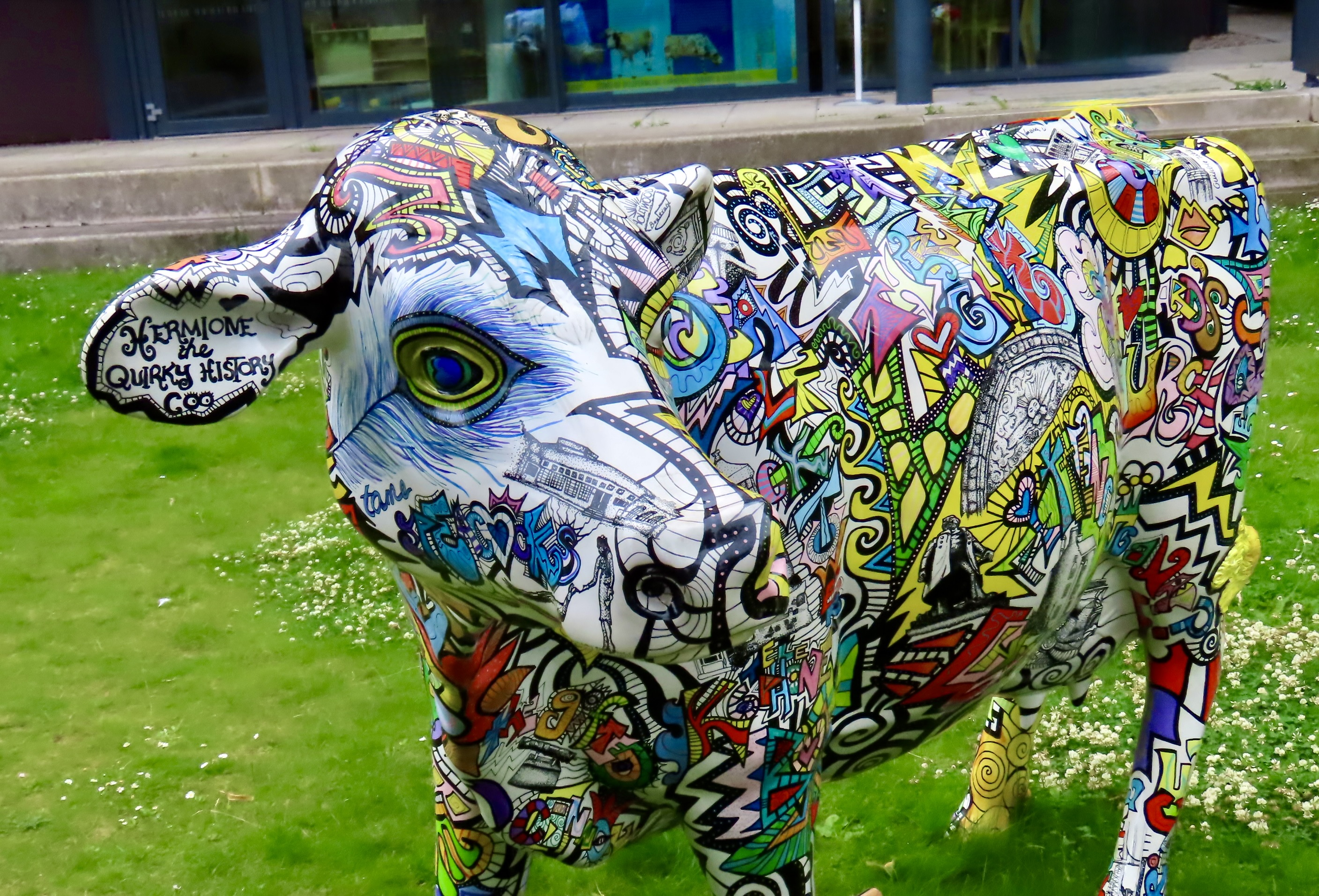
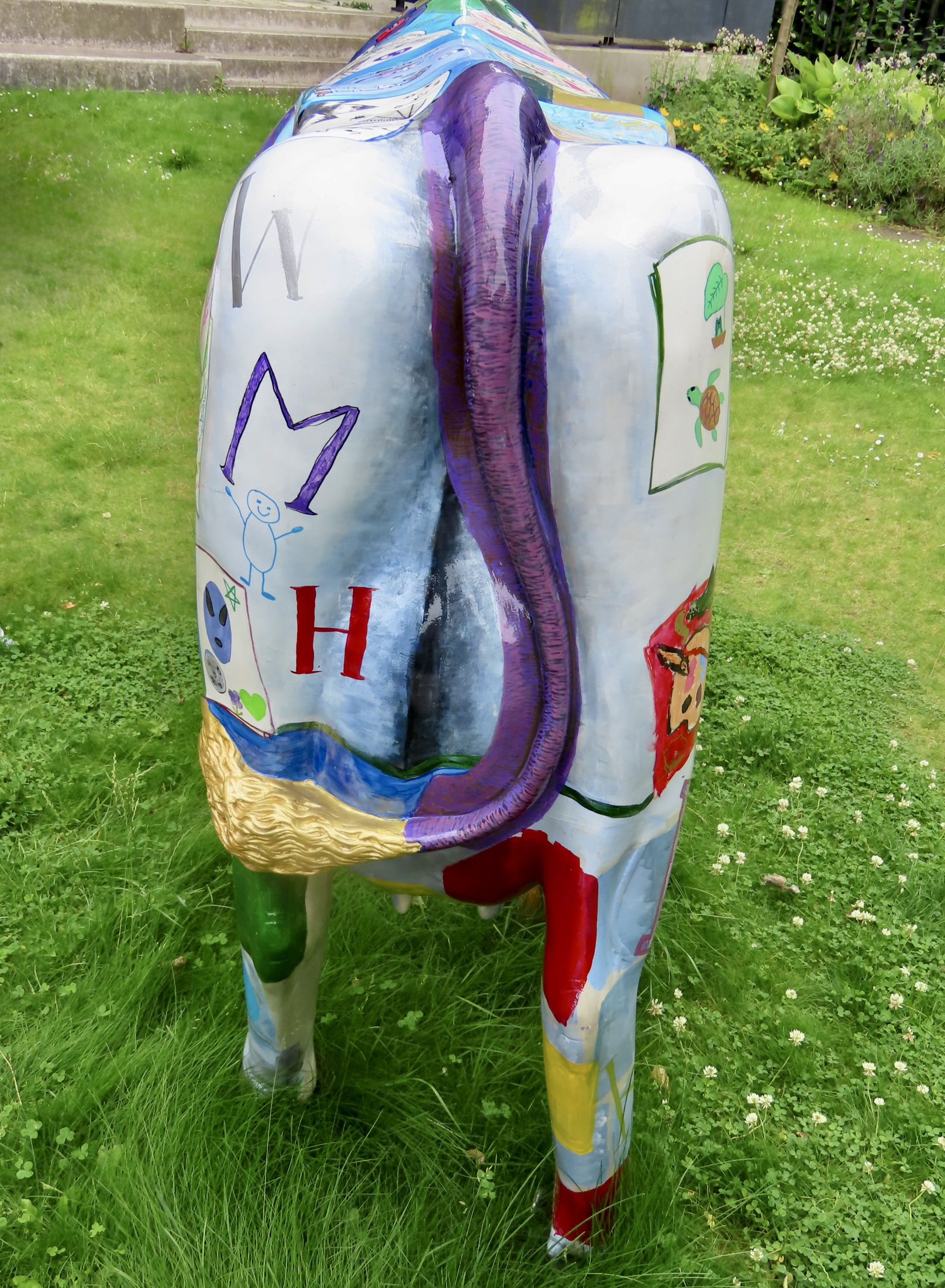
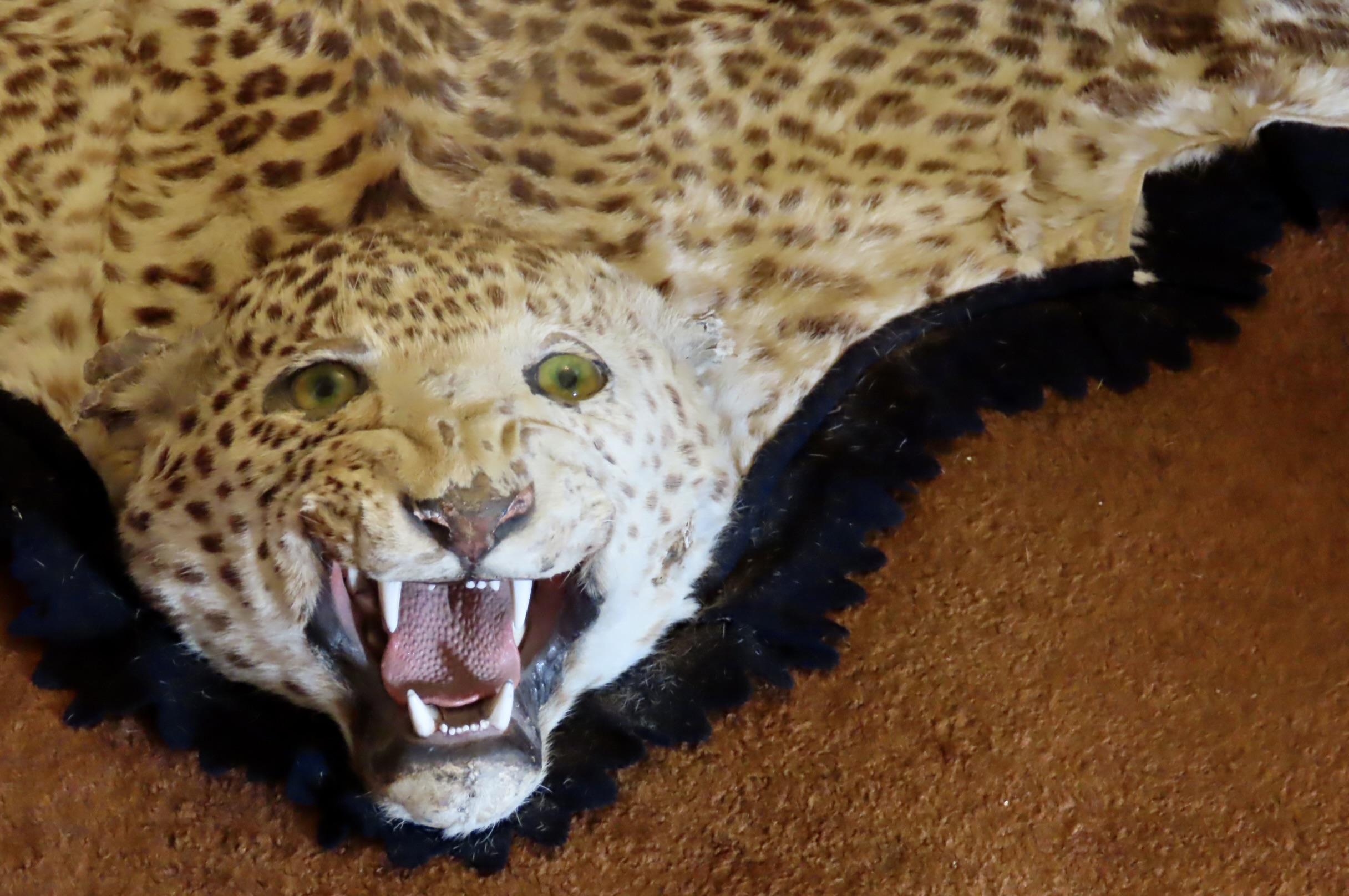
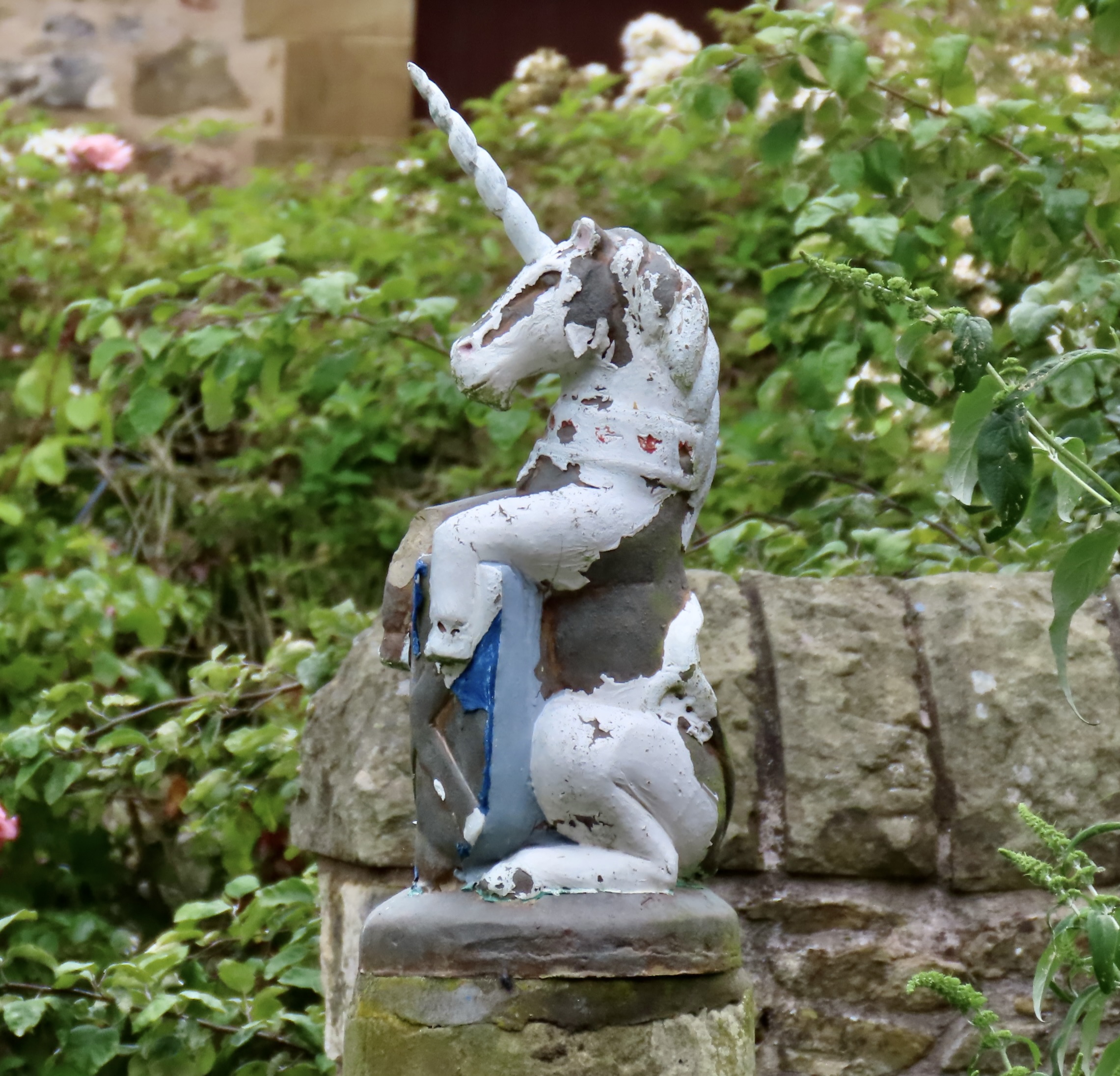
I need a hug…Hold on sweetie! I’m coming.“Hi, I’m Scottie. We rule in Glasgow. Nobody has a doghouse like I do. Wait until you see my butt.”“It comes with a great skylight! Ignore the cat below.”“That’s disgusting.”“No bones about it.”“I can’t top that! What impact will the skylight butt have on visitors to Scotland!? Will it may make their hair stand up on their heads? Or—horror of horrors— bring out the Gen-Z Stare.”Dog butts are baaad!Really baaaaaaaaaaad!“I can’t stand the embarrassment…”“Bring out the troops! Maybe the tourists will stare at them instead.”“Bad idea. A military solution is not needed here. Replace all the Scottish Terriers with robot dogs. We don’t poop.”“That’s stupid. Leave it to a dog to come up with a dumb idea— even more so, a robot dog operating on AI. The only solution is to replace all of the Scotties in Glasgow with Cool Cats. We rule!”“Forget them both. People who visit Scotland are in the moooo’d for quirky, colorful cows…” -Hermione, the Quirky Coo“We even have the decency to cover our rears!”“Besides, who can resist a face as cute as mine, people love us.”“No way! Cats rule. Even cats that have been run over by logging trucks.”“What? Wait. Unicorns weren’t even considered! I’m as regal as they come, even if I’m a tad chubby. Plus, we are magical, not carnivorous. Tourists won’t have to worry about us eating them.”“Come on unicorn. Put up your dukes. Put up your dukes!”“Did someone call for a duke? A king is much better! I’ll make the decision on who rules. Surprise! It’s me. I declare this matter closed.”
And thus our tale of who rules in Glasgow comes to an end, as does our CIE tour of the Scottish Highlands. We hope you’ve enjoyed it. Putting it together and reliving our experience has been a lot of fun for us. (Note: The Scottish Terriers found all over Glasgow were created and eventually auctioned off to raise money for a cancer support charity that provides free practical, emotional, and psychological care across Scotland.)
You are welcome to share your thoughts on who rules. Next up, we return to Yellowstone for the second of three posts on this national park that draws visitors from all over the world. This time we will feature great scenery, waterfalls, a roaring mountain, a lone buffalo, and, of course, more of hydro-thermal features that the park is famous for. You won’t want to miss it.