The Natchez Trace National Parkway, AKA— the Devil’s Backbone

Peggy and I were driving down the Natchez Trace when we came on this beautiful Luna Moth with a wingspan of about four inches. It was one of many treasure we found along the way.

Peggy and I were driving down the Natchez Trace when we came on this beautiful Luna Moth with a wingspan of about four inches. It was one of many treasures we found along the way. (Photo by Peggy Mekemson.)

It’s Wednesday, time to scroll down through my iPhoto and find photos to feature. This time, my finger landed on the Natchez Trace, one of America’s premier drives— or bicycle trips. If you are ever wandering through Mississippi, Alabama or Tennessee, be sure to include it as part of your itinerary.

Large game animals, including buffalo, first used sections of what would become known as the Natchez Trace. Later it served as a major trade route for Native Americans. By the early 1800s, the Trace had been modified by a young United States into a 450-mile transportation corridor between Nashville, Tennessee and Natchez, Mississippi. Soldiers, highwaymen and missionaries travelled the route, but Kaintucks were its primary users.

Kaintucks were rough frontiersmen from Kentucky who operated flatboats on the Ohio and Mississippi Rivers. They would load their boats with merchandise in Nashville and then oar down the Mississippi to Natchez where they would sell their goods for a handsome profit. Getting the money home was the challenge. Rowing up the Mississippi was not an option. Kaintucks were faced with the 450-mile hike back up the Trace— and they were faced with a multitude of folks who wanted to separate them from their newfound wealth.

First came the gauntlet of booze, prostitutes, gamblers, and gangsters in ‘Natchez Under the Hill.’ Assuming the Kaintucks got out of town with fortune intact, they became fair game for highwaymen. It was open season on the rivermen and their cash. For this reason, the Natchez Trace became known as the Devil’s Backbone. Today the Trace is a beautiful National Parkway with no commercial traffic. I’ve driven it several times, and once, I bicycled 370 miles of it from Natchez into southern Tennessee.

A number of lakes and waterways are found along the Trace. We took this photo from our campsite. We also watched a beaver working.

A number of lakes and waterways are found along the Trace. We took this photo from our campsite. We also watched a beaver working while relaxing in our camp chairs.

I found this grass growing in the lake the next morning and enjoyed its reflection.

I found this grass growing in the lake the next morning and enjoyed its reflection.

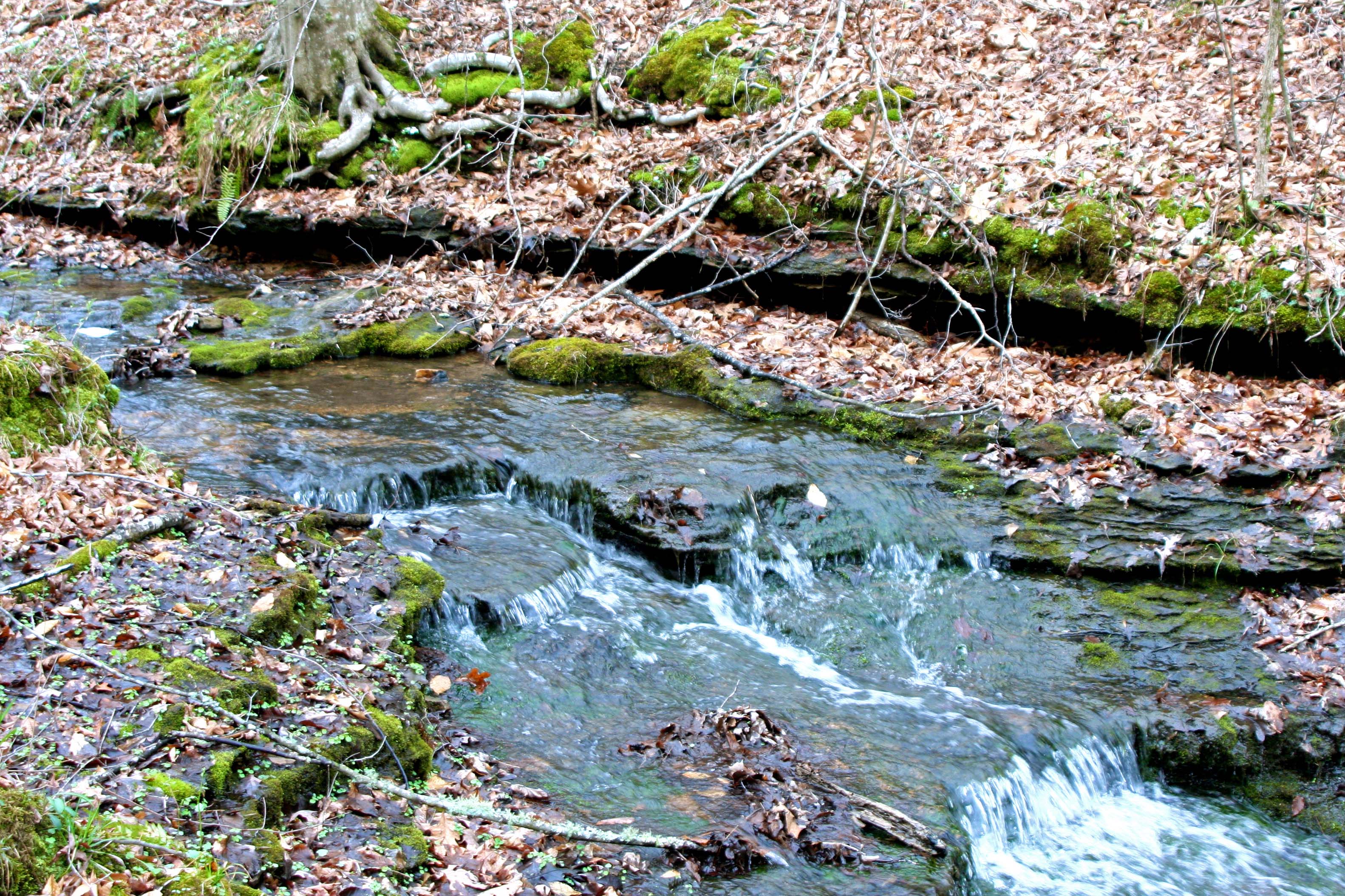
Numerous trails lead off of the Trace, often leading to babbling brooks.

Numerous trails lead off of the Trace, often leading to babbling brooks.

And lots of fungi, including this shelf fungus, which decorated a rotting log.

And lots of fungi, including this shelf fungus, which decorated a rotting log.

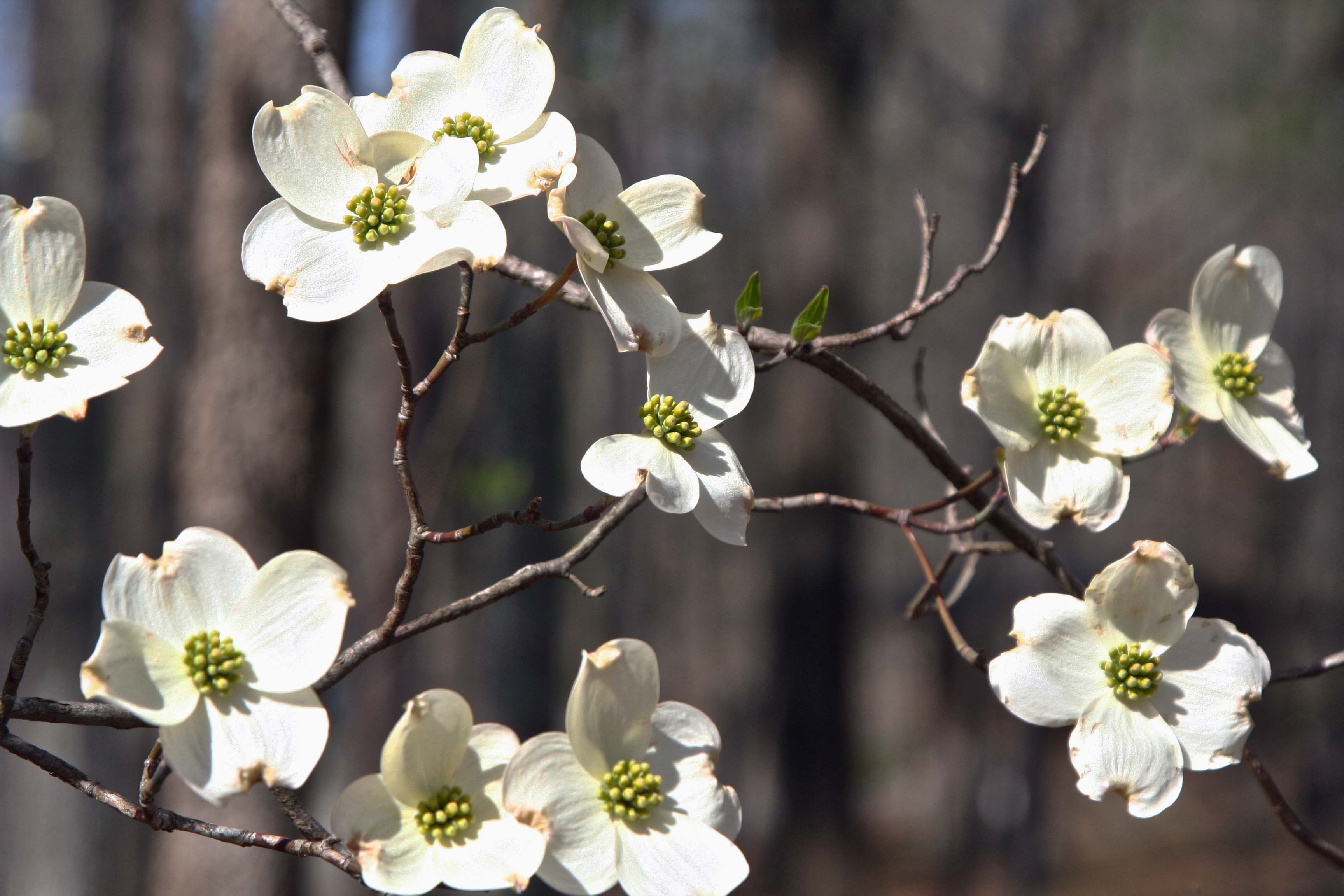
Miles and miles of dogwood bloom along the natchez Trace in Spring.

Miles and miles of dogwood bloom along the Natchez Trace in Spring.

Peggy and I also found these colorful violets.

Peggy and I also found these colorful violets.

Meriwether Lewis of Lewis and Clark was found dead in a hotel on the Trace. To this day it is debated as to whether he was killed or committed suicide while under the influence of opium.

Meriwether Lewis of Lewis and Clark was found dead in a house on the Trace. To this day it is debated as to whether he was killed or committed suicide while under the influence of opium. This monument stands over his grave.

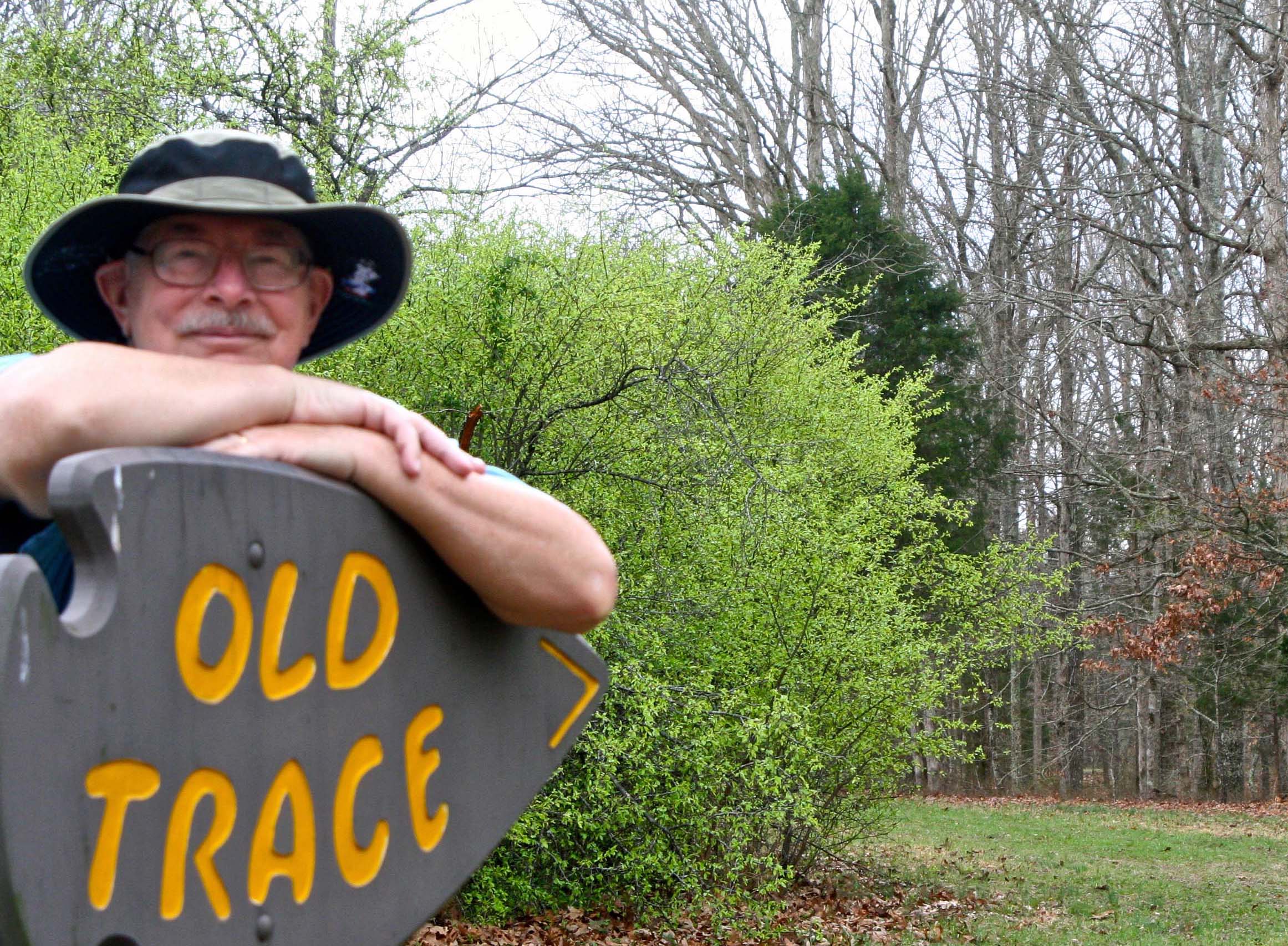
I wondered if Peggy had some type of message in mind when she asked me to pose for this photo. The sign is pointing toward portions of the historical Trace that are still found along the Parkway.

I wondered if Peggy had some type of message in mind when she asked me to pose for this photo. The sign is pointing toward portions of the historical Trace that are still found along the Parkway. (Photo by Peggy Mekemson.)

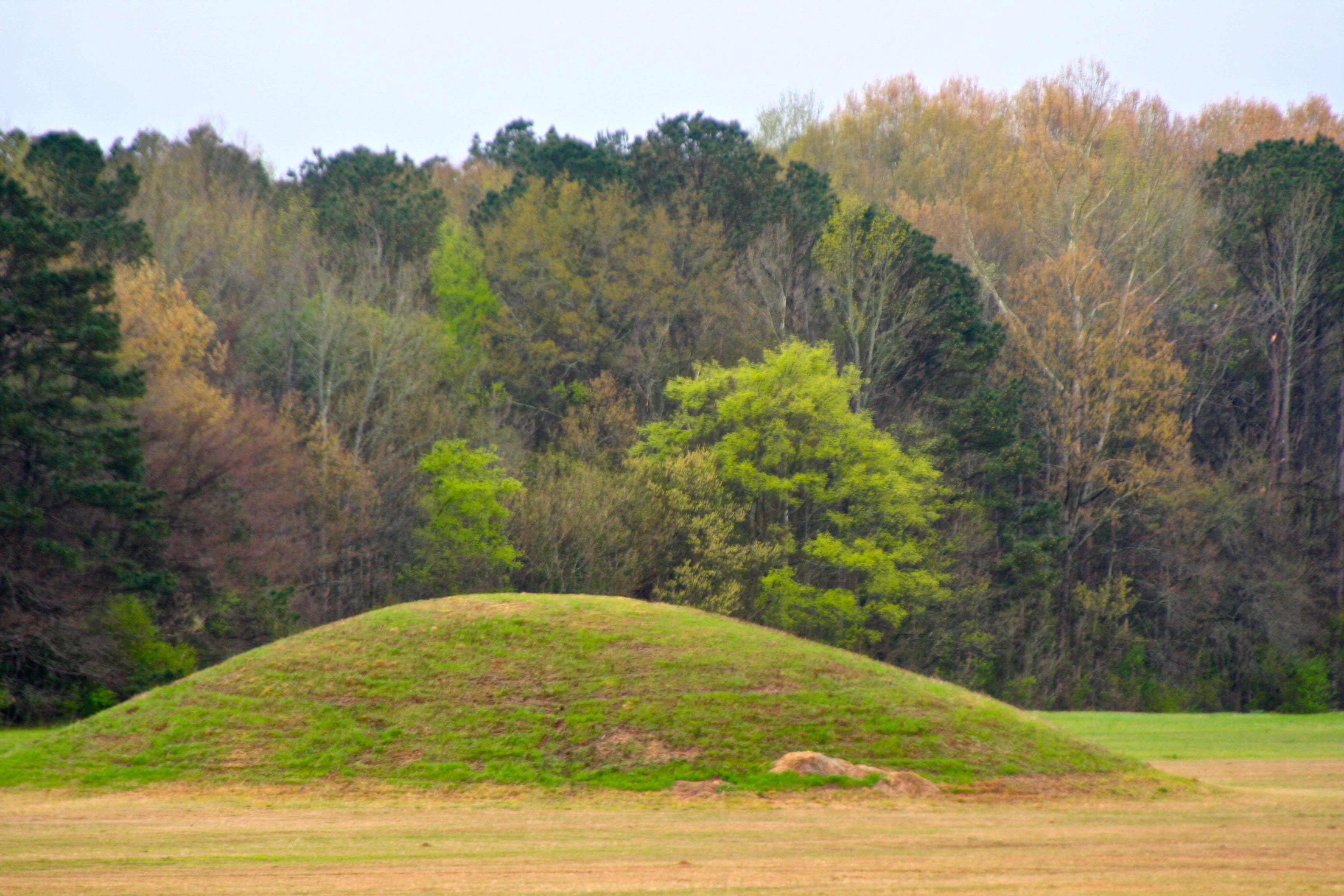
The Phar Mounds located north of Tupelo, Mississippi were left behind by nomadic Native Americans some where between 1-200 AD as burial mounds.

The Phar Mounds located north of Tupelo, Mississippi were left behind by nomadic Native Americans somewhere between 1-200 AD as burial mounds.

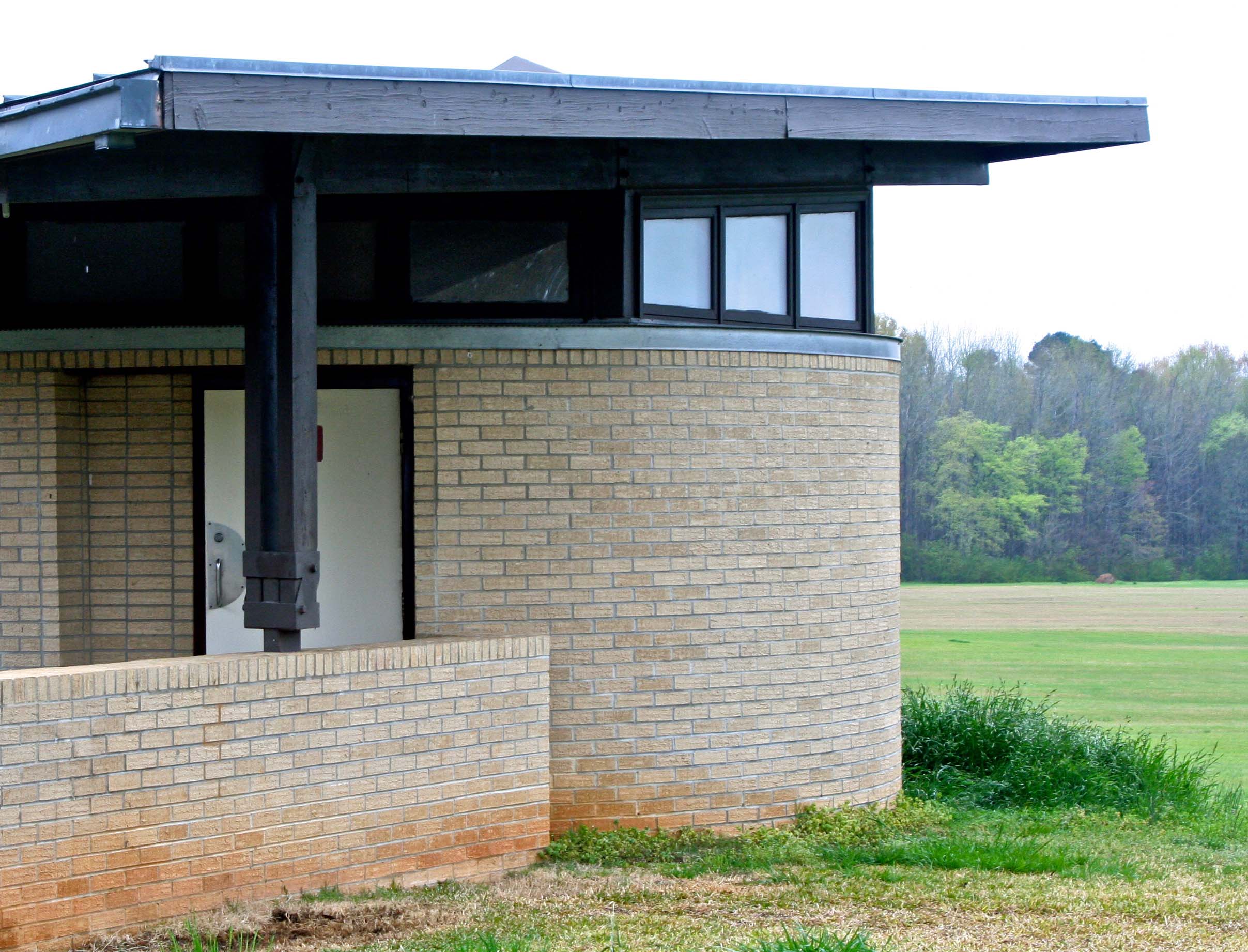
These are the brick restrooms at Phar Mounds. I am sure you are wondering why i've included them. They are my favorite restrooms in the whole world, bar none. I hid out in them when I was on my bike trip around North America as a tornado ripped apart the woods a quarter of a mile away.

These are the brick restrooms at Phar Mounds. I’ve included them because they are my favorite restrooms in the whole world, bar none. I hid out in them when I was on my bike trip around North America and a tornado ripped apart the woods a quarter of a mile away. My bike hid with me.

I'll conclude with a final photo of dogwood. NEXT BLOG: The Friday Essay: Just possibly a ghost is involved.

I’ll conclude with a final photo of dogwood. NEXT BLOG: The Friday Essay: Just possibly a ghost is involved.


Bush Devils, Juju, and Lightning Men

Liberian Bush Devil photo by Curtis Mekemson.

A Grebo Bush Devil, with his jaws open and teeth showing, was guest of honor at a Haight-Asbury party put on by Liberian Peace Corps Volunteers in 1967. I was quite surprised to find my photo from then being used by the Liberian Observer newspaper a few months ago. It is an interesting article.

The book about my Peace Corps experience in West Africa, The Bush Devil Ate Sam, is now available in printed as well as digital form on Amazon. It’s taken a while to get the print copy. To celebrate, I decided to post a sample chapter from the book and feature the story that gave the book its name. Every month or so, I will post another chapter.

Here is this month’s chapter:

Sam, the young man who worked for us in Liberia, was enamored with western culture. It fired his imagination. He spent hours listening to the Kingston Trio get Charlie off the MTA and dove into peanut butter and jelly sandwiches like a frog dives into water. Still, for all of his excitement about things modern, ancient African was an integral part of who he was. He had the scars to prove it. They marched down his chest in two neat rows.

“How did you get those,” Jo (my former wife) asked with ten percent concern and ninety percent curiosity.

“I can’t tell you,” Sam replied with obvious nervousness as Jo’s eyebrows rose. “But I can tell Mr. Mekemson.”

Aha, I thought, Sam and I belong to the same organization, the Men’s Club! Actually Sam belonged to a very exclusive men’s organization, the Poro Society, which I wasn’t allowed to join. Its functions were to pass on tribal traditions, teach useful skills, and keep errant tribe members in line. Everything about the organization was hush-hush. Tribal members who revealed secrets could be banned and even executed.

Political power on the local level was closely tied to membership in the Poro Society. On the national level, President Tubman assumed leadership of all Poro Societies in Liberia. Tribal women had a similar secret organization called the Sande Society, which prepared young women for adulthood and marriage. A controversial aspect of the Sande initiation ceremony was female genital mutilation— cutting off the clitoris.

Sam got off easy.

He had been to Bush School the previous summer and learned how to be a good Kpelle man. Graduation to adulthood consisted of an all-consuming encounter with the Poro Society’s Bush Devil. It ate him— metaphorically speaking. Sam was consumed as a child and spit out as a man. The scarification marks had been left by the devil’s ‘teeth.’ It seemed like a tough way to achieve adulthood, but at least it was fast and definitive. Maybe we should introduce the process to our kids in the US and skip the teenage years. Think of all of the angst it would avoid.

The Bush Devil was a very important tribal figure who was part religious leader, part cultural cop and part political hack. Non-Kpelle types weren’t allowed to see him. When the Devil came to visit outlying villages, a frontman preceded him and ran circles around the local Peace Corps Volunteer’s house while blowing a whistle. The Volunteer was expected to go inside, shut the door, close the shutters and stay there. No peeking.

We did get to see a Grebo Devil once. The Grebo Tribe was less secretive, or at least more mercenary. Some Peace Corps Volunteers had hired the local Devil for a Haight-Ashbury style African party. It was, after all, 1967, the “summer of love” in San Francisco and the “Dawning of the Age of Aquarius.” Along with several other Volunteers, we hired a money bus to get to the party. Had we been thinking, we would have painted the bus with Day-Glo, like Ken Kesey’s bus, Further.

The Devil was all decked out in his regalia. His persona was somewhere between a voodoo nightmare and walking haystack. Grebo men scurried in front of him with brooms, clearing his path and grunting a lot. We stayed out of the way and took pictures.

The Grebo men carefully tended the Bush Devil.

The Grebo men carefully tended the Bush Devil.

Another area where Sam showed his tribal side was his fear of the newly dead. A person’s spirit was considered particularly powerful and dangerous right after he or she died. Later, the spirit would move away into the bush and fade. But first it had to be tamed with appropriate mourning, an all-night bash. One didn’t take chances. When Sam worked late for us after someone had died, he would borrow a knife and a flashlight in case he had to fight off the malevolent ghost on his way home. I had grown up next to a graveyard and was sympathetic with his concern.

Juju, or African witch doctor medicine, was another area where African reality varied from modern Western reality. Late one evening, in the middle of a tropical downpour, one of my high school students appeared on our doorstep very wet and very frightened. Mamadee Wattee was running for student body president. His opponent had purchased ‘medicine’ from a Juju man to make him sick.

It was serious business; people were known to die in similar circumstances. Had the opposition slandered Mamadee or stuffed the ballot box, I could have helped, but countering a magic potion wasn’t taught at Berkeley, at least not officially. I took the issue to Mr. Bonal, the high school principal, and he dealt with it. Mamadee stayed well and won the election.

The use of Juju medicine represents the darker side of tribal culture. Human body parts derived from ritual human sacrifice are reputed to be particularly effective in creating potions. Cannibalism may be involved. On the lighter side, my students once obtained a less potent ‘medicine’ and buried it under the goal post on the football (soccer) field with the belief that it would cause the other team to miss goals. Apparently, it wasn’t potent enough; the other team won.

This is my senior class. Mamadee is second form the left. Later he would become an elementary school principal in New Jersey.

This is my senior class. Mamadee is second from the left. Later he would become an elementary school principal in New Jersey.

Mamadee was also the reason behind our introduction to the Lightning Man. When Jo and I went on vacation to East Africa, we left Mamadee with $50 to buy a 50-gallon drum of kerosene. When we returned there was neither kerosene nor $50, but Mamadee was sitting on our doorstep. Someone had stolen the money and Mamadee was extremely upset. Fifty dollars represented a month’s income for a Kpelle farmer. Mamadee’s father, a chief of the Kpelle tribe, was even more upset and wanted to assure us that his son had nothing to do with the missing fortune. It was a matter of honor. He offered to have Mamadee submit to the Lightning Man to prove his innocence.

The Lightning Man had a unique power; he could make lighting strike whoever was guilty of a crime. If someone stole your cow or your spouse, zap! Since we were in the tropics, there was lots of lightning. Whenever anyone was struck, people would shake their heads knowingly. Another bad guy had been cooked; justice had been served.

We didn’t believe Mamadee had taken the money, and even if he had, we certainly didn’t want him fried, or even singed. We passed on the offer. The Chief insisted on giving us $50 to replace the stolen money.

Another Liberian Peace Corps Volunteer in a similar situation chose a different path. Here’s how the story was told to us. The Volunteer had just purchased a brand new $70 radio so he could listen to the BBC and keep track of what was happening in the world. The money represented close to half of the Volunteer’s monthly income. He had owned his new toy for two days when it disappeared.

“I am going to get my radio back,” he announced to anyone who would listen and then walked into the village where he quickly gathered some of his students to take him to the Lightning Man. Off he and half the town went, winding through the rainforest to the Lighting Man’s hut. The Volunteer took out five dollars and gave it to the Lighting Man. (Lighting Men have to eat, too.)

“I want you to make lighting strike whoever stole my radio,” he said.

The Volunteer and his substantial entourage then returned home. By this time, everyone in the village knew about the trip, including, undoubtedly, the person who had stolen the radio.

That night, there was a tremendous thunder and lightning storm. Ignoring for the moment that it was in the middle of the rainy season and there were always tremendous thunder and lightning storms, place yourself in the shoes of the thief who believed in the Lightning Man’s power. Each clap of thunder would have been shouting his name.

In the morning the Volunteer got up, had breakfast and went out on his porch. There was his radio.

NEXT BLOG: Wednesday’s photo essay.

The Earth Is 6000 Years Old… Or So My father Told Me

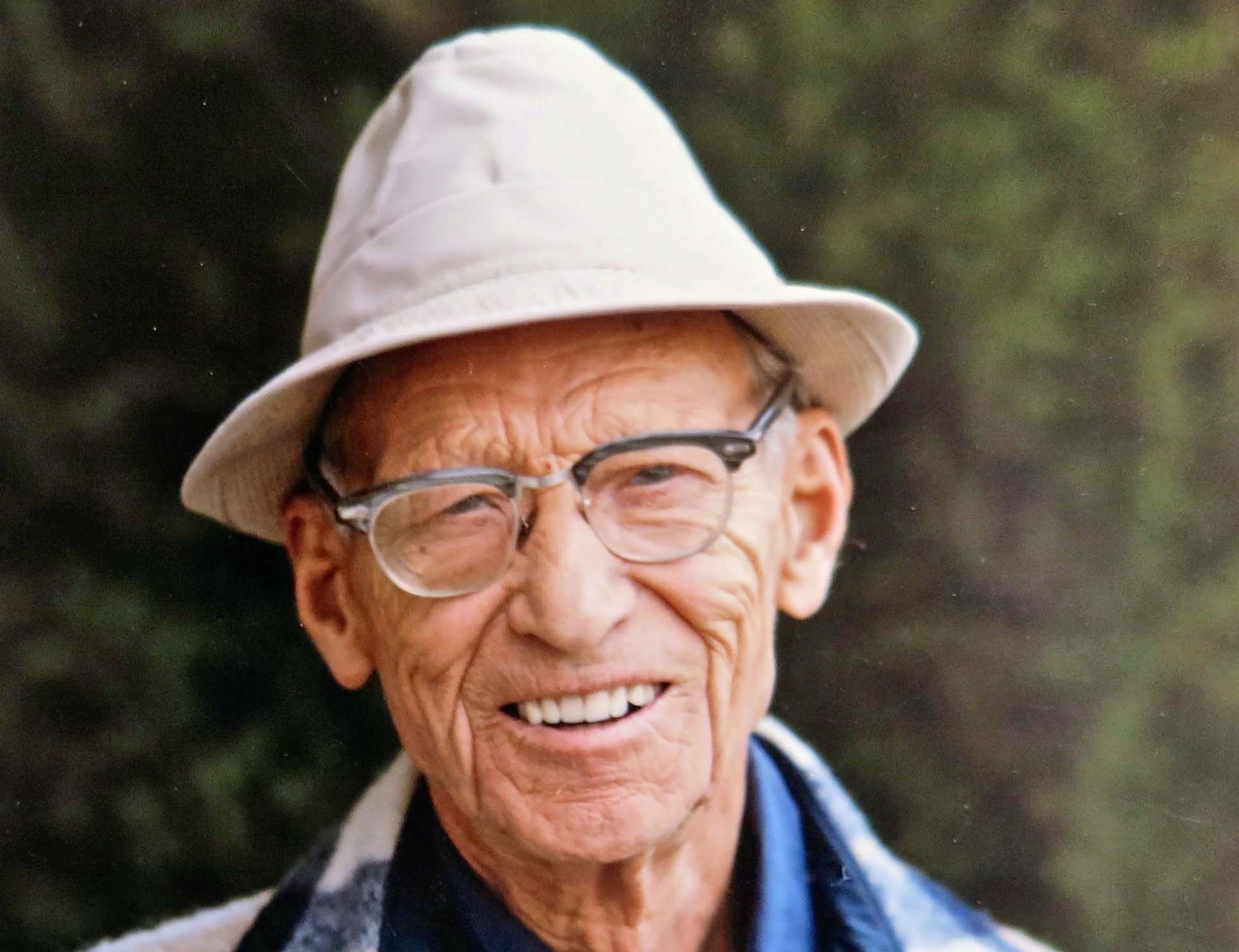
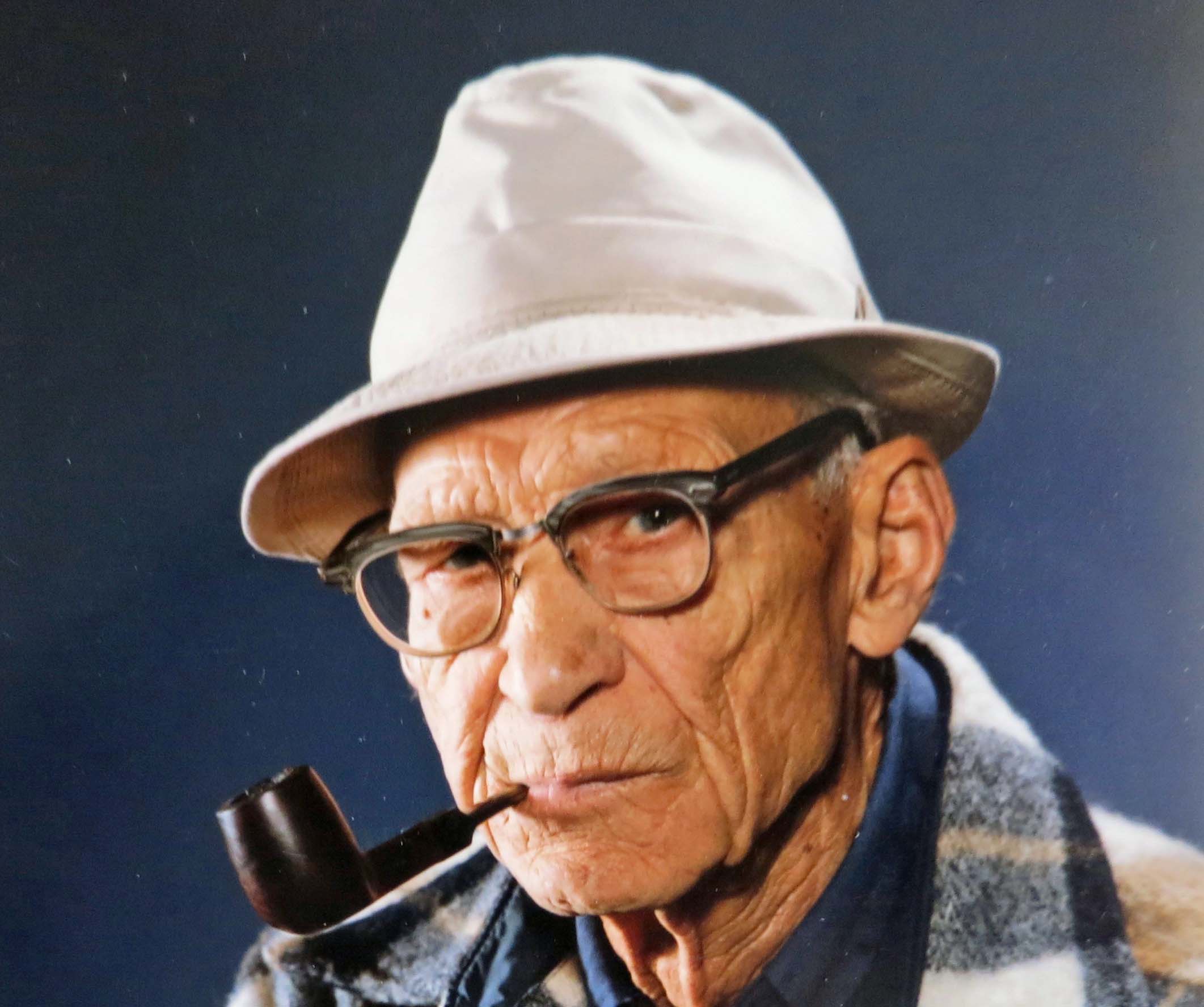
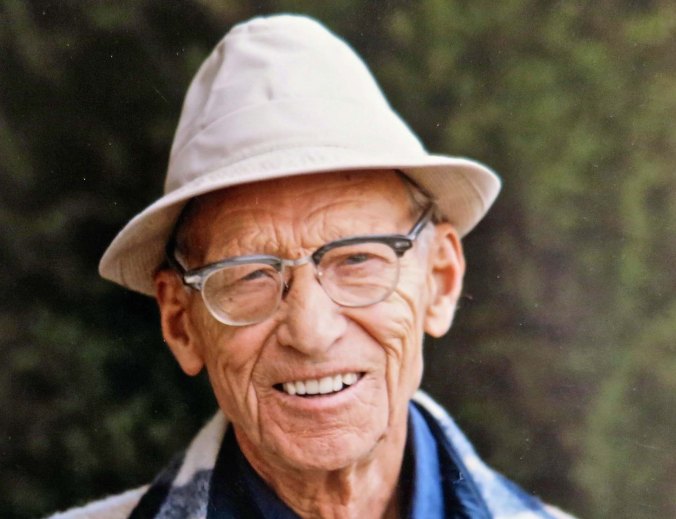
My father, Herb Mekemson. I believe this photo was taken by Glen Fishback of the Glen Fishback School of Photography.

My father. I believe this photo was taken by Glen Fishback of the Glen Fishback School of Photography.

I invited my father, Herb Mekemson, up to Alaska for his 80th birthday. My brother Marshall put him on the airplane in Sacramento and I met him in Anchorage. He got off the plane grinning. We shook hands and embraced. He still had a strong grip.

“Curt, have you been causing problems again?” he asked. These weren’t the first words out of his mouth but they were close. There was a twinkle in his eyes, sort of.

“What do you mean, Pop?” I asked in mock innocence. He was gripping his pipe like it was the last life raft on a sinking ship.

“I got off of the plane and the first thing they announced was I couldn’t light up in the airport. I’ve needed a smoke since I left Seattle.” I had been an advocate for smoke-free areas in Sacramento and continued my efforts in Alaska.

I laughed. He and I had been through the tobacco discussion dozens of times. We had it down to a routine. I’d point out there was a direct correlation between his smoking and the heavy cough he had in the morning. He’d note that he had been smoking for over 60 years and was still going strong, thank you. I’d observe that somewhere his Scotch Presbyterian mother was rolling over in her grave, and so it would go. He liked his tobacco straight up. For years he had smoked unfiltered Camels but they lacked the kick he needed. In his words, he had switched to ‘roll-your-owns’ as opposed to the ‘new fangled tailor mades.’ As a result, most of his shirts were aerated from burning tobacco. Out of self-defense, he had switched to a pipe. He liked to tease me that most of my efforts in the tobacco wars were designed to thwart him.

“Well, Pop,” I announced, “in honor of your visit, you have been granted special dispensation. You can smoke in my truck.” He hurried me out of the airport, barely taking time to pick up his suitcase.
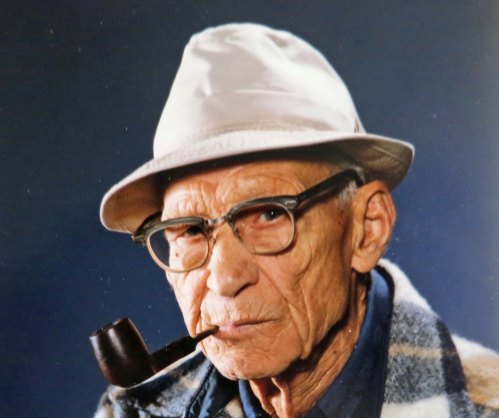
Pop, as in "don't you even think of taking my pipe away from me. (Photo by Glen Fishback.)

Pop, as in, “Don’t you dare think of taking my pipe away from me.” (Photo by Glen Fishback.)

We had quite the adventure planned but first there were social responsibilities. I took him over to meet my roommates Cyndi and Roger. Cyndi owned the house and Roger and I paid rent. It was a good arrangement. Cyndi was a slope worker, which meant she worked for two weeks up on the North Slope in the oil industry and then had two weeks off. Roger was in the vending machine business, which included cigarettes. Surprisingly, the three of us were quite compatible.

When Cyndi and I first met to interview each other over possible roommate status, I mentioned that I was Executive Director of the Alaska Lung Association. She became quite excited and announced she had a Lung Association connection.

“I was a Trek leader in Minnesota before I came to Alaska,” she said. When I informed her that I had created the American Lung Association’s Trek Program, we decided that fate had brought us together. As for Roger, he and I had a penchant for weird movies, the weirder the better. Strange Brew is an excellent example. Many a winter evening was spent happily vegging on the couch, drinking beer, and watching videos.

Once Pop had visited my home, our next responsibility was visiting the ‘girlfriend.’ I had been dating a pulmonary physician and we hung out a lot together. I had an open invitation to move in.

“Why don’t we get married,” she suggested. “You can stay home, write, and raise the children.” I liked the staying home and writing idea but wasn’t ready for the kids and married part. Her English Spaniel had a different perspective. I kicked him off of the bed when I was around. His response was to pee on my side of the bed and mark it as his territory. I would have gone and peed on his bed if he had one. Two can play the dominant male species game.

My friend cooked dinner for Pop and me, which was a little scary. Cooking was not her forte. Our meal was good though and the dog was on its best behavior. We had a very pleasant evening.

Pop liked the idea of me getting married and having kids. He had always wanted me to produce grandchildren and both our biological time clocks were ticking. At 40 plus, I was rapidly approaching the point where having children was impractical. At 80, he was rapidly approaching the point where he would never see them. Actually, Pop had three wishes for me. The first was the married with children bit. The second was that I would become a photographer and take pictures of all the beautiful sites I saw in my wandering. The third was that I would become a good Christian boy and return to the flock.

A few years later I would fall in love, get married, inherit two great kids— and take up photography. I always figured that two out of three weren’t bad.

The next day we headed off to Denali. I had a permit for camping in the Park. Pop went crazy with his camera and the Alaskan scenery; we had to stop every 20 minutes or so for photo ops. Even a moose waited patiently beside the road to have its picture taken. By the time we reached camp, heavy black clouds were swirling overhead and a cold wind was reminding us that summer had yet to arrive. I hurried in setting up the large Coleman tent I had brought along while Pop, who insisted on being part of the action, went in search of firewood. A few minutes later I noticed that he had disappeared.

“Oh damn,” I thought to myself, “how do I explain to my sister and brother that Pop had become lost in the Alaskan wilderness gathering firewood.”

Then I spotted him off in the distance on top of a hill taking pictures.

“I saw some mountain goats up on the opposite mountain and I wanted to get closer for pictures,” he explained to me after descending.

“Do you know there are grizzly bears wandering around up there,” I said pointedly. He just smiled. At 80 he was ready to meet his maker. If it happened with the help of a grizzly bear, so be it. But it wasn’t going to happen on my shift, if I could help it.

After dinner we sat by our crackling campfire and talked for a couple of hours as snowflakes danced around the perimeter. Our family, his past and my future were all topics of discussion. There was something magical about the setting and Pop was obviously enjoying himself tremendously. Sitting in the Alaskan wilderness in the midst of a swirling snowstorm at age 80 was something that he had never envisioned for himself. I had him bundled from head to toe and he insisted he was toasty warm. Eventually the topic got around to one of his favorite subjects, religion.

“You know, I’ve been reading the Bible a lot,” he started. The Pearly Gates were beckoning and Pop wanted to be sure his credentials were in order. He was about to jump in to his ‘You should read the Bible too, Curt’ lecture. To forestall the inevitable, I asked a question out of curiosity.

“Assuming you make it to heaven, what do you think it is like?”

He laughed. “I am afraid my view’s a little unusual. I see myself as a spacecraft hurtling through space. I am not in the spacecraft. I am the spacecraft and I am exploring the universe and seeing all of the glorious sights it has to offer.” Apparently there would be no jewel encrusted buildings and streets paved with gold for him.

While I was contemplating this rather wondrous view of the after-life, I took too long in coming up with my next question.

“You should read the Bible too, Curt,” Pop began. “I’ve been listening to a radio minister and he is going through each Book in detail and explaining what it means. There’s a lot of great stuff. I’ve bought a complete set of his tapes.”

The radio minister part hoisted a red flag for me. Marshall and I had cut our religious eye teeth on a slippery southern radio preacher in the 1950s and I had recently been tuning in to Jim and Tammy Baker. They were prime time in Alaska. It was quite clear to me that they were bilking their flock and the process fascinated me. This didn’t mean that I believed all radio preachers or televangelists were frauds. It seemed reasonable to me that sincere religious people would want to take advantage of modern communication opportunities to share their views. Still, I decided to gently pursue where Pop’s radio minister was taking him.

“Um, what do you mean by great stuff?” I inquired.

“The stories, the history, the messages,” he replied enthusiastically, giving me a catalog to choose from. He was prepared to wax eloquently on the subject, to convert me on the spot. It wouldn’t be easy. I had read the Bible, and found it interesting, educational, and meaningful. But I wasn’t about to accept it as literal truth. I was curious as to where my father stood on the religious continuum between liberal interpretation and fundamentalist dogma. He had always been deeply religious but somewhat tolerant of other perspectives.

“So, Pop,” I queried, jumping to a litmus test of Christian fundamentalism, “do you believe that the world is 6,000 years old?”

“Yes,” was his simple reply and it was immediately clear where the radio minister was leading him: it was over the foaming falls of fundamentalism where a leap of faith assures a righteous landing. On one level this didn’t bother me. Life can be rather short and brutish as Hobbes noted, and full of suffering as the Zen Buddhists like to point out. We find our comfort where we can find it. If Pop’s belief helped him deal with the present and face his future, then it had value for him. Who was I to say otherwise? It wasn’t exactly like he was being misled, either. The Mekemson side of my family comes from a long line of true believers dating back to John Brown the Martyr of Scotland in the 1600s— and undoubtedly beyond.

I have my own share of spiritual genes. I’ve spent a lot of time over the years considering different religious traditions and pondering imponderables. Crass materialism, in and of its self, seems to be a poor reason to exist. I tend to believe that there is a deep, underlying unity in the universe and that all of life on earth is connected. It’s hard to get much more mystical than that.

I was a little concerned that Pop had paid several hundred dollars for the tapes. He lived off of his Social Security pension and the amount represented a lot of money. Bilking came to mind. I was more concerned with the implications of his beliefs as we chatted into the night. It wasn’t enough that he believed the earth was 6000 years old. I, too, should believe it. School systems were wrong for teaching evolution and should be required to teach creationism. He also expressed a strong bias against homosexuality and gay people that he had picked up from the radio preacher. The latter made me particularly sad.

The best man at my first wedding and a friend from childhood, Frank Martin, was gay. When my mother was dying of cancer while I was at Berkeley, Frank would often stop by and visit her, bringing whatever comfort he could. Later, when my former wife and I returned from serving as Peace Corps Volunteers in Africa, Frank and his partner hosted several anniversary parties for us in San Francisco. He was always generous and kind to our family. Now, my father was being taught that Frank was a sinful man, condemned to be burned in Hell.

Beyond expressing my disagreement as gently as I could, I mainly listened. My point of view wasn’t going to change what my father believed. Besides, the old fellow may have expired from hypothermia listening to me. We put out the fire, retired to the warmth of our down sleeping bags, and dreamt we were spaceships hurtling through space.

Over the next few days, Pop and I covered a good bit of Alaska, ending up in Homer. His sister Francis had raised her children there and he wanted to see the town. Afterwards, I drove him back to the airport and made sure his pipe was out before taking him inside and seeing him off. It took months for my truck to stop smelling like tobacco smoke.

NEXT FRIDAY’S BLOG: A final story about Pop. Did he really leave me a message after he passed away or was it the invention of my over-wrought imagination? Plus— My final thoughts on religion.

Bruneau Dunes State Park, Idaho… The Wednesday Photo Essay

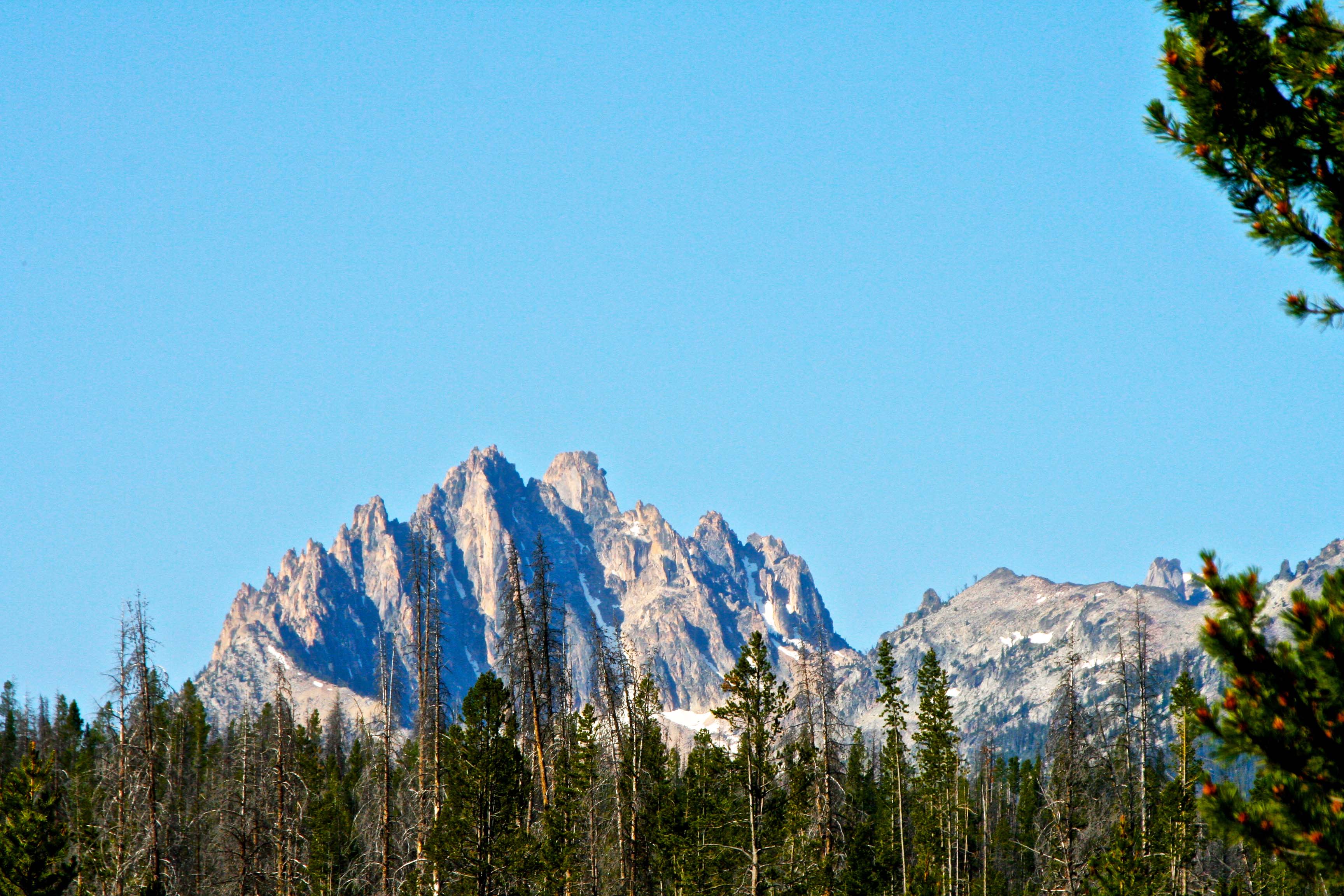
Peggy and I discovered Bruneau Dunes State Park after we had been up in Central Idaho admiring the Sawtooth Mountains.

Peggy and I discovered Bruneau Dunes State Park after we had been up in Central Idaho admiring the Sawtooth Mountains.

It’s Wednesday. That means I let my fingers do the walking down through my 20,000 pictures to come up with today’s photo essay. I closed my eyes, scrolled down through iPhoto, and randomly stopped.

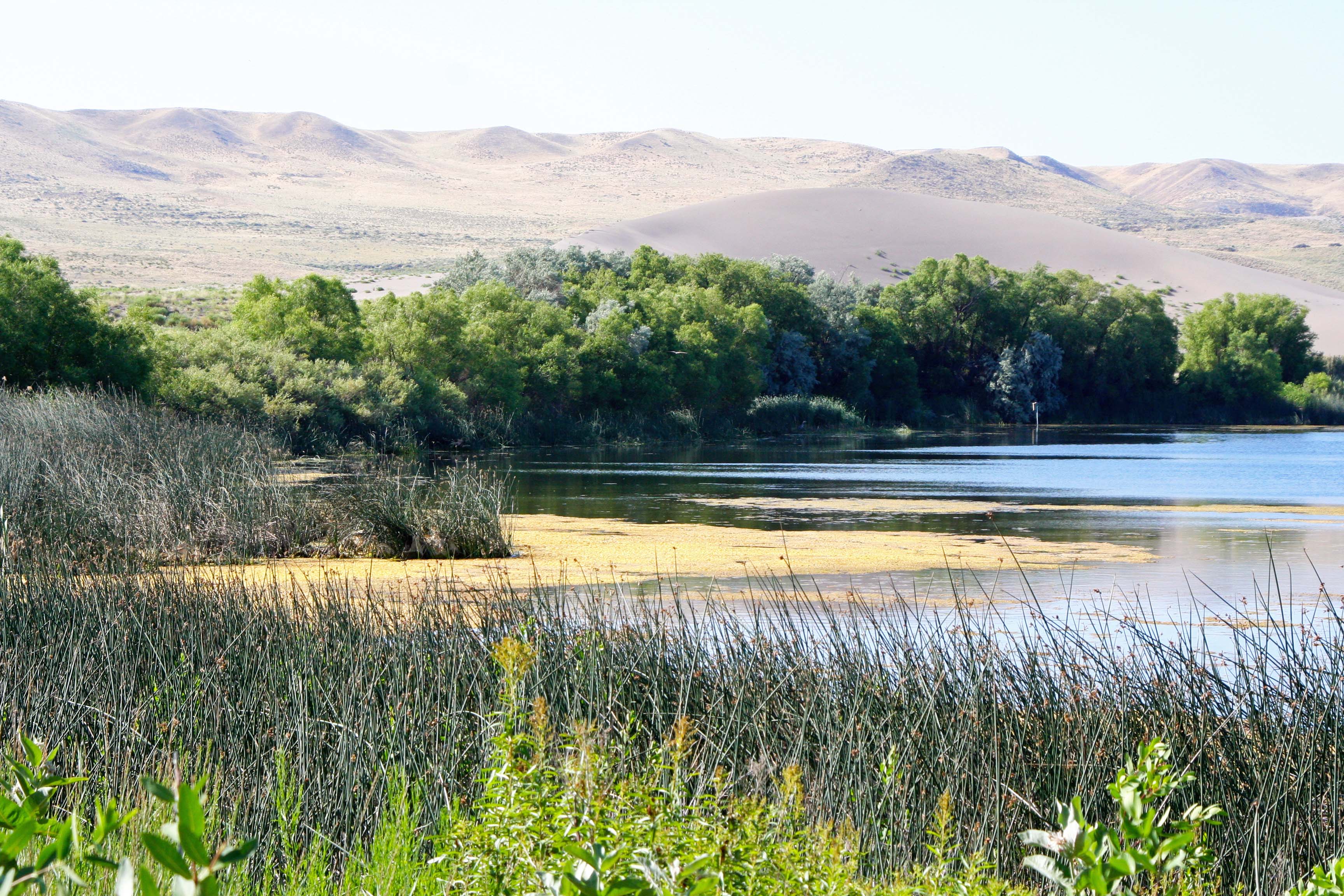
I landed on Bruneau Dunes State Park in southwestern Idaho. It’s a gem. Driving south on Idaho 51 heading toward Elko, Nevada, Peggy and I found the park pretty much the same way I found it on iPhoto— randomly. This 4800 acre state park features sand dunes and a small lake that gives the area an oasis feel. It’s noted for having the tallest single-structured sand dune in North America— 470 feet above the surrounding desert. (Photos by Curtis and Peggy Mekemson.)

Peggy and I had been up in central Idaho admiring the Sawtooth Mountains and were on our way to Nevada when we found Breneau Dunes State Park.

Peggy and I had been up in central Idaho admiring the Sawtooth Mountains and were on our way to Nevada when we found Bruneau Dunes State Park.

The small lake backed up by the 470 high Dune gives the area an oasis feel.

The small lake backed up by the 470 high dune gives the area an oasis feel.

Moving around the lake provided different perspectives on the dune.

Moving around the lake provided different perspectives on the dune.

This view provided a reflection of the dune.

This view provided a reflection.

A view of the lake.

A view focused on the lake.

Having hiked around to the opposite side the lake, we were rewarded with a view of the dune.

Having hiked to the opposite side of the lake, we were rewarded with a closer view of the dune.

And lots of animal tracks.

And lots of animal tracks. Coyote possibly.

Bird tracks

Bird tracks

Your guess. I am thinking sidewinder rattlesnake.

Your guess. I am thinking sidewinder rattlesnake.

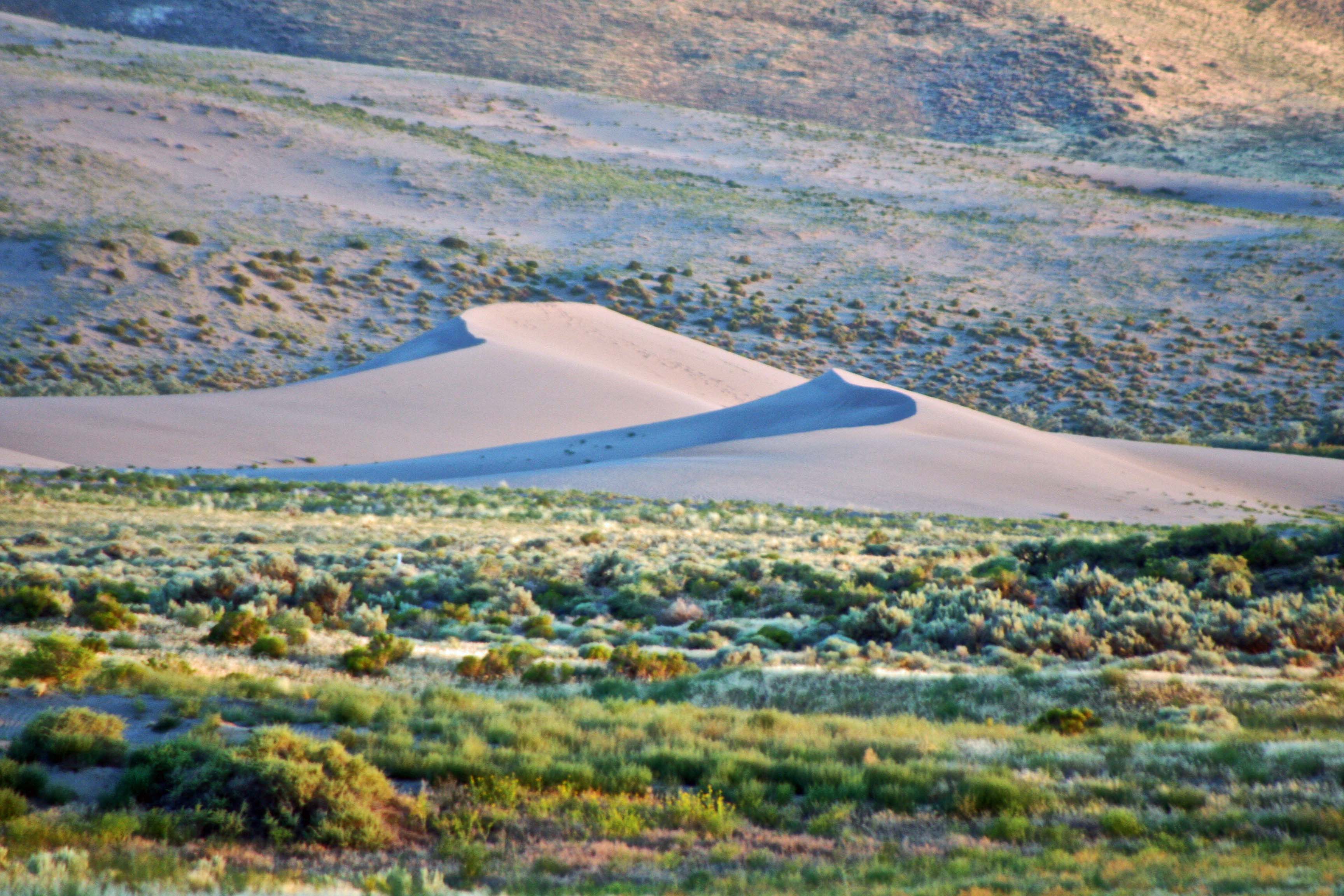
Later in the day, the dunes took on an almost purple tint as the sun went down.

Later in the day, the dunes took on an almost purple tint as the sun went down.

I liked the sage and other shrubs in this photo.

I liked the sage and other shrubs in this photo caught in the glow of the late afternoon sun.

The sun was almost down.

The sun was almost down.

Good night.

Good night.

We Visited Jackson, California and Bought a Giraffe. Help!

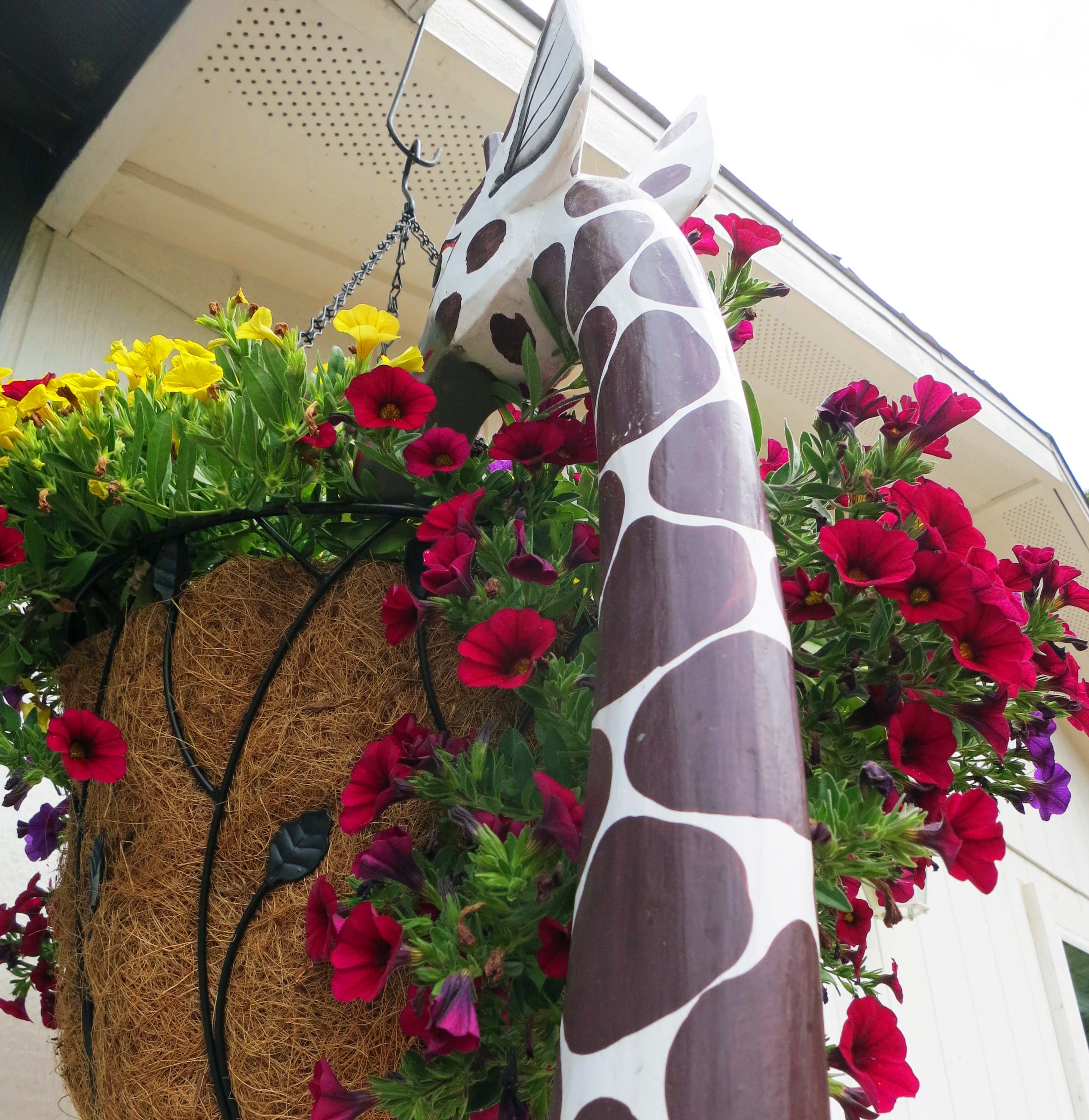
Peggy fell in love with this balsa wood giraffe we found in Jackson, California. So the giraffe came home with us. Little did we think it would have a taste for petunias.

Peggy fell in love with this balsa wood giraffe we found in Jackson, California. So the giraffe came home with us. Little did we think it would have a taste for petunias.

And here I thought our deer herd with its greedy appetite was bad. At least they couldn’t reach our hanging plants. It may be our imagination, but it seems that the wooden giraffe we bought in Jackson, California is poaching on Peggy’s petunias! We pretended to drive up the road and then I snuck back with the camera to see what the long-necked marauder was up to.

Aha! He was eating Peggy's petunias.

Aha! He was eating Peggy’s hanging petunias that the deer couldn’t reach.

Aha! He was eating petunias.

I caught the culprit purple lipped.

And apparently he was helping himself to all of our other hanging plants.

And apparently he was helping himself to all of our other hanging plants.

He was as much a glutton as the deer were.

He was as much a glutton as the deer were.

There was no stopping him!

There was no stopping him!

I confronted the giraffe with the photos. “I was not eating Peggy’s potted posies,” the giraffe replied indignantly. “I was sniffing them.” Yeah, right.

Jackson, California is an old gold rush town located on Historic Route 49 in the California foothills of the Sierra Nevada Mountains. It’s about 30 miles away from where I was raised in another old gold rush town, Diamond Springs. Highway 49, with its logging trucks and cattle drives, fronted our property. Jackson was a long ways off. I’ve driven back and forth across the country a lot more times that our family visited Jackson when I was growing up— seriously.

We also found other wonderful creatures in Jackson on our March visit including a frog, a Hindu monkey king, a topless hula dancer, and a wildebeest. Fortunately we didn’t bring any of them home even though I lobbied for the hula dancer.

I like frogs. And let me assure you, they can get their mouths open this wide when going after tasty morsels such as flies.

We found this marvelous frog at the same shop we found the giraffe, Richard and Sherry’s Collectables.   Were you ever told by your mother, “close your mouth or you’ll catch a fly.” Now you know where that come from.

I was also impressed with this monkey king with his pet snake.

I was also impressed with this Monkey King with his pet snake. I assume he is Hanuman from the Ramayana.

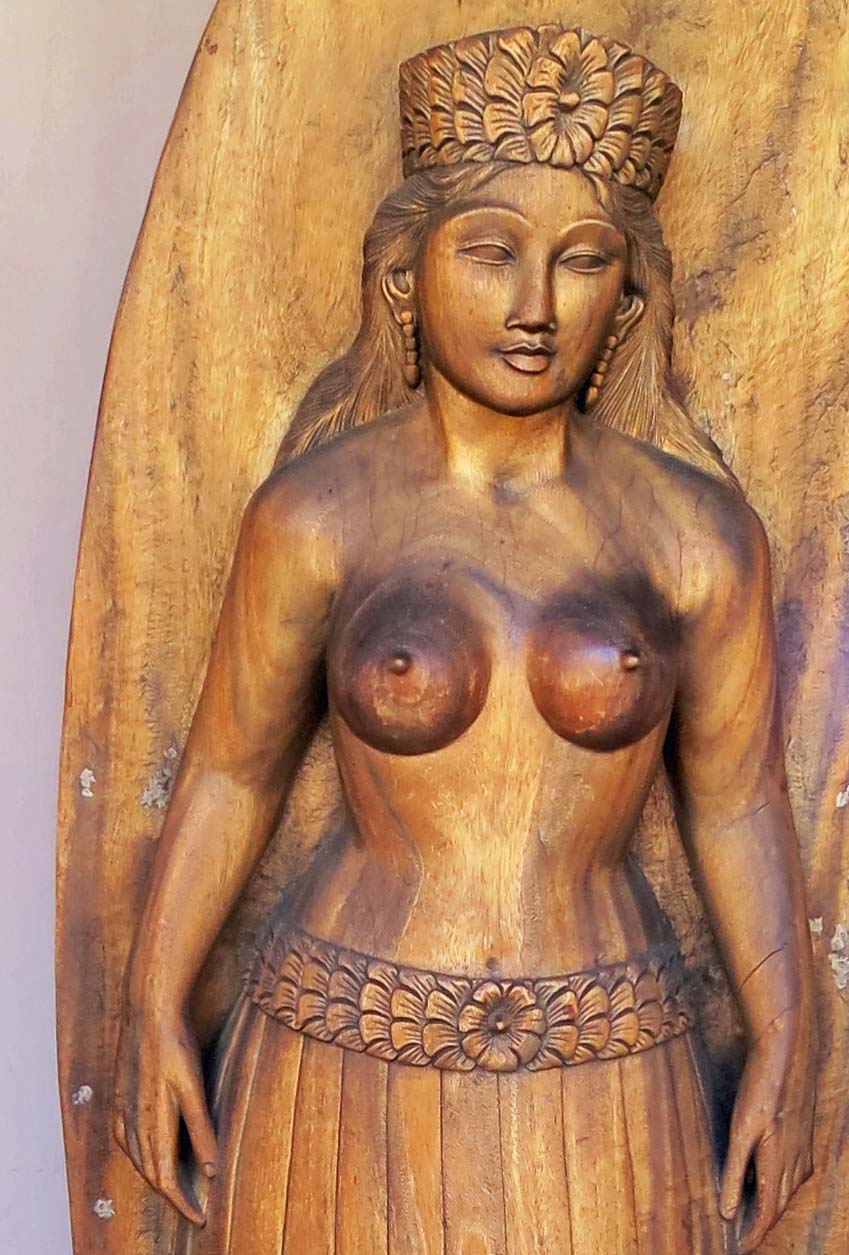
I remembered this, um, hula princess and her surf board from another visit to Jackson. She hangs out, so to speak, on main street and is kind of hard to forget.

I remembered this, um, hula princess and her surf board from another visit to Jackson. She hangs out, so to speak, on main street and is kind of hard to forget.

Wilbur the Wildebeest lives in the Book Store.

Wilbur the Wildebeest lives in a book store.

Apparently he has lived there a while.

Apparently he has lived there a while.

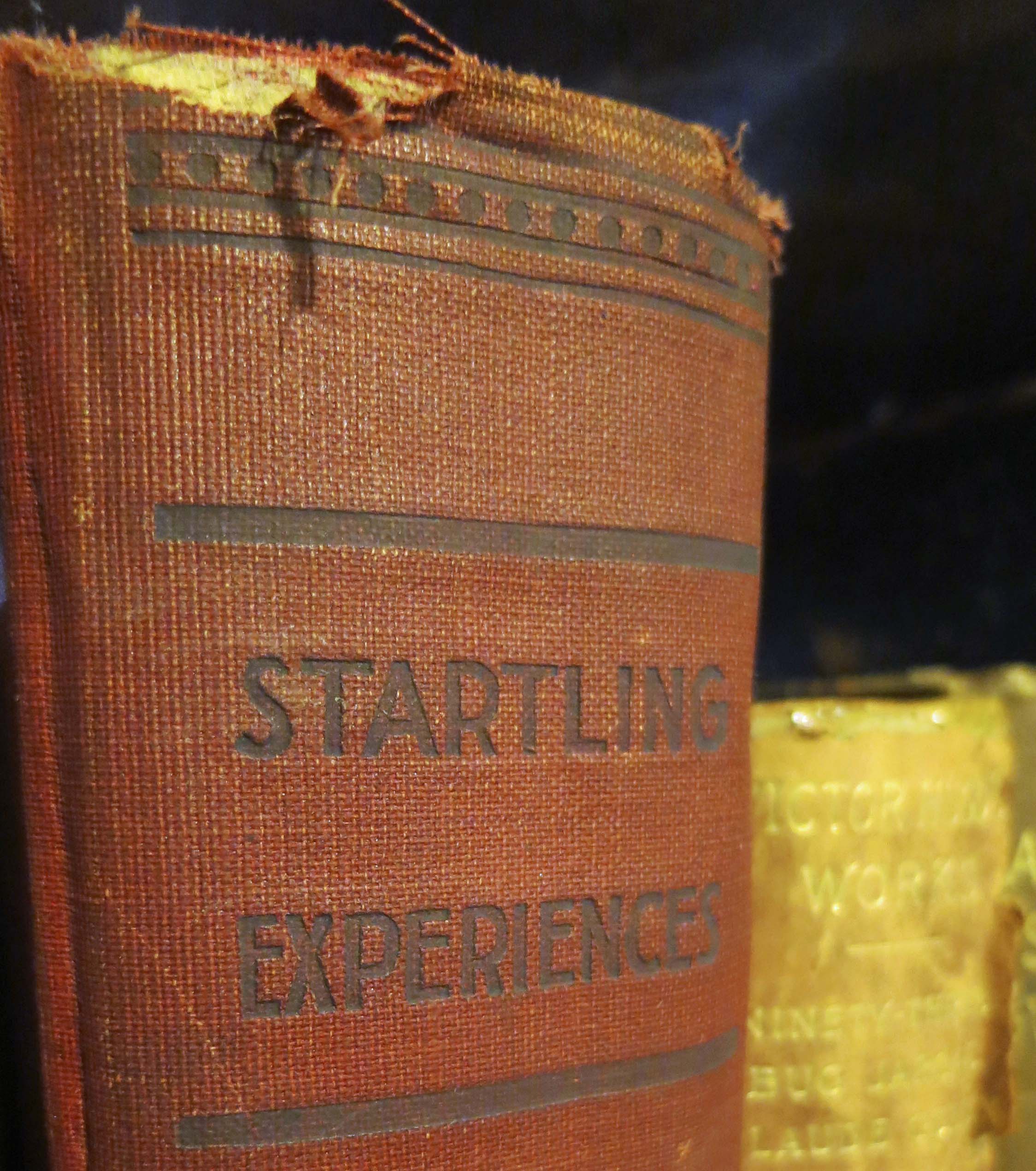
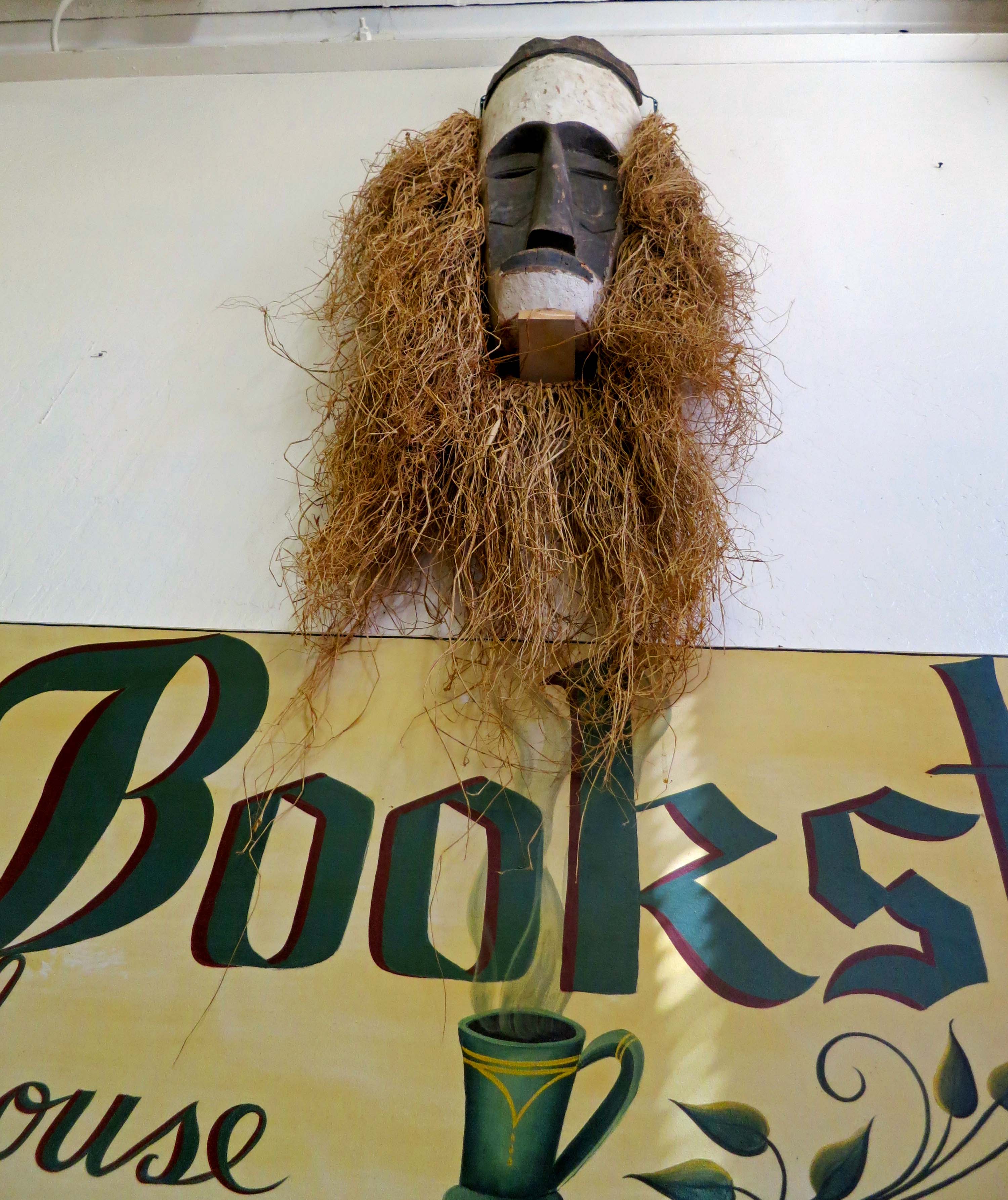
Wilbur the Wildebeest lived in the Hein and Company Bookstore along with a cat, strange masks, columns of books, and a number of other unusual items. It may be the most interesting used bookstore I’ve ever been in. Be sure to put it on your itinerary if you visit Jackson.

In addition to Wilbur, the Hein and Co Bookstore in Jackson is packed full of used books and

In addition to Wilbur, the Hein and Co Bookstore in Jackson is packed full of used books and numerous unusual/interesting items. Or do I mean weird?

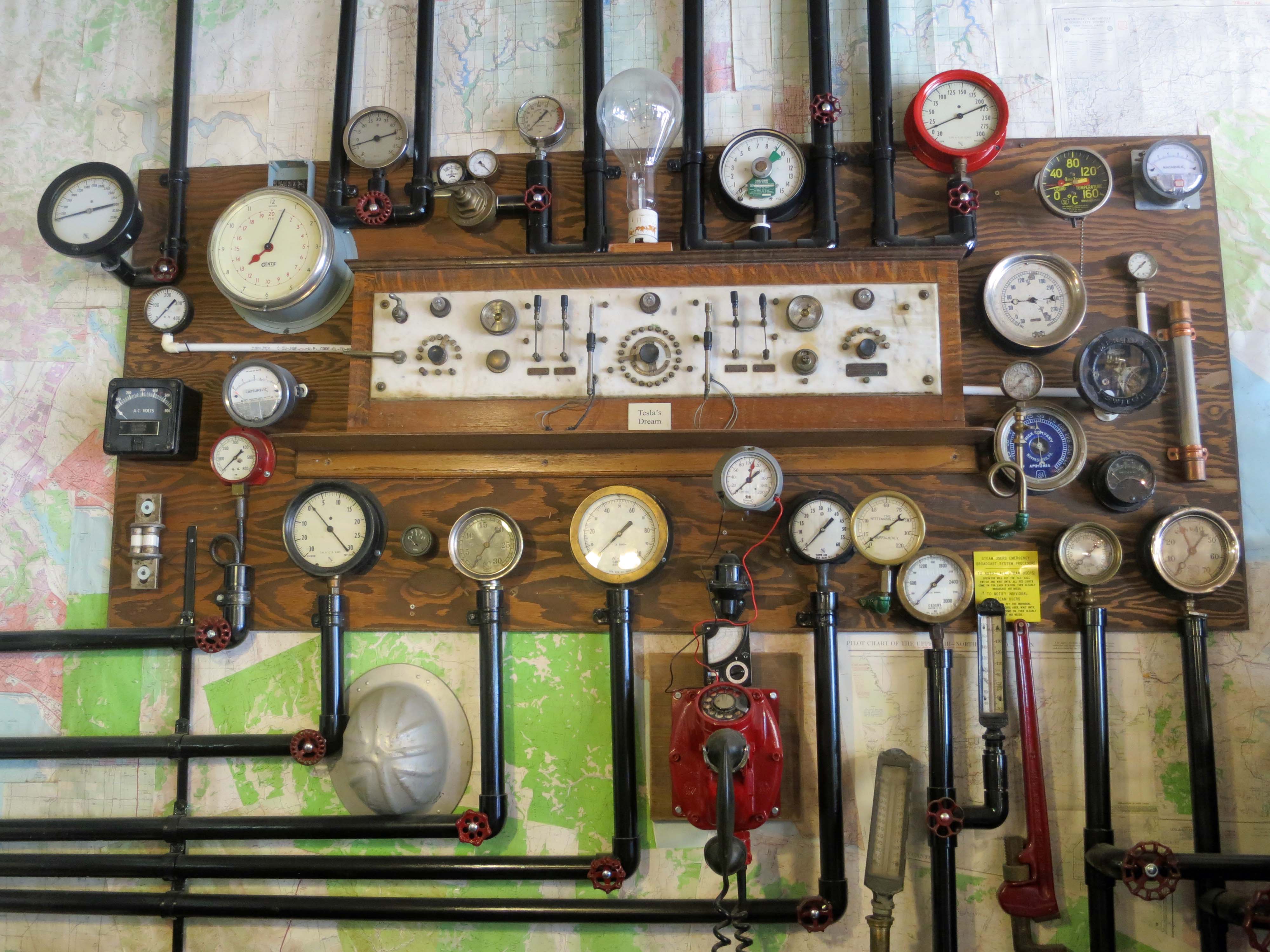
Such as this. Need a gage for anything?

Such as this en-gage-ing collection

Who knows what you might find around the next corner?

Who knows what you might find around the next corner?

Certainly made me want to go upstairs and check out books...

Certainly made me want to go upstairs and check out books…

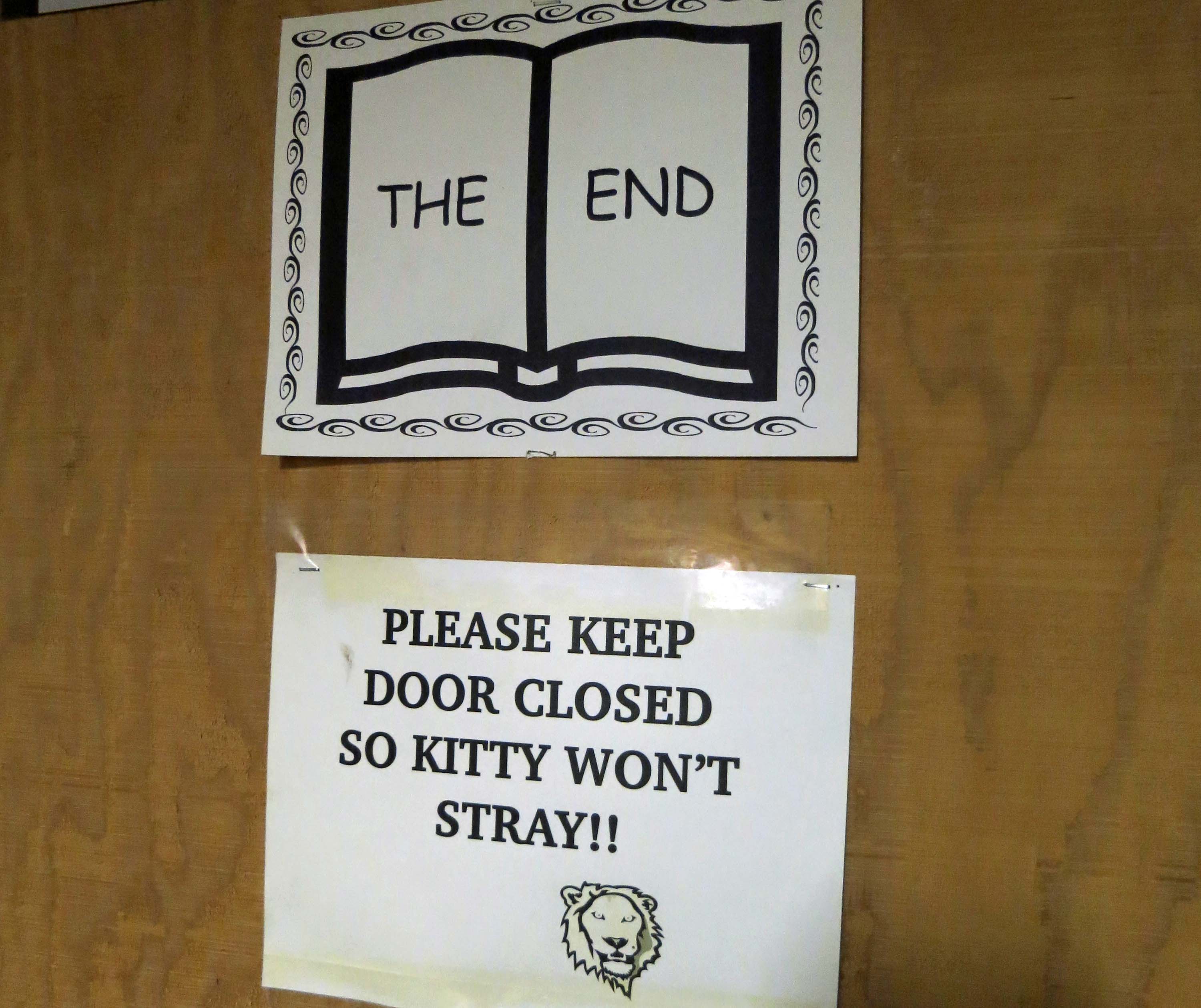
Where we found a virtual maze of book shelves and long corridors with mysterious doors and signs.

Where we found a virtual maze of book shelves and long corridors with mysterious doors and signs. I couldn’t resist walking down to the door to read the sign.

And found the end. Wouldn't you be slightly tempted to open the door and meet kitty?

And found the end. Wouldn’t you be slightly tempted to open the door and meet kitty?

Kitty?

Kitty?

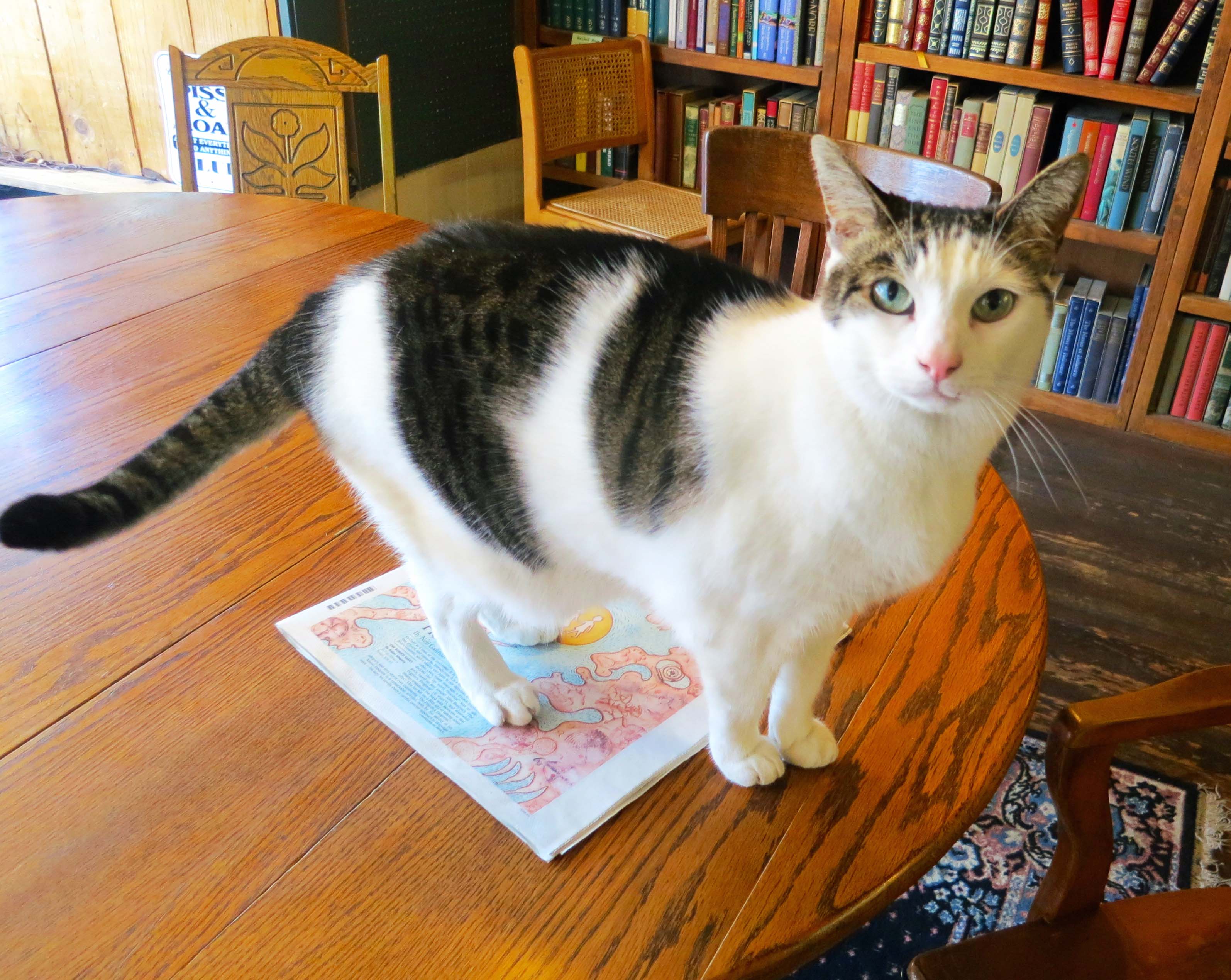
No, this was kitty. Most good bookstores have one.

No, this was kitty. Many good bookstores have one.

Our visit to the town also included a walk up and down the main street and dinner at the National Hotel, which also dates back to gold rush times. Ladies of the evening made liberal use of the hotel in its early days. They say you can still hear their ghosts giggling at night. Black Bart, the infamous gentleman bandit who robbed stages on foot (he hated horses) and occasionally left behind a poem, reputedly stayed here. As did Mark Twain, Chester Garfield, Herbert Hoover, and John Wayne. Wayne lost $43,000 in a 1933 game of poker at the hotel. His check bounced and the local sheriff hunted him down and made him pay in cash.

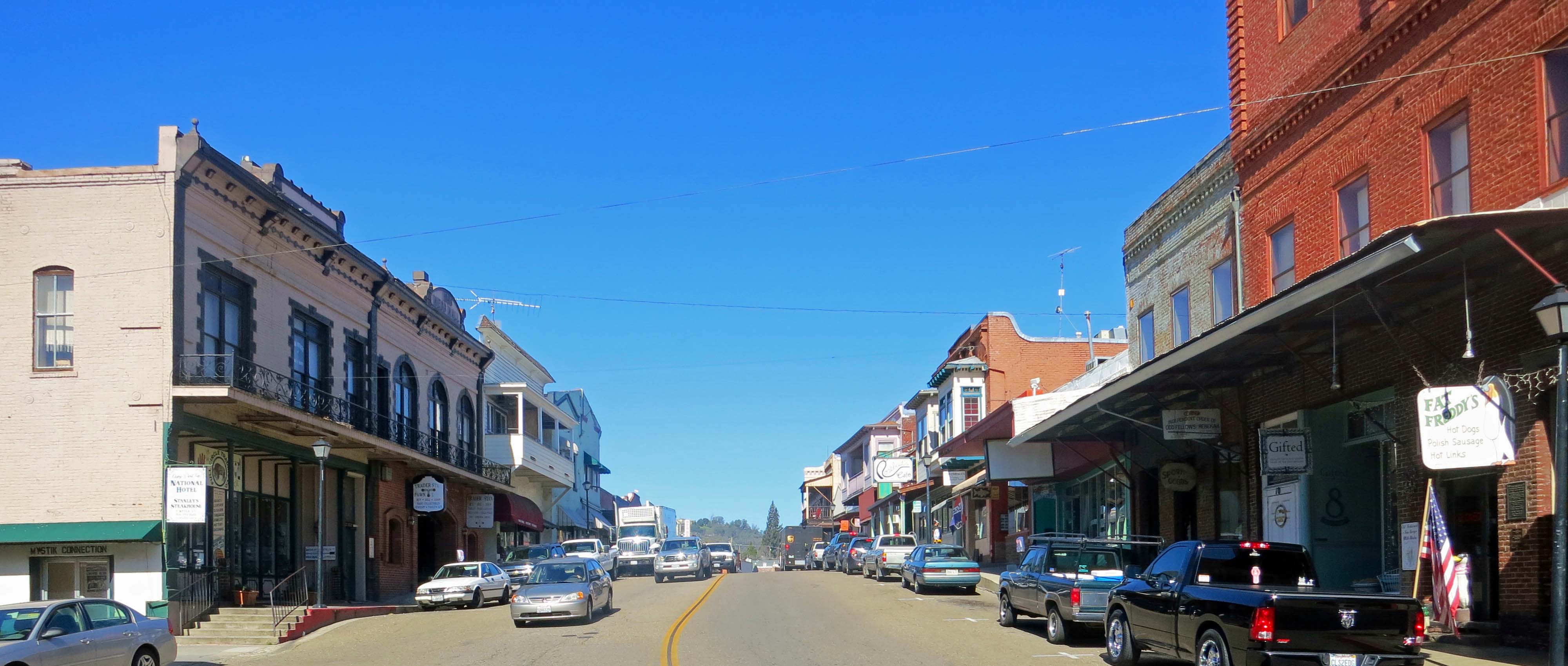
A look up main street, jackson.

A look up main street, Jackson.

The community has done a great job of renovating and maintaining its historic buildings.

The community has done a great job of renovating and maintaining its historic buildings.

The National Hotel that has entertained every one from US Presidents, to outlaws, to movie stars— and possibly ghosts.

The National Hotel that has entertained every one from US Presidents, to outlaws, to movie stars— and possibly ghosts.

We finished off our visit to the Jackson area by checking out several local wineries. I was looking for wine to feature at my book-signing event in Sacramento. By the end of the day, they all tasted pretty good. And no, I wasn’t driving.

Grapevines. Amador County has become an important wine producing area.

Grapevines. Amador County has become an important wine-producing area.

We visited several wineries looking for wine to use at my book-signing in Sacramento.

We visited several wineries looking for wine to use at my book-signing in Sacramento.

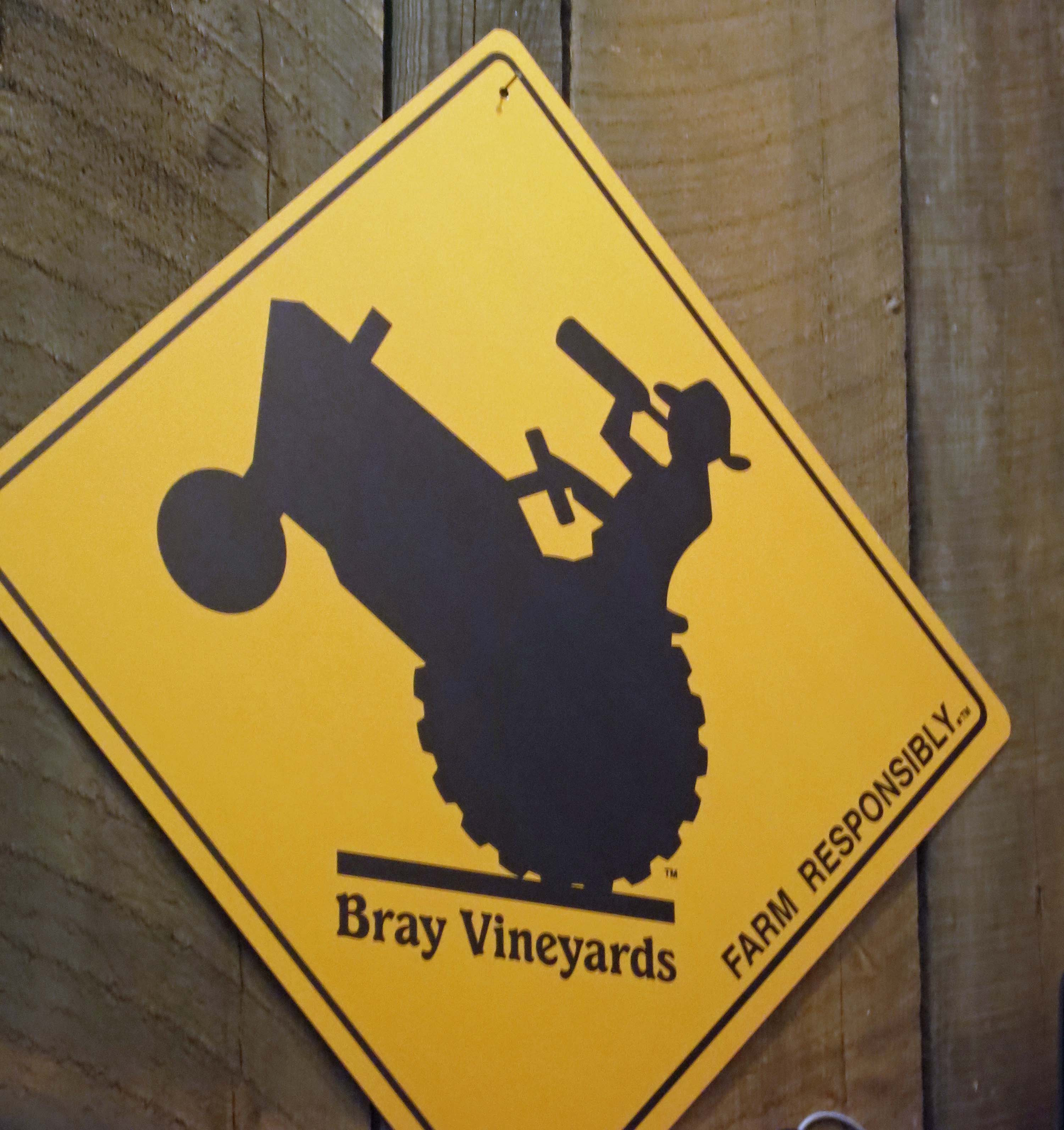
I thought my fellow bloggers who are into farming would appreciate this sign.

I thought my fellow bloggers who are into farming would appreciate this sign.

I'll conclude with a final photo of the giraffe munching flowers. Guilty.

I’ll conclude with a final photo of the giraffe munching flowers. Guilty.

My Rock that Was Peter Ends Up on an Active Fault Zone

I checked our library and found about 100 books on spirituality in addition to the Bible that I have read over the years. This is a sample that i puled off of our shelves.

I checked our library and found about 100 books relating to spirituality that I have read over the years. This is a sample that I pulled off of our shelves.

Peggy served as a principal of a public elementary school for several years and would occasionally be confronted by people who wanted to limit what their children were being taught. One day a man stomped into her office infuriated that his child had picked up a book on dinosaurs at the school library. She calmly asked what the problem was. After all, most children are fascinated with dinosaurs.

“Dinosaurs,” he told her with barely controlled rage, “are not in the Bible. They never existed. My child is not going to learn about dinosaurs.” Apparently Peggy was to immediately remove all books on dinosaurs from the library and to instruct all of her teachers that they could not teach about dinosaurs.

She opted out. “I can’t dictate what you teach your child at home,” she explained. “It is also your right to pull your child out of this school. If he remains here, however, he is going to learn about dinosaurs.”

Limiting the flow of information has been a powerful form of control over what people think for thousands of years. Political, social, and economic dominance have all been maintained by controlling access to knowledge. Religions have historically used a similar approach in influencing what people believe. The anti-dinosaur man is a modern example.

In 1961 I picked up a Barnes and Noble book on comparative religion and learned about Mithraism and Zoroastrianism. I caught a glimpse of how much our great monotheistic religions are based on earlier belief systems or mythologies. The strong religious convictions of my teenage years began to crack. Studying history didn’t help. In reading about the Roman Empire, I learned that the nature of Christ’s divinity was determined by vote at the Council of Nicaea in 325 AD in a bare knuckled political battle, not the most holy of environments. My rock that was Peter made a dramatic shift and relocated itself to an active fault zone.

So, I stopped going to church.

One day I ran into Father Baskin, my minister at the Episcopal Church. I liked him and his family. He had been a photographer and was well into adulthood before deciding to become a priest. His wife, a joyful, hug-you-on-sight type of woman, had grown up with a missionary family in pre-communist China. They had two sons slightly younger than I was.

“Curt, we’ve missed you at church,” Father Baskin jump-started our conversation. “Is something wrong?”

“Well, Father,” I stammered as my mind scrambled for excuses, “I’ve been having a slight problem with original sin, virgin birth and resurrection.”

“Ah, that,” he responded knowingly. “May I share something that might help?”

“Of course,” I replied, preparing myself for a lecture on the importance of having faith.

“I don’t accept everything in the Bible as the literal truth either,” he said in a low tone that caught me off guard. I half expected lightning to strike or at least candelabra to fall over. “But,” he went on, “I do believe that the Bible and its stories point us toward a deeper understanding of God and the meaning of Christianity.”

Wise words: they could be applied to all of the world’s great religious writings. Deeply inspired visionaries strive to understand and explain their visions within the context of their cultures and personal experience. Disciples then come along to interpret and reinterpret the messages to keep them relevant, reflect their own inspiration, maintain control over the flock and win converts. Divine revelation and practical considerations walk hand in hand. We end up with metaphorical truths that point us toward the original source of the vision. And we end up with religions, the keepers of the metaphorical truths.

Unfortunately, it is hard to sell a metaphorical truth, even to our selves. A Christ walking on water and granting everlasting life is infinitely more satisfying and reassuring than a Jesus struggling with the nature of his humanity. This is where faith and miracles enter from stage left. When I walked through the door of the Church, I would still be expected to profess my belief in virgin birth and resurrection. Modifying the Nicene Creed to fit my sophomoric understanding of theology was not an option.

Even if I managed to silently slip in the word metaphorical, I still had original sin to deal with. I could accept the fact that I was petty, dishonest, and wrong at times— that I needed forgiveness. But I couldn’t accept that I was inherently sinful or evil. Since we are 98.8 % chimpanzee, genetically speaking, what seemed sinful to me was to blame Eve (woman), or even the snake, for our monkeying around in the Garden. Father Baskin’s wise words gave me much to think about, but I wasn’t ready to rejoin the flock.

While I was learning about Christianity’s connection to mythology, I was also learning about Crusades, Jihads, Inquisitions, and various other ‘Holy’ wars. Doing unto others in the name of God, Allah, Jehovah, etc. seemed close to a commandment. For all of the good religion had done down through the ages, and there is a great deal, it had also been a factor in much of the world’s violence and intolerance. I came to the conclusion that there was a fly in the ointment, a fatal flaw in religion that may yet bring about the Armageddon that so many fundamentalists believe in. This flaw is tied to two of religions most powerful driving forces: the concepts of exclusivity and faith.

Exclusivity in religion is tribal theology. It is the belief that there is only one way to pass through the Pearly Gates and that our particular brand of religion holds the key. It gives us special status. One doesn’t have to travel very far down this road to assume that other people are less blessed or even evil. Exclusivity can be used to justify wealth, dominance, missionary zeal, Holy War and almost any other thing we want it to.

The idea that an all-knowing, all-powerful, all-wise being would have a chosen people seemed like a contradiction in terms to me. That He would send these people out to kill in His or Her name was inconceivable. Exclusivity appeared like one more human rationalization, a clever ploy to recruit members, fill coffers, and benefit specific groups at the expense of others. Limiting interpretation of ‘God’s Word’ to selected people and adding unquestioned faith to the equation created a recipe for power and control that was far too tempting to ignore and, unfortunately, abuse— over and over again.

Faith allows us to plow forth in the face of adversity and often gets us through the dark night. It can be a powerful force for good, but it is also the underpinning of exclusivity. You can’t get there without it. How else could we convince ourselves that our particular brand of religion has found the one true path to God? We leap before we look and then work backward: the greater the leap, the greater the faith. I believe, therefore it is true. Rational questioning is not allowed.

Our Founding Fathers, the people who wrote the Declaration of Independence, the Constitution and the Bill of Rights, had a profound understanding of the power of religion to be corrupted. They had seen Holy Wars tear apart Europe and kill millions. They wanted to protect the newly formed United States from a similar fate. There would be a strict separation of church and state. The state would no longer use the church to control the masses as it had for millennia. The church would no longer use the state to eliminate competition. People would be free to worship as they chose, whether it was a brand of Christianity or some other religion. Several of the Founders were actually Deists who believed that spiritual truths could be reached through reason alone. Revelation and miracles were not necessary. Thomas Jefferson followed this logic to the point of going through his Bible and snipping out the miracles.

I decided to let time sort out my own belief system. There is no doubt that religion is an important part of who we are. My negative thoughts did not eliminate my need for having some type of spiritual grounding. I was in complete agreement, however, with the importance of letting people worship as they choose. It is wrong for one religion to force its viewpoint on others of different beliefs.

NEXT FRIDAY’S ESSAY: I conclude my series on religion with my 80-year-old father and I discussing God while sitting around a campfire in wild Alaska with snow falling gently from the sky.

Who Needs a Dog When You Have a Deer?

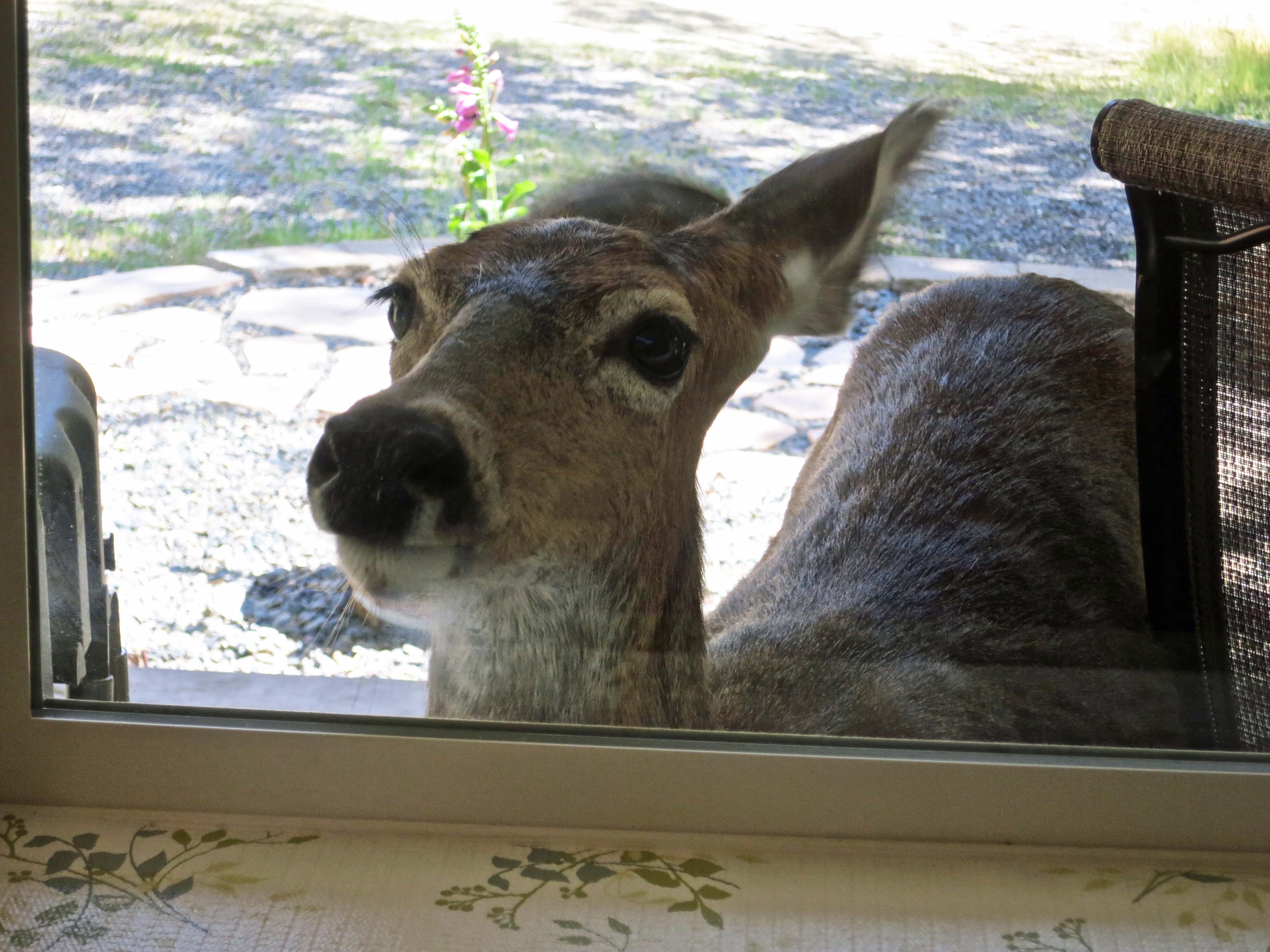
Blacktail deer stares in window of home in southern Oregon.

“I know you are there Curt. Feed me.” One very pregnant deer showed up on our back porch last week. Here, she is staring in the window at me.

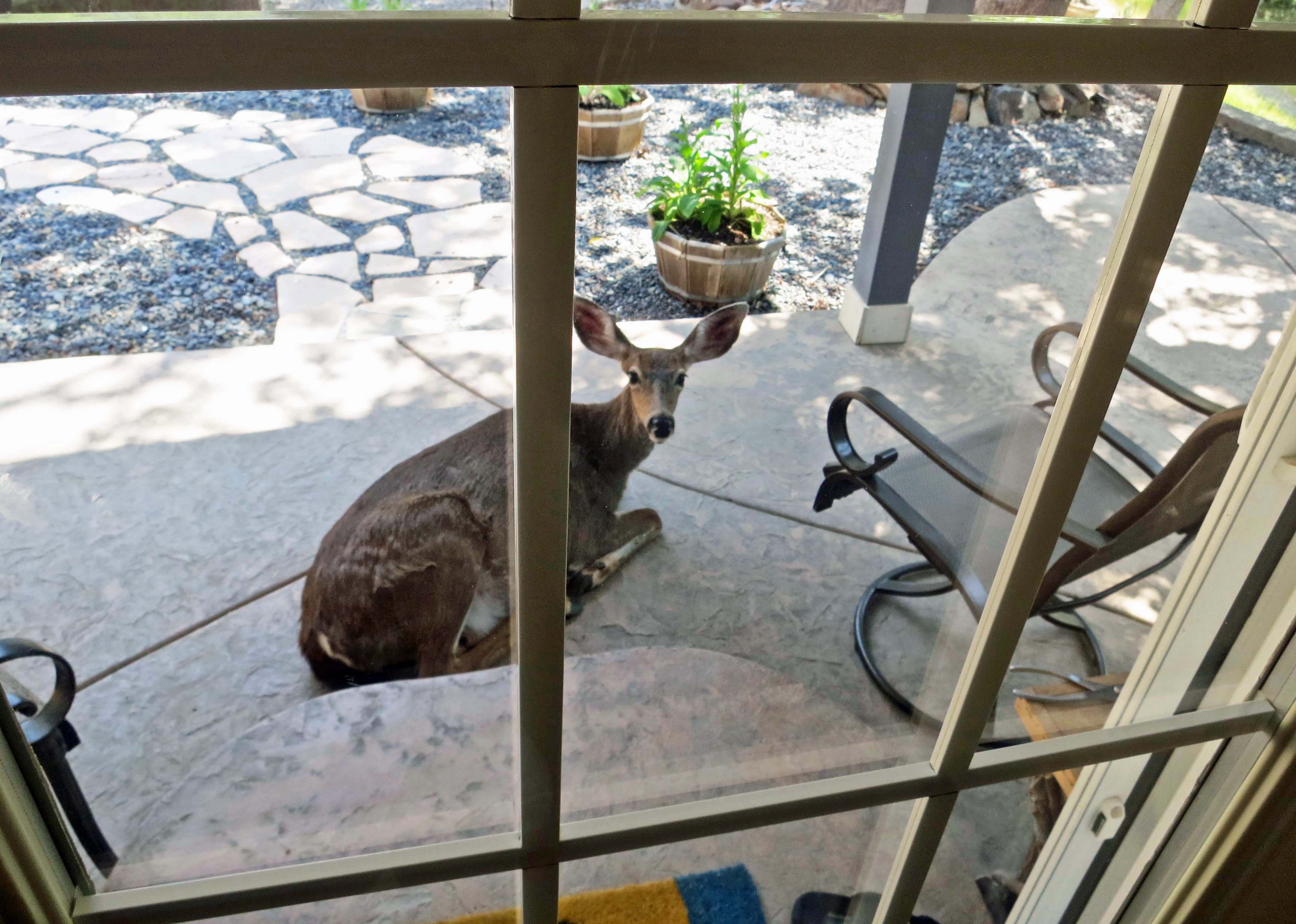
We don’t have a clue why a pregnant doe showed up on the back porch last week at our home in southern Oregon. But there she was, curled up, resting on the cement, and behaving like a dog, a very big dog. She looked up as if to say, “You wouldn’t make a pregnant lady leave, would you?” Or maybe she was saying, “Do you have one of those green apples you occasionally toss out because they are old?” I suspect it was the latter.

Momma doe sleeping on porch in southern Oregon.

We looked out our back door and momma doe was curled up on the porch, sleeping like a dog. Her ears are whipping around to keep off flies.

She looked up, curious about what we were going to do, but hoping it involved food.

She looked up, curious about what we were going to do, hoping it involved food.

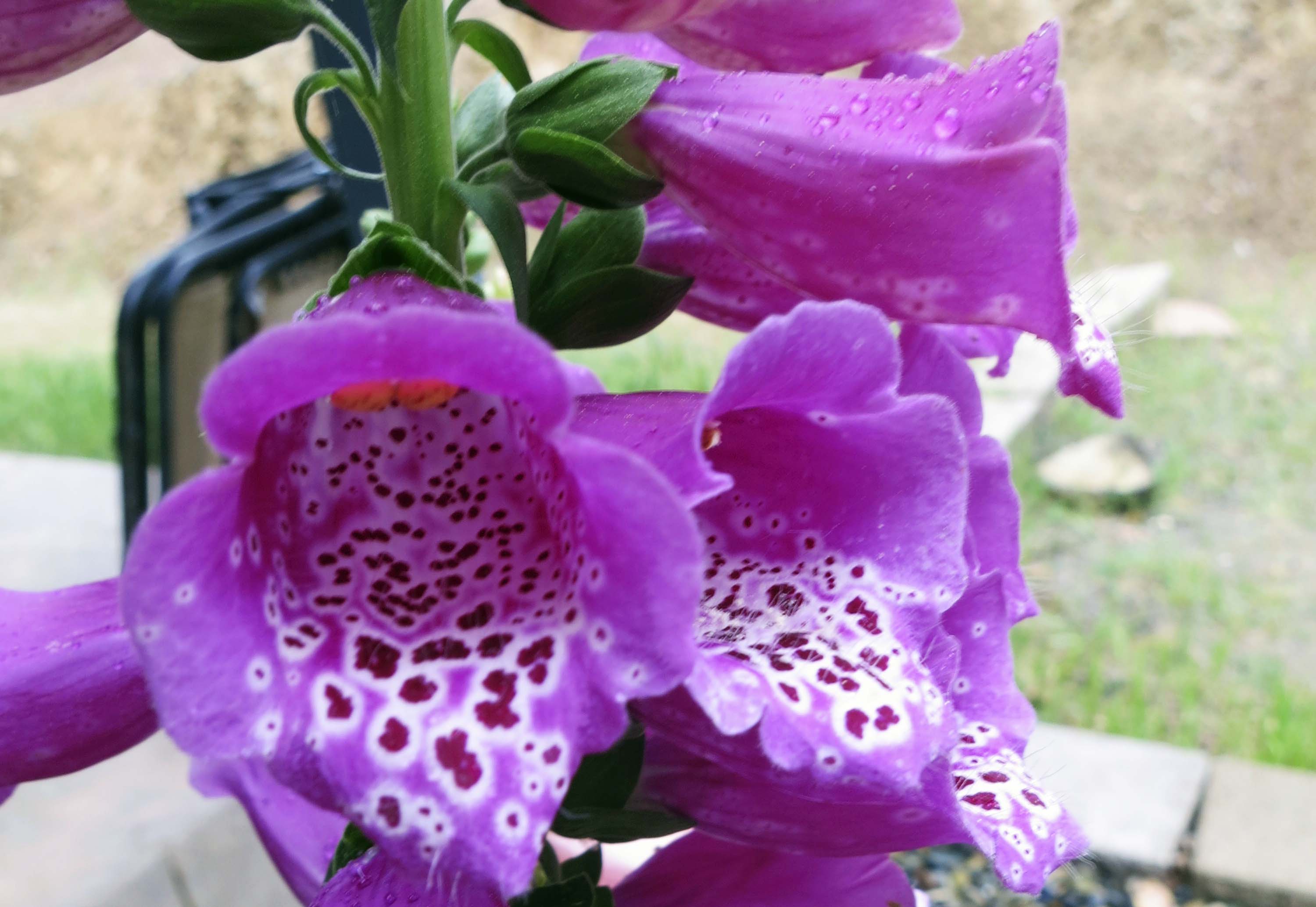
Deer have insatiable appetites. We have gone to extreme measures to encourage them to leave our flowers and shrubs alone. Peggy has long discussions with them about what they can eat and can’t. We have planted things that give them tummy aches, such as foxglove. And we are seriously into fencing.

One of the plants we have found that deer won't touch is foxglove. We are planting it liberally around our house.

One of the plants we have found that deer won’t touch is foxglove. We are planting it liberally around our house.

In addition to being deer proof, it provides beautiful flowers.

In addition to being deer proof, it provides beautiful flowers.

Close up.

Close up.

Last week, we put in a number of native Oregonian plants to eventually form a hedge. But first they have to avoid being eaten. This is a fence I put up. It seems to be working.

We recently put in a number of native Oregonian plants to eventually form a hedge. But first they have to grow up and avoid being eaten. This is a deer’s eye view of the fence I put up. The spider-web top is to keep deer from jumping in. The herd comes by daily to check things out. So far, so good.

Last week we made a quick trip to Sacramento, leaving plants and mom behind. We didn’t know what to expect on our return. The plants are fine; mom is gone. I suspect she went off into the forest to have her baby. We are just glad it wasn’t on our back porch. In the meantime, our neighbors reported we have a visiting bear. Things are never dull around here.

This photo is to provide perspective. I have a very comfortable lounge chair that I can swivel around to look out the window.

This is one of my favorite writing spots. I have a very comfortable lounge chair that I can swivel around to look out the window. When the footrest is up, my feet touch the windowsill. The doe in the top picture was pressing her nose to the opposite side of the window. The door on the right provided the view of her lying down.

The door on the right has a screen that we use when the door is open. Here, Mom has her nose up against the screen looking at me in my chair. Had the screen not been there, she might have invited herself in.

The door has a screen that we use when the door is open. Here, Mom has her nose up against the screen looking at me in my chair. Had the screen not been there, she might have invited herself in. Note the size of her ears.

Later she came over, stood looking in the window at me, and then took a nap.

Later she came over, stood looking in the window at me, and then took a nap.


Seaside, Oregon… Caught between the Past and the Future


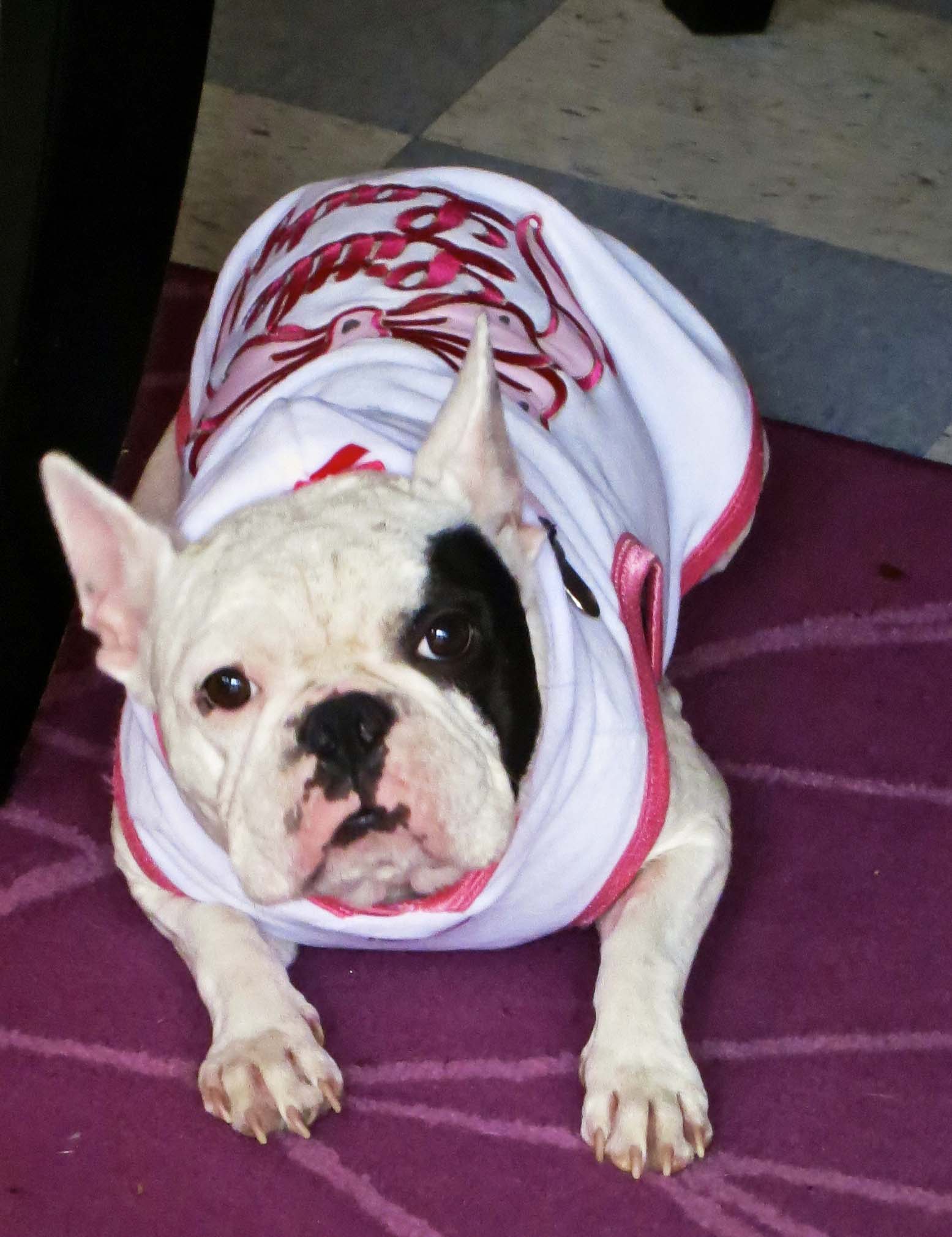
A fortune teller had a small shop on the main street in Seaside, Oregon. This dog rested under the table where fortunes were told.

A fortune-teller had a small shop on Broadway Street in Seaside, Oregon. This dog rested on a carpet under the table where futures were foretold. I suspect his future is that he will be well-loved.

There is a certain feel to coastal tourist towns that earned their glory in an earlier era. I’d define it as rundown charm. Shops are crammed full of made-in-China souvenirs. Taffy and ice cream tempt people off of the street. Occasionally, one can hear the unmistakable sound of carousel music as horses and lions and emus and giraffes go around and around to the echoing laughter of generations of children.

Coffee shops have a down-home, utilitarian atmosphere where you can buy a cup of steaming clam chowder, coffee and cherry pie for under ten dollars. The saltines are free. The waitress is likely to have a few thousand miles on her feet. She may even call you honey.

But I am being nostalgic. Such places are a dying breed on the edge of extinction. Boutique shops and upscale restaurants are now the rule. Yesterday’s $7.00 T-shirt has become today’s $200 blouse. Lunch for two can easily cost $50.00. And the ten percent tip (remember it?) is now twenty.

We can thank the yuppies of the 1980’s and 90’s for this. They rolled out of the major cities along the West Coast of America from San Diego to Seattle with money to burn. Sharp entrepreneurs quickly figured out ways to separate them from their cash. Ocean side property was scarfed up and prices skyrocketed. Old buildings were renovated and new buildings built. Everything was impacted. The closer a town was to a major city, the greater the impact.

I am not saying all of this is bad. Things change. I like my designer coffee and handcrafted beer as much as the next person. And I am glad that artists and artisans have profited by being able to sell their work in the upscale shops.

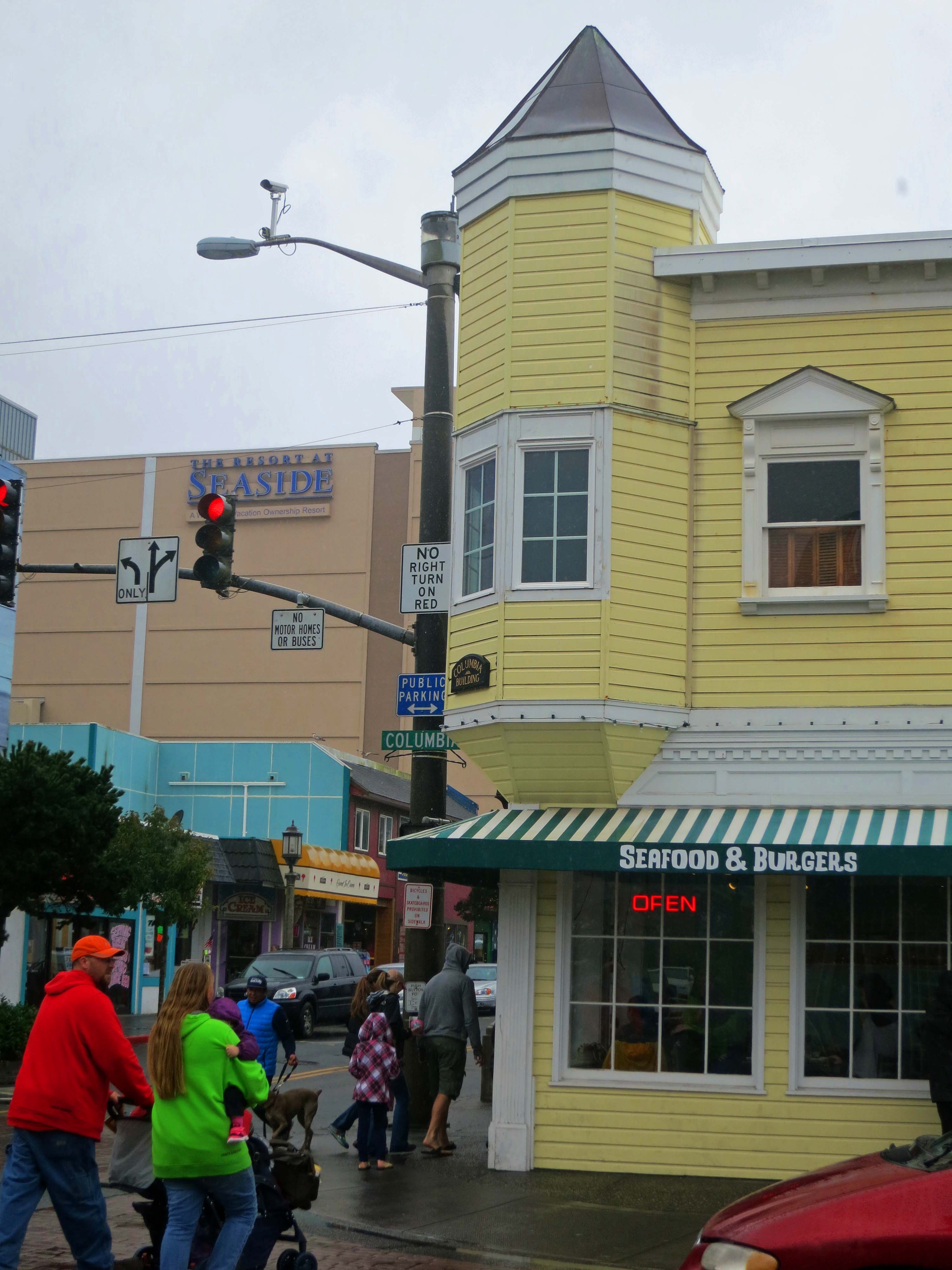
I found a bit of the old and a bit of the new when I visited Seaside, Oregon last fall. Seaside was one of the grand old resort towns, like Santa Cruz in California or Myrtle Beach in North Carolina. It was where you flocked to in the summer if you had money. You can still see the old buildings: now renovated, spruced up and repurposed— to use a modern term. For example, the old courthouse had morphed into a modern brewpub. The single jail cell that once housed Saturday night drunks, now houses kegs of beer. I ate my $12.00 hamburger there and washed it down with a decent porter.

Seaside Brewery in Seaside, Oregon.

The brick drunk tank in Seaside’s old jailhouse now serves as a cooling room for kegs of beer. The beer taps are built directly into the wall. I am not sure about the skulls. They may have been left over from Halloween.

After lunch I walked downtown. Midweek, clouds, and rain meant I had Broadway more or less to myself. A few tourists, locals, and I scurried between store entranceways, trying to stay dry. I admired the old buildings, checked out the local carousel, and stopped off to visit a dog that was lying under a table in a small shop where its owner sat and offered to read my palm. I opted out of fortune-telling but did buy a book on the future at the local bookstore. Watch out for robots.

I was pleased to find a carousel with its horses eager to be ridden. Peggy loves these things. Had she been along, I probably would have been forced to climb on.

I was pleased to find a carousel with its horses eager to be ridden. Peggy loves these things. Had she been along, I probably would have been forced to climb on and ride around with her and the little kids.

A touch of Seaside's glory days can be seen in these buildings along Broadway Street.

A touch of Seaside’s glory days can be seen in these renovated buildings along Broadway Street.

Had I walked downtown before stopping off at the Seaside Brewery, I probably would have eaten at the Pig and Pancake.

Had I walked downtown before stopping off at the Seaside Brewery, I may have eaten at the Pig ‘n Pancake.

This mural was as closes as I got to Seaside's famous beach. It was not a day for sunbathing.

This mural was as closes as I got to Seaside’s famous beach. It was not a day for sunbathing.

The sunshine was of the liquid type. Other tourists, locals and I went searching for awnings that protected us from the rain.

The sunshine was of the liquid type. Other tourists, locals and I went searching for awnings that protected us from the rain.

It was a good day for being inside, though and I always enjoy futzing around in antique shops.

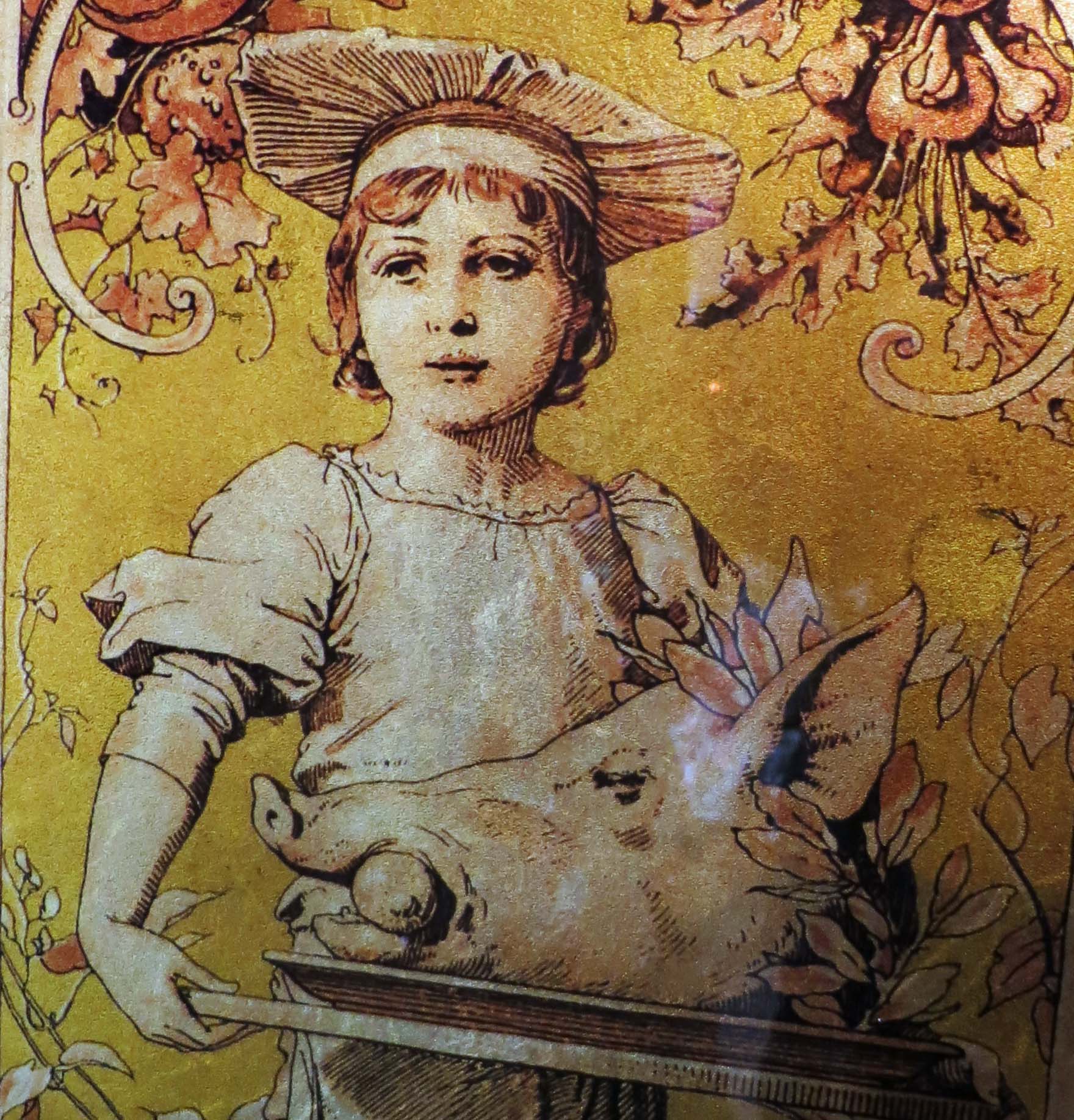
It was a good day for being inside, though, and I always enjoy futzing around in antique shops, where I found this dead pig room divider.

And this Chinese foo dog statue.

And what I believe is  Chinese foo dog statue. (Or maybe it is a lion about to eat a horse).

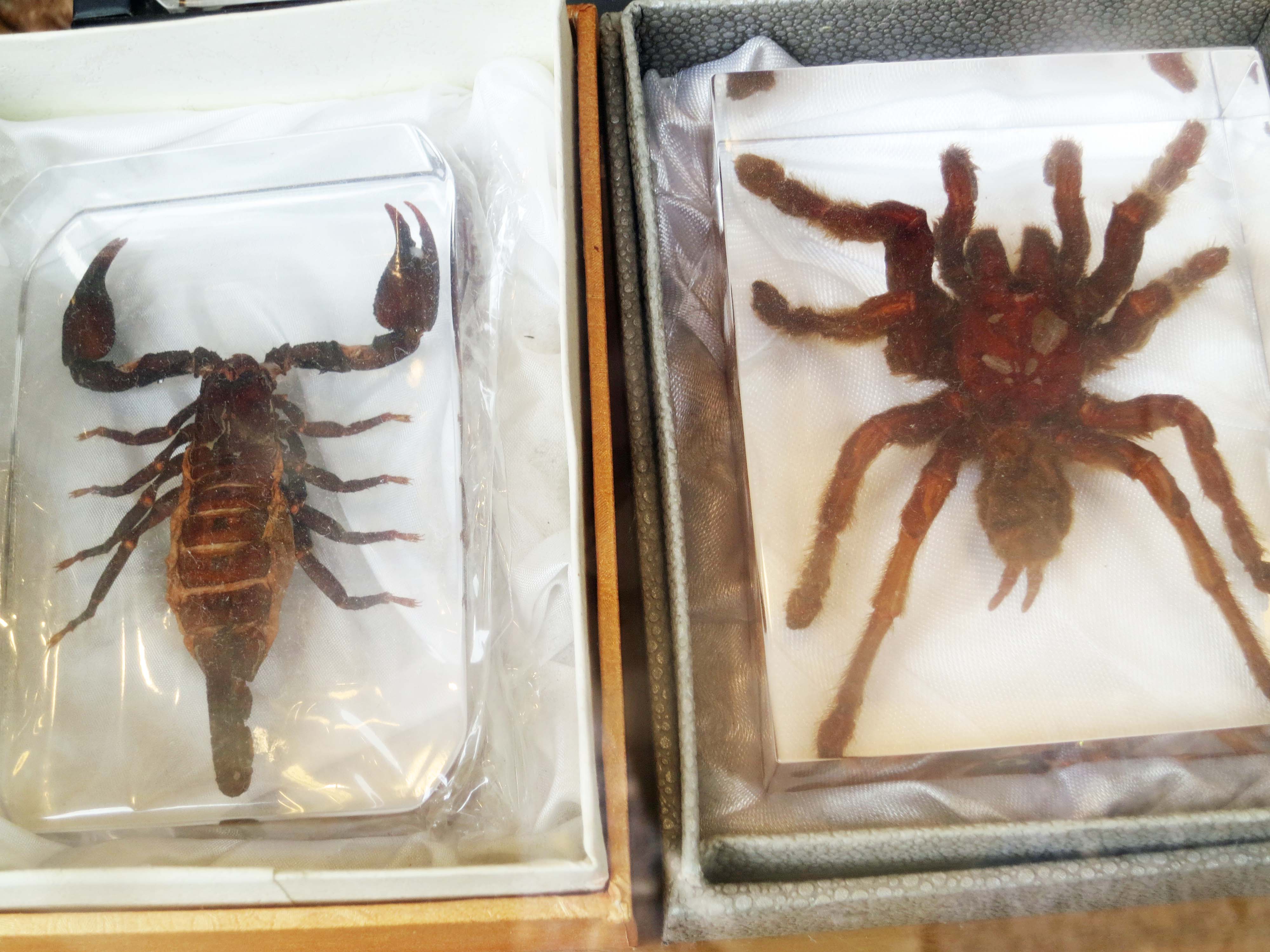
Another shop that caught my attention featured preserved scorpions and tarantulas.

Another shop that caught my attention featured preserved scorpions and tarantulas. I once caught a scorpion like the fellow on the left outside of my house in Liberia and kept it in a jar for a while. Maybe that is when my former wife first contemplated divorce.

Another symbol of historic coastal resort towns was the Penny Arcade. Although the games and prices have changed, the purpose remains the same: capturing youth. It worked for me as a kid.

Another symbol of historic coastal resort towns was the Penny Arcade. Although the games and prices have changed, the purpose remains the same: capturing youth. It worked for me. I happily mis-spent many hours in such joints playing pinball machines.

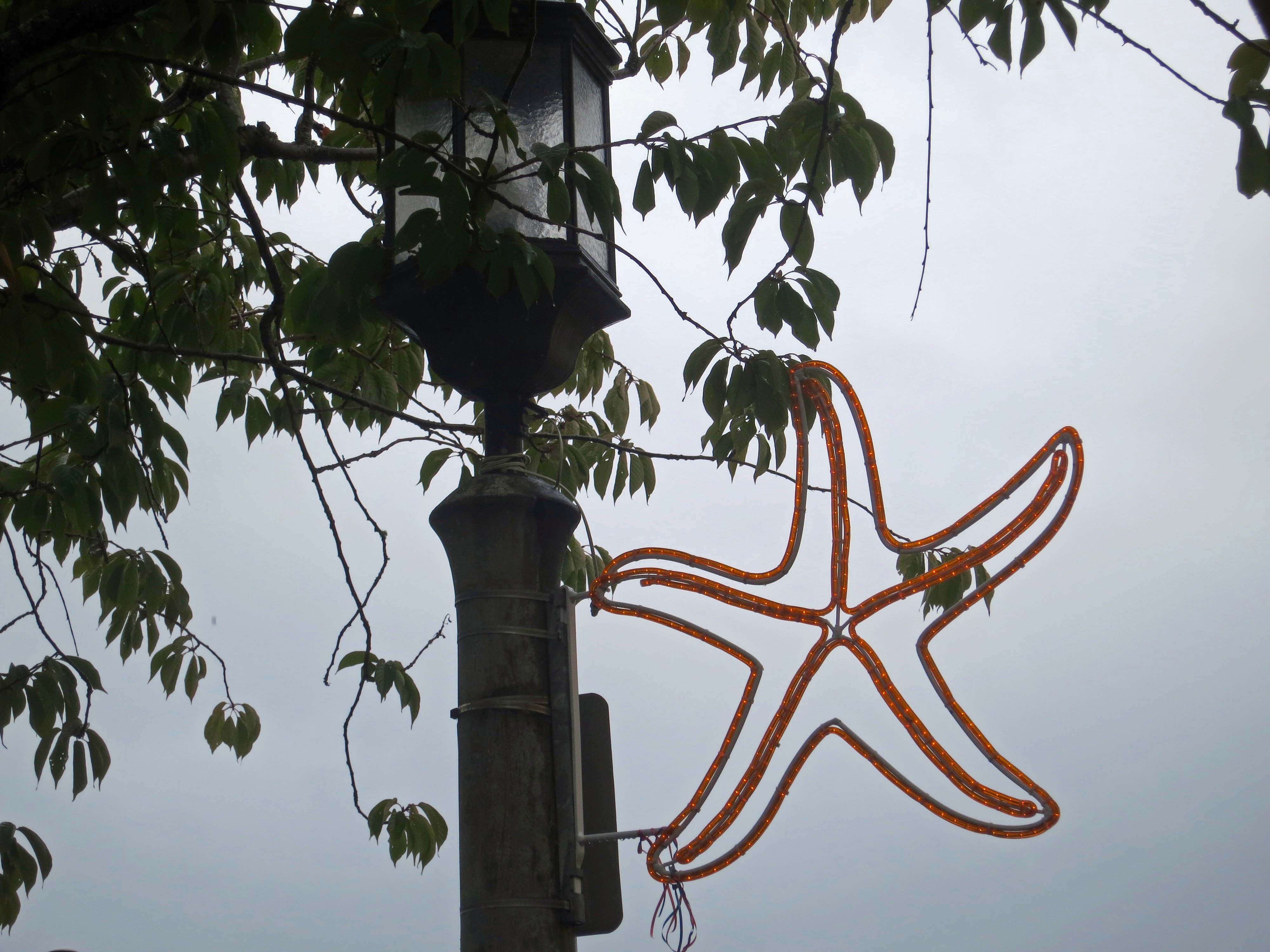
Historic street lamps with attached starfish were found along Broadway and seemed an appropriate symbol for Seaside.

Historic street lamps with attached starfish were found all along Broadway. They seemed an appropriate symbol for Seaside and a fitting end for this post. NEXT BLOG: A photo essay on the pregnant deer that has apparently adopted us. Maybe by Wednesday she will have had her fawn, preferably not on our back porch.


Tarzan Shows Me the Light… The Friday Essay

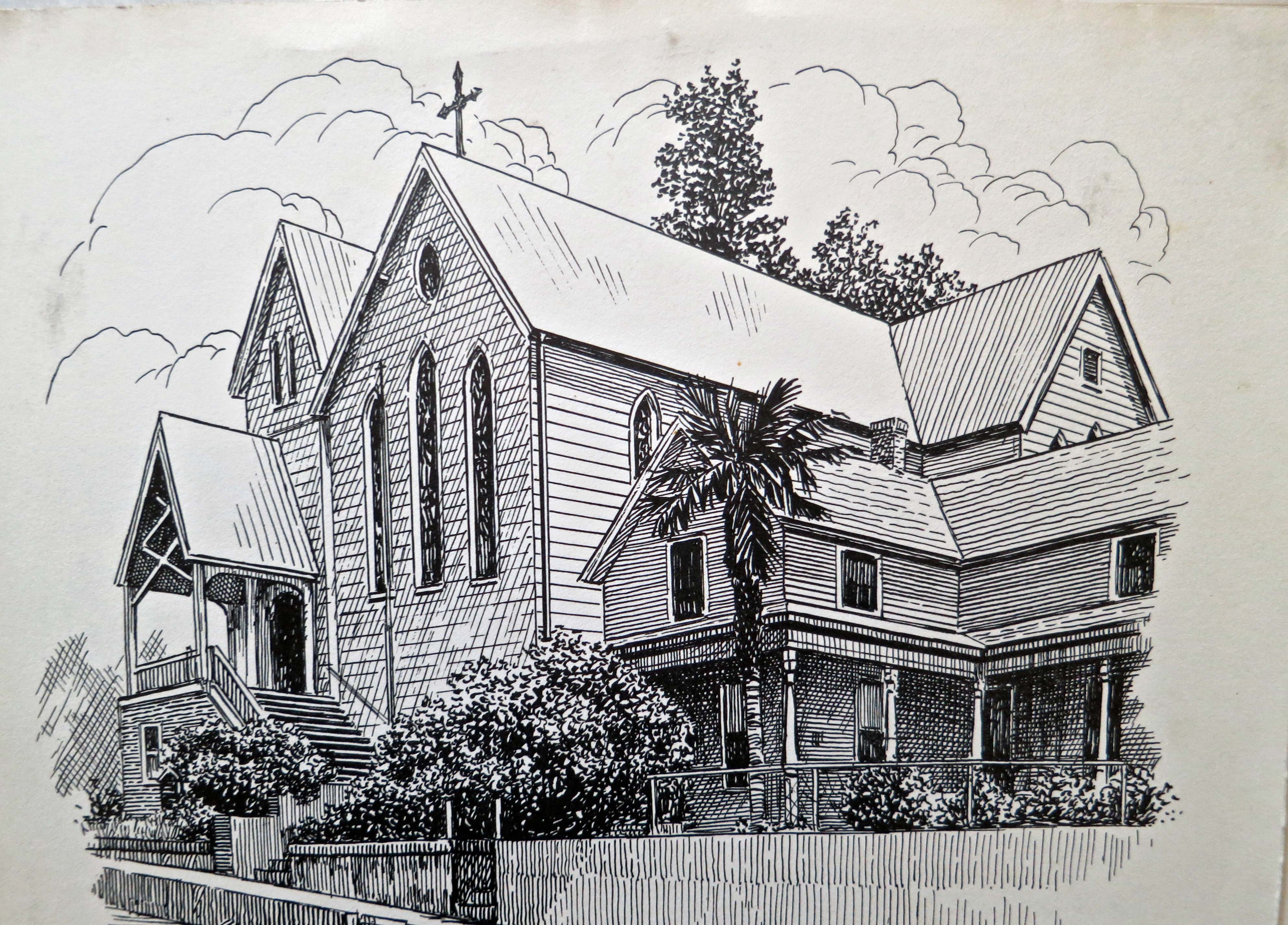
The Episcopal Church in Placerville that played a significant role in my life for 16 years.

The Episcopal Church in Placerville played a significant role in my life for 16 years.

In my last Friday essay on Finding God in all the Wrong Places, I learned that some miracles are best witnessed with your eyes shut, and that the radio preacher my brother and I listened to on Wednesday nights believed the road to heaven was paved with gold— for him. It was not the best introduction to religion. My parents had a burgeoning seven-year-old skeptic on their hands.
But they weren’t giving up on introducing their children to church.

Next on their parental road map to religious enlightenment was the Episcopal Church of Our Savior in Placerville. This time they used a different tactic, bribery. After church, we stopped at Tom Raley’s grocery store and were allowed to buy a Pepsi and pick out a comic book. I would eagerly search the rack for the latest issue of Tarzan, and, on really lucky weekends, find one. It was like winning a gazillion dollars in the lottery. The mere thought of joining the ape-man on his romp through the jungle was more than I could resist. I became a devout Episcopalian.

Gradually, Tarzan was replaced by other rewards. Marshall and I were recruited to carry the California and American flags in the procession. They had great yellow tassels that we would wind up tightly and release during over-long sermons, anything beyond five minutes. The challenge was to see whose tassel would twirl the longest. When that became boring, we could always watch our parents frantically mouthing words to make us behave.
Then I was given an immense promotion. I was invited to sing in the six-person choir that consisted of five elderly white-haired ladies and me. We all had loud voices; singing on key was secondary. I often pictured Jesus wearing earplugs.

Eventually I was allowed to carry the cross and lead the whole parade. I became an acolyte and served the priest, lit candles, rang bells, carried incense and even served as a junior lay leader. I became seriously religious and entertained the thought of becoming a priest. Crosses that glowed in the dark and Brother Jones were in my distant past.

There were numerous side benefits as well. The first was having a Godmother who became my second grade teacher. She was willing to overlook my extensive first grade rap sheet. I still have my report cards where every subject was given a C and every behavior trait was checked below the line. Listens in class, no; comes to school on time, no; wears appropriate clothing, no— you get the point. I think the latter came about because I didn’t like to wear underwear. Once I got a rather delicate part of my anatomy caught in the zipper and the teacher had to help get me unstuck. That cured the underwear bit.

I quickly learned in the that being a teacher’s pet beat being spanked, which was still an option in those days. Both my grades and behavior improved.

Gainful employment was another benefit. At age 11, I obtained my first serious job of working for one of my fellow choir members, Mrs. McKenzie. She lived in a large house overlooking Placerville and had a yard full of weeds that I was paid $.75 an hour to pull. She also had a big German Shepherd named King who topped the scales at 100 pounds and had a serious attitude problem. His idea of fun was to run at me full speed, bark ferociously, and screech to a halt about six inches away, with his jaws snapping.

“He just wants to play,” Mrs. McKenzie would assure me.

Yeah, right. That dog wanted to eat me. He knew it and I knew it. My third time there he made an attempt. By the time Mrs. McKenzie responded to my yells, King had helped himself to a generous portion of my pants and was about to start on my leg. I went home with a few bruises, an extra five bucks, and the promise that King would henceforth be kept in the house. Of course he wasn’t. A month later King climbed over the fence and took a chunk out of a passerby. Mrs. McKenzie ended up with an $1100 dollar fine and a court order to keep the dog muzzled.

After that, King took a liking to me, unfortunately. I would enter the yard and he would come charging at me just like old times. He would slide to his six-inch screeching halt, pound his muzzle on my leg in a symbolic bite, and then roll over so I would rub his belly. It was a very one-sided friendship.

Along about 12, I was invited to be the church janitor. Each Saturday I would hitchhike the three miles to Placerville and earn my weekly paycheck of four dollars. While this may seem rather paltry in our present age of instant billionaires, it was a fortune to me in 1955. After cleaning the church, I would beeline it to the Hangtown Bowl, buy cherry cokes and play my favorite pinball machine. I was hot. With one thin dime I could coax enough free games to last all afternoon. My newfound wealth also meant I could peruse the Placerville Newsstand and spend $.50 a week on the latest Max Brand or Luke Short Western. I became hooked on cowboy books. Then I discovered the Gold Chain restaurant and its incredible coconut cream pie. Talk about addiction. One fourth of my weekly salary went to support my pie eating habit. After all of that, I still had a buck to get me through the week and a buck for savings.

I joined the church Boy Scout Group and the church Youth Group in addition to my roles as acolyte, choir member, janitor, etc. Had there been any more church groups, I would have joined them as well. The church became a central part of my life and got me through some tough times. I did a lot of growing up there. It even played a role in my ‘discovery’ of girls. Fortunately, confession wasn’t a requirement of the Episcopal Church given what I learned in the basement stairwell. Had I been a good Catholic, I would still be saying Hail Marys.

By my senior year in high school, I had given up my youthful thoughts of becoming a minister but still took my religion seriously and attended church regularly. College was coming, however. My faith and many other things I accepted as true were about to become maybes.

NEXT FRIDAY’S BLOG: My rock that was Peter relocates itself to an active fault zone.

Green Grass, Redbud, and the Sacramento River… Wednesday Photos

A warm day with just enough clouds to make in interesting, provided a perfect day for a walk on the Sacramento River.

A warm day with just enough clouds to make it interesting, provided a perfect day for a walk on the Sacramento River.

In my last blog, we visited the beautiful Sundial Bridge on the Sacramento River. Today I am travelling just a few miles north on the river to a bike trail just below the outlet of the Keswick Dam. This trail is part of a 50-mile system that connects Redding with Shasta Lake. Our journey consisted of a stroll down the trail to a bike bridge across the river and back. Although it was early March, spring had sprung. The grass was green, the redbud was red, and the sun was warm. A family of river otters entertained us along the way. My Wednesday Photo Essay:

It wasn't quite spring, but no one had told the redbud growing along the Sacramento River.

It wasn’t quite spring, but no one had told the redbud growing along the Sacramento River.

A close up of the redbud.

A close up of the redbud.

Redbud on Sacramento River.

And here it is decorating the river.

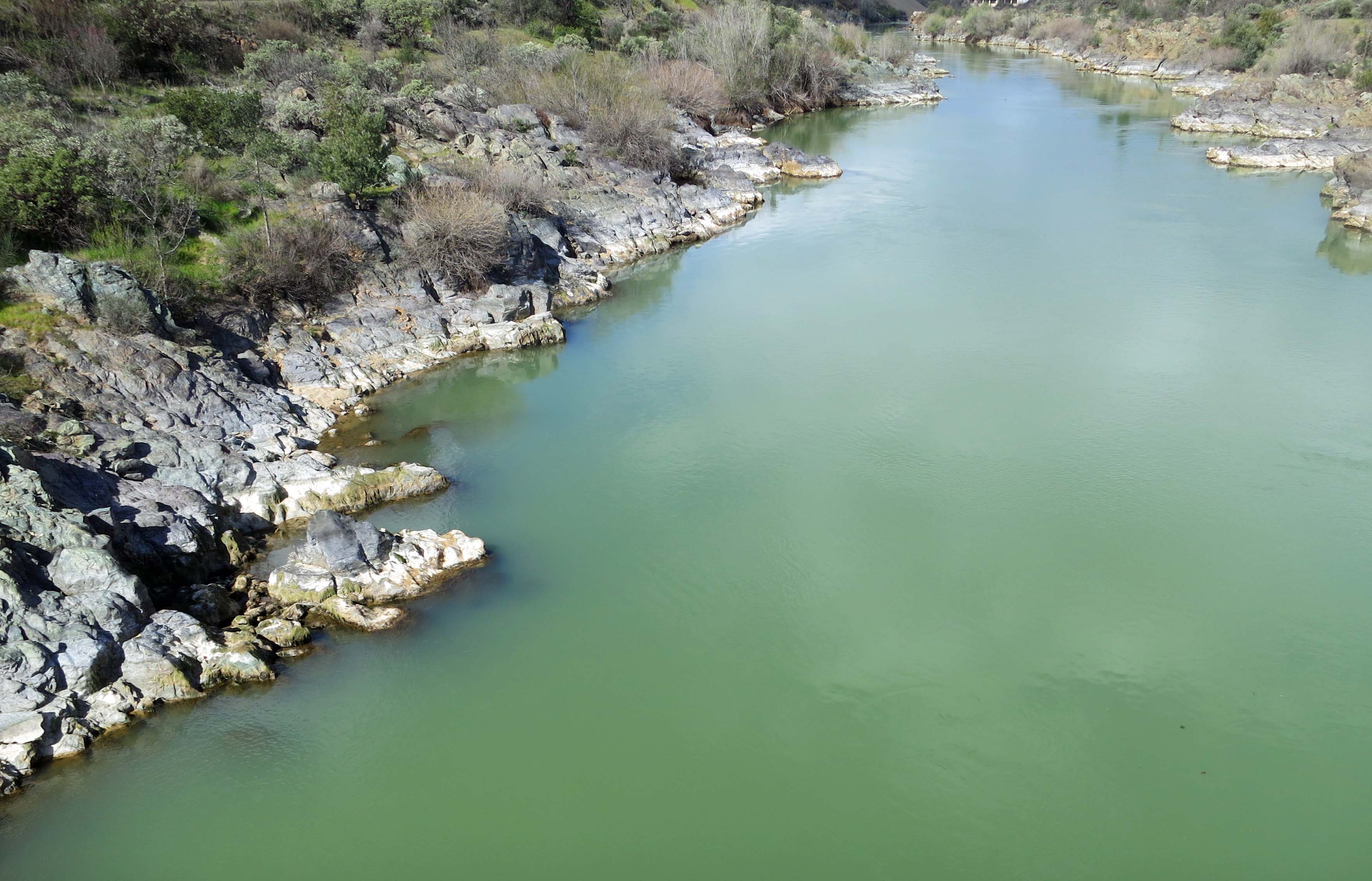
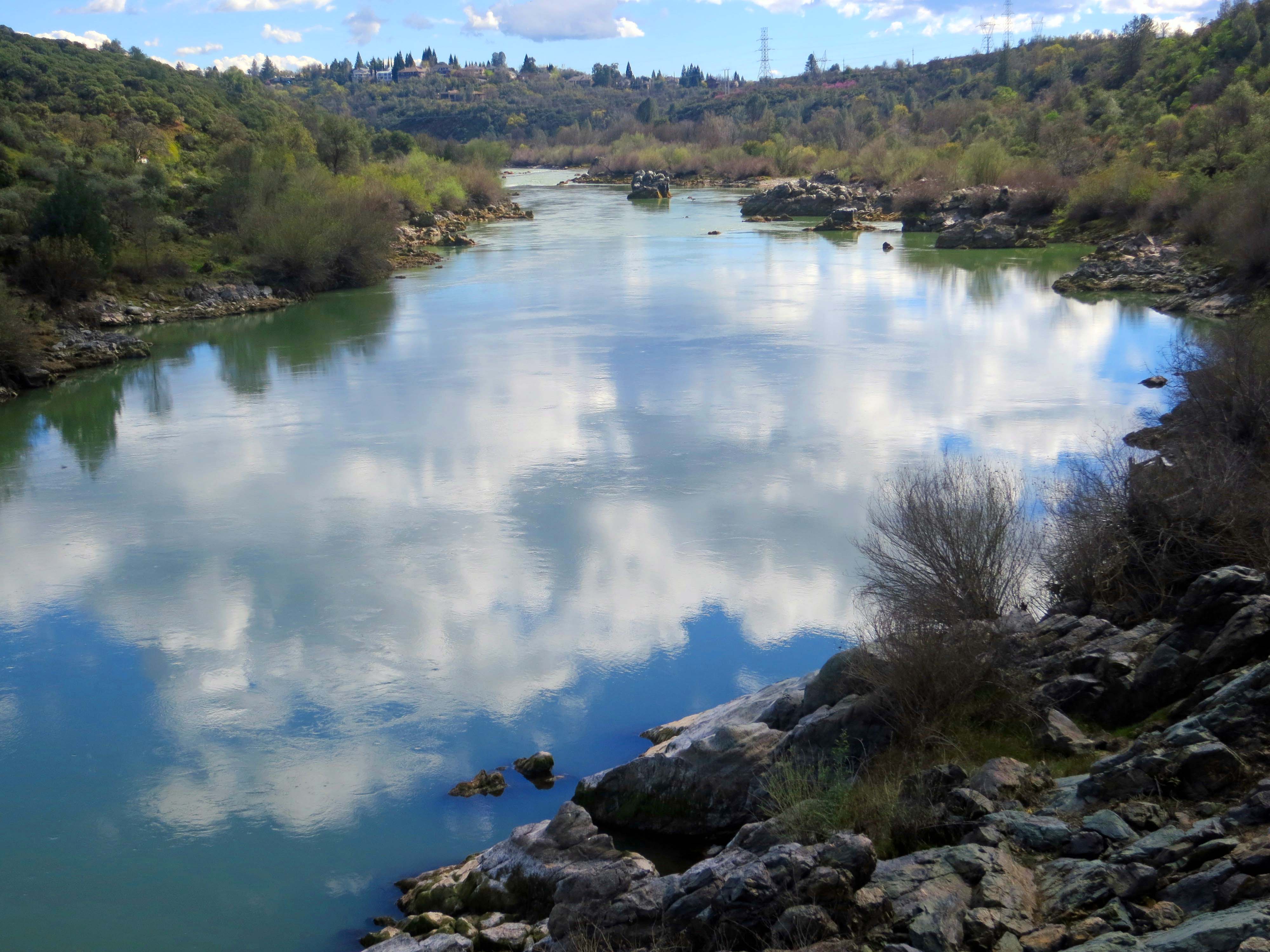
While the river was low because of the drought, I still thought it was quite scenic. This is looking north from the bike bridge.

While the river was low because of the California drought, I still thought it was quite scenic. This is looking north from the bike bridge.

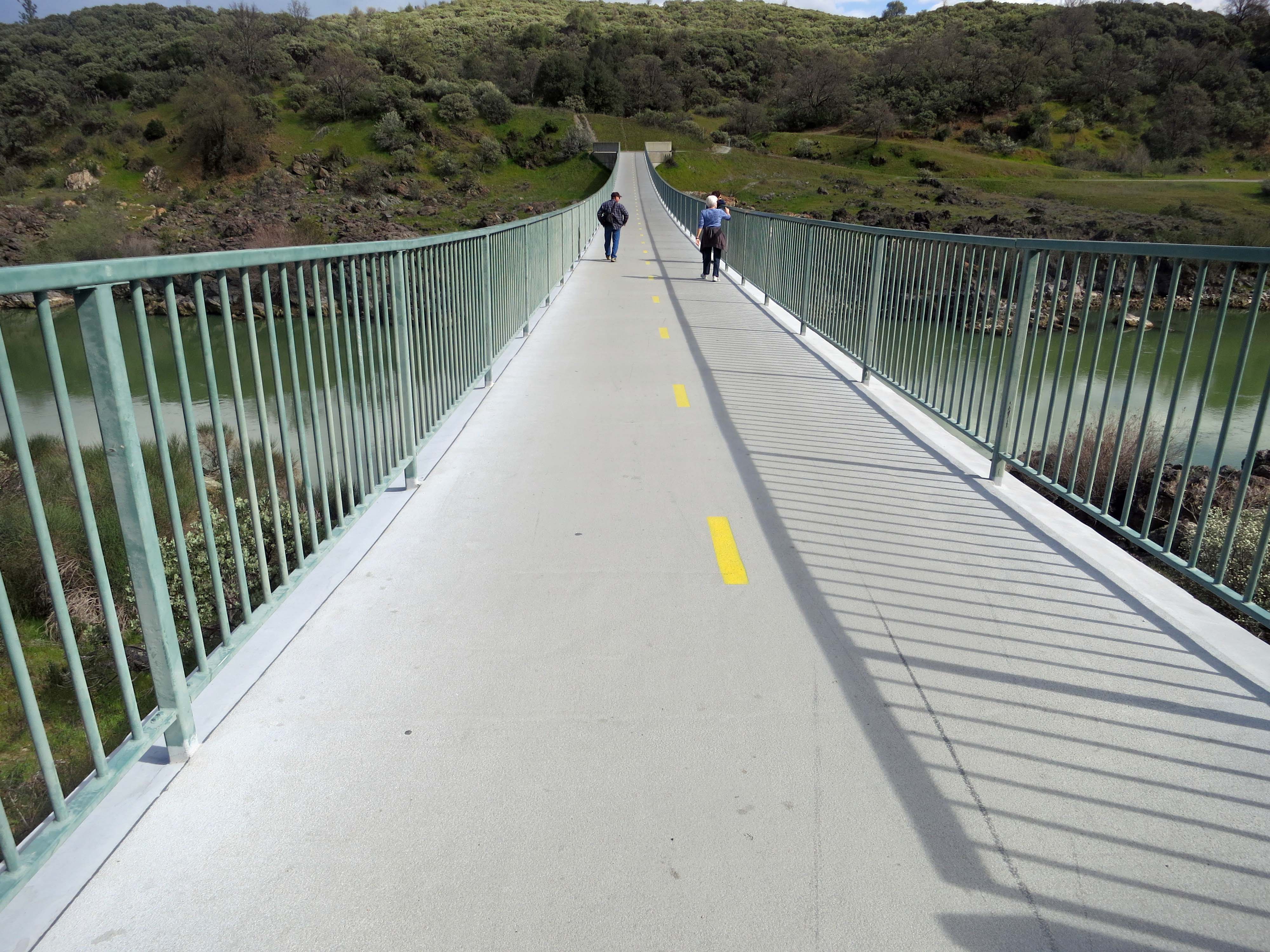
Peggy, along with our friends, Ken and Leslie, are half way across the 13-foot-wide, 418-foot-long bike bridge.

Peggy, along with our friends, Ken and Leslie, are half way across the 13-foot-wide, 418-foot-long bike bridge.

The view south.

The view south.

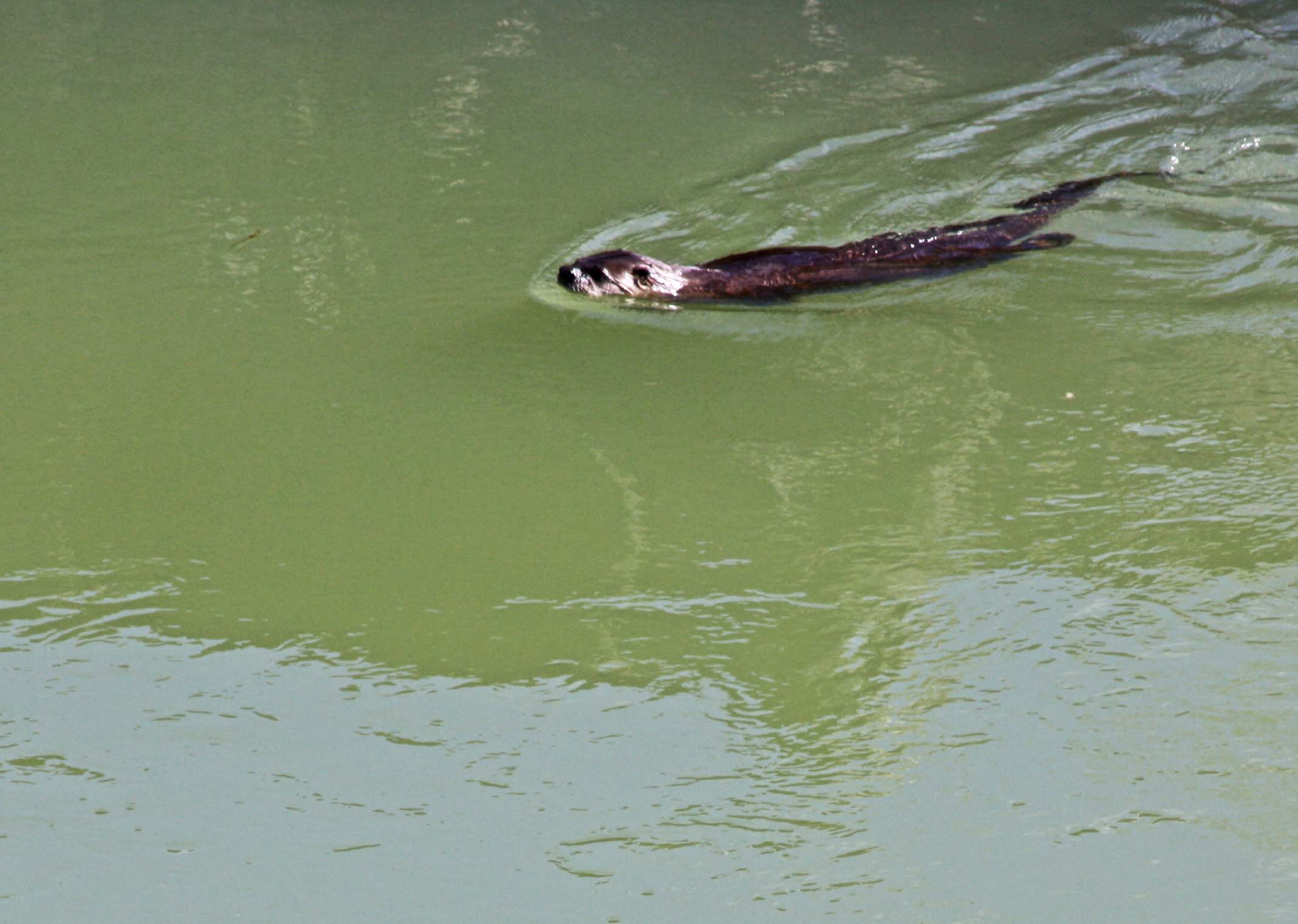
We were looking south when we spotted a family of four river otters making their way up the river. My small camera didn't handle the distance well, but the otters were too interesting to leave out.

We were looking south when we spotted a family of four river otters making their way up the river. My small camera didn’t handle the distance well, but the otters were too interesting to leave out. Note the size of the tail.

The otters gathered on a rock to cheek us out.

The otters gathered on a rock to check us out. There wasn’t quite room for the fourth one.

On the way back, I found this interesting lichen growing on a rock.

On the way back, I found this interesting lichen growing on a rock…

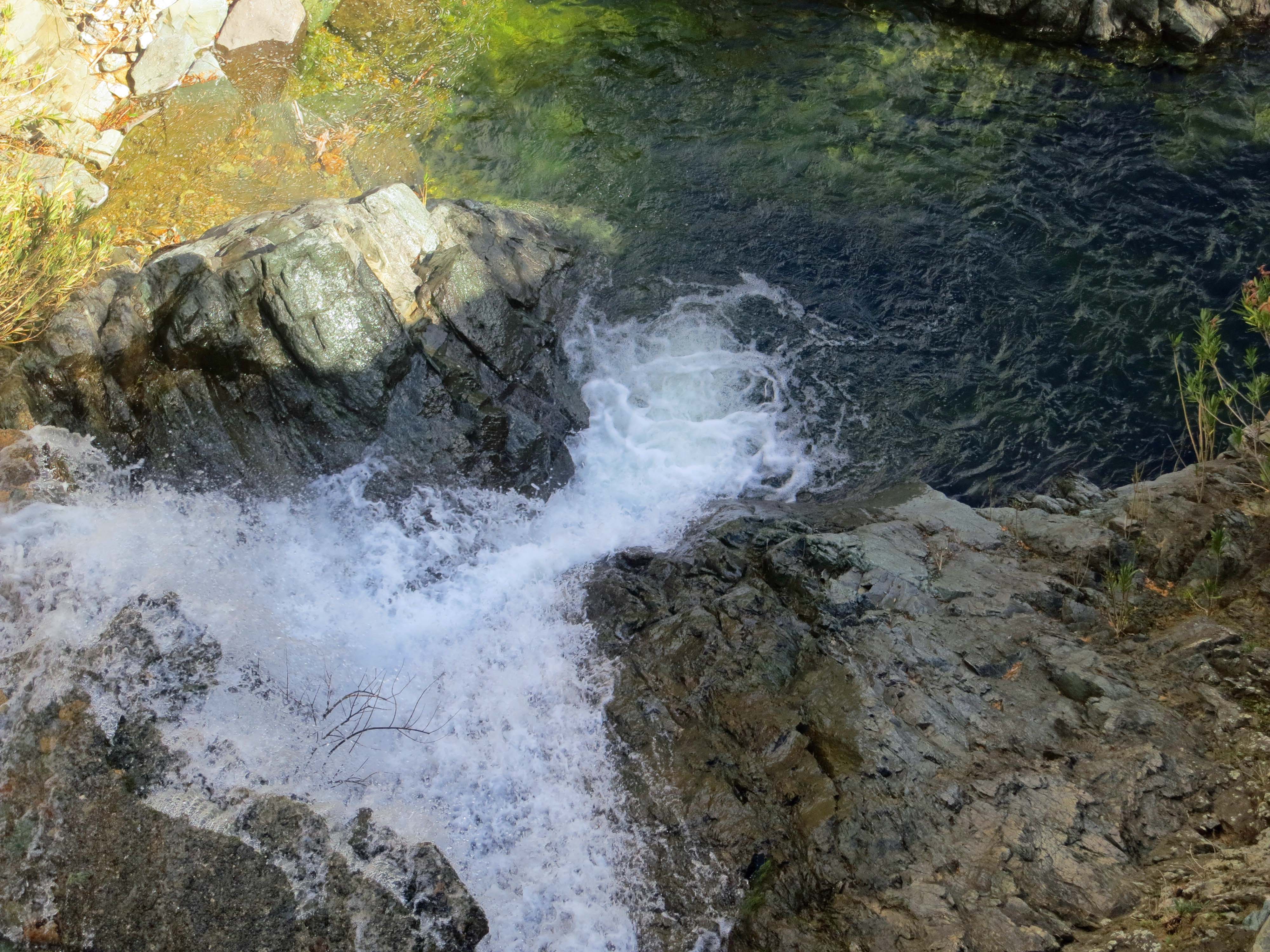
And a waterfall on a creek flowing into the river.

And a waterfall on a creek flowing into the river.

A final shot of a small cove on the river. NEXT BLOG: Tarzan shows me the light.

A final shot of a small cove on the river. NEXT BLOG: Tarzan shows me the light.