The (not so) Wild Burros of Oatman Az. and Route 66… On the Road

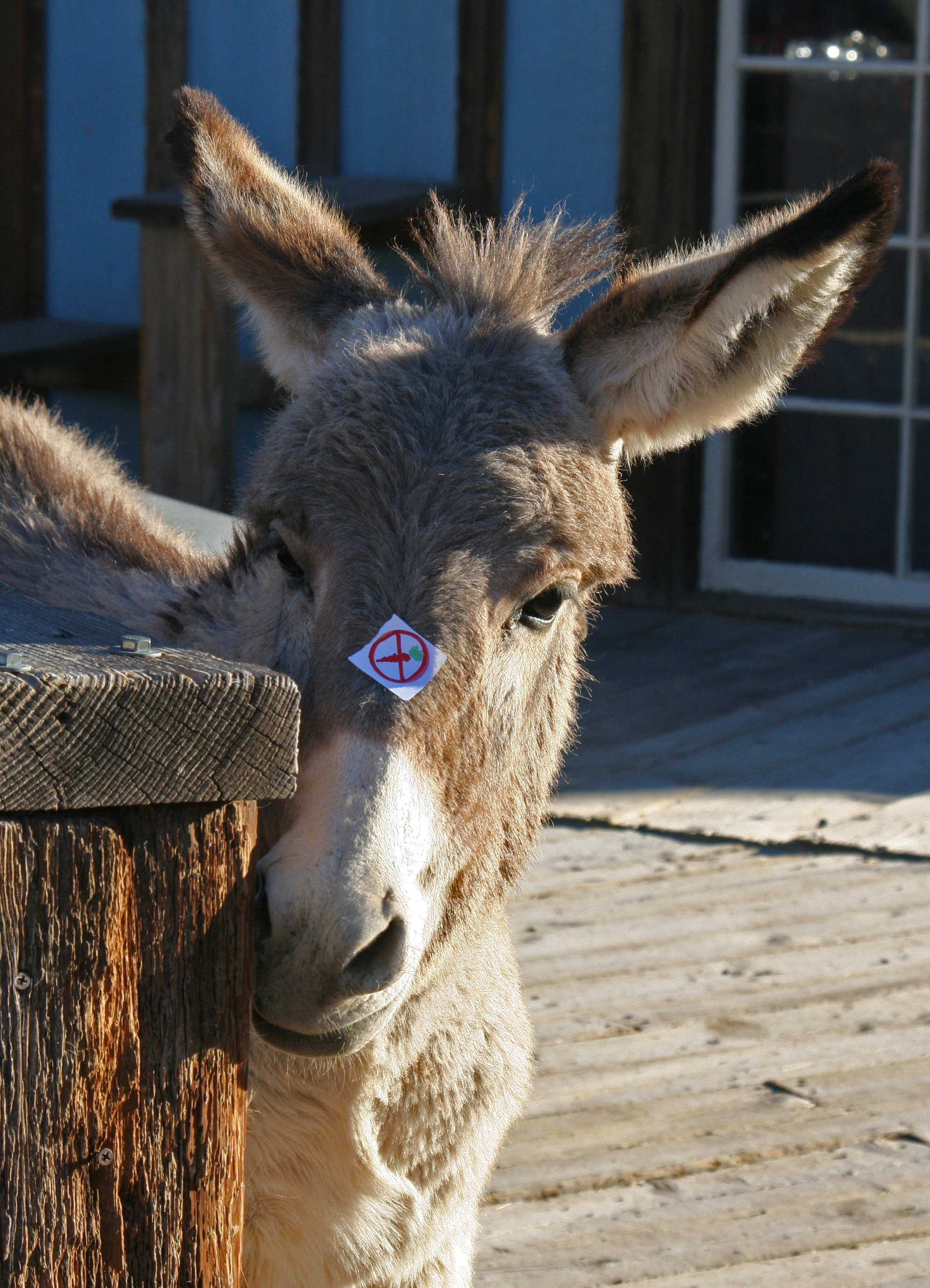
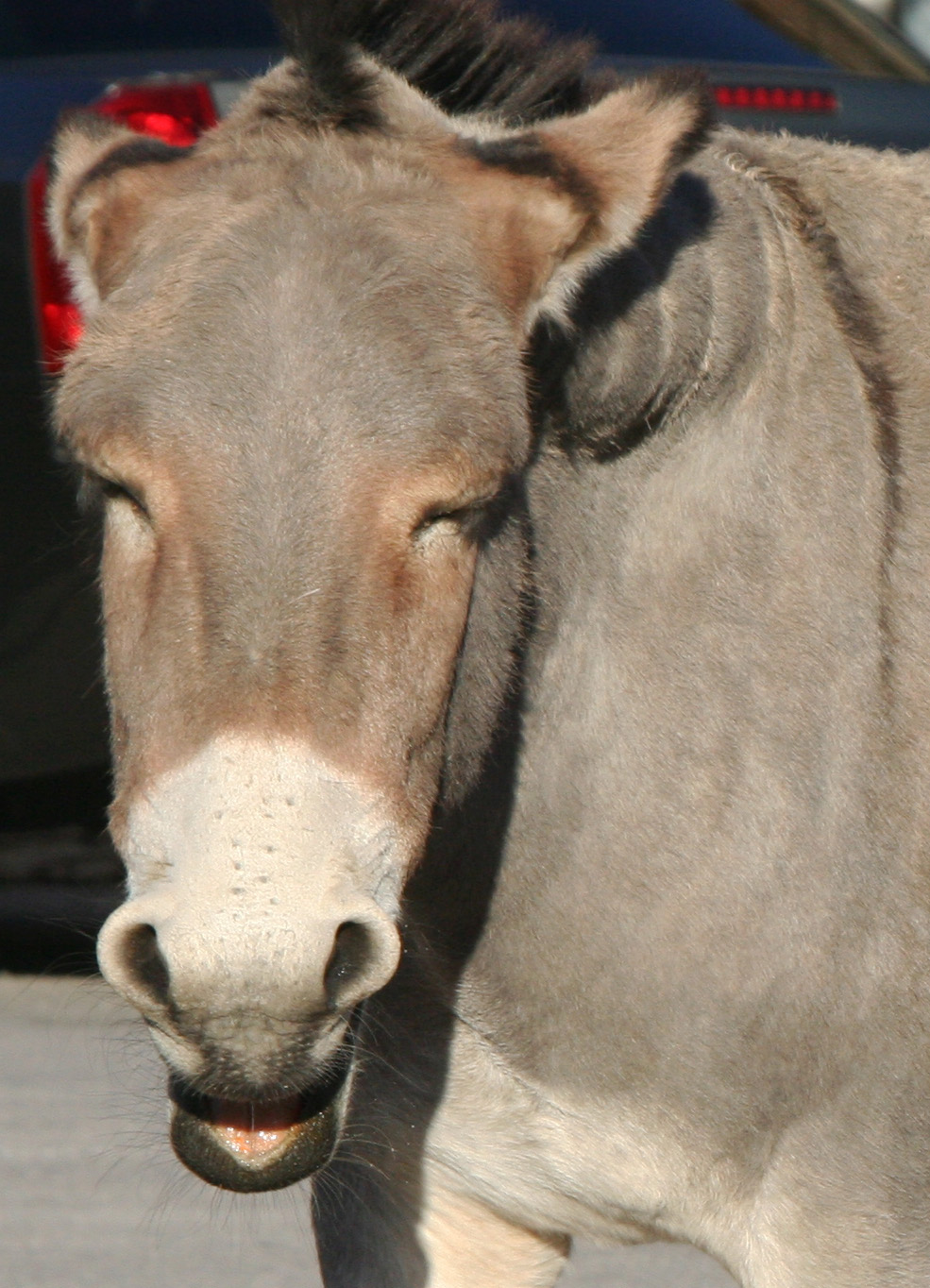
Oatman Arizona is noted for its history, location on Route 66 and its wild burros. As this photo suggests, its burros are not very wild, but they are characters.

Oatman, Arizona would be a ghost town if it weren’t for its wild burros and location on Route 66. Peggy and I stopped there on one of our explorations of the historic highway and were immediately greeted by the burros.

A ten million dollar gold strike in 1915 gave Oatman its initial growth spurt. Travel on Route 66 during the highway’s days as a major east-west road maintained its existence. Clark Gable and Carole Lombard spent a honeymoon night there and Clark returned occasionally to gamble with the miners.

A view of main street Oatman in its desert setting with its historic buildings.

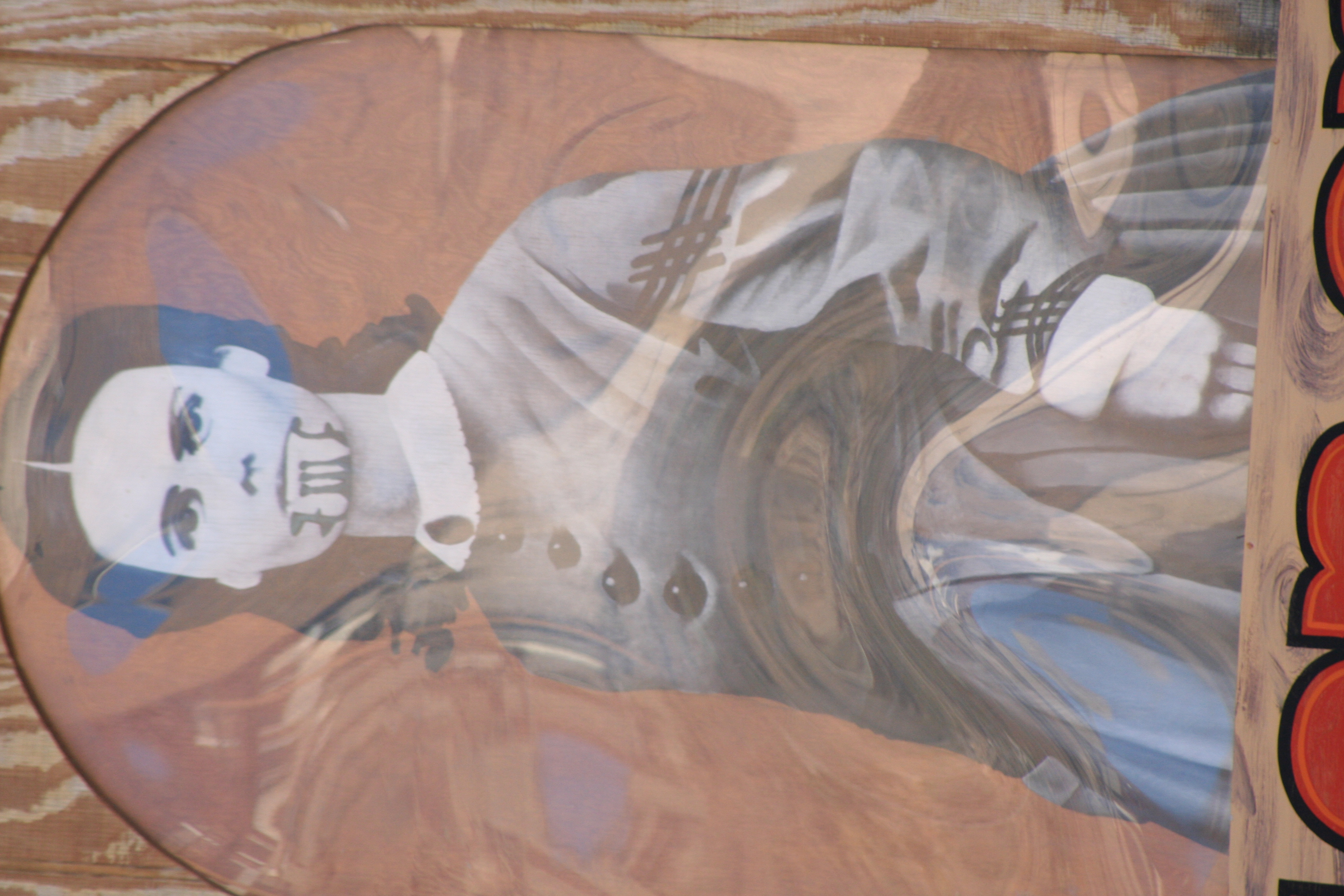
The town received its name from Olive Oatman who had been kidnapped by the Yavapai Indians, rescued and tattooed by the Mohave Indians and eventually released near the town.

Olive Oatman with her tattoos that were applied by the Mohave Indians.

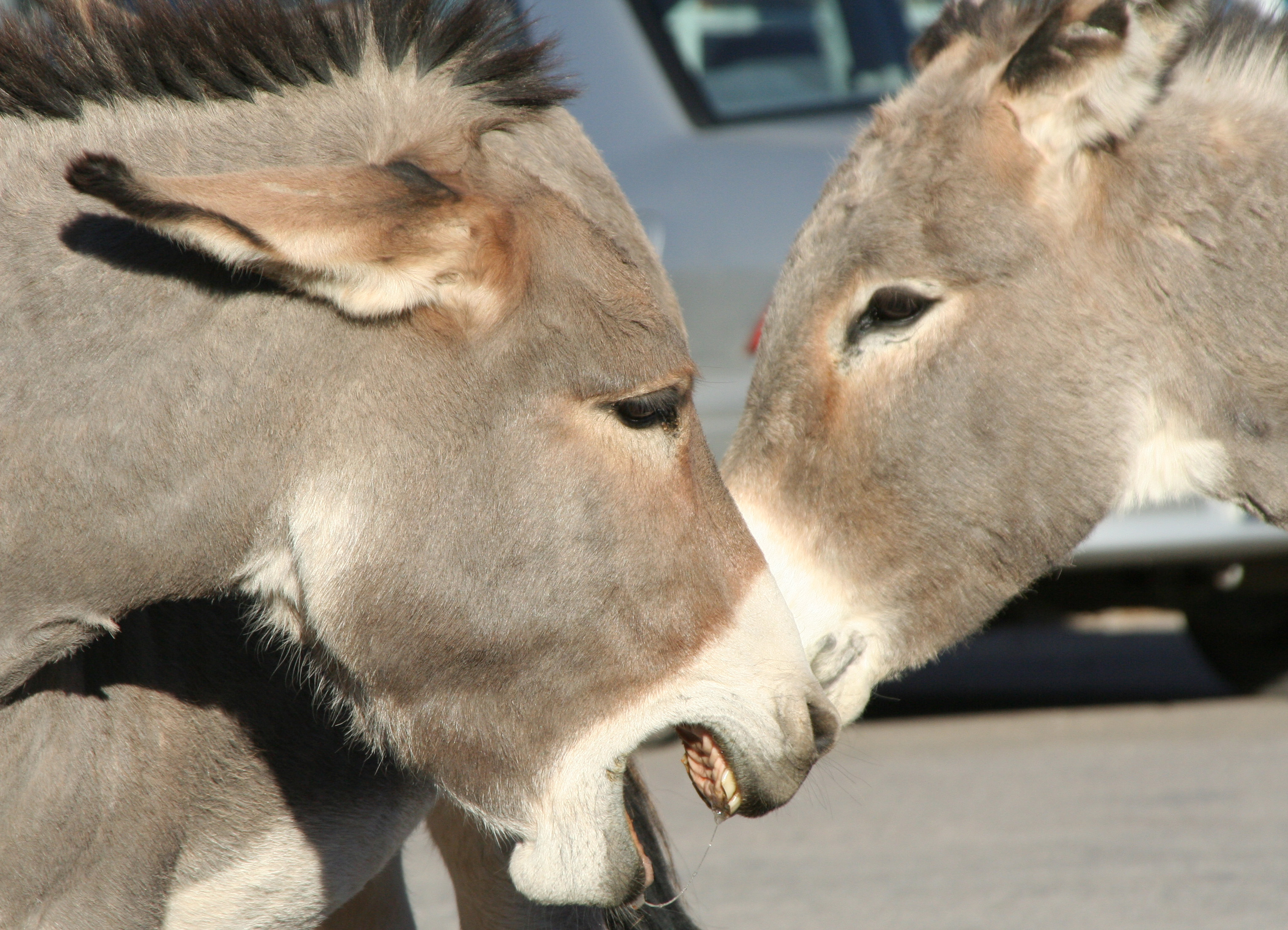
The wild burros, or donkeys, are a legacy of early prospectors who used the burros to carry their gear as they wandered in search of gold and other valuable minerals. Today they can be found throughout the desert Southwest. The burros of Oatman hit tourists up for carrots, provide lessons on donkey mating practices, and leave their calling cards on the streets of the town.

This cute little fellow had a no carrot sticker on his nose. Apparently young burros can choke on the carrots.

By 1960 the gold was gone and the highway was rerouted. Oatman was on its way to ghost town status. Fortunately the energy of the town’s citizens, the rebirth of Route 66 as a national historic treasure, and the desire of the burros for carrots have given Oatman reasons to prosper. It’s definitely worth a visit.

Oatman is located in northwestern Arizona off of Highway 95 on Historic Route 66 between Bullhead City and Needles.

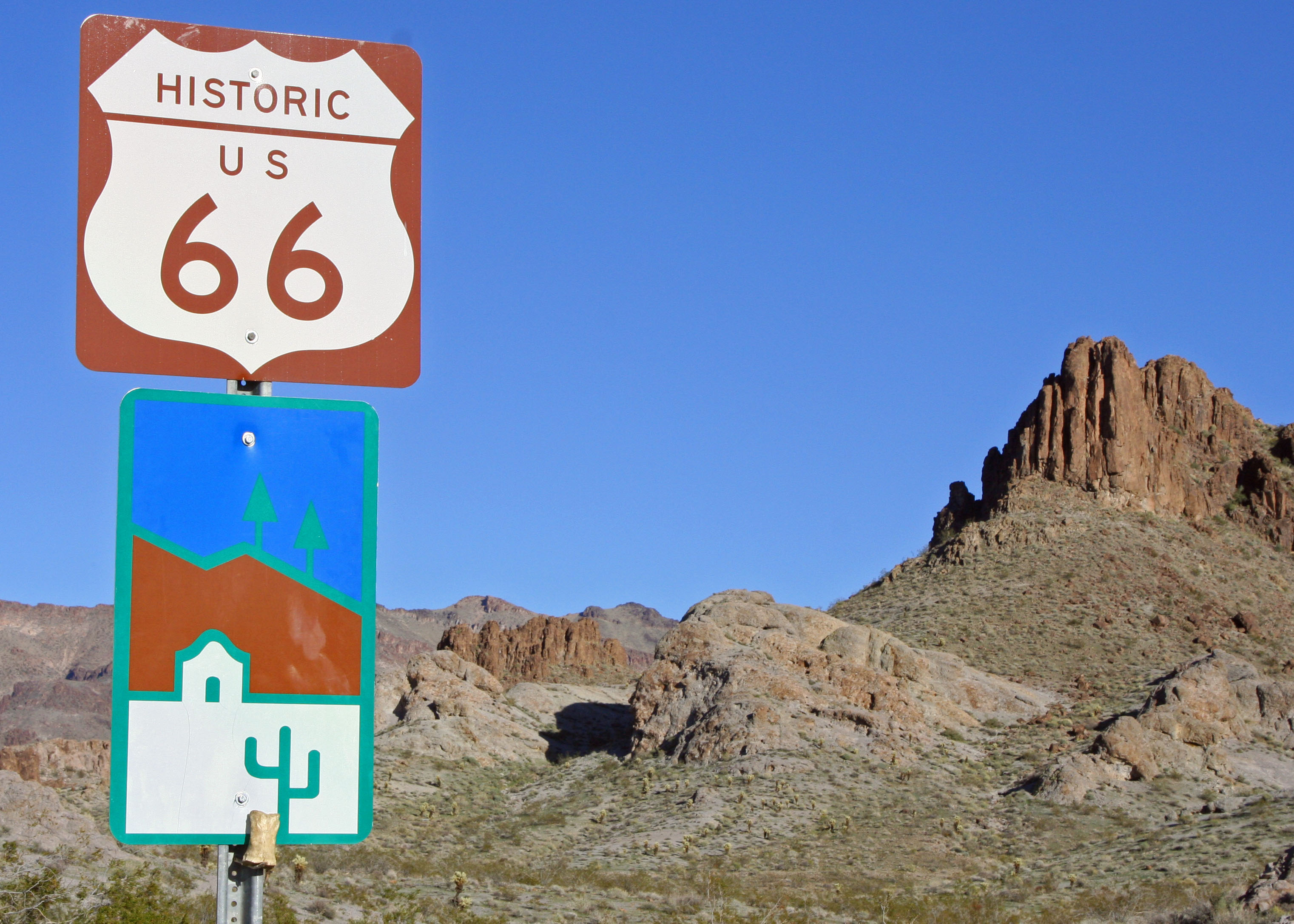
The Peripatetic Bone joins an historic Route 66 sign on the edge of Oatman.

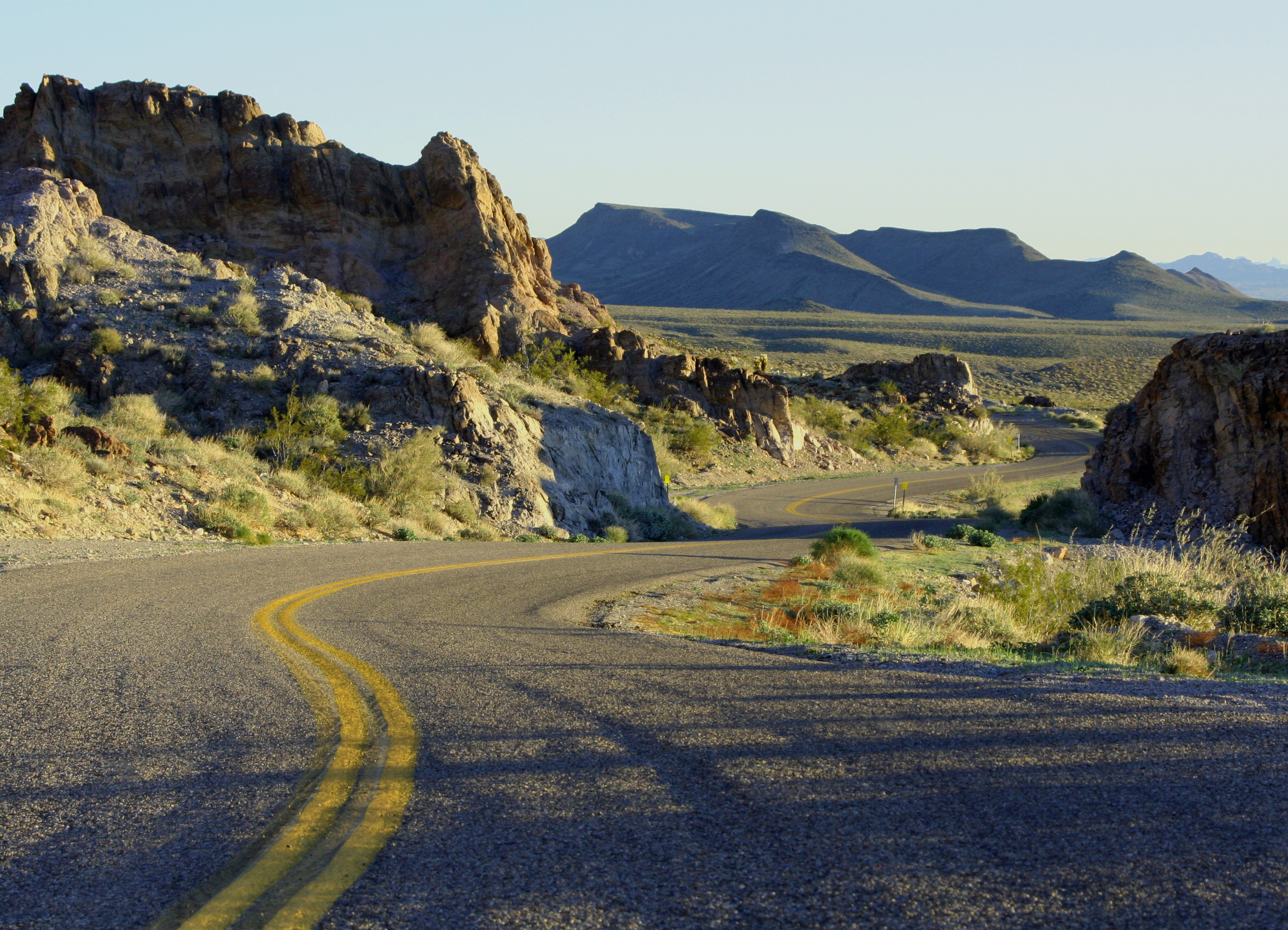
Historic Route 66 a few miles south of Oatman reminds travelers of another time and invites them onward.

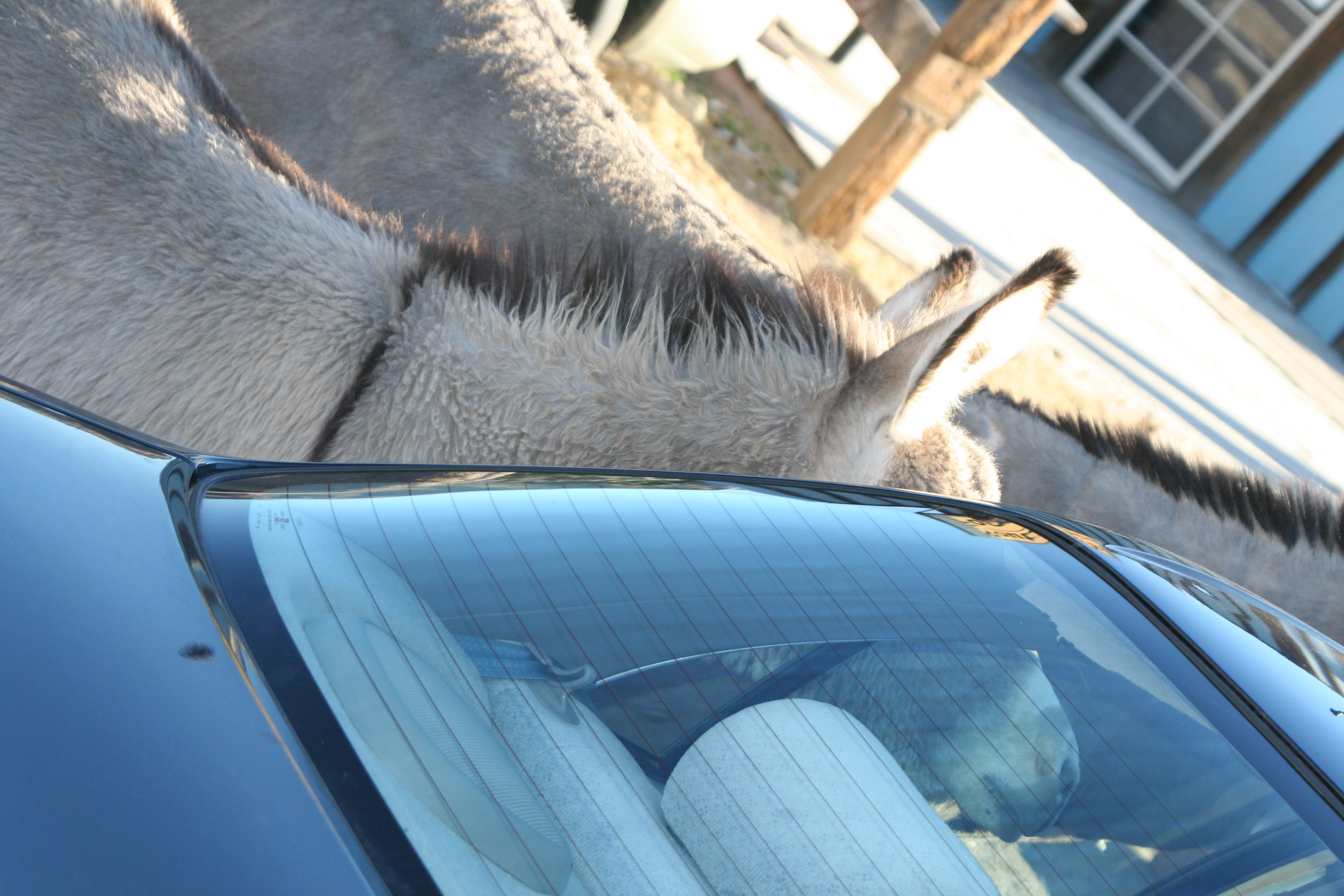
A good reason to leave your windows up when visiting Oatman Arizona.

This photo deserves a caption. Mine would be, "Watch what you're sniffing, Mr.!"

Sheer pleasure?

The Beauty of Death Valley… The National Park Series

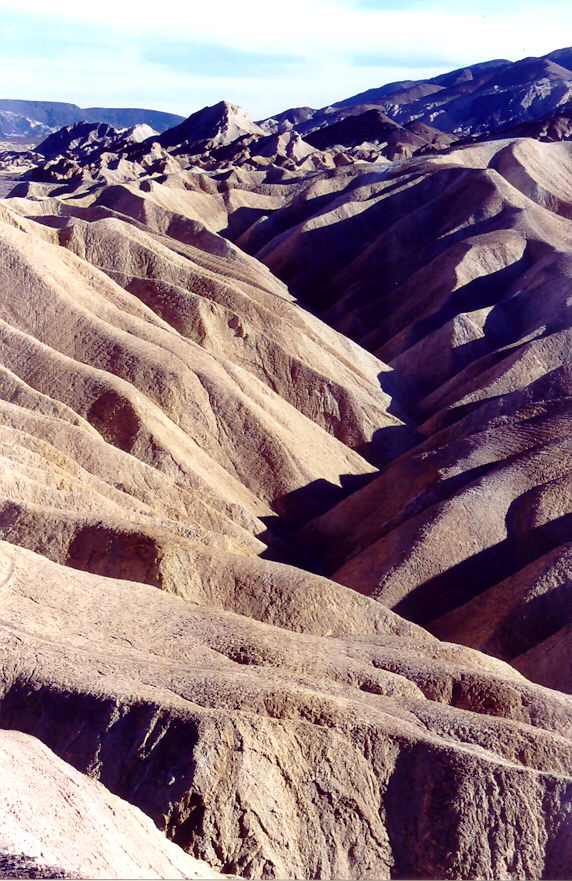
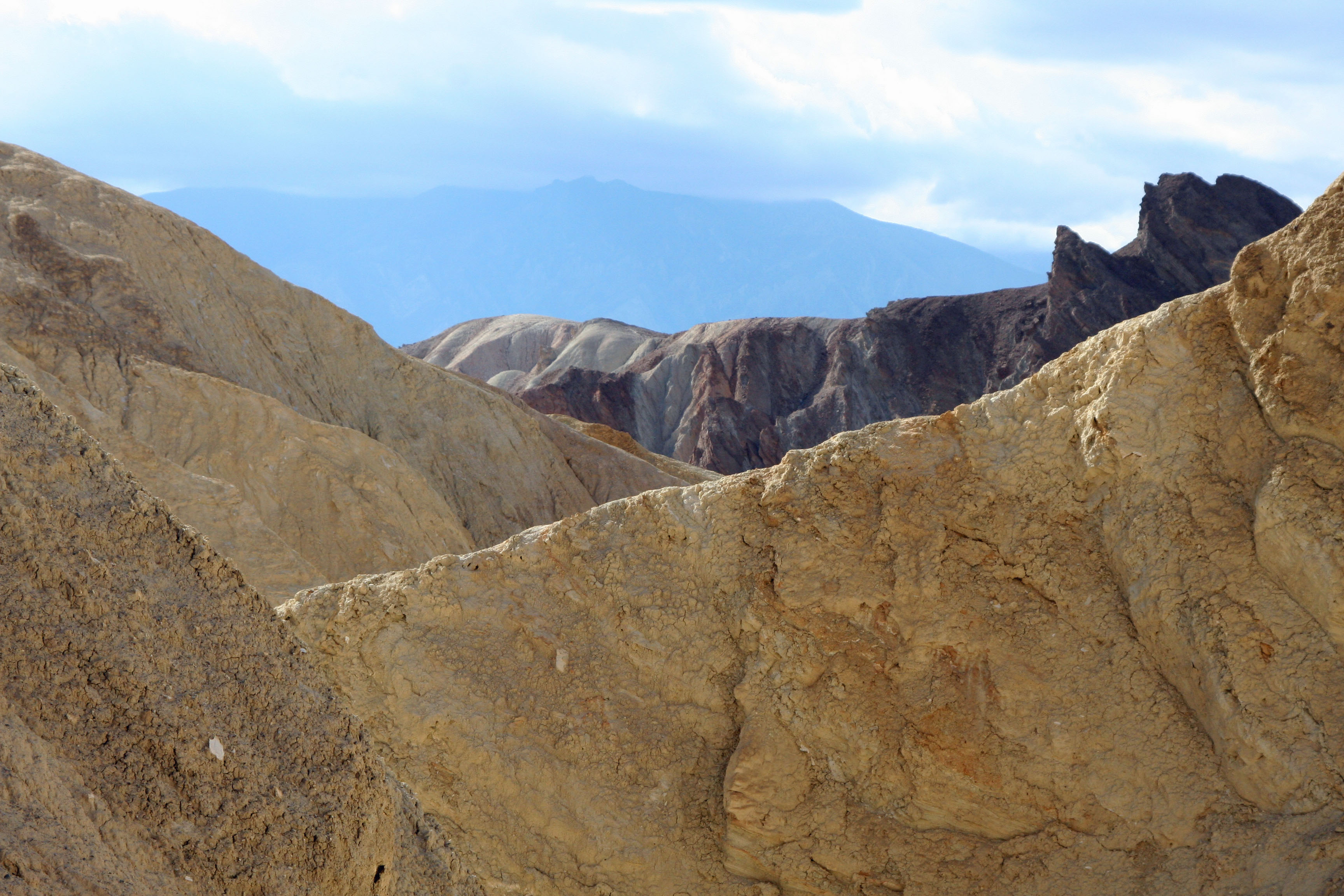
Perched above Gold Canyon off of Highway 190 , Zabriskie Point provides one of many beautiful views in Death Valley National Park.

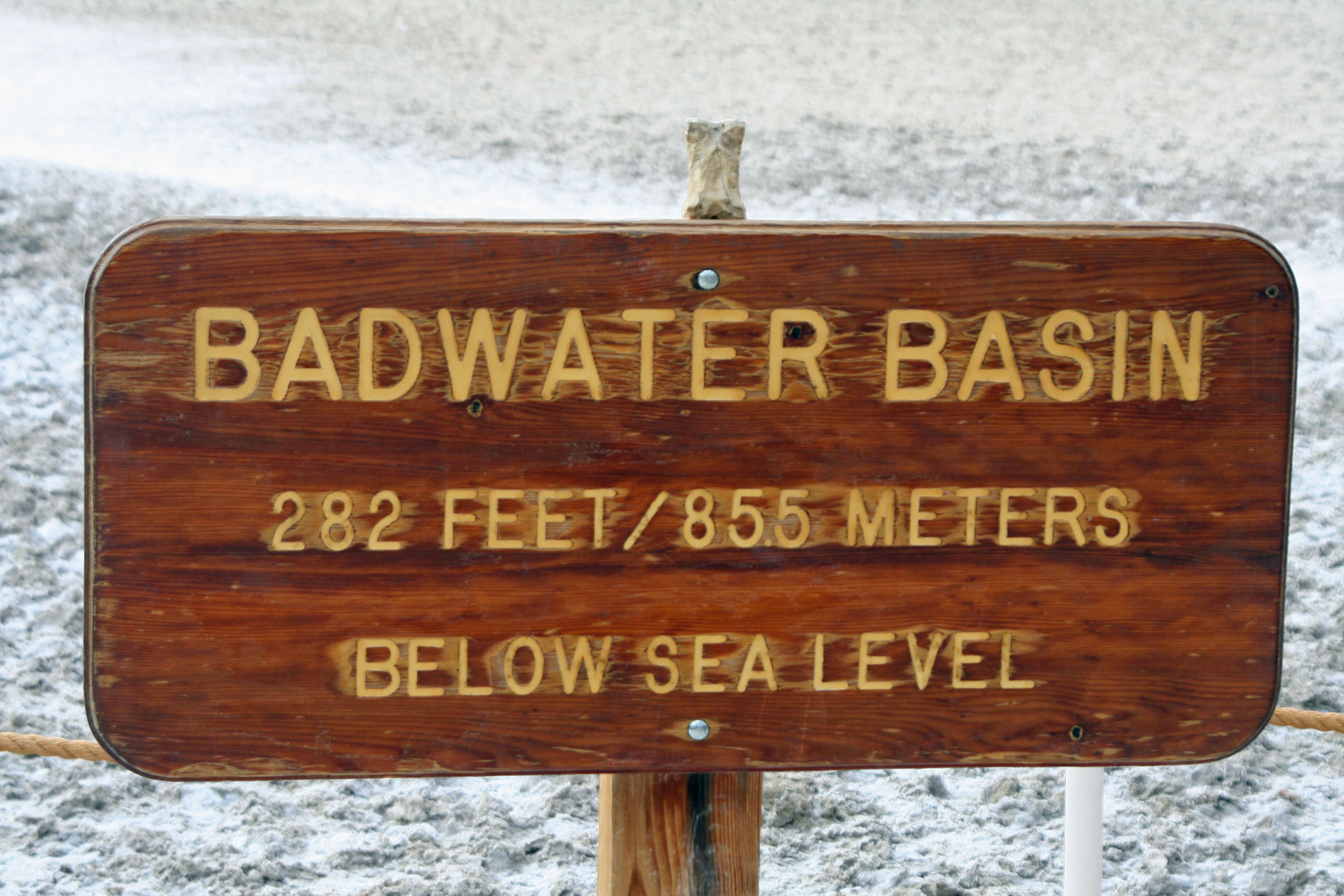
Death Valley exists in a world of superlatives. It is the hottest, driest and lowest spot in North America. Temperatures often exceed 120° F in the summer and have climbed as high as 138° F.  Ground temperatures top out at 200° F! Annual rainfall averages less than two inches (5 cm.). The lowest spot in Death Valley is 282 feet below sea level in Badwater Basin.

Hottest, driest and lowest spot in North America are three superlatives applied to Death Valley. The Peripatetic Bone, who has been wandering the world since 1977, perches on the sign locating the lowest spot in North America in Badwater Basin Death Valley.

While hottest, driest and lowest are adjectives one normally associates with Death Valley National Park, there is one more: beautiful. I have tried to convey this beauty in my last several blogs. Today’s blog will feature several other places I find beautiful or unusual in Death Valley but have not yet featured.

I would also like to emphasize that this is National Park Week (April 21 – 29, 2012). National Parks in the United States (and throughout the world) protect and highlight many of our greatest natural and historical treasures for both present and future generations. They deserve our full support and are always worth visiting.

My wife Peggy and I have had the privilege of exploring most of the National Parks in the United States and several in Canada. My intention is to share our favorites over the next year or two as part of my blogging

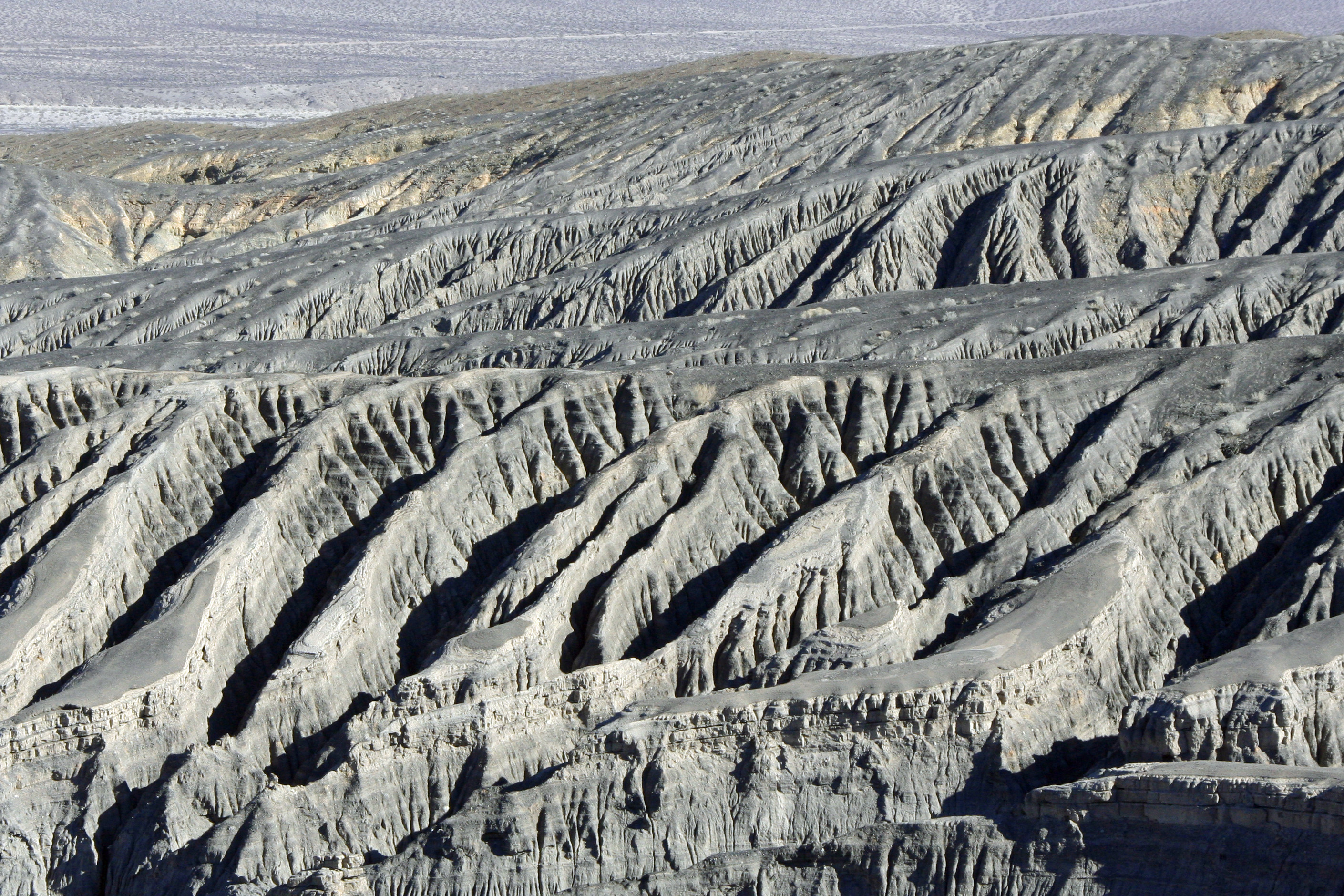
Another view from Zabriskie Point. Pioneers designated such areas as Badlands... i.e. they weren't good for growing crops or grazing animals. Today, we realize their intrinsic beauty is a value in itself.

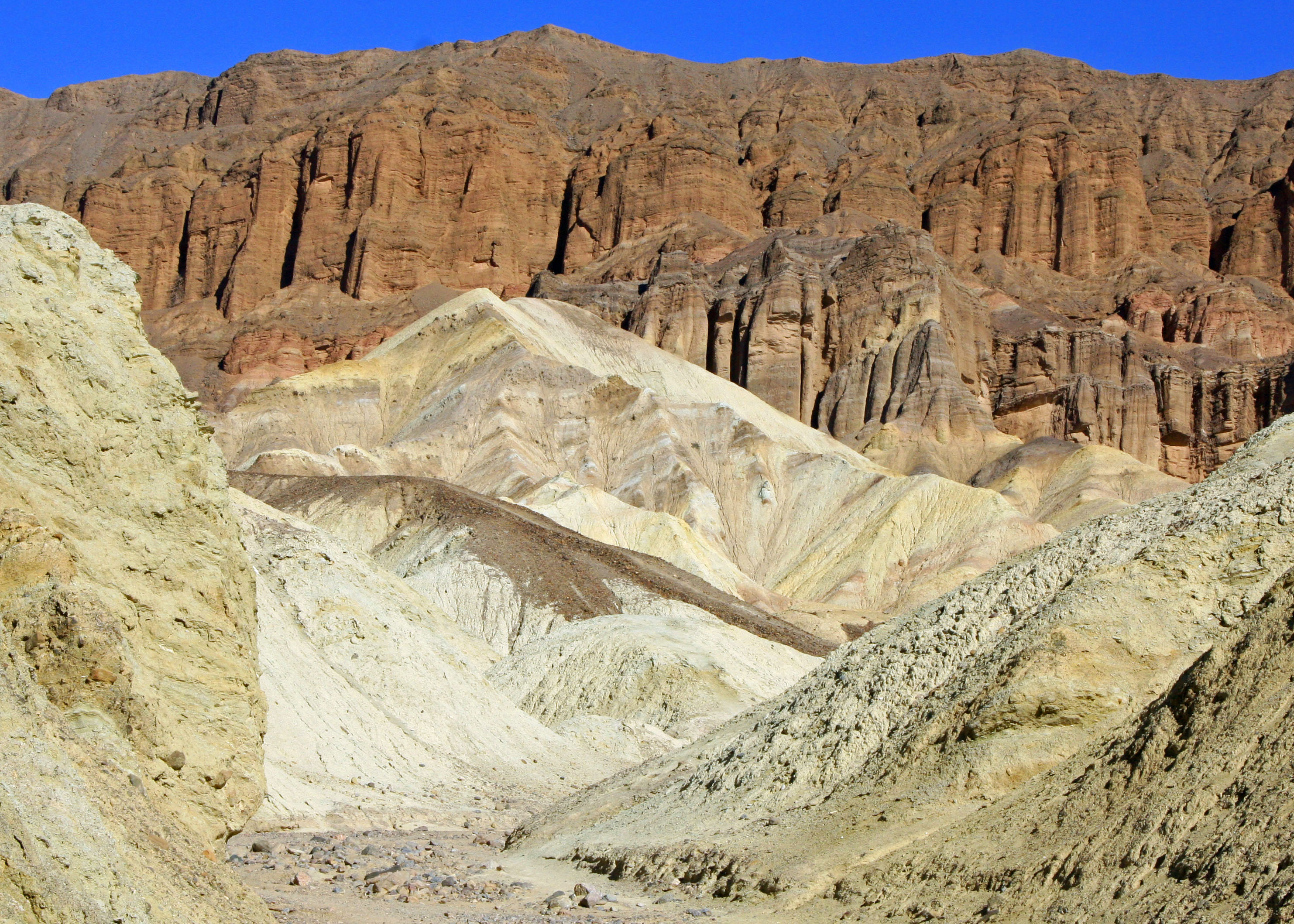
The nine-mile Artist's Drive and Palate off of Badwater Road provides a profusion of colored rocks as the name suggests. These colors are created by the different sedimentary rocks and oxides of various metals. This area was once volcanically active.

A closeup of Artist's Palate.

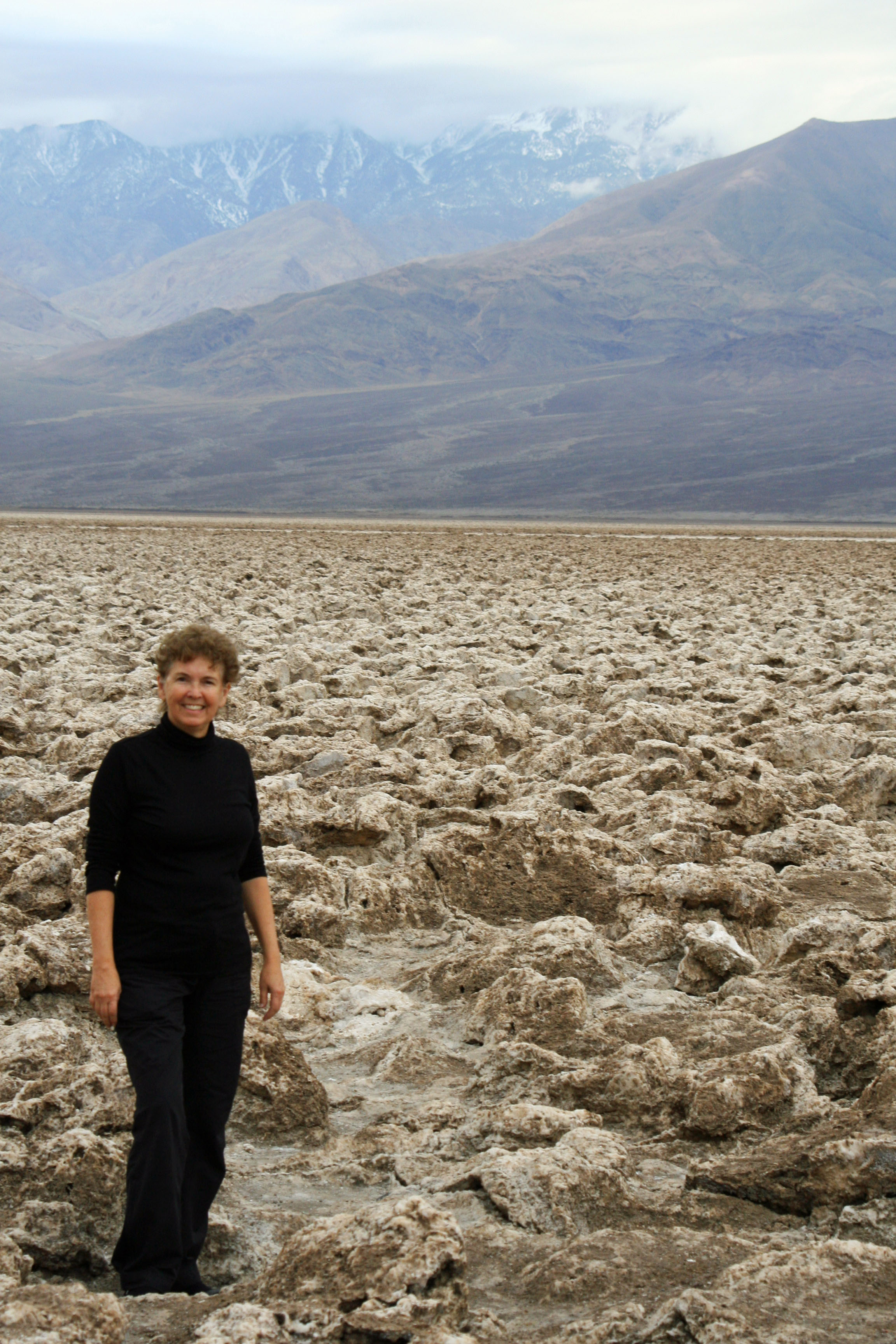
Two to four thousand years ago the floor of Death Valley was covered with a large lake up to 30 feet in depth. Then the climate changed (sound familiar?). The lake dried up and left behind the minerals that had been dissolved in the water... mainly salt. Today this salt works its way to the surface and forms pinnacles through capillary action. The result is the Devil's Golf Course. Peggy provides perspective on the size of the pinnacles.

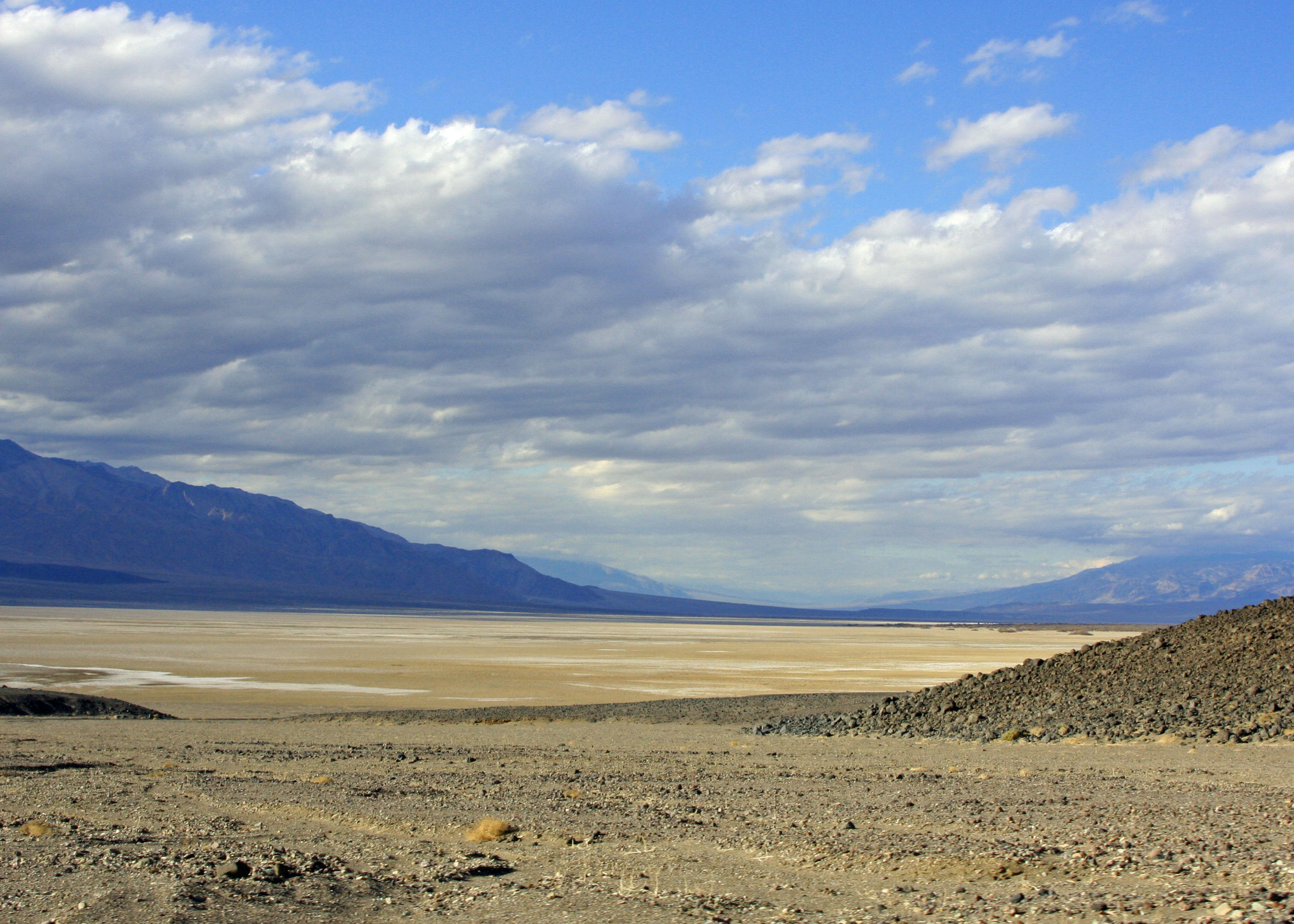
A final view looking across Death Valley.

Death Valley’s Golden Canyon… The National Park Series

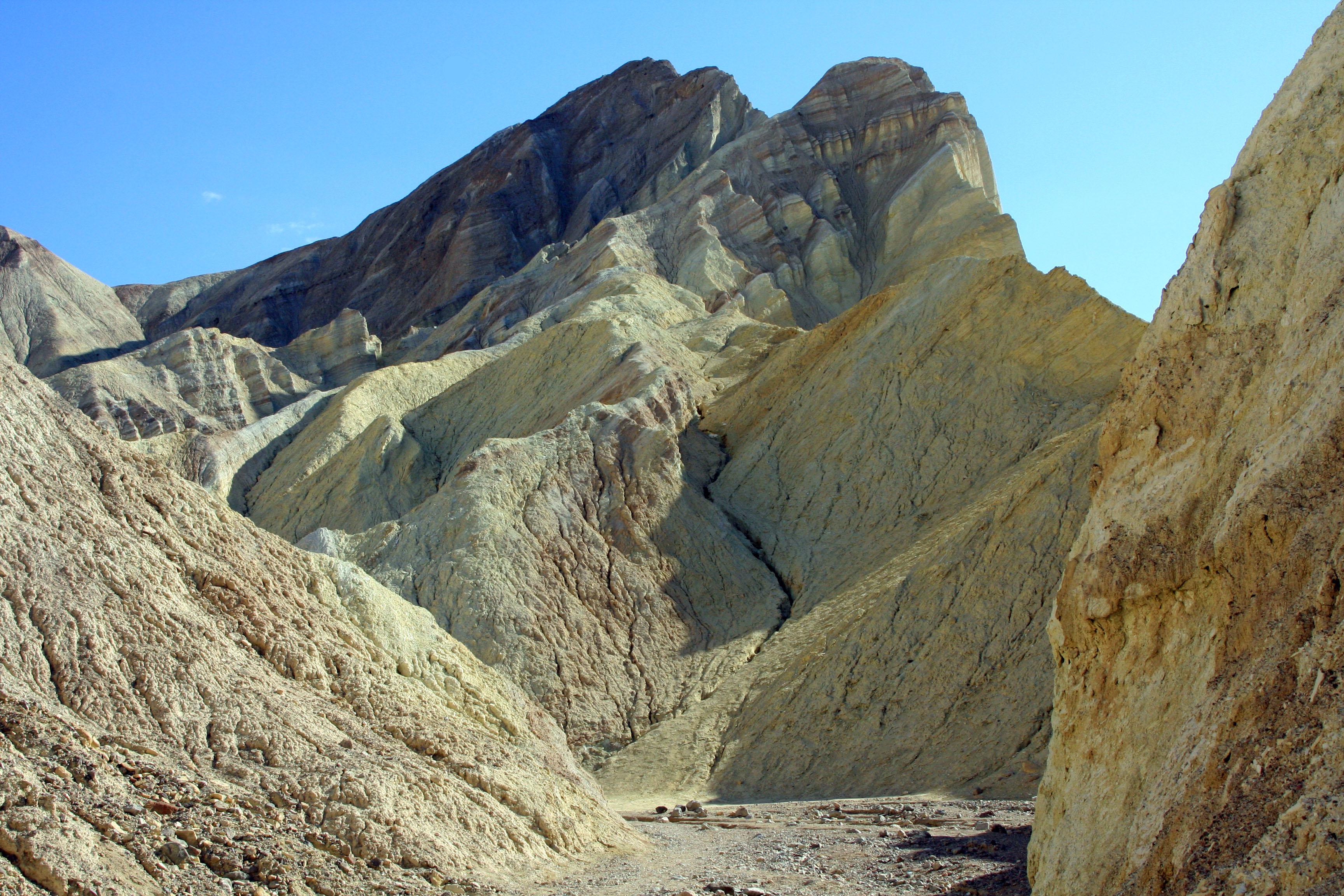
A hike up Golden Canyon in Death Valley National Park awards hikers with this view of Cathedral Ridge.

A paved road once snaked its way into Golden Canyon in Death Valley National Park. Tourists could drive in and enjoy the view.  No effort was required. People would take out their cameras, do the ‘ah’ bit, and leave… hurrying on to the next must see sight.

Flash floods are common in desert areas, however. One roared down Golden Canyon in 1976 and took the road along with it. Ever since, access has been by foot. Consider it a blessing. I am not against driving and gawking. I do plenty. But we miss a great deal of nature as we roll along in our sleek air-conditioned vehicles.

What was once a paved road providing access to Death Valley’s Golden Canyon is now a wide, easy to follow path.

And there is much to see in Golden Canyon. The hike is easy as long the sizzling heat of Death Valley’s summer is avoided. October through April is the best time to visit. I also recommend hiking in early morning or late afternoon when colors are vibrant. Carry water. Stroll up the canyon, stop often and look around. The experience is best when savored. It’s a two-mile round trip. For a shorter version, stop at any point.

Markers along the trail provide insight into area’s rich geological history. Topsy-turvy planet altering processes caused by the movement of the earth’s tectonic plates folded and twisted ancient rocks that had been created from deposits in even more ancient seas. Erosion has exposed this work of eons and gives us a glimpse into the past. The bright colors of the different rocks and the different rate they erode provide a feast for our eyes and imagination, not to mention our cameras.

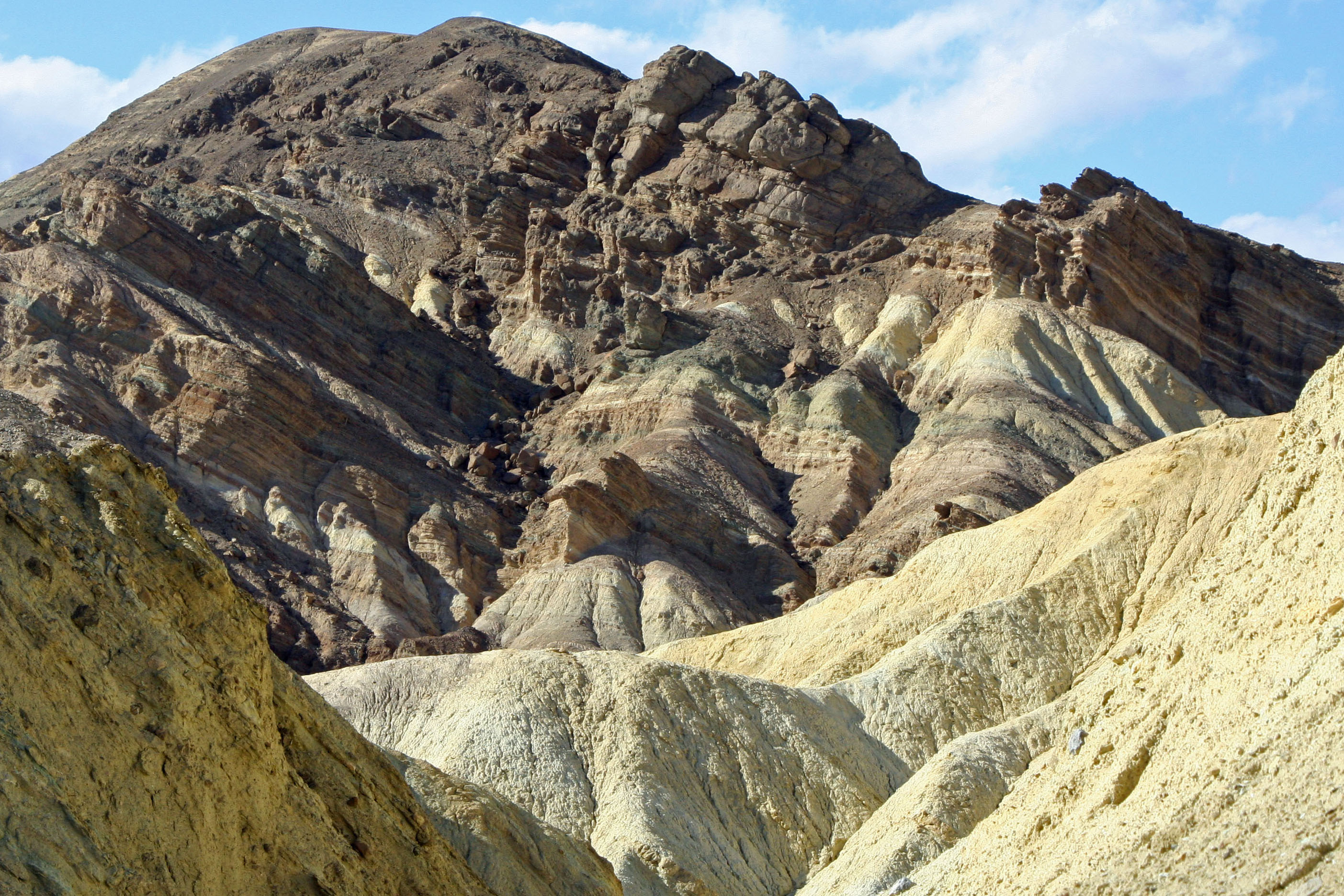
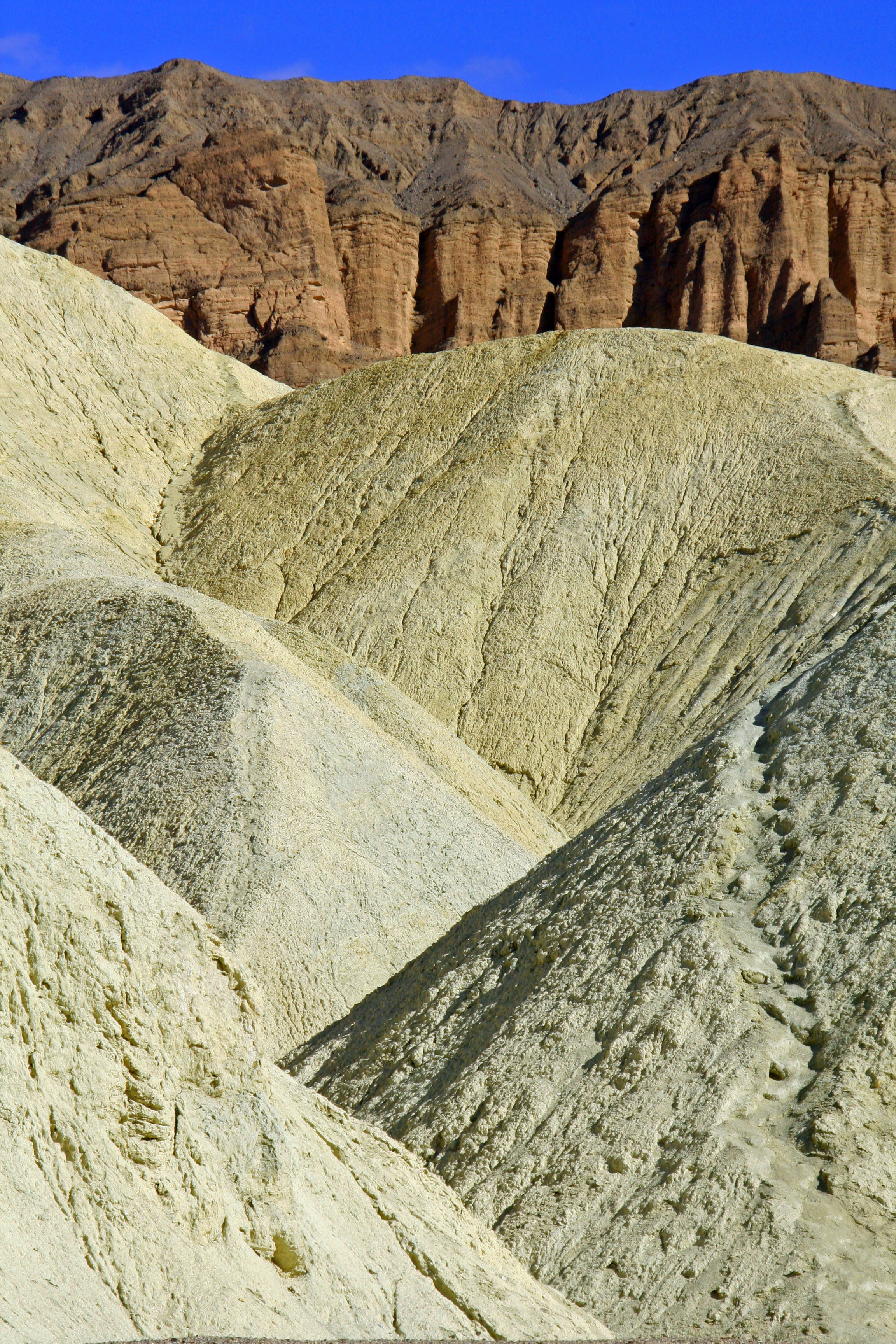
The lower rocks provide a clear view of how Golden Canyon  obtained its name. The upper rocks show sedimentary layers of rocks that were once laid down in ancient sea beds and have since been raised and folded by tectonic forces.

Golden Canyon is located two miles south of Highway 190 on Badwater Road. Trails to Zabriskie Point and Gower Gulch cut off of the Gold Canyon Trail. Ask at Park headquarters for maps and details.

Another view of the red Cathedral Ridge above Golden Canyon in Death Valley. The red color is created by iron oxide.

Views on the way out of Death Valley’s Golden Canyon are equal to views on the way in. I liked the contrasting colors in this photo.

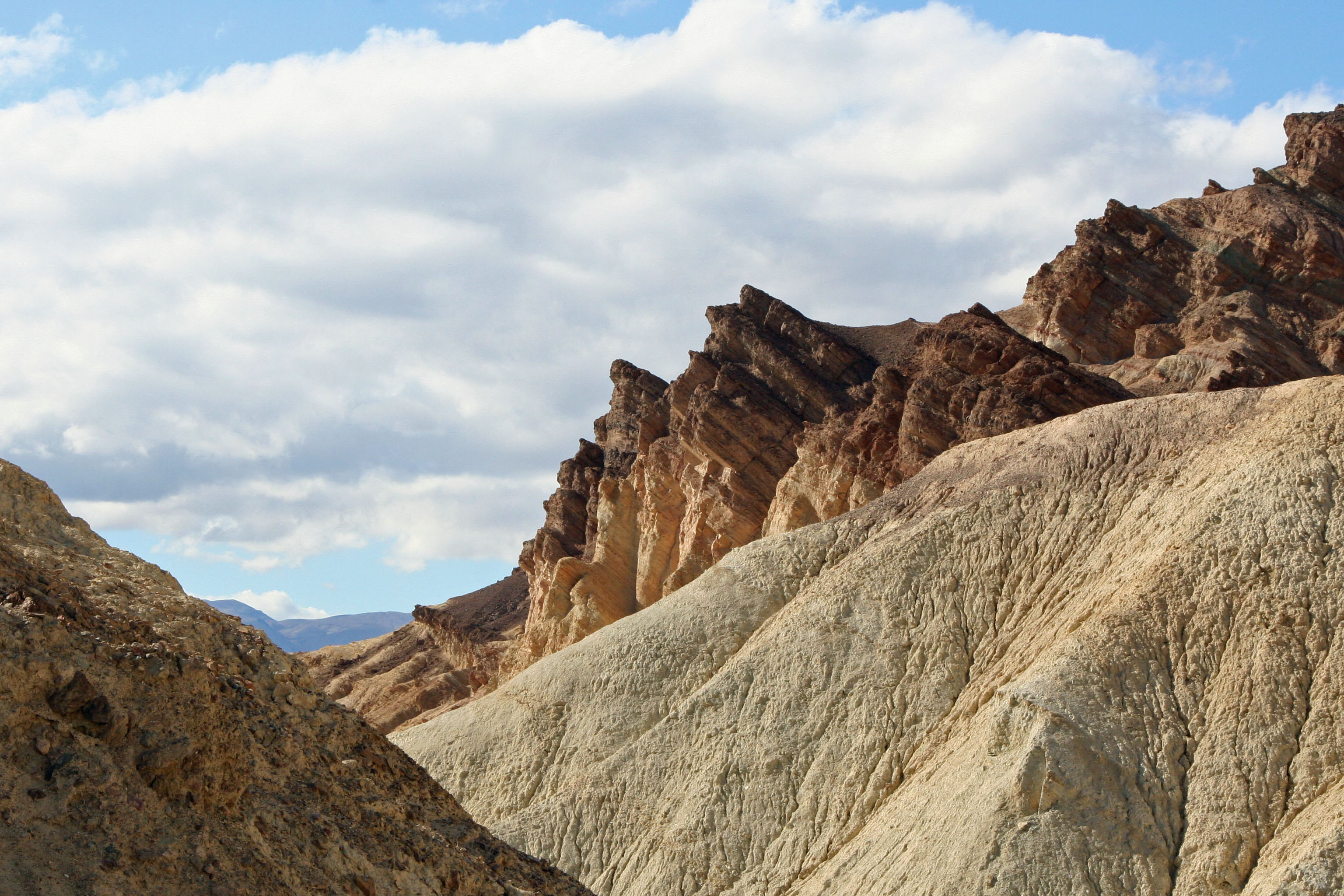
The upward thrust of the layered rocks that were once horizontal is particularly dramatic in this Golden Canyon photo.

Looking down Golden Canyon across Death Valley provides a distant view of the Panamint Mountains wrapped in a blue haze.

Earth Day 2012

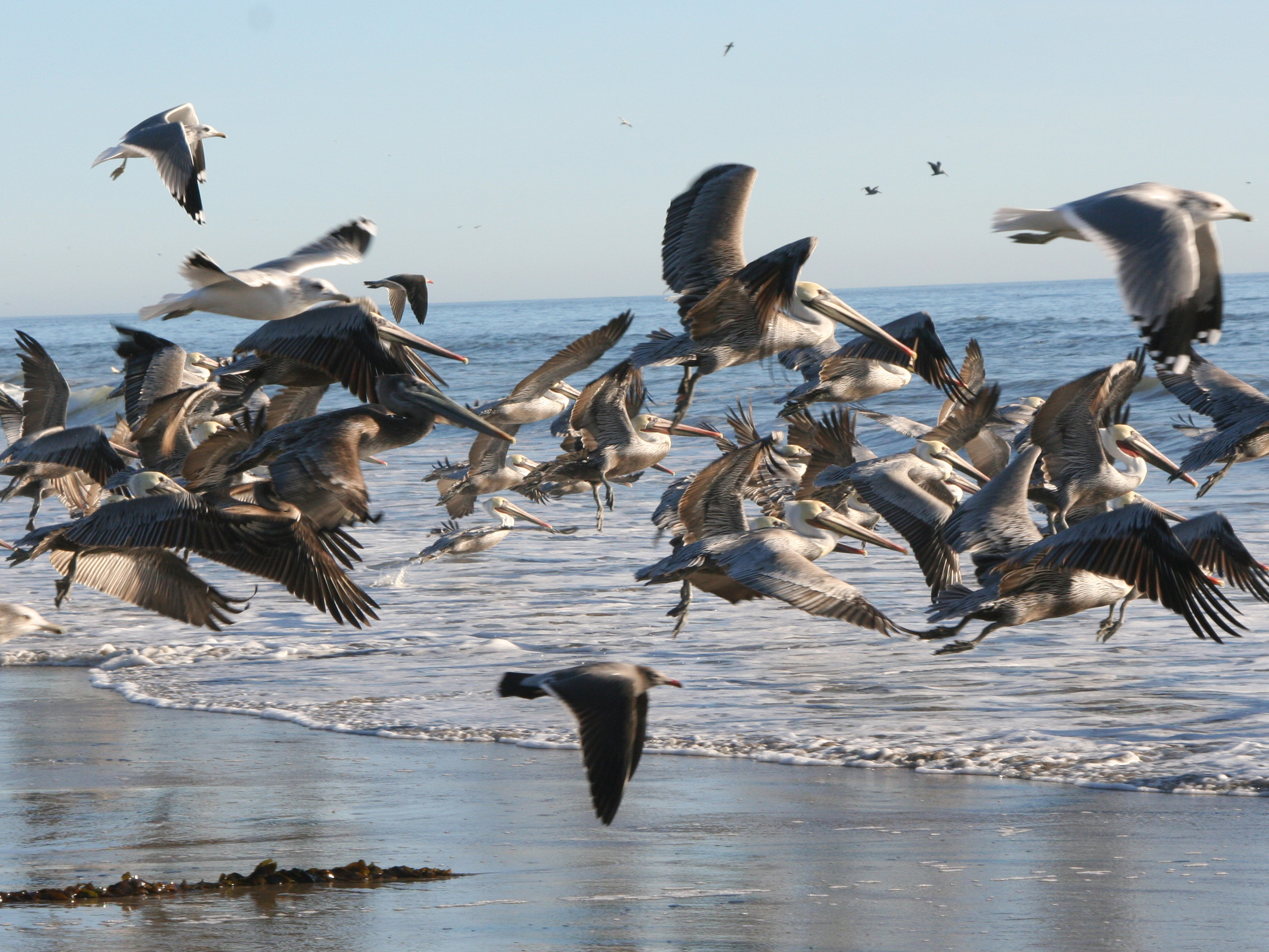
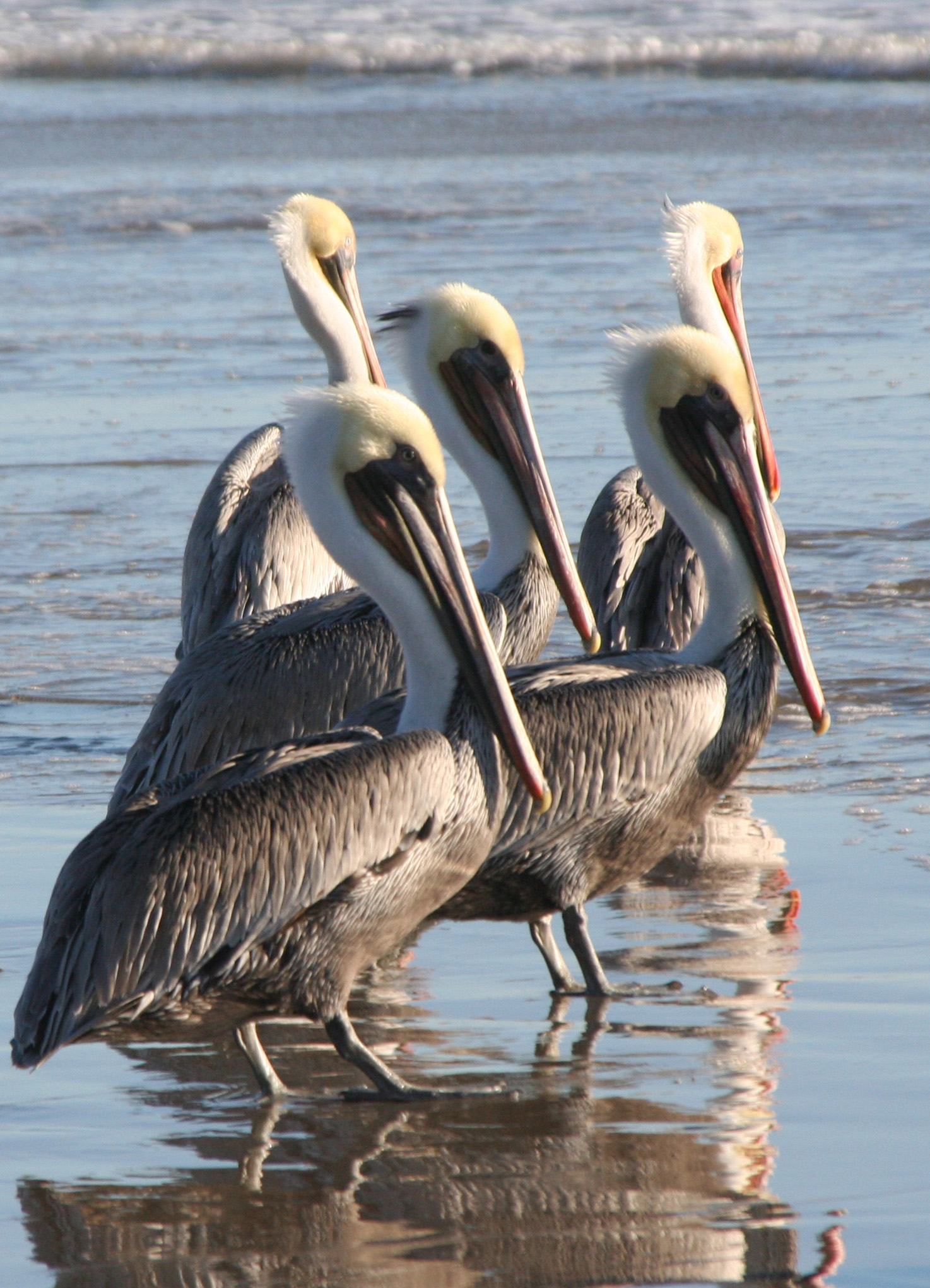
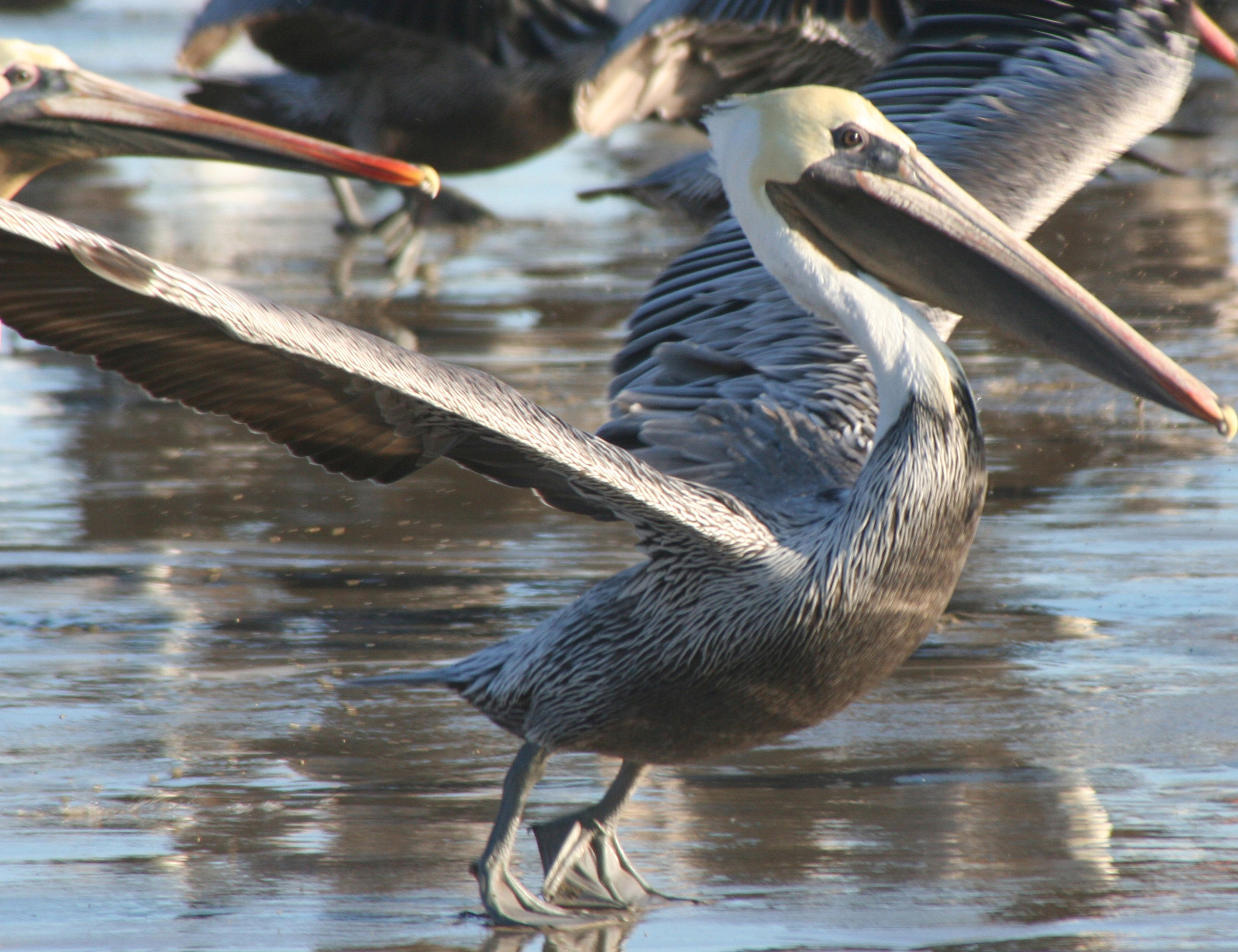
The extensive use of the poison DDT in agriculture was a death sentence to the California Brown Pelican. Rachel Carson's book Silent Spring raised people's awareness of the issue and helped kick off the environmental movement.

The first Earth Day I celebrated was Earth Day 1 at UC Davis in California. At the time I was Director of Peace Corps Public Affairs for Northern California and was recruiting at Davis. Earth Day 1 made a deep impact on how I viewed the world. I quit my job and became Executive Director of the Sacramento Ecology Center. Ever since, on one level of another, I have been an environmentalist.

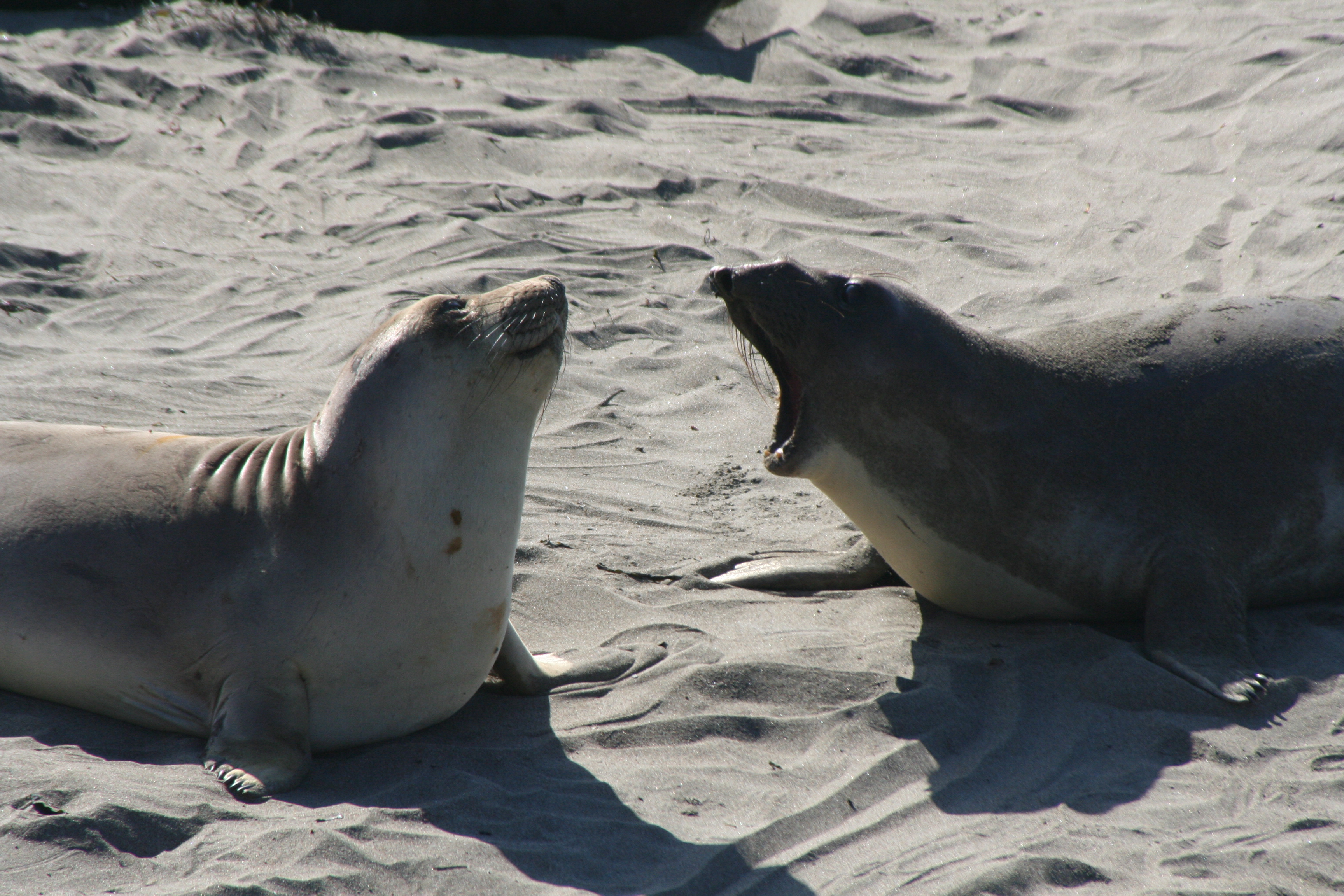
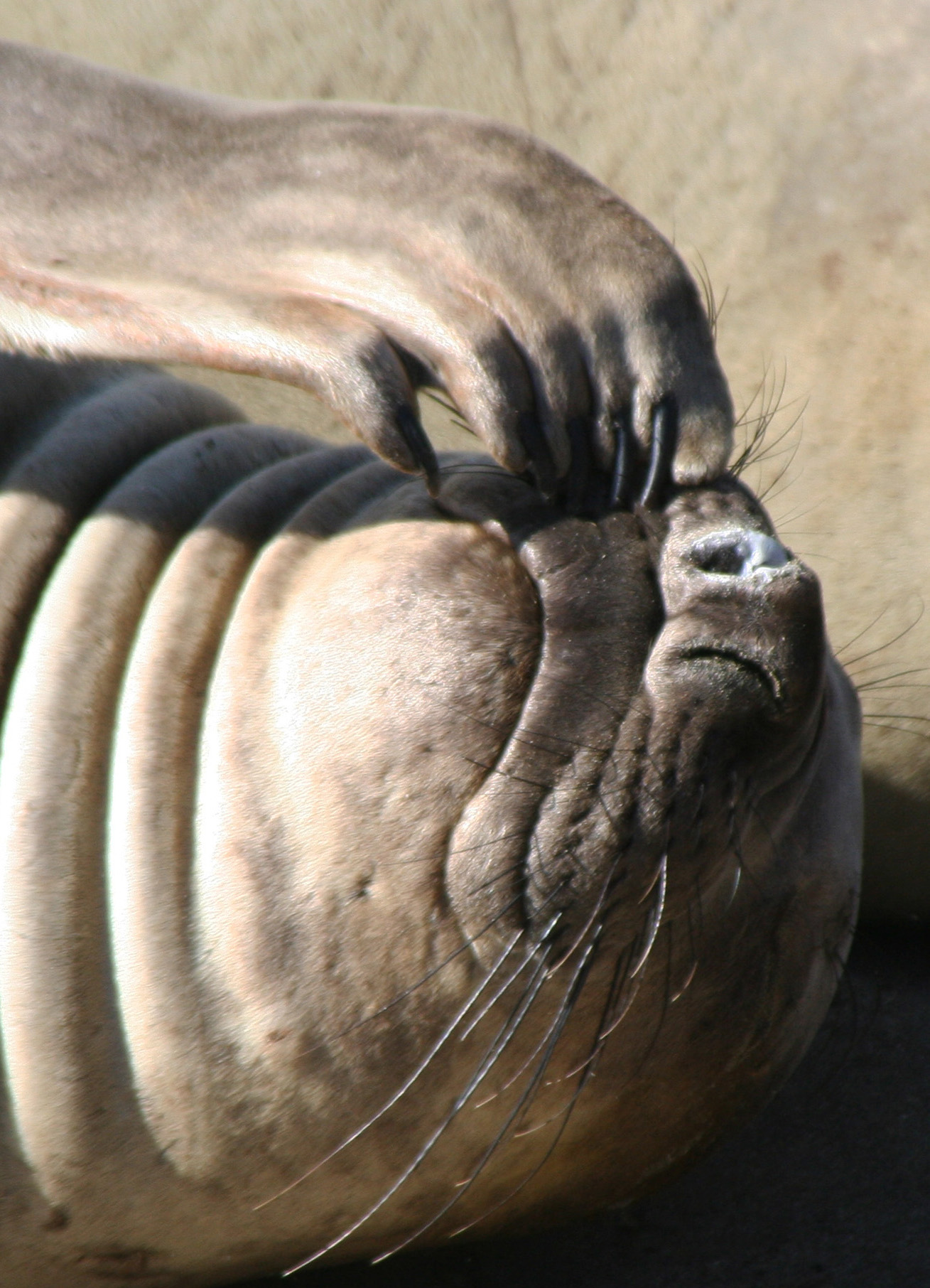
To celebrate Earth Day 2012, I am using my blog to feature two wonderful animals that were on the edge of extinction before they were saved by growing environmental awareness. The California Brown Pelican was victim of the extensive use of the poison DDT. Elephant Seals were hunted to the brink of extinction for their blubber, which was turned into lamp oil.

The world would be a much poorer place with out these animals.

Have you heard the news? It's Earth Day.

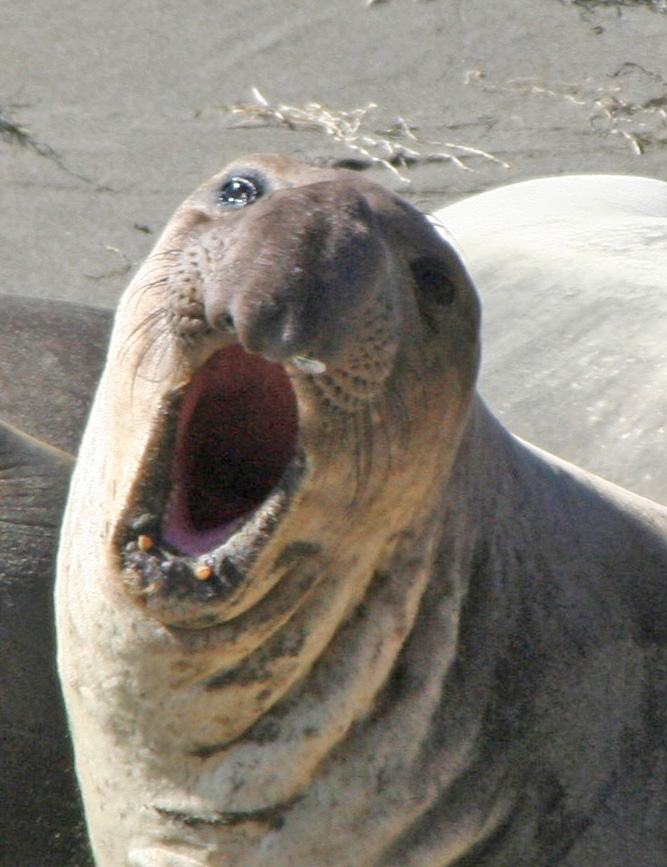
The world would be a poorer place if we could no longer hear the roar of a bull Elephant Seal.

Or watch one scratch his nose.

I call this photo of Brown Pelicans The Committee.

Without environmental awareness and action, this magnificent bird would have never flown. Happy Earth Day 2012, and thank you.

Death Valley’s Ubehebe Crater… The National Park Series

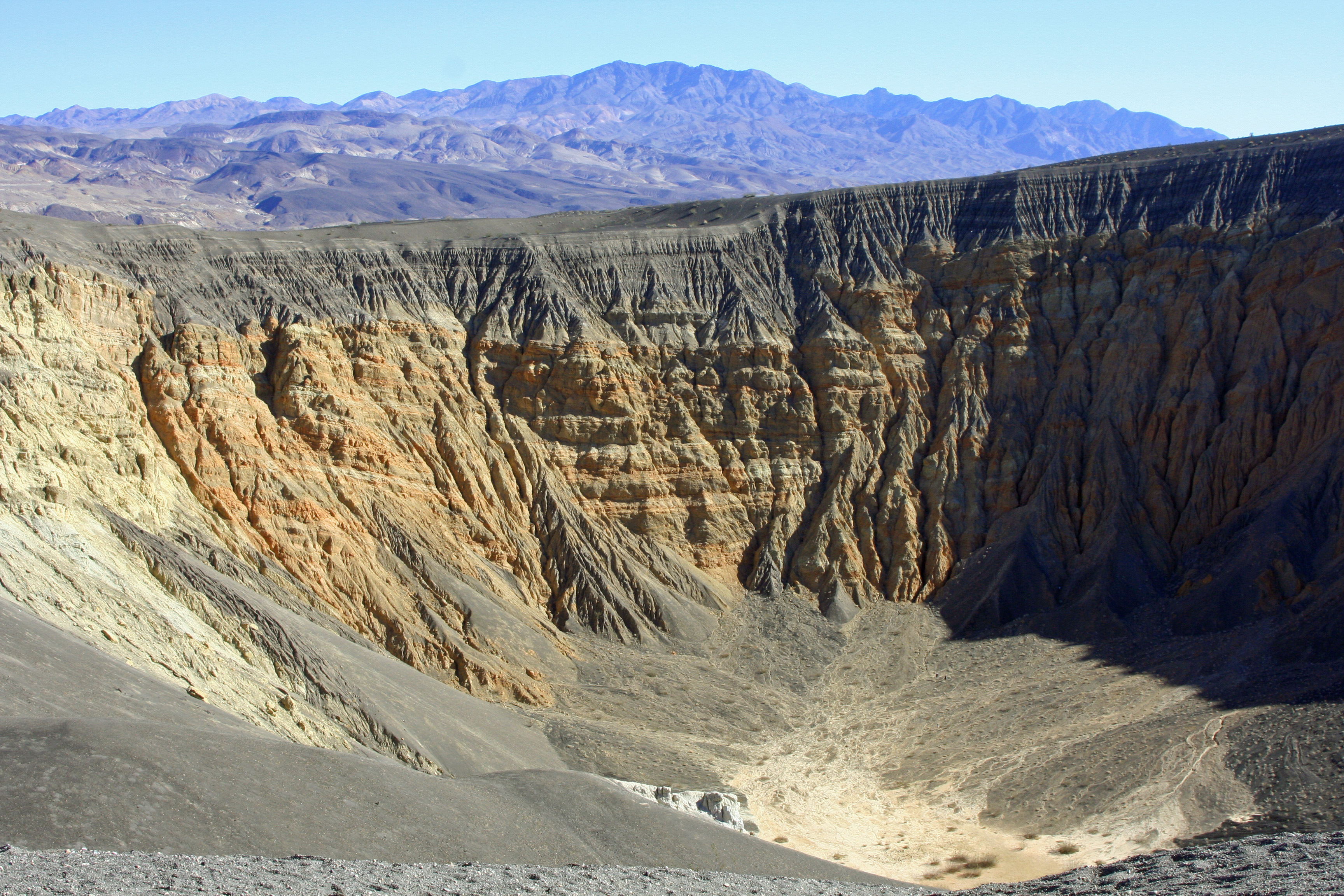
Looking across Ubehebe Crater in Death Valley National Park.

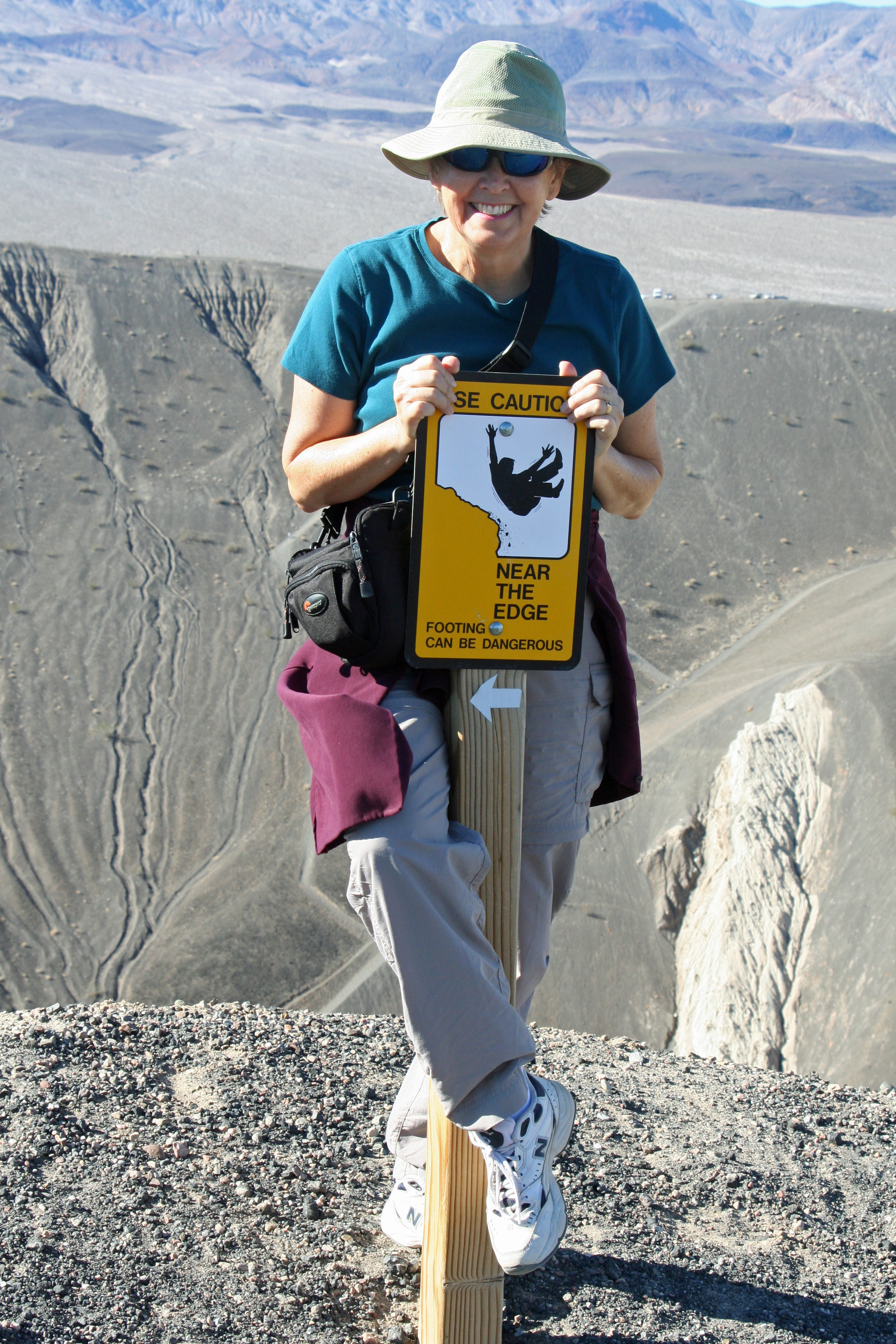
Peggy is perched on the edge of Ubehebe Crater in Death Valley National Park holding on to the sign that warns her not to be there. Fortunately, the sign is several feet away from the big hole. Falling in involves a 600-foot plus tumble.

Peggy on the edge of Ubehebe Crater.

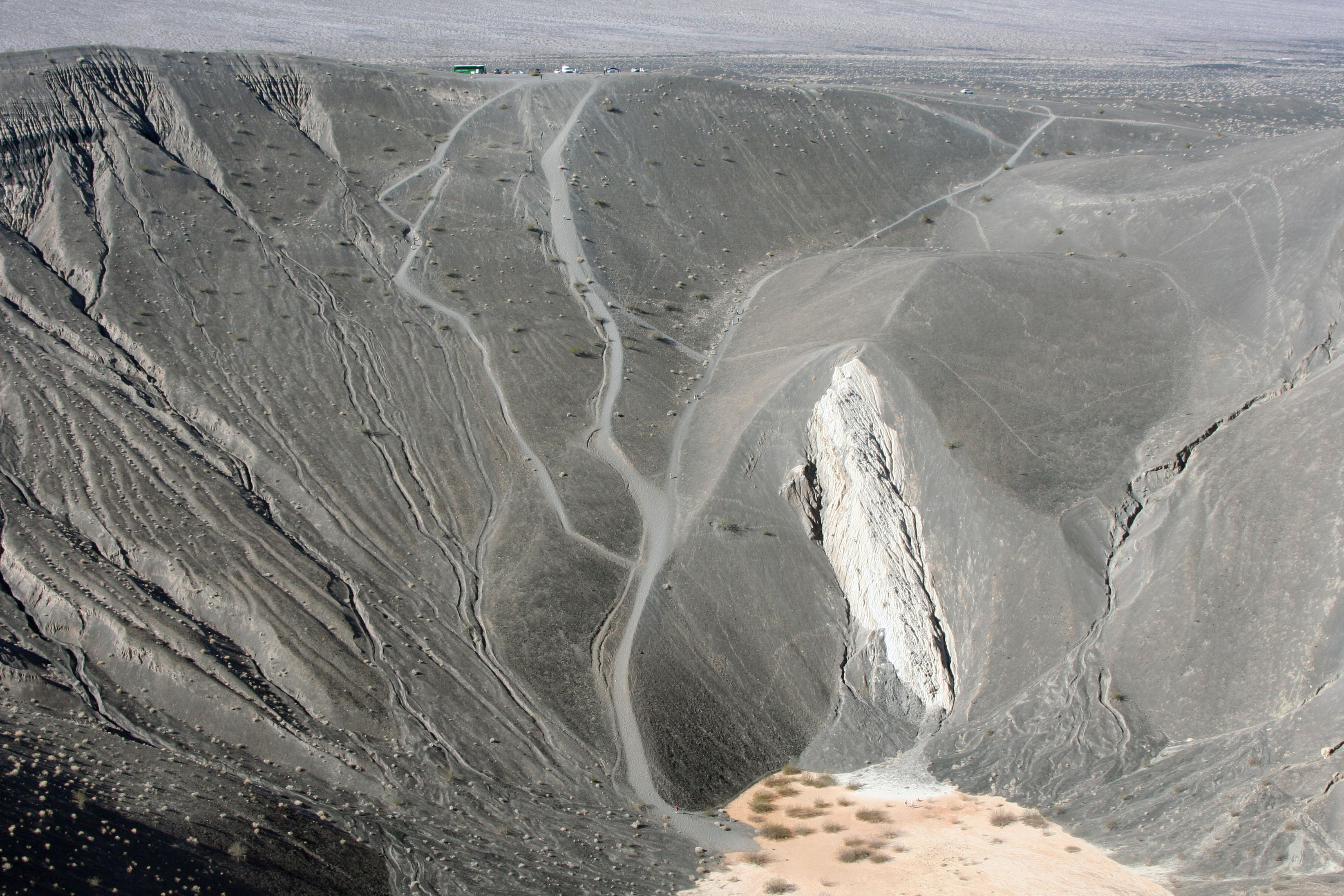
There is a safer, but slower way, to get to the bottom. Several trails snake their way down from the crater’s parking lot. If you have ever had the desire to climb into a volcano, Ubehebe makes it easy. Getting out is the challenge.

Wide paths invite adventuresome visitors to hike into Ubehebe Crater at Death Valley.

Geologists used to believe the volcano was 10-12 thousand years old. A recent study by Columbia University suggests it is much younger. The study also warns that the area is still volcanically active. Ubehebe could explode at any time, or not.

The original eruption was violent, a heck of a big bang. Rising magma came in contact with seeping water. They don’t mix well. The result was instant steam. Boom! Scientists call it a hydro-volcanic eruption.

Peggy and I opted to walk around rather than down the crater. There are a dozen or so volcanoes in the area including Little Hebe, which is easy to reach and provides a different perspective. For me, the surreal nature of the eroded landscape more than justified the 1.5-mile hike. Carry water. Oh yeah, Peggy says stay away from the edge.

If you want to visit Ubehebe Crater, and you should, you will need to drive to the north end of the Park. Scotty’s Castle is next door so you can easily include both sites.

Little Hebe Crater is one of a dozen volcanoes found near Ubehebe Crater.

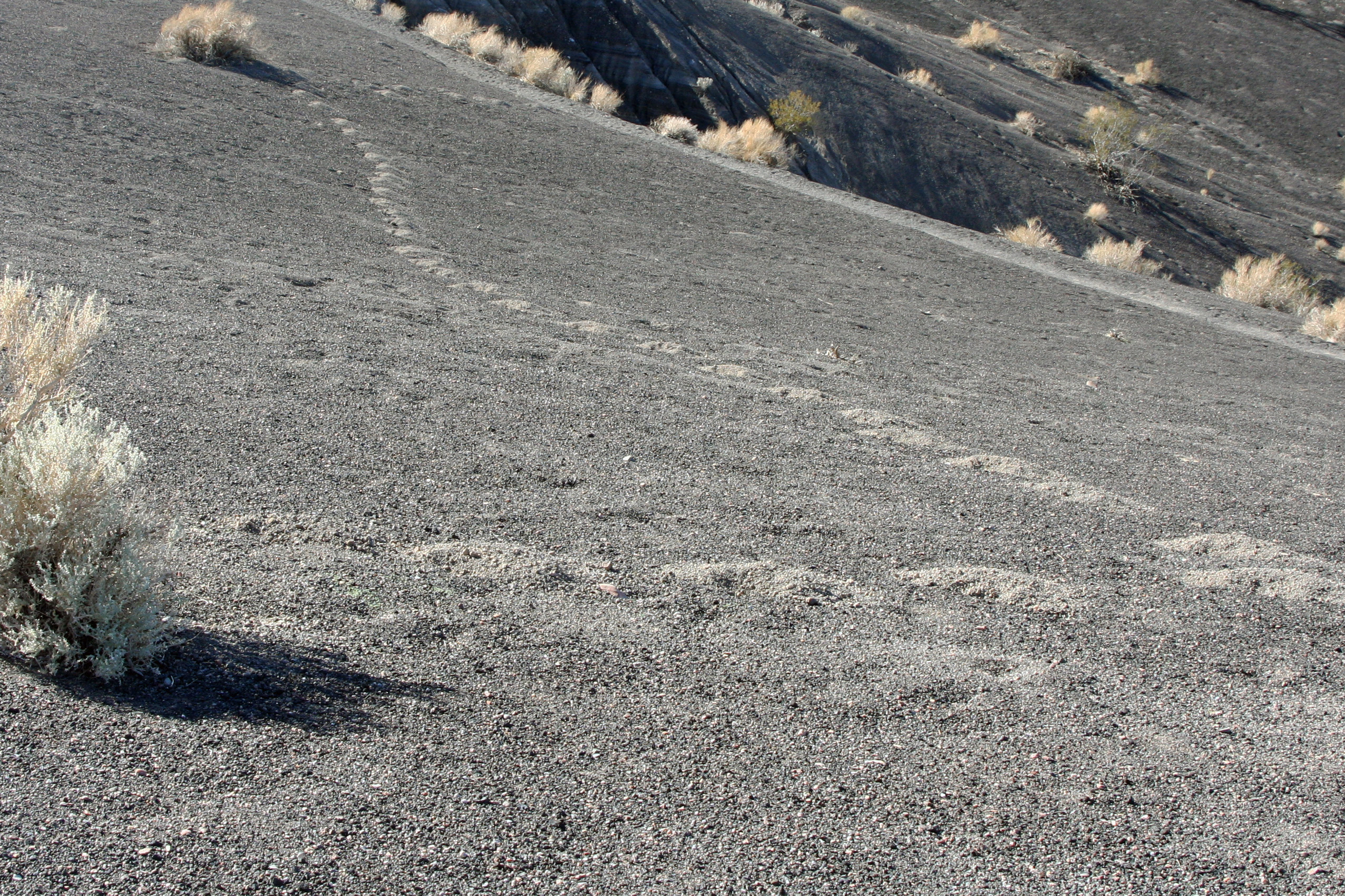
While walking around Ubehebe Crater we came on this strange trail of dirt piles that shot off in one direction from a bush and then switched to head for another bush. I figured it must be a gopher. There is life in Death Valley! I was curious about how it determined where the second bush was.

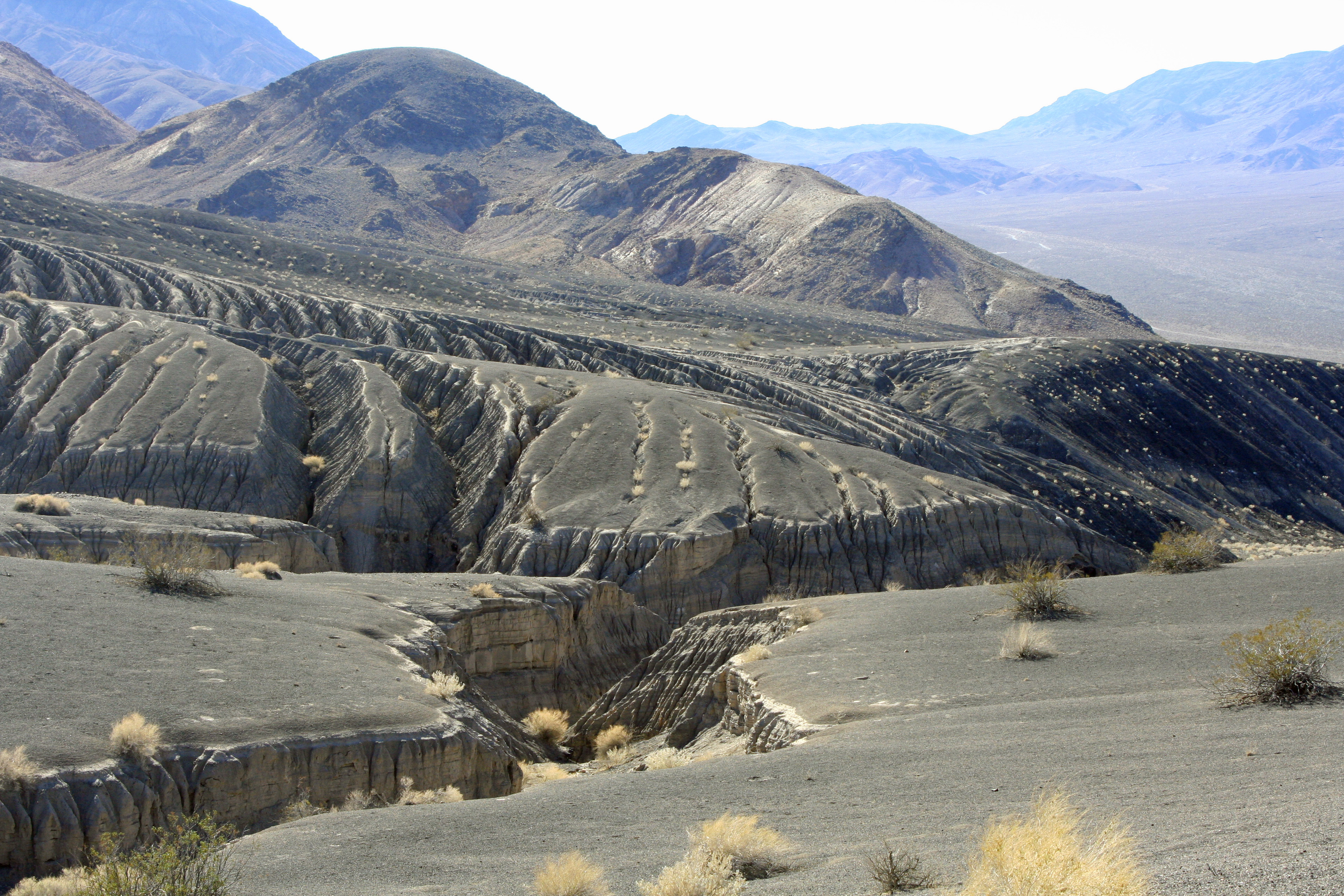
Erosion of the volcanic soils surrounding Ubehebe Crater create a beautiful but almost surrealistic landscape as shown in this and the following photographs.

Another surrealistic landscape near Ubehebe Crater in Death Valley National Park.

What caught my attention about this photo looking south from Ubehebe Crater was the contrast between the green shrubs, eroded landscape and purple mountains.

The Sand Dunes of Death Valley… The National Park Series

The sand dunes of Death Valley National Park provide a striking contrast to the surrounding mountains.

I was in my lowest gear, out of the saddle, and moving at three miles an hour. It would have been easier to get off the bicycle and push, but I am stubborn.

Three days before I had climbed over Greenhorn Pass in the Southern Sierra Nevada Mountains during a blinding snowstorm. I wasn’t going to let the Panamint Range of Death Valley National Park defeat me

There was ample time as I struggled up the mountain to question the sanity of doing a six-month, 10,000-mile solo bike tour around North America. I’d prepared for the journey by increasing my beer ration. Of course I paid for my folly. I usually do.

I started my 10,000 mile solo trip around North America out of Sacramento California. Every thing I would need to survive for six months on the road was packed on my bike, some 60 pounds of gear. It wasn't totally solo. The Peripatetic Bone was riding in my handle bar bag.

By the time I reached Death Valley, however, I was two weeks into the trip and my body was toughening up. I succeeded in making the nine-mile climb out of Panamint Valley to the top of the 4956 Towne Pass even though it took me three hours and burned half of my carefully acquired beer calories.

Euphoria was the result. Looking back, I count the climb as one of the top ten challenges of my 10,000-mile trek. It almost competes with dodging a tornado in Mississippi.

I rewarded myself by declaring it lunchtime. I also allowed myself to contemplate the 17 mile downhill ride into Stove Pipe Wells and what I would find at the bottom: the Sand Dunes of Death Valley.

I’ve been in and out of the Valley numerous times over the years. It’s all beautiful or at least wonderfully strange. But for me, the Sand Dunes are in a class by themselves. I am fascinated with their sinuous curves and how they contrast with the surrounding mountains. I love climbing up and down their slippery slopes in the early morning and wandering along their peaked ridges on a moonlit night.

The sinuous, flowing slopes of the sand dunes in Death Valley National Park are a thing of beauty.

The dunes are a product of wind, sand and topography, all of which Death Valley has an abundant share.  Mesquite Flat Dunes, located at Stove Pipe Wells and featured in this blog, are the easiest to reach and the most commonly visited. Being relatively close to Hollywood, they have starred in many movies, including Star Wars.

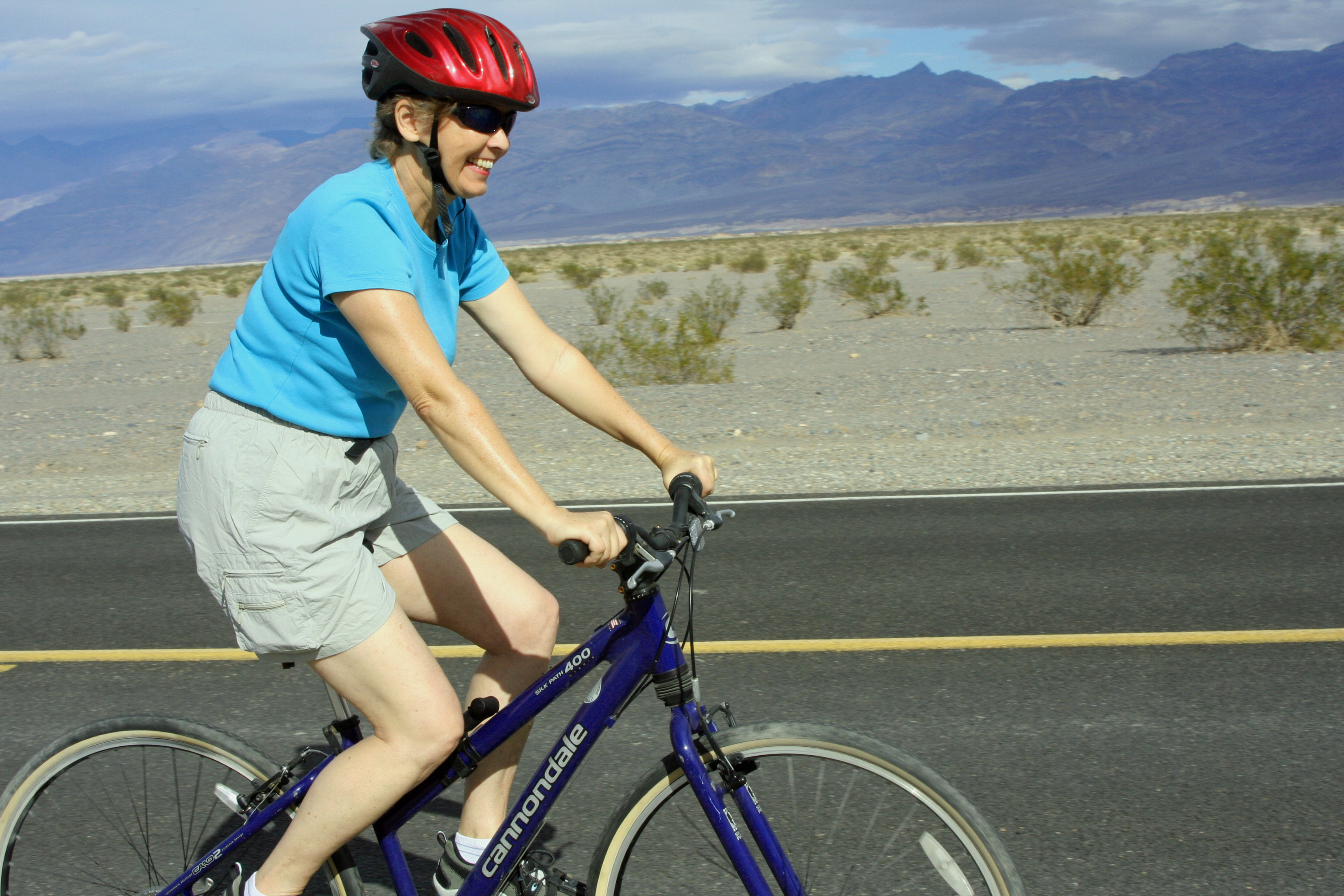
The last time Peggy and I were in Death Valley, we brought along our bikes for a more relaxed tour of the Valley floor and dune area.

How you look when you aren't loaded down with 60 pounds of gear and climbing a mountain. Note Peggy's smile.

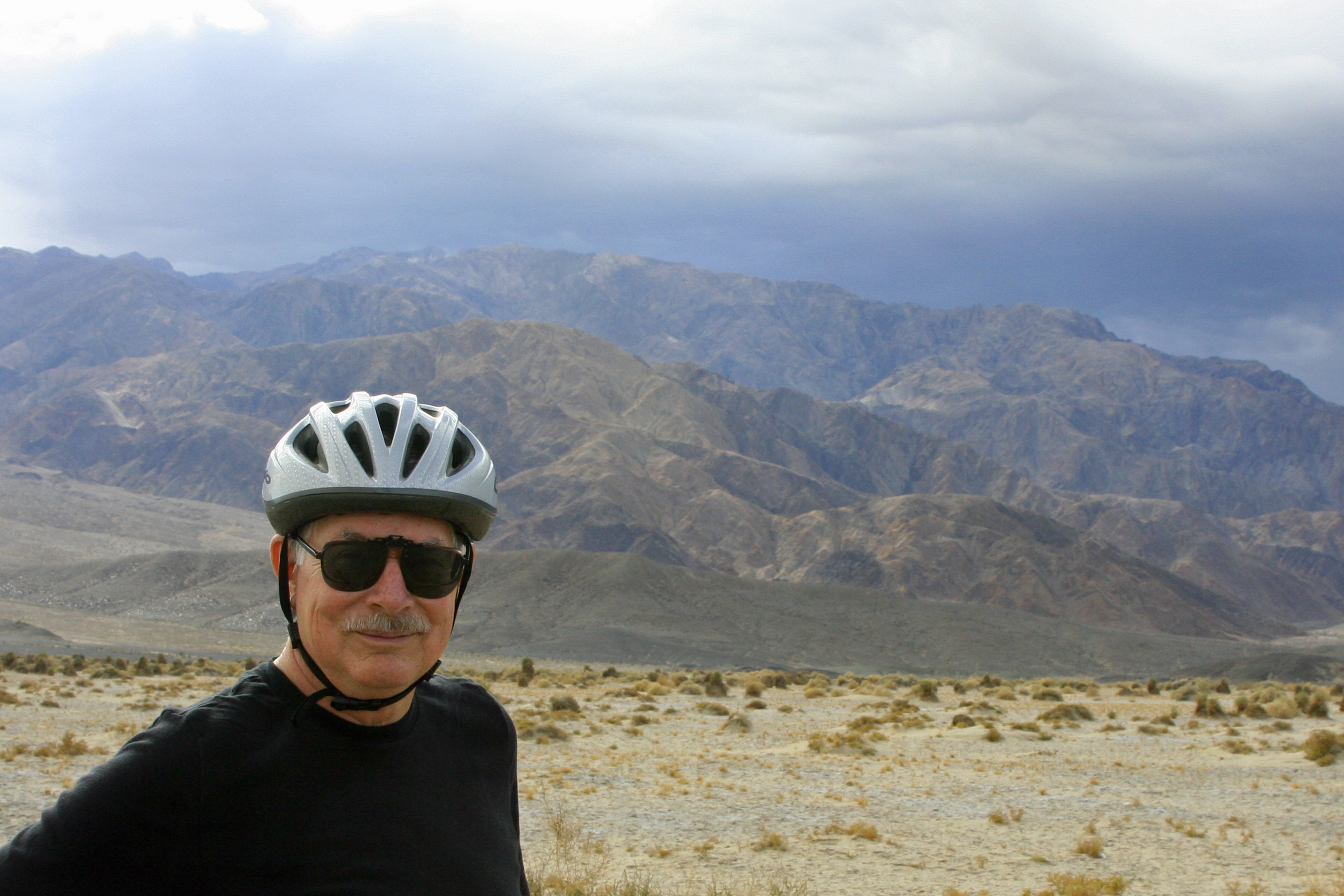
I am looking rather relaxed myself. Peggy took this photo looking across what is known as the Devil's Cornfield. The Panamint Range looms in the background.

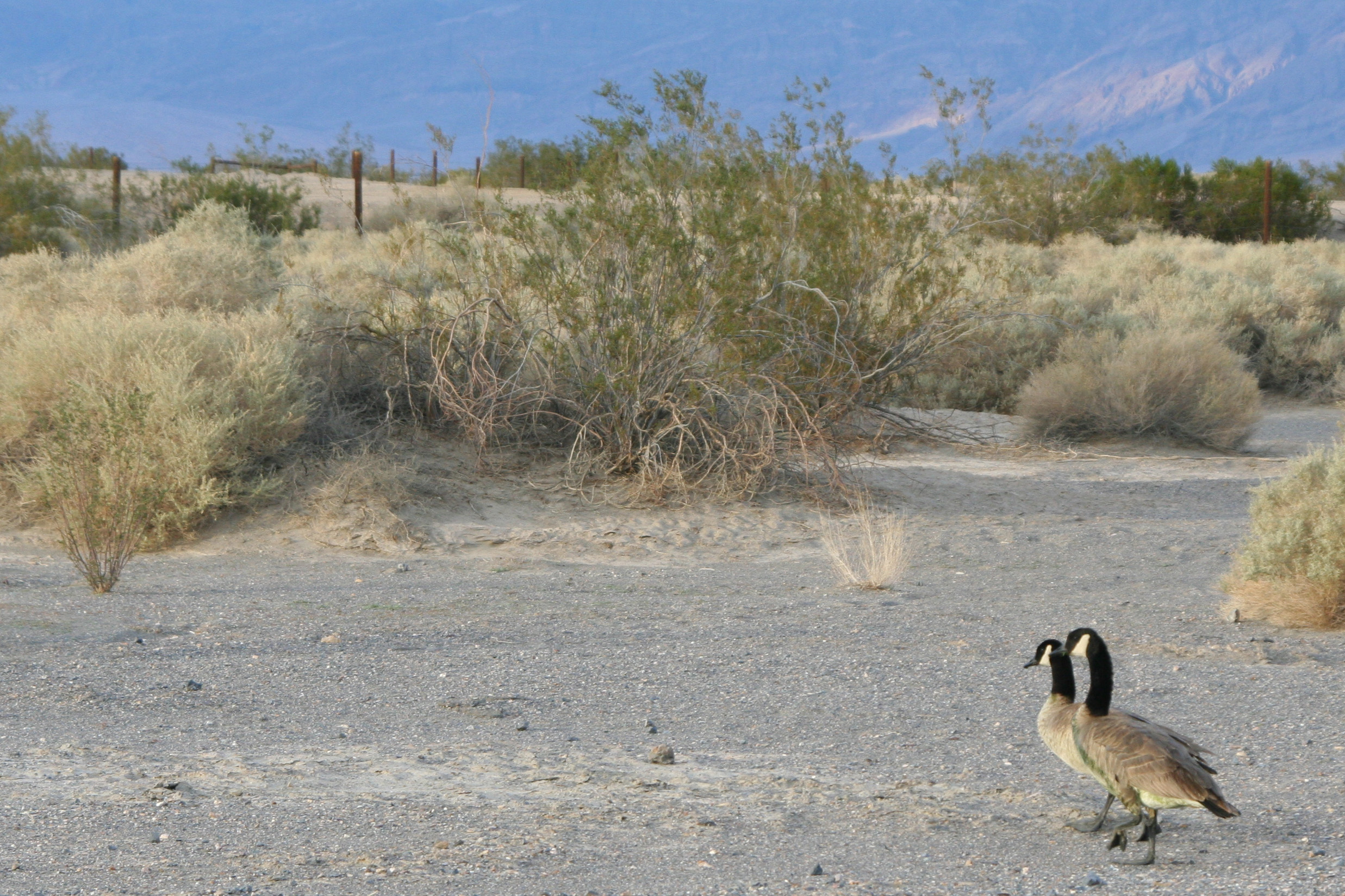
Peggy and I were on an evening stroll out to the dunes when we came across a pair of Canadian Geese. I assumed they were lost but they didn't ask for directions.

A final view of the dunes set off by a cloud filled sky.

Rhyolite, Death Valley: A Ghostly Town… The National Park Series

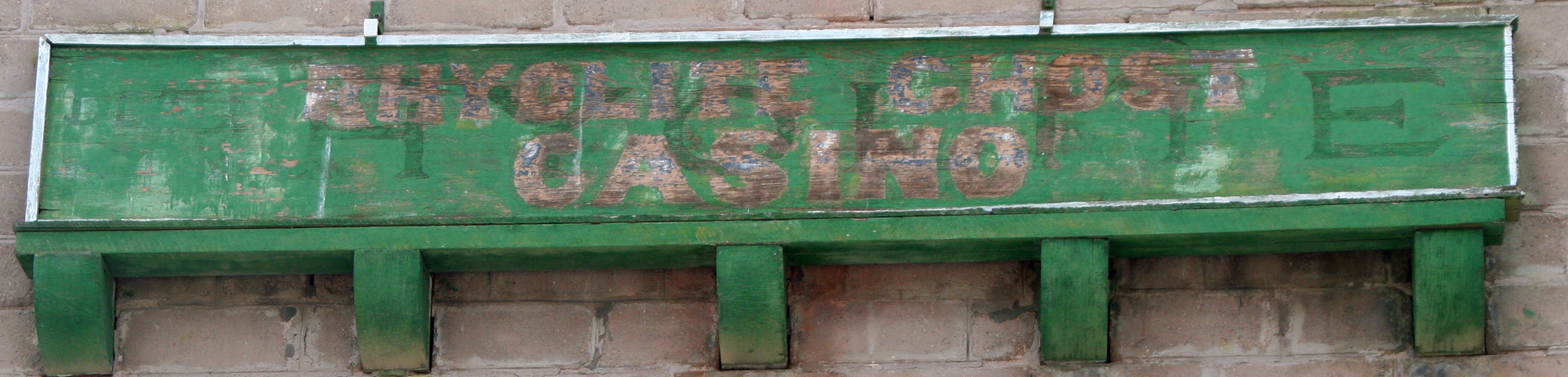
A ghost sign for Rhyolite, Nevada. Look closely and you will see ghostly letters of the town's name imposed over the name of a long forgotten casino.

The wind was cold with the whispers of forgotten ghosts. We put on our Jackets to fight the chill; Bone found a horseshoe for good luck. We had made a detour to visit the old Ghost Town of Rhyolite on the way into Death Valley National Park from the small town of Beatty in Nevada.

The Peripatetic Bone, who was originally part of a horse just above the hoof, tries on a horseshoe for good luck.

Gold was discovered in the area in 1904. A boomtown sprang out of the desolate desert. Soon there was a school, a bank and even an opera house. The sound of “batter up” could be heard on weekend days and arias on weekend nights. Women flowed in from San Francisco to accommodate the town’s red light district.

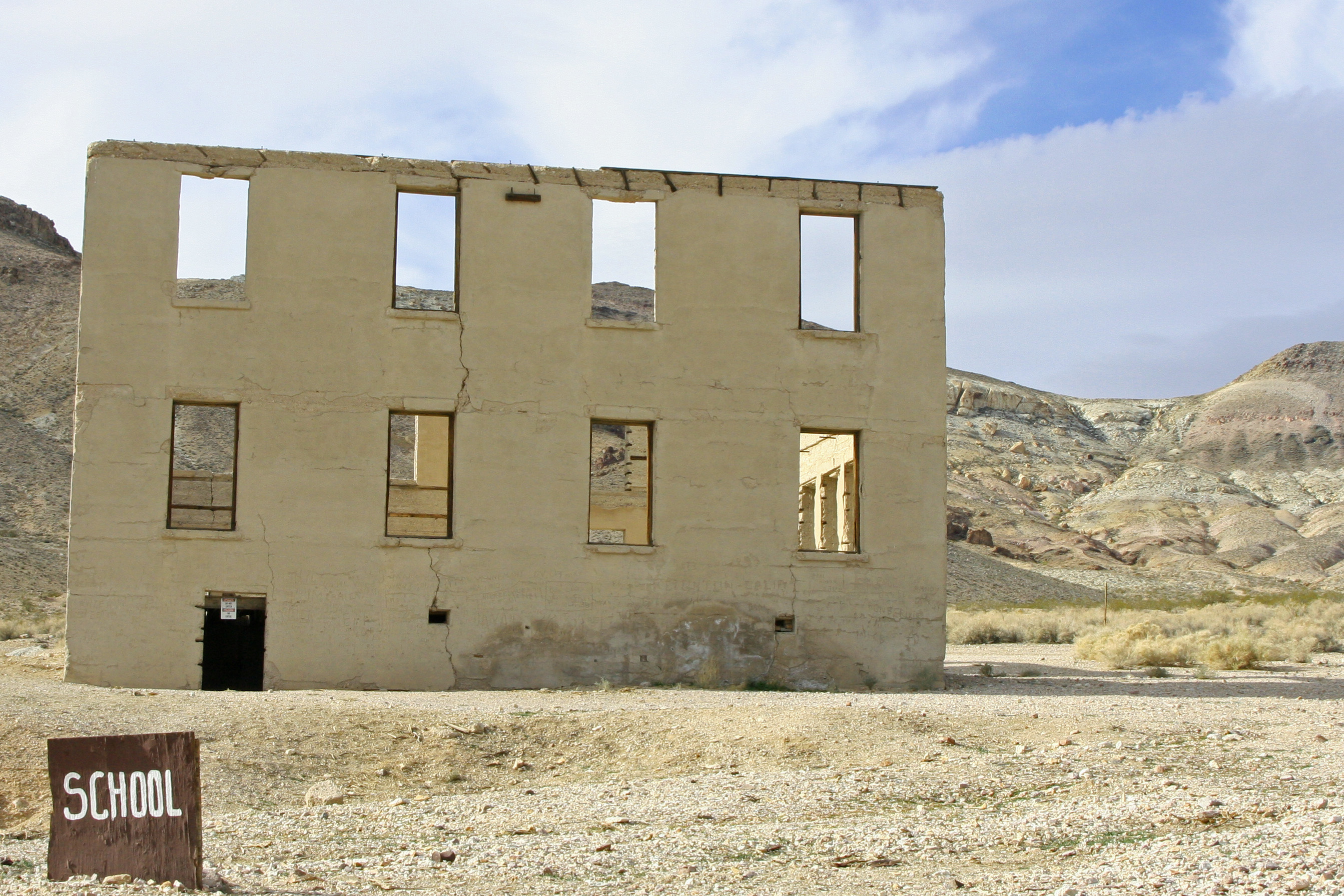
Can you hear the children playing?

The town bank.

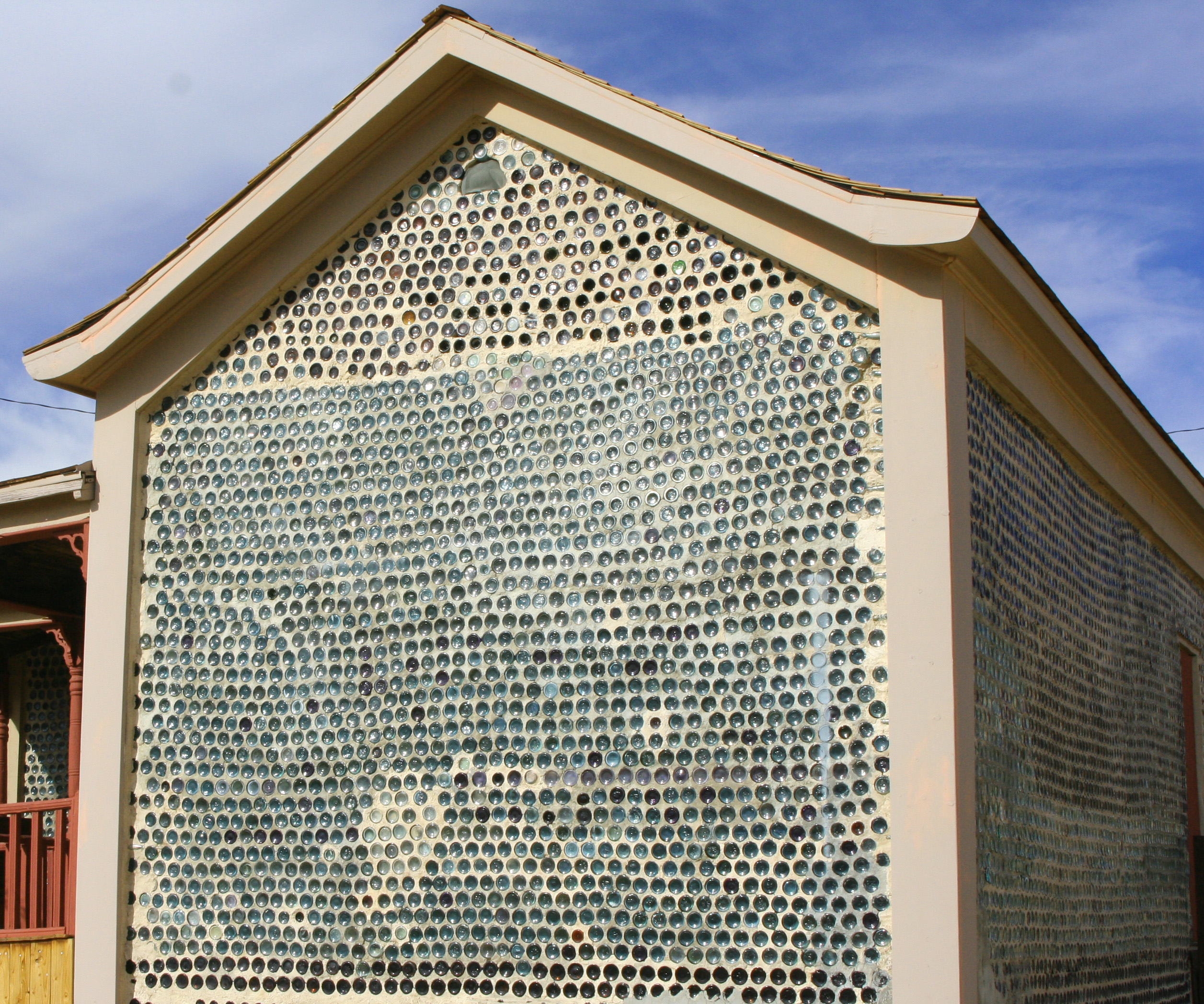
There was even an ice cream parlor and a house made from 50,000 beer and liquor bottles, which says something about the quantity of liquor consumed in town.

A house built with 50,000 bottles of beer and booze: light, insulation and a doozy of a hangover.

In 1907, electricity came to Rhyolite. It was the same year a financial crisis announced the beginning of the end for the town. Mines started to close, banks failed, and the newspaper went out of business. The lights were shut off in 1916. The boom was over.

A few skeletons of buildings and the bottle house are all that remain today. If you are in the neighborhood be sure to stop by. The ghosts will appreciate your visit. There is also a fascinating sculpture garden located next to Rhyolite that I will blog about next in my National Park/Death Valley series.

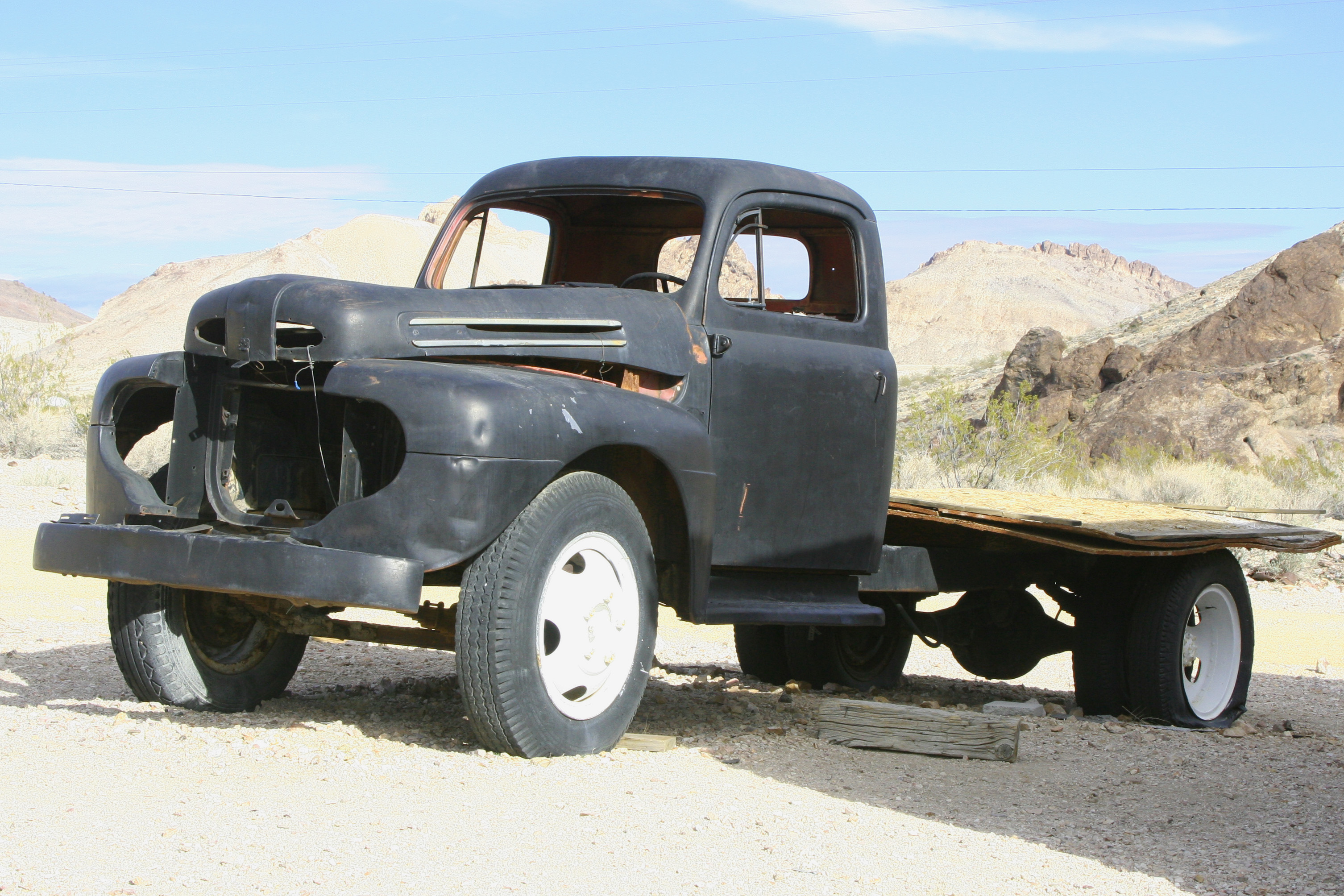
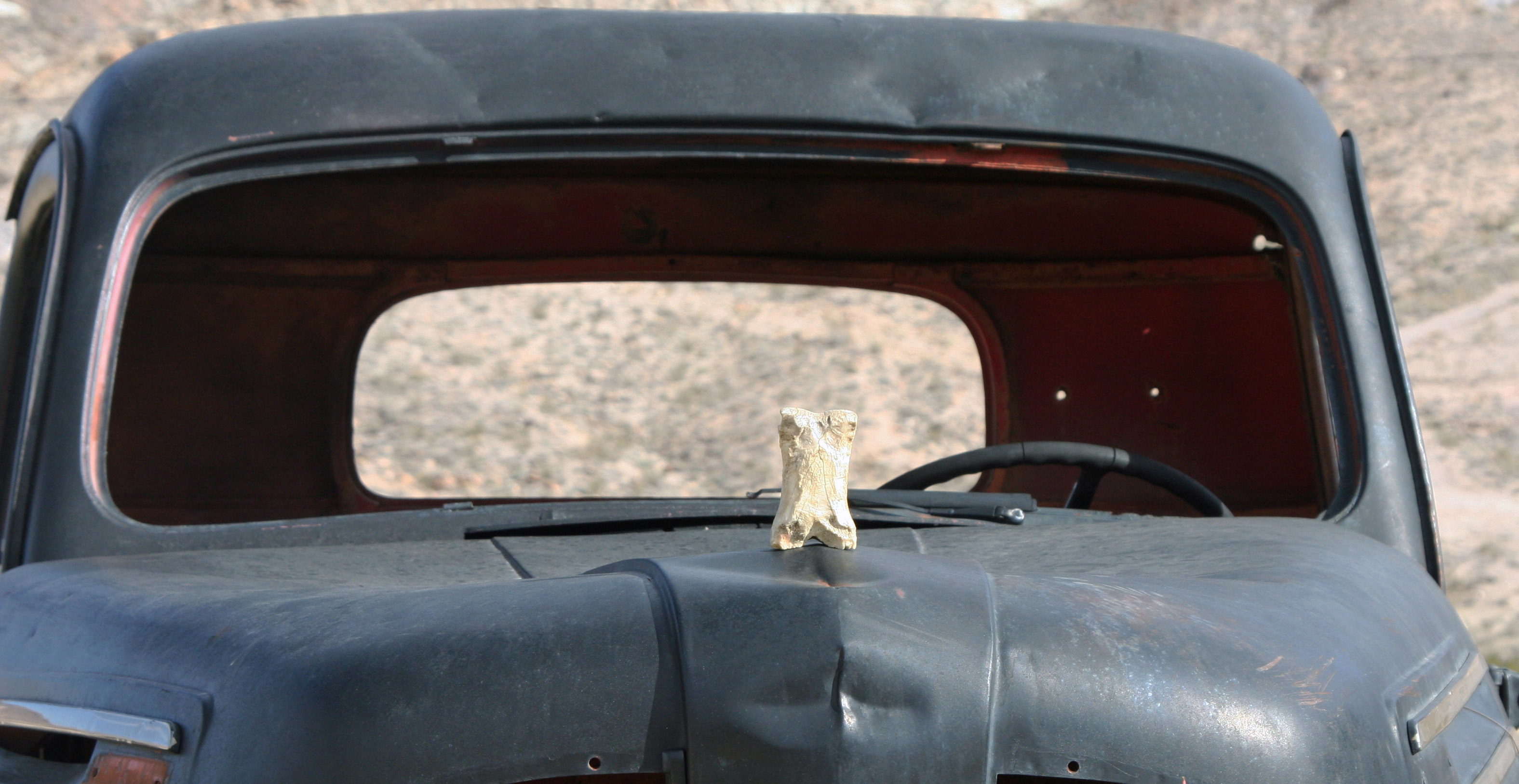
Long abandoned vehicles provide great photo opportunities but this one was missing something critical. And no, I don't mean engine...

A hood ornament.

Death Valley Scotty and Scotty’s Castle… The National Park Series

Looking down on Scotty's Castle in Death Valley National Park. This view is looking eastward up Grapevine Canyon. A spring in the Canyon provides water for the Castle and creates the oasis. Our small RV Quivera is peeking out on the far right.

Walter E. Scott was a scoundrel and a showman, a master at bilking rich people out of their money. He was born in Cynthiana, Kentucky in 1872. I may be related.

My Great, Great, Great, Great, Great Grandfather, Andrew Mekemson/Makemson is buried five miles from town. For a time, in the late 1700s and early 1800s, our whole Scotch-Irish clan lived in the area. At one point, Makemsons and Scotts in Harrison County intermarried. Possibly it was with Scott’s family.

Walter didn’t hang out in Cynthiana for long, however. In 1883, at the age of eleven, he split. Some say he ran away. He ended up working as a cowboy with his brother in Nevada.

He must have looked great on a horse. A talent scout for Buffalo Bill’s Wild West Show recruited him as a cowboy and trick rider when he was 18. For the next 12 years he toured the US and Europe along with such luminaries as Annie Oakley.

In 1902 he discovered his true calling. Walter started selling shares to an incredibly rich gold mine in Death Valley, a gold mine he never quite got around to finding. He became the star of his own Wild West act.  Reinvesting his investors’ money, he travelled from LA to New York City, stayed at the best hotels, spent lavishly, and constantly promoted his non-existent gold mine.

Reporters were attracted to him like buzzards to road kill. And why not… they were guaranteed a great story, free meal and all the booze they could consume. The legend of Death Valley Scotty was born. Rich men lined up to contribute.

In 1905 he pulled off one of his most successful self-promotions. Scotty hired a three-car Santa Fe railroad train to make a record run from Los Angeles to Chicago. The ‘Coyote Special’ made the trip in 44 hours and 54 minutes.

“We got there so fast,” Scotty reputedly said, “ we didn’t have time to sober up.”

His pot of gold was waiting. Albert Johnson lived in Chicago and was Scotty’s opposite. While Scotty was a flamboyant con man and adventurer, Albert was a quiet, highly educated and deeply religious man… not to mention very wealthy. He became excited about the gold mine. Scotty had found his meal ticket for life.

Eventually Albert visited Death Valley to see the mine. Or possibly he came out to see why there were no returns on his investment. Scotty saddled up and took him on a strenuous wild goose chase through the desert. It was risky. Albert was not a healthy man and the trip could have killed him. The opposite happened. His health improved and he came to love Death Valley.

What was even more surprising, he developed a close friendship with Scotty and that friendship was more important than the gold.  Time and again Albert returned to Death Valley. He started bringing his wife Bessie along and she also developed a love for Death Valley and Scotty. But she didn’t like sleeping on the ground.

So Albert offered to build her a castle, which he did. It was an incredible feat given the vacation home’s remote location on the northern edge of Death Valley in Grapevine Canyon. Starting in the Roaring 20s and ending in the Great Depression, it cost two million dollars and took five years to complete.

Any respectable castle requires a turret.

Scotty promptly moved in: not as a guest, not as a renter and not even as a caretaker, but as the owner. He claimed it was his castle built with money from his gold mine. Albert and Bessie went along with their friend’s deception and Besse’s home became know as Scotty’s Castle.

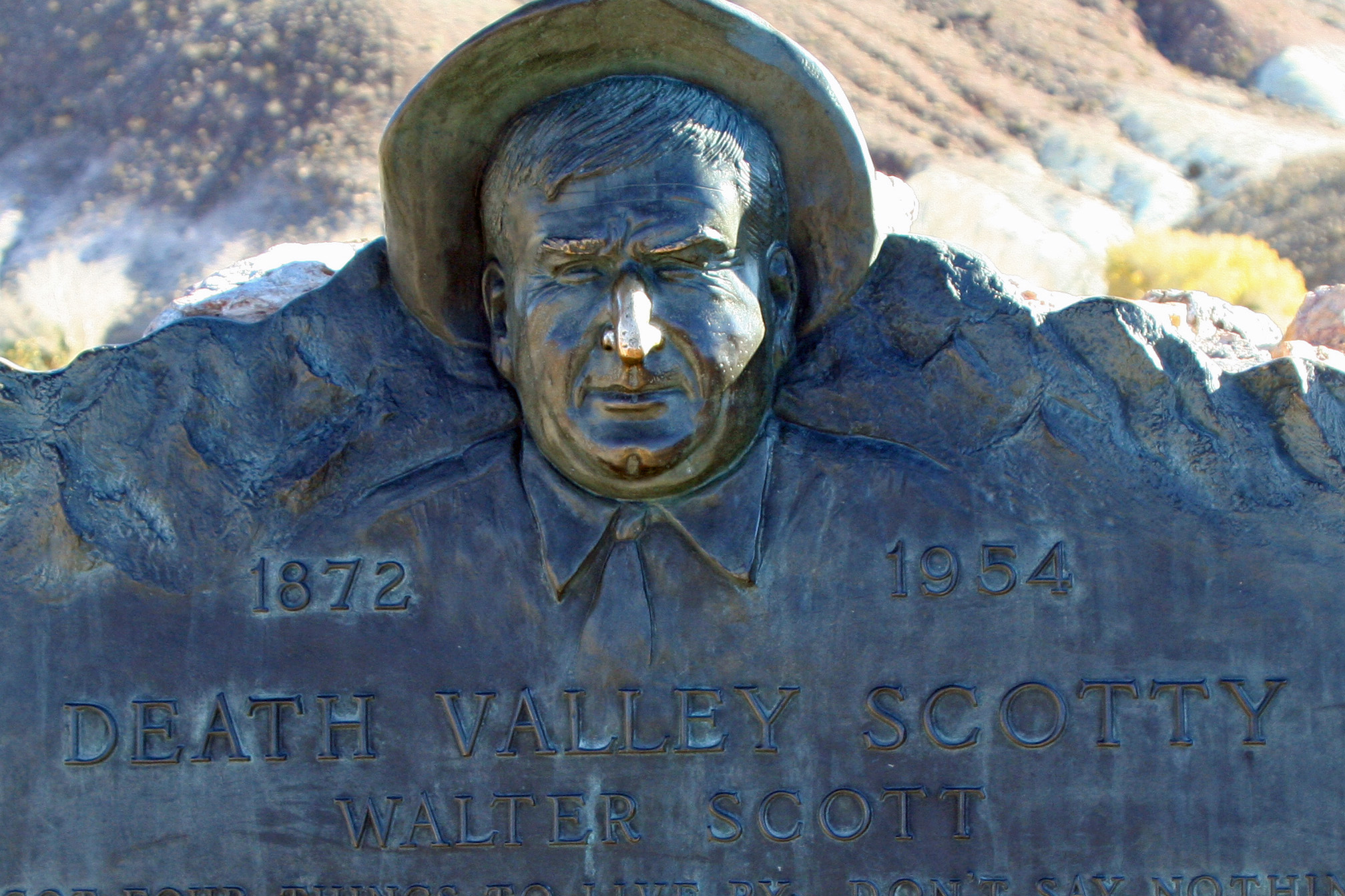
Albert died in the 1940s and left the property to the Gospel Foundation, a charitable organization. But he left it to the charity with a proviso: they had to take care of Scotty, which they did up until his death in 1954.

In 1970 the National Park Service bought Scotty’s Castle from the Gospel Foundation and today’s visitors to Death Valley are welcome to include this beautiful and unique property as part of their adventure. A short walk up the hill behind the castle takes visitors to Scotty’s grave and a great view of the castle.

This blog marks the start of my National Park Series. Beginning in 2000, my wife Peggy and I have visited all of the US’s National Parks. From time to time I will feature our favorites. Over the next two weeks I will be blogging on Death Valley and the surrounding region.

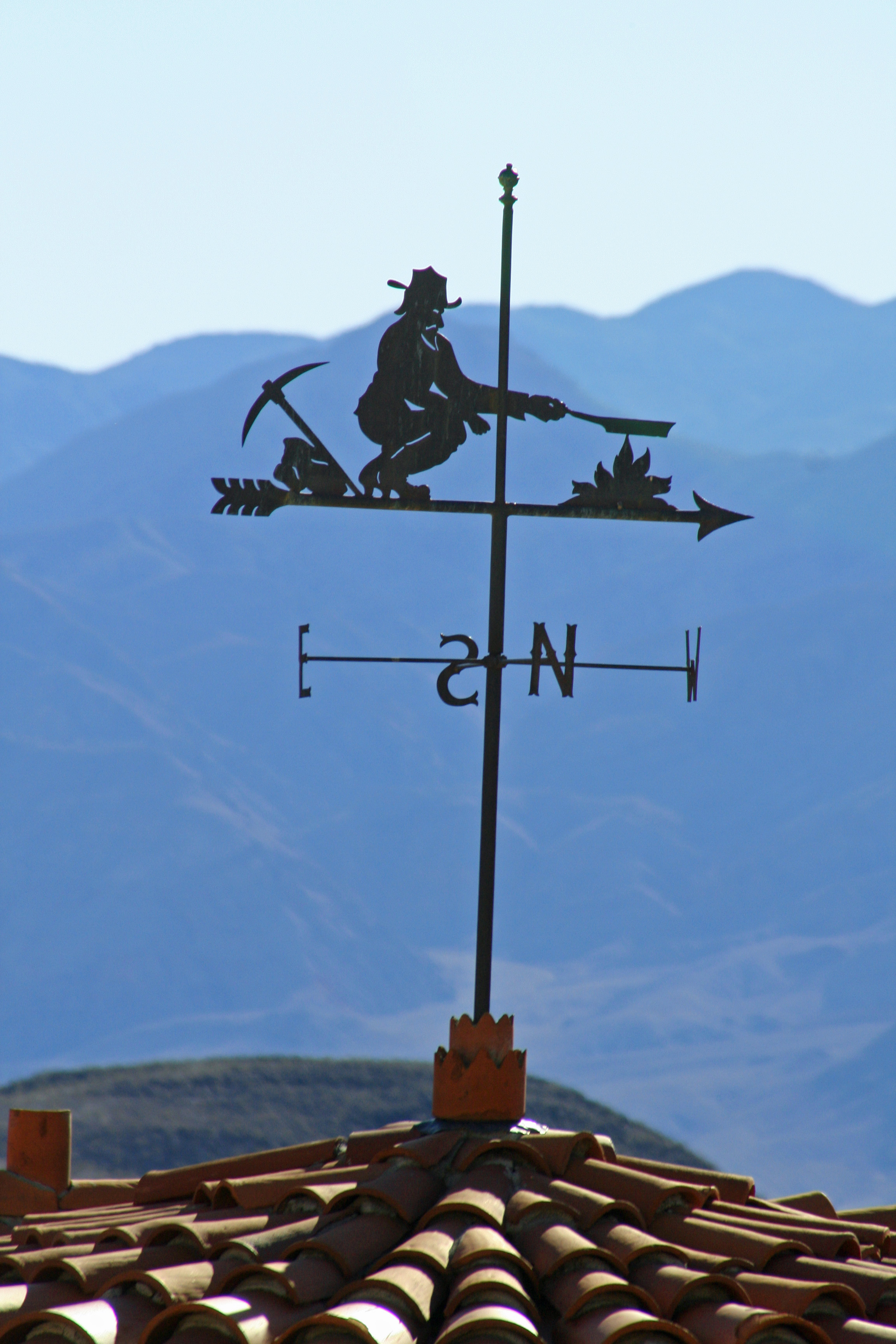
Another view of Scotty's Castle in Death Valley. Note the weather vane on top.

A close-up of the weather vane and my favorite photo of Scotty's Castle. To me, it symbolizes the lonely prospector of the West. All that's missing is a donkey or horse.

A short walk up behind Scotty's Castle will bring you to Death Valley Scotty's grave and memorial. The site also provides a great view of the Castle and surrounding desert.
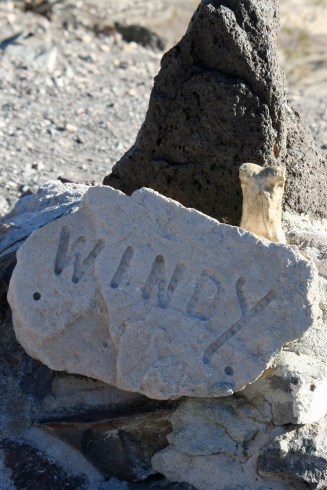
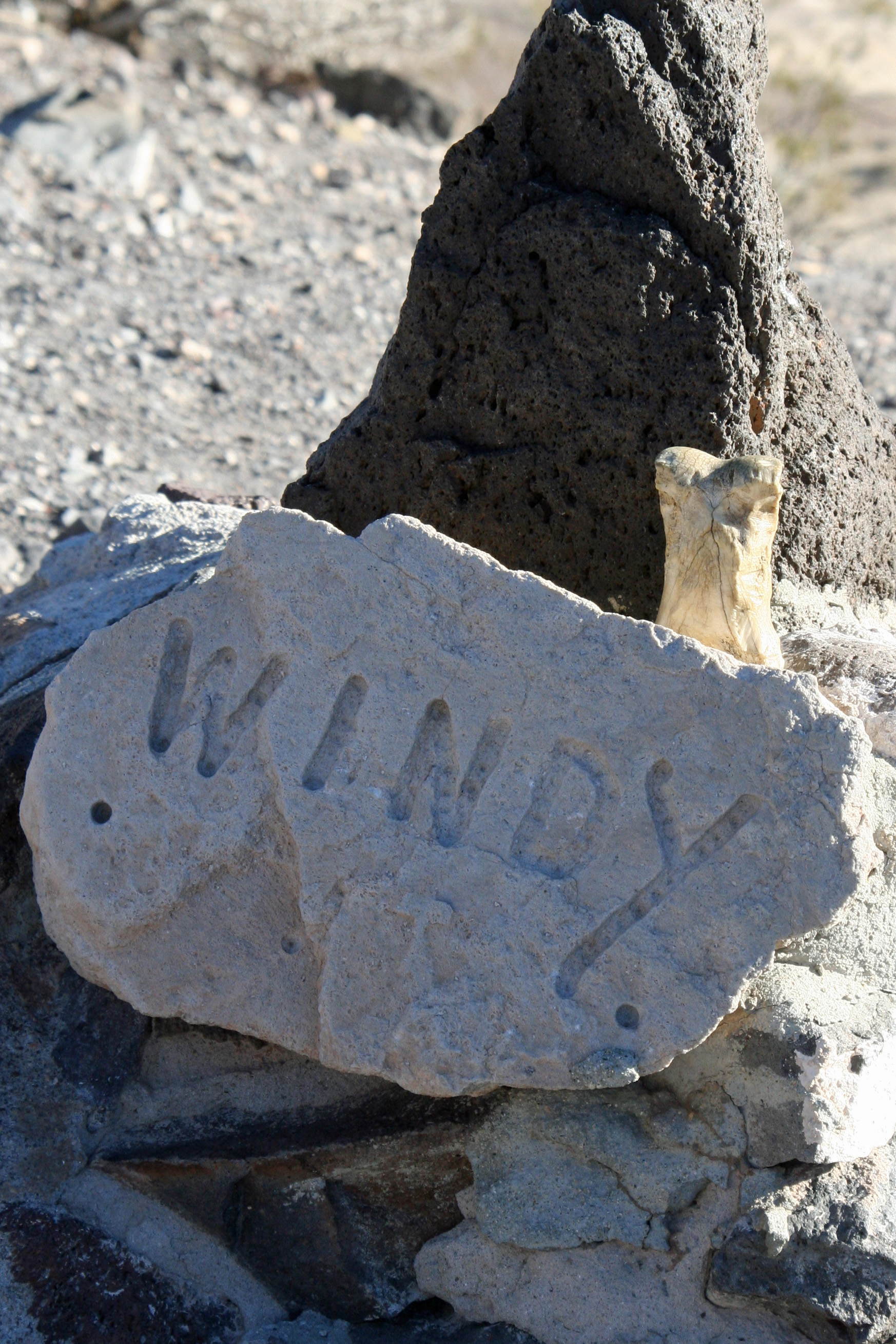
Scotty's faithful companion, Windy the Dog, is buried beside him. Bone, as in the Peripatetic Bone, stops by for a visit. Bone has been traveling the world for 36 years and has a special place in his heart for graves. No surprise there. He is more careful around live dogs.

A view of the Clock Tower at Scotty's Castle looking out toward Death Valley National Park.

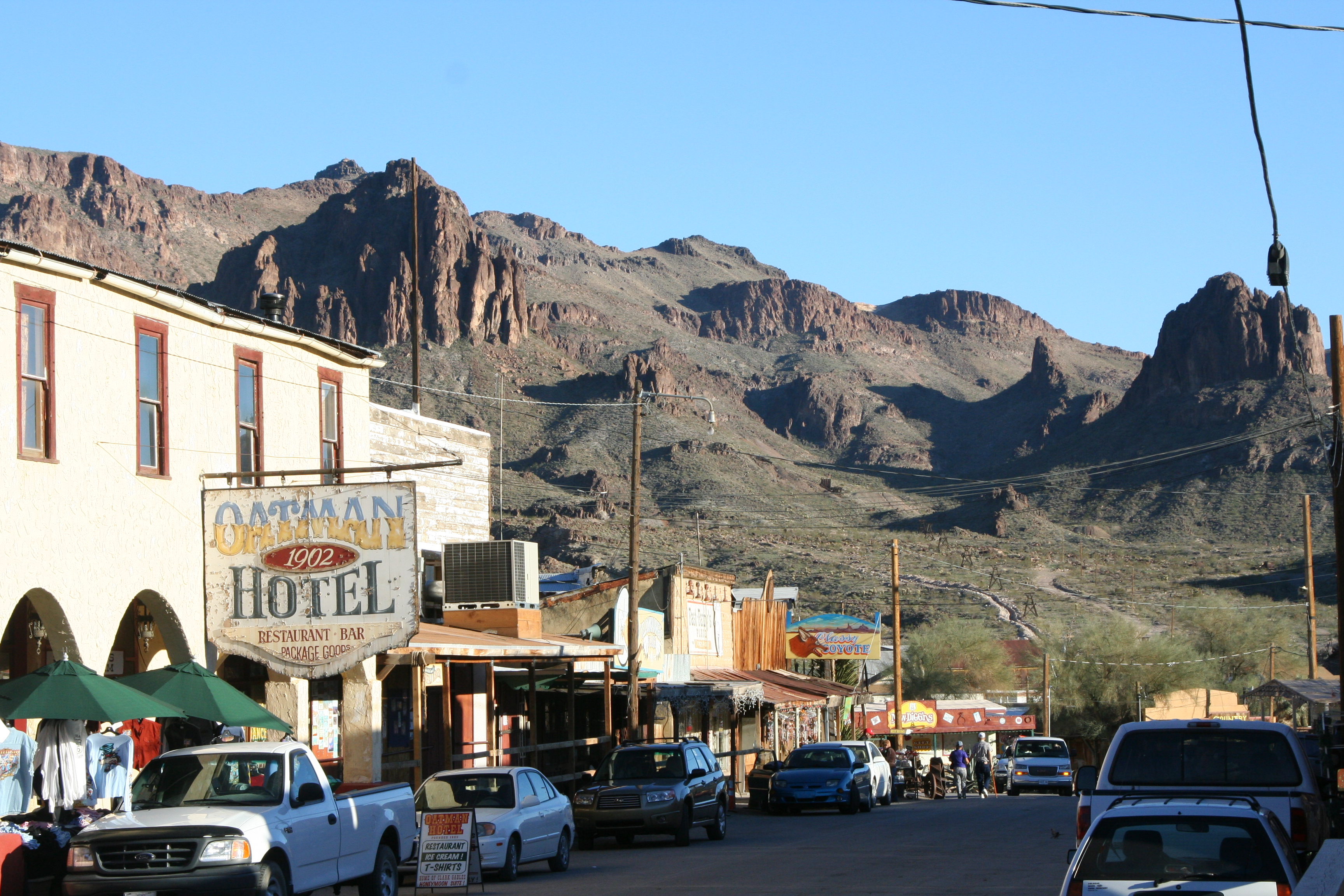
Beautiful Victoria BC… The Vancouver Island Adventure

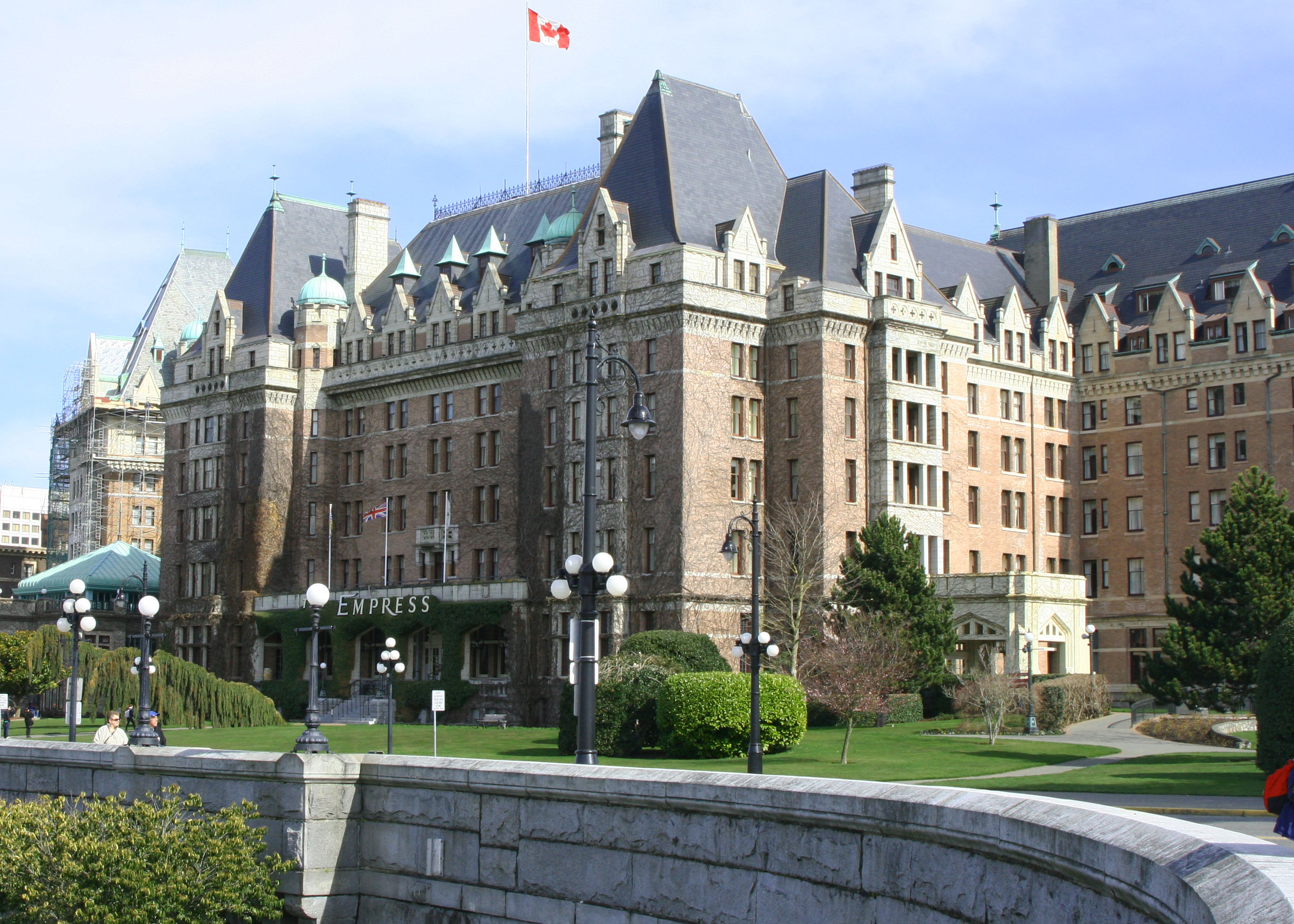
Anybody who has ever been to Victoria BC on Vancouver Island comments about the grand Empress Hotel overlooking the Inner Harbor.

The sun came out for us in Victoria. The city wanted to show off its treasures: its beautiful harbor, the grand old Empress Hotel, Parliament Building, flowers, interesting architecture, British flavor and First Nation art.

I’ve been to British Columbia’s Capitol several times over the years and am always eager to come back. This time, Peggy and I were able to share our experience with our friends Ken and Leslie Lake from California. It was the last day of our Vancouver Island adventure and an appropriate way to end the trip.
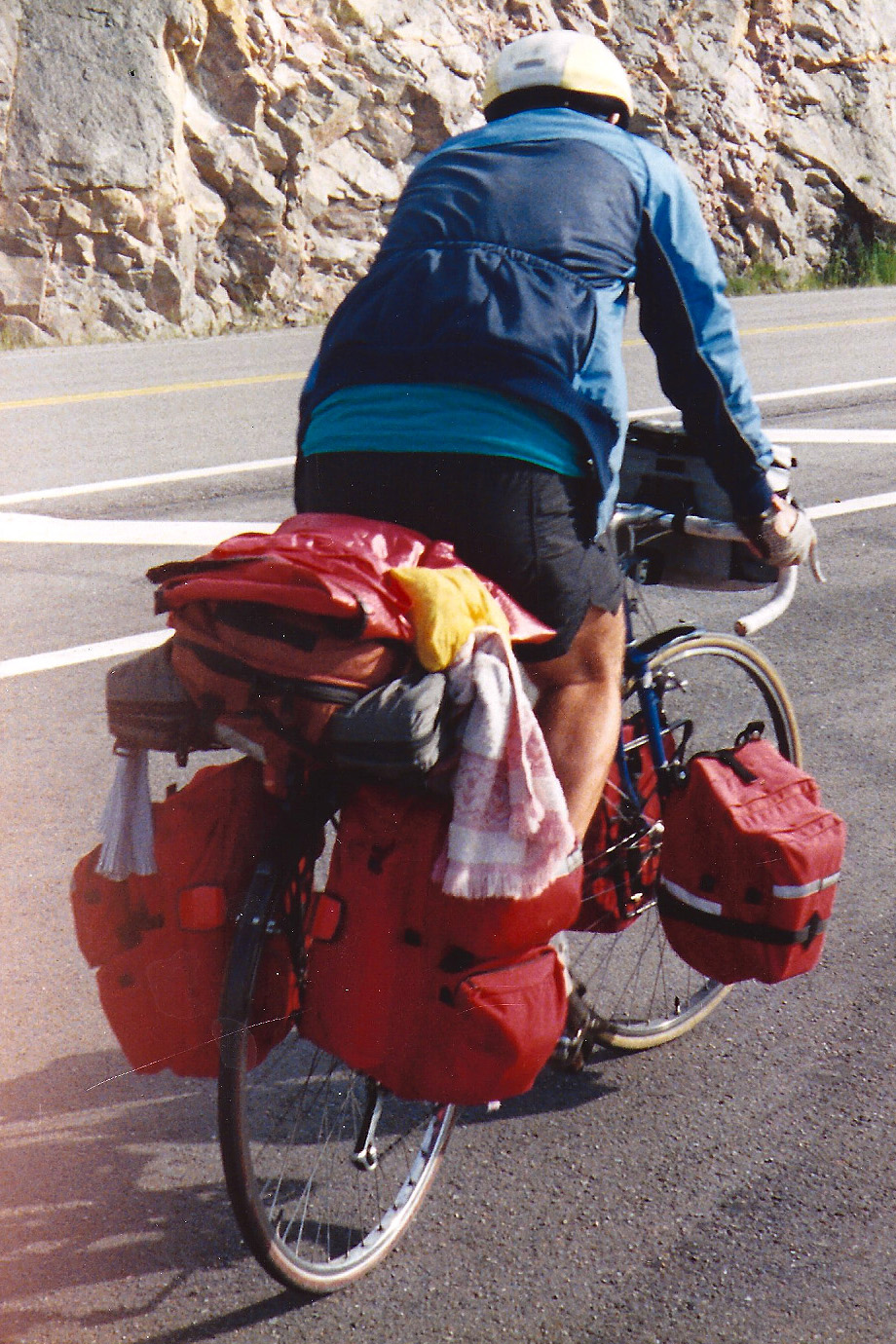
Catching the Black Ball Ferry back to Port Angeles limited our time so we focused on the Inner Harbor. I will let the photographs that Peggy and I took speak for our experience.

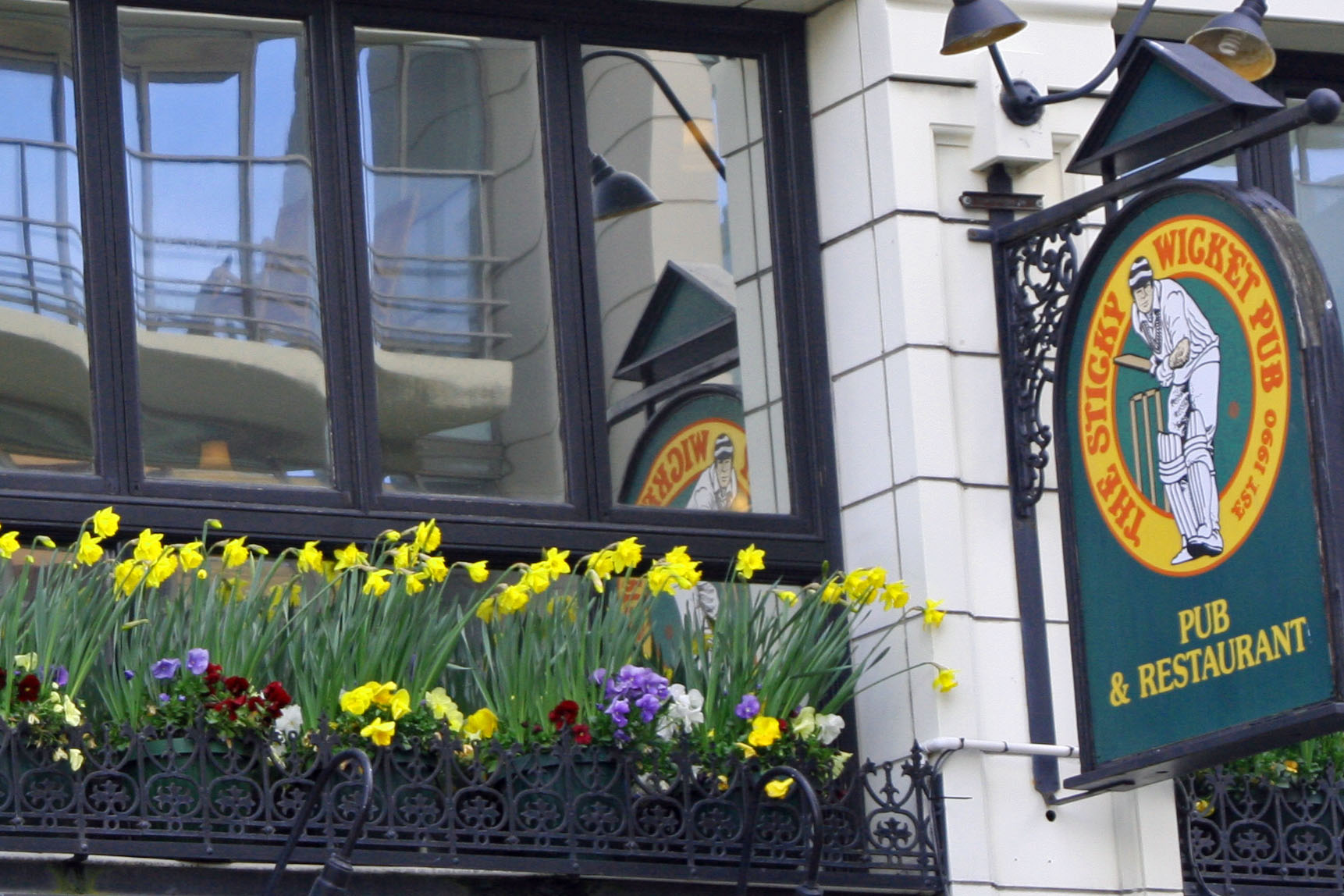
There are those who say Victoria BC is more British than Britain. To check out the theory, we visited the Sticky Wicket Pub for a pint, or two. Cricket, anyone?


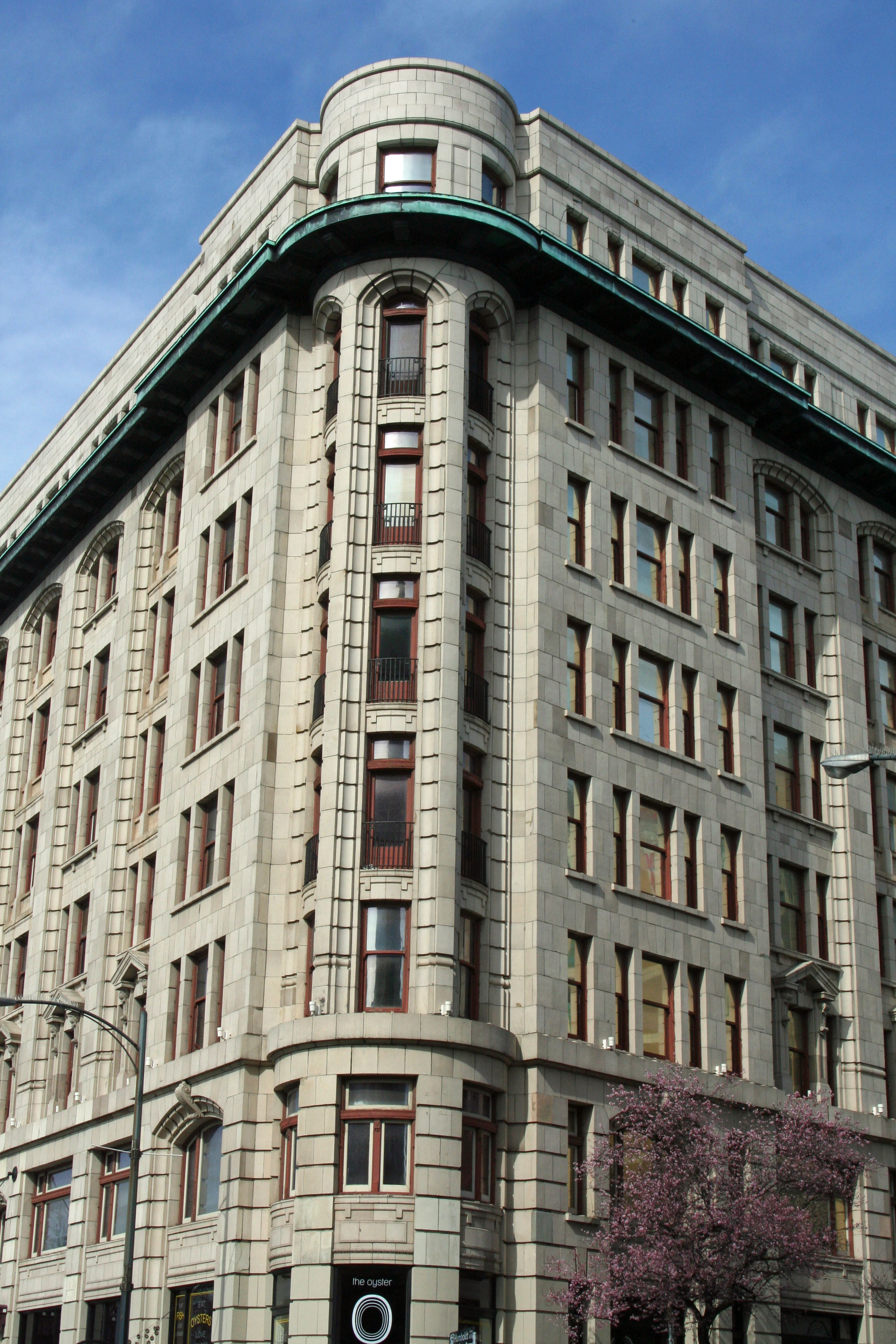
The architecture of this Victoria BC building reminded me of London.


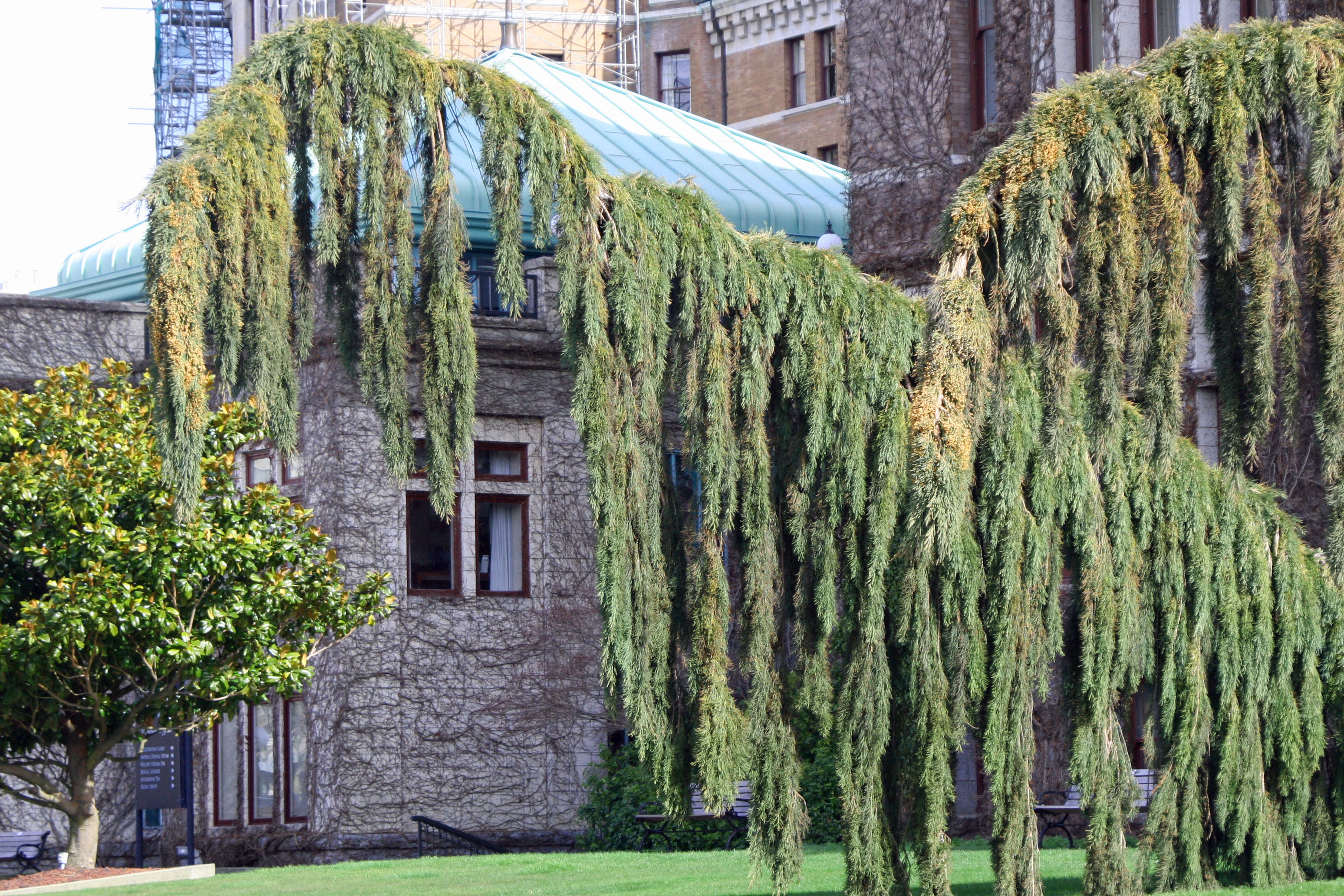
Two strange-looking trees dominated the grounds in front of the Empress Hotel. I thought they looked like droopy dogs.


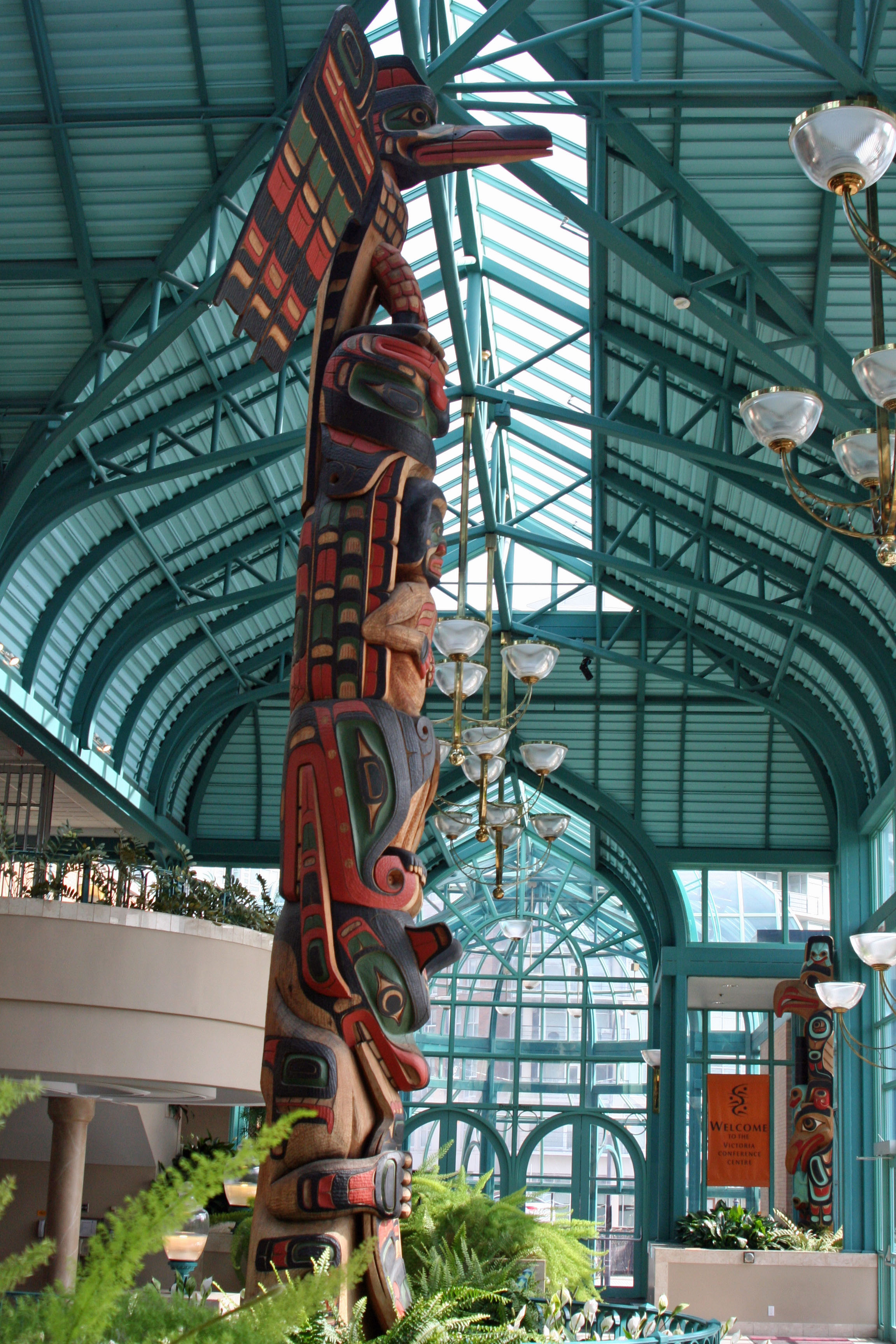
The atrium of Victoria Conference Center, located behind the Empress Hotel (and connected to it), is definitely worth a visit.


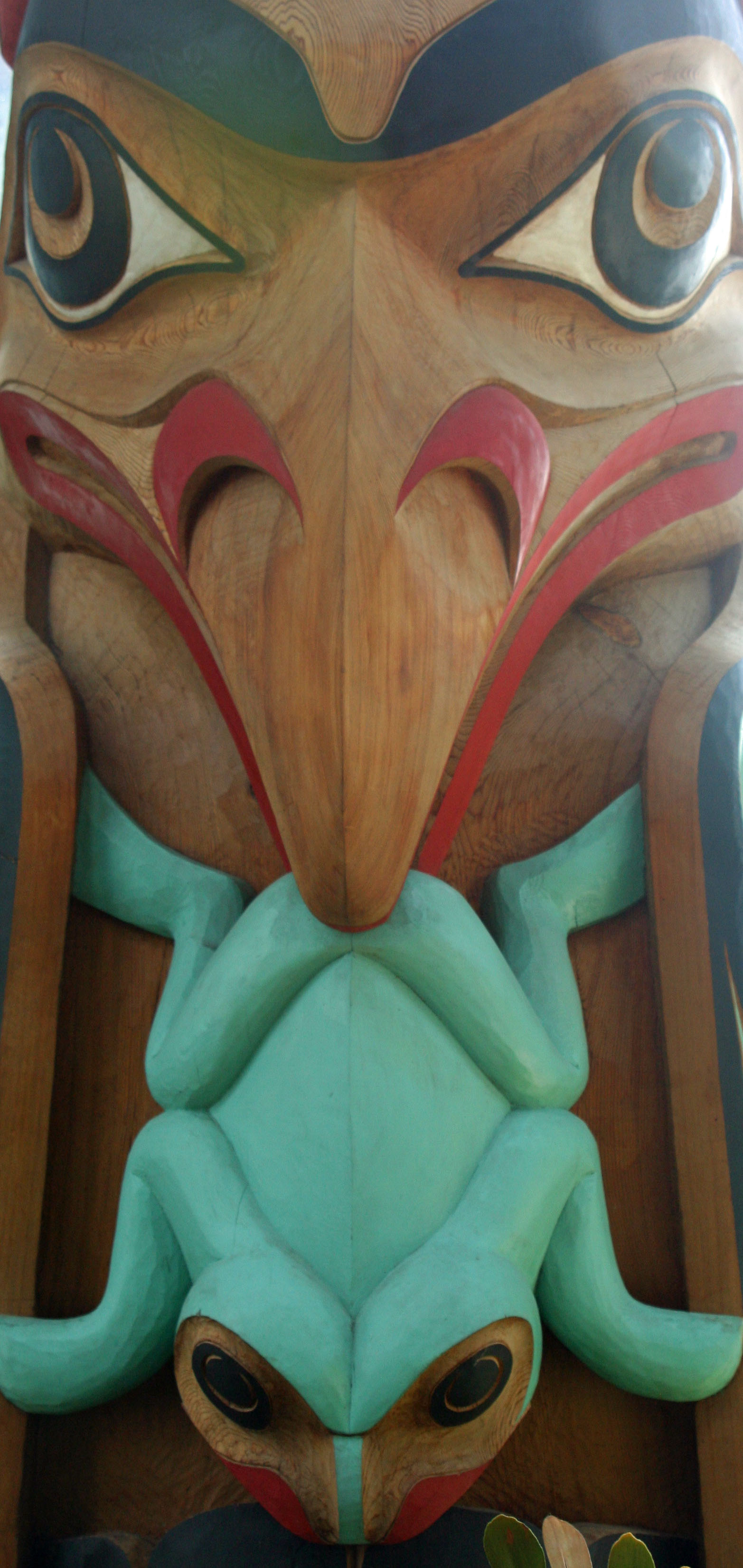
Close up of Victoria Conference Center totem pole. Frog legs for dinner...


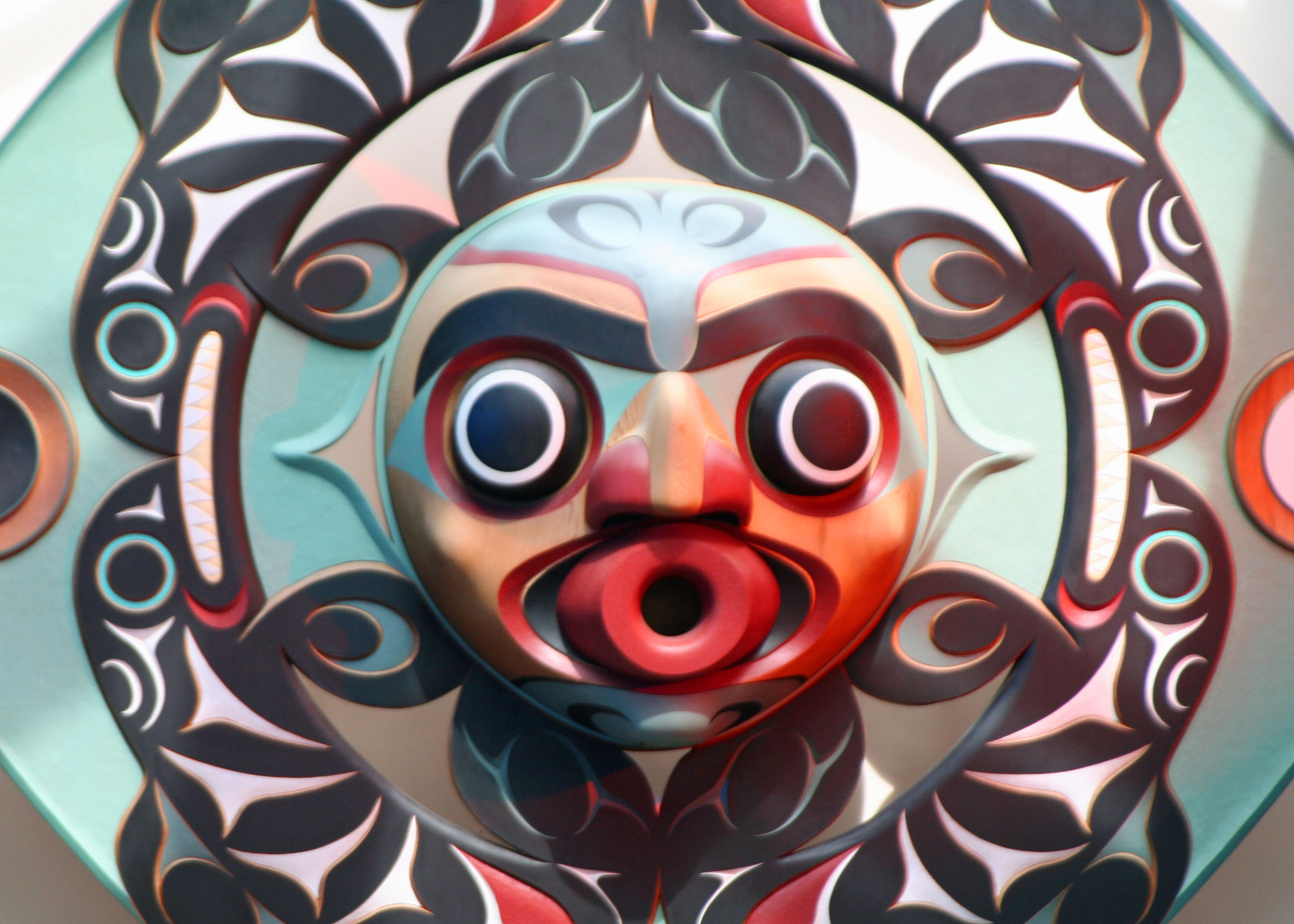
Large First Nation mask-like sculpture in Victoria Conference Center, Victoria BC. Peggy considered it her favorite among the masks we saw on Vancouver Island.


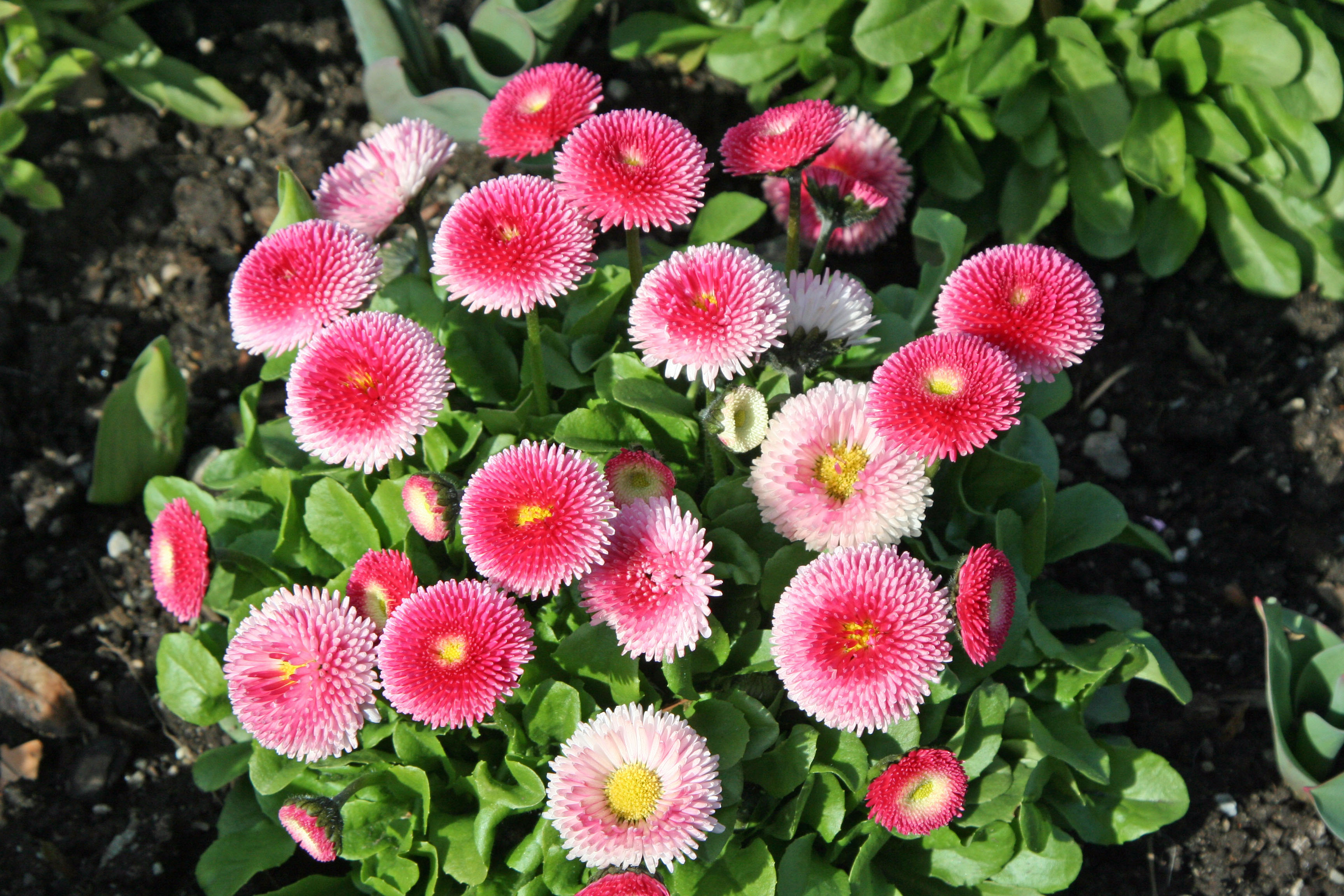
One of my all time favorite memories of Victoria and Vancouver Island is of flowers and magnificent gardens. We were a little early this year and we didn't make it to Butchart Gardens so these perky fellows will have to represent the flowers of Victoria.


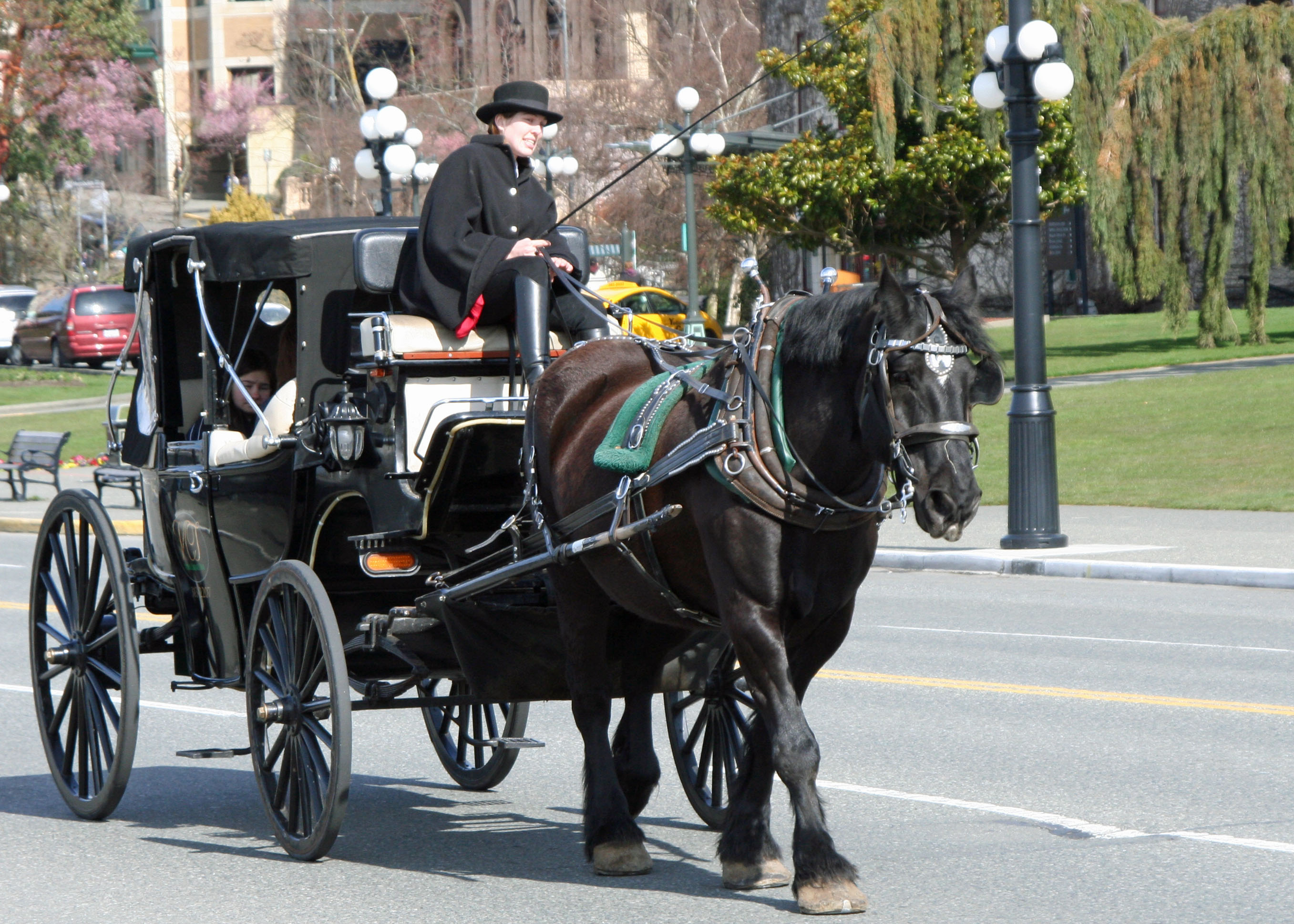
Like in many historic communities, carriage rides are offered as a way to tour the city. I like the matched black horse, black carriage, and black clothes.


Parliament Building. Victoria is the capital of British Columbia.


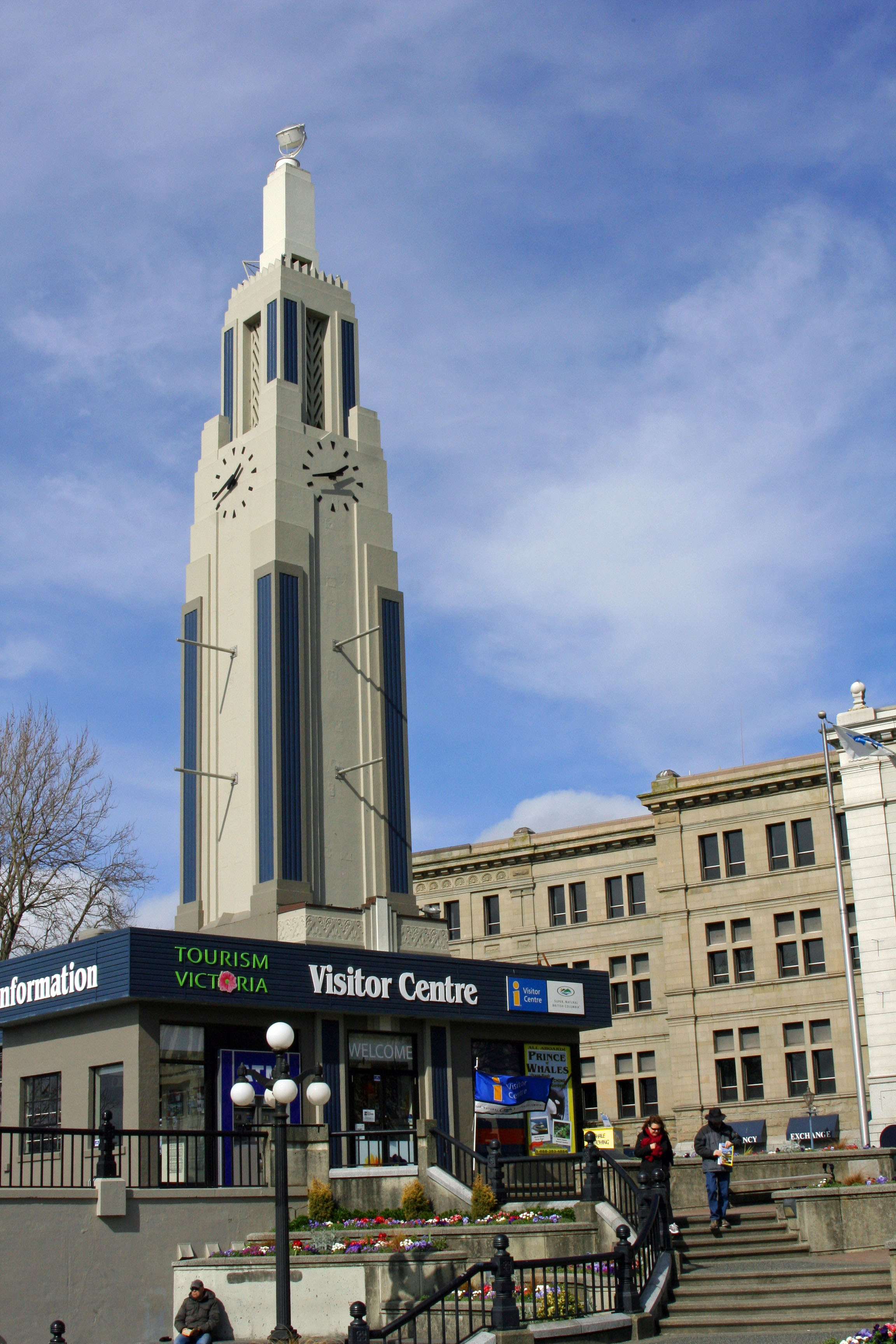
Victoria BC's unique art-deco visitor center was once a gas station. It gives new meaning to the word recycling.


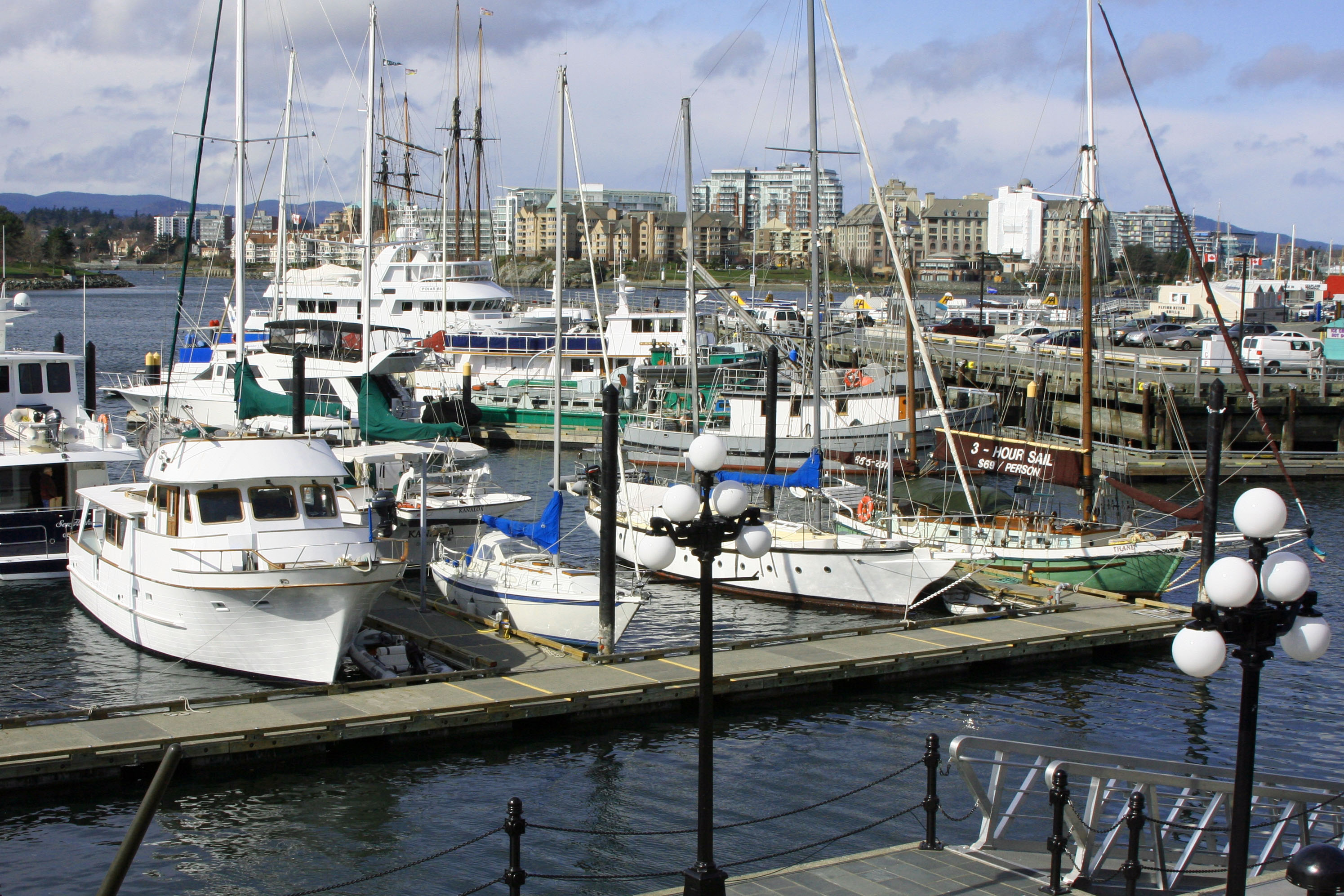
Yachts, sport fishing boats, and sail boats rest on the blue water of Victoria's Inner Harbor.


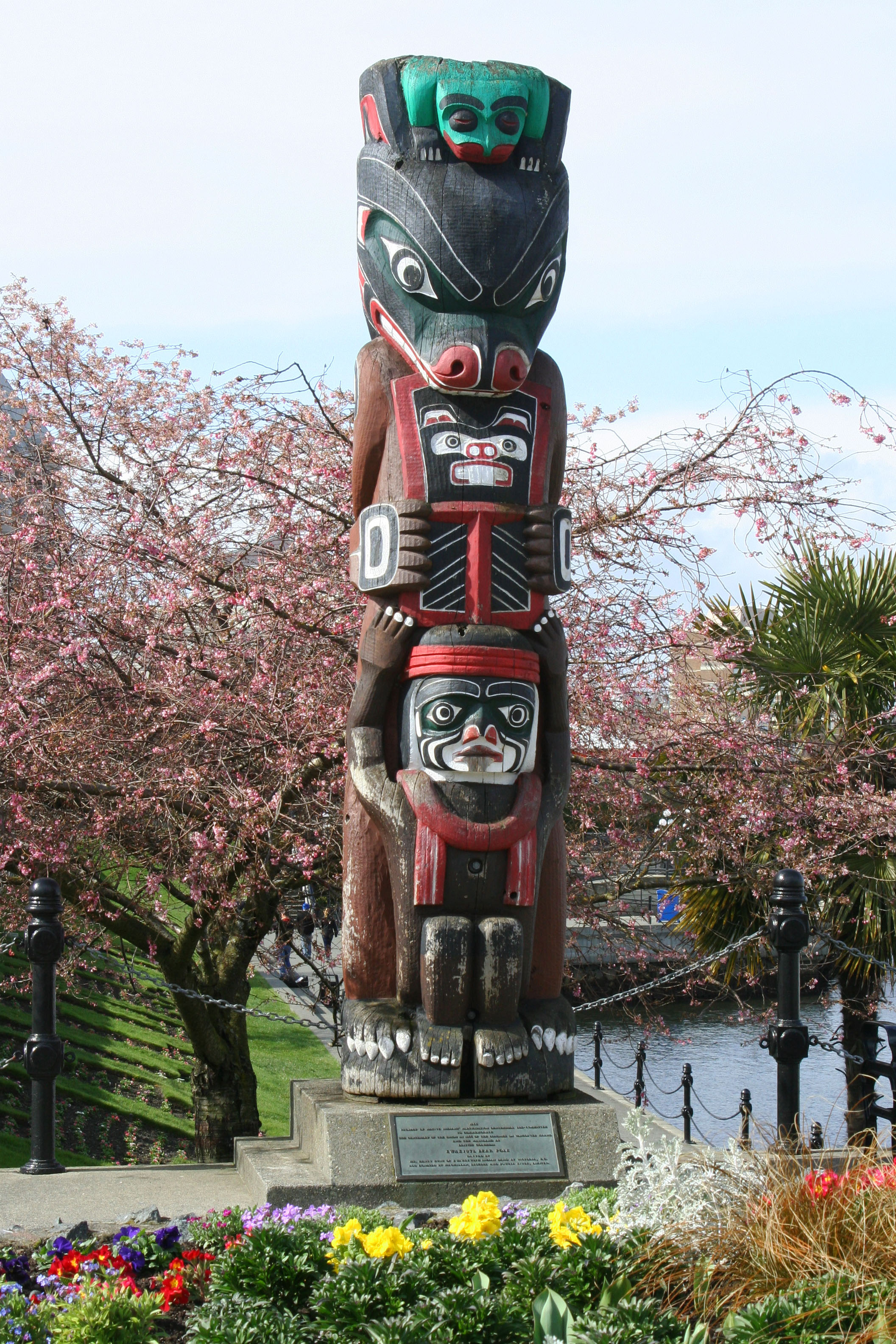
I can't resist putting in a final First Nation totem pole as I wrap up our Vancouver Island adventure. This guy rests on the edge of Inner Harbor and is surrounded by flowers, a suggestion that spring is finally arriving.

Leslie and Peggy hold hands with a bear dressed up as a Mountie. I grew up listening to Sergeant Preston of the RCMP on the radio. It was my introduction to Canada. Sergeant Preston and his faithful dog, King, always caught the bad guy. "On King, on you huskies!"


Your Mama Was a Ground Squirrel… A Journal Entry

It's a random morning as I look out my window at the woods surrounding our home in Southern Oregon and am amused by the wildlife. A Steller Jay scolds me with a staccato comment. Apparently the bird feeder is running low on sunflower seeds.

I plug along, seeking a different perspective for my morning journal. CT runs by. “Your mama was a ground squirrel,” I yell after him. I am probably not being PC. He can’t help it if he has an ugly little crooked tail when all of his gray squirrel relatives have big bushy ones.

A dove lands under the madrone. She is as round as she is long. An elderly friend of mine would say, “Wow she is fat!” in a voice loud enough for the whole neighborhood to hear. It’s the privilege of old age, calling things as you see them. But I think the dove has fluffed her feathers out to stay warm on this 38-degree morning. Or possibly she is pregnant… very pregnant. Or she’s fat.

Random thoughts, random mind.

My computer tells me ‘random thoughts, random mind’ is not a complete sentence. There is nothing random about my computer. It lives by the rules. A fragment is a fragment is a fragment. I tell the software to get lost. I will write what I want. It’s a random morning and I am feeling like Jack Kerouac. Let the thoughts flow where they will.

But still I write in sentences with punctuation and paragraphs with themes. I can’t escape the discipline of writing. But I can play. We are far too serious in this world. We would rather bump each other off than laugh at our foolishness, which makes us all fools but not fool enough.

Whoa, where did that come from? “Gibberish,” you say, and gibberish it is but those are the rules of random. I write sentences but they don’t have to make sense. Or do they?

A Steller Jay interrupts my thoughts with his staccato complaints. Apparently the bird feeder is running low on sunflower seeds. It’s back to the basics.

Two tom turkeys come by, fluff out their feathers, and do the Turkey Two Step. It’s a fan dance. They have a harem of hens to convince of their masculinity. “Take me, baby!” But first they have to convince each other. It’s a dance as old as time.

Are these two tom turkeys putting on a show for their lady loves? Or is it each other?

And what is the hornless buck doing licking his nose with his bright pink tongue. “Ah,” I think to myself, “He is going after a bit of breakfast that has escaped his mouth.” I can identify. I stuck out my tongue frog-like this morning to capture a piece of scone that was charging down my sweatshirt. “Escapee!” my mind screamed.

Lip smacking good. The pink tongue says it all on this buck who is just starting to grow a new set of horns.

And thus my daily journal goes this third day of April in 2012 as I write from my home in the woods of Southern Oregon. I’ve been filling pages with the minutia of my life for 12 years now. It’s how I kick off my day, an old friend, as comfortable as the chair I sit in. I write for me. Occasionally I’ll share.