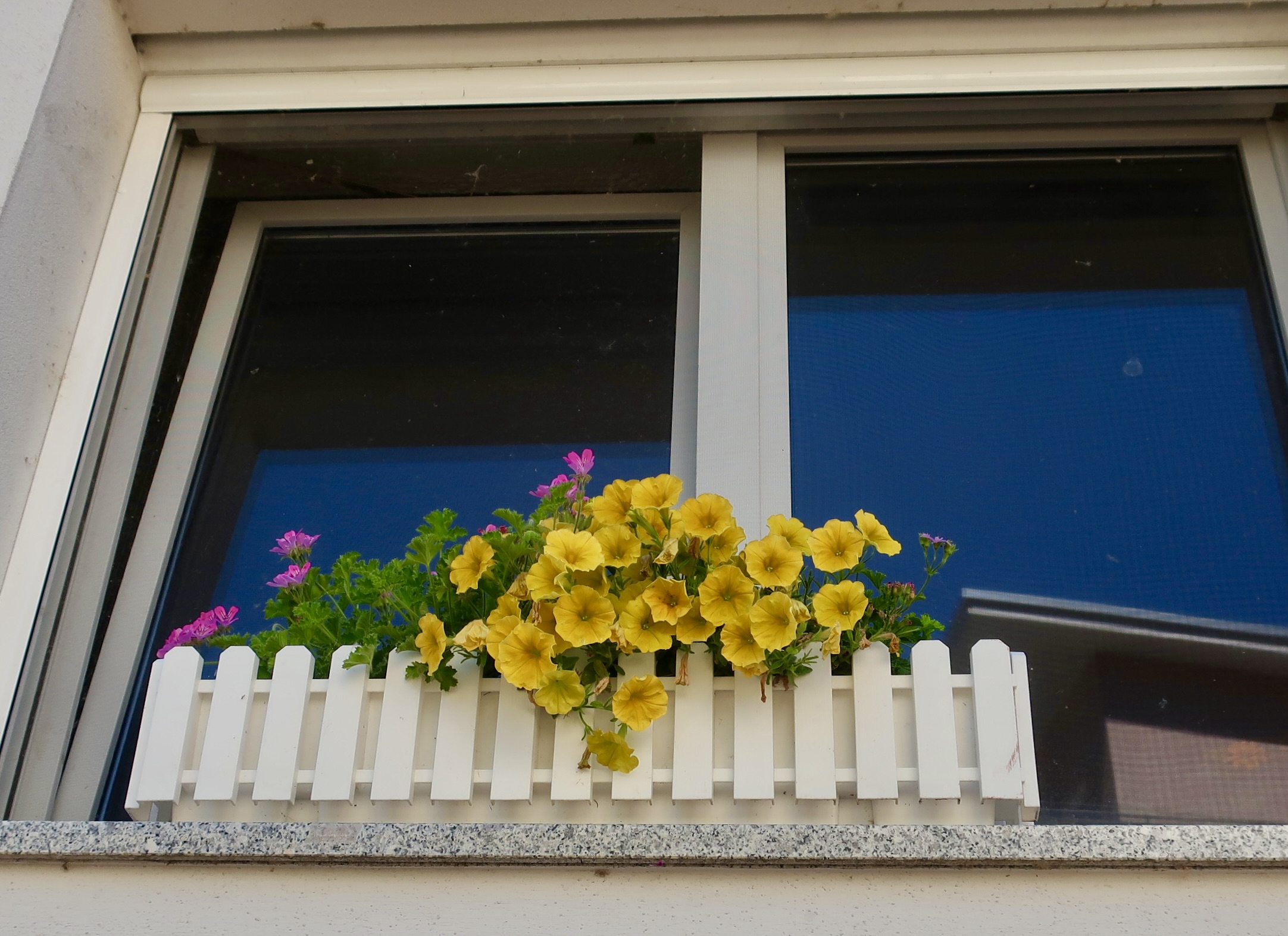
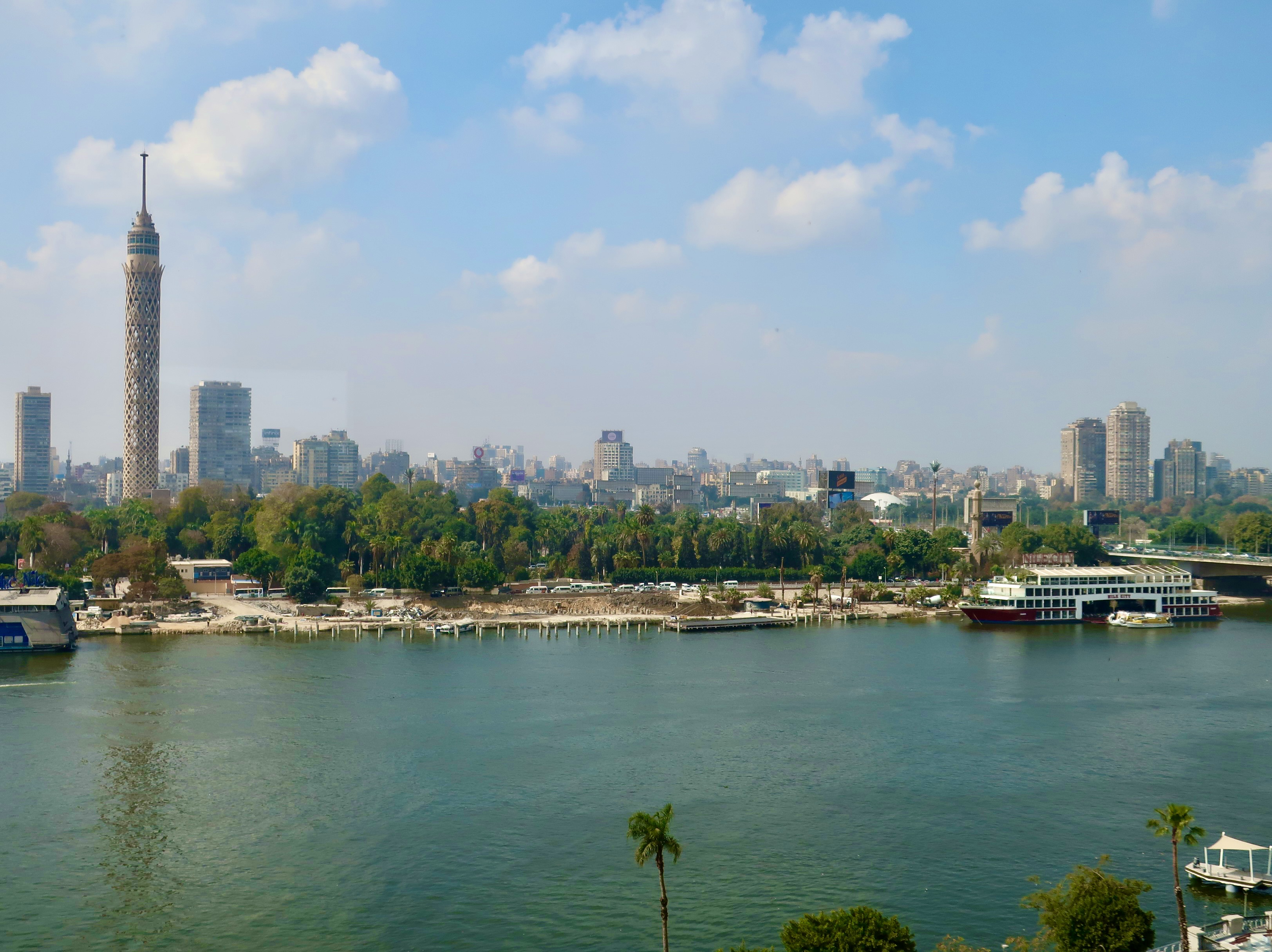
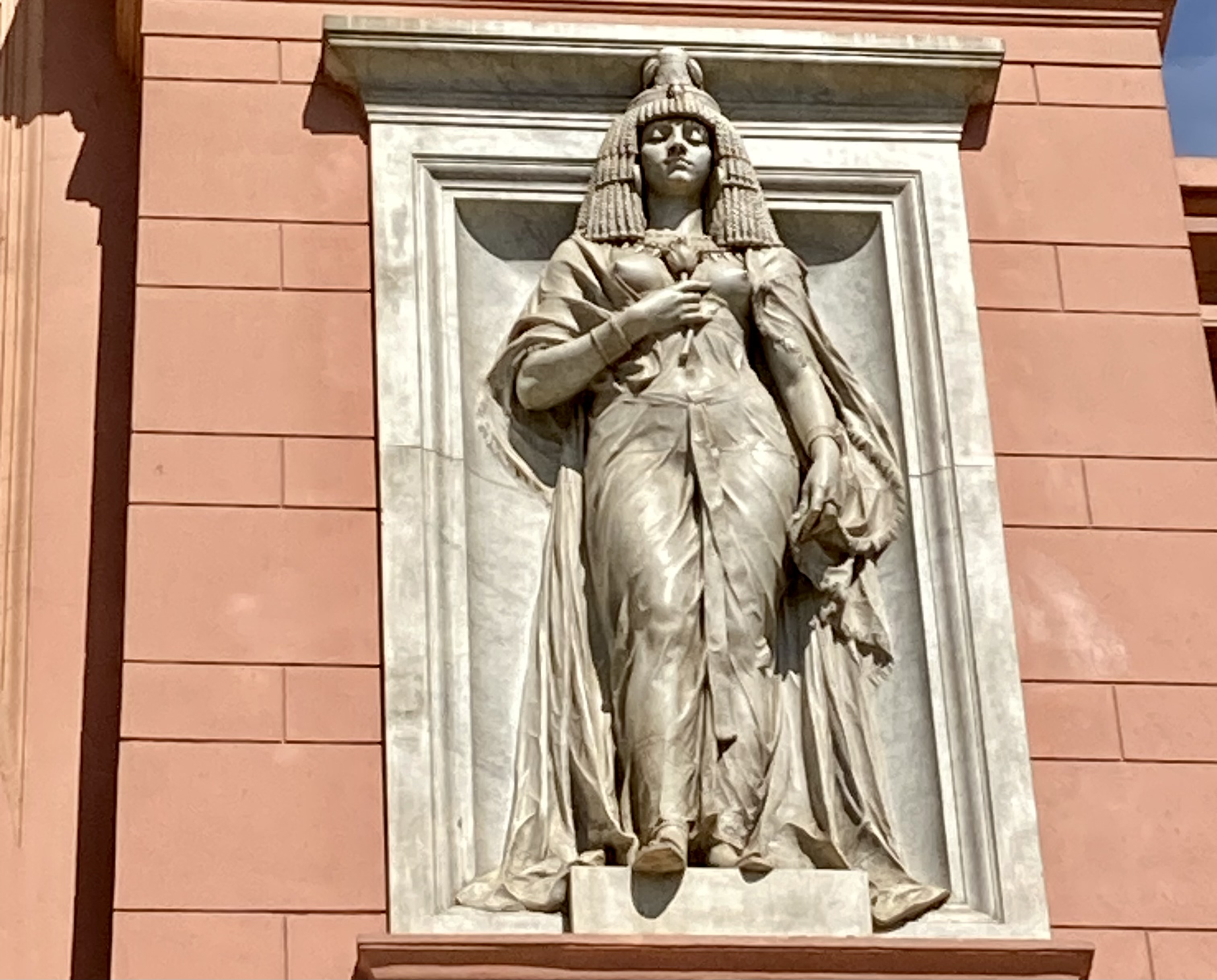
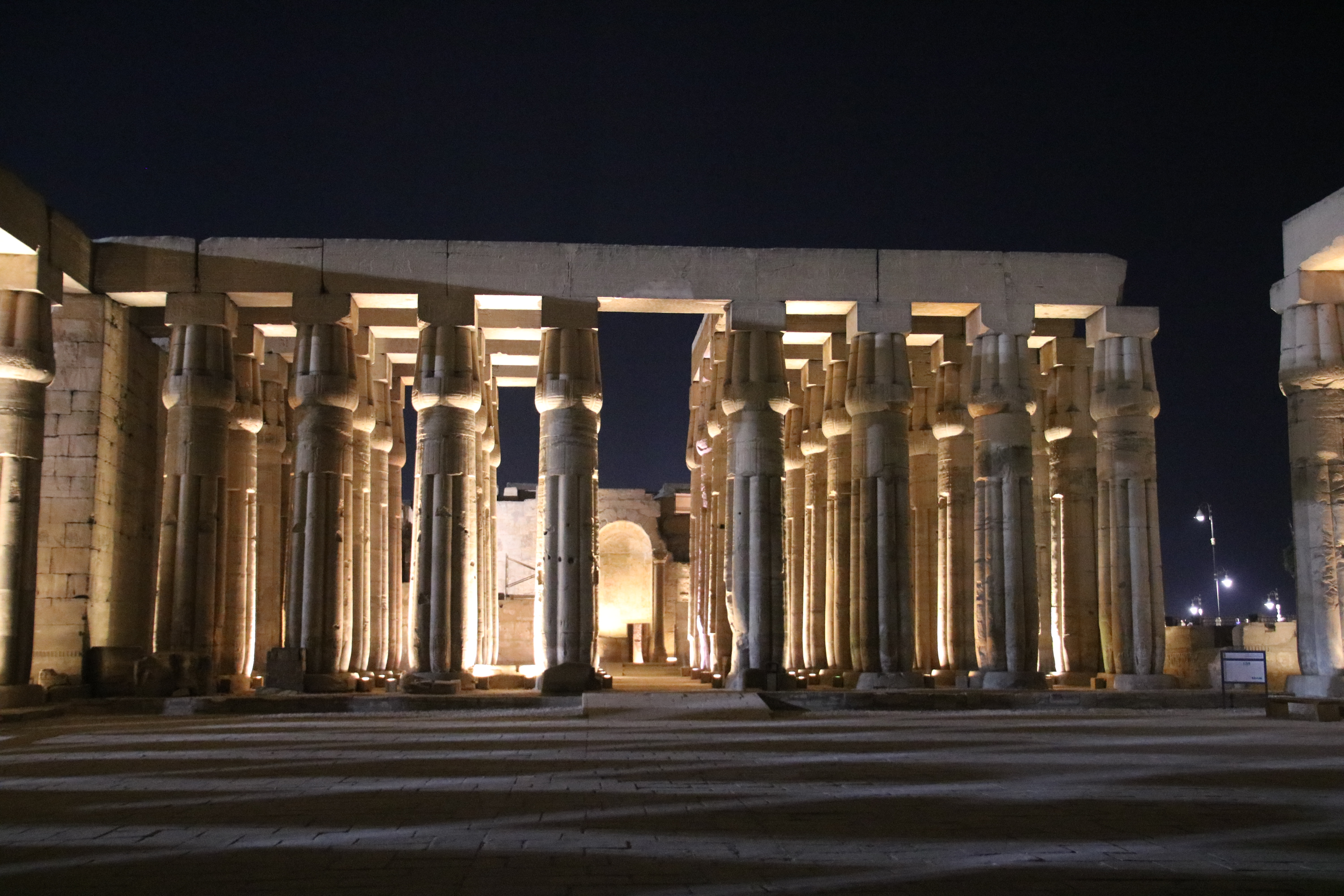
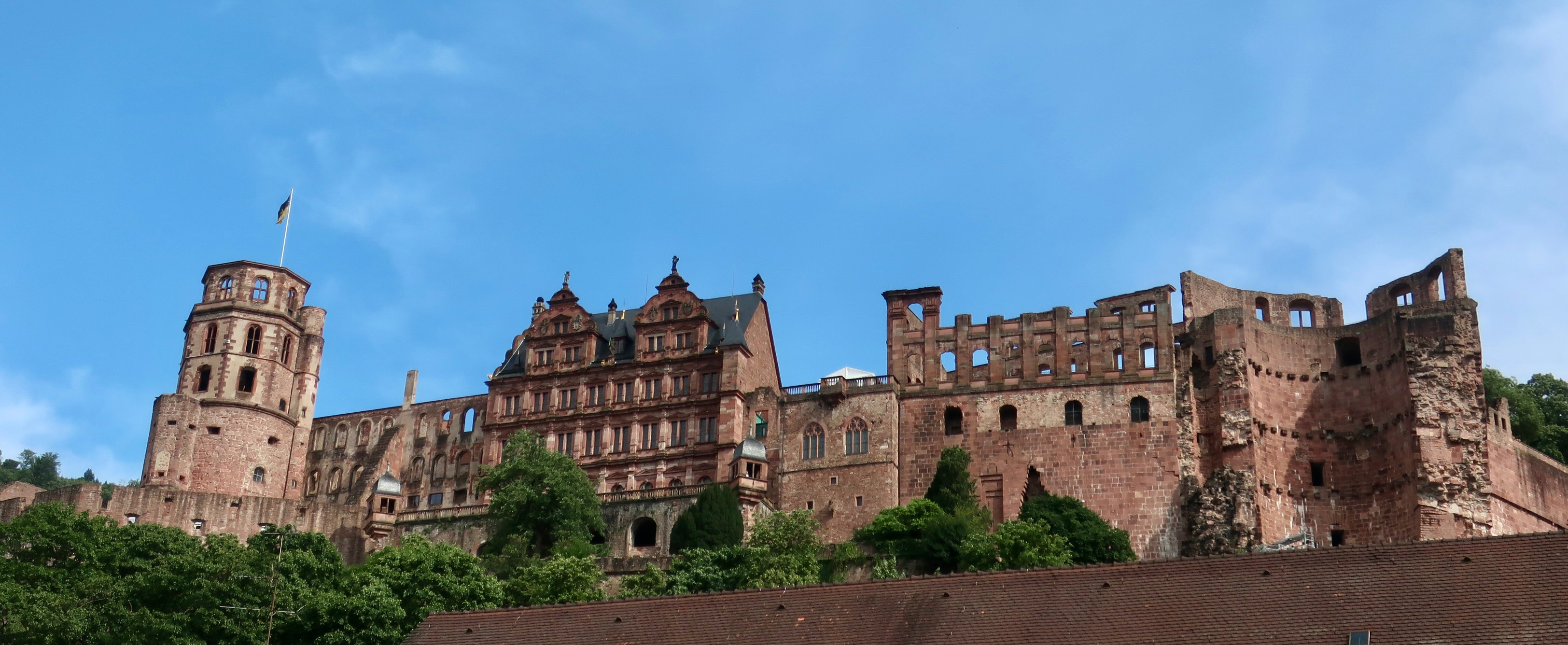
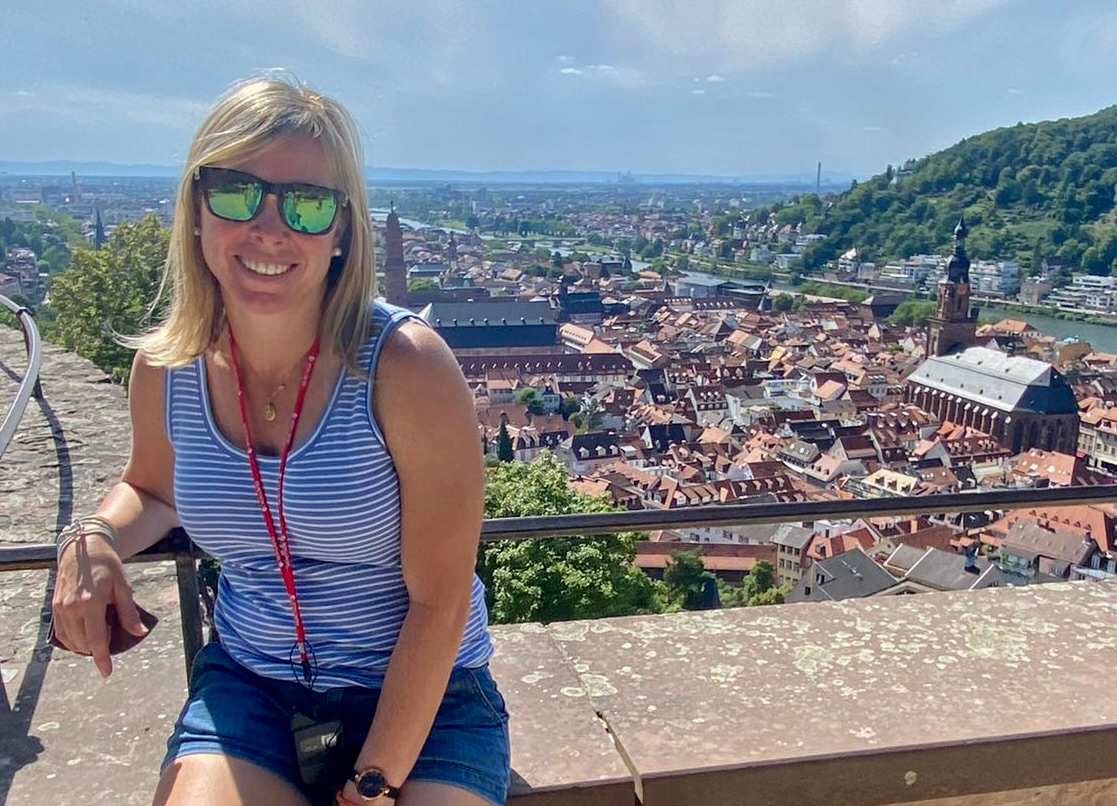
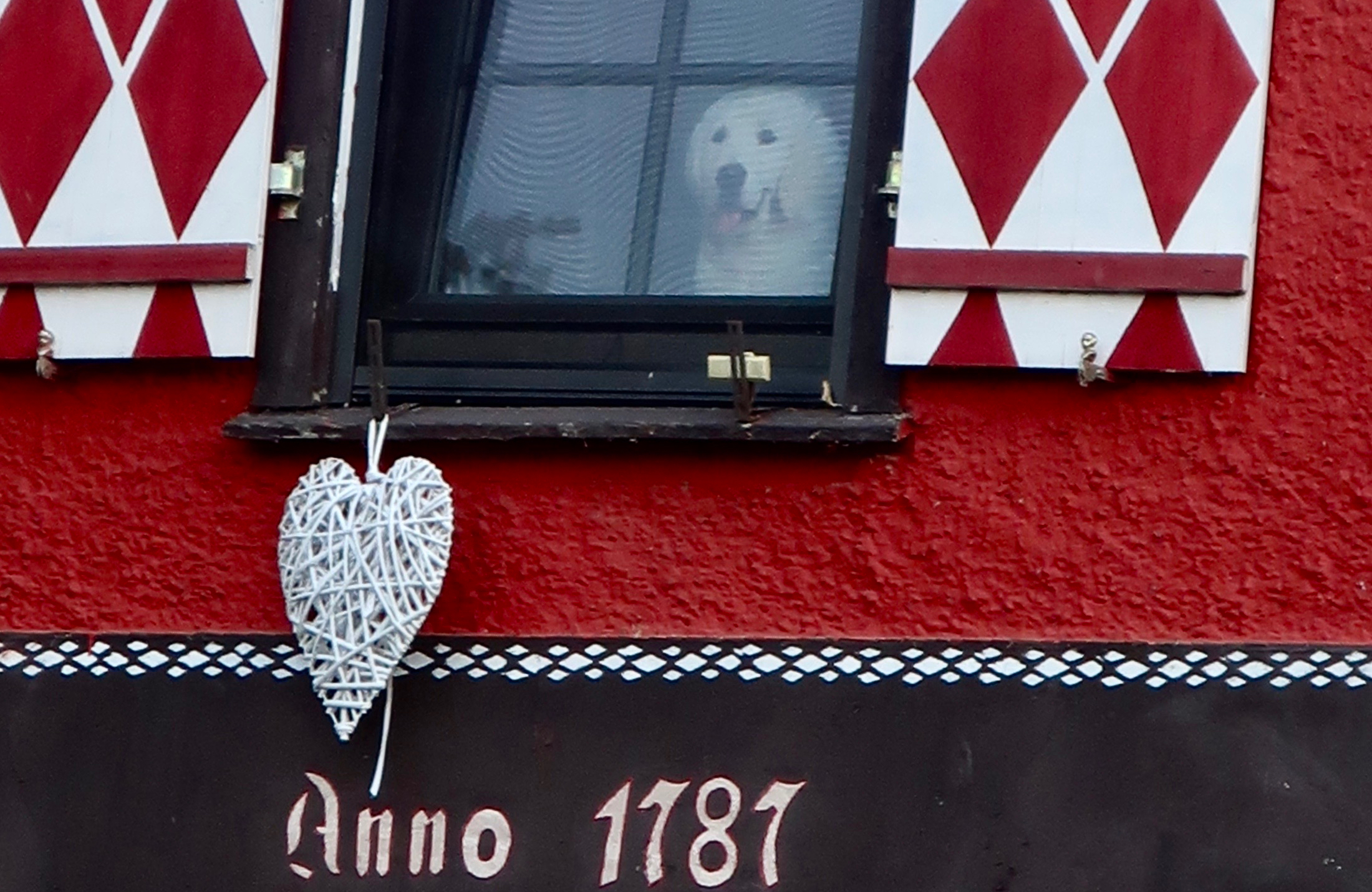
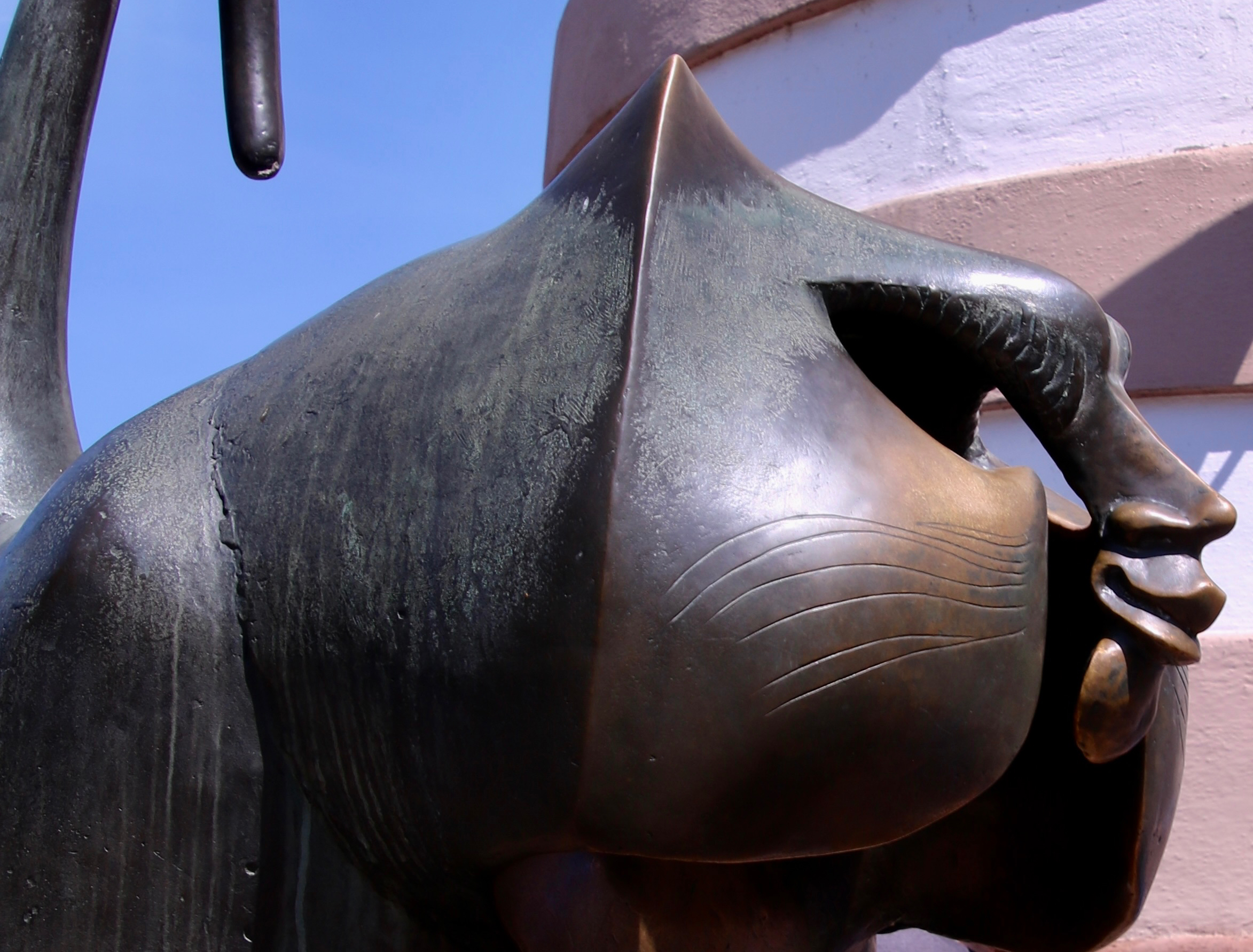
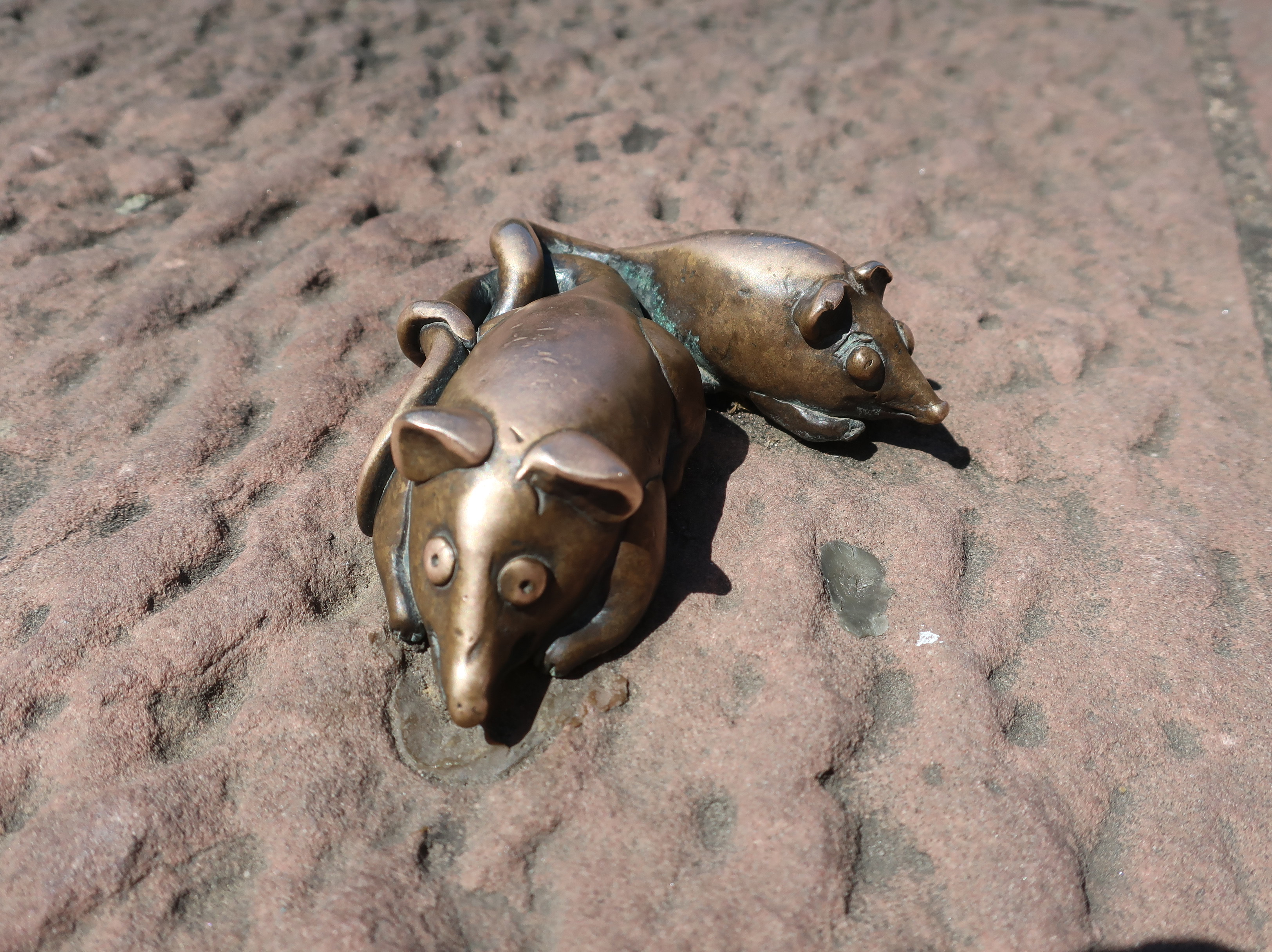
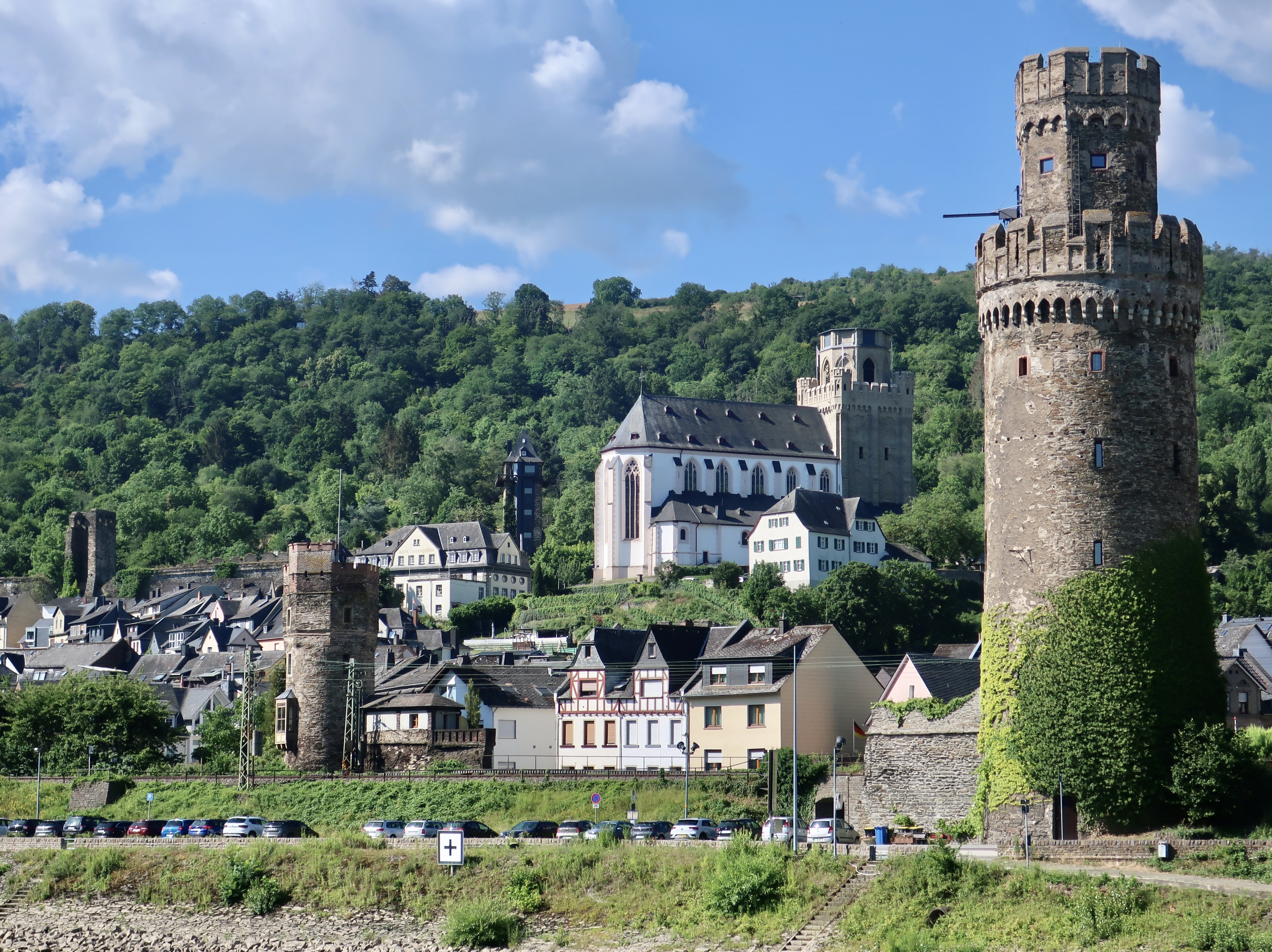
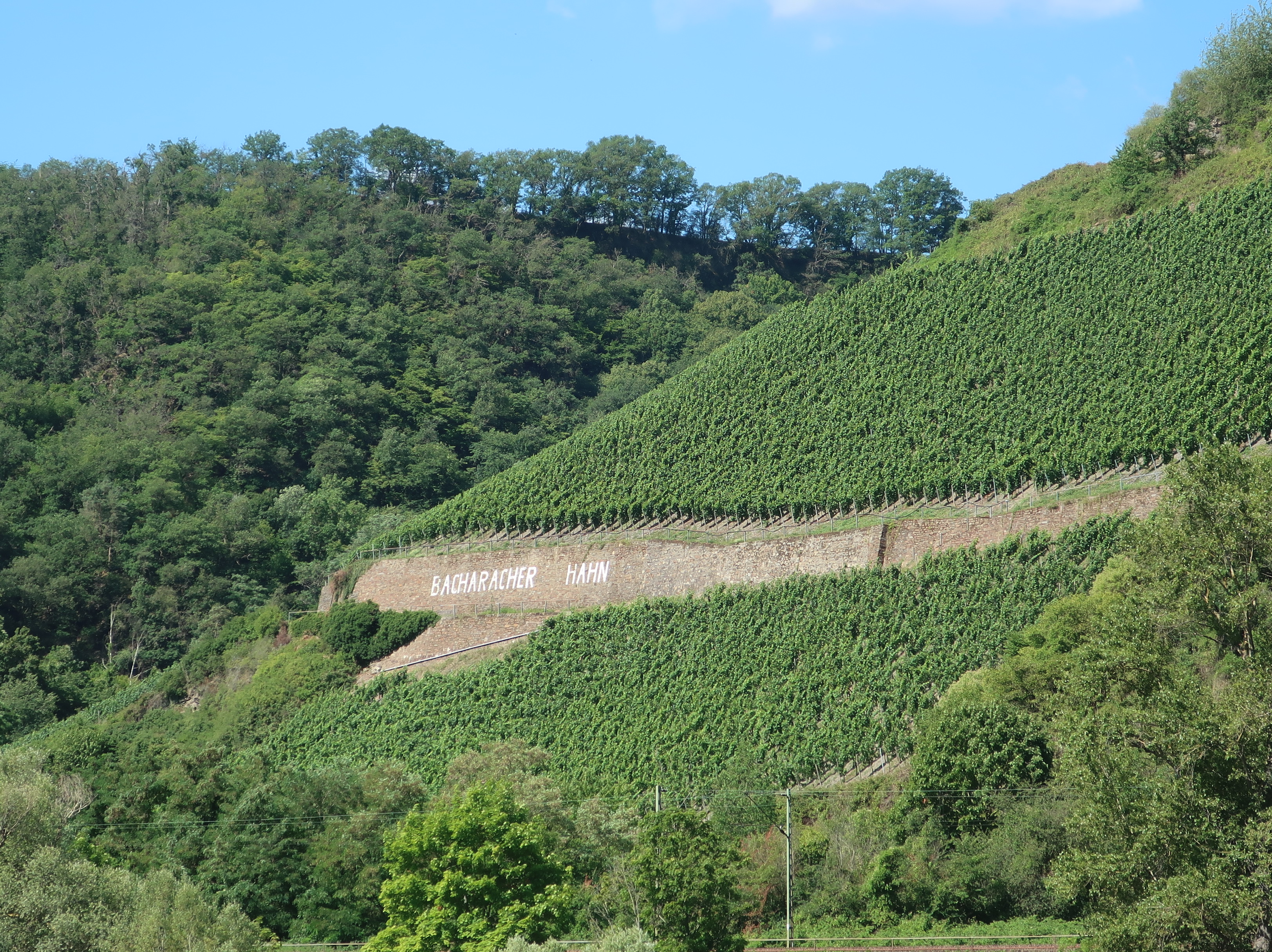
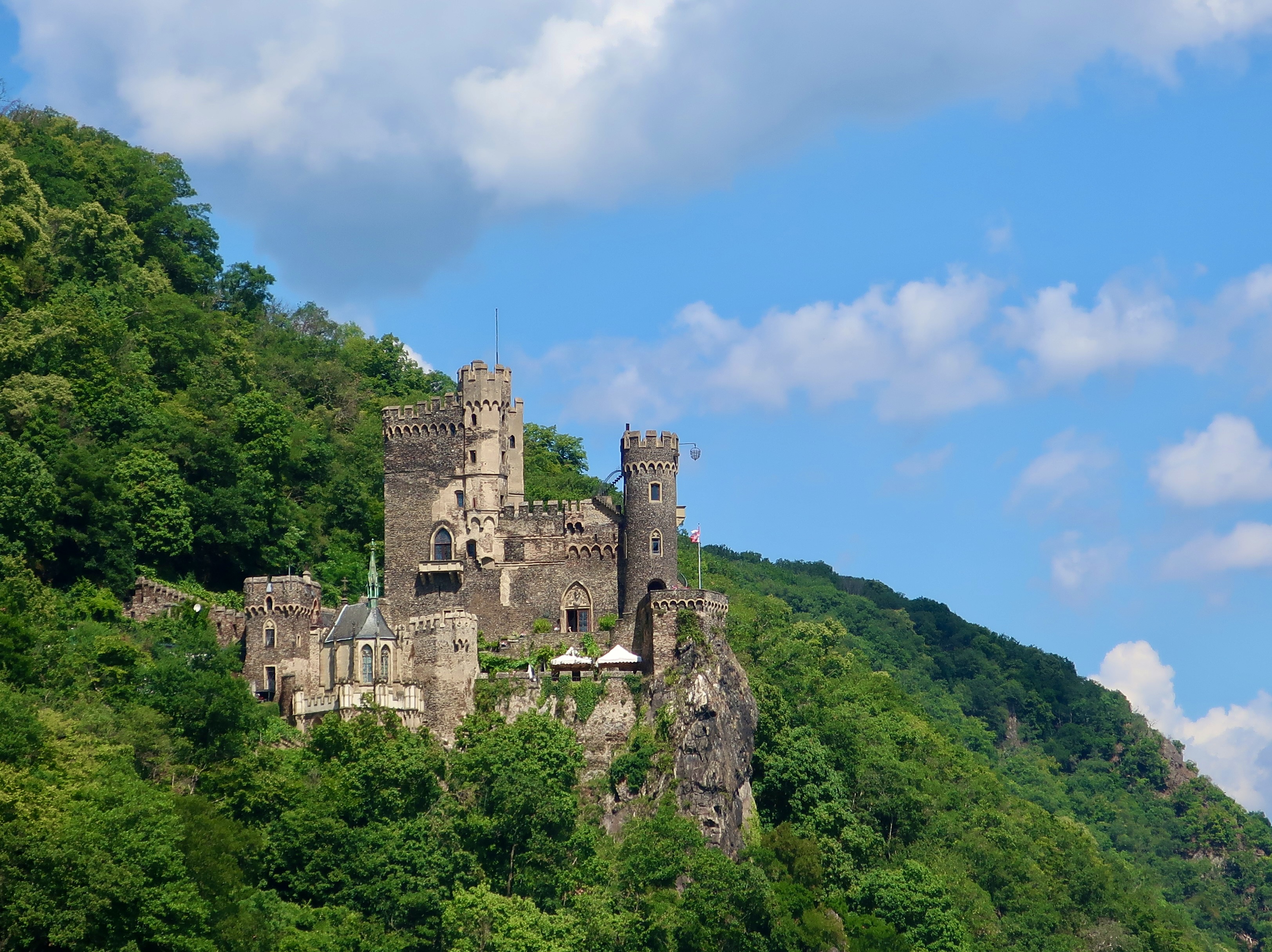
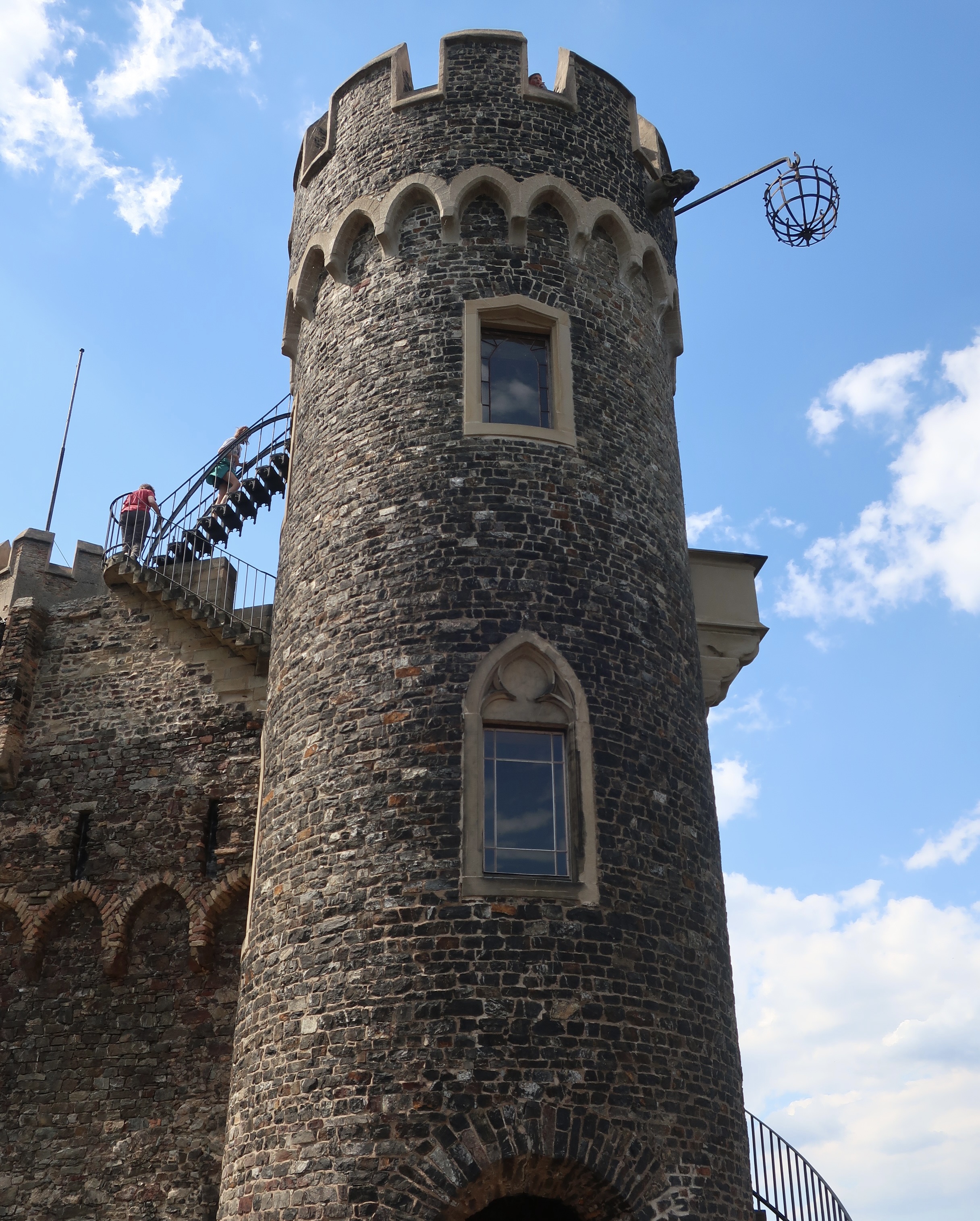
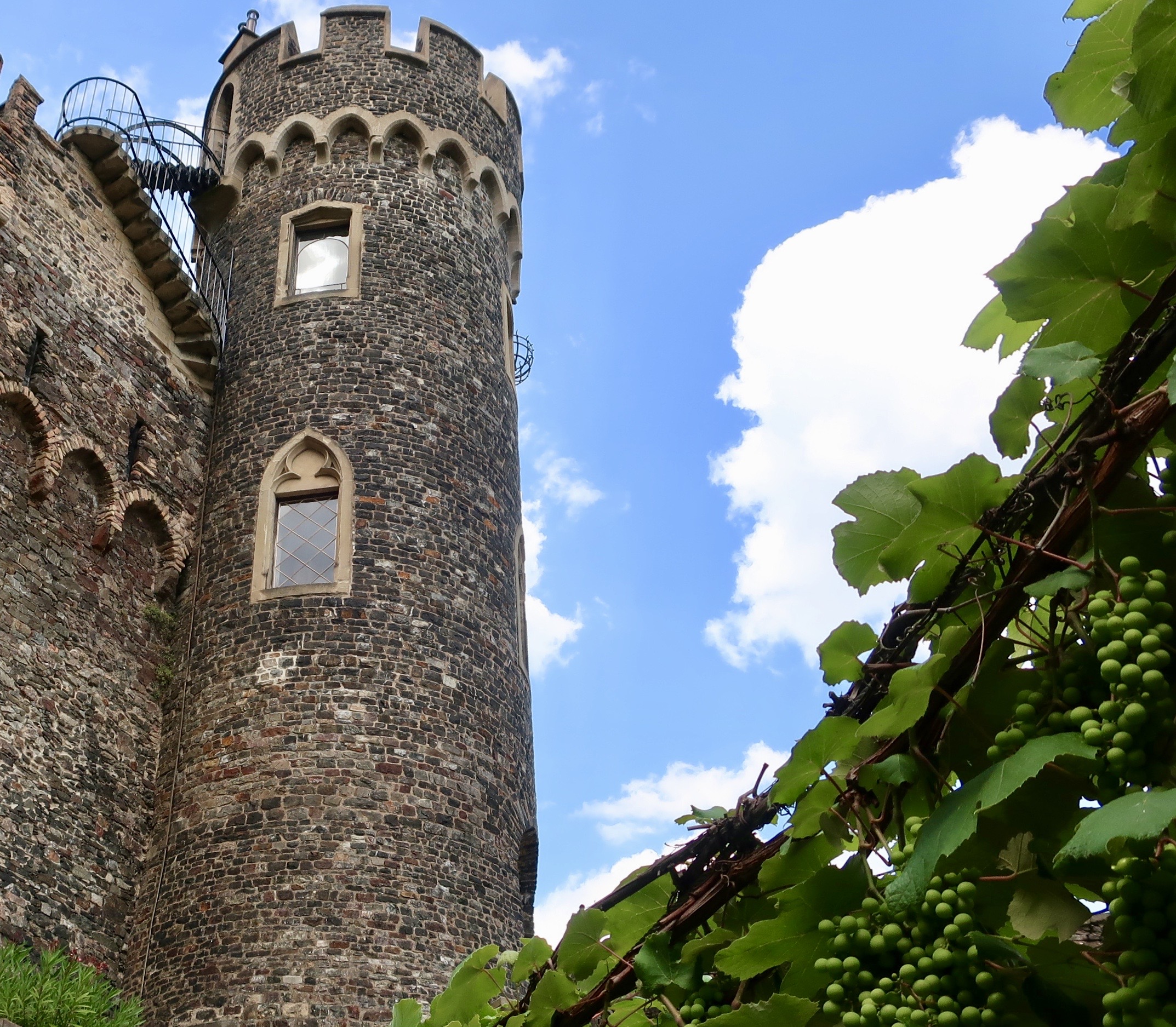
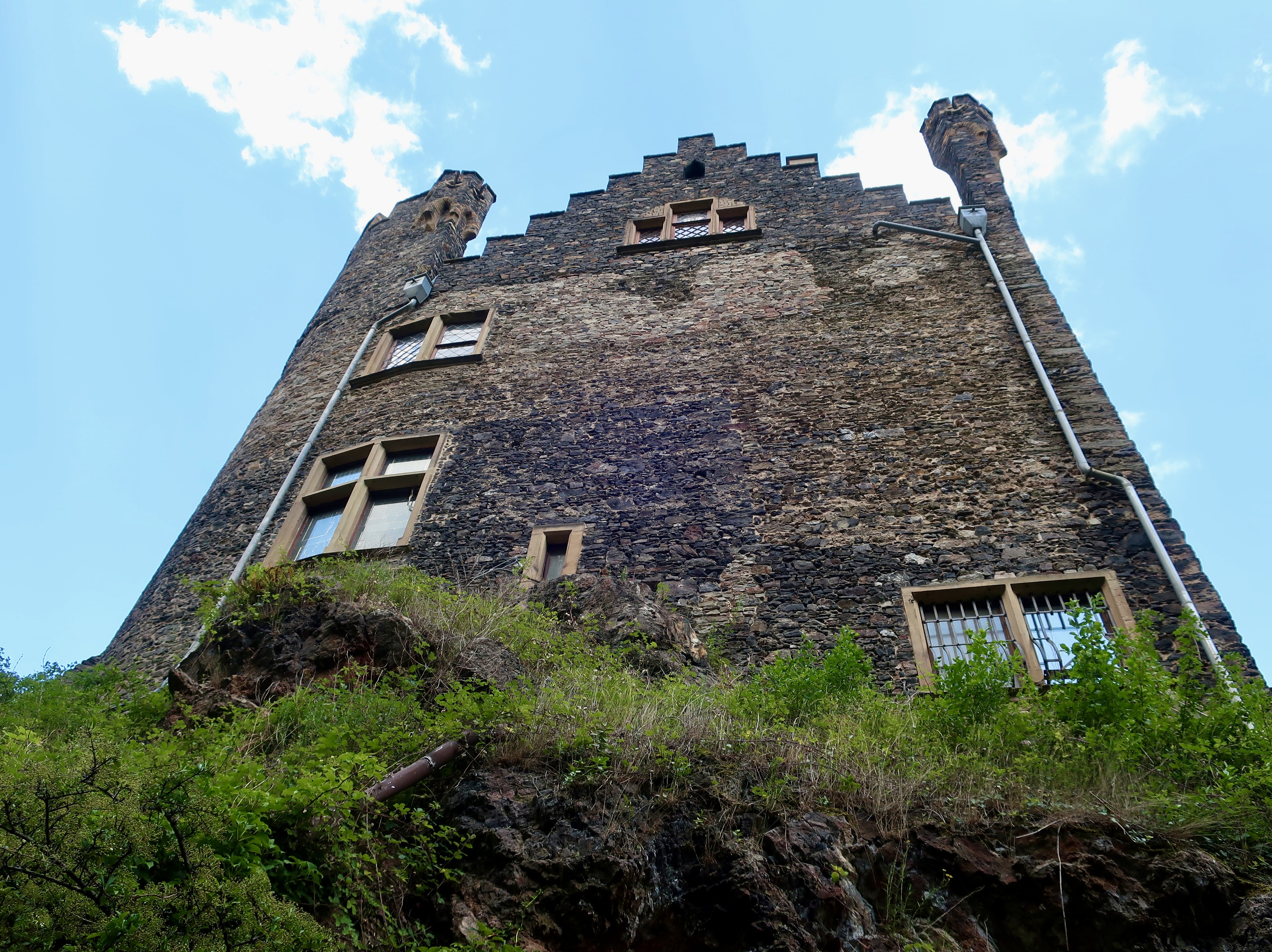
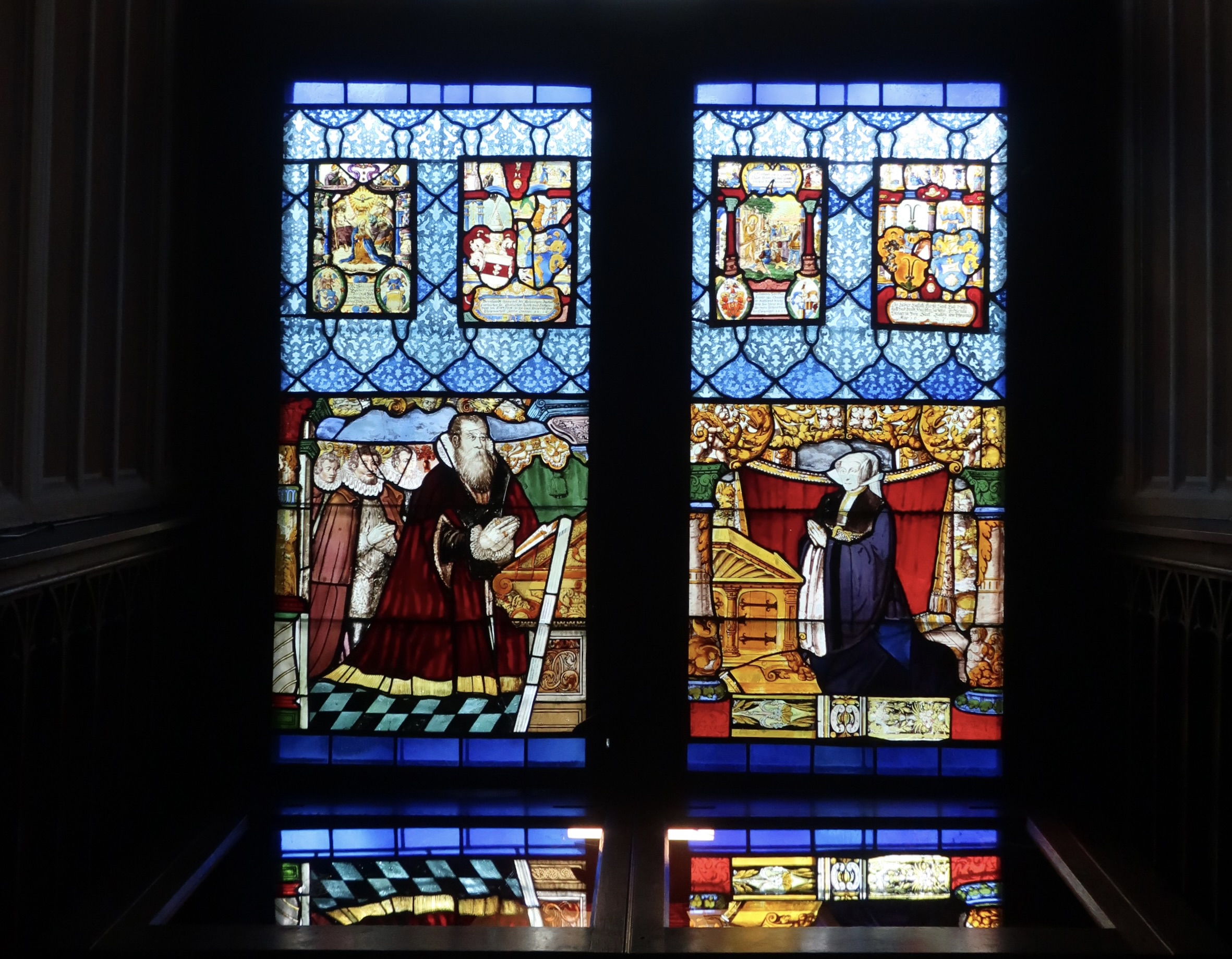
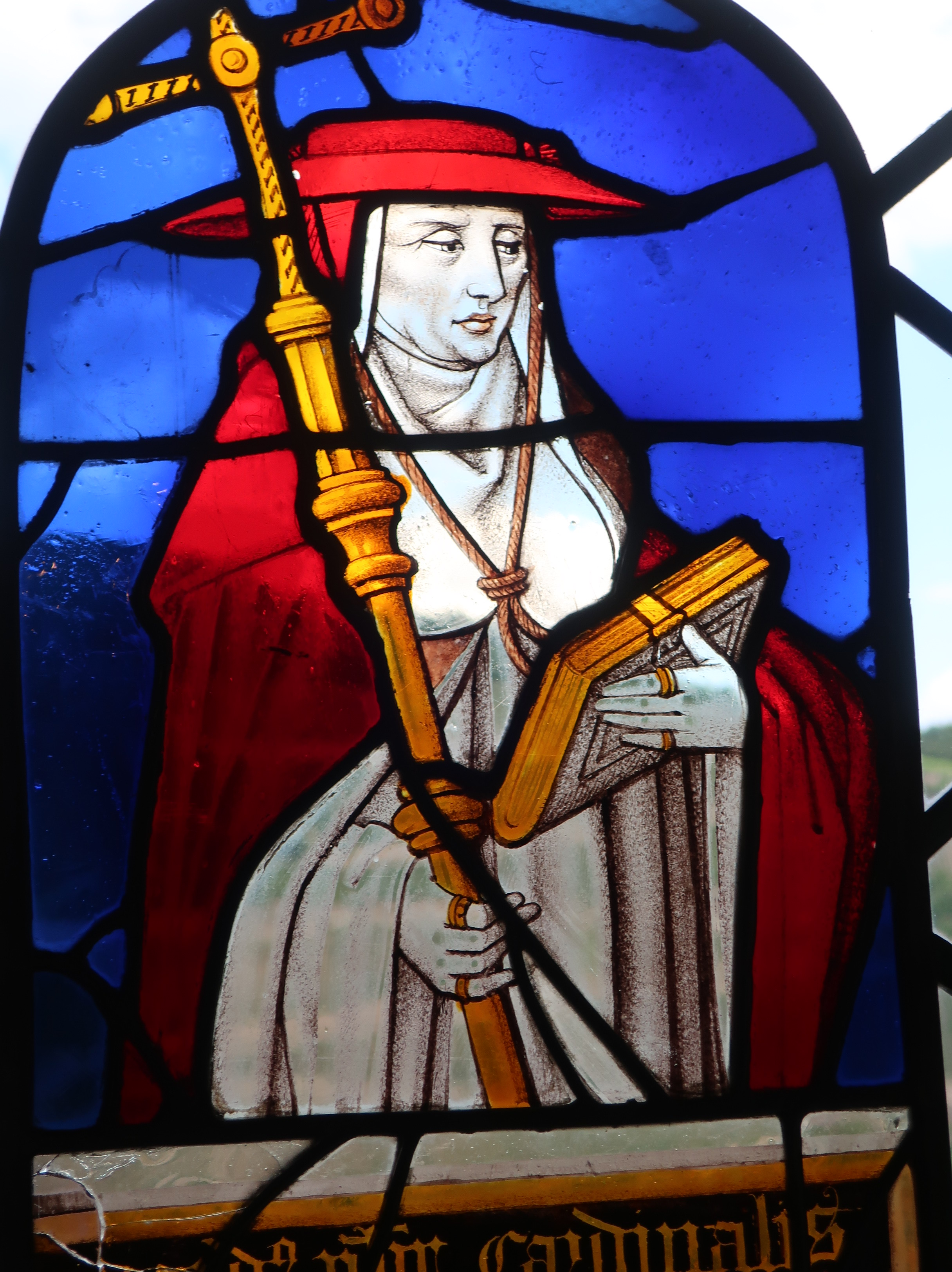
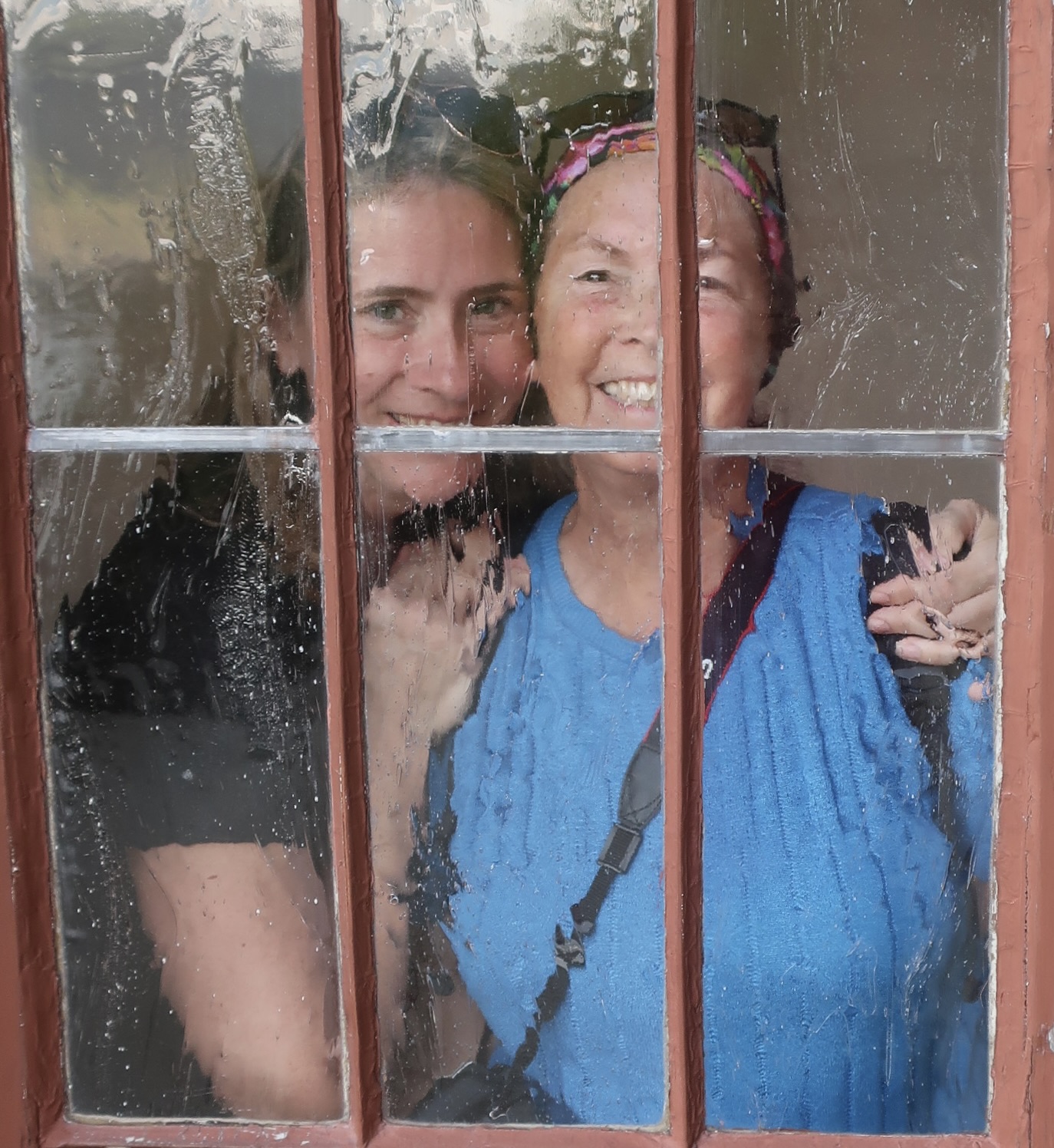
We hung out on the upper deck of our river boat with our eyes peeled on the surrounding hills as we made our way through the Rhine River Valley, admiring the some 40 castles overlooking the river. The Marksburg, featured above, was special. Not only is it the best preserved castle along the Rhine, it is considered a jewel in the Rhine Gorge UNESO World Heritage Site and we had just visited. We were excited to see it from below.One advantage of our leisurely trip up the Rhine, was that it provided us with ample opportunity to enjoy different perspectives of the castles. (Photo by Peggy Mekemson.)
It’s hard to imagine a better way to kick off a journey through Rhine River Valley from Koblenz to Mainz than a visit to Marksburg Castle. Originally built in 1100 CE as protection for the town of Braubach, it was owned by various noble families down through the centuries until it was sold to the German Castles Association in 1900. It had been established a year earlier to preserve castles in Germany. Today, Marksburg serves as headquarters for the Association.
We made our way up to the castle via a route that challenged our bus driver to maneuver along a curvy, narrow road that had originally been built to accommodate foot and horse traffic. If you’ve spent any time driving in medieval European towns, you are familiar with the problem. We were met by our guide who ushered us into the castle and provided an excellent tour. Three things captured my attention: The structure of the castle, its collection of knights and their armor, and a bit on medieval life.
All of the photos in this post are taken by either Peggy or me unless otherwise noted.
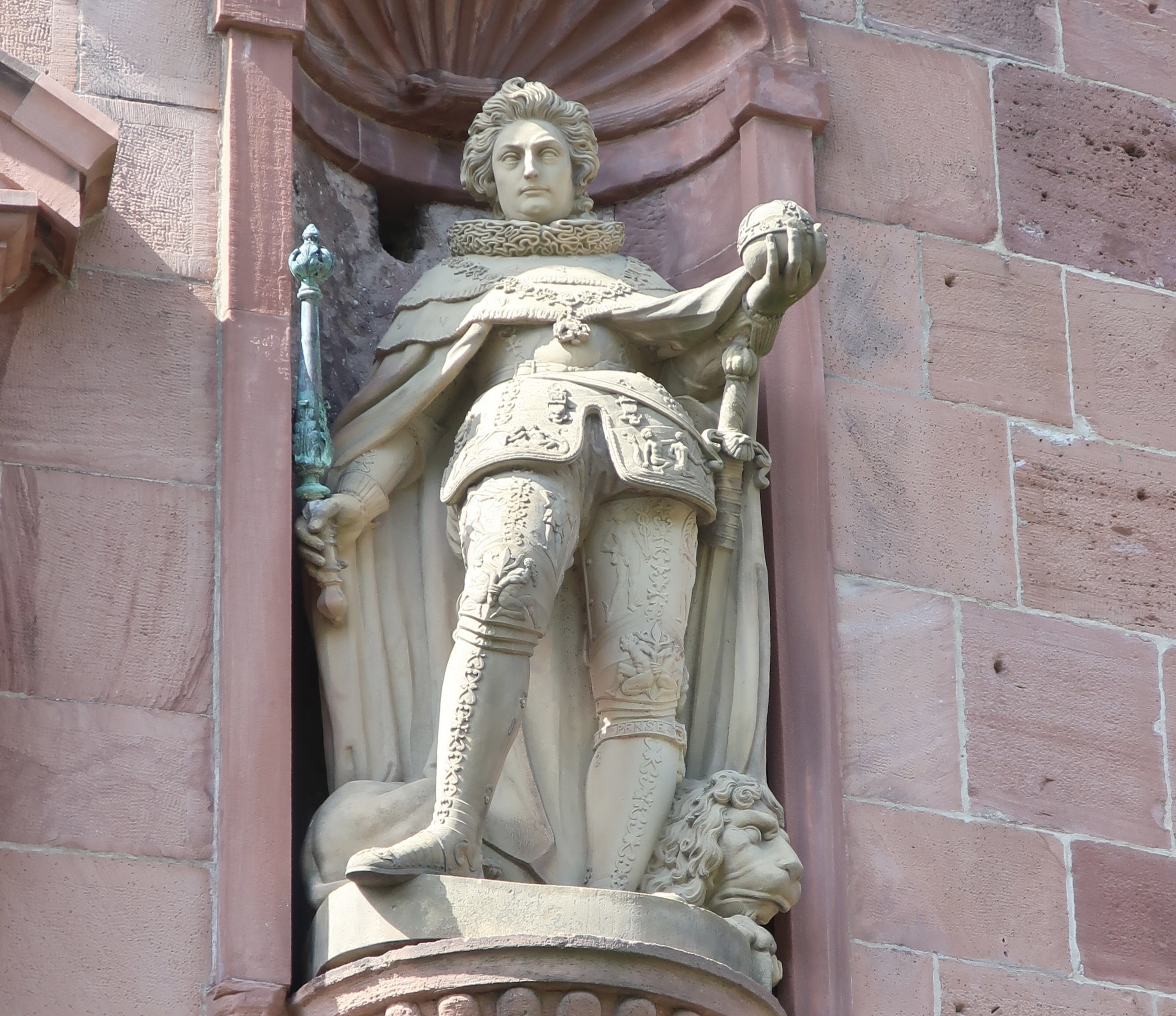
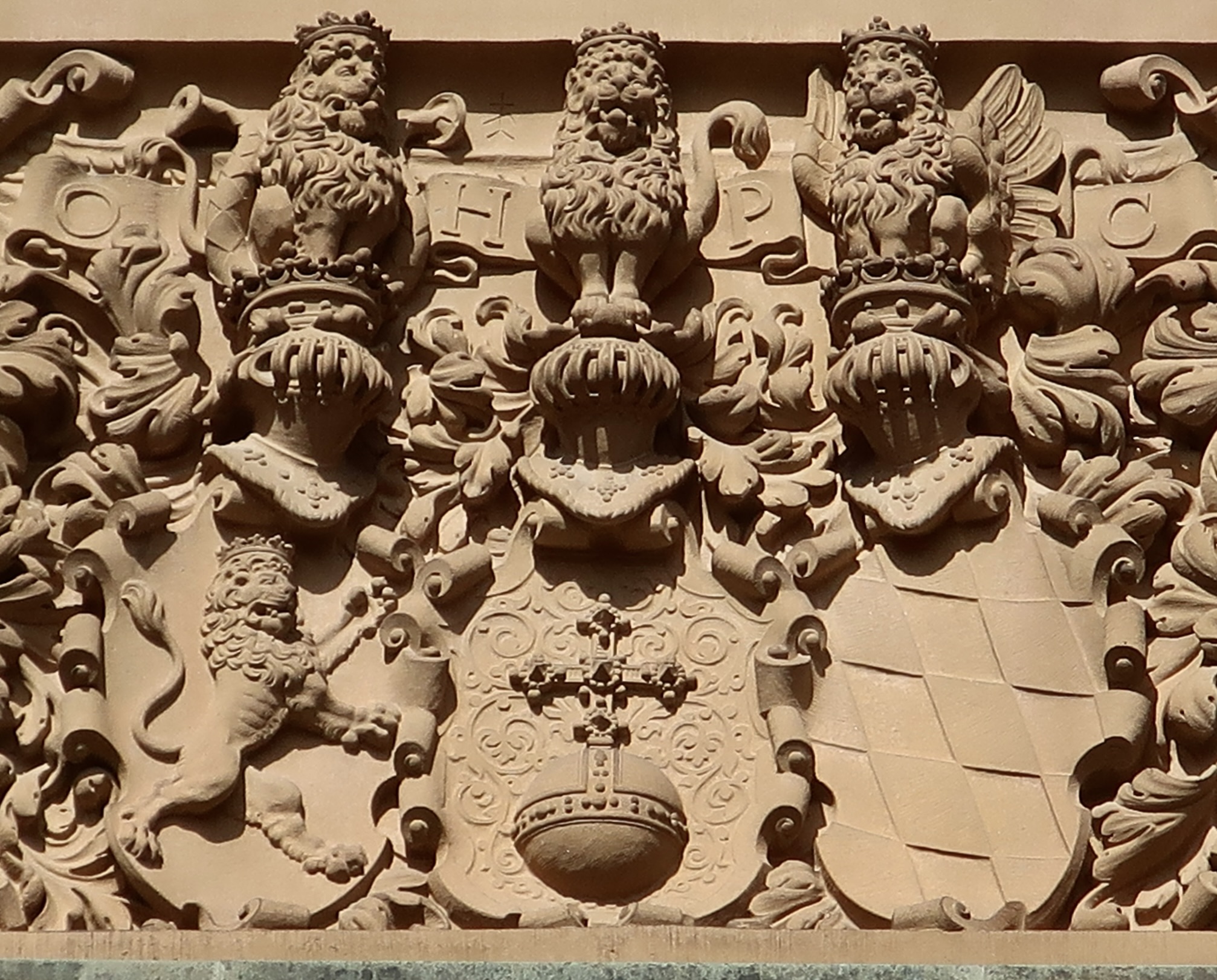
Just inside the massive entry door were four lions that represented the different noble families that had owned the castles. The lion is a common feature in heraldry representing courage, valor, strength, and other characteristics that nobles liked to claim they had, rightfully or not.While many of the castles along the Rhine were designed as homes for nobility first and defense second, Marksburg was designed first for protection. Its two towers were designed to fight off the enemy. Together, the two are commonly called a butter churn tower because of their look. (Photo by Peggy Mekemson.)A different perspective of the tower.Situated above the castle gate, these ramparts are designed to provide protection for the gate and surrounding walls.Anyone who has ever watched a movie involving castle defense understands the purpose of this structure. It’s designed to provide the defender with a clear line of fire while at the same time providing an element of protection. The long, slender hole in the right shadow is designed to shoot arrows through while providing even more protection.A close up of an arrow slit. Hard to get much more protection than this. Finding a target might be more of a problem! (Photo by Peggy Mekemson.)I found another use for the ramparts. They made a great frame for a photo.By the 1600s, cannons were in common use use as both defensive and offensive weapons in Europe. Marksburg had both short cannons and… …long cannons depending on the latest technology. (Photo by Peggy Mekemson.)The view of the Rhine through the cannon port. Rather commanding, I’d say. Before international agreements on Rhine River traffic were agreed to, a great deal of money was made by charging tolls to passing boats. Usually, a chain was stretched across the river. I have to assume that this was an added incentive to pay up.The armory included a number of wicked looking weapons including these. The shadows are even scarier. (Photo by Peggy Mekemson.)Even more interesting, there was display on the evolution of what knights wore. This one carried a huge broadsword. Interesting helmet. Eyebrows and a beak. Just ducky? (Photo by Peggy Mekemson.)Horny?Furry? Flowery. Okay, here’s the question. Assuming you needed a hero to represent you on the field of battle, which one would you choose: Ducky, Horny, Furry, or Flowery? (Photo by Peggy Mekemson.)Moving right along… how about the lives of the rich and famous in Marksburg Castle. I’m not sure they grew artichokes but we found this one blooming outside. BTW, our niece fed us artichokes for dinner when we visited her last week. We both love artichokes, but we had never made a complete dinner out of them. (Photo by Peggy Mekemson.)A variety of spices, I assume were representative of ones used during the Middle Ages, were hanging in the kitchen.As were a variety of cleavers. Chop chop!The bedroom featured this bed, which struck me as short and uncomfortable. It was designed for privacy, however.Possibly a little romantic music is called for. The instrument, BTW, is a hurdy-gurdy. I looked it up. Peggy informed me there was a musical group in the late 60s called the Hurdy Gurdy Band. (Photo by Peggy Mekemson.)Romantic love grew out of the age of Chivalry. What better way to recognize it than on a tapestry. This lovely maiden and her dandy duke seem to be sharing a moment as their beasties’ tails entwine to form a heart. Not quite sure what role the ferocious bird on the maiden’s right represents. Maybe it’s a message to the duke not to trifle with her emotions. Kind of like “If you dump me, I’ll stork you.”If marriage is in the future, the castle has a chapel, complete with Madonna who has lost her hand.And this is what I could only assume was a flying nun who has lost her bottom. If you are old enough, you may remember the TV series: The Flying Nun. (Photo by Peggy Mekemson.)We found the chapel’s ceiling quite impressive. Note the lion.No discussion of life in a medieval castle is complete without a discussion of the garderobe. “The what?” you say. It’s the small room hanging out over the wall. I call it the throne room. Peggy got a photo from inside.FYI, the garderobe was the medieval equivalent of an outdoor toilet. Aren’t you glad you asked. It could get rather cold on a wintry day. And you never, ever wanted to stand under one, which made me wonder what it was doing hanging over a gate. Maybe it was a defensive measure. Grin. (Photo by Peggy Mekemson.)
Join us next week as we take you along the Rhine River Valley and feature a whole plethora of castles and small towns along the way. Also, be sure to check in on Monday when we celebrate Halloween and blogging friends.
While the first part of our journey lacked the beauty and castles of the Rhine River Valley we were about to explore, it wasn’t lacking in charm.
Birthdays are important to Peggy. When we first met, she told me “Forget my birthday and you are toast.” She was kidding, sort of. Apparently her first husband forgot the warning. I never have. Grin. Decade birthdays are even more important. For her 70th, Peggy planned a special outing. We would take the whole family on a riverboat trip up the Rhine. The kids and grandkids loved the idea (who wouldn’t), tickets were purchased, excitement grew, and then Covid struck.
While Peggy is usually laid back and willing to ‘go with the flow,’ she assumes a more regal persona when it comes to her birthdays. I laughed when I came across this crown chair in Rheinstein Castle and asked Peggy to pose under it, which she did good naturedly. Note the shocked expressions on the faces of the two Norse gods.
Fortunately, our kids came up with an alternative for Peggy’s big 70. They rented a large house on the Outer Banks of North Carolina for the celebration. We hopped in Quivera, our small RV/van, and zipped across the country. Carefully. Covid was raging. It was a great celebration and Peggy was quite happy. But the riverboat trip was not forgotten. We still had the tickets and would use them as soon as Covid calmed down and Europe let us back in, which happened this past summer.
I’ve already done two posts on Amsterdam where we started and ended the adventure. Today, I am kicking off the series about our trip up the Rhine.
It was special, no doubt about it. The boat trip in itself was a delight— good food, nice rooms, and great service. (Admittedly, Peggy went first class. But what the heck, it’s only the kids’ inheritance.) While I am not a fan of mega-cruises with thousands of people and their impact on local communities, I will admit they are good for family outings. People have their own space. They can come together or go their own way. No one has to plan entertainment, no one has to cook, and no one has to clean up. It reduces the likelihood of the trauma that sometimes accompanies family get togethers. Our riverboat offered all of these advantages plus one more, a big one: there were only a hundred people.
Our boat, the River Empress of the Uniworld Boutique line.An example of the gourmet food we were served. I’m lucky I only gained a couple of pounds on the cruise.
Today, I am going to feature the first part of our journey. The countryside was relatively flat and industrial centers frequent. While it lacked the scenery and castles of the romantic Rhine River Valley we were about to experience, there was beauty and charm. And, we ended up in Koln/Cologne where we visited one of the world’s most beautiful cathedrals— and a chocolate museum/factory. Have I ever shared how much Peggy loves chocolate?
The photos for this post and all of the Rhine River series are all taken by Peggy and me unless otherwise noted.
There was plenty to capture our attention along the lower Rhine including colorful towns…Historic buildings…Attractive, modern cities and, I might add, a lot of beautiful bridges.If we ran out of other things to entertain ourselves with, there were always barges, scads ands scad of them, each carrying up to 2500 tons. Annually, more than 300 million tons of goods are shipped along the Rhine serving Switzerland, France, Germany, and the Netherlands, making it the most important river in Europe for commerce.The ease and inexpensive nature of river travel has encouraged the development of industry along the Rhine. For example, one fifth of the world’s chemical industries are located along its banks.As might be expected, fighting pollution in and along the river is a major challenge. Global warming presents another problem: Drought has lowered the level of the river so much by late summer that it limits the ability of barges to navigate it. Coming into Cologne, one of our first views was of the magnificent Cologne Cathedral that we were going to visit. First up was the chocolate factory, however. Peggy does have priorities. It was like Christmas to her…She found a chocolate Santa and made a beeline for it. Who needs chocolate bunnies?Of course there were chocolate bunnies, and even chocolate elephants. This is the mold for one.But the prize, from my perspective, was the purple cow. Our grandson Cody agreed to pose with it and I recited the old poem to him: “I’ve never seen a purple cow, I never hope to see one. But I can tell you anyhow, I’d rather see than be one.” Maybe the last line should be changed to “I’d rather see than eat one.” I’m 99.9% sure the cow would agree with me. The pre-Columbian artifacts on display caught my attention even more that the purple cow. I’m not sure if the ancient artists had a sense of humor in creating their art, but these made me smile.As we left the Chocolate Factory/Museum, our five grandsons agreed to sit with Peggy for a photo. It’s something akin to herding cats. I think she bribed them by buying them chocolate goodies. Cooper, the youngest is in front. He just turned 10 this past week.As we left the museum, we took a final photo from outside.and started our hike over to the Cathedral.The Hohenzollern Bridge loomed up in the distance.As we approached the bridge, we saw that it was filled with people walking across. Most of them were involved in Cologne’s Gay Pride festivities that were taking place.We also passed by another of Cologne’s famous landmarks, the Great St. Martin Church.Finally we reached our objective, the Cologne Cathedral, which kept both of our cameras busy in an effort to capture its beauty. This is the back of the church.Every angle provided a different perspective.A view from the side.We discovered gargoyles lurking near the top.Making our way toward the front of the cathedral.
A front view.Looking up from below.Another perspective.A view from inside.Looking up.Stained glass windows.I’ll finish up today with one of the things I find strange, if not downright weird, about so many of Europe’s medieval churches is their collections of pieces of long dead saints, like a finger, or a toe. The Cologne Cathedral is known for its collection of Magi parts, the Three Kings who came to see Christ bearing gifts. I believe they are stored in this gold reliquary.
Next Friday we will visit our first castle as we begin our trip up the Romantic Rhine River Valley. And— we meet some old friends we had never met before!
We are never bored when we wander. There are always things that capture our attention. It may be something we find beautiful, or educational, or interesting, or simply amusing, like the whacky-quacky characters above. The store caught us by surprise with its large duck and all of its ducklings that represent a multitude of professions and occupations from kings to rabbits. We had a traditional rubber ducky for awhile. It lived beside our bathtub and was occasionally known to go for a dip. I suspect we still have it, packed away for the time being. Do you have a rubber ducky? Are you willing to confess to it? Note the bike reflected in the window. As I said in my last post, it’s hard to take a photo in Amsterdam that doesn’t include one.
I found drinking this large beer amusing. And it became more so as I worked my way through it. Peggy stuck with the smaller one. I’m used to drinking pints. There are a multitude of brew pubs found in the US and it’s always fun to sample their wares. The locals in Amsterdam seemed to love their beer even more. I noted many of them were sipping out of mugs that we would call pitchers. My elder bladder would have little sense of humor about that! I’d be up peeing all night.A walk down any of the streets is heaven for cheese lovers like Peggy and me. Alas, we had no way to pack it up and carry it home. (Photo by Peggy Mekemson.)Just one of these large blocks would have fed us for months. You’d certainly want to sample it first. Imagine getting it home and discovering you didn’t like it!This woman, carrying her large blow-up doll certainly caught our attention. We could only wonder about the large pink appendage. 🙂We had never found a take out place that featured only French fries. Peggy loves them. She almost divorced me once before we were married because I stole one of hers. This store featured the fries cooked in a multitude of ways. Peggy went in and ordered their smallest container. The fries were soaked in garlic, and, at Peggy’s request, smothered in ranch dressing. It became dinner for both of us. Heartburn! I like fries. I certainly ate my half of Peggy’s score. But this tasty grilled lamb rib is more to my taste. Finger food, right? My hair was looking wild because we had dodged into the restaurant during a downpour. (Photo by Peggy Mekemson.)We had failed to notice the name when we dashed in. El Pimpi: The Pimp.Maybe it was the reason I found the poster of this cool cat in the men’s room.This cat was the major attraction of another restaurant we ate at. Just across from the restaurant, someone had found a unique way to keep his window propped open.At first I thought this dog in the window was part of the show at the Orphaned Art Gallery. Then it wagged its tail. The description of the gallery on its website noted: “We are definitely not a typical gallery. OODE brings the work of young Dutch designers together with orphaned art – art from closed museums and art institutions. For this we work together with the Foundation of Disinherited Goods (Onterfd Goed).Not all coffee shops are alike. Our Uber driver was taking us into our B&B when Peggy noted a nearby Coffeeshop. “Oh good,” she exclaimed, “We can go there for lattes in the morning.” “Uh, Peggy,” I noted, “they might serve lattes but the primary purpose of most Amsterdam coffee shops is serving marijuana. Your morning pastry would probably be laced with cannibis.” “Oh,” she smiled, not the least bit daunted.Unique art is something else that always catches our attention. Birds had added their decorative touches.It’s impossible to walk up and down the canals of Amsterdam without admiring the unique look of buildings. And the unique method of getting furniture in and out of the apartments… (Photo by Peggy Mekemson.)Let me note in advance, how narrow the stairways are. And steep. This led up to our room. Imagine trying to maneuver a couch up this stairway. Or refrigerator!The buildings compensate by having a pulley system using the upper arm that can haul furniture up to rooms and then in through windows. Note the decorative sculpture.The imagination that has gone into the narrow homes of Amsterdam seems almost endless.Another example. (Photo by Peggy Mekemson.)Larger buildings also had both beauty and personality. This is the main train station. Numerous restaurants and shops are inside.This was once the Post Office.Now it has been repurposed as an attractive indoor mall.The Droogbak office building is another repurposed building of beauty. It was originally designed in 1884 as headquarters for the Dutch Iron Railway Company. (Photo by Peggy Mekemson.)Several large churches dominate the Amsterdam skyline. I took several photos of this one.A view from across the canal. (Photo by Peggy Mekemson.)And from the street.We caught this impressive spire from a canal boat we were riding in.A close up.And finally, a Catholic Church reaching toward the sky.
Our next major series will be on our Rhine River trip where we will take you along the river, introduce several castles, visit cities like Heidleburg, and make a journey into the Black Forest. But first, I thought it would be fun to take a quick break and catch you up to date on our present journey where Peggy and I will take you into Badlands National Park in South Dakota. Get ready for seeing rock spires instead of church spires and communing with prairie dogs, big horn sheep and buffalo, up close and personal from the safety of our truck.
Such as……This big guy was right beside the road 10 feet away. Peggy took the photo out her window. One does not want to get in an argument with something that can weigh up to a ton and run 35 miles per hour.
I’ve always found Amsterdam fascinating. Its unique history, romantic canals, and picturesque buildings are only a few of the reasons why.
I first stopped off in Amsterdam in 1967 on my way home from a two year stint of teaching World and African History to high school students in West Africa as a Peace Corps Volunteer. Peggy was a high school exchange student in the Netherlands at the time. She made several trips to the city. Imagine if we had bumped into each other!
I’d already visited Athens, Rome, Geneva, and Madrid when I arrived in the city. Only London was left on my whirlwind tour of Europe. In three weeks I was supposed to be in Philadelphia, teaching at a black, inner-city school. But first, I had to fly to California, visit with family, buy a car, and drive back across the country. I also had to check in with my draft board in Placerville. A war was raging in Southeast Asia and it had quotas to meet. It wanted my body.
One might think with all of this that my memories of Amsterdam would be vague, at best. But there was something about the city that captured my imagination. The canals were part of it, but there was also a rich history, buildings with personality, and great food connected to its Dutch/East Asia history. On later trips, I would add its passion for bicycles and liberal policies regarding prostitution and marijuana. The latter two because I felt that their prohibition created a lot more problems than their legalization.
Peggy and I were in Amsterdam this past summer in preparation for our boat trip up the Rhine River. Actually, we had planned the trip two years earlier to celebrate Peggy’s 70th birthday. Our kids and grandkids were joining us. And then covid had hit. We were fortunately able to reschedule it. The fact that our boat left from Amsterdam was a plus. We planned to spend a few days in the city before and after the trip to take advantage of our luck. The photos for today’s post and next Friday’s will focus on our time in the city. Today, I will feature canals, street scenes and bikes. Next Friday will be devoted to the city’s unique buildings and other things we found interesting and fun. Note: Peggy didn’t carry her Canon camera while we were in Amsterdam. She had decided to experiment with her iPhone, examples will be in the next post. 🙂
We stayed in a small hotel just off one of the canals when we arrived and spent a part of our evening sitting outside next to the canal drinking beer, watching the boat traffic, and enjoying a perfect evening along with several hundred other folks, mainly locals.Houseboats are one of the reasons visitors find the canals so charming. Peggy and I admired a similar scene when we rented a 60′ narrowboat and explored one of England’s canals.Flowers, trees, and Amsterdam’s unique buildings all add to the ambience.As might be expected, bikes are a part of most canal shots. You can’t escape from them!Someone had even added flowers to a bike for photo ops overlooking the canal. I suspect a fee would be involved.
Amsterdam claims the title of Bicycle Capital of the World. Five minutes in the city is enough to agree. They are everywhere. It wasn’t the case in 1967 when I first visited. Like most other cities in the developed world, automobiles were in ascendance. Communities were being plowed over to make way for freeways. Bikes, people, houses and historic structures were considered impediments to the flow of traffic. Bicycle advocates in Amsterdam fought back in the 70s and government officials listened. It was a battle I also fought in Sacramento City and County where I organized the first county-wide conference of bike advocates to push for bicycle friendly policies on a city and county-wide basis. Bikes had served as my primary form of transportation at UC Berkeley and in Africa. I continued to commute in Sacramento. (My advocacy for bikes and other forms of alternative transportation would eventually lead to the City Traffic Engineer walking out of meetings when I walked in. When I was nominated for the board of the mass transit district, the mayor said ‘over his dead body.’ I probably shouldn’t have been proud of these reactions, but I was. Grin. BTW, I got the nomination.)
This photo of Amsterdam’s bike parking lot next to the train station gives a sense of just how impressive Amsterdam’s devotion to bicycles is. In addition to the ground parking there is a large two story parking garage. You certainly wouldn’t want to lose track of where you parked your bike. Peggy and I had that problem at Burning Man with its 70,000 bikes. There are close to 900,000 bikes in Amsterdam!This was a bike parking lot in central Amsterdam near the hotel we were staying.When we returned from our Rhine River cruise, we stayed at the Ibis Hotel. I shot this scene from our window. In addition to Europe’s sleek and super-fast passenger trains, bikes can be seen stacked up alongside Amsterdam’s port. The docks for Rhine riverboats are on the left.A closer look at the stacked bikes.I was also impressed by the maze of tracks leading into the central train station. This was another photo from our hotel. I rendered it in black and white for fun. The emphasis on mass transit, bicycles and walking in Amsterdam is definitely a commitment to the future in the fight against global warming. Walking the streets gave a sense of the domination of bikes. But it also it also provided a view of the beauty of the city, its unique buildings and fun shops. Another street scene.Quieter walkways with carefully tended landscaping were also fun to explore.And, of course, you can spend hours walking along the canals. I’ll finish today’s post with this photo. Next week I will take a closer look at buildings and some of the fun ways we entertained ourselves in the city.
For those of you who are keeping track of Peggy’s and my journey, we are now in Sioux Falls, South Dakota. Tomorrow we will be in Badlands National Park.
When George Schuster arrived in Valdez, Alaska for the next phase of the 1908 Great Auto Race, he quickly arranged to borrow a horse and sleigh to check out the beginning of the route. You are looking at it.
It was George Schuster’s turn to drive as the Thomas Flyer was loaded onto a freighter to be shipped to Valdez, Alaska. The race committee had envisioned the racers making their way from Valdez across Alaska following dog sled trails and frozen ice covered rivers to Nome where they would cross the frozen Bering Strait into Siberia. There was a slight problem. The race committee had made its decision while sitting in Paris without a clue about what driving across Alaska in March would entail! Or whether the Bering Strait would be frozen. None of them had ever been to the remote Territory that America had bought from Russia in 1867 for $7.2 million. All they knew was it looked good on a map. Who needs roads?
The Flyer had a substantial lead when it left San Francisco— the three remaining competitors were several states behind still making their way across America. Schuster intended to maintain that lead. He arrived in Valdez with the whole population out to greet him. The Flyer was the first car to make it to the town and most residents had never seen one.
The whole town turned out to greet George Schuster and his team when the Thomas Flyer arrived in Valdez, including a brass band, seen on the right.
George wasted little time basking in the glow of his new role as driver. He immediately borrowed a horse and sled to check out the beginning of the route. He found it was impossible and concluded that the only way the vehicles could get across Alaska would be if the cars were taken apart and shipped by dog sled. The Great Auto Race would have been turned into an early day Iditarod, which in itself, is an undertaking of massive proportions— even in modern times.
Having lived in Alaska for three years, I was a fan of the 1000 mile Iditarod. When Libby Riddles became the first woman to win the race in 1985, I drove her around Anchorage following her victory to make various media appearances. Here I am with Libby. I picked her up at the airport where she was just returning from having done a Vogue Magazine photo shoot. She regaled me with tales of the race, and her dogs.
Once again the route was changed. Return to the lower 48, the race committee told Schuster, and ship to Japan on a freighter and then on another one to Vladivostok, Russia. Which he did. The next day, the Flyer team and Flyer were on a boat heading south from Alaska. His challenge when he arrived in Seattle was that the other three cars were now ahead of him on their way to Asia.
The third, and final, 1908 Great Auto Race route from NYC to Paris.The Thomas Flyer makes its way across Japan.
The Race Committee decided to award Schuster with an extra 15 days for his lost time in checking out Alaska. The Italian Zust and the French Dion would have to beat him to Paris by two weeks to win the race. The Protos would have to beat him by a month! Lieutenant Koeppen’s car had broken down in Utah and he had shipped it to the West Coast via rail and on to Vladivostok for repairs. Unlike Goddard, he had asked permission. And there was some confusion over the rules. Instead of disqualifying him, the race committee chose to penalize him an extra 15 days for the rail trip and for skipping Japan.
The four competitors met up in Vladivostok where they were confronted by Russian officials who advised them to take the Trans-Siberian Railway to Europe. They would be “met on the road by Chinese brigands, Manchurian tigers, fever, plague, pestilence, famine—to say nothing of the mud after three months of rain, mosquitoes as big as locusts and other similar delights,” the Russians warned. It seems that the owners of the De Dion-Bouton company took them at their word. Or maybe the race appeared unwinnable or too expensive. Whatever the reason, the De Deon was withdrawn. Now there were three competitors: The American Thomas Flyer, the Italian Zust and the German Protos.
The racers apparently avoided the brigands, tigers, fever, plague, pestilence, and famine, but there was plenty of mud— they kept getting stuck. And, I imagine, encountered the locust-sized mosquitoes when they were digging out.
Thomas Flyer next to a Trans-Siberian locomotive.Flyer stuck in the mud. One of many times.The Flyer team rescuing the Protos from the mud. Koeppen broke out the champaign afterward to celebrate the good sportsmanship of the Americans.
When they reached Europe, they were finally rewarded with a decent road system. The race became a down-to-the-wire sprint between the Americans and the Germans. The Italian Zust was still in Siberia, likely stuck in the mud, some 3,000 miles behind. ER Thomas sent Schuster a telegraph urging him to turn the driving over to Monty Roberts, the race car driver who had driven the Flyer from NYC to Wyoming. “This made me so mad I could have eaten nails,” Schuster would later write. His response at the time would have been more colorful. After everything that he had been through with the Flyer in Siberia, his tense no-thank-you reply to Thomas was that he would be driving the car across the finish line. Period. Which he did.
The Protos had arrived four days earlier. Given the 30 day penalty, it was still 26 days behind the Flyer, however— a fact that really irritated the Kaiser. The Americans rolled into Paris on the evening of July 30 to crowds shouting, “Vive le car Americain!” There was one last challenge. The lights on the Flyer had gone out and Schuster was driving after dark. A policeman stopped the car and threatened to arrest him on the spot. A quick-thinking Parisian threw his bicycle with a light onto the car. The policeman relented and Schuster drove on to the finish line. And fame. He’d even be invited to meet with Teddy Roosevelt on his return.
A large crowd was on hand in Paris to greet the Thomas Flyer team when they arrived in Paris and crossed the finish line.
The win had a significant impact on America. For one, it showed that American automobiles could match the best coming out of Europe at the time. The successful drive across America also proved that the car could become a serious form of transportation, something other than a rich man’s toy. And finally, it created a demand for better roads in America. Asphalt was invented in 1910, and the Lincoln Highway, Americas first cross-country road, was started in 1912.
Schuster was promised a life-long job with the E.R. Thomas company for his role. Unfortunately, the company went out of business in 1912. (Schuster would live on to 99.) When the company went belly up, the Flyer was sold and more or less disappeared. It was granted a second life in 1963 when Bill Harrah of the gaming empire tracked it down for his classic car collection and returned it to its pre-race condition. He even brought Schuster out to verify that it was the Flyer that the won the race. (Schuster recognized some of the on-road repairs he had made.) The Flyer became part of the donation that the Harrah family made to the National Automobile Museum in Reno, Nevada. It was there that I found the vehicle and was inspired to do this series.
A young George Schuster.Schuster at 92 driving the Flyer that Bill Harrah had brought back to life.A slight aside. This photo of Bill Harrah’s home at Lake Tahoe in 1963 was part of a display on him at the National Automobile Museum. I recognized it immediately. While he was working on the Flyer, I was delivering cleaning to the stars that stayed at his home when they were performing at his casino. I don’t remember hearing about the Flyer at that time but I do remember Liza Minelli bouncing down the stairs in her baby doll pajamas to answer the door. What 20 year old wouldn’t. She was 17 at the time.A final view of the Thomas Flyer in the National Automobile Museum to wrap up this series.
My posts are few and far between. Part of the reason is the times. There is just too much happening now between the pandemic, the fires, and the election. As noted before, these are scary times, more scary than any other time in my 77 years. The other is that I love research and the Great Race has me fascinated. Just when I think I have exhausted my resources I find another article or more photos. This time it was 350 photos of the race stored in the Henry Ford Museum, a virtual treasure trove. Most of the photos in today’s post are from the museum.
Leaving Nebraska, the flat terrain and rolling hills of the Great Plains gave way to the mountain, deserts and distant vistas of the West while the roads became little more than dirt paths.
As the participants rolled out of Nebraska, they experienced their first real taste of the ‘Wild West.’ The unending farmlands of the Midwest gave way to the drier, open lands and vast vistas of Wyoming, Utah, and Nevada. The terrain also changed. The flat and rolling plains the automobilists had been driving through across the Great Plains turned to towering mountains and deserts. The Rockies, the Great Basin and Death Valley lay ahead. Towns and cities became farther apart. People fewer. The already poor roads the racers had been following became little more than tracks in the dirt.
When there weren’t any roads or railroad tracks to follow, participants in the Great Race were left with following emigrant trails.
The animals also got wilder and bigger. The Zust team claimed they were surrounded by a pack of 50 or so wolves that circled their car yipping with anticipation on a dark and stormy night in Wyoming. Blowing the horn and using the spotlight didn’t discourage the hungry predators. They kept circling closer. It was only when the team broke out their rifles and shot several that the wolves decided that they hadn’t been invited to dinner. Local townspeople gathered up the hides the next day and sold them for the bounty paid by the government. The wolves’ taste for an occasional cow would lead to their eventual eradication in the West.
Not everyone made it to the Rockies. Baron Godard, who had driven another car from Peking to Paris in 1907, met his match in Iowa. Between being bogged down in mud and snow, getting lost, and having serious car problems, he decided to ease his journey west by loading his Moto-Bloc onto a train and shipping it to the coast. “San Francisco, here I come!” It broke the rules.
Baron Godard, in the Moto-Bloc in Paris before leaving for the US and the Great Race, shakes hands with well-wishers. Since the Baron had come in second the year before in a race between Peking and Paris, he had high hopes for his NYC to Paris race. They ended in Iowa. An early movie is being filmed here.
A photographer caught the Baron loading the Moto-Bloc onto the rail car. “Quit the race, sell the car, and return home,” the manufacturer telegraphed him. The French, who had started with three entries, were down to one. The greater glory of France now depended on G. Bourcier de St. Chaffray driving the French De Dion-Bouton— which is quite a mouthful to say.
The De Dion-Bouton leaves the Puteaux, France factory outfitted for the Great Race. I believe G. Bourcier de St. Chaffray is driving and Hans Hansen is his passenger. Hans would join the Thomas Flyer team after a hot argument with G. Bourcier that almost came to a Western shootout! Their fast draw was thwarted, however, by the fact the pistols were buried deep under all of the gear.Monty Roberts, the driver of the Flyer, and Hans Hansen share a laugh.
The Thomas Flyer team had other ideas about who would win the glory. When they reached Cheyenne, Wyoming, the Flyer was a week ahead of its nearest competitor, the Zust. The De Dion was in third. And the Protos fourth. Given the quality of the vehicle, Monty Robert’s driving ability, and George Schuster’s mechanical talent— not to mention sheer determination— the team had been ahead for most of the race. It was a position they had every intention of keeping. The car was about to lose its driver, however. Monty had other race commitments back east and in Europe. He hoped to rejoin the team when it entered Europe to drive over better roads and, I imagine, harvest the fame of crossing the finish line first. E. Linn Mathewson, a Thomson Flyer car dealer, took over the driving from Cheyenne to Ogden, Utah. Harold Brinker, an auto racer out of Denver, drove the car into San Francisco. Schuster would take over then.
The Thompson Flyer receives a grand welcome in Cheyenne.
E. Linn Mathewson steering the Thomas Flyer. I think that’s a “What have I gotten myself into?” look.
Linn Mathewson shaking hands with his replacement, Harold Brinker, in Ogden, Utah.
Getting into the spirit of the West, George bought a Colt six-shooter pistol before leaving Cheyenne. Who knew what lurked out in the wilds of Wyoming? Wolves or outlaws, perhaps? Best to be prepared.
There would be snow drifts to push the Flyer through…
Brush and mud to conquer…
Ice covered rivers to cross with hopes of not ending up on the bottom…
And high passes to climb over. It’s no surprise that the teams would need a drink when they reached a town!
Peggy and I had followed the route of the race in Nebraska from Grand Island to North Platte where we spent the night at Buffalo Bill’s ranch as the Flyer had in 1908. We then continued to follow the route to Ogallala where we detoured to follow the Oregon Trail, which early pioneers had used in the 1840s, 50s and 60s. (Posts coming.) I was eager to check out the route that ancestors on both sides of my family had travelled looking for a better life— either by farming in the Northwest or striking it rich in California. So, we missed Cheyenne. We rejoined the race route for a brief time, however, between Rock Springs and Fort Bridger, Wyoming, when the Oregon Trail dipped south.
The Thomas Flyer parked in front of Buffalo Bill’s home on the North Platte River.Crowds were out to greet the Thomas Flyer’s arrival in Green River, Wyoming. People were still hurrying over to welcome the team. Note the prominent rock in the background…Peggy and I took its photo when we briefly rejoined the route between Rock Springs and Fort Bridger.Driving over the railroad ties in Utah, the Flyer was in for a bumpy ride. Another problem was that the railroad spikes tore up the tires.
Ely, Nevada was the next point where our summer road trip crossed paths with the race route. We passed through the town on our way east when we were following Highway 50, the “Loneliest Road in America.” (Another post.) Ely feels like it is in the middle of nowhere. And it is. It would have felt much more so in 1908. The Flyer had made its way south from Wendover, Utah following what is now Highway 93 (more or less) to Ely and then continued southwest across the Nevada desert following today’s Highway 6 (more or less) to Tonopah.
The Flyer team used railroad ties and brute force to get across the Western Pacific railroad in Nevada. They appear to be lifting the Flyer to get it onto the borrowed ties.And here, they use logs to get the car out of Nevada mud. Peggy and I know from our years of attending Burning Man in the Nevada’s Black Rock Desert that there isn’t a heck of a lot of rain in Nevada, but when it does rain, the mud is no joke. The 24/7 event comes to a grinding halt.And, as always, the car attracted attention wherever it was. This photo is taken in Cerry Creek, a small town north of Ely.
Along the way, it passed by what would become Nevada’s Extraterrestrial Highway. Think UFOs. I’ve been interested in flying saucers ever since I saw one in 1969. The participants in the Great Race didn’t report seeing any, however. Darn. (As an aside, I found it interesting that both the Pentagon and Japan’s military have set up task forces in the past couple of months to track UFOs. A little Twilight Zone music might be appropriate here.) But back to the race.
Peggy and I drove down the Extraterrestrial Highway and visited Area 51. We weren’t invited in. But then we weren’t arrested for taking photos either. (Post here on our visit.)
It was in Tonopah and the town of Goldfield 27 miles to the south that we first learned of the Great Race. In fact, we’ve driven the route followed by the Flyer from Tonopah south through Goldfield, the now ghost town of Rhyolite, and across Death Valley many times. I’ve actually ridden my bicycle over most of the route the race followed through Death Valley and on to Bakersfield, California.
I kicked this series off with a photograph of a mural depicting the arrival of the Flyer in Tonopah. The scene was looking south. Note the Mizpah Hotel.It still stands.
When the Flyer was late in arriving in Tonopah, several residents drove out the road to see if there was a problem. They found the Flyer broken down and Schuster sleeping in a bunkhouse. (Another version of the story has him walking toward Tonopah.) He was roused out, given a ride to town, borrowed parts from a Thomas Flyer owned by a local doctor, fixed the car, and arrived to a jubilant welcome. Pretty much the whole town greeted the team.
The Flyer was attempting to cross this quicksand filled creek on the Warms Springs Ranch when it got into trouble outside of Tonopah. This building still stands on the Ranch.
Cowboys and miners shooting their pistols into the air welcomed them to Goldfield. It was a cast of characters. There is still a cast of characters living there! (And a speed trap.) Crossing Death Valley, the Flyer had to put on balloon tires to get through the deep sand. Stovepipe Wells offered its only water.
This would have been a view the team had as they left Tonopah for Goldfield. The Flyer was almost buried by the crowd that gathered in Goldfield.The Thomas Flyer passed through the Town of Ryolite just before entering Death Valley. Today it is a ghost town.We took this photo of sand dunes in Death Valley from Stovepipe Wells. There was no lack of sand for the Flyer to negotiate through. I was glad for the paved highways when I rode my bike across the Valley.
The Thompson Flyer rolled into San Francisco on March 24th, the first car to travel across America in the winter. The team was given a hero’s welcome. Factories blew their whistles and cars honked their horns. Its nearest competitor, the Zust, was still 700 miles away. The first phase of the race was over for the Flyer. Schuster was now to become the driver. He was eager to get to Alaska for the next phase of the race.
Market Street in San Francisco was packed for the arrival of the Thomas Flyer.
NEXT POST: Schuster travels to Valdez, Alaska to check out the next section of the race and the route is once again changed. Cars will be shipped to Japan and then on to Vladivostok, Russia where their next challenge will be crossing Mongolia and Siberia.
The race had barely started when the automobiles were caught in a blizzard that dumped 2-3 feet of snow on the roadway. In this photo, the Thomas Flyer breaks trail for the other racers. In the beginning, the various racers took turns leading.
I ended my first post on the 1908 Great Race from New York City to Paris with the six competitors zooming down Broadway on their way out of New York City as a crowd of 250,000 roared them on. Their original route had already been changed by the organizers. Instead of driving half way across the US and then up though Canada to the Bering Strait, they would work their way across the nation and then take a boat up to Valdez where they would continue the Alaska portion of the race over dog sled trails and ice-covered rivers.
But first they had to get across the US starting in winter, no small task considering no one had ever accomplished it. Roads would be rough to non-existent. There were no maps or gas stations, or asphalt— it had yet to be invented. In some areas the drivers would be forced to drive over railroad tracks, a guaranteed bumpy ride! Remember the ads when automobile manufacturers would show how good the shocks on their cars were by driving down railroad tracks with an egg balanced on a spoon? You would have to fast forward to the 60s and 70s for that level of suspension.
Problems began immediately. The one-cylinder, small French Sizaire-Naudin dropped out of the race on the first day at mile 96 with a broken differential. The remaining five vehicles soon found themselves plowing through two feet or more of snow in a blizzard. Except in cities, no handy-dandy horse drawn snow plows were around to clear roads. George Schuster, the mechanic for the Thomas Flyer, walked ahead of his vehicle poking a stick into the snow to measure its depth. Or maybe he was looking for the road!
The Thomas Flyer fights to get out of a snow drift.
The slow progress came to a dead halt in Dismal Hollow outside of Auburn, New York. The name alone suggests a horror-story-level disaster. The cars became hopelessly bogged down as night approached. Fortunately, horses hired by the Italian Zust team came to the rescue of the automobilists, as they were known then, and pulled them out.
The Italian Zust. Clothing suggests just how cold it was.
At first, the teams worked together, taking turns at leading. That didn’t last long. It was a race, after all. You can imagine how the Americans, or the Germans or the Italians reacted when the driver of the French de Dion, St. Chaffray, ordered them, “When you wish to go ahead to a city, you ask me.” Right.
The Europeans were soon complaining that the Americans had unfair advantages. When the Thomas Flyer had a problem, dozen of patriotic volunteers jumped in to eagerly help out for free. When the European cars hit a glitch, they had to pay. “They even charge us to sleep on the ground,” one of the drivers whined. A more legitimate complaint in terms of the race outcome was that the railroad and trolley companies favored the Flyer in allowing track usage. Out West, the Union Pacific even scheduled the Flyer to use its tracks like it would a train.
When roads were impassable or non-existent, the racers often resorted to using train tracks. The rules were that the riders couldn’t actually ride on the rails. They had to bump their way over the railroad ties.Trolley lines sometimes substituted for railroads in the cities.
My sense is that the great advantage the Flyer had was George Schuster, however. For one, he had the ability to fix any problem the car had. Each night he would tune the engine and work on whatever else was needed to get the car ready for the next day. The competition complained to the race committee that Schuster had rebuilt the whole car. Possibly. But the complaint was rejected. One of the nightly chores that all of the car mechanics performed was draining the radiator so it wouldn’t freeze. Anti-freeze had been developed but it was used in making bombs, not protecting cars on cold nights
Schuster’s support in keeping the vehicle operating went far beyond his mechanical abilities, however. If someone had to walk 10 miles in a freezing weather to get gas or a part, he did it. If the car needed rescuing from a snow drift or was stuck in a gully, he figured out how to free it. He was dedicated to doing whatever it took to keep the Flyer running.
I suspect a fair amount of money exchanged hands when the racers reached Chicago. Many felt that the cars would be lucky to get out of New York and even E.R. Thomas, the manufacturer of the Flyer, never expected his vehicle would get beyond the Windy City. T. Walter Williams, the New York Times reporter assigned to the Thomas Flyer, bailed out when the cars arrived in Chicago. “It’s insanity” he proclaimed. And it was. But all five cars made it to Chicago and continued on. Snow continued to plague the drivers as they made their way across the Midwest. And when they finally got through the snow, they were faced with hub-deep mud. Lots of it. Tensions soared.
When the De Dion got stuck in a snowbank and Hans Hendricks Hansen, who claimed he had piloted a Viking Ship to the North Pole solo, couldn’t get it out, St. Chaffray exploded. The men decided a duel was in order and went scrambling to find their pistols. Fortunately, they were buried deep in the gear and St. Chaffray had time to decide that it would be better to fire Hansen than to kill him— or be killed by him. Hansen joined the Thomas Flyer, pledged allegiance to the American flag it flew, and swore that he could walk to Paris faster than St. Chaffray could drive there.
Our recent 8,000-mile journey around the US was bound to cross the route of the Great Race. It happened in Nebraska as we followed US 30 along the South Platte River. The racers had been following what would become Highway 30 through Illinois, Iowa and Nebraska. We joined the highway in Kearny and followed it on to North Platte where we stayed at Buffalo Bill’s ranch. Signs along the road proudly proclaimed it had been part of the Oregon Trail and the Lincoln Highway, America’s first transcontinental highway. Before that, it had served as a major path for Native Americans and mountain men. When the route had passed through Omaha on entering Nebraska, the Flyer team met Buffalo Bill who had invited them to stay at his ranch on the North Platte.
I took this photo of US 30 on Peggy’s and my recent trip around the country. Take away the pavement and add a foot of mud, it might look similar to what the 1908 racers found in making their way across Nebraska.Whenever the racers came to a major town, the citizens would be out to greet them in force. This is Grand Island Nebraska. Only four of the cars made it this far. A high school student eager to shoot an action shot caught this photo of the race in the small town of Gibson, Nebraska. He even got a wave!Buffalo Bill invited the racers to stay at his home in North Platte. Pretty fancy digs for a buffalo hunter! The house was being repainted when Peggy and I visited it.Buffalo Bill’s barn, Scout’s Rest, would have been standing as well when the racers came through in 1908. (Photo by Peggy Mekemson.)The barn is packed full of memorabilia from Buffalo Bill’s road show which traveled the world featuring cowboys and Indians and personalities like Annie Oakley. This poster promoted his show in Australia. Note the fancy rope work! I got so excited…… That I lassoed myself a filly! Boy did she put up a fight!I’ll conclude today’s post with a photo of the Flyer making its way through hub-deep mud. Some fun!
A mural in Tonopah, Nevada that features the town’s welcome of the Thomas Flyer, America’s entry in the New York City to Paris Automobile Race of 1908.
Peggy and I are now back at home in Oregon after our ten week 8,000 mile road trip around the US in our small RV. It was weird out there in the Age of Coronavirus— but interesting. As much as possible, we stayed off of freeways and traveled by backroads, many of them significant to America’s history. One such road we followed was a portion of US 30 across Nebraska following the South Platte River. The route was once a path for Native Americans and mountain men. Later, it became a section of the Oregon Trail that pioneers and gold seekers followed in the mid-1800s on their way west in search of wealth or a new life. In 1913, it became part of America’s first transcontinental road, the Lincoln Highway.
I was excited to learn that it was also a section of route that the 1908 Great Automobile Race from New York City to Paris followed through Nebraska. I had first developed an interest in the race when I learned about it in the remote Nevada towns of Tonopah and Goldfield where it had been the biggest thing to happen to them since the discovery of gold. My interest was peaked considerably last summer when I found America’s original entry, the Thomas Flyer, in the National Automobile Museum in Reno, Nevada. Since then I have read several articles on the race and discovered a treasure trove of photos from the Library of Congress. It’s a story that has been told many times but is worth retelling, which I will do over my next 3-4 posts. I figure it will serve as a kick-off for my posts on our road trip!
America’s entry in the Great Automobile Race from NYC to Paris in 1908, the Thomas Flyer, is on display at the National Automobile Museum in Reno, Nevada.
It was cold and windy in New York City on Lincoln’s Birthday, February 12, 1908. The quarter of a million people lined up along Broadway were bundled up in their warmest clothes as they waited anxiously for the starter’s gun that would kick off a 22,000-mile (35,405 kilometer) race over land and sea from New York to Paris. It was a challenge involving men and autos that had never been undertaken before— and still goes unmatched.
An estimated 250, 000 people (and their autos) were lined up along Broadway to watch the beginning of the Great Race.
The route, as planned, would take drivers across the US, through Canada into Alaska, across the Bering Strait, over Siberia and then through Russia and Europe to Paris. By starting in February, the organizers hoped that the rivers and dog sled trails in Alaska as well as the Bering Strait would still be frozen so the racers could use them as roads.
The original route as shown in a December 1, 1907 New York Time’s article. It would change substantially as the reality of driving through Alaska in winter or spring became apparent.
The New York Times and the Paris newspaper Le Matin were sponsoring the race. The winner was to receive a 1400-pound trophy (not quite something for your mantle), and undying fame. Thirteen cars had been entered but only six made it to the starting line: three from France, one from Germany, one from Italy and one from the US. The US had come close to not having an entry at all. The pioneers of America’s nascent automobile industry didn’t think the race was doable. Or possibly they didn’t want to compete against the better-known European car makers and risk defeat. I suspect the latter.
The ER Thomas Motor company out of Buffalo, NY came to the rescue a week before the event. It diverted a deluxe $4,000 Thomas Flyer that was meant to be sold in Boston. It was a stock, 60-horsepower touring car. Modifications were minimal. Three extra gas tanks were added to give the Flyer a capacity of 125 gallons. There would be no convenient gas stations along the way. You went to a hardware store, filled a bucket up from a metal barrel and poured it into your tank— if you could find gas.
An ad for the original stock ER Thomas Flyer. BTW, the $4,000 would translate into over $100,000 in today’s dollars.The Thomas Flyer at the beginning of the race with its extra boards and ‘wagon train’ top. Monty Roberts is behind the wheel. The vehicles lacked windshields since the glass was considered dangerous if it broke, a likely occurrence.
Holes were cut in the floorboards to allow heat from the engine to provide some warmth. Long boards were attached to the side to aid in getting the car out of snow and mud. A covered wagon-like top had been jury-rigged to fit over the top and provide protection from snow, hail and rain. It was soon abandoned— full speed ahead and damn the weather! The Flyer, like all of the other vehicles was loaded down with chains, ropes, spare parts and tools. Each vehicle would travel with its own mechanic.
Thomas called his lead mechanic and road tester, George Schuster, the day before the race and asked him to go along. George knew how to handle adversity. He had been raised in a family with 21 kids. More to the point, he could fix almost anything on the spot, an early day Macgyver. Still, it’s hard to fathom being asked to participate in such an epic event less than 24-hours before it starts. It takes me that long to prepare for a weekend get-a-way!
Here’s how I imagine the phone call going:
“Um, Hi George, this is ER, can you spare a moment?”
“Sure Boss, what’s up?”
“I know this is short notice but could you show up in New York City tomorrow morning and go along on this 22,000-mile automobile race between New York and Paris? It shouldn’t take much more than six months but it’s going to be a tough trip. No one has ever driven across the US in winter. Heck, only 12 people have driven across it in summer. Who knows what the conditions will be like in Alaska and Siberia? You might want to carry a gun. One thing is for sure, there aren’t many paved roads and, in some areas, there won’t be any roads at all— or maps. You may have to drive down the railroad tracks or follow pioneer trails. I expect there will be lots of breakdowns for you to fix. We’ve even scheduled from eight p.m. to midnight each night for you to work on the Flyer and get it ready for the next day. It starts at five. Oh, and one more thing, I’ve asked Monty Roberts to drive. You know Monty, he’s something of a media hound and will take all of the credit but I am sure he will appreciate your ability to keep the car running. My love to your wife and kids. See you tomorrow.”
The European entries included a De Dion, Moto-Bloc, and Sizaire-Naudin from France. Germany was represented by a Protos and Italy by a Zust. If these names sound unfamiliar to you, it’s because none of them are around today, nor have they been for decades. Their builders had only been in the automobile business for a few years and horses were still considered a more reliable means of travel. The cars were assembled the old-fashioned way, by hand, piece by piece. Henry Ford had yet to invent the assembly line.
Considerable national pride was involved in the race. For example, 600 workers had been pulled together to work on the German Protos under the encouragement of Kaiser Wilhelm II. There was nothing stock about the vehicle. The Kaiser wanted to win for the greater glory of Germany and to promote German industry. I read in one account that Teddy Roosevelt, who was President at the time, also pressured American automobile manufacturers to participate. It’s hard to imagine a race starting in New York and crossing the country without US participation. Given Roosevelt’s personality, he probably would have been ‘biting at the bit’ to drive had he not been President.
The German Protos with its driver Han Koeppen lined up for the start of the race.
As you might imagine, an international cast of characters and adventurers had assembled to drive and maintain the vehicles. I’ve already introduced Roberts who was in it for the fame. But he was also one of the few Americans who had actually trained for the 13-year-old sport of auto racing. The driver of the French Moto-Bloc, Charles Godard, had participated in the similar but considerably shorter Peking to Paris race the year before. It had been the first time he had ever driven a car. The driver of the German Protos seemed a bit more prosaic to me. Hans Koeppen was an aristocratic lieutenant in the German Army who hoped his participation would bag him a promotion to captain.
The Zust.
Antonio Scarfoglio, a 21-year-old Italian poet and journalist, was part of the Zust team. His father, a prominent Italian newspaper editor, had refused to let him go until Antonio had threatened to take a motorboat across the Atlantic, a much more dangerous adventure. The driver of the French De Dion, G. Bourcier de St. Chaffray, knew a bit about just how dangerous. He had once organized a motorboat race from Marseille to Algiers where every boat sank. The captain of his team, the Norwegian Hans Hendrick, had been more successful at sea. His claim to fame was having piloted a Viking boat to the North Pole. Solo.
The vehicles were lined up and ready to go!
The drivers were lined up and eager to go at 11:00 AM. George B. McClellan Jr., son of the prominent Civil War general and then mayor of NYC had been given the honor of starting the race. But he was late. The Mayor was rarely on time. At 11:15, Colgate Hoyt, a railroad financier, grabbed the gold-plated gun and shot it into the air. The race was on!
And the racers were off down Broadway!I’ll close with a final photo of the Thomas Flyer on display at the National Automobile Museum in Reno, Nevada.
Peggy eagerly rubs Little Pig’s Nose in Florence.Kathy and I quickly join in the nose rubbing exercise.
So, here’s a serious question: With all of the beautiful art in Florence, why in the world would we spend our time rubbing the nose of a pig?
I’ll be brief. We were told if we rubbed the nose of the pig, or the snout of the boar if you prefer, we would come back to Florence. Considering we had six hours to explore everything Florence had to offer, we looked on our nose polishing efforts as a guarantee of a return trip.
Il Porcellino, or Little Pig, as he is known, was sculpted way back in 1612 and was based on an original marble pig of Greek origin dating back to who knows when. The present pig is a copy of the copy. You can tell by his shiny nose that lots of people share our desire to come back to Florence. Apparently rubbing his snout for a return trip dates back to the 1700s.
Little Pig is housed in an attractive marketplace that was built by Cosimo de’ Medici between 1547-1551. Bad merchants, who had the misfortune of going bankrupt, were spanked here before being sent off to prison. I couldn’t find a description on what the spanking entailed.
The overflowing Mercato Nuovo or the Straw Market where bad merchants were once spanked. I doubt that they were ever spanked for cheating a customer.It’s only right that I should close this post with a photo of Little Pig’s shiny snout.
NEXT POST: A teaser from our present journey around North America in Quivera, our 22-foot RV.
This nice kitty with his finger like paws greeted us on the Piazza della Signoria… along with several other sculptures. (Photo by Peggy Mekemson)
The two-hour trip to Florence from the Port of Livorno and the two-hour trip back seriously sucked up what little time we had to enjoy the legendary Renaissance city. Our first act upon arrival was to plot out our plan of attack, which we did over café lattes and scrumptious Italian pastries. Why suffer? I really, really hate to eliminate treasures, however. Florence is where the birth of the Renaissance took place and is chock full of art.
The latte was delicious and the pastries scrumptious.
The Uffizi Gallery alone, with its world-class art including masterpieces by Sandro Botticelli and Leonardo da Vinci, would take up half out time. Beyond that we plotted out a walk that would take us to the Duomo Basilica and then back to Santo Croce Basilica, where we were to catch our bus. Sadly, I crossed off the Accademia Gallery, which includes Michelangelo’s original David.
But not to worry… there was a magnificent copy of David in front of the Uffizi Gallery in Piazza della Signoria. It was in this square, BTW, that the infamous priest Savonarola (1452-98) held his ‘Bonfire of Vanities’ and encouraged the good citizens of Florence to bring their art treasures and books to be burned. Somewhat ironically, Savonarola, who was quite vain in his own way, was also burned in the square.
Michelangelo’s David has always been one of Peggy’s favorite sculptures. I wonder why…These charging horses pulling Neptune’s chariot on Piazza della Signoria in Florence seemed to be pulling in different directions. The horses were carved by the Sculpture Ammannati.This sculpture by Benvenuto Cellini shows Perseus holding up the head of Medusa, which he had just lopped off. Hopefully her eyes are closed. Otherwise you would be turned to stone.The most dynamic sculpture on the Piazza della Signoria is the Rape of the Sabine Women by the sculpture Giambologna. The story goes that Romulus needed more women for his new city of Rome, so he went to the nearby town of Sabine and kidnapped them. But enough on violence. They didn’t allow photos to be taken in the Uffizi Gallery, but when we came out, a short walk took us to Florence’s most famous bridge, the Ponte Vecchio.For my final picture today, I selected this view looking down the Arno River from Pont Vecchio.
NEXT POST: A fascinating pig that people can’t keep their hands off of.