On the Banks of the Klamath… Redwood National Park

We found this beautiful redwood stump with its twisted roots on the beach near where the Klamath River flows into the Pacific Ocean.

In my last blog, I wrote about experiencing the Redwoods through the eyes of our two and four-year old grandkids. There is still some question about whether they were more impressed by the big trees or the yellow banana slug.

“Can we eat it,” the four-year old asked? Peel away boy.

Two years ago, Peggy and I visited the same area along with our friends Ken and Leslie Lake out of Sacramento. We camped next to the Klamath River near where it flows into the Pacific. I have a special affinity for the Klamath. I was conceived on its banks.

At least that’s the story my parents told me. They were living in the small town of Copco, which is located just south of the Oregon border and east of Interstate 5. My mother always claimed she had the flu and it was a weak moment. It’s good to know where you stand with your mom.

After Ken, Leslie Peggy and I had explored our campground we headed for the ocean. We walked through a Yurok ceremonial site to reach the shore. The Yuroks have lived in the area for numerous generations and today constitute the largest tribe of Native Americans still living in California. The site includes several structures made of fallen redwood including a traditional sweathouse.

The Yurok ceremonial site on the edge of the Klamath River and next to Redwoods National Park includes this traditional sweathouse.

The Yuroks considered the giant redwoods sacred living beings. A comment from Zantippy on my last blog about Redwood National Park came close to capturing how the Yuroks must have felt.

“Oh man, these photos are gorgeous!!! How could Mr. Reagan have not felt these trees spirits? When I was ten, we went there, and my dad parked the car and we were going to walk the trail, but I wanted to stay by myself near the car, and just BE with the forest. It was one of the most amazing things I’ve ever experienced. Then I felt bad because my mother was worried about them walking too far away from the car where I was all alone, so they didn’t get to really explore. I think I told them to just stay still and listen. It is silent voices.”

It is easy for me to understand how the Yurok regarded the redwoods as sacred beings.

A recent storm had deposited driftwood on the beach including a large redwood stump and roots. Smaller pieces of driftwood displayed unique personalities. Waves crashed against the shore. Mist touched the ocean and the trees.  A bald eagle watched us from the distance.
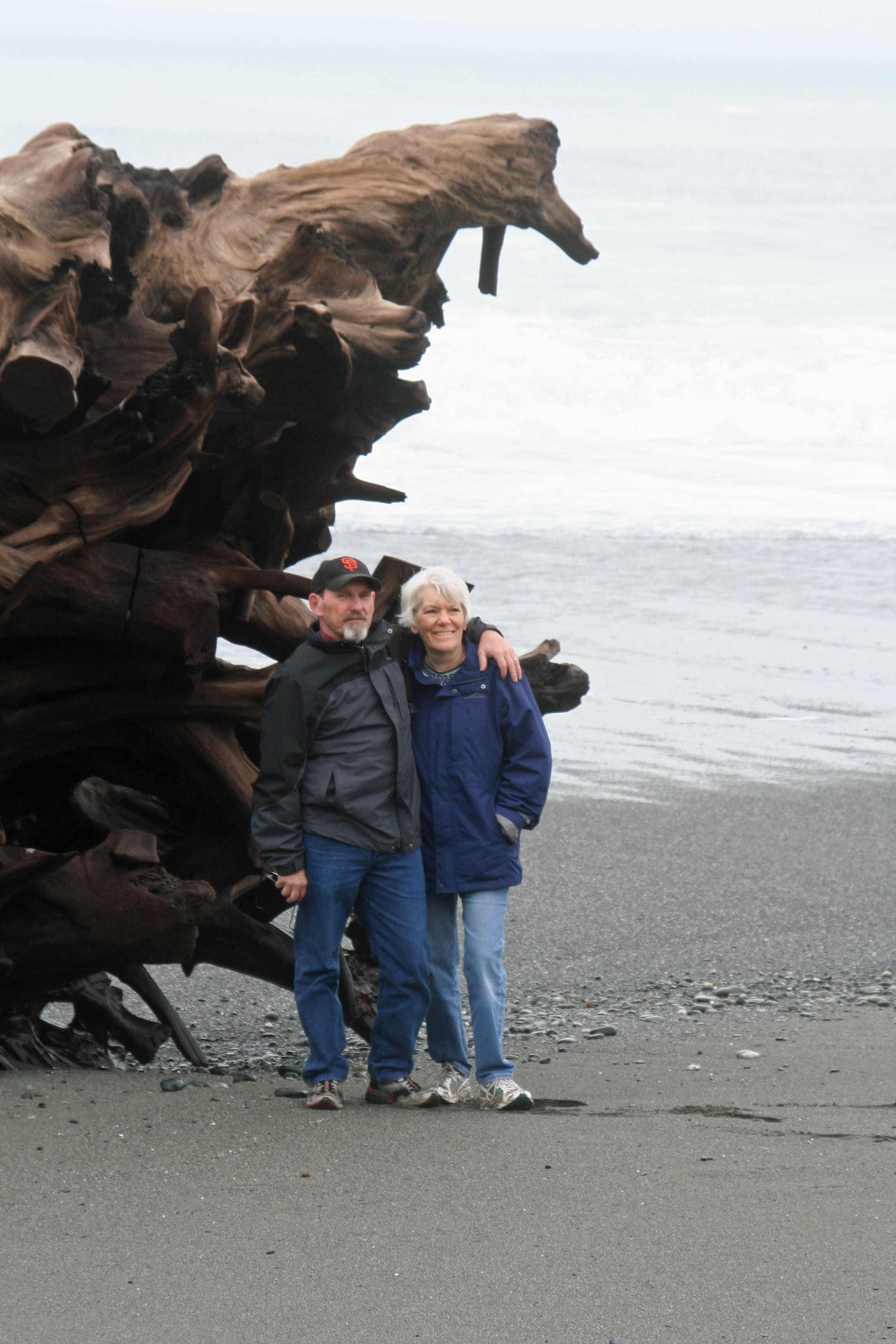
Our friends Ken and Leslie Lake stand next to the redwood stump we found washed up on the beach.
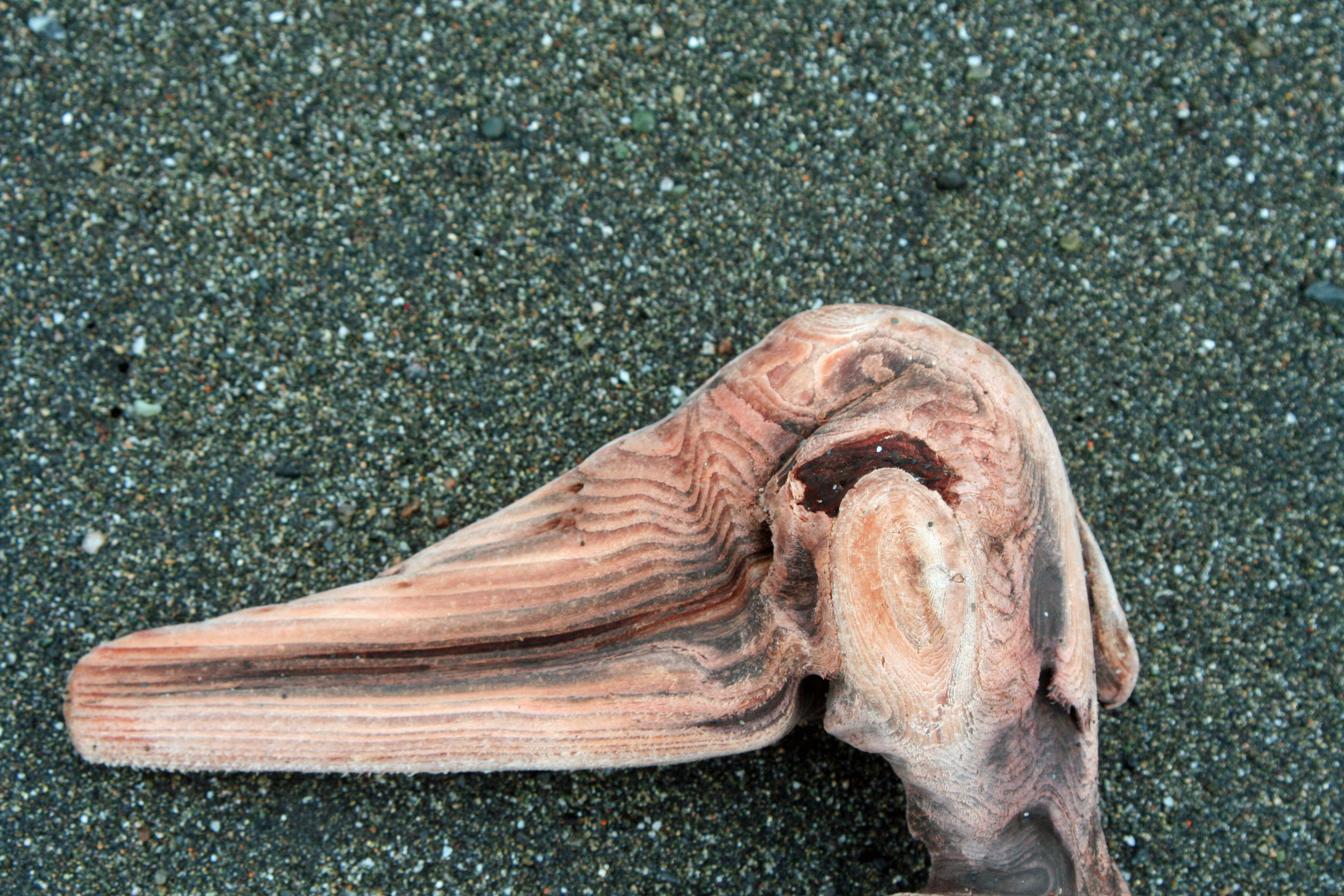
Driftwood can inspire the imagination. I saw a wood duck in this piece.
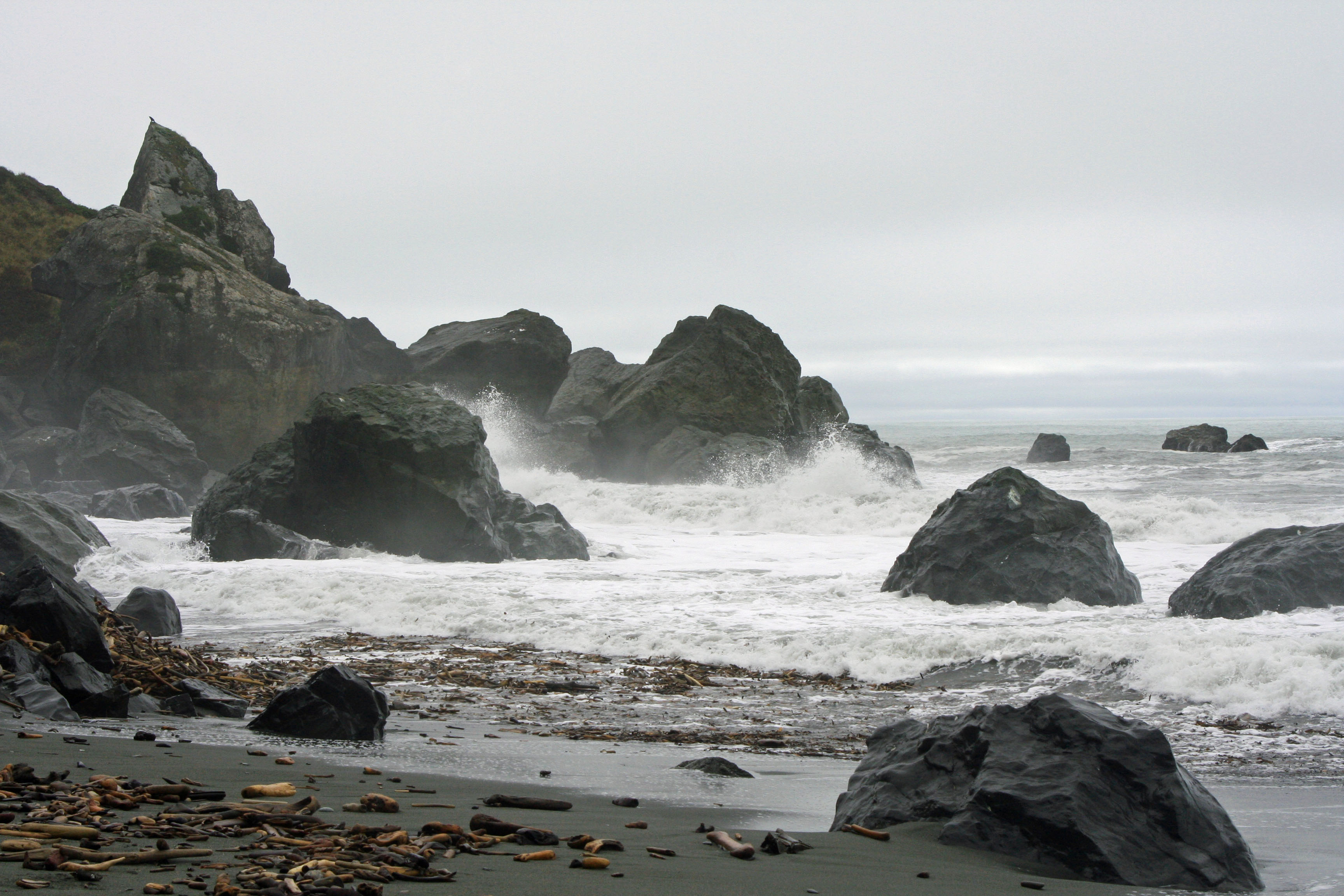
Waves crashing against the rocks, mist and driftwood are typical of California’s North Coast in Redwood National Park.
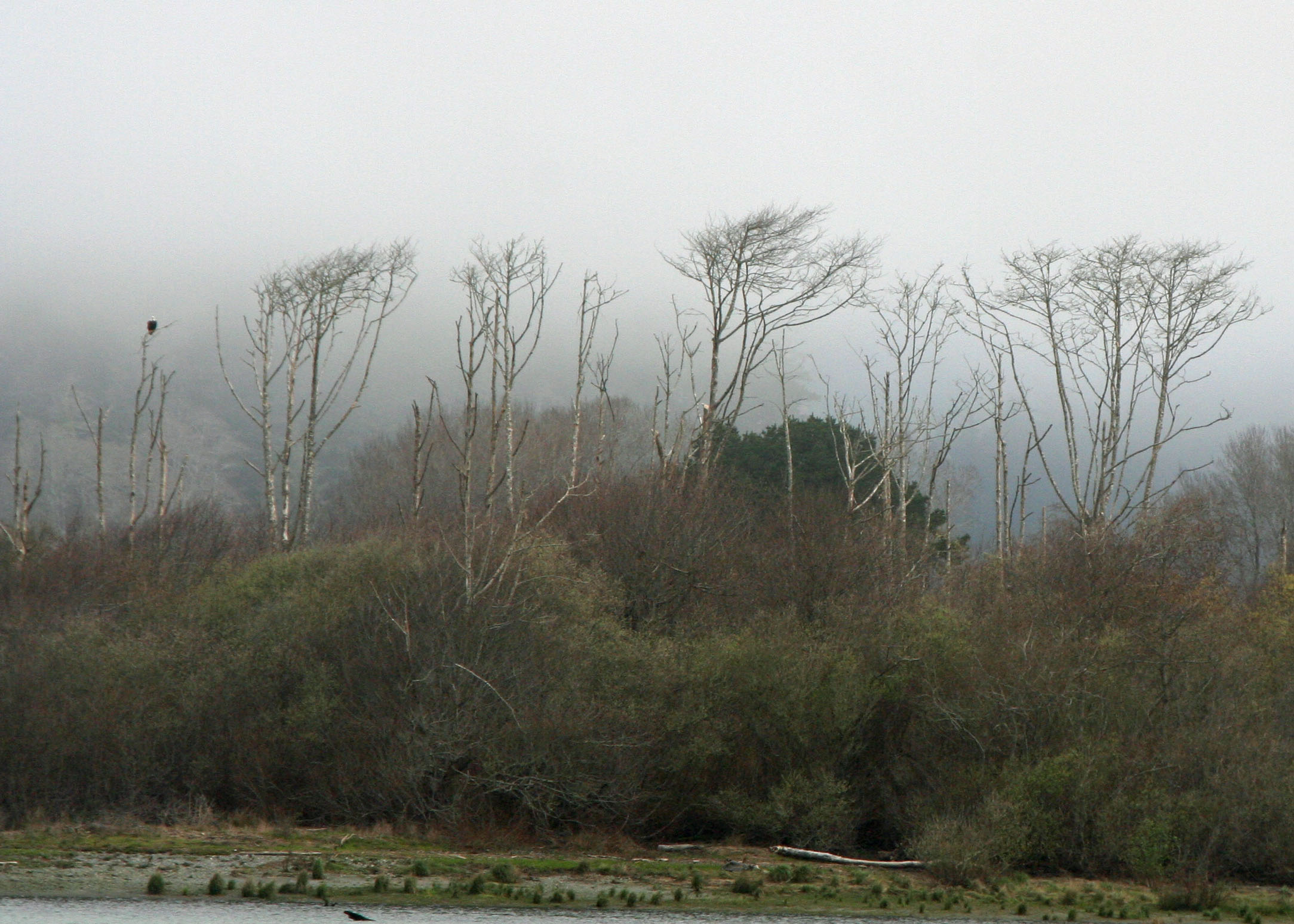
A lone bald eagle in the trees on the left watched as we wandered along the beach.

Just up the narrow, winding Coastal Road, we came on another interesting site. It looked like an old farm. Appearances can be deceiving. It had been disguised to look like a farm. Once upon a time it housed an early radar warning system and two 50 caliber anti-aircraft machine guns. Its purpose was to guard against invasion from Japan following the bombing of Pearl Harbor during World War II.

This seemingly innocent farm building found in the North Coast Redwoods overlooking the Pacific once harbored an early warning radar system and two 50 caliber anti-aircraft submachine guns to guar against invasion from Japan during World War II.

Continuing on, we visited the big trees of Prairie Creek Redwoods State Park. I kept expecting to meet up with Ewoks. But there are scarier creatures about. Scenes from Jurassic Park were also filmed in the area.
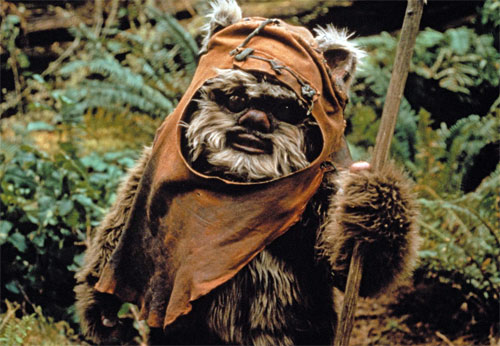
I kept expecting to meet up with an Ewok. George Lucas used North Coast Redwoods to film his Ewok scenes. Portions of Jurassic Park were also filmed in the area. (Photo from Google images.)

The only strange creature I found was the Peripatetic Bone who insisted on having his picture take with one of the Big Trees. He considered it a humbling experience. Can you spot him?
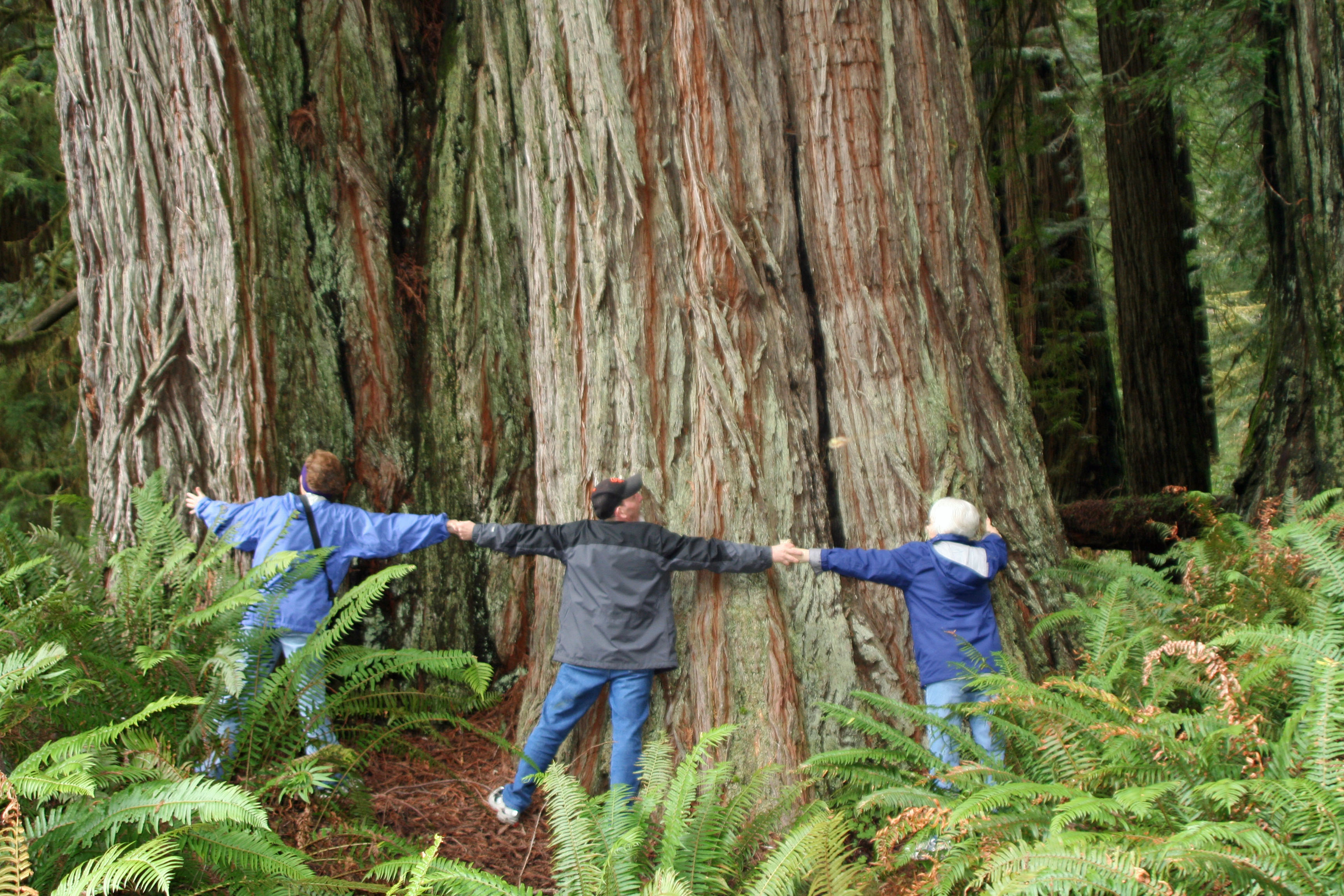
Even my favorite Tree Huggers… Peggy, Ken and Leslie, were made to feel small.

Wandering through Time and Place… A Writer’s Perspective

Bone has wandered the world for 35 years doing strange things. Here he rests on the Mayan god Chacmool in the place where sacrificial hearts once resided.

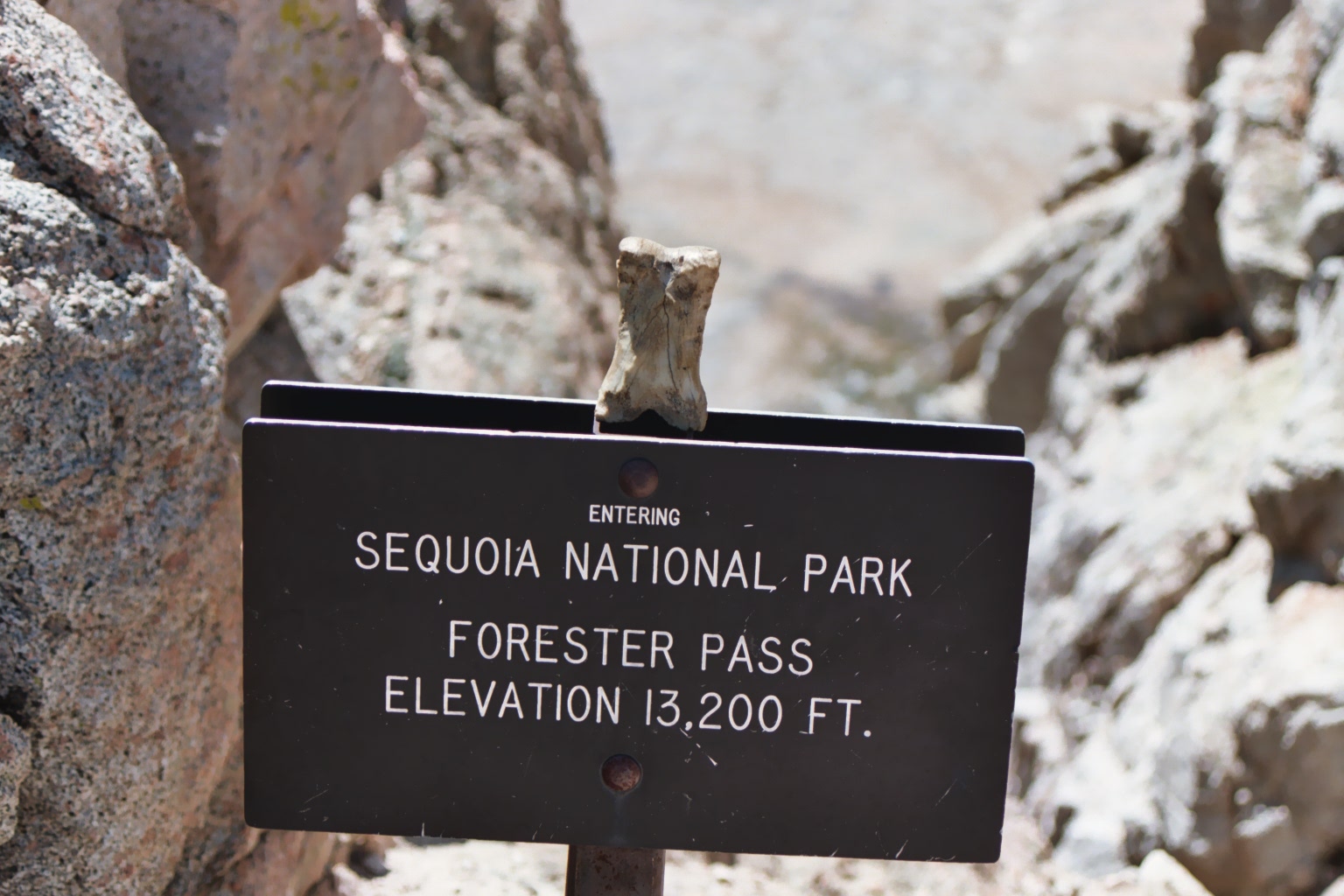
After two years of blogging under the title of Peripatetic Bone, I’ve decided to make changes. Bone, as you may know, was found in the Sierra Nevada Mountains in 1977 and has been travelling the world ever since. He has visited over 50 countries, climbed mountains, gone deep-sea diving, been blessed by the Pope and had many epic adventures.

When I started this blog, my wife Peggy and I were travelling around North America full-time in a 22-foot van. Bone rode up front where he could see the world go by. Introducing him to strangers was a weird but great way to begin conversations. We would do a photo shoot with him and wait for people to start asking questions.

It seemed natural to name my blog The Peripatetic Bone. Times have changed, however. We are now settled in Southern Oregon and Bone has retired, at least temporarily, to his Bone Cave.

Also, from the beginning, I wrote about many non-Bone related subjects. He wasn’t around when three British Warships used Andrew Mekemson for target practice during the Revolutionary War, nor was he with me when I served as a Peace Corps Volunteer in Africa. He even missed Berkeley’s Free Speech Movement.

“Wandering through Time and Place” is my new title. This will allow me to continue my travel focus plus incorporate stories from the past. I also plan to expand my grass-roots solution series with an emphasis on the future. Presently I am reorganizing my blogs to fall under three categories: Looking Back in Time, Wandering the World, and Creating the Future

My new tagline, “A Writer’s Perspective,” is what this blog is primarily about and always has been… story telling. Plus I have another motivation. Presently I am pulling my Africa Peace Corps stories into a book that I will publish digitally this year and in print format next year. Some time in the next few weeks I will create a new WordPress blog linked to this one that will feature a new chapter each week.

None of this means Bone is going away. He will still have his own page on this blog and will appear frequently in my travel tales. Thanks again to all the people who read this blog and make the writing of it fun and worthwhile.

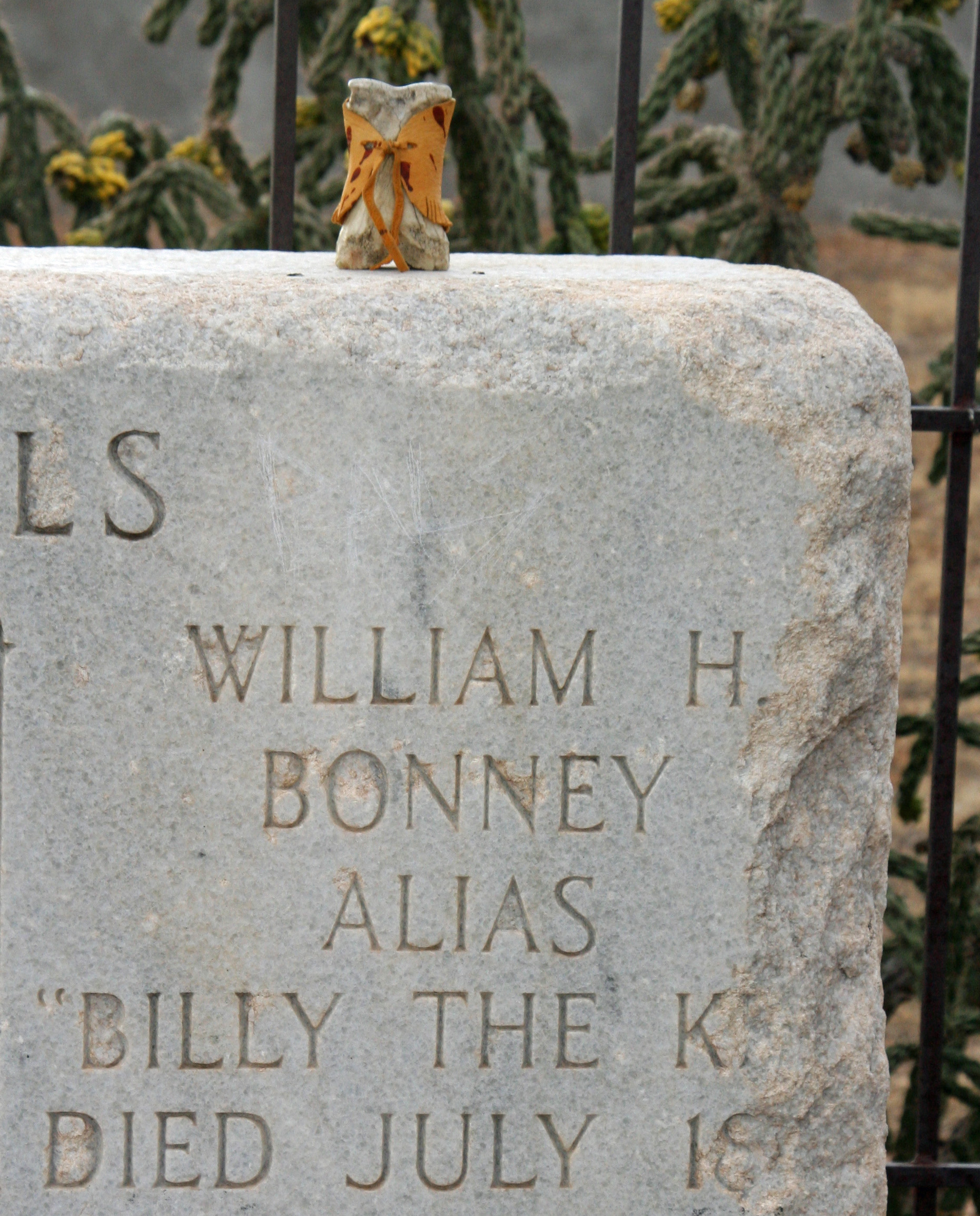
Bone contemplates the future of Bad Bones in Tombstone Arizona.

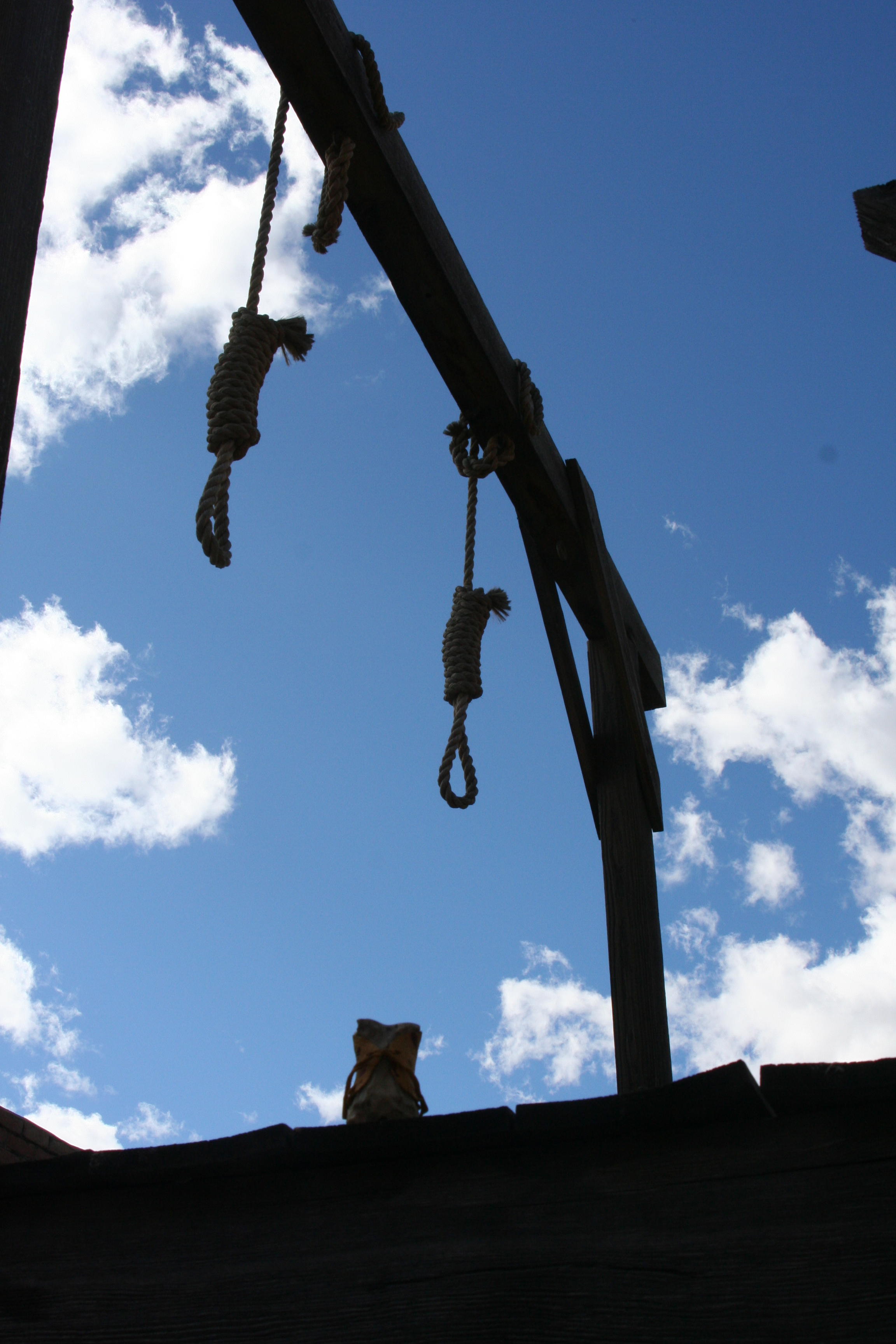
But not to worry… Bone is a good bone and he is not about to be hanged by mistake.

Nor is he likely to fall into any dark, bottomless pits.

Nor be shot down by a desperado such as Billy the Kid.

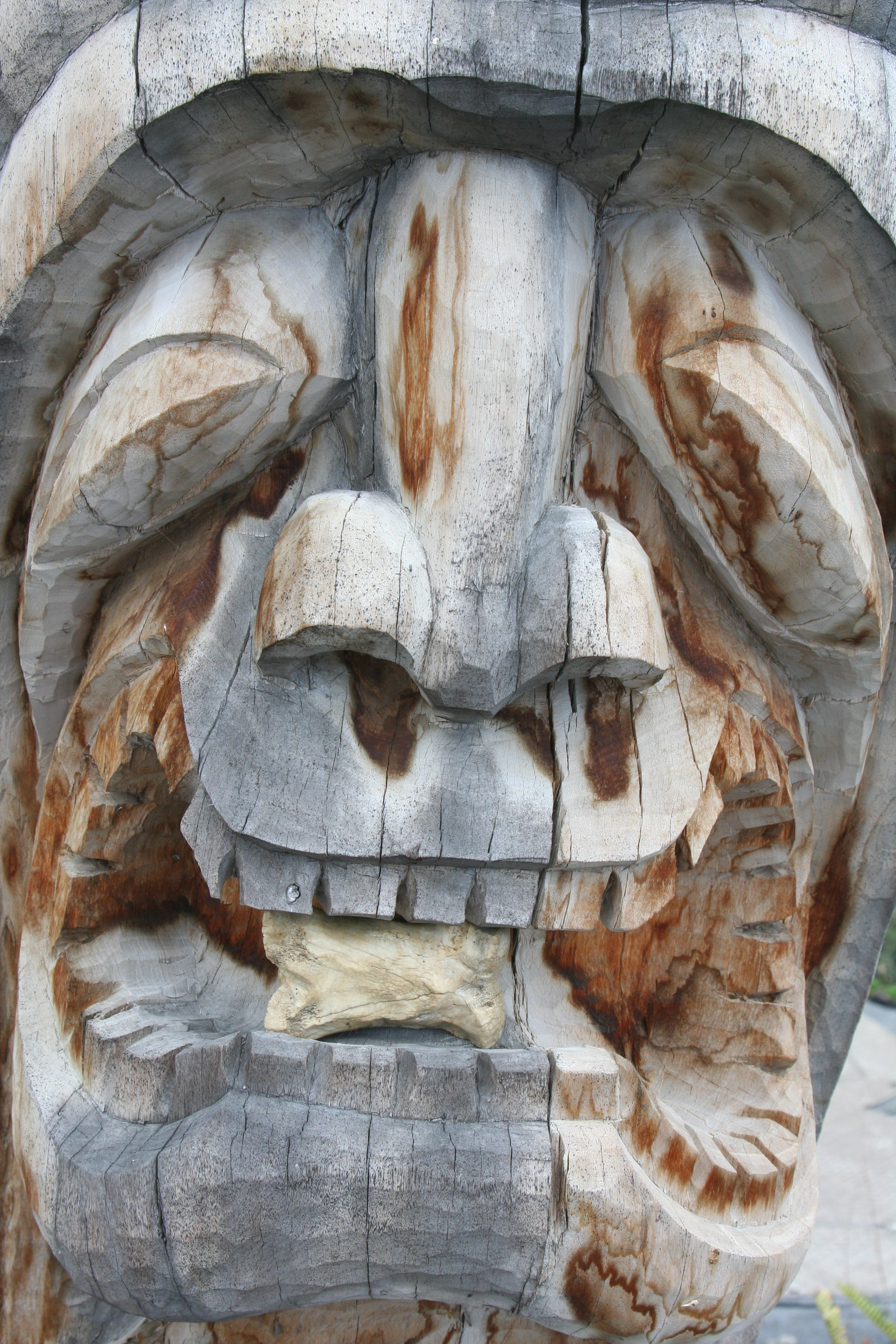
Nor is his fate to be chomped down by an ancient Hawaiian deity.

Or become iguana food.

Instead Bone will continue to wander the world.

And have adventures that most people only dream about.


Desert Big Horn Sheep… On the Road

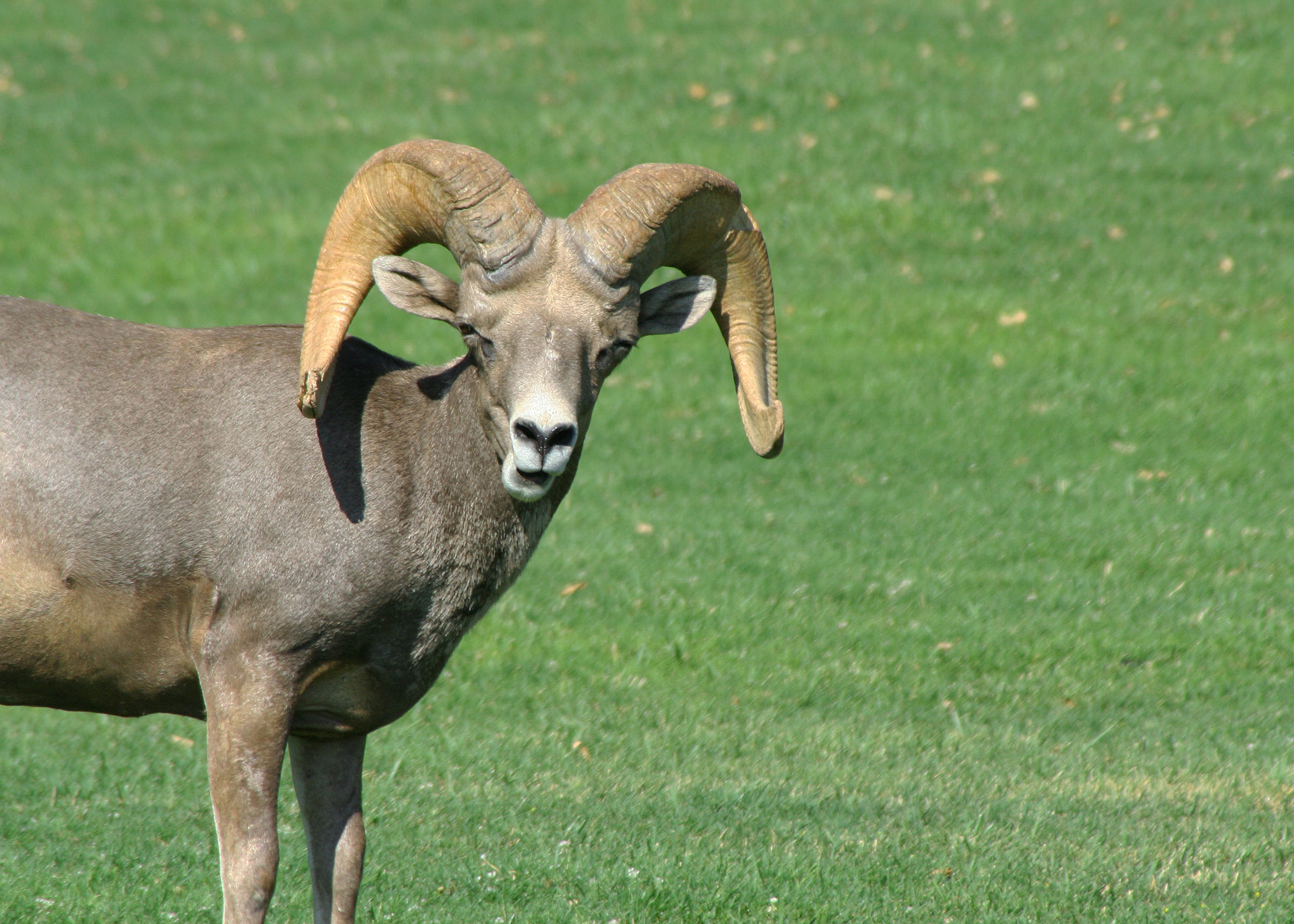
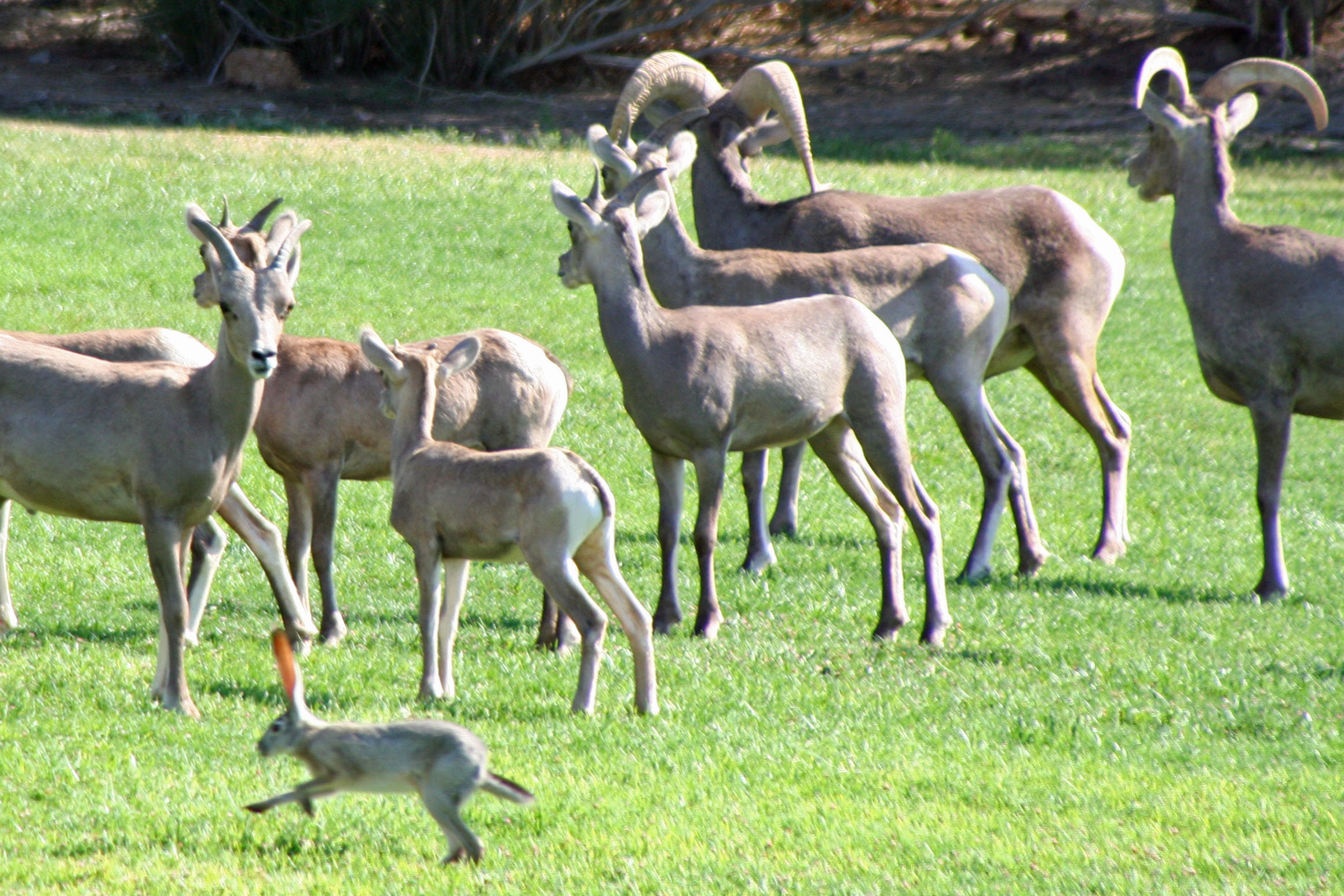
The Desert Bighorn Sheep of the southern Nevada desert calmly eyed me.

He stood there with his magnificent rack of horns, eyeing me and idly chewing on grass. Normally this shy creature of the Southwest deserts would have been hunkering down in the shade on a remote cliff, hiding out from the intense summer sun of southern Nevada and avoiding people and other likely predators.

The greenery of a small park had seduced him and his companions, however. Each day they made a pilgrimage down from their hidden mountain retreat to graze on the tender foliage and contemplate the good life. Unfortunately, two-legged animals came with the territory. We had to be tolerated.

He did not have to tolerate the large Bighorn Sheep that waited for him on the edge of the park, challenging his right to the green grass and threatening to steal his lovely ewes. In a ritual dating back to ancient times, he reared up and charged full speed ahead, smashing into his enemy’s horns time and time again until the intruder was driven from the path. But the rival was as tough as he was stubborn. The next morning, he was there again, waiting…

It was a beautiful location for a new home. A green park placed just below the house provided relief from the parched desert. Surrounding mountains offered glorious picture window views. The man and his wife felt they had found heaven on earth. The loud crash that jarred them out of their bed changed their perspective. Their insurance agent refused to believe their story.

To get their money they had to have photos of the Bighorn ram that challenged his reflection on their metal garage door each morning. (A neighbor of the homeowner related the above story to us.)

It was easy to understand how the Bighorn could do serious damage.  An adult male weighs over 200 pounds and sports 30-pound horns. Plus he can clock out at 30 mph on level ground. Big Bang. Big Dent. His head is specially designed to absorb the shock. Rams have been known to crash horns for up to 24 hours to win a ewe.

Prior to my visit to the small park near Lake Meade I had only seen Desert Bighorn Sheep as small specks on high cliffs or along side canyons of the Colorado River. They are ideally suited for their mountainous, desert environment. Their hooves allow them to perch on two-inch ledges. They are capable of making prodigious leaps of up to 20 feet to land on another ledge, scrambling over difficult terrain at 15 mph. They can also go several days without drinking water, living off of the water they process from plants.

I spent a pleasant morning photographing the sheep doing what sheep do.

The Desert Bighorn Sheep totally ignored a jack-rabbit hopping by.

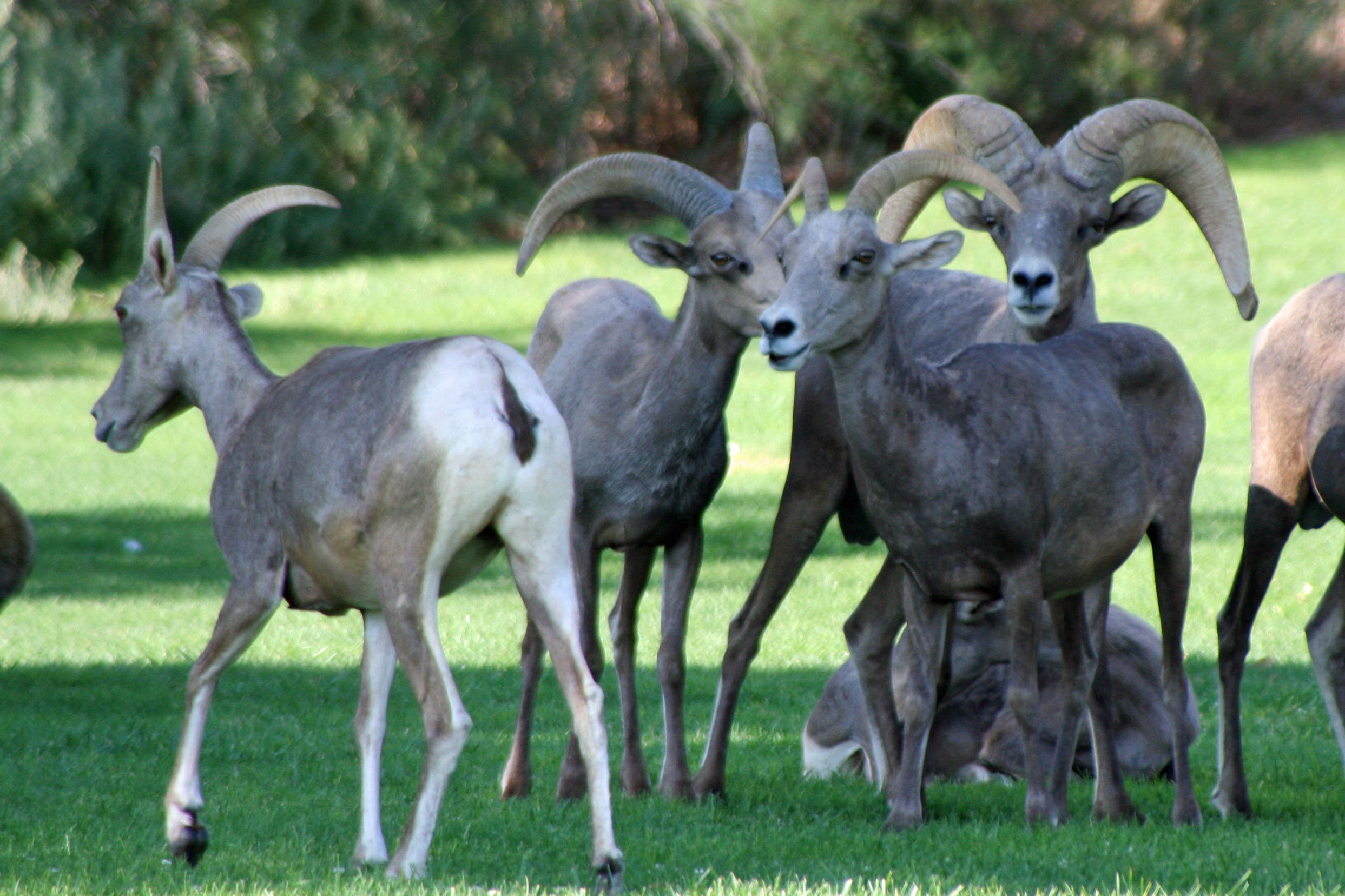
It would be hard to sneak up on these Bighorn Sheep. Note how each one is checking out a different direction. Predators include mountain lions, golden eagles and man. At one point, they were almost hunted to extinction.

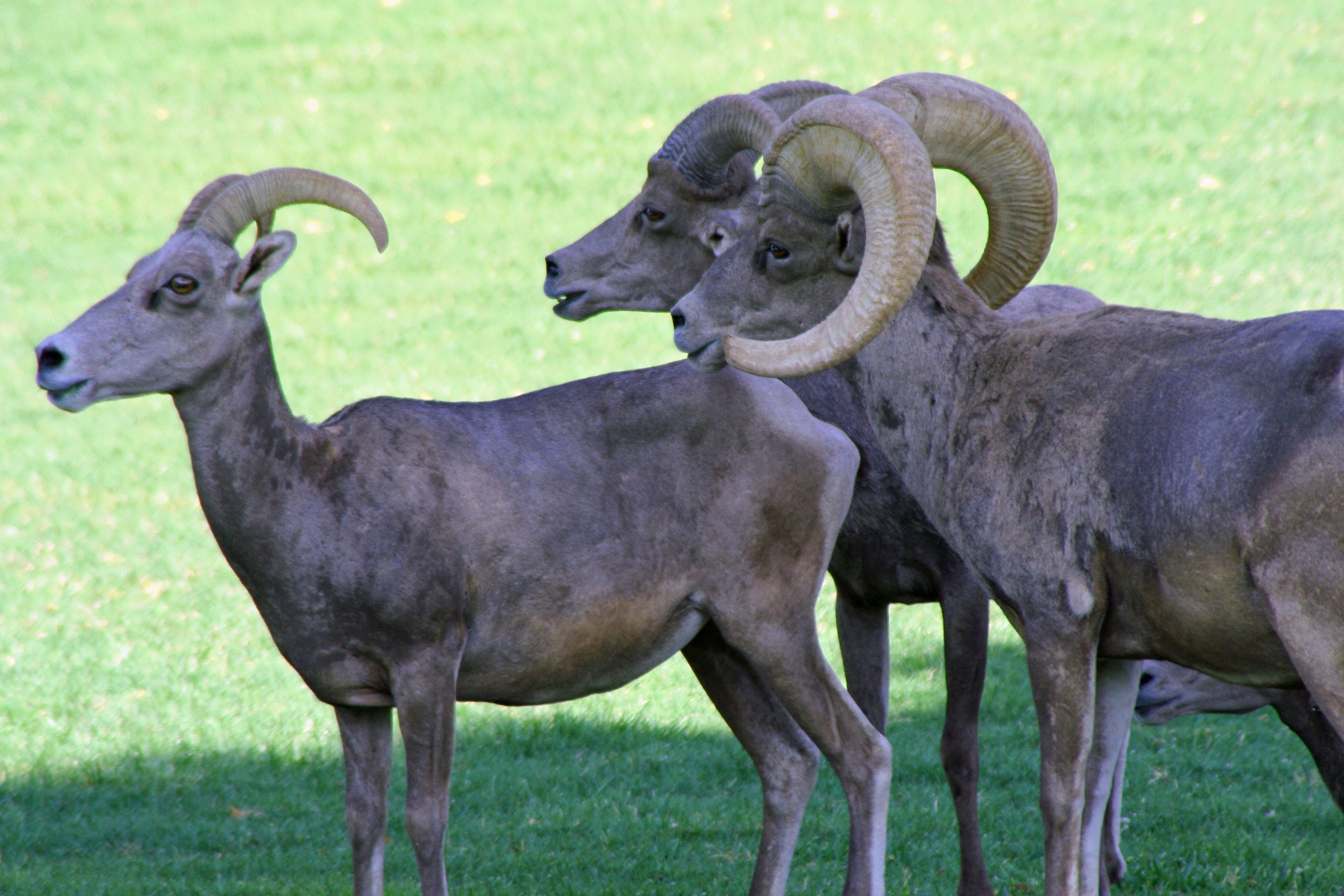
I thought mowing machine when I watched these three rams munch their way across the park.

Both male and female Bighorn Sheep grow horns but the horns of the males curve all of the way around and can weigh up to 30 pounds. I was amused by this guy sticking his tongue out.

Who gets the girl? During mating season the two large rams would be charging each other from 20 feet away and crashing their horns together to determine who wins the lovely ewe. Battles have been known to go on for 24 hours.

I liked this photo because of the perspective it provided on the different size horns.

Regal is how I would describe this impressive pose by a Bighorn Sheep ram.

The (not so) Wild Burros of Oatman Az. and Route 66… On the Road

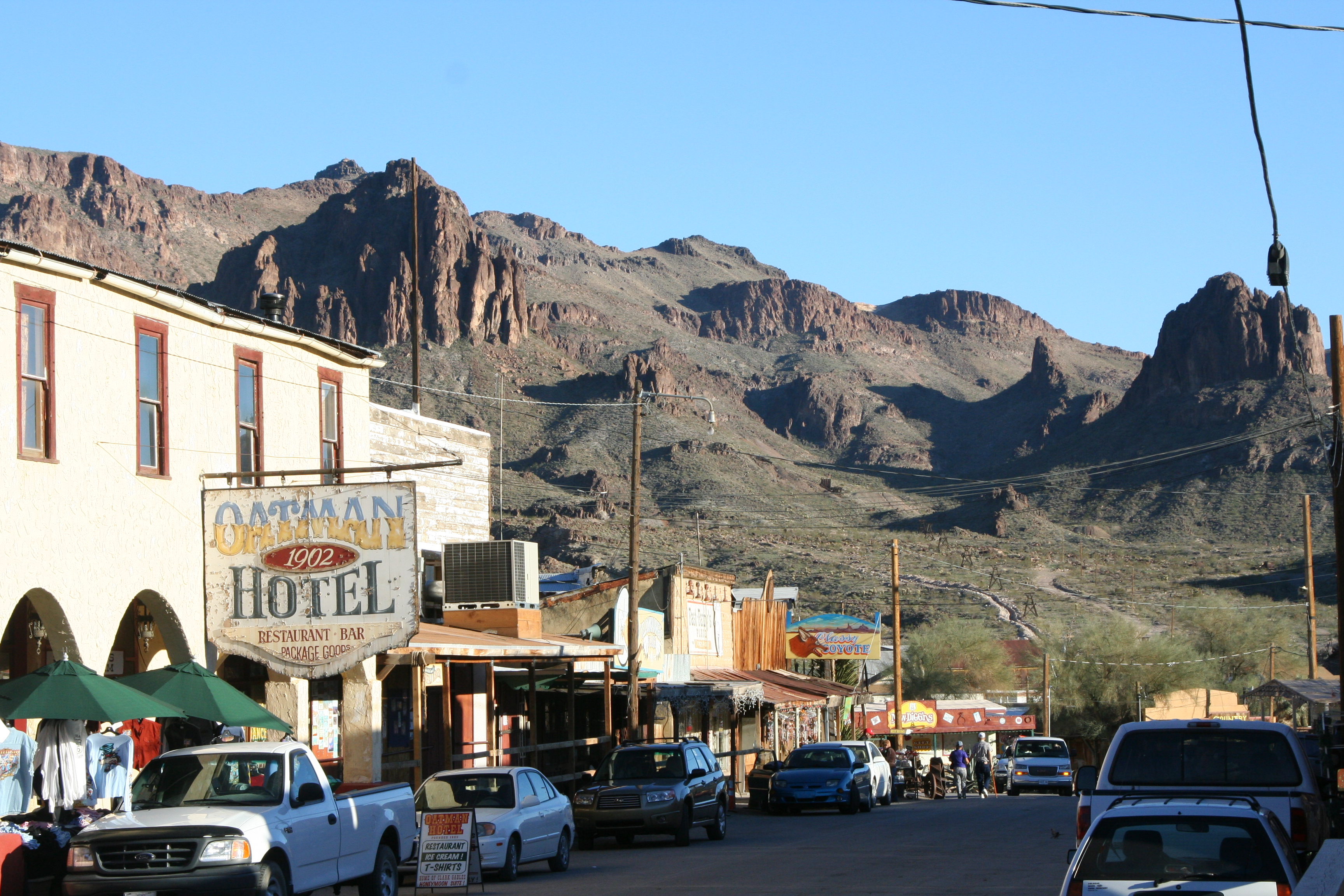
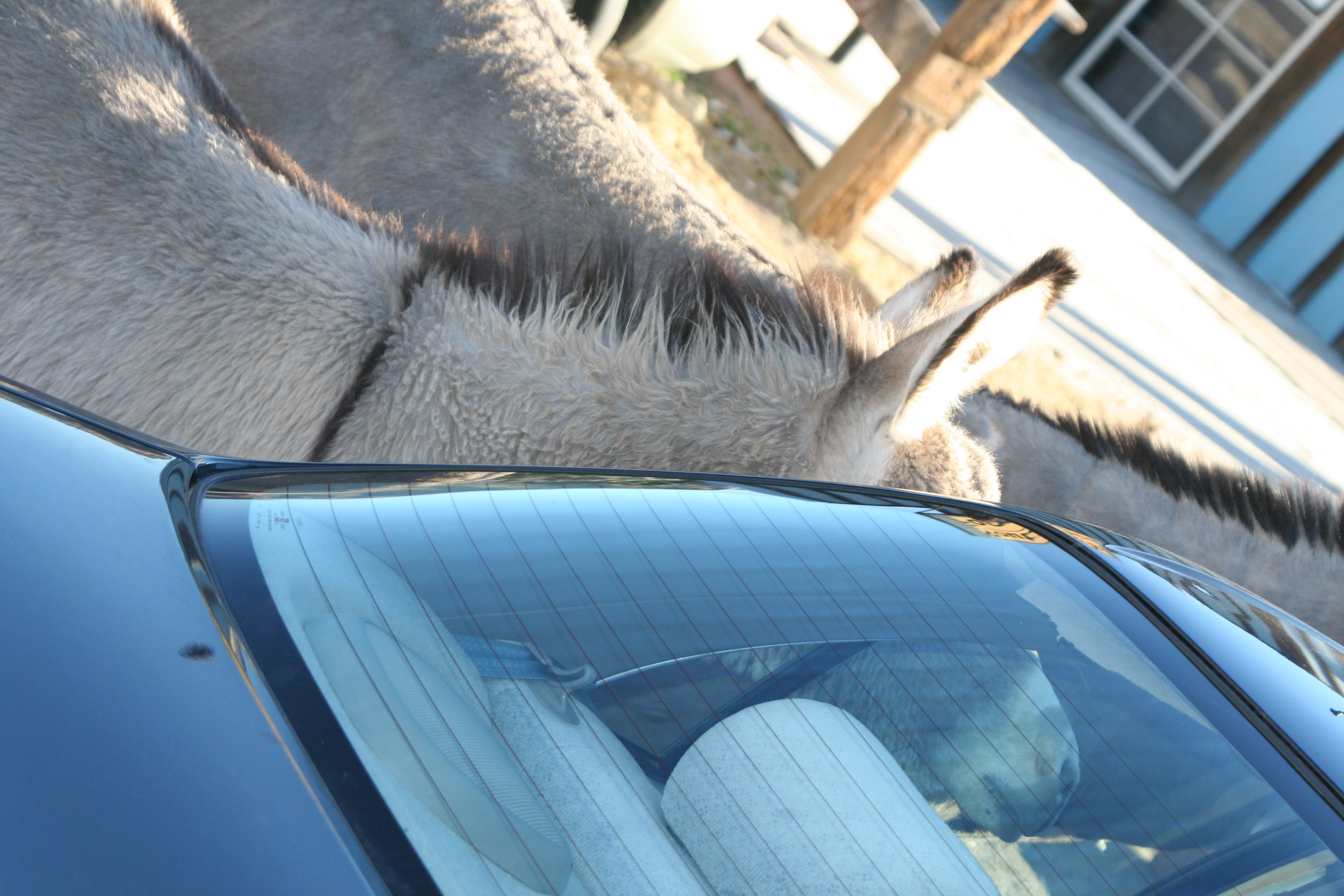
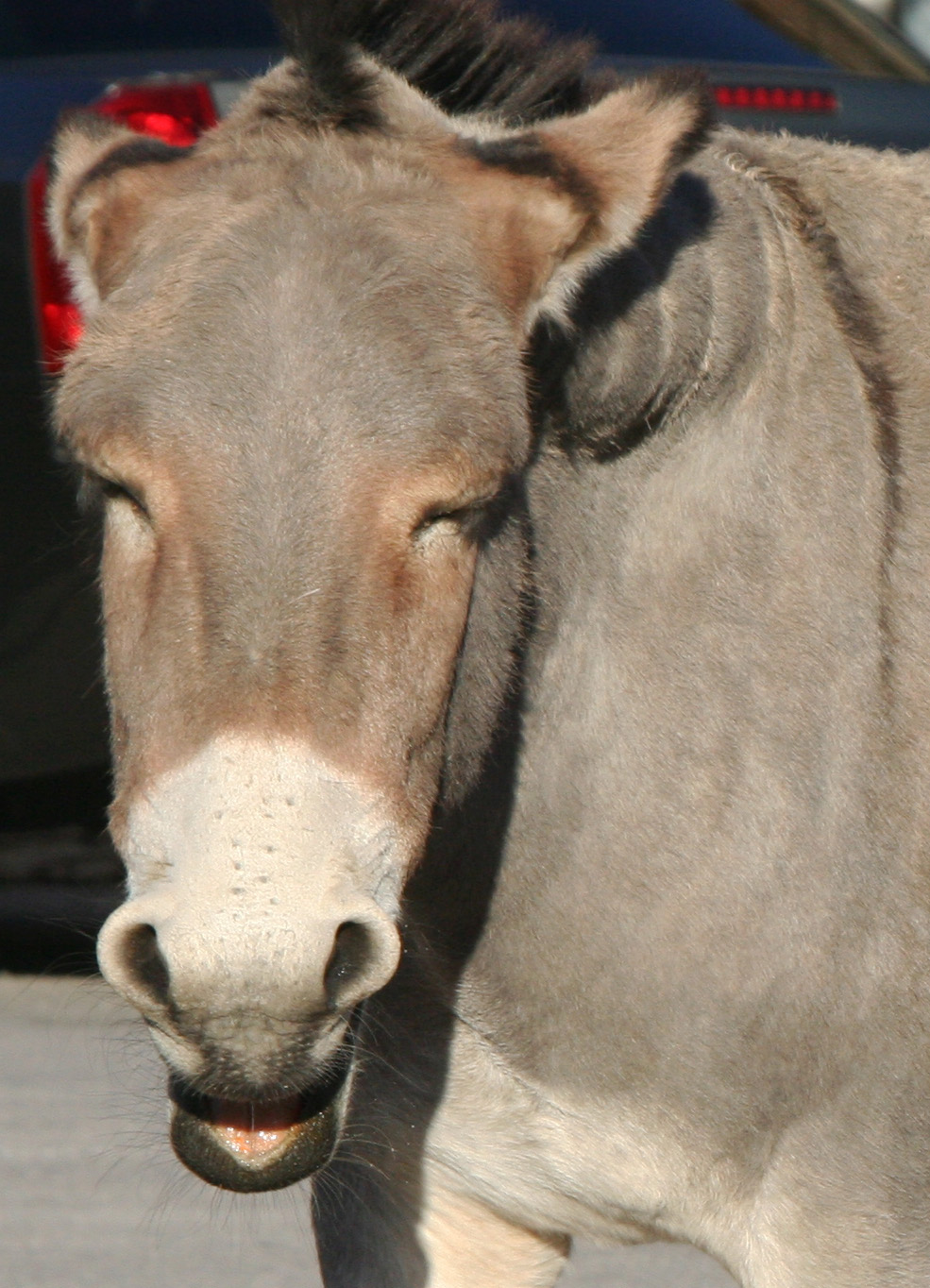
Oatman Arizona is noted for its history, location on Route 66 and its wild burros. As this photo suggests, its burros are not very wild, but they are characters.

Oatman, Arizona would be a ghost town if it weren’t for its wild burros and location on Route 66. Peggy and I stopped there on one of our explorations of the historic highway and were immediately greeted by the burros.

A ten million dollar gold strike in 1915 gave Oatman its initial growth spurt. Travel on Route 66 during the highway’s days as a major east-west road maintained its existence. Clark Gable and Carole Lombard spent a honeymoon night there and Clark returned occasionally to gamble with the miners.

A view of main street Oatman in its desert setting with its historic buildings.

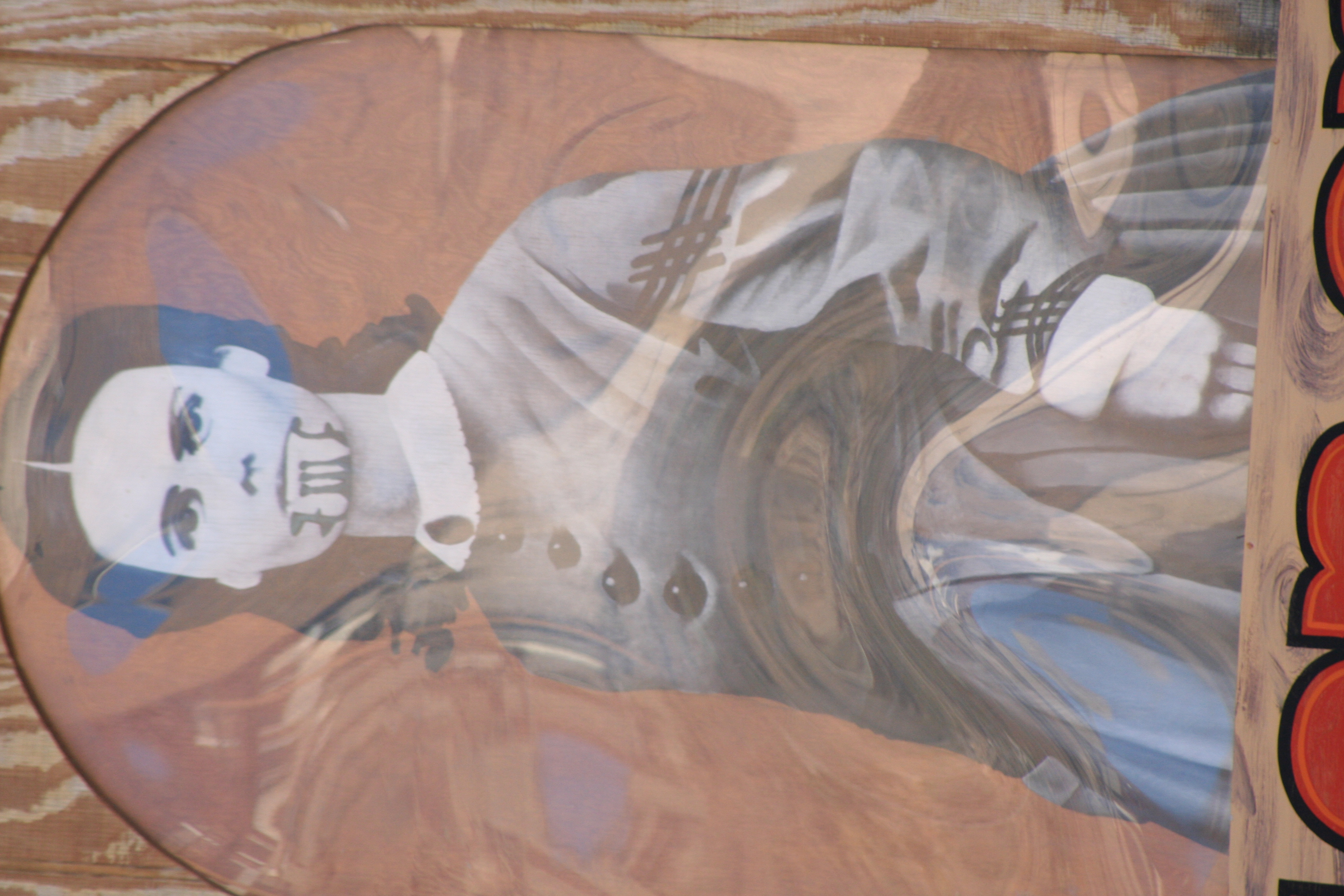
The town received its name from Olive Oatman who had been kidnapped by the Yavapai Indians, rescued and tattooed by the Mohave Indians and eventually released near the town.

Olive Oatman with her tattoos that were applied by the Mohave Indians.

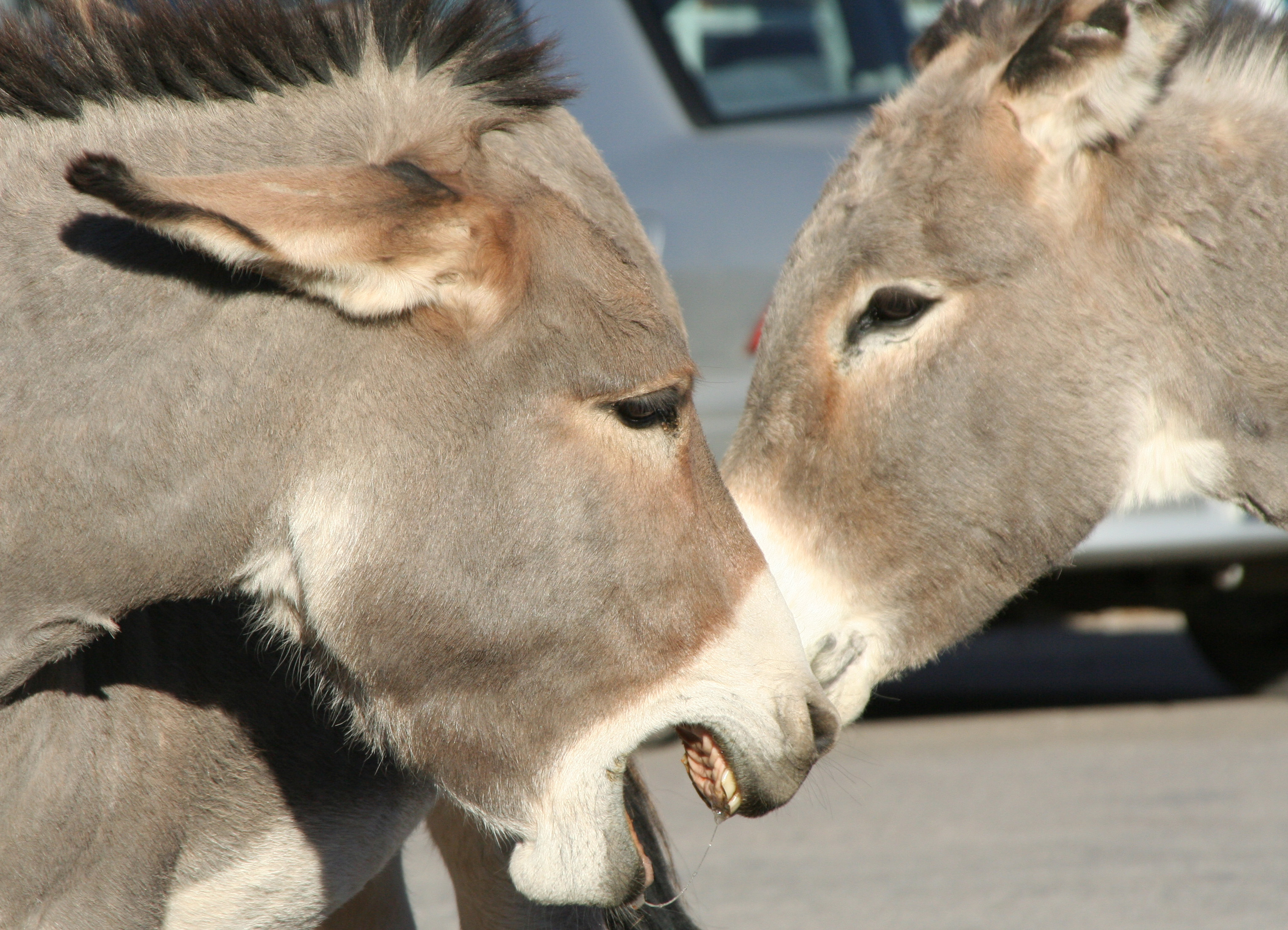
The wild burros, or donkeys, are a legacy of early prospectors who used the burros to carry their gear as they wandered in search of gold and other valuable minerals. Today they can be found throughout the desert Southwest. The burros of Oatman hit tourists up for carrots, provide lessons on donkey mating practices, and leave their calling cards on the streets of the town.

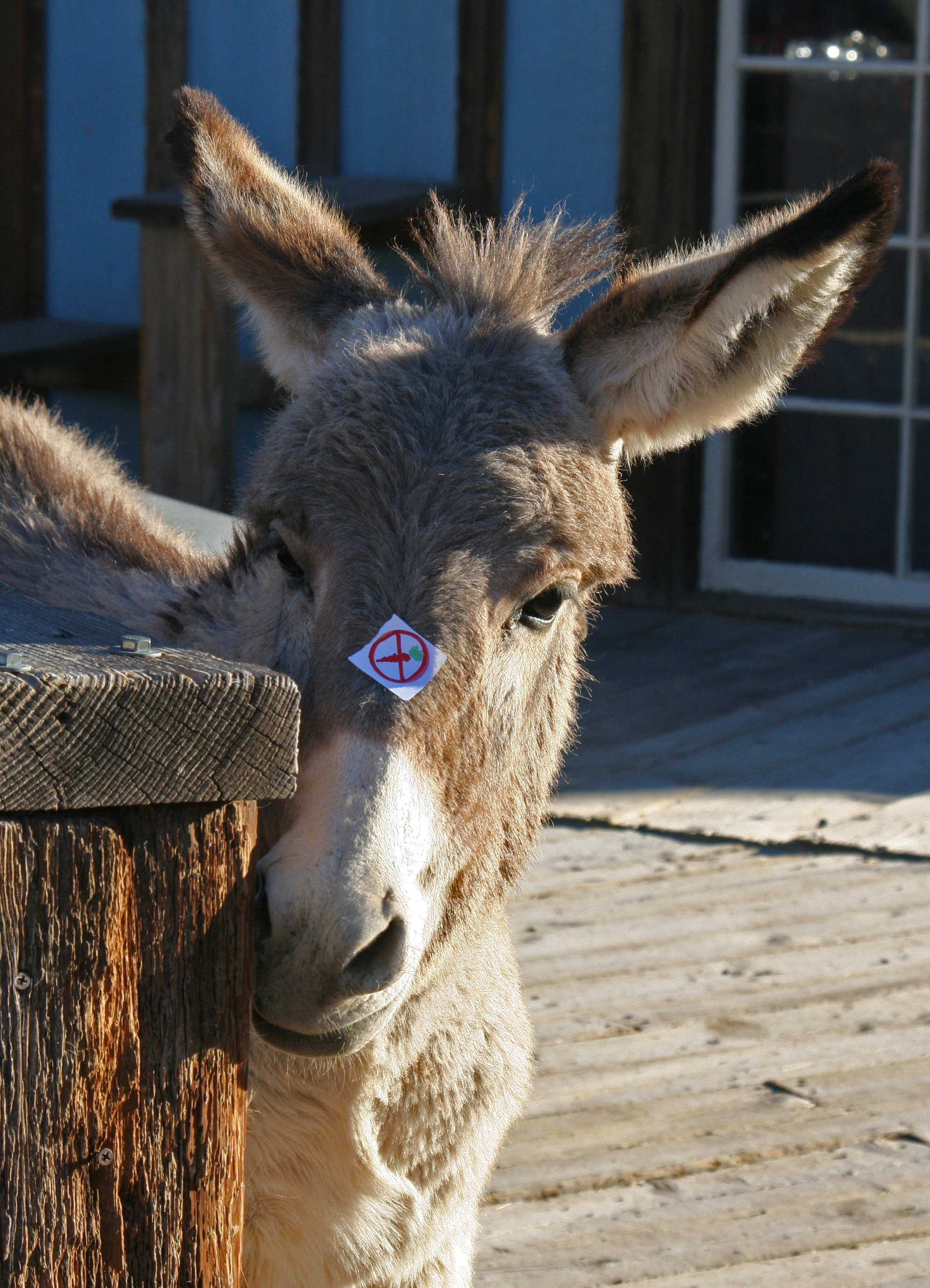
This cute little fellow had a no carrot sticker on his nose. Apparently young burros can choke on the carrots.

By 1960 the gold was gone and the highway was rerouted. Oatman was on its way to ghost town status. Fortunately the energy of the town’s citizens, the rebirth of Route 66 as a national historic treasure, and the desire of the burros for carrots have given Oatman reasons to prosper. It’s definitely worth a visit.

Oatman is located in northwestern Arizona off of Highway 95 on Historic Route 66 between Bullhead City and Needles.

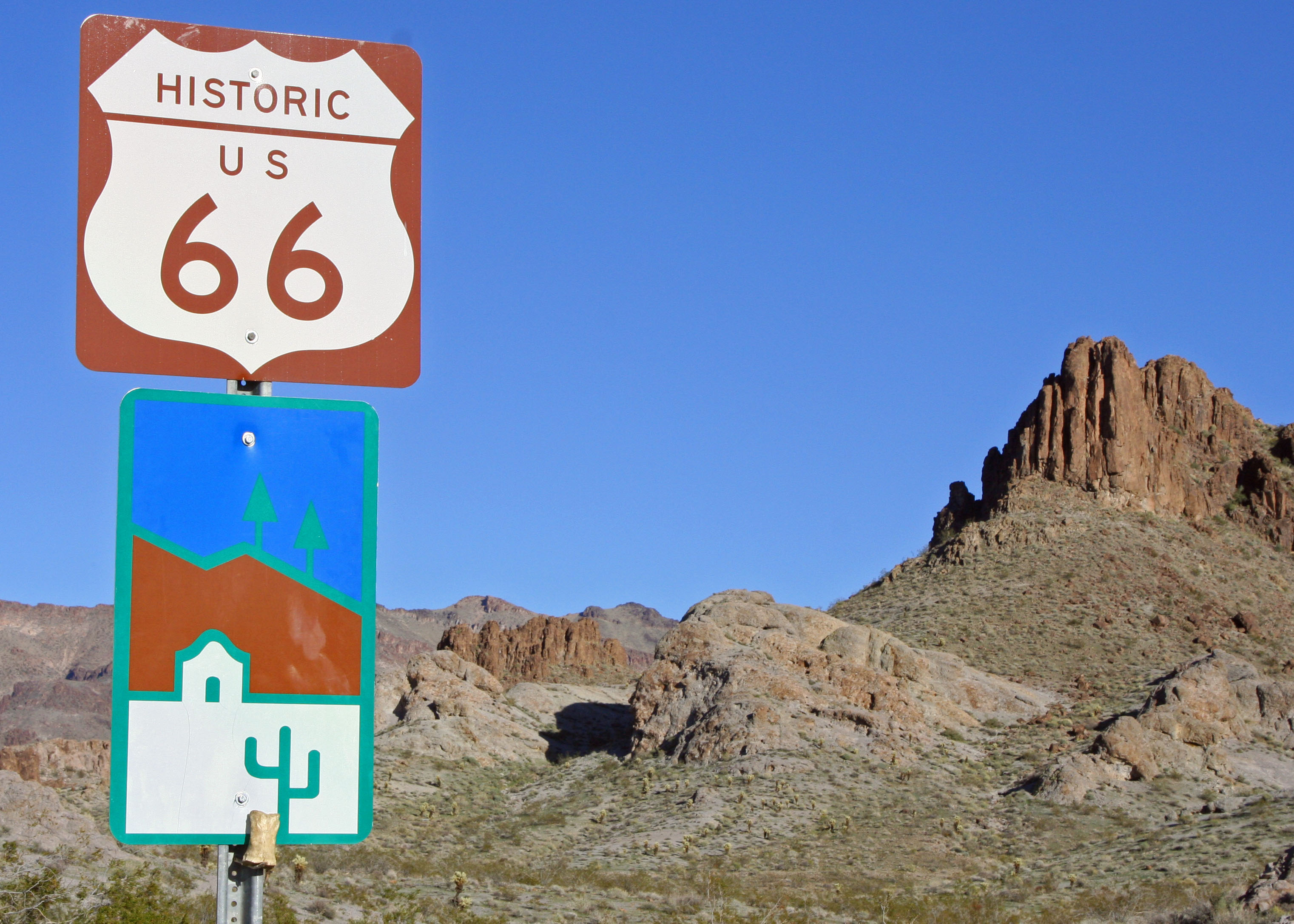
The Peripatetic Bone joins an historic Route 66 sign on the edge of Oatman.

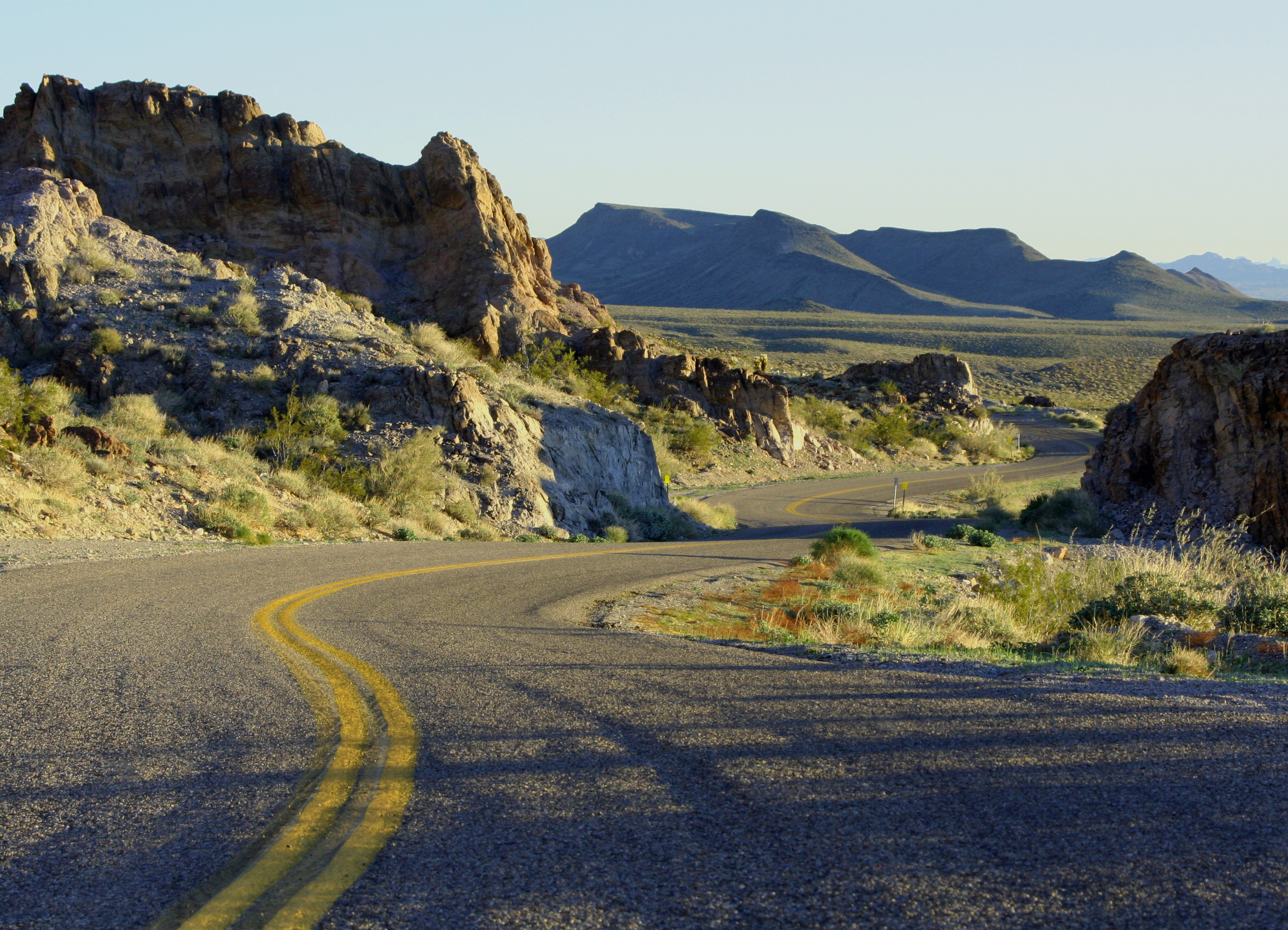
Historic Route 66 a few miles south of Oatman reminds travelers of another time and invites them onward.

A good reason to leave your windows up when visiting Oatman Arizona.

This photo deserves a caption. Mine would be, "Watch what you're sniffing, Mr.!"

Sheer pleasure?

Rhyolite, Death Valley: A Ghostly Town… The National Park Series

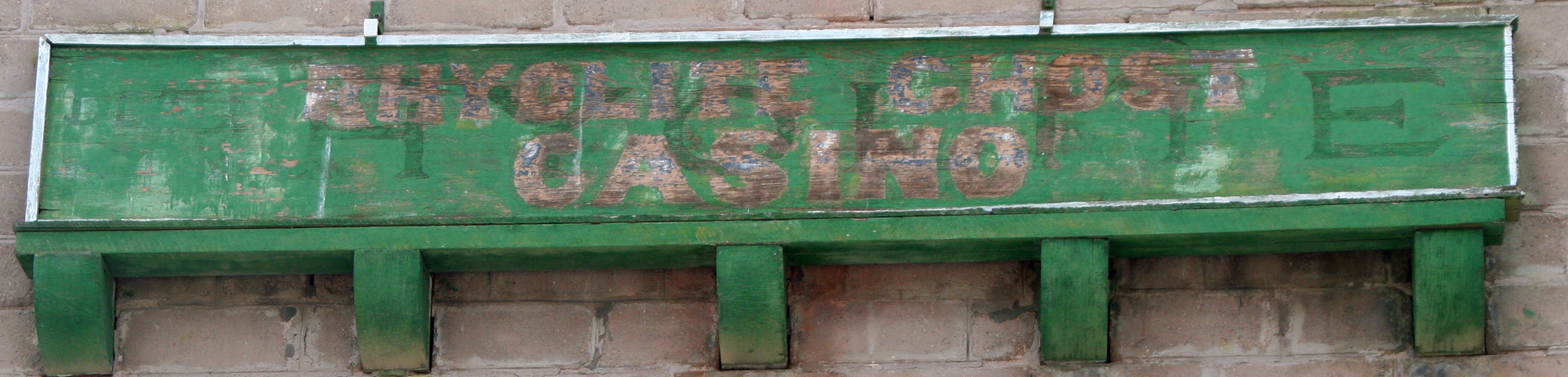
A ghost sign for Rhyolite, Nevada. Look closely and you will see ghostly letters of the town's name imposed over the name of a long forgotten casino.

The wind was cold with the whispers of forgotten ghosts. We put on our Jackets to fight the chill; Bone found a horseshoe for good luck. We had made a detour to visit the old Ghost Town of Rhyolite on the way into Death Valley National Park from the small town of Beatty in Nevada.

The Peripatetic Bone, who was originally part of a horse just above the hoof, tries on a horseshoe for good luck.

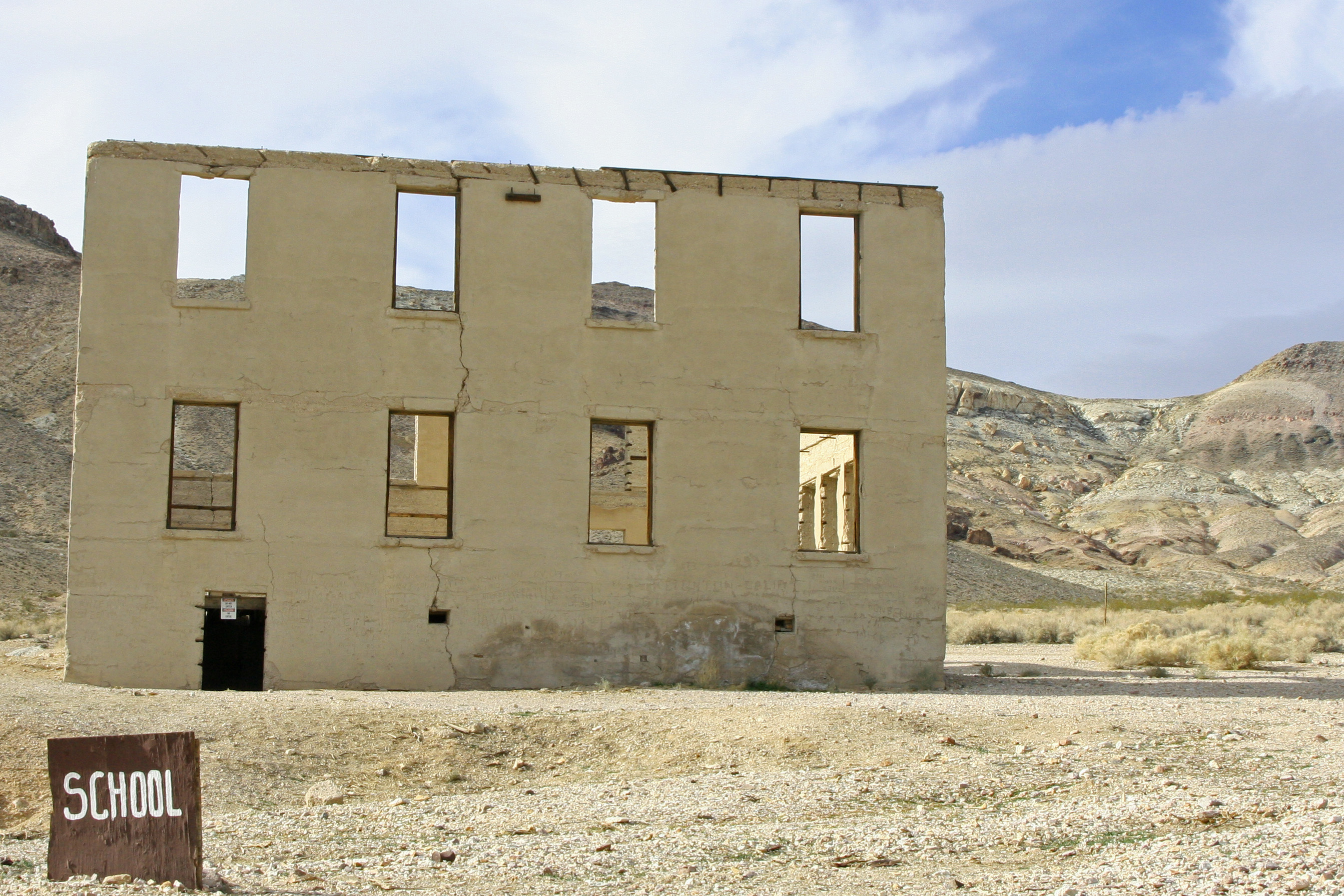
Gold was discovered in the area in 1904. A boomtown sprang out of the desolate desert. Soon there was a school, a bank and even an opera house. The sound of “batter up” could be heard on weekend days and arias on weekend nights. Women flowed in from San Francisco to accommodate the town’s red light district.

Can you hear the children playing?

The town bank.

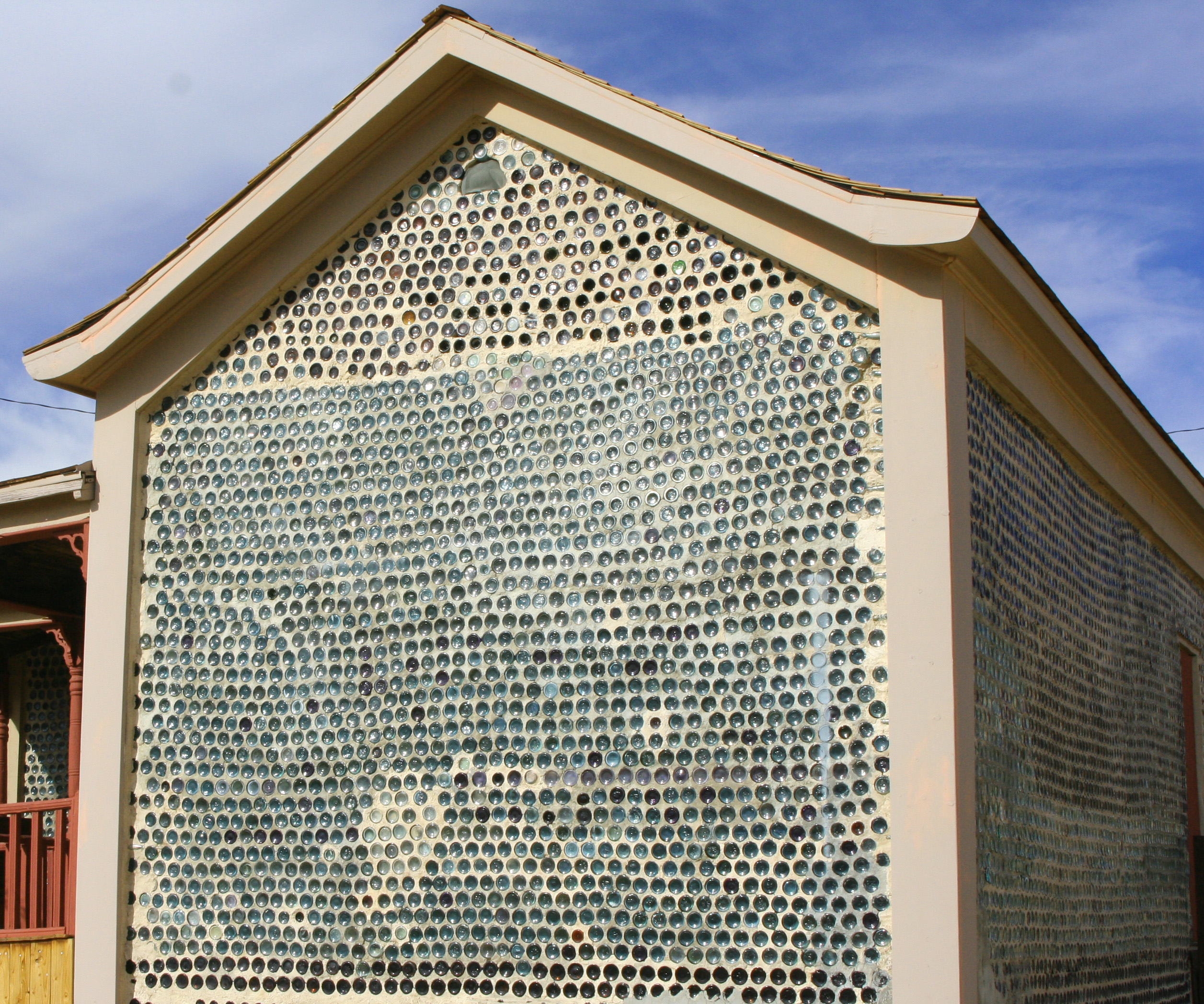
There was even an ice cream parlor and a house made from 50,000 beer and liquor bottles, which says something about the quantity of liquor consumed in town.

A house built with 50,000 bottles of beer and booze: light, insulation and a doozy of a hangover.

In 1907, electricity came to Rhyolite. It was the same year a financial crisis announced the beginning of the end for the town. Mines started to close, banks failed, and the newspaper went out of business. The lights were shut off in 1916. The boom was over.

A few skeletons of buildings and the bottle house are all that remain today. If you are in the neighborhood be sure to stop by. The ghosts will appreciate your visit. There is also a fascinating sculpture garden located next to Rhyolite that I will blog about next in my National Park/Death Valley series.

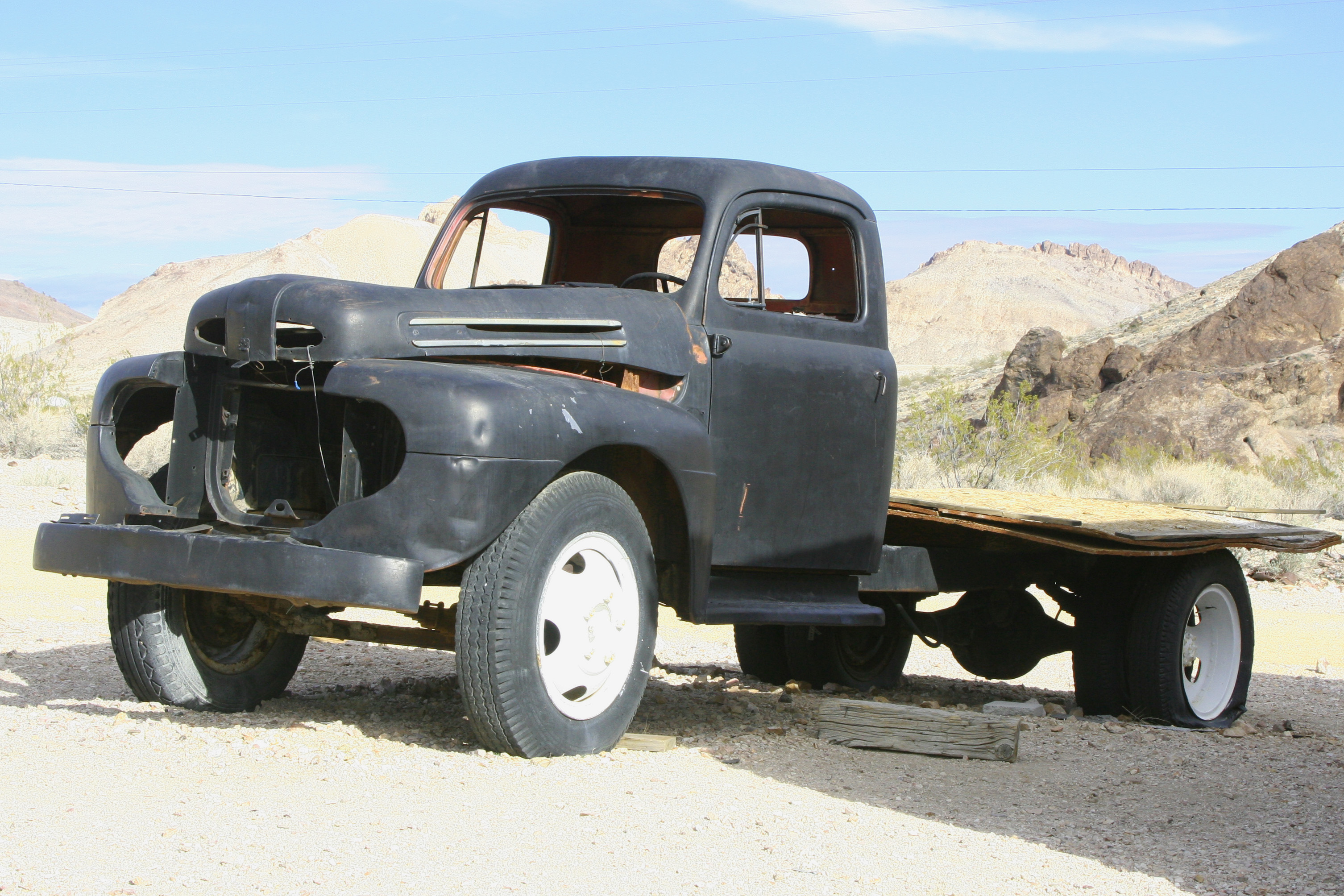
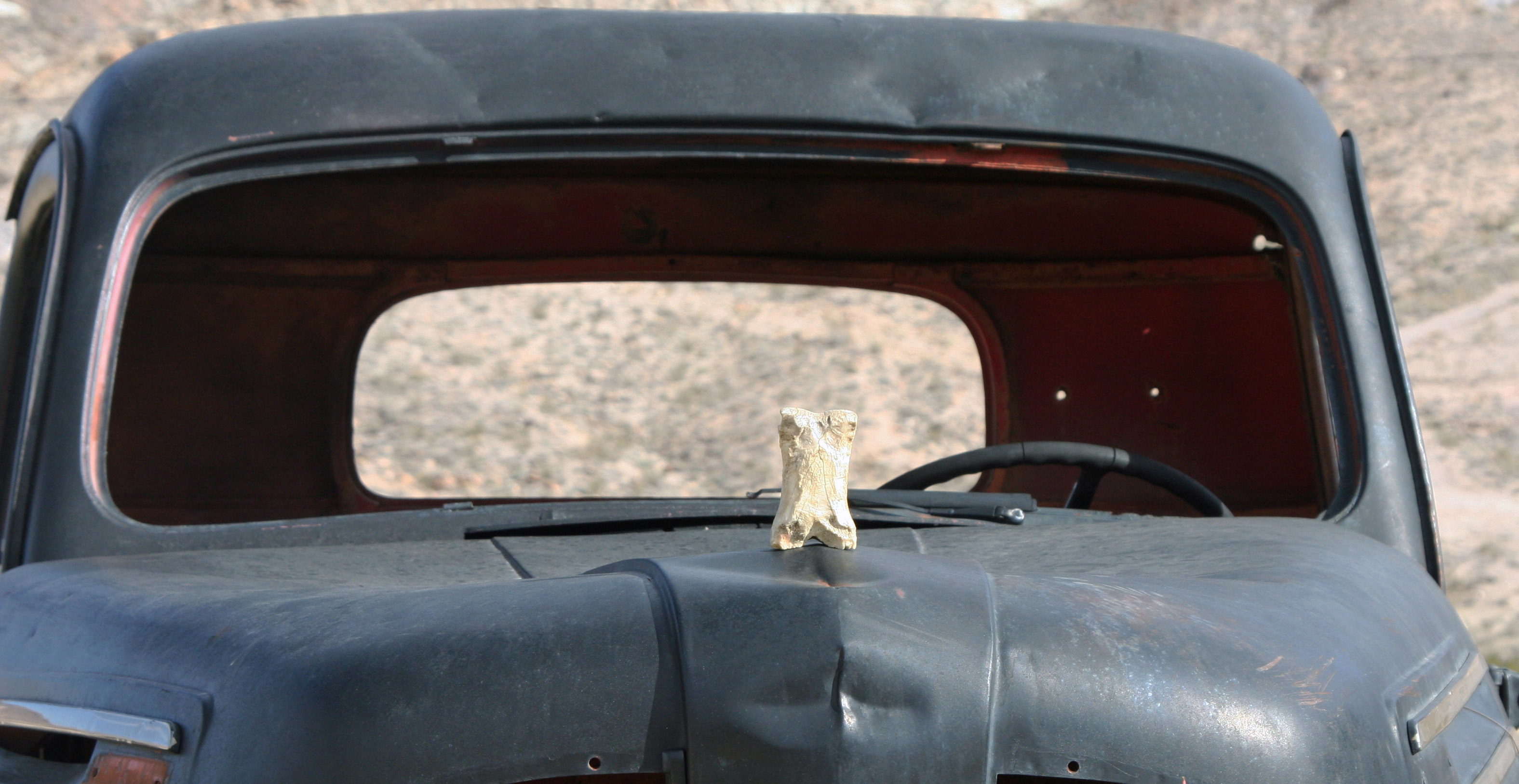
Long abandoned vehicles provide great photo opportunities but this one was missing something critical. And no, I don't mean engine...

A hood ornament.

Port Angeles… The Vancouver Island Adventure Begins

As we prepared for our trip to Vancouver Island in British Columbia, our sunroom in Southern Oregon wasn't looking so sunny. I wondered what the weather would be like in Canada.

“Um, is that really smart?” a friend asked when he learned we had traded our time share in sunny Puerto Vallarta for one on Vancouver Island still in the grip of winter?

We weren’t sure but such thoughts rarely stop us. The first week in March is my birthday week and I had a tradition to uphold. I always escape. For years I have taken one day off for each decade I have lived. And those are workdays, mind, you; weekends are a bonus.

On a snowy March 1st we packed up our Toyota Tacoma pickup and hit the road. We couldn’t help but wonder… if it was snowing in Southern Oregon, what would it be like in British Columbia?

While not being overly inspired to hit the road, I was inspired to make a George Bush Snowman.

We arrived in Port Angeles, Washington a day later without having to use four-wheel drive once. Luck was riding with us. Since our timeshare in Parksville wasn’t available for two days, we decided to explore Port Angeles. After all, Bella of Twilight fame came here from Forks and played with her vampire boyfriend; why shouldn’t we play in Port Angeles too.

We lucked out. This was the view out our window from the Olympic Lodge when I woke up on my birthday in Port Angeles. The snow covered Olympic Mountains provide a striking contrast to the green grass on the Lodge's golf course.


Like many communities, Port Angeles features a Farmers' Market on Saturdays. Fresh vegetables and bright colors are hard to resist, whether you plan to eat them or photograph them!


This wood sculpture with masks embedded in it provides further proof of the good weather. Port Angeles gets good grades for the art it has scattered throughout the community.


This mask in particular caught my attention. I've heard of buggy eyed and beady eyed, but people eyed...?


I also liked this dragon. It reminded me of my trips to Burning Man.


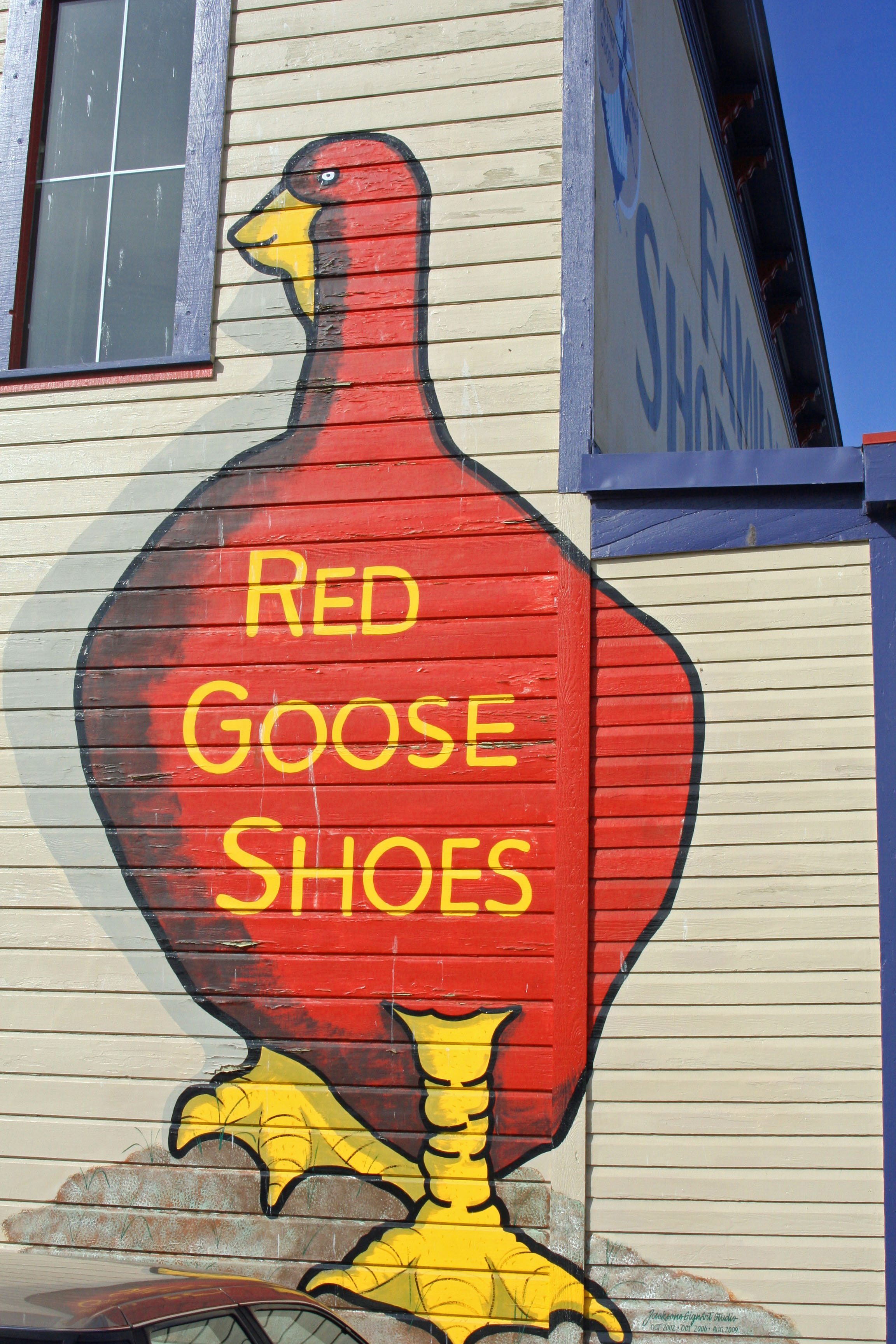
Wandering the streets, we came across this large red goose advertising Red Goose Shoes. It looks like his next step will be on to the roof of the car seen in the foreground, crushing it like a movie monster would.


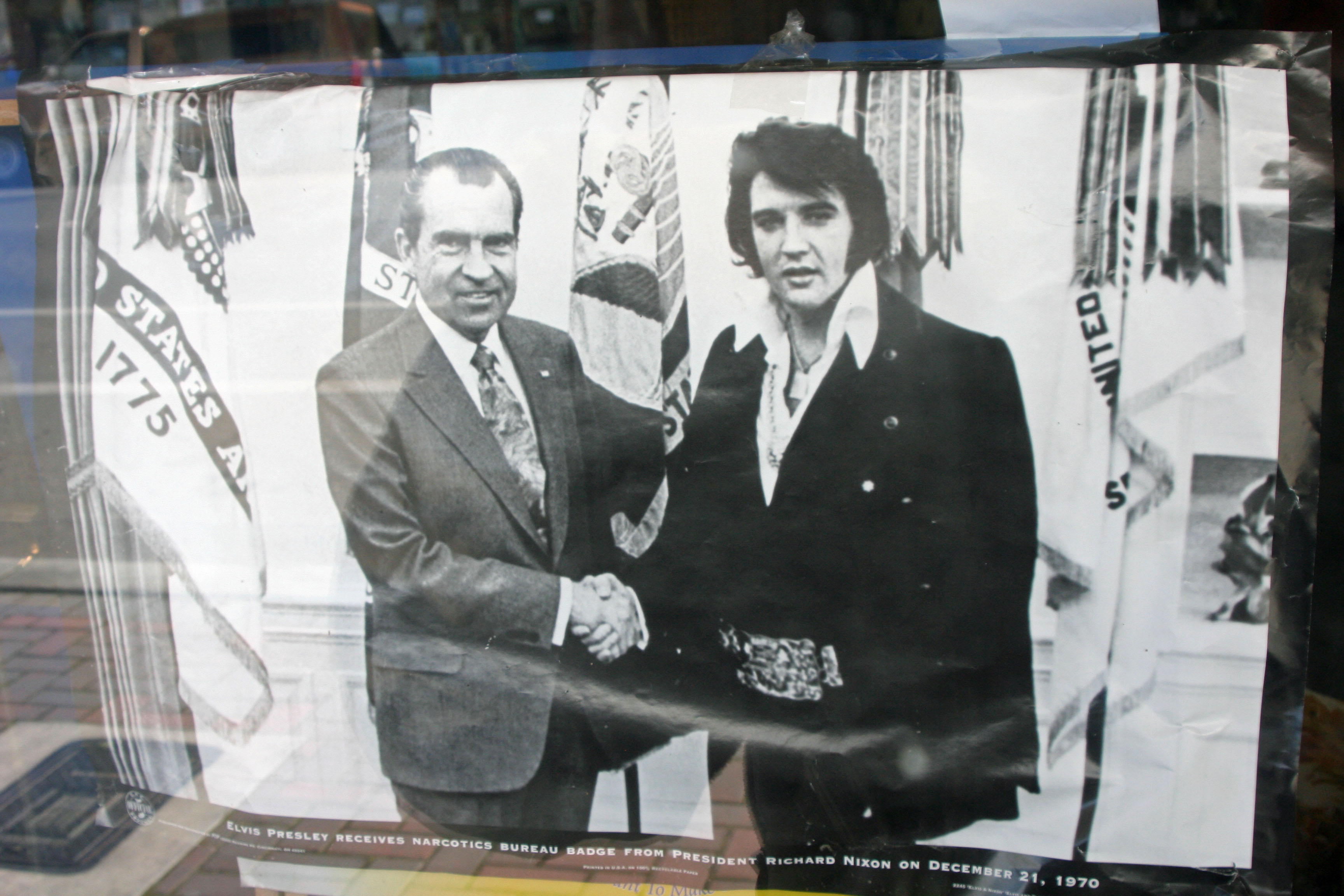
Peggy and I always enjoy unique window displays. This one featuring Richard Nixon presenting Elvis Presley with an anti narcotics award redefines ironic. Presley is reported to have consumed some 12,000 prescription pills in the 20 months before his death.


Visiting Port Angeles almost requires you retrace the steps that Bella of Twilight fame took on her shopping trip from Forks. One stop Bella made was to find a book that would tell her if her boyfriend Edward bites. Here, Peggy, a dedicated Twilight fan, poses with a bag of books in front of the Odyssey Book Store. A shadowy Bella, Edward and Jacob are reflected in the window. Edward is looking down like he might bite Peggy.

The Marvelous Creatures of Piedras Blancas

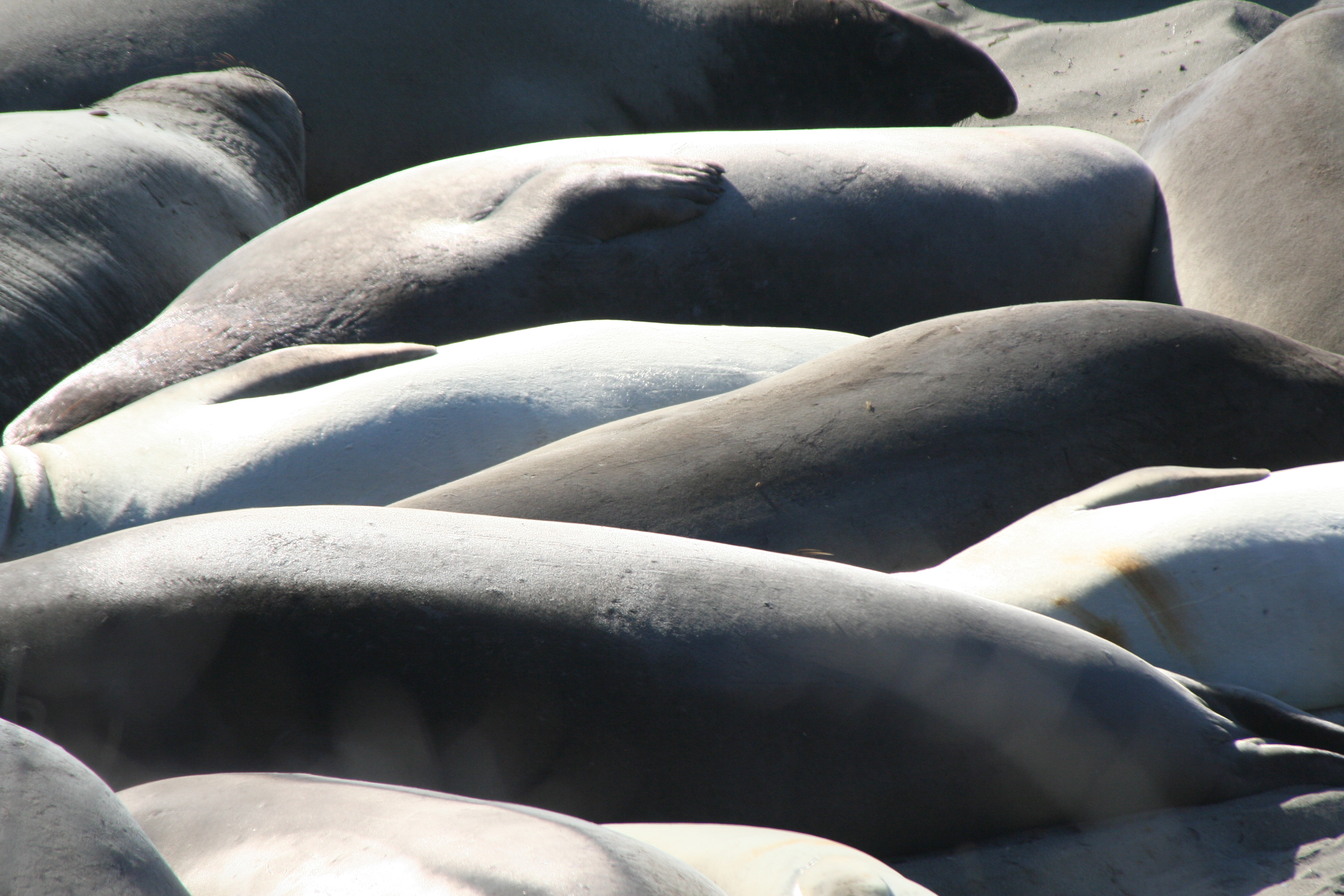
Sleep over? Each year upwards to 60,000 Elephant Seals visit the Beaches of Piedras Blancas in Central California to mate, shed and have pups. "Are they dead?" I heard a young boy ask his mother. Let's put it this way, when your body is made up of one to five thousand pounds of blubber, you don't move around much.

Pop Quiz: What creature can weigh over two tons, have a two-foot long nose, dive up to 5000 feet, spend eight to ten months of the year on the open sea, migrate upwards to twelve thousand miles, leave a track like a two-ton caterpillar, and mate with dozens of winsome females on or around Valentines Day?

If you guessed the adult male Elephant Seal, you guessed right.

These intriguing animals were all but hunted to extinction for their valuable oil in the late 1800s. Today their numbers are estimated at 170,000.

Close to 10 percent consider the beaches of Piedras Blancas on the central coast of California their home, or rookery if wish to use the technical term. A couple of dozen showed up unexpectedly in 1990. Today their population is pushing 17,000.

Peggy and I stopped by for a visit on our way home from San Diego last week. Seeing the seals in their natural habitat is an incredible experience that we highly recommend. You can learn more about these animals and the best time to visit from Friends of the Elephant Seal at www.elephantseal.org.

Cameras are a must. We took over a hundred photos during our visit. I’ve posted some of the more amusing below. I couldn’t help adding appropriate captions.

"I don't care how much you pray for a new fur coat for Christmas, I am not listening." The Elephant Seals don't mean to entertain us but watching their antics is sure to bring a smile.


There is always pleasure in scratching a really bad itch. Check out the two Elephant Seals below. Pure ecstasy.

"Ah, that feels good."


"And this feels even better!"


"Go that way." Ever suffer from a feeling of rejection? This certainly seems to be the case here. Although Elephant Seals are social animals that crowd together on the beach, they can also be quite territorial, especially during mating season.


"Mother always said to use sunblock." Using their flippers, Elephant Seals are often seen flipping sand up over their body. Peggy took this rather artistic photo. Note the seal outlined in the back. The purpose for the dirt bath is indeed to provide protection from the sun. Elephant Seals spend 8-10 months a year migrating in the cold waters of the North Pacific traveling as far north as the Aleutian Islands of Alaska. Most of their time is spent under water diving from 20 minutes to an hour and surfacing for only three minutes. No wonder the sun feels hot!


I caught the flipper action in this photo.


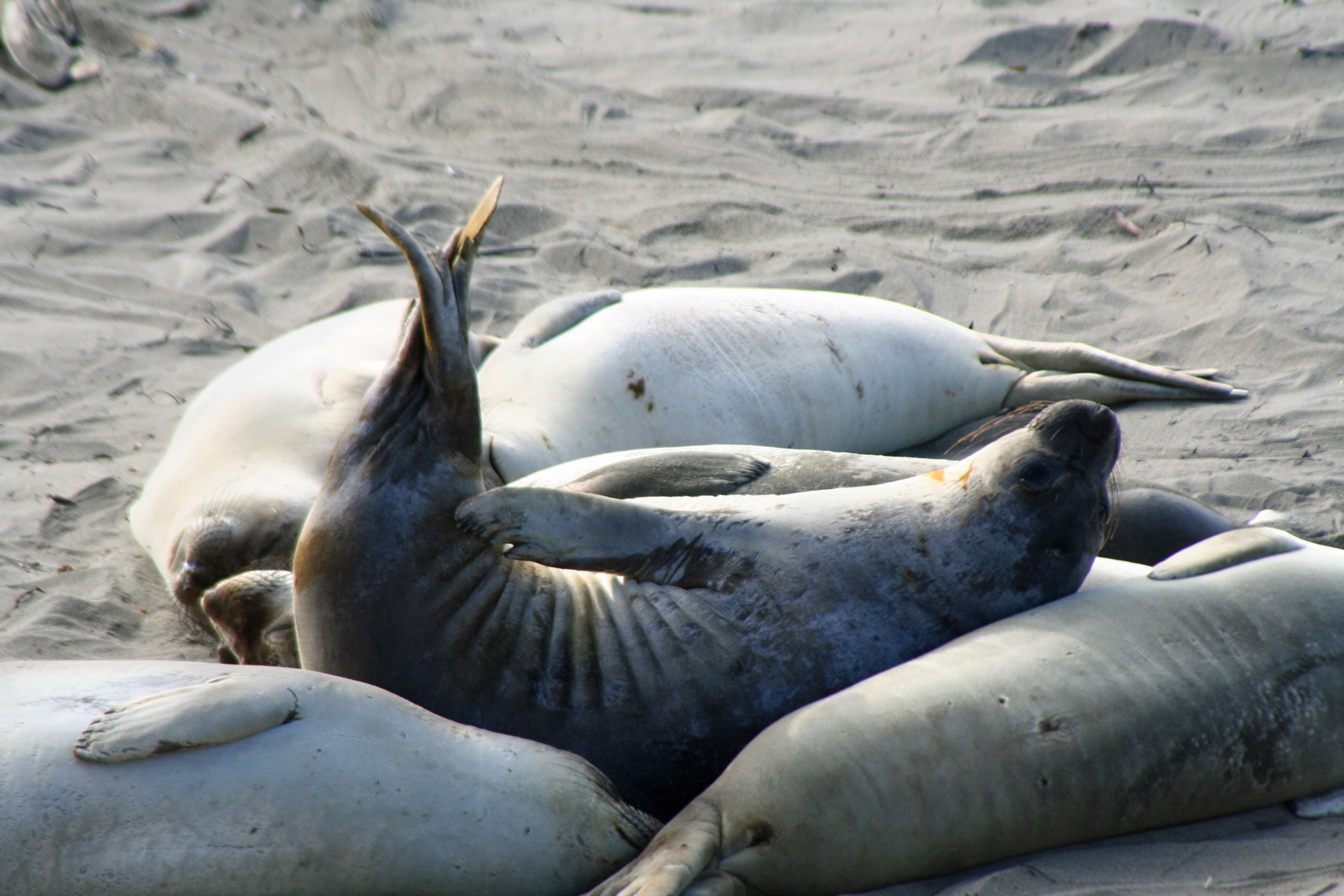
"My Chiropractor suggested this new back stretching exercise."


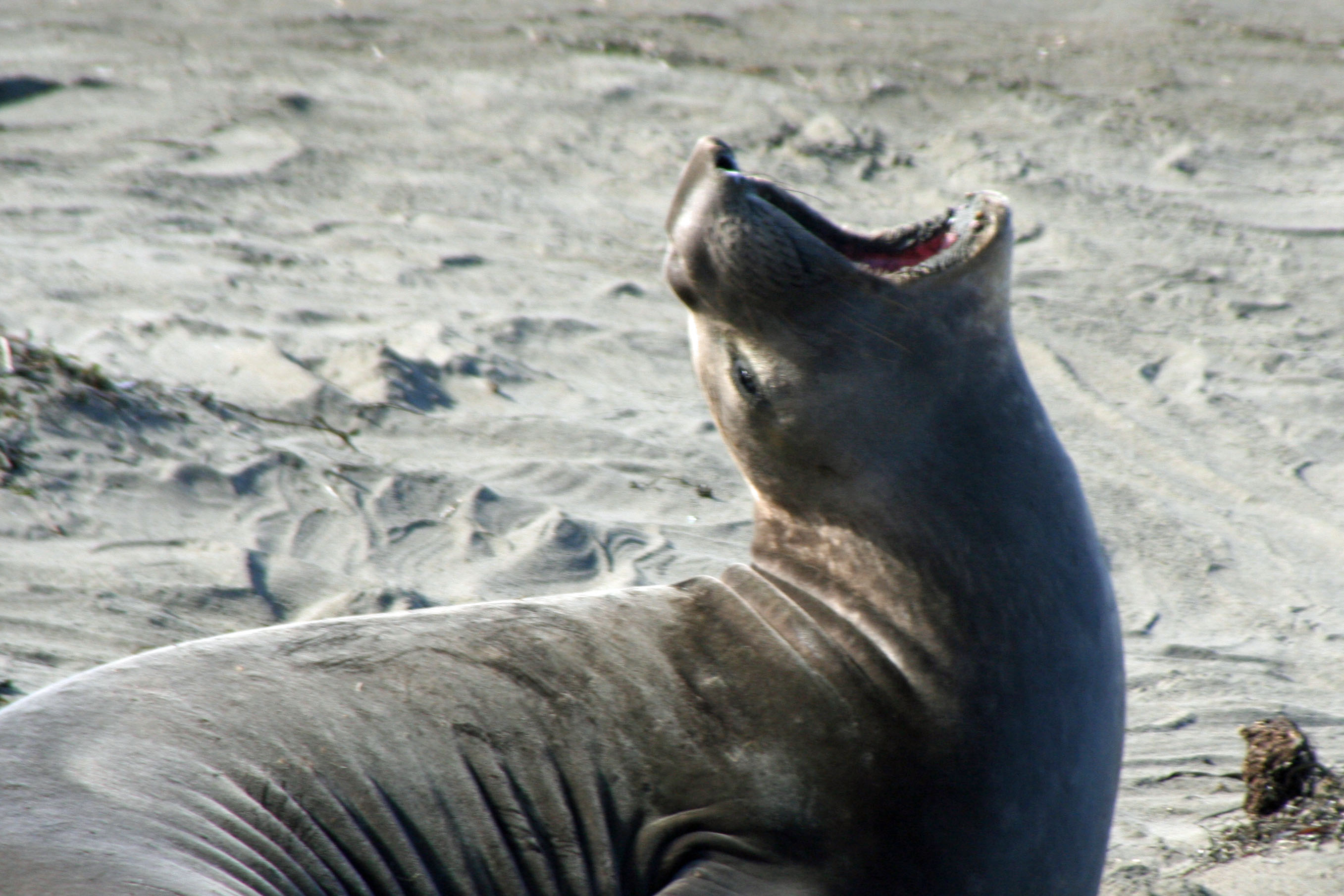
How could anyone resist this toothy grin?


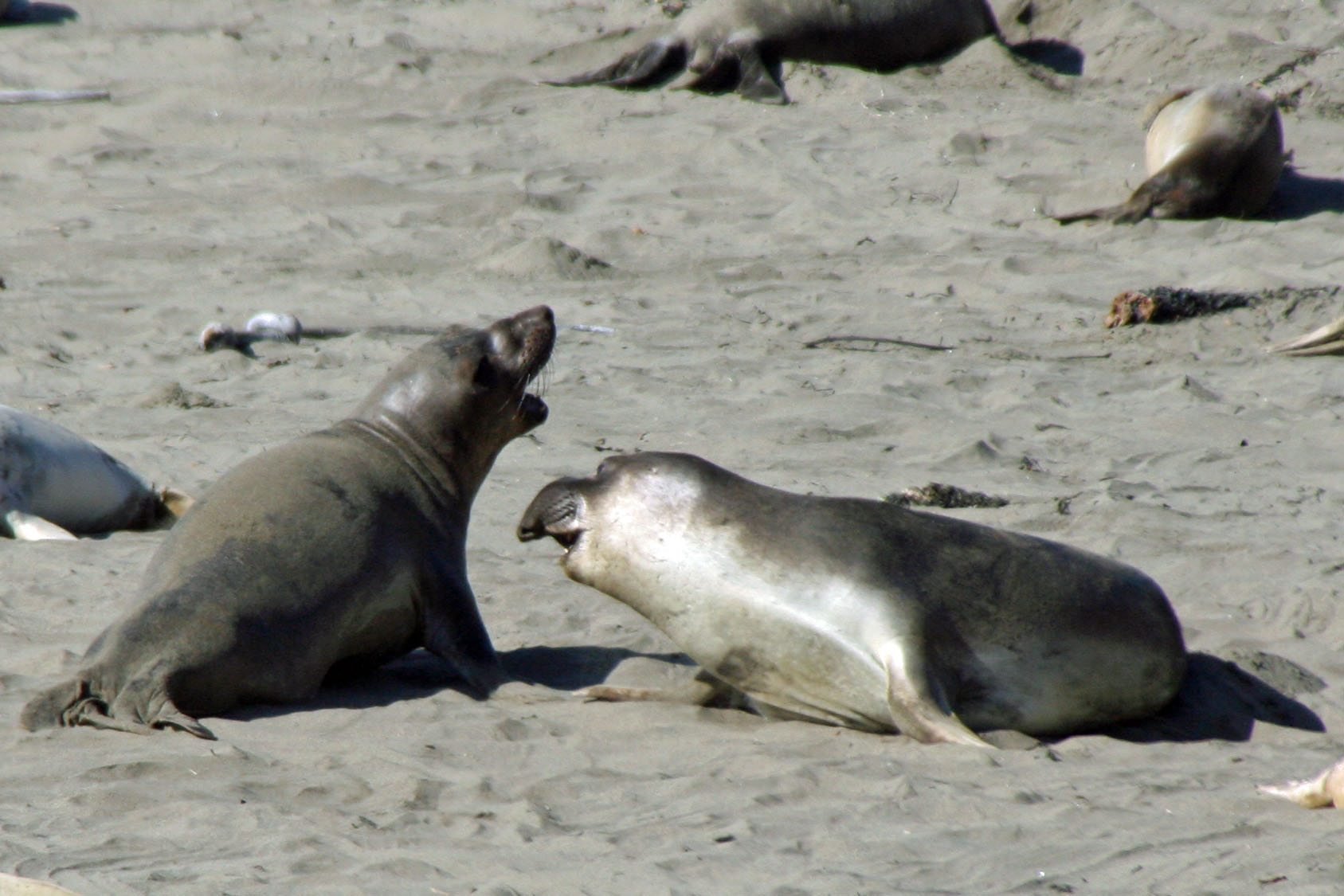
"I am the king!" The size of your nose and the loudness of your roar matters in the Elephant Seal world. Big males become quite feisty during mating season as they gather harems of up to 50 females. As one might imagine, battles between two ton creatures can turn rather nasty. If your nose is big enough, up to two feet long, and your roar loud enough, other males may choose to let you have your way with out a battle, however.


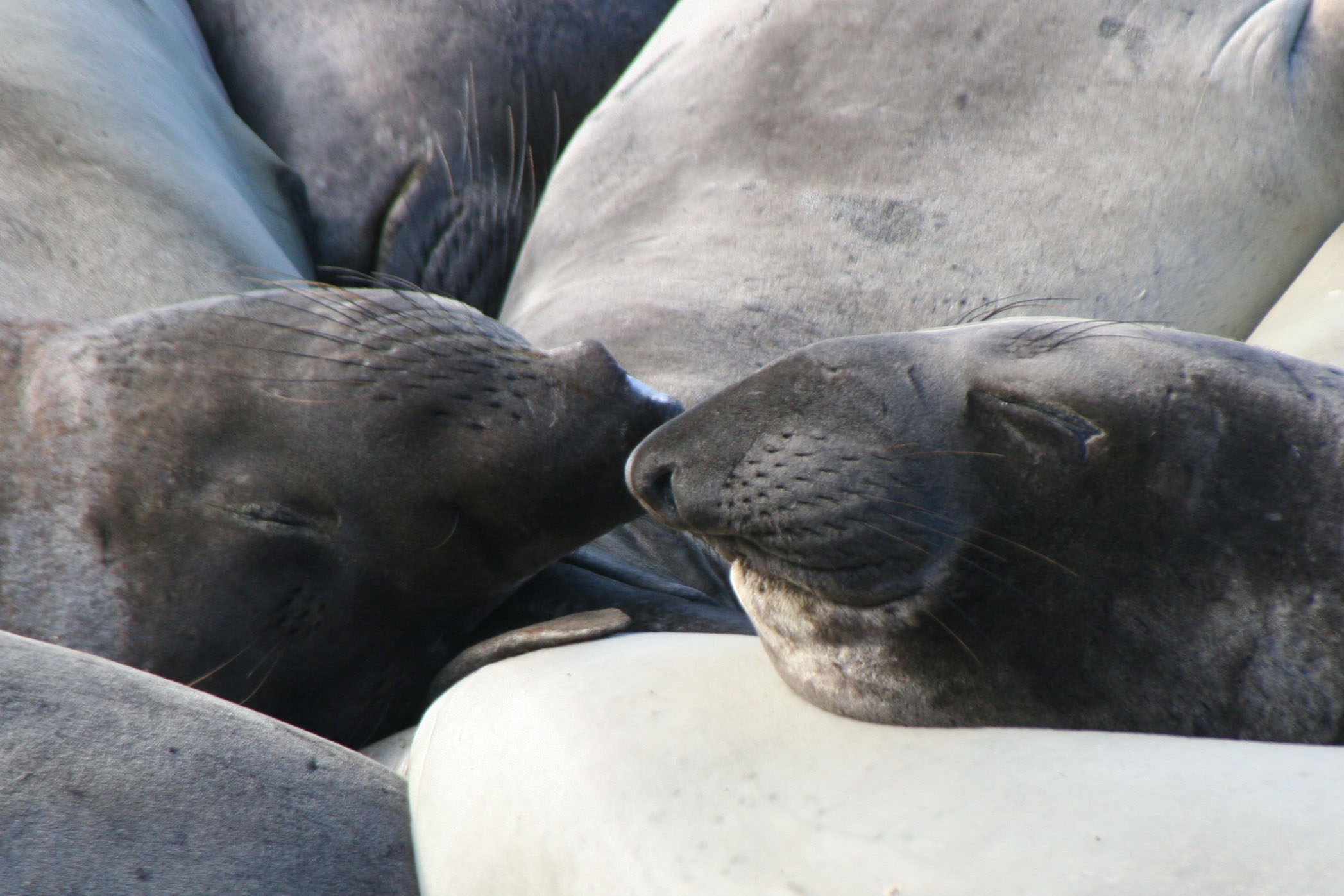
Sleeping cheek to cheek. If that isn't a look of contentment, I've never seen one.


"After a hard day of sleeping, I like to lay back and put my feet up in the air."


If you came across these tracks without knowing who made them, you would probably vacate the premises.


"Did you hear the story about the Rabbi, the Priest and the Baptist Minister?"


"I just love the smell of fish breath." Actually, these guys fast for weeks on end while on shore. There may not be much fish breath left by the time they are ready to return to the ocean.

The Bhagwan Shree Rajneesh and Robert Burton: Gurus of a Different Ilk

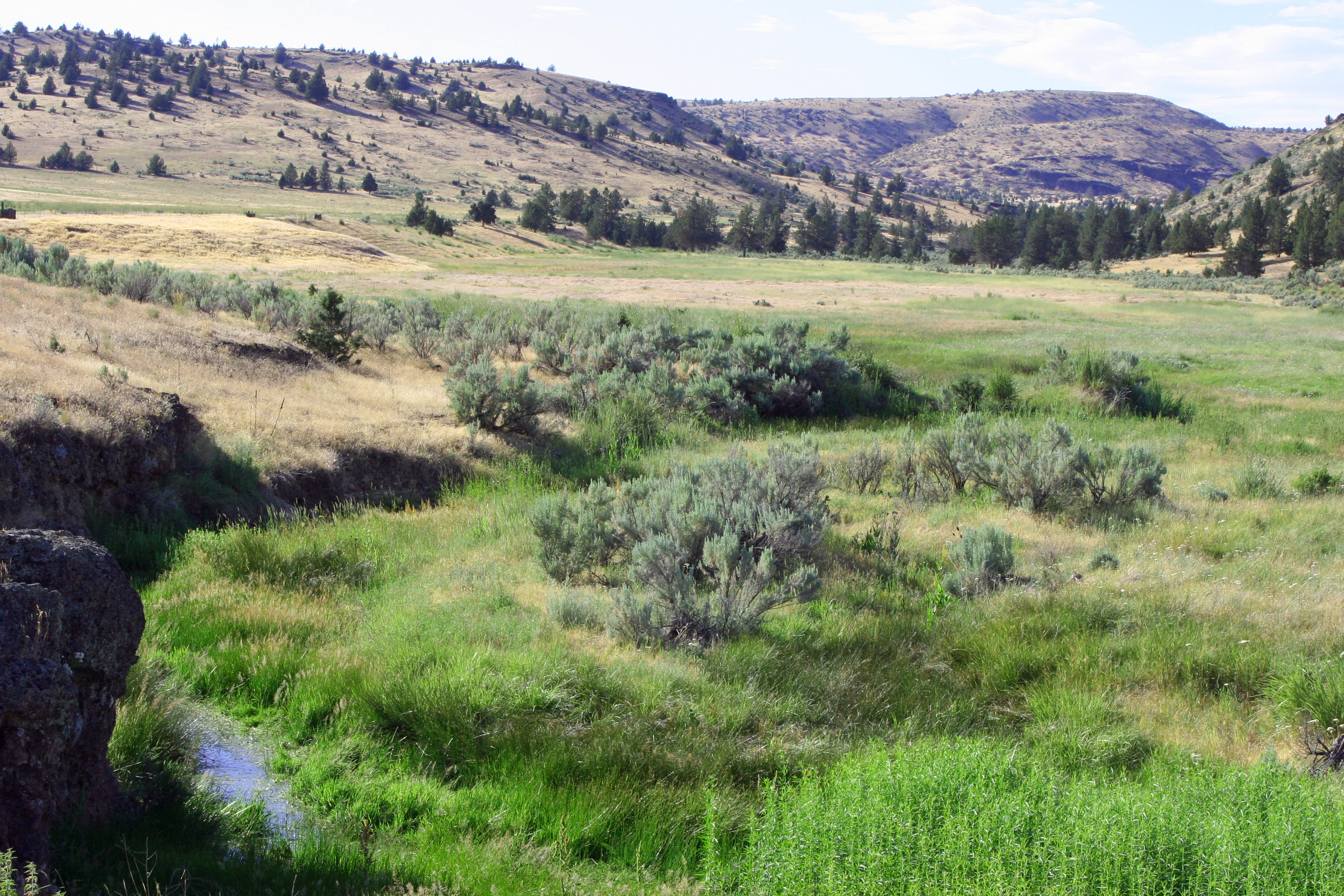
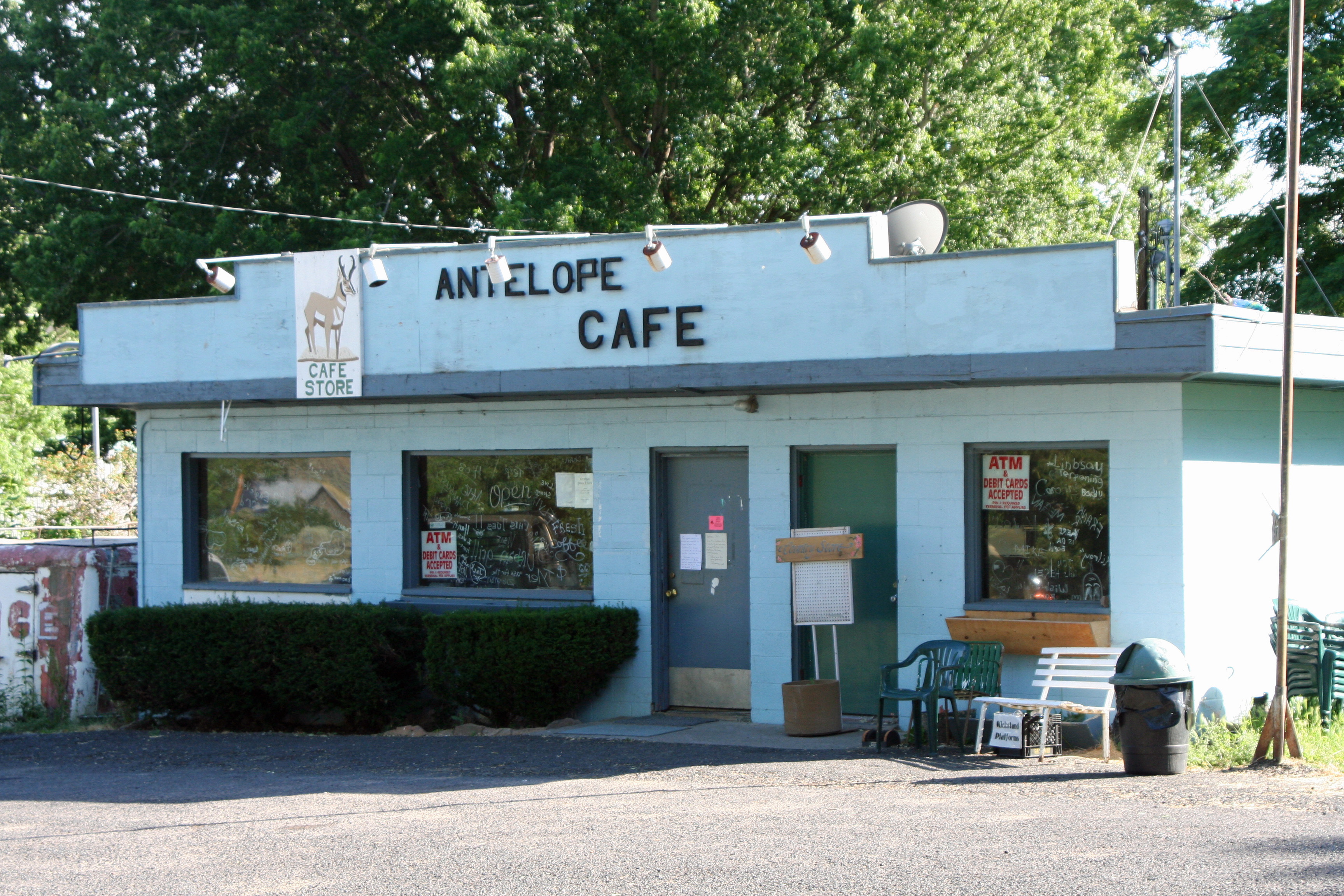
The country surrounding Antelope Oregon is as beautiful as it is remote.

We stopped in the Oregon community of Antelope last week and my thoughts turned to the Bhagwan Shree Rajneesh. The town is located in a remote region of eastern Oregon. It’s a cowboy and sagebrush kind of place. Belonging means you display an American Flag out front and a horse out back.

It's a cowboy and sagebrush type of place where water in precious.

The small community is not where you would expect to find people wearing saffron-colored robes and practicing meditation at the feet of a guru from India who specialized in owning Rolls Royce cars and dispensing enlightenment.

But that is exactly what happened in the early 80s when the Bhagwan appeared with his legion of devotees and bought the sprawling 60,000-acre Big Muddy Ranch, soon to be renamed Rajneeshpuram. As might be expected, the two dramatically different cultures immediately clashed with each other.

Not surprisingly, the rural nature of the small community of Antelope as represented by the town's only Cafe and the culture represented by the saffron robed members of the Bhagwan's commune were bound to clash.

The utopian dream of the Rajneeshans ended abruptly in 1985 with the arrest of the Bhagwan, the sale of Rajneeshpuram and the scattering of the flock. Bad things had happened including food poisoning attempts at local restaurants and internal wiretapping of commune residents.

Regardless of the scandals, many of the people who came to Rajneeshpuram to find enlightenment still swear by their experience 25 years later. The dark side of what happened is blamed on overzealous staff, not the Bhagwan.

I have a friend who went off to Rajneeshpuram in the 80s and still retains her commune name and connections today. Her mother and father were initially distraught by their daughter’s decision and shared their anguish with me.  They had pursued their own radical paths as young people, however, and eventually came to accept their daughter’s decision.

Having your own Guru in the 70s and 80s was an in-thing that the rich and famous, young people, and mystically inclined signed up for in droves. Another friend of mind tried to recruit me to the secret world of George Gurdjieff and Peter Ouspensky.

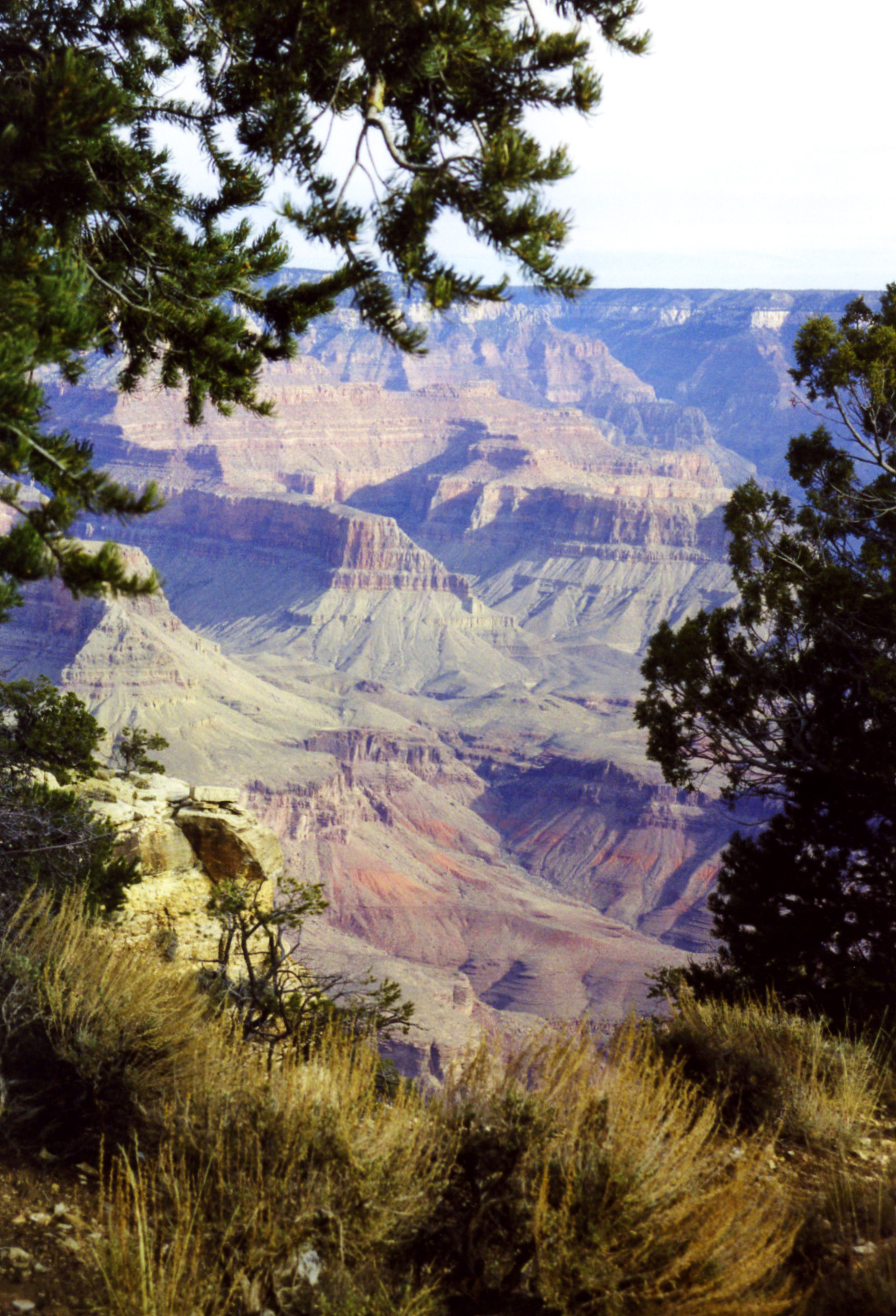
I took her backpacking down into the Grand Canyon once and was eager to share the beauty and isolation of the numerous side canyons. We took a short hike and soon found ourselves in the midst of towering, awe-inspiring cliffs.

M’s reaction was much different than I expected. Dangerous spirits inhabited the area and we were disturbing them. We needed to leave quickly.

On one level, I could understand her unease. In our twenties, we had both been influenced by Carlos Castaneda’s journeys through the Sonoran Desert. Don Juan had taught his young apprentice that mysterious and powerful beings from different realms inhabit remote regions. Some of these beings were really bad dudes, prepared to pounce on the unwary.

Given my African introduction to pantheism, it wasn’t hard to populate the Canyon with spirits. But I had spent years wandering in isolated wilderness areas and had yet to meet a spirit that had caused me any damage, or for that matter, even stopped to chat.

It wasn't hard to imagine the beautiful and remote canyons of the Grand Canyon being inhabited by ancient spirits.

I shared my perspective and was met with a rather cool response. Apparently I lacked the necessary perception to understand the danger. I had the irreverent thought of ‘out of sight, out of mind’ but kept it to myself.

M was serious. After her bout with Castaneda, she had moved from Iowa to Texas where she was introduced to the work of George Gurdjieff and his pupil, Peter Ouspensky.

Gurdjieff was an early 20th Century mystic who taught that the vast majority of humanity is asleep, little more than robots. Given proper training, however, individuals can awaken and reach higher levels of consciousness. I assumed that it was at these higher levels that one became aware of the malevolent spirits.

Gurdjieff called his training the Fourth Way. He, Ouspensky, and other followers set up esoteric schools to teach people the path to awakening.

One such follower was Robert Burton. Burton was working as an elementary school teacher in the San Francisco Bay Area during the 60s when he became captivated by Gurdjieff and Ouspensky. In 1970 he persuaded a number of his acquaintances that he was a person of higher conscious, the stuff that gurus are made of.

By 1973 he and his group had purchased property near the small town of Oregon House in the Sierra Nevada Foothills and were clearing land to establish a Fellowship to propagate Gurdjieff’s teaching and grow wine grapes. M and her husband moved from Texas to California to join Burton in his efforts.

By the time I met M in the late 70s, she had left her husband and Oregon House but was still an avid follower of Gurdjieff and Ouspensky. I suspect she was continuing to financially support and participate in the Fellowship. When she learned of my fascination with Castaneda, she gave me a couple of books on the Fourth Way and suggested that there was a local discussion group I might enjoy joining.

In some ways, I was a good candidate for what Burton was offering. Eastern traditions, especially Zen Buddhism, had a strong appeal. Meditation gave me the same sense of wholeness and connection that wandering in the woods did.

I wanted to believe that humans were capable of reaching higher levels of consciousness, of becoming more civilized in the broadest sense of the word. Self-actualization, to utilize Maslow’s term, seemed like a highly desirable goal and I always had myself on some self-improvement plan or the other. I need lots.

Burton had drawn a number of bright, well-educated and accomplished individuals around him. In ways, his success at recruiting followers was quite similar to that of the Bhagwan. Both had strong appeal to individuals who were seeking meaning in life that they weren’t finding in post Vietnam, post Watergate, super-materialistic America. The acceptance of a Teacher or Guru for help in finding the way was a legitimate and time-honored tradition in many Eastern oriented practices.

Ultimately, I lack the capacity of becoming a true believer, however. Regardless of the appeal, I am not willing to commit the trust required to place myself in another person’s hands. This means I can never quite understand the value that people derive from joining someone like Burton or the Bhagwan.

You have to go there to get it and I won’t make the trip.

Anyone interested in gaining significant control over my mind frightens me, regardless of his or her motivation or whatever benefits will supposedly accrue. The best of folks, from my personal experience and historical reading, have flaws.

Giving someone god-like status hides these flaws… both from the giver and the getter. Rational justification of action is not required. God or Whatever wills it. A multitude of bad things can hide out under this umbrella. Every day brings new examples.

So I had passed on M’s original suggestion to join a discussion group on Gurdjieff and Ouspensky and now found myself unable to recognize dangerous spirits from another realm. I honored M’s concerns, though, and we returned to camp. We spent our afternoon painting watercolors of the Canyon and hiked out the next day.

No bad spirits captured my soul, at least as far as I know.

Is the World’s Best Basic Hamburger to Be Found at Hudson’s Hamburgers in Coeur d’Alene Idaho?

A hamburger can't get much more basic.

We ate at Hudson’s Hamburgers in Coeur d’Alene, Idaho yesterday. Sunset Magazine recommended it as being one of the top five hamburger joints in the West. Turns out it has also been recognized in the Wall Street Journal, USA Today, and Gourmet Magazine.

Coeur d'Alene Idaho is a delightful town to visit.

What make a hamburger so good it is recognized as one of the best in the nation? We decided to find out.

The answer, at least for Hudson’s, is buried in the past. Hudson’s has been in existence since 1907 and apparently its approach to hamburger making hasn’t changed since.

An early view of Hudson's Hamburgers. Note the prices!

A small counter with 13 seats greeted us when we walked in the door. There were no tables. People stood patiently waiting for counter seats.

A view of the limited counter space. What you see is what is available.

How much more old-fashioned can you get?

We lucked out. Two seats on the far end of the counter opened up almost immediately. They provided an excellent view of the action. Staff consisted of three people. Two worked as waiters… taking orders, delivering food, preparing take out orders and serving as cashiers. No credit cards were accepted.

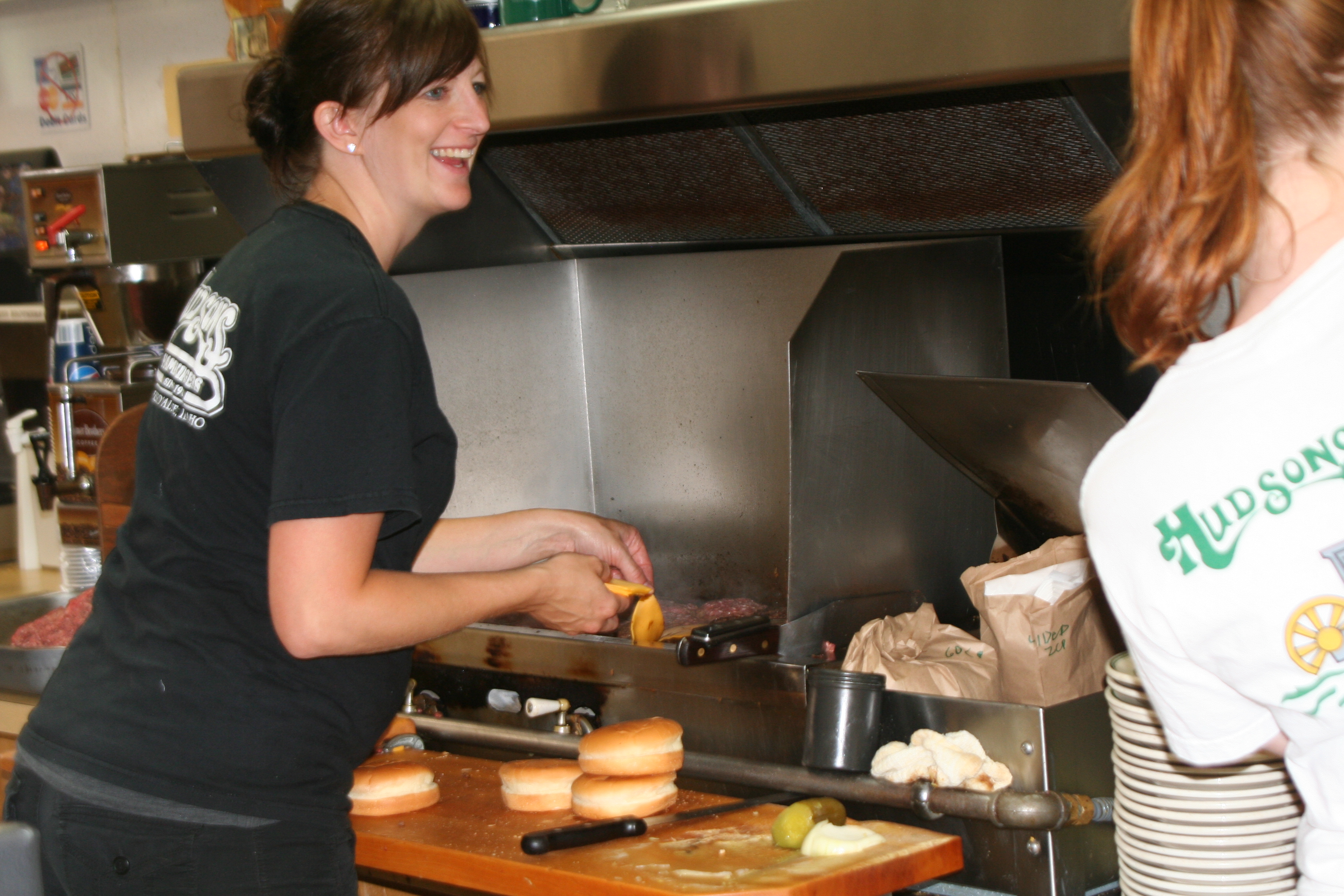
The single cook was a master of efficiency. She created her works of art directly in front of us. There was no separate kitchen. It was public performance without a net.

A large pan of raw hamburger was on her left. She wore a plastic glove on her right hand and held a spatula in her left. She would reach into the pan and grab a handful of hamburger, slap it onto the table, squish it flat with the spatula and flip it onto the grill.

The chef made cooking hamburgers look easy, and made it look like fun.

Options included single hamburgers with or without cheese or double hamburger with or without cheese, pickles and onions. There were no tomatoes and no lettuce much less any of the other numerous additions from guacamole to bacon and bleu cheese we have come to associate with gourmet burgers.

Buns, cheese, pickles and onions appeared precisely when needed. Pickles and onions were cut up almost as fast as the eye could watch… zip, zip, zip, zip. Each hamburger received four pickle slices and one onion slice… assuming that is what you ordered. Which is what we did.

“We’ll have two single cheese burgers with pickles and onions and two glasses of ice tea,” I told the waiter.  He had appeared as soon as we sat down. Later we added a piece of coconut cream pie.

Our cheeseburgers appeared with the speed that would have shamed McDonald’s, but that’s where any similarity with America’s ubiquitous fast food joints ended. We added the three condiments provided (mustard, ketchup and Hudson’s own concoction) and took our first bite.

And then our second and third. I was left with only one question. How could something so simple taste so good? Our total cost for the two of us: $11.03.

Peggy stands outside of Hudson's Hamburgers. Just beneath the restaurant name is the announcement that no credit cards are excepted. Hudson's wants old-fashion money for their excellent old-fashioned hamburgers.

When Bears Come to Visit

A local bear has been cruising our area on the Upper Applegate River in Oregon. A neighbor caught this photo of him three weeks ago. He's a big fellow. This week he came to visit us.

A large black bear has been cruising our neighborhood. Monday night he stopped by for a visit and had a wresting match with our garbage can.

The garbage can lost.

I could tell by the garbage strewn around the yard and the claw marks on the side of the can. The can now lives in our shed. I’m hoping the move will solve the problem. So does the can.

Hiding inside doesn’t always work. Kori Titus, a friend out of Sacramento, noted on my Facebook page that a black bear broke down the door of an acquaintance living at Lake Tahoe and entered his kitchen.

The thought of a bear breaking and entering our house makes me think of a thick bear rug to keep my toes warm on cold winter nights.

“Do you have a weapon?” my neighbor Tom asked worriedly. I should warn the bear. This is rural Oregon. The folks around here have guns, lots of guns, lots of big guns.

Have you ever come across a large pile of fresh bear scat. It's enough to make you wish you were elsewhere. Our friend left this behind. Bone provides perspective.

I’ve had numerous encounters with bears. Leading backpack treks in and out of Yosemite National Park for years guaranteed contact. Once I woke up at 4 AM with a bear standing on top of me. His snout was about six inches away from mine. I screamed and vacated the premises. Fortunately, he did too.

The big fellows in Alaska worry me more. A grizzly stalked me when I was leading a backpack trip across the Kenai Peninsula.  I had checked with a friend in the forest service before going. He warned me that a large grizzly was working the area and had treed one of his rangers two weeks earlier. The fall before a black bear had bitten through the sleeping bag of a woman ranger and wounded her leg.

Our group made lots of noise when hiking through the region. A forest service cabin provided shelter that night. There would be no biting through sleeping bags. I figured we were out of the woods, so to speak. But one of my Trekkers wanted to go for a hike the next morning. I offered to keep her company.

We were on our way back when I heard something big moving though the brush on the side of the trail. “What’s that?” my companion gasped. We looked down and saw the distinctive hump on the back of a grizzly. He was moving parallel through the brush, stalking us.

“What do we do now? Run!?”

She was a marathon runner and fast. I wasn’t. I suggested we turn around, walk over a bridge we had just crossed and find a tall tree. If the bear appeared we would climb the tree. Quickly.

An hour later there was still no sign of the bear. We hiked back to camp holding hands. She had an iron grip. A mouse in the brush would have sent us fleeing.

I also had an encounter with an Alaskan Brown Bear. These are the monsters of the bear world that National Geographic likes to feature. I’d flown into Katmai National Park located at the beginning of the Aleutian Peninsula. The area is known for its remoteness, unusual volcanic features, trophy size trout, and Alaskan Brown Bears. The last two go together.

The bears have competition. Fishermen come from all over the world to try their luck. Human-bear encounters are inevitable. A park ranger greeted us upon arrival and explained proper bear etiquette. If you have a trout on your line and a bear shows up, cut your line. If you meet one on the trail, talk to it and slowly back away. “Talk to it???”

I managed to meet my first bear on my first evening. It wasn’t large by Brown Bear standards… only about one and one half times the size of a grizzly. But the trail was narrow. I still remember our conversation.

“Um, good evening Mr. Bear,” I stuttered respectfully. “I am an American, just like you. If you are hungry, I understand there is some great Japanese food on the menu. Or you might want to try the German.”

The bear stared at me for a long two minutes, barked a growl of annoyance and wandered off in the opposite direction. I didn’t hear any Japanese or German fishermen screaming that night. All’s well that ends well.

So I have a fair amount of experience in dealing with bears. Will this help me with our nighttime visitor? Probably not but I’ll keep you posted.

Mm, mm good. Our neighbors with the night camera have a compost box that the bear finds particularly fascinating. Note the metal around the box. He couldn't get in through the sides so he went in through the top.