Rhyolite, Death Valley: A Ghostly Town… The National Park Series

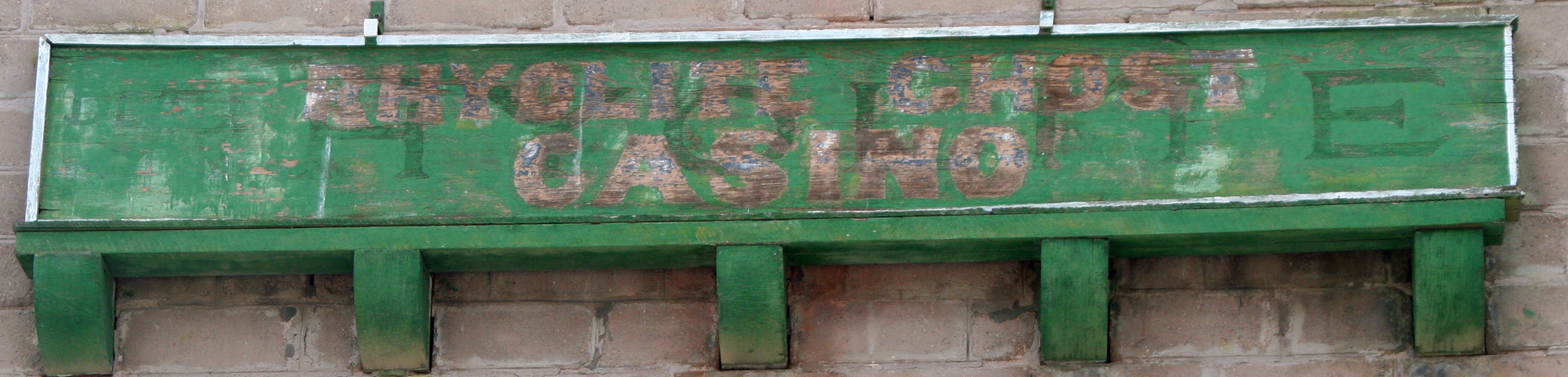
A ghost sign for Rhyolite, Nevada. Look closely and you will see ghostly letters of the town's name imposed over the name of a long forgotten casino.

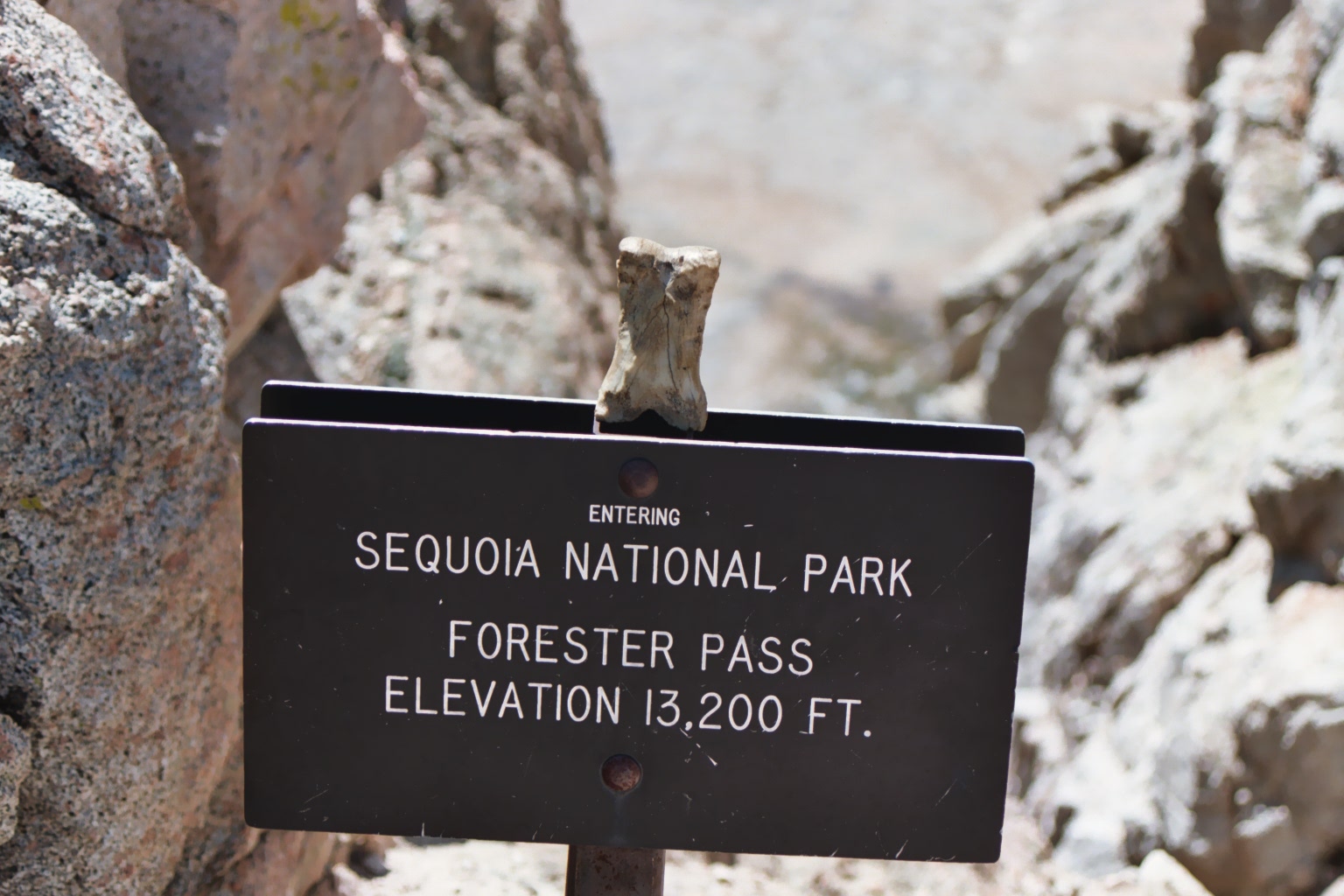
The wind was cold with the whispers of forgotten ghosts. We put on our Jackets to fight the chill; Bone found a horseshoe for good luck. We had made a detour to visit the old Ghost Town of Rhyolite on the way into Death Valley National Park from the small town of Beatty in Nevada.

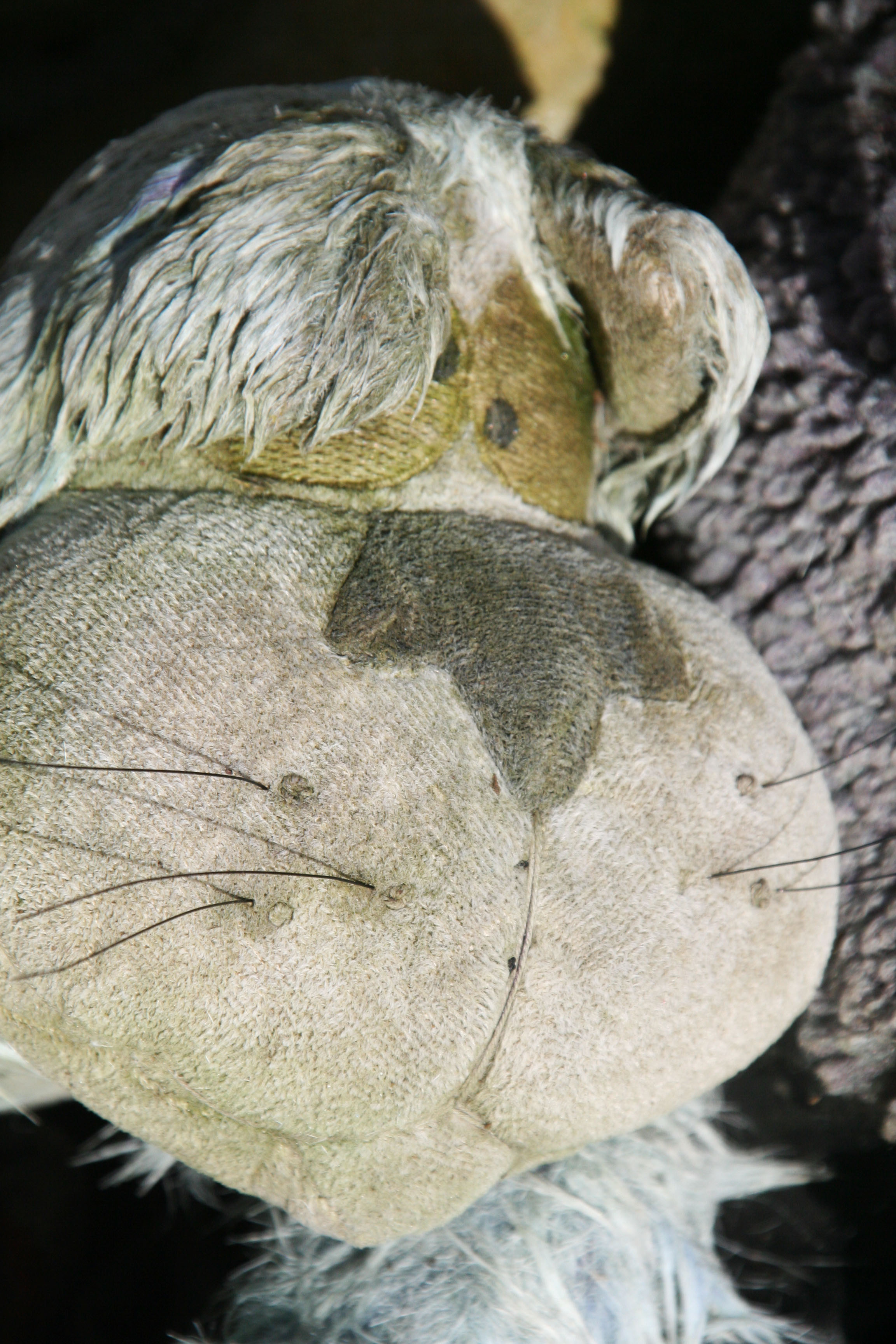
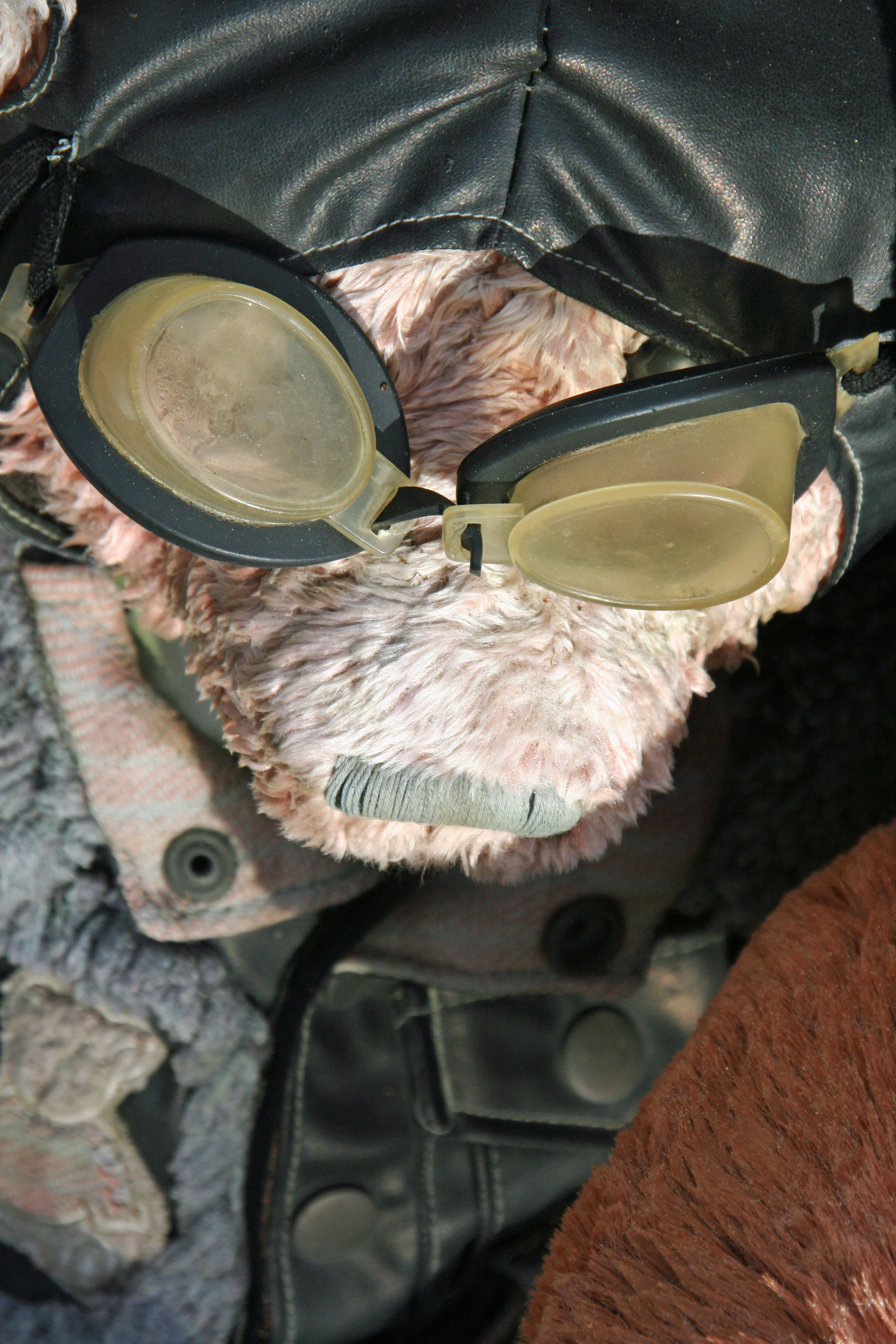
The Peripatetic Bone, who was originally part of a horse just above the hoof, tries on a horseshoe for good luck.

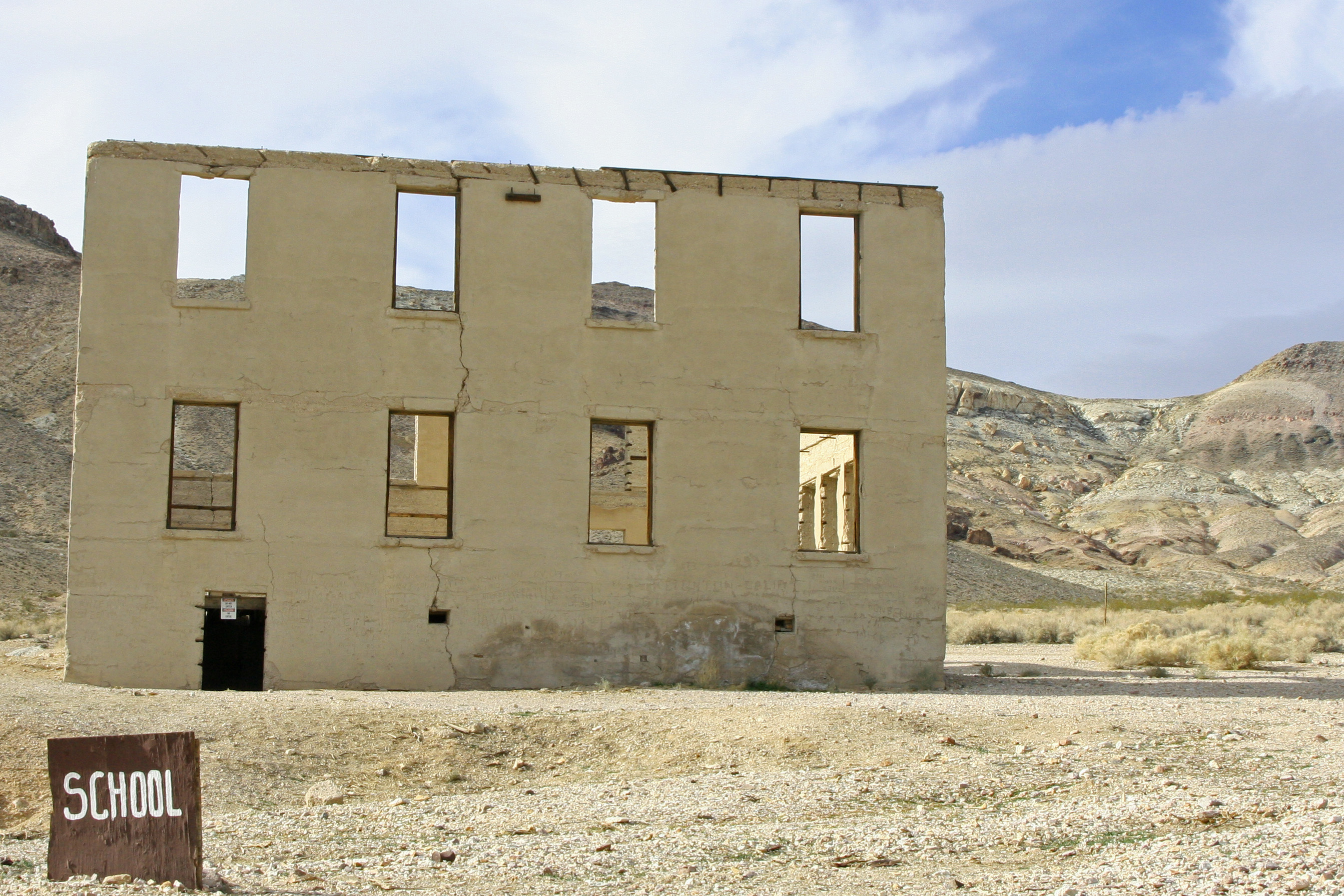
Gold was discovered in the area in 1904. A boomtown sprang out of the desolate desert. Soon there was a school, a bank and even an opera house. The sound of “batter up” could be heard on weekend days and arias on weekend nights. Women flowed in from San Francisco to accommodate the town’s red light district.

Can you hear the children playing?

The town bank.

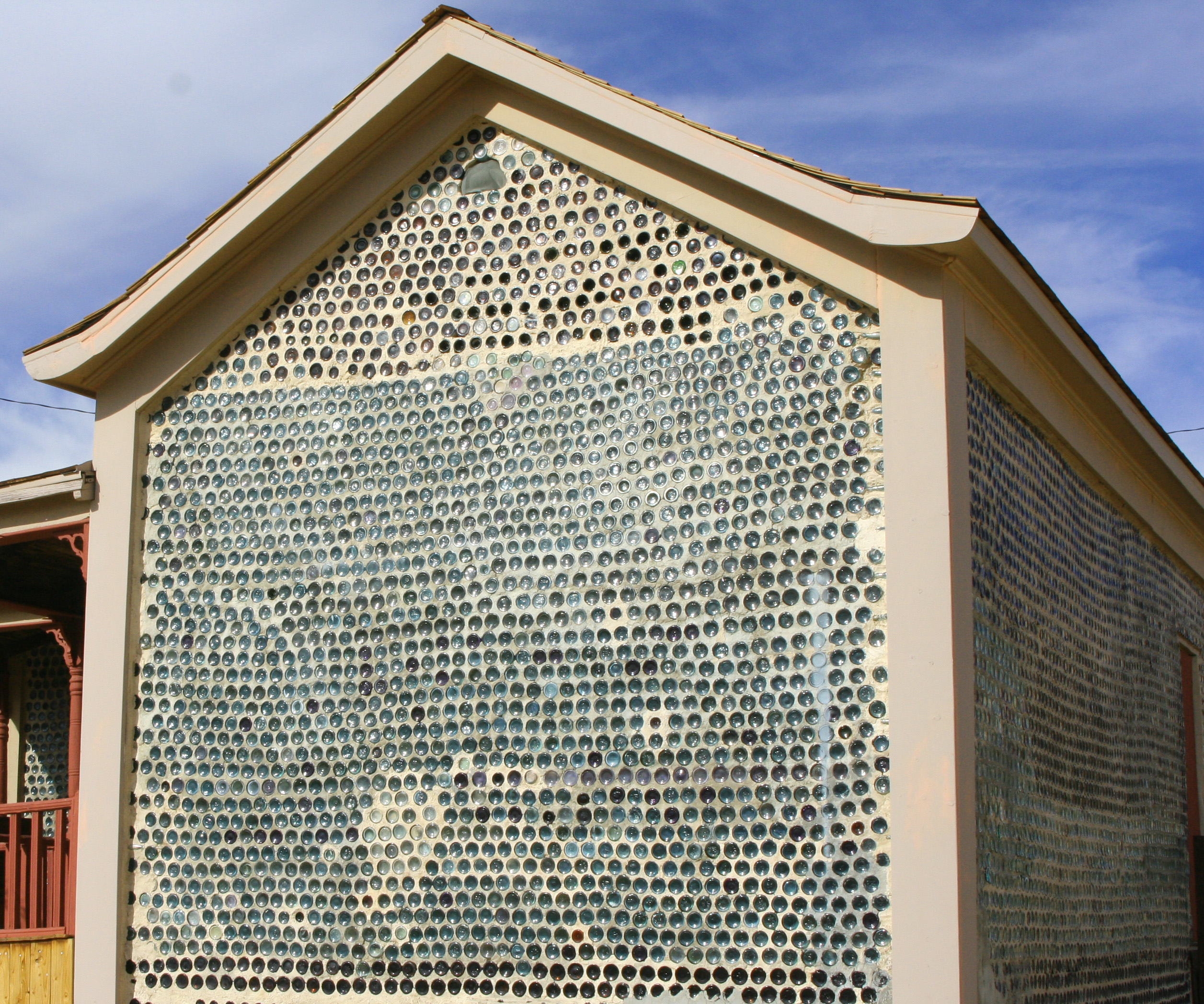
There was even an ice cream parlor and a house made from 50,000 beer and liquor bottles, which says something about the quantity of liquor consumed in town.

A house built with 50,000 bottles of beer and booze: light, insulation and a doozy of a hangover.

In 1907, electricity came to Rhyolite. It was the same year a financial crisis announced the beginning of the end for the town. Mines started to close, banks failed, and the newspaper went out of business. The lights were shut off in 1916. The boom was over.

A few skeletons of buildings and the bottle house are all that remain today. If you are in the neighborhood be sure to stop by. The ghosts will appreciate your visit. There is also a fascinating sculpture garden located next to Rhyolite that I will blog about next in my National Park/Death Valley series.

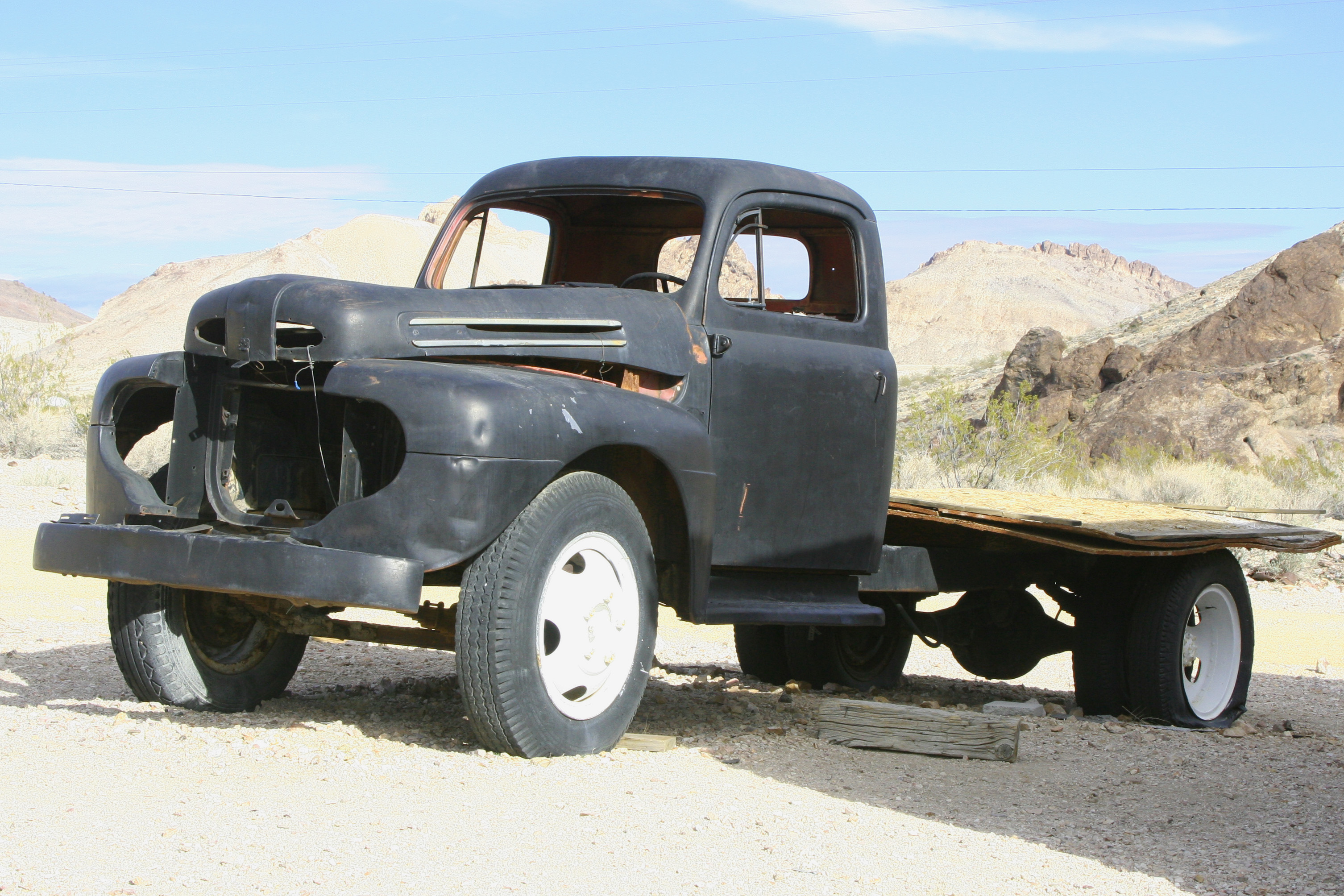
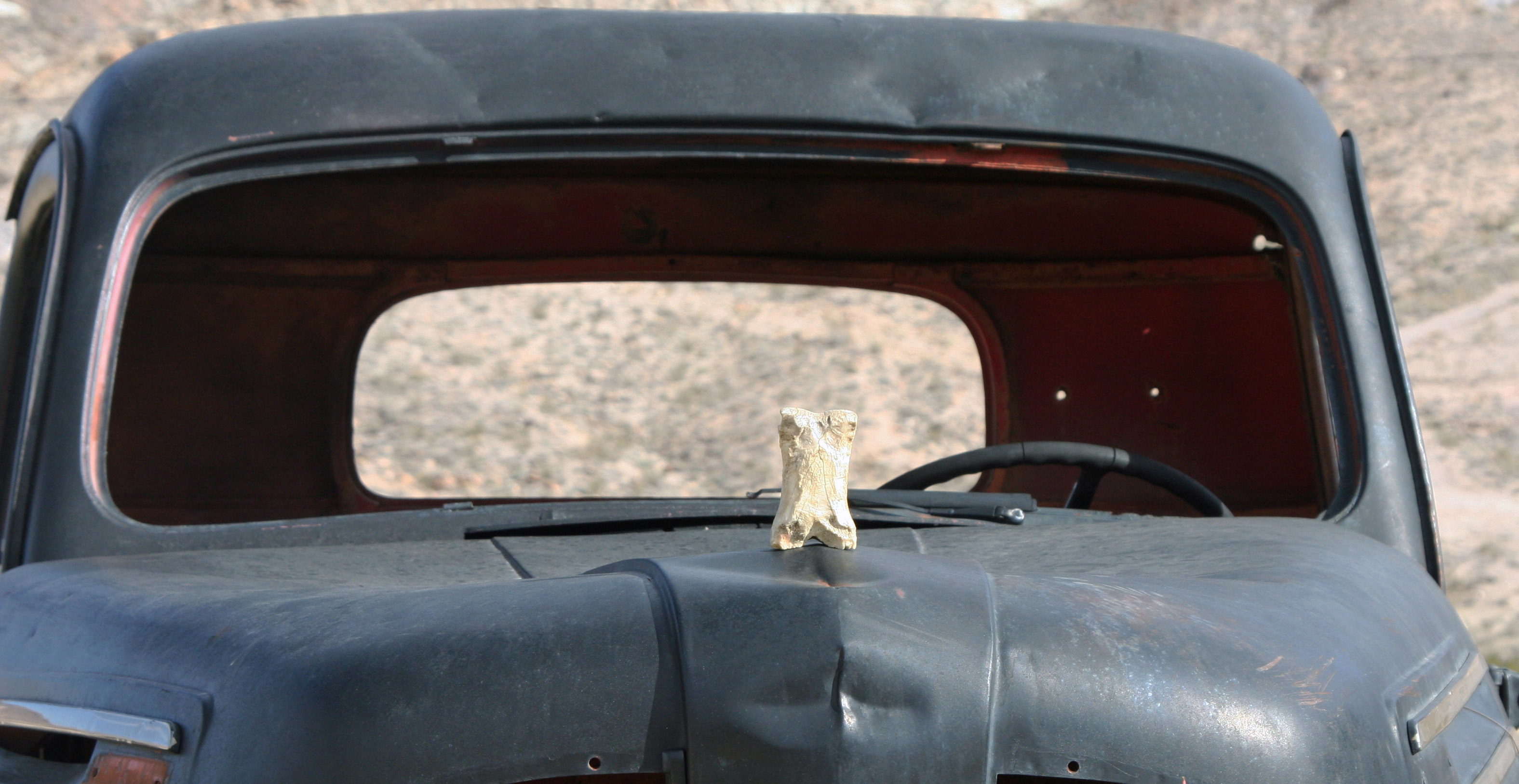
Long abandoned vehicles provide great photo opportunities but this one was missing something critical. And no, I don't mean engine...

A hood ornament.

Port Angeles… The Vancouver Island Adventure Begins

As we prepared for our trip to Vancouver Island in British Columbia, our sunroom in Southern Oregon wasn't looking so sunny. I wondered what the weather would be like in Canada.

“Um, is that really smart?” a friend asked when he learned we had traded our time share in sunny Puerto Vallarta for one on Vancouver Island still in the grip of winter?

We weren’t sure but such thoughts rarely stop us. The first week in March is my birthday week and I had a tradition to uphold. I always escape. For years I have taken one day off for each decade I have lived. And those are workdays, mind, you; weekends are a bonus.

On a snowy March 1st we packed up our Toyota Tacoma pickup and hit the road. We couldn’t help but wonder… if it was snowing in Southern Oregon, what would it be like in British Columbia?

While not being overly inspired to hit the road, I was inspired to make a George Bush Snowman.

We arrived in Port Angeles, Washington a day later without having to use four-wheel drive once. Luck was riding with us. Since our timeshare in Parksville wasn’t available for two days, we decided to explore Port Angeles. After all, Bella of Twilight fame came here from Forks and played with her vampire boyfriend; why shouldn’t we play in Port Angeles too.

We lucked out. This was the view out our window from the Olympic Lodge when I woke up on my birthday in Port Angeles. The snow covered Olympic Mountains provide a striking contrast to the green grass on the Lodge's golf course.


Like many communities, Port Angeles features a Farmers' Market on Saturdays. Fresh vegetables and bright colors are hard to resist, whether you plan to eat them or photograph them!


This wood sculpture with masks embedded in it provides further proof of the good weather. Port Angeles gets good grades for the art it has scattered throughout the community.


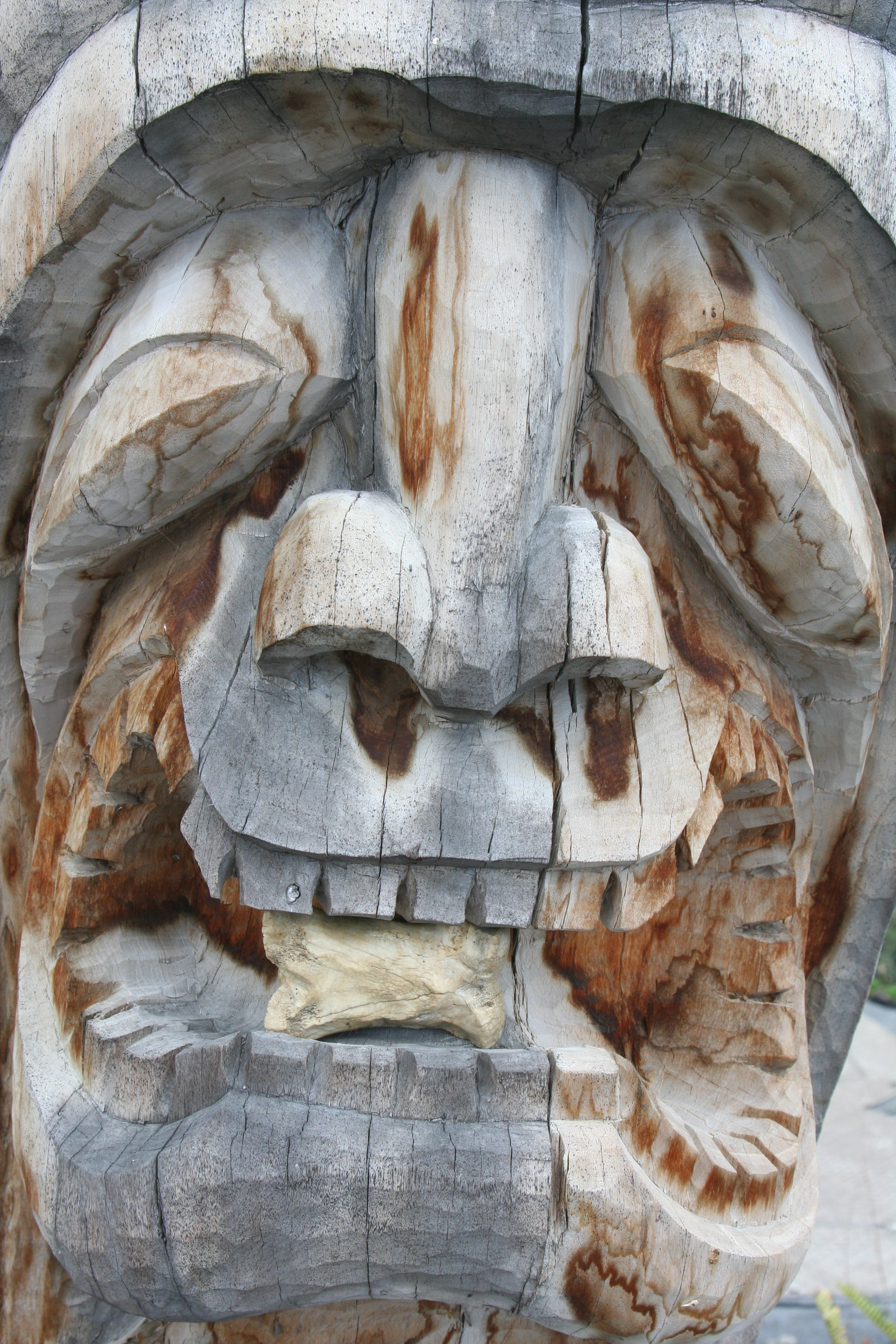
This mask in particular caught my attention. I've heard of buggy eyed and beady eyed, but people eyed...?


I also liked this dragon. It reminded me of my trips to Burning Man.


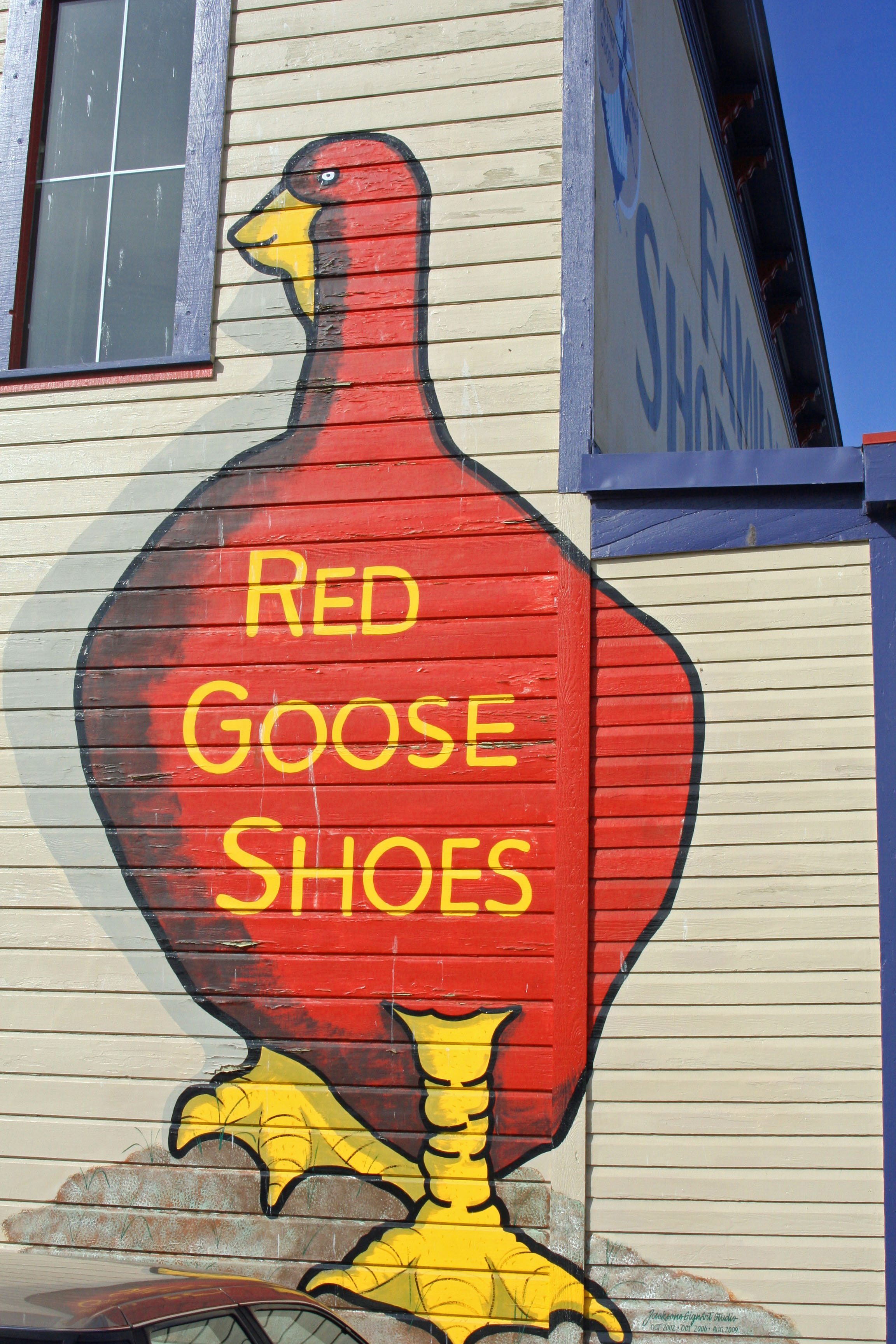
Wandering the streets, we came across this large red goose advertising Red Goose Shoes. It looks like his next step will be on to the roof of the car seen in the foreground, crushing it like a movie monster would.


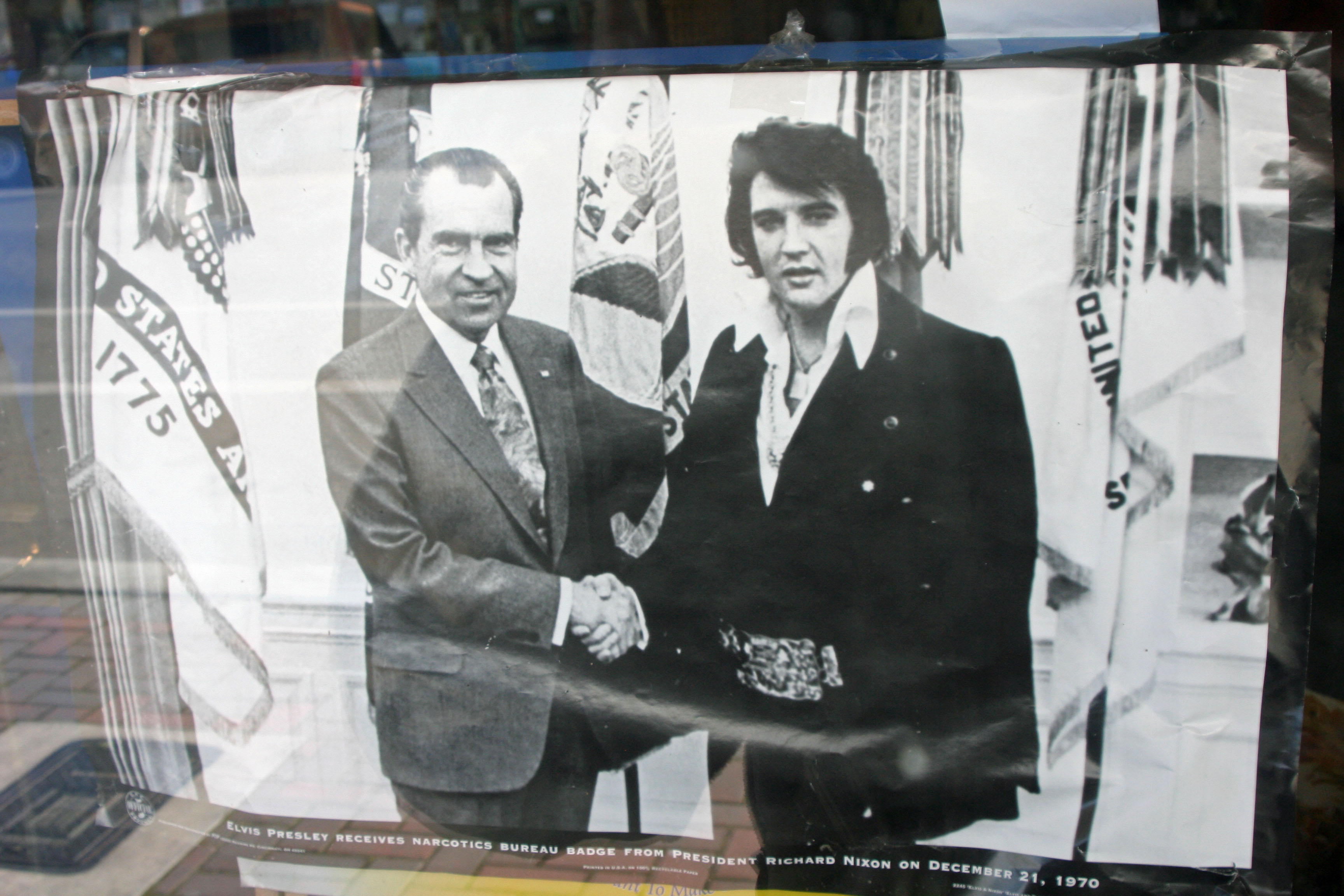
Peggy and I always enjoy unique window displays. This one featuring Richard Nixon presenting Elvis Presley with an anti narcotics award redefines ironic. Presley is reported to have consumed some 12,000 prescription pills in the 20 months before his death.


Visiting Port Angeles almost requires you retrace the steps that Bella of Twilight fame took on her shopping trip from Forks. One stop Bella made was to find a book that would tell her if her boyfriend Edward bites. Here, Peggy, a dedicated Twilight fan, poses with a bag of books in front of the Odyssey Book Store. A shadowy Bella, Edward and Jacob are reflected in the window. Edward is looking down like he might bite Peggy.

The Marvelous Creatures of Piedras Blancas

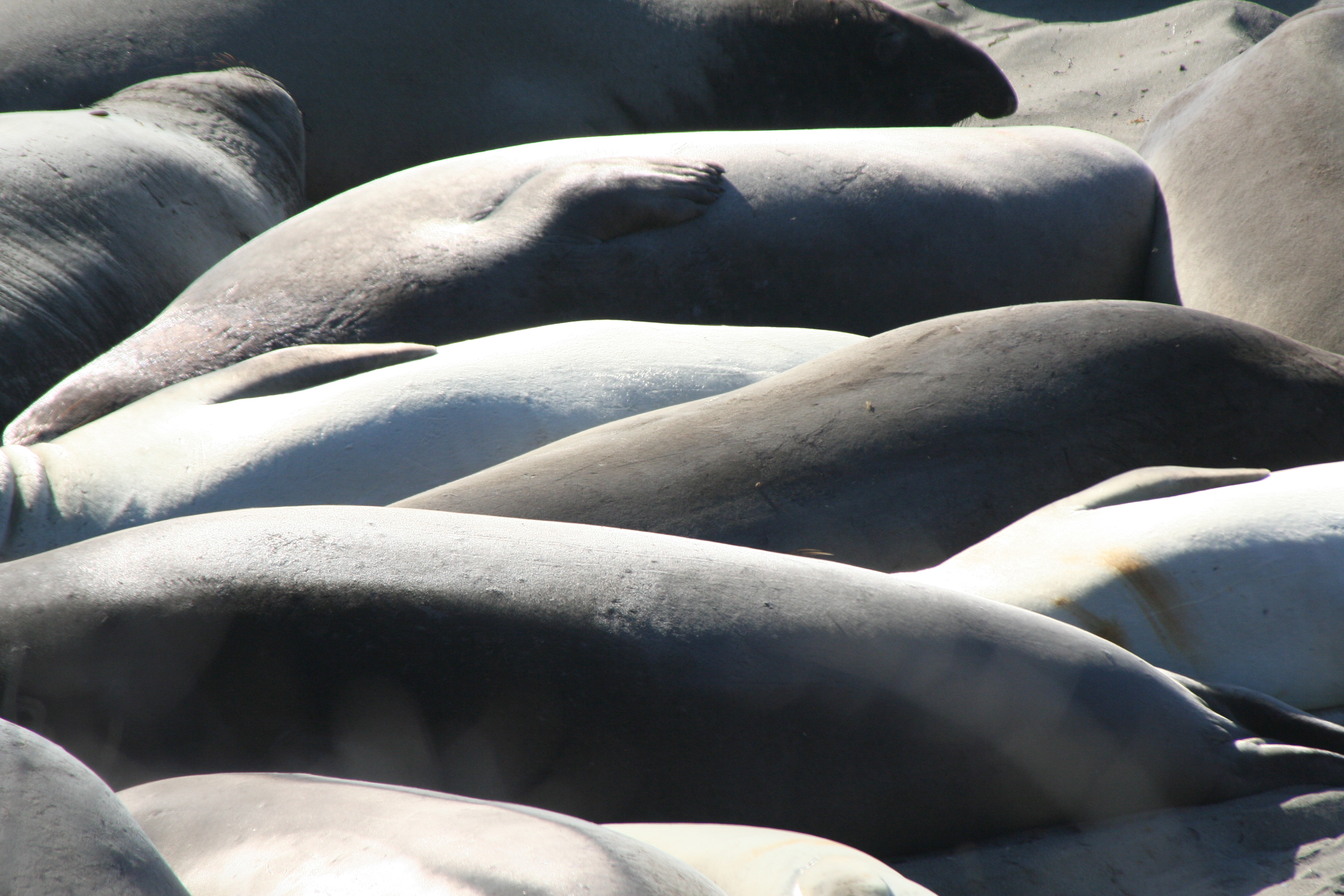
Sleep over? Each year upwards to 60,000 Elephant Seals visit the Beaches of Piedras Blancas in Central California to mate, shed and have pups. "Are they dead?" I heard a young boy ask his mother. Let's put it this way, when your body is made up of one to five thousand pounds of blubber, you don't move around much.

Pop Quiz: What creature can weigh over two tons, have a two-foot long nose, dive up to 5000 feet, spend eight to ten months of the year on the open sea, migrate upwards to twelve thousand miles, leave a track like a two-ton caterpillar, and mate with dozens of winsome females on or around Valentines Day?

If you guessed the adult male Elephant Seal, you guessed right.

These intriguing animals were all but hunted to extinction for their valuable oil in the late 1800s. Today their numbers are estimated at 170,000.

Close to 10 percent consider the beaches of Piedras Blancas on the central coast of California their home, or rookery if wish to use the technical term. A couple of dozen showed up unexpectedly in 1990. Today their population is pushing 17,000.

Peggy and I stopped by for a visit on our way home from San Diego last week. Seeing the seals in their natural habitat is an incredible experience that we highly recommend. You can learn more about these animals and the best time to visit from Friends of the Elephant Seal at www.elephantseal.org.

Cameras are a must. We took over a hundred photos during our visit. I’ve posted some of the more amusing below. I couldn’t help adding appropriate captions.

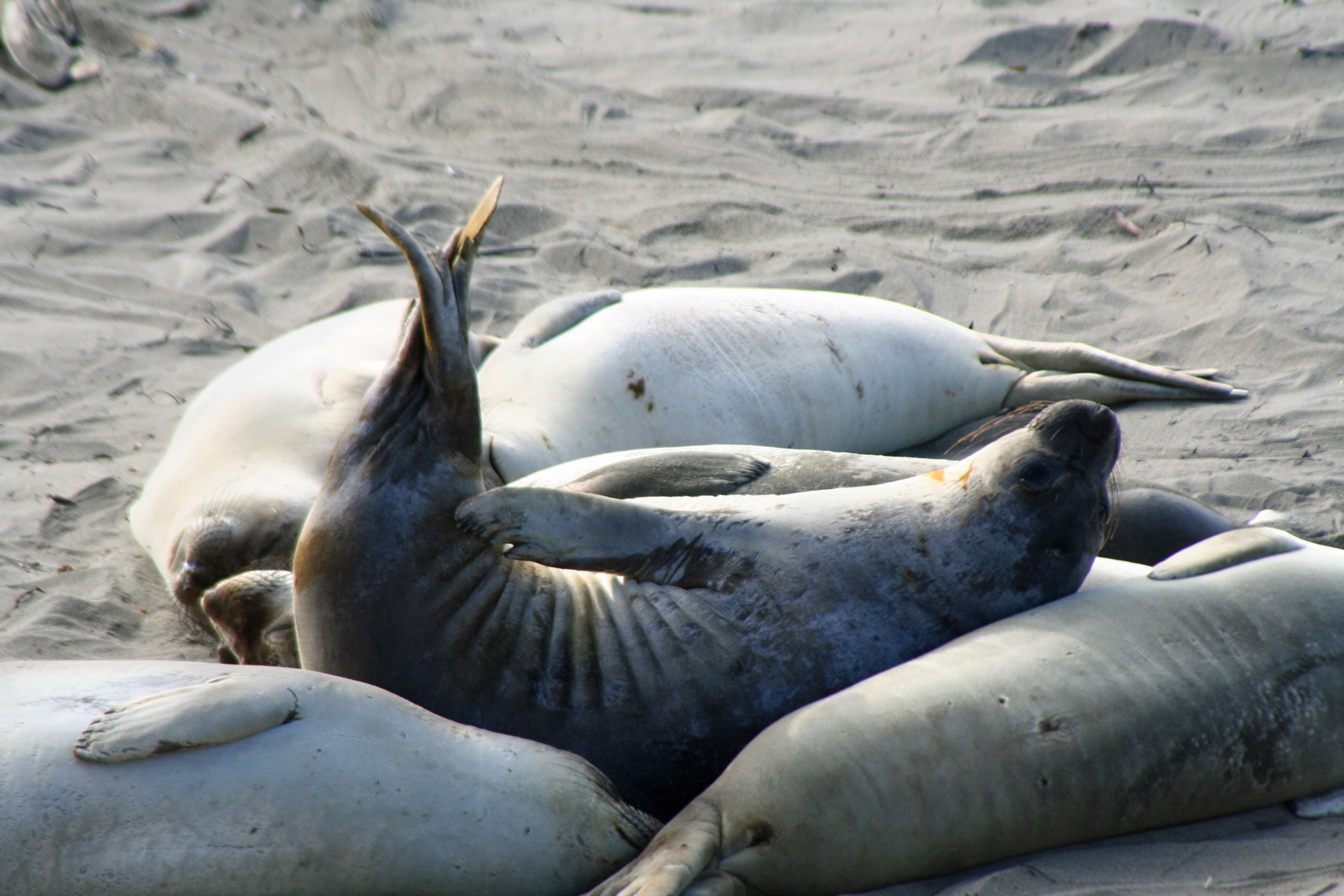
"I don't care how much you pray for a new fur coat for Christmas, I am not listening." The Elephant Seals don't mean to entertain us but watching their antics is sure to bring a smile.


There is always pleasure in scratching a really bad itch. Check out the two Elephant Seals below. Pure ecstasy.

"Ah, that feels good."


"And this feels even better!"


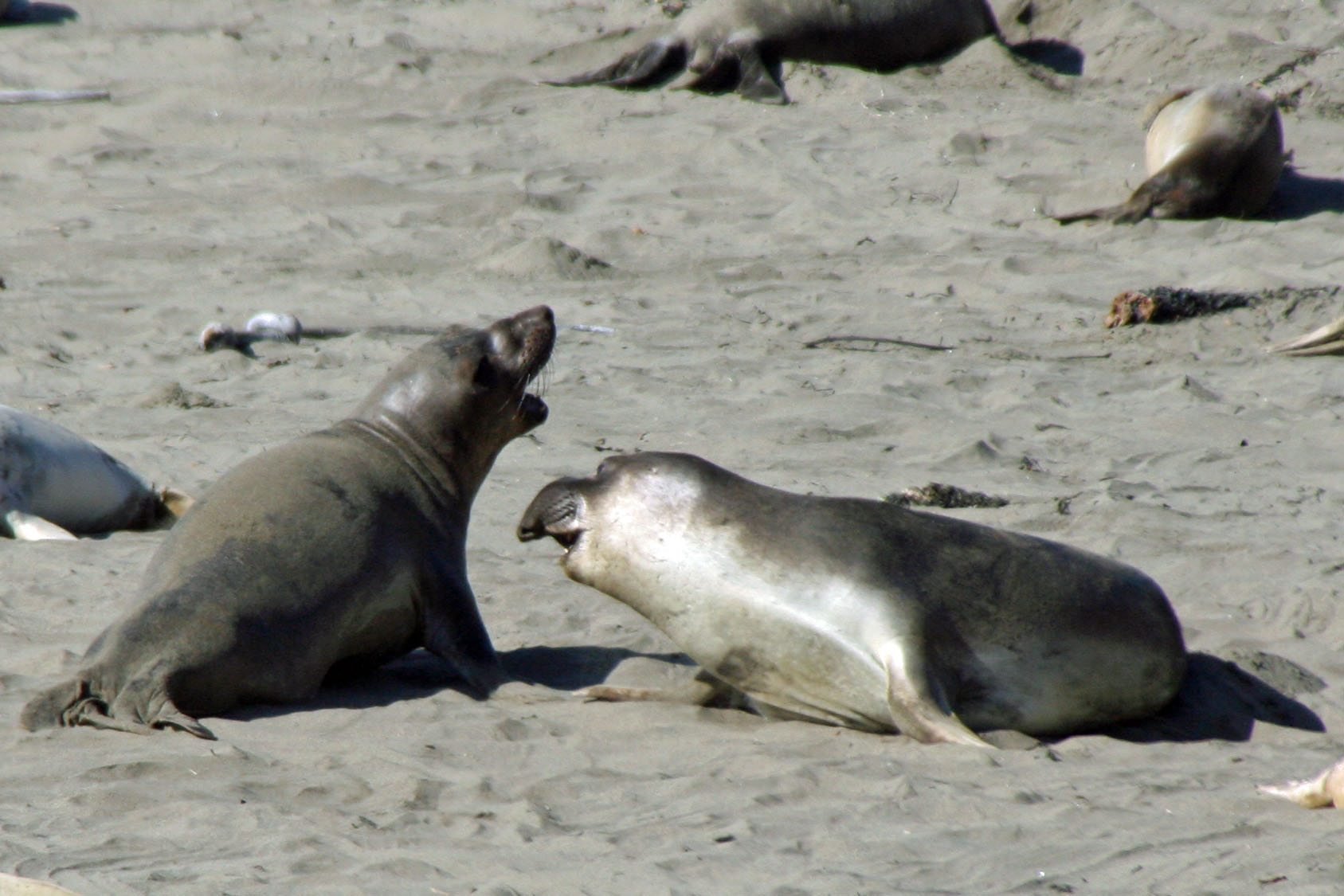
"Go that way." Ever suffer from a feeling of rejection? This certainly seems to be the case here. Although Elephant Seals are social animals that crowd together on the beach, they can also be quite territorial, especially during mating season.


"Mother always said to use sunblock." Using their flippers, Elephant Seals are often seen flipping sand up over their body. Peggy took this rather artistic photo. Note the seal outlined in the back. The purpose for the dirt bath is indeed to provide protection from the sun. Elephant Seals spend 8-10 months a year migrating in the cold waters of the North Pacific traveling as far north as the Aleutian Islands of Alaska. Most of their time is spent under water diving from 20 minutes to an hour and surfacing for only three minutes. No wonder the sun feels hot!


I caught the flipper action in this photo.


"My Chiropractor suggested this new back stretching exercise."


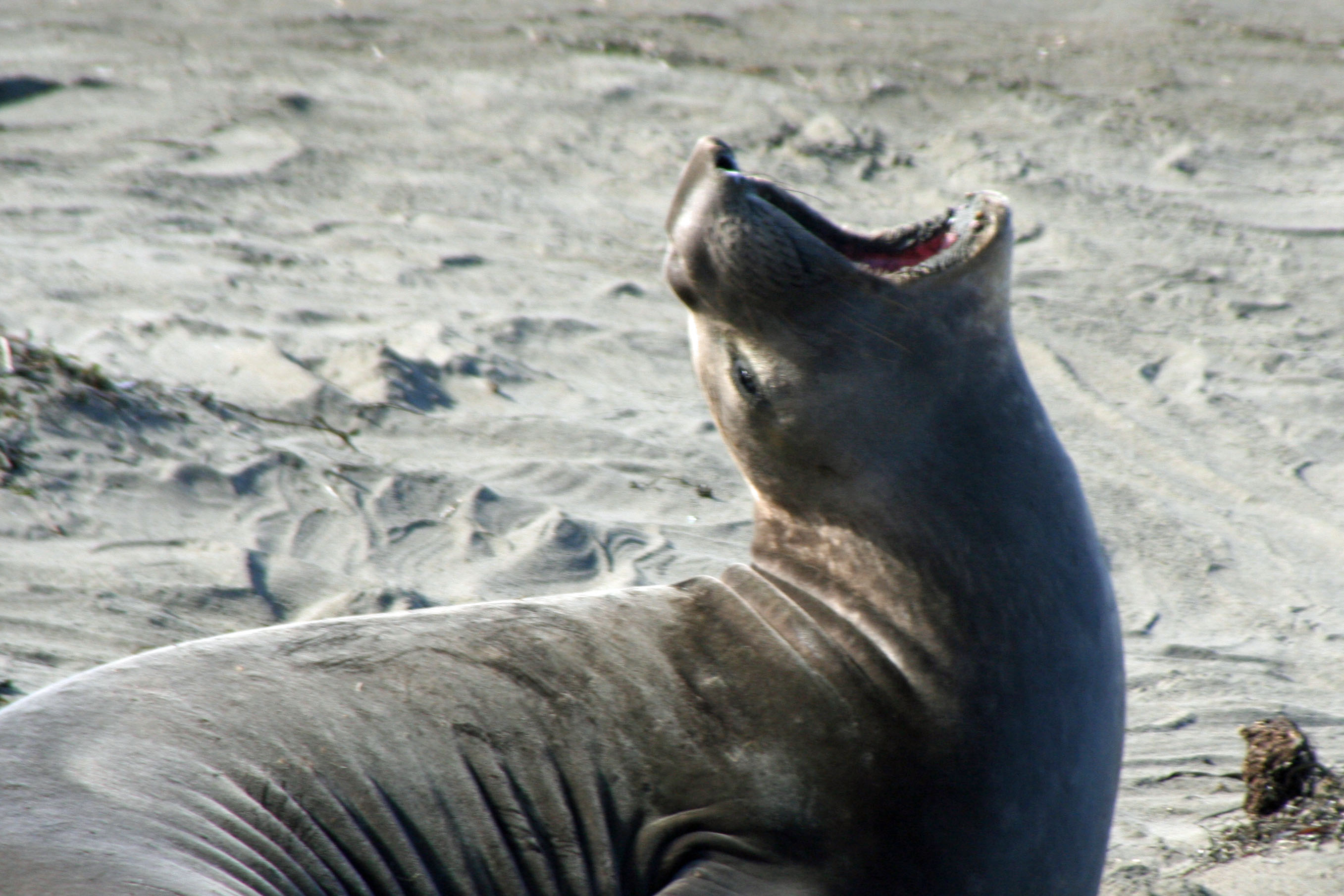
How could anyone resist this toothy grin?


"I am the king!" The size of your nose and the loudness of your roar matters in the Elephant Seal world. Big males become quite feisty during mating season as they gather harems of up to 50 females. As one might imagine, battles between two ton creatures can turn rather nasty. If your nose is big enough, up to two feet long, and your roar loud enough, other males may choose to let you have your way with out a battle, however.


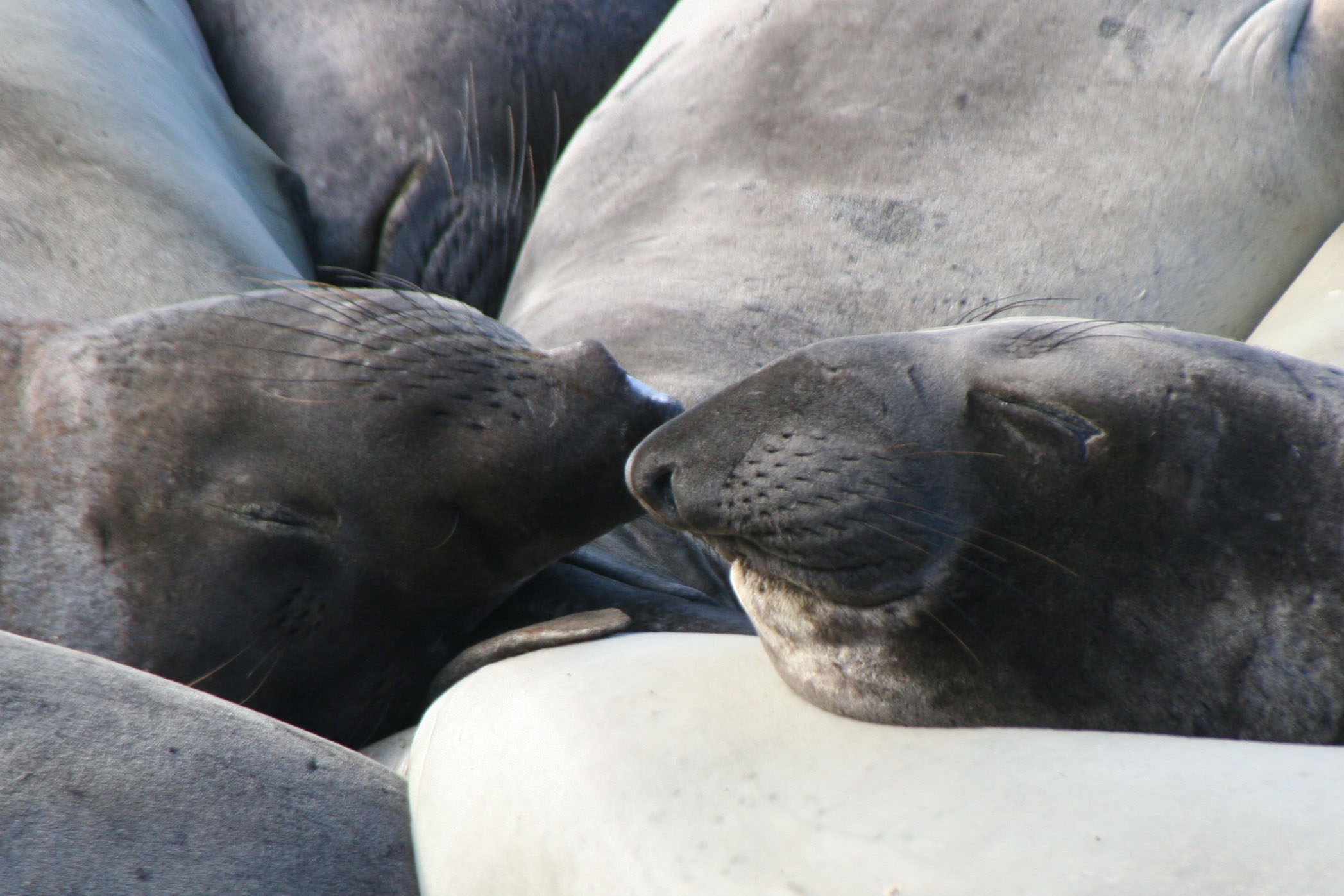
Sleeping cheek to cheek. If that isn't a look of contentment, I've never seen one.


"After a hard day of sleeping, I like to lay back and put my feet up in the air."


If you came across these tracks without knowing who made them, you would probably vacate the premises.


"Did you hear the story about the Rabbi, the Priest and the Baptist Minister?"


"I just love the smell of fish breath." Actually, these guys fast for weeks on end while on shore. There may not be much fish breath left by the time they are ready to return to the ocean.

The Bhagwan Shree Rajneesh and Robert Burton: Gurus of a Different Ilk

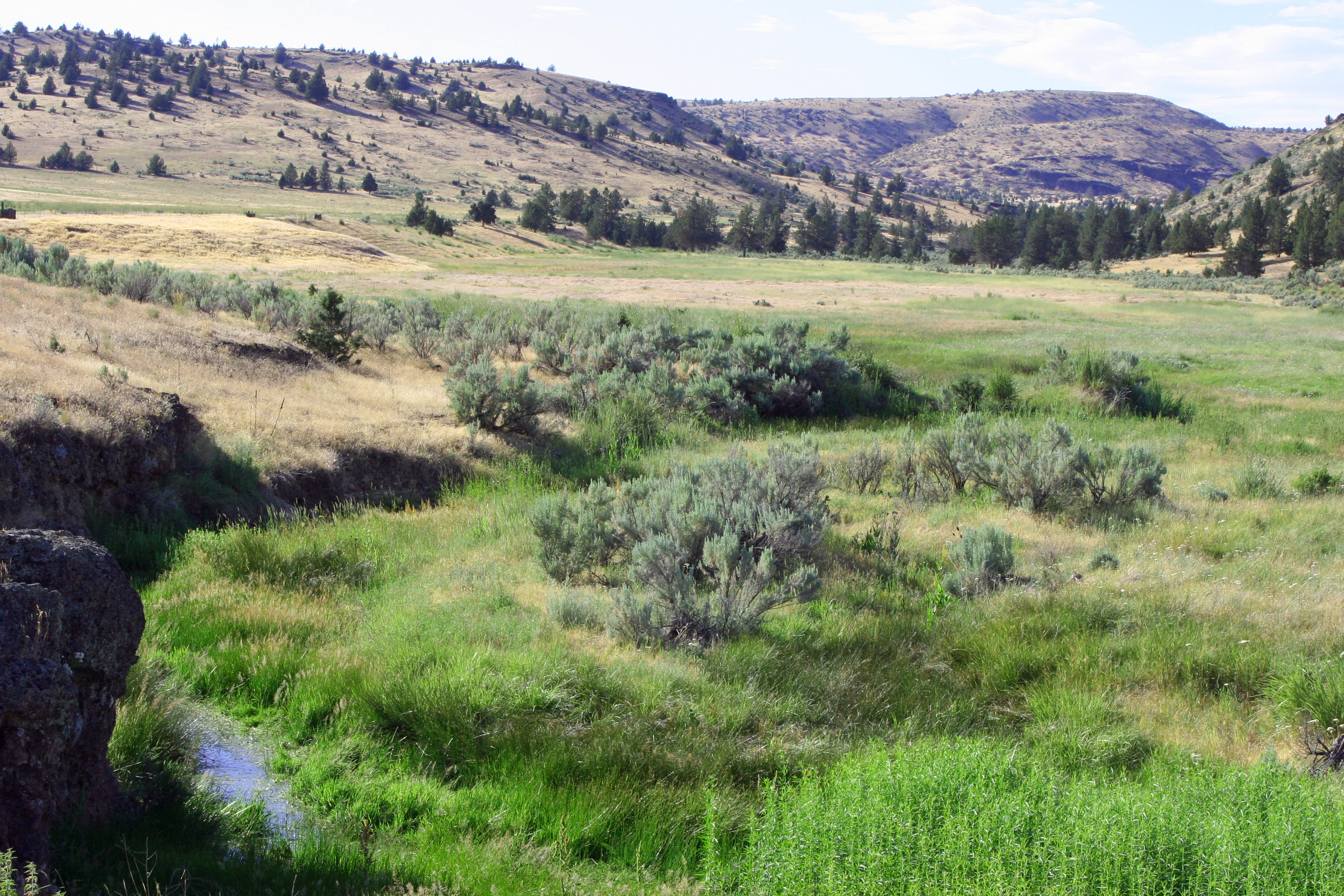
The country surrounding Antelope Oregon is as beautiful as it is remote.

We stopped in the Oregon community of Antelope last week and my thoughts turned to the Bhagwan Shree Rajneesh. The town is located in a remote region of eastern Oregon. It’s a cowboy and sagebrush kind of place. Belonging means you display an American Flag out front and a horse out back.
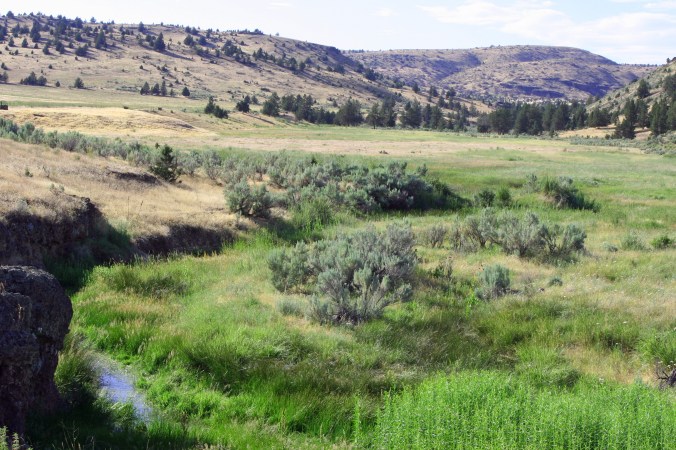
It's a cowboy and sagebrush type of place where water in precious.

The small community is not where you would expect to find people wearing saffron-colored robes and practicing meditation at the feet of a guru from India who specialized in owning Rolls Royce cars and dispensing enlightenment.

But that is exactly what happened in the early 80s when the Bhagwan appeared with his legion of devotees and bought the sprawling 60,000-acre Big Muddy Ranch, soon to be renamed Rajneeshpuram. As might be expected, the two dramatically different cultures immediately clashed with each other.
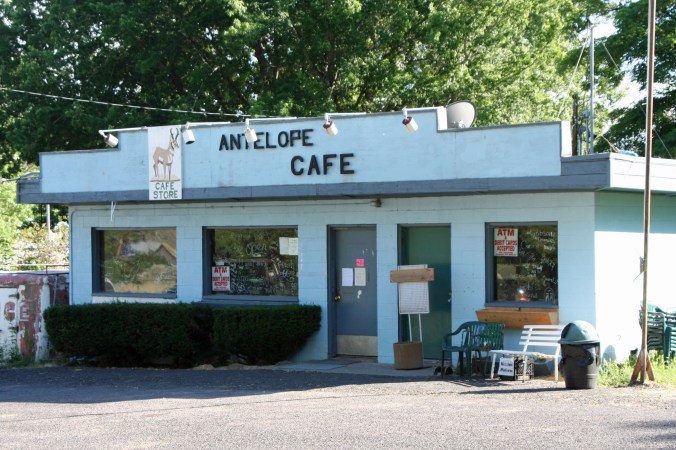
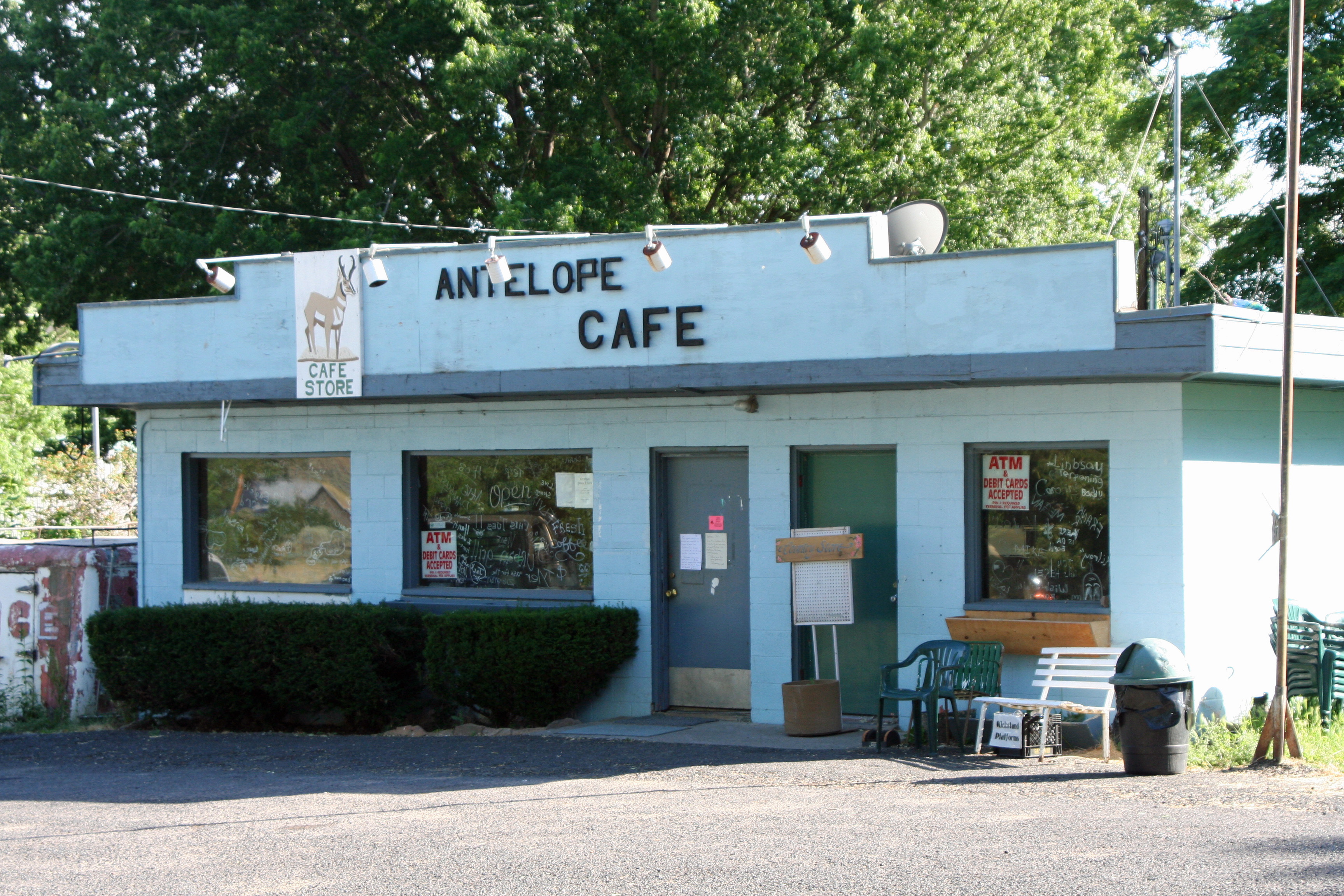
Not surprisingly, the rural nature of the small community of Antelope as represented by the town's only Cafe and the culture represented by the saffron robed members of the Bhagwan's commune were bound to clash.

The utopian dream of the Rajneeshans ended abruptly in 1985 with the arrest of the Bhagwan, the sale of Rajneeshpuram and the scattering of the flock. Bad things had happened including food poisoning attempts at local restaurants and internal wiretapping of commune residents.

Regardless of the scandals, many of the people who came to Rajneeshpuram to find enlightenment still swear by their experience 25 years later. The dark side of what happened is blamed on overzealous staff, not the Bhagwan.

I have a friend who went off to Rajneeshpuram in the 80s and still retains her commune name and connections today. Her mother and father were initially distraught by their daughter’s decision and shared their anguish with me.  They had pursued their own radical paths as young people, however, and eventually came to accept their daughter’s decision.

Having your own Guru in the 70s and 80s was an in-thing that the rich and famous, young people, and mystically inclined signed up for in droves. Another friend of mind tried to recruit me to the secret world of George Gurdjieff and Peter Ouspensky.

I took her backpacking down into the Grand Canyon once and was eager to share the beauty and isolation of the numerous side canyons. We took a short hike and soon found ourselves in the midst of towering, awe-inspiring cliffs.

M’s reaction was much different than I expected. Dangerous spirits inhabited the area and we were disturbing them. We needed to leave quickly.

On one level, I could understand her unease. In our twenties, we had both been influenced by Carlos Castaneda’s journeys through the Sonoran Desert. Don Juan had taught his young apprentice that mysterious and powerful beings from different realms inhabit remote regions. Some of these beings were really bad dudes, prepared to pounce on the unwary.

Given my African introduction to pantheism, it wasn’t hard to populate the Canyon with spirits. But I had spent years wandering in isolated wilderness areas and had yet to meet a spirit that had caused me any damage, or for that matter, even stopped to chat.

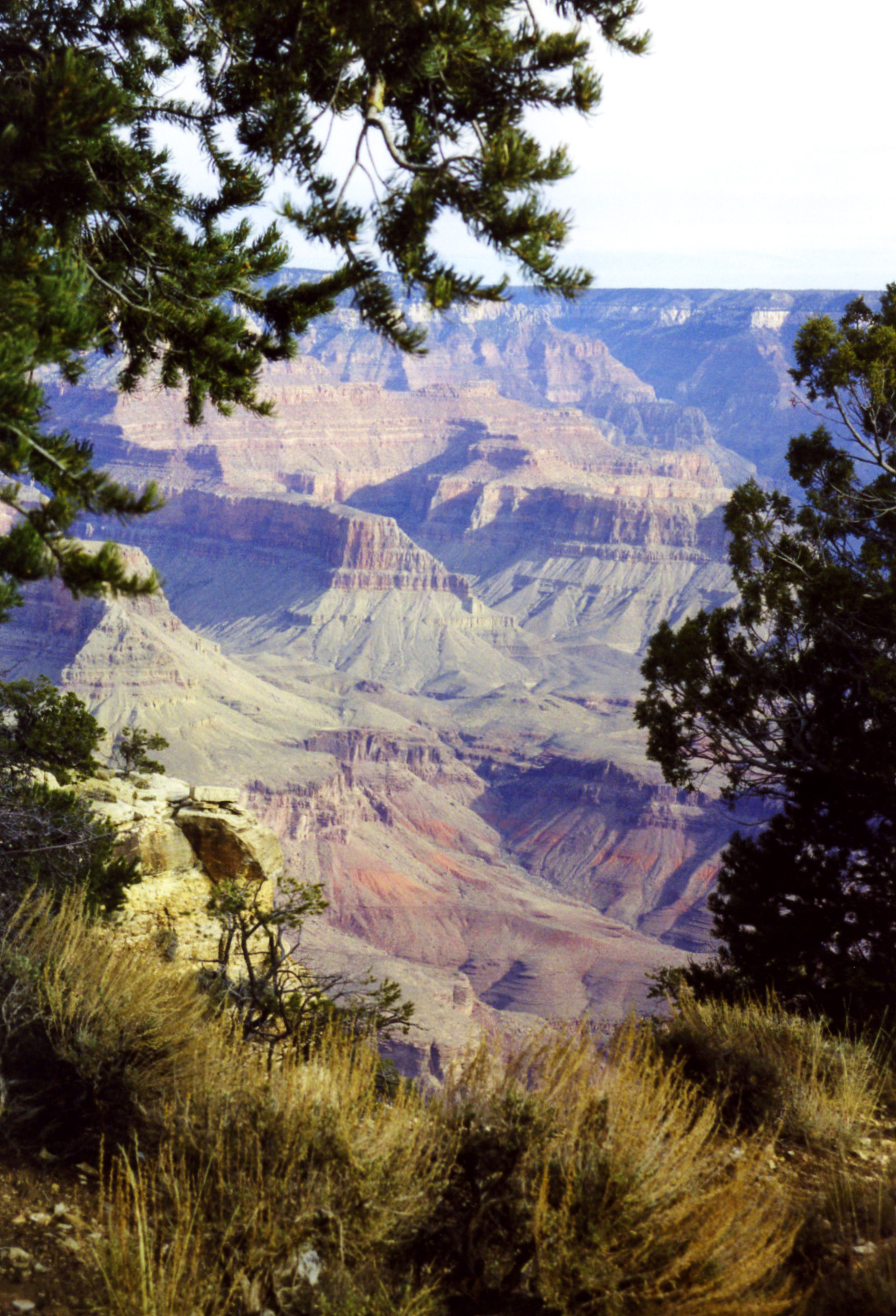
It wasn't hard to imagine the beautiful and remote canyons of the Grand Canyon being inhabited by ancient spirits.

I shared my perspective and was met with a rather cool response. Apparently I lacked the necessary perception to understand the danger. I had the irreverent thought of ‘out of sight, out of mind’ but kept it to myself.

M was serious. After her bout with Castaneda, she had moved from Iowa to Texas where she was introduced to the work of George Gurdjieff and his pupil, Peter Ouspensky.

Gurdjieff was an early 20th Century mystic who taught that the vast majority of humanity is asleep, little more than robots. Given proper training, however, individuals can awaken and reach higher levels of consciousness. I assumed that it was at these higher levels that one became aware of the malevolent spirits.

Gurdjieff called his training the Fourth Way. He, Ouspensky, and other followers set up esoteric schools to teach people the path to awakening.

One such follower was Robert Burton. Burton was working as an elementary school teacher in the San Francisco Bay Area during the 60s when he became captivated by Gurdjieff and Ouspensky. In 1970 he persuaded a number of his acquaintances that he was a person of higher conscious, the stuff that gurus are made of.

By 1973 he and his group had purchased property near the small town of Oregon House in the Sierra Nevada Foothills and were clearing land to establish a Fellowship to propagate Gurdjieff’s teaching and grow wine grapes. M and her husband moved from Texas to California to join Burton in his efforts.

By the time I met M in the late 70s, she had left her husband and Oregon House but was still an avid follower of Gurdjieff and Ouspensky. I suspect she was continuing to financially support and participate in the Fellowship. When she learned of my fascination with Castaneda, she gave me a couple of books on the Fourth Way and suggested that there was a local discussion group I might enjoy joining.

In some ways, I was a good candidate for what Burton was offering. Eastern traditions, especially Zen Buddhism, had a strong appeal. Meditation gave me the same sense of wholeness and connection that wandering in the woods did.

I wanted to believe that humans were capable of reaching higher levels of consciousness, of becoming more civilized in the broadest sense of the word. Self-actualization, to utilize Maslow’s term, seemed like a highly desirable goal and I always had myself on some self-improvement plan or the other. I need lots.

Burton had drawn a number of bright, well-educated and accomplished individuals around him. In ways, his success at recruiting followers was quite similar to that of the Bhagwan. Both had strong appeal to individuals who were seeking meaning in life that they weren’t finding in post Vietnam, post Watergate, super-materialistic America. The acceptance of a Teacher or Guru for help in finding the way was a legitimate and time-honored tradition in many Eastern oriented practices.

Ultimately, I lack the capacity of becoming a true believer, however. Regardless of the appeal, I am not willing to commit the trust required to place myself in another person’s hands. This means I can never quite understand the value that people derive from joining someone like Burton or the Bhagwan.

You have to go there to get it and I won’t make the trip.

Anyone interested in gaining significant control over my mind frightens me, regardless of his or her motivation or whatever benefits will supposedly accrue. The best of folks, from my personal experience and historical reading, have flaws.

Giving someone god-like status hides these flaws… both from the giver and the getter. Rational justification of action is not required. God or Whatever wills it. A multitude of bad things can hide out under this umbrella. Every day brings new examples.

So I had passed on M’s original suggestion to join a discussion group on Gurdjieff and Ouspensky and now found myself unable to recognize dangerous spirits from another realm. I honored M’s concerns, though, and we returned to camp. We spent our afternoon painting watercolors of the Canyon and hiked out the next day.

No bad spirits captured my soul, at least as far as I know.

Is the World’s Best Basic Hamburger to Be Found at Hudson’s Hamburgers in Coeur d’Alene Idaho?

A hamburger can't get much more basic.

We ate at Hudson’s Hamburgers in Coeur d’Alene, Idaho yesterday. Sunset Magazine recommended it as being one of the top five hamburger joints in the West. Turns out it has also been recognized in the Wall Street Journal, USA Today, and Gourmet Magazine.

Coeur d'Alene Idaho is a delightful town to visit.

What make a hamburger so good it is recognized as one of the best in the nation? We decided to find out.

The answer, at least for Hudson’s, is buried in the past. Hudson’s has been in existence since 1907 and apparently its approach to hamburger making hasn’t changed since.

An early view of Hudson's Hamburgers. Note the prices!

A small counter with 13 seats greeted us when we walked in the door. There were no tables. People stood patiently waiting for counter seats.

A view of the limited counter space. What you see is what is available.

How much more old-fashioned can you get?

We lucked out. Two seats on the far end of the counter opened up almost immediately. They provided an excellent view of the action. Staff consisted of three people. Two worked as waiters… taking orders, delivering food, preparing take out orders and serving as cashiers. No credit cards were accepted.

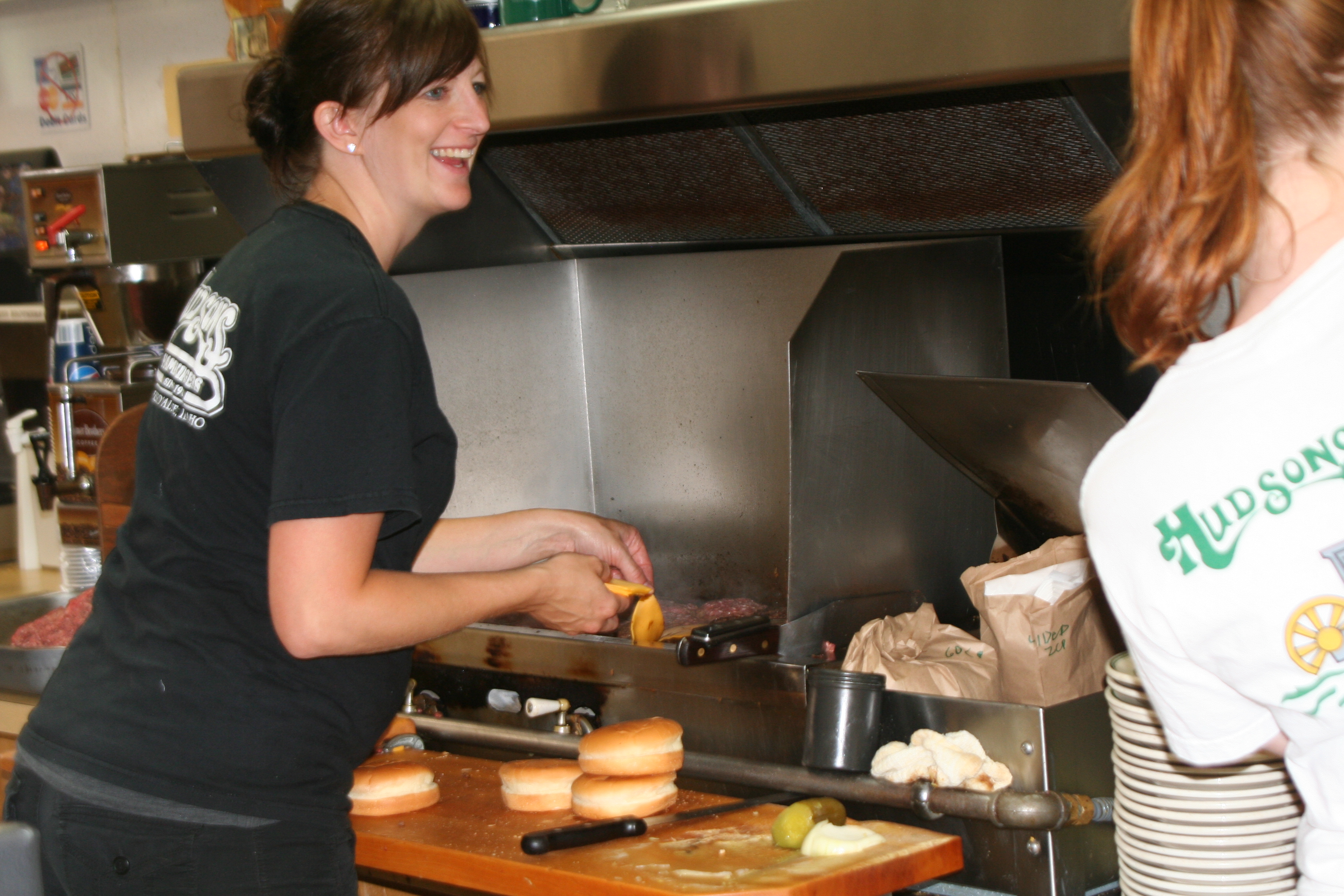
The single cook was a master of efficiency. She created her works of art directly in front of us. There was no separate kitchen. It was public performance without a net.

A large pan of raw hamburger was on her left. She wore a plastic glove on her right hand and held a spatula in her left. She would reach into the pan and grab a handful of hamburger, slap it onto the table, squish it flat with the spatula and flip it onto the grill.

The chef made cooking hamburgers look easy, and made it look like fun.

Options included single hamburgers with or without cheese or double hamburger with or without cheese, pickles and onions. There were no tomatoes and no lettuce much less any of the other numerous additions from guacamole to bacon and bleu cheese we have come to associate with gourmet burgers.

Buns, cheese, pickles and onions appeared precisely when needed. Pickles and onions were cut up almost as fast as the eye could watch… zip, zip, zip, zip. Each hamburger received four pickle slices and one onion slice… assuming that is what you ordered. Which is what we did.

“We’ll have two single cheese burgers with pickles and onions and two glasses of ice tea,” I told the waiter.  He had appeared as soon as we sat down. Later we added a piece of coconut cream pie.

Our cheeseburgers appeared with the speed that would have shamed McDonald’s, but that’s where any similarity with America’s ubiquitous fast food joints ended. We added the three condiments provided (mustard, ketchup and Hudson’s own concoction) and took our first bite.

And then our second and third. I was left with only one question. How could something so simple taste so good? Our total cost for the two of us: $11.03.

Peggy stands outside of Hudson's Hamburgers. Just beneath the restaurant name is the announcement that no credit cards are excepted. Hudson's wants old-fashion money for their excellent old-fashioned hamburgers.

When Bears Come to Visit

A local bear has been cruising our area on the Upper Applegate River in Oregon. A neighbor caught this photo of him three weeks ago. He's a big fellow. This week he came to visit us.
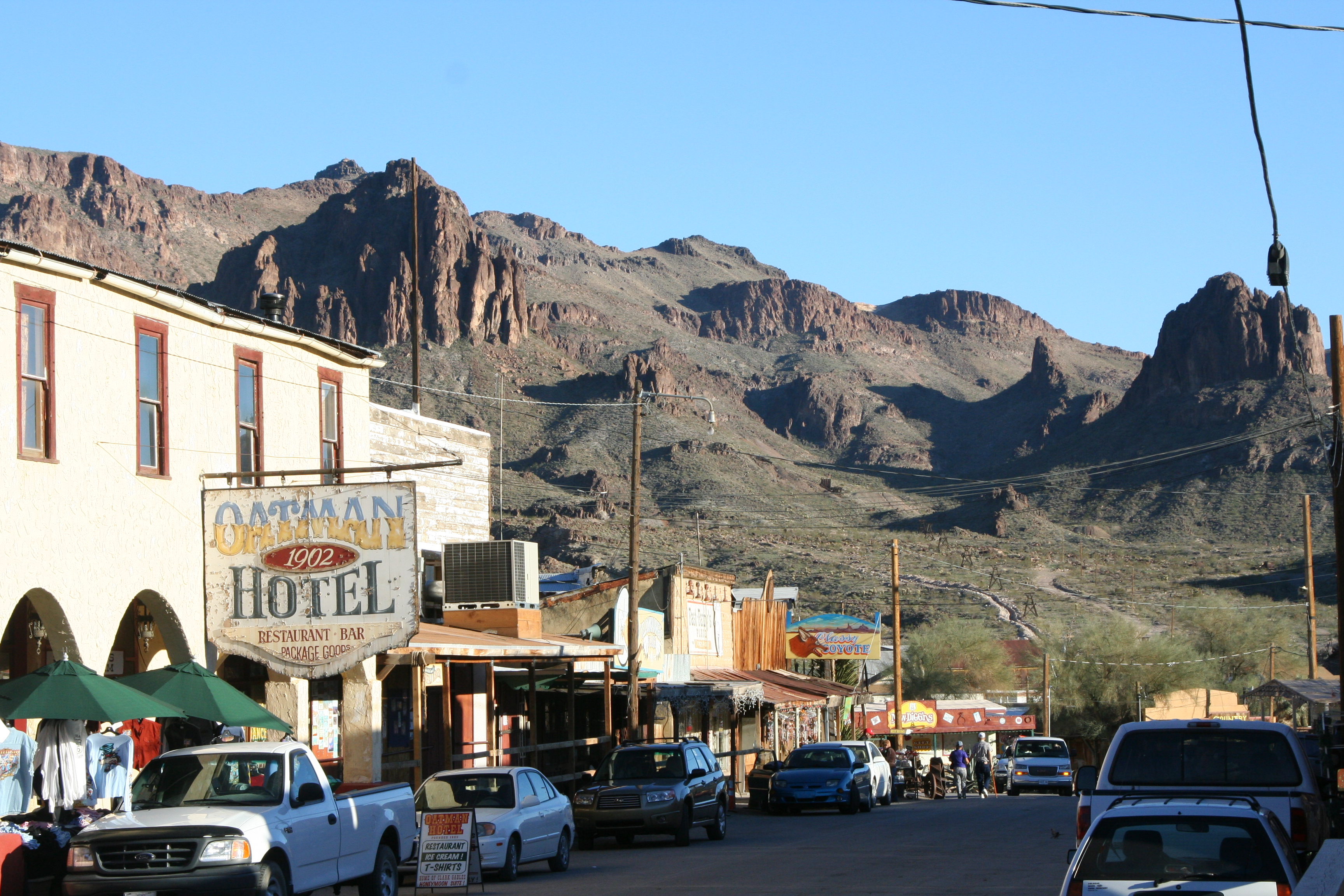
A large black bear has been cruising our neighborhood. Monday night he stopped by for a visit and had a wresting match with our garbage can.

The garbage can lost.

I could tell by the garbage strewn around the yard and the claw marks on the side of the can. The can now lives in our shed. I’m hoping the move will solve the problem. So does the can.

Hiding inside doesn’t always work. Kori Titus, a friend out of Sacramento, noted on my Facebook page that a black bear broke down the door of an acquaintance living at Lake Tahoe and entered his kitchen.

The thought of a bear breaking and entering our house makes me think of a thick bear rug to keep my toes warm on cold winter nights.

“Do you have a weapon?” my neighbor Tom asked worriedly. I should warn the bear. This is rural Oregon. The folks around here have guns, lots of guns, lots of big guns.

Have you ever come across a large pile of fresh bear scat. It's enough to make you wish you were elsewhere. Our friend left this behind. Bone provides perspective.

I’ve had numerous encounters with bears. Leading backpack treks in and out of Yosemite National Park for years guaranteed contact. Once I woke up at 4 AM with a bear standing on top of me. His snout was about six inches away from mine. I screamed and vacated the premises. Fortunately, he did too.

The big fellows in Alaska worry me more. A grizzly stalked me when I was leading a backpack trip across the Kenai Peninsula.  I had checked with a friend in the forest service before going. He warned me that a large grizzly was working the area and had treed one of his rangers two weeks earlier. The fall before a black bear had bitten through the sleeping bag of a woman ranger and wounded her leg.

Our group made lots of noise when hiking through the region. A forest service cabin provided shelter that night. There would be no biting through sleeping bags. I figured we were out of the woods, so to speak. But one of my Trekkers wanted to go for a hike the next morning. I offered to keep her company.

We were on our way back when I heard something big moving though the brush on the side of the trail. “What’s that?” my companion gasped. We looked down and saw the distinctive hump on the back of a grizzly. He was moving parallel through the brush, stalking us.

“What do we do now? Run!?”

She was a marathon runner and fast. I wasn’t. I suggested we turn around, walk over a bridge we had just crossed and find a tall tree. If the bear appeared we would climb the tree. Quickly.

An hour later there was still no sign of the bear. We hiked back to camp holding hands. She had an iron grip. A mouse in the brush would have sent us fleeing.

I also had an encounter with an Alaskan Brown Bear. These are the monsters of the bear world that National Geographic likes to feature. I’d flown into Katmai National Park located at the beginning of the Aleutian Peninsula. The area is known for its remoteness, unusual volcanic features, trophy size trout, and Alaskan Brown Bears. The last two go together.

The bears have competition. Fishermen come from all over the world to try their luck. Human-bear encounters are inevitable. A park ranger greeted us upon arrival and explained proper bear etiquette. If you have a trout on your line and a bear shows up, cut your line. If you meet one on the trail, talk to it and slowly back away. “Talk to it???”

I managed to meet my first bear on my first evening. It wasn’t large by Brown Bear standards… only about one and one half times the size of a grizzly. But the trail was narrow. I still remember our conversation.
“Um, good evening Mr. Bear,” I stuttered respectfully. “I am an American, just like you. If you are hungry, I understand there is some great Japanese food on the menu. Or you might want to try the German.”

The bear stared at me for a long two minutes, barked a growl of annoyance and wandered off in the opposite direction. I didn’t hear any Japanese or German fishermen screaming that night. All’s well that ends well.

So I have a fair amount of experience in dealing with bears. Will this help me with our nighttime visitor? Probably not but I’ll keep you posted.

Mm, mm good. Our neighbors with the night camera have a compost box that the bear finds particularly fascinating. Note the metal around the box. He couldn't get in through the sides so he went in through the top.

A Rabid Wolf Wandered through Camp: The Wind River Mountains of Wyoming

The Wind River Mountains of Wyoming are a premier destination site for backpackers. A number of years ago I took six months off to backpack various locations in the western United States and added the area to my itinerary.

Mountain men were there first.

Place names such as Sublette County, Fremont Lake and the Bridger Wilderness recall these larger than life characters who were kept busy between the 1820s and 60s pursuing beavers, exploring the west, keeping their scalps, serving as guides, working as frontier entrepreneurs, and, in the case of John C. Fremont, running for President.

Many were also great storytellers and participated enthusiastically in the creation of their own legends.

One of the most popular locations for weaving tall tales was the Annual Fur Rendezvous that brought the various trappers together with suppliers out of St. Louis.

Six of the Rendezvous were held near the small town of Daniel, which is located on the Upper Green River 11 miles from Pineville. I stopped by and tried to imagine what the river valley would be like filled with over 1000 trappers, Indians, suppliers, missionaries, and wayward journalists.

The Mountain Men pursued their dangerous and often lonely profession during the winter when the fur pelts were at their best. The two to three-week Rendezvous in the summer was an opportunity to sell their furs, catch up with friends, gossip and resupply for another winter. It was also an excuse to party.

‘Whiskey,’ pure alcohol watered down and then flavored with tobacco, was passed around in a cooking kettle. Horse racing and shooting contests soon deteriorated to drunken debauchery. Old journals report the results.

One new guy was baptized by having a kettle of the alcohol poured over his head and lit on fire. A rabid wolf wandered through the camp and bit people at will. Several trappers were witnessed playing poker on a dead man’s body

A contract between William Ashley, the creator of the Rocky Mountain Rendezvous, and the trading firm of Jedediah Smith, David Jackson and William Sublette listed some 50 different items to be delivered to the Mountain Men.

Many of these items such as gunpowder, lead, beaver traps, and butcher knives related to their work. There were also cooking kettles, flour, sugar, allspice, dried fruit, coffee, grey cloth, and washing soap for every day living. Some items such as beads, ribbons, rings, bracelets and calico were probably trade goods for the Indians

As one might expect, ‘fourth proof rum’ (80 % pure), regular tobacco and the more high quality Smith River Tobacco were included for long, lonely nights. Slaves were producing the Smith River Tobacco in Virginia at the time.

Reviewing what the Mountain Men carried with them into the mountains led me to look at my own backpacking list. It appears life is more complicated today. My list contains over 60 items and I rarely travel for more than seven to ten days without checking back into civilization!

But then again, the Mountain Men apparently didn’t worry about such niceties as toilet paper and toothpaste, not to mention maps and reading material. They also shot much of what they ate.

Wednesday’s Blog: “There’s a Beaver Standing on My Tent.” I have my own mountain man experience.

Billy the Kid and Geronimo

Do kids still play cowboys and Indians?

Not likely… they have other interests like mutant super heroes, androids, and vampires. Plus there is the issue of being politically correct. Native Americans are no longer the enemy. Rightfully so.

But I grew up listening to the Lone Ranger on the radio. As soon as I learned to read I turned to Western writers like Luke Short, Max Brand and Zane Grey. By the time I hit high school, Bonanza was the rage on TV and my Sunday evenings were devoted to watching cowboy justice dispensed from the Ponderosa Ranch.

Years later I had an extra six months of play time so I decided to explore the Wild West of my youthful imagination in greater detail. After wandering through Zane Grey country for a couple of weeks, I found myself in the Gila Wilderness near Silver City, New Mexico. Legend lives in this area.

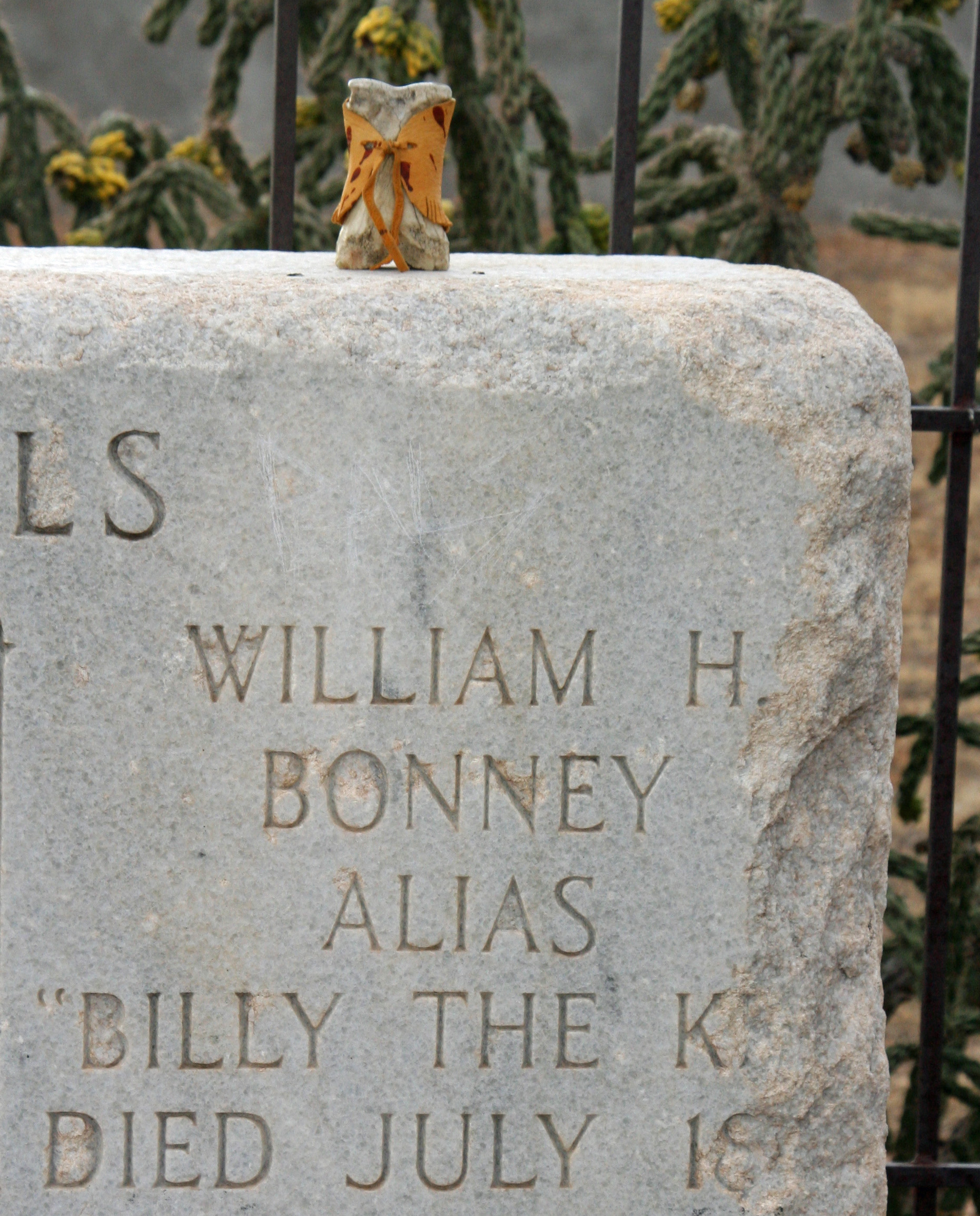
Henry McCarty, aka Kid Antrim, aka William Henry Bonney, aka Billy the Kid initiated his life of crime here in the 1870s stealing butter from the local ranchers. And then he got serious; he was caught with a bag of stolen Chinese laundry. His buddy Sombrero Jack had given it to him to hide.  The local sheriff decided to lock Billy up for a couple of days as a lesson that crime doesn’t pay but the Kid escaped through the chimney.

Two years later, at 16, he would kill his first man. Five years and some 11-21 murders after that (depending on press reports), he would be shot down by Sheriff Pat Garret. Billy liked to twirl his guns and enjoyed the polka… a real fun guy.

Of even more interest to me, the Chiricahua Apache, Goyathlay (one who yawns), better know as Geronimo, had roamed the region killing pioneers and hiding out from American troops for 25 years.

It was said that he could disappear behind a few blades of grass and walk without leaving footprints. In the 1880s, it took one-quarter of America’s military might, some 5000 men, to track him down. Geronimo was shipped off to a reservation but ended up finding God and riding in Teddy Roosevelt’s inaugural parade. Years later, Prescott Bush, the father of George H. and grandfather of George W., would allegedly steal his skull for Yale’s secret Skull and Bone Society.

I remember as a young kid jumping off a roof and yelling Geronimo. My friends and I patterned our behavior after World War II paratroopers who would leap out of airplanes shouting his name.

My primary purpose for being in Silver City was to use it as base for backpacking. I chose Cliff Dwellings National Monument as my jumping off point. People of the Mogollon Culture had called the area home between 1280 – 1300 CE and their cliff houses still stand some 700 years later, silent testimony to the value of building with stone. As to where the Mogollon went after their brief stay, it’s a mystery.

Like Geronimo and the Mogollon Indians I planned to disappear into the wilderness.

(Next blog: A Cow Elk Woos Me.)

On Cruising the Caribbean with Your 90-Year Old Mother-in-Law

I never tire of postcard like sunsets. Cruising is a great way to enjoy them.

“You can’t take your knife,” Peggy reminds me. It is a two-inch long Swiss Army knife with a tiny blade, screwdriver, scissors, a toothpick, tweezers and a nail file: in other words a deadly weapon. We are going on a cruise. I feel warm all over knowing that the Transportation Security Agency is on guard.

Even more critical, we can’t take alcohol. TSA could care less but the cruise line is obsessed. Buckets of profit will be lost if we bring our own. Terrible things are threatened.

My son-in-law Clay has carefully researched the issue. Cruise lines are more paranoid about sniffing out booze than TSA is at sniffing out bombs. If you sin by as much as an ounce, Mr. Nice Guy Cruise Ship turns into a raging monster of the deep. You’ve heard of people being thrown overboard, right? Even Clay, who had contemplated filling a shampoo bottle with bourbon, is daunted.

Our ship, The Navigator of the Sea, sails out of Fort Lauderdale. We are scheduled for a five night, six-day cruise that takes in the Cayman Islands and Cozumel. Twenty-five family members are joining us including two Bahamian cousins. Peg’s mom, Helen, is generously picking up the tab in celebration of having survived 90 years.

We park the RV at the dock and then wait for our immediate family to arrive from the airport. Clay, our daughter Tasha, their two kids and Helen are flying in from Tennessee. Our son Tony, his wife Cammie and their son joined them in South Carolina.

Eventually, the bus arrives. Ethan, Cody and Connor tumble off and make a beeline for Peggy. Grandma is sugar and spice and all things nice. Grandpa, apparently, is chopped liver. Helen and the kids give me a big hug, however. Eventually, the Grandkids, willing to leave Grandma for five seconds, do as well.

Tasha and Clay look stressed. Their day started at 5 AM in Hendersonville. Travelling with a two-year old, a five-year old and a ninety-year old is challenging, to say the least, and there is tough competition for which of the three provides the greatest challenge.

Helen, I and the beautiful blue sea in a mandatory cruise photo.

Helen has reached the wonderful age where she says whatever comes to mind. Damn the torpedoes and full speed ahead. For example, she announces in an awed voice, “Wow, that guy is fat!” And he is; he just doesn’t want to hear it. Unfortunately, her observations also apply to the TSA workers whose sense of humor is right up there with zombies’.

“Grandma,” Tasha whispers in desperation, “behave or they are going to strip search you.” The admonition has little effect. Fortunately, we make it through the gauntlet with clothes in tact.

On board, the rest of Peggy’s family joins us. It takes a brave man to go to sea with 18 in-laws, especially one who has been on family probation for 20 years. Focusing on damage control, Peggy has already announced that I won’t wear a tie on formal dinner night. (I have an image to maintain.) The first evening is smooth sailing, however; casual attire is recommended. I specialize in casual.

Nighttime presents a different challenge. Helen has her own room. There is a very good chance she will wake up not knowing where she is or why she is there, which might prove interesting on a moving ship surrounded by deep water. (Her younger sister and proposed roommate thought about the implications and stayed home.)

To counter the possibility of Great G’Ma going for a midnight dip, Peggy has located us in the next room with an adjoining door. The door will be left open a crack and we will leave a light on. The thought of my ninety-year old Mother-in-law suddenly appearing in our bedroom absolutely guarantees my best behavior. I threaten to go to bed fully clothed.

When I think of Helen, ‘Grand Dame’ comes to my mind. And she is, a Southern Lady with charm, intelligence and a great sense of humor. But Helen looming over our bed at 2 AM in her white nighty is something else, an apparition. “Where am I,” the ghost asks plaintively? I shake Peggy awake (none too gently) to supply the answer.

The big event of the cruise is a family talent show. Peggy and her siblings, Jane and John, have organized the production to say thank you to their mom. The cruise line assigns us to the “Dungeon” for the party. It’s a dimly lit bar in the bowels of the ship filled with fake skeletons playing dead instruments. The children dash off to explore its darkest corners.

I drink.

Connor steals a quick snooze in his Great Grandmother's room.

Other than Toddler Connor re-tuning Peggy’s guitar and the great grandkids and Helen eating the mint candy Bingo markers, everything comes off smoothly. It’s a success. There is poetry, rap, guitar playing, singing, games and a stiff bourbon for Great G’Ma.  The show is capped off by a stirring rendition of the Hokey Pokey played by Peggy, sang by the adults and danced by the grandkids. Even the two-year olds join in, sort of.

With the talent show over, we return to the major cruise ship activity, eating. At dinner, we are expected to consume as many calories in one meal as we normally would over two days of eating breakfast, lunch and dinner on shore. “Here, have another plate of prime rib,” our waiter urges.

But beware, it isn’t the fat-induced heart attack that will get you; dangerous bugs lurk in dining areas. Recent on-board epidemics have sent passengers dashing en masse to their toilets. It’s great for the disaster-oriented media but bad for the guests and bad for the tourist industry.

Cruise ships have retaliated by placing numerous anti-bacterial hand sanitizer dispensers backed up by smiling Kung Fu masters at each dining room entrance. I am suspicious of the omnipresent, noisy greeters and dutifully sterilize myself. (Who knows what a liquid gel guaranteed to kill millions of germs on contact will do to a human.)

Fortunately we avoid any major health crisis involving toilets. Even more happily, we avoid the fate of our sister cruise ship, Splendor, which is shut down off the Baja by an engine fire while we are cruising. Our son, Tony, who flies helicopters for the Coast Guard out of San Diego, is particularly grateful he is sailing in the Caribbean as opposed to rescuing passengers in the Pacific.

As for the rest of our cruise, we do the normal cruise ship activities that have been around since time immemorial: attend shows, play miniature golf, read, gamble and go on shore excursions. Each family is assigned to two days of being entertained by Helen. “Who get’s the short straw today,” she asks every morning. Truth is we enjoy our valued time with the feisty oldster and her humorous observations.

I do have a comment on shore excursions. Any traditional culture that can survive up to 12,000 cruise passengers per day is purely coincidental. On Cayman Island, Jimmy Buffet’s Margaritaville is as good as it gets.

Our nephew Jay comes over on the last afternoon to share photos of a quest he just had in Iceland. We’ve been close ever since he went on a 60-mile backpack trip with me that included climbing Mt. Whitney. He is developing into a talented photographer. As the closing picture fades away we gather up the rug rats and dutifully trot off to consume our final 5000 calories and say our goodbyes.

It has been a fun, family filled adventure. My thanks to Helen for making it possible and to Peggy for organizing the trip. Bone, who has become allergic to custom agents, stayed home. But it was truly a Bone-type event.

Read about Bone falling in love with Bonette in the next blog, 'An Itinerant Idler.'

The Mekemson Ghost of Fort Mifflin

I am on a ghost hunt. It’s the season. The eerie creatures are known to hang out at Fort Mifflin, which is located next to Philadelphia International Airport on the Delaware River. It’s one of the hottest ghost watching spots in America and has been featured on the popular TV series, “Ghost Hunters.”

The entrance to the ghostly ammunition magazine taken during the day.

We are scheduled for a nighttime tour by lantern.

Peggy and I decide to do a reconnaissance during daylight hours but a police vehicle blocks the road. A dozen or so media crews are pointing their cameras into the airport at a large UPS cargo plane. It has just flown in from Yemen and is being searched for ink cartridge bombs. We are caught in the midst of a “credible terrorist threat” as President Obama describes it.

Ghosts can’t be nearly as scary… can they?

By 6:30 the police car has moved but the TV crews are still on watch. We wind our way through the circus. Dusk has arrived at the Fort.  The tour is scheduled to start as soon as it is fully dark. Make that pitch black; there is no moon.

Our guide gathers us and his lantern immediately blows out. “It’s only the wind,” he explains. “I don’t believe in ghosts. I don’t hunt them and they don’t hunt me.”

His disclaimer comes with a ‘but.’ He works at the Fort, and occasionally ‘things’ happen. There are unexplained footsteps on stairs. Doors close and latch on their own. Voices are heard in the next room. A woman screams like she is being murdered. The police are called but can’t find anyone, or thing. A man walking on the rampart disappears into thin air.

Our guide relates story after story as we make our way through the candle lit buildings of the fort. Other staff, volunteers and visitors have also experienced strange phenomena. More than one visitor has left on the run and even the guide has packed up and gone home on occasion.

We arrive at the Fort’s ammunition magazine, a bush covered hill that resembles an ancient burial mound. A bright torch outlines the dim opening. We enter and walk down a narrow, dimly lit corridor that opens out to a large, arched bunker. A single candle creates dancing shadows on the far wall.

“I’ve never felt anything in here,” the tour leader relates. “It’s dead space,” he quips and repeats himself in case we missed his humor. For others, the story has been different. Tourists speak of a wonderful guide who was waiting for them in the bunker. He was dressed as a Revolutionary soldier and vividly described the horrendous battle that took place on November 15, 1777. Which is great, except the Fort had no such guide…

I stare hard into the corner where he supposedly stood, trying to create something out of nothing. But there are only the dancing shadows. Peggy tries to take a photo but the camera freezes and refuses to work. As she struggles with it, the last of our tour group disappears down the narrow corridor, leaving us alone with the flickering candle.

We hurry after the group. There is no one outside the magazine, only the glowing torch and the dark night. “I think I saw them heading down a side corridor,” Peggy says. With more than a little reluctance, we dutifully troop back inside. Peggy’s corridor is a bricked in wall. I am starting to feel spooked.

“Maybe we should go back to the bunker,” she suggests.

“No,” I reply and head for the entrance. Just as we arrive, the shiny torch makes a poof sound and goes out, leaving us with nothing but dark. The hairs on the back of my head stand at attention. Peggy and I decide it’s time to vacate the premises.

Fortunately we find our group.

Halloween experiences don’t get much better. But this isn’t the end of the story. On my next blog I will report on why our theoretical ghost may have been a very real ancestor… Andrew or James Mekemson.