The Ancient World of Indian Rock Art… On the Road

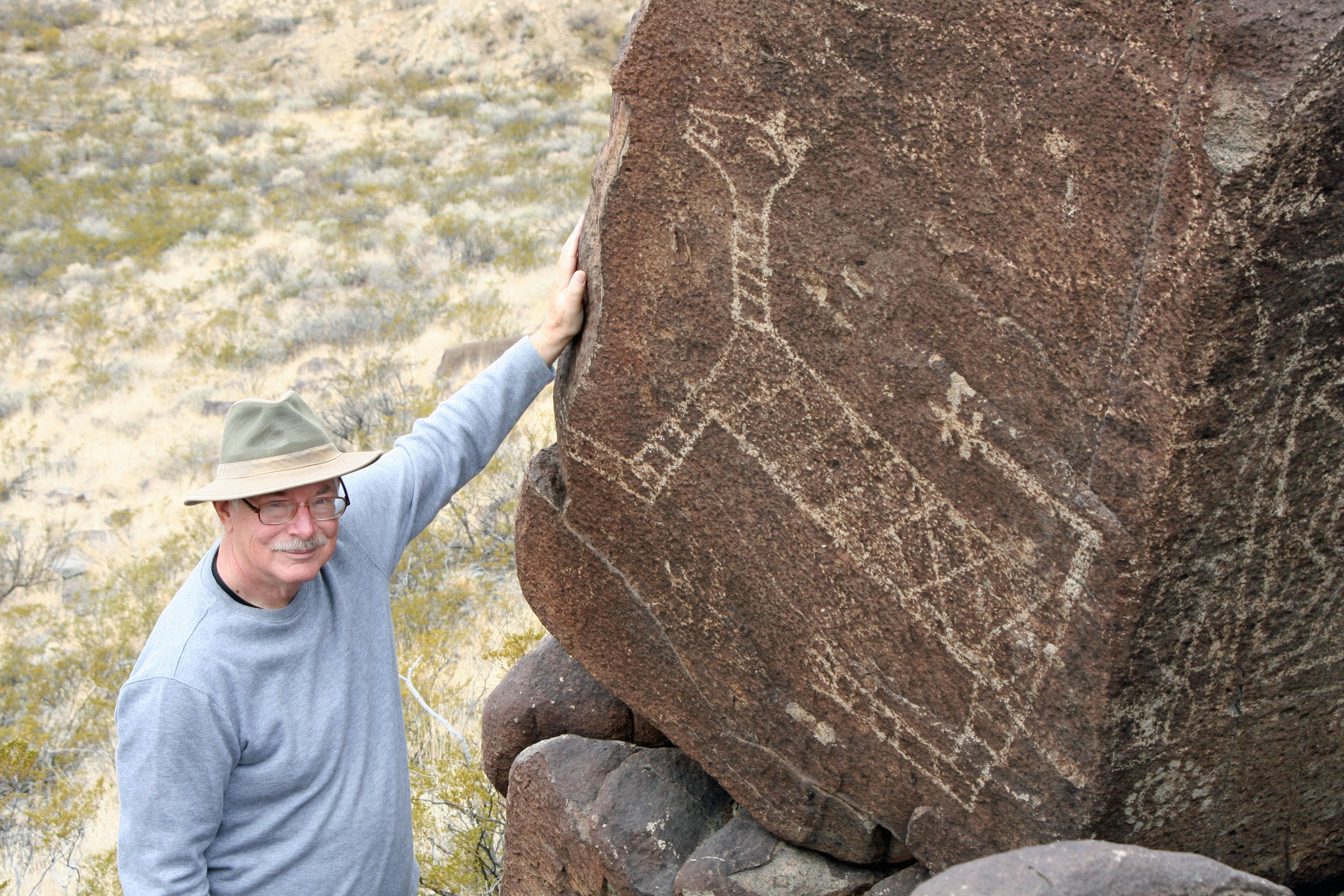
My wife Peggy and I have travelled throughout the western United States visiting and photographing Native American rock-art. We found this petroglyph of a cougar in the Three Rivers Petroglyph National Recreation Site of southern new Mexico.

I grew up in the town of Diamond Springs, California located in the foothills of the Sierra Nevada Mountains.

Once upon a time Diamond had been known as Mo-lok’epakan, or, Morning Star’s Spring. It was a very holy place to the Maidu Indians. They came from miles around bearing their dead on litters for cremation.

Apparently the Maidu had been living in the area for a thousand years. It is a sad commentary on both our education system and how we treated the Indians that I grew up never hearing the name Morning Star’s Spring much less Mo-lok’epakan.

Our only connection with the Maidu’s lost heritage was finding an occasional arrowhead or Indian bead.

The thrill of finding arrowheads, however, led to a lifelong fascination with the culture of Native Americans. Over the past ten years that fascination has led me to an interest in Indian rock-art or petroglyphs and pictographs. Petroglyphs are pecked or scraped from dark, rock varnish exposing a lighter color underneath. Pictographs are painted on rocks.
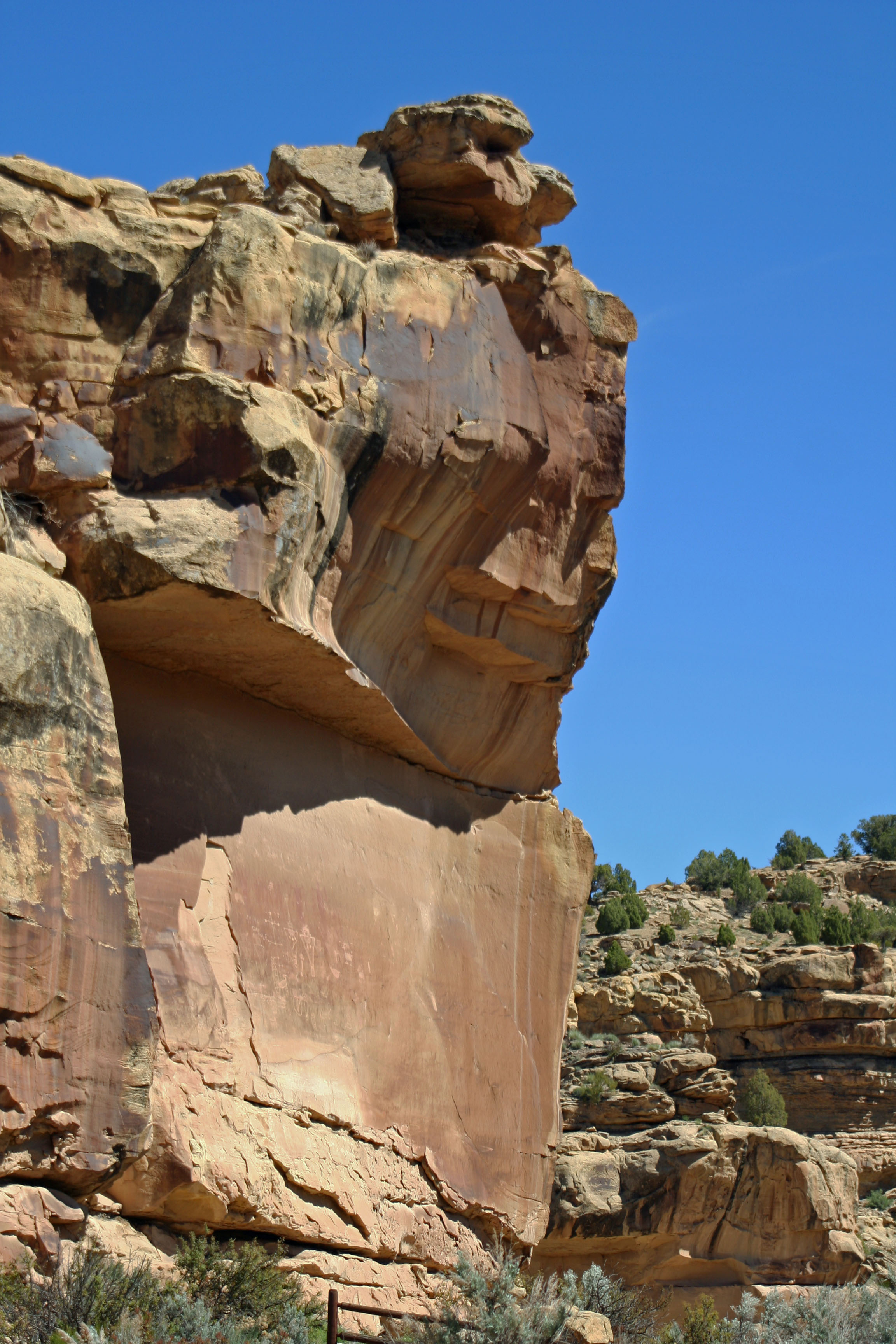
Indian rock-art is found at thousands of locations throughout the Western United States often near water or unique landmarks. Searching for rock-art is often like a treasure hunt. Here you can spot a group of petroglyphs on the left about a third of the way up the rock.

Peggy and I have explored and photographed major rock-art sites throughout the western US. Today I will introduce Sego Canyon located in eastern Utah off of I-70 near the small town of Thompson. Later I will blog about other sites such as the Three Rivers Petroglyph National Recreation Site of New Mexico.

What captured me about Sego Canyon is the unique, almost ethereal rock-art of the archaic peoples, and the fact that the rock-art represents three distinctive Native American cultures ranging over 8000 years.

The pictographs featured below were made by archaic hunter-gatherer nomads who wandered across western North America between 6000 and 100 BC. Rock art is classified according to various styles and this particular style is known as Barrier Canyon. Its attributes include life-size, man-like creatures with hollow eyes, missing arms, antennae, and lots of snakes. The theory is that the figures may have represented shamanistic journeys to the underworld. I am voting for encounters with aliens… just kidding.

This rock-art, which is found in Sego Canyon, Utah, was created sometime between 6000 and 100 AD. It is classified as the Barrier Canon style. Note the hollow eye sockets, antennae, horns and snakes.
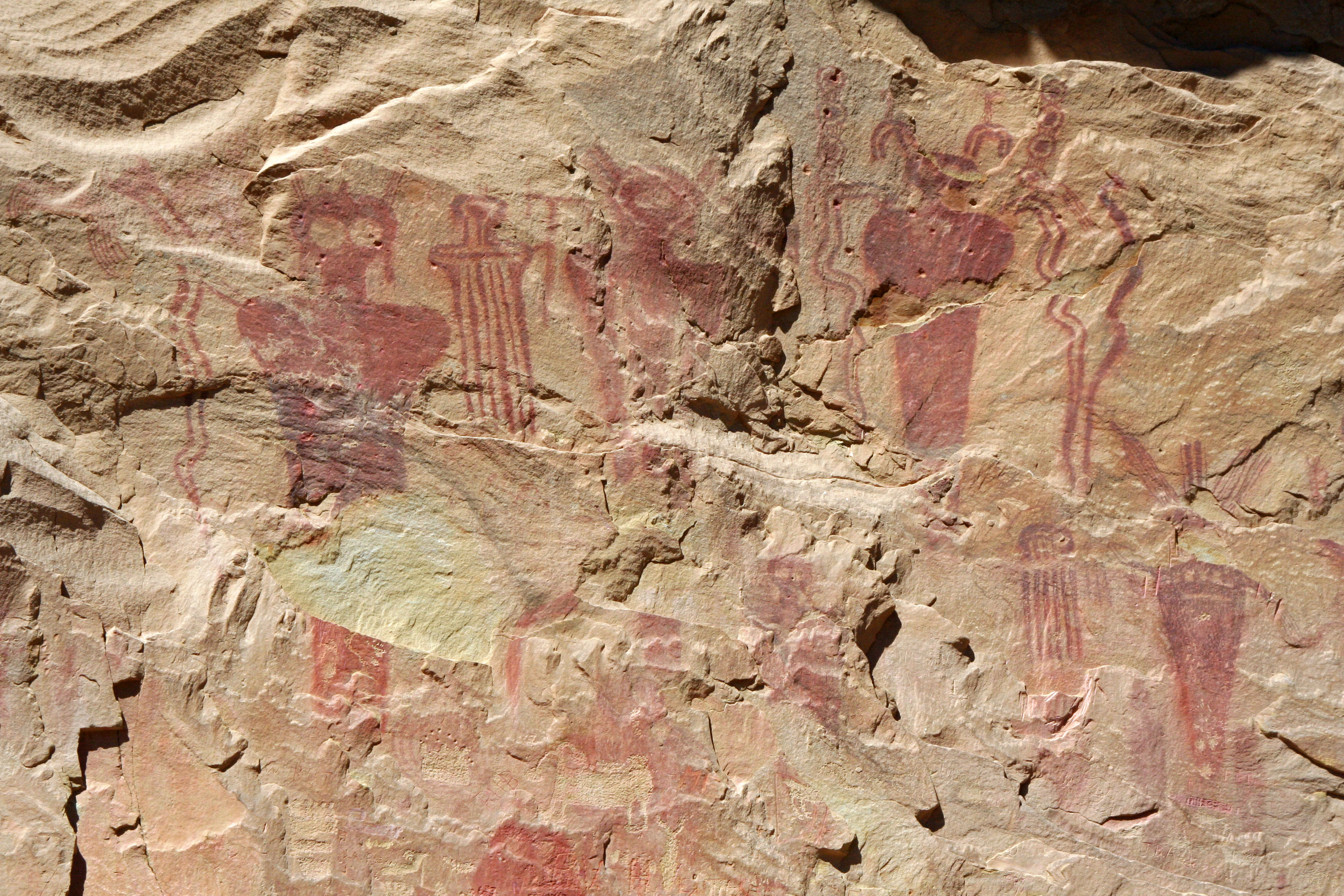
This is a close up showing images from the above photo. There is some thought that these figures reflect shamanistic visits to the underworld but one can understand why UFO fans might think they represent encounters with aliens.
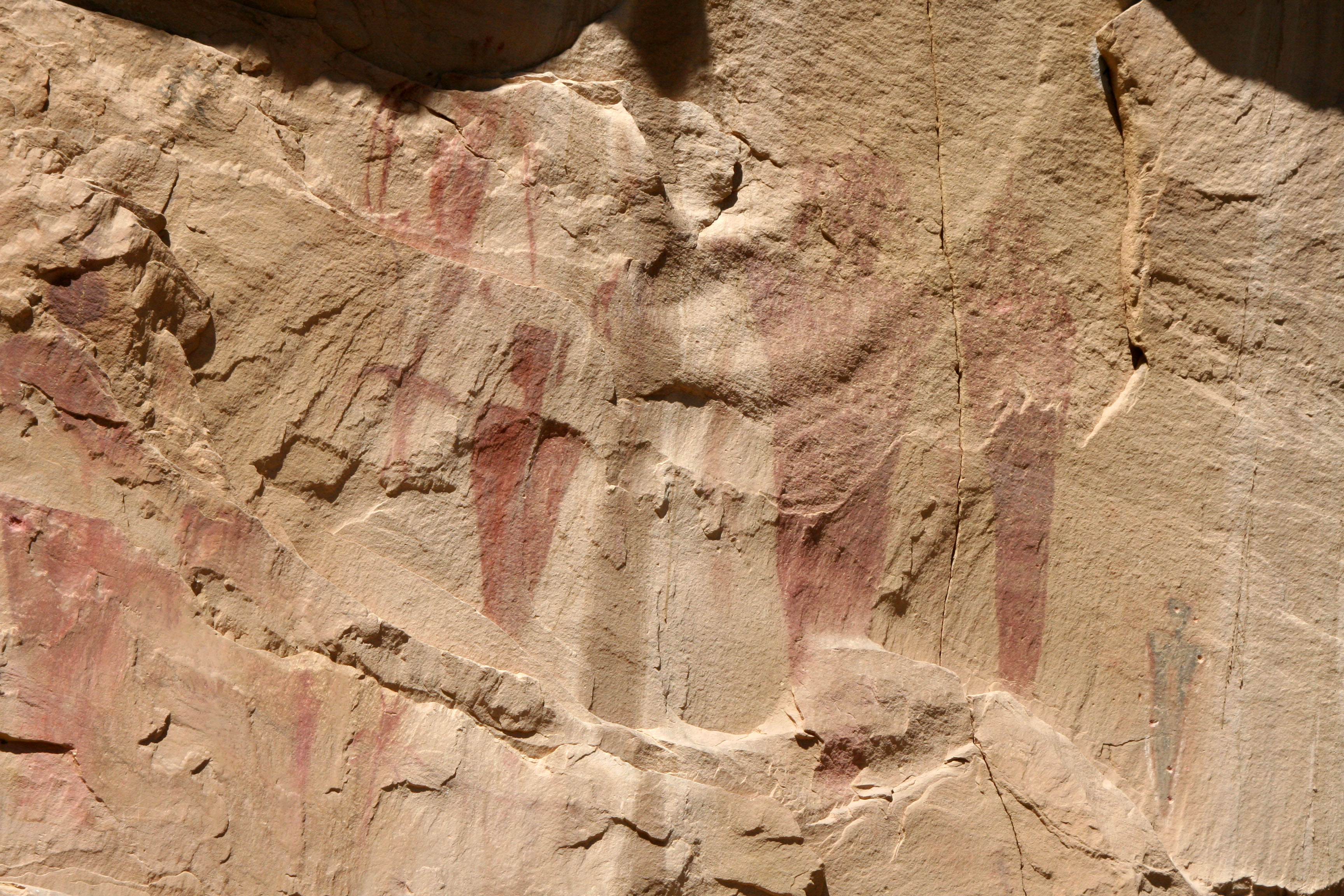
These figures from the Barrier Canyon style seem wraith-like… red ghosts arising from the rock.

The Fremont Culture existed between 600 and 1200 AD and represented a more settled lifestyle. The rock-art of the Fremont Indians featured rectangular bodies with small heads. Both deer and mountain sheep are also found in the rock art below. Note the Indian shooting the mountain sheep with a large bow and arrow.
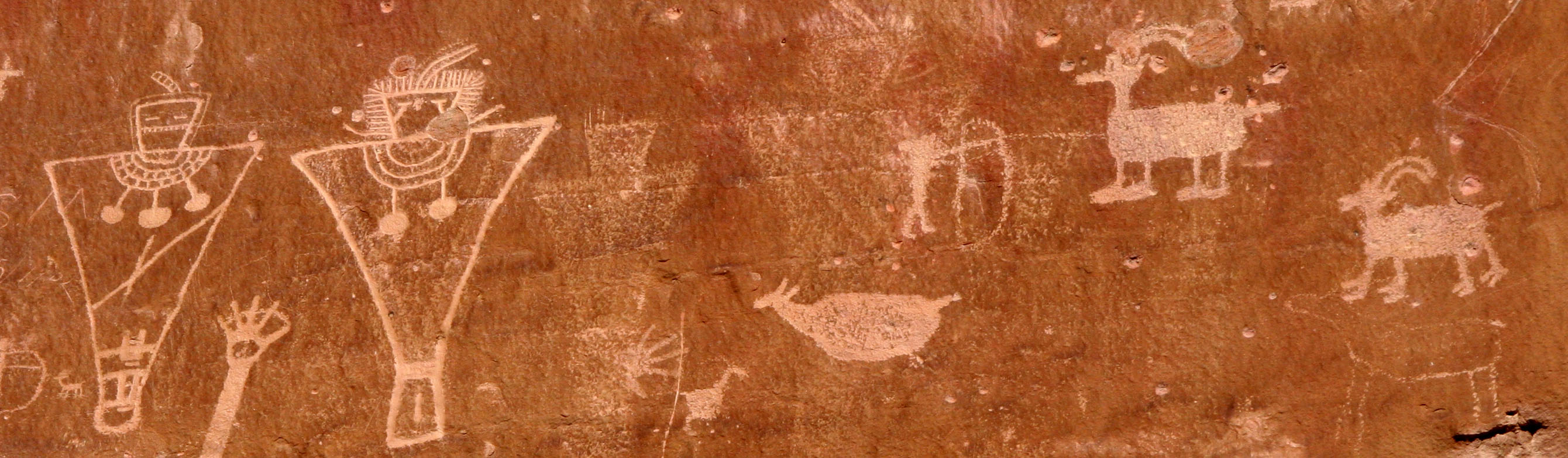
This rock-art found in Sego Canyon is done in the so-called Fremont style where rectangular figures with elaborate jewelry were common.

Mountain sheep are the most common animals found in Native America rock-art.

The final culture represented in Sego Canyon is that of the Ute Indians who lived in the area from 1300 AD up to 1880 when they were forced off the land to live on reservations. One indicator of more ‘modern’ rock-art is the presence of horses that didn’t exist in North America until the Spanish introduced them in the 1500s. Note the red leggings on the central figure. I also like the little red guy riding the horse. Yahoo! The round figure on the right is thought to represent a shield.
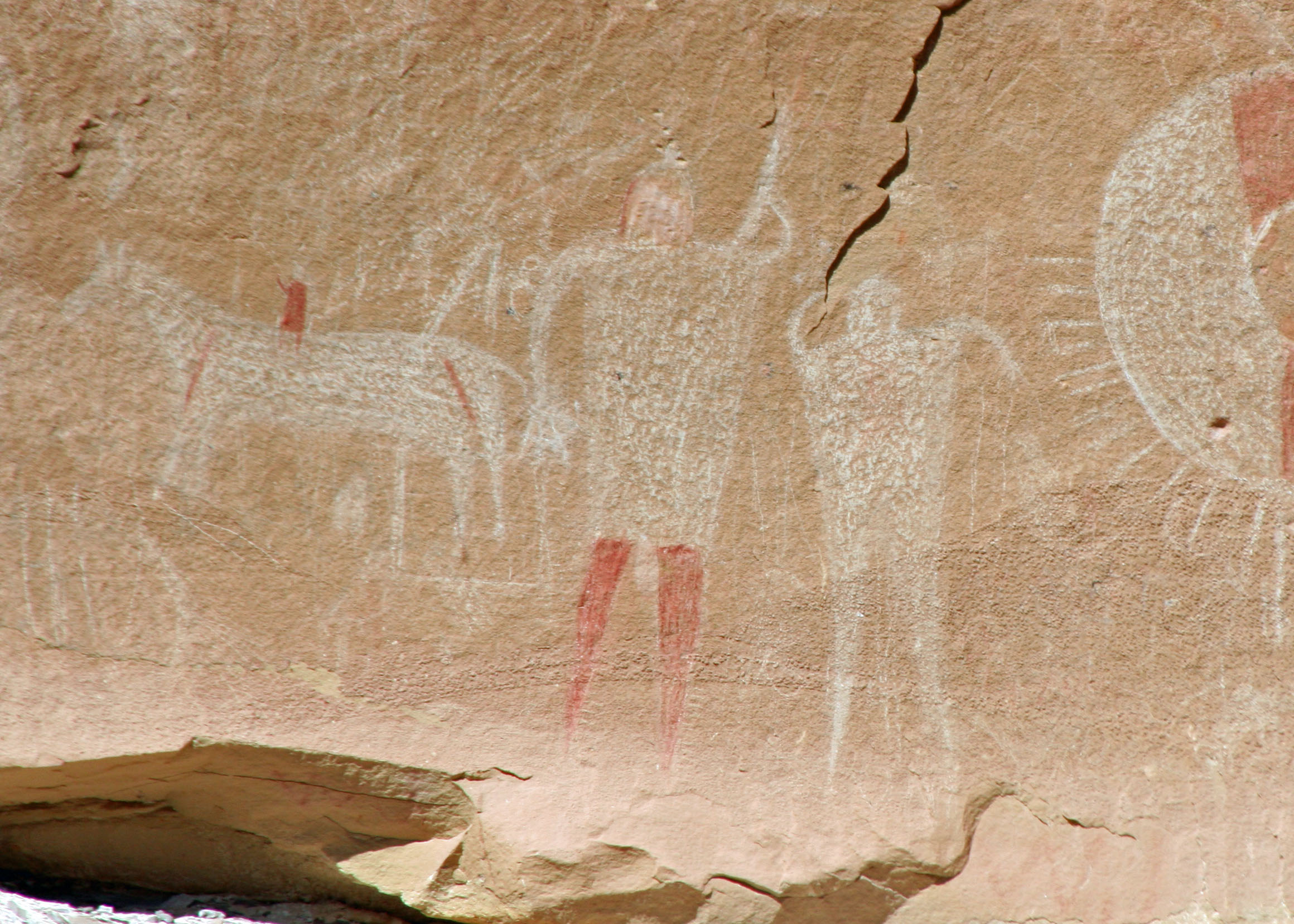
Identifying the age of petroglyphs is a difficult process. The appearance of horses shows that the petroglyphs were created after the 16th Century when the Spanish introduced horses to North America.
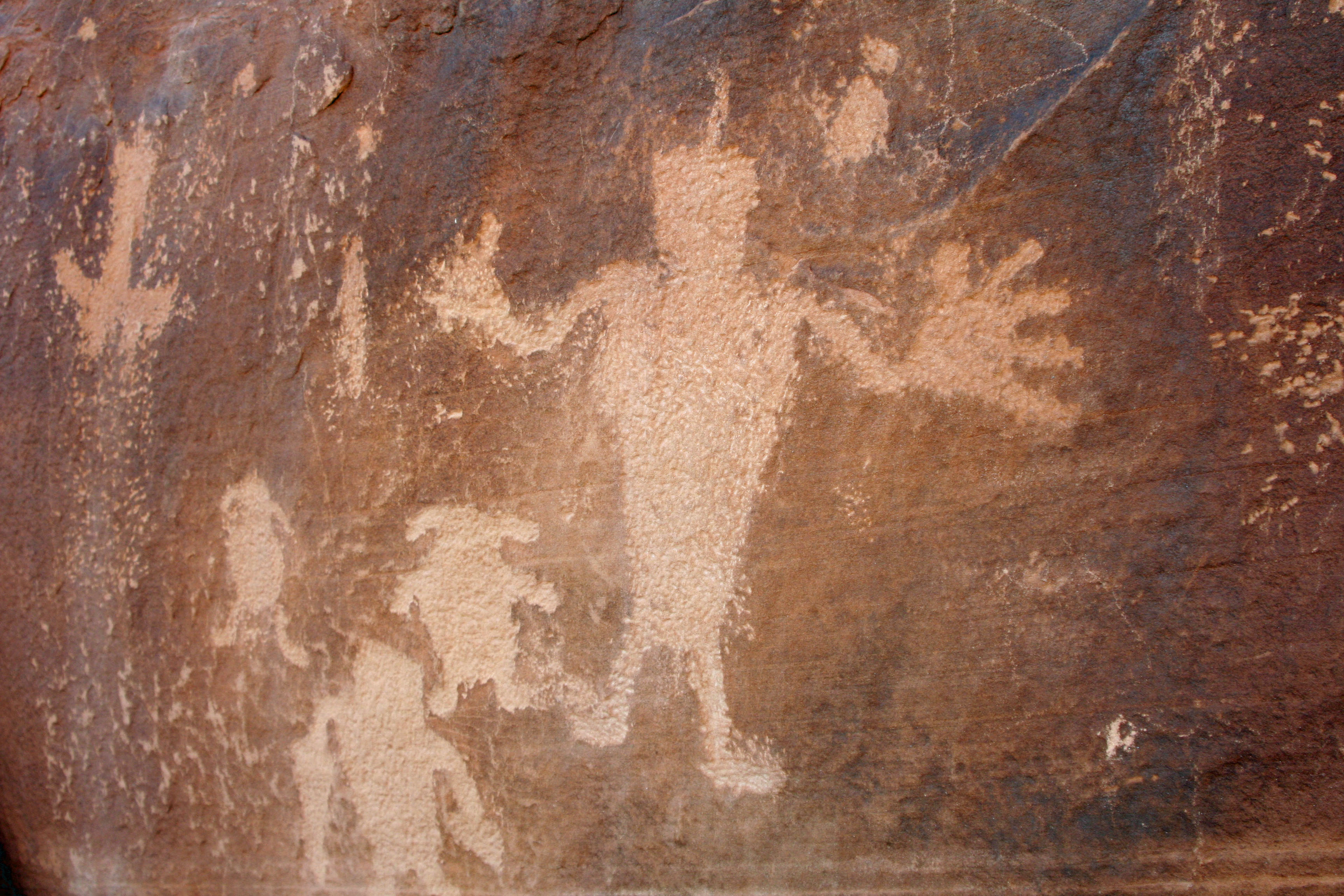
In my next post I will travel to Dinosaur National Monument, which also has some very unique Indian rock-art such as this one featuring what I assume is a woman with big hands and some very fat dogs.

On the Banks of the Klamath… Redwood National Park

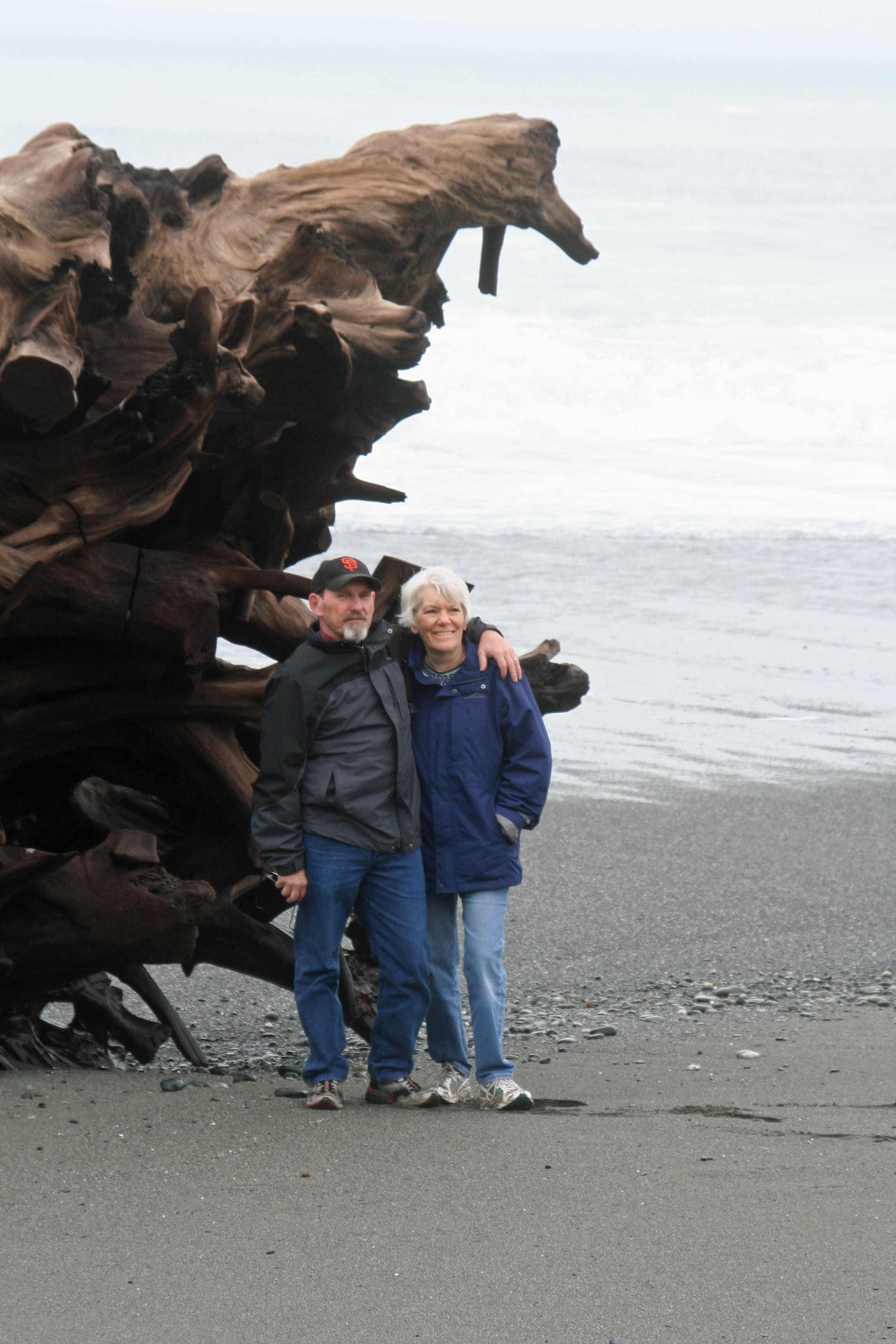
We found this beautiful redwood stump with its twisted roots on the beach near where the Klamath River flows into the Pacific Ocean.

In my last blog, I wrote about experiencing the Redwoods through the eyes of our two and four-year old grandkids. There is still some question about whether they were more impressed by the big trees or the yellow banana slug.

“Can we eat it,” the four-year old asked? Peel away boy.

Two years ago, Peggy and I visited the same area along with our friends Ken and Leslie Lake out of Sacramento. We camped next to the Klamath River near where it flows into the Pacific. I have a special affinity for the Klamath. I was conceived on its banks.

At least that’s the story my parents told me. They were living in the small town of Copco, which is located just south of the Oregon border and east of Interstate 5. My mother always claimed she had the flu and it was a weak moment. It’s good to know where you stand with your mom.

After Ken, Leslie Peggy and I had explored our campground we headed for the ocean. We walked through a Yurok ceremonial site to reach the shore. The Yuroks have lived in the area for numerous generations and today constitute the largest tribe of Native Americans still living in California. The site includes several structures made of fallen redwood including a traditional sweathouse.

The Yurok ceremonial site on the edge of the Klamath River and next to Redwoods National Park includes this traditional sweathouse.

The Yuroks considered the giant redwoods sacred living beings. A comment from Zantippy on my last blog about Redwood National Park came close to capturing how the Yuroks must have felt.

“Oh man, these photos are gorgeous!!! How could Mr. Reagan have not felt these trees spirits? When I was ten, we went there, and my dad parked the car and we were going to walk the trail, but I wanted to stay by myself near the car, and just BE with the forest. It was one of the most amazing things I’ve ever experienced. Then I felt bad because my mother was worried about them walking too far away from the car where I was all alone, so they didn’t get to really explore. I think I told them to just stay still and listen. It is silent voices.”

It is easy for me to understand how the Yurok regarded the redwoods as sacred beings.

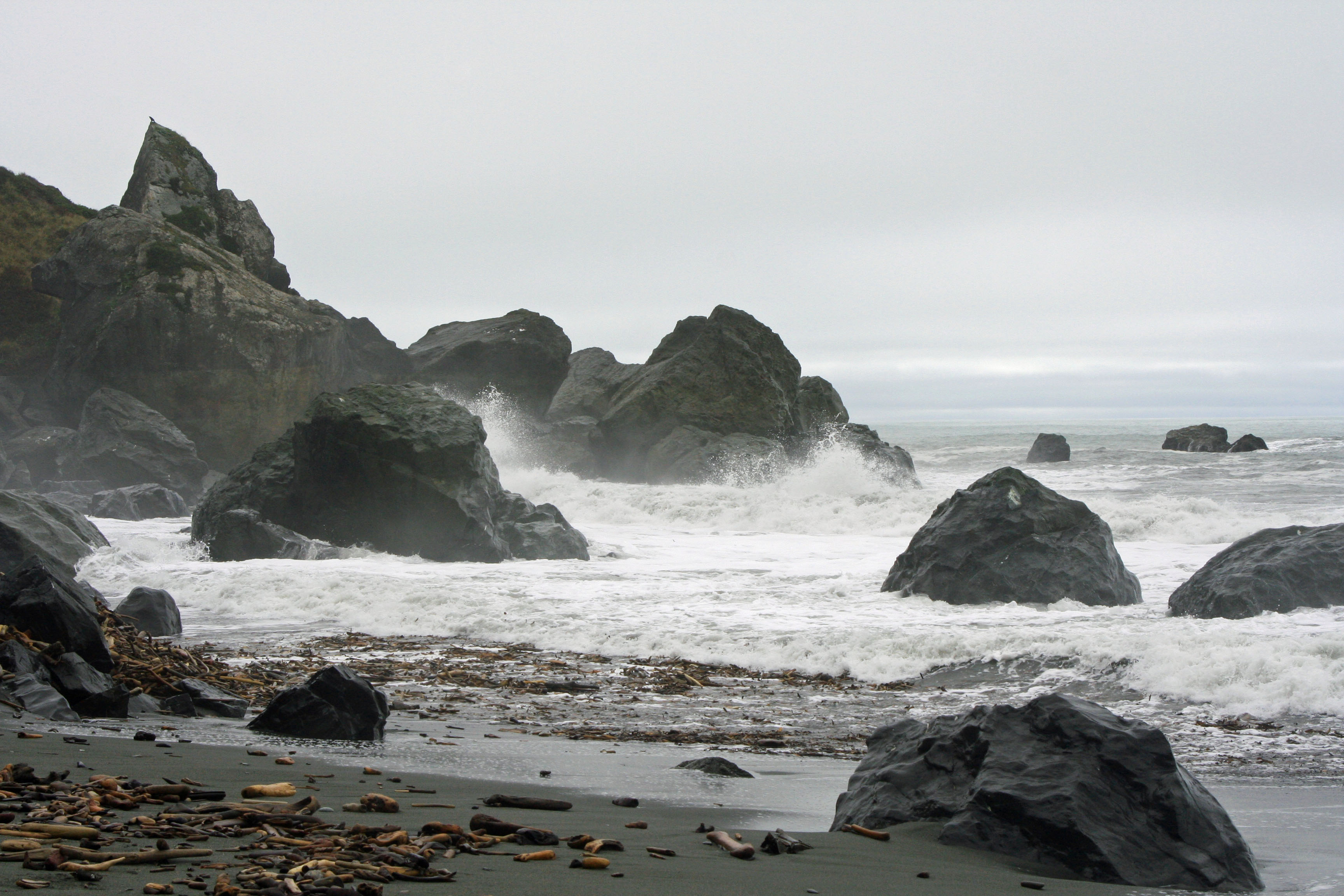
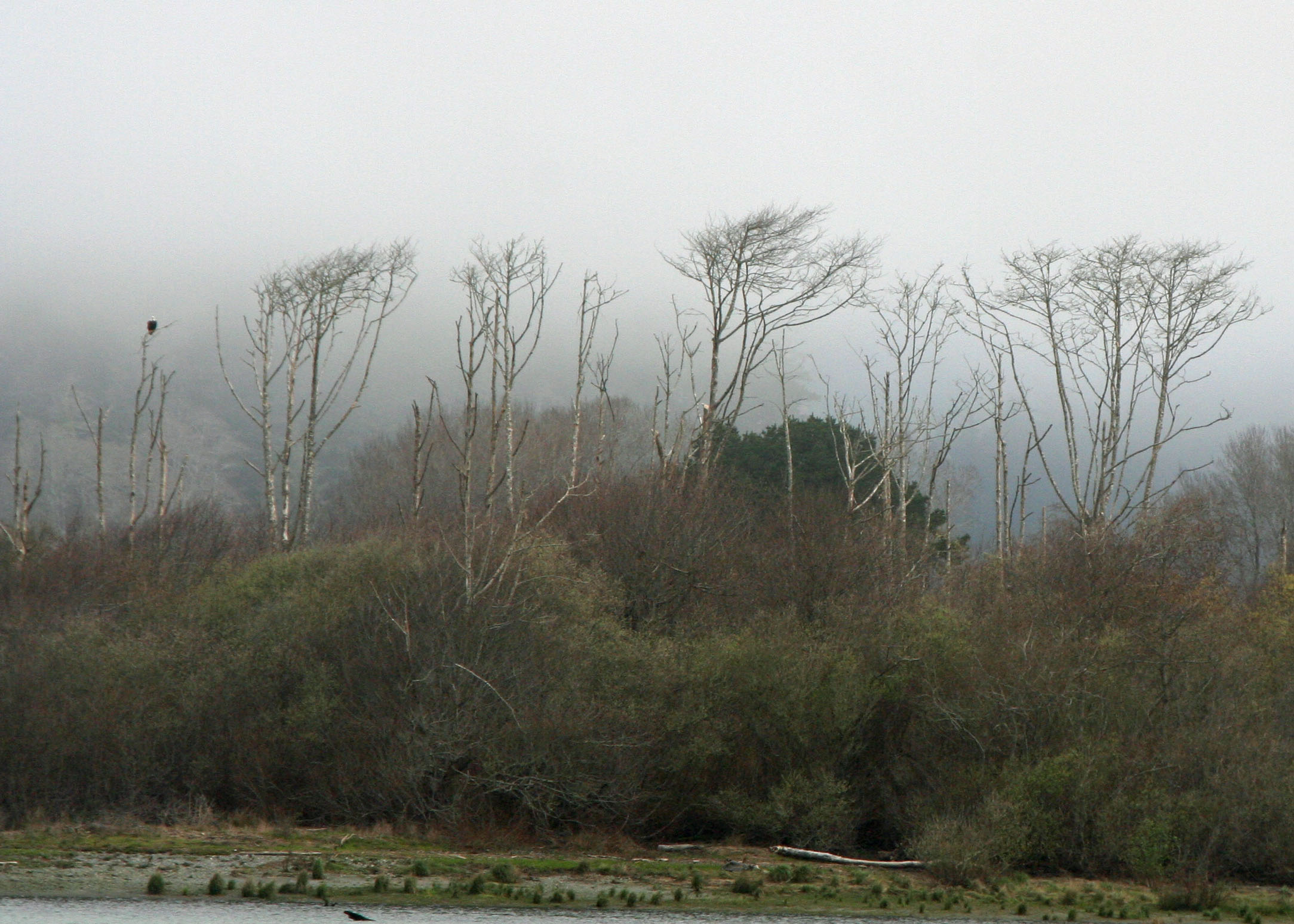
A recent storm had deposited driftwood on the beach including a large redwood stump and roots. Smaller pieces of driftwood displayed unique personalities. Waves crashed against the shore. Mist touched the ocean and the trees.  A bald eagle watched us from the distance.

Our friends Ken and Leslie Lake stand next to the redwood stump we found washed up on the beach.

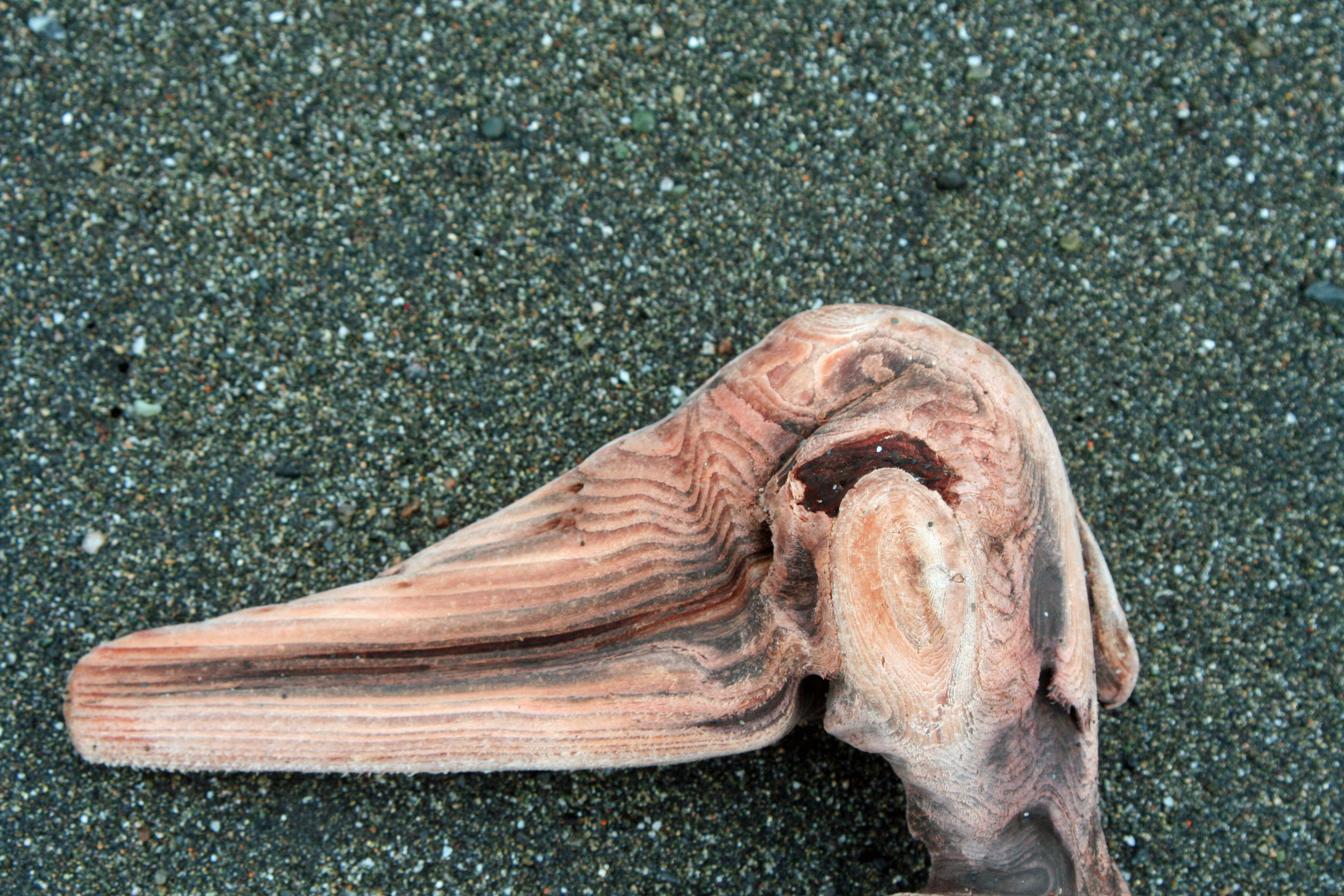
Driftwood can inspire the imagination. I saw a wood duck in this piece.

Waves crashing against the rocks, mist and driftwood are typical of California’s North Coast in Redwood National Park.

A lone bald eagle in the trees on the left watched as we wandered along the beach.

Just up the narrow, winding Coastal Road, we came on another interesting site. It looked like an old farm. Appearances can be deceiving. It had been disguised to look like a farm. Once upon a time it housed an early radar warning system and two 50 caliber anti-aircraft machine guns. Its purpose was to guard against invasion from Japan following the bombing of Pearl Harbor during World War II.

This seemingly innocent farm building found in the North Coast Redwoods overlooking the Pacific once harbored an early warning radar system and two 50 caliber anti-aircraft submachine guns to guar against invasion from Japan during World War II.

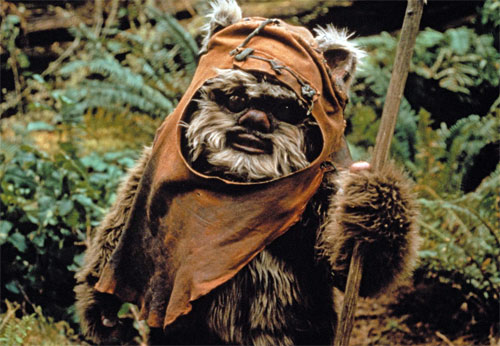
Continuing on, we visited the big trees of Prairie Creek Redwoods State Park. I kept expecting to meet up with Ewoks. But there are scarier creatures about. Scenes from Jurassic Park were also filmed in the area.

I kept expecting to meet up with an Ewok. George Lucas used North Coast Redwoods to film his Ewok scenes. Portions of Jurassic Park were also filmed in the area. (Photo from Google images.)

The only strange creature I found was the Peripatetic Bone who insisted on having his picture take with one of the Big Trees. He considered it a humbling experience. Can you spot him?

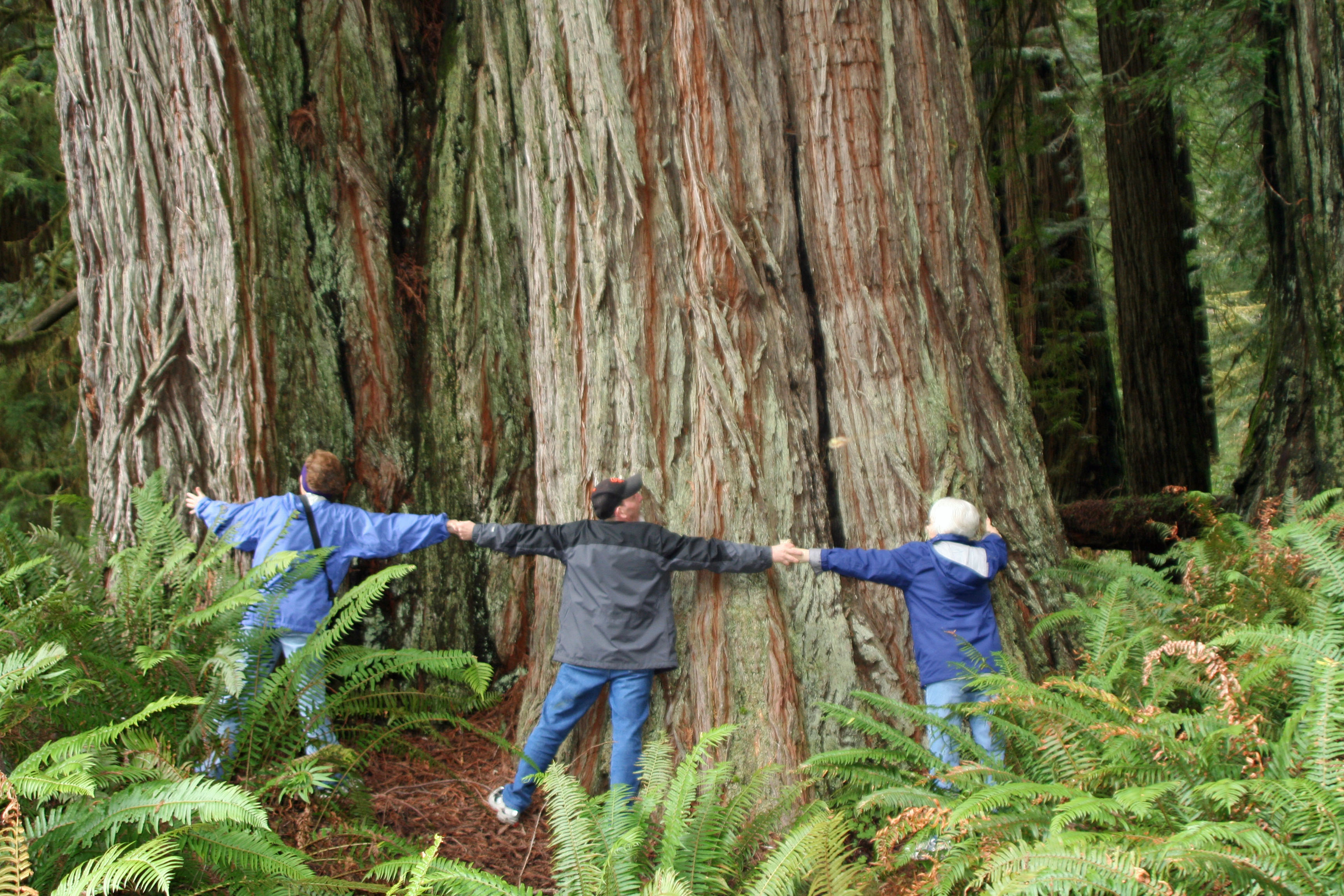
Even my favorite Tree Huggers… Peggy, Ken and Leslie, were made to feel small.

Reaching for the Sky: California’s Redwoods… The National Park Series

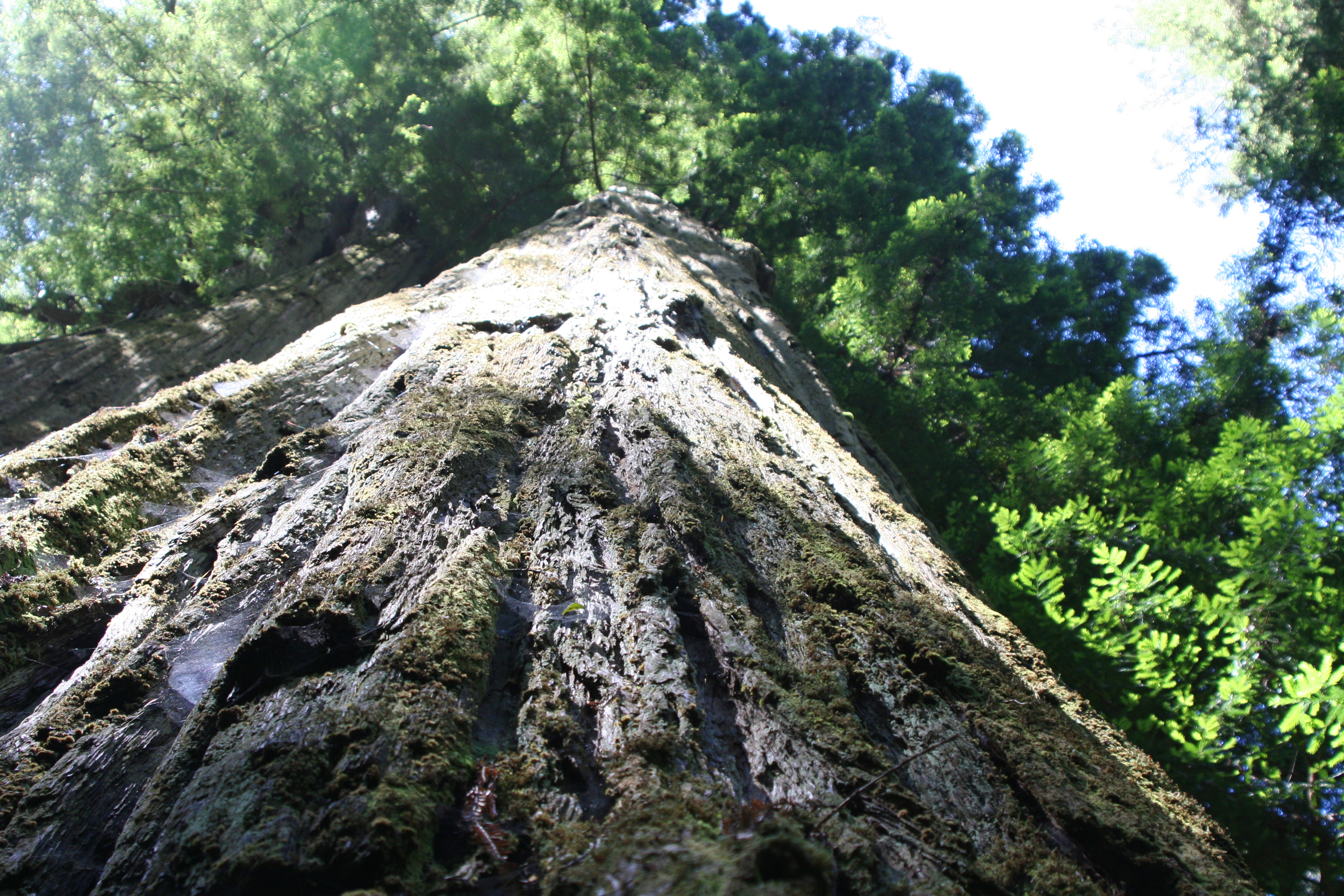
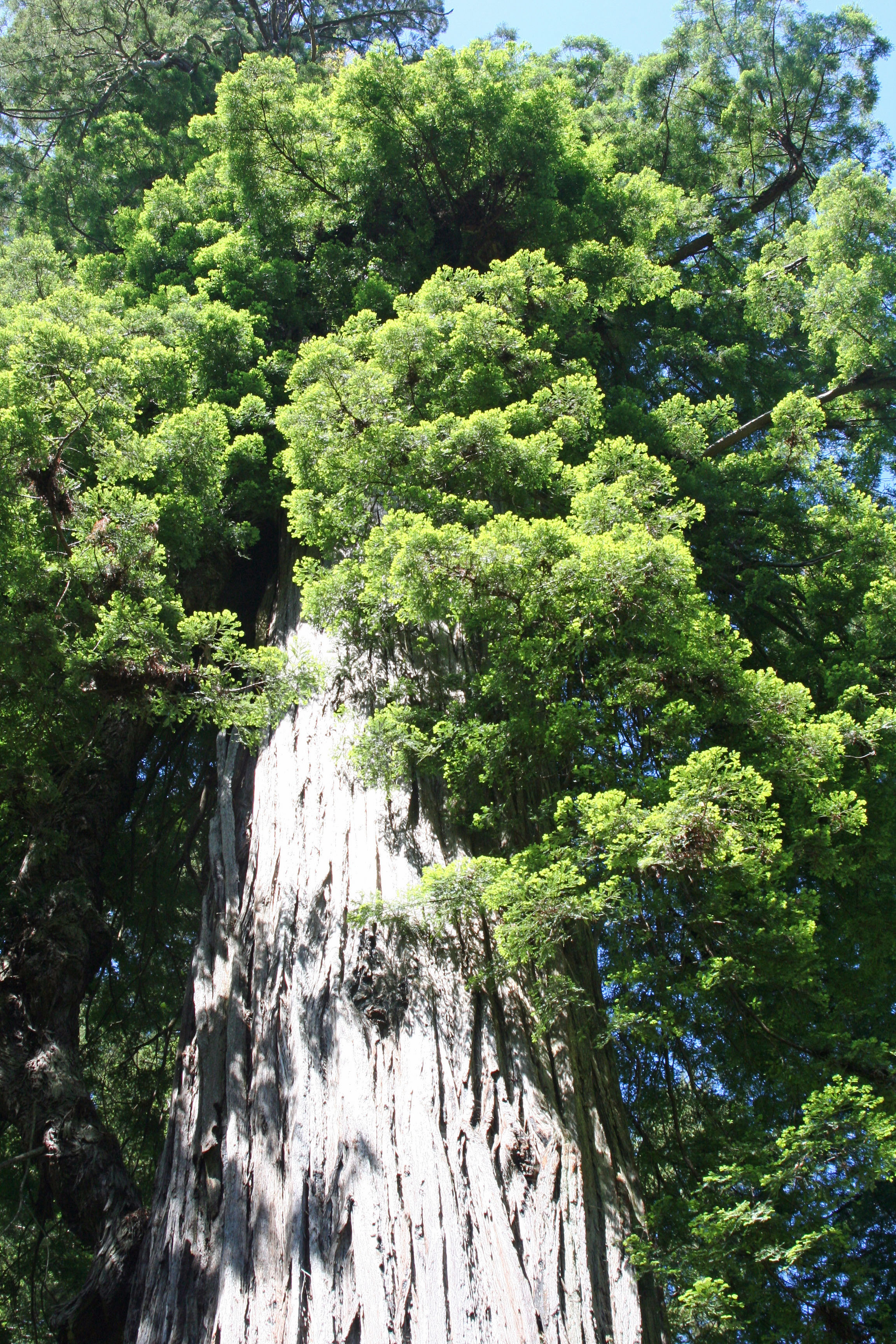
A magnificent redwood on California’s North Coast reaches for the sky.

Ronald Reagan once commented about the Redwoods, “There is nothing beautiful about them. They are just a little taller than other trees.” He was serious. Why save a tree that has been around since 500 AD, stands 305 feet tall, and has a circumference of 61 feet when it can be used to build decks that will last for 30 years?

A view of the Redwoods canopy.

My wife Peggy provides perspective on the size of a giant redwood tree.

Reagan’s statement about the Redwoods is totally beyond my comprehension. Fortunately, thanks to groups like the Save the Redwoods League, we can still visit the rugged coast of Northern California and see these magnificent trees reaching for the sky.

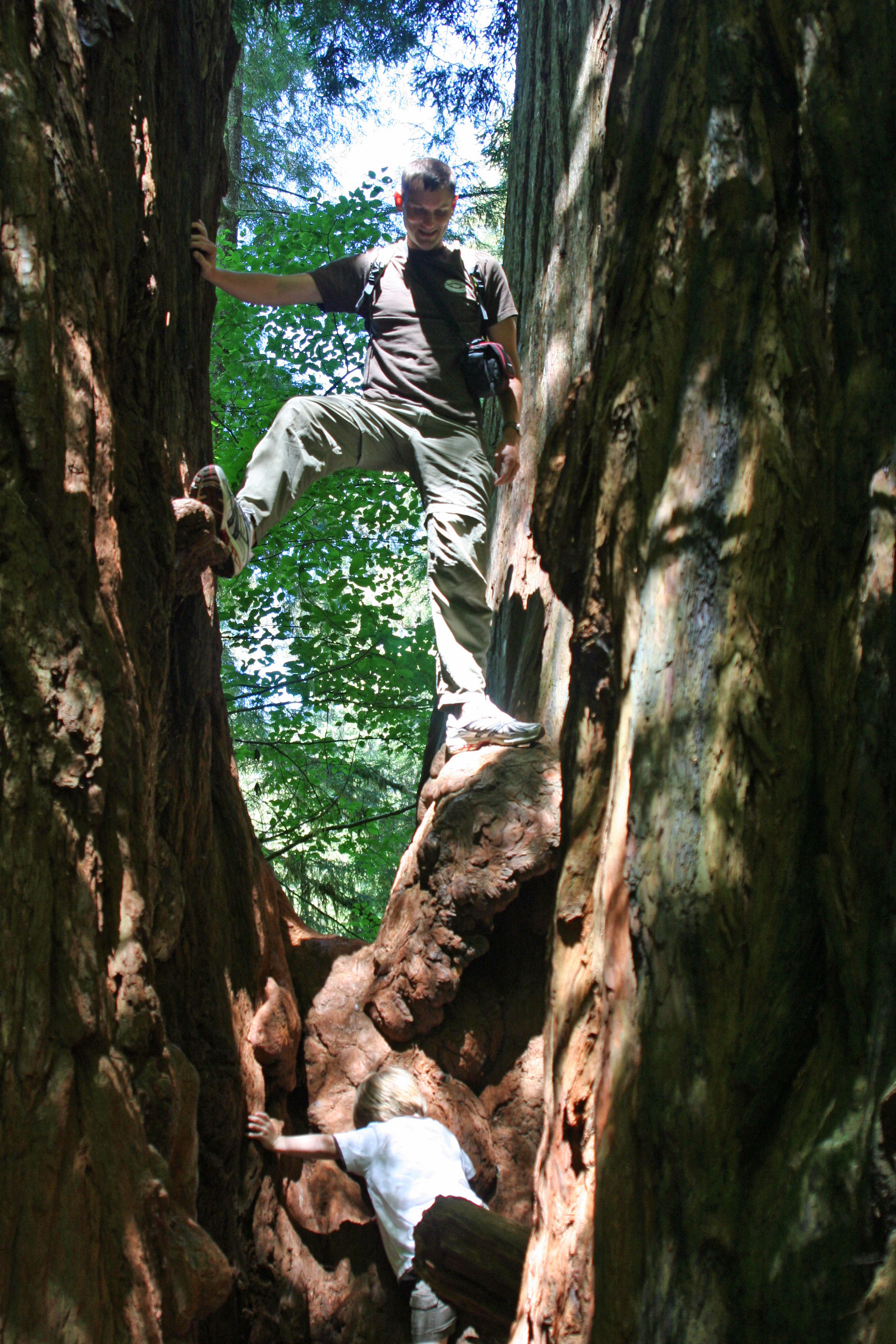
Peggy and I were there last week along with our son Tony and his family. We scrambled to keep up with the grandkids as they rushed down the trails at the Big Tree Wayside. A yellow banana slug, school mascot to UC Santa Cruz, caught their attention and gave us a rest. Hollowed out trees served as perfect caves that demanded exploration. Other redwoods were obviously made for climbing.

The four-year old Connor demonstrates his tree climbing ability as he works his way up a redwood in pursuit of his dad Tony.

The two-year old Christopher is caught up by his mom Cammie for a photo-op while exploring a hollowed out redwood cave.

We were camping at Prairie Creek Redwoods State Park, which is one of several areas set aside as state and National Parks by California and the US Government to protect the forest giants. The area is famous for it’s Elk herds as well as the Redwoods and the scenic California North Coast.

At two and four, Chris and Connor may be a little young to remember the experience. But they will have photos. More importantly, they will be able to come back. Hopefully their children and grandchildren will as well.

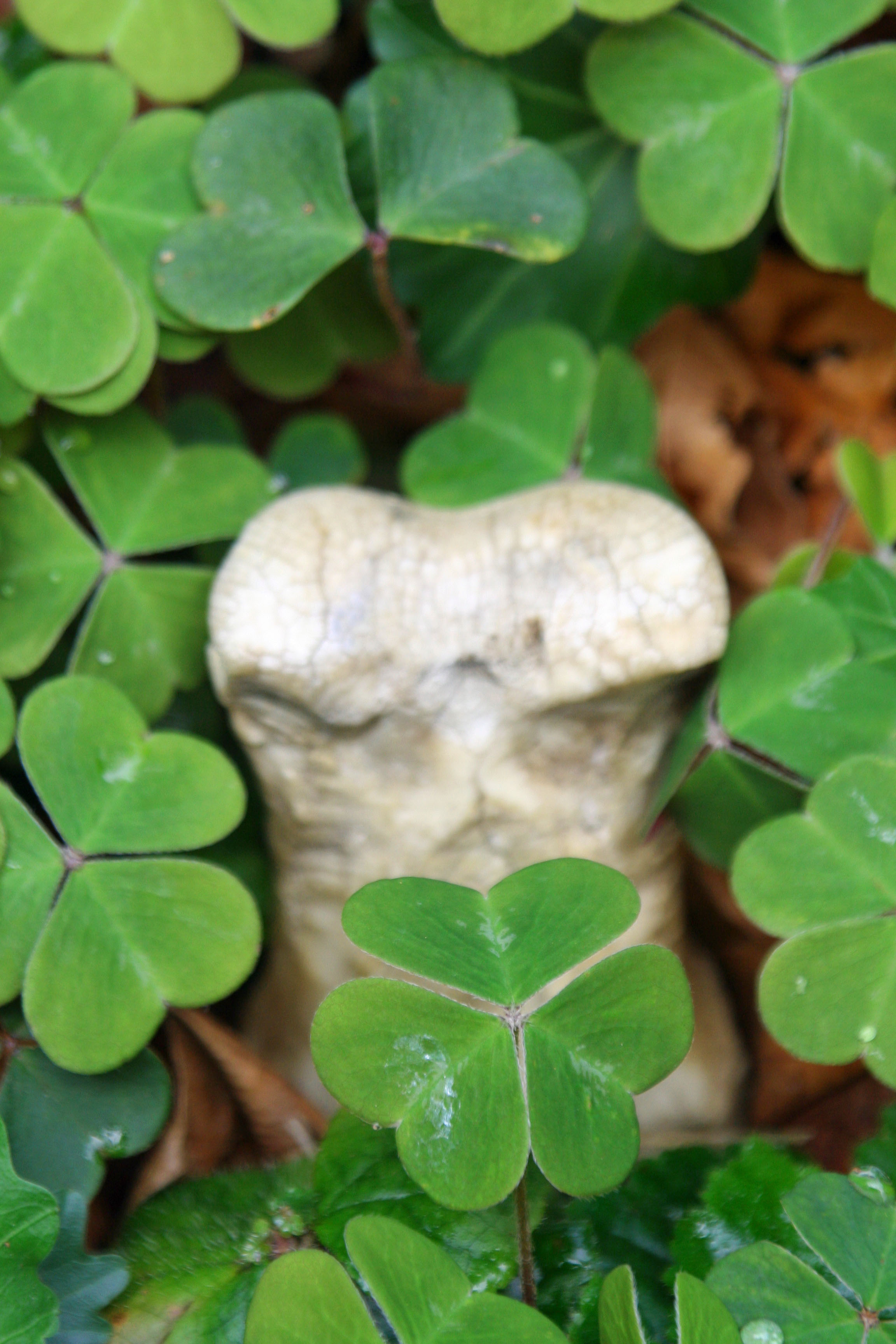
The Peripatetic Bone hides out in the clover at Redwoods National Park.

Peggy shows just how large the clover in the Redwoods can grow.

A final view of the 1500 year old rightfully named ‘Big Tree’ in Prairie Creek Redwoods State Park.

Bryce Canyon… The National Park Series

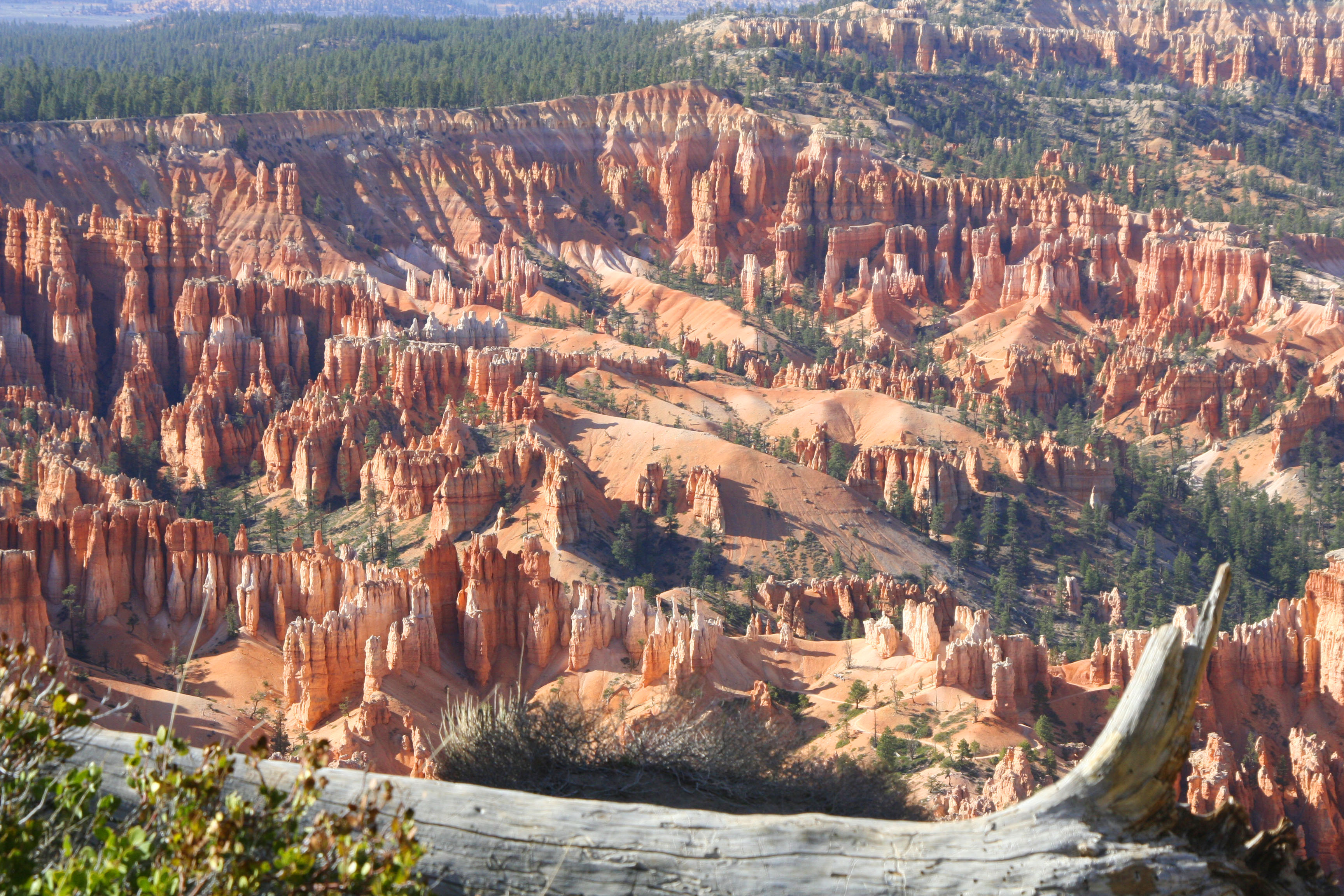
Bryce Canyon National Park in Utah is a fantasy land of rocks guaranteed to impress visitors.

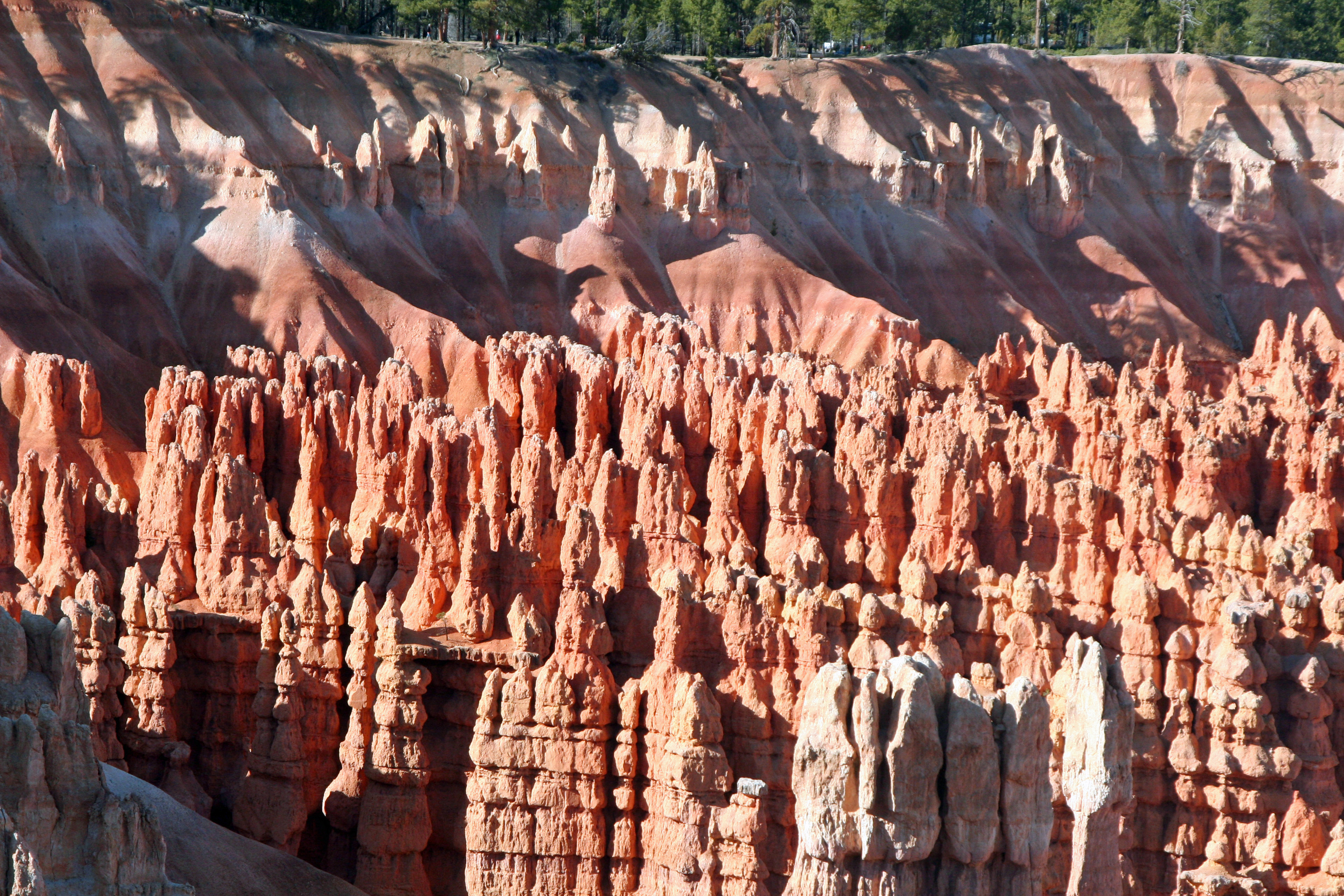
The first time I came across a group of hoodoos, I stopped and stared. Then I grabbed my camera. But I didn’t have to rush. Hoodoos are strange rock formations of arid regions. They don’t go anywhere. They just stand there for centuries as nature and erosion do their work, carving whimsical statues of stone.

Bryce Canyon National Park is a superb location for hoodoo watching. They come in a multitude of shapes, forms and colors creating a fantasy land that even the wildest of imaginations can appreciate.

Hoodoos are created in Bryce Canyon through the erosion of sandstone, which eventually creates whimsical statues.

Carved from sandstone of the Paunsaugunt Plateau, Bryce Canyon drops some 2000 feet in altitude to the valley below. Trails ranging from easy to challenging provide the visitor with numerous opportunities to meet the hoodoos up close. Or you can stroll along the rim trail. Be sure to check the park out at sunrise and sunset.

Bryce Canyon is located off of Highway 89 in Southwestern Utah. An easy day’s drive can take you to either Capitol Reef or Zion National Parks and through millions of years of geological history. I consider Utah’s Highway 12 that connects Bryce National Park with Capitol Reef to be one of the most scenic roads Peggy and I found in our 200,000-mile exploration of America.

A family of Hoodoos hidden in a canyon.

Following one of the many trails into Bryce Canyon will bring you face to face with one of the National Park’s unique sculptures.

Another sandstone hoodoo. This one reflects the warm colors of the setting sun.

Erosion created a box canyon here. I saw it and thought immediately it would have made a great corral for cattle stolen by outlaws of the old west.

A final view of Bryce Canyon National Park.

Arches National Park… The National Park Series

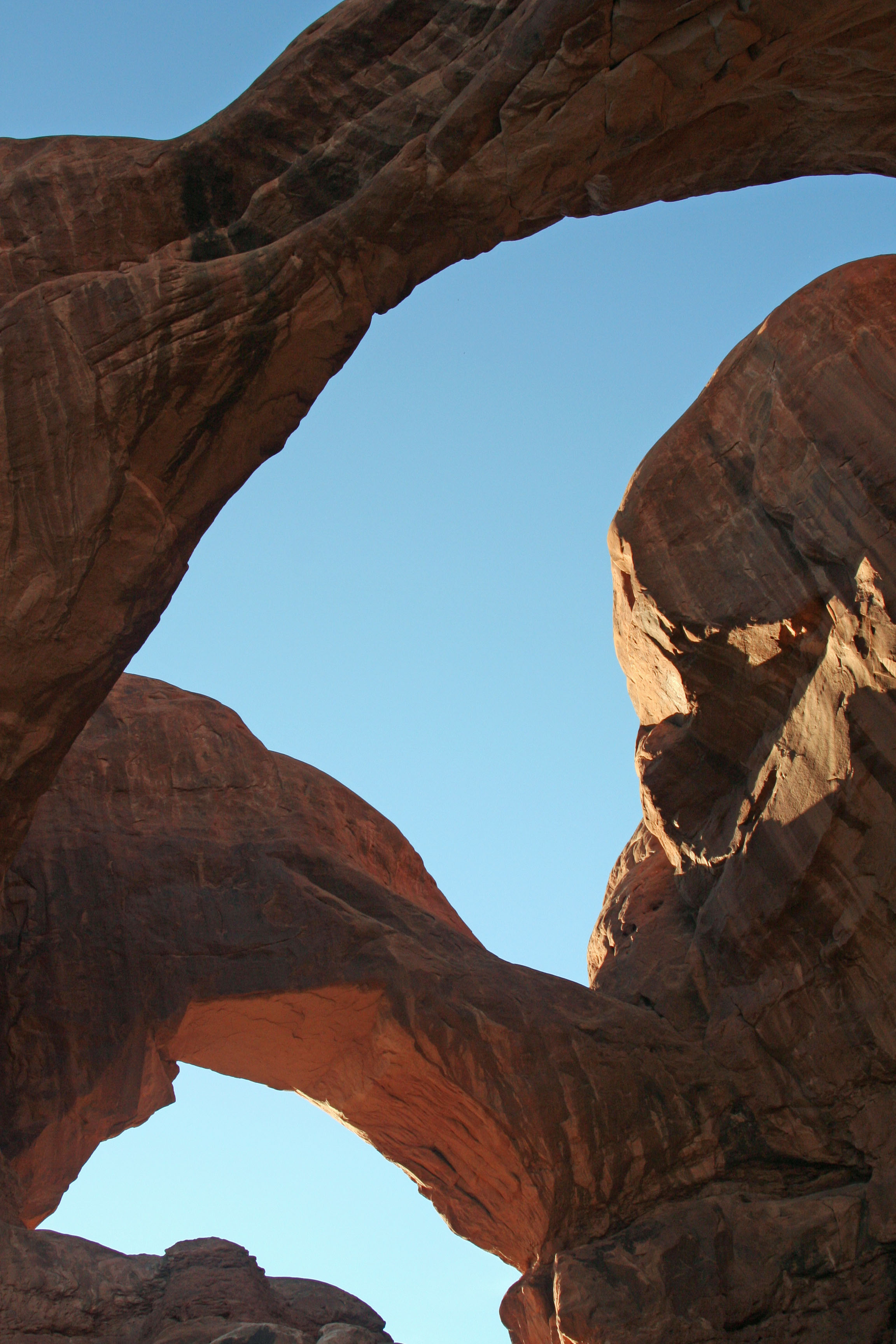
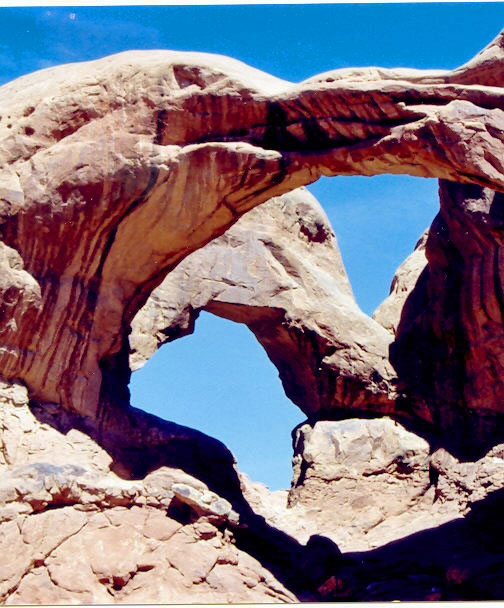
The soaring arches of Arches National Park create magnificent scenery.

I added Arches National Park to my must see list when I read Edward Abbey’s book “Desert Solitaire.” I highly recommend both. The Park is located just north of Moab in the scenic state of Utah. You can pick up Abbey’s book by following my link, or better yet, visiting your local bookstore.

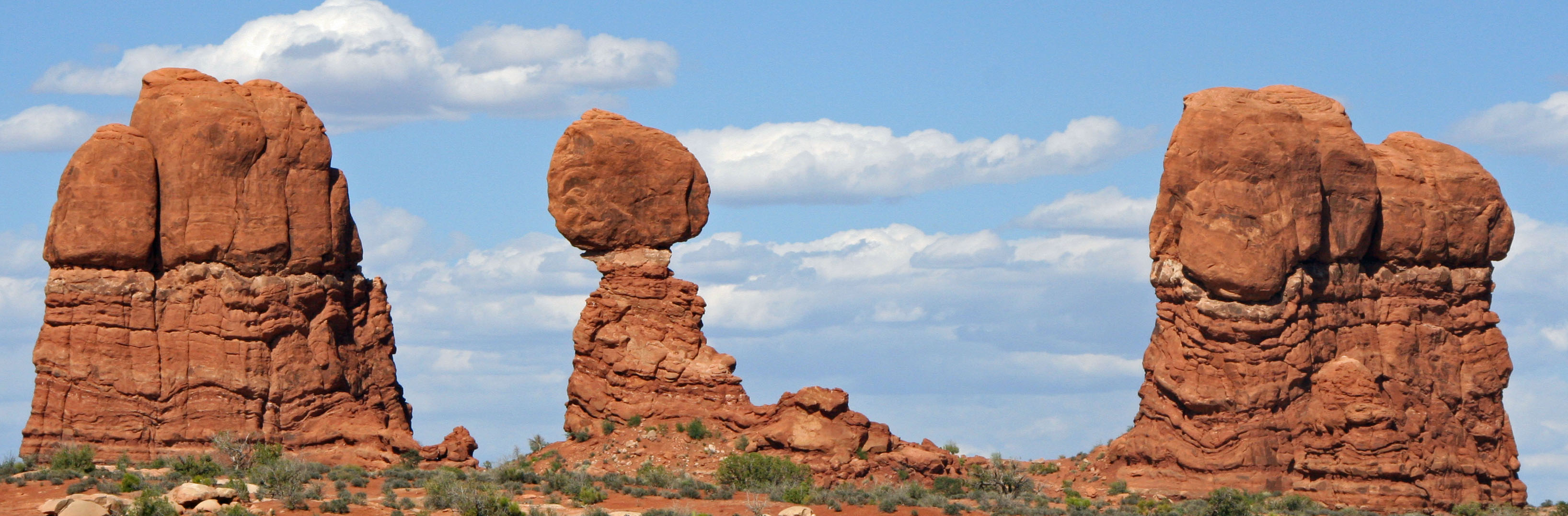
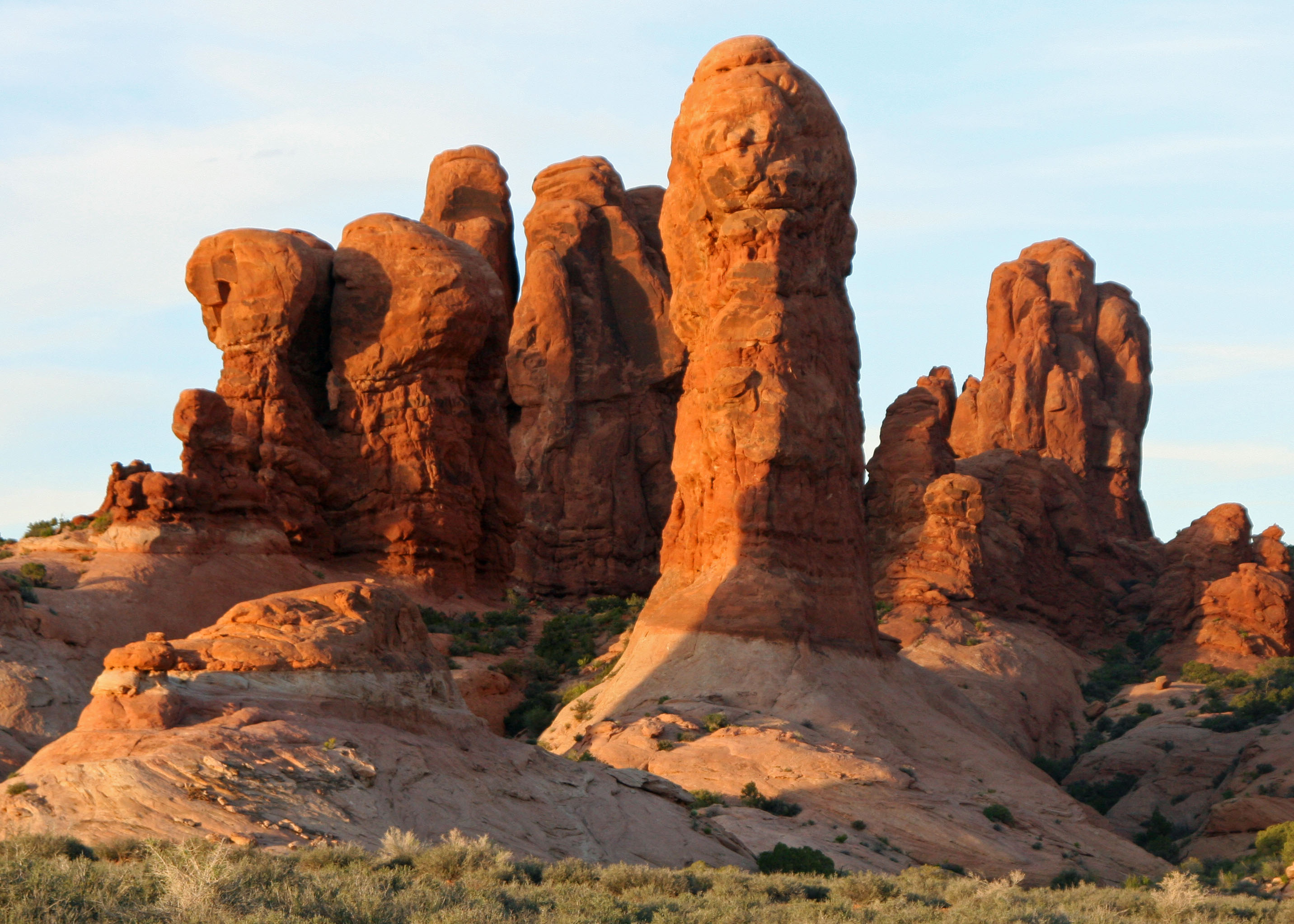
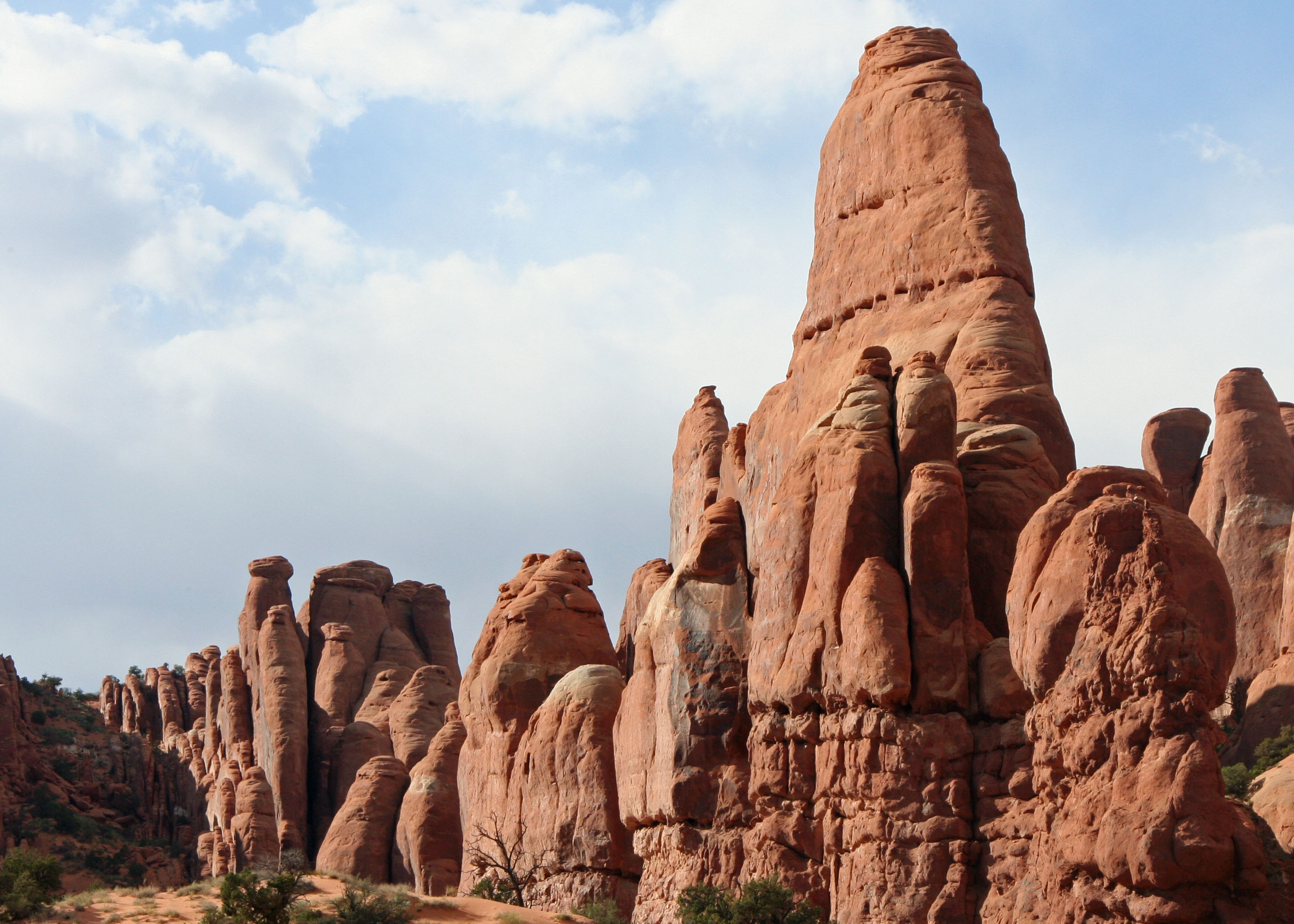
The eroded sandstone of Arches National Park forms some of the best stone sculptures in the world. Its claim to fame, of course, is arches, some 2000 of them, but I was equally impressed with its soaring pinnacles, massive balanced rocks, groupings of sculptures and long, thin ridges.

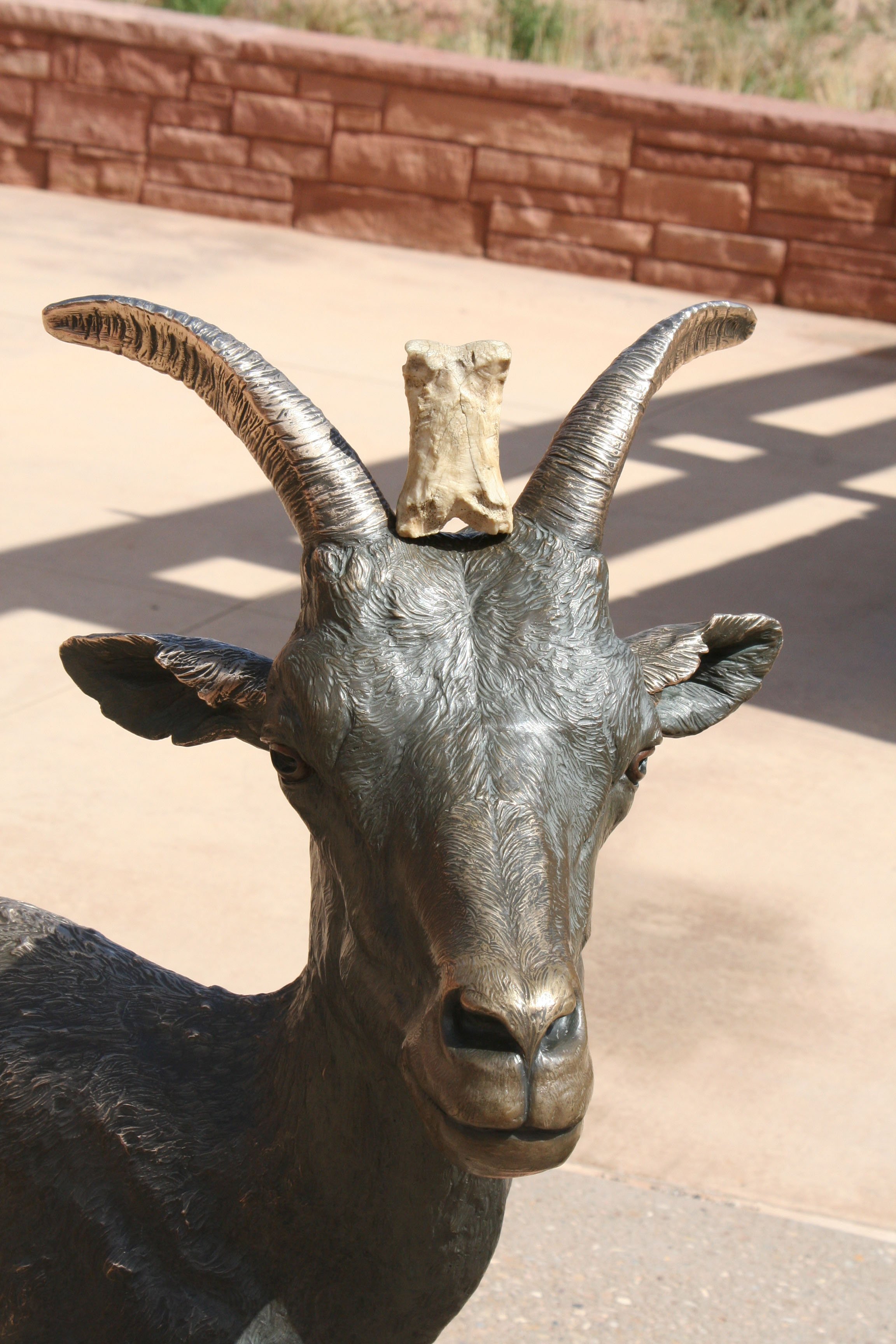
There are also Desert Bighorn Sheep in the area, often seen near the Visitors’ Center. Check out my blog on these magnificent animals.

Desert Big Horn Sheep are frequently seen near the Visitors’ Center at Arches National Park. The Peripatetic Bone decided to join a sculpture of the Big Horn Sheep at the Center.

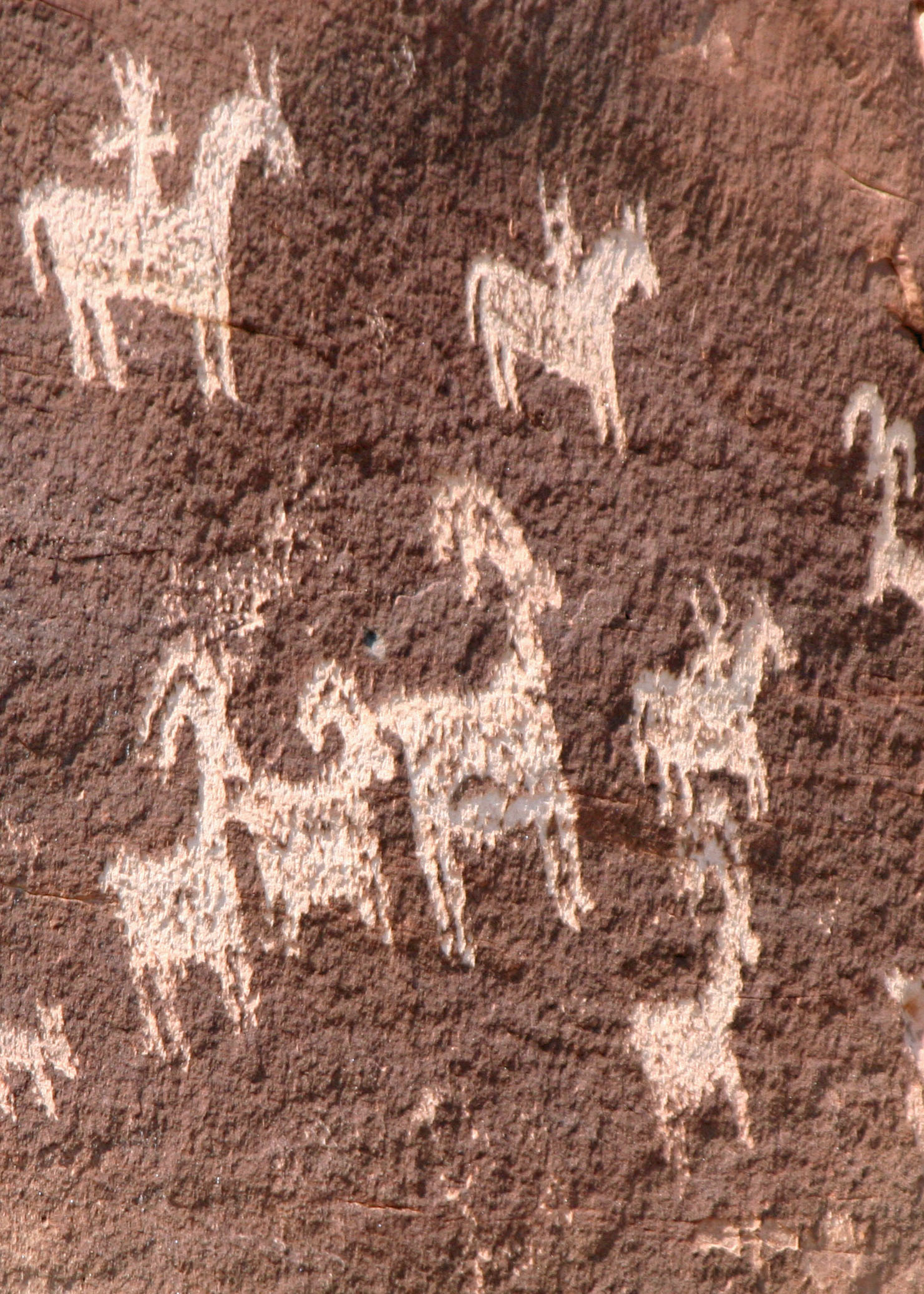
Ancient Native American Petroglyphs are found throughout the West and often feature Big Horn Sheep. This petroglyph is found in Arches National Park. Note the Indians on horses.

Utah has several other National Parks that I will feature in future blogs including Canyonlands, Capitol Reef, Bryce and Zion. You can visit these parks in a week but spending more time is definitely better. Each is worth a week itself!

I’ve been back to Arches National Park twice and have every intention of going again. Enjoy the photos.

Rock sculptures come in all shapes and sizes at Arches National Park. At one time arches would have connected these sculptures.

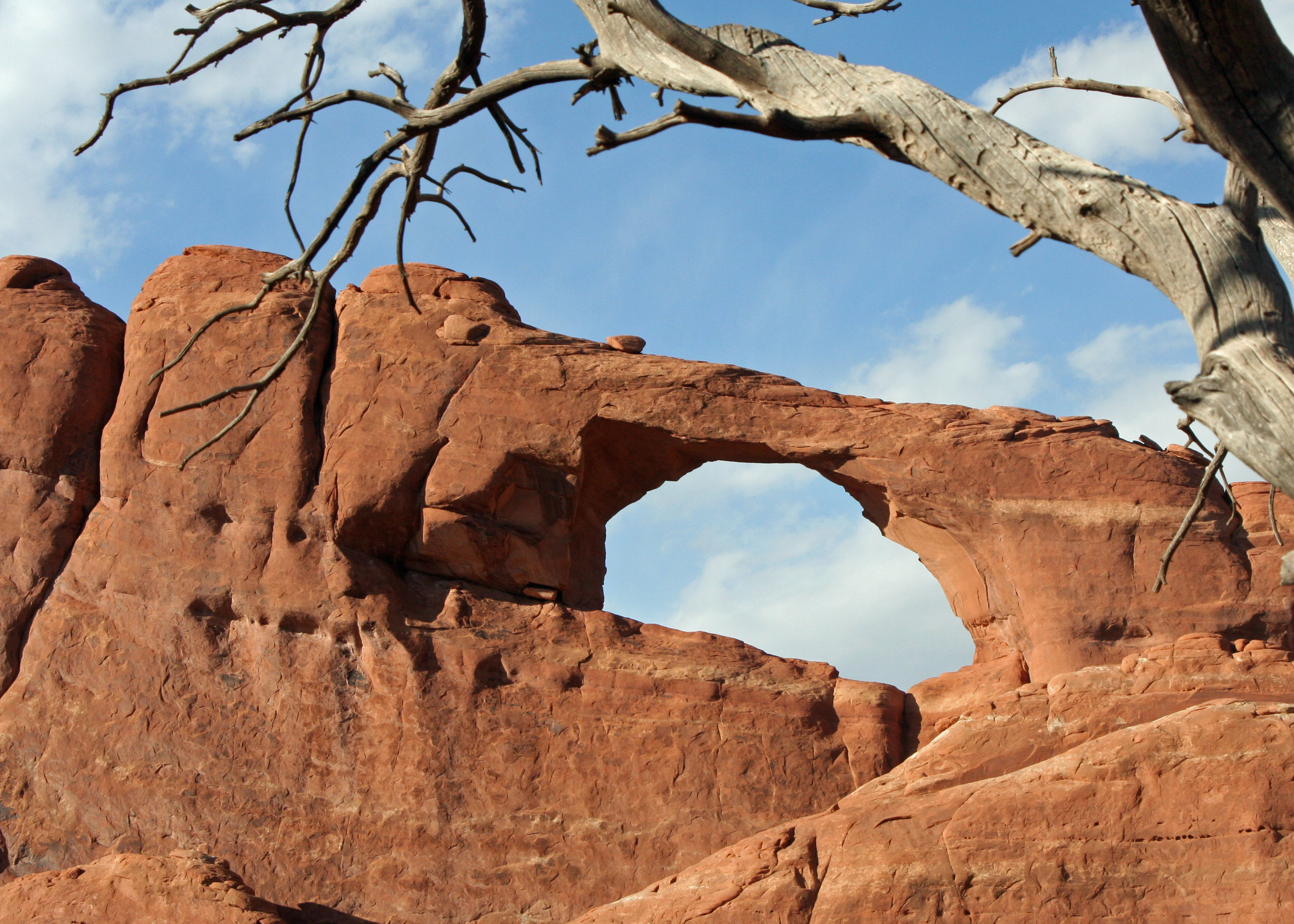
I took this photo on my first visit to Arches National park. The two arches are the same as I featured in my photo at the beginning of the blog.

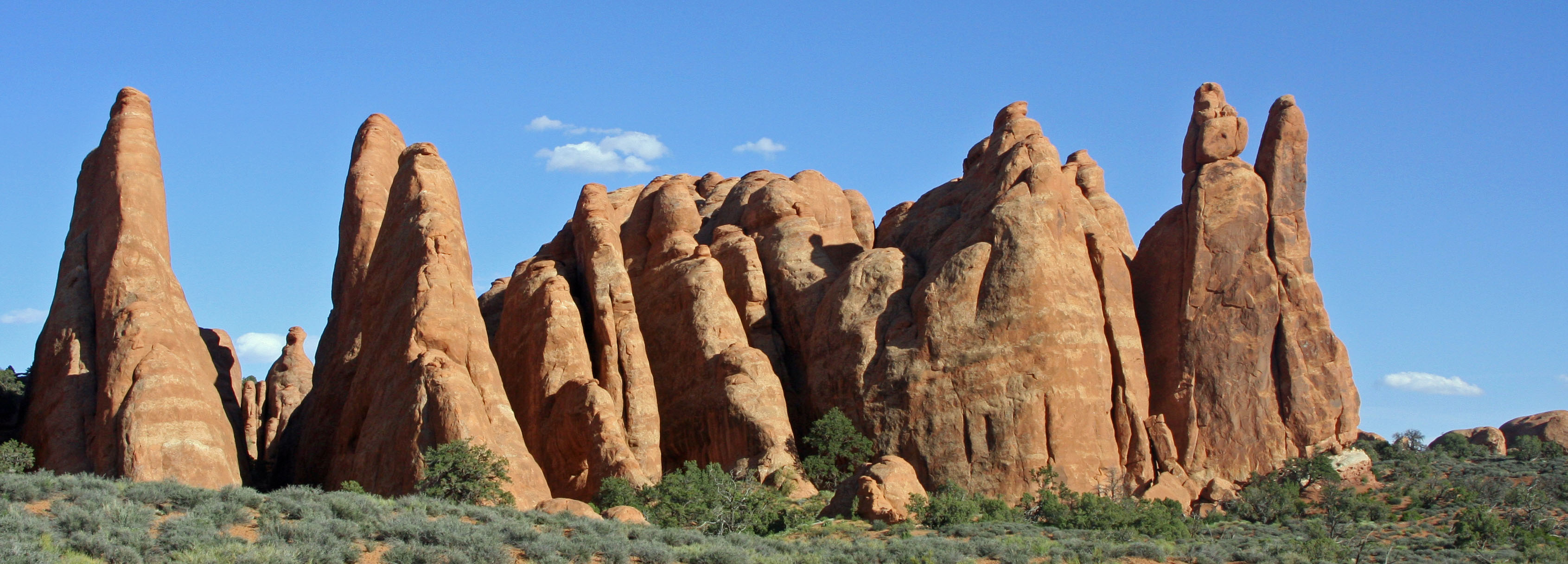
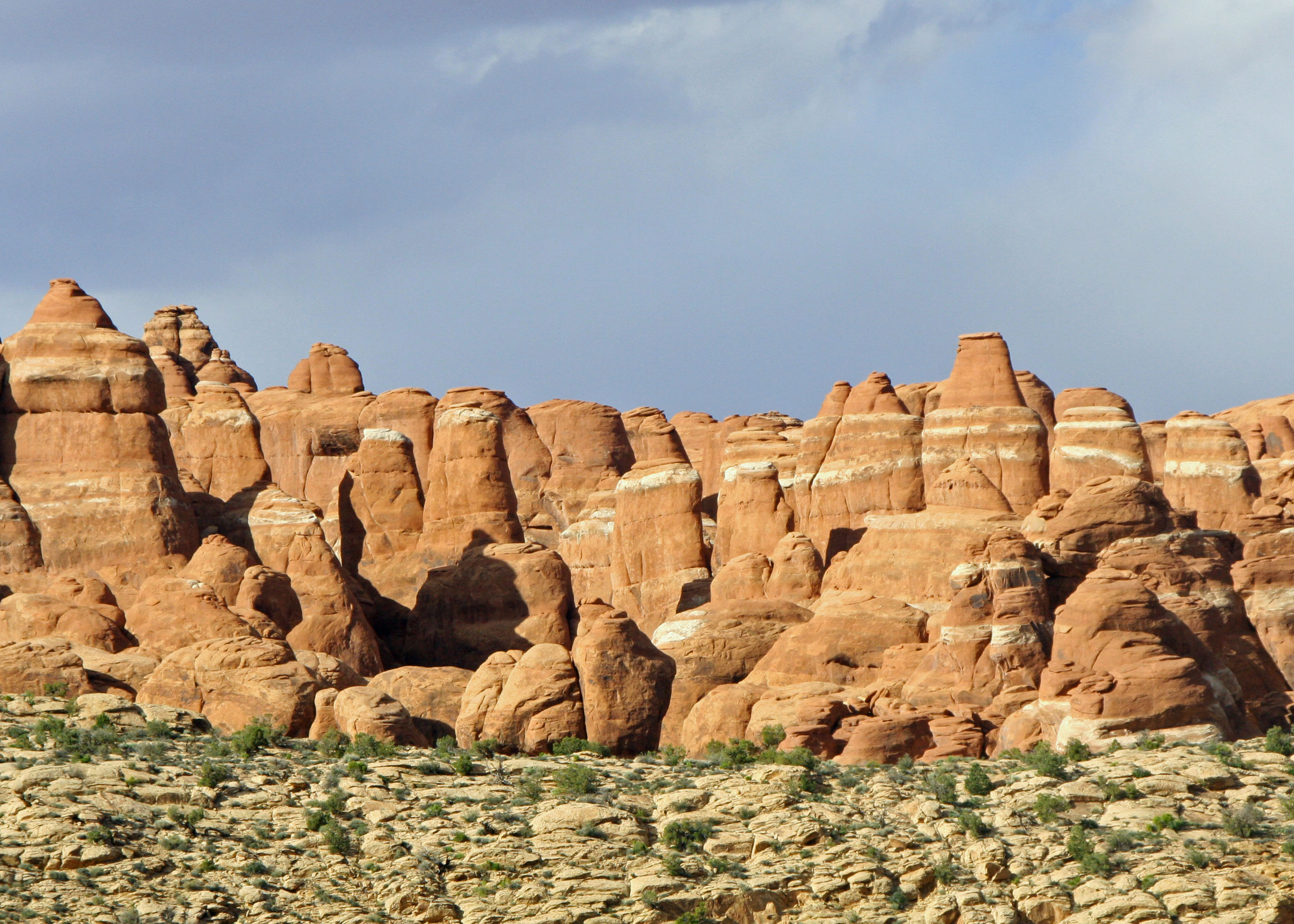
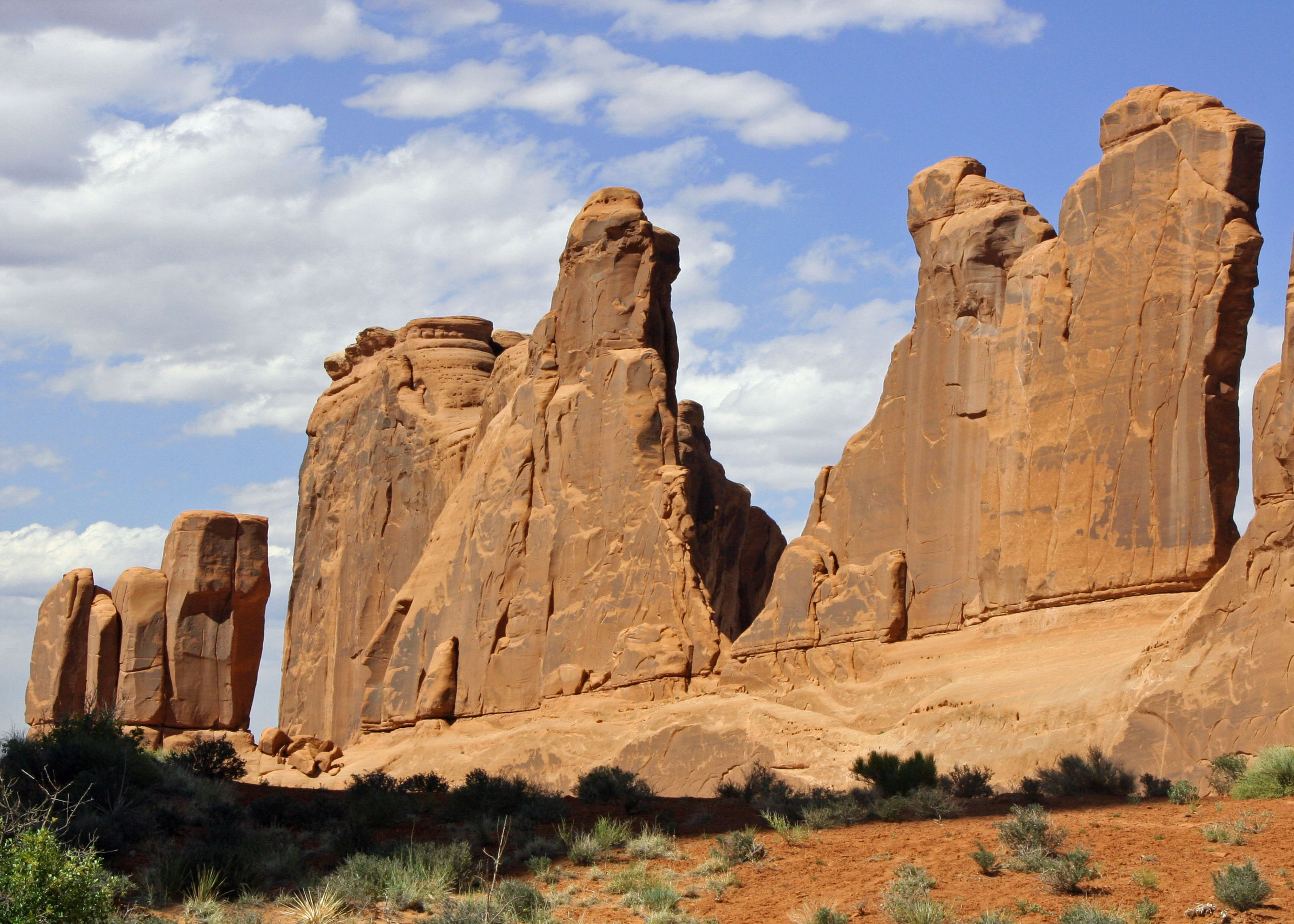
The stone sculptures at Arches National Park often form interesting groupings as demonstrated by the picture above and next three below.

I thought teepees when I saw these sculptures.

The dark sky above these sun-lit rocks added drama to this view.

Parent with lots of kids?

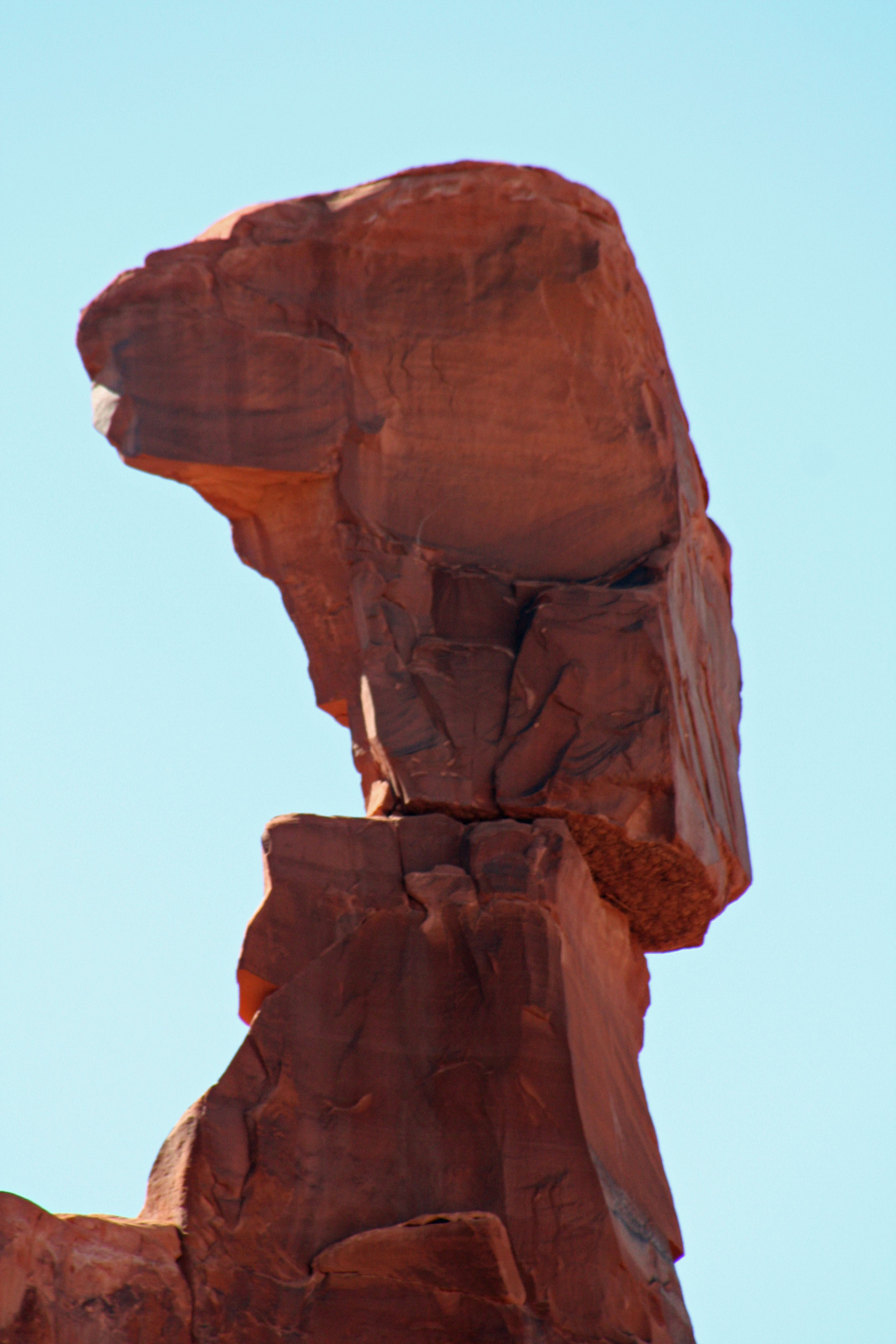
Erosion often leaves rocks precariously balanced at Arches. I wonder how long this rock will remain on its perch. it could fall tomorrow, or in a thousand years.

This impressive structure at Arches National Park is called the Courthouse. I call it V.

A final arch…

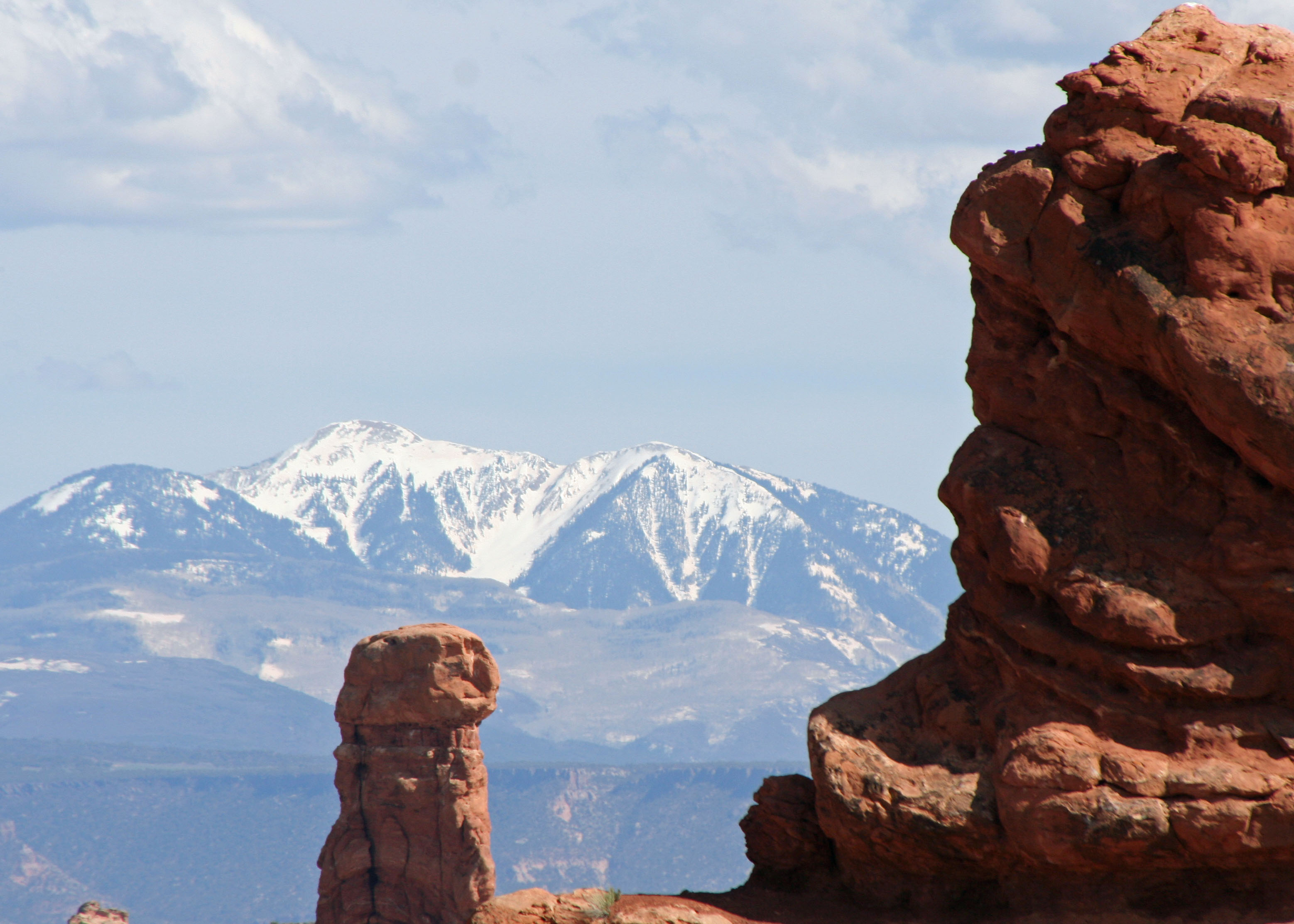
Distant snow-covered mountains add to the beauty of Arches National Park.

The Beauty of Death Valley… The National Park Series

Perched above Gold Canyon off of Highway 190 , Zabriskie Point provides one of many beautiful views in Death Valley National Park.

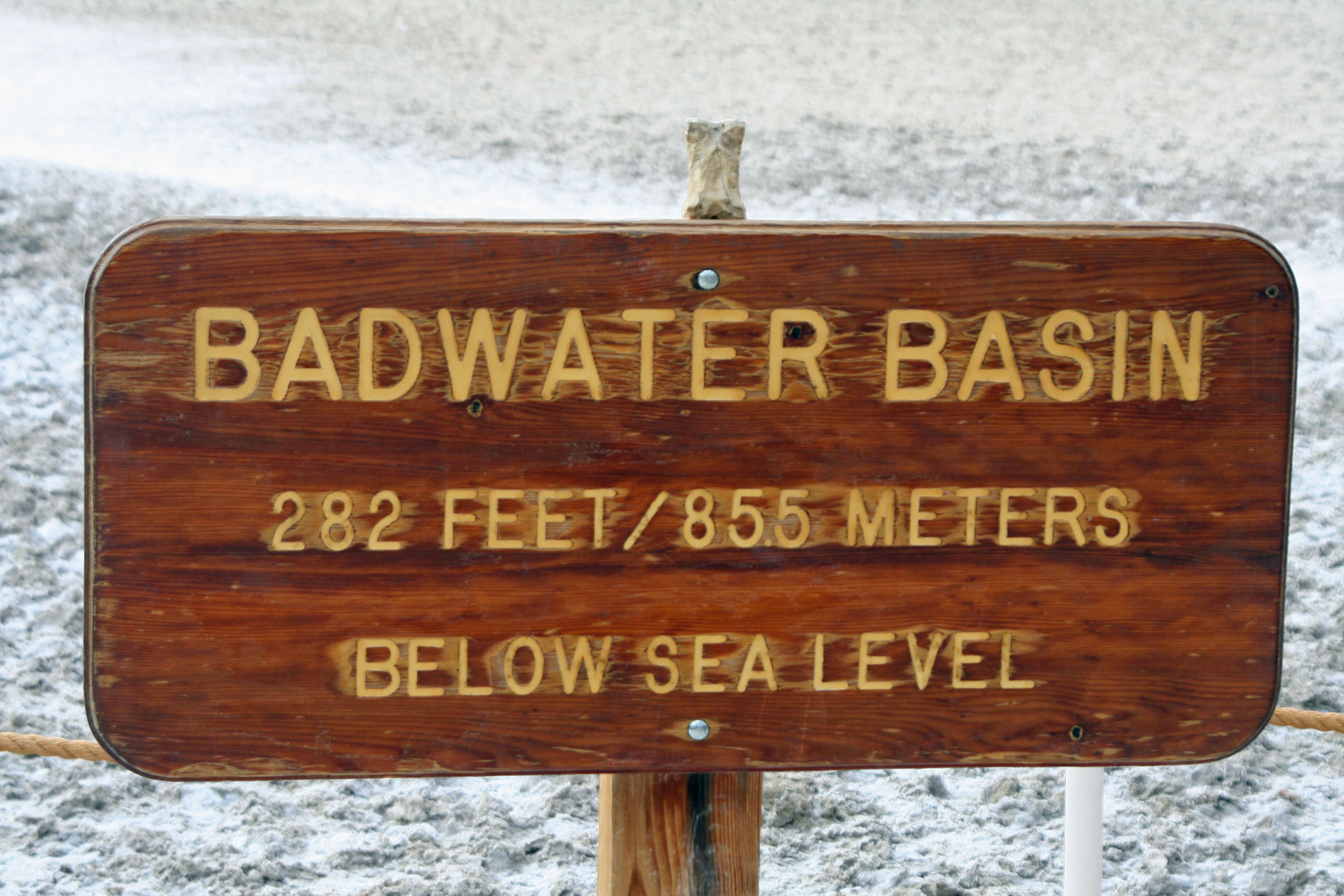
Death Valley exists in a world of superlatives. It is the hottest, driest and lowest spot in North America. Temperatures often exceed 120° F in the summer and have climbed as high as 138° F.  Ground temperatures top out at 200° F! Annual rainfall averages less than two inches (5 cm.). The lowest spot in Death Valley is 282 feet below sea level in Badwater Basin.

Hottest, driest and lowest spot in North America are three superlatives applied to Death Valley. The Peripatetic Bone, who has been wandering the world since 1977, perches on the sign locating the lowest spot in North America in Badwater Basin Death Valley.

While hottest, driest and lowest are adjectives one normally associates with Death Valley National Park, there is one more: beautiful. I have tried to convey this beauty in my last several blogs. Today’s blog will feature several other places I find beautiful or unusual in Death Valley but have not yet featured.
I would also like to emphasize that this is National Park Week (April 21 – 29, 2012). National Parks in the United States (and throughout the world) protect and highlight many of our greatest natural and historical treasures for both present and future generations. They deserve our full support and are always worth visiting.
My wife Peggy and I have had the privilege of exploring most of the National Parks in the United States and several in Canada. My intention is to share our favorites over the next year or two as part of my blogging

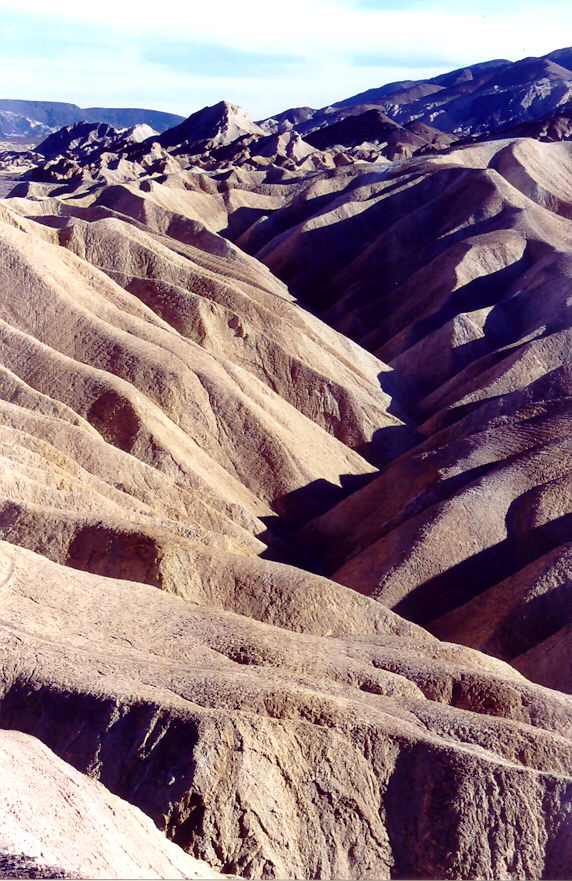
Another view from Zabriskie Point. Pioneers designated such areas as Badlands... i.e. they weren't good for growing crops or grazing animals. Today, we realize their intrinsic beauty is a value in itself.

The nine-mile Artist's Drive and Palate off of Badwater Road provides a profusion of colored rocks as the name suggests. These colors are created by the different sedimentary rocks and oxides of various metals. This area was once volcanically active.

A closeup of Artist's Palate.

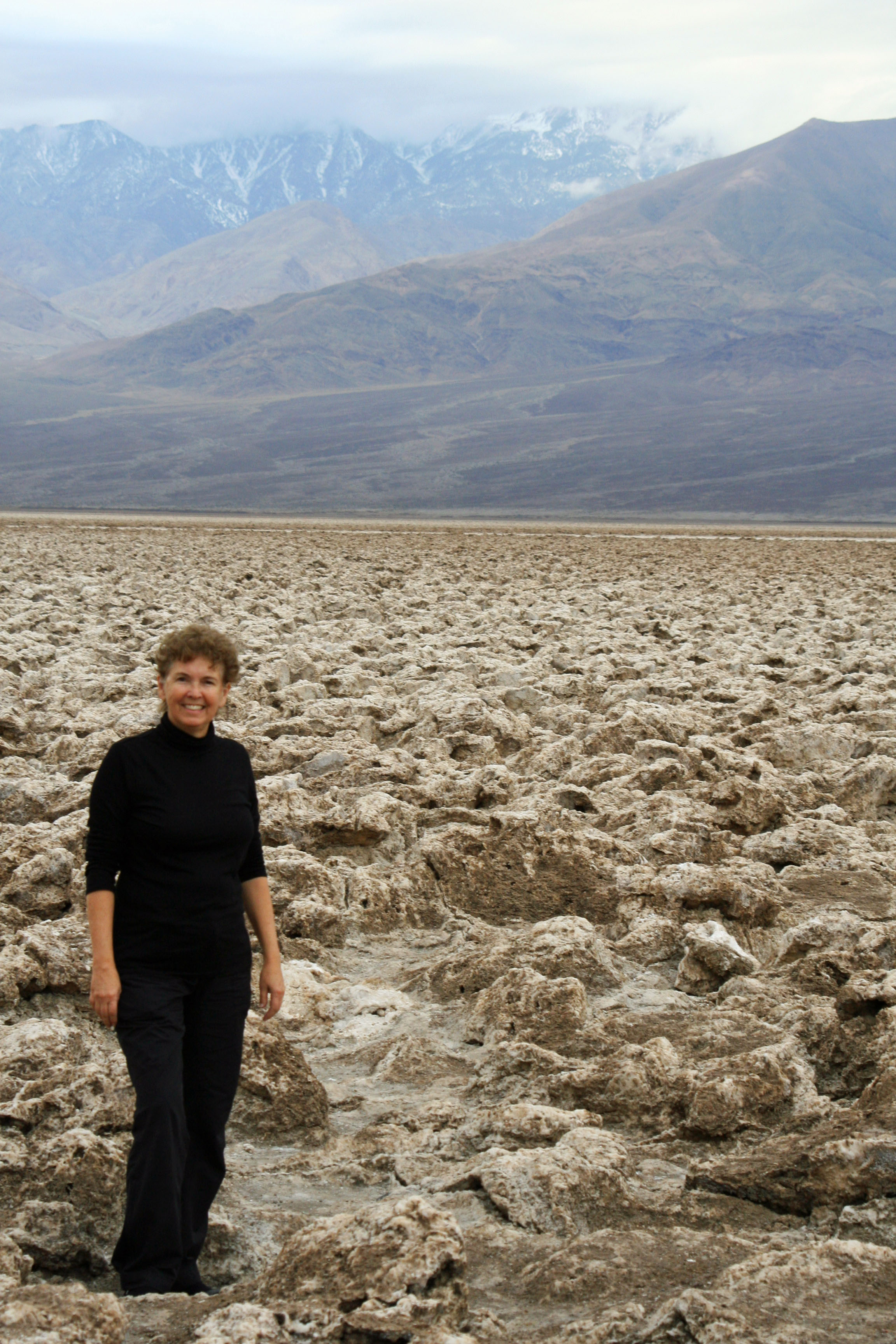
Two to four thousand years ago the floor of Death Valley was covered with a large lake up to 30 feet in depth. Then the climate changed (sound familiar?). The lake dried up and left behind the minerals that had been dissolved in the water... mainly salt. Today this salt works its way to the surface and forms pinnacles through capillary action. The result is the Devil's Golf Course. Peggy provides perspective on the size of the pinnacles.

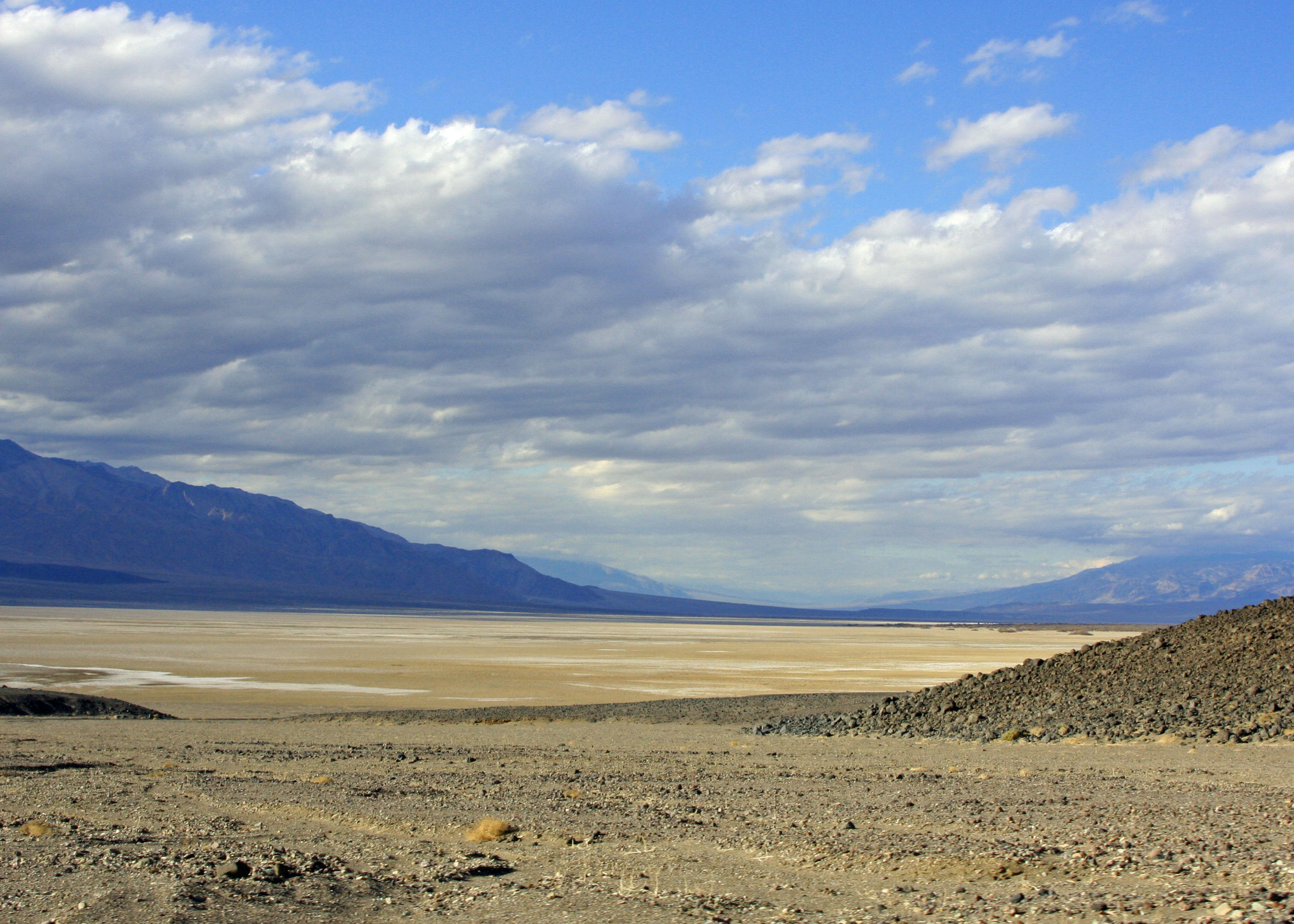
A final view looking across Death Valley.

Death Valley’s Golden Canyon… The National Park Series

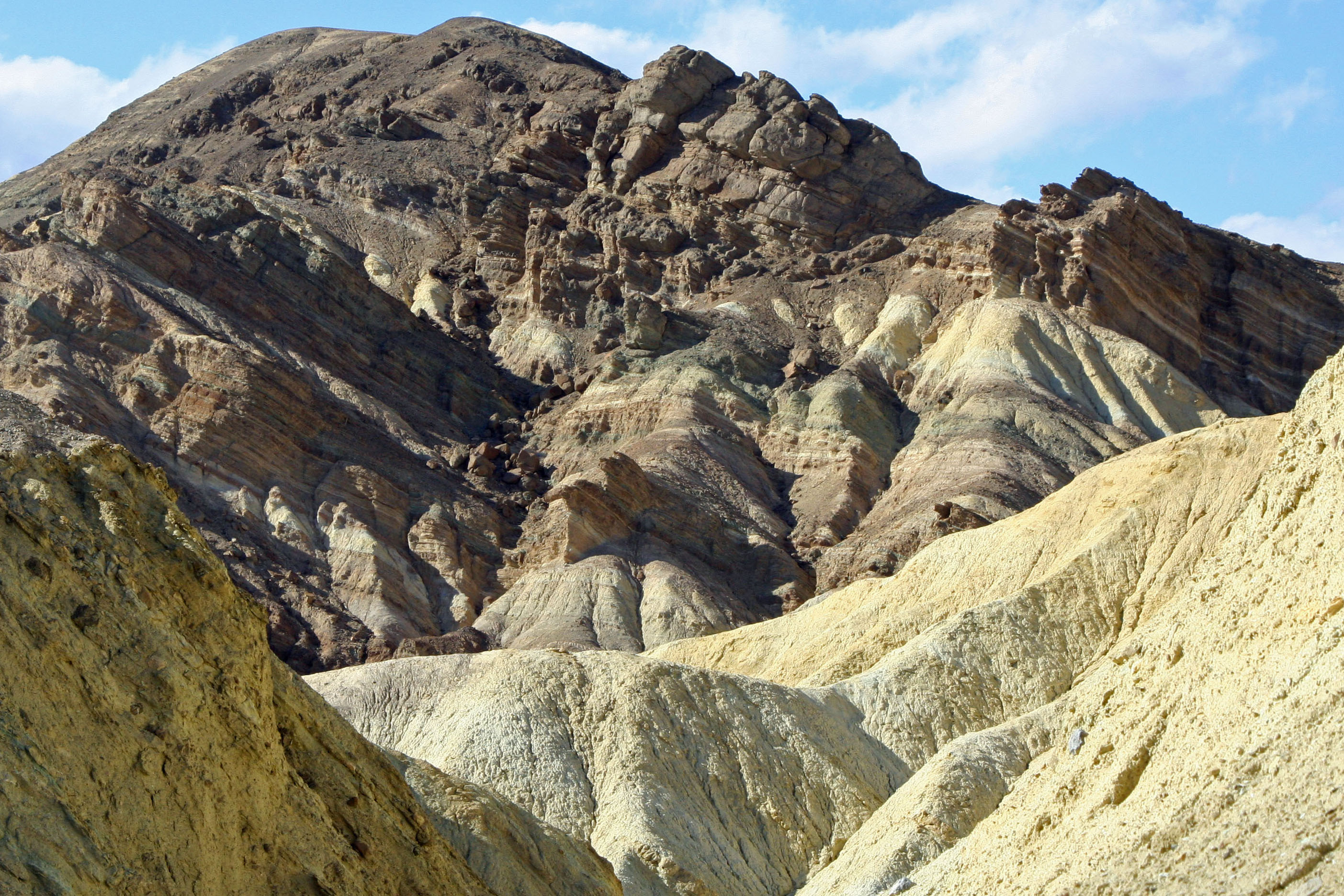
A hike up Golden Canyon in Death Valley National Park awards hikers with this view of Cathedral Ridge.

A paved road once snaked its way into Golden Canyon in Death Valley National Park. Tourists could drive in and enjoy the view.  No effort was required. People would take out their cameras, do the ‘ah’ bit, and leave… hurrying on to the next must see sight.

Flash floods are common in desert areas, however. One roared down Golden Canyon in 1976 and took the road along with it. Ever since, access has been by foot. Consider it a blessing. I am not against driving and gawking. I do plenty. But we miss a great deal of nature as we roll along in our sleek air-conditioned vehicles.

What was once a paved road providing access to Death Valley’s Golden Canyon is now a wide, easy to follow path.

And there is much to see in Golden Canyon. The hike is easy as long the sizzling heat of Death Valley’s summer is avoided. October through April is the best time to visit. I also recommend hiking in early morning or late afternoon when colors are vibrant. Carry water. Stroll up the canyon, stop often and look around. The experience is best when savored. It’s a two-mile round trip. For a shorter version, stop at any point.

Markers along the trail provide insight into area’s rich geological history. Topsy-turvy planet altering processes caused by the movement of the earth’s tectonic plates folded and twisted ancient rocks that had been created from deposits in even more ancient seas. Erosion has exposed this work of eons and gives us a glimpse into the past. The bright colors of the different rocks and the different rate they erode provide a feast for our eyes and imagination, not to mention our cameras.

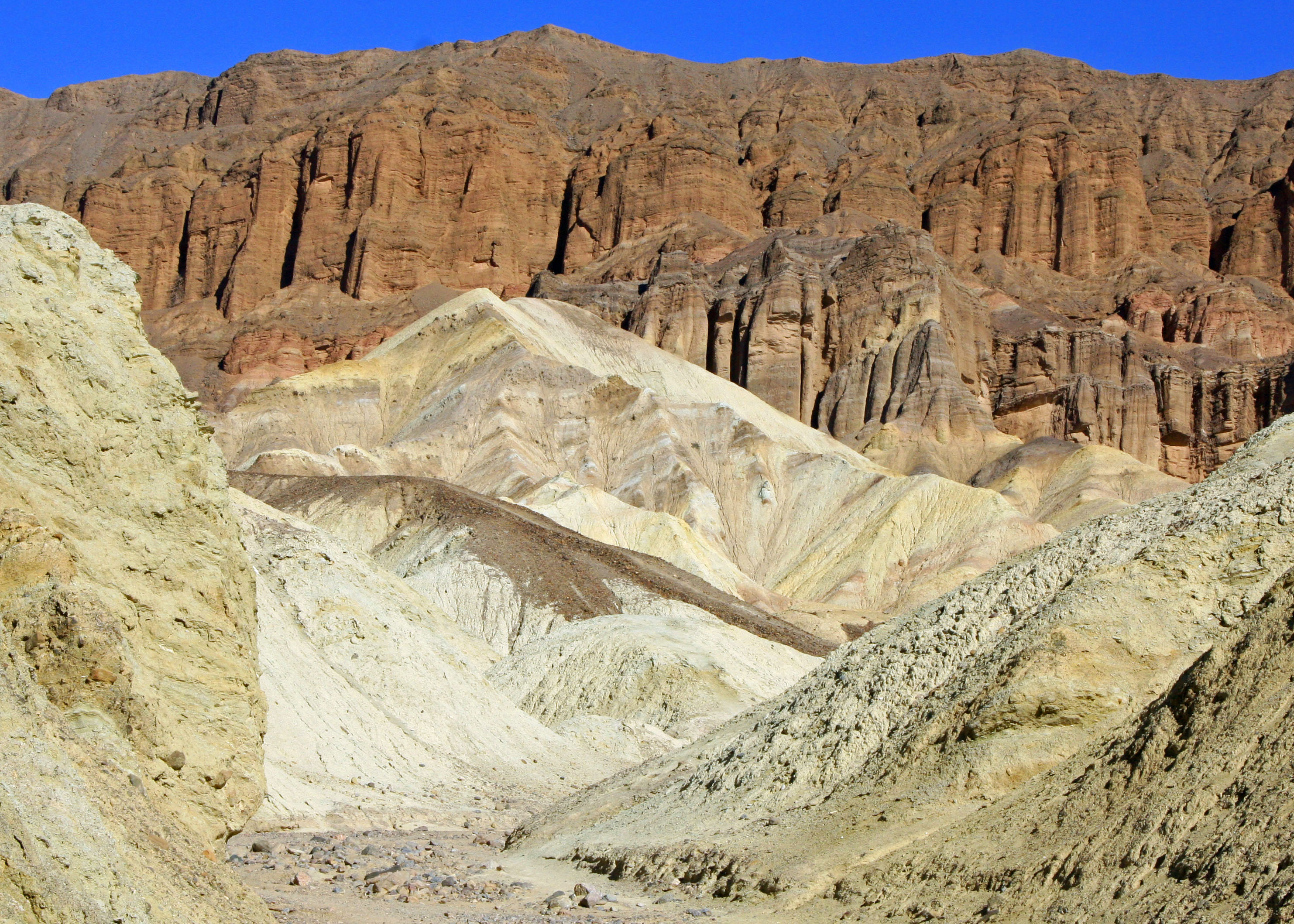
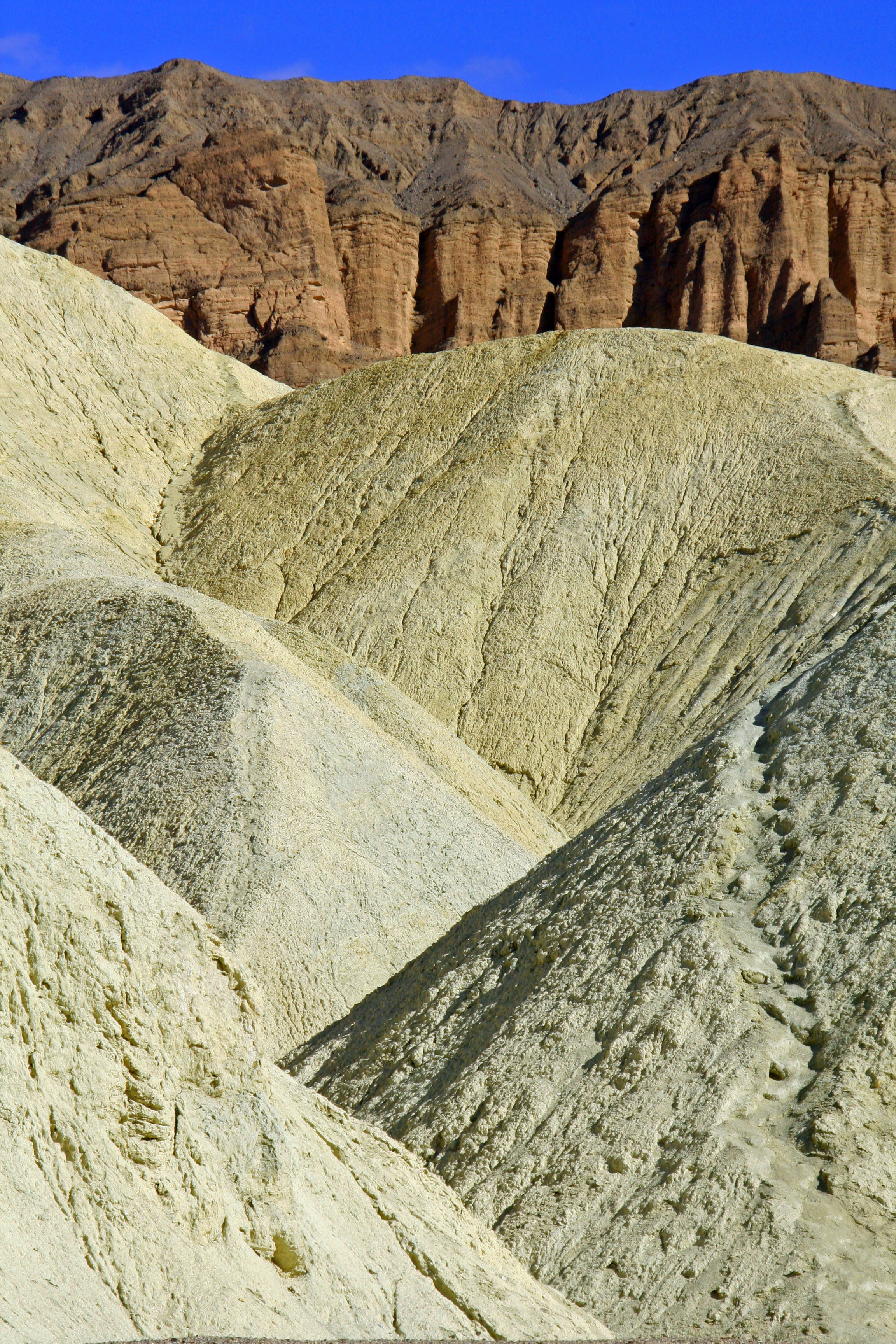
The lower rocks provide a clear view of how Golden Canyon  obtained its name. The upper rocks show sedimentary layers of rocks that were once laid down in ancient sea beds and have since been raised and folded by tectonic forces.

Golden Canyon is located two miles south of Highway 190 on Badwater Road. Trails to Zabriskie Point and Gower Gulch cut off of the Gold Canyon Trail. Ask at Park headquarters for maps and details.

Another view of the red Cathedral Ridge above Golden Canyon in Death Valley. The red color is created by iron oxide.

Views on the way out of Death Valley’s Golden Canyon are equal to views on the way in. I liked the contrasting colors in this photo.

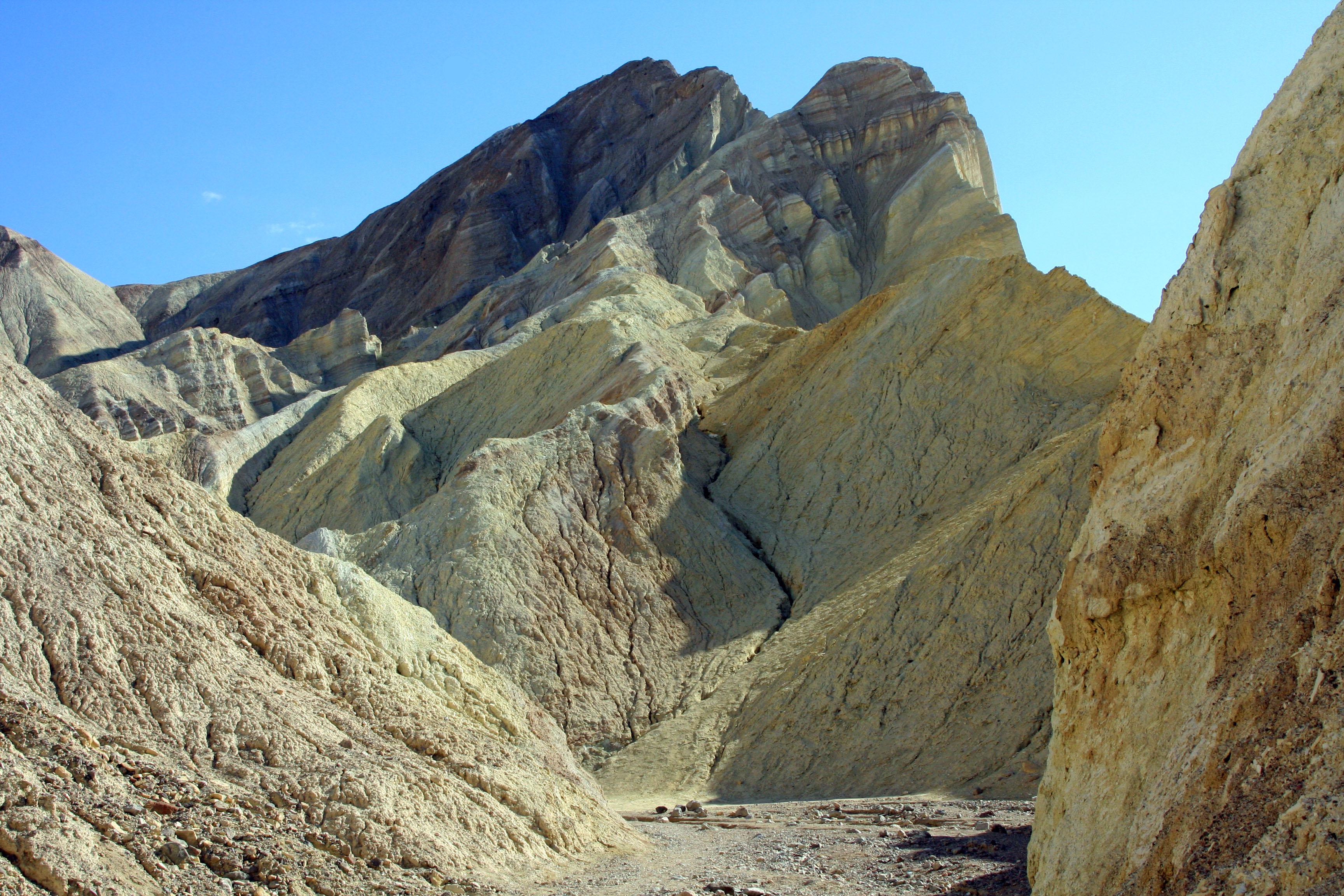
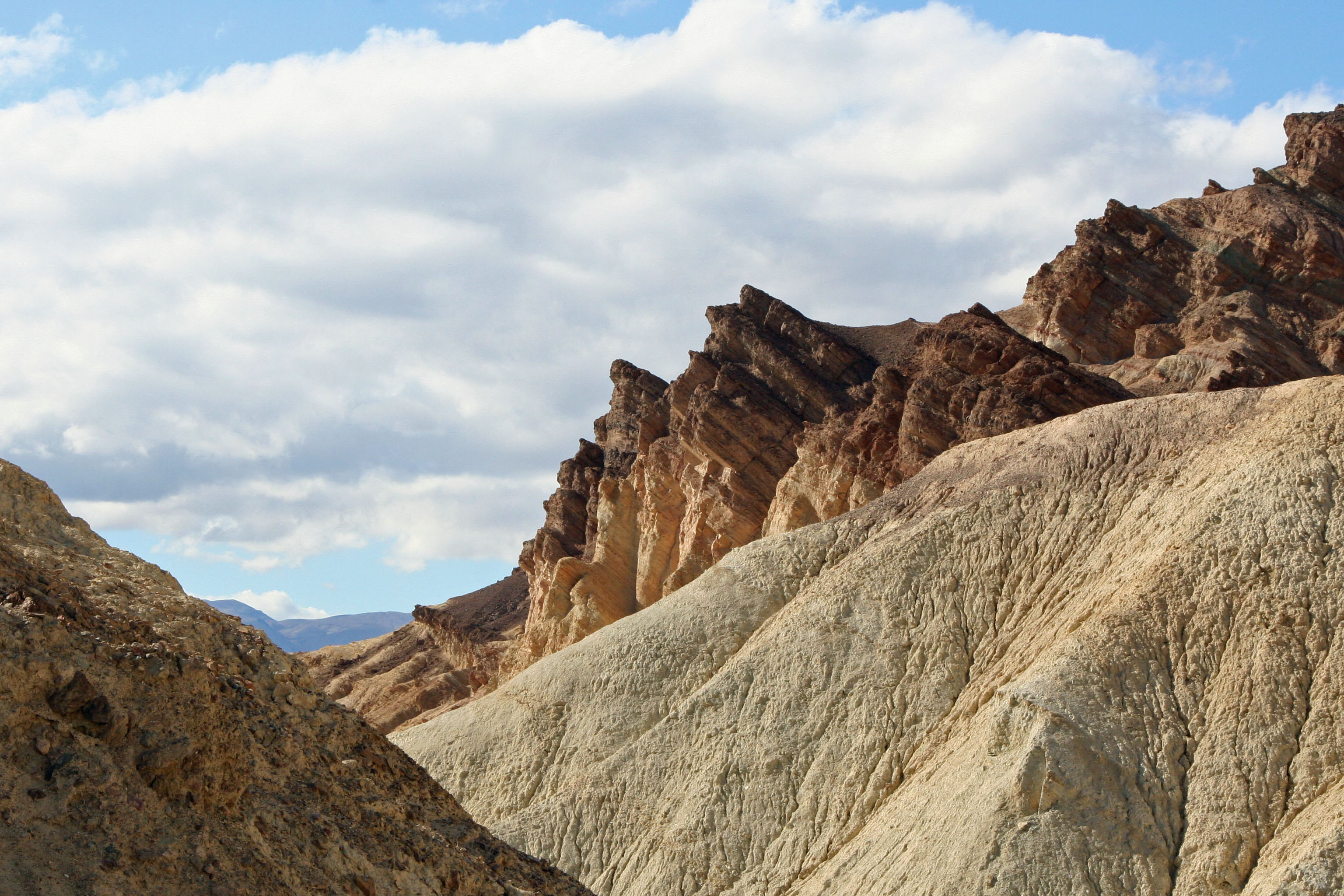
The upward thrust of the layered rocks that were once horizontal is particularly dramatic in this Golden Canyon photo.

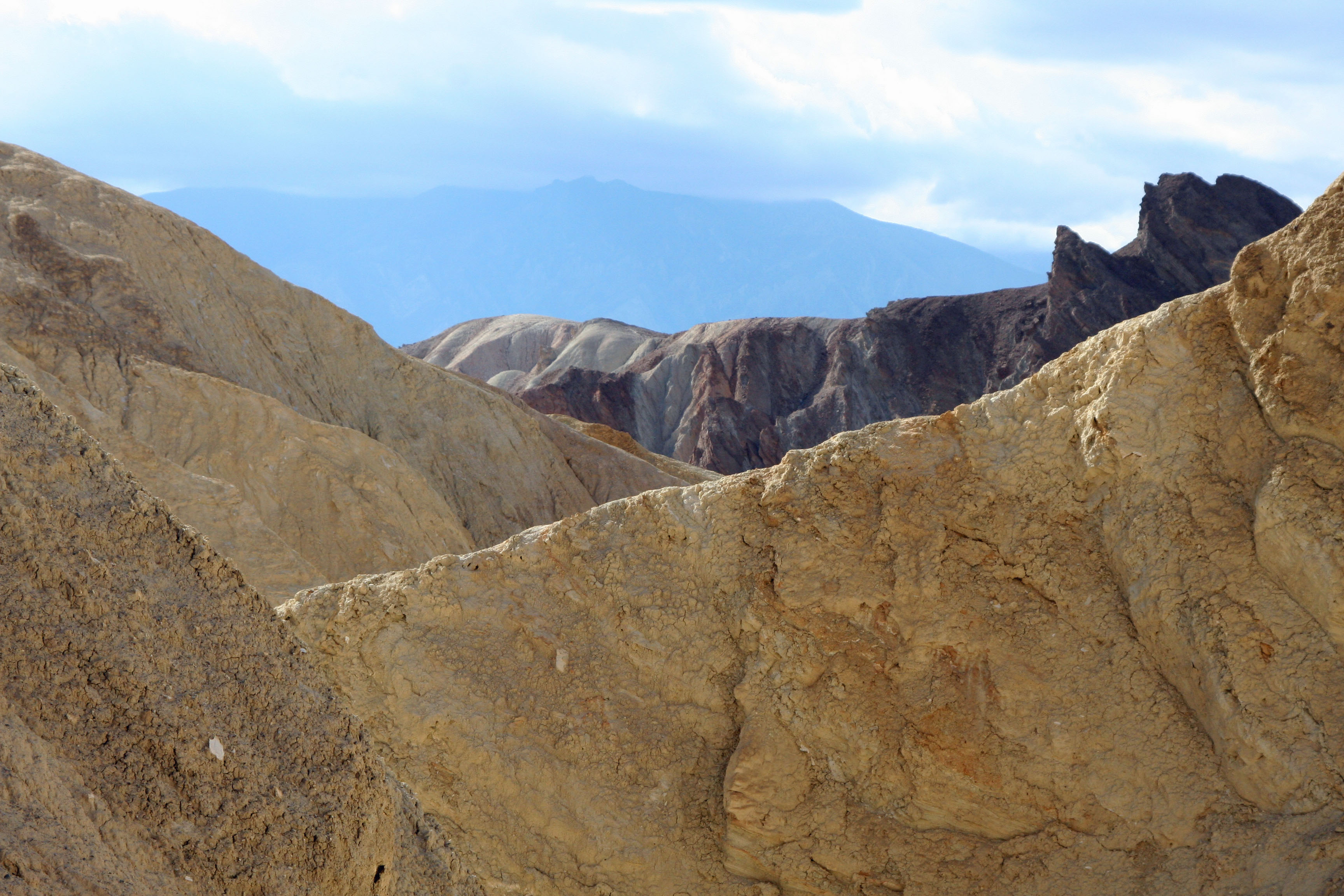
Looking down Golden Canyon across Death Valley provides a distant view of the Panamint Mountains wrapped in a blue haze.

Earth Day 2012

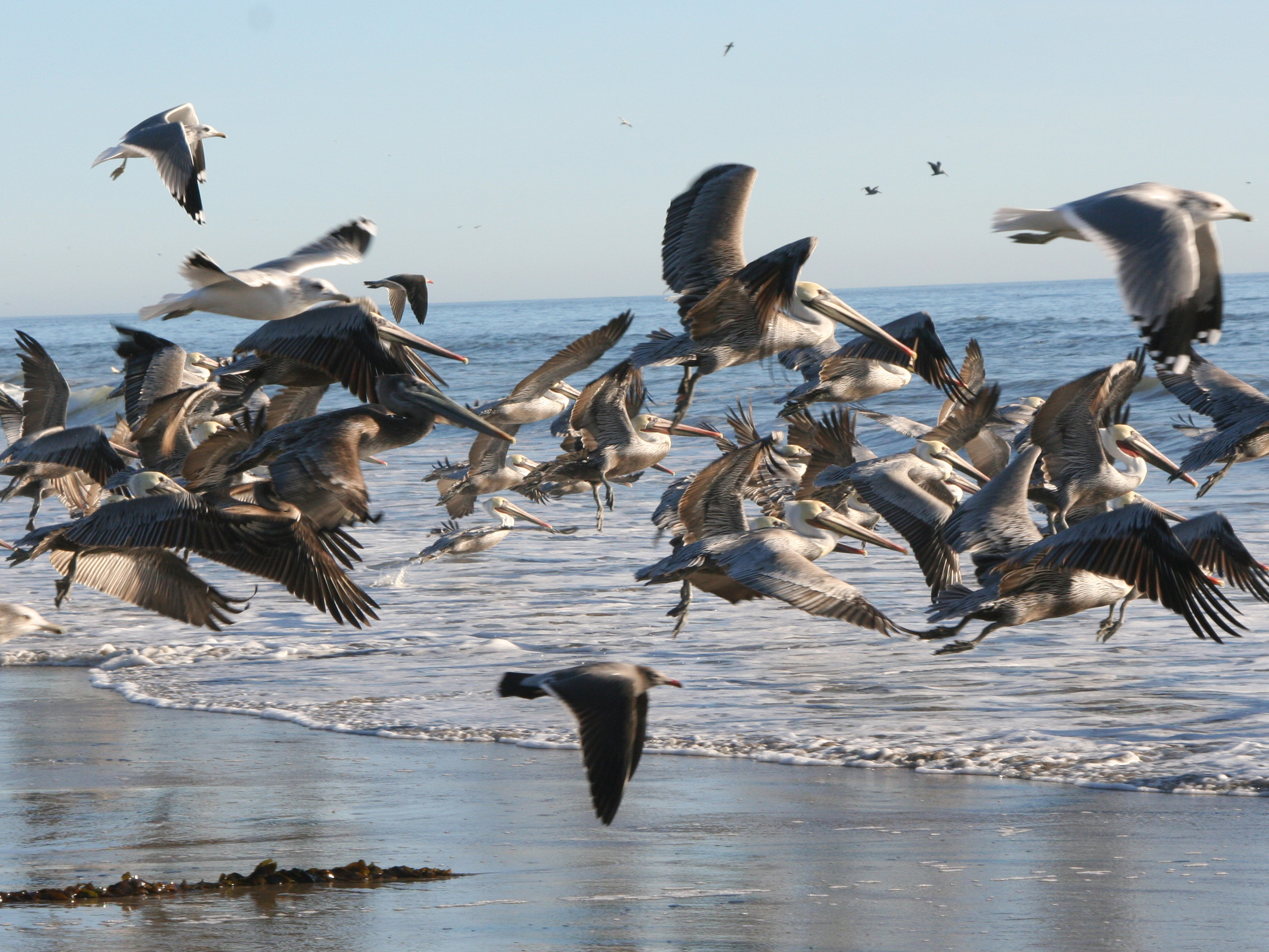
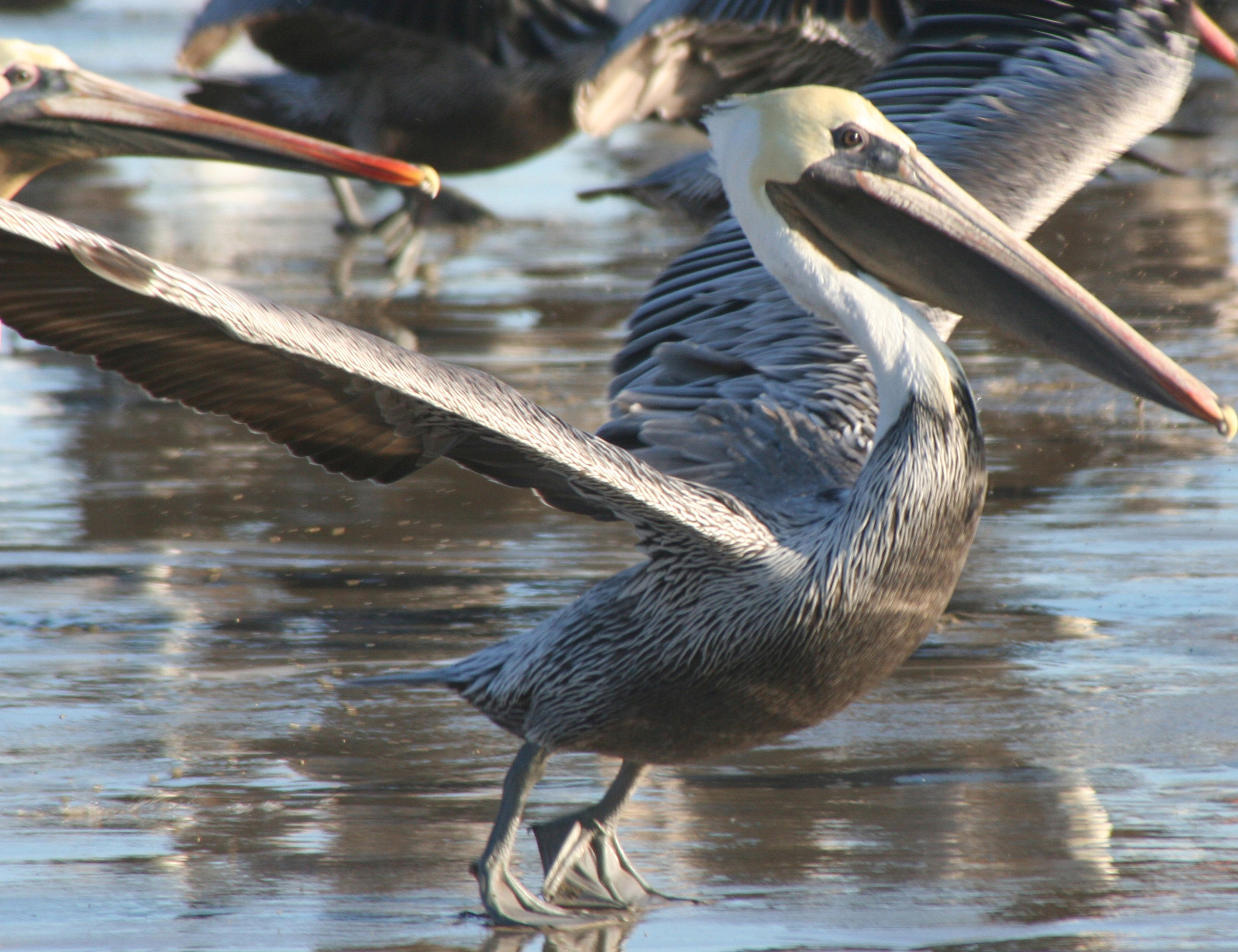
The extensive use of the poison DDT in agriculture was a death sentence to the California Brown Pelican. Rachel Carson's book Silent Spring raised people's awareness of the issue and helped kick off the environmental movement.

The first Earth Day I celebrated was Earth Day 1 at UC Davis in California. At the time I was Director of Peace Corps Public Affairs for Northern California and was recruiting at Davis. Earth Day 1 made a deep impact on how I viewed the world. I quit my job and became Executive Director of the Sacramento Ecology Center. Ever since, on one level of another, I have been an environmentalist.

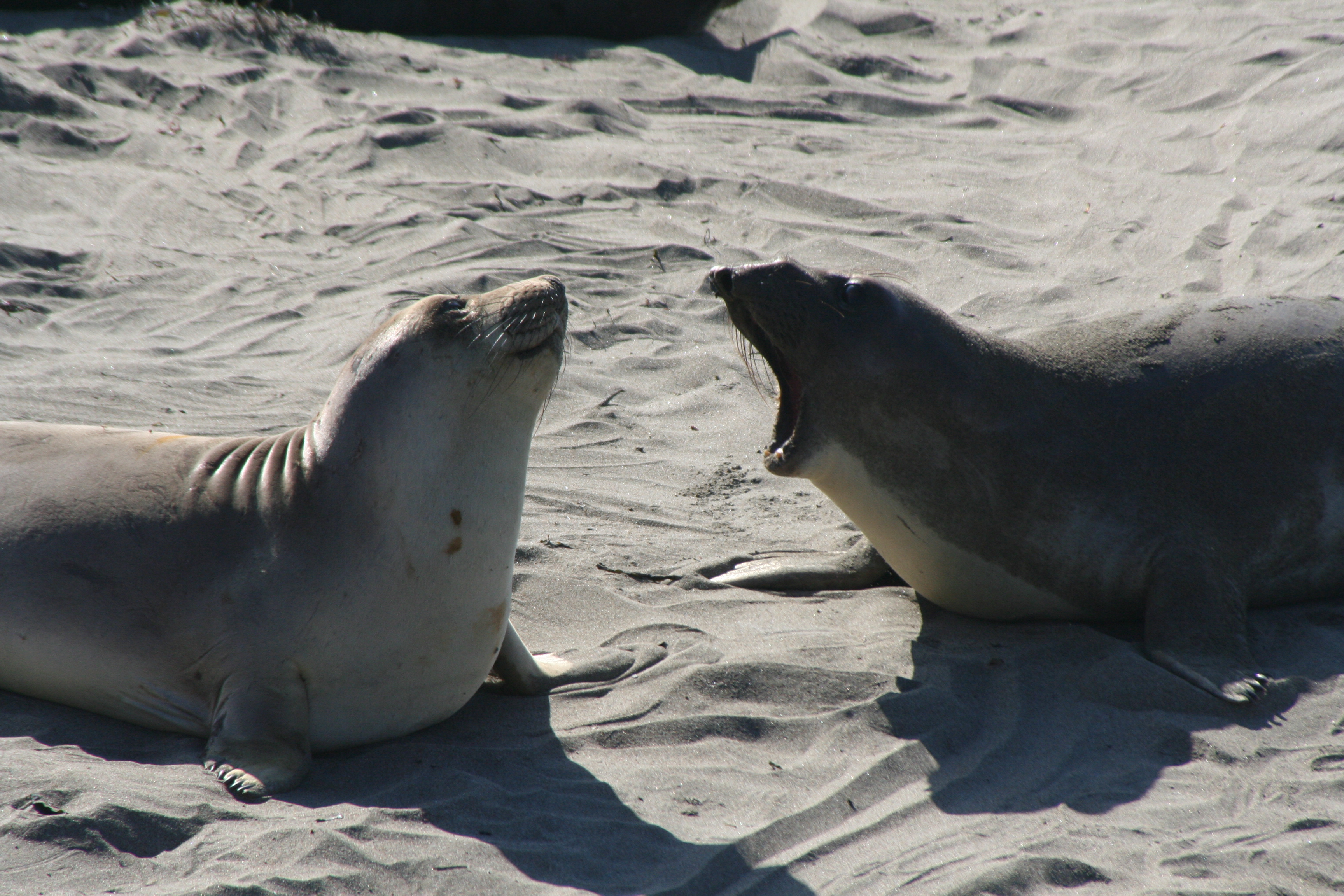
To celebrate Earth Day 2012, I am using my blog to feature two wonderful animals that were on the edge of extinction before they were saved by growing environmental awareness. The California Brown Pelican was victim of the extensive use of the poison DDT. Elephant Seals were hunted to the brink of extinction for their blubber, which was turned into lamp oil.

The world would be a much poorer place with out these animals.

Have you heard the news? It's Earth Day.

The world would be a poorer place if we could no longer hear the roar of a bull Elephant Seal.

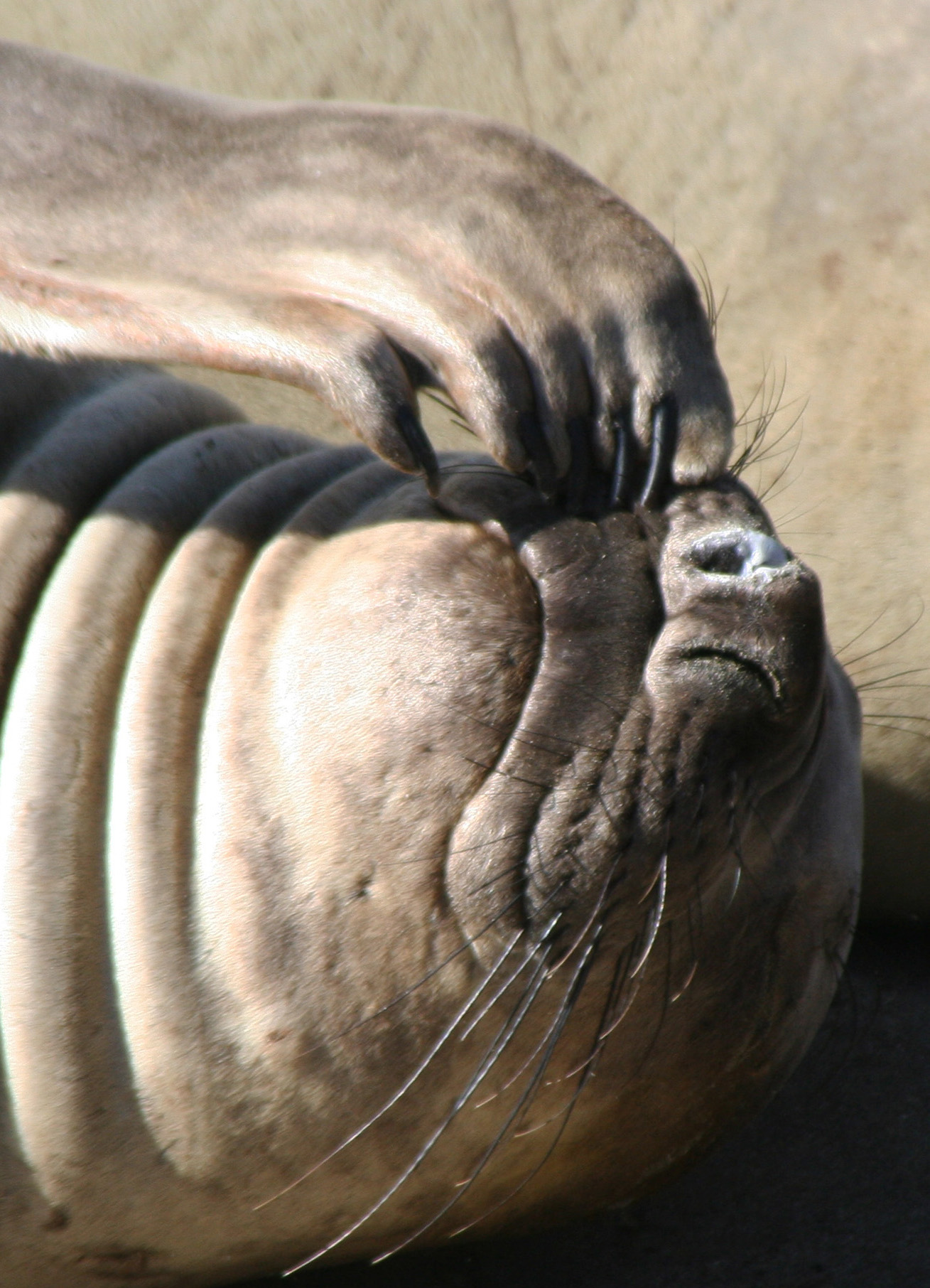
Or watch one scratch his nose.

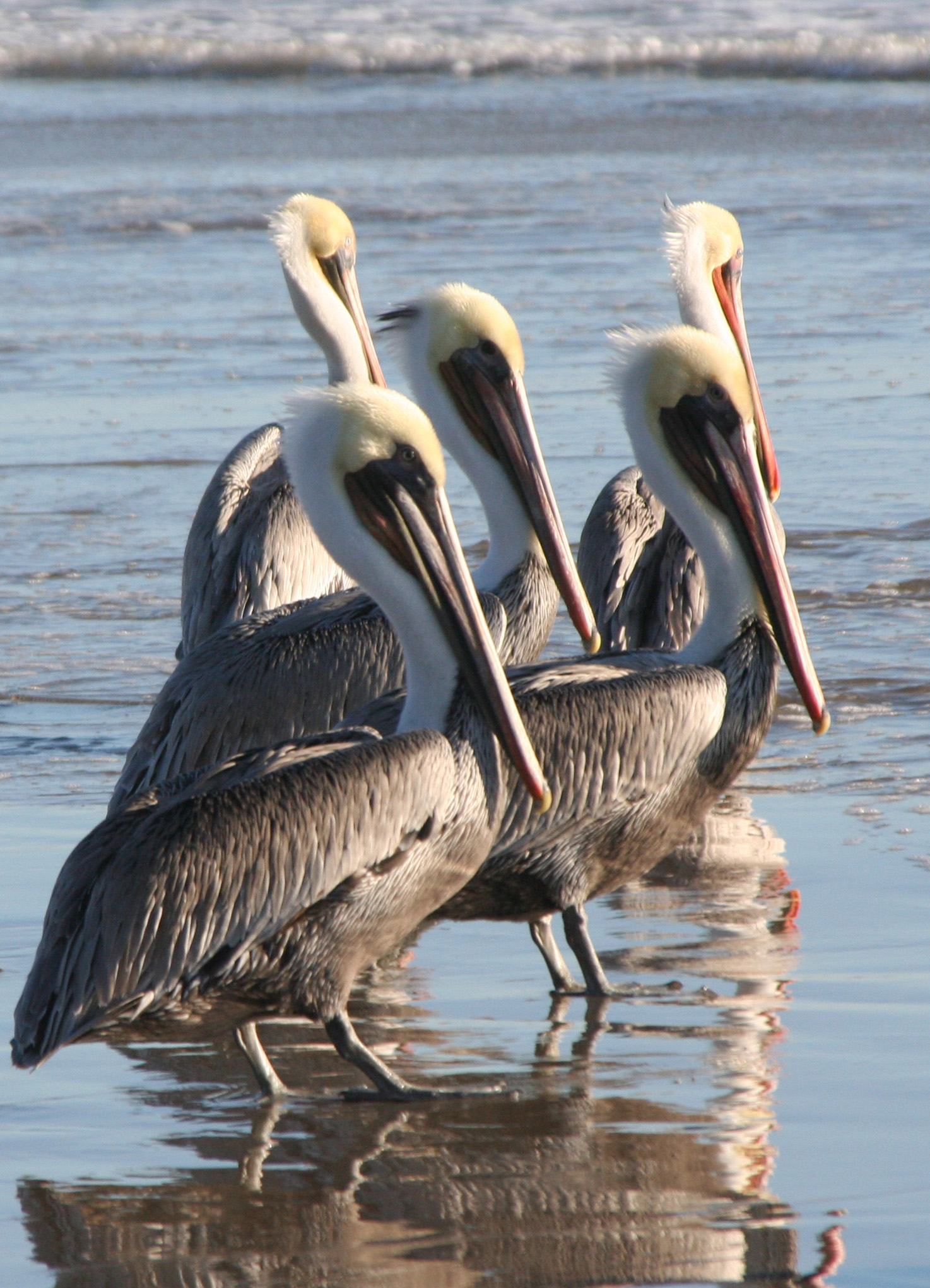
I call this photo of Brown Pelicans The Committee.

Without environmental awareness and action, this magnificent bird would have never flown. Happy Earth Day 2012, and thank you.

Death Valley’s Ubehebe Crater… The National Park Series

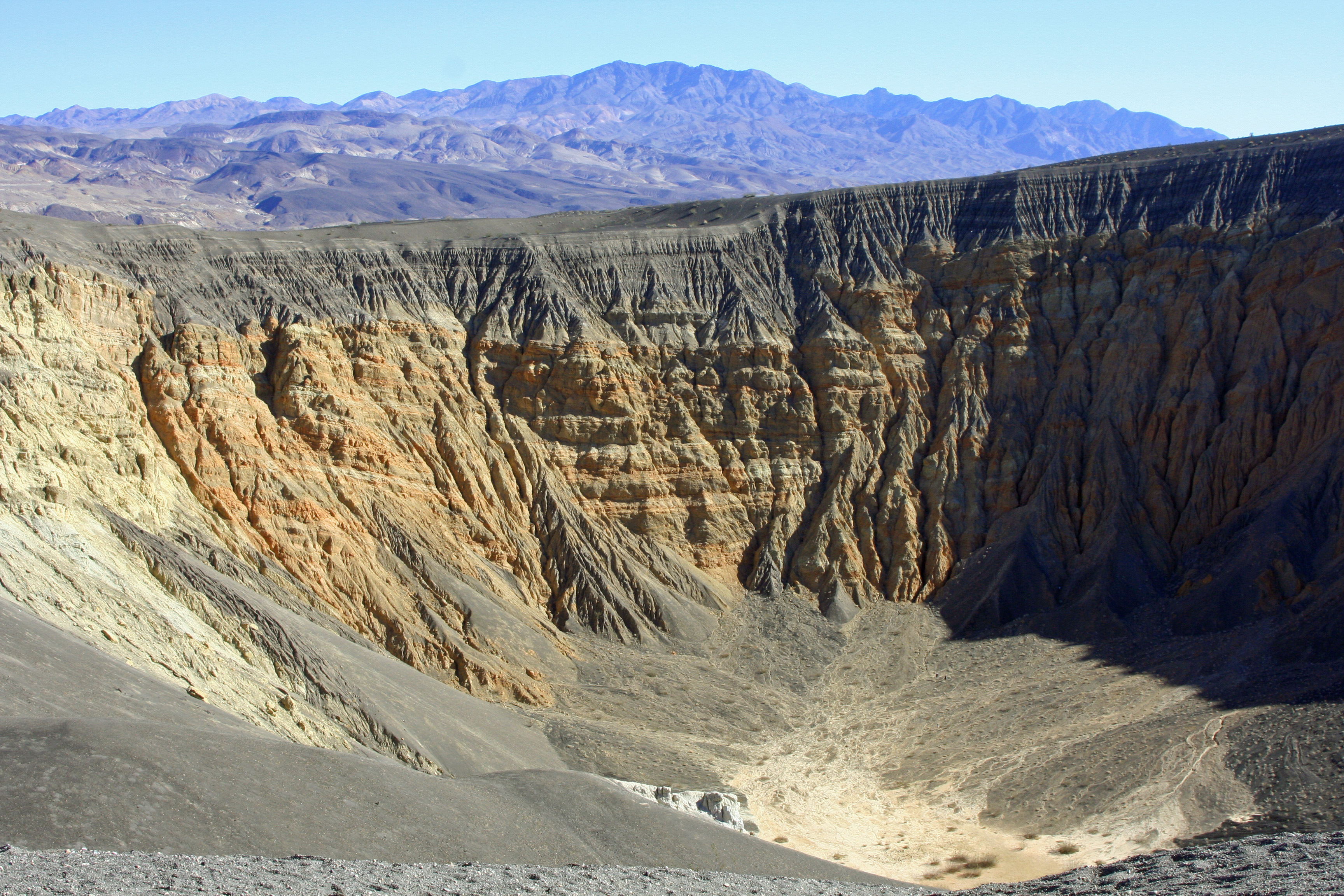
Looking across Ubehebe Crater in Death Valley National Park.

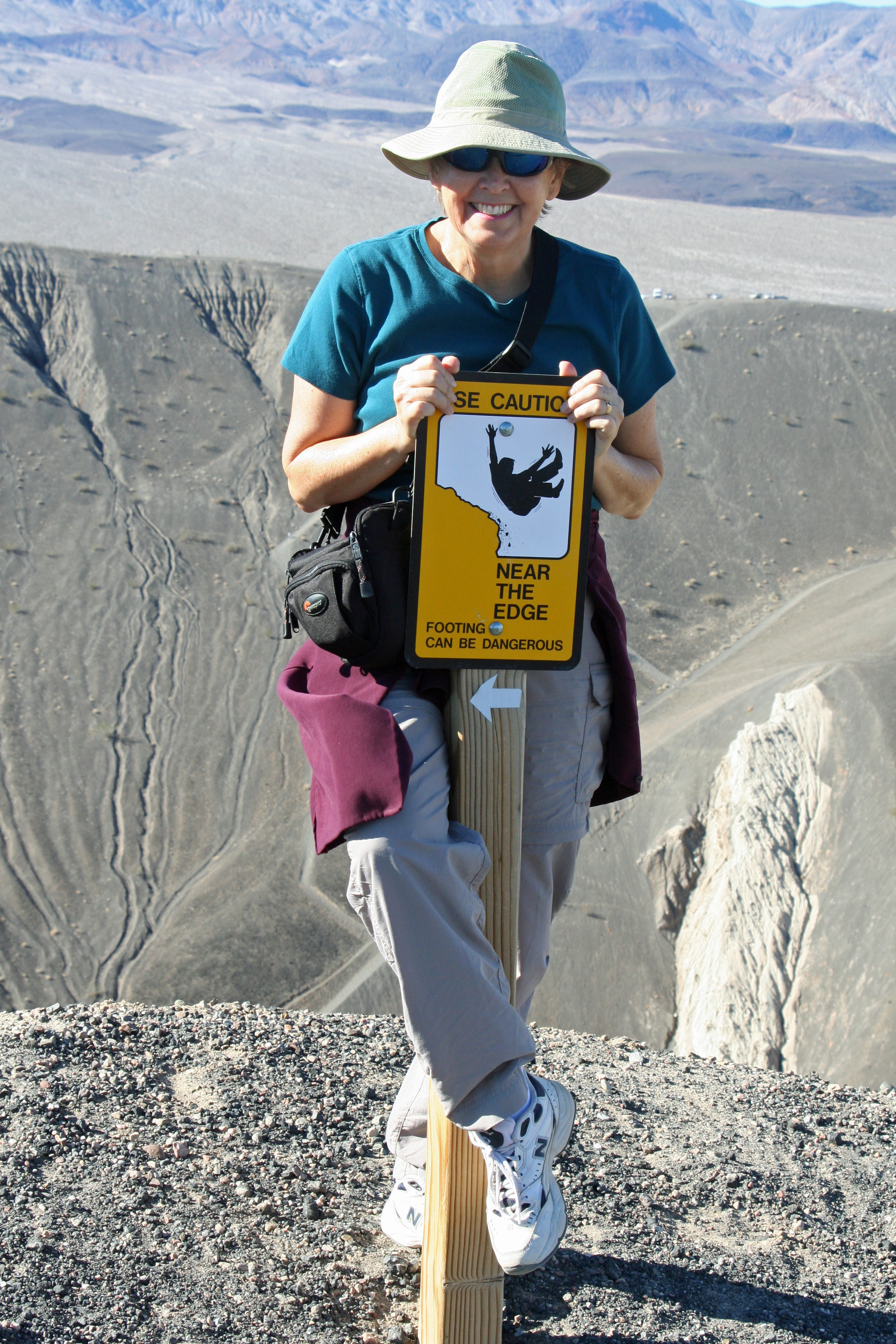
Peggy is perched on the edge of Ubehebe Crater in Death Valley National Park holding on to the sign that warns her not to be there. Fortunately, the sign is several feet away from the big hole. Falling in involves a 600-foot plus tumble.

Peggy on the edge of Ubehebe Crater.

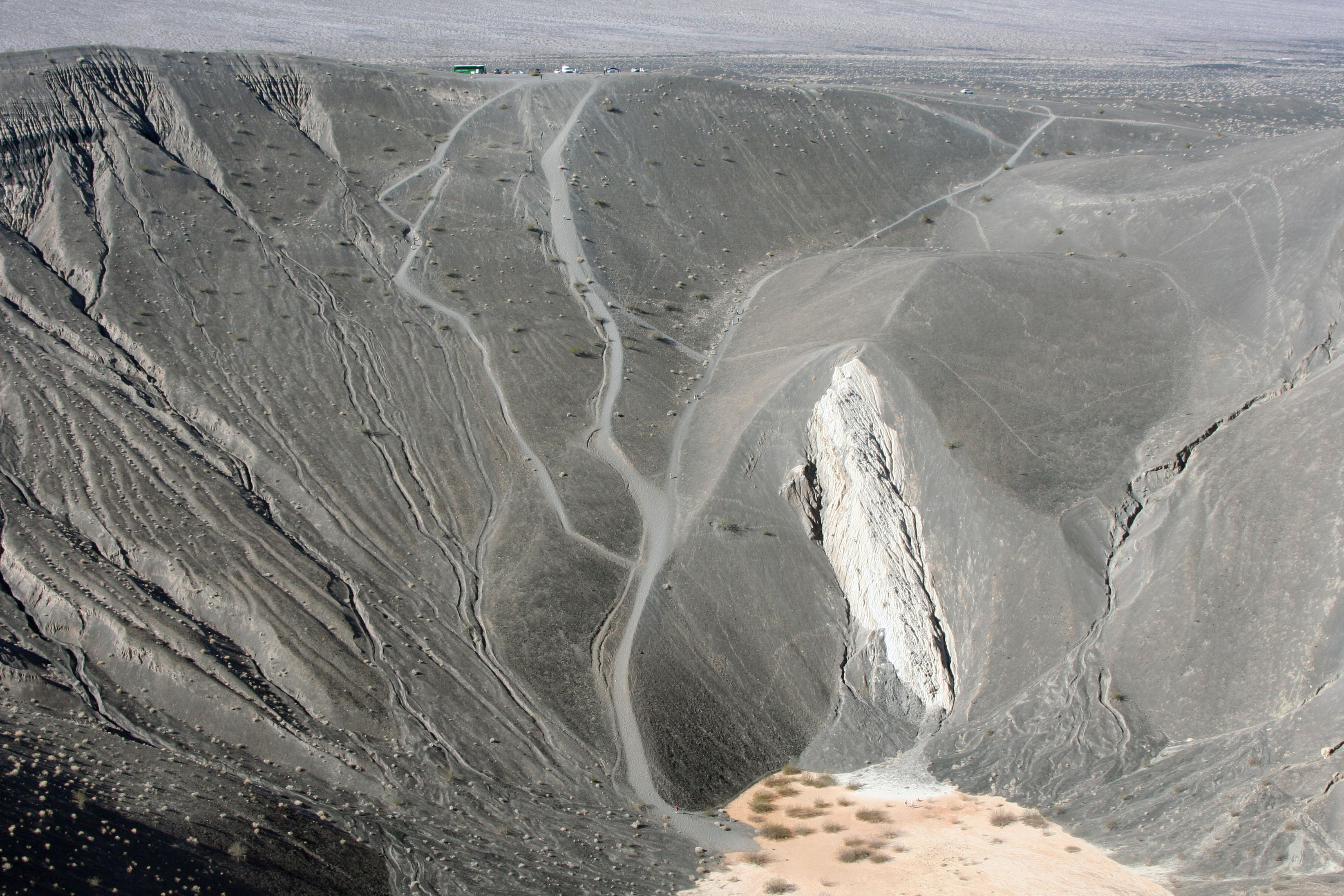
There is a safer, but slower way, to get to the bottom. Several trails snake their way down from the crater’s parking lot. If you have ever had the desire to climb into a volcano, Ubehebe makes it easy. Getting out is the challenge.

Wide paths invite adventuresome visitors to hike into Ubehebe Crater at Death Valley.

Geologists used to believe the volcano was 10-12 thousand years old. A recent study by Columbia University suggests it is much younger. The study also warns that the area is still volcanically active. Ubehebe could explode at any time, or not.

The original eruption was violent, a heck of a big bang. Rising magma came in contact with seeping water. They don’t mix well. The result was instant steam. Boom! Scientists call it a hydro-volcanic eruption.

Peggy and I opted to walk around rather than down the crater. There are a dozen or so volcanoes in the area including Little Hebe, which is easy to reach and provides a different perspective. For me, the surreal nature of the eroded landscape more than justified the 1.5-mile hike. Carry water. Oh yeah, Peggy says stay away from the edge.

If you want to visit Ubehebe Crater, and you should, you will need to drive to the north end of the Park. Scotty’s Castle is next door so you can easily include both sites.

Little Hebe Crater is one of a dozen volcanoes found near Ubehebe Crater.

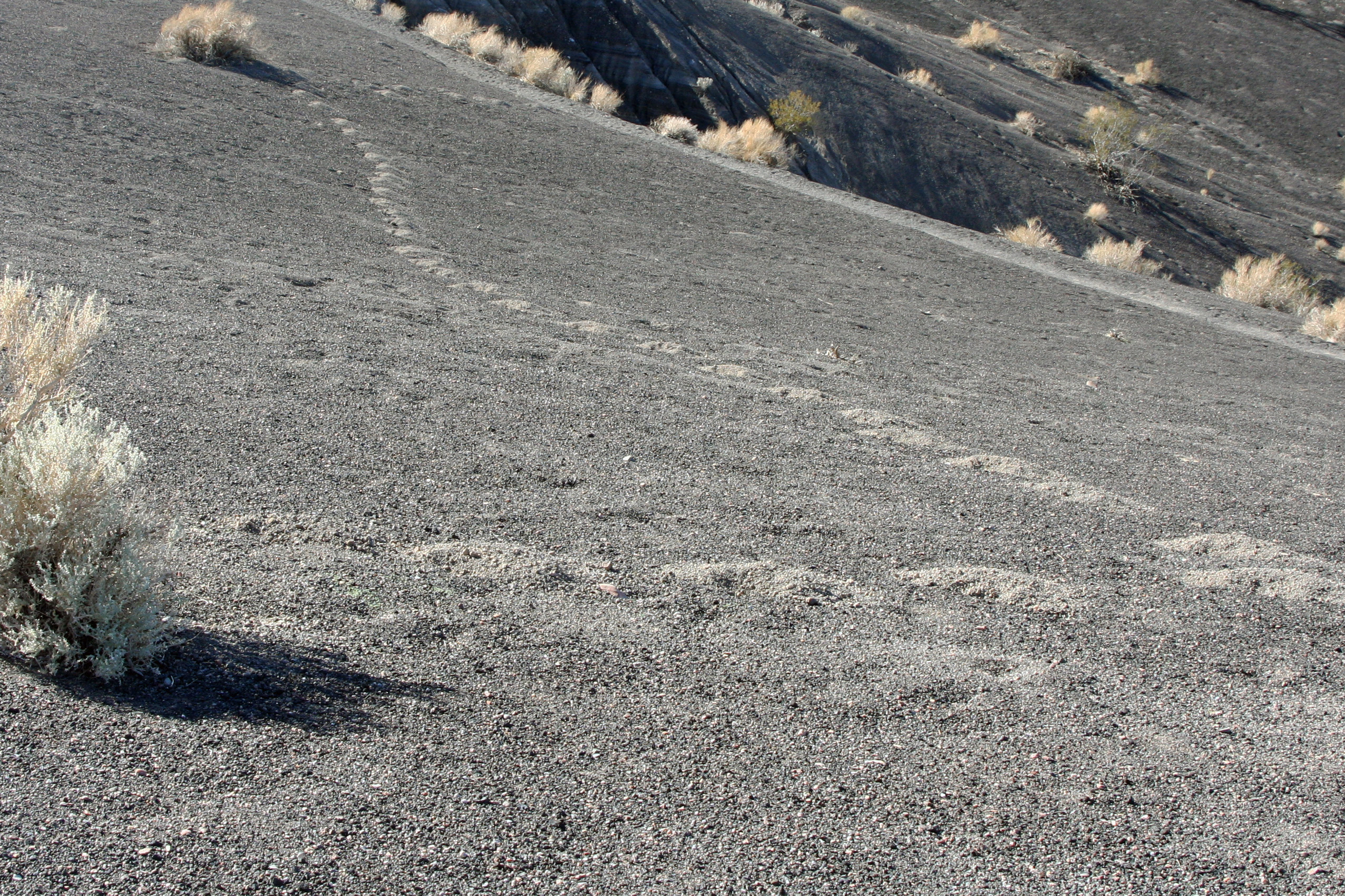
While walking around Ubehebe Crater we came on this strange trail of dirt piles that shot off in one direction from a bush and then switched to head for another bush. I figured it must be a gopher. There is life in Death Valley! I was curious about how it determined where the second bush was.

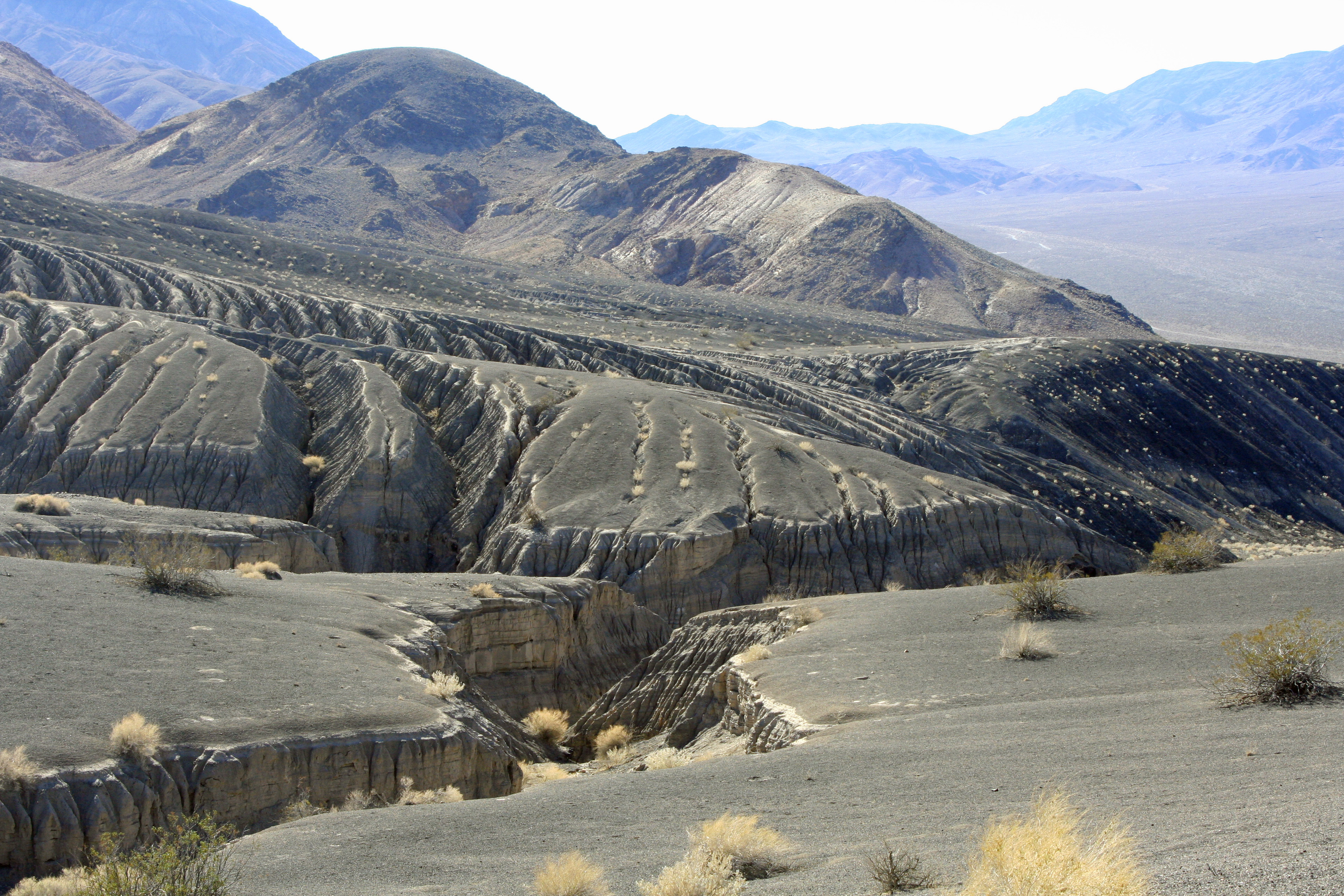
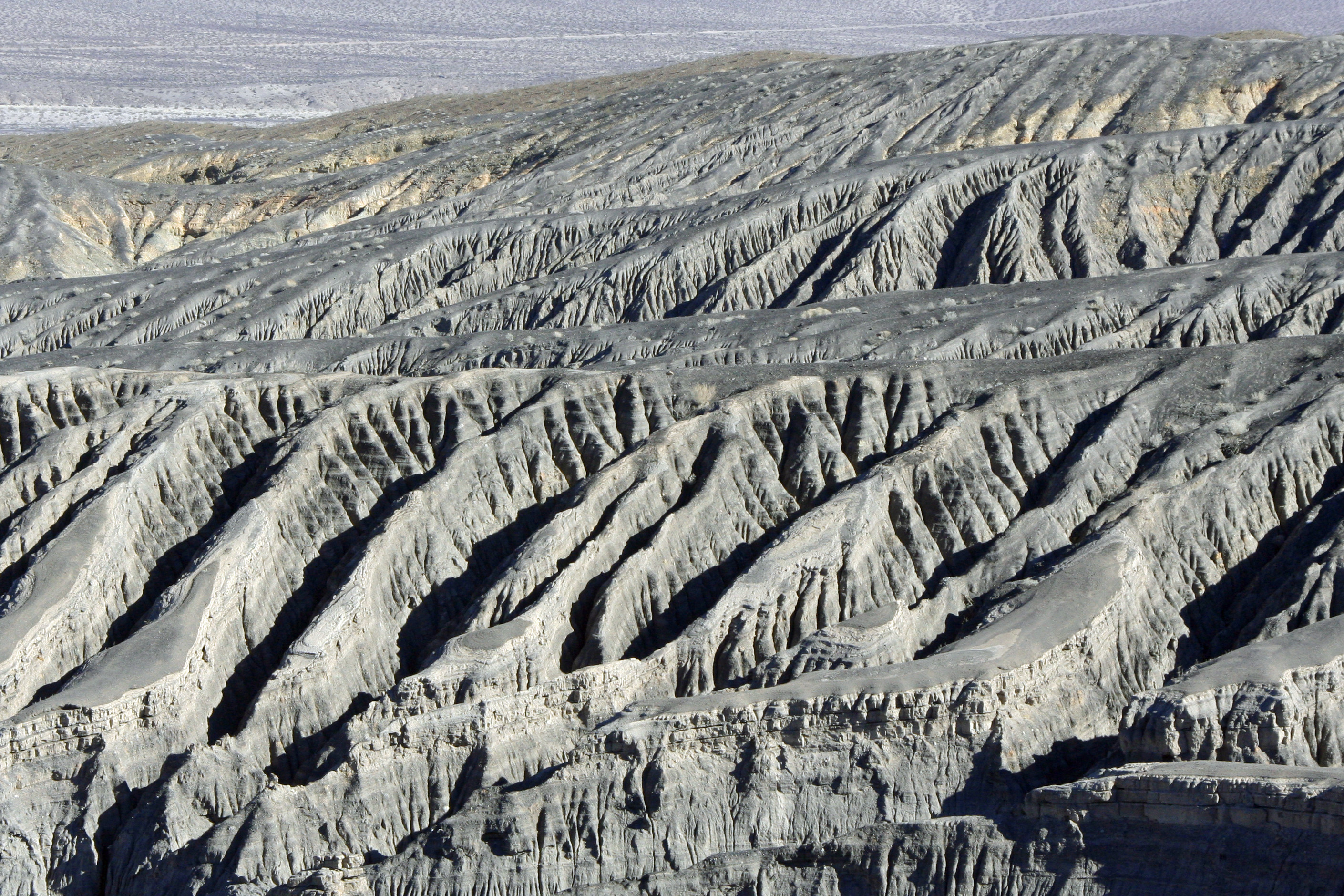
Erosion of the volcanic soils surrounding Ubehebe Crater create a beautiful but almost surrealistic landscape as shown in this and the following photographs.

Another surrealistic landscape near Ubehebe Crater in Death Valley National Park.

What caught my attention about this photo looking south from Ubehebe Crater was the contrast between the green shrubs, eroded landscape and purple mountains.

The Sand Dunes of Death Valley… The National Park Series

The sand dunes of Death Valley National Park provide a striking contrast to the surrounding mountains.

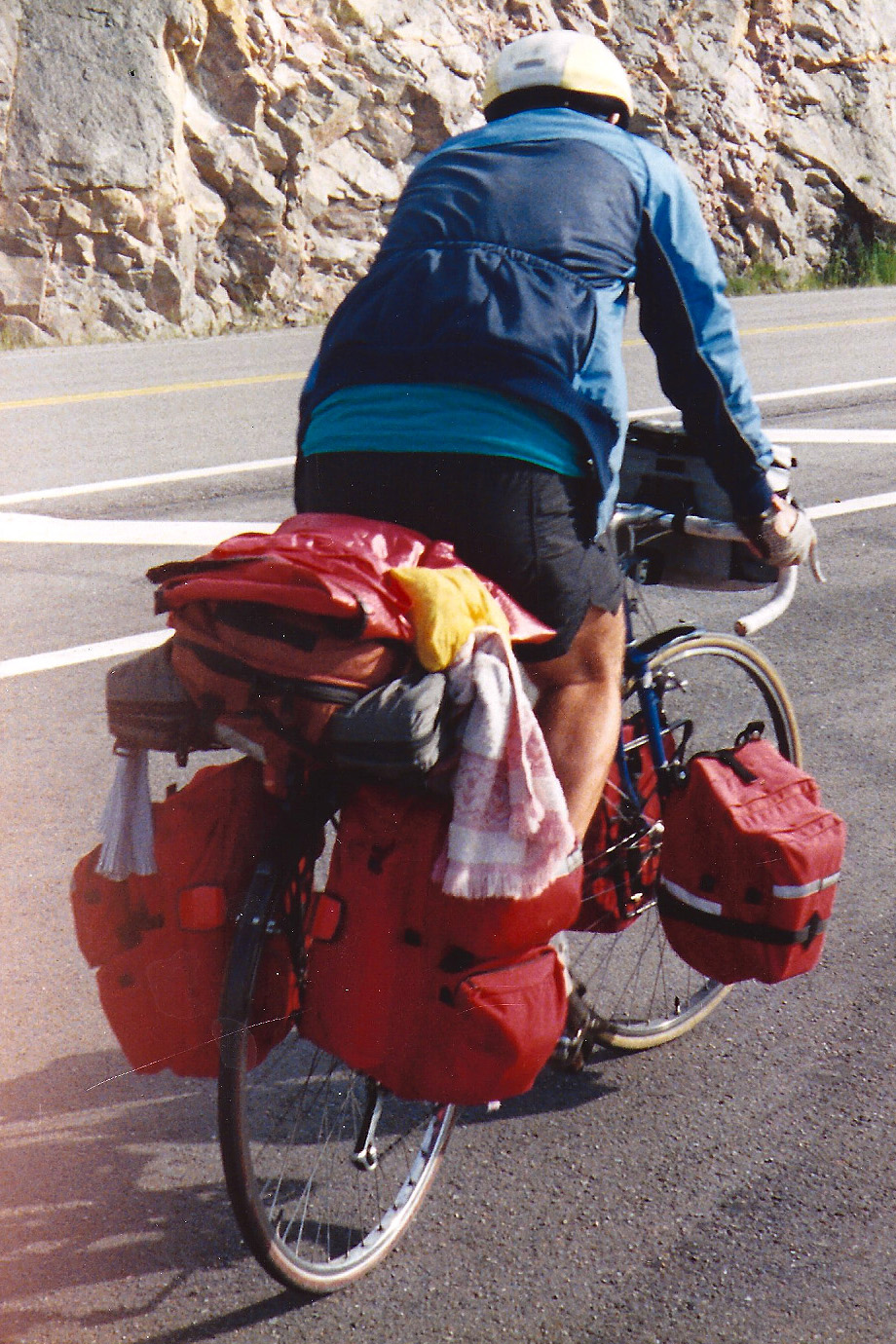
I was in my lowest gear, out of the saddle, and moving at three miles an hour. It would have been easier to get off the bicycle and push, but I am stubborn.

Three days before I had climbed over Greenhorn Pass in the Southern Sierra Nevada Mountains during a blinding snowstorm. I wasn’t going to let the Panamint Range of Death Valley National Park defeat me

There was ample time as I struggled up the mountain to question the sanity of doing a six-month, 10,000-mile solo bike tour around North America. I’d prepared for the journey by increasing my beer ration. Of course I paid for my folly. I usually do.

I started my 10,000 mile solo trip around North America out of Sacramento California. Every thing I would need to survive for six months on the road was packed on my bike, some 60 pounds of gear. It wasn't totally solo. The Peripatetic Bone was riding in my handle bar bag.

By the time I reached Death Valley, however, I was two weeks into the trip and my body was toughening up. I succeeded in making the nine-mile climb out of Panamint Valley to the top of the 4956 Towne Pass even though it took me three hours and burned half of my carefully acquired beer calories.

Euphoria was the result. Looking back, I count the climb as one of the top ten challenges of my 10,000-mile trek. It almost competes with dodging a tornado in Mississippi.

I rewarded myself by declaring it lunchtime. I also allowed myself to contemplate the 17 mile downhill ride into Stove Pipe Wells and what I would find at the bottom: the Sand Dunes of Death Valley.

I’ve been in and out of the Valley numerous times over the years. It’s all beautiful or at least wonderfully strange. But for me, the Sand Dunes are in a class by themselves. I am fascinated with their sinuous curves and how they contrast with the surrounding mountains. I love climbing up and down their slippery slopes in the early morning and wandering along their peaked ridges on a moonlit night.

The sinuous, flowing slopes of the sand dunes in Death Valley National Park are a thing of beauty.

The dunes are a product of wind, sand and topography, all of which Death Valley has an abundant share.  Mesquite Flat Dunes, located at Stove Pipe Wells and featured in this blog, are the easiest to reach and the most commonly visited. Being relatively close to Hollywood, they have starred in many movies, including Star Wars.

The last time Peggy and I were in Death Valley, we brought along our bikes for a more relaxed tour of the Valley floor and dune area.

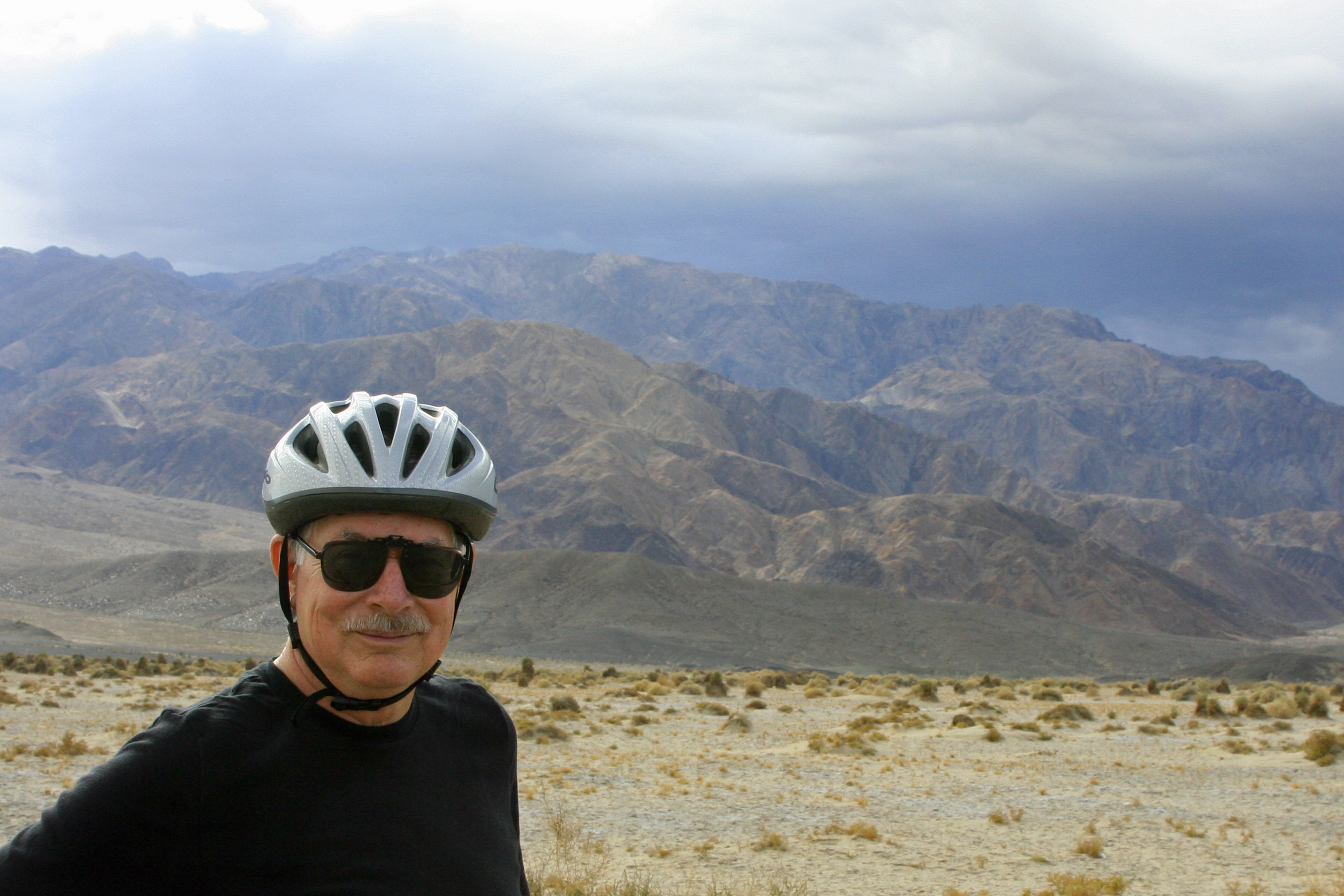
How you look when you aren't loaded down with 60 pounds of gear and climbing a mountain. Note Peggy's smile.

I am looking rather relaxed myself. Peggy took this photo looking across what is known as the Devil's Cornfield. The Panamint Range looms in the background.

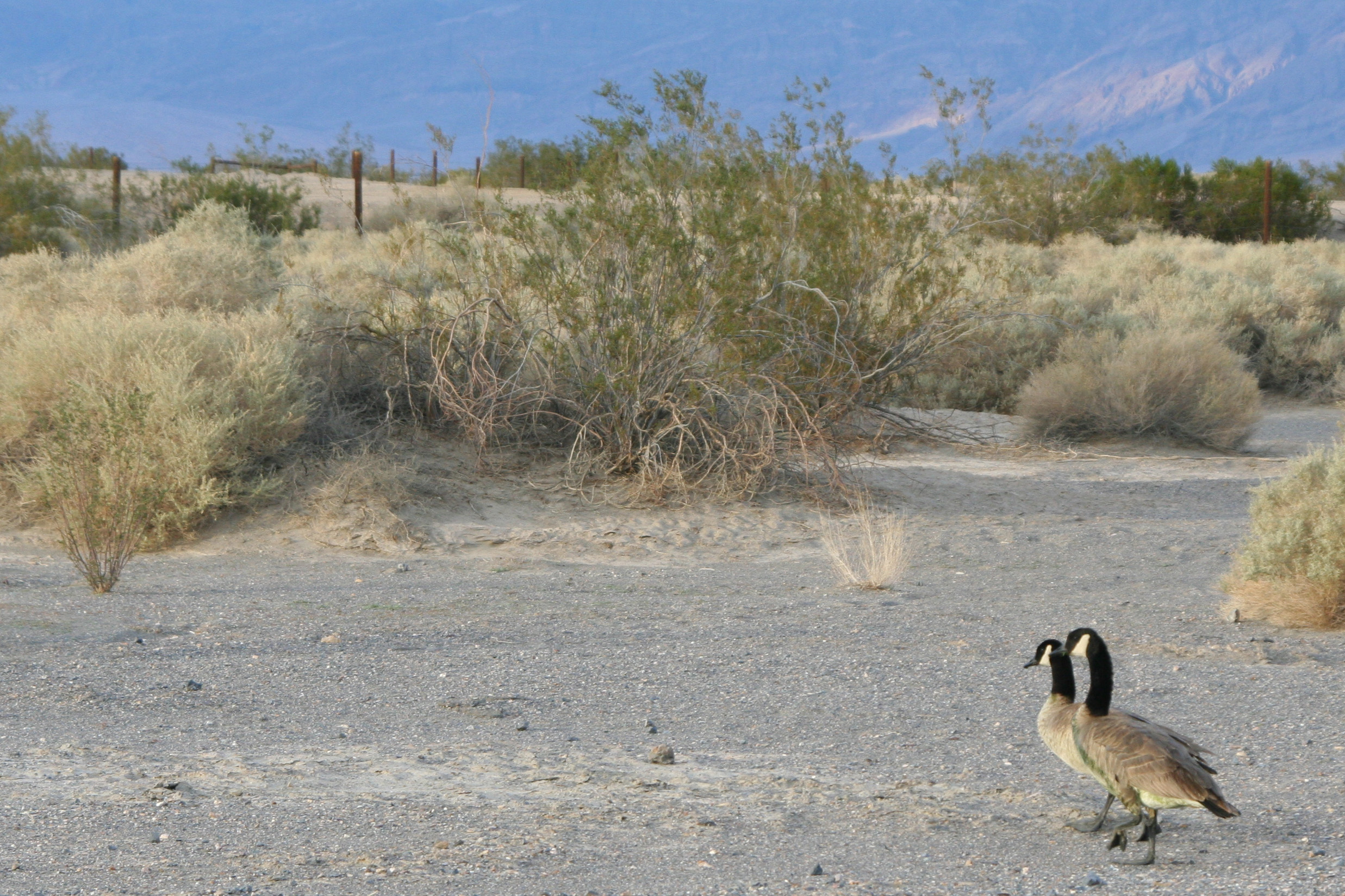
Peggy and I were on an evening stroll out to the dunes when we came across a pair of Canadian Geese. I assumed they were lost but they didn't ask for directions.

A final view of the dunes set off by a cloud filled sky.