

“Why?” G, a blogging friend from Florida, asked when I posted my plans to spend the summer backpacking down the PCT. Why would I subject myself to ice cold baths and human-snacking insects? Why would I want to spend 7-9 hours a day hiking over difficult terrain in 100-degree weather while dodging fires, breathing smoke, and carrying a 30 to 35-pound pack? Why would I subject my body to the common ailments of through-hikers: exhaustion, near-starvation, freezing nights, blistered feet, trashed toenails, sprained ankles, shin splints, twisted knees, cranky hips, sore shoulders, bug bites, sun burn and poison oak, not to mention possible encounters with large furry animals sporting big teeth.
My guess is that G thought 75-year-old men should limit their exercise program to hiking up and down the stairs on a cruise ship or possibly hiking from the TV to the bathroom during a football commercial. Puttering in a garden is also okay; as is fishing off the end of a pier. Going for short hikes is to be encouraged. It helps keep you healthy. But backpacking several hundred miles through rugged wilderness— much of it by yourself? That’s crazy.
Perhaps. But I had been backpacking since 1969, when the PCT was a barely-hatched one-year old, or since 1954 if you counted Boy Scouts. I had started exploring the jungle-like graveyard next to our home at five, and completed my first solo, mile-long hike in the wee hours of the morning when I was seven. While other boys my age had spent their summers playing sports and hoping to dazzle coaches, parents and friends, I had wandered farther and farther afield with nothing but my dogs for company. High school and college had seen a hiatus as studies, work and girls took precedence. But I returned to my wandering ways as a Peace Corps Volunteer, exploring the jungles surrounding my home in West Africa and carrying a compass so I could map them out. And avoid getting lost.
Cheryl Strayed’s journey on the PCT in Wild and Bill Bryson’s hike along the Appalachian Trail in A Walk in the Woods had inspired me to think about undertaking my own long-distant trek. They were admittedly a tad younger when they started their adventures— at 26 and 45 their combined age was less than mine— but I had tons more of experience. I had celebrated my 60th birthday by backpacking 360-miles from Lake Tahoe to Mt. Whitney. Certainly, I could do twice that to celebrate my 75th.
I’d chuckled when I read Bryson’s chapter on a bear he may or may not have seen in the night, and how he had gone scrambling for his pocket knife. Scary yes— big creatures that think of you as a menu item usually are, especially on a dark night— but I have had dozens of encounters with bears. Once, I woke up at four in the morning with one standing on top of me, sniffing my breath. Now, that’s scary! Another time I was stalked by a grizzly in Alaska. And then there was the time I had a discussion with one of the great brown bears of Katmai over why he shouldn’t eat me. A ranger had told me that if I encountered a bear out on the trail, I should “speak to it in a calm voice and back away.” But what do you say to a thousand pounds of bulging muscles with four-inch long claws? Read on.
Unlike Strayed, I knew that seemingly insignificant ounces add up to bone crushing pounds when carried on your back. I’d led hundred-mile backpack trips for 30 years in California and Alaska. Preparing first-time trekkers to go was one of the most important things I did. Now, picture backpacking over 1,100 miles with zero preparation, which Strayed did. While I had greatly admired her fortitude in hiking on the PCT through California and Oregon, I’d cringed at her lack of readiness. But I readily admit that it made a good story and served as an inspiration for thousands of women, and probably men as well.
By now, I am sure that you realize that I love backpacking. I love it for what it does for my mind and my body. It’s amazing how fast the worries of the world fade away when you are hiking up a mountain. And it’s fun to see what a week of backpacking does for your body. But what I like most is that backpacking gets me out into the woods. Time slows down. There is great beauty, and peace, and healing, and maybe even a touch of salvation. As John Muir noted, “The clearest way into the Universe is through a forest wilderness.”
This book concludes with my trip down the PCT at 75. I’d started with a goal of backpacking at least 500 miles and possibly as many as a thousand. Between giving my lungs fire-free breaks and providing more time for rest and recovery between trail sections, I split the difference, not bad for seven decades. And I was lucky to have total support from my wife, Peggy. Not only did she join me for three sections of the trip, she was waiting for me at the end of the other sections with a warm smile, a tight hug, and a cold beer. And she had camped out for the week by herself so she would be there to greet me and provide other backup if needed. If that’s not love, I don’t know what is.
The PCT trip is just a small part of my backpacking story, however. One can have a lot of adventures in 50 years of wandering in the wilderness and I plan to incorporate several into this tale, including the bear stories mentioned above. I also want to talk about the beginning, how I fell in love with the woods and outdoors as a young boy. That always gets a bit iffy in terms of memory. But getting kicked out of the first grade at five for a year was an important factor in that it encouraged me to explore the jungle-like graveyard next to our home. Choosing to sleep outside in the summer, even if it meant sleeping on the ground, was another. Such things tend to stick in your head. At least they do mine.
While my emphasis will focus on the adventures, I also wish to encourage my readers to think of the wilderness as one of our most precious heritages, taking us back to our very beginnings as humans. When we lose our connection with the outdoors, we lose a bit of our humanity. We owe it to ourselves to reconnect or maintain our connection, even if it is simply going for a walk in the town park and listening to the birds sing. And we owe it to our children, grandchildren, and future generations to protect the world’s remaining wilderness areas.
So, let’s get started as I tackle the insane task of leading a group of 61 people aged 11 to 70 on a 9 day, 100-mile backpack trip across the Sierra Nevada Mountain Range. The event kicked off my part-time career of leading long-distance backpacking treks and guaranteed that backpacking would always be a part of my life.
That I survived the experience and had any kind of a career at all was close to a miracle…
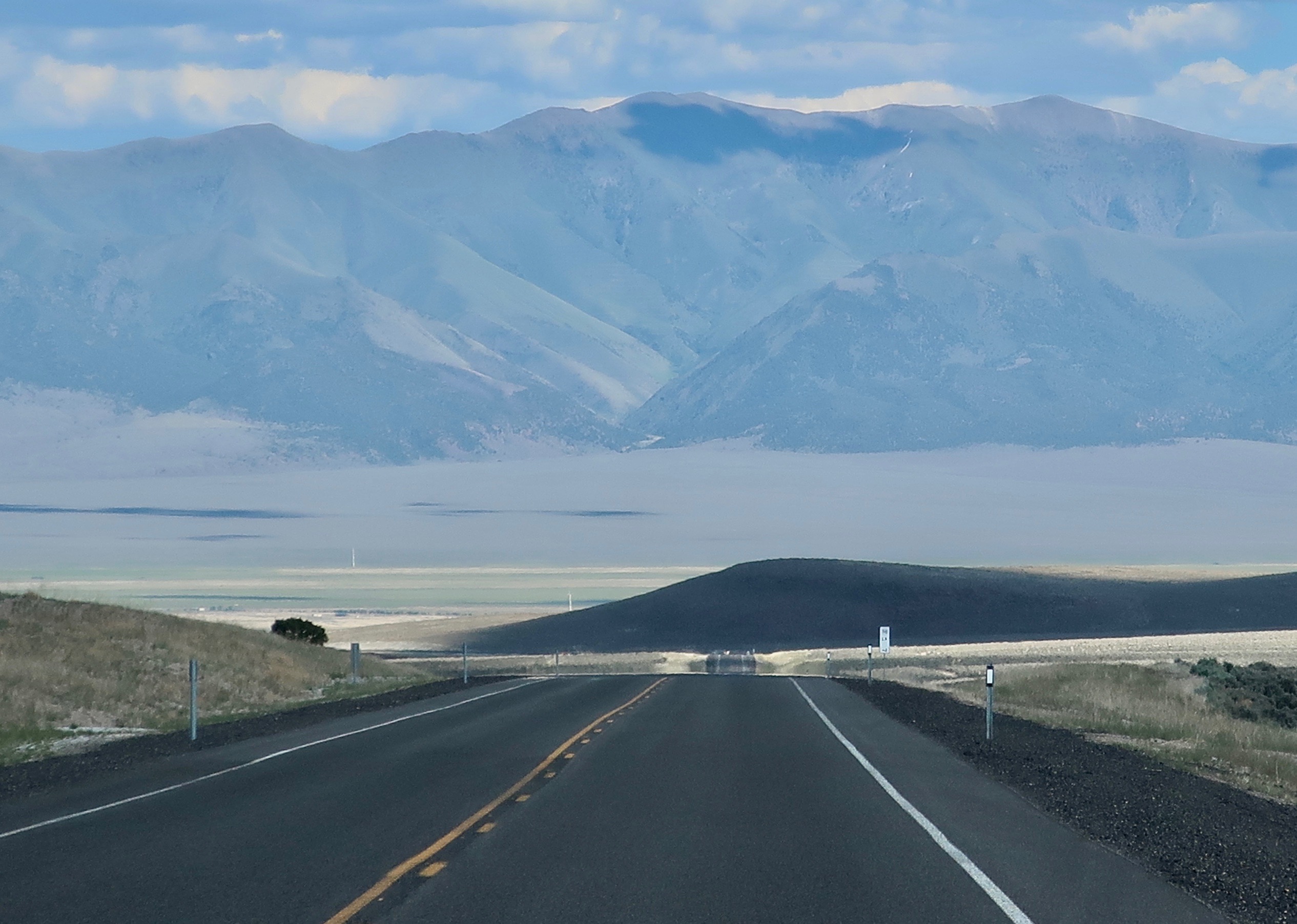
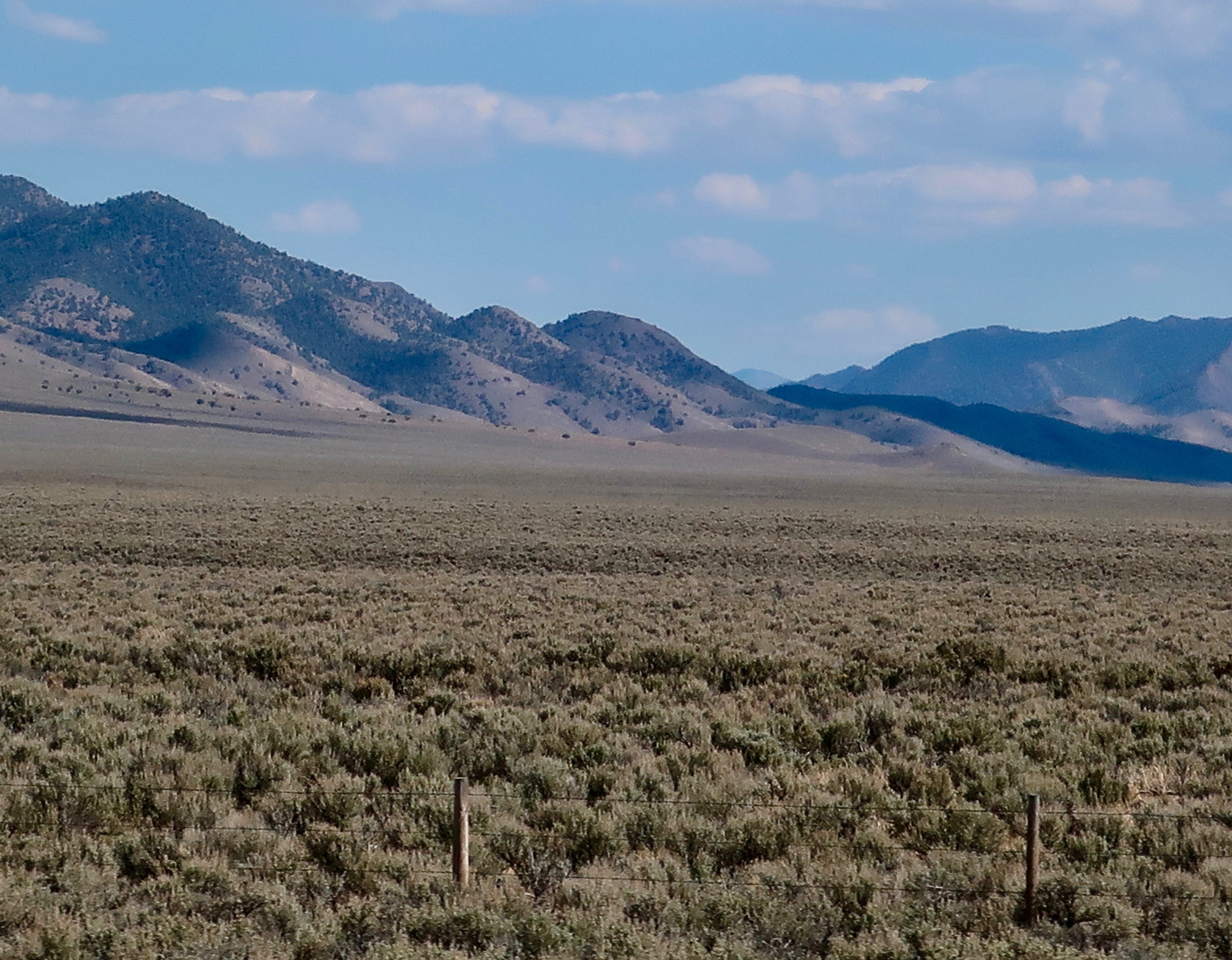
NEXT POST: On Thursday, Peggy and I continue our exploration of America’s backroads as we follow “The Loneliest Road in America,” Highway 50 through Nevada and into Utah.
















































 Wandering through Time and Place