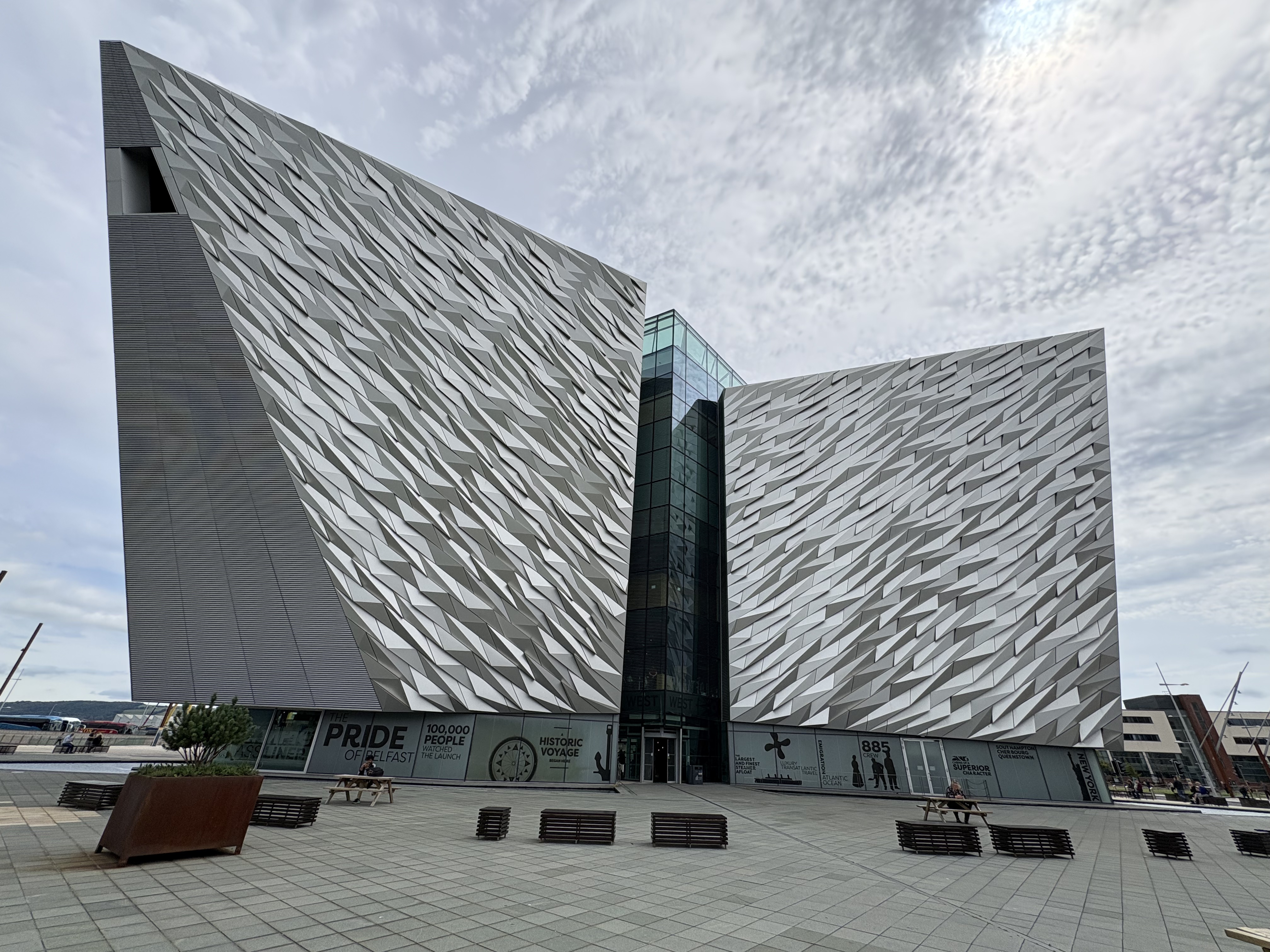
I had a hard time selecting the photo to kick off our three posts on our visit to Ireland this past summer. Peggy and I flew over from Edinburg after our visit to Scotland, arriving just in time to celebrate her 76th Birthday. Our journey took us from Belfast up the Antrim coast of Northern Ireland, to a remote farm south of Derry, back to Belfast, and south by train to Dublin. My photo choices included an ancient graveyard where I searched for equally ancient ancestors, a 150 high stack of pallets built for a massive bonfire, or a picture of a lovely waterfall at the Glenariff Falls Nature Preserve on the Antrim Coast. Instead I opted for the photo below of the Titanic Museum because I thought it reflected the reality of a country where beauty and tragedy live side by side.
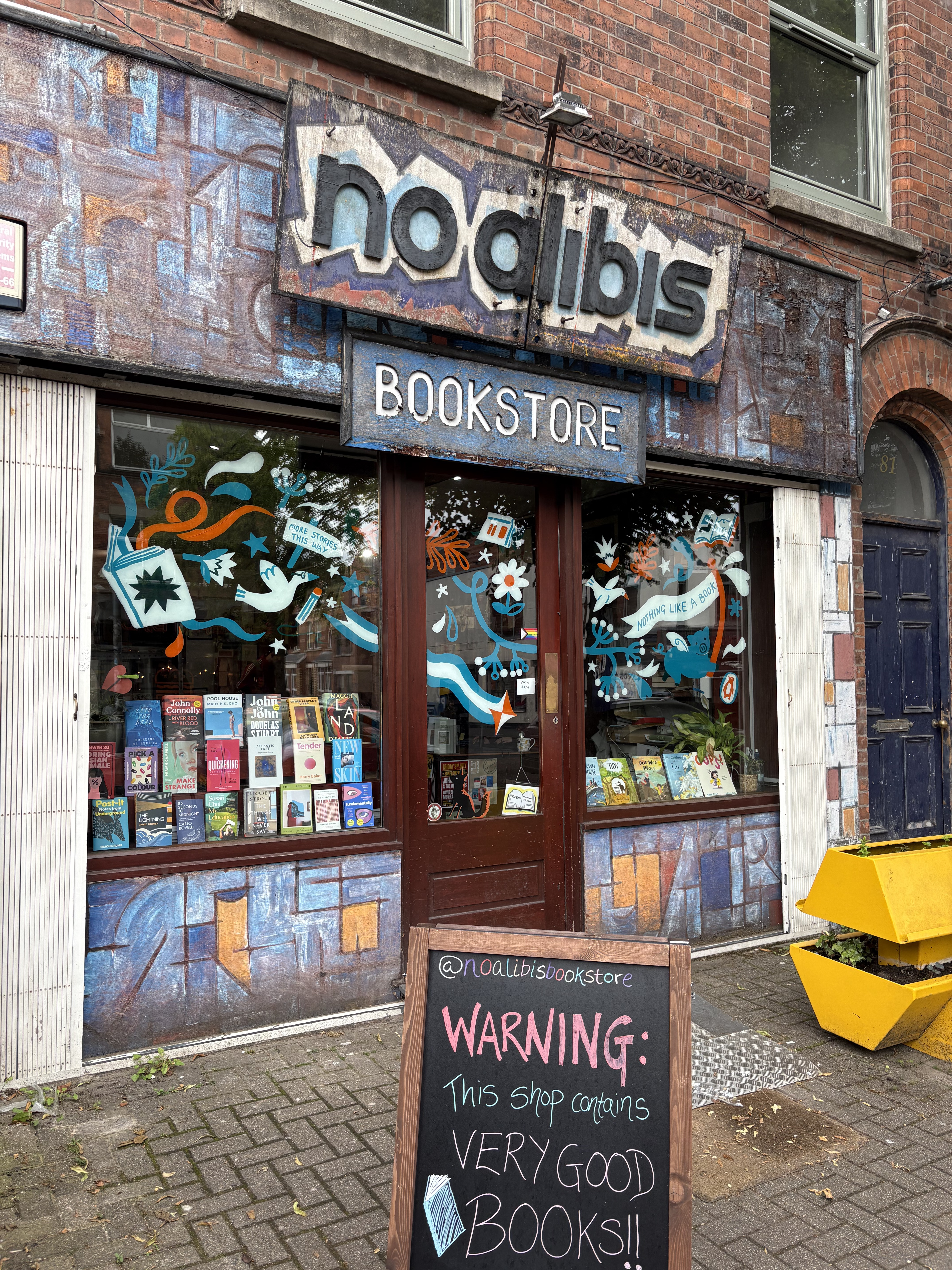
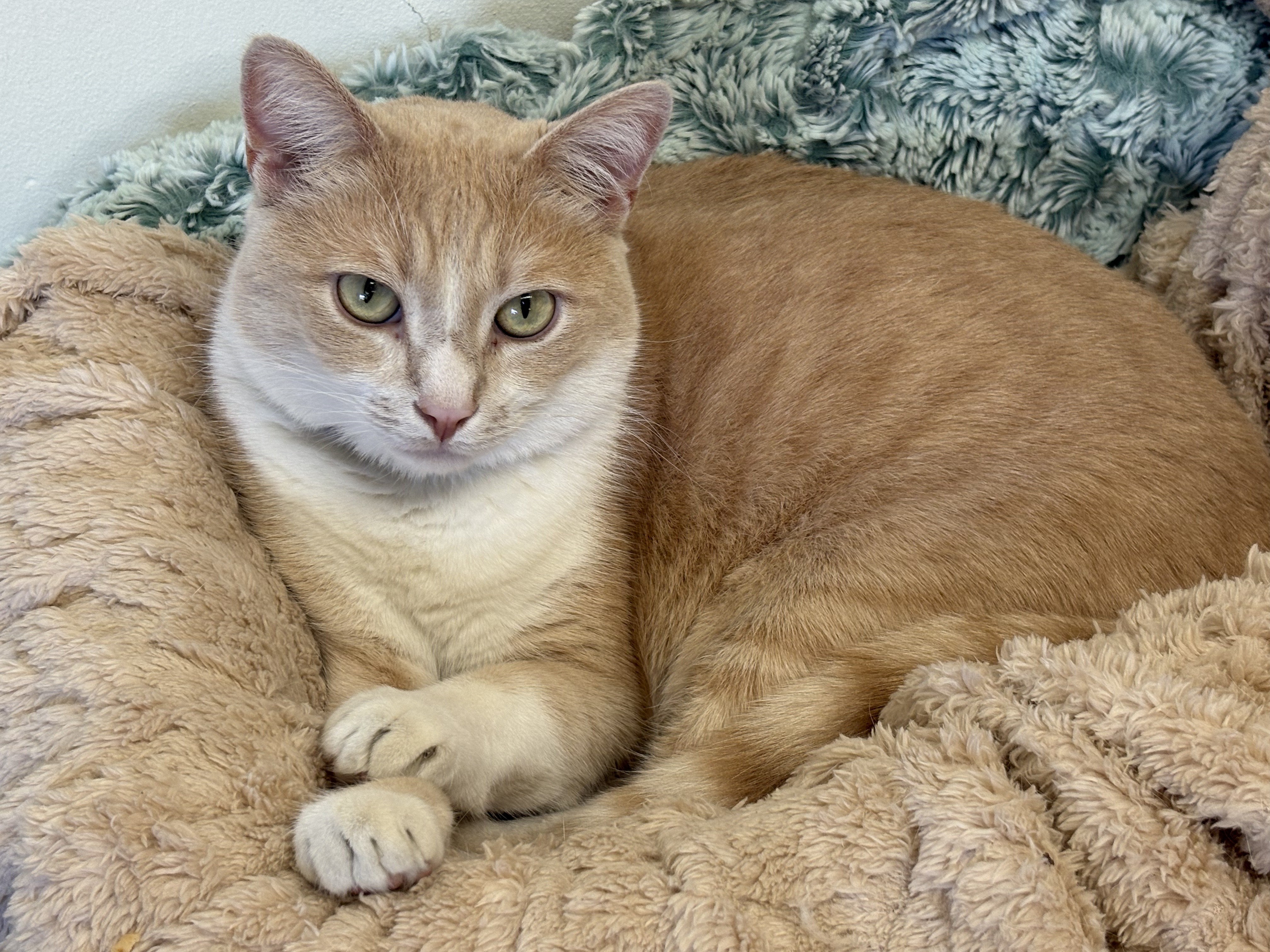
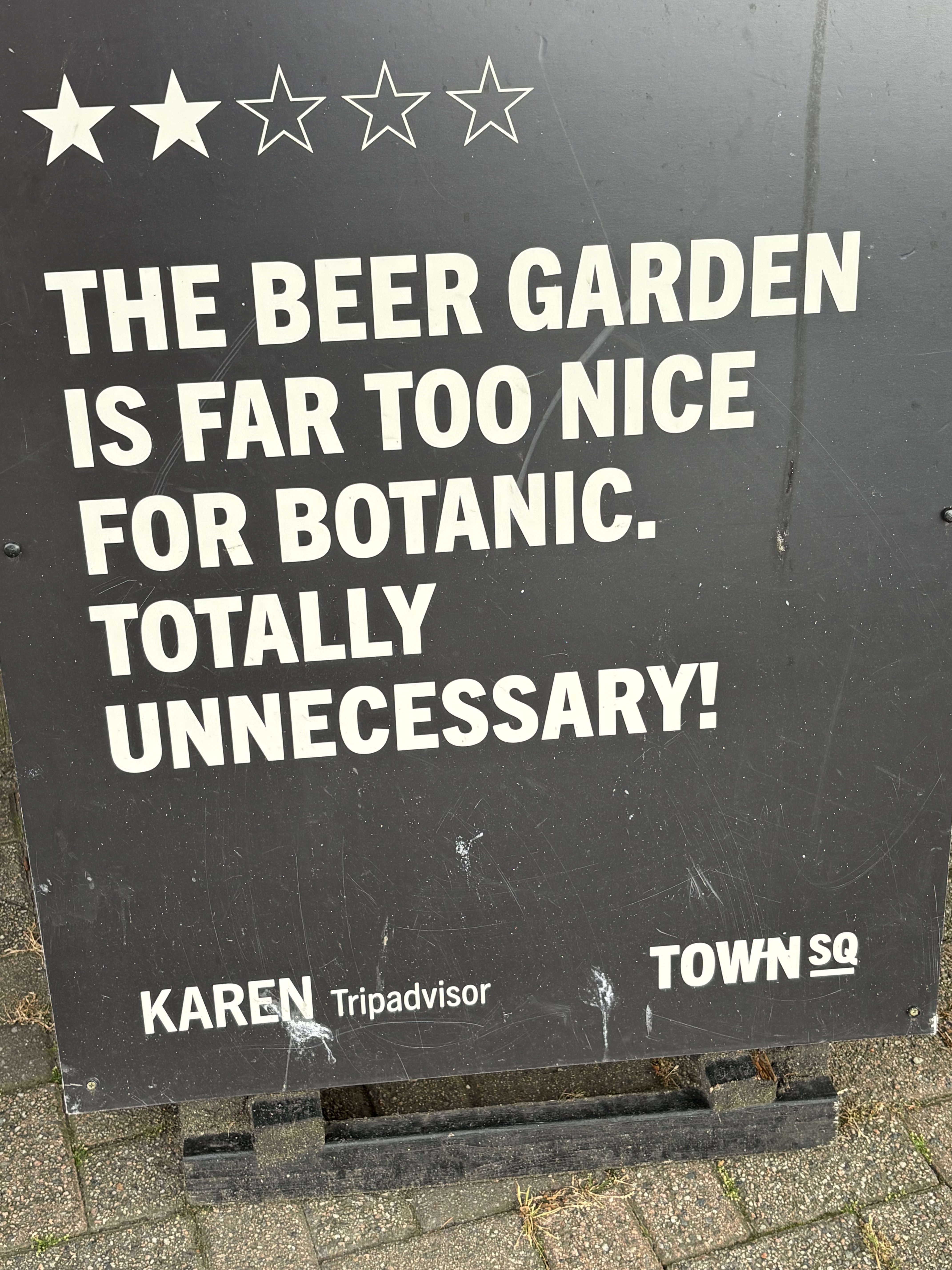
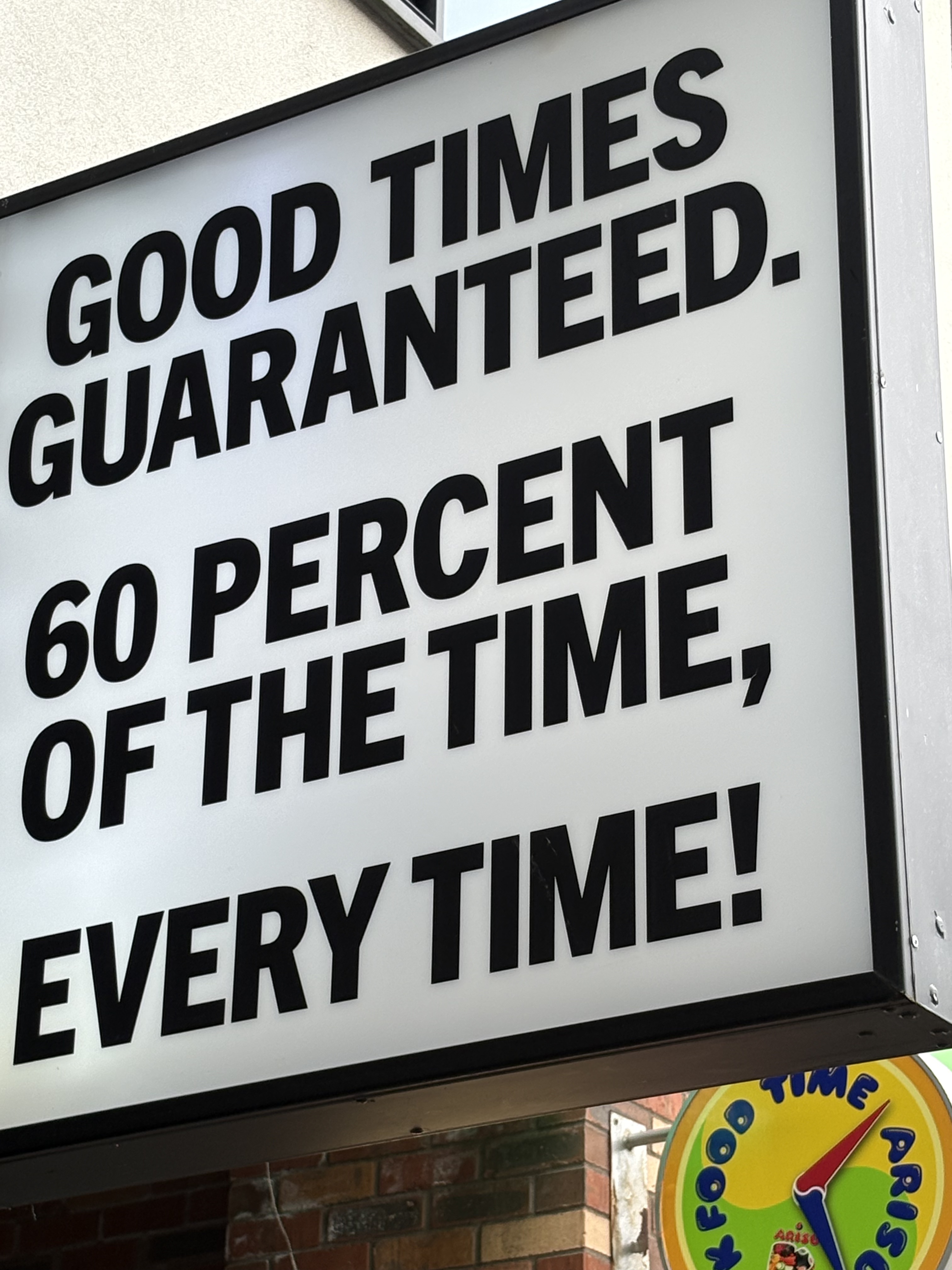
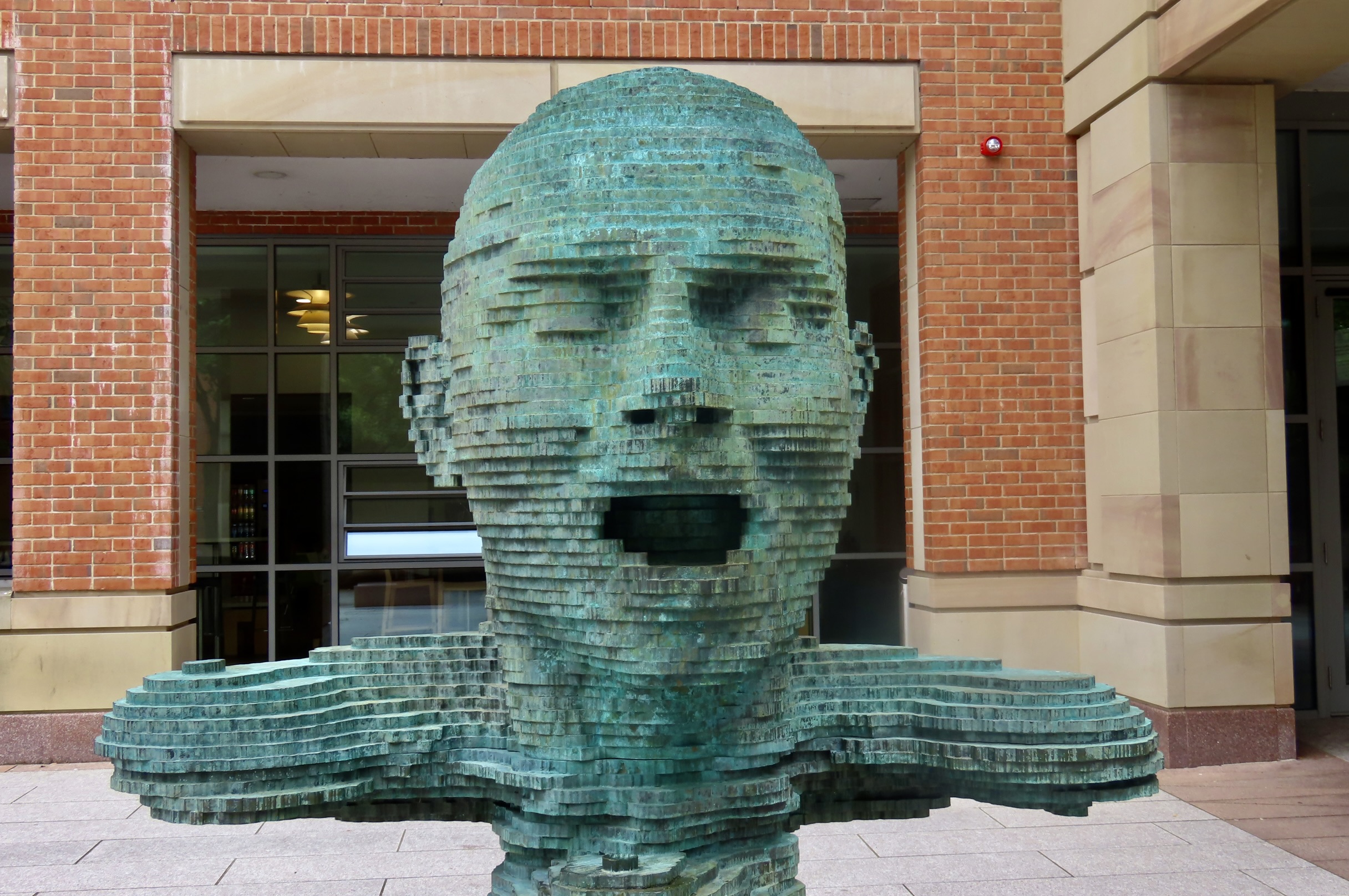
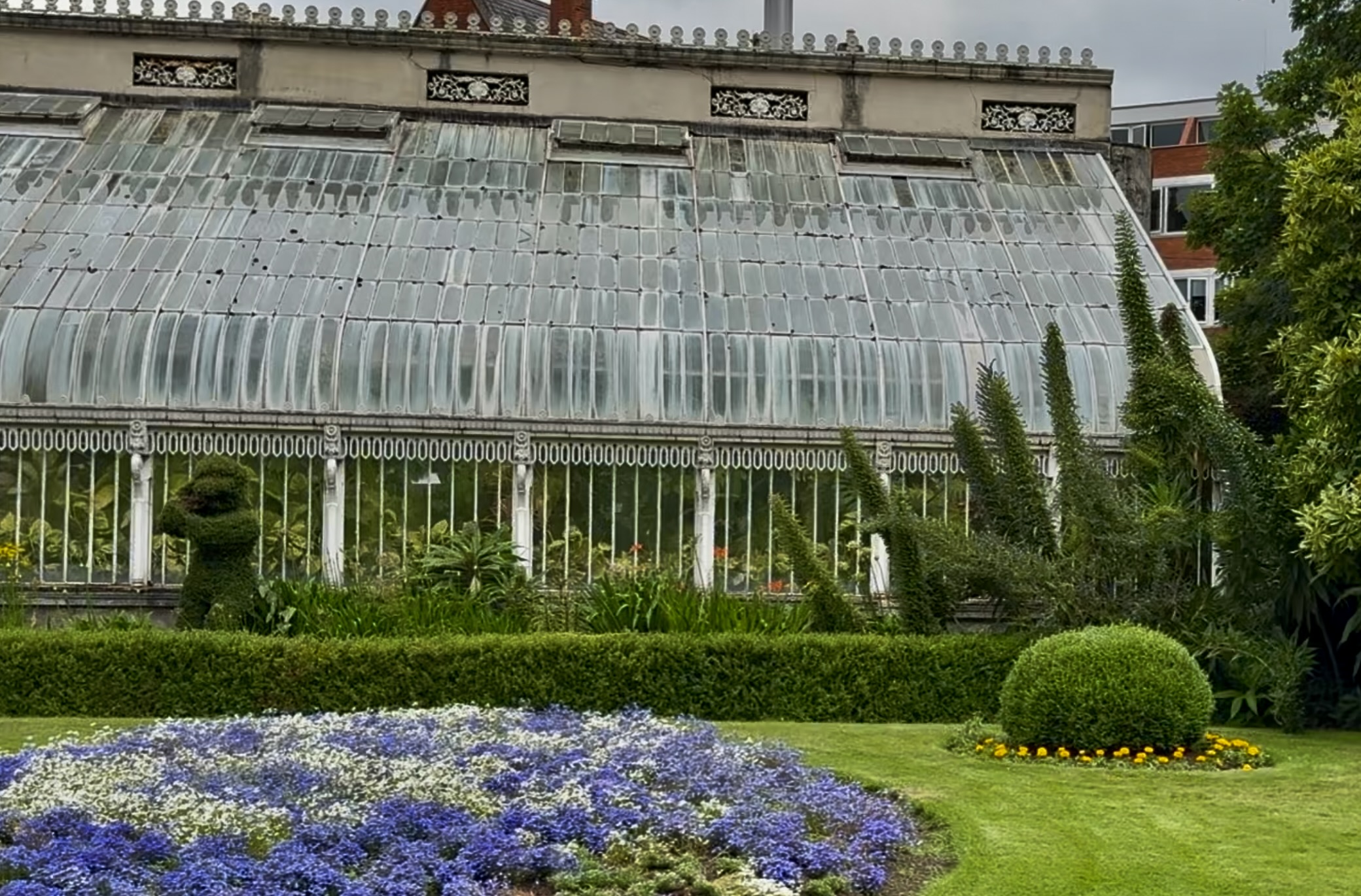
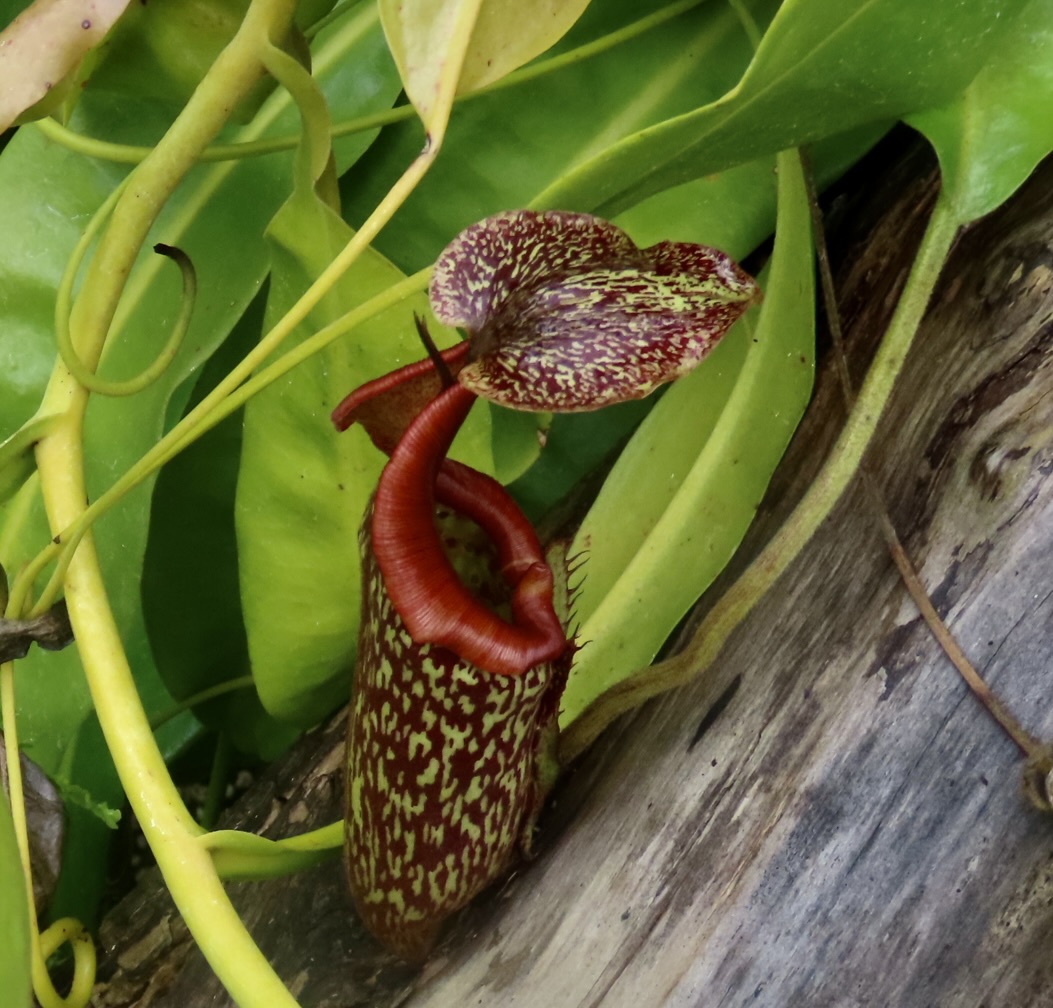
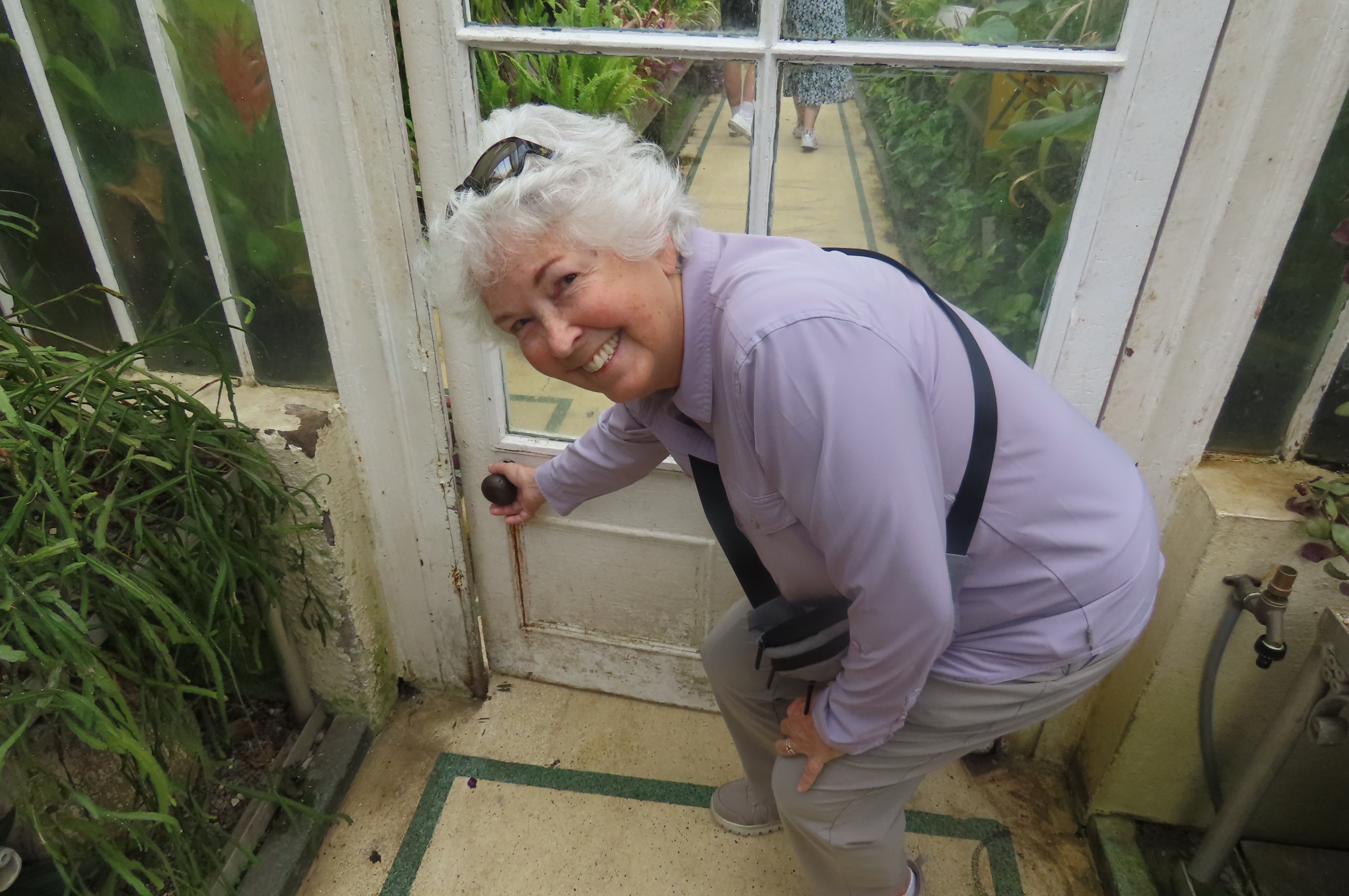
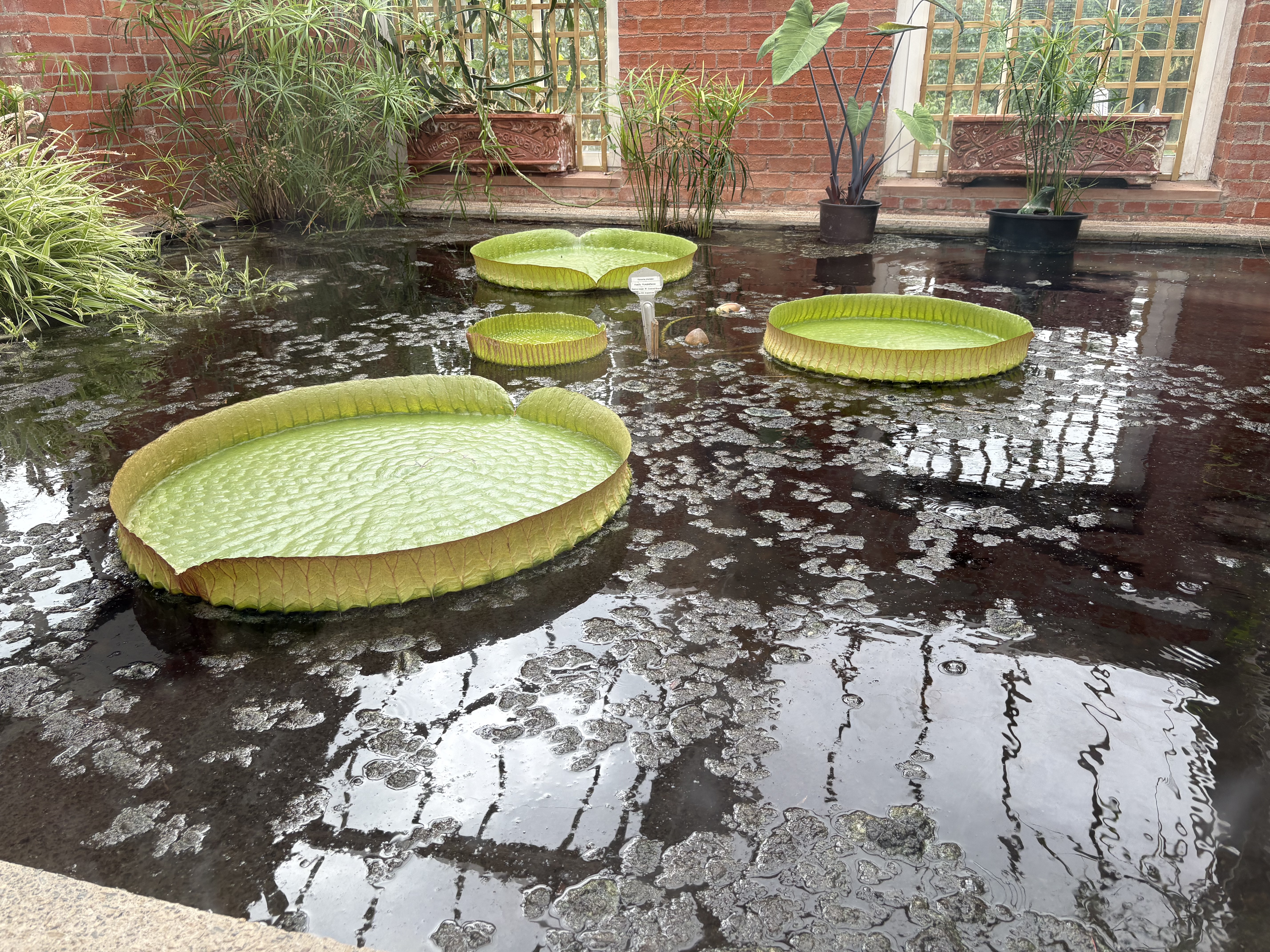
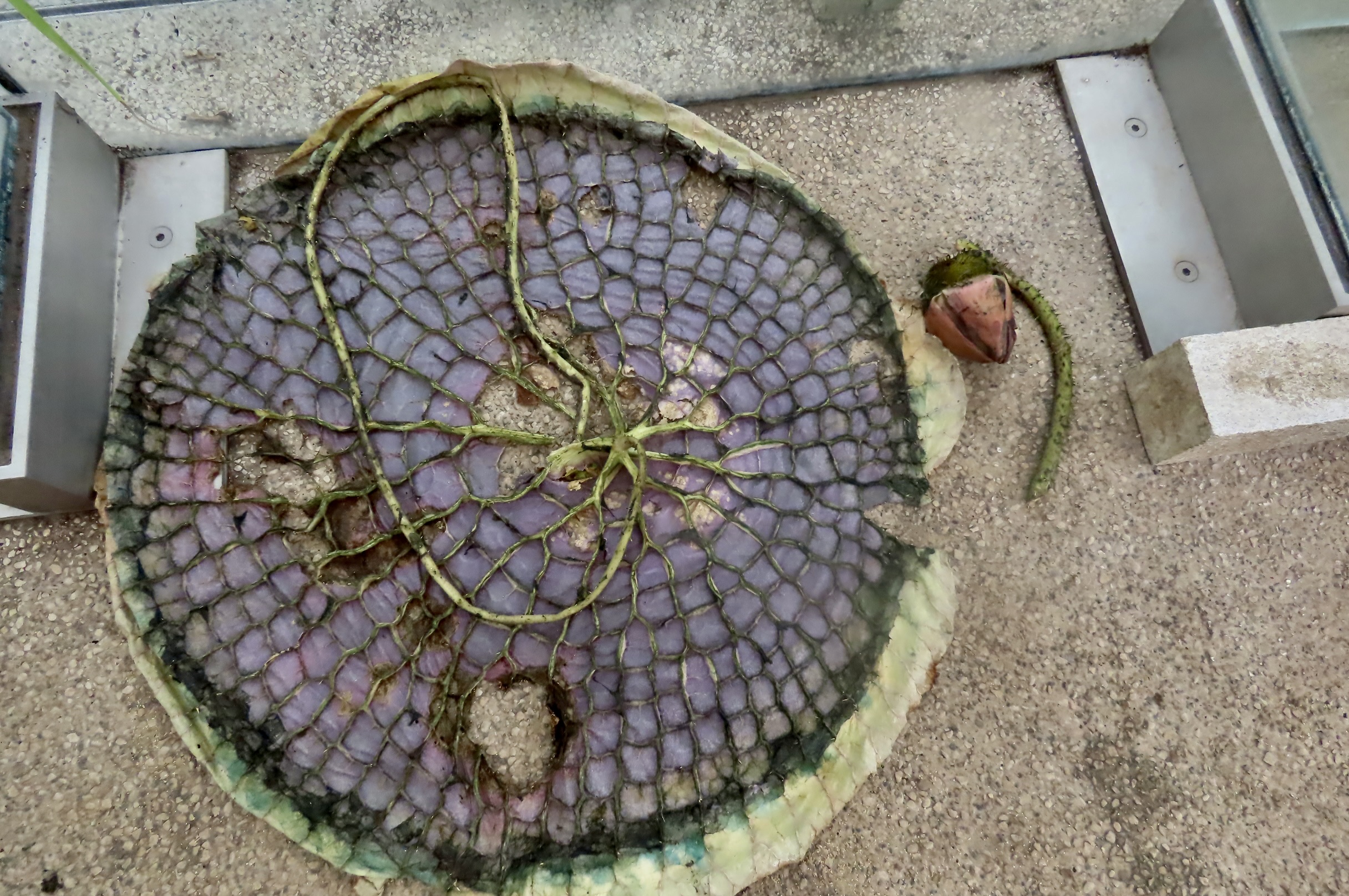
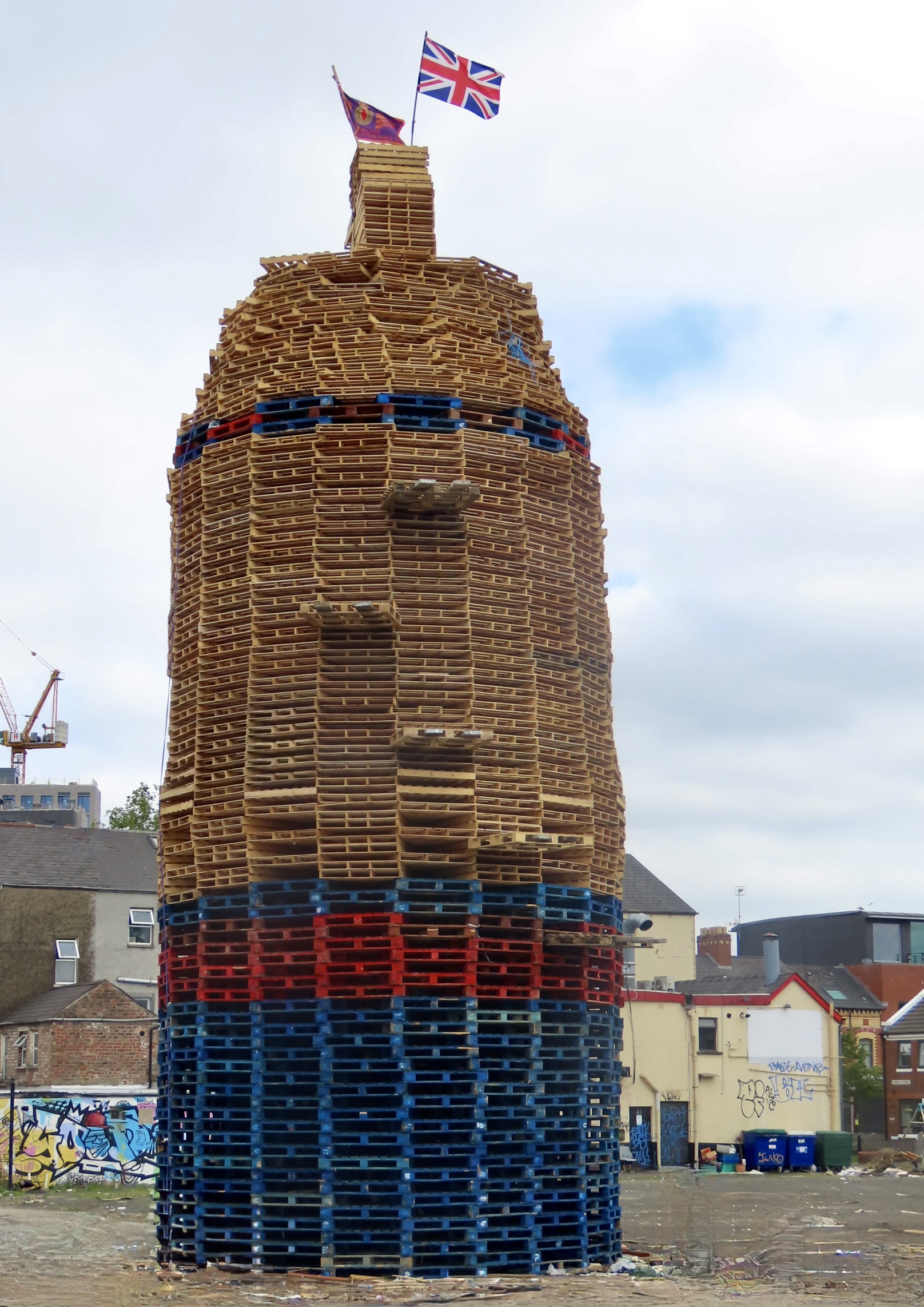
This is the Titanic Museum in Belfast, Ireland. The ill-fated ship was built here. The striking building with its bow-like structure houses the museum and utilizes modern technology to bring the tragic story of the ill-fated ship to life. Reputed to be the engineering marvel of its time, the 883 feet long, 93 feet wide ship was said to be unsinkable. Launched on its maiden voyage April 10, 1912, it struck an iceberg in the North Atlantic on the 15th and sank. 1500 of its 2200 passengers perished in the frigid, icy waters. Whenever I think of the Titanic, the song My Heart Goes On by Celine Deon starts playing in my mind. We stayed in what’s known as the Queen’s section of Belfast named after Queens University. Botanic Street was our primary to-go place for food and entertainment. It stretched from the commercial section, past the University, and to Botanic Garden. Our favorite place on the street was this bookstore: No Alibis. It was filled with great books and ambience. Peggy’s birthday gift was to go in and buy as many books as she wanted as long as there weren’t more than 76. (Risky I know, but I wasn’t worried given that our small, already full suitcases provided severe limitations. ) The only thing missing in the bookstore from my perspective was a cat…So, in my mind, I teleported in a cat from the Front Royal Bookstore in Front Royal, Virginia. Meet Sunny!Signs along the street introduced other establishments…Now you have a clue to the essence of Botanic Street. I love college towns!This intriguing statue by Marc Didou named “Eco” is located along Botanic Street in front of the Queens University Library. According to Didou it “represents the reflection of a human head refracted in water, inspired by digital imaging and the sonic echoes used in Magnetic Resonance Imaging (MRI).” Having had my first MRI a few weeks ago, I think I get it. Into the belly of the beast I went. Judging from the thumping, clicking, beeping, humming, clanking, chirping, and hissing noises the MRI made, it had a hard time digesting me. It spit me back out.Peggy and I walked by the library on our way to the Belfast Botanic Gardens.We found the usual combination of rare and exotic plants…Speaking of exotic, Peggy and I wondered about the placement of the doorknob on the exit door we used. It might be about right for a two-year-old. We decided it was built for Leprechauns.What really caught our attention at the Botanical Gardens were these gigantic water lilies from the Amazon. They can grow up to 10 feet (3 meters) across and have stalks reaching 26 feet (6 meters) tall. Leprechauns could dance on them. Or a two-year old.This view of the underside shows the structure that enables the planets to grow to the size they do.A large wooden tower made up of pallets stacked 150 high was located in a vacant lot just off of Botanic Street— a 10 minute walk from where we were staying. It was waiting to light up the midnight sky on July 11 (Eleventh Night), which was an objective it shared with over 200 other large pyres in Protestant neighborhoods throughout Northern Ireland.
The purpose of the annual bonfires is to commemorate the victory of the Protestant King William III (William of Orange) over the Catholic King James II at the Battle of the Boyne in 1690, and to kick off Orangemen’s Day on July 12. The Twelfth, as it is known, features large parades with marching bands, historical banners, and Lamberg drums. They are organized by the thousand or so lodges of the Orange Order found in Northern Ireland.
The Eleventh Night and Twelfth are remnants of a period of sectarian violence in Northern Ireland from the 1960s-90s known as The Troubles. Paramilitary Protestant groups represented by the Ulster Volunteer Force (UVF) and the Ulster Defense Organization (UDF) squared off in bloody confrontations against the paramilitary Catholic Irish Republican Army (IRA). The UVF and UDF wanted to remain part of the United Kingdom. The IRA wished to see Northern Ireland become part of the Irish Republic and break its ties to England. The central role of religion, plus the presence of British troops, complicated the matter.
In 1998 the two sides came together in the Good Friday Agreement to share governing power in Northern Ireland and the Troubles era was brought to an end. Sort of.
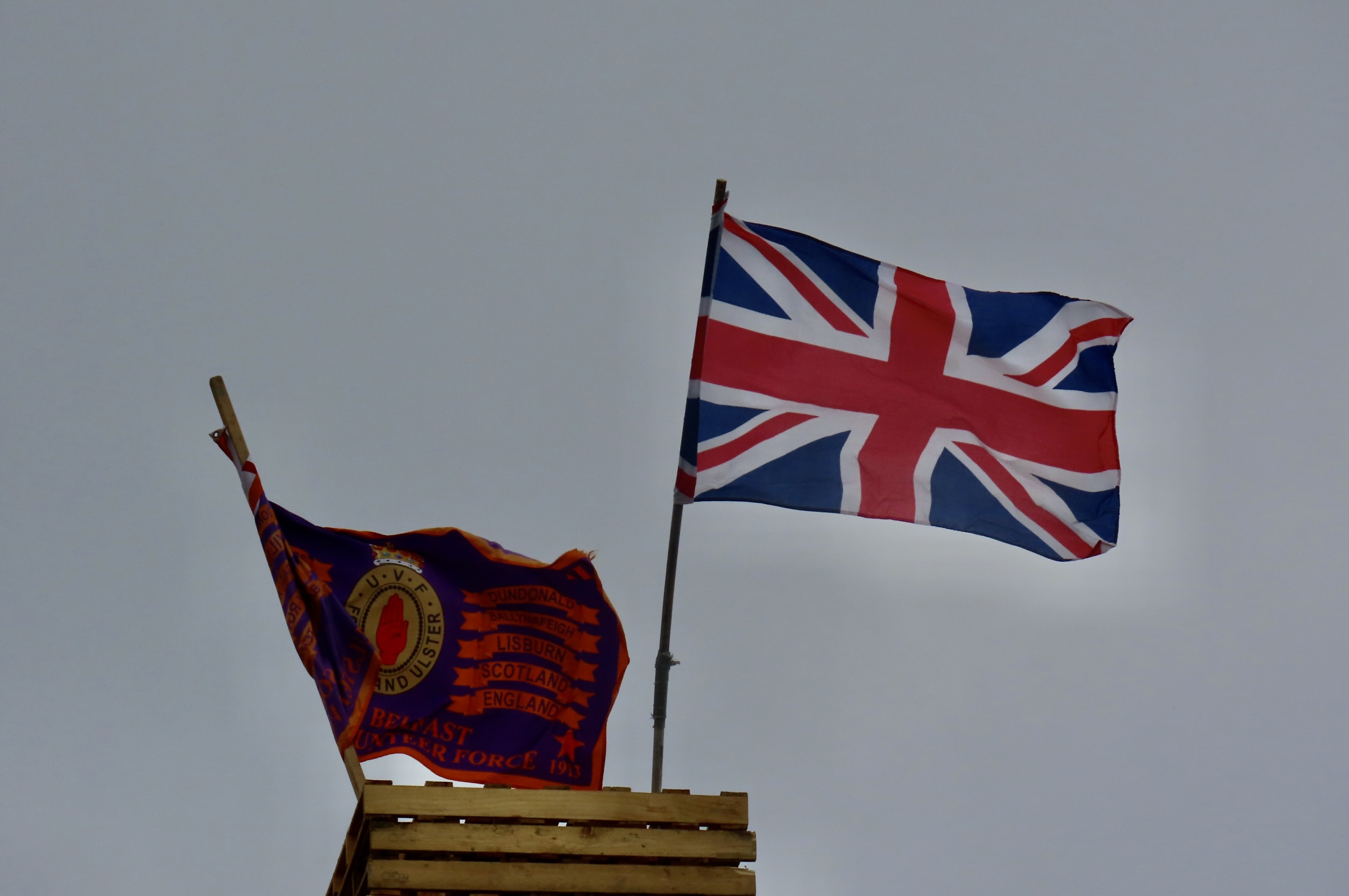
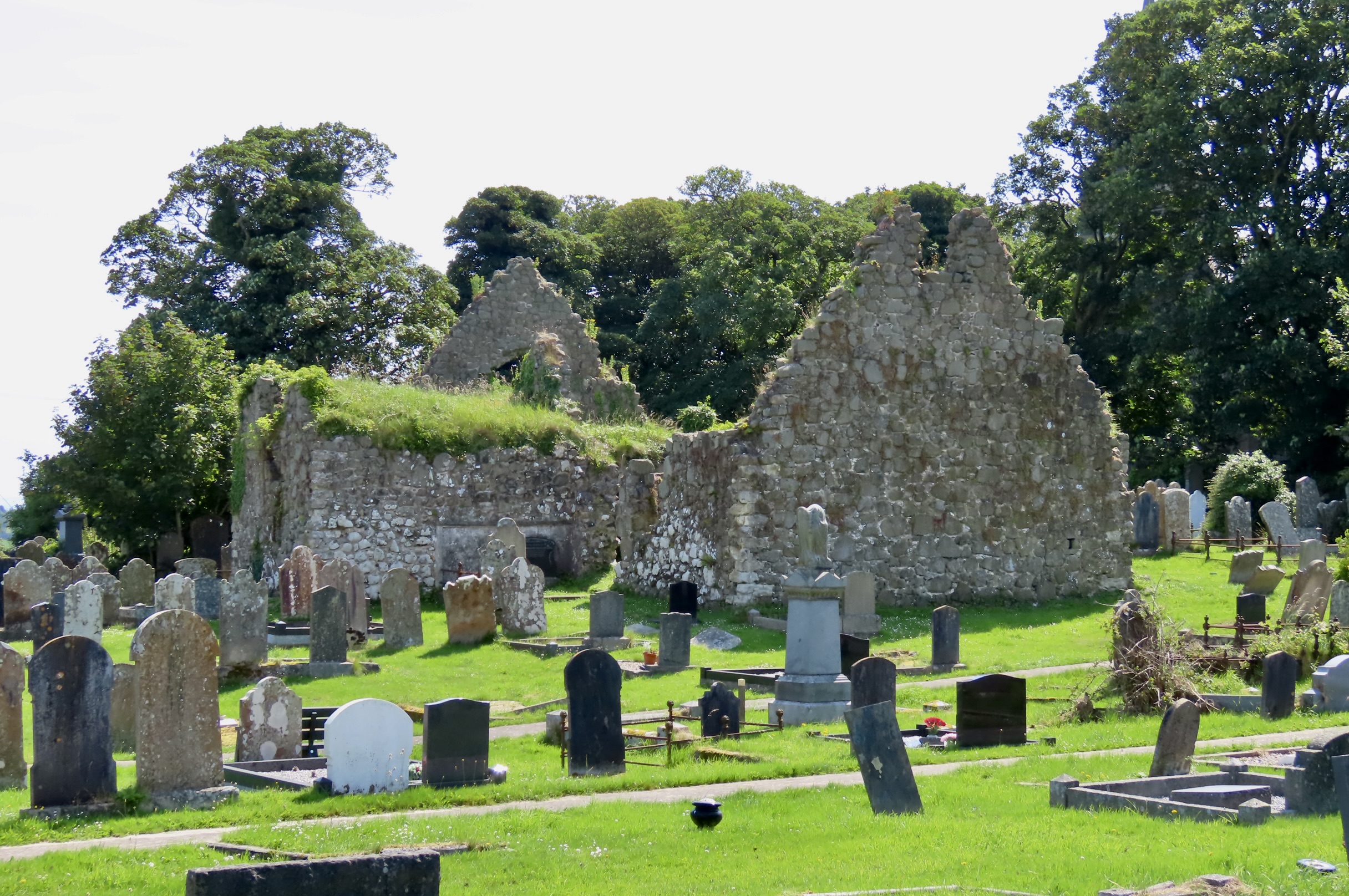
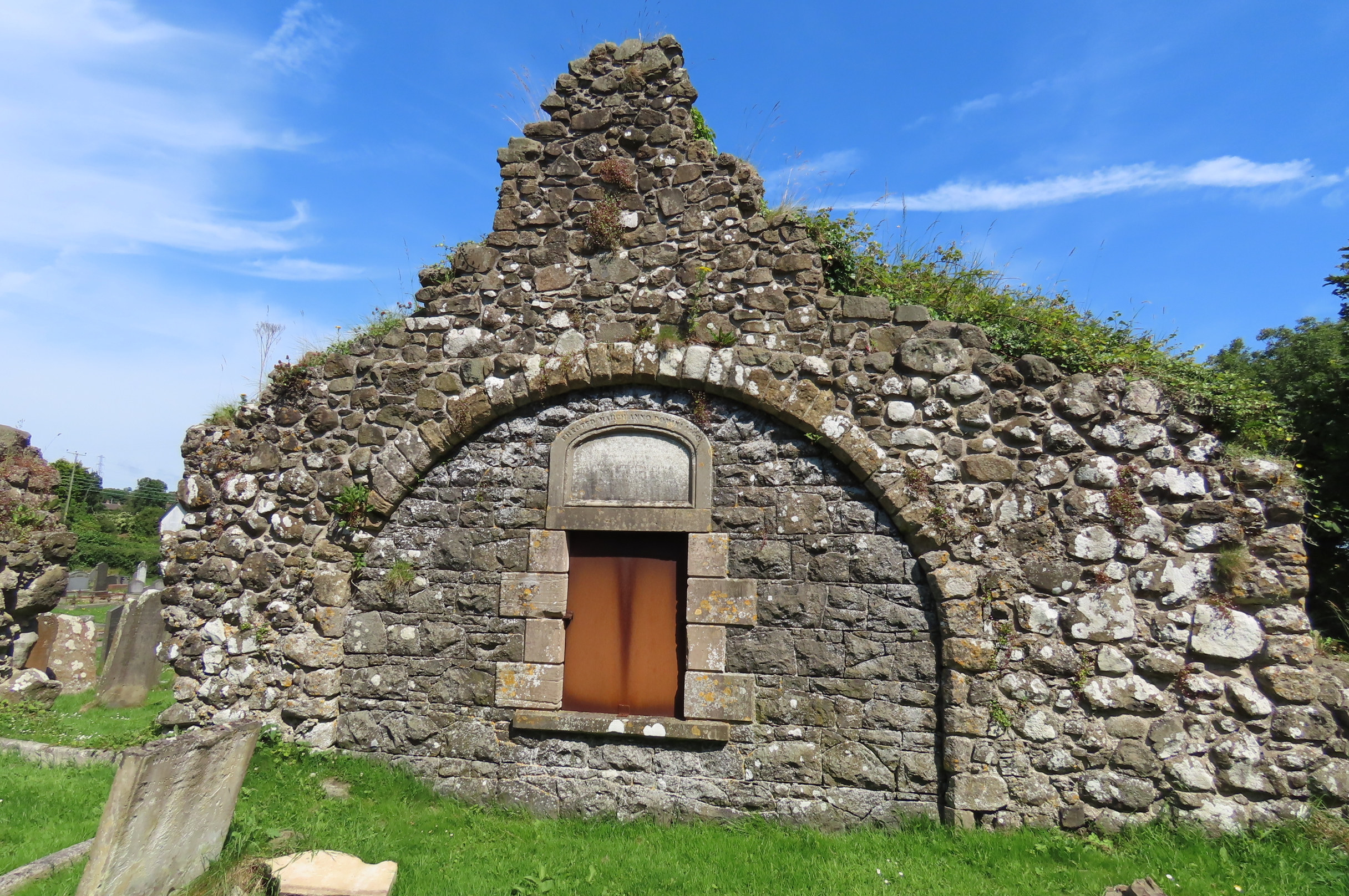
The two flags on top of the wooden palates speak to the fact that the underlying tension still exists. The United Kingdom flag represents the fact that Northern Ireland’s unionist desire to remain in the United Kingdom. The red and blue flag on the left represents the Belfast Lodge of the Orange Order and stresses its UVF connection. Members of the Orange lodges must belong to mainline Protestant churches such as Presbyterian, Baptist, or Methodist. They cannot be Catholic or married to a Catholic. Even attending a Catholic Service is grounds for immediate dismissal. The conflict between Protestants and Catholics in Ireland dates all the way back to the 15 and 1600s. That history still haunts modern Ireland. Peggy and I were in an Uber going to the Titanic Museum when Peggy commented on how friendly everyone had been toward us. The driver’s response was, “We really like visitors. We just don’t like each other.” We left Belfast on July 10th, the day before the bonfire, on our way up Northern Ireland’s Antrim Coast. We made a stop along the way at the Templecorran Graveyard in Ballycarry. I was looking for long-dead ancestors. The town had become a center for Scotch Presbyterians/Covenanters in the 1600s thanks to the English.
England’s efforts to gain control over Ireland hit a stumbling block in the late 1500s in Ulster (Northern Ireland). The seven Catholic, Gaelic Earls of the area defeated them in battles several times in what was known at the Nine Year War. Finally, in the early 1600s, England won a decisive battle that sent the Earls scurrying off to Catholic Europe. England was left with millions of acres of land and lots and lots of peeved Irish Catholics. The English solution: Confiscate the land of the native Irish Catholics, create the Plantation of Ulster, and fill it with 10s of thousands of Protestants—mainly Scotch Presbyterians from Lowland Scotland. It was the beginning of Protestant domination of Northern Ireland and the Protestant-Catholic conflict.
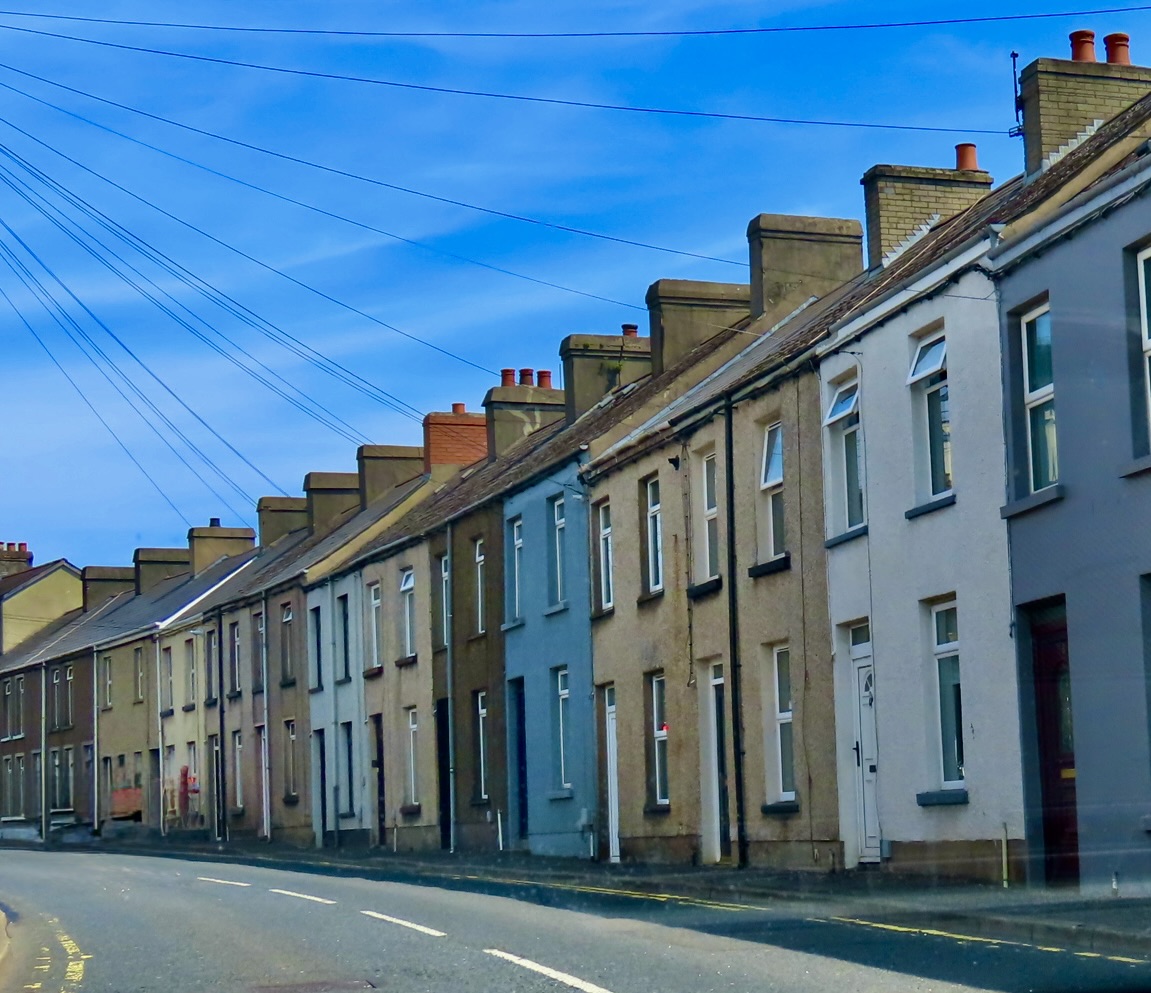
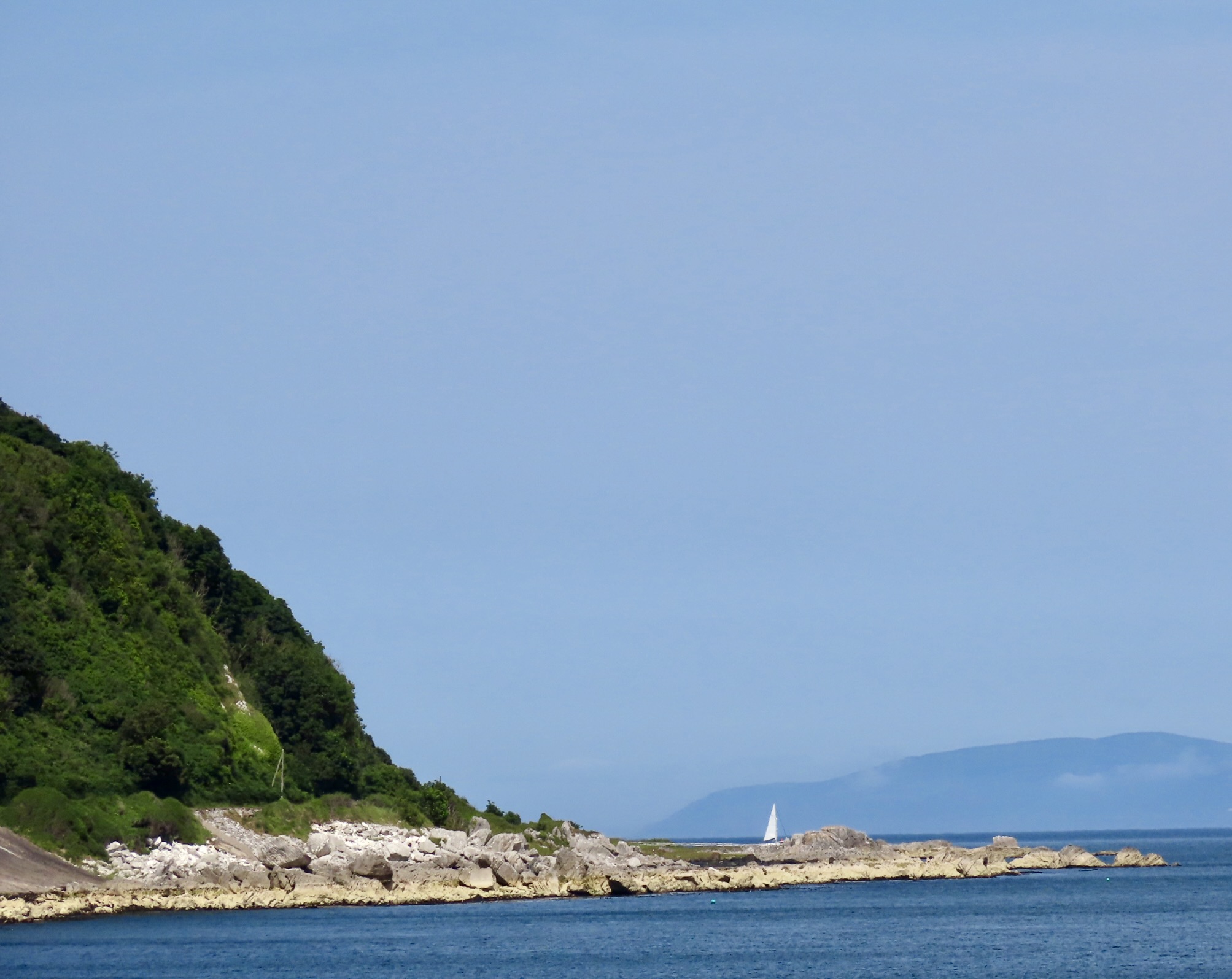
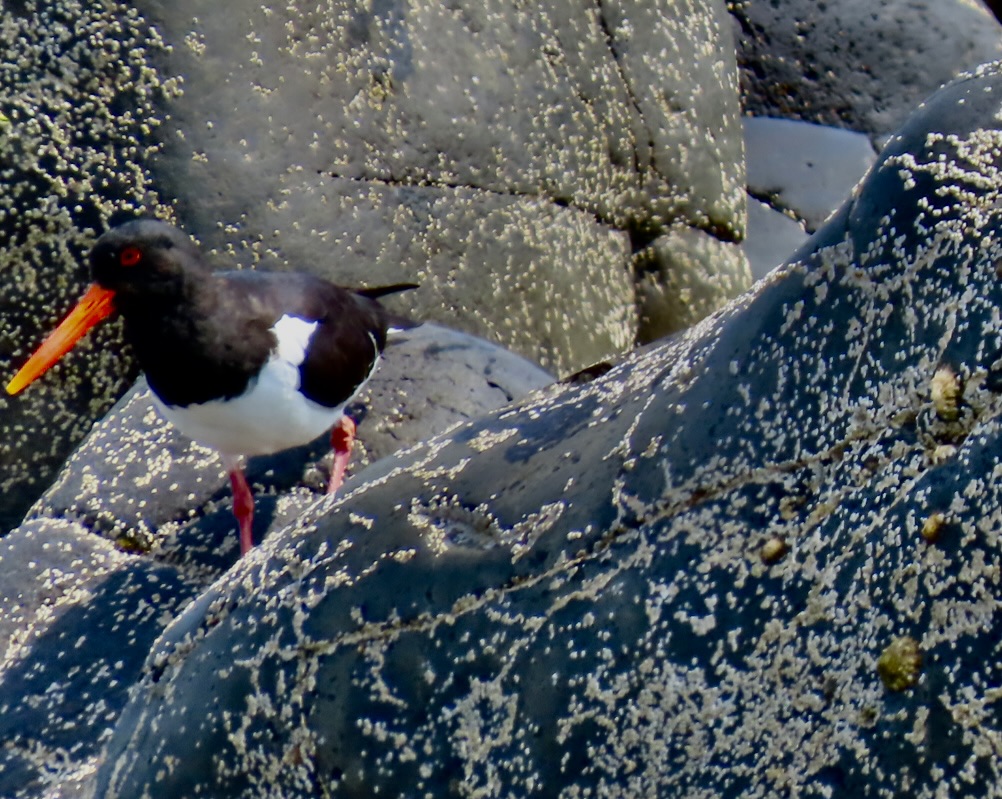
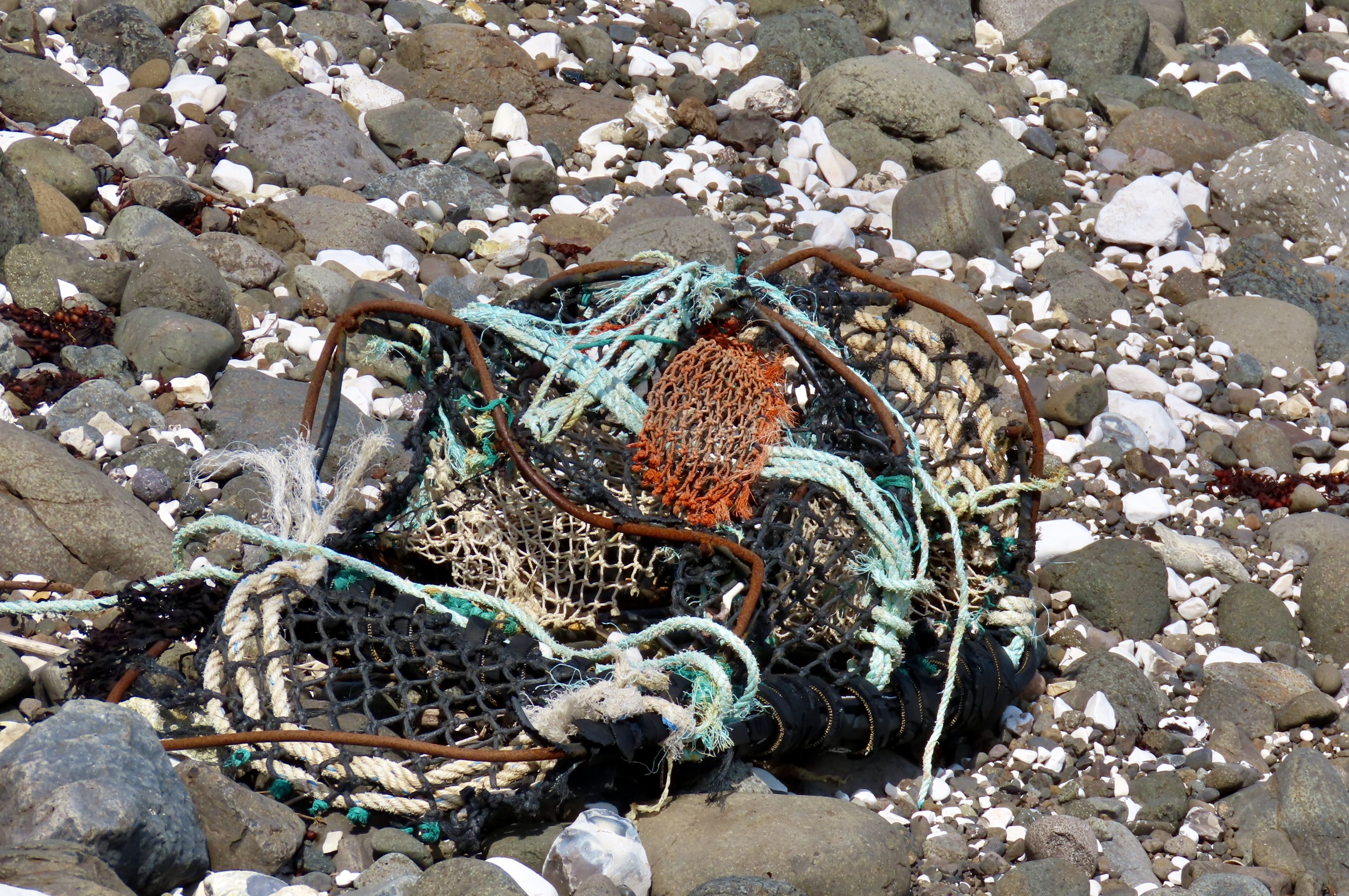
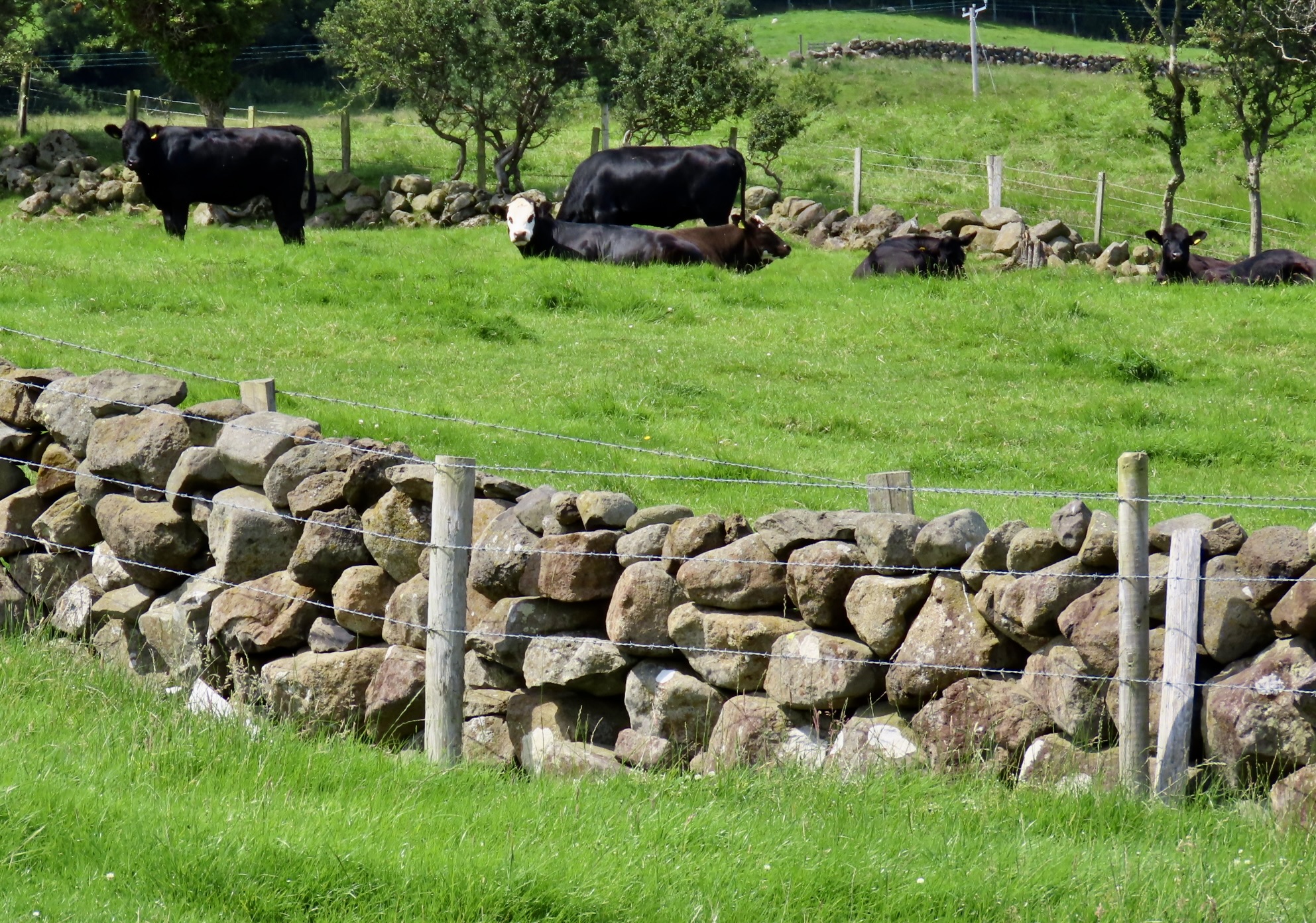
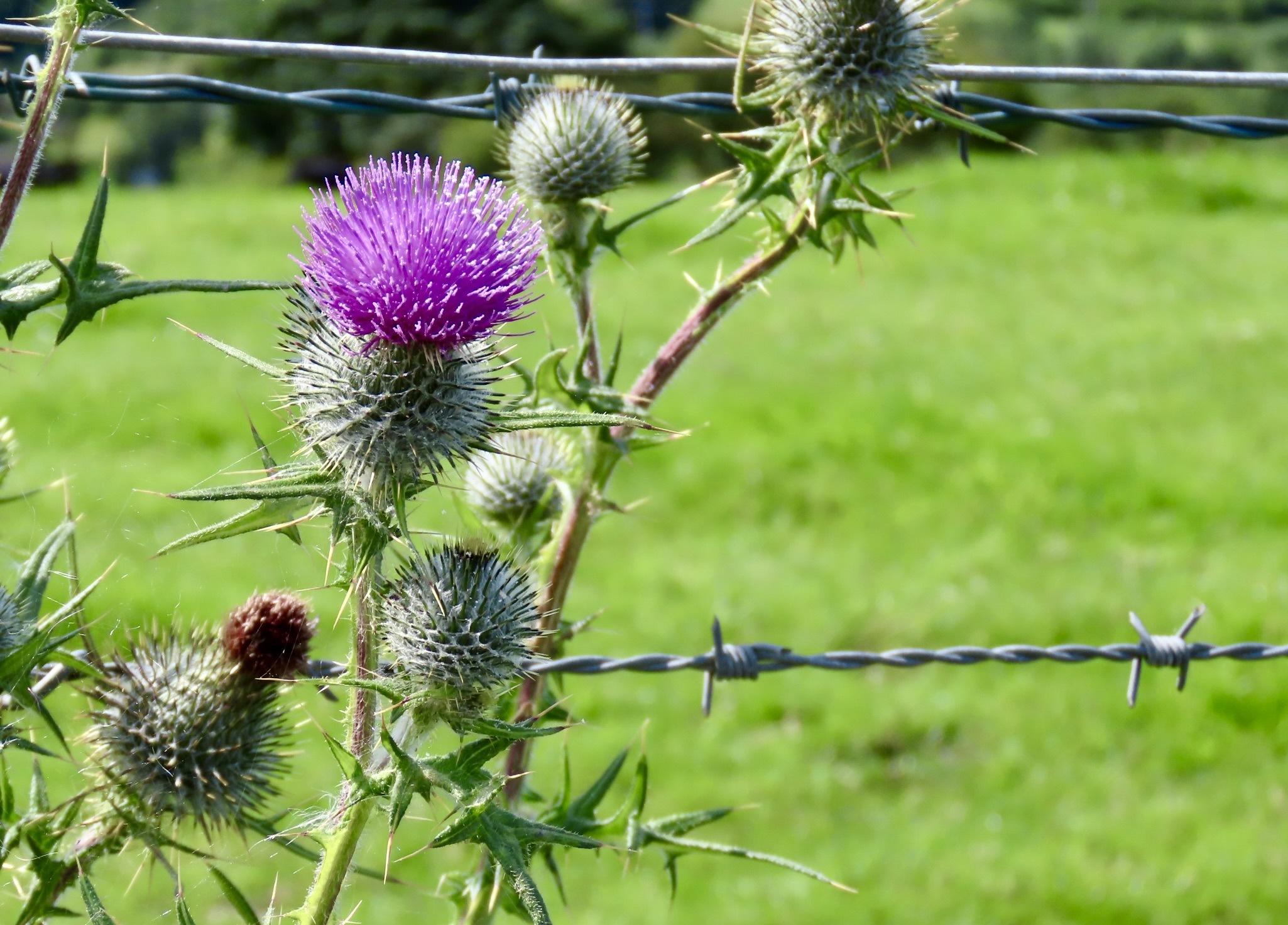
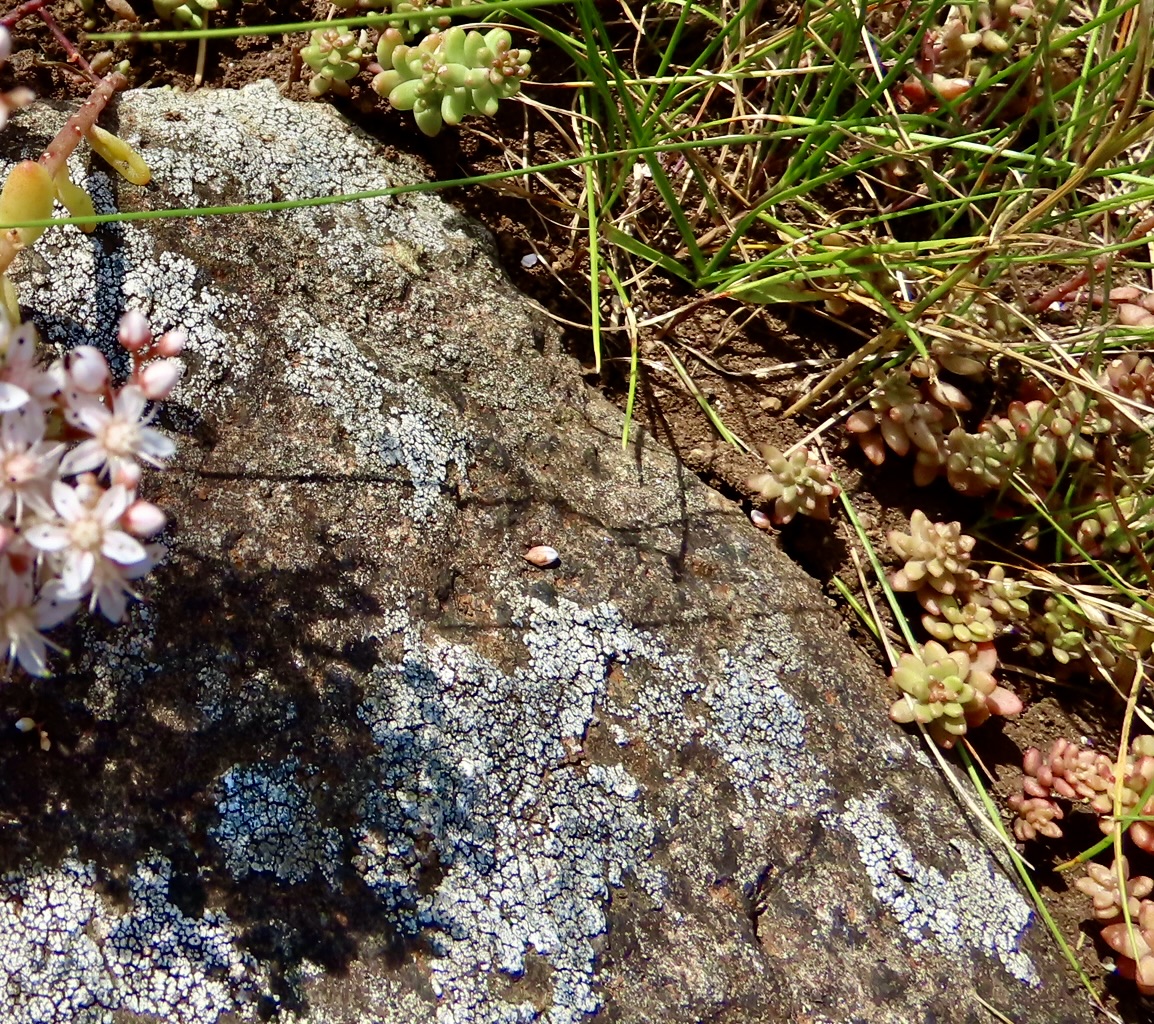
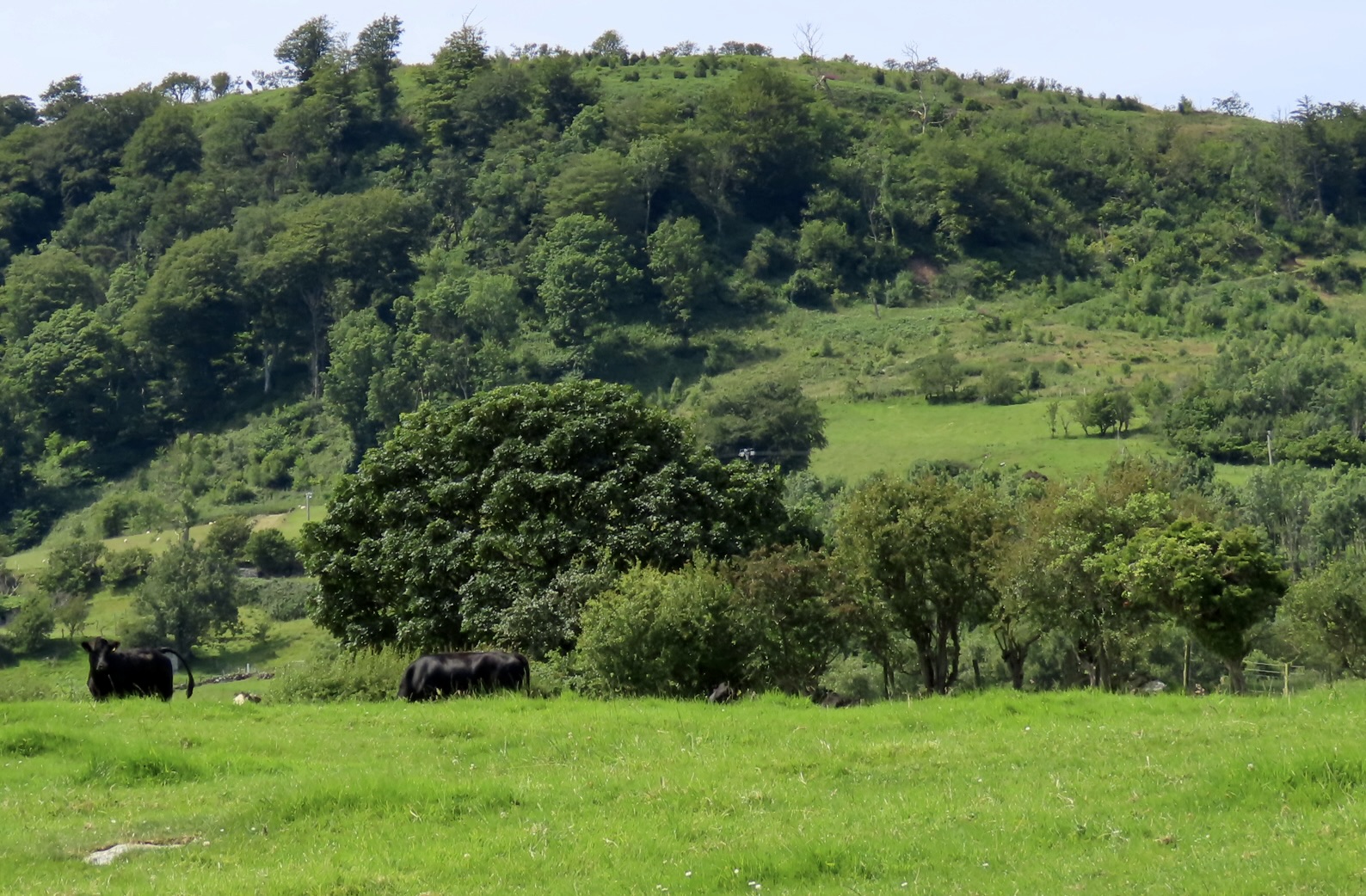
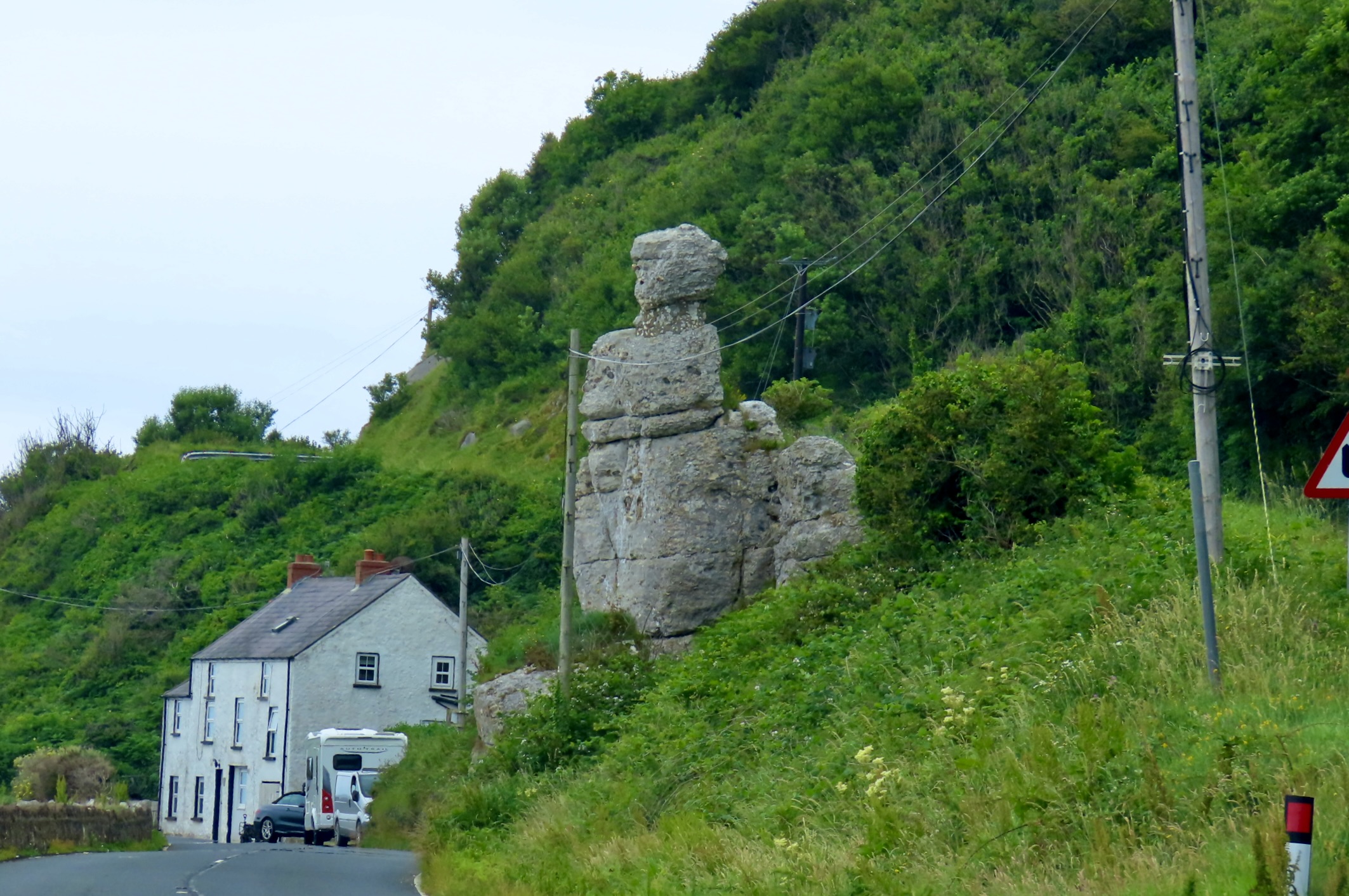
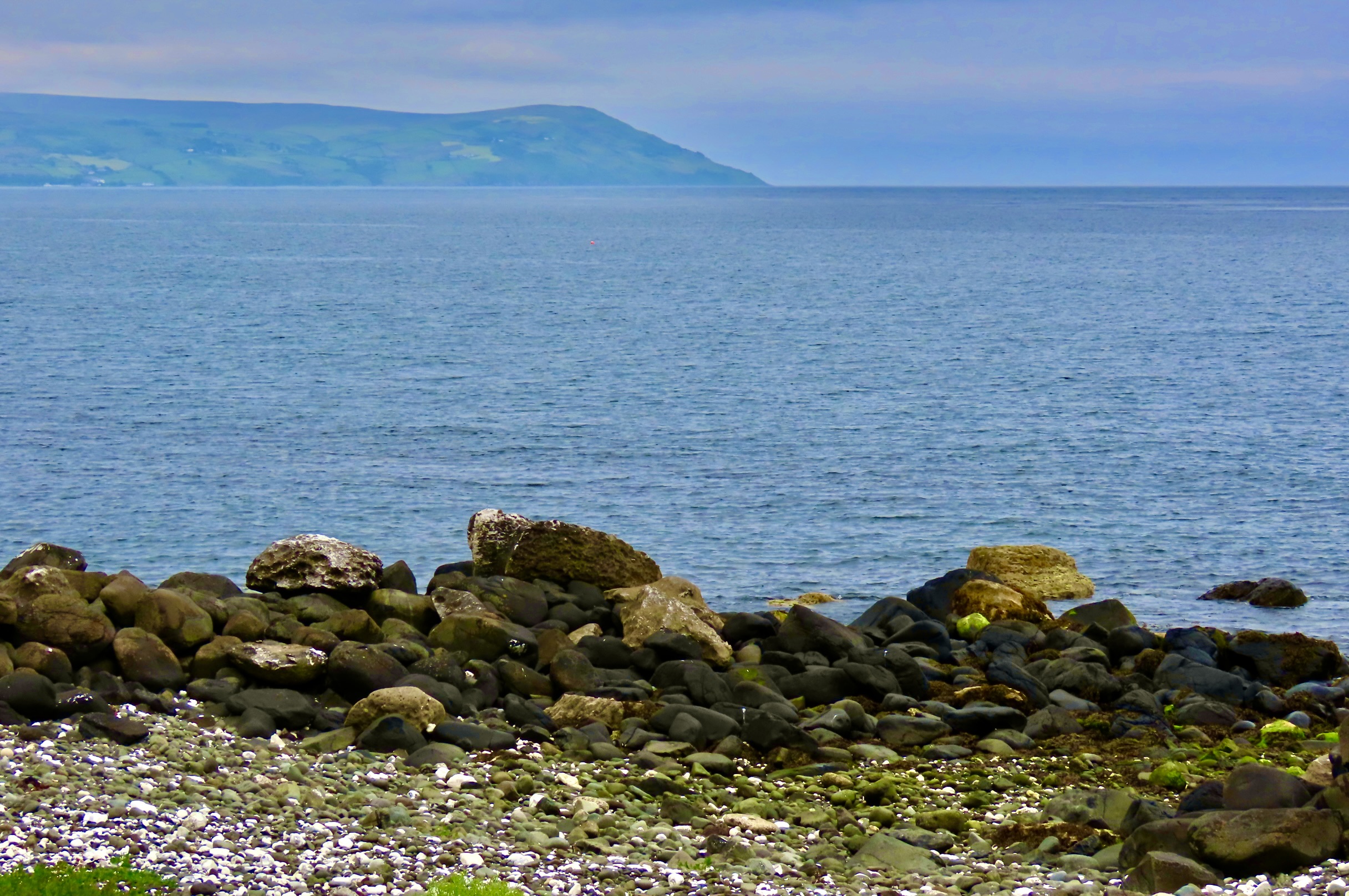
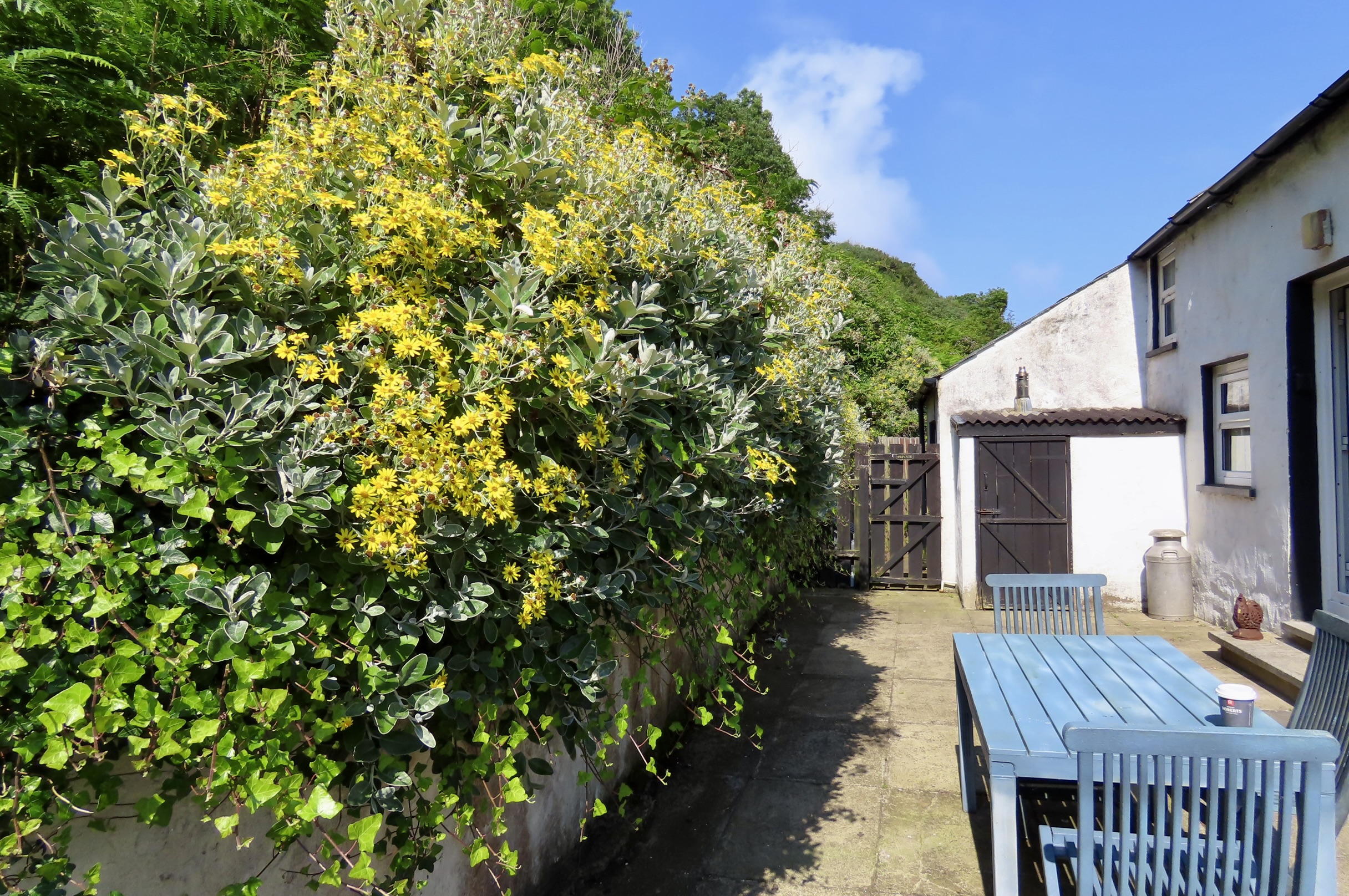
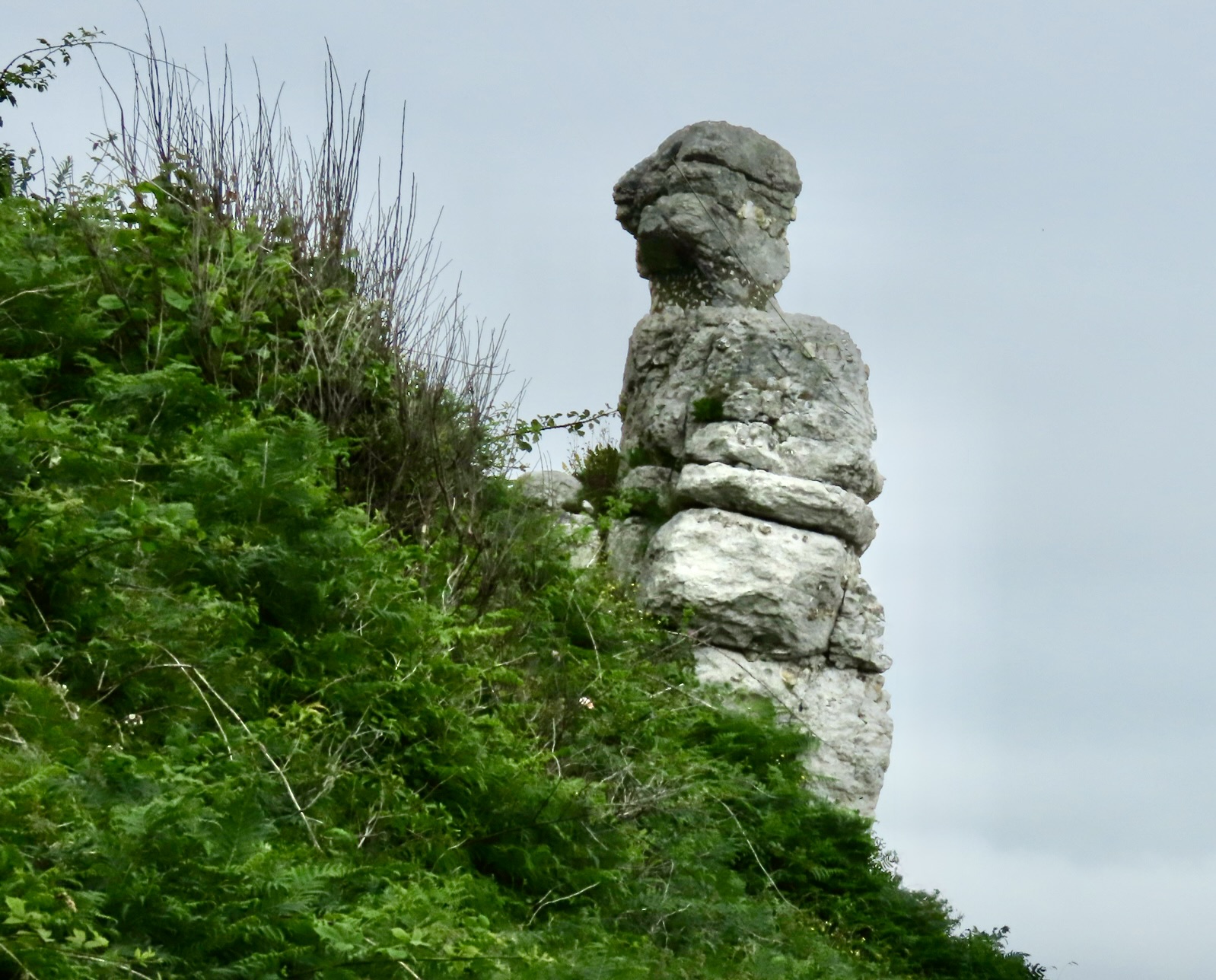
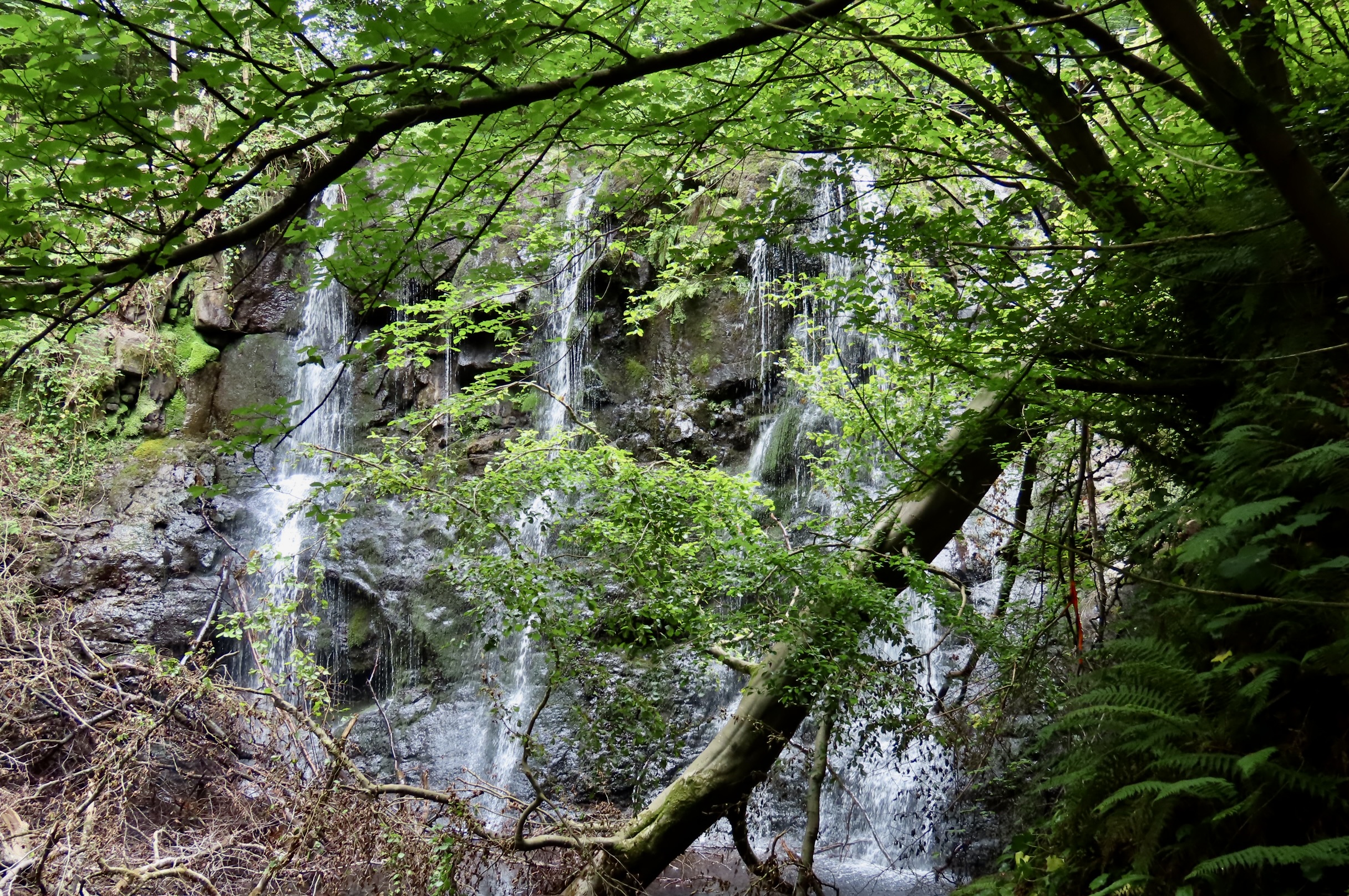
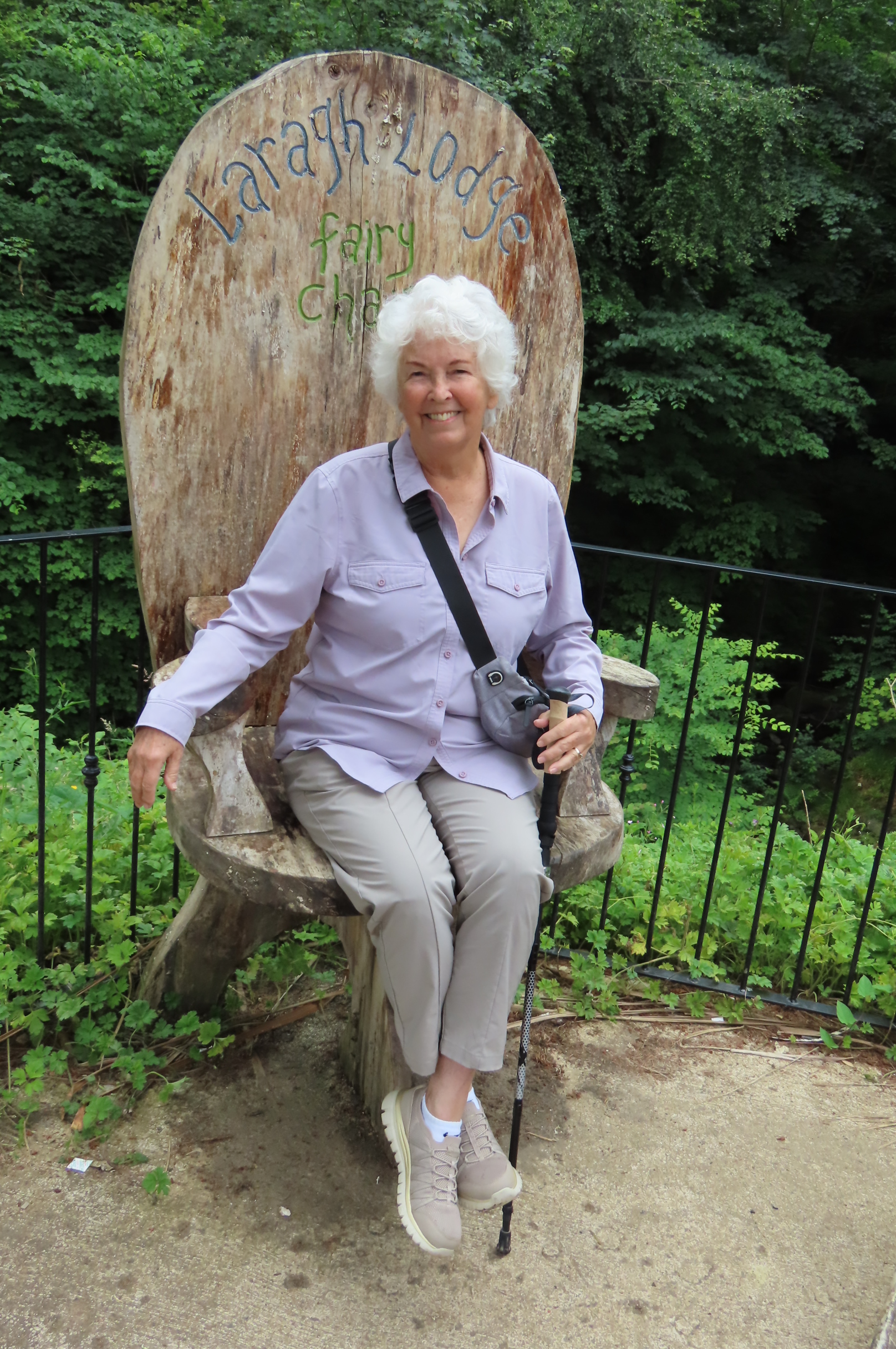
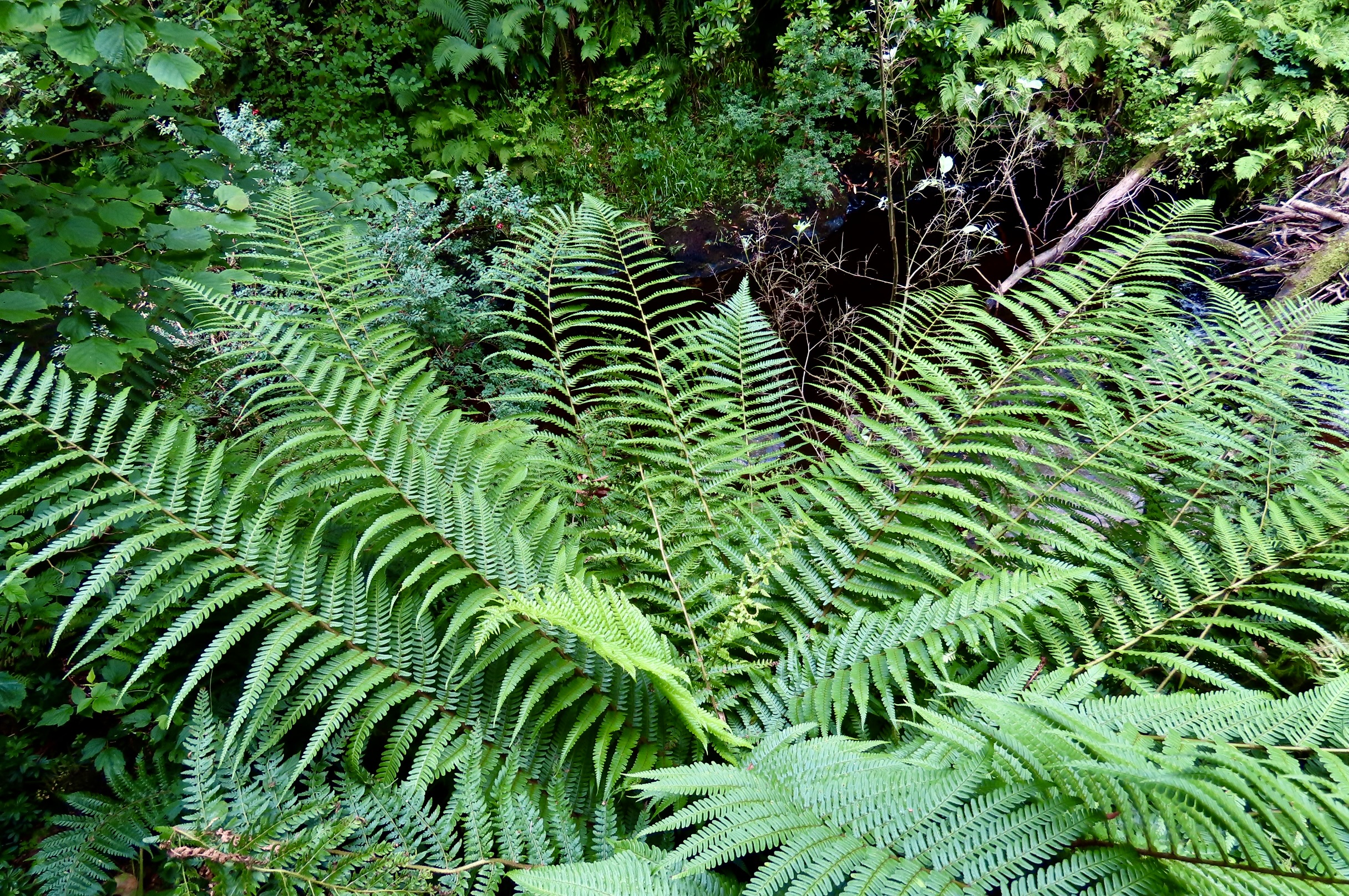
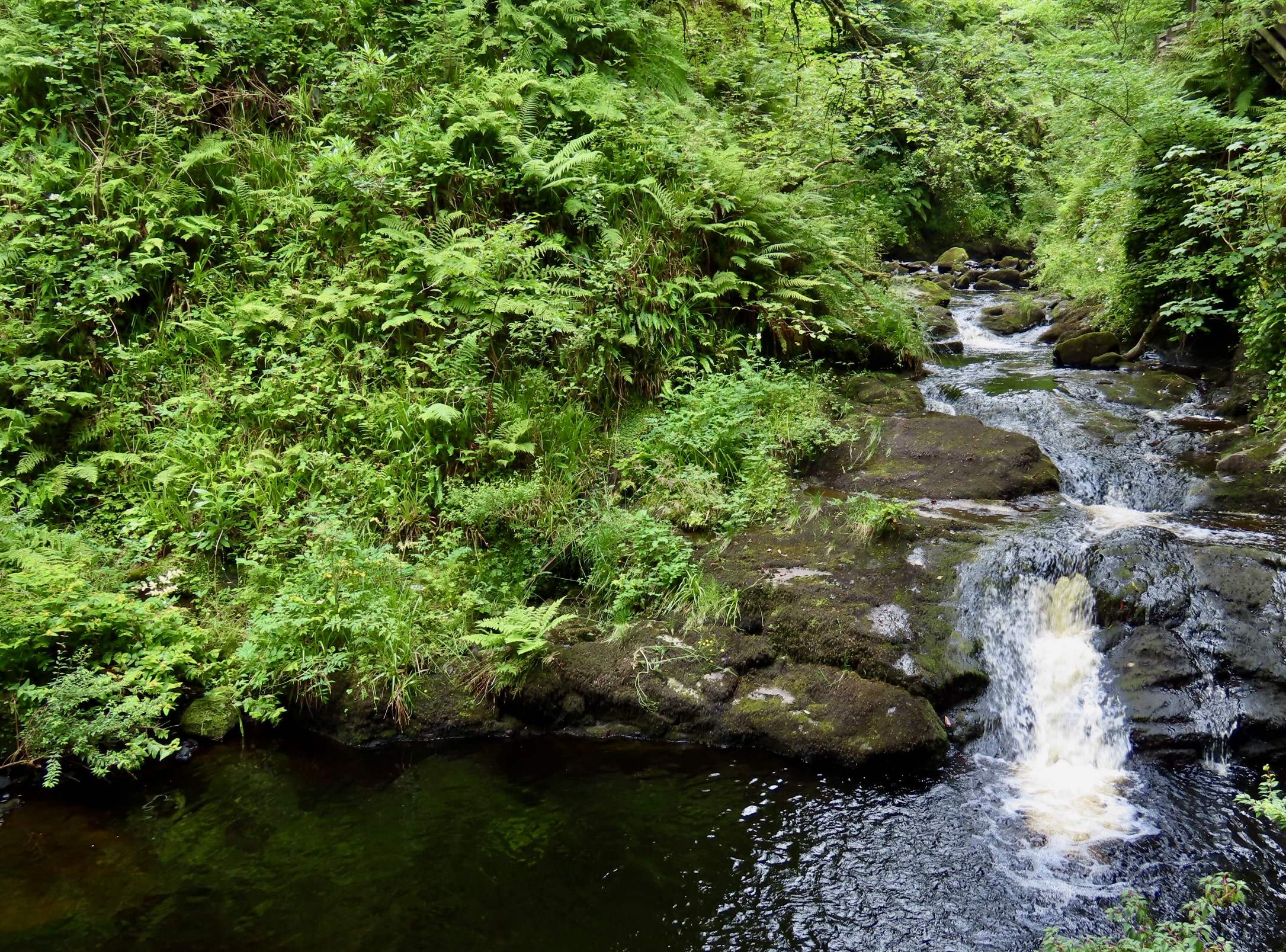
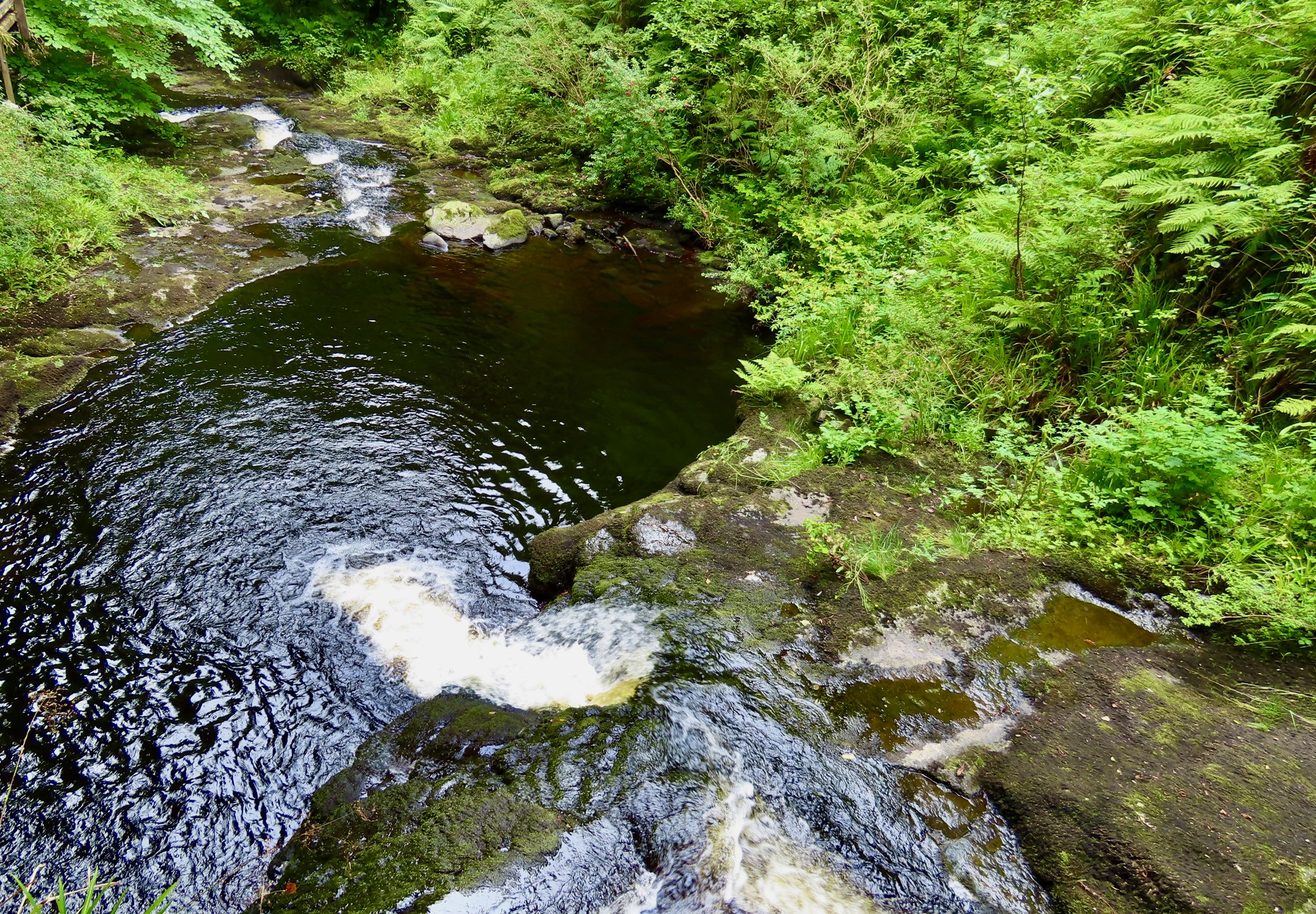
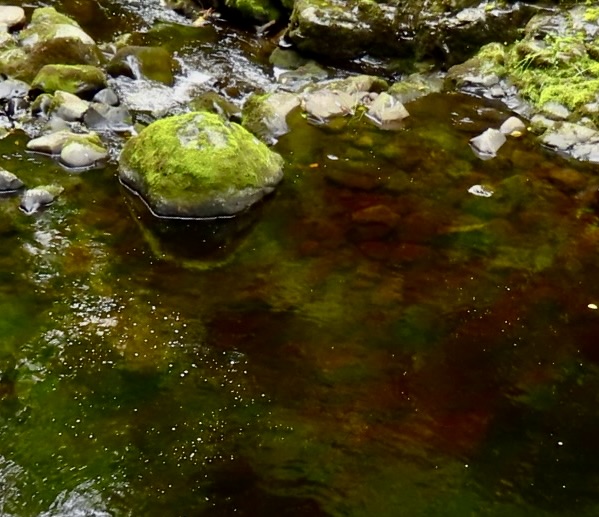
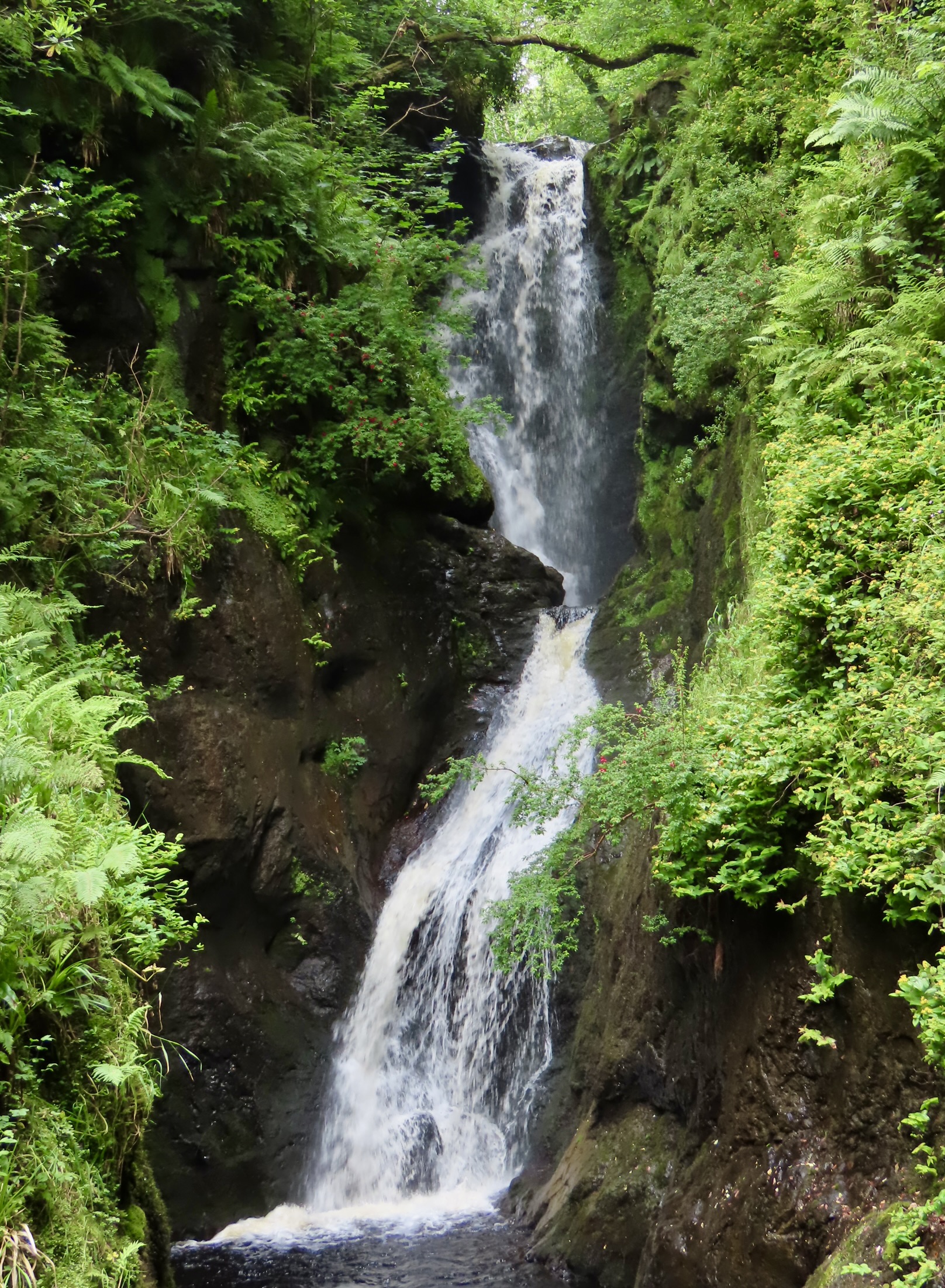
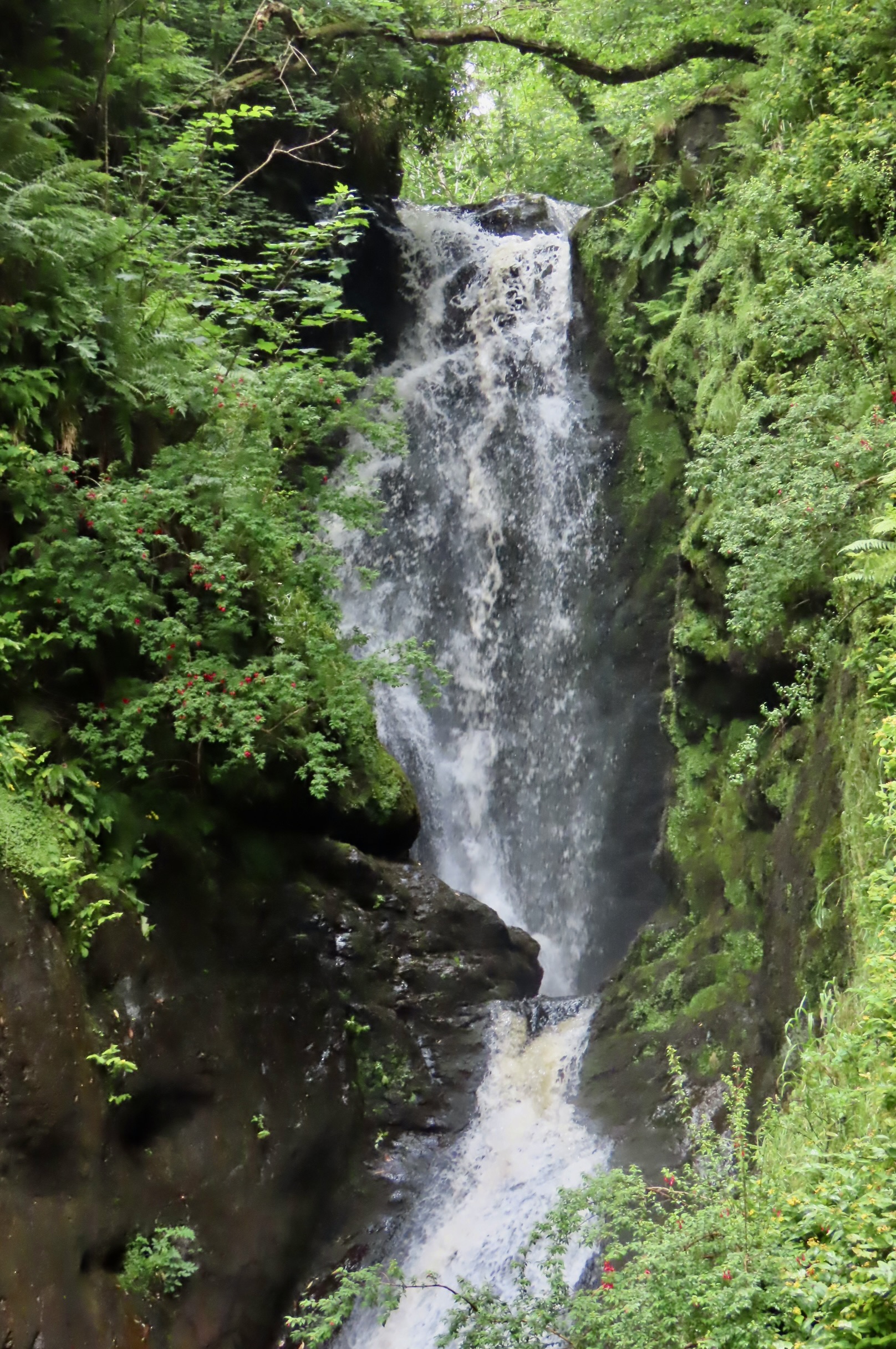
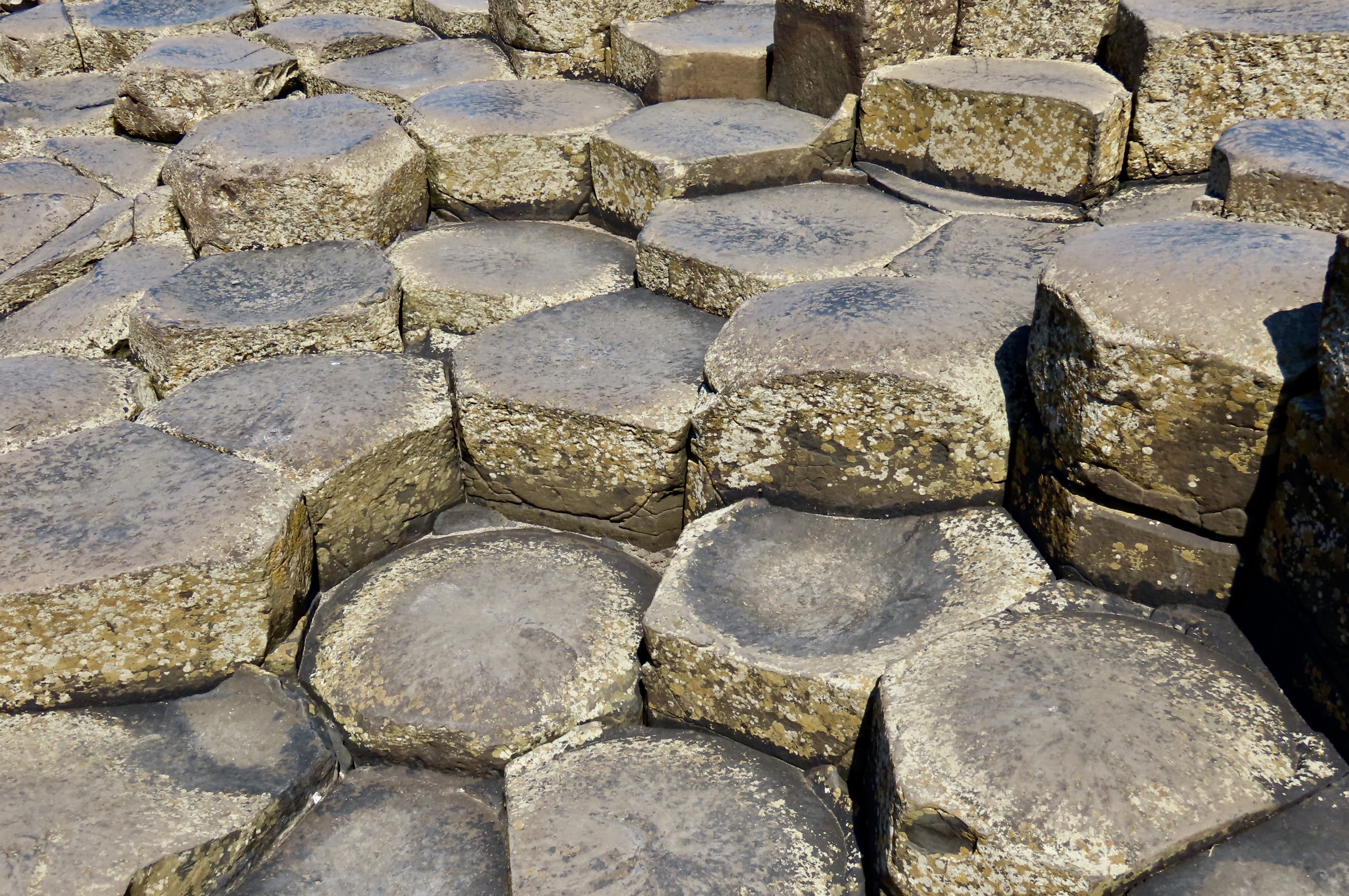
Among Covenanters were Malcomsons, Mackemsons, Makemsons, Mekemsons and other pronunciations of the family name. And Isobel Brown Weir, wife of John Brown the Presbyterian Martyr, my Great, Great Grandfather to the 6th or more of the Brown line. According to one AI report I read, several Weirs were buried at Templecorran, including Isobel. They weren’t and she wasn’t, as far as we could determine. Still, the Graveyard was worth the stop. We moved on.Our journey up the Antrim Coast took us through colorful towns…And along the North Channel that links the Irish Sea with the Atlantic Ocean. We stopped at a pull off to look across the Channel toward Scotland and admire the surrounding country. A lonely sailboat took advantage of what wind there was.An oyster catcher with a bright orange beak wandered among dark rocks. The Orangemen should adopt it as their Order’s Bird. Their official dress for Orangemen Day is a black suit, white shirt, and orange sash.An interesting contraption decorated the shore. We thought it might be an escaped crab trap set free by a storm.On the land side of the road, curious cattle hemmed in by barbed wire and rock fences checked us out.A thorny thistle joined the barbed barrier.And a lichen covered rock caught my attention.The hill above the pasture reminded us that we were on the ‘Emerald Isle,’ and why we are supposed to wear green on St. Pat’s Day.Not long after our stop we came to our Coach House VRBO where we would be for a couple of days. The upper three windows on the far side fronted our apartment.They looked out on the North Channel, providing another view of Scotland.Our backyard.The impressive rock shown in the first photo of the Coach House VRBO. (I cheated here and removed the wires. The rock deserved it.)We mainly saw out stay at the VRBO as a chance to relax after our busy travel schedule. We did plan one outing, however, to the Glenariff Forest and Waterfall Walk.Since I showed Peggy using the ‘leprechaun door’ in the Belfast Botanical Gardens, I thought it only fair that I show her in the Fairy Chair at the beginning of the Glenariff Waterfalls Trail. It turns out that Irish Fairies are much bigger and more scary than our usual concept them.The Antrim Coast is noted for its nine glens— deep glacial valleys that work their way down from the Antrim Plateau to the Northeast coast. Glenariff is known as “Queen of the Glens.”Our hike up the Waterfalls Trail took us pact several falls…Looking down…And quiet pools that added their own type of beauty.Ess-na-Larach Waterfalls was the highlight of our walk.I’ll conclude today’s post with another view of the upper portion of Ess-na-Larach Waterfalls. In our next Northern Ireland post we will continue up the Antrim Coast to the Giant’s Causeway and then southwest to our remote VRBO south of Derry.Giant’s Causeway. Other than the Devil’s Tower in Eastern Wyoming, the Causeway is the most impressive example of columnar basalt that we have ever seen.
But first: We will visit the giant trees of Redwoods National Park, in number 4 in our series on 25 World Renown National Parks of America in celebration of the country’s 250th Birthday.
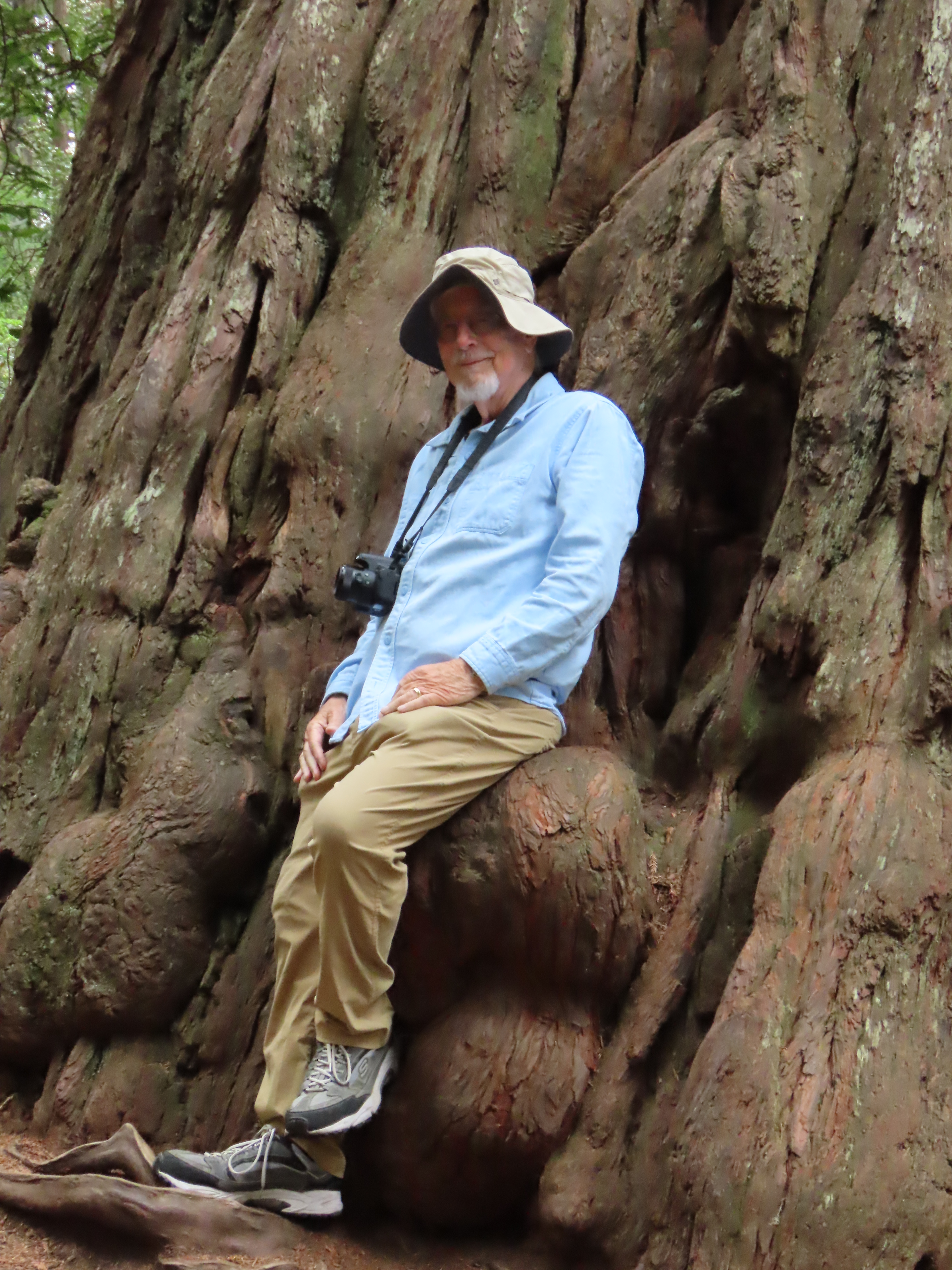
A giant redwood provides me with a comfortable chair.