Peggy and I are off journeying through Greece, Scotland and Ireland over the next several weeks, so there won’t be much time for blogging. Initially, I decided to put the blog on hold, but I’ve decided to republish some of my favorite posts that may eventually make it into UT-OH!.
In today’s post our group of five splits up and Lynn and April hike out to South Lake Tahoe to care for April’s sprained ankle while Tom, Terry and I backpack on to Lake Aloha through the Desolation Wilderness.

I watched regrettably as April and Lynn headed out. I would miss the inspiration. Soon, however, my mind was more than occupied with route finding. The trail had disappeared under the snow.
Tom pulled out his map and compass to establish our general direction. We searched for ancient tree blazes cut out by axes and left behind by early foresters, cattlemen and sheepherders.
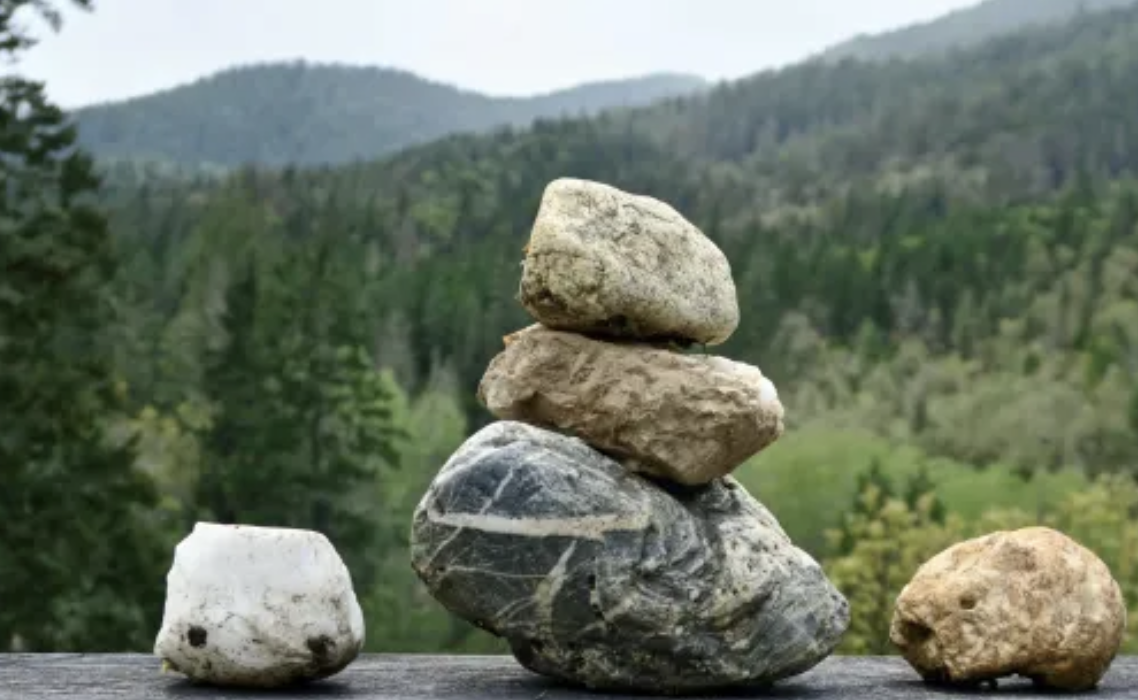
We also watched for ducks where the snow had melted. I’m not talking about fowl that quack and taste good in orange sauce. Ducks, in backpacking terminology, are piles of stone set up to show the way. With a little imagination, they can look like their namesake. Caution is advisable. The people creating the ducks may have had a different destination in mind, or perhaps they were lost.
An hour later we found ourselves more or less where we supposed to be, on the edge of the Rubicon River. A student of ancient Roman History undoubtedly named the stream. Like Julius Caesar, we were faced with crossing it. In a month or so it would be a tame creek inviting a refreshing dip but now it was a roaring river filled with icy water from quickly melting snow fields.
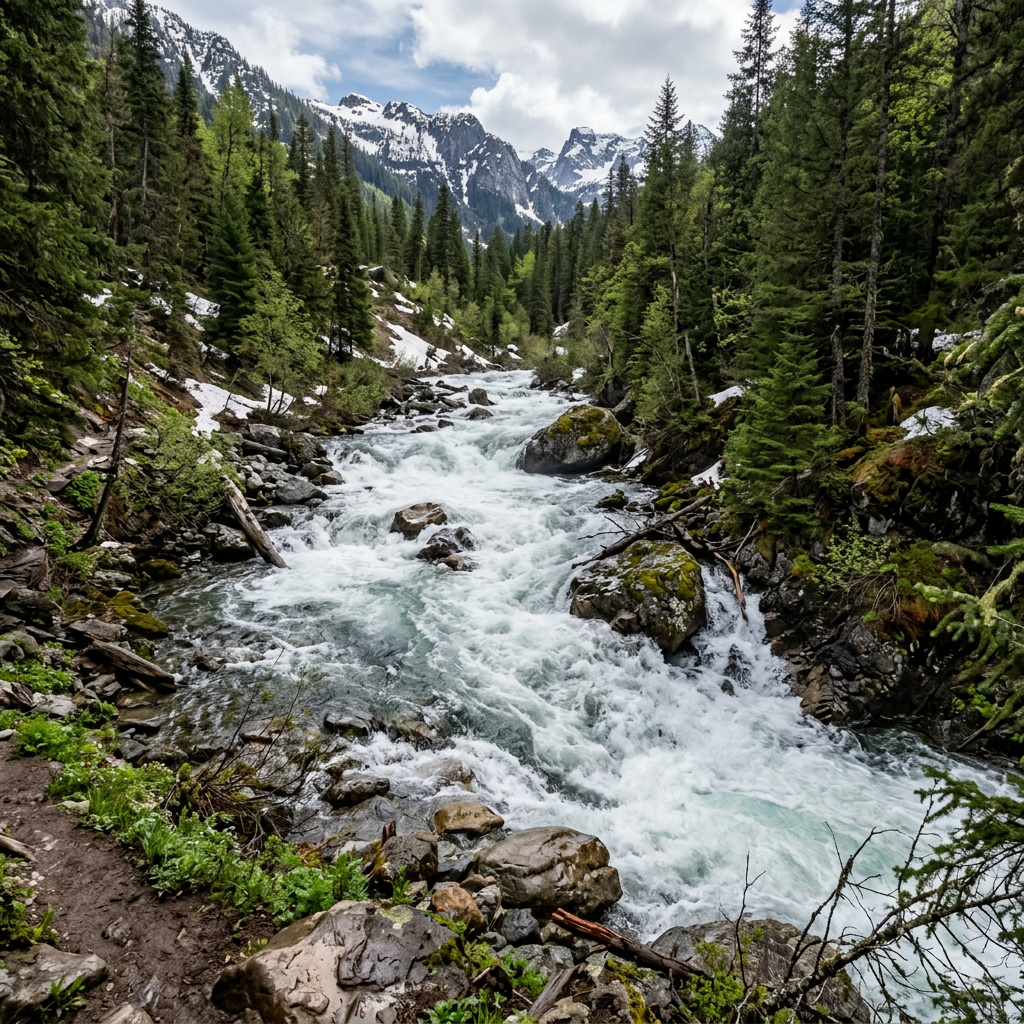
I entered with trepidation and was almost washed off my feet. Facing up-stream, I used a walking stick to give myself a third leg. Water crept up to my knees and beyond. I have short legs. The force was incredible. I set each foot carefully and moved crab-like, searching for solid ground between slippery rocks.
I’d undone my pack belt so I could shuck the pack if I was knocked over. Swimming in freezing water with 50 pounds on your back is hazardous to your health. In a few minutes, that stretched out forever, I was across. Tom and Terry also made it without incident.
We plopped down on a convenient log to catch our breath and munch down on GORP (good old raisins and peanuts). It was a quick meal. A thick swarm of mosquitoes dive-bombed us with kamikaze abandon. Slap one and five more landed, gleefully licking off our bug repellent before plunging in their beaks. Snow melt time is primetime for mosquitoes!
We were driven to put on our packs and scurry up the trail. Fortunately, Rockbound Valley is relatively flat and we were able to escape. Stopping was not an option as we hoofed it for the next four miles, crossing the Rubicon two more times before we begin our labored ascent up aptly named Mosquito Pass.
Life slowed down immediately as we began climbing. The blood sucking hoards caught up. Near the top, we were confronted with a different challenge, more snow. Eight hours of hot sun had turned it to mush. We spent as much time sliding as we did climbing. It was slow, hard, slogging work. And it was dangerous. Running water, partially exposed boulders and tree trunks melt snow from the ground up and create hidden cavities. More than once we plunged through up to our knees.
Ignoring the danger, Tom and I laughed our way down the other side, skiing in our boots (glissading). Control was minimal. Camp was in sight. Terri came along at a much more sedate and careful pace.
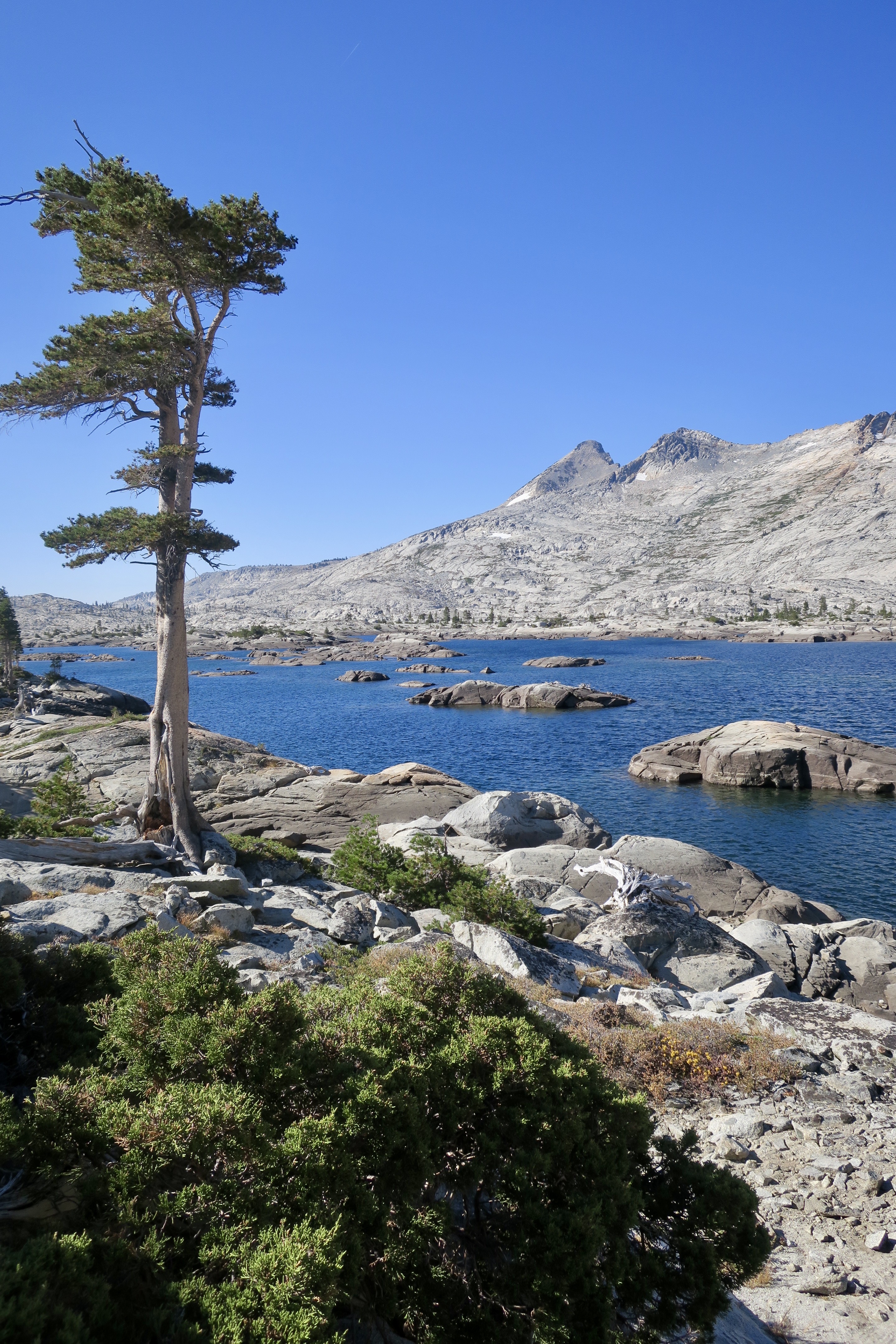
There was nothing about Lake Aloha that made me think Hawaii. It was a strange Dali-like creation with a convoluted shoreline and innumerable Rorschach type islands. What’s more, mini-icebergs decorated its surface. Bright white on top, they turned an icy blue under the water. All I could think was cold. Plowing through snow on our way around the lake to camp added freezing to my thoughts.
That night, we built a small campfire to fight off the chill. Terry wandered off to bed. Tom was slightly melancholy. He looked off into the distance over my shoulder.
“I was married on that peak,” he announced to the night. I turned around and stared across Lake Aloha at the towering Pyramid Peak, the centerpiece of the Crystal Range. It was bathed in moonlight.
Several years earlier, Tom had met and fallen in love with Hilde, a slight, attractive blonde who shared his love of the wilderness. They decided to get married on the mountain. Mom, wedding party and friends were invited to share their 9983 feet “I do” in the Desolation Wilderness.
The marriage didn’t last long and Tom was reluctant to talk about it. The fire burned down to glowing embers. We shared the silence in memory of lost love.
Next: Bone Is Found… but not before the naked ladies jump.


Love the photos, even the A.I. generated one. Despite doomsayers’ predictions, A.I. is just mathematical tool. Like all tools, it can be used for good or bad purposes, and that is the problem. Mostly, I just use it like a new and improved form of Google to look up information – and then I am careful to check the sources. But I love it as a tool. The key is to use it honestly as you have above.
Thanks Ray. Like you, I think of it as a tool to be used carefully. Now days, I have photos of almost everything I write about. But they were few and far between before I came to enjoy photography!
I find it interesting (and a bit humbling) that when I am writing about a subject that I have blogged about in the past and go to research something on the subject, AI often uses my posts as a source. Scary. I’ve always tried to be accurate in my posts, but this makes me want to be doubly so!
Wh
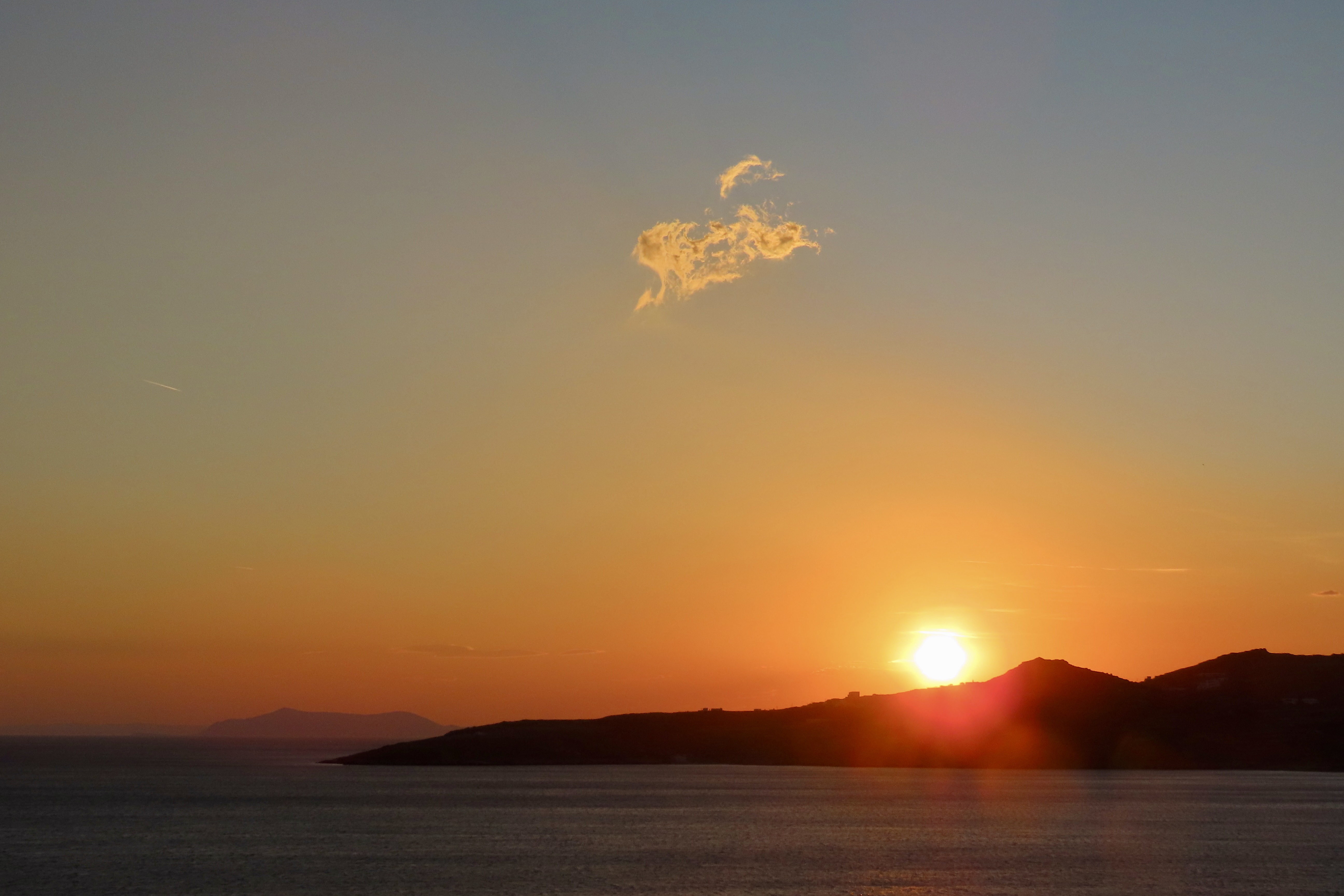
Our trip to the two islands of Santorini and Mykonos were fascinating. Though there were too many of us, tourists, walking around the islands. Athens was back to the city though still interesting.
Your story of your hike brought back memories of scouting and camping.
We had visited Santorini and Mykonos several years ago, GS. It was at the end of tourist season, however, so the number of tourists wasn’t bad. We stayed in Tinos this time. Very few tourists and a neat island! We made a one day trip over to Mykonos. Insanity!
Glad I reminded you of your memories of camping and scouts. Where were you raised?
Raised in the Philippines. Was totally enjoying scouting and camping until martial law cut everything off.
Peggy was married to a Lieutenant Colonel who was assigned to the Philippines in the late 80s. The situation was so volatile, she had to travel with an armed guard to work and her children had to have an armed guard on the way to school.
Yes, those were dangerous times. The 80s was the end of the martial law years. Now, the Philippines is faced with another potentially volatile situation.
Hip post as always, Curt. Thank you, love the photos. Happy travels.
ZS
Thanks, ZS. Appreciated. Sorry for the late response. Peggy and I are off wandering in Greece now.
Enjoy your trip Curt, say Hi to Peggy!
Thanks, Christie. We are. Now we are in Nafplio down on the Peloponnisian Penisula.
Thanks for the adventure. I’m glad I didn’t do it with you.
Ah, Peggy… Given how adventuresome you are now, I’ll bet you would have been right there with us given the opportunity.