
The Bush Devil Ate Sam is an important record and a serious story, yet told easily, and with delightful humor. This is one of the most satisfying books I have ever read, because it entertained me thoroughly AND made me feel better informed. —Hilary Custance Green: British Author... Click on the image to learn more about my book, the Bush Devil Ate Sam, and find out where it can be ordered.
 Wandering through Time and Place
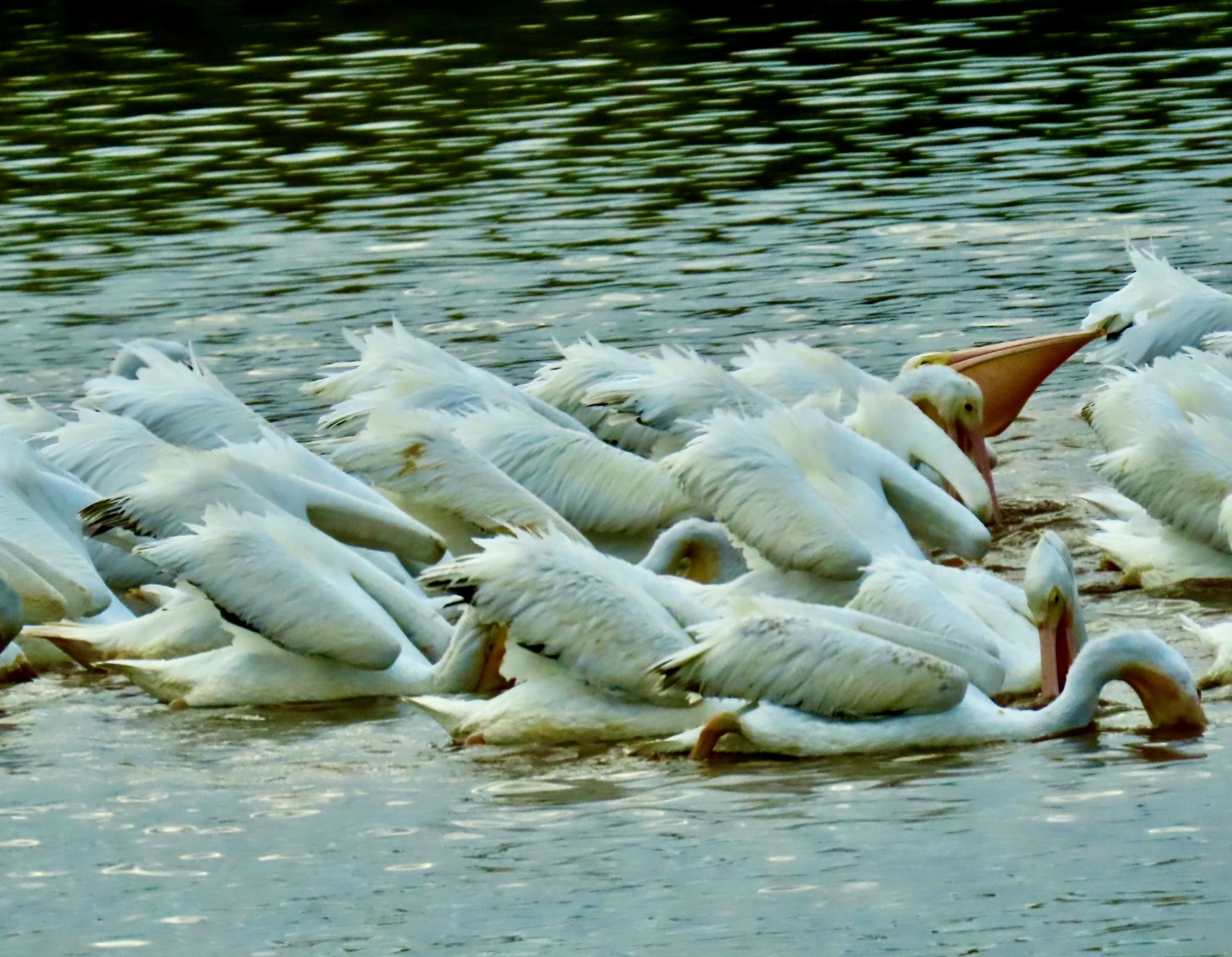
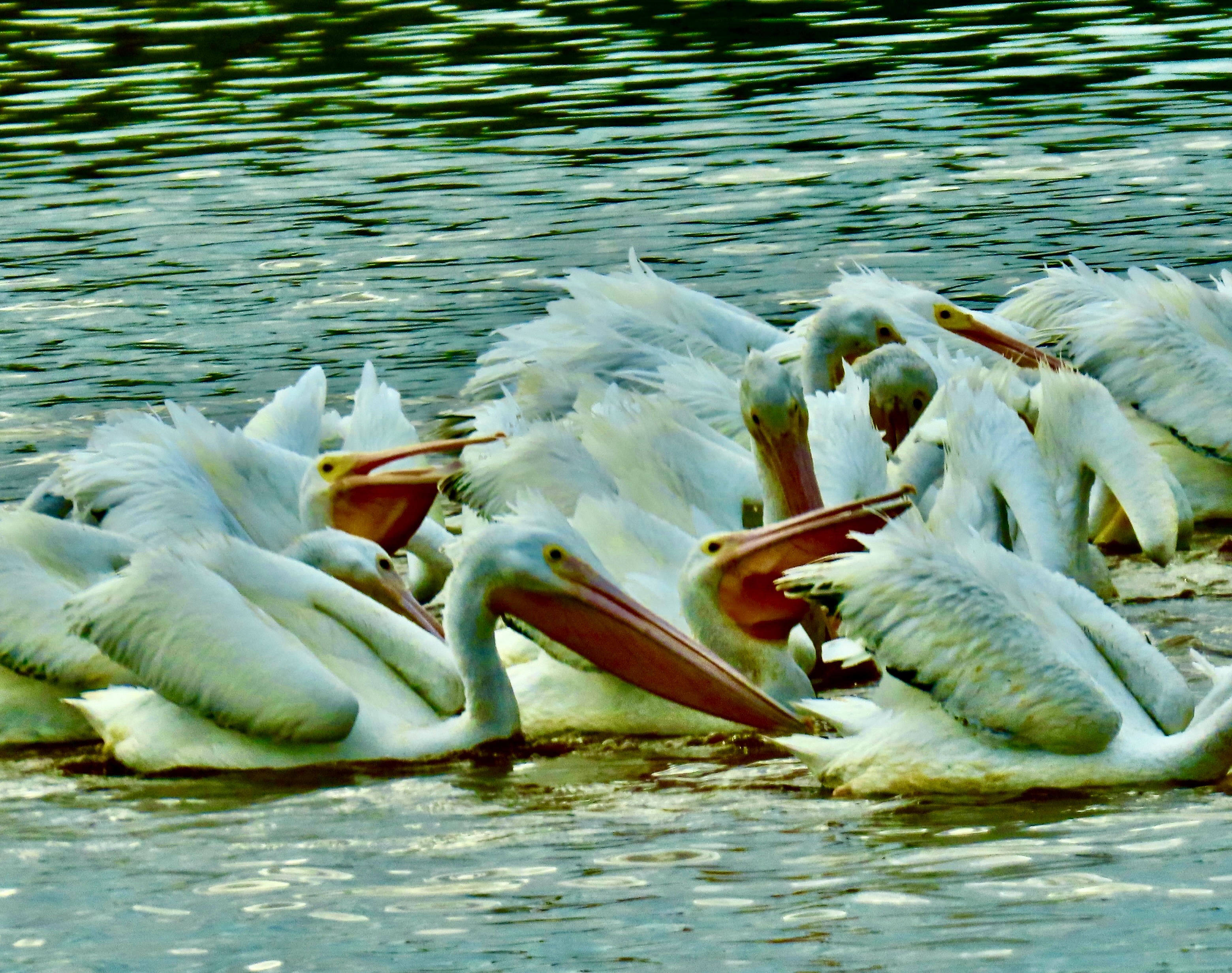
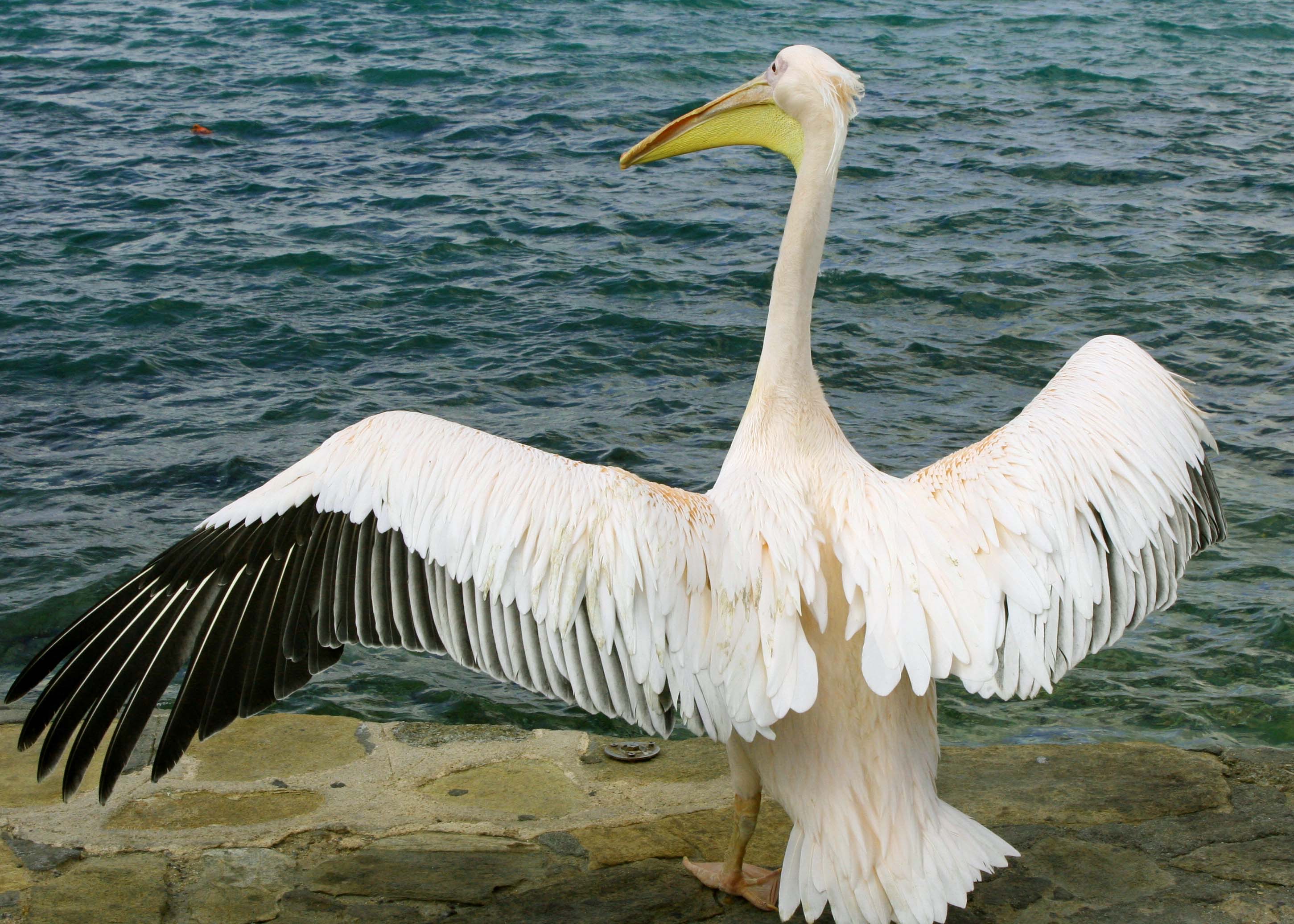
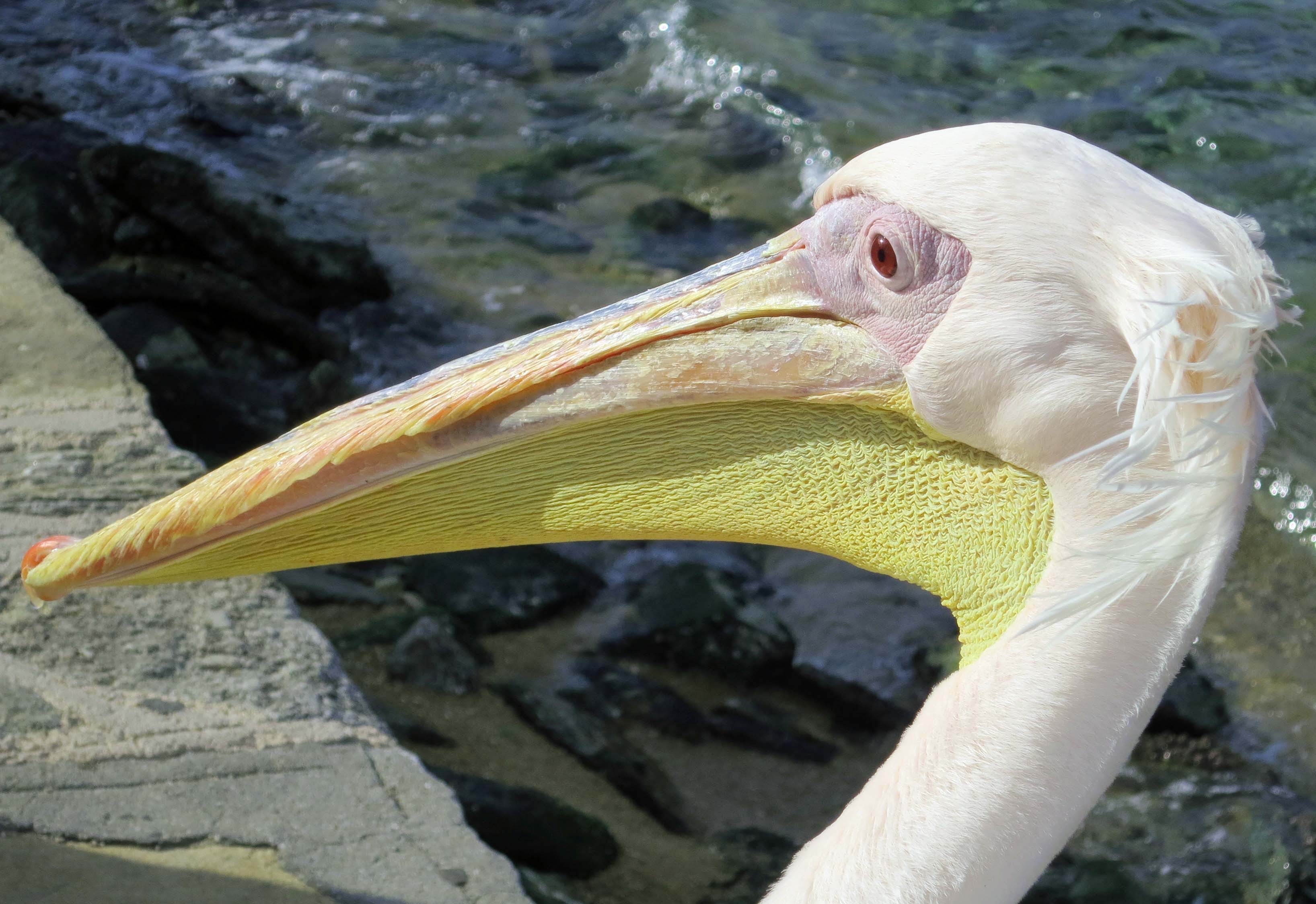
That last photo is magnificent, Curt. A neat story about Petros, and I’m just as pleased even knowing there is a new one every so often. It was news to me that white pelicans herd fish to make them easier to catch. That is pretty cool. I just heard a news story last night on the BBC about whales and dolphins hunting together because they both use sound and have a better hunt when cooperating. Isn’t nature wonderful?
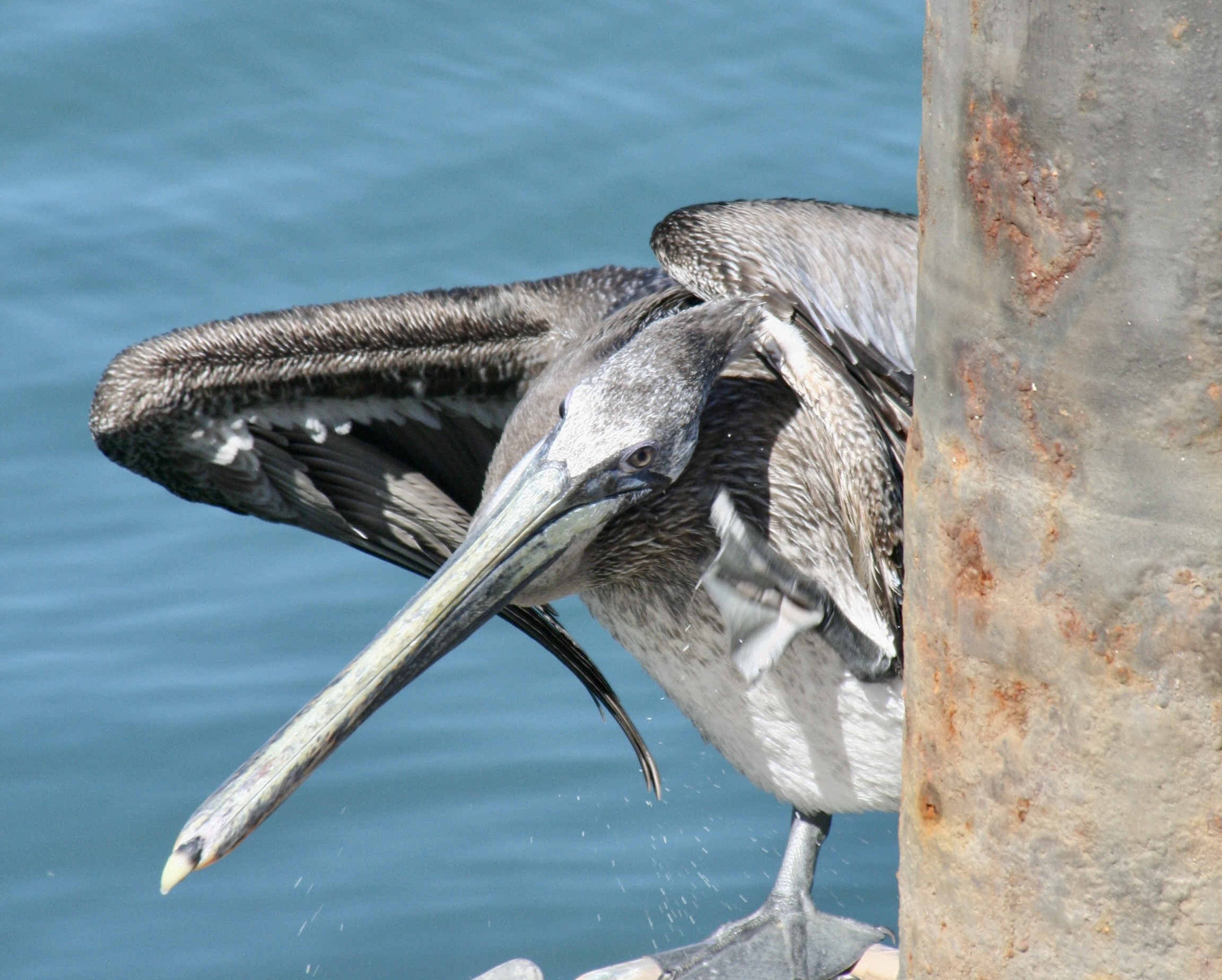
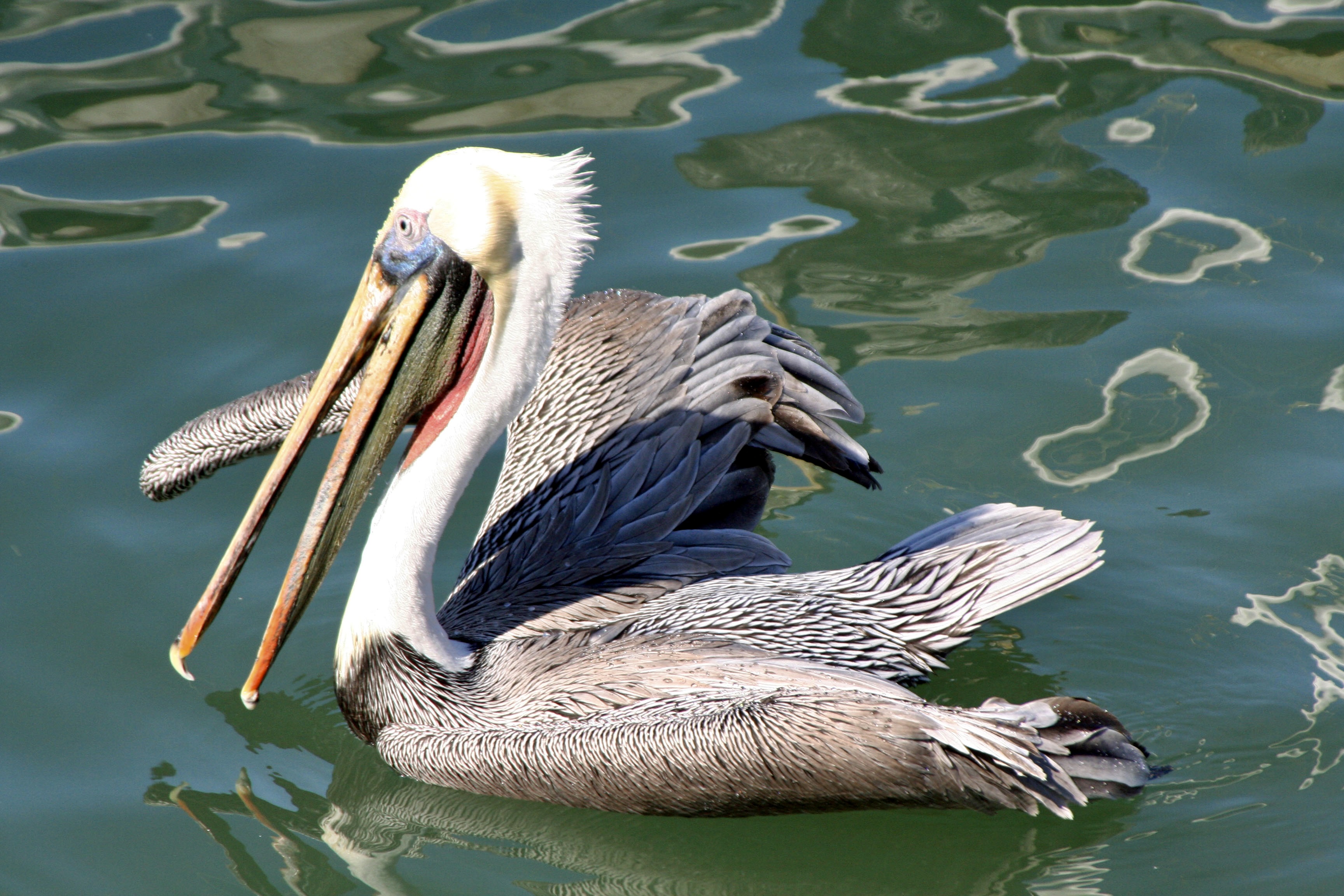
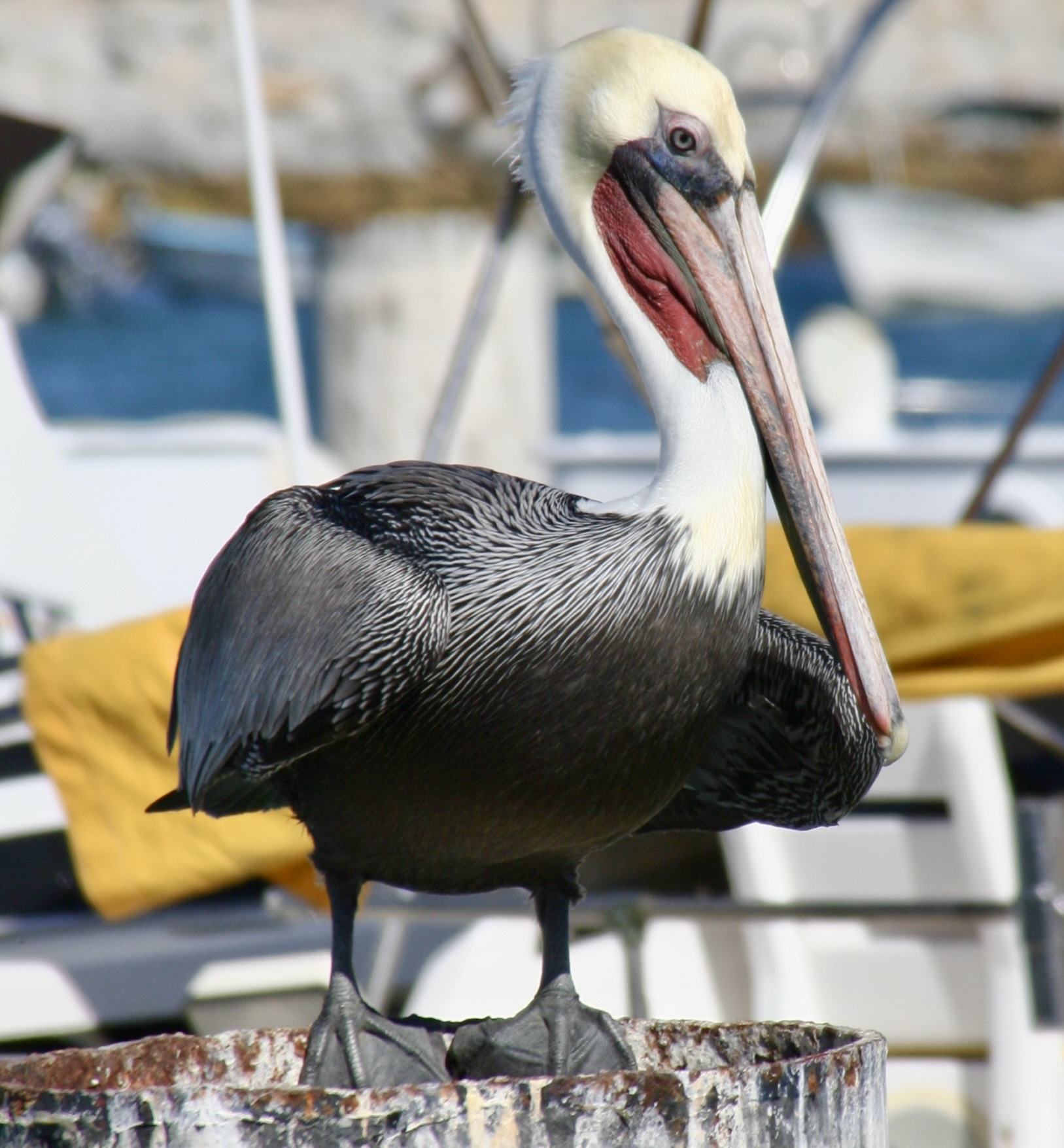
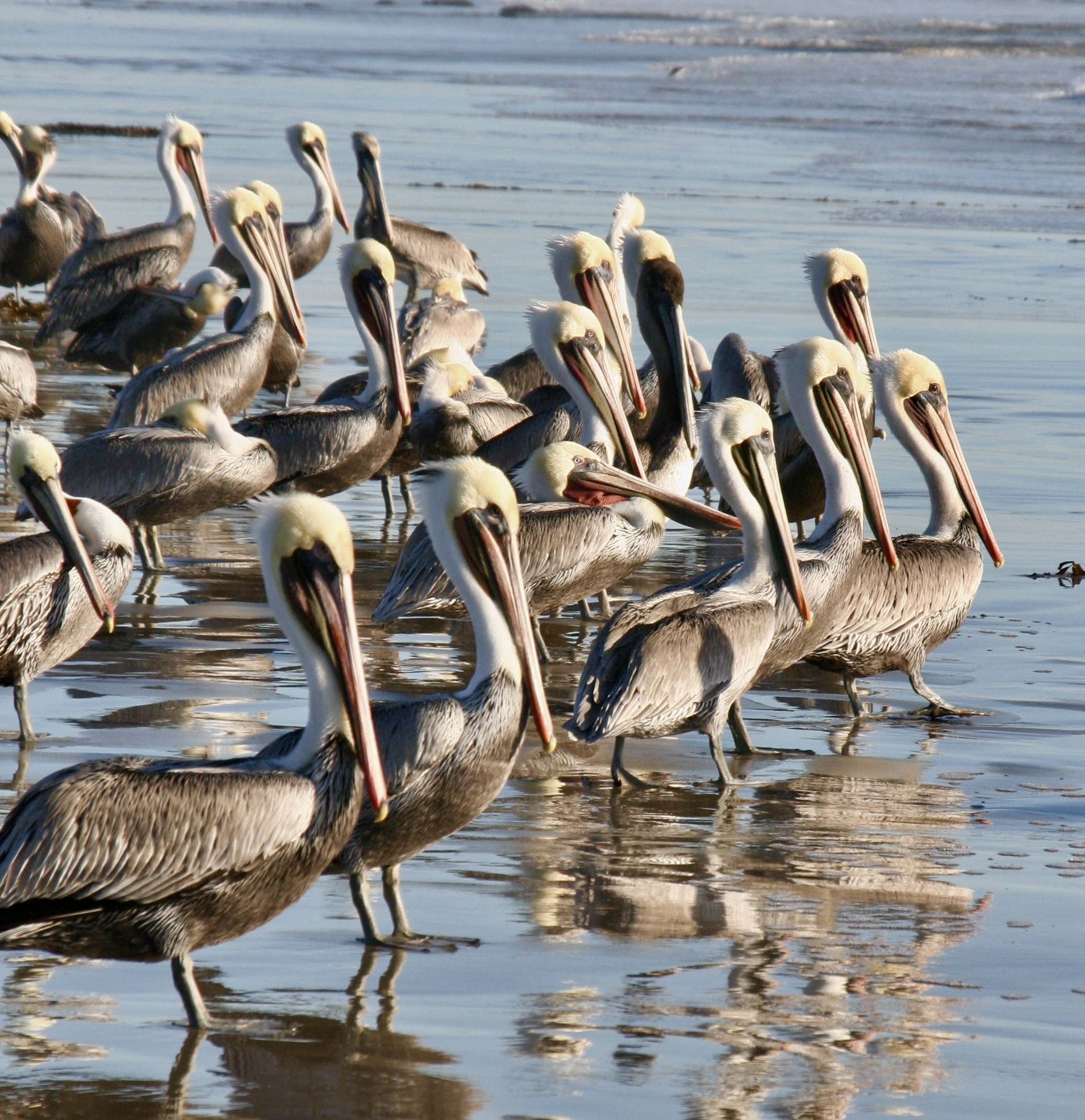
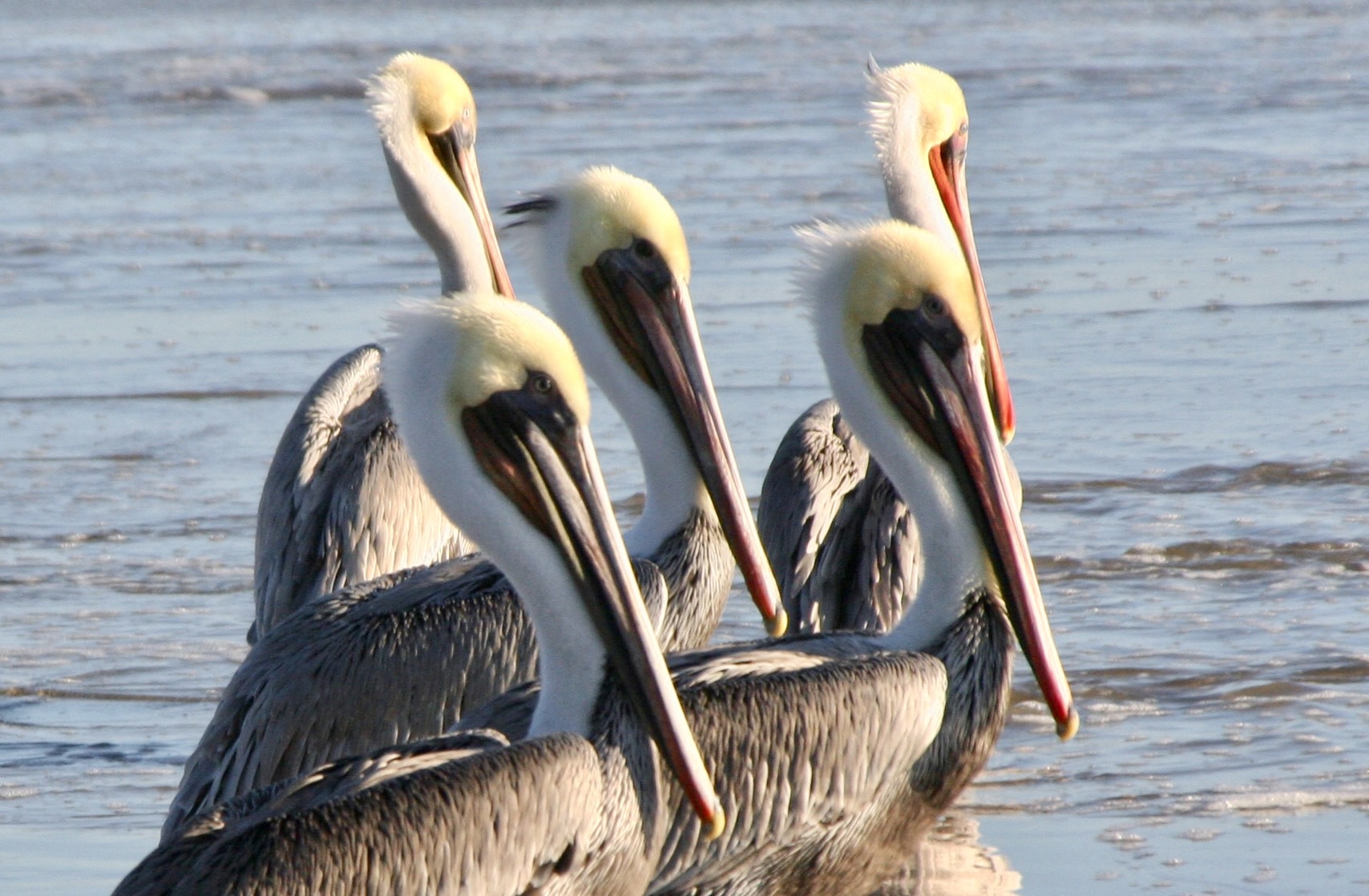
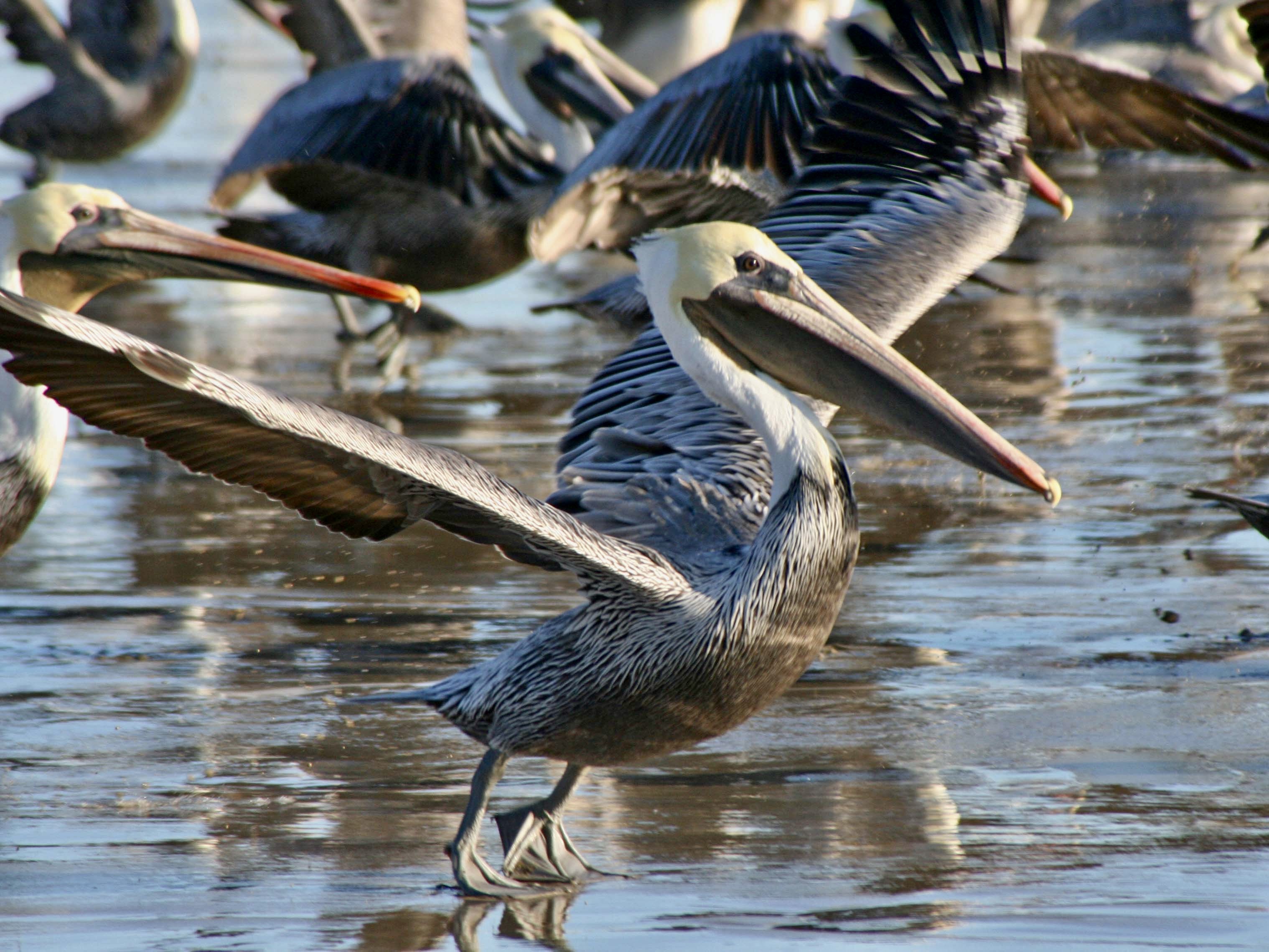
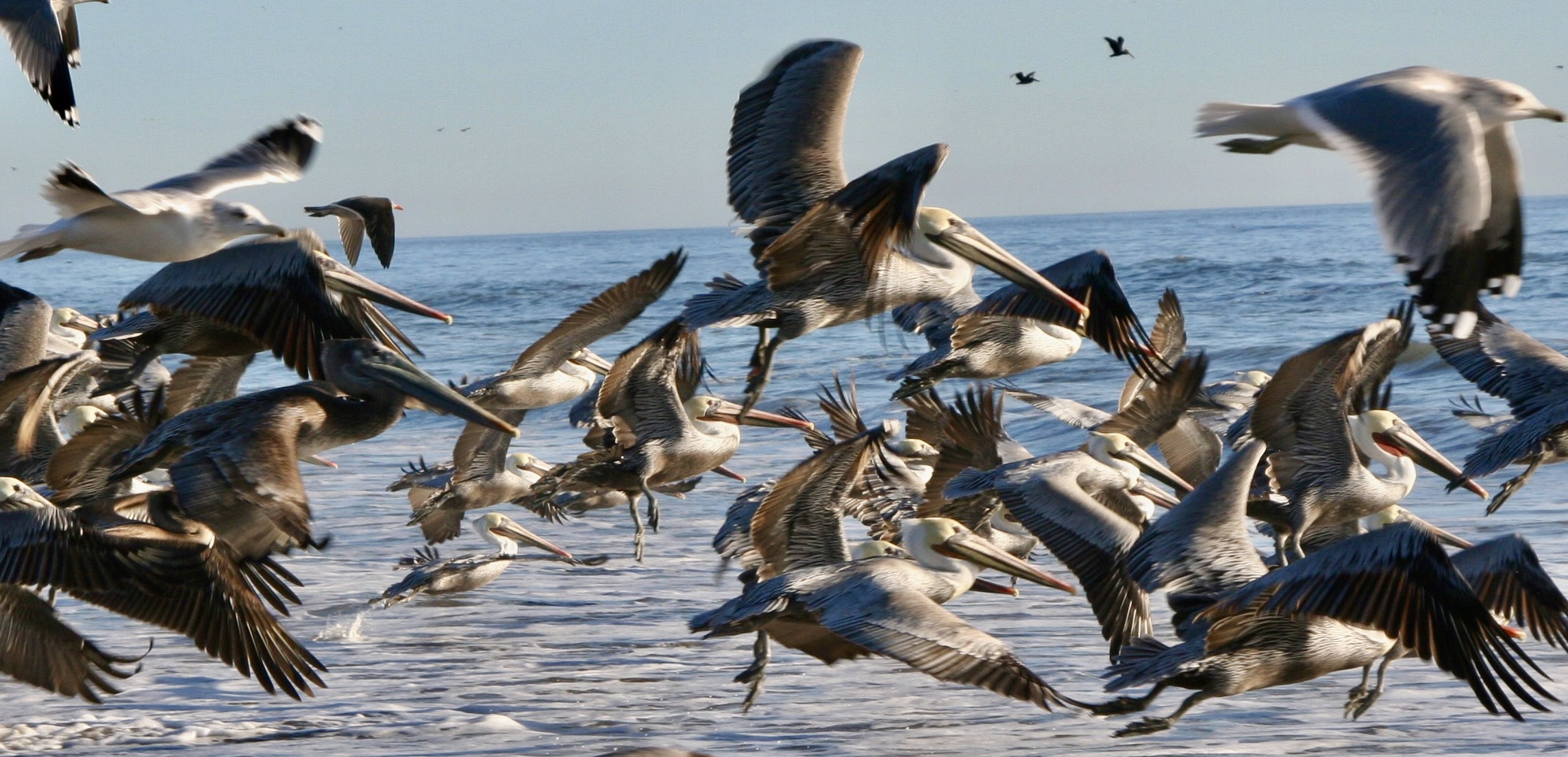
Anyway, despite all this cool stuff, brown pelicans are my favourite. Probably because i know them best and have many memories and photos of them. ❤
The first time I ever watched white pelicans herding was in Morrow Bay, California, Crystal. I wondered ‘what in the heck are they doing?’ I’d never seen anything like we saw in Florida, however.
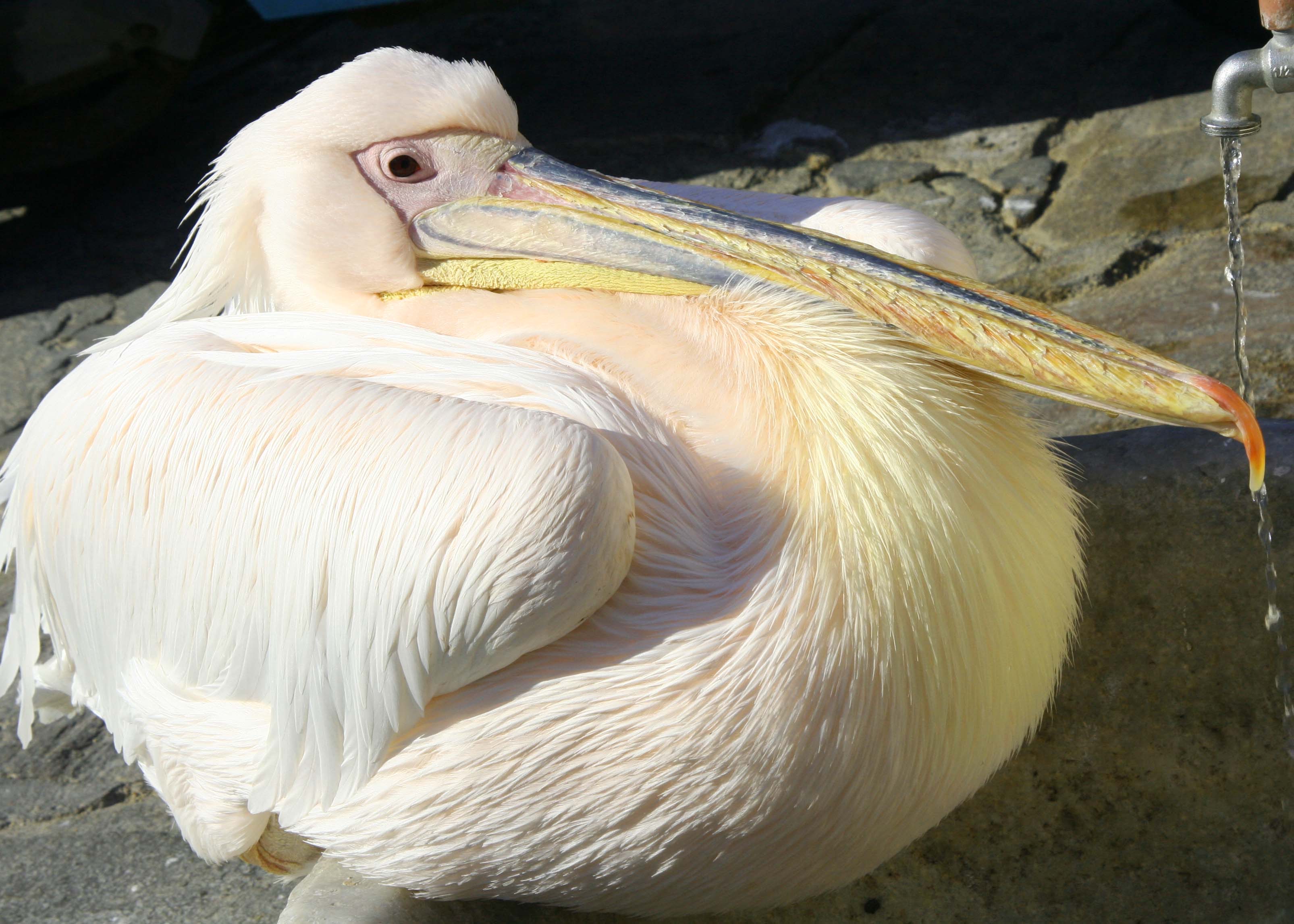
One fun story that I read about Petros was that another Greek island kidnapped him once. The two islands almost went to war over it!
And yes, nature is wonderful!
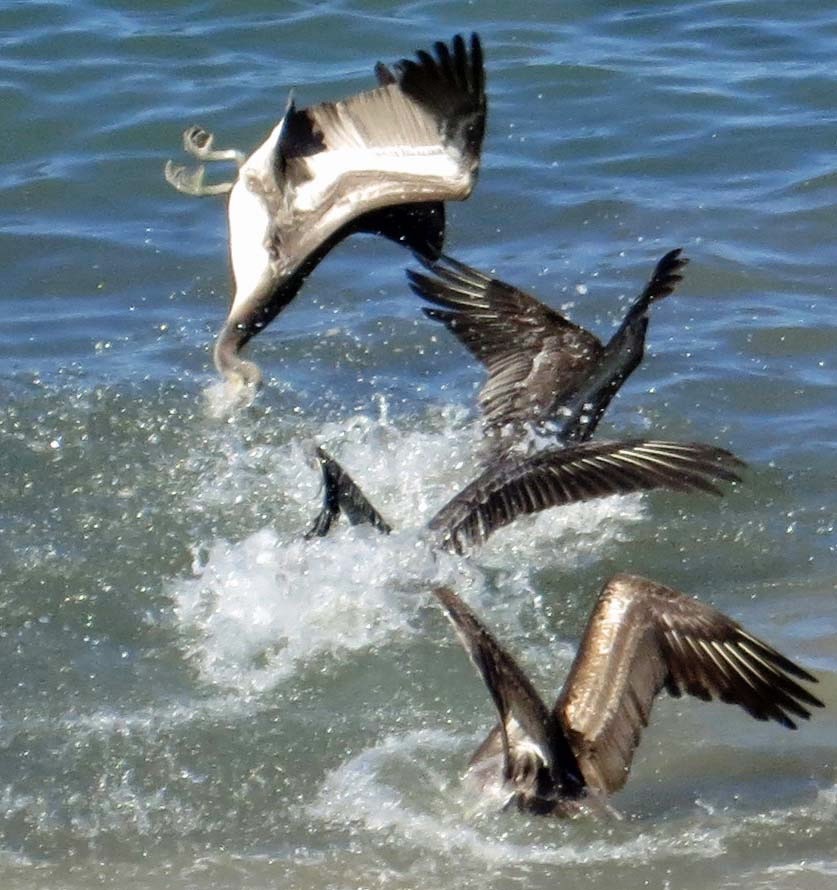
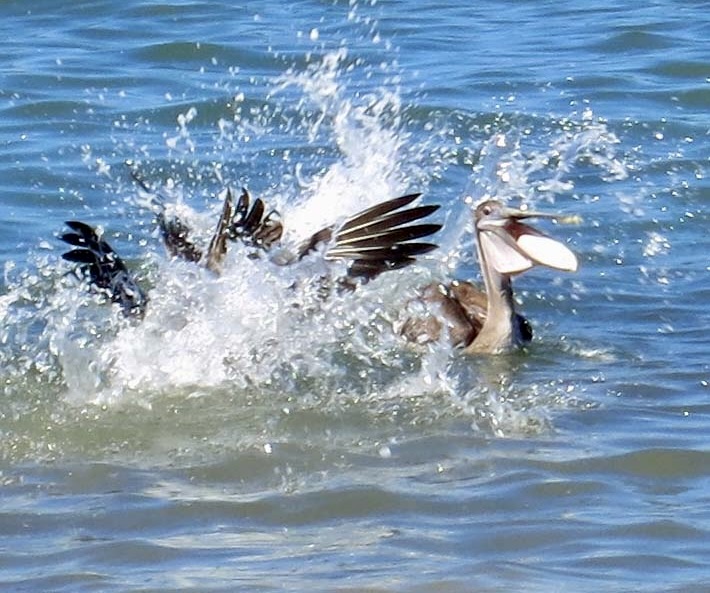
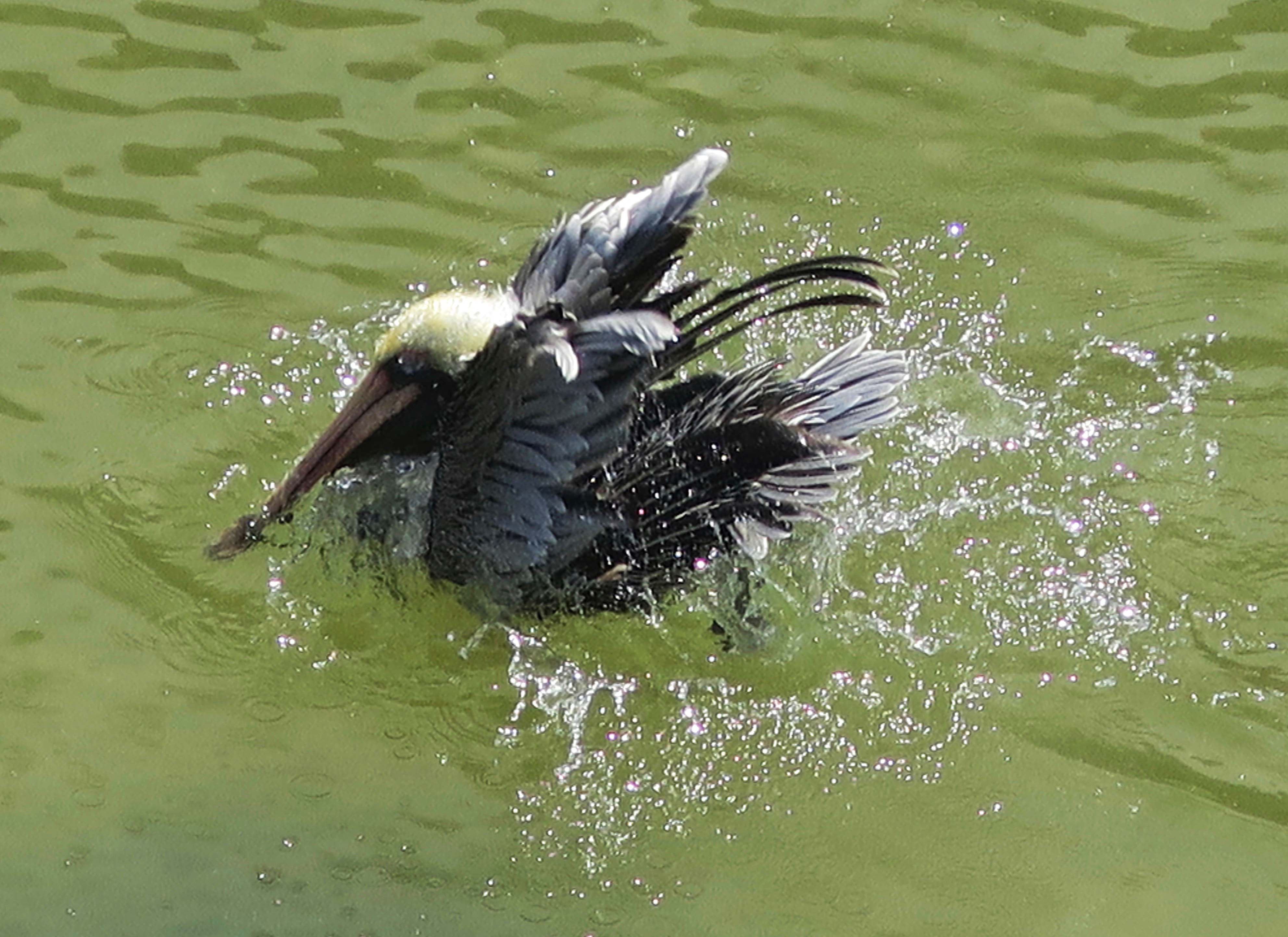
I’m with you on brown pelicans. For the same reasons. I love the grace that they fly over waves with as well as the way they dive. They both amuse and impress me.
What a great story about the kidnapping!! It makes me think of when rival colleges kidnap a college mascot.
Pelicans! They are enormous! While visiting the zoo in Frankfurt millions of year’s ago, I was standing close to one and it was kind of alarming how big that bill is! Wow! Here’s to a New Year coming up and new travels for you two. I am sitting in my cozy apartment while it rains, again, floods more…this is all very sad news here. Take good care and I will wait to see what you two are up to soon! Ya know, a pelican could really make a score at at a buffet! Love to you both!
I saw that the Northwest was getting hit pretty hard. Not much weather to report from here other than it was 11° this morning. Pelicans are just a kick to watch and photograph, Wendy. I can never get enough. Here’s hoping it dries out for the holidays for you and you have a great one. We’ll be in Texas with Peggy’s brother and wife. Looking forward to having you along in 2026. So far our planes include Scotland and Bali… worlds apart, so to speak.
Wow, you are doing well for your age…. 🙂
On our first trip to the Virgin Islands in the 70s, I took so many photos of brown pelicans [with a film camera no less] that for many years we referred to anything done in excess as “pelican pictures.” Then in 2014, we went to Antarctica and saw penguins. 😁
Laughing, Ray. I totally get it. Mine would have to be deer, but only because we had a heard that lived on our property and were always looking in our windows. Could never resist taking a photo of that.
Great images! Pelicans are so fun. You should submit some of these to the comedy wildlife photos contest. I was actually just looking at the 2025 ones yesterday, and they’re always amusing.
First time I have even heard of them, Diana. I looked them up. Some fun! Thanks. –Curt
The gorilla was great, as were several others. I almost spit out my coffee when I saw the lion cub that thought his dad’s danglies were toys to attack. I watched a fawn outside our home in Oregon once mistake a buck’s appendages for his mom’s source of milk. I swear the buck jumped five feet into the air.
That’s hilarious!
Not sure the buck thought so. Laughing.
We have both species here, although the white pelicans are with us only in winter. There are some local pilings at the edge of the bay where some always line up; it’s a real treat to watch them migrate in, wheeling in groups high in the sky. The brown are with us all year, although we have some migrants as well. We see both juvenile and adult brown ones. They often fish in some of the marinas where I work, but never in groups. There might be two or three, but that’s about the limit, probably because of the narrow spaces they have to dive into. They are great fun to watch, though!
You live in an excellent place to watch sea life, Linda. And your job enhances it. I’d be tempted to watch more than work!
That’s one reason I never take my camera to work. I’d be utterly distracted, all the time. The other reason, of course, is that the chances of my dropping it into the water aren’t zero!
Don’t think I could resist the temptation, Linda. I always worry a bit when I have my camera along when kayaking, or on any boat. But it doesn’t stop me. Just too many good photo ops out there. And, I’ve discovered, the wildlife doesn’t seem nearly as skittish.
Of course, you probably could afford to replace your camera. I couldn’t!
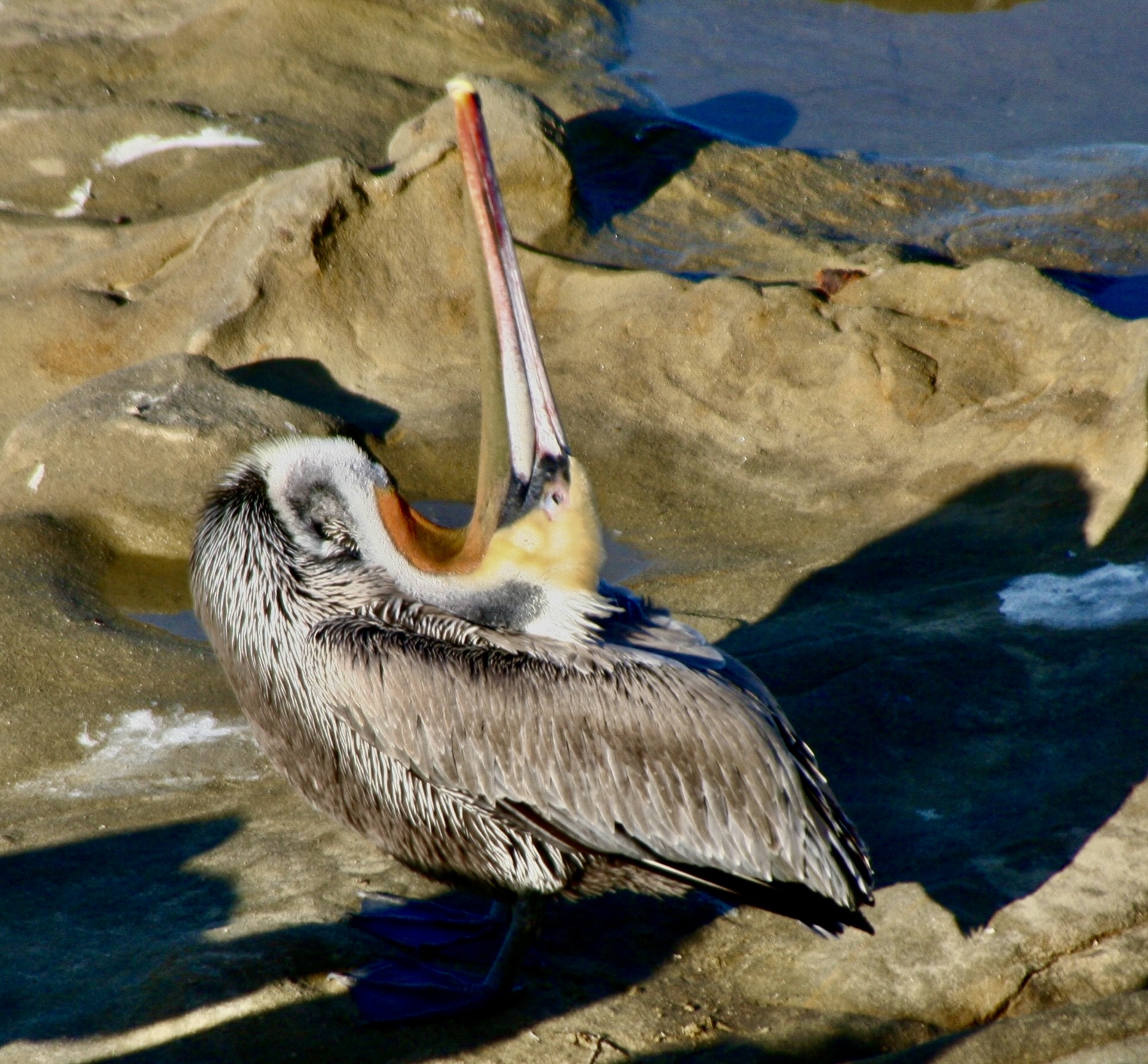
They are huge birds, Curt! All amazing photos, and they sure are intriguing and fascinating! And their pouches can hold two gallons of water? Wow! I think of how heavy water is while carrying it on backpacking trips. :)Thanks for all the facts and fun!
these images offer delightful moments with pelicans. thanks Curt
Forever entertaining, whether they mean to be or not!