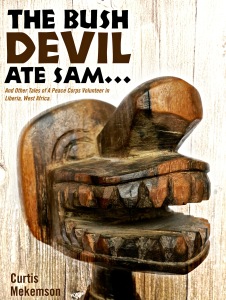
The Bush Devil Ate Sam is an important record and a serious story, yet told easily, and with delightful humor. This is one of the most satisfying books I have ever read, because it entertained me thoroughly AND made me feel better informed. —Hilary Custance Green: British Author... Click on the image to learn more about my book, the Bush Devil Ate Sam, and find out where it can be ordered.
 Wandering through Time and Place
An excellent tour, Curt. I was happy to come along. I think that your capture of Mozart is gorgeous, and I absolutely love that close-up. If I was there when there was no scaffolding, I may have aimed for the whole statue, and missed the opportunity for this close shot. So maybe scaffolding has its silver lining.
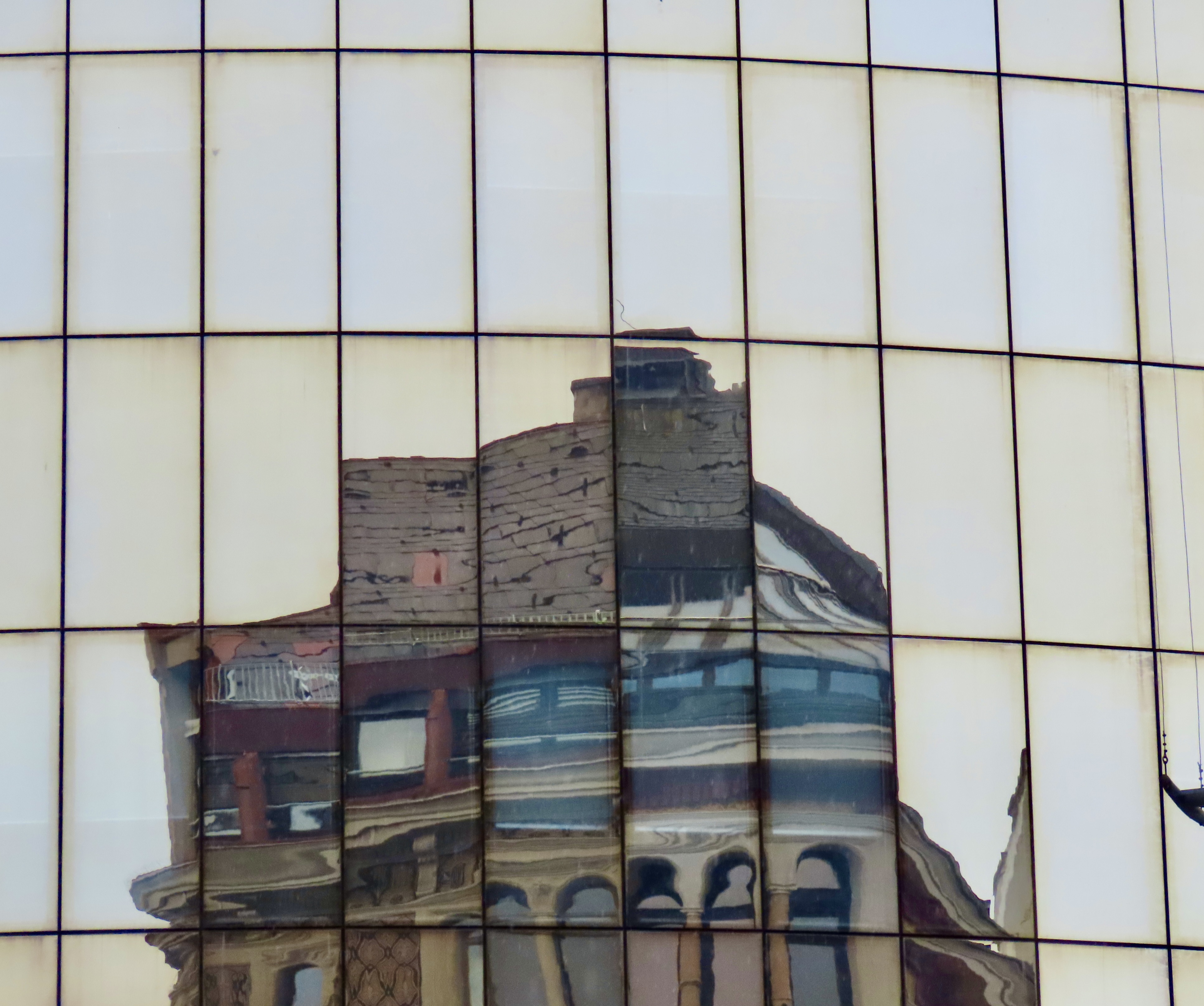
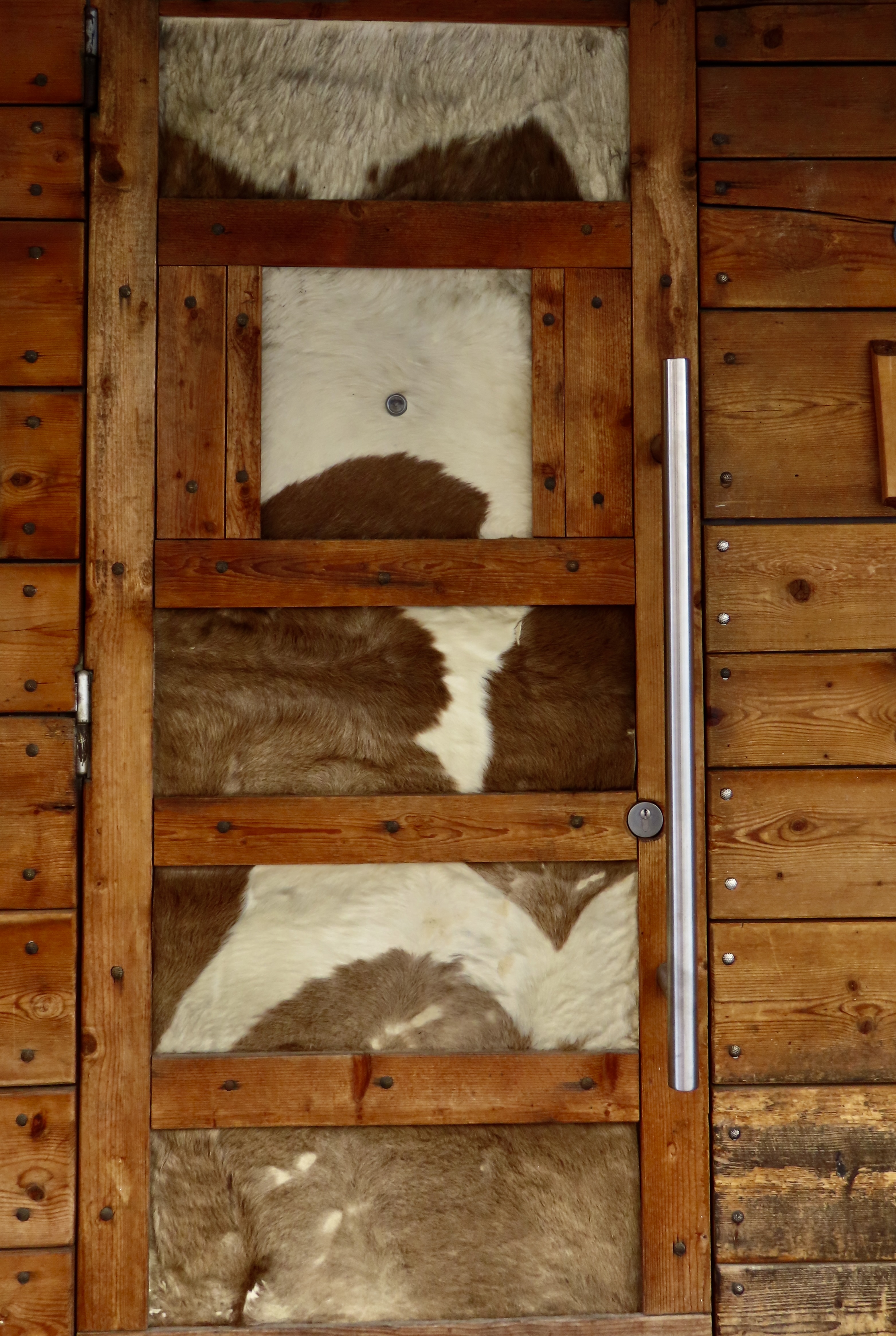
My favourite photo here is the one in reflected glass. Isn’t that just marvelous. And of course the cowhide door is one of a kind!
Thanks Crystal. Appreciated. Peggy and I really could have used a week in the city, or a month. There are a ton of museums I would have loved to have visited.
I did feel we hit the highlights however. I was happy with Mozart. Grin. Had the whole statue been there, I probably would have taken both a close up and the full shot.
I like reflection shots in general, whether it’s glass water, or any other reflective shot. They provide a whole different perspective. This time the glass was special because of its different faces, thus providing the Cubism look!
Great pics of Vienna. I have not yet been, but hopefully soon.
It’s a beautiful city, David. Well with the visit! Thanks.
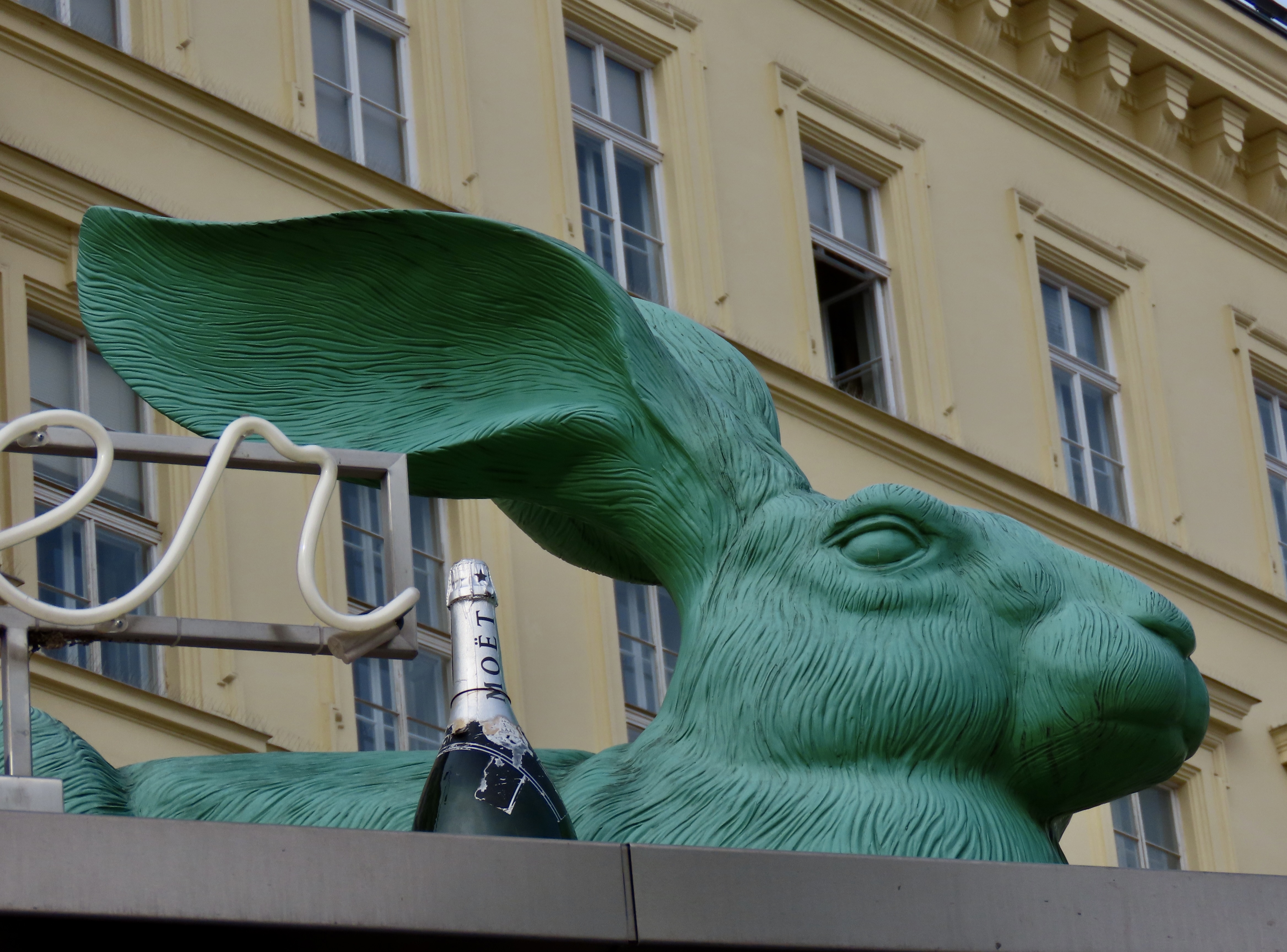
Not a ‘hare’ raising day at all, was it!?
Looking forward to Bratislava. Our walking tour there was guided by a friend who was on our cruise with us. He left Bratislava before the Warsaw Pact troops invaded in 1968. Years later his son moved to Bratislava and as a result of his experiences there wrote the book, “A Country Lost, Then Found’.
Interesting on your guide. All along the way, we heard about how tough it was for the various countries under the communist regimes. Dictatorships don’t tend to be much fun.
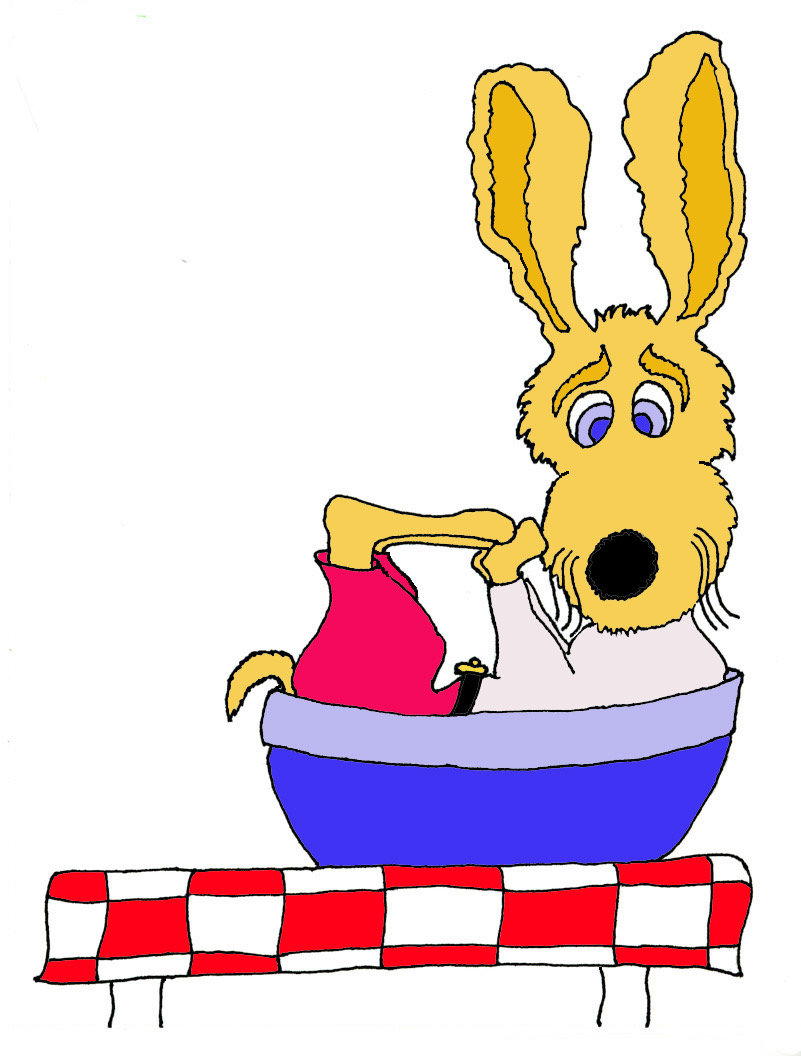
Laughing about hare raising day. I actually have a cartoon card about that as well involving a magician pulling a hare out of a hat by its ears.
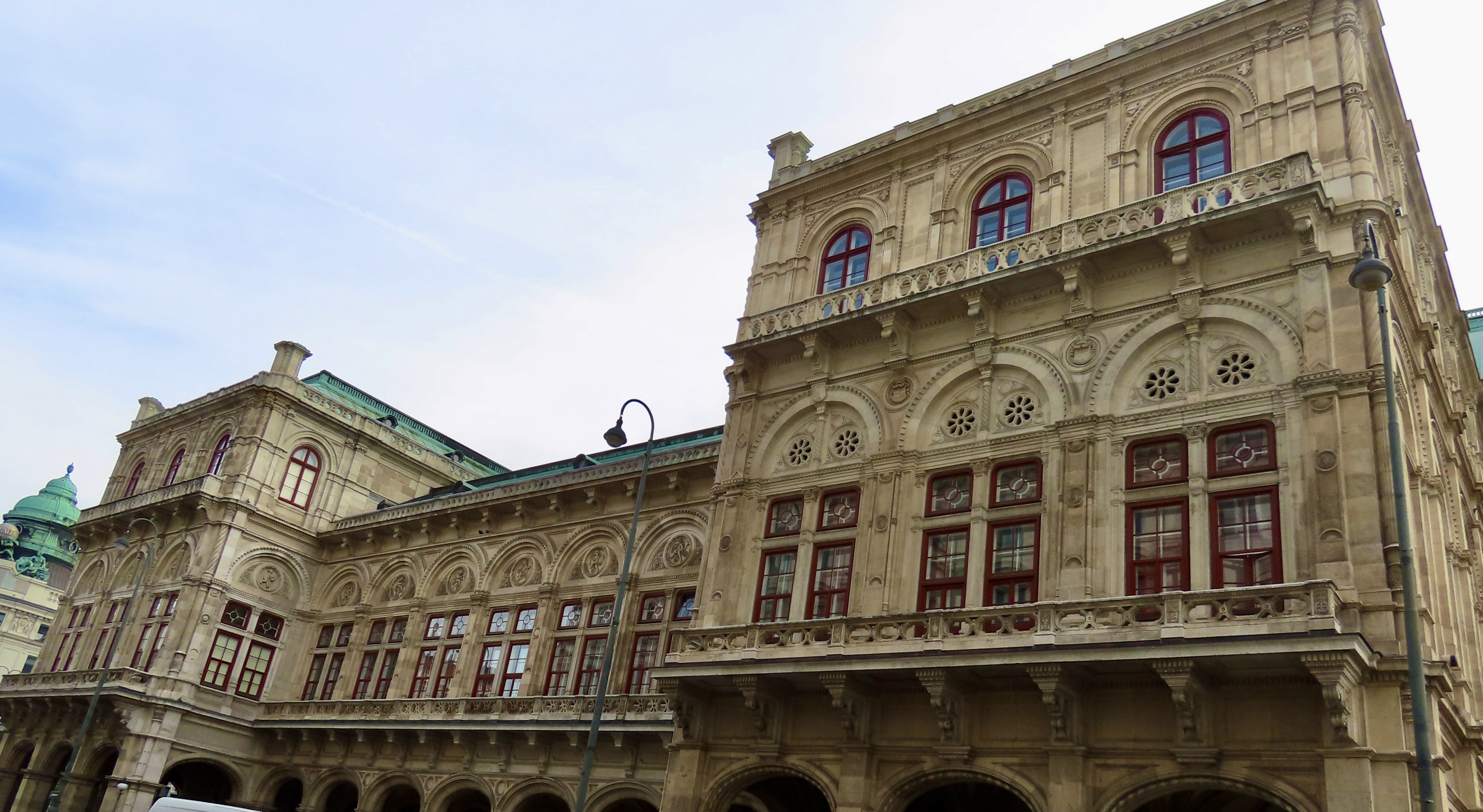
I can understand Peggy’s love of architecture. The old stuff has character from craftsmen taking their time.
Yes it does, G.
An excellent wrap up of Vienna. I particularly enjoyed the architecture! Looking forward to Bratislava.
Thanks, Diana. I spent a couple of hours going through the Bratislava photos today. I think there are at least two good posts there!
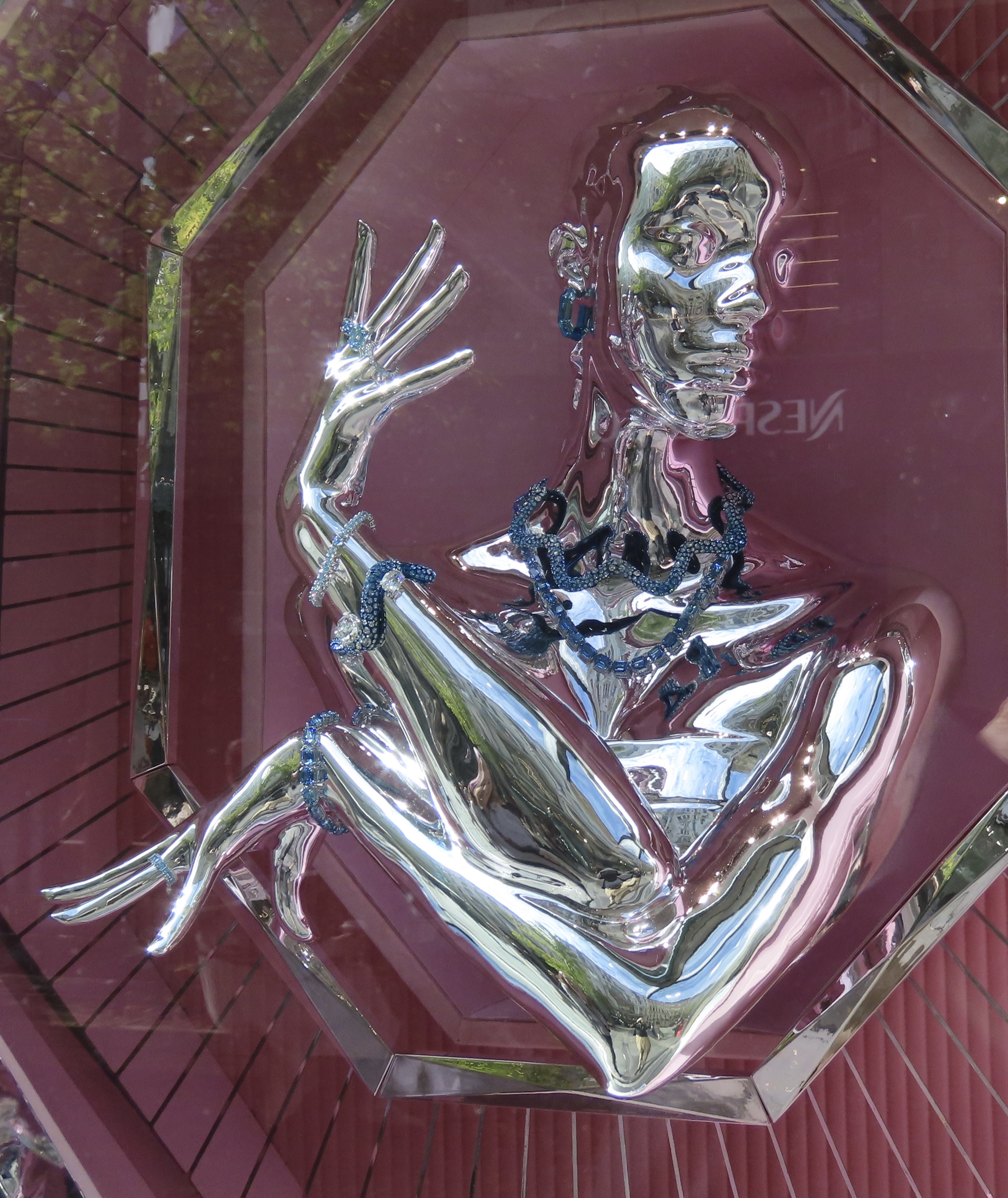
Thank you for this wonderfully irreverent tour of Vienna. My fave pics are the reflected building, and the shiny silver lady.
Alison
Hi Alison. I always enjoy taking reflection shots, wherever they want to show up. Out comes the camera. Grin. As for the lady, she made a great window display. Irreverent may be my middle name. Thanks!
An excellent tour Curt. My favourite picture has to be the reflection. Great spot.
Thanks, Andrew. The timing was perfect for the reflection.
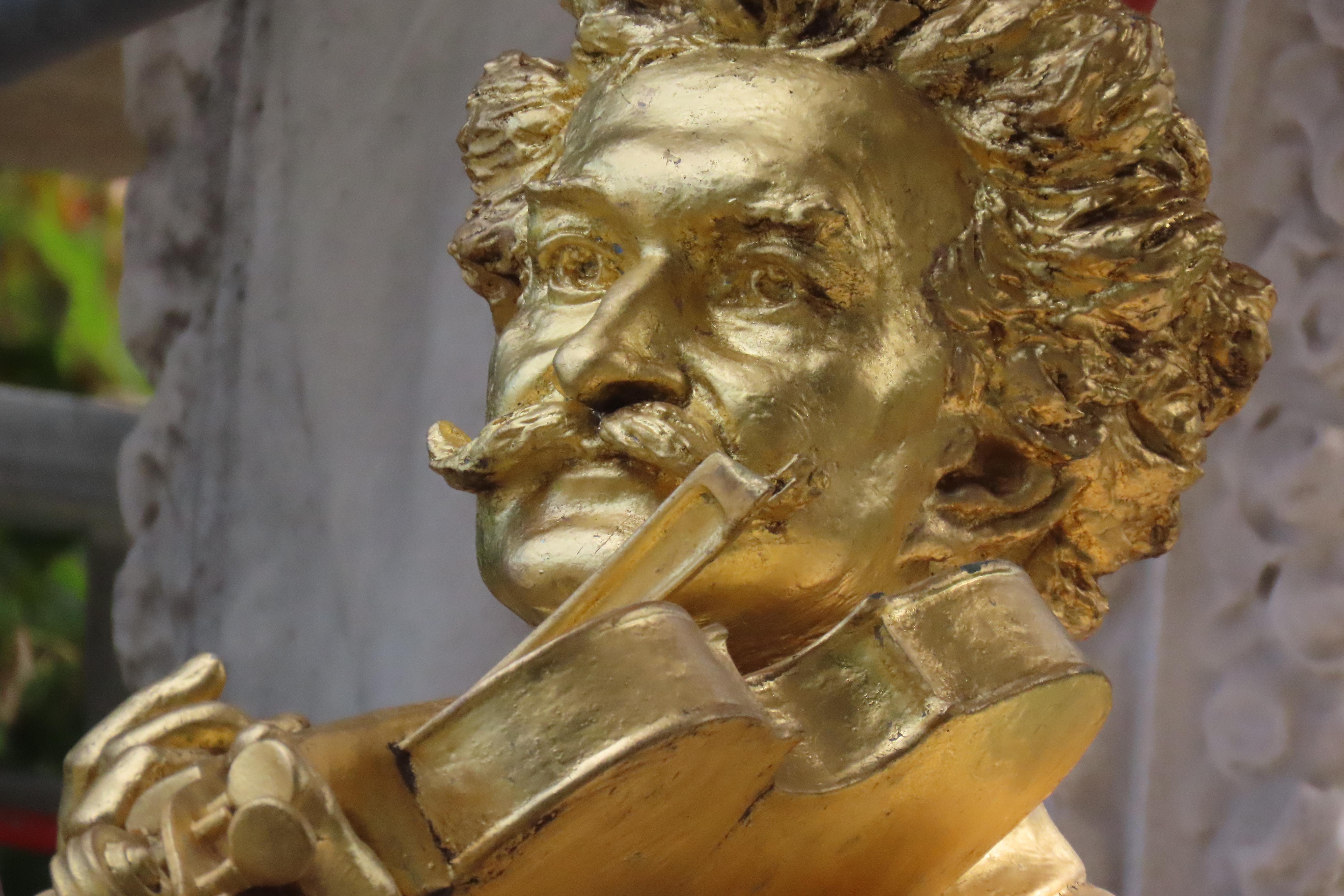
Last photo of gold statue of composer playing the violin is not Mozart but Johann Strauss, Jr. (the ‘Waltz King’) for whom Vienna and Austria is well known.
Thanks. You are right. I went in and made the change. I was even playing the Blue Danube when I started the series.
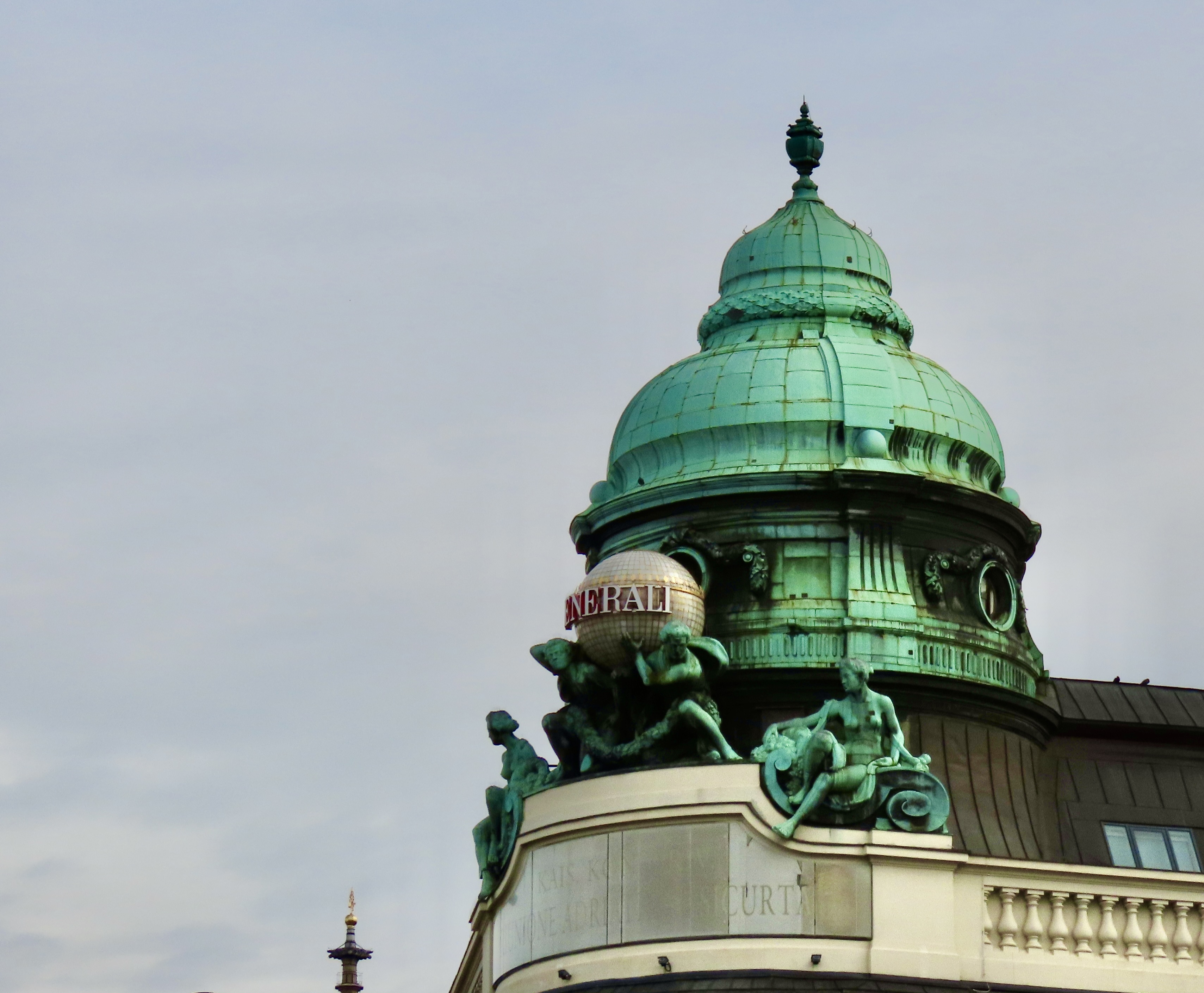
Given my absolute inability to visit any of the places you show us thanks to current limitations of both money and time, I have a sort-of internal defense against getting too excited about any of them. That said, after browsing through this post, I’d head for Vienna in a minute. It comes across as a terrifically appealing city for a variety of reasons: it seems a perfect mix of modern and traditional/historic, and the art is fascinating. I am curious about all that green on the buildings. Is it a result of copper or some other metal being used, and oxidizing over time? It sure is attractive.
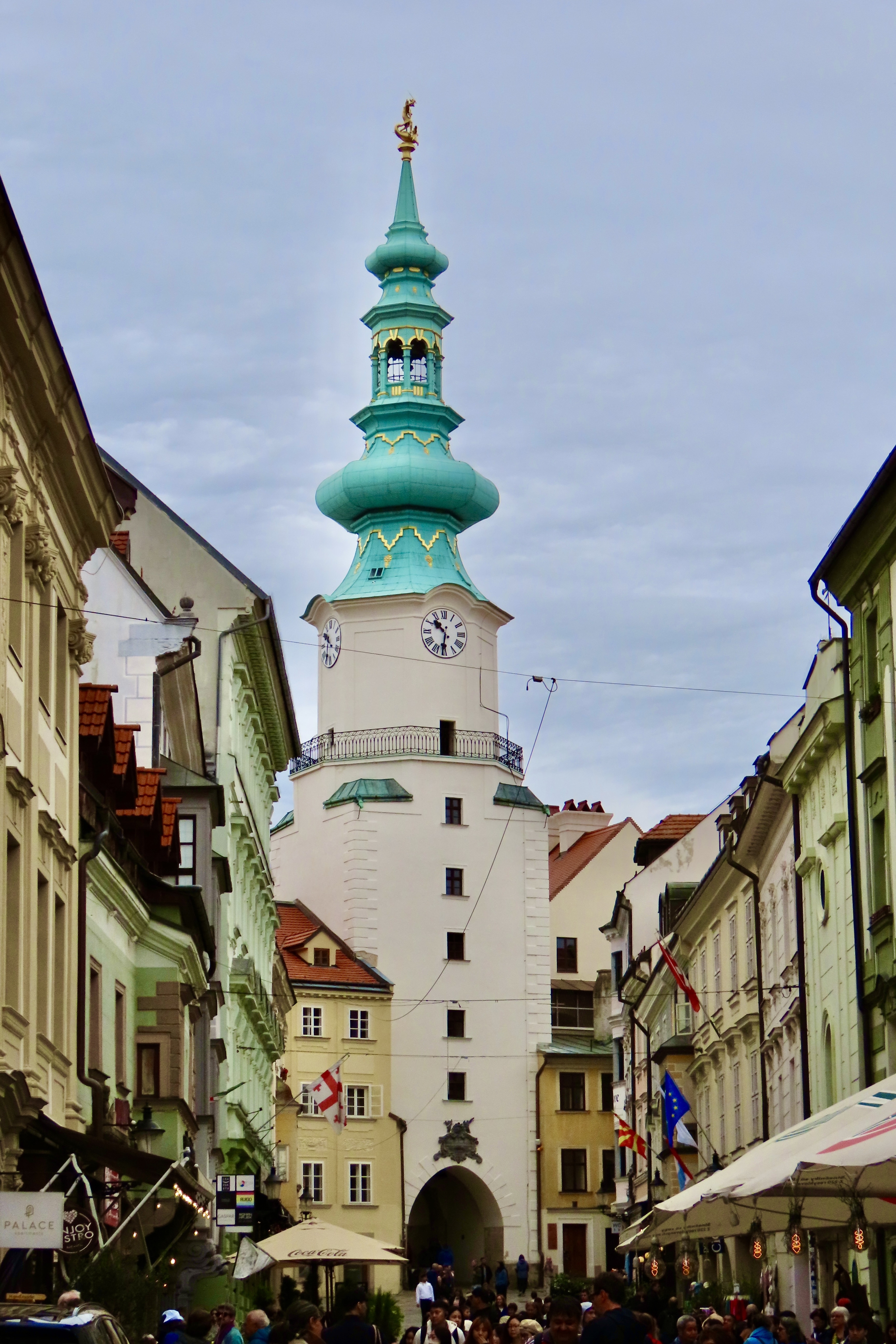
Peggy and I realize how lucky we are and are always thankful, Linda. Vienna is a beautiful city. The green as I understand is the result of using copper. Check out St. Michael’s Gate in Bratislava which is in my post today. An excellent example.
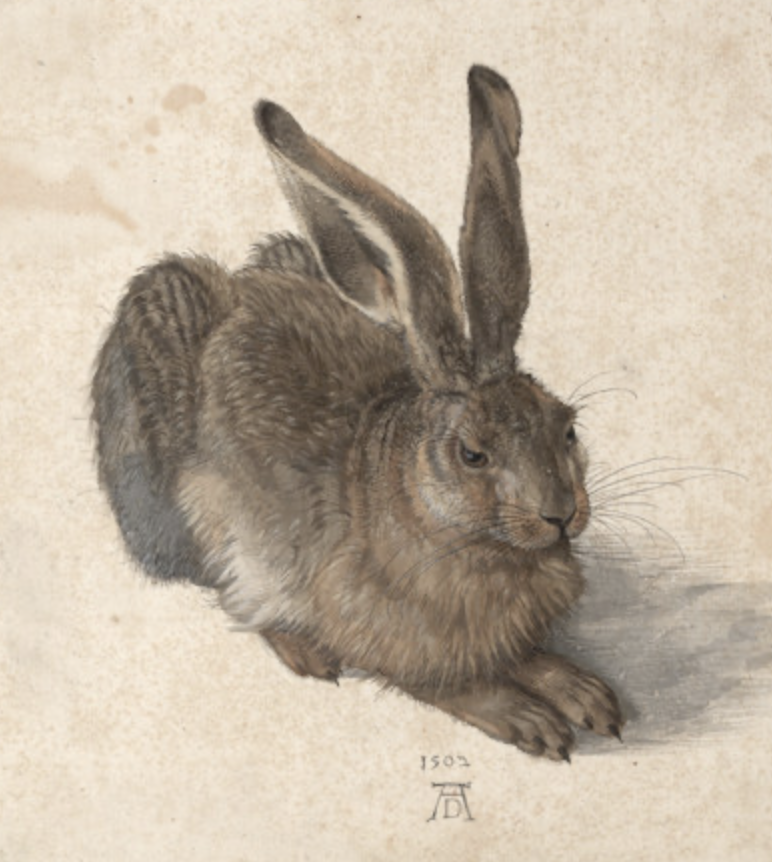
Love the rabbit by Albrech Durer! I missed visiting Vienna when we lived in Germany. What a lovely place! We were so fortunate to live in the tiny burg. I still miss living in the European flavor! Christmas! Where will you be?
Peggy lived in Germany for three years, but that was BC, before Curt. We’ll be here at Basecamp in Virginia for Christmas and celebrate with both of our kids and families. Durer’s rabbit is a beauty. You can almost feel the fur.
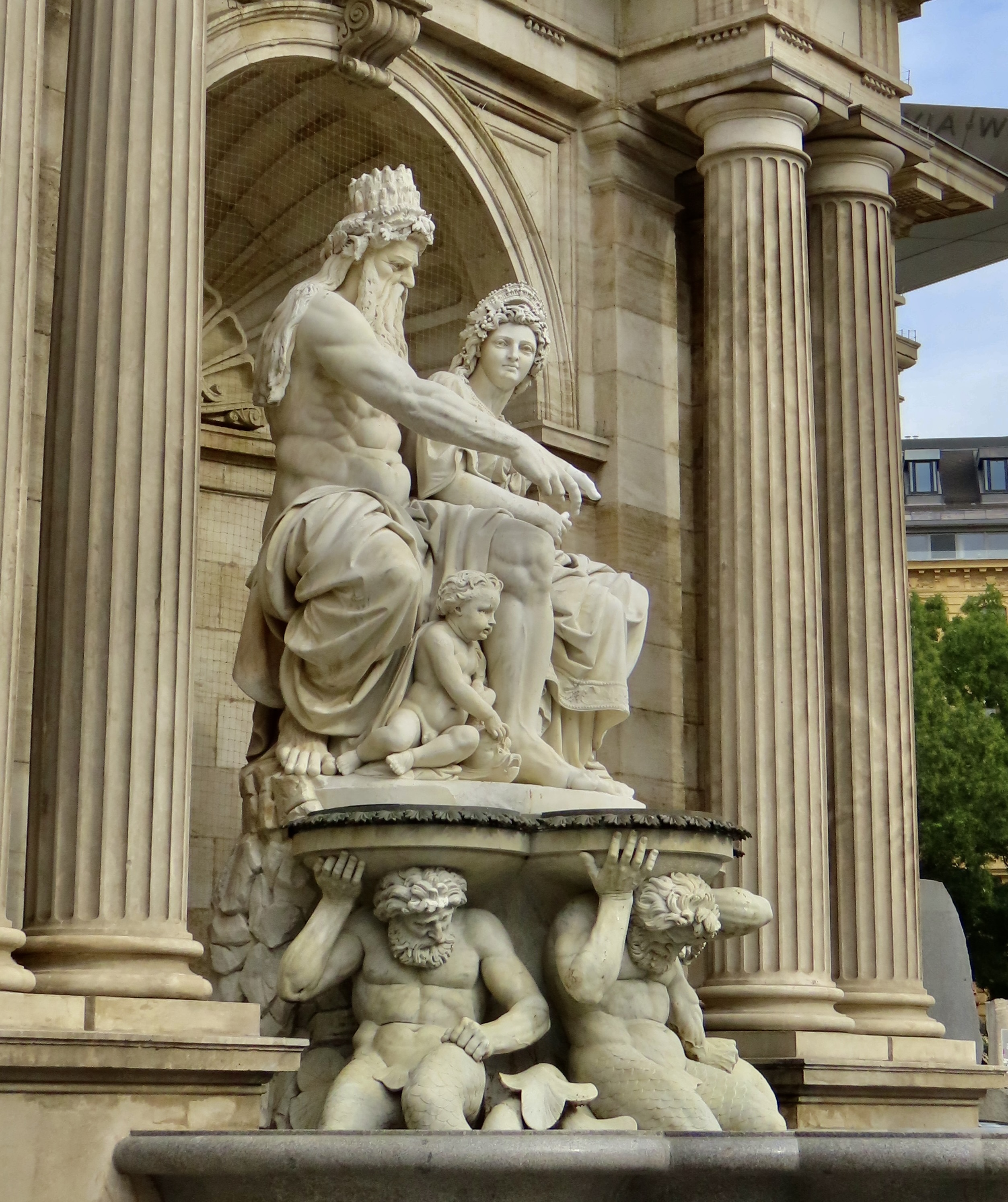
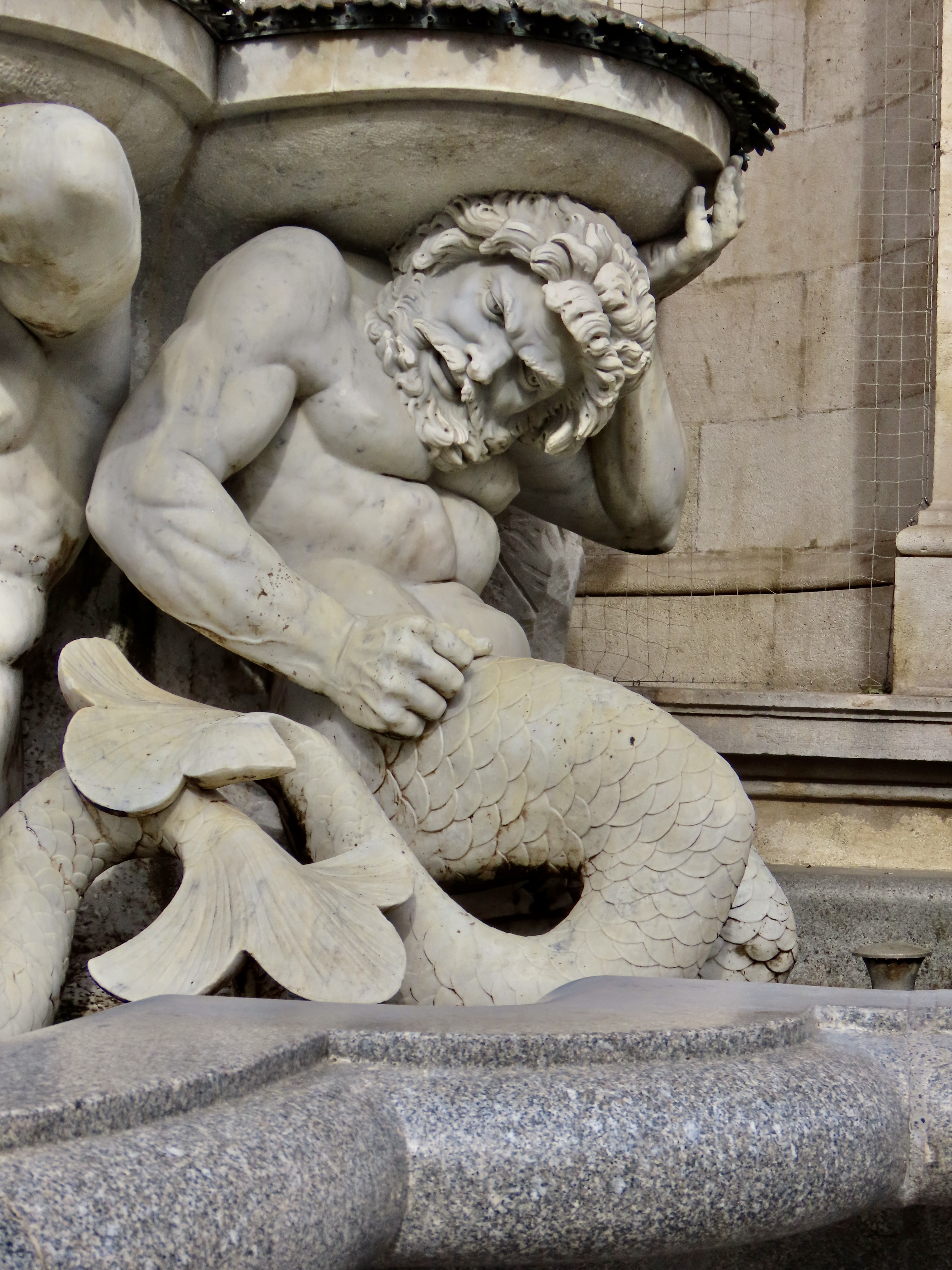
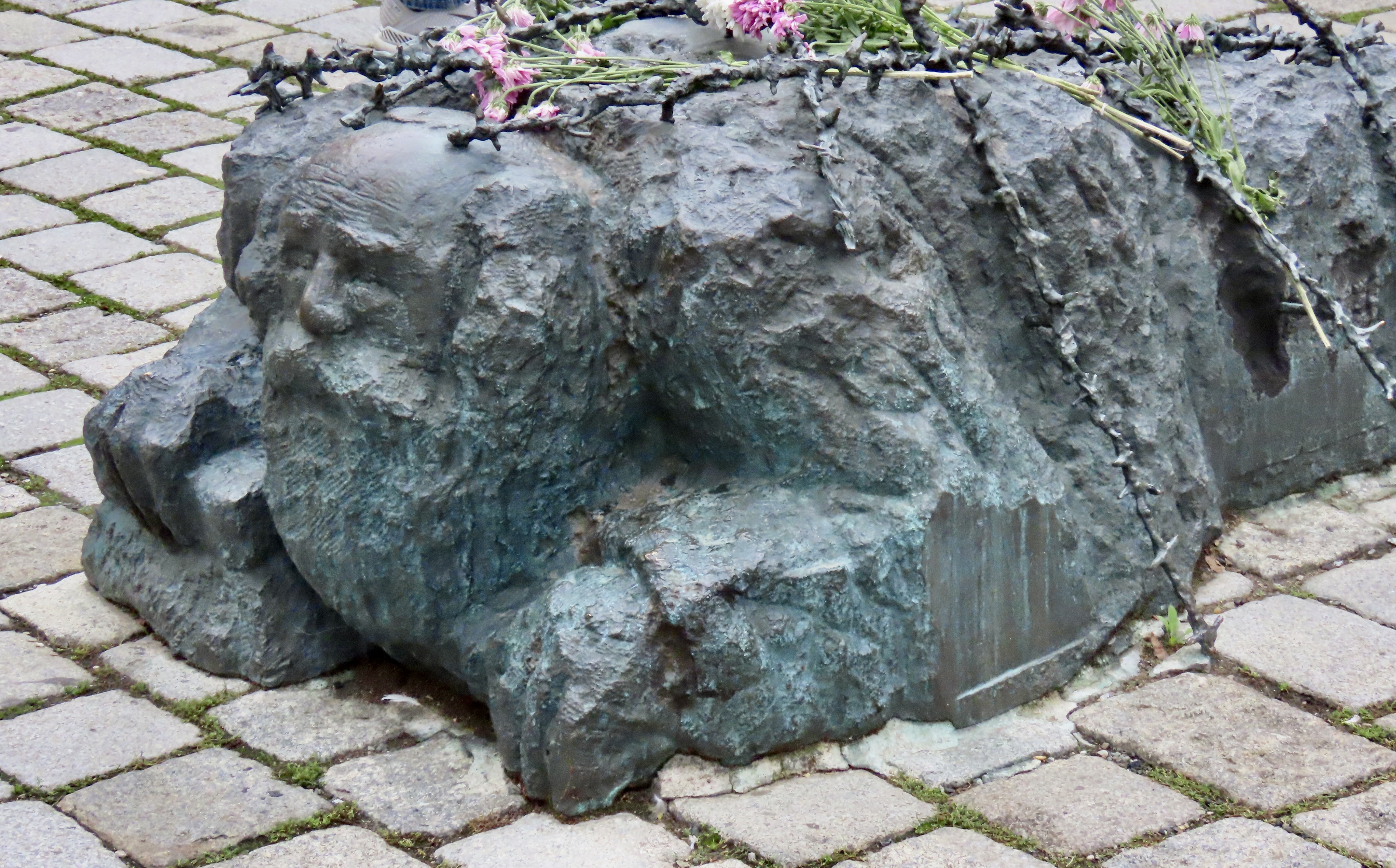
I remember learning about Dürer’s water color of the hare and how famous it was for the beautiful detail of the fur. It is a stunning rabbit – worthy of champagne! And I’m with Peggy on the love of architecture and I’m mesmerized by sculpture as an artform. So beautiful and often unusual (like the squished merman). The memorial to the Jewish people who scrubbed the streets is fitting and heartbreaking. Thanks for the tour of beautiful Vienna. A remarkable history.
I’m really glad Peggy and I made it to Vienna, D. It’s been on my bucket list for ages. Beauty, history, architecture, music, sculpture, mythology… The list goes on. We could barely touch on what the city had to offer in our short time there. Thanks.
😀
Down the internet rabbit hole and for good reason, Curt. This was a fascinating bit of history made even more interesting by the champagne. I’d venture to say you’re right, they have profited well from that green rabbit. Sign me up for that tour. French Moet and Chandon Champaign, my fav.
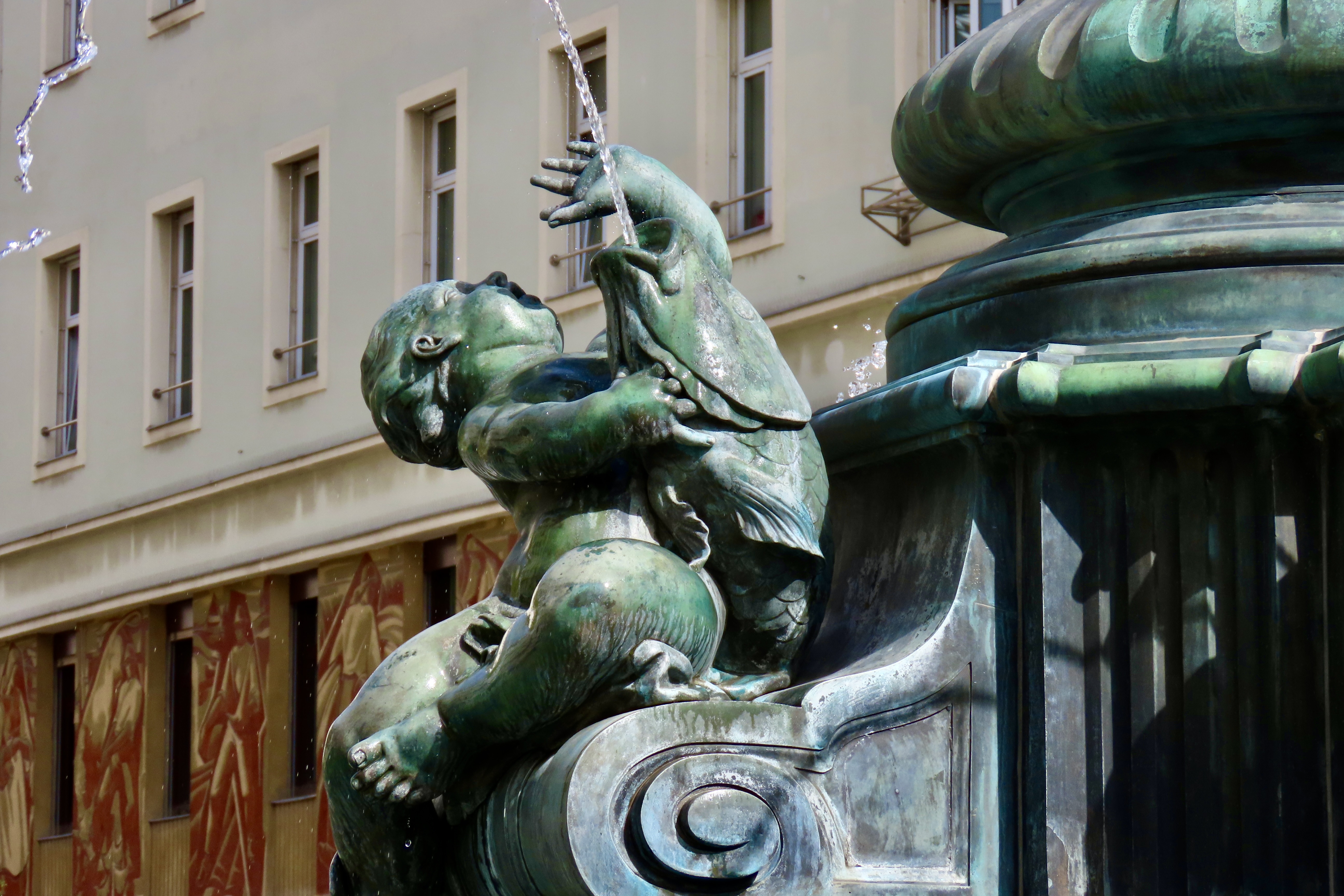
Enchanting architecture and hard to believe Beethoven lived along with 60 other places. Wow. Oh the poor merman holding holding up the fort and how sad is that memorial.
Such a charming city told by a charming man of wit and character. Thanks for taking us a long with you! 💗
Never know what you are going to find down that “rabbit hole.”🤪
I’ve lived-in at least 20, and that’s a lot! Hard to comprehend 60!
Thanks, Cindy, for your kind words,,,
Hi Curt, I thought I had commented when I stopped by a few days ago, but apparently not. So, I’m revisiting. This is such a fascinating tour of Vienna, and what a rabbit hole! Very impressive and worthy of Champagne. Another glass, please? 🙂 I agree with Peggy about the old architecture, and the bronze memorial evokes a tragic piece of history. Thank you for taking us along! I’ll look for your next post! 🙂
Will that be the $50 dollar a bottle of champaign or the $6, 000 dollar, Ms? 🙄 They had two much more graphic memorials, but I thought I could make the point with the man cleaning the street. So glad to have you along!
I’m not picky, so the $50 bottle is just fine, Curt! 🙂 And I think you made the right choice about the memorial. I’m happy to hop on board!
Maybe if I was a billionaire, a $6,000 dollar bottle of Champaign would seem reasonable. 😳
Well, of course it would! Or we could simply splurge! LOL
Laughing. I have no problem with splurging, Lauren. None at all! It’s the things I splurge on…
😄😄😄
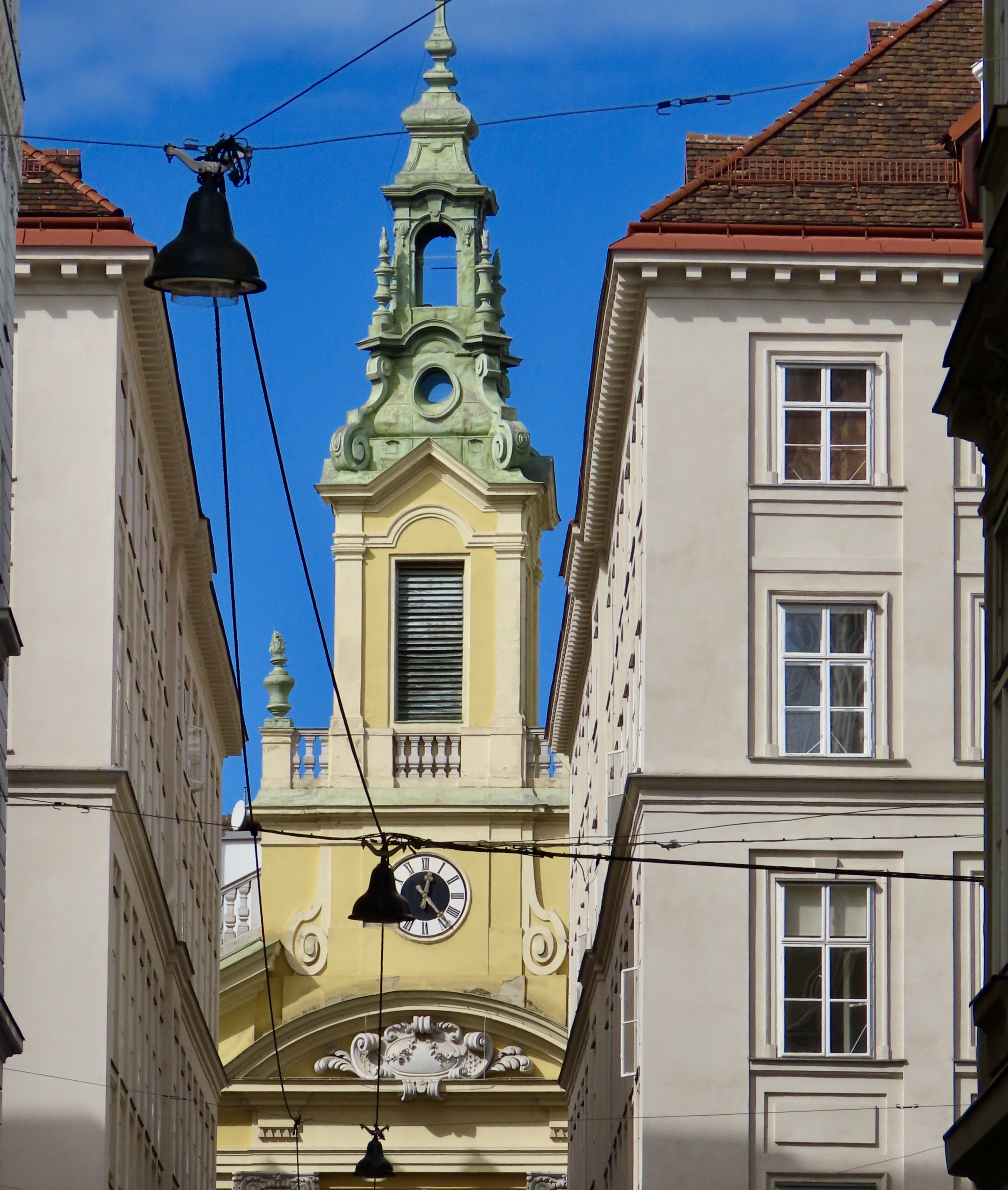
I remember the hare. Your picture makes it look much bigger than I recall. I didn’t get a good picture as we were borderline late for the bus and on the run. I remember the church and the fish squeezer too. Maybe you stood in my footsteps. Small world, somehow.
It is pretty big, Dave. But it surroundings made it look smaller. I focused in on it for emphasis.