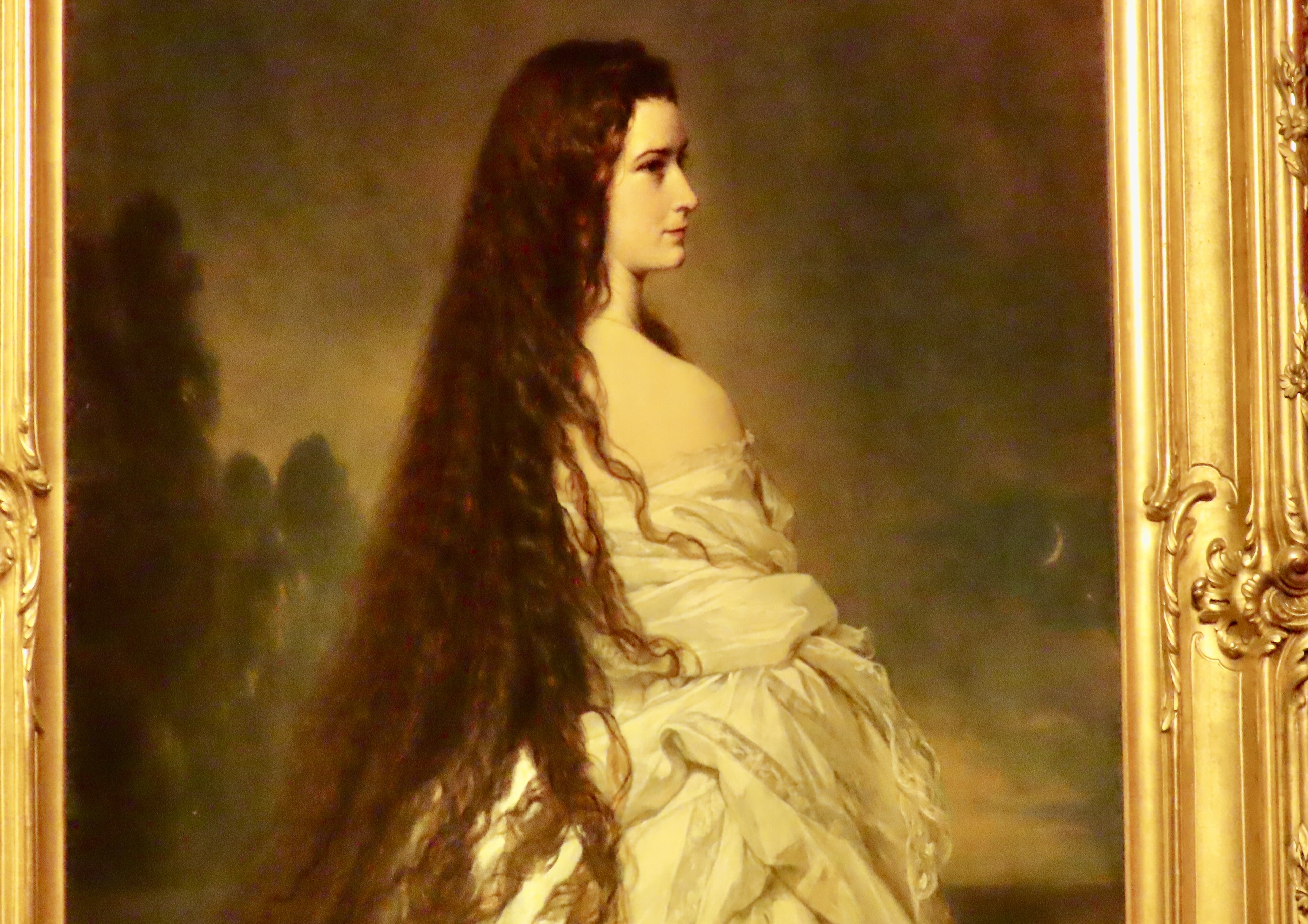
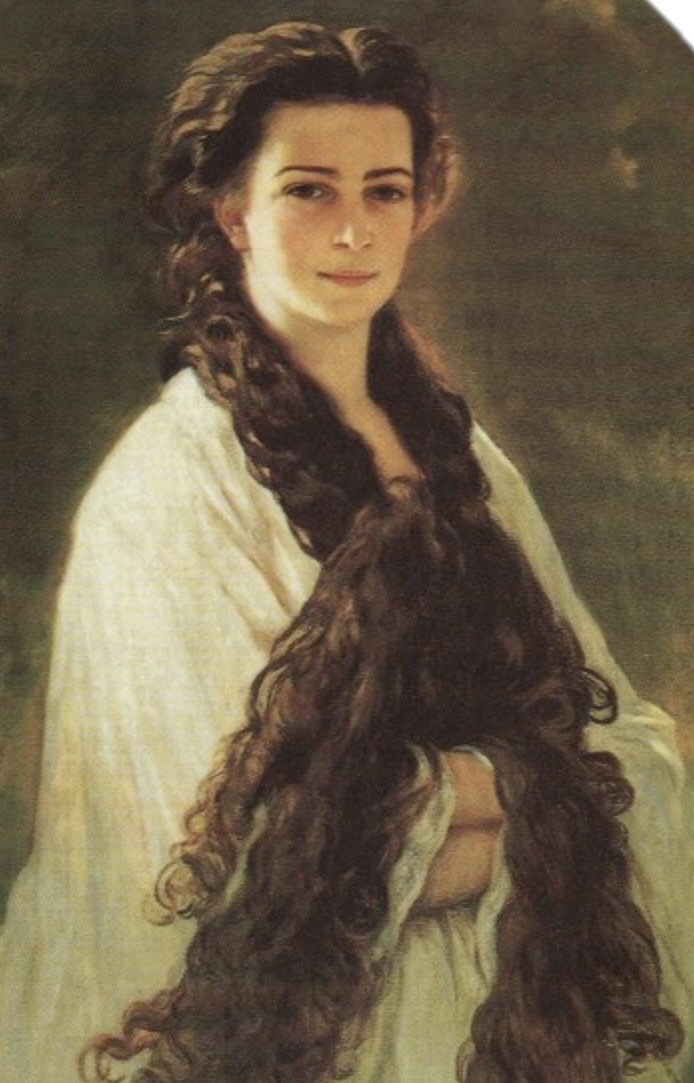
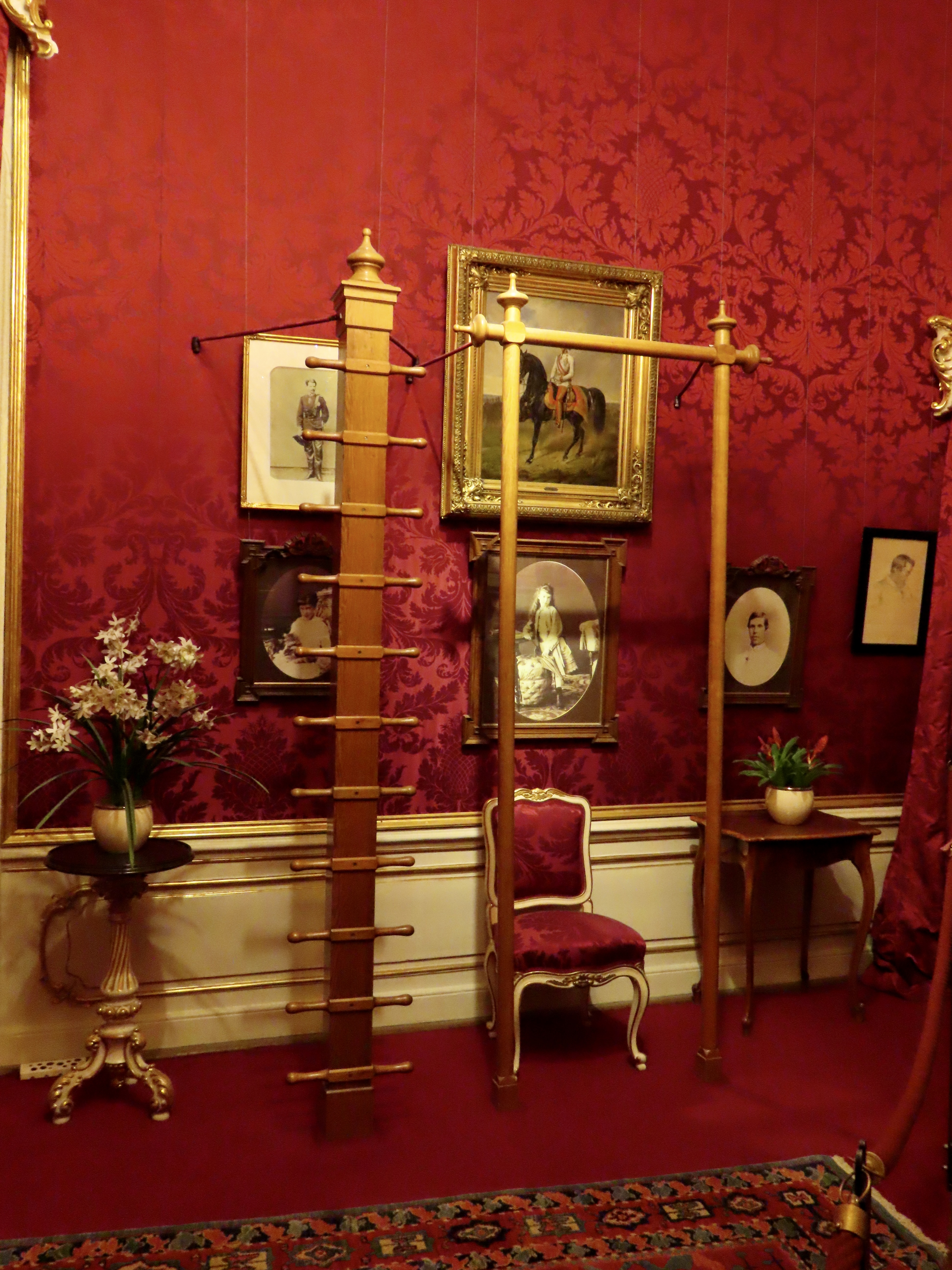
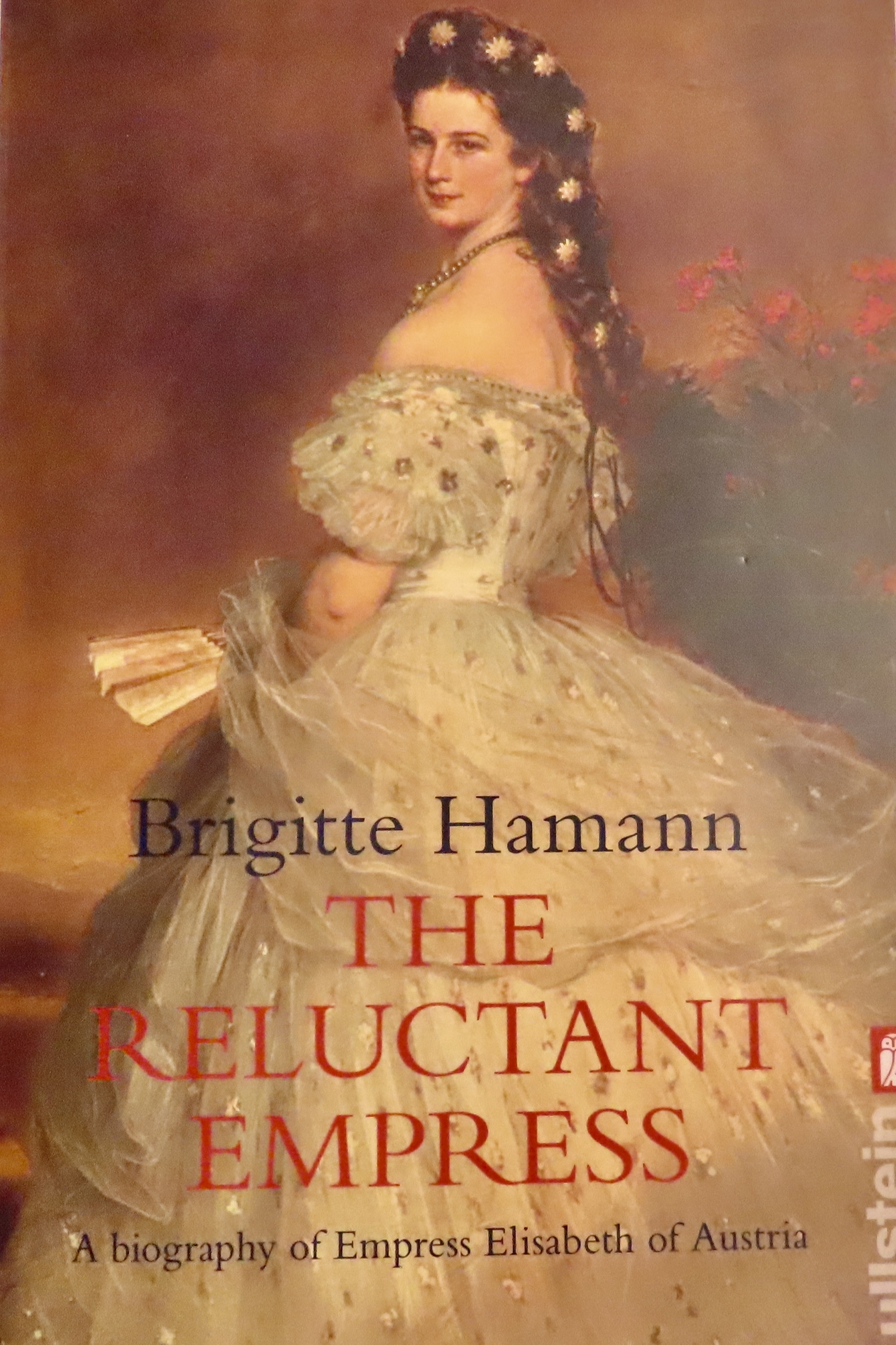
Peggy noted that the main reasons for Sisi’s unhappiness were the close-to-total control her mother-in-law had over her, and the fact that she was a very private person. The latter was a poor fit for being an empress of a vast empire expected to be constantly involved in public events and private meetings. She expressed her unhappiness in poetry. A particularly telling poem was included in the museum:
“I am a seagull of no land,
I call no shore my home,
I am bound to no place,
I fly from wave to wave.”
She was assassinated at age 60 by an Italian anarchist.
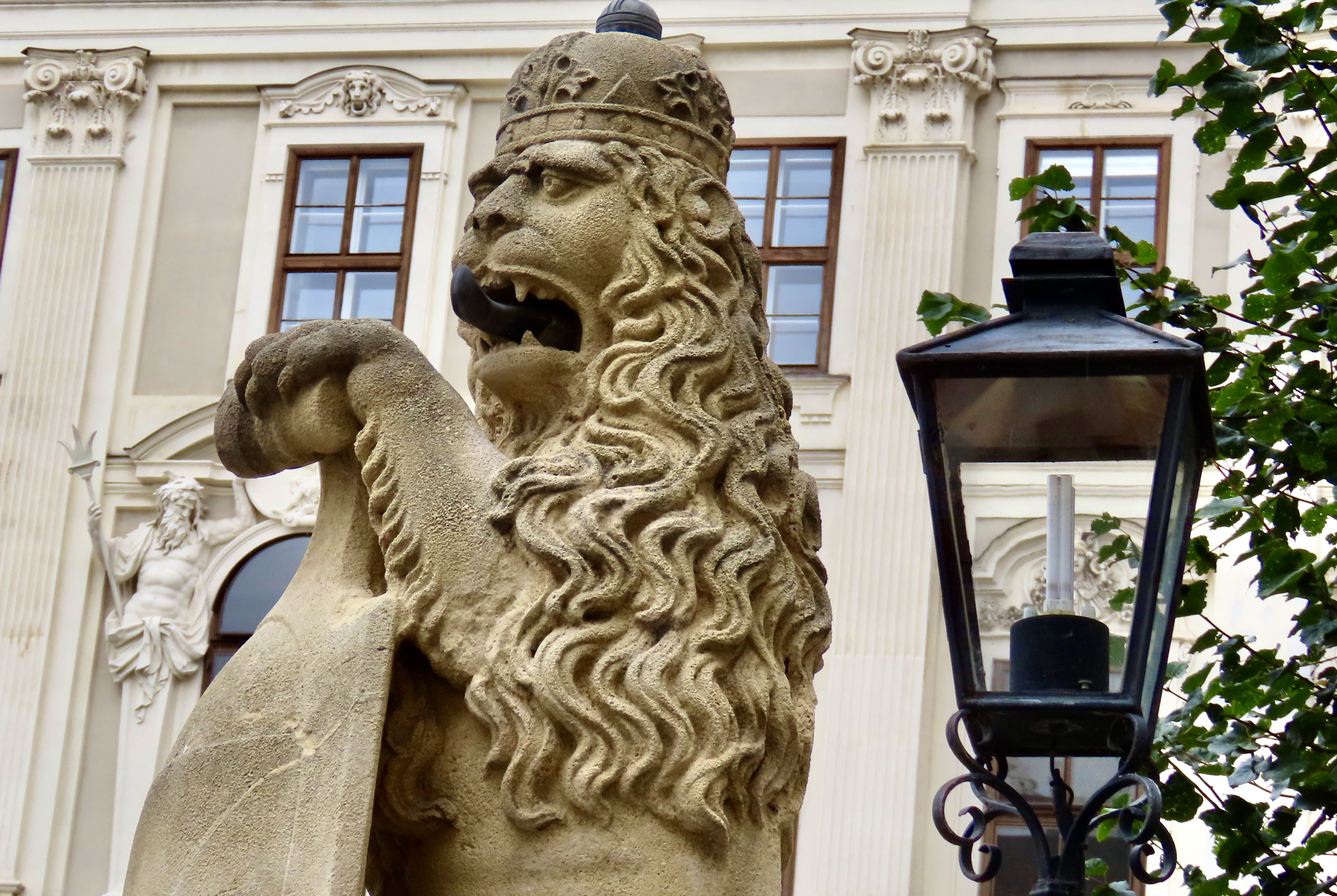
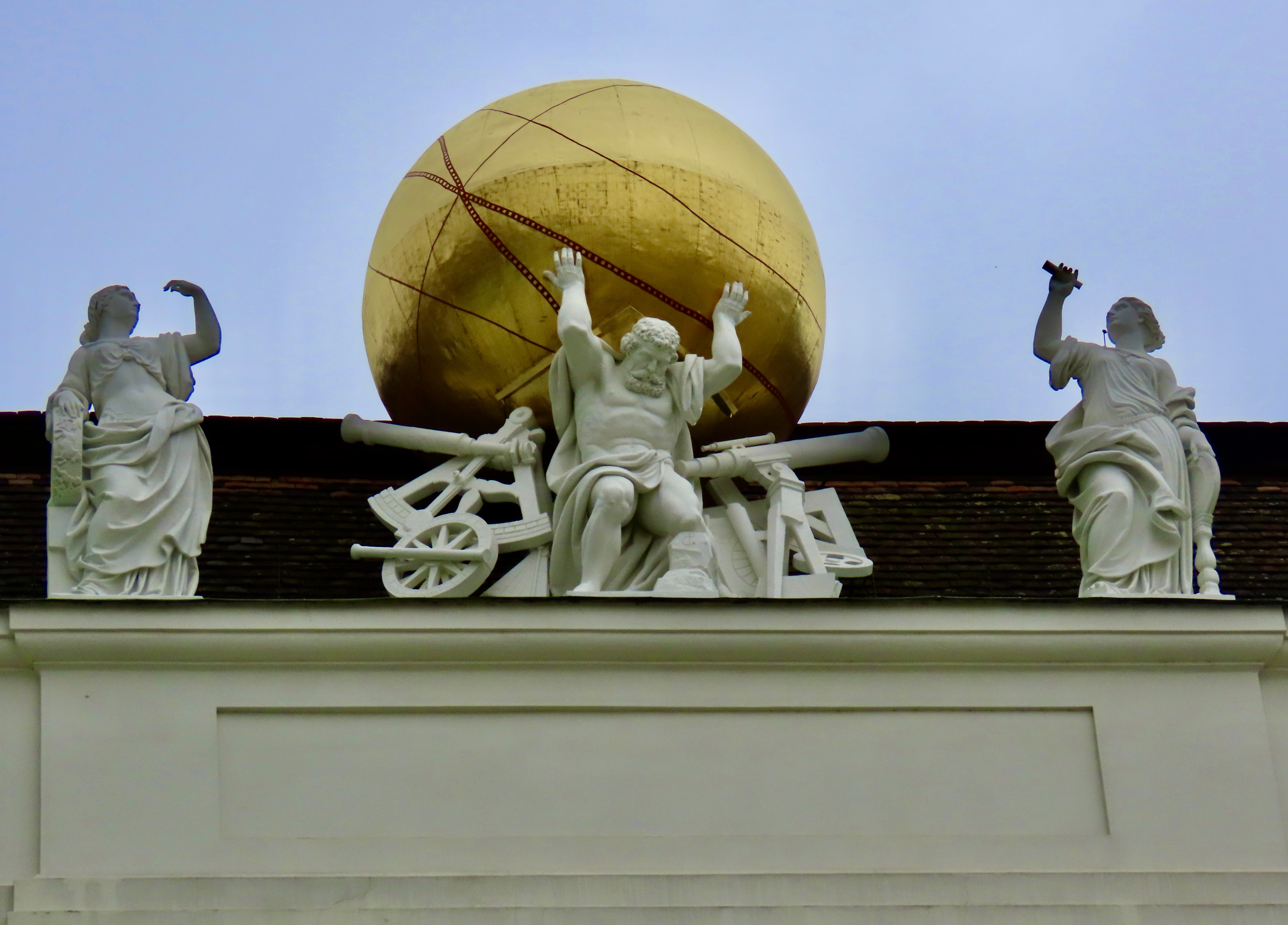
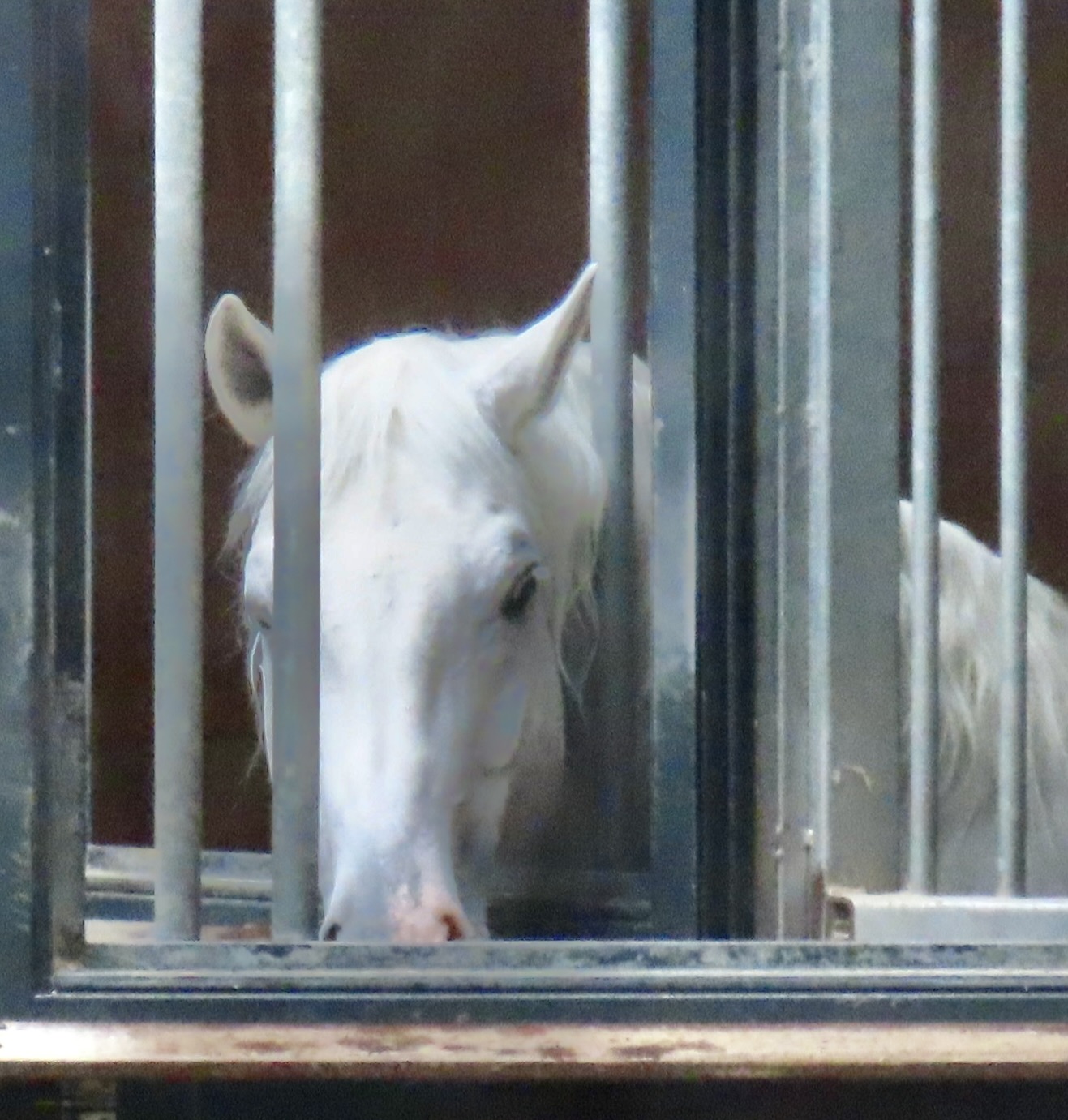
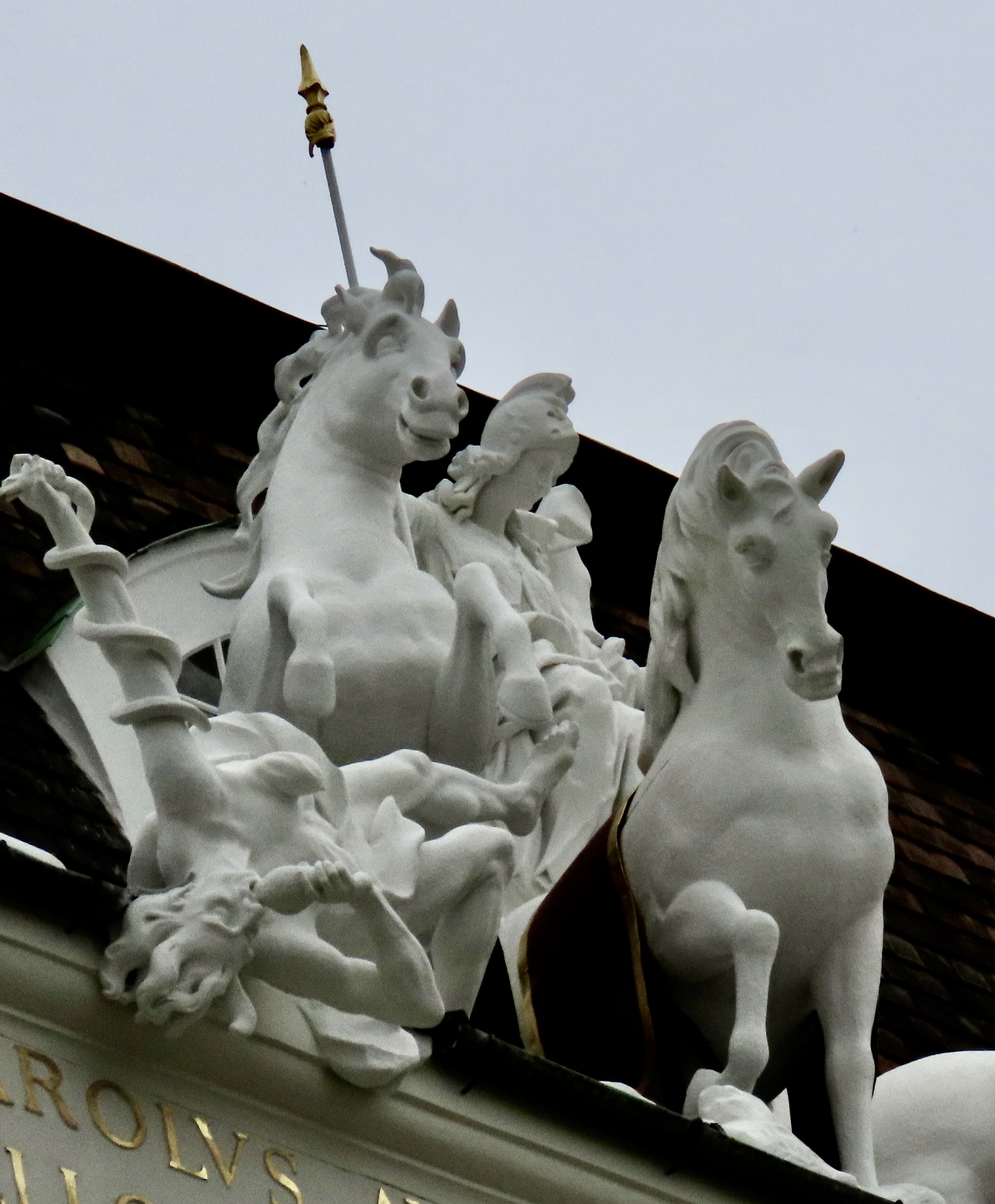
 Wandering through Time and Place
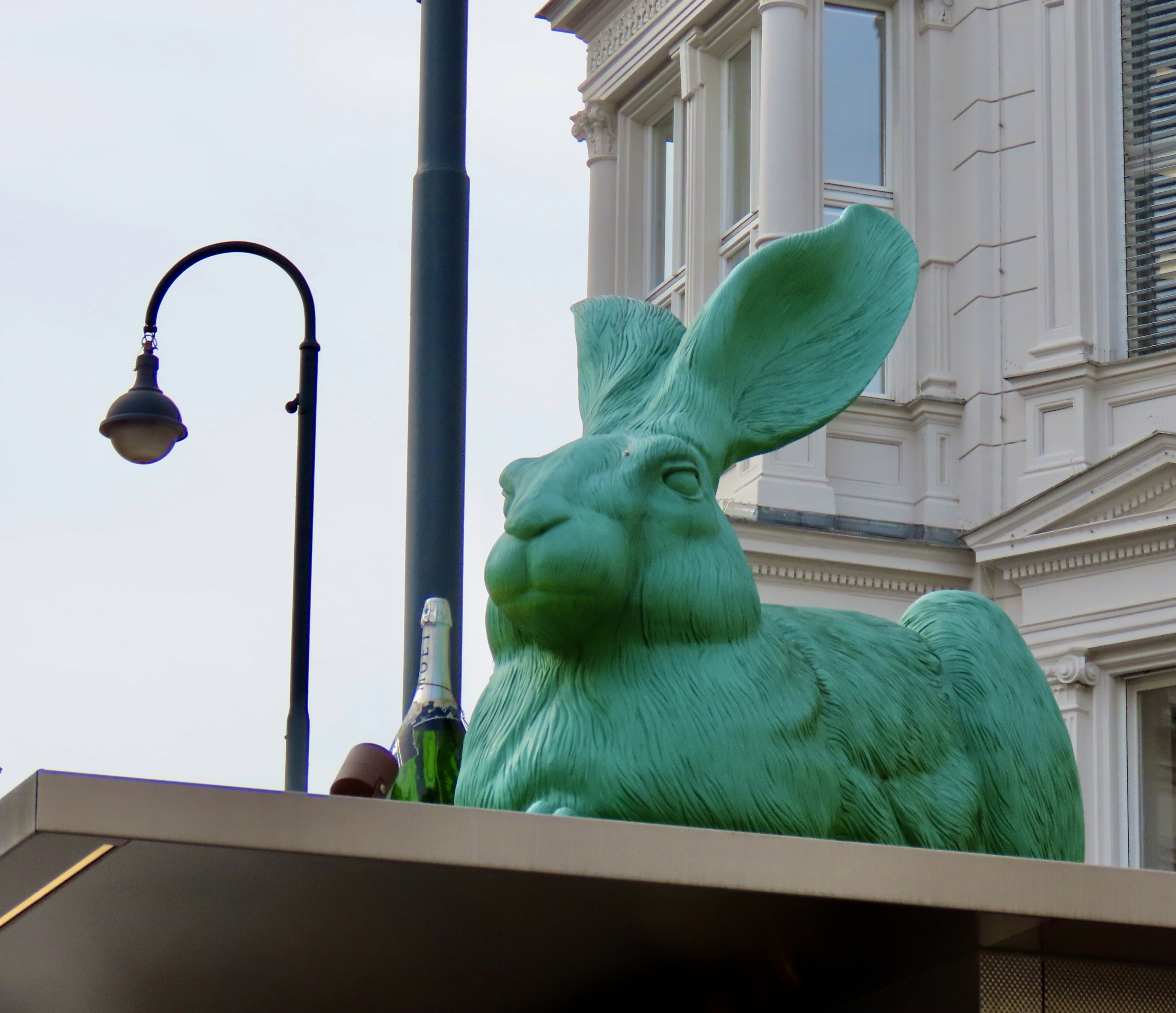
I was aware of Sissy but not her hair nor Vienna’s hare.
The only demand my grandfather made of my grandmother was not to cut her hair. When she would wash it, it would drag on the floor behind her once dry. I only know about the demand because she was getting dead ends cut off once in the barbershop and made me swear not to tell my grandfather.
The day he died, she went first thing and got a butch cut even before the funeral.
That’s funny, Marcus. Although a little sad as well. Sisi insisted on her hairdresser showing her any hairs that had broken or pulled out!
Sisy was beautiful, and so is the painting you photographed. What’s all about blocking the tourists’ entrance to private chambers with that horrendous brick wall?
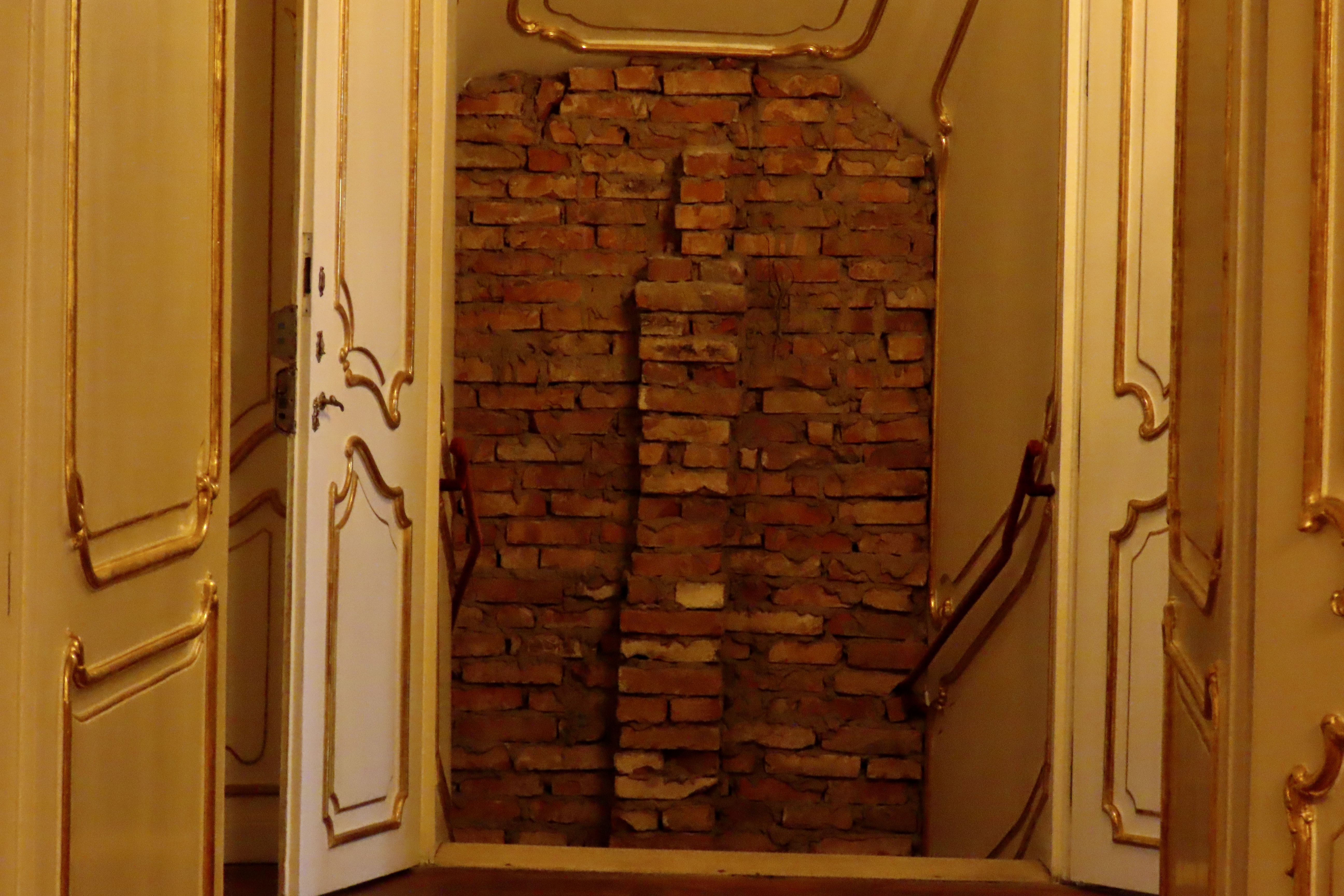
Actually, it was an important security measure, given that the President of Austria’s office was on the other side. Admittedly, they could have built a more attractive wall. Grin. Or closed the door so people couldn’t have seen the wall. I got the feeling that they were proud of it.
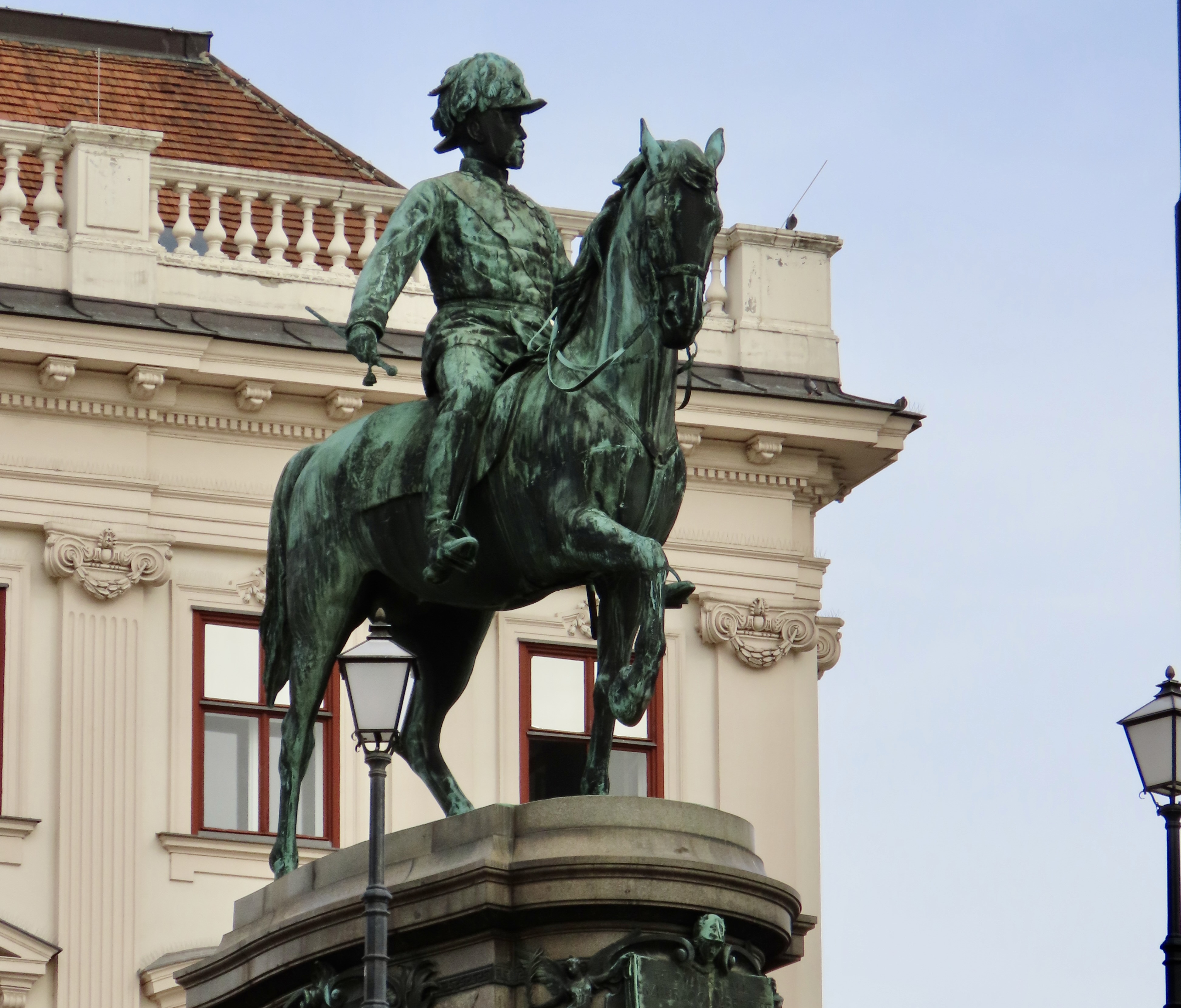
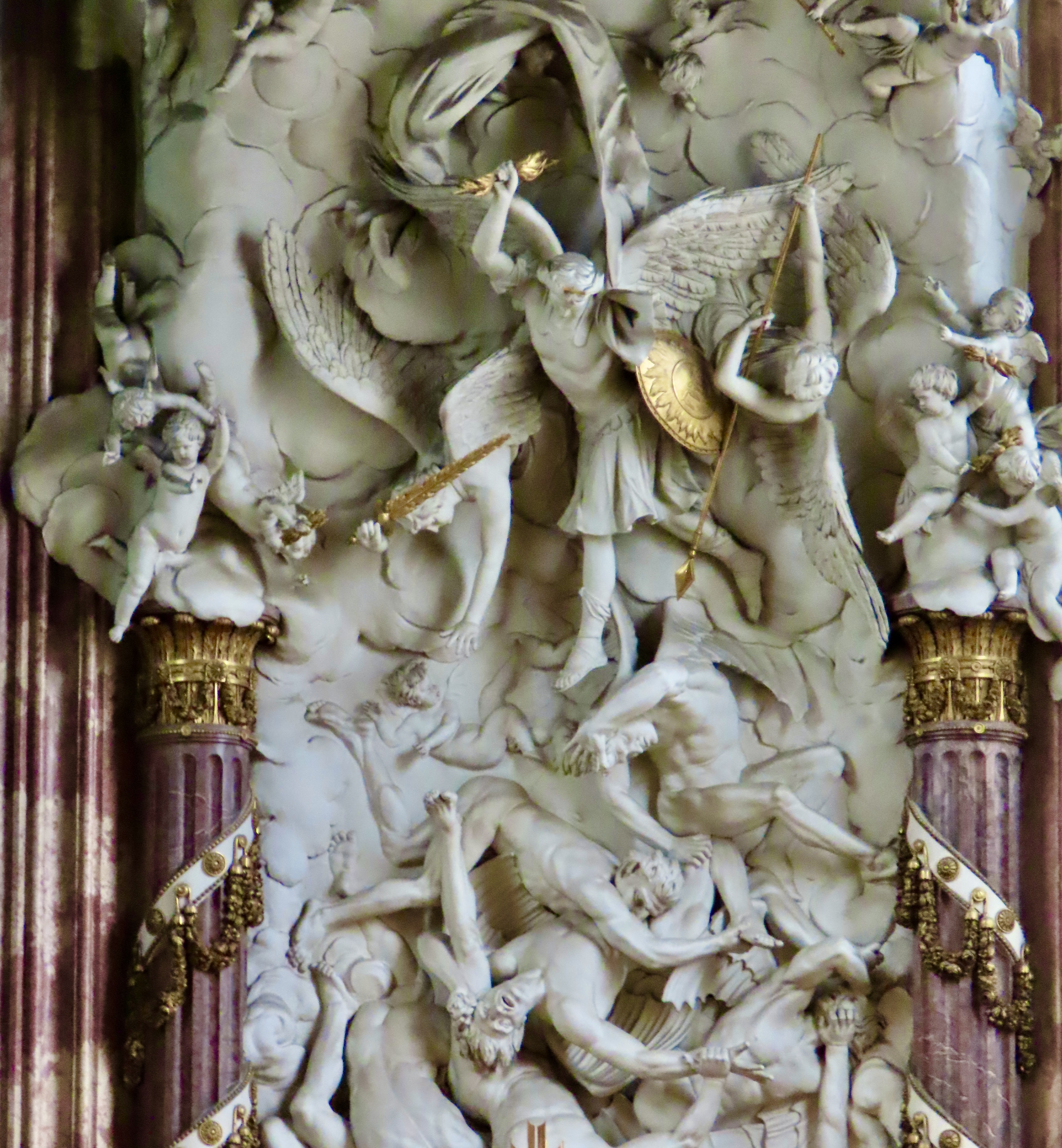
Fascinating, Curt. I was also intrigued by Sisi, the 16 year old Empress. She sounds like an accomplished young woman who was on some level stifled despite her position. And assassinated. Yikes. Beautiful and intense sculpture! The horses trampling the ice-cream eater was unusual (lol), and that huge artwork of the bad angels getting cast out of heaven would keep any Christian of the time on the straight and narrow. Wow. Thanks for the tour!
Stifled by her Mother-in-law, D, who did things like take her children away and not let Sisi see them.
Plus Greek gods and goddesses everywhere. I’m pretty sure that a lot of art was designed to keep Christians on the ‘straight and narrow, and, if that didn’t’t work, there was always the Inquisition….
Poor woman. Yeesh. What people do in the name of religion is pretty horrifying.
Fundamentalism, from my perspective, D, incorporates some of the worst aspects of tribalism. Adding God to the equation in determining why you are’ superior’ to someone else adds a whole new level of bad.
I agree. It’s sad and scary.
Interesting, Curt.
Thank you.
Welcome, G.
Loved this! I have been on a mission to learn about SiSi and just completed the series on PBS and now, reading a historical novel about her. She was quite the woman! Glad she had the time to take care of her hair!
Happy Thanksgiving to you two! I am scheduled for a dinner at my daughter’s and my granddaughter is home for a few days from college! Looking forward to this! Stay safe and catch you later!
Wendy in Olyland
Hope your family dinner is going well. I thought Sisi made excellent use of the time her hair-care created, and possibly pleased that it got her out of attending events that she was glad to avoid.
Enjoyed the photos and thank you again for helping me to ID photos from my Danube Cruise!
The story about Sisi’s hair is interesting. Maybe only a wealthy woman could afford to have such long locks (because of the upkeep issues)?
She had her own personal hairdresser and paid her more than college professors were paid at the time!
That is a massive hair washing task, I just use washing up liquid once a week.
But then again, Andrew, I doubt your objective is ‘looking beautiful.’ Handsome perhaps. I’m more like every other day.
I’m just thinking; would it be worth washing my hair with eggs and brandy? I do vaguely remember ‘egg shampoo’ from years ago, but whether it was real eggs or something else I don’t know. If dealing with her hair took three hours a day, that would help to explain her fluency in foreign languages — she had time to study.
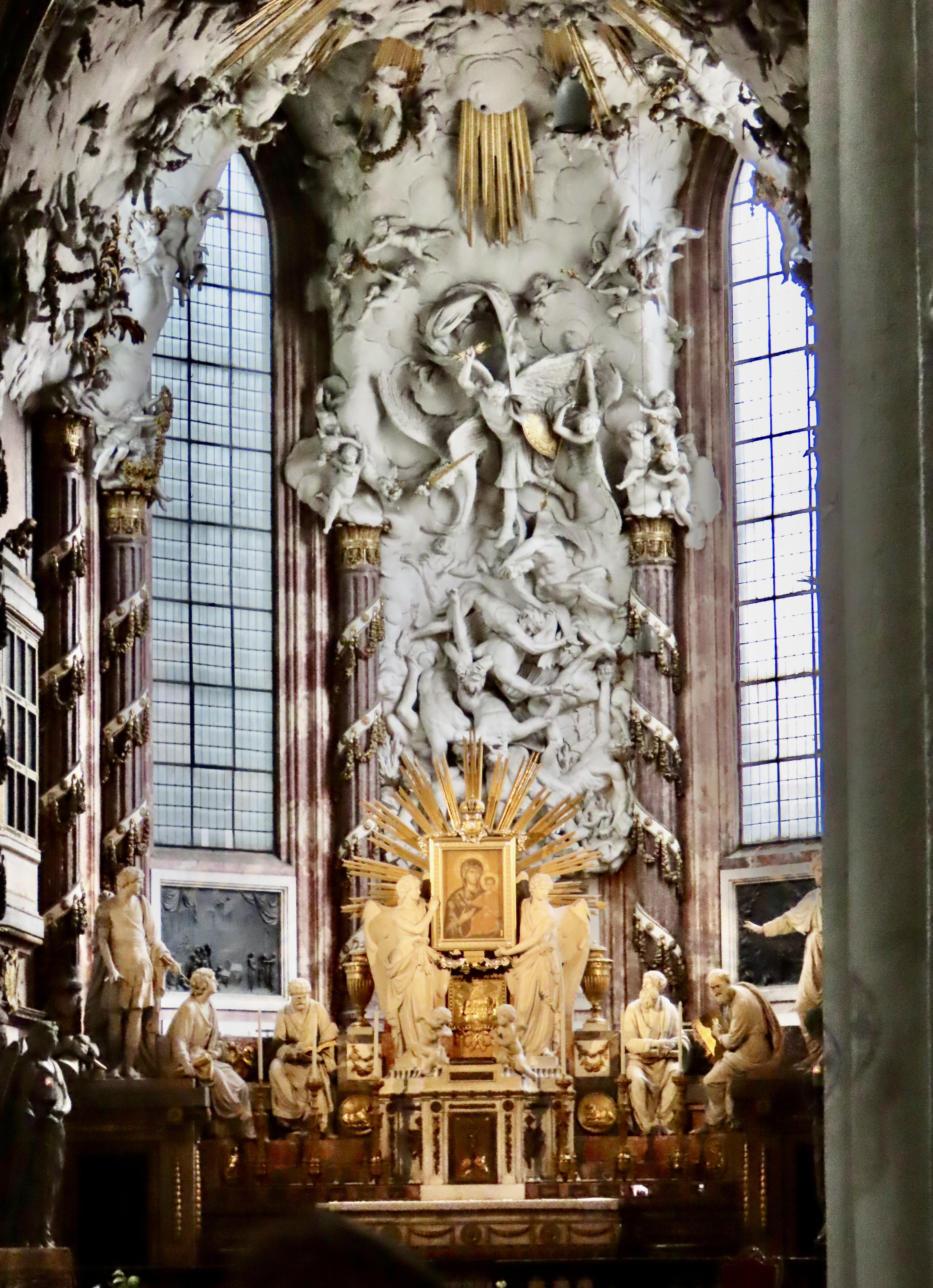
Seen from a bit of a distance, that ornate altar piece looks rather like lichen.
If it took more than a minute to do my hair in the morning, I might shave it off, Linda.
I like lichens. That one does have a rococo feet to it. Art imitating nature.
No light reading to be sure. So Rapunzel really exists at least so with Sisi’s hair. That’s amazing. The mother in laws are always the culprit! It’s dicey business. Amazing intricacies and carvings. Curt! Thanks for sharing🙏🏼🌹
I don’t think that Sisi would have a sense of humor about anyone using it as a rope, however! It’s interesting on mother-in-laws. Seems like there is a natural tension there that goes both directions. But it certainly doesn’t have to be there.
Vienna is an amazing city. We were really glad we could explore it but could have used much more time.
I think you’re right about that. I agree and I hope not to be that MIL. Time will tell. It looks amazing!💕
Given your training and sensitivity, I bet you are a great MIL!
She was great at hair, but was she good at heir? (Not that it would have mattered.)
She actually had three children, if I recall right, Dave. But her lovely mother-in-law took them away and wouldn’t let Sisi raise them. And you are right, the Habsburg dynasty was drawing to a close…
Great post. I loved learning about Sisi. My name is Sissy to my family, I don’t know if I ever mentioned that. My brothers all call me Sis, and even my nephews call me Aunt Sissy, ha ha. I have heard the horse statue story as well, on tour around Boston Common. The guide said both feet down, died of natural causes and one hoof up, died in battle. Both hooves up, “The horse died too!” we all laughed, which makes me think none of it is true, ha ha.
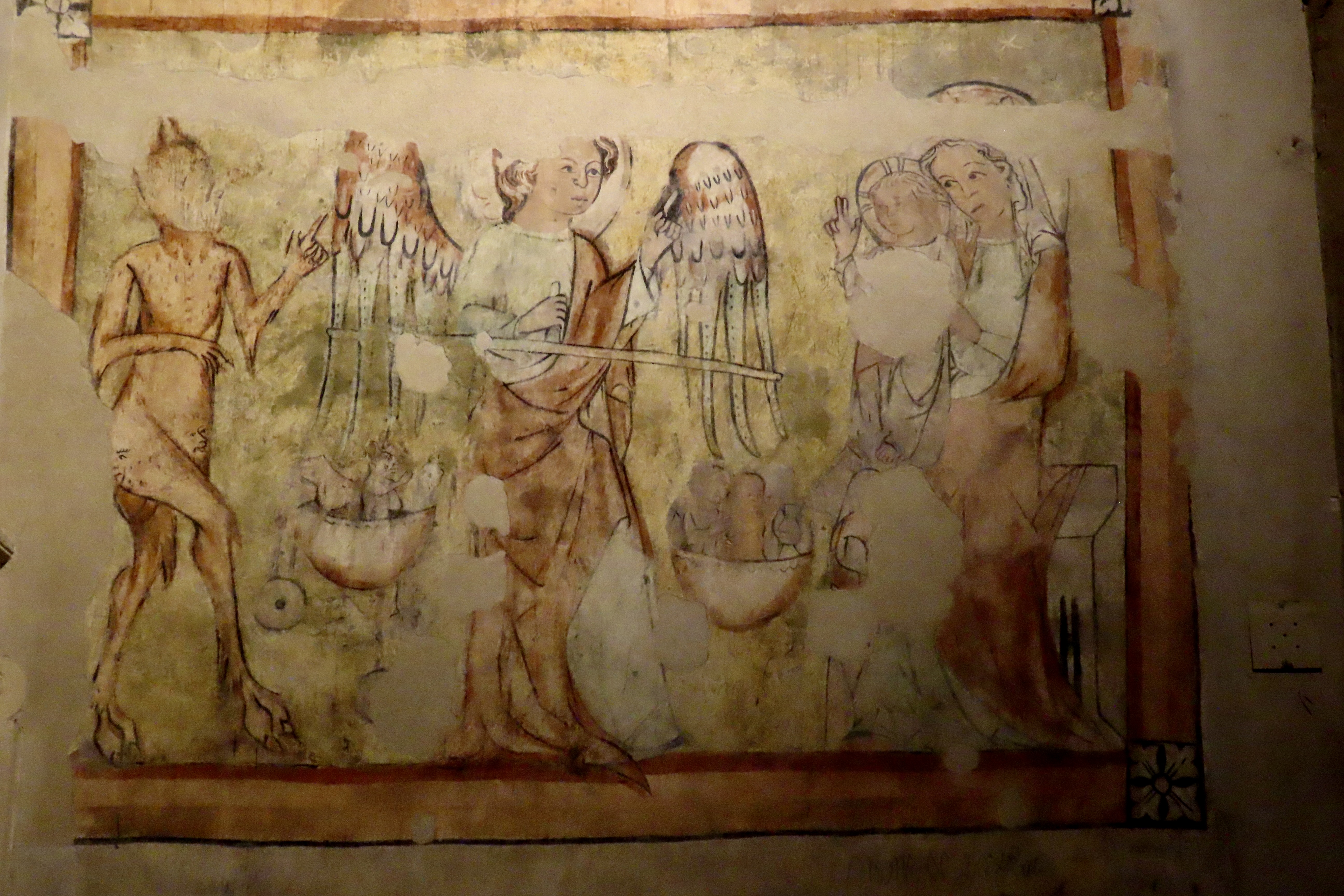
I love all your comments on the art work here. The weighing of souls reminds me of a painting inside a tomb in the Valley of Kings. It’s an Egyptian story, too, right?
Didn’t know your family nickname was Sissy, Crystal! That would tend to add another level of interest in Sissi, for sure.
Guides have fun with the horse hoof story. From what I have read it’s one of those concepts that has some bearing but no hard and fast rules. Highly debatable might apply. I read, BTW, that if the rider is standing beside the horse it meant both the horse and the rider died in battle. 🙄
And you are absolutely right about the Egyptian tradition of weighing souls.