
Peggy and I are great fans of national parks. Each has its own beauty and uniqueness. After all, that’s how they become national parks! In 1999 Peggy and I took a year’s sabbatical from our jobs for an extended trip around North America. One of our goals was to see as many national parks as we could. We ended up visiting 50, which was close to all that America had at the time. We also visited Canadian national parks as we drove the Alaska Highway up and back from Alaska.
We’ve continued to visit parks ever since. Several, we have returned to many times. Our journey up the Pacific Coast that we just concluded included four. I’m going to do a quick review of them today and throw in the Everglades since we were there before we headed west. Then I will move on to the two parks we just visited: North Cascades and Glacier. But there is more—as they always used to say on late night tv ads.
Over the past three years, as Peggy and I zigzagged our way across the US six times, we visited several parks including four that I didn’t have time to blog about: The North Rim of the Grand Canyon, Mesa Verde, Big Bend, and Theodore Roosevelt. That will bring the total in this series to 11 counting today’s review. Let’s get started! Note: All photos in this series were taken by either Peggy or me unless otherwise noted.
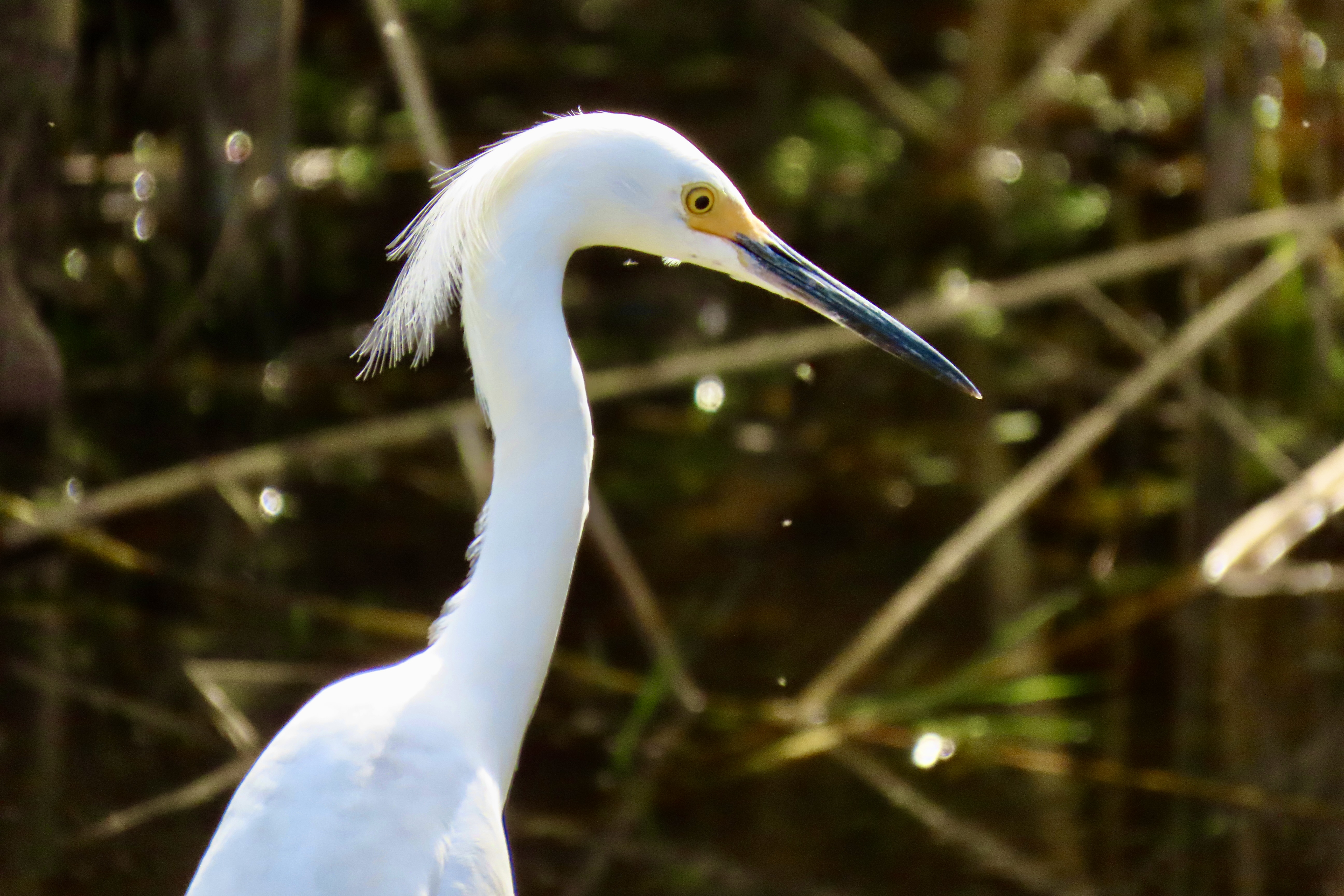
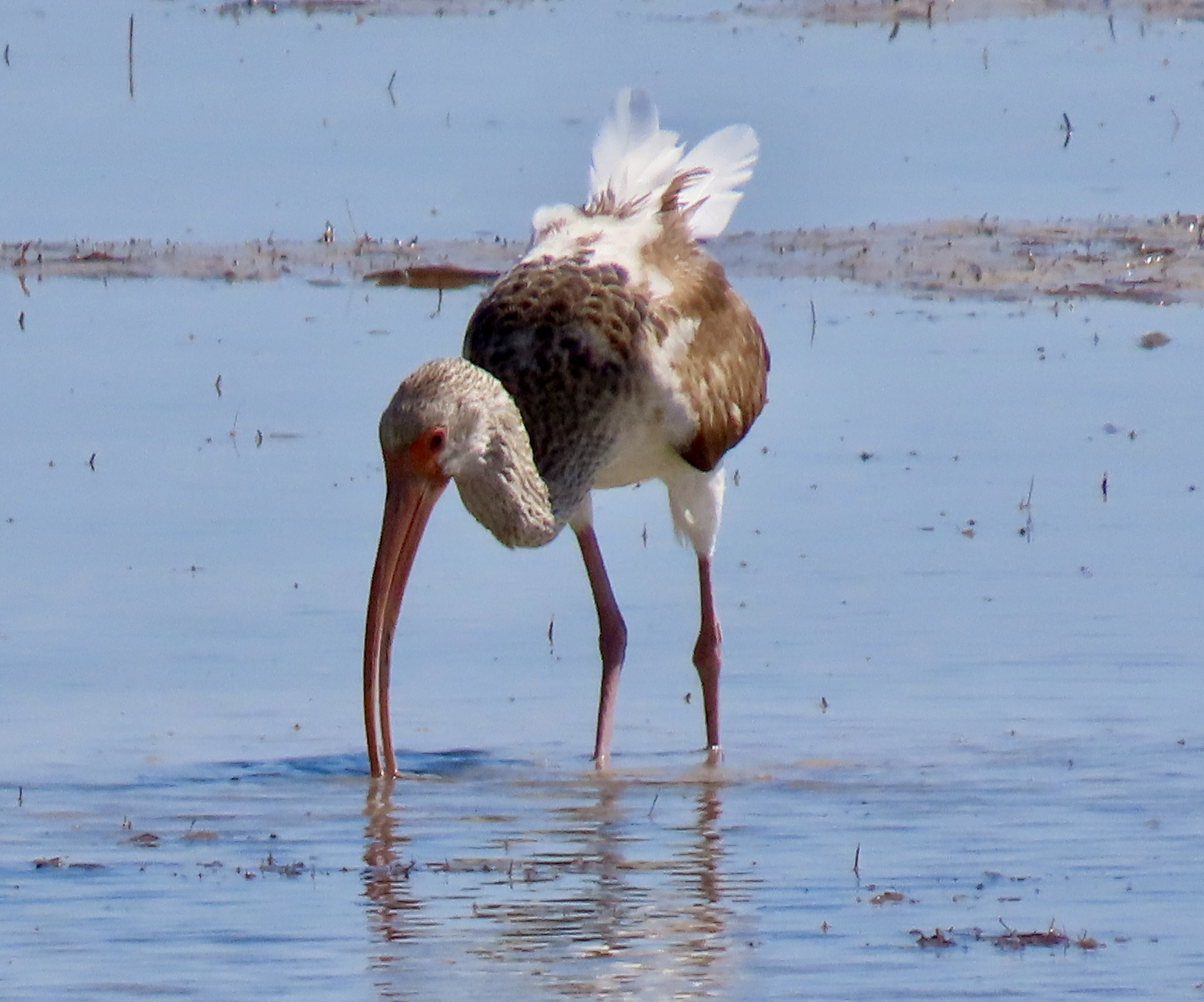
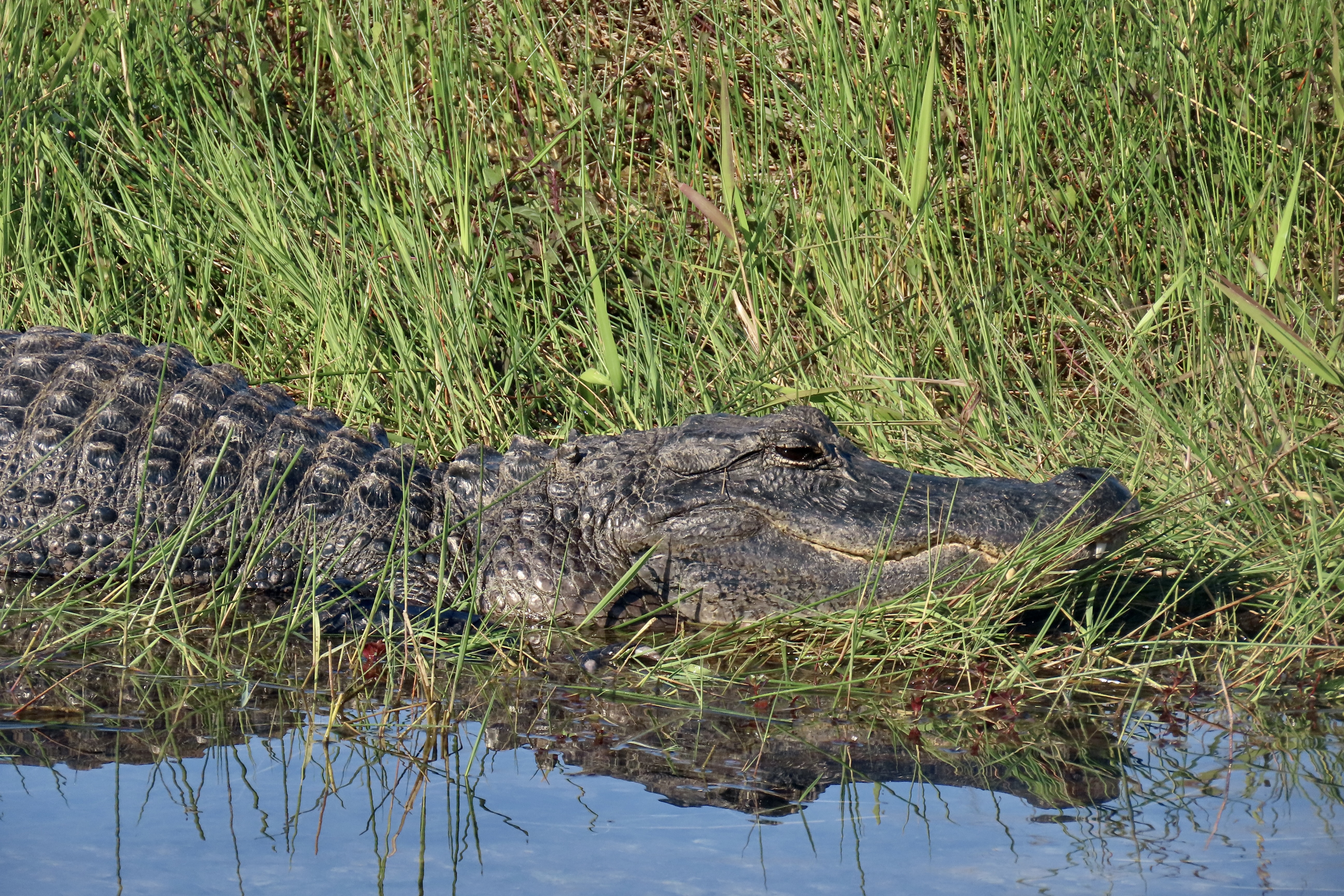
THE EVERGLADES
One way to think of the Everglades is as a vast, slow flowing river spread out over 7,000 square miles. According to the National Park Service, the “Everglades are home to frogs, toads, alligators, hundreds of species of birds, 300 different species of fish, Florida panthers (endangered), crocodiles, and snakes, just to name a few!” There are, also, more mangroves than anywhere else in North America.


THE PINNACLES…
The Pinnacles National Park, located just east of the Salinas Valley in central California, was the first national park we visited on our trip up the coast. Raised to national park status in 2013 by President Obama, it is a recent addition to the system. The park is noted for its monoliths, spires, canyons and the beauty of its spring wildflower display.


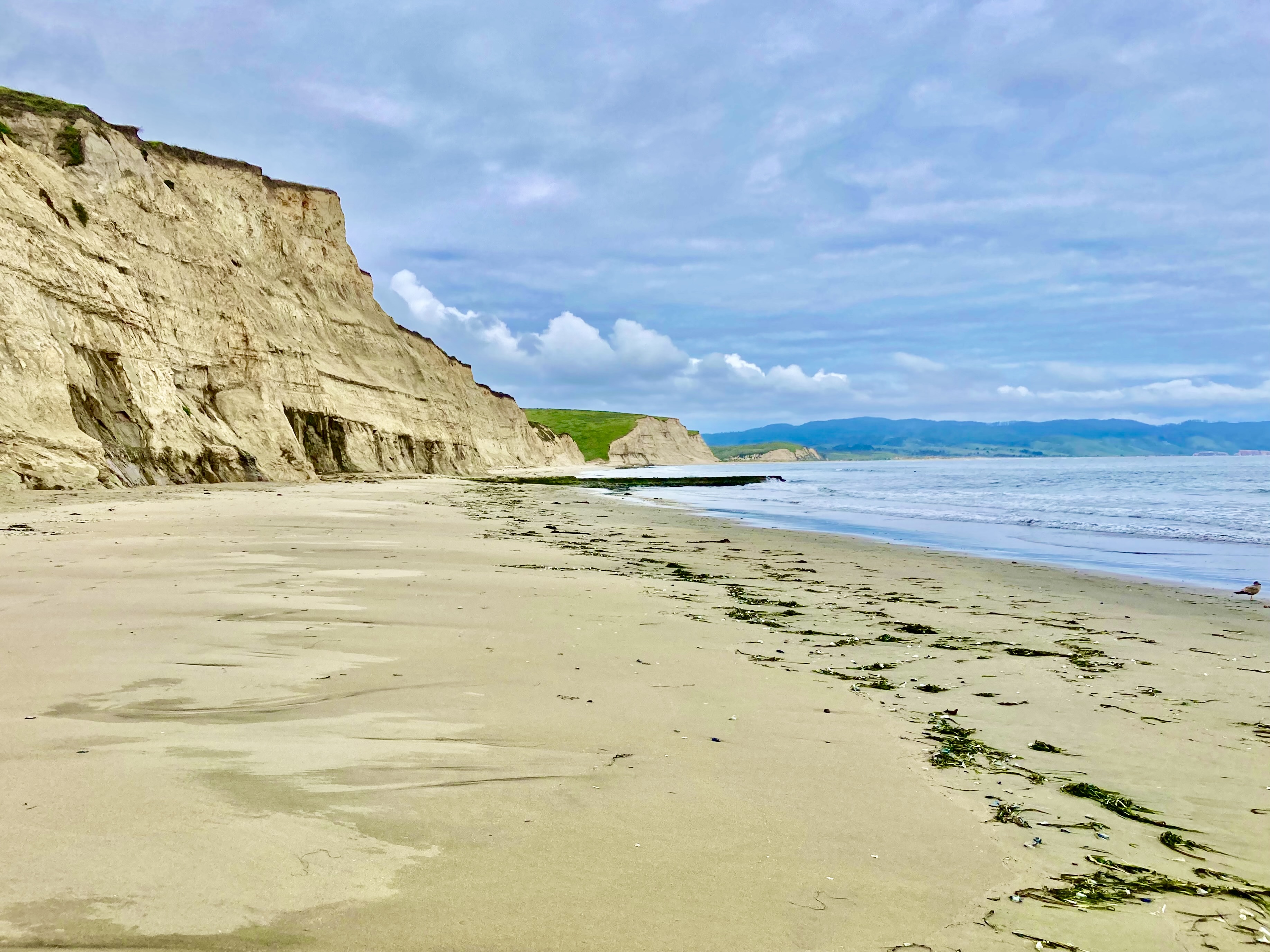
POINT REYES NATIONAL SEASHORE
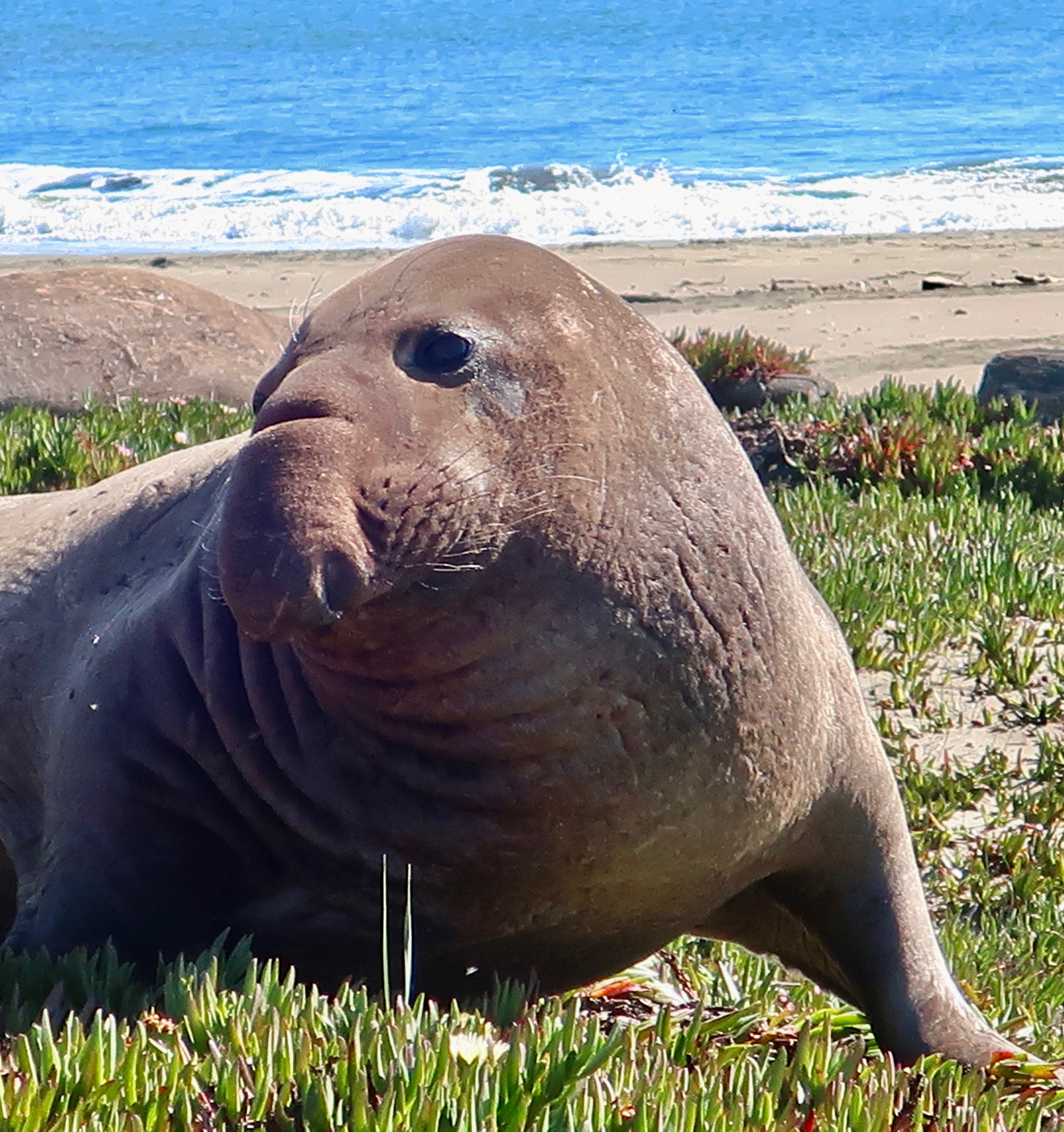
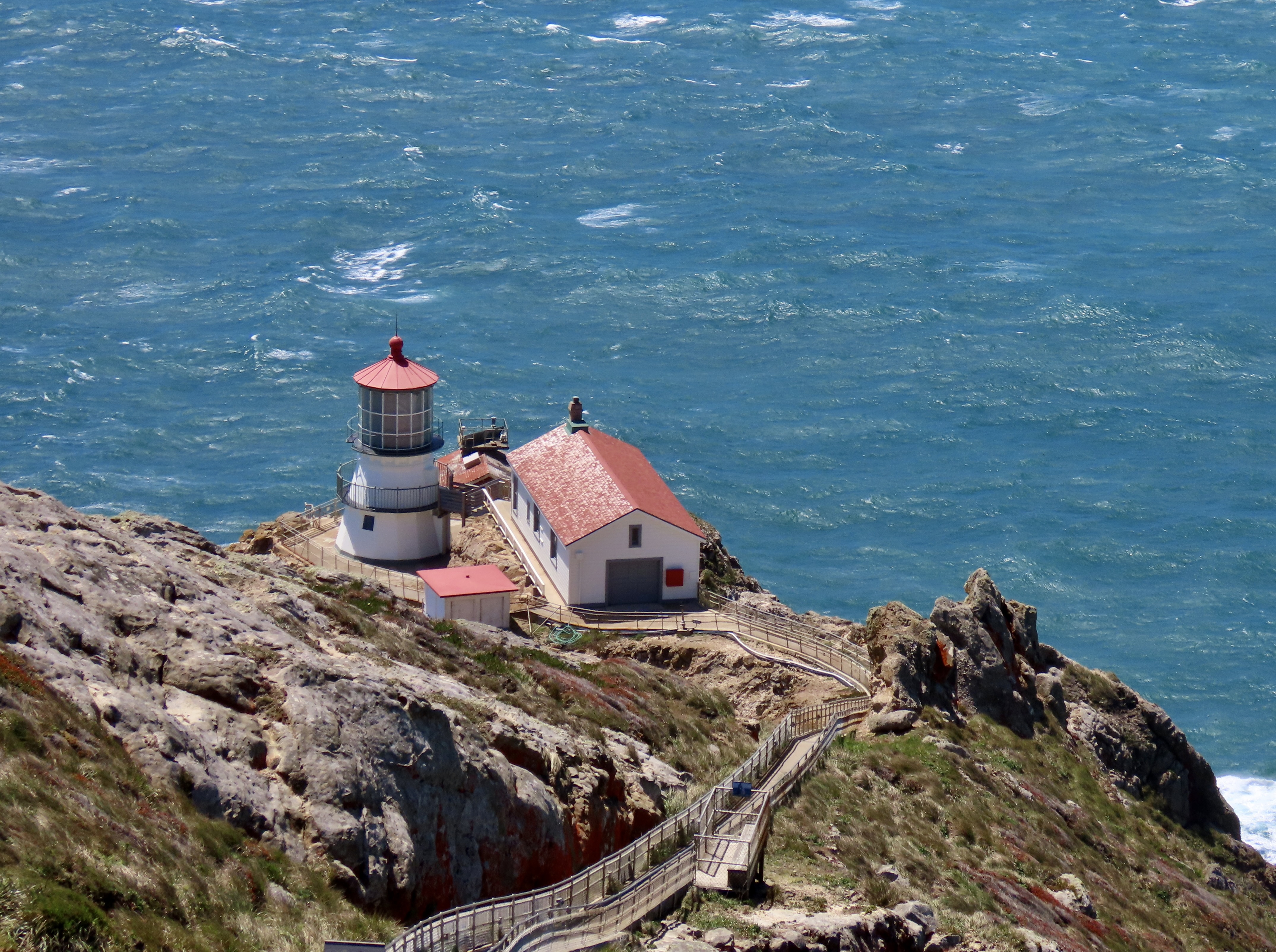
Technically, Point Reyes National Seashore is not a national park. The primary reason is that the land incorporates a number of dairy ranches that were there before the park was created. But it is a unit in the national park system. And, I might add, a well-justified unit. Located just north of San Francisco, it is renowned for its beauty and wildlife. It also has the interesting geological history of having migrated north from Southern California along the San Andreas Fault. (Pinnacles has a similar history.) I was a regular visitor during the years I lived in Sacramento. It served as my winter go-to break. The summers were for the mountains.




REDWOODS NATIONAL PARK
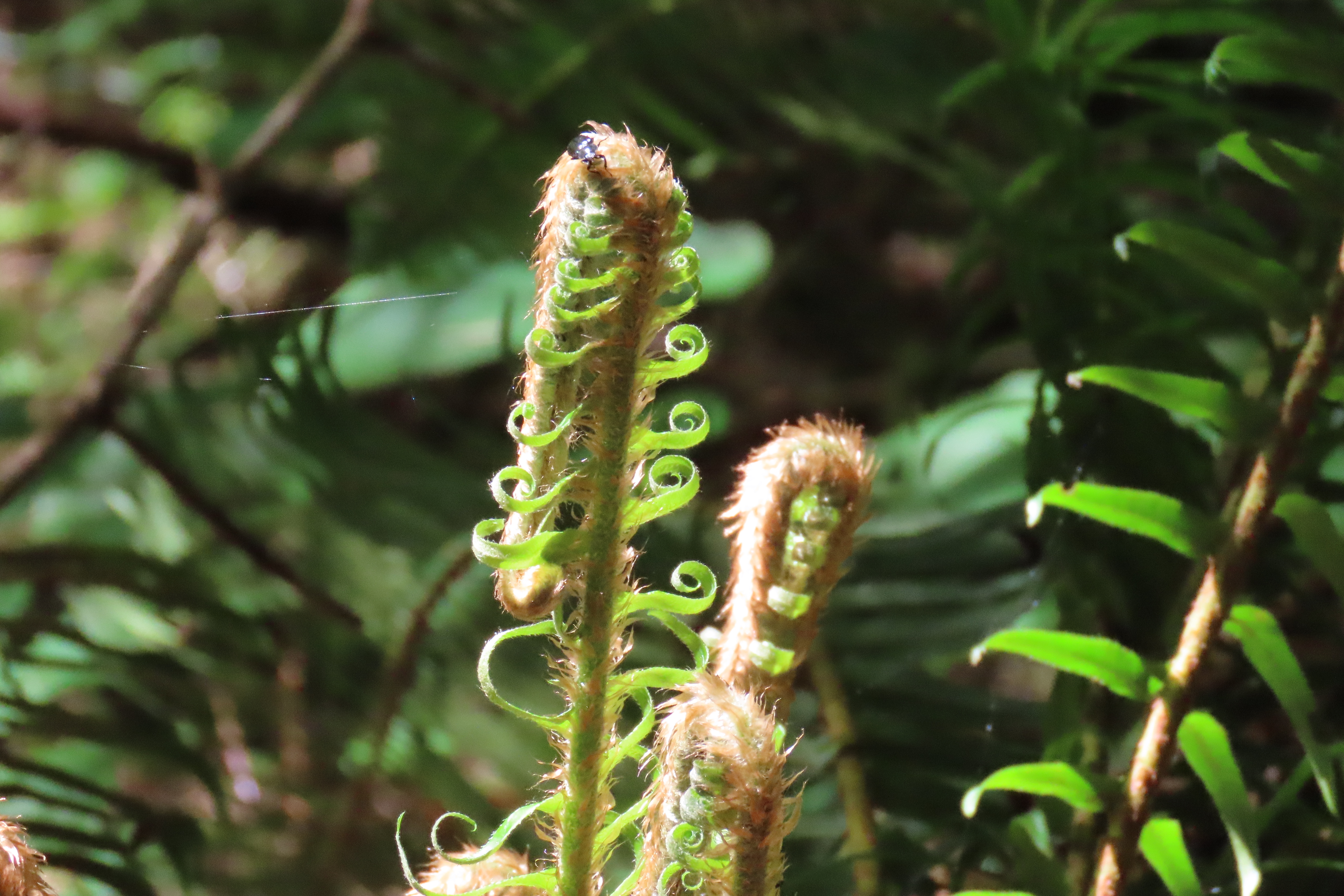
The National Park Service works in close coordination with the California Department of Parks and Recreation to maintain the towering redwoods that grace the coastal area of far northwestern California. It’s all about the trees , some of the oldest and tallest in the world, but its rainforest character, crashing waves and wildlife add to its splendor.


OLYMPIC NATIONAL PARK
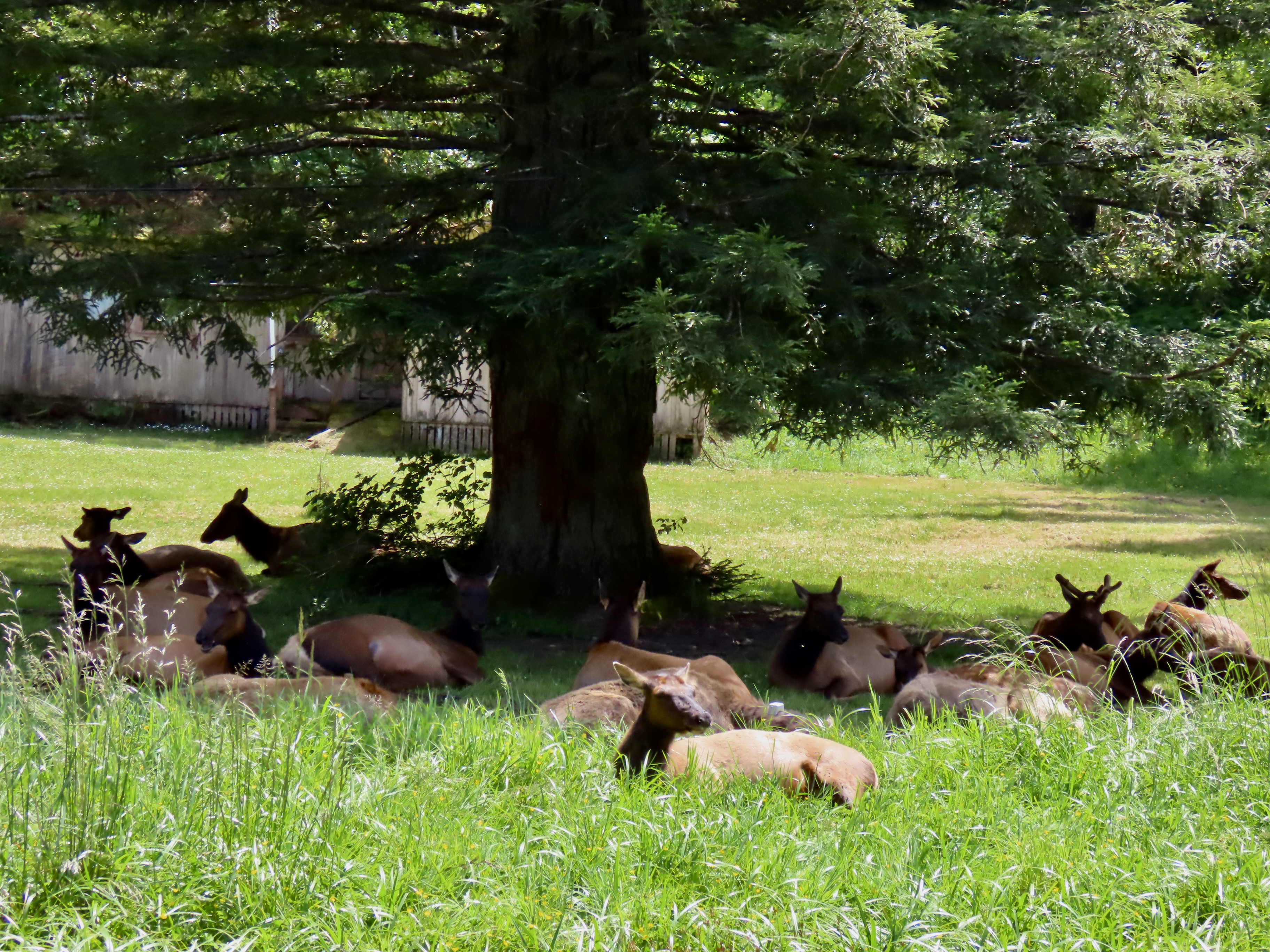
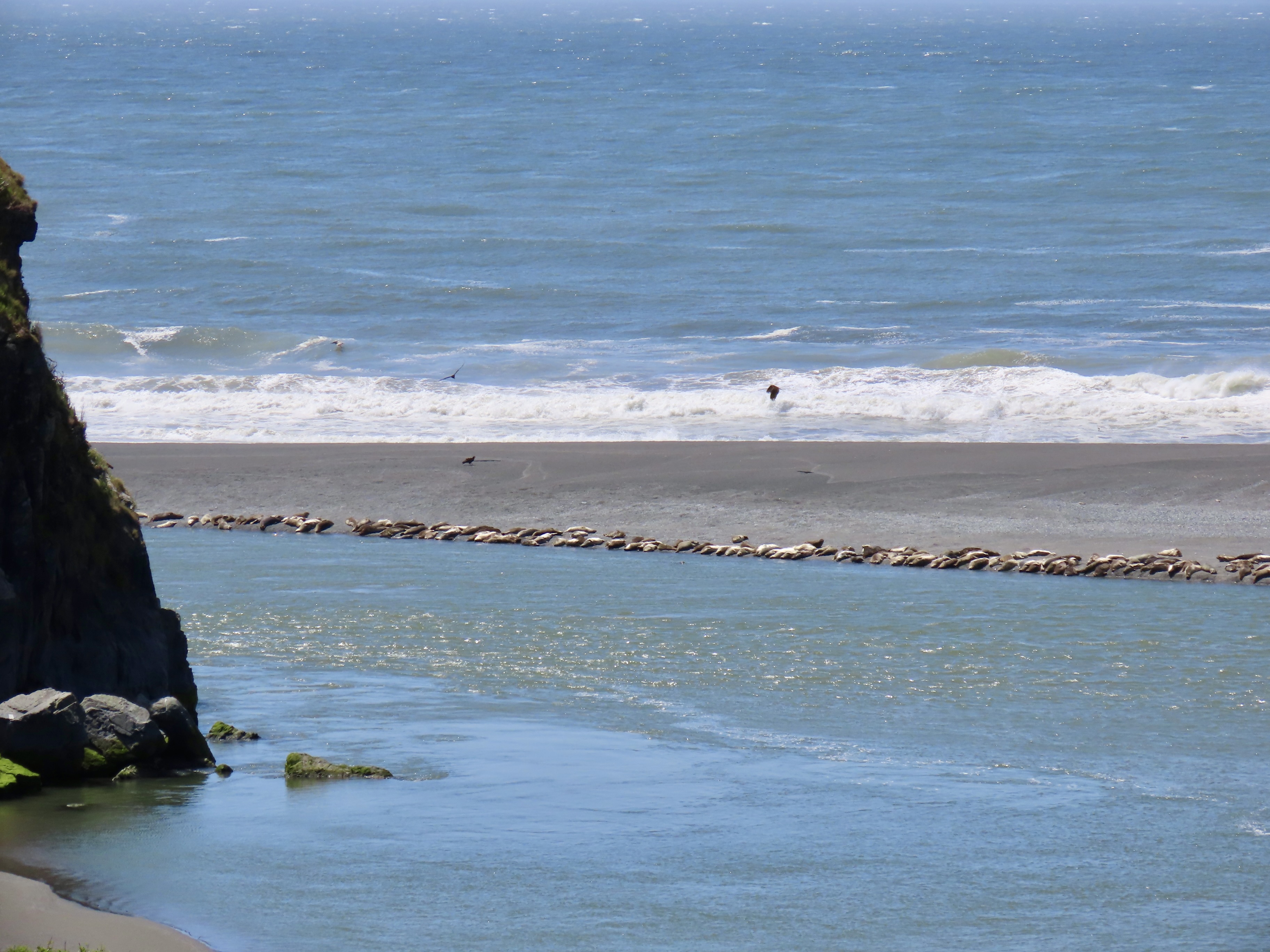
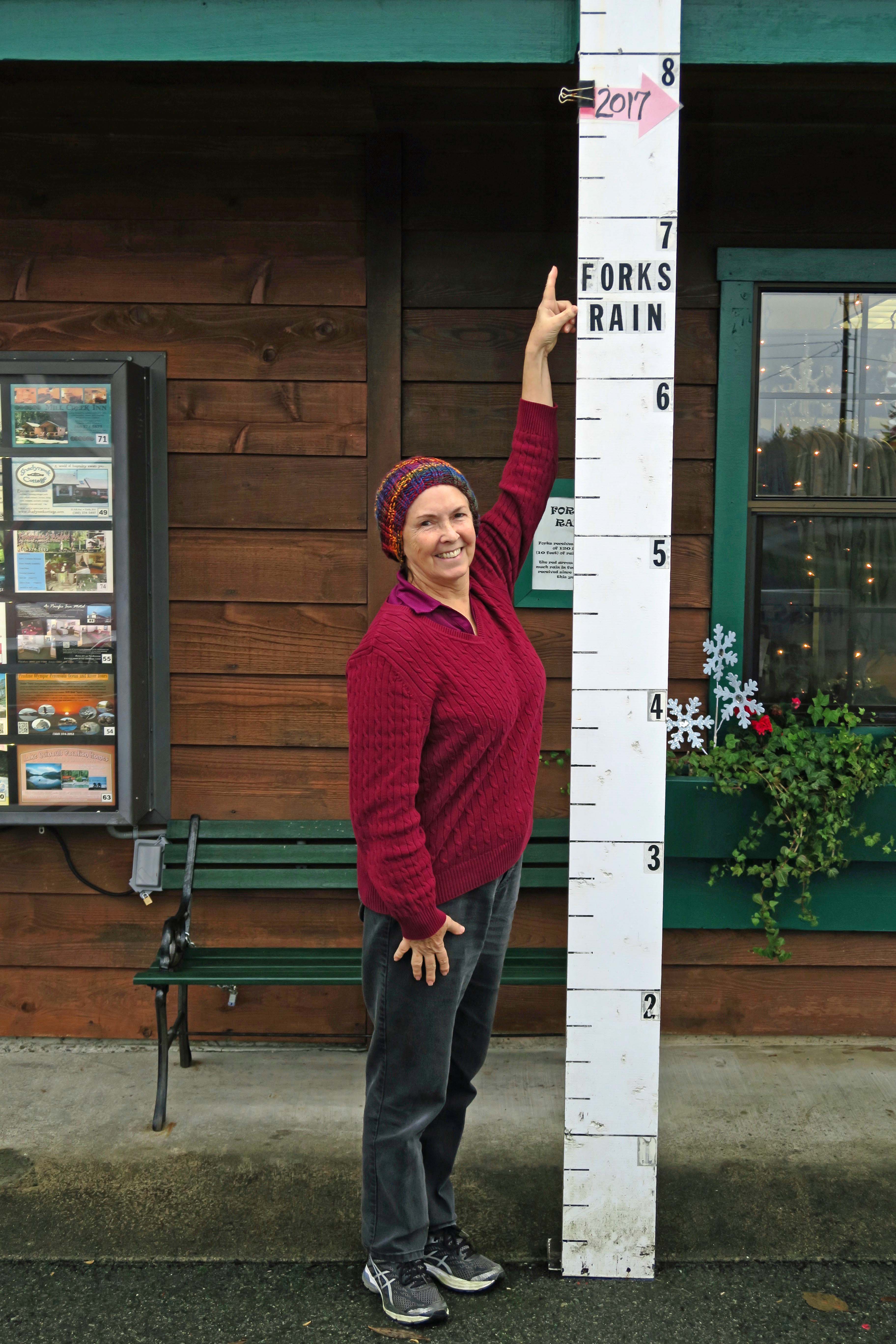
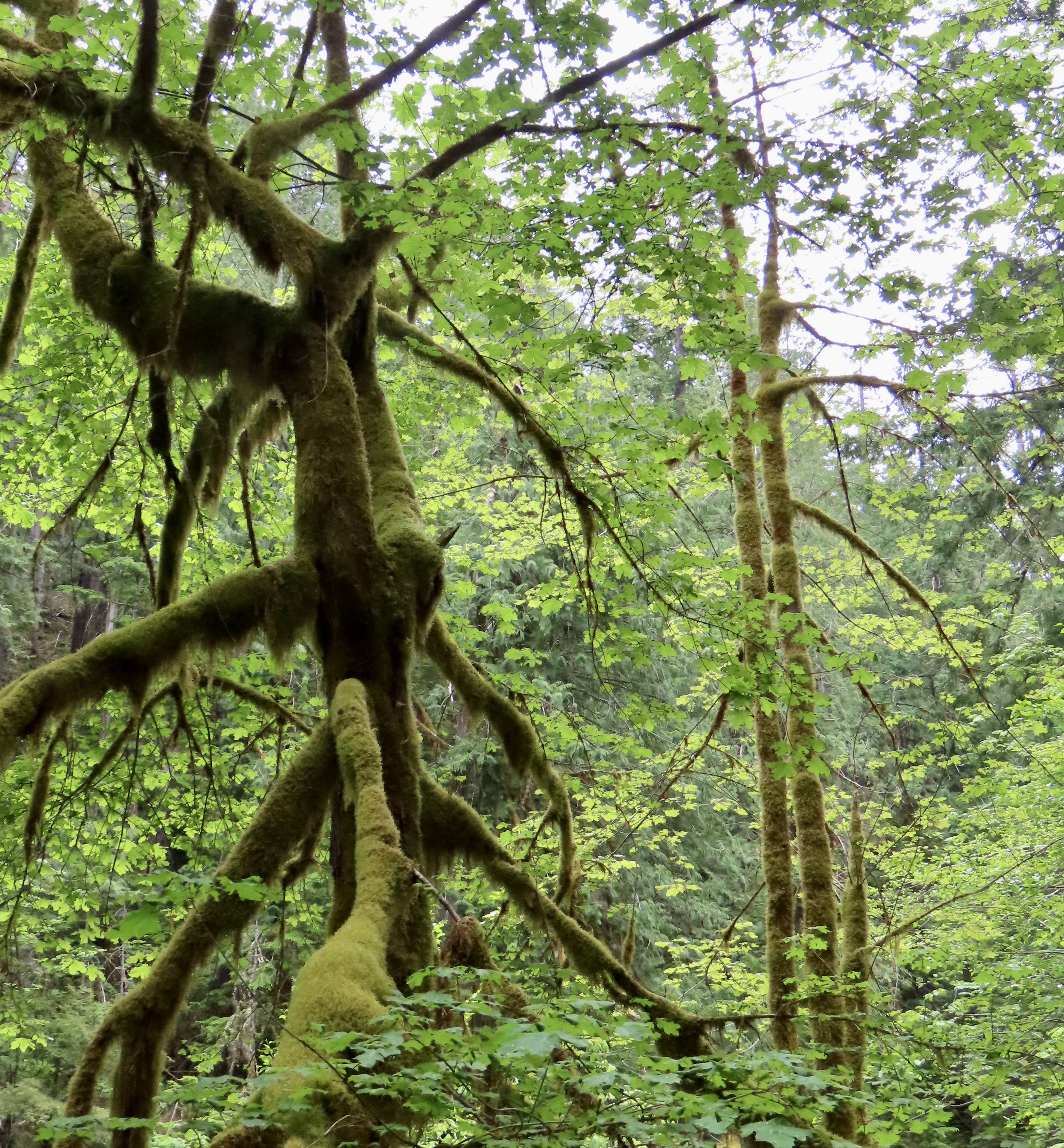
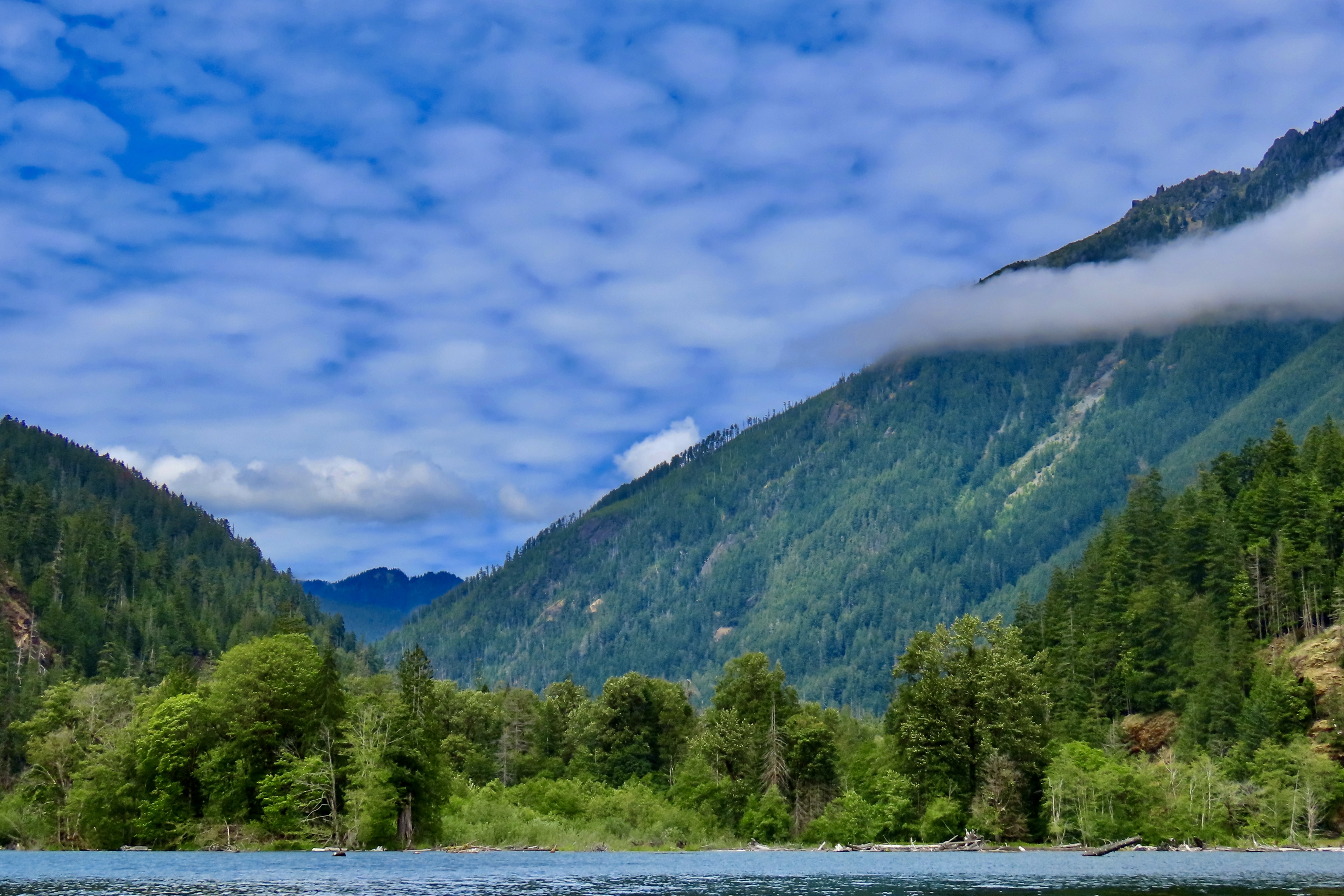
Olympic National Park serves as an iconic example of a temperate rainforest receiving over 150 inches of rain on its west side while harboring old growth forests on its drier east side. Major rivers come tumbling down from its glacier covered peaks. Its 62 miles of wilderness coastline constitutes the longest undeveloped coastline in the contiguous US. As I noted in my post on Olympic National Park, our visit was limited this year, so I have added a couple of photos from previous trips. The other photos you will probably remember from last week!




 Wandering through Time and Place
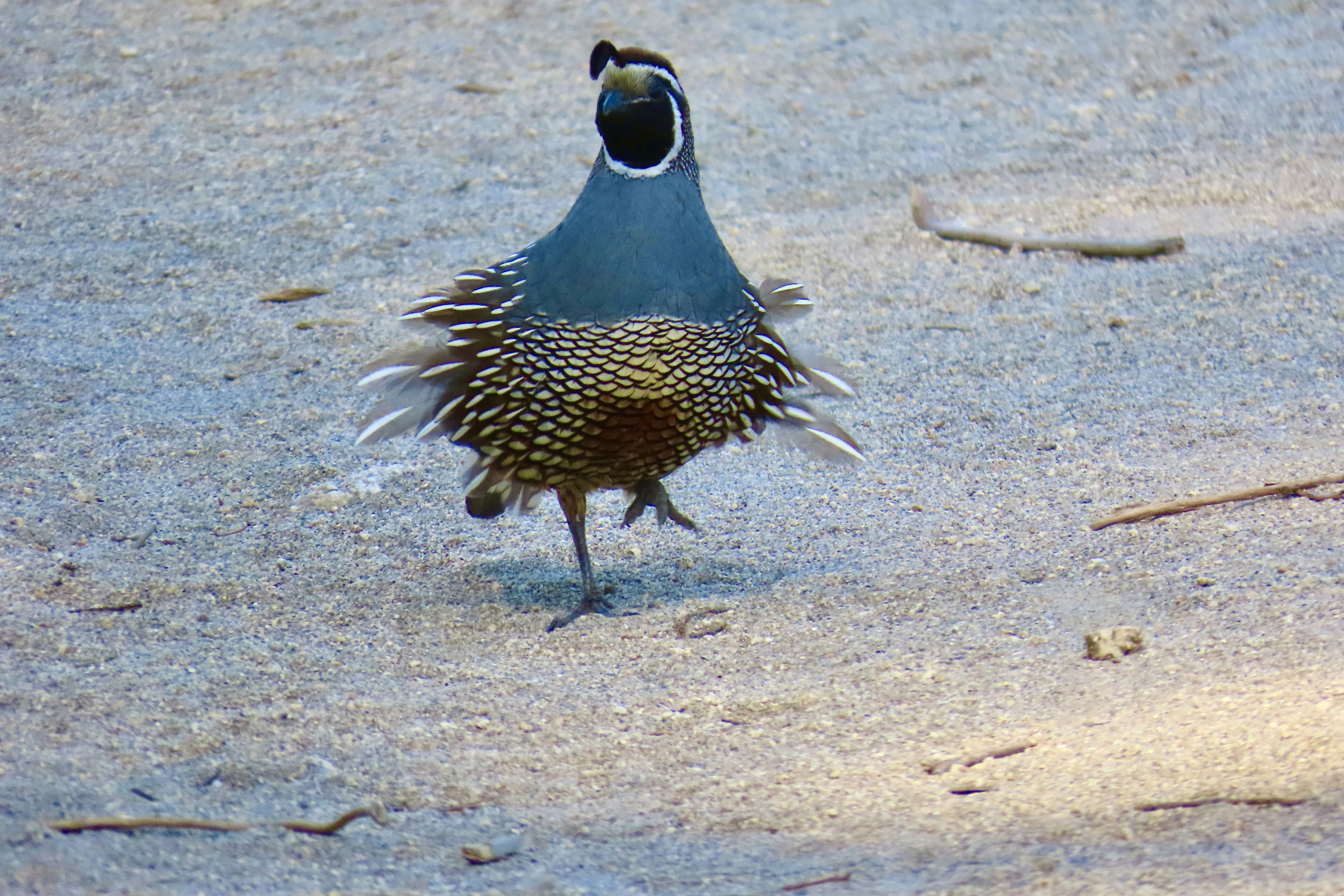
All lovely. The self-satisfied gator, the quail, and the lone oaks are my favorite photos. If I could choose just one of these spots for an extended visit, it would be the Everglades, and Florida generally. Eventually, that one might be doable.
I hope so, Linda. The Everglades are fascinating and the birdlife is spectacular. Big Bend is in the opposite direction. I’ll be doing a post on it in this series. It is unique in a very different way and about half the distance. Grin.
And the Everglades now has pythons too. 😒
They are supposed to taste good. One of those big guys could feed someone for weeks. Should go particularly good in curry. 🤪
Thanks for the tour. I can’t fathom that much rain especially having lived in arid environments since the early 90s. I couldn’t move away from the Midwest soon enough due to overcast and gloomy skies, and now I’m so accustomed to 300+ days of sunshine that I enjoy a little overcast from time to time.
I would have a difficult time living in a climate with that much rain myself, Ingrid. Most of my life has been spent in the milder Mediterranean climates of Northern California and Southern Oregon. The two exceptions were equatorial Africa and Alaska… extreme differences, perhaps, but both with indoor inducing weather. I lasted two years in one and three in the other before scurrying back to places where the sun shines as a rule rather than an exception. 😳
A beautiful tribute to your wonderful travels! I have enjoyed following you two and look forward to more in your future! Blessings to you both.
Love,
Wendy in Olympia,Washington
Thanks so much Wendy. We always appreciate the excitement you share in your comments and observations. Blessings back to you. –Curt and Peggy
It is so nice of you to share pictures of places many of us will never get to see for ourselves!!
Thanks, G. As you know, Peggy and I are passionate about visiting the beauty our world has to offer, and also passionate about sharing it.
And we appreciate that!
Wonderful photos and series.
Thanks, Cindy!
Informative in the National Geographic manner, Curt, with the added bonus of your personalised perspectives – long may those wildnesses you celebrate so effectively continue into the future!
Yes, Dave, may they still be around for future generations to love!
🙂 🙂 🙂
What a wonderful tour you have had. The Everglades call to me. Love the pic of the quail.
Yes it has been, Peggy. We are wrapping it up going to Peggy’s Aunt Peggy’s 100th birthday celebration in Ohio. That’s a lot of Peggys. Grin.
The more Peggys the merrier. A neighbour recently named her newborn Peggy.
All those Peggys might get a little scary. Grin.
Great summary of parks in 2024. What a marvelous half-year you have had so far! Visiting National Parks is an excellent endeavor and I’m so pleased you brought us along. ❤
It will be hard to beat, Crystal. (Including our time with you, Pedro and boys.) That Pacific Coast tour had been a top bucket-list item of mine for a long time. The national parks along the way were like frosting on the cake!
I don’t think I’ve ever been disappointed by a National Park (apart from weather maybe.) I saw most of the ones on my list in my younger, single days. I keep trying to convince the wife we should explore the US more rather than always heading off to Europe for the annual “big trip.” I’ve had some success in the NW. We were most recently in the Olympic National Park area, although it was more in route to a place called Neah Bay on the NW tip of Washington. Great spot for scuba.
I’m fortunate, Dave. Peggy is always ready to hit the road and see national parks! Not that she has any objection to Europe. Grin.
I know you really like scuba diving. So sounds like you would have really enjoyed your trip.