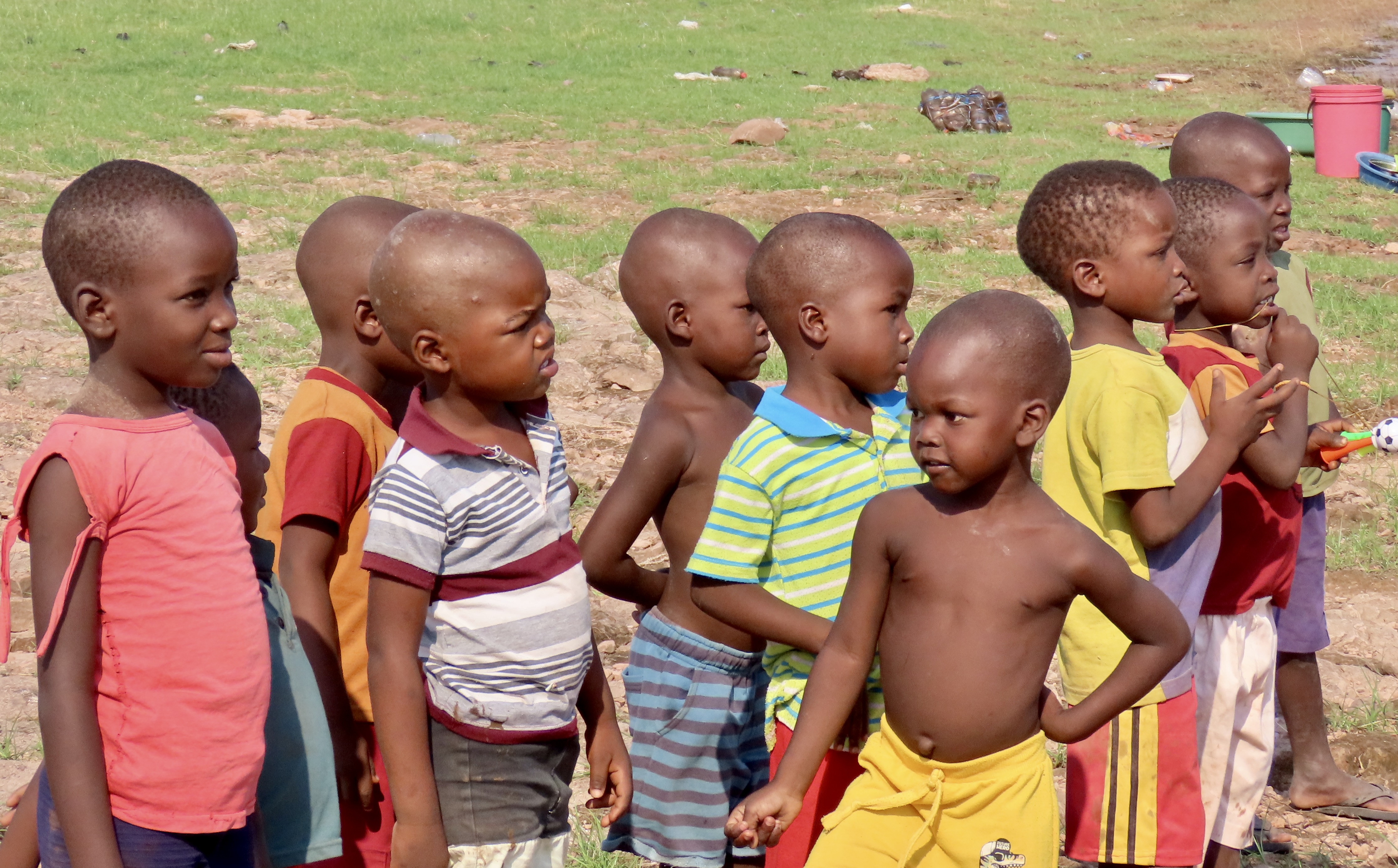
Children anxiously awaited our arrival at the tribe fishing village we visited on Lake Kariba. Which one was trouble? Grin
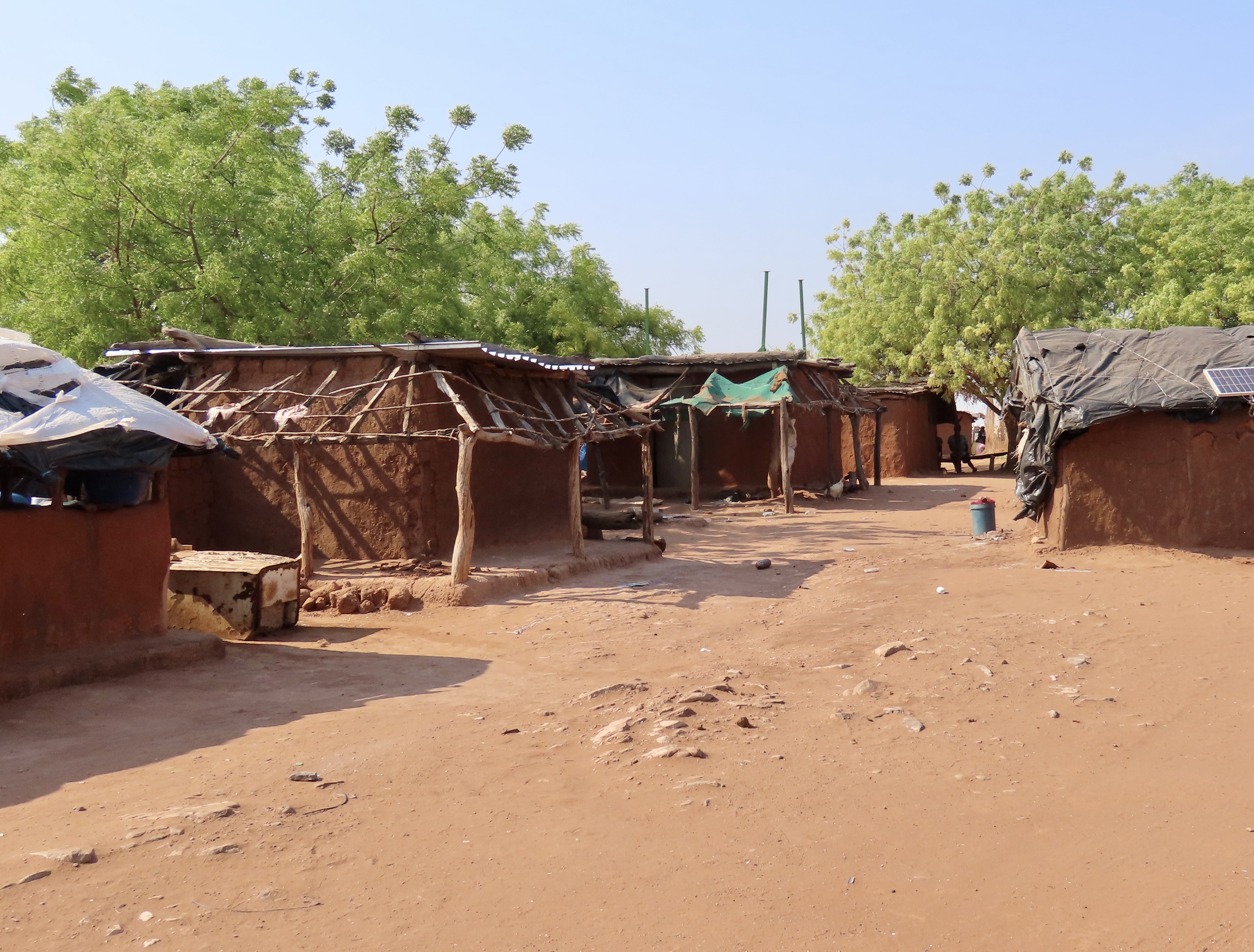
When the Zambezi River was flooded in the 60s to create Lake Kariba, several villages of Tonga people were flooded— without compensation. Some of them were later granted limited fishing concessions on the lake. Our guide was eager for us to meet Africans as well as wildlife and arranged a tour of one village located on an island. I found the people and village life quite similar to what I had experienced as a young Peace Corp Volunteer in West Africa 50 years earlier. Following are some of the photos that Peggy and I took.
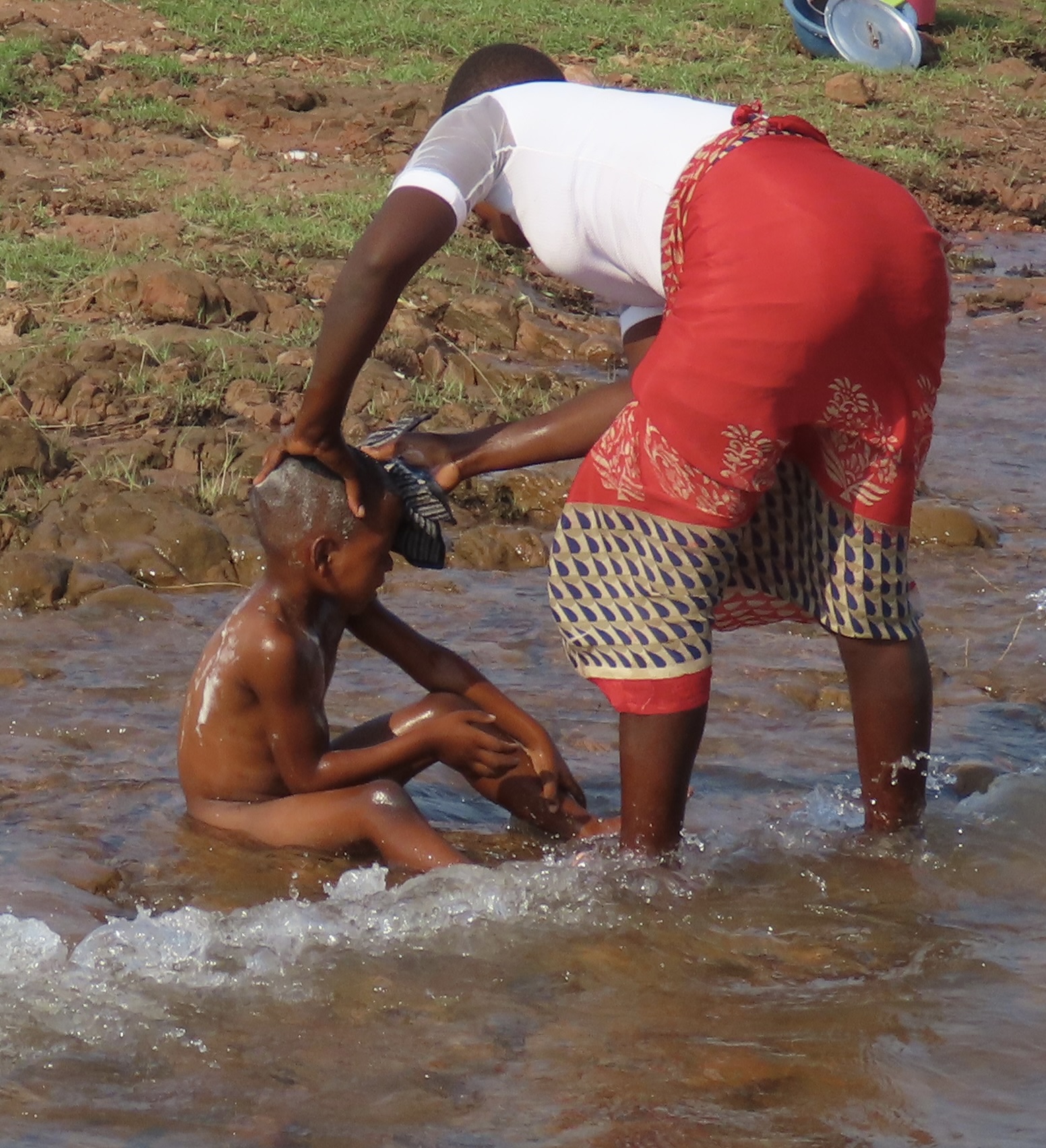
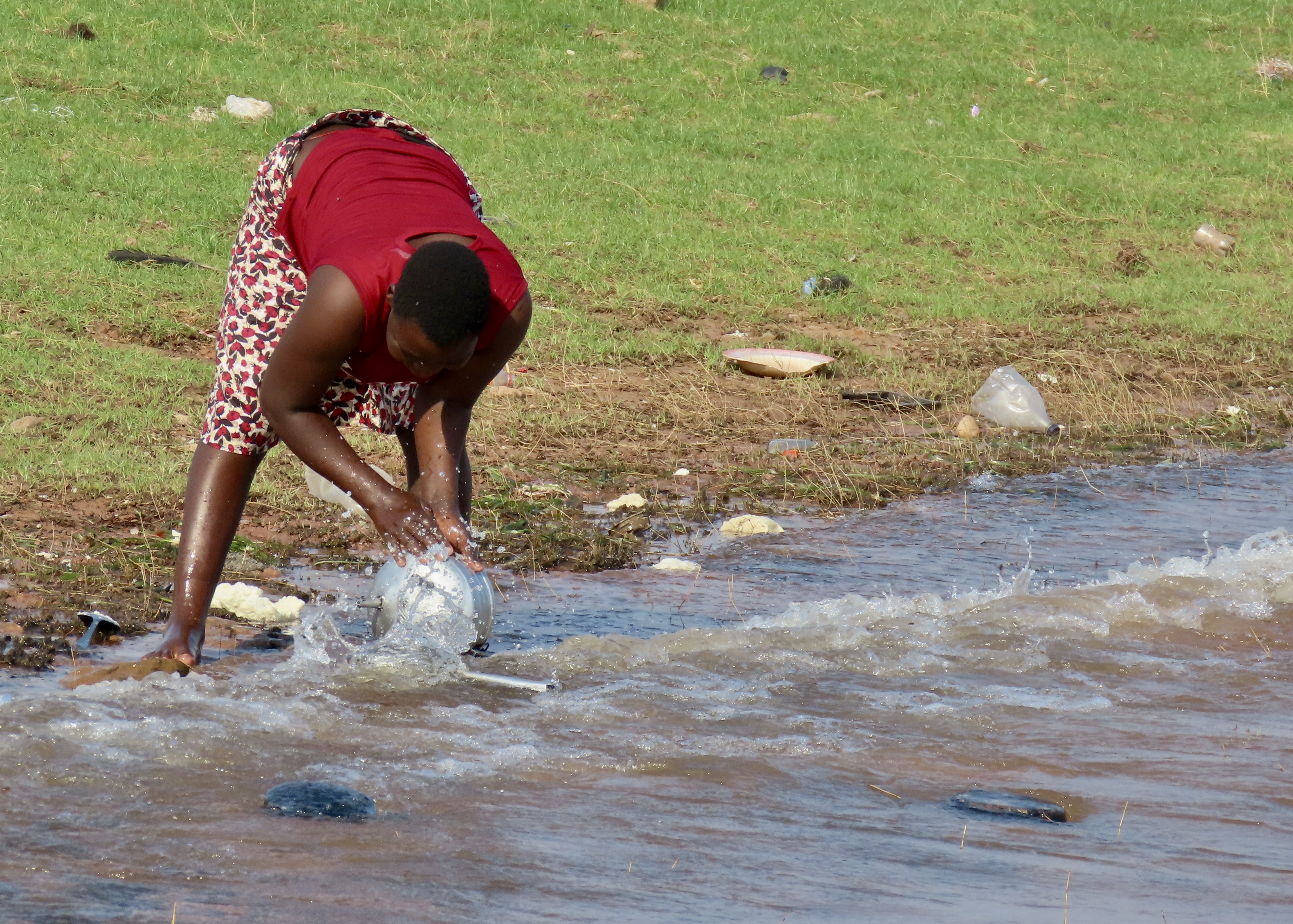
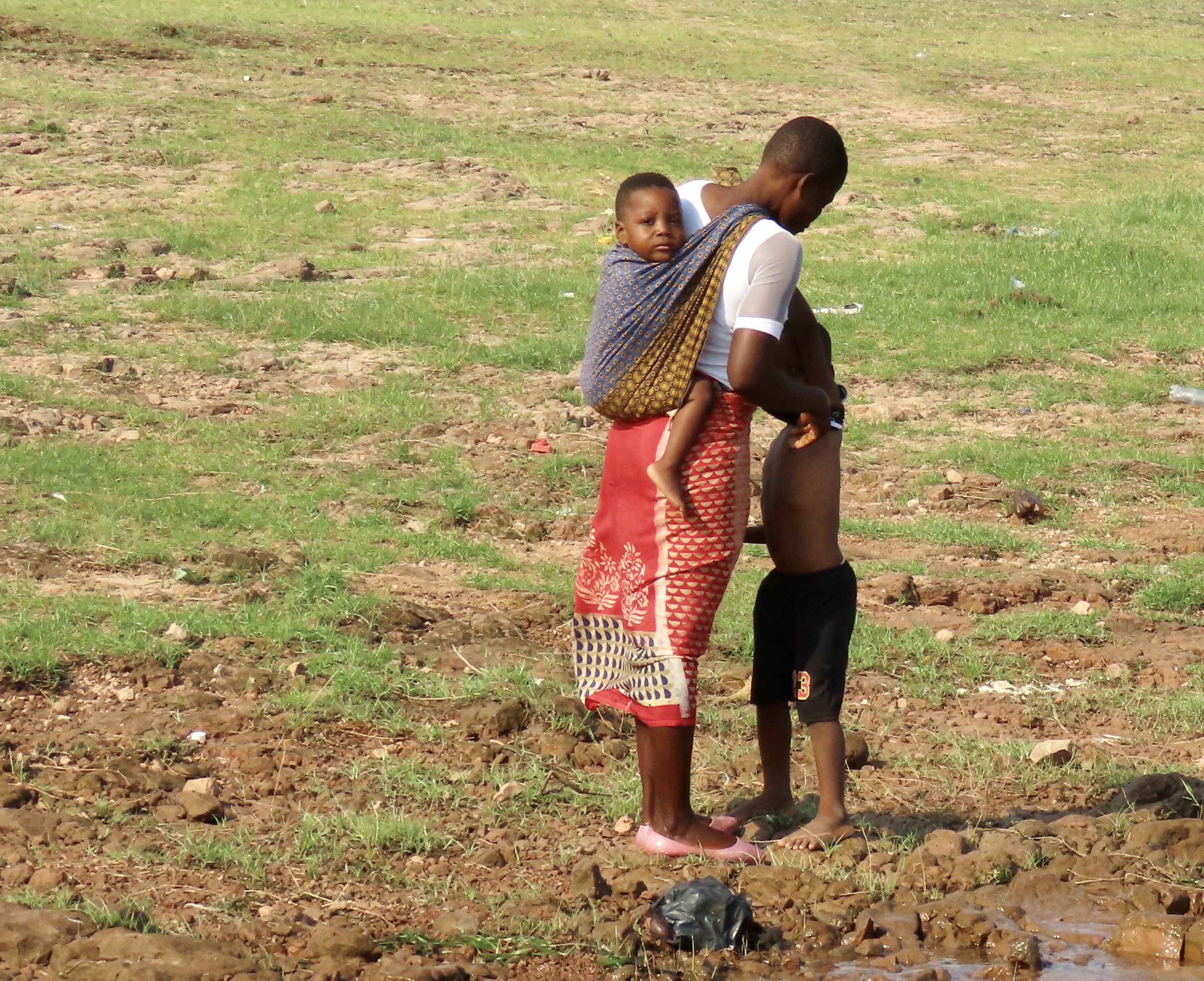
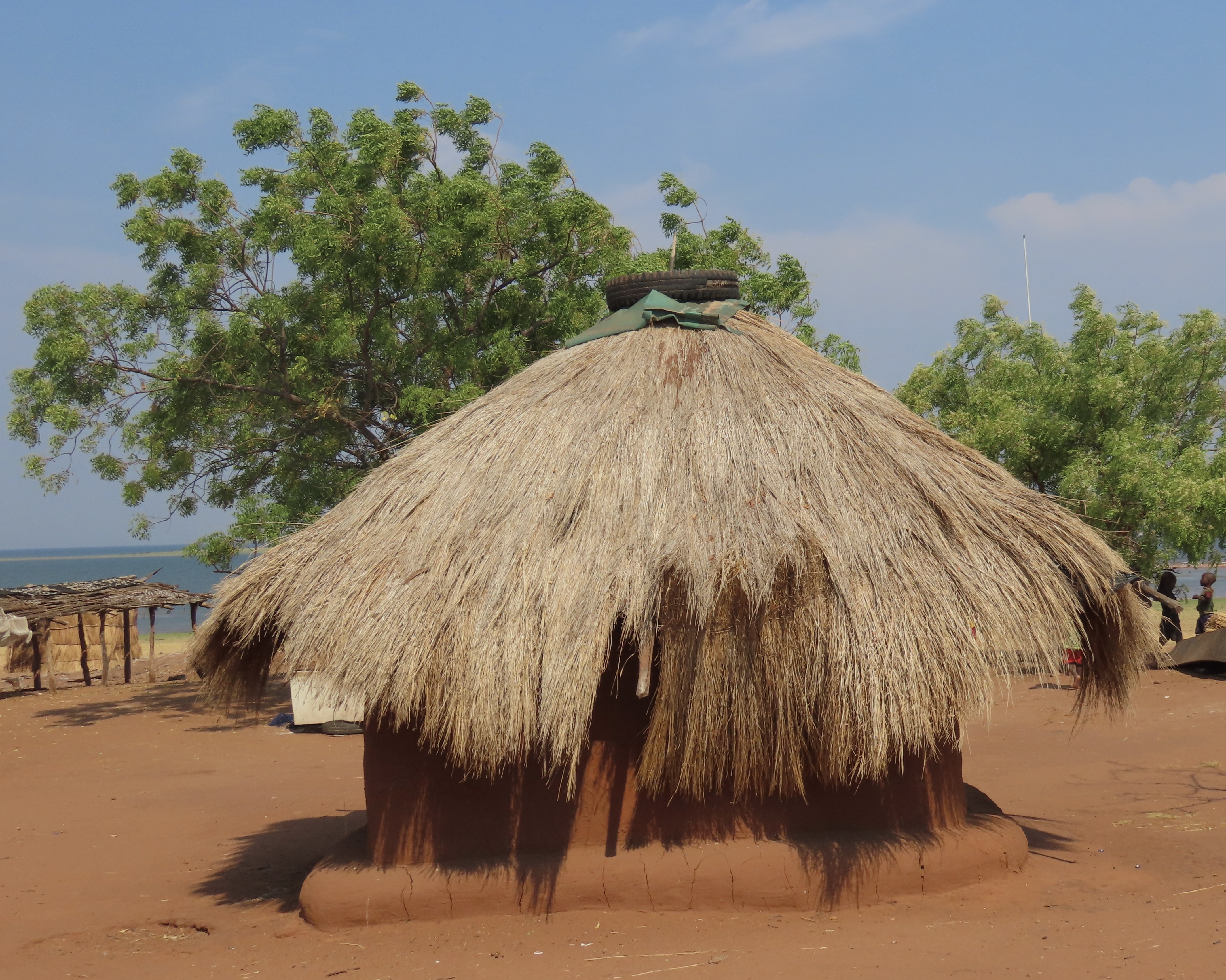
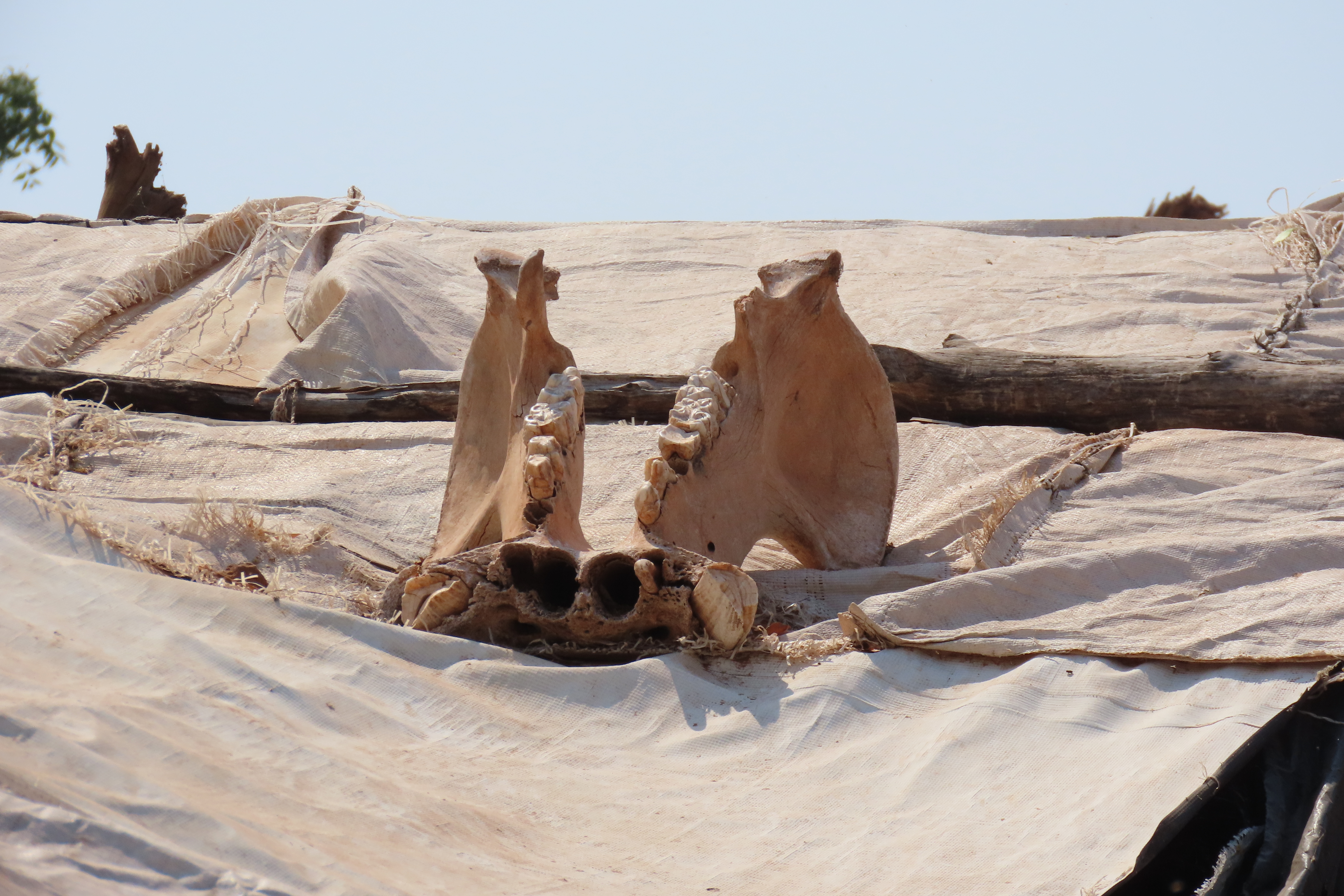
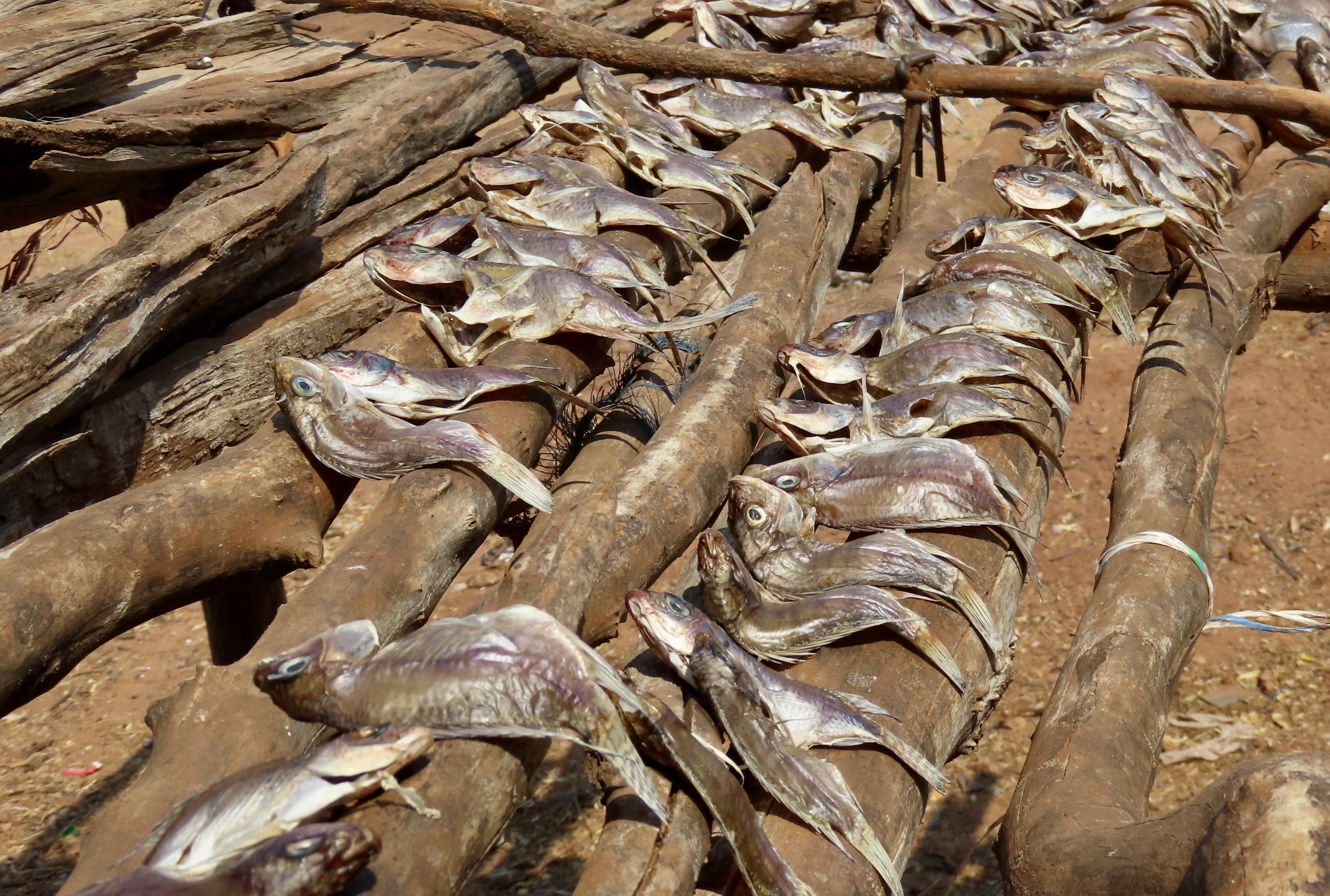
Life continued as usual in the village during our visit. The bathtub.The dish washer.And dish dryer.Child safety seat. How much safer could one be?Transportation system.Mainstreet.Housing construction varied. This one was was made of round mud bricks.The construction process. We watched as bricks were added.A different technique.Both methods would eventually be finished off with this solid clay covering, which I assume withstood rain.Roofing materials varied as well. This was a traditional covering. The reeds were purchased from a nearby town and brought in by boat.Modern tarps of various kinds were more common.This came as a surprise. You may have noticed it on our ‘Main Street’ photo. A solar panel makes lots of sense. Roof decoration? It’s possible that this hippo jaw was present to scare away evil spirits.A more modern store featuring the latest in sugar-free drinks! “Same great taste.” Even in 1965, the then small town of Gbarnga, Liberia where I served as a Peace Corps Volunteer had a Coke billboard. And one for Guinness.The chief of the village (blue shirt and leaning on post) took us on a tour where cooking, house building and fish net mending were demonstrated. The man in the cap talking is the captain of the houseboat we lived on while exploring Lake Kariba. This demonstration was how the Tonga cooked fish.Mmm, mmm, good! Since fishing was the primary source of income for the villagers, fish were also their primary source of food. The village’s fishing boat fleet.Mending fishing nets was an ongoing, daily process.Fish caught for sale were salted and dried.Close up.A different drying rack.Fish filet! Yum.After a steady fish diet, eggs might make a welcome substitute. Or chicken? How about duck?Peggy taught one of the children to make the Peace sign. The kids were an absolute delight.How did she do that?And here Peggy was teaching them the ‘A wuni kuni ki yo oonie’ song and clapping game. Everyone of our grandchildren, nieces and nephews will immediately recognize this. Peggy, a retired and well-loved elementary school principal, had a large group of the children with her wherever she went in the village. I’ll close today with a photo of two of the children who had adopted John. He skipped up to the village with them!
Peggy and I are on the road again. Tomorrow we start our journey west where we will be taking three months to travel up the West Coast from Big Sur to Olympia National Park camping out in our travel trailer as we go. I will blog about the trip as we go! Hopefully, I’ll be able to wrap up Africa and the Everglades on our two week drive across the US. I’ll continue to read blogs and respond to comments as time allows.
Thanks, Steve. Wow, you actually made it back to, Houston. Yeah if American’s actually realized how well off we are, maybe they would behave differently…
I enjoyed the post but it is sad how little Africa has developed over the last 70 years. I know there are many reasons – well meaning but mistaken foreign assistance, tribalism, the colonial effects – but it is still sad.
Tragic, Ray. I would add the fact that so many of the leaders, for whatever the reason, see leadership primarily as a way of increasing power and wealth. But I know that isn’t uncommon elsewhere.
This is an absolutely wonderful post. Showing us so much of life in harmony and togetherness. Everyone look healthy and happy. I admire the balance of the women carrying baskets on their heads. The fish now, how delicious. Do you know the name of it? 😊. Miriam
Thanks, Miriam. We really appreciated our guide wanting us to see the people of Africa as well as the wildlife. I thing Krim were the small ones. Good to hear from you! –Curt
When we toured India we tried not to apply our Western concept of wealth to the way the locals were living. Canadians are incredibly wealthy by any standard, but I’ve met far happier people in countries that live well below what we would say is the poverty line. I expect many of us were raised in homes below the poverty line – but we didn’t look at life through that lens at that time.
Kids definitely have a different perspective on things. 🙂 Billions upon billions of advertising dollars are spent to convince us that we need much more than we actually need and to be unhappy with what we have.
Curt and Peggy – how exciting to think that you are beginning your journey now and it will bring you to our area. These are some of my favourite photos of your trip. I really do love learning about how others do things in different places. I envy the easy way Peggy has with children and I’m sure they loved interacting with her. Those kids are still talking about her to this day, “Remember that lady who sang that song?”
It was fun for me to return to an African Village, Crystal. And not all that different from Liberia. As for Peggy, she’s a child magnet for sure. 🙂 Thanks.










 Wandering through Time and Place
Great look at the locals! We have no comprehension of how fortunate we are. Safe travels up the west coast. Home away from home in Houston!!
Thanks, Steve. Wow, you actually made it back to, Houston. Yeah if American’s actually realized how well off we are, maybe they would behave differently…
I enjoyed the post but it is sad how little Africa has developed over the last 70 years. I know there are many reasons – well meaning but mistaken foreign assistance, tribalism, the colonial effects – but it is still sad.
Tragic, Ray. I would add the fact that so many of the leaders, for whatever the reason, see leadership primarily as a way of increasing power and wealth. But I know that isn’t uncommon elsewhere.
This looks like a wonderful experience. African villages seem to never change – it could have been a village I went to in 1980.
Alison
Or me in 1965, Allison. 😁 I felt right at home, even after all of the years. –Curt
This is an absolutely wonderful post. Showing us so much of life in harmony and togetherness. Everyone look healthy and happy. I admire the balance of the women carrying baskets on their heads.
The fish now, how delicious. Do you know the name of it?
😊. Miriam
Thanks, Miriam. We really appreciated our guide wanting us to see the people of Africa as well as the wildlife. I thing Krim were the small ones. Good to hear from you! –Curt
Such familiar sights. They certainly take me back to Africa. Many thanks for igniting the memories.
Visiting the village took me back as well, Peggy!
A fabulous collection of pictures Curt.
Thanks, Andrew! I trust you are still enjoying India!
Back home now. It was wonderful.
Back home now. It was wonderful. a great experience. So much more than a holiday.
That’s encouraging, Andrew. Maybe I’ll persuade Peggy yet. How did you travel, again. I remember you mentioning a brochure?
We went on an escorted tour. English travel company SAGA. I wouldn’t attempt it as a solo traveller but that is just me.
Thanks, Andrew.
An informative and entertaining piece, Curt, with great pictures! Interesting, too, the double perspective afforded by your previous visit.
An informative and entertaining piece, Curt, with great pictures! Interesting, too, the double perspective afforded by your previous visit.
Thanks Dave. Even though Liberia was decades ago, I felt right at home.
Were the children you saw mostly boys?
When we toured India we tried not to apply our Western concept of wealth to the way the locals were living. Canadians are incredibly wealthy by any standard, but I’ve met far happier people in countries that live well below what we would say is the poverty line. I expect many of us were raised in homes below the poverty line – but we didn’t look at life through that lens at that time.
The answer is yes on the boys.
Kids definitely have a different perspective on things. 🙂 Billions upon billions of advertising dollars are spent to convince us that we need much more than we actually need and to be unhappy with what we have.
Curt and Peggy – how exciting to think that you are beginning your journey now and it will bring you to our area. These are some of my favourite photos of your trip. I really do love learning about how others do things in different places. I envy the easy way Peggy has with children and I’m sure they loved interacting with her. Those kids are still talking about her to this day, “Remember that lady who sang that song?”
It was fun for me to return to an African Village, Crystal. And not all that different from Liberia. As for Peggy, she’s a child magnet for sure. 🙂 Thanks.