Big Bend National Park, like Death Valley, demonstrates how incredibly beautiful and diverse deserts can be.
I wasn’t going to blog about Big Bend today, given that I blogged about it last year. However, the plan to deploy US Army troops there encouraged me to include it sooner rather than later. It fits the series Peggy and I are doing on the importance of of protecting our national parks, monuments, and wilderness areas against present threats.
Sending troops into Big Bend is part of President Trump’s efforts to reduce illegal immigration into the US. Today’s post isn’t about the issue of controlling illegal immigration; it’s about the logic of sending troops into Big Bend given its potential impact on the Park versus benefits gained. Let’s look at the numbers.
Customs and Border Protection reported that there were 2600 migrant encounters in El Paso, 1600 in Laredo, and 165 in Big Bend during February. For the Park, this breaks down to an average of 5.9 migrants per day. In order to reduce these illegal entries, the Army has stated that it plans to send 500 troops and several Stryker vehicles into Big Bend. While the Army would not release the number of Strykers, let’s assume 6 for the purpose of this discussion. (A large truck hauling what looked like one zipped by us on I-10 not too far from the Big Bend turn off.)
Would it be an effective deterrent? I suspect the answer is yes. If I were an illegal alien faced with the possibility of encountering 83 soldiers (my share: 500 divided by 6) and one Stryker vehicle (more or less)on any given day, not to mention the usual contingent of Border Patrol, I’d seriously consider going elsewhere. Is it a cost effective use of resources given the extent of the overall problem? I can’t see how the answer would be anything other than no. Given this, compare the potential disruption to visitors and the possible damage to the Park given how much time the Strykers spend off road. Desert environments are very sensitive and require long times to repair. While it is difficult to predict what the President will actually do, or not, on any given occasion, the Big Bend scenario shows once again, that little— if any— consideration is given to potential impact on national parks, monuments and wilderness areas in his actions.
A US Army Stryker vehicle. Developed in the early 2000s to increase the army’s mobility and versatility, this million dollar vehicle weighs 19 tons, comes with all of the latest surveillance equipment, and can carry 2 crew members and 11 soldiers. It can travel up to 60 MPH on paved roads. The army claims it will be primarily used for surveillance in Big Bend but can be weaponized if necessary. One can only wonder what ‘necessary’ would constitute? (Media photo.)
And now on to our 25 photos of Big Bend. Once again our objective is to show the unique beauty, geology, flora, fauna, and human history of each area we feature and the value of protecting these national treasures for our children, grandchildren, and future generations.
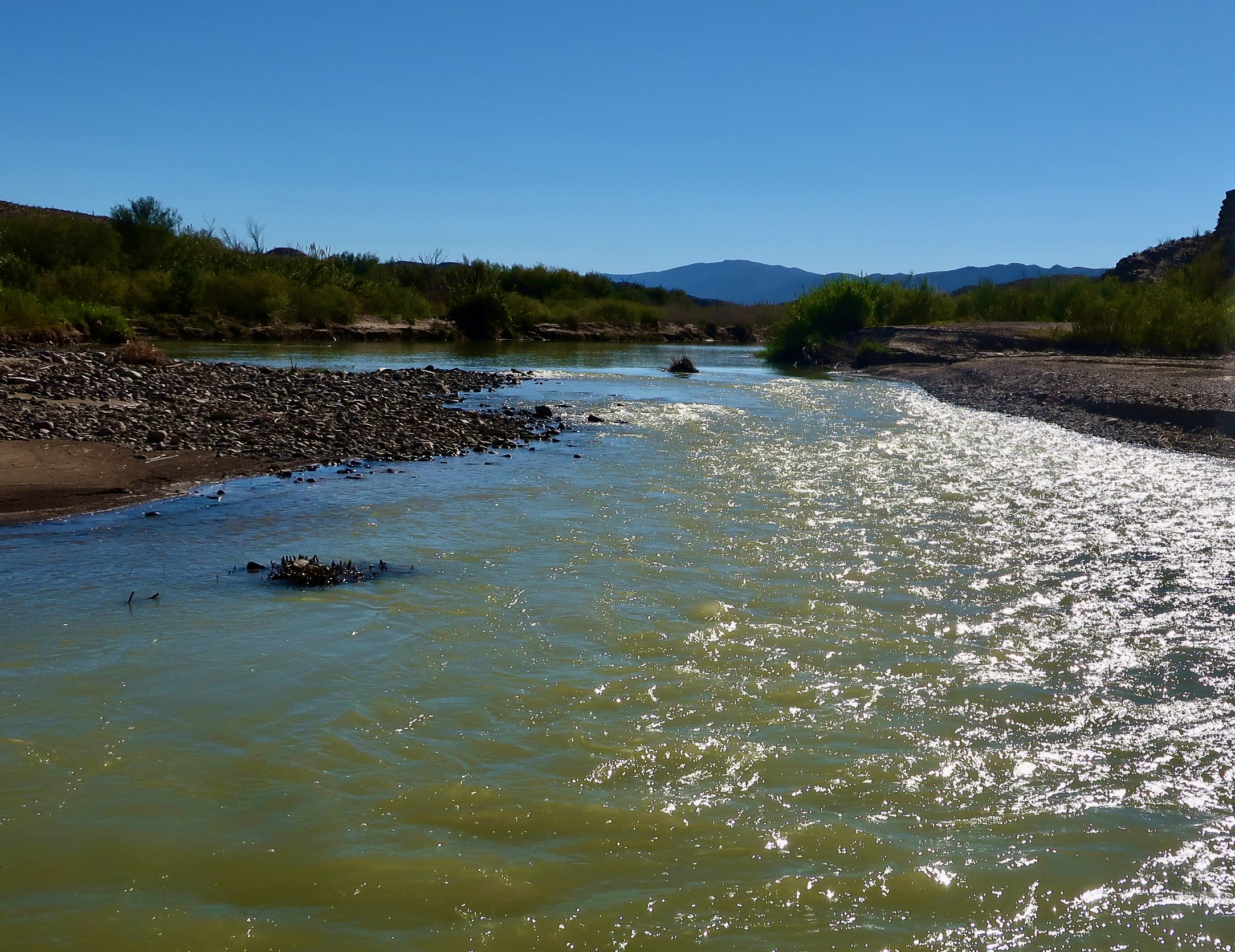
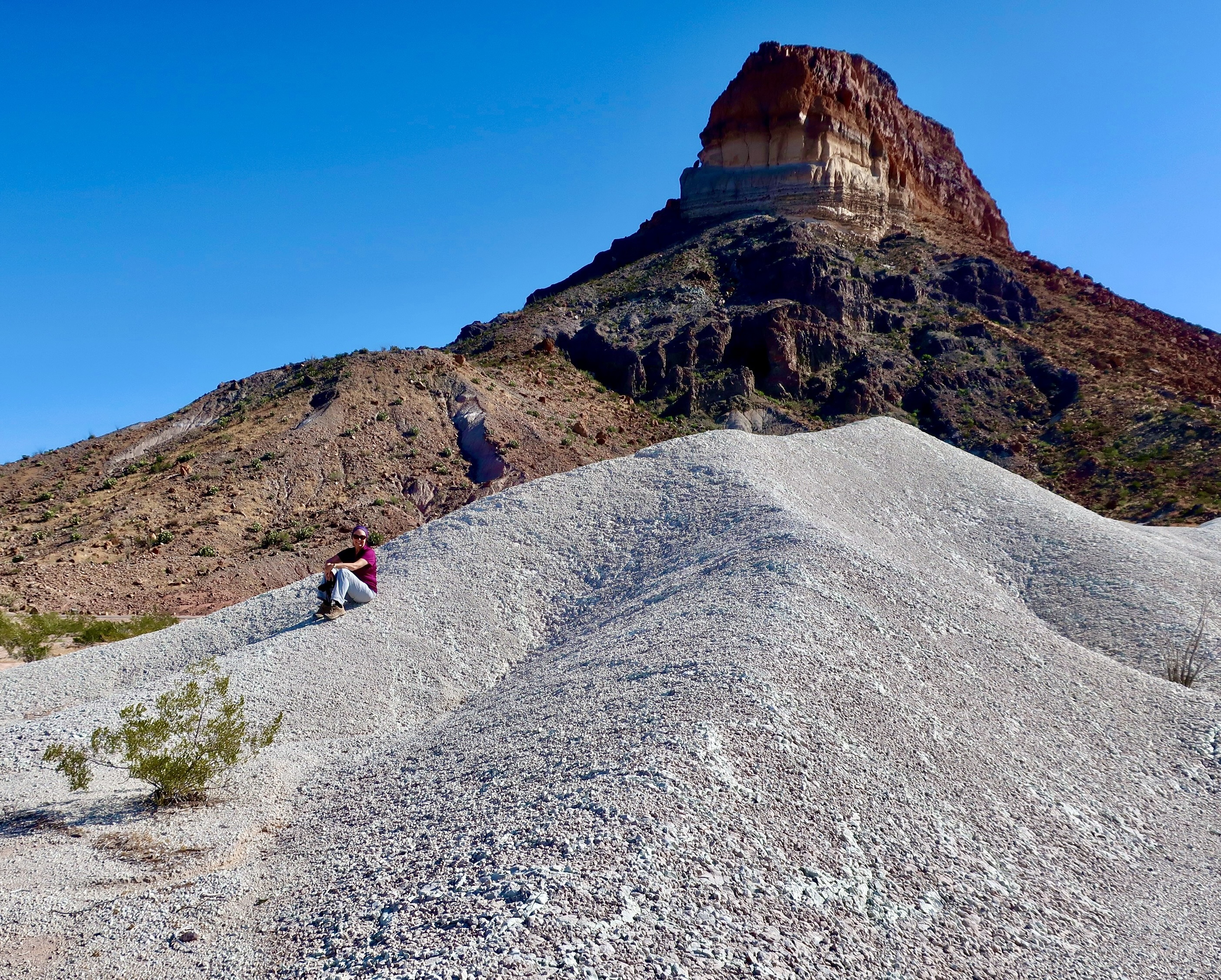
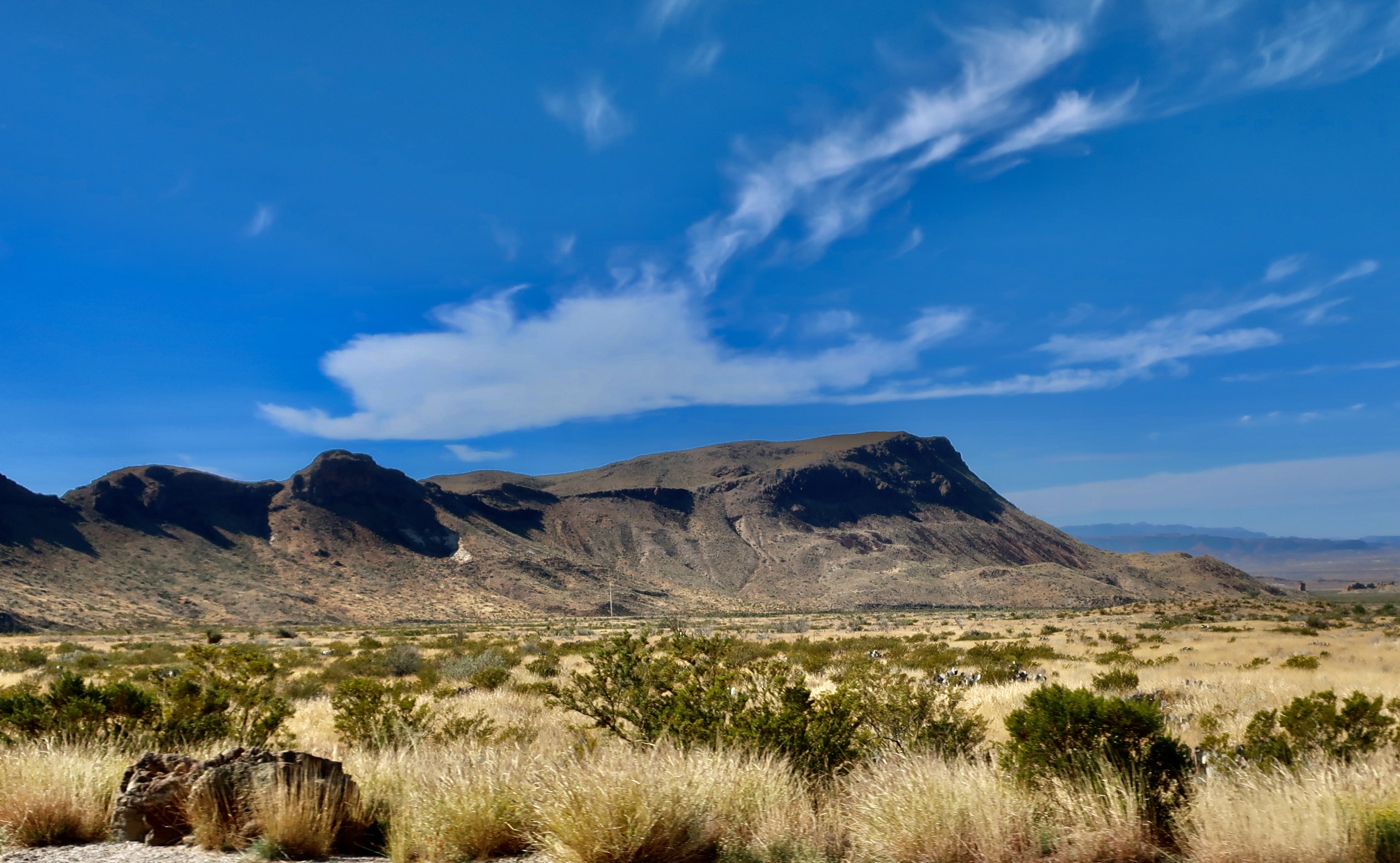
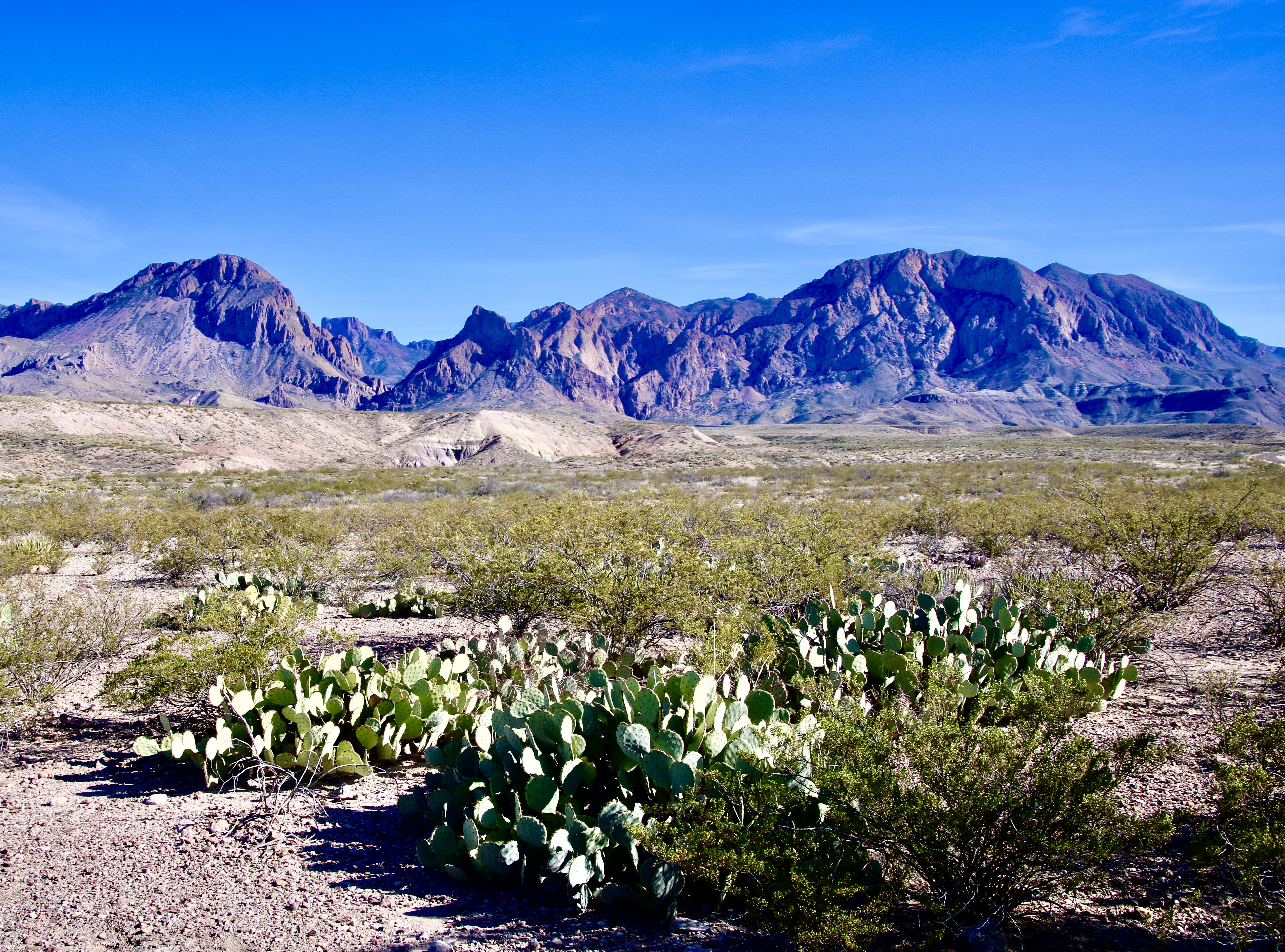
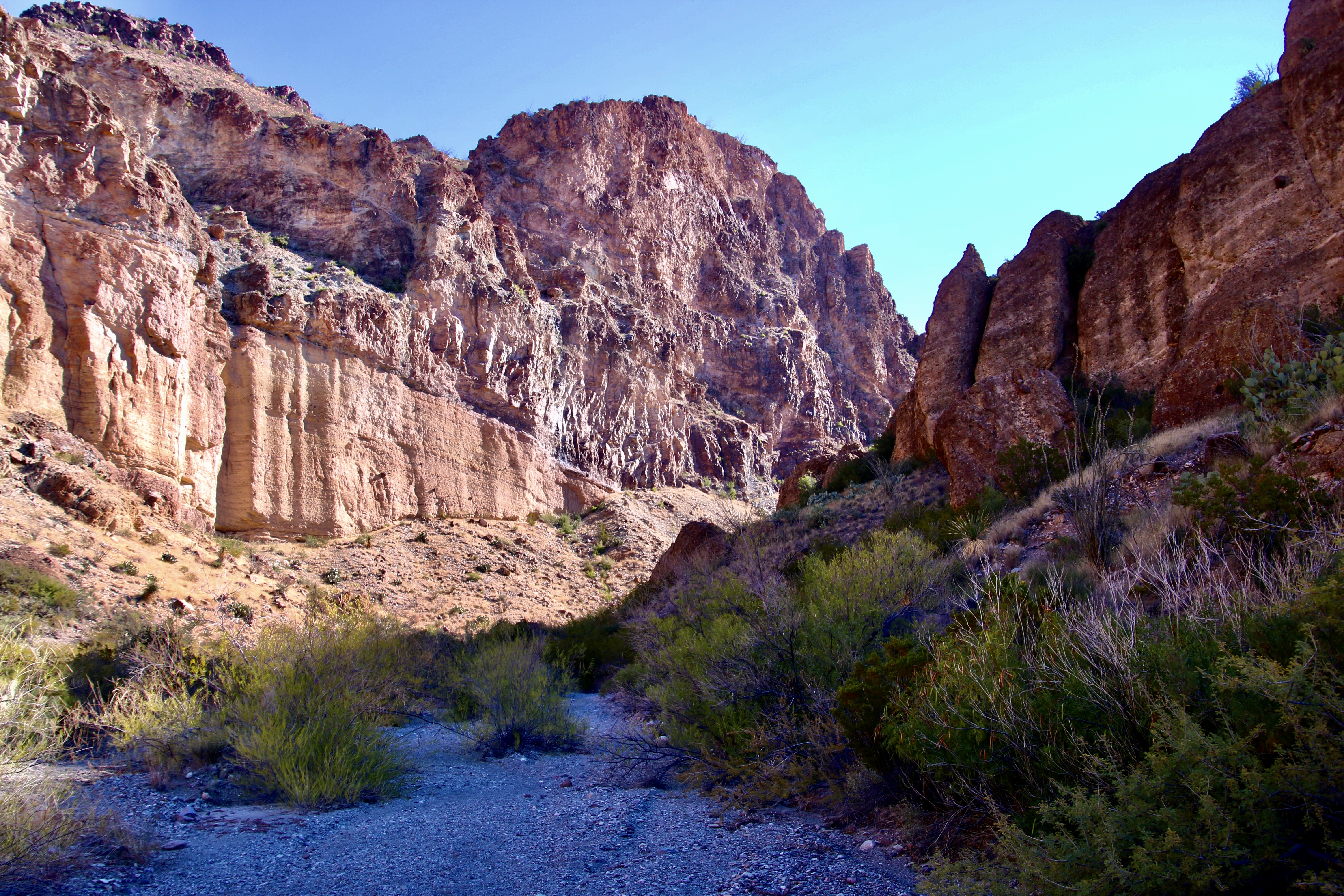
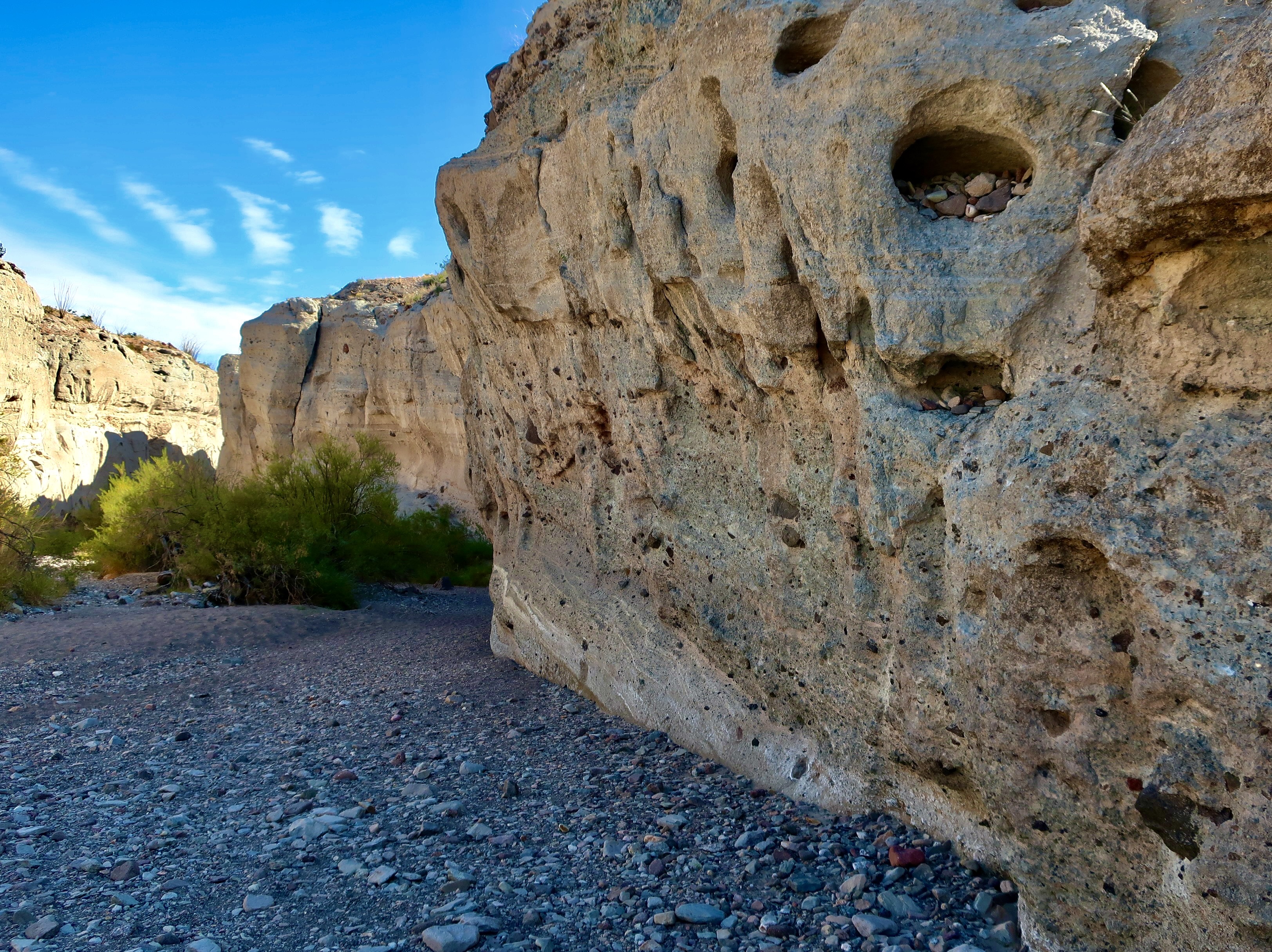
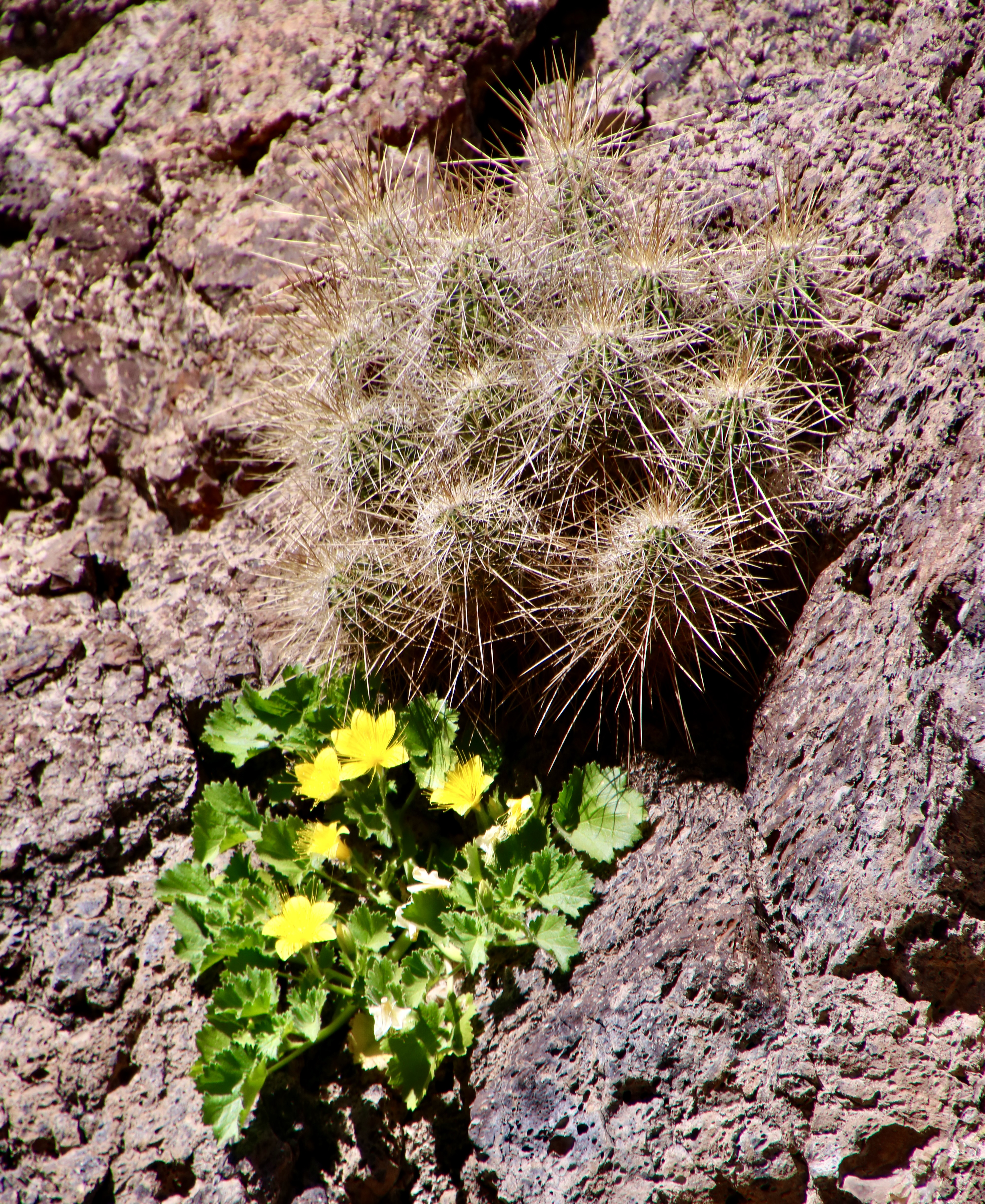
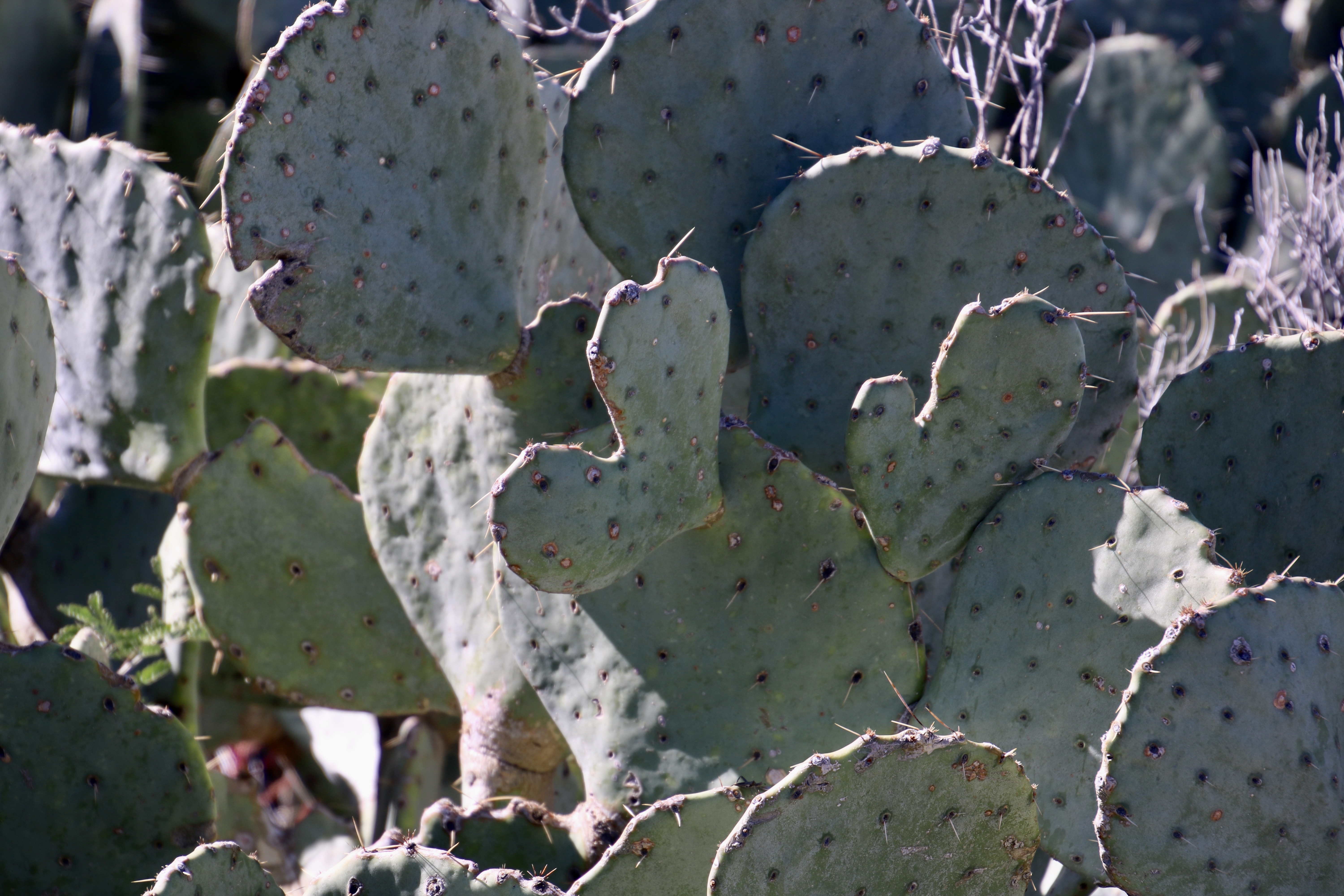
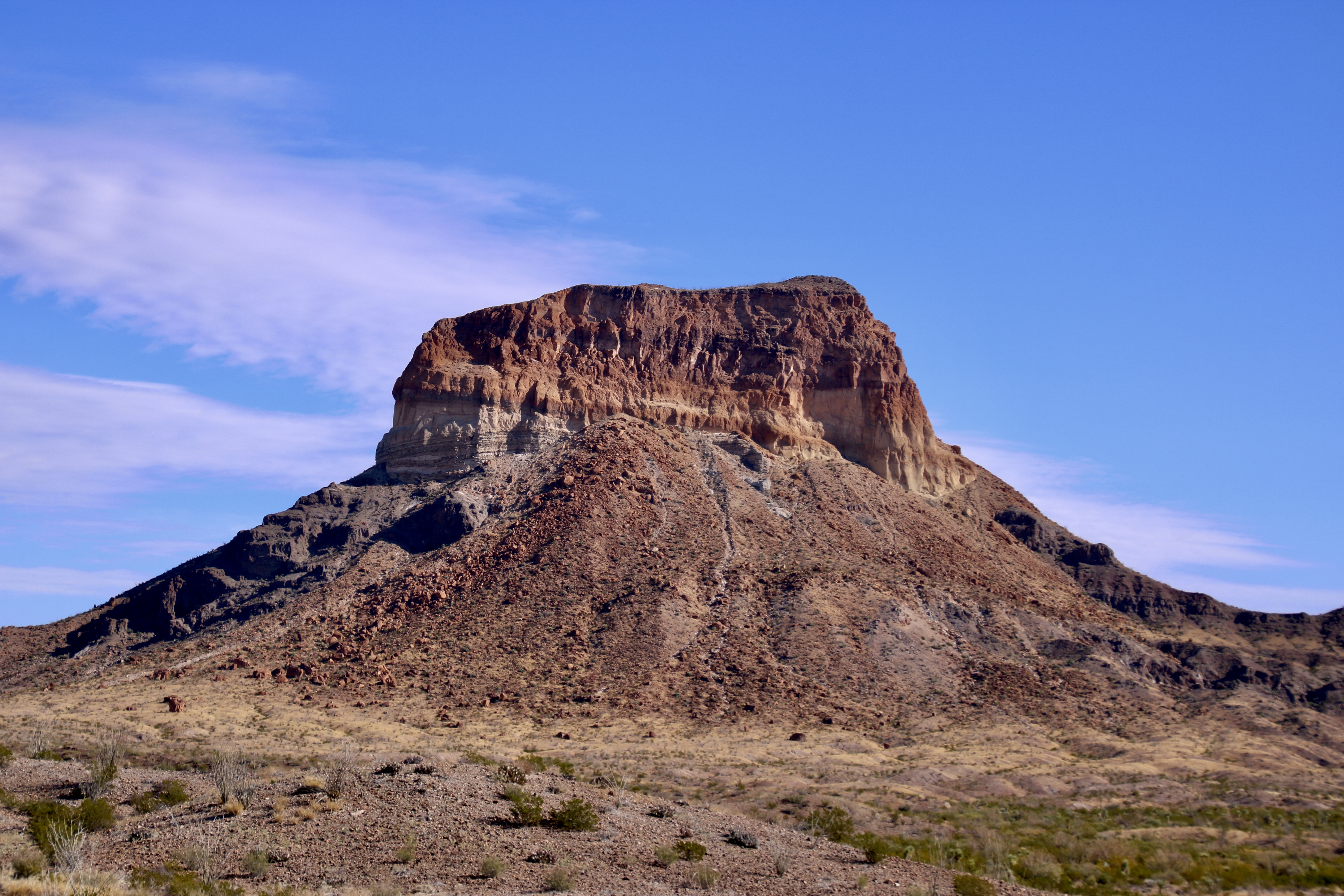
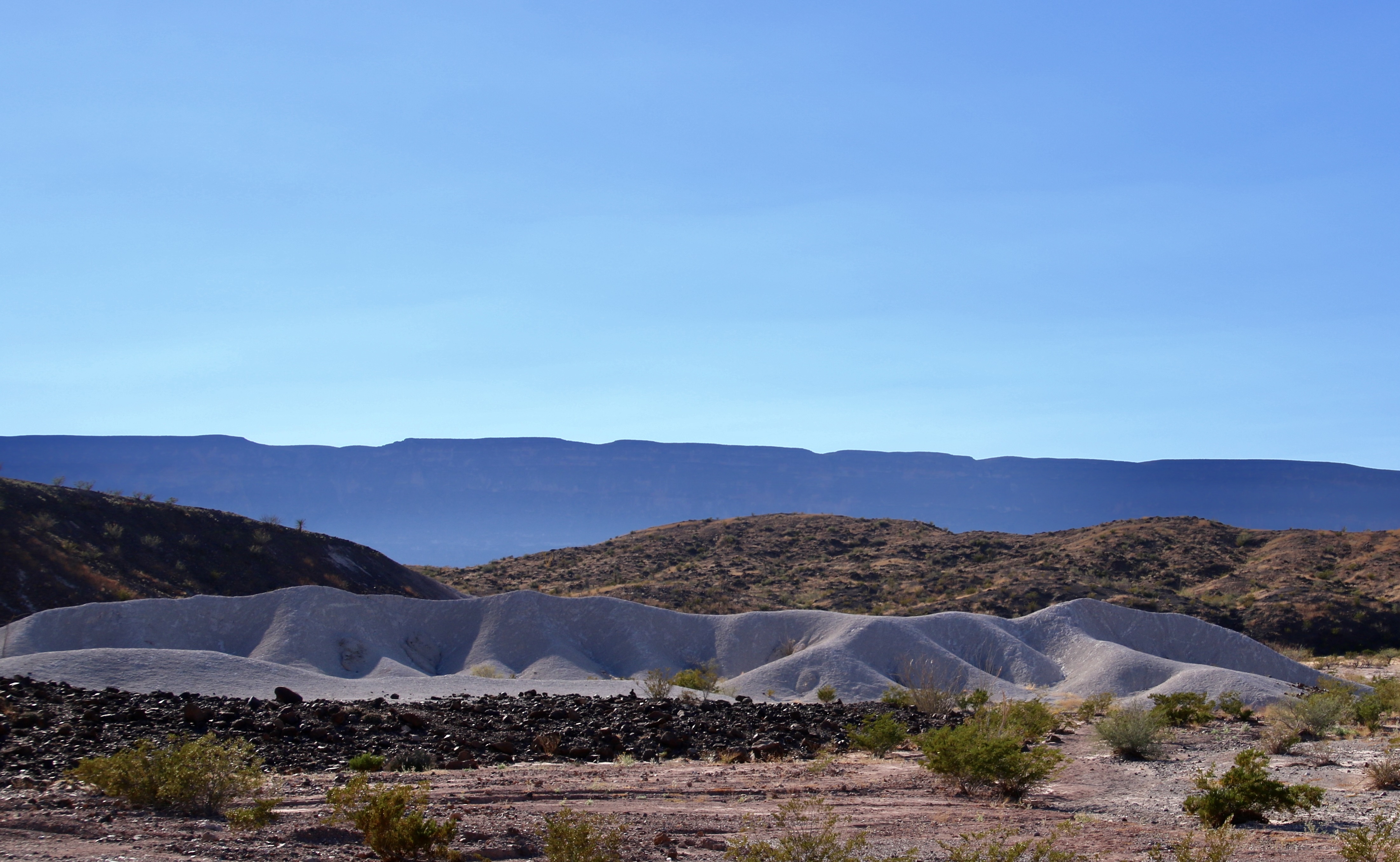
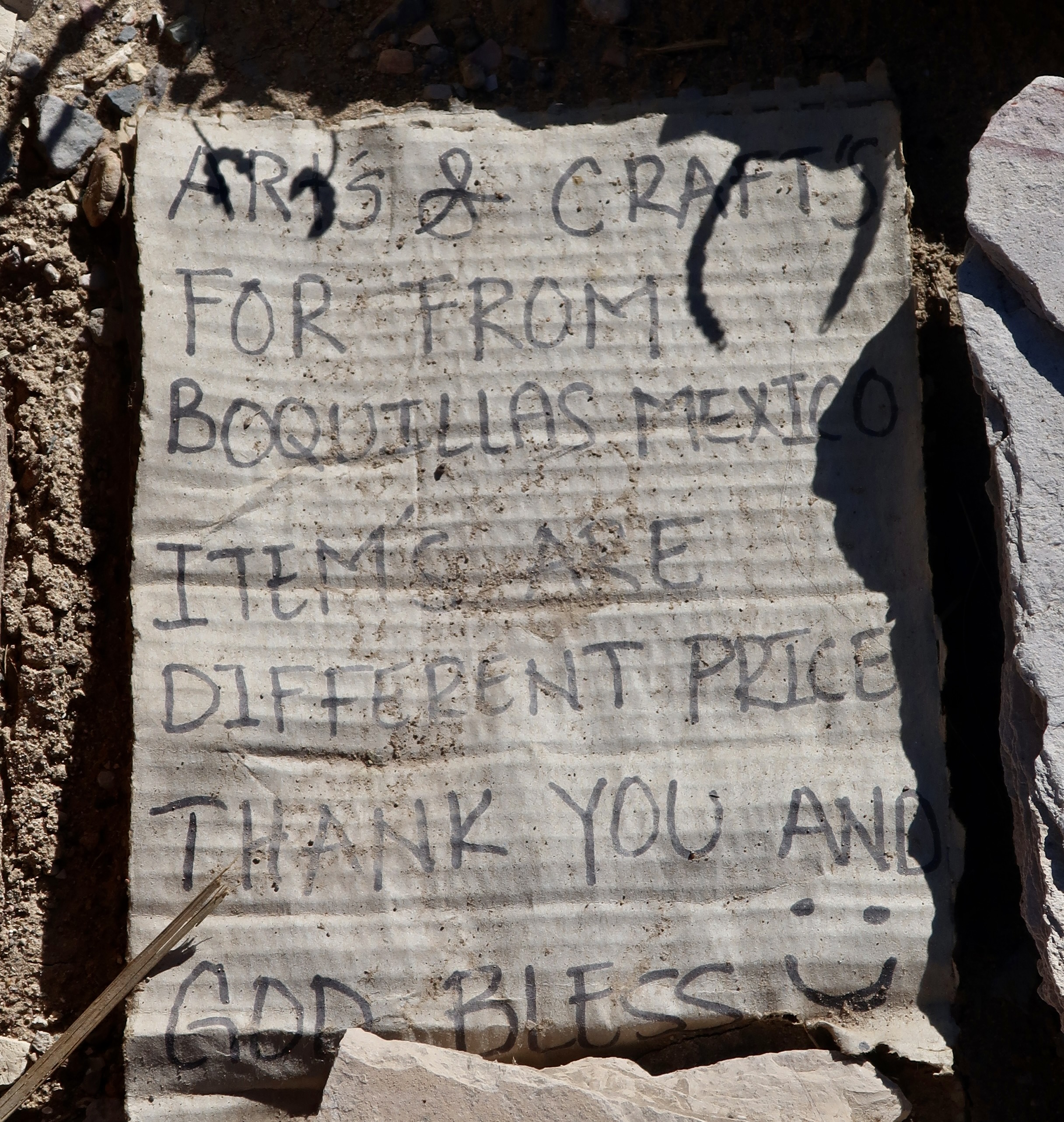
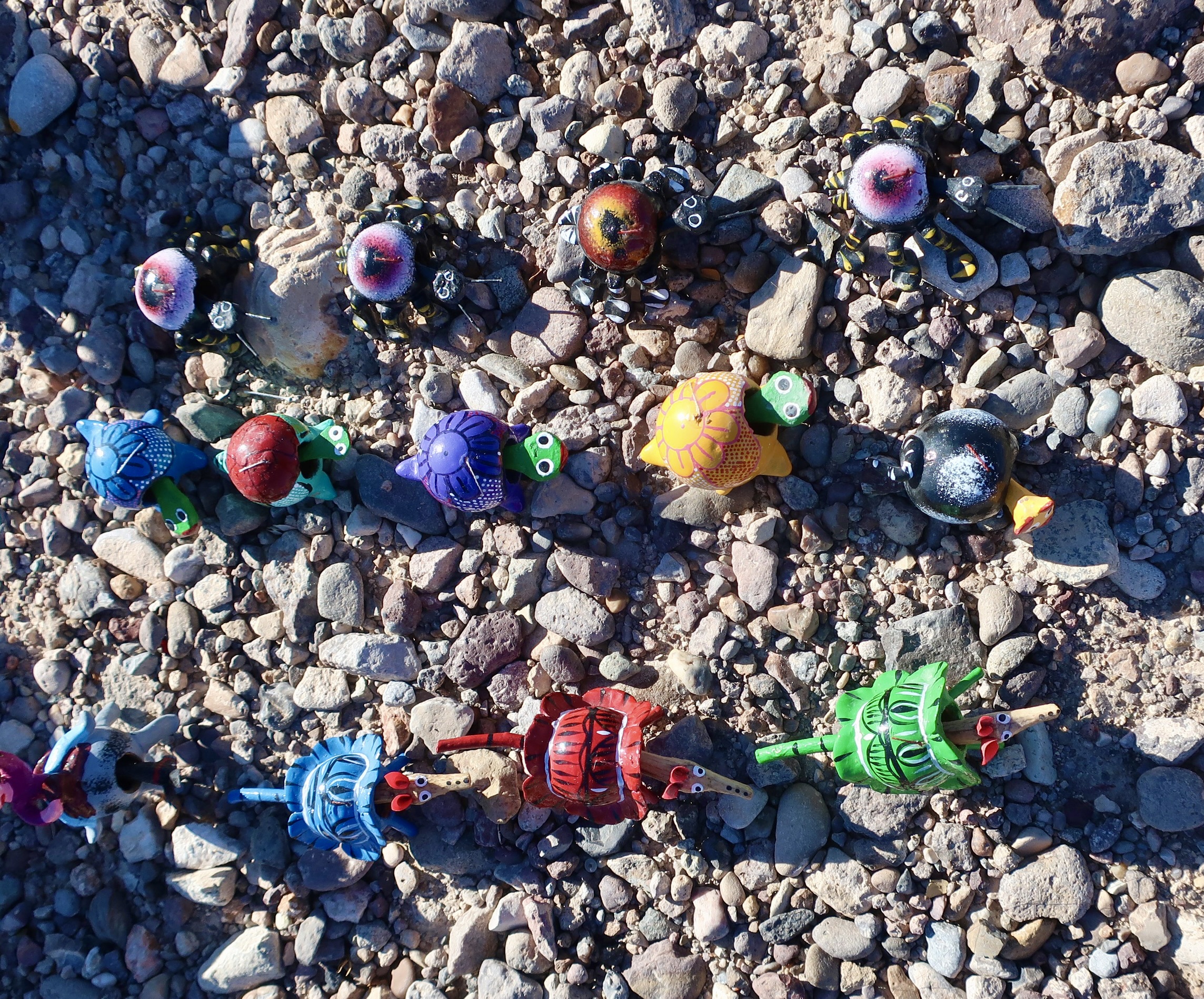
Sharing a border with Mexico provides unique opportunities and challenges to Big Bend. This is the Rio Grande River that forms the border between the two countries.Situated in the Chihuahuan Desert, the Park shows great diversity in its landscape, from the river to the desert floor to the mountains. Peggy has chosen a seat where she can look out over the desert toward the Rio Grande. Cerro Castellan towers over her.Looking across the desert at the distant mountains.This range is on the Mexico side of the river.A distant perspective with attention to both the desert floor and the Chisos Mountains.A closer look at the Chisos.The part of the mountains known as the Mule Ears.Desert floorA touch of greenColorful canyons invite exploration on foot.Peggy and I discovered this outcrop in the canyon.Tuff Canyon provides another opportunity for exploration.Erosion always adds interesting and often beautiful views in the desert. Peggy and I saw a ‘dog’ in this carving. How about you?Thorny cactus are expected in the desert, not so much flowers. But after a rain, they can provide a carpet of color.Speaking of thorns…The ocotillos’ normally bare limbs have broken out in tiny leaves, here.Prickly pears. The small dark spots will immediately teach you the meaning of prickly if you brush up against one. But someone has been chomping on these. Who would be so brave, or foolish!?This guy, a javalena. Their incredibly tough mouths allow prickly pears to be an important part of their diet. This fellow, plus several more, came roaming through our campground. We were tempted to ask to see their papers since they travel back and forth across the Rio Grande between Mexico and Big Bend.Fall colors added their touch to Cerro Castellan.Another perspective.The contrast between the dark lava, light tuff, a reddish ridge ridge and distant blue mountains made for a fun photo.Boquillas is a small Mexican town just across the Rio Grande from Big Bend. The residents supplement their income by selling their arts and crafts in a specific location in Big Bend approved by the border patrol. A metal container with a slit in the top serves as a bank for tourists to pay for what they buy in an honor system. A sample of crafts for sale. We stocked up. Partially because Christmas was coming and partially to help the folks from Boquillas.A number of sites feature historical artifacts ranging from ancient petroglyphs to this symbol of the Old West.And wild horses.
That’s it for Big Bend. Since we featured a desert national park this time, we’ve decided to follow up with another desert national park, one of my all-time favorites: Death Valley. I may also work in another post of what we are up to now. Peggy and I just spent three weeks dodging thunderstorms, heavy rains, floods, hail, and tornadoes as we made our way from Virginia to the Southwest to the start of our next adventure. We didn’t escape the winds— always fun when pulling a trailer. Anyway, our trip across didn’t leave a lot of time or energy for blogging. Back to it!













 Wandering through Time and Place