
The gold rush era buildings in Jacksonville, Oregon have been preserved by the community.
Peggy and I discovered Jacksonville in 2010 when we were doing genealogical research. My great grandparents are buried in the cemetery above the town. In fact, I have ancestors scattered throughout Southern Oregon. We were happily jumping from graveyard to graveyard looking for dead people. It’s like going a treasure hunt.
We were also searching for a place to live after our three years of wandering around North America. Peggy was ready to settle. Our daughter Tasha was lobbying for us to move to Tennessee and live close to her family. But I am a Western-type guy and the Rockies were about as far east as I was willing to travel. I had developed an affinity for New Mexico and both Peggy and I enjoyed the mountainous/less populated areas of Northern California.
We ended up falling in love with Jacksonville and the Siskiyou Mountains, which is why I am sitting here this morning in my home 25 miles outside of Jacksonville looking out at the Red Buttes and listening to the Applegate River while I write this blog.

A sunset view of the Red Buttes from our patio.
Jacksonville got its start in the 1850s. Southern Oregon, like Northern California, was part of the great gold rush that sent the 49ers scurrying west to seek their fortunes. Soon the town was booming. With the addition of a railroad, it became the county seat for Jackson County and one of the largest cities in Oregon. Eventually the gold was mined out. When the railroad bypassed the town in 1884, Jacksonville started on a gradual decline.
The good news here is that the historic buildings in town were preserved instead of being torn down in the name of progress. In 1966, the threat of bulldozers turning the town into a freeway encouraged the residents to apply for and become a National Historic District. Today the small community of 3000 has a substantial tourist trade based on its historic ambience. A growing wine industry in the region helps assure its future.

You know you are in an Old West town when you find the Wells Fargo Express (stage-coach stop) building. The gold rush town I grew up in the foothills of California, Diamond Springs, also had an old Wells Fargo building.
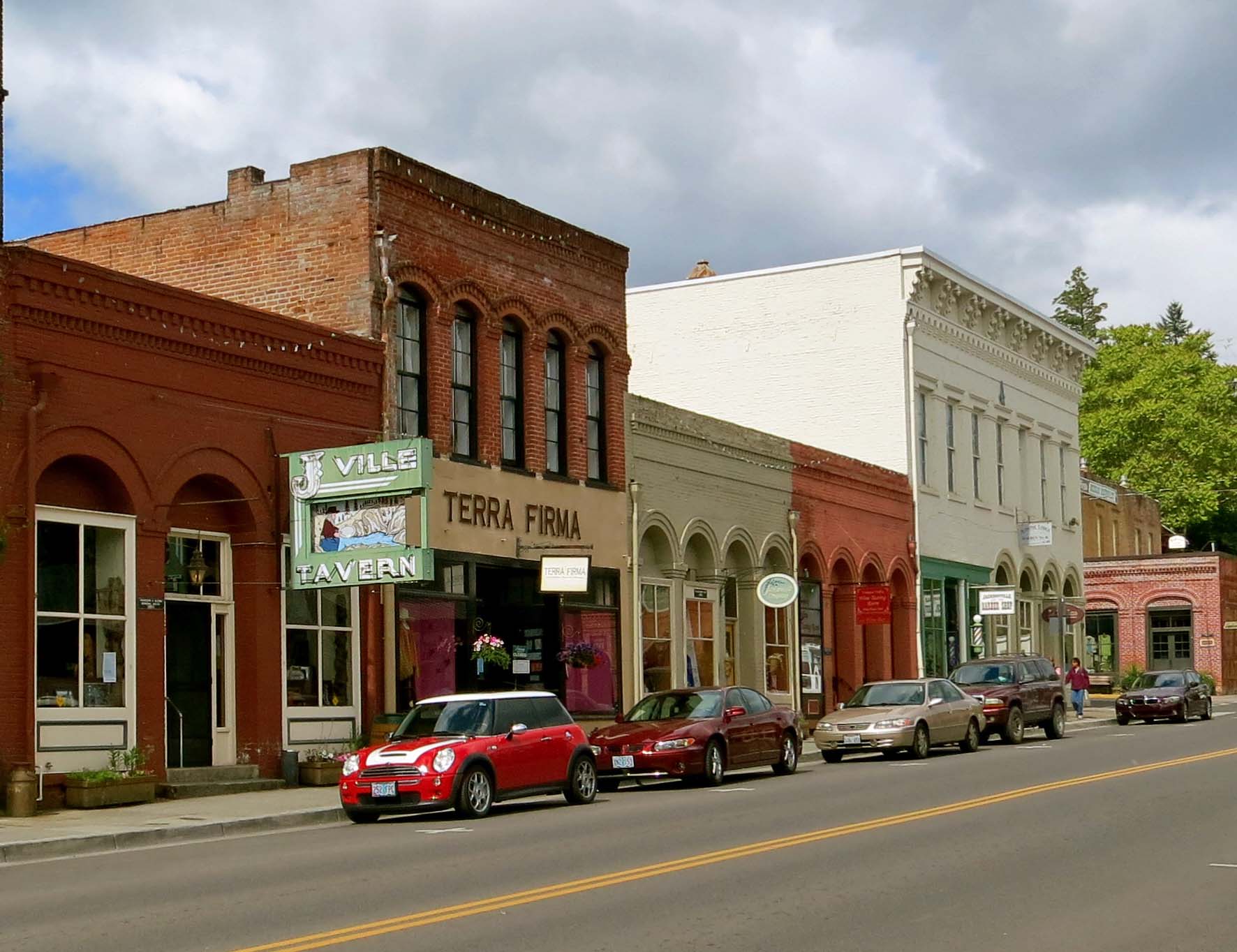
A view on the opposite side of Jacksonville’s main street. The white building on the end is the Masonic Lodge. Fraternal organizations played an important role in communities during the 1800s.

Another historical fraternal organization of Jacksonville is the Improved Order of Redmen, which traces its history back to the Revolutionary War and the Boston Tea Party.

Redmen’s Hall is one of my favorite buildings in Jacksonville. Built in 1884, it housed the local chapter of Redmen, the Oregonian Pocahontas Tribe #1. Hard to beat being #1.

There was a time when any blank building wall was an opportunity waiting for a billboard. This old billboard on the side of Redmen’s Hall, features five cent Owl Cigars and Levi Strauss overalls.

A shot looking upward at Redmen’s Hall.
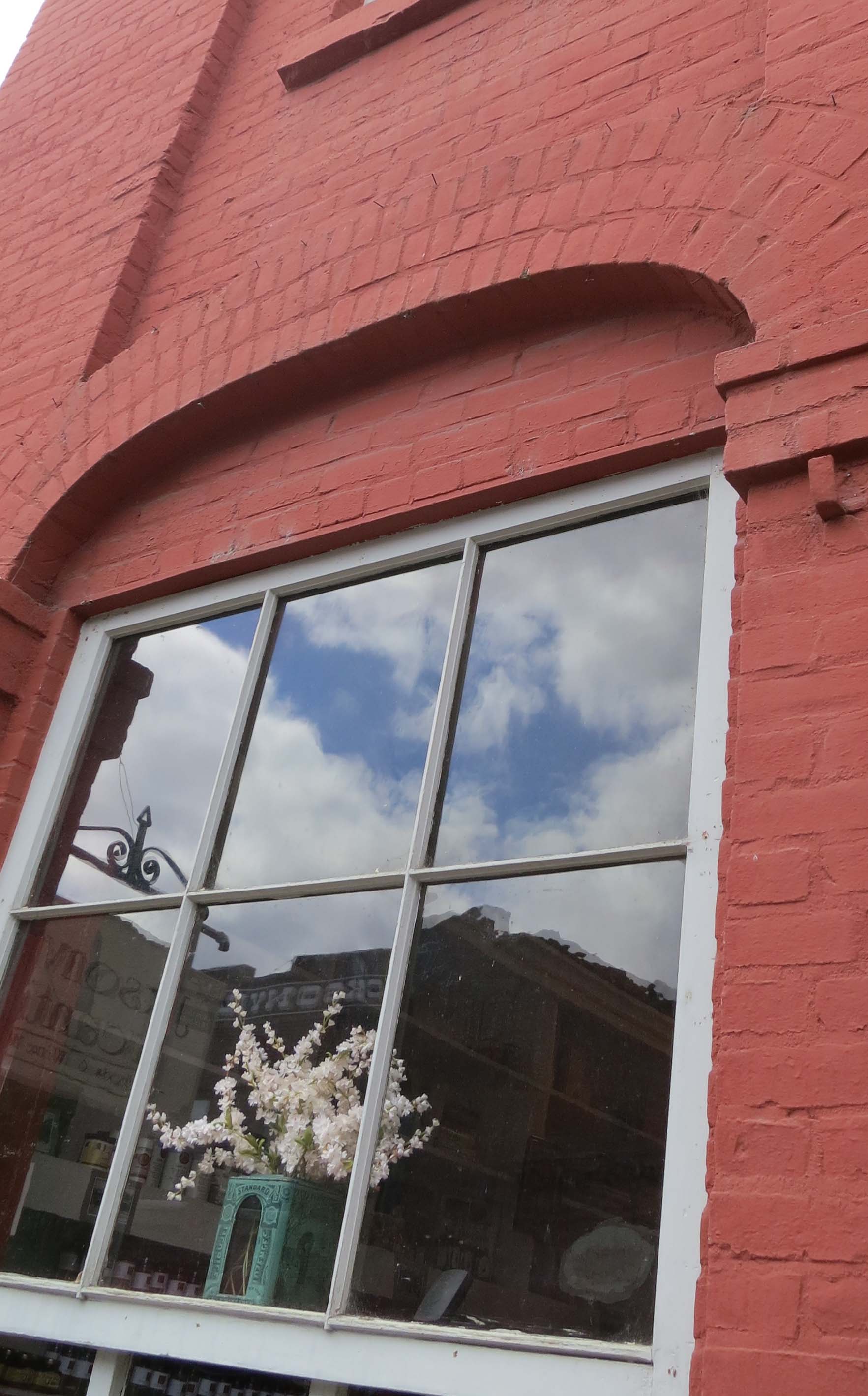
I thought this was a rather classic window reflection shot.

A closeup of the window reflection photo shown above.
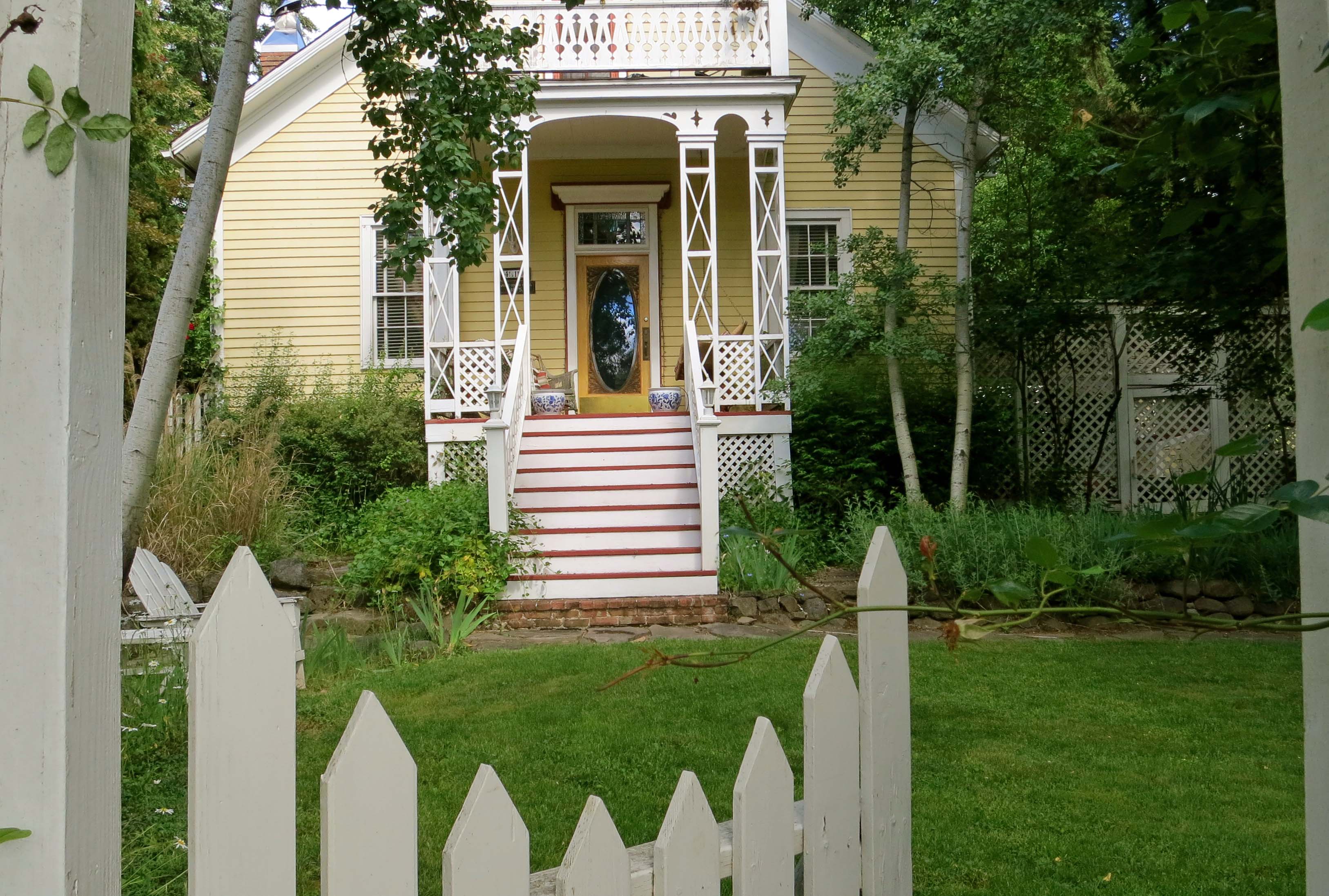
Many older homes have also been preserved in Jacksonville. This was the house of Judge Colvig. His son Pinto inspired the creation of Goofy and went on to become known worldwide as Bozo the Clown. My grandfather’s sister married Pinto’s older brother, which I guess, in a way, makes me related to both Goofy and Bozo.
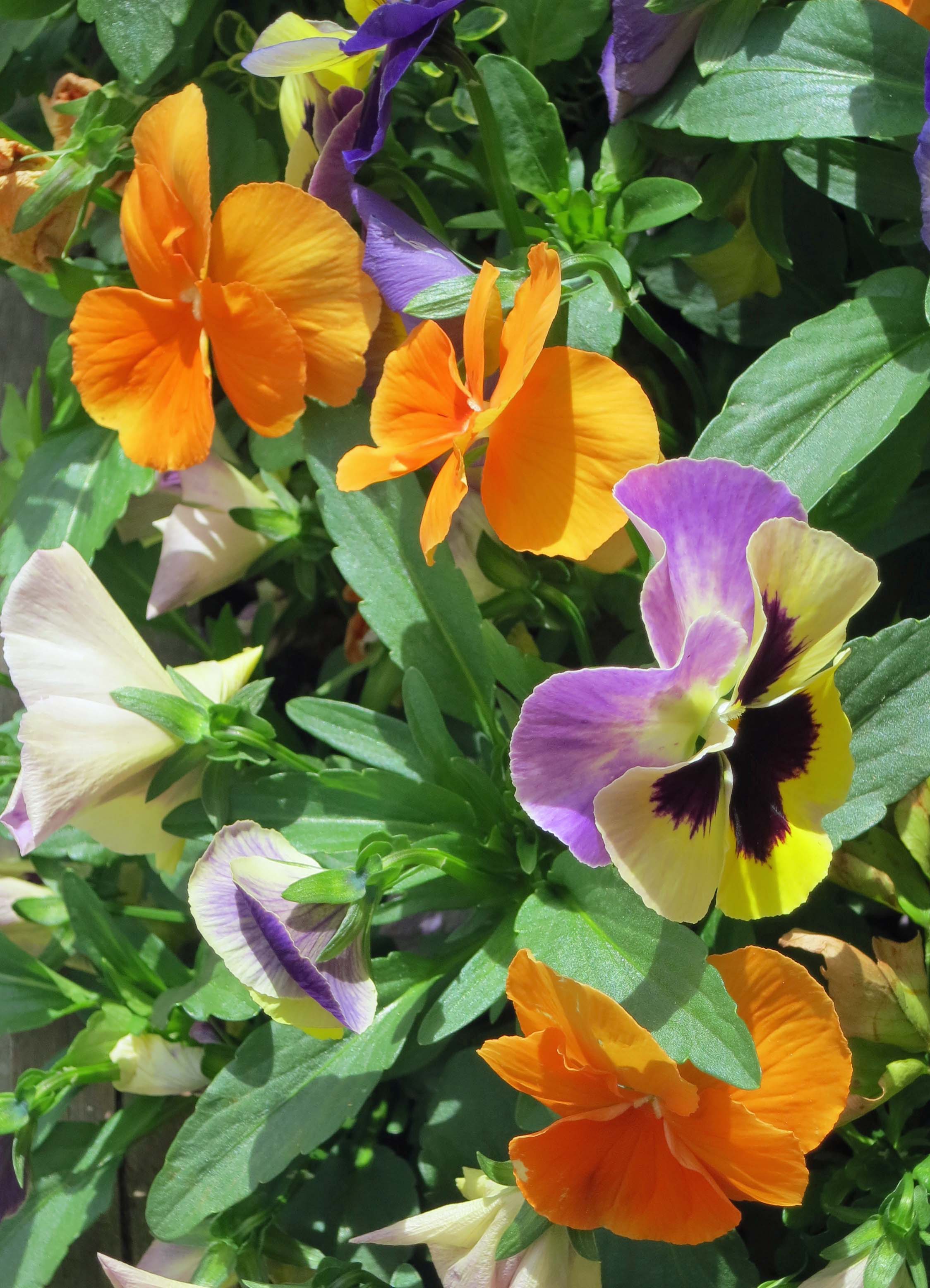
Peggy and I were immediately impressed with the flower boxes and baskets lining the streets of Jacksonville. Flowers are changed regularly to reflect what is in season. All maintenance is done by volunteers.

More Jacksonville pansies.

I liked the delicate, crinkled paper look of the flower.
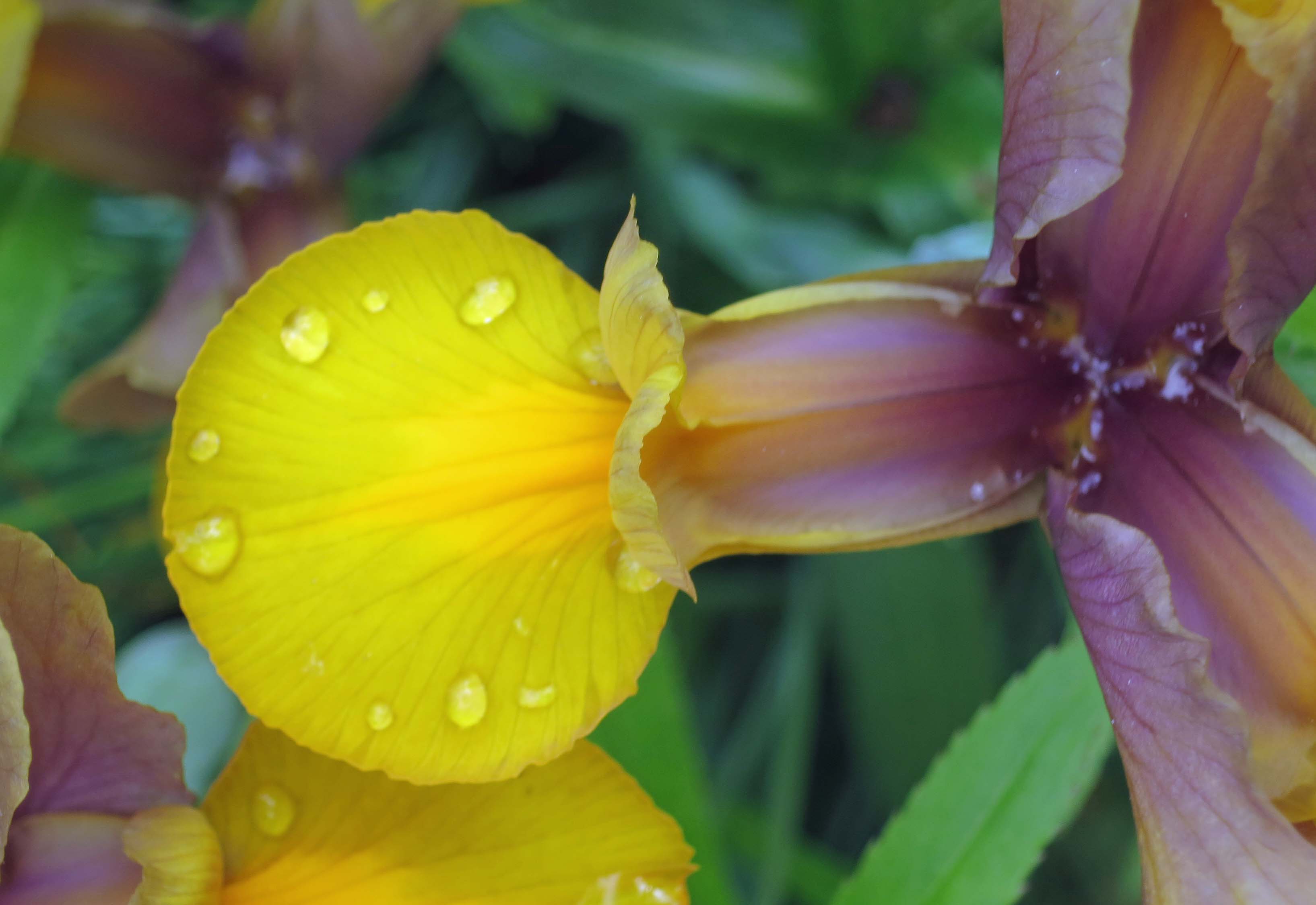
A brief rain left behind rain drops.

This may be the Mother of All grapevines. I found it covering the sides of one of the buildings.

The size of Jacksonville is demonstrated by the fact that this scene is found five minutes from the main street.
NEXT BLOG: I return to one of my favorite hobbies, exploring the world of Native American rock art found in remote locations throughout the southwestern United States.
 Wandering through Time and Place