A Spectacular Sunset and 300 Million Years of Geological History… The Sedona Series: Part 2

The sun sets on Capitol Buttes in Sedona, Arizona. Photo by Curtis Mekemson.

Wispy clouds added to the spectacular sunset Peggy and I watched from the airport overlook in Sedona, Arizona.

“They told us at the Chamber of Commerce that we could see the sunset from here,” a woman complained loudly. “And it is hidden by the trees.”

“Maybe we are supposed to be looking at the rocks,” her husband suggested timidly, like he was afraid he might be yelled at.

Peggy and I shared an amused look. The ‘rocks’ were spectacular, reflecting a sun still one hour away from sinking beyond the eastern horizon. The show would only get better; nature was having one of its grand moments. The overlook beneath Sedona’s airport was the place to be at sunset.

Sedona sits beneath the edge of the Colorado Plateau, and the rocks we were looking at reflected over 300 million years of the earth’s geological history. They told a story of ancient oceans, and lakes, and rivers, and sand dunes. Laid down in layers over the eons, most of the rocks were the same ones we had admired so often in the Grand Canyon.

The erosive forces of nature— wind, water and gravity, were chipping away at the Colorado Plateau, leaving us with the spectacular views we were admiring. Capped by volcanic rocks, the different layers of sedimentary rocks eroded at different speeds, adding formations that people couldn’t resist naming. The Coffee Pot, Chimney, Capitol Butte, and Sugar Loaf loomed directly in front of us.

While knowing a bit about the geology of the area enhanced the experience, the only requirement for admiring the beauty was to sit back and enjoy.

These rocks, known as the Coffee Pot, provide an excellent example of layering. The top, lighter layer is Coconino Sandstone and was once part of a huge desert filled with sand dunes like the Sahara Desert today.

These rocks, known as the Coffee Pot, provide an excellent example of layering and various rates of erosion. The top, lighter layer is Coconino Sandstone and was once part of a huge desert filled with sand dunes like the Sahara Desert today. The red rocks are known as Schnebly Hill Sandstone and were once laid down in an ocean. The red is caused by iron oxides captured by the sea. The rocks are ‘rusting,’ so to speak. (Photo by Peggy Mekemson.)

The Coffee Pot Rocks in Sedona, Arizona. Photo by Curtis Mekemson.

A close up. Note the different impacts of erosion. The Coconino Sandstone erodes much more quickly than the Schnebly Sandstone. (Photo by Peggy Mekemson.)

Coffee Pot and Sugar Loaf rock formations in Sedona, Arizona reflect the setting sun. Photo by Curtis Mekemson.

As the sun sank, the reds took on a deeper color. The Sugar Loaf formation is in the front.

Capitol Butte and Chimney Rock in Sedona, Arizona. Photo by Curtis Mekemson.

Capitol Butte is just to the left of Coffee Pot. Chimney rock is further to the left. Sedona stretches out from the Butte.

Chimney Rock in Sedona, Arizona.

A close up of Chimney Rock. (Photo by Peggy Mekemson.)

As the sun set, the shadow in the center of the photo grew. Here it almost looks like a hand.  The Mogollon Rim that runs east to west across Arizona, dividers the Colorado Plateau from the Basin and Ranges to the south.

As the sun set, the shadow in the center of the photo grew. Here it almost looks like a hand. The Mogollon Rim (in the background) runs east to west through central  Arizona and divides  the Colorado Plateau to the north from the Basin and Ranges to the south.

Steamboat rock formation in Sedona, Arizona. Photo by Peggy Mekemson.

Off to the right we could see the rock formation known as Steamboat. (Photo by Peggy Mekemson.)

Sunset view from airport overlook in Sedona, Arizona. Photo by Curtis Mekemson.

While off to the east, we could see the sunset hiding behind the trees that the woman I quoted in the beginning was apparently looking for. Still, not shabby.

NEXT BLOG: A hike up Boynton canyon and a visit to one of the world’s most unique churches.


Sedona, Arizona… New Age Mecca


Photo of Bell Tower in Sedona, Arizona.

Sedona, Arizona is known for its beautiful red rock monuments and its New Age appeal. The Bell Rock incorporates both. A vortex, said to radiate positive energy, is located on its left flank. (Photo by Peggy Mekemson.)

Sedona, Arizona  bills itself as the capital of the New Age Movement, and maybe it is. Certainly everything we have come to identify with New Age thinking can be found here— from alternative medicine to goddess worship. You can buy dream catchers, crystals, wands, and statues of deities such as Ganesha, the Hindu elephant god. There are fortune tellers, psychics, and tarot card readers. I am sure you can discover your future in your palm, have an astrological chart prepared, and confirm whatever messages you’ve received by throwing the runes. Or possibly you need to sit down with a shaman. Certainly you can find a quiet and beautiful spot to meditate.

Vortexes are central to the New Age belief system in Sedona. Four major ones are found in and around the town. These sites are said to radiate subtle energy that flows up from the earth in a spiral path and helps people along on whatever spiritual journey they have chosen for themselves. Locals describe the vortexes as masculine, feminine or some combination of both in the energy they release.

Tens of thousands of tourists visit these sites annually. The vortexes are even said to attract aliens, who do UFO flyovers. An army of tour group operators is prepared to take visitors to the vortexes, or you can go on your own. That’s what Peggy and I decided to do when we visited Sedona in November. We visited three, one next to the airport, one in Boynton Canyon, and the Bell Tower, shown above.

Did we feel the power vibrating through our bodies? Did we experience spiritual enlightenment? Well, no… sigh. I expect a little more work is required to reach Nirvana. But the beauty of the sites was definitely inspirational. What more could we ask for? A UFO or two, perhaps…

Tens of thousands of people visit the vortexes of Sedona annually. The Chamber of Commerce gives out maps of where to find them. This one is next to the airport.

Tens of thousands of people visit the vortexes of Sedona annually. The Chamber of Commerce gives out maps of where to find them. This one is next to the airport.

Peggy stands on top of the vortex located near the Sedona Airport. Sedona lies below, hemmed in by Red Rocks.

Peggy stands on top of the vortex. Sedona lies below, hemmed in by Red Rocks.

Peggy catches a photo of me in my one minute quest while sitting on the vortex rock. (Photo by Peggy Mekemson.)

Peggy catches a photo of me in my one minute quest to feel the  energy while sitting on the vortex rock. (Photo by Peggy Mekemson.)

Boynton Canyon vortex site. Photo by Curtis Mekemson.

The vortex in Boynton Canyon is located near this rock.

Boynton Canyon, Sedona Arizona vortex site.  Photo by Curtis Mekemson.

I could almost feel the vortex’s energy given this impressive rock.

Another perspective. (Photo by Peggy Mekemson.)

Another perspective. (Photo by Peggy Mekemson.)

When Peggy and I were hiking into Boynton Canyon with our friends Ken and Leslie Lake, a man stopped Leslie and Peggy and gave them each a heart carved out of stone. It was a very New Age kind of thing.

When Peggy and I were hiking into Boynton Canyon with our friends Ken and Leslie Lake, a man stopped Leslie and Peggy and gave them each a heart carved out of stone. It was a very New Age kind of thing.

NEXT BLOG: A sunset over Sedona.

A Pot, a Potter, and a Cat… The Pottery of Marian Heintz


Teapot by Marian Heintz from her studio in Chattanooga, Tennessee. Photo by Curtis Mekemson.

Form, glaze and function make for stunning pottery. My brother Marshall picked out this teapot for Peggy and me from the work his daughter Marian does in Chattanooga, Tennessee.


As my body of work grows, my hope is that it will reflect a life filled with wonder and yearning, as well as serious play. —Marian Heintz

Marian was making hearts— and not 100% happy about it. Valentine’s Day is coming, however, and people like to buy hearts. People buying hearts puts money in the bank. So, for the day at least, Marian had put aside her inner artist to be pragmatic and was whipping out product.

It wasn’t quite mass production, though. “Each piece needs to be carefully finished,” she insisted. Marian is a dedicated craftsperson as well as an artist. No part-finished work would escape out her door, even if it meant less profit.

One of the hearts that Marian was producing for Valentines Day.

One of the hearts that Marian was producing for Valentine’s Day.

Peggy and I had driven down from the Nashville area after Christmas to visit with Marian in Chattanooga, and to check out her studio and work. Marian is my niece (my brother Marshall’s daughter), and I have known her since she was a toddler. It had been far too long since we had seen her.

Marian has always had a creative bent, and it has carried her in several different directions. I first became aware of her passion for art when she was attending the Glen Fishback School of photography in Sacramento. She has a fine eye for photography, as does her brother, Wayne. She even managed to talk my dad into posing as a time-worn gold miner for her final portfolio at the school.

Photo of Herb Mekemson taken by Marian Heintz.

I have the photo that Marian took of my dad posing as a gold miner in his late 70s. Our daughter, Tasha, has put her name on the back of it to make sure she gets it in the future. (grin)

From photography, Marian branched out to the folk art of wheat weaving where straw is turned into decorative items and jewelry. From there, it was a natural step into making jewelry with copper and silver. Partially, as a result, she ended up teaching women in Haiti how to make jewelry out of rubble after the devastating 2009 earthquake.

Jewelry made by Marian Heintz at her studio in Chattanooga, Tennessee.

Marian still makes jewelry using her skills as a potter. Peggy had to have one. Marian explained that making the labyrinth and maze serve as meditation for her.

Her introduction to pottery came when she was working on her undergraduate degree at the University of Tennessee, Chattanooga. “I first began working with ceramics sixteen years ago, and fell in love with clay the first time I touched it,” she wrote in a bio sketch.

The hands of Marian's friend and mentor Talle Johnson as he throws a pot.

The hands of Marian’s friend and mentor Talle Johnson as he works clay and throws a pot.

Talle Johnson pottery at the studio of Marian Heintx in Chattanooga, Tennessee. Photo by Curtis Mekemson.

A sample of Talle Johnson’s pottery that Marian keeps in her studio.

From 2007 up until he passed away in 2010, Marian worked as an apprentice to the highly talented and well-known potter, Talle Johnson. She credits much of her artistry, and in particular her emphasis on form, to his mentorship. As we entered through the backdoor of her studio, the first thing that greeted us was a memorial wall of photos featuring Talle and his work. The second thing to greet us was Wren, the studio cat.

Wren, the studio cat at the Marian Heintz Pottery studio. Photo by Curtis Mekemson.

Wren, the studio cat.

Marian greeted us with the same enthusiasm that she puts into her work. Within minutes she had us settled into her comfortable ‘transition lounge.’ (Adult students are invited to relax with a bite to eat or a glass of wine to “transition between work and throwing clay.”) Three hours later, we had almost caught up on our lives— and almost provided Wren with the amount of rubbing he was sure he deserved.

Marian's 'transition studio, was warm, colorful and comfortable. I felt it reflected her.

The transition lounge was warm, colorful and comfortable— much like Marian.

Marian Heintz at her pottery studio in Chattanooga, Tennessee. Photo by  Curtis Mekemson.

Marion chatted for three hours, filling us in on her journey into pottery and how it has reflected her own journey in life.

Marian’s studio is located on Brainerd Road in Chattanooga. The street is reflected in the window of her shop below. In addition to serving as her studio and as a retail outlet for her work, the space also includes potters’ wheels for classes she offers. She sees her studio as a place where students can “come in and leave everything else behind,” providing, if you will, a community— a place of peace where one can get lost in the rhythm of the potter’s wheel and the earthy feel of clay.

Chattanooga's Brainerd Road is reflected in the window of Marian's studio.

Chattanooga’s Brainerd Road is reflected in the window of Marian’s studio.

My work is both utilitarian and decorative, so that I try to find a balance between aesthetics and function. Using stoneware clay, I throw forms on the wheel as well as hand build. Some of these forms are altered on or off the wheel and many have paddled or textured surfaces. I would describe my forms as organic, sophisticated, yet simple and playful. There is a sense of movement and energy that radiates out of them. —Marian Heintz

Gravy bowl at Marian Heintz Pottery Studio in Chattanooga, Tennessee.

Gravy bowl.

Simple flower vase.

Simple flower vase.

Pot incorporating abelone shells.

Pot incorporating abalone shells.

This coffee cup came home with me. The MH serves as Marian's signature.

This coffee cup came home with me. The MH serves as Marian’s signature.

I enjoyed the top down perspective on this vase.

I enjoyed the top down perspective on this vase.

Marian has also branched out into porcelain.

Marian has also branched out into porcelain.

I found the small containers she made for sugar, salt, pepper and other spices quite unique.

I found the small containers she made for sugar, salt, pepper and other spices quite unique.

This vase made me think of Where the Wild Things Are.

This vase made me think of Where the Wild Things Are.

Marian’s work has been shown at the Tennessee Arts Commission gallery in Nashville and a piece has been purchased by Commission to add to its permanent collection. You can learn more about Marian by checking out her website.

While we were talking, Marian had mentioned how she felt her work in pottery had reflected her struggles in life. “I am good at struggling,” she had noted with a grin. “I have a knack for it.” Her dad had once commented to her how she was always able to take lemons and make lemonade. Her response had been, “I don’t want to make lemonade. I want to make something more beautiful and permanent.”

I think she has succeeded.

NEXT BLOG: It’s off to the beautiful red rock country of Sedona, Arizona.


I Bit the Chicken and the Chicken Bit Back… Nashville’s HOT Chicken Restaurants

Pepperfire Restaurant in Nashville, TN. Photo by Curtis Mekemson

Hot chicken is all the rage in Nashville today. But just how hot is it?

My son-in-law Clay and I have been hassling each other over hot food ever since he first started dating our daughter. Clay, Tasha, Peggy and I had gone out to a steak house in Sacramento, California and ordered prime rib. Normally, the restaurant served a mild horseradish cream sauce along side. This time, for whatever the reason, it didn’t.

“Can we have a side order of horseradish cream sauce?” I had asked our waiter.

He had brought it out, straight up, no cream. I slathered it on my prime rib. Clay, watching me, had done the same thing. I took one bite and thought ‘Holy Ghost Pepper!’ as it burned all the way down to my toes. I quickly scraped it off. I didn’t mean to hide my action from Clay, but he didn’t see me do it. He just kept nonchalantly chewing away and all I could think was, ‘He is one tough dude.’

This went on for a while as perspiration broke out on Clay’s forehead and his eyes began to water. Suddenly he threw down his fork.

“You’re the man,” he declared. “How can you eat that stuff?”

We all had a good laugh when I confessed, but it established a tradition. Whenever Clay comes to visit, I take him out for the hottest food I can find. (The girls stay as far way from this activity as possible.) Last time we went to the India Palace, my favorite Indian restaurant in southern Oregon. Clay insisted on ordering the food one notch hotter than I did.

Of course what goes around comes around, right? So whenever Peggy and I visit Clay and Tasha in Tennessee, Clay introduces me to his latest mouth-burning find. He outdid himself this time. “Google Nashville hot chicken and pick out a restaurant,” he suggested to me as he scooted off to his job as a regional manager for Verizon. I was soon up to my ears in hot sauce.

The legend is that Thornton Prince was having girlfriend problems back in the 1930s. He had too many. Girlfriend number #1 decided on revenge. She secretly dumped several extra tablespoons of cayenne pepper on Thornton’s chicken when he came in late one night. The effort backfired. Prince loved it. In fact he loved the hot chicken so much he opened a restaurant featuring it.

The restaurant quickly became a gathering place for the local African American community. When white musicians playing at the Grand Ole Opry heard about the chicken, they started visiting as well. This was still the era of segregation, however. The whites had to come through the back door and eat in the kitchen. Seventy years later the restaurant is still serving up its signature dish. Everyone goes through the front door now.

Today, Nashville is renowned for its hot chicken. There are several restaurants present, and my sense is that they vie with one another over who can produce the hottest food. I should note here that I like hot food. I developed the taste when I was a Peace Corps Volunteer in Liberia, West Africa where I started out as a one-pepper person. By the time I left, I had worked my way up to three. Since then I have continued to increase my tolerance for hot.

But in the world of hot peppers, there is hot and there is HOT. Two blogs ago I wrote about how my father-in-law, John Dallen, was concerned about the Naga headhunters of Nagaland when he had to bail out of his airplane in World War II. Well, as it turns out, I just learned the Naga are also renowned for raising Bhut Joloki peppers (ghost peppers), which happen to be among the hottest peppers in the world. John was wise not to eat what the local natives offered.

To provide a perspective on how hot these peppers are, consider the following. Pepper heat is measured in Scoville heat units (SHU). Your typical jalapeno pepper checks in at around 4000 SHU. Habanero peppers are measured at 80,000 to 600,000 SHU. The Bhut Joloki pepper normally tests out between 500,000 and 1,500,000!

I doubted I would be eating any fried chicken infused with Bhut Joloki peppers on my Nashville excursion, but I still entered the Pepperfire restaurant with a touch of trepidation. I’d read the reviews and seen the menu. My choices ranged from mild to XX hot. The Internet description had said that either the X or XX will “jump on you and grab you.” I wasn’t sure what that meant. But how could it be good?

The menu listed the various levels of hot.

The menu listed the various levels of hot. The Pepperfire website had informed me that “hot” was painful for most.

I was out with Clay, however, so I had to man-up. I went for chicken leg/thigh combo on the X level. Since I was in the south, I also ordered fried okra. Clay ordered XX chicken wings with French fries. For dessert we ordered a waffle that was topped off with hot chicken tenders and fried apples.

Chicken quarter at Pepperfire Restaurant in Nashville, Tennessee. Photo by Curtis Mekemson.

Just looking at this chicken quarter says hot. It reeks hot. You can see the flames. It was served on top of white bread, whose purpose is to soak up the grease.

Fried okra served at the Pepperfire restaurant in Nashville, Tennessee.

A close up of the okra. Eating it gave me that ‘old boy’ feeling. Just call me Bubba.

XX hot chicken wings served at the Pepperfire Restaurant in Nashville, Tennessee.

Clay’s hot chicken wings. It was the third one over from the left that bit me.

Dessert at Pepperfire Restaurant in Nashville Restaurant.

Dessert: a waffle topped by chicken tenders topped by fried apples. It was definitely unique— make that a tad weird.

When the food arrived, I picked up one of Clay’s chicken wings. Maybe it would make my food seem cool in comparison. I bit down. The damn chicken bit back. I smiled at Clay. “This really tastes good,” I managed to get out as my tongue turned into a pretzel, my throat screamed “water!” and my stomach proclaimed, “you idiot.” Only its words weren’t quite that polite. I will say that the chicken was tender and juicy, and that there were spices other than hot that were quite tasteful.

Did it make my chicken seem cooler? No way. Once you get beyond hot, you are beyond hot. Those are my words of wisdom for the day. Within two hours, Henny Penny was waging the mother of all wars in my stomach. It was a triple burn day. The chicken burned on the way in. It burned inside. And it burned on the way out. Enough said. Now I have to start planning for the next time Clay comes to Oregon.

All joking aside, if you are in Nashville and want to try the city's famous (infamous) hot chicken, I recommend checking out the Pepperfire restaurant.

All joking aside, if you are in Nashville and want to try the city’s famous (infamous) hot chicken, I recommend checking out the Pepperfire restaurant.

What Happens When Your Blog Becomes A Lesson Plan for Fifth Graders?

Tasha in her fifth grade classroom at Indian Lake Elementary School.

Tasha in her fifth grade classroom at Indian Lake Elementary School.

Our daughter, Tasha (Mrs. Cox), is a fifth grade teacher at Indian Lake Elementary School in Hendersonville, Tennessee where she teaches language arts, including writing. A month or so ago she called and asked if she could use one of my blogs in her writing class. “Of course,” I had replied. Parents often tell me they have shared some blog or the other I’ve written with their children. Most of my stuff is G-rated.

Tasha picked out a recent blog I had posted on Mt. Rainier National Park. It featured a picture of her brother, Tony, and of her son, Ethan, as well as lots of photos of the Park. I figured that was it. My work was done.

Mt. Rainier

Mt. Rainier

I should have known better.

When Peggy and I arrived in Hendersonville for Christmas, there was a two-inch stack of yellow Post-its waiting. Each one included a question from a student directed to me. It looked like I might spend Christmas answering them all. That would have been okay, but I also wanted to enjoy the season. Maybe jolly old St. Nick had brought me a rocket ship so I could zoom around the universe.

Tasha took pity. She organized the Post-its by category so I could answer a handful of questions instead of 5,472. She is good at organizing. She even wants to organize me. Lots of luck with that…

So here are the key questions and my answers. I thought the folks who follow my blog might find them interesting as well.

Why do you write a blog?

I started blogging with a specific purpose in mind. I wanted to write a book and a blog would introduce my writing to people. If they liked how I wrote and what I wrote about, they might like my book as well.

Since then blogging has also become valuable to me for other reasons. One, it allows my wife Peggy and I to share our travels and adventures with people who live all over the world. Two, I have made a lot of new friends who share their travels, photography, and ideas with me. Three, it helps me improve my writing.

Finally, I love to write and tell stories. Each morning I wake up excited to begin my blog.

Is blogging hard?

Yes and no. Since my blogs include both writing and photography, they take a fair amount of work. I often start by researching a subject I am going to blog about. Then I pick out photos. Peggy and I take a lot when we travel; I may have to choose ten from a hundred. I then use software to work over each photo to make it look the best I can. Finally I write and edit my blog. Peggy then does a final read-through to catch any errors I may have missed. Each blog takes from three to eight hours to produce.

Blogging can be a lot easier, however. I have friends who may put up a photo and write a few words about it, but still have a very good blog.

The platform I use for my blog, Word Press, takes care of all the technical aspects of blogging. If someone wants to start a new blog, all he or she has to do is go to Word Press and click on “get started.” Word Press will then take the person through the process.

Where do your ideas for a blog come from?

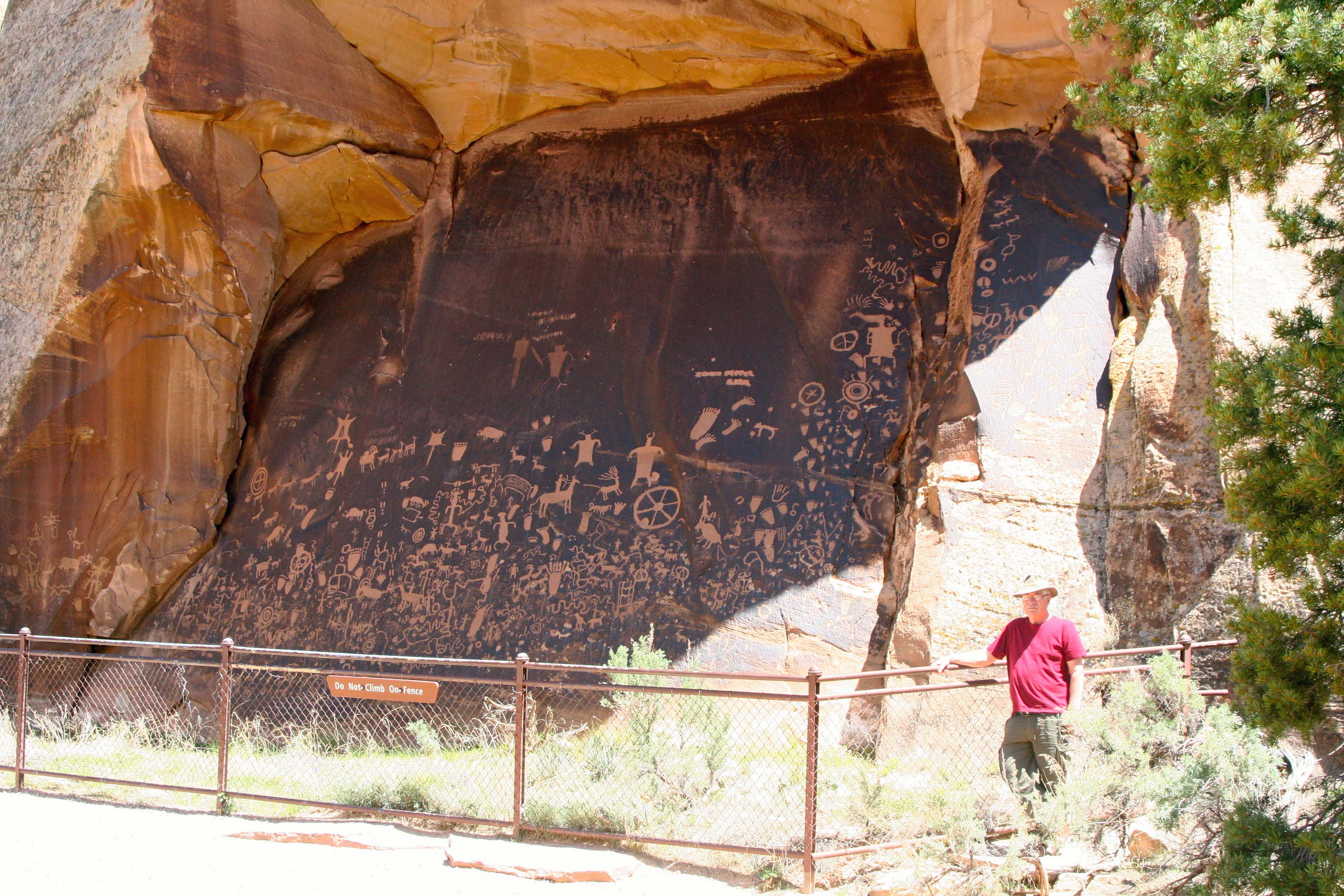
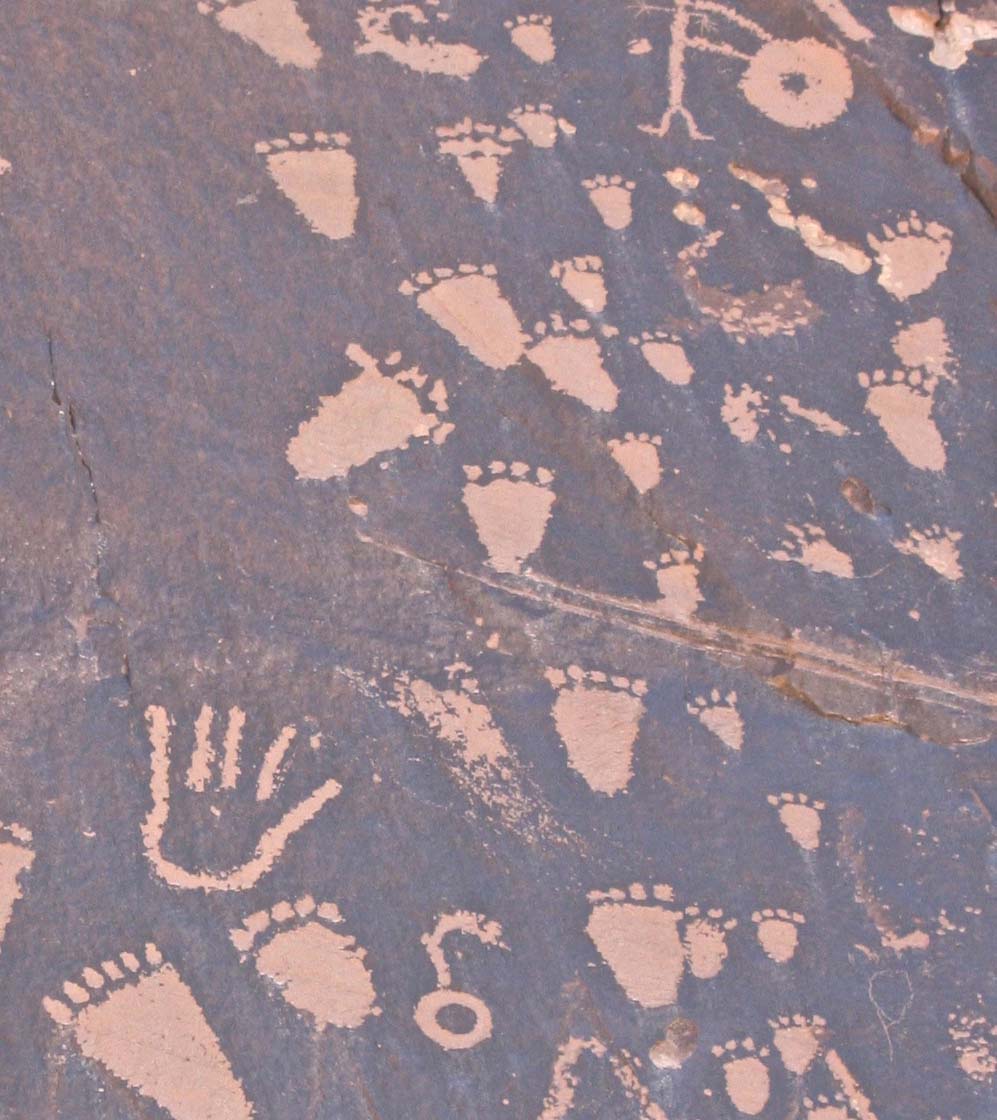
Since my blog focuses on travel, most of my ideas come from places we visit. I am always on the look out for good blog material. Maybe it will be a town we visit, or a national park, or an ancient site where Native Americans did rock art. When in Hendersonville over Christmas, my son-in-law, Clay (Tasha’s husband) took me out to eat outrageously hot (spicy) chicken that Nashville is famous for. My stomach is still complaining. I am going to blog about it.

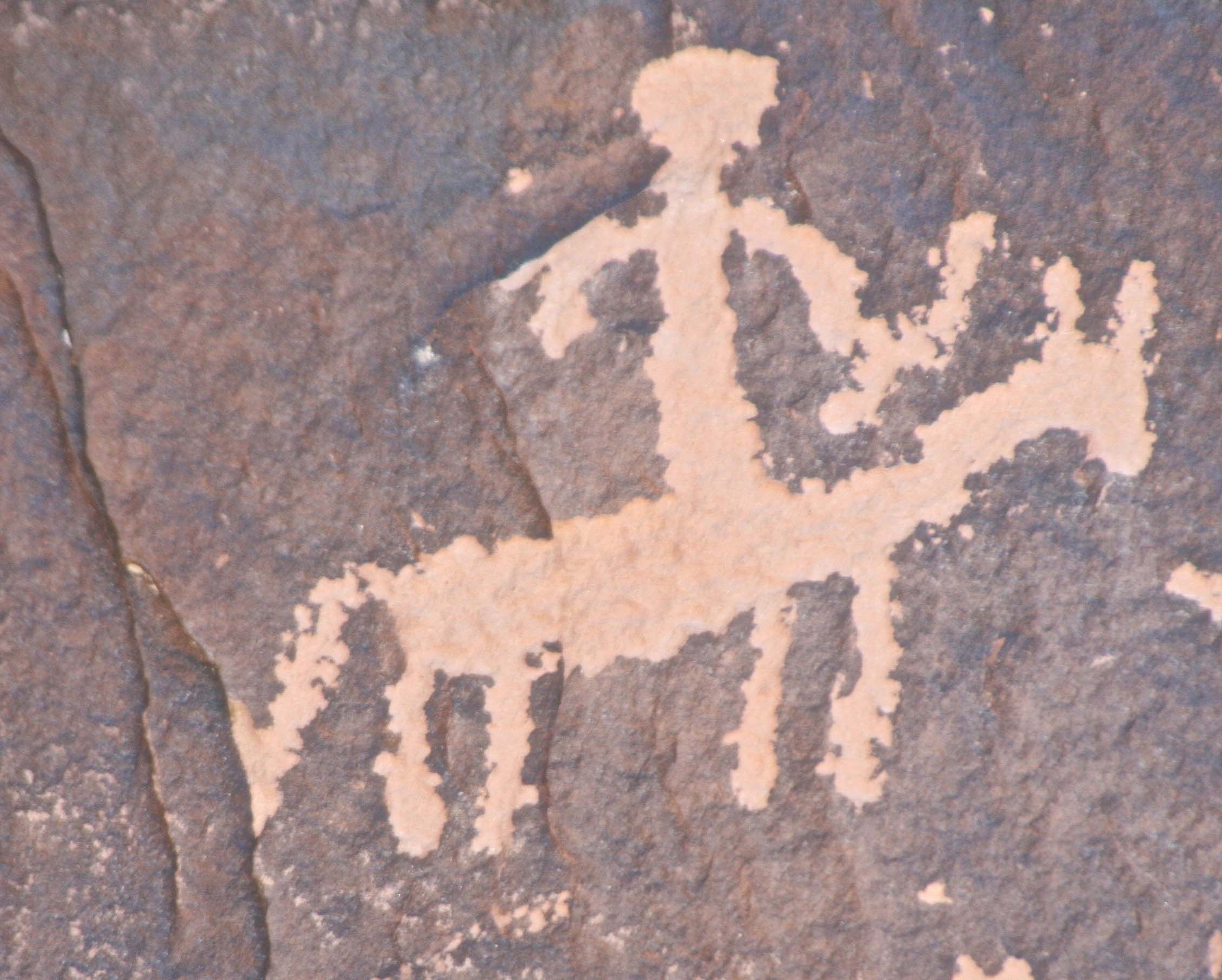
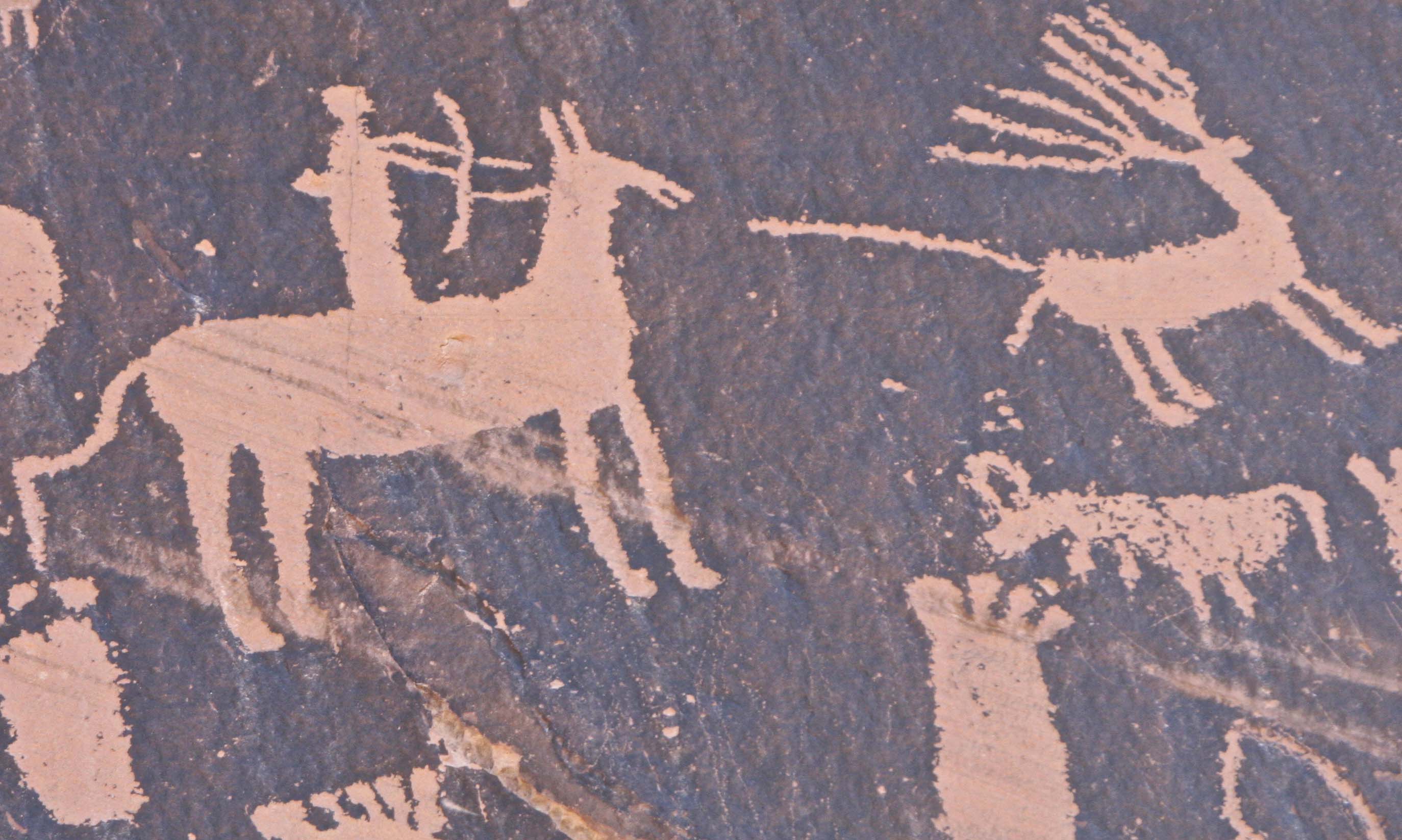
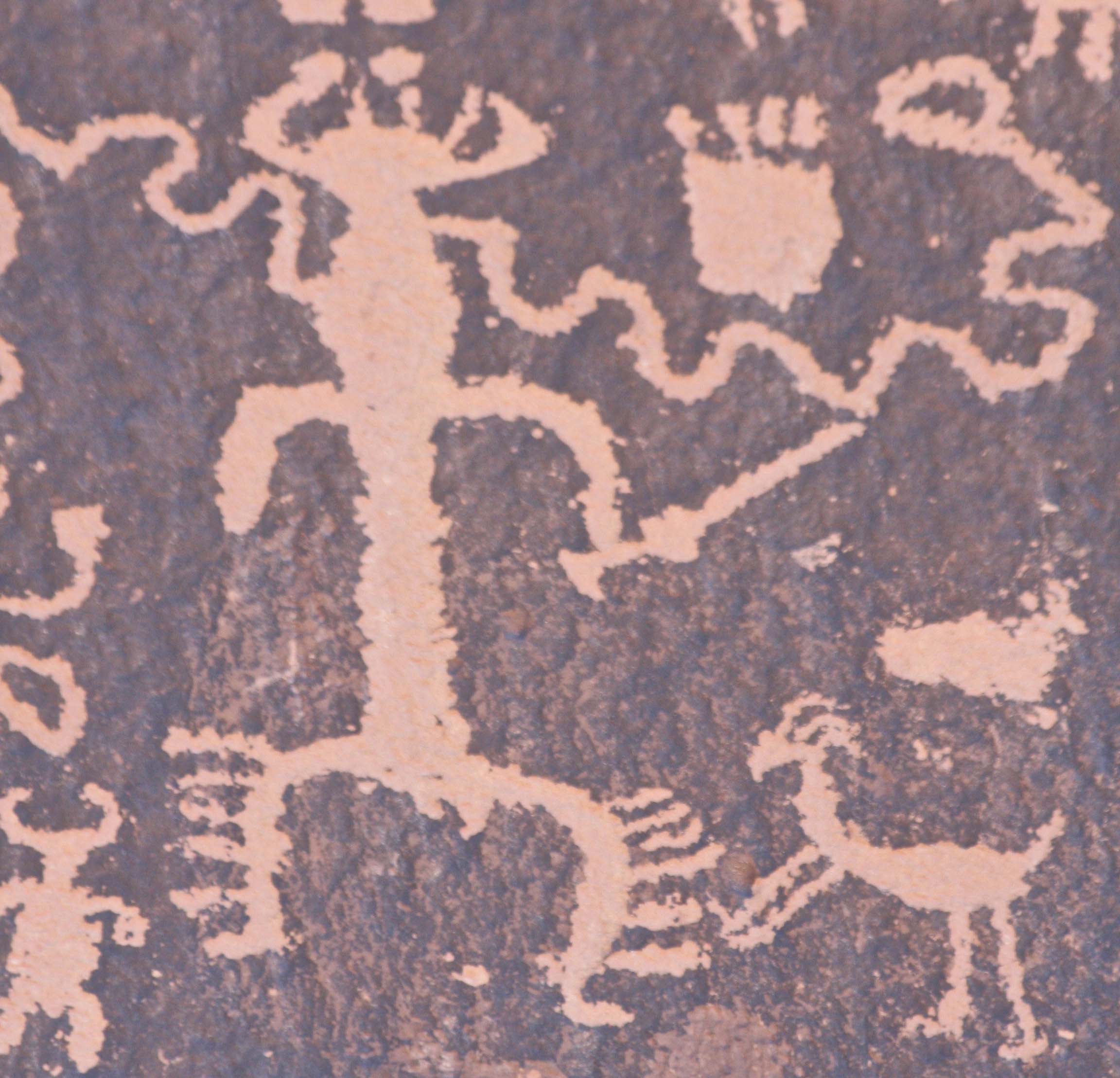
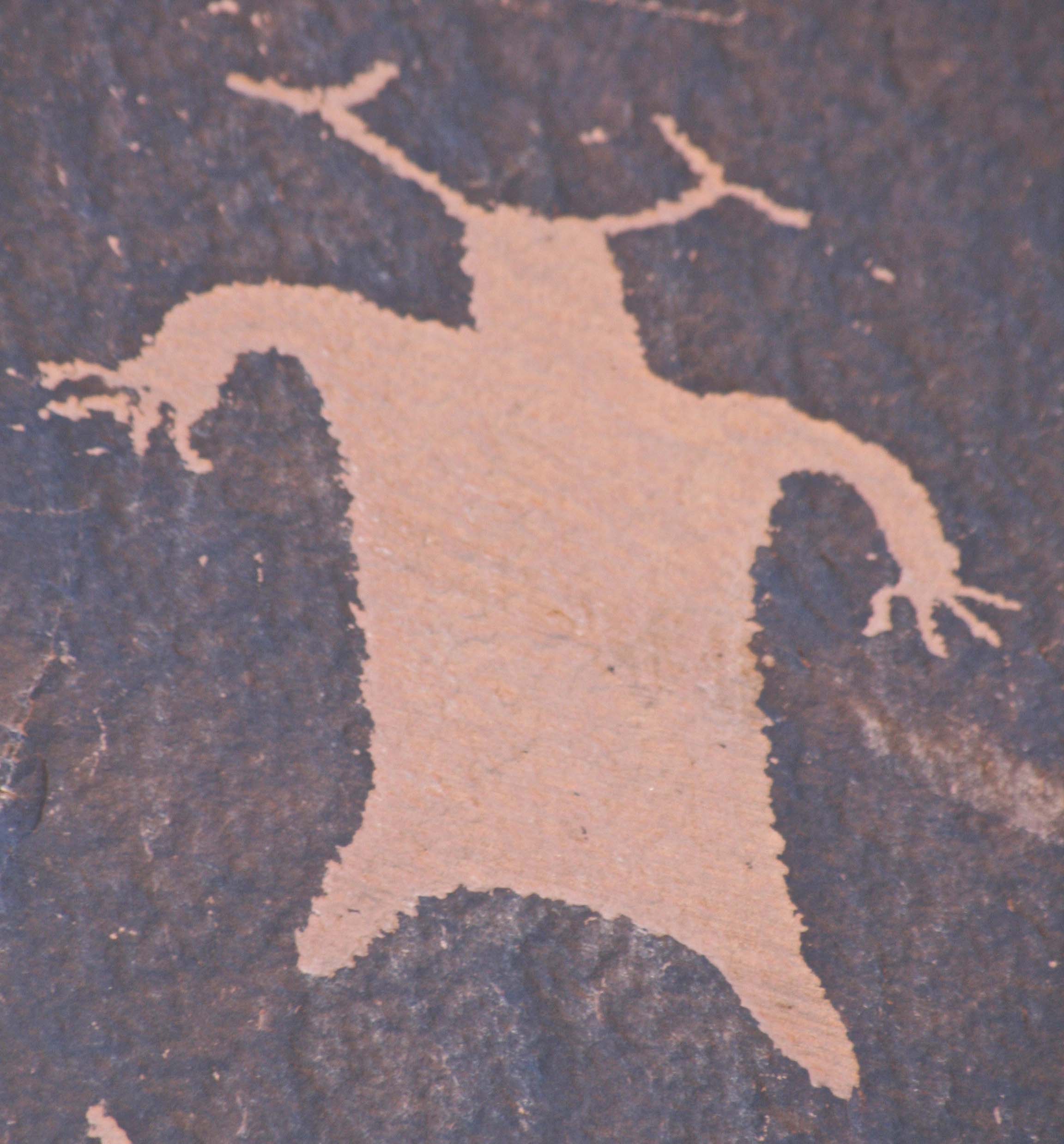
Indian rock art found in New Mexico.

Indian rock art found in New Mexico.

But I don’t limit my writing to travel. Sometimes I write about when I was growing up. Or I may write about where I live in Oregon. A while back some baby goats were born next door. I visited the goats and wrote a blog about them. Recently I did a series of blogs about Tasha’s grandfather who flew airplanes across the Himalayan Mountains in World War II. He had to bail out of his airplane when it ran out of gas and walk out of a jungle that was known for its tigers and headhunters.

What is the favorite place you have ever been?

This is a really hard question because different places have different things to offer. How do you compare Dubrovnik, Croatia with the Redwoods of California, or a cruise through the Mediterranean Sea with an 18-day raft trip down the Colorado River? Or, to bring it closer to home, how do you compare Nashville, Tennessee with Chattanooga. Each is unique.

Dubrovnik, Croatia

Dubrovnik, Croatia

Tasha's mom, Peggy, stands next to a redwood tree.

Tasha’s mom, Peggy, stands next to a redwood tree.

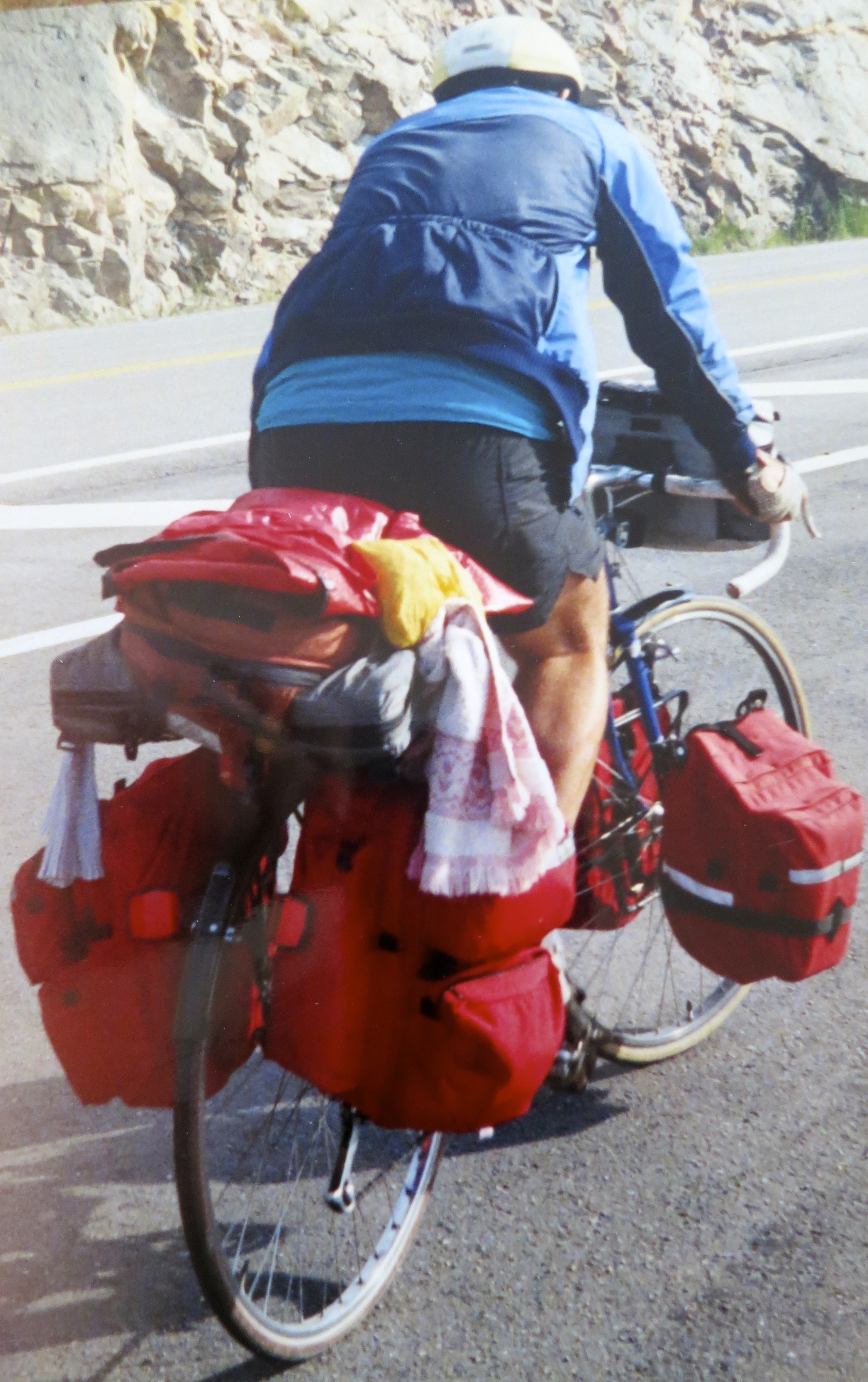
My favorite type of travel is adventure travel. Peggy and I once took a boat ride up the Amazon River. This summer we were kayaking out among the Orca Whales off of British Columbia. I once climbed on my bicycle and did a 10,000-mile solo trip around the US that took me six-months. (I bicycled through Tennessee as part of my trip.)

If forced to choose, I would say my favorite place to be is out in the woods. I am never happier than when I put on a backpack and disappear into the wilderness. I’ve backpacked all over the US including Alaska and Hawaii. When I turned 60, I backpacked 360 miles through the Sierra Nevada Mountains of California from Lake Tahoe to Mt. Whitney.

Nearing the end of my journey 360 mile backpack trek, Mt. Whitney stands in the background.
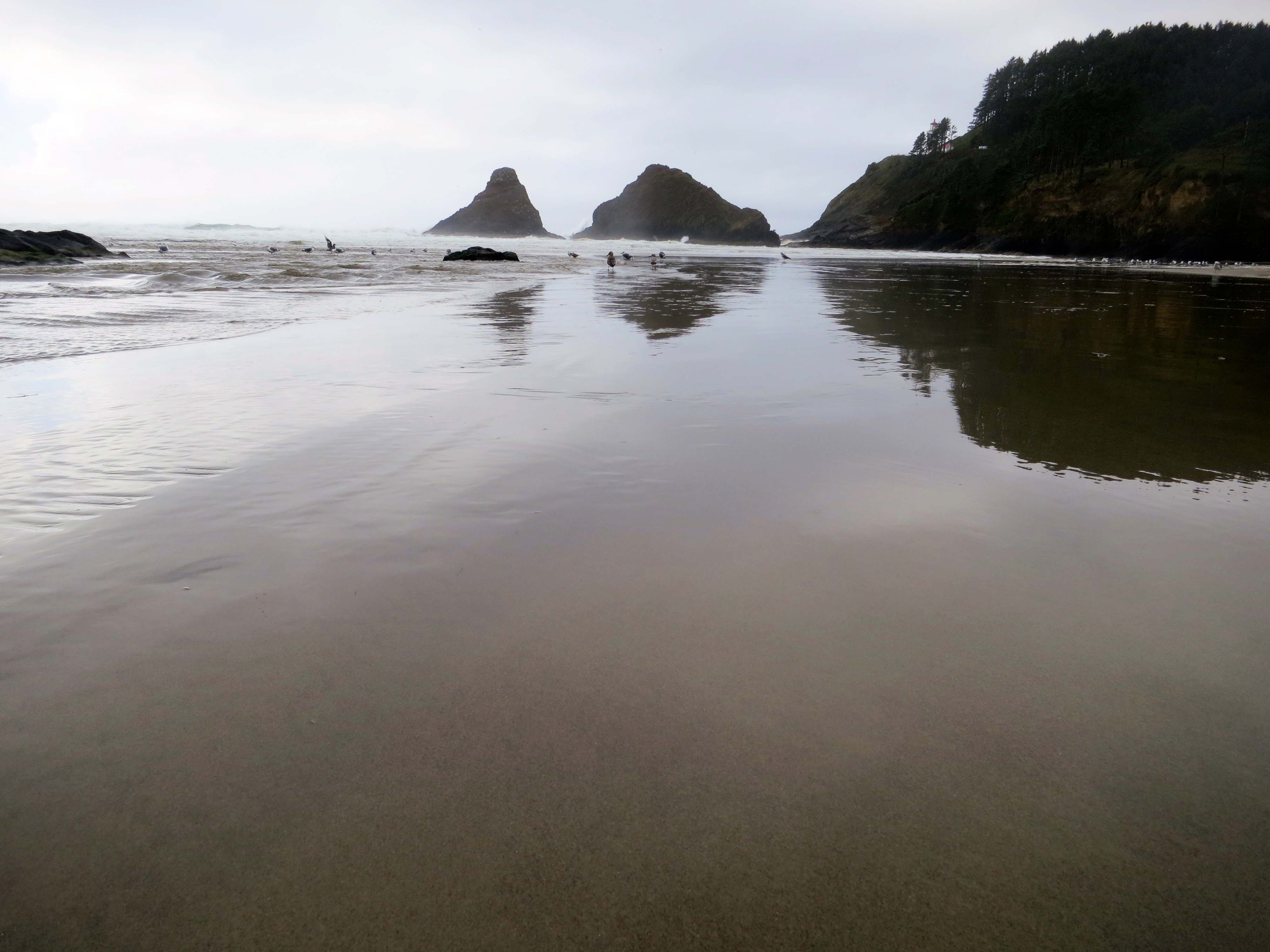
Nearing the end of my  360 mile backpack trek, I pose in front of Mt. Whitney.

Tasha joined me along the way for one week of my trip.

Tasha joined me along the way for one week of my trip.

How do you become a writer?

Write! I am serious. The best thing you can do to become a writer is to write all of the time. Keep a journal; make up stories for your friends; start a blog. One girl wrote, “I am writing a book at home, and I don’t know if there is a specific age to start. Do you?” My answer is that now is the perfect time, whether you are in the fifth grade or your seventh decade.

Reading is also very important. Read authors who are known as good writers and pay attention to how they write. Also read authors in the genre you want to write. For example, if you want to write mysteries, read mysteries.

It is also important to pay attention to the details of writing, such as learning grammar, avoiding spelling errors and painting pictures with words. A couple of students wanted to know how I found adjectives to describe my travels. It was a good question. Was it a black cat that crossed my path or a cat as dark as a moonless night? Two of the best tools an author can have are an active imagination and a good thesaurus.

My thanks to the fifth graders at Indian Lake Elementary School for inspiring this blog. Good luck in your future writing efforts.

NEXT BLOG: I bite a chicken and the chicken bites back.

I Am Dreaming of a White Christmas…

White oaks ans cedar covered with snow on the Applegat River of southern Oregon.

White oaks and one of our cedars dressed in white as seen from our patio.

I grew up listening to Bing Crosby singing White Christmas. It was one of my mother’s all-time favorite carols and became one of mine as well. As hard as I wished for a white Christmas in Diamond Springs, however, we never had one. I didn’t in Liberia or Sacramento, either. Alaska was a different story. (Grin)

This past week, I was hoping, hoping, hoping to wake up and find the ground covered in white. The local weather forecasters even hinted that there might be some snow in our future. It wasn’t to be, however. Sigh. As this post goes up, we are off in Tennessee celebrating Christmas with our daughter and family. Who knows what is happening on the Upper Applegate River?

It does snow here, though, in the Oregon foothills of the Siskiyou Mountains. And when it does, I dash outside with my camera. With that in mind, I went searching through i-Photo looking for snowstorms of the past, so you—and I, could have a white Christmas. All of these photos are taken from our property. Enjoy.

Peggy and I would like to take this opportunity to thank each and every one of you for joining us on our adventures this past year. We’ve enjoyed having you along. May all of our friends around the world have a joyous holiday season and a wonderful New Year.

Curt and Peggy

Upper Applegate Valley of southern Oregon covered in snow. Photo by Curtis Mekemson.

Another view from our patio looking out across the Applegate River south toward California.

Southern Oregon forest covered with snow. Photo by Curtis Mekemson.

This time, the forest is decorated with a low cloud.

White oaks in the Applegate Valley of southern Oregon covered in snow. Photo by Curtis Mekemson.

Our white oaks covered in snow.

A close up.

A close up. Can’t you just feel it? This is the type of snow I put on my tongue and let melt.

View of driveway on Mekemson property in southern Oregon.

A view of our driveway with the snow coming down.

Snow falls on cedars in Upper Applegate Valley of southern Oregon.

Huge, white, fluffy Flakes.

Doe and buck black tail deer in snow in southern Oregon.

A doe and a buck black tail deer, part of the herd that owns our property, wonder what we are doing out in the snow storm.

And what is a snowstorm without a snowman? I called this guy George. He reminded me of someone.

And what is a snowstorm without a snowman? I called this guy George.

And this was Peggy's joyous creation. Happy Holidays everyone.

And this was Peggy’s joyous creation. Happy Holidays everyone.


Wandering the Far West in 2014… Interim 2

The cover: A tufa tower in Mono Lake with Sierra Nevada Mountains in Background. Eastern California.

The cover of our 2015 calendar: A tufa tower at Mono Lake with Sierra Nevada Mountains in background. Eastern California.

I am still working on my blog about Peg’s dad and his experience as a Hump pilot in World War II. In fact, Peggy’s brother, John Dallen Jr., is now helping. I’ve been learning a lot. For example, yesterday, I discovered the approximate location where the plane John Sr. was flying crashed in the Indian jungle. I find the new information fascinating, but the research is slowing down the post.

In the meantime, I decided to put up another interim post or two. Today is calendar day. Each year, Peggy and I create a calendar for our families using photos we have taken during the year. Family birthdays and anniversaries are included. This year we are mailing out 28 calendars, which include 80 birthdays and anniversaries.   It’s quite the production.

Since the photos we use on the calendar reflect this past year’s adventures and are among some of our favorites, I thought they would be fun to share on the blog. If you are a regular follower of Wandering through Time and Place, I am sure you will recognize several of them. All photos were taken by either Peggy or me. Enjoy.

January: Burney Falls. Northern California

January: Burney Falls. Northern California

February: Cactus flowers. Valley of Fire State Park, Southern Nevada.

February: Cactus flowers. Valley of Fire State Park, Southern Nevada.

March: Red Rock Canyon National Conservation Area in southern Nevada.

March: Red Rock Canyon National Conservation Area in southern Nevada.

April: Old road with April flowers in Death Valley National Park. Eastern California.

April: Old road with April flowers in Death Valley National Park. Eastern California.

May: Weathered buildings at Bodie State Historical Park, a ghost town in Eastern California.

May: Weathered buildings at Bodie State Historical Park, a ghost town in Eastern California.

June: Sierra Nevada Mountains form the East. Peggy and I have backpacked through these mountains numerous times.

June: Sierra Nevada Mountains from the East. Peggy and I have backpacked through these mountains numerous times.

July:: Mt. Rainier National Park. Washington State.

July:: Mt. Rainier National Park. Washington State.

August: Humpback whale dives when Peggy and I are on kayaking trip off Vancouver Island.

August: Humpback whale dives when Peggy and I are on kayaking trip off Vancouver Island.

September: Burning Man in remote northern Nevada desert.

September: Burning Man in remote northern Nevada desert.

October: Rainbow caught in waves on Oregon Coast.

October: Rainbow caught in waves on Oregon Coast.

November: Sunset in Sedona, Arizona.

November: Sunset in Sedona, Arizona.

December: Bell Rock in Sedona, Arizona.

December: Bell Rock in Sedona, Arizona.


Now Playing in Our Back Yard: A Turkey Fan Dance… An Interlude

Wild turkeys use their tails for a fan dance in southern Oregon. (Photo by Curtis Mekemson.)

Wild turkeys use their tails to perform a fan dance in our back yard.

It’s pouring down rain as I write. Northern California is getting slammed and some of the rain is slipping across the border into Southern Oregon. The Weather Channel has named our deluge THE MONSTER STORM. Get out your hammer, Noah. I sat in our sunroom (very much a misnomer today) and watched the rain fall while Peggy listened to Christmas carols and worked on a quilt inside.

Our deck reflects the rain.

Our deck reflects the rain. The last of fall adds a touch of color along the Applegate River.

Rain splattered windows provided a view of our cedar tree out of the sunroom.

Rain splattered windows provided a view of our cedar tree from the sunroom.

I was escaping from work, playing hooky. Things have become a bit hectic around here. Christmas and a trip to Tennessee are just around the corner. So I have been shopping, writing the Christmas letter, and putting together the annual family calendar.

I am also up to my eyeballs in writing an extensive blog about the time that Peggy’s father was forced to bail out of a damaged airplane into the jungle known for headhunters when he was flying supplies into China during World War II.

And last— very far from least, the final proofs on the book about my Peace Corps experience in West Africa are supposed to come in today or tomorrow. I can’t figure out whether I am more nervous or excited. The book should be available world-wide as an E-book by Christmas. So keep your eyes open for The Bush Devil Ate Sam. Several of you helped me choose the title. I will post how to obtain copies on my blog as soon as it is available. Peggy and I are donating half of whatever profits we receive to fighting Ebola in Liberia.

A carved rendition of a Liberian Bush Devil that I purchased from a leper in Ganta, Liberia in 1965.

A carved rendition of a Liberian Bush Devil that I purchased from a leper in Ganta, Liberia in 1965.

One result of all this activity is that my blog production has slowed down. So I was delighted this afternoon when a flock of turkeys that hangs out on our property came by and put on a fan dance with their tails. It was a blog-ready show! And the rain was taking a break. I grabbed my small S-100 Canon and ran out to join them.

Wild turkeys on display in southern Oregon. Photo by Curtis Mekemson.

The turkeys line up for their dance.

Turkeys strut their stuff in southern Oregon. Photo by Curtis Mekemson.

Begin.

And strut their stuff.

And strut their stuff.

Doing the turkey trot.

Doing the turkey trot.

With tail feathers extended. Next blog: Peggy's dad crashes his air plane in a remote Burma jungle.

With tail feathers extended. Next blog: Peggy’s dad bails out into a remote Burma jungle during World War II.

A Wild Ocean and Crashing Waves… The Oregon Coast

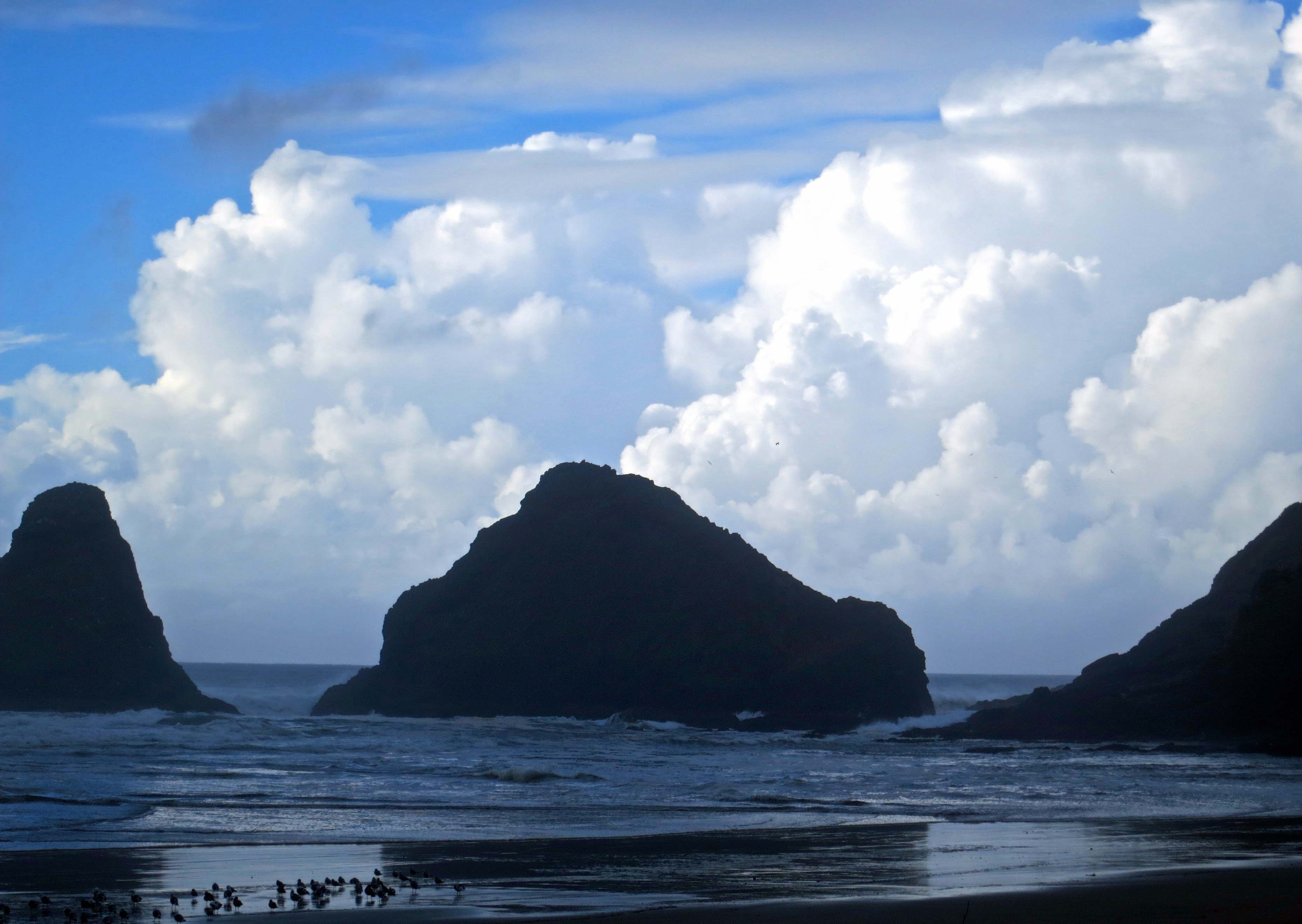
Rainbow created in waves crashing along the Oregon Coast at Depoe Bay. Photo by Curtis Mekemson.

A moment of sun creates a rainbow in waves crashing along the Oregon Coast.

A winter storm on the Oregon Coast is a sight to see. In fact, motels along the coast promote storm watching. Here’s one such pitch: “Sit back and relax in your cozy room by the fireplace and watch through your huge picture window as furious waves pound the rocks below.” And furious they are.

A storm was raging when I drove down the coast a few weeks ago. In between torrential rainfall, the sun would peek out, and I would stop to admire the crashing waves. I didn’t have a huge picture window, so I admired the waves as they were meant to be admired, up close and personal. Following are several photos I took.

Dramatic waves crash ashore on the Oregon coast. Photo by Curtis Mekemson.

Very few shows are as dramatic as ocean waves during a storm.

Powerful waves crash ashore on the Oregon coast. Photo by Curtis Mekemson.

Rules numbers 1 and 2 when enjoying waves like these: Keep a distance, and never, never turn your back.

Spouting Horns at Depoe Bay shoot waves into the air. Photo by Curtis Mekemson.

One of the best know spots for watching waves on the Oregon Coast is in the community of Depoe Bay where the ocean shoots through lava tubes and is thrown high into the sky through what is known as the Spouting Horns.

View of Spouting Horns at Depoe Bay on the Oregon Coast. Photo by Curtis Mekemson.

Another view of the Spouting Horns. I could almost see a ghostly face staring back at me.

View of waves thrown into the air at Spouting Horns, Depoe Bay, Oregon. Photo by Curtis Mekemson.

And a third view.

Wave retreats at Depoe Bay, Oregon. Photo by Curtis Mekemson.

The wave’s energy expended by crashing against the rocks, the water flows back into the ocean.

The Devi's Churn on the coast of Oregon. Photo by Curtis Mekemson.

It’s known as the Devil’s Churn. Waves come driving in from the ocean and are forced up a narrow channel, turning the water into a frothy, whipped cream like texture.

Devil's Churn on Central oregon coast showing whip cream like texture of waves. Photo by Curtis Mekemson.

A close up of Devil’s Churn showing the whip cream like texture of the waves.

Devil's Churn on Oregon coast whips waves into a froth. Photo by Curtis Mekemson.

The Churn at work.

A final view of the Devil's Churn.

A final view of the Devil’s Churn. Next blog: A hangar large enough to accommodate eight blimps in Tillamook, Oregon.


When Orcas Go Swimming By… British Columbia Sea Kayak Adventure: The Conclusion

Orca family in Johnstone Strait, British Columbia.

We dropped what we were doing to watch the orca family pass by our campsite. (Photo by Peggy Mekemson.)

“Orcas!” Kimberly cried out, and we all went dashing for the beach with our cameras. Kimberly liked to perch on convenient logs and rocks, looking out at the Johnstone Strait. It gave her a front row seat on the action. I get it. I can stare out at the Pacific Ocean for hours— watching the waves roll in, listening to the lonely calls of seagulls, admiring the crazy antics of pelicans, and, yes, looking for whales.

Looking for orcas in Johnstone Strait, British Columbia.

Perched on a rock, Kimberly keeps a sharp eye out for orcas.

We had barely arrived at our campsite when the first family of orcas came swimming by. We were still in the middle of tucking our kayaks away in the forest above the tide line. Everything was dropped, including the kayaks. There were whales to see.

Sea Kayak Adventures group watches orcas in Johnstone Strait, BC. Photo by Curtis Mekemson.

The rallying cry of “Orcas!” sent everyone scrambling for a view.

A baby orca surfaces in Johnstone Strait, BC.

A baby orca surfaces. Our reward for being vigilant. (Photo by Peggy Mekemson.)

This was our last campsite before heading home. Once again we had returned to Vancouver Island. We were located at Sea Kayak Adventures’ Little Kai Camp and would be there for two nights. Seeing orcas on our arrival was a good omen. We were happy campers. Not even the surround sound of fishing boats or a deluge of cold rain could dampen our spirits.

Beach at Little Kai Camp on Vancouver Island. and Johnstone Strait.

The beach at Little Kai camp.

Who can complain when surrounded by good people and beautiful scenery? But our trip was drawing to a close. After several more good meals, another kayak adventure, an evening of fun and story telling, and more orcas, it was time to pack up our kayaks and paddle back to Telegraph Cove. An orca gave us a final British Columbia send-off.

Our group works its way south along Vancouver Island. Shortly afterwards the skies opened up and dumped buckets of rain on us.

Our group works its way south from Little Kai Camp along Vancouver Island. Shortly afterwards the skies opened up and dumped buckets of rain on us. (Photo by Peggy Mekemson.)

Driftwood on Johnstone Strait, Vancouver Island. Photo by Curtis Mekemson.

Back at camp, I found interesting driftwood.

Heart shaped rocks found on Little Kai Beach off of Johnstone Strait. Photo by Curtis Mekemson.

We were amused to find that previous kayakers had collected numerous heart-shaped rocks off of Little Kai Beach.

Dinner is served on Sea Kayak Adventures' trip on Johnstone Strait.

Dinner is served.

Fishing boats shattered the quiet of our campground. BC fisheries had declared an eight hour fishing season to reduce the number of salmon trying to get up streams.

Fishing boats shattered the quiet of our campground. BC fisheries had declared an eight-hour fishing season to reduce the number of salmon trying to get up streams. Boats came from everywhere. (Photo by Peggy Mekemson.)

We wrapped up our final evening with a campfire, story telling, songs and a skit.

We wrapped up our last evening with a campfire, story telling, songs and skits.

The final morning we posed for an 'official' group photo.

Our ‘official’ group photo.

Bear on Johnstone Strait, BC.

Kayaking back to Telegraph Cove, we came on a black bear. We weren’t able to determine how he managed to get the stick lodged in his fur. Was it the shaft of an arrow? (Photo by Peggy Mekemson.)

Since we had begun our kayak adventure searching for orcas, it is appropriate that I end this series with a picture of the final orca we saw. (Photo by Peggy Mekemson.)

Since we had begun our kayak adventure searching for orcas, it is appropriate that I end this series with a picture of the final orca we saw. (Photo by Peggy Mekemson.)