
You’re stuck if you are a raindrop falling into Mono Lake— or anywhere else in the Great Basin. There are no convenient rivers to whisk you away to the sea. Evaporation is your only escape. Water tends to become a little grouchy under these conditions, or make that salty. In fact, Mono Lake is 2.5 times as salty as the ocean, and 100 times as alkaline. The good news here is it is really hard to drown. You can float to your heart’s content. Even sea gulls have a hard time keeping their feet in the water to paddle. The bad news is a minor cut or scrape will send you screaming for the shore.
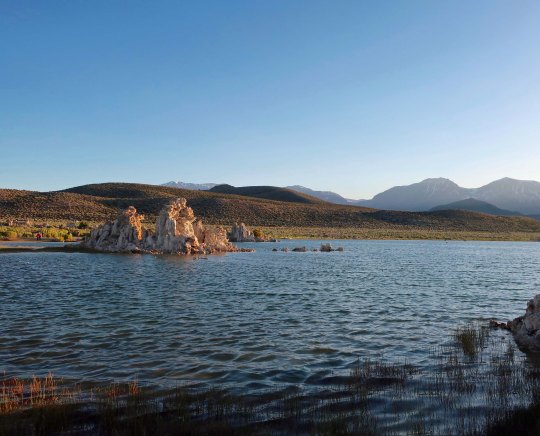
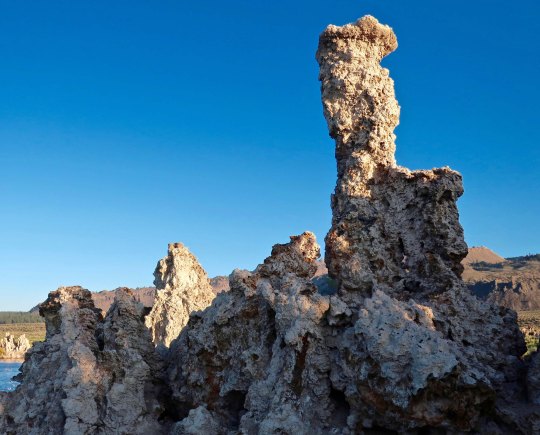
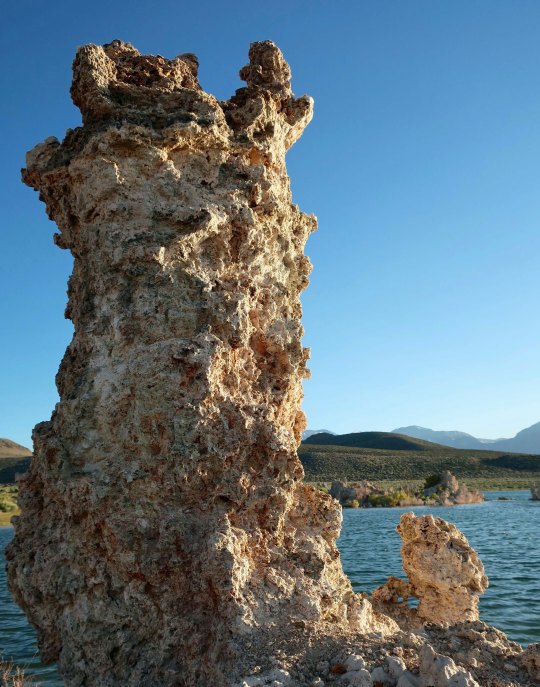
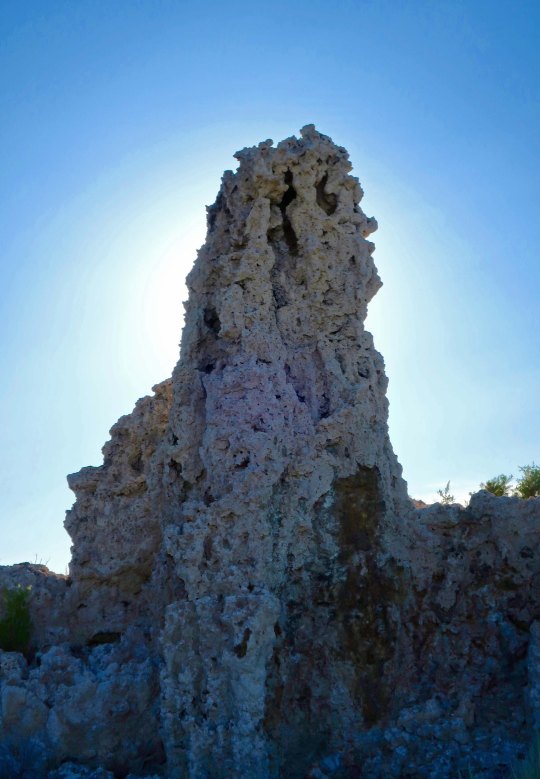
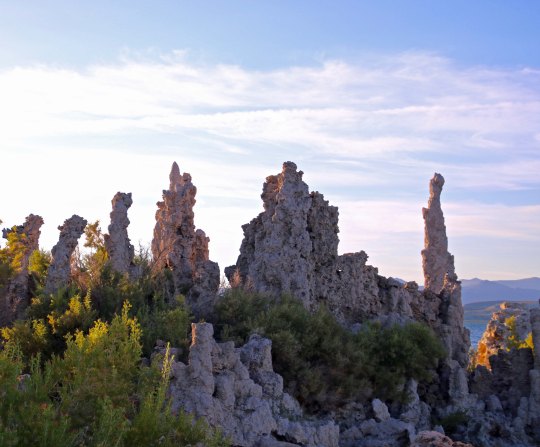
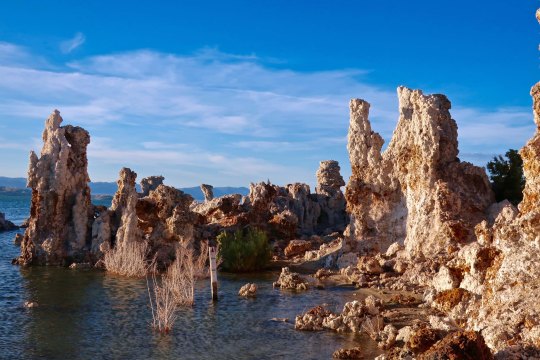
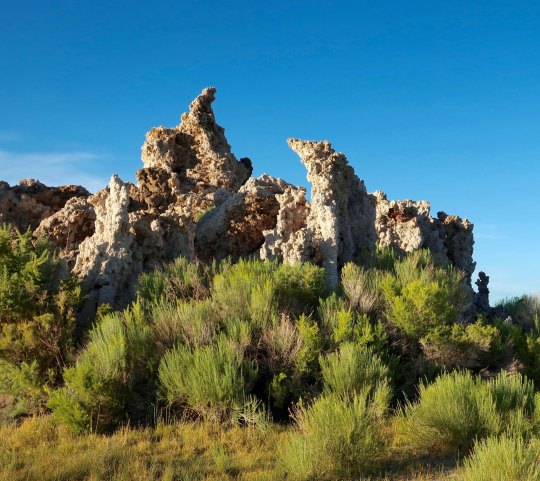
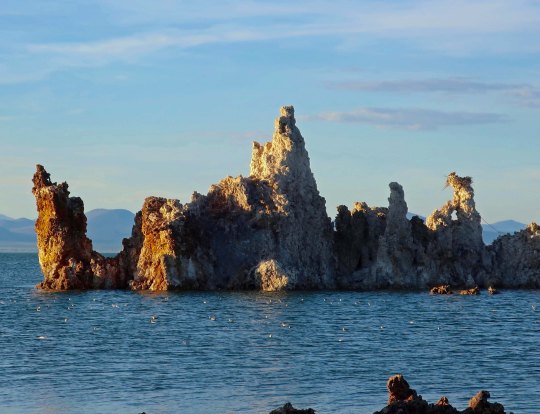
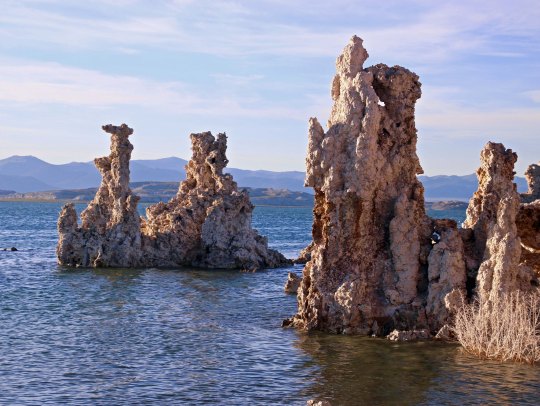
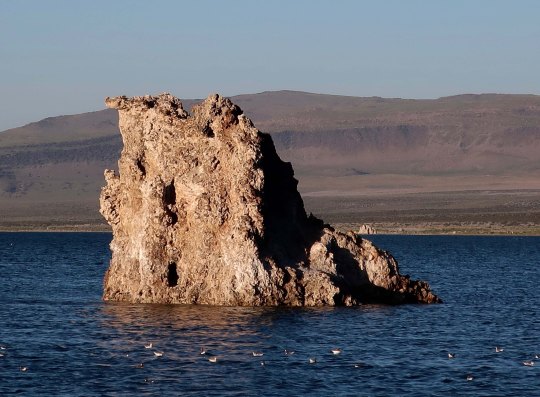
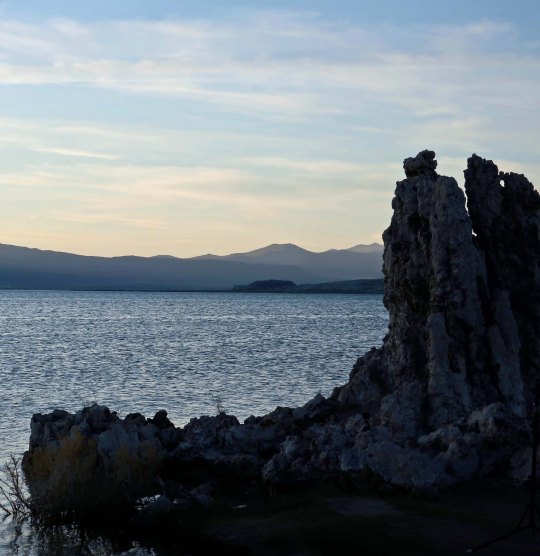
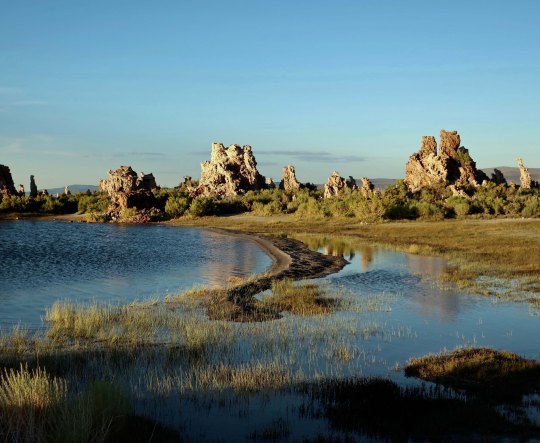
There is magic in the water, however. Springs flowing underground from the surrounding mountains are rich in dissolved calcium. When they bubble up into the lake, the calcium bonds with the carbonates in the lake and together they make rocks, or what are known as tufa towers. In the past, when the lake was full, these towers hid out under the surface and happily continued to grow. There were few or no tufa towers to see. Mark Twain camped out on the lake in the 1860s when he was searching for a lost gold mine and noted in Roughing It,“This solemn, silent, sailess sea— this lonely tenant of the loneliest spot on the earth—is little graced with the picturesque.”
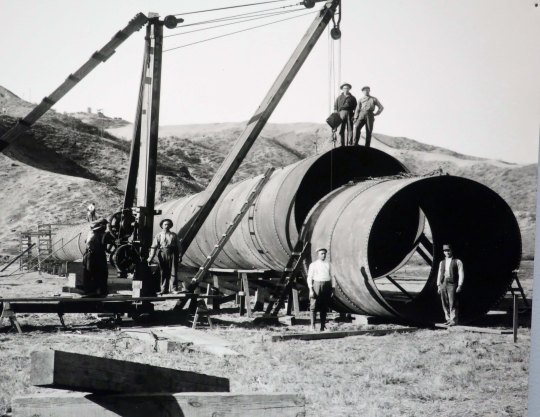
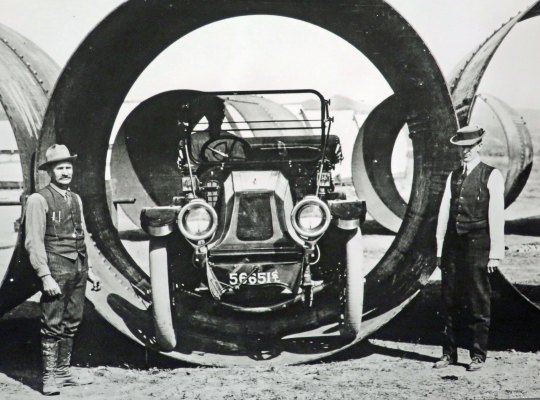
Obviously, the tufa towers weren’t there to greet him. We can thank Los Angeles’s formidable Department of Power and Water for their presence. Back about 1913, DPW had the challenge of supplying more water to the ever-thirsty Los Angeles with its desert environment and burgeoning population. It decided that there was plenty of water up in Owens Valley along the eastern side of Sierras. DPW didn’t bother to ask the local residents, farmers and ranchers whether they wanted their water to go to LA. It didn’t have to. It had the power to grab what it wanted. Things got nasty. Water wars in the West aren’t pretty. “Greed of City Ruins the Owens Valley” the headlines in the Inyo Register screamed. And it wasn’t far from wrong. Every stream of consequence flowing into the valley was tapped to meet LA’s water needs. What lakes that existed started drying up, including Mono Lake. Starting in 1941, DPW began taking water from the lake’s major tributaries, dropping the lake some 40 feet.

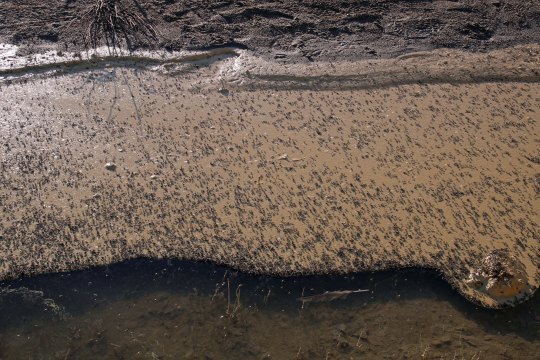
Environmentalists mounted a major effort starting in the 70s to save the lake. Fish can’t survive in the highly saline/alkaline water, but some four trillion brine shrimp, innumerable small alkali flies, and algae find the conditions perfect. The shrimp and flies, in turn, serve as a major food source for the two million birds that stop off to dine in the lake. The lowering water levels threatened to kill off the algae, shrimp and flies. The birds were in danger of losing their handy fast food restaurant. In 1994, The California Department of Water Resources stepped in to resolve the issue by requiring DPW to reduce the amount of water it was taking from the lake’s streams and repair some of the damage it had done to the riparian habitats along the streams. While the lake won’t return to the levels that existed when Mark Twain visited, the ecosystem is now being protected. Birds will be able to continue to stuff themselves while visitors can continue to enjoy the unique beauty of the tufa towers.



It was late in the afternoon when I visited the south end of the lake where the most impressive tufa towers are found so I was able to photograph the towers at sunset. The warm tones added to the beauty. I took lots of pictures. (Grin) To get here look for the signs that direct you to the South Tufa Towers south of Lee Vining off of Highway 395.










NEXT POST: The ghost town of Bodie
 Wandering through Time and Place