The focus series looked at cats last week. Dogs insisted it’s their turn this week.
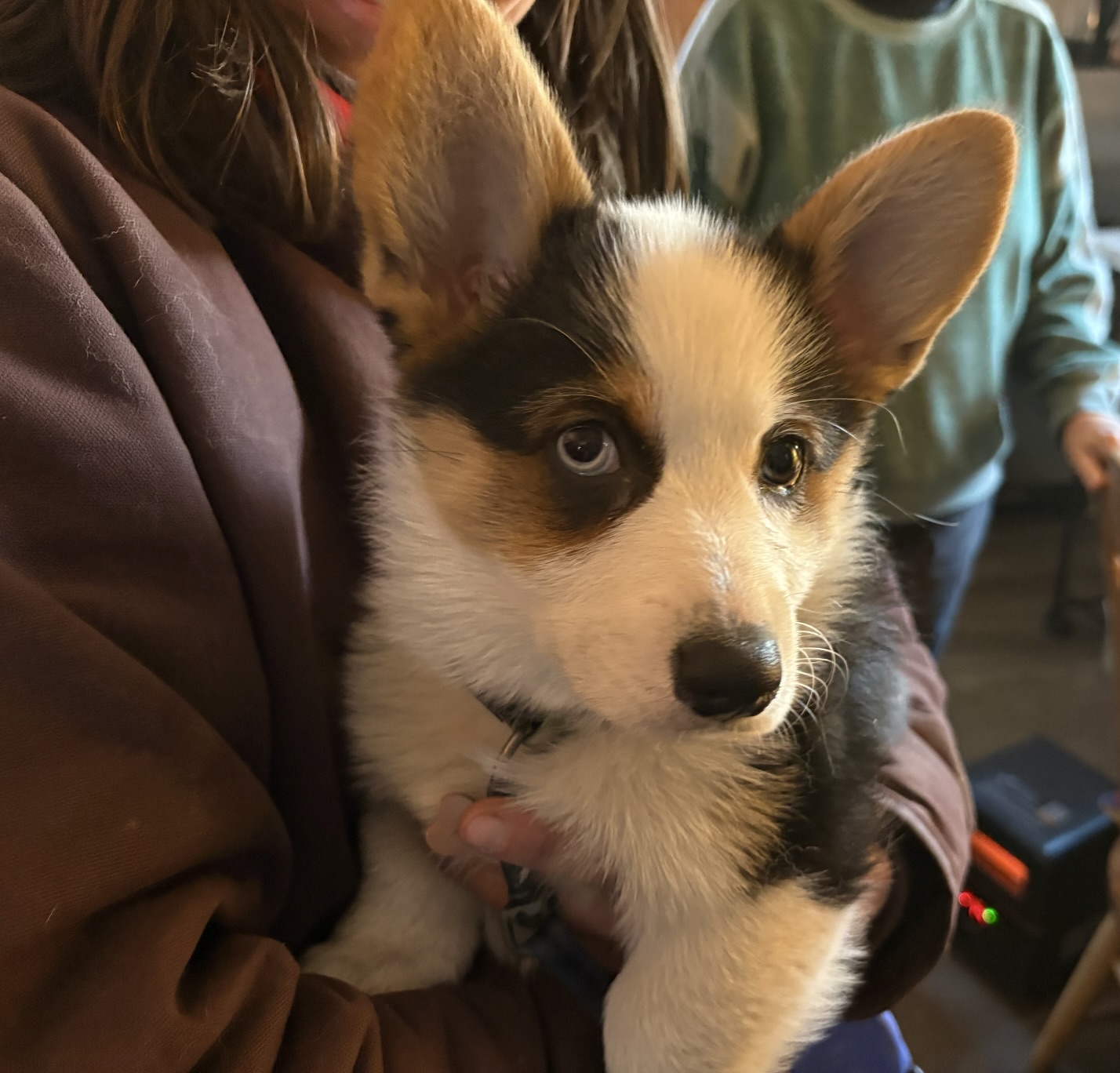
Meet Leta. When our grandson Ethan’s friend, Annie, came to visit recently, she bought her Corgi pup with her. It was ‘cuteness’ personified.
Here are some fun facts about the puppy and other dogs as well. Leta’s nose print is unique to her. Just like your thumbprint is to you. No two dogs have the same one. What her nose does share with most other dogs are some 150 million olfactory receptors. Humans have around 6 million. That’s why their sniffing ability far exceeds ours. Some dogs have a lot more. The blood hound is top dog with around 300 million. They can follow tracks several days old and can stay on a scent trail for over 100 miles. Their sense of smell is so well documented that it can be admitted as evidence in a court of law. “Sniff, sniff. Woof, woof, woof!” Translated: Number three in the lineup robbed the bank.
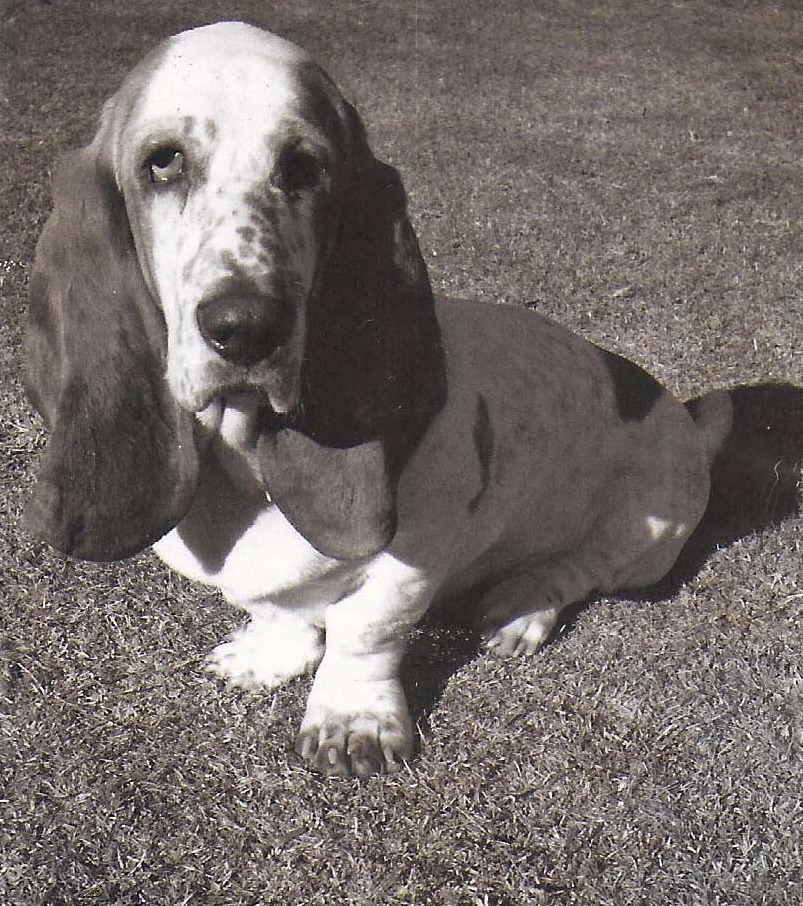
Basset Hounds are #2 in olfactory receptors and their capabilities for tracking. This is Socrates, my dog of the late 60s and 70s. He loved to go backpacking with me and wander off on his own— after who knows what. Gophers maybe. He specialized in trying to dig them up. I never worried about him, however. He always tracked me down later. He knew the source of his milk bones.
While we are dealing with a dog’s sense of smell, here’s a fact I didn’t know. They have a back up system for ‘smelling’ pheromones (chemicals) that contain a great deal of information. It’s called Jacobsons Organ and is found on the roof of their mouth. It has a direct line to the brain where the information on the pheromones is translated: Valuable information to Bowser: Such as whether Fifi is ready to breed. Information on health and mood can also be transmitted. Yours, as well as another dog’s.
Pee, poop, and even feet carry pheromones which are created by scent glands. Because pheromones are volatile, they are released to the air and can travel long distances. That’s why Bowser might get excited if Fifi is in heat, even if she lives three miles away. Given an opportunity, he will go roaming and show up on her doorstep. I found the information about feet interesting as well. You’ve likely seen a dog kicking backwards after it has done its business. I’d always thought it was making a half hearted attempt to cover its poop. Actually it’s using the scent glands on its feet to mark its territory. It’s kind of a “I pooped here,” message. The pheromone is the sentence; the poop the exclamation point.
Scent glands near the anus provide all kinds of information, which is why dogs are always sniffing each other’s butts. Each dog has its own unique pheromones that travel to the sniffing dog’s Jacobsons Organ and then their brain where they are stored and interpreted for immediate and future use. A dog can actually recognize a dog it has sniffed years before. And remember its mood. “When I was a puppy, you were grouchy and bit me. Now you are old and I’m twice as big. Guess what?”
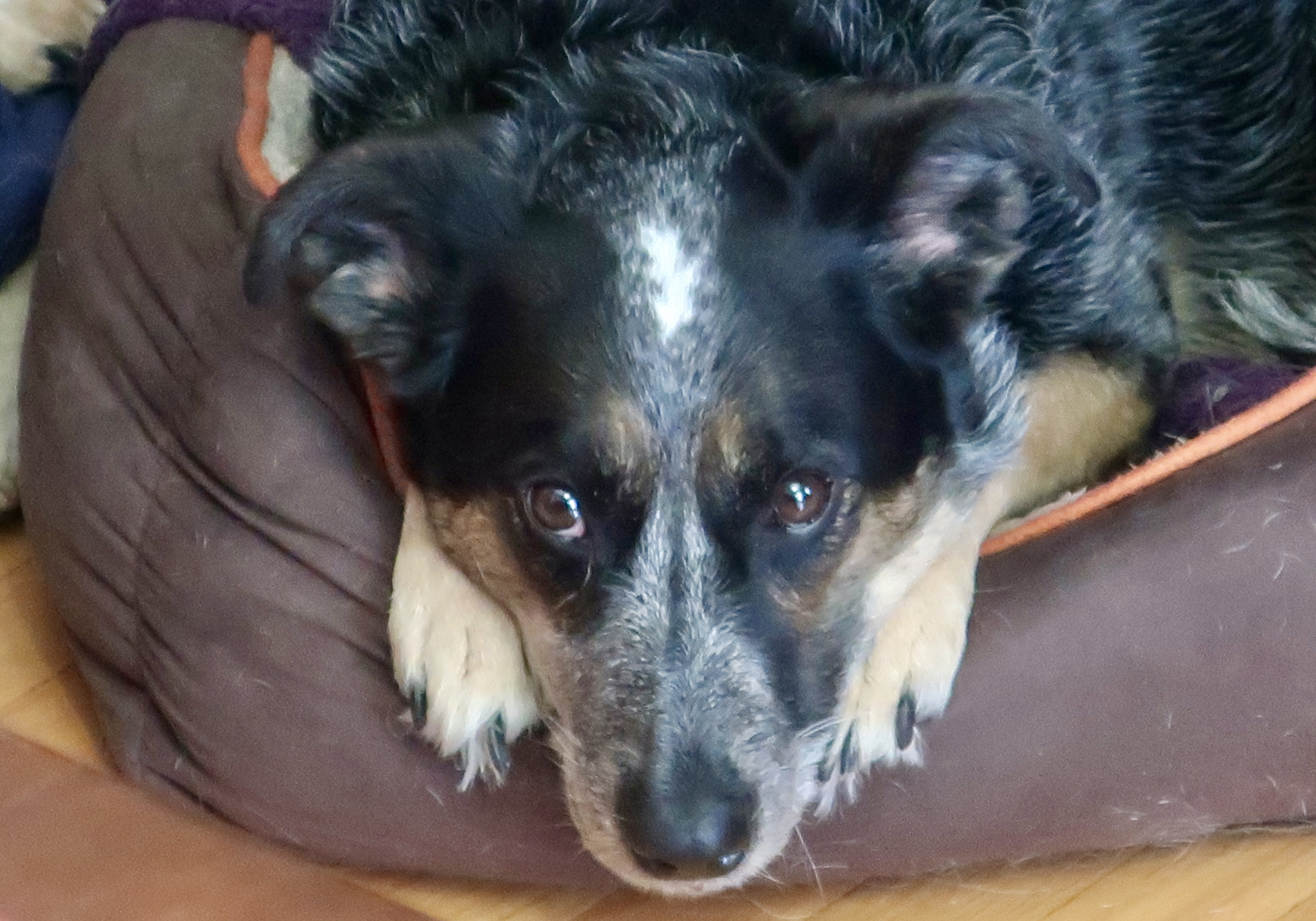
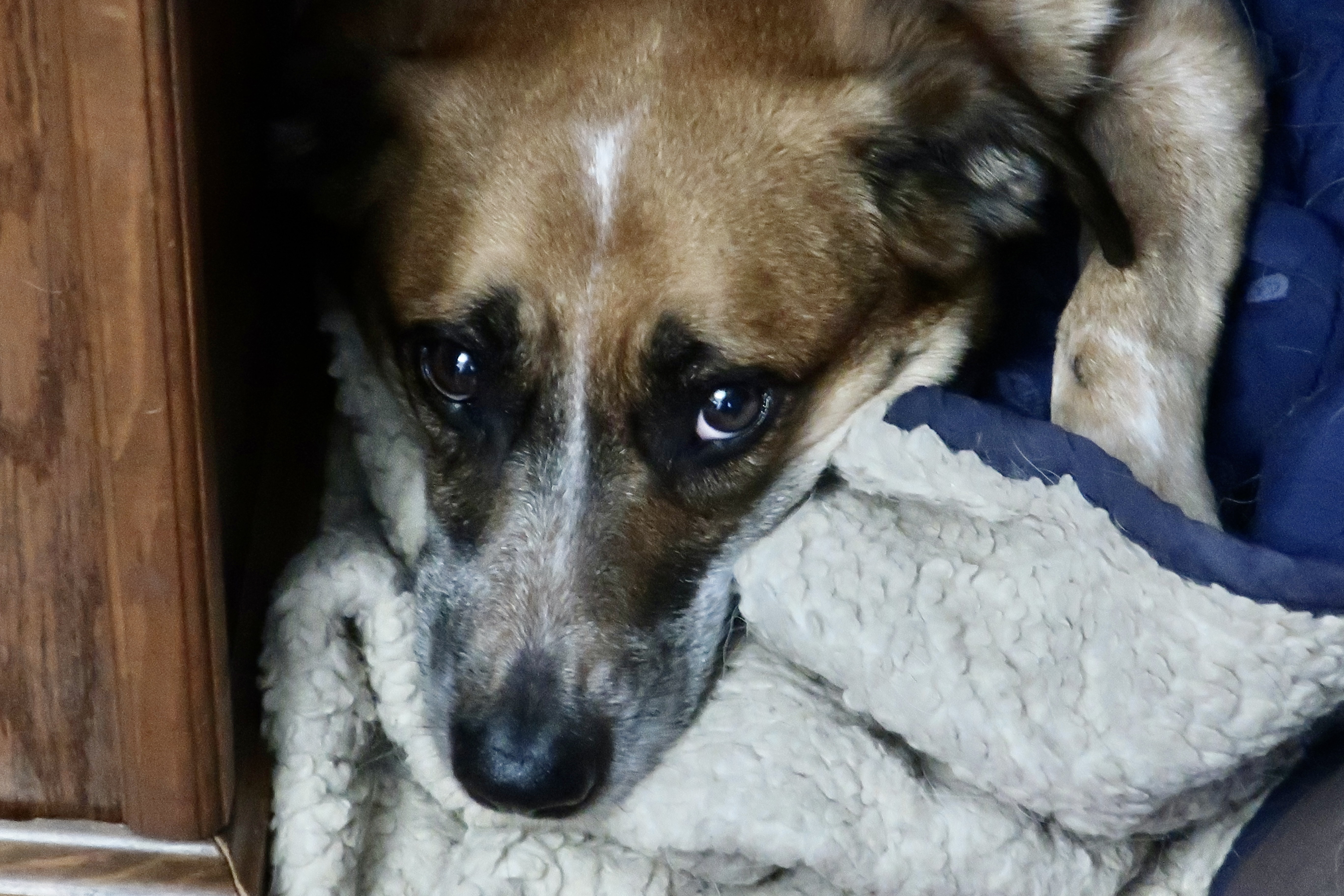
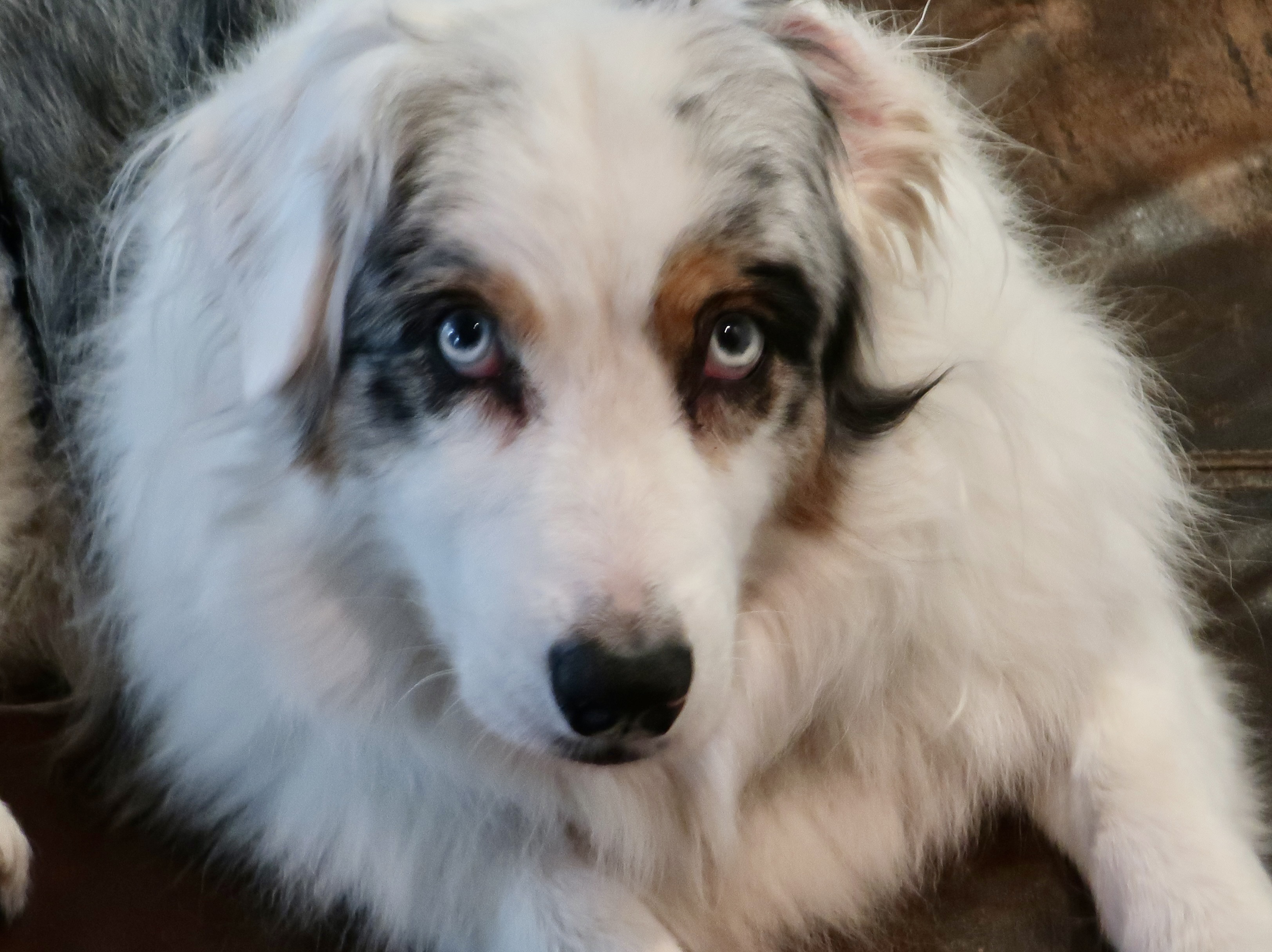
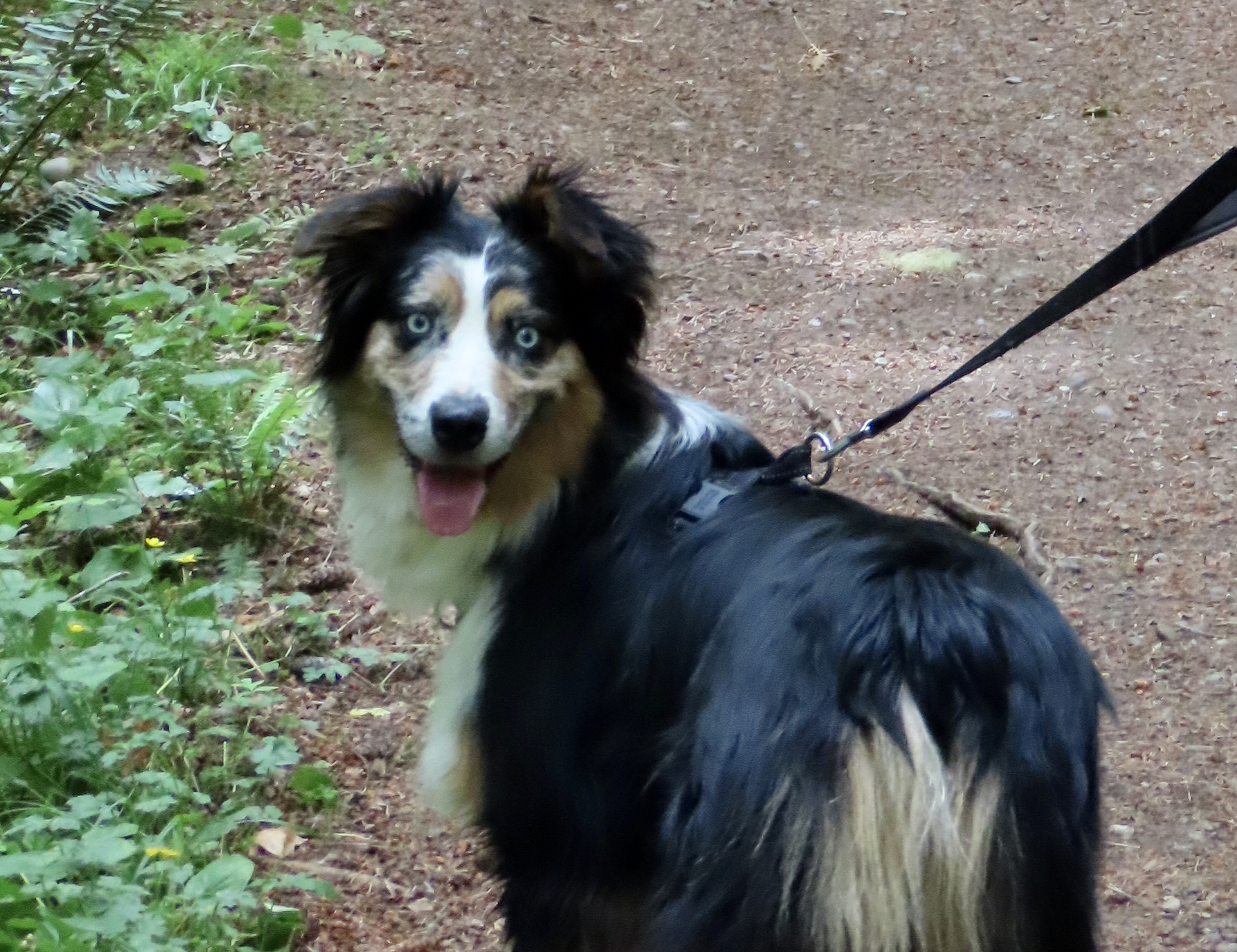
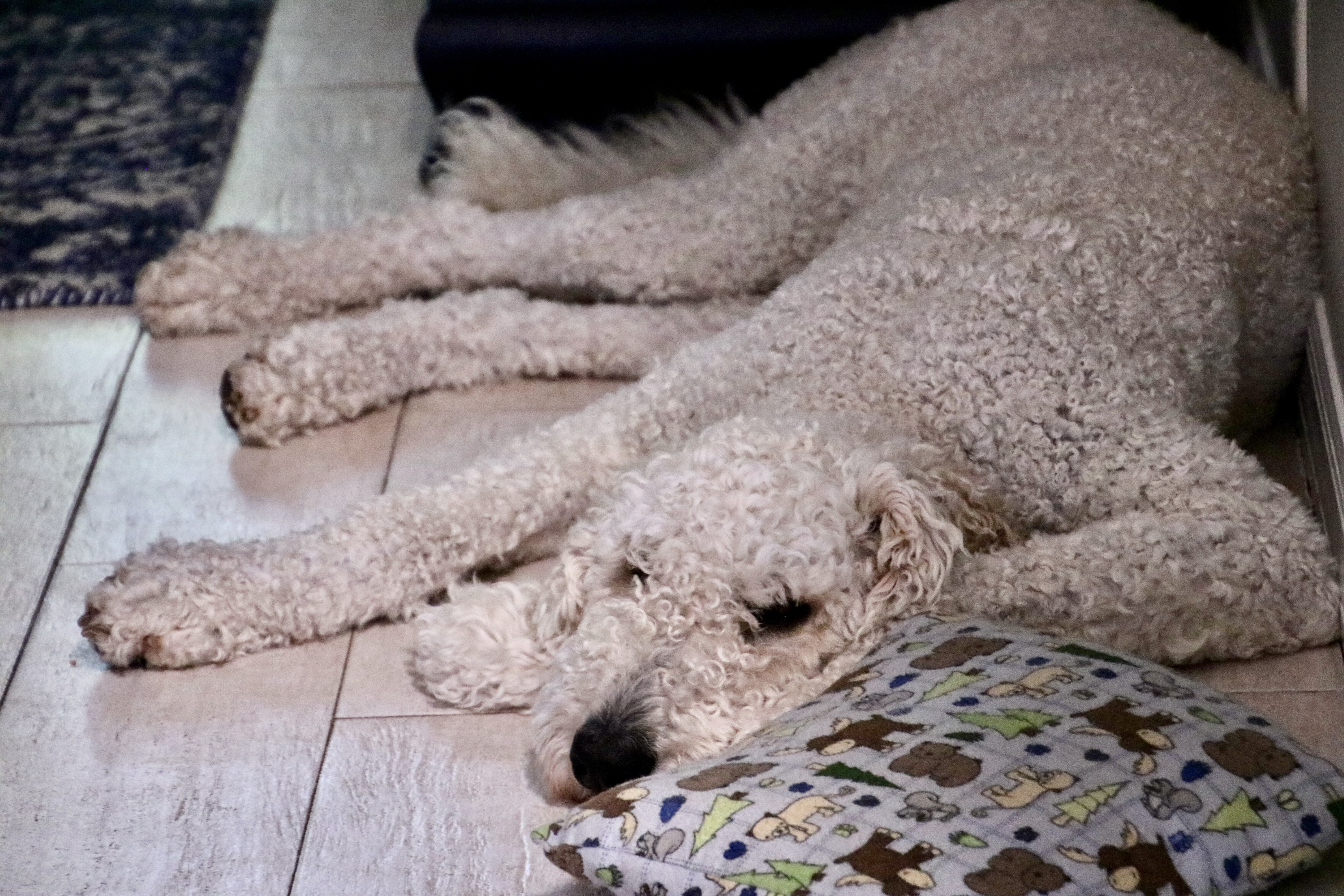
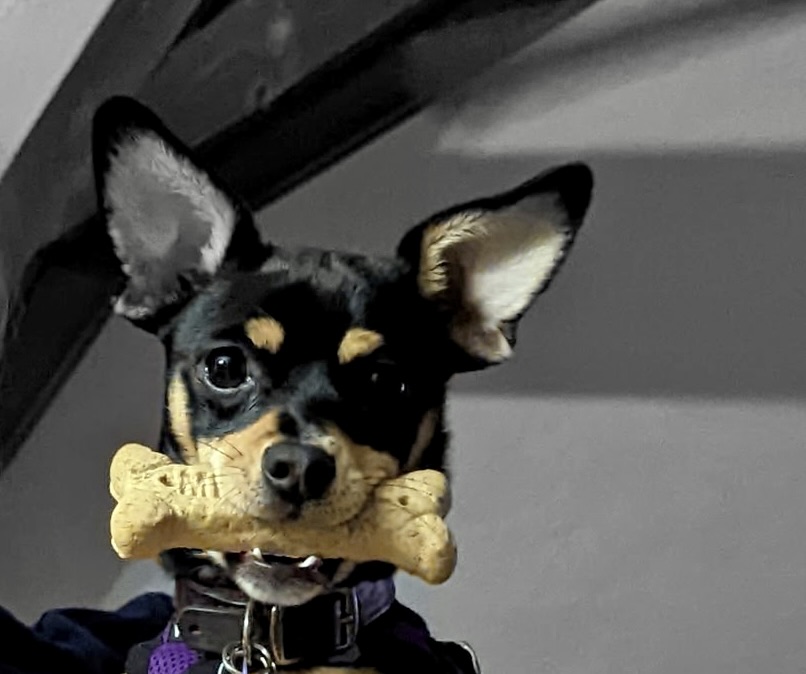
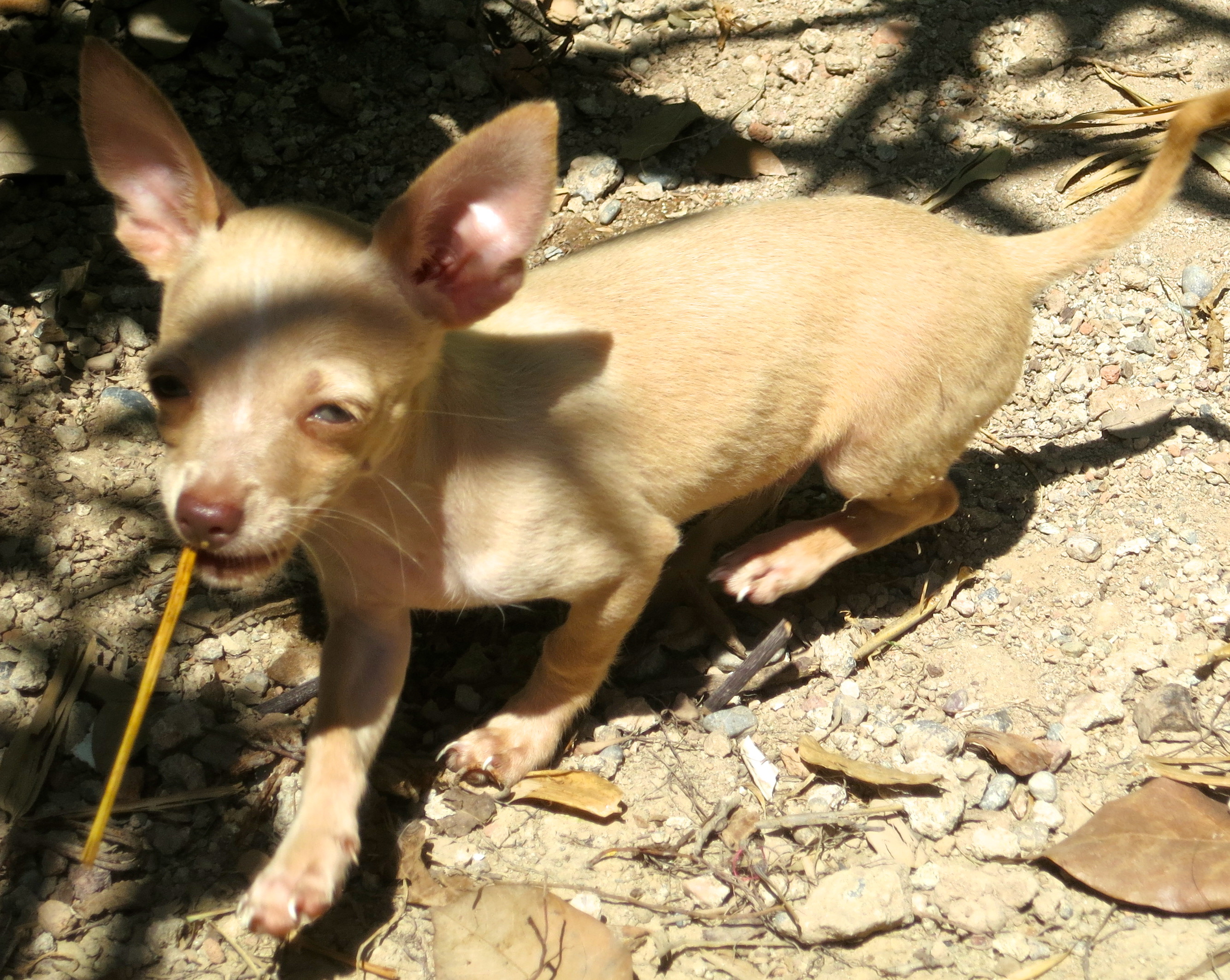
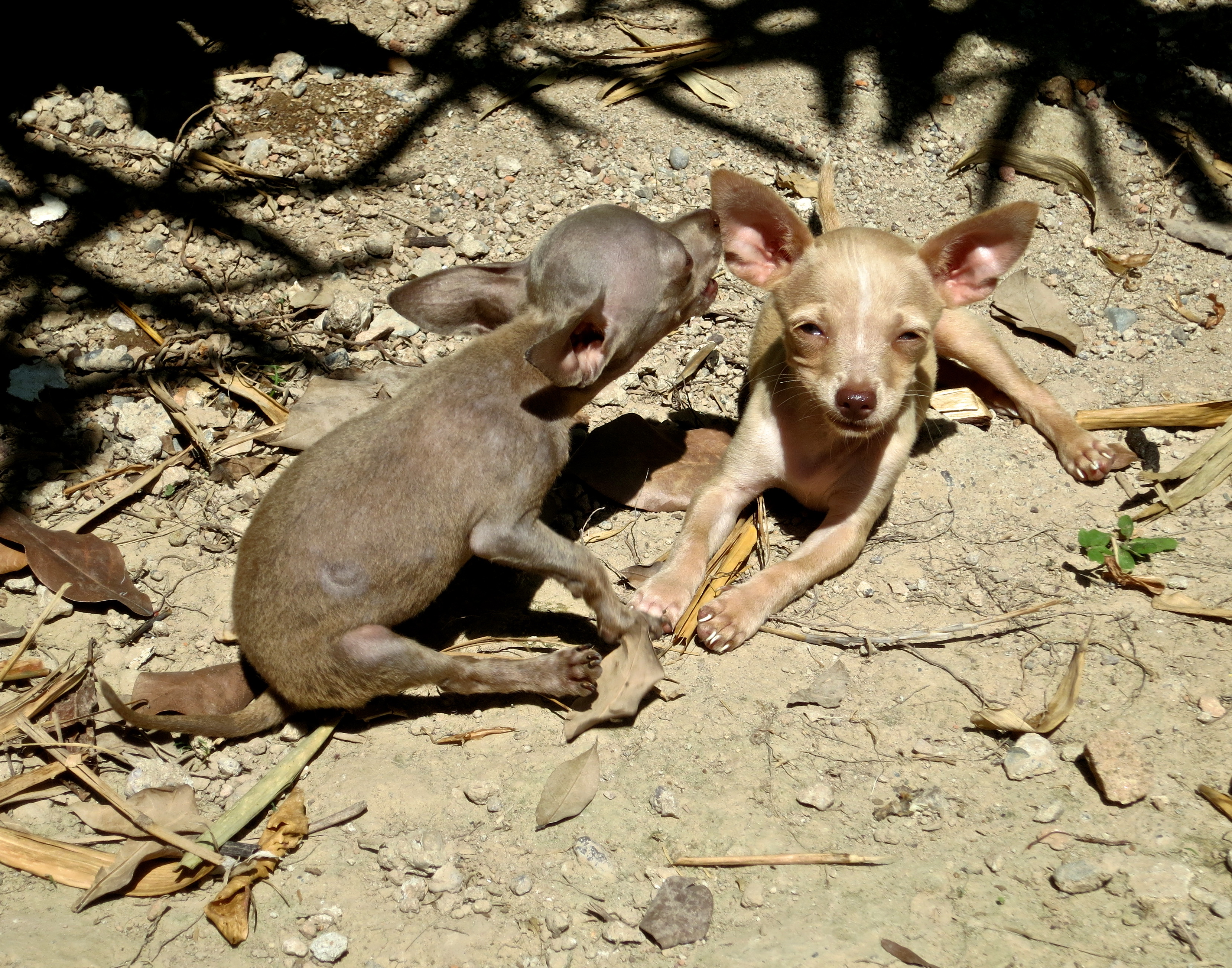
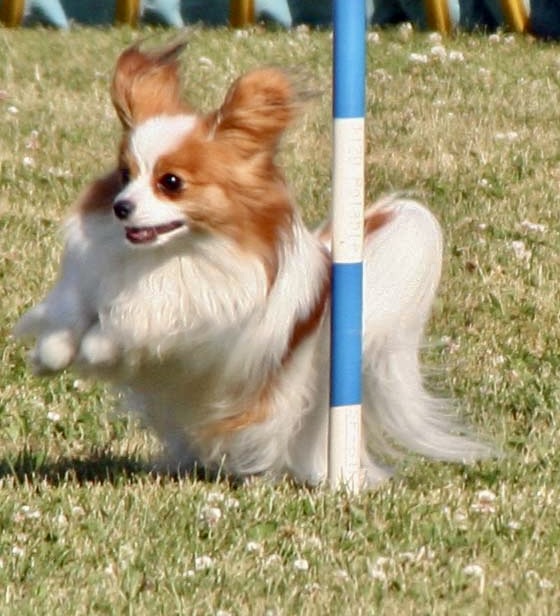
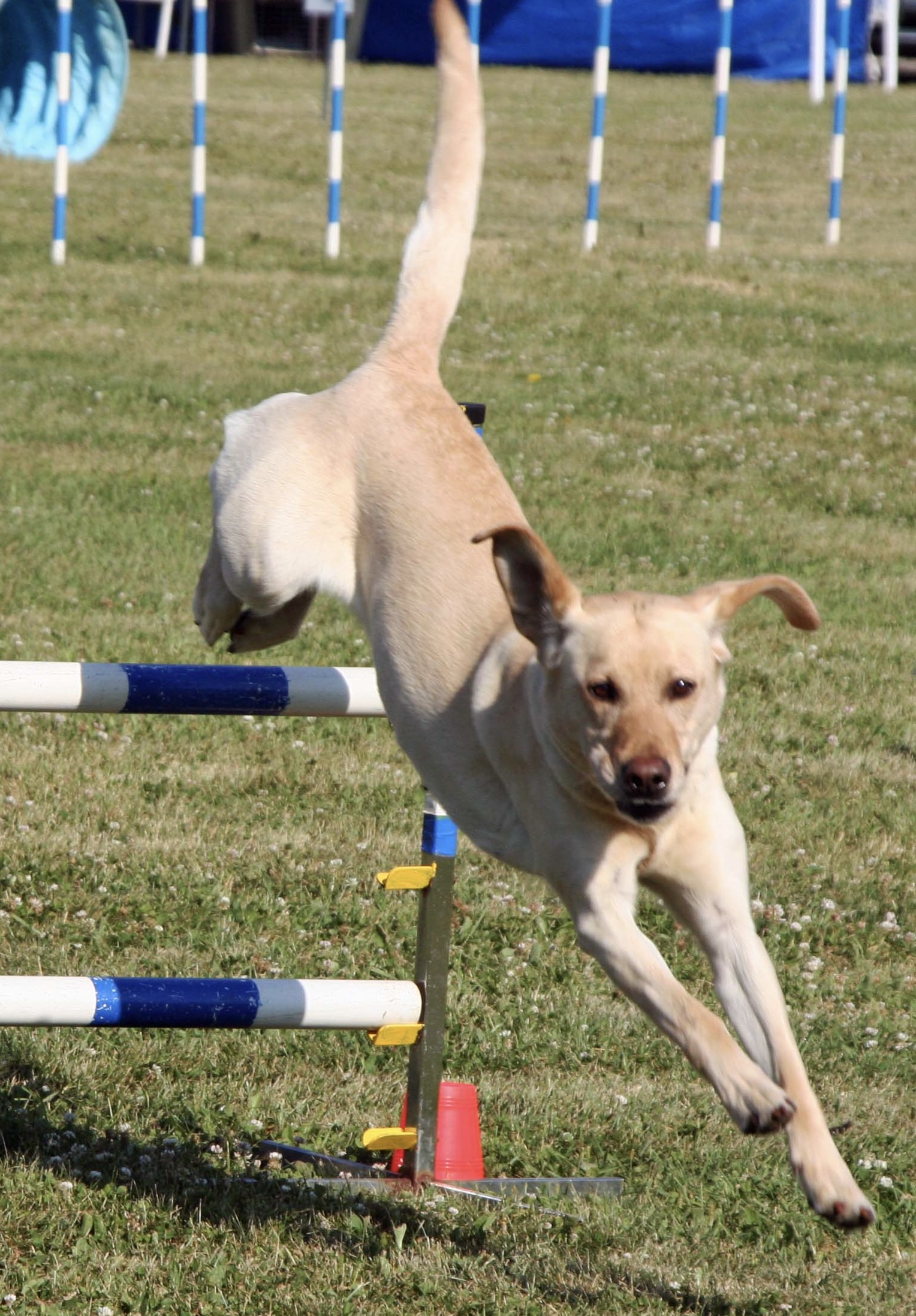
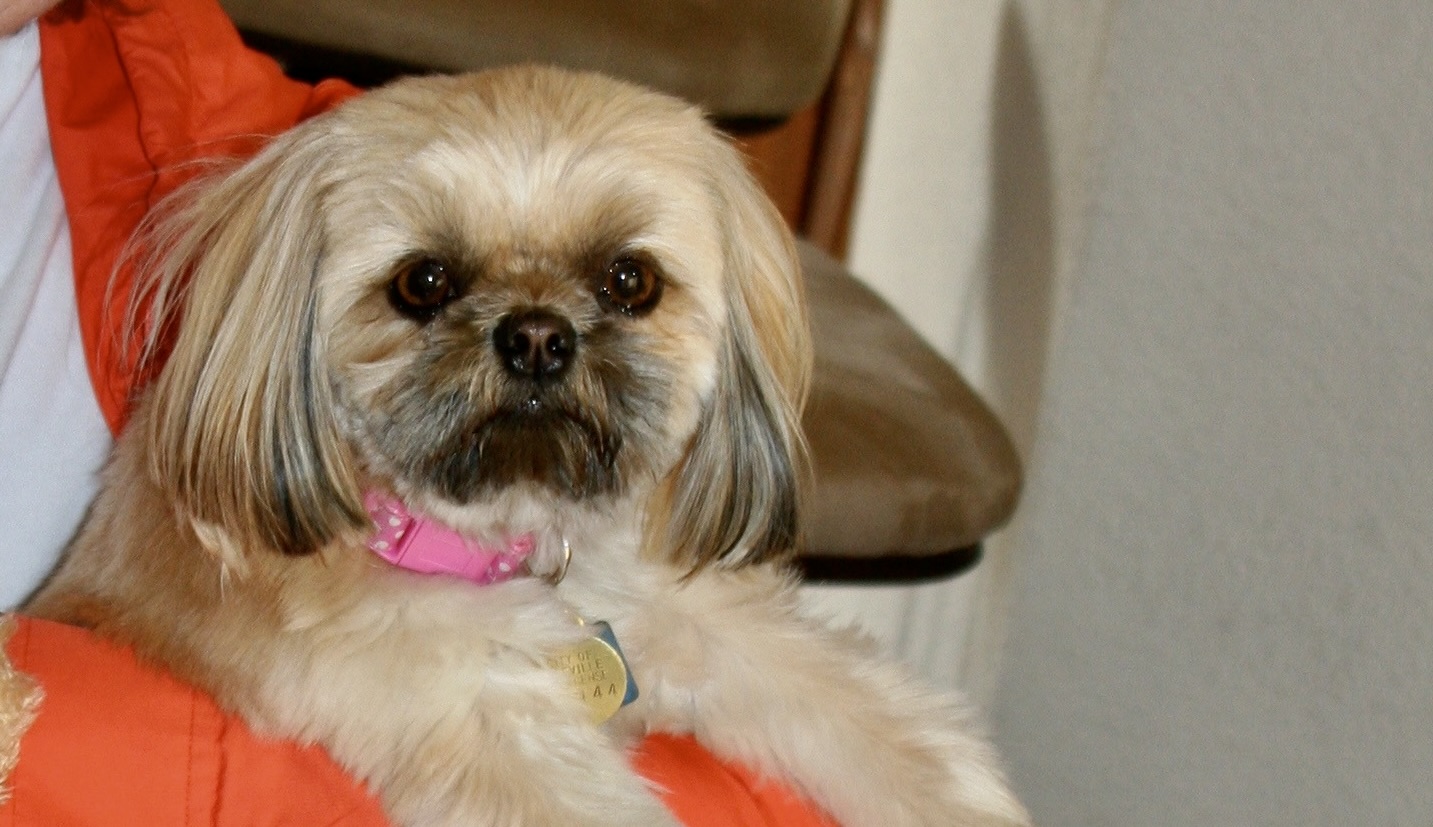
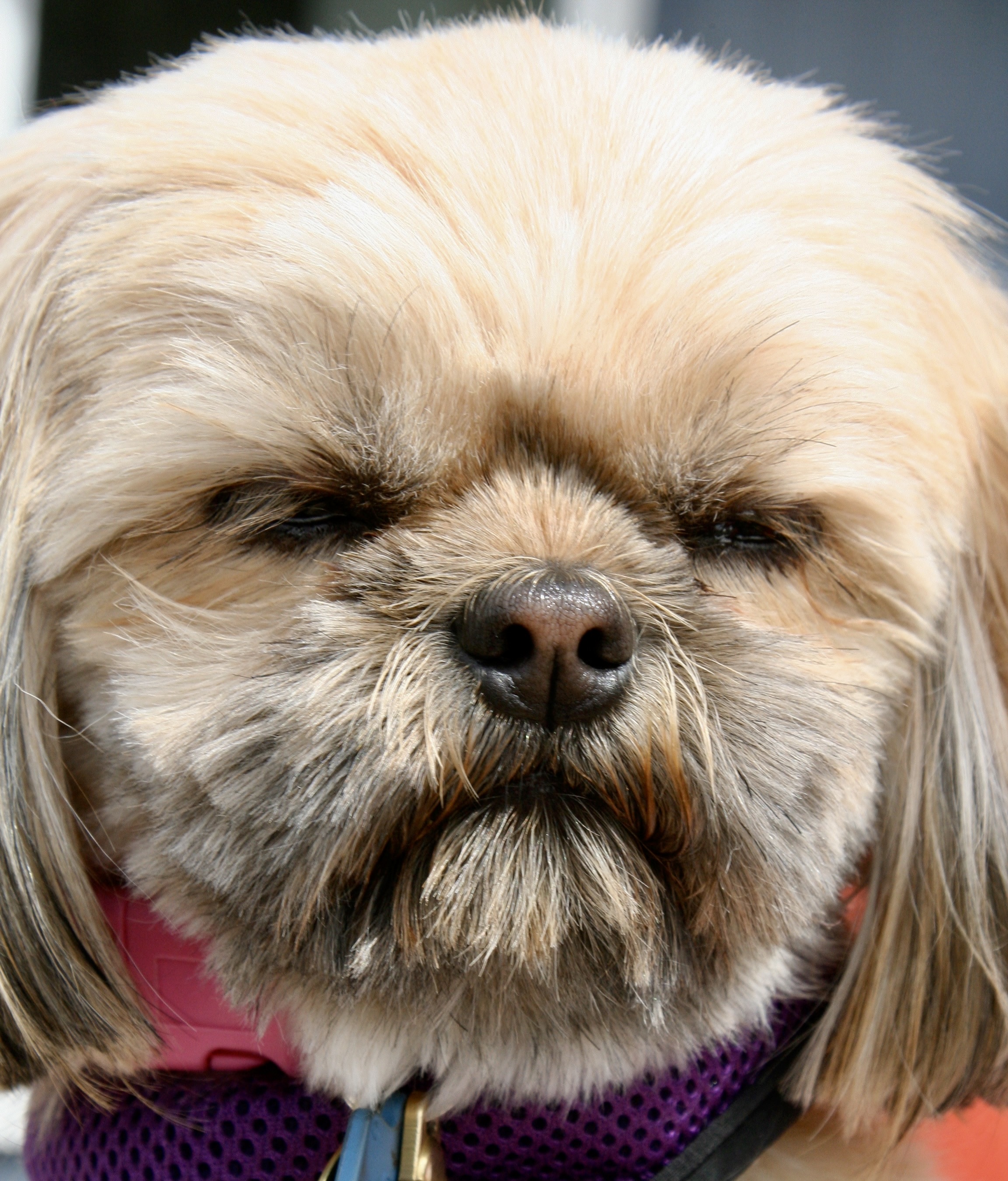
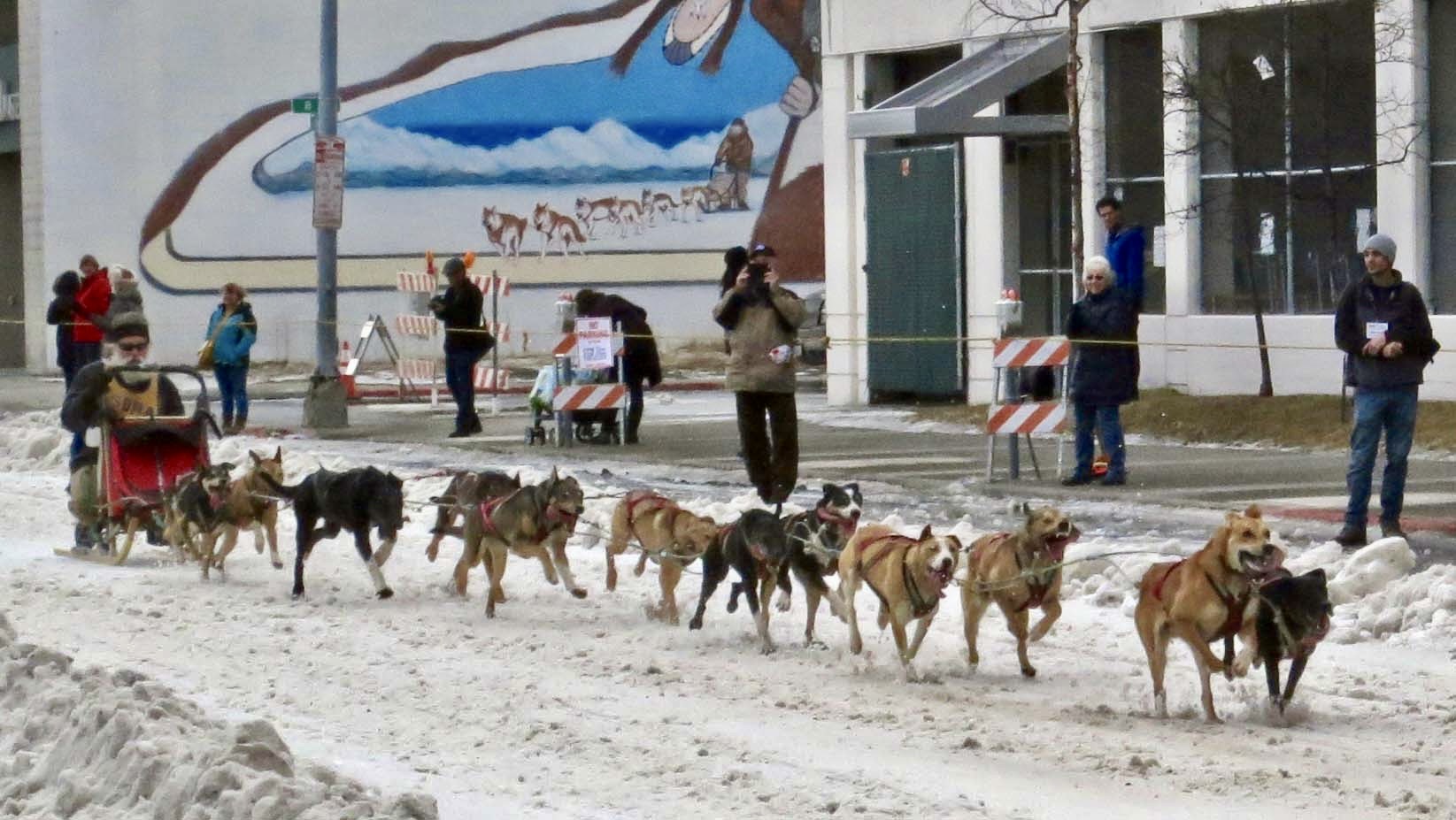
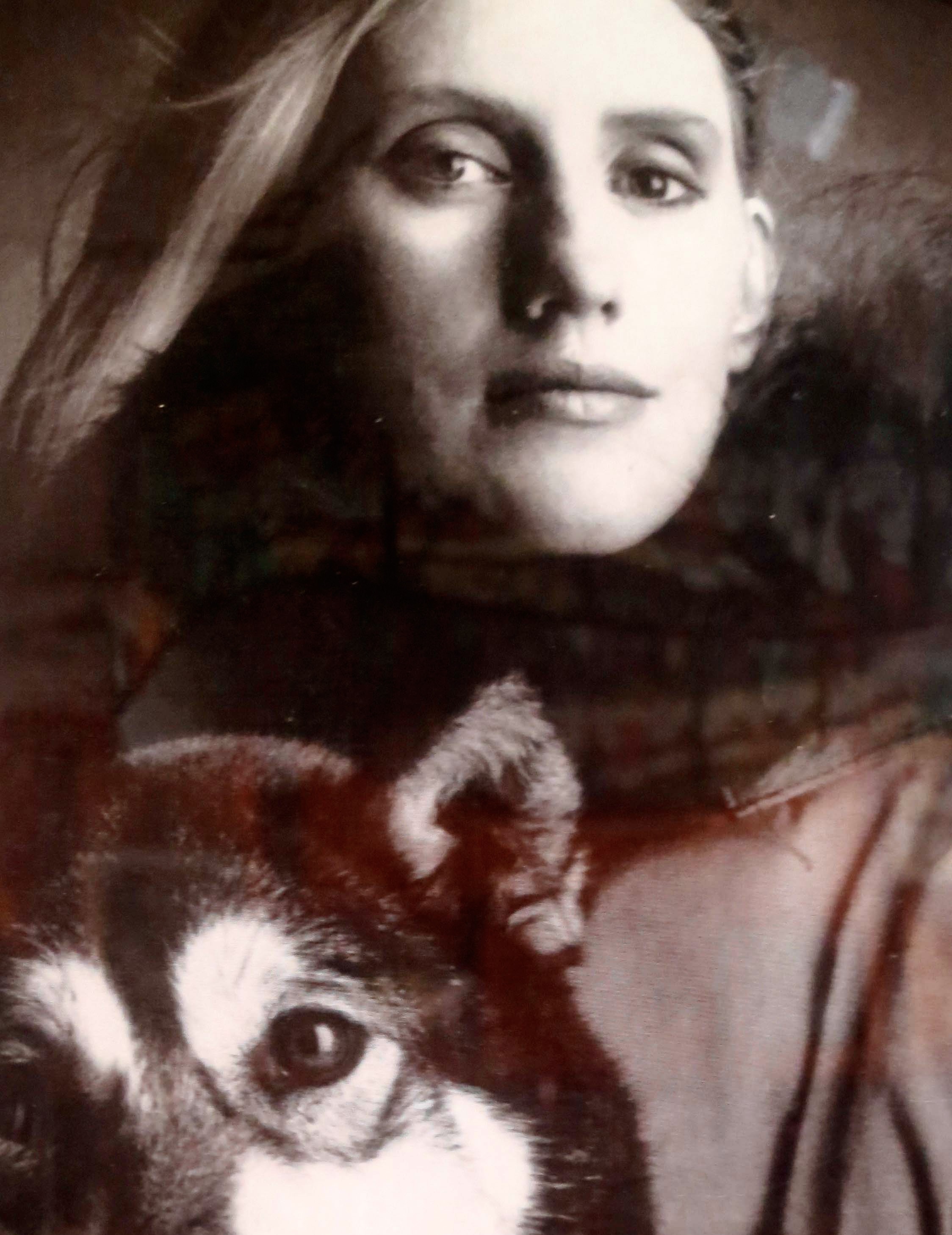
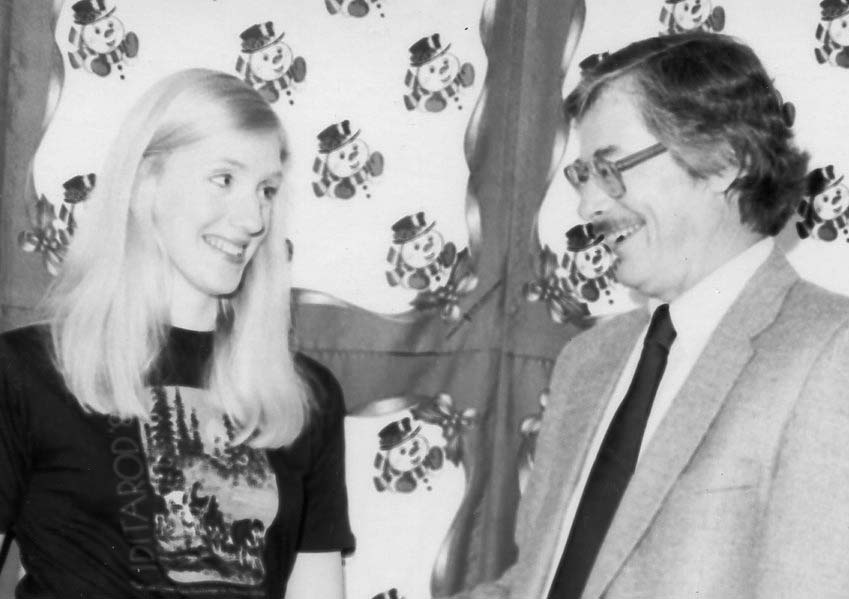
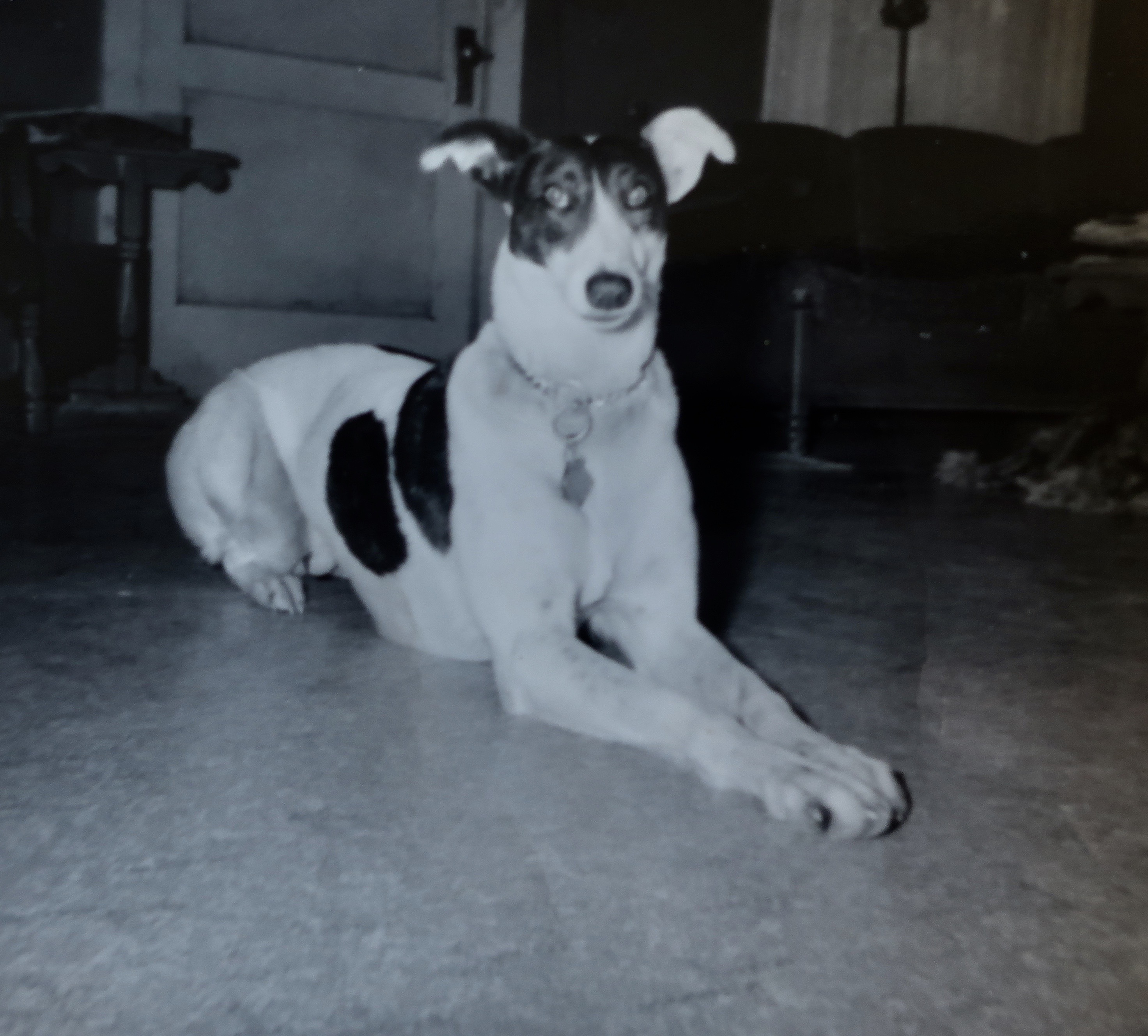
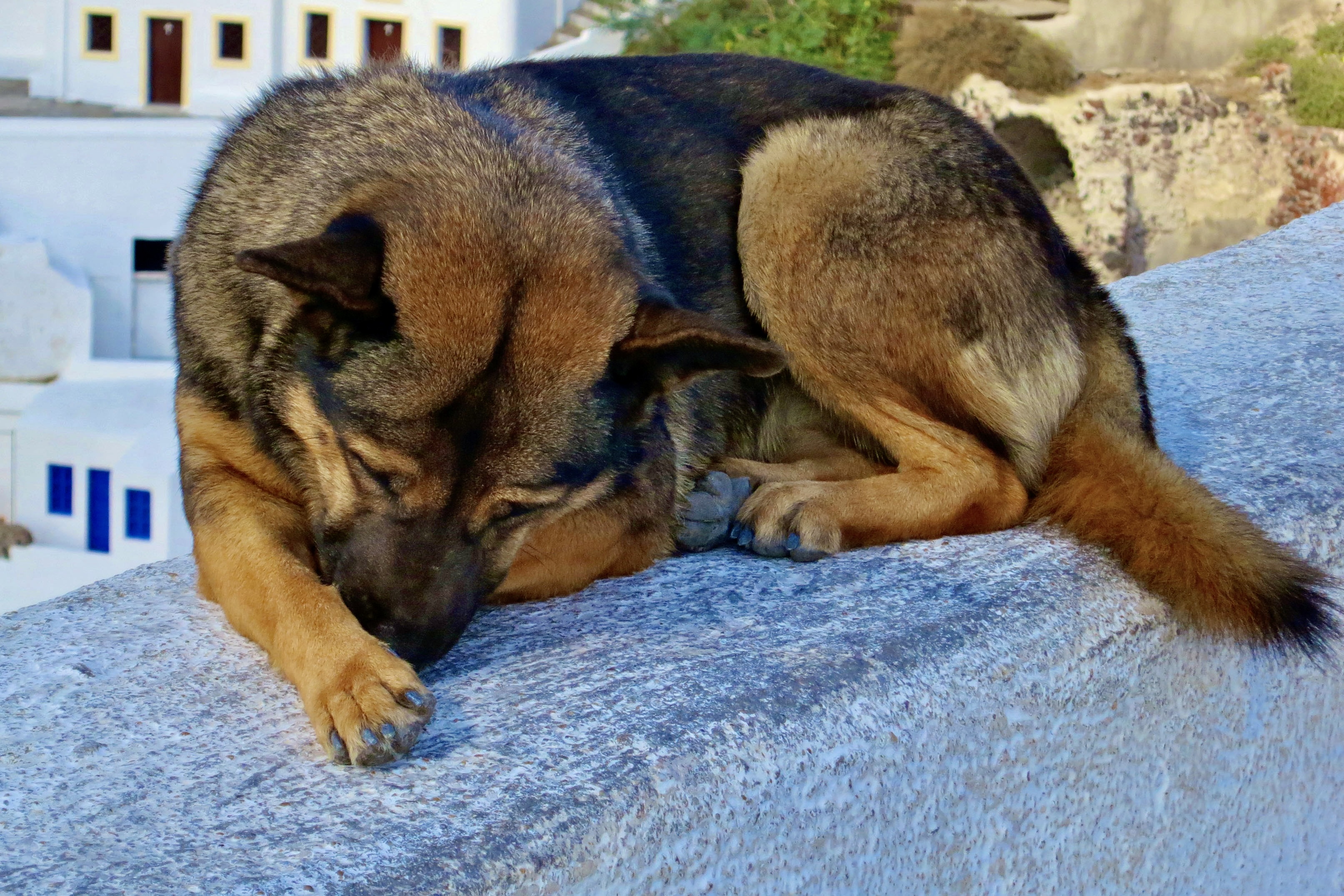
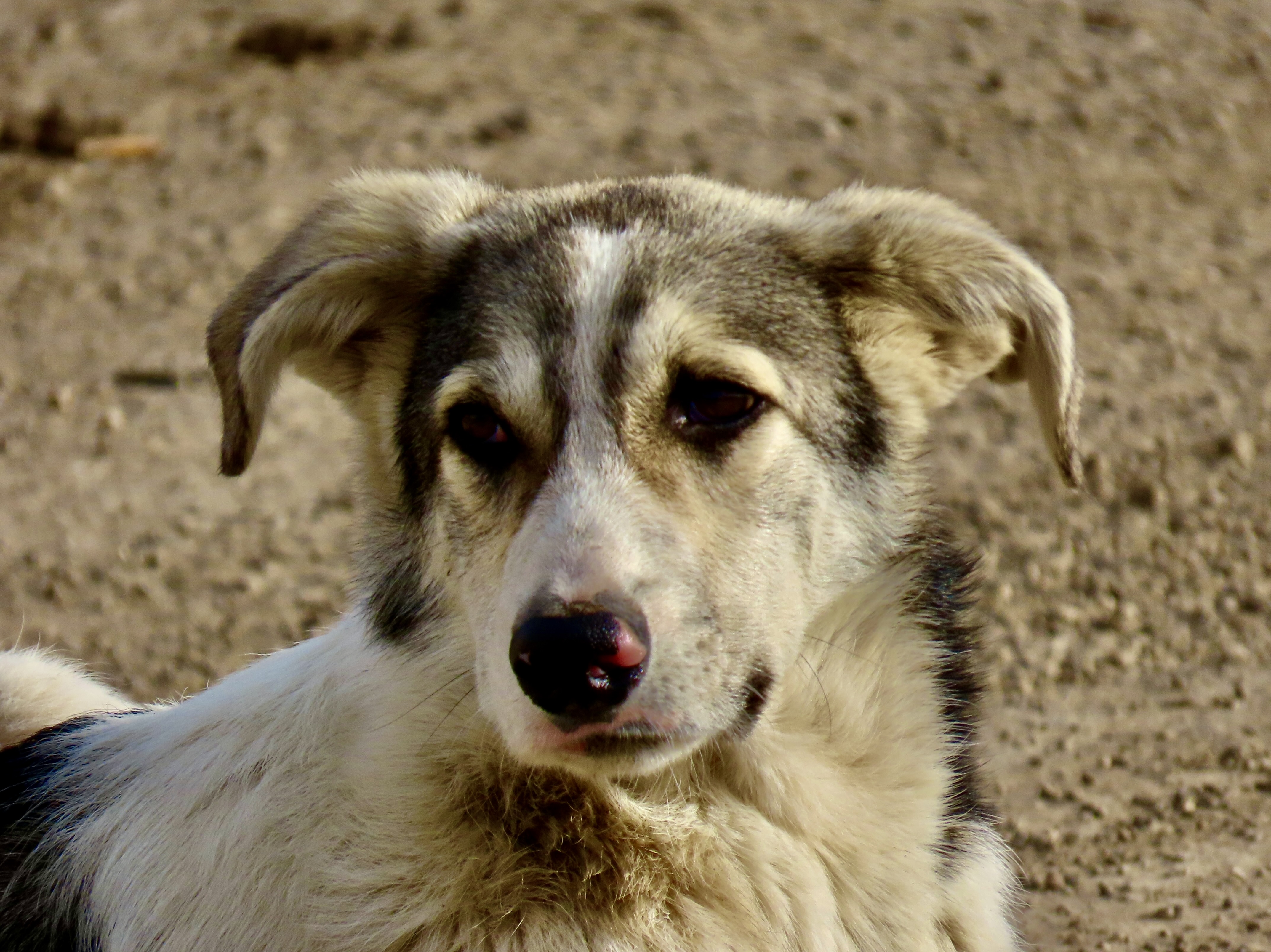
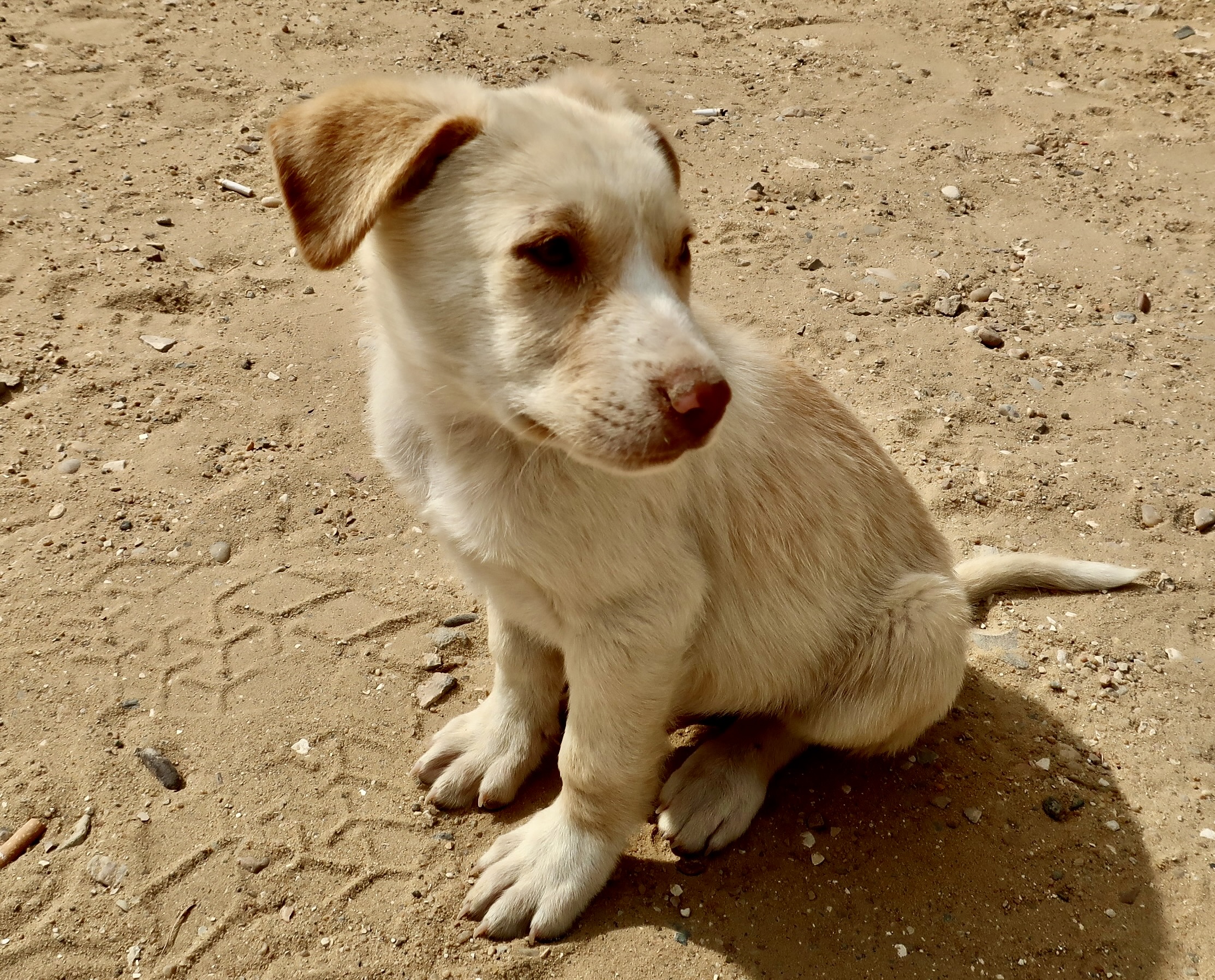
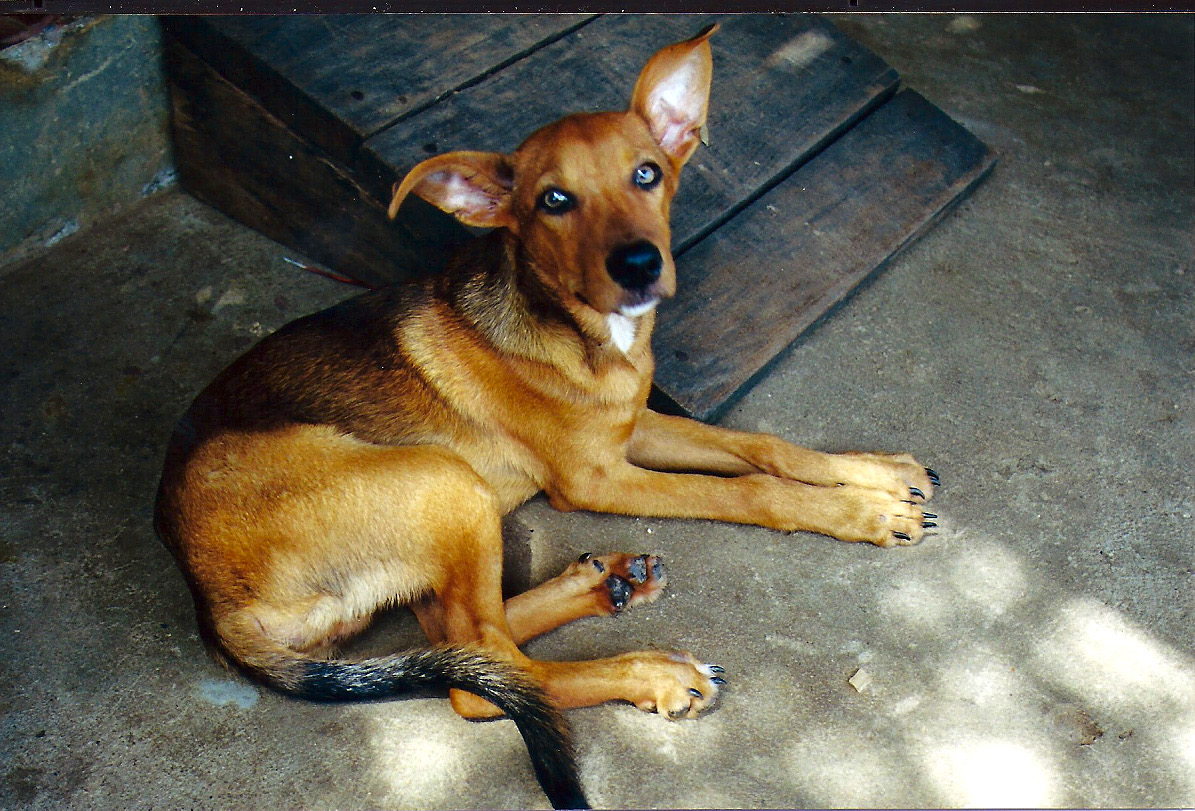
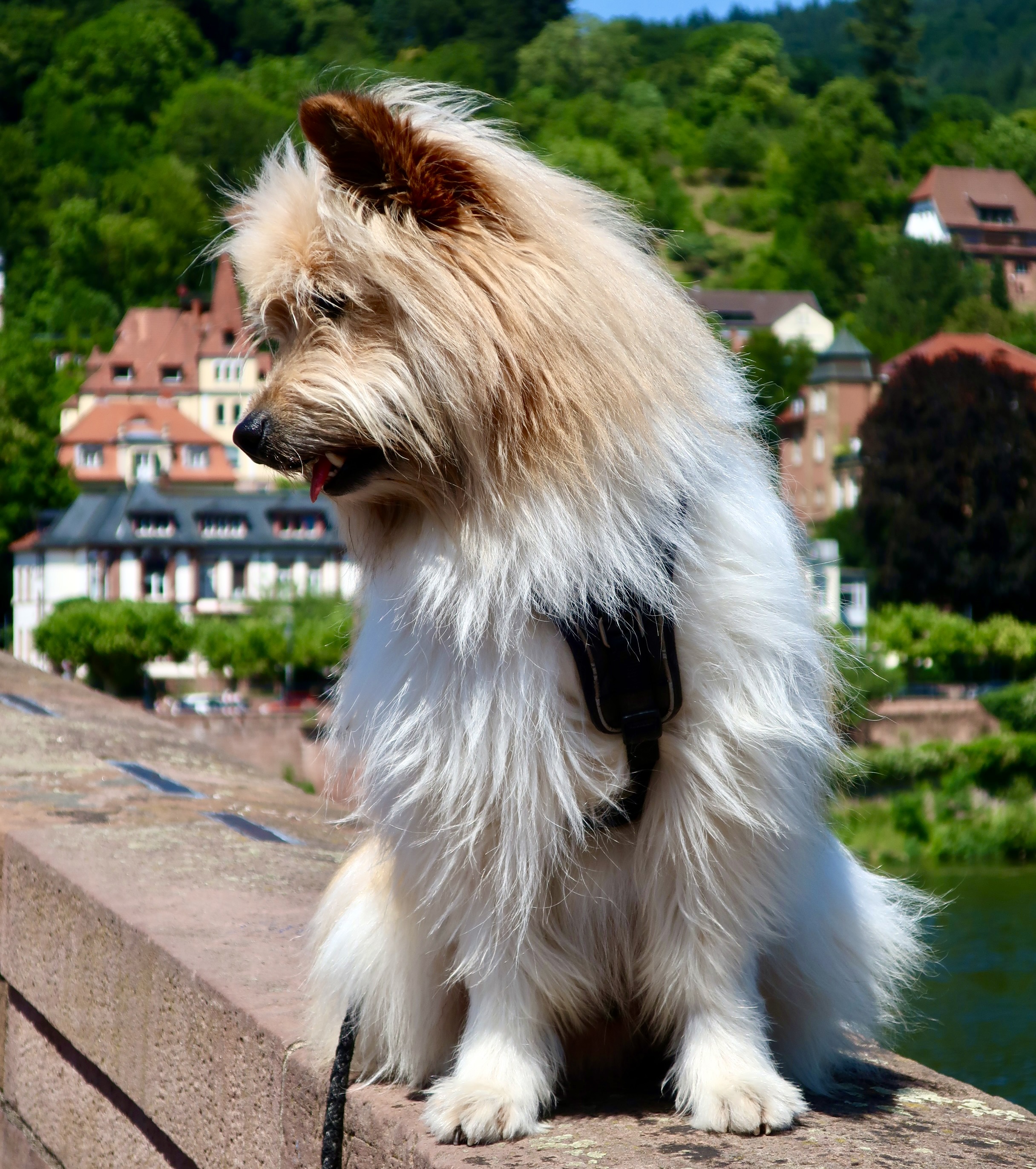
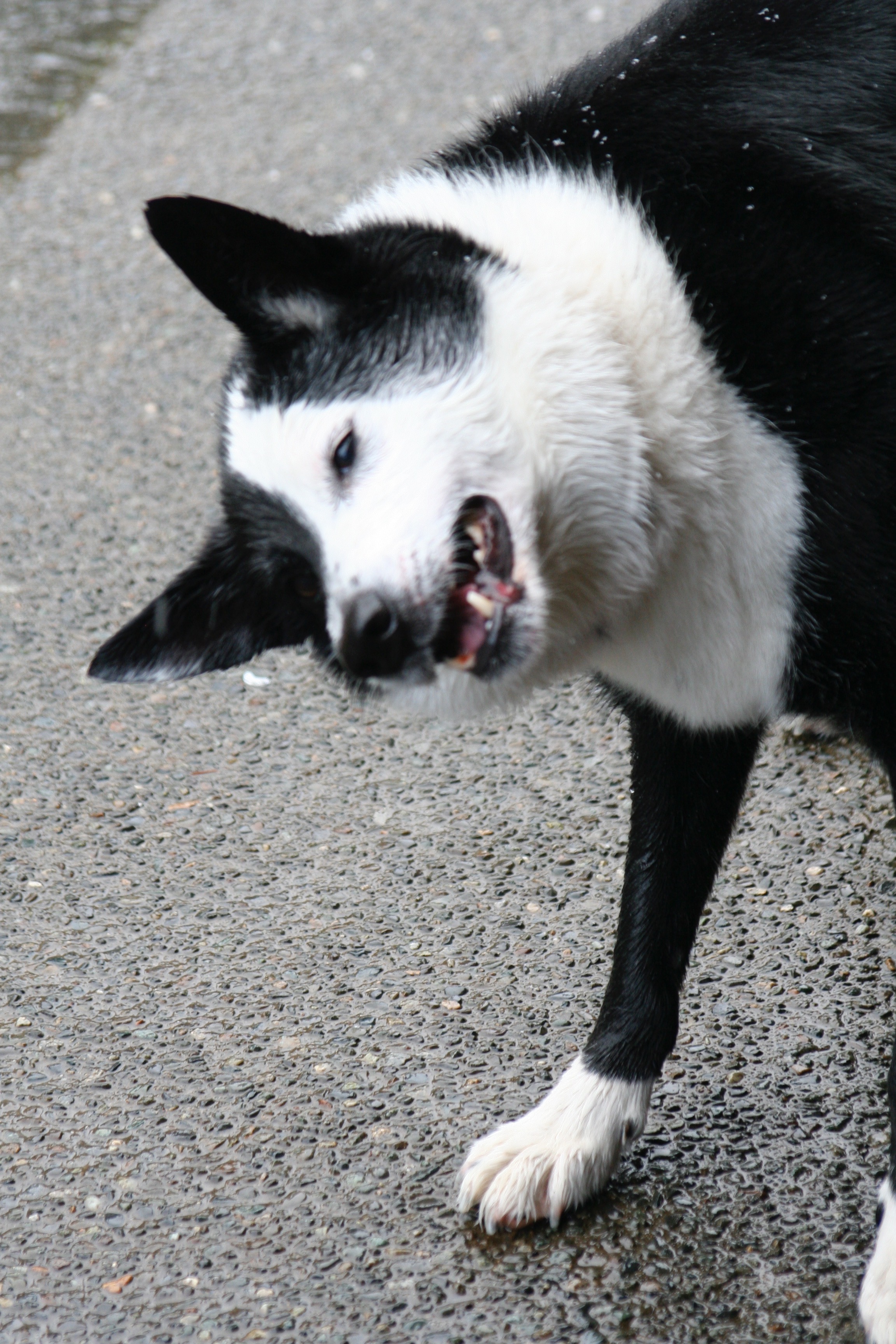
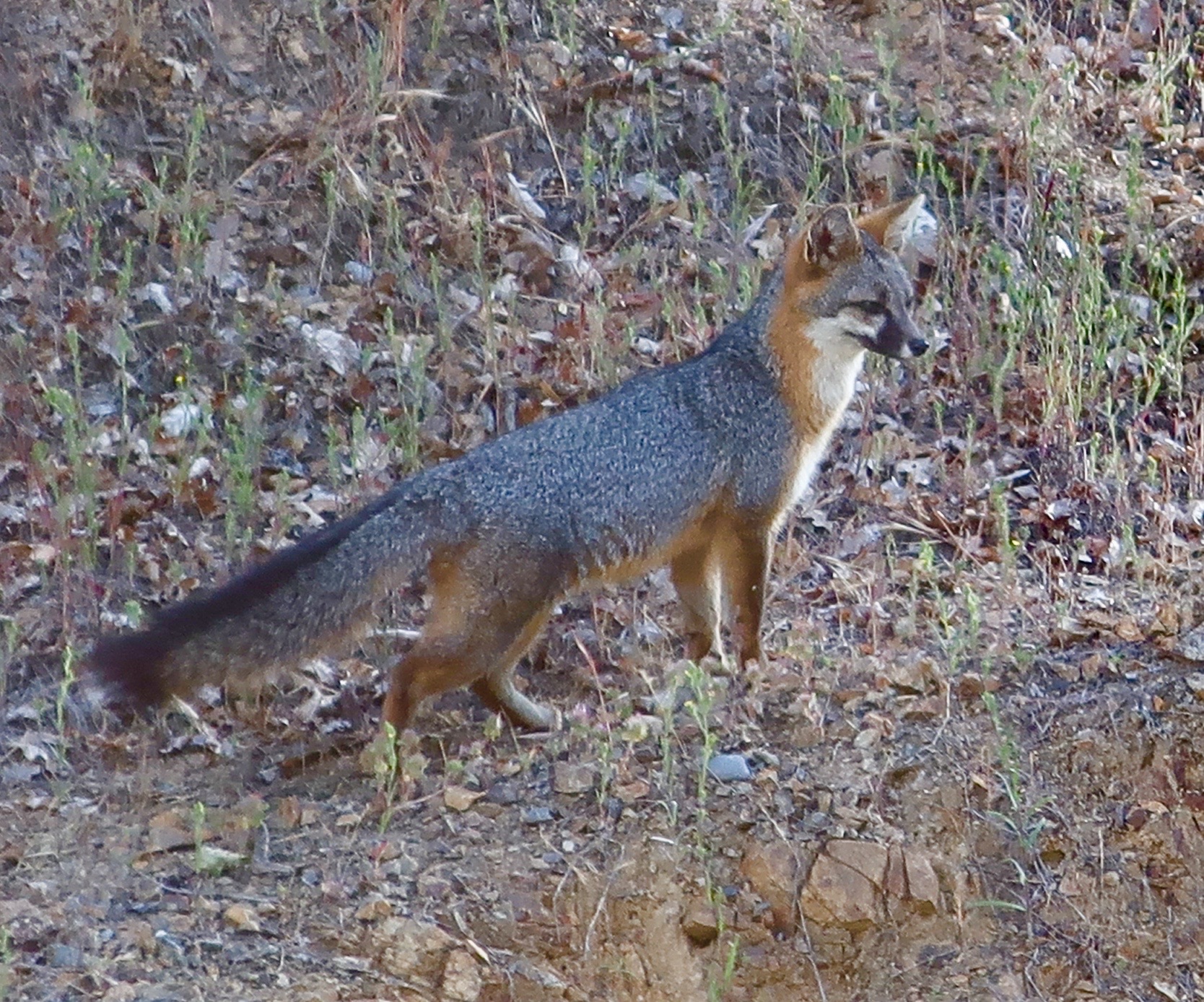
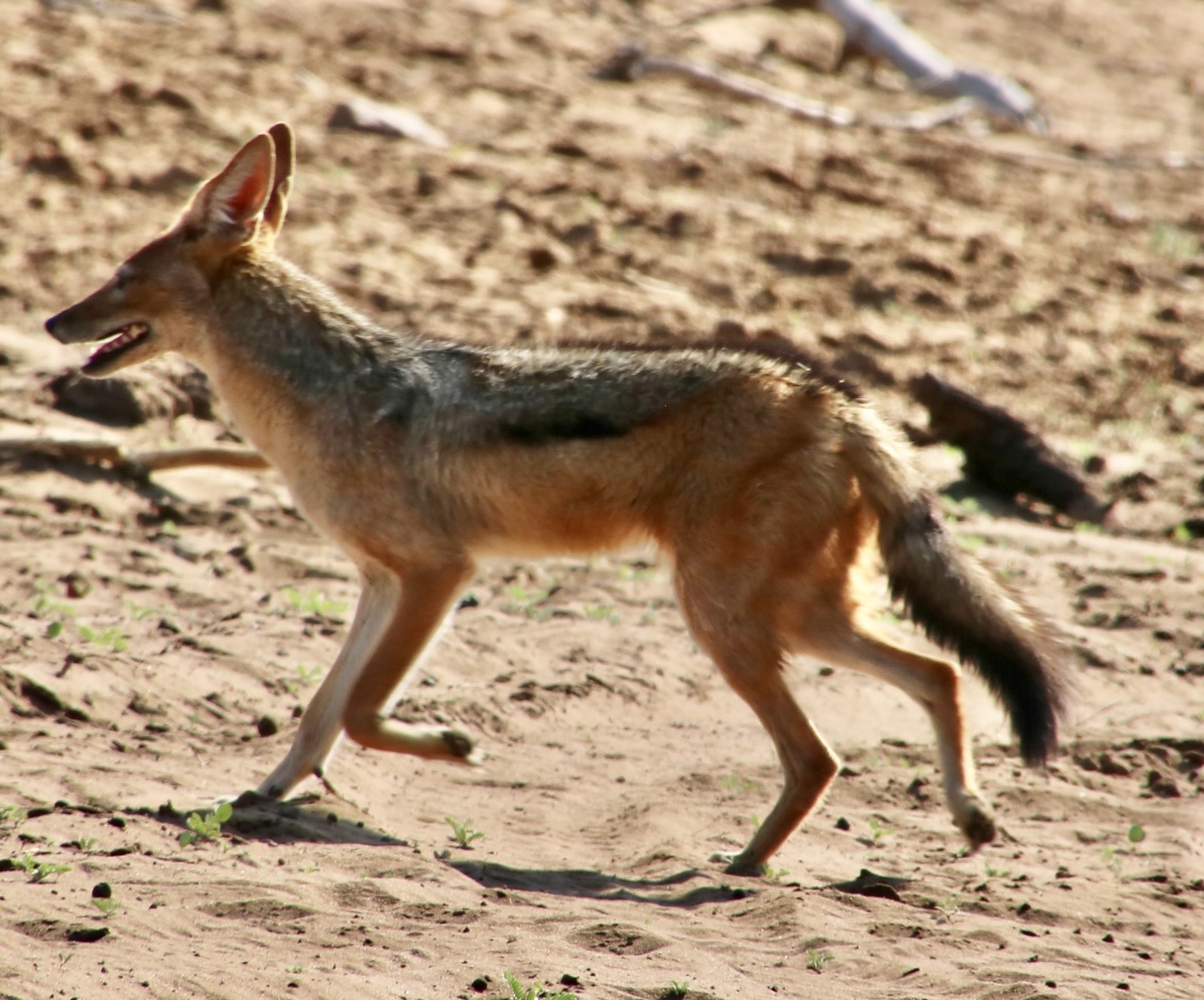
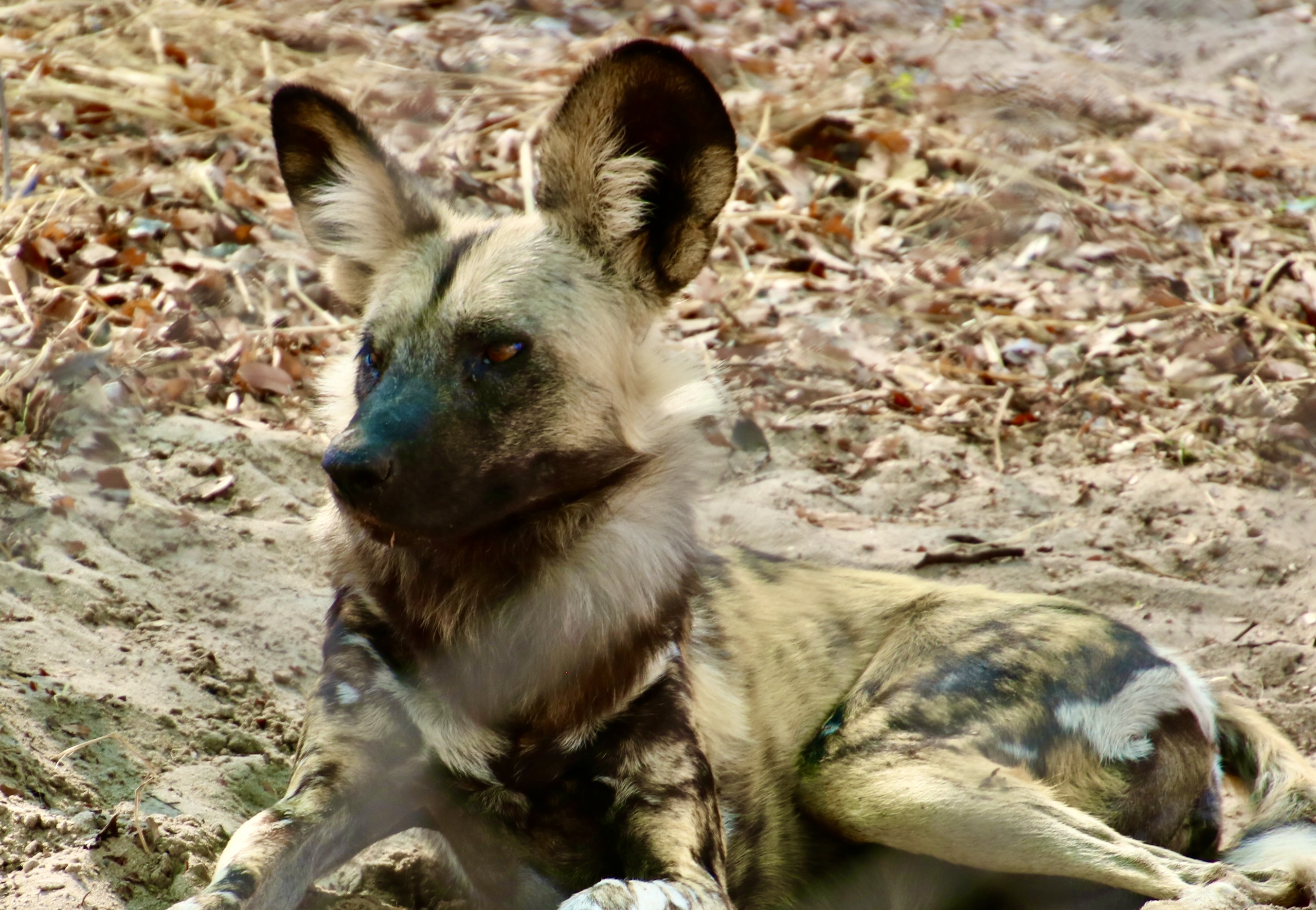
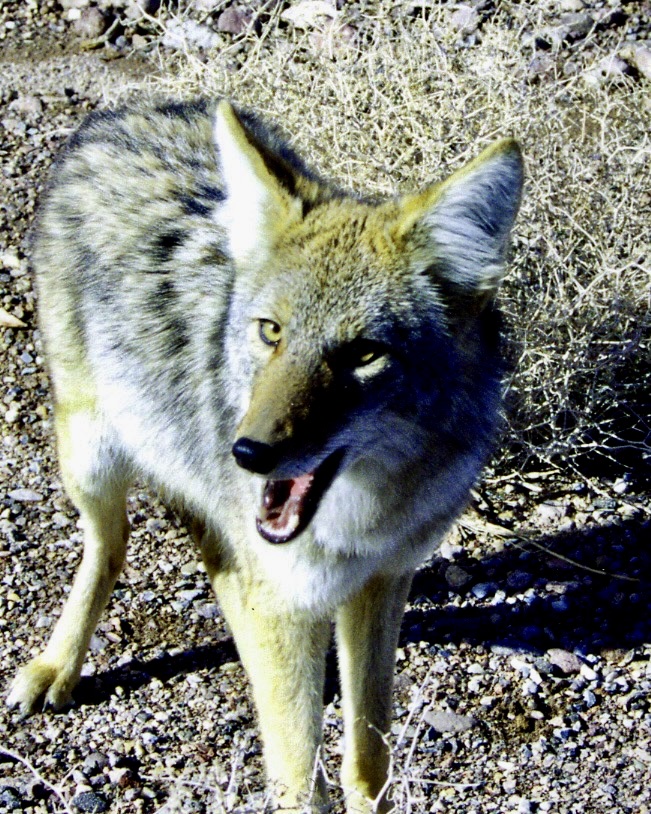
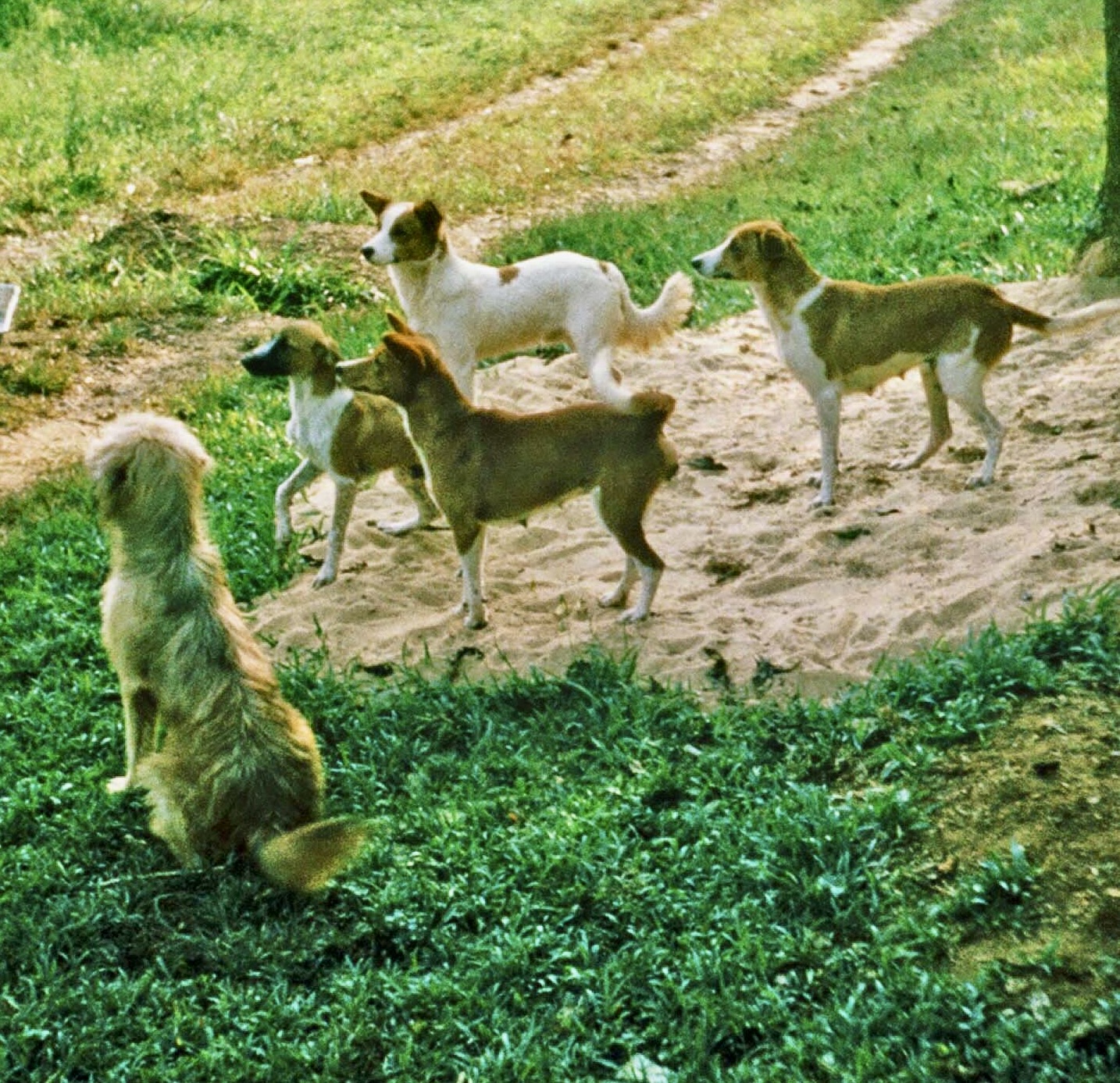
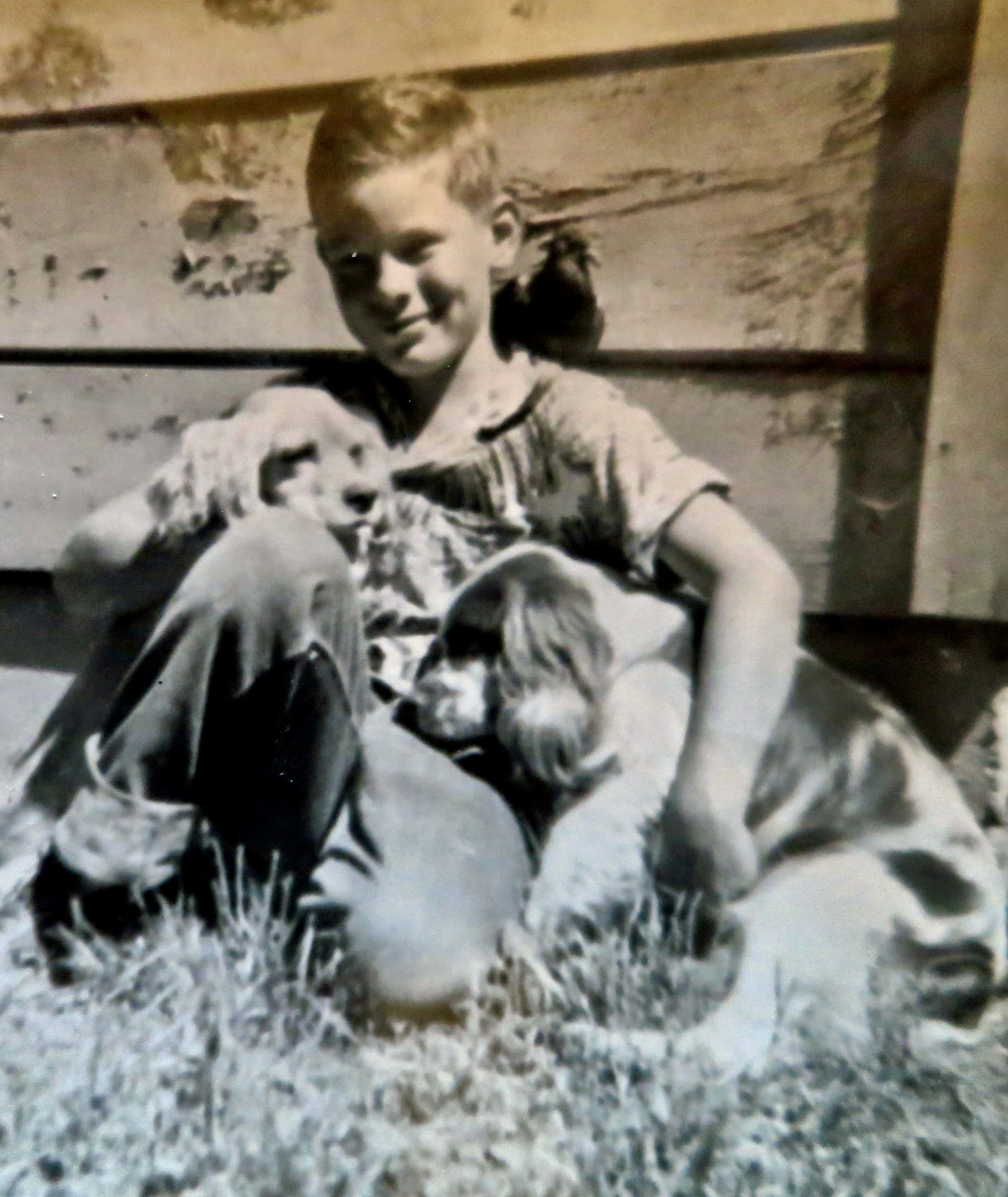
Dogs have been hanging out with humans for over 20,000 years, longer than any other domesticated animal. I commented on puppy eyes in my headline. It is theorized that they are an evolutionary development caused by people picking out dogs they found appealing down through the ages. Lexi, a blue Australian Cattle Dog definitely had them as a puppy.As did Chema, her sister, a brown Australian Cattle Dog. Both are by owned our daughter Tasha and her family. These were puppy pictures. They are both old dogs now but they still have the ‘look.’While we are on Aussies, this is an adult Australian Sheperd that belonged to our niece, Christina. It certainly hadn’t lost her puppy eyes. The blue eyes also capture your attention. The puppy Leta has them as well.As does Christina’s other Australian Shepherd, Zoe. This is a look that demands attention and includes a question. Likely, “Why are we stopped here, Mom.”A couple more family dogs before moving on… This is Lila, a Goldendoodle that belongs to my son Tony, his wife Cammie and their kids. No puppy eyes here but lots of brains (not to mention long legs). Poodles are noted for their intelligence. Of the above dogs, Corgi’s and Australian Cattle Dogs are also near the top. Socrates? Not so much. I once met a fellow Basset owner in Canada and we started talking about our respective dogs, as Basset Hound owners always do. I mentioned how difficult it was to train Socrates. He laughed. “My basset hound was kicked out of a dog training class in Edmonton. He was a bad influence.” Yep.I find the difference between our son’s family dog Lila and our daughter’s family dog, Rio, amusing. The milk bone provides perspective on Rio’s size. I asked Tasha what breed Rio was, assuming Chihuahua. And, yes, Tasha mentioned Chihuahua and then went on to list a few others. “Ah,” my response was, “Rio is a mutt.” Albeit a cute and loving mutt. “She sleeps on our bed with us,” Tasha admits. Actually, studies suggest around 50% of dogs sleep on their owner’s bed in the U.S. It might even be closer to 70%.The mention of Chihuahuas led me to remember an encounter that Peggy and I had with one in Puerto Vallarta, Mexico. I thought he looked cool carrying his small stick along in his mouth.This photo suggested that his ‘girlfriend’ had a different point of view. I imagined this to be the conversation. Her: “If I told you once, I’ve told you a hundred times, it’s stupid to walk around with a stick in your mouth. Odds are that you will stumble and drive it into your pea-sized brain.” Him: “Whatever.”Have you ever watched dogs compete on an agility course. We came on a competition once in British Columbia. Dogs work their way through a number of challenges that range from poles that they have to weave their way through to see-saws and tunnels. The more advanced the dog, the more barriers they have to overcome. Owners run along beside the dogs encouraging them to do their best. It’s as much fun watching the owners as it is the dogs. The dog that completes all of the challenges in the shortest period of time for its class wins. This small papillon was almost flying!Hurdles are another barrier the dogs have to leap over. The bigger the dog, the higher the hurdle.I asked this fluffy pooch with a pink collar if she had ever thought of competing in one of the dog agility competitions.Her response.The most renown dog competition in the world is the Iditarod, Alaska’s thousand mile sled dog race from Anchorage to Nome. This photo is actually from Anchorage’s Fur Rendezvous where the dogs were running more like 100 yard sprints than 1000 miles. They can run up to 20 miles per hour. I lived in Alaska for three years in the 80s and watched the beginning of the Iditarod each year. In fact, I was in Alaska the year that Libby Riddles was the first woman to win the race. I was Executive Director of the Alaska Lung Association at the time and called her up immediately afterwards and asked if she would consider serving as our Christmas Seal Chair. Winning the Iditarod is a huge deal in Alaska. Her immediate response was yes. Could I pick her up at the airport in a week when she got back from a photoshoot in Chicago.It was for Vogue Magazine.Libby and I with a backdrop of Christmas Seal scarves. I spent a couple of days driving Libby around to various media interviews. In addition to getting great PR for the Association, I had a lot of fun— and learned a lot about sled dogs.While sled dogs are fast and extremely tough, they aren’t the fastest dog in the world. That title goes to the greyhound. The fastest speed one was ever clocked at was 41.83 mph (67.32km/h). This is Pat, my greyhound, in our house in Diamond Springs CA. I named her after the local Greyhound bus driver I knew as a kid. Pat had been running wild, making a living off of jack rabbits and ground squirrels. She was getting skinnier by the day. One day, my mother stopped our car, opened the door and invited Pat to come home with her. Thereafter, she was my dog. What a great companion. I’d come home and she would be one big wiggle. Watching her run was poetry in motion.As we do with cats, Peggy and I take photos of dogs when we travel. This one had found a convenient ledge to sleeping on the Greek Island of Santorini.At a bus stop in Romania.This puppy hoping for food next to the pyramids in Egypt.A small village along the Amazon River.On a bridge overlooking the Neckar River in Heidelberg, Germany.Catching snowflakes on Vancouver Island, Canada. It took a second look to figure out what the dog was doing.We also try to capture photos of dogs’ ancestors when we get a chance. We had a pair of foxes that lived on our property in Oregon. One night we were awakened by them howling down near the road. It was repeated the next night and the next. Finally I went down to see if I could find out what was making them excited. I found a dead fox killed by an automobile. What we were hearing was its partner mourning its loss! I gave the dead fox a decent burial and said a few words over the grave. The nightly howling stopped.We caught this photo of a jackal when we were on our photo safari in southern Africa. In our post on cats, I mentioned how the cat was sacred to ancient Egyptians. So was the Jackal. Anubis, the god who guided souls into the afterlife and weighed people’s hearts during the final judgment had the head of a jackal.This is an African Wild Dog that we photographed in Zimbabwe. It is also known as a Painted Dog for its unique color.And finally, a coyote we found in Death Valley, obviously looking for a handout. Feeding them is a no-no in national parks.I could go on and on with dogs, but I realize it is past time when I should wrap up this post. See the little dog standing in front. She was a Basenji named Do-Your-Part by her Liberian owner. Basenjis are noted for not barking. Actually, they yodel. While she belonged to the principal of the high school where I taught in the Peace Corps, she adopted me. Everywhere I went, she went. Including my classroom. With zero training she was the best mannered dog I have ever known. And the sweetest. The day I had to leave, Do Your Part, who never climbed up on me, climbed up in my lap and shivered a goodbye. It broke my heart.One last photo. As a kid I was in charge of all the family pets. My first dog, Tickle, a Cocker Spaniel, is on the right. Another Cocker, Happy, is on the left. Our pigeon is on my shoulder. Missing was our grey squirrel, Pugemite, and several cats. Tickle, like Do Your Part, followed me everywhere. Much to his disgust, and mine as well, however, he wasn’t allowed to go to school with me.
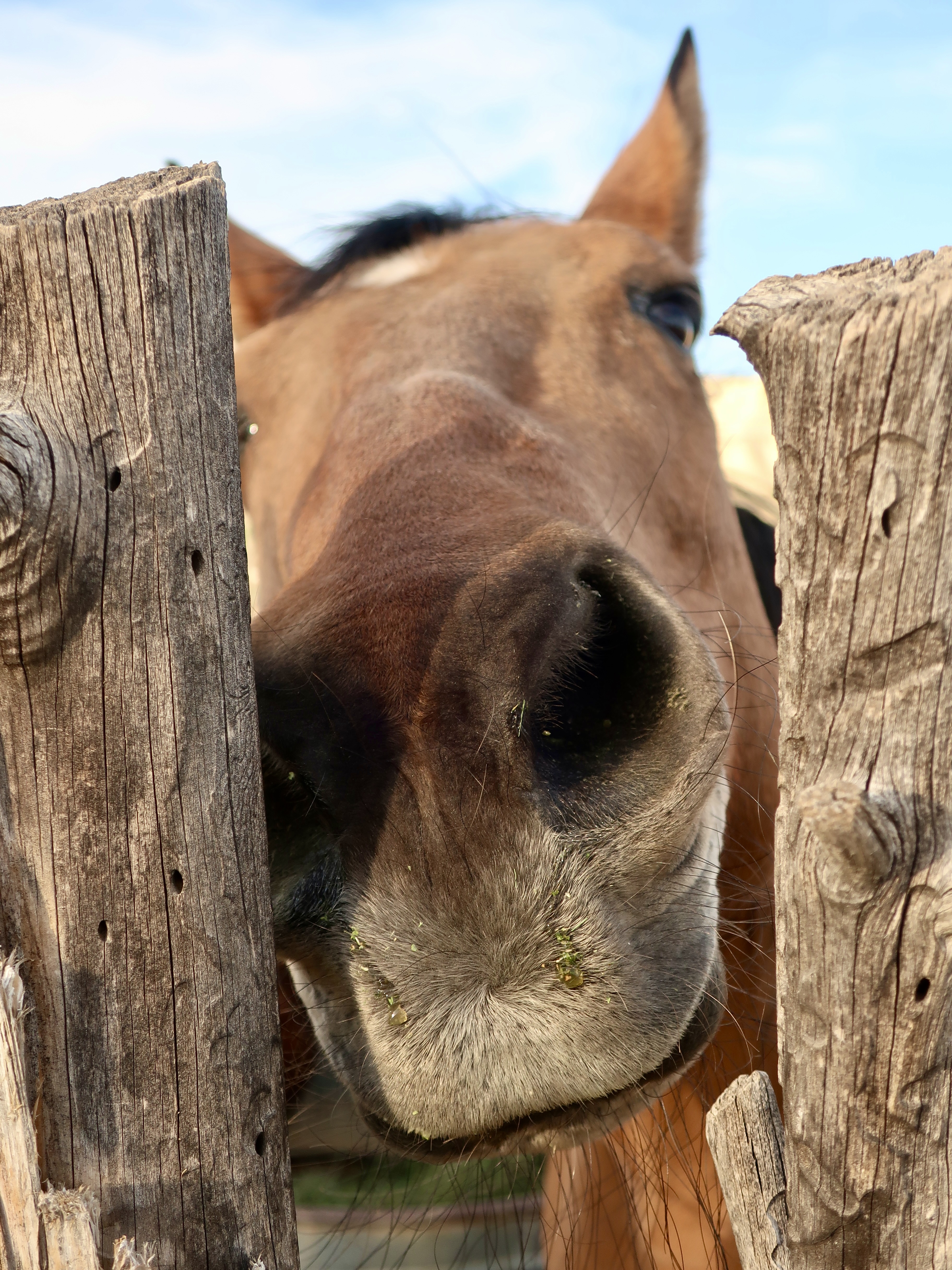
In my next post on UT-OH, I relate how listening to the Lone Ranger on our family radio almost led to my head being smashed by a train. Our next focus post will be on Hoofing It with Ungulates.
 Wandering through Time and Place