We are continuing our exploration of the Scottish Highlands that we went on this summer along with our grandson Cody. Today we are visiting Castle Dunrobin. All photos on this post were taken by either Peggy, Cody, or me unless otherwise noted.
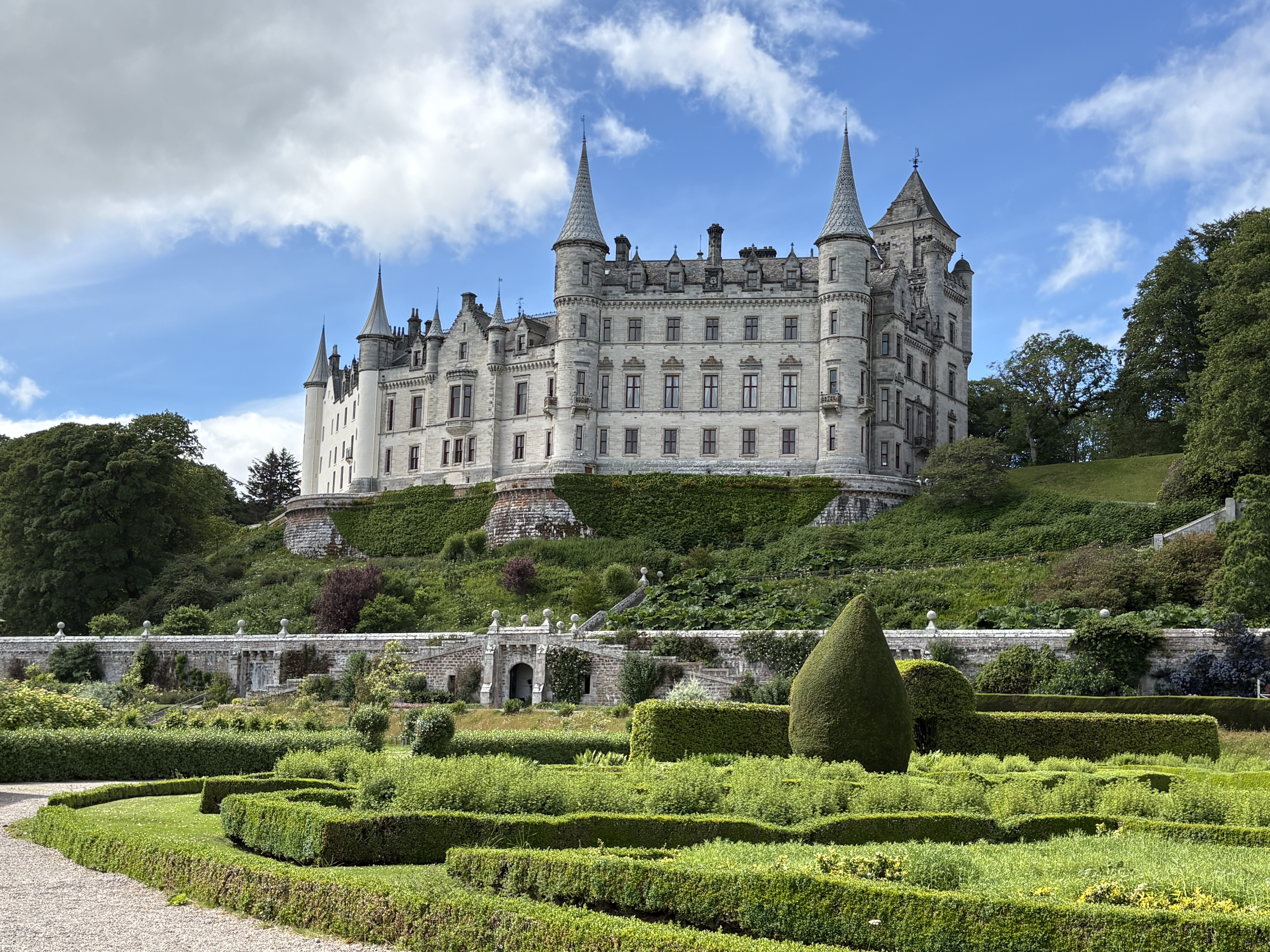
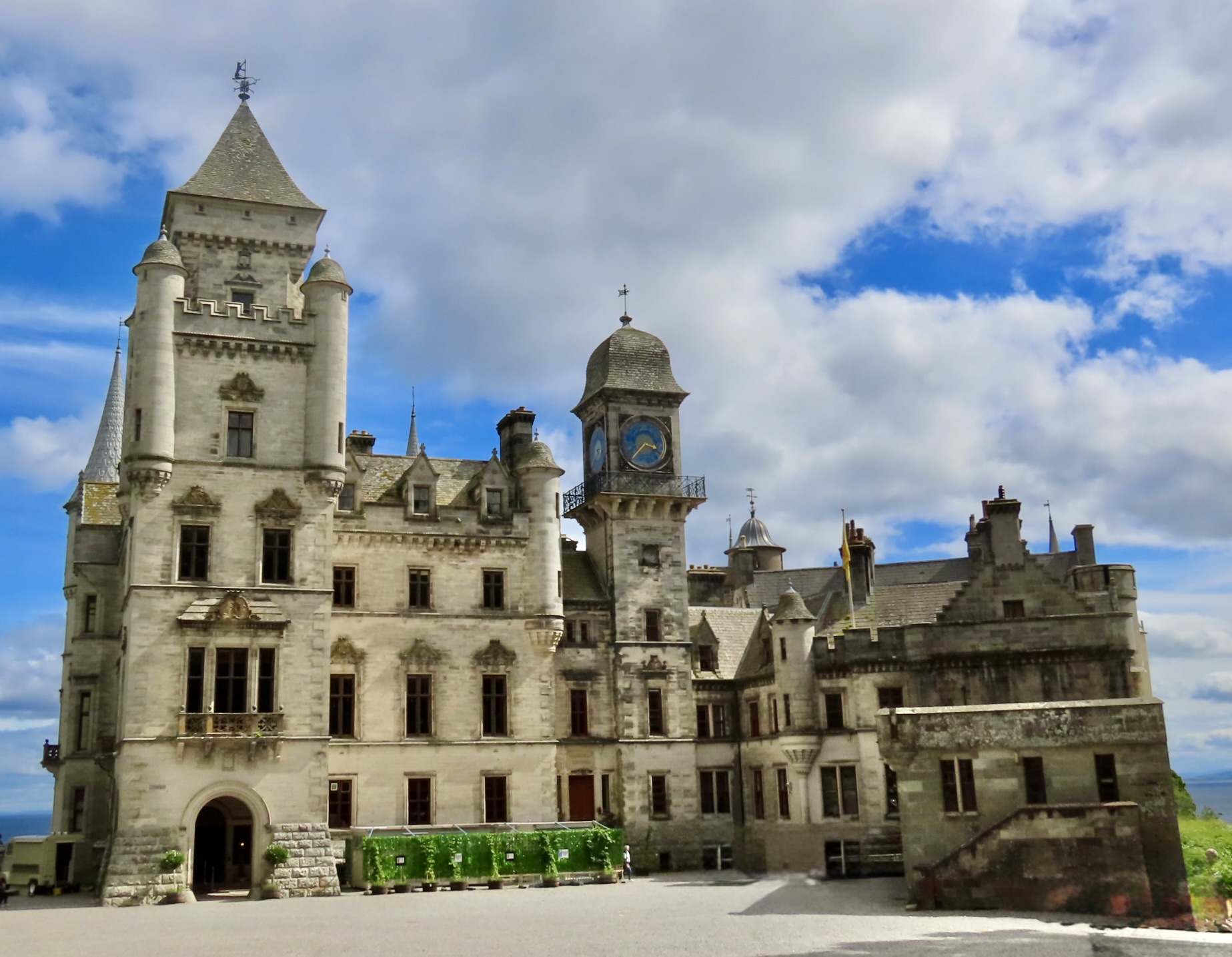
I chose Peggy’s photo of the castle because it also features the Versailles-like gardens below. She used her iPhone, which demonstrates the phone’s capacity as a camera— not to mention Peggy’s eye for photography. The castle has 189 rooms, making it the largest ‘house’ in the Scottish Highlands. And why is the Disney theme song playing in my head?
Peggy and I can never pass up visiting castles, so we were excited when the CIE tour of the Scottish Highlands featured five. I’ll do another post that includes the other four, but today is Dunrobin’s turn. The original castle, built in 1235 CE, was a square keep with thick walls, obviously built for defense. It has come a ways since! Dunrobin owes its present incarnation to Sir Charles Barry, the architect famed for designing London’s House of Parliament. It was his vision in the 1800s that changed the medieval fortress into what we now see now.
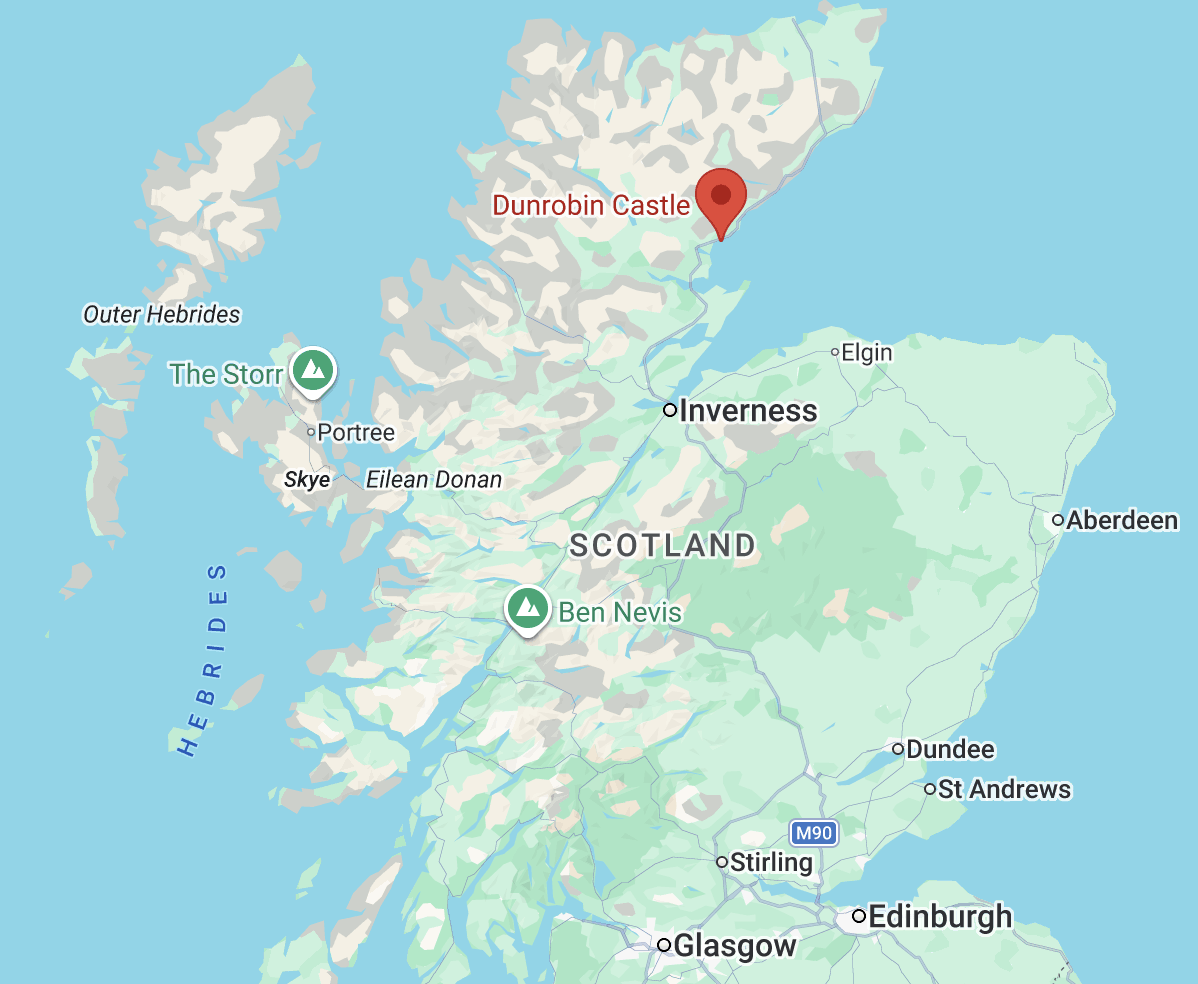
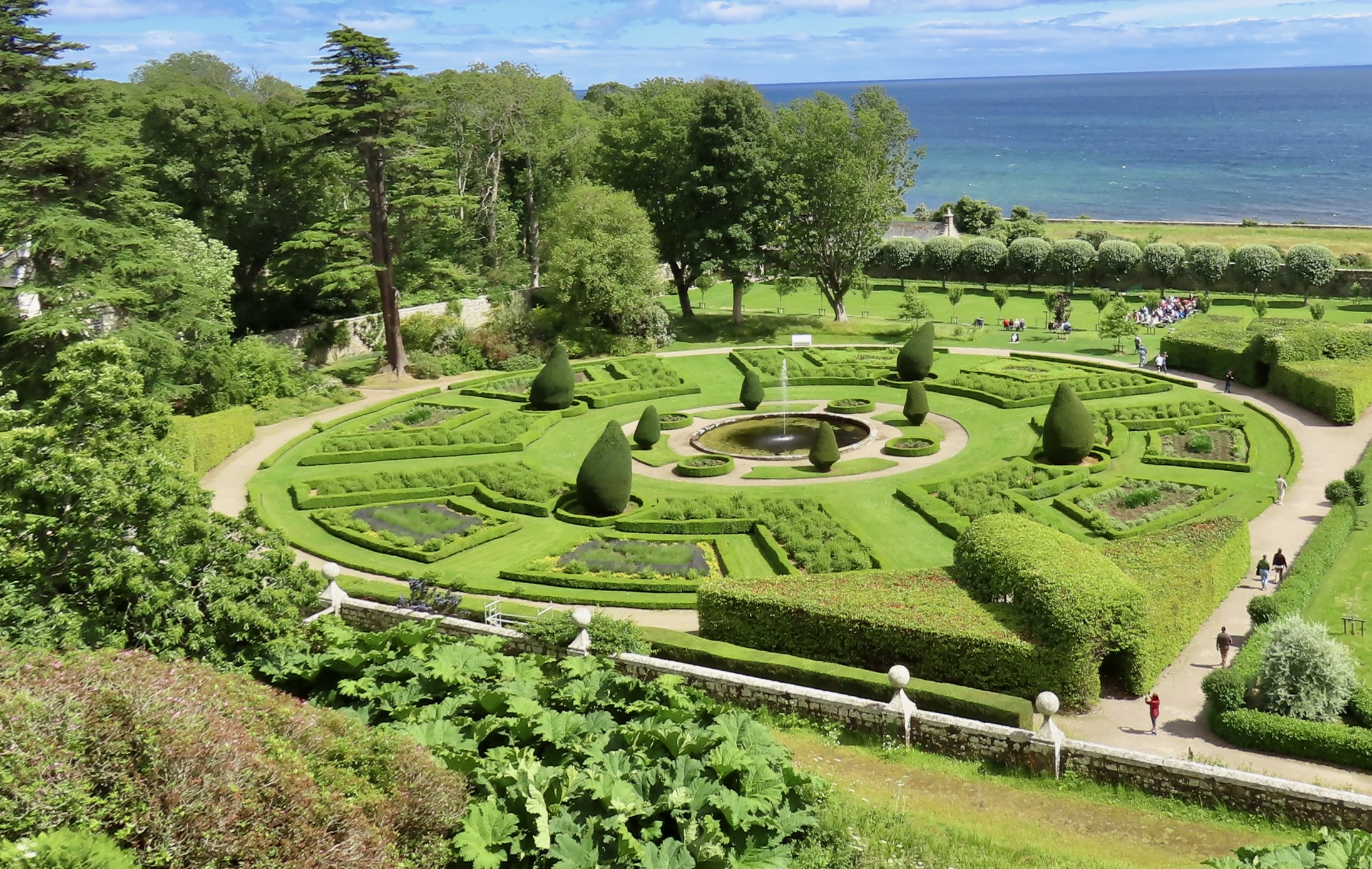
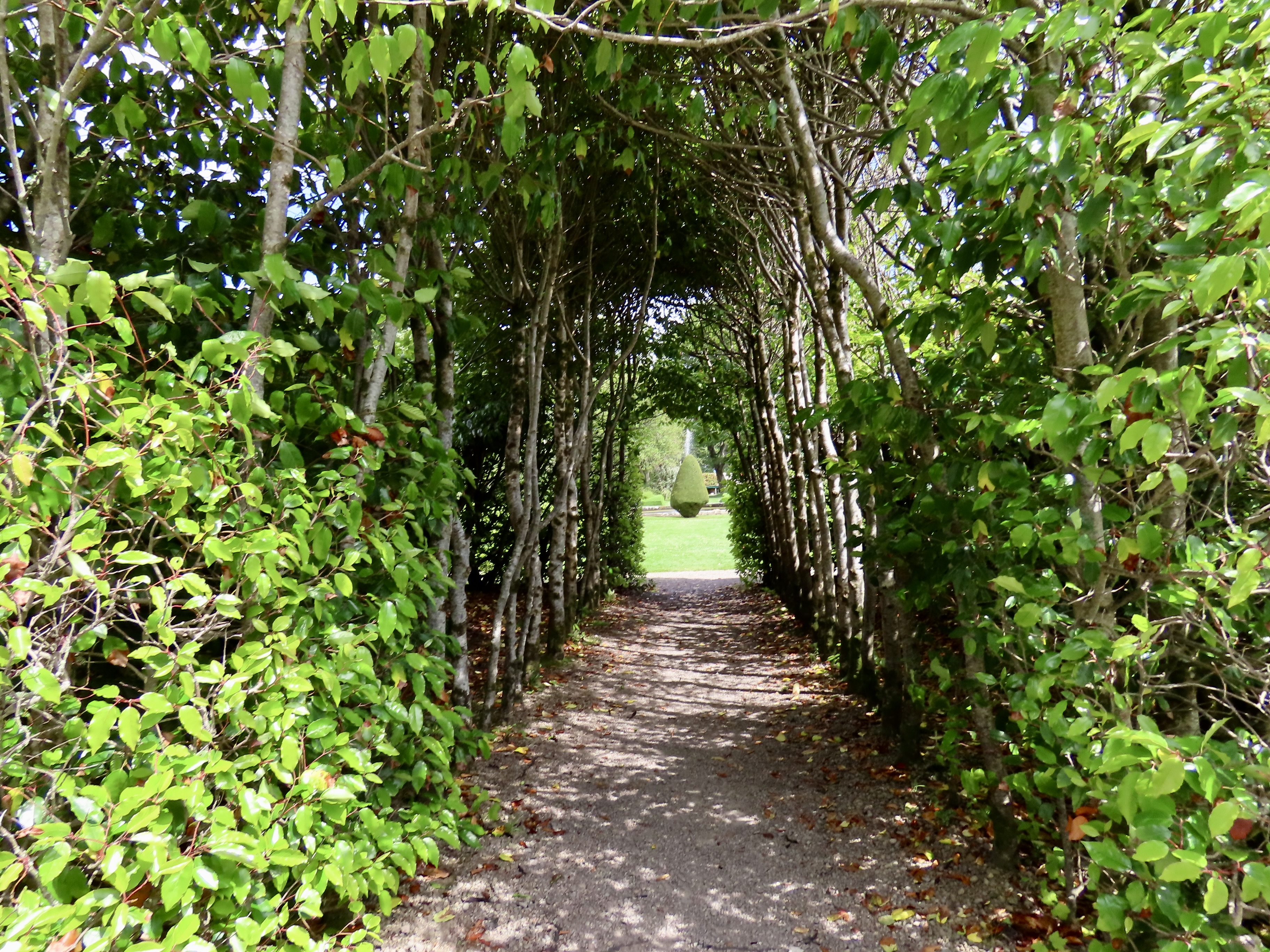
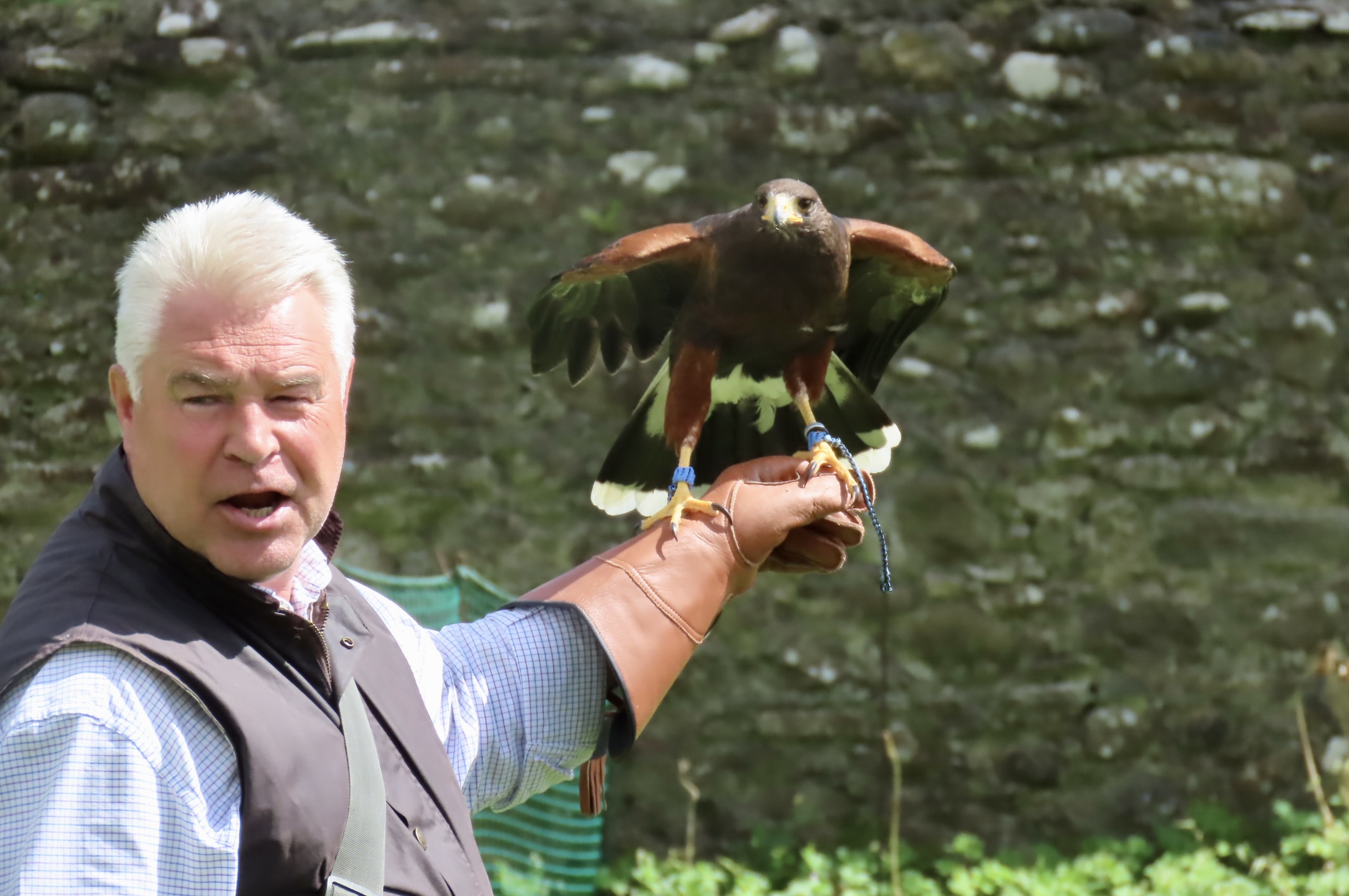
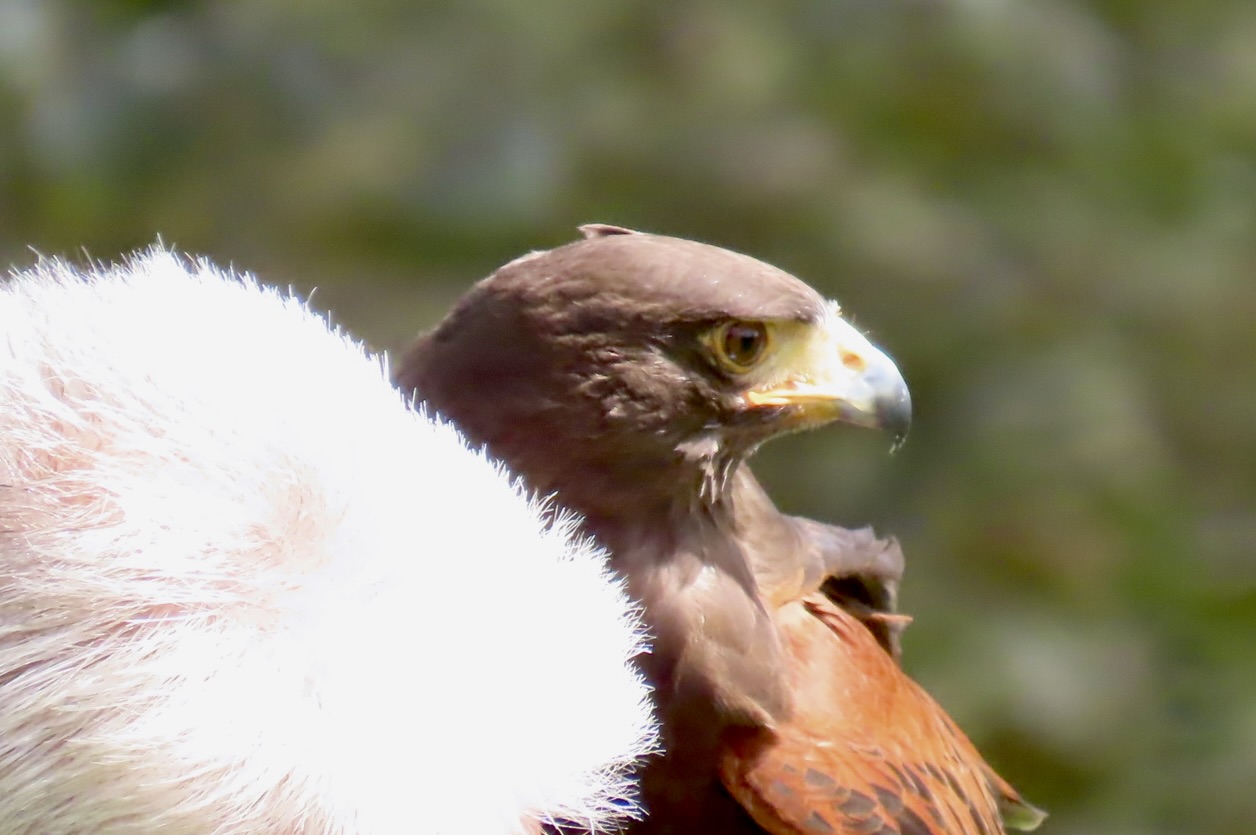
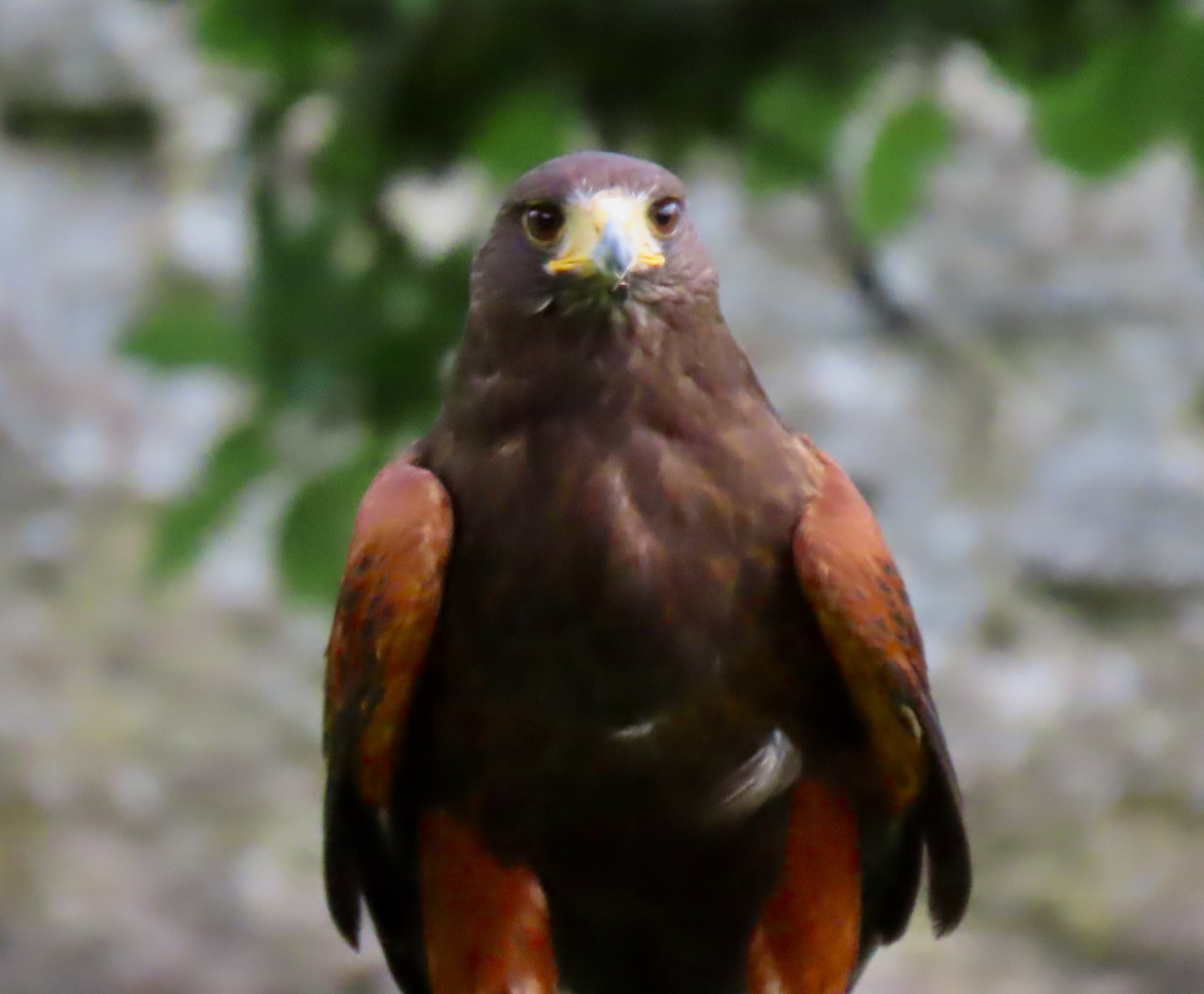
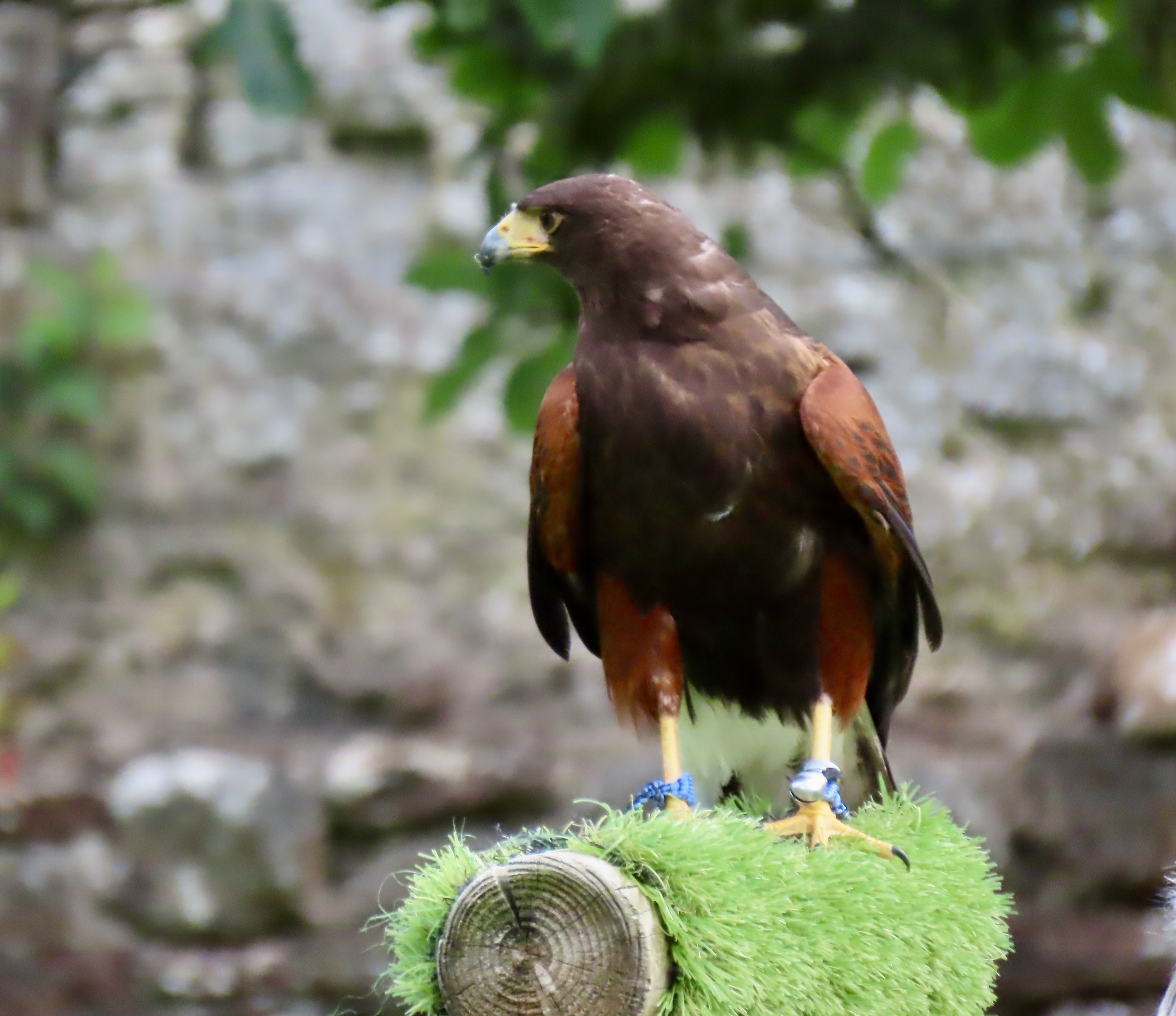
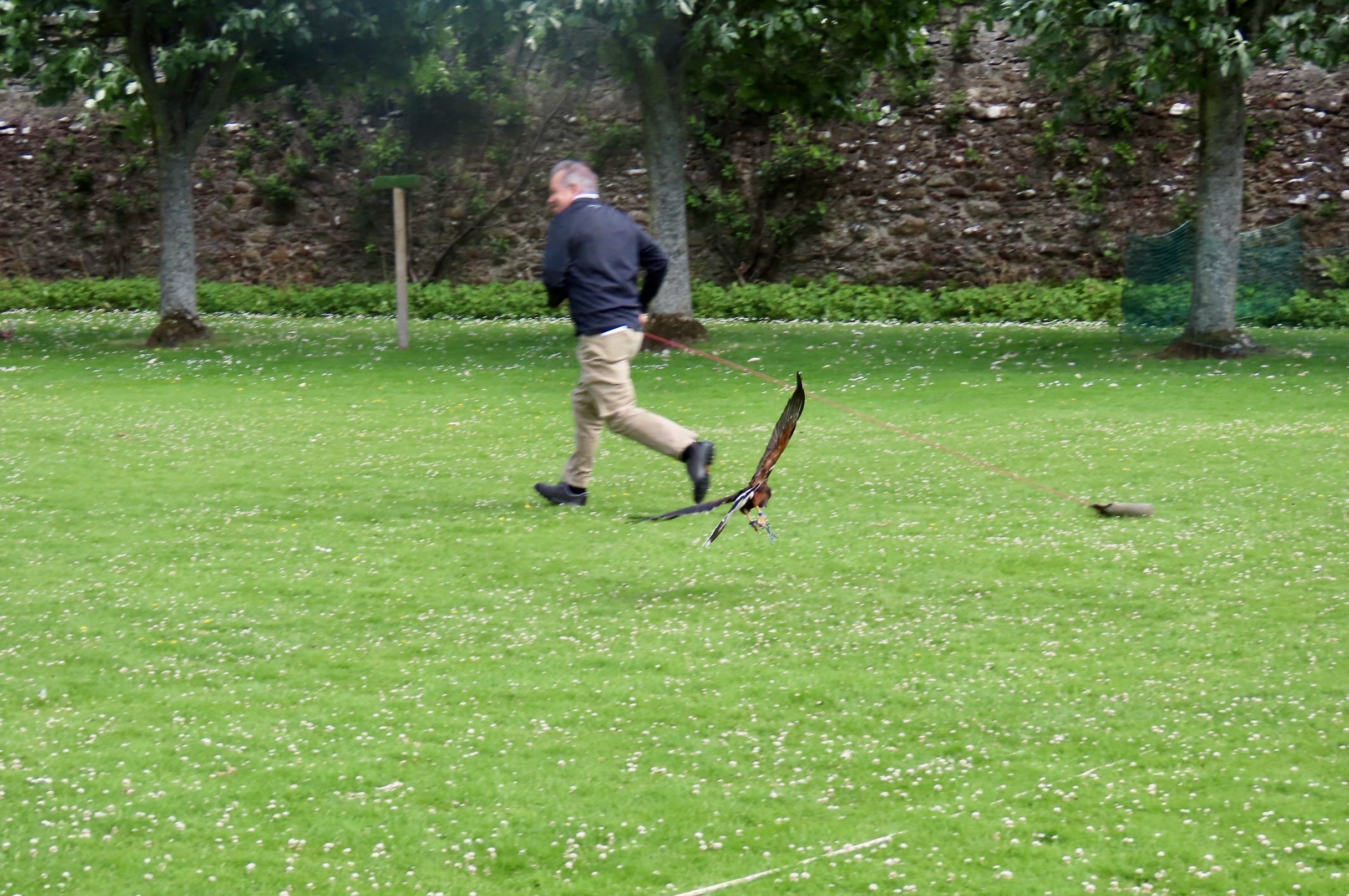
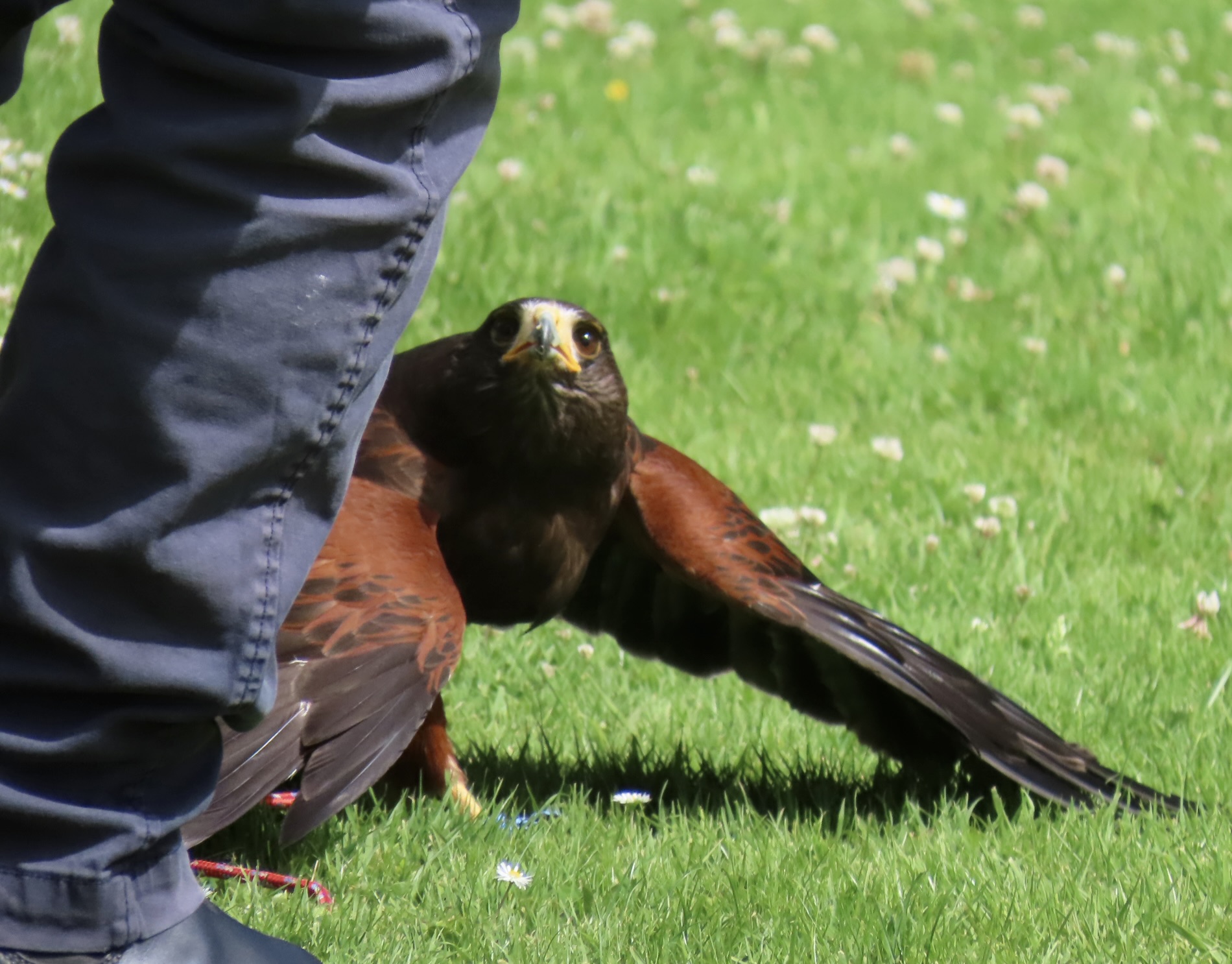
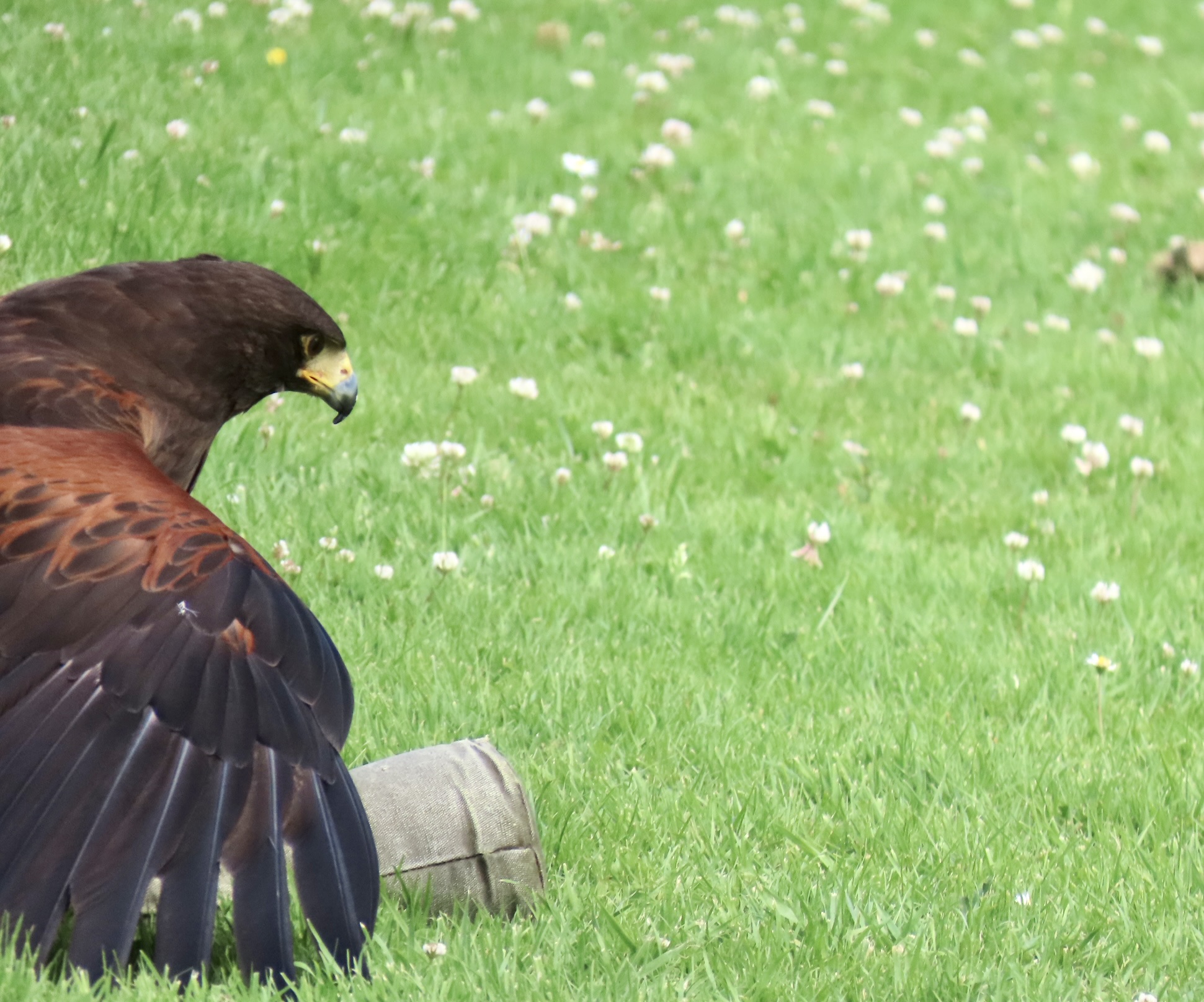
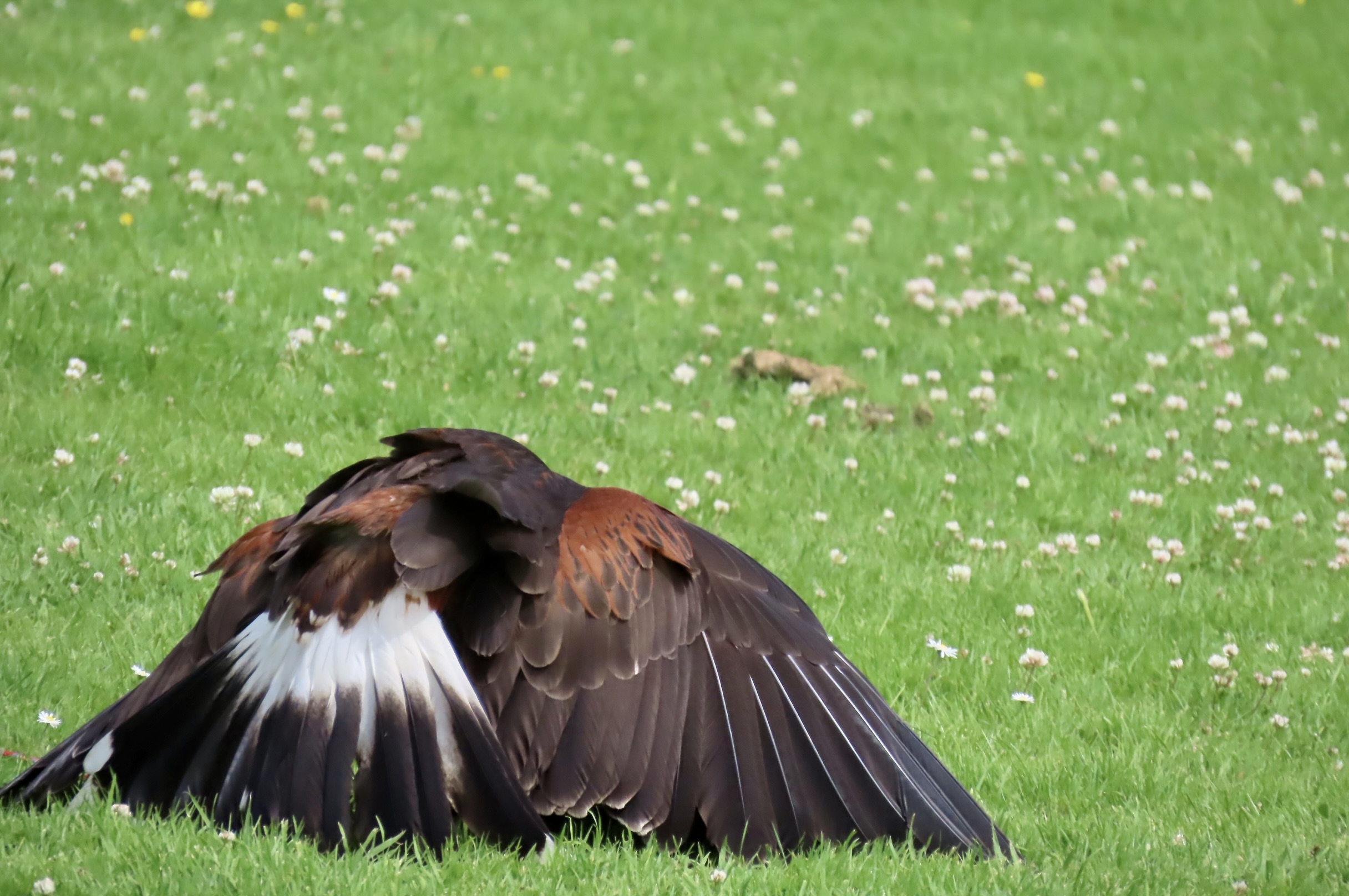
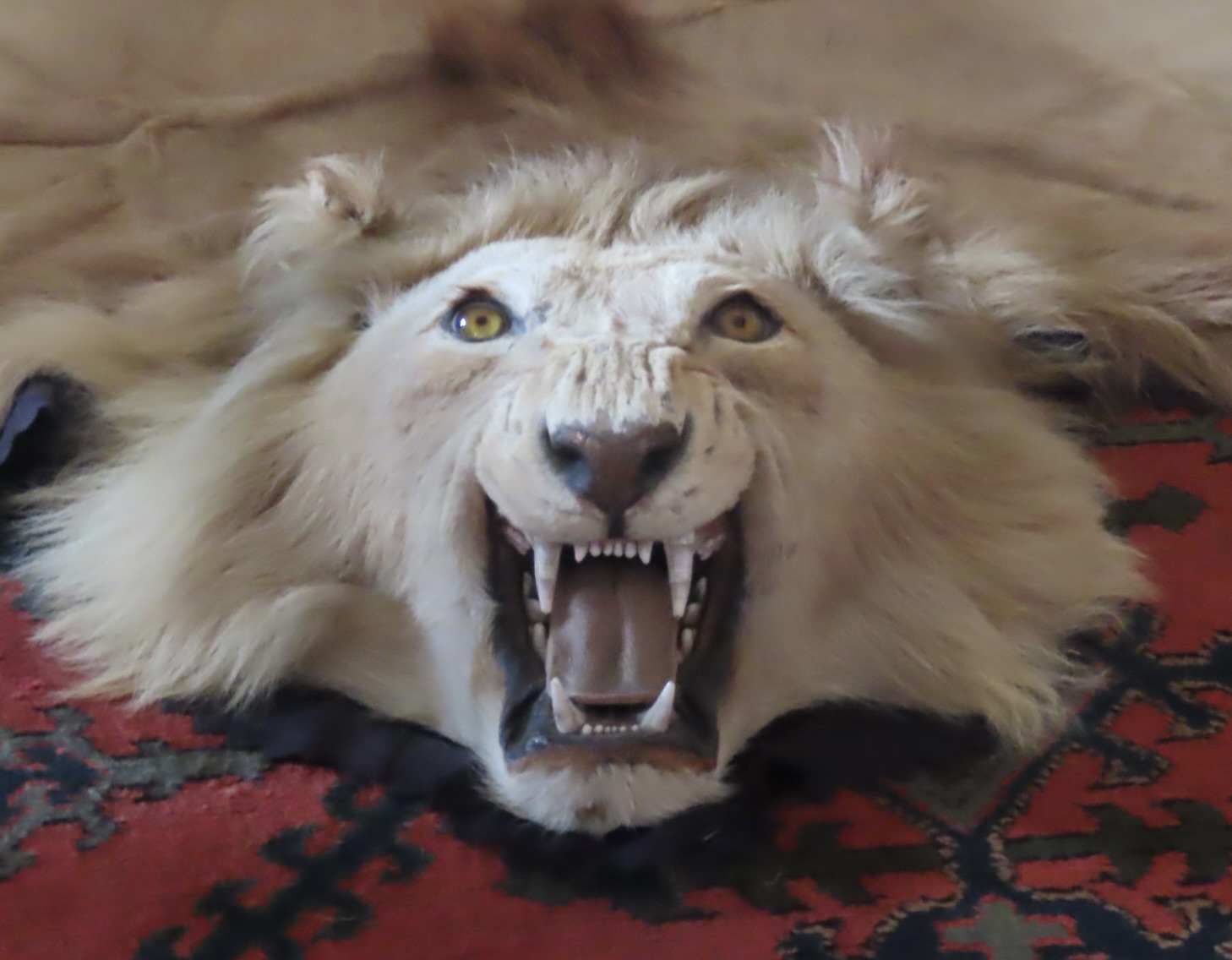
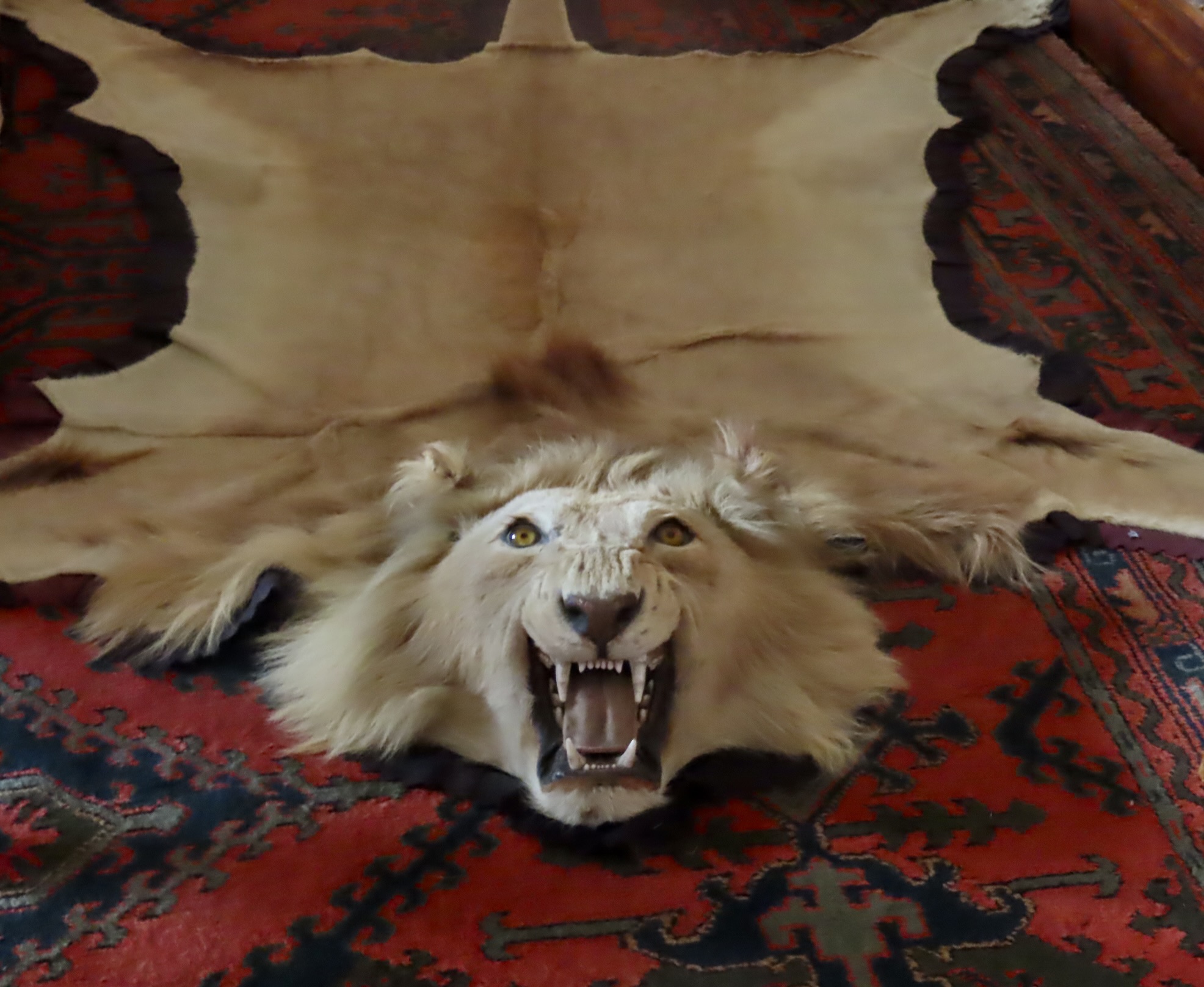
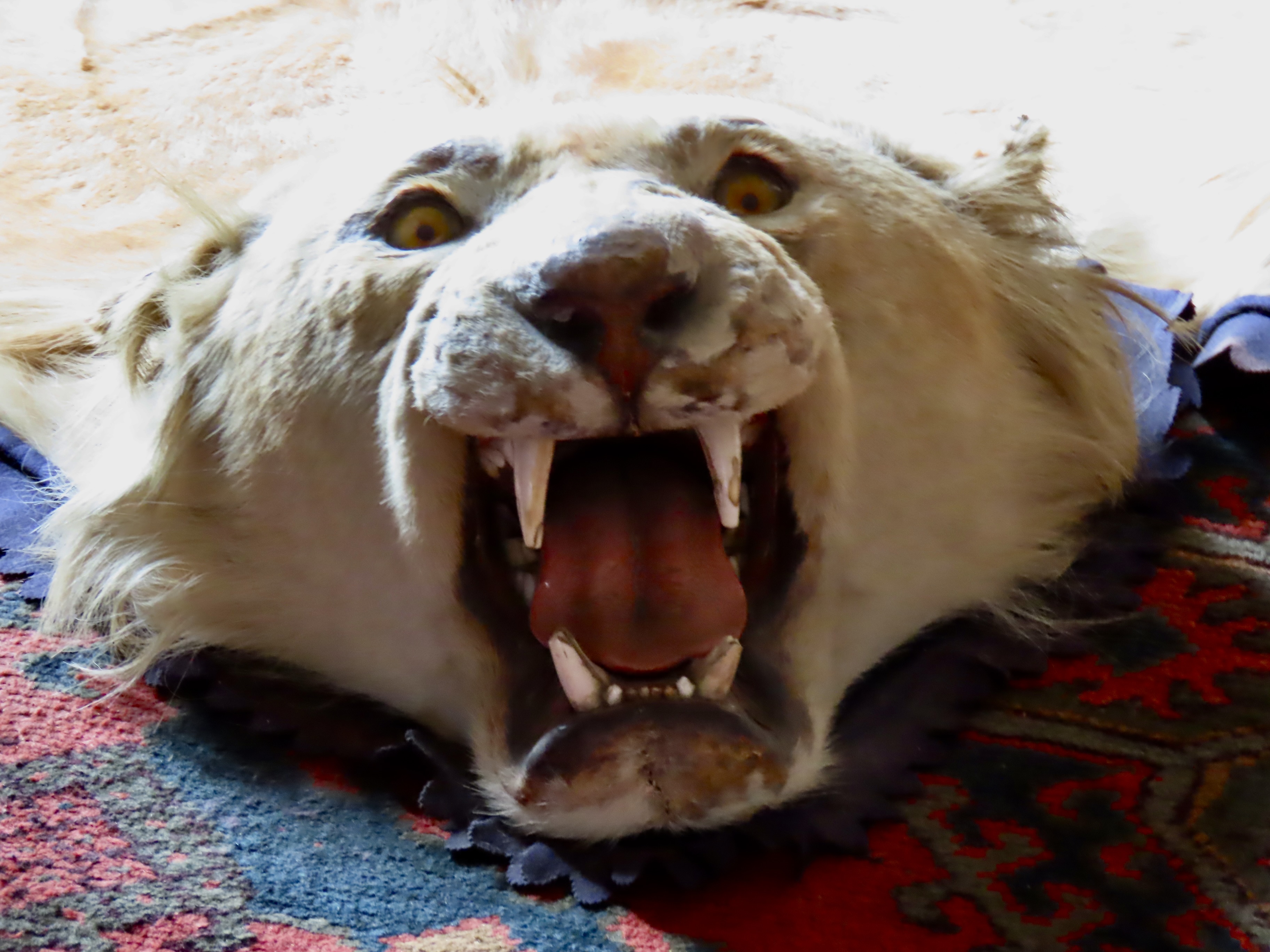
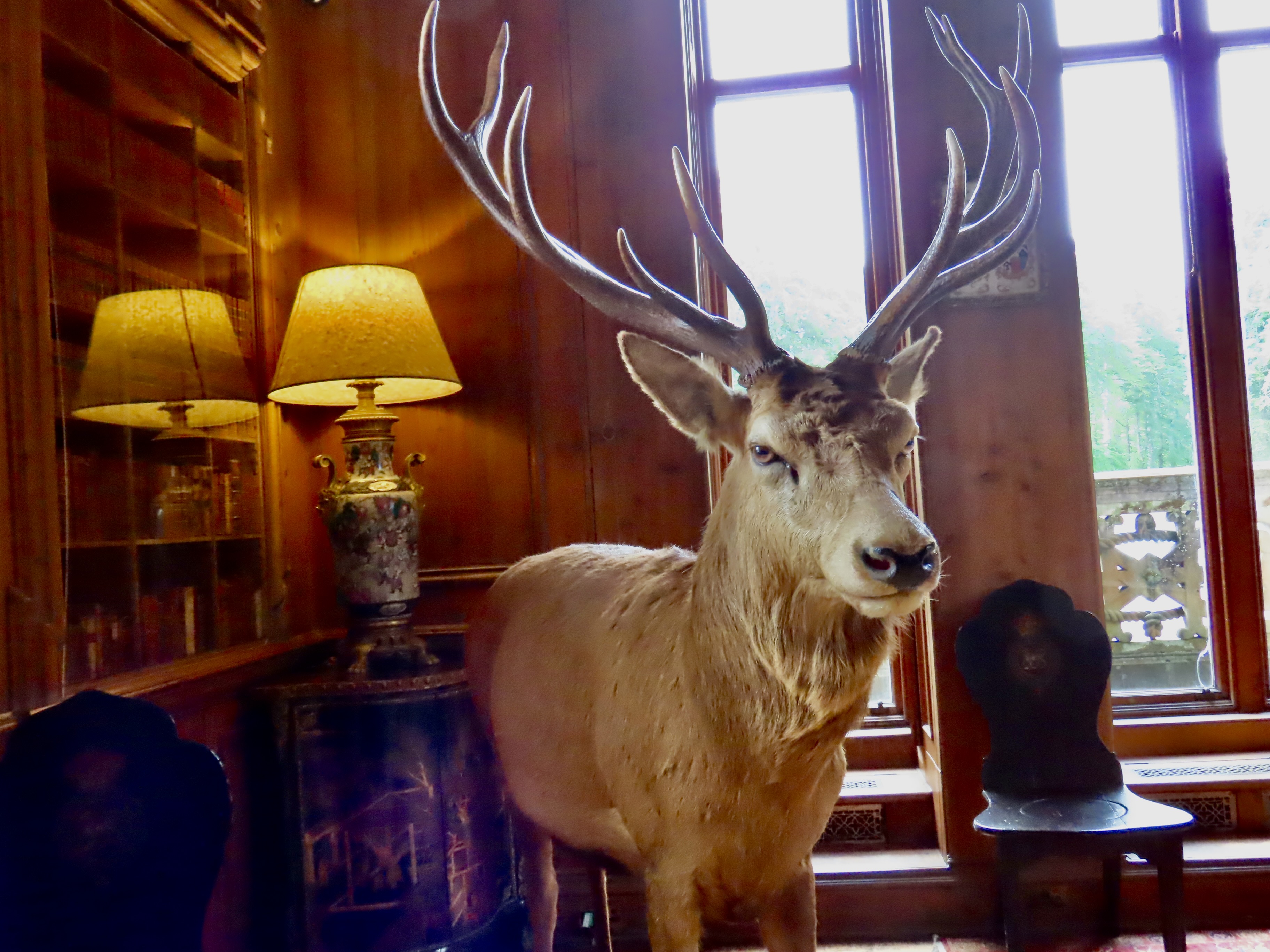
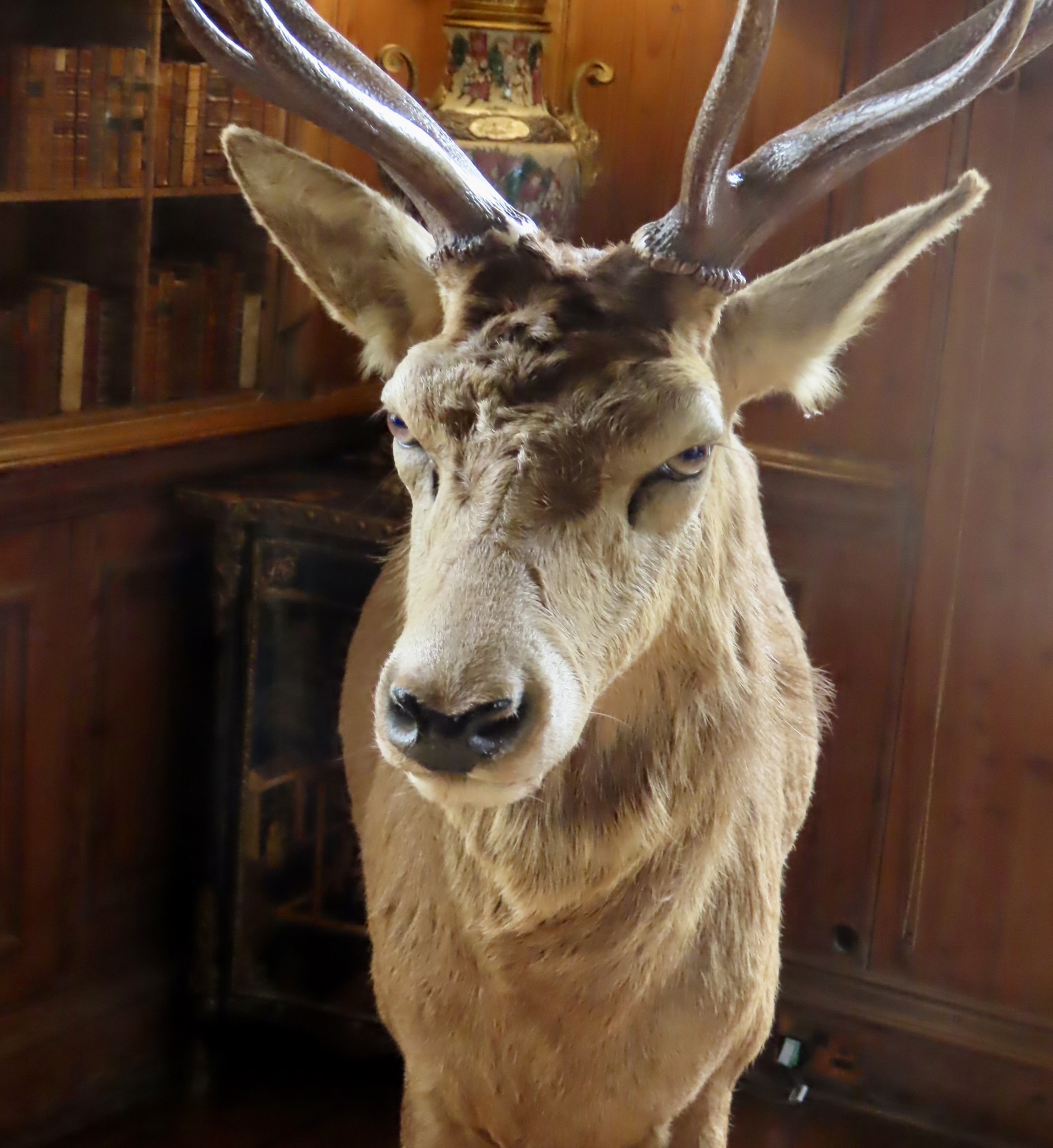
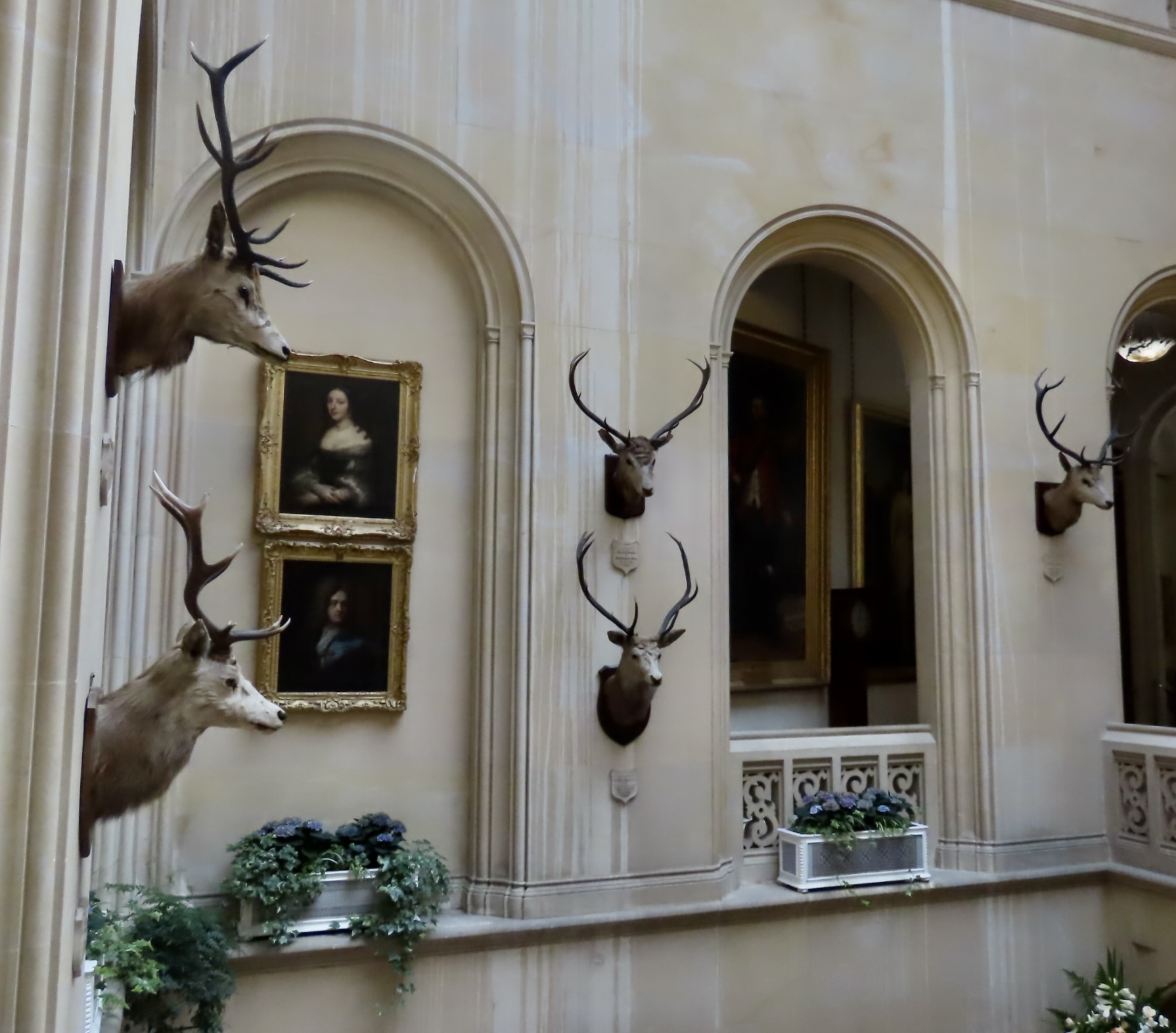
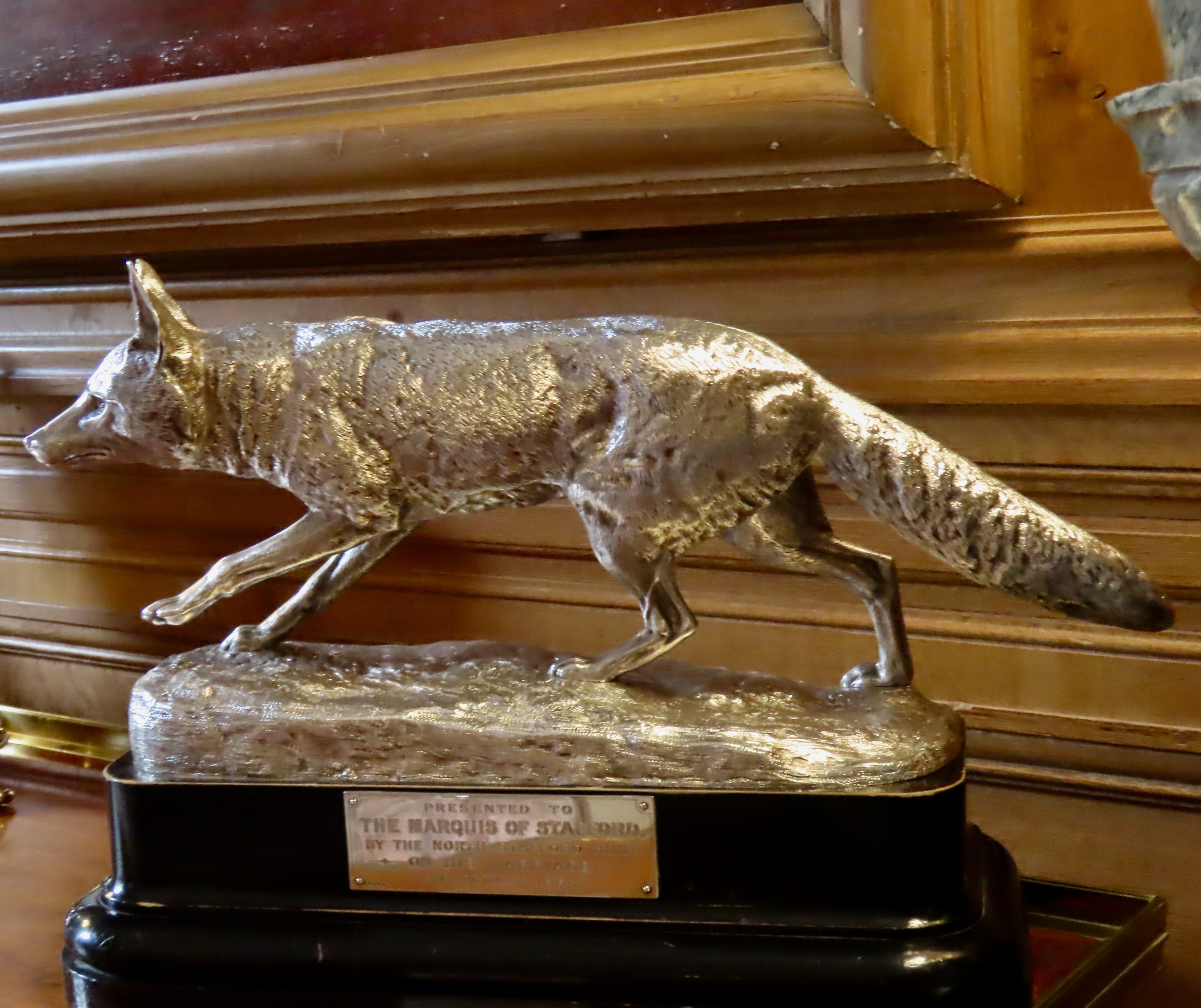
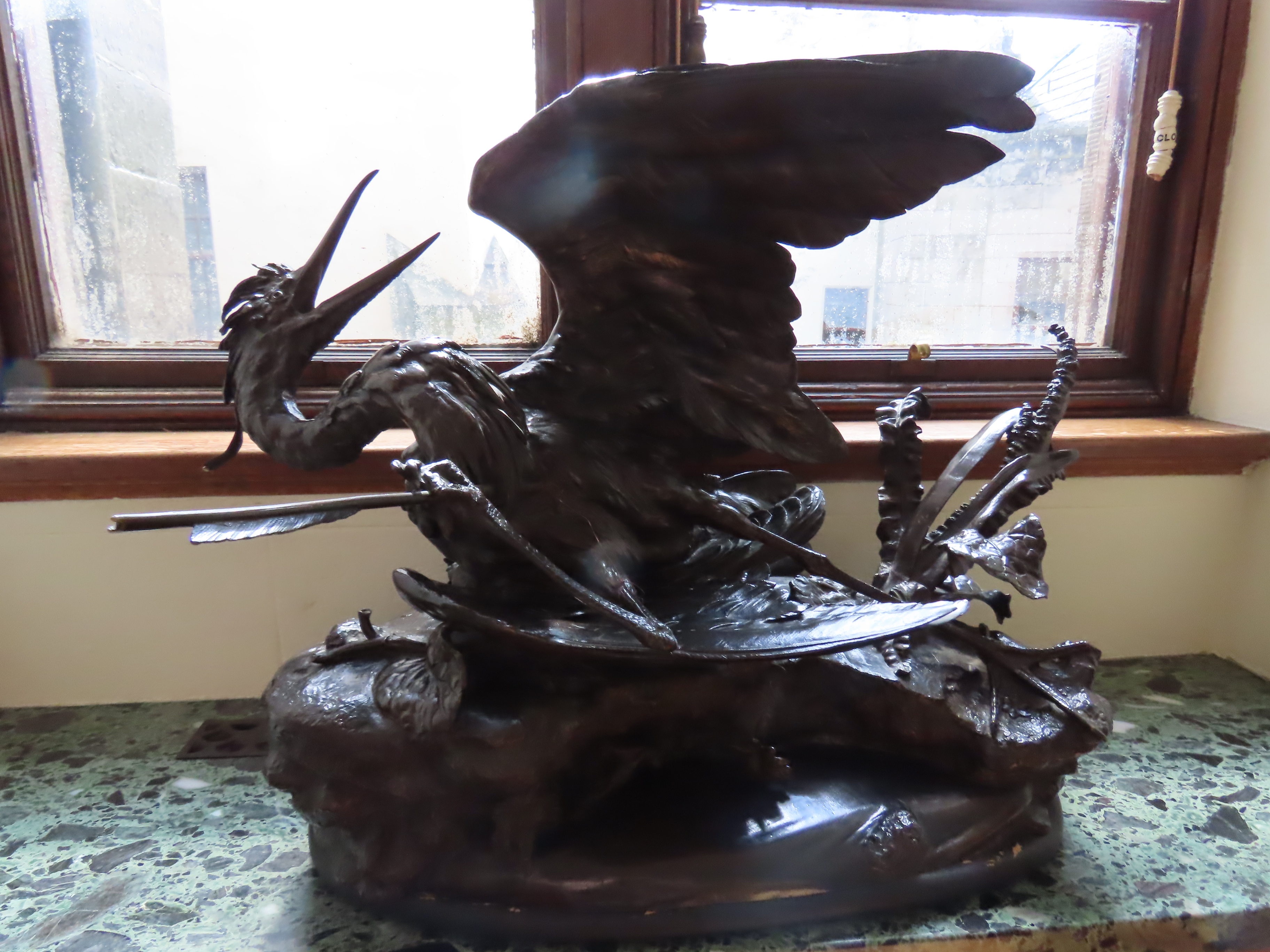
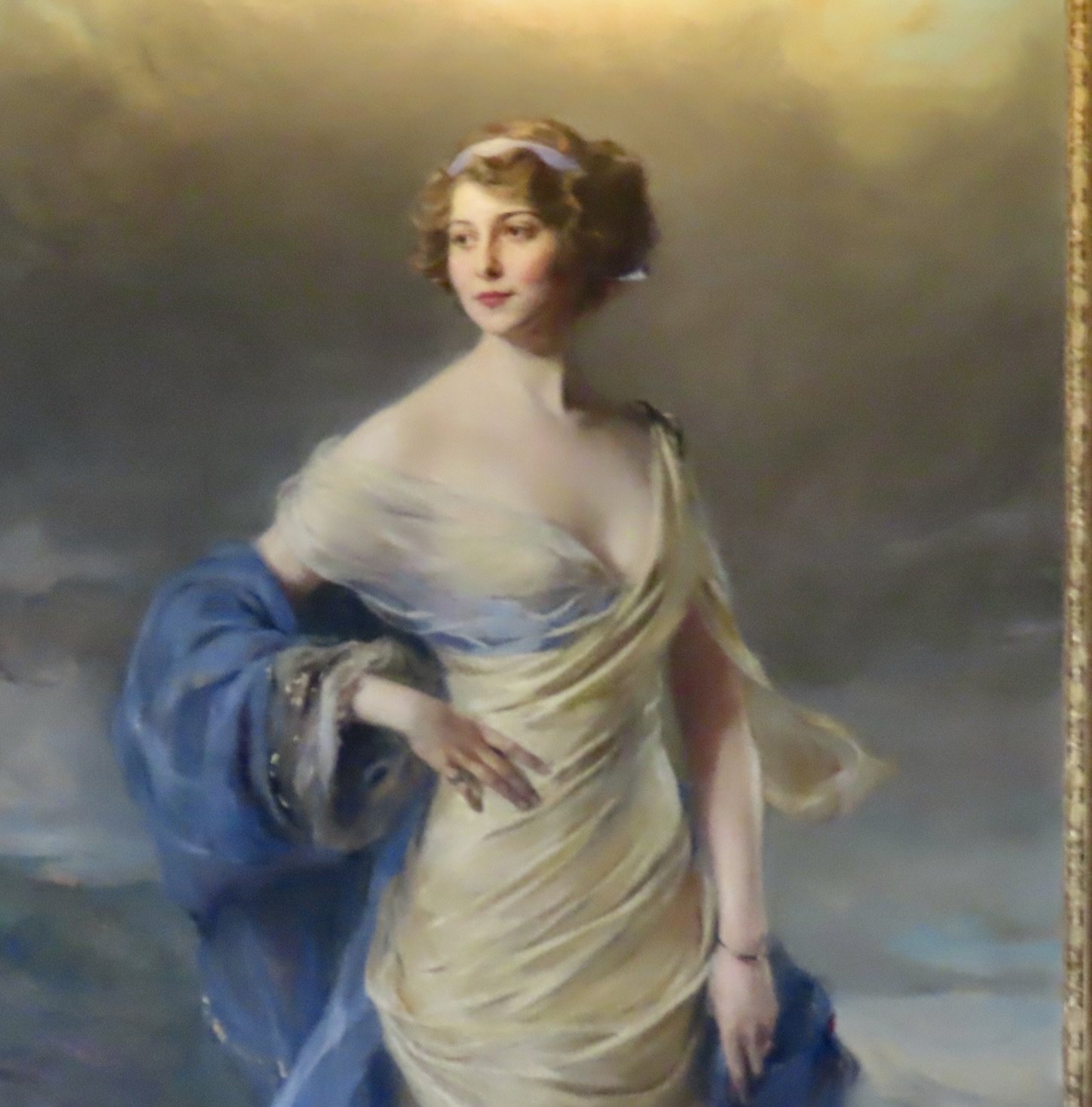
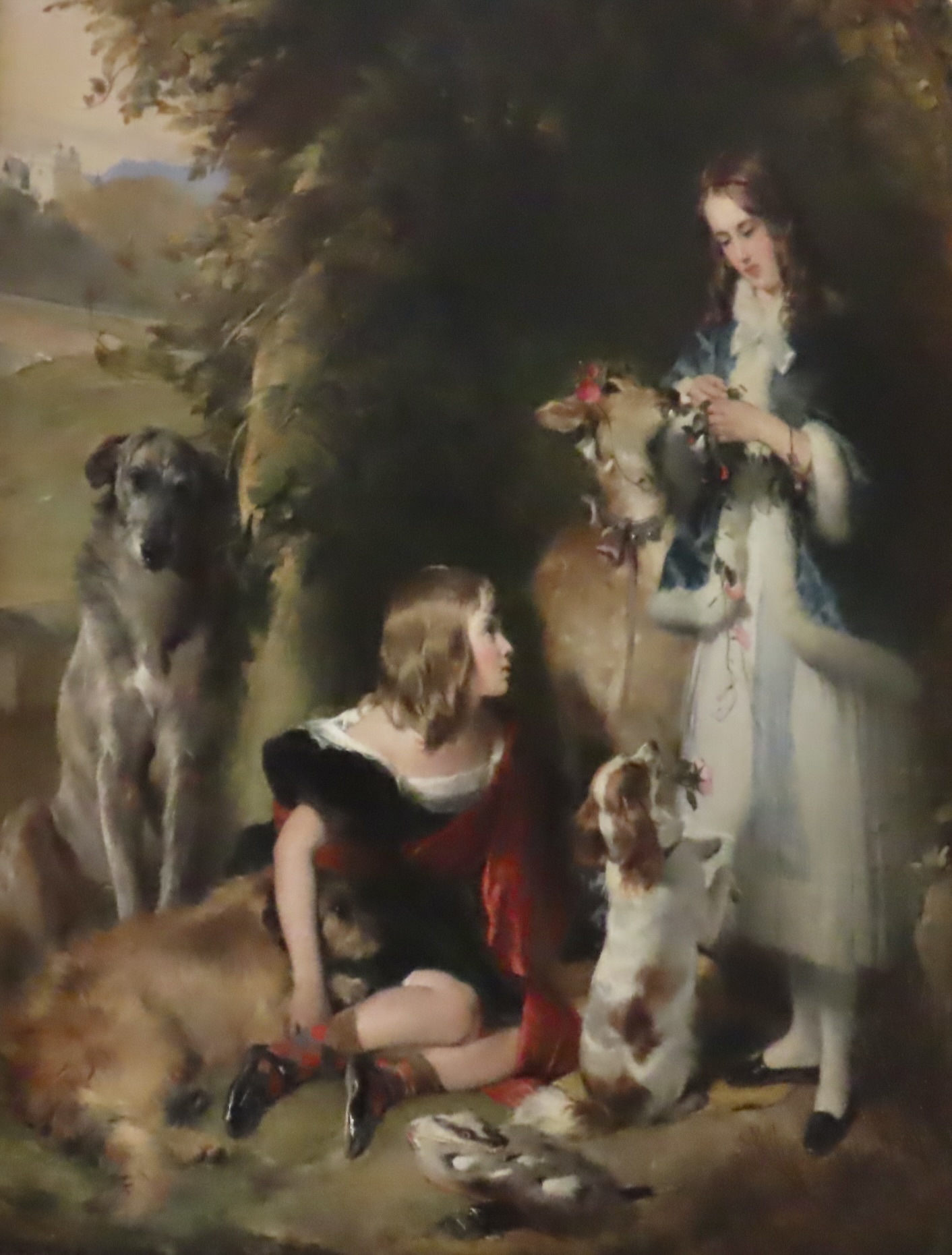
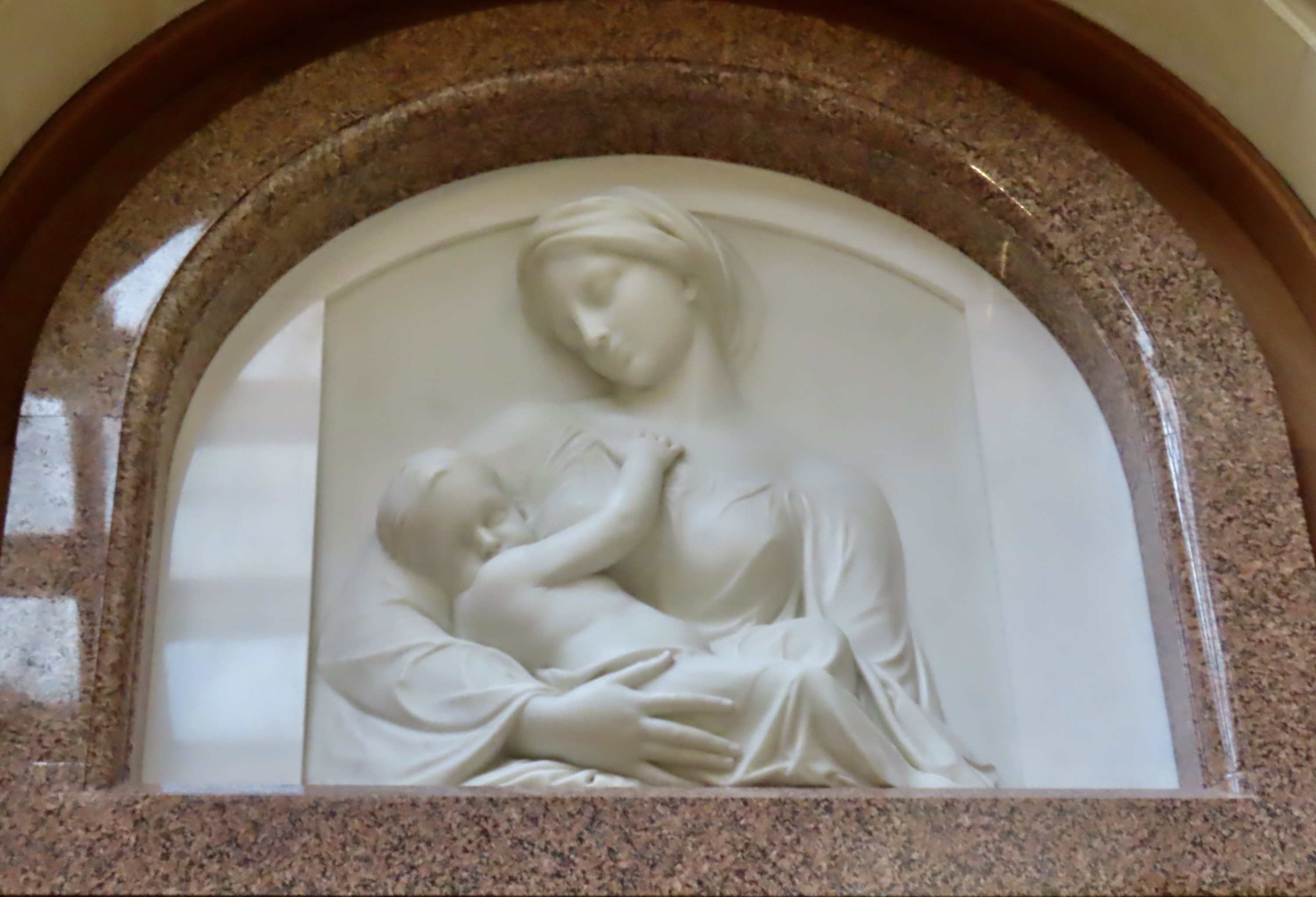
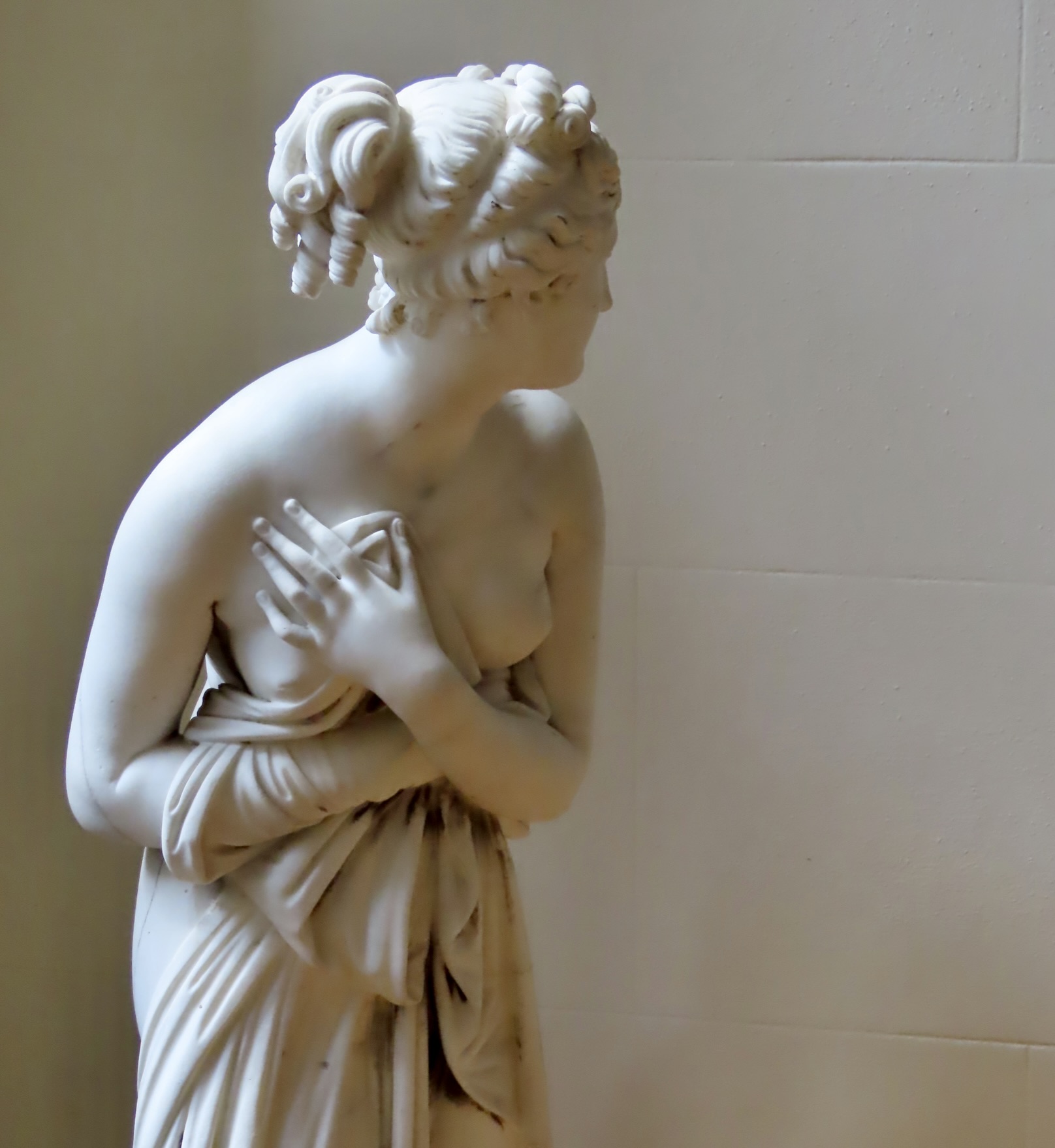
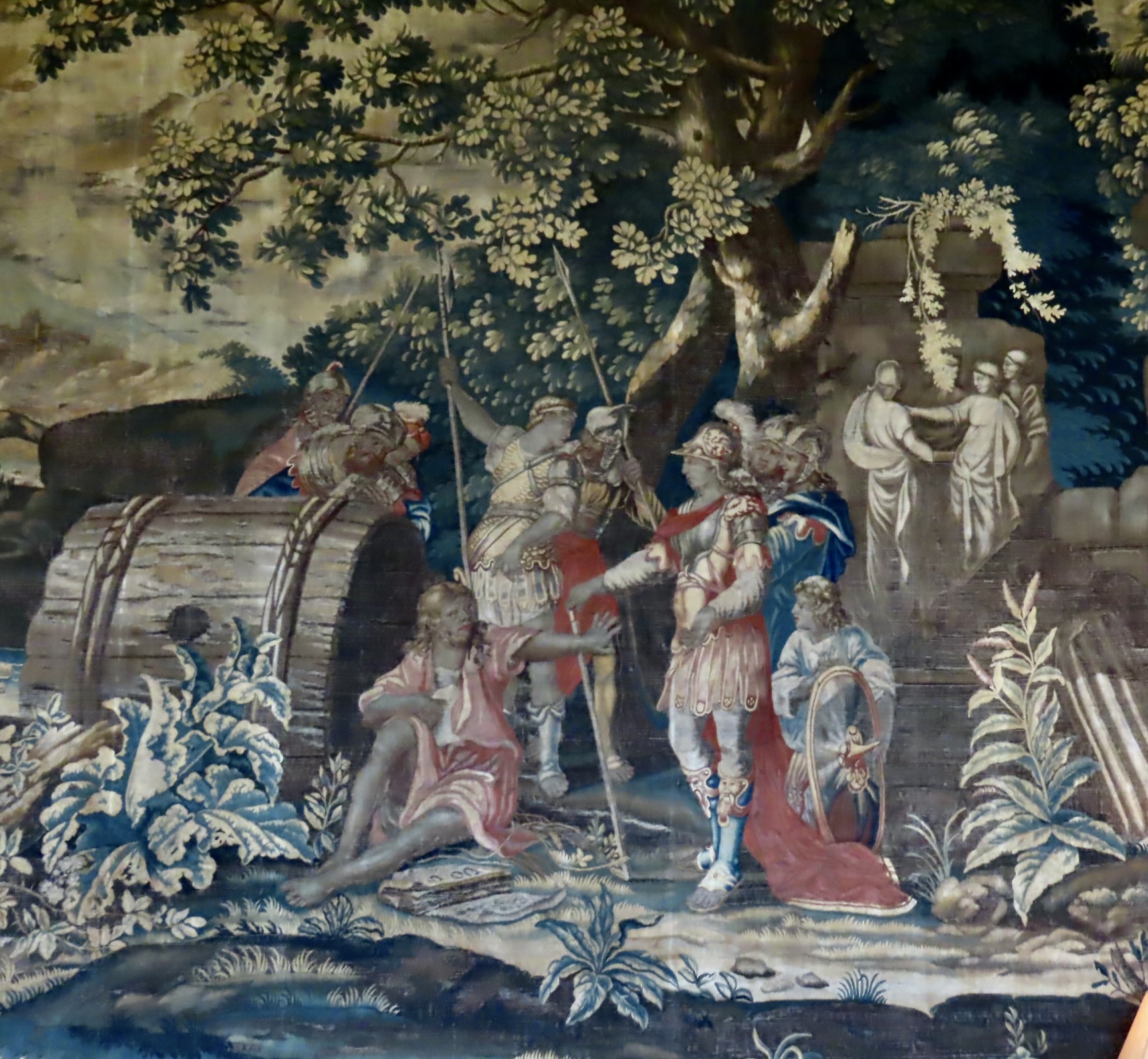
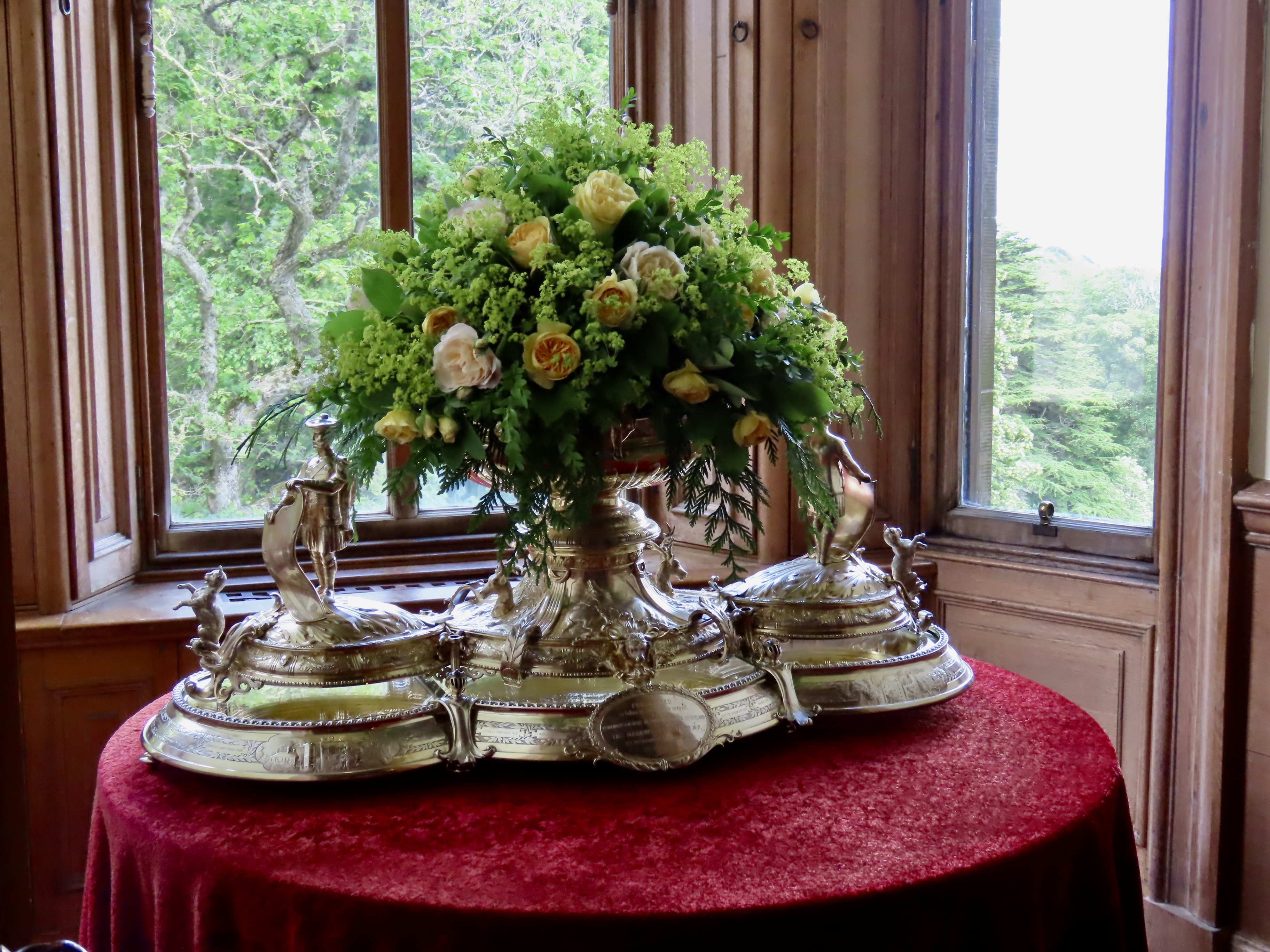
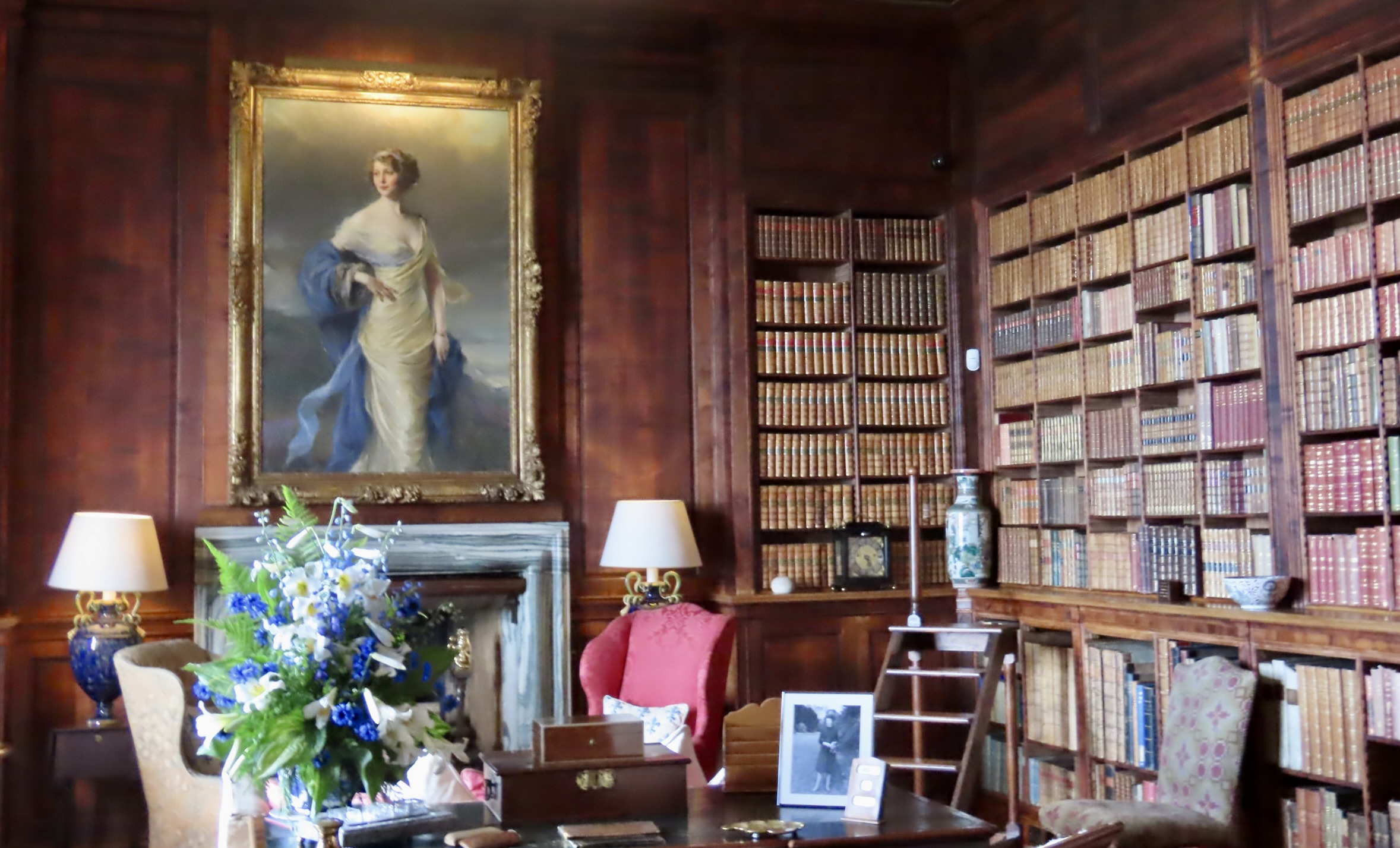
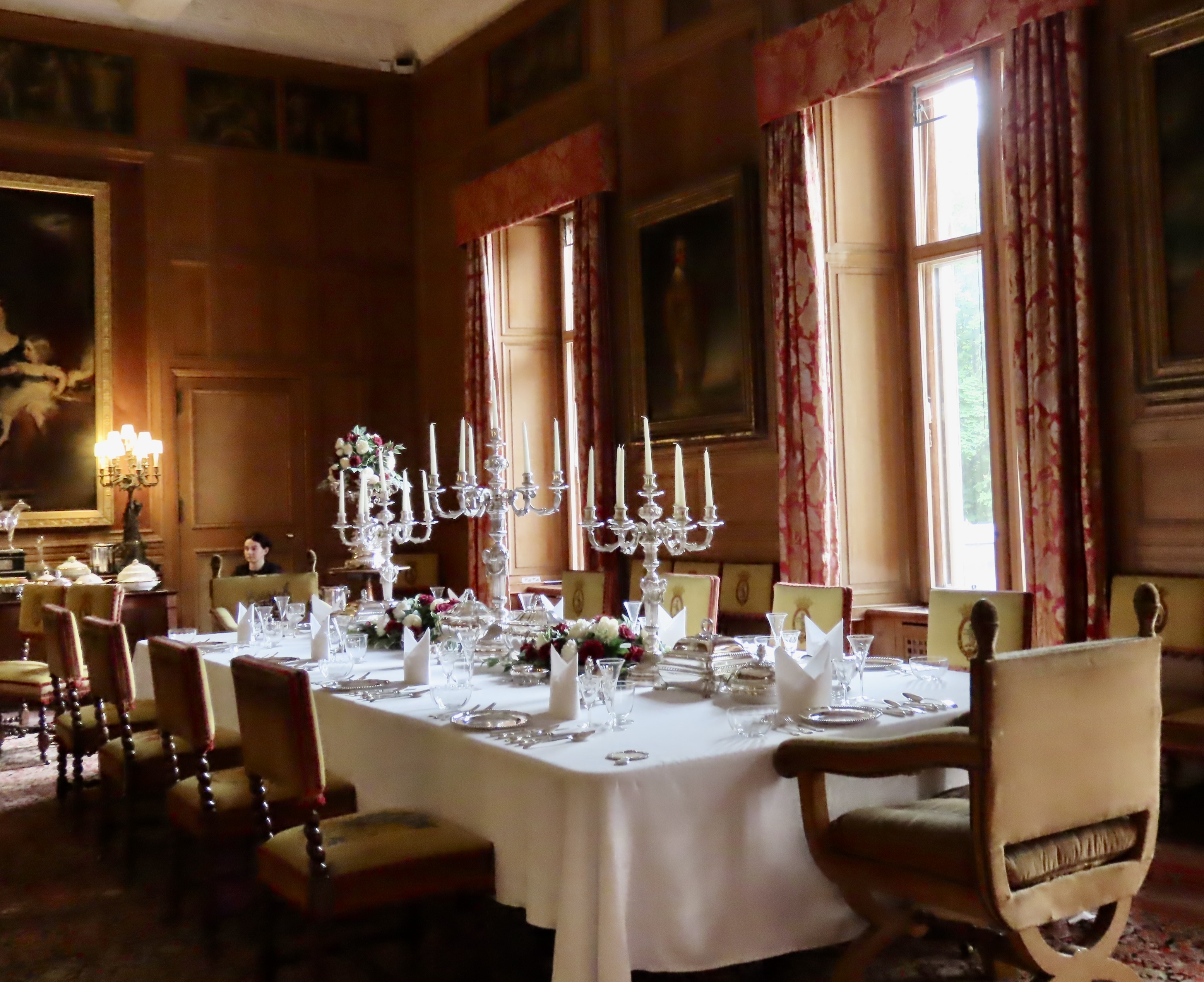
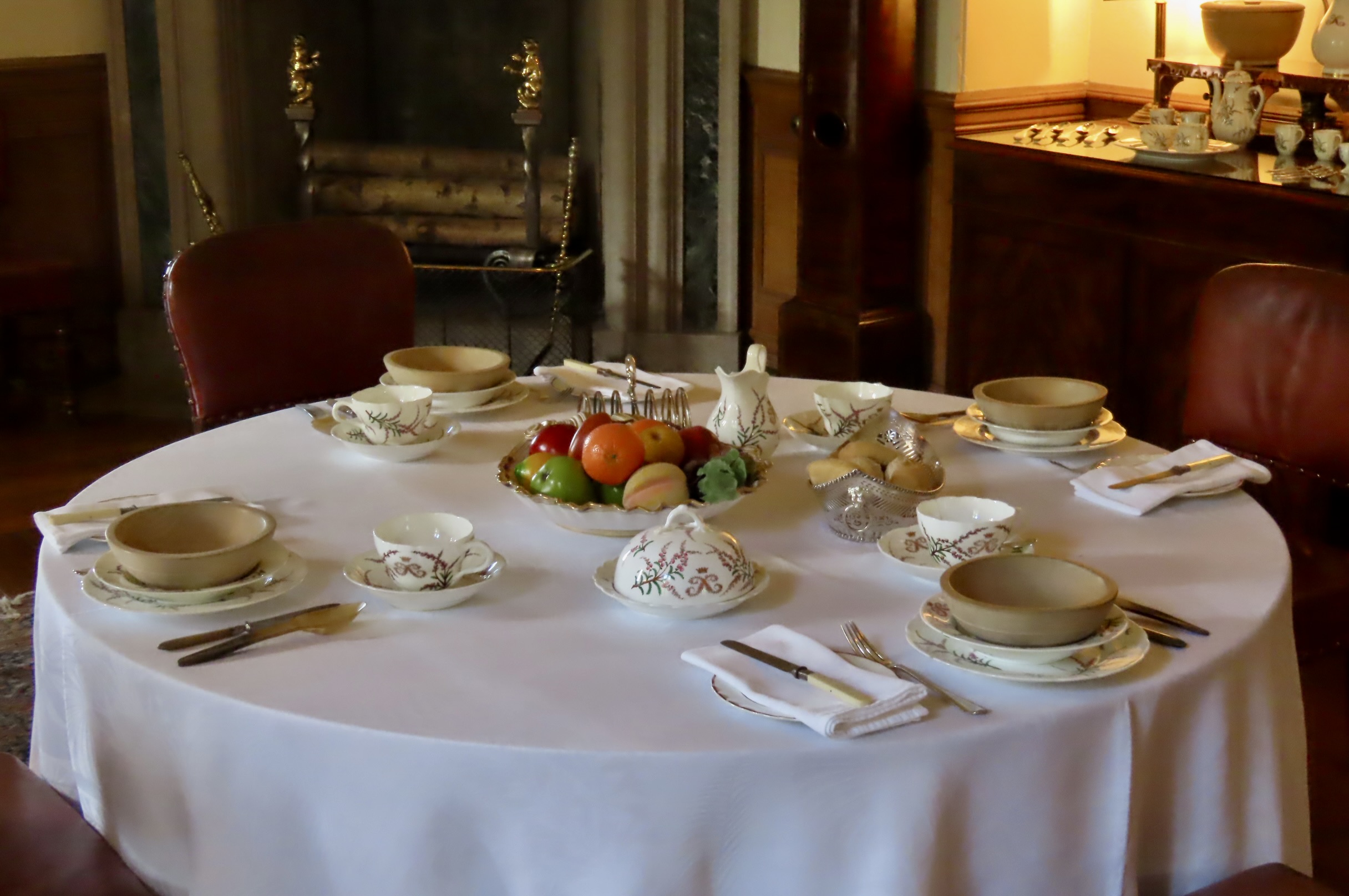
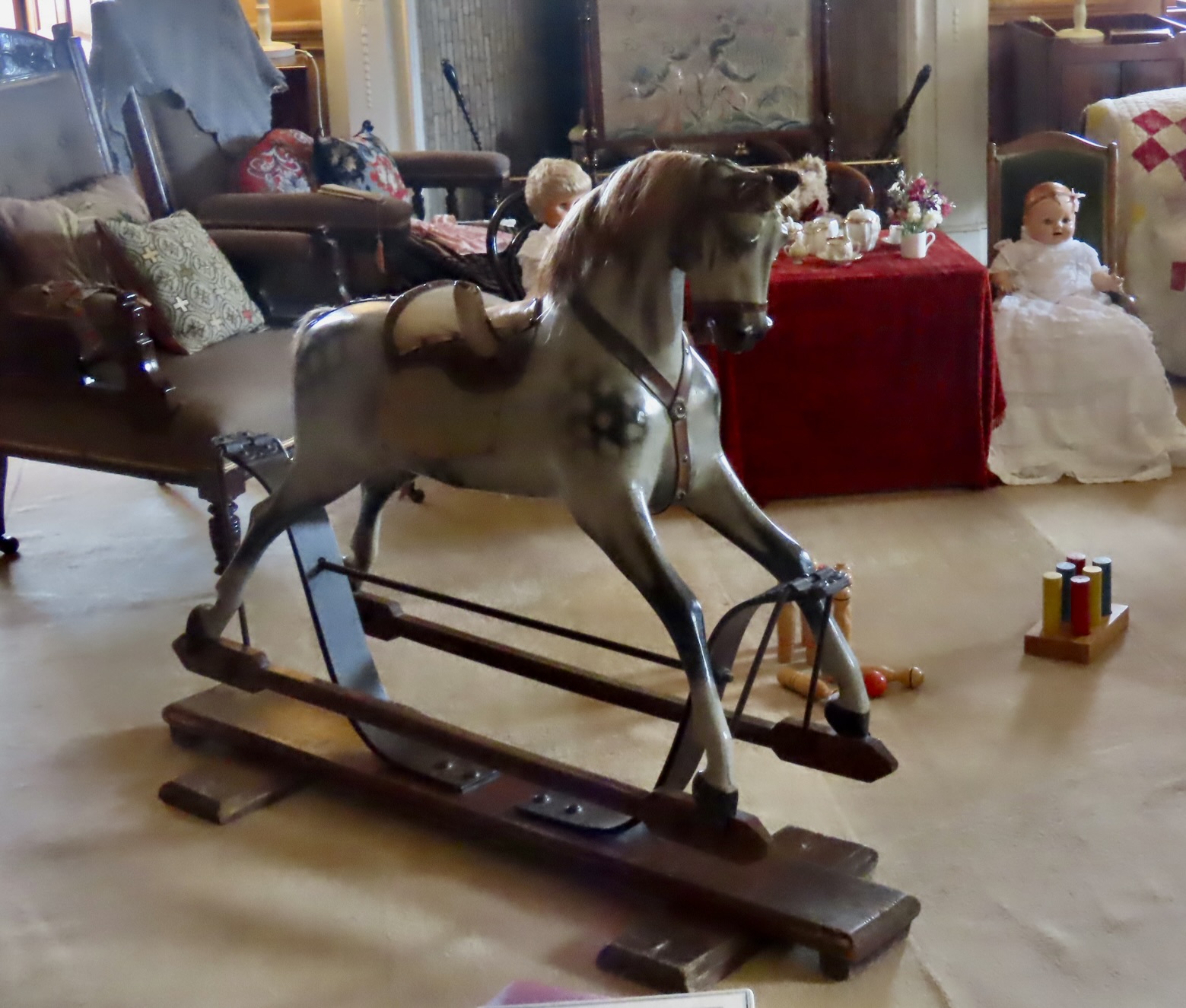
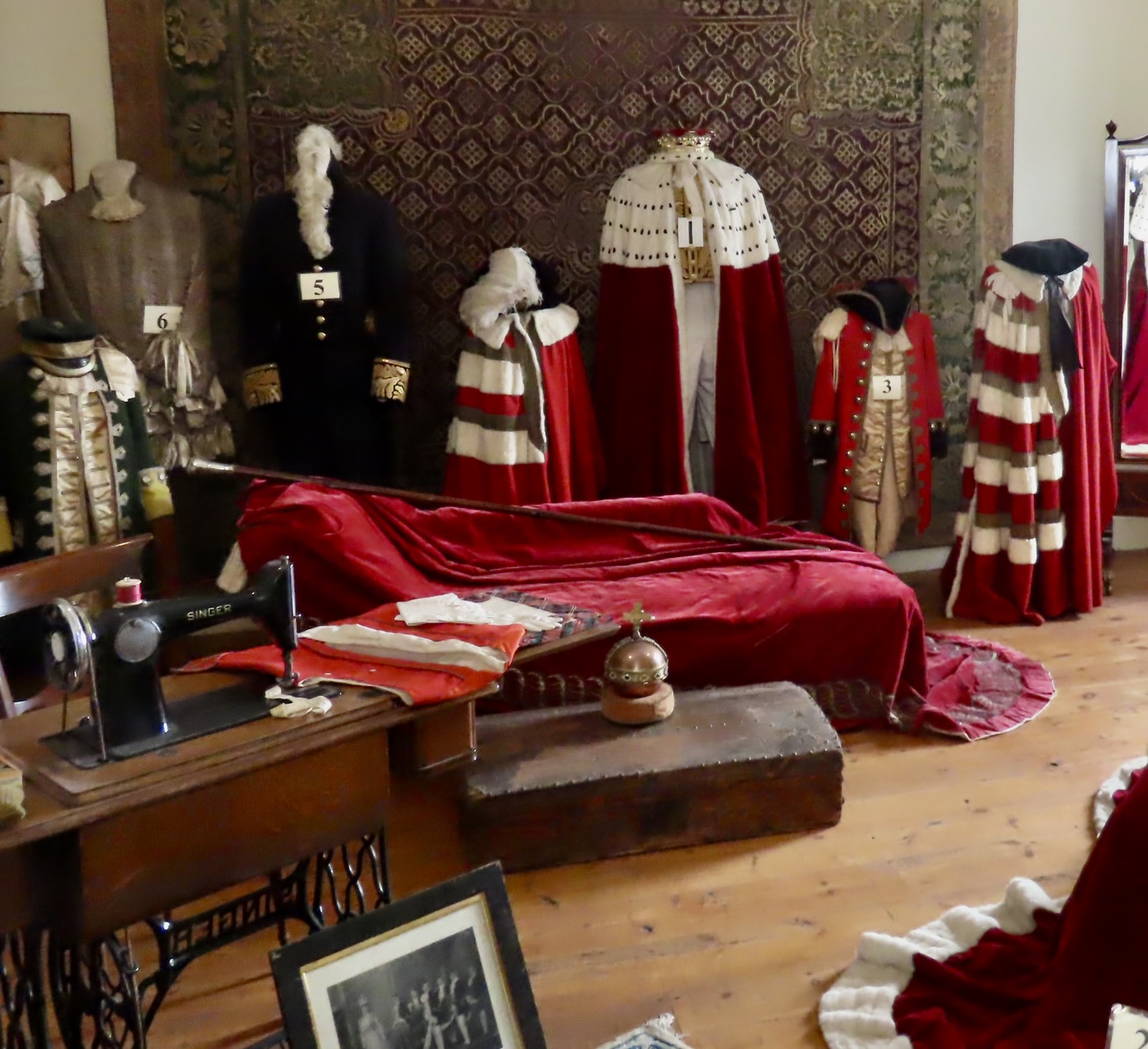
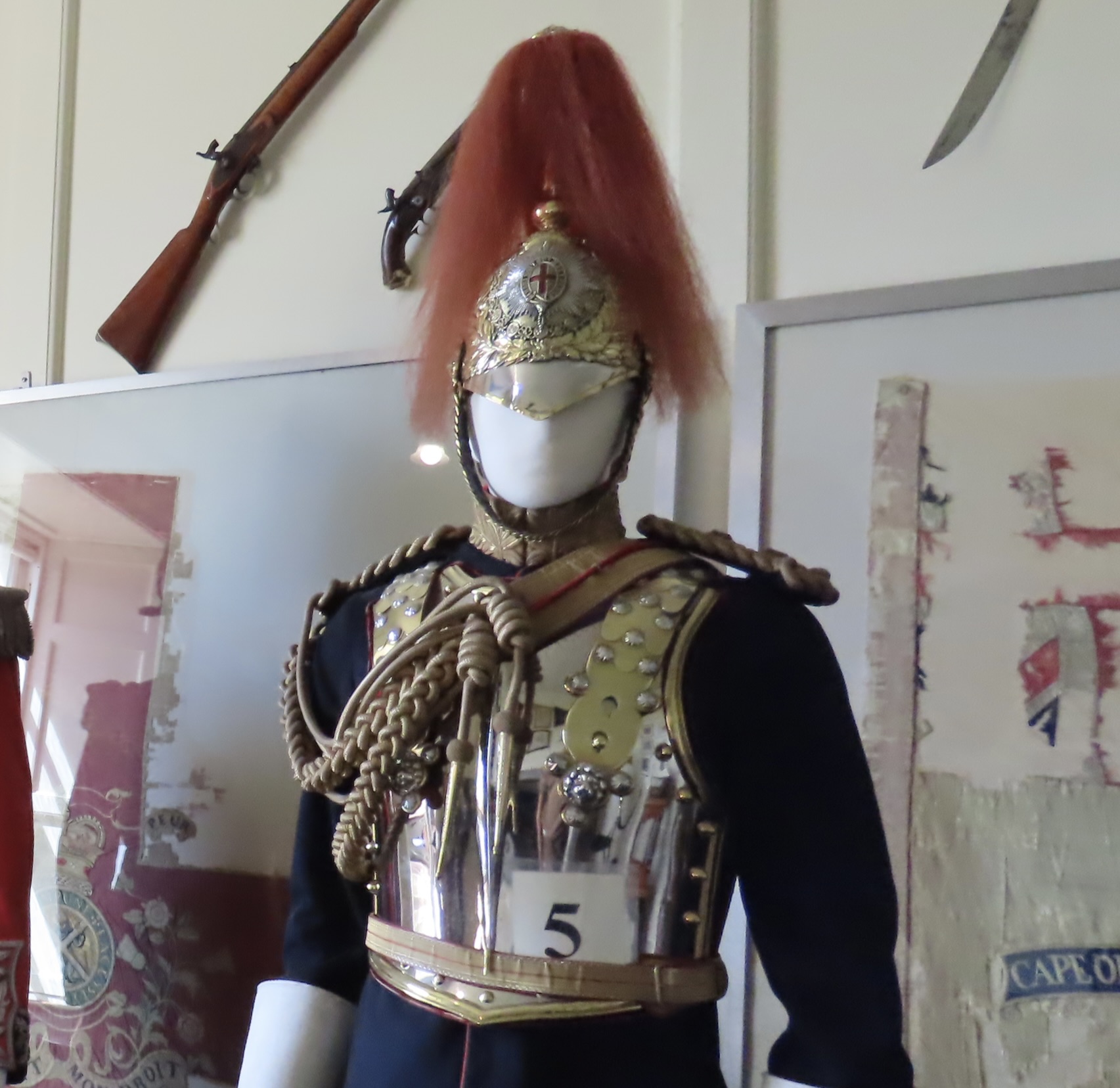
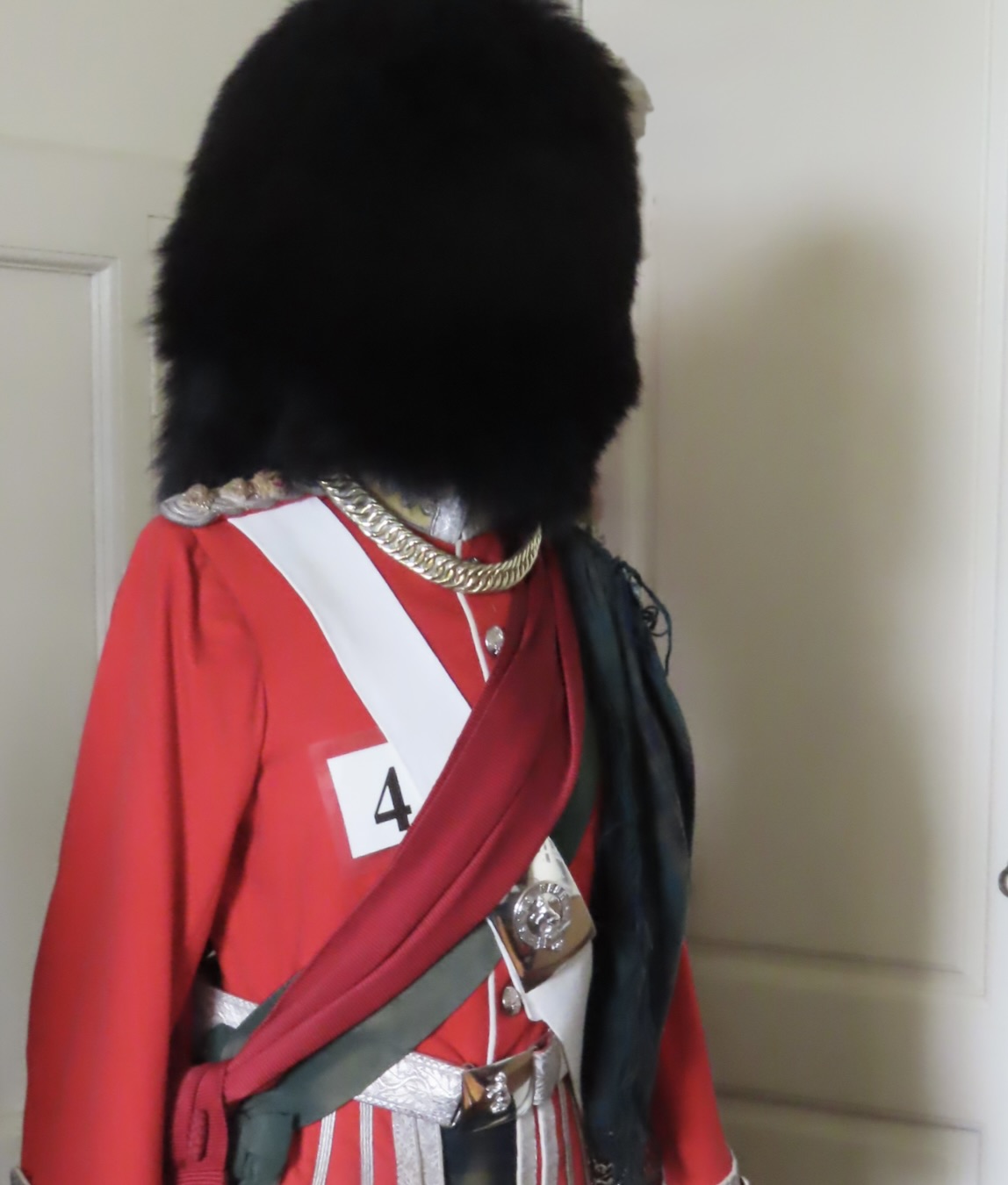
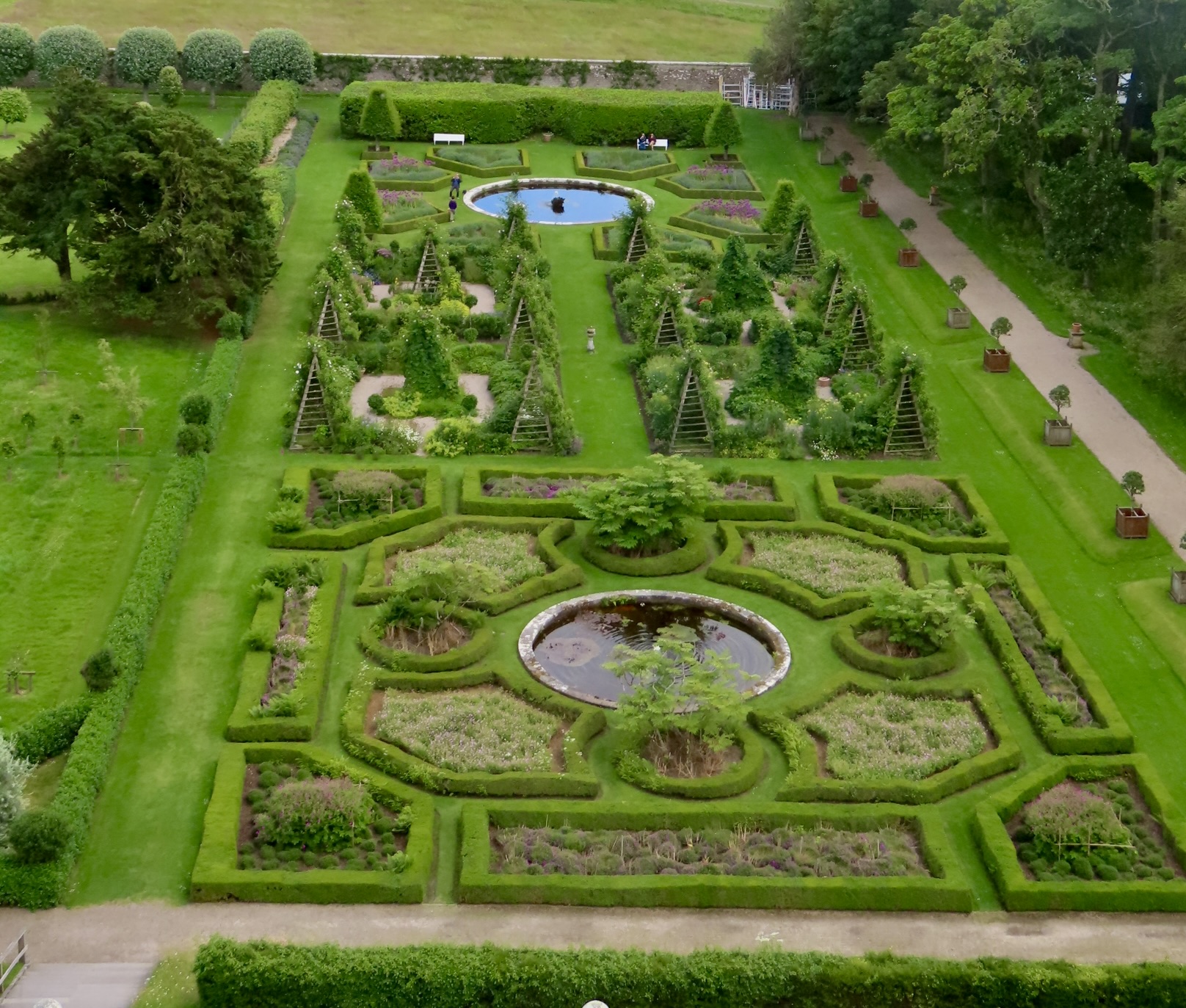
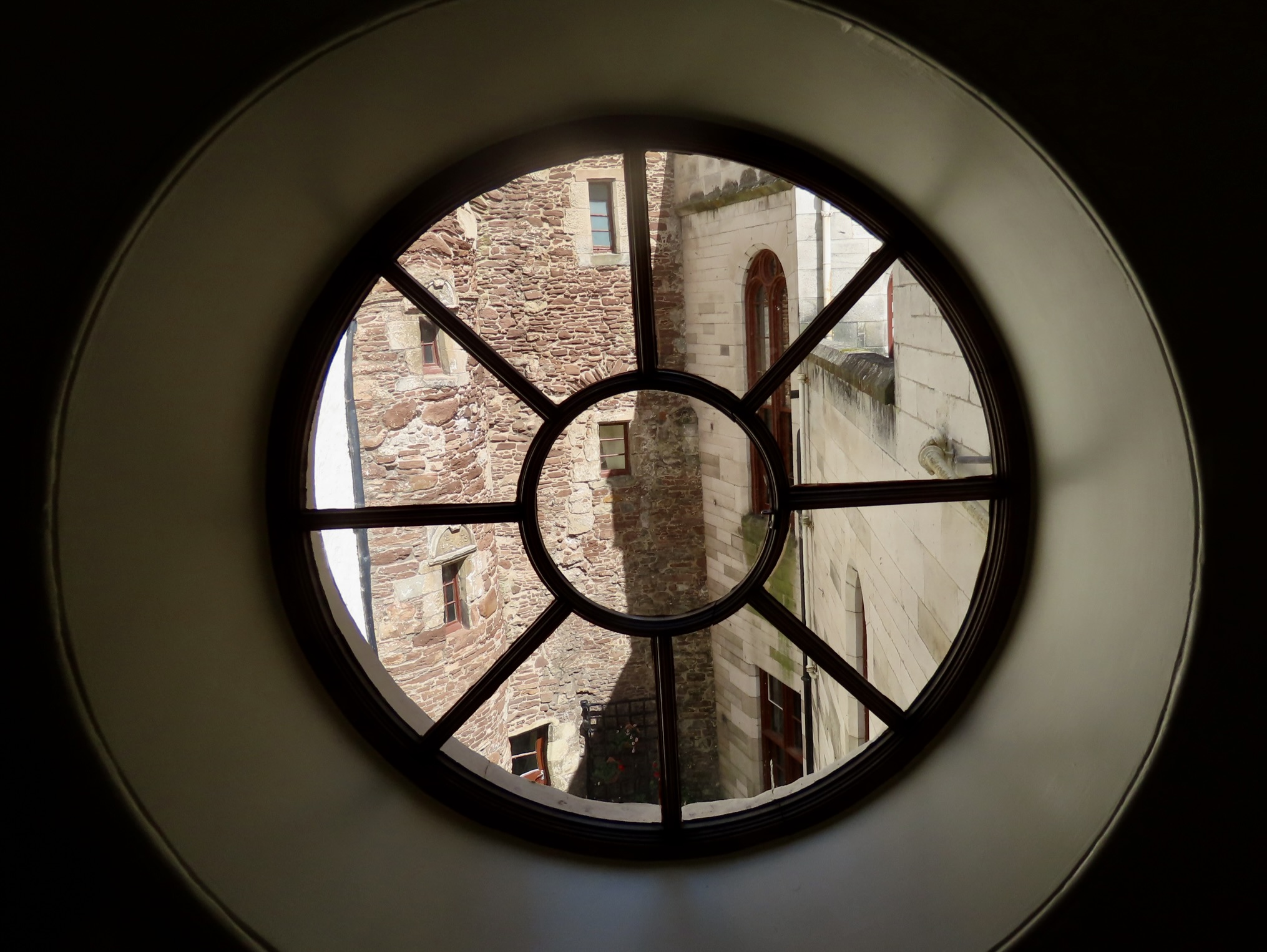
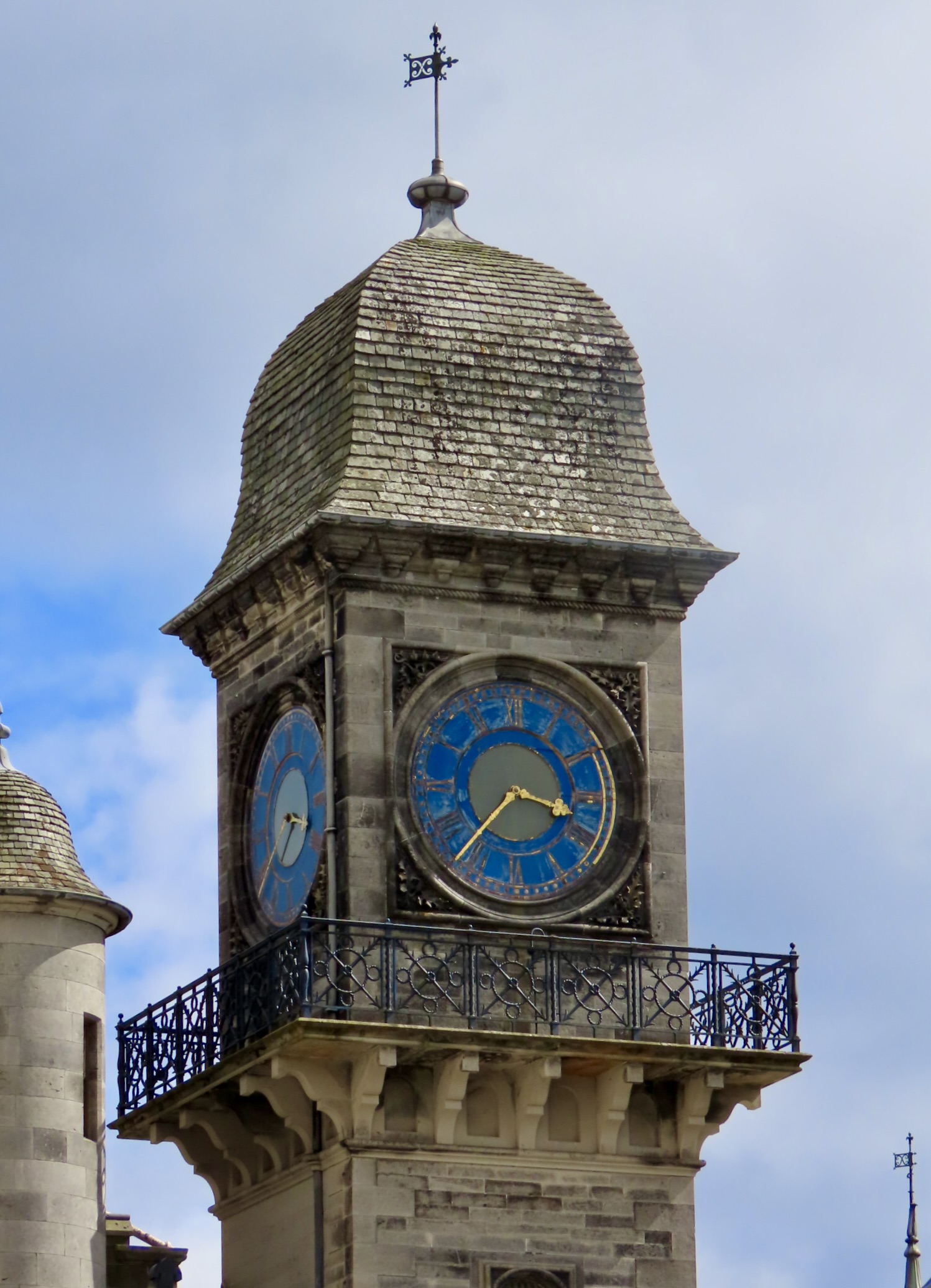
The google map above shows the location of Dunrobin in the Scottish Highlands.When we arrived at Dunrobin, a daily show that demonstrates falconry was taking place. We hurried down the 70 or so steps to catch it. You can see the crowd that had gathered to watch the demonstration across the garden on the right. Barry was also responsible for designing the garden.I stopped to photograph the tunnel.Andy Bunting is the resident falconer at Dunrobin. He’s been doing the demonstrations two times daily during tourist season for several years. Among the birds of prey he features are falcons, hawks, eagles, and owls. This is a Harris Hawk. Note the gloved hand. Those talons are sharp. You don’t want them digging into your hands or arms. The straps hanging down from the legs are called jesses. They help the falconer keep control of his birds. Hawk set off by Andy’s white hair! I couldn’t resist including this photo. Falconry has been around for 3-4,000 years. It started as a way to catch food in ancient Mesopotamia, Central Asia, and Mongolia, and morphed into the ‘sport of kings’ during the Middle Ages. Laws were even developed to classify which classes could fly which birds. The curved beak helps assure that caught food/game doesn’t escape.“Hello.” “Where’s dinner? Show me a bird with a red breast and it will be a Done-Robin.” Harris hawks eat small mammals like rabbits and squirrels, reptiles, and birds.There weren’t any birds, rabbits, or snakes to eat, but Andy had a volunteer run across the field dragging a ‘rabbit’ behind him.If you have a dog that likes balls, sticks, frisbees, etc. thrown for them, you will recognize this look. “Throw it! Throw it! Throw it.”The ‘rabbit’ didn’t get far!“Mine!” The hawk seemed to devour it. I suspect there were goodies hidden on it. Birds weren’t the only wildlife to be featured at Dunrobin Castle. After the falconry we explored the castle on our own and found…And found a lion.It was flat.And a flat lioness. The dukes and other nobility connected to Dunrobin Castle were avid hunters. Their castle was filled with reminders.I have seen dozens of stuffed and mounted deer heads in my life. But I have never-ever seen a fully stuffed buck!A close up. I don’t think you would want to argue with this fellow. I wonder if its ghost wanders the castle at night searching for the person that shot him and had him stuffed. Or maybe…He goes to visit his herd. Each one of these heads had a plaque beneath it that tells who shot it, when, where, and its size. One announced that the deer had been killed by the Duke of Sutherland in Dunrobin Forest on September 28, 1932. It had 10 points (antlers with 5 on each side) and weighed 25 stone. Translated 350 lbs, 158 kg, or, for fun, 5600 ounces.There were also sculptures of hunted animals. Fox hunting was big among nobility. This was presented to the Marquis of Stafford. For those of you not up on your nobility rankings it goes: Duke / Duchess, Marquess / Marchioness, Earl / Count / Countess (Earl in England/Count in Europe), Viscount / Viscountess, and Baron / Baroness. Now you know how low to bow. The official job of the Marquess in earlier times, btw, was to be located on the most dangerous border and keep the enemy out.I get the sculpture of the fox. It’s rather handsome. But why someone would want the sculpture of a dying heron with an arrow through it, escapes me.As we wandered through the castle, there was a fair amount of art. Much of it was portraits of family members.We liked this view of the children and their dogs. Note the girl feeding the deer! That’s a twist on the family theme.A mother and child, Madonna-like scene, carved in marble. (Looking at it just now, I was struck by the thought, “Does the baby have an erection?” Forget the Madonna idea. A future Duke perhaps?)This young woman carved from marble is worried about something. It’s likely from a myth. I’m thinking Artemis and Actaeon where Actaeon comes upon the goddess bathing and she turns him into a stag. If she was embarrassed by one man, what about the thousands that see her every year now. Watch out guys! You know what happens to stags in this neck of the woods.What’s a castle without a tapestry?We were all impressed with the beautiful flower arrangements found throughout Dunrobin.Speaking of being impressed, the library had over 10,000 books. Wandering through the various rooms gave us an idea of life in the castle. A separate wing of the Dunrobin Castle is still maintained as a family residence. It is currently occupied by Alistair Charles St. Clair Sutherland (the 25th Earl of Sutherland and Chief of Clan Sutherland), and his wife Gillian.The dining room showed the usual look and elaborate settings of most formal dining rooms we have seen in castles.My preference is always for the informal dining room. But hey, I’m a country boy.Nice hobby horse in the kids’ room. A dapple grey? You can bet that it came with a full time nanny.This is the seamstress room. Rumor has it that it once came with a ghost. The Earl of Sutherland in the 16th Century captured a beautiful girl and wanted to her to marry him. She said “no,” so he locked her up in the seamstress room to reconsider her decision. When he came back to see her, he found that she had fashioned a rope out of cloth and was escaping to the ground. Out of anger he whipped out his sword and cut the rope, causing her to fall to her death. She came back to haunt him. Rightfully so.Every historic castle worth its beans, has to come with a room dedicated to war including what the soldiers wore, the weapons they used and, often, where they fought. Dunrobin was no exception.I had a question about number 4, however.Checking out the views from the castle is always interesting. This was looking down on a section of the gardens. The gardens were actually made narrower as they went out to create a perspective of greater distance.This window provided an unusual focused view of the old Castle walls that Barry had added to. As we left, I caught a photo of the front of Castle Dunrobin and its clock tower. A person to the right of the greenery provides a perspective on the size of the castle.It was time for us to move on to our next adventure in the Scottish Highlands, and time for me to wrap up this post.
 Wandering through Time and Place