Baby Goats and a BIG Dog… Just Too Cute to Ignore

Baby goat photo by Curtis Mekemson.

I don’t normally ooh and ah over babies, but this kid is one cute dude. Oops, make that a dudette. She is as soft as she looks.

Peggy and I were still unpacking from our Sacramento-Reno trip when our neighbor Jim came zipping down our driveway on his ATV. Jim’s a big guy, and gruff, as in Billy Goat Gruff. But he loves animals and is a super neighbor.

He owns four very large Anatolian Shepherd dogs that weigh up to 150 pounds each and have a bark guaranteed to wake you from a deep sleep. There’s the bear bark, the deer bark and the ‘what the heck’ bark. In the morning they often perform like a barbershop quartet, howling in harmony. All of the other neighborhood dogs join in.

Anatolian Shepherds

Two of Jim’s Anatolians, Griz and Omni.

Jim was excited. One of his nanny goats had given birth to twins the week before, when we were gone. The other nanny had a pair of kids the night before. They were less than a day old. The elder Anatolian, Boy, had adopted the baby goats. Jim wanted us to come and see them– at once. I am surprised he didn’t whip out cigars. Given it was almost dark and we had driven all day, we opted out.But we promised we would be over the next day to admire his brood of Boer goats. I think you’ll agree; the visit was worth it.

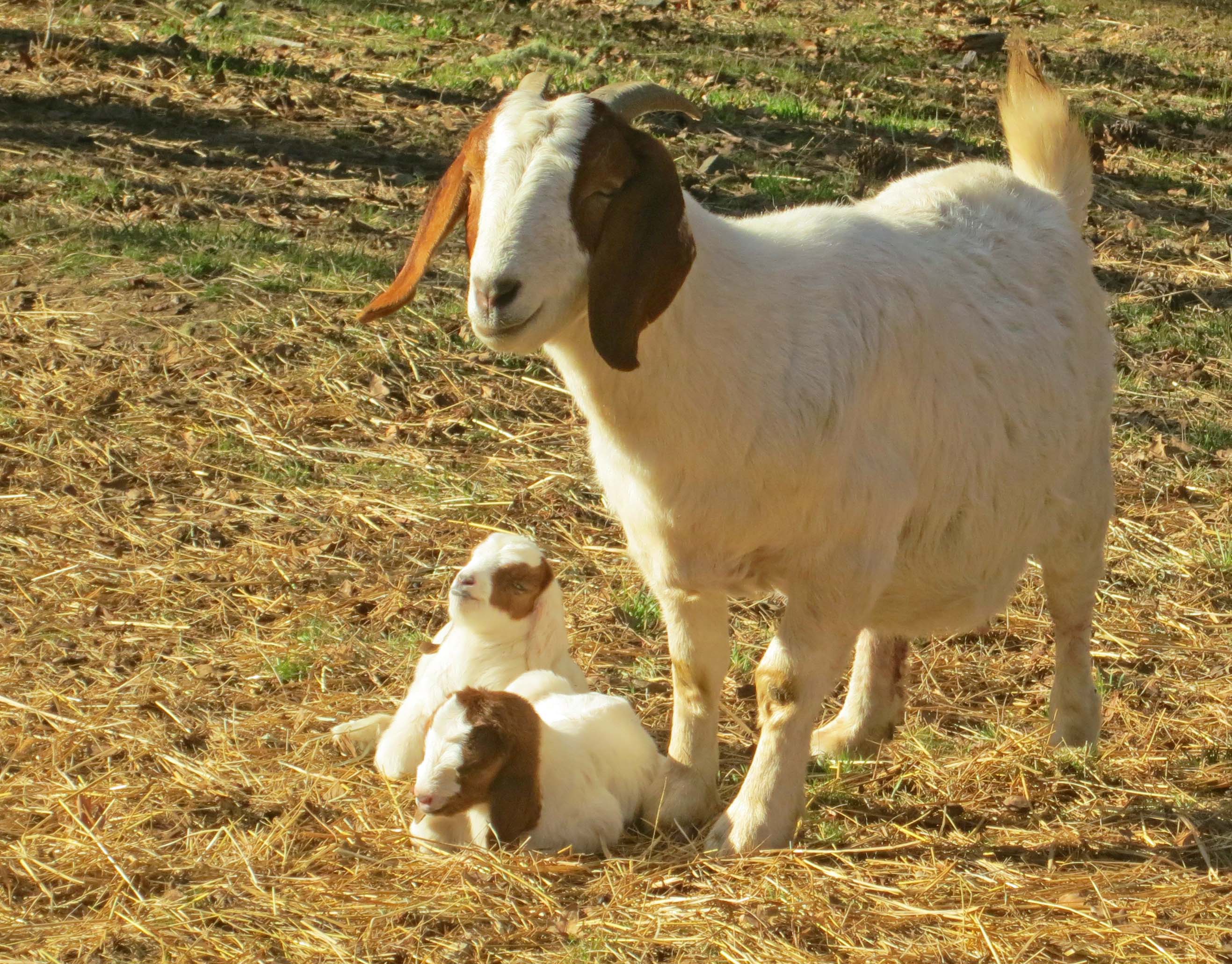
Mother goat and kids. Photo by Curtis Mekemson.

Mom and day old kids.

Baby goat.

This little tyke with his droopy look reminds me of Eeyore.

Photo of a baby goat by Curtis Mekemson.

Here’s trouble.

Anatolian shepherd dog and baby goat. Photo by Curtis Mekemson.

“Hi there shorty.” Anatolian Shepherds were originally bred to protect herds from large predators that lived in central Turkey. They have a fearsome reputation. Boy, has adopted the baby goats as part of his herd. He hardly seems ferocious. In fact he cleans their butts. What a dad!

Anatolian Shepherd dog and baby goat.

“And where do you think you are going?” The baby goats have determined that Boy’s boyhood reminds them of Mom’s udders. Boy is quick to retreat.

Standoff between 150 pound Anatolian Shepherd and baby goat. Photo by Curtis Mekemson.

And is rewarded with a ” Baaaad dog!” for his lack of cooperation. Have you ever seen a dog look more unhappy?

"Stop hassling the big doggie, dear."

“Stop hassling the big doggie, dear.”

Baby goats line up for Mom's milk. Photo by Curtis Mekemson.

Modeling good behavior, the one week olds line up for an afternoon snack. 

Baby goats preparing to nap. Photo by Curtis Mekemson.

Having had their snack, it is now time for their afternoon nap.

NEXT BLOG: Sacramento’s wild American River Parkway– a community treasure. I’ll conclude this post with a final photo of one of the baby goats snuggling down in the sunshine.

Baby goat sleeping. Photo by Curtis Mekemson.

The Time I was Buried Alive in the Deep Snows of the Sierra Nevada Mountains

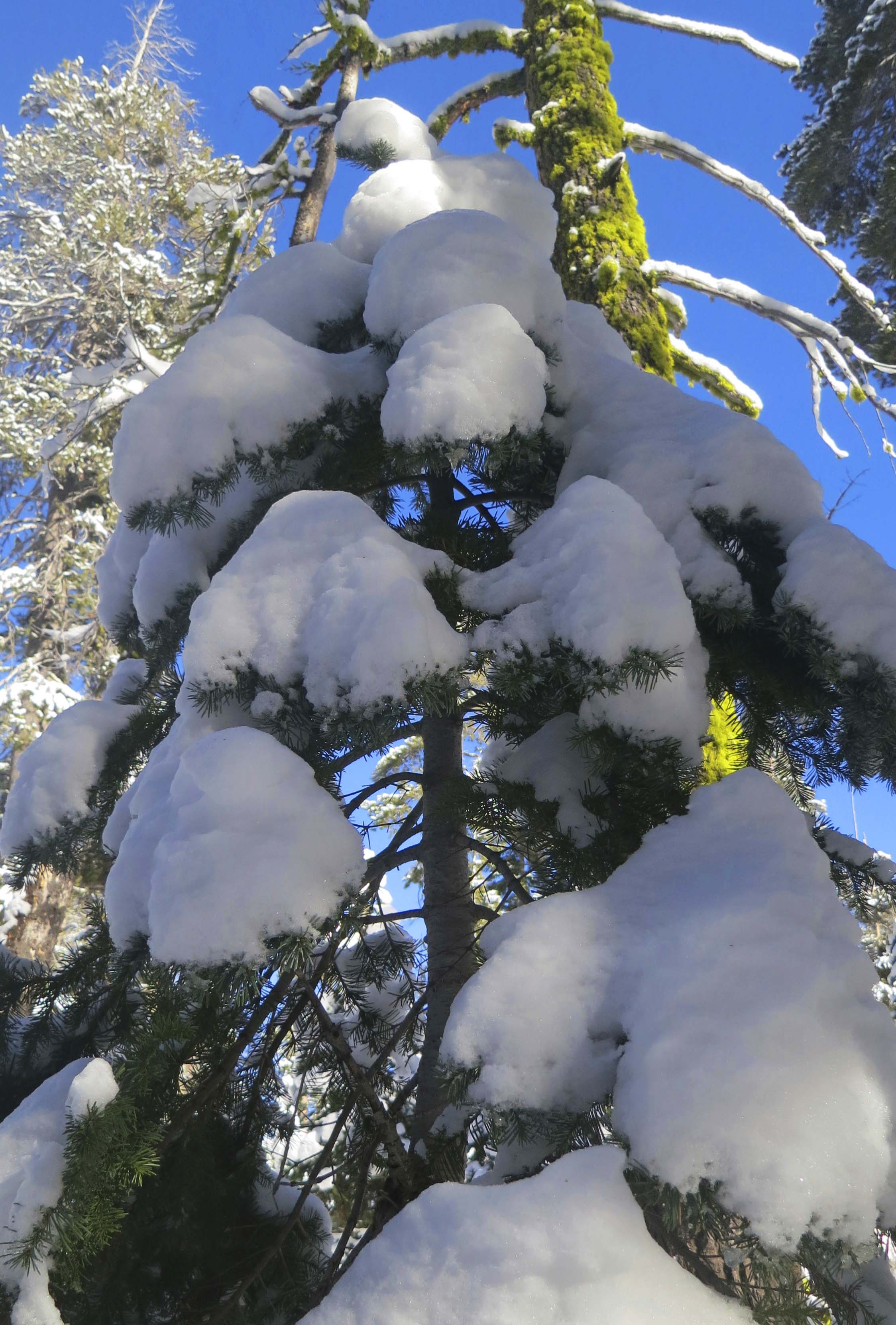
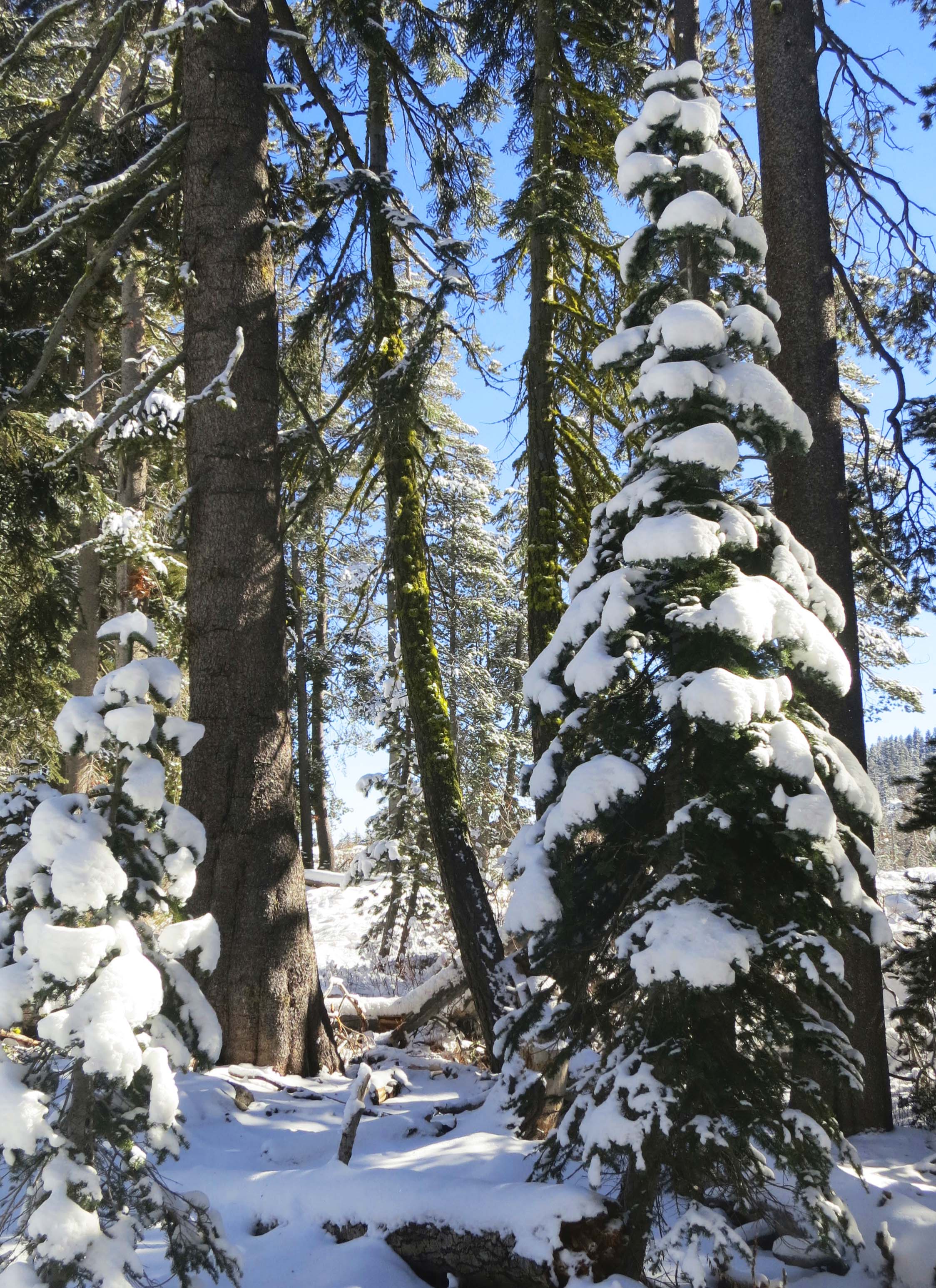
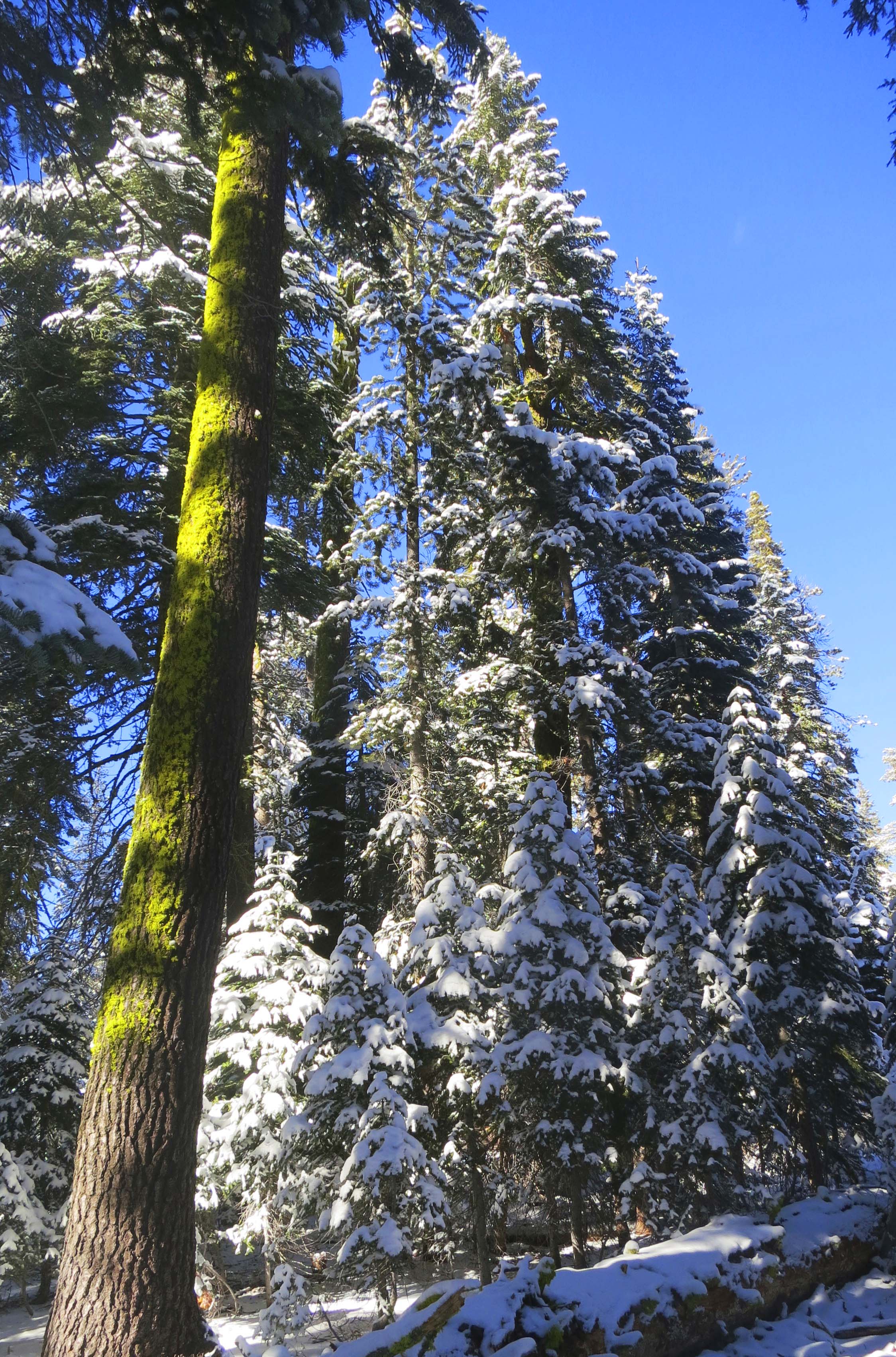
Photo of fresh snow on fir tree by Curtis Mekemson.

Fresh snow decorates a tree on Donner Summit, Interstate 80’s pass over the Sierra Nevada Mountain Range of California.

Fresh snow had just fallen and the draught-stricken forests of the Sierra Nevada mountain range were breathing a momentary sigh of relief. A few inches decorated the ground and trees. Peggy and I stopped at Donner Summit on our way between Reno and Sacramento on Interstate 80 last week to enjoy the view. Normally this area is covered in white stuff; the annual snowfall is over 400 inches. It can be dangerous as well as beautiful.

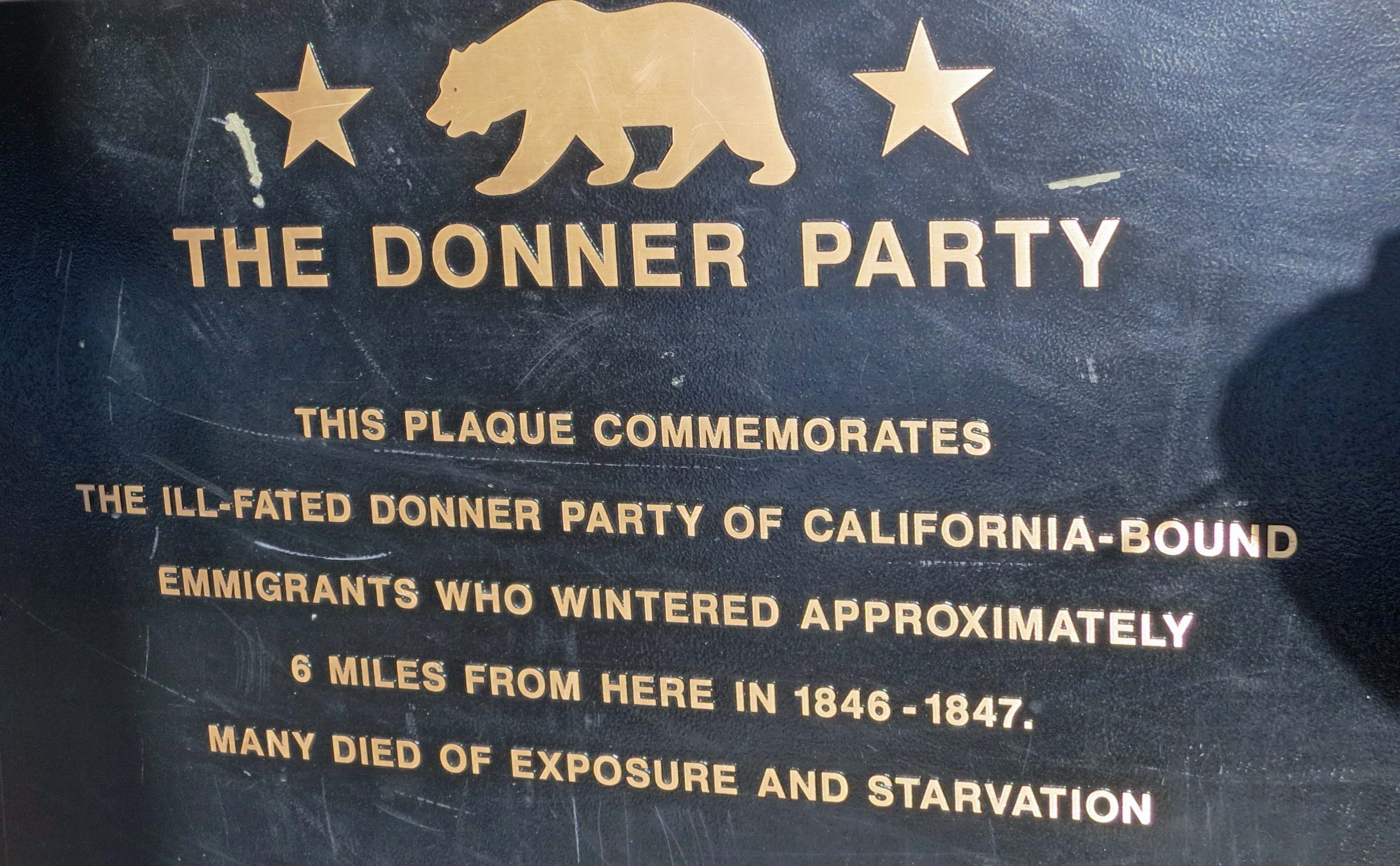
The ill-fated Donner Party learned this the hard way in the winter of 1846-47. They arrived a tad too late in the year on their way to California and were caught in an early snowstorm. Unable to get over the pass, they built cabins at its base to wait out the winter. When their food ran out, they started eating each other. There’s a marker at the site– it is now a state park– that shows how deep the snow was. I used to camp bike treks at the park and would always announce the first evening’s meal as mystery-meat stew. I know, I know, bad taste, so to speak.

Donner Party plaque at Donner Summit, 6 miles from where the Donner Party met their unhappy and tragic fate.

Donner Party plaque at Donner Summit, 6 miles from where the Donner Party met their unhappy and tragic fate.

I am quite familiar with how deep the snow can get. A friend owned a cabin at Serene Lakes near the summit. (Serene Lakes were known as Ice Lakes before a land speculator showed up.) I was there a fair amount of time in the late 70s and early 80s. It was a two-story cabin and the second story door became our entry way during the winter.  One year, the cabin actually disappeared under the snow. I spent my time shoveling a few tons off the roof.

Whenever snow was predicted, we would put bamboo poles at the front, back and side of our car. Vehicles could be buried overnight. The poles were there so the big road-clearing, snow-eating machines would see where the car was before consuming it. Crunch. We saw a car that had met that fate. It wasn’t pretty.

Once, when I was planning a seven-day winter camping trek through the Desolation Wilderness, I decided to do an overnight training out of the cabin. I recruited a pair of winter backcountry experts, Paul and Diana Osterhue, to help. Paul and Diana had us cross-country ski a few miles from the cabin and build emergency shelters to sleep in. Most of my fellow trekkers opted for snow caves, but I went for a trench.

A snow trench looks a bit like a grave. In fact it looks a lot like a grave, but it is quick and easy to build. This is quite important when bad weather and hypothermia are threatening. I dug mine three feet deep by two feet wide and put my closed-cell foam sleeping-pad and sleeping bag on the bottom. Next I covered the trench with my skis and a poncho. My backpack served as the door.

It was quite cozy, assuming you didn’t have claustrophobia or mind sleeping in a grave.  I slept toasty warm all night but was concerned when I woke up in the morning and found my tough cross-country skis sagging in the middle. It had snowed in the night and I was buried under the snow! I pushed at my backpack. It refused to move. Did I panic? Heck no. I kicked the backpack with all of the strength of Arnold Schwarzenegger on steroids topped off with a mega-dose of adrenaline– when he was 20. Grudgingly, the pack gave way.

I wormed my way out from under three feet of the new snow, creating a gopher-like pile of the fluffy stuff. I was met by a white wilderness. No one was to be seen. Curt was alone in a silent world. So I yelled, loudly, and was met by muffled responses. I didn’t move because I wasn’t sure where all the bodies were buried. A few seconds later, the first head popped up out of the snow, and then another and another. Soon, we were all accounted for and okay. It was a grand adventure. The type I love.

The only thing left to report on our trip was that it was tough skiing back to the cabin. If you have ever cross-country skied in mountainous terrain through three feet of fresh powder, you’ll know what I am talking about. We took turns breaking trail. I couldn’t have asked for a better training experience for my fellow trekkers– or me.

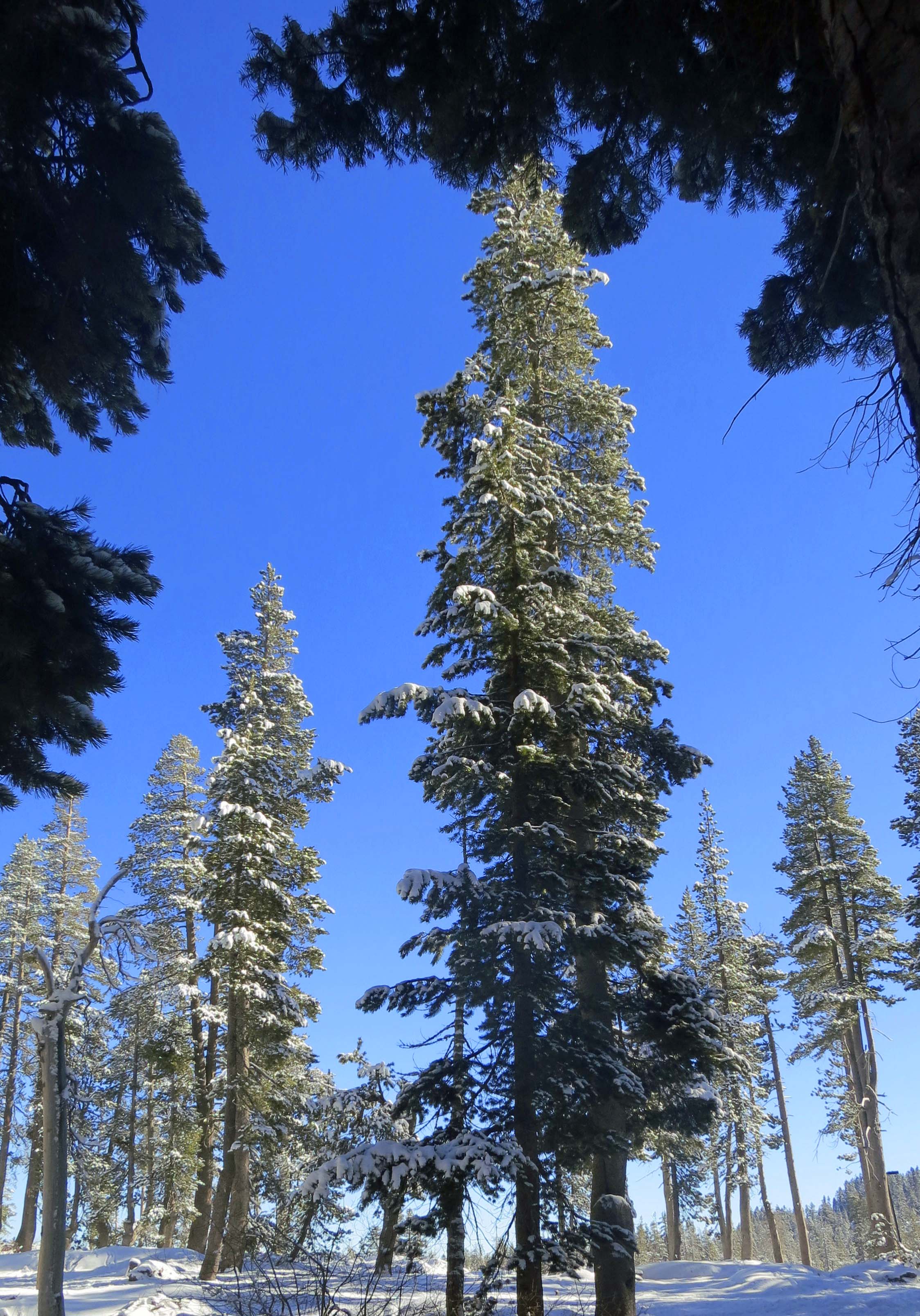
Photo of snow covered trees on the crest of the Sierra Nevada Mountains by Curtis Mekemson.

This time, there were only a few inches of snow. They were beautiful, however…

Snow covered trees at Donner Summit Rest Area on Interstate 80. Photo by Curtis Mekemson.

Snow covered trees on the crest of the Sierra Nevada Mountains. Photo by Curtis Mekemson.

Blue skies, sunshine, and bright green moss added to the beauty.

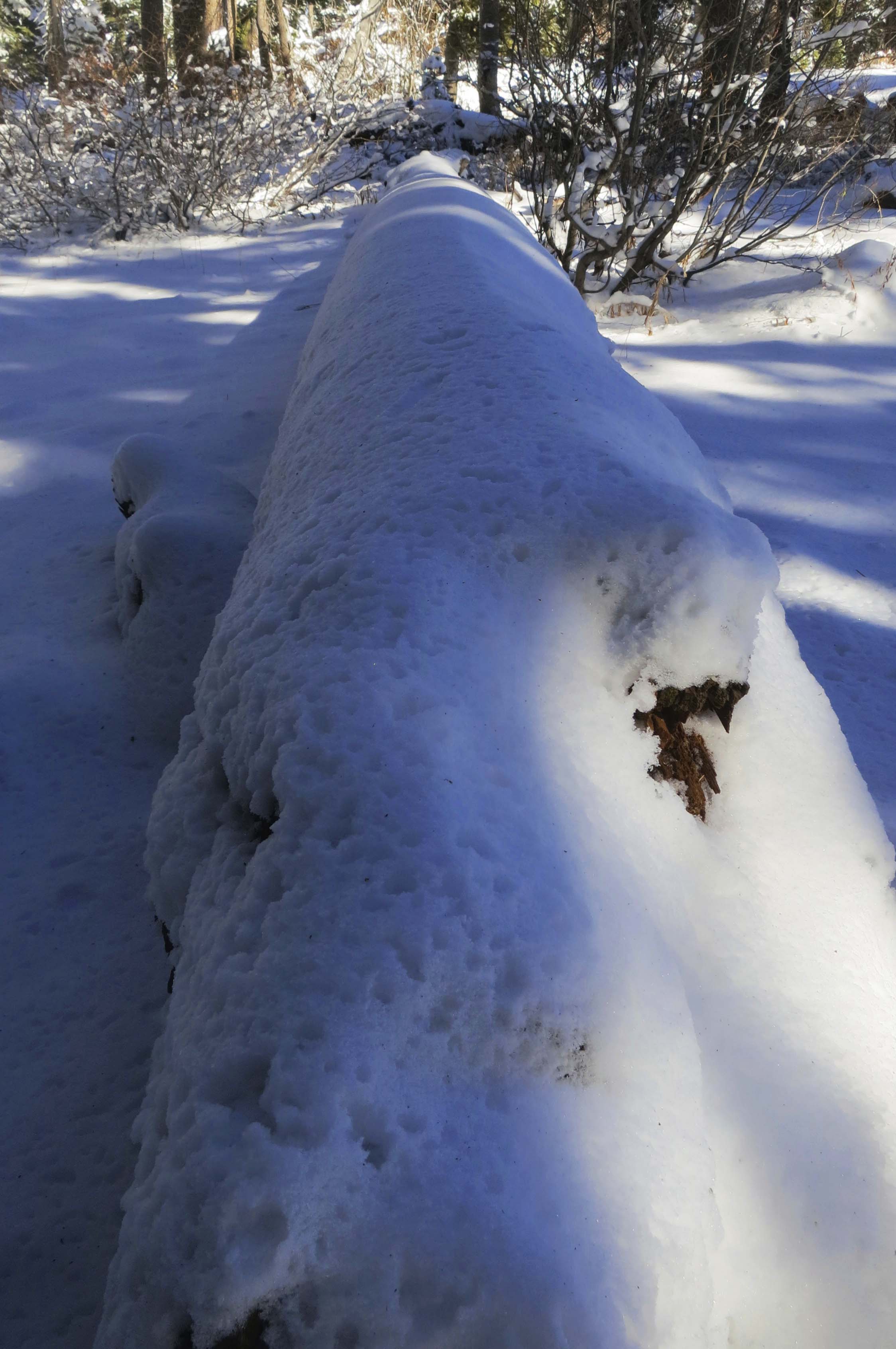
Snow covered log at Donner Summit. Photo by Curtis Mekemson.

I enjoyed this snow-covered log but it didn’t look like an inviting seat. BTW: by this time Peggy was wondering where I had wandered off to. Fortunately, she is used to my wandering ways. Sort of…

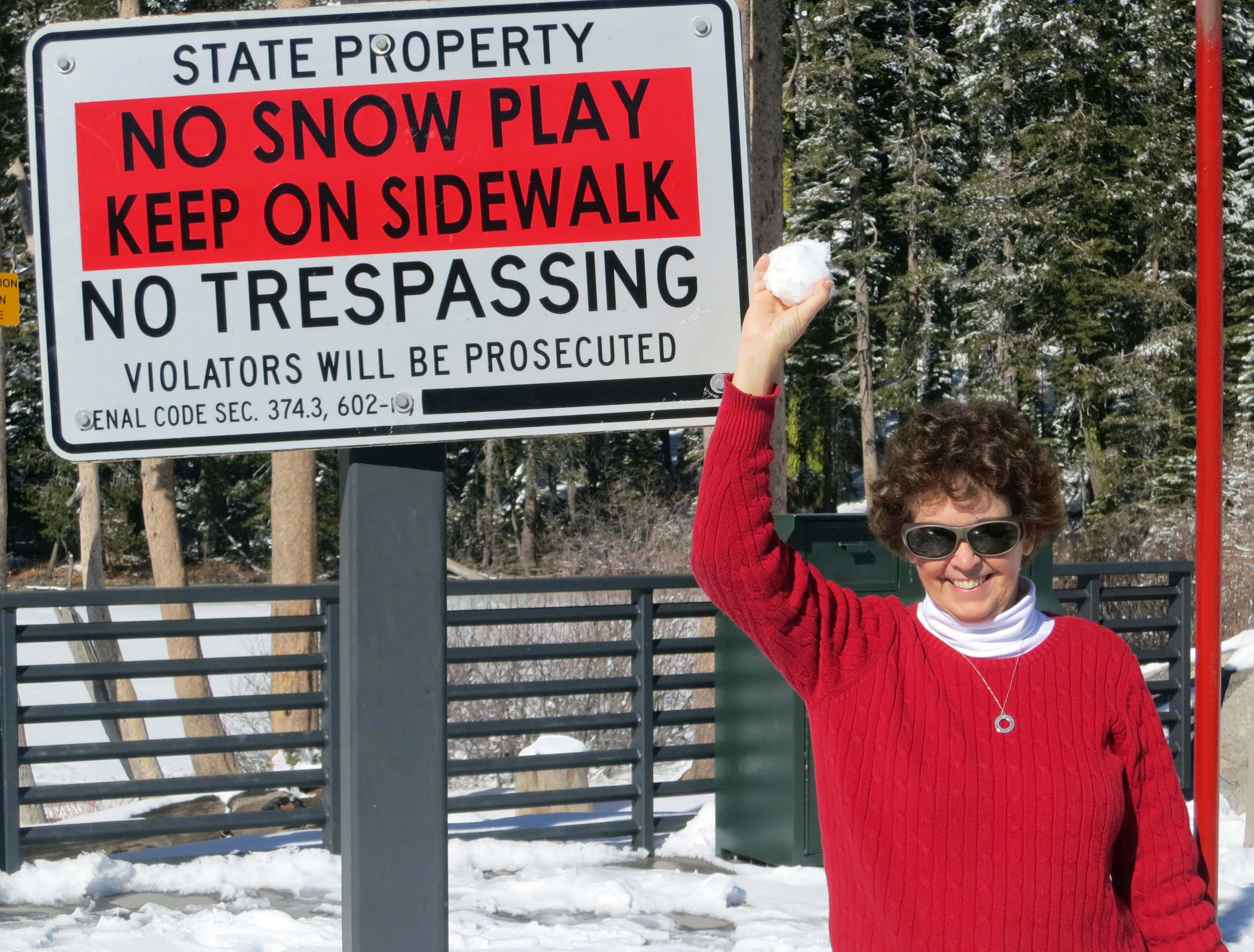
Photo of Peggy Mekemson throwing a snowball.

No snow play? Is there a Grinch in the woods? Peggy threatens me with a snowball for my absence. (She didn’t throw it Cal Trans, so you can’t arrest her.)

Snow covered trees in the Sierra Nevada Mountains of California. Photo by Curtis Mekemson.

NEXT BLOG: We return home to be greeted by our next door neighbor and his proud announcement of having baby goats. I am surprised he didn’t offer us a cigar. I’ll close this blog with a final photo of Sierra snow.

Snow covered woods at Donner Summit. Photo by Curtis Mekemson.

Properly attired, I could have wandered for hours (and have) among theses snow-covered woods.

Top Five Reasons for Going to Burning Man 2014… by Curtis Mekemson

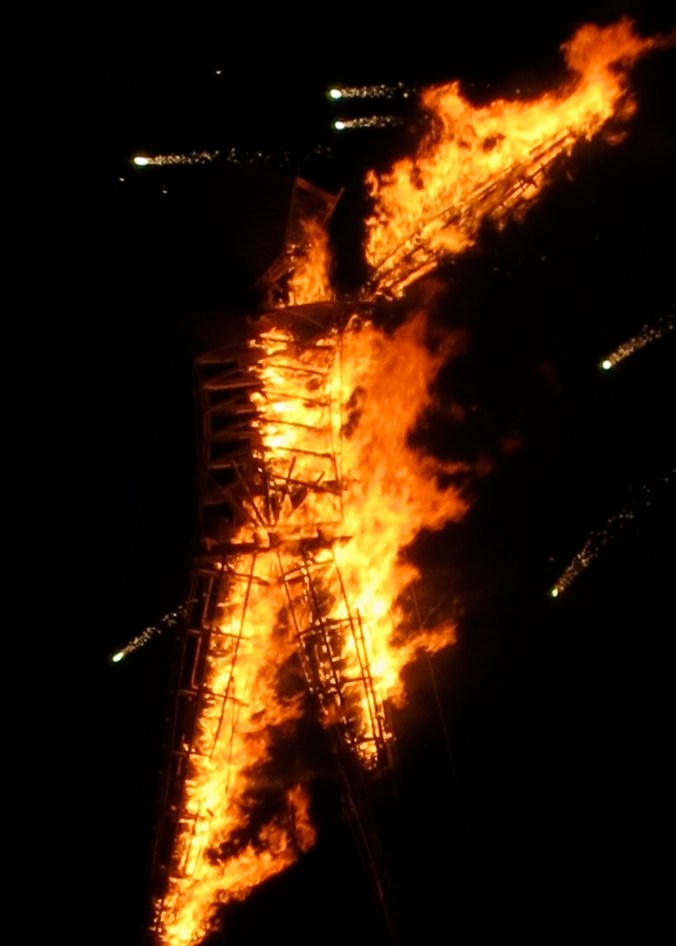
The Man burns at Burning Man while fireworks shoot across the sky.

The Man burns at Burning Man while meteor-like fireworks shoot across the sky.

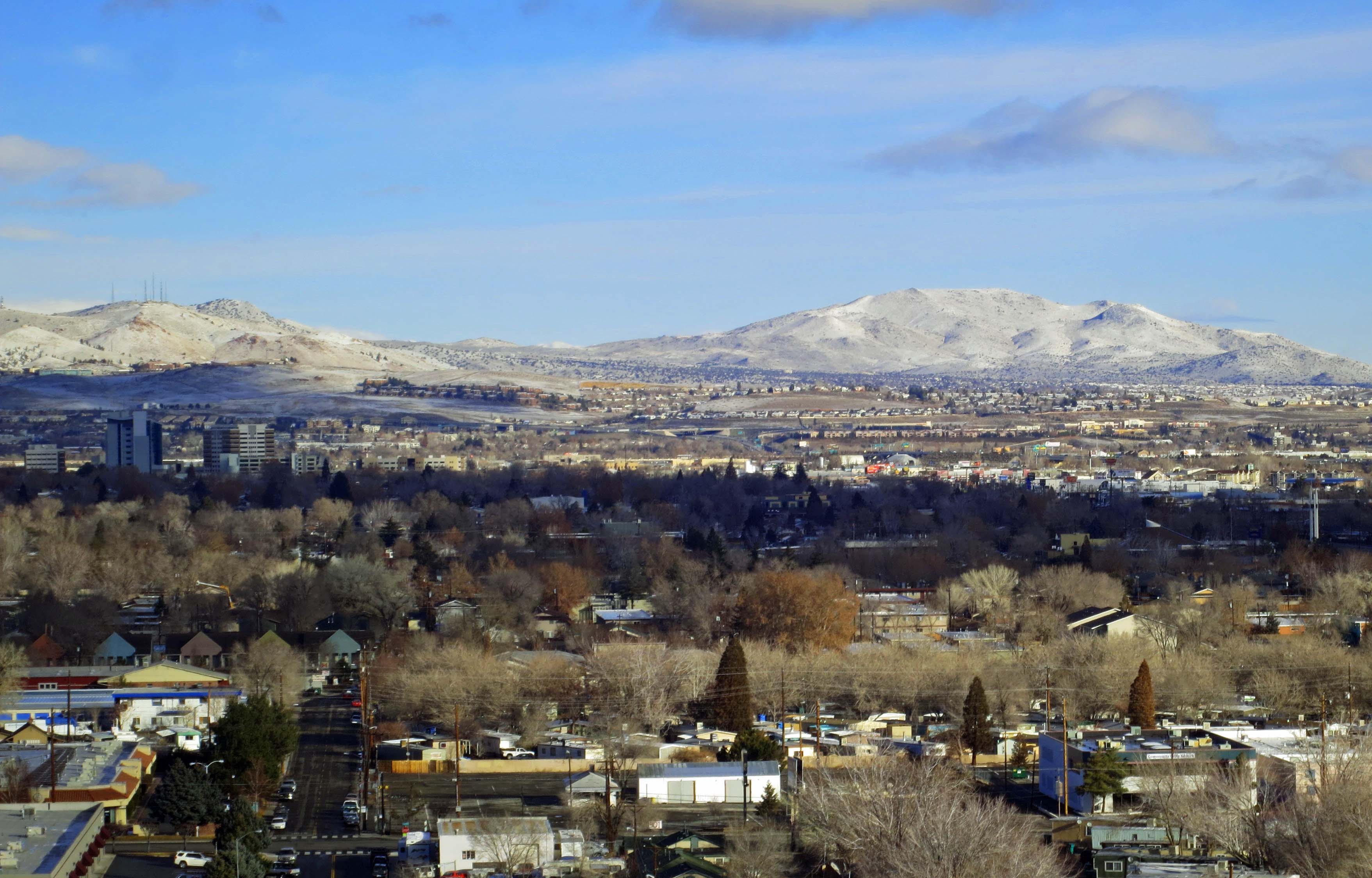
I am sitting in my room on the fourteenth floor of the Atlantis Hotel in Reno.  It has a northeast view, which means I am looking toward Black Rock City, some hundred miles away as the crow flies. Snow blankets the distant hills, providing a wintry view of the Nevada desert. It’s the perfect location and day for a Burning Man post.

The view from our window at the Atlantis Hotel in Reno looking northeast. Black Rock City lies beyond the mountains.

The view from our window at the Atlantis Hotel in Reno looking northeast. Black Rock City lies beyond the mountains. A light dusting of snow adds a wintry feeling to the desert.

It’s decision-making time for veteran and newbie burners alike. January and February are the traditional months when Burning Man tickets go on sale– first come, first serve. And they sell fast. If you’ve never been to this wildly unique event in the remote Nevada desert, here are my top five reasons you should add Black Rock City to your bucket list.
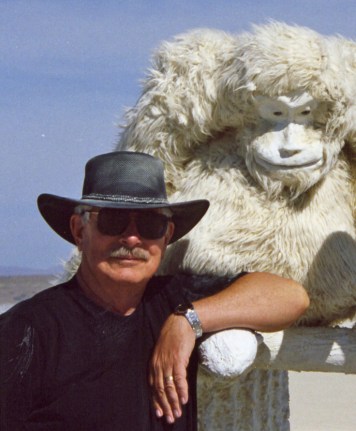
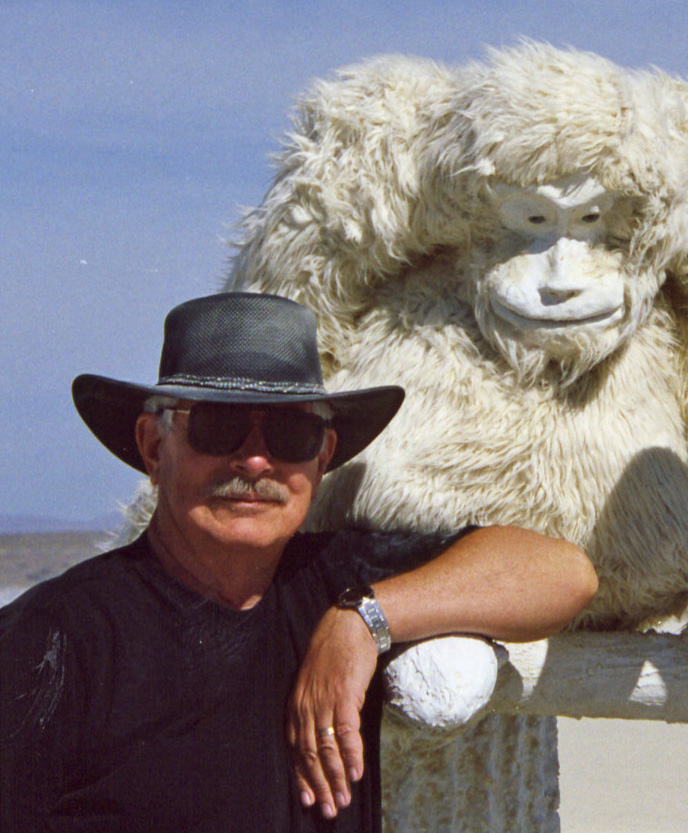
I made my first journey to Burning Man in 2003. This photo is taken from 2006 when I posed next to a great ape in an evolution sculpture. Playa dust decorates my hat and T-shirt.

I made my first journey to Burning Man in 2003. This photo was taken by Ken Lake in 2006.  Playa dust decorates my hat and T-shirt. (All photos on this blog are taken by me or by friends.)

1. CREATIVITY: Burning Man is about cutting-edge art, at least for me. It ranges from sublime to whimsical. Examples are everywhere–walk 50 yards in any direction and you will find someone’s personal creation. Much of the art is superb. One measure of the quality is that art made for Burning Man can now be found on display in a number of US cities.
Art at Burning Man can range from the sublime to the...

Art at Burning Man can range from the sublime…

…the not so sublime, as this large Alice in Wonderland rabbit demonstrates. (Photo by Tom Lovering.)

…to the humorous, as this large Alice in Wonderland type rabbit demonstrates. (Photo by Tom Lovering.)

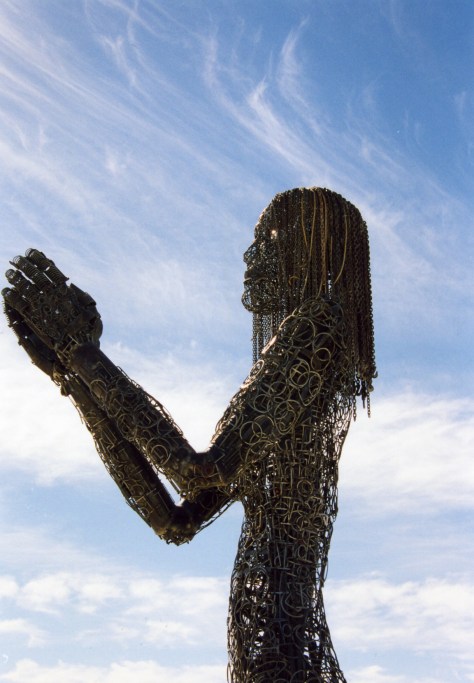
Beautiful women have forever been a prime model for artists. They tend to be monumental in Black Rock City.

Beautiful women have forever served as models for artists. They tend to be monumental in Black Rock City, topping out at over 50 feet.

I am always amused by what is whimsical and slightly quirky. This Burning Man dog seems to fit.

I am always amused by what is whimsical and quirky. This Burning Man dog fits my definition. (Photo by Ken Lake.)
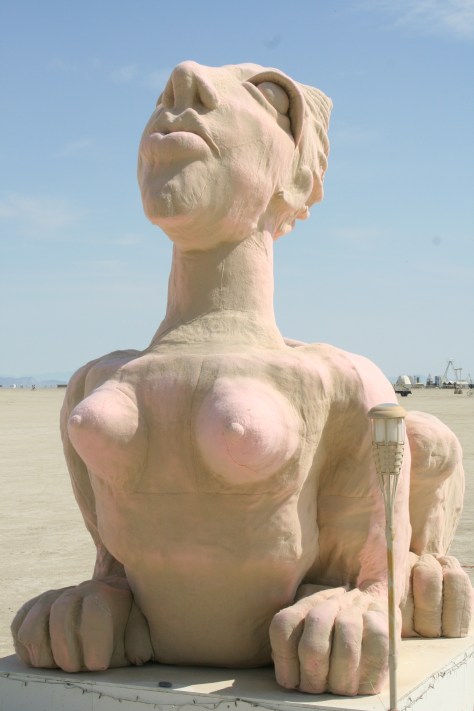
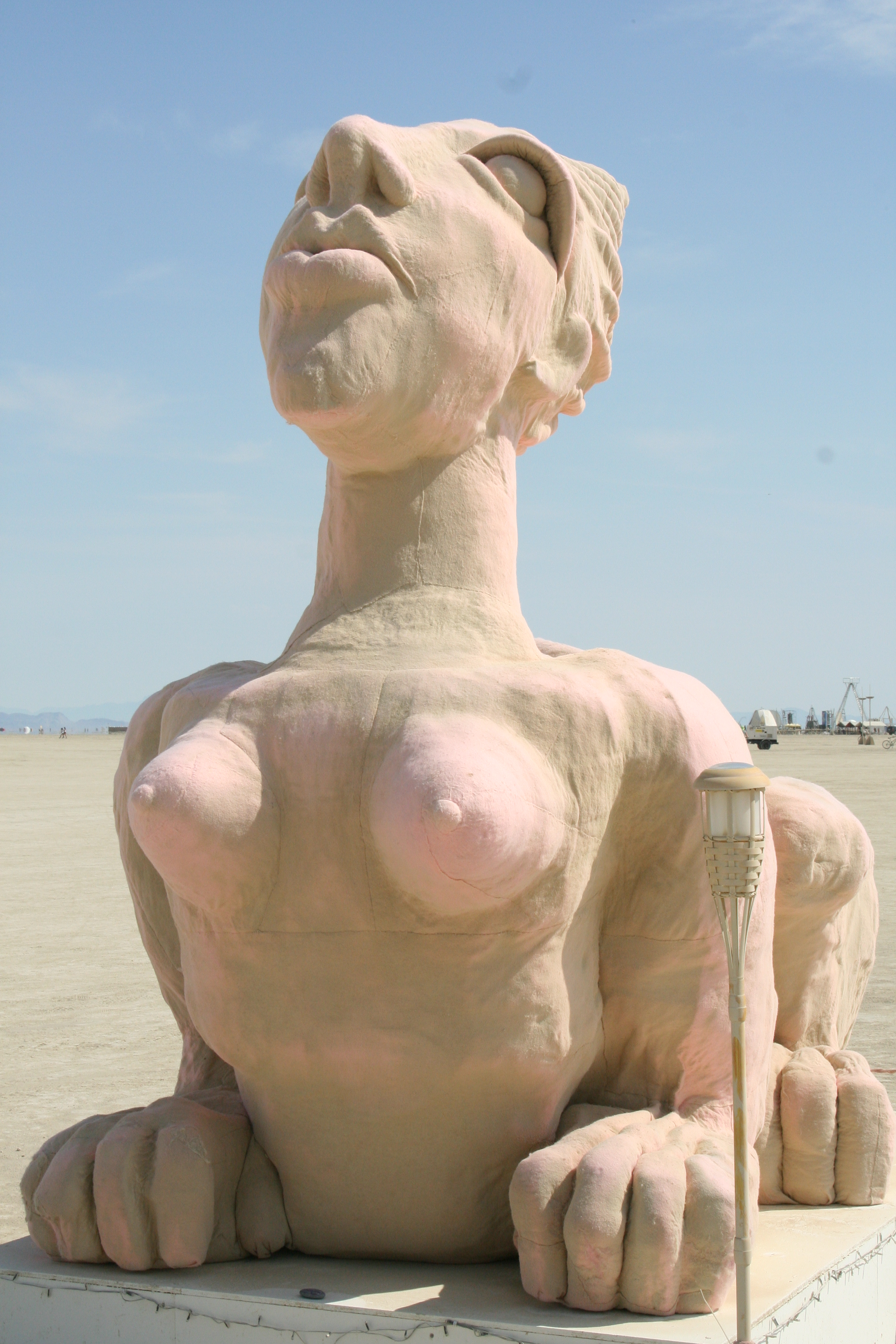
Sphinx sculpture at Burning Man.

As does this suave sphinx.

Many regions around the world have developed thriving Burning Man communities and some have started contributing art to Burning Man. This bull emerging from the Playa was created by the Houston, Texas community of burners.
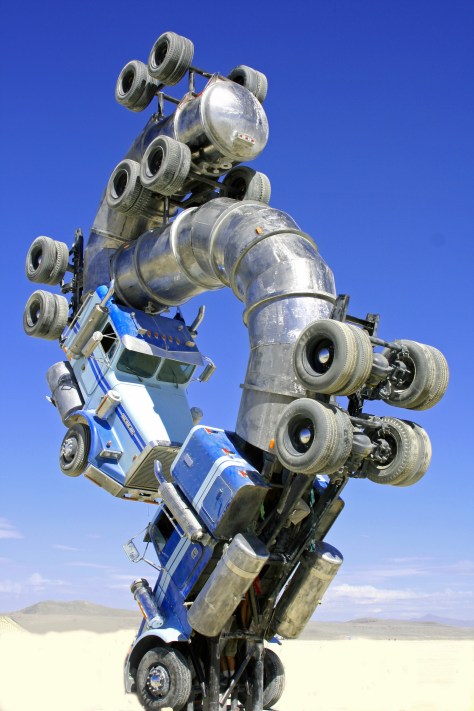
One of Black Rock City's most memorable sculptures was the Big Rig Jig where two oils tankers were stacked together.

One of Black Rock City’s most memorable sculptures was the Big Rig Jig where two oils tankers were stacked together.
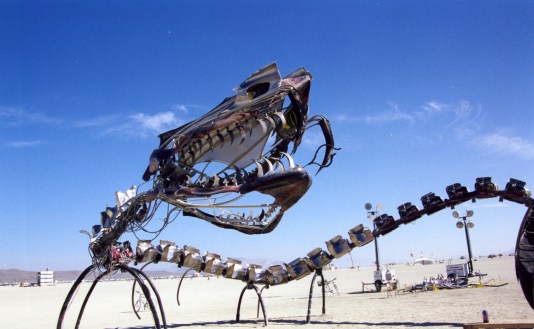
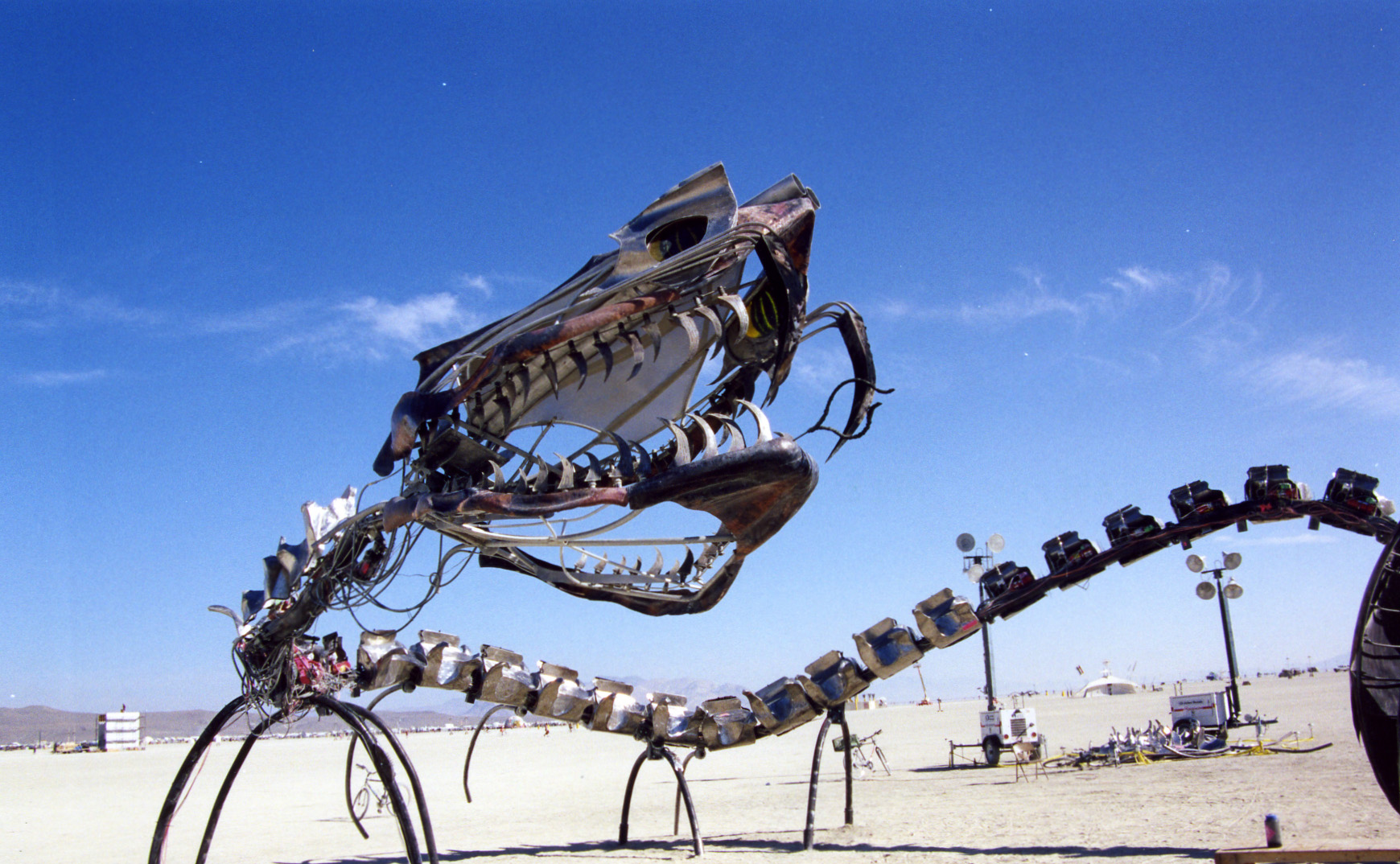
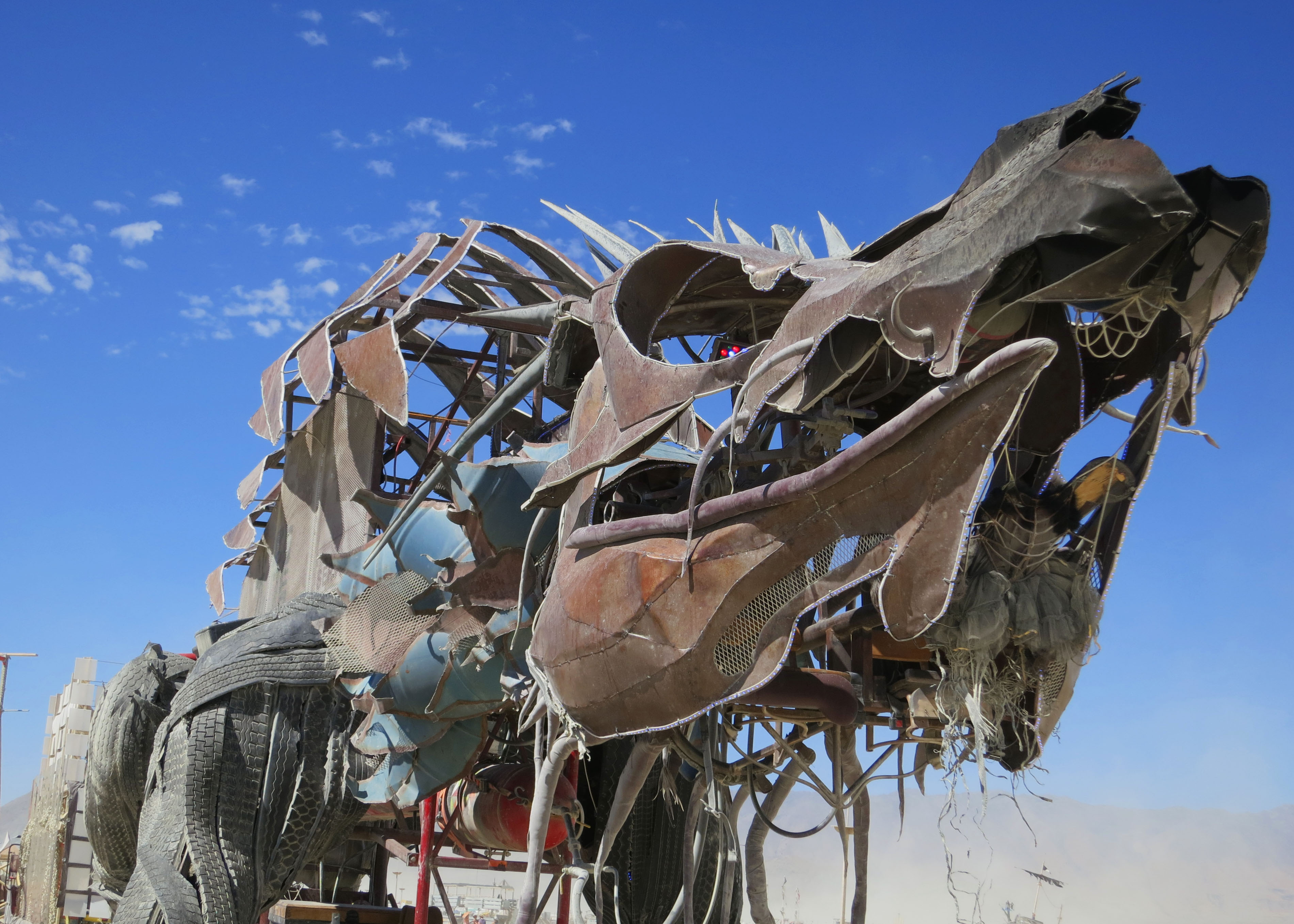
Like statuesque women, dragons are a popular Burning Man art form. This one was capable of breathing fire from its mouth and joints.

Dragons are popular at Burning Man. This one was capable of breathing fire from its mouth and joints.
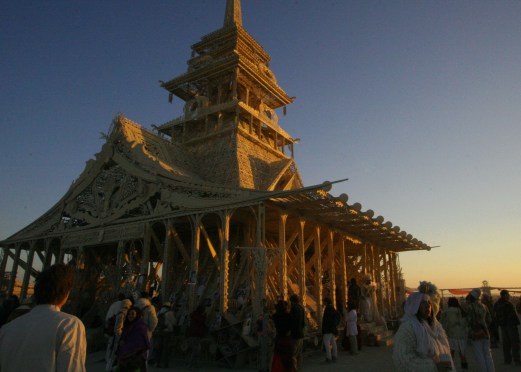
Beautiful buildings are another art form at Burning Man. Each year a different Temple is created.(Photo by Tom Lovering.)

Beautiful buildings are another art form at Burning Man. Each year a different Temple is created.  (This early morning photo was captured by Tom Lovering.)

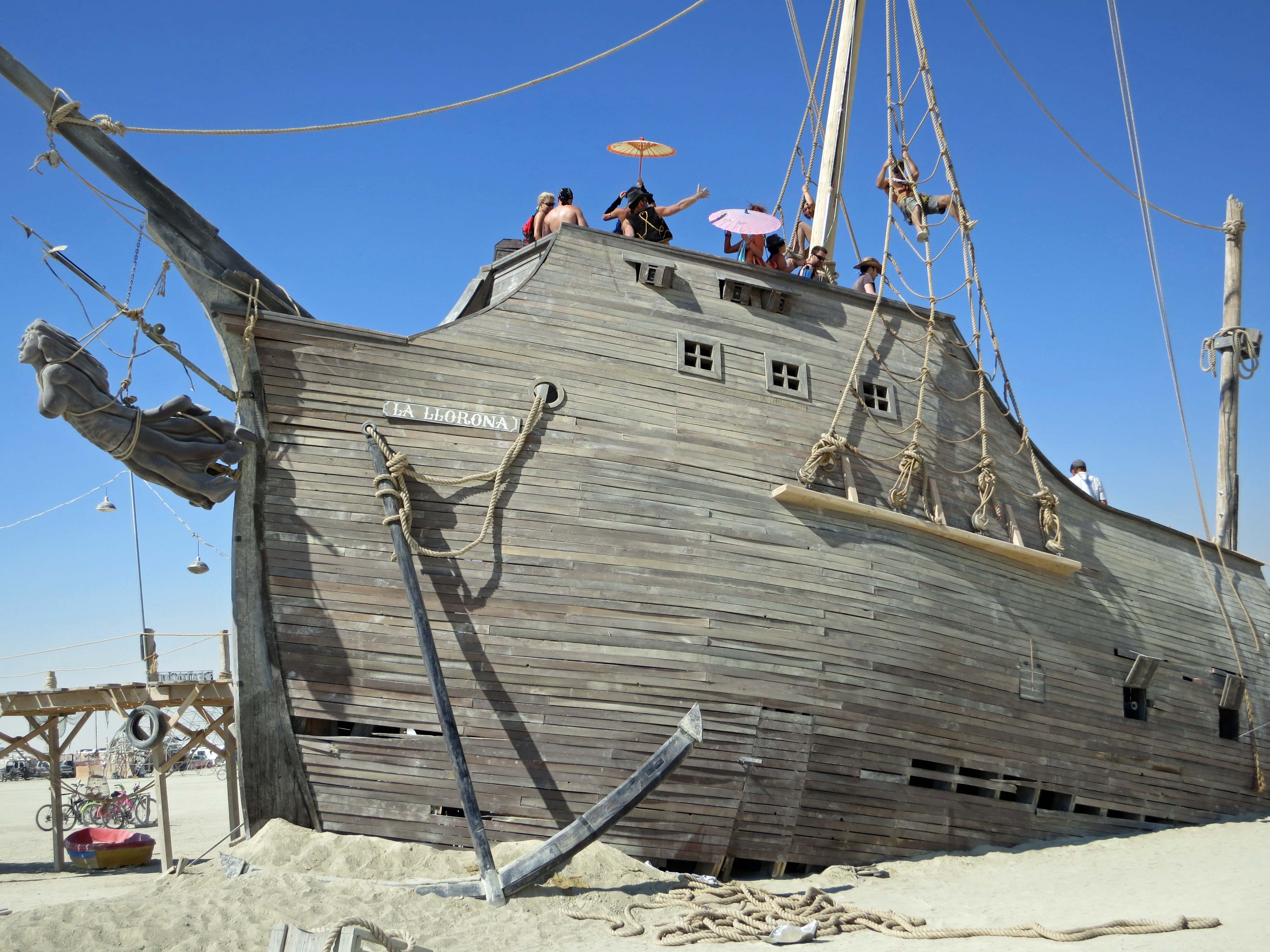
This ship was another very impressive structure at Black Rock City.

This large ship was another impressive structure at Black Rock City. The people on deck provide perspective on size.
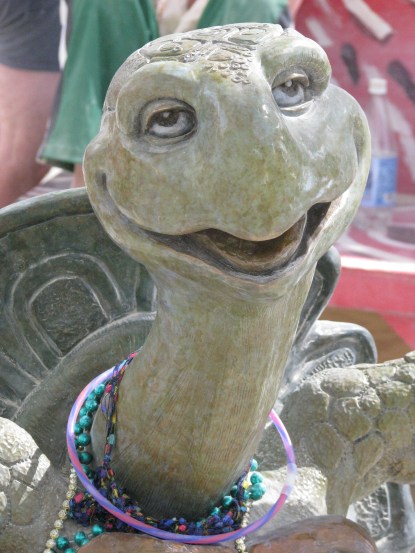
On a less monumental scale, the Center Camp Cafe at Burning Man is filled with art, such as this turtle.

On a less monumental scale, the Center Camp Cafe at Burning Man is always filled with art, such as this slightly spacey turtle. (Photo by Don Green.)

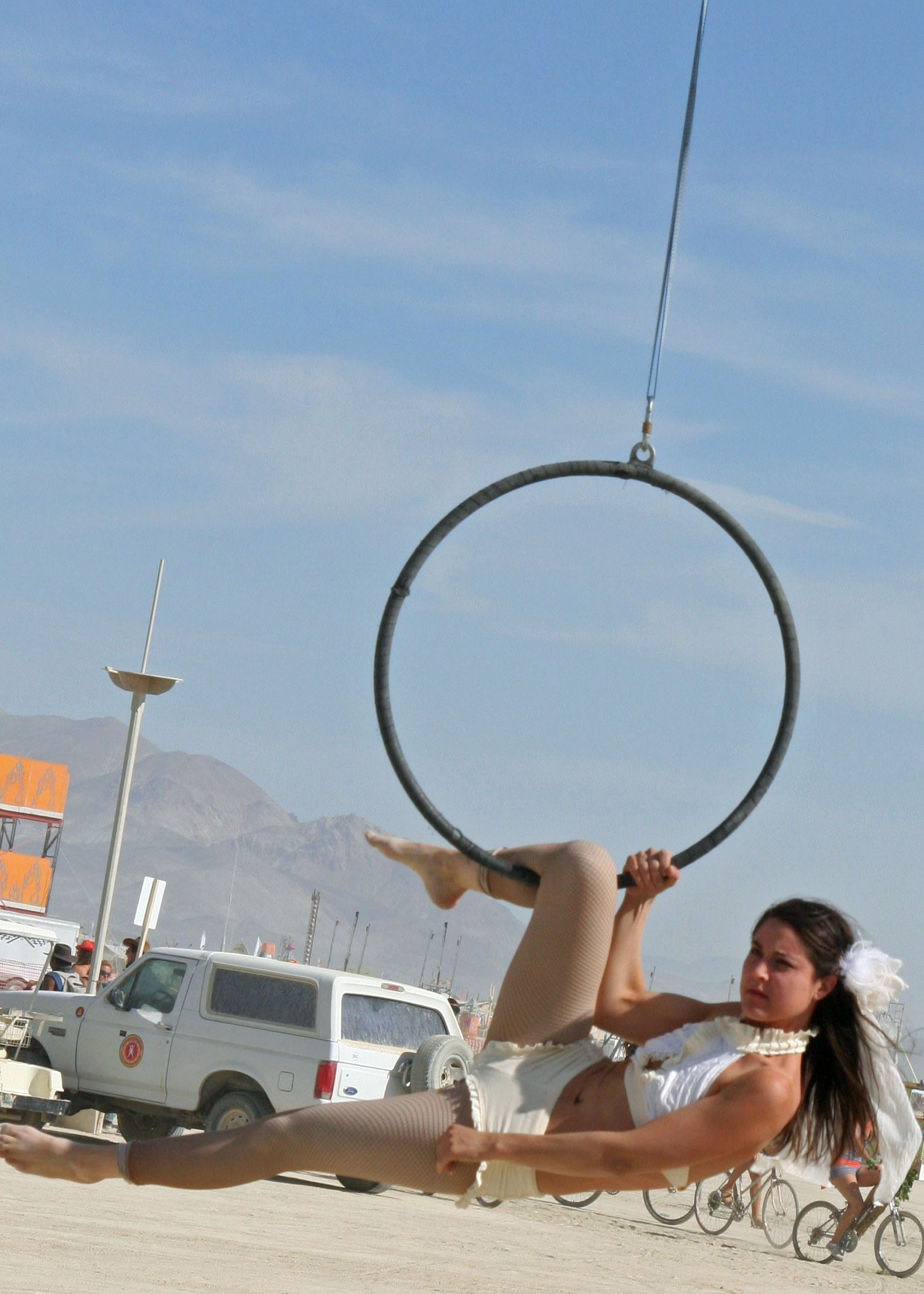
2. ENTERTAINMENT: When was the last time you were waiting in line at a port-a-potty (maybe you never have), and had a 20-foot tall mastodon pull up and disgorge pirates, aliens, cats, angels and shamans to wait with you? People watching is prime time entertainment at Burning Man, but there is much, much more. Fire dancers, trapeze artists, magicians, actors, jugglers, hula-hoopers, comedians, disk jockeys, and musicians in the hundreds eagerly seek audiences. You can tango, roller skate, bowl, go for a ride on a giant teeter-totter, or join a parade and flaunt whatever you have to flaunt (rabbit ears, for example). Or you can spend your week learning new things. Hundreds of classes ranging from the practical, to the esoteric, to the erotic are available. And to top it all off, there is the burning of the Man, one of the greatest shows on earth. All of this is included with the price of your ticket to Black Rock City.

Mutant vehicle mammoth at Burning Man.

This large mammoth had stopped for a potty break. The halo is a nice touch.

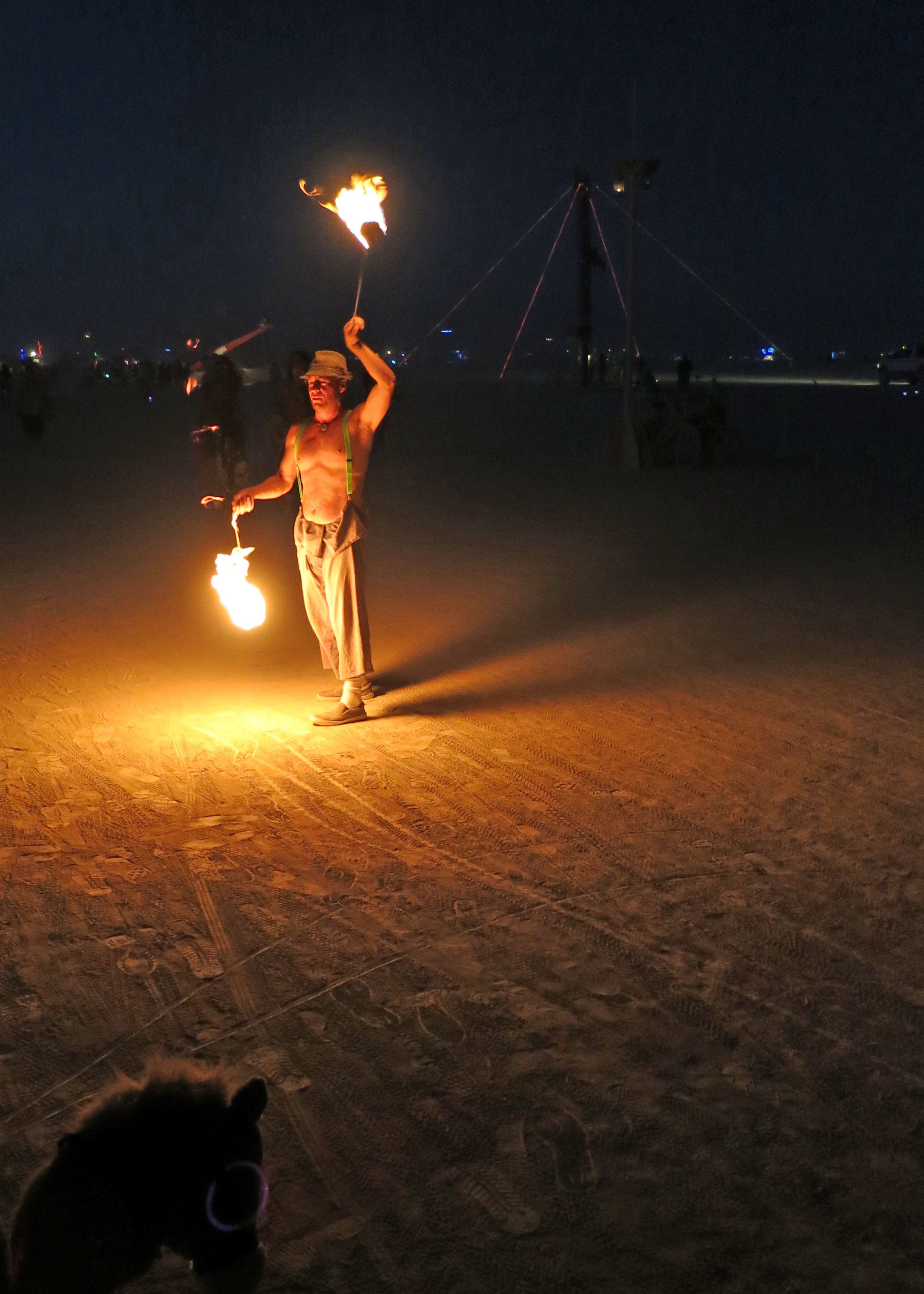
Fire dancer at Burning Man.

A fire dancer performs his art. It takes a brave man to go shirtless while twirling burning objects.
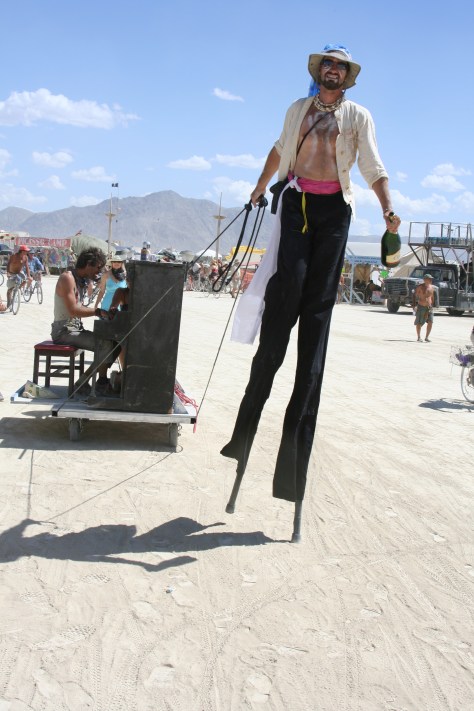
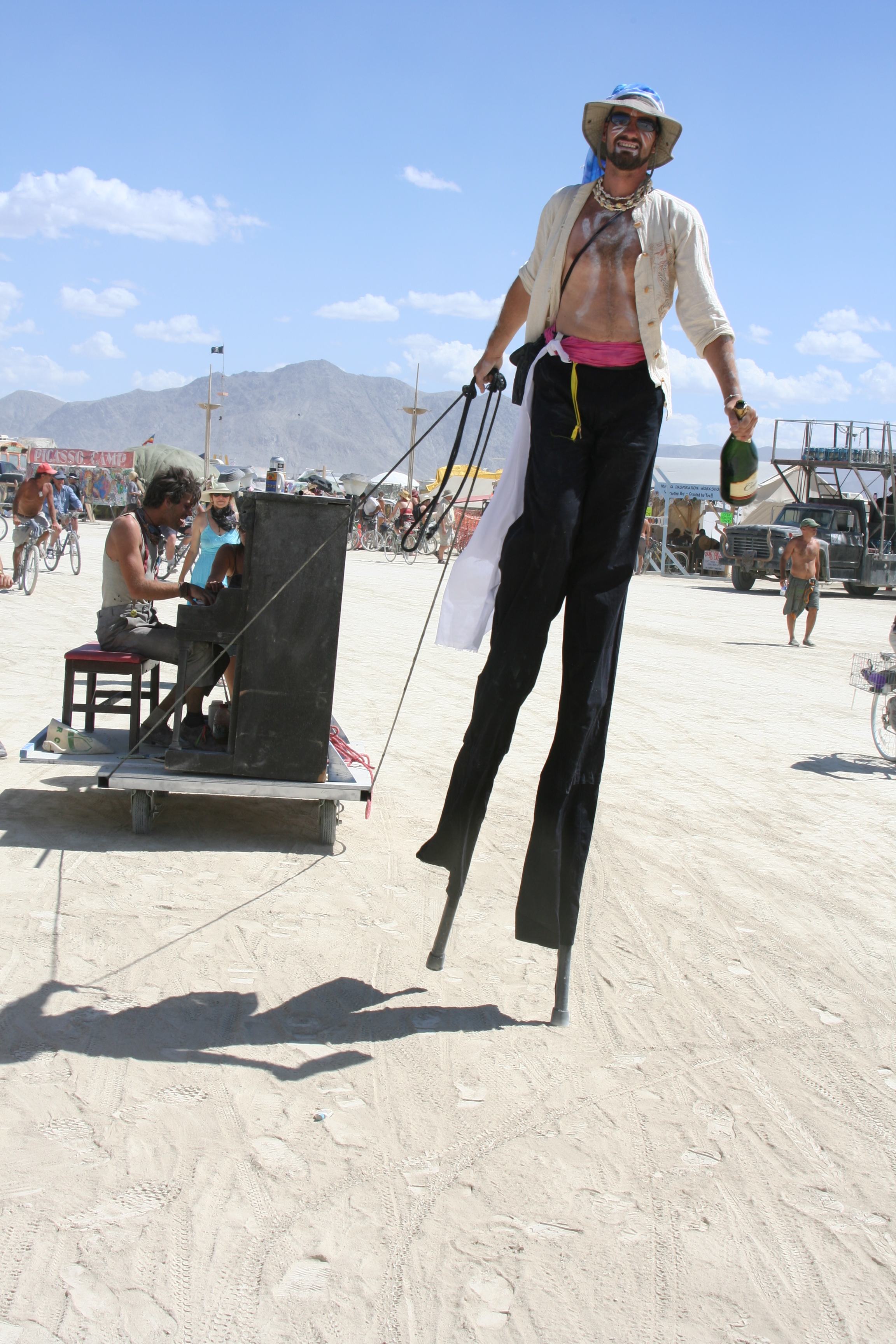
Music is everywhere at Burning Man. Here we have a mobile music player. Who needs an iPod?

Music is everywhere in Black Rock City. Here we have a mobile pianist. Who needs an ipod? Check out the Burning Man symbol on stilt-man’s chest.

Over the week, almost every type of music can be heard at Burning Man. Last year I stopped to listen to a woman singing opera on top of a mutant vehicle. The vehicle shot fire into the air when she hit high notes!
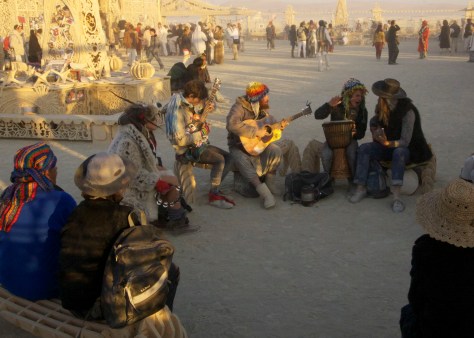
Over the week, almost every type of music can be heard at Burning Man. Last year I stopped to listen to a woman singing opera on top of a mutant vehicle. The vehicle shot fire into the air when she hit high notes!

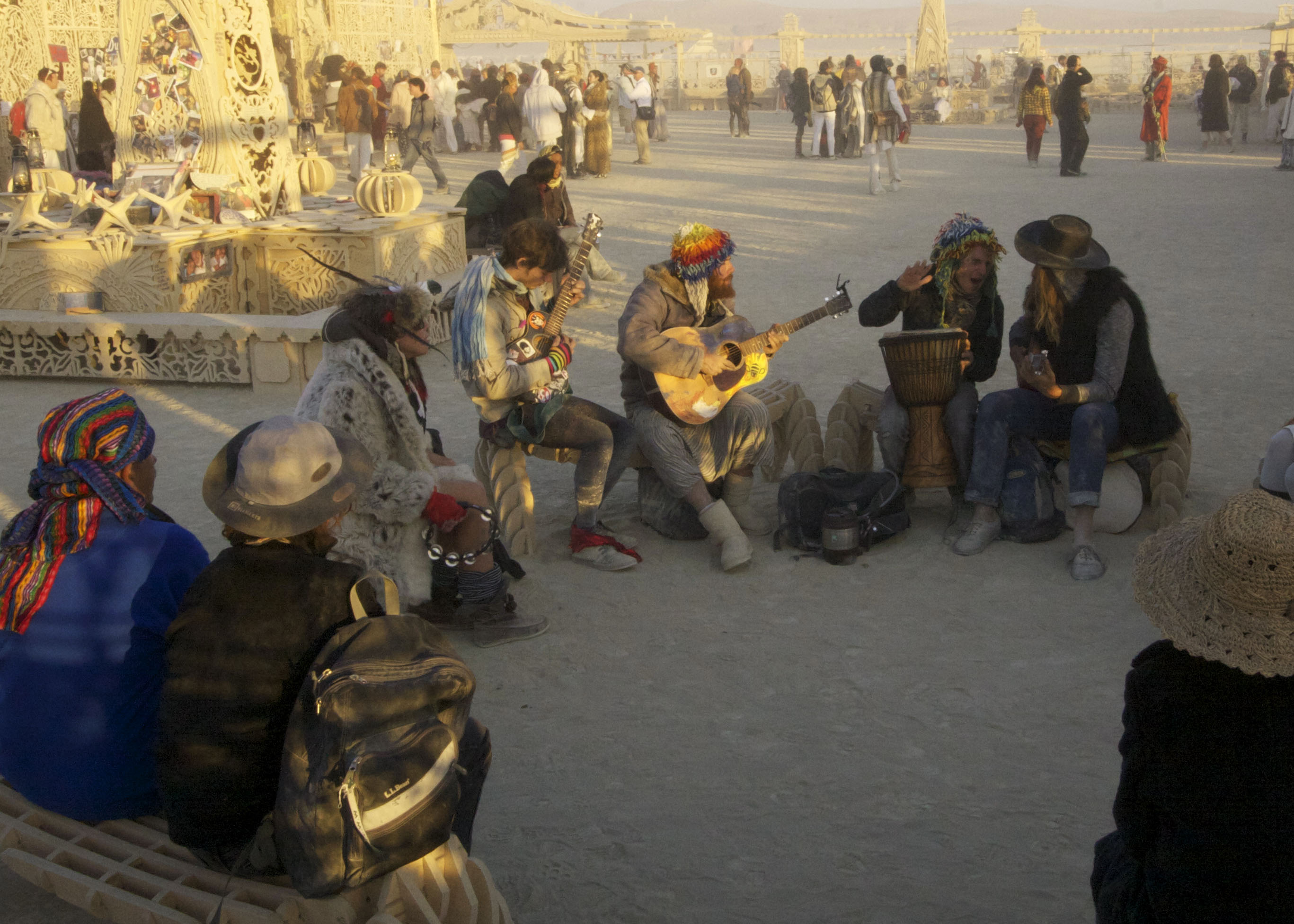
Burning Man jam session at Temple.

An early morning jam session at the Temple. (Photo by Tom Lovering.)
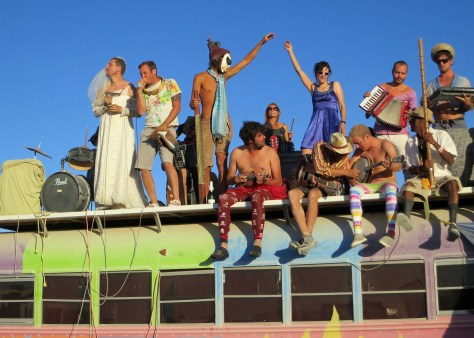
And on top of a bus."Do you take this man to be your lawfully wedded wife?"

And on top of a bus.

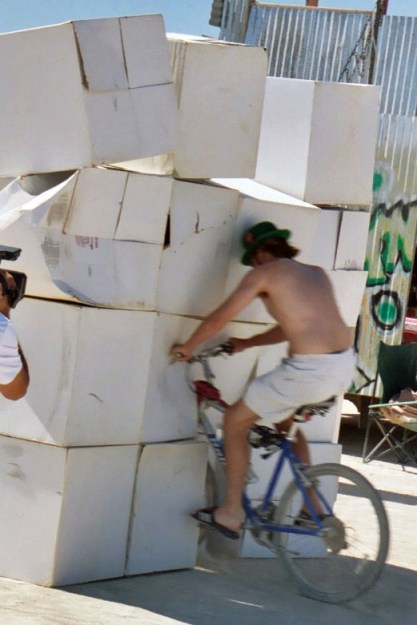
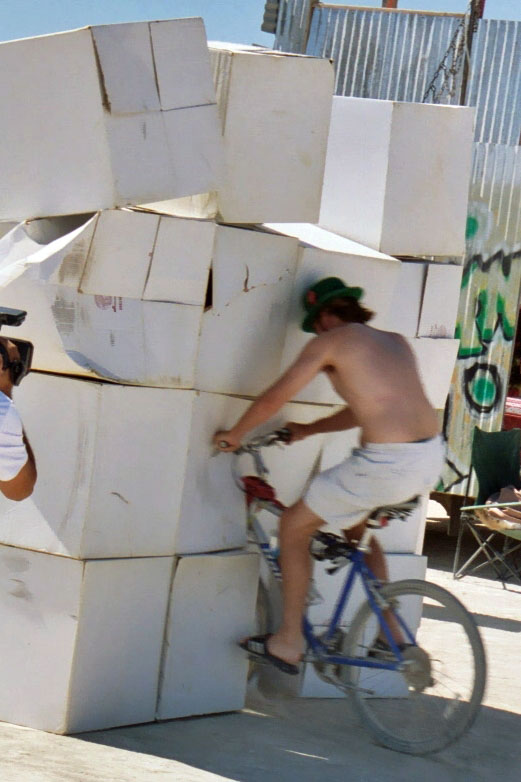
Cyclist knocks down boxes at Burning Man.

Here is a unique form of entertainment involving a cyclist and empty boxes. Crash, restack, crash.
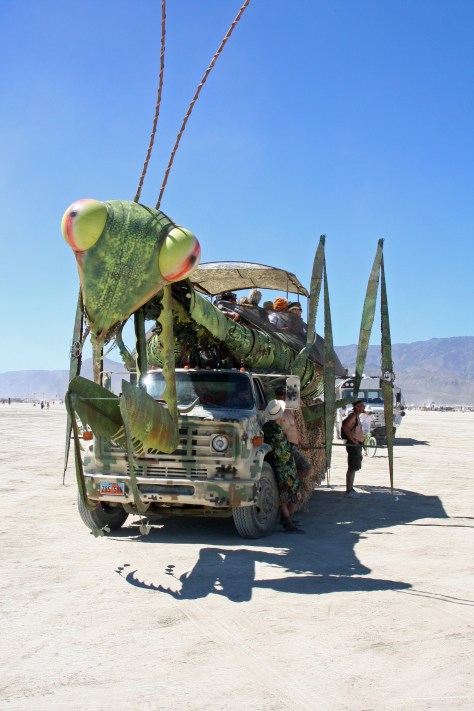
Checking out the hundreds of mutant vehicles at Burning Man is definitely entertainemnt and could take up much of your week.

Checking out the hundreds of mutant vehicles at Burning Man is definitely entertainment and could take up much of your week. I liked the shadow the big guy cast.
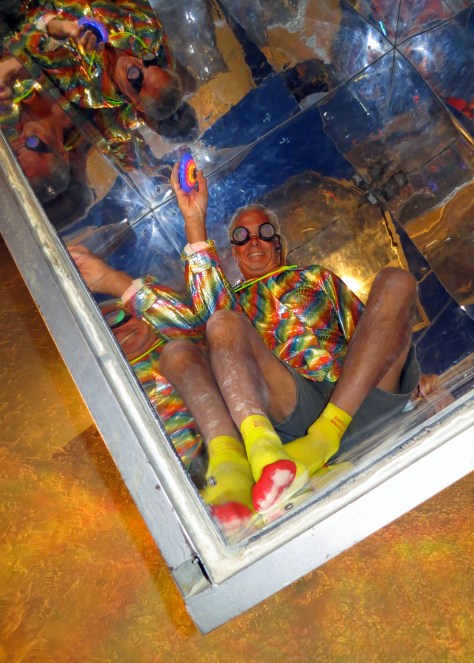
Psychedelic box at Burning Man.

Would you be willing to climb into a psychedelic mirror box and have the lid closed? What about if you knew they were going to shake the box?
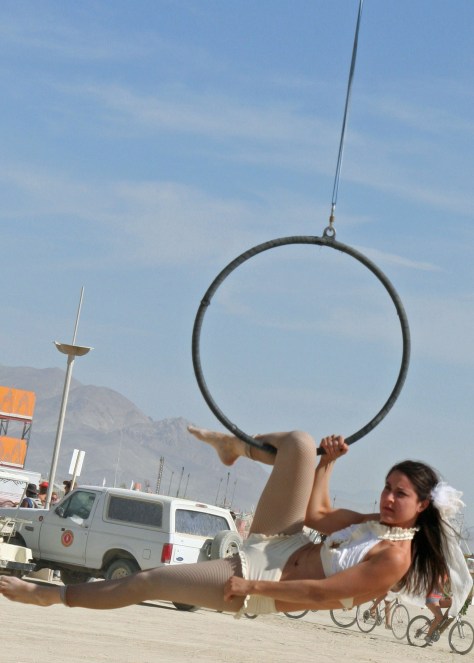
There is always a sense of being at a three ring circus at Burning Man.

There is always the sense of being at a three ring circus at Burning Man. The entertainment goes on and on – 24/7.

3. MAGIC: Burning Man is interesting, even fascinating during the day. But at night it becomes magical. Fifty thousand people decorate themselves and their bikes with lights and venture out into the dark night. Fire breathing dragons and ghostly desert ships join hundreds of other lit up mutant vehicles in an unending, random parade back and forth across the Playa and along the streets of Black Rock City. Art, too, is lit up, and takes on a totally different personality. The desert night air throbs with music and dancing. Fire dancers appear everywhere, practicing their flaming art singularly or in coordinated groups. Neighborhood bars– there is one on almost every corner– attract regulars and visitors alike with free alcohol, conversation and dancing (Note: you may have to wear pink pajamas, a little black dress or some other getup). A stroll down the mile-plus Esplanade introduces dozens of major entertainment venues. Walk into any one– or all of them– and explore what each has to offer.  The most excitement is generated by the burns;  they light up the night sky and send mutant vehicles, bicyclists and walkers scurrying to catch the latest one. Last year’s major events included a massive burn off of regional art on Thursday, the Man on Saturday, and the Temple on Sunday.

Night brings its own special magic at Burning Man.

Night brings its own special magic at Burning Man. This is another of Burning Man’s annual Temples.
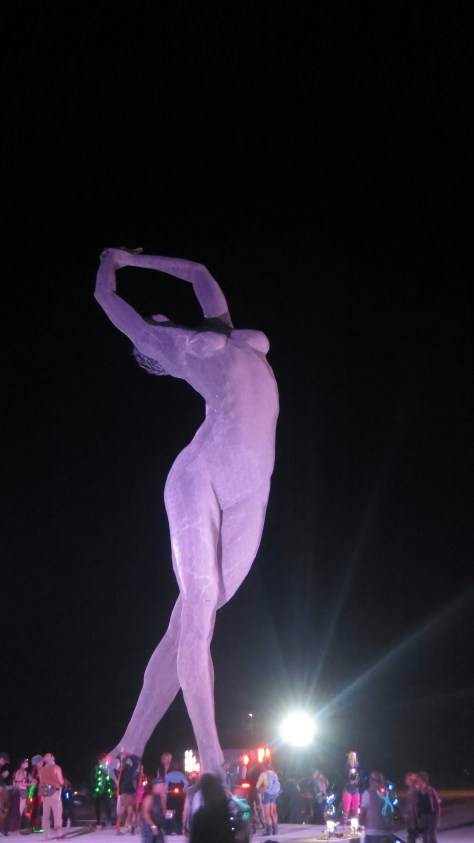
Art is creatively lit and takes on a different personality.
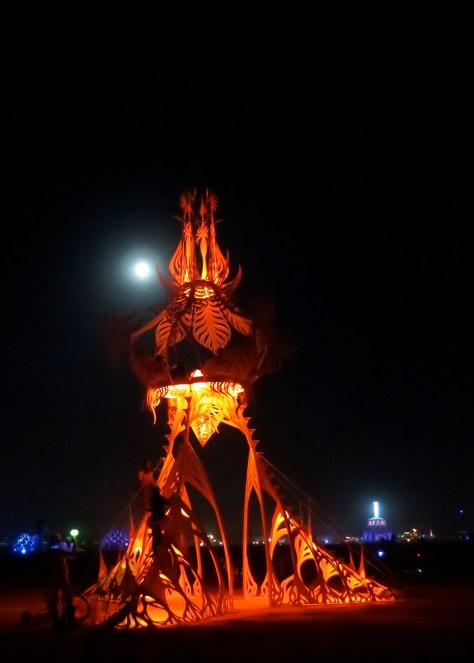
Art is creatively lit and takes on a different personality.

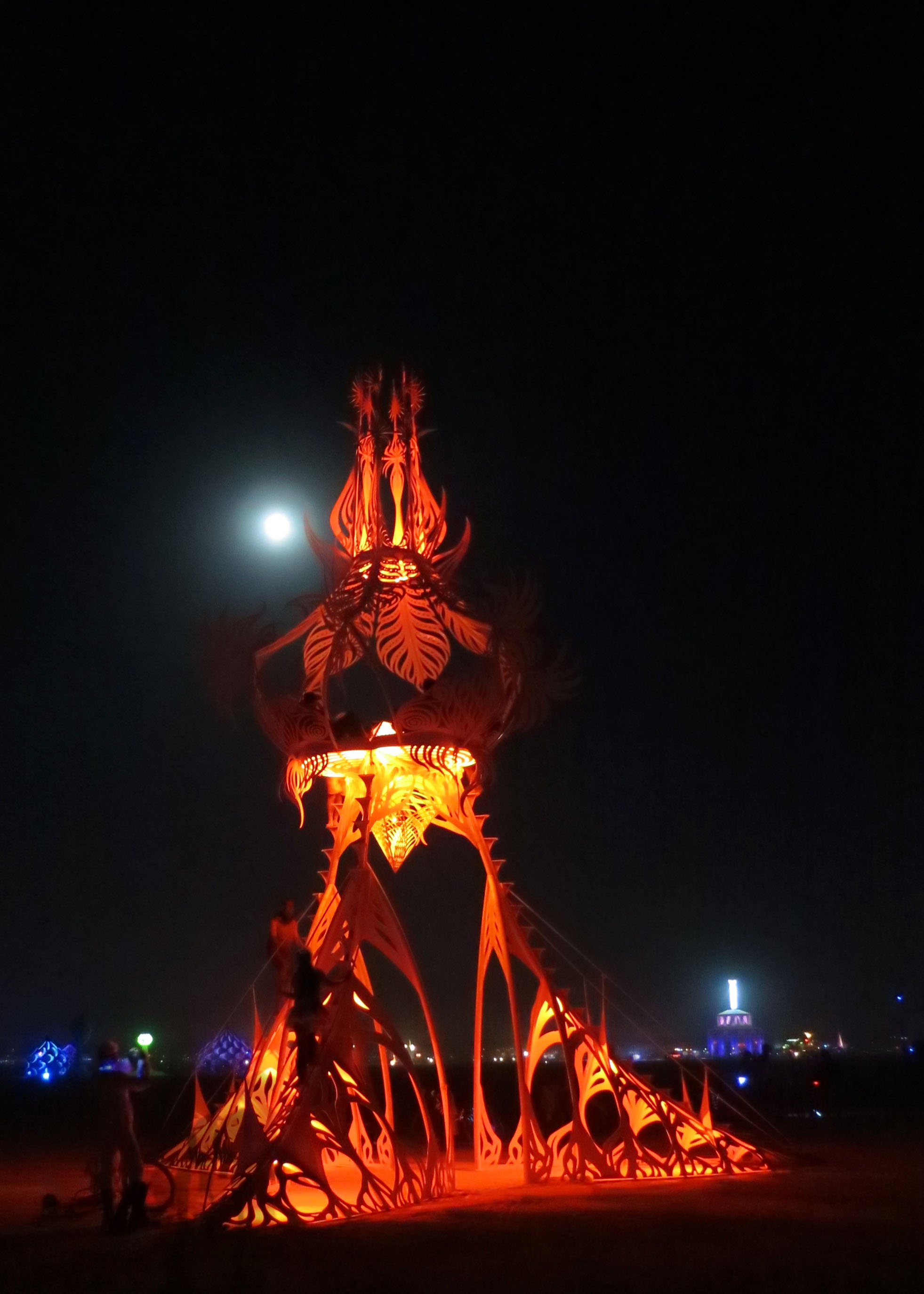
A misty moon added depth to this sculpture.

A misty moon added depth to this sculpture. The Man is off to the right.
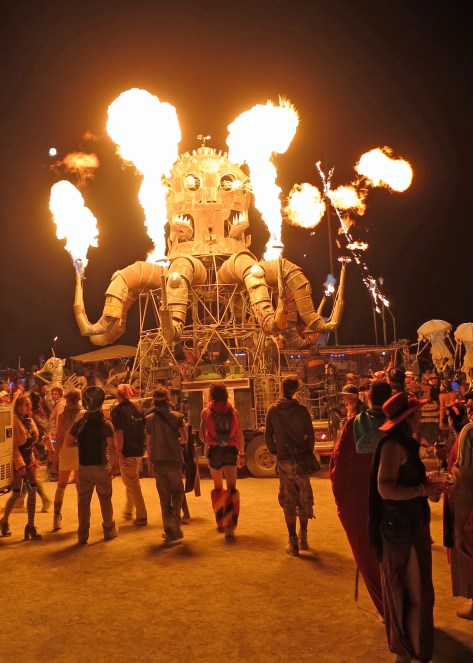
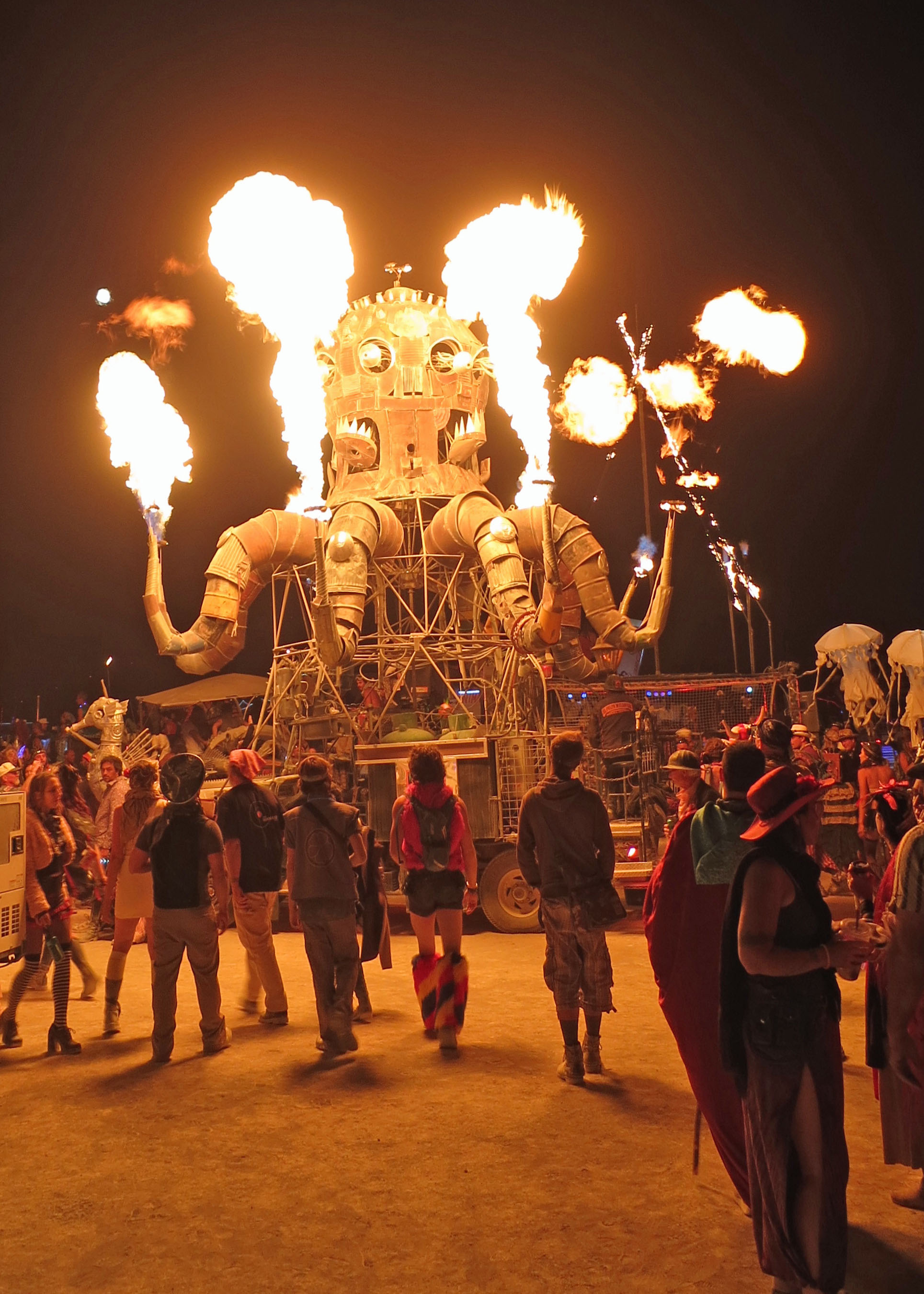
Mutant vehicles work their way back and forth across the Playa. Many spout fire.

Mutant vehicles work their way back and forth across the Playa. Many, such as El Pulpo Mechanico, spout fire.
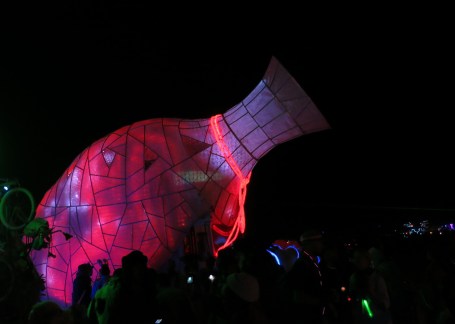
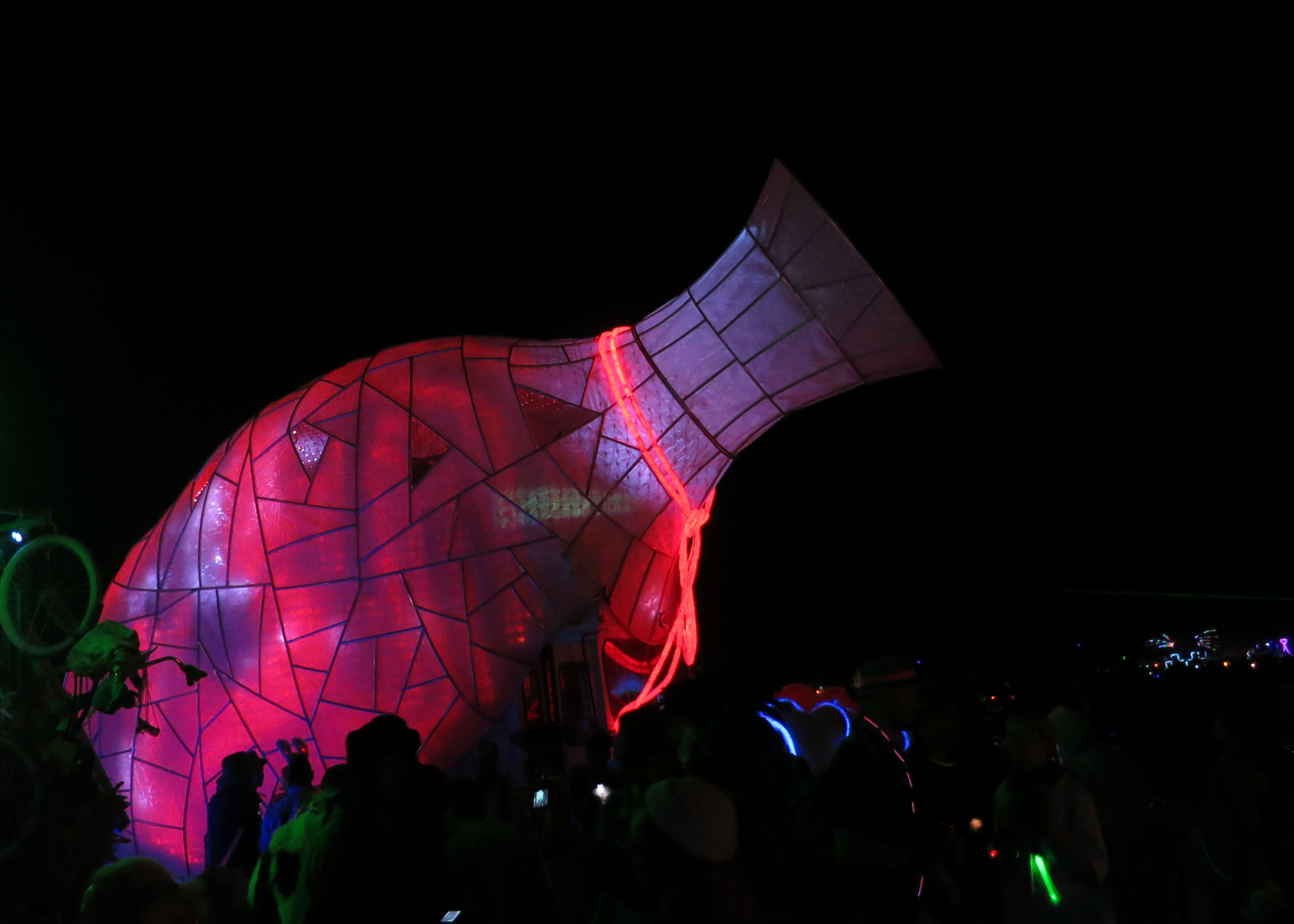
Mutan vehicle vase at Burning Man.

And some inspire by their beauty, such as this vase.

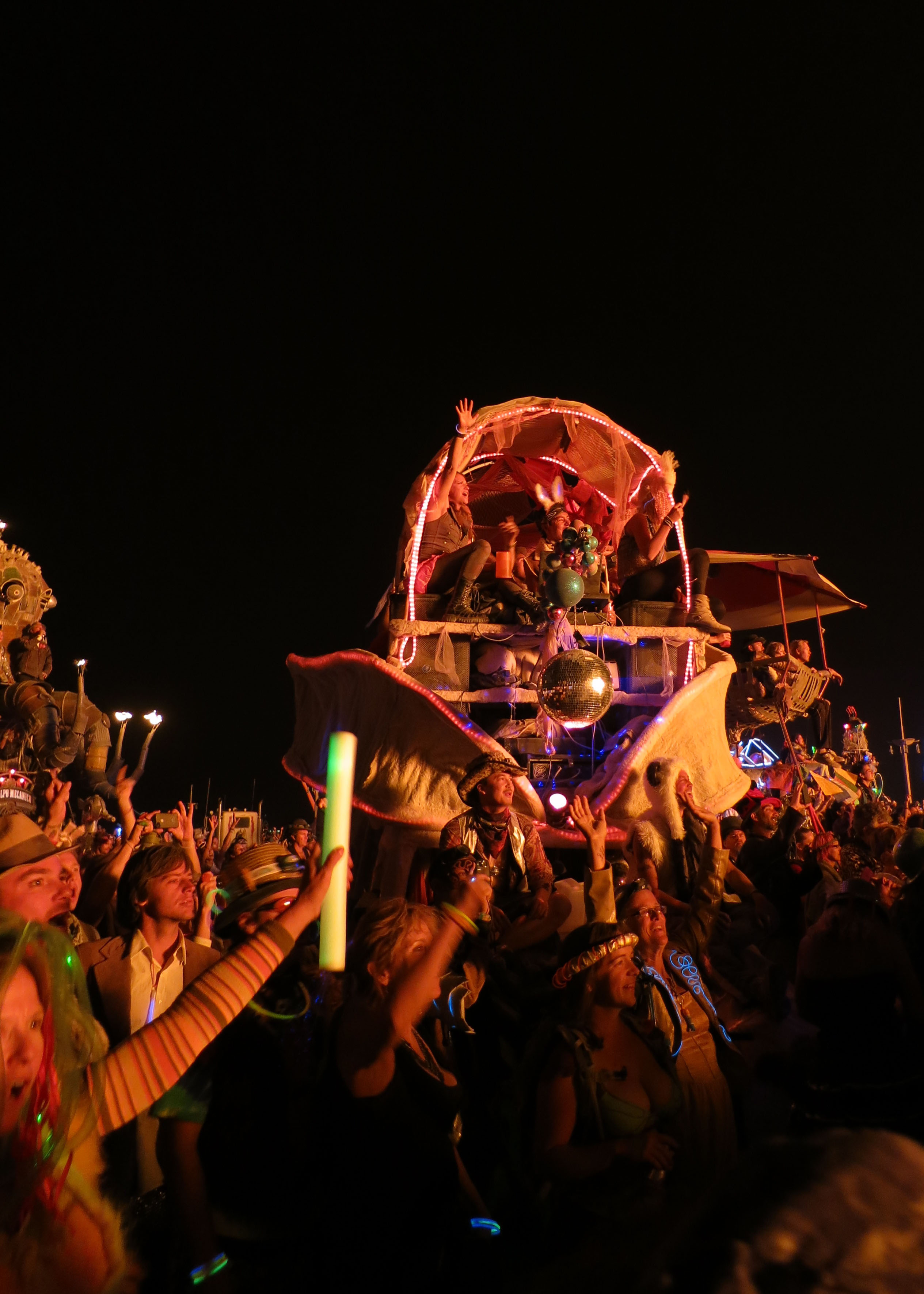
Burning Man mutant vehicle lit up at night.

Another magical mutant vehicle.

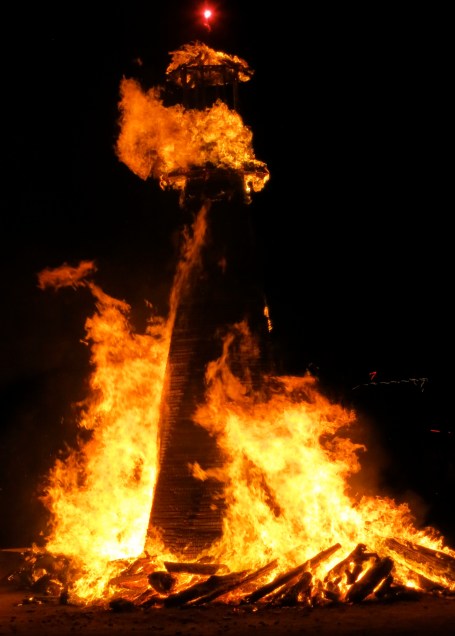
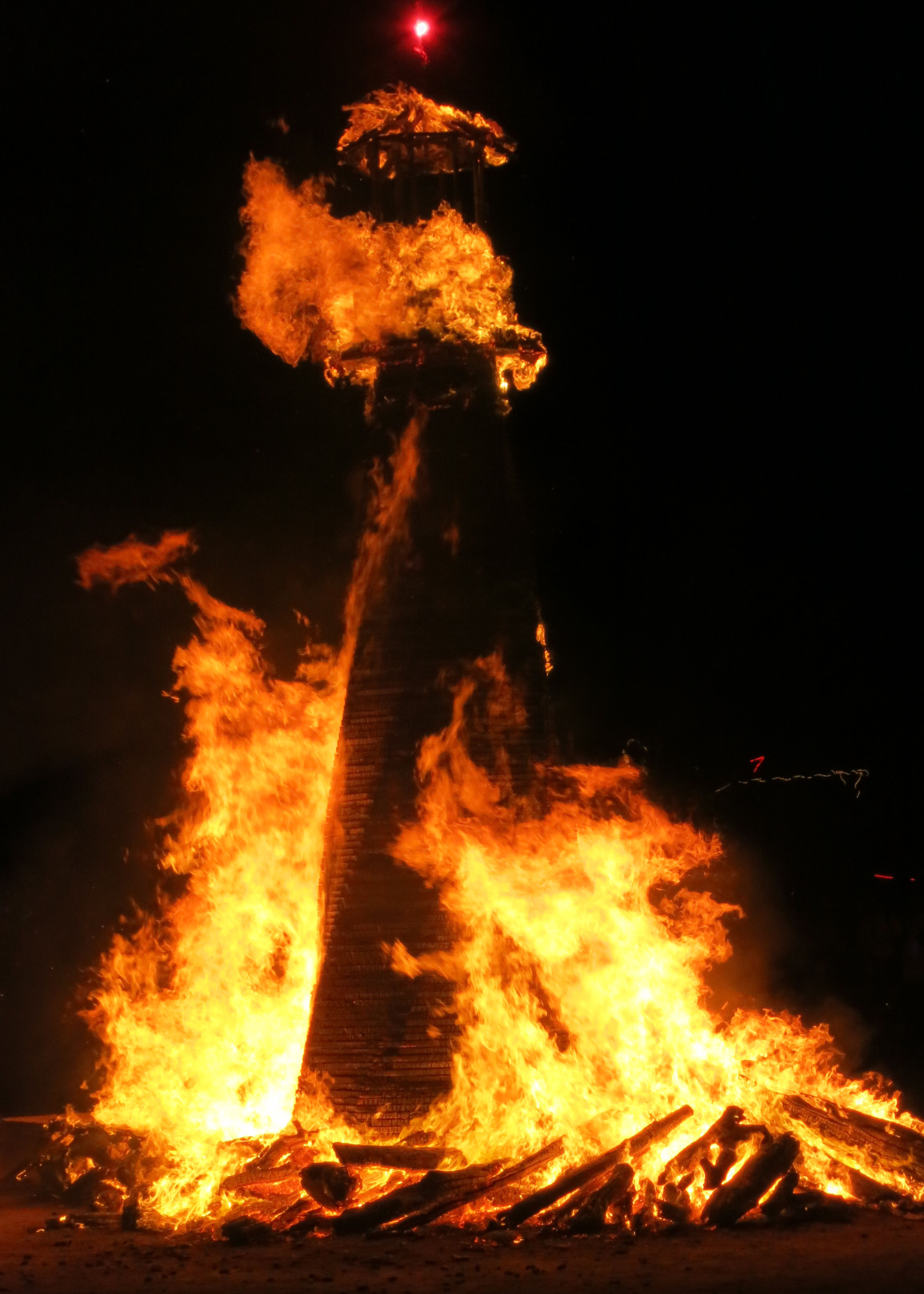
The burning of the Man provides Burning Man with its name, but there are many other burns. This was a light house created by burners from the North Coast of California. Last year over 20 regional art pieces were burned simultaneously on Thursday night.

The burning of the Man provides Burning Man with its name, but there are many other burns. This was a light house created by burners from the North Coast of California in 2012. Last year, over 20 regional art pieces located strategically around the Man were burned simultaneously on Thursday night.
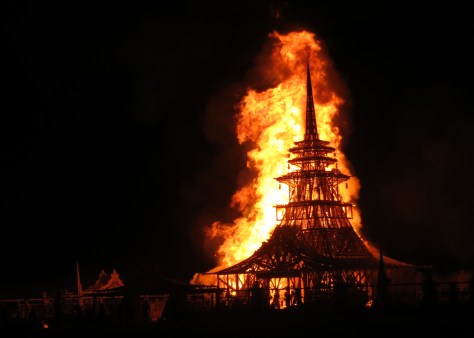
The burning of the Temple on Sunday night sends thousands of messages to loved ones wafting into the sky.

The burning of the Temple on Sunday night sends thousands of messages that have been written to loved ones wafting into the sky.
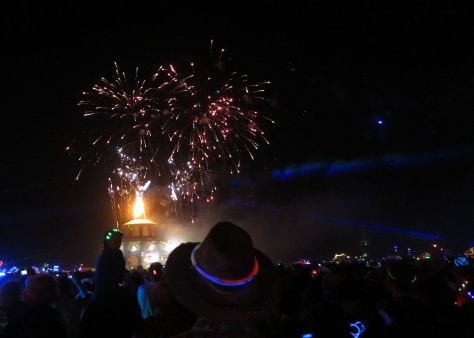
Fireworks provide a sendoff to the burning Man.

Fireworks provide a sendoff to the Man as he begins to burn. Almost everyone in camp attends this event.

Arms raised in salute, Burners bid farewell to the Man as he tumbles into ashes.

Arms raised in salute, Burners bid farewell to the Man as he tumbles into ashes.

4. DESERT: It takes a hardy soul to survive living in the desert. Soaring day time temperatures, freezing cold nights, a desperate lack of water, and raging dust storms are all part of the desert life. But there is also stark beauty and a profound silence (not so much at Black Rock City, but close at 5 AM). The desert is a significant part of the Burning Man experience. Say yes to the heat and cold and beauty and dust and you will have a memory that will last a lifetime and bring you back to the desert time and again.
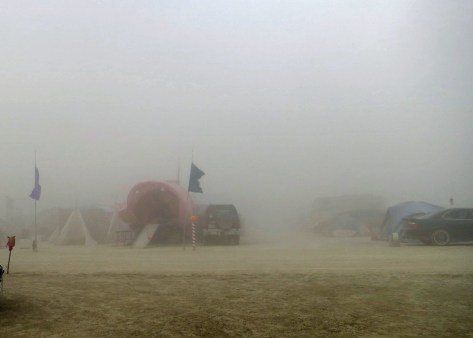
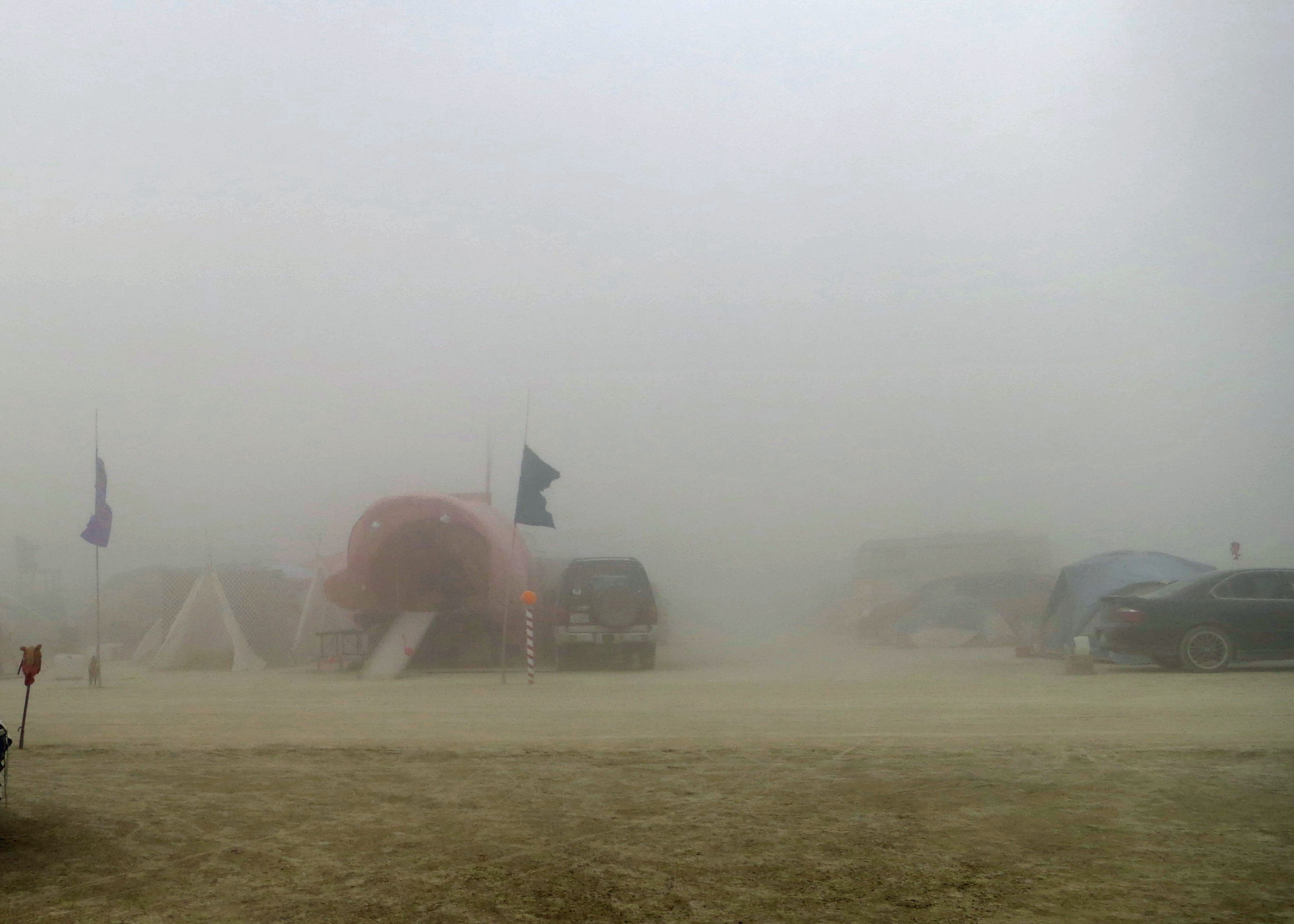
Dust storm at Burning Man.

Dust storms are a common phenomena of the Black Rock Desert. Accompanying winds can knock down tents. Zero visibility and dust in everything are part of the experience.
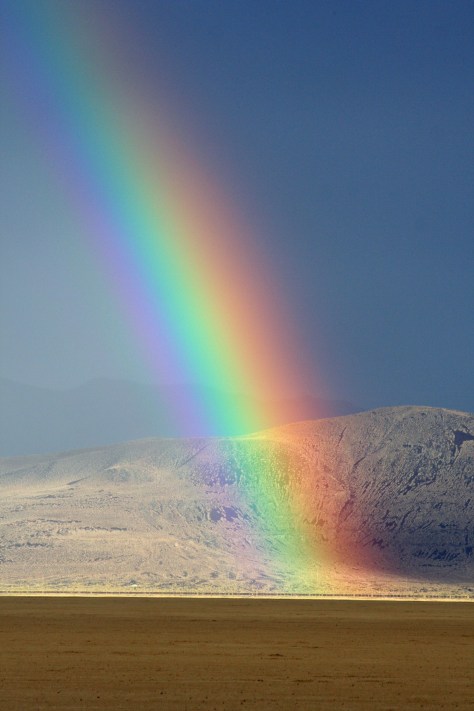
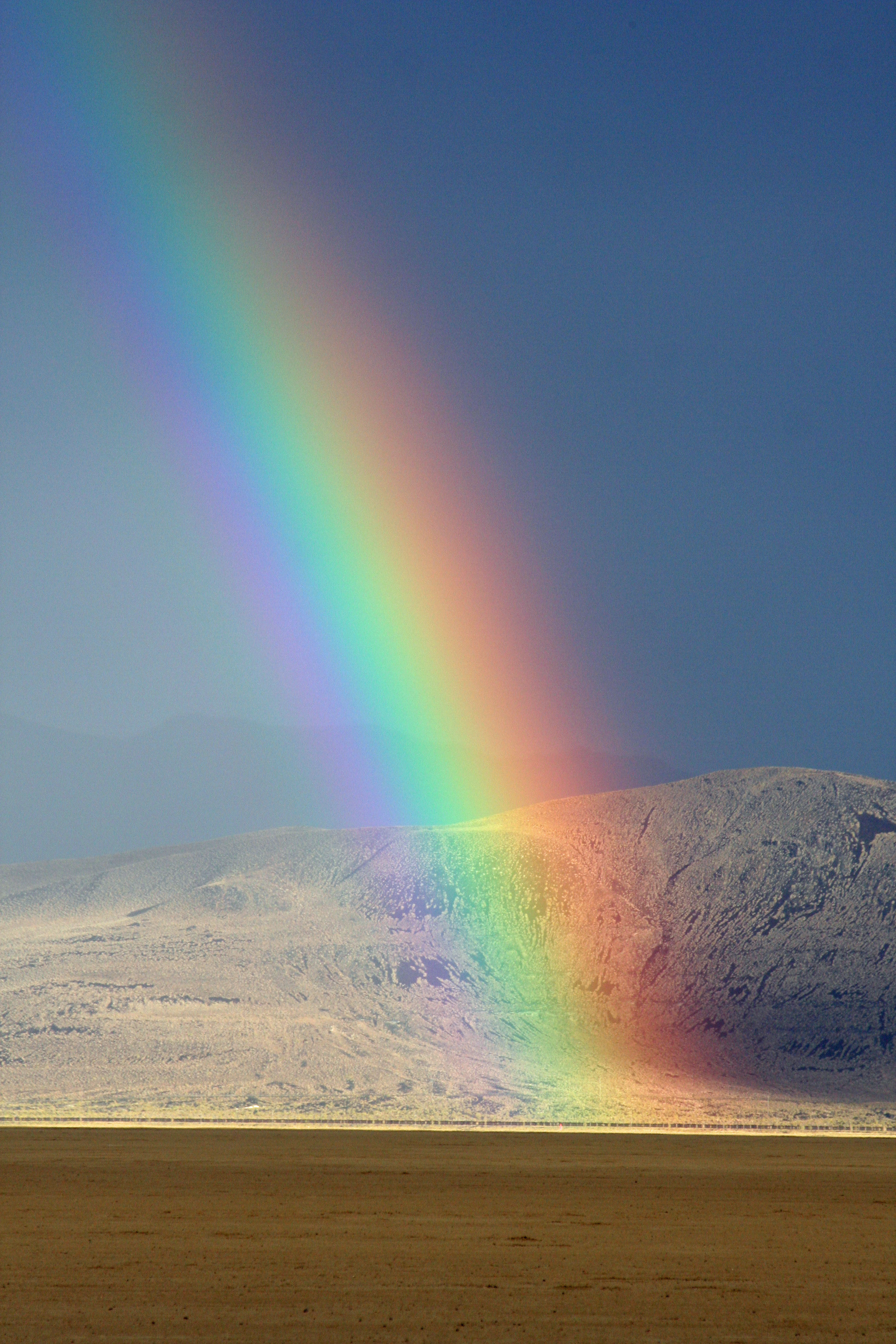
But the desert also has great beauty, as this rainbow at Burning Man demonstrates.

But the desert also has great beauty, as this rainbow at Burning Man demonstrates. BTW… things come to a grinding halt during rainstorms. Playa dust turns to glue that sticks to both tires and feet– several inches thick!
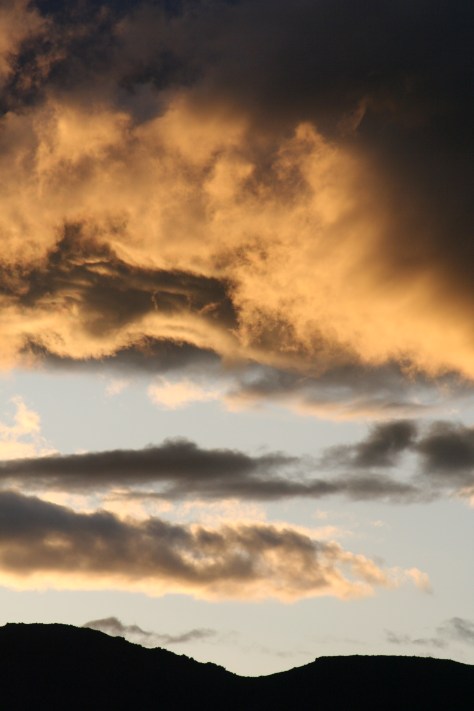
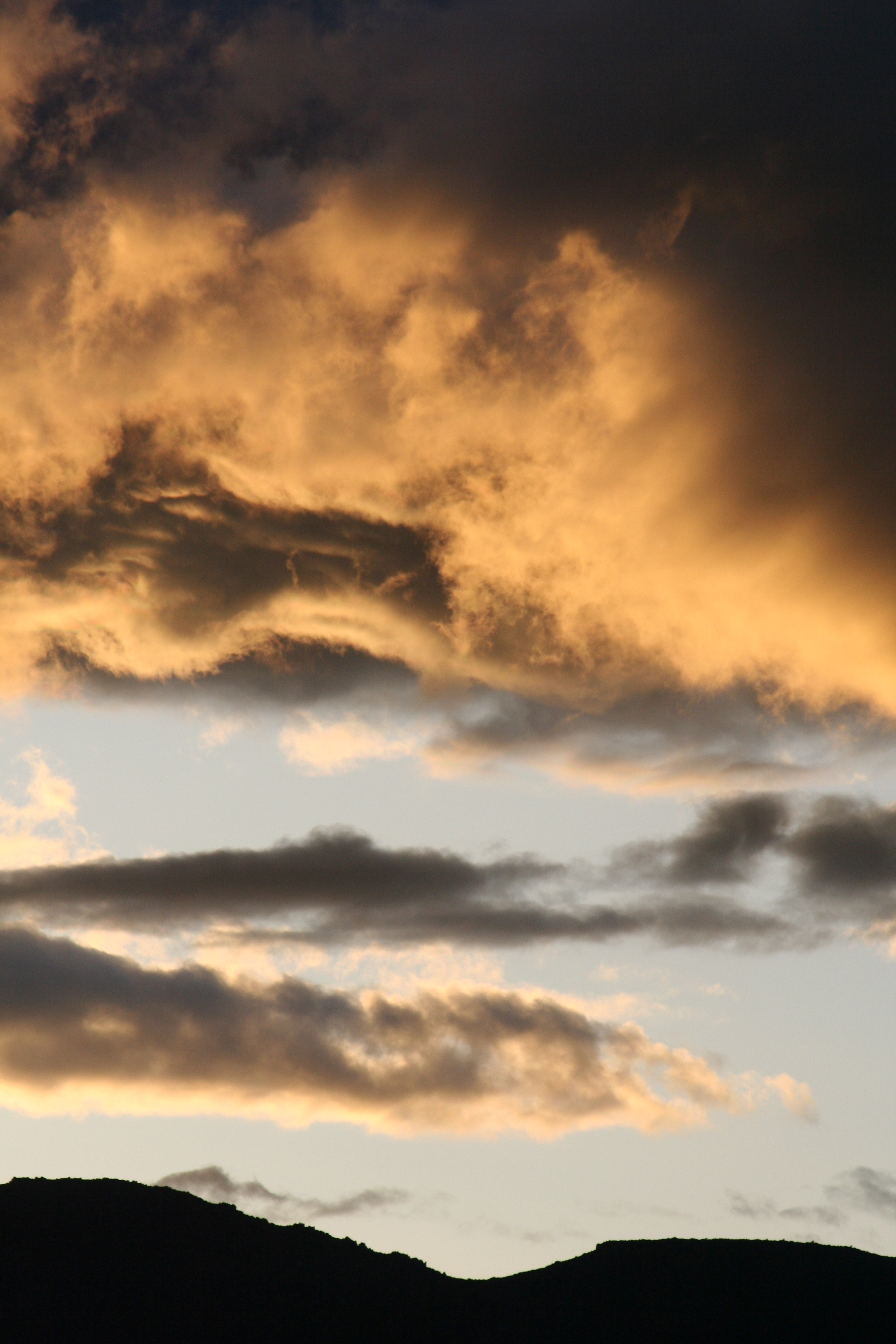
Clouds over Black Rock City.

Clouds, following the storm, add their own beauty.

5. COMMUNITY: There are dozens upon dozens of communities at Burning Man based on where you live, who your friends are, and what interests you. The person standing next to you may be a Google founder, Nobel Prize winner, or a Hells Angel. It’s possible she is from nearby Reno, Nevada or far off Auckland, New Zealand.  All age groups and most occupations are represented. Veteran burners mix freely with first timers, known as virgin burners.

What makes Burning Man unique, beyond what I have already listed, is the focus on participation. The event is created by the people who attend. Burners are strongly encouraged to contribute to the community. There are numerous ways to do so. Amuse fellow burners with a great costume or cleverly decorated bike; provide entertainment, food, alcohol, or services; teach people how to meditate, do yoga, or Tango; volunteer to help Burning Man greet people, light lamps or pick up trash– the list goes on and on. All of this is based on Burning Man’s non-commercial, gifting economy. You can neither advertise nor sell things in Black Rock City. With the exception of coffee and tea at the Center Camp Café, ice, and a few necessary RV services, everything is given away for free.
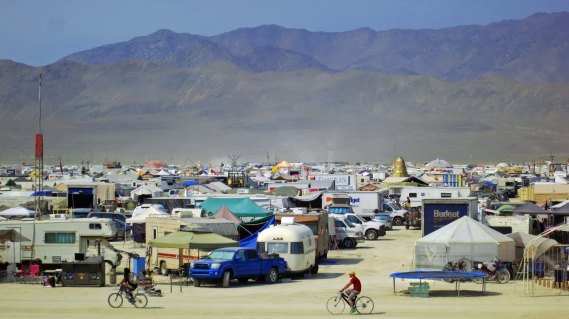
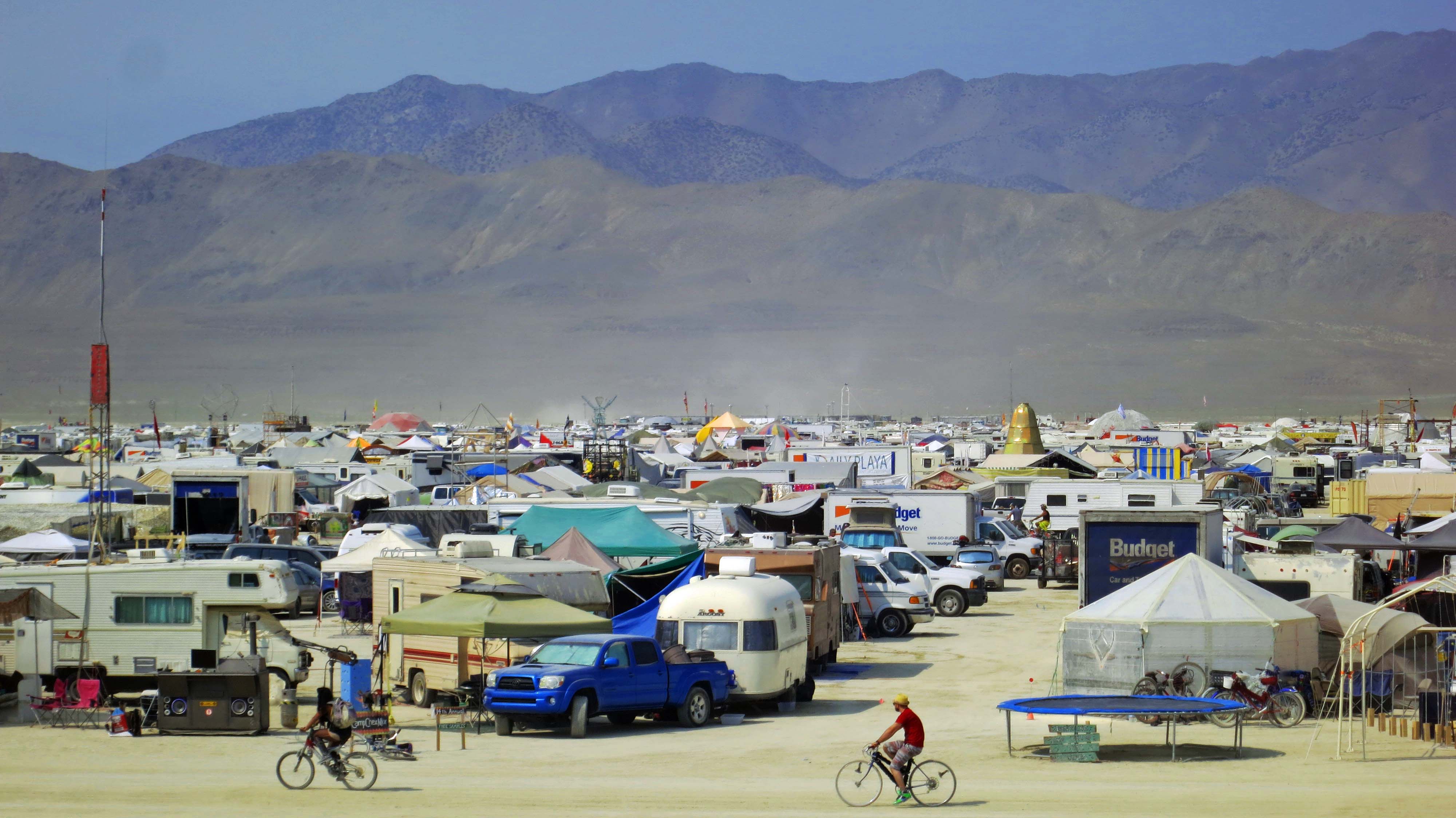
People come from all over the world to participate in Burning Man. Some set up an individual camp while others are members of large theme camps.

People come from all over the world to participate in Burning Man. Some come on their own and set up an individual camp while others are members of large theme camps.

The Sacred Spaces Theme Camp.
The Sacred Spaces Theme Camp.

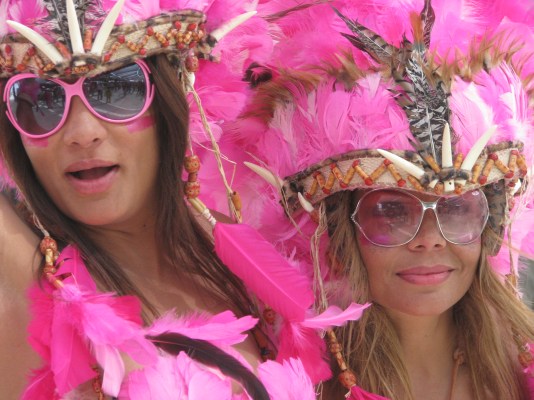
Wearing a costume is part of the Burning Man experience. A great costume is enjoyed by everyone.

Wearing a costume is part of the Burning Man experience. A great costume is enjoyed by everyone. (Photo by Don Green.)
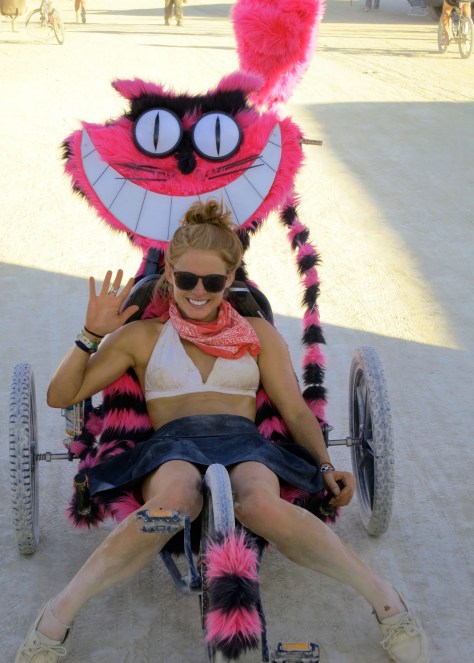
A well decorated bike is also a way to "gift" other burners.

A well decorated bike is also a way to “gift” other burners.
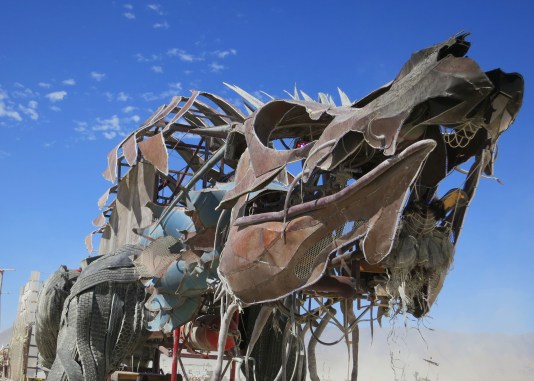
As is a fierce mutant dragon.

As is bringing a fierce mutant dragon.

Or a ride on a sailing ship. (Photo by Peggy.)

Or offering a ride on a sailing ship. (Photo by Peggy Mekemson.)
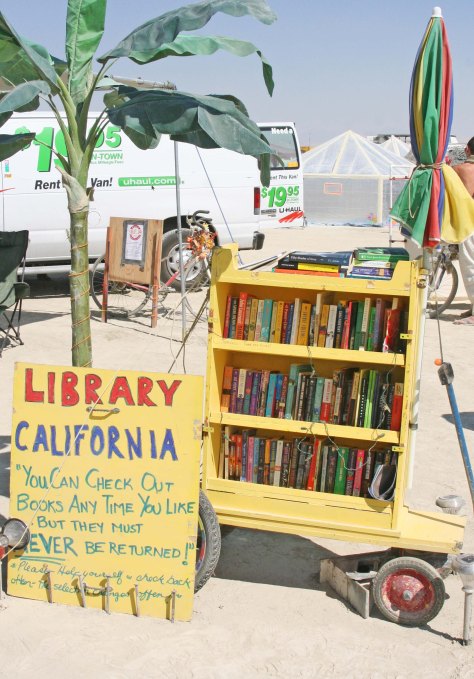
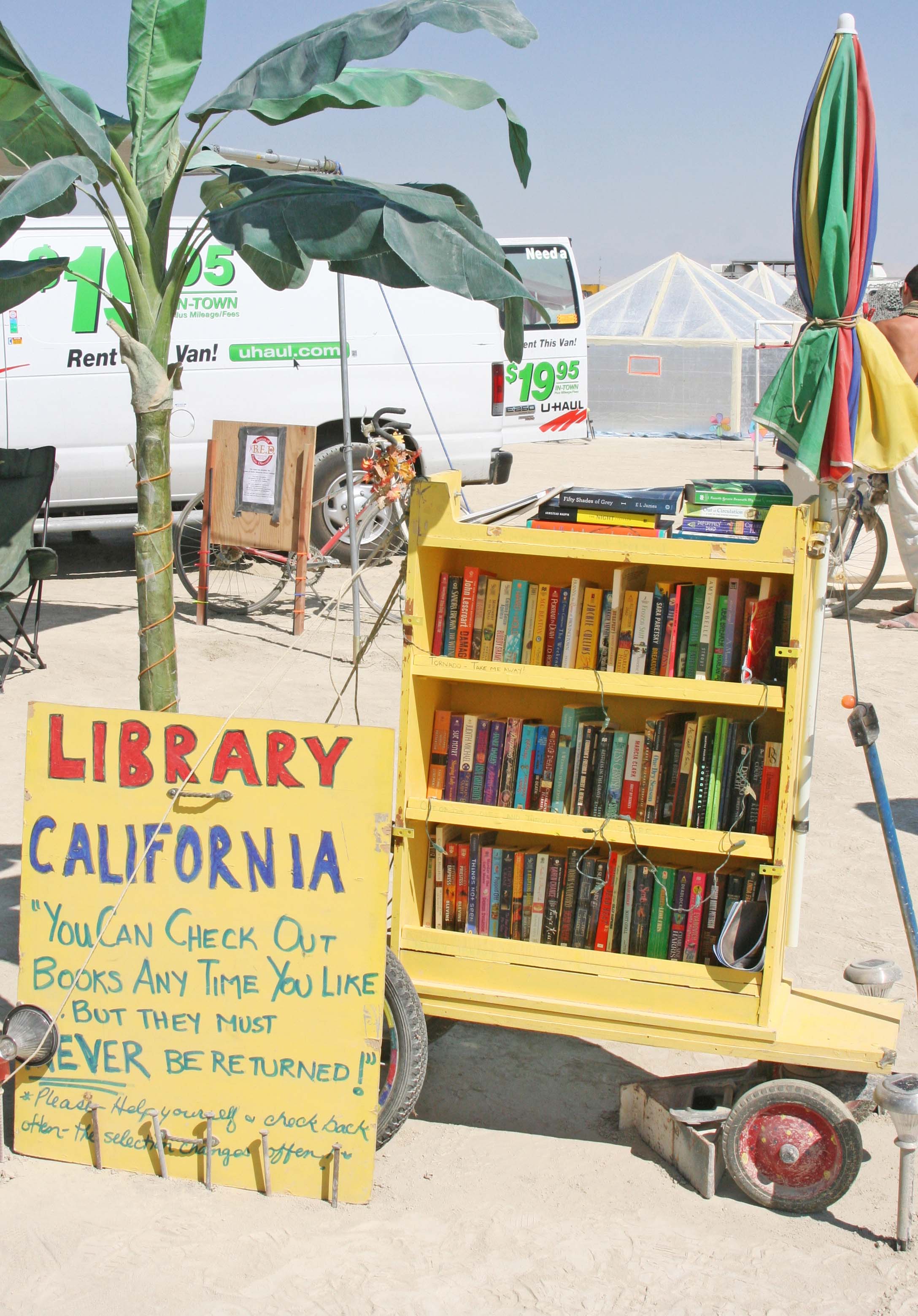
The California Library's form of gifting is giving away books, hundreds of them.

The California Library theme camp gives away books, hundreds of them.
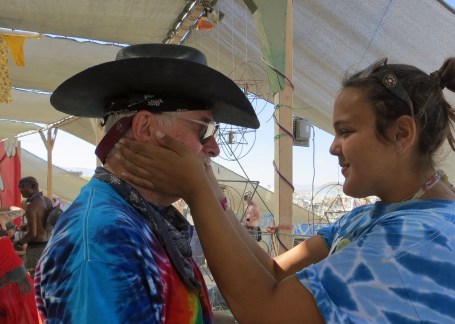
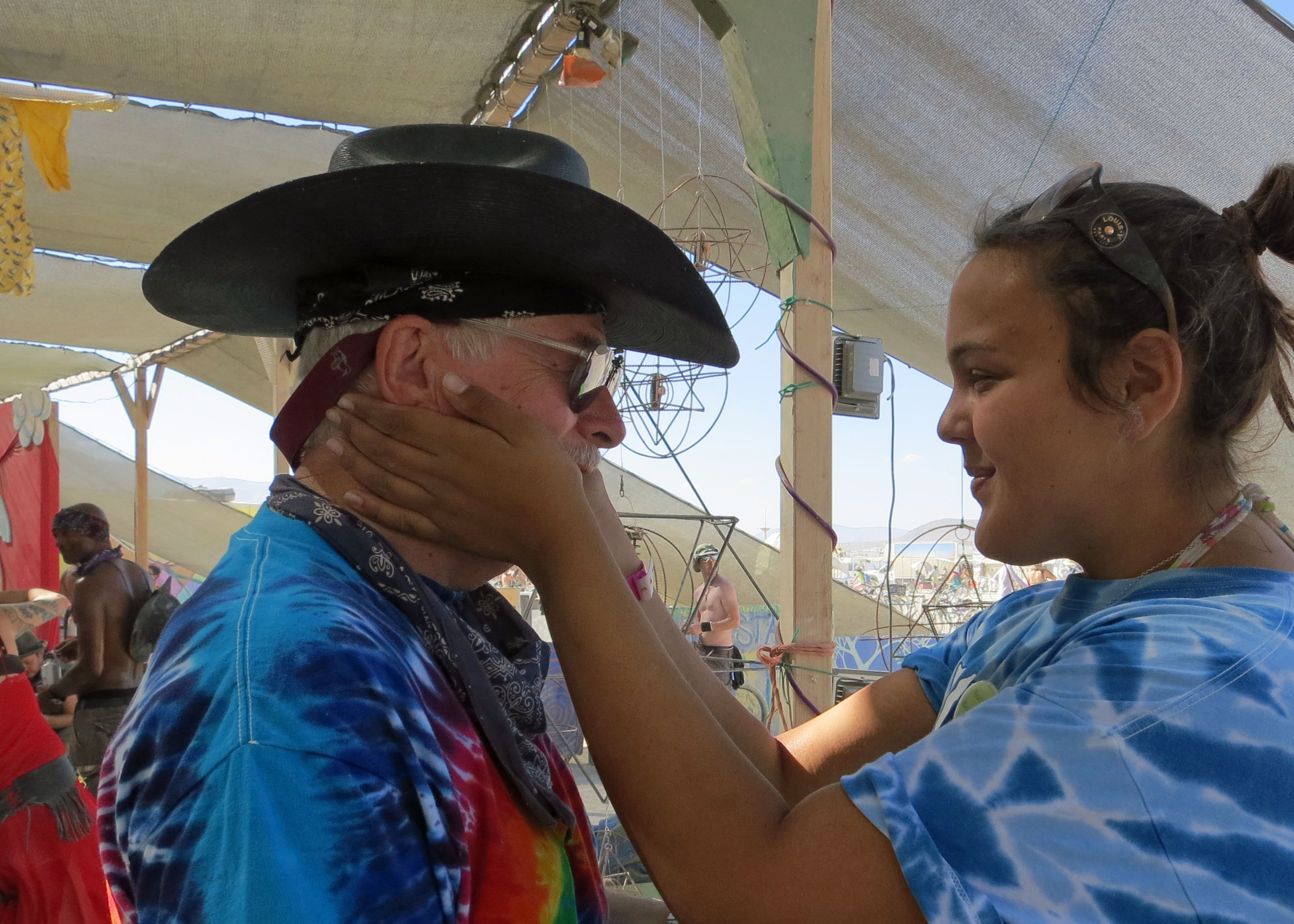
This woman had a unique way of gifting. She carried around an ice block and then put her icy hands on your face, which was perfect for a hot desert day. (Photo by Peggy Mekemson.)

This woman had a unique way of gifting. She carried around an ice block and then put her icy hands on your face, which was perfect for a hot desert day. (Photo by Peggy Mekemson.) Our tie-dye  T-shirts were close to matching.
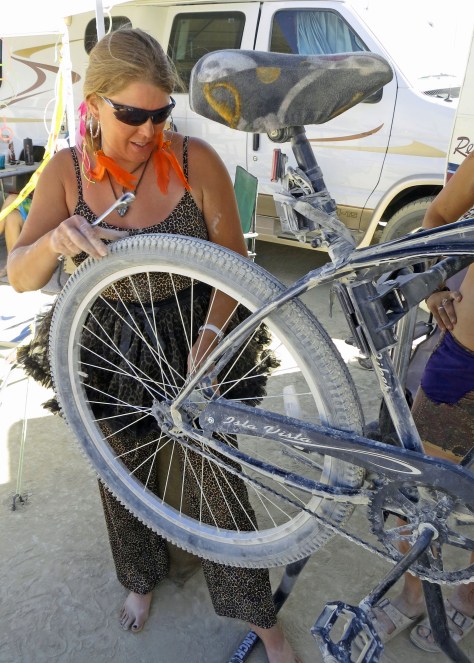
Fixing bikes is another important form of gifting at Burning Man. Beth is a master mechanic who owns a bike shop in Davis. My van Quivera provides the backdrop for the photo.

Fixing bikes is another form of gifting at Burning Man. Beth Lovering is a master bike mechanic who owns a bike shop in Davis. My van, Quivera, provides the backdrop for the photo.
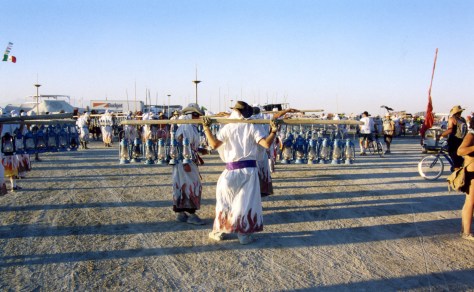
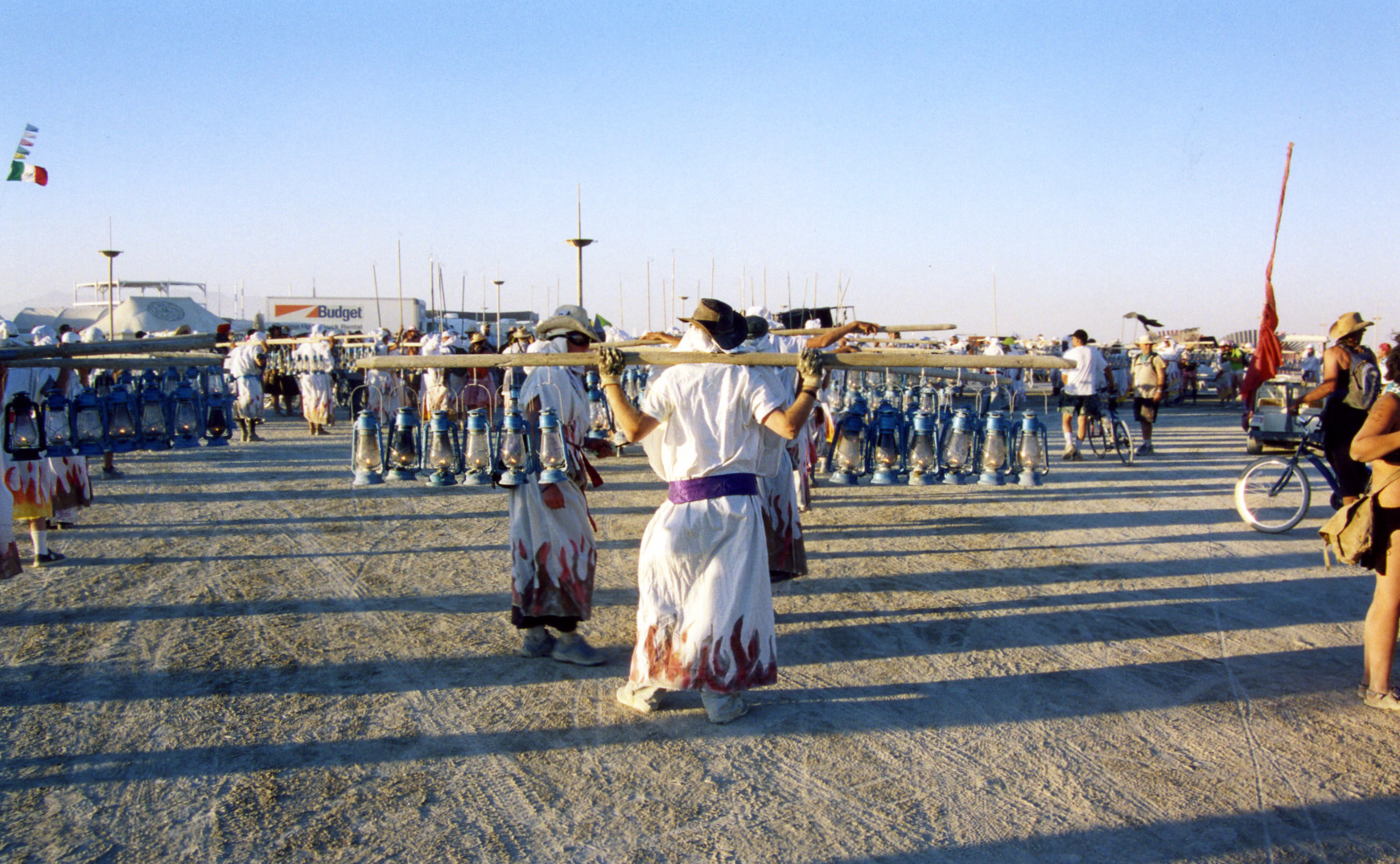
Burning Man has numerous opportunities to volunteer, such as being a lamplighter and helping to light the hundreds of lamps that adorn the night.
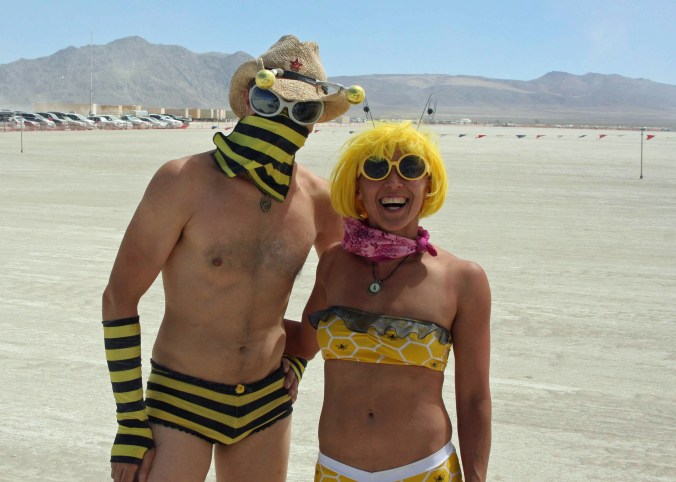
Burning Man has numerous opportunities to volunteer, such as being a lamplighter and helping to light the hundreds of lamps that adorn the night.

Or greet people when they arrive at Burning Man as these two welcomed Peggy and I.

Or working as greeters and welcoming  people when they arrive at Burning Man.

THE 2014 THEME: Each year Burning Man comes up with a theme that inspires art, costumes and villages. Last year’s theme was Cargo Cults. This year it is Caravansary. It may be the best theme yet. Think of the Silk Road that connected the mysterious Far East with Europe from Roman times into the middle Ages. Picture caravans of camels, Arabian horses and Mongol ponies carrying exotic spices, silk, and other valuable trade goods as well as new ideas through forests, deserts and mountains for thousands of miles– all the while keeping a wary eye out for bandits. Imagine what life was like in the great trading cities of Xanadu and Samarkand, places that literally define exotic. The Silk Road provided an open invitation to adventure and new experiences. I am excited to see what Burning Man’s creative minds can do with the concept.
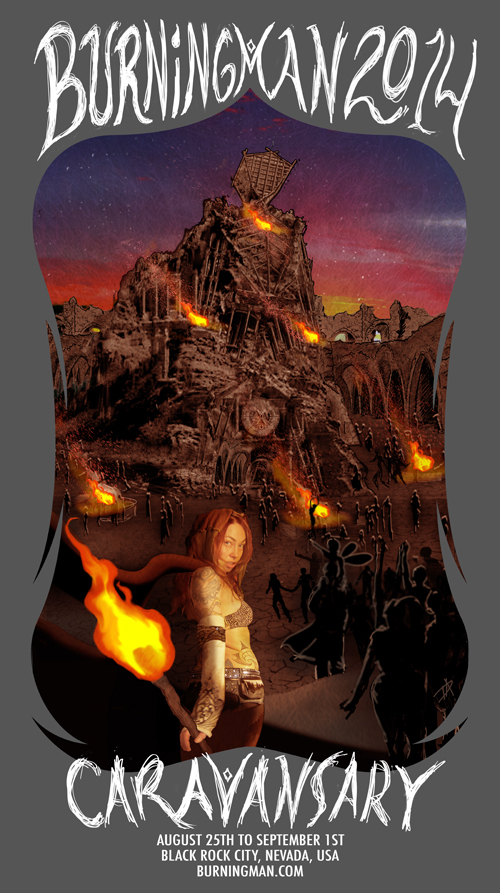
This is Burning Man's official 'logo' for 2014… an invitation to adventure.

This is Burning Man’s official ‘logo’ for 2014… an invitation to adventure.

CAUTION: Burning Man is not for every one. Partial nudity is common. The F word may be blasted from mega speaker systems. You are expected to be totally self-reliant, that is bring your own food and water, plus what you need to survive a week of desert weather. And, as I mentioned above, the desert can be challenging. People with health problems need to think through the ramifications of a week in the desert with limited services. No pets are allowed. I wouldn’t bring kids. But there are a few children present; there is even a children’s theme camp that is chock full of kid-based activities. (And I did see parents who were doing a great job with their children.)

FOR FURTHER INFORMATION: I highly recommend that people who are considering their first trip to Black Rock City do serious research. Odds are you will know veteran burners who can serve as an excellent source of advice. Also check out the Burning Man website. It includes everything you need to know about the event and is mandatory reading. Sign up for Jackrabbit Speaks for ongoing, up-to-the minute-year-round information. Beyond this, there are hundreds of blogs, media articles, and photo sites. Google Burning Man and browse to your heart’s content. Speaking of Google, check out Google Images for Burning Man. Dozens of photographers with links back to sites are included, including mine: Wandering through Time and Place.

One final source: I blogged extensively about last year’s Burning Man. Go here and scroll forward.

A Whale of a Tale– or has Nessie Migrated… Gone fishing in Puerto Vallarta

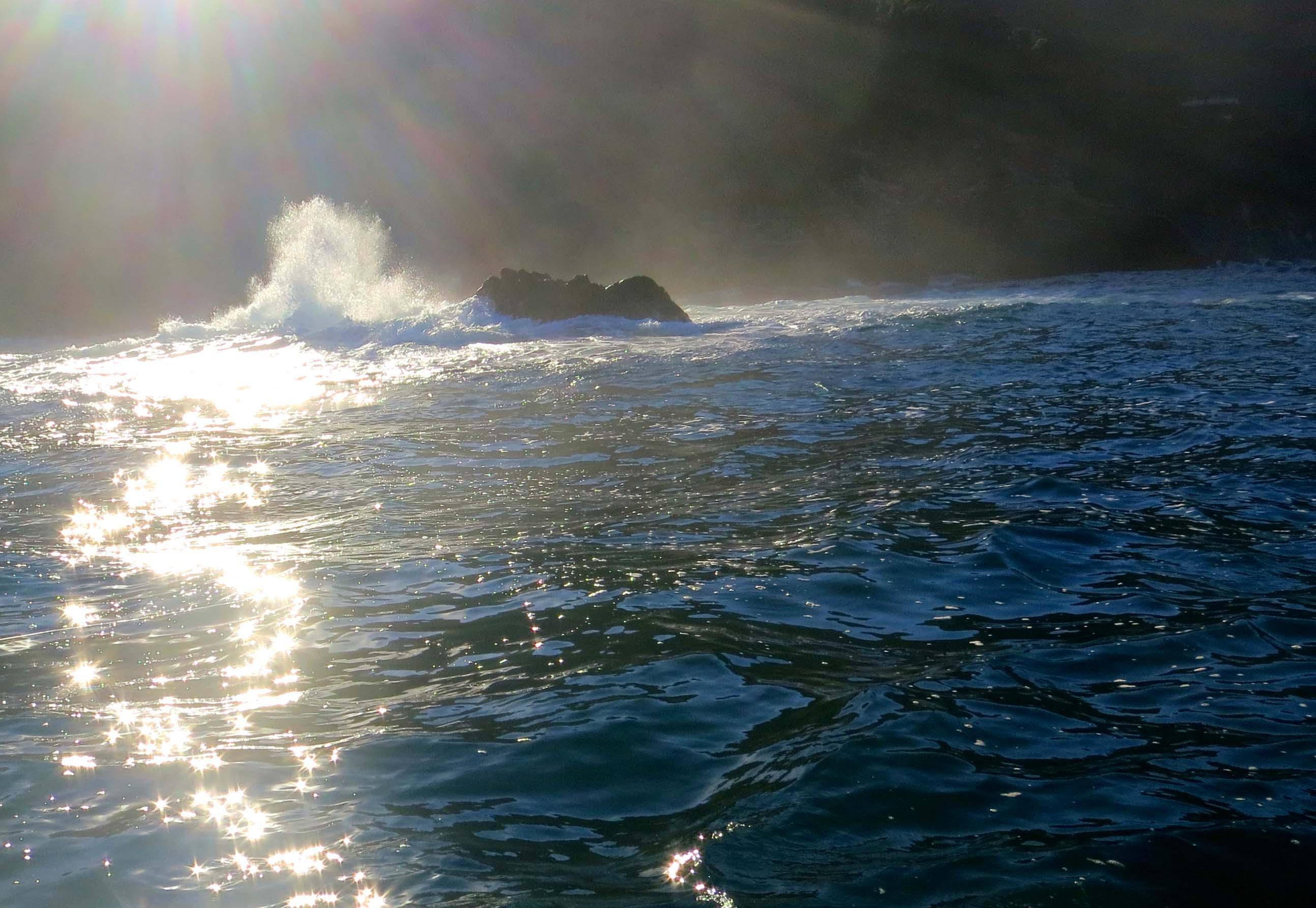
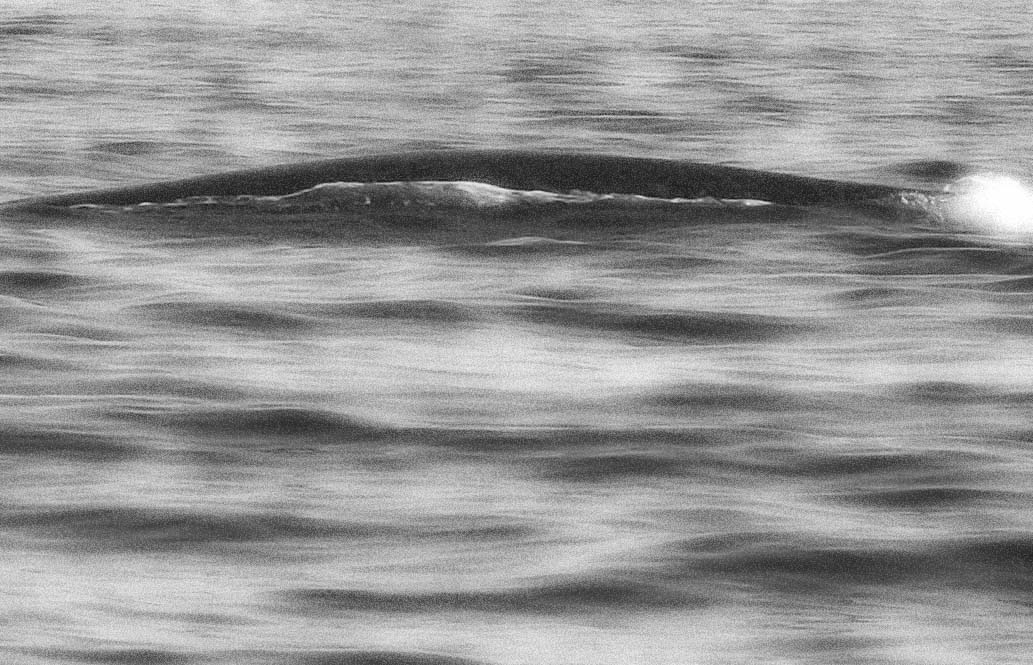
Photo of Pacific Ocean outside of Banderas Bay, Mexico. Photo taken by Curtis Mekemson.

The ocean is both beautiful and mysterious, filled with marvelous creatures of the deep. I took this photo outside of Banderas Bay, Mexico.

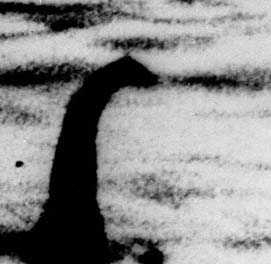
You have all seen the grainy photos of Nessie, the want-to-be monster that hangs out at Loch Ness in Scotland. I, too, have stood on the shores of the fabled lake with eyes peeled and camera poised. Unfortunately, Nessie didn’t bless me with her presence. Sigh. Neither fame nor fortune was to be mine.

One of the more famous photos of Nessie, the Loch Ness Monster. This is an AP photo.

One of the more famous photos of Nessie, the Loch Ness Monster. This is an AP photo.

But what if I were to discover Nessie in Banderas Bay off the coast of Puerto Vallarta. Or at least something that looked like Nessie. So what if a little help from Photoshop was called for. Would people believe me? Maybe my photos would appear on CNN… or glory of glories, even FOX News, which, as every one knows, is fair and balanced. I suspect I could at least count on support from the local chamber of commerce. Monster sightings are always good for tourism. Anyway, consider the following:

Nessita, Nessie's daughter looks across the Bay of Banderas in search of a fat tourist who as eaten too many tacos.

Nessita, Nessie’s daughter looks across the Bay of Banderas in search of a tourist who has eaten too many tacos.

Having spotted her prey, Nessita dives beneath the water, coils unfulring as she goes.

Having spotted her prey, Nessita dives beneath the water, coils unfurling as she goes.

And disappears beneath the waves.

And disappears.

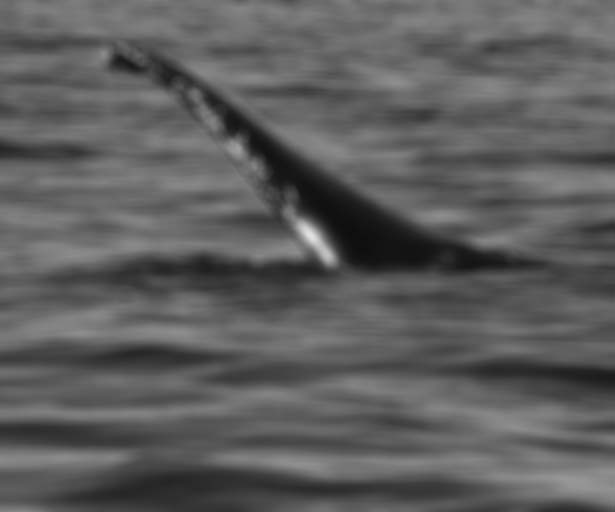
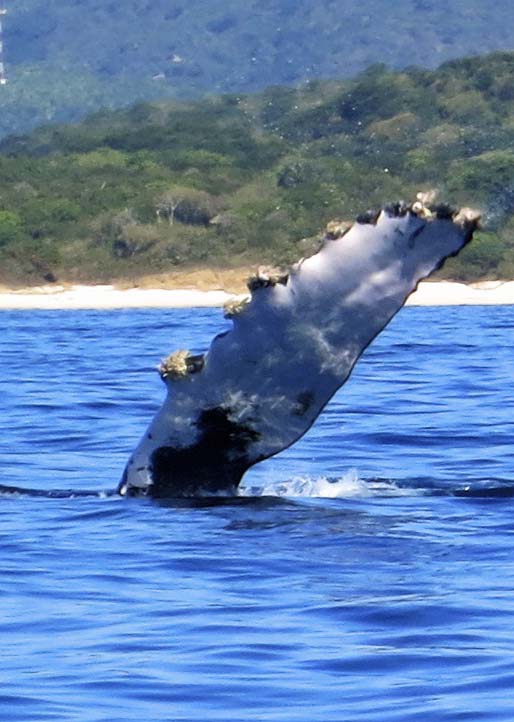
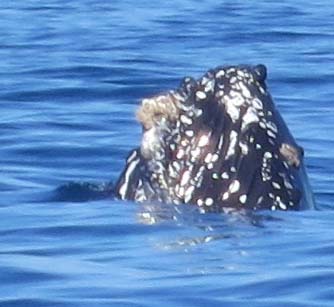
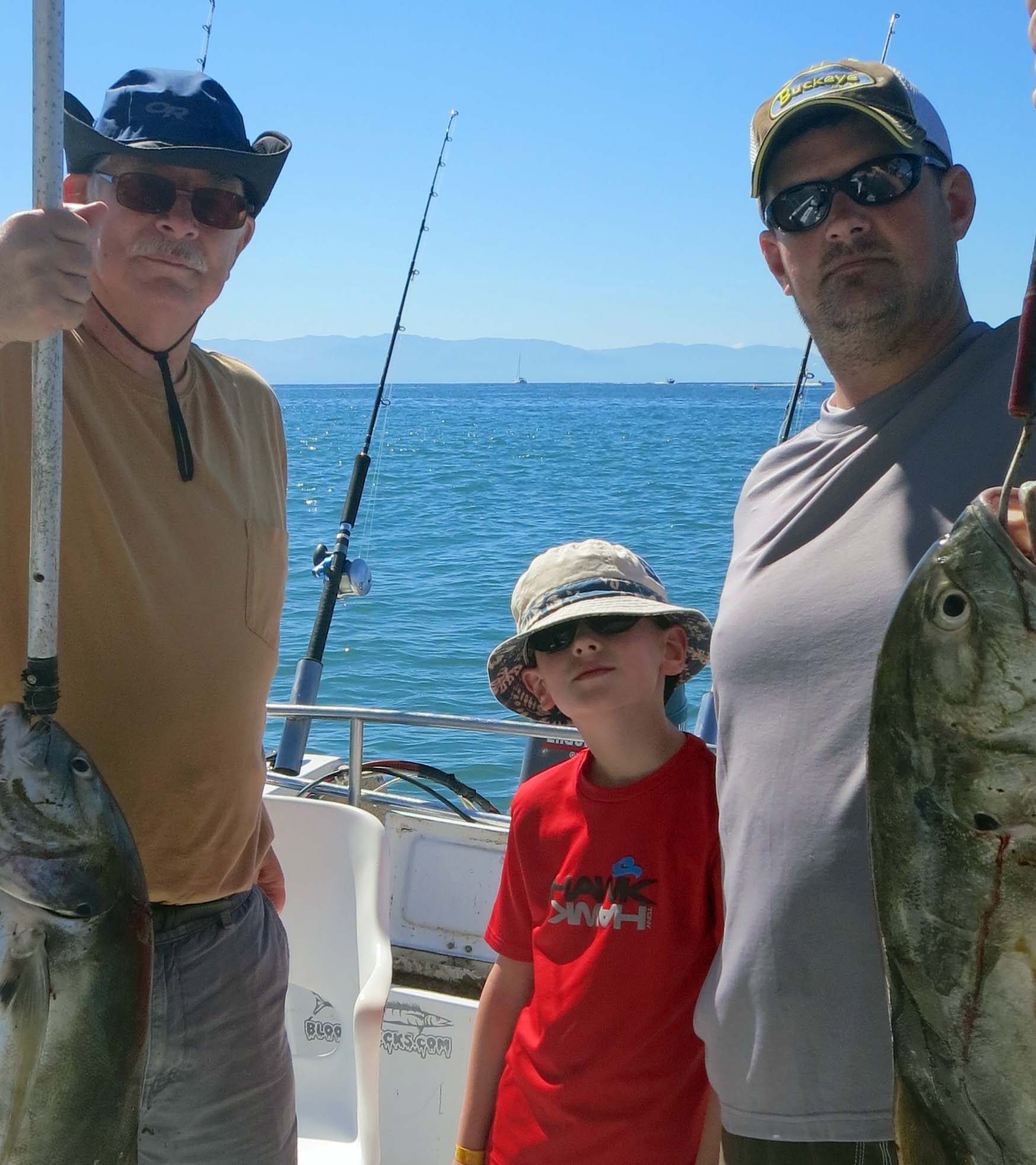
I am basically an honest guy, however. Otherwise I’d be rich or in jail. Right? Plus, all of you good folks who follow me, not to mention Word Press, might get a little excitable if I deliberately misled you. I am already under suspicion for reporting on ghosts and Bigfoot. So, I have to confess. What my son-in-law Clay, grandson Ethan, and I came across while fishing were humpback whales frolicking in Banderas Bay. But even they were wonderful, and strange.

Dorsal fin of humpback whale taken off the coast of Puerto Vallarta. Photo by Curtis Mekemson.

Dorsal fin of humpback whale in the Bay of Banderas.

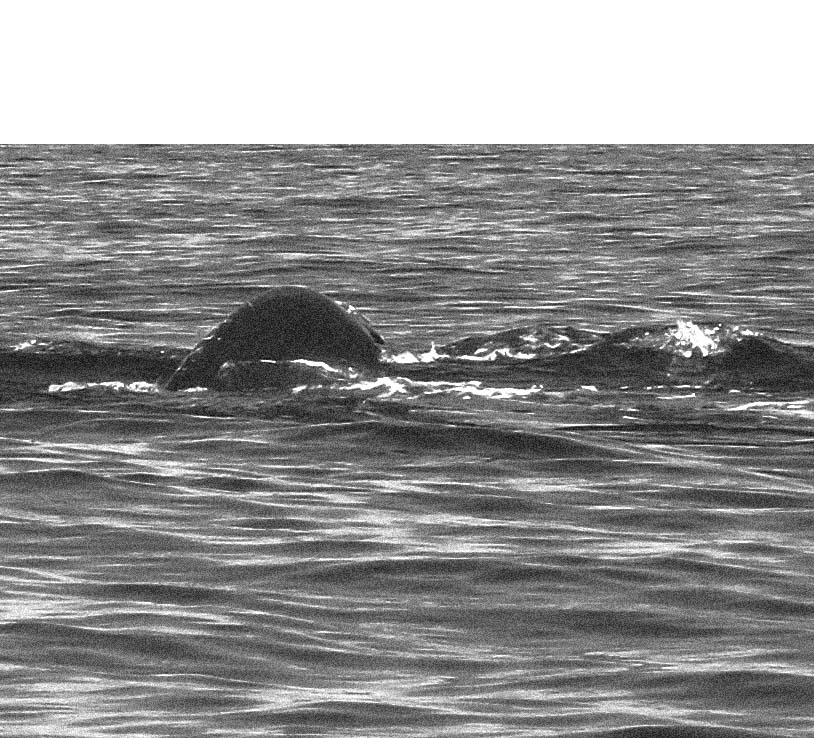
Head of humpback whale in the Bay of Banderas. Photo by Curtis Mekemson.

And the whale’s head.

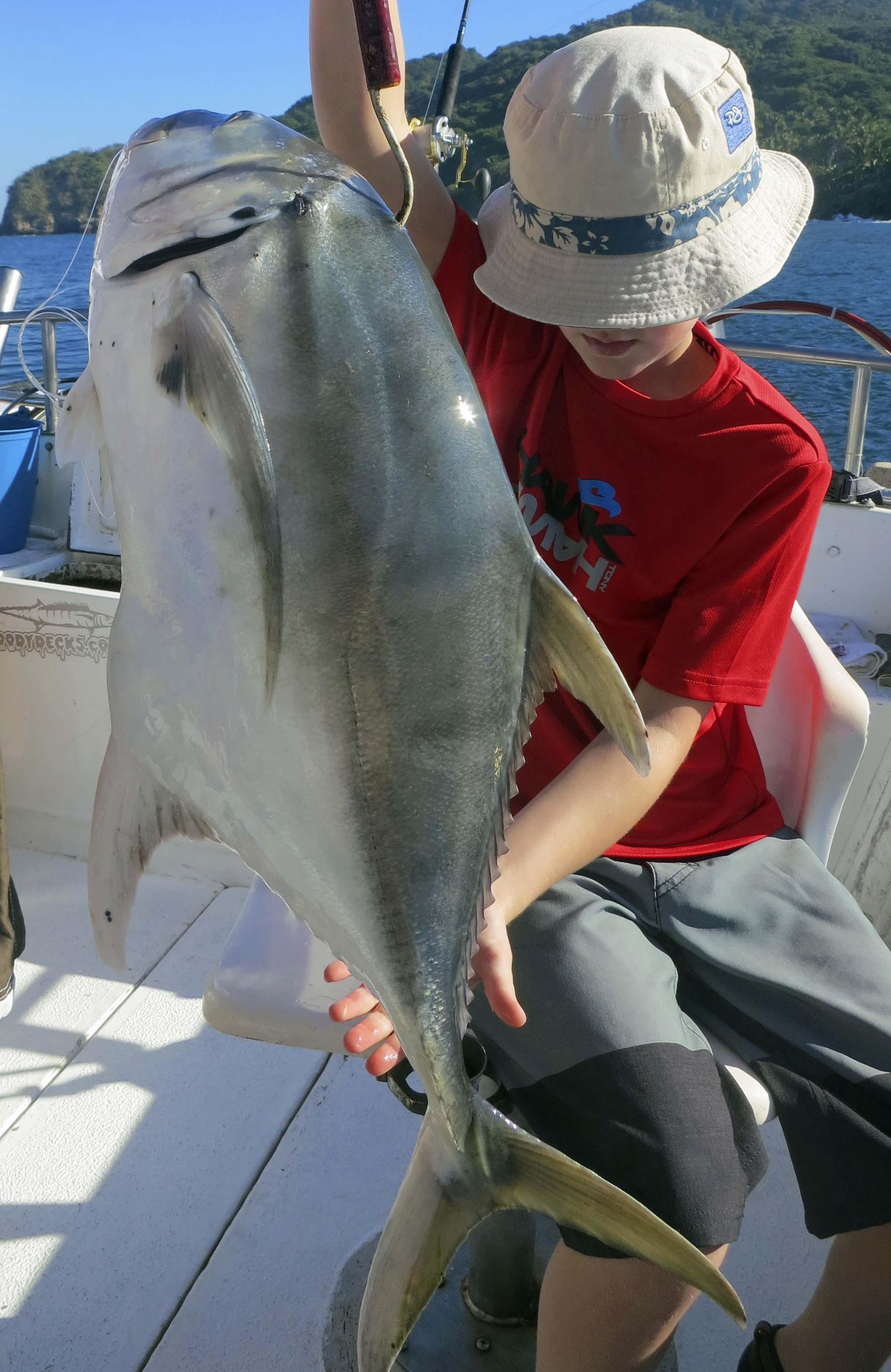
How was the fishing? At least fair to middling, as the old timers say. Consider it from Ethan’s perspective. Any time you can catch a fish almost as big as you are, it’s a BIG fish. Imagine the tales that Ethan had to tell when he returned to school in Tennessee.

Fishing in the Bay of Banderas. Photo by Curtis Mekemson.

Our grandson Ethan displays his catch, a jack crevalle.

Even Clay and I got lucky.

Nice fish, but would you invite this motley crew into your house?

Nice fish, but would you invite this motley crew into your house?

NEXT BLOG: 2014 Burning Man tickets go on sale in February. I give you five reasons you might want to purchase one.

The Beautiful Sunsets of Banderas Bay, Puerto Vallarta

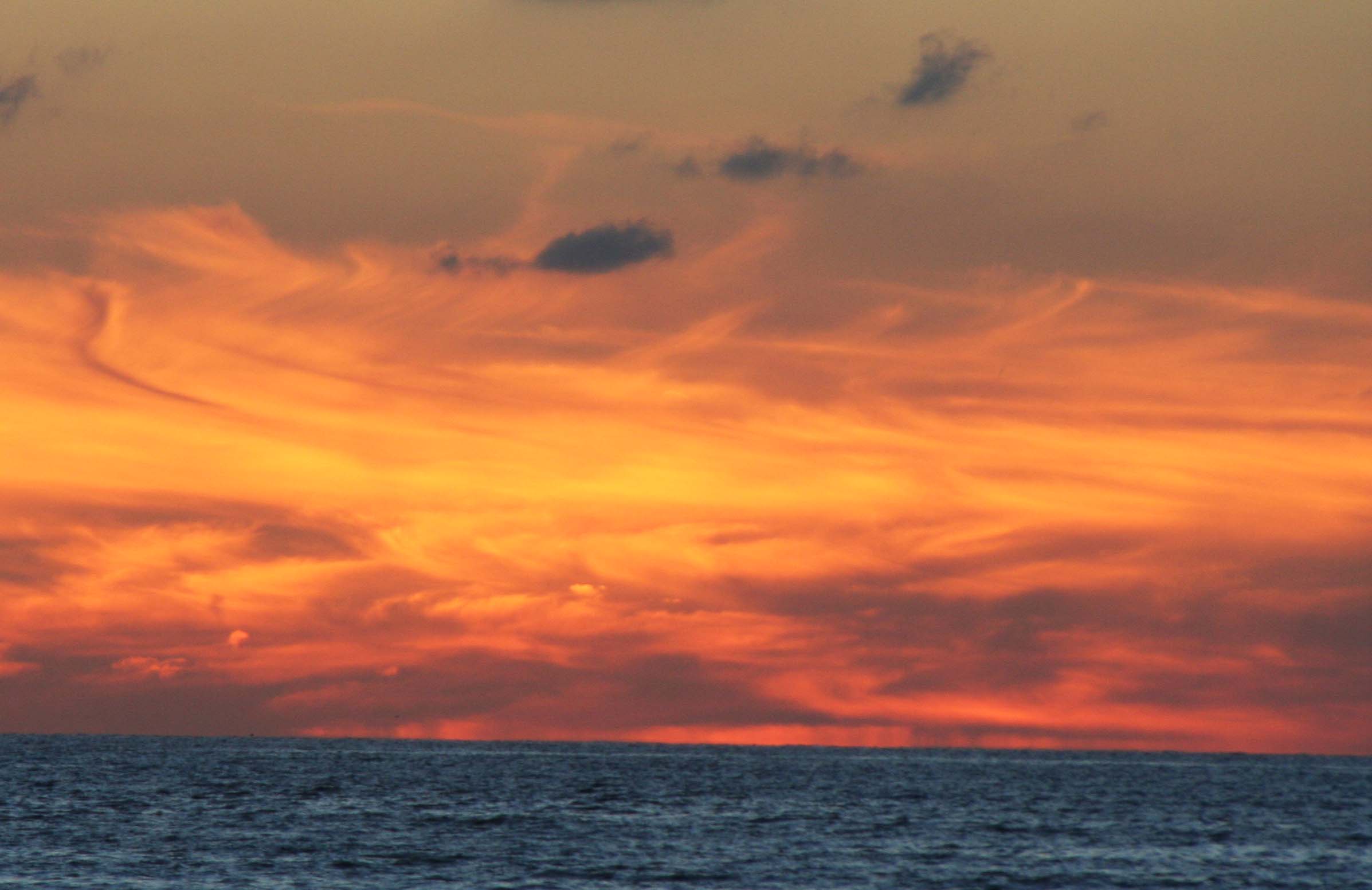
Sunset over Bandaras Bay, Puerto Vallarta. (Photo by Peggy Mekemson.)

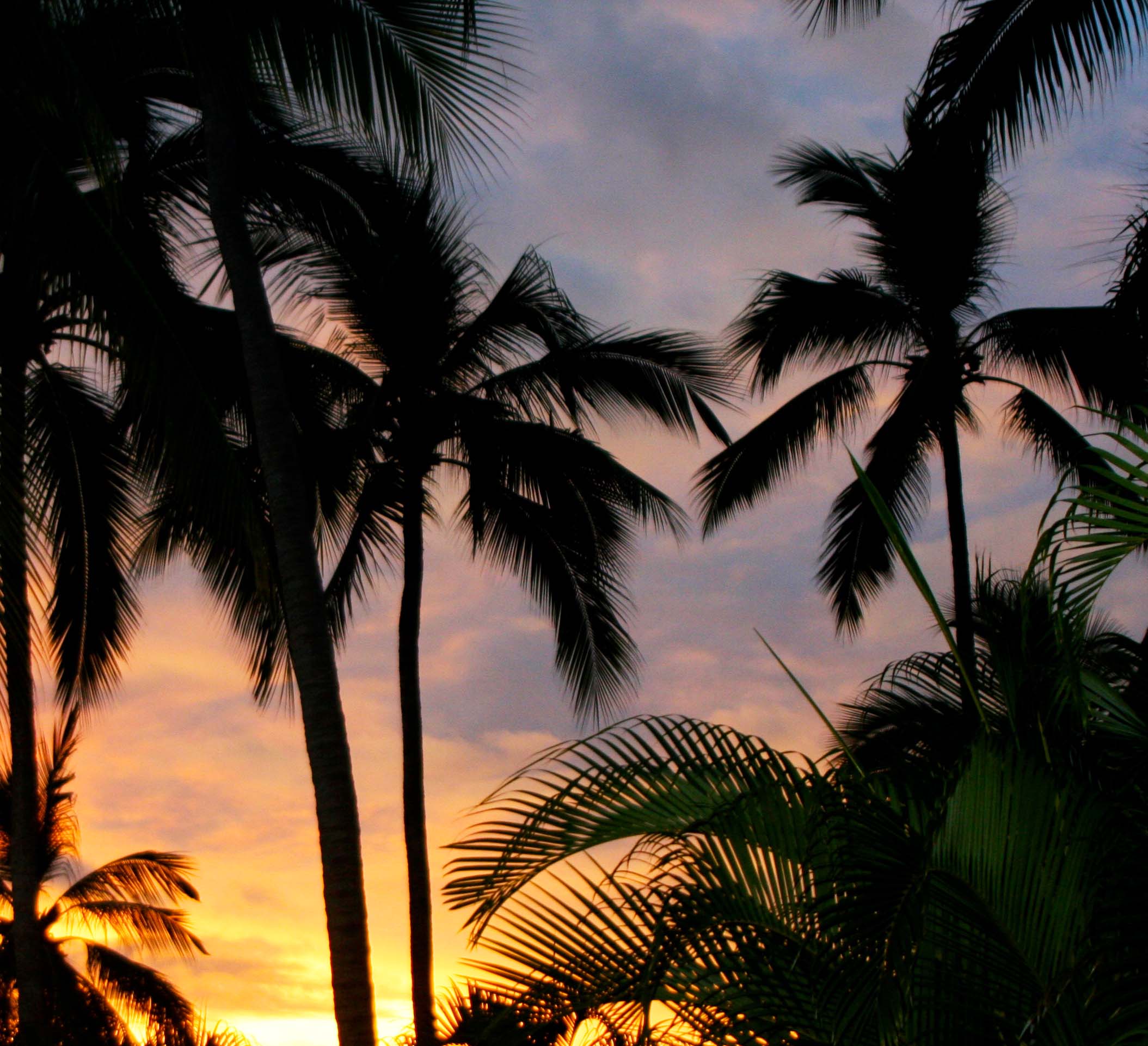
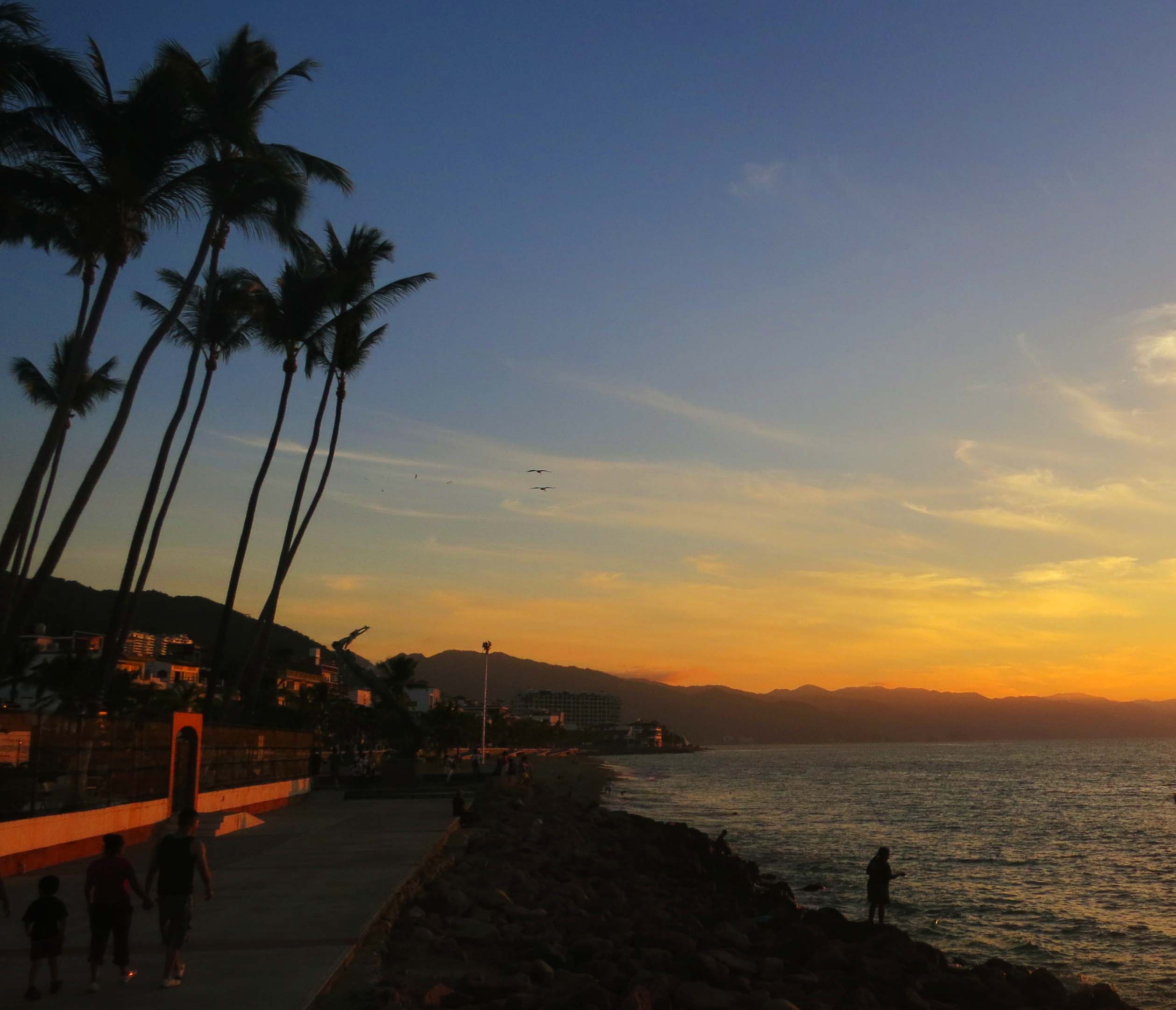
Palm trees and sunsets seem to be made for each other. (Photo by Peggy Mekemson.)

My father, who was a talented landscape photographer and painter, always discussed sunsets with a certain disdain. “Post card art,” he would sniff.  When I sorted through his thousands of slides after he passed away, however, what did I find: dozens if not hundreds of sunset photos. Apparently, the old fellow had been as addicted to sunsets as I am.

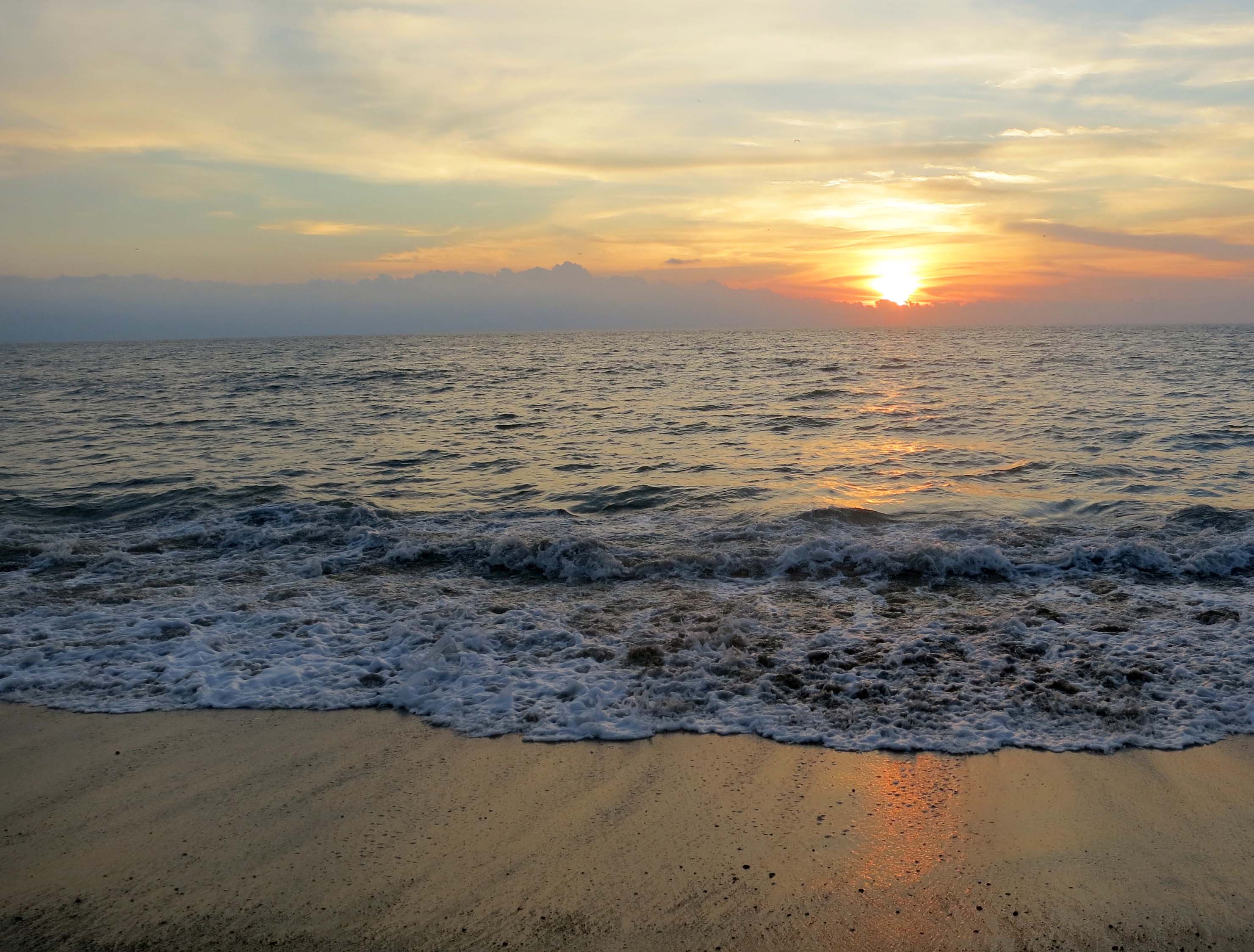
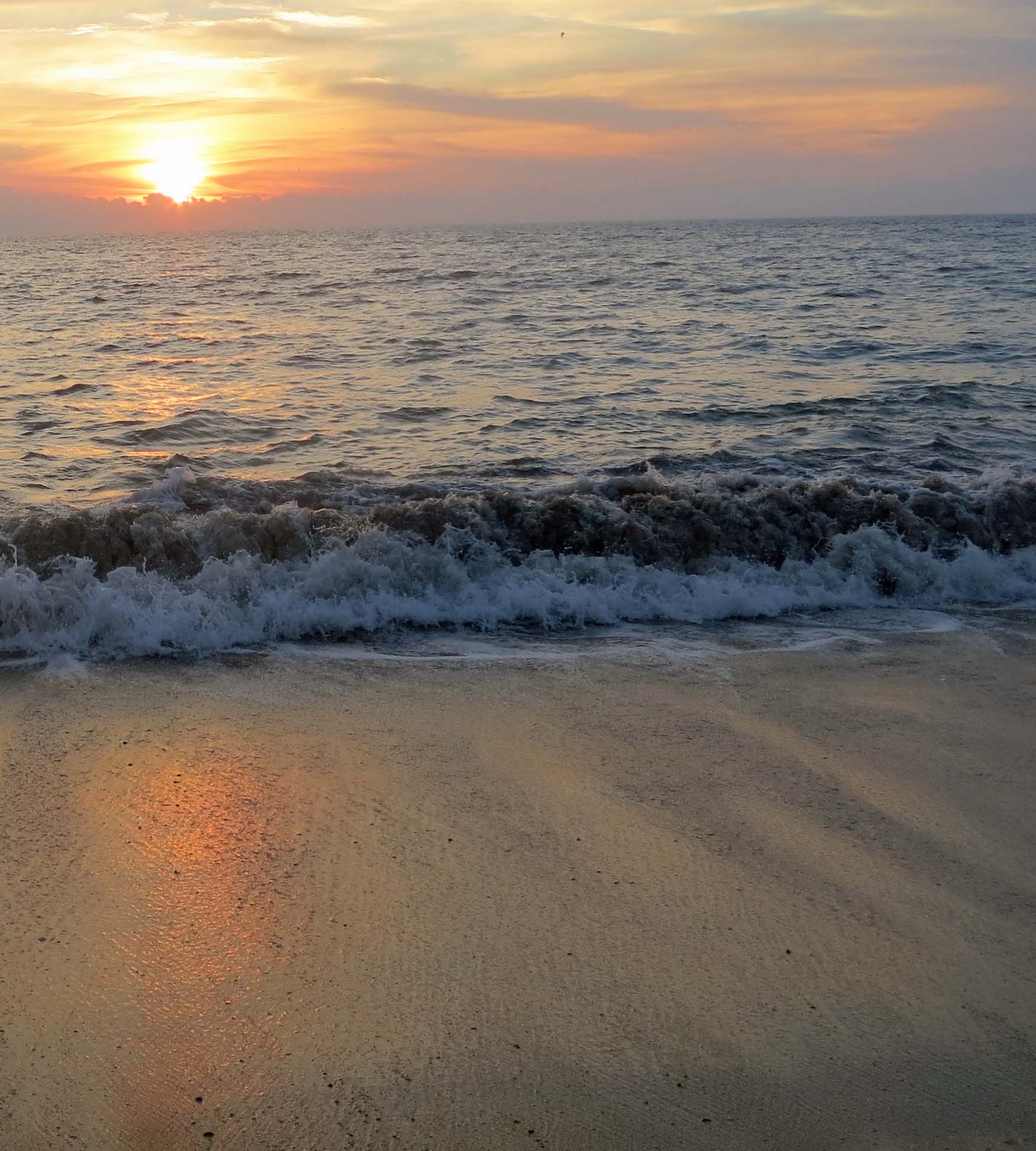
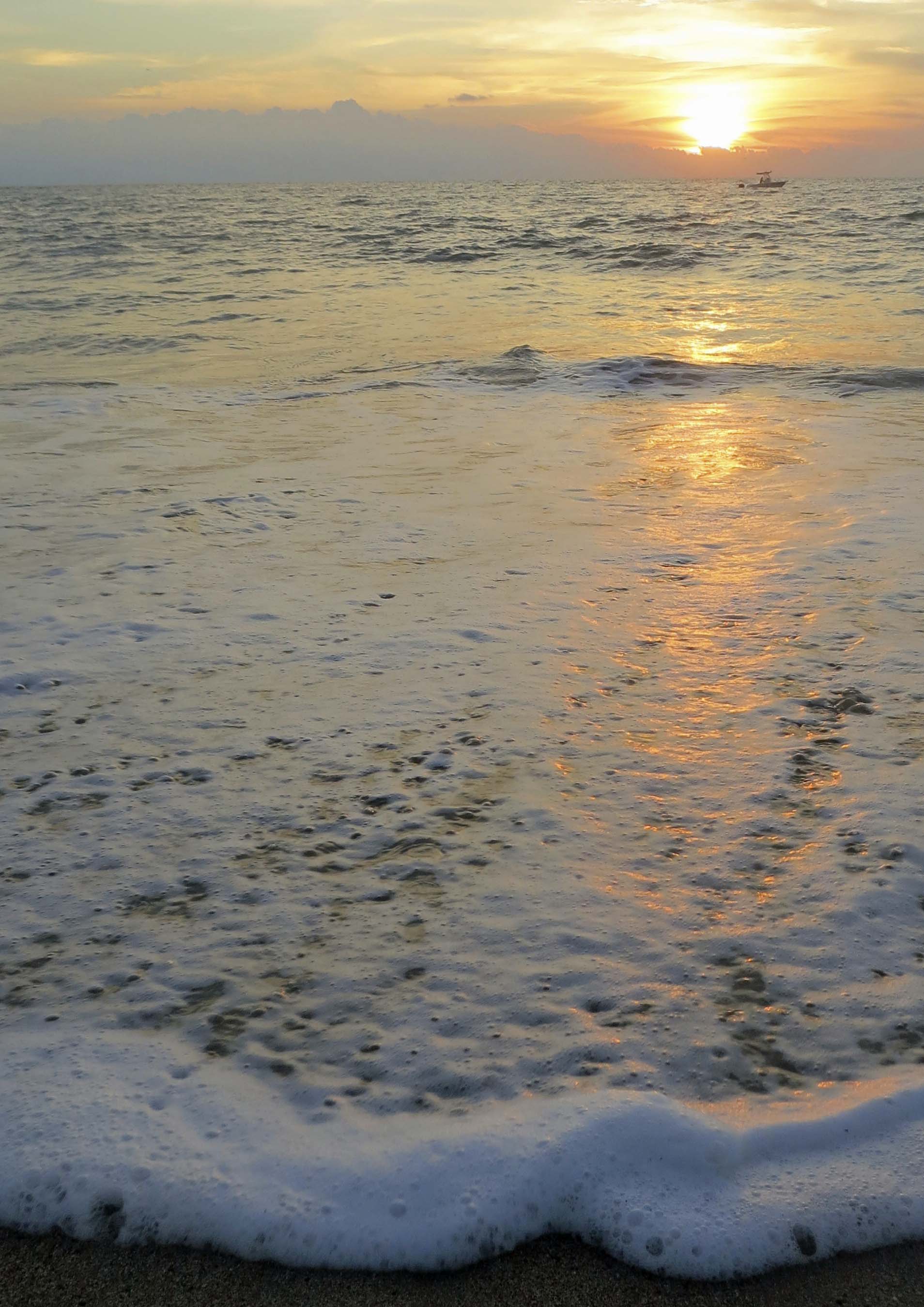
Scenic sunsets beg to be photographed… even more so when warm tropical breezes and palm trees are involved. Peggy and I found ourselves out on the beach every evening in Puerto Vallarta waiting for the show to start, and we were never disappointed. I’ll let the photos tell the story.

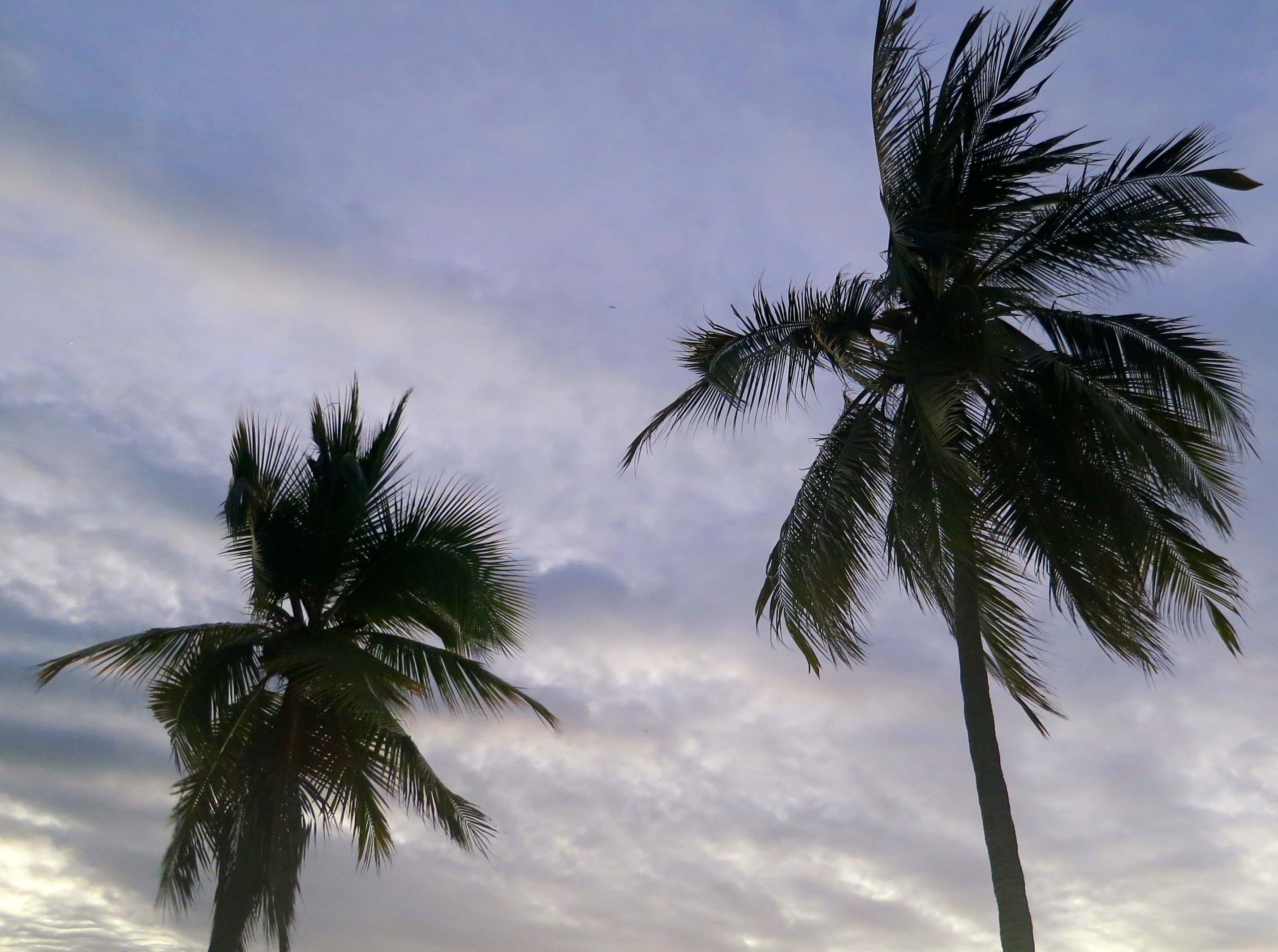
Palm trees outlined against the sky in Puerto Vallarta. Photo by Curtis Mekemson.)

I caught these two palms outlined against the sky with just a hint of color in the clouds.

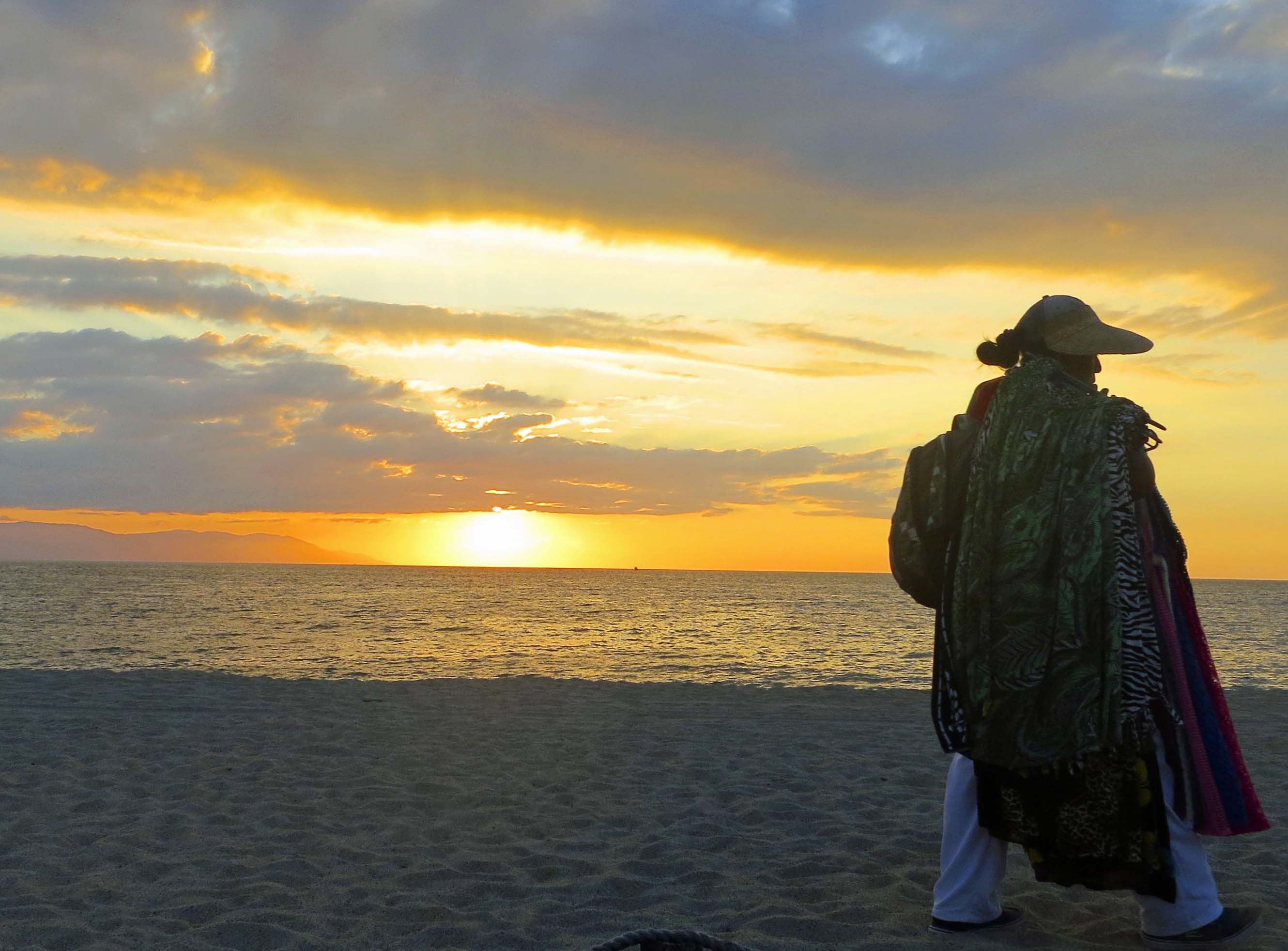
Puerto Vallarta beach vendor outlined by setting sun. Photo by Curtis Mekemson.)

After a long day of work, a beach vendor heads home just as the sun drops behind the horizon.

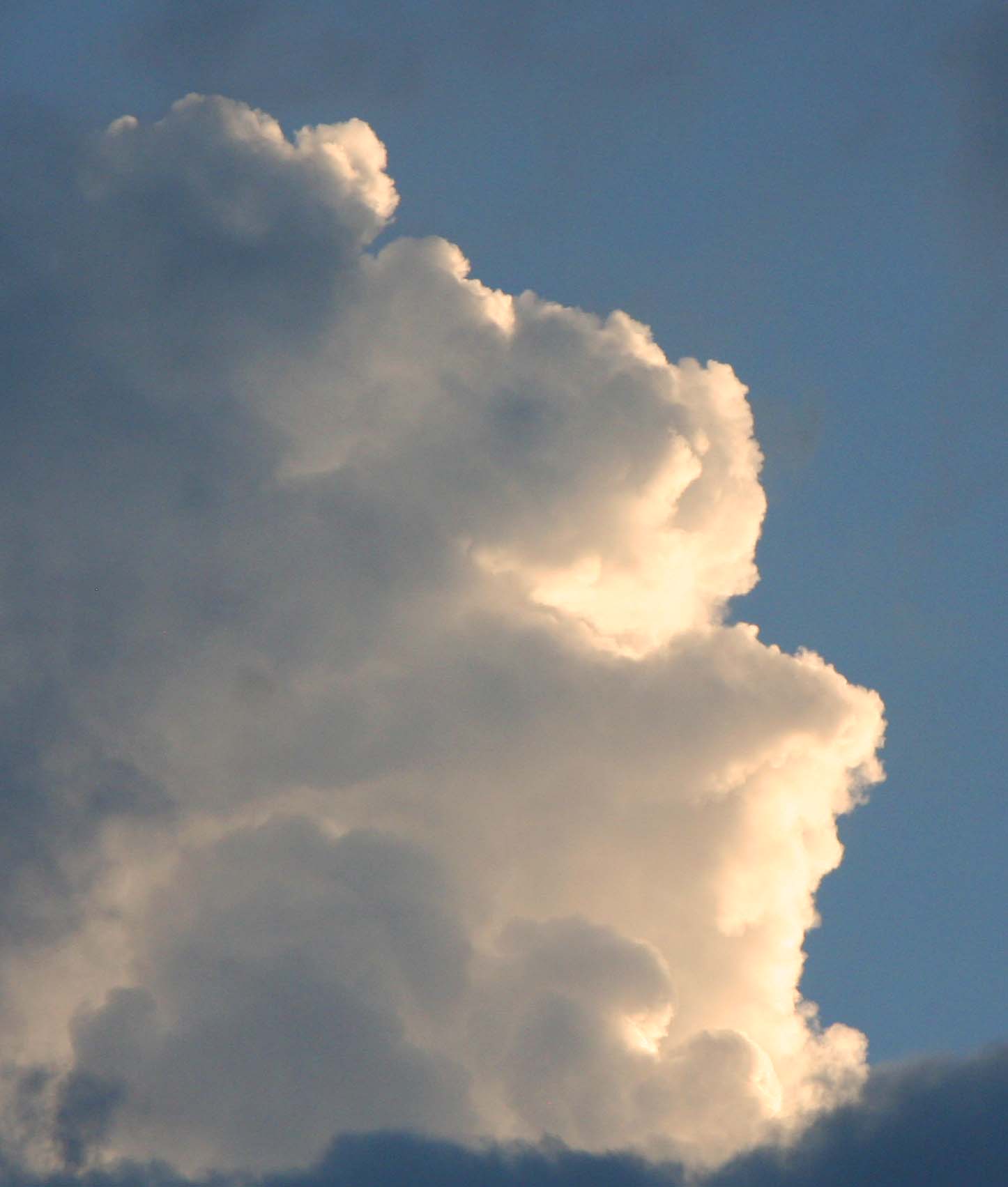
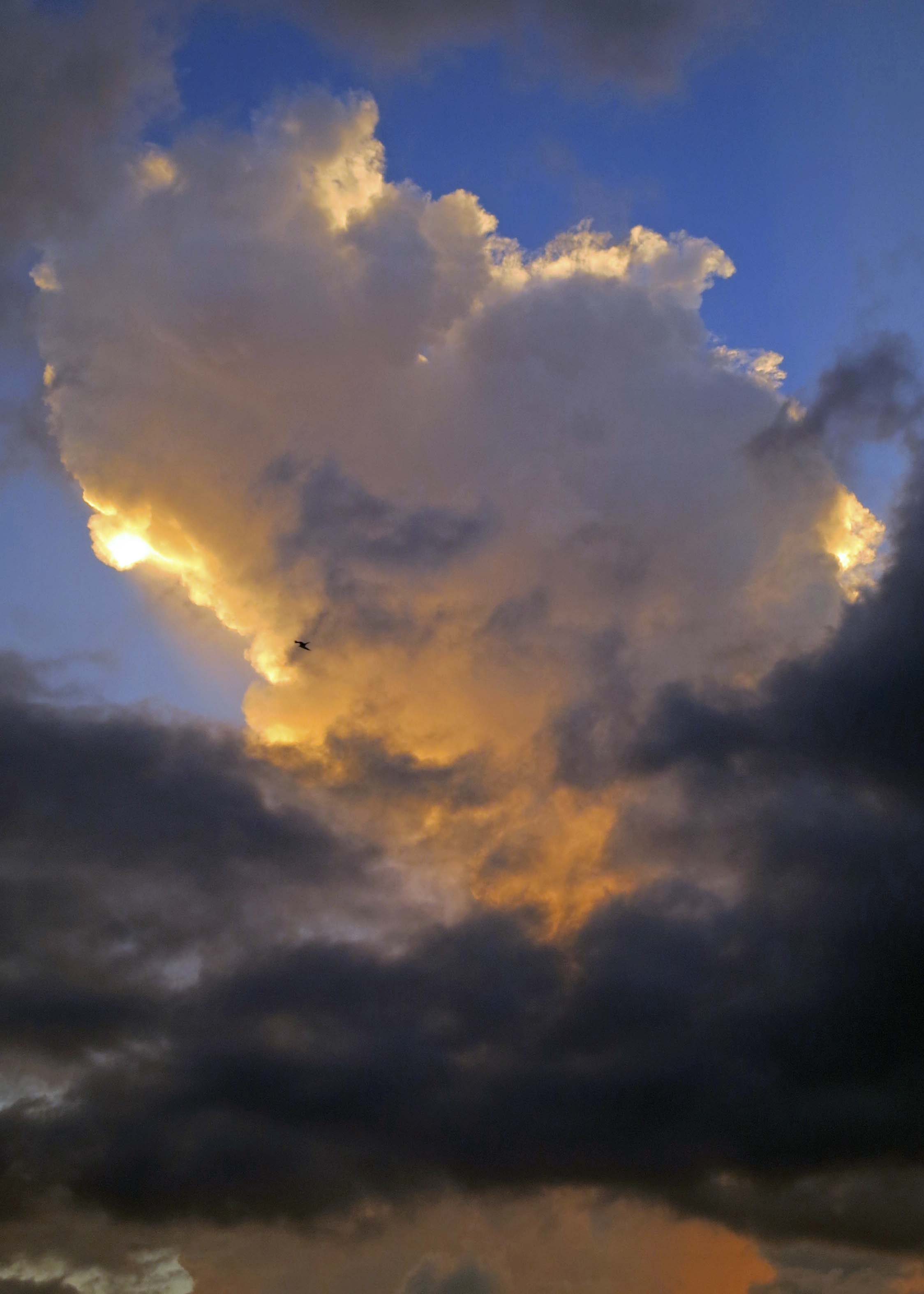
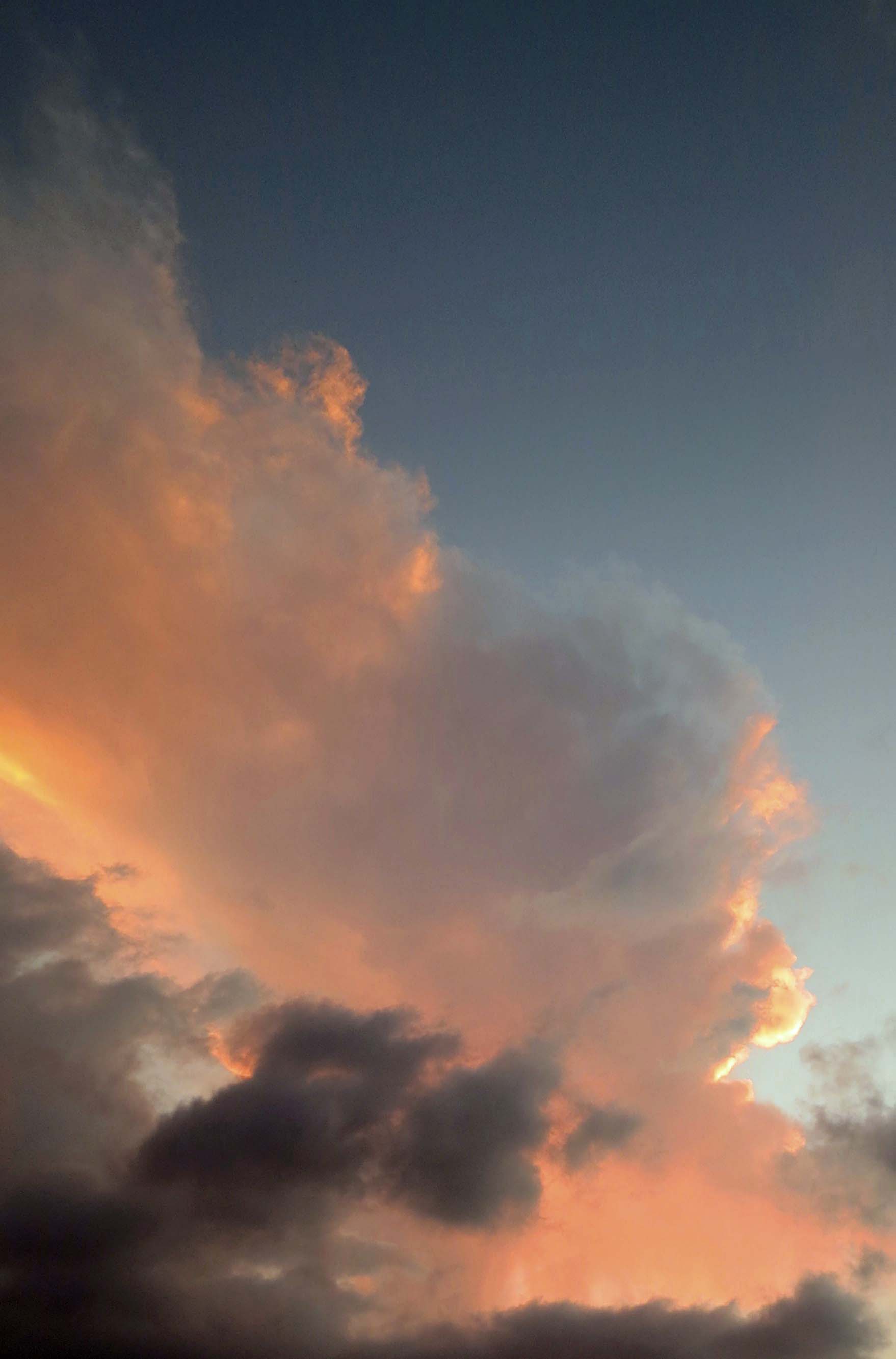
Clouds always add drama to sunsets. We watched as this impressive cumulous cloud changed from white, to golden, to pink. (Photo by Peggy Mekemson.)

Clouds always add drama to sunsets. We watched as this impressive cumulus cloud changed from white, to golden, to pink. (Photo by Peggy Mekemson.)

Cumulous cloud in Puerto Vallarta. (Photo by Curtis Mekemson.)

Cumulous cloud in sunset at Puerto Vallarta. (Photo by Curtis Mekemson.)

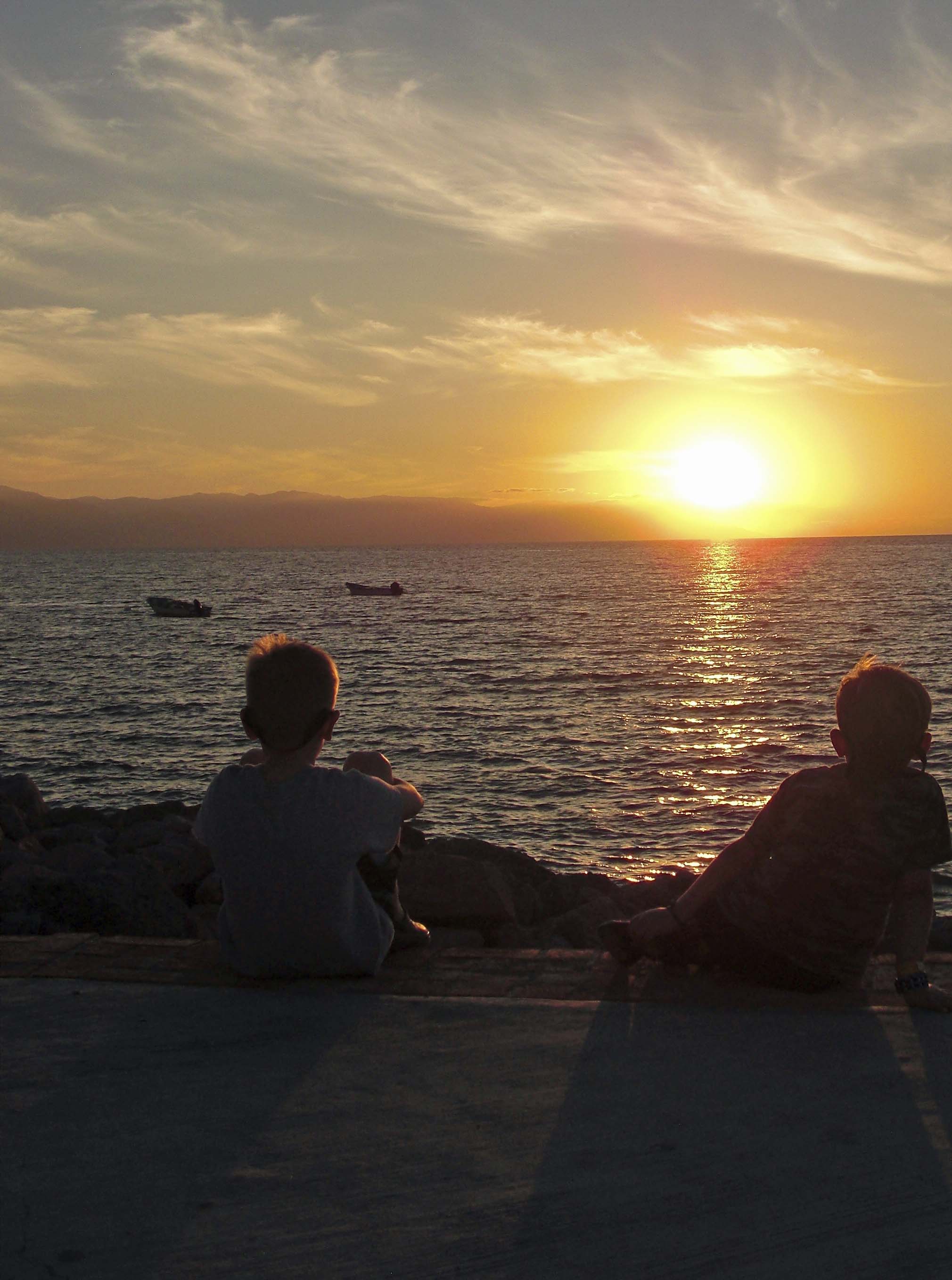
Our grandkids Ethan and Cody joined us in downtown Puerto Vallarta to catch the sunset. (Photo by Natasha Cox.)

Our grandkids Ethan and Cody joined us in downtown Puerto Vallarta to catch the sunset. (Photo by Natasha Cox.)

Sunset along Malecon in Puerto Vallarta. (Photo by Curtis Mekemson.)

Another shot from the same perspective looking down Puerto Vallarta’s beach front across Banderas Bay.

Puerto Vallarta beach sunset. (Photo by Curtis Mekemson.)

I took this photo with my camera inches above the sand. Think of it as a crab’s perspective on the sunset.

Sunset photo capturing sand, sea and sky in Puerto Vallarta. (Photo by Curtis Mekemson.)

Another view.

Puerto Vallarta sunset photo on Banderas Bay. (photo by Curtis Mekemson.)

Sea foam adds its own twist to sunset photos on the beach.

Sometimes the colors of a sunset are so vivid they seem unreal. (Photo by Peggy Mekemson.)

Sometimes the colors of a sunset are so vivid they seem unreal. (Photo by Peggy Mekemson.)

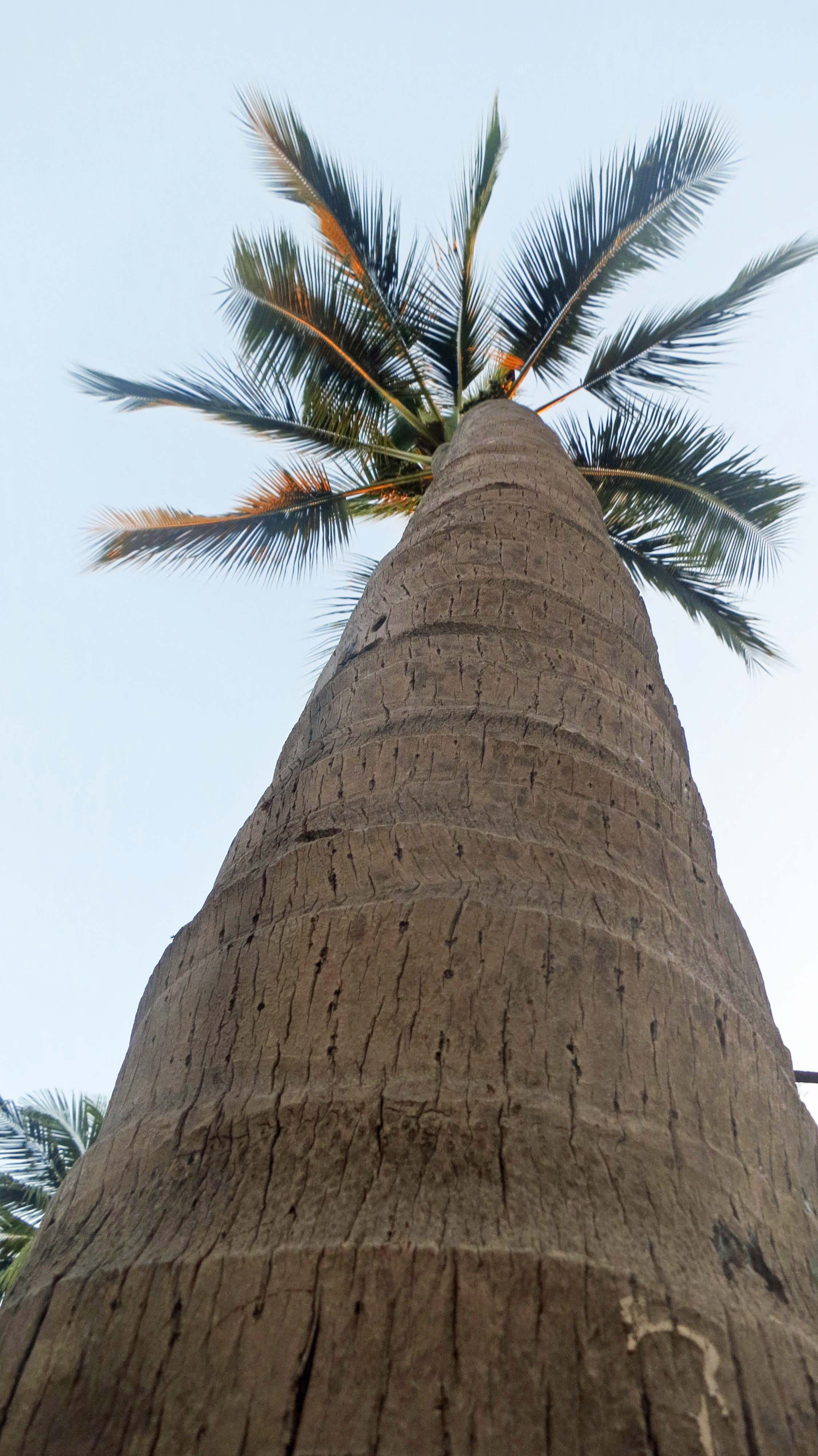
Palm tree view in Puerto Vallarta. (Photo by Curtis Mekemson.)

Just for fun, I’ll conclude this post with a non-sunset photo. I gave you the sea from the perspective of a crab. This is a palm tree from the perspective of an iguana.

NEXT BLOG: I will wrap up my Puerto Vallarta series with a few photos I couldn’t fit into my posts including a whale and one small boy catching a very big fish.

Puerto Vallarta’s Iconic Church… Our Lady Of Guadalupe

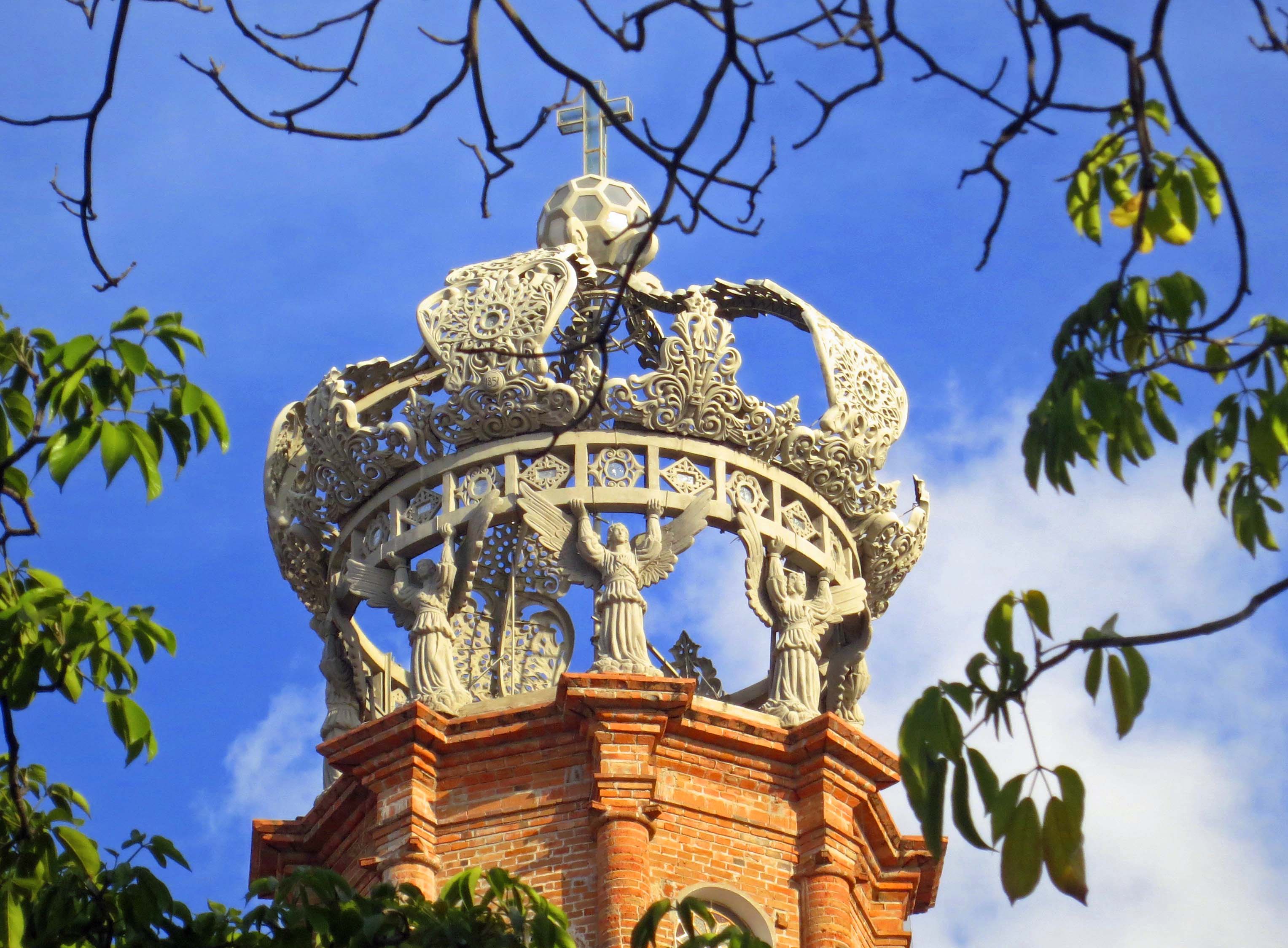
Photo of crown of the Church of Our Lady of Guadalupe in Puerto Vallarta,  Mexico. Photo by Curtis Mekemson.

The crown of Puerto Vallarta’s iconic Church of Our Lady of Guadalupe.

Juan Diego had a vision on December 9, 1531 according to the Catholic Church: the Virgin Mary, i.e. Our Lady of Guadalupe, met him on a hilltop near Mexico City and asked that a church be built on the site to honor her. To prove her identity, she cured Juan’s uncle of an incurable disease and had him take flowers bundled in his cloak to the local bishop. When Juan opened the cloak for the bishop, an image of the Virgin was embedded in it.

The Virgin got her church and Our Lady of Guadalupe has been big in Mexico ever since. Pope John Paul II declared her the Empress of Latin America in 1999. Juan Diego was canonized in 2002. He’s now a saint. As for the cloak, it is enshrined in the Basilica of Our Lady of Guadalupe in Mexico City. It is the most visited shrine to the Virgin Mary in the world. Millions of people stop by to pray and ask for blessings.

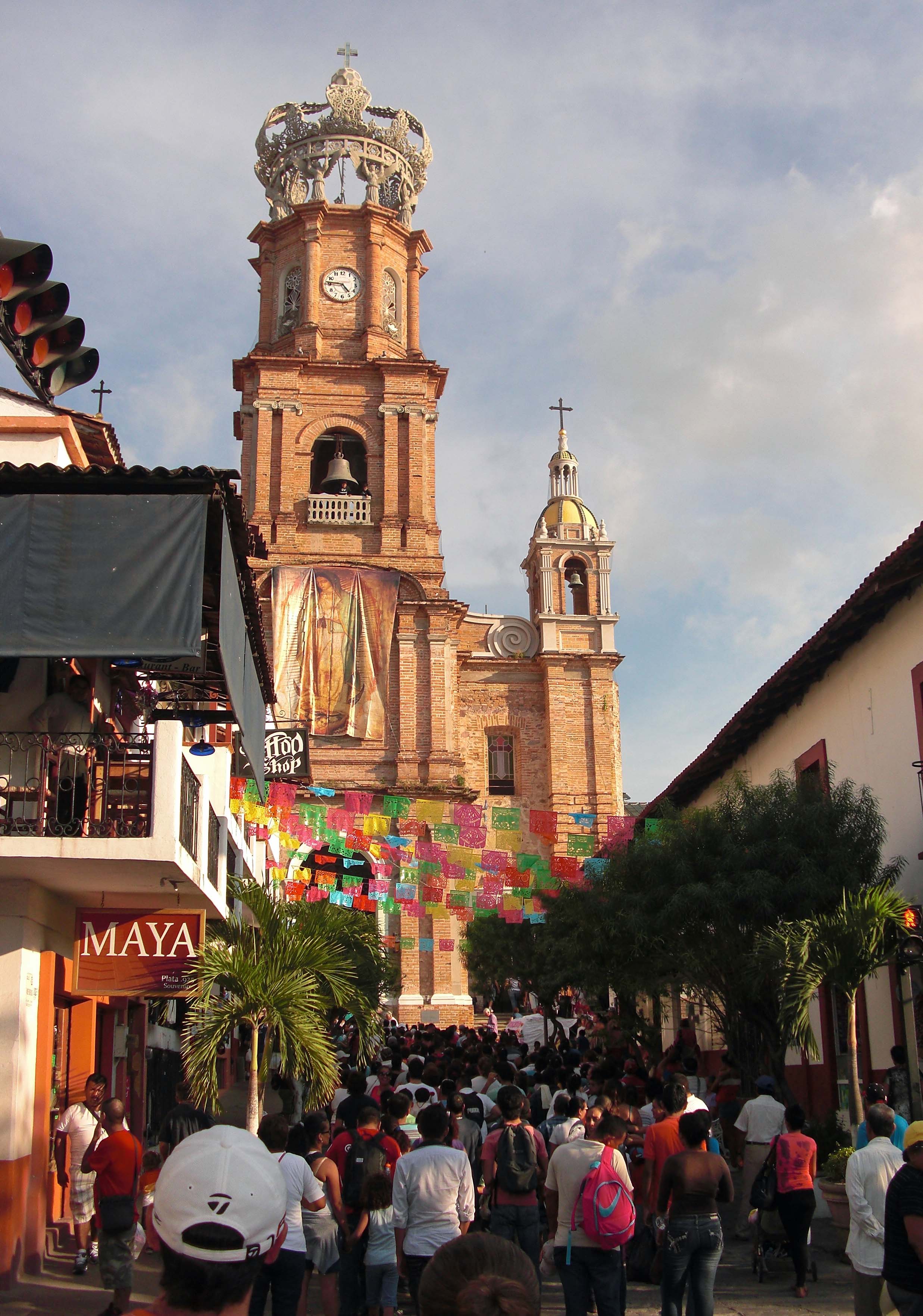
Thus it isn’t surprising that the people of Puerto Vallarta decided to name their church after the Lady when they built it in the early 1900s. The beautiful structure has become an icon for the city of Puerto Vallarta. We were there in early December for Our Lady of Guadalupe’s Feast Day. The church was packed with events and people.

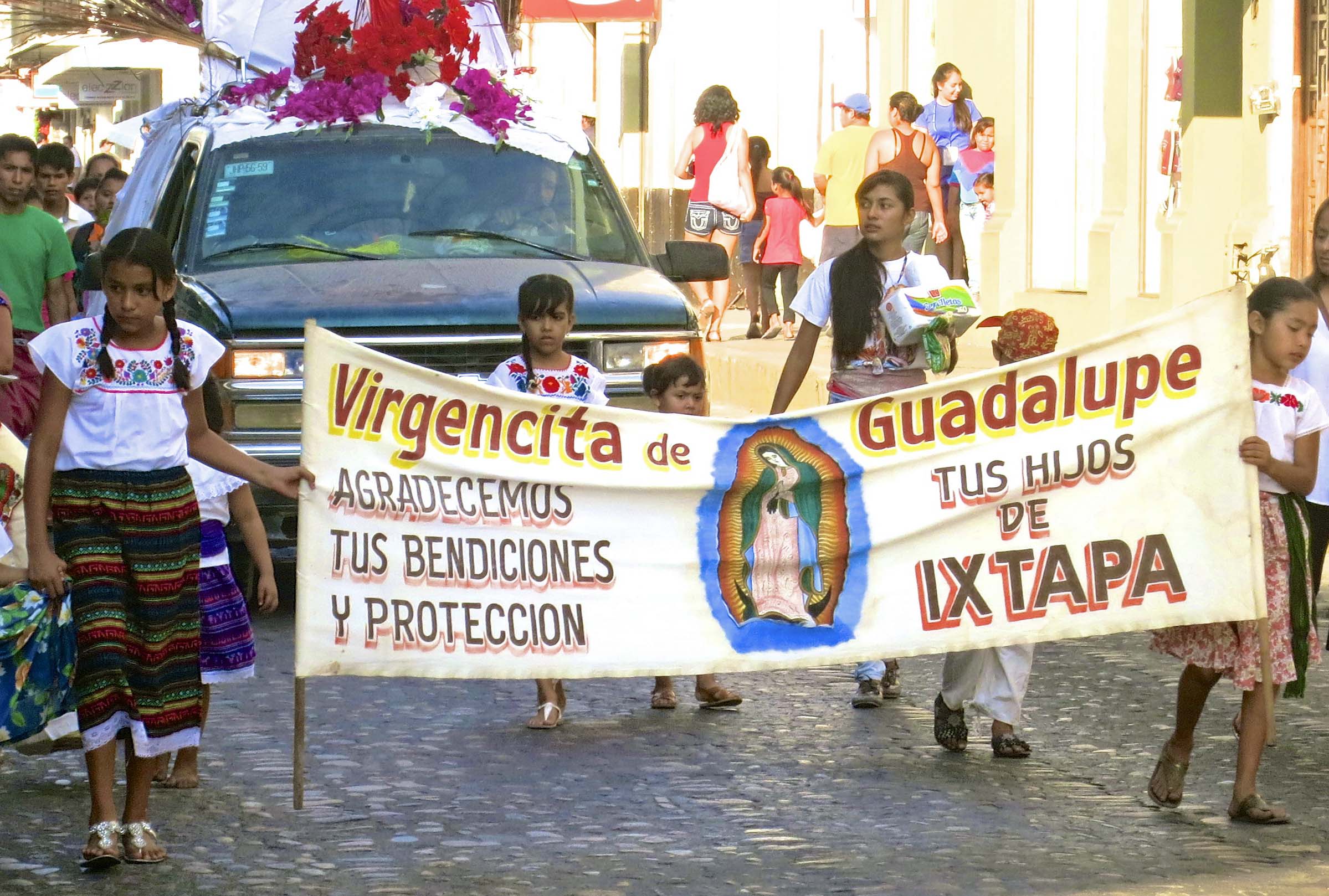
Parade to honor Our Lady of Guadalupe in Puerto Vallarta, Mexico. Photo by Curtis Mekemson.

A number of activities were planned around the feast day of Our Lady of Guadalupe including this parade. The painting in the middle depicts the image on Juan Diego’s cloak.

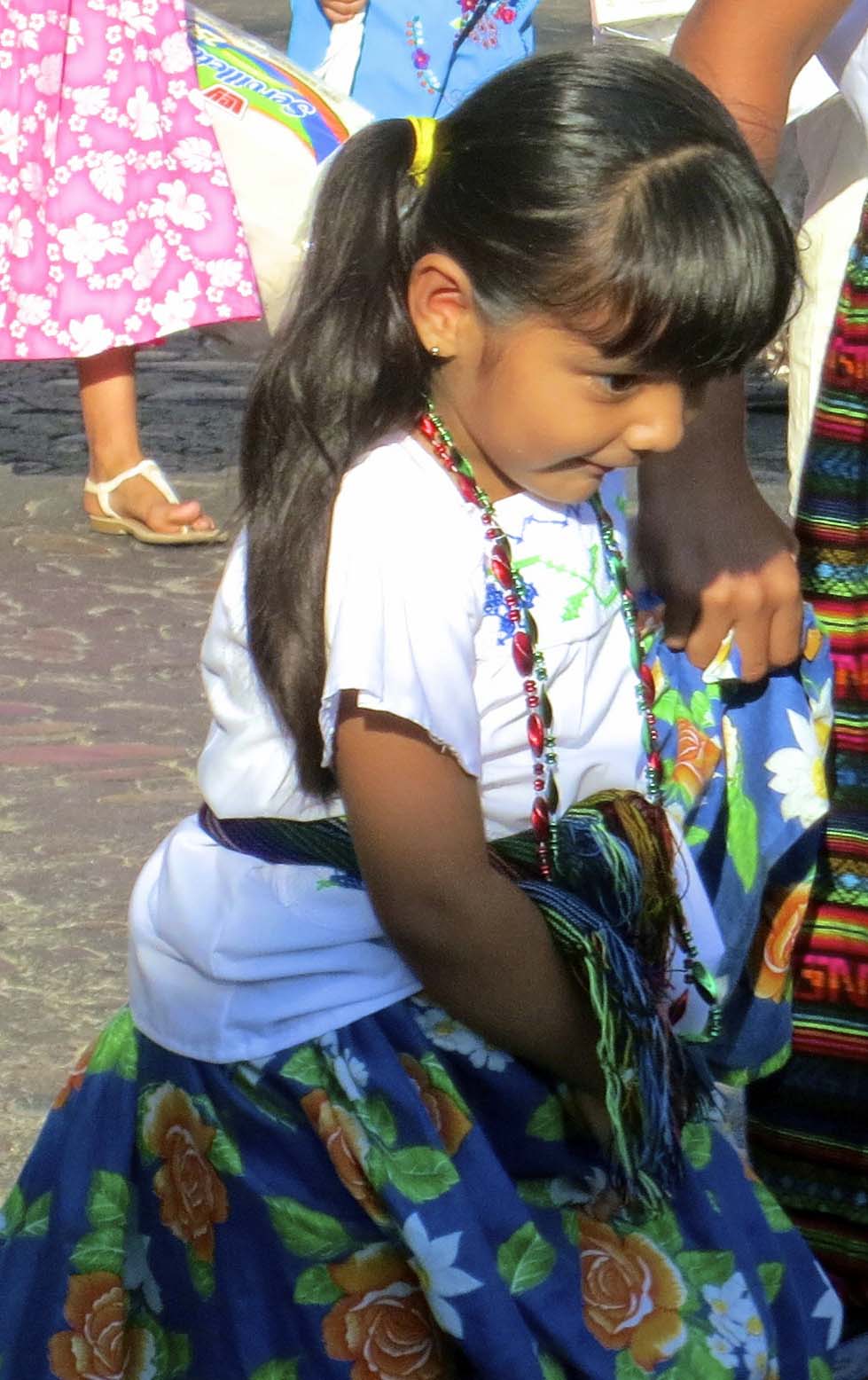
This young lady was part of the parade. She seemed to take her role quite seriously.

This shy young lady was part of the parade. She seemed to take her role quite seriously. But is that the beginning of a smile?

The parade turned the corner and made its way up to the church. (Photo by our daughter Natasha Cox.)

The parade turned the corner and made its way up to the church. (Photo by our daughter Natasha Cox.)

Bell ringer at Our Lady of Guadalupe Church in Puerto Vallarta Mexico. Photo by Curtis Mekemson.

The church bell-ringer did his job, calling the faithful to church.

Inside Church of Our Lady of Guadalupe in Puerto Vallarta. Photo by Curtis Mekemson.

The number of events made it difficult to get inside and photograph the church. The first time I stopped by, a hearse was parked outside. I thought, um no, not a good time. This photo was of a Quinceanera, I believe, a 15-year-old girl’s coming out celebration.

Following are several more photos of the church.

Peggy caught this photo. (Photo by Peggy Mekemson.)

Peggy shot this photo. (Photo by Peggy Mekemson.)

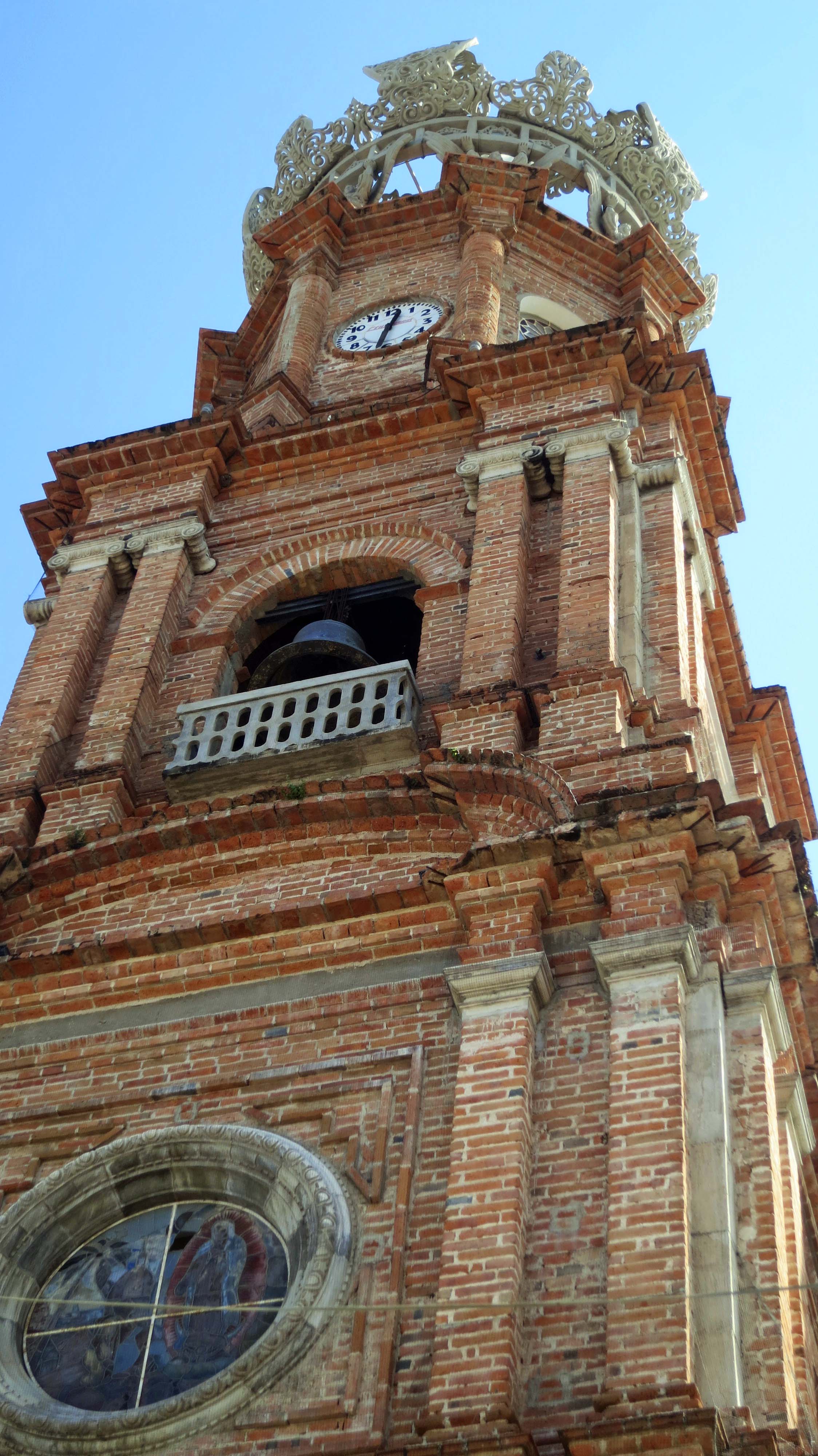
Looking up at the Church of Our Lady of Guadalupe in Puerto Vallarta, Mexico. Photo by Curtis Mekemson.

Looking up at the Church of Our Lady Of Guadalupe.

Puerto Vallarta mural depicting Our Lady of Guadalupe Church in Puerto Vallarta, Mexico.Photo by Curtis Mekemson

One of many depictions we found of the church in Puerto Vallarta murals.

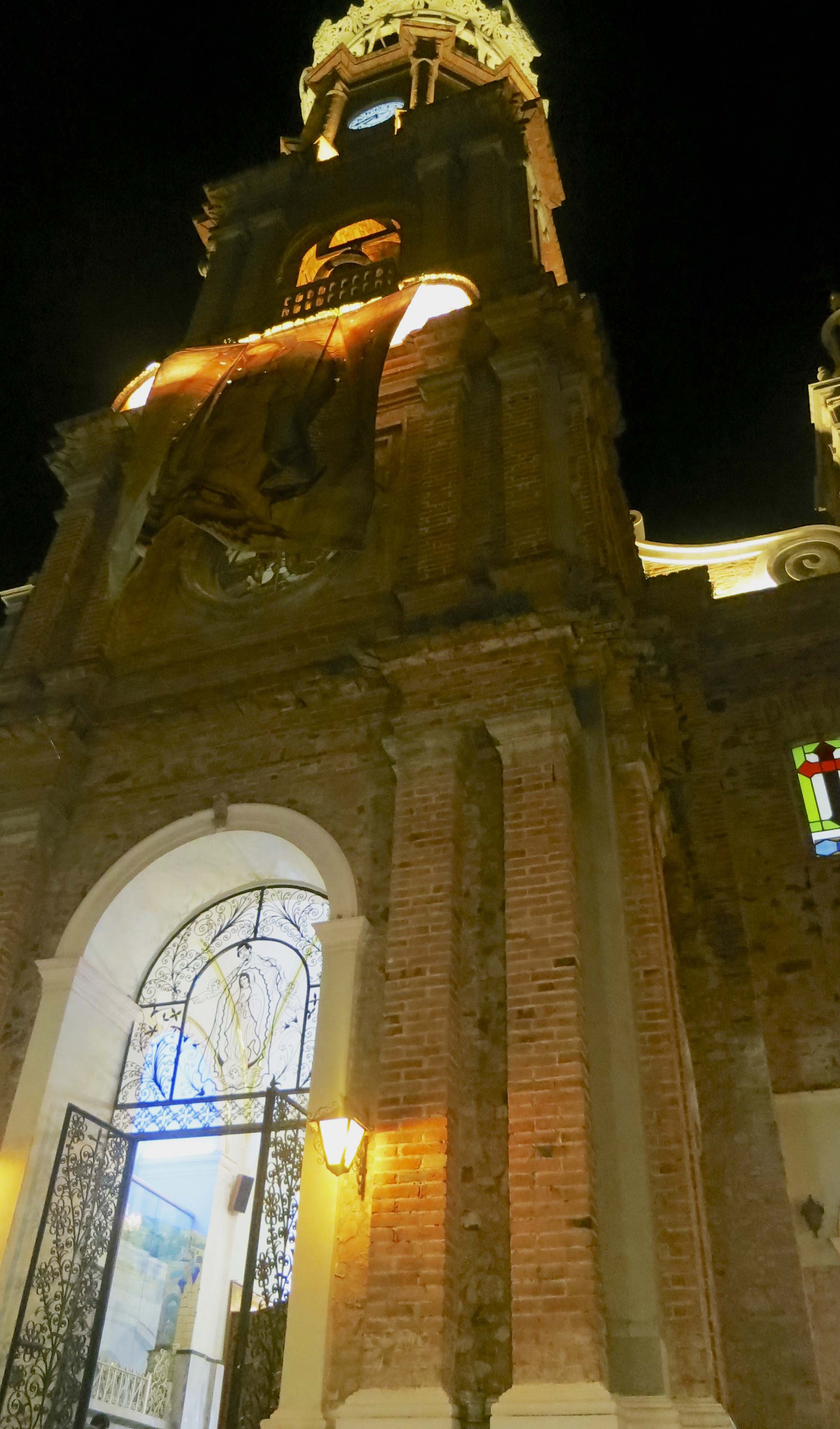
The Church of Our Lady of Guadalupe in Puerto Vallarta, Mexico at night. Photo by Curtis Mekemson.

The church at night.

A view of the Church of Our Lady of Guadalupe through stree decorations in Puerto Vallarta. Photo by Curtis Mekemson.

Looking up at the church through street decorations.

View of the Church of Our Lady of Guadalupe in Puerto Vallarta, Mexico through the trees. Photo by Curtis Mekemson.

A final view of the church through the trees.

NEXT BLOG: The tropical sunsets of Banderas Bay and Puerto Vallarta.

Puerto Vallarta Walkabout…

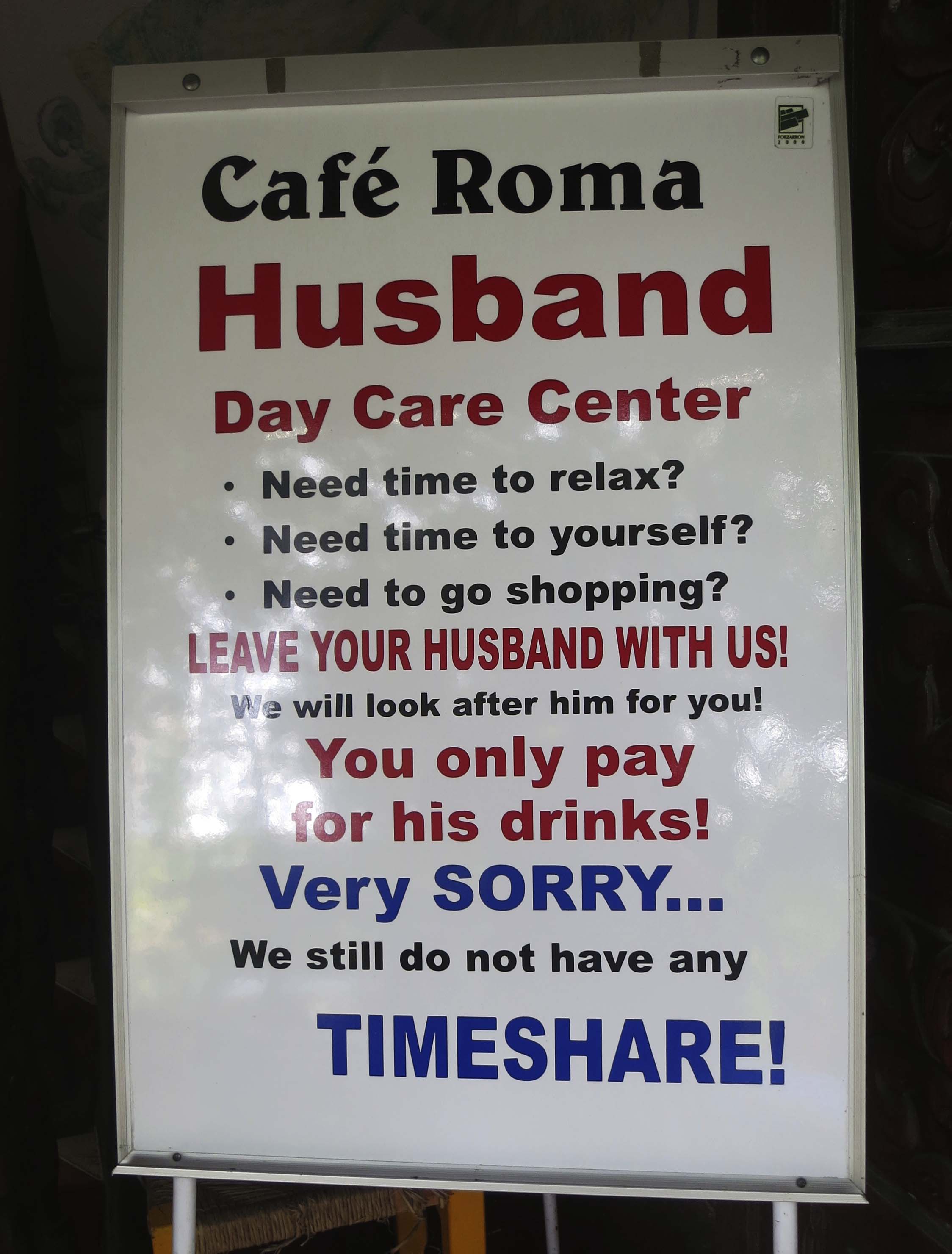
Husband day care center in Puerto Vallarta, Mexico. Photo by Curtis Mekemson.

You never know what you might find when wandering around a city. I was particularly impressed that this obvious tourist venue didn’t push timeshares. (And no, Peggy didn’t drop me off.)

Australia’s aborigines have it right. Going on a walkabout is good for the soul. (If this subject interests you, I highly recommend Bruce Chatwin’s Songlines.)

I am also one hundred percent convinced that a walkabout is the best way to see a city. Nothing– not cars, taxis, trains, busses or even bicycles, can match walking.  Everything else is too fast. “Wow,” you think, “that’s great…” and it’s gone.

But if you are walking you can stop and savor, you can admire, touch, smell, and even listen to a city. So Peggy and I walk… whether we are wandering the streets of Rome, New York City, or Puerto Vallarta. Following are some of the sights we saw along the way on our recent visit to PV.

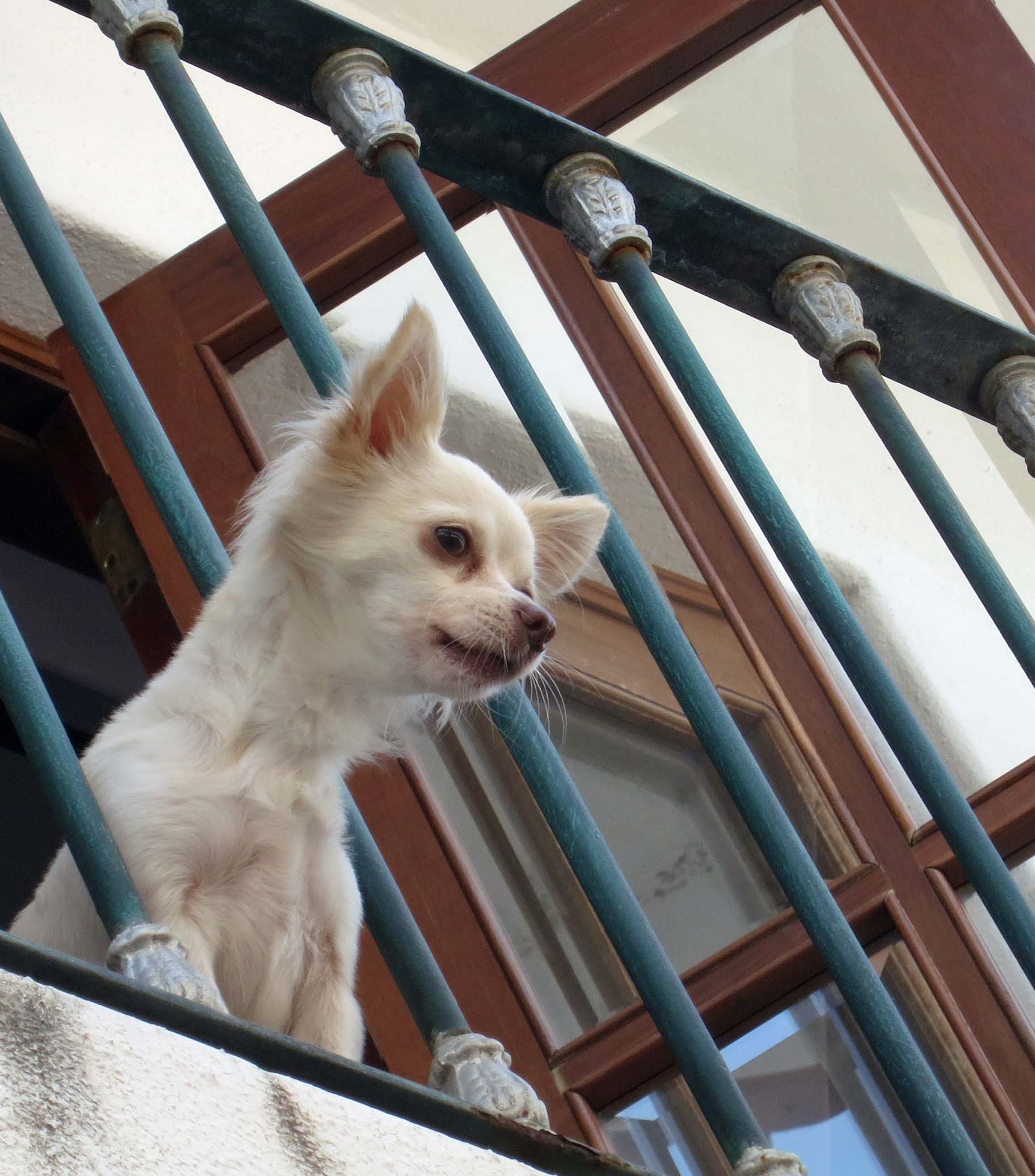
This resident checked us out. Apparently we didn't pass muster. he immediately started barking. I could still here him two blocks away.

This resident dog checked us out. Apparently we didn’t pass muster. He immediately started barking. I could still hear him two blocks away.

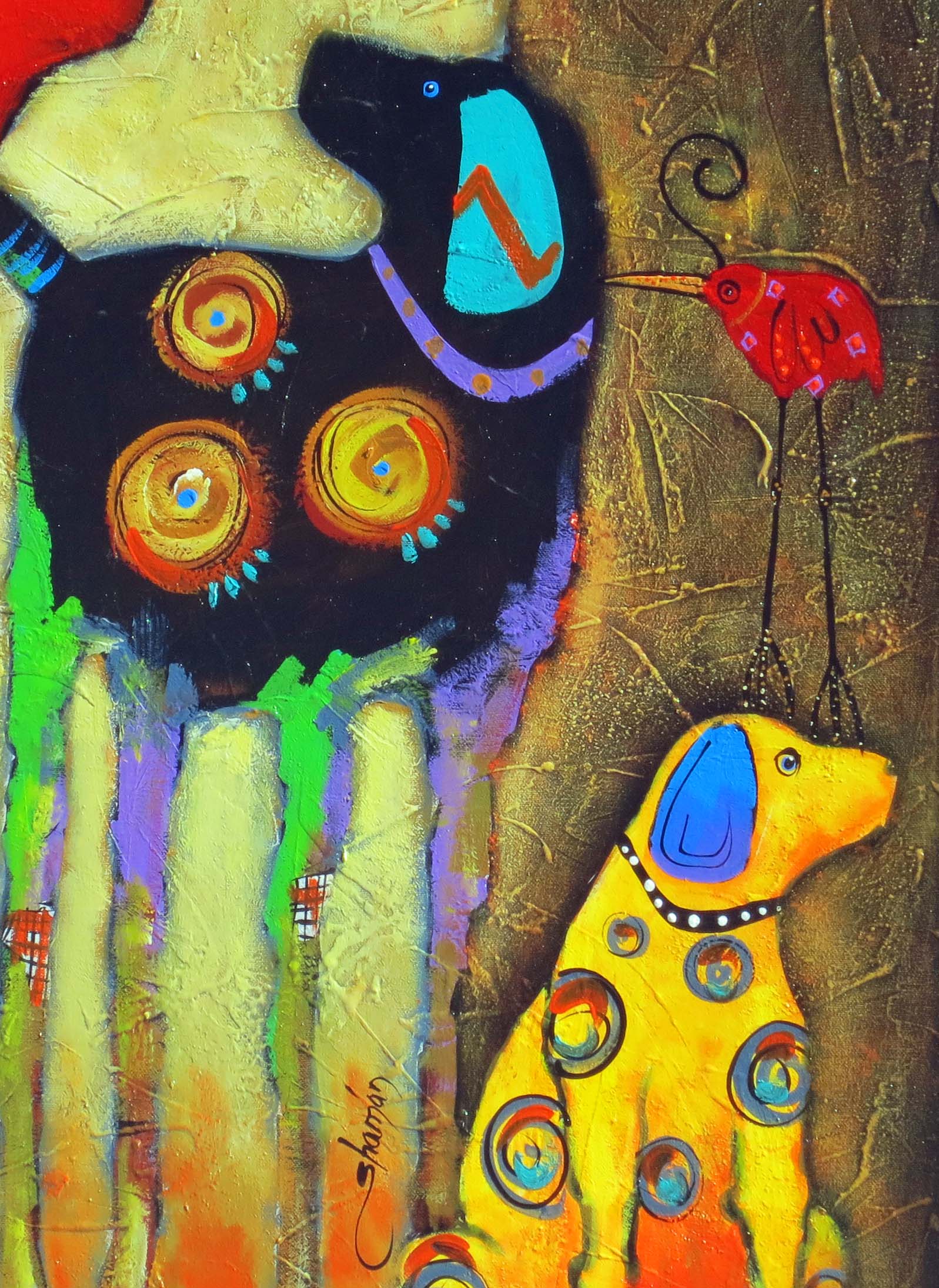
Art on the Malecon of Puerto Vallarta. Photo by Curtis Mekemson.

These dogs, created by an artist on the Malecon, were more colorful, and quieter. I also liked the red bird, but who knows what it was up to. Picking off fleas???

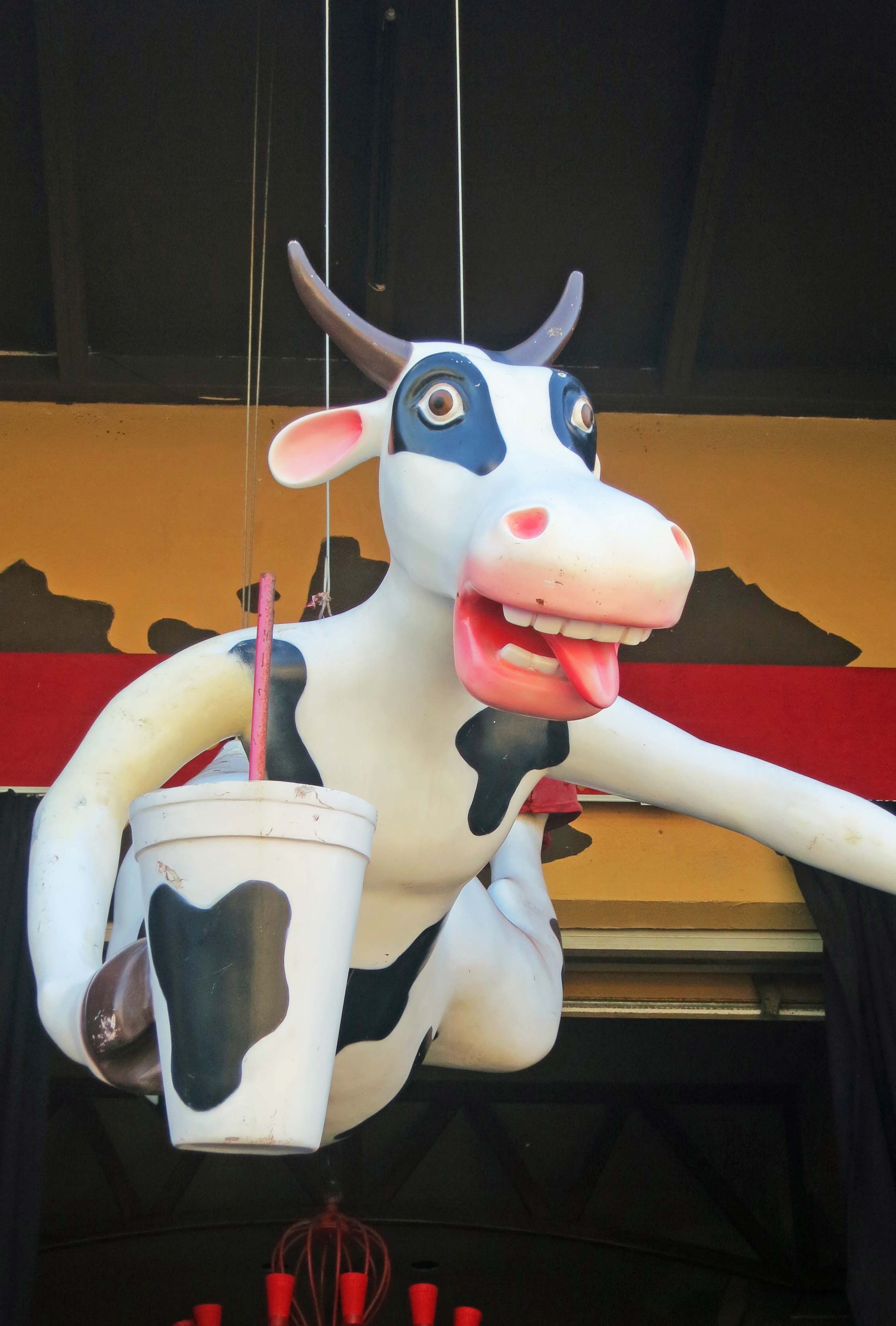
The flying cow of Puerto Vallarta. Photo by Curtis Mekemson.

Also under the category of strange was this flying cow.

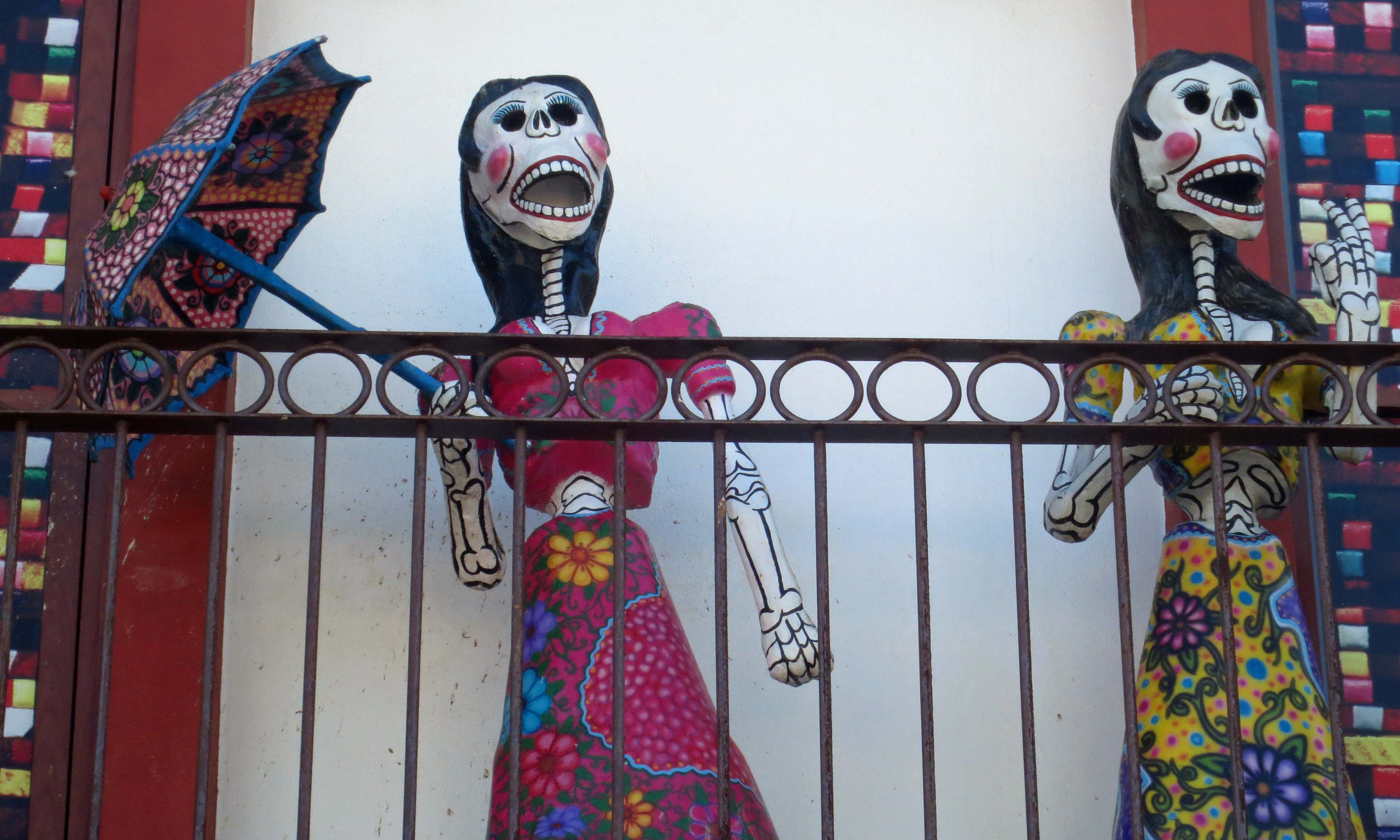
As were these two cuties.

As were these two cuties. Day of the Dead skeletons are common throughout Mexico. BTW, I swear I did not position my camera to catch the railing circles in such prime locations. I only discovered this fortuitous positioning when I went to post the photo.

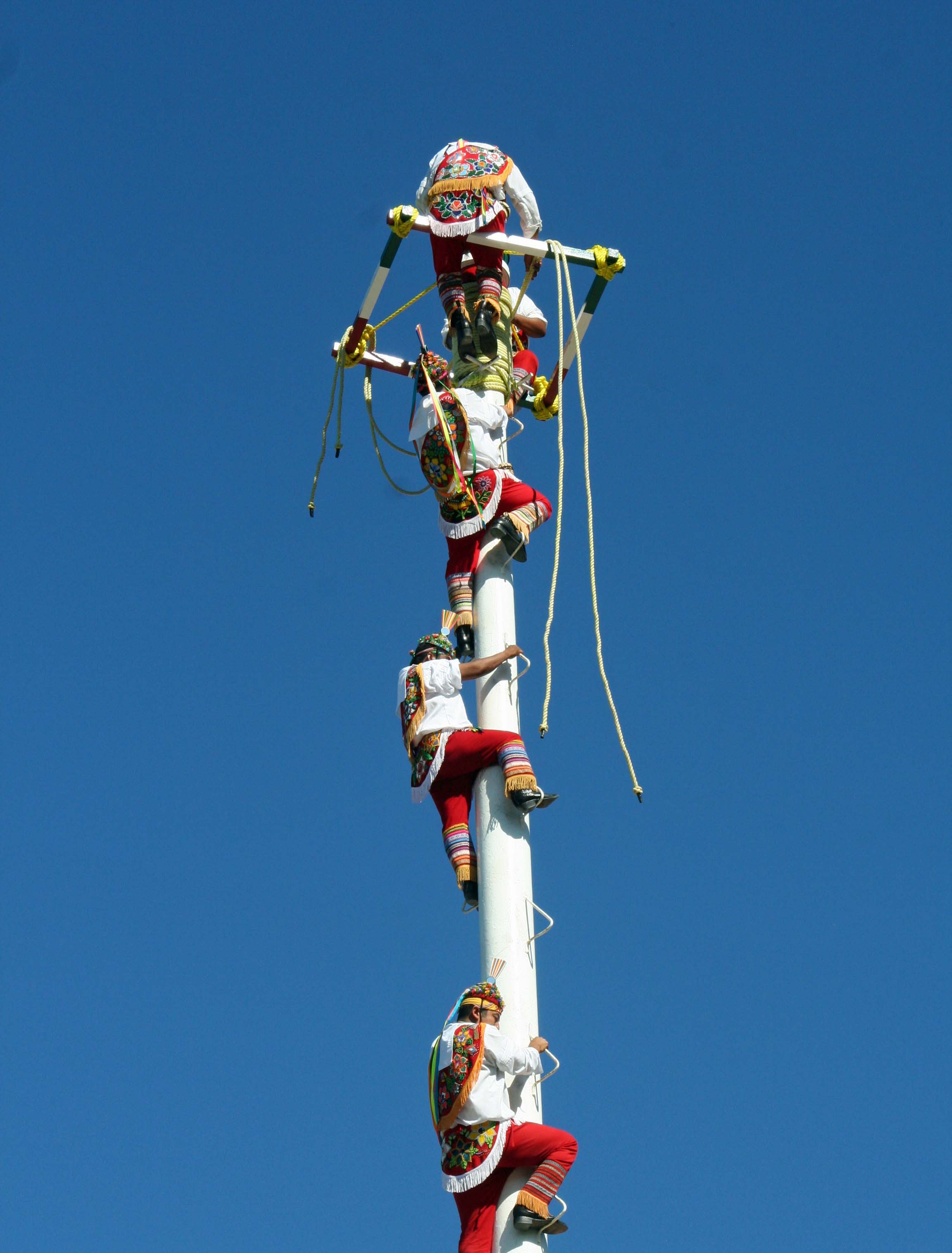
The bird men of Puerto Vallarta. Photo by Curtis Mekemson.

Then there are the Bird Men of Puerto Vallarta who climb up a hundred foot pole… (Photo by Peggy Mekemson.)

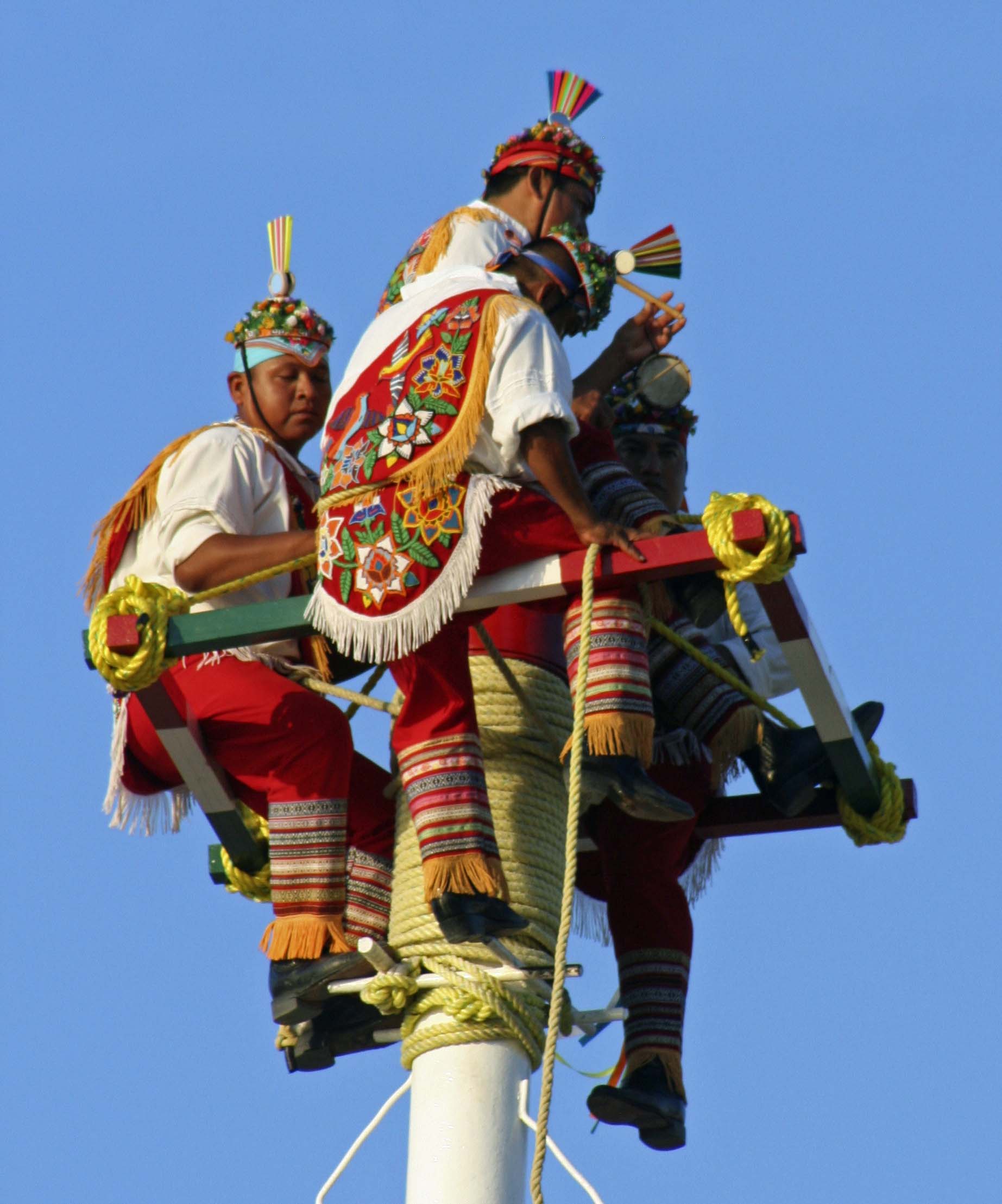
Bird men of Puerto Vallarta. Photo by Curtis Mekemson.

And tie themselves to ropes. The man in the center plays a flute and beats on a drum. (Photo by Peggy Mekemson.)

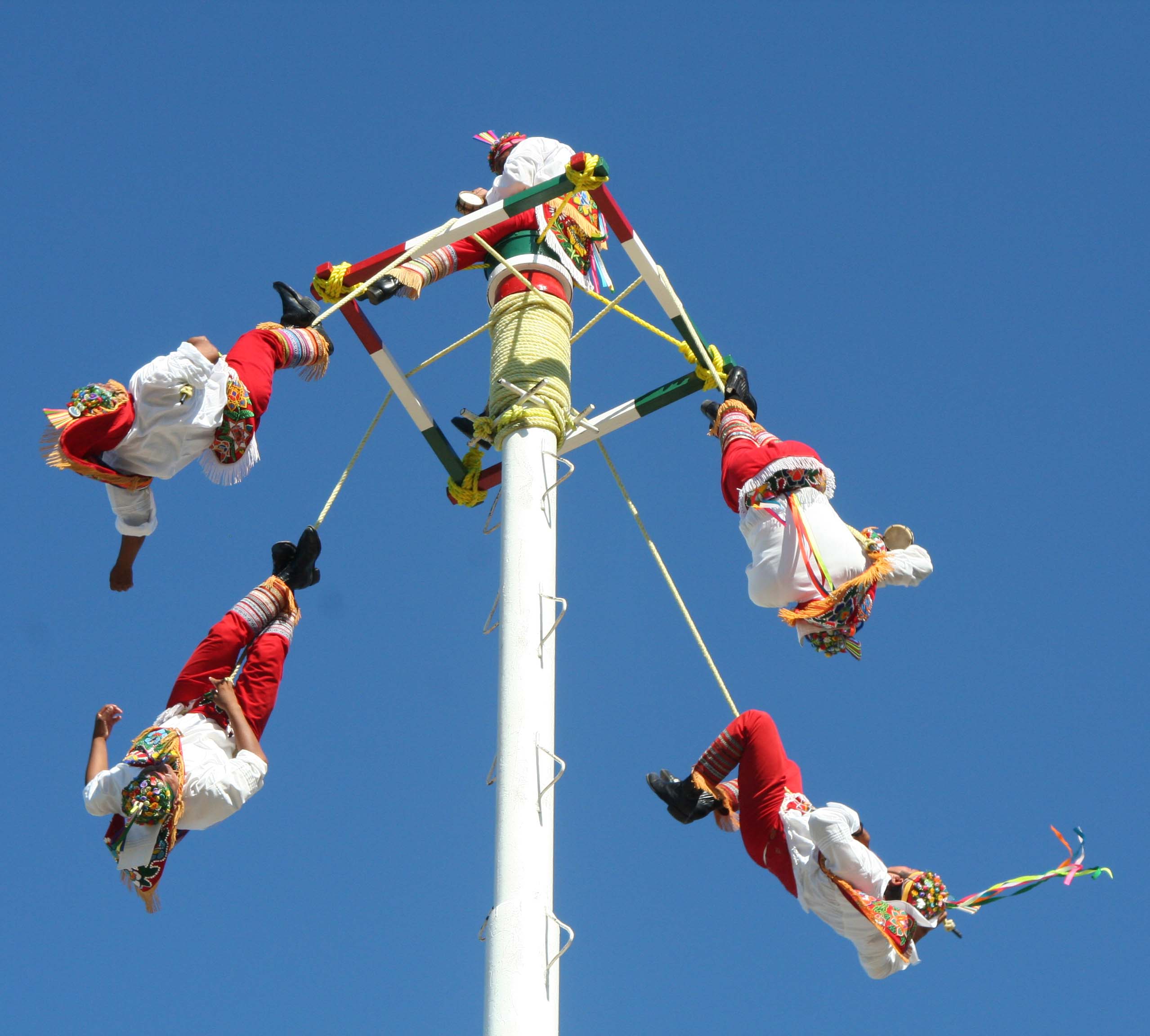
And then fall off backwards, twirling around the pole in ever larger circles until they reach the ground, or their rope runs out. (just kidding.) The people who perform this aerial feat every hour or so indigenous performers demonstrating an ancient cultural tradition of the Totonac tribe. (Photo by Peggy Mekemson.)

They then fall off backwards, twirling around the pole in ever larger circles until they reach the ground, or run out of rope. (Just kidding on the rope running out.) The people who perform this aerial feat are indigenous performers demonstrating an ancient cultural tradition of the Totonac tribe. (Photo by Peggy Mekemson.)

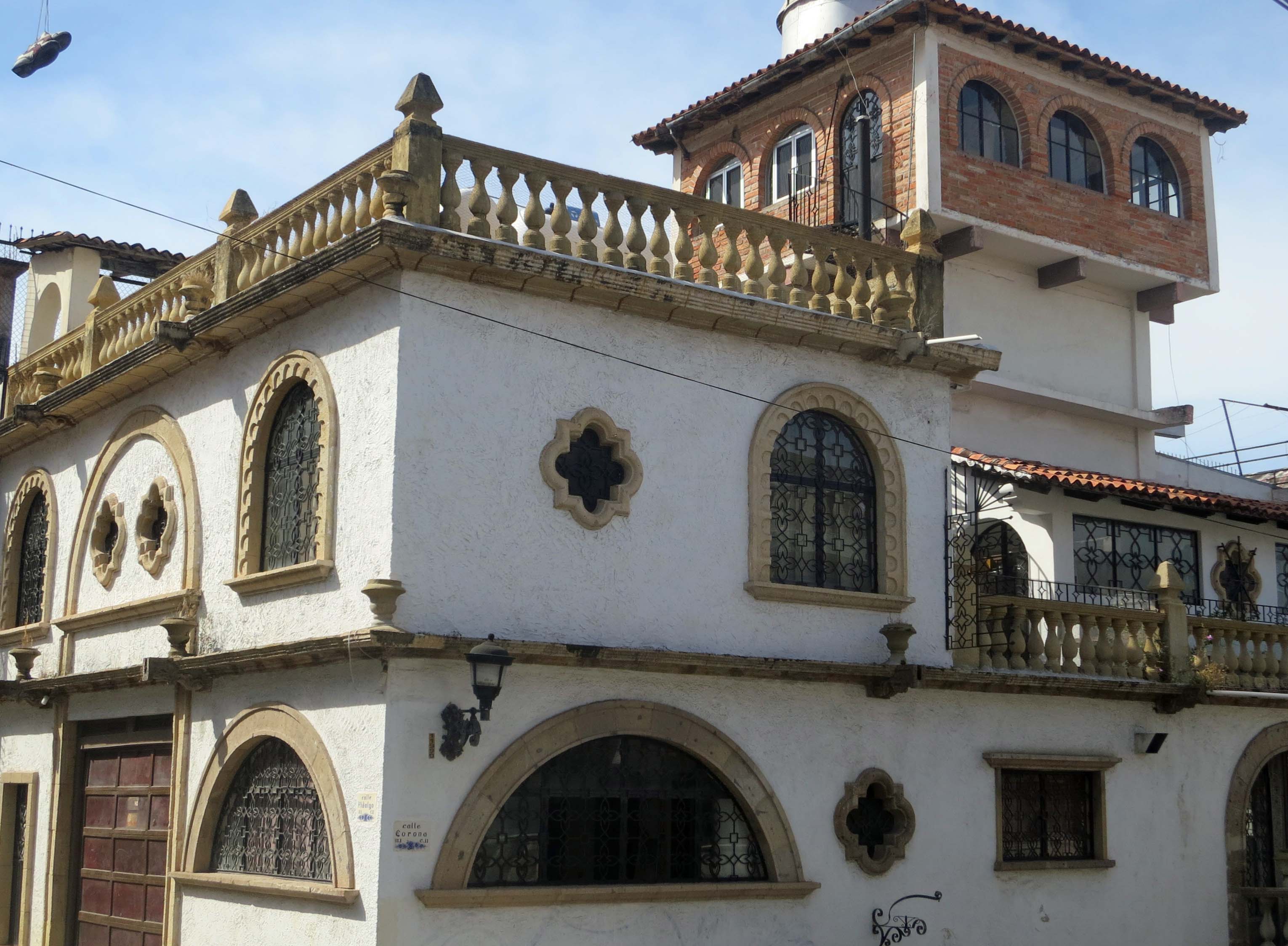
Puerto Vallarta home. Photo by Curtis Mekemson.

One thing we always check out is architecture. Peggy and I both like the adobe and tile look of Mexico and the Southwest of the US. It seems that Puerto Vallartans like to add something extra on top of their homes, like the small room. Another thing: note the shoes hanging off the power line in the upper left hand corner, undoubtably thrown there by  a teenager. Is this behavior worldwide?

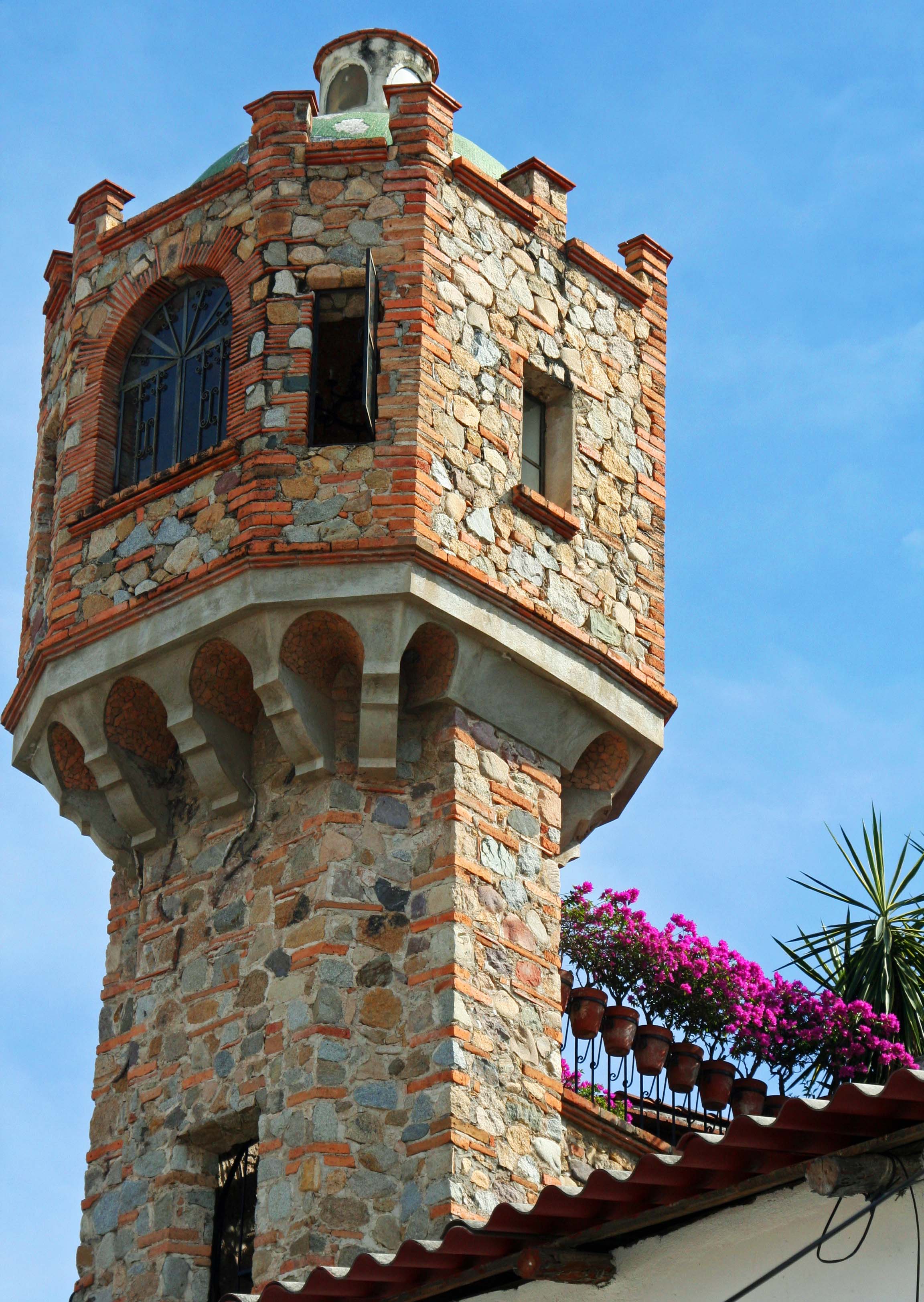
Another 'topper' we found. (Photo by Peggy Mekemson)

Another ‘topper’ we found. (Photo by Peggy Mekemson)

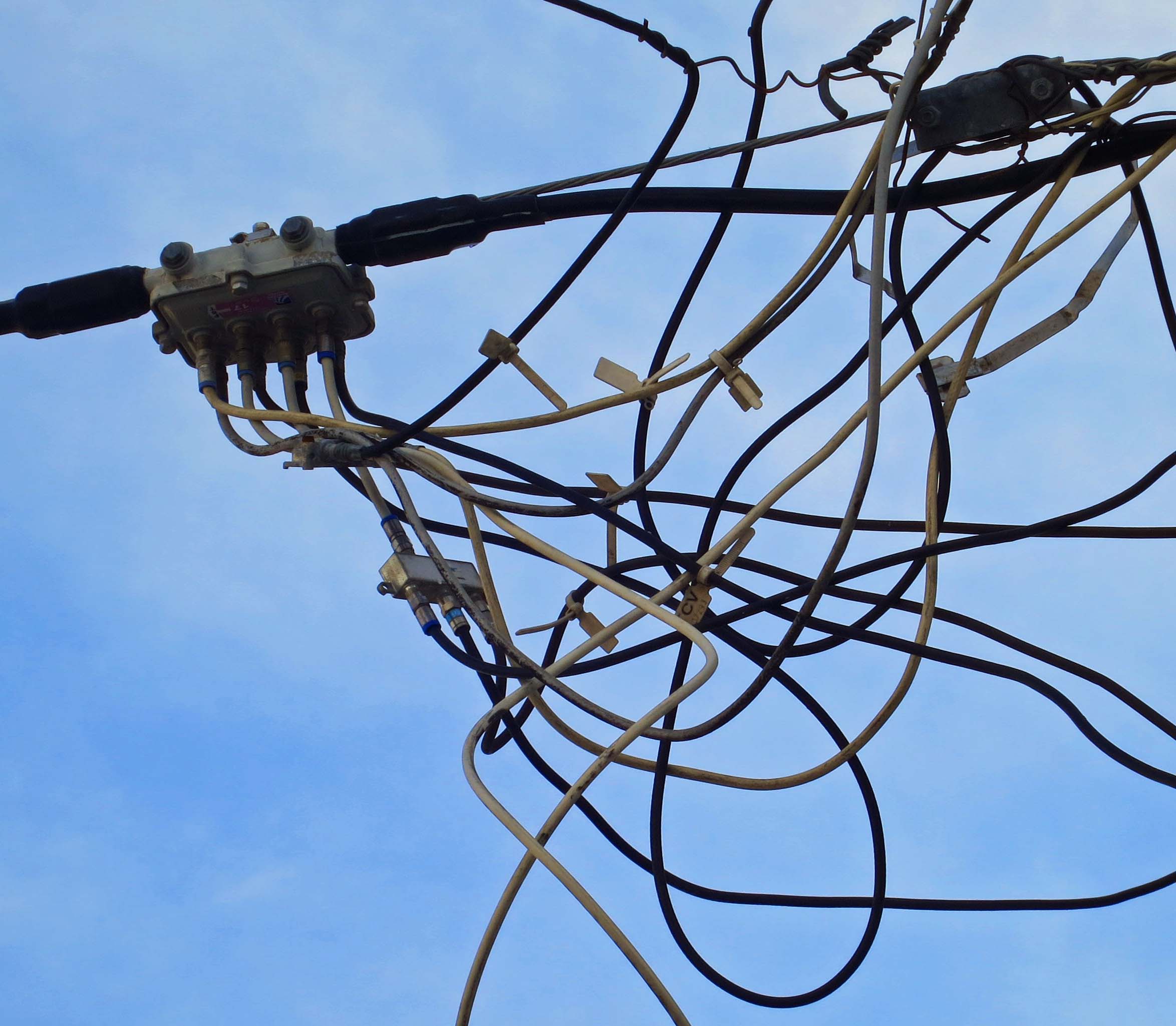
Speaking of power lines, it is almost impossible to take a photo in Puerto Vallarta without them. They run willy-nilly everywhere.

Speaking of power lines, it is almost impossible to take a photo in Puerto Vallarta without them. They run willy-nilly everywhere.

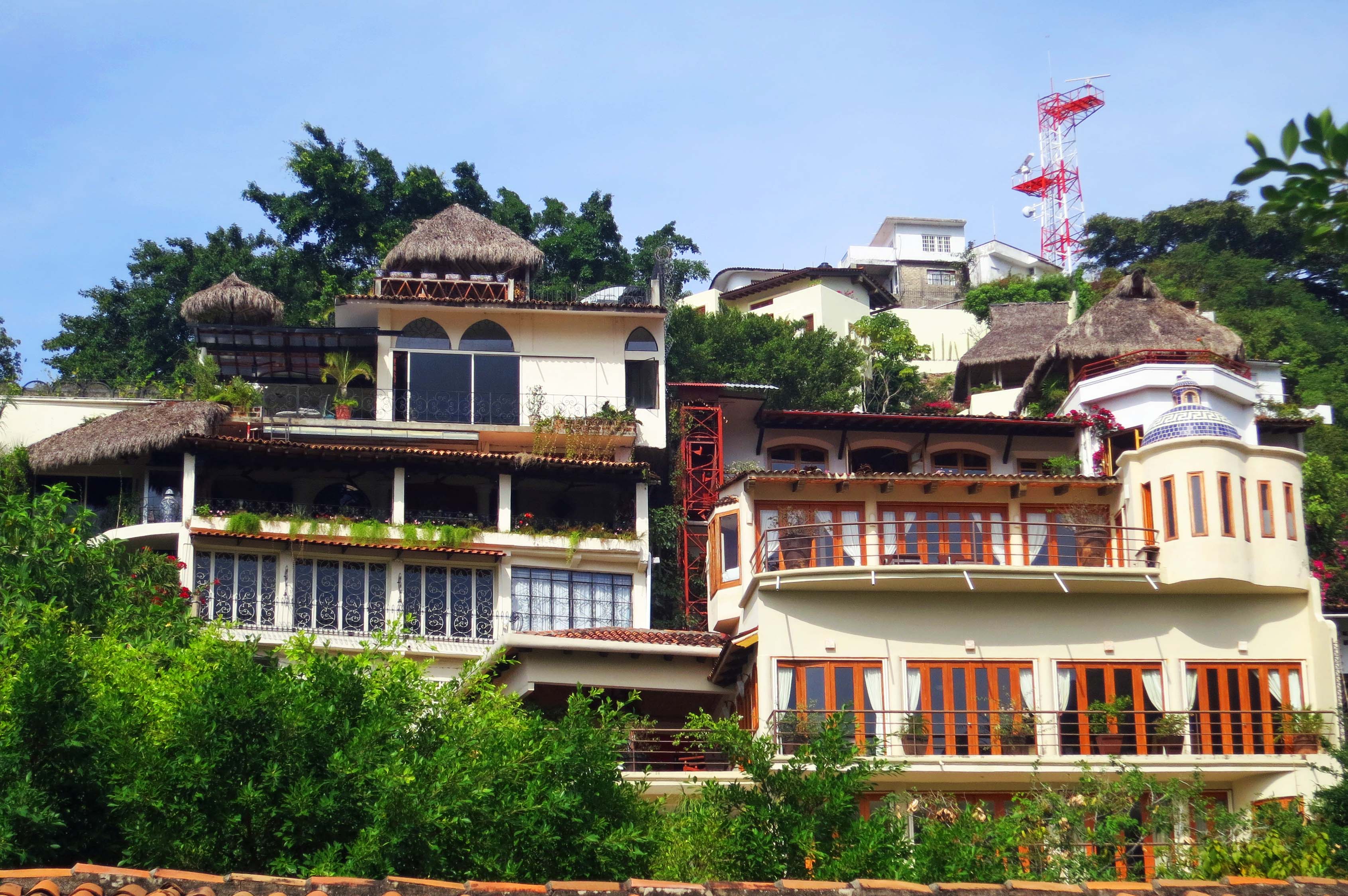
Burton and Taylor homes in Puerto Vallarta. Photo by Curtis Mekemson.

If I remember my geography right, these two houses were where Richard Burton and Elizabeth Taylor hung out during the filming of the Night of the Iguana.

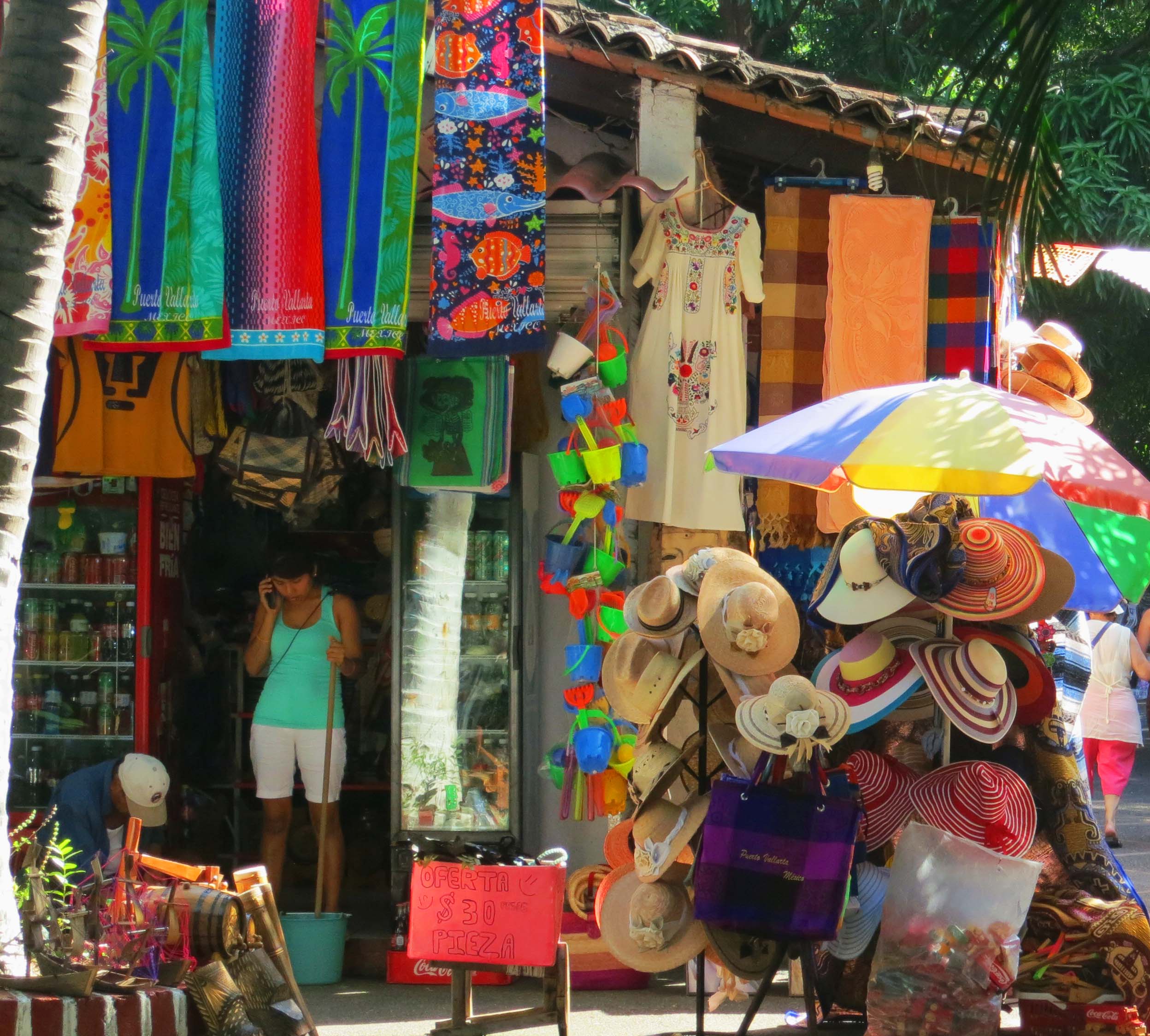
Tourist shop in Puerto Vallarta. Photo by Curtis Mekemson.

While there are expensive, high-end shops in Puerto Vallarta, the majority are open-air tourist meccas like this one. It seems like there are hundreds of them. The young woman on her cellphone would normally be outside soliciting people to come in and look around.

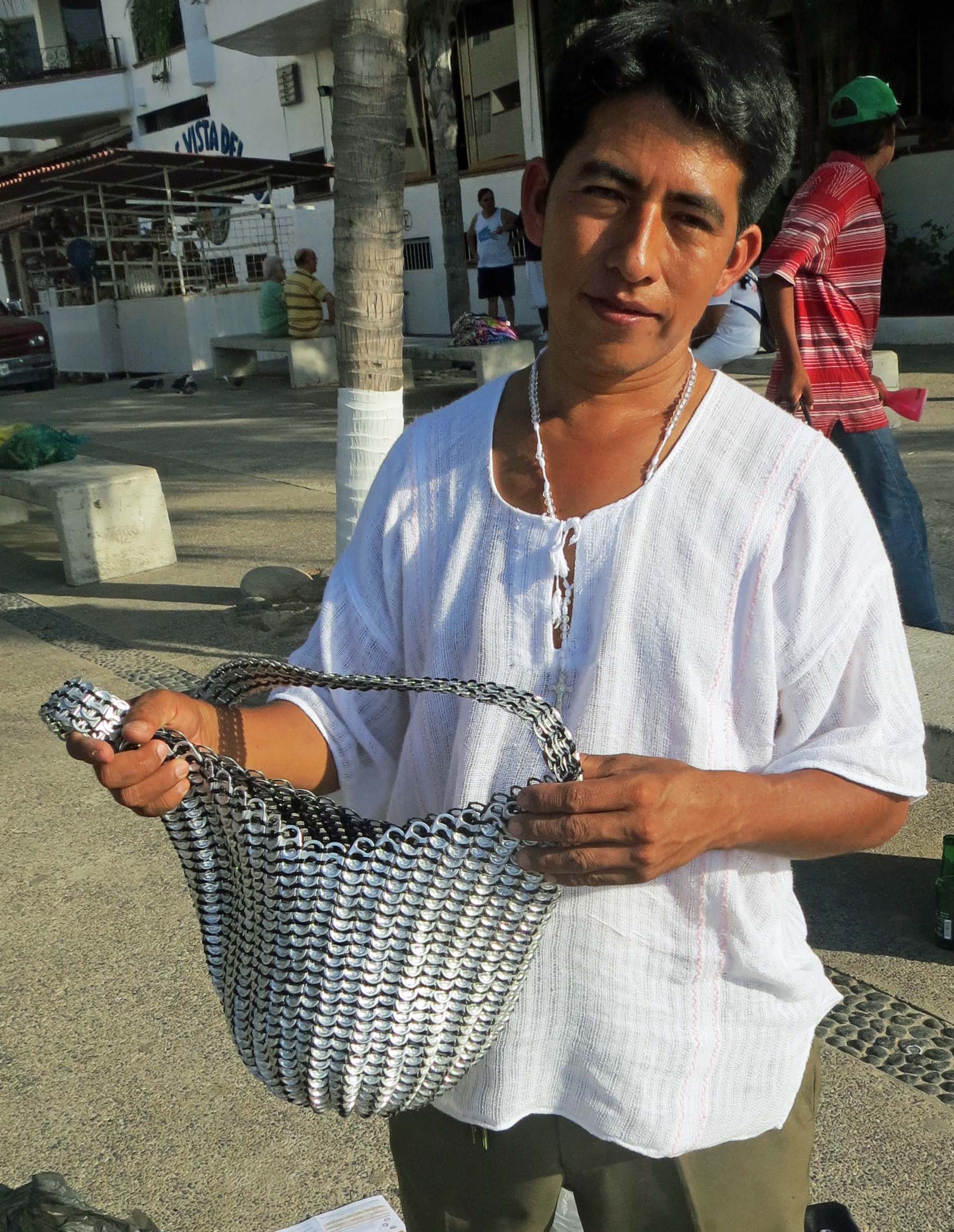
Puerto Vallarta craftsperson. Photo by Curtis Mekemson.

Crafts people and artists are common along the Malecon. This young man featured purses and jewelry made from beer and soda can pop tops.

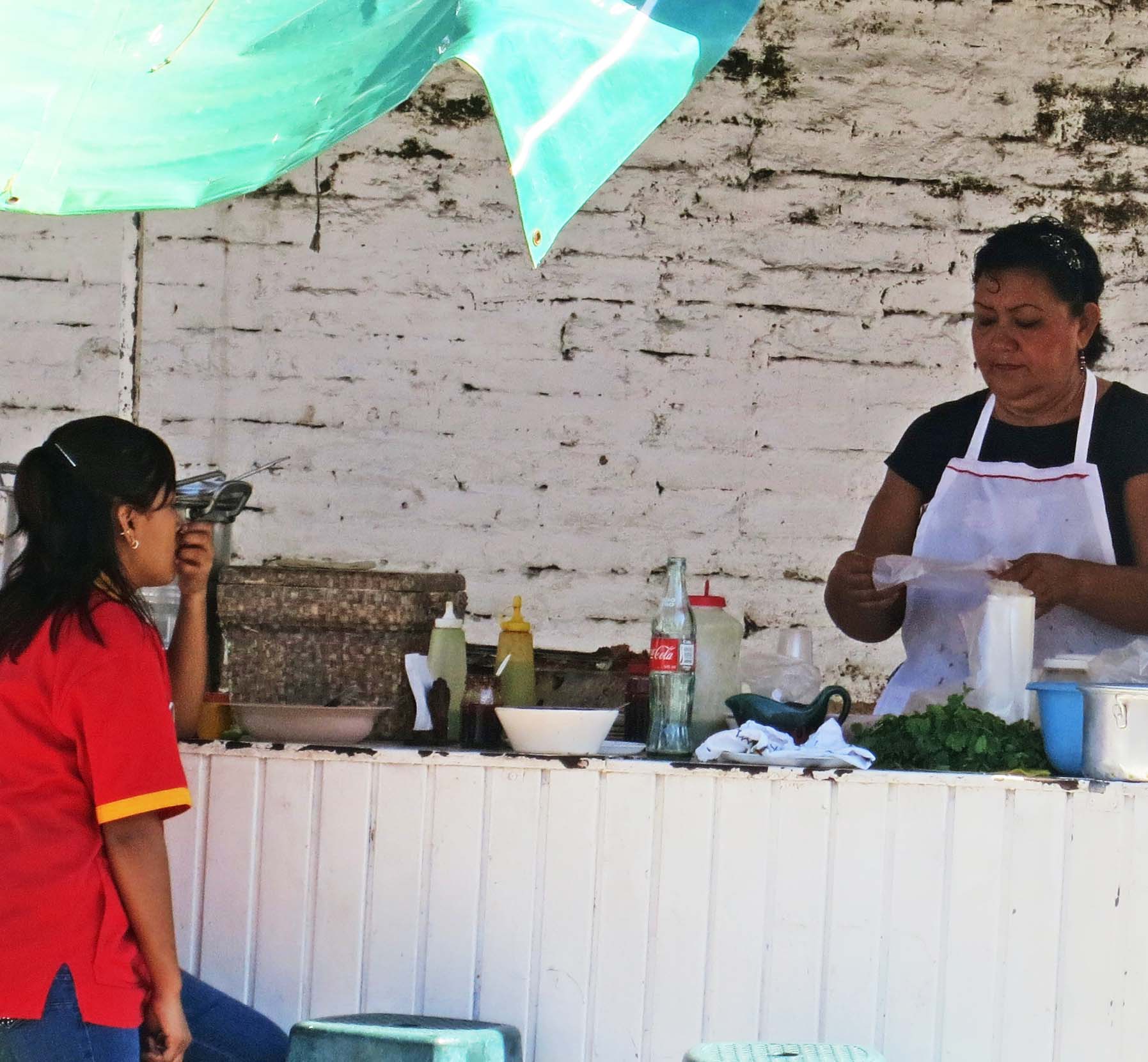
Street vendor selling food in Puerto Vallarta. Photo by Curtis Mekemson.

Street vendors selling food are also common.

I already took you on a tour of Puerto Vallarta's fantastic sculptures. Murals are also common in the city. (Photo by Peggy Mekemson.)

I already took you on a tour of Puerto Vallarta’s fantastic sculptures. Murals are also common in the city. (Photo by Peggy Mekemson.)

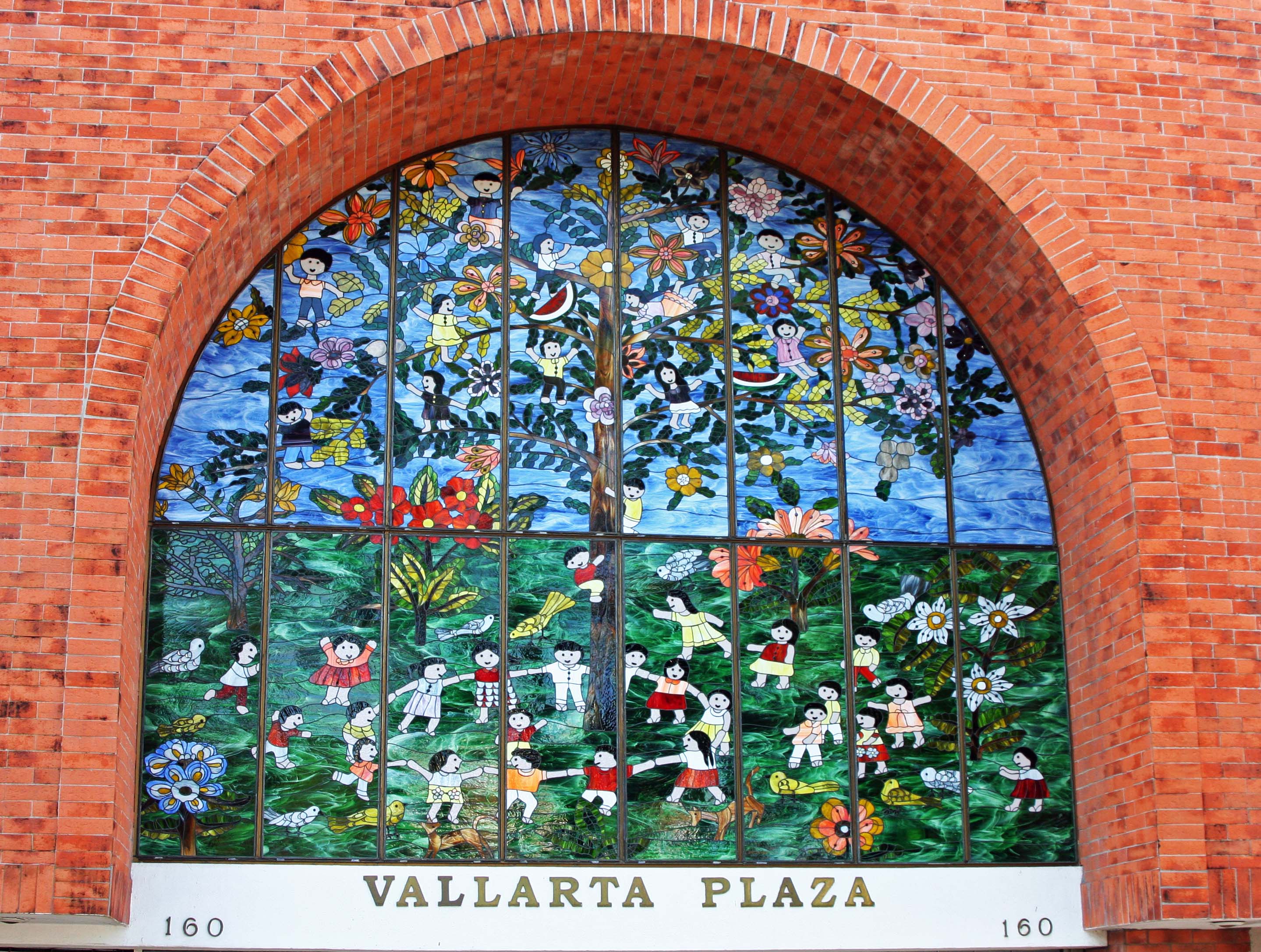
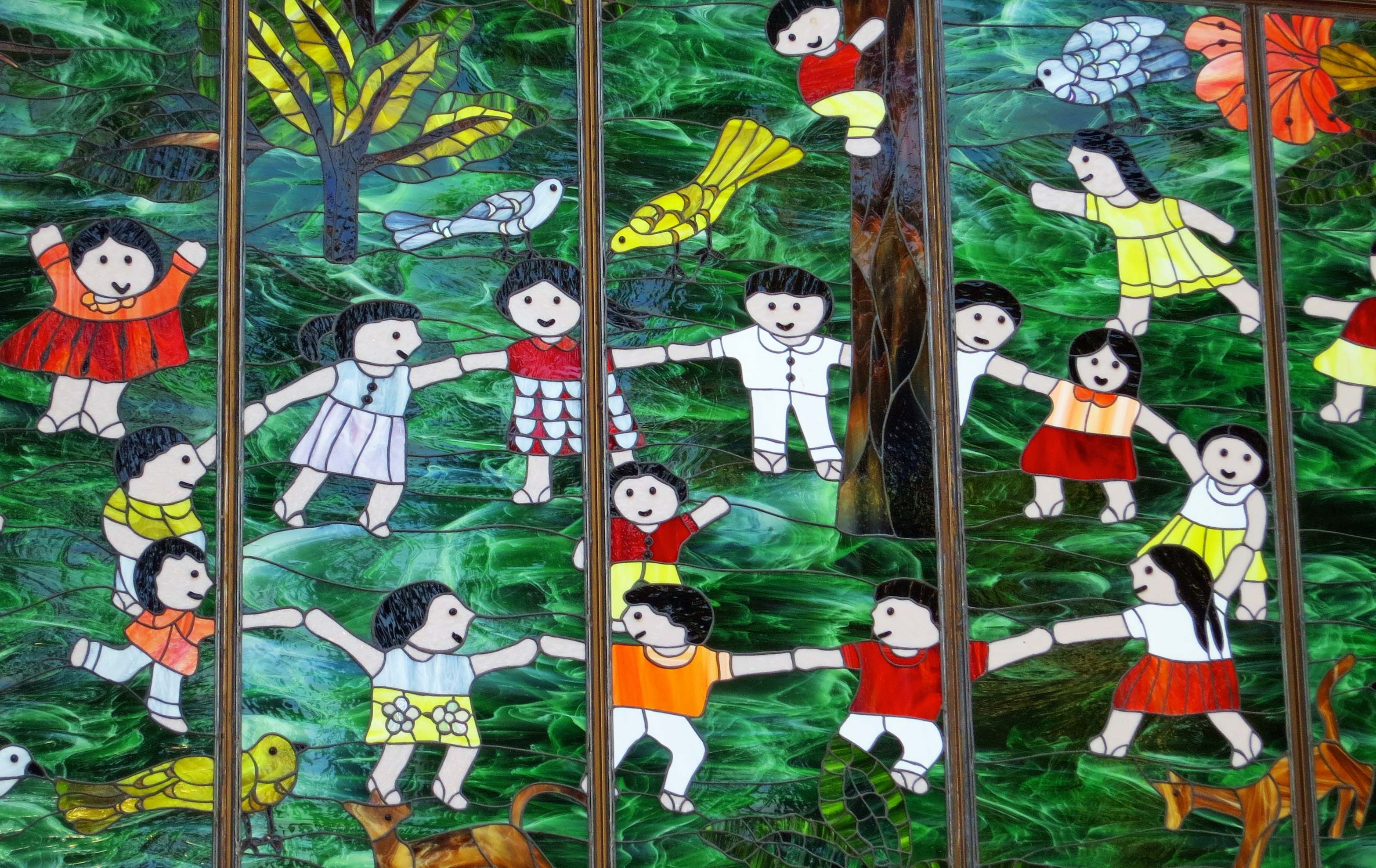
Puerto Vallarta mural. Photo by Curtis Mekemson.

A close up showing children in a ring dance. Ring around Rosita?

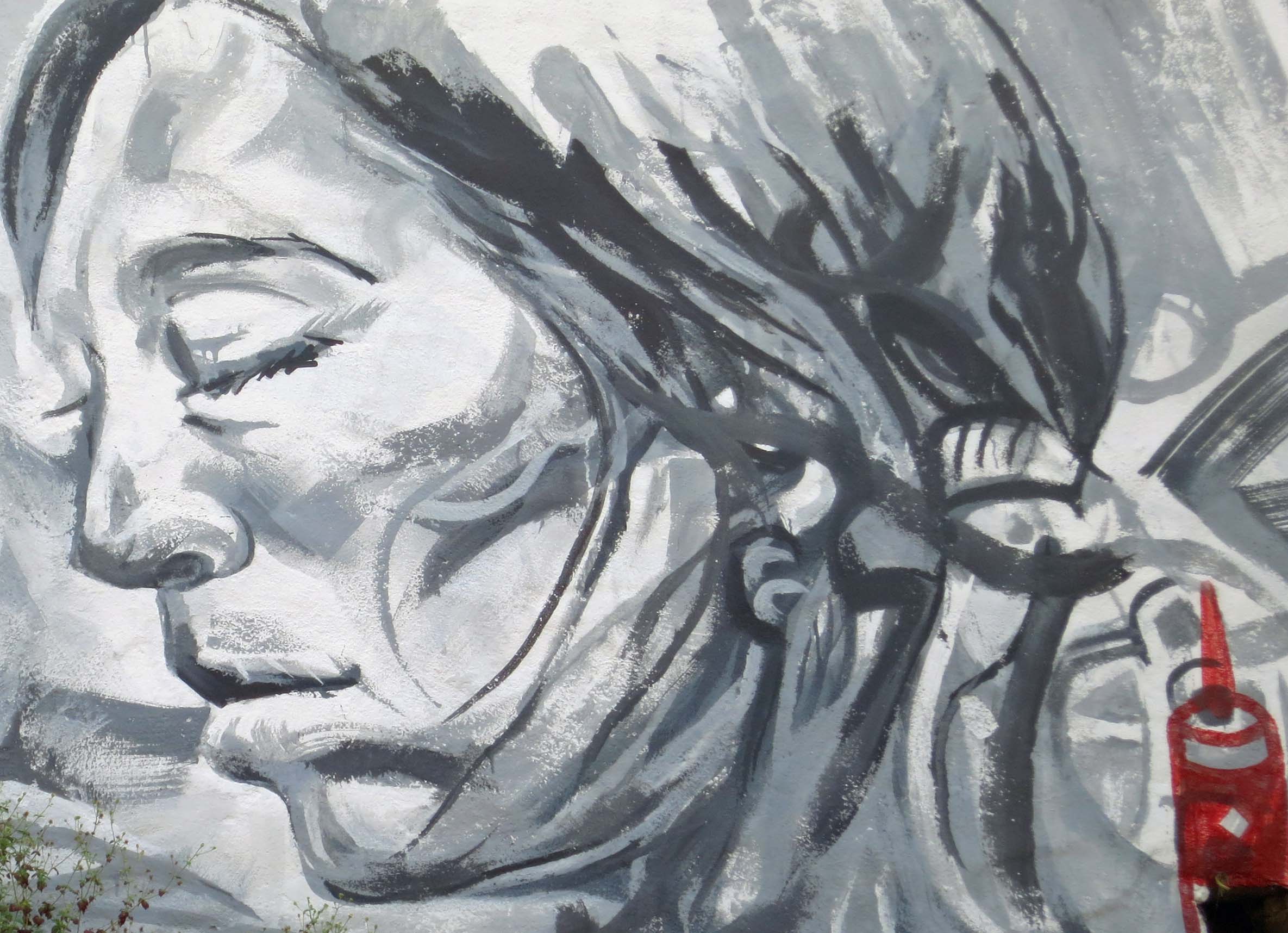
Puerto Vallarta mural featuring indigenous person. Photo by Curtis Mekemson.

While most Puerto Vallarta murals feature ceramics, I found this painting of an indigenous person quite impressive.

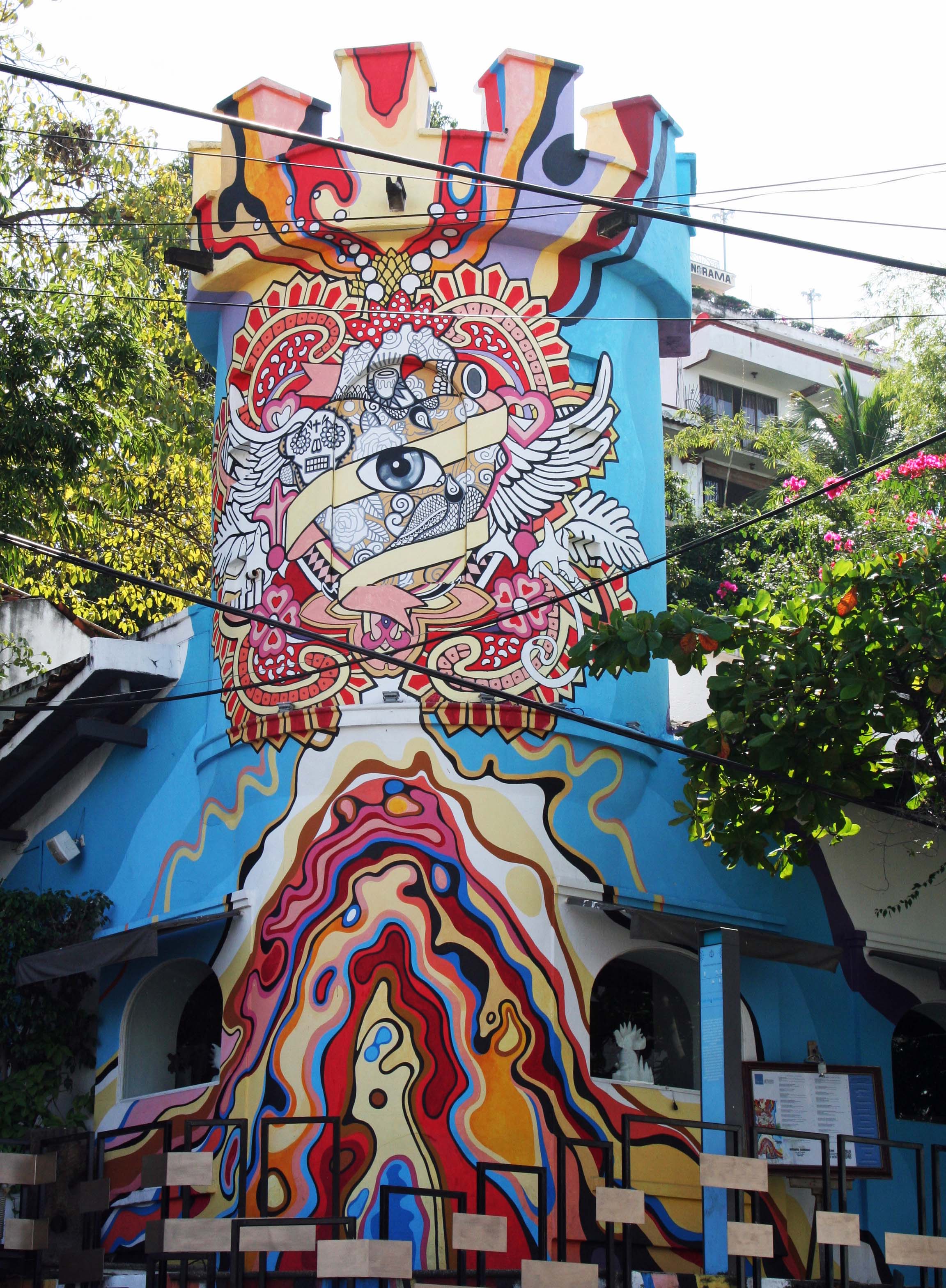
The artist's Cafe also featured an impressive mural. (Photo by Peggy Mekemson.)

The Artist’s Cafe also featured an impressive mural. (Photo by Peggy Mekemson.)

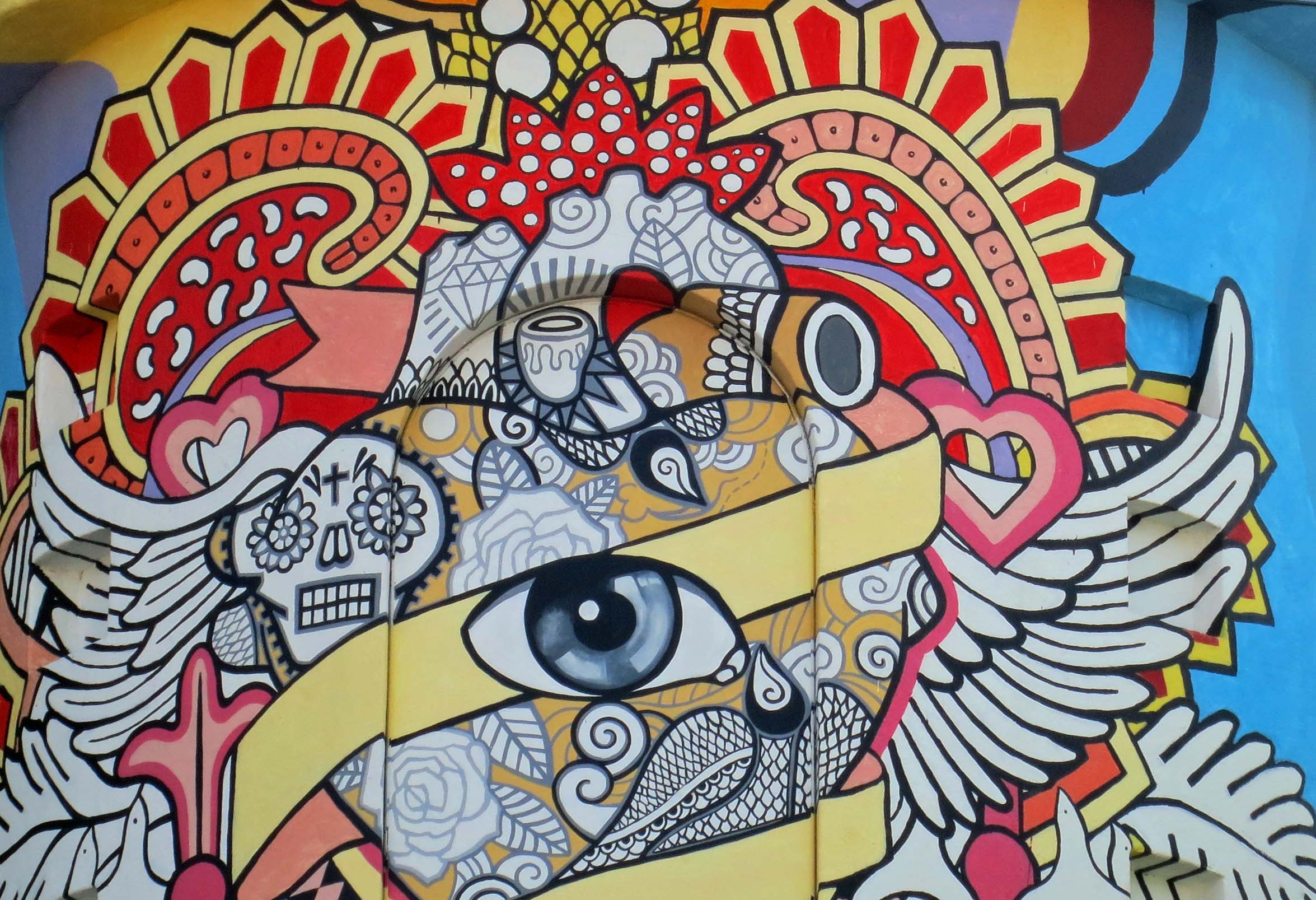
Artist's Cafe mural in Puerto Vallarta. Photo by Curtis Mekemson.

A close up of the mural on Artist’s Cafe.

Puerto Vallarta mural featuring iguana. Photo by Curtis Mekemson.

One mural incorporated a pair of iguanas including this handsome fellow.

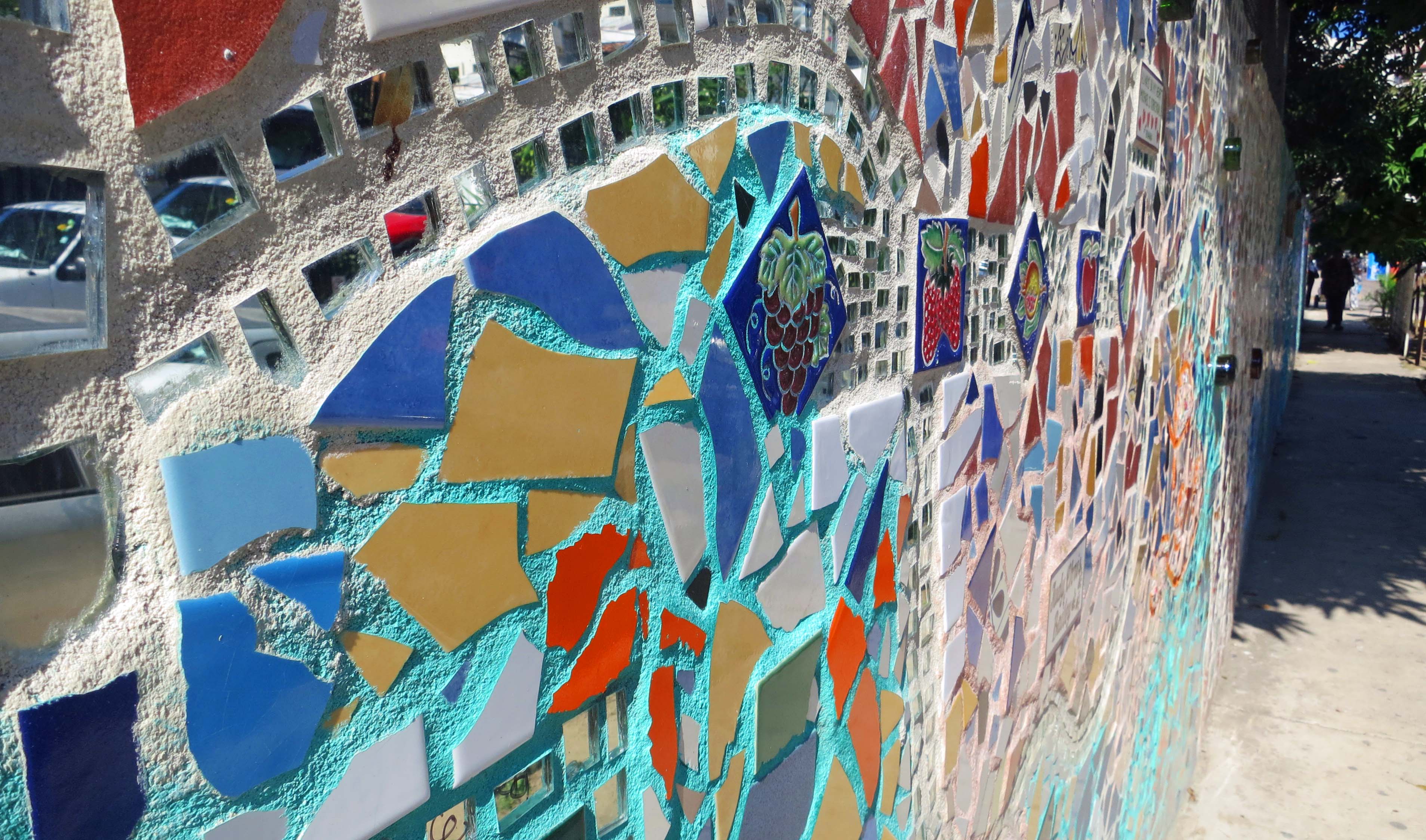
My favorite mural, and in fact my favorite art piece was a 196 by 9 feet mural designed by

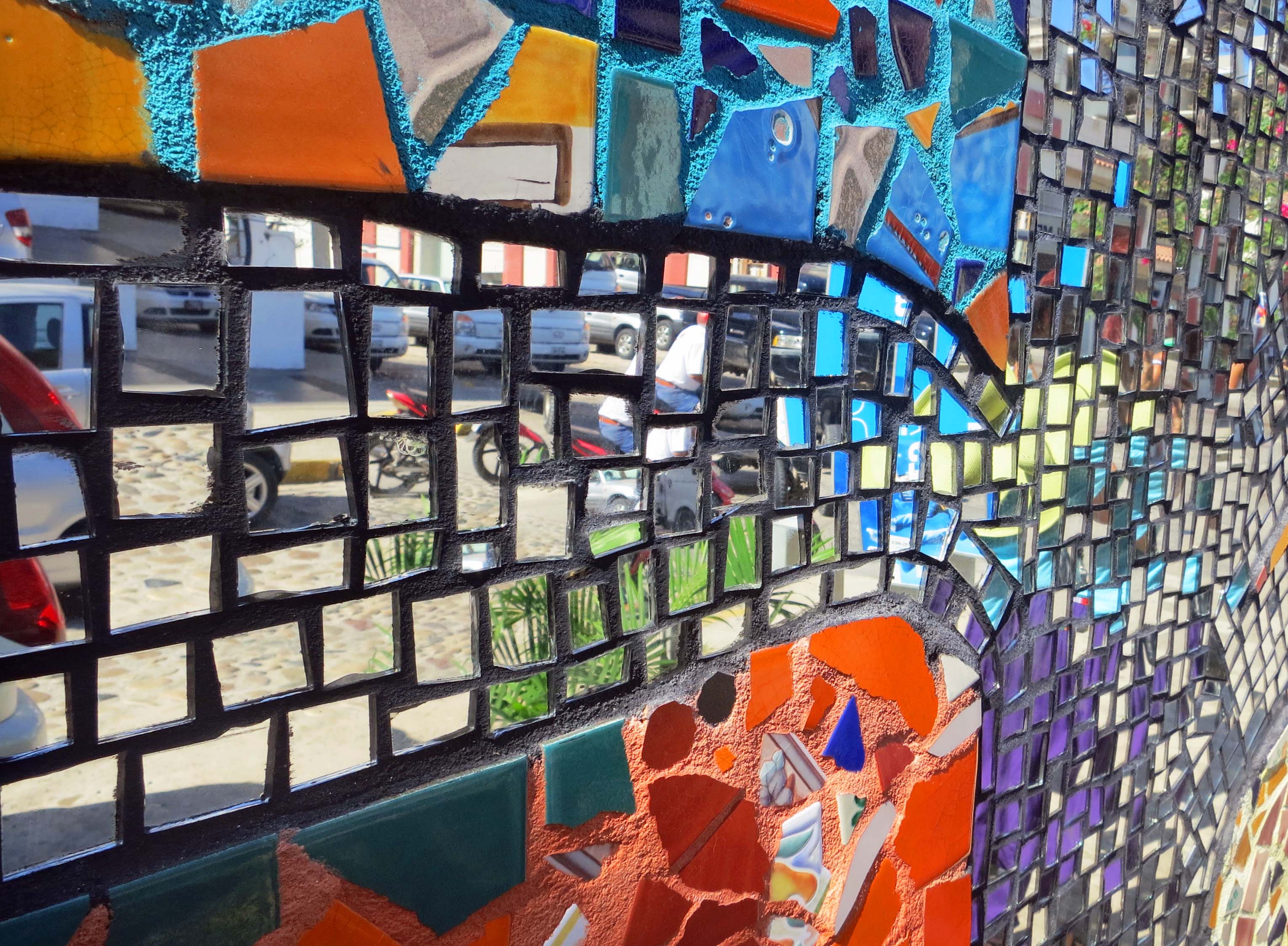
My favorite mural, and in fact my favorite art piece in Puerto Vallarta, is a 196 by 9 feet mural designed by Natasha Moraga. I understand it is under threat of removal by the government. Why, I don’t know, but it would be tragic.

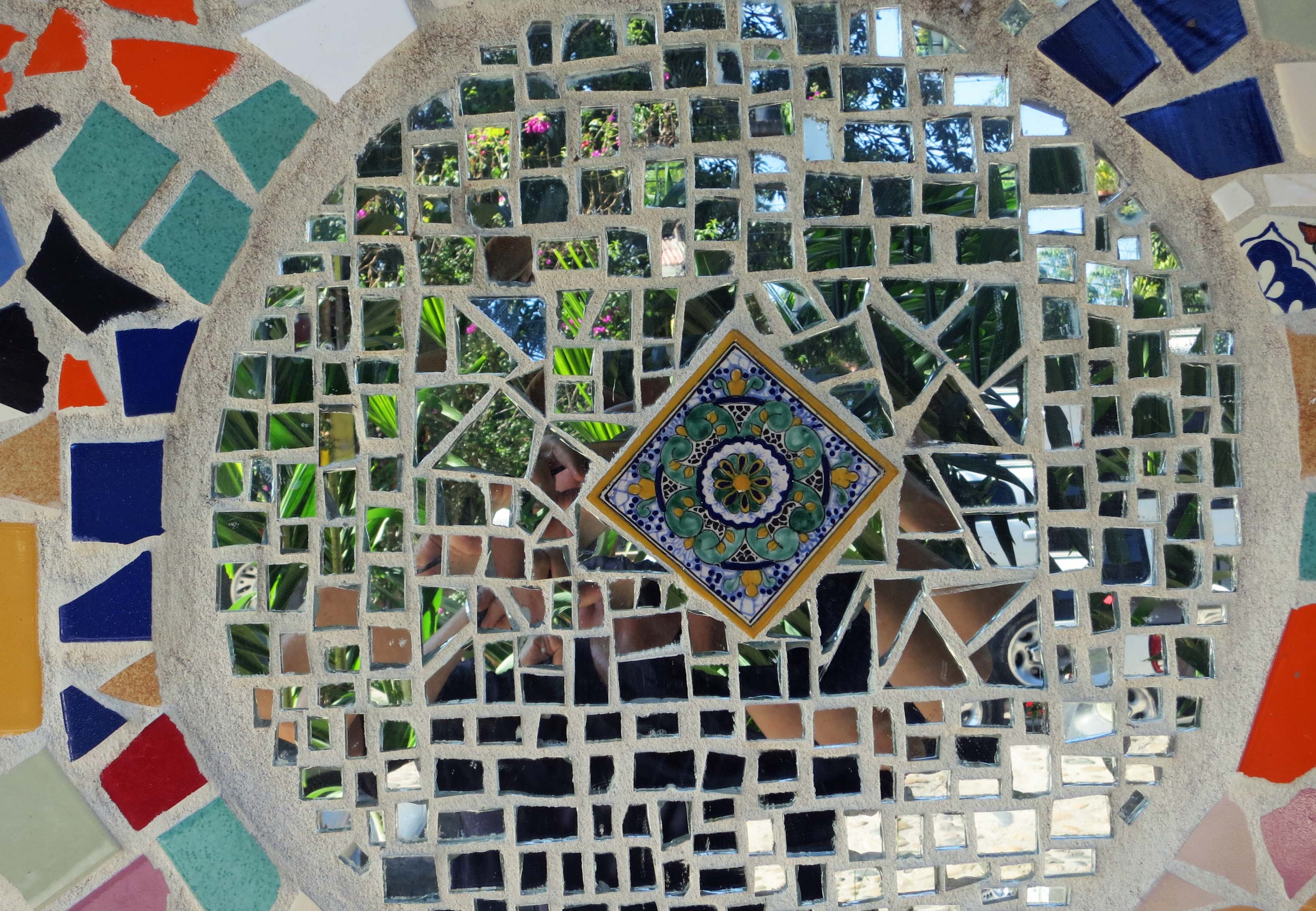
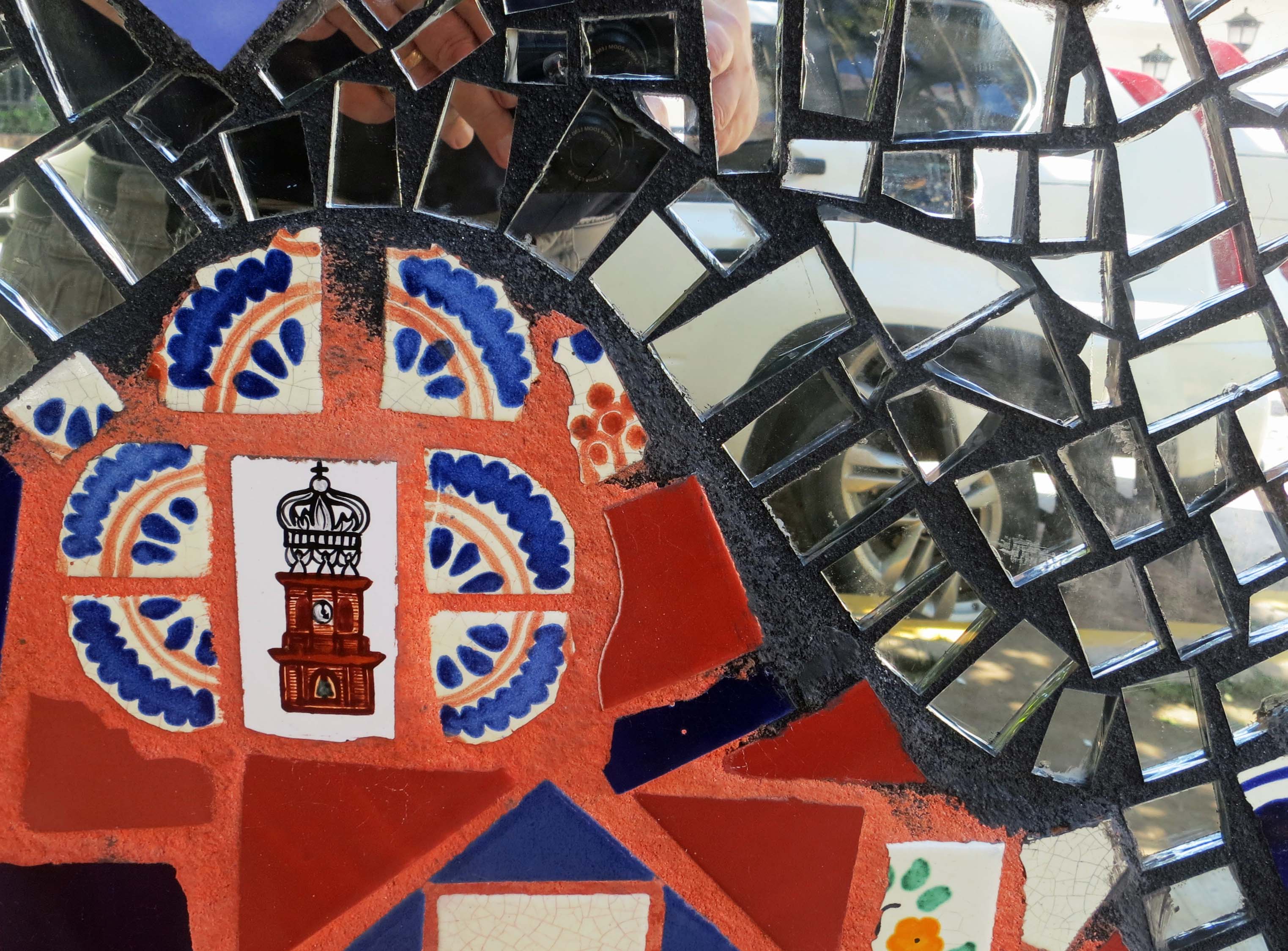
Made with tile and glass, the mural uses mirrors to reflect the street scene behind it, an effort that adds both beauty and interest.

Made with tile and glass, the mural uses mirrors to reflect the street scene behind it, an effort that adds both beauty and interest.

Wall mural by Natasha Moraga in Puerto Vallarta. Photo by Curtis Mekemson.

Numerous patterns and scenes are incorporated into the mural. This was one of my favorites.

Puerto Vallarta wall mural. Photo by Curtis Mekemson.

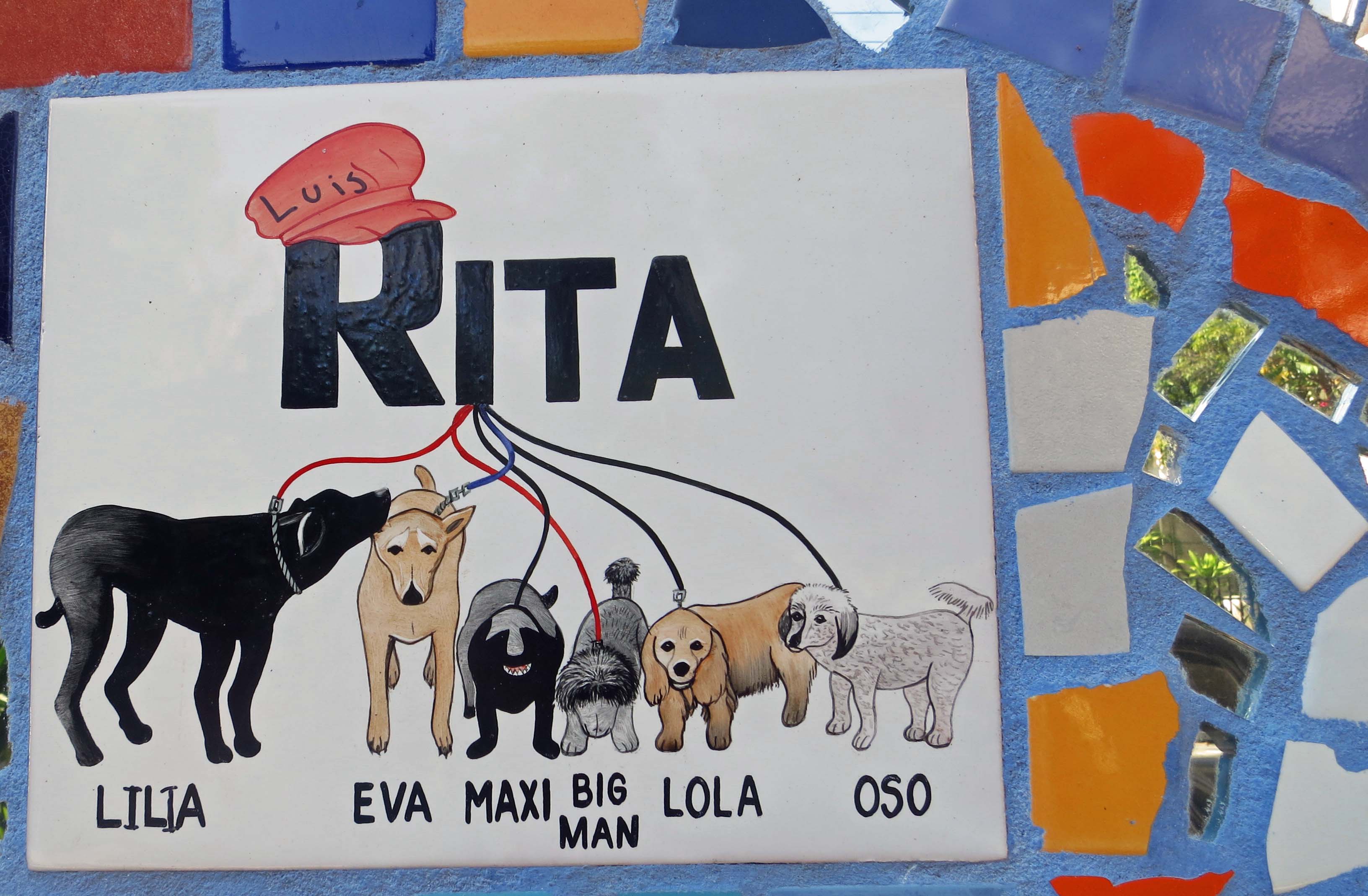
Major contributors are honored with their own tiles. This one was amusing. It appears Luis Rita has a house full of dogs.

Most murals we found in Puerto Vallarta feature a rendition of the town's primary landmark,

Most murals we found in Puerto Vallarta feature a rendition of the town’s primary landmark, the Church of Our Lady of Guadalupe, which I will feature in my next blog.

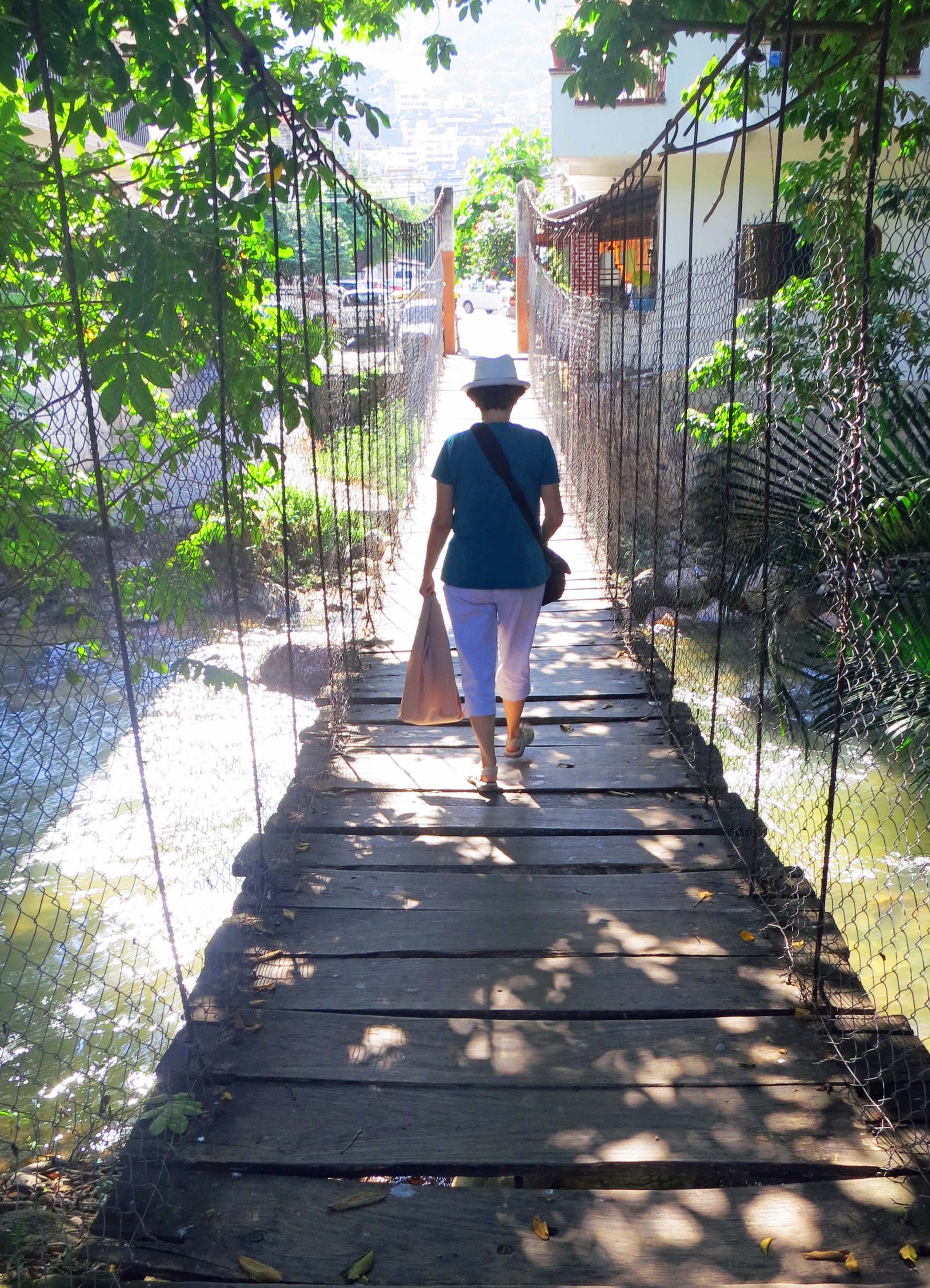
Puerto Vallarta's swinging bridge. Photo by Curtis Mekemson.

I’ll use this photo of Peggy crossing a swinging bridge as my last photo of our Puerto Vallarta walkabout. And believe me, the bridge does swing.

NEXT BLOG: Puerto Vallarta’s beautiful Church of Our Lady of Guadalupe.

One Hundred Thousand Thank-Yous… for One Hundred Thousand Views

Bone proudly displays his life jacket in preparation for his trip down the Colorado River

The first blog series I ever wrote was on an 18 day rafting trip down the Colorado River through the Grand Canyon that Peggy and I made, along with Bone… featured above wearing his life vest.

I reached the hundred thousand mark on blog views Saturday. While this hardly reaches the definition of viral, it is a significant milestone for me, and I want to thank each and every one of you who have joined Peggy and me on our journeys. So here you have it:

THANK YOU x 100,000

I first started blogging right after I had attended the San Francisco Writer’s Conference in 2010.

I had learned at the conference that publishers no longer did publicity for your book unless you were a really, really big name… such as J. K. Rowling, or the President, or a mass murderer. It didn’t seem to matter which. In fact the odds of a new writer even picking up an agent or publisher were pretty close to zero unless he or she met the above qualifications.

But, we were told, there was a dim light at the end of a very long tunnel. The Internet was changing how the book industry functioned, just like it had changed how the music industry functioned, and every other business it touched. Think about travel agents. When was the last time you used one?

We now had the power to market our own books. We also had another way of capturing the interest of an agent or a publisher. It all revolved around building a following on the Internet, or a platform as the book people called it.

It wasn’t like blatant advertising; it was more like letting people get to know you while you got to know them. If they liked you and liked how you expressed yourself, maybe they would buy your book. Or, conversely, if agents or publishers saw that you had a large audience of potential readers, they would be more likely to take your book on as a project.

And there was more– as advertisers like to say on late night television– we could use the Internet to self-publish our own books. All of the gatekeepers of the publishing industry: the agents and editors and publishers and bookstores, could be circumvented.  Self-publishing was becoming respectable; it was no longer the dirty word of the vanity press days. And there was scrumptious ice cream on top of the apple pie; we could expect to receive 50-85% of the revenues generated by our book as opposed to the 10-15% traditional publishers returned.

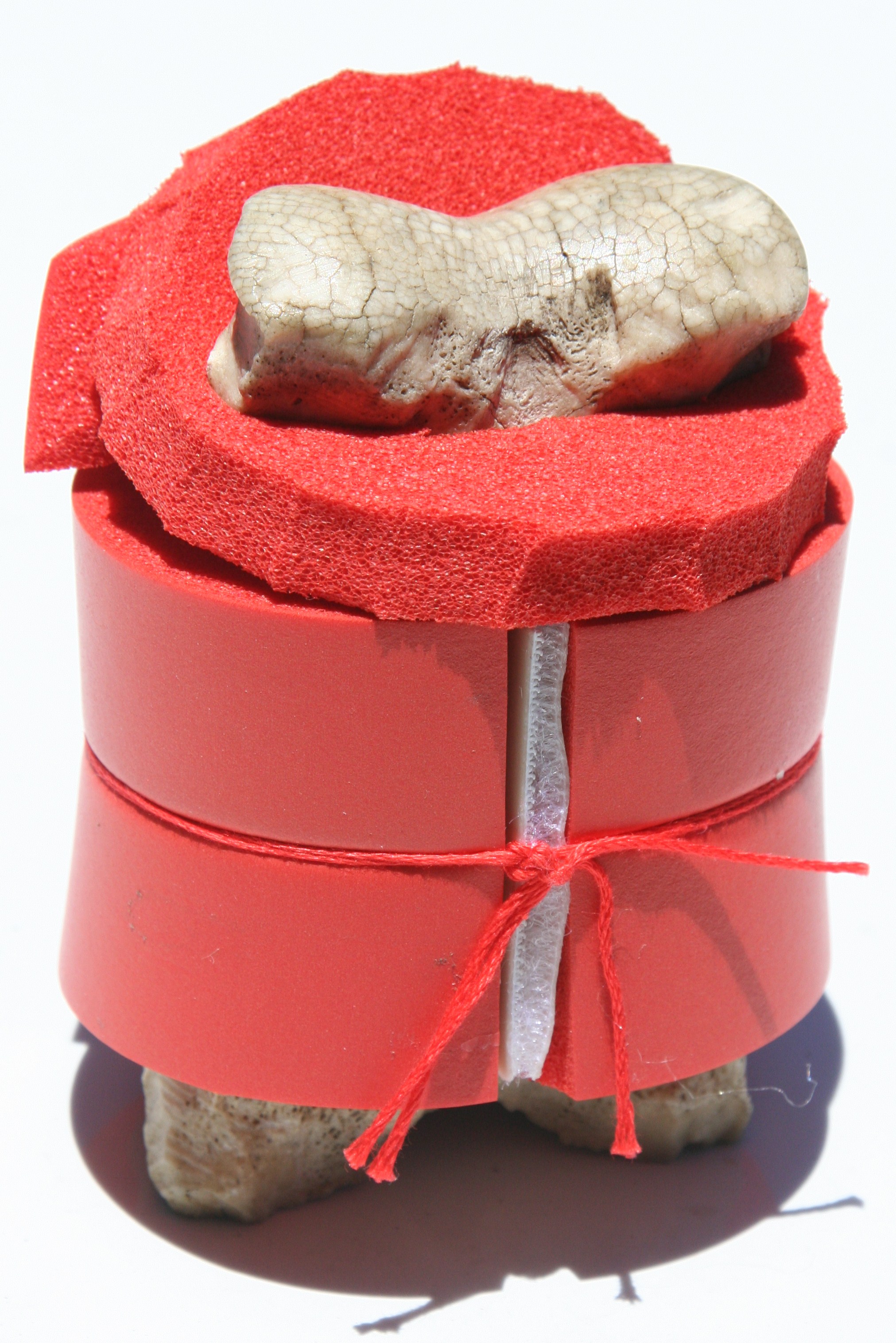
So I went home and started blogging. My first post was titled On Being Squirrelly. It featured the start of an 18-day private trip down the Colorado River through the Grand Canyon that Peggy and I took along with and Bone. His photo kicks off this post. Bone, for the uninitiated, is a horse bone I found while backpacking in the Sierra Nevada Mountains in 1977. Like the infamous Gnome, he has been travelling the world ever since.

What I quickly learned at the beginning of my efforts was that I really enjoyed blogging. It was a way to share Peggy and my adventures plus feature our photographs. It was also a way to make new friends and enjoy the blogs they produced. Blogging became an end in itself. (None of this means I have forgotten my original purpose. Within the next couple of months you should have the opportunity to purchase the book on my African Peace Corps’ adventures. Woo hoo!)

Word Press makes blogging easy, a fact that I truly appreciate. I also enjoy the statistics; besides being fun, they provide me with an overview of how I am doing in the world of blogging. Here are a few highlights in addition to the 100,000 plus hits:

  • People from 176 countries around the world have checked out my blog. The top ten in order of numbers are the US, Canada, United Kingdom, France, Germany, Australia, India, Netherlands, Italy and Spain.
  • My top blogs have been about Burning Man. Most popular this year was Truth and Beauty, the post I did about the magnificent 60-foot statue of a woman. My National Park Series has also drawn a consistently high readership. The most all-time popular was on the California Redwoods. The trip Peggy and I took through the Mediterranean was also quite popular. The top post there was on the beautiful and unique churches of the Greek Island of Santorini.
  • The most consistent readership my blog received, I am glad to say, was when I was posting chapters from the book on my Peace Corps’ experience.
  • My all time one-day readership was 1,019 when Word Press ‘Freshly Pressed’ my blog on Burning Man’s Mutant Vehicles.
  • And, saving the best for last, I have 700 plus followers. My thanks to each of you with special hugs going to those who comment on my blog regularly.
A side view of the sculpture, Truth Is Beauty by Marco Cochrane at Burning Man 2013.

The Burning Man sculpture Truth is Beauty.

Redwood

This 1500 year old redwood is located in Redwoods National Park on the northern coast of California.

I found this church with its white rocks surreal.

I found this Santorini church with its white rocks surreal.

Burning Man mutant vehicle. Photo by Curtis Mekemson.

One of my favorite Burning Man mutant vehicles lit up at night.

NEXT BLOG: Peggy and I return to Puerto Vallarta and go on a walk-about. Join us.

Revolution, a Treasure, Dragons and Ghosts of Hollywood… San Sebastian, Mexico

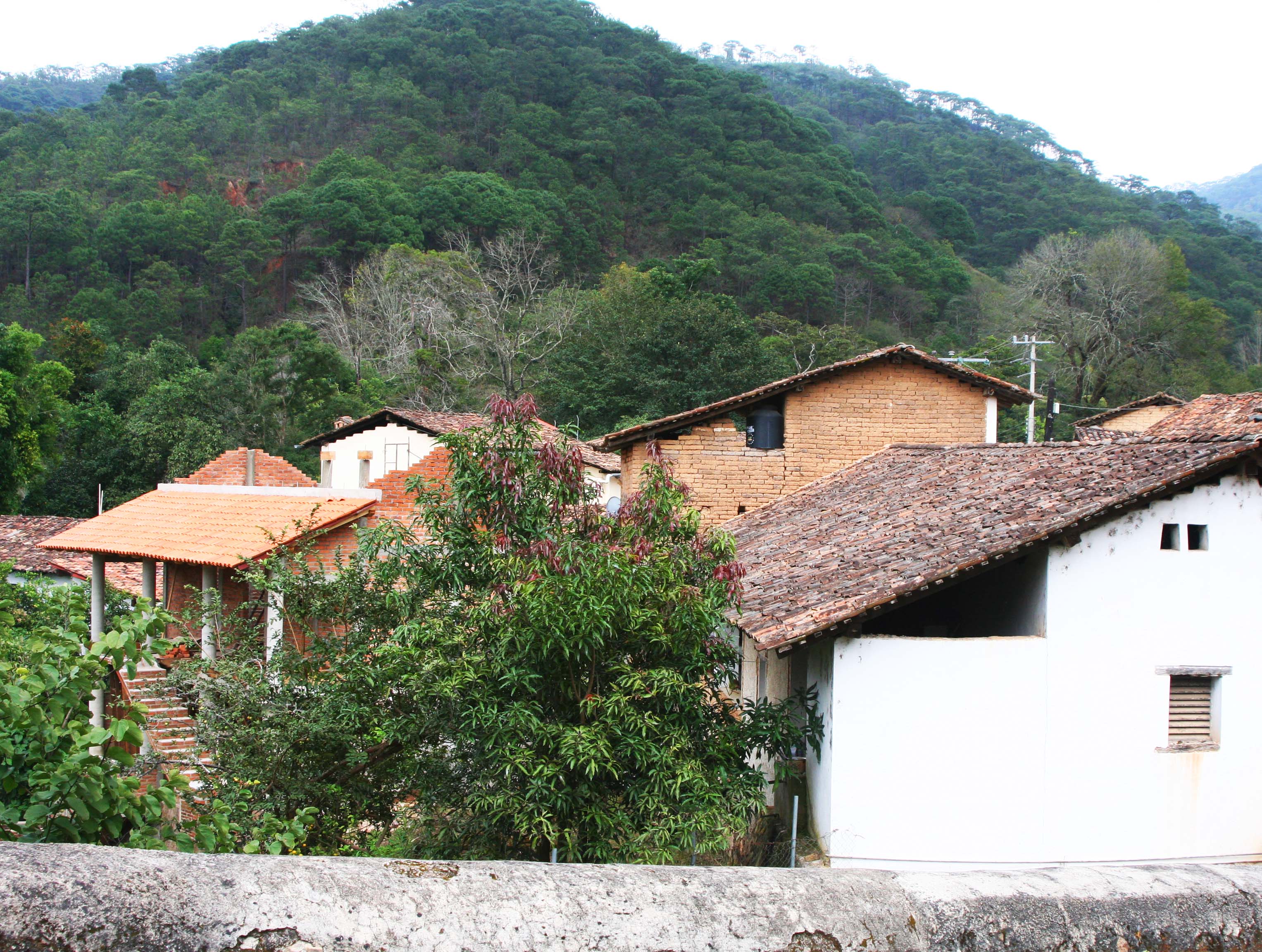
Photo of rooftops in San Sebastian , Mexico. Photo by Curtis Mekemson.

Nestled in the Sierra Madre Mountains above Puerto Vallarta, the town of San Sebastian was once a bustling silver mining town of 20,000. Now it is a quiet village of 600.

We didn’t plan on visiting San Sebastian del Oeste on Mexican Independence Day. Neither did we expect to have a guide immersed in Mexican history. It was all happenstance, a fortuitous occasion. As our bus climbed the steep, curvy road into the Sierra Madre Mountains above Puerto Vallarta, our talkative guide climbed on his soapbox. We learned a lot about the Mexican Revolution.

On November 20, 1910, people throughout Mexico were urged to rise up in revolt against Mexico’s autocratic president, Porfirio Diaz. Times were bad, especially for the poor, i.e. just about everybody. Ninety five percent of Mexico’s wealth was controlled by five percent of the population. Vast swaths of land were tied up in haciendas. Peasants who worked these haciendas were treated little better than slaves.

It would take over a decade but eventually the people of Mexico won massive reforms and better living conditions for themselves. Two legendary figures, Pancho Villa and Emiliano Zapata, rose out of the conflict. Both would be assassinated but their names and legacy would live on into modern times as heroes of the common man and symbols of freedom, not only in Mexico but also around the world.

Pancho Villa's raid across the border into New Mexico to resupply military supplies made him a wanted man in the US and sent General John Pershing rushing into Mexico to capture him. Pershing and his troops spent a year chasing Villa through the mountains but never captured him. Pershing returned to the US to lead American troops in World War I.

Pancho Villa’s raid across the border into New Mexico for military supplies made him a wanted man in the US and sent General John Pershing charging into Mexico on horseback in hot pursuit. Pershing and his troops spent a frustrating year chasing Villa through the mountains but never caught the illusive patriot/bandit. Pershing returned to the US to lead American troops in a more successful World War I effort.

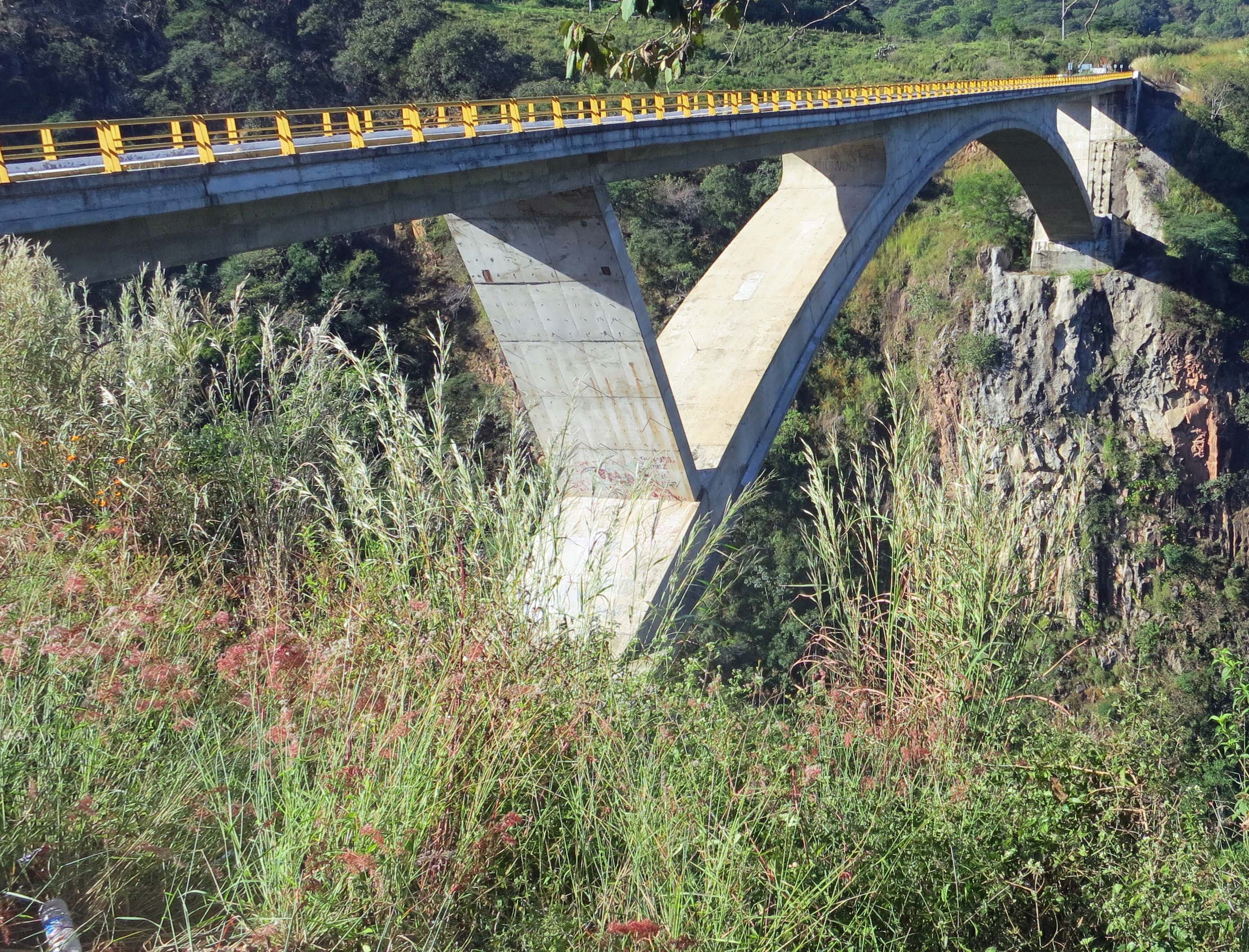
Our bus passed by cornfields, crossed over a high bridge and stopped. It was apparently a Kodak moment. The bridge was famous for cutting a couple of hours off the journey to San Sebastian. The old road made its way tortuously in and out of the canyon. Once it had been a burro trail, used to bring salt up from Puerto Vallarta, which was known as Las Peñas at the time. The salt was used in the smelting process to help break silver and gold out of the rich ores in the region.

Photo of bridge over deep canyon on the road to San Sebastian, Mexico. Photo by Curtis Mekemson.

Our dutiful tourist picture of the bridge on the road to San Sebastian.

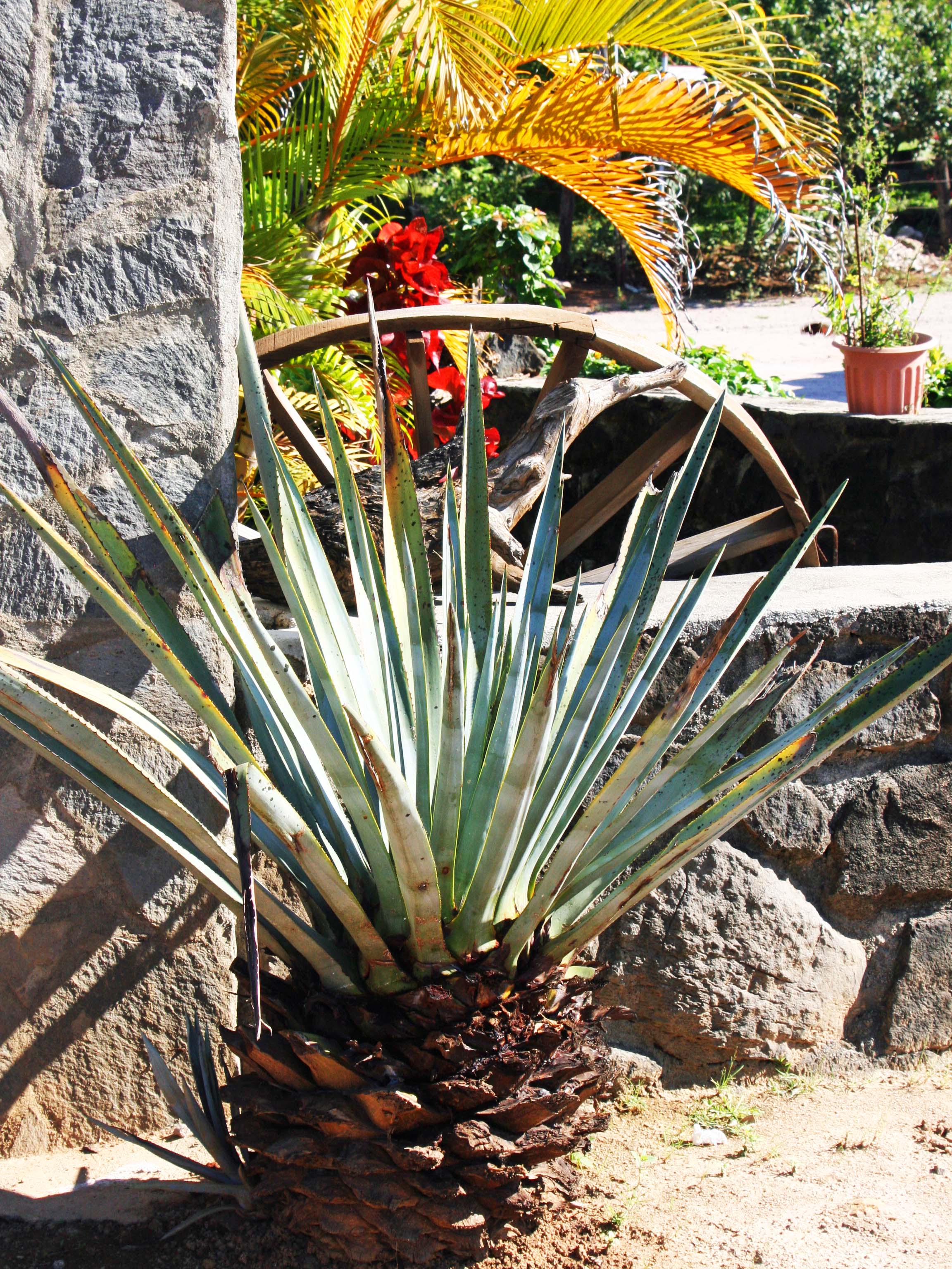
Peggy and I dutifully took photos of the bridge. More importantly, we took advantage of the available restrooms. We’d consumed lots of coffee waiting for the bus. The next stop was a tequila factory where we sampled the wares, checked out an agave plant, and bought a bottle of orange-flavored tequila that made vanilla ice cream taste like you had died and gone to Valhalla, or some other yummy place. I am ever so glad we didn’t discover how good it tasted until just before we left Mexico.  Otherwise I would have consumed gallons of ice cream and been charged double for the airplane ride home.

The agave plant, shown here, is the source of tequila. (Photo by Peggy Mekemson.)

The agave plant, shown here, is the source of tequila. (Photo by Peggy Mekemson.)

Tequila distillery on the road to San Sebastian, Mexico. Photo by Curtis Mekemson.

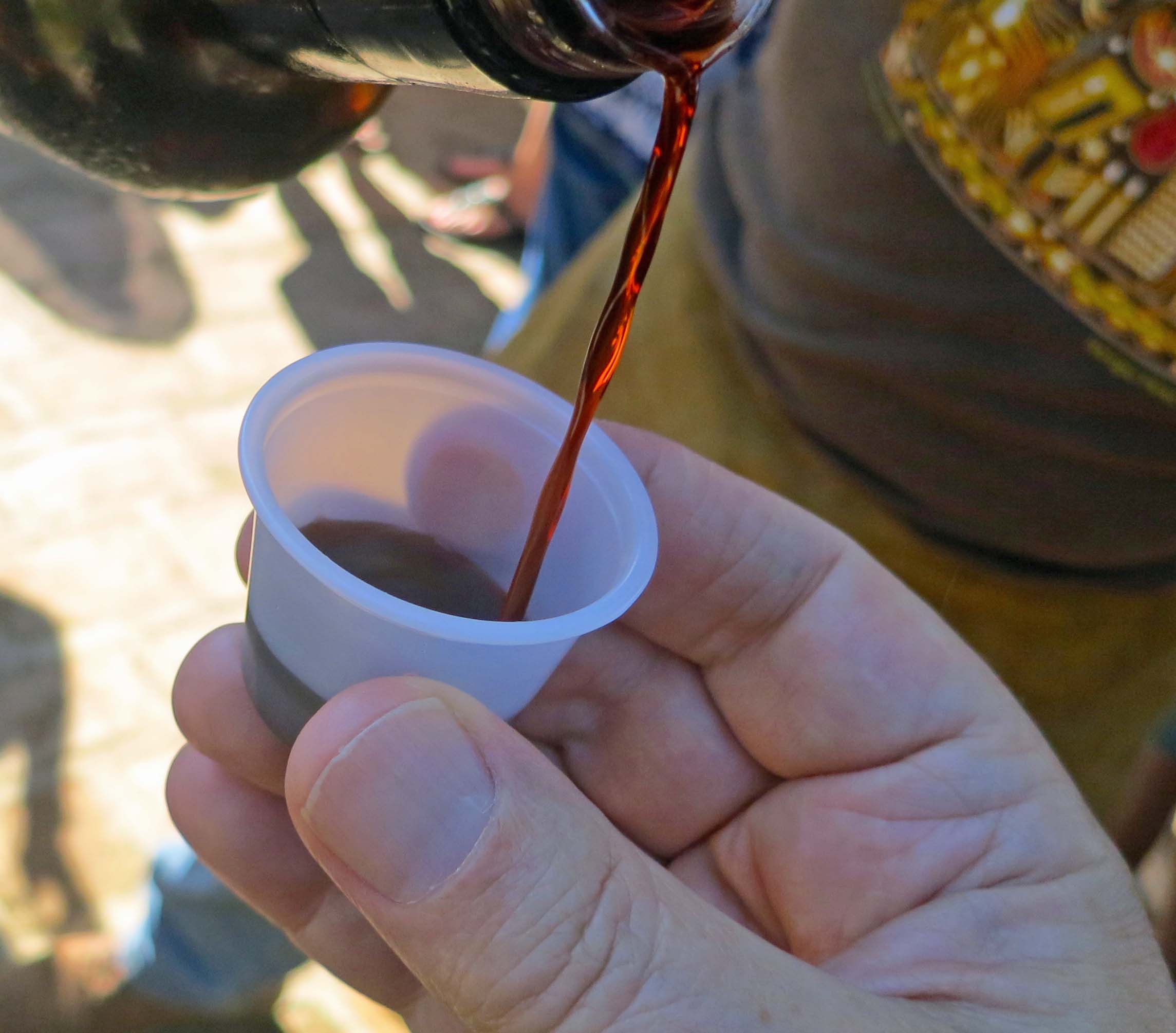
Our host at the tequila distillery displays his wares. The first time I ever drank tequila I was a senior at UC Berkeley and the potent liquor came in a small barrel like the one above. I spent my night in a hallucinogenic haze. The next morning marked the beginning of the Free Speech Movement and the 60’s student revolution. Could there have been a correlation between the two? (grin)

Sampling tequila on the road to San Sebastian, Mexico. Photo by Curtis Mekemson.

This time I was more cautious.

Mexican Independence Day Parade. Photo by Curtis Mekemson.

We were in the midst of sampling when a Mexican Independence Day Parade passed. Check out the wooden rifle of the young boy.

The most interesting stop on our journey to San Sebastian was to visit Hacienda Jalisco, one of the old haciendas whose history was related to the silver mining. You can still see the smelters. The hacienda’s thick walls provided protection for storing the treasure of silver before it was sent onward. Burros carried it to Guadalajara, Mexico City, and finally Vera Cruz, where it was shipped out once a year to Spain, maybe. Getting to Spain assumed that pirates didn’t relieve the treasure ships of their glittery cargo in the Caribbean.

Hacienda Jalisco’s silver mining history came to an abrupt end with the Revolution of 1910 but another type of silver, the silver screen, awaited its future. Discovered and restored by the American expatriate Bud Acord in the 1960s, the hacienda was to become a favorite hangout of John Huston, Elizabeth Taylor and Richard Burton during and after the filming of the Night of the Iguana.  Today it happily continues to serve as a B&B. Brochures describe it as romantic. There is no electricity and rooms are lit by lantern at night. You might sleep in the same room where Burton and Taylor pursued their scandalous, extramarital affair.

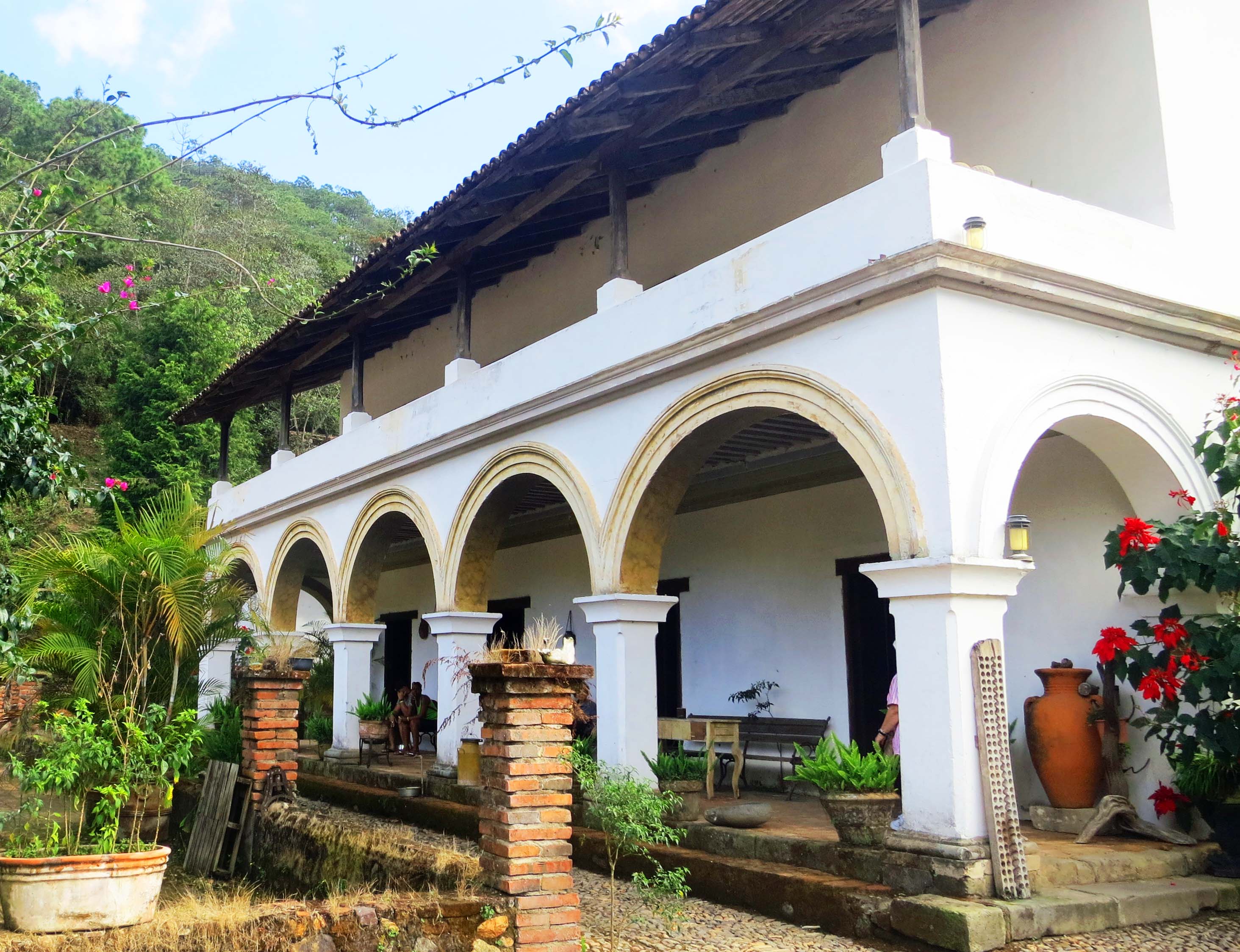
Hacienda Jalisco near San Sebastian, Mexico. Photo by Curtis Mekemson.

The Hacienda Jalisco as it looks today.

Adobe wall and tile roof at Hacienda Jalisco near San Sebastian, Mexico. Photo by Curtis Mekemson.

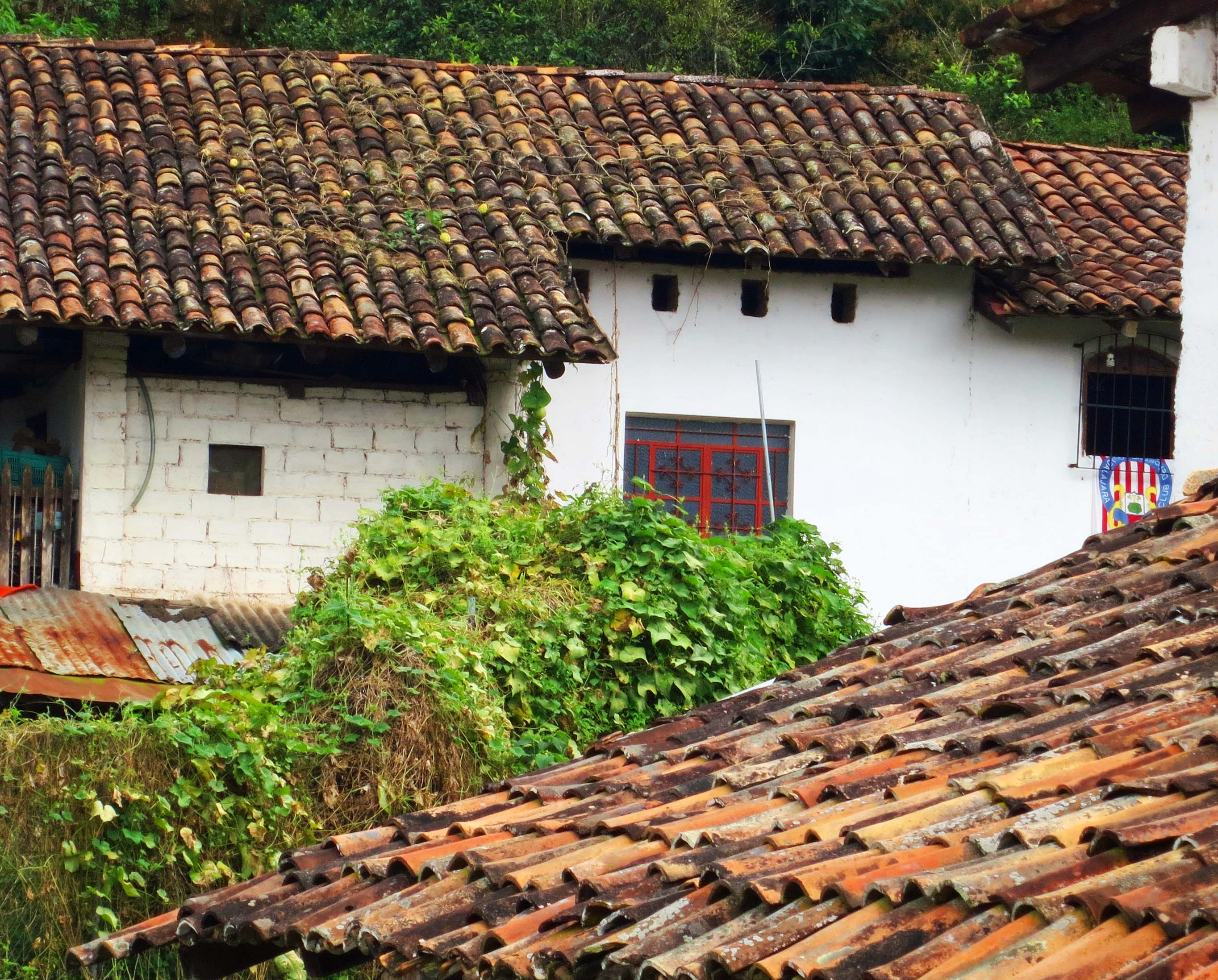
I captured a bit of Old Mexico with this adobe wall and tile roof.

Part of the silver smelter at Hacienda Jalisco. (Photo by Peggy Mekemson.)

Part of the silver smelter at Hacienda Jalisco. (Photo by Peggy Mekemson.)

Jawbone of a boar. Photo by Curtis Mekemson.

While I found this jawbone of a boar interesting…

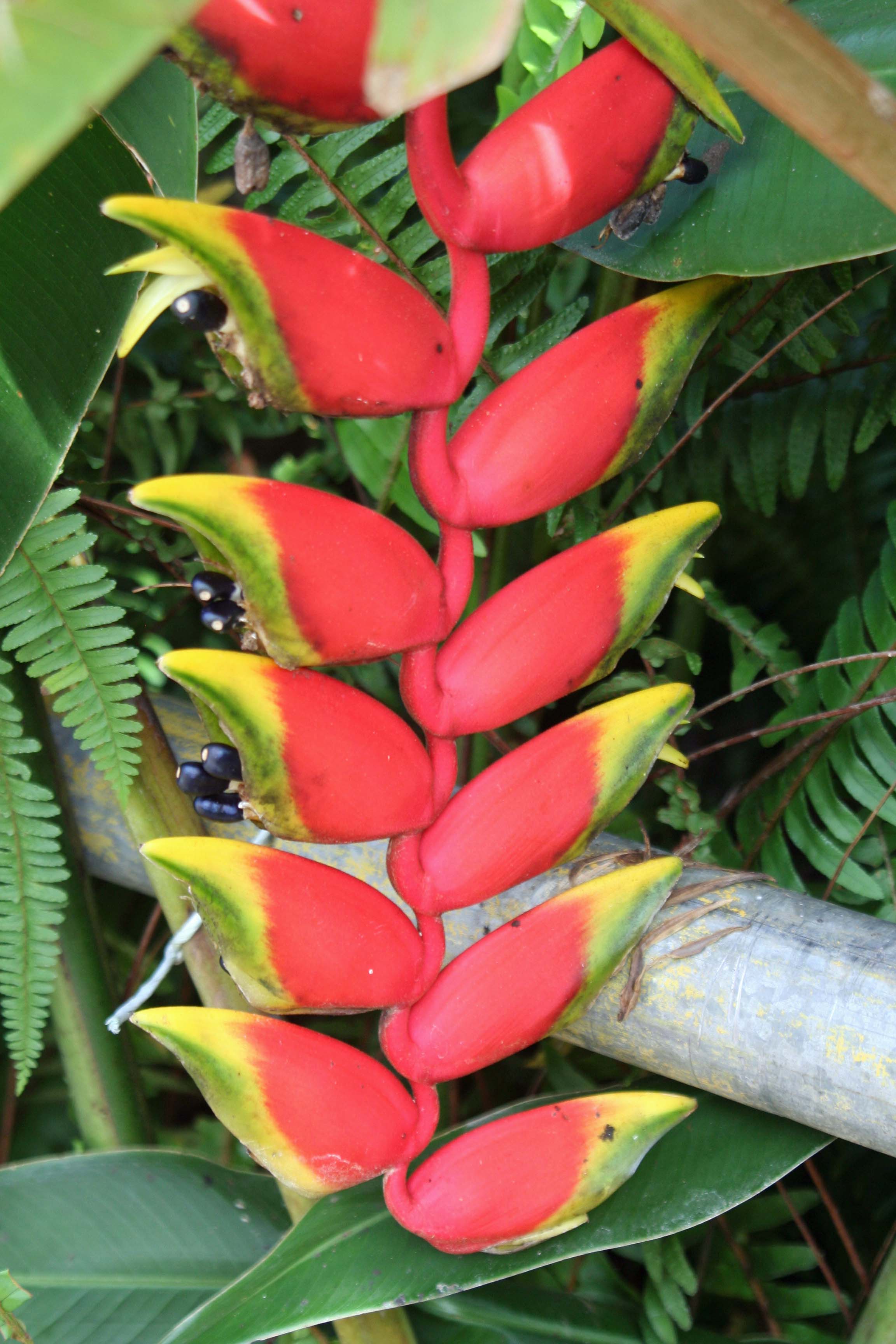
Peggy preferred to photograph flowers that adorn the Hacienda.

Peggy preferred to photograph flowers that adorned the Hacienda. (Photo by Peggy Mekemson.)

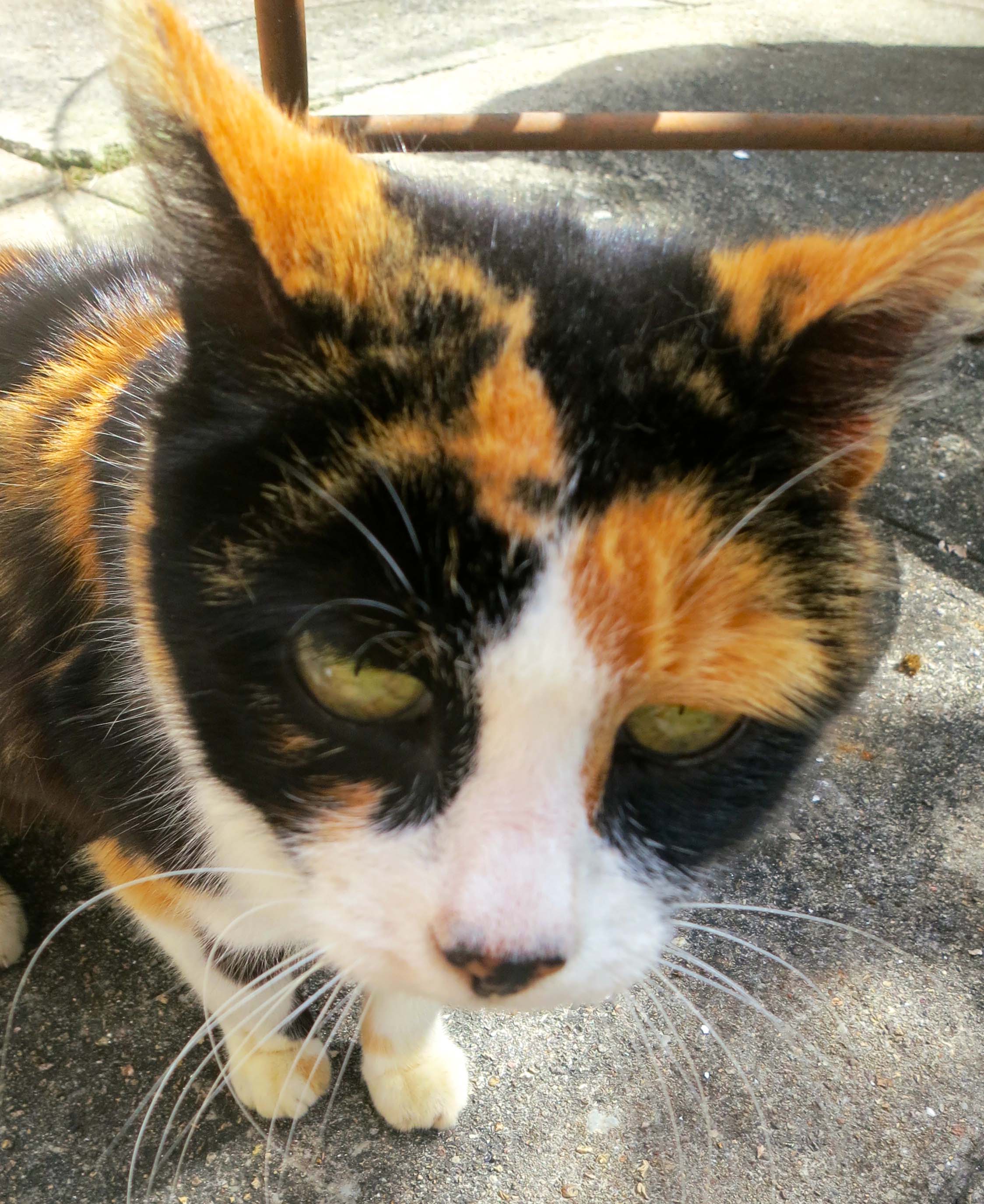
Photo of Hacienda Jalisco cat by Curtis Mekemson.

We both liked Gato.

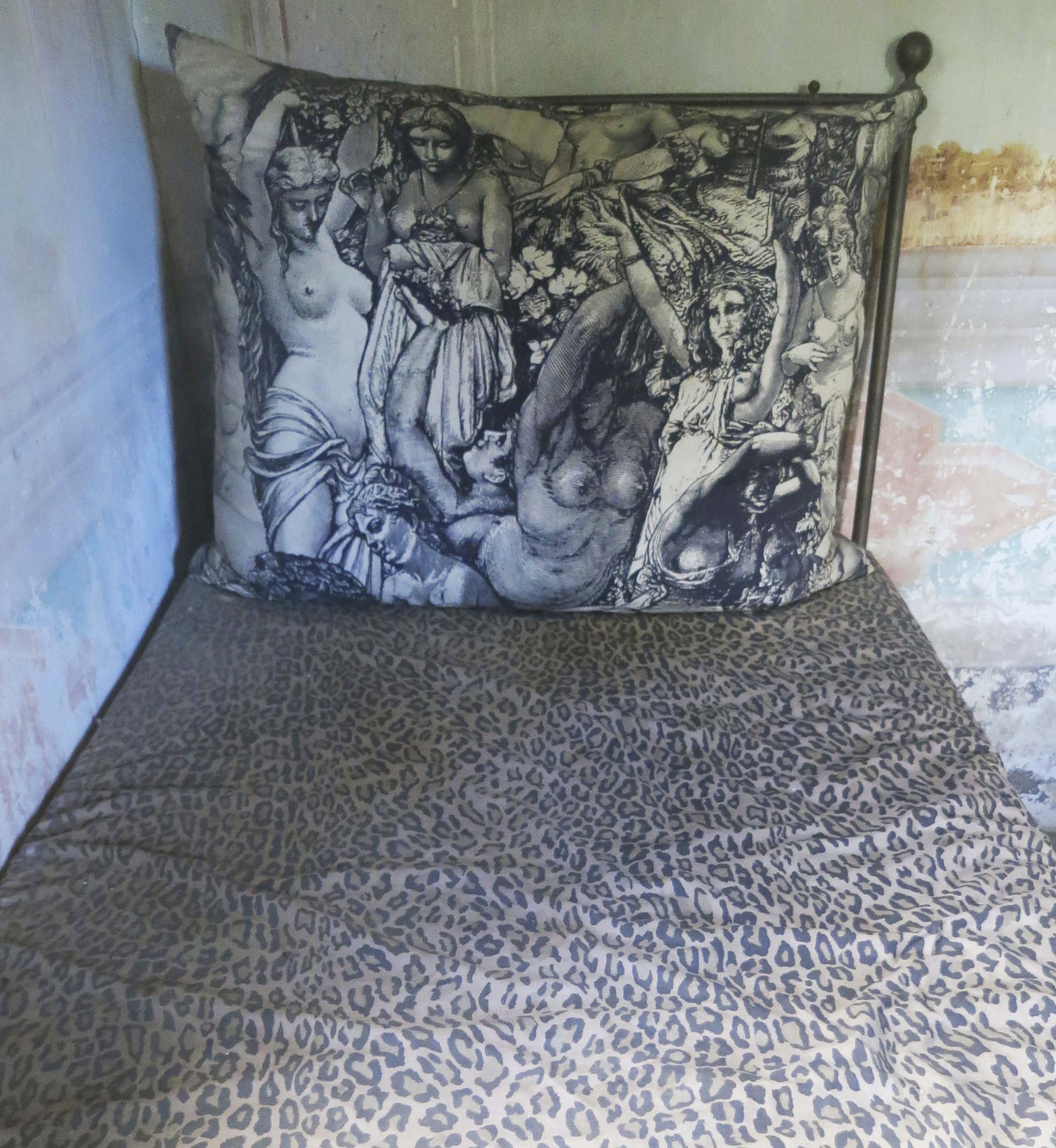
This antique bed with its wild pillow was rather interesting. Wonder if it dated to the days of Richard and Liz?

You could almost hear the springs of this antique bed squeak given its wild pillow. I wonder if the ghosts of Elizabeth and Richard ever stop by for a midnight tryst?

Our final stop before San Sebastian was at a coffee plantation that shared a building with a coffin maker.

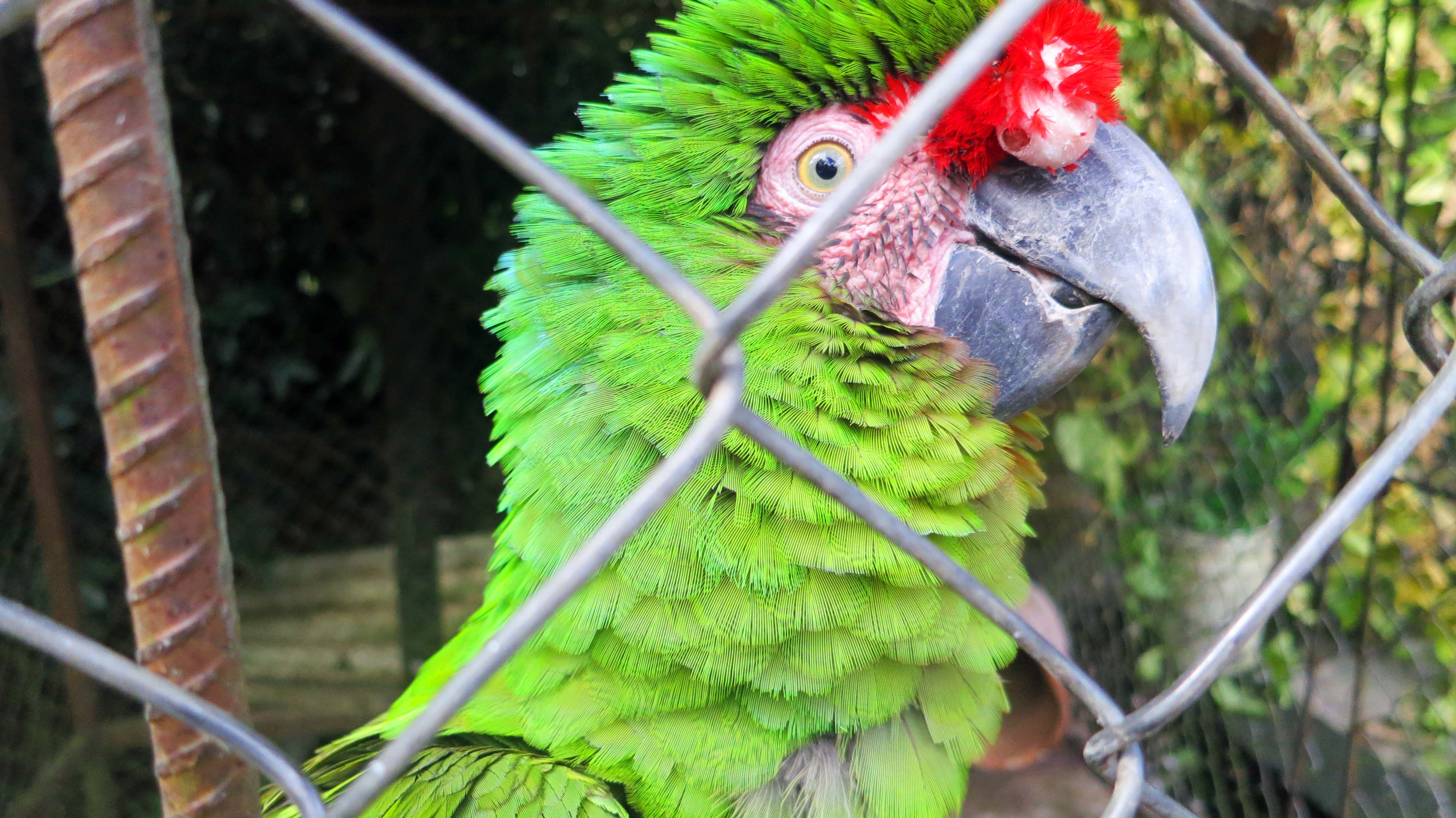
Photo of parrot at San Sebastian coffee plantation by Curtis Mekemson.

Peggy and I admired this guy as we drank our coffee and contemplated our ultimate demise.

Our son Tony made it to San Sebastian before we did. He bought a sailboat while living in San Diego, sailed it to Puerto Vallarta with his girlfriend Cammie (and our nephew Jay), took the bus up to San Sebastian (without Jay), went on a horseback ride to a remote waterfall, and asked Cammie to marry him. You can’t get much more romantic! We were eager to see the town.
Treasure seeking Spaniards settled San Sebastian in 1605. To put this into perspective, Jamestown, the first British settlement in North America, was founded in 1607. First Spain and then Mexico continued to pull silver from its surrounding mines up until the Revolutionary era of 1910-20. Once a bustling community of 20,000 importing luxury items from far away Europe, San Sebastian is now a quiet community of 600 surviving off of agriculture and a small tourist trade. Peggy and I liked it.

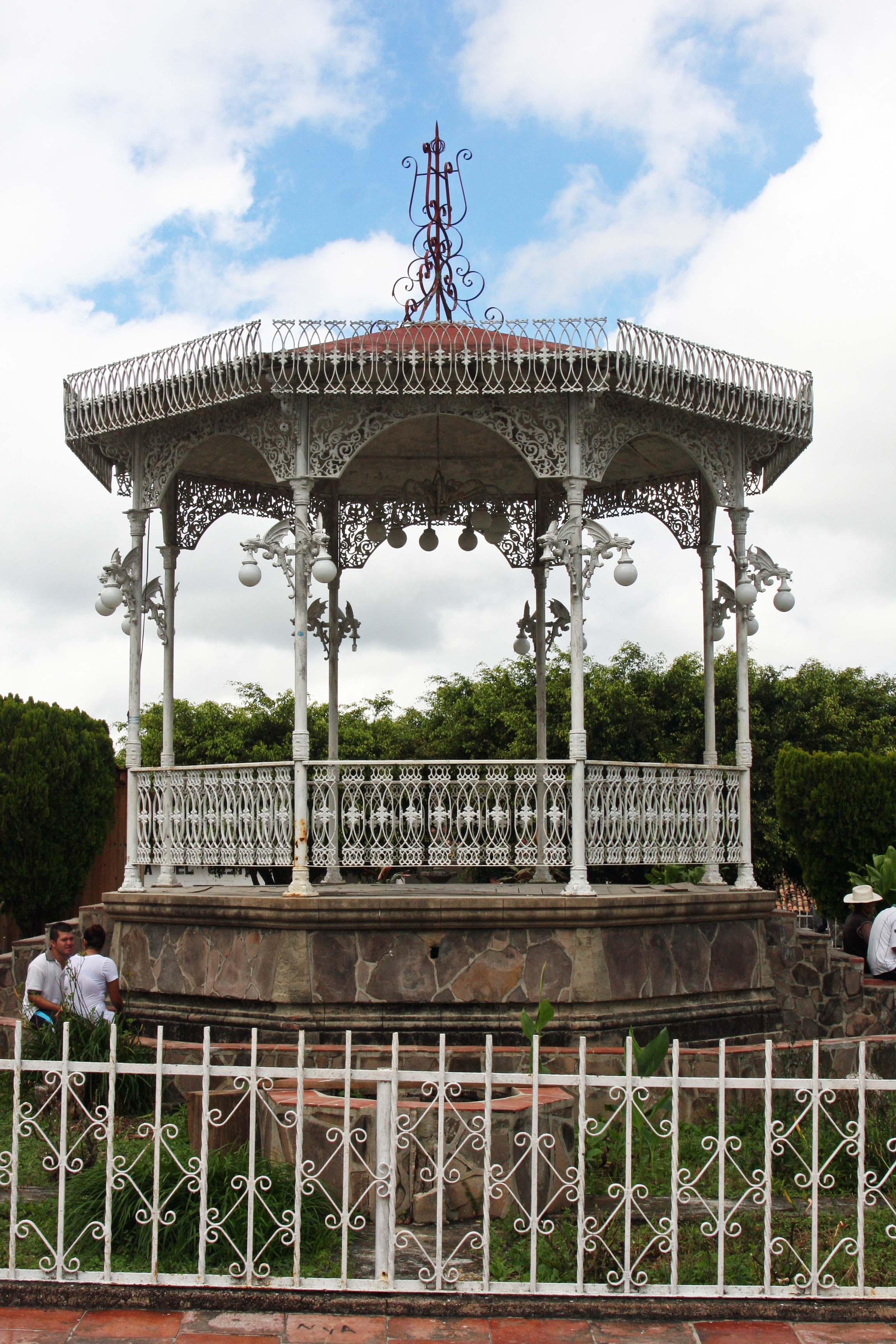
An attractive bandstand dominates the central plaza (Revolution Square) and provides views of the surrounding town and countryside. We had just missed the Independence Day celebration so Peggy and I had a pleasant lunch, walked through the town, visited the impressive Church of Saint Sebastian, and stopped to watch a local craftsperson weave a basket so quickly we could barely see her hands move. I could happily spend a week, or several in the town and surrounding area.

San Sebastian Bandstand. Photo by Curtis Mekemson.
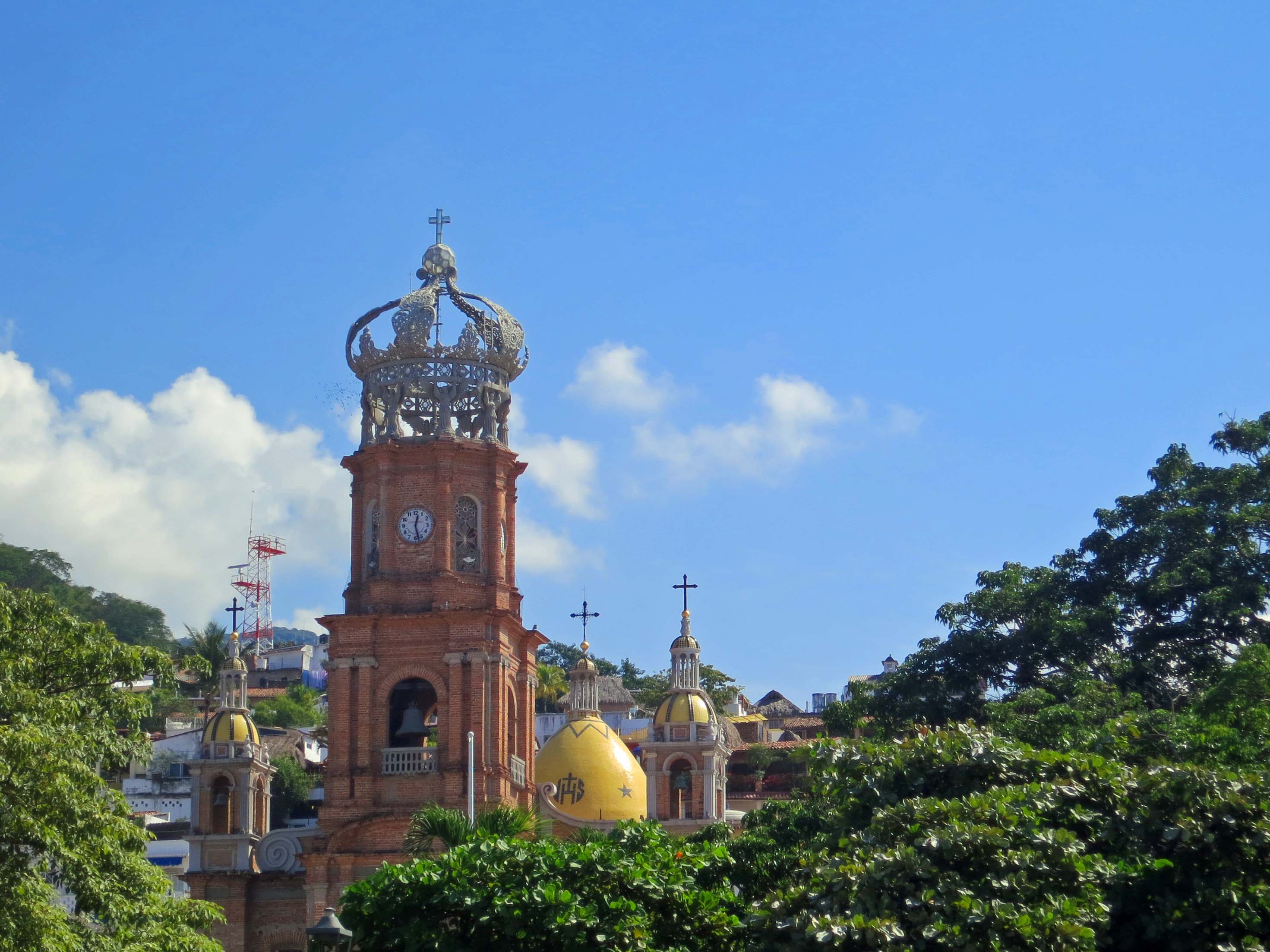
An attractive bandstand dominates Revolution Plaza in San Sebastian. (Photo by Peggy Mekemson.)

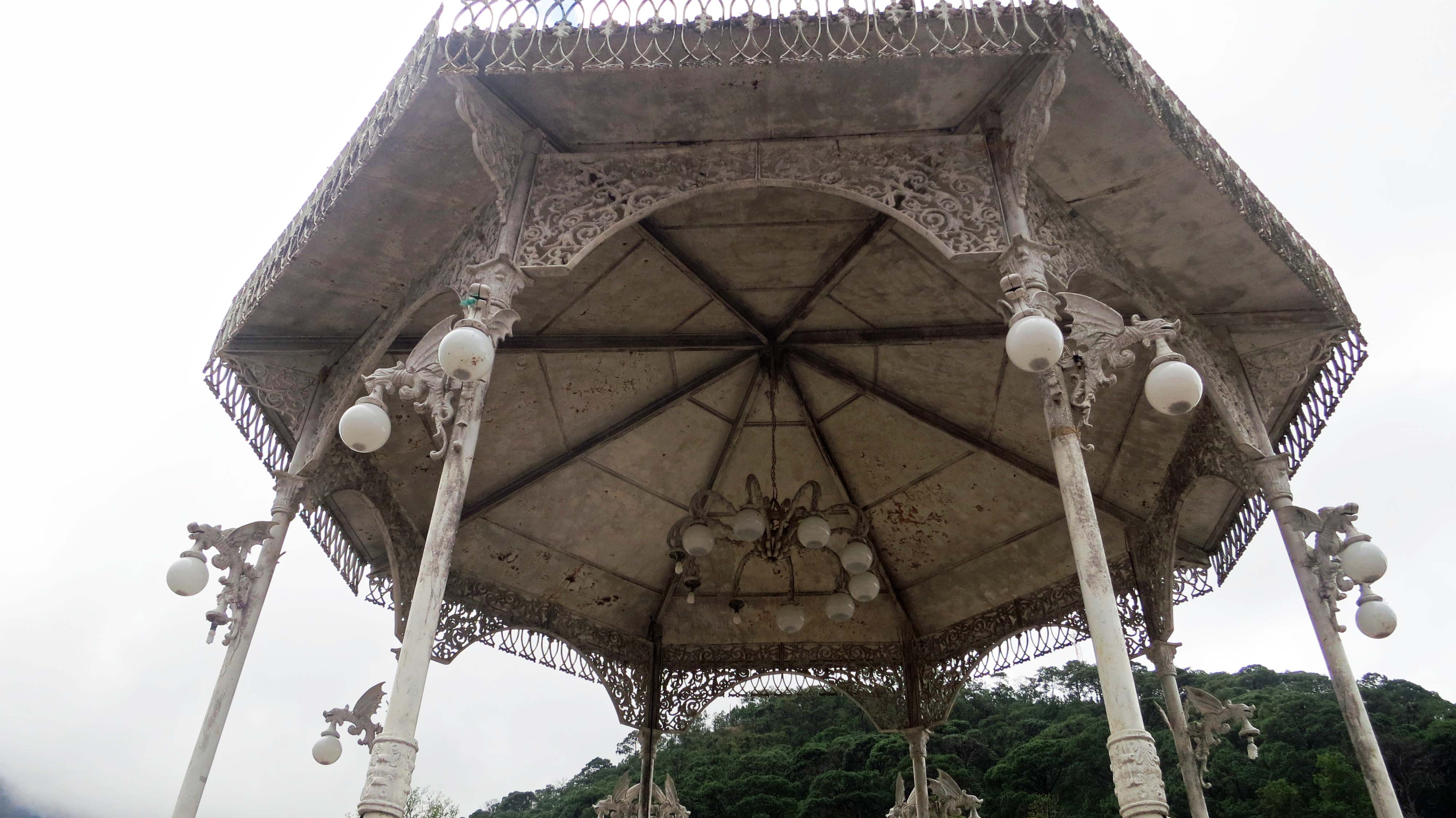
Photo by Curtis Mekemson.

Looking up at the bandstand.

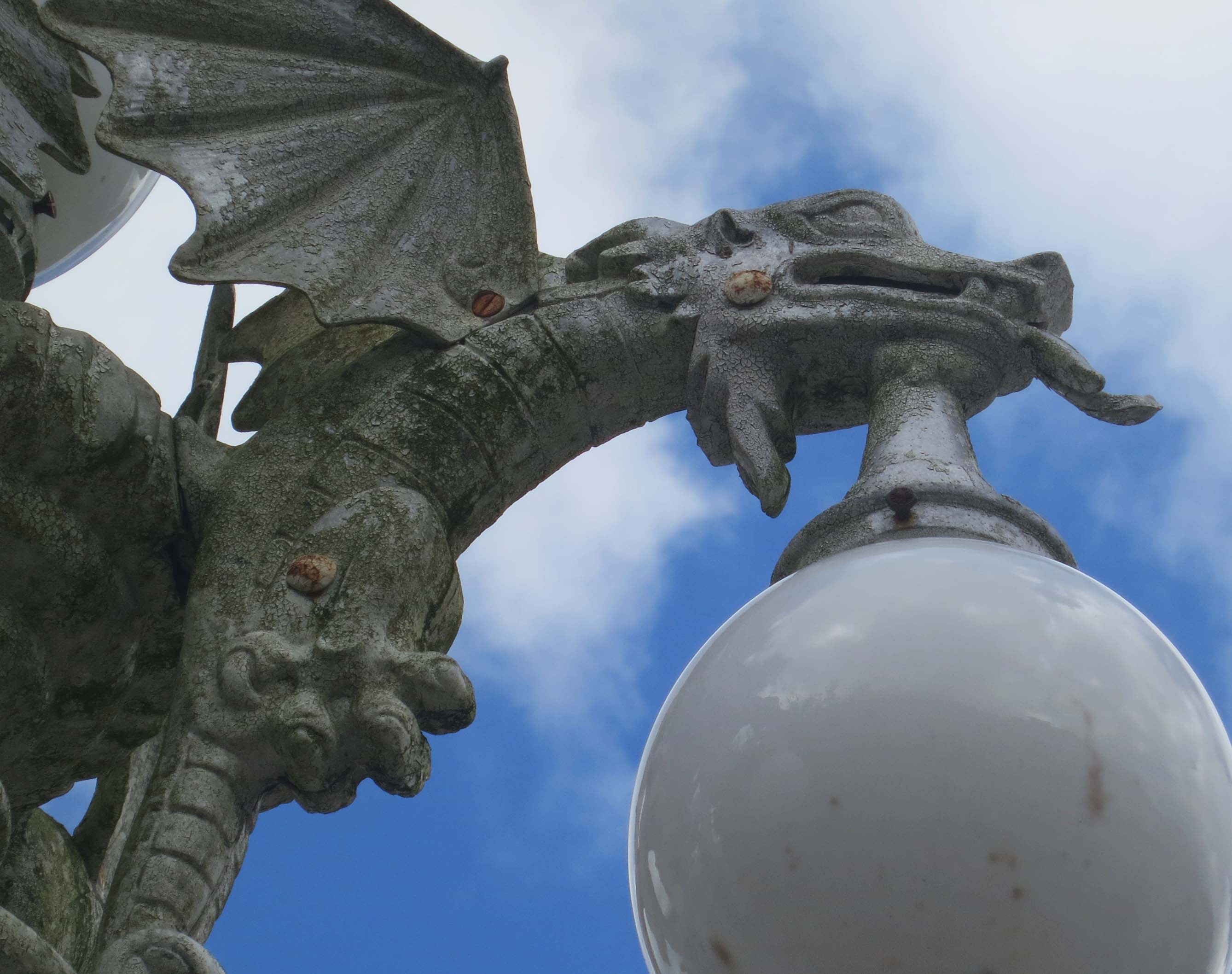
Dragons of San Sebastian. Photo by Curtis Mekemson.

Dragons, like this fellow, decorate the bandstand and plaza.

Views of the town, including this view of the Church Of San Sebastian were available from the bandstand. (Photo by Peggy Mekemson.)

Views of the town, including this view of the Church Of San Sebastian were available from the bandstand. (Photo by Peggy Mekemson.)

The Temple of Saint Sebastian in San Sebastian, Mexico. Photo by Curtis Mekemson.

A black and white rendition of the church under cloudy skies.

Inside Temple of Saint Sebastian in San Sebastian, Mexico. Photo by Curtis Mekemson.

An inside view of the church showing the altar. Saint Sebastian, who is normally depicted full of arrows, is pictured on the upper left. Sebastian is considered the patron saint of sports. Do you think this includes archery? (Bad Curt.)

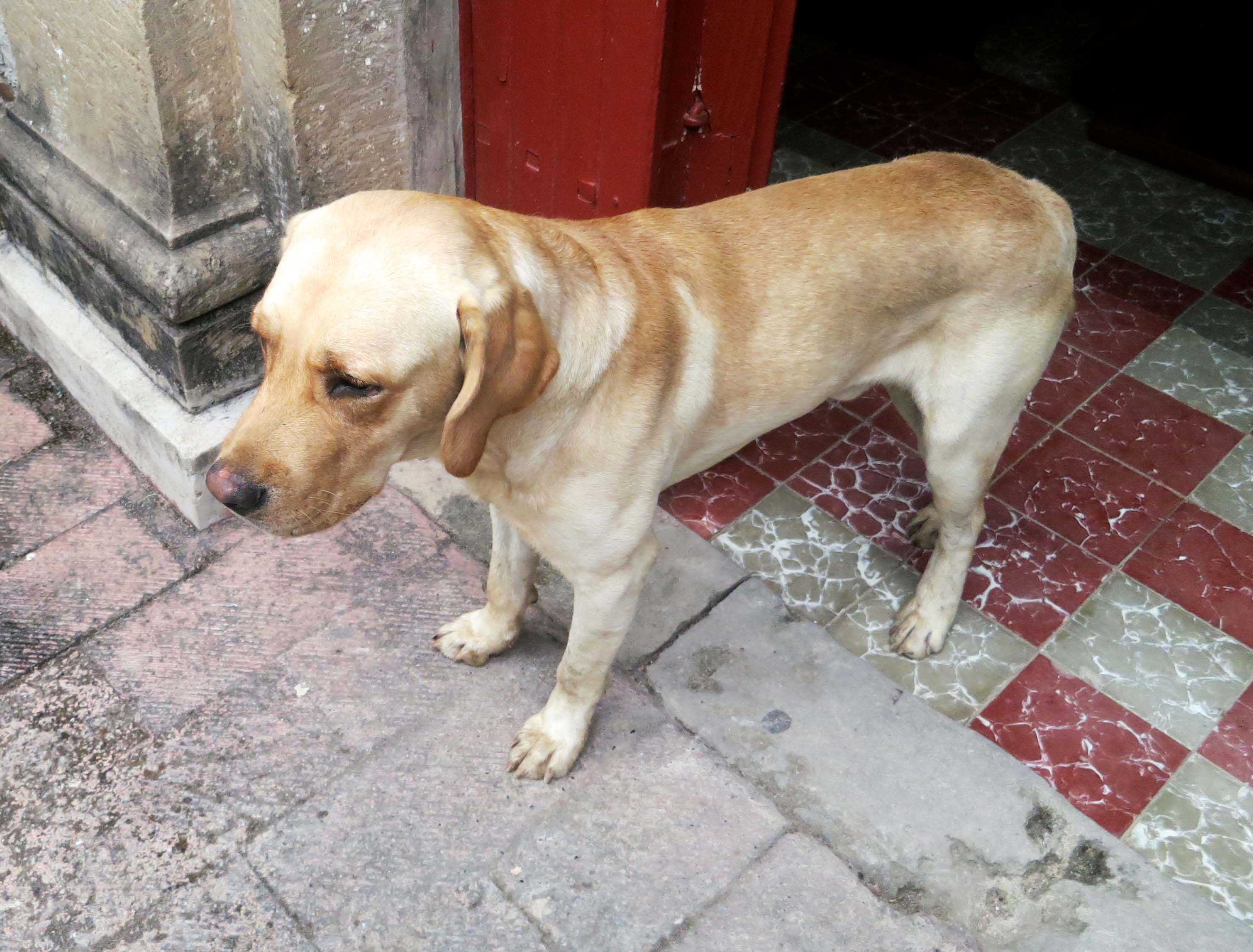
San Sebastian Church dog. Photo by Curtis Mekemson.

This was the only local we found in the church. He was lying in the central aisle when we entered the church and then walked out with us.

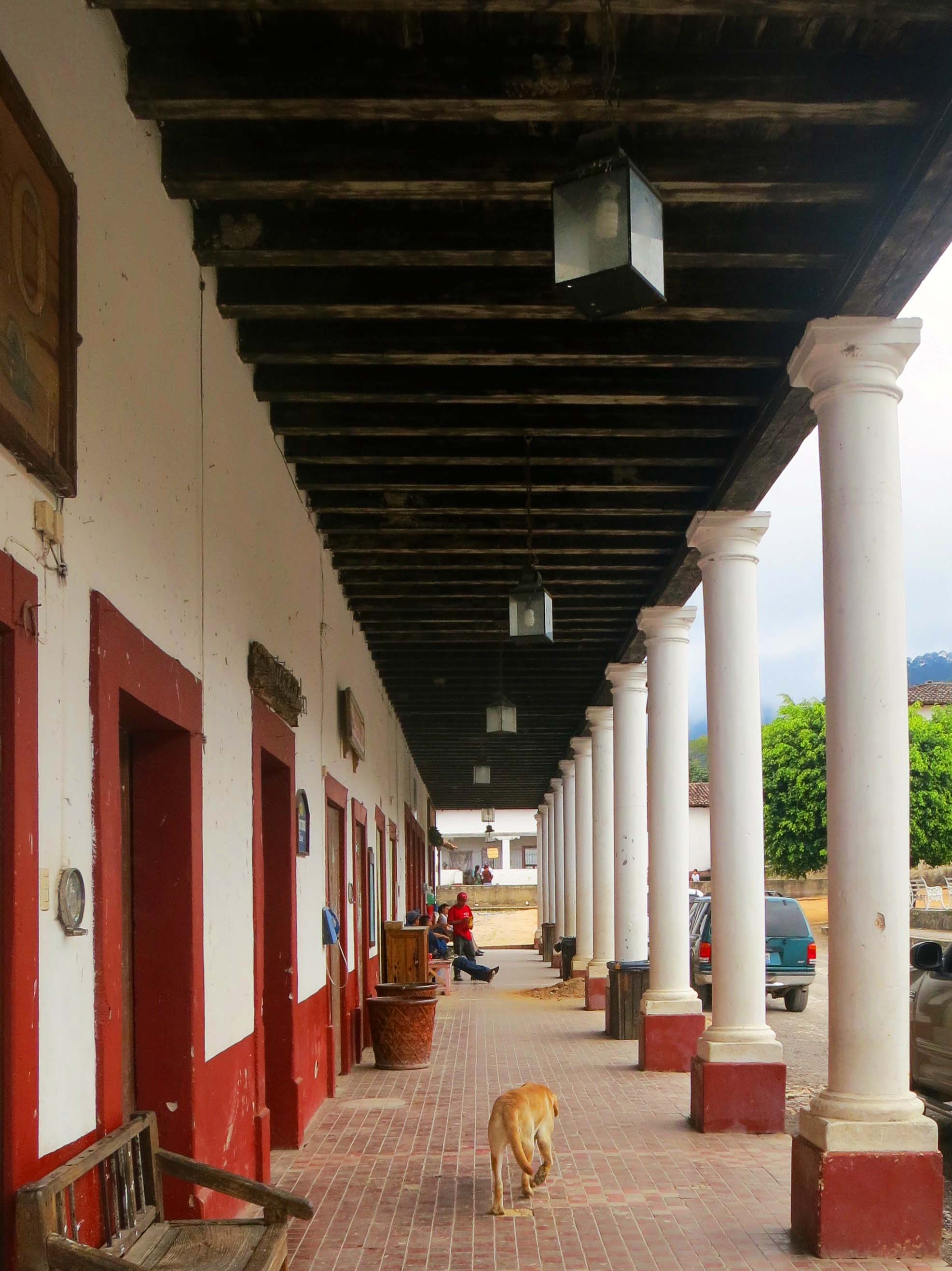
Walkway of building facing Revolution Square in San Sebastian, Mexico. Photo by Curtis Mekemson.

Later we saw the dog making his way along the walkway of one of the buildings facing the plaza.

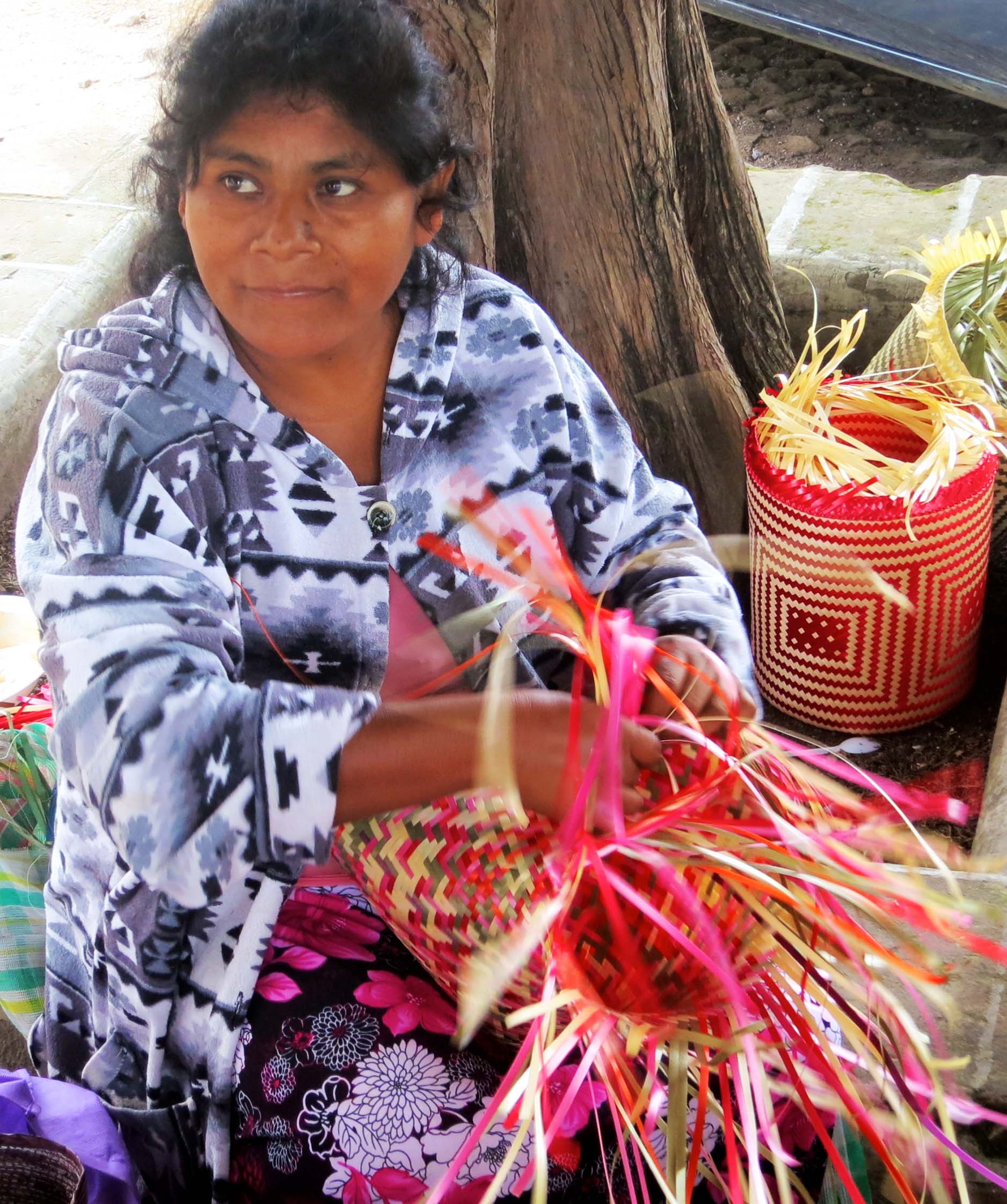
Basket weaver in San Sebastian, Mexico. Photo by Curtis Mekemson.

The hands of this basket weaver flew so fast I could hardly follow what she was doing. 

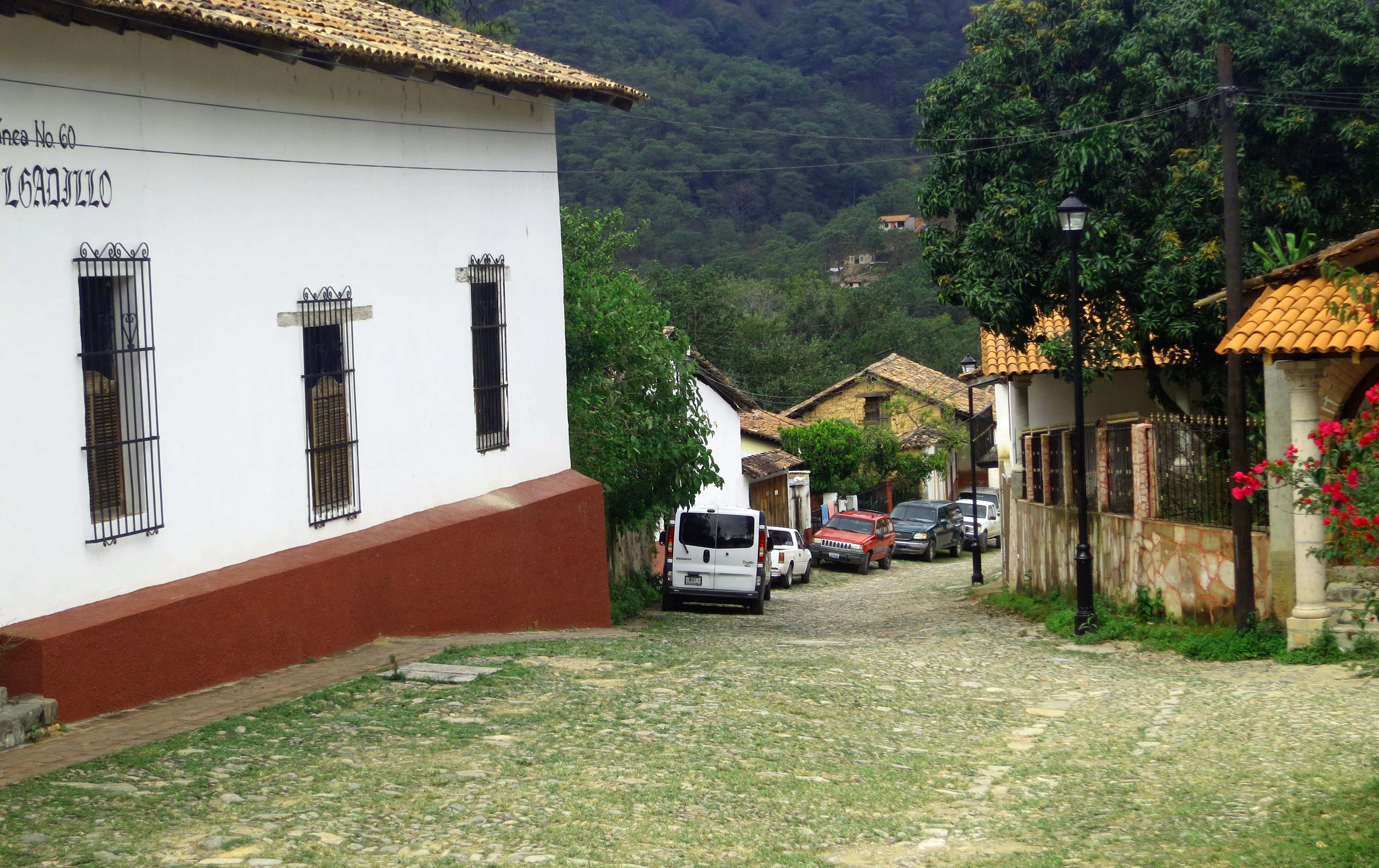
San Sebastian, Mexico side-street. Photo by Curtis Mekemson.

One of the side-streets in San Sebastian that Peggy and I wandered along.

Altogether, San Sebastian is a gem of a community nestled among the Sierra Madre Mountains. If you make it to Puerto Vallarta, it is well worth the day trip to see it. (Photo by Peggy Mekemson.)

Altogether, San Sebastian is a gem of a community nestled among the Sierra Madre Mountains. If you make it to Puerto Vallarta, it is well worth the day trip to see it. (Photo by Peggy Mekemson.)

NEXT BLOG: One Hundred Thousand Thank You’s for One Hundred Thousand Views.

Part II: A Walk on the Wild Side of Southern Oregon… from the Mail Box

Numerous ferocious animals are found along our mailbox route, including Charlie who barks more in a minute that the minute has seconds.

Ferocious animals are found along our mailbox route, including Charlie, who barks more in a minute that the minute has seconds.

I took you along for a walk to my mailbox in the last post. We hiked over Cody’s Bear Trail, went looking for a wayward skunk, and found the deer herd that believes it is the true owner of our property. Maybe it is. We then detoured through the Klamath National Forest, rejoined our neighborhood road and arrived at the mailbox.

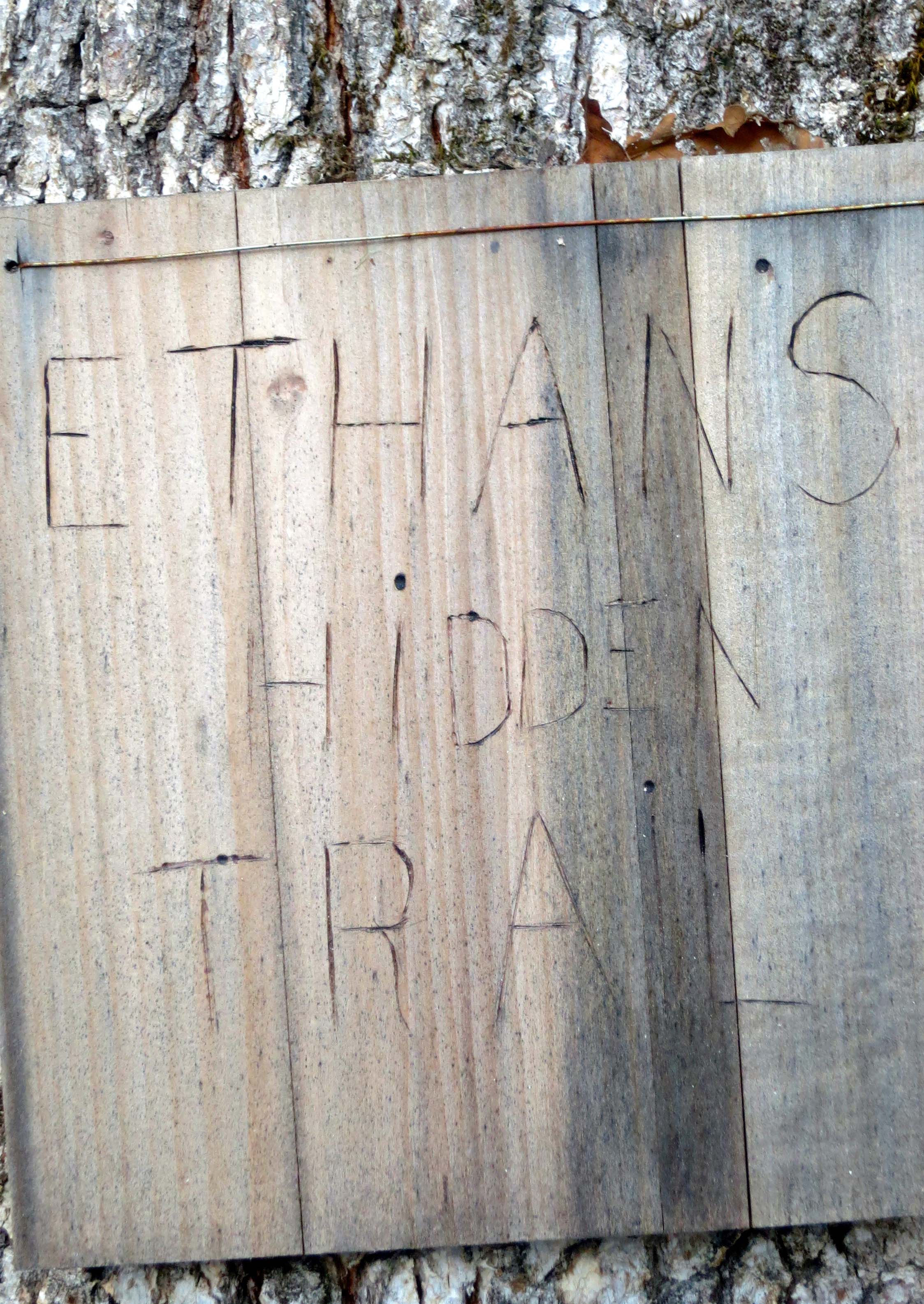
Today we are completing the trip. We will walk along the Upper Applegate Road, check out the Applegate River, visit with one tiny and two huge dogs, and finish our hike on Ethan’s Hidden Trail. The total walk to and from the mailbox, with detours, is a mile and a half.

But first I have to report on two new developments. One, I found the skunk. He is a magnificent creature, by far the biggest skunk I have ever seen. I’d gone down after dark to collect our garbage can on the main road. And there he was, waddling. In fact he waddled right into our front road culvert. He is one culvert-loving skunk.  I am surprised he fit.

Two, I received an award from the Word Press blog Animal Couriers. I love these people. They transport people’s pets all over Europe but also throughout the world. And they do a lot with rescued animals. They’re good folks. Was the award for my great humanity, good looks, fine intelligence and quick wit? No, sigh. It was for my “off the wall” comments on their blog. So there you have it, in case you haven’t noticed before: I am an off the wall type of guy. I like it.

Upper Applegate Road, Southern Oregon. Photo by Curtis Mekemson.

On leaving the mailbox, our counterclockwise journey takes us along Upper Applegate Road. It’s my kind of highway. At night, I can drive the whole 13 miles without meeting another car. Charlie the Dog lives up the road on the right. Our river property is just above the grove of trees.

Trail on Upper Applegate River in Southern Oregon. Photo by Curtis Mekemson.

I quickly leave the road. There is the Applegate River to explore. Besides, if I had been born to walk on roads, I would have been born with wheels.

There is this sign... but I am sure they can't mean me. Plus I haven't met the owner to ask for permission in my three years of living here.

There is this sign… but I am sure they can’t mean me. Plus I haven’t met the owner to ask for permission in my three years of living here.

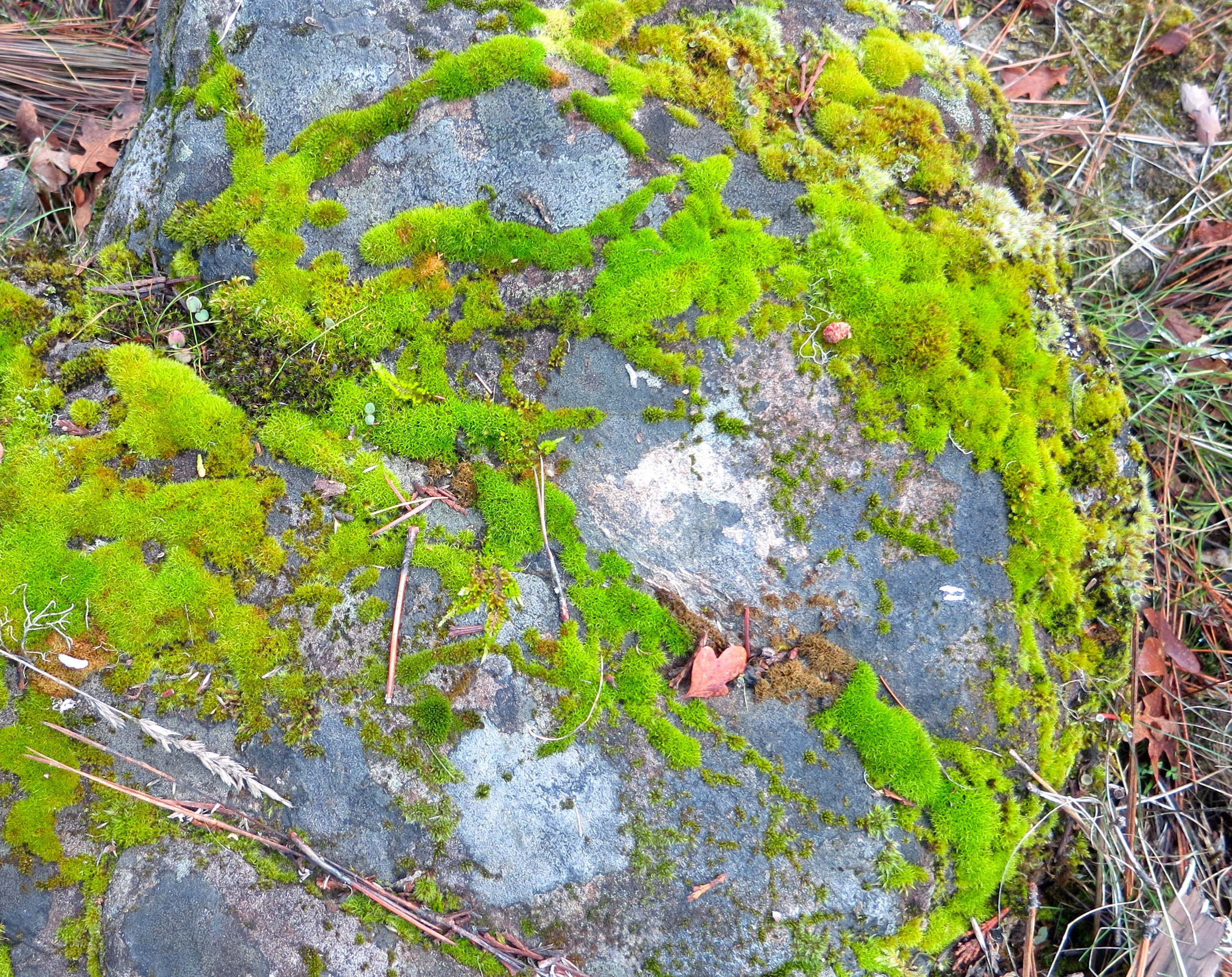
River rock covered in moss on Applegate River in Oregon. Photo by Curtis Mekemson.

I learned a long time ago that beauty surrounds us, if we are willing to see it. This river rock covered in moss is an example.

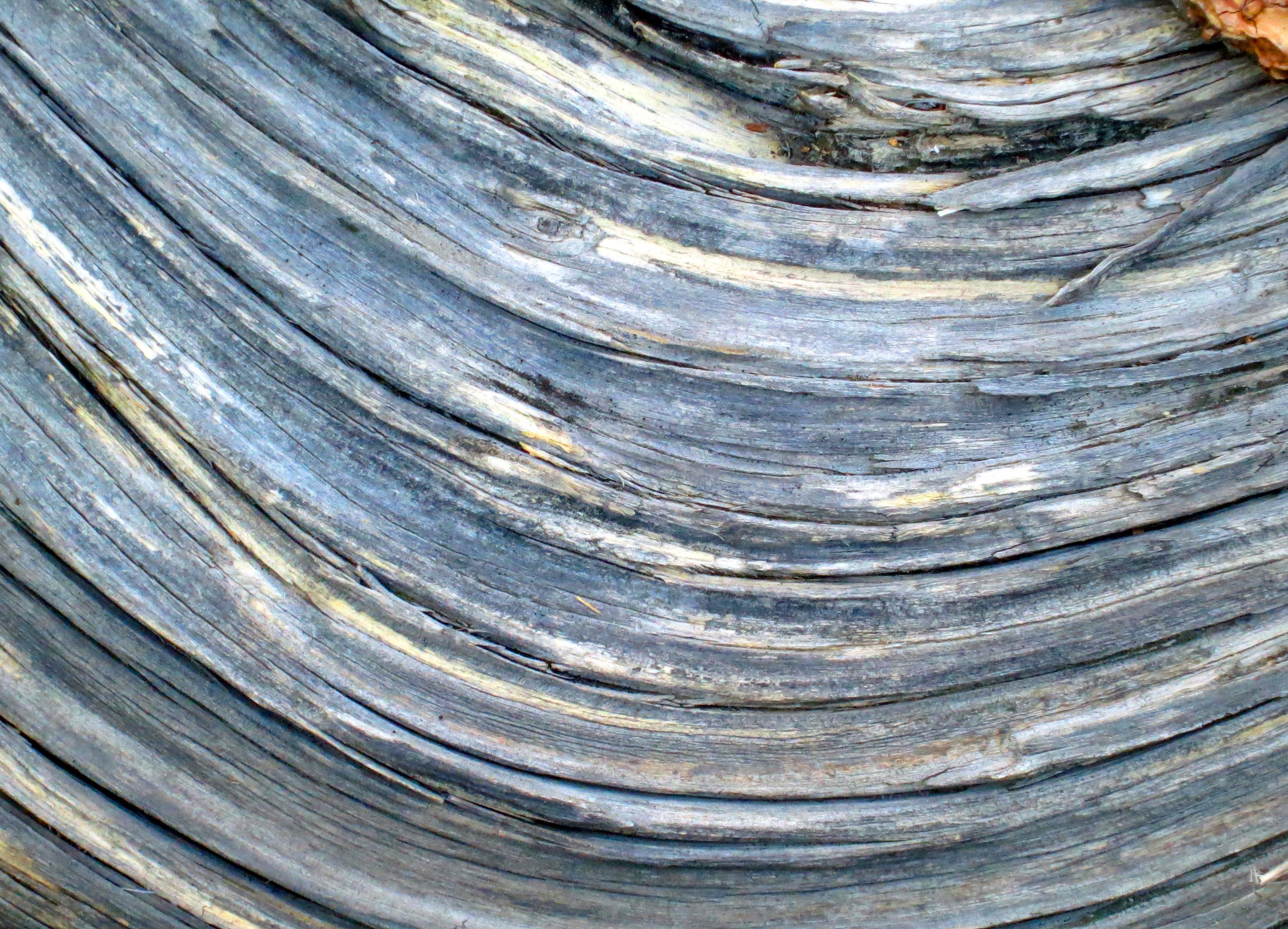
Wood grain photo on Applegate River in Oregon. Photo by Curtis Mekemson.

Another example: grains in wood. I found this long-dead limb just beneath the no-trespassing sign.

Applegate river in winter. Photo by Curtis Mekemson.

And here is the Applegate River. It is running low now because we haven’t had much rain but that doesn’t detract from its beauty.

Manzanita growing on Applegate River in Southern Oregon. Photo by Curtis Mekemson.

Recognize this bush? It’s smooth skin is the primary clue. This is manzanita. In the spring it hosts small pink flowers that smell oh so sweet. In the fall it sports bright red berries.

Manzanita Flowers. Photo by Curtis Mekemson.

A photo of manzanita flowers I took last spring.

Oregon Red Cedar. Photo by Curtis Mekemson.

We return to the road, walk past Charlie’s house, and come to this magnificent red cedar that marks our property line.

Granite rocks on Applegate River in Southern Oregon. Photo by Curtis Mekemson.

Before we head up Ethan’s Trail back to our house, we’ll make a quick detour onto the river property we co-own with out neighbors. We have to scramble over granite rocks to get there.

Applegate River. Photo by Curtis Mekemson.

But the journey is worth it.

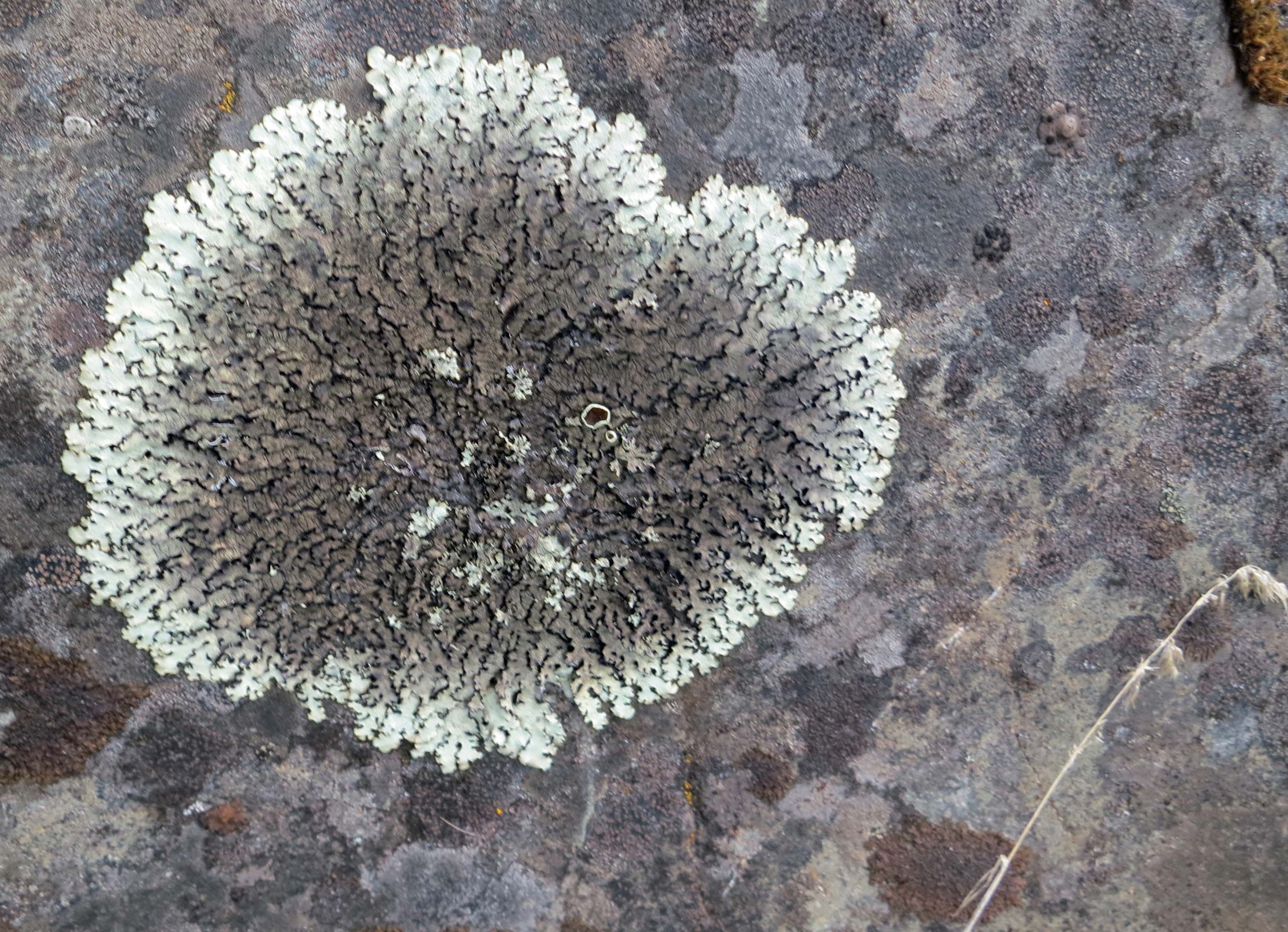
Lichen on rock along Applegate River. Photo by Curtis Mekemson.

Walking back from the river I find this lichen…

Pool of frozen water on rocks next to Applegate River in Southern Oregon. Photo by Curtis Mekemson.

This small pool of water that was frozen over and offered a fun reflection. The pine needle on the left side provides a perspective on the size of the pool.

I also found this site of a feast. Poor birdie.

I also found this site of a feast. Poor birdie.

We have now arrived at our front road. Our sunroom is hiding behind the oak tree on the left. Ethan's Hidden trail starts in the trees on the right. I found the skunk about fifteen feet below where I took the photo.

We have now arrived at our front road. Our sunroom is hiding behind the oak tree on the left. Ethan’s Hidden Trail starts in the trees on the right. I found the skunk about fifteen feet below where I took this photo.

As I head over for Ethan's Trail more neighbor dogs come out to greet. These are A guard dogs and regard everybody but their master with suspicion. I think Griz is finally starting to like me. I've told him waht a good boy he is at least a thousand times.

As I head over for Ethan’s Trail more neighbor dogs come out to greet me. These monsters are Anatolian guard dogs and regard everybody but their master with suspicion. I think Griz is finally starting to like me. I’ve told him what a good boy he is at least a thousand times. He actually wagged his tail.

His brother Omni, on the other hand, has that look that says come across the fence so I can eat you. He lost his eye as a puppy.

Omni didn’t. He has that look that says come across the fence so I can eat you. He lost his eye as a puppy and has been irritated about it ever since.

Ethan's trail

Applegate Valley trail through ponderosa Pines and Douglas Fir. Photo by Curtis Mekemson.

While Cody’s Bear Trail makes its way through White Oaks, Ethan’s Hidden Trail wanders through Madrone, Ponderosa Pines and Douglas Firs on the opposite side of our canyon.

Blackberry vines growing in the Applegate Valley of Southern Oregon. Photo by Curtis Mekemson.

Blackberries fill the canyon. By August these vines are loaded with fruit that the deer help us harvest, delicately.

When we can see our pump house, we are almost home. An interesting aside... When we bought the property we noted that the ceiling of the pump house was filled with outlets. "What the heck?" we thought. And then the light dawned. We were in rural Oregon. The pump house had been used for growing pot. I tease Peggy that If our retirement funds ever run out, I am going to become a pot farmer.

When we can see our pump house, we are almost home. An interesting aside… when we bought the property we noted that the ceiling of the pump house was filled with outlets. “What the heck?” we thought. And then the light dawned. We were in rural Oregon. The pump house had been used for growing pot. I tease Peggy that if our retirement funds ever run out, I am going to become a pot farmer. She smiles indulgently.

Madrone tree in Southern Oregon. Photo by Curtis Mekemson.

Finally, when we arrive at the large Madrone that provides our back yard with shade on hot summer days, we are home. The smooth skinned Madrone is related to the Manzanita. Thanks for coming along on the Mailbox walk.

NEXT BLOG: I will return to our pre-Christmas visit to Puerto Vallarta where Peggy and I will visit the small town of San Sebastian located high in the Sierra Madre Mountains.