The Ten Questions People Most Frequently Ask Bone… The Interview!

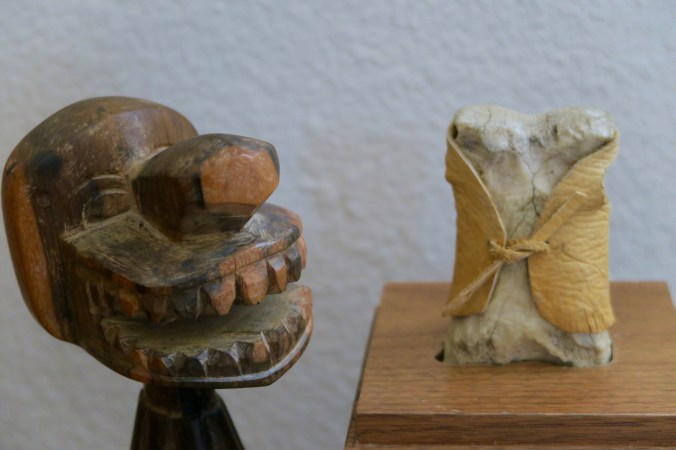
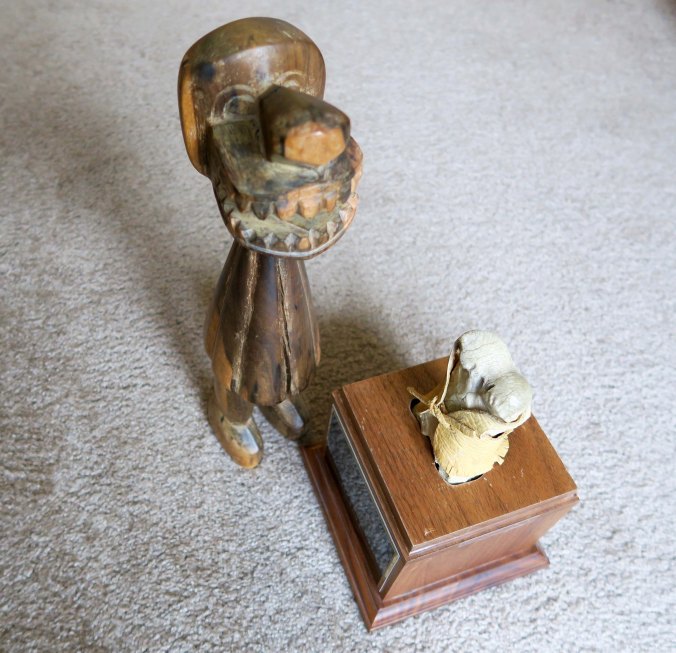
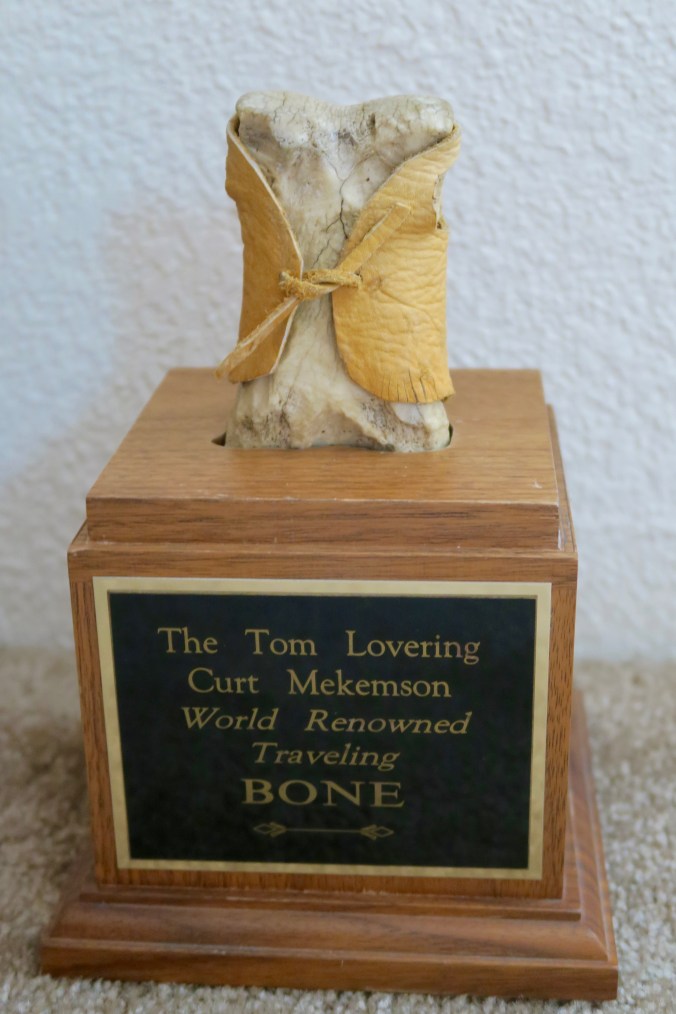
Bone has been in many tough situations in his life; he can handle tough questions. Here he rests on top of a saguaro cactus in Arizona looking for border control agents. His lack of official papers, or even a birth certificate, can cause problems at times.

Q: Do you really talk? We’re speaking ethics here, Bone. Blogging is about transparency. That means honesty.

A. Are you crazy? Have you ever heard a bone talk? Of course I don’t talk. I just think out loud.

Q: Curt sometimes refers to you as he. Does this mean you are a male bone?

A. No. He makes assumptions, lot of them. He was showing me to a biologist at a writers’ conference and she suggested I have my DNA tested. “Just cut a small chip off of it,” she said nonchalantly. “You can determine its sex and breed.”

“Just cut a small chip off of it!Outrageous! I am not some it to have chips cut out of. Besides, I lead a rich fantasy life and have no desire to know whether I am male or female. Call me she, he, or Bone, but never it.

Um, I think Bone is definitely a male in this photo. –Curt

Q: You have travelled all over the world and met thousands of people. How do they usually react to you?

A. With befuddlement. You should have seen the look on the face of the customs agent in New Zealand who tried to seize me as ‘animal matter.’ But emotions run the gamut. There was a Japanese man who got off a tour bus at Yellowstone National Park and wanted to hold me for good luck. Soon there were 40 other Japanese handing me around, oohing, and taking photos. I was thrilled. On the opposite side, I know a woman who refuses to touch me, like I have cooties. “I don’t know where Bone has been,” she states primly. Not surprisingly, there is also jealousy. “I want to be you and travel the world,” a good friend in Sacramento told me.

Some people act like I have cooties. This woman almost dropped me and then washed her hands! –Bone

Her daughter, on the other hand, so to speak, understands proper bone etiquette and respect. –Bone

Q:  What is your favorite thing to do?

A. Visit graveyards; there are lots of old bones there. My favorite grave is Smokey Bear’s in Capitan, New Mexico. I once stood on his tombstone for ten minutes trying to communicate but all I could get was something about ‘growling and a prowling and a sniffing the air.’ A close second is the grave of Calamity Jane in Deadwood, South Dakota. What a woman! These are difficult choices, though, when you toss in the likes of Hemingway, Daniel Boone and Billy the Kid. On the light side I once visited Ben and Jerry’s graveyard of discarded ice cream flavors in Vermont. My spookiest experience was a visit to the Capela dos Ossos, the Chapel of Bones, in Evora, Portugal. Those folks definitely have a skeleton in their closet, lots of them.

Bone has a special fondness for unusual graves. Here he hangs out with Billy the Kid in New Mexico. Has he been in a shoot out? Is that blood on his vest?

Q: So, what’s your second most favorite?

A. Too hard; I am a dilettante dabbler, but here are a few.

  • Wandering, of course, anywhere and everywhere and by all modes: bikes, kayaks, rafts, skis, backpacks, sailboats, planes, helicopters, trains, cars, RVs, etc.
  • Visiting wild, remote and beautiful natural areas. I started life wandering the Sierra Nevada Mountains, John Muir’s Range of Light.
  • Seeking out the strange such as ghosts and aliens (I’ve been to Roswell four times).
  • Attending unique events like Burning Man but I also have a fondness for any type of fair.
  • Meeting weird people like Tom.

Bone backpacking on the John Muir Trail.

Tom being eaten by a bony desert monster.

Q: Speaking of Tom, he and Curt ‘discovered’ you in 1977 and you have wandered extensively with both. Which do you like best?

A. Eeyore, the jackass who can’t keep track of his tail. We’re traveling companions and he saved me from being strung up and buried on Boothill in Tombstone Arizona. I’d robbed a bank, cheated at cards and hung out with women of questionable character. (This is what I mean by having a rich fantasy life. It’s also known as evasion.)

“I was in deep trouble in Tombstone. Wyatt Earp had arrested me for robbing a bank and Doc Holiday was checking me for weapons.

My life as Bone was in serious jeopardy.

Odds were I was going to end up on Boothill, along with Billy Clanton.

But then the ever brave Eeyore came to my rescue! I hopped on his back and we went riding off into the sunset while leaping over large rocks.

Q: Which of your journeys has been most memorable?

A. I would have to say traveling the length of Africa in the back of a truck from the Sahara Desert in the north to Cape Town in the south. Almost falling off the back of a riverboat into a piranha infested section of the Amazon River would have to be a close second. I was perched on the back railing doing a photo shoot. And then, of course, there was the 10,000-mile bike trip.

Bone on photo shoot barely escapes falling off the edge into the Piranha infested waters of the Amazon. “I was falling off when Curt leapt across the boat and grabbed me.”

“I was much smarter when I rafted down the Colorado. I wore a life jacket!”

“That didn’t protect me from pirates. The dreaded pirate Steve held a knife to my throat and demanded to know where I buried my treasure.”

Q: You are often seen scrambling over rocks in remote sections of the Southwestern United States. What’s that all about?

A. I’ve developed a fondness for Native American Rock art. It resonates with my bone-like nature. It’s also another excuse to go wandering around in the outdoors. Plus, some those places might be haunted and it is a great place to look for UFOs. Some of the petroglyphs look amazingly like aliens. Finally, wandering in the desert is known to be good for the soul. Ask the Prophets of yore.

How can this guy and his strange dog not be aliens?

Here I am making tracks across White Sands National Monument in New Mexico. It’s a great place to watch out for UFOs.

Q: Ah, being a born-again bone, do you have any insights into the great unknown?

A. Ommmmmmmmmmmmmmmmmmmmmmmmmmmmmmmmmmmm.

Q: Finally, and this may be a little sensitive, but do you always run around naked?

A. What kind of a question is that? Do you think I am uncivilized? For shame. I am the epitome of haute couture! A bow and arrow toting, card-carrying NRA member in Montana has designed and made me two leather vests. What’s more, an 80 plus year old woman in Kansas going on 20 with a crush on Johnny Depp and a room devoted to the Egyptian gods has made me a kilt and several other outfits. Then there is the horse woman actress in Ohio whose husband is an ex-secret service agent who has promised me an outfit and the artist head of a PR firm in the Bahamas who has promised me another. Face it; I am hot stuff, clothed or naked. I may take up a modeling career.

Rod Hilton fashions a new leather vest for bone.

My Bahamian/Canadian friend makes me a new vest in the wilds of Montana. –Bone

Bone, wearing his newly made kilt, fights off a ferocious sea monster in a scene straight out of ‘Pirates of the Caribbean.’

So… now you have heard from Bone, do you have any questions you would like to ask him? He promises to answer.

NEXT BLOGS:

Friday: The stunning temples of Burning Man.

Monday: Bandon by the Sea. It’s back to the Oregon Coast.

Wednesday: The exciting tale of how Bone was rescued from a life of quiet contemplation. Part I

The Journeys of Bone… Forty Years of Wandering the World

Bone has been wandering the world for 40 years. Given his nature, it is only natural that he would end up at Burning Man. He and a butterfly are perched on “Horse with No Name,” preparing to ride off into the desert.


Have you met Bone? He’s been hanging around here for 7 years and traveling the world for 40. Once upon a time, and it seems like a long time ago, this blog was even titled the Peripatetic Bone. There’s a story here, of course. In January of 2010, I had attended the San Francisco Writers’ Conference. Part of the event had involved ‘speed dating’ with agents.  I had carried Bone with me to San Francisco and introduced him to three of the agents, suggesting that I wanted to write a book titled “Travels with Bone.” They had been a bit surprised to meet Bone, but had been intrigued by the concept. Each had suggested that I go home and write up a proposal.

 I had also learned at the conference that I needed an Internet presence and would be expected to market any book I succeeded in publishing. I dutifully went home and created a blog for Bone on Word Press. Somewhere in the process, I decided that my first book should be on my Peace Corps experience. So, I wrote and published, “The Bush Devil Ate Sam.” I also changed the name of my blog to “Wandering through Time and Place.”

 I decided it would be fun to reintroduce Bone and do a five-part mini-series on his adventures. Today, I am going to summarize his travels. Next week I will do an interview with Bone. Then I will follow up with three posts on how he was found.


Bone has traveled twice to the base of Mt. Everest.


Part I: The History of Bone

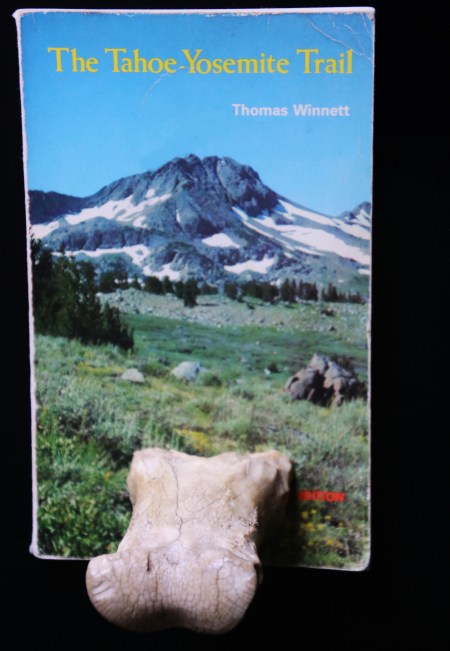
Sometime in 1900s Bone started his life as part of horse wandering through the Sierra Nevada Mountains. The horse was allegedly eaten by a bear. Bone ended up in a high mountain meadow practicing Zen and being nibbled on by a miscreant rodent.

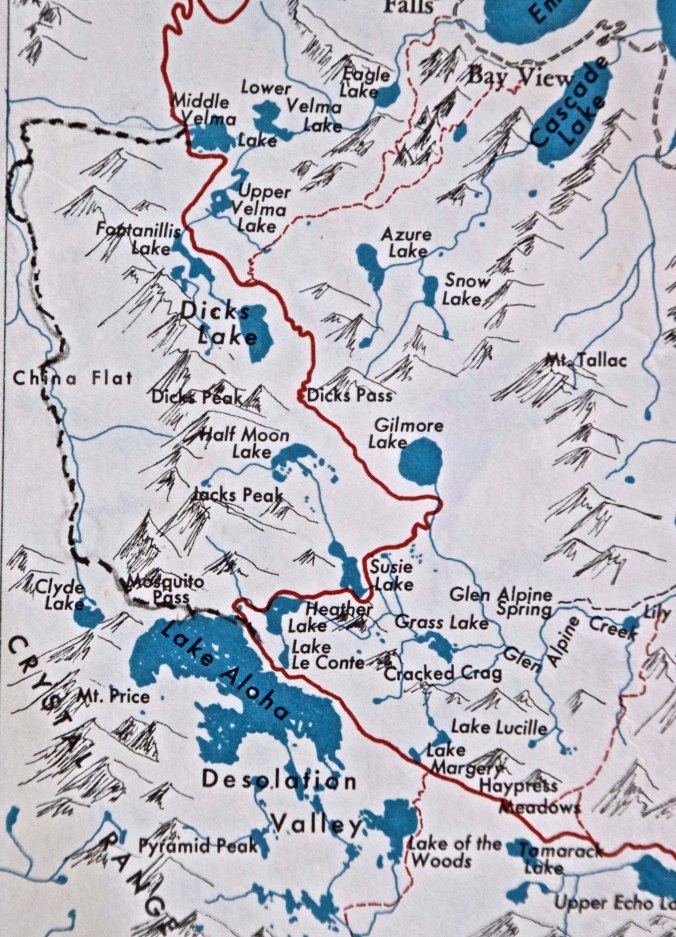
1977: He was ‘discovered’ by two lost backpackers (Curt Mekemson and Tom Lovering) on the Tahoe Yosemite Trail above Lake Tahoe and launched his career of wandering the world.

1980-81: Bone commenced his first World Tour with Tom.  He visited Asia including Japan, Hong Kong, Bombay, Delhi and Katmandu where he trekked to the base of Mt. Everest. He then wandered on to spend spring and summer in Europe stopping off in Greece, Spain, Portugal, France, Italy, Austria, Liechtenstein, Luxembourg, Germany, Belgium, England and Ireland. Getting cold, Bone headed south and hitched ride in back of truck through Algeria, Niger, Chad, Nigeria, Cameroon, Central African Republic, Zaire, Sudan, Kenya (where he crossed Equator), Tanzania, Zambia, Zimbabwe, Botswana and South Africa. He signed on with Tom as crew of sailboat in Cape Town and headed north to Mallorca, stopping off on the islands of St. Helena, Ascension, Cape Verde and Madeira. Back in Europe he explored his possible Viking roots in Sweden, Norway and Finland.

Bone ends up in Tom’s hair (don’t ask) on a 2010 trip down the Colorado River.

1983-86: Bone assumed Cheechako status and moved to Alaska with Curt where he was stalked by a grizzly bear on the Kenai Peninsula, explored Prince William Sound by kayak, learned to winter camp in 30 degree below zero weather while listening to wolves howl, backpacked in the Brooks Range north of the Arctic Circle, and discussed the finer points of eating salmon with Great Brown Bears in Katmai National Park. He escaped briefly to the warmer climate of Hawaii and participated in New Orleans Mardi Gras.

1986: He backpacked the Western US for five months with Curt exploring the Grand Canyon, the Gila Wilderness of New Mexico, the Rockies, and the Wind River Mountains of Wyoming before returning to his beloved Sierras.

1989: Bone went on a six month 10,000-mile solo bike tour with Curt around North America visiting 18 states and 4 Canadian provinces. He ended his journey by meeting Peggy.

1990: The International Society of the BONE was formed at Senior Frogs in Mazatlan, Mexico, where Bone spent the afternoon being pickled in a pitcher of margaritas and being kissed by lovely senoritas.

1991-97: Various members of International Society accompanied Bone on numerous adventures. Highlights included a White House Press Conference with Bill Clinton, being blessed by the Pope in St. Peter’s Square, visiting with Michelangelo’s David, going deep-sea diving in South Pacific and Caribbean, doing a Jane Austin tour of England, and exploring the Yucatan Peninsula. A group adopted him as a good luck charm and took him back to visit the base of Mt. Everest one year and to climb Mt. Kilimanjaro another.

Bone loves high places. Here he is on top of Mt. Kilimanjaro in East Africa. (He’s with MJ, fourth from right, standing.)

Bone went diving in the Pacific in 1997 with Jose and Barbara Kirchner, visiting a Japanese ship sunk during World War II and receiving his diving certificate.

1998-99: Bone embarked on 40,000-mile journey in the van, Xanadu, through the US, Canada and Mexico with Peggy and Curt, visiting over 30 National Parks, driving the Alaska and Baja Highways, checking out Smokey the Bear’s and Calamity Jane’s graves, kayaking in the Sea of Cortez, leaf peeping in Vermont, jetting to the Bahamas, pursuing flying saucers in Roswell, New Mexico, and completing his visits to all 50 states, etc. etc. etc.

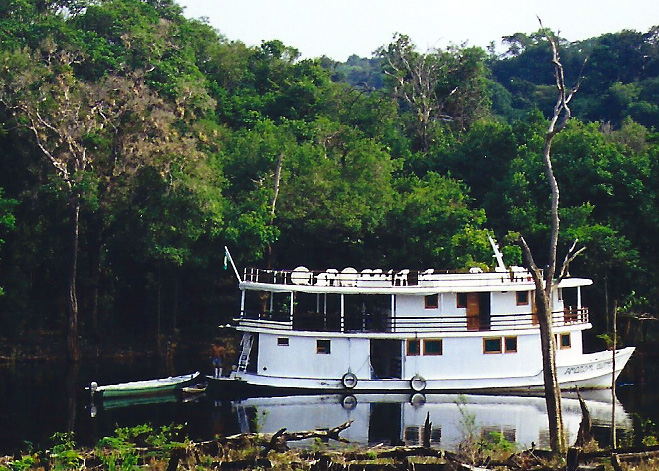
2000-02: Bone journeys up the Amazon, returns to Europe, cruises to Belize, Cancun and the Cayman’s, and goes to New Zealand where a misguided customs agent tries to arrest and jail him as animal matter.

While in the Amazon, Bone slept in the same room that Jimmy Carter had slept in.

2003: Bone undertakes a 360-mile backpack trip in celebration of his discovery and Curt’s 60th birthday. They begin at Squaw Valley near Lake Tahoe and end by climbing Mt. Whitney. Various friends join them along the way.

2004: Bone visits Hemingway’s grave in Idaho, goes horseback riding with Australians and Bahamians in Montana, and makes his first pilgrimage to Burning Man in Nevada, a very Bone like type of place. He also jets off to Costa Rica.

Bone has a love for anything ancient. Here, he perches on a Mayan sculpture in Costa Rica.

2005-2007: Bone returns to Burning Man twice and revisits Europe twice including special stopovers in Portugal, France, Holland, Germany, and Belgium. He also revisits Mexico.

2008 – 2011: Bone commences another exploration of North America. This time he travels in the van, Quivera, along with Curt, Peggy, and Eeyore the Jackass. His journey takes him over 75,000 miles of American Roads. In May of 2010 he begins his travel blog, The Peripatetic Bone, and rafts 280 miles down the Colorado River through the Grand Canyon.

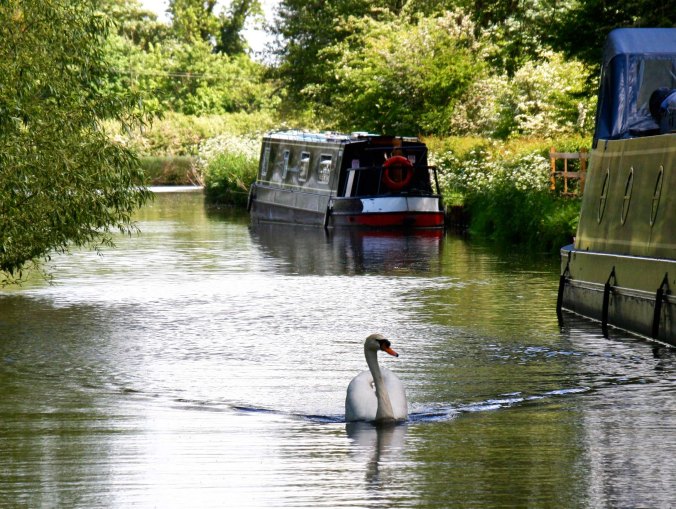
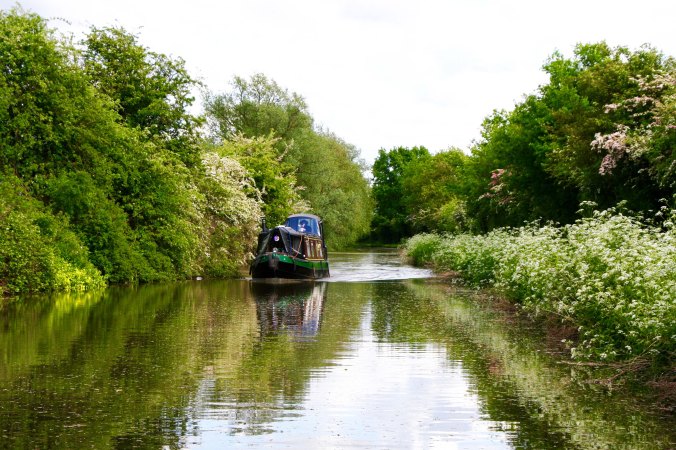
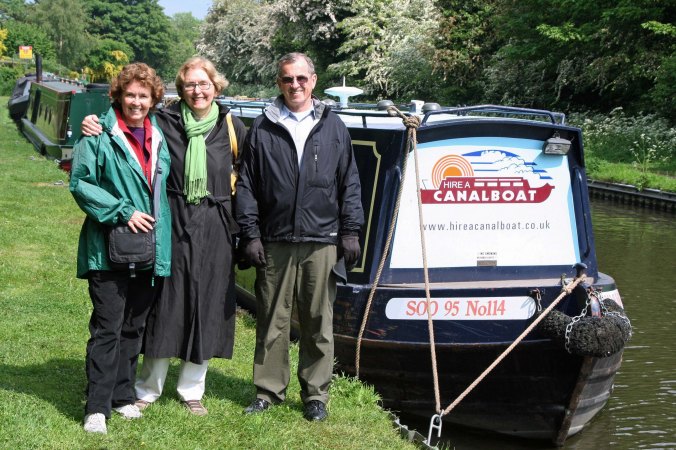
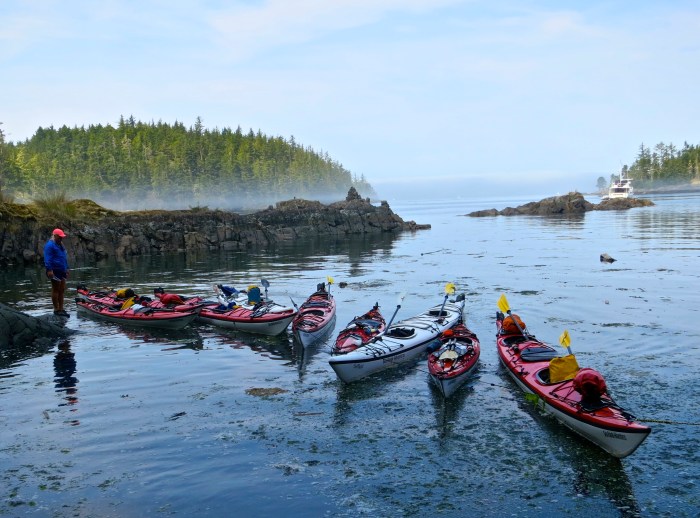
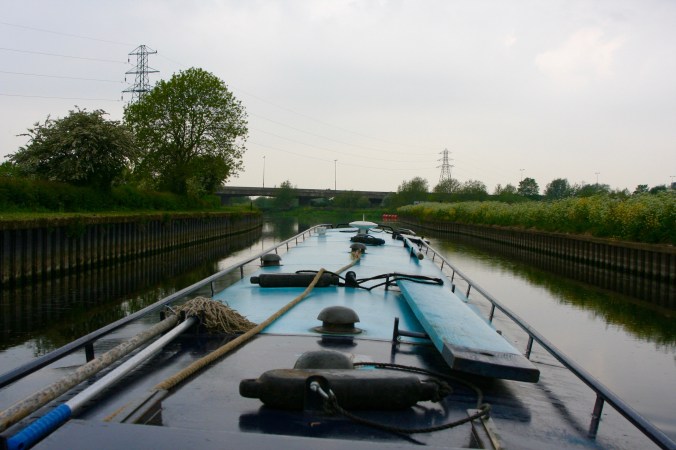
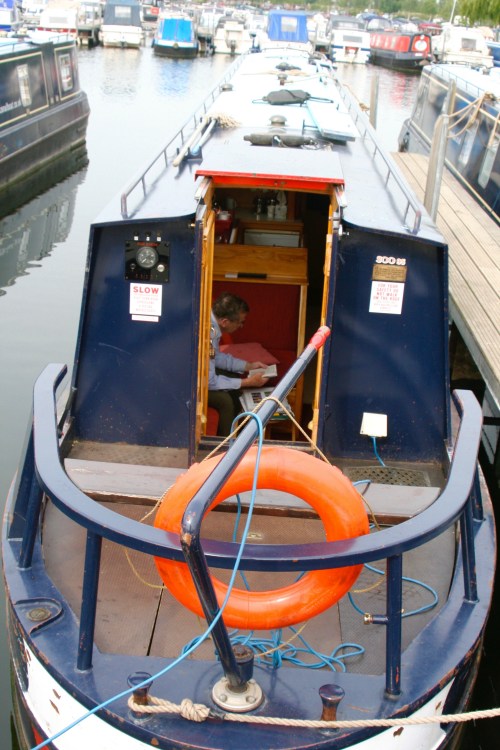
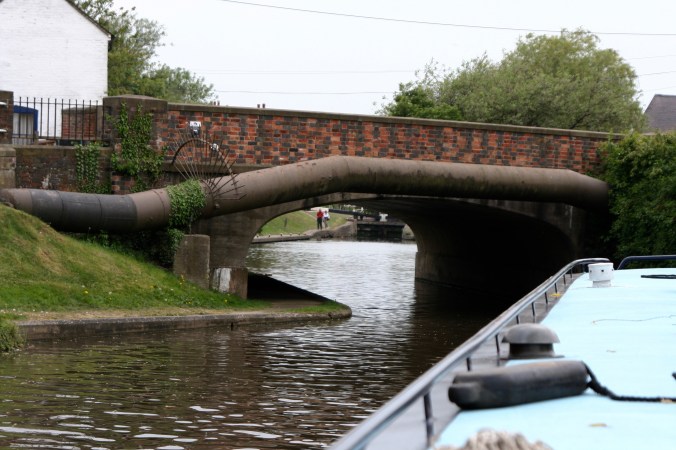
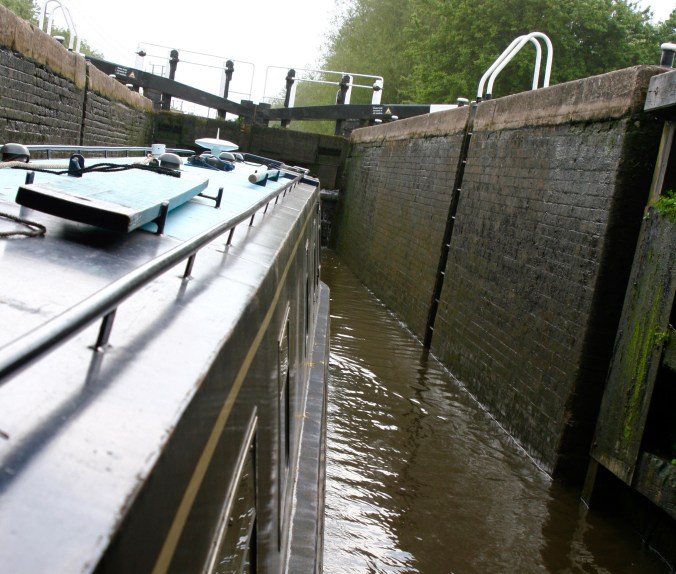
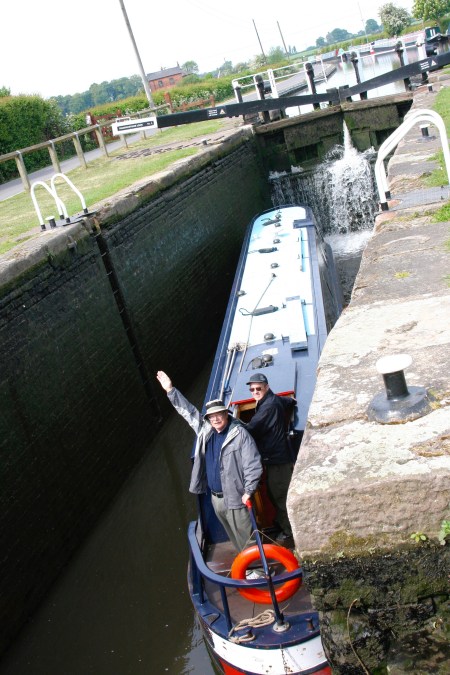
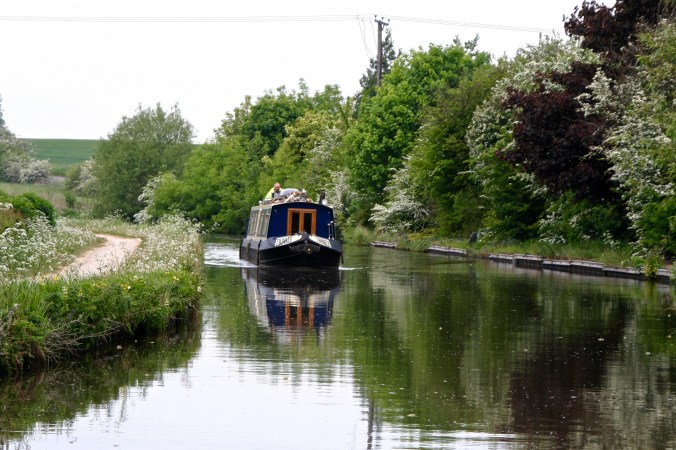
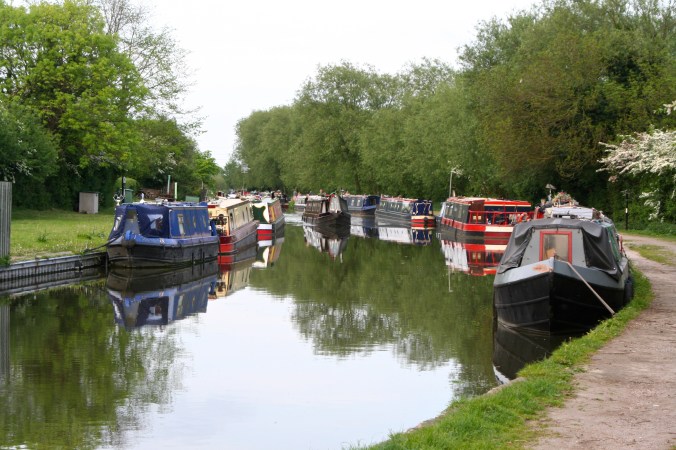
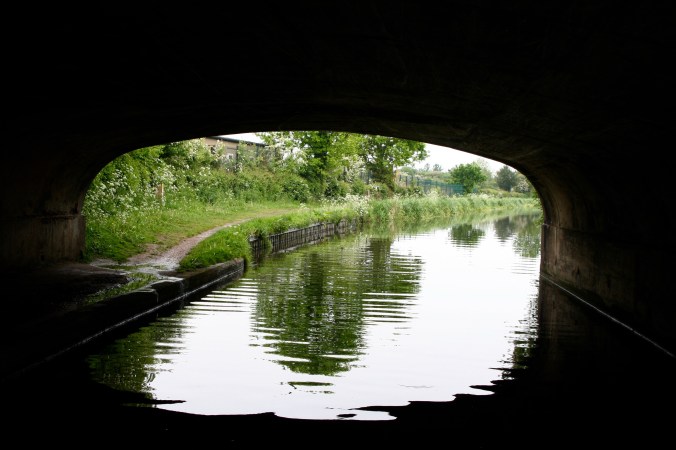
2012-2017: Bone goes into semi-retirement in Southern Oregon. Please note the semi, however. He continues the exploration of the West Coast ranging from Big Sur to Vancouver Island, where he kayaks for a week in search of Killer Whales. He wanders through England and Scotland helping Curt find his roots and spends a week traveling by Canal Boat on the Mercer River. Later, he returns to Europe again, traveling through the Mediterranean visiting Turkey, Santorini and other Greek Islands, Dubrovnik, Venice, Rome, Pompeii, Florence, and Barcelona. He returns to Burning Man several times.  On one trip, he is married to the lovely Bonetta, who he met while exploring a swamp in Florida. Rumor has it that it was a shotgun wedding.

Bone and Big Nose Bonetta are married at Burning Man 2013. Bone’s kilt was made for him by an 80-plus year old woman from Kansas. Bonetta is wearing a designer wedding dress with very expensive plastic jewelry to match.

NEXT Wednesday: Bone grants one of his very rare interviews. You won’t want to miss it! (No, Bone doesn’t talk; he just thinks out loud.)

In the Meantime:

Saturday: A return to Burning Man and the last of the sculptures.

Monday: Peggy and I have just been in Bandon on the Oregon Coast. Are you ready for a visual treat?

If Someone Steals your Spouse or Cow, Who Do You Call? The Lightning Man!

The Bush Devil is a powerful figure within traditional Liberian Culture. This is a Bush Devil of the Grebo Tribe that visited a Peace Corps Haight-Ashbury Party Liberia circa 1967.


I was in serious need of inspiration over the weekend when it came to today’s post. I had a bad case of blogger’s block. And then I was hit by a thought— why not throw in a chapter from my book. Other than the promo I run in the upper right hand corner, it’s been a long time since I’ve done anything with “The Bush Devil Ate Sam” on this blog. If you are new to The Bush Devil Ate Sam and enjoy this chapter, the book is available on Amazon.


Sam, the young man who worked for us in Liberia, was enamored with western culture. It fired his imagination. He spent hours listening to the Kingston Trio get Charlie off the MTA and dove into peanut butter and jelly sandwiches like a frog dives into water. Still, for all of his excitement about things modern, ancient African was an integral part of who he was. He had the scars to prove it. They marched down his chest in two neat rows.

“How did you get those,” Jo (my former wife) asked with ten percent concern and ninety percent curiosity.

“I can’t tell you,” Sam replied with obvious nervousness as Jo’s eyebrows rose. “But I can tell Mr. Mekemson.”

Aha, I thought, Sam and I belong to the same organization, the Men’s Club! Actually, Sam belonged to a very exclusive men’s organization, the Poro Society, which I wasn’t allowed to join. Its functions were to pass on tribal traditions, teach useful skills, and keep errant tribe members in line. Everything about the organization was hush-hush. Tribal members who revealed secrets could be banned and even executed.

Political power on the local level was closely tied to membership in the Poro Society. On the national level, President Tubman assumed leadership of all Poro Societies in Liberia. Tribal women had a similar secret organization called the Sande Society, which prepared young women for adulthood and marriage. A controversial aspect of the Sande initiation ceremony was female genital mutilation— cutting off the clitoris.

Sam got off easy.

He had been to Bush School the previous summer and learned how to be a good Kpelle man. Graduation to adulthood consisted of an all-consuming encounter with the Poro Society’s Bush Devil. It ate him— metaphorically speaking. Sam was consumed as a child and spit out as a man. The scarification marks had been left by the devil’s ‘teeth.’ It seemed like a tough way to achieve adulthood, but at least it was fast and definitive.

The Bush Devil was a very important tribal figure who was part religious leader, part cultural cop and part political hack. Non-Kpelle types weren’t allowed to see him. When the Devil came to visit outlying villages, a frontman preceded him and ran circles around the local Peace Corps Volunteer’s house while blowing a whistle. The Volunteer was expected to go inside, shut the door, close the shutters and stay there. No peeking.

We did get to see a Grebo Devil once. The Grebo Tribe was less secretive, or at least more mercenary. Some Peace Corps Volunteers had hired the local Devil for a Haight-Ashbury style African party. It was, after all, 1967, the “summer of love” in San Francisco and the “Dawning of the Age of Aquarius.” Along with several other Volunteers, we hired a money bus to get to the party. Had we been thinking, we would have painted the bus with Day-Glo, like Ken Kesey’s bus, Further.

The Devil was all decked out in his regalia. His persona was somewhere between a voodoo nightmare and walking haystack. Grebo men scurried in front of him with brooms, clearing his path and grunting a lot. We stayed out of the way and took pictures.

Another area where Sam showed his tribal side was his fear of the newly dead. A person’s spirit was considered particularly powerful and dangerous right after he or she died. Later, the spirit would move away into the bush and fade. But first it had to be tamed with appropriate mourning, an all-night bash. One didn’t take chances. When Sam worked late for us after someone had died, he would borrow a knife and a flashlight in case he had to fight off the malevolent ghost on his way home. I had grown up next to a graveyard and was sympathetic with his concern.

Juju, or African witch doctor medicine, was another area where African reality varied from modern Western reality. Late one evening, in the middle of a tropical downpour, one of my high school students appeared on our doorstep very wet and very frightened. Mamadee Wattee was running for student body president. His opponent had purchased ‘medicine’ from a Juju man to make him sick.

It was serious business; people were known to die in similar circumstances. Had the opposition slandered Mamadee or stuffed the ballot box, I could have helped, but countering a magic potion wasn’t taught at Berkeley, at least not officially. I took the issue to Mr. Bonal, the high school principal, and he dealt with it. Mamadee stayed well and won the election.

The use of Juju medicine represents the darker side of tribal culture. Human body parts derived from ritual human sacrifice are reputed to be particularly effective in creating potions. Cannibalism may be involved. On the lighter side, my students once obtained a less potent ‘medicine’ and buried it under the goal post on the football (soccer) field with the belief that it would cause the other team to miss goals. Apparently, it wasn’t potent enough; the other team won.

Mamadee was also the reason behind our introduction to the Lightning Man. When Jo and I went on vacation to East Africa, we left Mamadee with $50 to buy a 50-gallon drum of kerosene. When we returned, there was neither kerosene nor $50, but Mamadee was sitting on our doorstep. Someone had stolen the money and Mamadee was extremely upset. Fifty dollars represented a month’s income for a Kpelle farmer. Mamadee’s father, a chief of the Kpelle tribe, was even more upset and wanted to assure us that his son had nothing to do with the missing fortune. It was a matter of honor. He offered to have Mamadee submit to the Lightning Man to prove his innocence.

The Lightning Man had a unique power; he could make lighting strike whoever was guilty of a crime. If someone stole your cow or your spouse, zap! Since we were in the tropics, there was lots of lightning. Whenever anyone was struck, people would shake their heads knowingly. Another bad guy had been cooked; justice had been served.

We didn’t believe Mamadee had taken the money, and even if he had, we certainly didn’t want him fried, or even singed. We passed on the offer. The Chief insisted on giving us $50 to replace the stolen money.

Another Liberian Peace Corps Volunteer in a similar situation chose a different path. Here’s how the story was told to us. The Volunteer had just purchased a brand new $70 radio so he could listen to the BBC and keep track of what was happening in the world. The money represented close to half of the Volunteer’s monthly income. He had owned his new toy for two days when it disappeared.

“I am going to get my radio back,” he announced to anyone who would listen and then walked into the village where he quickly gathered some of his students to take him to the Lightning Man. Off he and half the town went, winding through the rainforest to the Lighting Man’s hut. The Volunteer took out five dollars and gave it to the Lighting Man. (Lighting Men have to eat, too.)

“I want you to make lighting strike whoever stole my radio,” he said.

The Volunteer and his substantial entourage then returned home. By this time, everyone in the village knew about the trip, including, undoubtedly, the person who had stolen the radio.

That night, there was a tremendous thunder and lightning storm. Ignoring for the moment that it was in the middle of the rainy season and there were always tremendous thunder and lightning storms, place yourself in the shoes of the thief who believed in the Lightning Man’s power. Each clap of thunder would have been shouting his name.

In the morning, the Volunteer got up, had breakfast and went out on his porch. There was his radio.

NEXT BLOGS:

Wednesday: I wrap up the Sierra Trek series.

Friday: A look at several major art installations at Burning Man.

Monday: Astoria: A return to the Oregon Coast.

Three Hundred Cups of Tea and The Toughest Job… More Tales from West Africa

Three Hundred Cups of Tea and the Toughest Job by Asifa Kanji and David Drury


Peggy, who is President of Friends of the Ruch Library, came home from a Jackson County Library meeting this summer and told me that two Returned Peace Corps Volunteers had just given a program at the Ashland Library on a book they’d written about their experience in Mali, West Africa. She also had their names, David Drury and Asifa Kanji, and contact information.

Given the book I’d written about my Peace Corps adventures in Liberia, it caught my attention.  I called immediately and reached David. Asifa was off in Hawaii attending to business. Within a few minutes we had a picnic set up for Lithia Park in Ashland. We’d bring the wine. (For those of you who aren’t familiar with Ashland, it’s the first town you come to when following I-5 north from California into Oregon. The community is renowned for its Shakespeare Festival.)

By the end of lunch, we were on our way to becoming friends and had exchanged books. Asifa and David’s books, Three Hundred Cups of Tea and The Toughest Job, are combined under one cover. My book is The Bush Devil Ate Sam. 

I immediately took their books home and begin reading them. I was fascinated. Both are good writers, have a great sense of humor, and have interesting stories to tell.

I joined the Peace Corps when I was 22, right after I graduated from UC Berkeley in 1965. David and Asifa joined almost 50 years later in 2012 when David was 60 and Asifa 57. They had to have vastly different experiences from mine, I thought. And yes, there were differences. I certainly didn’t have a cell phone or access to the Internet. They still weren’t invented. And David worked in a cybercafe! In 1965, I would have been running to the dictionary for a definition— and not finding it.

But in the end, I was more impressed by the similarities of our experiences than the differences. Working in an impoverished third world country while struggling to accomplish something in a totally different culture is slow arduous work, and often unsuccessful. Both of their book titles reflected this. Asifa’s 300 cups of tea was the number of cups you had to drink with someone to get their attention. Patience and, I might add, a strong bladder were called for. David’s book got right to the point; it was the toughest job he had ever had.

If you want a good tale that will transport you into another world with both compassion and humor, I recommend David and Asifa’s book. It’s available here on Amazon.

The Bush Devil Ate Sam, Tree Hundred Cups of Tea, and the Toughest Job: Books on Peace Corps Experiences in West Africa

If you are among my blog followers in Southern Oregon, Asifa, David and I will be doing a program featuring tales from West Africa on this coming Saturday, January 20 at the Ruch Library from 2:00 to 3:30 p.m. You are invited! The address for the library is 7919 Highway 238 (one block past the Upper Applegate River intersection if you are coming in from Jacksonville on 238).

Boston: A Cradle of Liberty Where Freedom Still Rings Out

Boston's Old State House has been a symbol of American liberty for over 300 years.

The Declaration of Independence was first read to Bostonians in 1776 from the balcony of the Old State House (shown at night above). John Adam’s bright and articulate wife, Abigail, wrote to her husband that as soon as the Declaration was read… “three cheers rended the air.” She went on to report, “Thus ends the royal authority in this state.”

A fierce desire for independence and freedom has existed in Boston dating back to its very beginning in 1630 when the city was granted a charter to self-govern. Britain’s decision to limit the city’s freedom and tax its citizens starting in the 1760s led to protests that ended in the Revolutionary War and American independence. Beginning in the early 1800s, a strong abolitionist movement opposing slavery grew up in the Boston that would play a key role in leading to the Civil War and the emancipation of slaves. When Peggy and I visited the city in December, we were able to visit a number of sites that reflected Boston’s historical contributions to liberty in America, but we also found ample evidence that the call to freedom still rings out in the city.

My experience in Boston combined with the fact that Donald Trump will be inaugurated as President this week led me to ponder some the most powerful statements that underlie our nation’s commitment to freedom and equality. Here are my favorites:

We hold these truths to be self-evident, that all men are created equal, that they are endowed by their Creator with certain unalienable Rights, that among these are Life, Liberty and the pursuit of Happiness. —US Declaration of Independence

Four score and seven years ago our fathers brought forth on this continent, a new nation, conceived in Liberty, and dedicated to the proposition that all men are created equal. —Abraham Lincoln’s Gettysburg Address.

Congress shall make no law respecting an establishment of religion, or prohibiting the free exercise thereof; or abridging the freedom of speech, or of the press; or the right of the people peaceably to assemble, and to petition the Government for a redress of grievances. —The First Amendment of the US Constitution

Slightly different but reflecting America’s original openness to immigration, and I might note, recognizing that we are a nation built by and with immigrants…

Give me your tired, your poor, your huddled masses yearning to breathe free, the wretched refuse of your teeming shore. Send these, the homeless, tempest-tossed to me, I lift my lamp beside the golden door! —Quote on America’s Statue of Liberty

These are words of wisdom from the folks who “made America great,” and have inspired generations of people in the U.S. and around the world. It is my hope that our new president will take these words to heart  in his efforts to “make America great again.”


Neither Peggy nor I had been to Boston before, which is a bit surprising considering the importance of Boston to the nation’s history— and to my own. My Great Grandfather to the umpteenth on my mother’s side arrived there in early 1630s from England, when the city was founded. Ultimately, we are all immigrants.

Boston Commons plaque that commemorates the founding of Boston, Massachusetts in 1630.

This plaque located on Boston Commons commemorates the founding of Boston in 1630. My Great Grandfather to the umpteenth is helping pull the boat in. (Just kidding.)

It was ‘love at first sight’ when we arrived. I had managed to find us an affordable hotel in the center of the city. Most of Revolutionary Boston was within walking distance and I am a big fan of Revolutionary War history. The red brick Freedom Trail was a short 10 minutes away. “Just follow the yellow brick road” was bouncing around in my mind. Instead of skipping off to Oz on yellow bricks with encouragement from Munchkins, however, the red bricks of the Freedom Trail connected us with many historical sites central to America’s struggles for freedom and equality.

Today, I want to share some of the things we saw in Boston that seem particularly relevant to this week in American history. Next Monday, I’ll be more focused on Boston’s Revolutionary history.

The Tremont Temple in Boston, Massachusetts.

I photographed the Tremont Temple because I thought it was a unique building…

Tremont Baptist Church was the first integrated church in America.

Not having a clue that it was a Baptist Church, or that it was the first integrated church in the U.S. It is a fitting photo to commemorate the week of Martin Luther King’s birthday.

I normally wouldn't take a photo of a Chipotle Restaurant, but this one happens to locate in the Old North Bookstore Building where Harriet Beecher Stowe's novel "Uncle Tom's Cabin" was published, which was both a classic of the Abolition Movement and a key factor in leading to the Civil War and the emancipation of slaves.

I normally wouldn’t take a photo of a Chipotle Restaurant, but this one happens to be located in the Old North Bookstore Building where Harriet Beecher Stowe’s novel “Uncle Tom’s Cabin” was published. The book was both a classic of the Abolition Movement and a key factor in leading to the Civil War and the emancipation of slaves.

Historic Faneuil Hall located in Boston, Massachusetts

Faneuil Hall is located just across the street from the Old State House. It was from this building that the fateful words were uttered, “No Taxation without representation.”  Maybe today’s declaration would be focused on the ultra-wealthy and declare “No representation without paying your fair share of taxes.” (Photo by Peggy Mekemson.)

We found this Gatling Gun in the military museum on the third floor of Faneuil Hall. While it may seem strange to include it here, it's inventor, Richard Gatling, believed that by employing increasingly deadly weapons that the size of armies could be reduced and that deaths due to combat and disease could be reduced as well. History has taught us a much different lesson, one that should be considered in any discussion of renewing the nuclear arms race.

We found this Gatling Gun in the military museum on the third floor of Faneuil Hall. While it may seem strange to include it here, the inventor, Richard Gatling, believed that by employing increasingly deadly weapons, the size of armies could be reduced and deaths due to combat and disease could be lowered. He also believed it would show us the futility of war. History has taught us a much different lesson. Millions upon millions have died because of the ever-increasing sophistication of weapons. And now our new president is talking about renewing the nuclear arms race…

This plaque on School Street notes where the Latin School stood. Founded on April 23, 1635, it is the oldest public school house in America. People such as Benjamin Franklin, Samuel Adams and John Hancock attend the school. Public education in America may become a thing of the past under Betsy DeVos, his new Secretary of Education, who will gut public schools in favor of private schools whose motivation is either profit or the promotion of a particular belief system,.

This plaque on School Street notes where the Latin School stood. Founded on April 23, 1635, it was the first public school in America. People such as Benjamin Franklin, Samuel Adams and John Hancock attended the school. Public education in America may become a thing of the past under Betsy DeVos, Trump’s new Secretary of Education, who’s proposed voucher system will gut public schools in favor of private schools whose primary motivation is profit or promoting a particular belief system. (Photo by Peggy Mekemson.)

Peggy and I wondered what the significance of theses rocks were when we were on our walk. The we come on the plaque featured below.

Peggy and I wondered what the significance of theses rocks were we found on our walk. Then we came upon the plaque featured below.

The Boston Peace Garden.

The Boston Peace Garden.

Peggy and I walked over to Newbury Street where the New England Genealogical Society is located. Along the way we came across the very impressive First Church of the Covenant that has long been a leader in promoting social justice.

We walked over to Newbury Street where the New England Genealogical Society is located. Along the way we came across the very impressive First Church of the Covenant that has long been a leader in promoting social justice.

This banner was stretched above its door...

This banner was stretched above its door…

Peggy and I found these T-shirts featured in Boston's Old State House where freedom still rings.

Peggy and I found these T-shirts featured in Boston’s Old State House.We decided that they would serve as an appropriate conclusion to this blog.

NEXT BLOG: Back to the Sierra Trek


Wandering through Time and Place in 2017… And Some Thoughts on Planning

Curtis Mekemson hiking along the Pacific Crest Trail behind Squaw Valley.

It’s time to start planning and dreaming about 2017. One of my goals is a seven week, 500-mile backpack trip on the Pacific Crest Trail. Here I am in the Granite Chief Wilderness behind Squaw Valley, California. (Photo by Peggy Mekemson)

It’s the first day of the New Year. It’s the time to make resolutions and plans— a time to dream.

There was a time in my life when I was obsessive about the planning process. I would lay out goals and objectives. And then I would move into YAPs, QUAPs, MAPs, WAPs and DAPs, or, to spell it out: yearly, quarterly, monthly, weekly and daily action plans based on my goals and objectives. I set priorities, created time lines, made to-do lists, checked things off, kept records, and made plan revisions. Things that didn’t work were modified or dropped. New opportunities were taken advantage of. I did it for my personal as well as professional life. It was how I accomplished things I wanted to do, and how I kept some control over my often chaotic life.

Early on I had learned if I didn’t plan out what I wanted to do with my time, someone else was more than willing to do it for me. And I had also learned that there is power in planning, in knowing what you want to do, and in determining what is important, what has the greatest impact.

I am not as obsessive as I once was, but old habits die hard. And, even though I am “retired,” it is still important to have an idea of where I want to go, of what I want to do, and of what is important to me. Of course I don’t exist in a vacuum. Ask Peggy. (grin) Most of what we do is jointly decided.

So given all of this, what are my writing and travel plans for 2017?

Kpelle footbridge near Gbarnga, Liberia circa 1965.

I hope to revise and republish “The Bush Devil Ate Sam,” a memoir about my Peace Corps experience in West Africa. Here, a much younger Curt makes his way across a river on a native bridge in the heart of the African jungle.

Under writing objectives, I plan to finish my next book, tentatively titled Tales of an Incorrigible Wanderer. My 10,000-mile bike trip plus other outdoor adventures will be included. (I am sure you will want to buy a copy. Grin.) I also plan to revise and republish The Bush Devil Ate Sam. I will continue to blog two to three times a week on current travels/adventures as well as past adventures. I am thinking in terms of doing one blog each week on current travels, one blog on past adventures, and one blog as a photographic essay. But we’ll see. I have to reduce the time I spend on blogging so I have more time for other goals, like play, for example.

Our travels this coming year will likely go in three directions. One, Peggy would like us to do a more thorough job of exploring the Pacific Northwest. I might add California down to Big Sur simply to expand my Pacific Coast blogging series. (And I really like Big Sur, Carmel and Monterey.) I expect we will also spend more time exploring the East Coast now that our two kids and their families are living there. Finally, I am hoping we can plan a trip to Ireland and possibly England where I would like to continue my genealogical research.

Photo of Scottish pony taken by Curtis Mekemson.

I photographed this pony in Kirkcolm, Scotland when I was doing research on my Scots-Irish ancestors a few years ago. I promised myself at the time that I would return for more research in Ireland and England.

I am also hoping we can make it back to Burning Man. It is one of my most popular blog topics and I would like to write a book in 2018 on my 14 years of experience with the event. We will know in February if we can get tickets for this year.

The Temple of Promise at Burning Man in 2015 is caught by the morning sun.

Morning sun catches the copper face of the Temple of Promise at Burning Man 2015.

Finally, it is time for another grand adventure. I celebrated my 60s by doing a six-week 360-mile backpack trip down the Sierra Nevada Mountain range from Lake Tahoe to Mt. Whitney. It seems only appropriate that I celebrate my 70s by doing a seven-week, 70-miles per week, 490-mile backpack trip on the Pacific Crest Trail. But I’ll have to see whether my 74-year old body is willing to cooperate. Maybe it will be a one-week 70-mile trip, or a one-day 7-mile hike, or a .7-mile hike to the mailbox. Laughing.

Whatever… I am sure there will be many adventures to share!

Wandering through Time and Place… The 2016 Year in Review: Part II

America and Canada are crammed with beautiful sights that range from mountains to deserts to oceans, to plains, to rivers... and well the list just goes on and on. This is a waterfall from Old Stone Fort State Park in Tennessee.
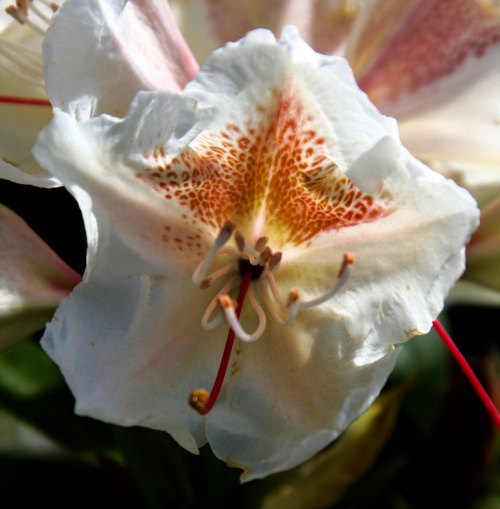

America and Canada are crammed with beautiful sights that range from mountains to deserts to oceans, to plains, to rivers… and well the list just goes on and on. This is a waterfall from Old Stone Fort State Park in Tennessee.

Continuing on with our 2016 journeys, Peggy and I left Oregon in March to retrace my 1989, 10,000 mile bike journey around North America. We were on the road until mid-June, and I just wrapped up my posts on the trip. It took me longer to write about it than it did to bike it!  The truth of this is that I can’t begin to capture the experience in ten photos. It was a challenge to me to capture it in 54 posts and 1000 photos. None-the-less, here are a few random shots:

I started my journey in the foothills of California in the spring. In a couple of months the green grass here would be brown, or golden as they call it in California.

I started my journey in the foothills of California in the spring. In a couple of months the green grass here would be brown, or golden as they call it in California.

One of the more challenging parts of my ride was through Death Valley. Twenty Mule Canyon was on my way out of the National Park on my way into Nevada.

One of the more challenging parts of my ride was through Death Valley. Twenty Mule Canyon was on my way out of the National Park on my way into Nevada.

I found a touch of outer space when I rode by the Very Large Array of radio telescopes as I rode down the easter side of the rocky Mountains in New Mexico.

I found a touch of outer space when I rode by the Very Large Array of radio telescopes as I rode down the eastern side of the Rocky Mountains in New Mexico.

Literally dozens of roadside sculptures entertained me on my bike trip and then Peggy and me as we re-drove the route. Peggy and I found this 25 foot high Longhorn in West Texas, where you would expect to find it.

Literally dozens of roadside sculptures entertained me on my bike trip and then Peggy and me as we re-drove the route. Peggy and I found this 25 foot high longhorn in West Texas, where you would expect to find it.

Louisiana is bayou country, the place where you expect to see water moccasins slithering through the water, or get good reflection shots.

Louisiana is bayou country, the place where you expect to see water moccasins slithering through the water, or get good reflection shots.

The Natchez Trace and the Blue Ridge Highway are both beautiful. It's the Trace here. An added advantage of both National Park highways is that no commercial traffic is allowed. Translate: I wasn't dodging 18-wheelers.

The Natchez Trace and the Blue Ridge Highway are both beautiful. It’s the Trace here. An added advantage of both National Park highways is that no commercial traffic is allowed. Translate: I wasn’t dodging 18-wheelers.

I found this small waterfall beside the road in the Great Smokey Mountains. Dozens, maybe of hundreds of such falls graced my trip.

I found this small waterfall beside the road in the Great Smokey Mountains. Dozens, maybe of hundreds of such falls graced my trip.

The Atlantic Ocean greeted me along this rocky shoreline of the Cape Breton Highlands in Nova Scotiia. This was my fattest point east. After this it was time to turn around and ride 5,000 miles west.

The Atlantic Ocean greeted me along this rocky shoreline of the Cape Breton Highlands in Nova Scotia. This was my fastest point east. After this it was time to turn around and ride 5,000 miles west.

A stream along the Trans-Canada Highway in Ontario. My rivers ranged from the mighty Mississippi to mere trickles.

A stream along the Trans-Canada Highway in Ontario. My rivers ranged from the mighty Mississippi to mere trickles.

I crossed several mountain ranges including the Sierra Nevada and the Rockies twice. Tis is a photo of the rockies in Montana.

I crossed several mountain ranges including the Sierra Nevada and the Rockies twice. It is a photo of the Rockies in Montana.

One thing I learned over and over is that beauty comes in all shapes and forms, such as this lonely tree in North Dakota.

One thing I learned over and over is that beauty comes in all shapes and forms, such as this lonely tree in North Dakota.

Whoops. I just counted my photos. There are 12. I’ll call it a bakers 10.


PRESENTING: Petros the Magnificent… A Pelican Of Mykonos

I really like this shot of Petros.

I laugh every time I see this shot of Petros. Somehow I think ghost, or maybe preacher. “Shall we gather at the beach, brothers and sisters?” What do you think?

It’s time for another blog quickie! In fact there will be several short posts over the next few weeks. Peggy and I are heading back East to visit with our children and grandchildren in Connecticut and North Carolina for Christmas. I doubt that our five grandsons will allow much time for blogging. 🙂 Besides, you can probably use a break from my thousand word essays!

I blogged about Petros once when I was out wandering around the Mediterranean and met him on the Greek Island of Mykonos. You can go here for the full story. But the bird is so magnificent that he deserves a second post. If you’ve ever been to the island, the odds are he may have hit you up for a fish. Or ignored you. He sees lots of tourists.

Actually this is Petros II. Number one showed up in the 50s in really bad shape. The good folks of Mykonos nursed him back to health. Rather than fly away and work for a living, he decided to hang around and live the good life. Jackie Kennedy even found him a mate. Unfortunately, Petros I met his demise under a truck.

Speaking of the good life, he even has his own little fountain to hang out in.

Speaking of the good life, Petros even has his own little fountain to hang out in.

The bird was quickly replaced. Not only was he well-loved, he was a great tourist draw. One time another island even stole him, hoping to cash in on his popularity. There was almost a war.

That’s it for today… As you read this, Peggy and I are winging our way to Boston.

The look. Aren't I pretty!

The look. “I’m so pretty.” Or, “What are you looking at?”

My favorite.

My favorite. Petros looking pensive.

NEXT BLOG: The picturesque town of Mendocino on California’s rugged northern coast.

Home and a Surprise… The Ten Thousand Mile Bike Trek— End of Series

When I arrived at Lake Tahoe, I returned to what I considered my home territory. Half of the beauty of the area is found in the Lake, the other half is in the surrounding backdrop of the Sierra Nevada Mountain Range.

When I arrived at Lake Tahoe, I returned to what I considered my home territory. Half of the beauty of the area is found in the Lake, the other half is in the surrounding backdrop of the Sierra Nevada Mountain Range.

I had planned my six month, solo bike journey around North America as a great circular route, starting and ending in the small, rural town of Diamond Springs, which is nestled in the foothills of the Sierra Nevada Mountain Range east of Sacramento. I grew up there, and the connection was important to me.

I had seen my journey as twofold. My primary purpose was to explore much of the US and Canada in a way few other people had. But I also wanted to use the opportunity to undertake an inward voyage, going back in time to explore my childhood and learn more about myself. Thus the Diamond Springs tie in.

The three-month trip Peggy and I made this spring allowed me to retrace my route and relive my 1989 experience. It also allowed me to share the journey with you, which I have done with 54 posts that included approximately 50,000 words and 1,000 photos: in even more words, that’s a lot! In the end, my North America bike trek had turned out to be everything that I hoped for, and much more. I had seen great beauty, met good people, and had numerous adventures— enough even for me.

Someday, I may share the inward journey. Suffice it to say here, I learned a lot about myself along the way. I achieved a balance and inner peace that have lasted up until today. I haven’t found myself teetering on the edge since 1989. I could run off and play in the woods for reasons other than to put Curt back together again.

But for now, let’s finish up the bike journey and discover the surprise at the end.

I left Carson City, Nevada following Highway 50 up and over Spooner Pass and then dropped into Lake Tahoe, arguably one of the world’s most beautiful lakes. Memories came flooding back. I had spent three college summers driving a laundry truck between Placerville and Lake Tahoe six days a week. The work was easy, the scenery beautiful and the money… well, it was enough to pay for my UC Berkeley education. (I only had to cover my living expenses, books and student fees. Those were the days when tuition at UC was still free, back in the days when government still believed that an investment in public education was one of the best investments it could make, back before it decided that making banks wealthy–er was more important.)

In 1974, I came up with the crazy idea that the organization I was Executive Director of in Sacramento could raise funds off of 9-day hundred mile backpack trips. Actually, I just wanted to go backpacking. The first one I led was from Squaw Valley, just northwest of Tahoe, across the Sierra Nevada Mountains to Auburn. I took 63 people aged 11-70 and learned a lot. (I’ll tell you the story some time.) Fortunately the Trekkers let me live, and the event made money. Later I would add 9-day, 500 mile Bike Treks. Several included Lake Tahoe. I even organized a 7-day winter cross-country ski and camping trek through the Desolation Wilderness west of the lake. That was an experience!

I feel a deep attachment to the Sierra's on the west side of Lake Tahoe, having backpacked up and down and across them many, many times over the years. I feel more at home there than I ever have in any city.

I feel a deep attachment to the Sierra’s on the west side of Lake Tahoe, having backpacked up and down and across them many, many times over the years. I feel more at home in these mountains than I ever have in any city.

This impressive rock greeted me as I biked down to the Lake from Sooner Pass.

This impressive rock greeted me as I biked down to the Lake from Sooner Pass.

The Casinos started a quarter of a mile beyond this lovely meadow!

The Casinos started a quarter of a mile beyond this lovely meadow! Nevada has done a much better job of controlling growth than California.

My bike trip took me along the east shore of the lake to Stateline where I biked past more casinos and entered California and El Dorado County, the county of my youth. Highway 50 wound through South Lake Tahoe and then over to Myers where I climbed my second 7000-foot pass of the day. I felt like I could have done it blind-folded. I was on my laundry route. Every curve, every sight was an old friend. Passing over Echo Summit, I had a wonderfully long downhill ride to Riverton and then climbed up once more to Pollock Pines, where I left Highway 50 and detoured through Camino. I found a small barbershop there and got my first haircut since Nova Scotia. I was a bit on the bushy side. There was a chance that they wouldn’t recognize me in Sacramento, especially if you threw in the fact that I had lost 40 pounds and now had big, bulging muscles.

The Sierra's are world renown for their granite. This view is from the southern portion of the Tahoe basin just before you begin to climb out of it toward Echo Summit.

The Sierras are world renown for their granite. This view is from the southern portion of the Tahoe basin just before you begin to climb out of it toward Echo Summit.

Because of my laundry days, I knew every curve (and straight-stretch) between Lake Tahoe and Placerville!

Because of my laundry days, I knew every curve (and straight-stretch) between Lake Tahoe and Placerville! Just beyond the small hill on the left is a major drop into a deep canyon.

Horse Tail Falls is one of many scenic views I appreciated on my laundry trips and on my bike ride down the mountains. I once crossed the river when it was roaring like this on a narrow log. It was raining and I was by myself. I got down and crawled.

Horsetail Falls is one of many scenic views I appreciated on my laundry trips and on my bike ride down the mountain. I once crossed the river up near the top on a narrow log when it was roaring like this. It was raining, I was by myself, and I was wearing a 50 pound pack. I got down on my knees and crawled.

Sugarloaf Mountain located next to Kyburz Resort on Highway 50 in El Dorado County, CA.

This wonderful chunk of granite is known as Sugarloaf and is another favorite view along Highway 50. It’s quite popular among rock climbers, which is another sport (like jumping off bridges), I see no reason to pursue.

A short five miles brought me to Placerville, where I lingered, not wanting my journey to end. I had gone to high school here and spent my teenage years in the town learning about life, love, sex, and books, not necessarily in that order. Eventually, I climbed back on my bike, picked up Highway 49, and biked 3 miles into Diamond. I jumped off my bike, dropped it, and did a jig with great enthusiasm. People must have thought I was extremely odd. And I was. My 10,000-mile North America Bike Trek was over.

The town of Placerville where I went to high school was once known as Hangtown and is quite proud of it's heritage. A large oak tree in the center of the town was used for hanging bad guys (and probably a few innocents) during the Gold Rush Era.

The town of Placerville where I went to high school was once known as Hangtown and is quite proud of its heritage. A large oak tree in the center of the town was used for hanging bad guys (and probably a few innocents) during the Gold Rush Era.

Hangman's Tree location in Placerville, CA.

The tree was cut down long ago but this rather ghoulish fellow (or his look-alike) has been hanging at the site where the tree was as far back as my memory takes me.

Speaking of evil-doers, you might want to check here to find out why the Placerville Police of Chief was driving me around in his squad car behind the courthouse featured here and wanted to know whether I preferred to go to my graduation from high school that night or go to jail.

Speaking of evil-doers, you might want to check here to find out why the Placerville Police of Chief was driving me around in his squad car behind the courthouse featured above, wanting to know whether I preferred  to spend my night graduating from high school or going to jail.

And finally, after riding my bike for 10,000 miles, I returned to Diamond.

And finally, after riding my bike for 10,000 miles, I returned to Diamond.

But my trip wasn’t quite over; I still had to bike into Sacramento.

I spent the night in Diamond and then rode along Highway 49 through the town, past the cemetery, past my old house, and on to Eldorado, following the same route I had six-months earlier. It felt like decades. In El Dorado, I left my route and followed back roads into Sacramento. I had a Trek-planning meeting that night at the Lung Association. My friend Jane Hagedorn, the Executive Director, had lured me back into town with the promise of Treks. I wheeled my bike into the office at 909 12th street and was greeted royally by Raquel, Jane’s executive secretary, a woman I had hired in 1974.

“Where’s Jane?” I asked, eager to see my friend. “She’s on an important phone conference call,” Raquel answered. The door to her office was closed. I had turned around, a bit disappointed, when a woman I didn’t know came bursting out of one of the offices. Wow, I thought, she’s gorgeous. She gave me a lovely smile that warmed me from my head to my toes, and everywhere in between.

“Hi,” she greeted me, grabbing my hand. “I am Peggy, Jane’s sister. You have to be Curtis! I’ve been hearing stories about you for years.” I swear— I fell in love— then and there.

A new journey had begun.

Last week, Peggy and I celebrated 24 years of marriage and 26 years of happily wandering the world together.

A 1993 photo of Peggy one year after we had married. Always up for an adventure, she had just finished a 150 mile backpack trip down the John Muir Trail I had led. More to the point she had just finished hiking a 16 mile day with a 40 pound pack up and over Mt. Whitney that had included 9000 feet of elevation gain and loss. And she was still smiling!

A 1993 photo of Peggy at 43 one year after we had married. Always up for an adventure, she had just finished a 150 mile backpack trip down the John Muir Trail I had led to celebrate my 50th birthday. More to the point she had just finished hiking a 16 mile day with a 40 pound pack up and over Mt. Whitney that had included 9000 feet of elevation gain and loss. And she was still smiling!

Peggy celebrating the end of re-tracing my bike route at the Diamond Springs hotel. She had driven our RV the whole way so I could take photos and notes. Still smiling!

Peggy celebrating the end of re-tracing my bike route at the Diamond Springs Hotel. She had driven our RV the whole way so I could take photos and notes. Still up for an adventure, still smiling and still gorgeous at 65!

NEXT BLOG: Meet Petros, the world’s most famous pelican. A blog quickie!


From Flying Saucers to a Monster Moose: Bicycling across Ontario… The 10,000 Mike Bike Trek

Large moose culture found in Hearst, Ontario Canada.

Large sculptures are often found in Canadian towns. They serve as tourist attractions but also give the town a unique character. We found this large moose that Peggy is snuggling up to in Hearst, Ontario.

Quebec and Ontario shared a unique status on my Bike Trek: They were huge— two to three times the size of Texas. Each took over a week to bicycle across and each had a lot of no-where miles, long distances between towns. Northern Quebec won the prize, however, for being the most remote. As I bicycled south and picked up Quebec Route 117, larger towns reappeared at more frequent intervals. Val-d’Or and Rouyn-Noranda were close to being small cities.

Crossing into Ontario, smaller communities were the rule. Ten thousand people constituted a major metropolis. Larder Lake, the first community I biked through in Ontario, had a population of around 1000 in 1989. It had dropped to 700 when Peggy and I drove through in May. I was reminded of West Texas, where most of the towns seemed to be losing population. Once upon a time, Larder Lake was considered to have a golden future. A mining investment company ran an ad in the 1907 Ottawa Citizen claiming:

“The Larder Lake district is believed to be the richest gold country ever known, and it is just now being opened up. Soon will commence the most tremendous outpouring of gold known to civilization.”

If you could get past the English, how could you not invest? The person who wrote the ad copy likely had a great future as a time-share salesman. Eventually a little gold was found, but it was more like a trickle than a “tremendous outpouring.” Today, the town is better known for fish. Peggy and I found a large one beside the road. It was leaping out of the ‘water.’

Lake Trout Sculpture in Larder Lake, Ontario Canada.

A large Lake Trout leaping out of the water served to let travelers know that Larder Lake was a great place to go fishing, and, I might add, enjoy the outdoors in general.

I am in love with the large, often outlandish sculptures, that so many Canadian towns adopt to encourage tourism, or maybe because the residents have a warped sense of humor. Peggy and I first became aware of the phenomena when we were driving into British Columbia in 1999 on Highway 97 out of Washington and came upon the “World’s Largest Golf Ball” and the “World’s Largest Beehive.” Here are some that we found as we made our way across Ontario on Trans-Canada Highway 11.

Flying saucer sculpture in Moonbeam, Ontario Canada.

If your town is named Moonbeam, why not have a flying saucer sculpture in front of the Information Center? Quivera, our van, can be seen peeking out from behind the saucer.

Aliens peak out window of flying saucer in front of information center in Moonbeam, Ontario Canada.

Curious aliens were staring out the windows of the flying saucer.

Alien points out brochures in Information Bureau in Moonbeam, Ontario Canada.

A helpful alien points out brochures inside of Moonbeam’s Information Center.

This young woman staffed the Information Center. She spoke fluent English but confessed her first love was French. She also told us there were great hiking trails in the region but that she avoided them because of bears.

This young woman staffed the Information Center. She spoke fluent English but confessed her first love was French. She also told us there were great hiking trails in the region but that she avoided them because of bears.

Large black bear sculpture found in Kapuskasing, Ontario Canada

Shortly afterwards we found this huge black bear statue at Kapuskasing. I’d be staying off the trails, too.

Giant moose and wolf sculptures in Hearst, Ontario Canada.

Here is another shot of the moose I featured at the top of the post— not looking so friendly as he stares down a pair of wolves.

Wolf sculpture in Hearst, Ontario Canada.

A view of the wolf looking like he might belong in the movie, Twilight. “Jacob, is that you in there?”

The 'World's Largest Snowman' in Beardmore, Ontario Canada.

Beardmore proudly boasts the World’s Largest Snowman as its claim to fame.

My bicycle trip across Ontario in 1989 was something of a blur. One thing I do remember was a gradual change from French to English. It wasn’t like I arrived at the border and the language changed. Local loyalties seemed to depend on culture rather than the provincial boundary. I was reminded of my experience in West Africa where loyalty was to the family first, the tribe second, and the country third. Peggy and I still noticed remnants of these emotions in Ontario 26 years later. A house might be painted in tri-color French, warning off potential Anglophiles. Or British lions would be proudly displayed as lawn ornaments, prepared to pounce on someone who spoke French.

Towns became more frequent, which meant there were more excuses to stop. I could start with breakfast and eat my way through the day. I had given up on cooking for myself by now, unless I was desperate. There was mid-morning snack, lunch, mid-afternoon snack and dinner to look forward to, not to mention coffee breaks. My hundred-mile a day bicycling body demanded constant fueling. Plus I liked the companionship. Bicycling by myself for 8-10 hours was lonely business. On occasion, I would even stay at a motel, just so I could turn the TV on and hear people talk. The downside of this was that I ran through my trip budget more quickly than I had planned. When I arrived in Thunder Bay, I called my brother-in-law and had him transfer some money he owed me into my account so I could finish off my journey in the style I had become accustomed to!

The terrain in Ontario wasn’t much different that I had been peddling over in Quebec, more or less flat with rolling hills. I worked my way through forests and farmlands, continuing to pass by numerous lakes and occasional rivers. As I neared Thunder Bay on Lake Superior, however, more mountainous country came into view, and with that more serious uphills and downhills. Following are several photos that Peggy and I took of the countryside.

Trans-Canada Highway 11 works its way across Ontario— in this particular instance forested, flat and straight.

Trans-Canada Highway 11 works its way across Ontario— in this particular instance forested, flat and straight. Can’t say much for the gravelly shoulder.

Bear Lake in Ontario Canada along Trans-Canada Highway 11.

Many lakes are found along the highway in Ontario. Bear Lake was one of the first I came across. In line with its name, bear-proof trash containers were provided at the wayside. (Photo by Peggy Mekemson.)

The Kapuskasing River provides hydro-electric power for the town of Kapuskasing.

The Kapuskasing River provides hydro-electric power for the town of Kapuskasing. Peggy and I also saw extensive use of solar power along Highway 11.

This abandoned church caught my attention...

This abandoned church caught my attention…

It's feeling of ages past led me to render it in black and white.

It’s feeling of ages past led me to render it in black and white.

Wild Goose Campground near Long Lake provided some scenic views...

Wild Goose Campground near Long Lake provided some scenic views…

Reedy lake at Wild Goose Campground in Ontario.

Plus this one of reeds.

As I approached Thunder Bay, Mountains provided both beauty and a more challenging ride.

As I approached Thunder Bay, mountains provided both beauty and a more challenging ride.

Peggy and I stopped to photograph this cliff.

Peggy and I stopped to photograph this cliff.

And its small waterfall.

And its small waterfall.

Nipigon River Bridge in Ontario Canada

This bridge across the Nipigon River near Thunder Bay has only been opened for a short while. It was closed briefly in January this year because it became detached from the approach. Given that it provides the only way across the river for Canada’s major East-West highways, you can imagine the resources that were devoted to fixing it! Peggy and I headed across the bridge, stopped in Thunder Bay for lunch, and then drove into Minnesota — returning to the US as I had on my bike.

NEXT BLOG: I cross Minnesota, throw a rock across the Mississippi River, and visit with a babe (as in Babe the Blue Ox).