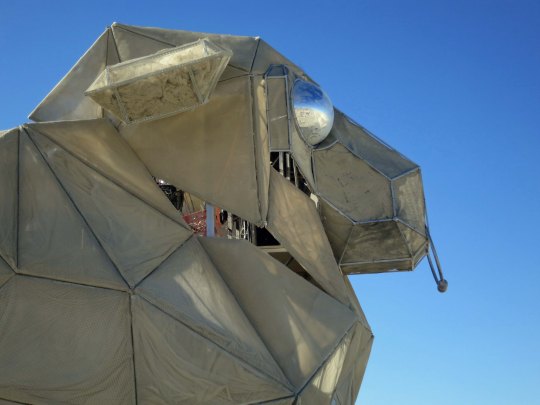
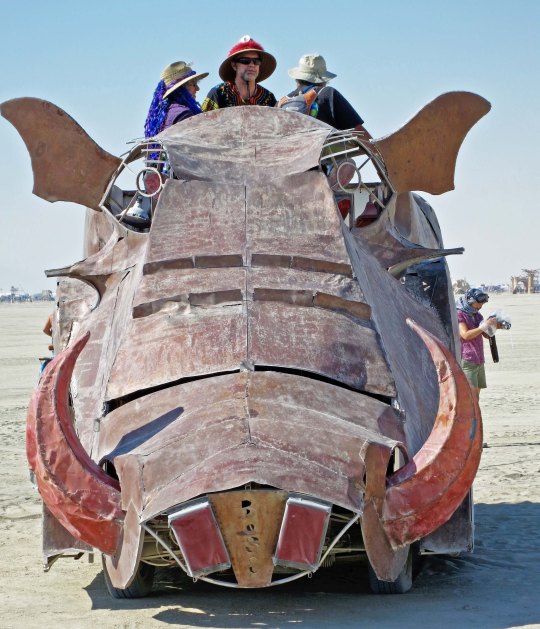
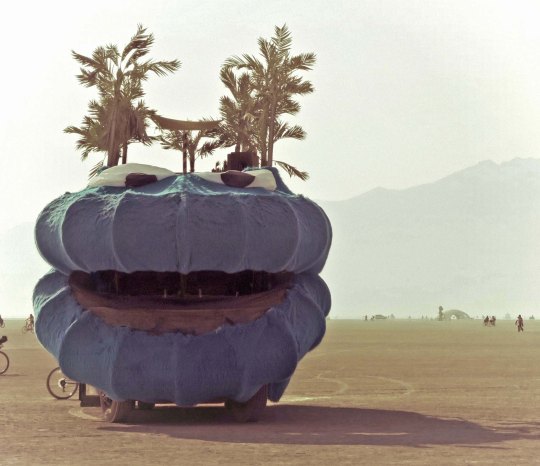
The massive beast wandered across the Playa at Burning Man, coming straight for me. I quickly got out of its way, but not before I snapped a photo. Wildlife photographers have to take chances! And there is lots of wild life at Burning Man.
As noted in my last post, I’ve been sorting through and categorizing my Burning Man photos from the 11 years I have attended the event: 2004-5-6-7-9-10-12-13-14-15 and 17. I’ve created 15 categories and will do posts on several of my favorites from each category over the next several weeks.
The bigger tribes (groups) at Burning Man often create large mutant vehicles to transport their members around. Many of these come in the form of large animals— like really big animals.
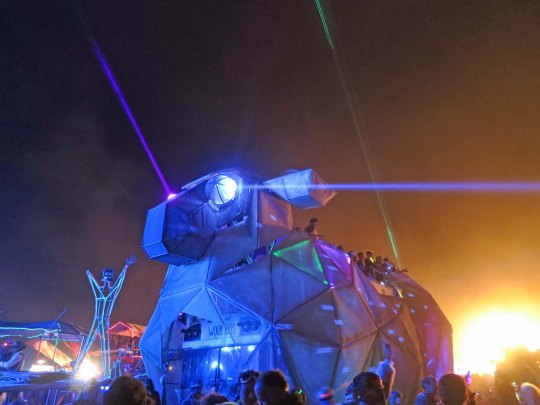
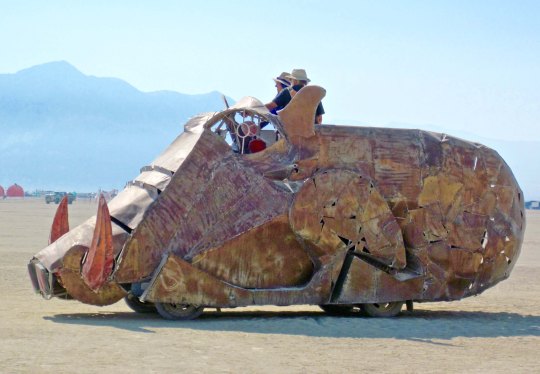
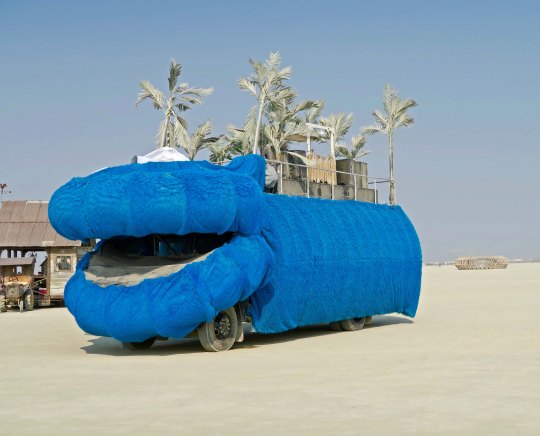
The gargantuan fellow I dodged looked even scarier from the side.I caught up with it at night a few days later at a burn and discovered it had laser eyes, which was even more disturbing. When I was processing photos for this post, however, I noted that the license plate on the front said Wool. The mutant was a sheep. It changed my whole perspective. Who worries about sheep! Going back to the top photo, I saw a friendly animal looking at me.
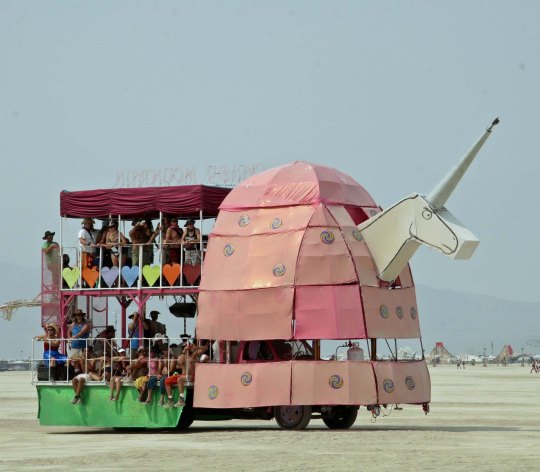
And why worry about a sheep when there are rhinos and lions and hippos and angry unicorns about! Oh my! Following are my photos of the large mutant animals I have found wandering the Playa during the day and at night. Enjoy.
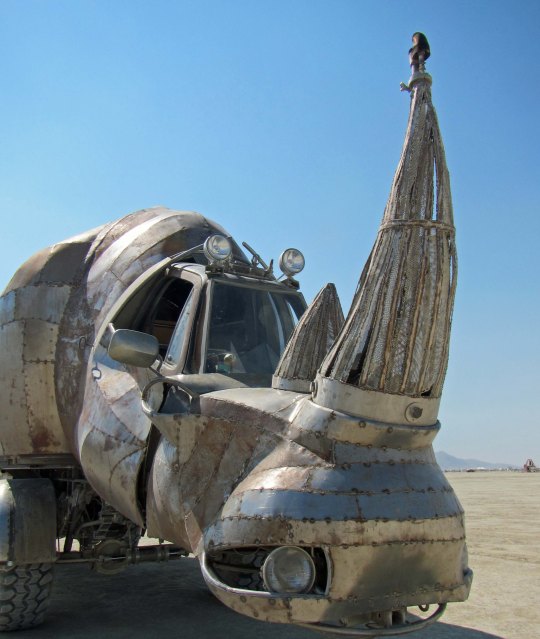
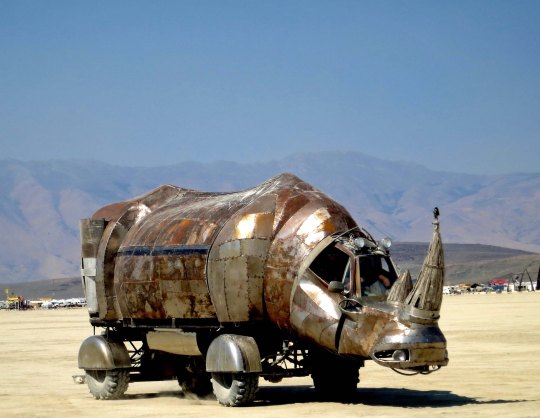
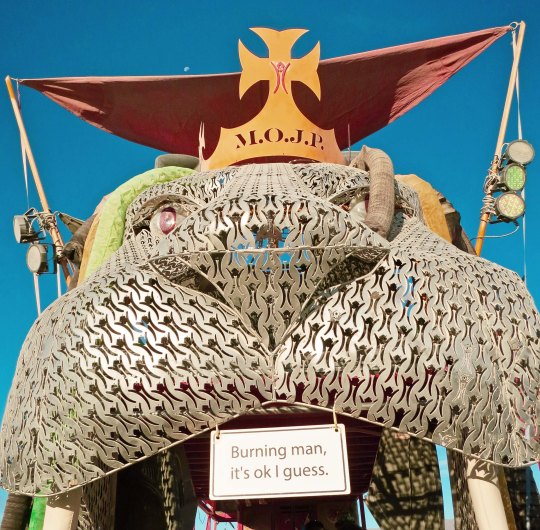
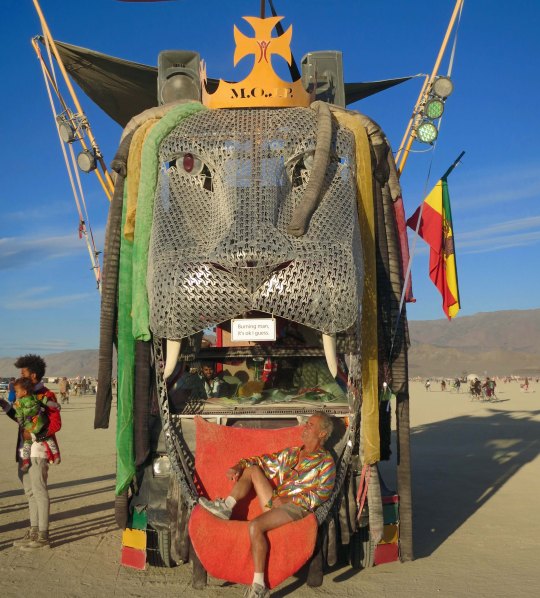
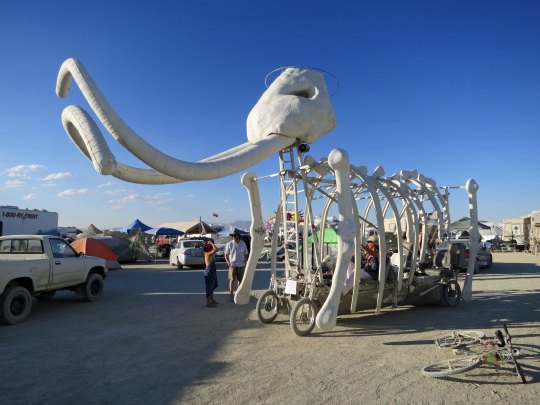
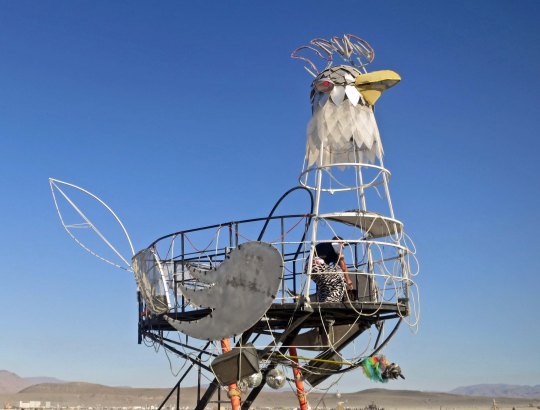
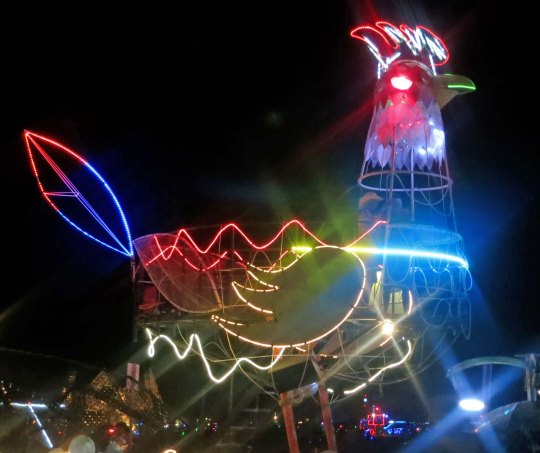
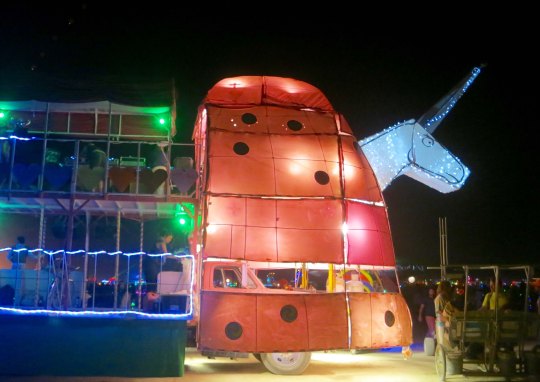
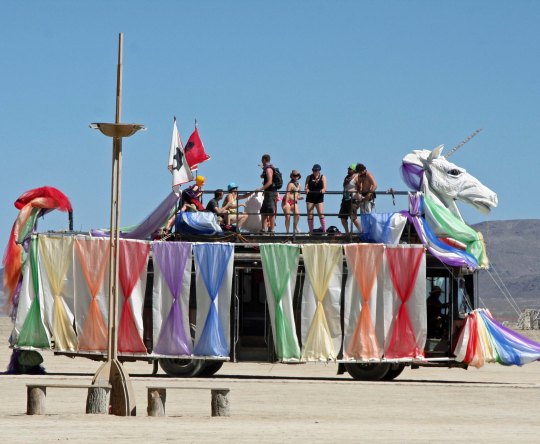
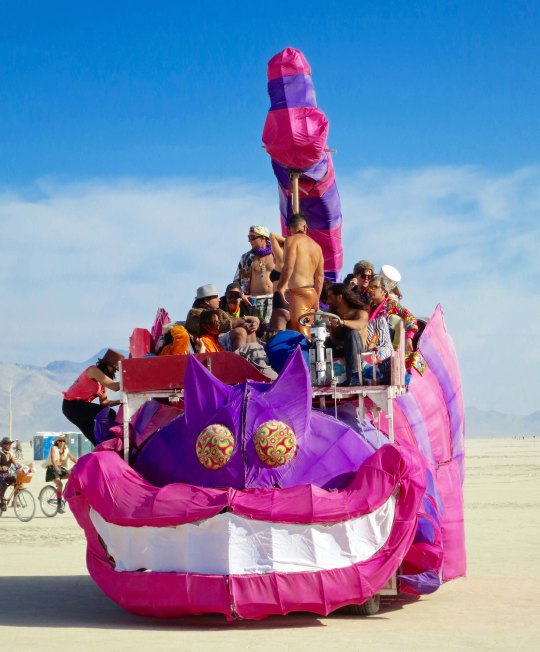
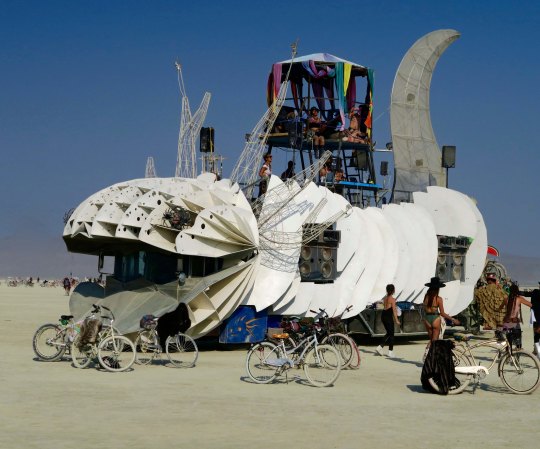
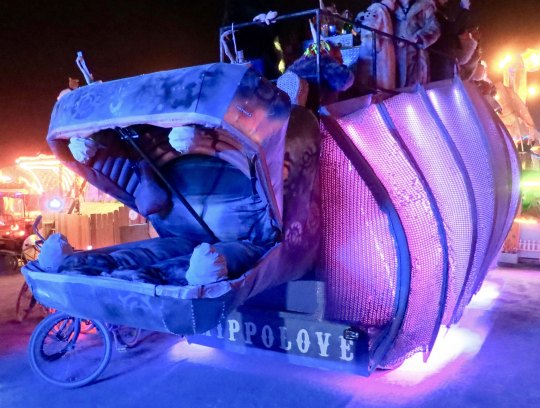
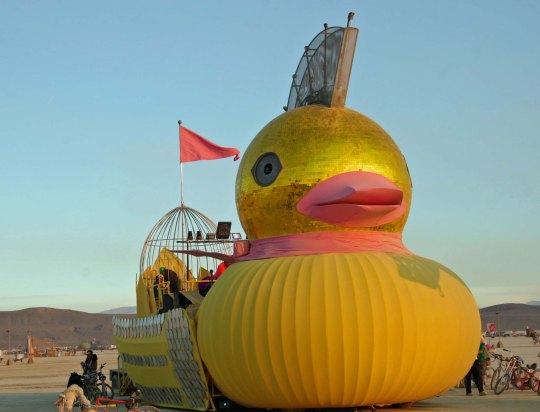
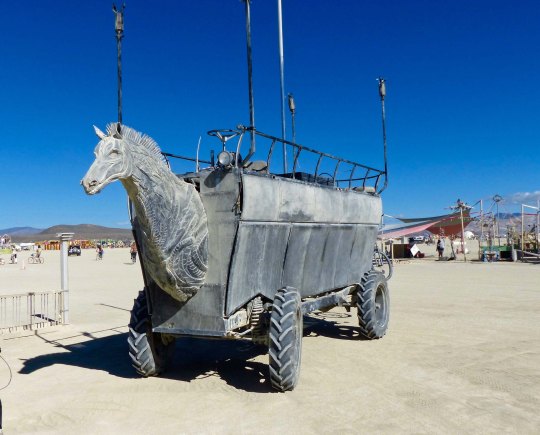
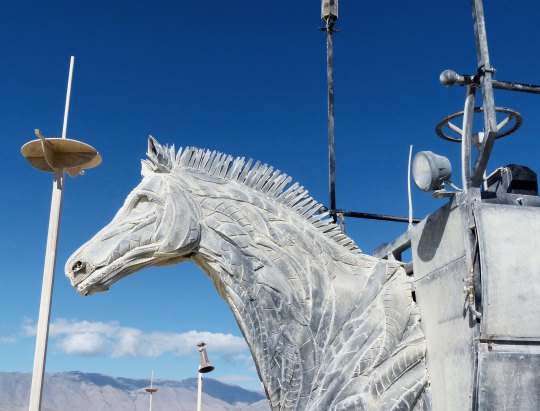
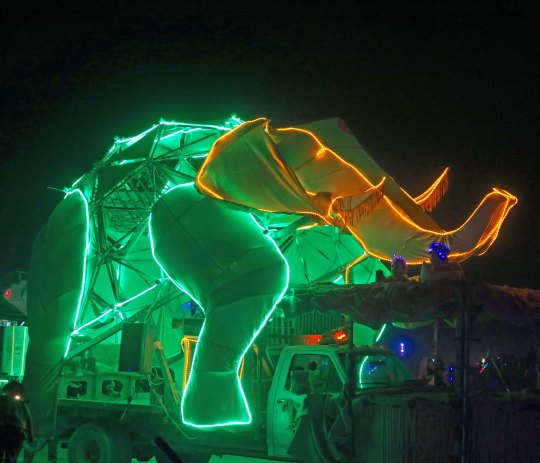
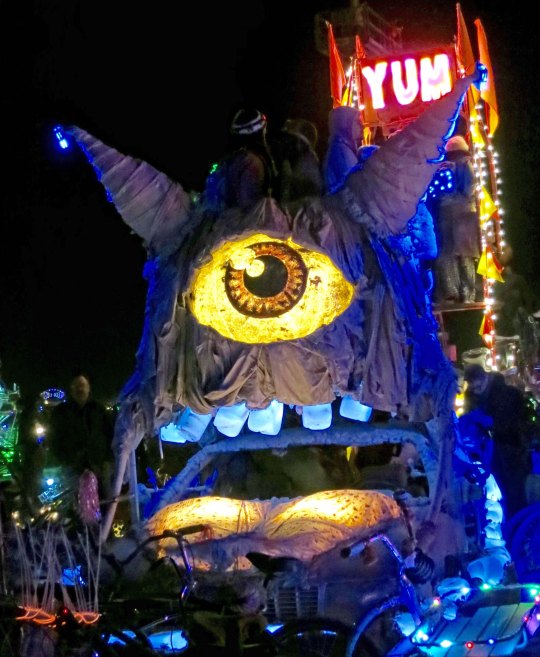
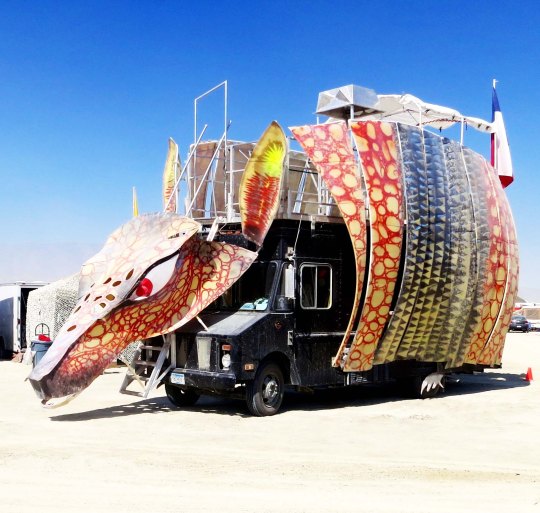
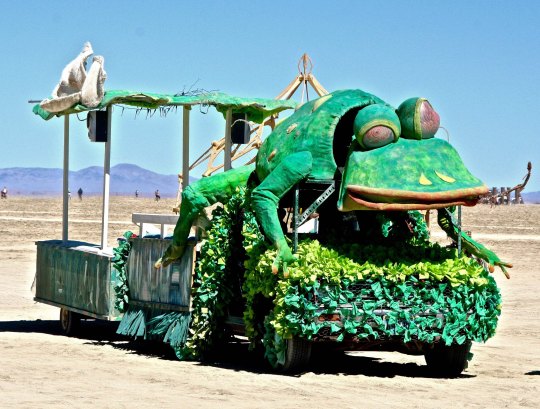
This rhino is one of my all time favorite mutant vehicles in the Black Rock Desert.Here it is out wandering across the Playa.Here we have the king of lions. Note the Burning Man symbol cut outs on its cheek. Burning Man is ok! I guess.A look at the full lion. My friend, Tom Lovering provides perspective by relaxing on the lion’s tongue! Is he about to become fast food?Another favorite of mine: a mammoth. This fellow was on a potty break. Its passengers had all climbed off to use the port-a-potties.You could crow home about this fellow.Even more so at night.Your friendly, local neighborhood warthog.And a side view. Judging from this unicorn’s face, it had gotten up on the wrong side of the bed.It was still scowling at night.A more elegant unicorn.The Cheshire Cat. Alice would be pleased. She would probably be enamored with Burning Man as well. I always feel like I am in Wonderland. And I am pretty sure that I have seen the Mad Hatter there.And another cat. A very large white one. At least I think it’s a cat. Here’s another animal I am not 100% sure about, but I think it is a hippo.Looking a bit more hippo-ish.There’s no question here. The hippo even came labeled: Hippo Love.One very large canary. I’ll bet it would be good at tweeting. Watch out Donald. You may have competition. (Peggy thinks it’s a rubber ducky.)No cart before the horse here. The horse is part of the cart.The horsecart’s head.A large elephant apparently having fun with a truck.Burning Man is where the Wild Things are. Yum!Folks from the South will recognize this Armadillo mutant vehicle.And I will conclude today’s post with another favorite of mine, a cockeyed frog. I think the tongue is made to shoot out flames. Apparently the frog likes to cook its bugs before it eats them!
NEXT POST: A PCT post if I have the time to put it together. A post on smaller animal mutant vehicles if not. It’s ready to go.
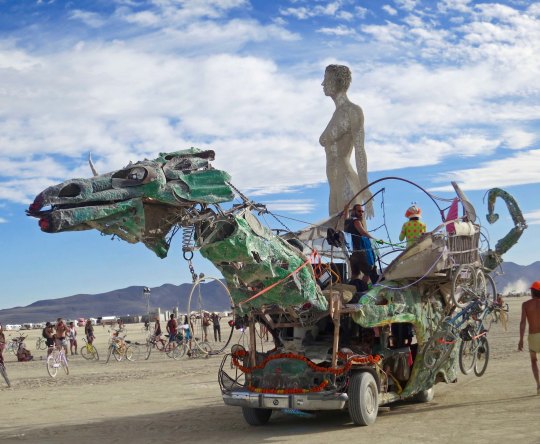
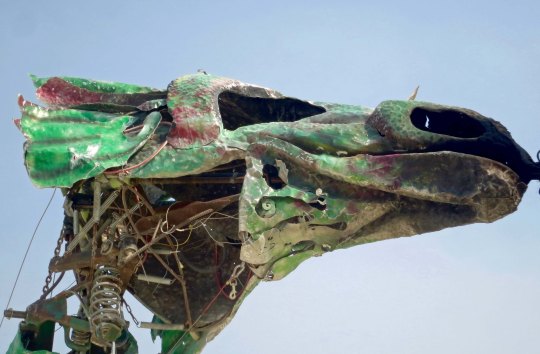
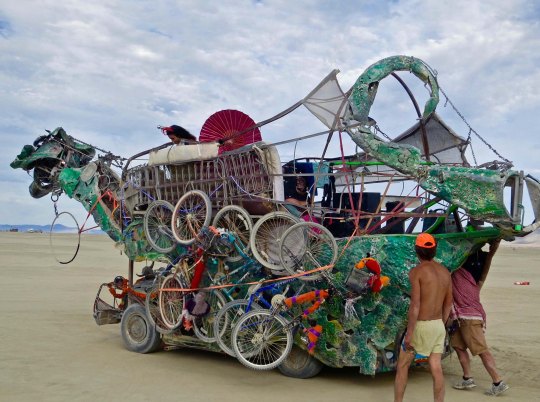
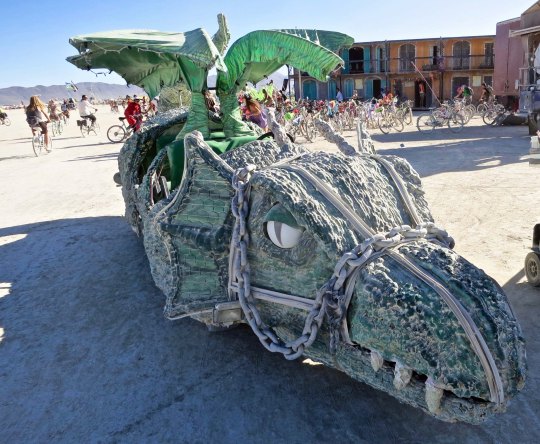
A green dragon waits patiently while its passengers climb off to admire a 30 foot high sculpture on the Playa at Burning Man.
I’ve been sorting through and categorizing my Burning Man photos, all 11 years’ worth including 2004-5-6-7-9-10-12-13-14-15 and 17. As you might imagine, there are several thousand pictures. I’ve created 15 categories and will do posts on several of my favorites from each category over the next few weeks. My plan is to use Mondays and Wednesdays for my Burning Man posts and Fridays for my Pacific Crest Trail posts. Expect a few other subjects on Fridays as Peggy and I wander.
I debated with myself over how to kick the series off. Frankly, starting anywhere works when focusing in on the creativity of this annual event in the remote Nevada desert. Art is everywhere. Appreciating and enjoying it is the primary reason I have returned to Black Rock City again and again. Of course, people go to the event for many other reasons as well, such as dancing and drinking to the rolling thunder of heavy metal into the wee hours of the morning. They also go to see and be seen, to dress up in elaborate costumes, to attend lectures, to escape from their everyday worlds, and to participate in and contribute to Burning Man’s unique culture. The latter is central to the event. I consider photographing the art and sharing it with you as part of my contribution.
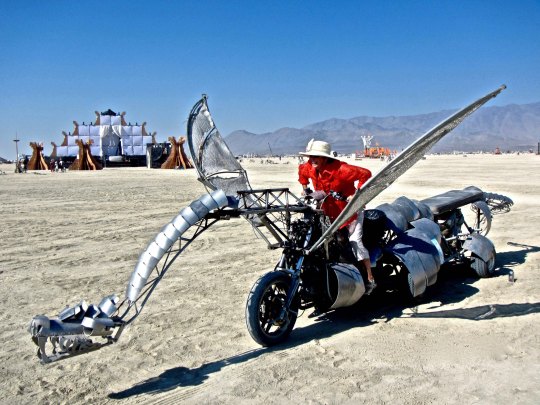
One of the most creative endeavors at Burning Man is the building of mutant vehicles, which is undertaken by both individuals and groups, or tribes as they are sometimes called out on the Playa. They are three ways to get around at Burning Man: to walk, to bike (which most do) or to travel in radically altered vehicles— i.e. mutants. Normal cars, vans, trucks, etc. must be parked. Mutant vehicles come in a variety of forms from bugs, to animals, to ships, to you name it. Today I am going to focus on dragons, most of whom breathe fire! Now, back to the green dragon featured at the top of the post.
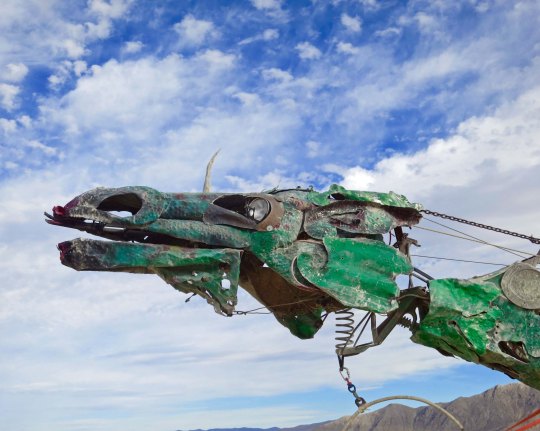
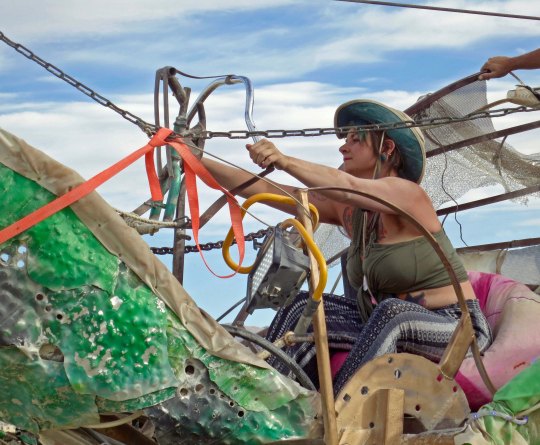
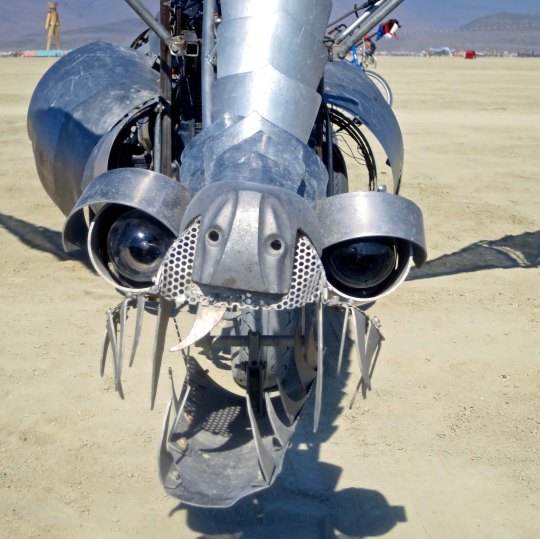
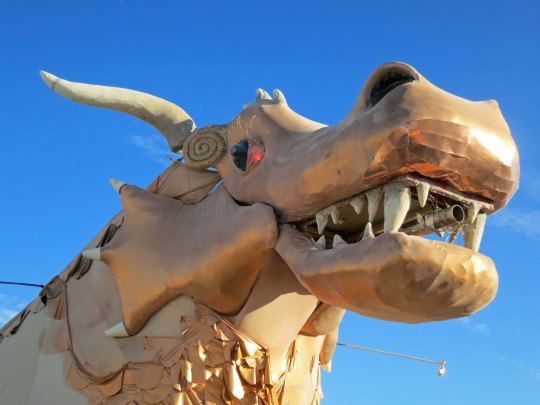
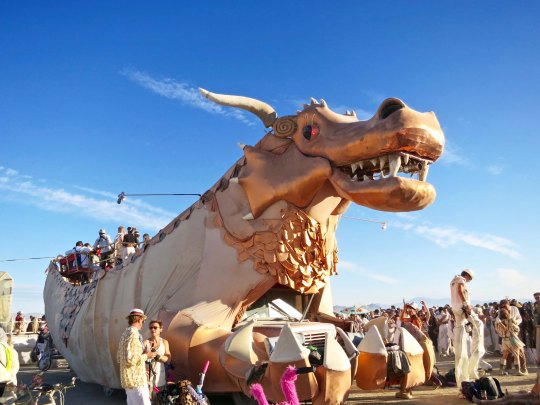
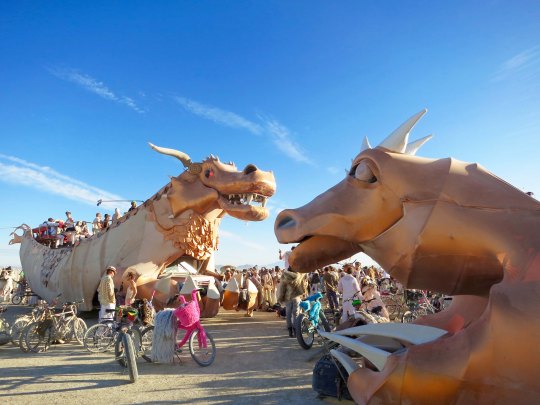
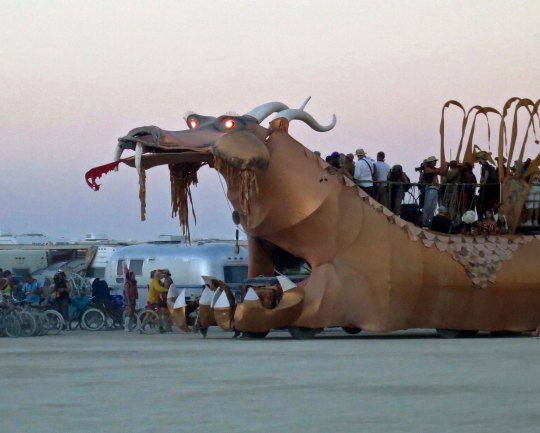
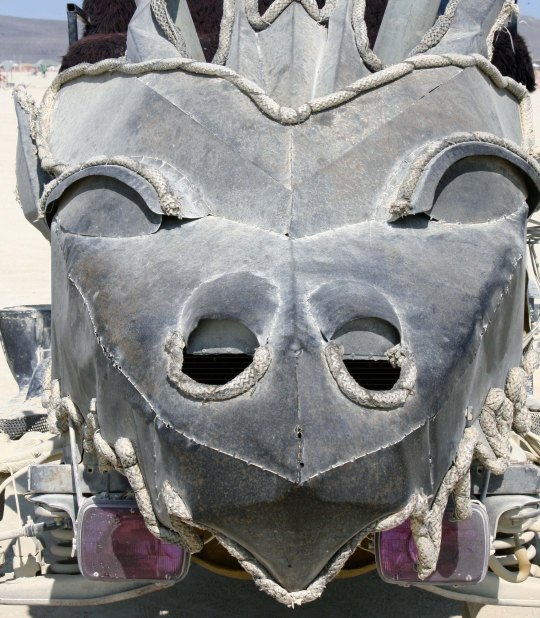
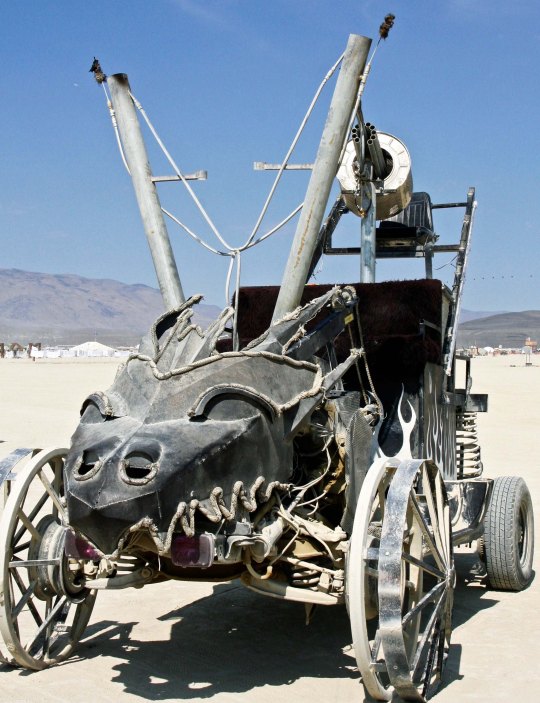
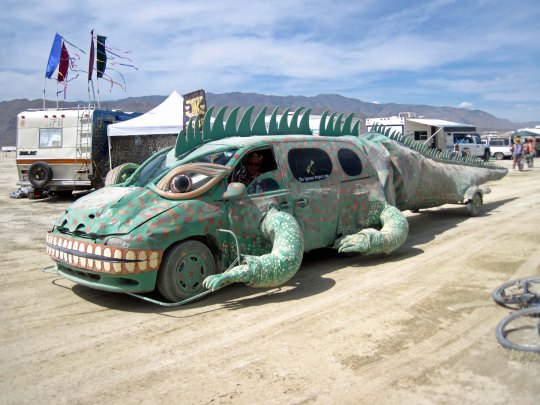
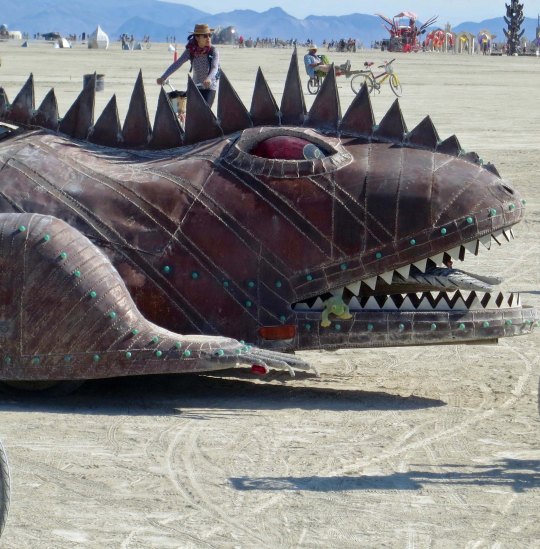
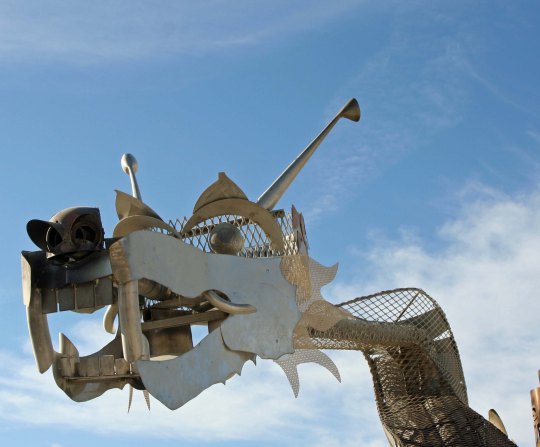
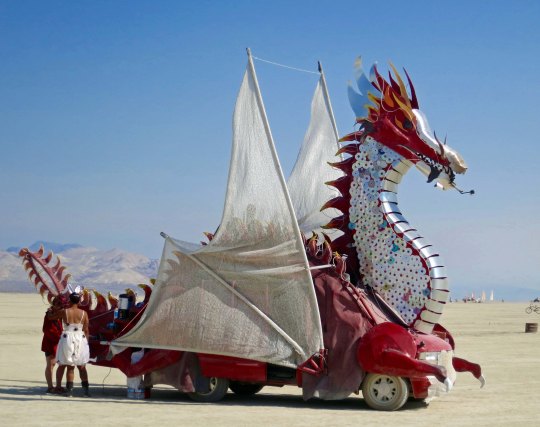
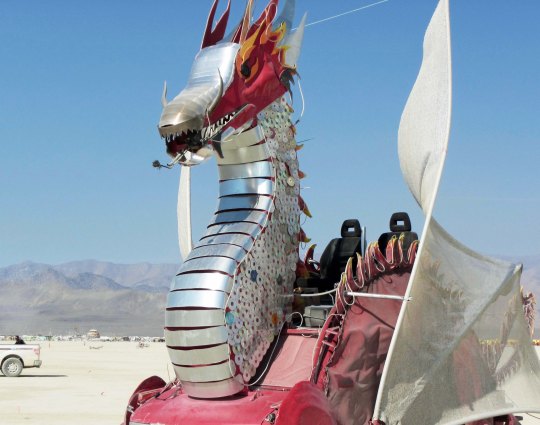
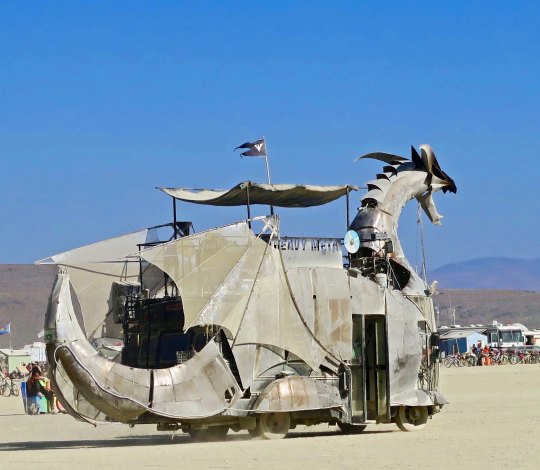
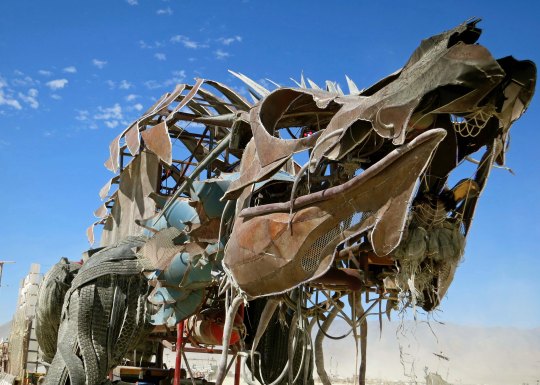
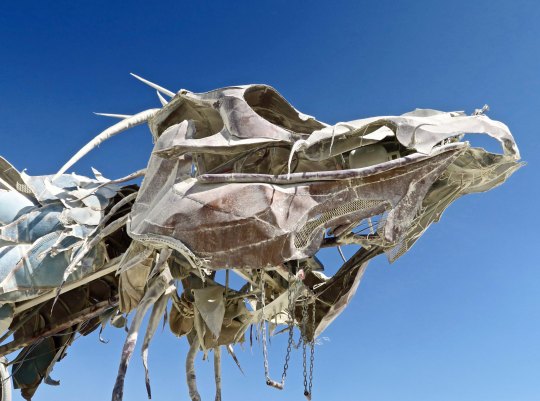
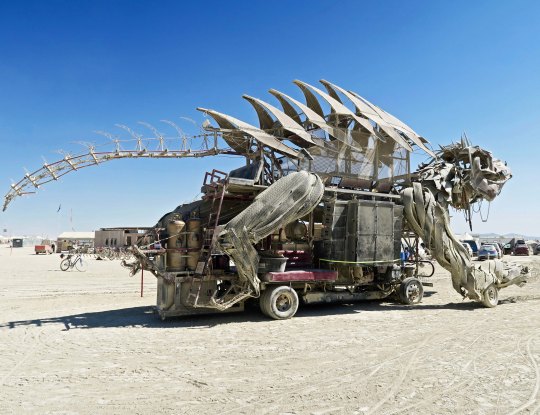
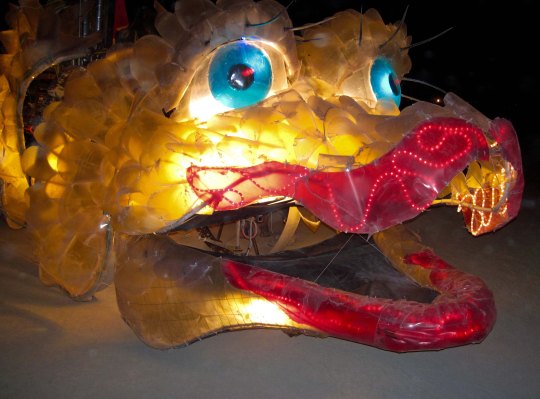
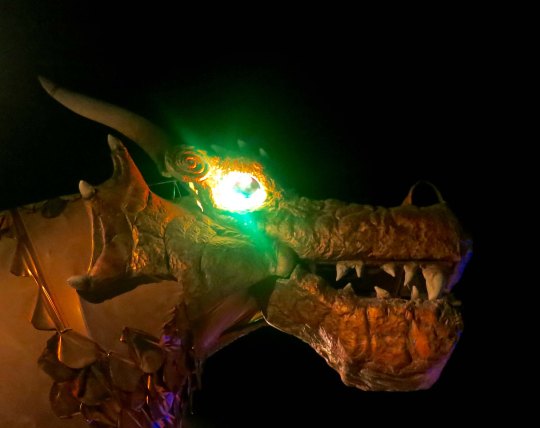
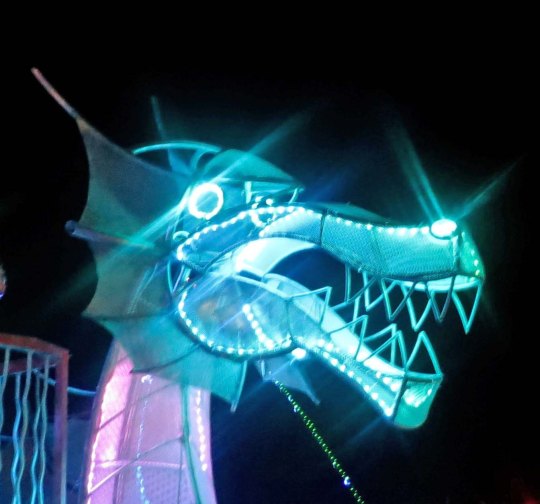
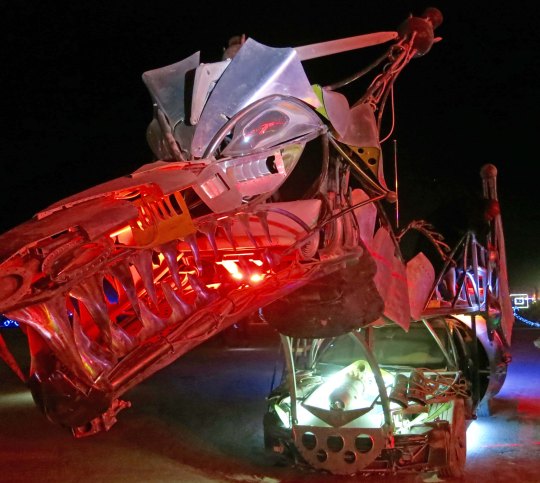
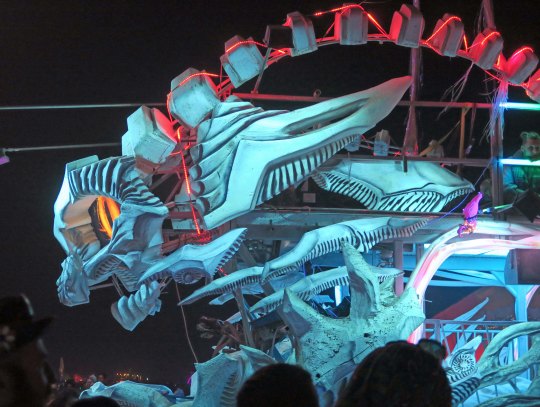
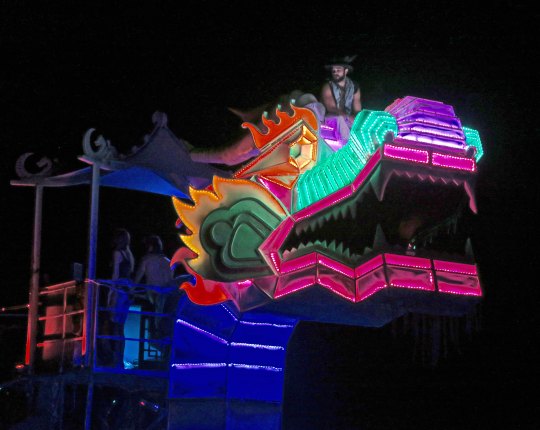
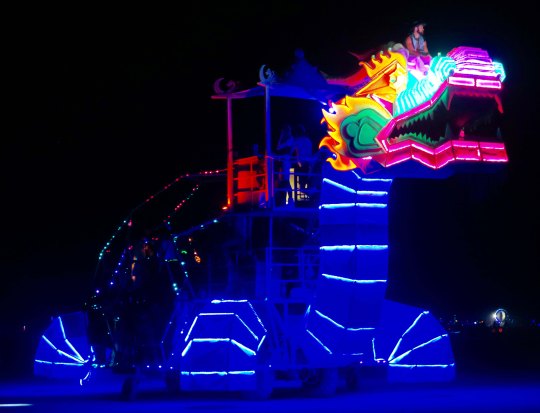
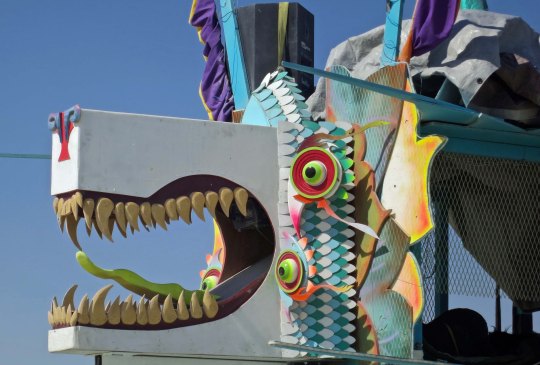
The green dragon’s head and neck are operated by a series of pullies and springs.A close up. I’d say that this fellow is about to spring into action. Note the dirty snout. That’s where the dragon breaths out its fire.The Burner here is preparing to take the dragon across the Playa at Burning Man. The chains are used for operating the head and neck. Imagine yourself in the driver’s seat!The dragon prepares to depart as a Burner climbs on board. The bikes provide passengers with an alternative form of transportation. Note how the tail has been lifted to provide a door.This dragon appears eager. On your mark, get set…Go! Wait, could that intrepid driver be the fearless Peggy?It took me a while to decided that this sharp-toothed golden creature was a dragon. But the tube in its mouth persuaded me that when the sun went down, she would be breathing fire!And check out those claws!One year the dragon ran around on the Playa by itself. The next year it had a baby. Given all the dragons found at Burning Man, it hardly seems surprising.I caught an earlier version of the dragon with its eyes glowing at dusk. I’ve noted over the years that the same mutant vehicles may come back again and again, but they often morph.Is this dragon smiling? I’d still be reluctant to get too near its mouth.Lest you get taken in by its teeth as well as its smile. I would suggest that the weapon up on its back speaks to ill-intentions.My friend and fellow Burner Tom Lovering caught this shot of a car dragon.Another low to the ground dragon. If you look carefully at its mouth, you can see that it is eating a frog. But maybe the frog is escaping.This dragon was personality plus, although it was more sculpture than mutant vehicle.And what about this beauty with its bright colors and proud wings… (Photo by Tom Lovering.)A close up. That almost looks like a sword hanging down from its mouth. Maybe a dragon slaying knight met his untimely end. This impressive dragon was labeled Heavy Metal, which was probably the name of its tribe. I was sorry that I only got one photo of it.I’m convinced that this dragon is one of the scariest at Burning Man.Here’s another head shot.A full shot of the dragon. I would not like to meet it at night! Check out the size of those hind legs.Speaking of night, mutant vehicles take on different personalities as the sun goes down behind the desert mountains.Whoa! Eyes that glow in the night. Mr. Blue Eyes in the photo above this guy appears positively friendly in comparison.Striking green dragon head with interesting teeth.Dragon with red snout!Not sure that this creature was a dragon, but it was impressive. Maybe it is a mutant cat or? This night dragon wins the prize for size among the dragons of Burning Man. The driver is up on top. A full view. People actually walk near the front and sides of these large mutant vehicles to guide them and make sure that they don’t run over anyone!A four eyed dragon, rather Asian in its look.And I will conclude with one of my favorites, which just might be a alligator. I found it hanging out near the New Orleans tribe’s camp. It either had green wings or was lurking under a palm tree, waiting for an unsuspecting victim.
NEXT POST: From dragons to bugs, to cats, and hippos! More mutant vehicles.
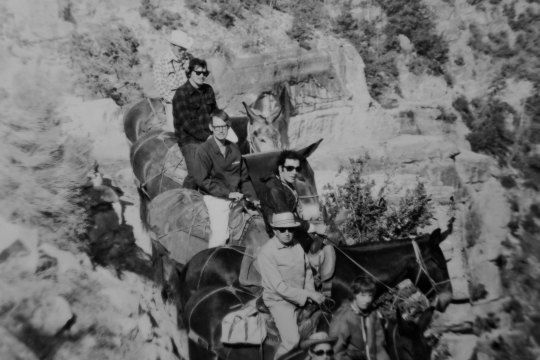
I have journeyed into the Grand Canyon several times over the years: on foot, by raft, and by helicopter. The first was by mule in the late 60s. That’s me, second from the top on Charlie. I was sore for a week afterwards. I was a pound over the weight limit, so Charlie kept trying to bite me, plus walk as close to the edge as he could!
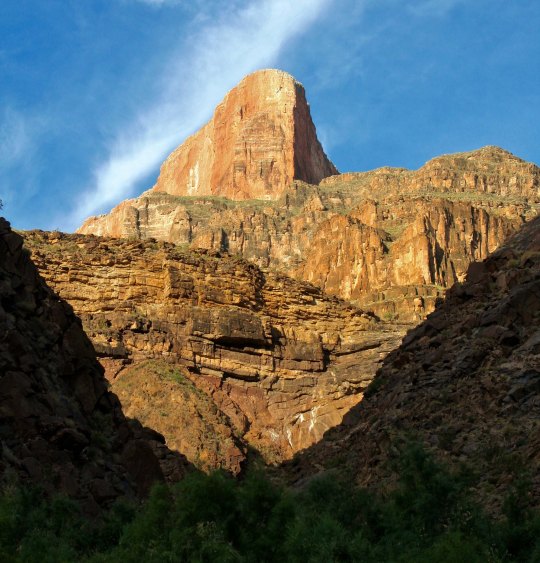
The Grand Canyon is truly one of the world’s great natural wonders. It’s celebrating its 100th Anniversary this year and I am quite pleased— and a little proud— that I have been returning there on a regular basis for 50 of those years. I’ve posted on my trips into the Canyon by foot and boat many times. Today, since I am still working on Burning Man photos and don’t have another Pacific Crest Trail post ready yet, I decided to reach back into my WordPress archives and put up some Grand Canyon photos. Happy 100th Grand Canyon!
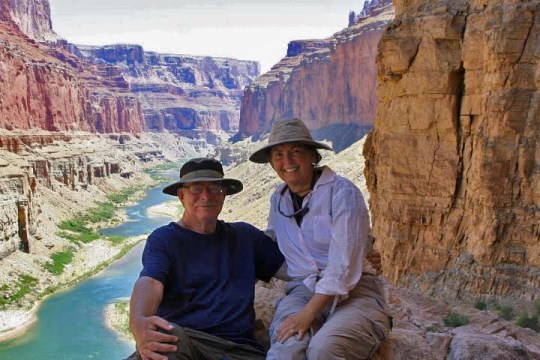
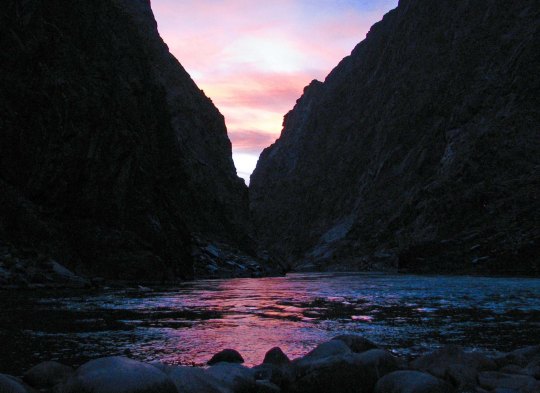
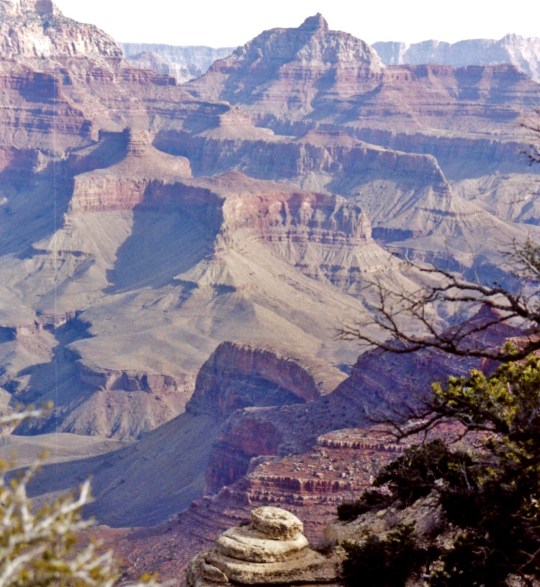
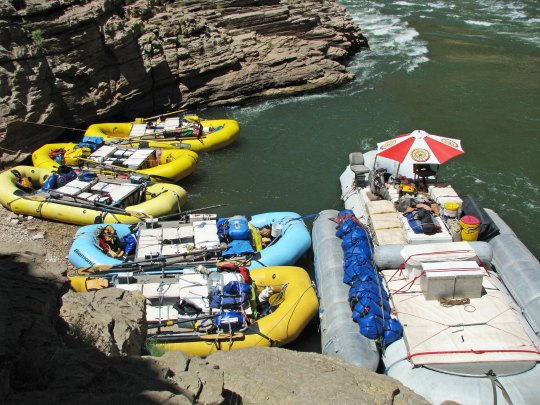
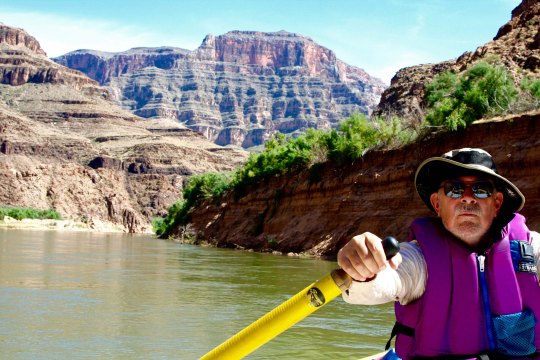
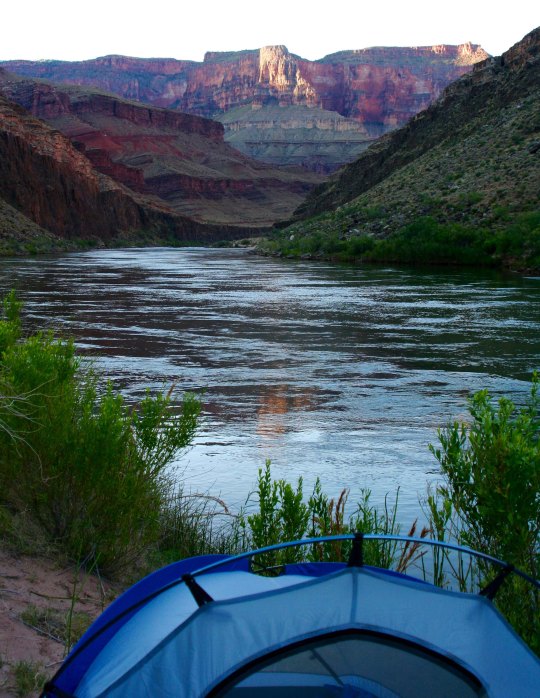
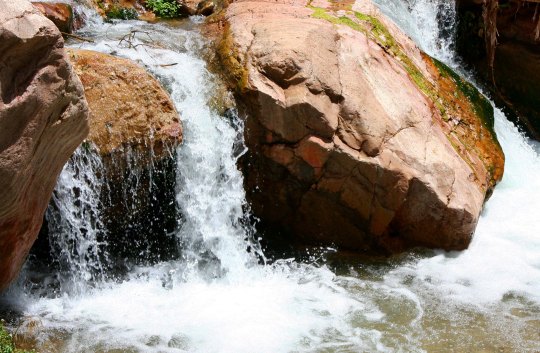
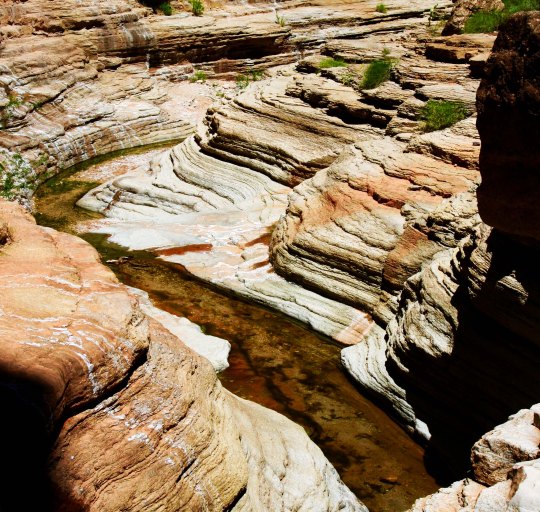
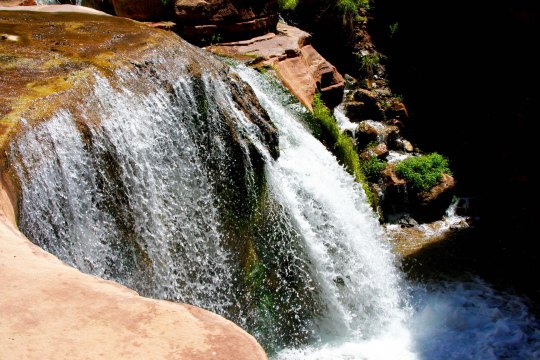
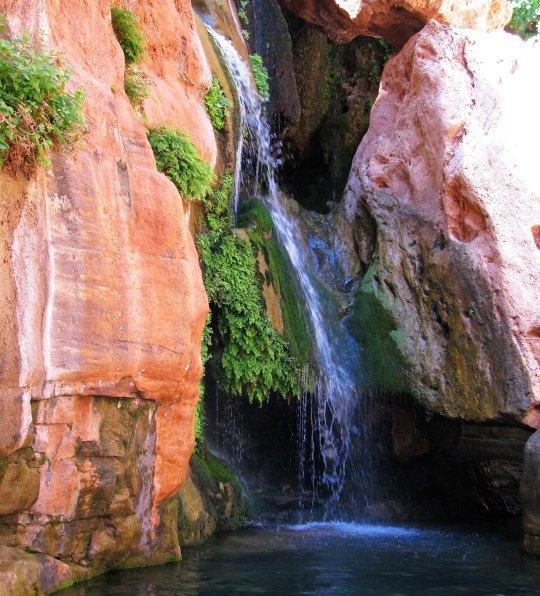
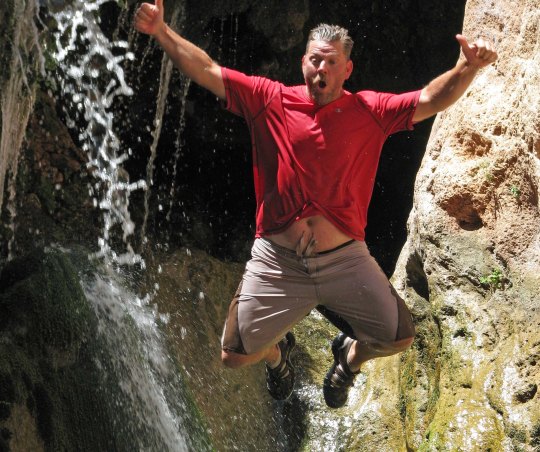
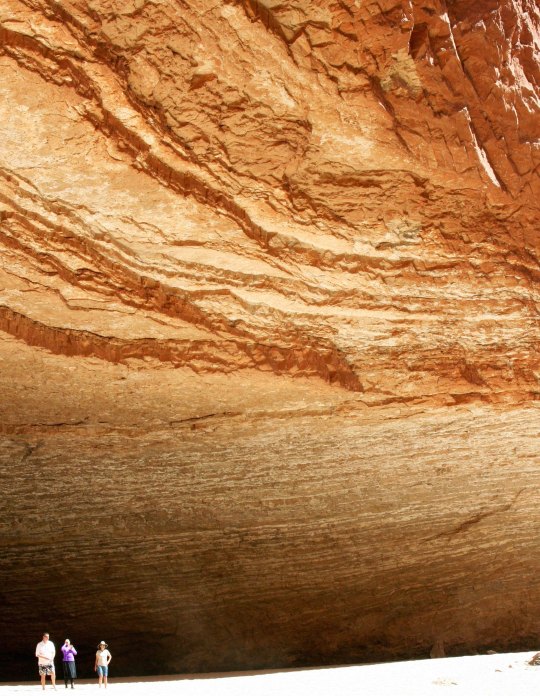
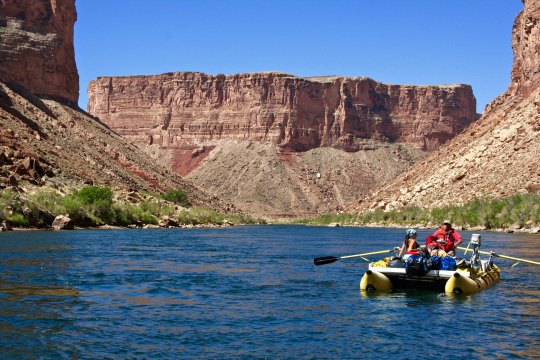
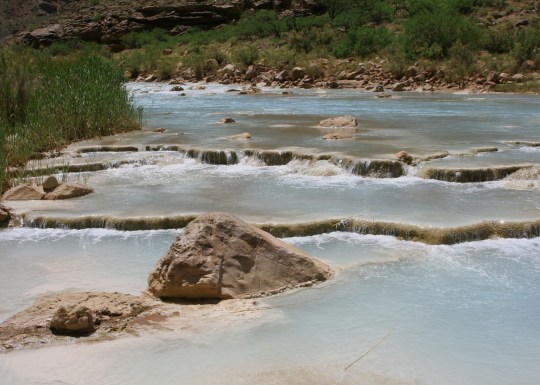
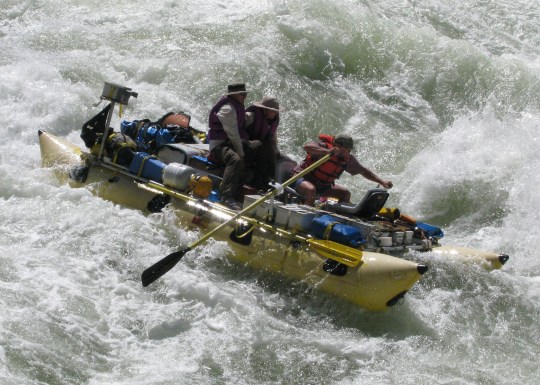
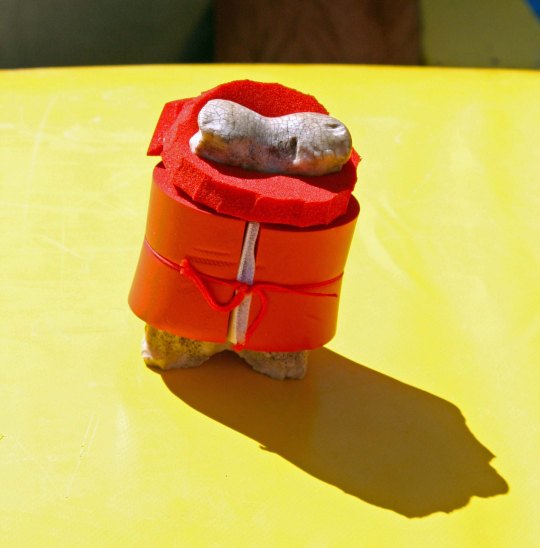
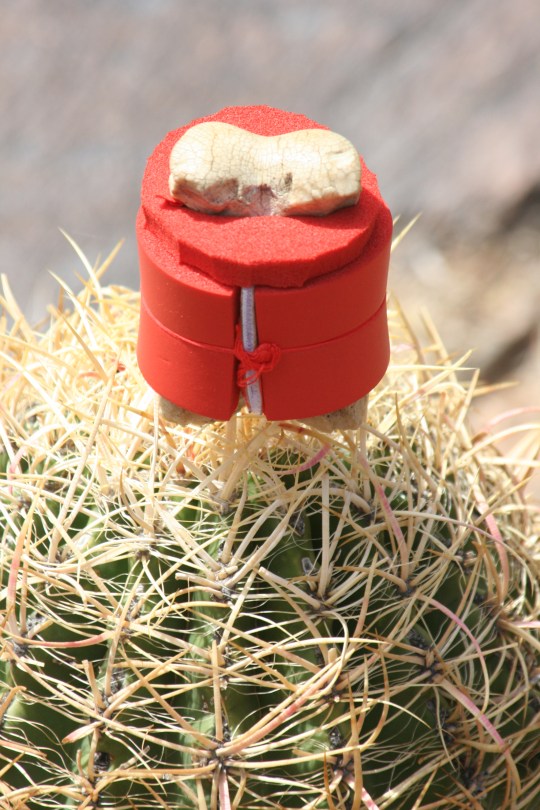
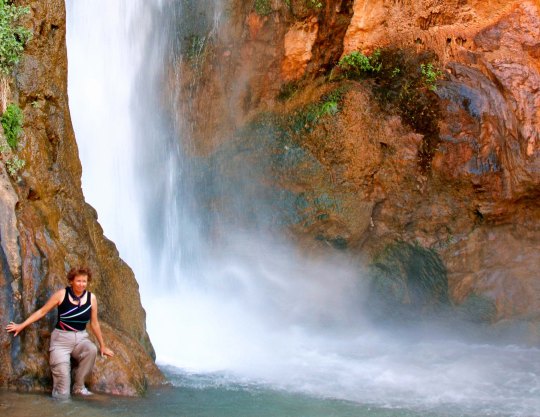
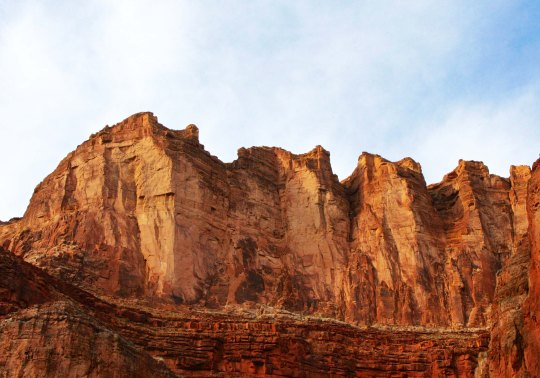
Sunsets in the Canyon are always spectacular, whether you are on the outside looking in or the inside looking out. This was from an 18 day rafting trip Peggy and I took down the Colorado River with a group of friends.Peggy and I are sitting above the Colorado River near an ancient Native American site.Sunset at Zoroaster Campsite on the Colorado River in the Grand Canyon. (Photo by Don Green.)You don’t have to hike or backpack, or raft, or fly, or ride grouchy mules to enjoy the beauty of the Canyon. You can drive up, and enjoy numerous pull-offs that give you incredible views.The mouth of Havasu Creek is a common stop for rafters in the Grand Canyon. Our rafts look small beside the large tour boat. Our trip was based on a lottery that I won for an 18-day private trip on the Colorado River through the Grand Canyon. Fortunately, I have friends with the expertise necessary to raft the Canyon.While a veteran crew of boatmen handled the more dangerous parts of our 18 day journey through the Grand Canyon, I was allowed near oars on some of the tamer sections.A morning view from out tent.. One of the fascinating things about the Grand Canyon is how it changes in the light. Numerous side trips away from the river provided opportunities to explore other parts of the Canyon.We were treated to views like this.Waterfalls along Deer Creek.This was a delightful waterfall, but I didn’t realize we were expected to jump off!Jamie Wilson demonstrates.This huge cavern is found along the river and is known as Redwall Cavern.Another river view.Looking up the Little Colorado River just above where it flows into the Colorado River. Note the water color and the mineral deposits. With Steve at the oars, Peggy and I enter the infamous Lava Falls on the Colorado River, a perfect ten… that’s 10 as in rapids don’t get any more serious. There was a point where we disappeared under the water. (Photo by Don Green)Bone, of course, went along on the raft trip and had his own life vest. Here, he decided that it was time for a photo op on the edge of a Sotar Raft.Here he enjoys a perch on top of a barrel cactus. Don’t try this at home, kids. Or anywhere else.Peggy stands next to Deer Creek Falls, a short walk from the Colorado River in the Grand Canyon.I’ll conclude with a final sunset view from one of our campsites.
NEXT POST: Either on Burning Man or the Pacific Crest Trail. Depends on what I get done. (grin)
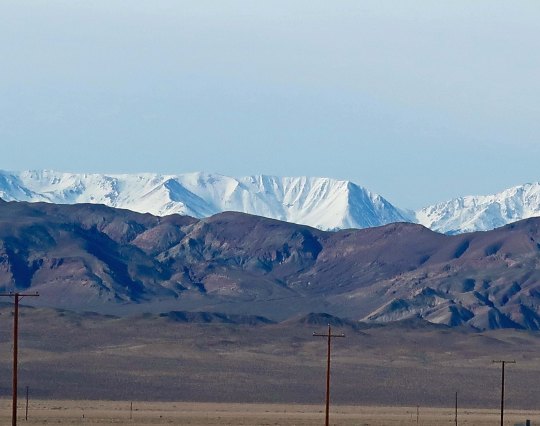
I have always liked the drive from Las Vegas north following Nevada’s Highway 95. One of many reasons is the great views it provides of the Sierra Nevada Mountains.
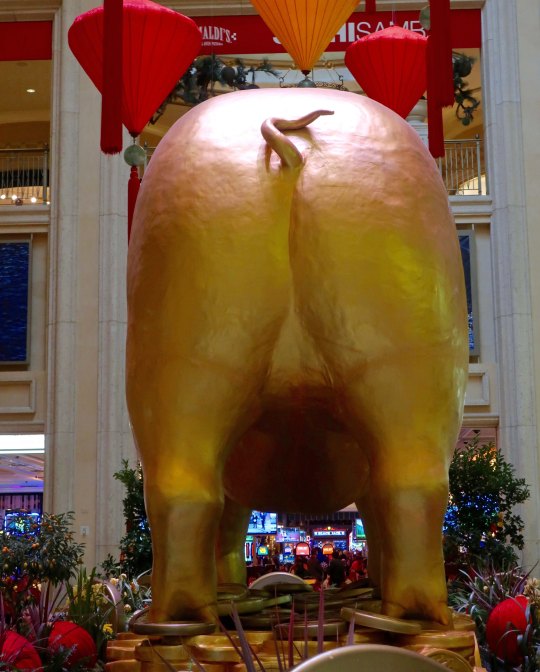
Usually when Peggy and I visit Las Vegas, I do a complete post on the Strip. Not this time. We went downtown to the Venetian Hotel and discovered that it was the Chinese Year of the Pig. The pig shared a room with a Burning Man sculpture that Peggy and I had admired on one of our many trips to the event.
Front of the pig.
Back of the pig.
Burning Man sculpture.
Having done the Las Vegas thing, it was time to head home. We decided to travel on Nevada 95, which runs up the west side of the state from Las Vegas to Reno. Most people experience the trip as vacant desert to be driven through as fast as possible. We see it as filled with beauty and quirkiness. It is one of our favorite drives.
Vacant desert, right? Unless you know what to look for. A town was built out here in the 50s. It was populated with fake houses and fake cars and fake people and fake pets and then blown up with a real atomic bomb. People drove out 65 miles from Las Vegas to watch the explosion as entertainment. The government promised it was safe. There was even a Miss Atomic Bomb. On a previous trip, Peggy and I had tried to drive out to take photos, A man in black driving a black SUV and wearing dark glasses stopped us and made us leave. Otherwise, we might still be in jail. Possibly you saw the Indiana Jones movie where Jones survived the “town’s explosion” by hiding out in a refrigerator…
Miss Atomic Bomb 1957.
Not interested in atomic bombs? How about cat houses? Or brothels as you might know them. There are several along lonely Route 95. Prostitution is legal in Nevada. You can tell this is a classy place by the Greek column, right? Peggy and I were amused when we drove by the Shady Lady to discover it had been turned into a bed and breakfast. You know what my thought was: Staying there might make an interesting post. Tempting… (grin)
And then there is the Tonopah Station Hotel. It’s packed to the brim with quirkiness. Peggy and I always stay there. Meet James the bear.
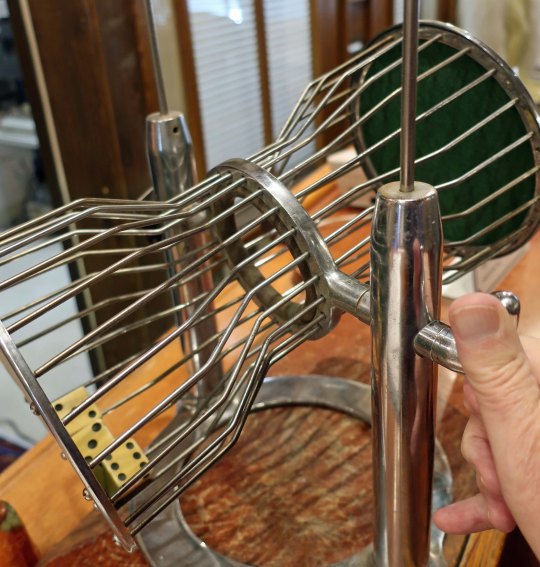
Where else can you roll the dice to get a free room? We have yet to succeed, however. Are the dice loaded? (A selfie of my hand.)
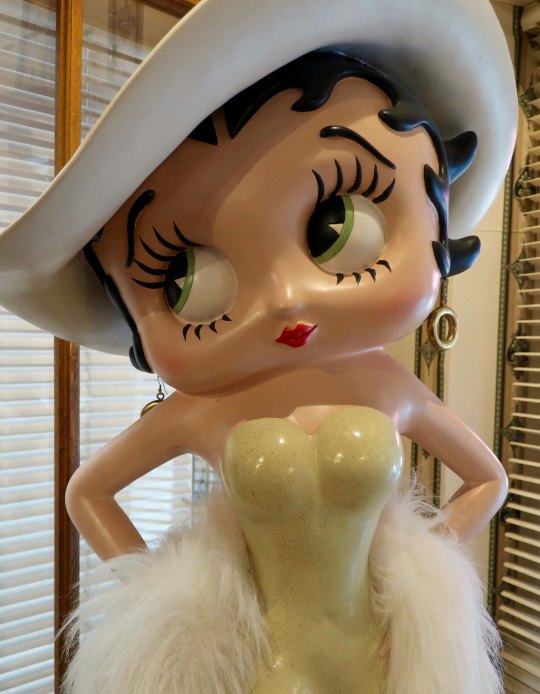
Probably not/ Betty Boop oversees the roll. She is looking away, however. Hmmmm.
A lamp post illuminates a British lion..
How’s this for a welcome sign?
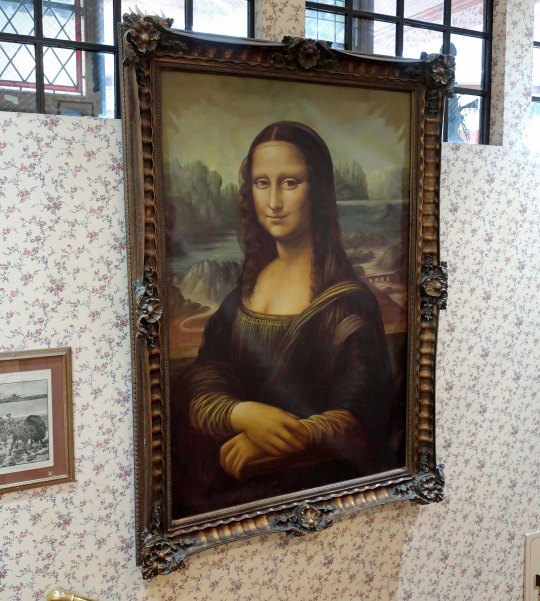
Mona Lisa guards a stairwell!
There is plenty of beauty along the way to augment the history and quirkiness.
Including some superb views of the Sierra Nevada Mountains that I kicked this post off with.
A more distant view.
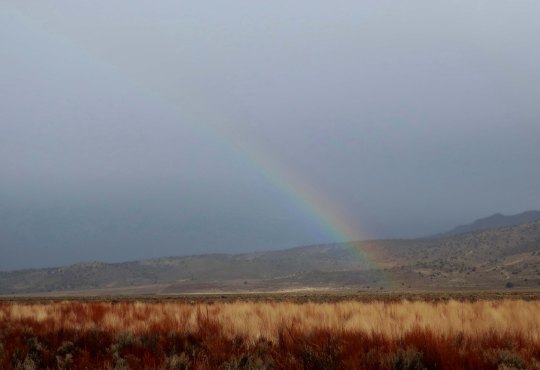
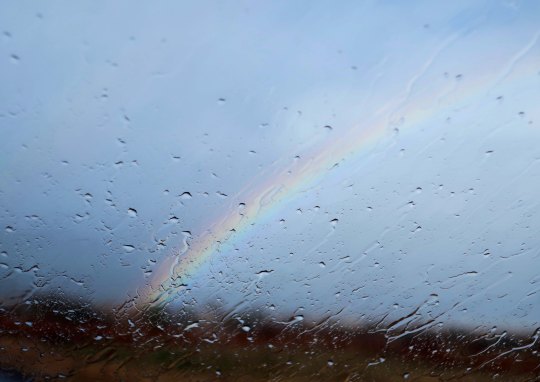
North of Reno on California 395 heading into Susanville, we picked up some weather including rain and high winds plus the sun breaking through and lighting everything up. I was driving and Peggy was in charge of photographs. She loves rainbows. I noticed afterwards that most of the photos contained one. (Photo by Peggy Mekemson.)
Another rainbow… (Photo by Peggy Mekemson.)
And another rainbow… (Photo by Peggy Mekemson.)
And finally, a wet windshield rainbow. (Photo by Peggy Mekemson.)
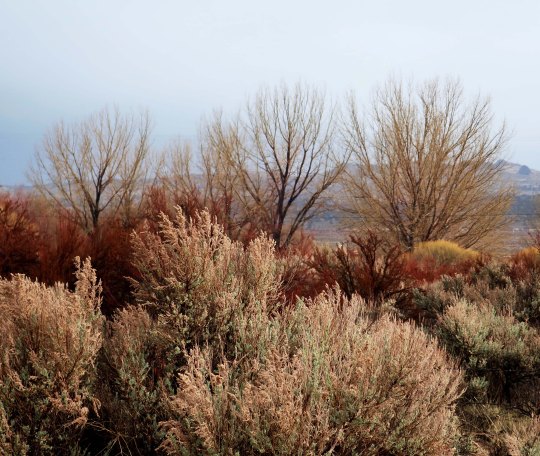
She did, at my urging, capture a shot of sagebrush being lit up by the sun. (Photo by Peggy Mekemson.)
North of Susanville we caught up with the snow, which was mainly rain. The heavier snow had fallen the previous week. It is hard for me to believe that a few months ago I was backpacking down the PCT not far from this location through 100 degree F weather with very little water!
NEXT POST: Speaking of the PCT, we will journey back to it in my next post.
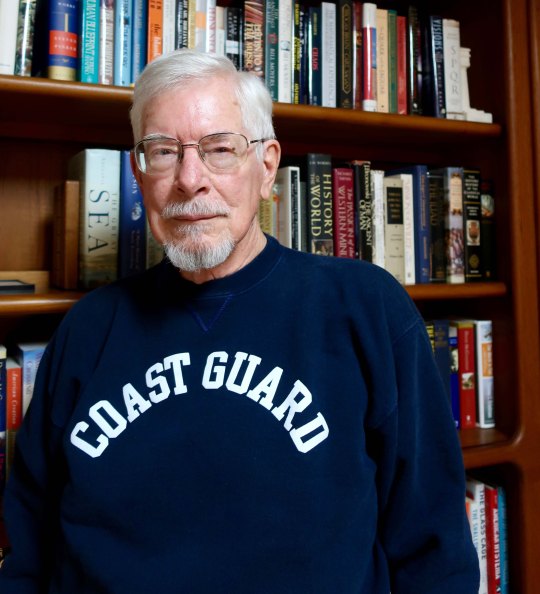
I’ve been wearing my Coast Guard sweatshirt over the past month honoring my son who is now going into another month without pay. This is a man who has risked his life for America both as a Marine helicopter pilot in Iraq and as a Coast Guard helicopter pilot saving lives and keeping dangerous drugs from entering America. Is this how we thank him and the thousands of other men and women who risk their lives daily to keep our shores safe? But there is more: Coast Guard members, FBI agents, and Homeland Security personnel are the backbone of protecting our nation within its borders. They are now effectively being limited in their jobs, seriously endangering America. It’s time to stop holding 800,000 American hostage. It’s time to end the government shutdown and let democracy work.
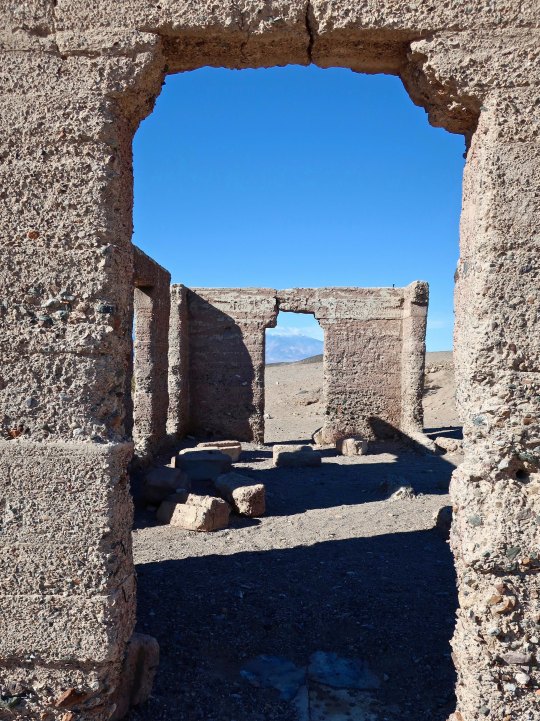
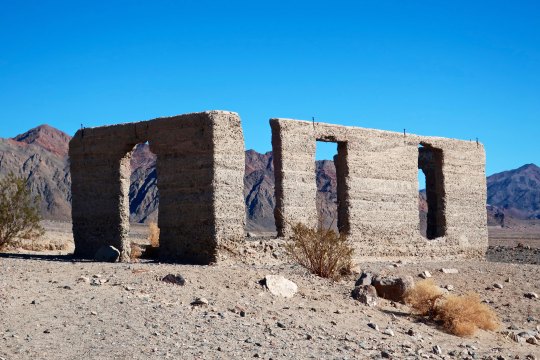
Old, abandoned towns of the West are given the name of ghost towns. While Ashford Mill hardly meets the requirements of being a town, I decided we could at least think of it as a ‘ghost mill.’
Abandoned mines litter Death Valley’s history. In my last post, I featured one of the most successful mines in the area, the Harmony Borax Works. It was so successful that the twenty-mule team responsible for hauling its ore across the desert served as a logo for the long running TV show, Death Valley Days. The show was hosted by none other than Ronald Reagan in the 1964/65 season when I was a student at Berkeley. It’s possible I even watched an episode or two while avoiding the baton-wielding police sent to campus by Edwin Meese, Oakland’s District Attorney at the time— and Reagan’s future Attorney General.
Mercury, talc, gold, silver, sodium chloride, Epson salts, tungsten, and copper were some of the other minerals that miners pursued with visions of wealth dancing in their heads. Few were successful. Some 2000 mine ruins were left behind as their legacy. Ashford Mill is one such ruin. It was built by the Ashford brothers to process ore from their Golden Treasure Mine located 5 miles to the east in the Armargosa Range. The brothers alternated working the mine and leasing it out to various companies for over 30 years until they finally gave up in the early 40s. A lot of money, work and heartache was devoted to the effort, but the ‘golden treasure’ was not to be found. Today, all that remains of the mill are the cement walls of what was the office and a few remnants.
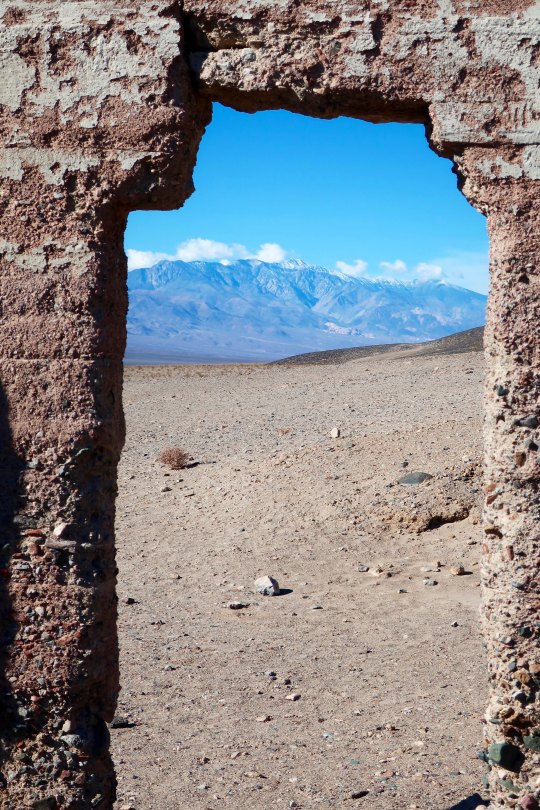
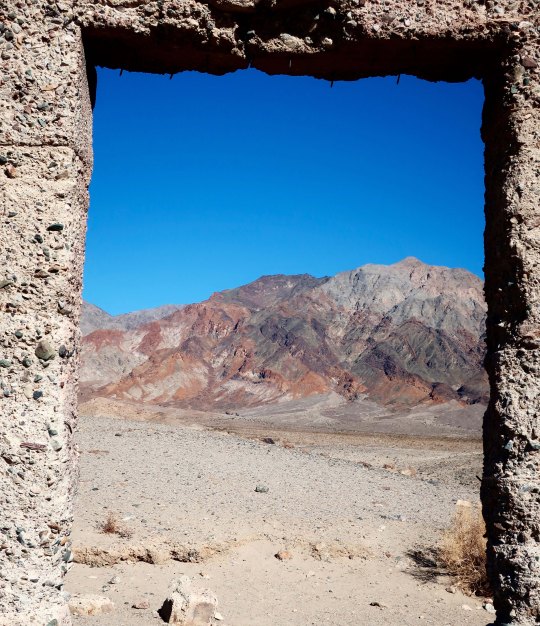
A view of the office as it now looks. I decided in would be fun to photograph the surrounding desert using the various openings as frames.
Looking out toward the Panamint Range.
The Golden Treasure Mine is located up in the mountains.
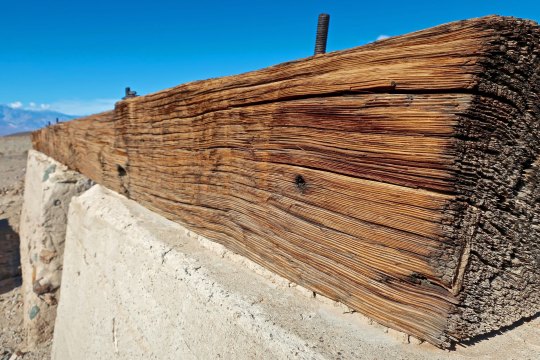
While there was little left of the old mill, I found this timber beam rather impressive.
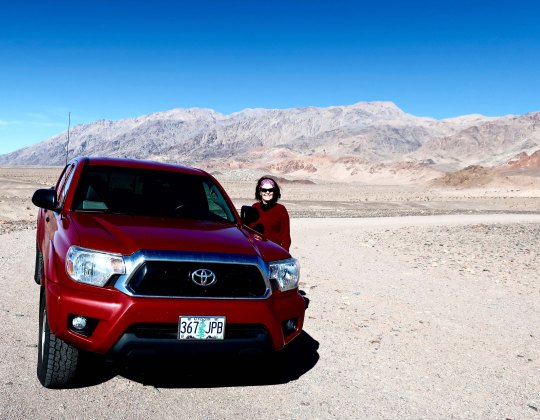
Here’s Peggy looking cool in her shades while standing next to our red Toyota Tacoma. The Amargosa Range is in the background.
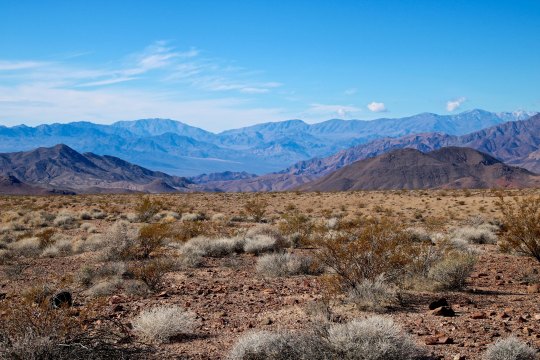
For all of our trips into Death Valley over the years, Peggy and I have never entered from the south end of the park. We remedied that this time by heading over to Pahrump from Las Vegas following Highway 160 and then cutting over to the remote town of Shoshone on 178 and on into Death Valley. Following are some of the photos that Peggy and I took illustrating this route.
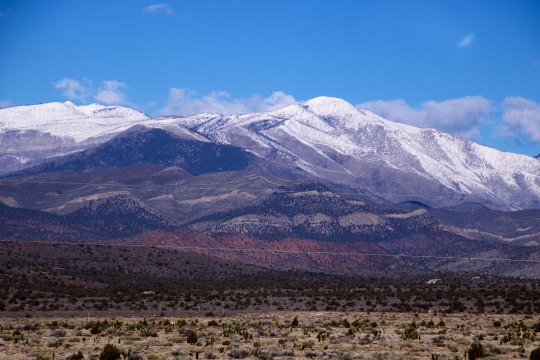
Looking east from the southern entrance to Death Valley, Mt. Charleston dominates the view. A ski area for Las Vegas is located up in the mountains. (Photo by Peggy Mekemson.)
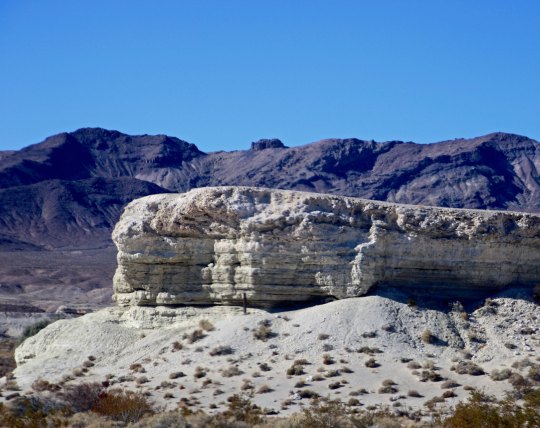
The road worked its way around this rock. (Photo by Peggy Mekemson.)
Climbing up toward the pass into Death Valley provided views like this. (Photo by Peggy Mekemson.)
And this.
Once over the top we began to make our way down into Death Valley.
The Panamint Range can be seen stretching across the horizon. (Photo by Peggy Mekemson.)
I liked the contrast here.
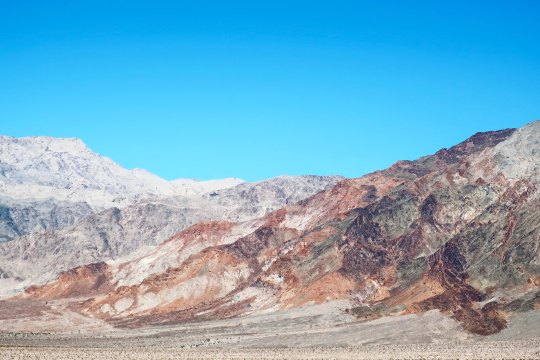
Rocks made up of different minerals and laid down under differing geological conditions provide the color for which Death Valley is famous. (Photo by Peggy Mekemson.)
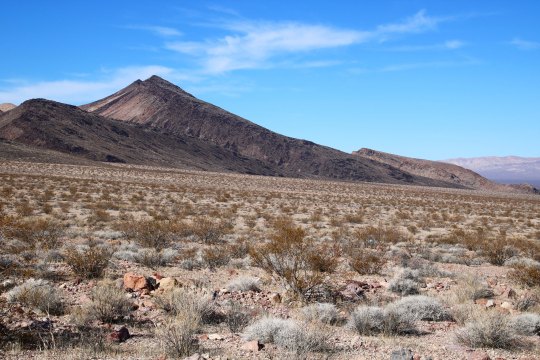
Check out this mountain as an example.
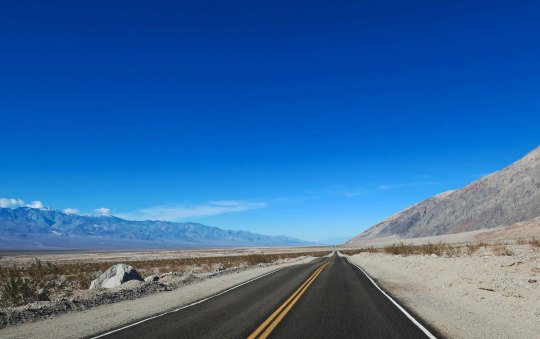
I’ll wrap up our trip into Death Valley with this photo that demonstrates just how flat things can get. I loved the perspective of the road disappearing into the distance. It seems like everything was converging.
NEXT POST: A bit of Las Vegas and the road north to Reno.
Our Toyota Tacoma pickup makes its way down a road that was once traveled by 20 mule teams hauling borax.
The red hood of our truck reflects a desert scene from the Twenty Mule Team Canyon in Death Valley. The short 2 1/2 mile side trip is one of our favorites in the National Park. Imagine, if you will, driving an 18 mule/2horse team hauling 10 tons of borax over 160 miles of desert. The total weight including wagons was 36 tons and the livestock and wagons stretched for over 180 feet! I asked my 278 horse power truck if it would like to pull such a load through Death Valley. The answer was a resounding no. Having struggled with hauling only myself and gear over the hills and mountains of the Park on my bicycle during my 10,000 mile bike trek, I heartily agreed.
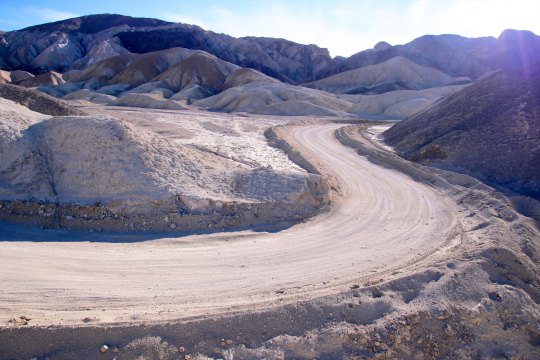
This photo of the road suggests your team would be going right, then left, and then right— all at the same time. (Photo by Peggy Mekemson.)
This early, unattributed photo in the public domain, provides a view of the team with its Death Valley backdrop.
The real treat in driving over the short distance is the almost unreal beauty. Peggy and I stopped the truck several times along the road to get out and take photos. I’ve posted before on the canyon but we took all of these photos on Sunday.
The golden rock working its way up the hill from left to right caught my attention.
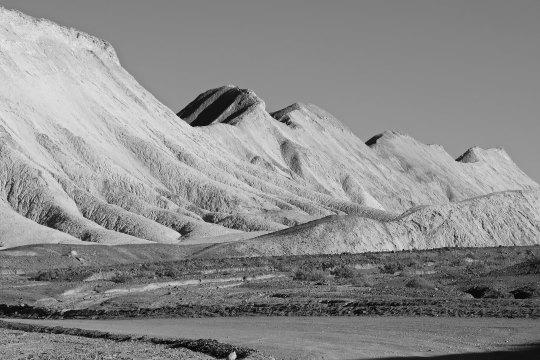
Peggy captured this ridge, which is one of the dominant features of the drive. Two people, not shown here, were making their way along the top. (Photo by Peggy Mekemson.)
I took a similar photo and rendered it in black and white.
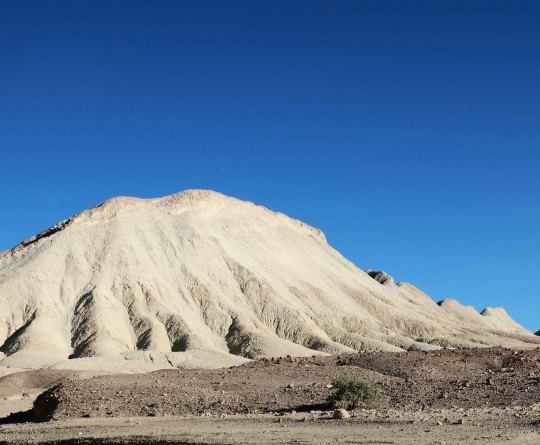
This hill, which seems to stand alone, was actually the start of the ridge.
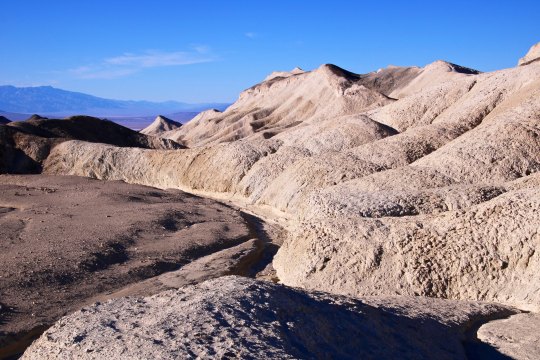
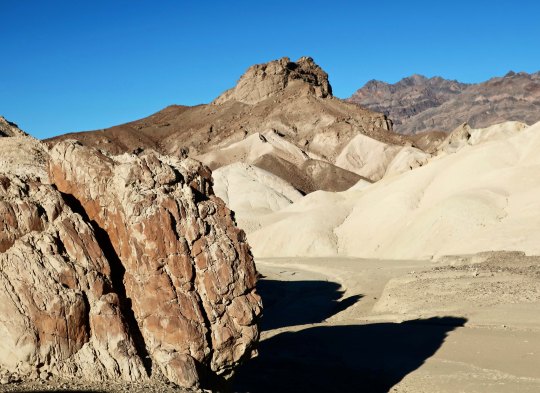
Erosion creates very interesting rock structures in the canyon and throughout Death Valley.This photo provides another example.Various colors reflect different types of rock laid down over millions of years through times when the area was covered by oceans, lakes, sand dunes and volcanos. (Photo by Peggy Mekemson.)I took a closer look at the sensuous landscape..Three different types of rock are quite clear here. I should note that different rocks have different hardness and erode at different rates, which also adds to the interest of desert landscapes.(Photo by Peggy Mekemson.)A view looking out toward Death Valley.Almost out, I’ll conclude with this rock and a peak rising in the background.
NEXT POST: I’ll conclude our journey through Death Valley National Park.
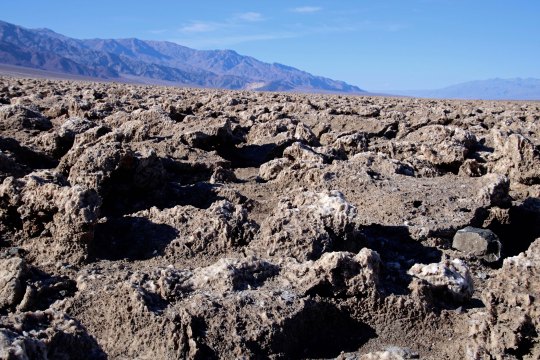
The sun beats down on the Devil’s Golf Course in Death Valley.
“Only the Devil could play golf here.” 1934 National Park guide book.
Peggy and I are playing hooky, extending our seemingly endless time away from home. One would think that backpacking the PCT, visiting Puerto Vallarta, and spending over a month with our kids in Florida and North Carolina would satisfy our wandering needs for a while. But no, here we are in Las Vegas, or Lost Wages, as I like to call it, ensconced in a comfortable suite at the very southern tip of Las Vegas Boulevard, the infamous Strip. Or is that famous?
Few people who visit this city venture outside of its mecca of gambling and entertainment pleasure palaces. Peggy and I always do. There is much to see and do. There is a desert on its doorstep, and it is a desert of rare beauty. Death Valley National Park is a prime example. It is a mere two hours away and Peggy and I drove out there on Sunday. To us, it’s like seeing an old friend; we have been there many times.
It is a geologist’s dream— there are rocks everywhere, and the rocks all have stories to tell. It’s a story of ancient seas and lakes and volcanic activities and clashing, mountain-building plates. Death Valley is a rift valley, or a graben in technical terms, formed along a fault zone between two mountain ranges. As the mountains were thrust up by tectonic forces, the valley dropped between them, several thousand feet. The two mountain ranges have since filled the valley up with eroded debris.
The shallow Lake Manly filled the basin a few thousand years ago. As the climate of the area changed and became more desert like, the lake dried up. Its briny waters left a deep deposit of salt behind, which brings us to today’s post. The Devil’s Golf Course is located a short 10 miles away from Bad Water Basin, which, at 282 feet below sea level, is the lowest point on the North American continent. Water that drains into the Basin melts the salt and becomes undrinkable, thus the name. The Devil’s Golf Course is several feet higher and avoids the melting water. Instead, capillary action pulls salty subsurface water up creating the crystalline structures that the area is famous for.
Peggy and I caught the area at a particularly good time for photography, which surprised me, given the location of the overhead sun. Anyway, here are the results.
This close up provides a view of the crystalline structures developed by the capillary action. BTW, they are composed of 95% table salt. (Photo by Peggy Mekemson.)
I took this photo looking east toward the Amargosa Range.
Looking southwest along the Panamint Range.
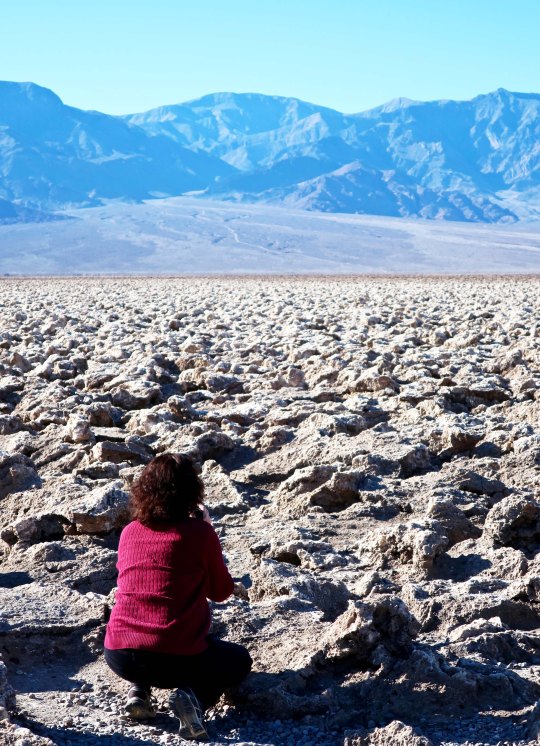
Peggy photographing the Devil’s Golf Course provides a perspective on the size of the crystalline structures.
A final shot of the Devil’s Golf Course backed up by the Panamint Range. (Photo by Peggy Mekemson.)
NEXT POST: A ghostly reminder of Death Valley’s past, and more.
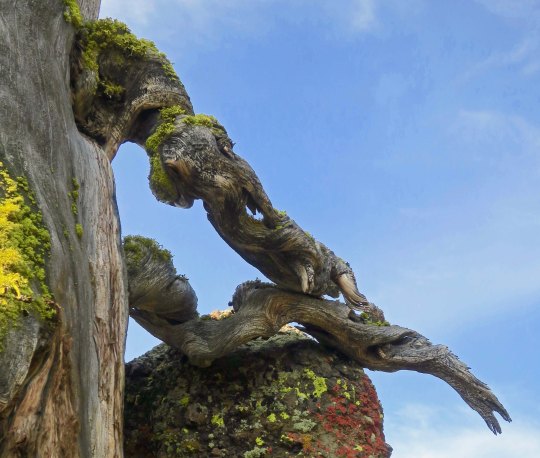
I didn’t spot the tusks on this tree limb until I checked out my photos. There’s no doubt which is the dominant creature here! Or maybe they are just snuggling.
Peggy and I had lunch yesterday with Barbara and Carl, the couple that dropped us off at Mt. Ashland for the beginning of our trek south down the PCT. It was the first time I had seen them since the beginning of the adventure. There was a lot to tell.
Naturally, I talked about both the challenges and the rewards of backpacking for 700 miles over difficult terrain at 75. I also discussed how 50 years of backpacking had prepared me for the trip, and threw in a few of my more humorous adventures from those years. They will be in my book.
“Knowing what you know now, would you do the PCT hike again?” Carl asked.
“Absolutely,” I replied. This doesn’t mean I will forget just how hard it was. It’s an important part of the story. But the beauty and the nature of the adventure are what will stick in my mind. I once had a woman who had been on one of my hundred mile treks tell me it was one of the most difficult tasks she had ever undertaken. But in the end, she said, it was an incredible, life-changing experience. The pain faded; the experience remained. “The only thing I can equate it with, Curt,” she had related, “was having my first baby.” Ouch, and then ‘Oh my!’
For the first 25 years or so of my backpacking, I hadn’t carried a camera. Those were the days before you could expect to obtain quality photos from a small camera, and I didn’t want to add the extra weight to the 60 pounds I was already carrying. I was also reluctant to spend the time that good photography required. And often I was leading groups that demanded my full attention.
I am sorry now. “I can’t believe you go to all of these beautiful places and don’t carry a camera,” my father had told me time and time again. He was right. I wish I had those photos now to remind me of where I had been and what I had seen. But there is more. Photography helps you see the world in different ways. It encourages you to focus in on details you might miss, it helps you notice the differences that light and varying perspectives make, and it forces you to stop and look around.
Today’s photos pick up where my last post left off, hiking down the PCT from Carson Pass on Highway 88 to Ebbetts Pass on Highway 4. The first four illustrate the value of stopping and looking around. They are all of the same scene from different perspectives.
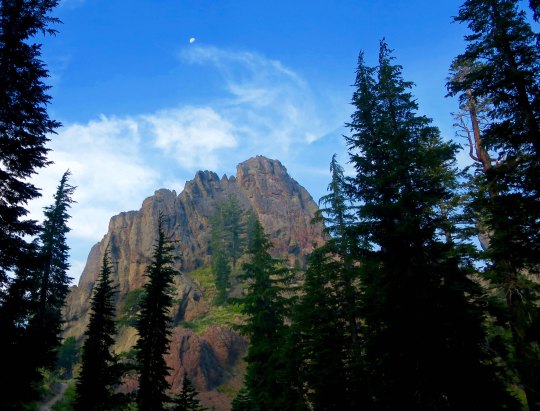
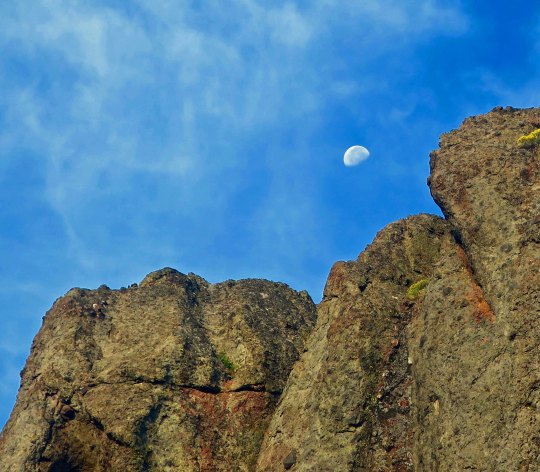
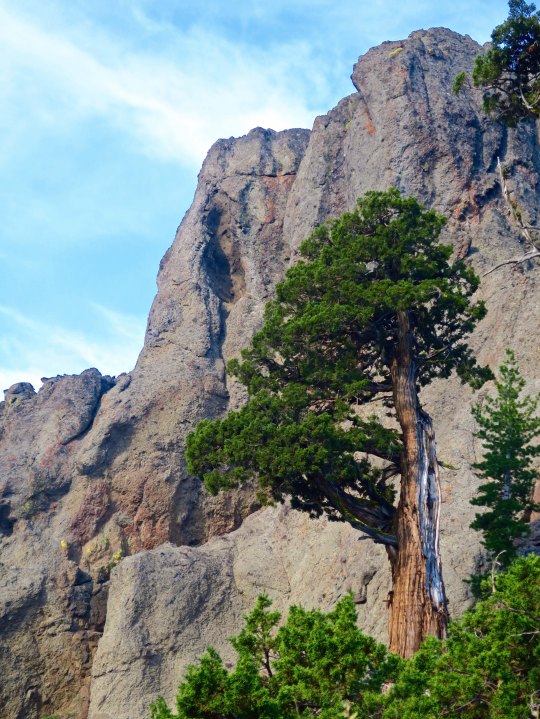
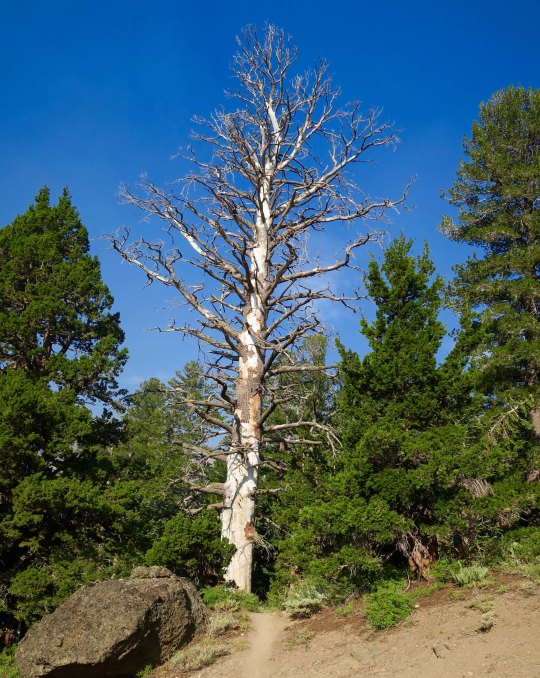
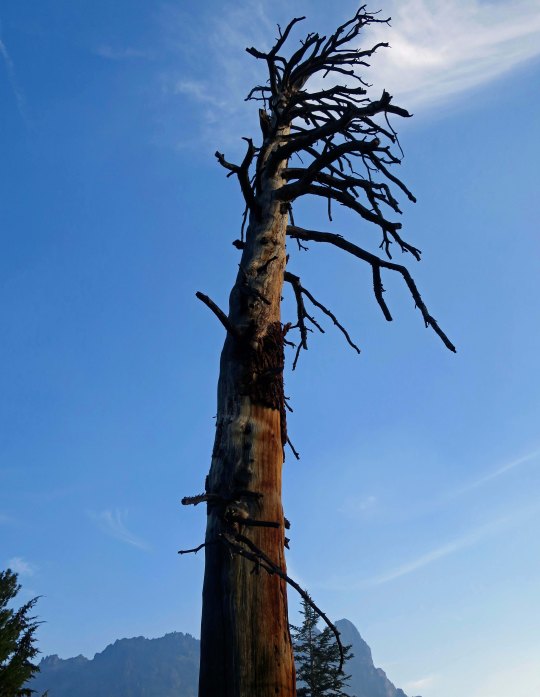
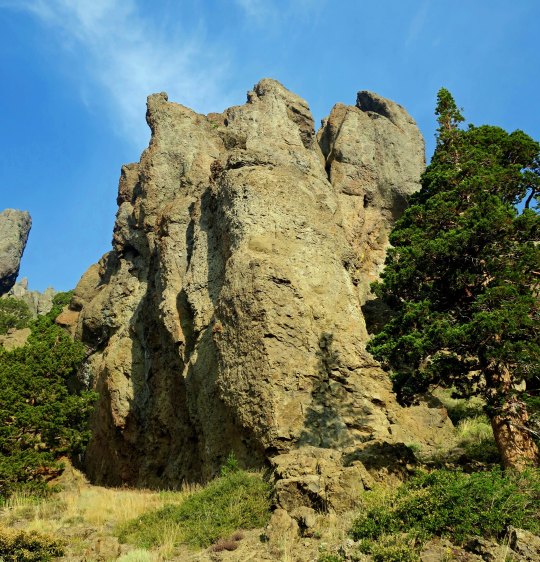
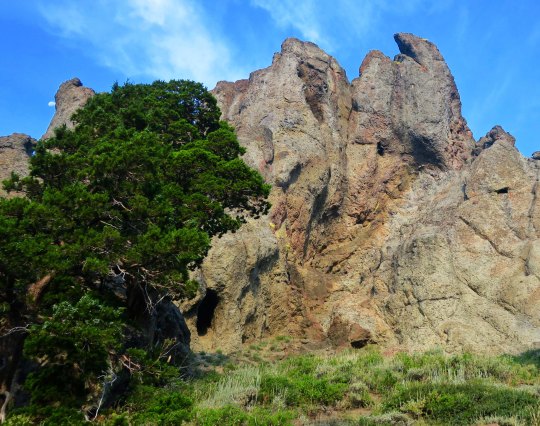
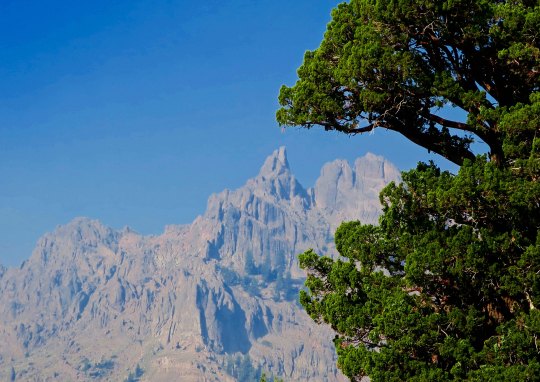
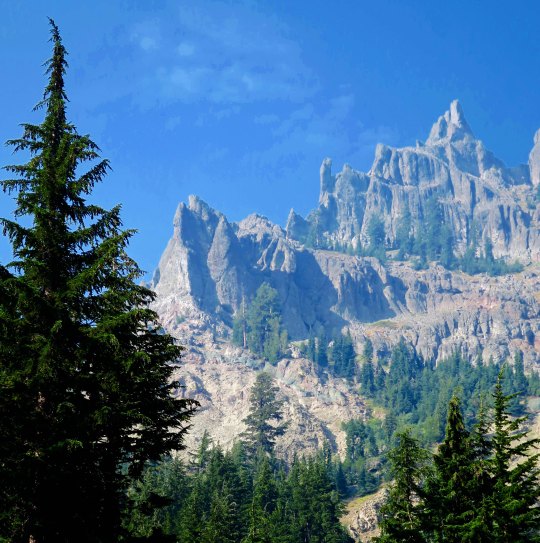
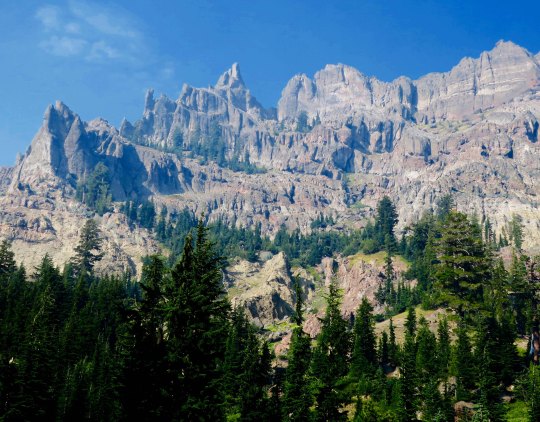
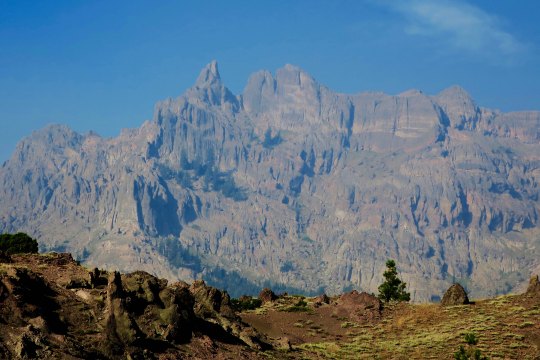
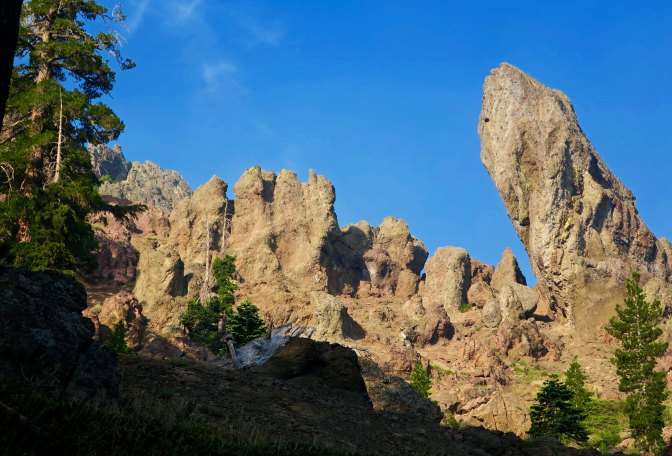
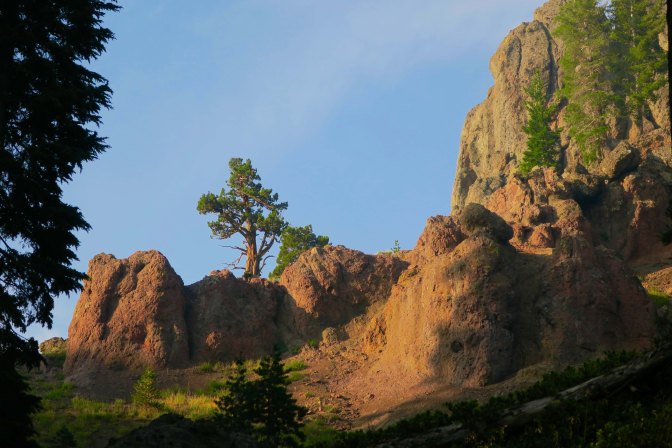
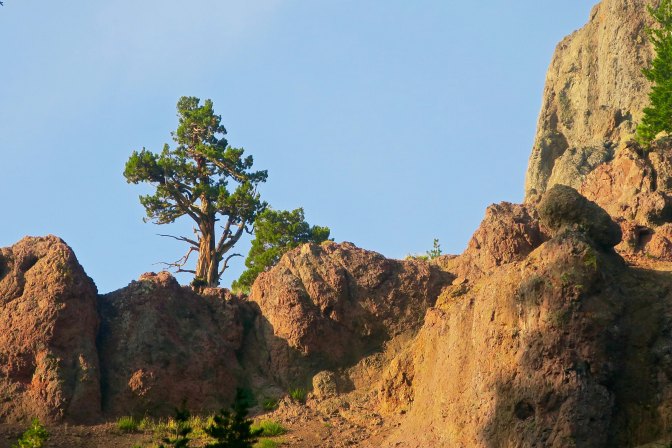
Once again, there were towering cliffs to admire. These were framed by hemlocks.A closer look showed junipers growing beneath the cliffs. A tiny moon appears in the upper left. And my telephoto brought the moon into perspective with the cliffs.While another photo featured one of the junipers standing tall against the cliff.One of the magical things about following a trail is that you never know what you will see next. It’s a thought that forever pulls me on. The PCT made its way around a large snag here and disappeared into the woods. I was assured that the views would just keep coming. The smoke did more than hassle my lungs; it also provided some interesting photos as it filtered the sun. This juniper is an example.And another smoke filtered scene.As might be expected from my last post on the PCT through the Mokelumne Wilderness, there was no end to magnificent rocks.Rounding a bend I came on a new view with a juniper, rock and open area leading to a distant peak.This perspective had the intensity of surrealism. I could see Dali carefully painting the rocks in the foreground and adding a melting clock.The contrast between a juniper and rock guaranteed that my camera came out.And then I was treated to my first view of Mt. Reynolds.Wow!I’ll conclude today with this view. I loved the contrast.
NEXT POST: Variety, being the spice of life, it’s back to Mexico.
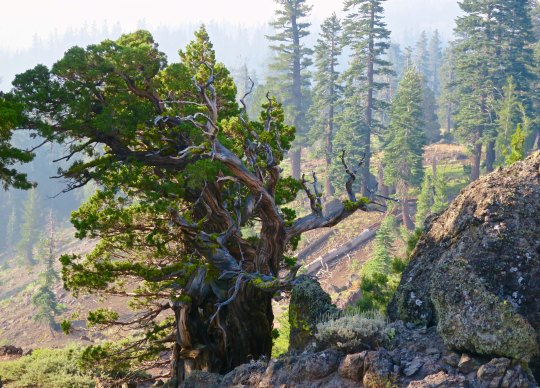
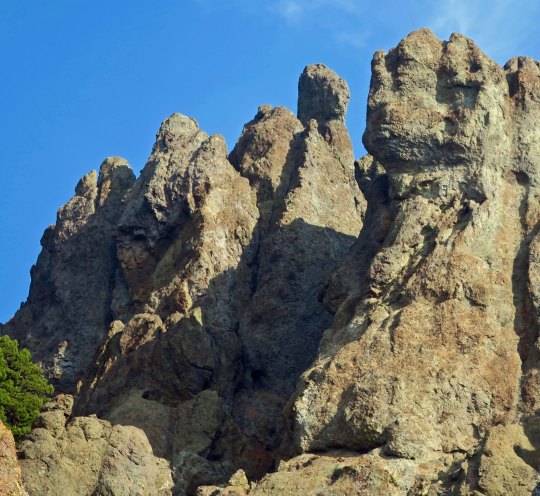
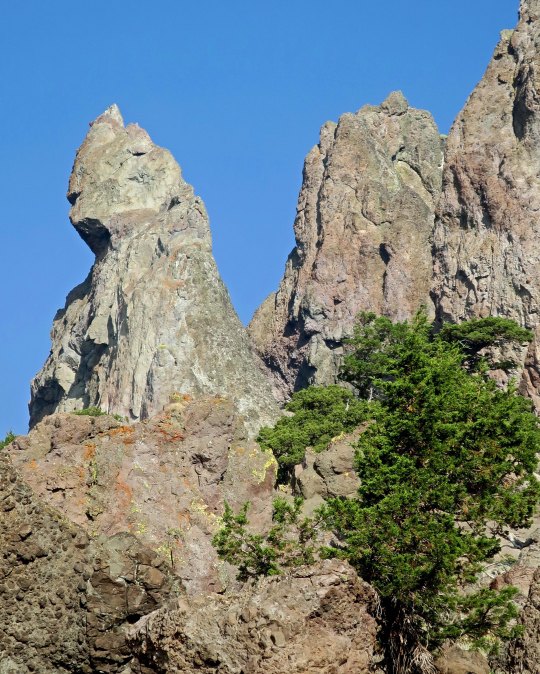
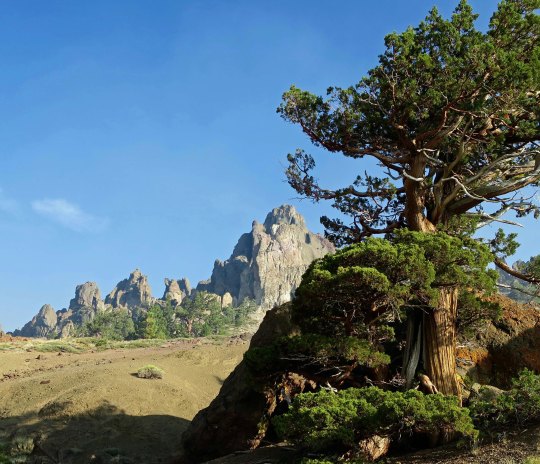
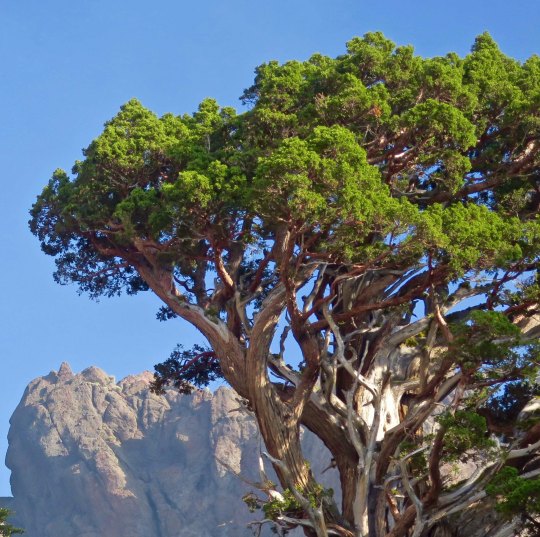
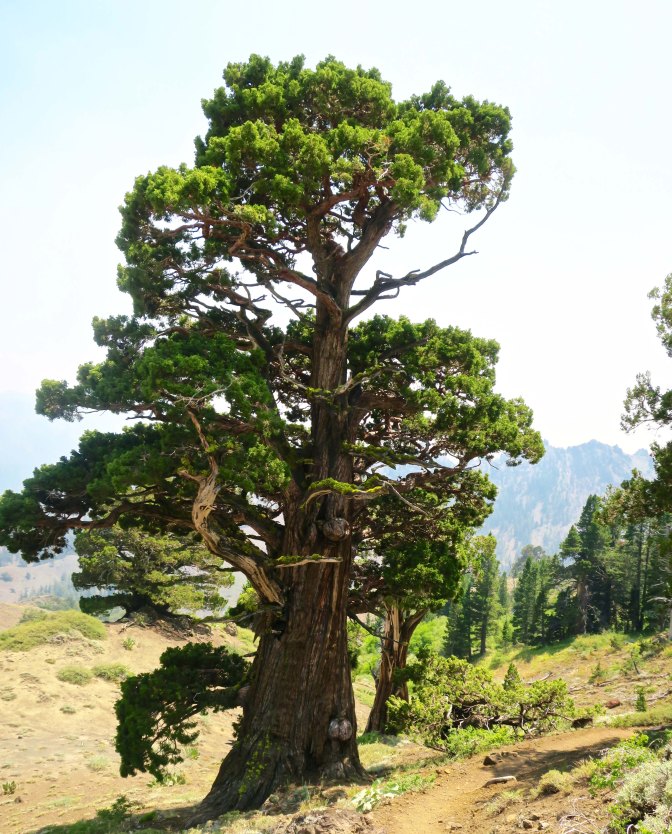
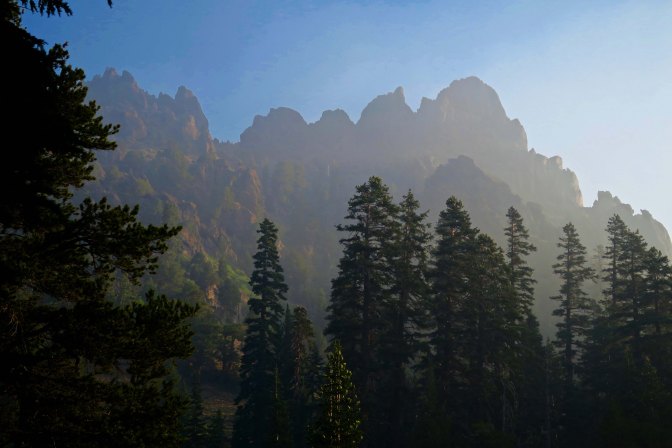
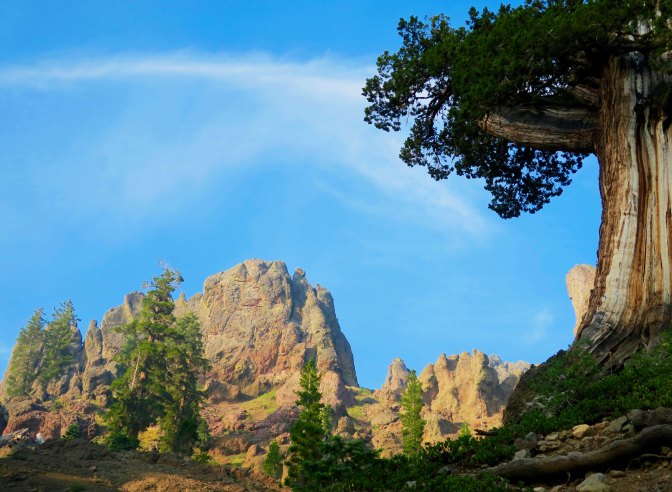
There is no hurrying through land like this. The combination of junipers and rock sculptures called to both me and my camera.
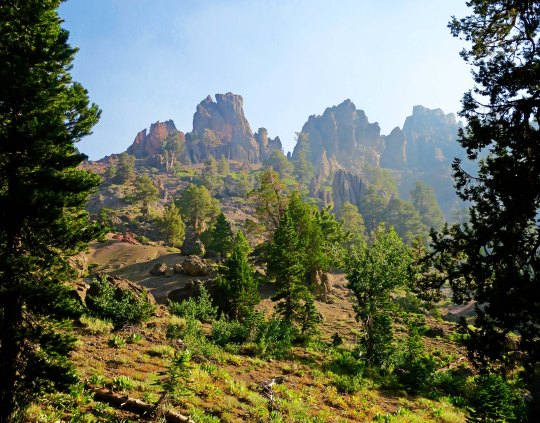
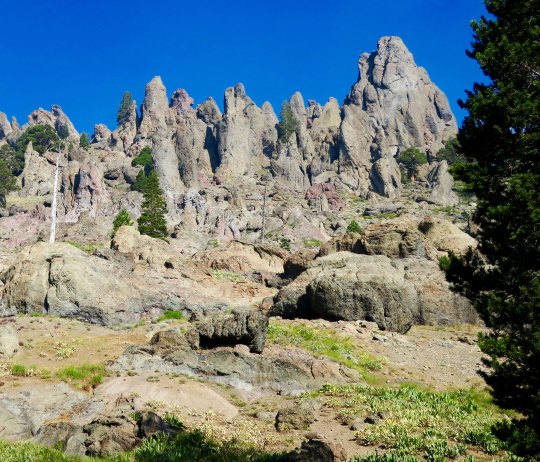
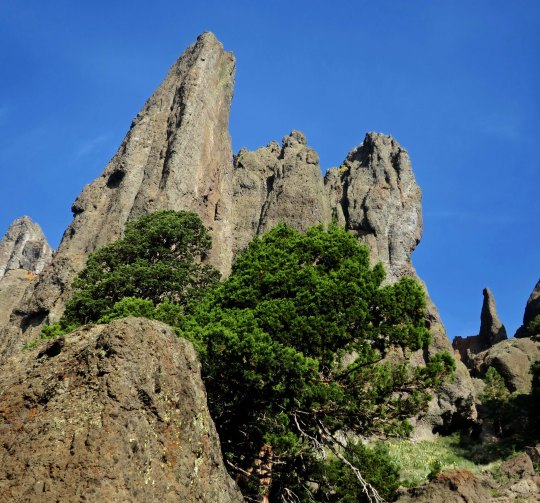
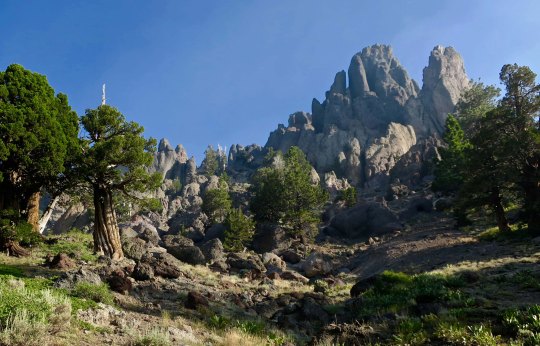
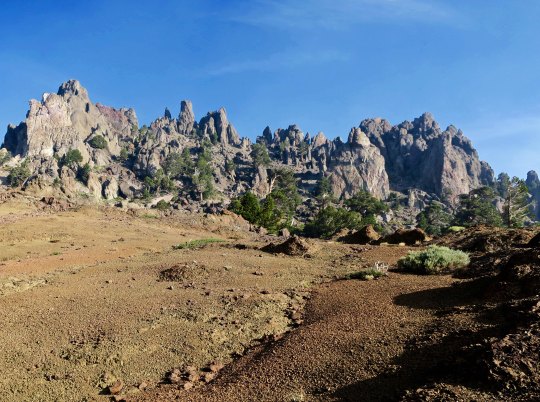
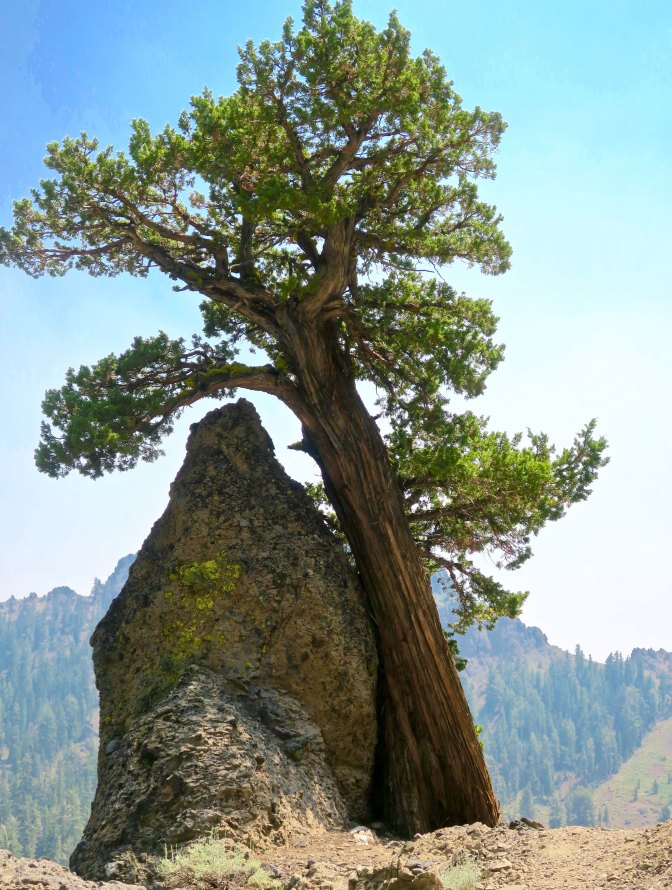
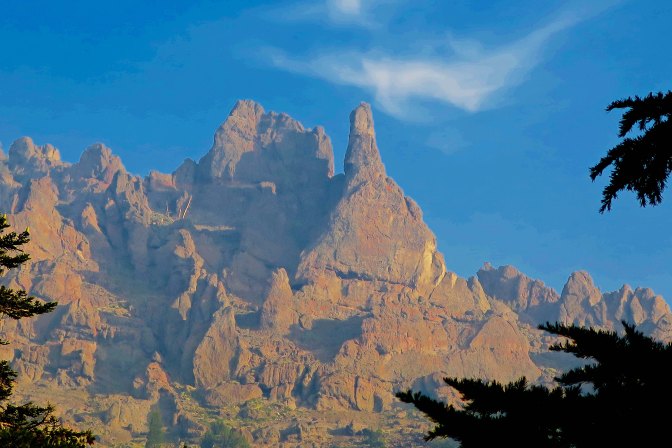
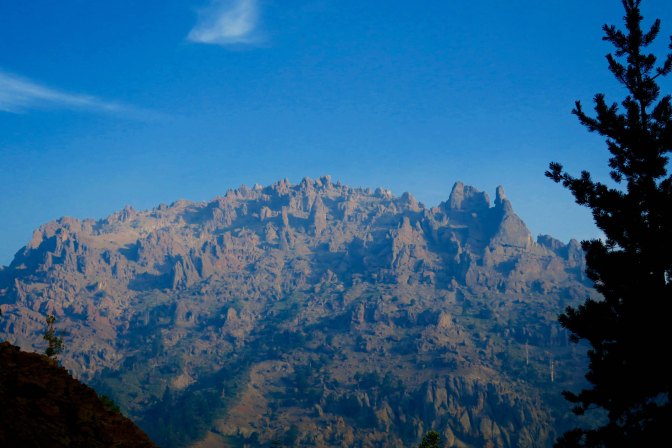
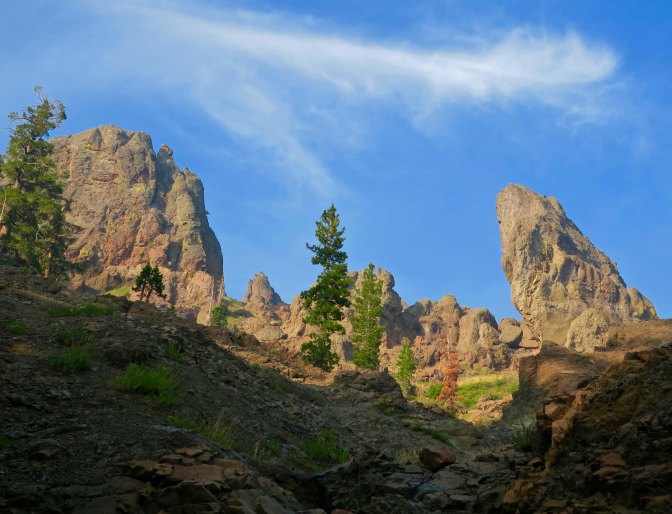
I was surprised by the sheer beauty along the PCT south of Carson Pass. I had hiked through the region several times over the years, but my trail had always been slightly to the west. Somehow I had missed the incredible rock sculptures. That, and the junipers. If you have ever wandered the West, you are familiar with this gnarly, photogenic tree. Most of todays photos were taken near Pennsylvania Creek in the Mokelumne Wilderness, maybe 15 miles north of State Highway 4 and Ebbetts Pass. I’ll let the photos speak for the area.
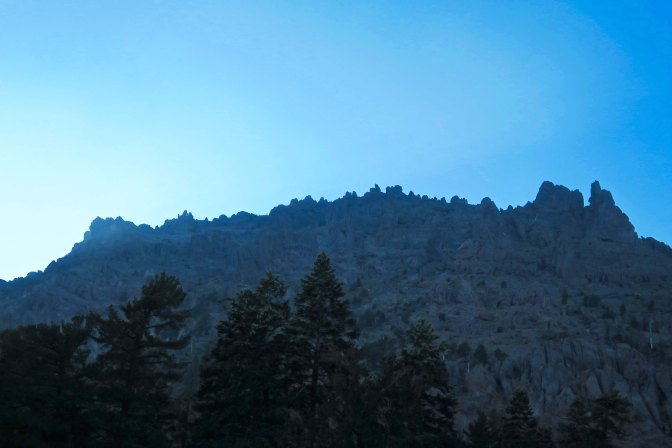
Hiking down into Pennsylvania Creek, I found this juniper.And then this one, wedded to a rock.That night, I camped on the south side of Pennsylvania Creek. This was the view !Later, at sunset, the whole ridge.The next morning, smoky skies and the sun provided a red cast to the view.Farther along, I was treated to this view.Near the crest of the canyon, I found the juniper tree and rocks I featured at the top pf the post.The view included this leaning rock, which could be seen just behind the juniper.Another perspective.I considered this a real treat. And photographed it several times. This is it for today. But I’ll have several more views of the rock sculptures on my next PCT post.
NEXT POST: Back to Puerto Vallarta. P.S. I will be playing with various themes over the next few weeks, so don’t be surprised by the changing looks of my blog. ALSO: For those of you who haven’t read “The Bush Devil Ate Sam,” I will be posting a chapter once a month on the top ‘pages’ to give you a feel for the book and encourage you to buy it. Many thanks! This chapter reflects our first night in our Gbarnga home, appropriately titled: Armies of the Night!
There are lots of wild roses growing along the PCT, but it is rare that you find one so perfect.
Today, I just want to wish each and everyone of you who follow this blog a very happy and healthy New Year. And I want to thank you for joining Peggy and me on our journey as we wander through time and place. We are privileged to have you along.
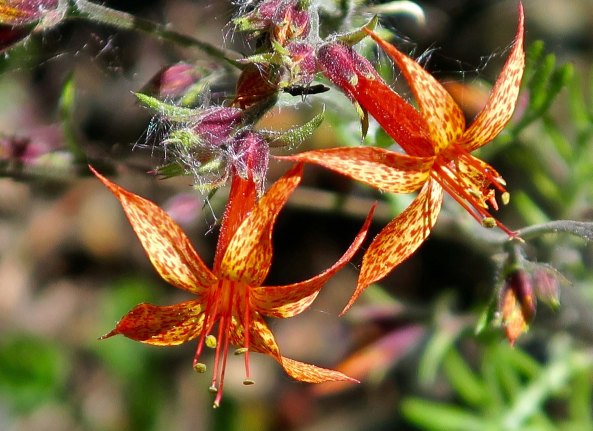
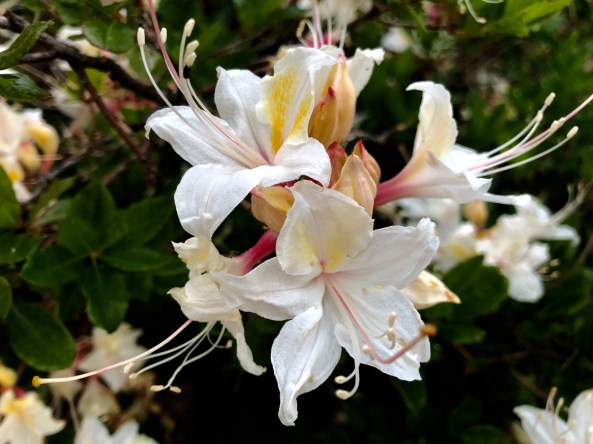
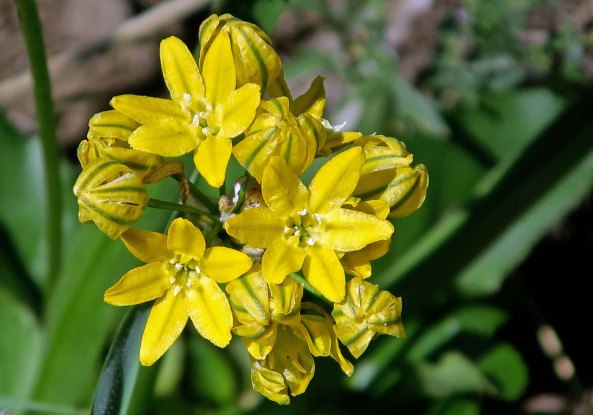
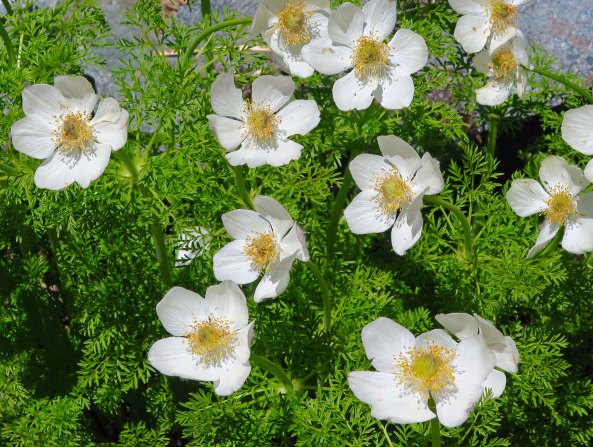
What better way is there than to say it than with flowers. It works for Valentine’s Day, it works for Mother’s Day, and it works for numerous other special occasions, so why not New Years! I’m sure the floral industry would love this, but I am not talking about the flowers you buy from a florist. I am talking about the beautiful, wild, and free flowers you find growing along the trail, or the roadside, or on a vacant city lot, or in a park— the list goes on. Here, I am talking specifically about the flowers I found along the Pacific Crest Trail on my 700 mile backpack trek this last summer. You’ve already seen some of these. I have bunches. I suspect you will see more on Valentine’s Day. Enjoy!
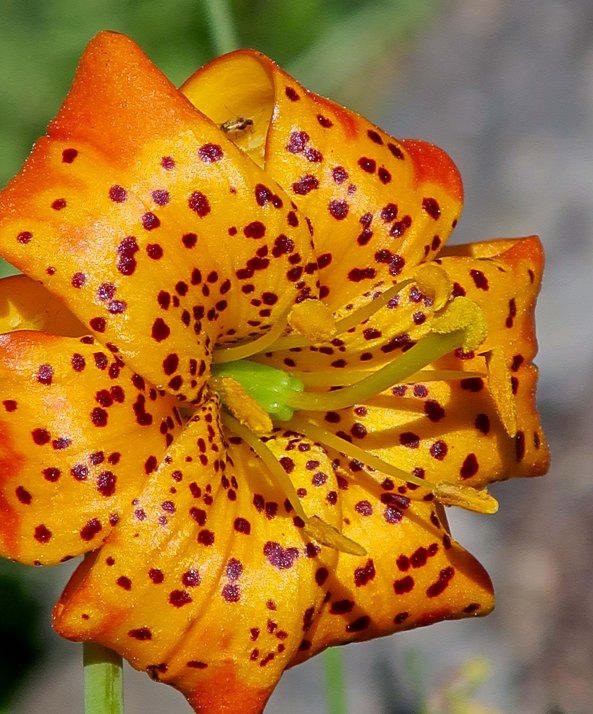
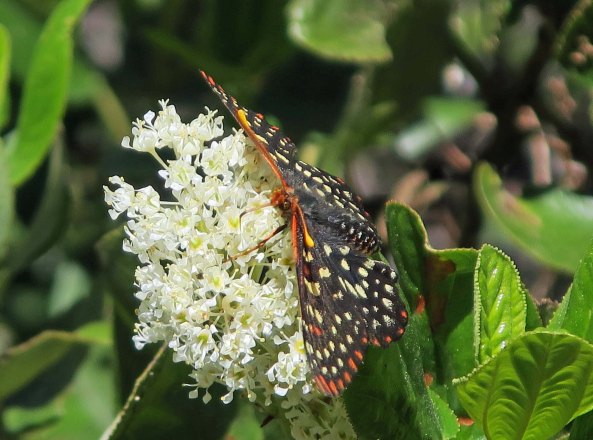
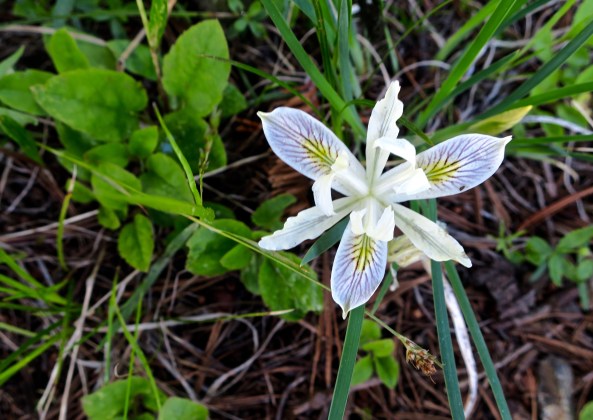
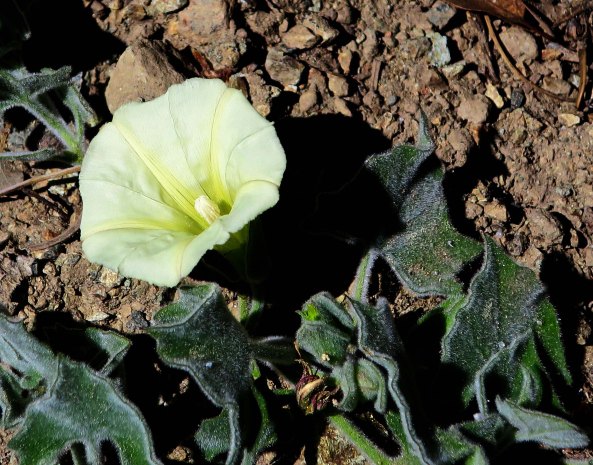
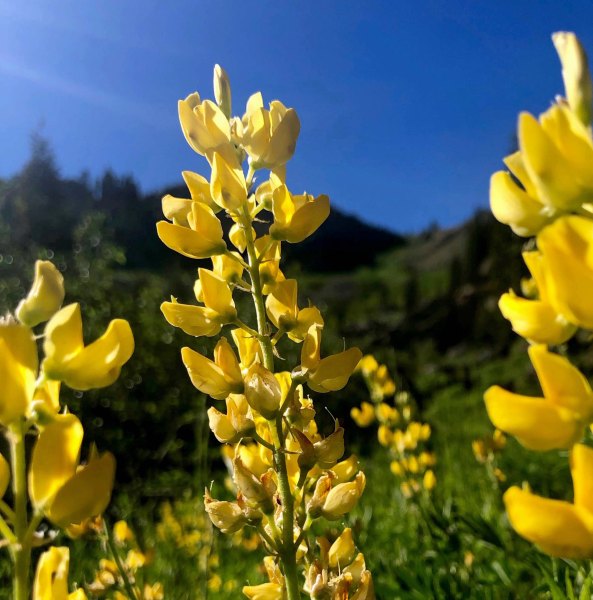
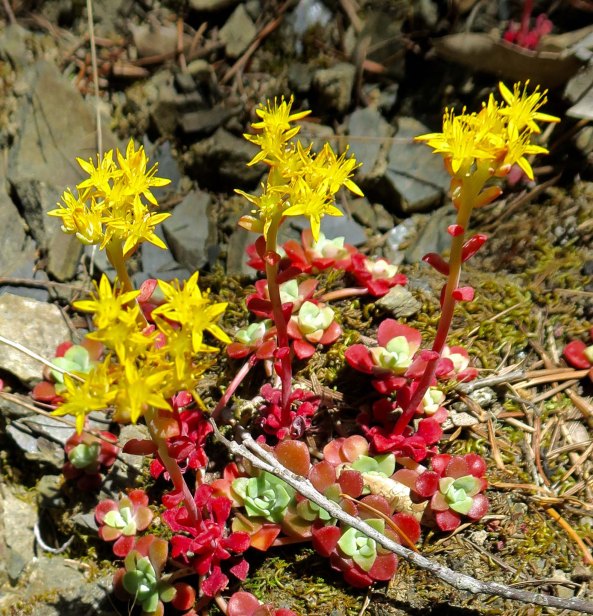
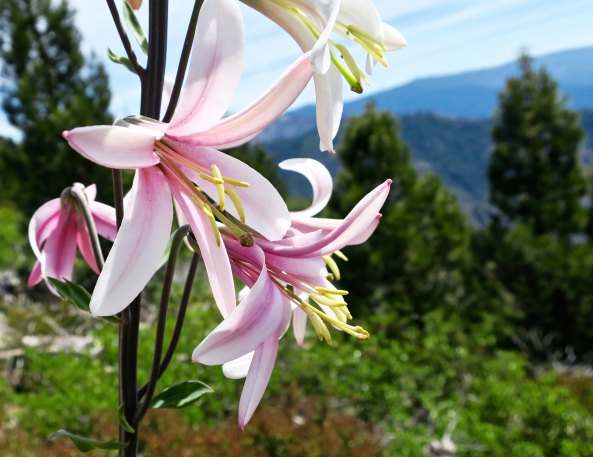
A cheerful tiger lily!Dramatic scarlet gilia.Azalea.Pretty face is an appropriate name for this flower.Prickly poppies, I think.Not sure what this flower is, but the butterfly obviously liked it. There were several types of irises, a flower noted for variety. I believe this is a Siskiyou iris.A wild morning glory.Stunning yellow lupine.Stonecrop.And concluding with a Washington lily.
AGAIN— WISHING YOU THE BEST. We look forward to seeing you in 2019. Curtis and Peggy































 Wandering through Time and Place