The Beautiful Bridges of the Oregon Coast… Part Two

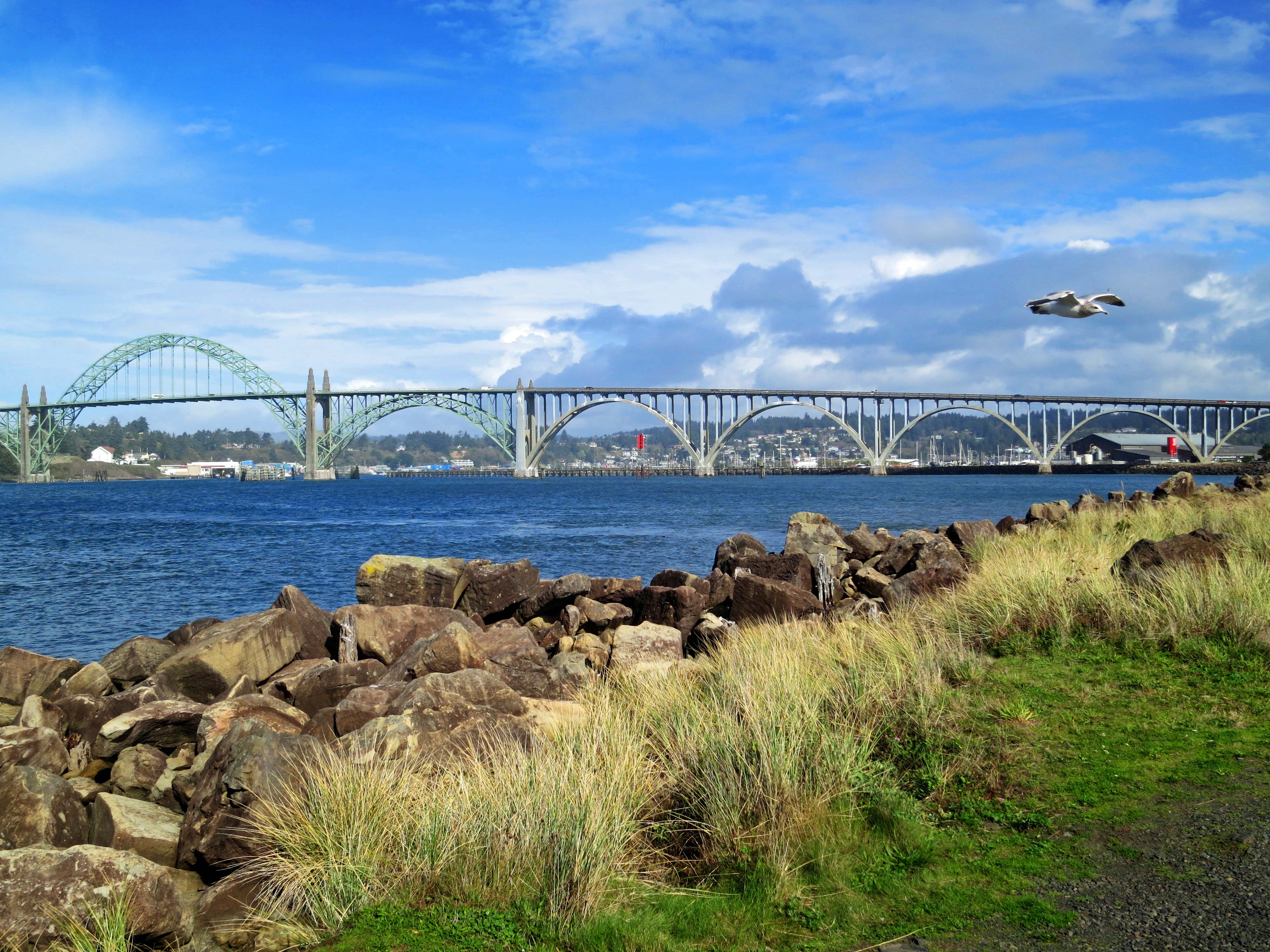
One of many bridges designed by Conde McCullough in the 1930s Yaquina Bay Bridge is located next to Newport on the Oregon Coast.

Gorgeous skies provide a dramatic backdrop for the Yaquina Bay Bridge near Newport, Oregon.

Last Monday I posted a story and photos on the Cape Creek Bridge designed by Conde McCullough. Today I am going to feature two more of his bridges: the Yaquina Bay Bridge near Newport, and the Siuslaw Bridge near Florence. I first became aware of these two beauties when I used to visit my dad who managed a hotel on the coast for my brother in the late 70s. Marshall later sold the place, an action for which I have never quite forgiven him. Neither have I forgiven my cousins who had the luck of growing up in Newport.

The property my brother owned and my dad managed. Writers, artists, and professors from the University of Oregon stayed there for $10 a night in the 70s. Now it is an expensive Bed and Breakfast.

Gull Haven: The property my brother co-owned and my dad managed. Writers, artists, and professors from the University of Oregon stayed there for $10 a night in the 70s. Now it is an expensive Bed and Breakfast.

I was driving across the Yaquina Bay Bridge on my trip down the coast last fall when I thought, damn, I have to get a photo of this (above). Being by myself meant I was designated photographer. You know all the warnings about driving and using your cell phone, or driving and texting— they should add driving and taking photos. Enough said. Once I got across the bridge I found a side road where I was able to get out of the car and take Highway Patrol approved photos.

Yaquina Bay Bridge near Newport, Oregon.

A side view of the Yaquina Bay Bridge. The gull on the right added a little action.

The Yaquina Bay Bridge on the Oregon coast designed by Conde McCullough.

A close up of the spans with the historic Newport waterfront in the background.

I spent the night at a delightful campground next to the Florence Marina. This gave me the opportunity to walk over to the Siuslaw Bridge and spend time admiring it. The bridge was built under Franklin Roosevelt’s New Deal Public Works Administration during the Great Depression. It was one of hundreds of projects across the nation designed to put Americans back to work. Both Peggy’s dad in Pennsylvania and my dad in Iowa benefited from this program. Some 140 men worked on the Siuslaw Bridge. It was opened March 31, 1936.

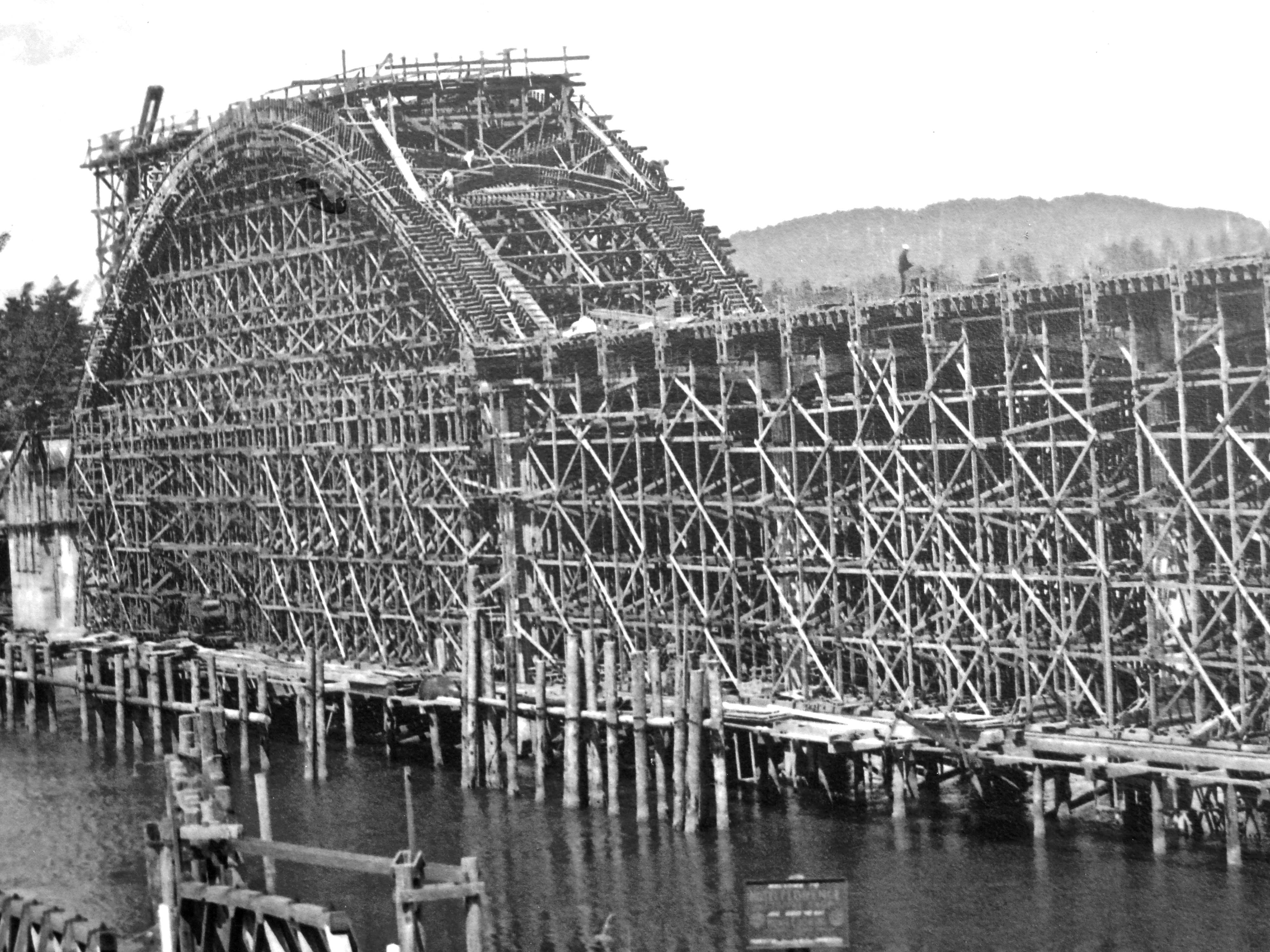
The bridge under construction. (Photo from display next to the bridge.)

The bridge under construction. (Photo from display next to the bridge.)

Ever the artist, McCullough incorporated Art Deco, Moderne, Gothic and Egyptian themes into his bridge.

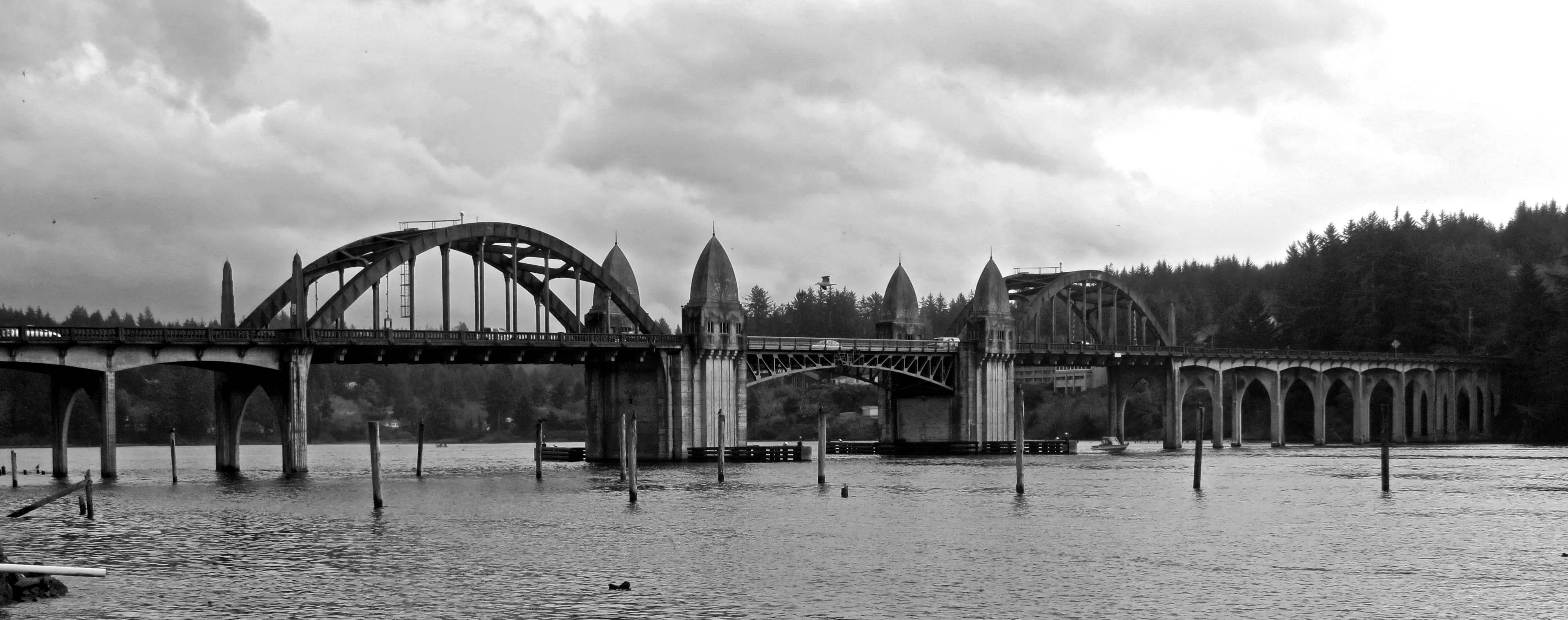
Suislaw Bridge on the Oregon coast designed by Condi McCullough.

A view of the bridge as it looks today.

Siuslaw Bridge near Florence, Oregon.

A view of the bridge from the other side rendered in black and white., giving it the ‘old time’ feel.

Suislaw Bridge in Florence Oregon across the Suislaw River

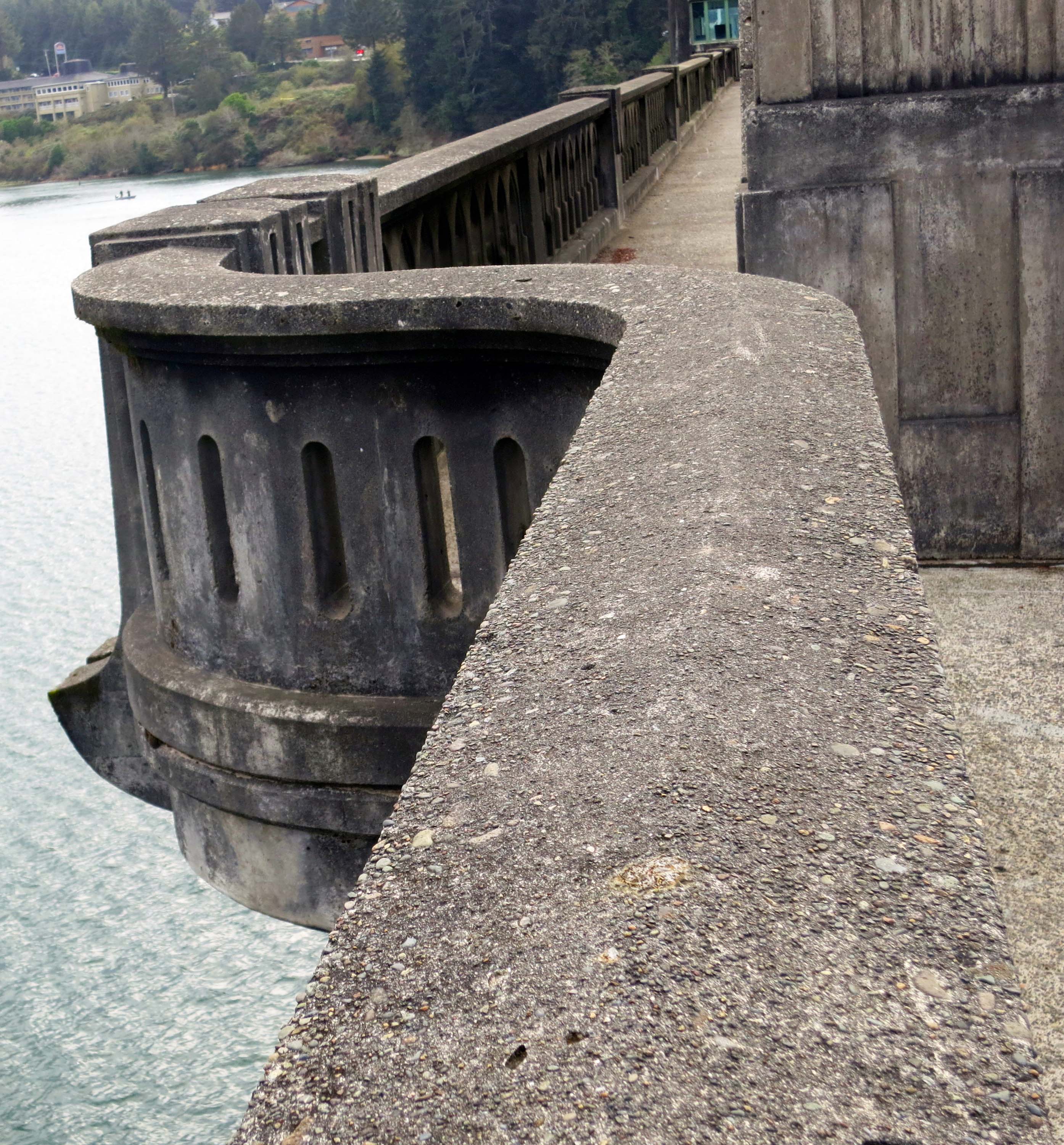
I walked along the sidewalk going across the bridge to get this photo.

The walkway across the bridge.

The walkway across the bridge.

Structure on Siuslaw Bridge near Florence designed by Cond McCullough in the 1930s.

An art deco look? Or are we talking Egyptian here?

Siuslaw Bridge on the Oregon coast.

Having seen the bridge from both sides and on top, I decided to take a look underneath for my final view.

Happy Earth Day 2015… A Walkabout in Southern Oregon

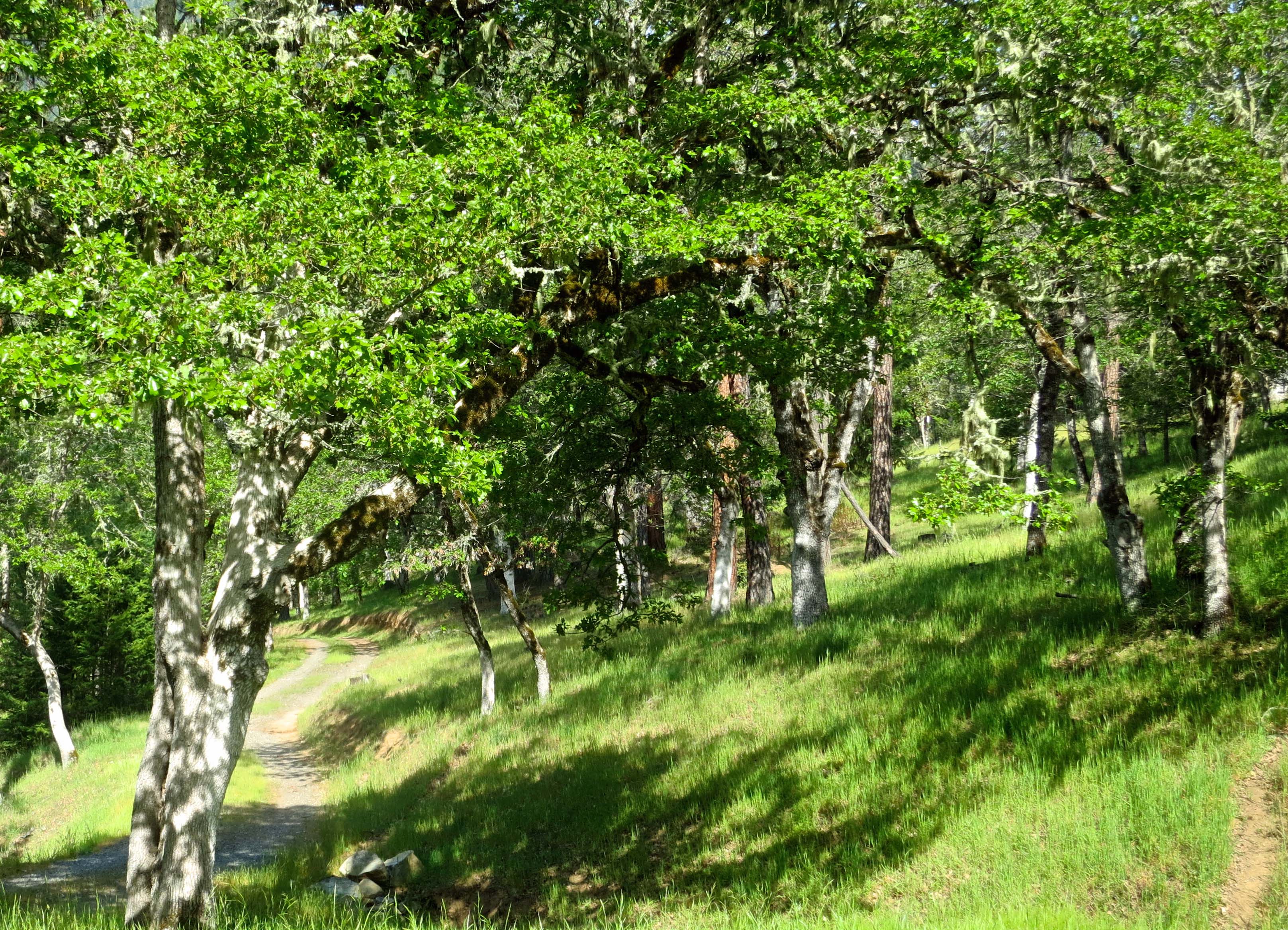
White oak woodland in Southern Oregon in the Applegate Valley. Photo by Curtis Mekemson.

A variety of trees exist on the five acres around our home in Southern Oregon. These are white oaks. It looks like the Sherwood Forest of Robin Hood, or at least like I imagined it as a child. The road leads down to our house.

It’s Earth Day 2015. To celebrate, I am writing this post from a small deck Peggy and I had built on the upper portion of our property. I took the photo of white oaks from where I am sitting.

An Acorn Woodpecker is hammering away at a dead pine. He just stopped to issue a staccato comment on the day, a Woody Woodpecker laugh. I can also hear a Robin’s distinctive chirp— they are migrating through, scratching around for juicy bugs. Flickers and Stellar Jays join the chorus. The jays are discussing the fact I haven’t put out their morning helping of sunflower seeds. They are loud and raucous, hoping I will hear them. How could I not? I was soundly scolded on my walk up here.

As for the Flicker, he has gone to pounding on our roof vents several times a day. Who knows why, but it sounds like a jack hammer. It gets Peggy quite excitable and she charges around whacking our ceiling to scare him away. I’ve checked the roof, so far no damage. I am not so sure about the ceiling.

One very pregnant and obviously uncomfortable Black Tail doe walked by a few minutes ago. She’s restless. I watched her yesterday as she disappeared behind our pump house for a few minutes (it’s cool and shady), came out, munched on some grass, walked to our house, and plopped down against the side. She will be having her fawn soon, probably down in our blackberry filled canyon. We won’t see the baby for a week or two since does carefully hide their babies and insist that they remain hidden for several days.

Pregnant doe on Upper Applegate River in Southern Oregon. Photo by Curtis Mekemson.

The ballooning mom-to-be leans against our house and looks at me with her big brown eyes. It’s like she is saying, “Really, now what?” The deer are used to being lectured by Peggy about eating her flowers.

A cool, fresh breeze is blowing. Puffy clouds float by. The wind is welcome; it’s been hazy for the past few days. The weather people tell us that the haze is caused by smoke blowing in from Siberia. Apparently fires that Siberian farmers were using to clear their fields escaped. Our earth, this seemingly huge planet, is a small place after all. We are all neighbors. If people choose to pollute the air, discharge waste into water, cut down forests, and litter the landscape with the leftovers of modern civilization, it impacts all of us. We all suffer.

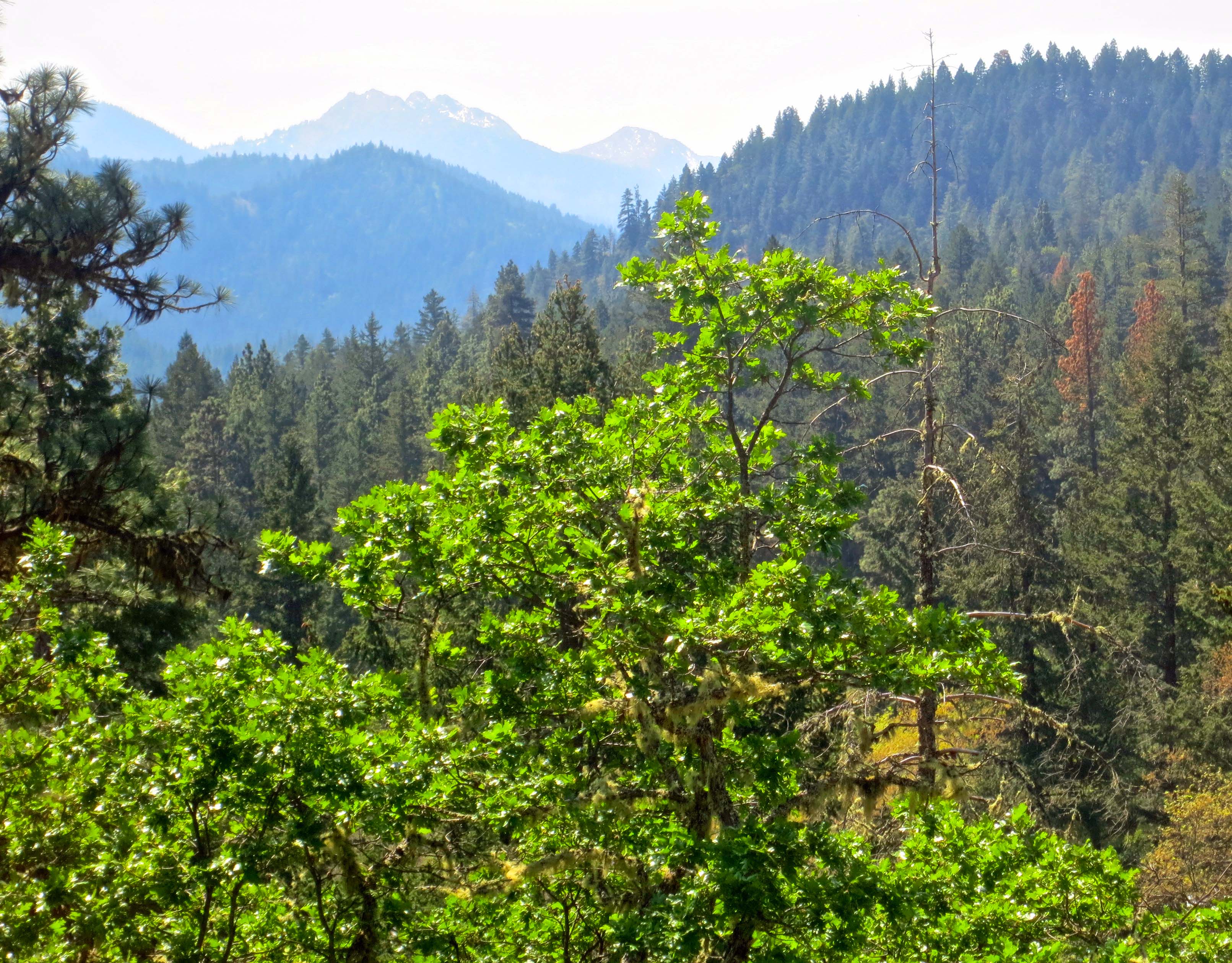
Haze from Siberia fills the valleys between our homes and the Red Butte Mountains.

Haze from Siberia fills the valleys between our home and the Red Butte Mountains.

But enough doom and gloom—today is a day to celebrate the natural beauty of our earth. Let’s go for a walk. We will start at the Applegate River at the bottom of our property and move up the hill to the National Forest boundary marker. I’ve built signed trails throughout our property and named them after our grandkids (all boys). Ethan’s Hidden Springs Trail and Connor’s Jungle Trail are examples. The first thing the kids do when they arrive is run off to explore their trails. It is Peggy and my hope that we can instill in our grandchildren the same love of the natural world and desire to protect it that we have.

A Note: I wrote this piece and did our walk yesterday so this post could go up today.

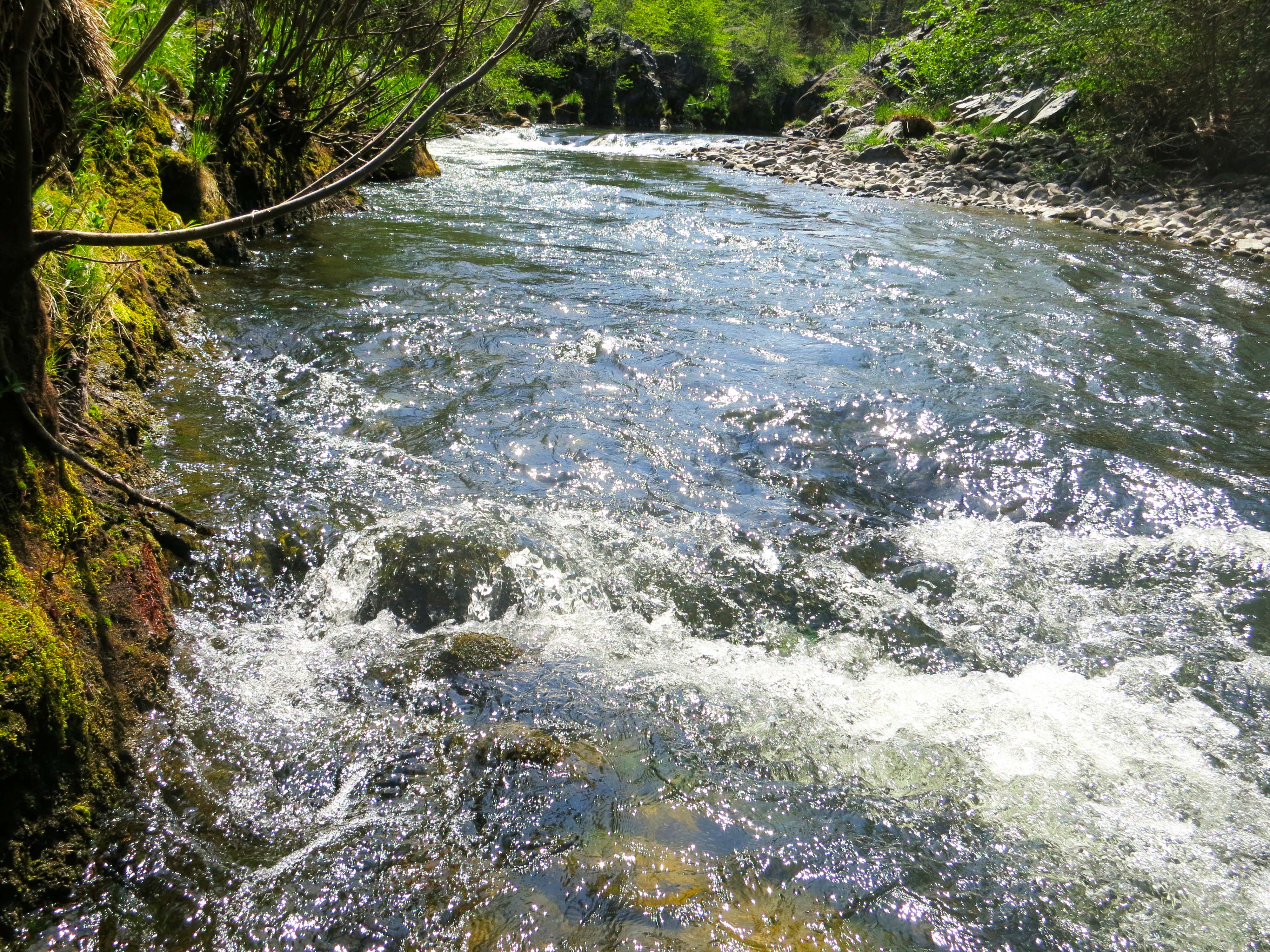
This beautiful river flows out of the Siskiyou Mountains a few miles away from out home.

This beautiful river flows out of the Siskiyou Mountains a few miles away from our home.

Cold, pure water.

Looking down into the river.

I scrambled over and down these rocks to get to the river. Bureau of Land Management land is on the opposite shore.

I scrambled over and down these rocks to get to the river. Bureau of Land Management land is on the opposite shore.

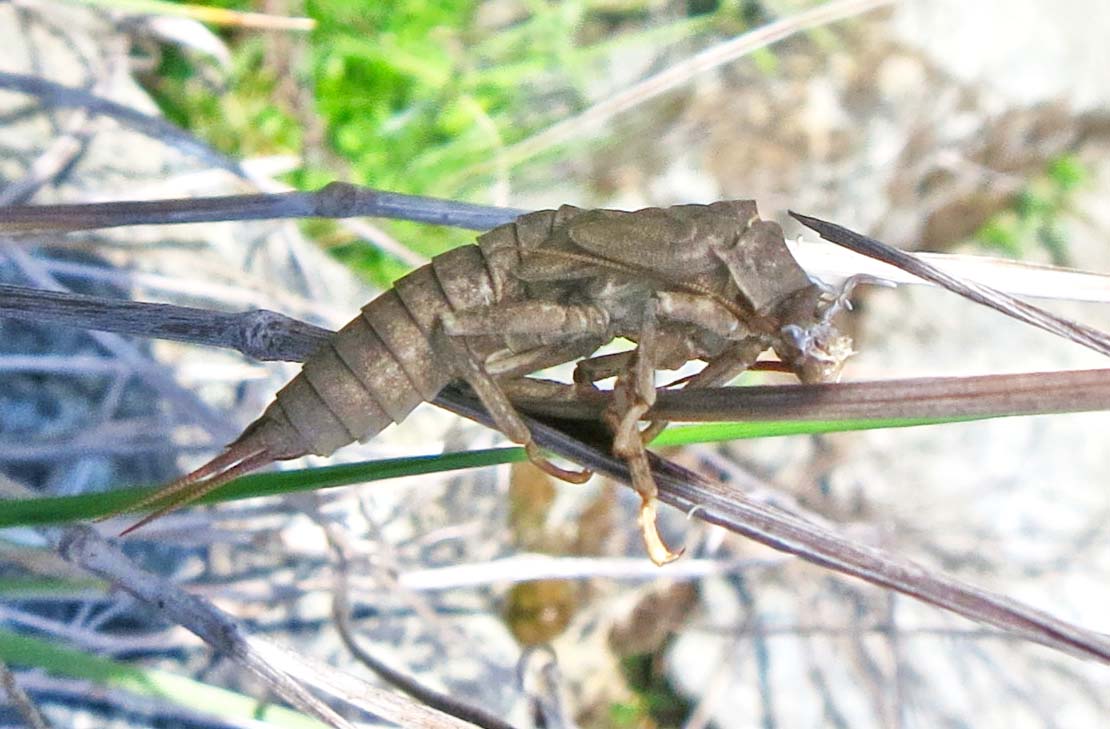
This handsome guy is a mere shell of his former self, literally. I believe it was a dragonfly nymph before the dragonfly popped out of the shell and flew away.

This handsome guy is a mere shell of his former self, literally. I believe it was a dragonfly nymph before the dragonfly popped out and flew away in one of the miracles of nature.

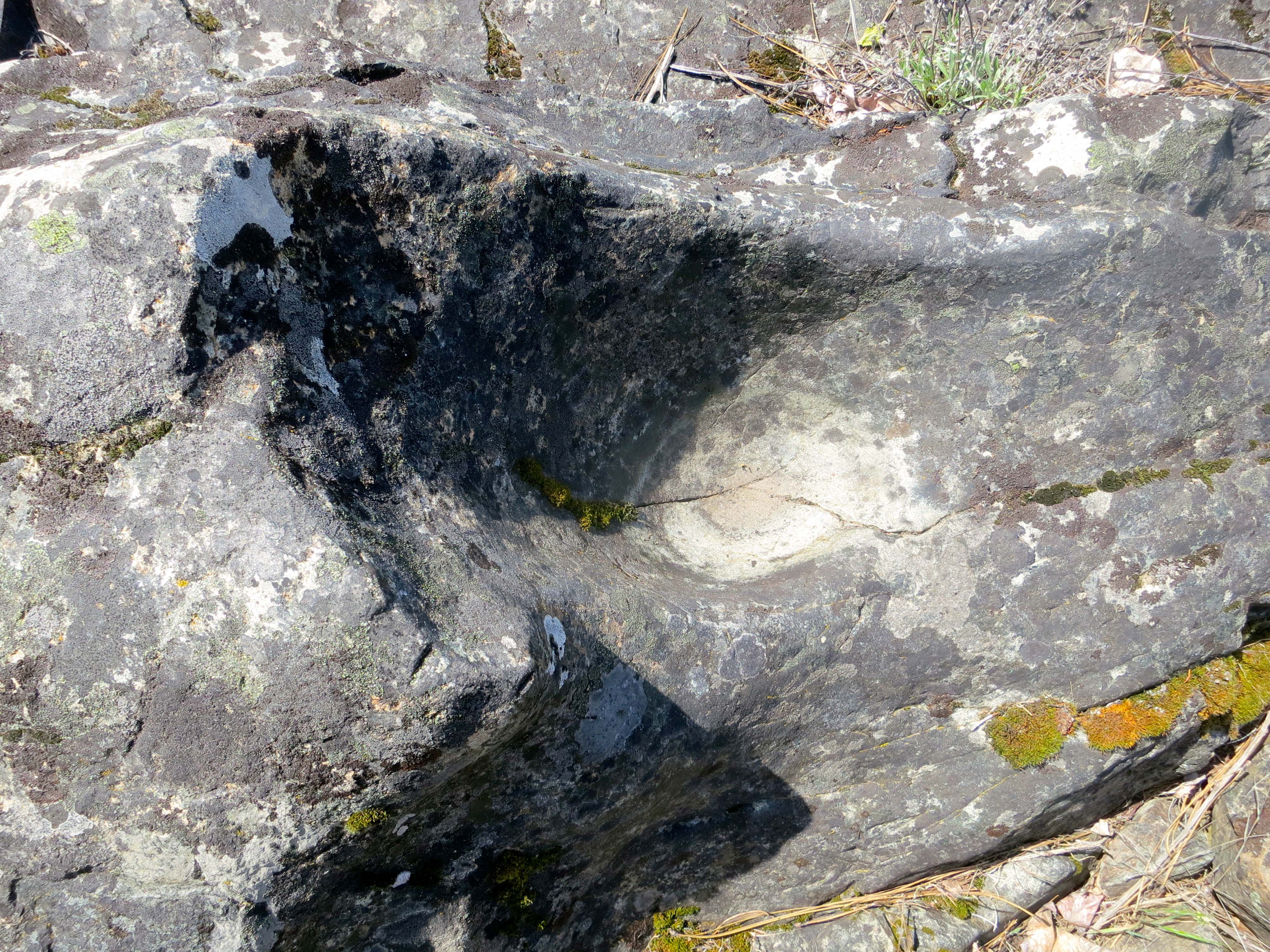
Likely native American grinding rock on the Applegate River in Southern Oregon.

Located among the rocks is what Peggy and I suspect was a Native American grinding rock.

Lichen on river rock of the Applegate River in southern Oregon.

Lichens (from my perspective) always make interesting photos.

Here's a closeup.

Here’s a closeup.

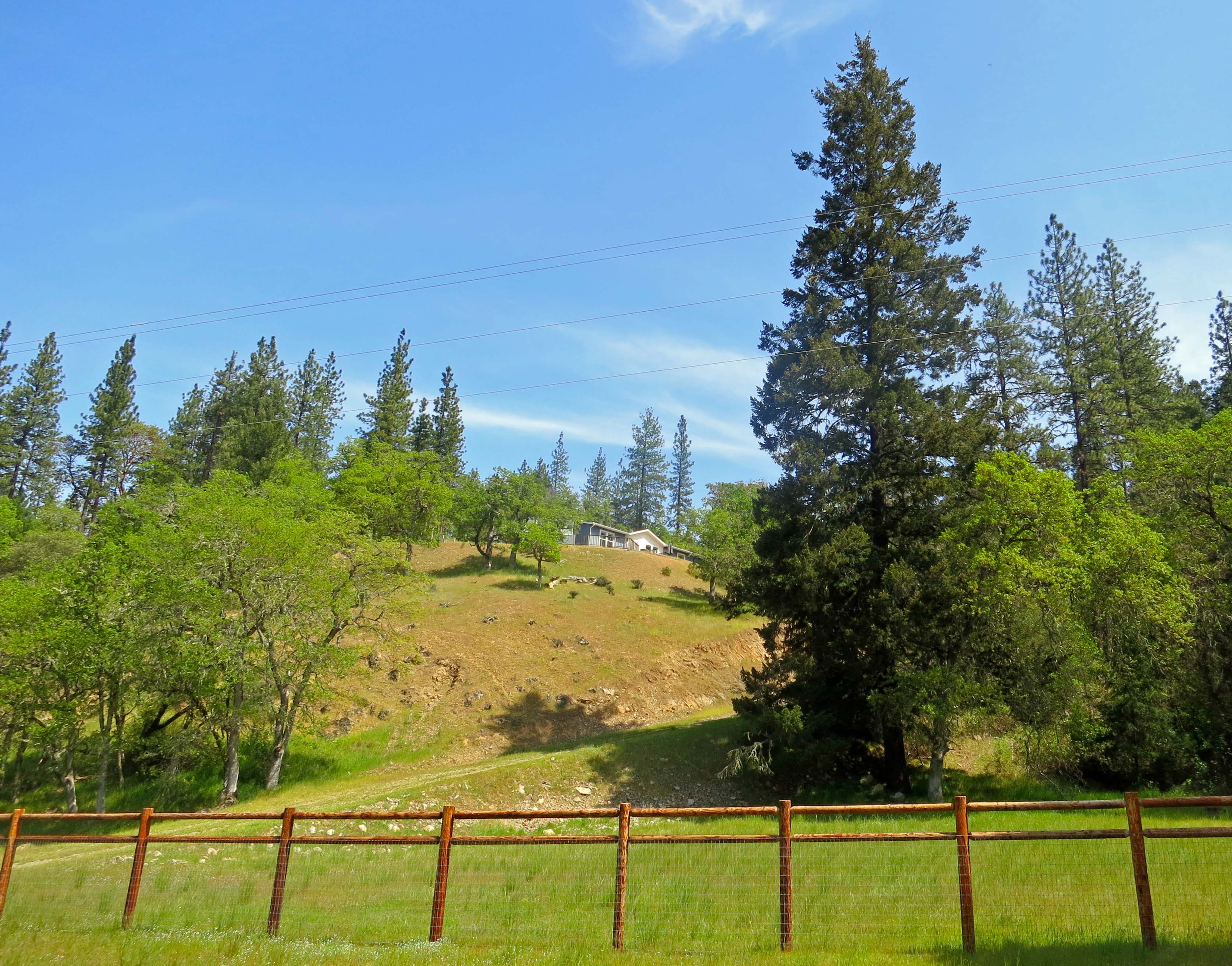
Now it is time to hike up the hill. Our small 1500 foot with its sunroom is perched on the side. The tall tree on the right is a Douglas Fir.

Now it is time to hike up the hill. Our small 1500 square foot house with its sunroom is perched on the side. The tall tree on the right is a Douglas Fir.

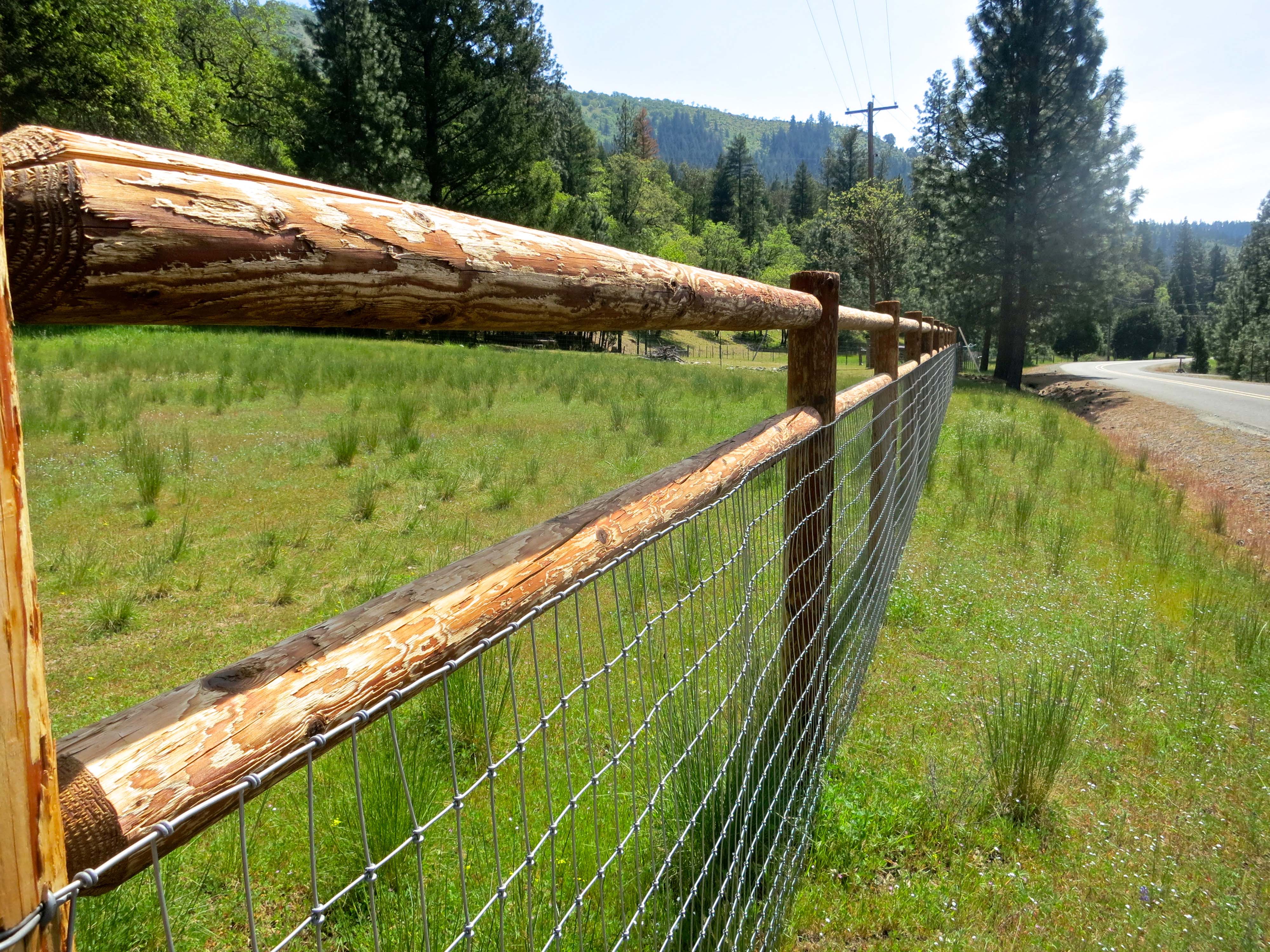
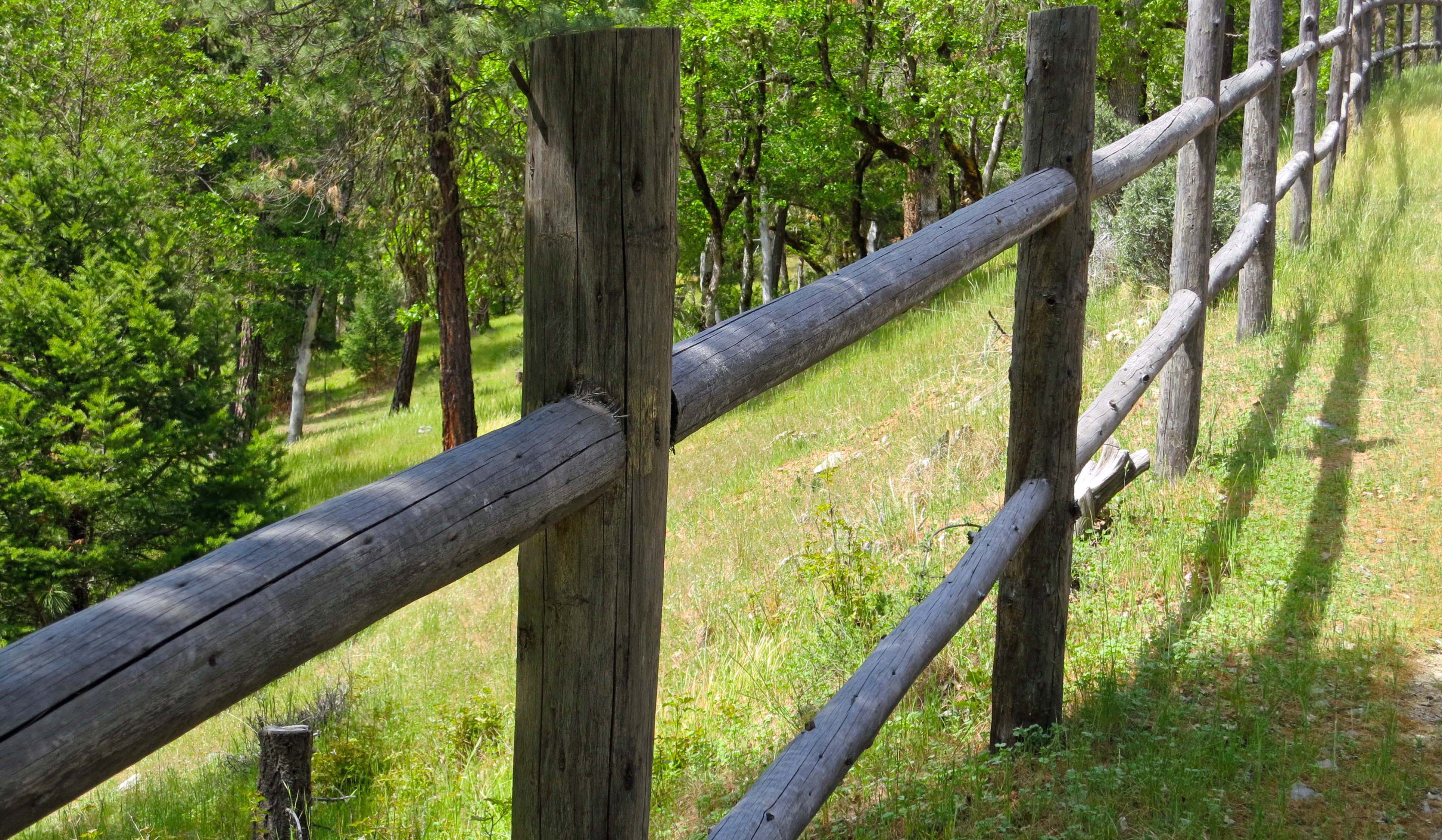
Our fence is designed to fit into the local environment.

Our front fence is designed to fit into the local environment.

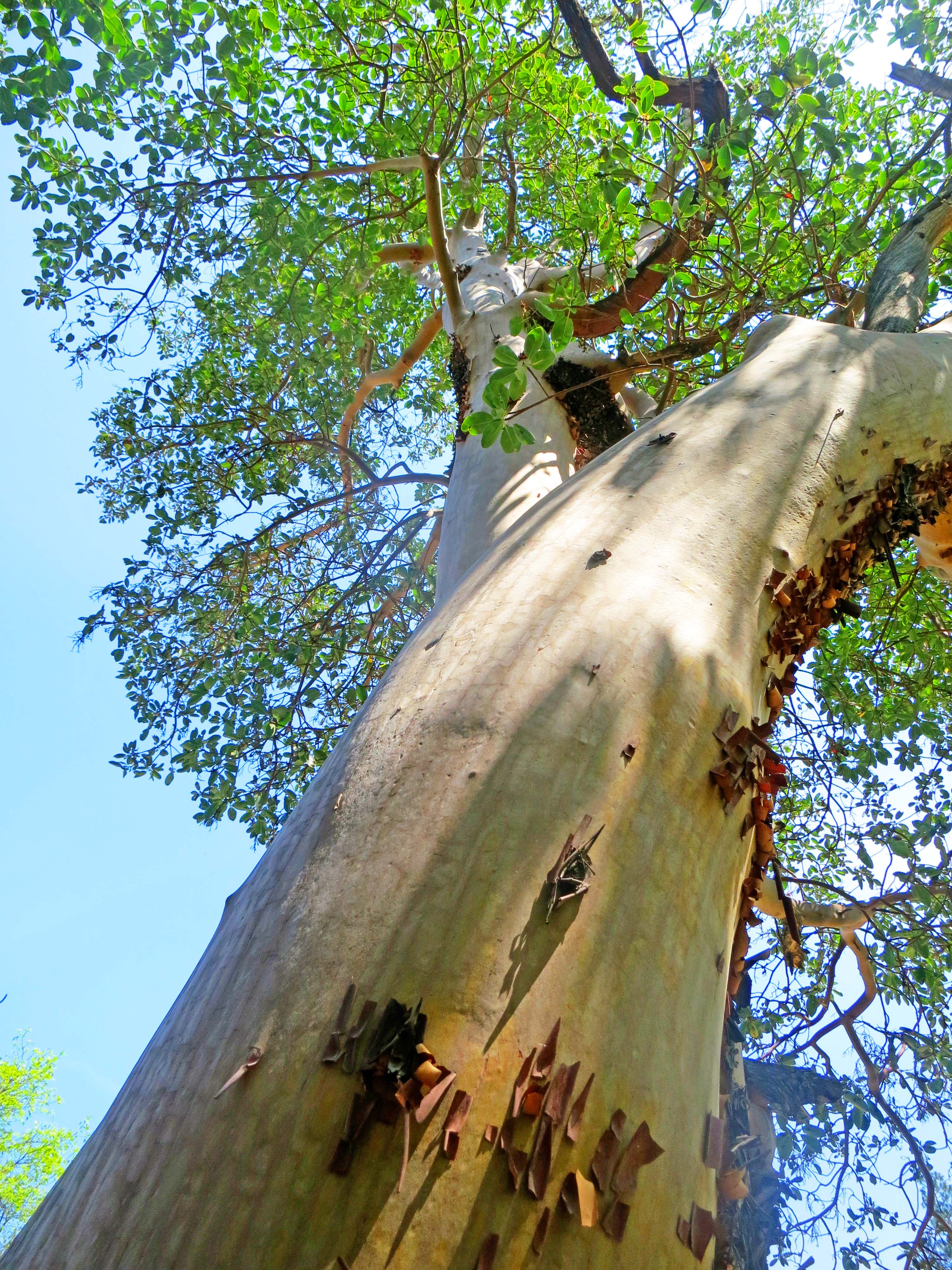
While oaks dominate the northern side of our property, Ponderosa Pines, Douglas Fir and Madrones dominate the south. I've created signed trails running through our property and named them after the grandkids such as Ethan's Hidden Spring's Trail and Connors Jungle Trail.

While oaks dominate the northern side of our property, Ponderosa Pines, Douglas Fir and Madrones dominate the south. This is Ethan’s Hidden Spring Trail.

Ponderosa Pines growing in the Upper Applegate Valley near Applegate Lake.

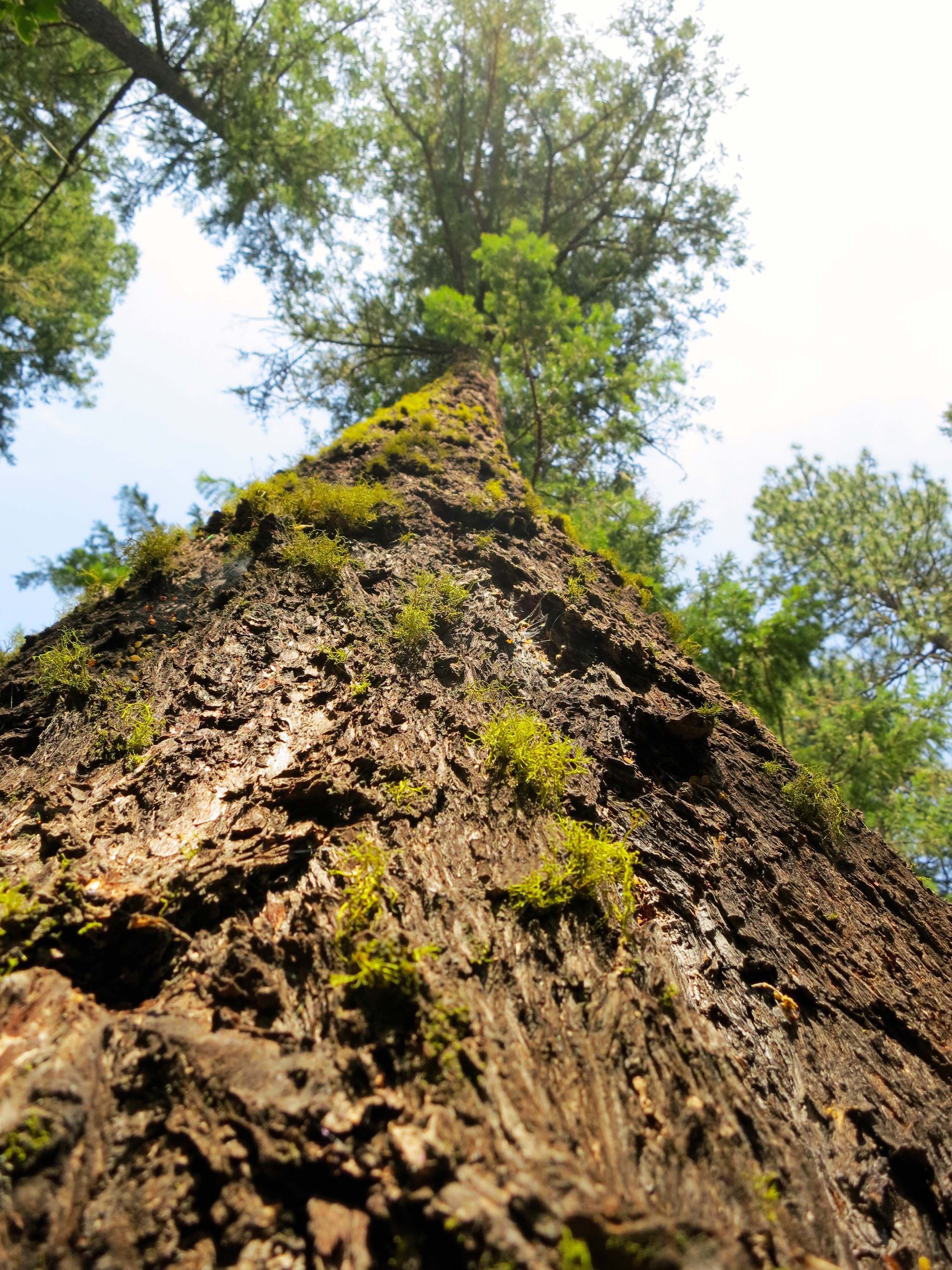
The trees, like these Ponderosa Pines, grow quite tall.

Ponderosa Pine growing at the 2000 foot elevation on the Upper Applegate River.

Check out this beauty.

Large Madrone growing near Applegate River in southern Oregon.

This large Madrone with its unique bark lives next to our house.

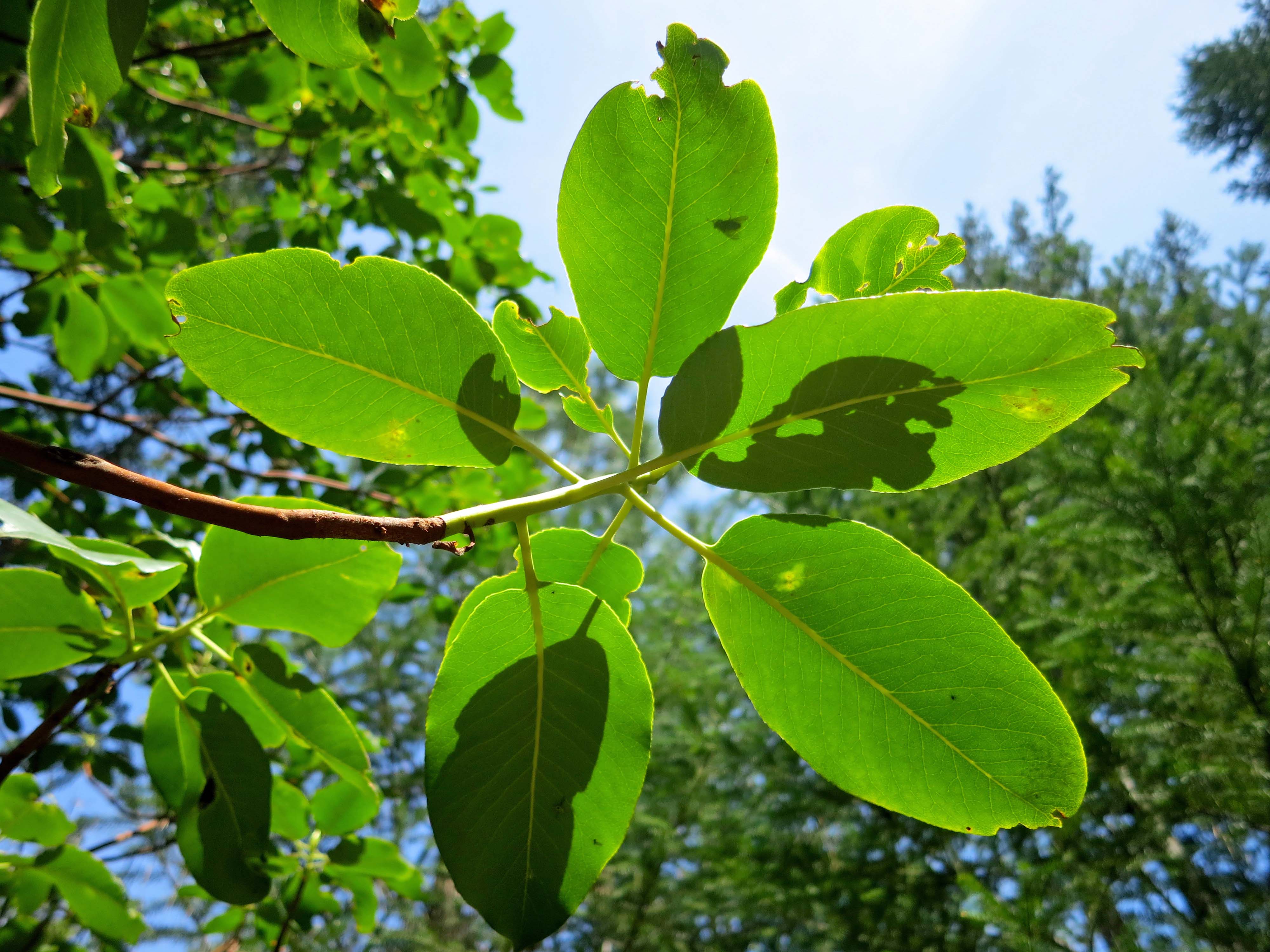
Madrones shed their leaves in summer. It is like having two falls. The shadow of a fly can be seen through the leaf. Shortly afterwards it flew down to bite me. Bad decision.

Madrones shed their leaves in summer. It is like having two falls. The shadow of a fly can be seen through the leaf. Shortly afterwards it flew down to bite me. Bad decision.

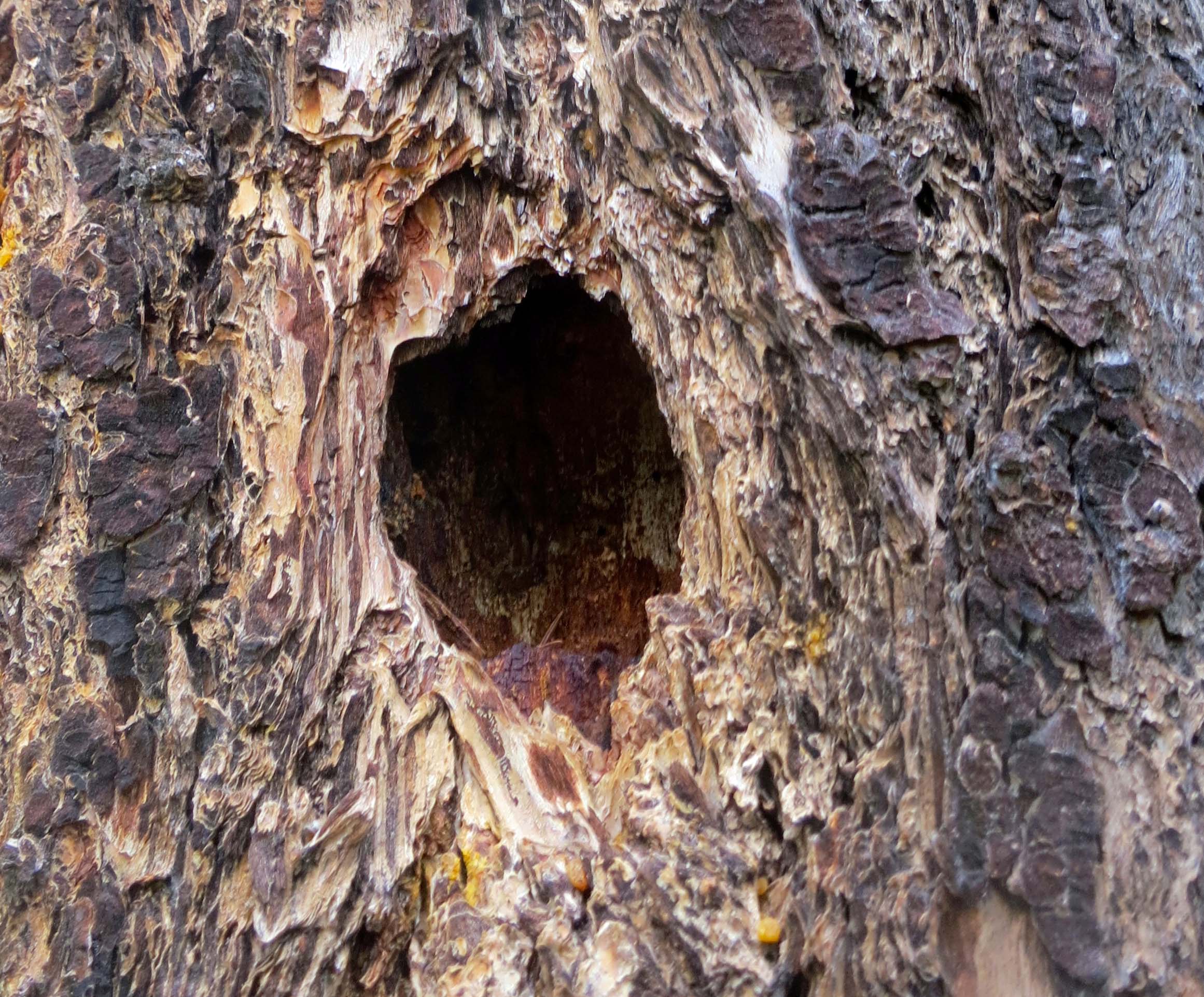
Signs of animal life are found throughout the property. This large hole was probably drilled by a Pileated Woodpecker.

Signs of animal life are found throughout the property. This large hole was probably drilled by a Pileated Woodpecker.

Cat eye flower grown in the Upper Applegate River Valley.

Flowers were few and far between on my walk but I did find this interesting cat eye.

One of the reasons we bought our property was this sign, a boundary marker for the Klamath National Forest that borders the back of our property.

One of the reasons we bought our property was this sign, a boundary marker for the Klamath National Forest that borders the back of our property. Between Klamath and other national forests, over a million acres of public lands are found out our back door.

While our front fence is a fairly serious fence, our back fence is strictly for aesthetics. It is an open invitation to the deer, cougars, bear and other wildlife that live in the forest to "come on down." We'd even welcome Bigfoot. (grin.)

While our front fence is a fairly serious fence, our back fence is strictly for aesthetics. It is an open invitation to the deer, cougars, bear and other wildlife that live in the national forest to “come on down.” We’d even welcome Bigfoot. (grin.) HAPPY EARTH DAY.

Oregon’s Coastal Bridges… Where Engineering, Environment, and Art Meet

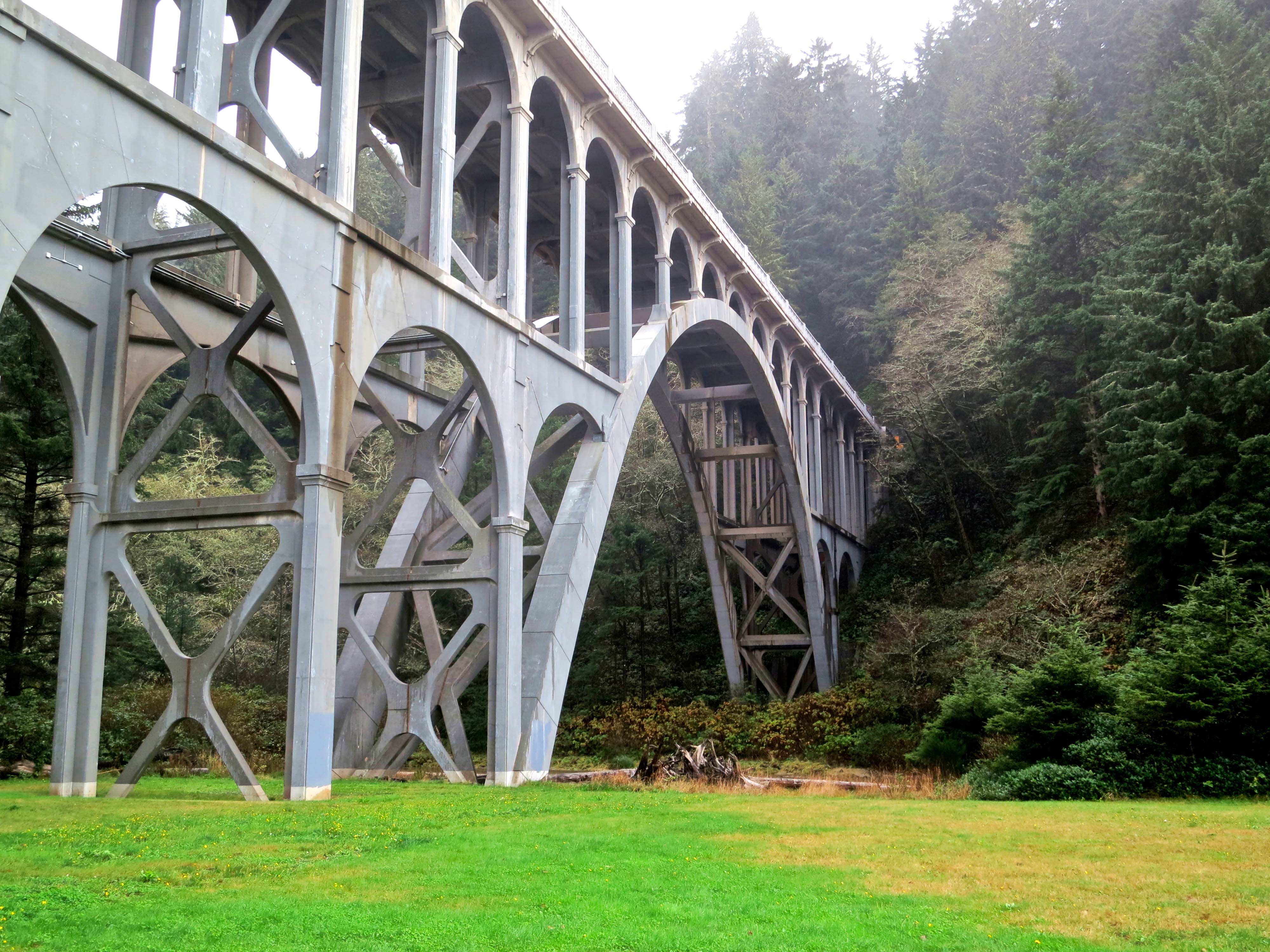
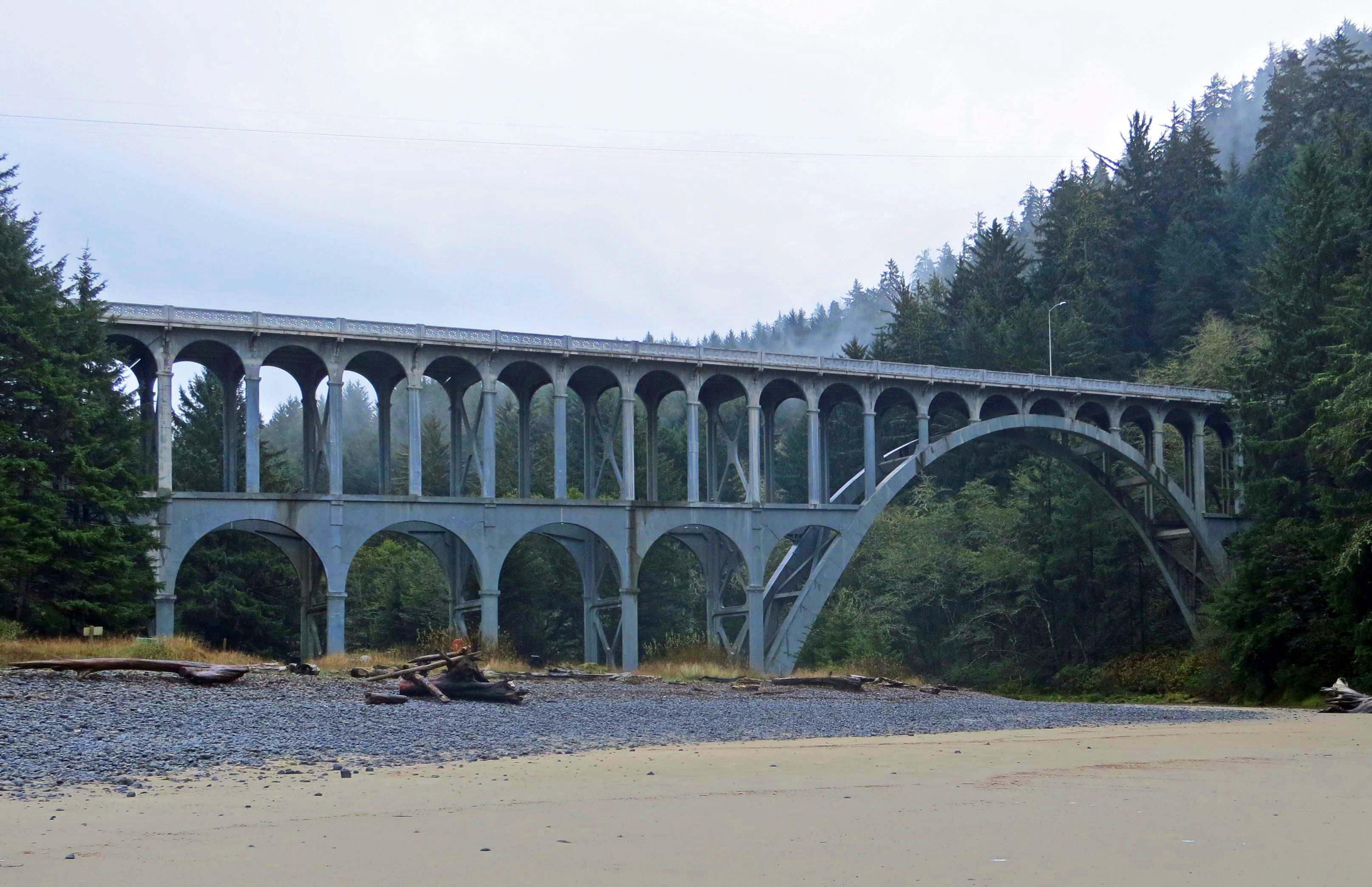
Cape Creek Bridge north of Florence, Oregon was designed by Conde McCollough and built during the early 1930s.

Combining form and function, Cape Creek Bridge in Oregon is an example of how highway bridges can move vehicles, provide beauty, and fit into the natural environment.

With Earth Day 2015 coming up on Wednesday, I stopped to think about the battles we fought during the 70s to protect the environment. One of the toughest was against the highway lobby—bankrolled primarily by the oil industry. “Build more highways!” it and its allies screamed. Buried under a burgeoning population of automobiles, local and state transportation agencies usually agreed. Moving cars and trucks, not people and goods, was the objective. Most traffic engineers believed that their sole task was to move vehicles from point a to b as quickly and efficiently as possible. And they did their job extremely well. Nothing got in the way, including established communities, farmlands and valuable natural habitats. It was the bulldozer era of ‘pave Paradise and put in a parking lot.’ (Joni Mitchell)

In the mid to late 70s, I was working with a community group called the Modern Transit Society (MTS) that was fighting to bring light rail transit to Sacramento, California. The City Traffic Engineer was adamantly opposed to the idea. More dollars for mass transit meant fewer dollars for highways, and the Engineer, along with his counterpart in the County, had roads and freeways planned everywhere. My role with MTS was to oversee political strategy. At one point, relations became so tense between the traffic engineer and me that he would walk out of a room when I walked in. Eventually we won. Today, Sacramento has light rail lines stretching throughout the city and county.

Bridges built at the time, and also during the 50s and 60s, reflected the mania for moving cars. Function, not form, was what mattered. As a result, large ugly concrete structures with minimal aesthetic appeal often dominated urban and even rural landscapes. Bridge construction hadn’t always been that way.

The coastal bridges of Oregon reflect an earlier era. Many were constructed in the 1920s and 30s when Highway 101 was being built to connect coastal towns. Oregon was extremely fortunate to have Conde McCullough at the helm of the highway department’s bridge division for much of this time. Part civil engineer, part architect, and part artist, he believed that bridges should be built economically, efficiently, and aesthetically. His vision lives on today, as any trip down the Oregon Coast quickly demonstrates.

Conde McCollough served as Oregon's state bridge engineer from 1919 to 1935, following which he spent a couple of years designing bridges along the Pan American Highway in Central America.

Conde McCollough served as Oregon’s state bridge engineer from 1919 to 1935, following which he spent a couple of years designing bridges along the Pan American Highway in Central America. (Photo from information sign on Highway 101.)

Today I am going to feature one of McCullough’s creations, the Cape Creek Bridge located on Highway 101 north of Florence, Oregon, and a small park that lies below the bridge. Later, I will do posts on two of his other bridges plus a modern pedestrian and bike bridge in Redding, California that is breathtaking.

Cape Creek Bridge north of Florence, Oregon on Highway 101.

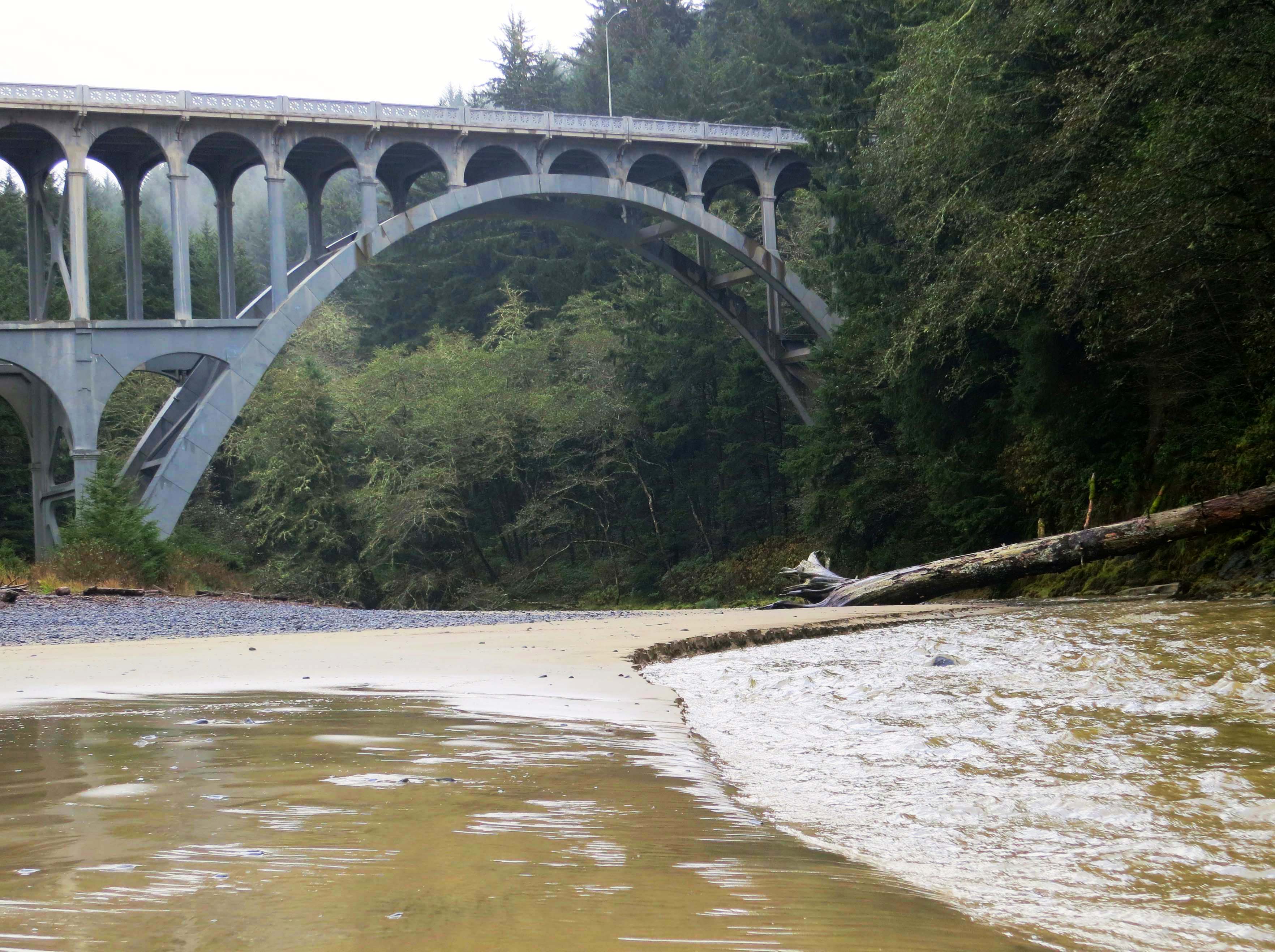
Another view of the Cape Creek Bridge, this time including Cape Creek. It had been raining hard, as reflected by the creek’s muddy waters.

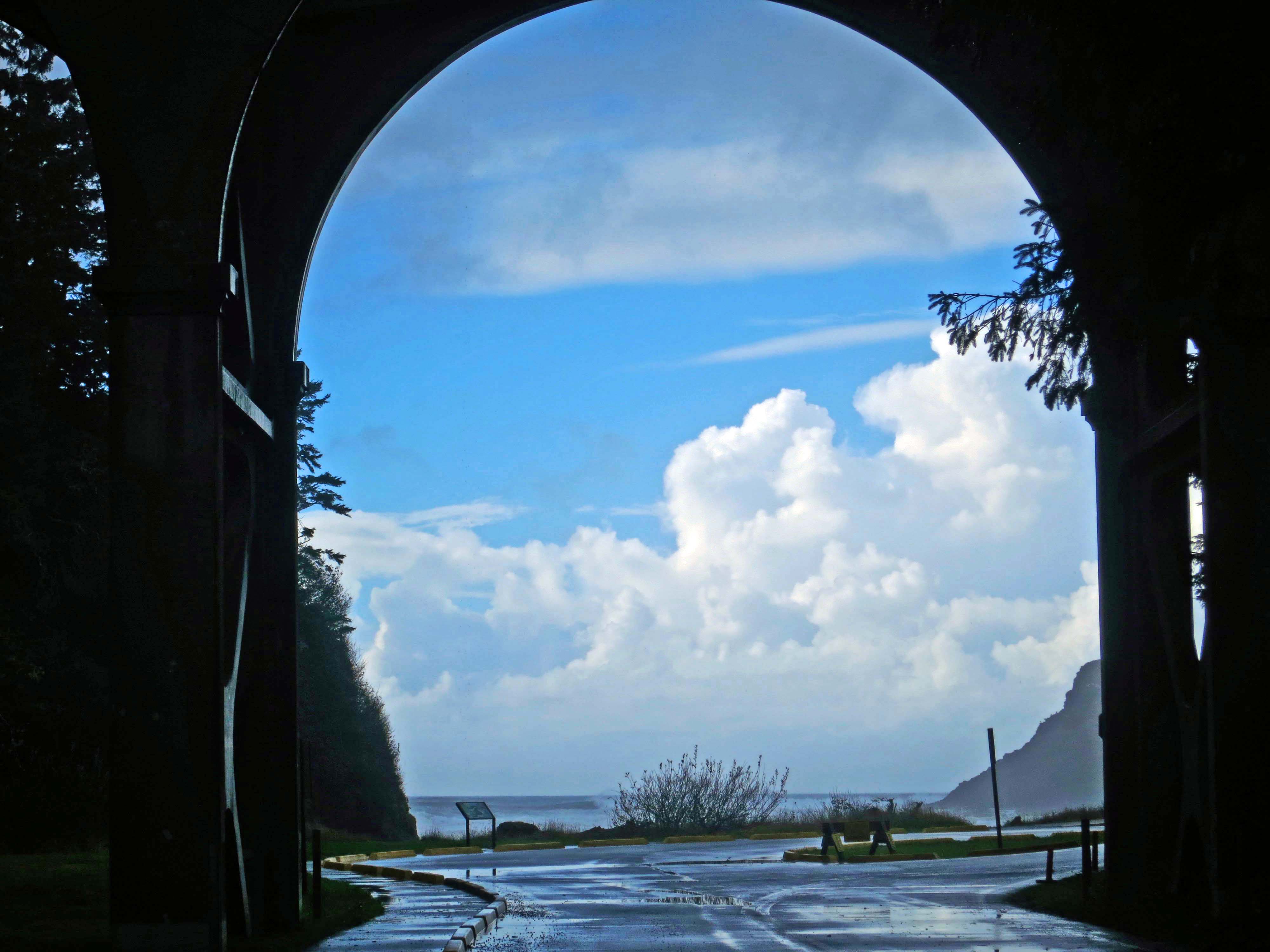
Looking out from a span of the Cape Creek Bridge onto the small ocean cove the creek empties into.

Looking out from a span of the Cape Creek Bridge onto the small ocean cove the creek empties into.

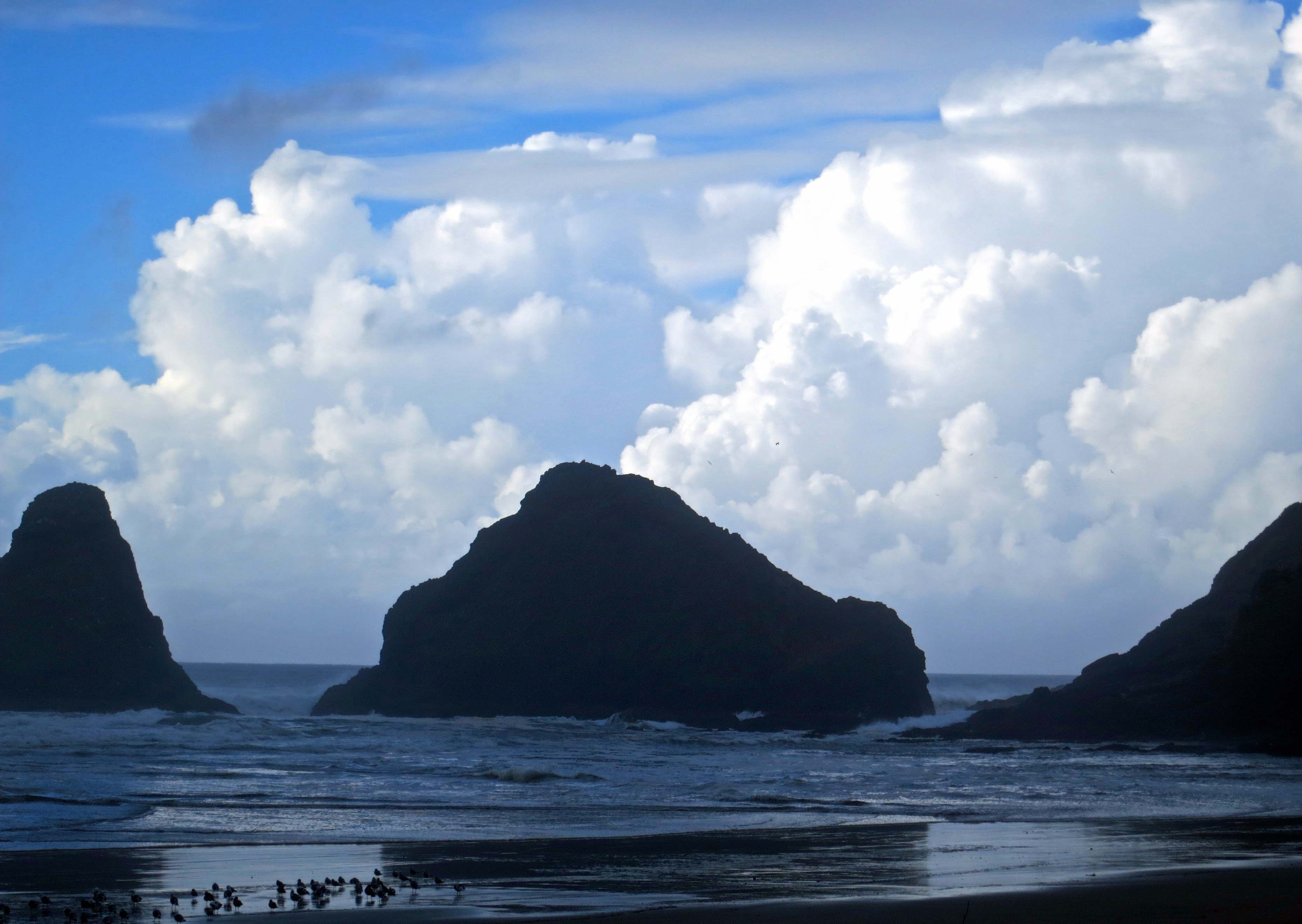
Cumulous clouds outline sea stacks in Cape Cove on the Oregon Coast.

Small islands in Cape Cove outlined by the dramatic sky. Sea gulls are gathered in the lower left corner.

One of the sea gulls takes flight. I was walking along behind it, posed to takes its photo when it flew.

One of the sea gulls takes flight. I was walking along behind it, poised to takes its photo when it flew. There are three things I like about the picture: the wings, the gulls left foot as it runs, and the reflection.

The tide rolls onto shore at Cape Cove on the Oregon Coast near Florence, Oregon.

The tide rolls in to Cape Cove.

Low tide exposes the beach at Cape Cove off of Highway 101 on the Oregon Coast.

And the tide rolls out.

Cape Creek Bridge in Lane County on the Oregon Coast.

A final perspective on the Cape Creek Bridge. The bridge is 619 feet (188.6 meters) long and was designed to look like a Roman aqueduct. NEXT BLOG: Earth Day

The Bigger Sacramento Book Club (BSBC)… 26 Years and Counting


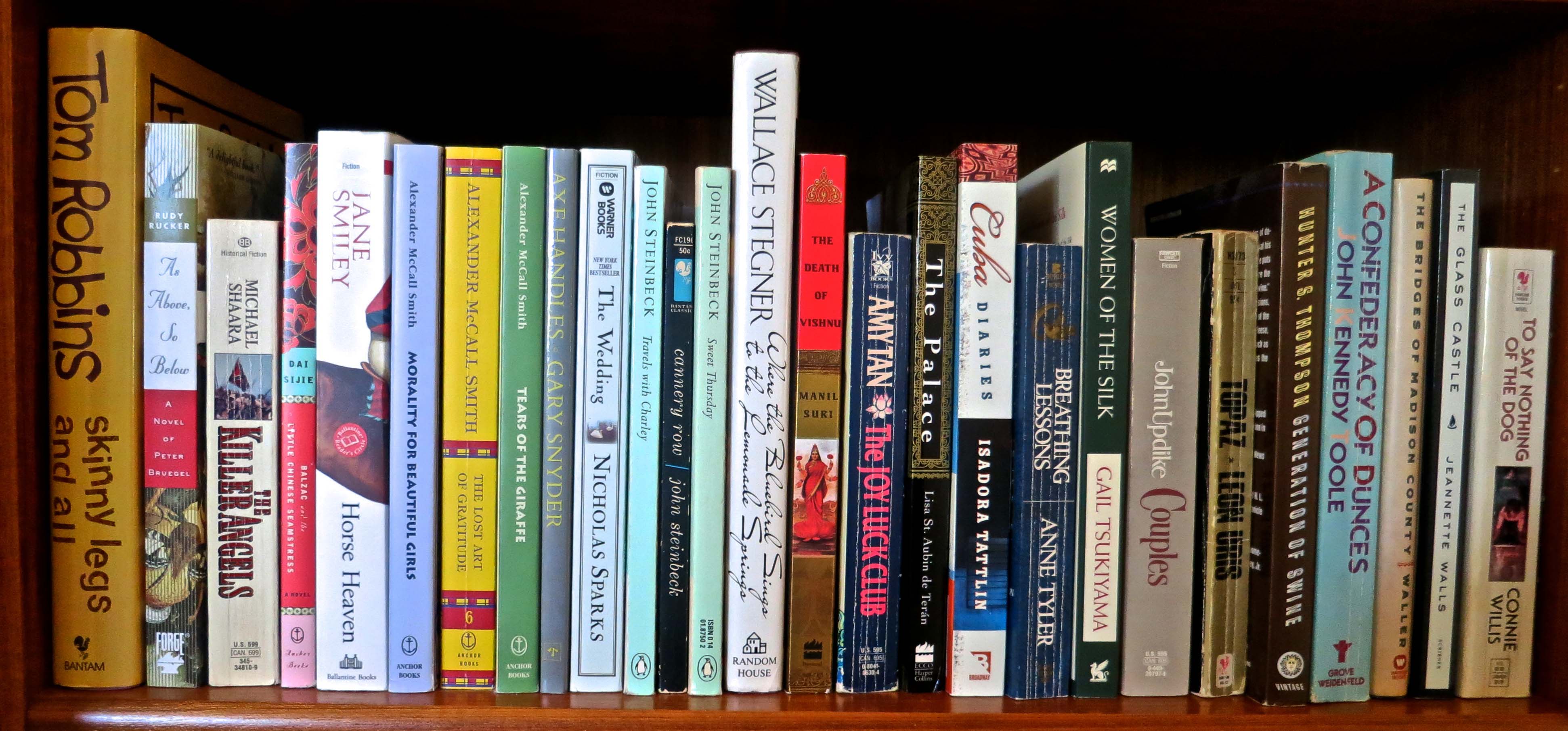
Books read by the BSBC of Sacramento

This bookshelf includes about half of the books the BSBC has read during its 26 years of existence.

Three things happened when I climbed off my bicycle in Sacramento during the second week of September in 1990. First, I met Peggy and promptly fell in love. (It took me five seconds; Peggy was more like five months. She liked the look of a guy in tight bicycle shorts who had just biked 10,000 miles but was a little concerned about the sanity of a guy who would do such a thing. Rightfully so.)

Two, I was seriously hassled for being one week late. Mind you, I had just travelled for six months on a solo journey around North America. An extra seven days didn’t seem like a big deal. To be fair, however, time is different for someone sitting in an air-conditioned office eight hours a day than it is for someone sitting on the back of a bicycle and peddling 50–100 miles a day through every type of terrain and weather North America has to offer.

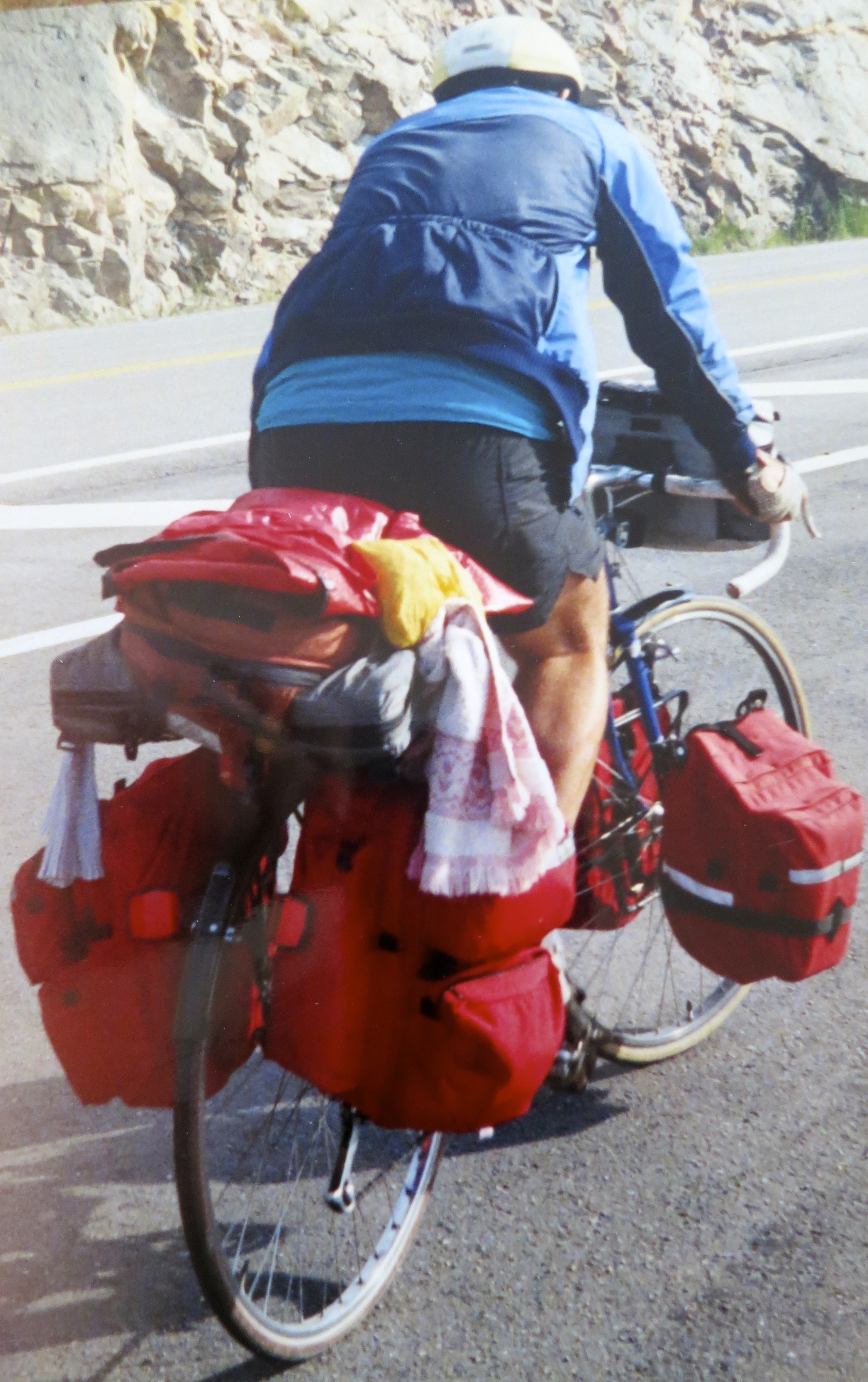
Here I am biking up a mountain in Nova Scotia with 60 pounds of gear.

Here I am biking up a mountain in Nova Scotia with 60 pounds of gear. I had already biked 5000 miles. Time slows down in such circumstances.

The third thing that happened is the subject of today’s post. My friend Ken Lake informed me that a meeting of the Bigger Sacramento Book Club, more fondly known as the BS Book Club, or simply the BSBC was coming up. Ken had started the book club and recruited me as a member in the fall of 1988, a few months before I started my bike odyssey.

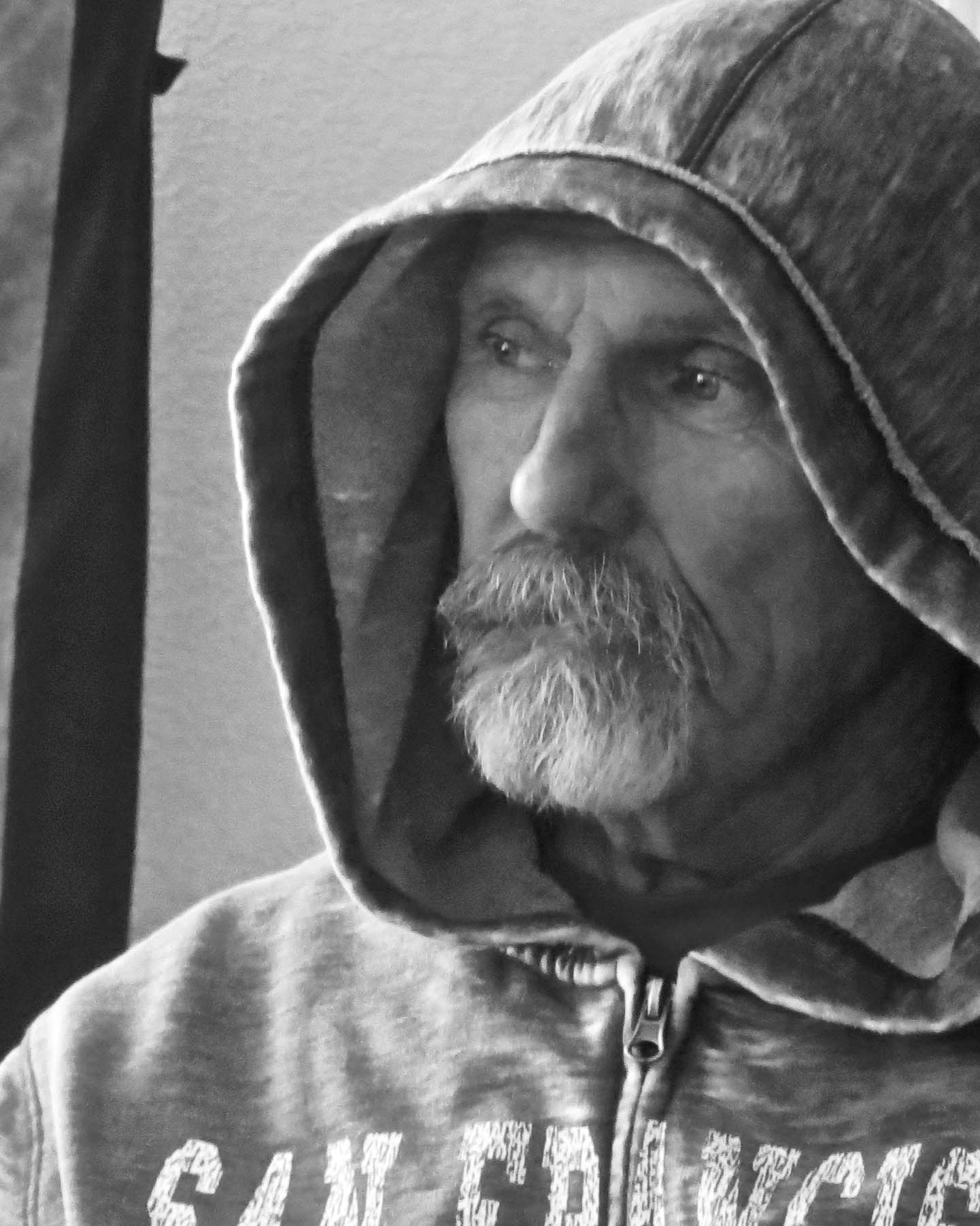
I love this photo of Ken because it makes him look like a Druid Elder, or someone out of Lord of the Rings. I think the look on his face reflected that the 49ers were losing.

I love this photo of Ken because it makes him look like a Druid Elder, or someone out of Lord of the Rings. I think the look on his face reflected his disapproval of a SF Giant’s play.

The BSBC reads a wide variety of books based solely on the tastes of whoever is selecting the book.

The BSBC reads a wide variety of books based solely on the tastes of whoever selects the book.

The rules, Ken had explained, were simple. Members of the BSBC would rotate having the book club meet at their homes. The host would pick the book, provide the main course, and supply whatever alcohol was to be consumed. Other members would provide hors d’oevres, salad, veggies, dessert and breads— plus any insights they had on the book.

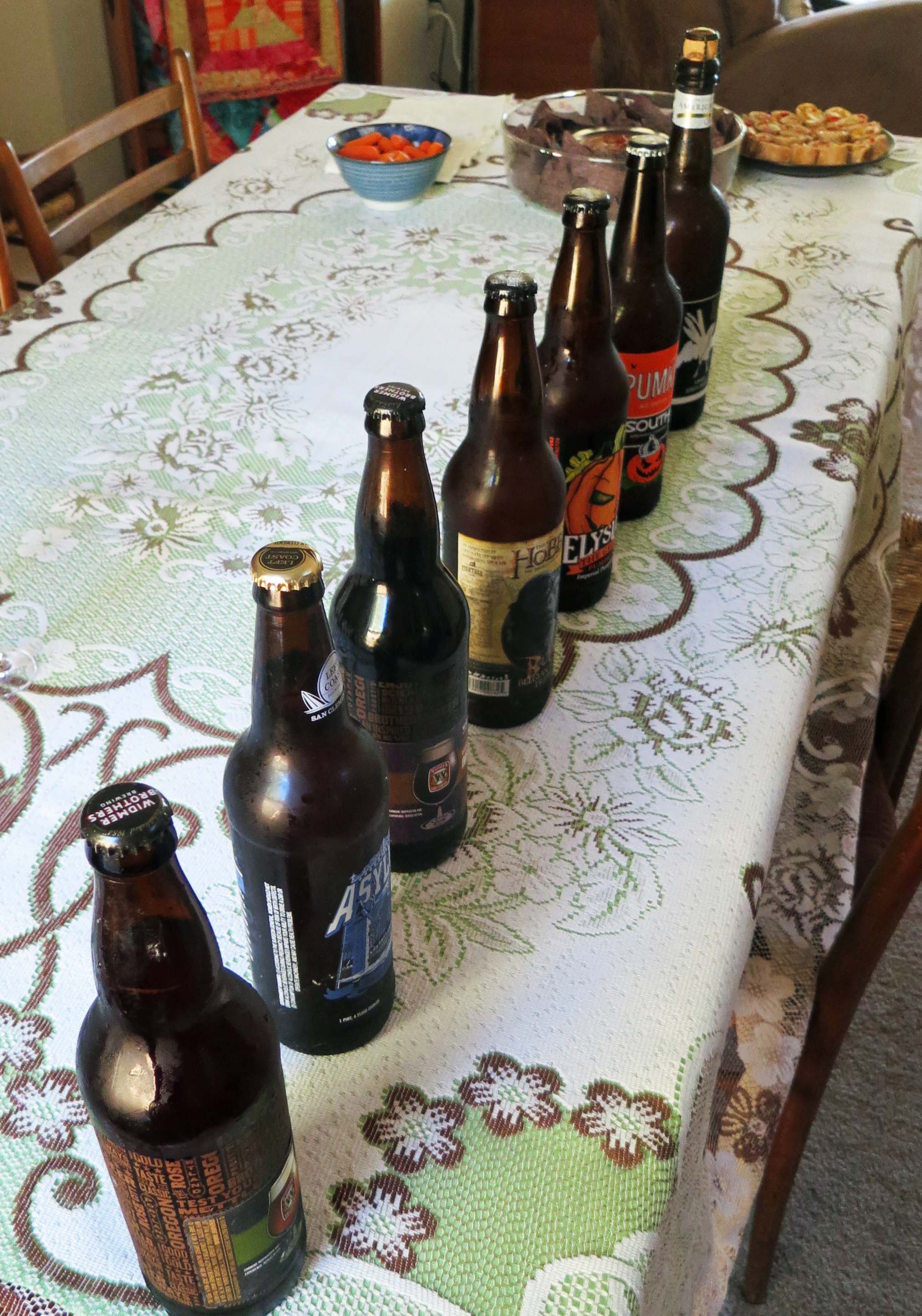
BSBC is only partially about books. This particular meeting featured a beer tasting. Dinners are often planned around whatever food was featured in the book.

BSBC is only partially about books. This particular meeting featured a beer tasting. Dinners are often planned around whatever food is featured in the book.

So far it sounded like a standard dinner/book club. And then Ken mentioned the other rule: You didn’t have to read the book. Maybe you ran out of time or couldn’t struggle your way through the first chapter. Fine. It was after all, the BS Book Club. You didn’t even have to confess. I laughed and signed on the imaginary dotted line. I even remember the first meeting. The book was To Kill a Mockingbird by Harper Lee. One of our members hadn’t read the book but had brought Cliff Notes. We gave him an appropriately hard time. When he insisted on discussing the motif, things got even more raucous. It set the tone for future meetings.

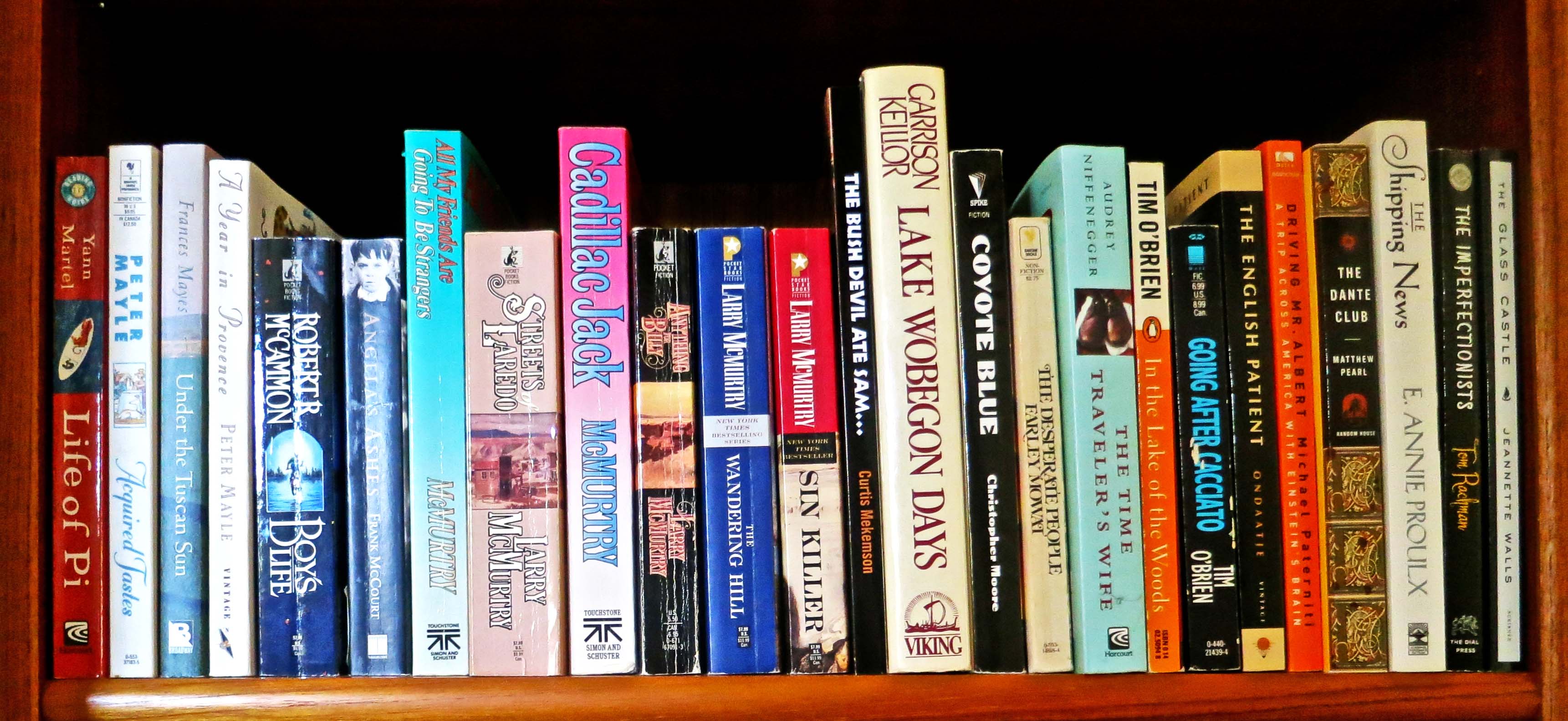
Another shelf of our books. BTW, I highly recommend the book just to the left of Lake Woebegone Days. (grin)

Another shelf of our books. BTW, I highly recommend the book just to the left of Lake Wobegone Days. (grin)

So, even though I was still wearing my bike clothes, wasn’t sure where I was going to live, and didn’t own a car, I told Ken that of course I would be at BSBC. And could I please bring something that didn’t require cooking.

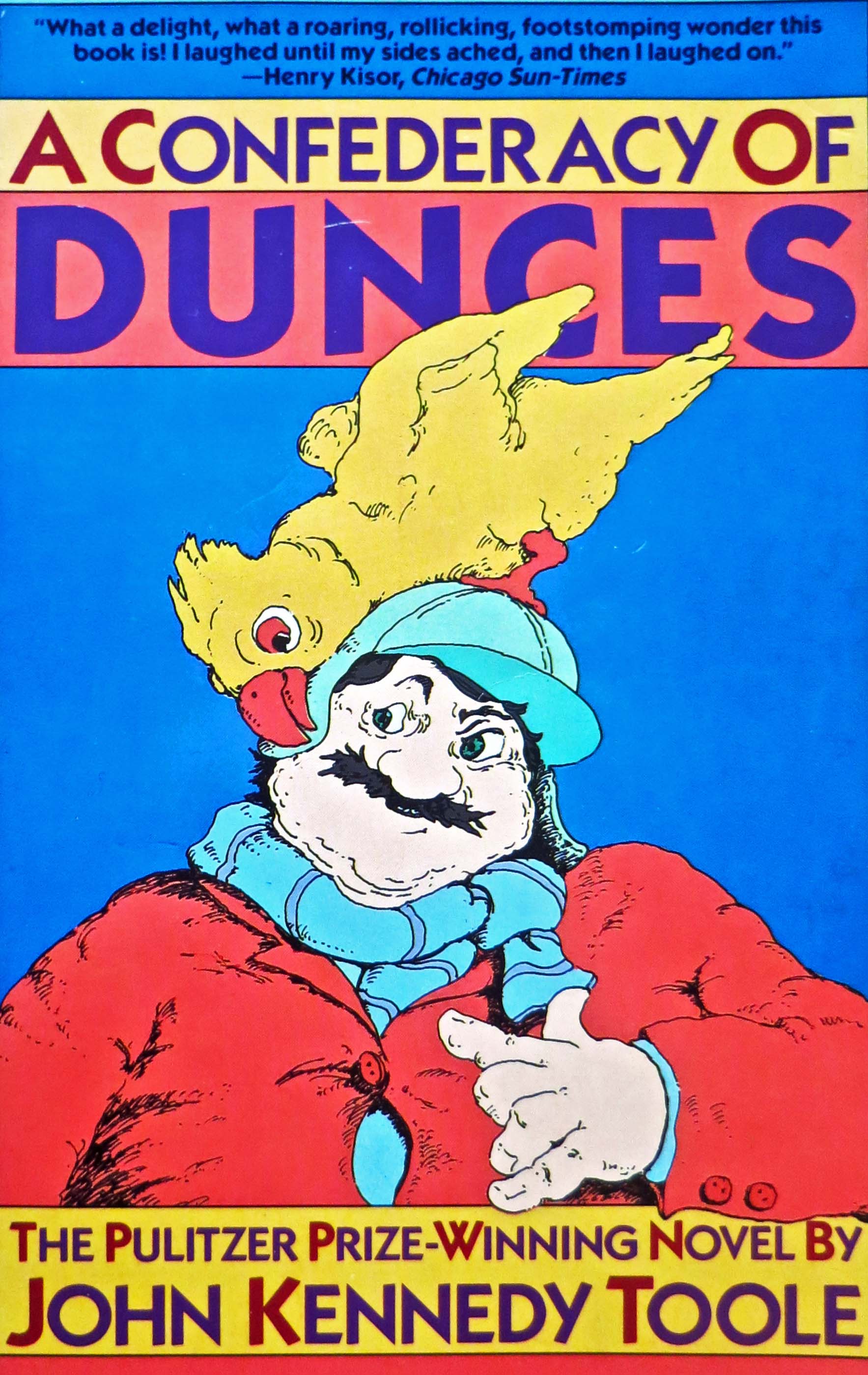
It was a while before I was ready to choose a book and host the book club, however. Living with a former girlfriend while pursuing Peggy made things a little, um, awkward. Finally, I obtained my own apartment in downtown Sacramento and hosted my first ever BSBC, on a couch and folding chairs. People ate off their laps. The book was an old favorite of mine: A Confederacy of Dunces by John Kennedy Toole. If you haven’t read it and enjoy offbeat humor, add it to your list.

The first book I selected for the BSBC to read.

The first book I selected for the BSBC to read.

By 1992 membership had settled down to five couples, the same five couples who are members today. It’s an interesting mix of people including two teachers, a physician, two prevention specialists, a principal, a judge, an office manager, a pilot/man of many trades, and me— a person of even more trades. (Most of us are semi-retired now.) Our politics range from sort of out there to moderate. It’s amazing we have hung out together as a book club, not to mention as couples for a quarter of a century. I once mentioned the odds against all of us still being married to the same person. “We could never get divorced,” one of the couples responded. “We don’t know who would get book club.”

They were semi-serious.

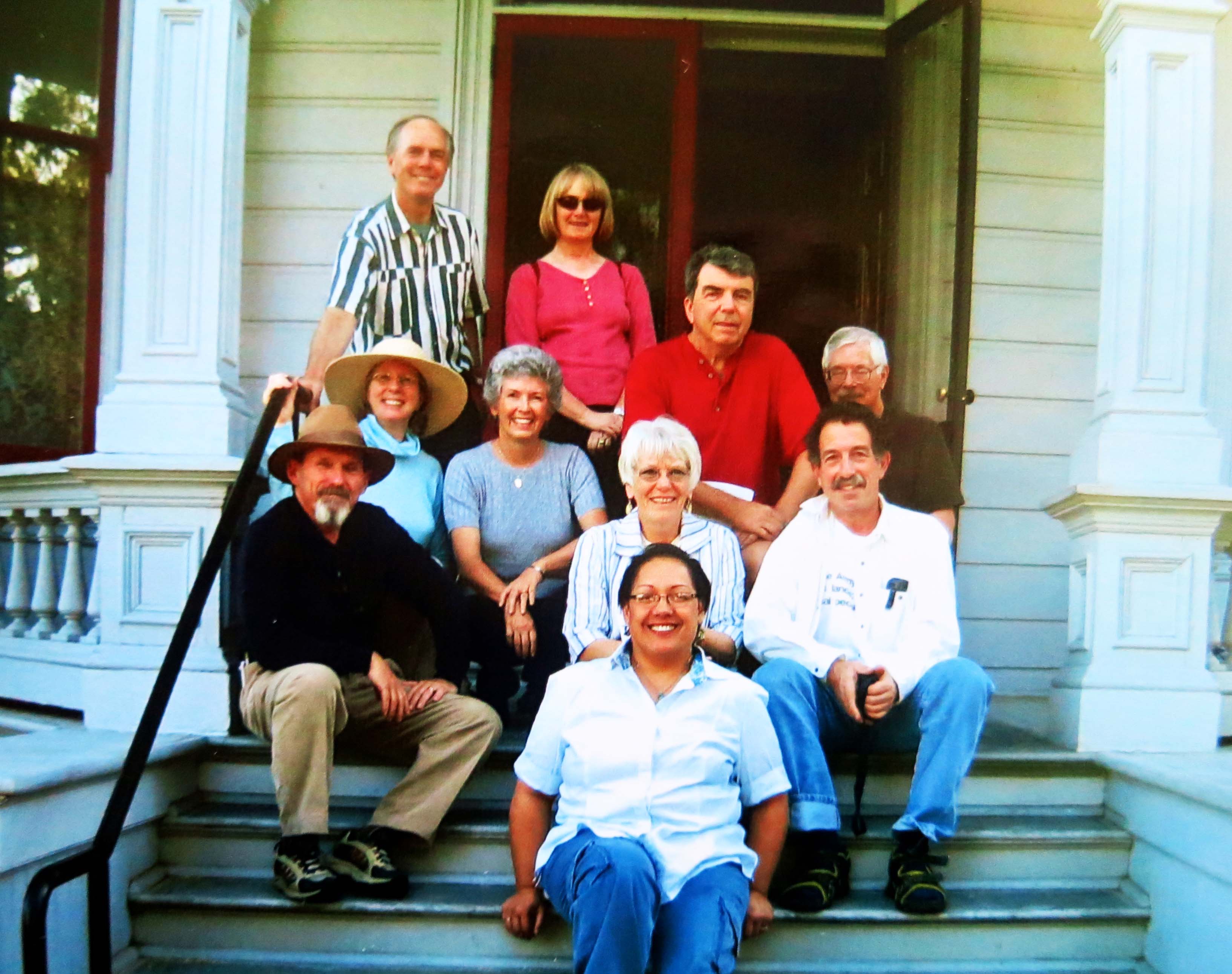
The five couples of the BSBC on the steps of John Muir's home, now a museum, in the Bay Area.

The five couples of the BSBC on the steps of John Muir’s home (now a National Historic site) located in the Bay Area.

To date, BSBC has read 217 books and two magazine collections. We have also watched five movies and been on three side trips that didn’t involve reading or watching anything. That’s a total of 227 meetings.

These days it is more difficult to get together. One couple lives in France six months out of the year, another has moved to the Bay Area, and Peggy and I are living in Oregon. But we still manage. BSBC has priority.

I asked Ken and his wife Leslie why they thought the book club has survived for so long. The essence of their reply was that BSBC’s long continuity reflects the depth of the friendships that have evolved over time and the informality of our approach to books. The club is as much, or possibly more, of a social gathering than it is a discussion of books. Ken described our meetings as “free flowing within a structure of friendship.” And free flow they do. A full hour’s discussion on the book out of a four-hour evening means people really liked the book.

A final shelf.

A final shelf.

For fun today, I’ve posted photos of Peggy and my BSBC bookshelves that contain about half of the books we have read over the years. If you look at these shelves closely, you will see the breadth of books we read. They reflect the very different tastes in books of ten different people. We all end up reading in genres that we normally wouldn’t. We are constantly being introduced to new authors and new ideas. And that, along with the friendships, is what our book club is about.

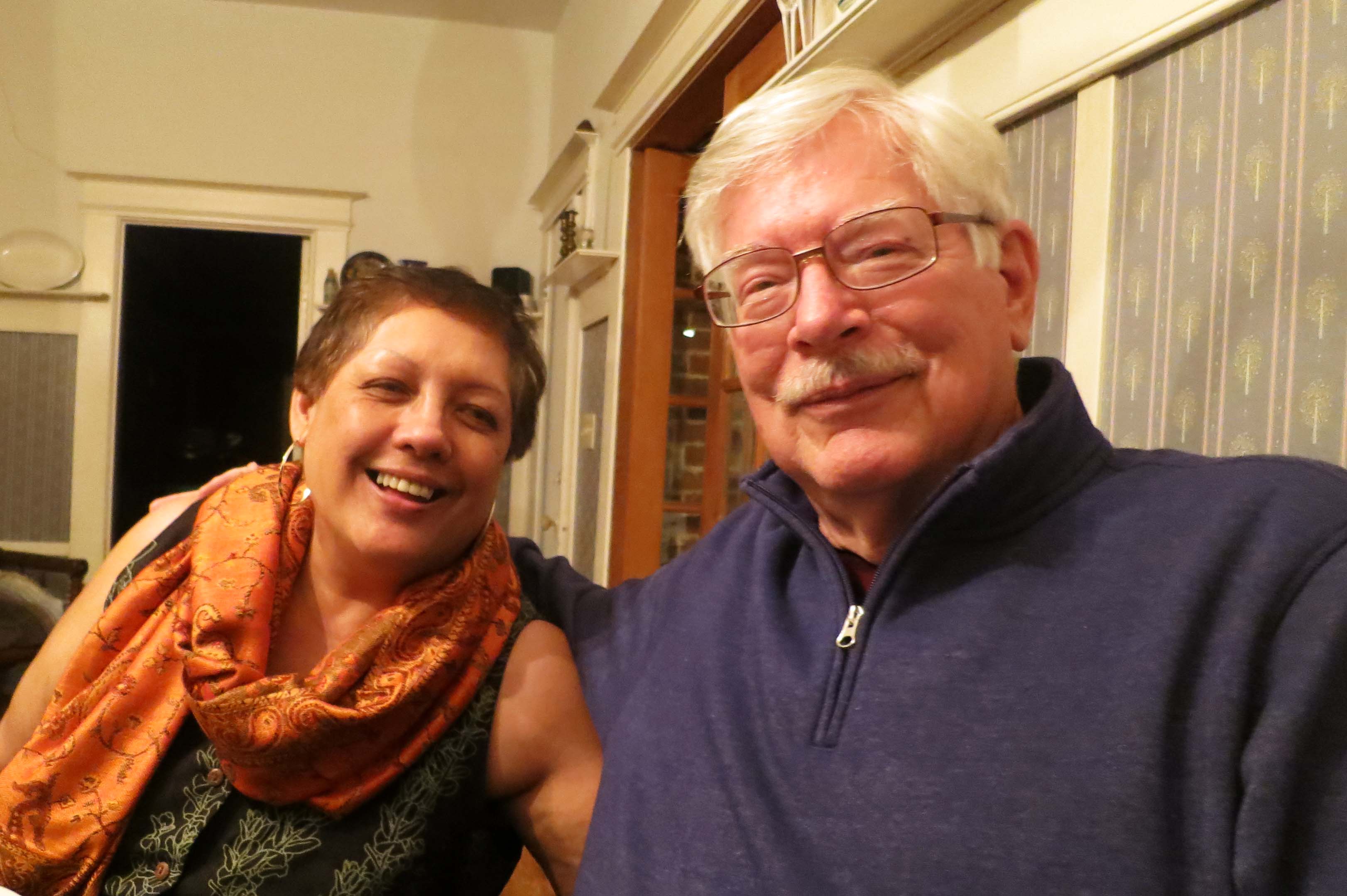
Strong friendships have developed over the years in BSBC. The photo features LaReene Sweeney and I.

Strong friendships have developed over the years in BSBC. This photo features LaReene Sweeney and me.

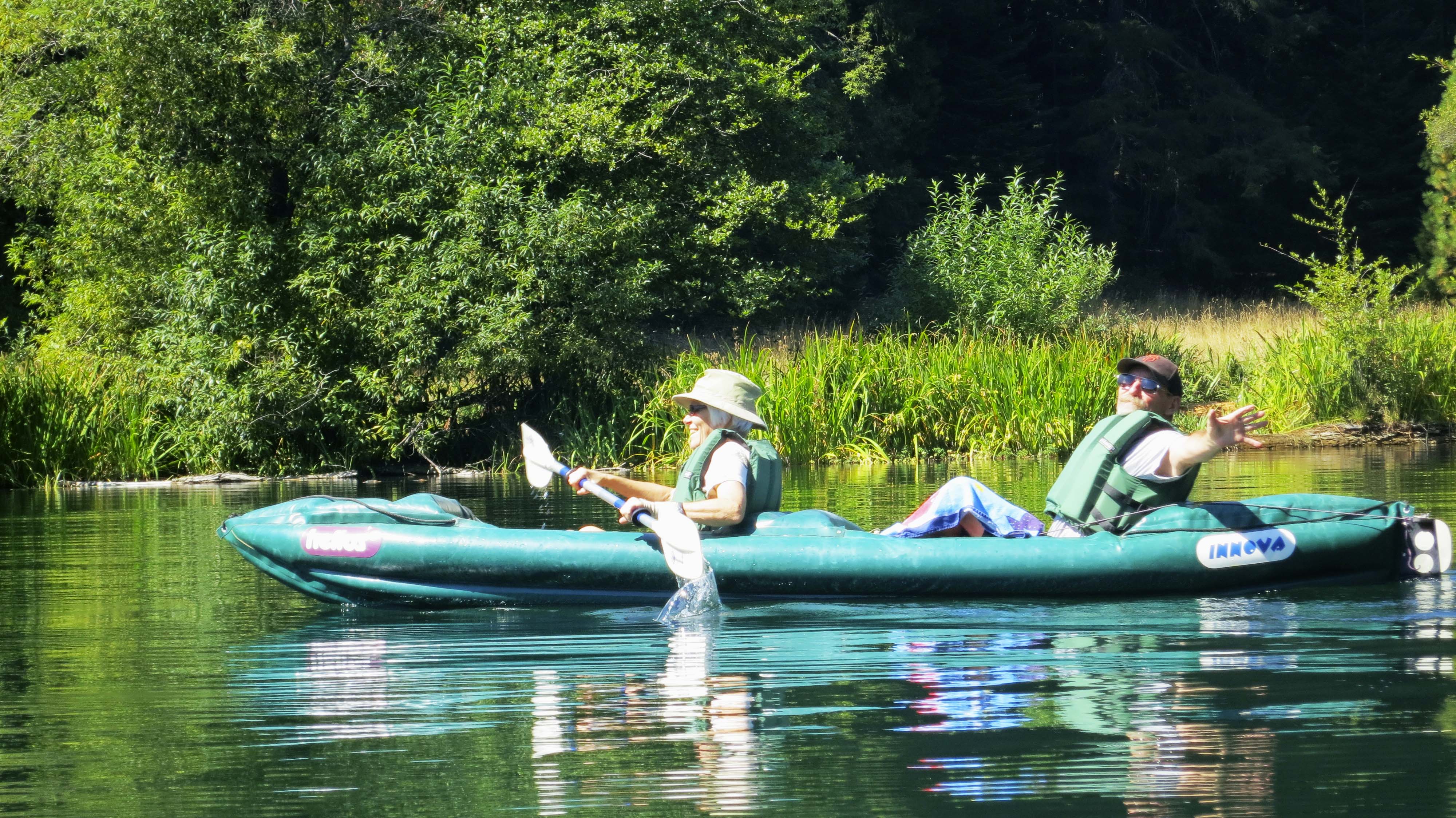
Once a year, the BSBC comes to our house in Oregon for 2-3 days. A couple of years ago we took them kayaking on Squaw Lakes. In this photo Ken Lake hides his paddle so it looks like his wife, Leslie, is doing all the work.

Once a year, the BSBC comes to our house in Oregon for 2-3 days. A couple of years ago we took them kayaking on Squaw Lakes. In this photo Ken Lake hides his paddle so it looks like his wife, Leslie, is doing all the work.

Spring Is Sprung… And Love Is in the Air, Or Is It Lust?

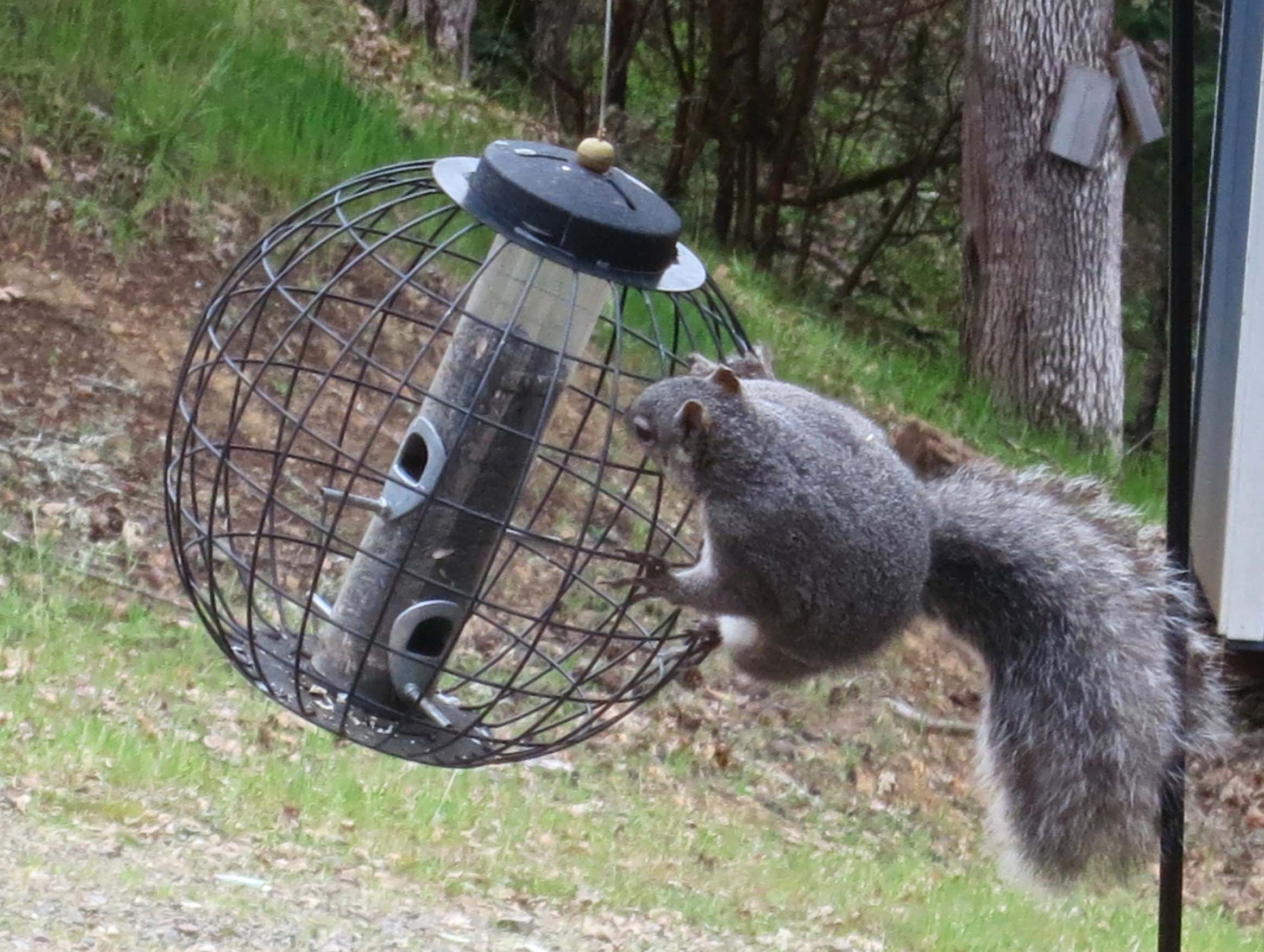
Grey squirrel Applegate Valley of southern Oregon, tackles a bird feeder. Photo by Curtis Mekemson.

“Where are the birdies? The heck with the birdies, where’s the bird food?”

“Spring is sprung, the grass is ris. Let’s go where the birdies is.” Ogden Nash

A male dove just landed smack on top of a female dove. She flew away in disgust. But that didn’t stop her suitor. Nothing does. It’s that time of the year when the birds are in love, or at least in lust. They are twitterpated to the nth degree, a laugh a minute.

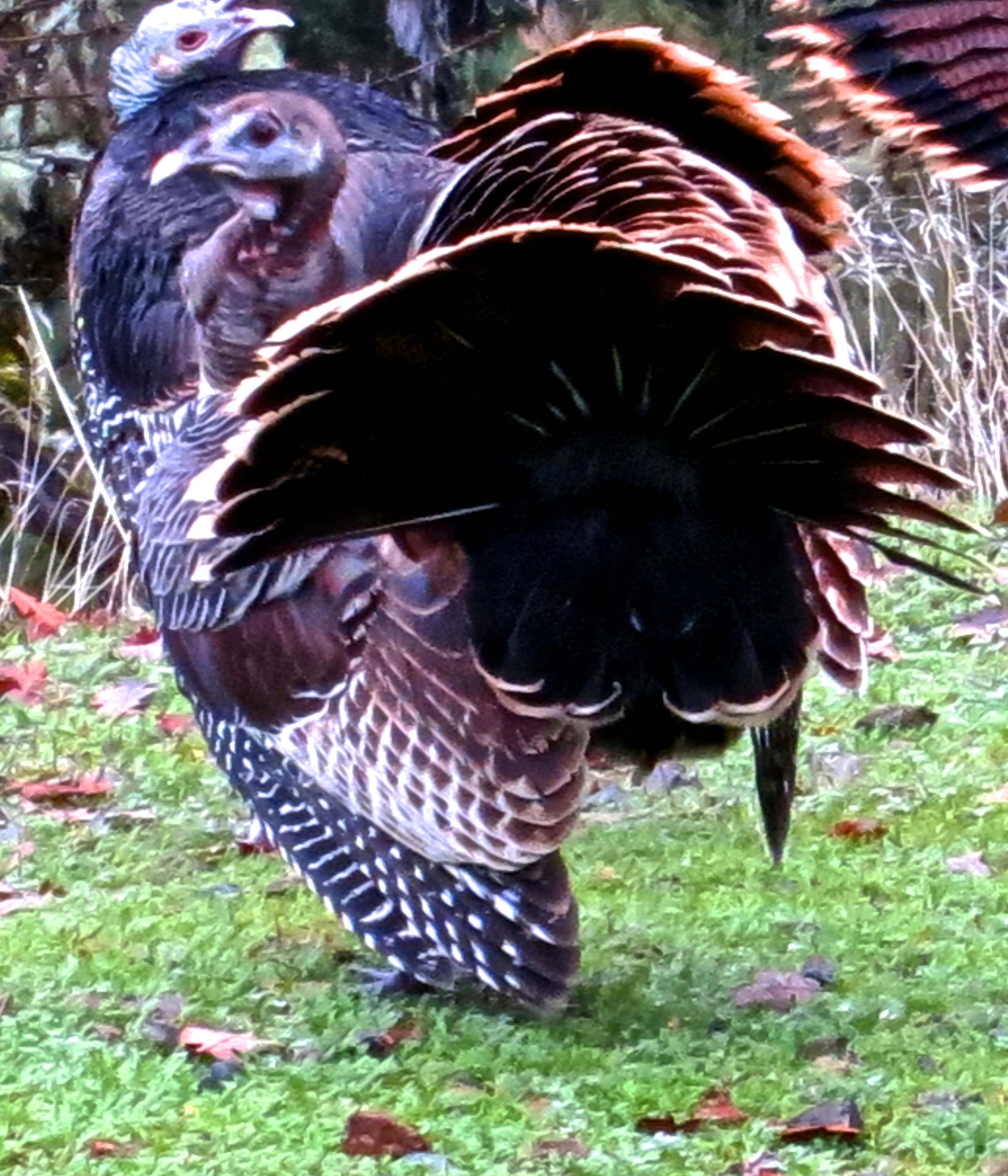
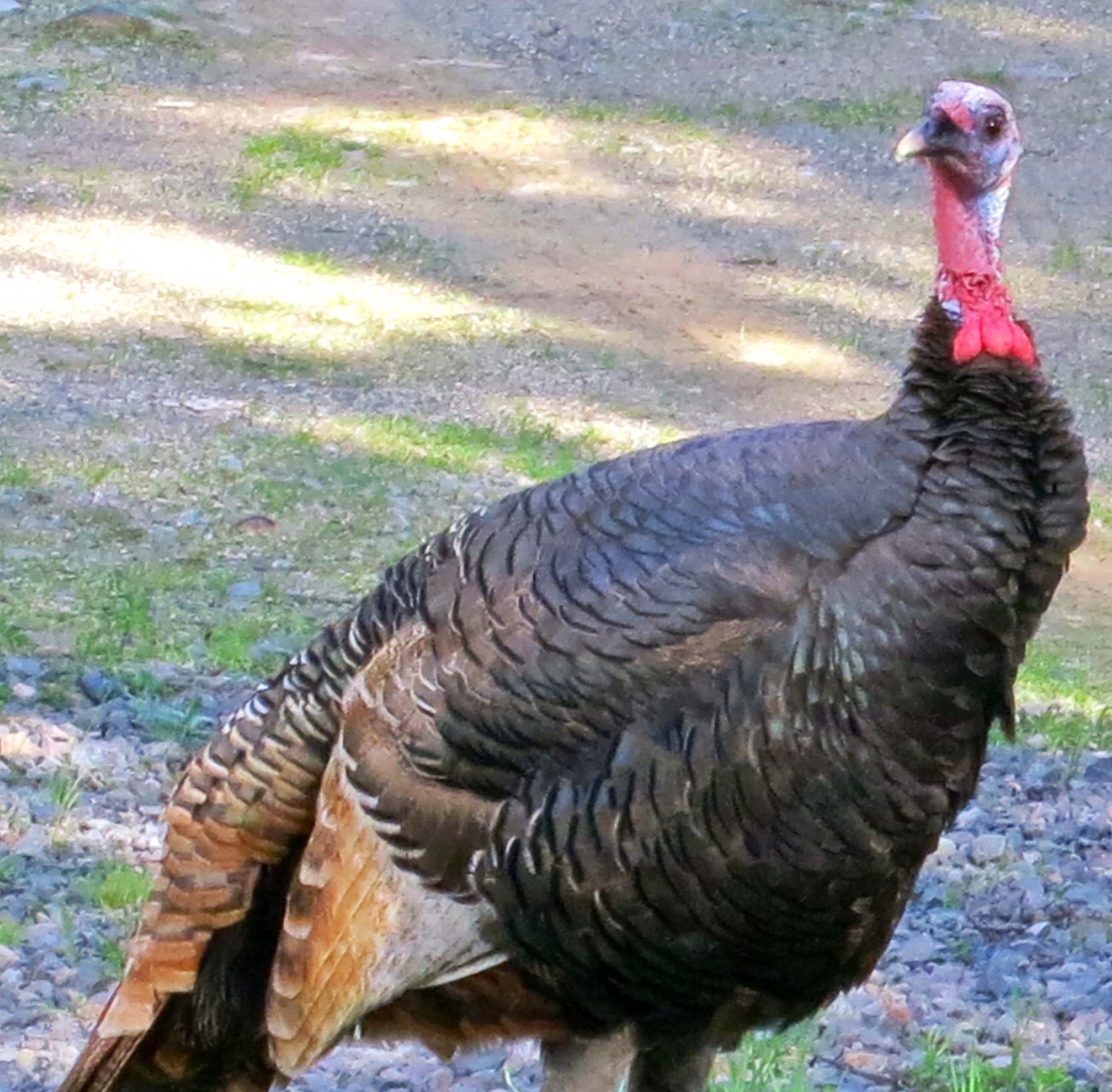
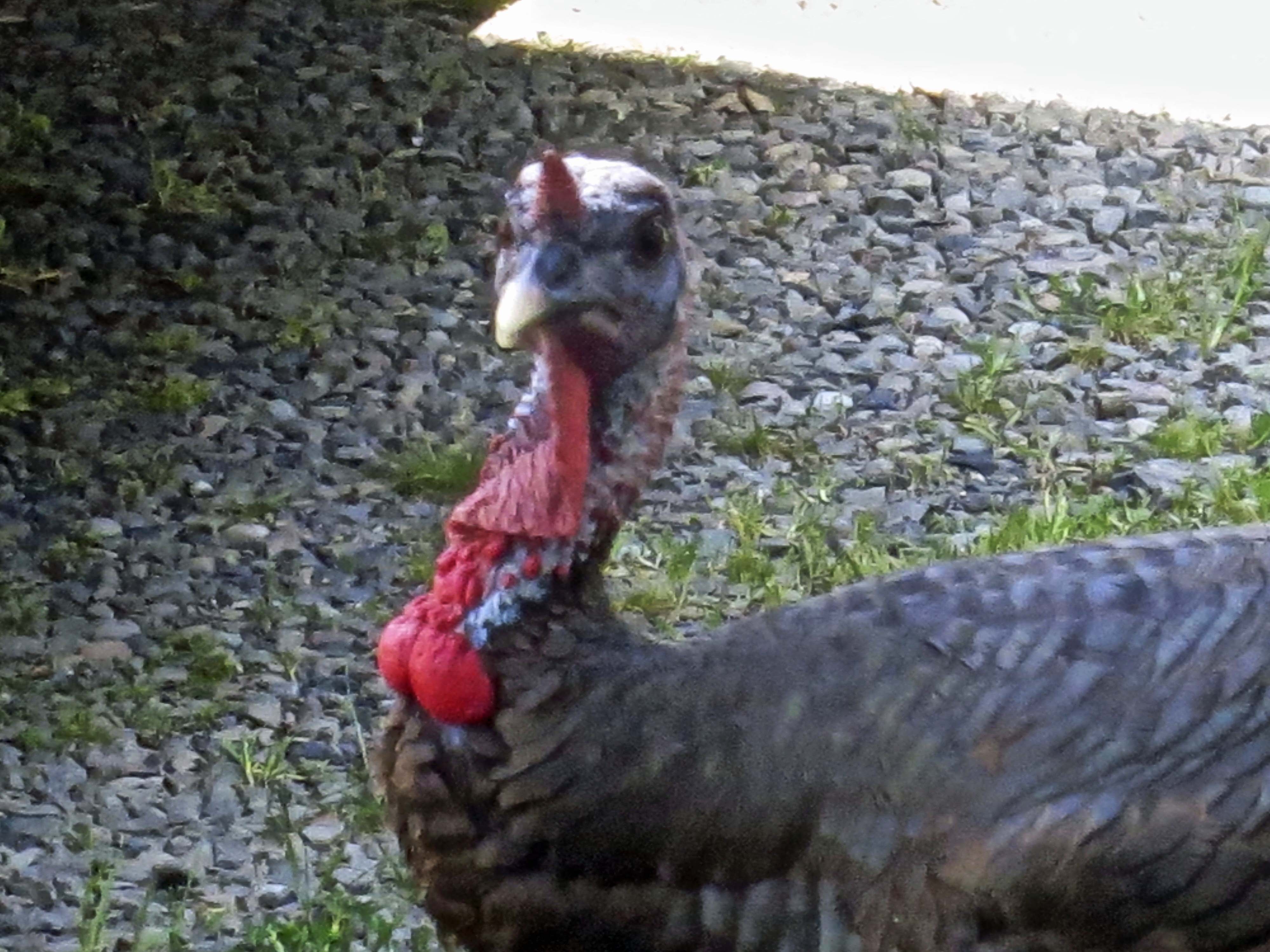
Tom turkeys are the most humorous.  These guys know how to strut their stuff. Full of self-importance, they parade back and forth in front of the hens with feathers fluffed out and tails in full display. Adding to the show, their snoods stand at attention and their wattles turn a bright red. And no, I am not being obscene. Their snoods are the red, fleshy protuberance you usually see draped over their beaks. Even their beards, the feathers hanging down from their chests, stand straight up.

Tom turkey on display in Upper Applegate Valley, southern Oregon.

“Shall we dance?” Young toms on parade. Is the flamenco too tough…

Tom turkeys strut their stuff in southern Oregon.

Then join the Conga Line.

You talking to me?

“You talking to me?” Note the gorgeous color of this tom turkey’s feathers.

These guys are in constant motion, so Tom is slightly out of focus. But check out his snood and bright red wattles. How could the girls resist?

These guys are in constant motion, so Tom is slightly out of focus. But check out his snood and bright red wattles. How could the girls resist?

As for gobbling, the toms do it in unison, staccato like. Heads and necks shoot out at the same time: Gobble, Gobble, Gobble. I gobble back, of course. How could I not? Their response is instantaneous, as if to put me in my place.

The hens totally ignore the show for the most part, and go about the serious business of eating. If they could yawn, I swear they would. Ho hum.

Each evening the flock uses the railing on our deck as a launching pad to fly to the tall Ponderosa Pines where they like to roost. (Turkeys need all the help they can get for lift-off.) Their morning starts at first light. Gobble, Gobble, Gobble. Lately they have been joining in chorus with the neighborhood dogs, who almost always have a howl fest around 6:30. It goes like this: Woof, Woof, Wooooooo, Gobble, Gobble, Gobble; Woof, Woof, Wooooooo, Gobble, Gobble, Gobble— on and on and on. Sleep is not an option.

Peggy and I have a front row seat on the wild kingdom. Each window has its view. I like our library the best. I turn my swivel chair around so I can watch the action while I write. I’ve recently added a bird feeder. It’s a round cage with openings set up to allow some of our smaller feathered friends a chance to eat without competition from their larger cousins. Finches, juncos, tanagers and nuthatches take advantage of the opportunity. Inevitably, some of the seeds fall on the ground. The tanagers are particularly messy eaters. Turkeys, tree squirrels, and ground squirrels consider it their responsibility to clean up the leftovers. Nothing goes to waste.

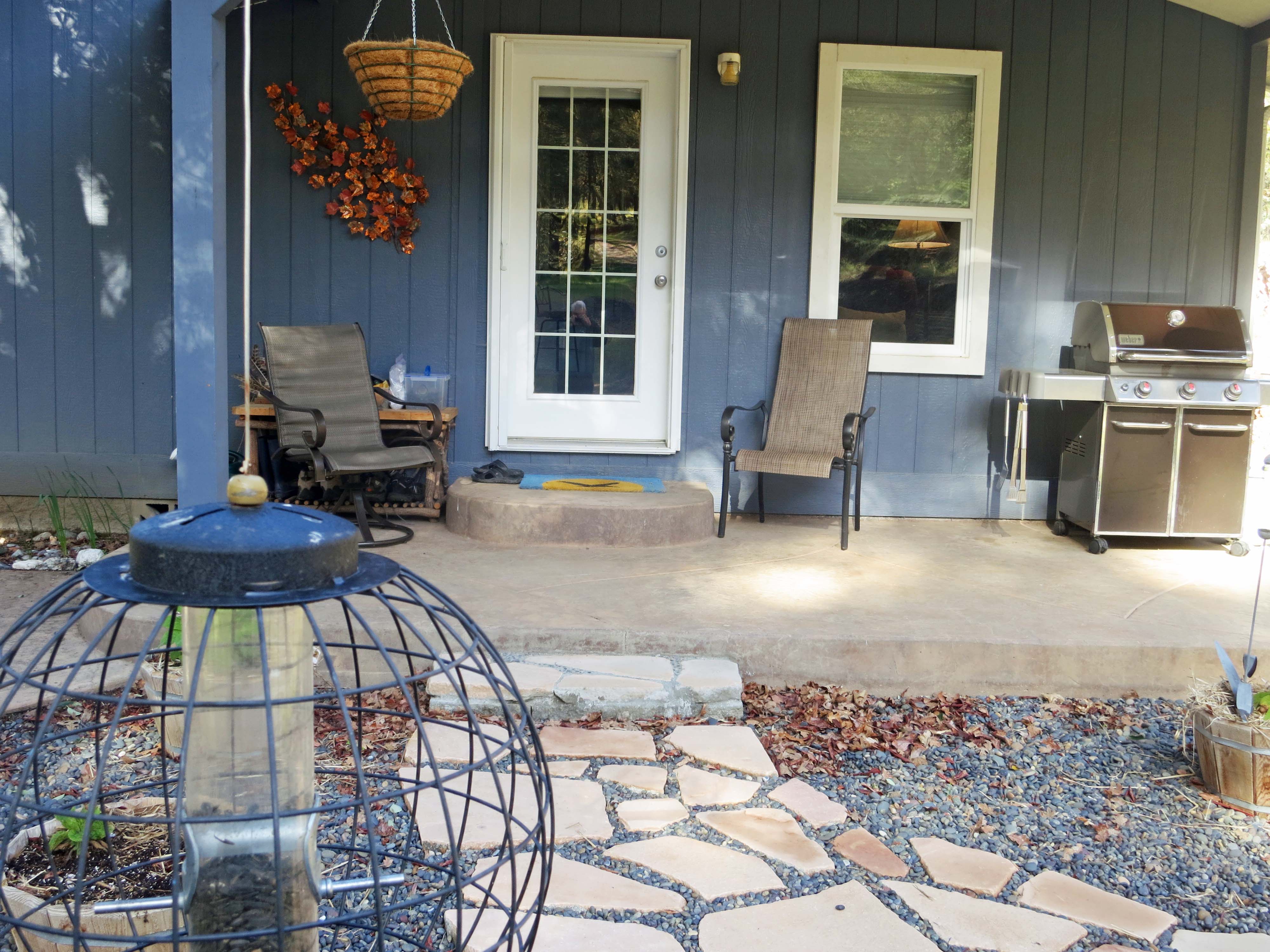
Our rustic back yard and the bird feeder. My look out window is on the right. A couple of years ago a black bear turned over the Weber Grill. My daughter Tasha was sleeping in the closest bedroom. "Curtis!" she yelled.

Our rustic back yard and the bird feeder. My look out window is on the right. A couple of years ago, a black bear turned over the Weber Grill. My daughter Tasha was sleeping in the closest bedroom. “Curtis!” she yelled.

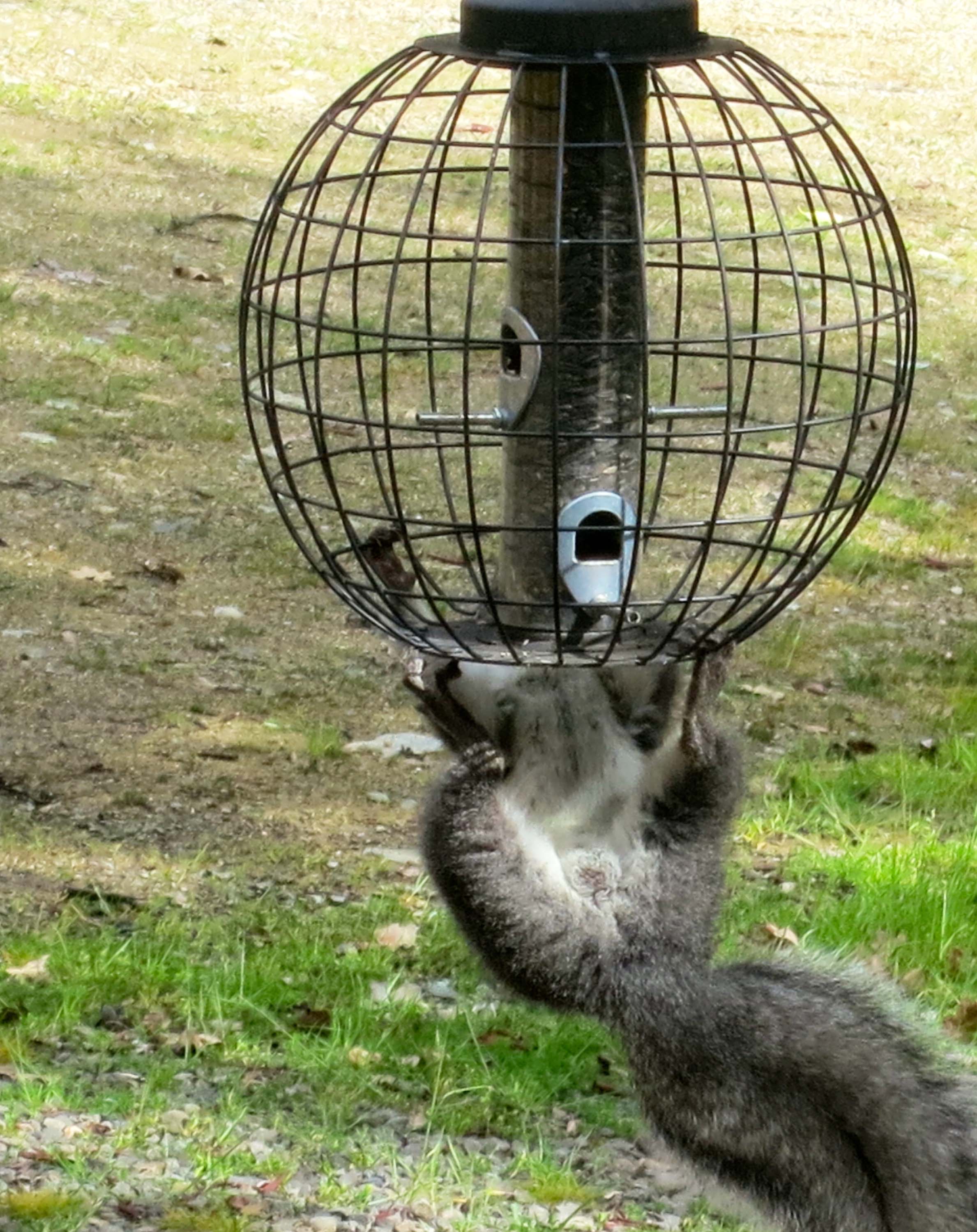
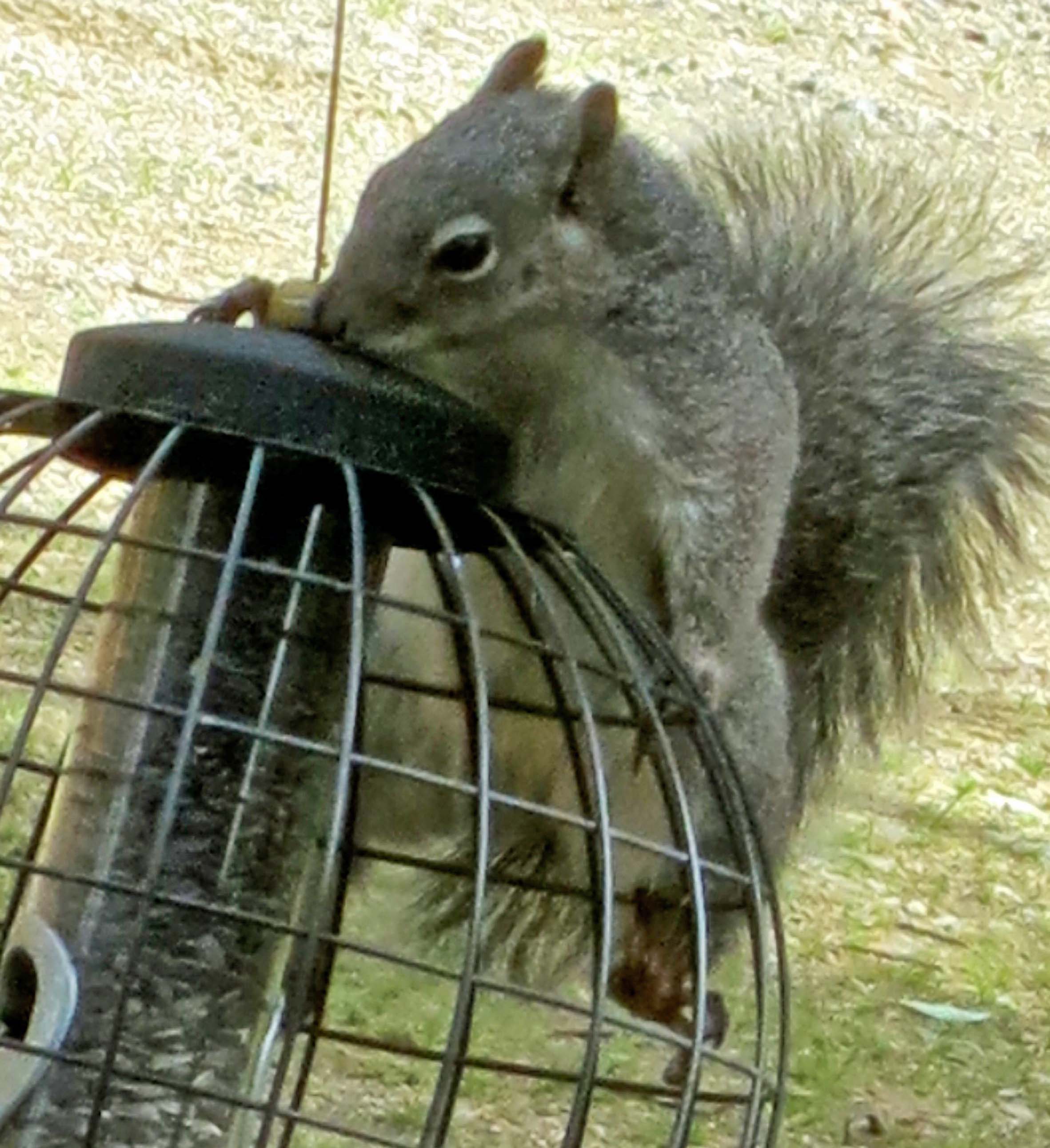
The grey squirrels understand the source of the food and passionately believe they should have access to it. They are notorious in their efforts to help themselves, as demonstrated in the photo at the beginning of this blog. Here are three more examples.

Squirrel hangs upside down from a bird feeder in southern Oregon.

An upside down perspective.

A view from the side.

A view from the side.

"Let's see if I can unscrew this top."

“Let’s see if I can unscrew this top.”

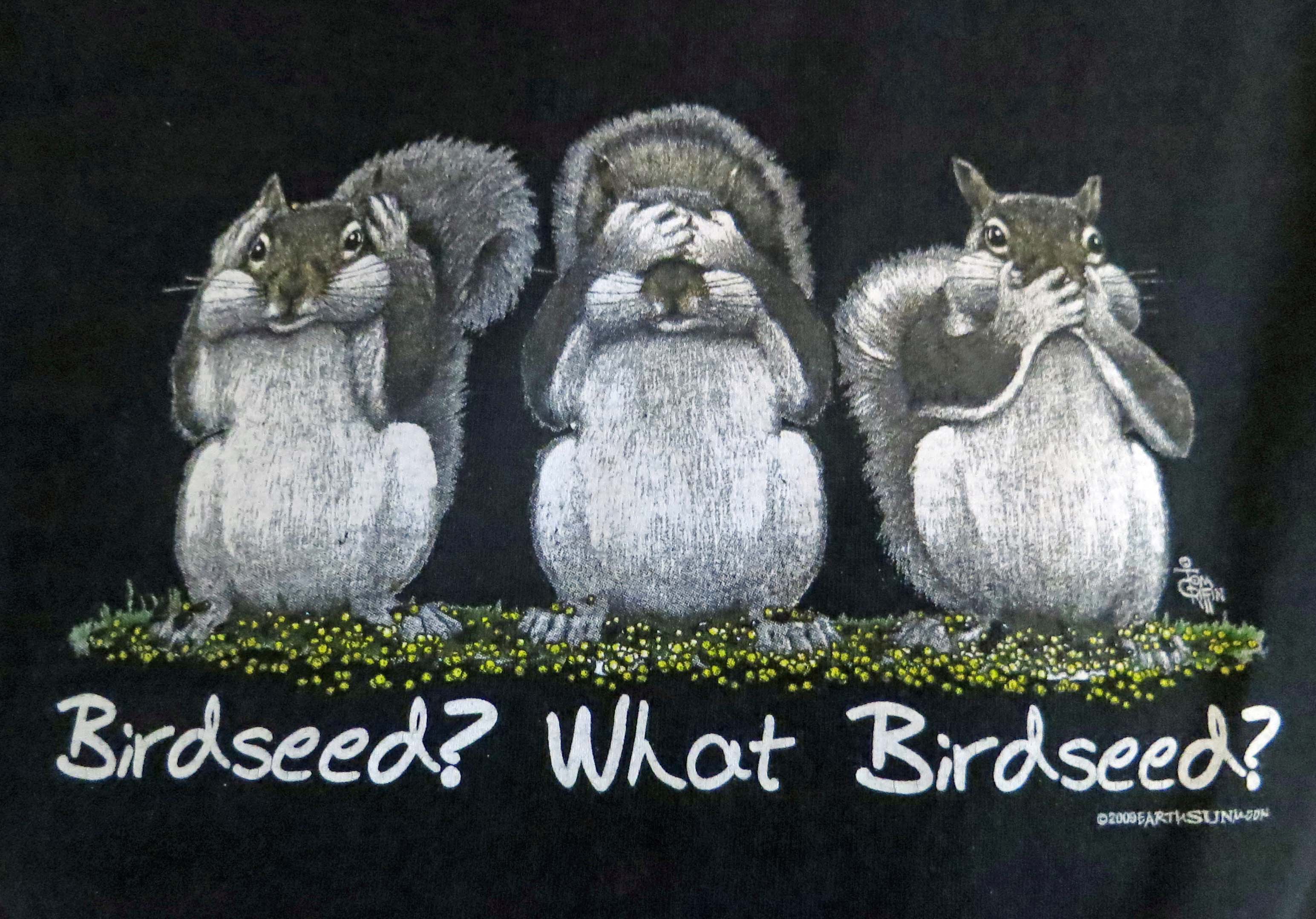
Our grandsons Ethan and Cody got me this very appropriate T-shirt.

Our grandsons, Ethan and Cody, got me this very appropriate T-shirt.

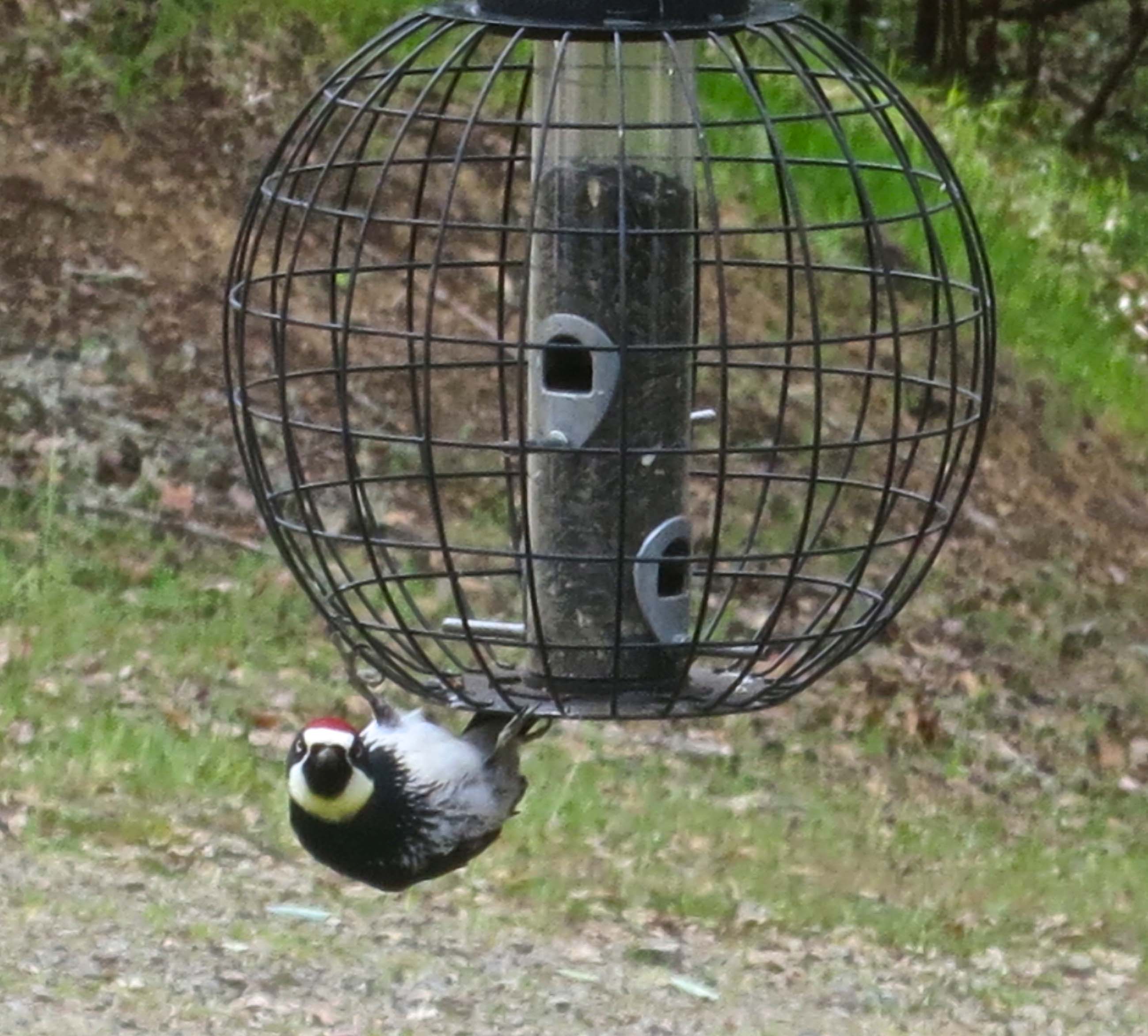
Ground squirrels, of which we have far too many, also want to rob the source but lack the aerial capability of tree squirrels. It doesn’t mean they don’t try. I watched one try to shimmy up the metal pole attached to the bird feeder yesterday. He would get up about a foot and then slide down, only to try again. By the time I retrieved my camera he had given up. Larger birds are frustrated as well, but two acorn woodpeckers with long beaks and tongues have mastered the art obtaining sunflower seeds.

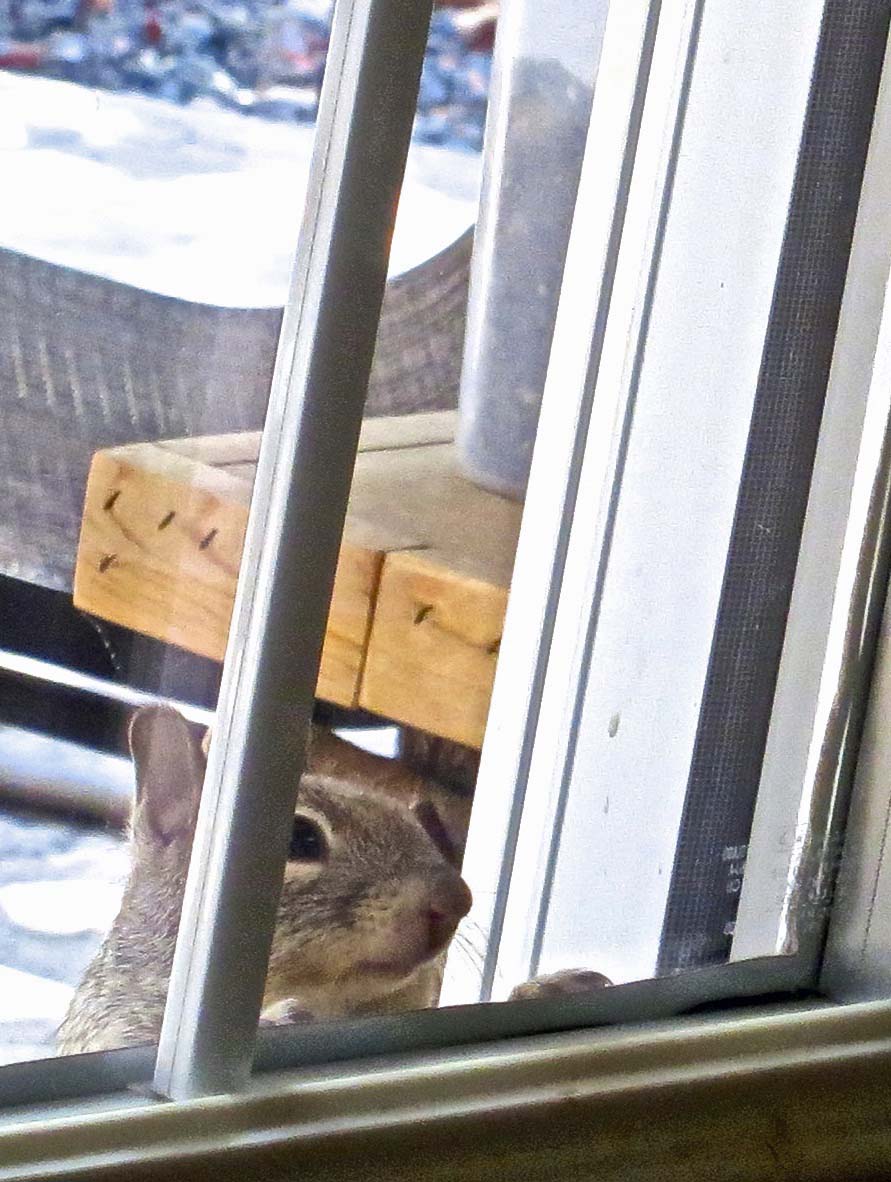
A ground squirrel peers through a glass pane on our door. "Come on Curt, lend a hand."

A ground squirrel peers through a glass pane on our door. “Come on Curt, lend a hand.”

Acorn woodpecker in Applegate Valley.

An acorn woodpecker is forced to ‘think outside the cage.’

Remember Linda Blair in the "Exorcist" and how she turned her head around backward on her neck? Now, check out the Acorn Woodpecker.

Remember Linda Blair in the “Exorcist” and how she turned her head around backward on her neck? Now, check out the Acorn Woodpecker. Am I looking at evil here? (grin)

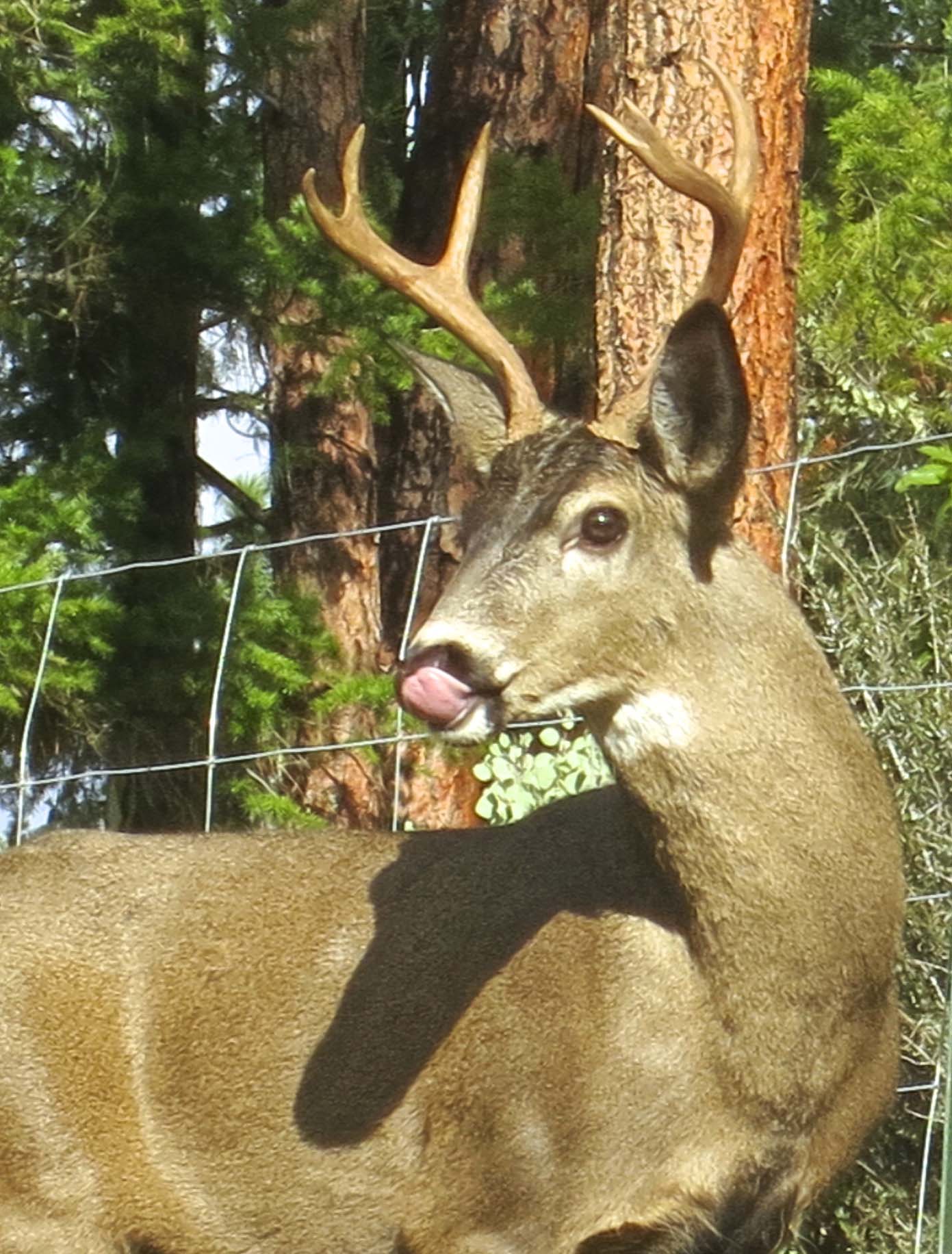
Black tail deer are also daily visitors to our back yard. I find it surprising they don’t eat sunflower seeds since they seem to eat almost everything else. The does are looking quite pregnant now and will soon be disappearing into the woods to have their fawns. Bucks are in the process of growing new antlers, having lost the old ones in February. They took care of their mating duties in the fall.

"Hey Big Boy, looking for a little action?"

A doe and a buck checked each other out in our yard last fall. “Hey Big Boy, looking for a little action?”

Black tail deer in Applegate Valley in southern Oregon

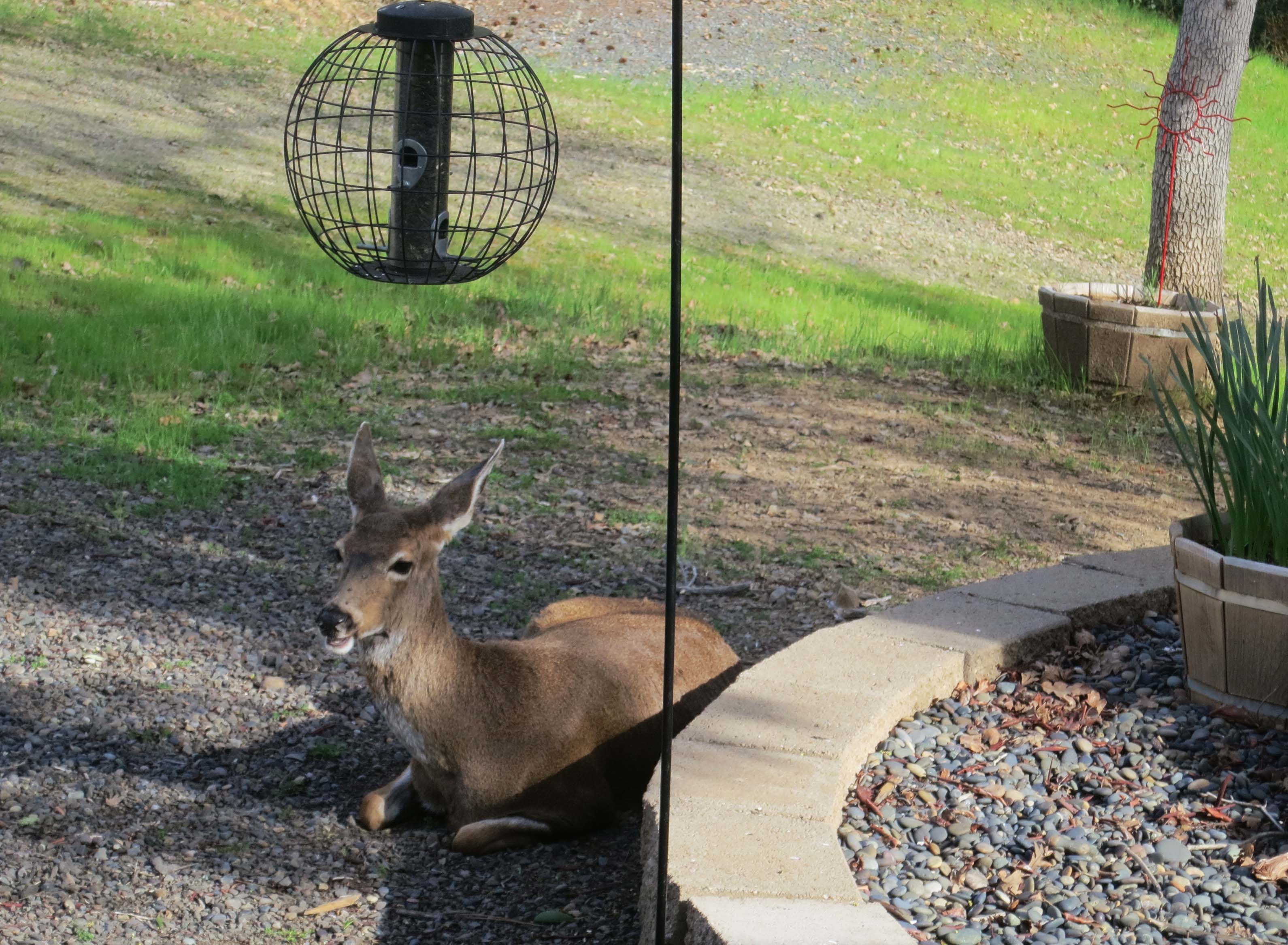
It isn’t unusual for the deer to bed down in our yard, and sometimes on our back porch! We often find them staring in the window, as curious about us as we are about them. Such is life in the woods. Who needs TV?

One doe lies down next to the bird feeder.

One doe lies down next to the bird feeder.

Another chooses to lie down under our Madrone, just to the left of the first doe.

Another chooses to lie down under our Madrone, just to the left of the first doe.

And a third decides to take over our porch.

And a third decides to take over our porch. She is studiously ignoring me, BTW. If she can’t see me, I don’t exist.

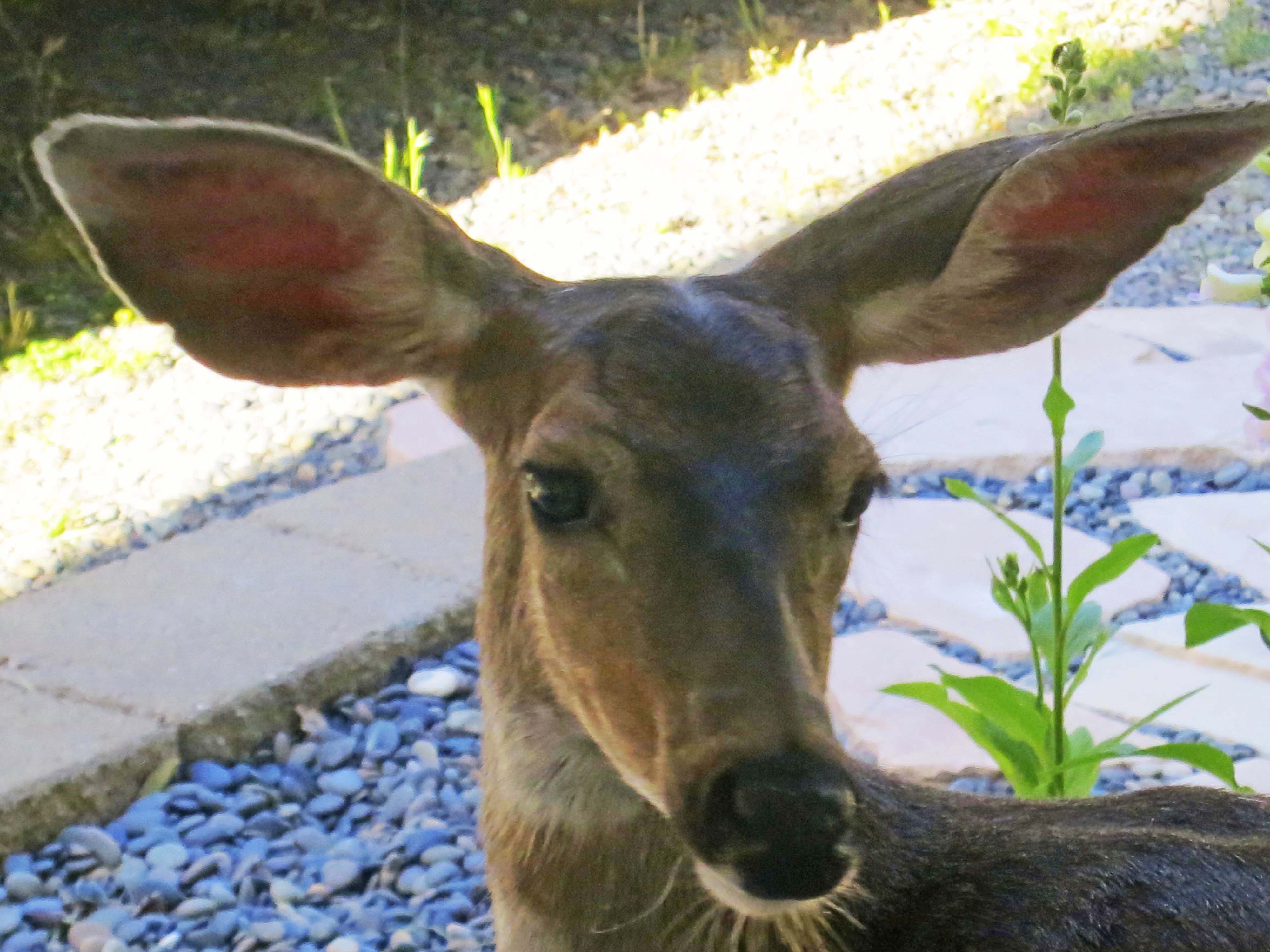
It isn't unusual for deer to look in our windows. I caught this doe checking me out last summer while I sat in the library. Aren't the ears magnificent?

It isn’t unusual for deer to look in our windows. I caught this doe checking me out last summer while I sat in the library. Aren’t the ears magnificent?

From Press Publish to Voodoo Doughnuts

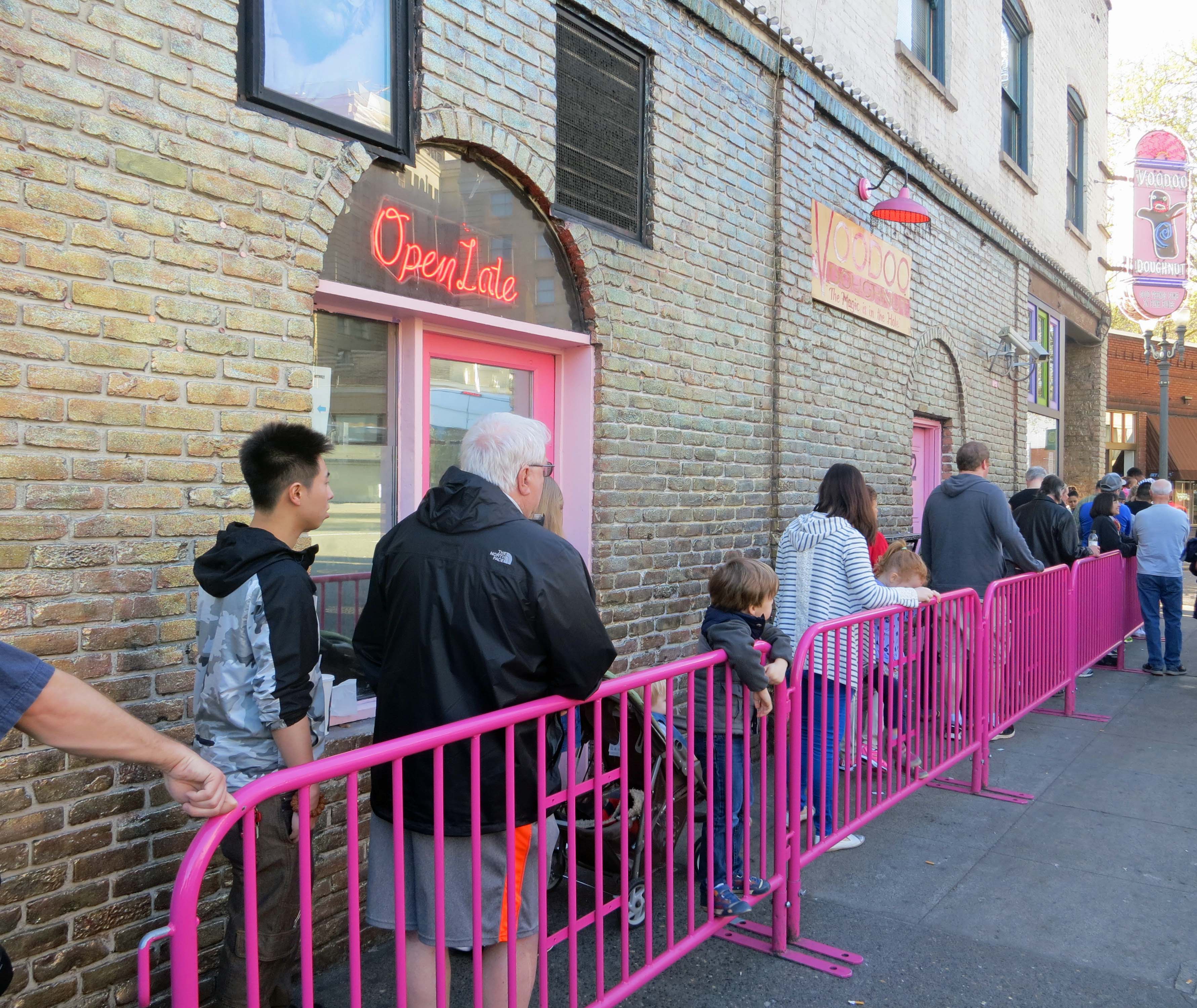
I am convinced this is a new definition of sin— a bacon maple bar from Voodoo Donut shop in Portland. The donut shop was located next to the Press publish Conference I was attending in Portland, Oregon.

I am convinced this is a new definition of sin— a bacon maple bar from Voodoo Doughnut shop in Portland. The donut shop was located next to the Press Publish Conference I was attending in Portland, Oregon.

Peggy and I made a quick trip up to Portland from our home in southern Oregon this weekend. I went to attend a Word Press conference; Peggy was along to play. We stayed at the conference site: Embassy Suites in downtown. The hotel’s idea of a room with a view was a room overlooking the Voodoo Doughnut shop. I think they charged extra, seriously. Peggy, as part of her play-day, checked out the shop and bought the bacon-maple bar featured above. It was waiting for me when I returned to our room. The first bite assured a sugar high, the second a heart attack. My arteries will never be the same again. Later I went over and took some photos of Voodoo Doughnuts and its ever-long line of customers.

The ever present line of people waiting to get into the Voodoo Doughnut shop for their daily dose of sugar.

The ever present line of people waiting to get into the Voodoo Doughnut shop for their daily dose of sugar. Note the young and old. Age is not an issue.

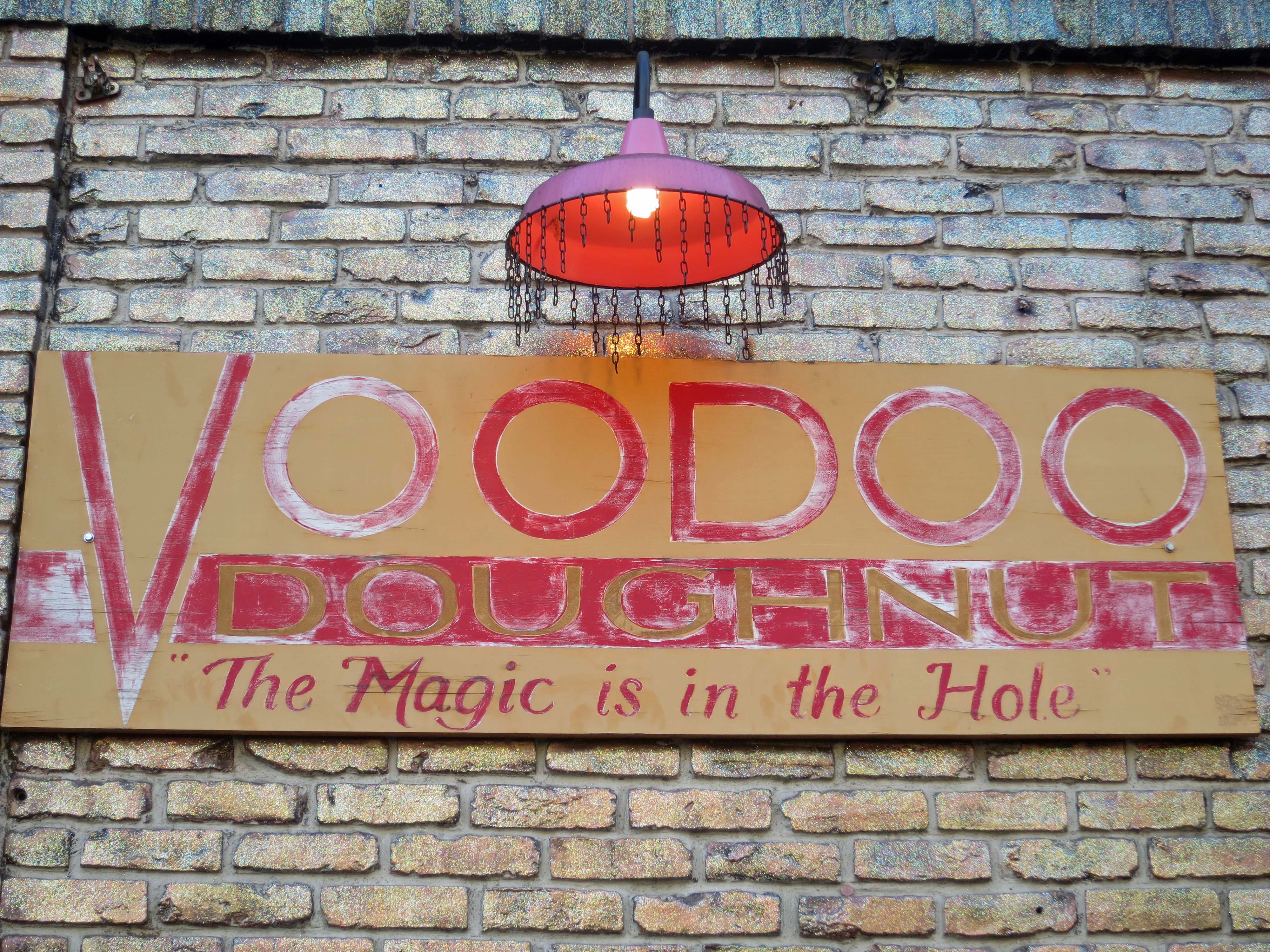
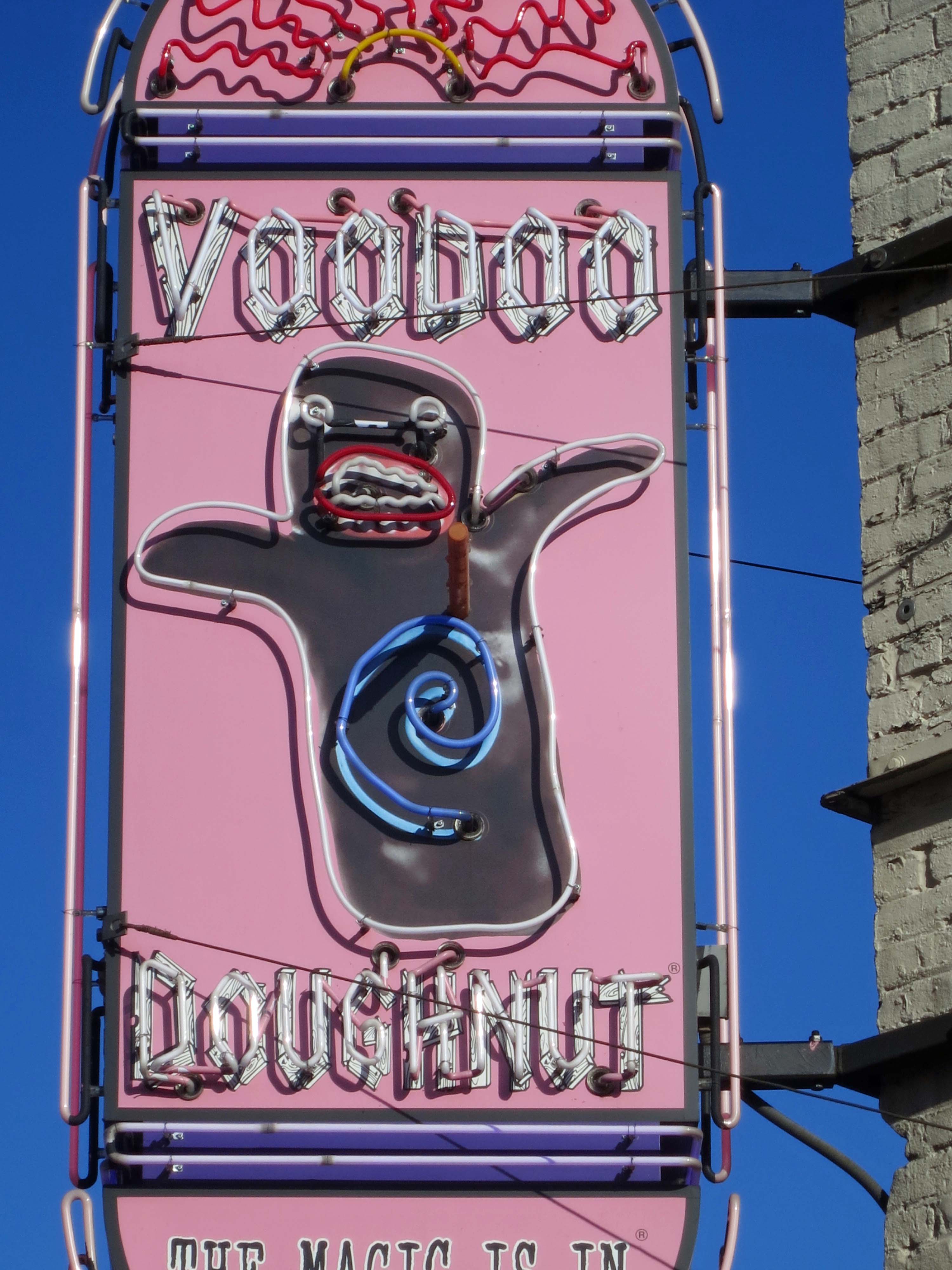
This sign welcomes customers to the shop.

This sign welcomes customers to the shop.

My stomach after eating the bacon-maple bar.

This is how my stomach felt after eating the bacon-maple bar.

Peggy, in addition to descending (or is that ascending?) into doughnut heaven, spent her day at Powell’s Bookstore and Portland’s huge downtown Weekend Market. I was a bit jealous. Powell’s is one of the world’s great bookstores and the Weekend Market has over 250 vendors selling everything from fruits and vegetables to pottery, clothes, jewels, etc. Musicians, mimes and other performers provide unending entertainment. Both Powell’s and the market would have made great blogs. Oh well.

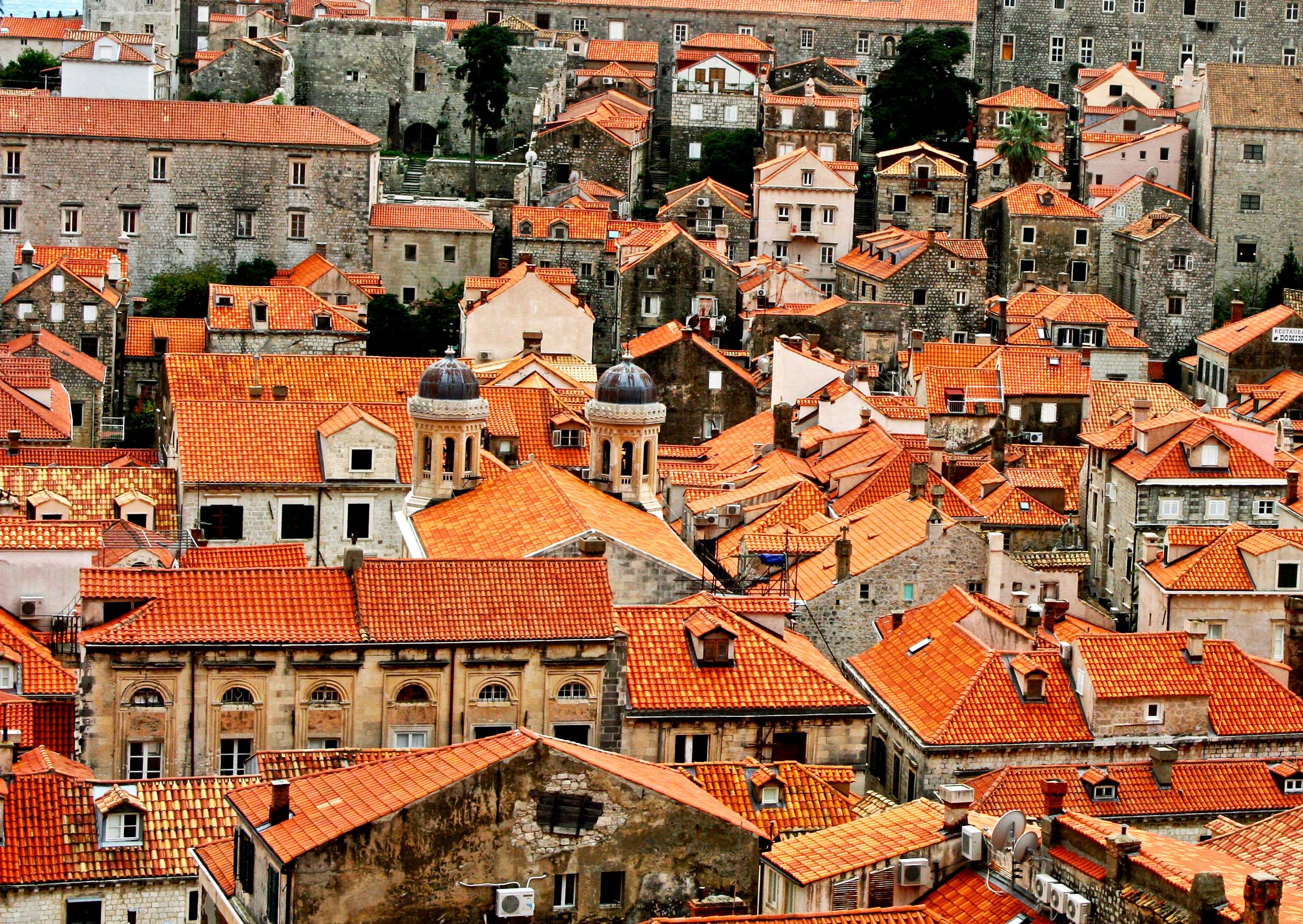
Not that I am complaining. There were several good sessions at the Press Publish conference. I was particularly impressed with workshops on Longreads, travel blogs and book blogging, all subjects of particular interest to me as a writer, travel blogger, and author. The most inspiring workshop I attended featured Eric Prince-Heaggans. I also had lunch with him. Eric is a travel writer and blogger who uses his writing to inspire people of color and disadvantaged youth to discover the benefits of travel in terms of broadening their perspective on life. Check out his post on travel and African American Men. For a more traditional post, visit Eric’s blog on Dubrovnik.

One of my photos looking down on Dubrovnik from a visit Peggy and I made.

One of my photos looking down on Dubrovnik from a visit Peggy and I made and blogged about.

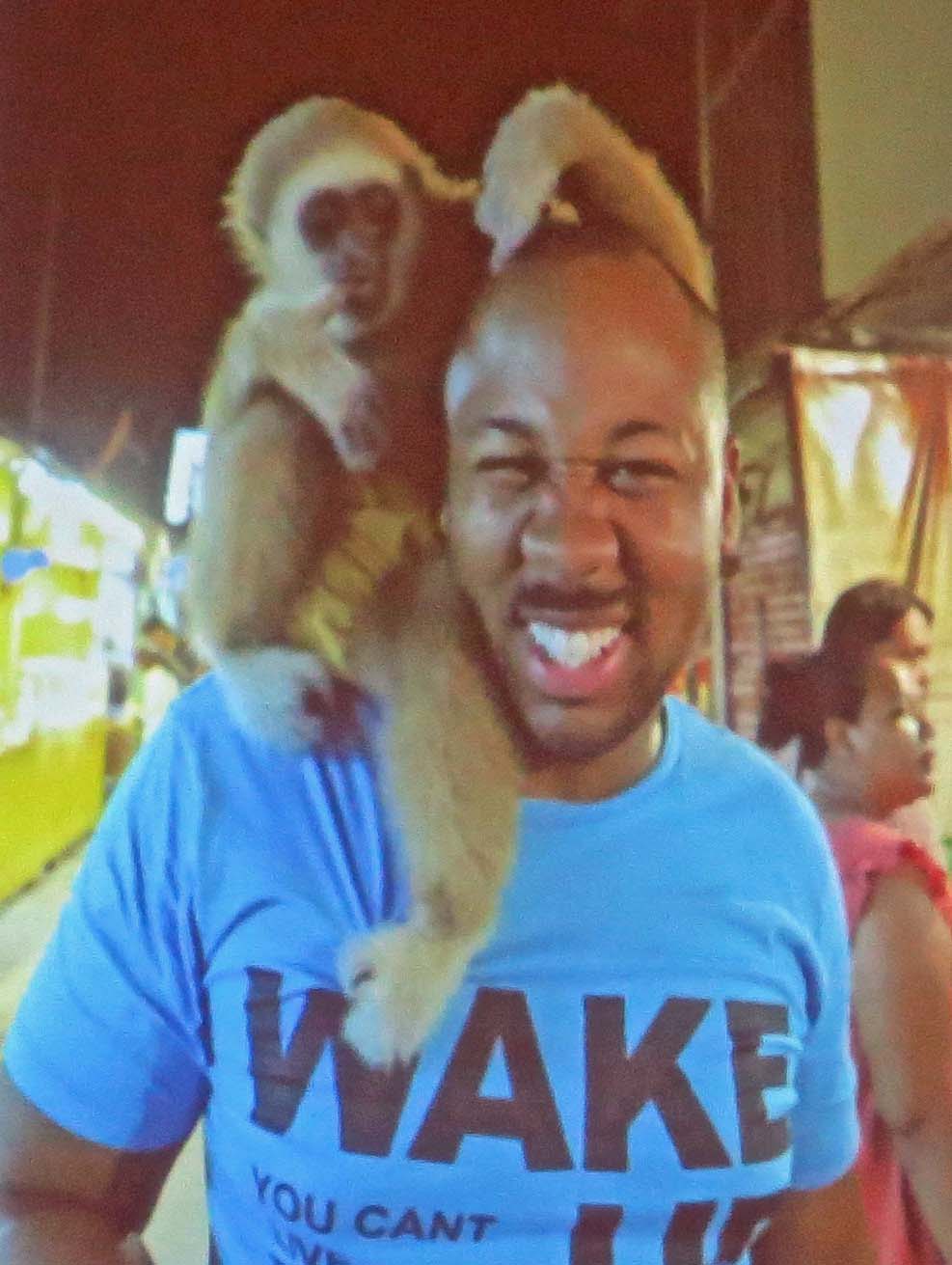
Eric also has a great sense of humor. For example: “I’ve learned through my travels,” he told us, “that I don’t like monkeys.” He had a photo to prove why. I get it.

Monkey wraps itself around Eric's head.

Monkey wraps itself around Eric’s head.

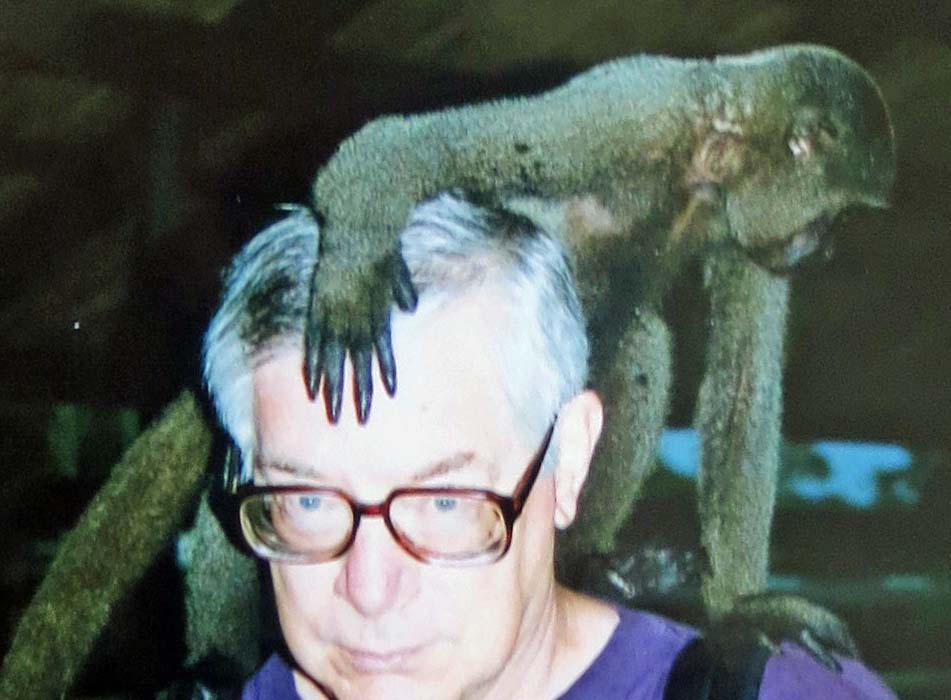
But I must say Eric looked a lot happier about his money than I did mine. Peggy took this photo when she and I were traveling in the Amazon.

But I must say Eric looked a lot happier about his monkey than I did mine. Peggy took this photo when she and I were traveling in the Amazon.

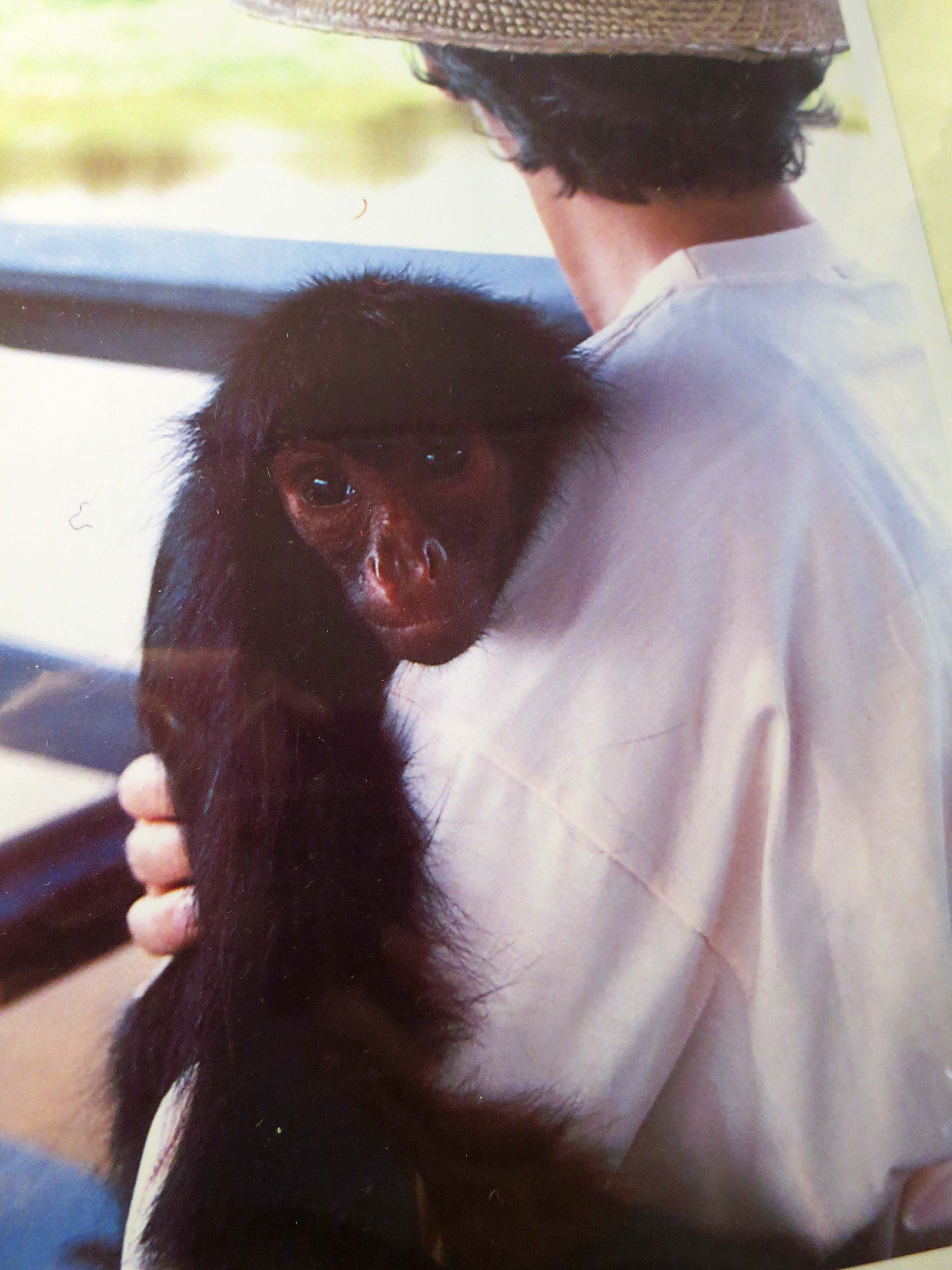
Peggy's monkey, on the other hand, was something of a sweet heart. There was a slight matter of flea bites, however.

Peggy’s monkey, on the other hand, was something of a sweetheart. There was a slight matter of flea bites, however.

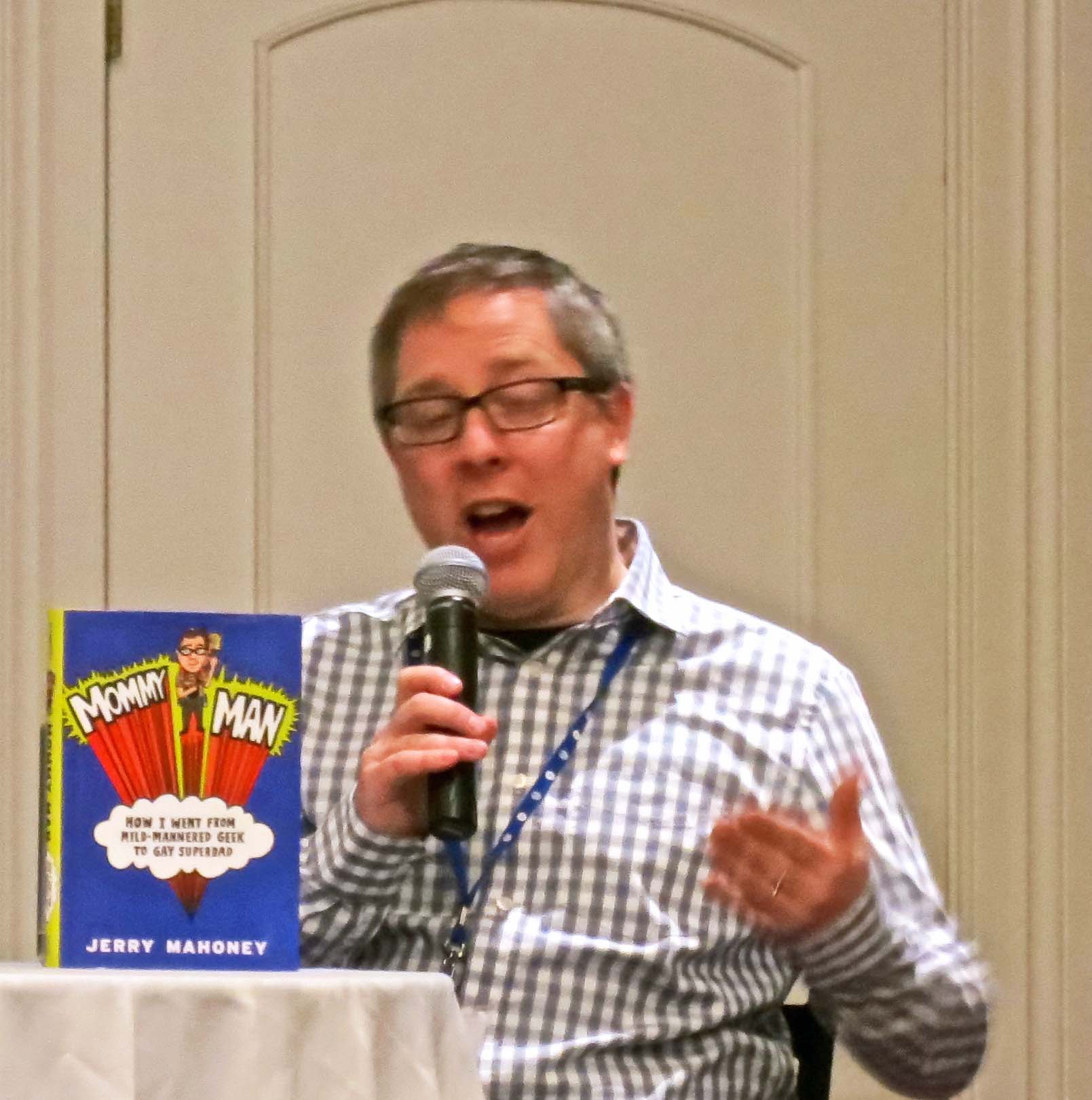
Jerry Mahoney, author of Mommy Man: How I Went From Mild-Mannered Geek to Gay Superdad, was also quite humorous in describing how he and his husband became parents of twins and eventually published a highly popular book about the experience. Failing to sell the book on his first round, his agent told him to go back and establish a presence on the Internet, a platform in social media. It’s a message that writers hear over and over. As a result he created the blog Mommy Man. It is definitely worth a visit.

Jerry talks animately about his book in a panel discussion that also featured four other authors.

Jerry talks animatedly about his book in a panel discussion that also featured four other authors.

I also visited the Happy Lounge and a Happiness Engineer. How could I avoid such an opportunity? It was like I had died and returned to the dawning of the Age of Aquarius.  So I sat down with Happiness Engineer Josh R. He seemed quite happy. More importantly, he immediately solved the technical problem I had in featuring my book, The Bush Devil Ate Sam, permanently on my blog. I was quite happy as well. My thanks to the people at Word Press for a job well done.

Happiness lounge at Press Publish Conference.

Happiness lounge at Press Publish Conference. My answer was yes.

Jeff

Joss R, Word Press Happiness Engineer, answered all my questions and made me happy.

The Happiness Lounge also featured swag you could buy ranging from T-shirts to Coffee mugs.

The Happiness Lounge also featured swag you could buy ranging from T-shirts to coffee mugs.


NEXT BLOG: On a recent trip to Reno, I visited the Generator, a huge warehouse where some of Burning Man’s best art is produced. I will take you on a walk-through. It’s a trip you won’t want to miss.


Blog Hopping the World… with Curt and Peggy Mekemson

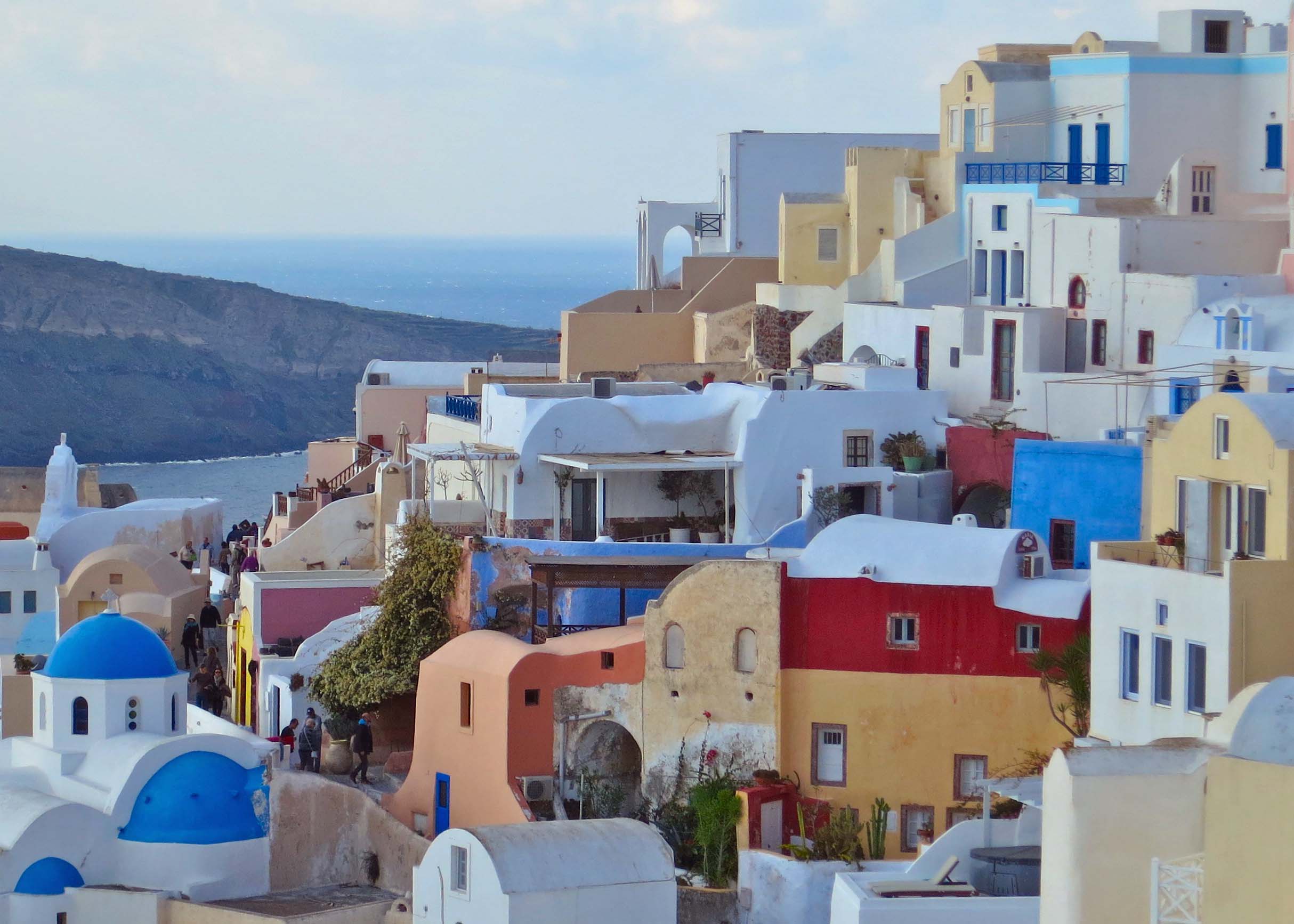
There are millions of beautiful photos of the Greek Island of Santorini, but none can match going there.

There are millions of beautiful photos of the Greek Island of Santorini, but none can match going there.

“There are travelers and then there are Travelers. If you take some time to review Curt’s lengthy résumé you’ll see what we mean: Peace Corps in Liberia, year after year at Burning Man, kayaking with orcas, and backpacking with the grizzlies. He walks the walk and his blog documents all of it.”

Travel Bloggers James and Terri Vance

"Now where did I leave that fish?" A big Kodiak Bear looks for salmon on the Frazer River of Kodiak Island.

“Now where did I leave that fish?” A big Kodiak Bear looks for salmon on the Frazer River of Kodiak Island. He was about 50 yards away from Peggy and me, a distance he could travel in 10 seconds. 1o, 9, 8,7…

A couple of weeks ago, two of my favorite world travelers, James and Terri Vance at Gallivance, nominated me to participate in what is called a “Behind the Scenes Blog Hop.” It’s a project making its way around the blogosphere where bloggers provide insight into why they blog. In this particular case, it was about people who travel frequently and write about their experiences. Go here to learn about what James and Terri have to say about their own journeys. I highly recommend following their blog if you don’t already.

The project sounded like fun but I was busy at the time. Today, I came up for air. Let me start by noting I am a wanderer by nature. I think it’s genetic. I’ve done a fair amount of genealogical research and discovered that my direct line of ancestors, at least as far as the 1600s, hit the road running and rarely looked back. As for me, as soon as I was allowed out of the house on my own, I set off to explore the fields, woods, ponds and creeks of the Sierra Nevada Mountain foothills where I grew up.

Why do you write what you write?

I am a storyteller and some of my best stories are about my travels and adventures. I believe that travel is one of the most enriching experiences we can have. Mark Twain said, “Twenty years from now you will be more disappointed by the things you didn’t do than by the ones you did do. So throw off the bowlines, sail away from the safe harbor. Catch the trade winds in your sails. Explore. Dream. Discover.” Explore, dream, discover: magical words that have always been my motto. Consequently, I have a lifetime full of wandering and very few regrets. My wife Peggy and I are wealthy with the experiences we have had.

And it is wealth we love to share— partially because it is fun to relive the adventures, but there is more. I hope to encourage those who read my blogs to “catch the trade winds in their sails.” And if not? I at least hope I can provide a taste of adventure, a dash of humor, a pinch of education, and on occasion, a serious thought.

There are two of other points I try to make with my travel writing. One, adventure travel doesn’t have to be expensive or difficult. Of course it can be, but it can also be a walk in the woods or a visit to a new restaurant. Anything that broadens our perspective on life can be an adventure. Just recently, for example, I wrote about a visit to a restaurant in Nashville that served really hot chicken. Believe me it was an adventure. And last year I wrote about a walk to my mailbox. It didn’t have to be an adventure, but I turned it into one.
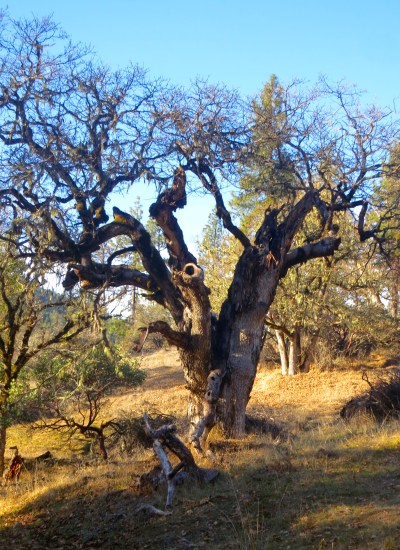
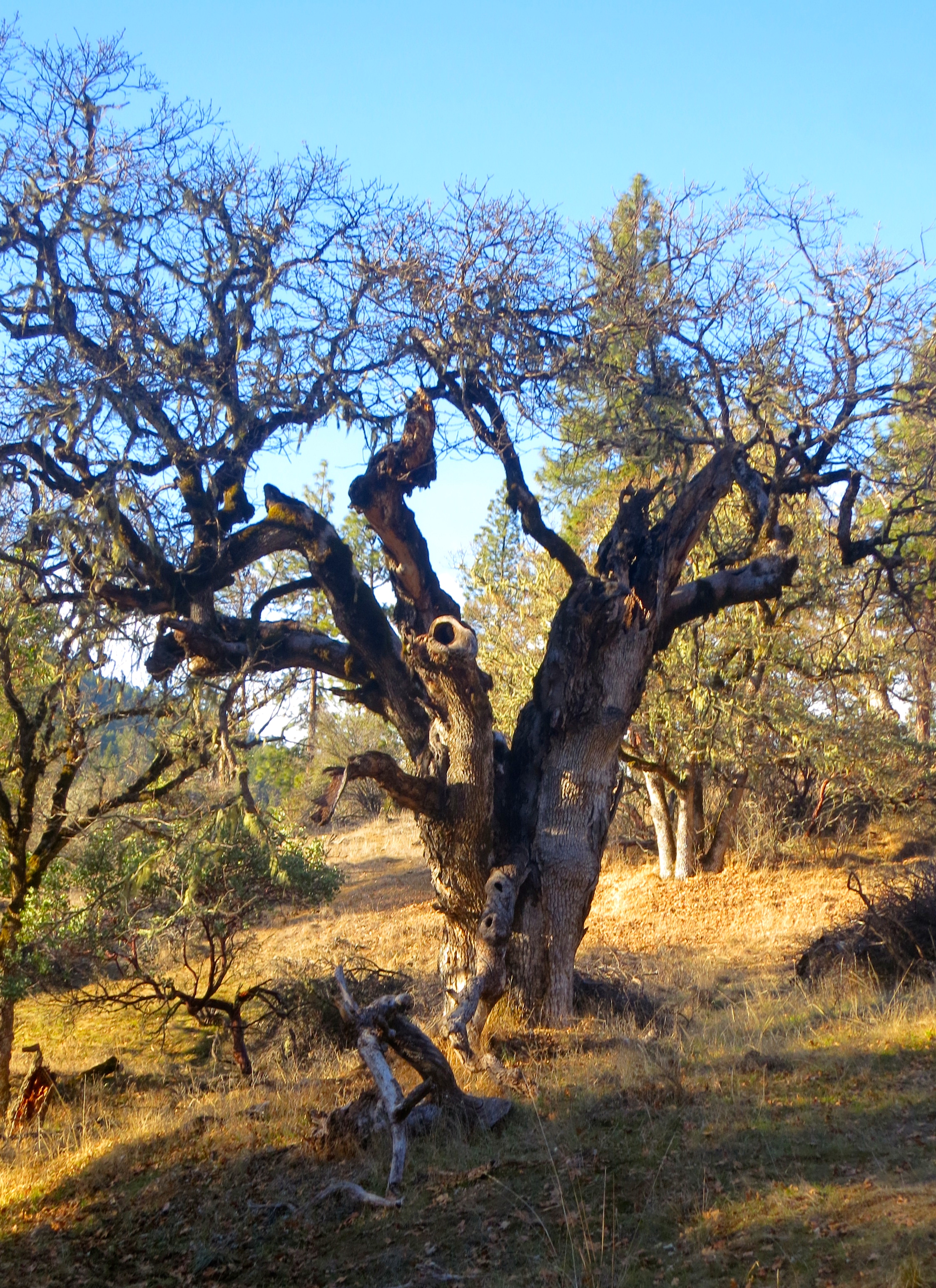
This oak tree lives along the path I walk to the mailbox.

This oak tree lives along the path I walk to the mailbox. In addition to having its own unique look, it serves as a home to a number of woodland creatures. A whole adventure could be built around watching it for 24 hours. I might add, this tree would be completely happy in the Hobbit.

Two, age does not have to be a barrier to travel. Peggy is big on this point. Young and old alike can have adventures. I am now in my 70s and Peggy is in her 60s and yet last year found us disappearing into a remote wilderness on a backpacking trip by ourselves, sea kayaking with the orcas off Vancouver Island, and going to Burning Man in the Nevada desert. If we can do these things, certainly people in their 50s, 40s, 30s and 20s can, not to mention 60s and 70s. And if you have children, take them along. You will create a lifetime of memories.

How does your blog differ from others of its genre?

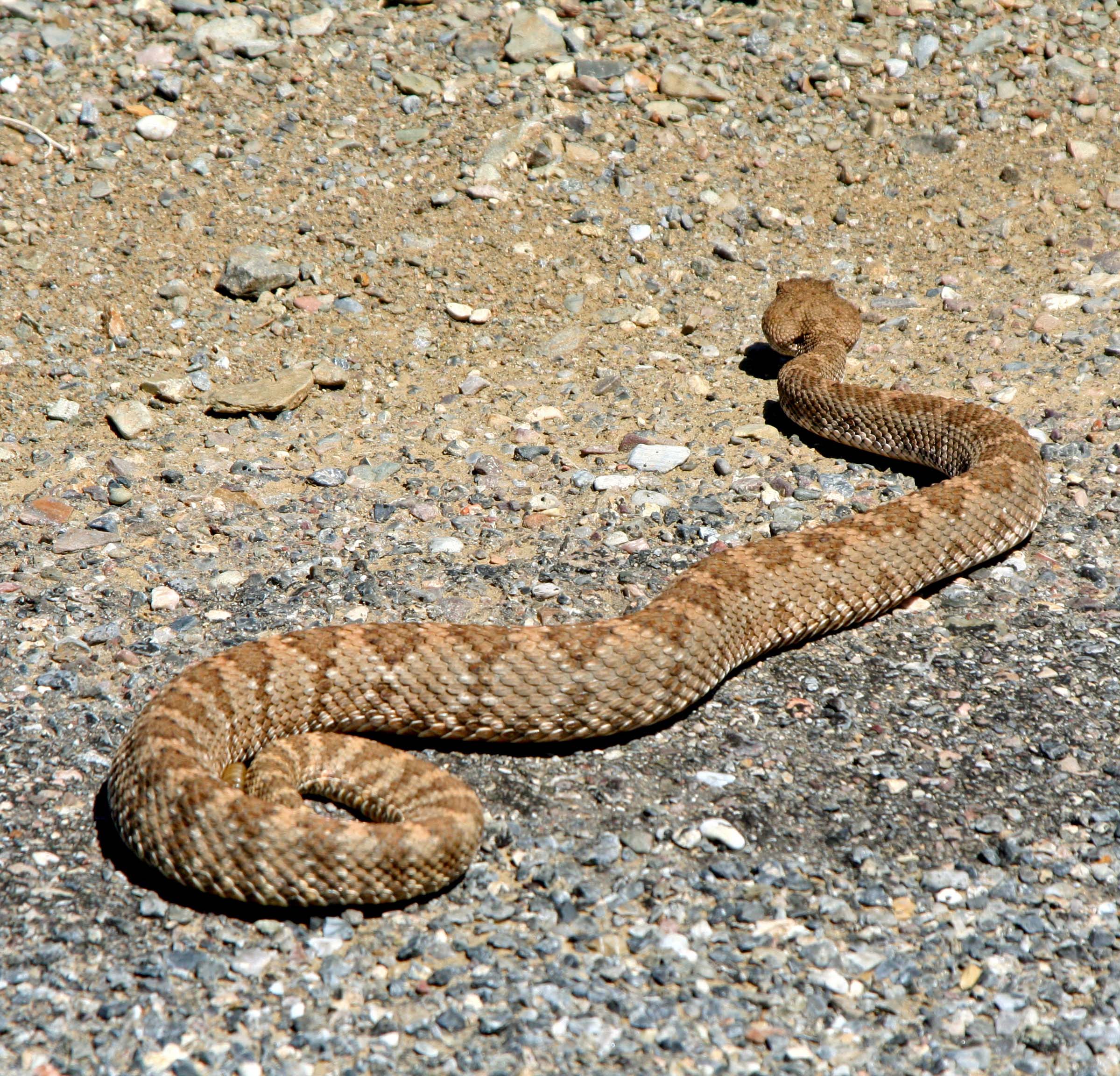
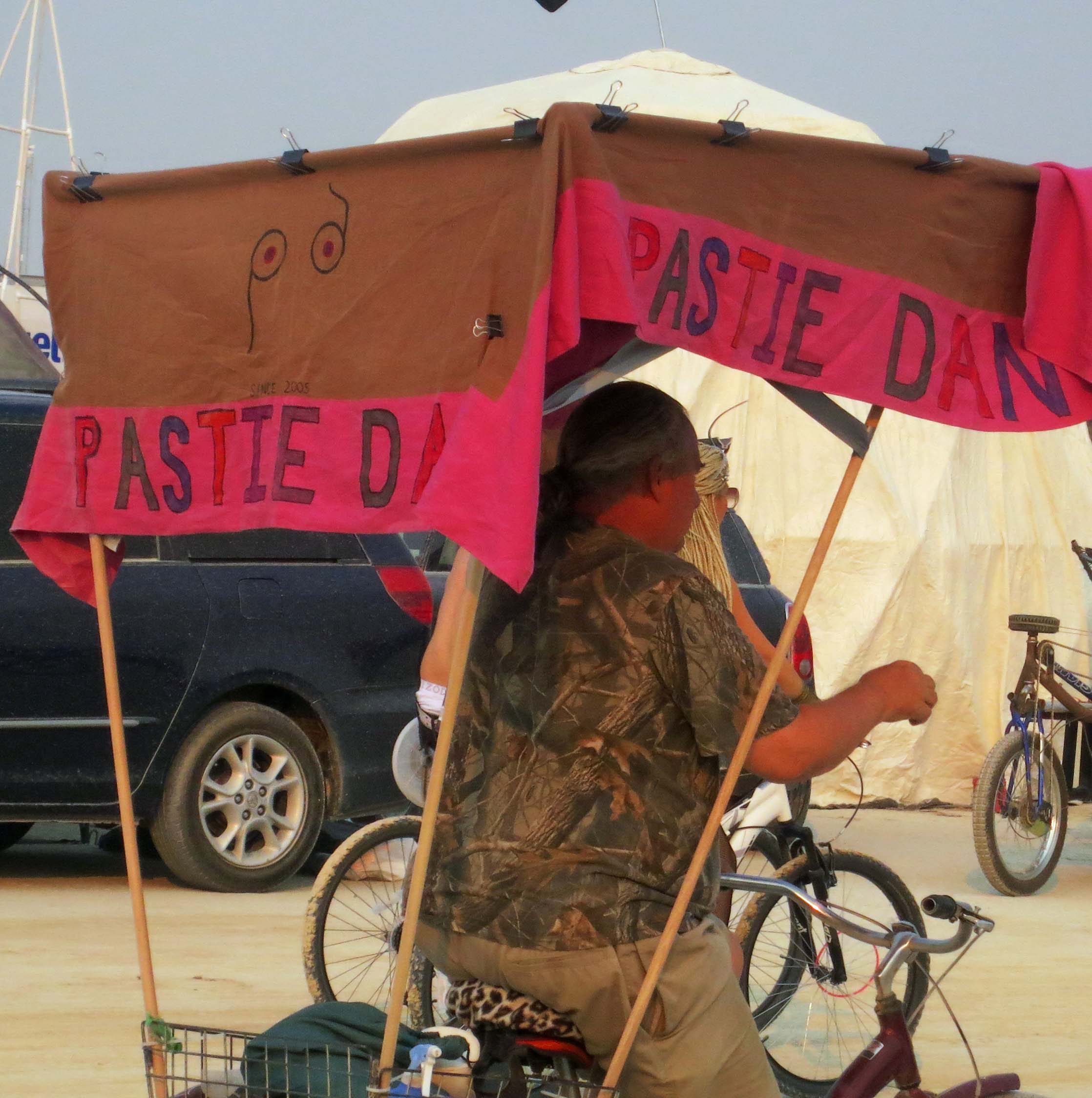
Variety comes to mind. One day I might be writing about cruising the Mediterranean Sea and visiting a Greek Island like Santorini. Another day I could be introducing you to Pastie Dan, a character at Burning Man who makes, and will gladly apply, pasties to cover women’s nipples. You might join me for a raft trip down the Colorado, a boat trip up the Amazon, or a narrow boat tour in England. Want a little excitement? Try waking up at 3 a.m. with a bear standing on your chest in the backcountry of Yosemite National Park. Then there was the rattlesnake that tried to bite me on the butt when I was doing my thing in the woods. My poor sphincter was frozen for a week. Want a touch of the exotic? Join Peggy and me as we search for Big Foot, UFOs and ghosts— it’s all in fun, and yet…

Panamint Rattlesnake in the Panamint Mountains, Death valley.

Admittedly, this guy is a little bigger than the rattlesnake that tried to bite me on the butt. With rattlesnakes, I am not sure size matters, however. (Photo by Peggy Mekemson.)
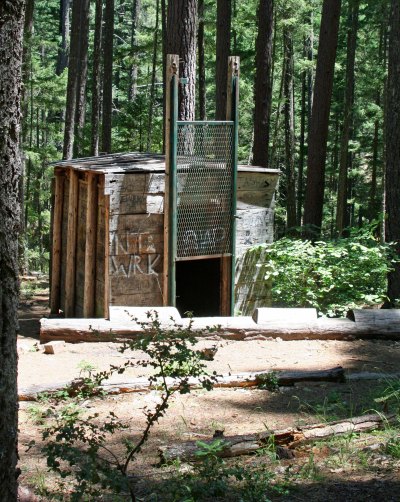
Bigfoot trap found above Applegate Lake in Southern Oregon.

This Bigfoot trap is located four miles from my home. It was maintained in the 70s in hopes of actually capturing one of the big fellows. (Photo by Peggy Mekemson.)
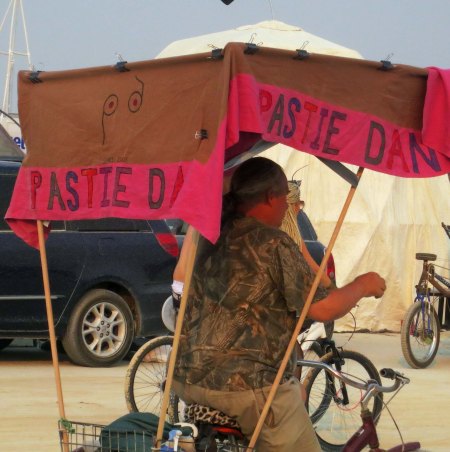
Pastie Dan in Black Rock City.

Normally Pastie Dan plies his trade at the Center Camp Cafe but occasionally, he wanders the roads of Black Rock City. He stopped at our camp to see if any of the women were in the market for pasties.
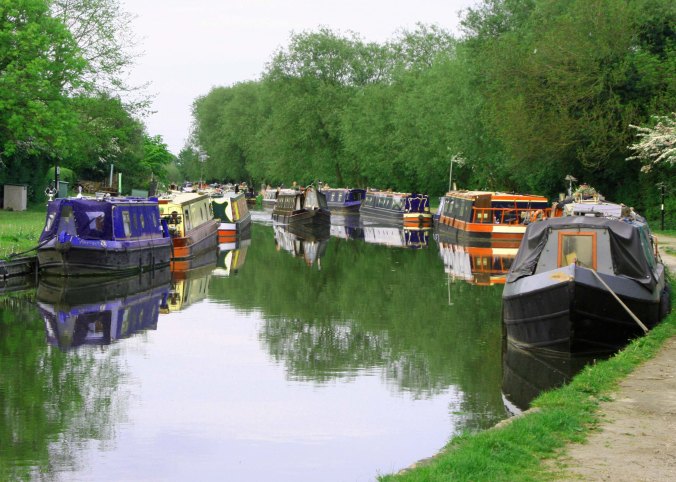
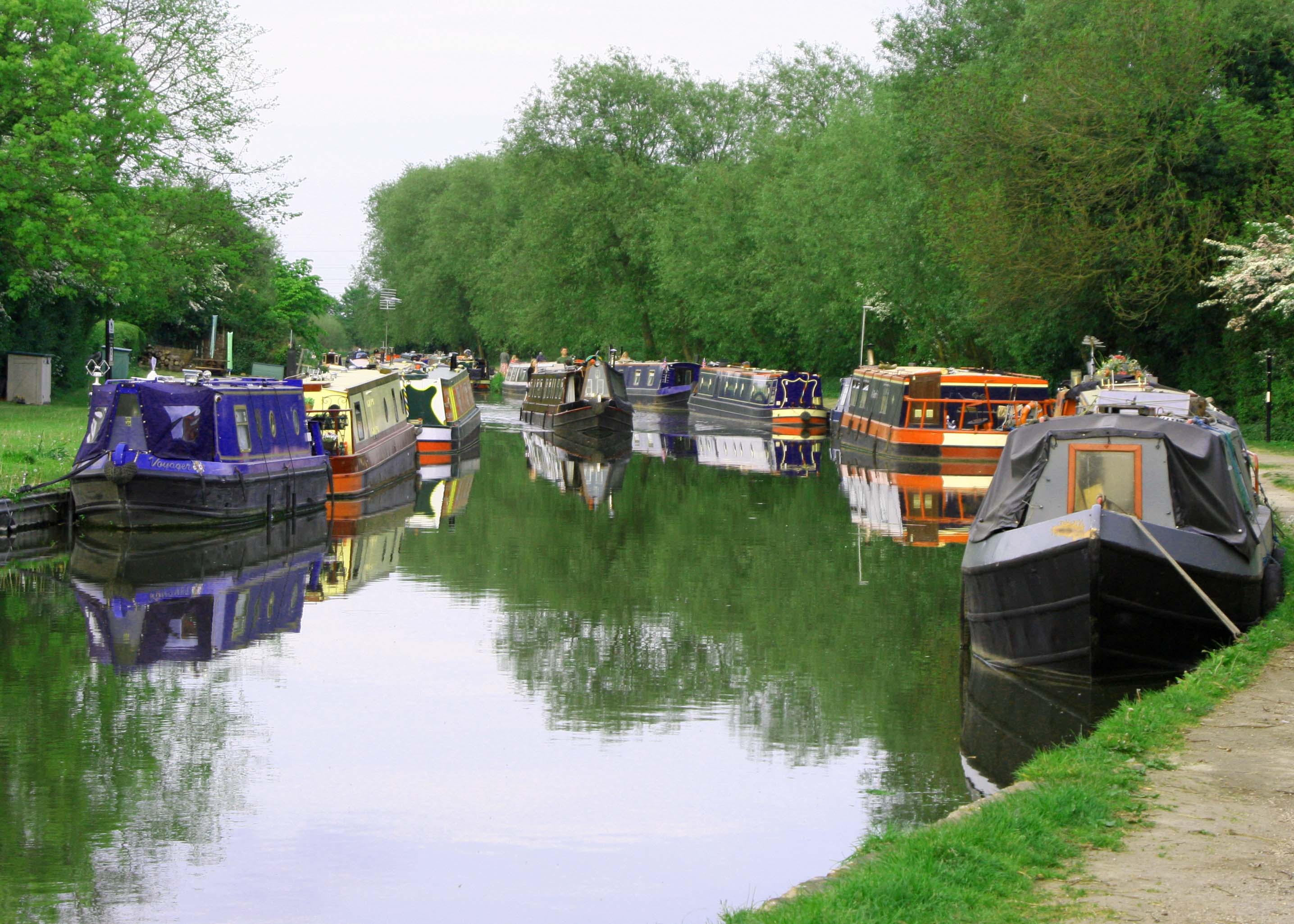
Maneuvering a 60 foot long Narrow Boat through the Trent and Mersey Canal in England two summers ago was a very different but equally rewarding experience.

Maneuvering a 60 foot long Narrow Boat through the Trent and Mersey Canal in England is a wonderful adventure that comes with pubs along the way.

How does your writing process work?

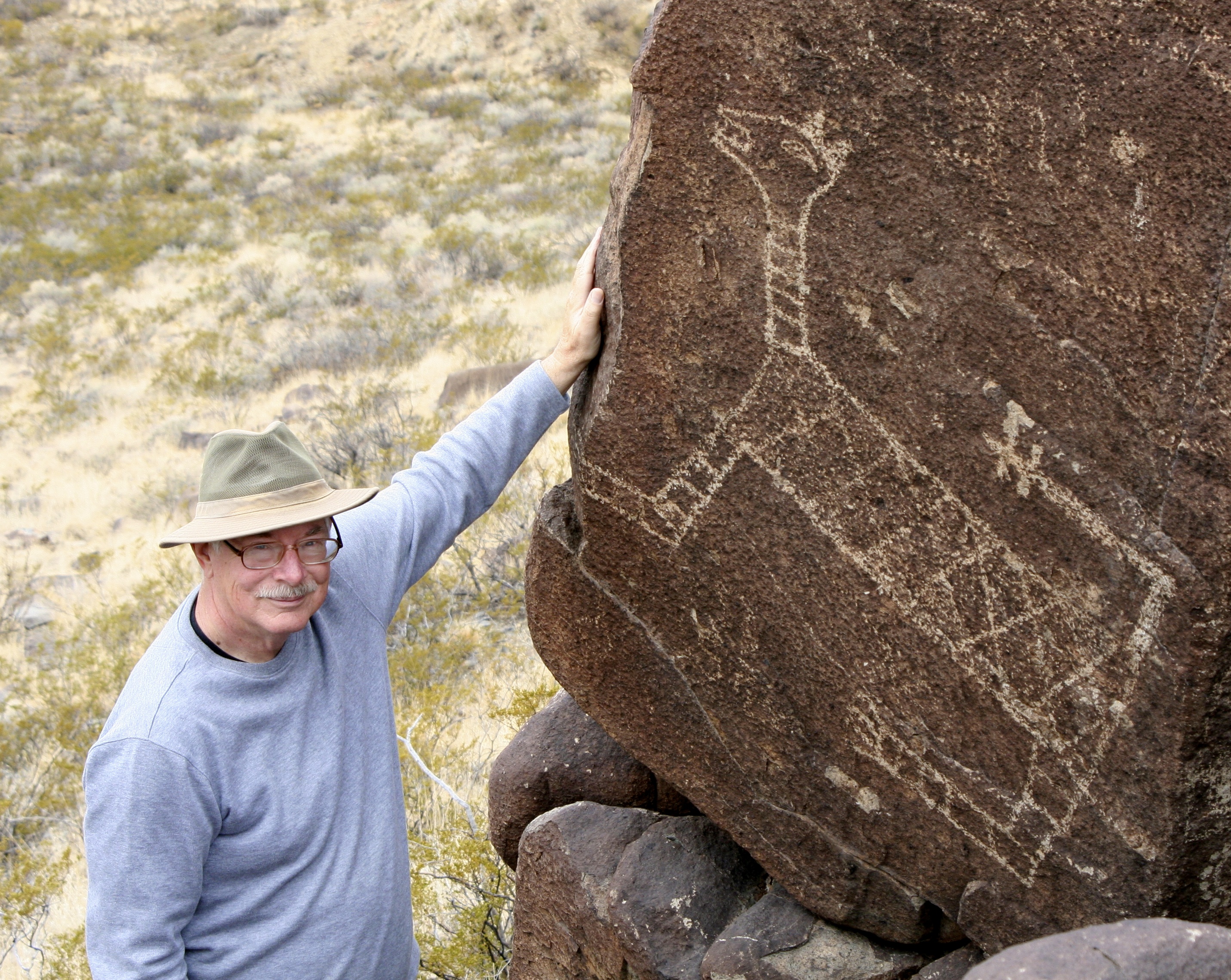
My stories start with experiences. I don’t scramble over rocks in New Mexico looking for petroglyphs because I want to write about the experience. I risk life and limb because I am fascinated with petroglyphs. I will confess, though, that when Peggy and I take photographs, we think about the blog— in addition to documenting our travels.

We call this large cat a cougar, mountain lion, puma… it would be interesting to know what the ancient Native American who made this rock art thought about and called his creation.

We call this large cat a cougar, mountain lion, puma… it would be interesting to know what the ancient Native American who made this rock art thought about and called his creation. (Photo by Peggy Mekemson.)

Research is also part of the process, either before we traipse off on an adventure because it enhances the experience, or afterwards because I want to add depth to what I am writing about.

As for the actual writing… writing is writing; it’s work. And I say this even though I love to write. I will normally think through what I want to write about, create a first draft, do a rewrite and then edit for mistakes. Then I turn it over to Peggy for further editing.

Photographs are also a very important part of my blogging. Between Peggy and me, we often have as many as 100 photos we have taken in relation to a particular blog. Ten to fifteen have to be selected out for a post and then processed. Mainly I work on cropping the photo to capture what I want, but I also make minor adjustments to light, color, shadows and sharpness if needed. Altogether, the process of creating a blog can take from three to eight hours.

What are you working on/writing?

I work from a calendar of blogs I want to write. I’ll usually have two or three months’ worth of blogs in mind. This time of the year, I often do several on Burning Man because many of my readers are Burners, excited about getting tickets. Since I have now been to Burning Man for ten years, I am going to do a best of ten series (from my perspective) of sculptures, mutant vehicles, burns, structures, etc. over the next few weeks. After that, I will return to my north coast series exploring the coast of Northern California, Oregon and Washington. Or I may do a series on California’s gold rush towns. (My home town was one.)
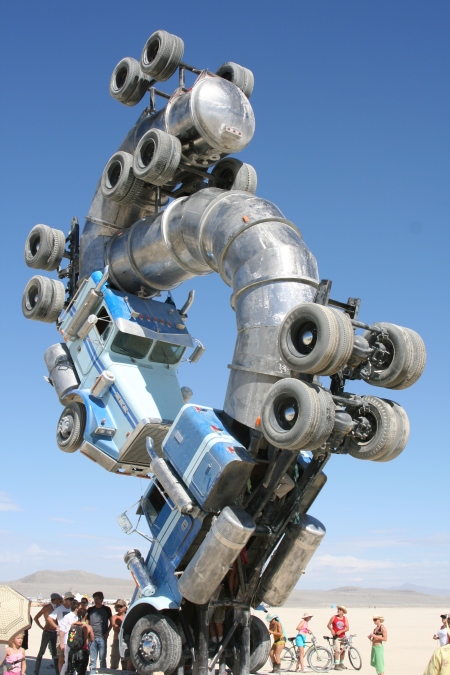
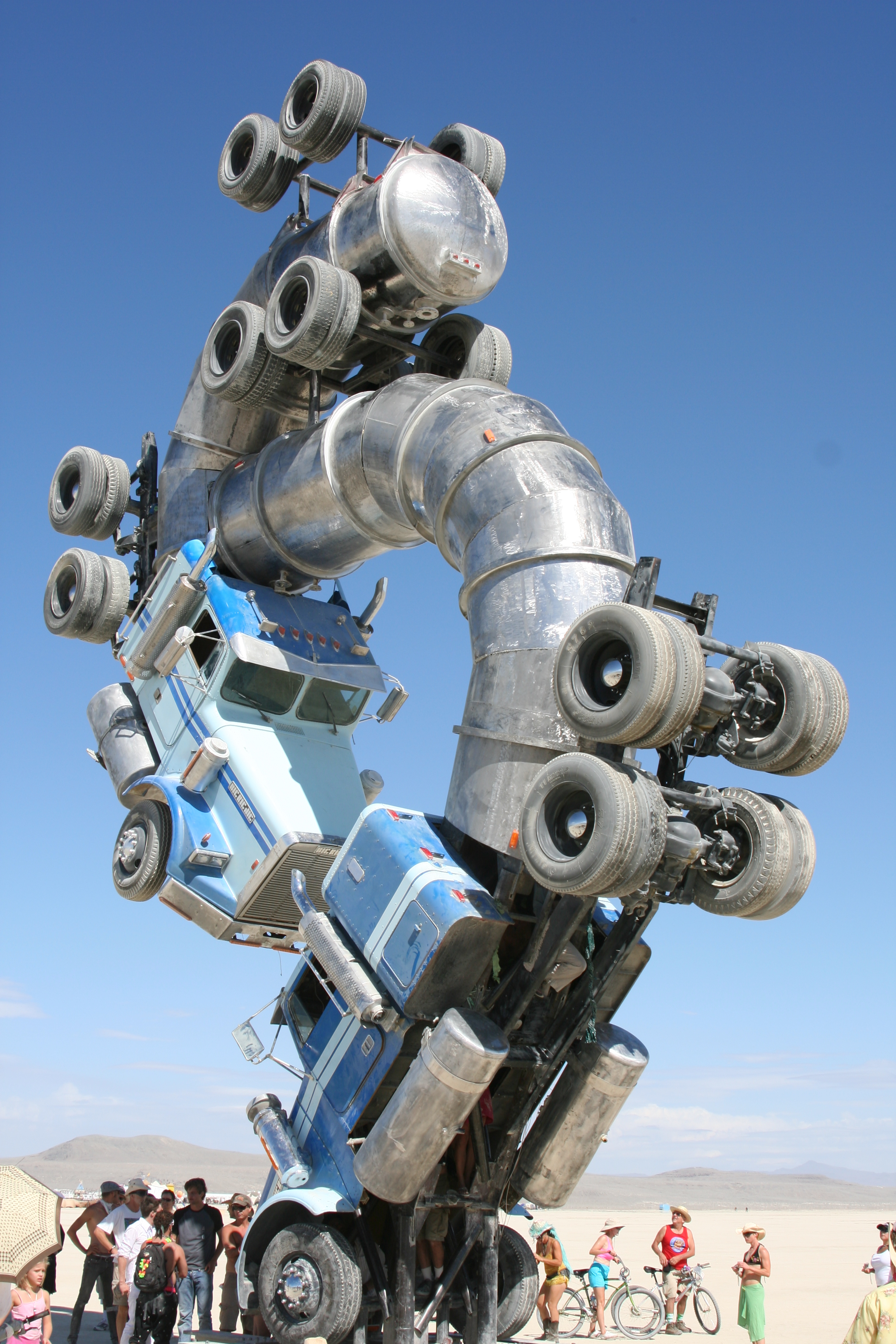
Two oil tankers provide an interesting Sculpture at Burning Man

One of my all-time favorite sculptures at Burning Man.

The really big writing project I have been working on has been the book about my Peace Corps experience in Liberia, West Africa: The Bush Devil Ate Sam. I’ve posted several chapters over the past couple of years on my blog and a number of you helped me select the title of the book. This is my first venture into self-publishing and let me say unequivocally and undeniably, it has been a steep learning curve (understatement). I wrapped up getting the book in to Bookbaby two months ago, or at least thought I did. Bookbaby dutifully put the book on numerous E-pub sites and sent me back printed copies I requested. And what did I discover? Even though Peggy and I had meticulously done a line-by-line edit, some 30 errors. Damn. (A woman who is really good at editing found 25 of them, friends and family others.) So it was back to the drawing boards. Anyway, I sent all the corrections in last Wednesday and also set up the print on demand option. Soon…

One good bit of news, Steven Spatz, the president of Bookbaby, wrote to me on Friday and said he would like to feature The Bush Devil Ate Sam this week on Bookbaby’s blog. Given that Bookbaby is one the largest self-publishing companies in the world, produces thousands of books, and has an excellent reputation, things are looking up. (And no, Steven is not going to use me as an example of how not to.)
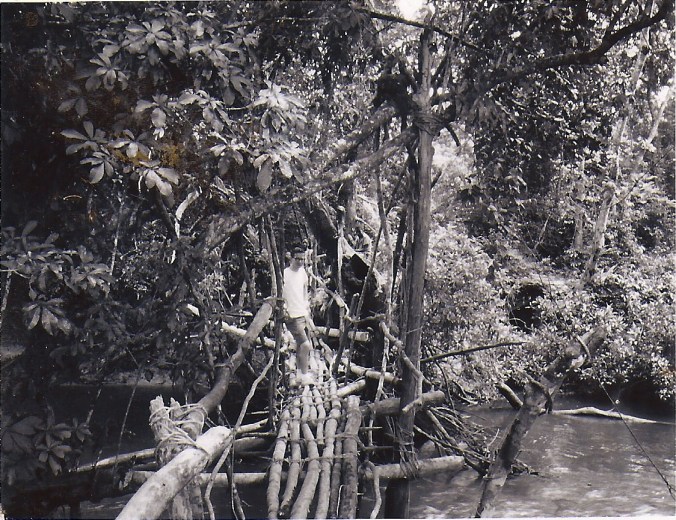
Kpelle footbridge near Gbarnga, Liberia circa 1965.

When I graduated from UC Berkeley and travelled off to Liberia, West Africa as a Peace Corps Volunteer, I began one of the grandest adventures of my life. Once there, I continued to explore my surroundings by hiking off into the jungle. Here, I am standing on a bridge built by Kpelle villagers.

NOMINATIONS

As part of this process of blog hopping, we are asked to nominate two other bloggers to participate in the blog hop. This is tough; there are so many great bloggers I follow. But that said, here are my two nominations:

Linda at Shoreacres: Wow, this woman can write. While she isn’t exactly a travel blogger, I can guarantee she will take you on some great journeys. As a compliment to the posts she writes, her followers comment in paragraphs instead of sentences.

Cindy Knoke: Cindy takes you from her home in southern California, the Holler, to journeys around the world. Her photography, particularly in terms of birds and wildlife, is superb.

 

I Am Dreaming of a White Christmas…

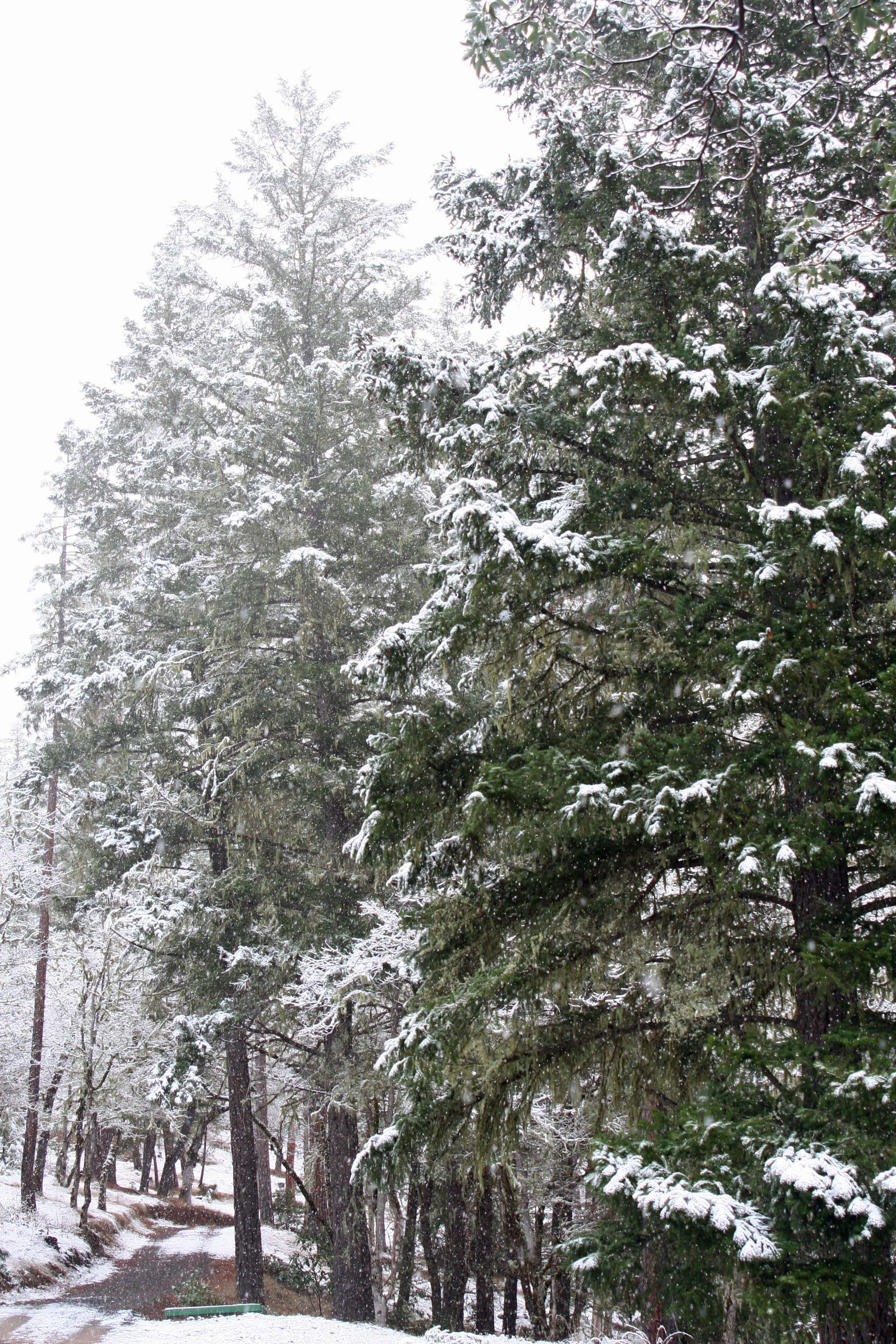
White oaks ans cedar covered with snow on the Applegat River of southern Oregon.

White oaks and one of our cedars dressed in white as seen from our patio.
I grew up listening to Bing Crosby singing White Christmas. It was one of my mother’s all-time favorite carols and became one of mine as well. As hard as I wished for a white Christmas in Diamond Springs, however, we never had one. I didn’t in Liberia or Sacramento, either. Alaska was a different story. (Grin)

This past week, I was hoping, hoping, hoping to wake up and find the ground covered in white. The local weather forecasters even hinted that there might be some snow in our future. It wasn’t to be, however. Sigh. As this post goes up, we are off in Tennessee celebrating Christmas with our daughter and family. Who knows what is happening on the Upper Applegate River?

It does snow here, though, in the Oregon foothills of the Siskiyou Mountains. And when it does, I dash outside with my camera. With that in mind, I went searching through i-Photo looking for snowstorms of the past, so you—and I, could have a white Christmas. All of these photos are taken from our property. Enjoy.

Peggy and I would like to take this opportunity to thank each and every one of you for joining us on our adventures this past year. We’ve enjoyed having you along. May all of our friends around the world have a joyous holiday season and a wonderful New Year.

Curt and Peggy

Upper Applegate Valley of southern Oregon covered in snow. Photo by Curtis Mekemson.

Another view from our patio looking out across the Applegate River south toward California.

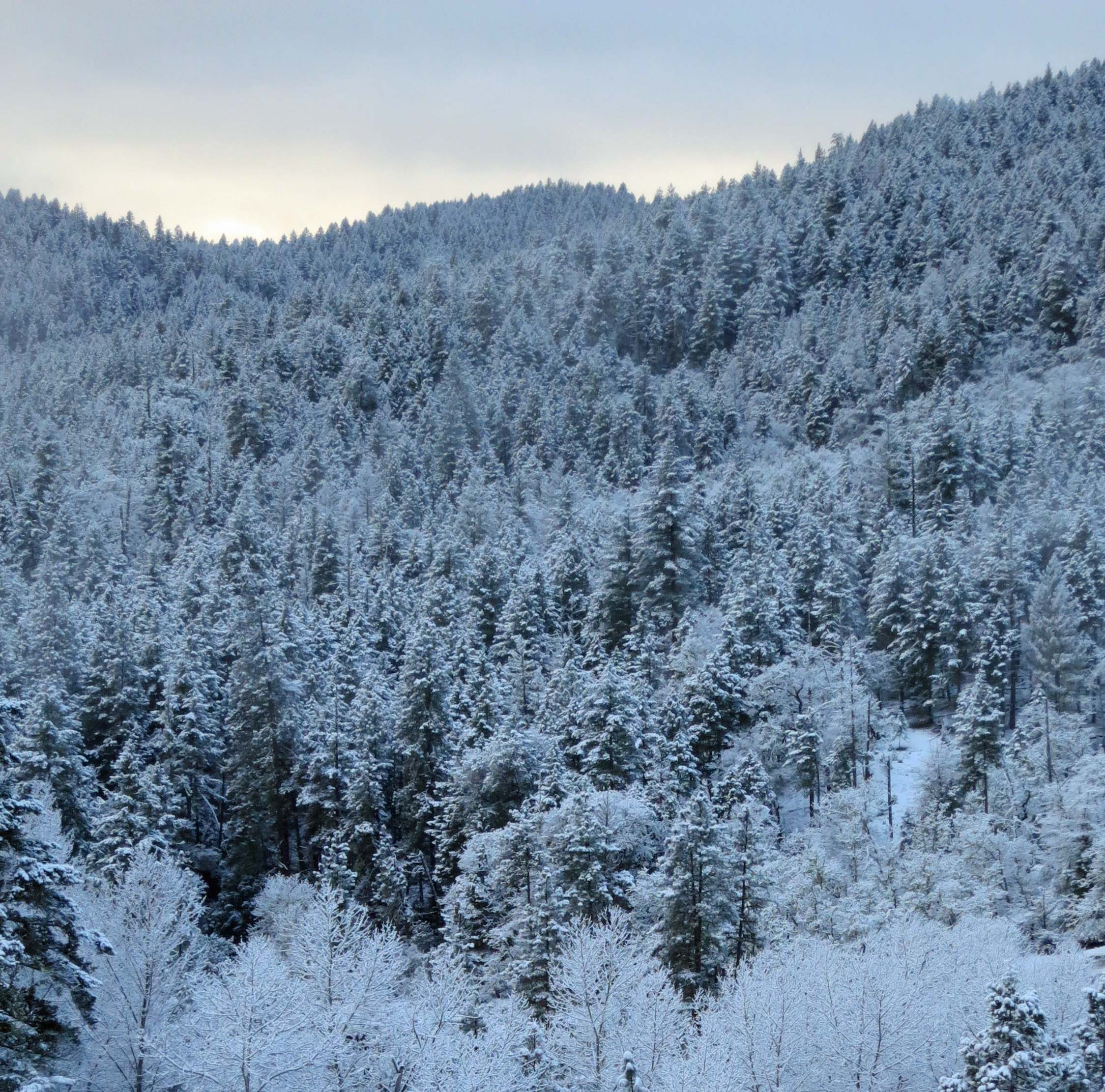
Southern Oregon forest covered with snow. Photo by Curtis Mekemson.

This time, the forest is decorated with a low cloud.

White oaks in the Applegate Valley of southern Oregon covered in snow. Photo by Curtis Mekemson.

Our white oaks covered in snow.

A close up.

A close up. Can’t you just feel it? This is the type of snow I put on my tongue and let melt.

View of driveway on Mekemson property in southern Oregon.

A view of our driveway with the snow coming down.

Snow falls on cedars in Upper Applegate Valley of southern Oregon.

Huge, white, fluffy Flakes.

Doe and buck black tail deer in snow in southern Oregon.

A doe and a buck black tail deer, part of the herd that owns our property, wonder what we are doing out in the snow storm.

And what is a snowstorm without a snowman? I called this guy George. He reminded me of someone.

And what is a snowstorm without a snowman? I called this guy George.

And this was Peggy's joyous creation. Happy Holidays everyone.

And this was Peggy’s joyous creation. Happy Holidays everyone.


Now Playing in Our Back Yard: A Turkey Fan Dance… An Interlude

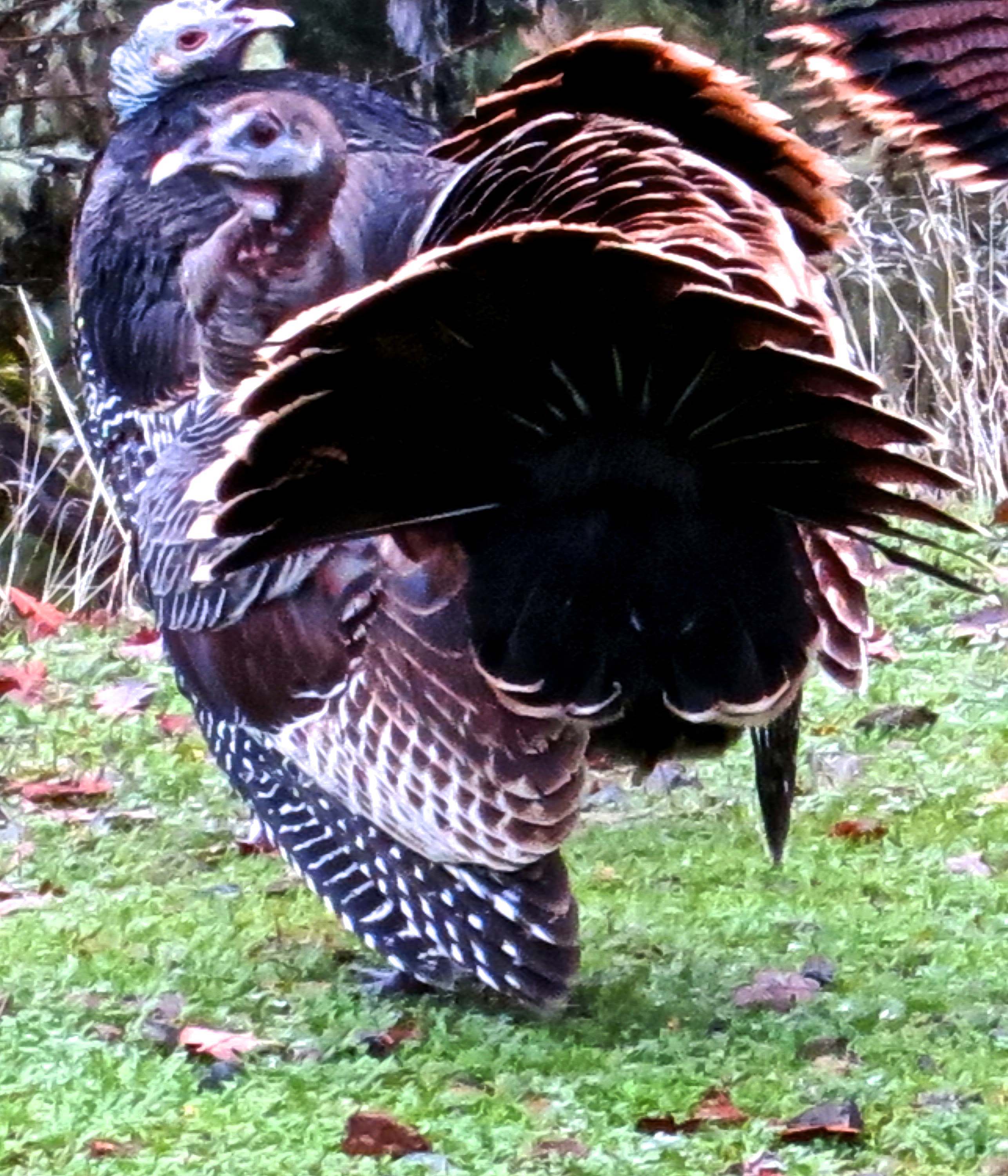
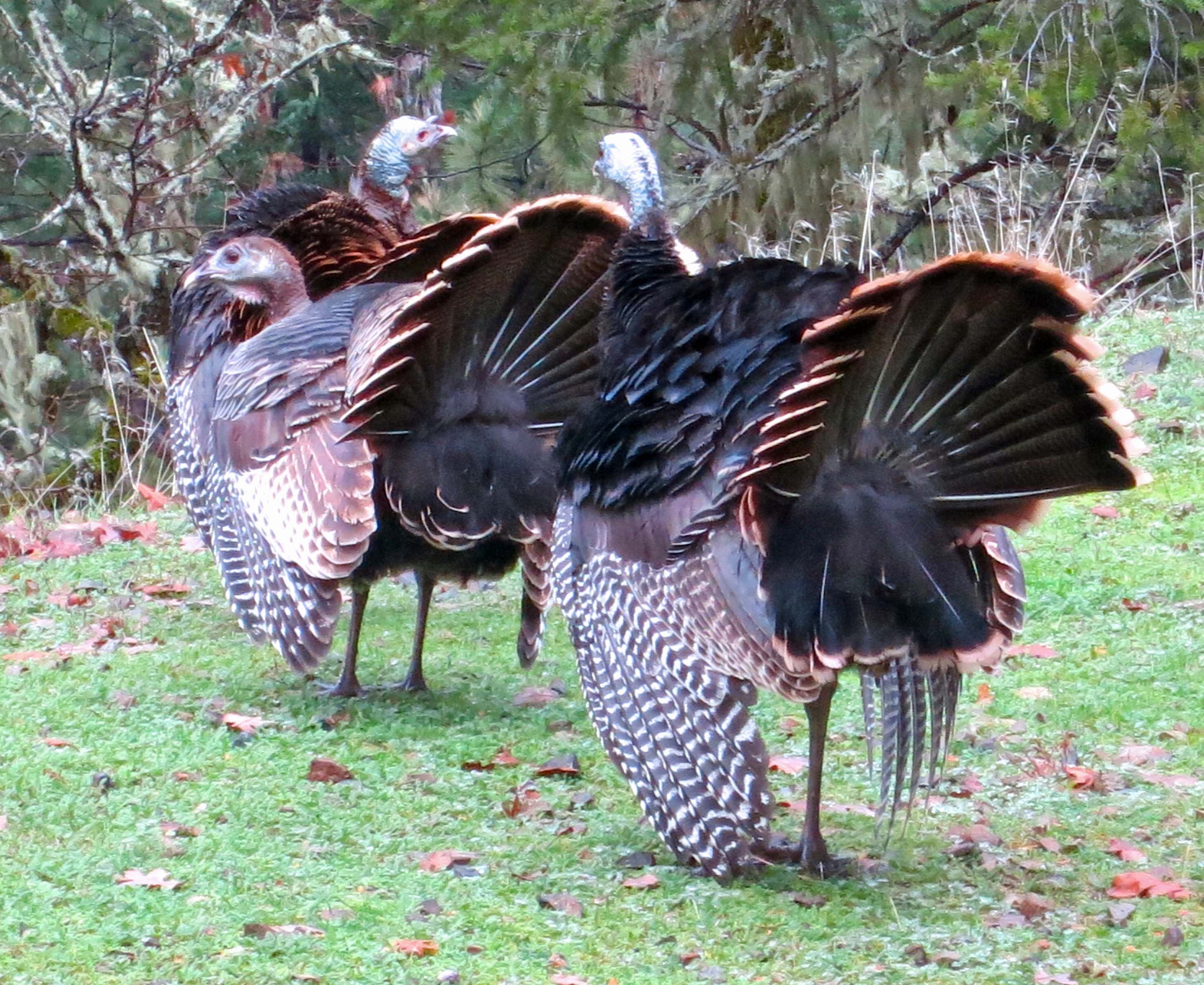
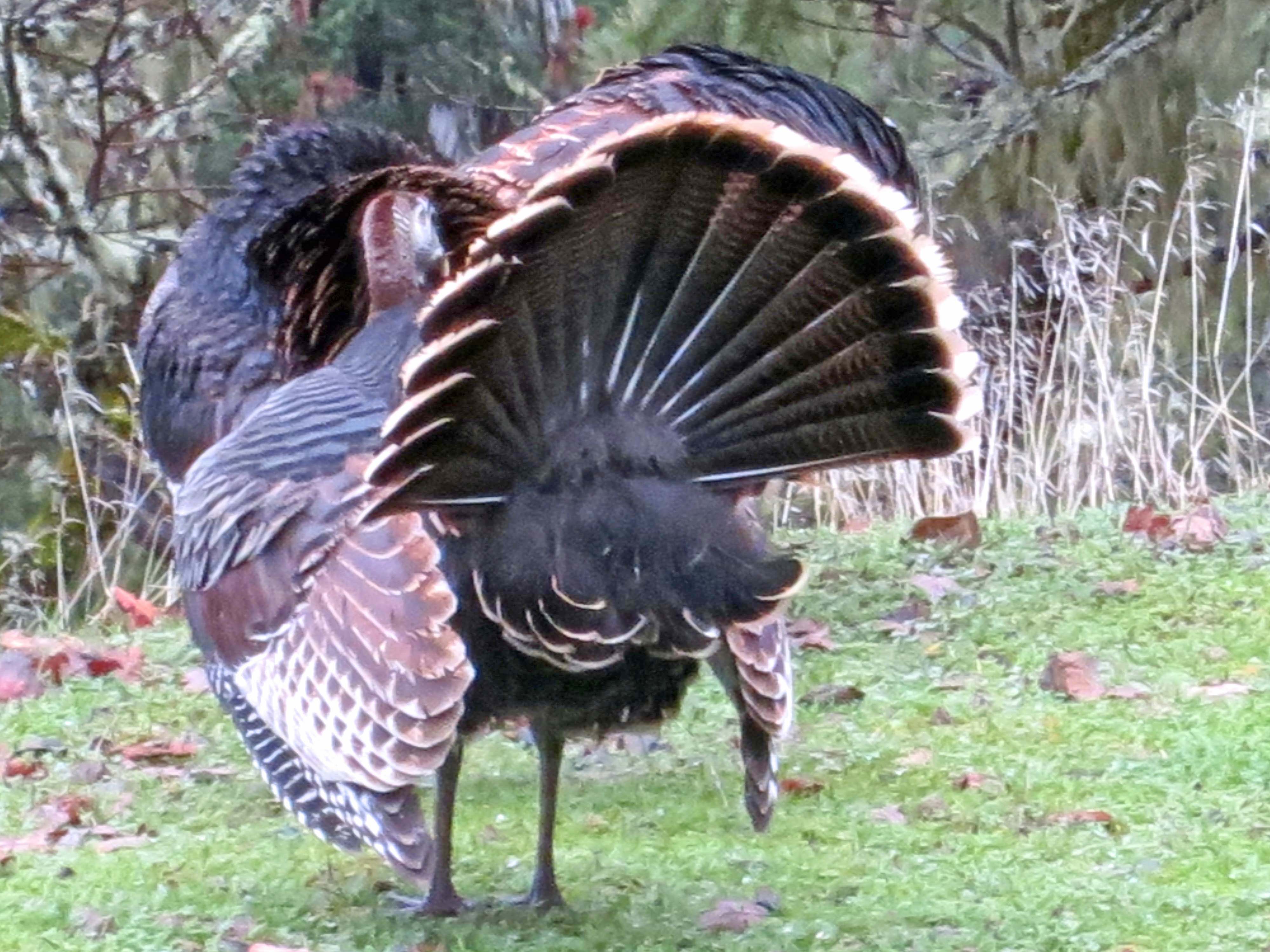
Wild turkeys use their tails for a fan dance in southern Oregon. (Photo by Curtis Mekemson.)

Wild turkeys use their tails to perform a fan dance in our back yard.

It’s pouring down rain as I write. Northern California is getting slammed and some of the rain is slipping across the border into Southern Oregon. The Weather Channel has named our deluge THE MONSTER STORM. Get out your hammer, Noah. I sat in our sunroom (very much a misnomer today) and watched the rain fall while Peggy listened to Christmas carols and worked on a quilt inside.

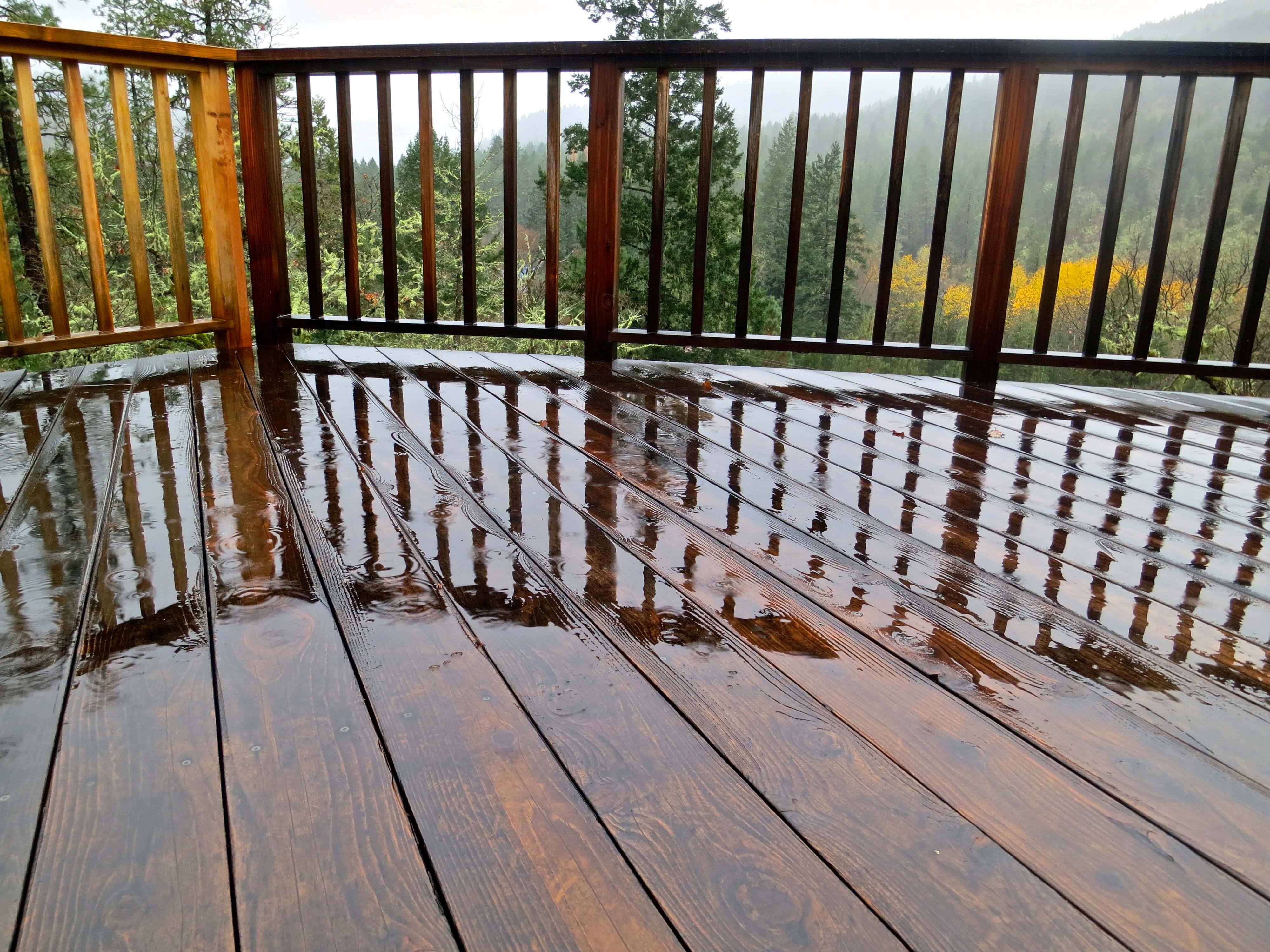
Our deck reflects the rain.

Our deck reflects the rain. The last of fall adds a touch of color along the Applegate River.

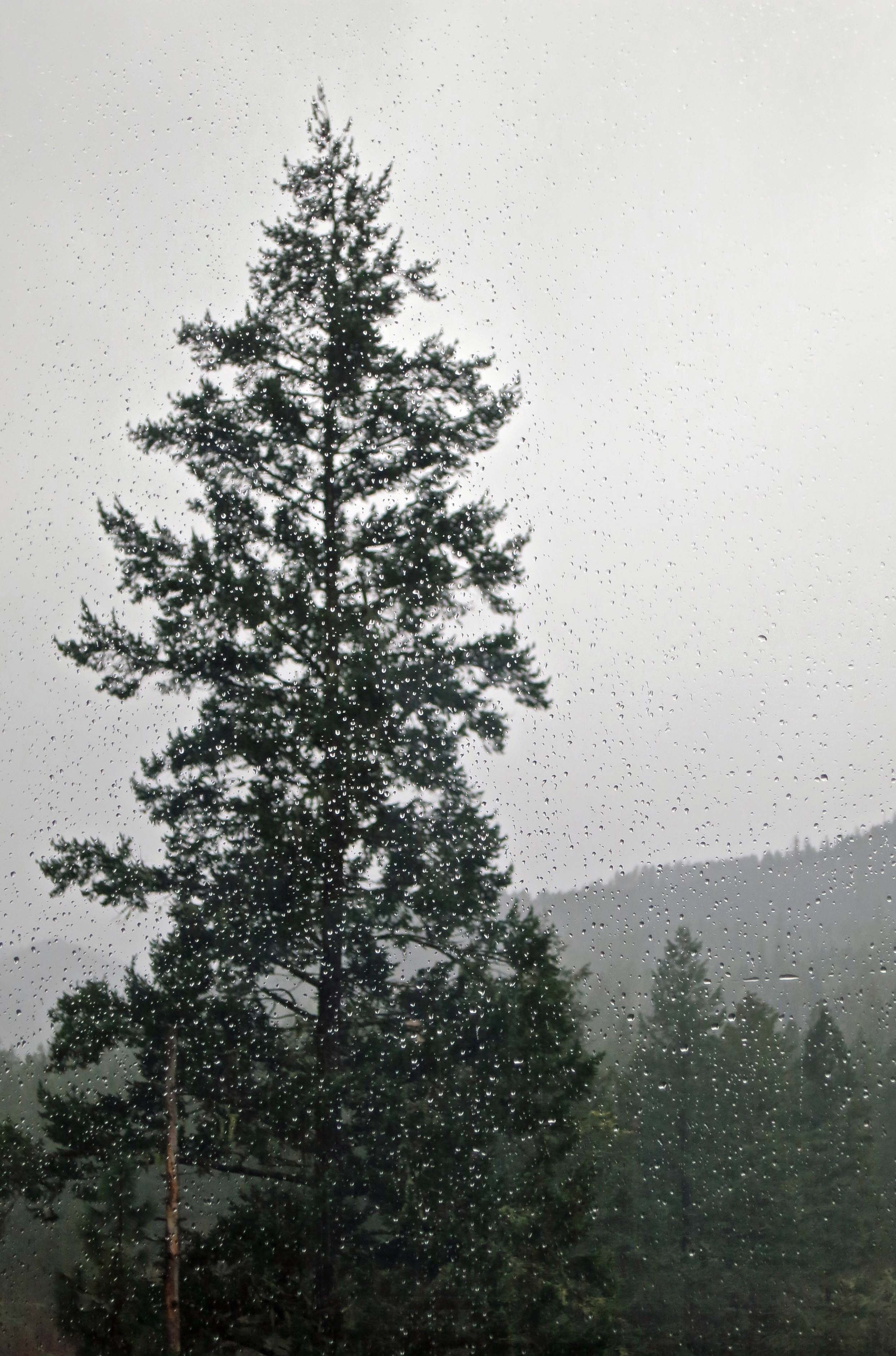
Rain splattered windows provided a view of our cedar tree out of the sunroom.

Rain splattered windows provided a view of our cedar tree from the sunroom.

I was escaping from work, playing hooky. Things have become a bit hectic around here. Christmas and a trip to Tennessee are just around the corner. So I have been shopping, writing the Christmas letter, and putting together the annual family calendar.

I am also up to my eyeballs in writing an extensive blog about the time that Peggy’s father was forced to bail out of a damaged airplane into the jungle known for headhunters when he was flying supplies into China during World War II.

And last— very far from least, the final proofs on the book about my Peace Corps experience in West Africa are supposed to come in today or tomorrow. I can’t figure out whether I am more nervous or excited. The book should be available world-wide as an E-book by Christmas. So keep your eyes open for The Bush Devil Ate Sam. Several of you helped me choose the title. I will post how to obtain copies on my blog as soon as it is available. Peggy and I are donating half of whatever profits we receive to fighting Ebola in Liberia.

A carved rendition of a Liberian Bush Devil that I purchased from a leper in Ganta, Liberia in 1965.

A carved rendition of a Liberian Bush Devil that I purchased from a leper in Ganta, Liberia in 1965.

One result of all this activity is that my blog production has slowed down. So I was delighted this afternoon when a flock of turkeys that hangs out on our property came by and put on a fan dance with their tails. It was a blog-ready show! And the rain was taking a break. I grabbed my small S-100 Canon and ran out to join them.

Wild turkeys on display in southern Oregon. Photo by Curtis Mekemson.

The turkeys line up for their dance.

Turkeys strut their stuff in southern Oregon. Photo by Curtis Mekemson.

Begin.

And strut their stuff.

And strut their stuff.

Doing the turkey trot.

Doing the turkey trot.

With tail feathers extended. Next blog: Peggy's dad crashes his air plane in a remote Burma jungle.

With tail feathers extended. Next blog: Peggy’s dad bails out into a remote Burma jungle during World War II.

A World War II Blimp Hangar, a Guppy, and a Cow Escape Route… The Oregon Coast

Eight blimps called this hangar in Tillamook, Oregon home during World War II. (Photo at Tillamook Air Museum.)

Eight blimps called this Tillamook, Oregon hangar home during World War II. (Photo at Tillamook Air Museum.)

I’d been through Tillamook, Oregon several times and never spotted the huge blimp hangar that was built there during World War II. It is plainly visible from the Highway 101. Who knows what I was thinking about when I made my way up and down the road? It must have been a heck of a daydream. I saw the hangar this time, however, and it was like, “Wow!” I immediately changed plans and decided to stay in the area for another day. The hangar was something I had to visit.

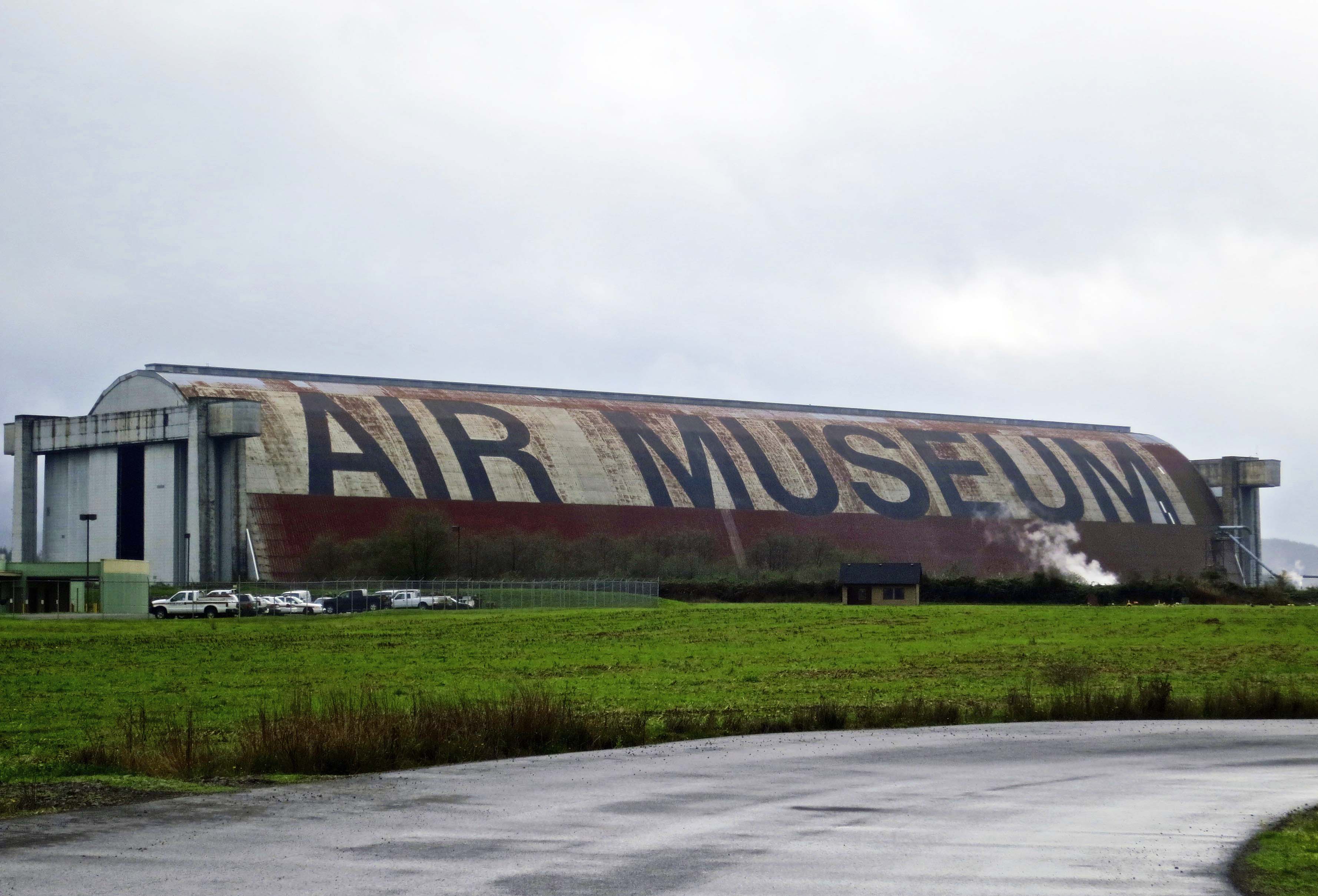
How I missed seeing this building is a mystery to me.

How I missed seeing this building is a mystery to me.

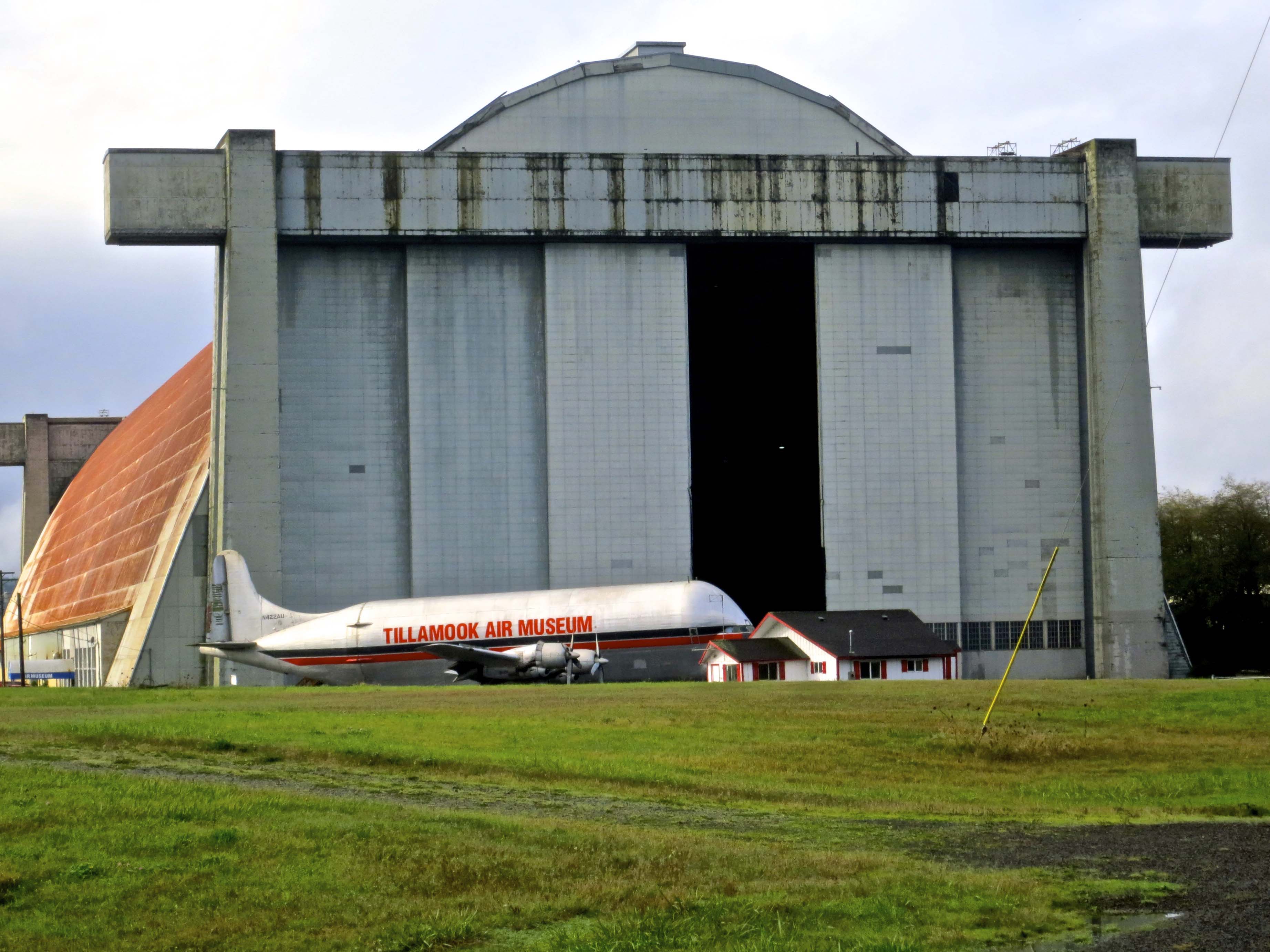
Today it serves as a partially abandoned air museum. (Most of its airplanes have been shipped off to Madras in eastern Oregon, where it’s hoped the vintage aircraft will survive better in a drier climate.) The facility is definitely worth a visit, however. The 170-foot high, 1000-foot long building was built to accommodate eight, 252 f00t K class blimps. One hundred and twenty-foot tall doors open up to a cavernous interior.

The Tillamook Air Museum shown here, served as a blimp hangar during World War II.

Here are the massive doors. The airplane in front is known as a Guppy. I’ll show you why below.

A view inside the Tillamook Air Museum that served as a blimp hangar during World War II.

This view inside the hangar gives an idea of its massive size.

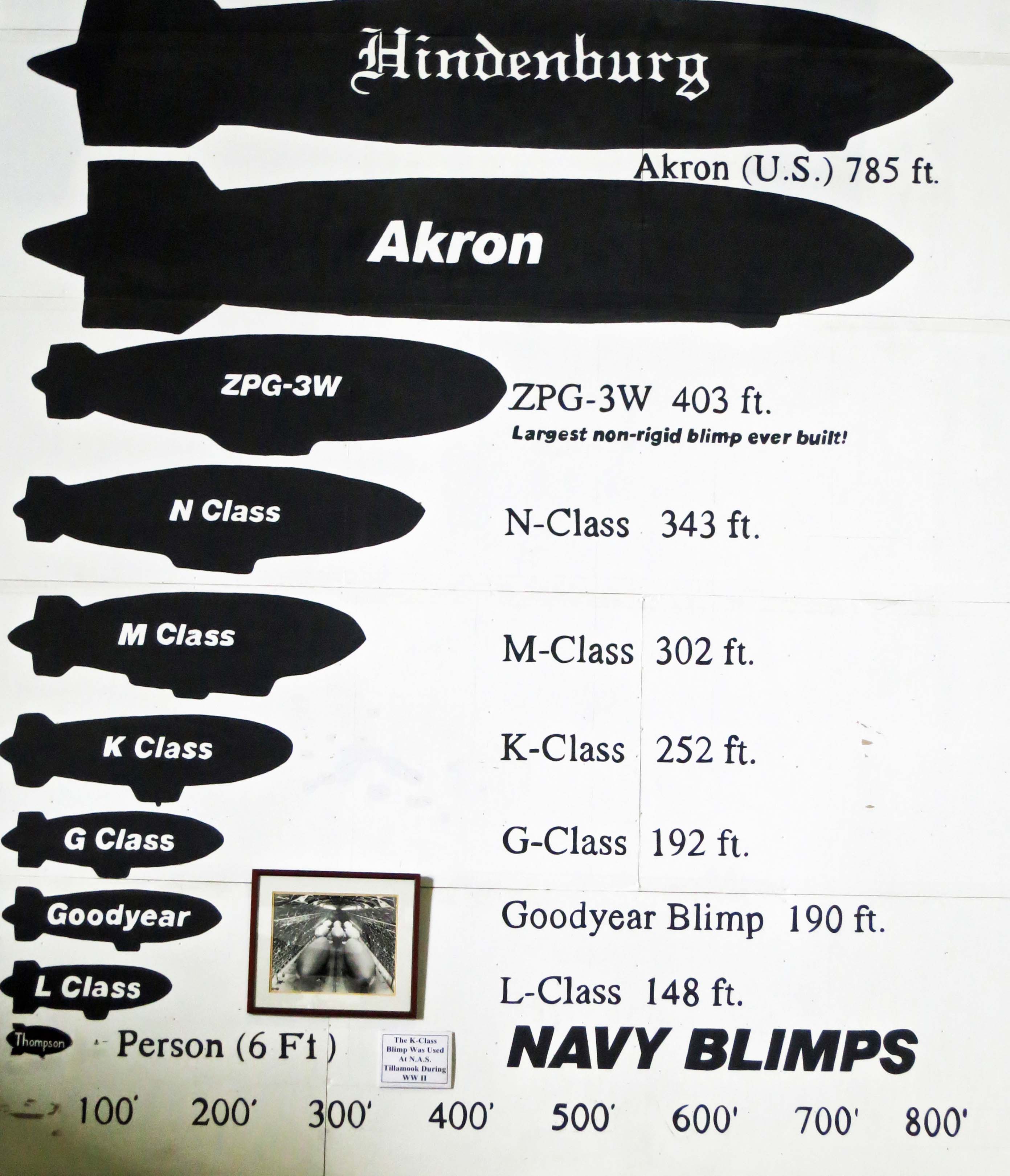
This illustration inside the Air Museum provides a perspective on the various sizes of blimps. The blimps housed at the Tillamook Naval Air Station were K-Class.

This illustration inside the Air Museum provides a perspective on the various sizes of blimps. The blimps housed at the Tillamook Naval Air Station were K-Class.

Blimps played an important role in World War II: They protected convoys and shipping lanes by spotting German and Japanese submarines. The blimps’ ability to fly in almost any type of weather, hover, and provide unobstructed views of the ocean made them an excellent choice for submarine patrol. The Tillamook facility was responsible for the coastline between British Columbia and northern California. Nine other naval air stations covered the rest of the west and east coasts of the US.

This illustration at the museum shows where blimp naval air stations were located during World War II.

Another illustration at the museum showed where blimp naval air stations were located during World War II. Sorry about the quality, but I found the illustration interesting. The dark symbols represent blimp hangars still in existence.

An introductory film and numerous World War II era photos at the museum provide an overview of the hangar’s history. I also found other interesting information on the war including posters, balloon bombs and a cow escape route.

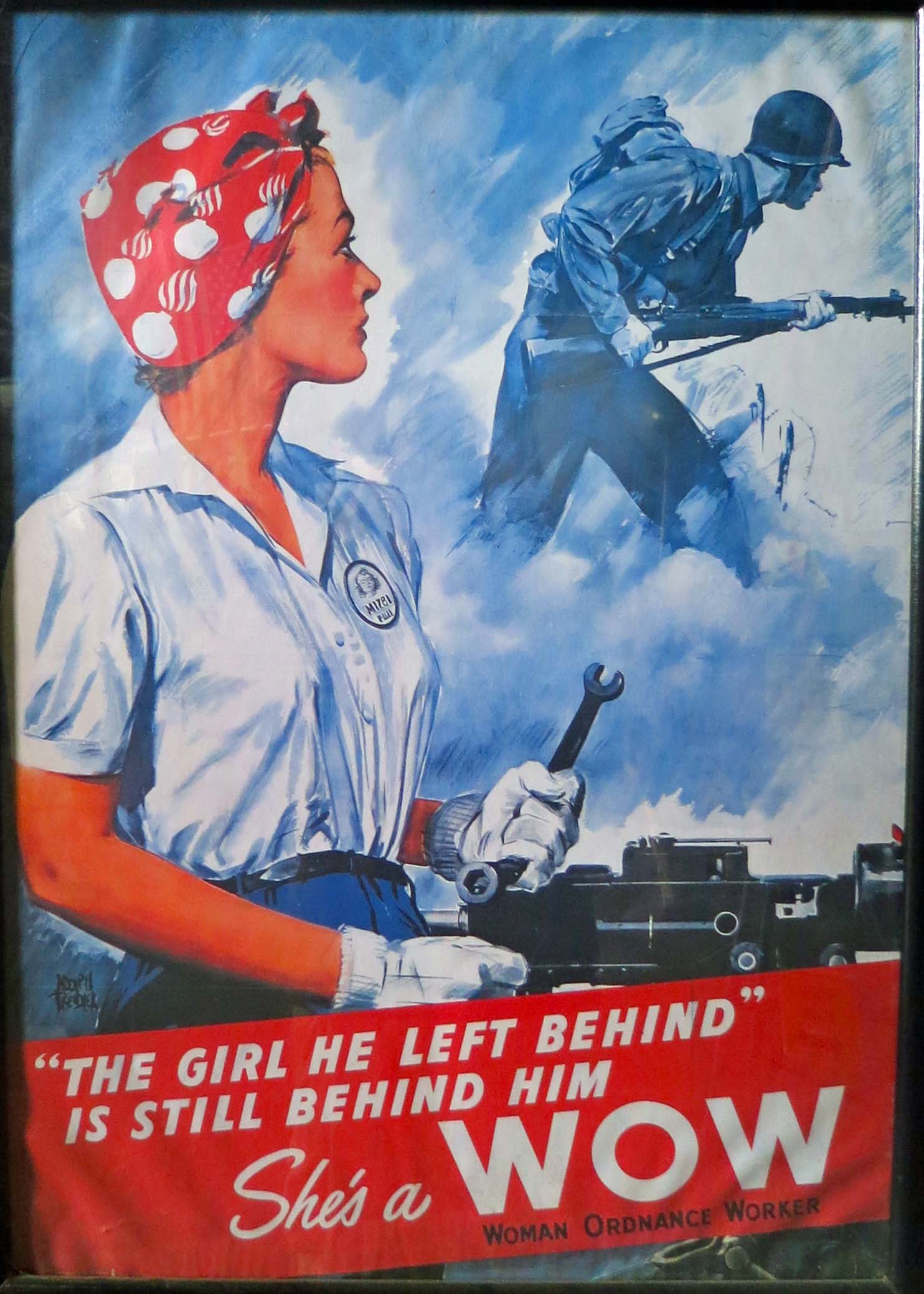
World War II Woman Ordinance Worker poster found at the Tillamook Air Museum.

Among the other World War II items found at the museum were a number of WW II posters including this one for WOW, a Women Ordinance Worker.

The first ICBM? As the Japanese war effort was reversed and the US began its air raids on the country, Japan initiated a desperate ploy:  the use of  the jet stream to carry explosive-loaded balloons 6200 miles to the Pacific Coast.

Speaking of ordinance, this fading photo of a balloon has a story to tell; it may have been the first ICBM. As Japan faced defeat in 1944, it initiated a desperate ploy: the use of the jet stream to carry explosive-laden balloons 6200 miles to the Pacific Coast of the US and Canada. Some 6000 were launched but only 300 reached their destination, and they fell on rain-soaked forests, causing little damage.

I was amused when I came across a report on the cow escape route. Tillamook takes its cows seriously. Some of the best dairy stock in the US is located in the area. So it isn’t surprising that the local farmers decided their cows needed an escape route in case the Japanese invaded. Woodsmen were called upon to plan out paths through the forest. Using old logging roads, deer trails, and hunters’ routes, a cow getaway plan was soon organized.

No one asked the cows what they thought. Given that their idea of exercise was to leisurely travel from well-stocked barns to grass filled pastures, they may have preferred to hang around and provide the Japanese with milk, butter and cheese rather than hightail it through the rugged wilderness with udders bouncing.

The guppy airplane at the Tillamook Air Museum.

It isn’t too much of a jump to move from cows to a guppy is it?  One look at the front of this cargo plane explains its name. The Guppy is part of the Air Museums collection.

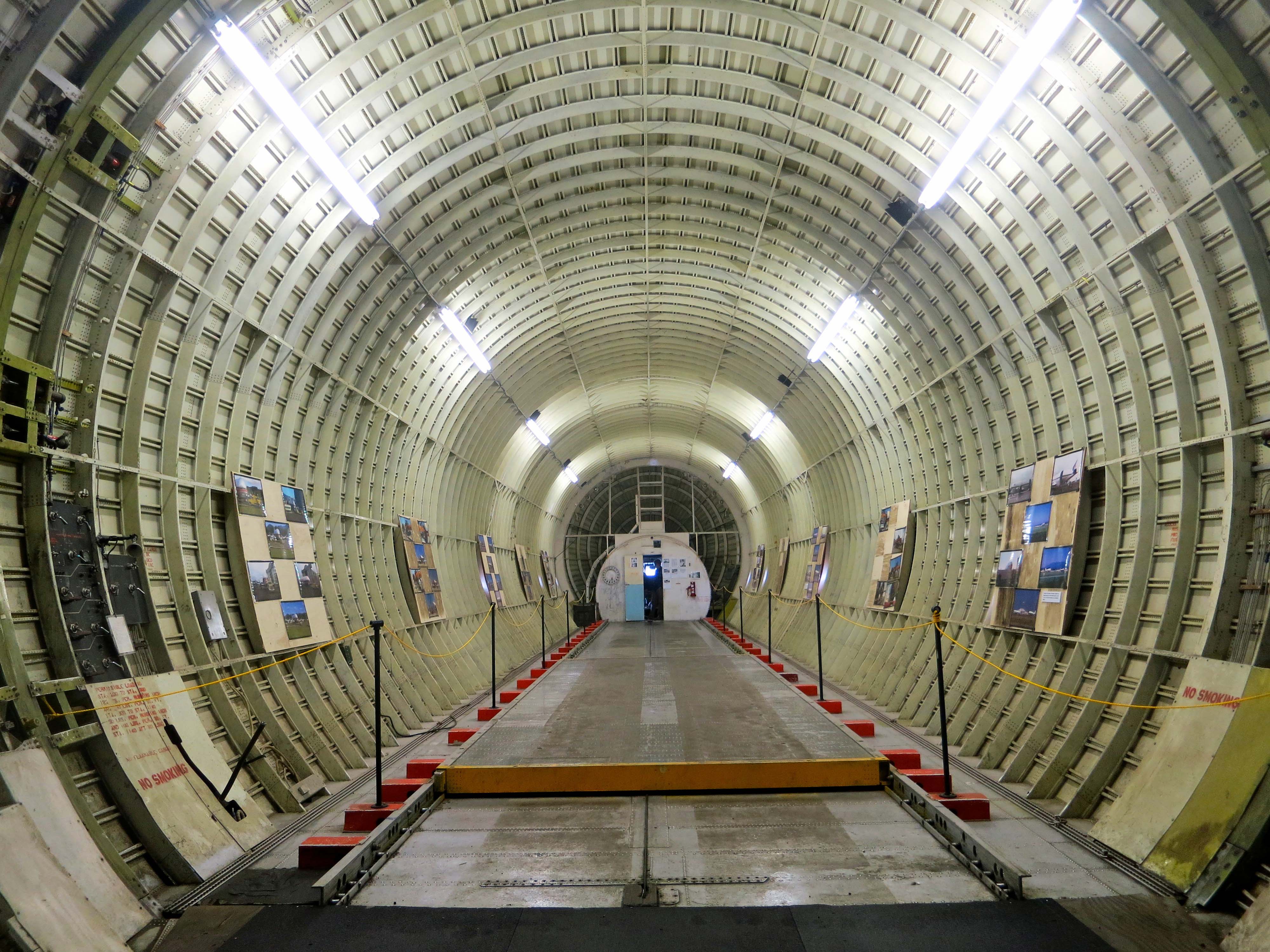
Inside the guppy.

Inside the Guppy.

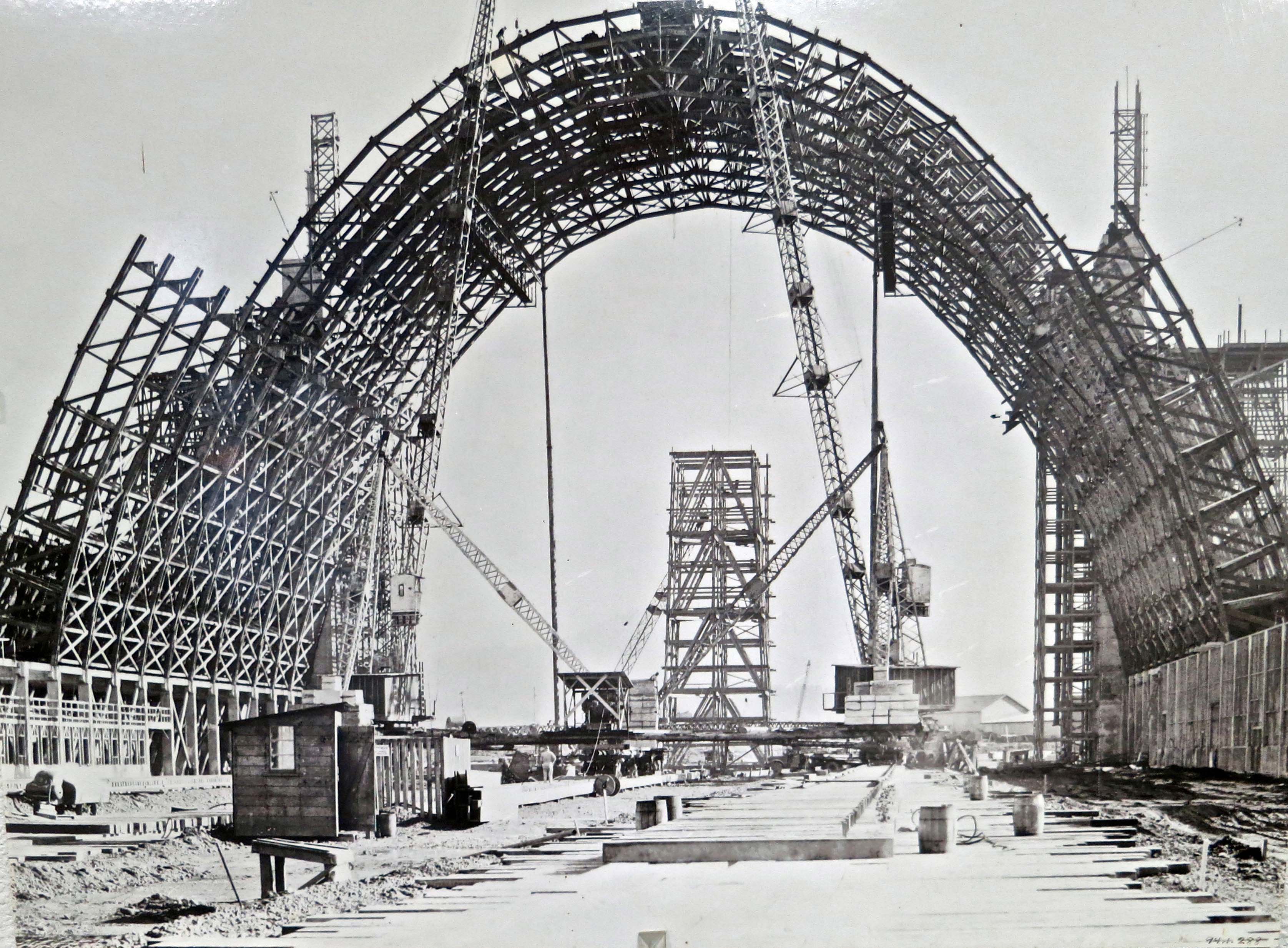
Building the two hangars at Tillamook was a massive undertaking. Unstable ground, a ferocious winter, and the use all provided challenges.

Building the two hangars at Tillamook was a massive undertaking. Unstable ground, a ferocious winter, and the use of wood instead of steel for the structure all provided challenges. Steel was being used at the time for other war purposes. (Photo from Tillamook Air Museum.)

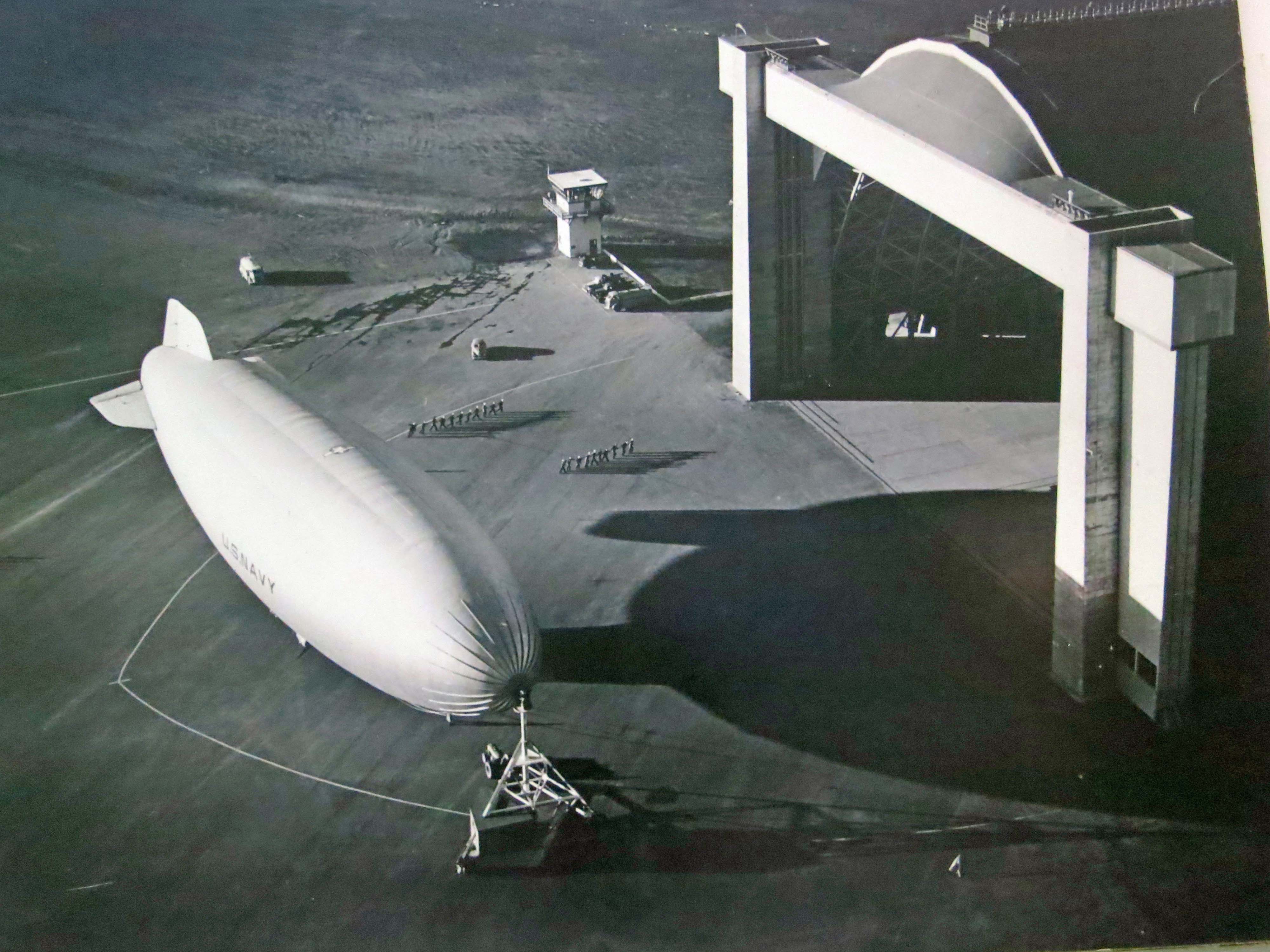
A blimp is launched from the Tillamook Air Station during World War II.

A blimp is launched from the Tillamook Air Station during World War II. Note the men holding ropes for a size perspective. Missions could last as long as 15 to 20 hours and some blimps were equipped to stay out as long as 59 hours and travel over 1400 miles. (Photo from Tillamook Air Museum.)

A final view of blimps arrayed outside of the Tillamook hangar during World War II.

A final view of blimps arrayed outside of the Tillamook hangar during World War II. Next blog: I find a surprise in the museum that takes me back to World War II and my wife’s father. (Photo from Tillamook Air Museum.)