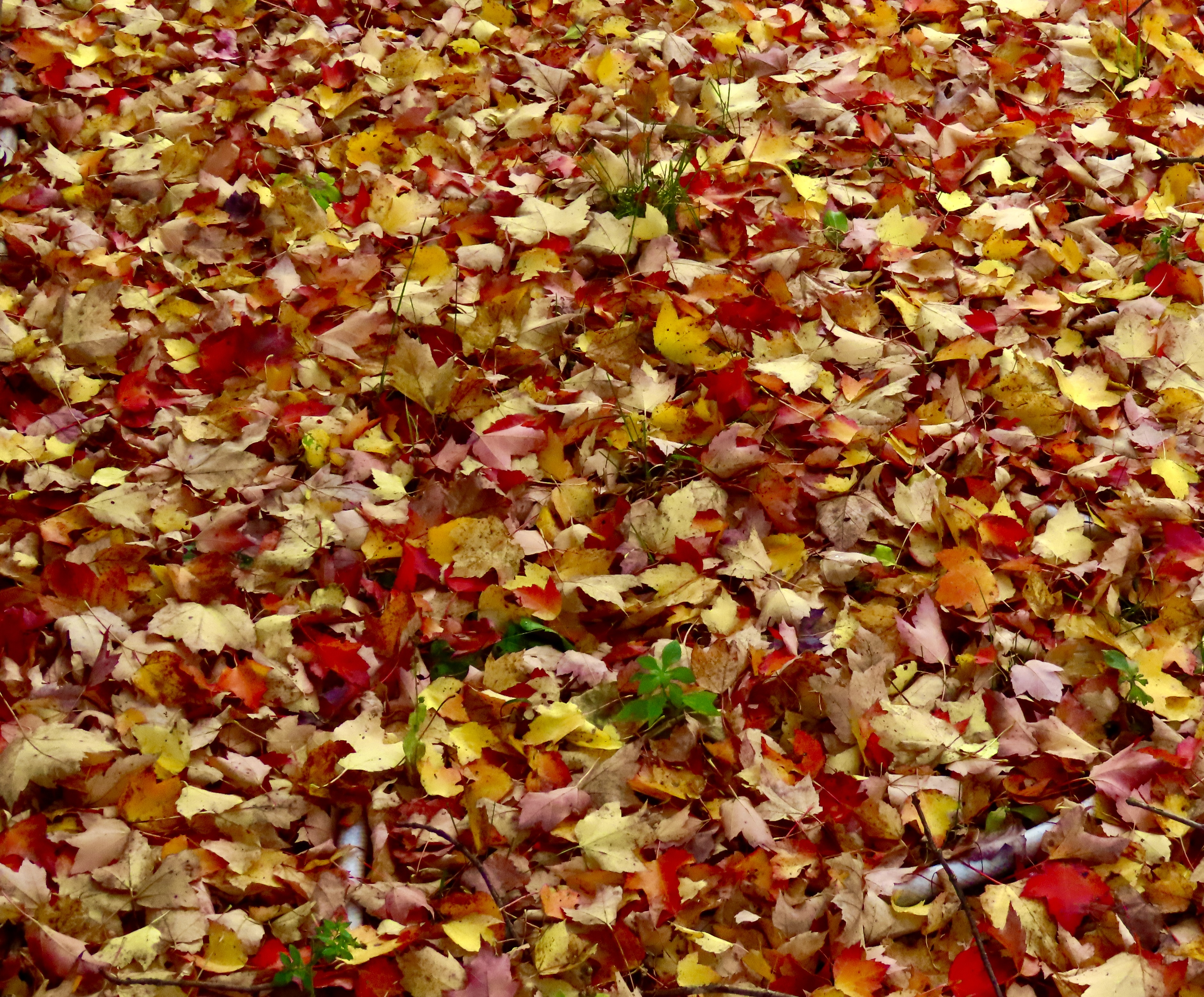
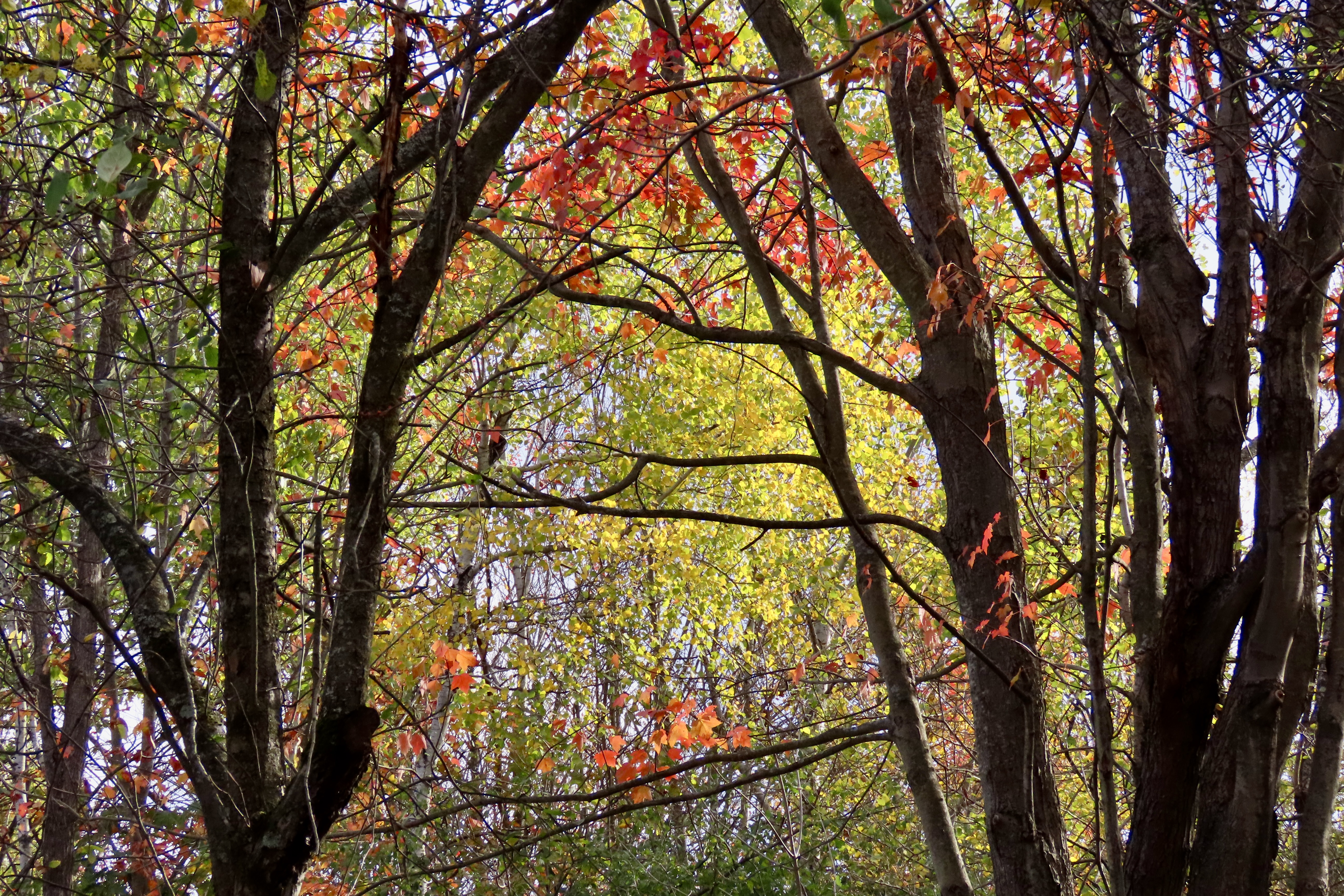
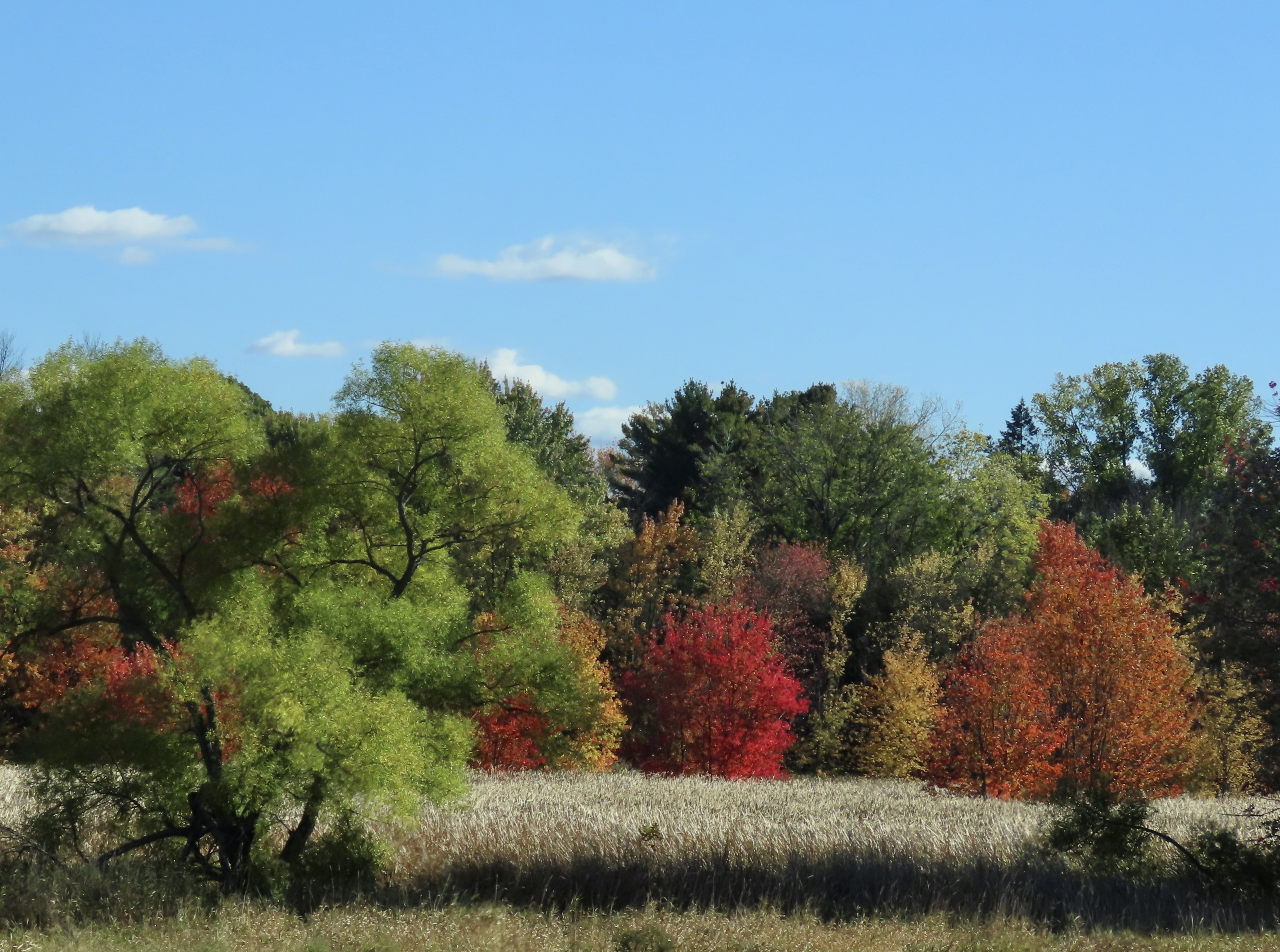
Beautiful leaves, but are any left on the trees?The answer was yes. These two photos were both taken at our cabin near Chazy, New York. The sunlight here reminded us that we still had a lot of leaf peeping to do.
Our West Chazy NY cabin was the second one on our tour. I already blogged about the first: Bare minimum: no electricity, no heat, no insulation, no water and an outhouse— all on the coldest day of our three week trip. The second was the direct opposite: A full kitchen, bathroom, sitting room, streaming TV, fun decorations, heat, and, I might add, excellent insulation. The owner, Shane, greeted us when we arrived and told us that he had put a dozen eggs in the refrigerator! “Our chickens are producing eggs faster than we can eat them,” he told us.” Let me know if you need more.” When we went online to give the cabin a five out of five, we were surprised that Shane had already been there and given us a five out of five as guests! Both cabins cost about the same to rent. It’s a tale of two cabins, a dickens of a story, if you will.
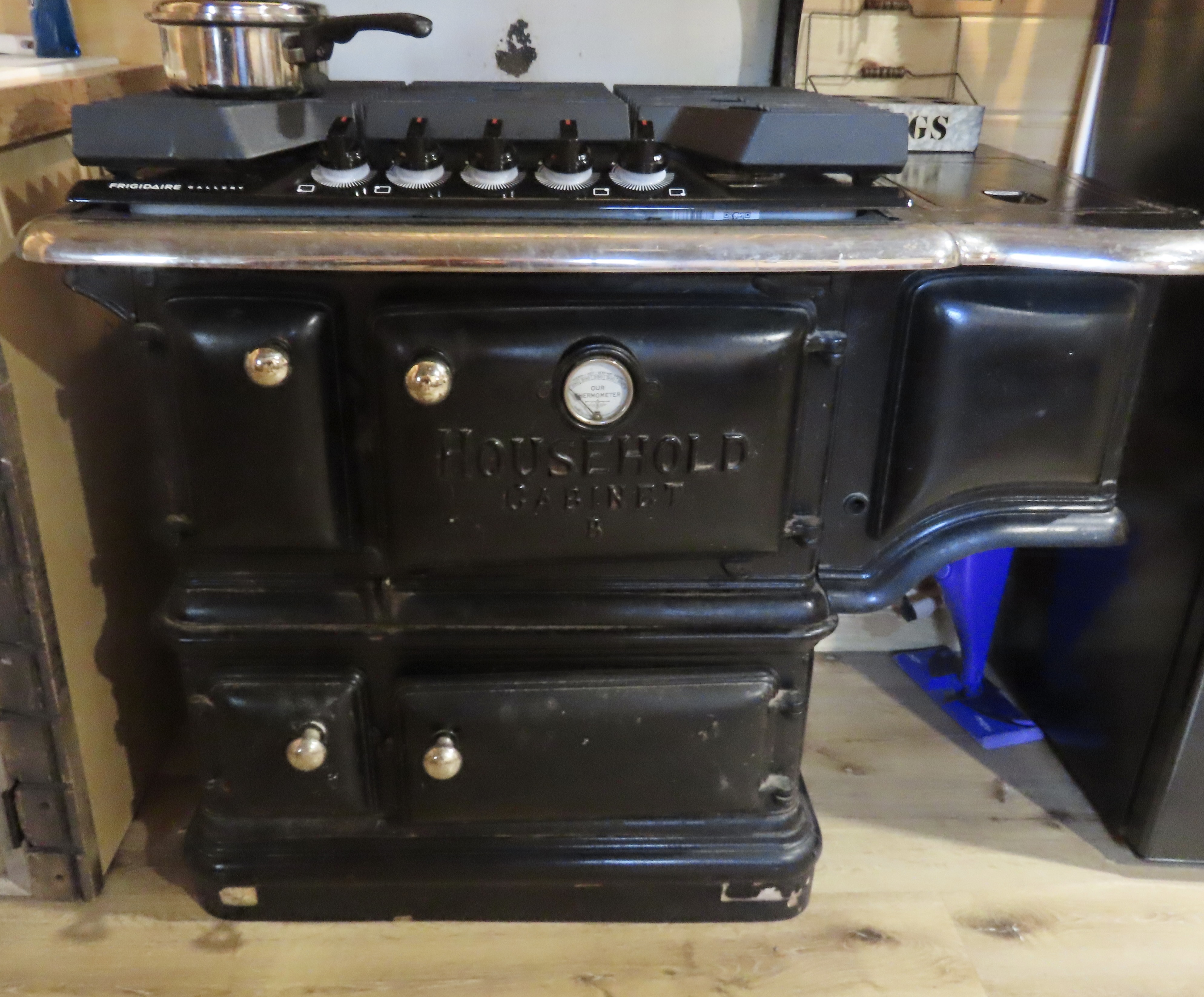
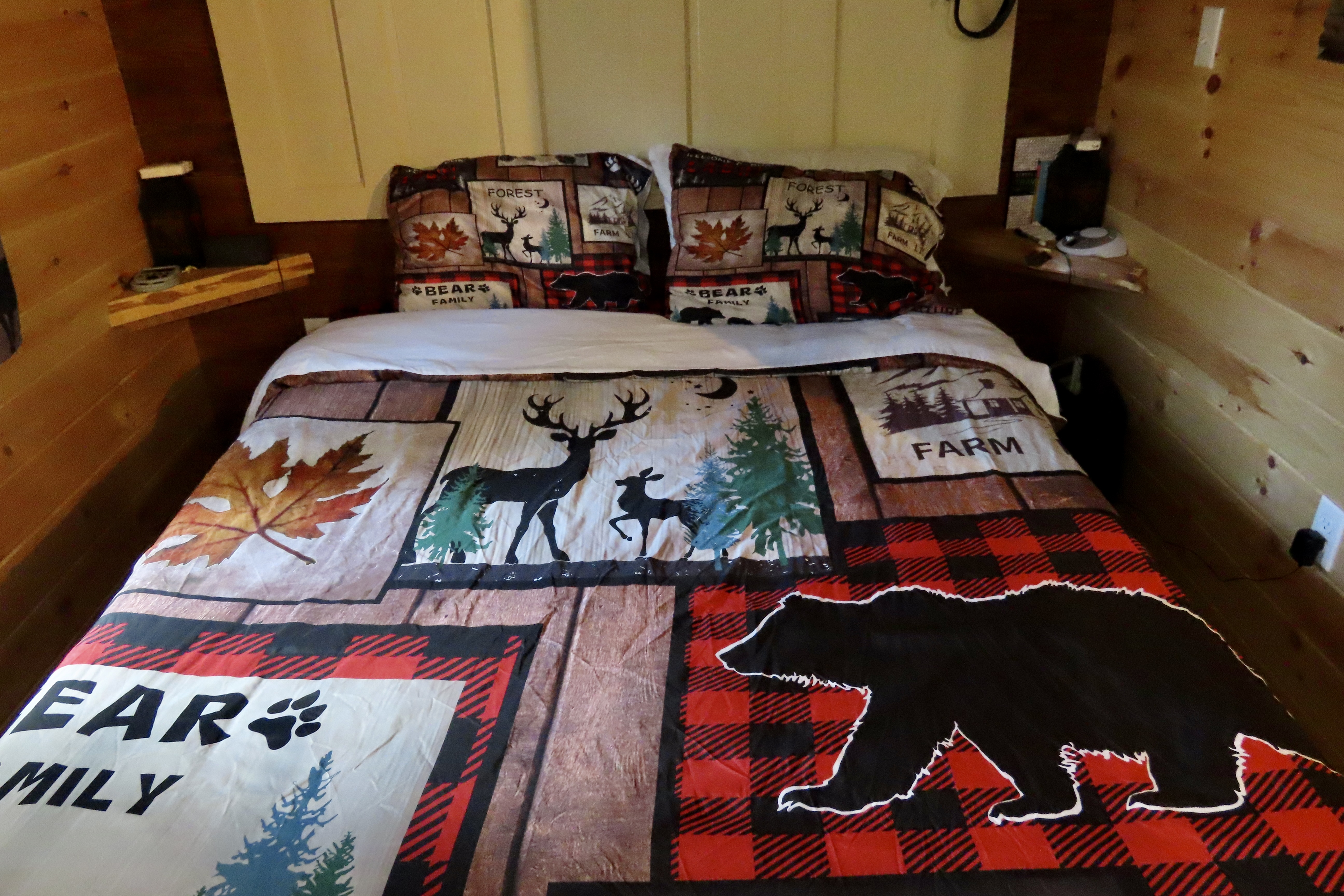
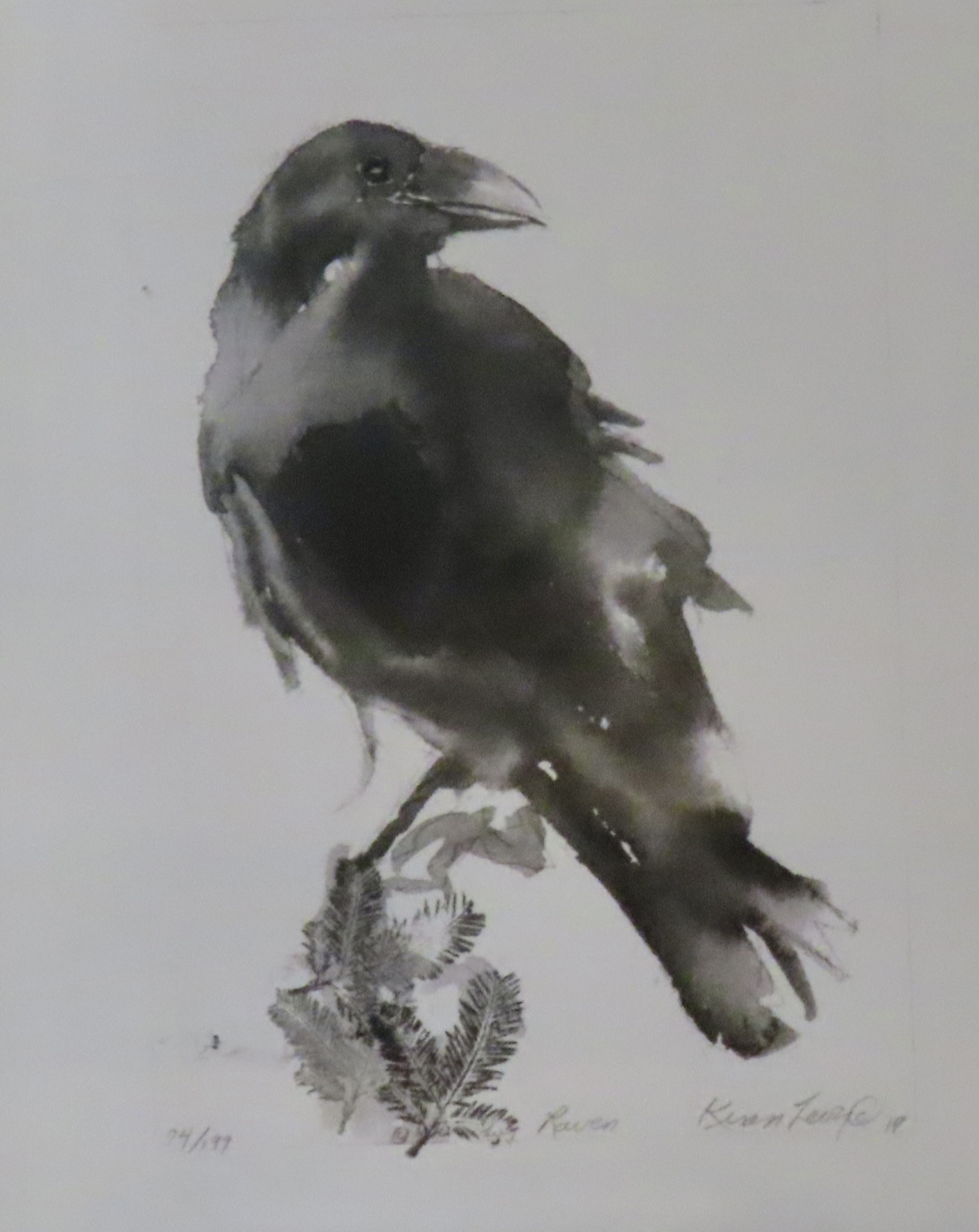
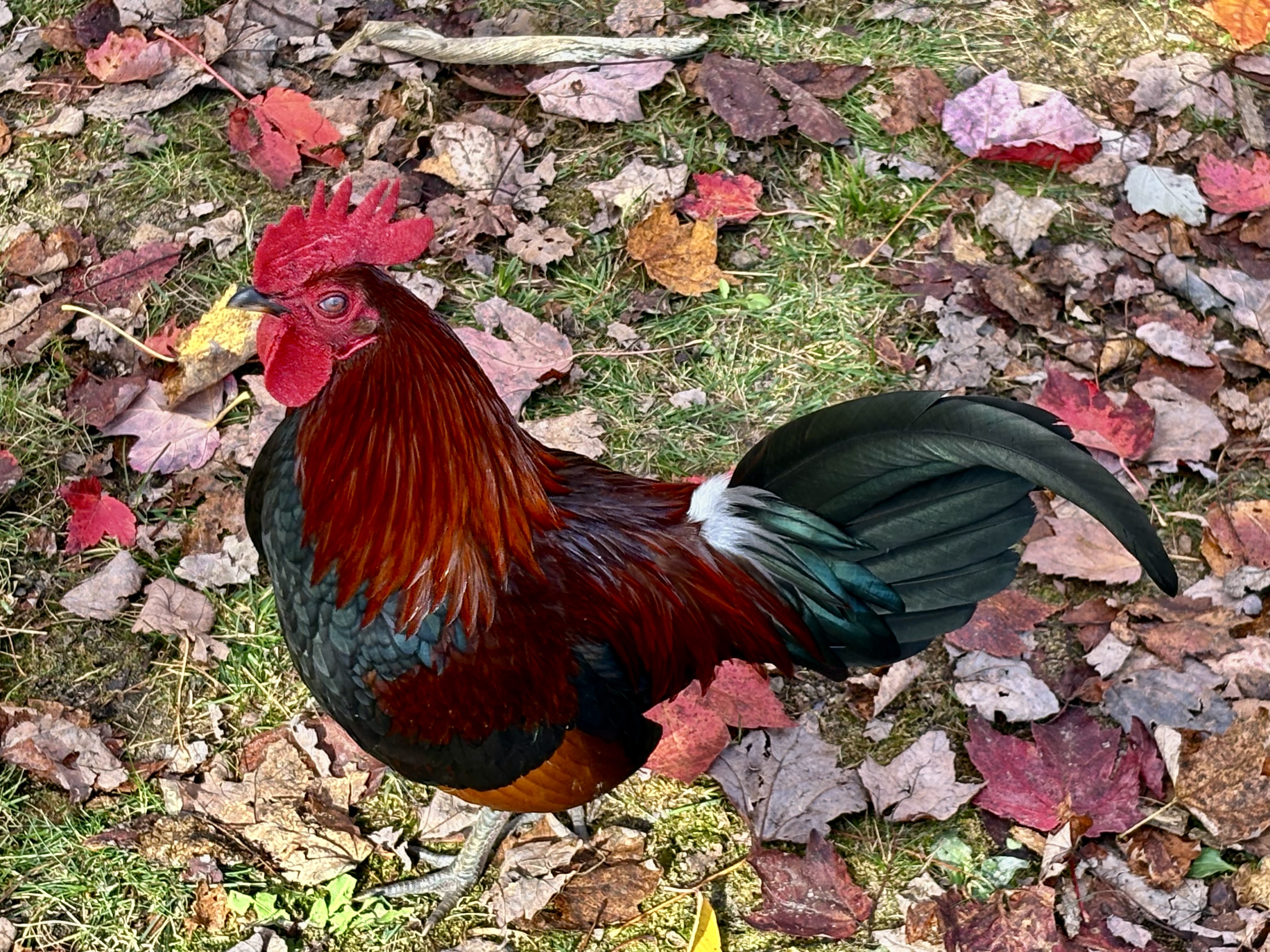
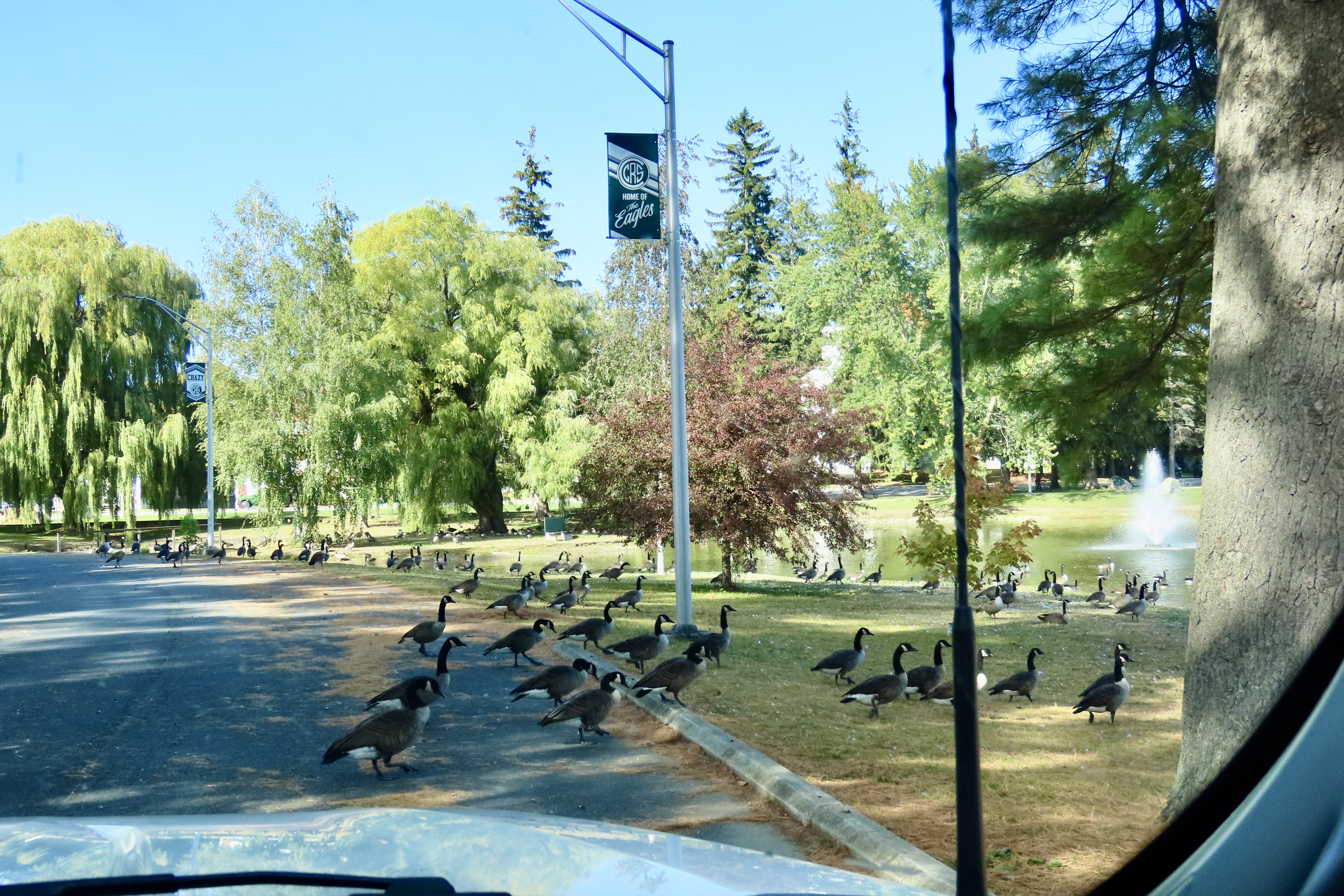
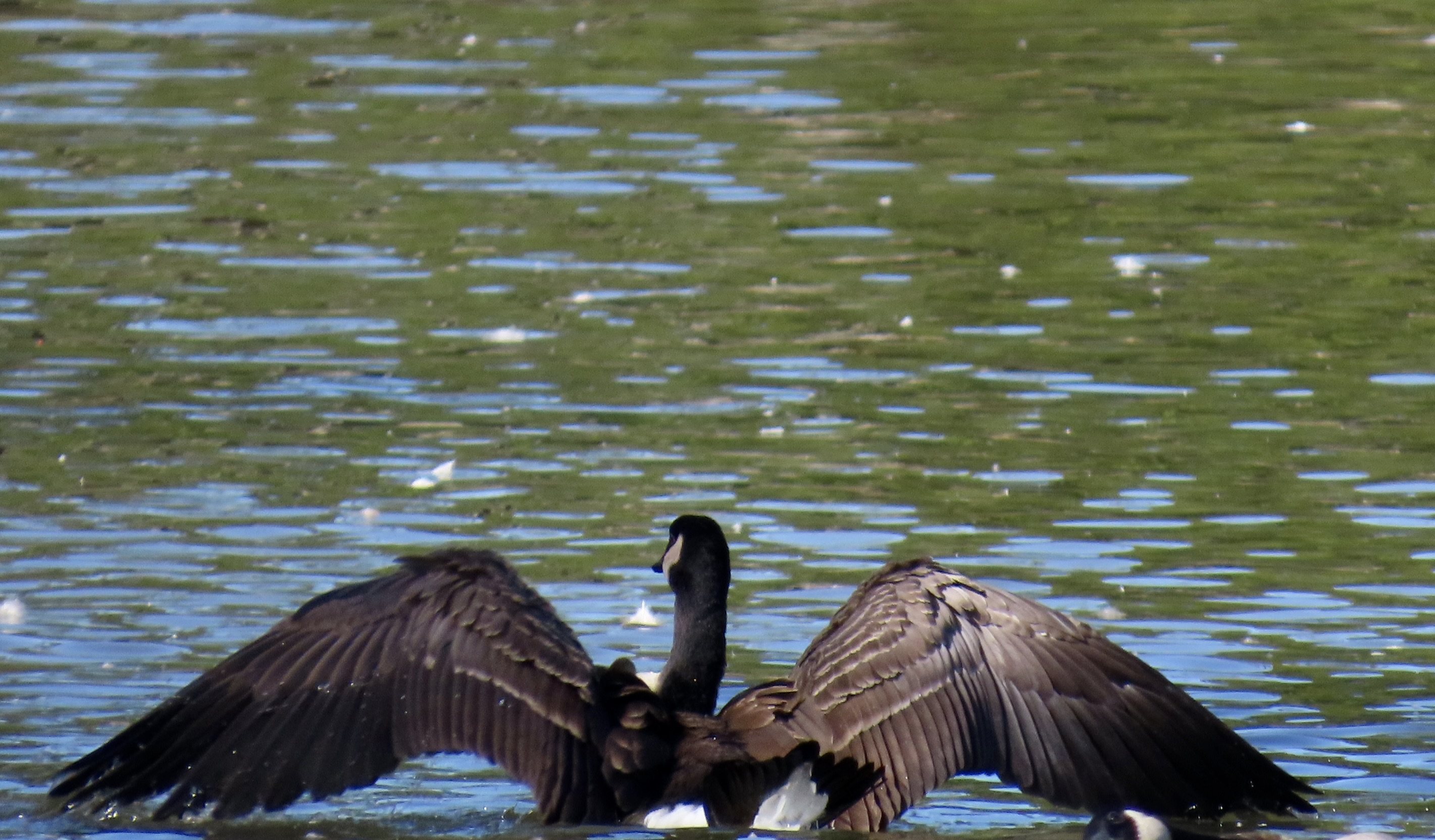
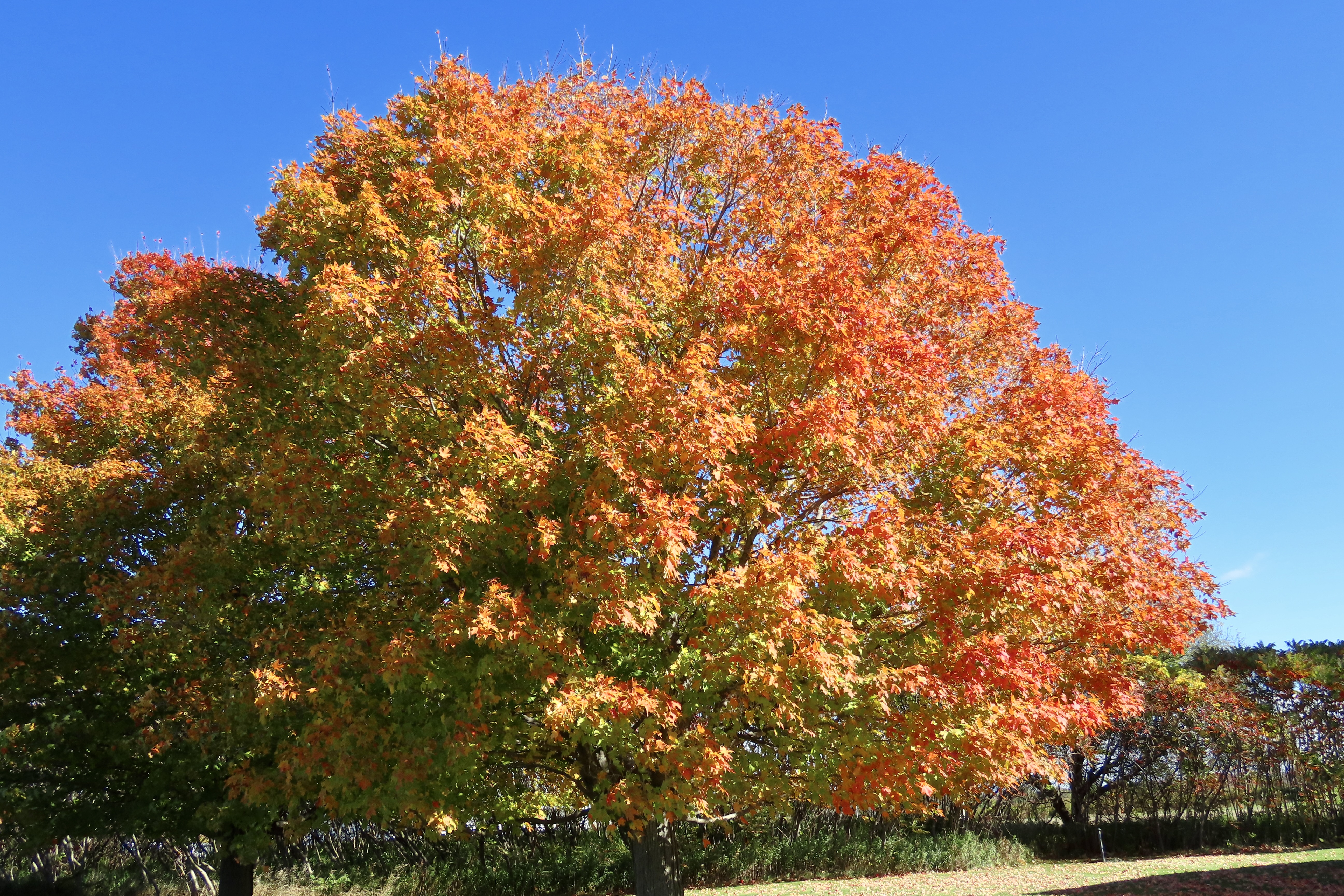
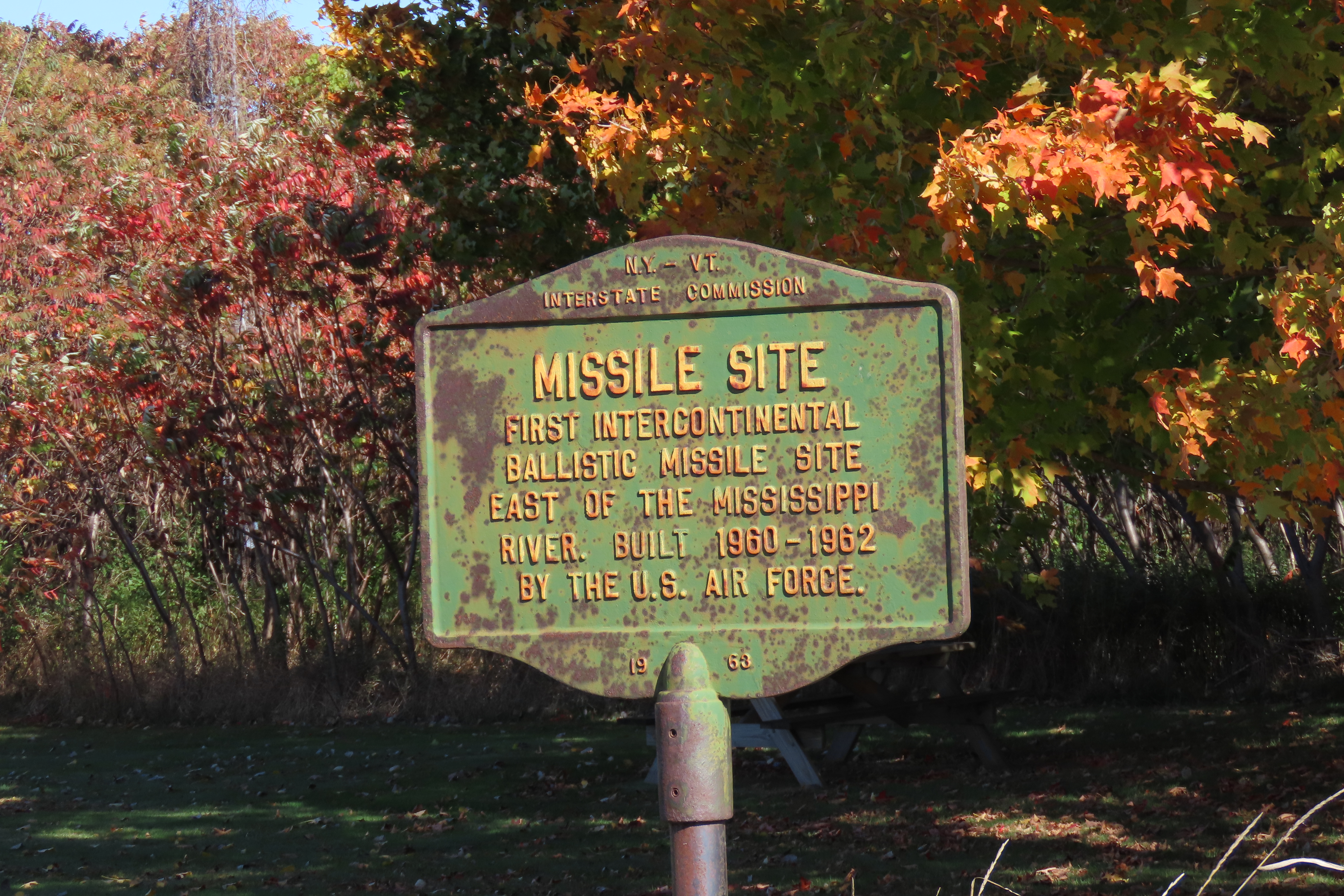
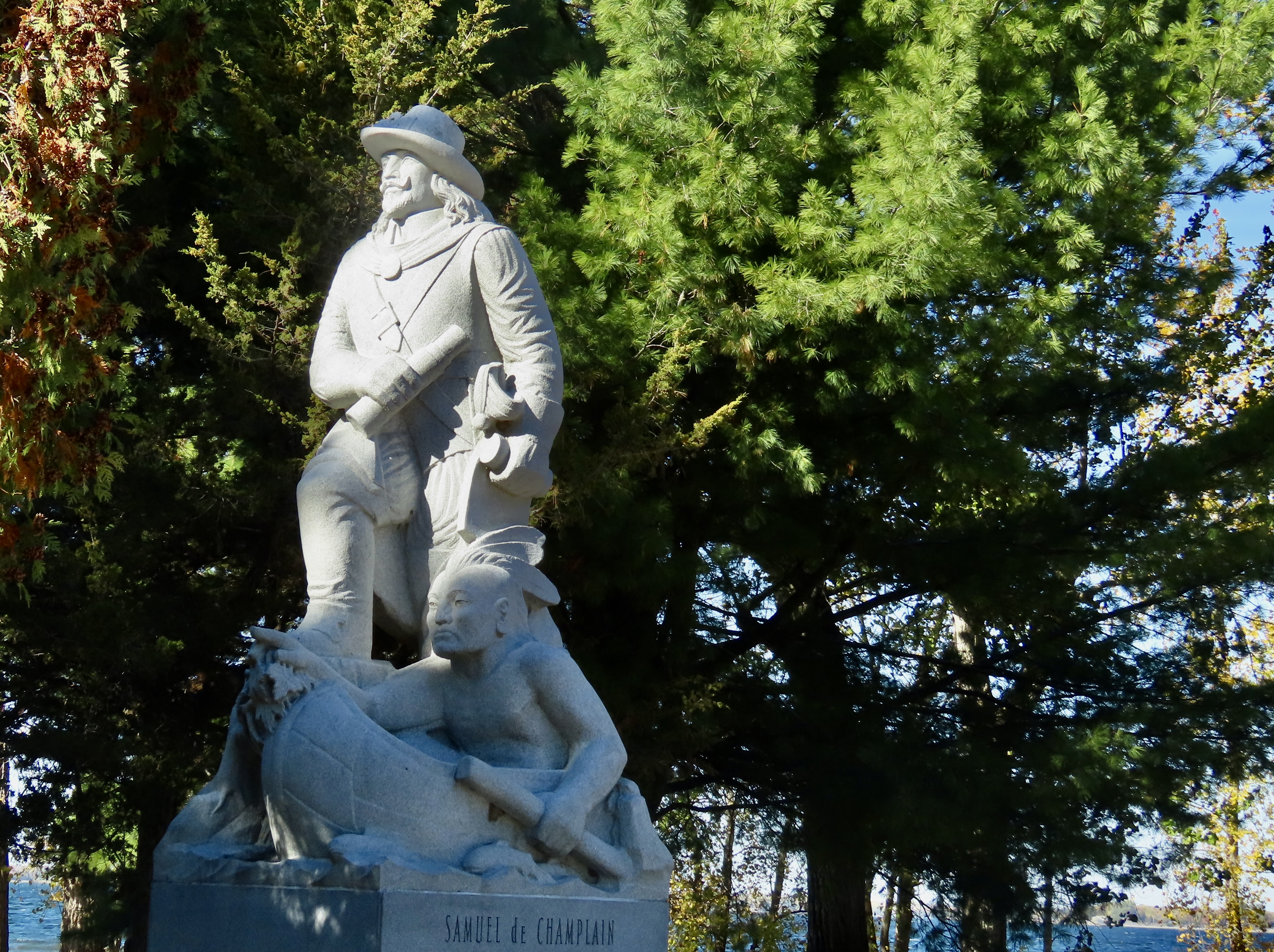
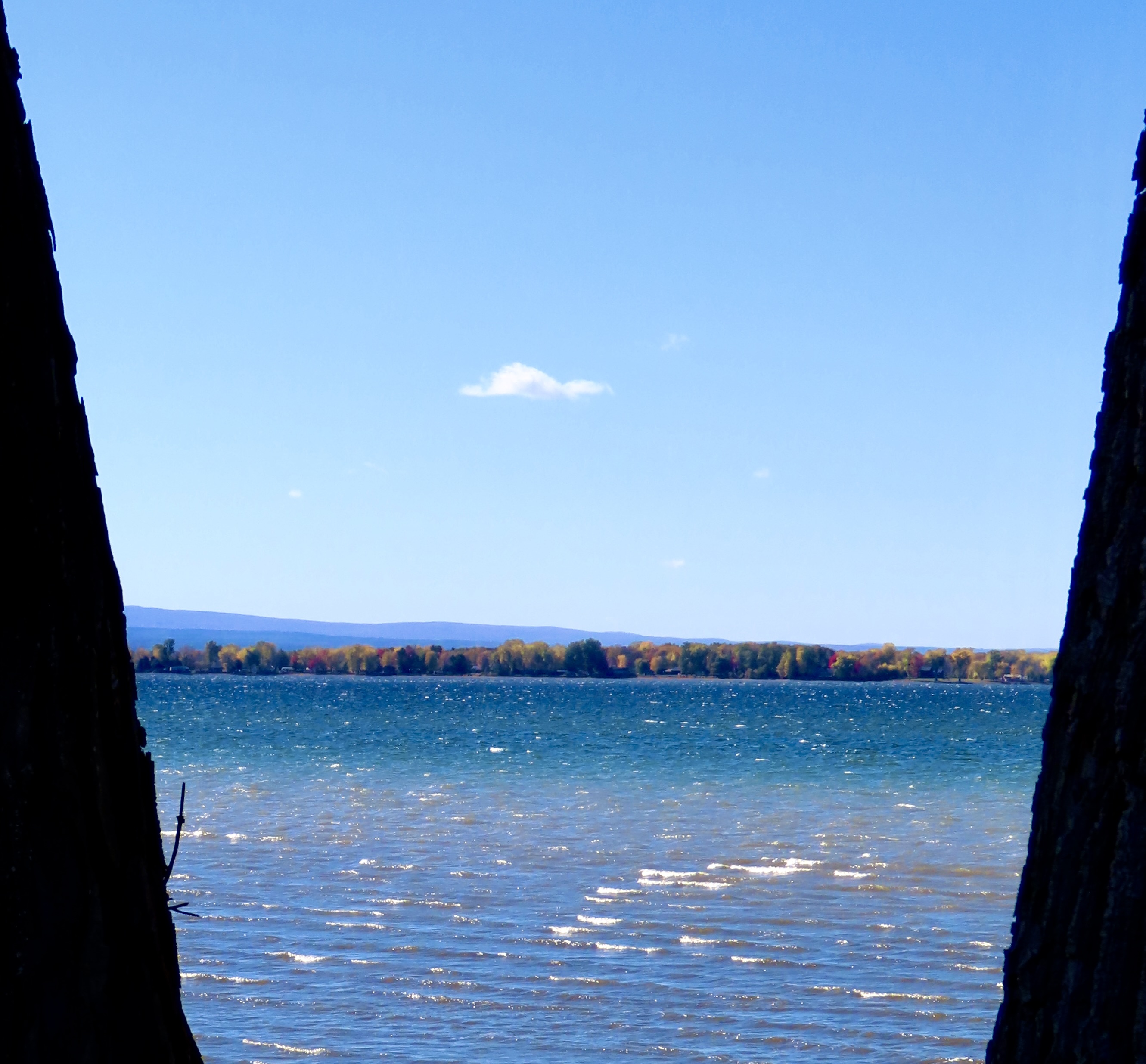
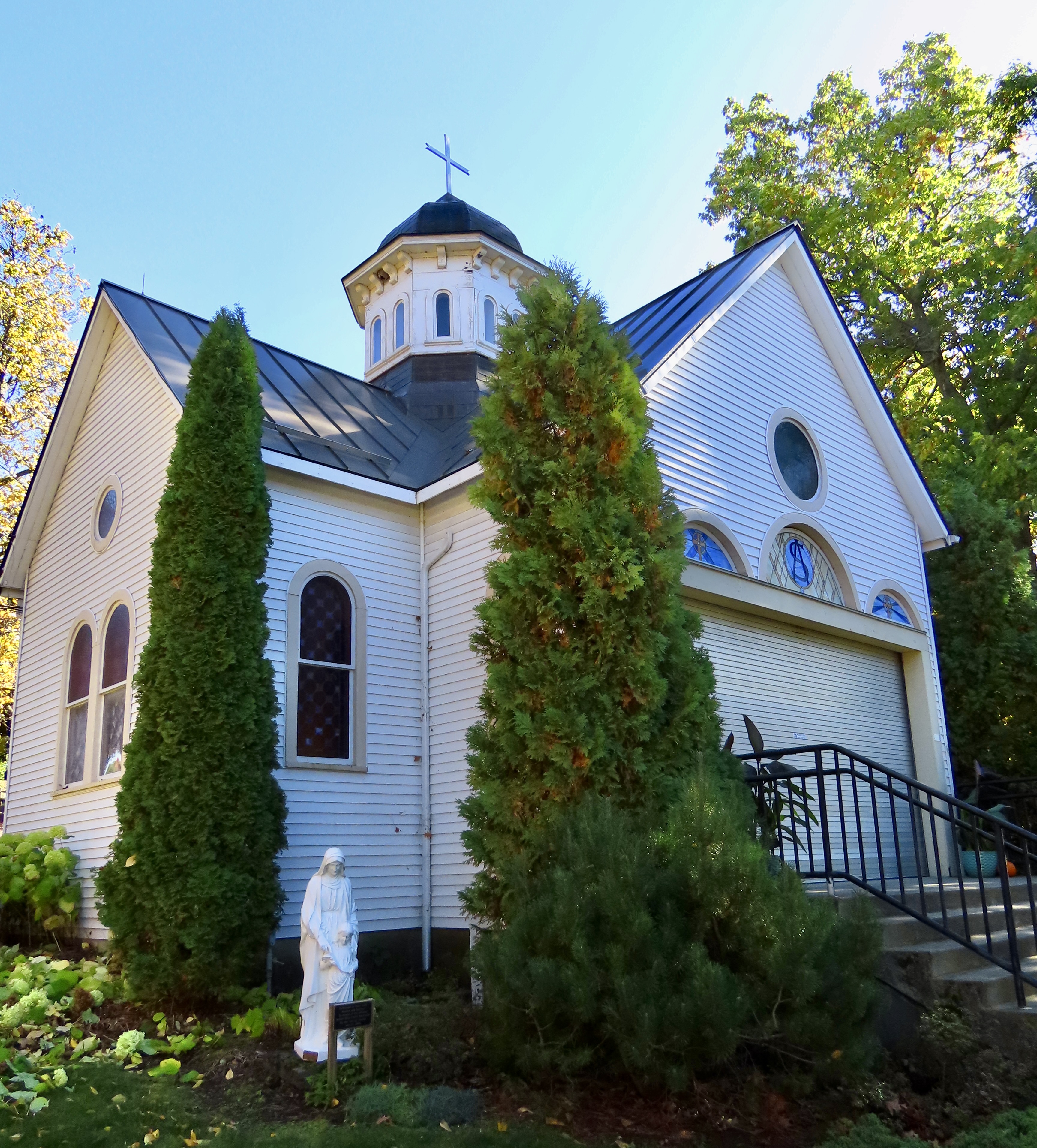
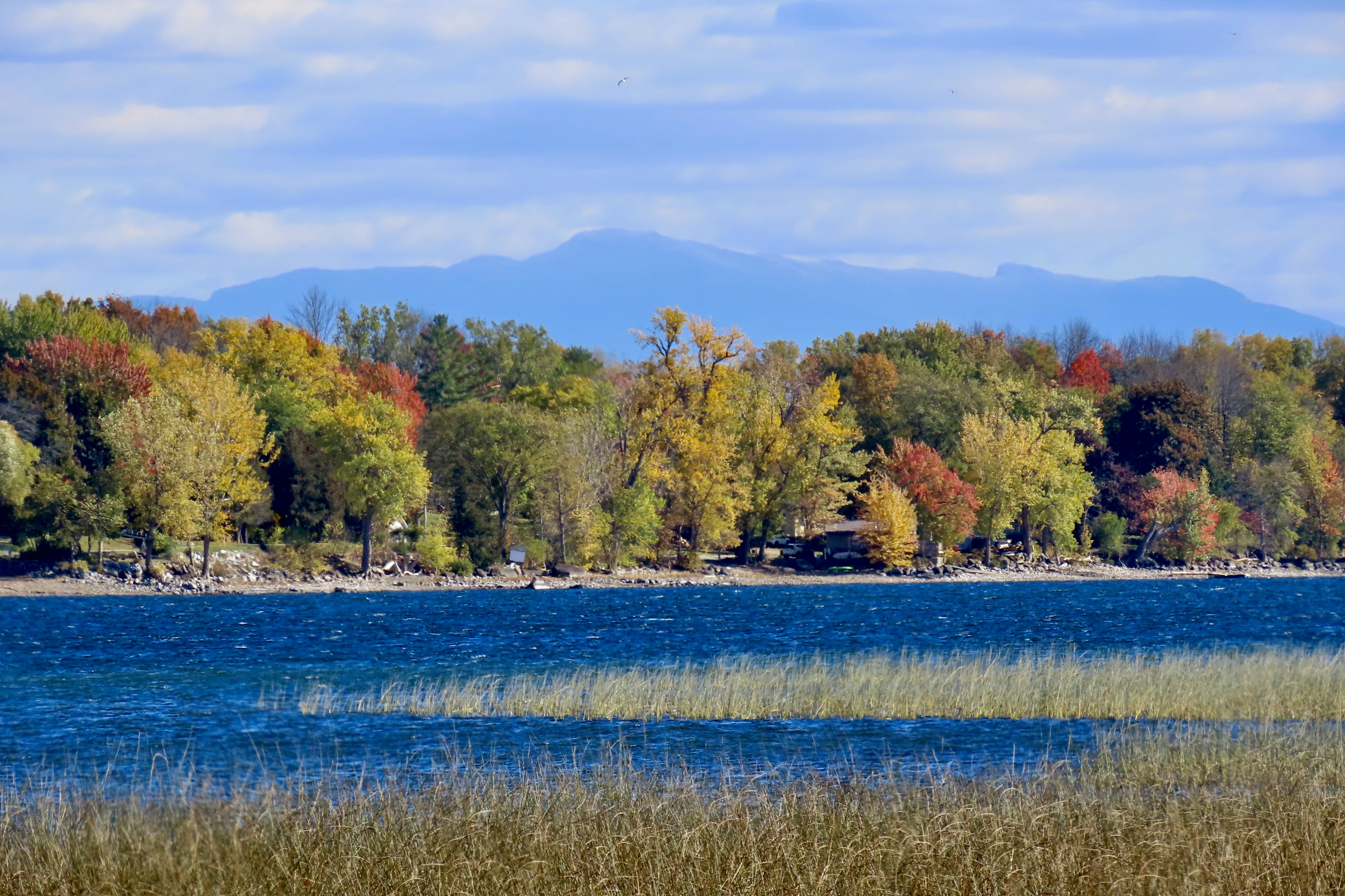
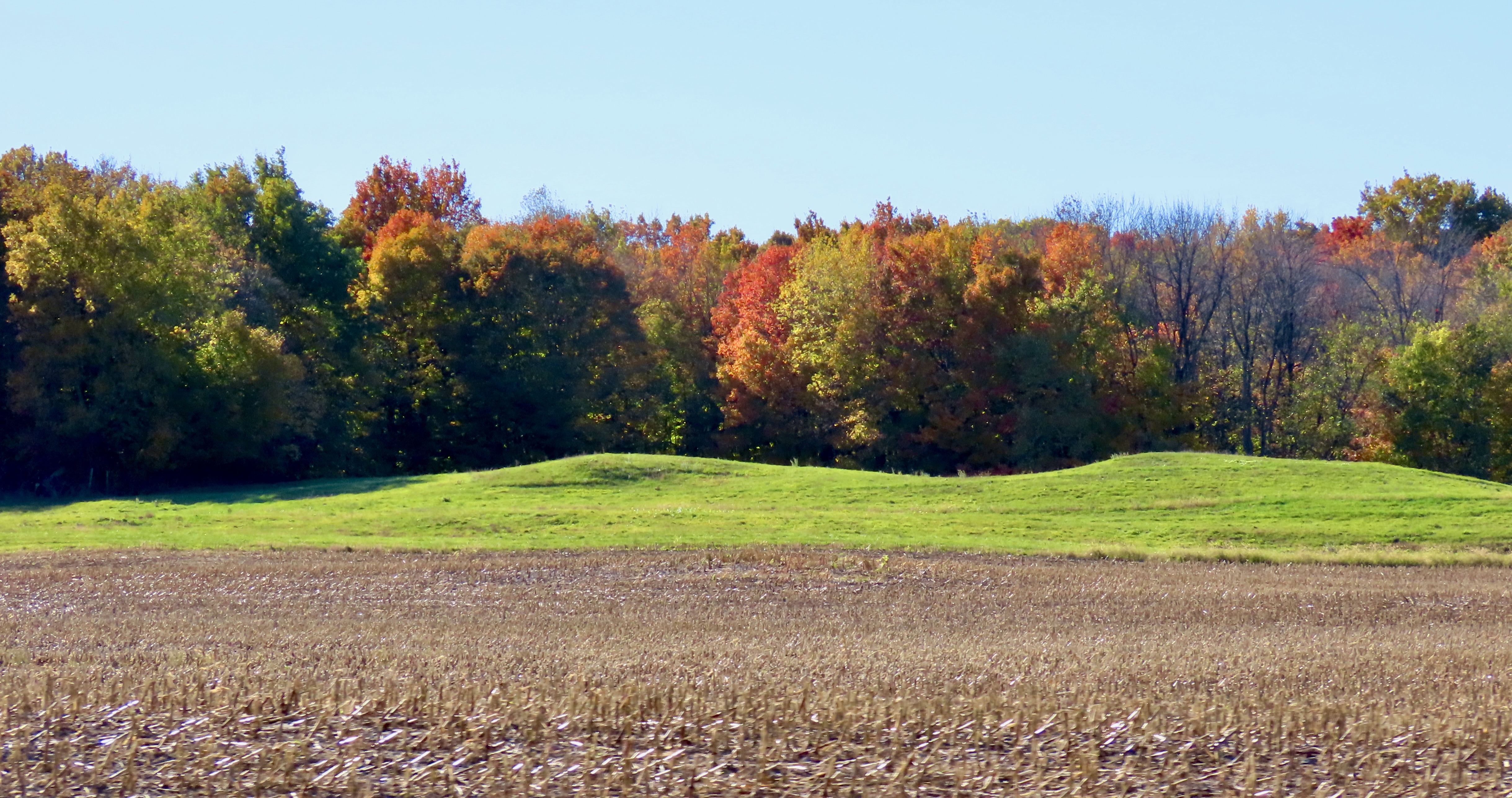
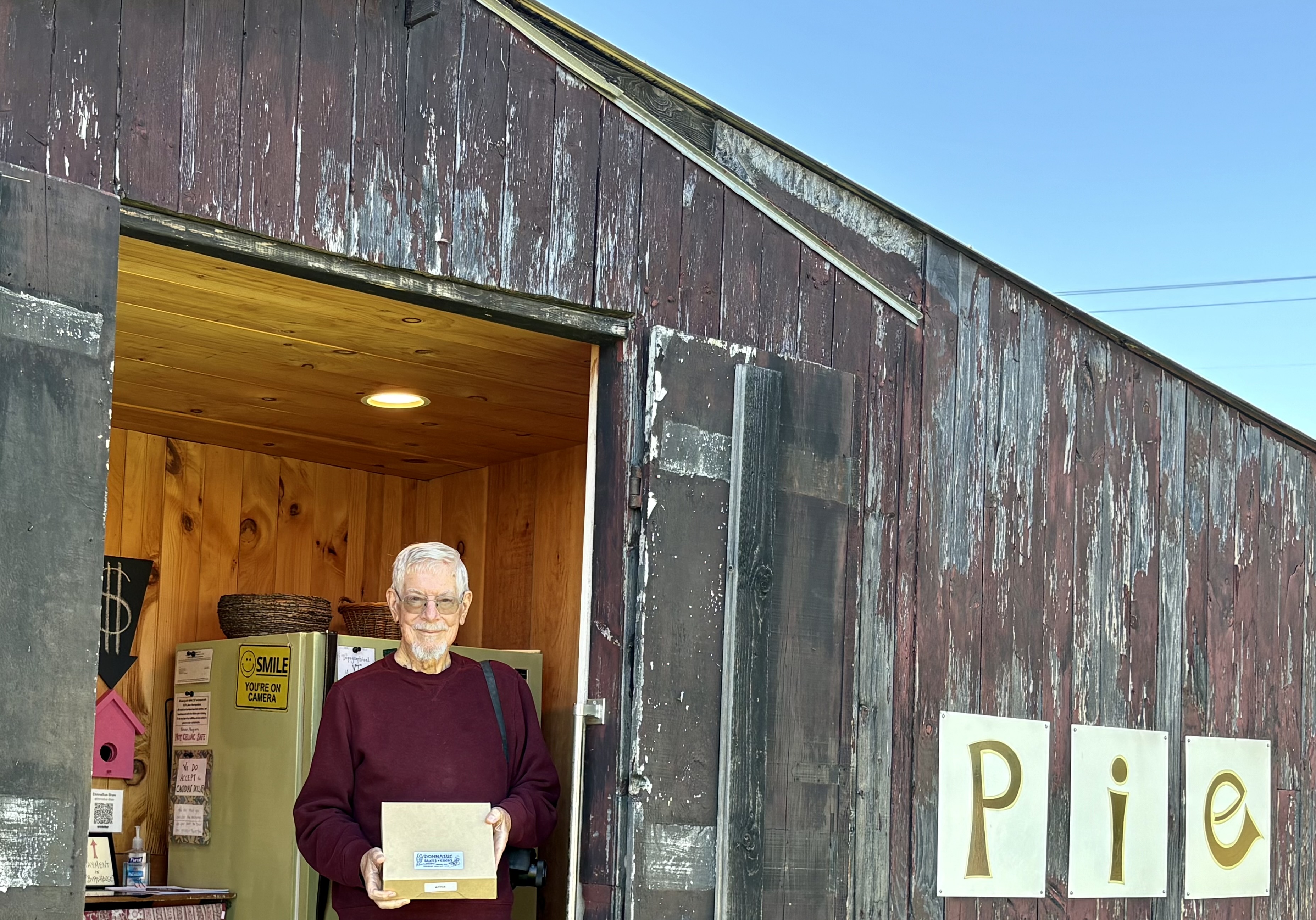
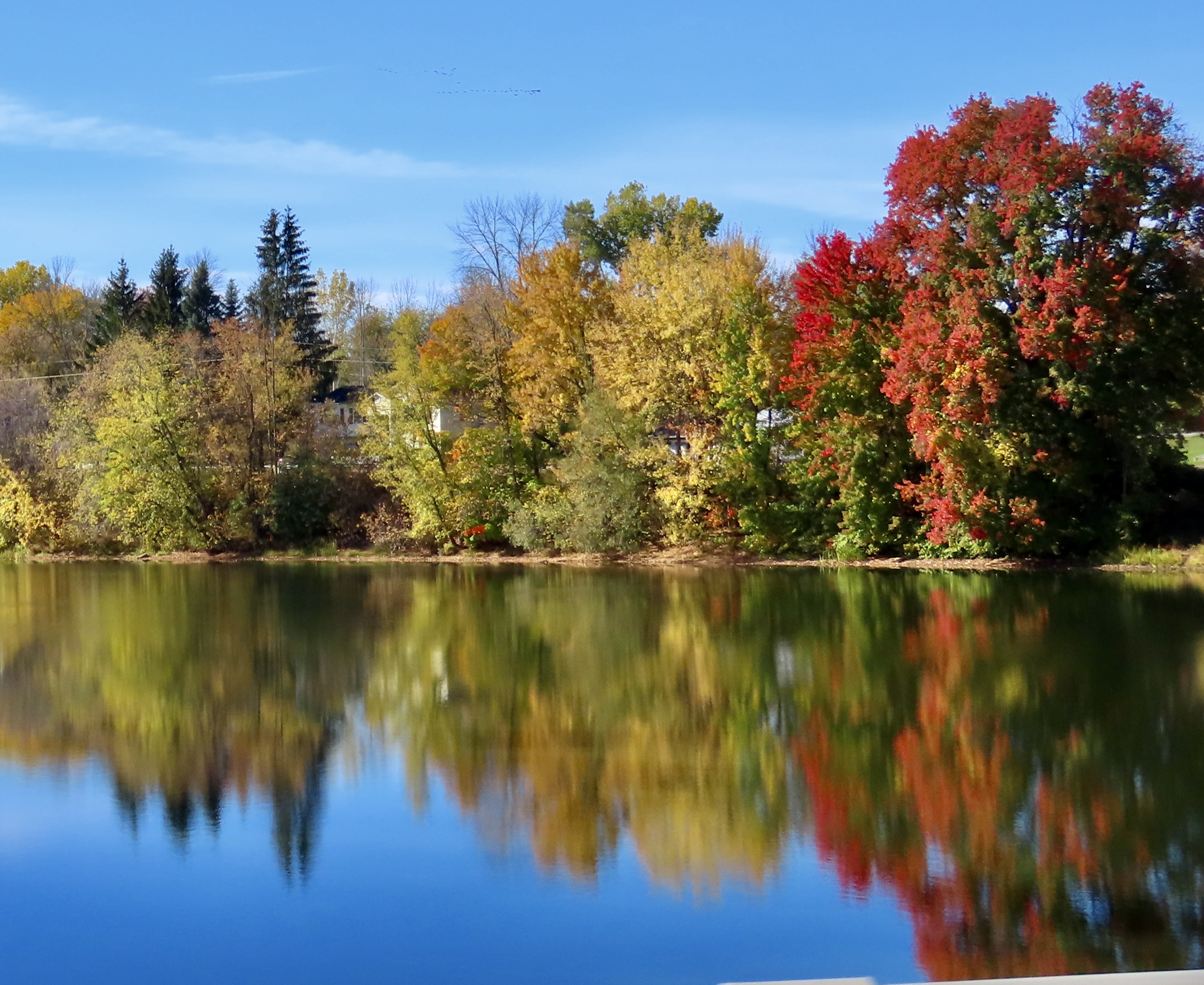
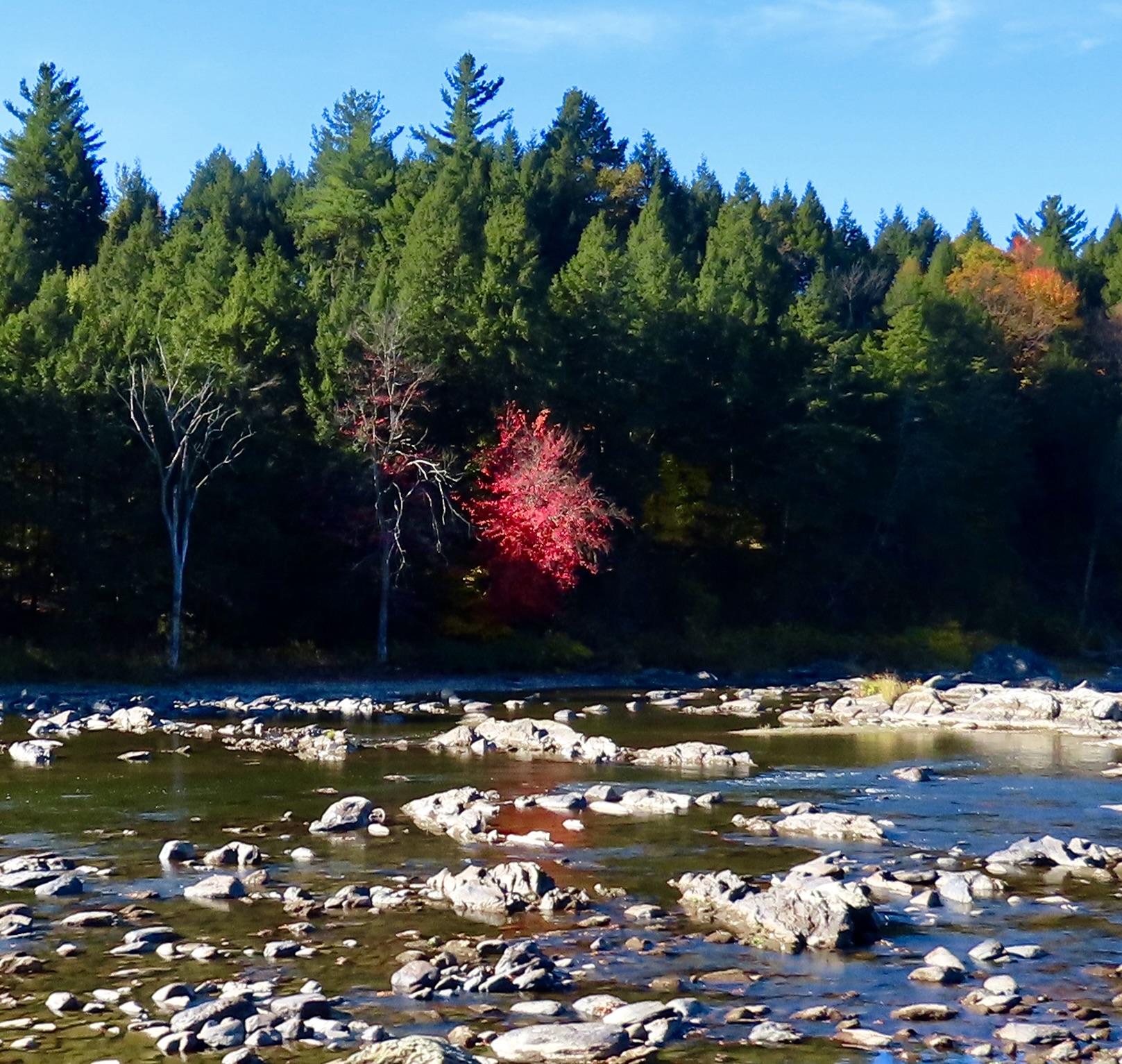
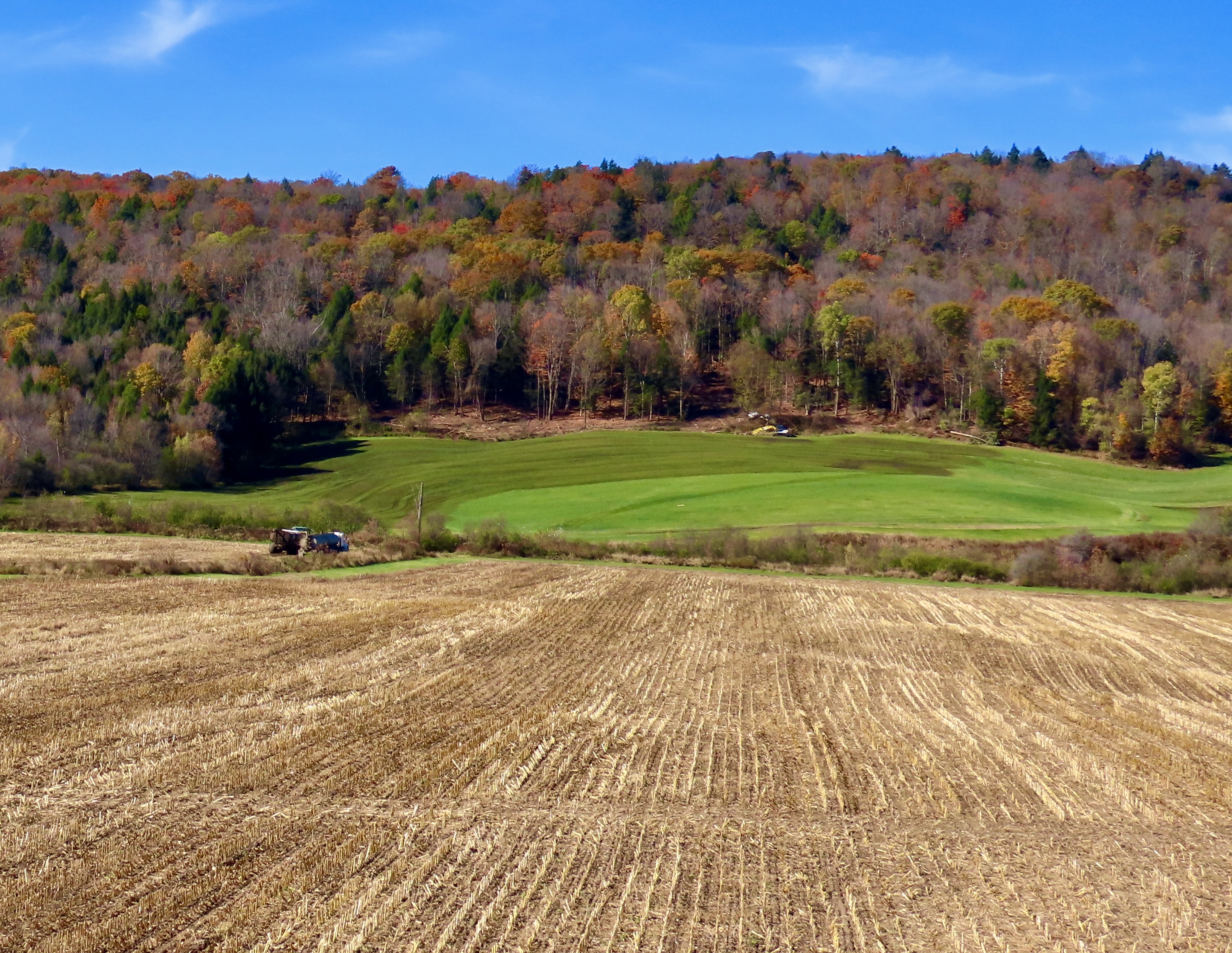
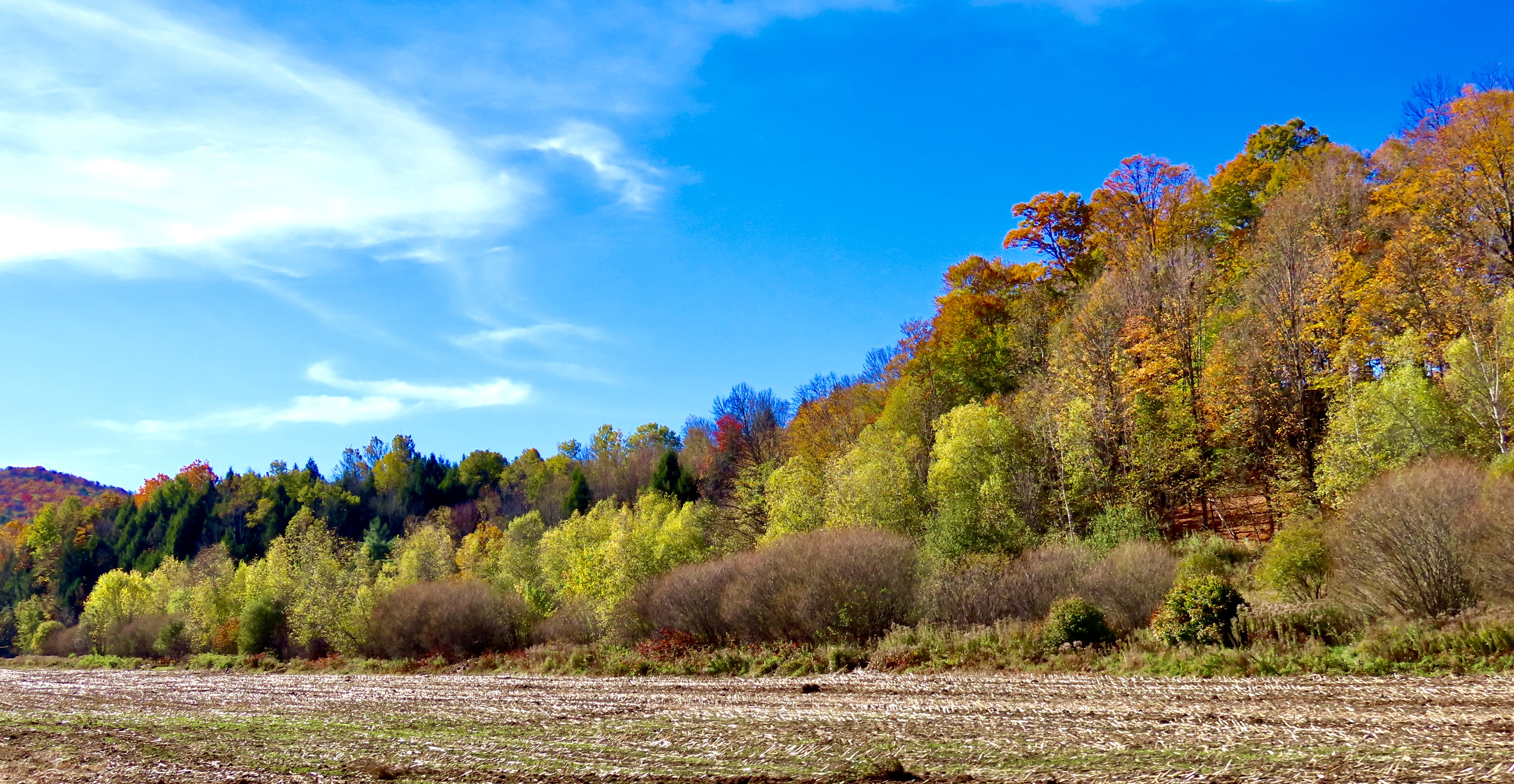
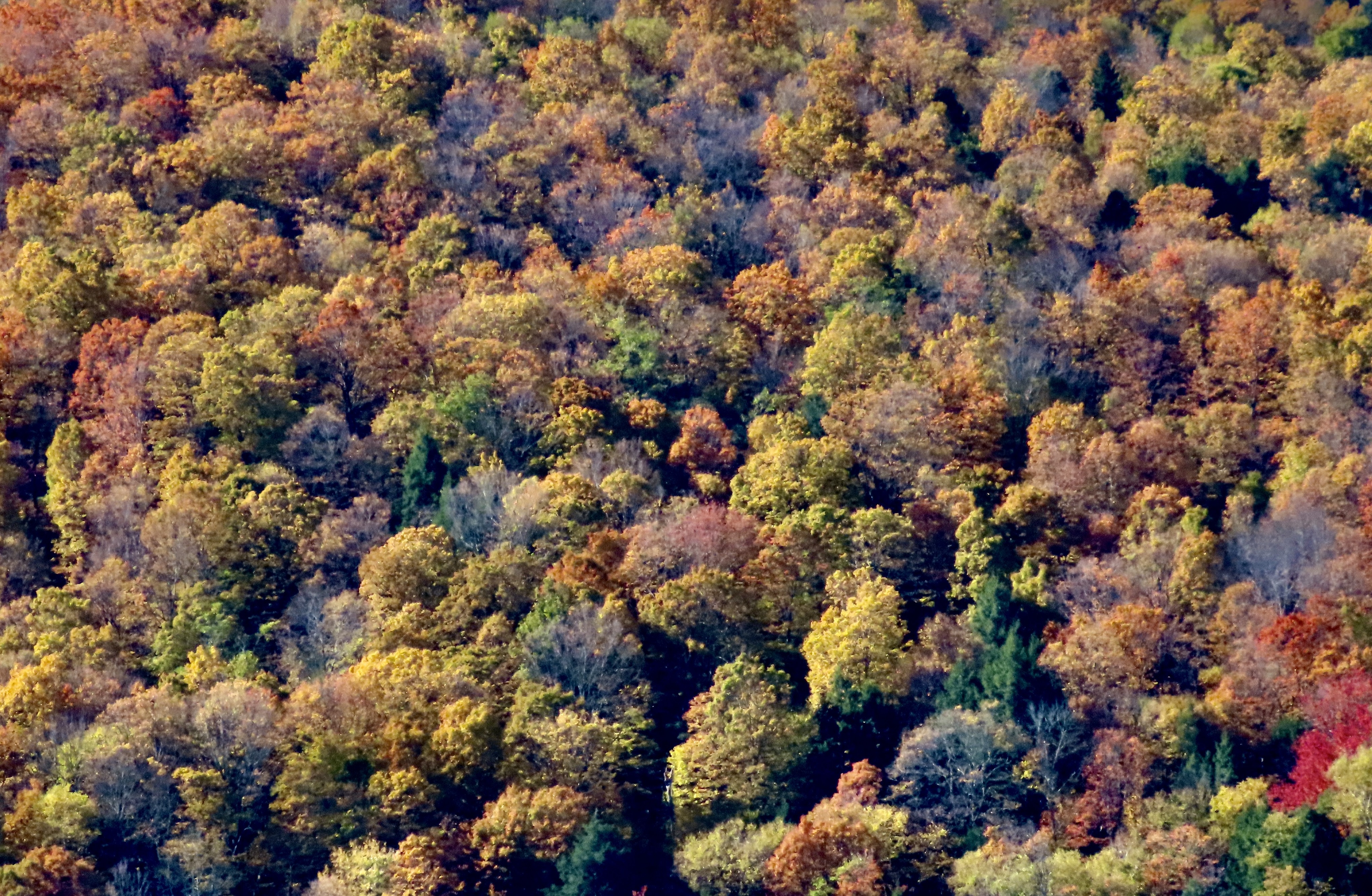
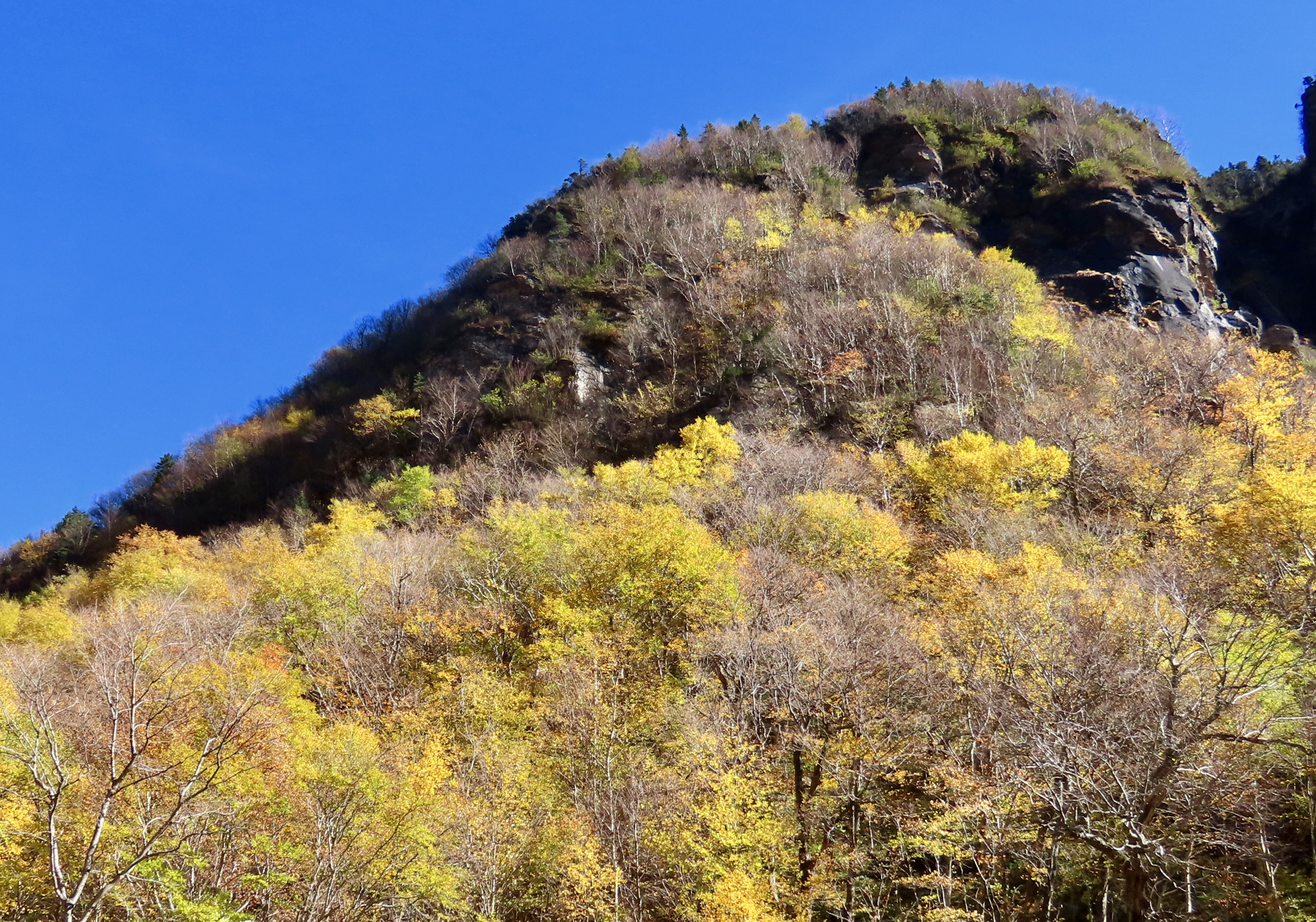
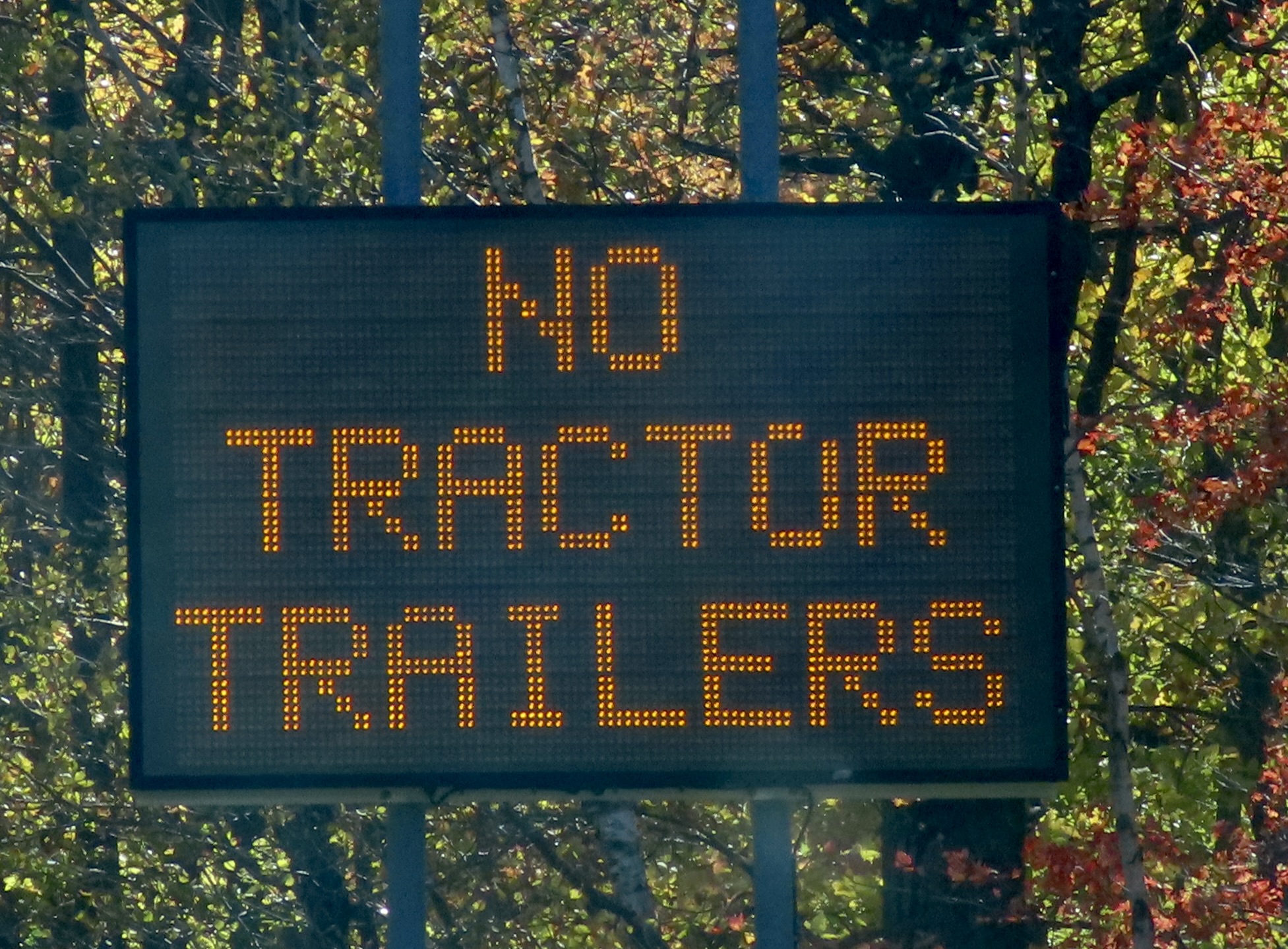
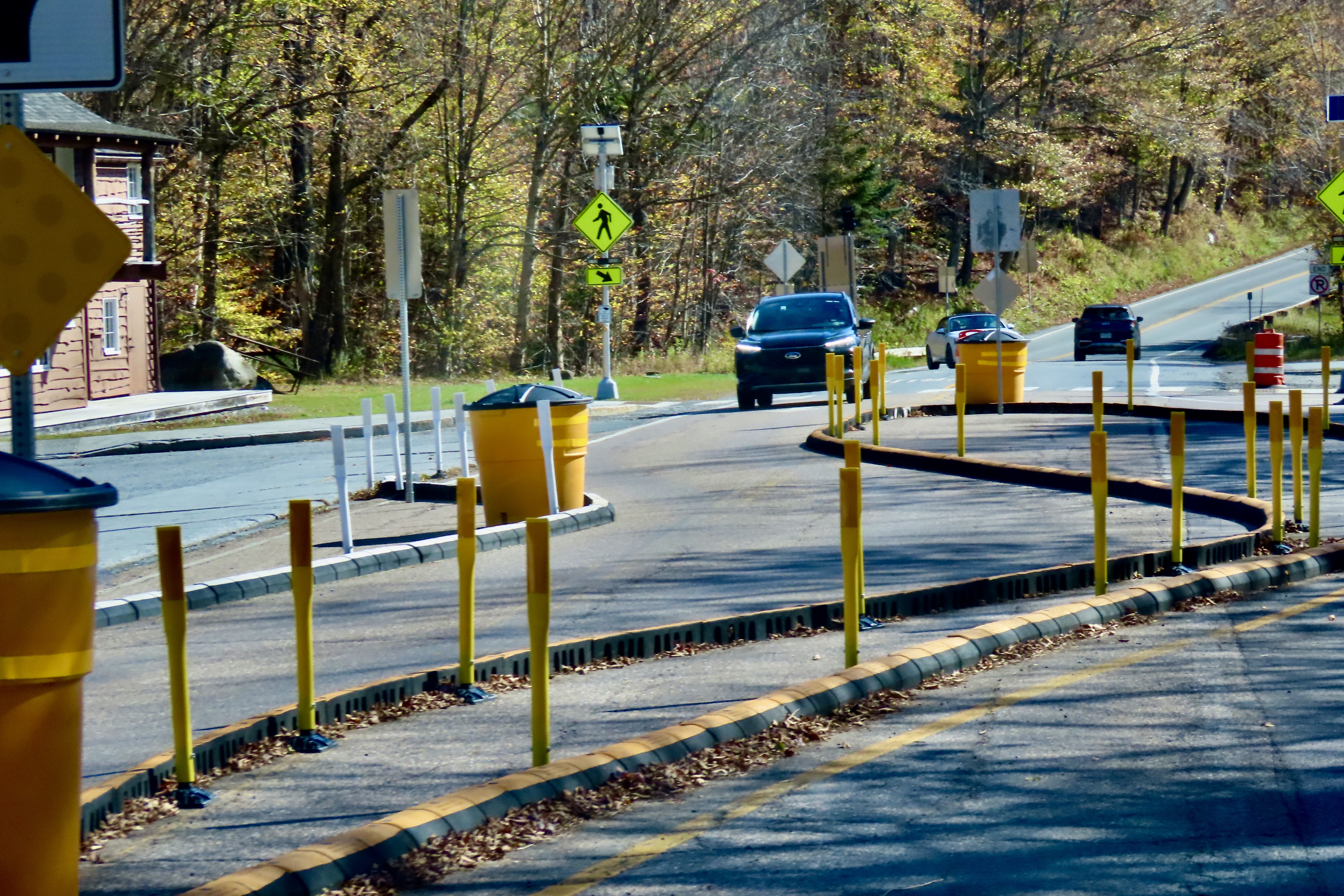
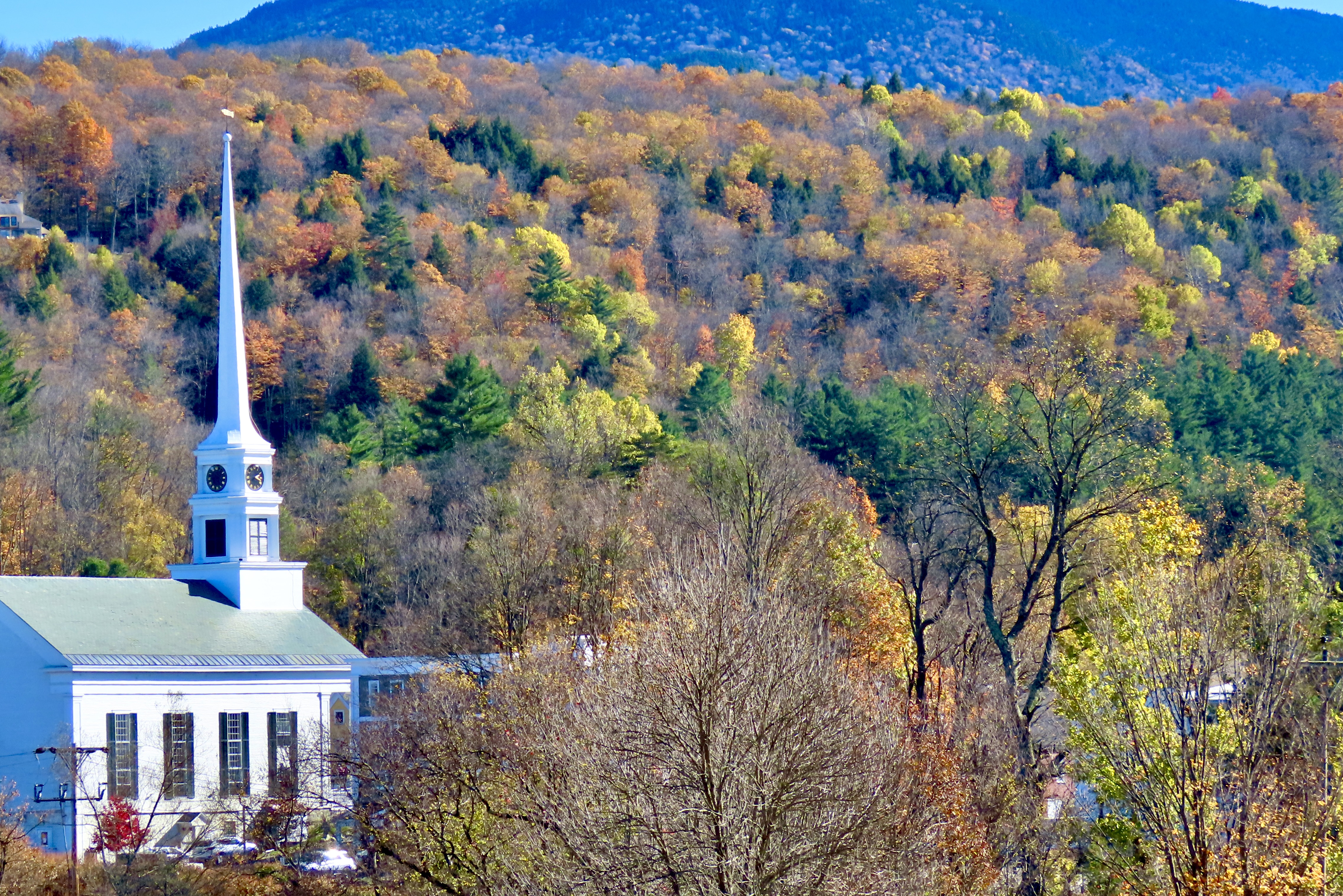
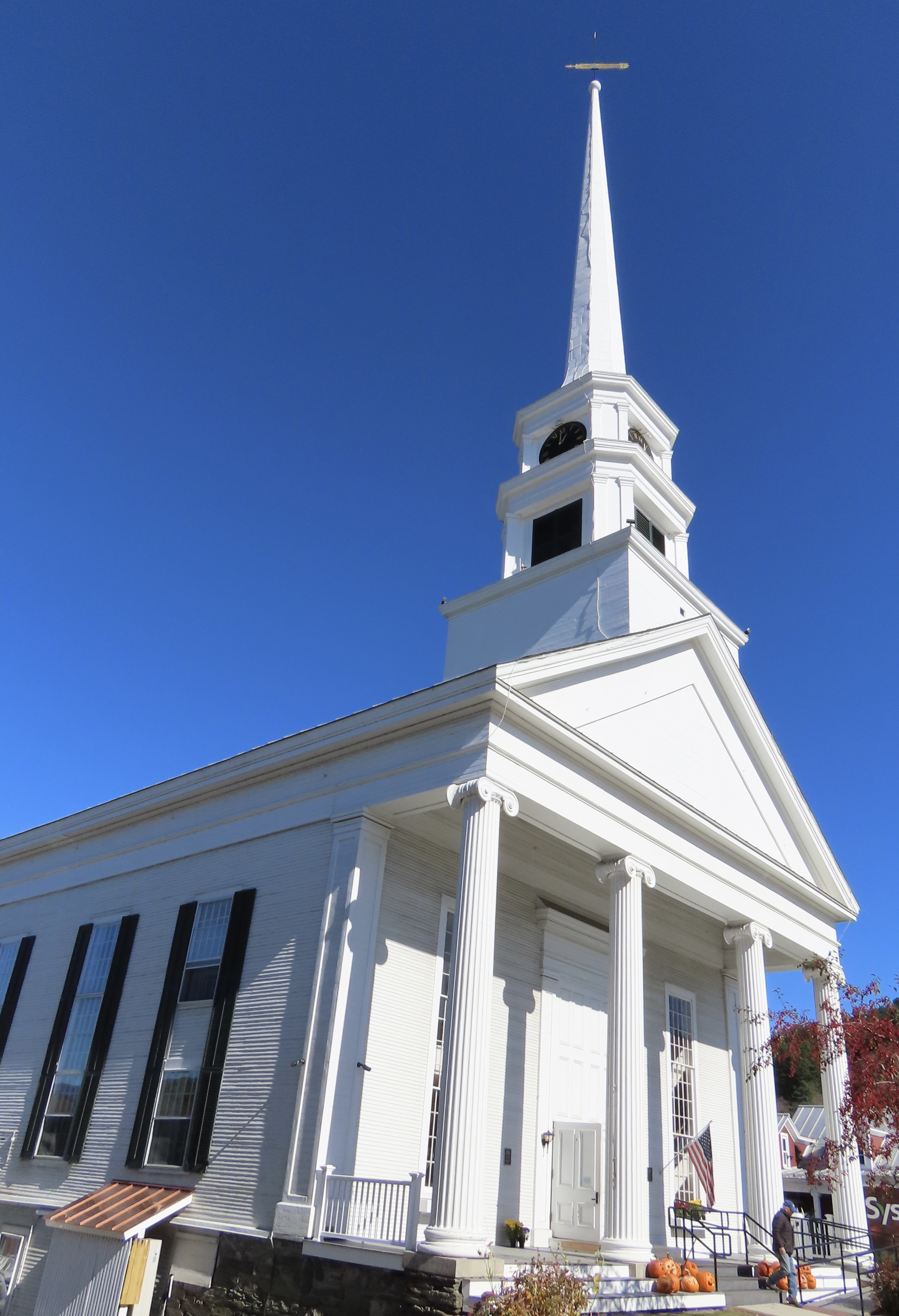
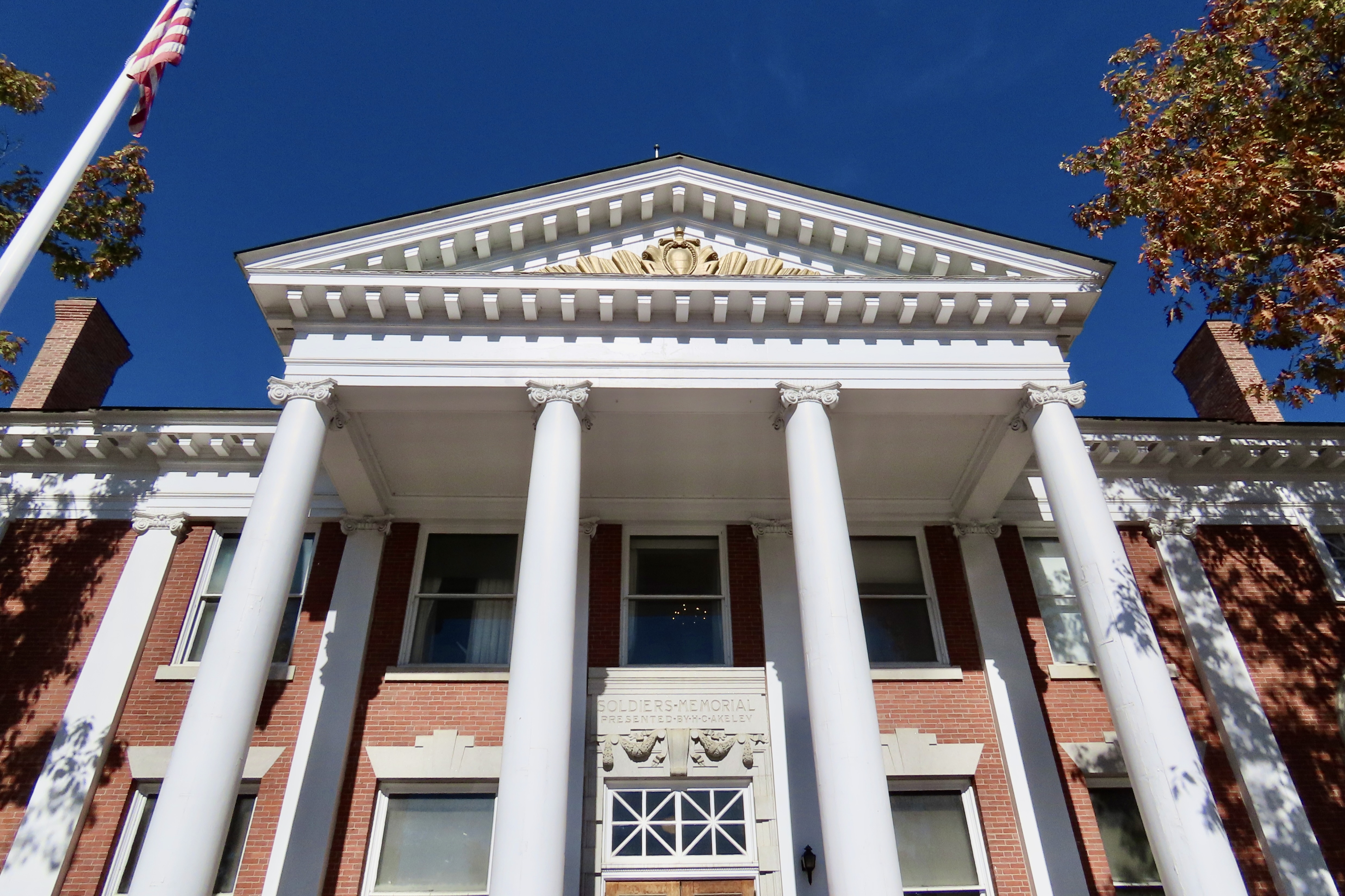
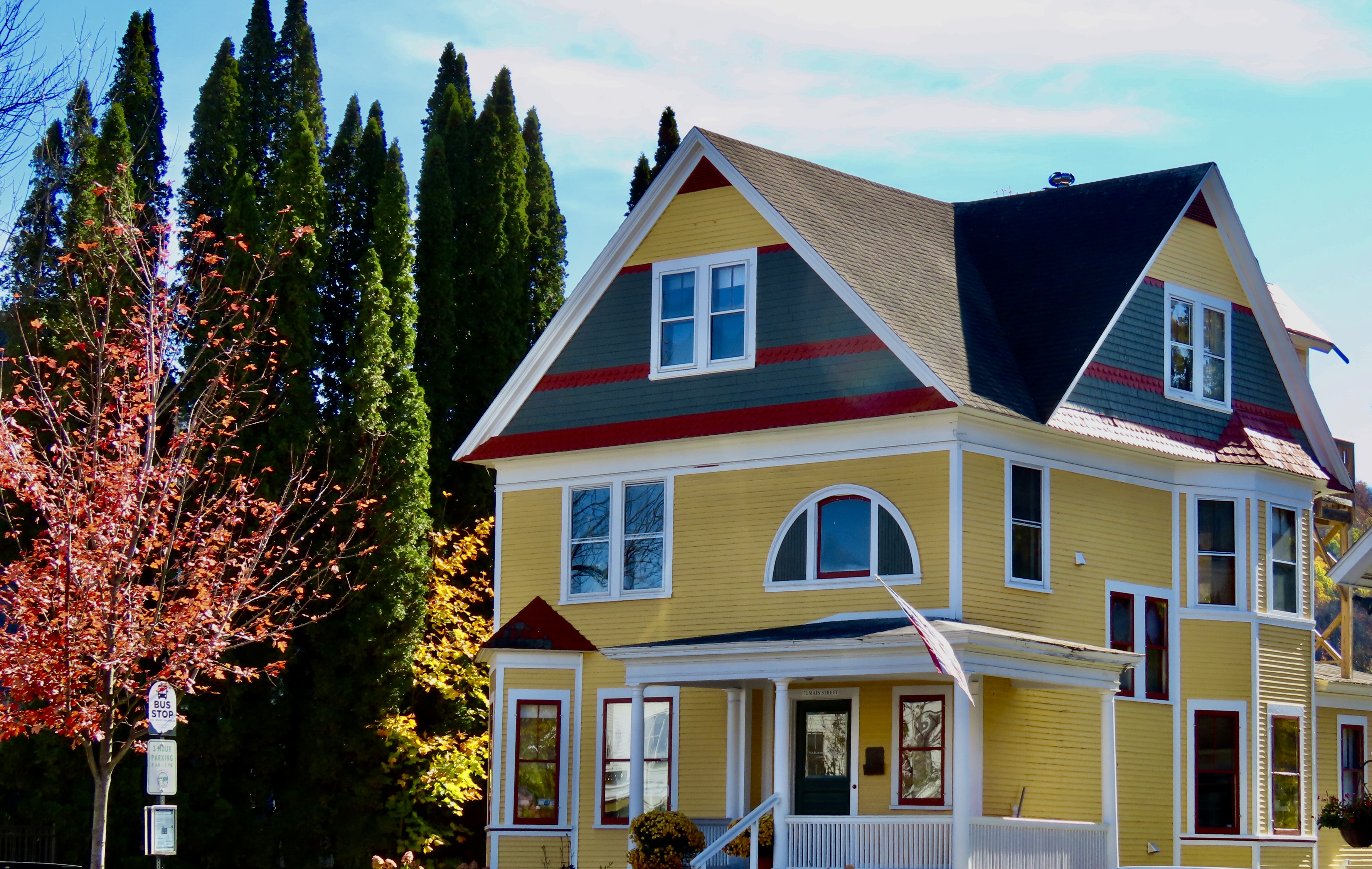
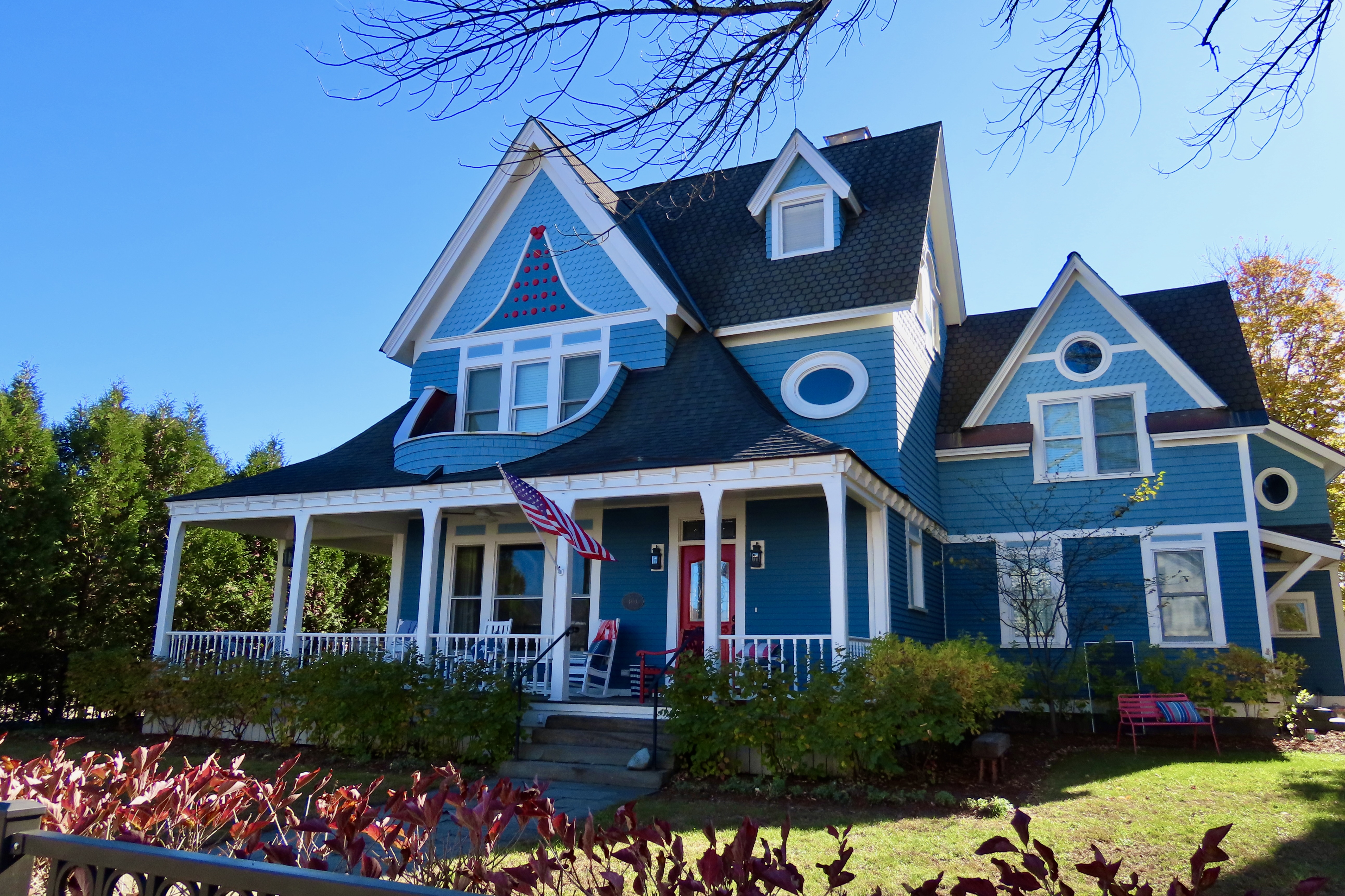
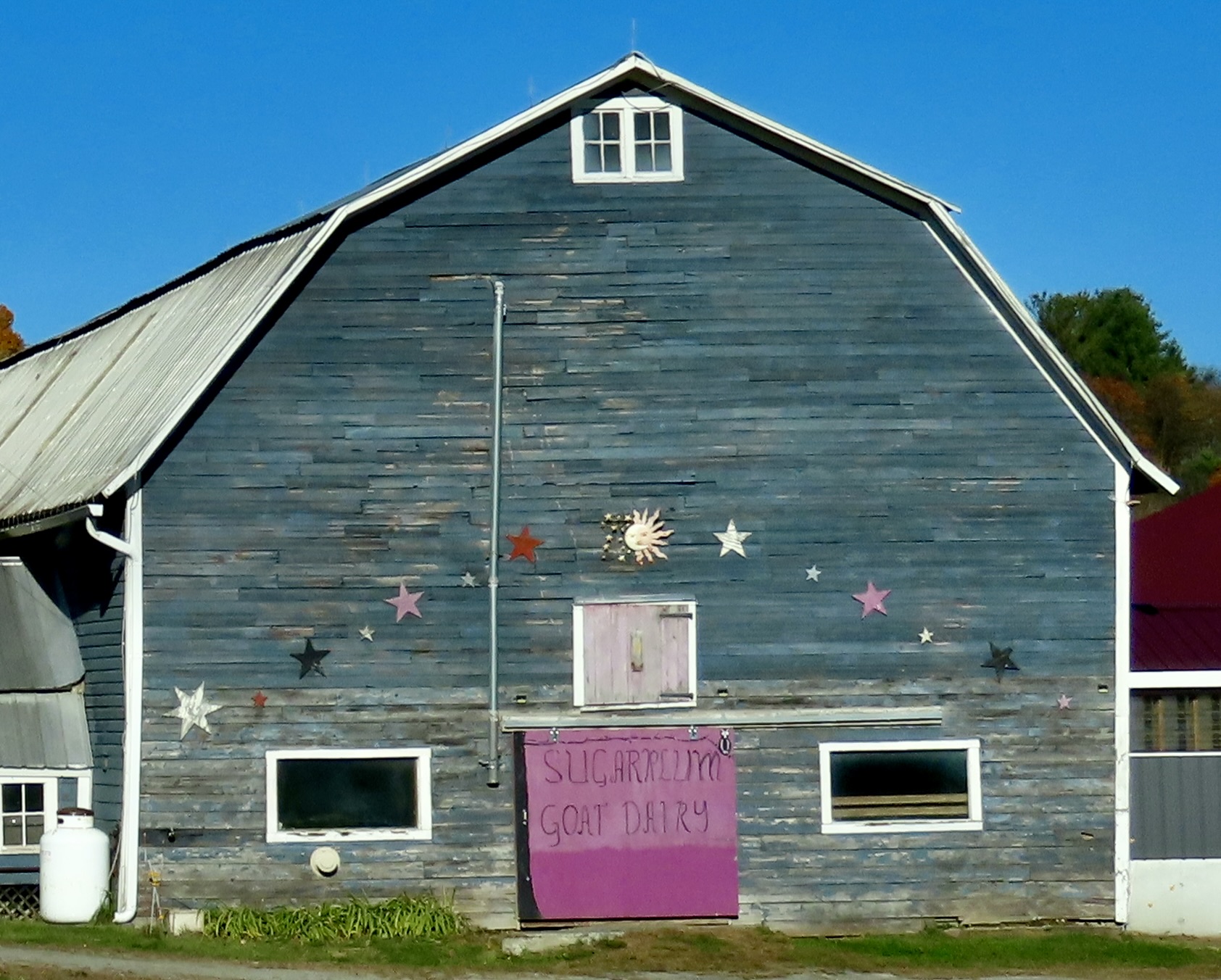
This stove serves as an example of what Shane had done in the cabin. He had taken a beautiful antique wood stove and modified it by putting a modern gas stove on top. It was the best of both worlds.Bedspread, pillow cases, curtains and rugs all included outdoor scenes packed with wildlife and country themes.There were also lots of crow decorations. This was due to the fact that Shane calls the cabin, the Crow’s Nest. In fact you can look up the cabin at Crow’s Nest, West Chazy, NY.We didn’t see any crows outside, but this banty rooster was strutting his stuff. He crowed about how he was inspiring the chickens to lay eggs. There were also goats, a white turkey, and the egg laying hens that guests could visit.The most common member of the bird family we found in the area were Canada Geese. There were dozens/hundreds of them. Everywhere. In creeks, small ponds, and Lake Champlain. No body of water was too small or too large. We noticed that they seemed a little skittish and headed into the water whenever we got close. We also wondered why they were hanging out near the Canadian border and hadn’t flown south. And then it dawned on us. They didn’t have passports, they didn’t haven’t visas, they didn’t have US citizen papers, and, worse, they were dangerous criminals: They pooped in public parks and on people’s lawns. The geese, frightened that we were ICE agents, prepared to fly back across the border on a moment’s notice.You are now cleared for flight on runway #1.Since the Vermont islands on Lake Champlain were a short drive away from Chazy, we made a day trip over to visit them. This gorgeous tree was right next to the Vermont Information Center. Peaceful, huh?This sign stood next to the tree. I was once exploring an ICBM site north of San Francisco when I heard a loud grinding noise. A large cover drew back and out came the missile with its nose pointed toward the sky. Scary, eh! That would have had me fleeing toward the mountains ( and probably peeing my pants), except I knew that the site was decommissioned and some type of visitor demonstration was scheduled.The islands are all connected by bridges and a road. The first Island we explored was Isle de Motte. It featured a large statue of Samuel Champlain, who the lake is named after, and a native. Both were holding rolled up documents, which I assume represented treaties between the Hurons, Algonquins and France. The allies were attacked by a large body of Iroquois when Champlain was first exploring the lake in 1609. Champlain saved the day by shooting two of the Iroquois chiefs with his flintlock. Note how the Indian wisely hid behind a rock while Champlain fearlessly faced the enemy. (One of the reasons the Americans were able to defeat the British during the Revolutionary War was that learned from the Indians.)An actual self-portrait done by Champlain of how he pictured the event. My thoughts are: Duck! But that wouldn’t be nearly as impressive to the folks back home. Champlain became known as the Father of New France while the Iroquois became forever enemies of the French, siding with the English during the French and Indian War.As Champlain used his muzzle to sight in on the Iroquois, I used a tree near his statue to sight in on the shore of New York State. Our cabin was about five miles away from the shore. The Adirondacks can be seen rising in the distance.A small attractive chapel that is part of St. Anne’s Shrine, stood just across the road from Champlain’s statue. For services, the large door in front opens up to a covered patio in front of the church where the congregation sits.We continued to have great water and fall tree views as we drove around the islands. The mountains in the distance are the Green Mountains of Vermont.Farm lands made up much of the property on the islands. Here, the corn had been harvested and farmers were getting ready for winter.Iorek, our truck, made a quick left turn into a small, self-service bakery run on the honor system. We picked out an apple pie and stuffed our money into the birdhouse door beneath the large $ sign. We actually made the pie last for three days, which was amazingly disciplined considering how yummy it was.A final photo from the lake area. It was now time to begin our journey across Vermont. We packed up the truck and sadly left our cabin in the woods, telling Shane we would likely be back, maybe for a month.Following back roads across northern Vermont toward Stowe, we continued to be treated to gorgeous leaf peeping treats.As many as we saw, there was no danger of burnout! This was an interesting combination of river, green, and one bright tree peering out of the dark shadows, caught by the sun. Gets your attention, huh.A fun part of photography is taking photos that can pull viewers into the photo. We felt that the straight lines of the harvested crop heading down to the green field and then the forest did it here.The tree line starting up close on the right and moving down into the distance also pulls viewers into the photo.Sheer color splashed across the photo by nature, like paint on a Jackson Pollock painting, works as well. Grin.Smugglers notch was so intriguing we did it twice. One reason was the beauty. Another was history. As the name suggests, it was used by smugglers. In 1807, when Thomas Jefferson embargoed trade with Canada because of conflict with Britain, Northern Vermont residents smuggled goods into Canada as a way to survive. Later, the gap worked as part of the Underground Railway moving escaped slaves to Canada. Finally, it kept Northern Vermonters in booze during Prohibition.Finally, as this sign suggests, the road is a challenge to drive. Up on top it turns into a narrow one way road that snakes its way around large boulders in hairpin tight curves that even Iorek had problems with. Sign after sign forbid large trucks from going across and provided convenient turn-around locations.Finally, everyone is required to drive through low-height barriers called chicanes that mimic the narrow road and tight curves. A sign informs drivers that if they can’t make it though, they won’t make it over the pass. This applies to tourists pulling trailers as well as 18 wheelers. Regardless of the precautions, several tractor trailers end up trying to get over and jackknifing on the curves each year, causing delays that can end up taking hours to clear. There’s a hefty $2500 dollar fine plus whatever it costs to get a tow truck (or tow trucks) up on top to solve the problem.Coming down off the pass, we got our first views of Stowe. If you don’t mind crowds of tourists and packed highways, a stop is definitely worth it. This photo shows its iconic New England Church that sits on the main street.A view of the church from downtown.Town Hall.What impressed Peggy and me the most, however, were the beautiful homes.I’ll conclude with Peggy’s favorite. In our next post we will finish our tour across Vermont, take you through New Hampshire and end in western Maine.Dairy goat farming, we learned along the way, is becoming a big thing in Vermont. This is the Sugar Plum Goat Dairy.
22 thoughts on “A Tale of Two Cabins, Lake Champlain, Smuggler’s Notch, and Stowe… Leaf Peeping in New England”
Beautiful and interesting.
A few further thoughts, we once looked into buying a big-rig towing company; even in 1995, the cost of the tow would have far exceeded that fine. Alie would quickly tell you, no pie ever lasted three days in our house; pies took so much time to make, and I made “quick work” of them.
Knowing how expensive it is to tow a car, I can only imagine, Ray. Peggy would be right there with Alie in that observation! She has promised me one of her apple pies for Thanksgiving, however.
You’re always welcome, Curt! I love reading about your amazing adventures.
I can understand why the Canada Goose is not welcome in your country. We don’t want them either.
While some migrate a long distance, many migrate short to no distance. They have adapted extremely well to living in the habitats that humans provide for them. Apparently they can fly 1000 miles in 24 hours, if conditions are good, which makes it relatively easy for them to pack up and leave our area if winter worsens!
Laughing. Although I can certainly get along without their poop, I kind of like them. They have certainly changed their ways. BTW, it was you who taught me to call them Canada Geese and not Canadian Geese, Marge. Grin.
Have you seen the meme about them? Under a photo of fierce bears and wolves is the statement “What tourists to Canada are afraid of”. Under a photo of a pair of Canada geese in goose attack mode is the statement “What Canadians are afraid of.”
Laughing. Sort of. I’ve never been attacked by one but geese in general are noted for their aggressiveness. On the other hand, I have been stalked by a grizzly. And then there was the time I would up with a black bear standing on me…
It took me a while to figure out why Smuggler’s Notch seemed familiar. I finally realized it was reminding me of Dixville Notch in New Hampshire: home of the first election returns every year. After I got that straight in my mind, I had to figure out what a ‘notch’ is. It turns out it’s a regional word for a mountain pass. You certainly found some beautifully decorated passes on your travels; those trees are gorgeous.
Peggy had to to learn what a notch was as well, Linda. It was so far back in my mind, I couldn’t even remember when I first learned it. I’m pretty sure that “Natty” Bumppo would have passed through a few. But also, the rear sight on a rifle is known as a notch, and then, of course, there were the notches that the old gun fighters of the west carved onto their pistol butts.
Wow what gorgeous photos of both places and def worth the crowds although I don’t see a soul in the pics. I’ve been so excited for the kids to see our white pistachio tree that is just glorious, but it looks like most of ours will be on the ground before they come, which I’m bummed about.
What? No passport for the geese. lol! You are so funny! And those are some pretty steep feet. It sounds like that’s what keeps him in business.
Looks like a good time was had on your back in one piece to talk about it! ❤️
As journeys go, Cindy, it was one of our shorter adventures, but, as noted, beautiful. And I did make it home in one piece. Grin. What more could one ask?
Stowe is so charming (and colorful) in the fall. Loved seeing this cute town again. Is that rooster REAL? I honestly thought it was a figurine or outdoor decoration until you said it was crowing!
I felt that way about Stowe as well, Lexi. But I would have appreciated it more with fewer people. It felt like being in a small town when a cruise ship arrives. And yes, the rooster was quite real! He’s come running over to see us when we went outside.
Curt the apple pie sent me on an online search for an orchard I remembered from the area. I found it, and also found the news that sadly, the apple pie master that I remember just passed away last October. His name was Ray Allen and he made these extraordinary apple pies in South Hero, Vermont. He would give me a frozen pie free each time I went out there to visit him and offer my services from the National Weather Service, since he was a volunteer for us. Thank you for this opportunity to remember a good man and some amazingly delicious apples from Lake Champlain.

 Wandering through Time and Place
Beautiful and interesting.
A few further thoughts, we once looked into buying a big-rig towing company; even in 1995, the cost of the tow would have far exceeded that fine. Alie would quickly tell you, no pie ever lasted three days in our house; pies took so much time to make, and I made “quick work” of them.
Knowing how expensive it is to tow a car, I can only imagine, Ray. Peggy would be right there with Alie in that observation! She has promised me one of her apple pies for Thanksgiving, however.
Pretty! This was a fun walk down memory lane for me, as I once spent a night camped on Isle La Motte. The rest, however, was new.
I could definitely spend more time on the islands, Diana. Glad you enjoyed the post.
A wonderful trip. Thanks Curt.
More glorious scenery and a hair-raising road too. You hit the jackpot with Shane’s place.
It came together well, Peggy. Thanks
Amazing and stunning, Curt! I love the gorgeous fall colors, along with the wildlife themed bedding. Thanks for taking us along! 🍁🤗
Thanks, Lauren! Great to have you along.
You’re always welcome, Curt! I love reading about your amazing adventures.
I can understand why the Canada Goose is not welcome in your country. We don’t want them either.
While some migrate a long distance, many migrate short to no distance. They have adapted extremely well to living in the habitats that humans provide for them. Apparently they can fly 1000 miles in 24 hours, if conditions are good, which makes it relatively easy for them to pack up and leave our area if winter worsens!
Laughing. Although I can certainly get along without their poop, I kind of like them. They have certainly changed their ways. BTW, it was you who taught me to call them Canada Geese and not Canadian Geese, Marge. Grin.
Have you seen the meme about them? Under a photo of fierce bears and wolves is the statement “What tourists to Canada are afraid of”. Under a photo of a pair of Canada geese in goose attack mode is the statement “What Canadians are afraid of.”
Laughing. Sort of. I’ve never been attacked by one but geese in general are noted for their aggressiveness. On the other hand, I have been stalked by a grizzly. And then there was the time I would up with a black bear standing on me…
It took me a while to figure out why Smuggler’s Notch seemed familiar. I finally realized it was reminding me of Dixville Notch in New Hampshire: home of the first election returns every year. After I got that straight in my mind, I had to figure out what a ‘notch’ is. It turns out it’s a regional word for a mountain pass. You certainly found some beautifully decorated passes on your travels; those trees are gorgeous.
Peggy had to to learn what a notch was as well, Linda. It was so far back in my mind, I couldn’t even remember when I first learned it. I’m pretty sure that “Natty” Bumppo would have passed through a few. But also, the rear sight on a rifle is known as a notch, and then, of course, there were the notches that the old gun fighters of the west carved onto their pistol butts.
Wow what gorgeous photos of both places and def worth the crowds although I don’t see a soul in the pics. I’ve been so excited for the kids to see our white pistachio tree that is just glorious, but it looks like most of ours will be on the ground before they come, which I’m bummed about.
What? No passport for the geese. lol! You are so funny! And those are some pretty steep feet. It sounds like that’s what keeps him in business.
Looks like a good time was had on your back in one piece to talk about it! ❤️
As journeys go, Cindy, it was one of our shorter adventures, but, as noted, beautiful. And I did make it home in one piece. Grin. What more could one ask?
Stowe is so charming (and colorful) in the fall. Loved seeing this cute town again. Is that rooster REAL? I honestly thought it was a figurine or outdoor decoration until you said it was crowing!
I felt that way about Stowe as well, Lexi. But I would have appreciated it more with fewer people. It felt like being in a small town when a cruise ship arrives. And yes, the rooster was quite real! He’s come running over to see us when we went outside.
Curt the apple pie sent me on an online search for an orchard I remembered from the area. I found it, and also found the news that sadly, the apple pie master that I remember just passed away last October. His name was Ray Allen and he made these extraordinary apple pies in South Hero, Vermont. He would give me a frozen pie free each time I went out there to visit him and offer my services from the National Weather Service, since he was a volunteer for us. Thank you for this opportunity to remember a good man and some amazingly delicious apples from Lake Champlain.
A fun memory for sure, Crystal! I expect visiting him was a guaranteed stop for you. We actually bought ours in North Hero, I believe.