
The Bush Devil Ate Sam is an important record and a serious story, yet told easily, and with delightful humor. This is one of the most satisfying books I have ever read, because it entertained me thoroughly AND made me feel better informed. —Hilary Custance Green: British Author... Click on the image to learn more about my book, the Bush Devil Ate Sam, and find out where it can be ordered.

 Wandering through Time and Place
I have only been to Vienna one time and only for a day so I need to go back and see more.
With three days, we had barely touched it, Andrew.
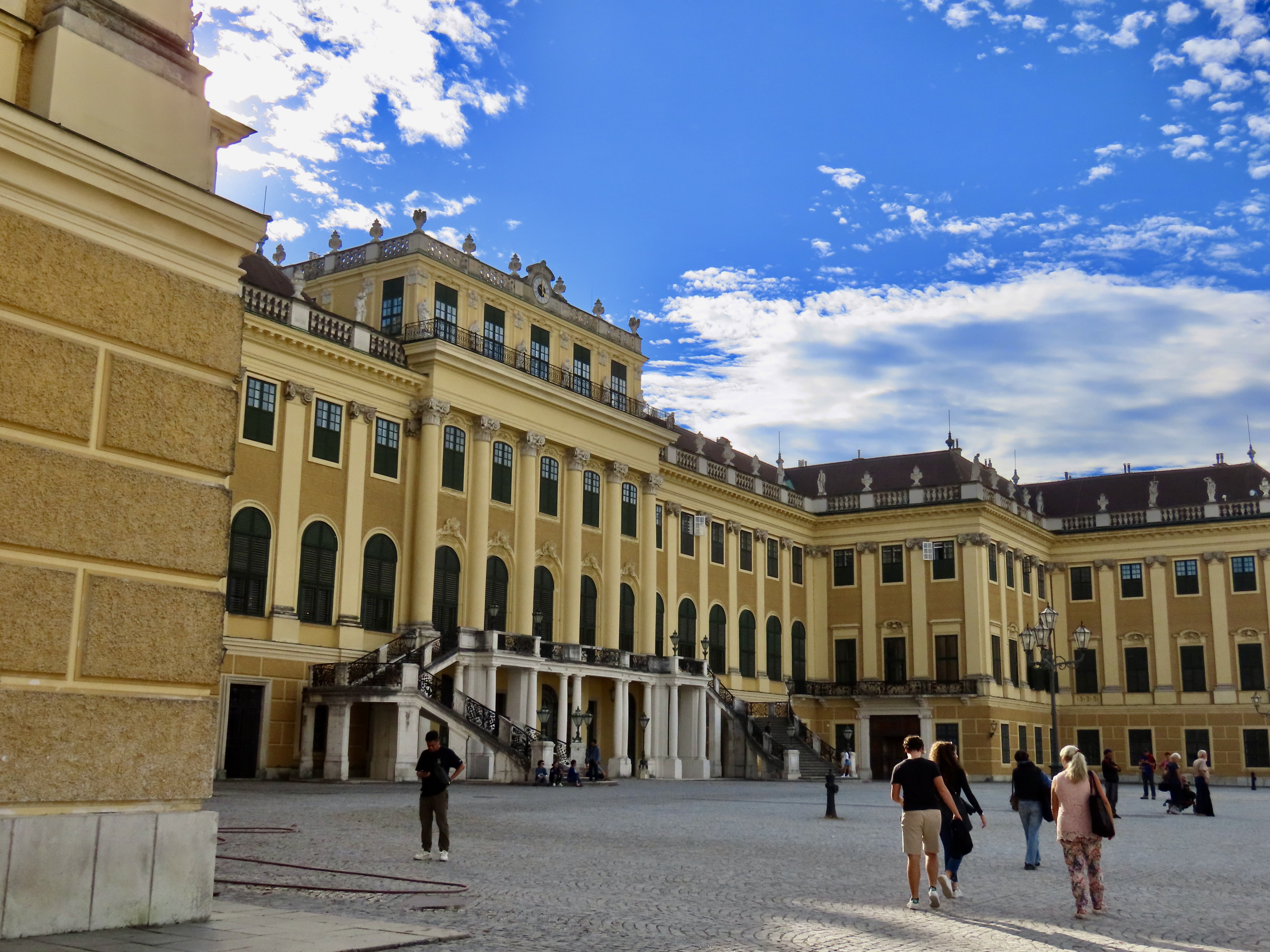
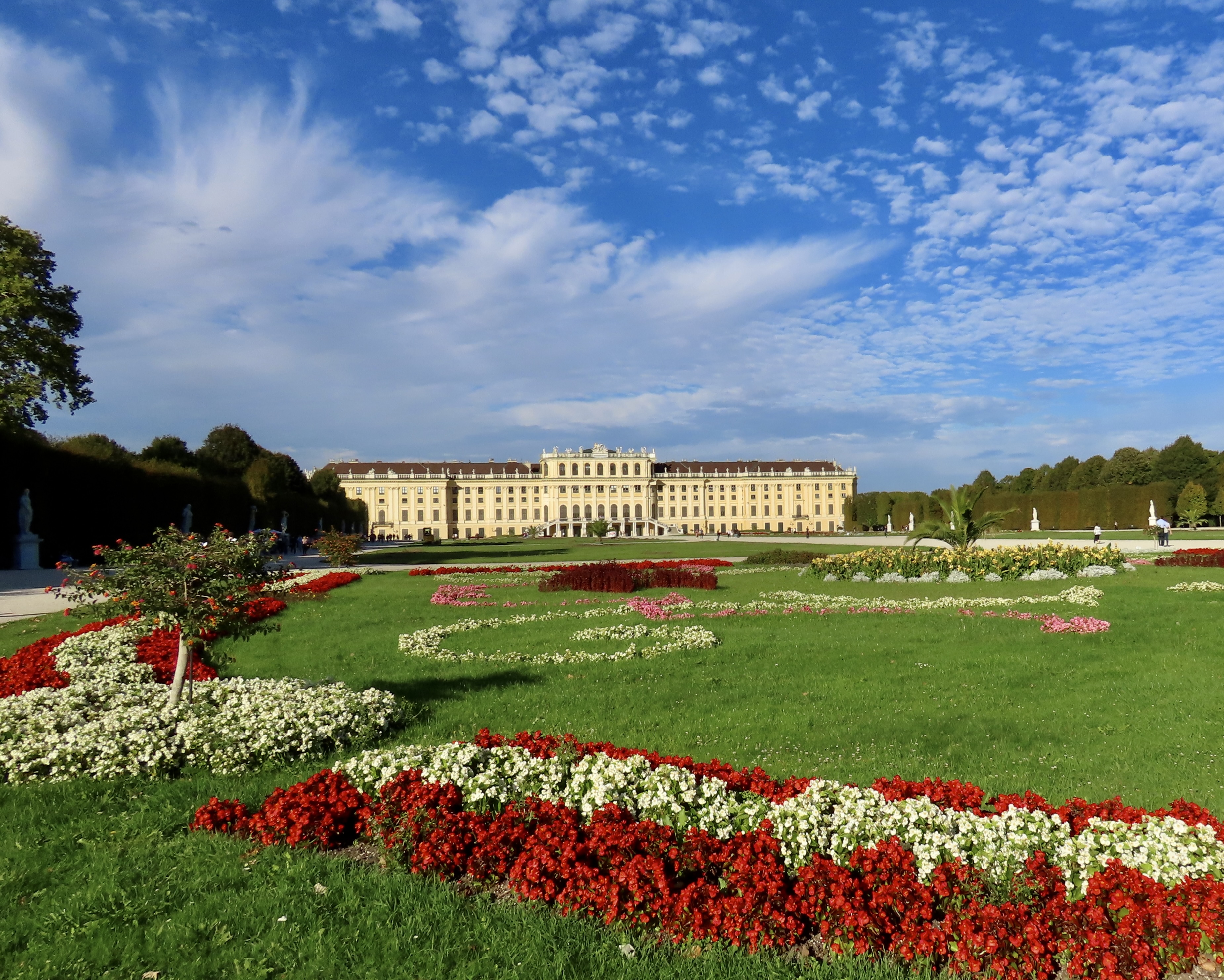
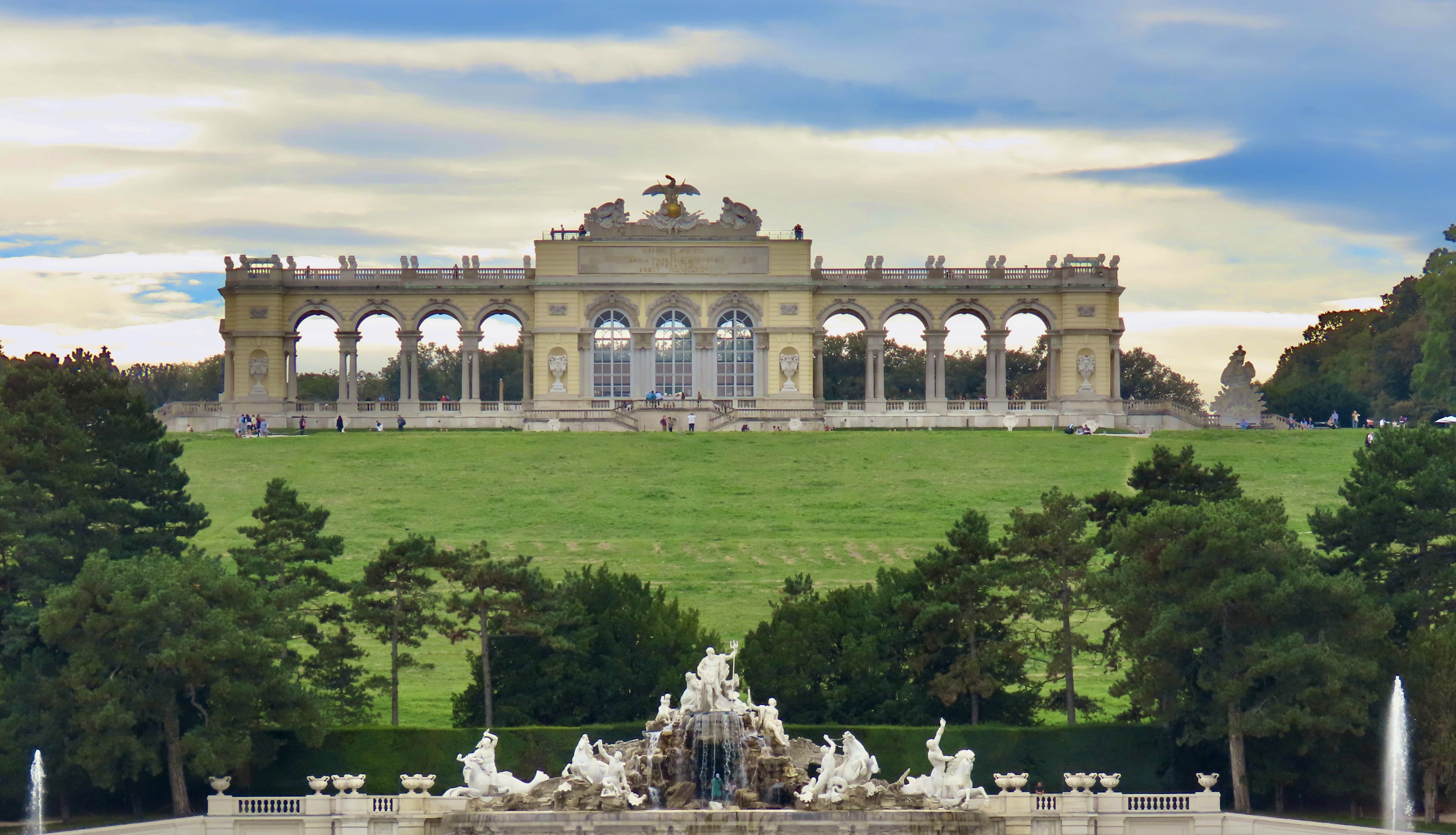
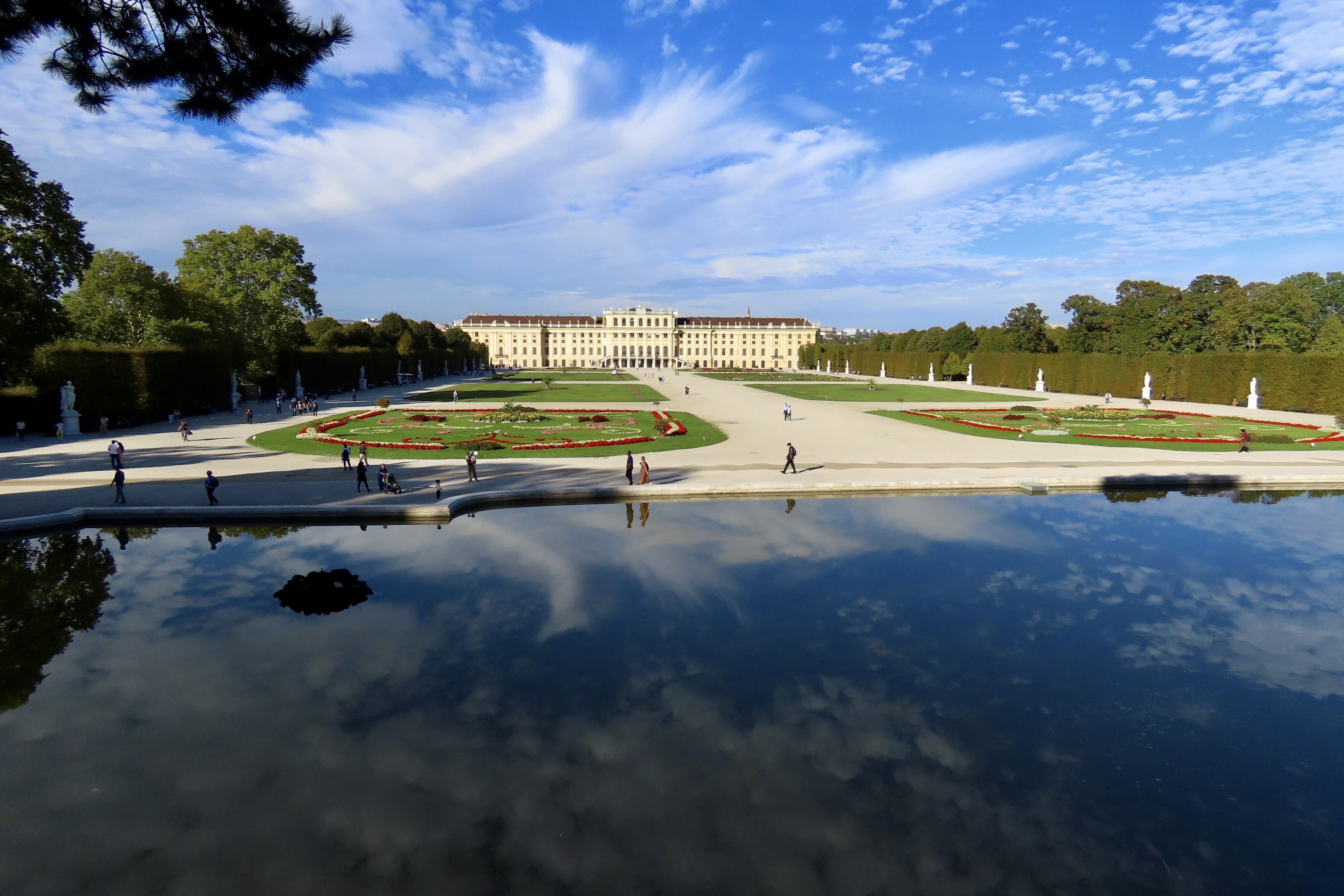
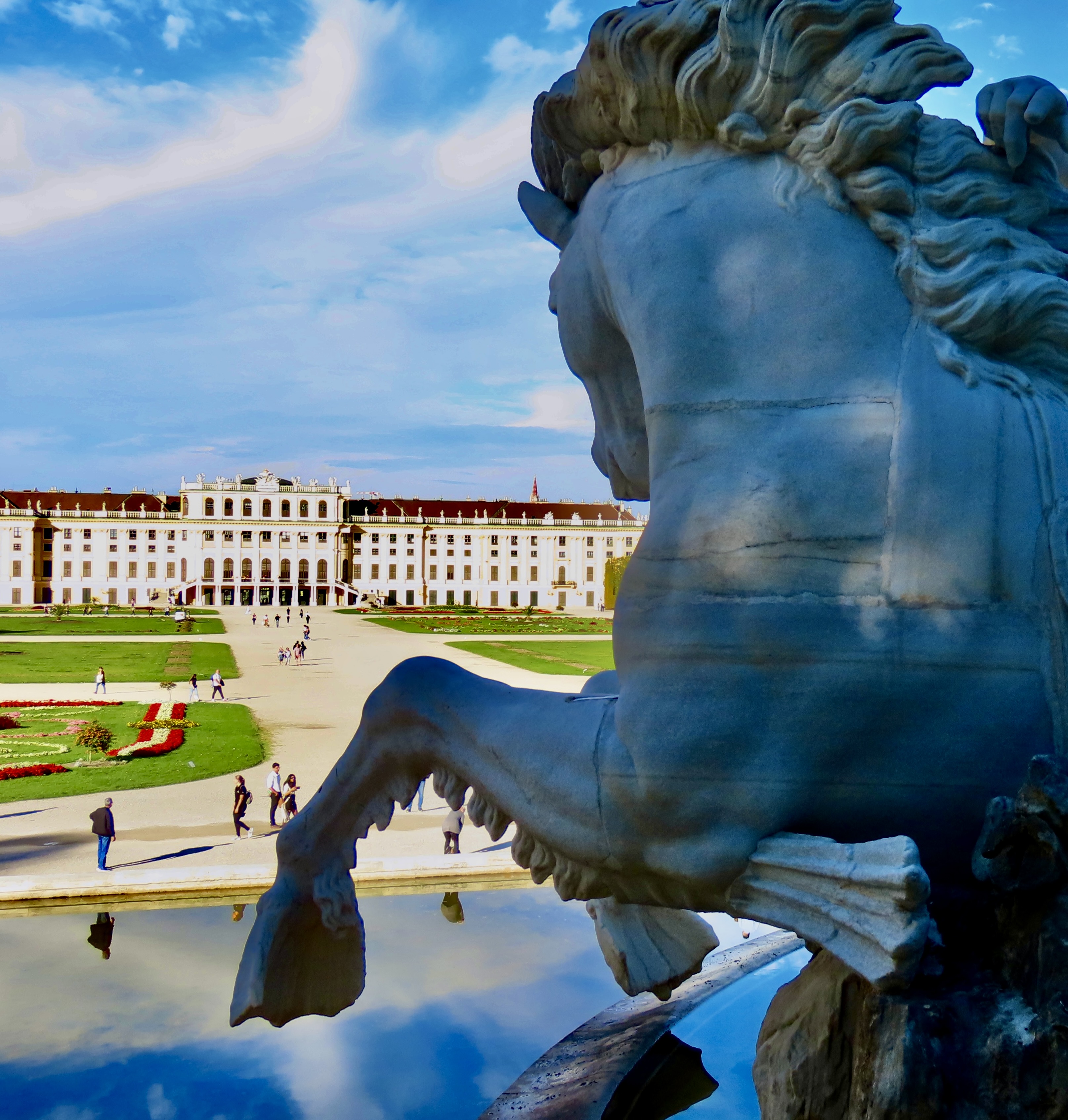
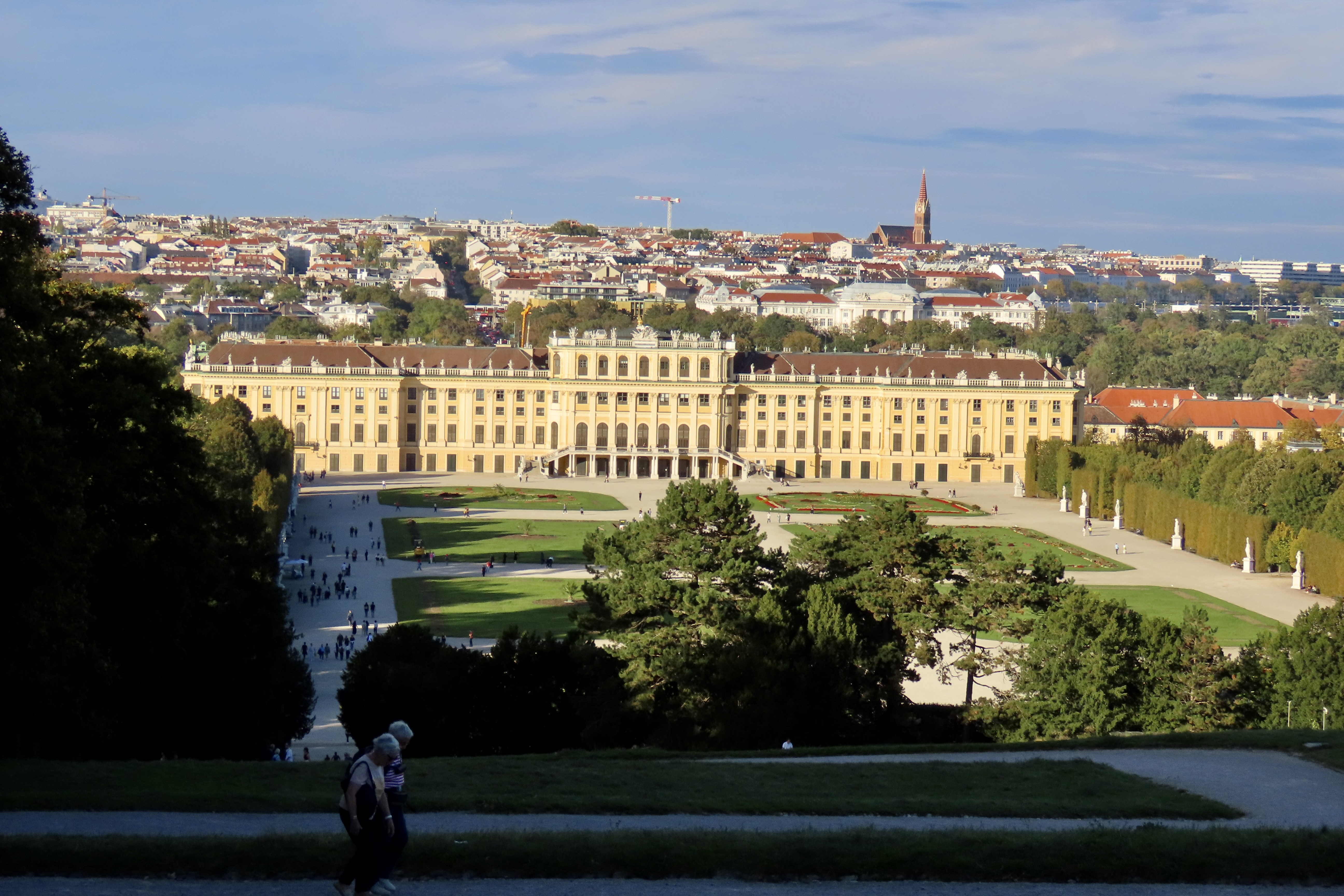
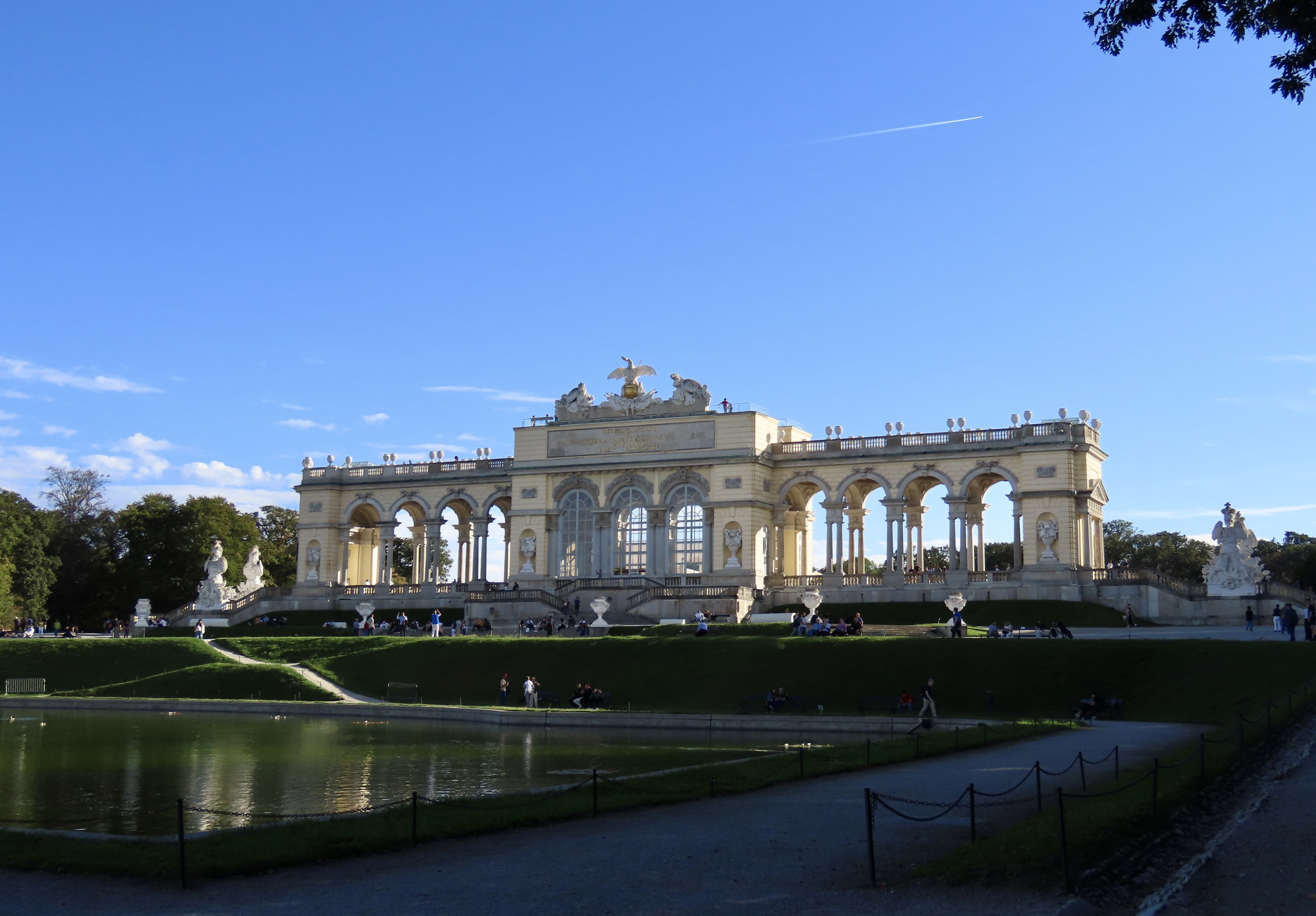
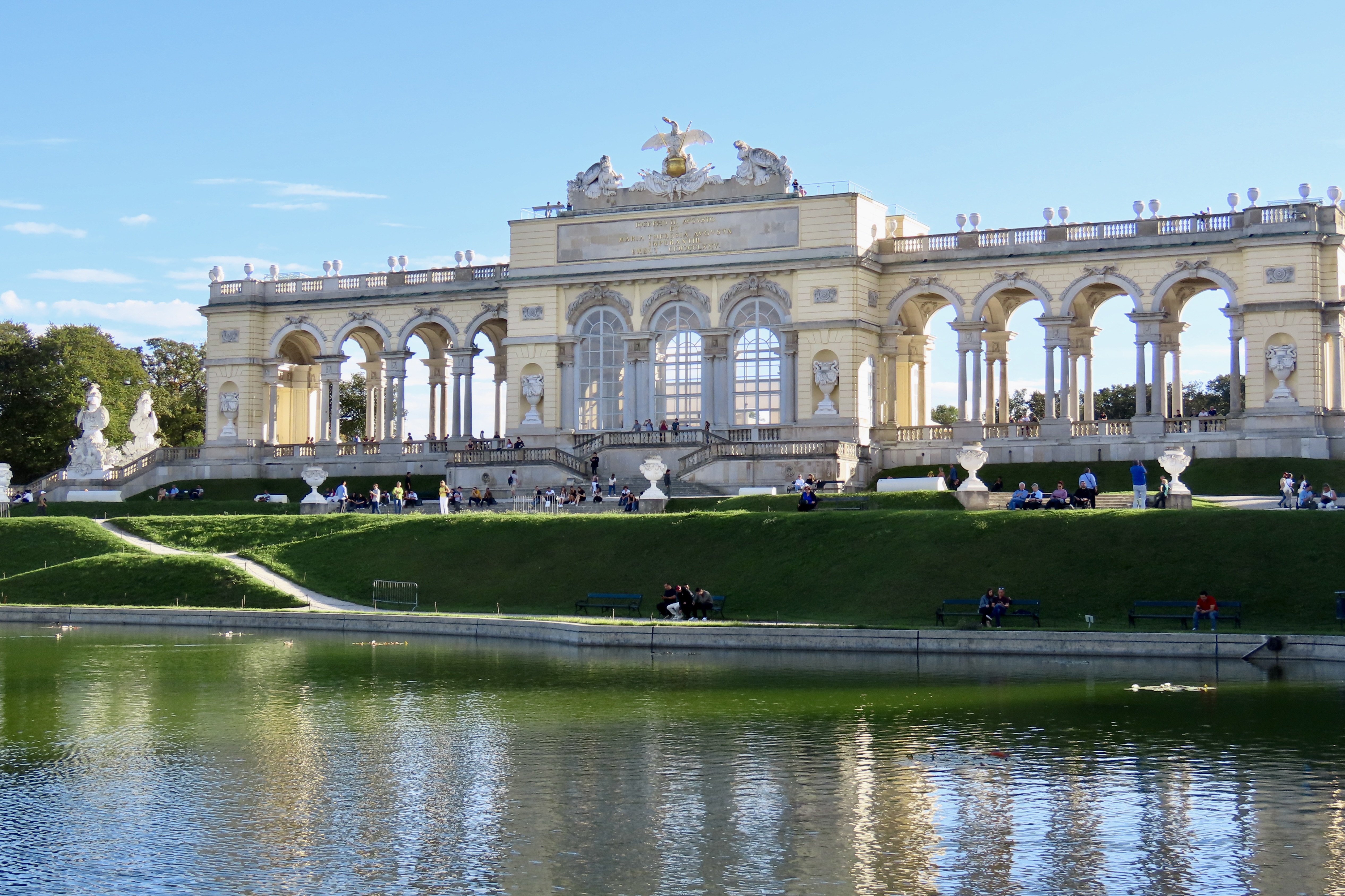
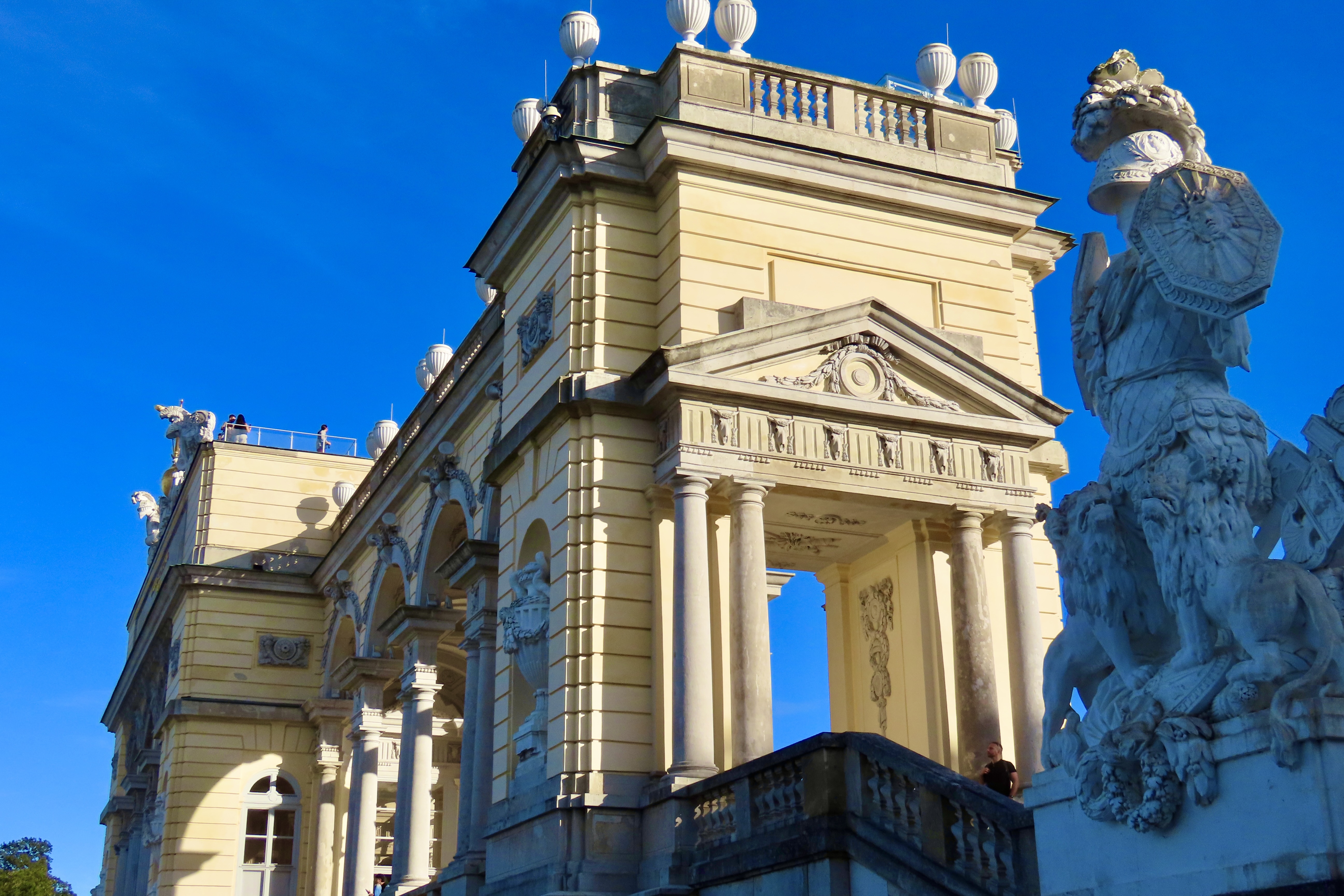
Goodness! “Ornate” the the right word for it, Curt. Wow. It’s a little obscene, isn’t it? The wealth disparity at the time was probably worse than it is now. Ah, but the gardens must be spectacular and Gloriette is rather stunning. Right out of Cinderella’s ball. I’m so glad that these day, it’s at least partially available to the public. Great photos!
Thanks, D. The wealthy have always found ways to show off their wealth that border on obscene. In our neck of the woods outside of Washington DC it’s huge houses for small families. I can only ask, why? Why have umpteen rooms you rarely if ever use? Who are they trying to impress?
The architecture was impressive, actually beautiful in the setting. Thanks on the photos, D.
You’re so right that showing off is not a indulgence of only the past, Curt. I’m happy spending my money on adventures rather than on rooms I’d never use.
Which is how we spend our money, obviously. 😁
We visited Schönbrunn 6 years ago, and we loved it. It is quite impressive, and so big!!
Indeed, Christie!
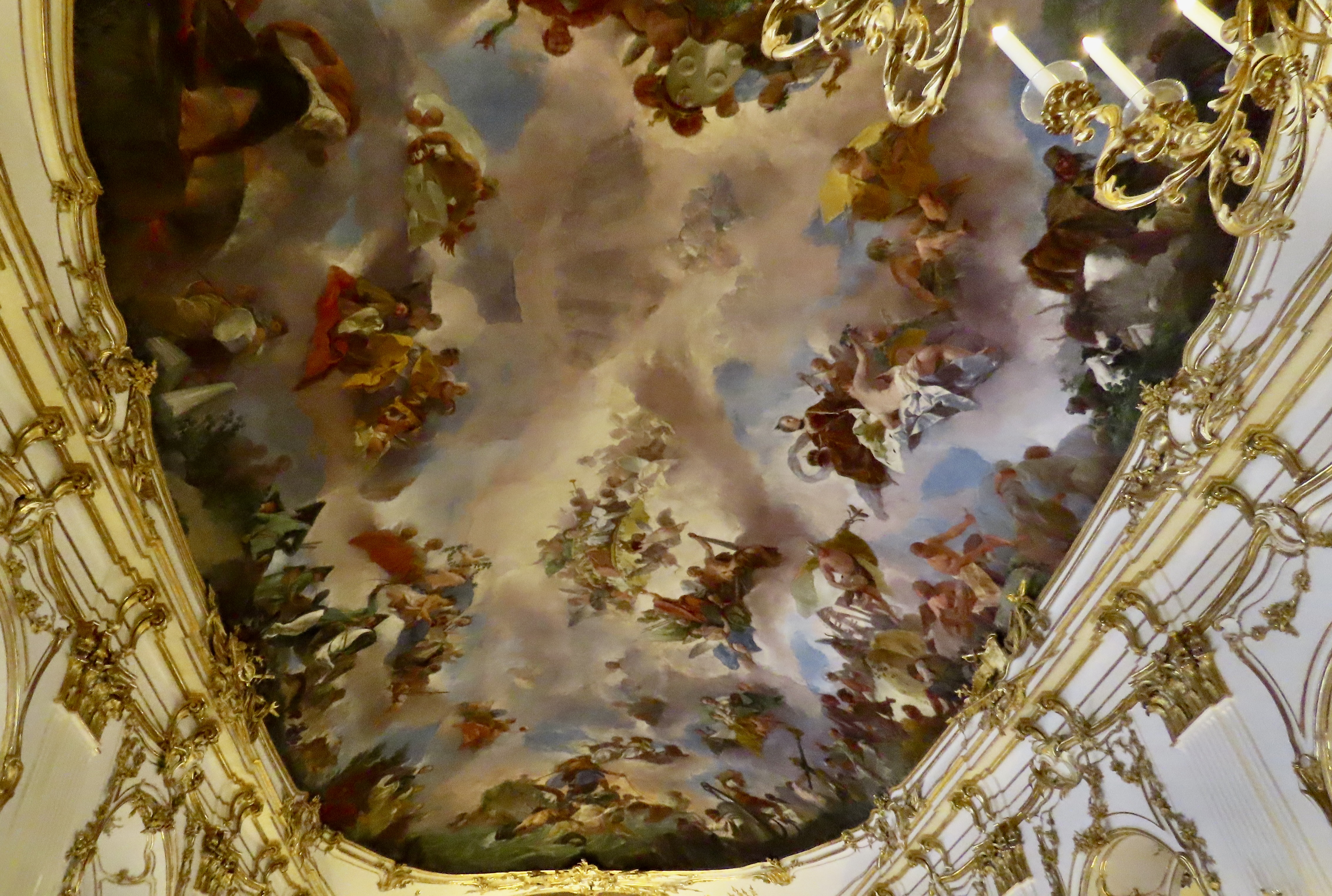
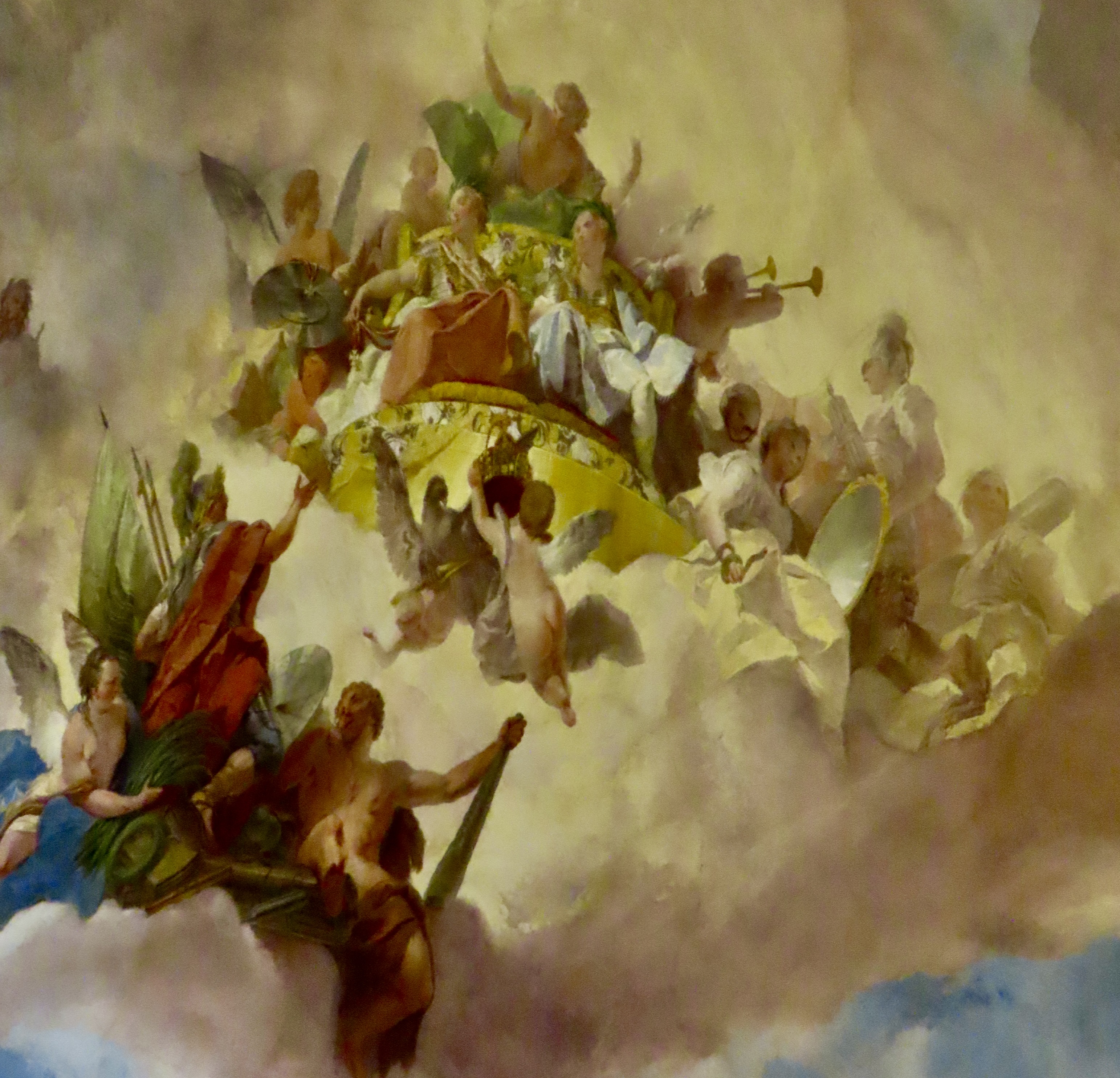
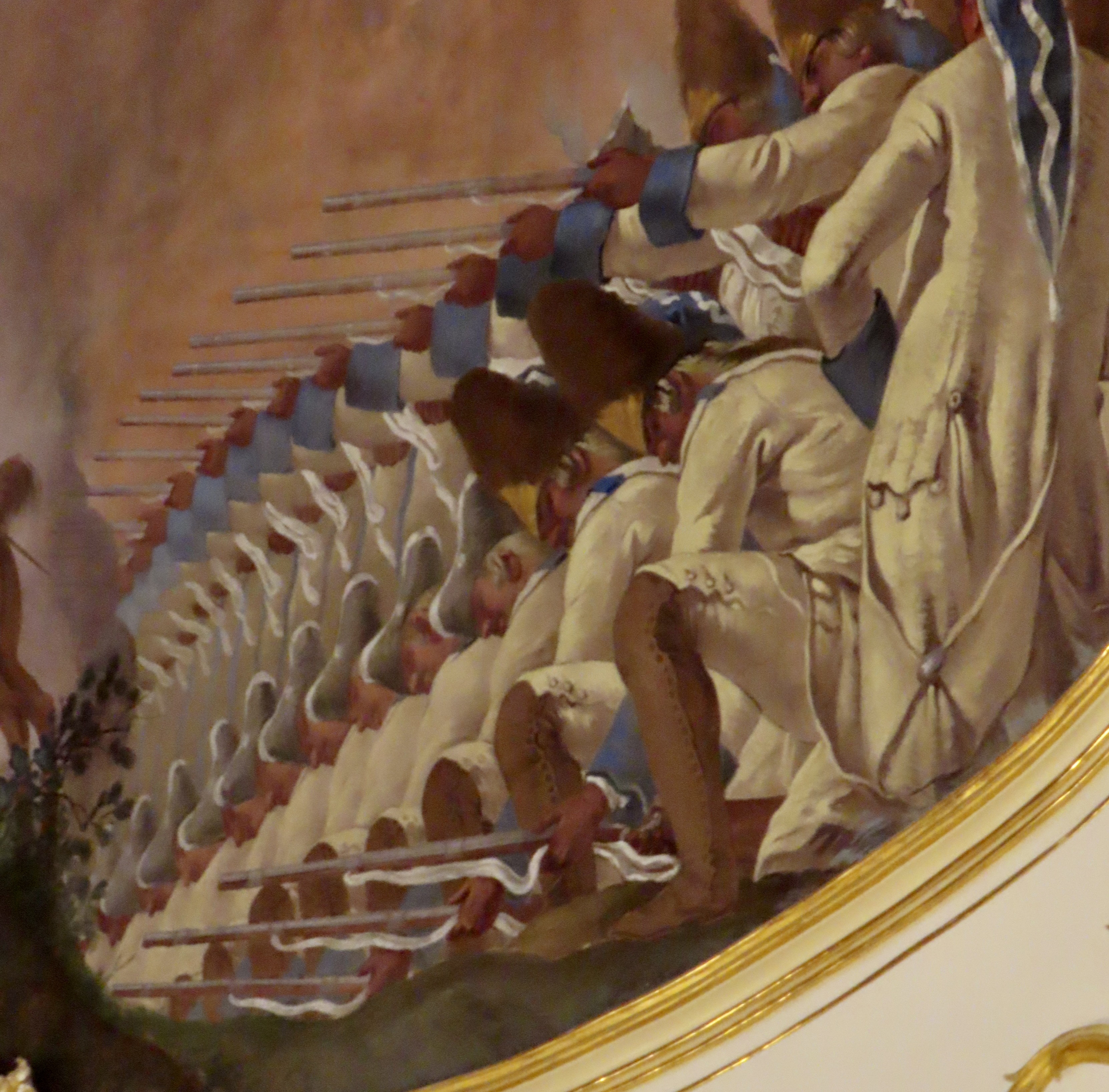
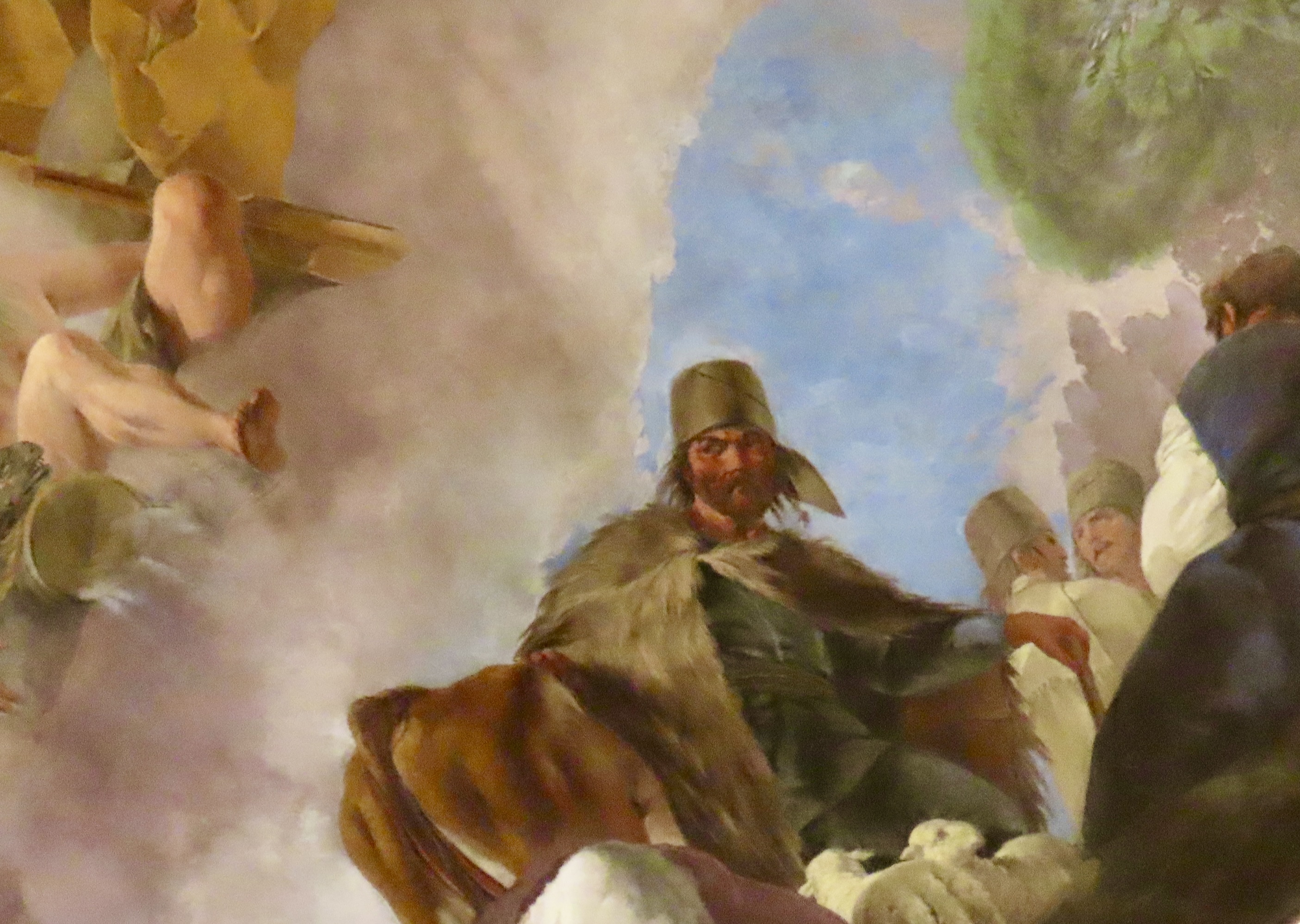
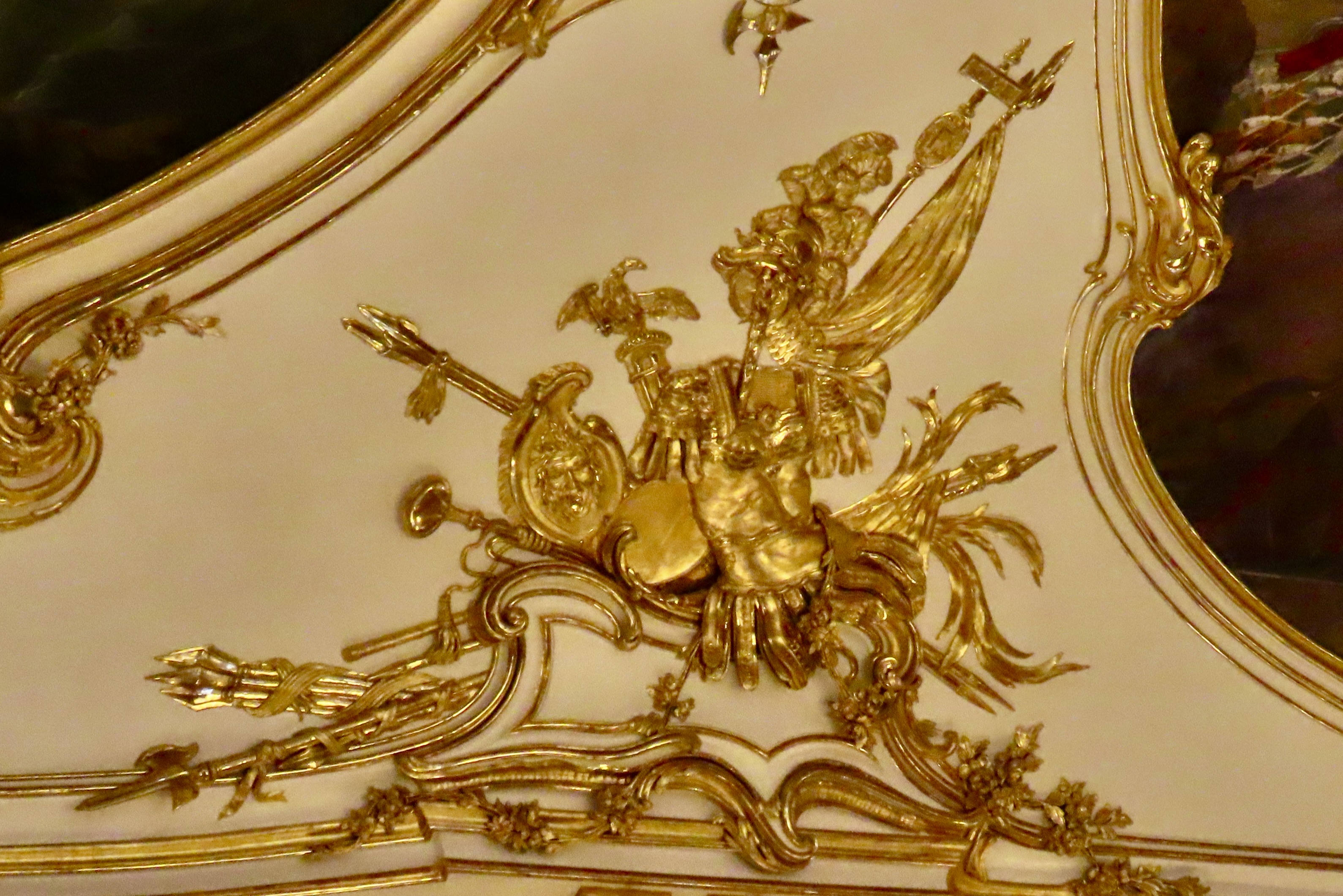
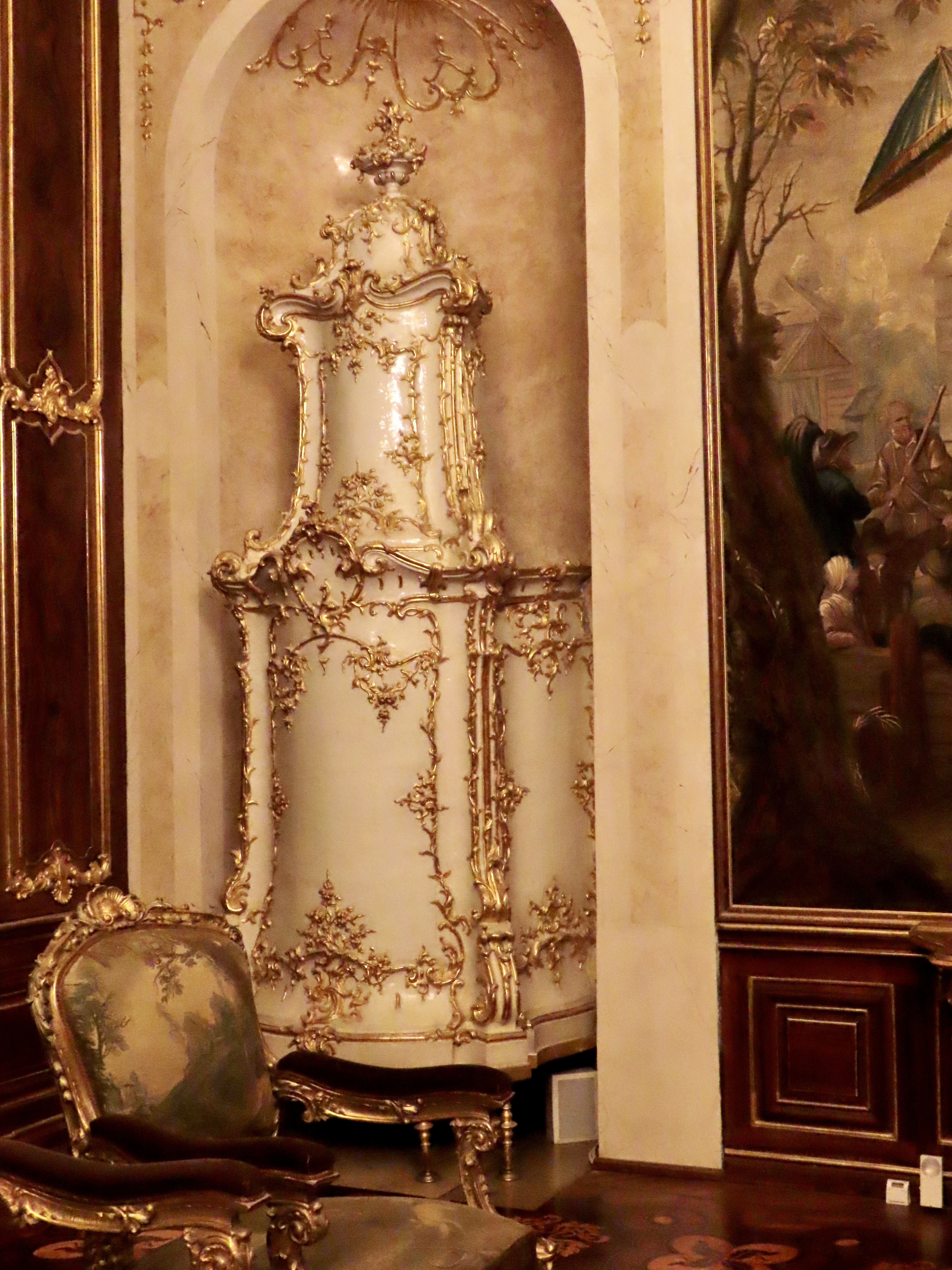
Wow! Thank you for this grand tour of the Summer Palace. Only a measly 1,500 rooms! 😀😀 I reckon you’d need those ornate stoves to heat the palace. The ceilings look amazing, such detail and storytelling and I wonder if the residents really looked at them or just took them for granted. The outside looks beautiful and serene. I hope you found some lovely cafes with delicious cakes for a break and to come down from all the culture!Annika
I suspect the ceilings would have faded into the background, Annika, as people saw them for the hundredth time. 😳We didn’t have time for the cafes at the Summer Palace. We barely had time to make it back to the bus! We found a fun cafe downtown and stuffed ourselves on pastries, however.
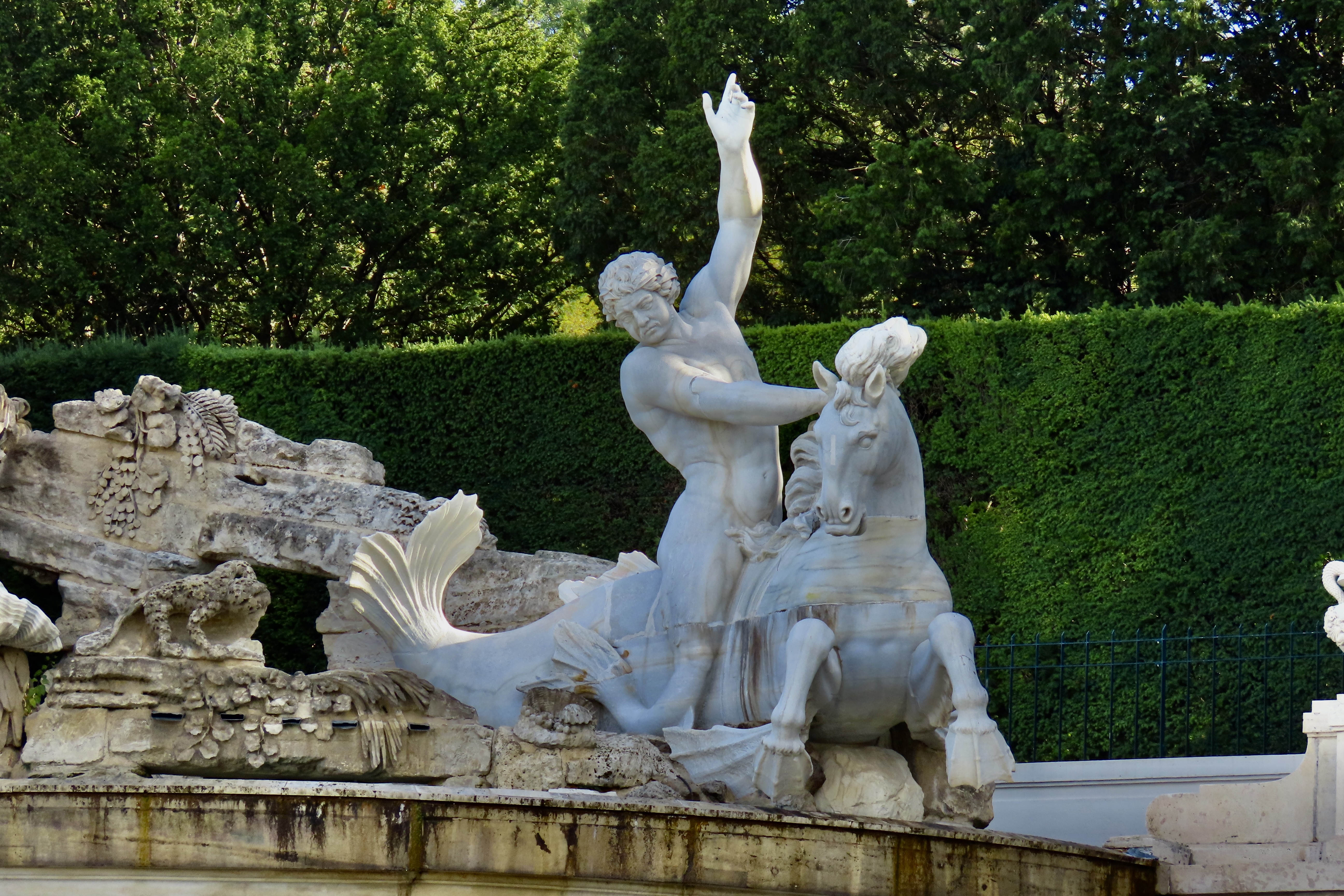
The Gloriette is glorious! Love your shot from the perspective of the hippocampus. I learned what those are because of all my visits to the outstanding carousel in Albany when Kellen worked there, which has a hippocampus.
Thank you for the photos of the marvelous ceilings and walls in the palace. It is outstanding. I’m glad the public is allowed in to see. I never would have guessed that white thing was a stove.
Every good carousel should have a hippocampus. And I’m right there with you, Crystal, on the stoves. Had I been there without the guide, I would have had to research what they were. “Tall white doohicky found in most rooms of the Summer Palace.” Thanks.
Oh, my word! This is nearly unbelievable. It is impressive, of course, but I’m not as impressed with such opulence today as I might have been fifty years ago. I did enjoy being able to look at so many details, from sculptures to architectural decoration, but I can’t help wondering: was there somewhere in that place where they could go, sit down by the fire and have a nice supper of cornbread and beans? I wonder if the people in those places sometimes looked around and said, “Really?”
It’s a good question, Linda. And I expect the answer is yes. A place where they could relax, eat comfort food, and ‘let their hair down’ so to speak. In today’s post where I show the Hofburg Palace and Sisi’s rooms in it, they were very much designed for her comfort and things that were important to her.
Talk about the glitz and the glory! This is overwhelming…I remember feeling so tired after viewing such wonderful places in Europe. Almost too difficult to comprehend. I remember the Wies Church in Bavaria. Such a tiny church out in a field. Wow!
God’s speed…always wondered what he/she drove at…
They were certainly into glitz!
Your comment about God Speed had me wondering, Wendy. My assumption was fasten safe. I did a quick search. Here’s what I found: “The term Godspeed originates from Middle English. The oldest detected use of the phrase was found in the 1300s text, Lancelot of the Laik and Sir Tristrem. The excerpt reads, “He may bidde god me spede,” which the University of Rochester translates into “ask God to grant me success.”
How interesting! Thank the Lord he wasn’t traveling 35 in a 25 speed zone! Who would have forgiven Him for that transgression? We will always wonder.
Love to you both!
The Schönbrunn Palace is an impressive place, for sure. I don’t think they let us shoot interior shots when we were there, and we didn’t really have enough time to explore much of the grounds. It’s sobering to think despite today’s massive egos, there used to be even bigger ones!
We occasionally run into no-photo policies, Dave. But we didn’t this year, other than no-flash rules. Maybe the ubiquitous use of cell phones has led places to give up. Even though we had around 3 hours, we could have definitely used more time as well!
What incredible photos with these intricate ceilings, Curt! I may never leave the house if I lived in this amazing palace! Thanks for sharing🙏🏼💓
Imagine meditating on the ceiling!
Now that is a wonderful thought💕