
The Bush Devil Ate Sam is an important record and a serious story, yet told easily, and with delightful humor. This is one of the most satisfying books I have ever read, because it entertained me thoroughly AND made me feel better informed. —Hilary Custance Green: British Author... Click on the image to learn more about my book, the Bush Devil Ate Sam, and find out where it can be ordered.









 Wandering through Time and Place
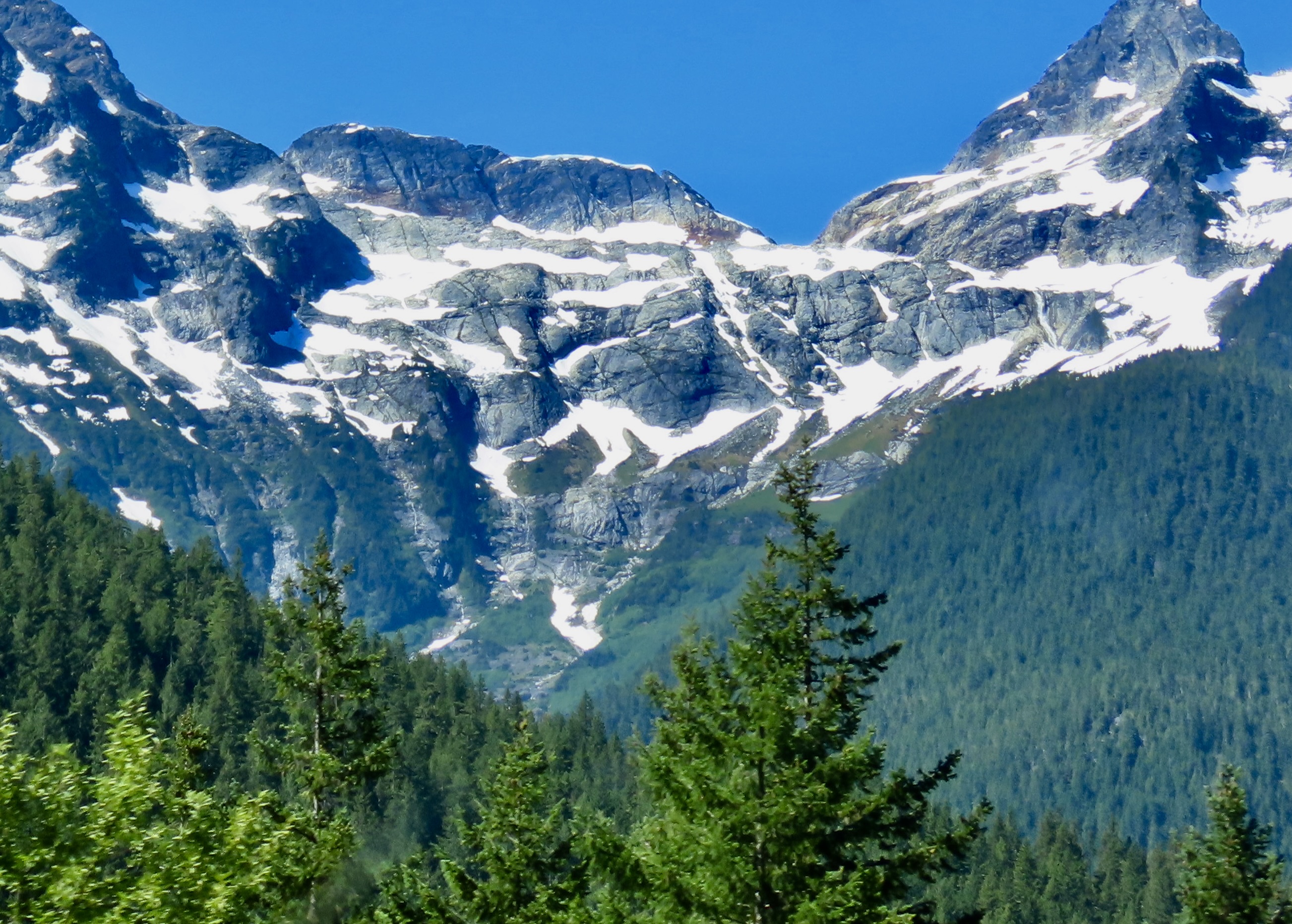
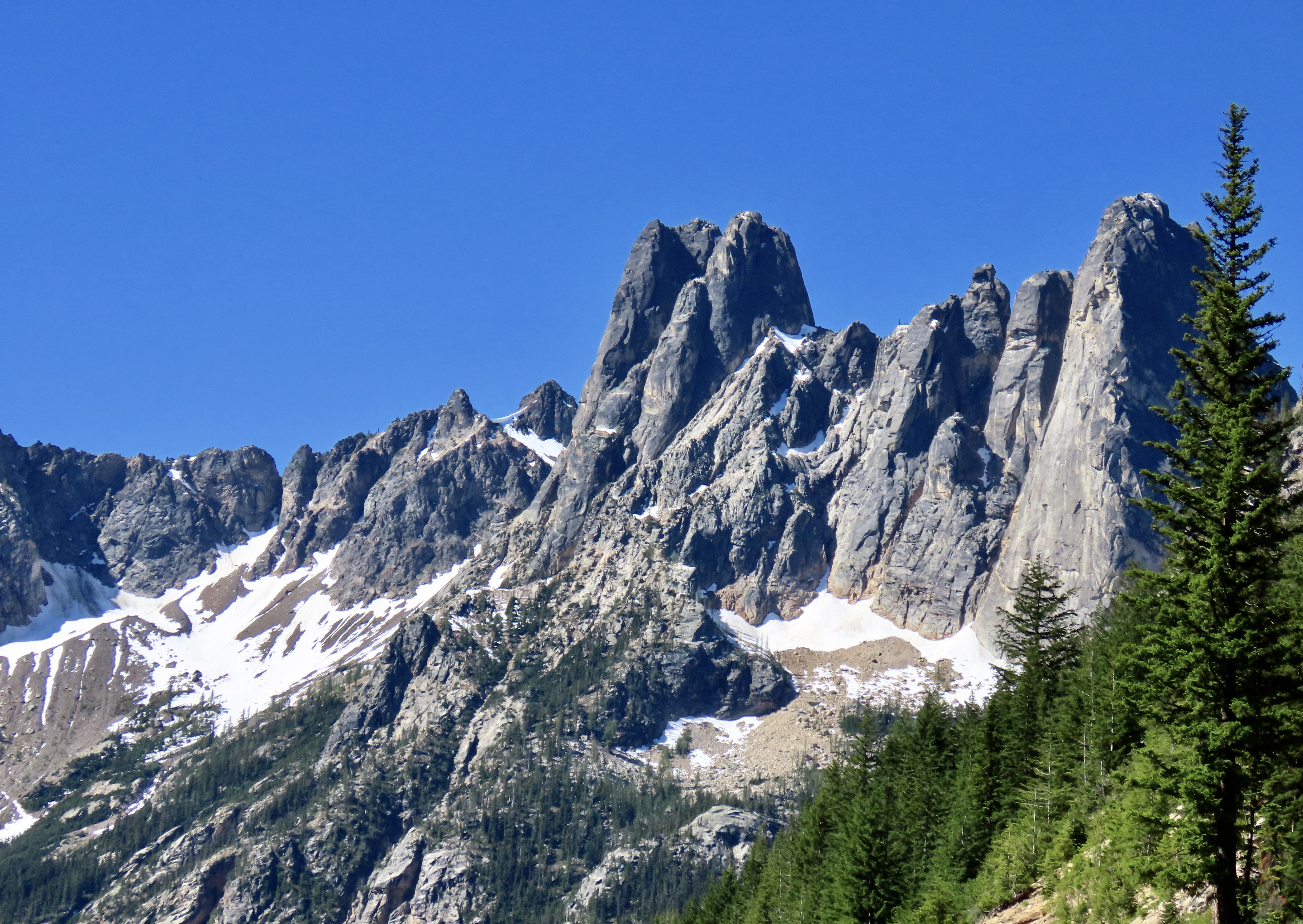
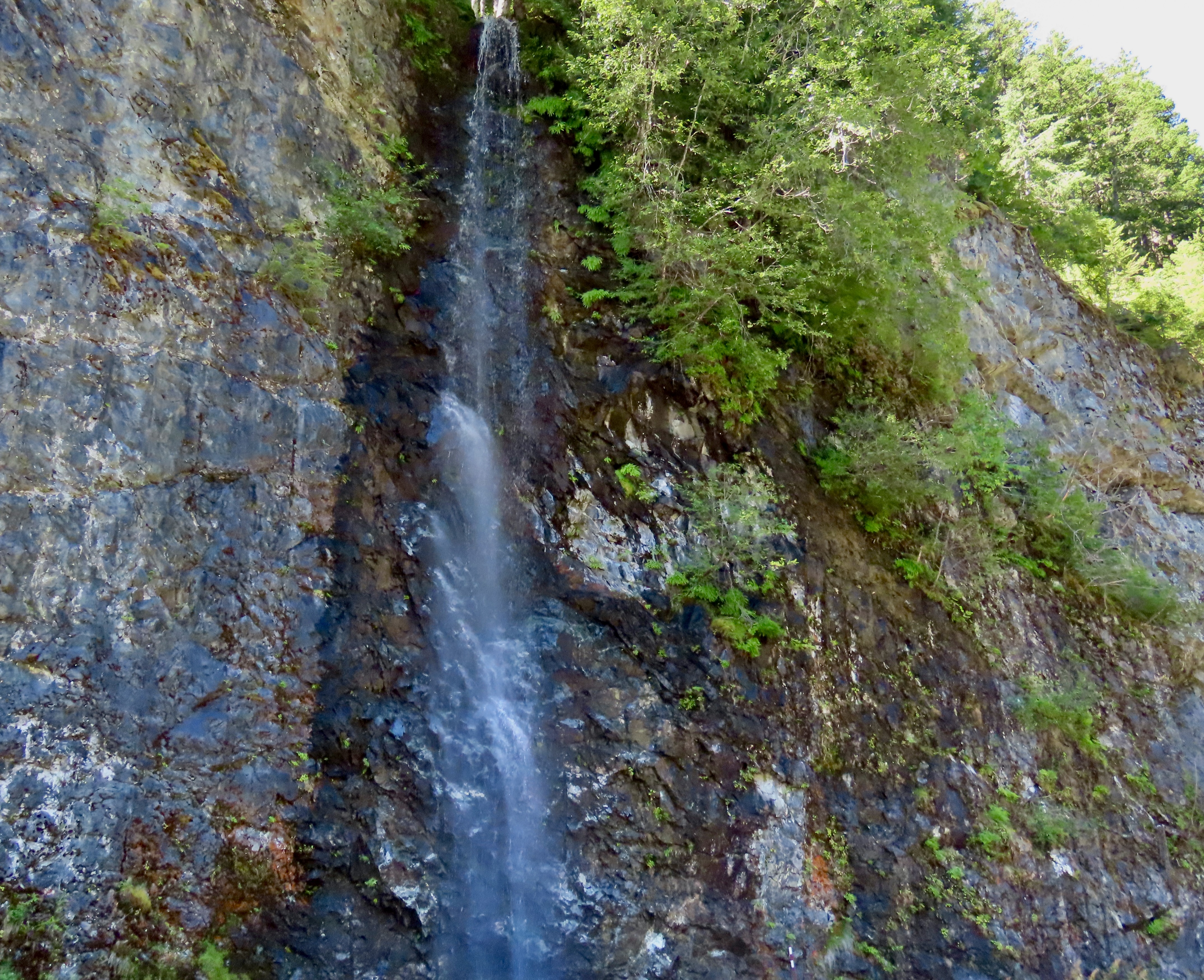
It was beautiful in August 2021 despite the blistering heat and the fact that the road to your campground – and everything east – was closed by forest fires. We enjoyed the west side, and your pictures show how much we have yet to see.
“We enjoyed the west side, and your pictures show how much we have yet to see.” Always a good thing, Ray— to have places one wants to visit, or revisit. I went back and checked my journal for summer 2021. Our home in Oregon was clogged with smoke from fires in Northern California.
Wow! Thanks for sharing your amazing photos of this beautiful park. We never visited there during our west coast travels. It looks like we missed a very special place.
Always, our pleasure. We find it hard to understand why more people don’t visit. Not that we were complaining when we were there. Finding national parks that aren’t packed/over-loved in the summer is a challenge.
Oh wow, such a beautiful country we have!
Indeed, G. We never get tired of visiting National Parks.
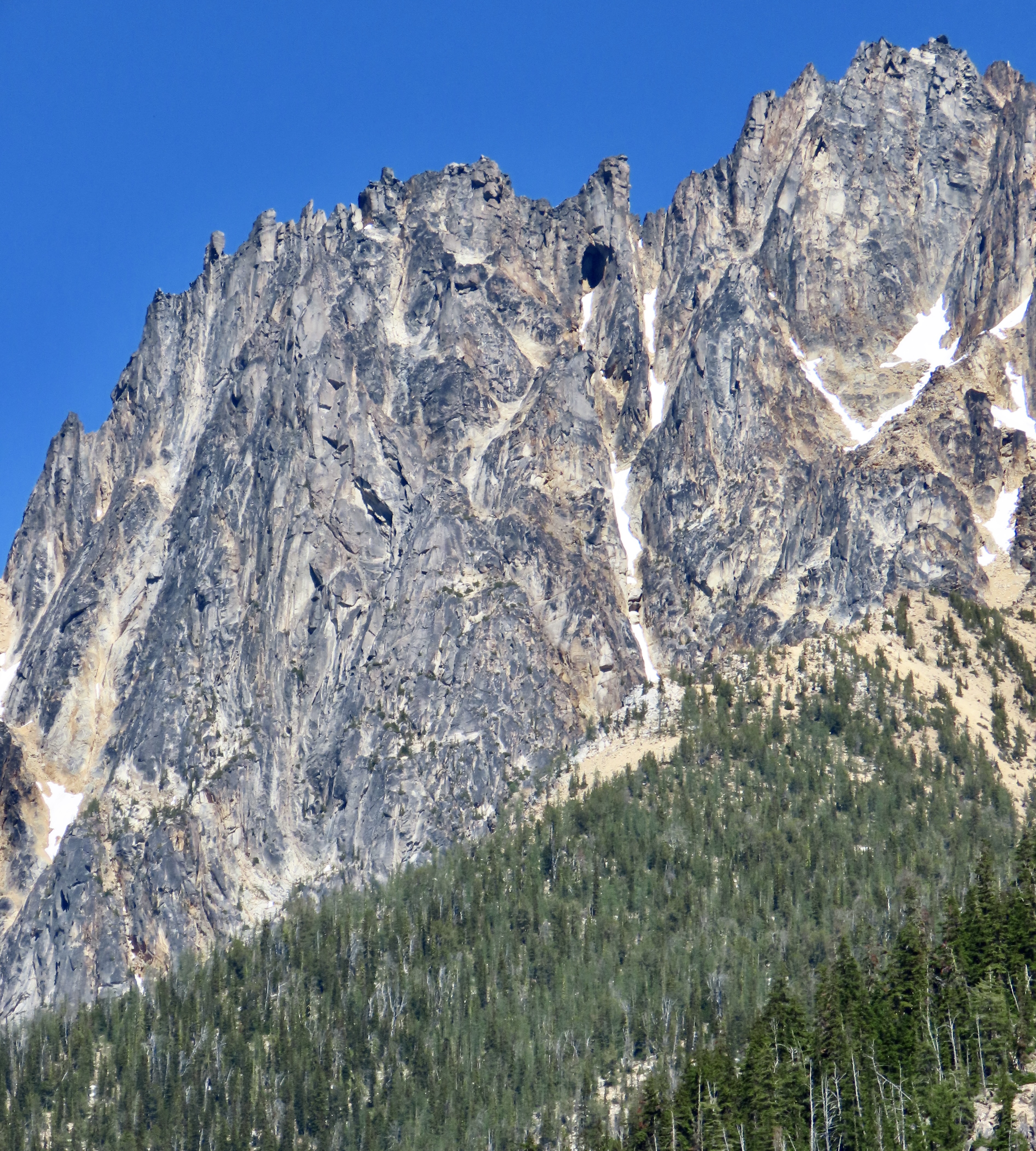
Sensational photos. I saw the ogre too.
Good. Peggy says maybe it is a Peggy thing. Grin.
Really great work. I love these series. Maybe you’ll go to Sequoia Nat’l Park as part of this hip work. Thanks, Zan
First, Zan, thanks. As for going to Sequoia National Park, sadly no. We would have loved to include Sequoia and Yosemite into our trip. They are two of our favorite areas. Unfortunately, the amount of time we had was limited and our focus was going up the Pacific Coast. The good news was that North Cascades and Glacier were on our way back to Virginia. –Curt
Stunning scenery, and beautiful photos.
Alison
Thanks, Alison.
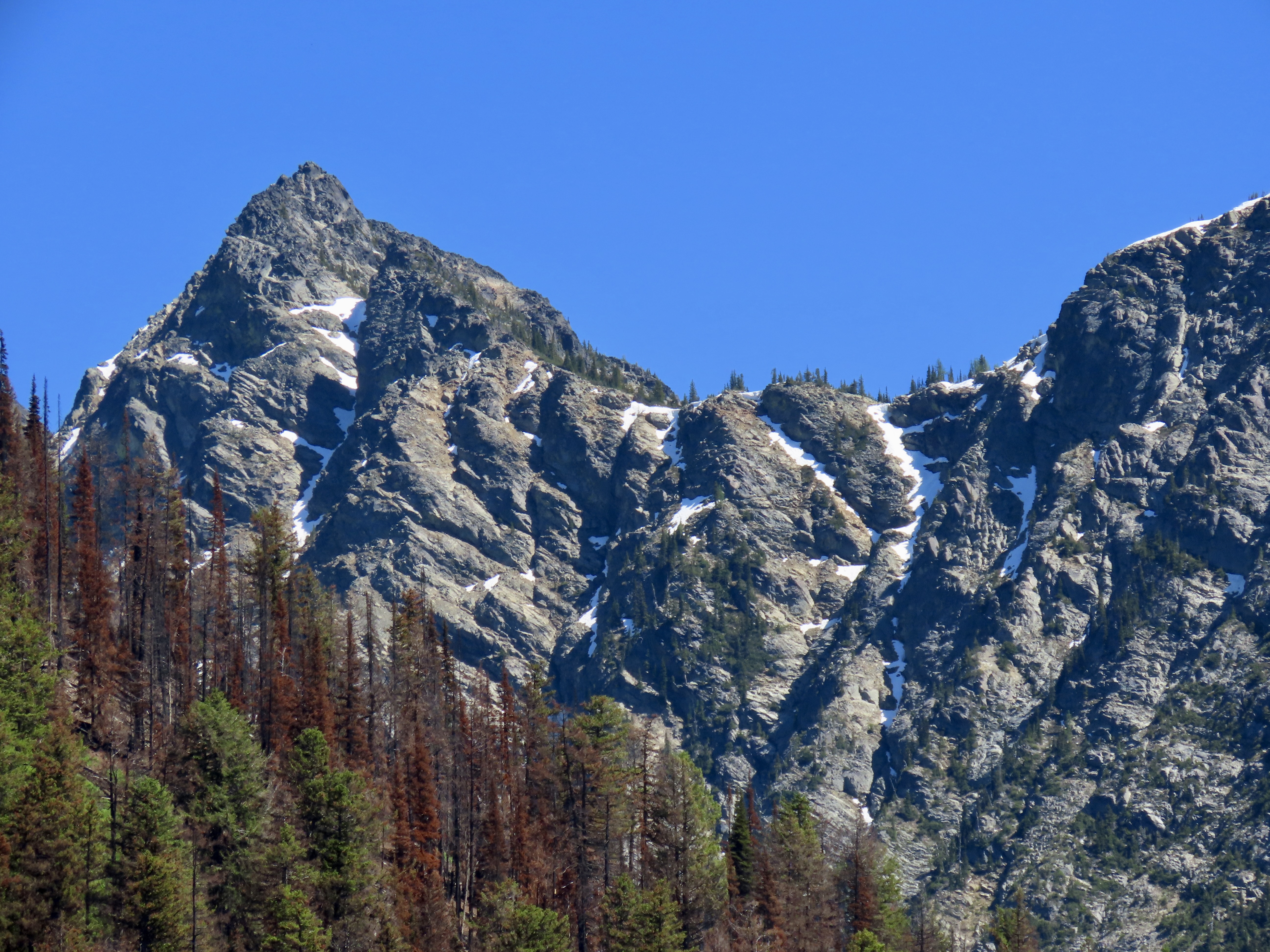
Western Pine Beetles caused those trees to die?
On our property, the drought weakened our trees and the pine beetles took advantage!
I read an interesting ongoing study about the effects of drought on trees in New Hampshire. They are finding that heavily stressed trees in drought will enter winter dormancy earlier. Established trees can survive without photosynthesizing for up to a year. Prolonged drought can create a cycle of longer dormancy periods and shorter growing periods which some types of trees handle better than other types. The 1930’s Dust Bowl Drought is still the longest and harshest drought episode.
A study of Mountain Pine Beetle in British Columbia and Alberta found a correlation between outbreaks of beetles and drought, but also found that lack of forest fires created stands of trees that were ‘too old’. The more mature trees were less resistant to beetle attack because the tissues of older trees promote beetle development more easily.
The spruce and poplar on our property are now about forty years old. They were too closely planted (before our time) and they have started ‘self thinning’. The aspen and willow were natural and have already been through several cycles of natural die back and regeneration.
We let nature do its thing – our job is to remove the dead wood to reduce the damage that fire could do!
My first acquaintance was just outside of Bakersfield in Southern California, maybe 15 years ago. Literally thousands of trees, a whole forest, had been killed by a combination of drought and pine beetles. When I had ridden my bicycle through there in 1989 on my 10,000 mile journey around North America, it had been a beautiful, healthy, forest. Sad.
I saw North Cascades back in 1977, but it was mostly a drive through. I thought it was spectacular and deserved more time. Guess I must have missed some trailheads. Your pictures confirm that it’s worth another look.
Definitely, Dave. Even more so because they are less than 300 miles from where you live. Grin.
The conversation about the pine beetle was interesting. I’ve read several articles about the recent fires in Alberta, especially Jasper, that pointed out residents had been concerned about the beetles’ effect, and the number of dead trees left standing, since 2018 at least.
That aside, it certainly is beautiful territory. I remember hearing about that ‘rain shadow’ in Colorado, where western and eastern parts of the states vary, sometimes significantly, in terms of total rainfall. It’s always interesting to see how different ‘old’ and ‘new’ mountains can appear.
You could hear them buzzing/chewing away in our trees, Linda. Nasty.
The Sierra Nevadas are another example of rain shadow, as well as young mountains. They were raised some 5 million years ago, the Rocky Mountains 75 million, and the Appalachian a staggering 1.2 billion.
These are my favourite kind of mountains. Also, I’m pretty sure North Cascades National Park has stayed below my radar. It looks amazing. And there’s no people! I must go.
Pack up Pedro and hit the road, Crystal. 😄