I’ve always admired cattle egrets as they follow cattle around waiting for them to stir up something edible. They do the same thing in Africa, but the animals they associate with tend to be bigger and more scary. This egret had teamed up with an elephant next to Lake Kariba in Zibabwe. Had we visited the same area a month later, we would have probably found the same elephant and egret together. Cattle egrets, I read, tend hang out with the same animals.
I’ve mentioned before in this series (several times probably) that Peggy and I were both surprised and impressed with the bird life we found on our safari through Botswana, Zimbabwe, and South Africa. We ended up focusing on the birds as much as the other wildlife. I’ve already introduced several. Today, I’ll do a wrap up on the others that captured our attention.
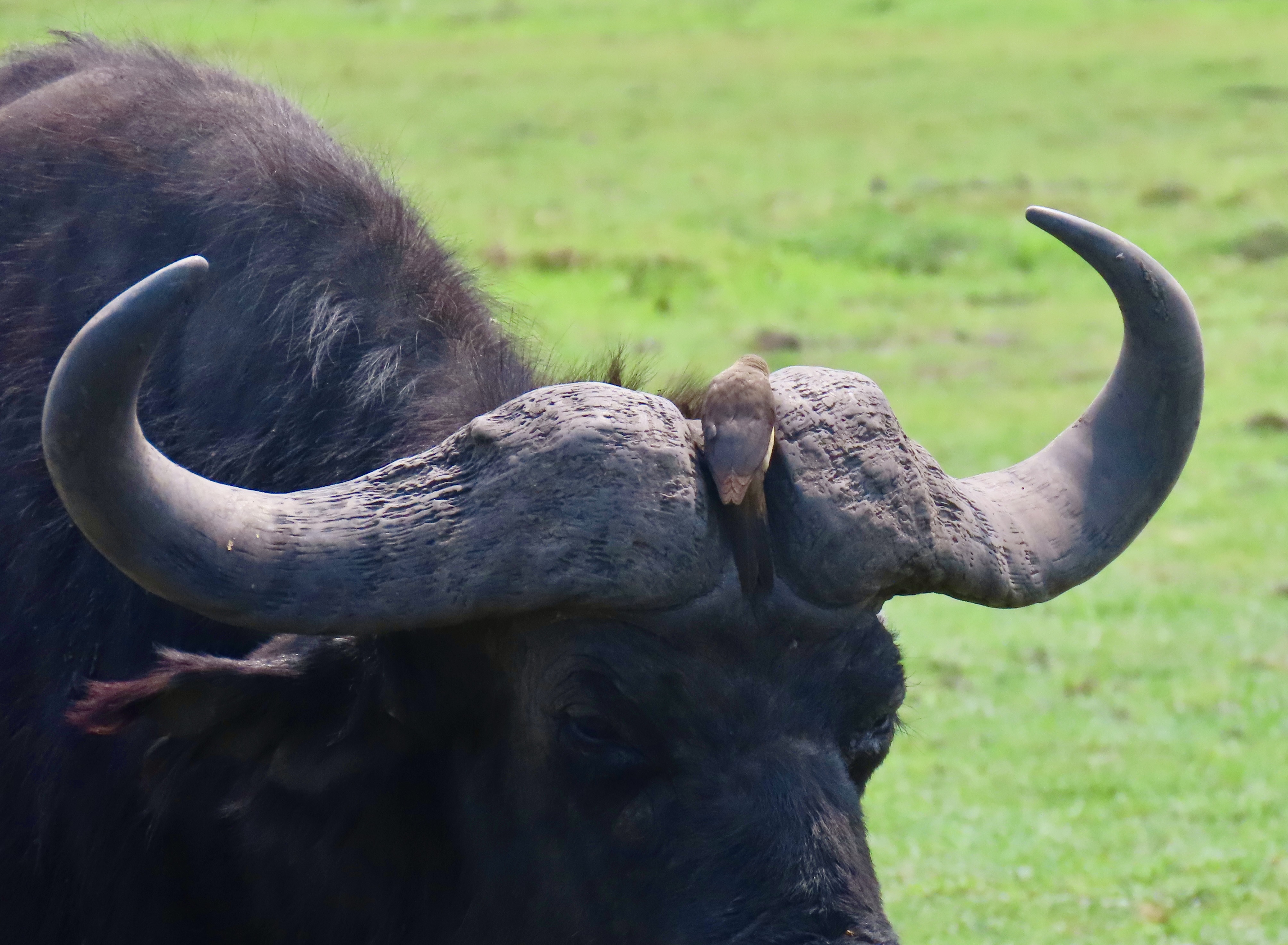
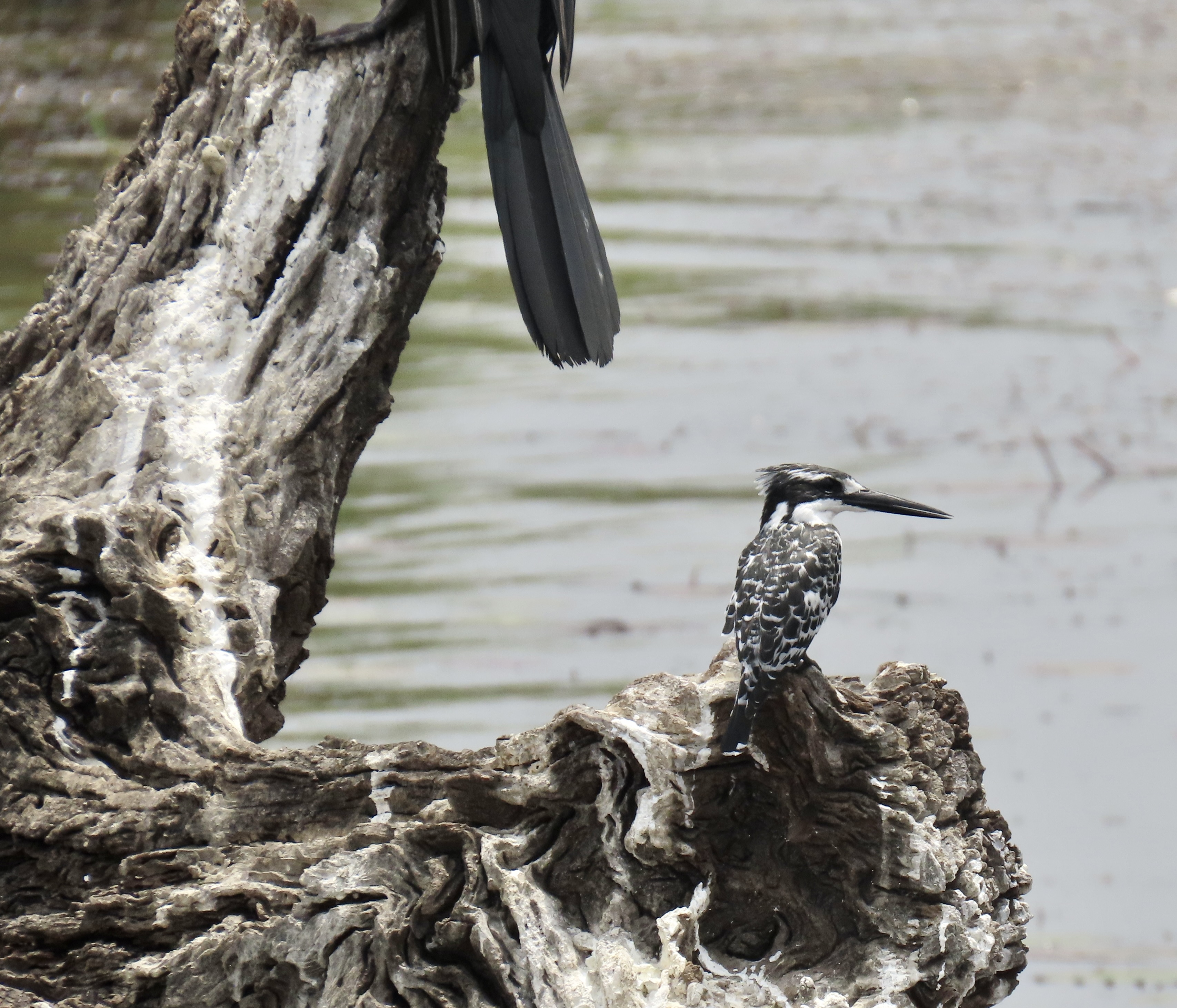
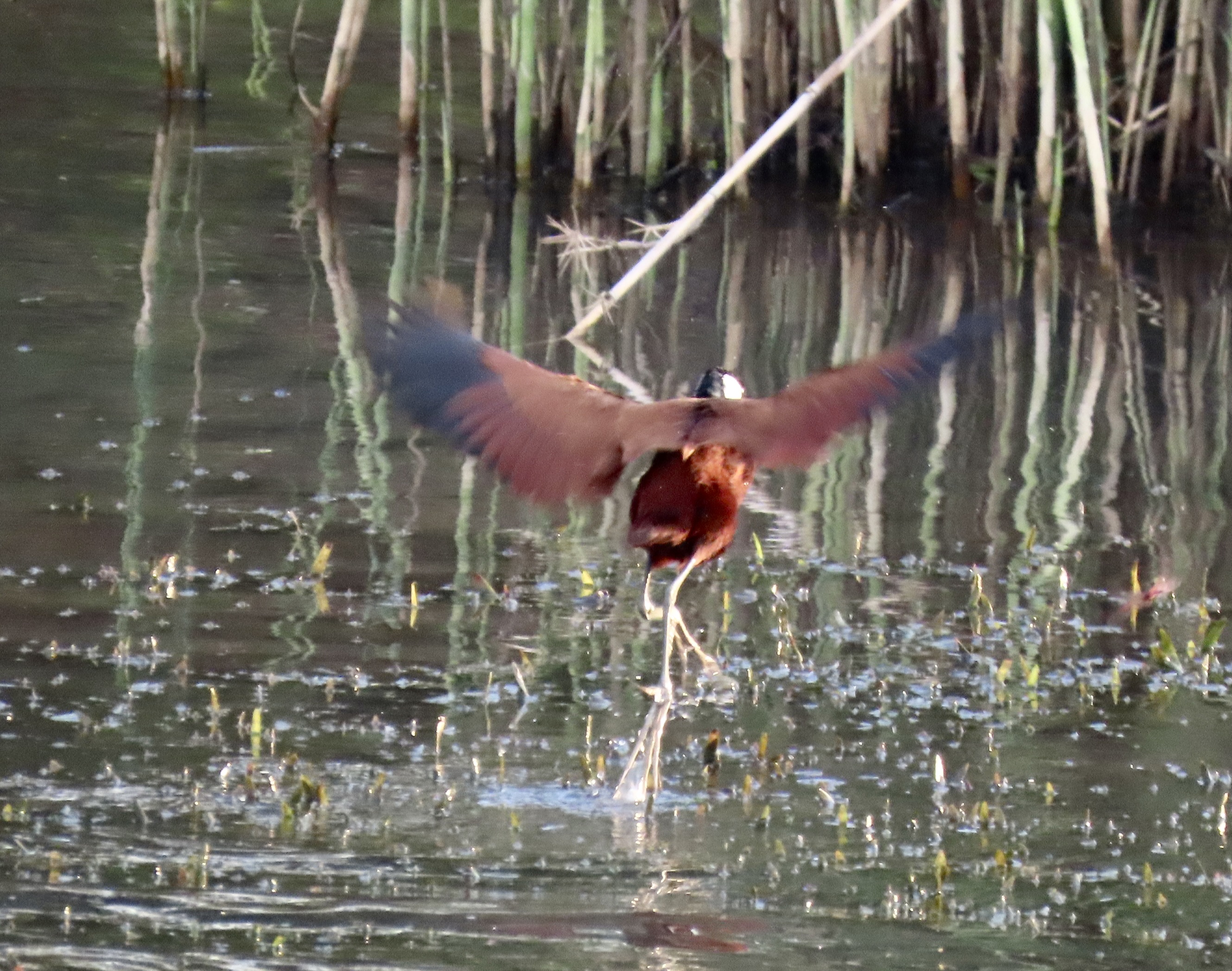
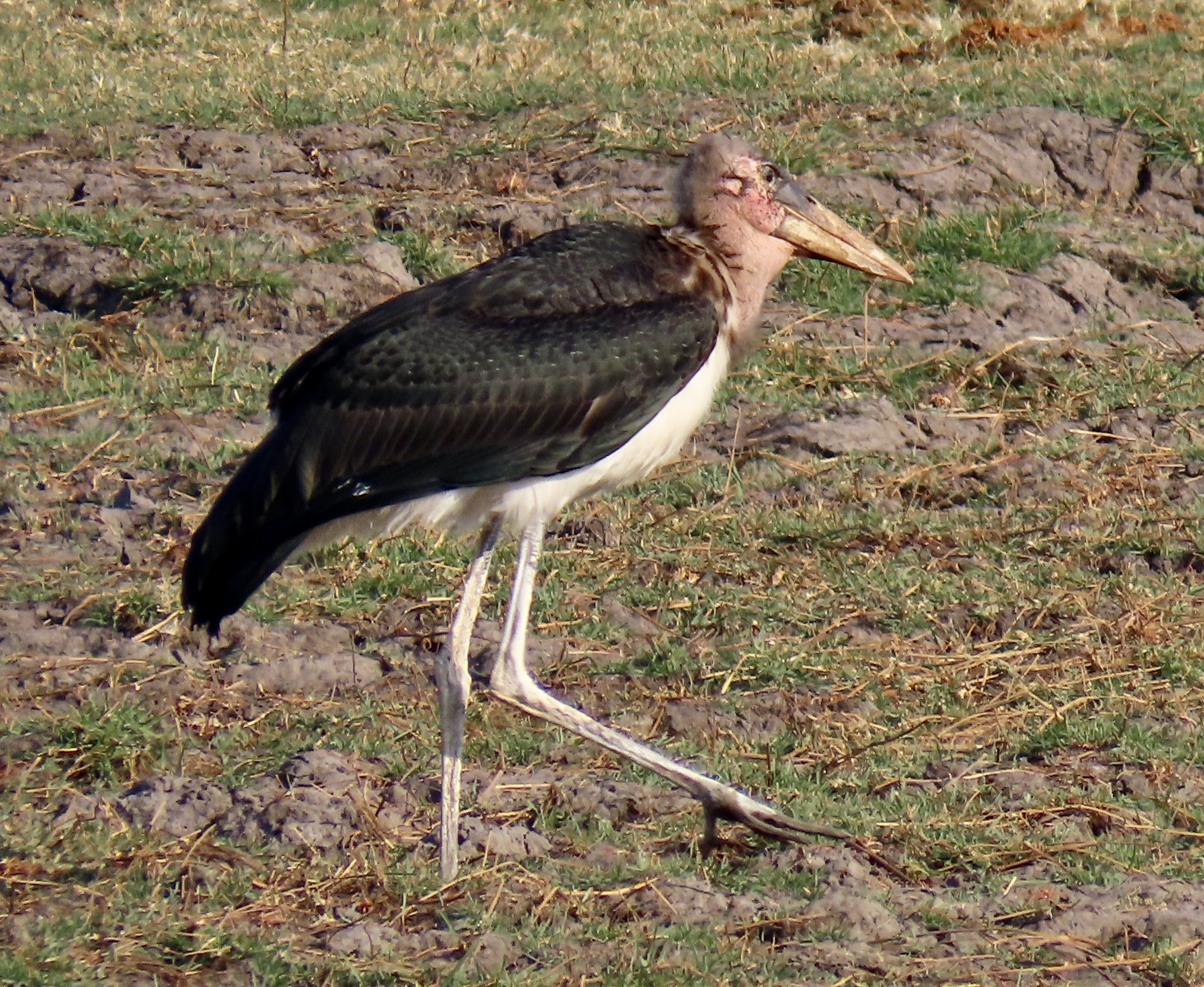
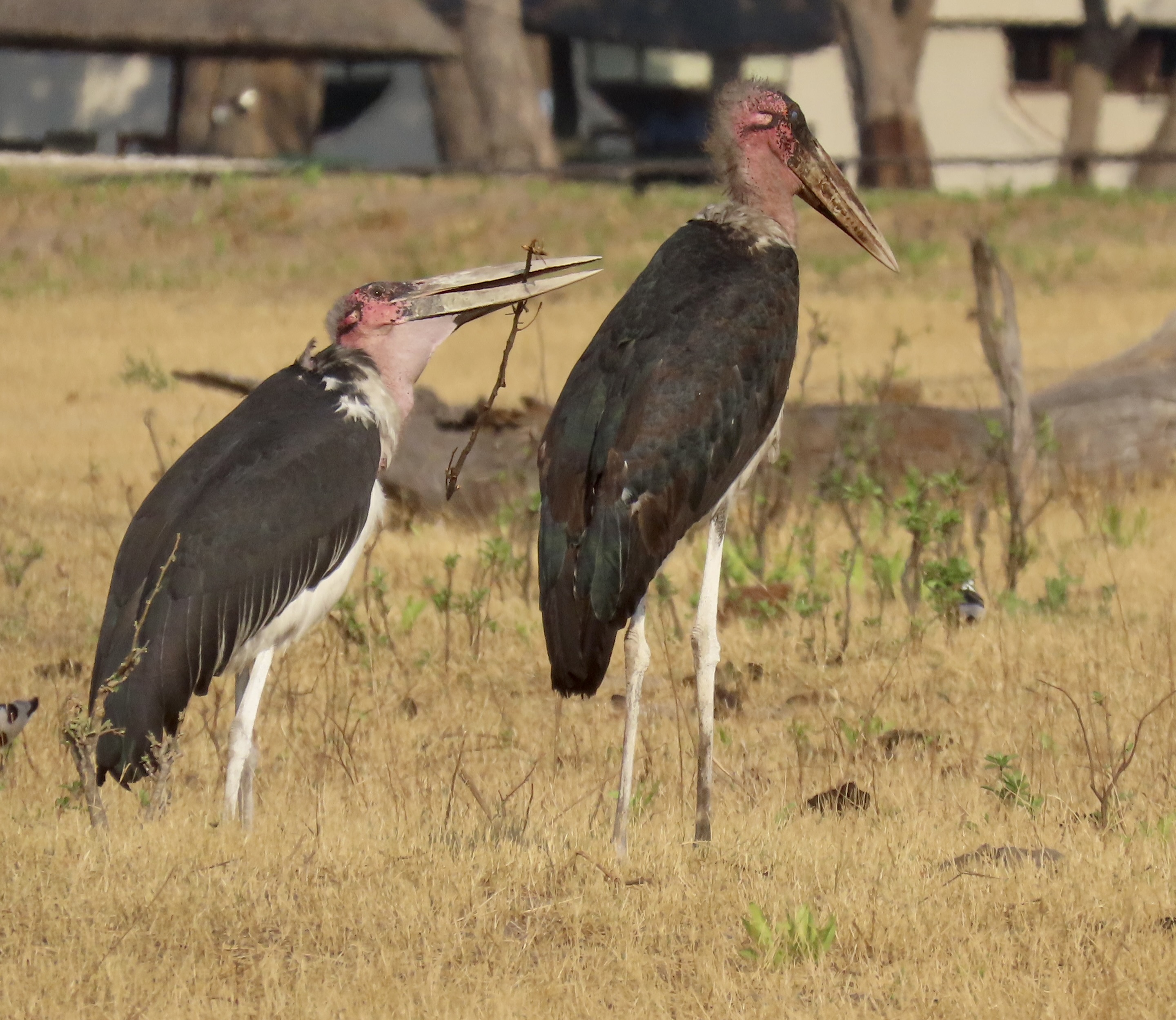
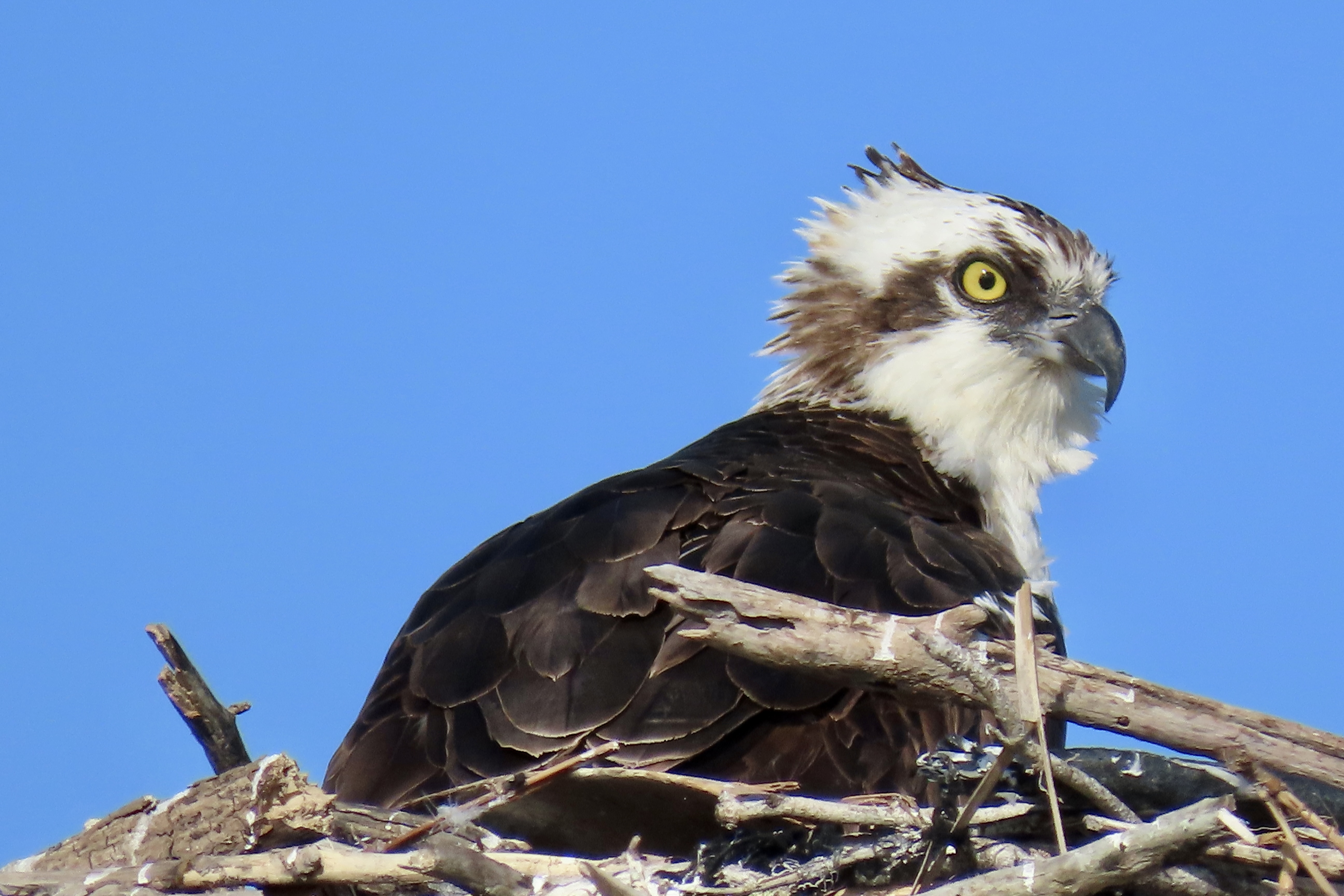
The Cape buffalo is considered the most dangerous animal in Africa, which is saying a lot considering all of the dangerous animals I’ve already featured on this blog. This egret represented the ‘height of nonchalance’ in its choice of a perch. At least it didn’t have to worry about any of the predators that might consider it food!The oxpecker is another African bird known for its close association with a number of animals, including this Cape buffalo we found next to the Chobe River in Botswana. It had already worked its way around the buffalo’s face and moved on to its horns in its endless search for insects.Two birds claimed this old snag that stuck out of the Chobe River. The tail belongs to an African Darter/anhinga. The small fellow is a pied kingfisher.A close up of this handsome representative of the family. It was facing into the wind…And then it turned around.This cutie is a juvenile African skimmer. It’s waiting for its mom to bring home her catch.Mom arrives and the two of them seem to get into a shouting match. In my imagination, it went something like this. Kid: “I’m starving to death, mom. You’re late!” Mom: “You hardly look starved. If you are, get off you lazy butt and go catch your own food.”Mom got in the last word. You probably noticed that the lower beak is longer that the upper beak. The skimmer uses it to skim along the water scooping up small fish. Thus the name.This small fellow with its black eye mask is known as a bee eater.Another one caught a bee!A bee eater of a different species. This one is known as a carmine bee eater.“That’s a go away bird,” our guide announced. “It gets its name because it always calls ‘go away, go away, go away’ when it is frightened and flies away.”This is a Jacana, also known as the Jesus bird. They earn the name by supposedly walking on water. Their large feet enable them to walk on lily pads.A Jesus bird demonstrates on the Zambezi River near Victoria Falls. I think it was cheating, but check out its long feet. I will show a similar bird on Wednesday from Florida Everglades National Park.Judging from this photo, it seemed to me that the Jesus bird could have been named fan dancer.For sheer color, this iridescent blue starling won the prize. We found a flock of open billed storks hanging out in front of a female waterbuck. The Chobe River is in the background.Here, an open billed stork searches for its favorite food, snails.A marabou stork: Not the most handsome bird we saw. Grin. There’s a reason why it is also known as the undertaker. ‘Can I offer you a stick?” Or is it, “Want to build a nest with me, Sweetie?” Marabou storks flap their neck sacks when courting. That must be exciting. We’ll wrap up our African bird photos today, but more birds will be featured on Wednesday. This time from our recent trip to Everglades National Park in Florida. Friday’s post will be on zebras.This nesting osprey in Everglades National Park will be among the birds we will feature on Wednesday.
I love all the birds!! Excellent photo collection. That go-away bird is so neat-looking. The bill especially. It must eat seeds and use the bill for cracking them open. The kingfisher was gorgeous. I’ve only spotted bee-eaters as they zoom past, and have never been able to “pin one down” with my camera. Well done getting two species. They are just all so good. 🙂
Thanks much, Crystal. We had a great deal of fun with the birds. Plus they were cooperative. Grin. You are right on the go away bird. Part of its diet consists of seeds. The bee eaters were relatively common along the river, so there were a bunch to choose from. And the kingfisher’s colors reminded me of the ones I knew out west, although it was maybe a quarter of their size.
The mighty spirit of the egret! I love them! And I also like the conversations that are “happening” with the birds! I watch the crows here. They have certain trees that they gather in and watch the world. Small wildlife here but the big business is in the Capitol! Which reminds me that year’s ago, there was a series on PBS called Cold Comfort Farm and the bull was named Big Business! If you are a follower, when you are at home, two new seasons of All Creatures Great and Small are being filmed as is the second part of Wolf Hall! Happy travels! Nice that you have an Olympia connect with your niece!
Not home for long, Wendy. In a week and a half we start our journey out west that will take us up the Pacific Coast on a 3 1/2 month exploration. We will be stopping to visit with Christina in Olympia along the way in Olympia!
Wild the size of the egret compared to Cape Buffalo up close and personal. Brave little flyer. the Characters these birds and their commentator. hee hee… great shots. The bee eater is gorgeous and you’re right, you can’t beat the color of the Starling! Gorgeous. No thanks on the branches in that nest. Great shots, Curt. ❣️❤️
Thanks, Cindy. I suspect that the Cape buffalo and the egret have a long, and hopefully, mutual association. Still, hard not to think brave! 😳I’d be mincemeat. Certainly were lots of colorful, interesting birds in Africa. ❤️
I think that’s right and sooooo cute.. I love it.. Gorgeous is right❣️
“Marabou storks flap their neck sacks when courting. That must be exciting.” 😂
There are very similar looking bee eaters in Oz, also jacanas. Great shot with the bee! 👍
A wonderful collection.
Alison
Thanks, Alison. I confess I would love to see the Marabou storks flapping their necks in a fit of passion. Even more, I would like to video it. Birds do get around! A lot of the birds I saw in Florida on my recent trip there are closely related to the birds we were seeing in Africa.
I saw a pair hanging out with a Hereford bull on a Nebraska Sandhills lane passing through his pasture. That was back in the 1980s, when they were just beginning to show up this far north.
I think the first ones I saw in California’s Central Valley would have been the 70s…
An amazing story, isn’t it, that this bird self-migrated to the US by way of South America.
Some fascinating birds, Curt! The pied kingfisher is kind of cute and the colors of the bee eater are absolutely gorgeous! And then there is the poor undertaker. 🙂 Great photos as always, and thanks for taking us along!
Always glad to have you along, Lauren. Thanks. The little kingfisher was one of my favorites. The undertaker certainly looked the role and I was pleased that the bee keeper cooperated and caught a bee!






 Wandering through Time and Place
Besides taking wonderful pictures, Curt, a super job on either remembering or researching (or both) the names of the birds!
Well thanks, John. I confess, a fair amount of work went into identifying the birds.
Great pictures of the birds!
Thanks, appreciated. I jumped over and signed up for your blog. Looks fun. Plus I am a fan of Scotland.
Thanks you! Glad you like it 🙂
I love all the birds!! Excellent photo collection. That go-away bird is so neat-looking. The bill especially. It must eat seeds and use the bill for cracking them open. The kingfisher was gorgeous. I’ve only spotted bee-eaters as they zoom past, and have never been able to “pin one down” with my camera. Well done getting two species. They are just all so good. 🙂
Thanks much, Crystal. We had a great deal of fun with the birds. Plus they were cooperative. Grin. You are right on the go away bird. Part of its diet consists of seeds. The bee eaters were relatively common along the river, so there were a bunch to choose from. And the kingfisher’s colors reminded me of the ones I knew out west, although it was maybe a quarter of their size.
Thanks so much, Curt. I have wonderful memories of the birds in Africa.
Glad you enjoyed the series on birds, Peggy. They were special.
The mighty spirit of the egret! I love them! And I also like the conversations that are “happening” with the birds! I watch the crows here. They have certain trees that they gather in and watch the world. Small wildlife here but the big business is in the Capitol! Which reminds me that year’s ago, there was a series on PBS called Cold Comfort Farm and the bull was named Big Business! If you are a follower, when you are at home, two new seasons of All Creatures Great and Small are being filmed as is the second part of Wolf Hall! Happy travels! Nice that you have an Olympia connect with your niece!
Not home for long, Wendy. In a week and a half we start our journey out west that will take us up the Pacific Coast on a 3 1/2 month exploration. We will be stopping to visit with Christina in Olympia along the way in Olympia!
Wonderfu. Might be raining…
Chances are. 🙂 Or snowing, or flooding, or who knows any more!
They’re quite colorful for Africa, aren’t they?
In many ways, G, they are similar to the birds I just photographed in the Everglades.
On the whole, the African birds are much more colourful than the ones we see on the Canadian Prairies!
I assume all of the tropical colors have an influence in Africa.
Wild the size of the egret compared to Cape Buffalo up close and personal. Brave little flyer. the Characters these birds and their commentator. hee hee… great shots. The bee eater is gorgeous and you’re right, you can’t beat the color of the Starling! Gorgeous. No thanks on the branches in that nest. Great shots, Curt. ❣️❤️
Thanks, Cindy. I suspect that the Cape buffalo and the egret have a long, and hopefully, mutual association. Still, hard not to think brave! 😳I’d be mincemeat. Certainly were lots of colorful, interesting birds in Africa. ❤️
I think that’s right and sooooo cute.. I love it.. Gorgeous is right❣️
“Marabou storks flap their neck sacks when courting. That must be exciting.” 😂
There are very similar looking bee eaters in Oz, also jacanas. Great shot with the bee! 👍
A wonderful collection.
Alison
Thanks, Alison. I confess I would love to see the Marabou storks flapping their necks in a fit of passion. Even more, I would like to video it. Birds do get around! A lot of the birds I saw in Florida on my recent trip there are closely related to the birds we were seeing in Africa.
The cattle egret managed to expand its distribution to pretty much world-wide. https://en.wikipedia.org/wiki/Cattle_egret#Distribution_and_habitat
Great article, Doug. I first became familiar with them in the Central Valley of California.
I saw a pair hanging out with a Hereford bull on a Nebraska Sandhills lane passing through his pasture. That was back in the 1980s, when they were just beginning to show up this far north.
I think the first ones I saw in California’s Central Valley would have been the 70s…
An amazing story, isn’t it, that this bird self-migrated to the US by way of South America.
Some fascinating birds, Curt! The pied kingfisher is kind of cute and the colors of the bee eater are absolutely gorgeous! And then there is the poor undertaker. 🙂 Great photos as always, and thanks for taking us along!
Always glad to have you along, Lauren. Thanks. The little kingfisher was one of my favorites. The undertaker certainly looked the role and I was pleased that the bee keeper cooperated and caught a bee!
😃😃
e-birds is a great resource from Cornell. One of these apps that allows you to collect data for research. Win win!
I’ve been there a number of times! Thanks.