There Is Much More to Mt. Rainier National Park than a Mountain

A waterfall in Mt. Rainier National Park. Photo by Curtis Mekemson.

Mt. Rainier National Park has much more that its majestic mountain to offer visitors. Ancient forests, glacial rivers and tumbling waterfalls are found throughout the Park.

At 14, 410 feet (4,392 meters), Mt. Rainier is the tallest volcano in the Cascade Mountains, a range that starts in northern California and works its way through Oregon and Washington before ending in southern British Columbia. The range is part of the famous, or perhaps I should say infamous, Ring of Fire that surrounds the Pacific Ocean and represents the epic crashing of oceanic and continental tectonic plates. Volcanic eruptions, earthquakes and tsunamis are its legacy.

Mt. Shasta in northern California. Photo by Curtis Mekemson.

Starting at Mt. Shasta (shown here) and Mt. Lassen in northern California, the Cascade Mountain Range of volcanoes works its way northward into southern British Columbia.

Rainier is an active volcano, which means it is capable of blowing its top at any time. Every volcanic eruption in the last 200 years that has taken place in the contiguous United States (outside of Hawaii and Alaska) has happened in the Cascade Range. The most recent was Mt. St. Helens in southern Washington, which exploded in 1980. I flew over the mountain a few weeks after the eruption. The destruction was unimaginable.
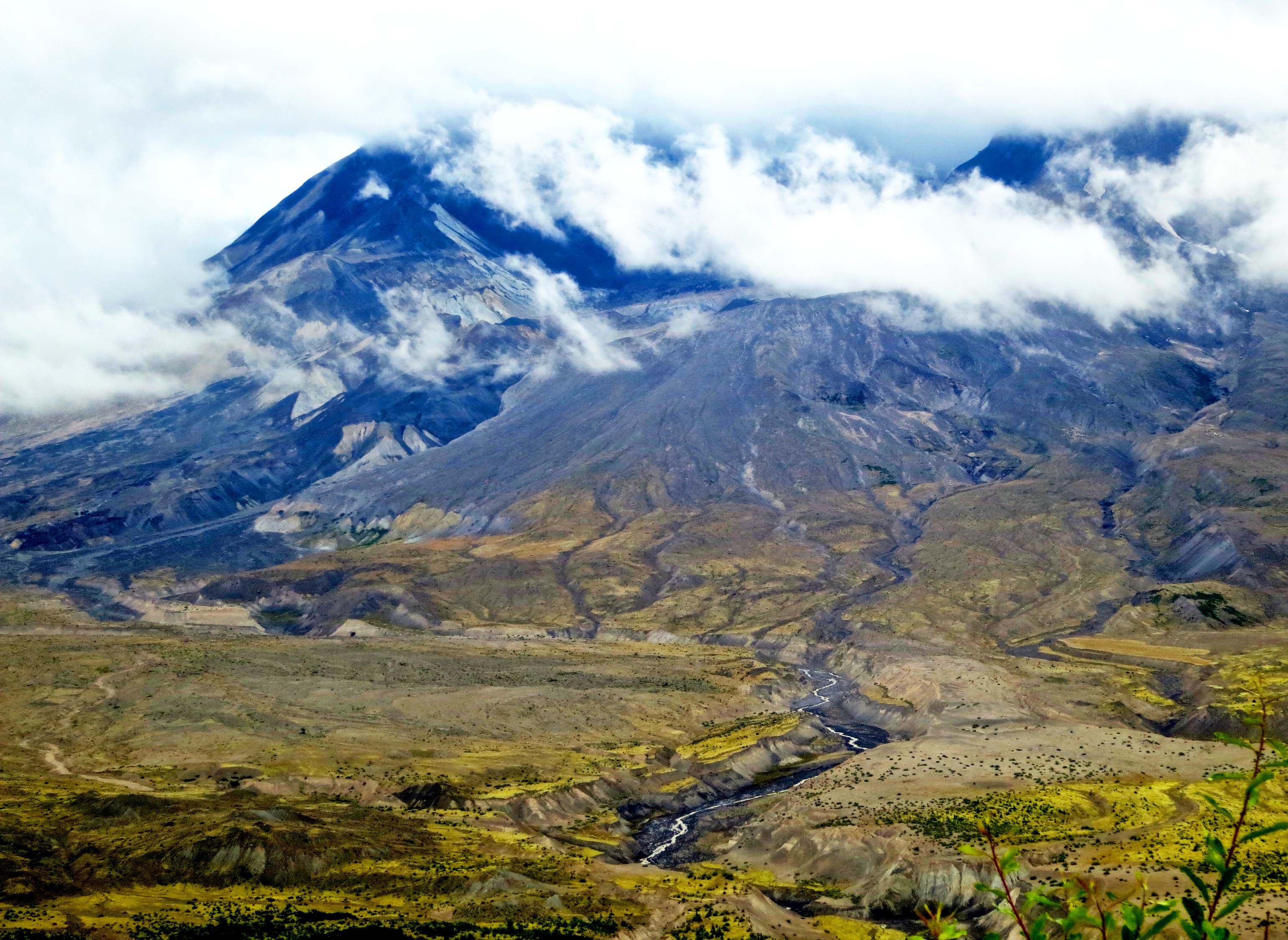
Mt. St. Helens in Washington. Photo by Curtis Mekemson.

Mt. St. Helens today, its once majestic peak now a crater. The river has carved a canyon through the mudflow the volcano left behind. I took this photo two years ago.

Jet stream driven storms coming off the Pacific Ocean bring the rain that the North West is justifiably famous for. During the winter, this rain turns to snow as the storms are forced up and over Mt. Rainier— lots of snow. During the winter of 1971/72, 1,122 inches of snow fell. This translates into 93.5 feet or 28.5 meters. It set a world record at the time. The snow is responsible for the 14 named glaciers that slowly work their way down from the top, grinding up rocks as they go, and creating several rivers.

Photo of Mt. Rainier Glacier taken by Curtis Mekemson.

Fourteen named glaciers make their way down Mt. Rainier.
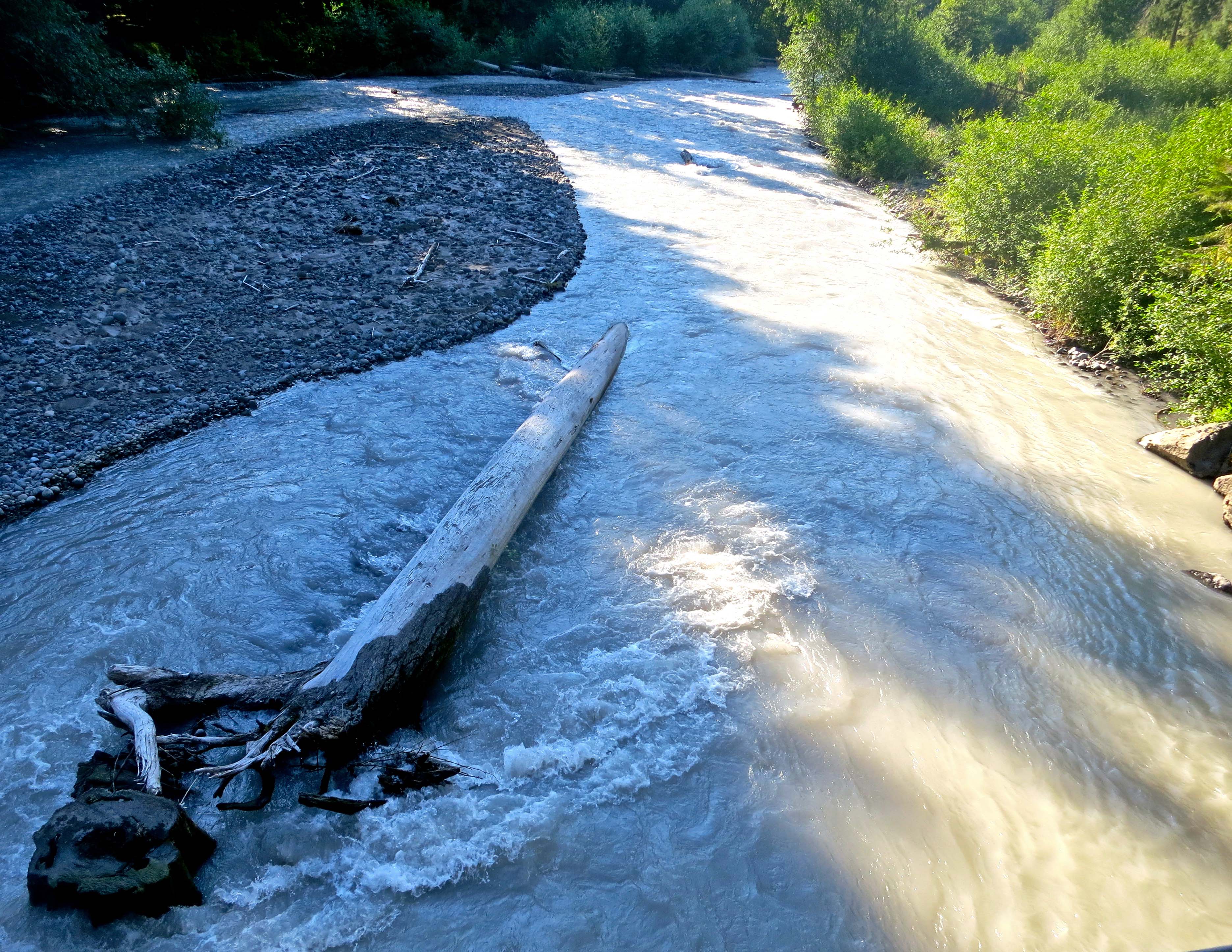
Fed by the Emmons, Frying Pan and Winthrop Glaciers, the White River is given its color by ground glacial rock dust.

Fed by the Emmons, Frying Pan and Winthrop Glaciers, the White River is given its color by ground glacial rock dust. BTW: Ancestors of my mother barely missed being massacred by indians on the White River around the time Seattle was founded.

Peggy and I, along with our son Tony, worked our way clockwise around the mountain from the Sunrise Visitor Center to the Henry (Scoop) Jackson Memorial Visitor Center, covering about a third of the mountain. The road has enough twists and turns to hassle a snake and has more picturesque scenes than a National Geographic photographer could capture in a month. Misty waterfalls and an ancient forest competed with the snow-topped mountain for our attention. We finished off our exploration of Mt. Rainier with a breath-stealing hike that climbed up 1400 feet behind the Jackson Memorial Visitor Center.

Roots of a downed giant in the Grove Of Patriarchs, Mt. Rainier National Park. Photo by Curtis Mekemson.

You would expect to find large trees in an area called the Grove of Patriarchs. We weren’t expecting this. Peggy is perched inside the roots of a downed patriarch. Or maybe it was a matriarch.

Creek reflects green of surrounding forest in Mt. Rainier National Park. Photo by Curtis Mekemson.

This creek flowing through the Grove of Patriarchs immediately made me think of a Claude Monet Impressionist painting.
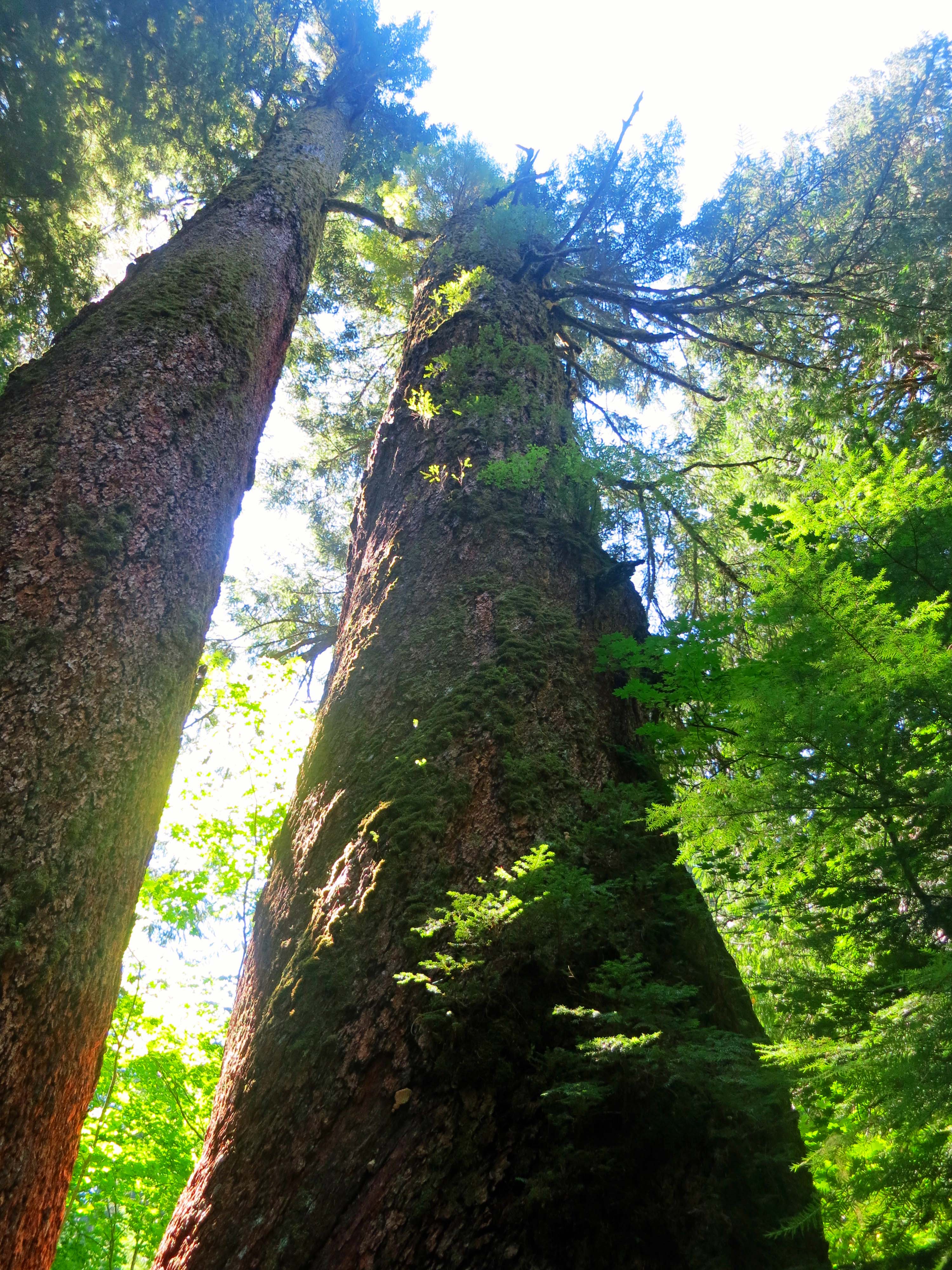
Since we are in the Grove of Patriarchs, a photo of big trees is required.

Since we were in the Grove of Patriarchs, a photo of big trees is required.

Wood grains on a downed tree in Patriarch Grove, Mt. Rainier National Park. Photo by Curtis Mekemson.

Whirls of wood grain appeared on a downed tree in the Grove. I was reminded of a 3-D topographic map.

Saffron robed monk throws snowball on trail above Jackson Memorial Center at Mt. Rainier National Park. Photo by Curtis Mekemson.

We came across a saffron robed monk throwing snowballs as we hiked on the trail above the Jackson Memorial Visitor Center. “Throw one at me,” I urged with camera poised.
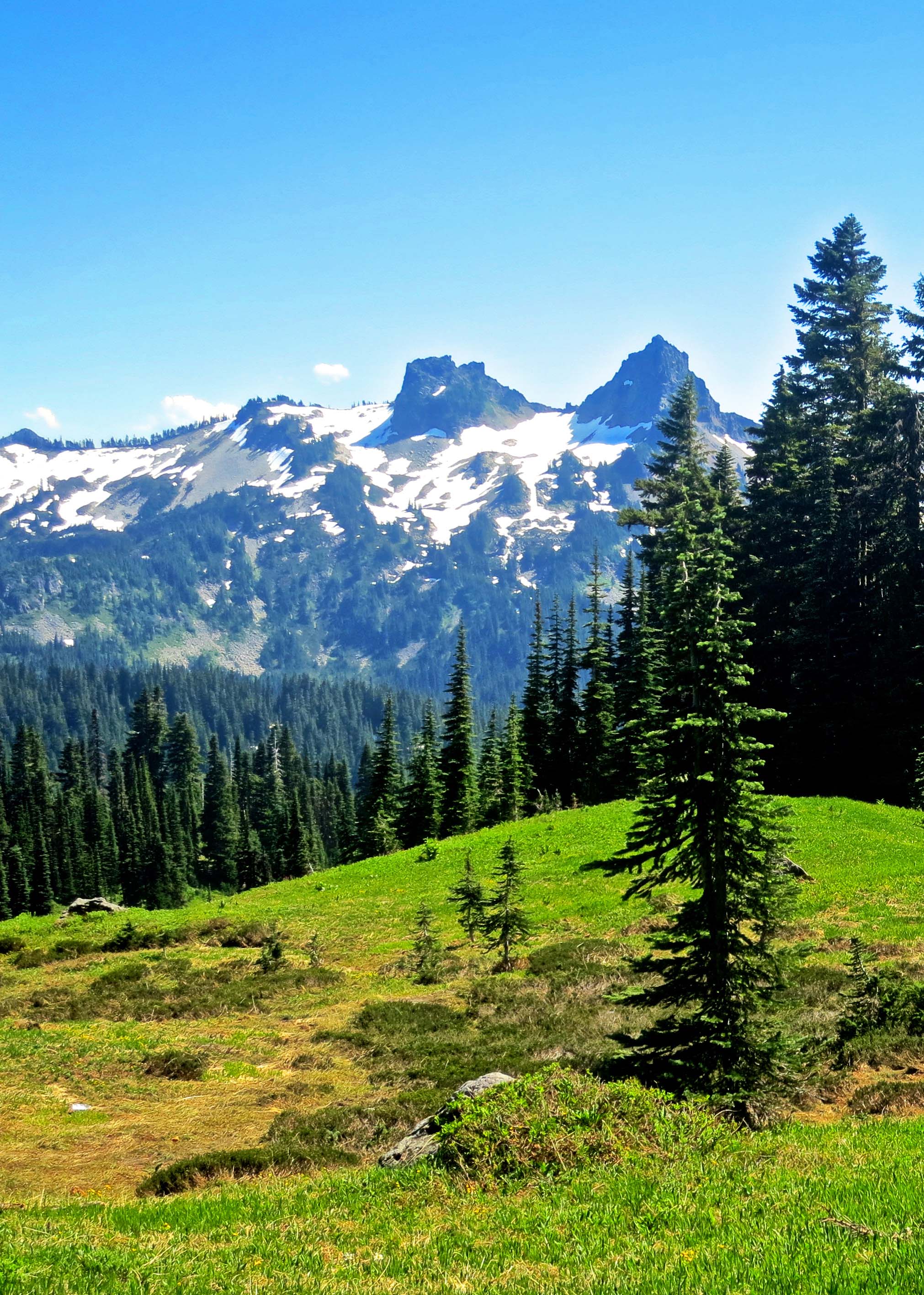
View from Mt. Rainier above the Jackson Memorial Center. Photo by Curtis Mekemson.

One of many views we had climbing up the trail. As I recall, Peggy broke out singing Climb Every Mountain. It was a Julie Andrews’ moment.
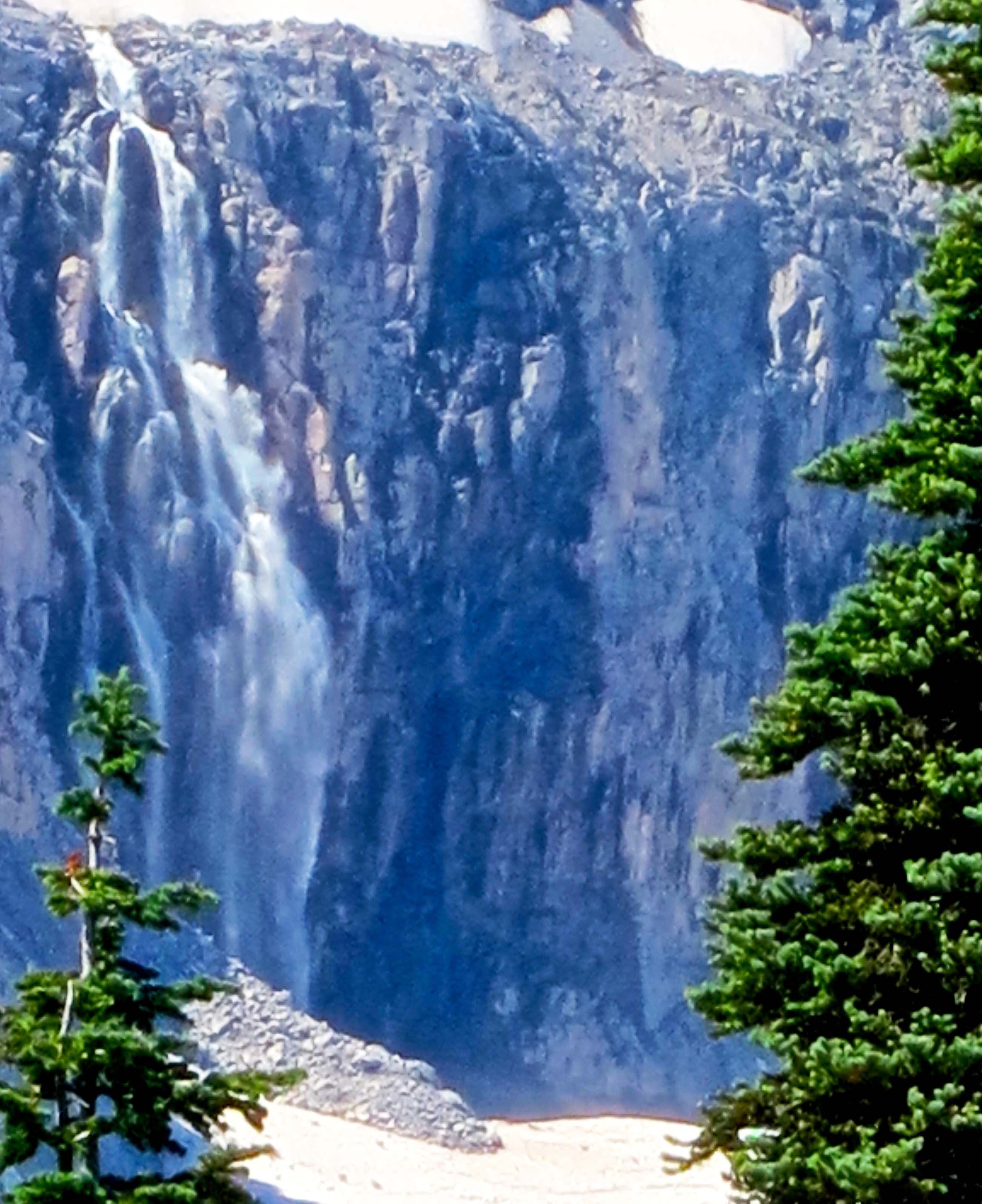
Looking around we saw several waterfalls tumbling off the mountain.
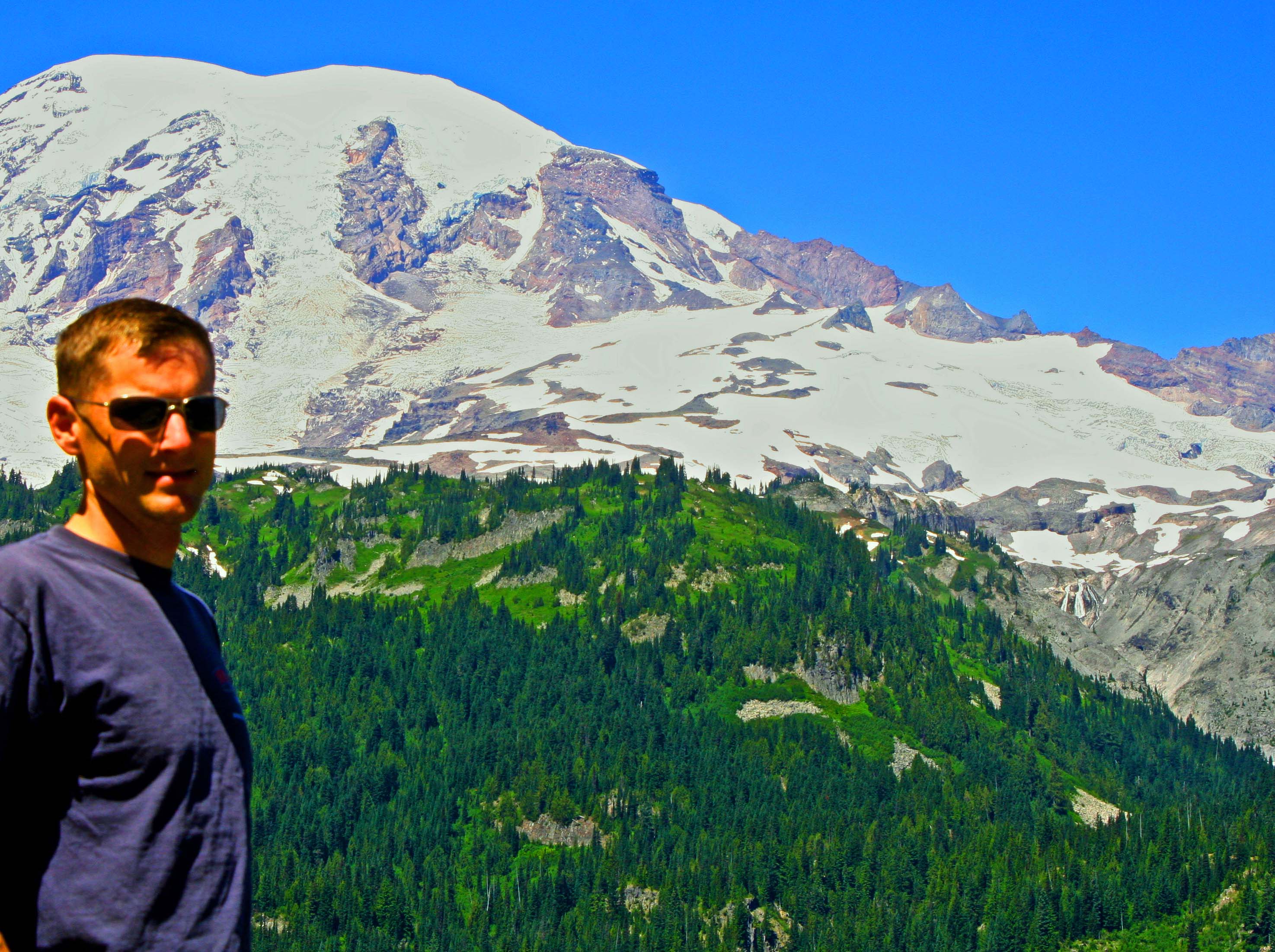
Looking around we saw several waterfalls tumbling off the mountain.

Peggy captures Tony at our turn around point on the trail. He definitely wanted to keep on going. (Photo by Peggy Mekemson.)

Peggy captured Tony at our turn around point on the trail. He wanted to keep going to the top of the green hill but was outvoted by Mom and Dad. (Photo by Peggy Mekemson.)

Phlox flowers at Mt. Rainer National Park. Photo by Curtis Mekemson.

I took time to photograph these cheerful Phlox flowers on the way down.
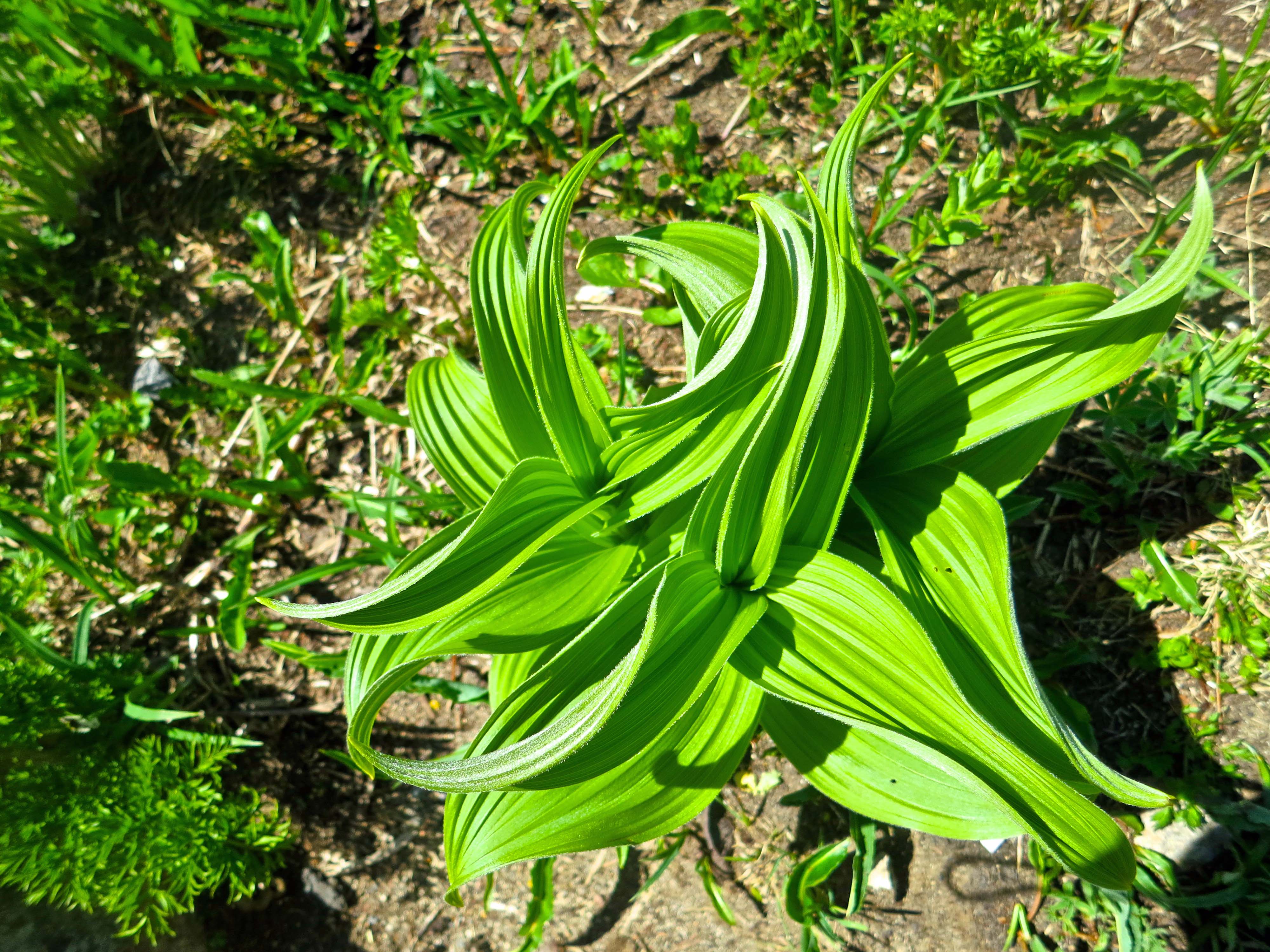
Corn lily growing on the side of Mt. Rainier. Photo by Curtis Mekemson.

And this wonderfully wild corn lily.
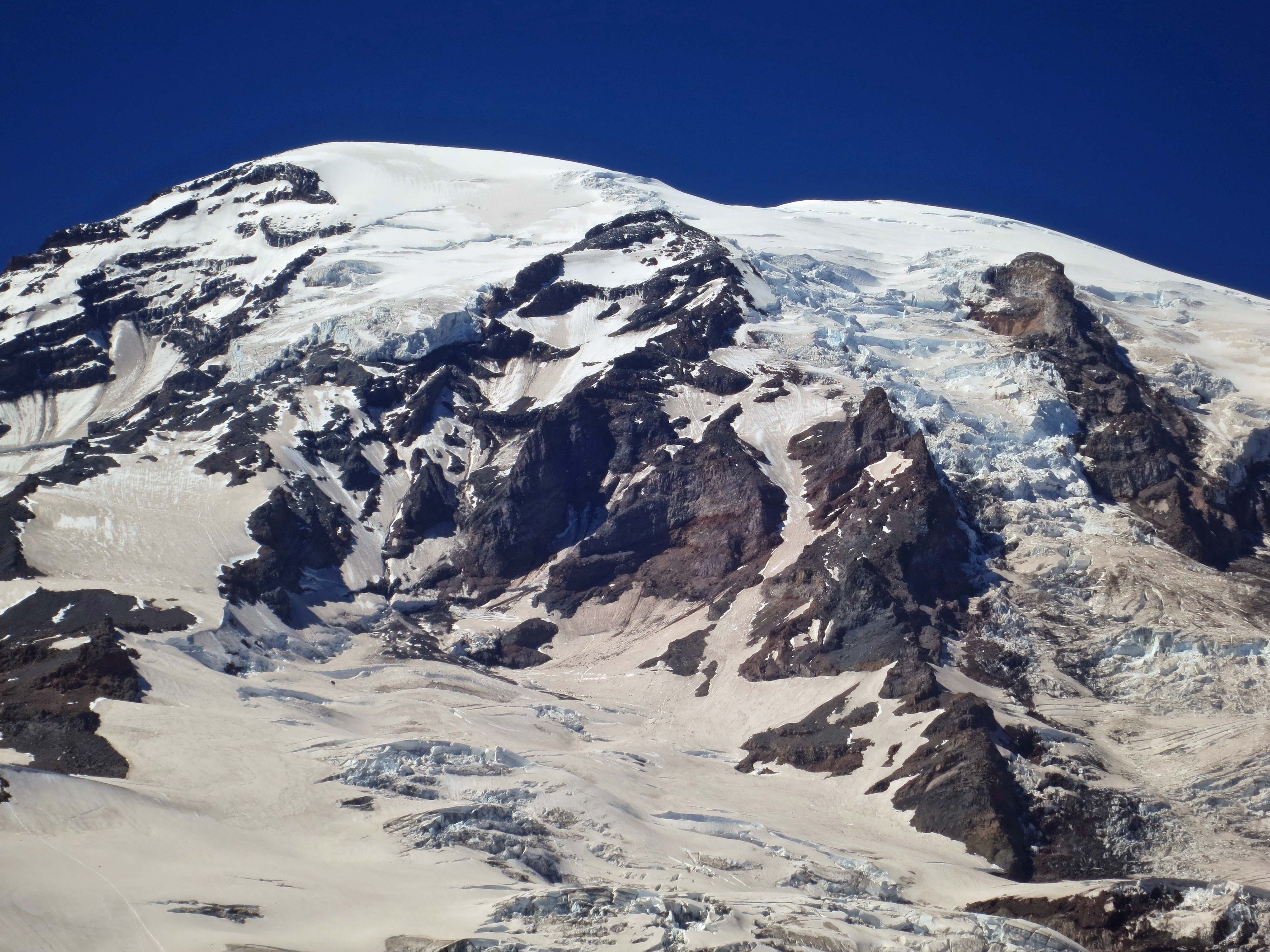
A goodbye view of Mt. Rainier.

A final goodbye view of Mt. Rainier. Next Blog: We begin our kayak adventure and search for Orca Whales off the north coast of Vancouver Island.
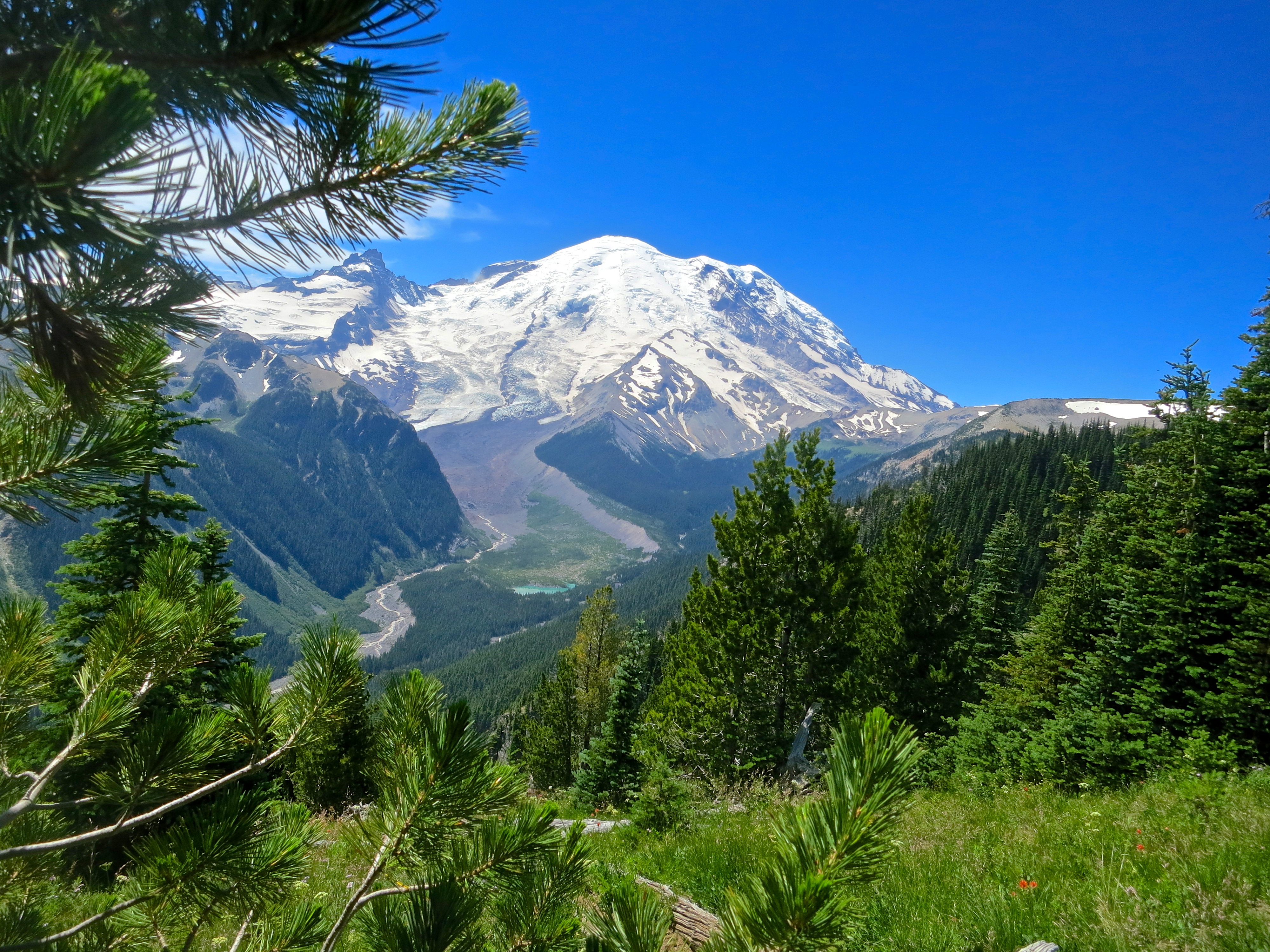


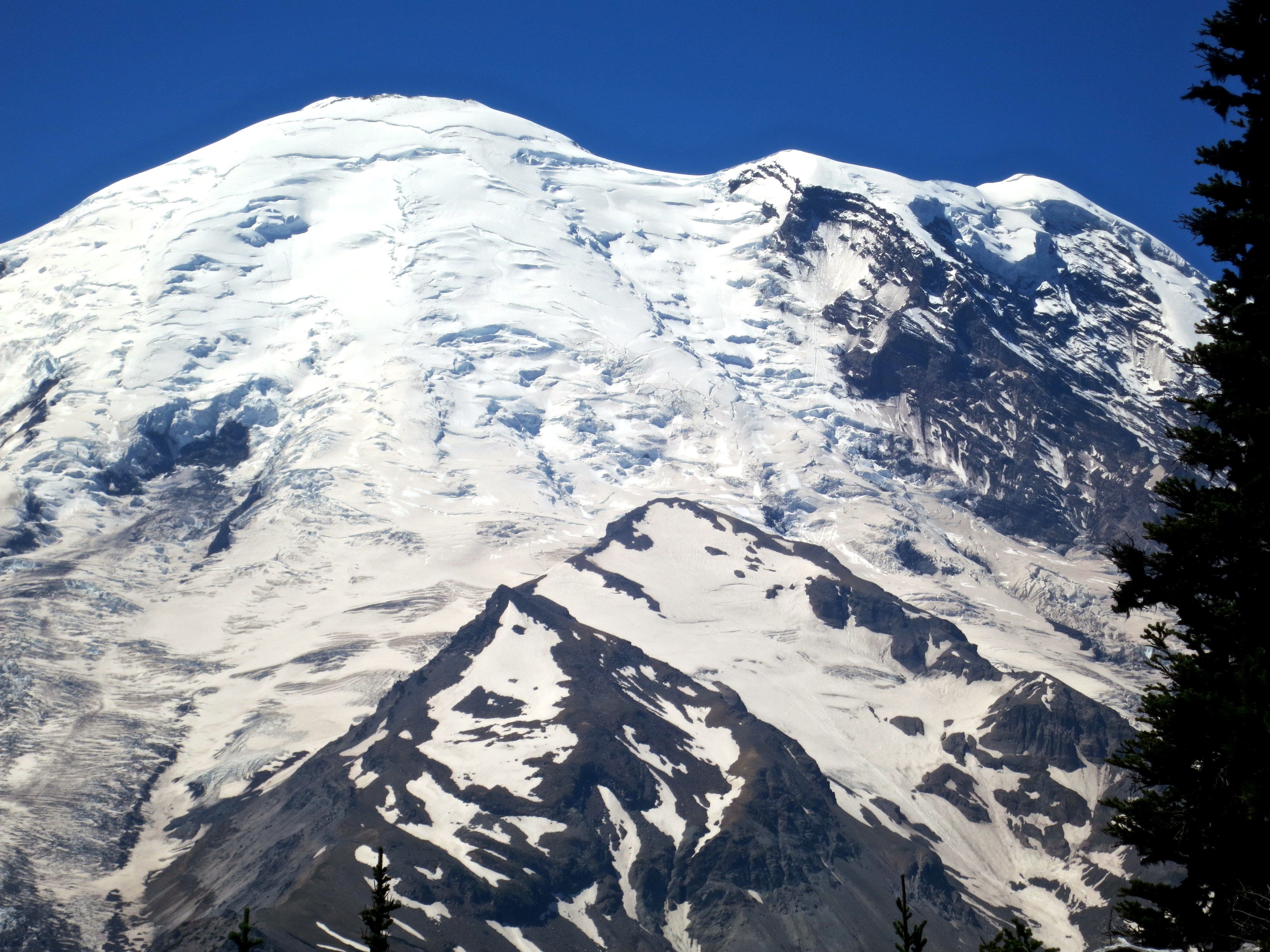
“Now, that’s a glacier…” Mt. Rainier National Park

Mt. Rainier National Park. Photo by Curtis Mekemson.

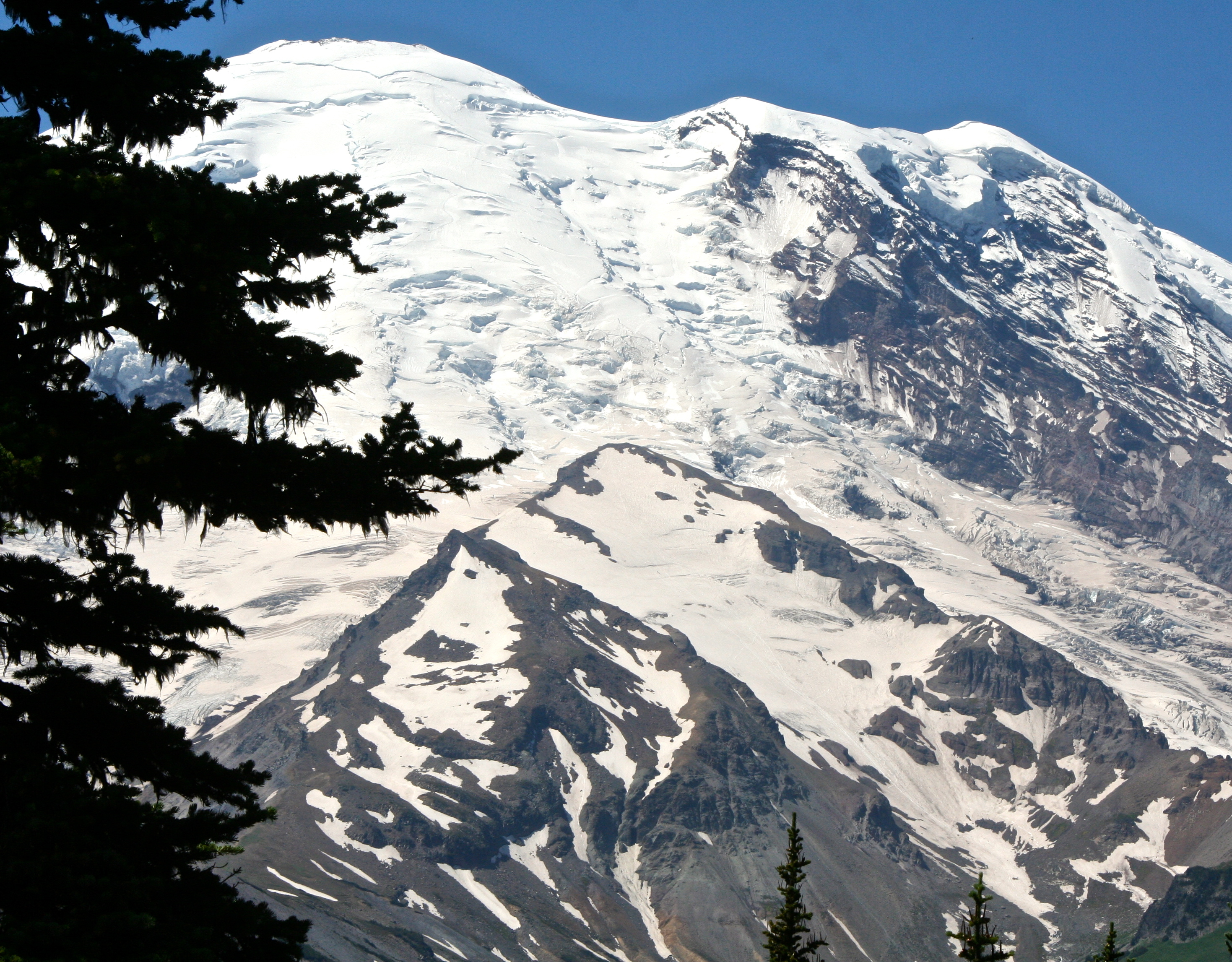
Mt. Rainier is the most glaciated mountain in the lower 48 states of the US.

It was supposed to be a laid-back summer. Our daughter Tasha would come out from Tennessee with our grandsons Ethan and Cody for a week or two in June. And then we would go to Burning Man in late August. In between, we’d hang out at our home in the mountains, relax, and explore more of Southern Oregon— if we had the energy.

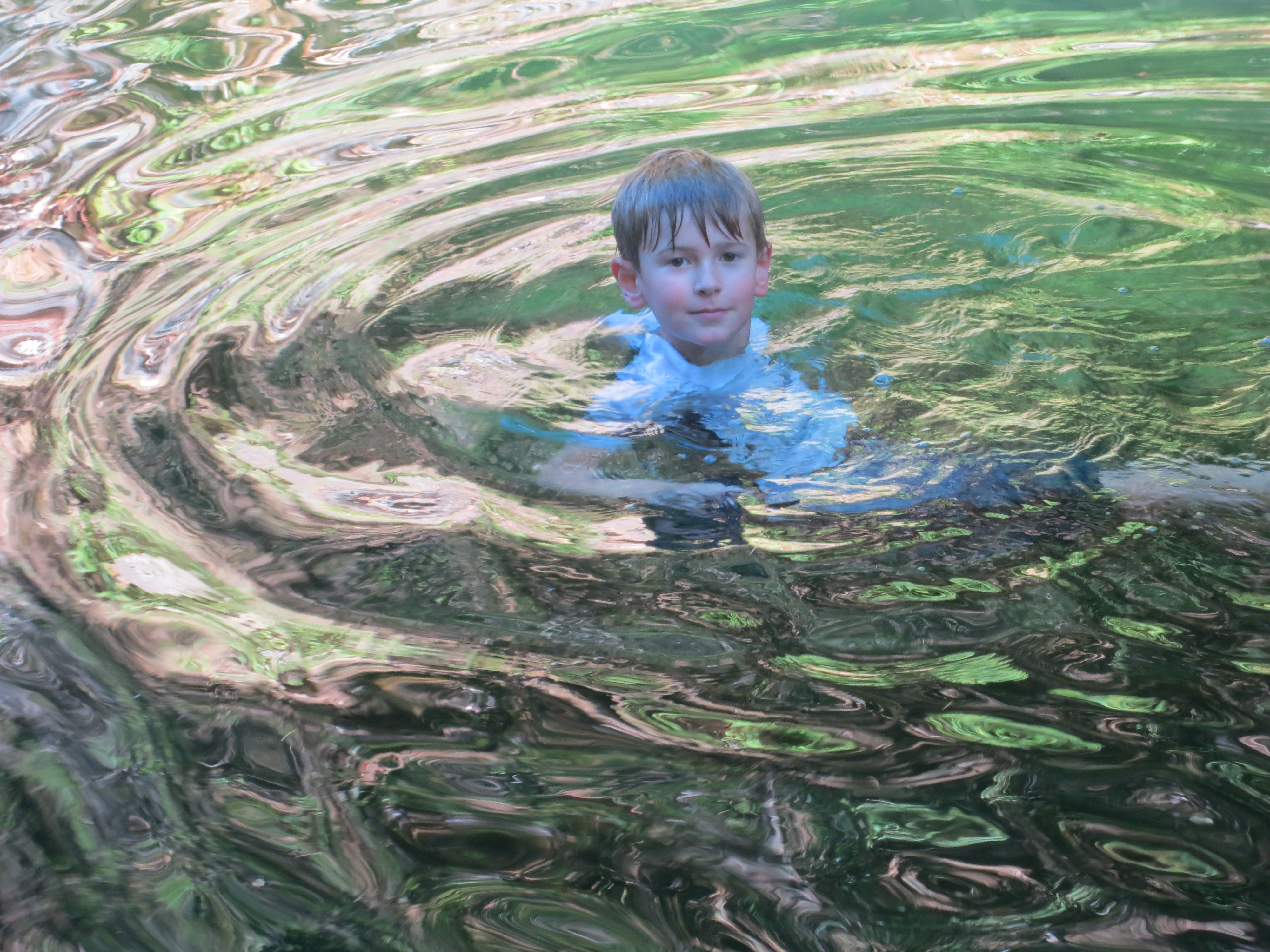
Our grandson Ethan enjoys a dip in the Applegate River this summer a few miles from our house .

Our grandson Ethan enjoys a dip in the Applegate River this summer a few miles from our house.

Then Edie called. Edie is Peggy’s old high school friend who lives in Anchorage, Alaska. She and her husband David had found what sounded like a great sea-kayak adventure looking for Orcas off the northern tip of Vancouver Island in August. Would we like to go? How could we resist? It would make our trip to Burning Man tight, but it was still doable.

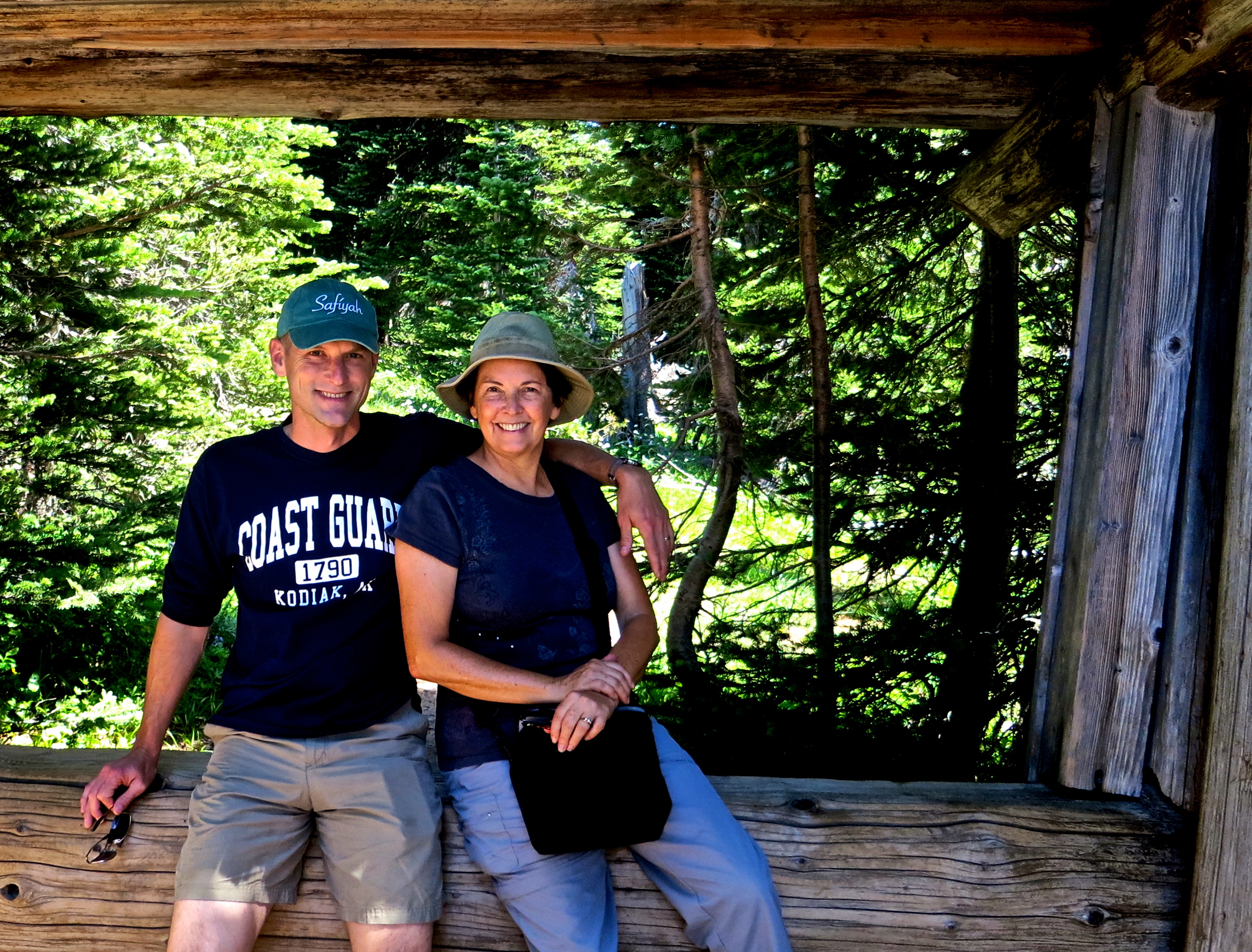
Tony, our son who flies helicopter rescue missions for the Coast Guard off Kodiak Island, was next. He had helicopter crash training in Spokane in early August. This is where a huge machine takes a helicopter and dumps it upside down in a large pool of water so the pilot and crew can practice their escape routines. Wouldn’t it be great if we could pick him up at the Seattle airport before the training and head out for a few days of camping and hiking at Mt. Rainier? Yes it would, declared Peggy, doing a happy-mother dance. I wasn’t to worry that the Rainier trip backed up on the kayak trip that backed up on Burning Man.

Then Tasha called. She couldn’t come in June but had found some great tickets to fly out in July for a couple of weeks. Oops, said Mom. The latter part of the trip was double booked with the Tony trip. Not to worry, said Tasha. She’d only stay for a week and a half. If we hurried we could get to Seattle the day before Tony arrived so we could grab a campsite before they all disappeared. We found a campsite, barely. What disappeared was our laid-back summer.

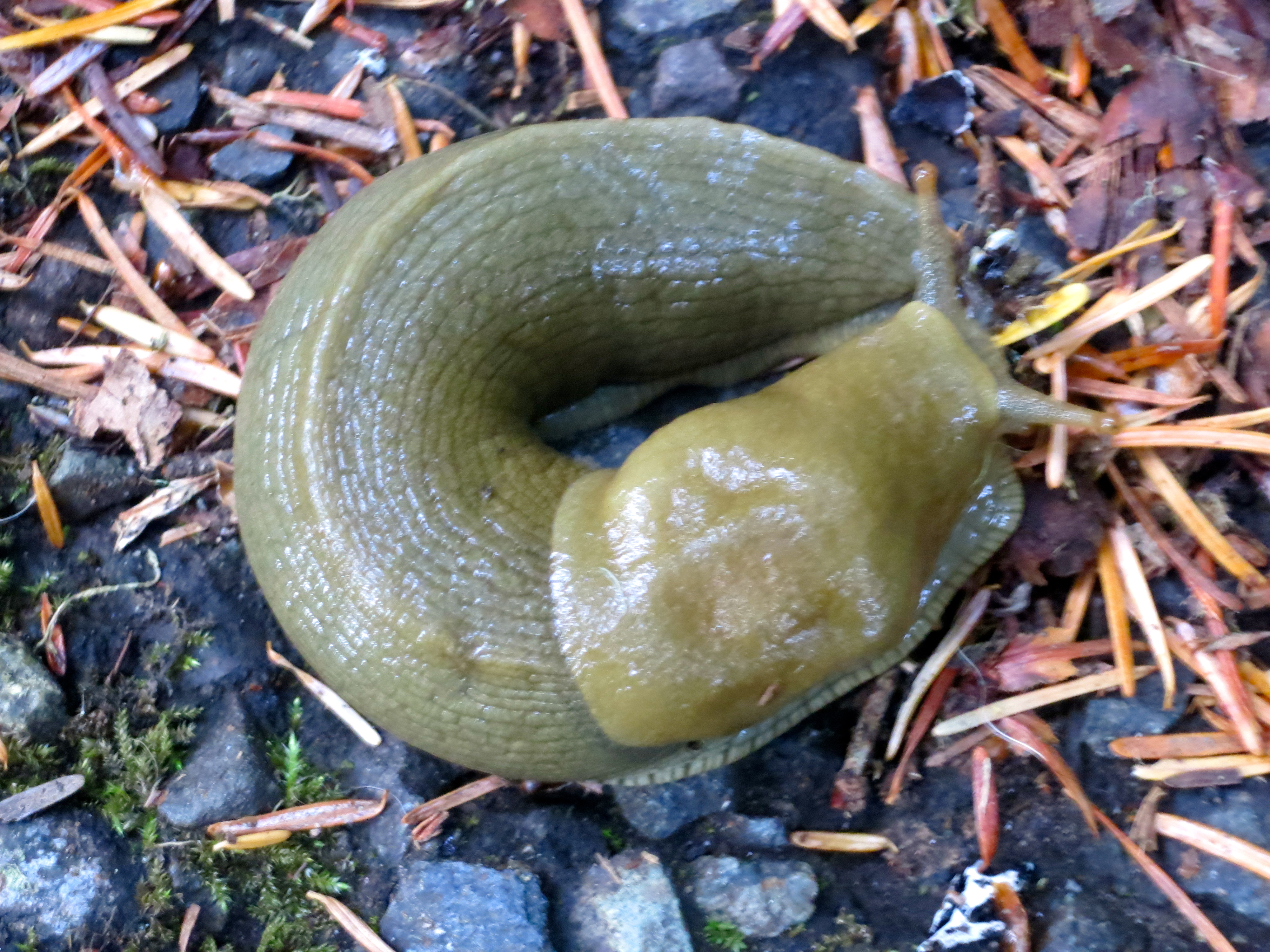
Photo of large slug at Mt. Rainier by Curtis Mekemson.

This slug we found at Mt. Rainier National Park was traveling at just about the pace I had hoped we would enjoy our summer. It wasn’t to be.

Join Peggy and me on my next two posts as we explore Mt. Rainier with Tony. After that, we will zip off on a search for whales with Edie and David.

View from Sunrise Visitors center at mt. Rainier National Park. Photo by Curtis Mekemson.

Looking up at Emmons Glacier from the Sunrise Visitor’s Center at Mt. Rainier.

Close-up of Emmons Glacier at Mt Rainier National Park. Photo by Curtis Mekemson.

A close-up of Emmons Glacier.

Peggy and Tony pose fro a picture near the Sunrise Visitor Center at Mt. Rainier National Park.

Peggy and Tony pose for a picture near the Sunrise Visitor Center at Mt. Rainier National Park.

Indian Paintbrush at Mt. Rainier. Photo by Curtis Mekemson.

A short walk along the Silver Forest Trail from Sunrise Center included fields full of flowers as well as spectacular views of the mountain. This is Indian Paintbrush.

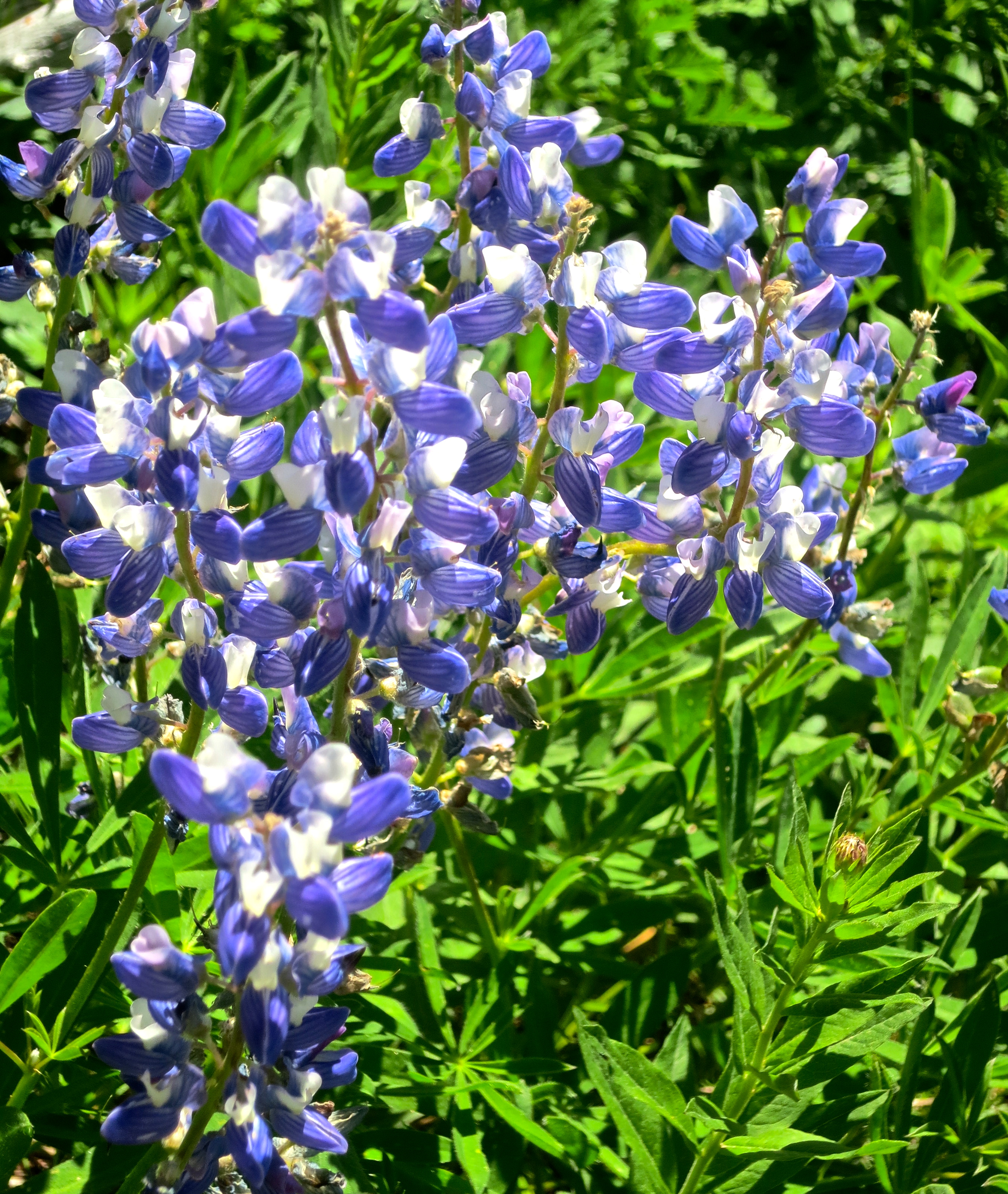
Lupine at Mt. Rainier National Park. Photo by Curtis Mekemson.

Lupine.

A strange and fuzzy Western Pasqueflower. Photo by Peggy Mekemson.

A strange and fuzzy Western Pasqueflower. Photo by Peggy Mekemson.

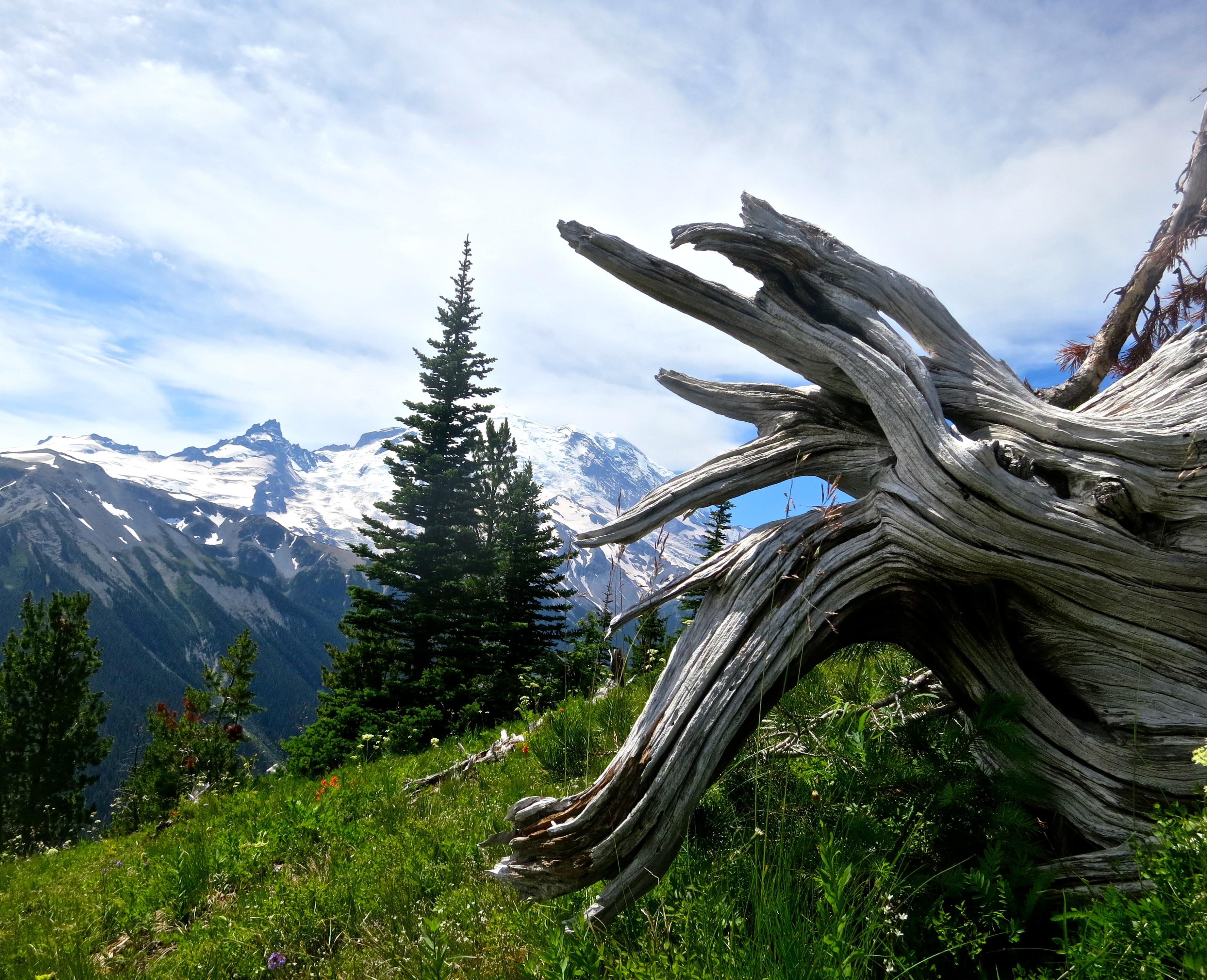
Aged tree root near Sunrise Center at Mt. Rainier National Park. Photo by Curtis Mekemson.

This aged tree root with its magnificent backdrop caught my attention.

Dead tree outlined against the sky in a black and white photo at Mt. Rainier National Park. Photo by Curtis Mekemson.

As did this dead tree.

A final view of Emmons Glacier. Next Blog: A giant forest, beautiful falls, and more views of Mt. Rainier. (Photo by Peggy Mekemson.)

A final view of Emmons Glacier. (Photo by Peggy Mekemson.) Next Blog: A giant forest, beautiful falls, and more views of Mt. Rainier. 

Welcome to Burning Man’s Temple… A Spiritual Place

Early morning photo of the Temple of Grace at Burning Man 2014. Photo by Curtis Mekemson.

Outlined by early morning sunlight, the 2014 Temple of Grace (designed by David Best) adds an element of tranquility and spirituality to Burning Man.

Black Rock City does an annual census that is chock-full of interesting information, including the spiritual beliefs of Burners. I was going to write about the overall census results today, but decided to wait for the final 2014 data. That means this will be my last post for the season on Burning Man.

Census form being filled out at Burning Man 2014. Photo by Curtis Mekemson.

Burning Man takes its annual census seriously. Here a Burner fills out his form while his friend checks out the entertainment at the Center Camp Cafe.

It seems appropriate that I conclude with the Temple. I consider it to be Burning Man’s most unique structure. And yes, this includes the Man. The Temple is a spiritual place. Thousands of Burners leave messages to friends and loved ones who have passed on, including pets. They also leave messages of thanks and love to people who are still very much with us. By Saturday, it is challenging to find a reachable space that hasn’t been written on. When the Temple burns on Sunday evening, all of these messages are sent skyward, with a prayer, if you will.

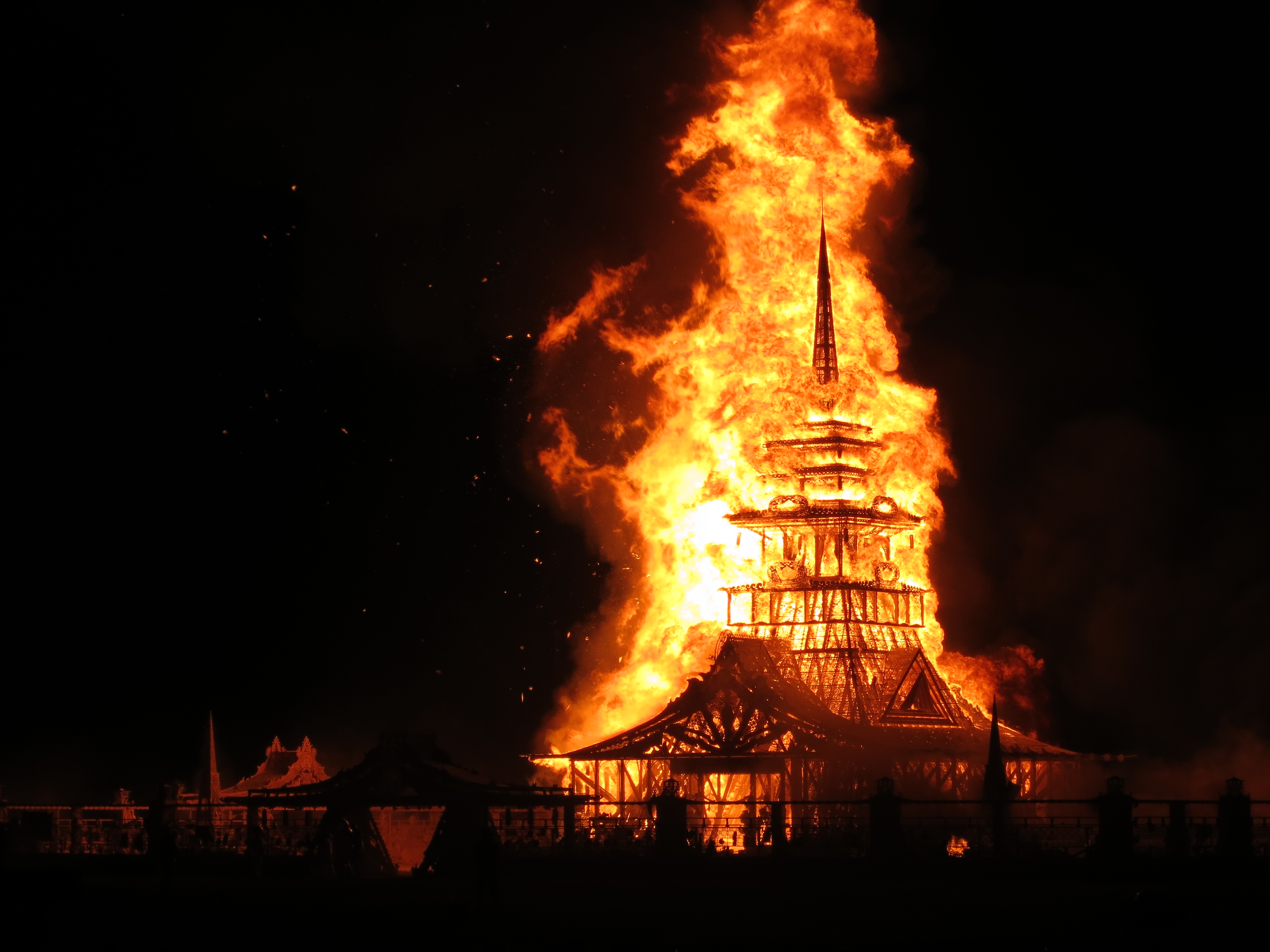
Burning of 2102 Temple of Juno designed by David Best. Photo by Curtis Mekemson.

While Peggy and I left before the burning of the 2014 Temple, we were able to stay for the burning of 2012 Temple, which was also built by David Best.

This does not mean that Burners are religious. In fact, only 7% of Burners define themselves as belonging to a particular religion according to the 2013 Census. Half of all Burners consider themselves spiritual, however. And most of these folks, including me, think of the Temple as sacred space. The thousands of messages of grief and deeply felt love make it impossible to think otherwise.

Messages written on the walls of the Temple of Grace at Burning Man 2014. Photo by Curtis Mekemson.

So many messages are written on the walls of the Temple that no space is left, as this photo illustrates. I was amused by the upper left message that stated, “Goodbye to who I thought I was. Yes!” Warning: Going to Burning Man may impact your concept of reality.

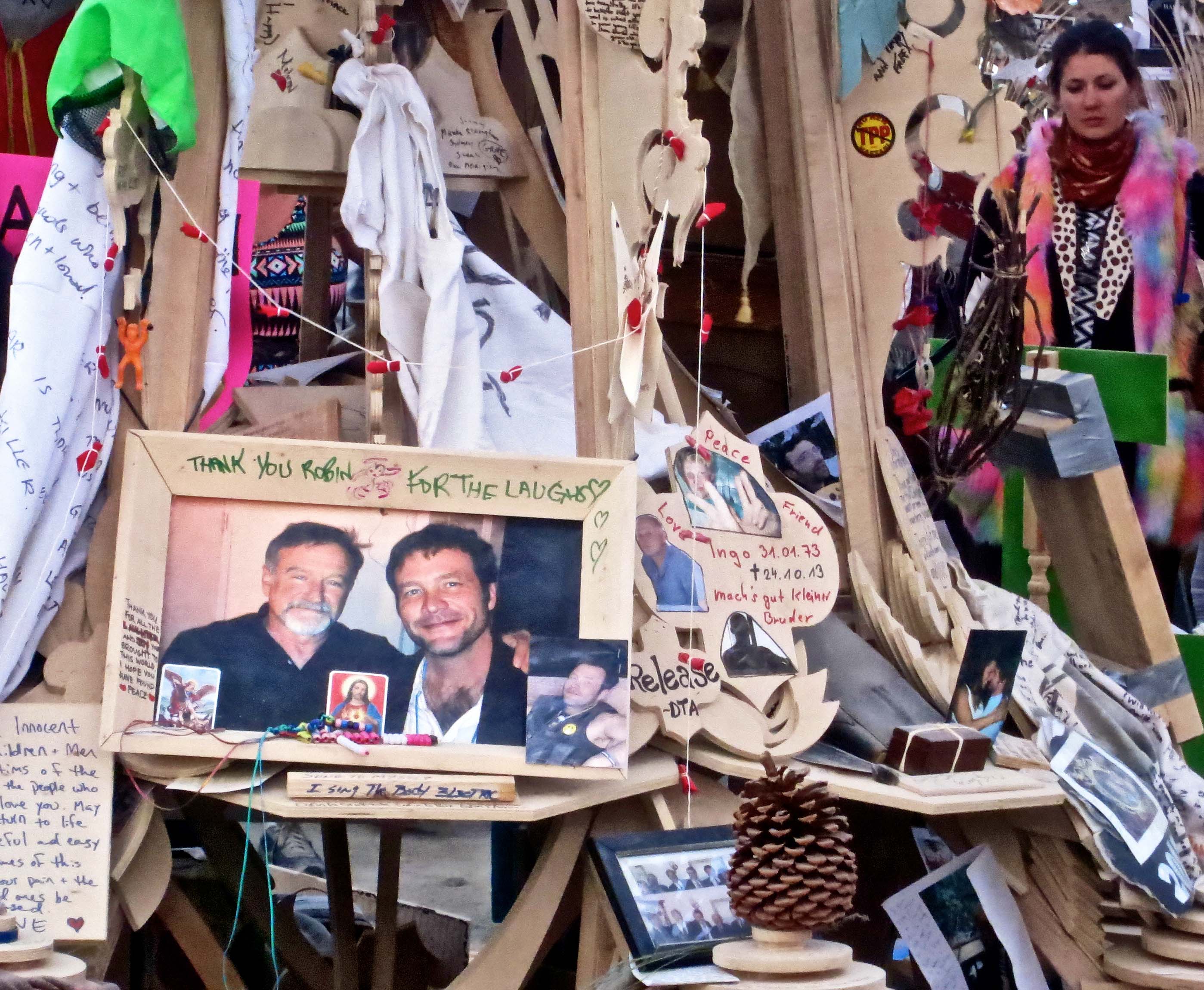
A memorial to Robin Williams at the 2014 Temple of Grace at Burning Man 2014.  Photo by Curtis Mekemson.

There was also a memorial to Robin Williams. “Thank you Robin for the laughs.”

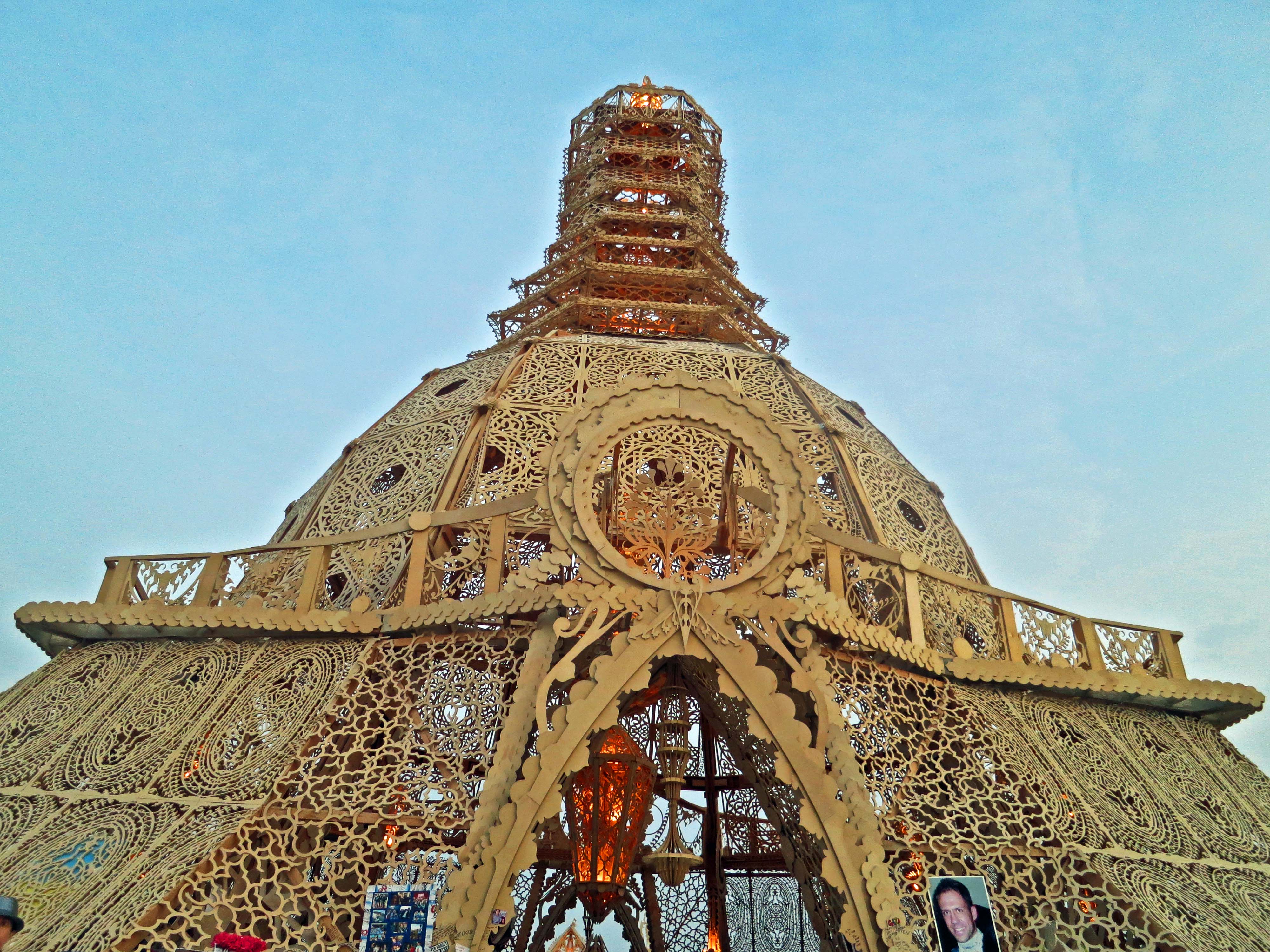
View of Temple of Grace at Burning Man 2014. Photo by Curtis Mekemson.

I like this photo because of the perspective it provides on how intricately the walls of the Temple were carved.

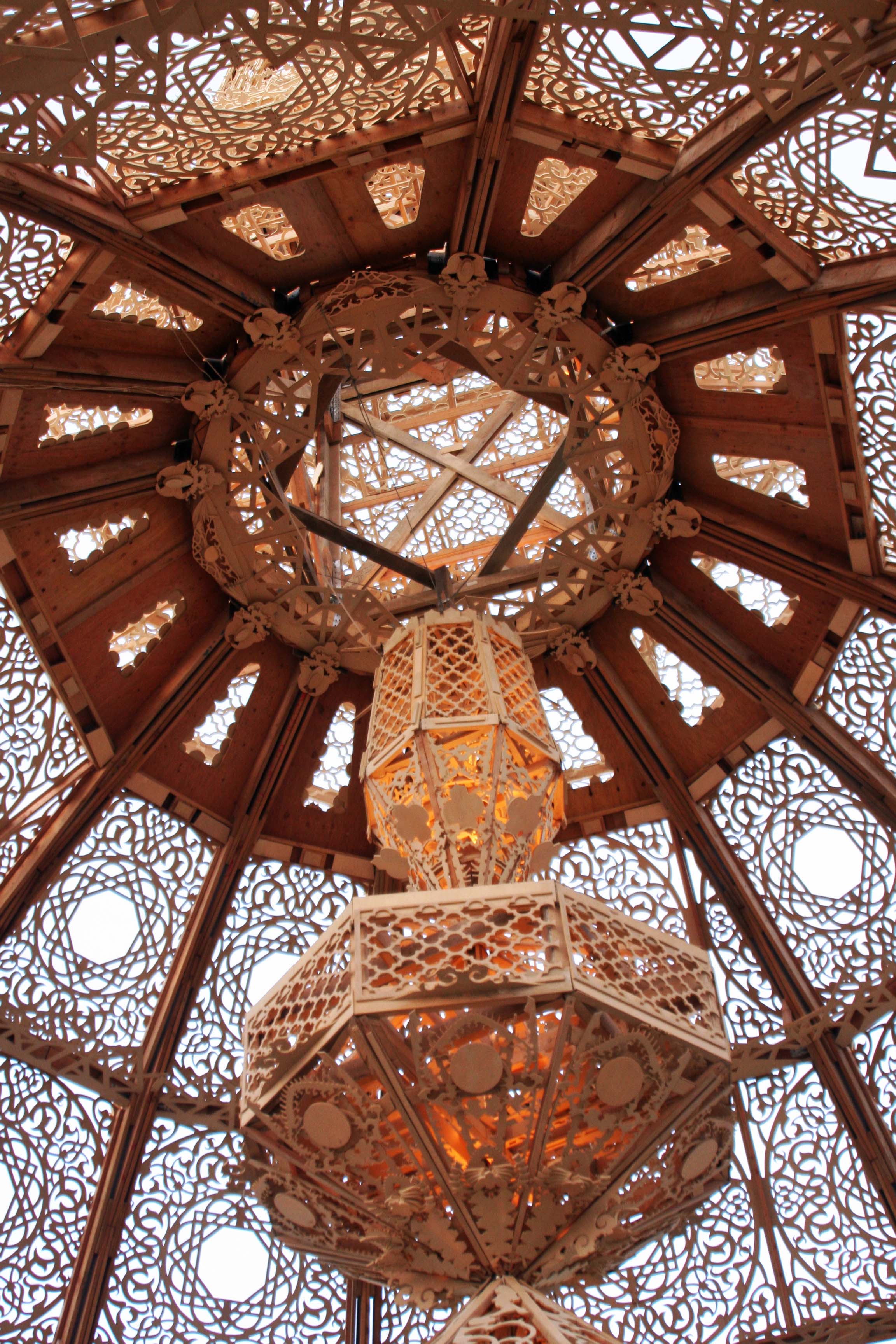
Center piece at Temple of Grace, Burning Man 2014.

This view of the Temple’s centerpiece also demonstrates the intricate carving as well as the open feeling of the Temple. (Photo by Peggy Mekemson.)

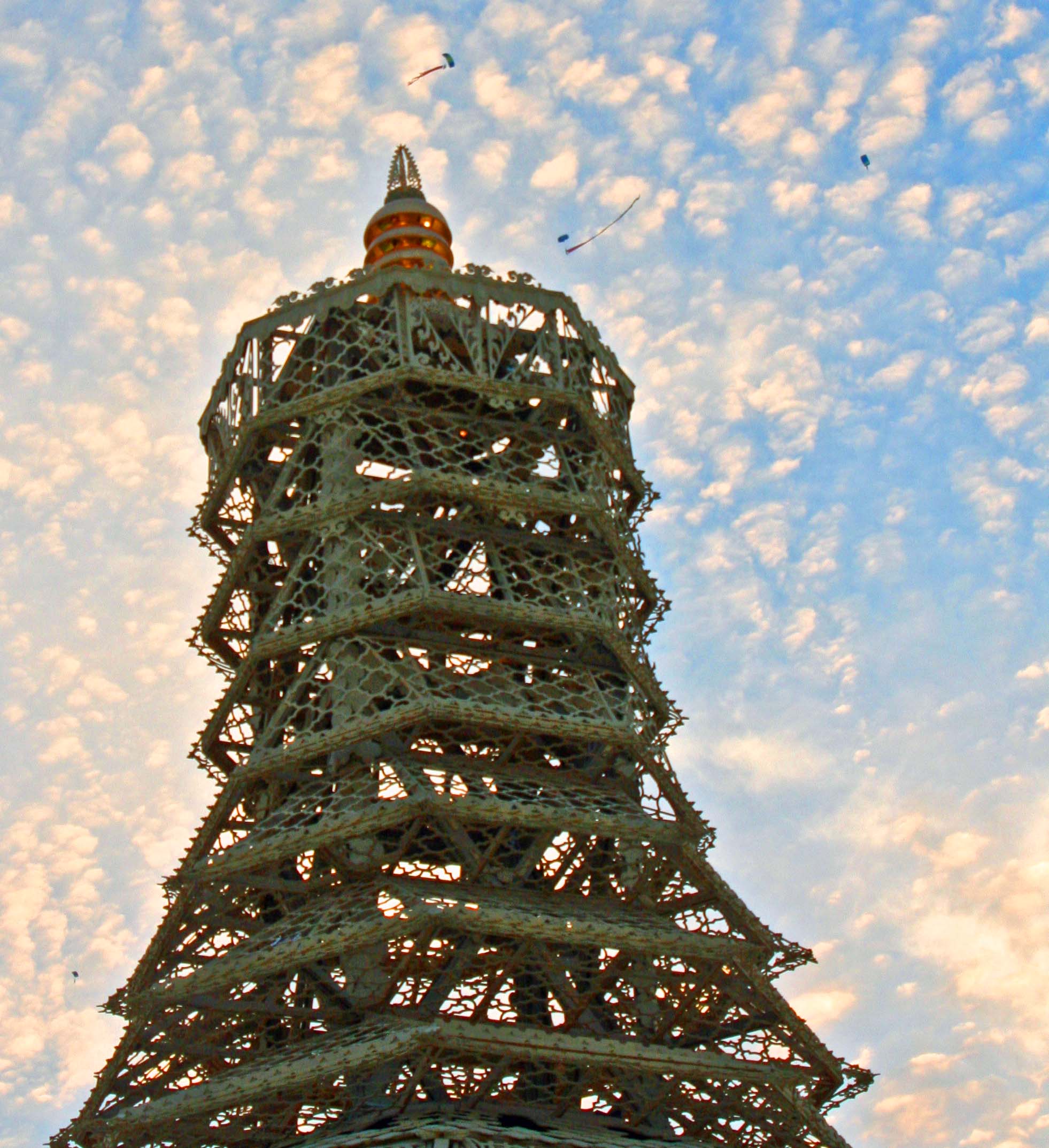
Top of Temple of Grace at Burning Man 2014.

Peggy caught this early morning photo of the Temples top. The specks you see up in the sky, BTW, are skydivers. Hundreds of jumps are made during the week. (Photo by Peggy Mekemson.)

Gateway to Temple of Grace at Burning Man 2014. Photo by Curtis Mekemson.

One of the main gateways into the Temple of Grace.

Gateway pillar at Temple of Grace, Burning Man 2014. Photo by Curtis Mekemson.

I liked the contrast with this gateway pillar and the morning sky.

Photo of early morning clouds taken from Temple of Grace at Burning Man 2014. Photo by Curtis Mekemson.

Looking over the wall that surrounds the Temple of Grace, I took this photograph of clouds caught at dawn.

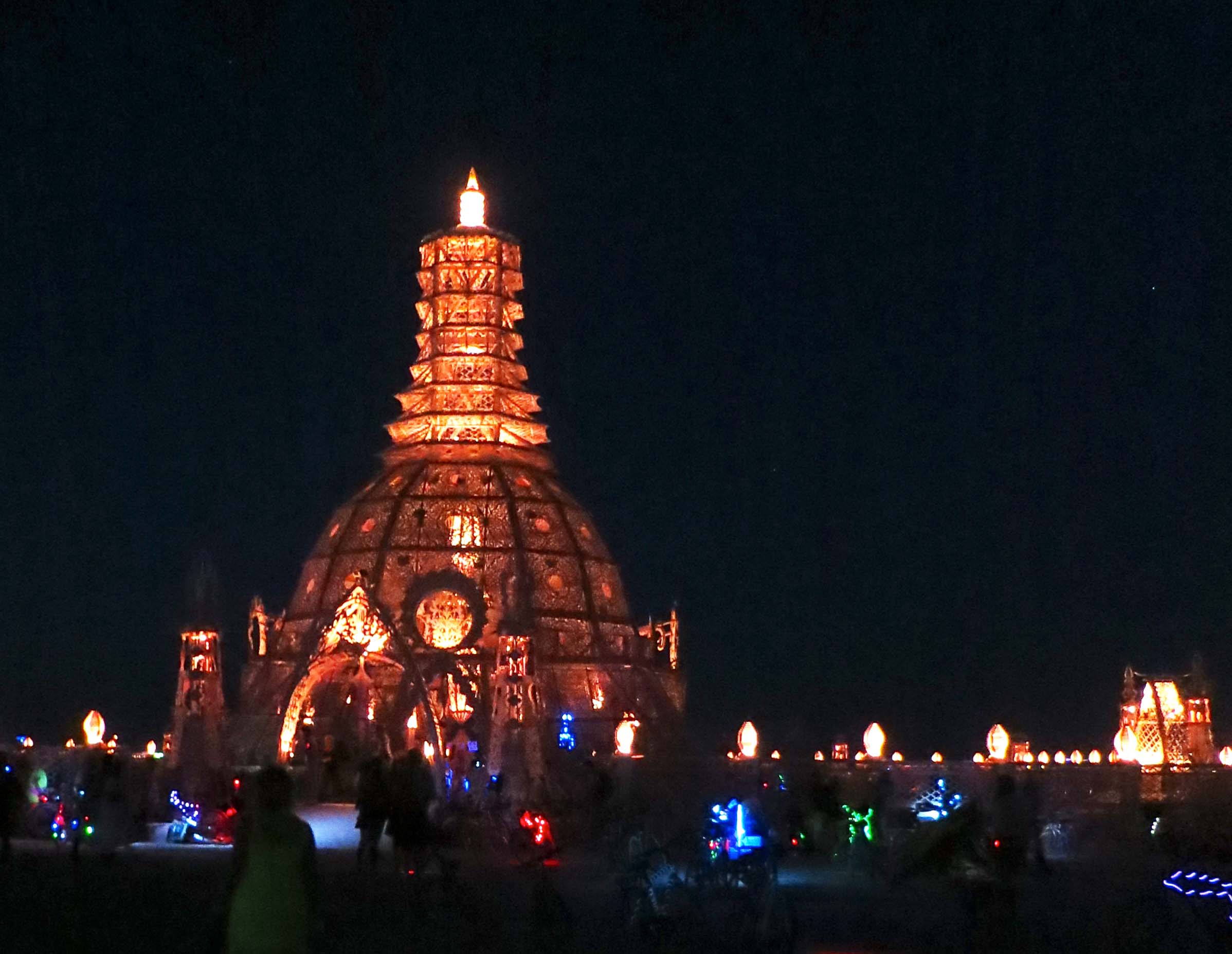
A view of the 2014 Burning Man Temple of Grace at night. Photo by Curtis Mekemson.

A view of the Temple of Grace at night.

A view of the Temple's centerpiece at night. (Photo by Don Green.)

The Temple’s centerpiece at night. (Photo by Don Green.)

Temple of Grace at night during Burning Man 2014. Photo by Curtis Mekemson.

A final view of the Temple of Grace.

NEXT BLOGS: I am beginning a new series on North America’s fabulous Northwest. I will start with a week-long sea kayak trip Peggy and I took this summer off the coast of northern Vancouver Island looking for Orcas. I will then move inland for a look at Washington’s beautiful Mt. Rainier National Park where Peggy and I hiked with our son Tony in August. I will finish up with a road trip down the Oregon coast, which I am on right now. It may even include portions of Washington and California’s Coast. Who knows where I might end up. I don’t.

My Thoughts Are on Scotland…

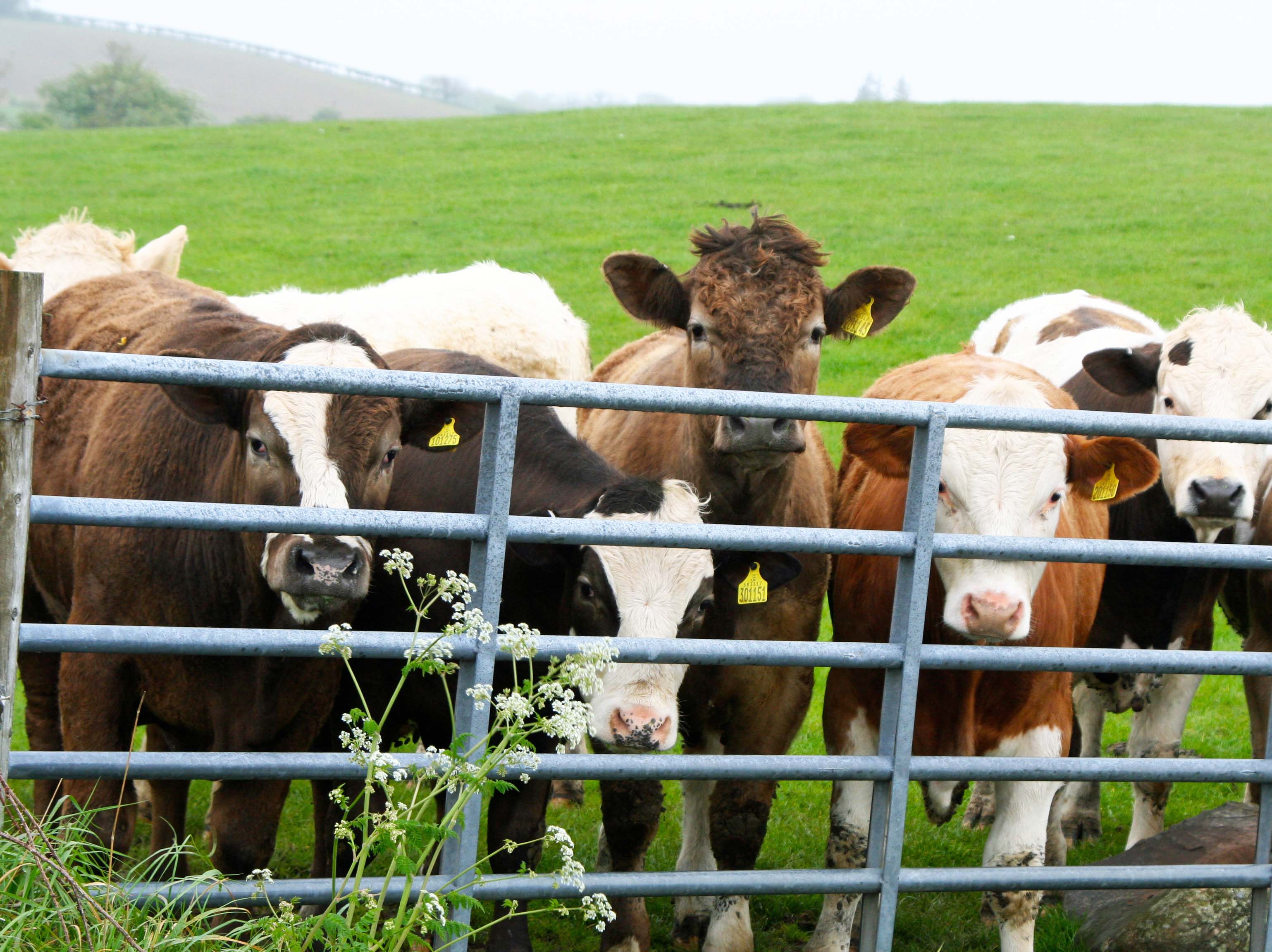
Phot of Scottish cattle taken by Curtis Mekemson.

Scottish cattle line up and eagerly await the news on Scotland’s bid for independence.

Scots are going to the polls today to decide their future. The decision is a tough one: do they remain part of the United Kingdom, or do they break free and create their own nation-state?

I wish the good people of Scotland and their beautiful country well, regardless of the outcome. As I wish the English well. Our nation owes both countries a deep debt of gratitude for who we are. So do I.

But my heart is with the Scots. My father went to a family reunion in the late 1960s and came back with a family chart that showed a long connection with Scotland going all the way back to the 1600s and John Brown the Martyr. Brown was killed in front of his wife and children in 1685 because he refused to renounce his Presbyterian beliefs in favor of the English king.

I’ve been to Scotland twice. The first time I was wandering by myself. I rented a car in Glasgow and explored much of northern Scotland. The beauty of the country and the warmth of the Scots impressed me deeply, even though Nessie, the Loch Ness monster, refused to pose for a photograph.
Three years ago Peggy and I returned to do genealogical research in the southwestern region of the country where John Brown had died and my great-grandmother had been born. Once again, I was impressed— as was Peggy. When looking for John Brown’s grave, we stayed at the excellent Old Church B&B in Muirkirk and had the opportunity to become friends with the owners David and Lesley Martin. We have maintained that friendship since over Facebook. Lesley, BTW, is an excellent chef and runs a baking school. David is a Scottish patriot. Over the past year, he has posted on Scottish independence a thousand times, at least. (Grin)

Following are some photos from our trip to Scotland that reflect the beauty of the country. (Next blog I will return to Burning Man.)

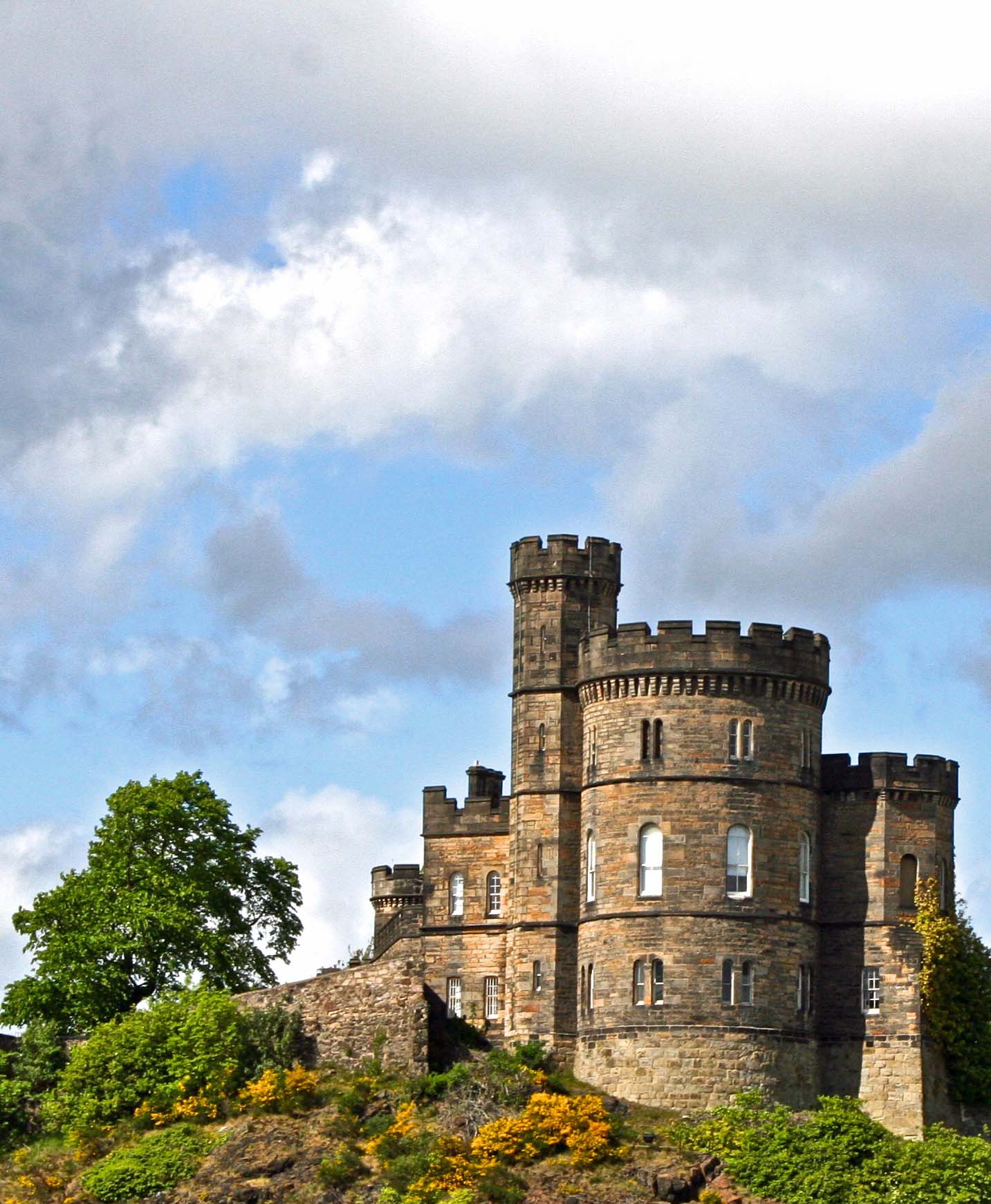
A Scottish Castle in Edinburg.

A Scottish Castle in Edinburg.

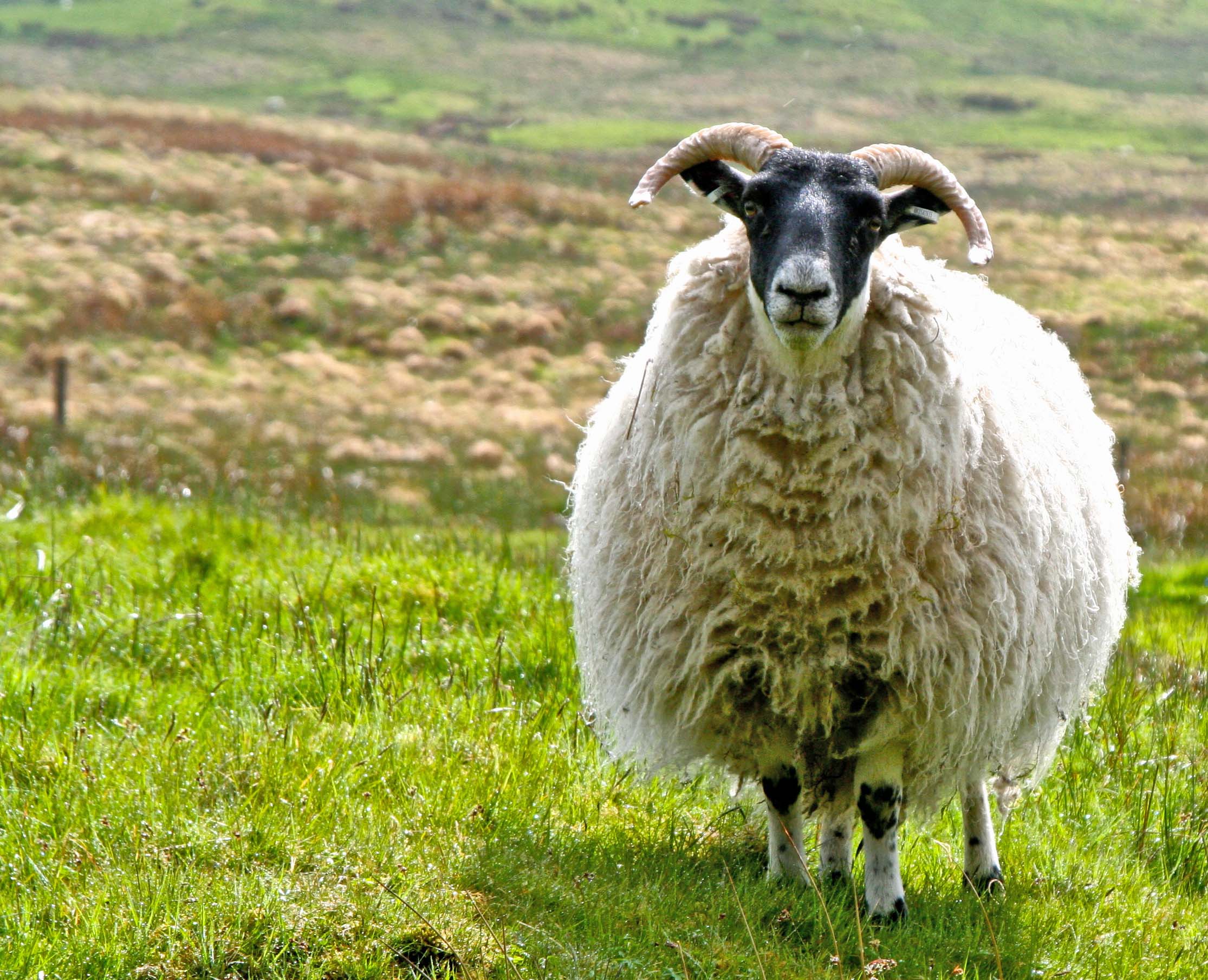
Scottish sheep photo by Curtis Mekemson.

Furry fellow. We were happily lost on a remote road when this guy greeted us and wanted to know where we thought we were going.

Photo of Kirkcolm, Scotland by Curtis Mekemson.

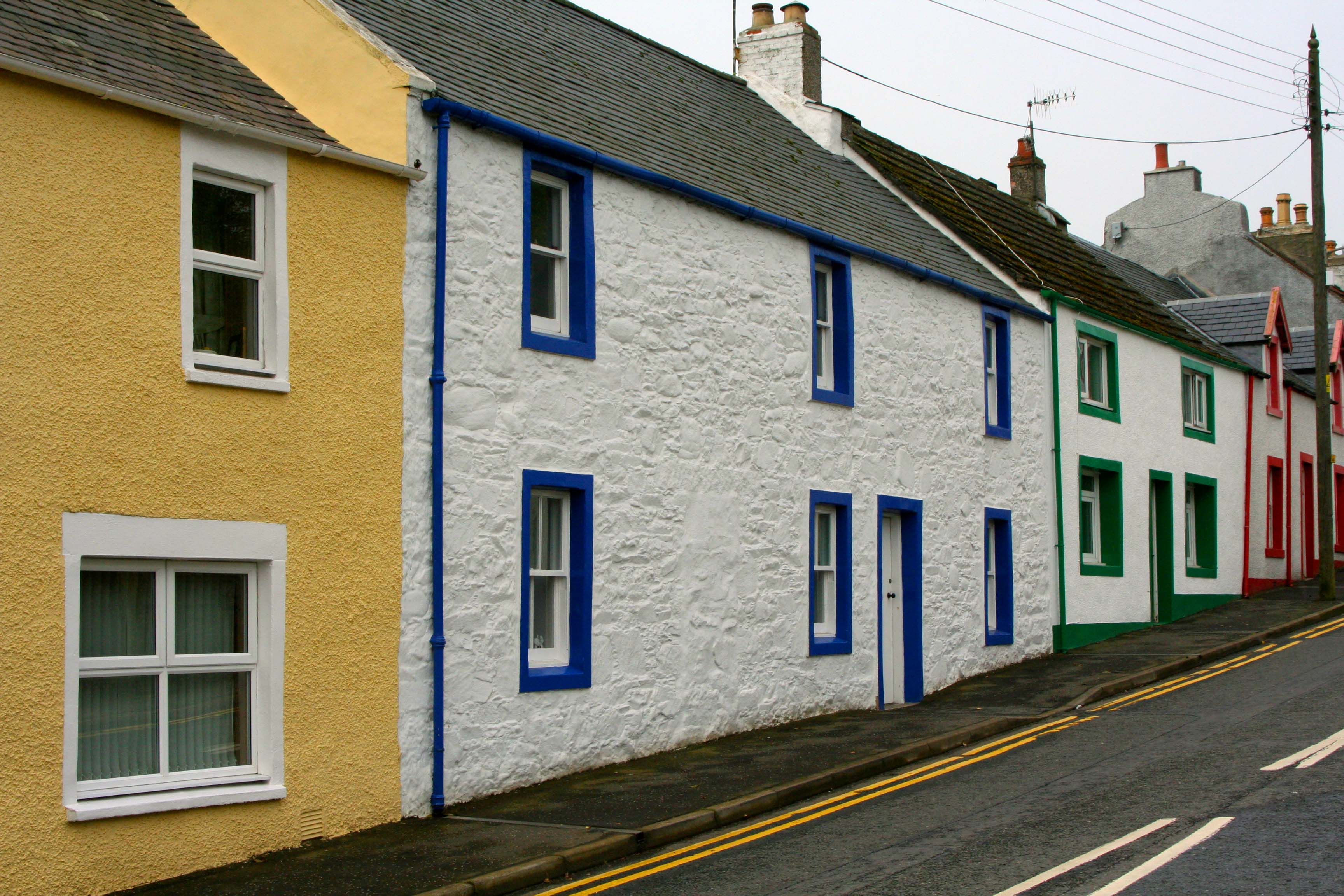
The small town of Kirkcolm where my great-grandmother was born.

Photo of ancient fence in Scotland and Scottish Broom taken by Curtis Mekemson.

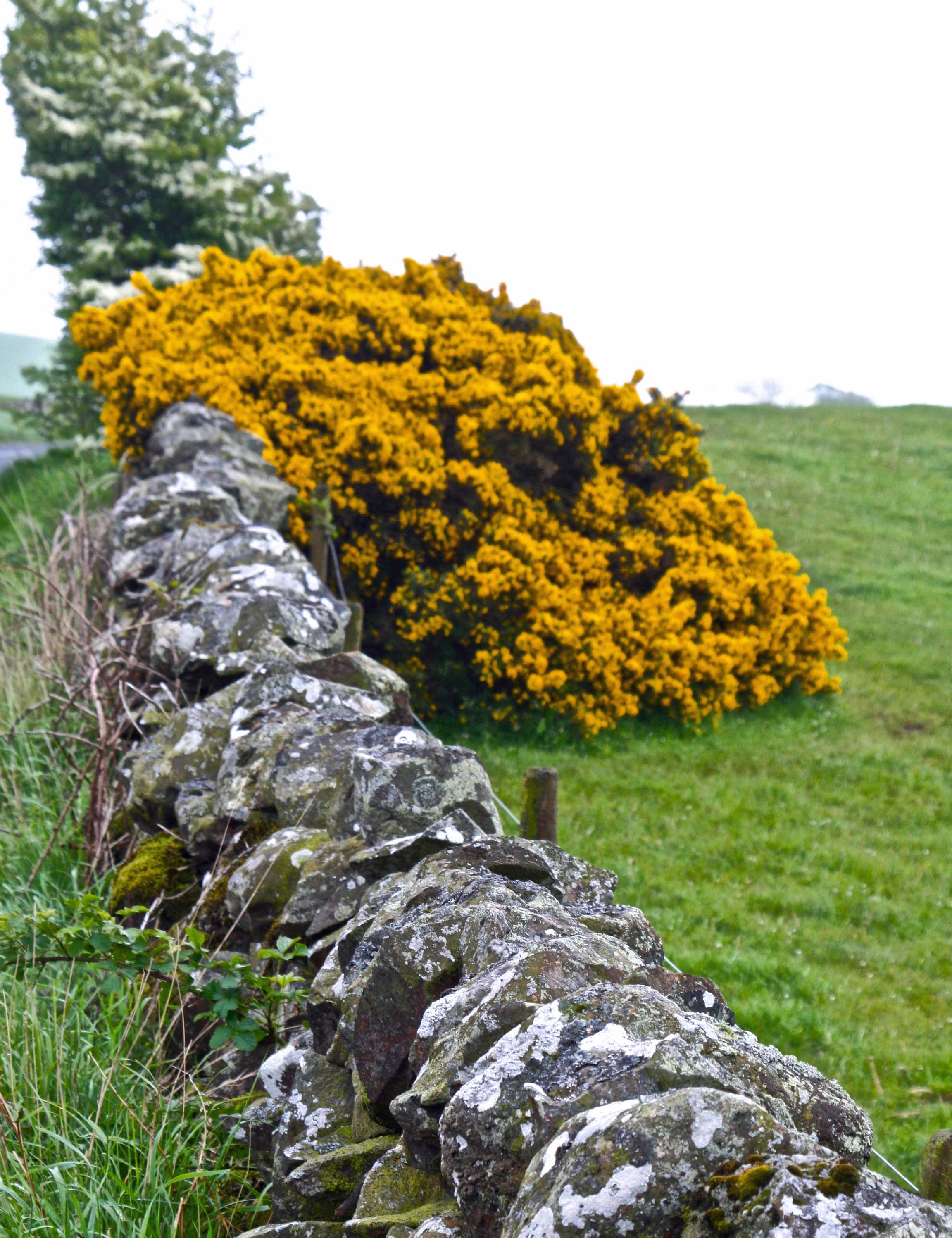
A view of the Scottish countryside featuring an ancient rock fence and Scottish Broom.

View of Scottish countryside taken by Curtis Mekemson.

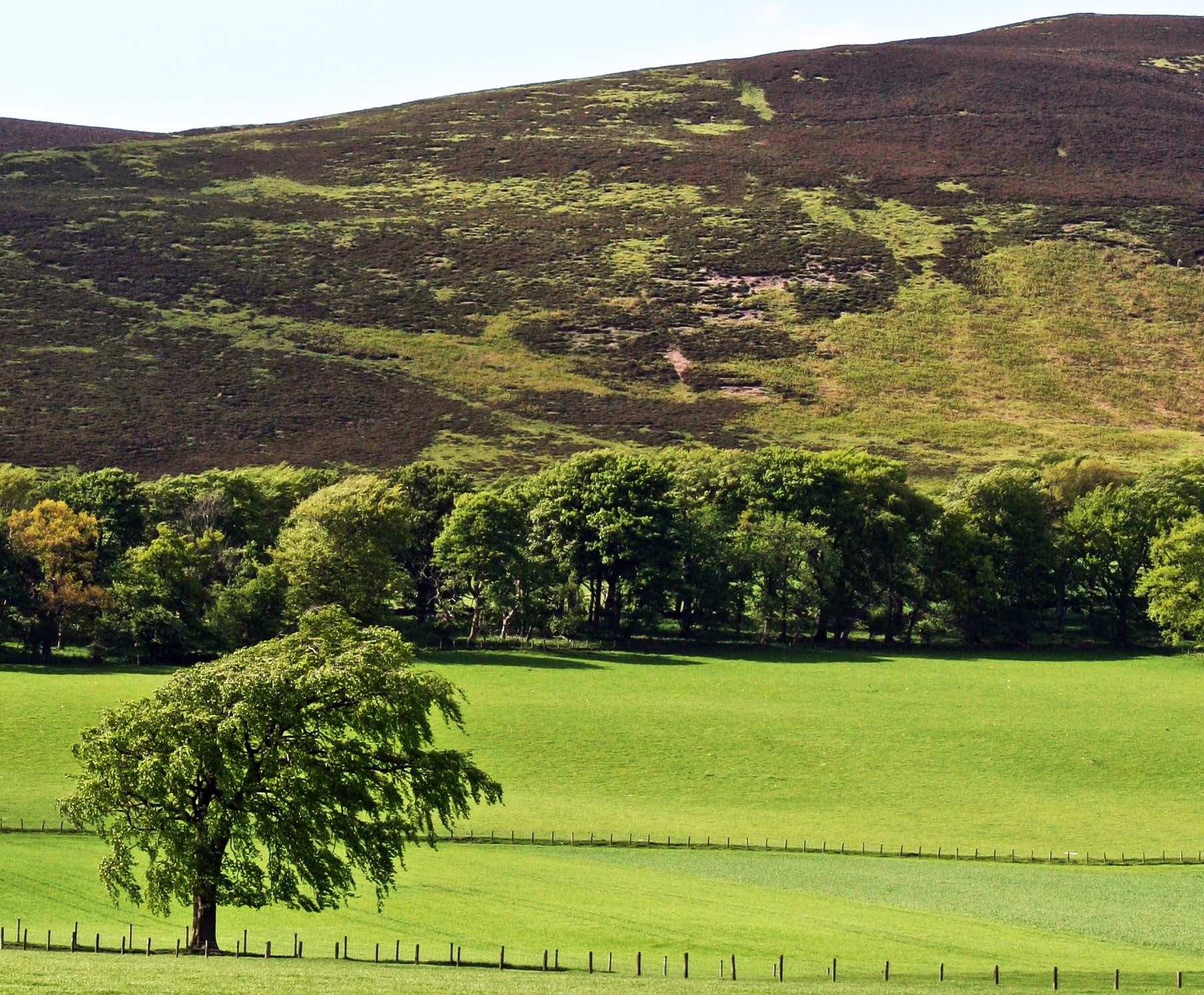
Another view of the beautiful countryside of Scotland.
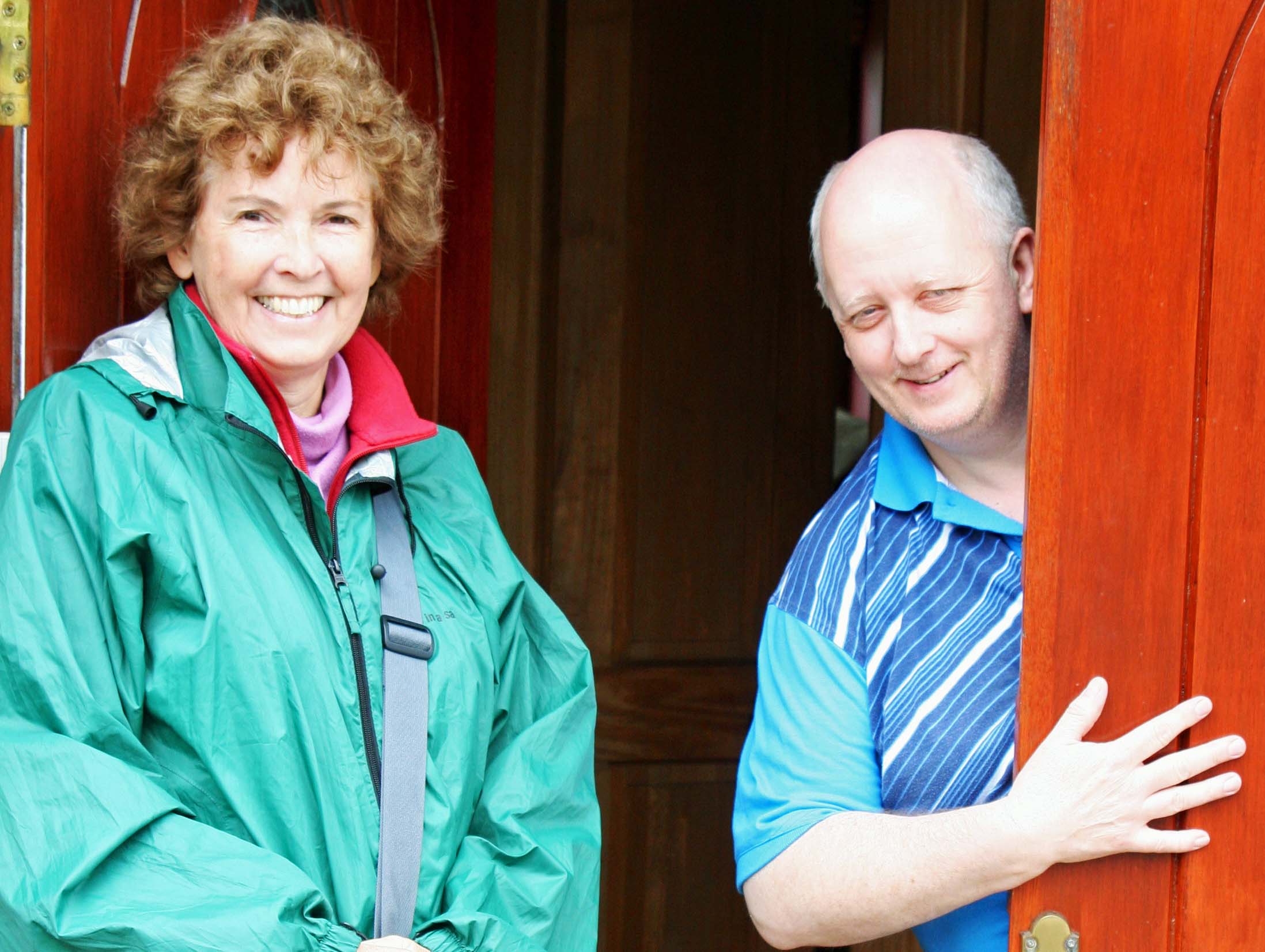
My wife Peggy and the Scottish patriot David Martin in front of the Old Church B&B in Muirkirk, Scotland.
My wife Peggy and the Scottish patriot David Martin in front of the Old Church B&B in Muirkirk, Scotland.
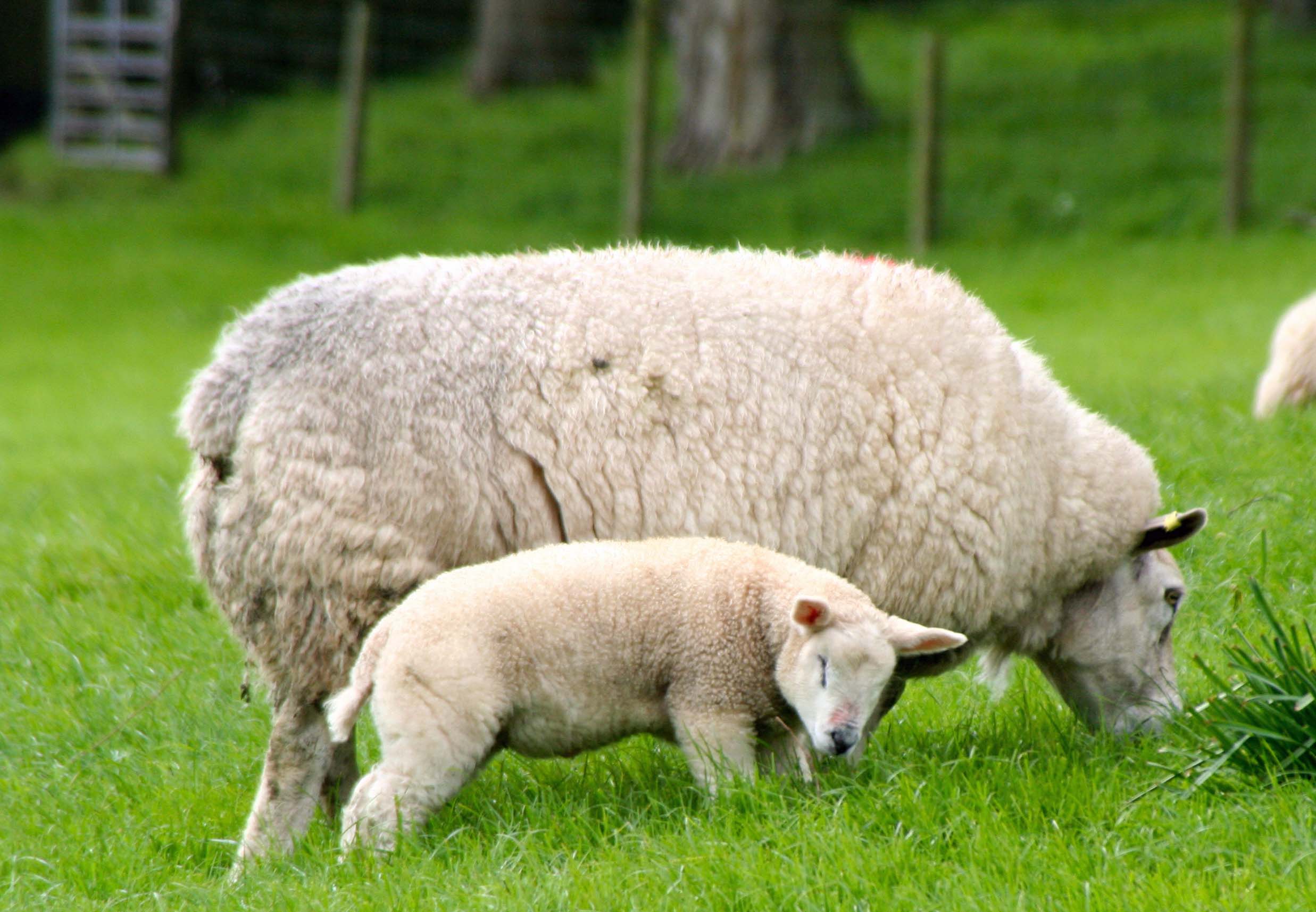
Mother sheep and lamb in southwestern Scotland. Photo by Curtis Mekemson.

Mom and baby.

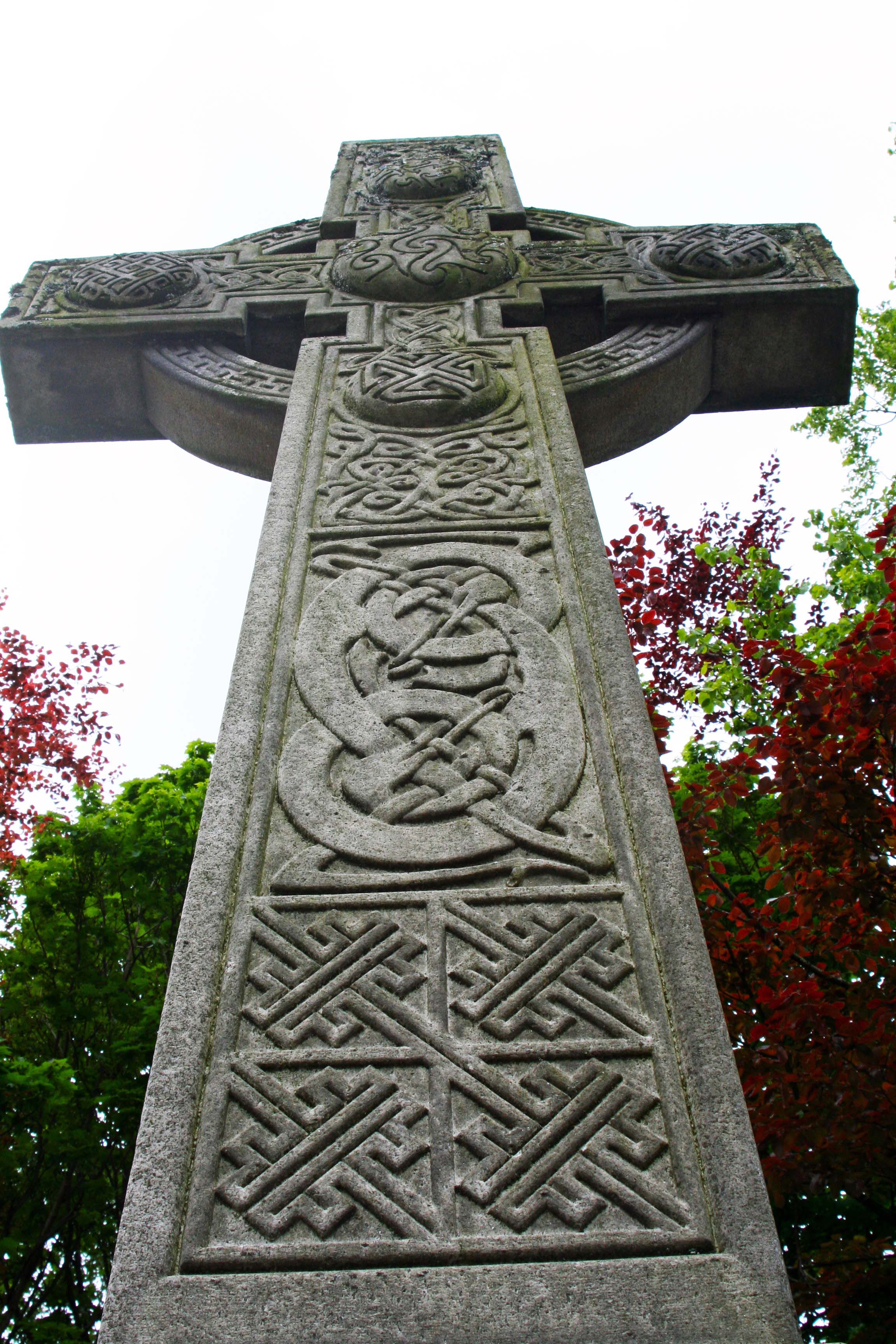
Ancient Celtic Cross in Scotland. Photo taken by Curtis Mekemson.

Celtic Cross.

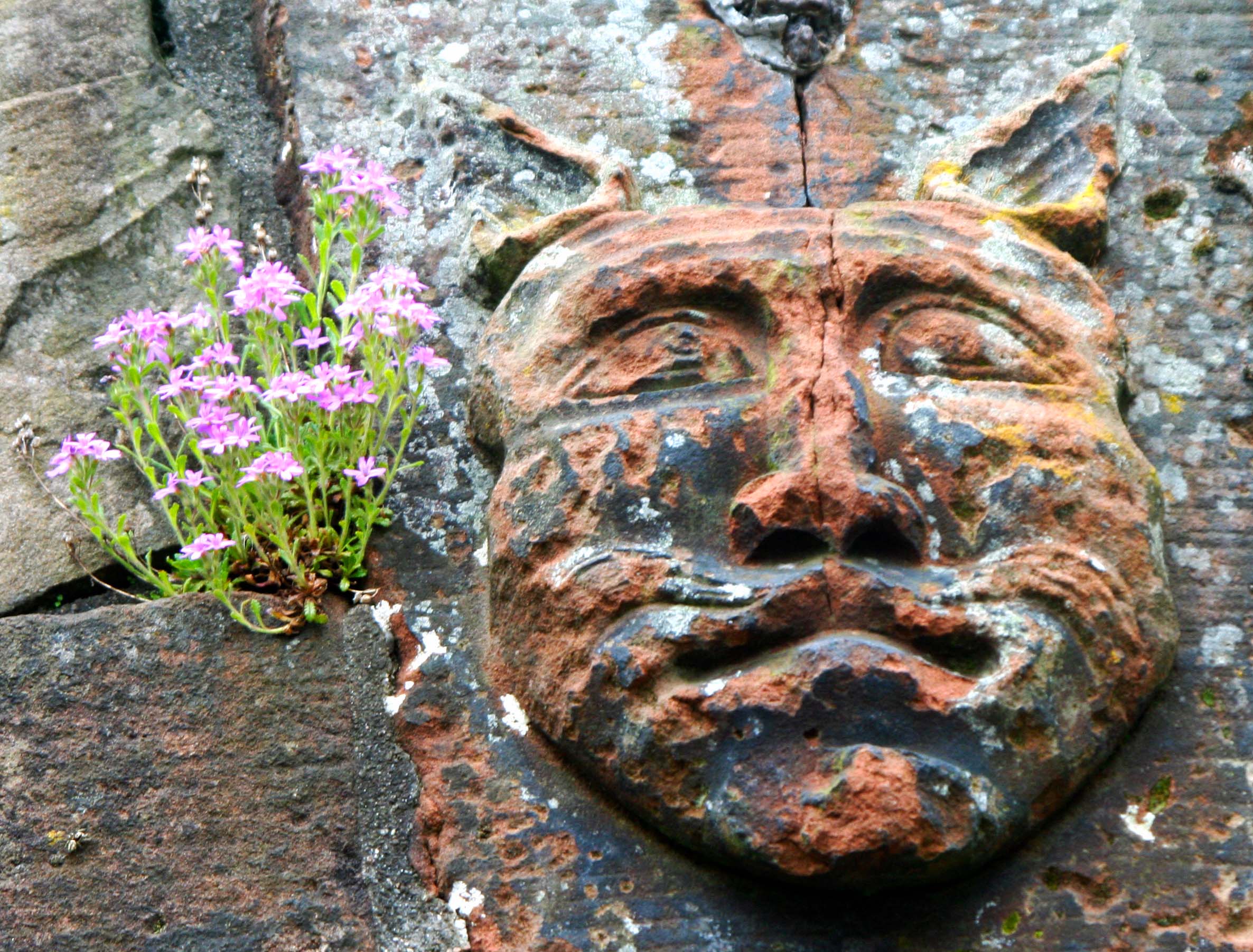
Cat man. I liked the way the flowers found a crack next to this gargoyle-like figure.

Cat man? I liked the way the flowers found a crack to grow in next to the gargoyle-like figure.

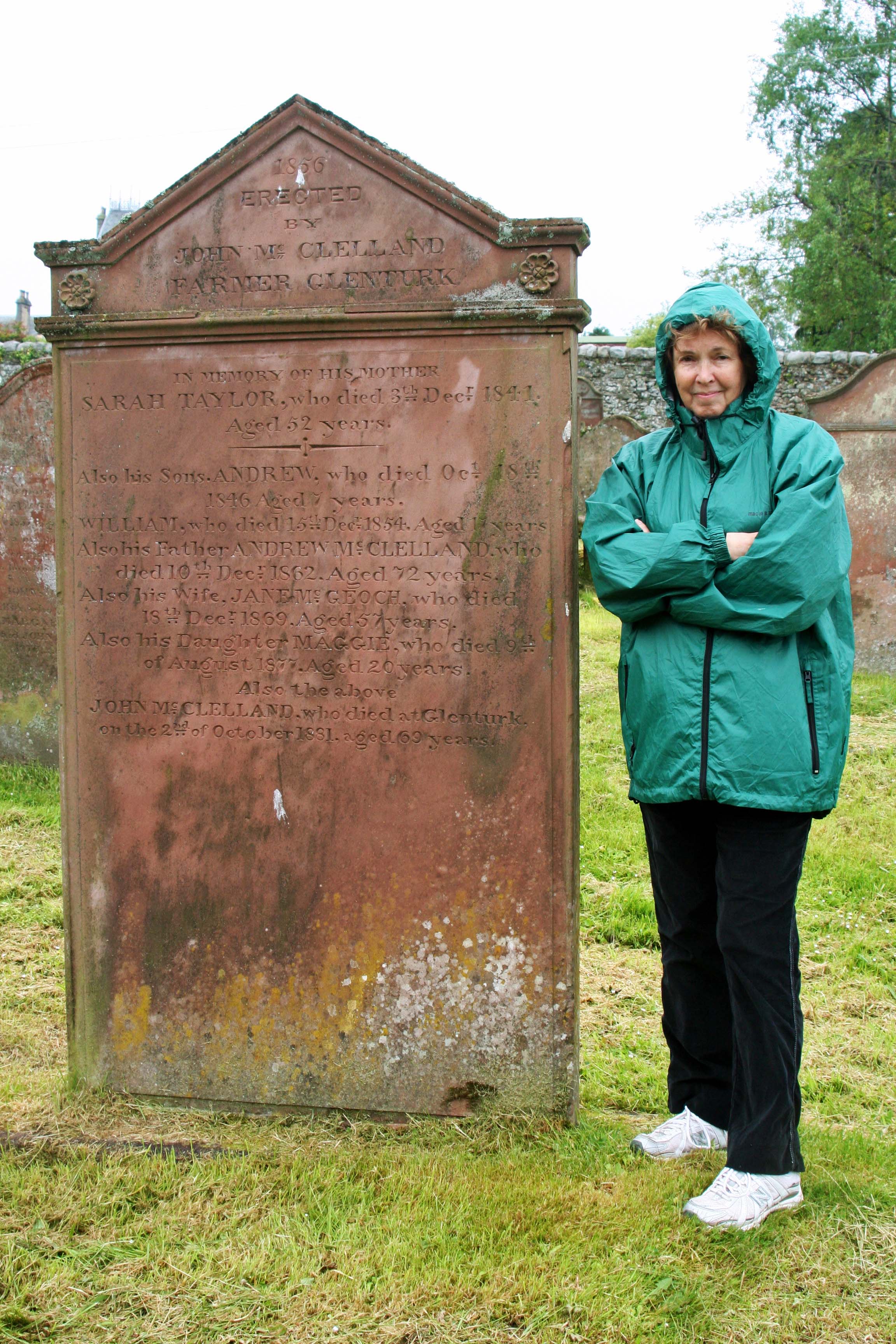
Scottish tombstone photo with Peggy Mekemson.

Genealogical work involves spending a lot of time in graveyards. I was amazed by the size of Scottish tombstones. Peggy provides perspective by standing next to a grave of a person who may have been a distant cousin of hers— and mine.

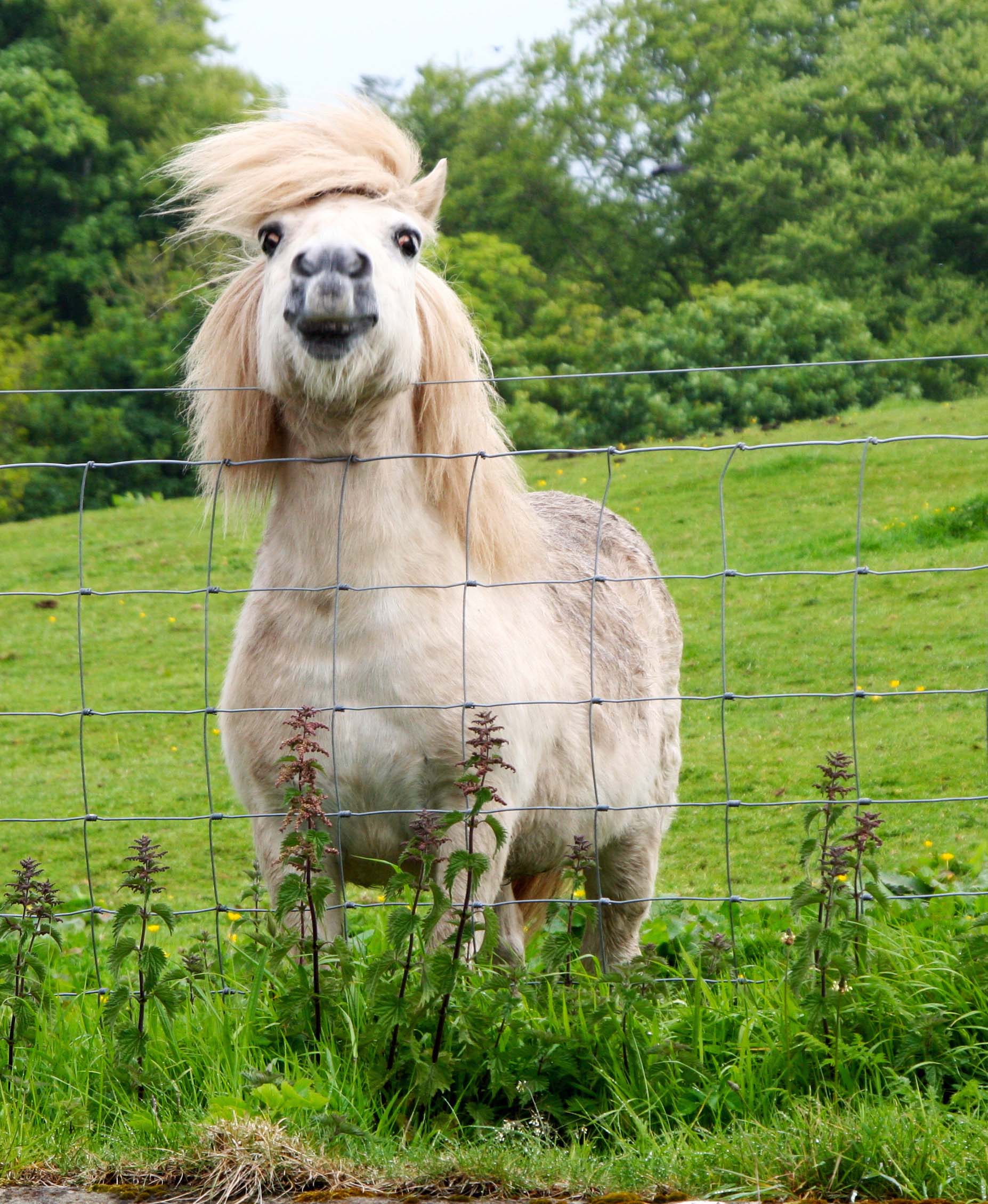
Photo of Scottish pony taken by Curtis Mekemson.

I’ll close with my favorite photo from Scotland. This pony came running up to see us when we visiting Kirkcolm. I suspect he was saying vote yes.