North Cascades NP: America’s ‘Alps’… National Park Series 1

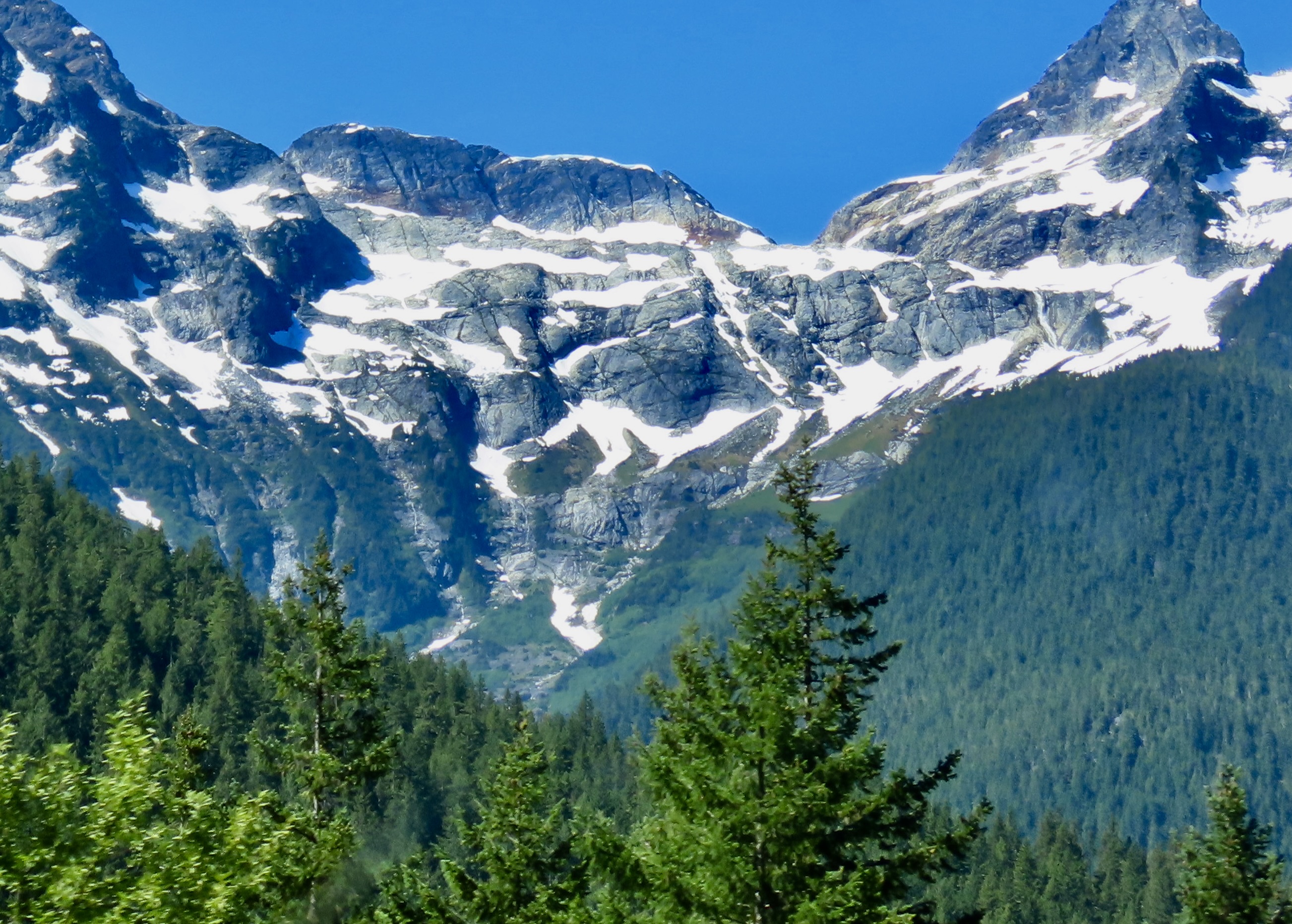
It’s no surprise that the North Cascades National Park is often referred to as America’s Alps. The Park is noted for its mountains, glaciers, turquoise lakes and rugged beauty. Located in northwestern Washington on Canada’s border, it comes with 93 named mountains and over 300 glaciers. It has the most extensive glacial system in the US outside of Alaska.
One would think that the park’s beauty and relatively close proximity to Seattle, would make it one of America’s most popular parks. Not so. It had just over 40,000 visitors last year. In comparison, Olympic National Park, which we visited just prior to North Cascades had 2.94 million, and Glacier National Park, where we just were, had 2.93 million. It’s not the least visited, however. That honor goes to the Gates of the Arctic NP in a remote section of Alaska that had 11,000 visitors in 2023. That park has neither roads or trails. I once took a group backpacking there. It was the ultimate wilderness adventure. BTW, the most popular national park in the US is Great Smokey Mountains NP with 13.3 million annual visitors.
We drove into the park from our campground in the small town of Twisp on the east side. The views were spectacular. The RV on the highway provides an interesting perspective.
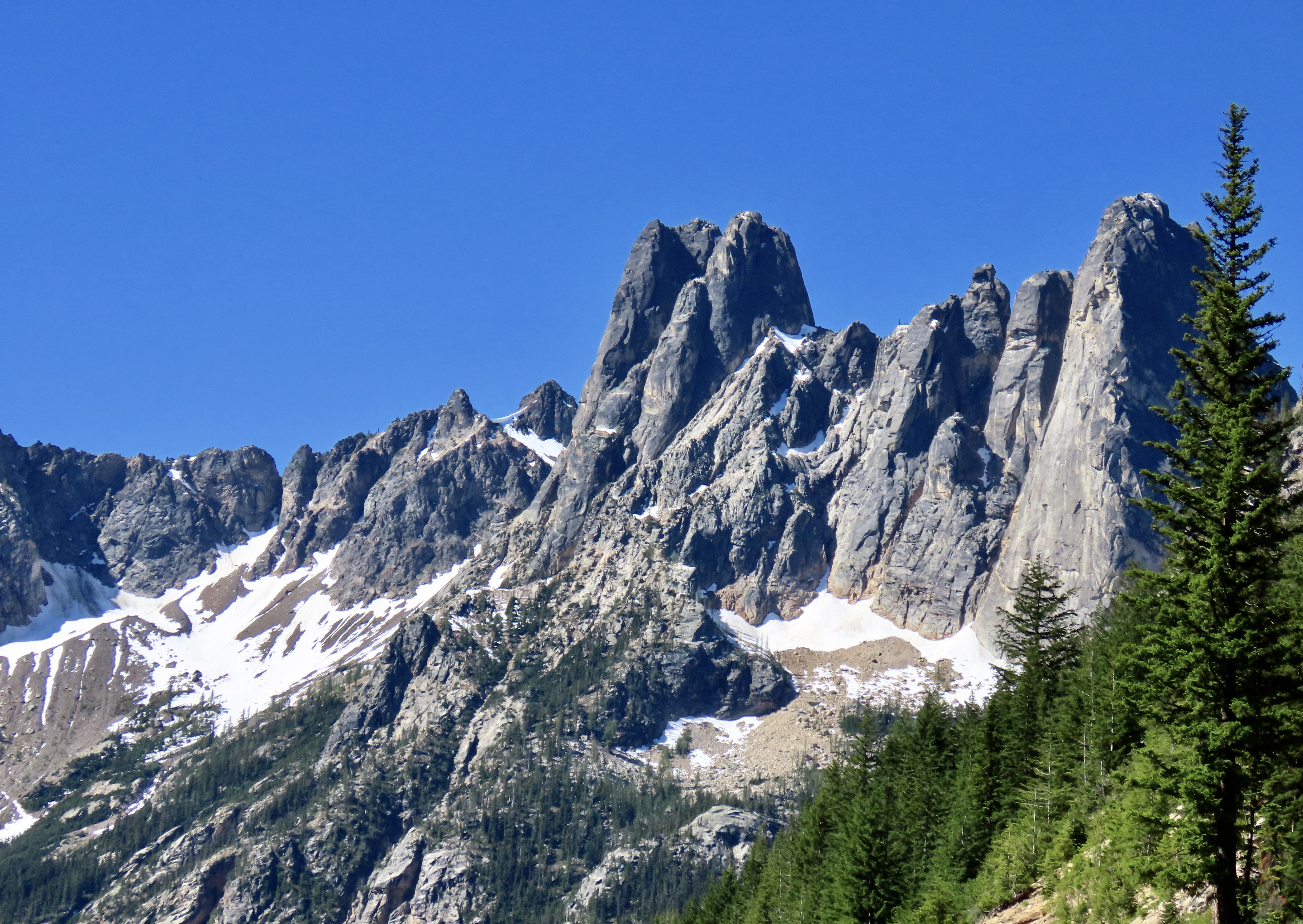
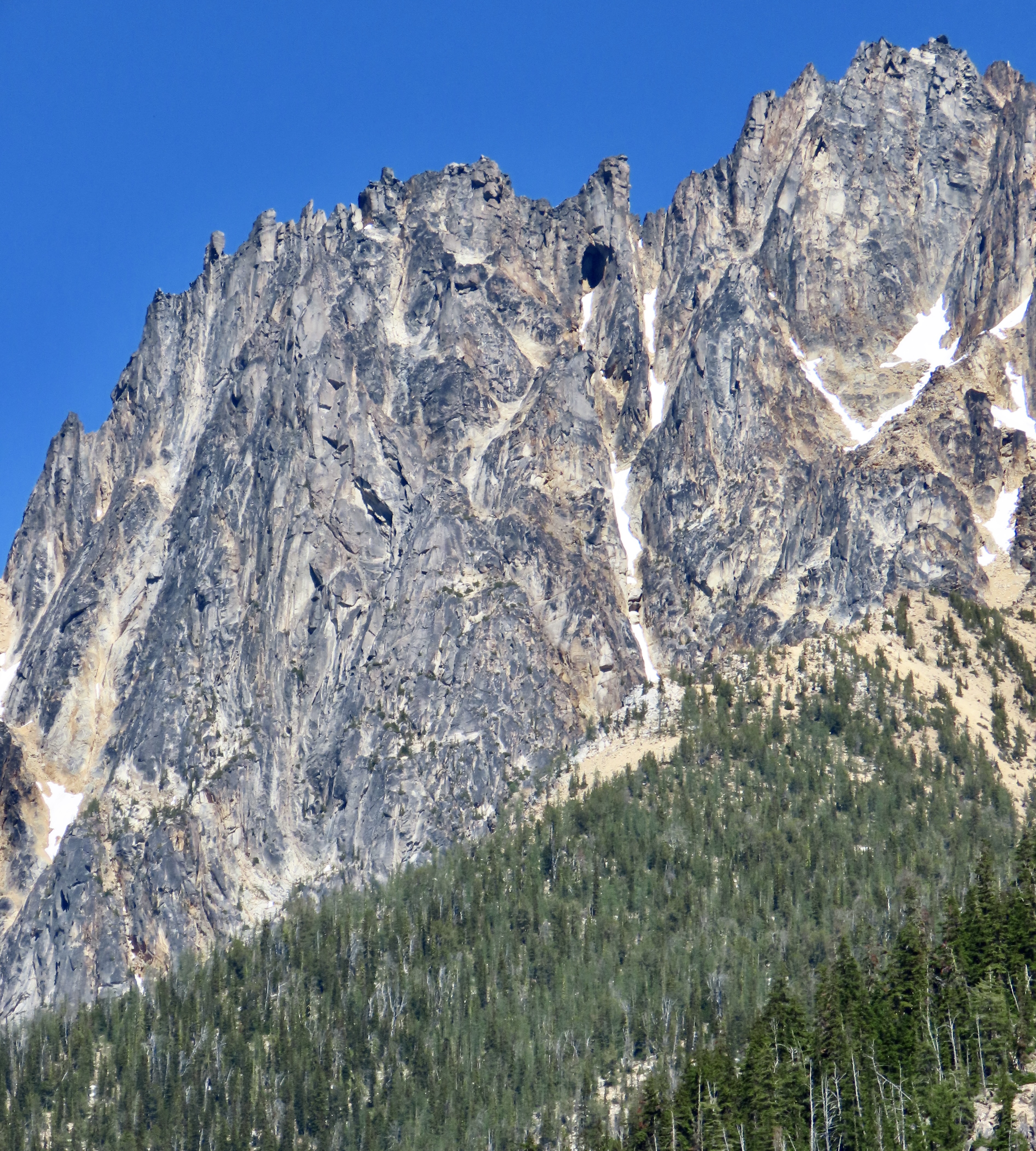
The mountains seem to spring into the air. Mountain climbing is a favorite sport in North Cascades, as you might imagine from this photo. I admire people who can scale peaks like these, but no thanks. It has never been a bucket list item of mine, nor Peggy’s.
The park’s altitude ranges from 605 feet to 9,206 feet.
Another spectacular view from Highway 20 traveling from east to west. Both grey wolves and grizzlies wander through the park along with cougars and black bears.
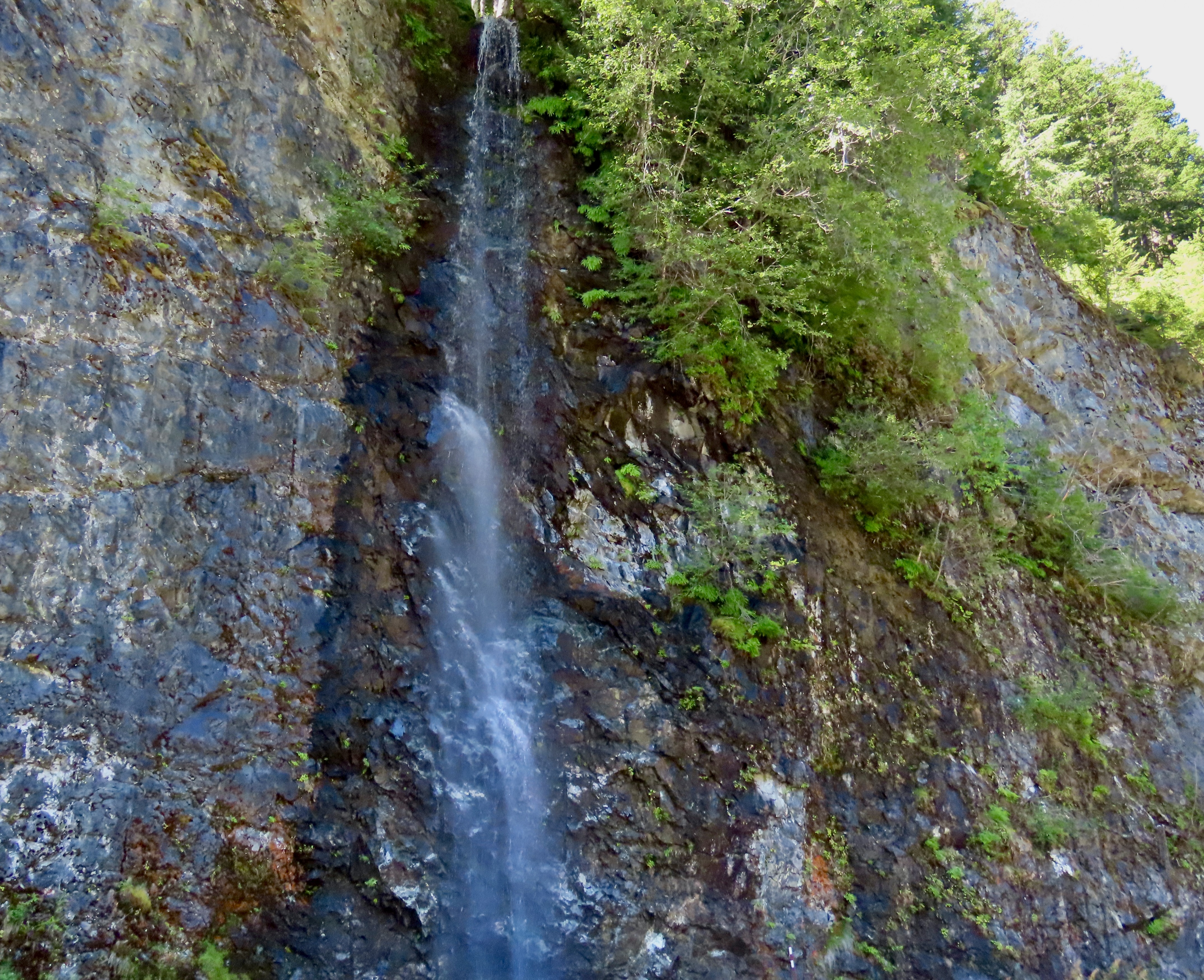
There are numerous waterfalls in the park. We found this small but colorful one along the highway. It was cascading waterfalls that led Meriwether Lewis and William Clark to name the mountain range the Cascades on their journey to the Northwest 1806. The range runs from Mt. Lassen in California to the North Cascades. While the mountain range has a complicated geological history, it is best known for its imposing volcanoes.
The goal for our trip into North Cascades National Park was to go kayaking on Diablo Lake, shown here. Which we did. But that’s the subject for our next blog. We will finish today’s post with photos we took returning to our campground in Twisp on the eastern side of the park.
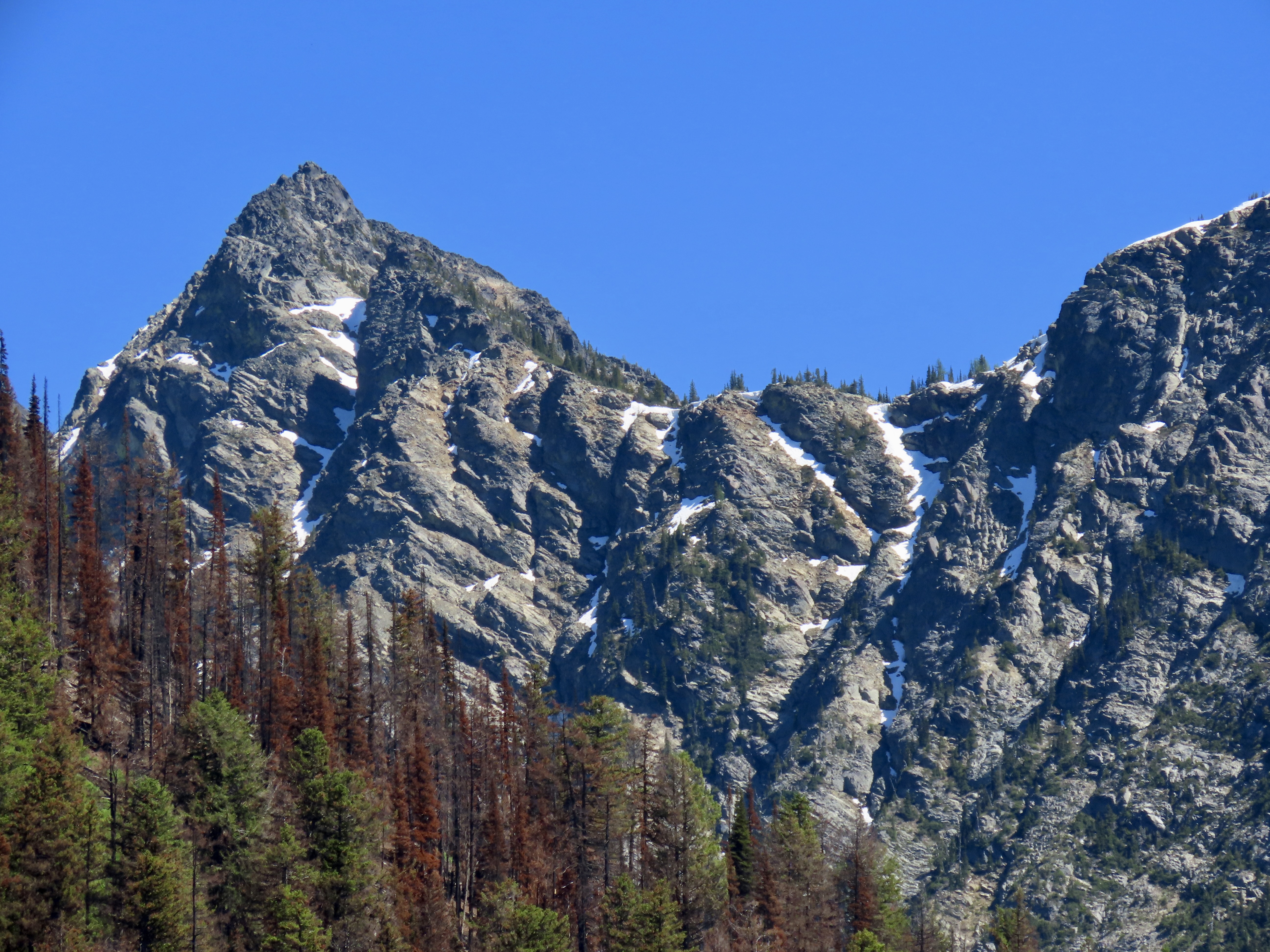
The most significant difference between the west side and east side of Cascades National Park is the amount of rainfall. The west is drenched by storms rolling in from the Pacific and receives an average of 110 inches per year. By the time the clouds reach the east, they have been drained of much of their moisture. The east only receives an average of 35 inches. This is known as a rain shadow effect. Both the mountains and the forest above reflect this.
A close up.
The trees next to the mountain here are impacted by drought. We saw a lot of this in Oregon when we lived there. Peggy and I had 50 dead trees removed from our property for fire protection.
Peggy spotted an ogre in the outcrop above. It took me a while. Grin.
It was the huge cave here that caught her attention.
We took a close up. That’s it for today. Next, we meet some devilish birds while kayaking on Diablo Lake in the heart of the park.