Today, Peggy and I are wrapping up Arches NP as the first in our series featuring 25 national parks as a way of celebrating America’s 250th Birthday.
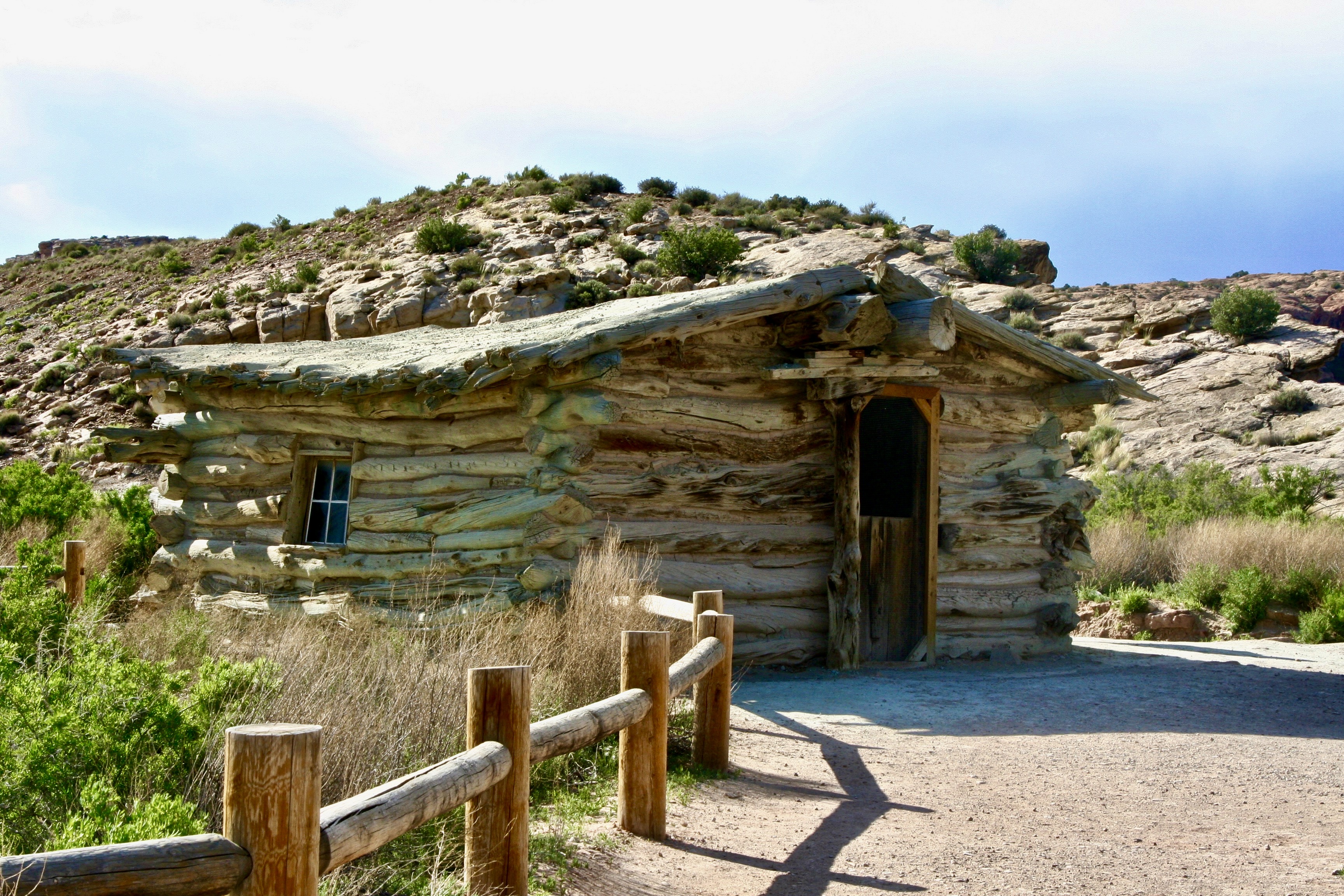
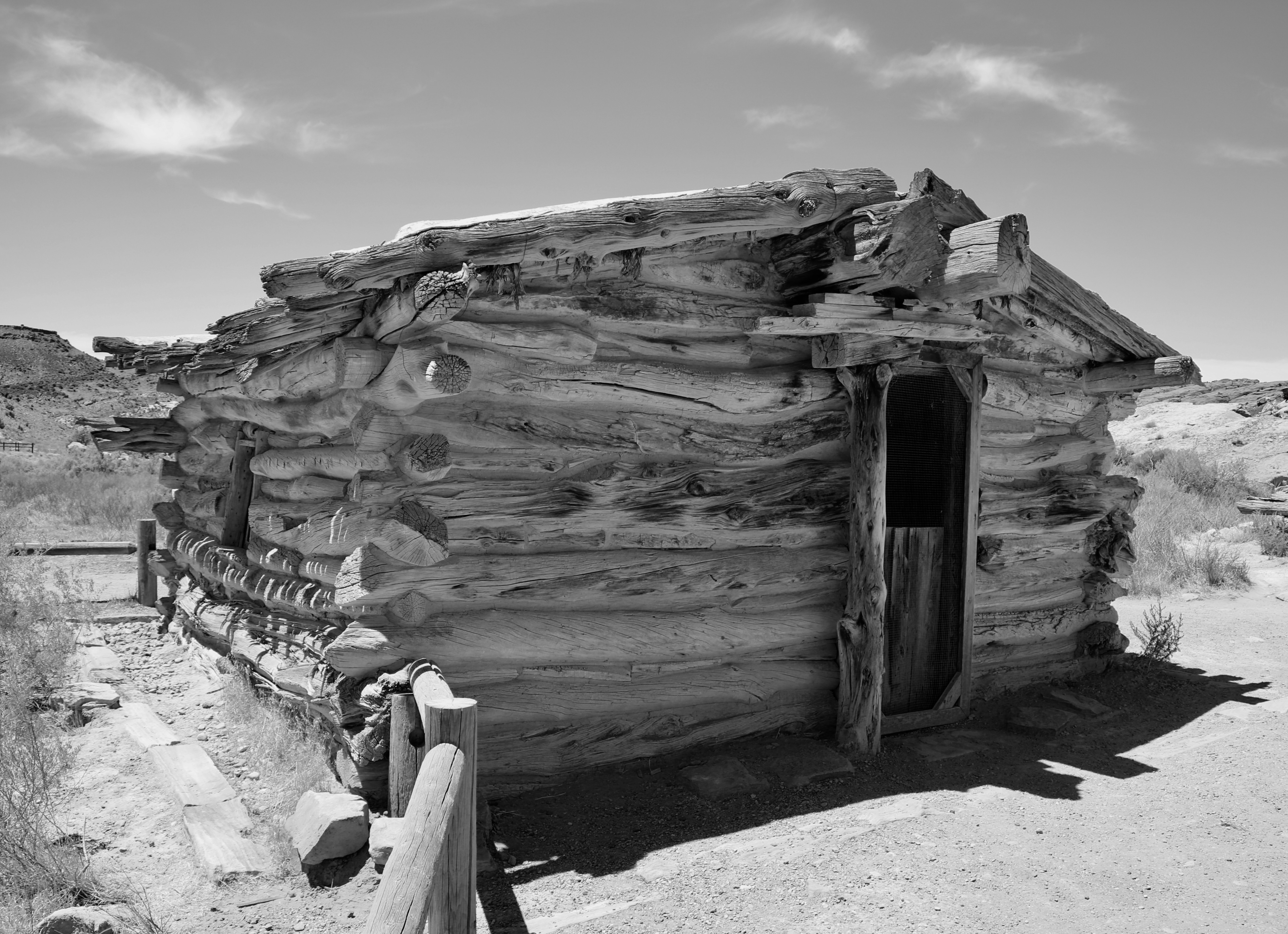
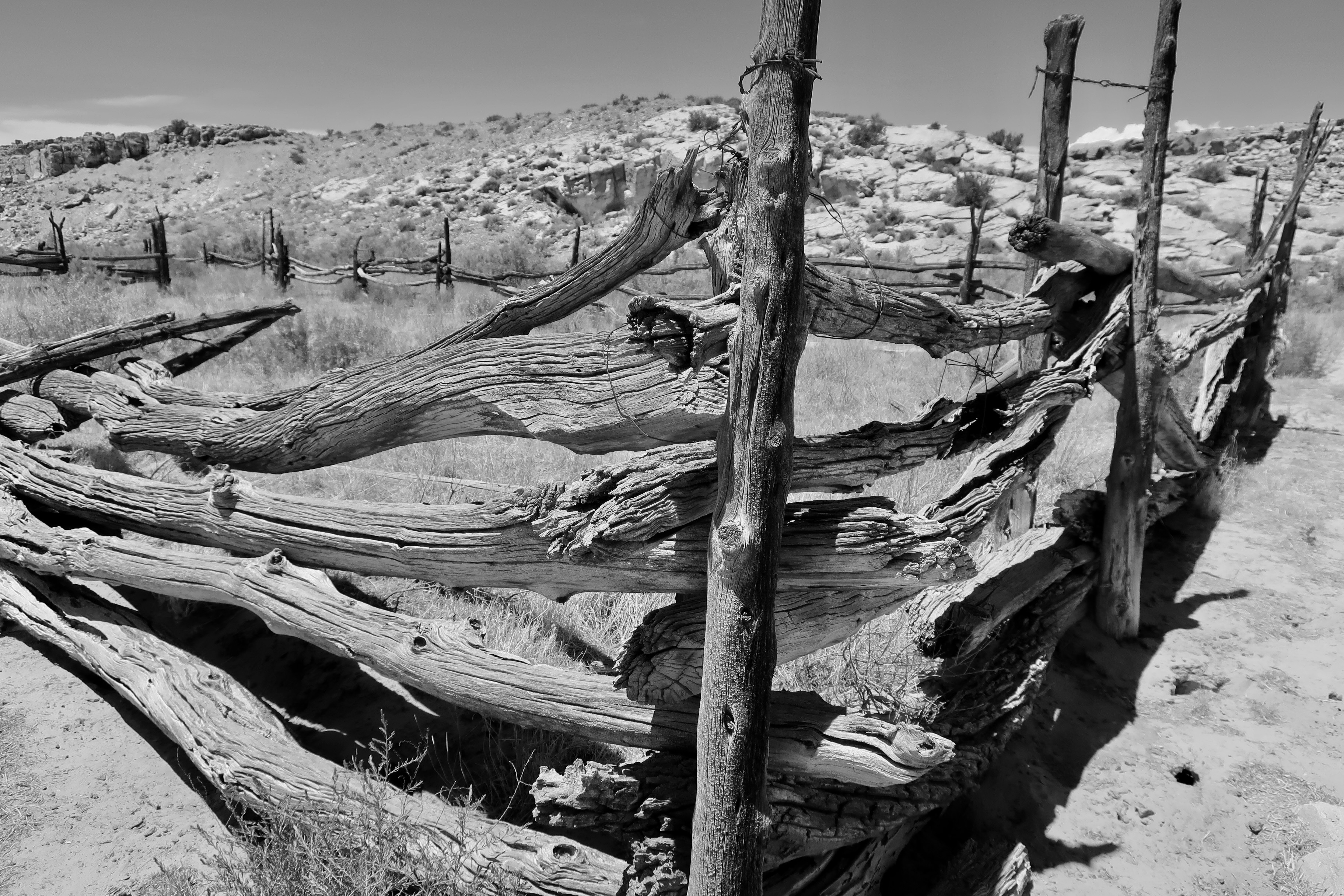
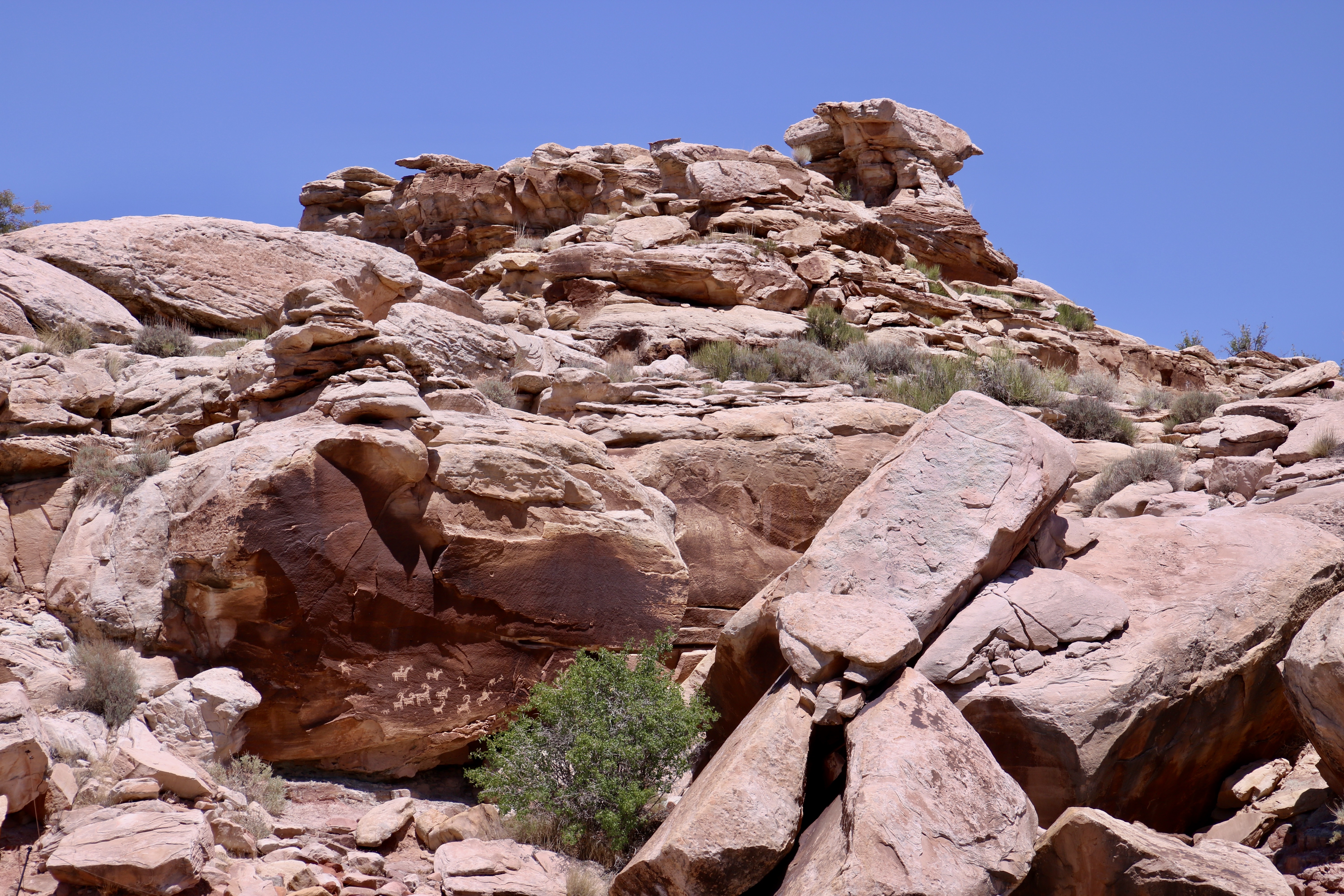
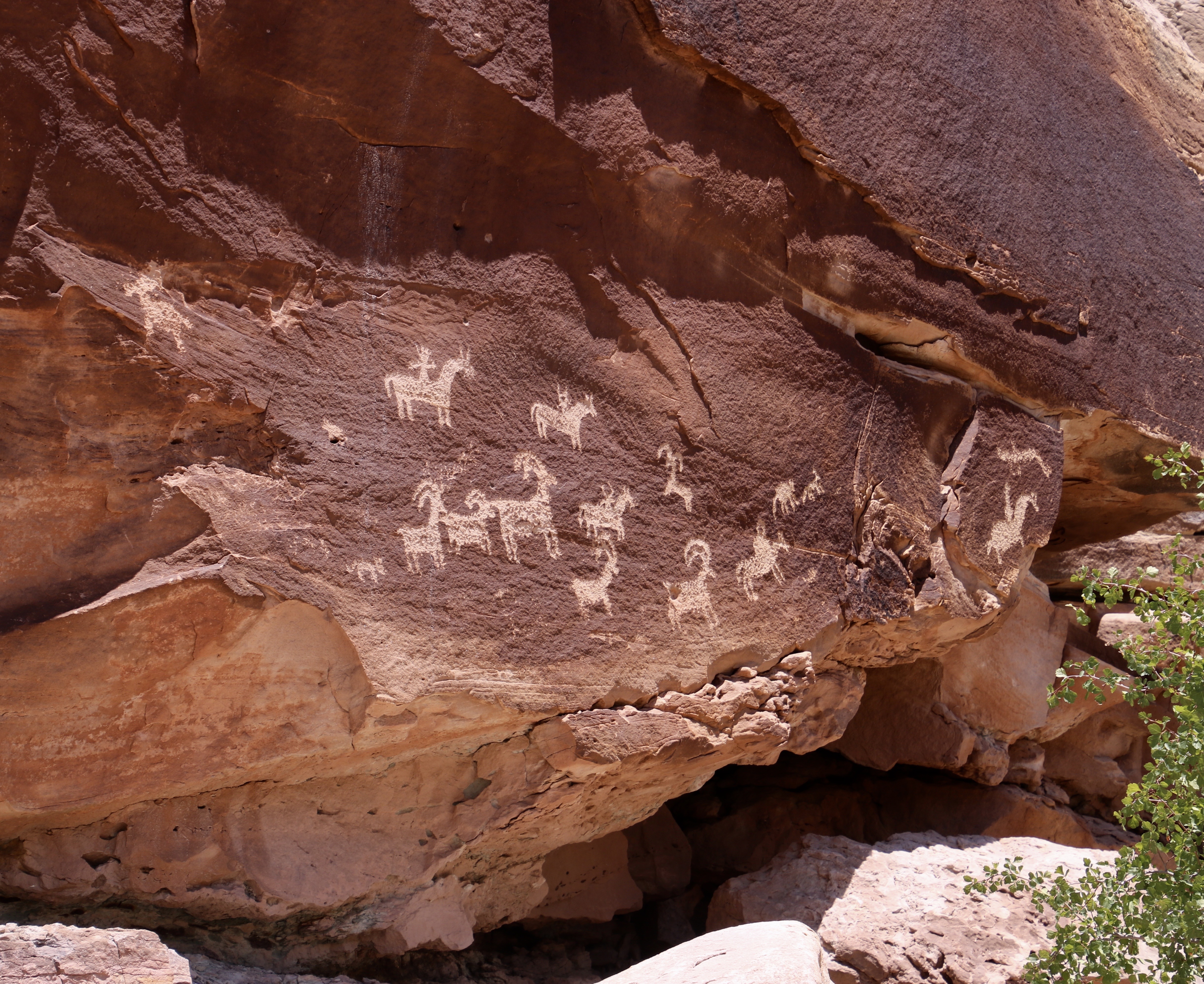
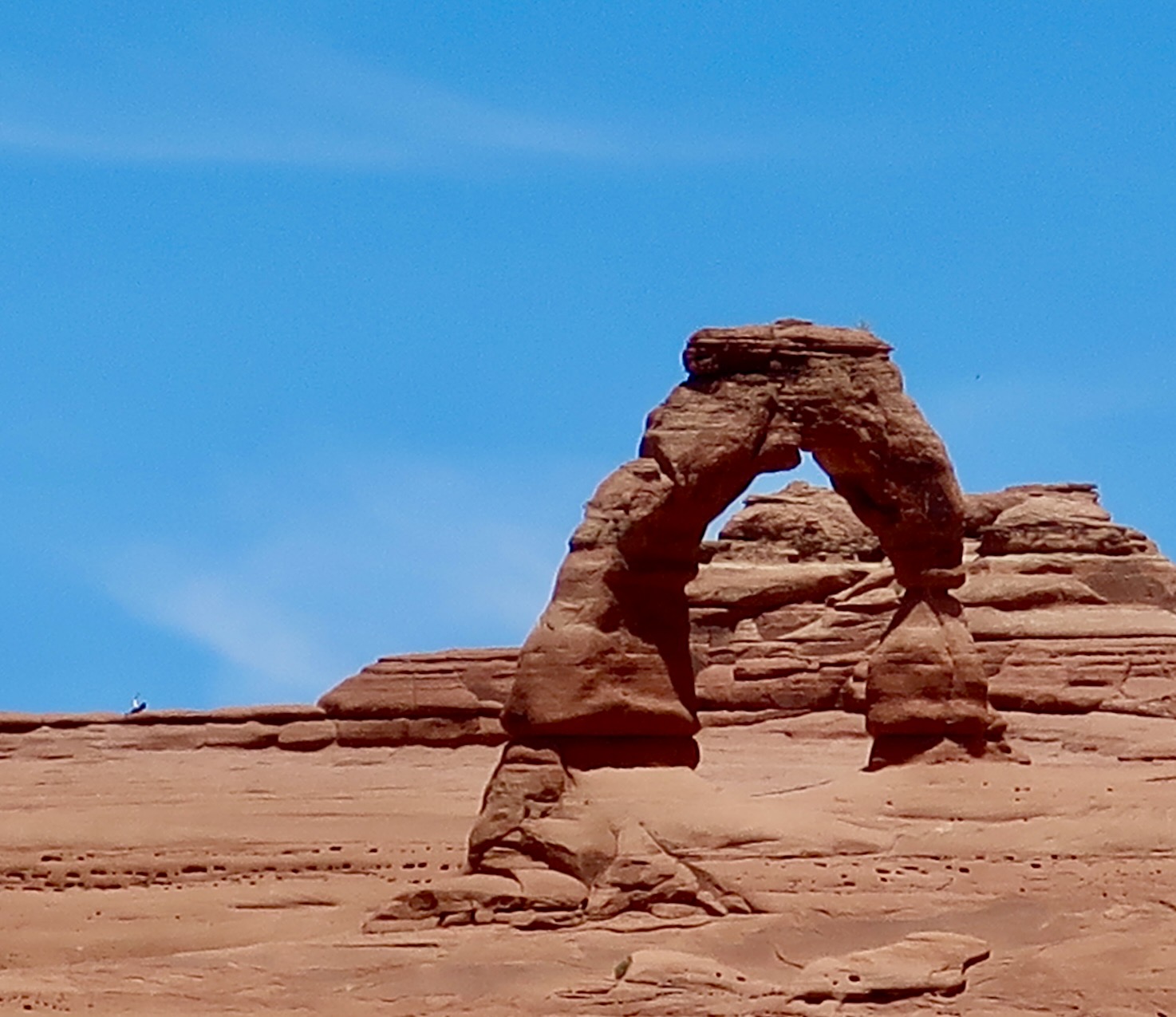
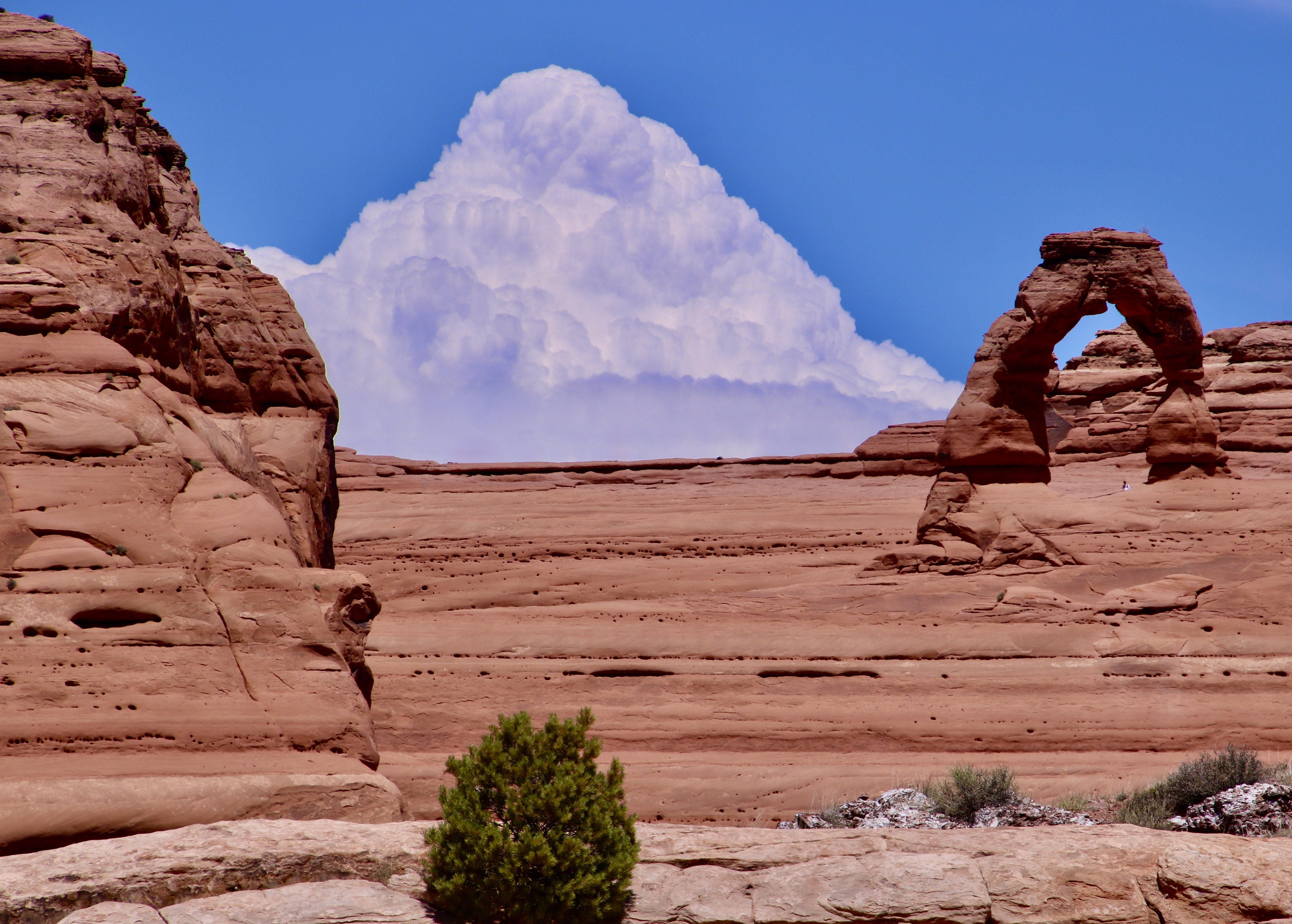
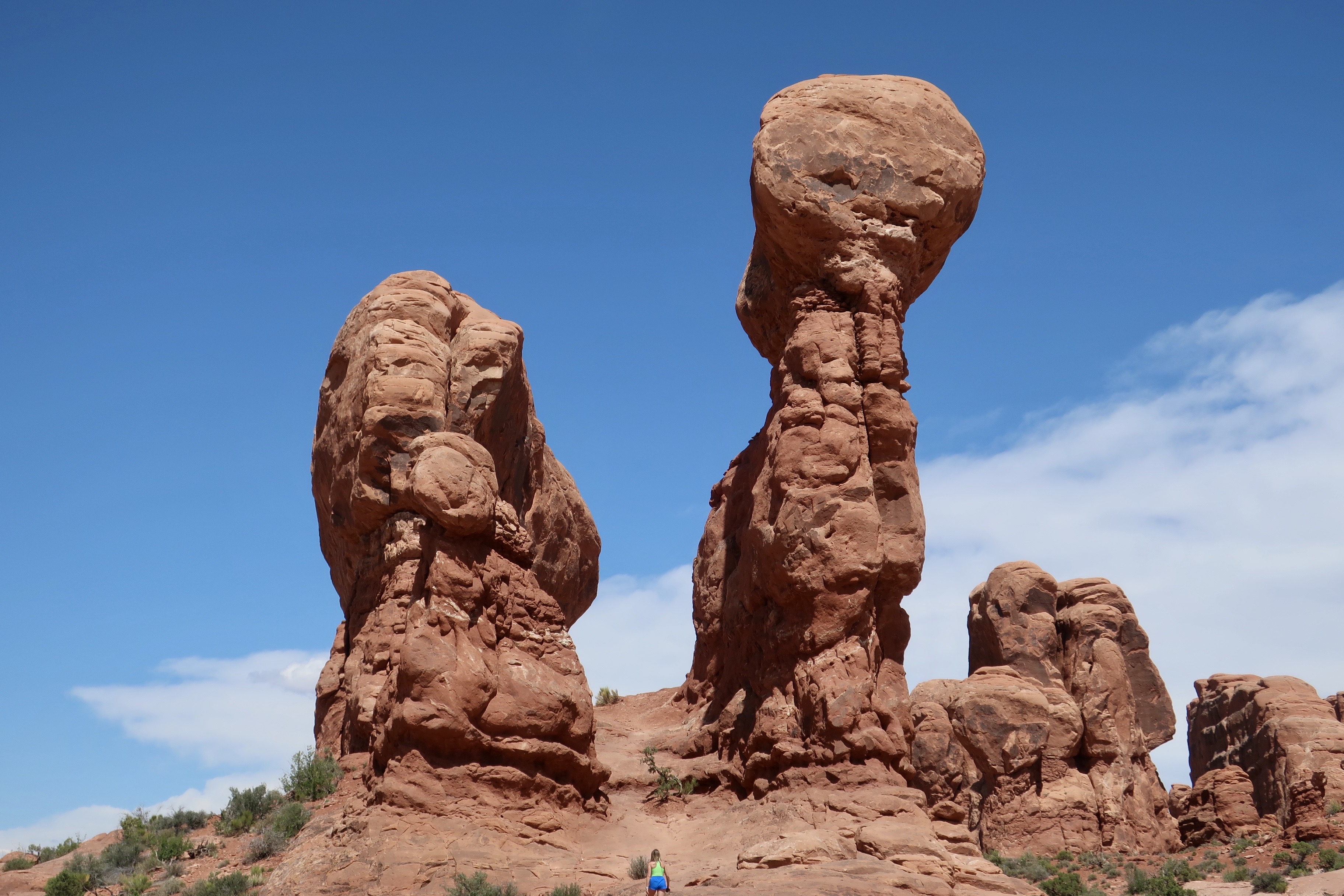
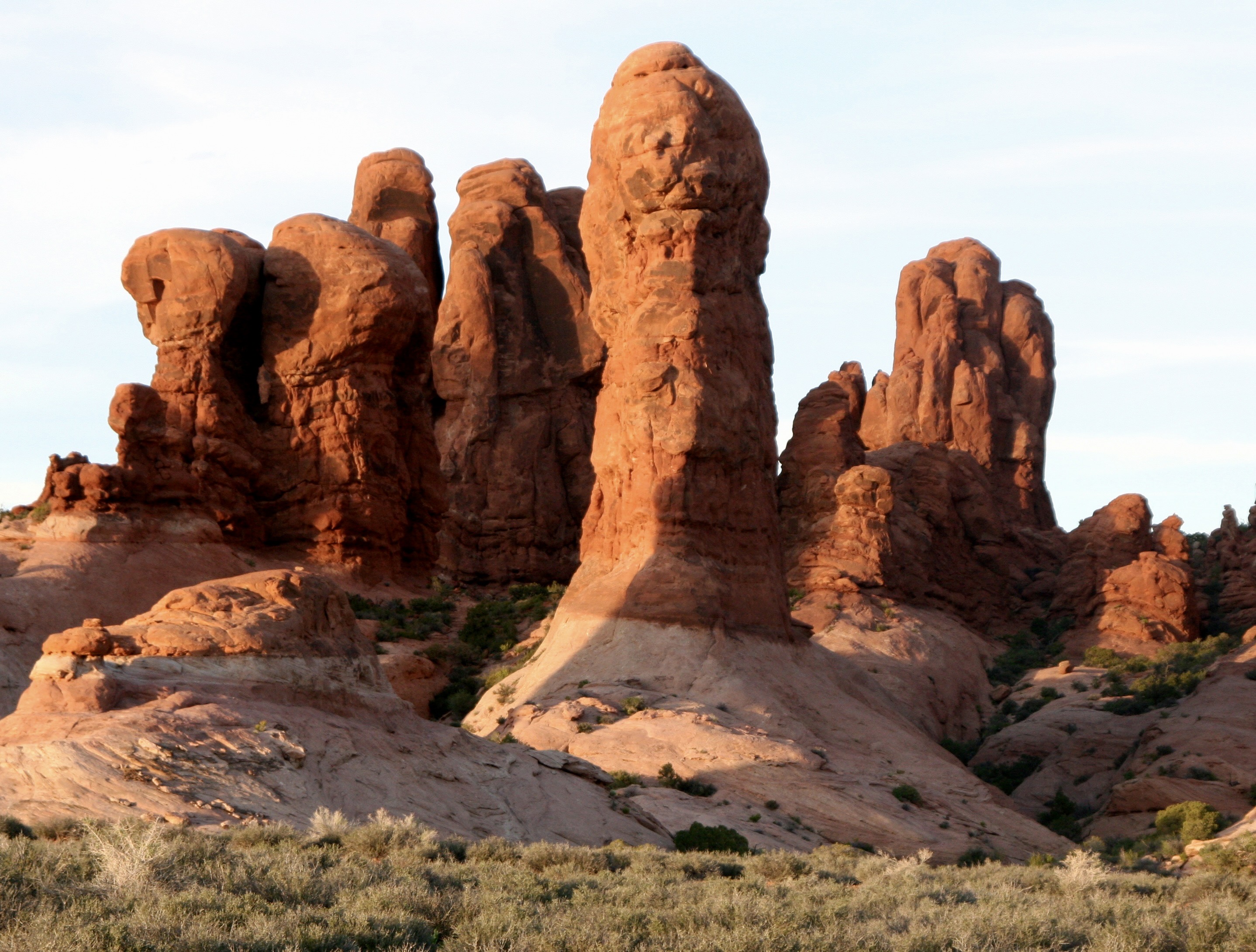
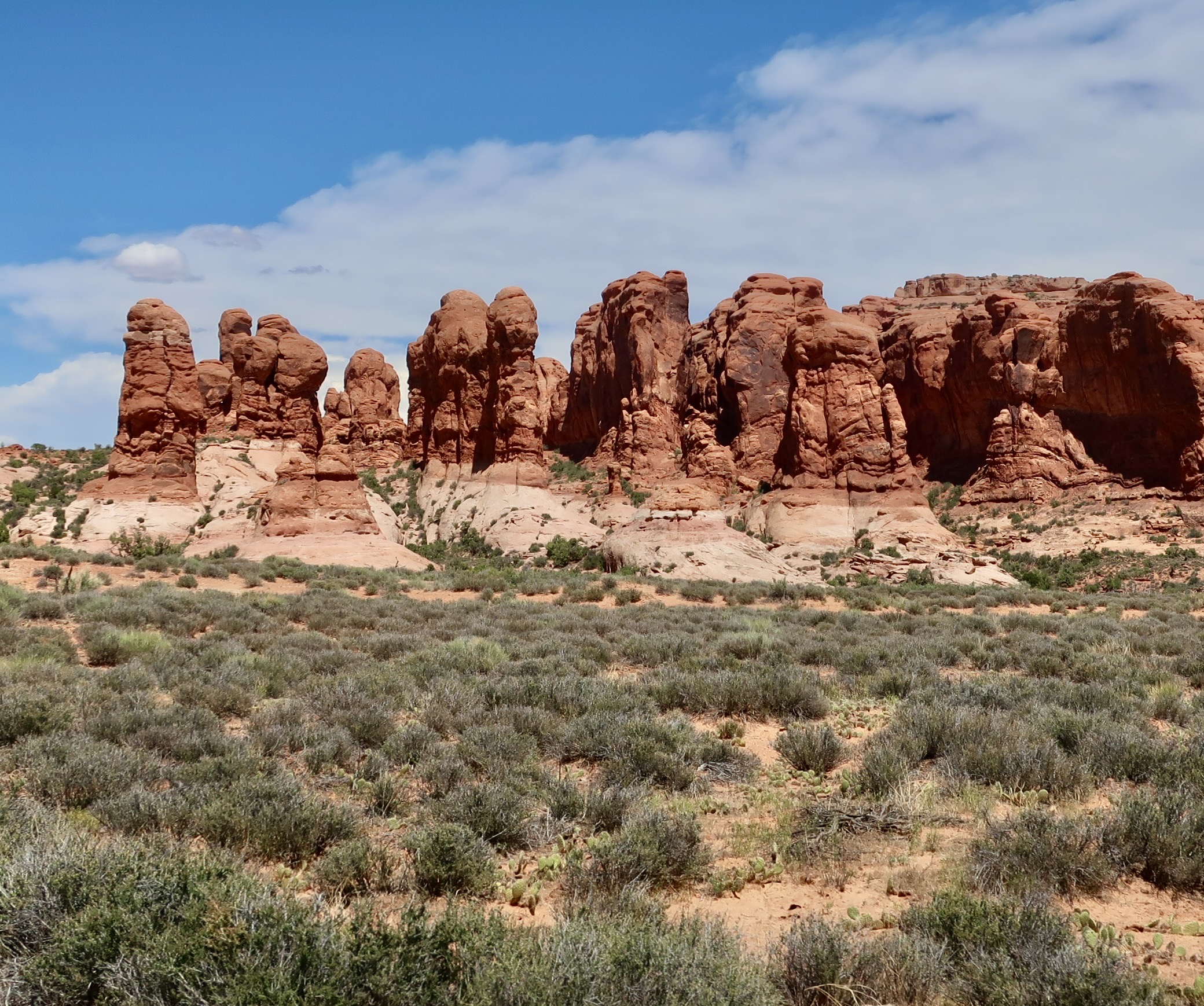
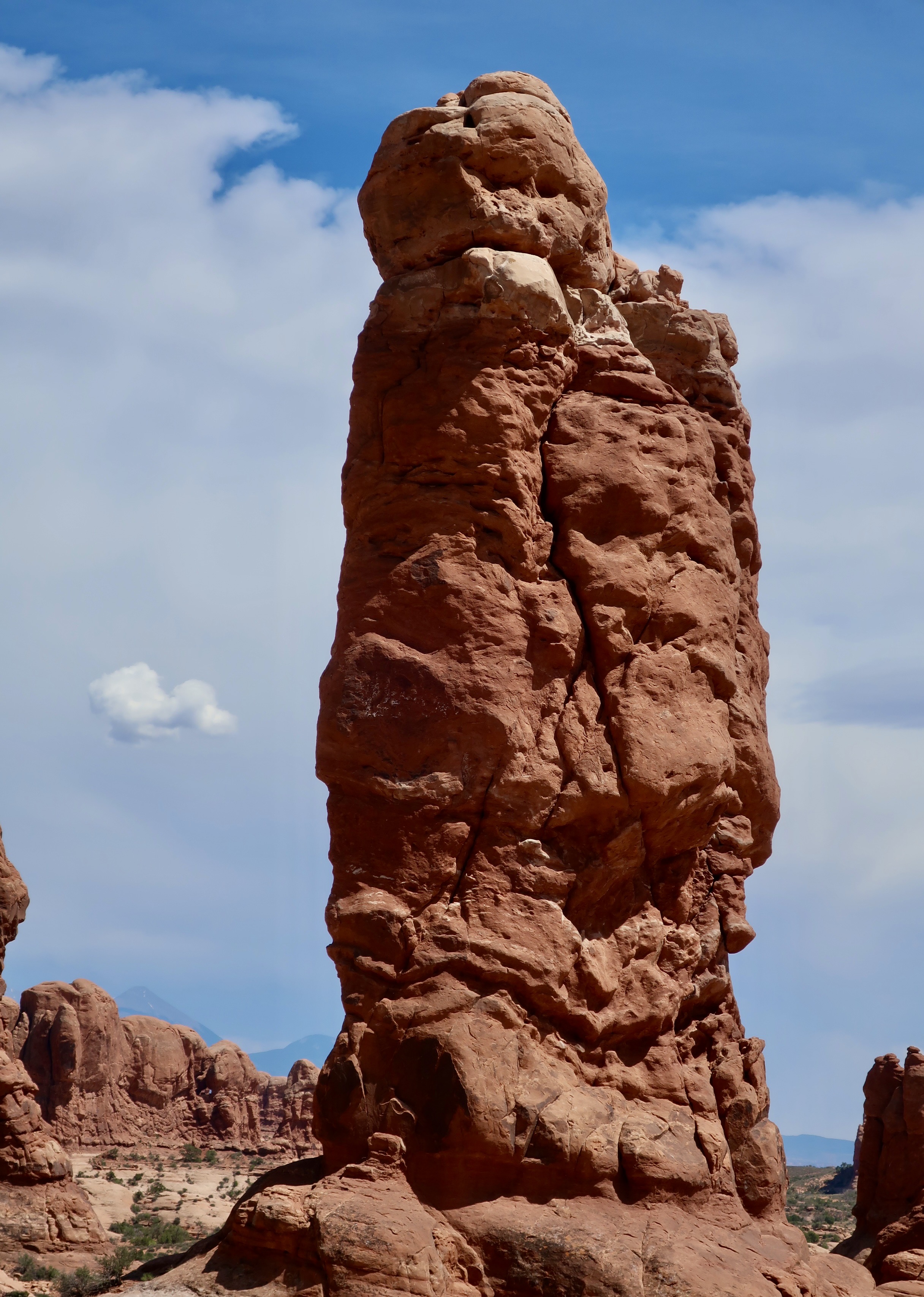
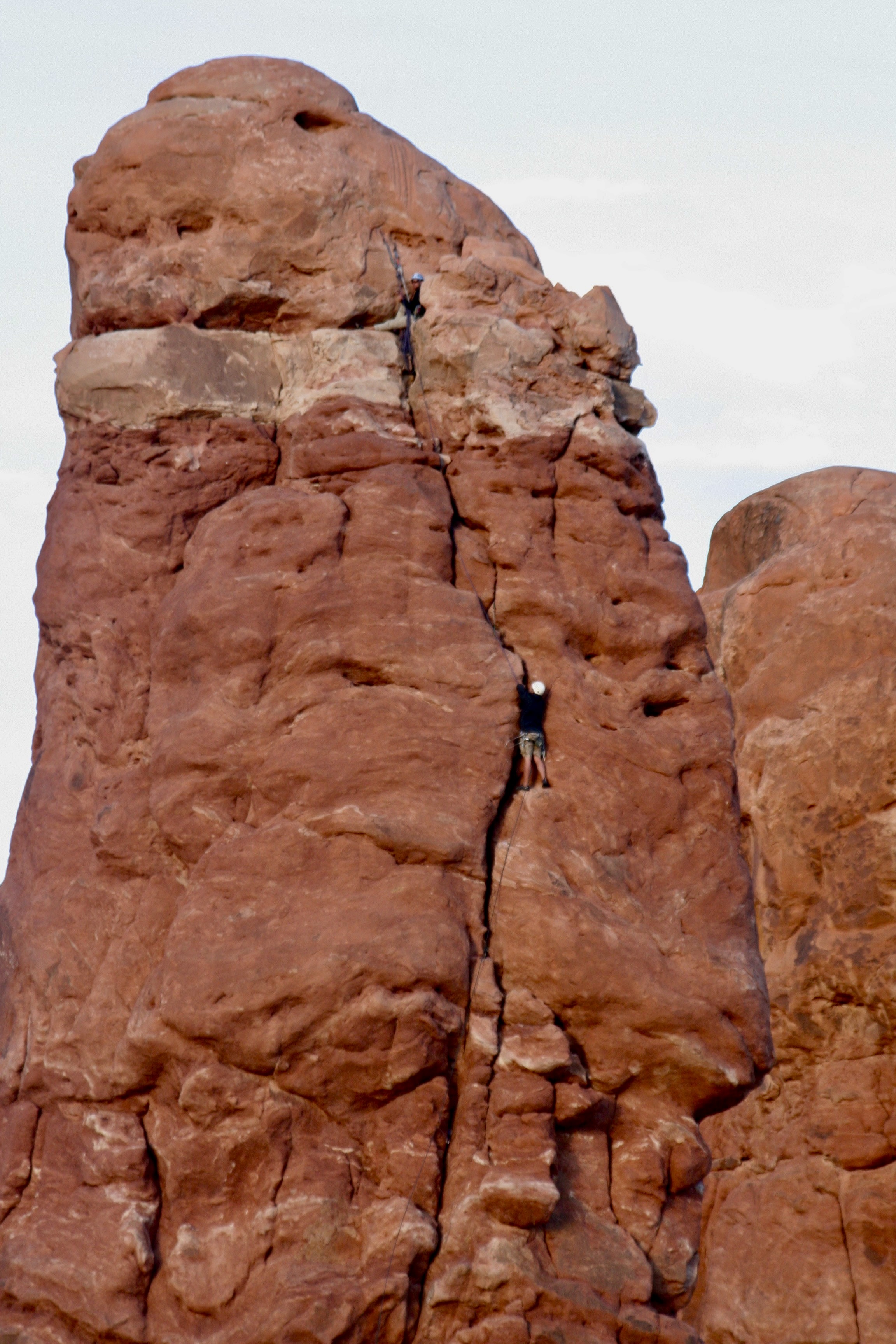
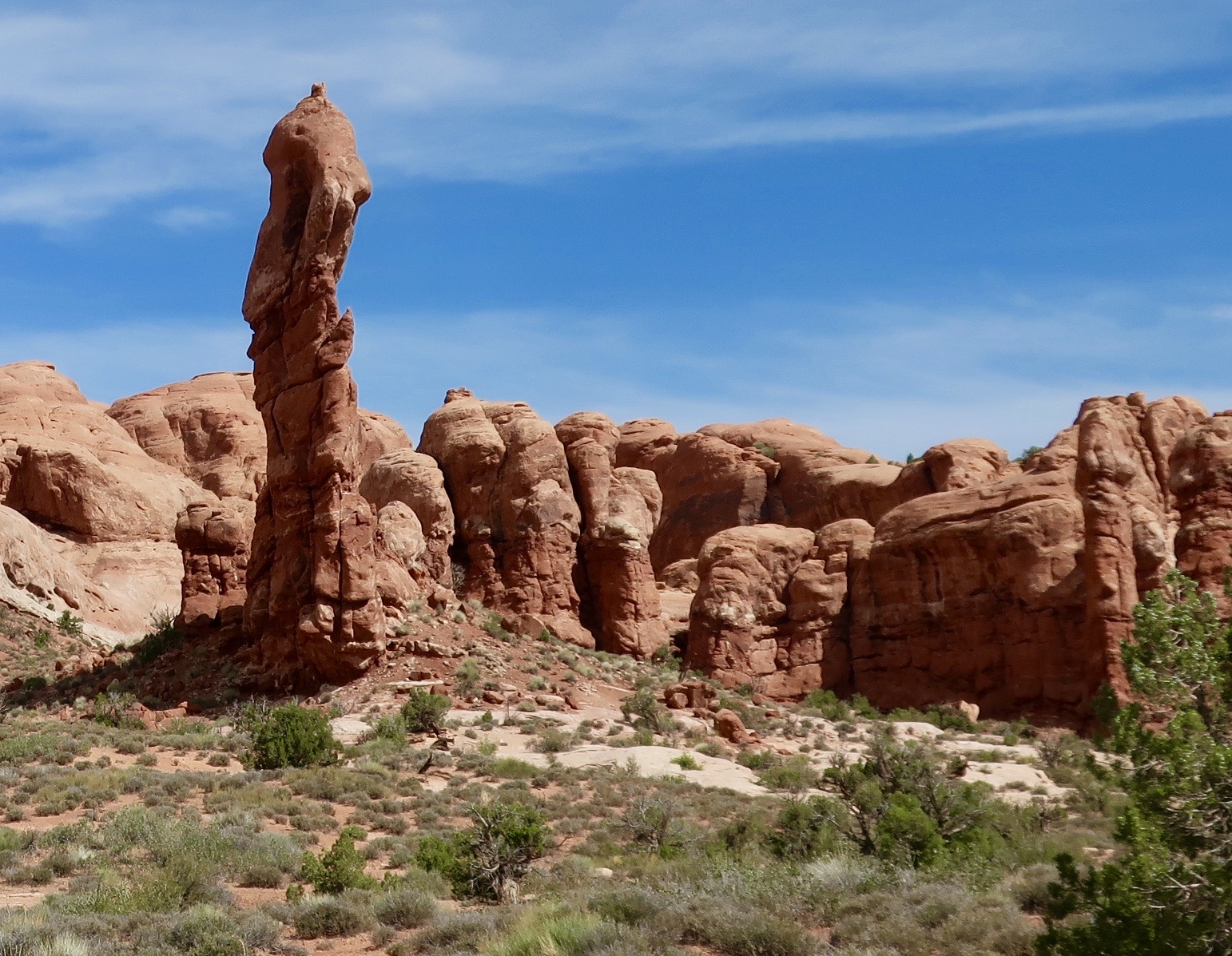
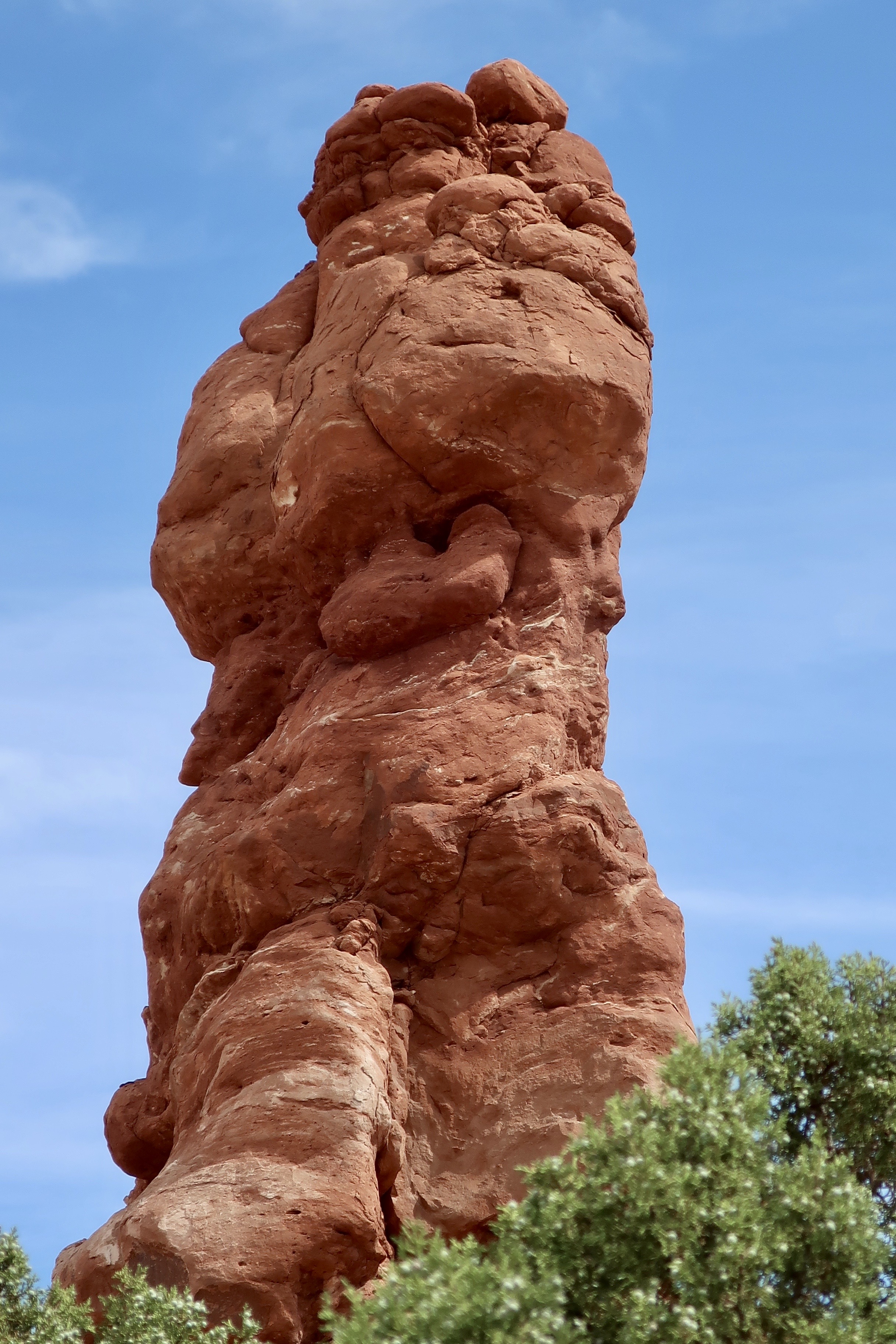
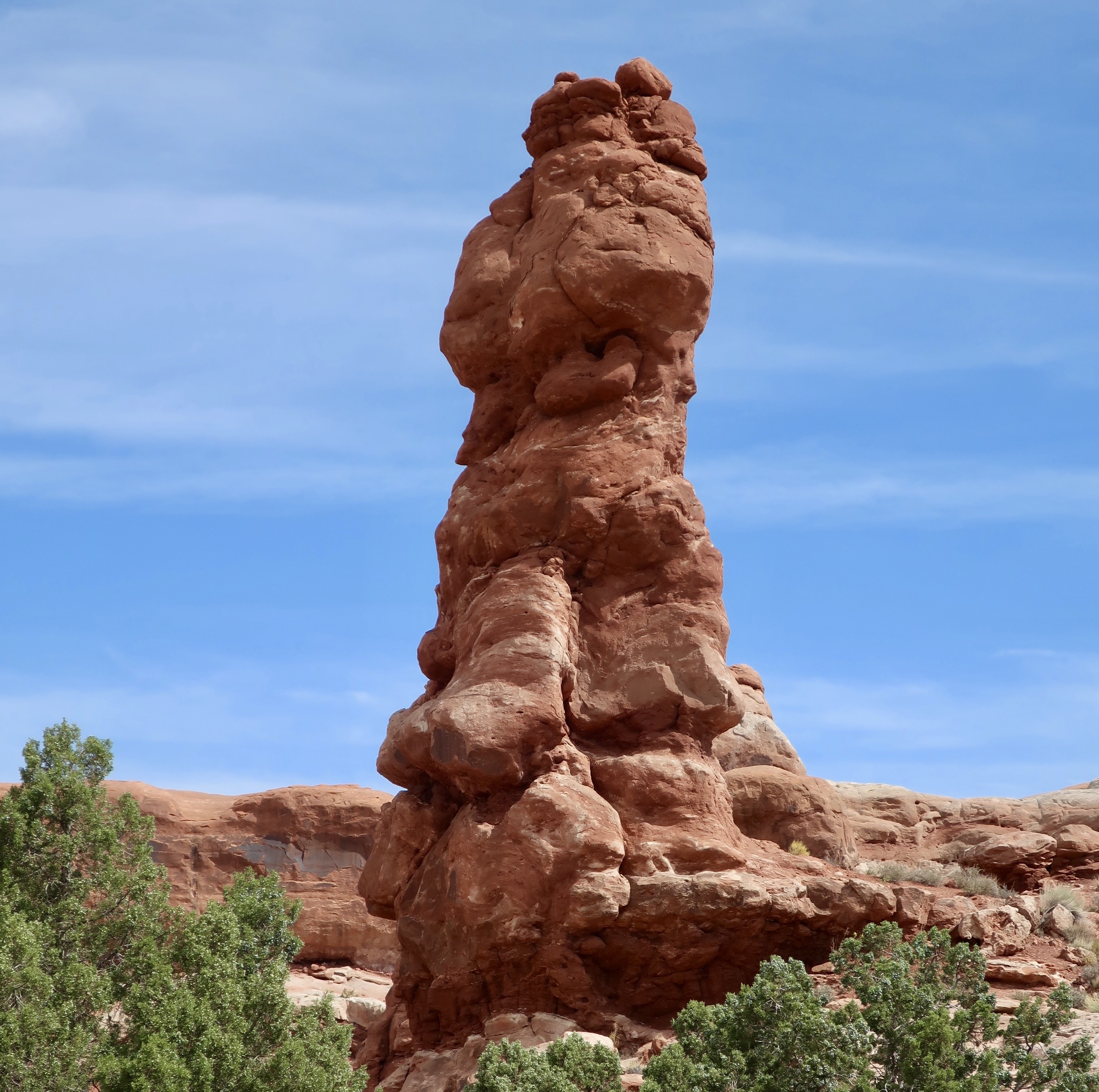
Driving out from the Devil’s Garden, which I covered in my last post, Peggy and I stopped at the historic Wolfe Ranch. It is also the site of Ute Indian pictographs, and the Delicate Arch. Arriving here in 1898 with his son Fred, the 69 year old veteran of the Civil War, John Wesley Wolfe, established a 100 acre ranch where he raised cattle for 10 years.The Old West age of the cabin led me to render it in black and white.Which I also did with the ranch’s original cattle pen.Before Wolfe’s time, the Ute Indians and other tribes had occupied the area, taking advantage of the same spring Wolfe used. The Utes left behind an interesting panel of pictographs that is located above the cabin. Peggy and I have often found petroglyphs and pictographs near water sources in our wandering through the Southwest. These would have been created sometime between 1650 and 1850. The 1650 date comes from the fact that the Utes were riding horses. Horses were not available in North America until they were introduced by Spanish treasure hunters in the 1600s.The Utes riding horses and a dog seem to be herding bighorn sheep, probably toward some type of trap. At least, that’s my interpretation based on the arm positions of the Utes and the location of the dog, possibly to a corral or over a cliff, a trick used by natives with buffalo. The edge of the rock may have signified the cliff. It’s hard to imagine bighorn being herded, however. And it’s easy to imagine their escaping to places the horses couldn’t go. “You want me to jump? Fine. One of my favorite ledges is just over the cliff!”Wolfe’s cabin is also the start of the trail that leads up to Delicate Arch. It is the National Park’s best known arch and an icon for Utah— appearing on license plates, road signs, and in tourist campaigns to encourage people to visit the state..When we arrived, the clouds that we had watched in Devil’s Garden continued to provide a dramatic backdrop. White throated swifts nest in crevices on the Delicate Arch in the summer.If you are following this blog, you will have already visited the Fiery Furnace and the Devil’s Garden in Arches National Park. It’s time to visit the Garden of Eden. My understanding is that early pioneers felt that these two figures resembled Adam and Eve and the surrounding rocks represented a fertile garden. I don’t know about the garden, but they certainly had fertile imaginations. Maybe if one wanders around in a desert long enough… Could Eve be holding up the apple and Adam looking off in the distance as an angel wings and a fiery sword approaches? If you dug around under the rocks, you would probably find a snake to tempt Eve, a rattlesnake. My guess is it would have offered her a dead rodent instead of an apple, however. Or a rock. A person in the foreground provides perspective on size.Is this the fertile garden? An irreverent thought crossed my mind. Maybe it was Adam the first time he saw Eve.Definitely part of the garden. Lots of apple trees, I’m sure. Every garden needs an owl, right? I read that this so-named hoodoo in the Garden is looking down at you. Maybe it’s thinking ‘dinner.’Apparently, climbing the tall hoodoos is a popular sport in Arches. Climbers must have permits and adhere to strict rules that eliminate environmental damage to the rocks.This tall, skinny hoodoo with a man bun is also located in the Garden of Eden.This large hoodoo was along the road between the Wolfe Ranch and the Windows Section. I believe it was opposite the Panorama Point shown on the lower map below. Its size and look earned it a place in this post.Another view.
And now onto what most people think of when they think of Arches NP: Arches. There are over 2000 in the park. It’s the highest concentration of stone arches in the world. The qualification to be an arch is that it must be at least 3 feet in diameter in all directions. I’ve selected six of the most famous arches for today’s post. I’ve already featured the Delicate Arch. Three more are in the Windows section of the park. The other two are between the Delicate Arch and Windows. We missed one of the most famous by cutting our Devil’s Garden walk short: The Landscape Arch. It’s over 300 feet long, making it the longest arch in North America. I’m sorry we missed it.
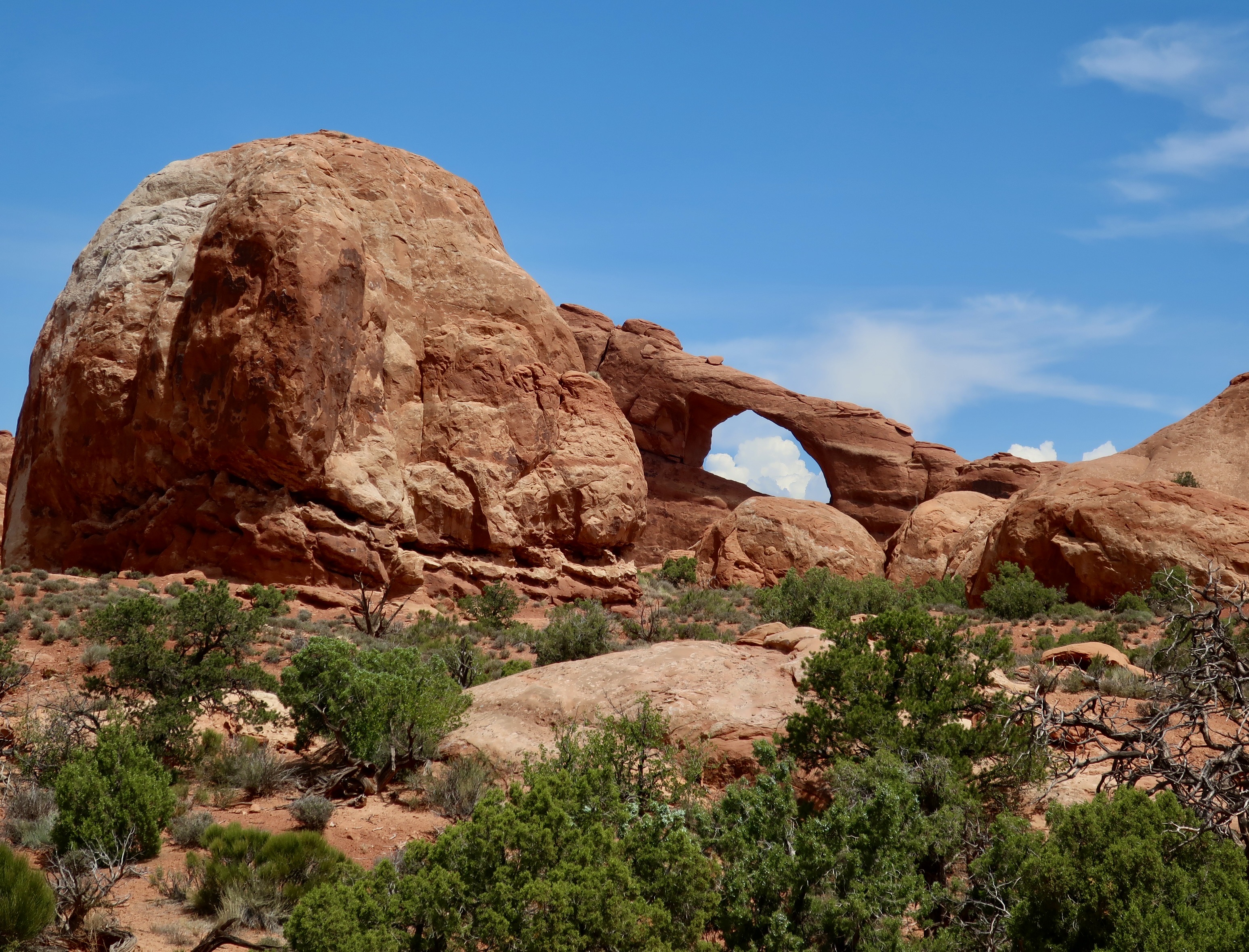
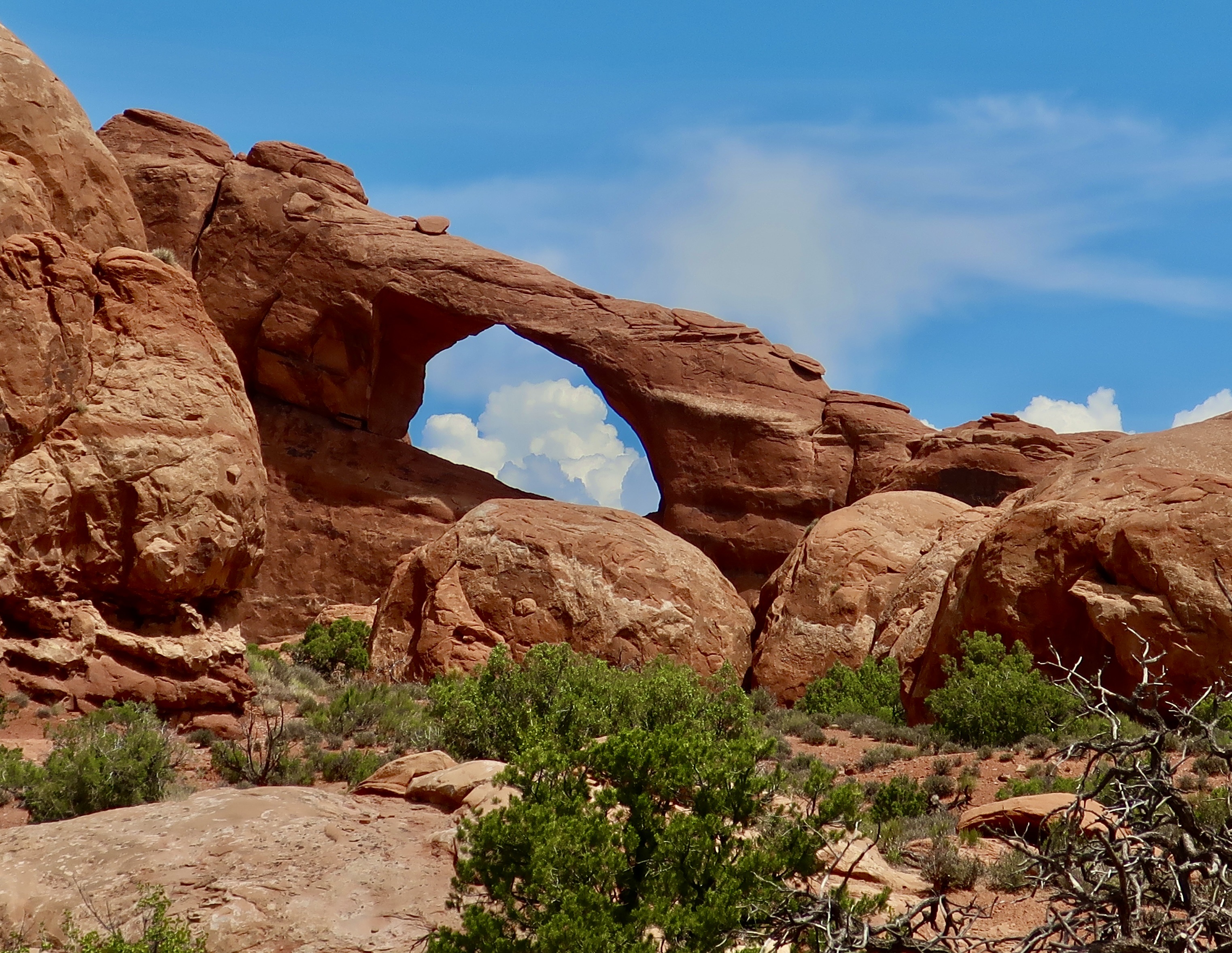
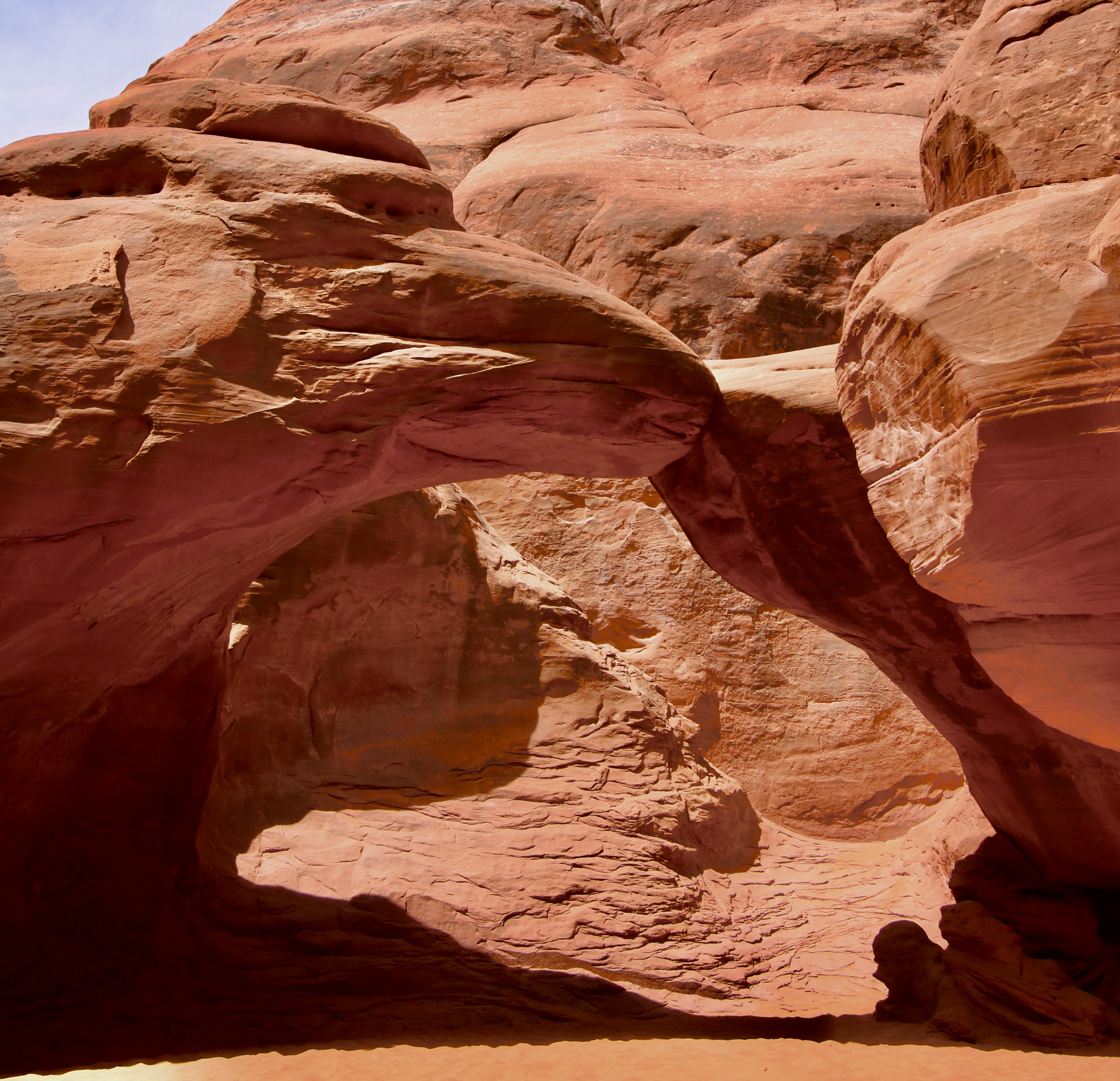
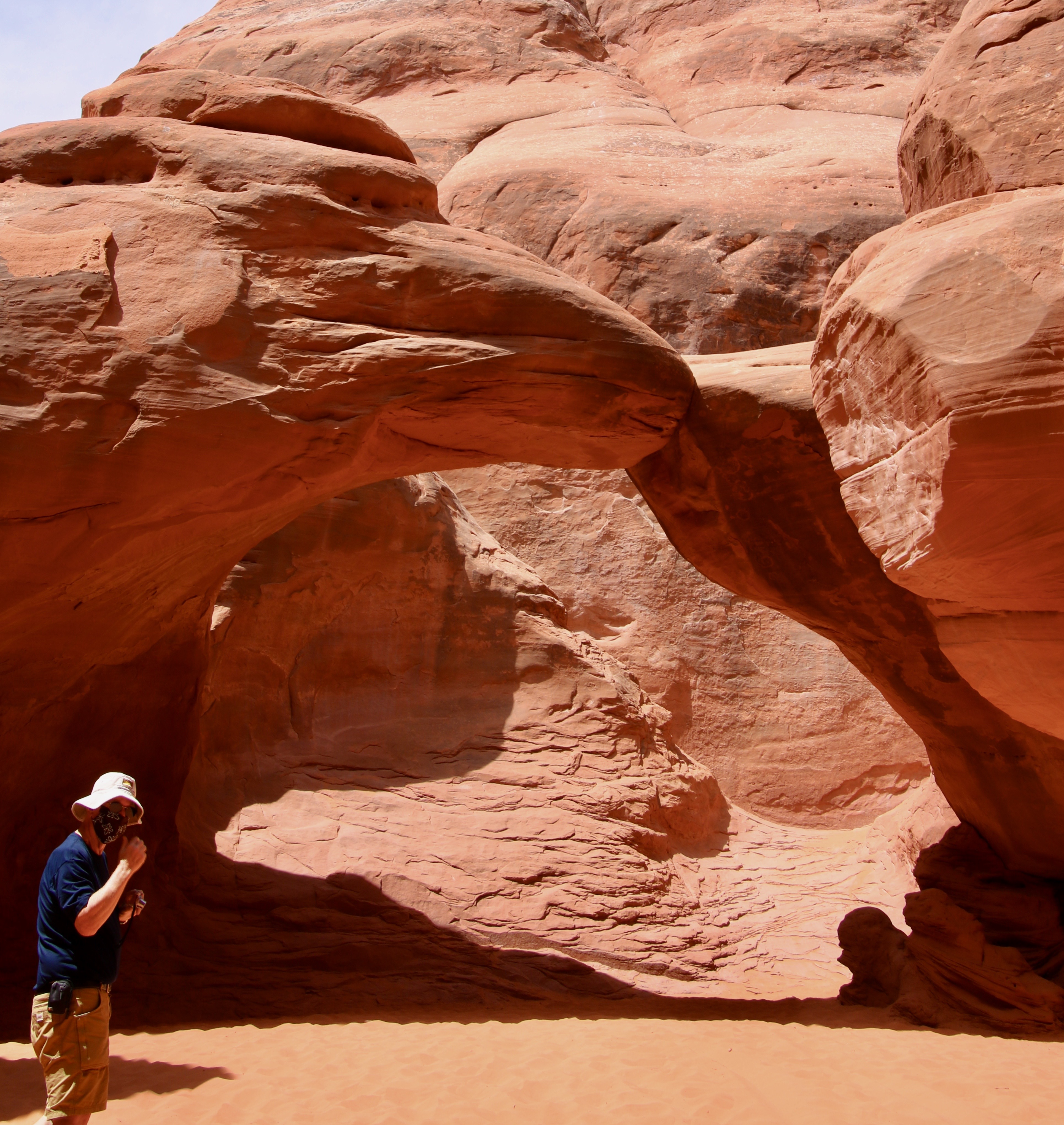
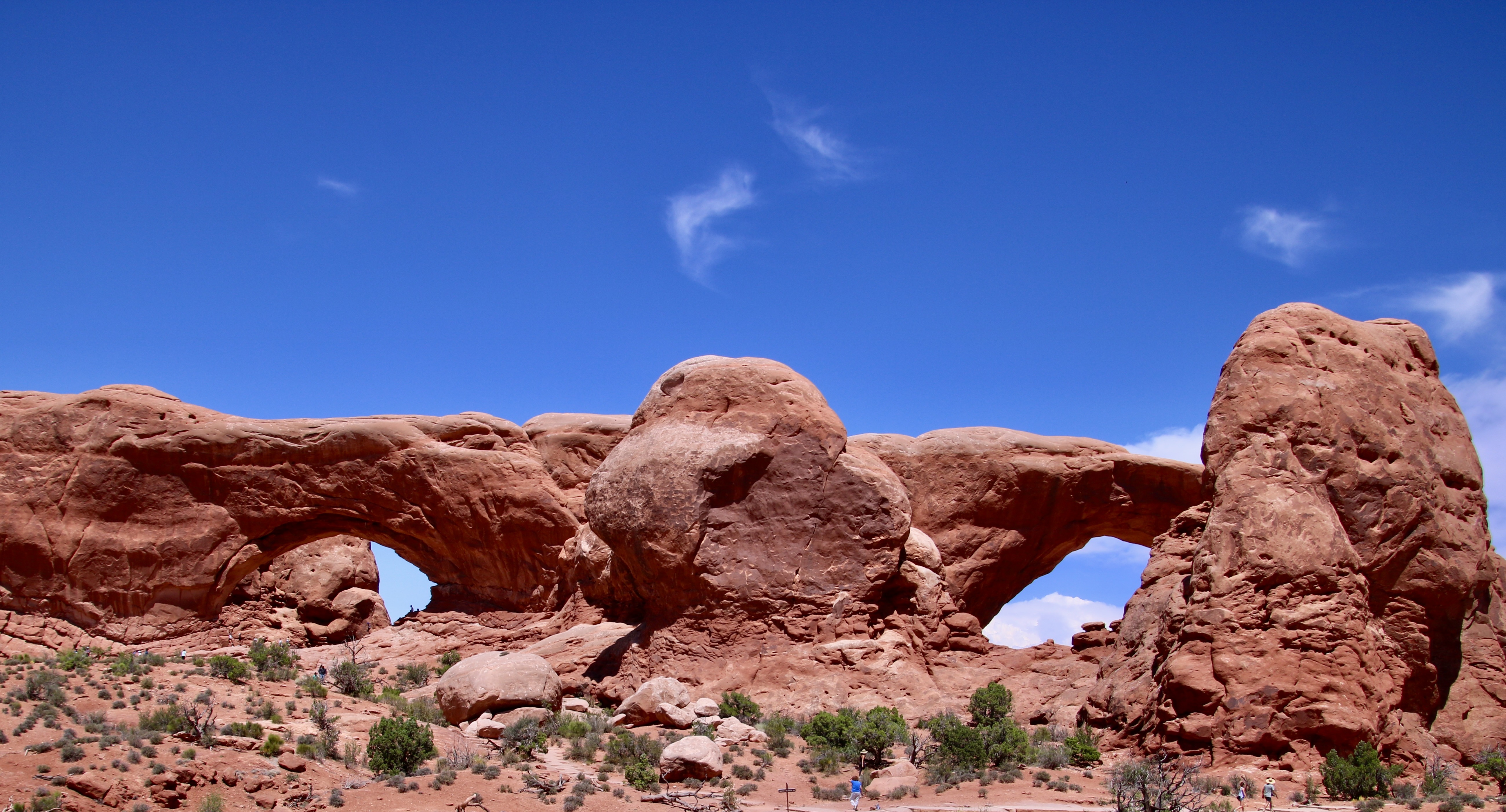
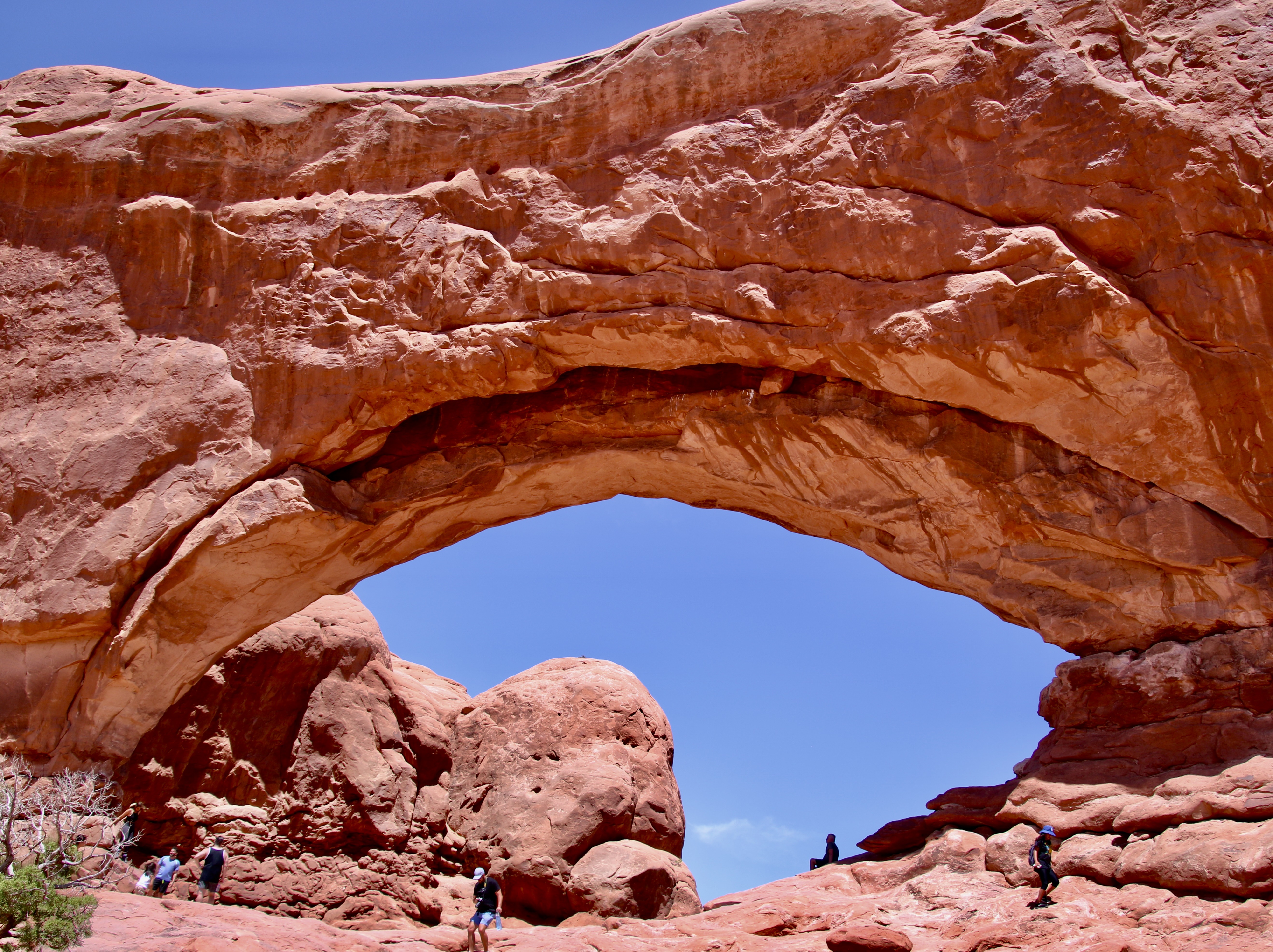
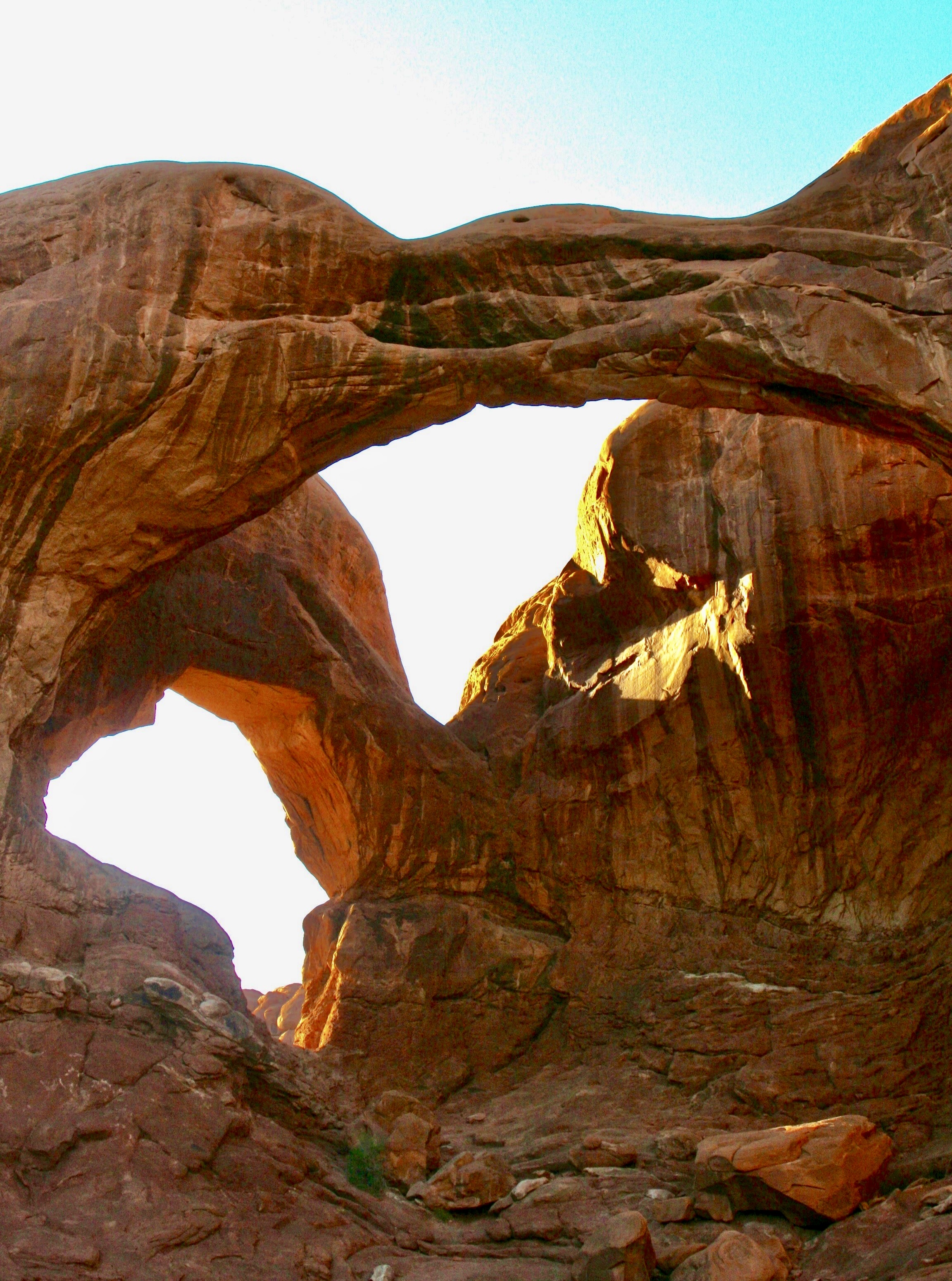
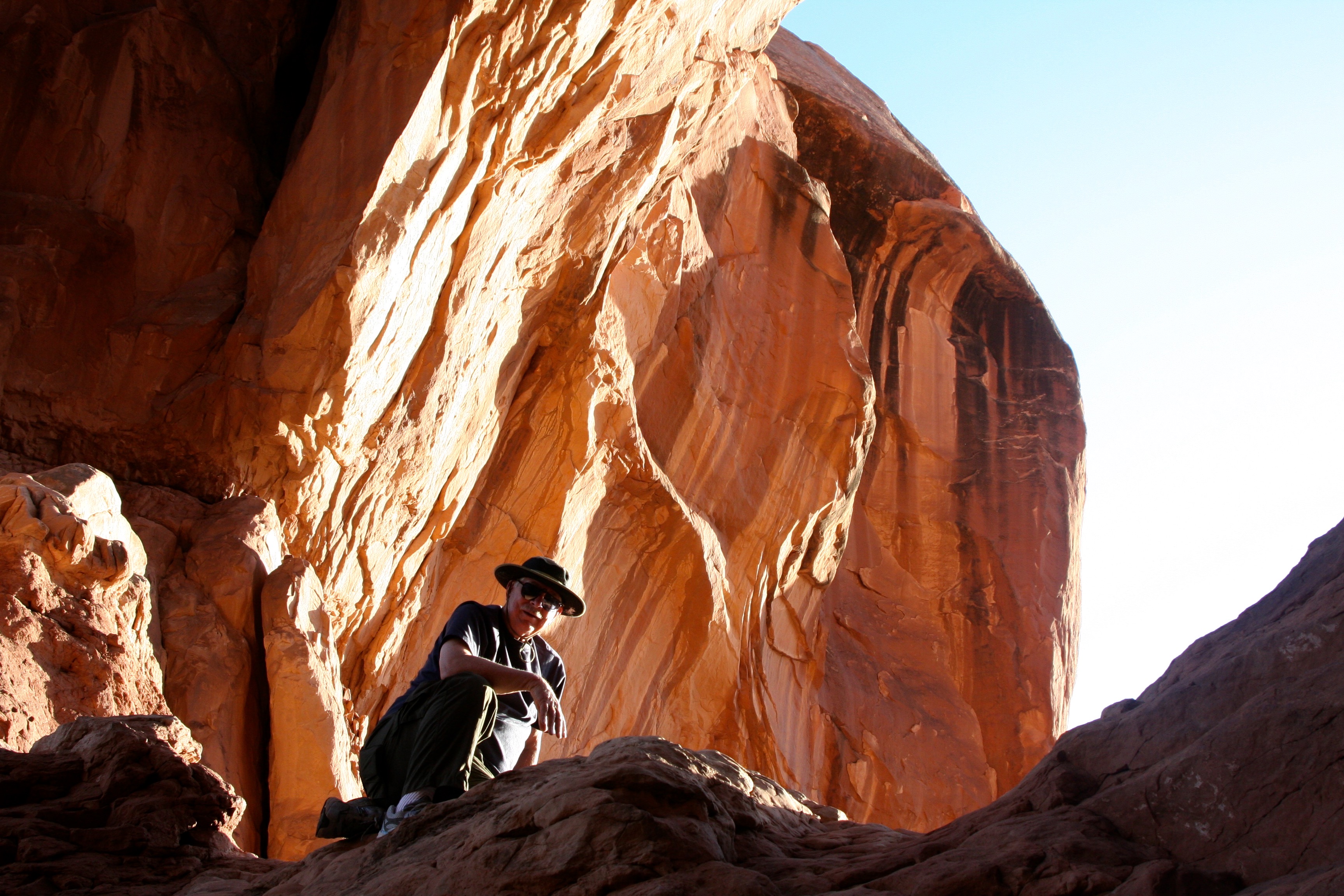
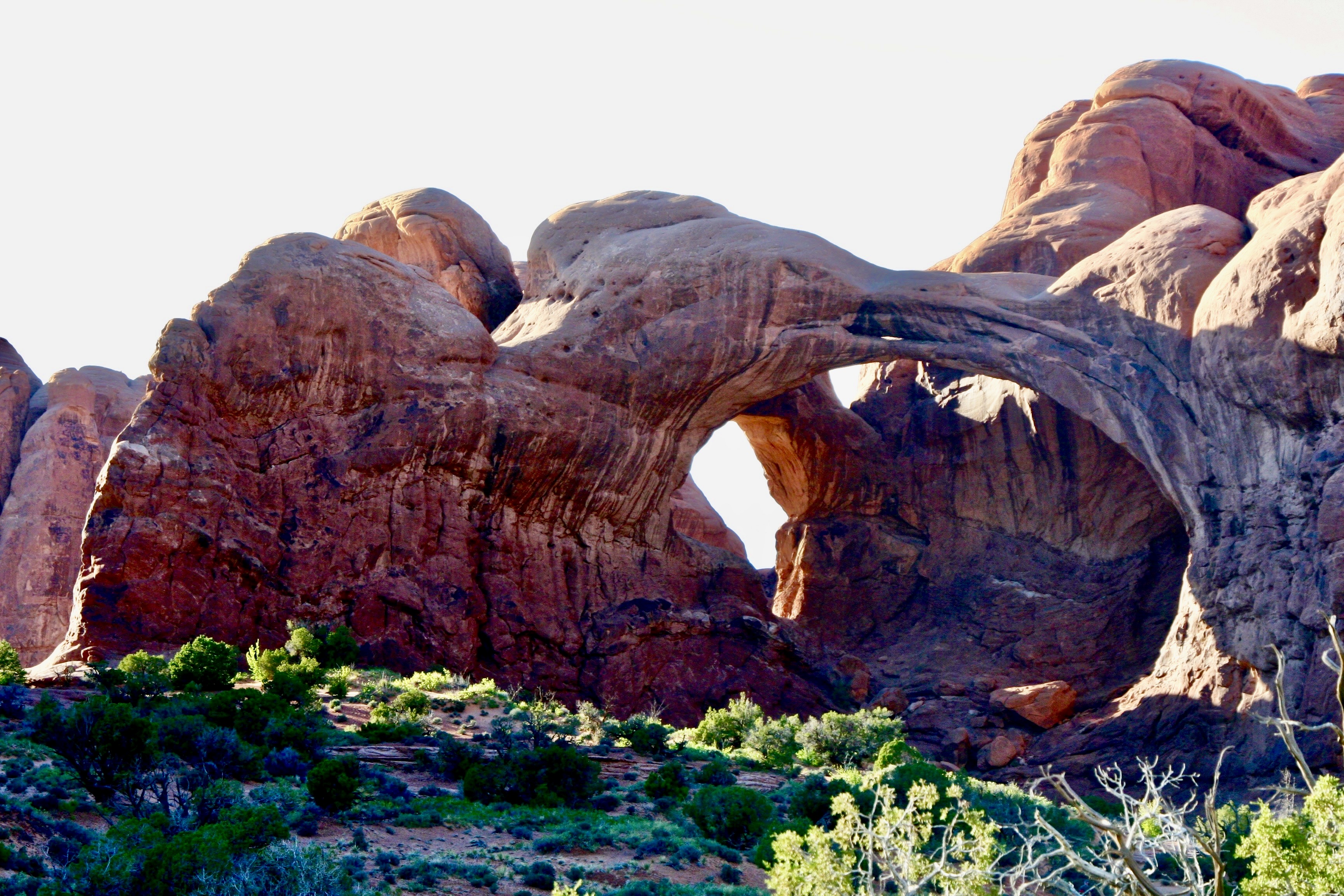
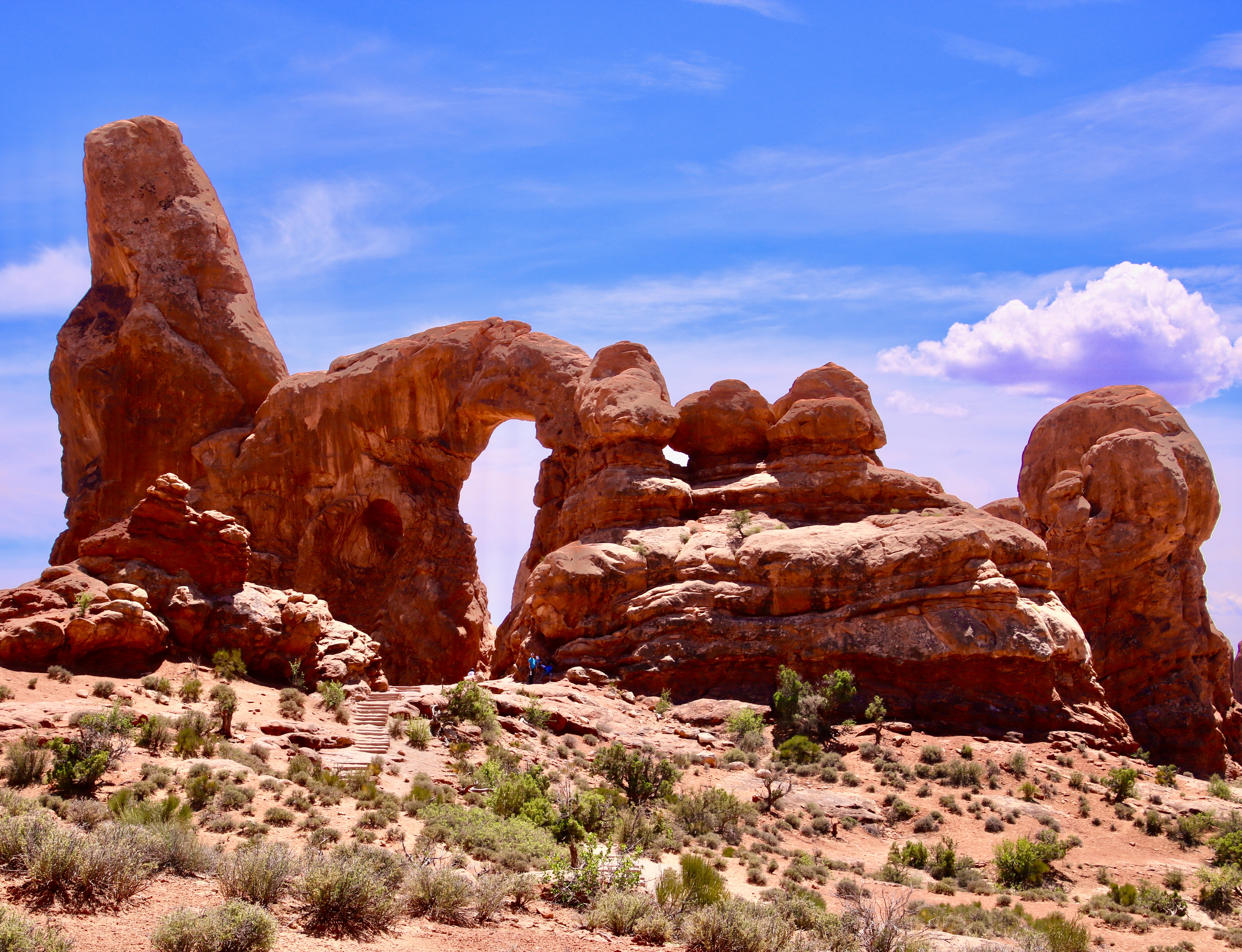
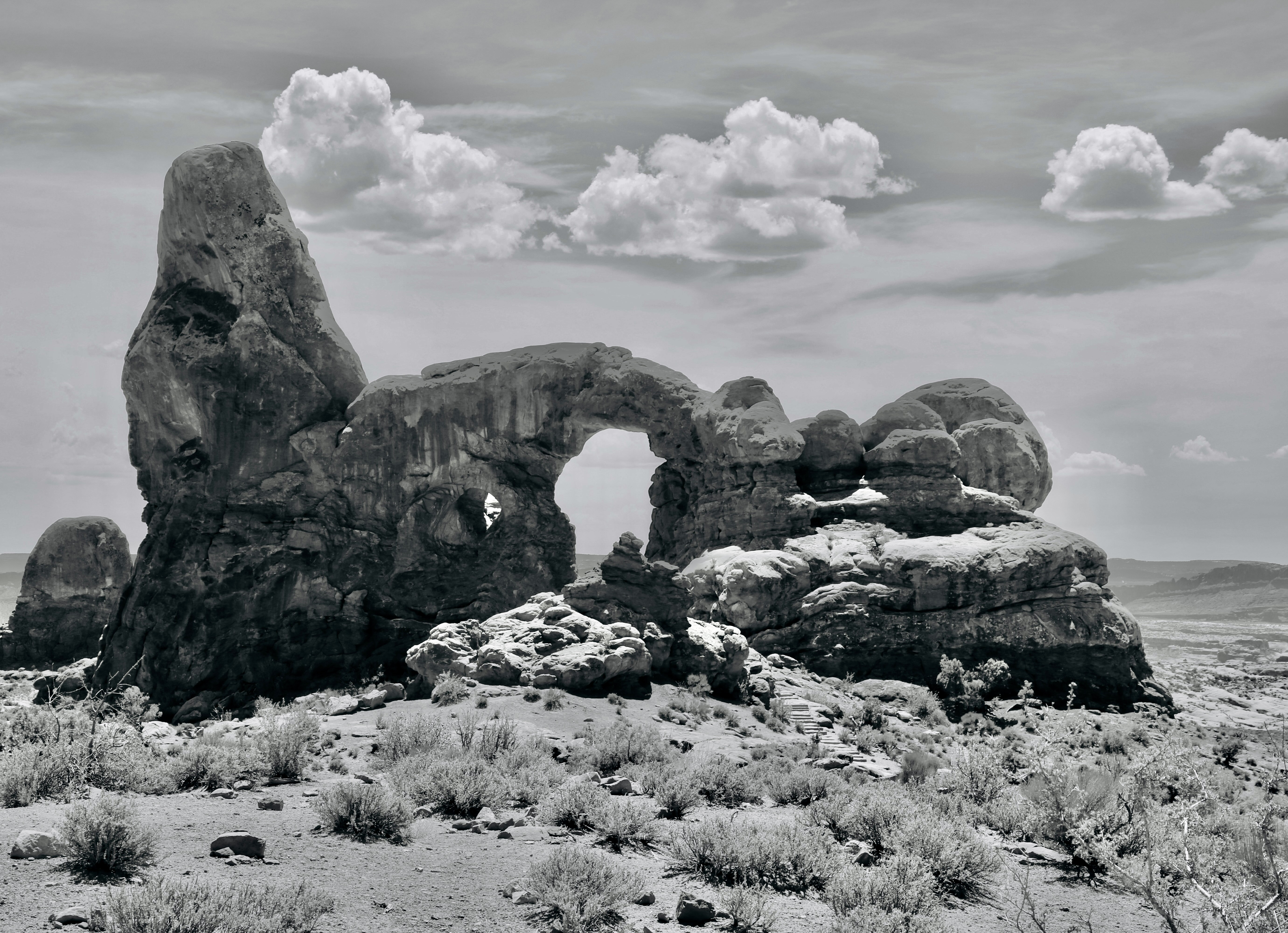
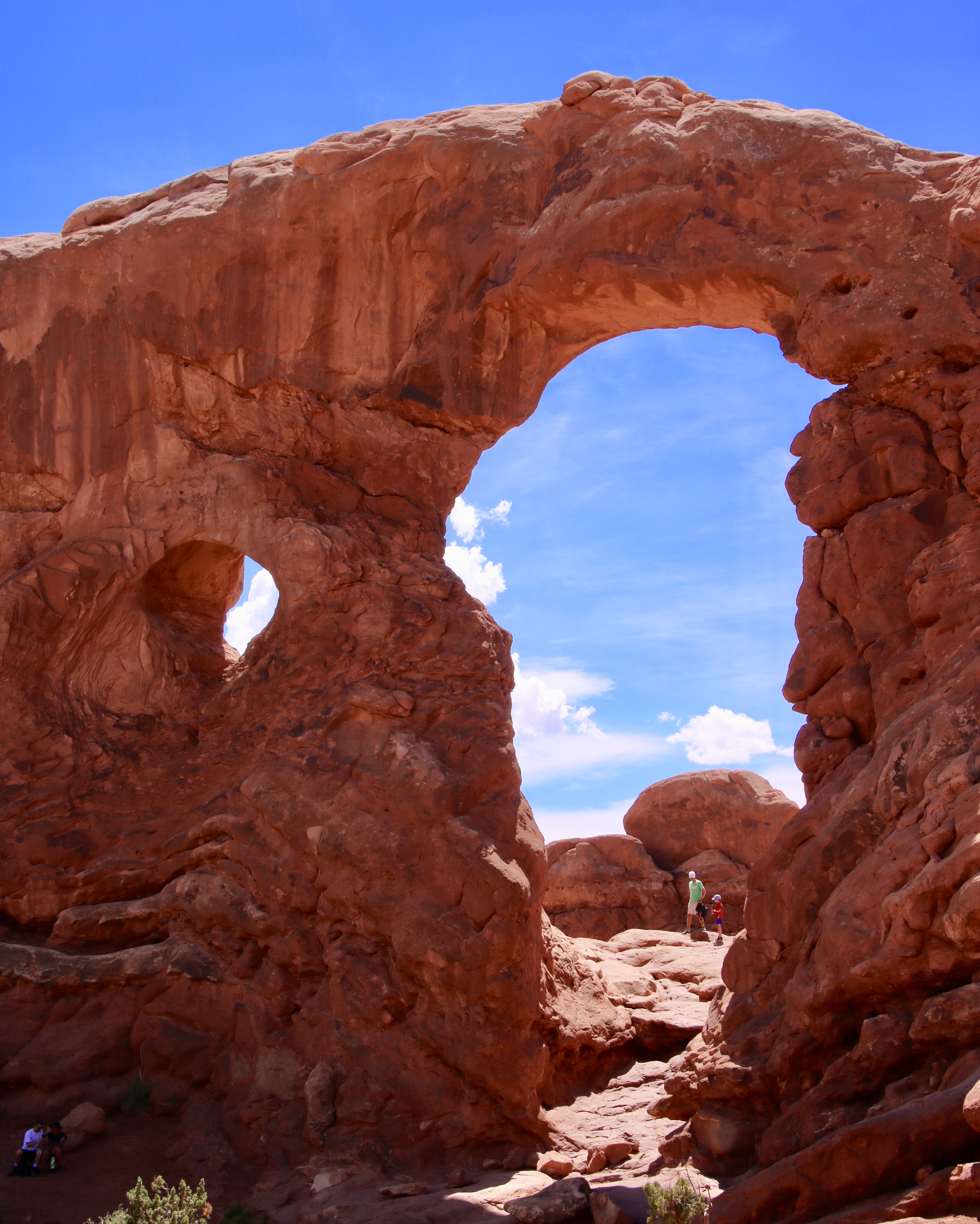
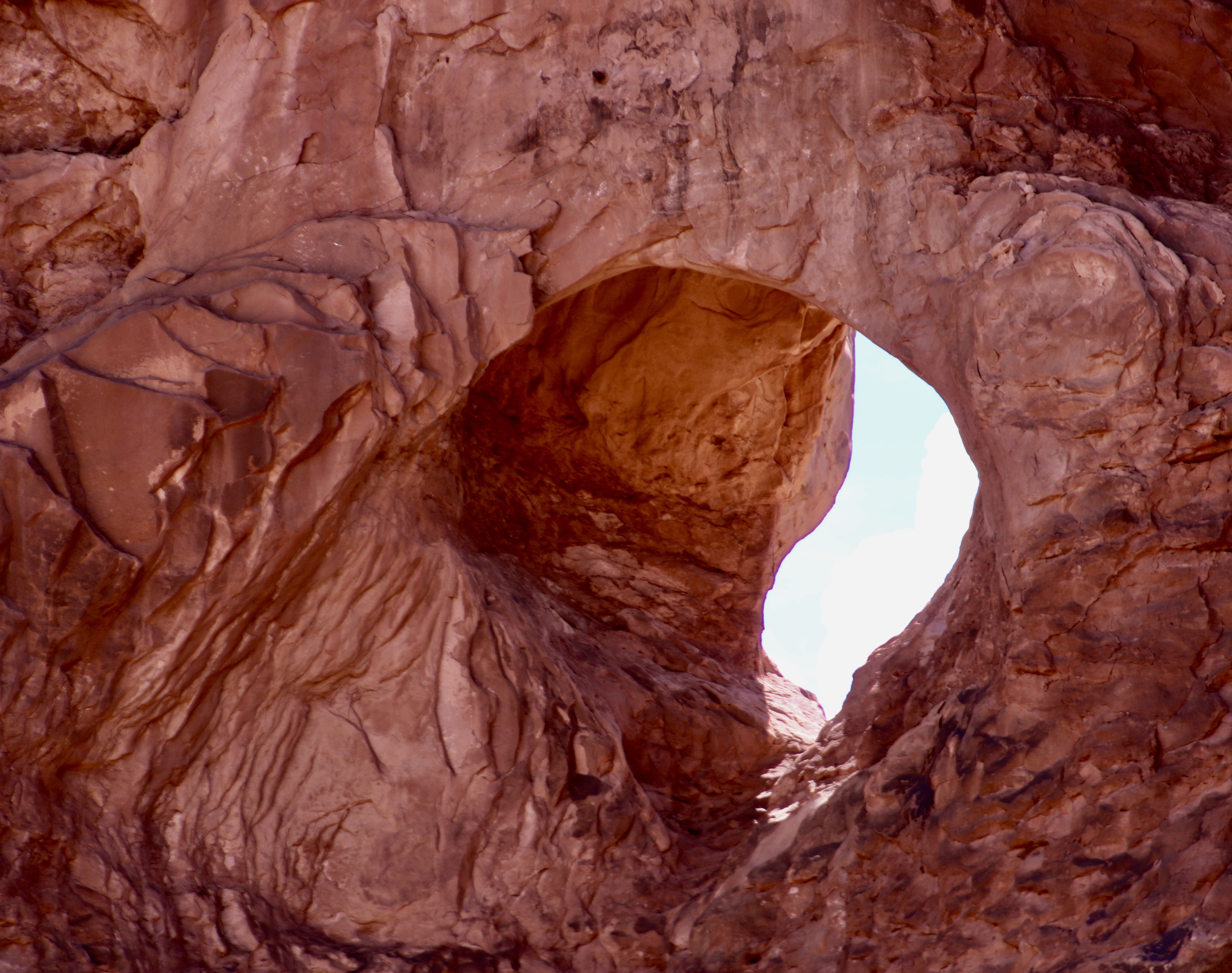
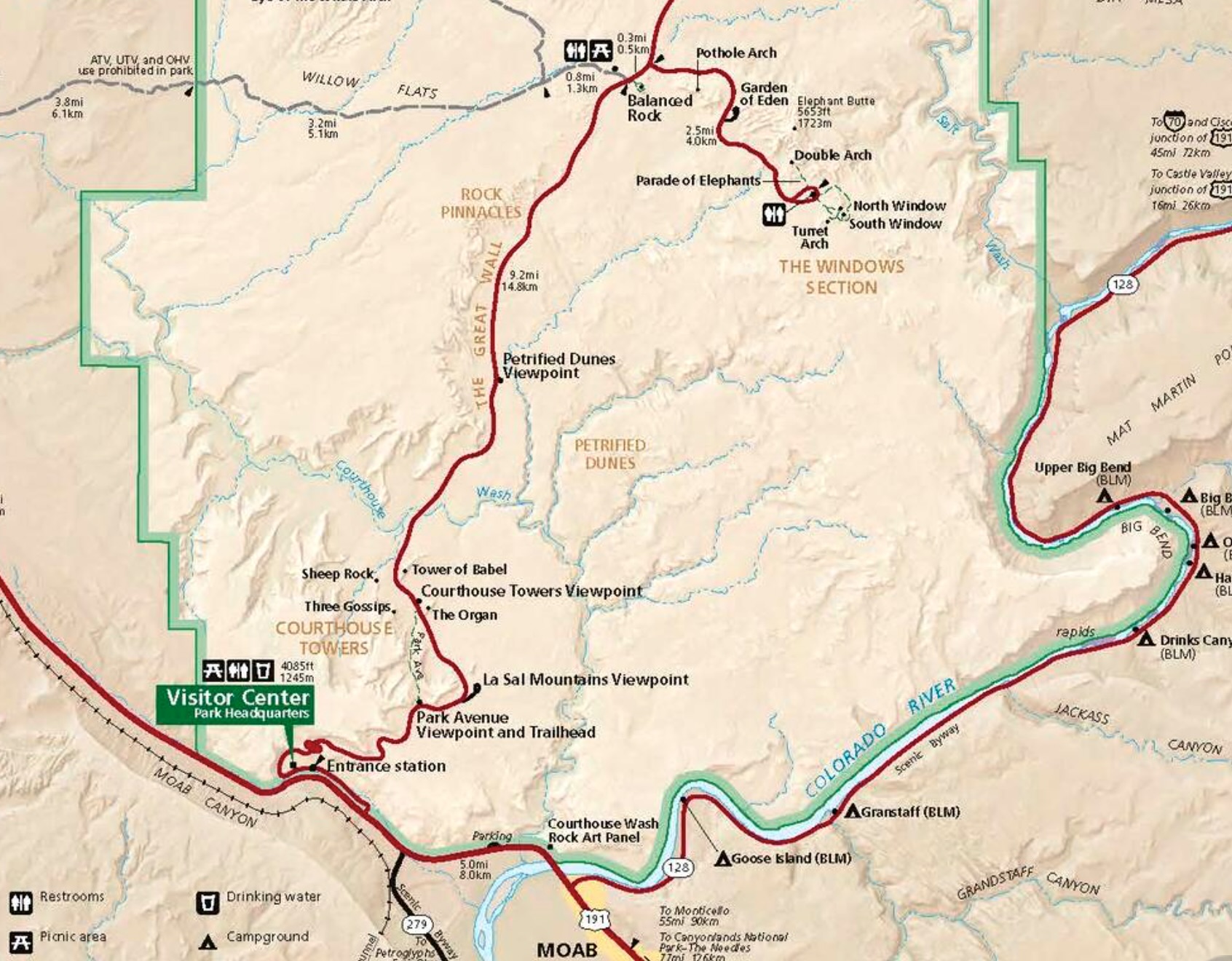
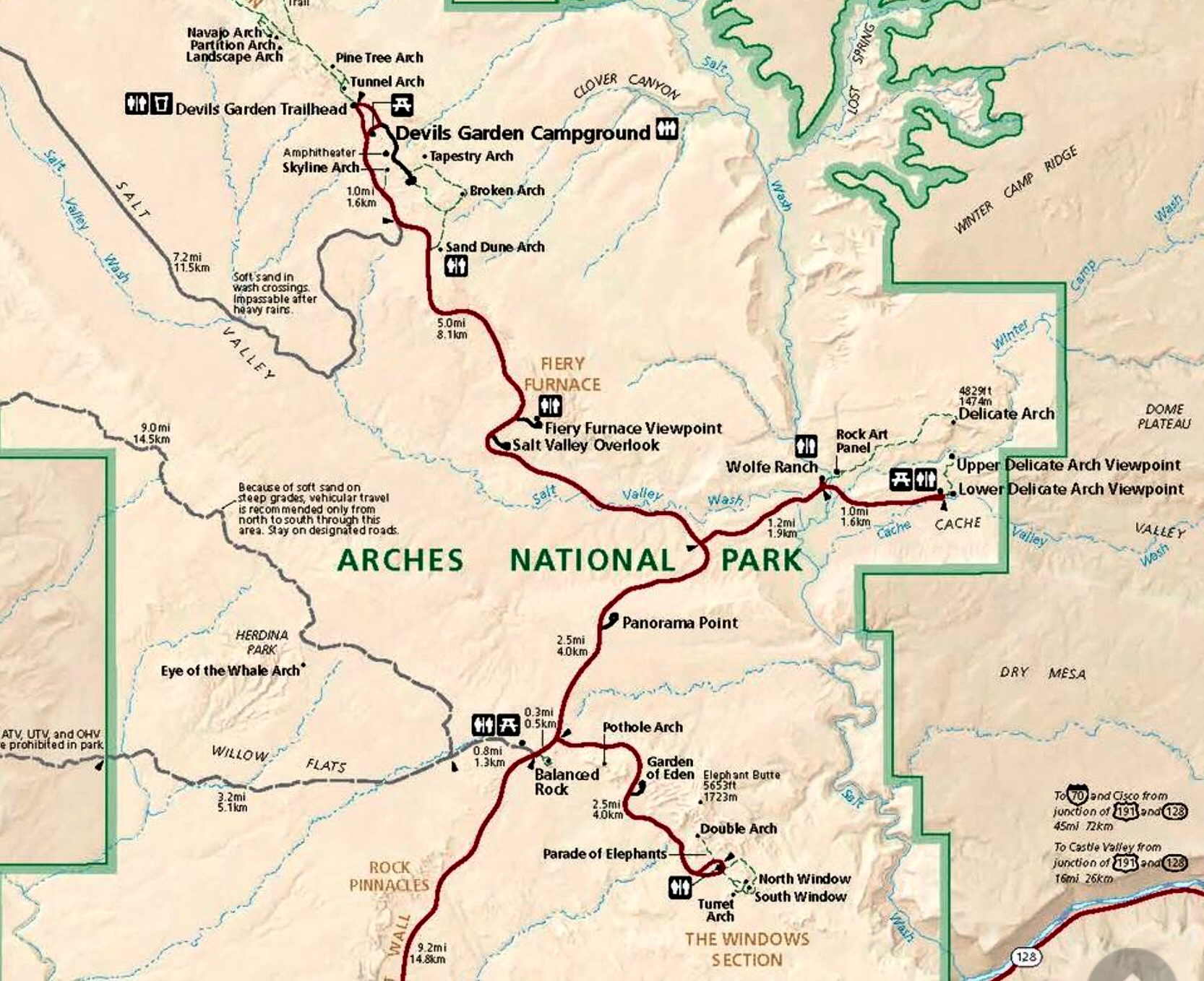
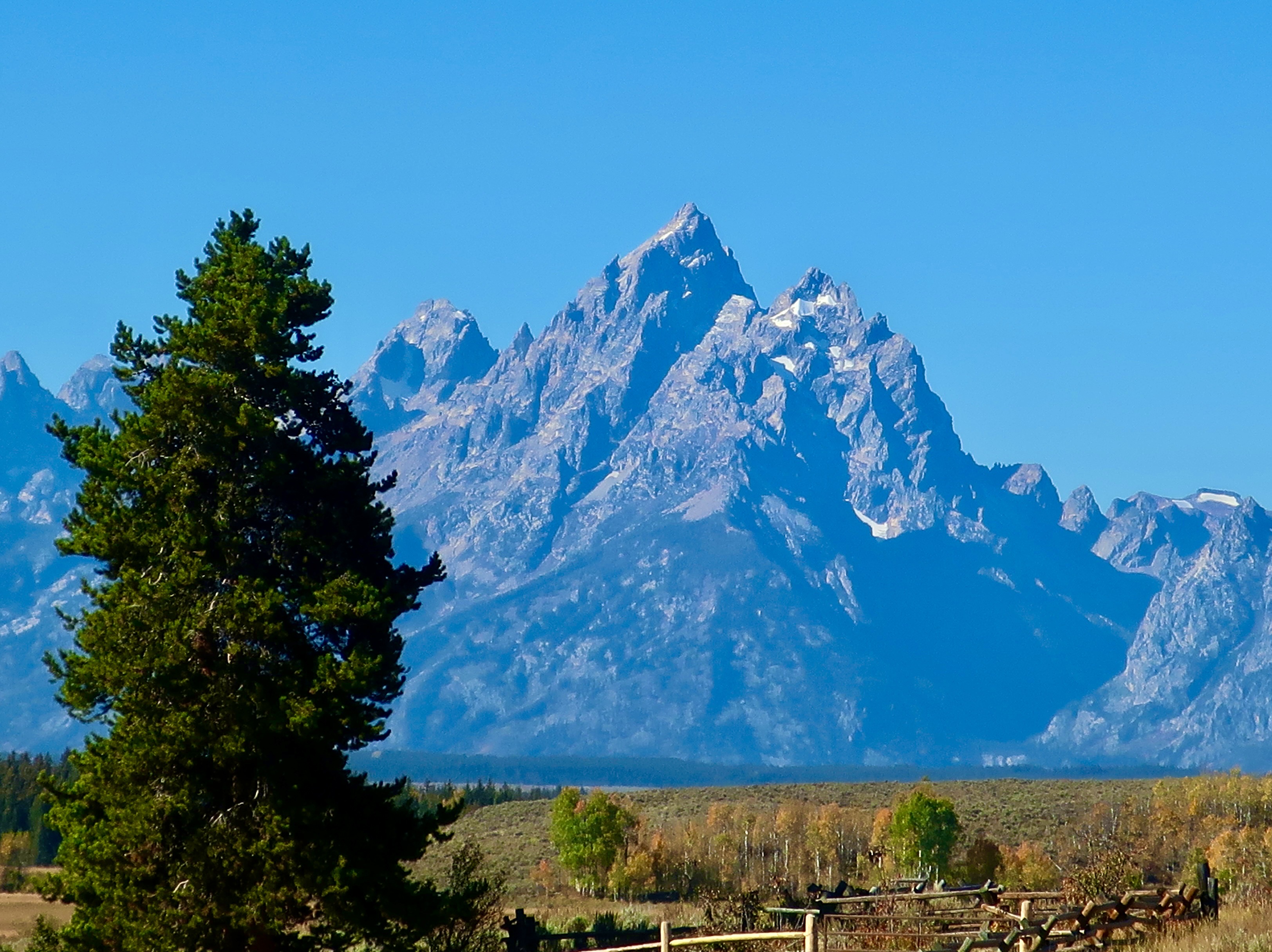
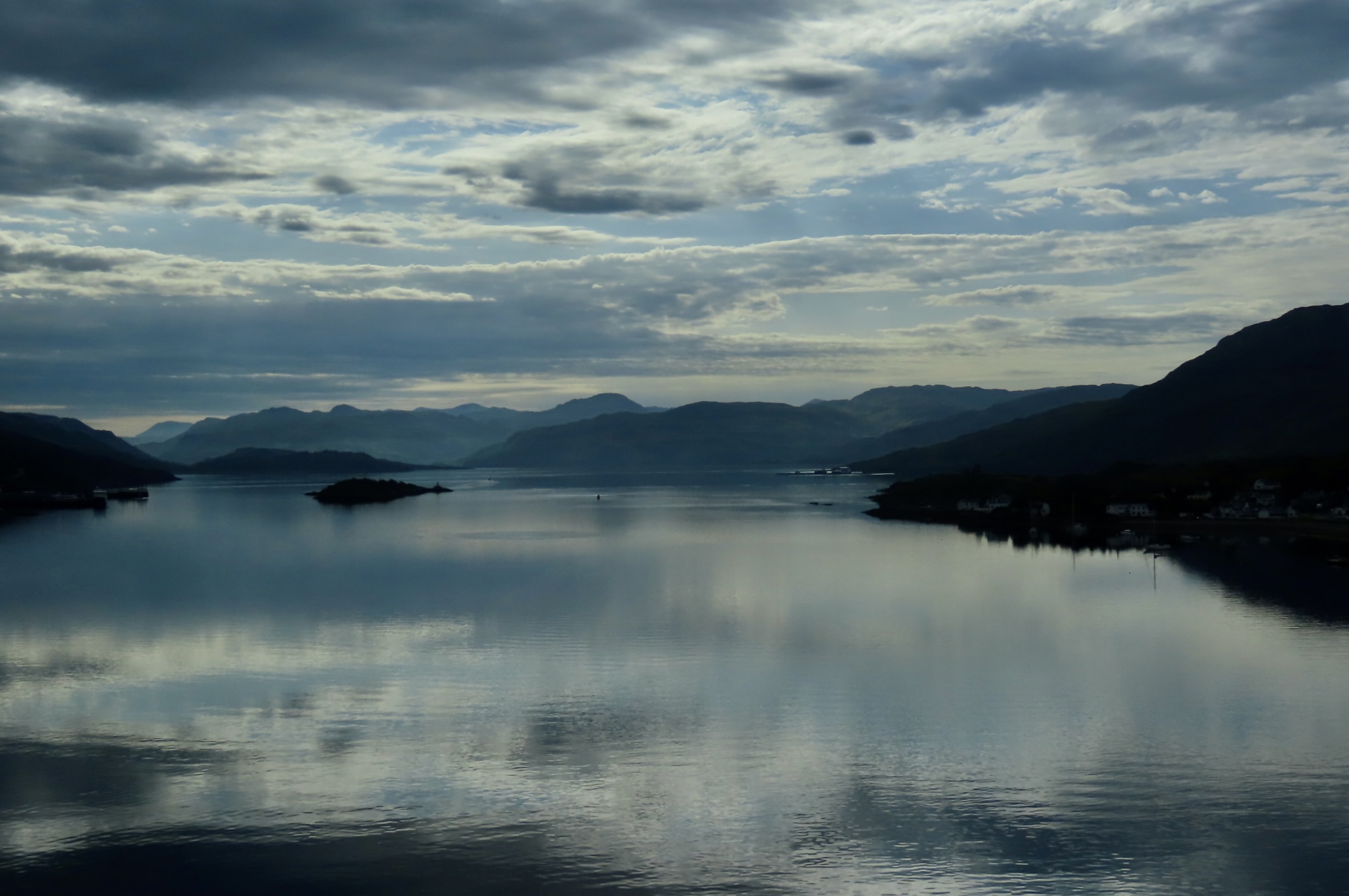
Skyline Arch is visible along the road between Delicate Arch and the Windows Arches. Again, the clouds were adding a fun background for the photo.A closer look at the arch with its looming thunderhead.We found Sand Dune Arch on the walk through what I thought was part of the Fiery Furnace in my last post. Actually the walk was just outside of the Fiery Furnace.I’m here, giving Peggy a thumbs up, to provide perspective on its size. It was during covid, so I was wearing a mask. Next: The Windows section of Arches NP.The North and South Windows here are what give the Windows section of Arches NP its name. The windows here provide views of the rocks and clouds behind them. We thought eyes would work as well as windows.A close up of the North Window. All of the arches in the Windows section are easily available by trail. As one would expect, there are lots of visitors who take advantage of the fact. Of course, I saw a face in the rock behind the window.Double Arches in the Windows section of Arches NP may be equally famous as the Delicate Arch. A million photos famous. Indiana Jones explored these two arches as a Boy Scout in the movie Indiana Jones and the Last Crusade. There are also several other views of Arches at the beginning of the movie.I’m perched up on the side of one of the arches in 2010, probably close to where the young Indiana looked down on the robbers stealing the Cross of Coronado. The movie was filmed in 1988, some 22 years earlier. Another photo of the Double Arches taken in the middle of the day.My favorite: Turret Arch. The name came from early visitors who thought the large hoodoo on the end resembled the turret of a castle. The stairs leading up to it are part of the trail from the nearby parking lot.Turret Arch rendered in Black and White.A head-on view of Turret Arch. People provide perspective on size. Note the arch just to the left of the main arch.It was quite colorful.This final view of Turret Arch with clouds provides a fitting end for our series on Arches NP. We hope you’ve enjoyed it. There are 24 more incredible national parks to go!This US Geological map and the map below provide the locations of the places we visited and featured in Arches. The lower half of Arches NP.The upper half of Arches National Park. (Source: US Geological map)The second national park in our series of 25 will be Grand Teton National Park. I’ve chosen it because I read this morning in the Washington Post that President Trump is exploring the possibility of building a baseball park within the park somewhere on the land you see in front of you. Imagine having to look over a baseball stadium to get this view. It matches the President’s proposal to cut a road through Yosemite National Park so a resort can be built inside the park by the private equity firm Kingsbarn Realty Capital out of Nevada.In our next post, however, before traveling to the Grand Tetons, we will take you back to the Scottish Highland and its beautiful scenery!