Introduction to the National Park Series… A Quick Review of the Five We Have Visited in 2024

Each national park has its own beauty and uniqueness. We visited the Florida Everglades in February just before we started our trip west.

Peggy and I are great fans of national parks. Each has its own beauty and uniqueness. After all, that’s how they become national parks! In 1999 Peggy and I took a year’s sabbatical from our jobs for an extended trip around North America. One of our goals was to see as many national parks as we could. We ended up visiting 50, which was close to all that America had at the time. We also visited Canadian national parks as we drove the Alaska Highway up and back from Alaska.

We’ve continued to visit parks ever since. Several, we have returned to many times. Our journey up the Pacific Coast that we just concluded included four. I’m going to do a quick review of them today and throw in the Everglades since we were there before we headed west. Then I will move on to the two parks we just visited: North Cascades and Glacier. But there is more—as they always used to say on late night tv ads.

Over the past three years, as Peggy and I zigzagged our way across the US six times, we visited several parks including four that I didn’t have time to blog about: The North Rim of the Grand Canyon, Mesa Verde, Big Bend, and Theodore Roosevelt. That will bring the total in this series to 11 counting today’s review. Let’s get started! Note: All photos in this series were taken by either Peggy or me unless otherwise noted.

THE EVERGLADES

One way to think of the Everglades is as a vast, slow flowing river spread out over 7,000 square miles. According to the National Park Service, the “Everglades are home to frogs, toads, alligators, hundreds of species of birds, 300 different species of fish, Florida panthers (endangered), crocodiles, and snakes, just to name a few!” There are, also, more mangroves than anywhere else in North America.

The bird life was incredible! It ranged from Osprey…
To anhingas…
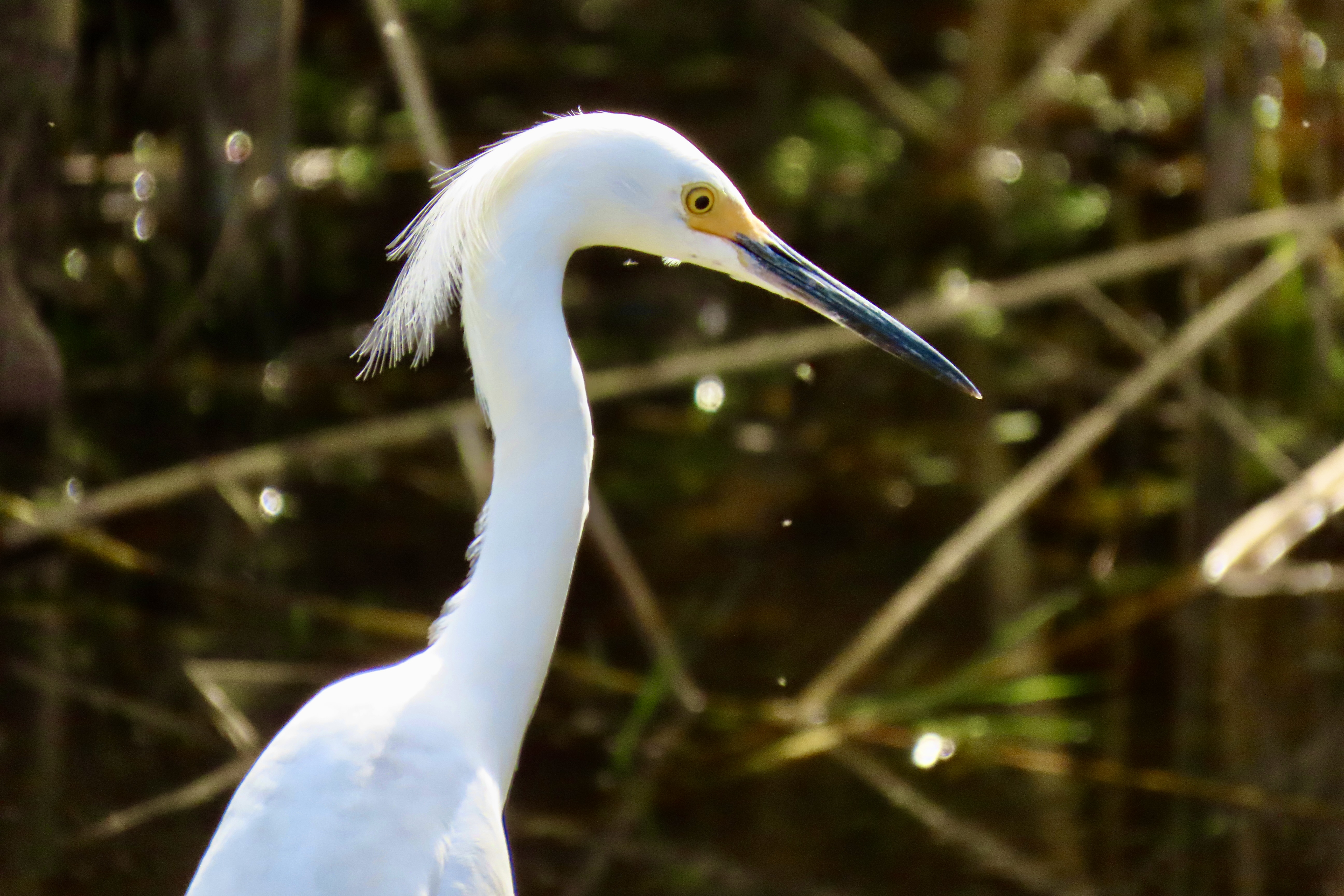
To snowy egrets…
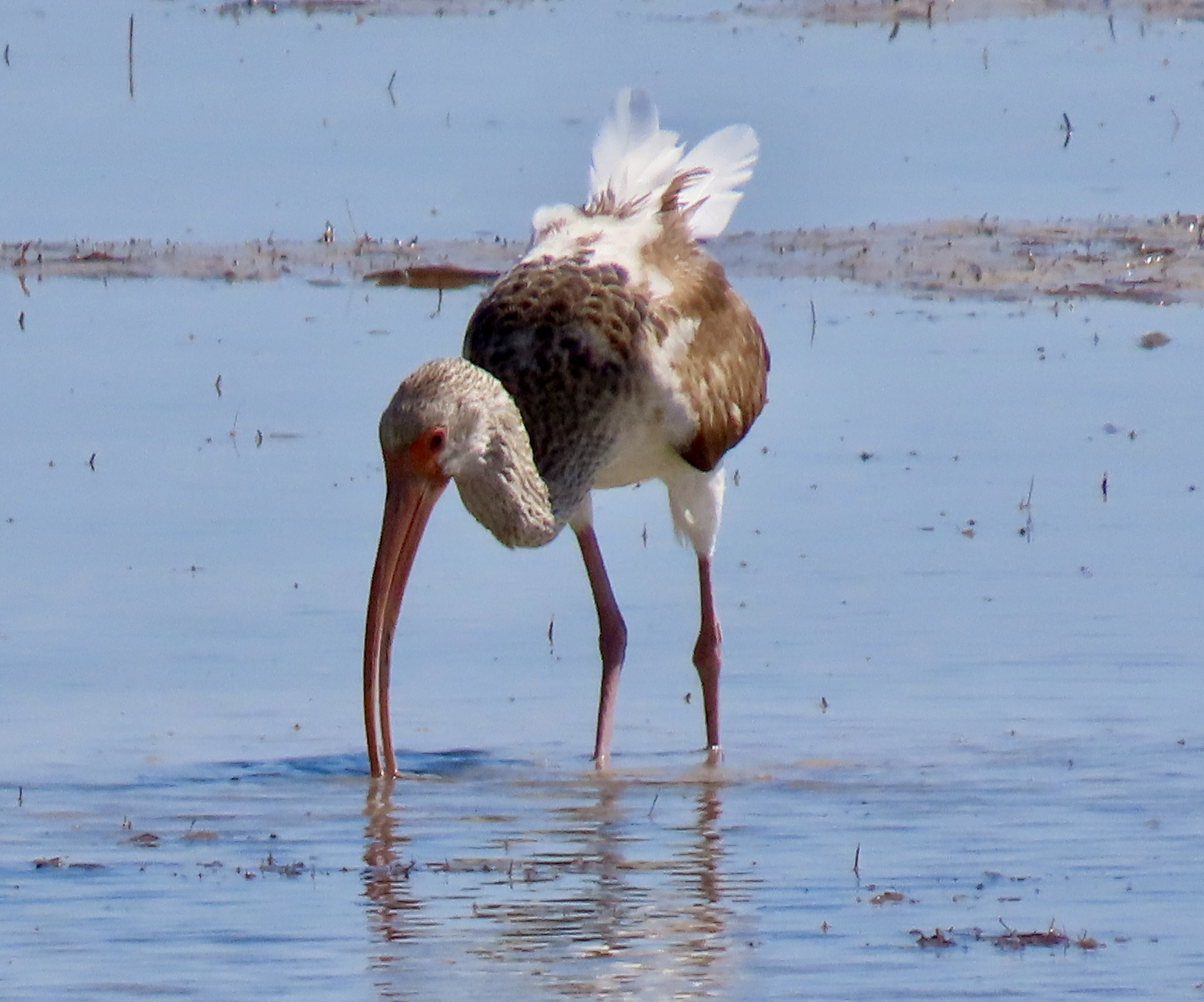
To ibis and many, many other species.
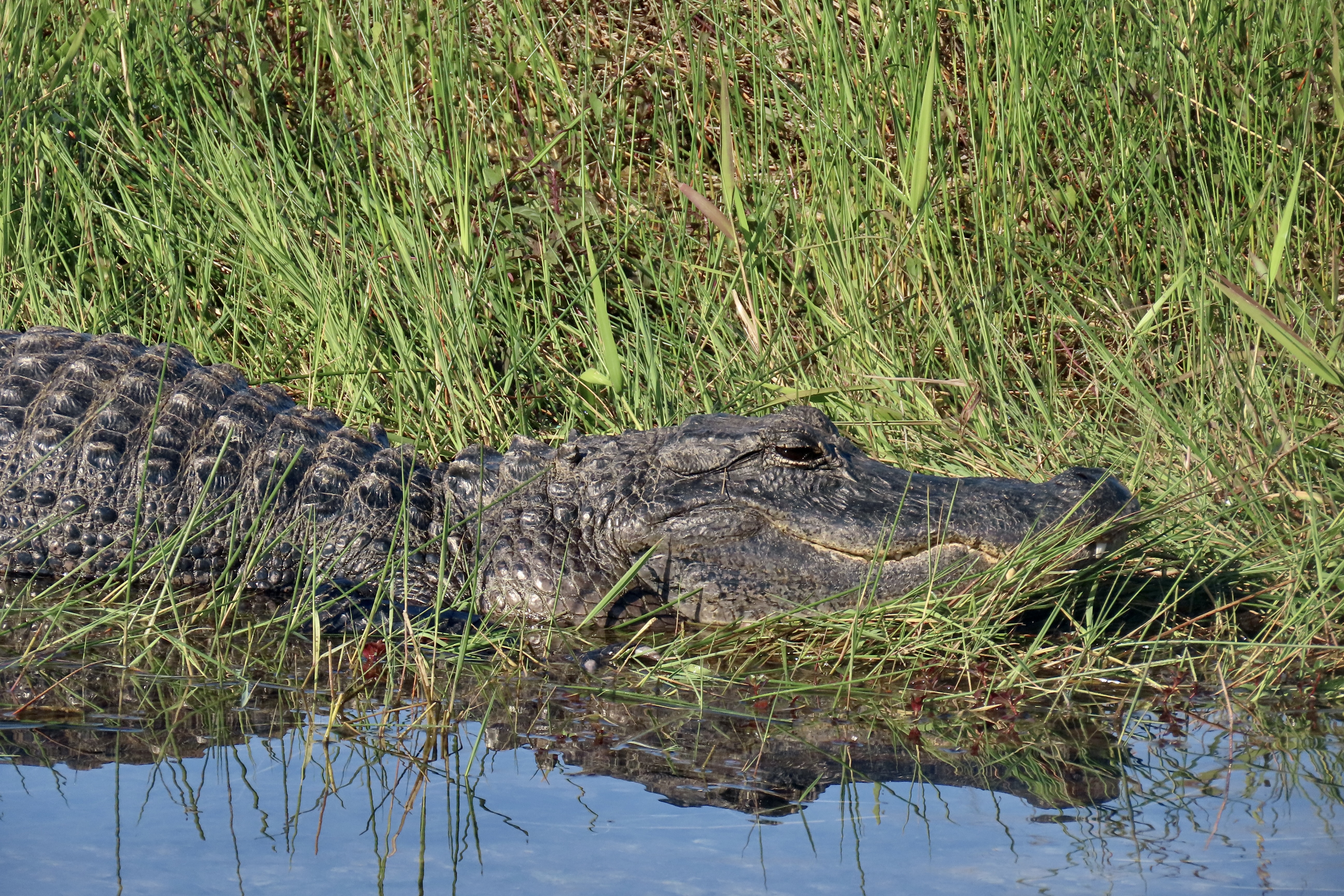
We also saw a number of alligators, and several crocodiles. We liked the reflection on this alligator. The look on its face made us wonder what it had been up to!

THE PINNACLES…

The Pinnacles National Park, located just east of the Salinas Valley in central California, was the first national park we visited on our trip up the coast. Raised to national park status in 2013 by President Obama, it is a recent addition to the system. The park is noted for its monoliths, spires, canyons and the beauty of its spring wildflower display.

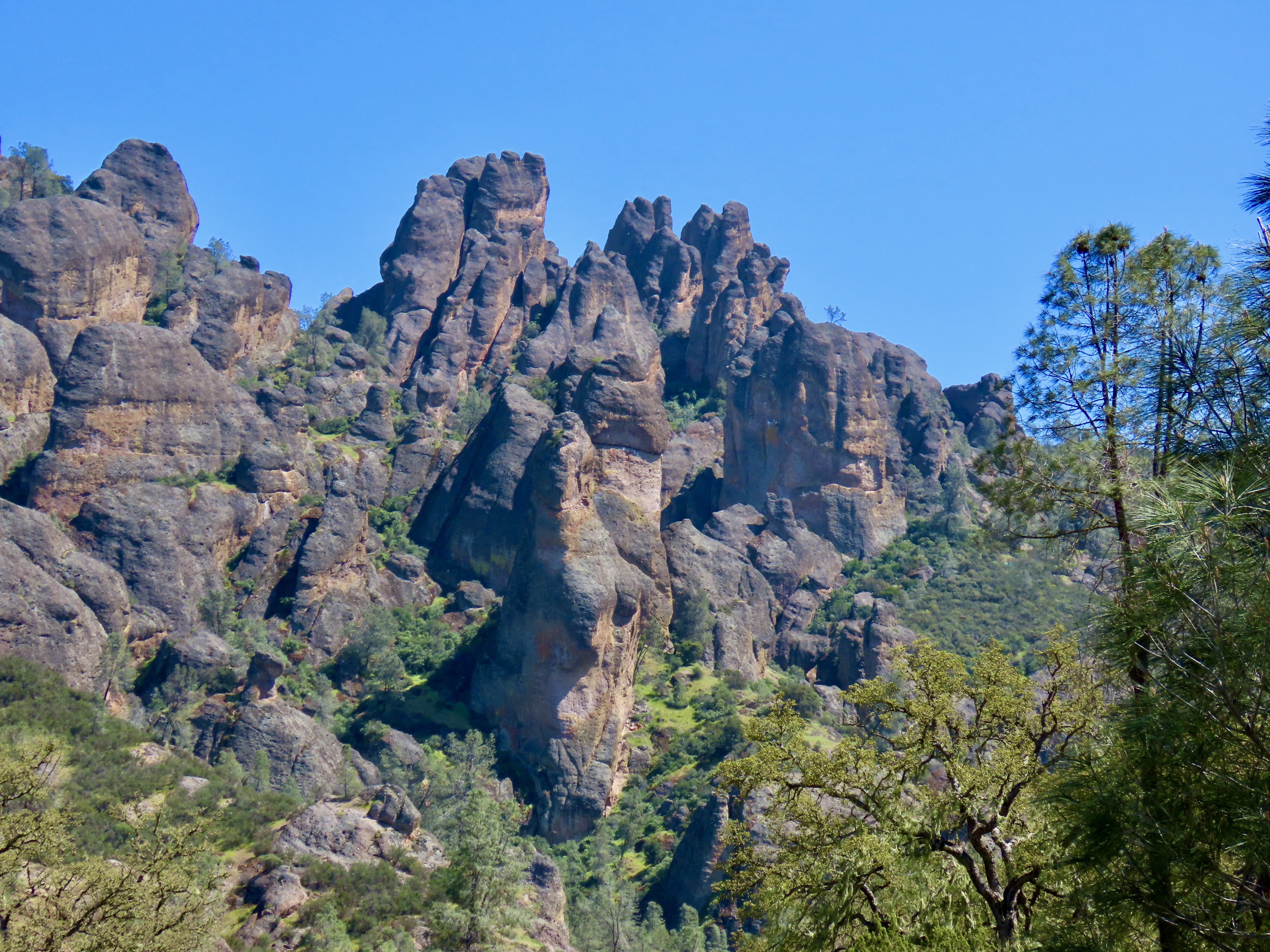
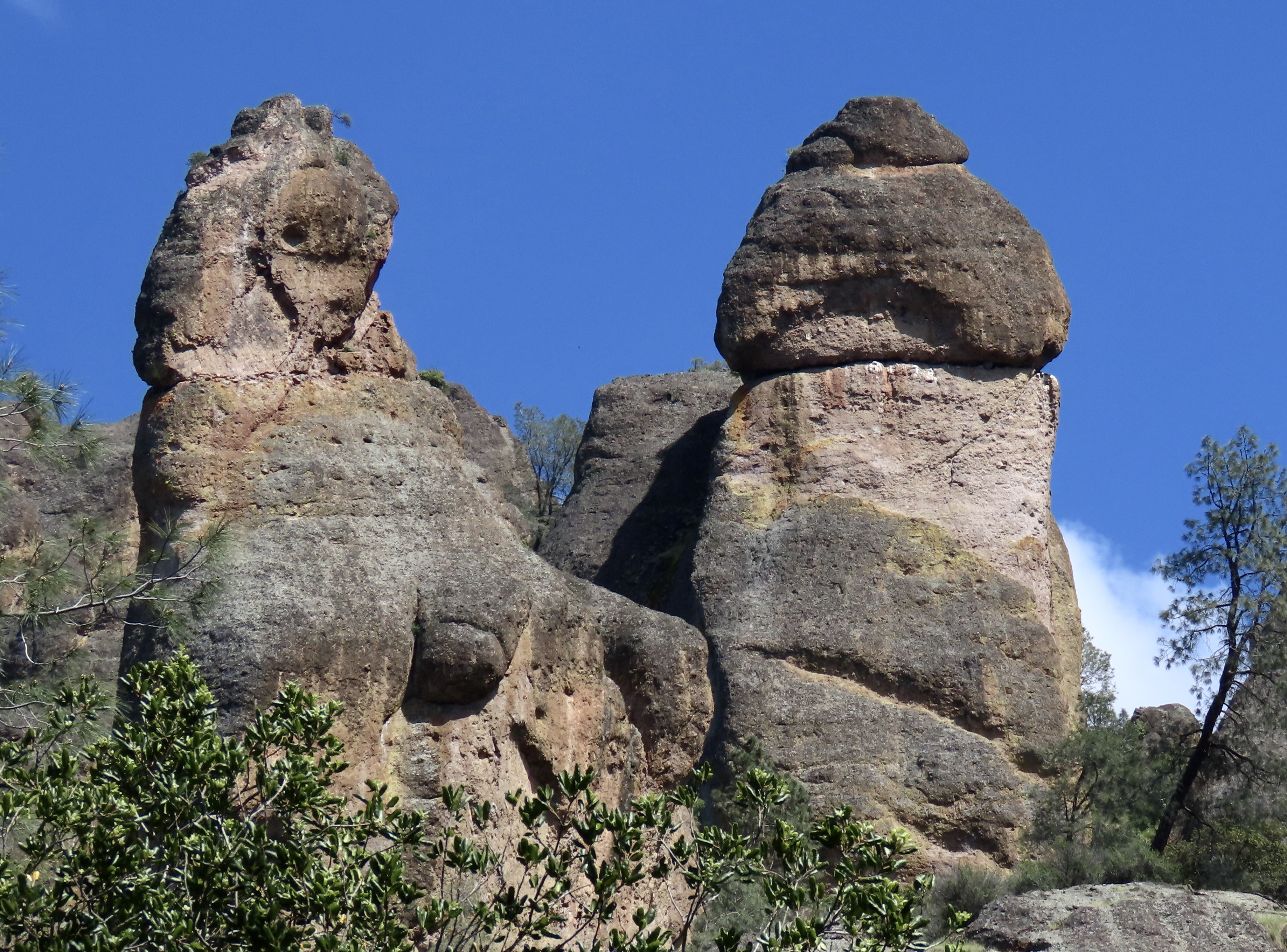
Huge monoliths rise up from the ground…
As do impressive spires.
Massive boulders have tumbled down from the ridges creating talus slopes and ‘caves’ people can actually walk through. This small one contained a creek we followed up a canyon.
We were there in April and wildflowers were everywhere. We had never seen a shooting star displaying this many flowers.
A lone oak standing on the crest of a hill caught our attention.

POINT REYES NATIONAL SEASHORE

Technically, Point Reyes National Seashore is not a national park. The primary reason is that the land incorporates a number of dairy ranches that were there before the park was created. But it is a unit in the national park system. And, I might add, a well-justified unit. Located just north of San Francisco, it is renowned for its beauty and wildlife. It also has the interesting geological history of having migrated north from Southern California along the San Andreas Fault. (Pinnacles has a similar history.) I was a regular visitor during the years I lived in Sacramento. It served as my winter go-to break. The summers were for the mountains.
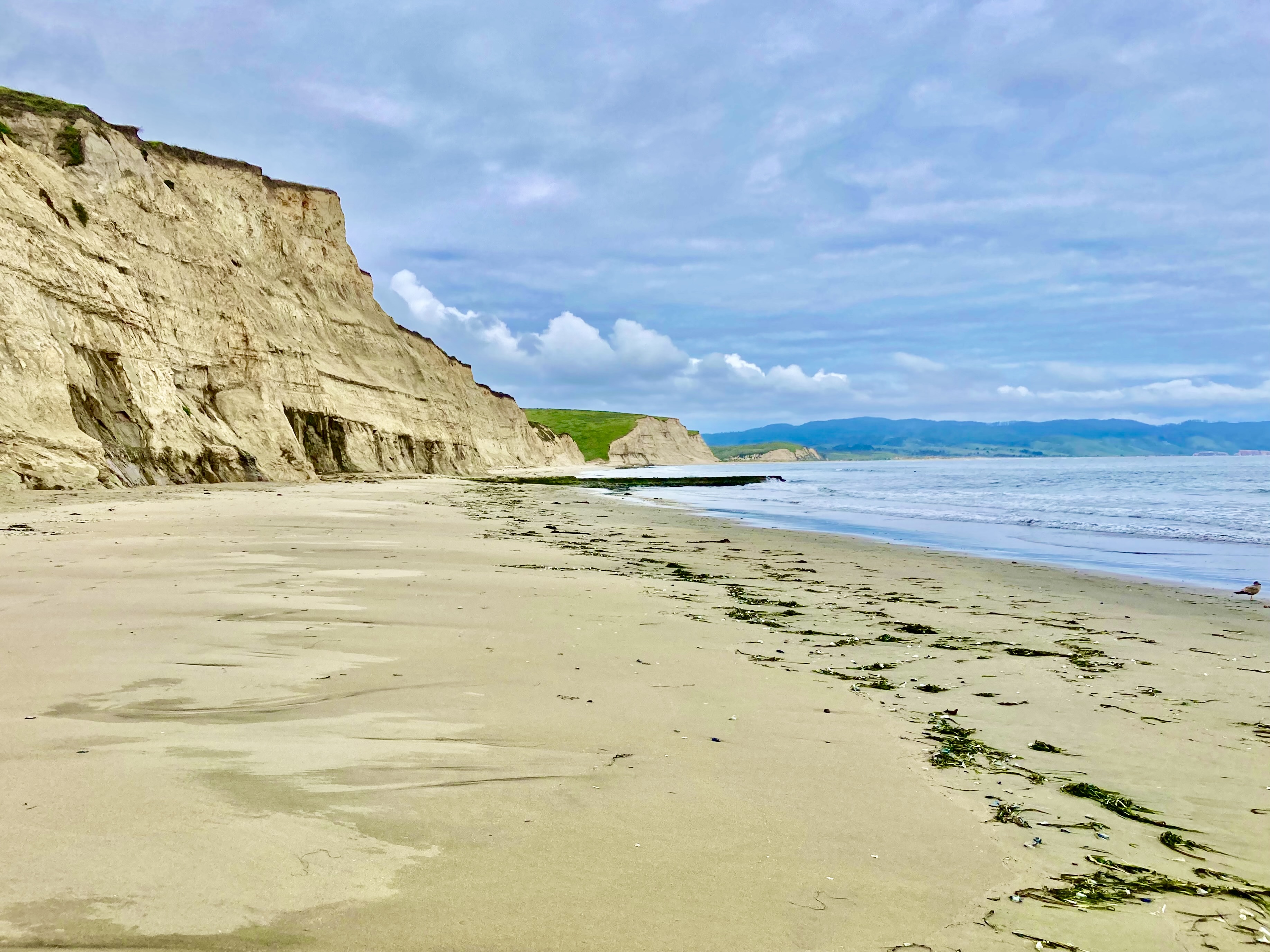
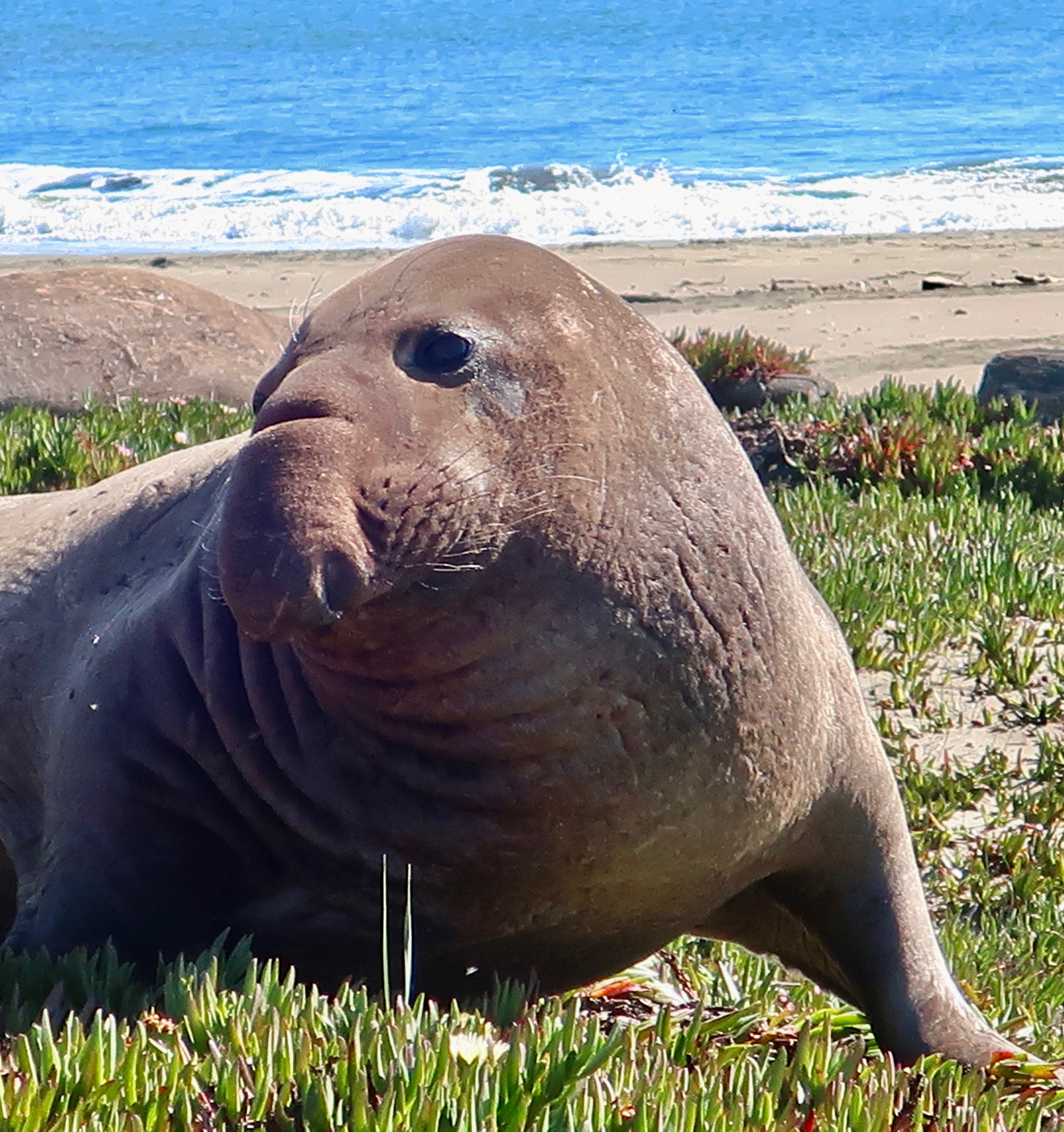
Long Beaches with spectacular cliffs, forested mountains, grass covered hills and valleys, plus abundant wildlife contribute to the appeal of the park. During December through March, this beach will be busy with elephant seals breeding and having pups.
We found this charming fellow and other elephant seals at Drake’s Beach on a previous visit. He’s come ashore looking for love.
This whimbrel was strolling down the shore at Limantour Beach.
A great blue heron made a lightning fast strike to catch a fish at Abbots Lagoon.
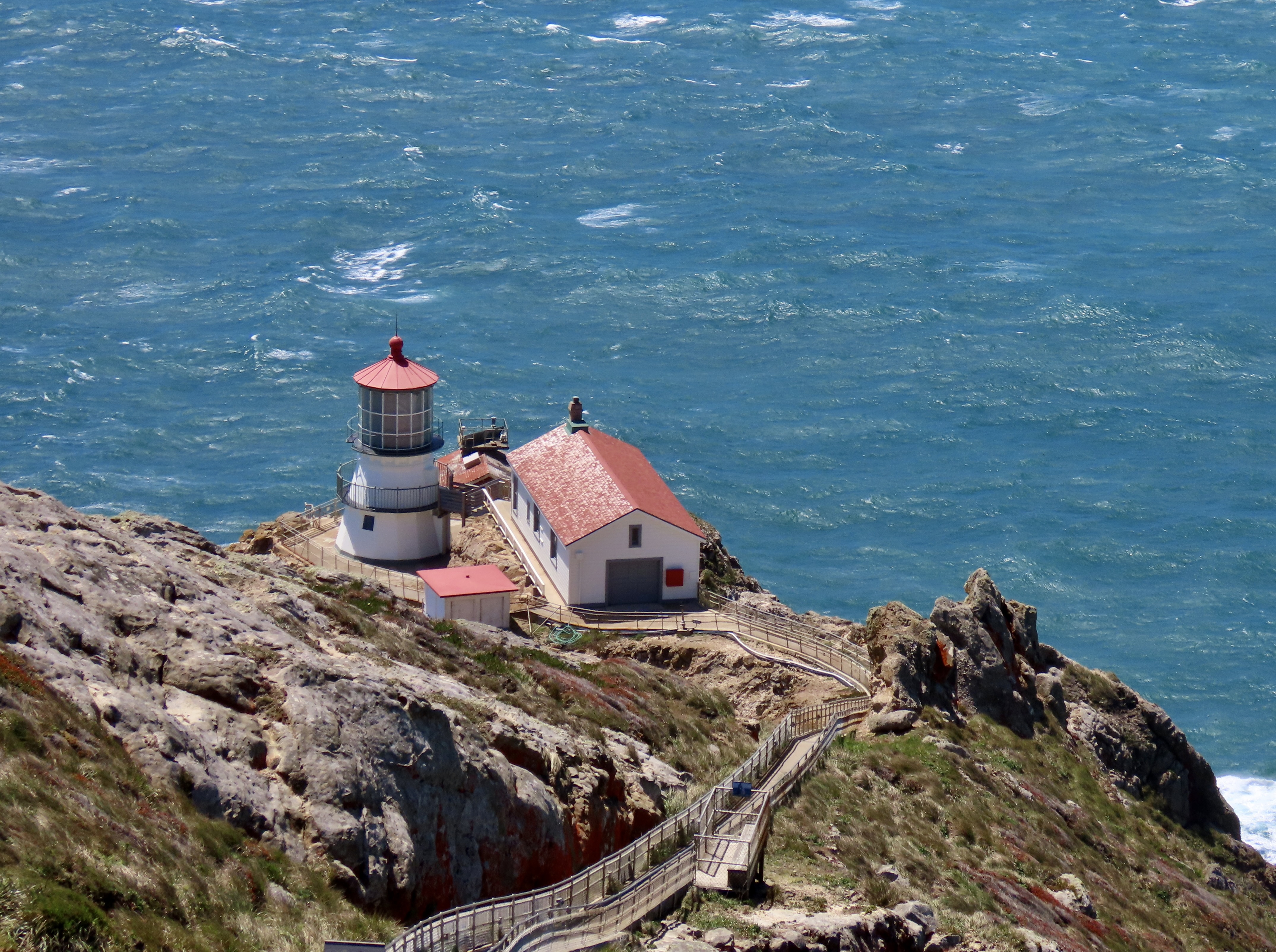
The Point Reyes Lighthouse, always worth a visit.
The Pierce Point Ranch provides an introduction to the historic significance of dairy farming at Point Reyes.
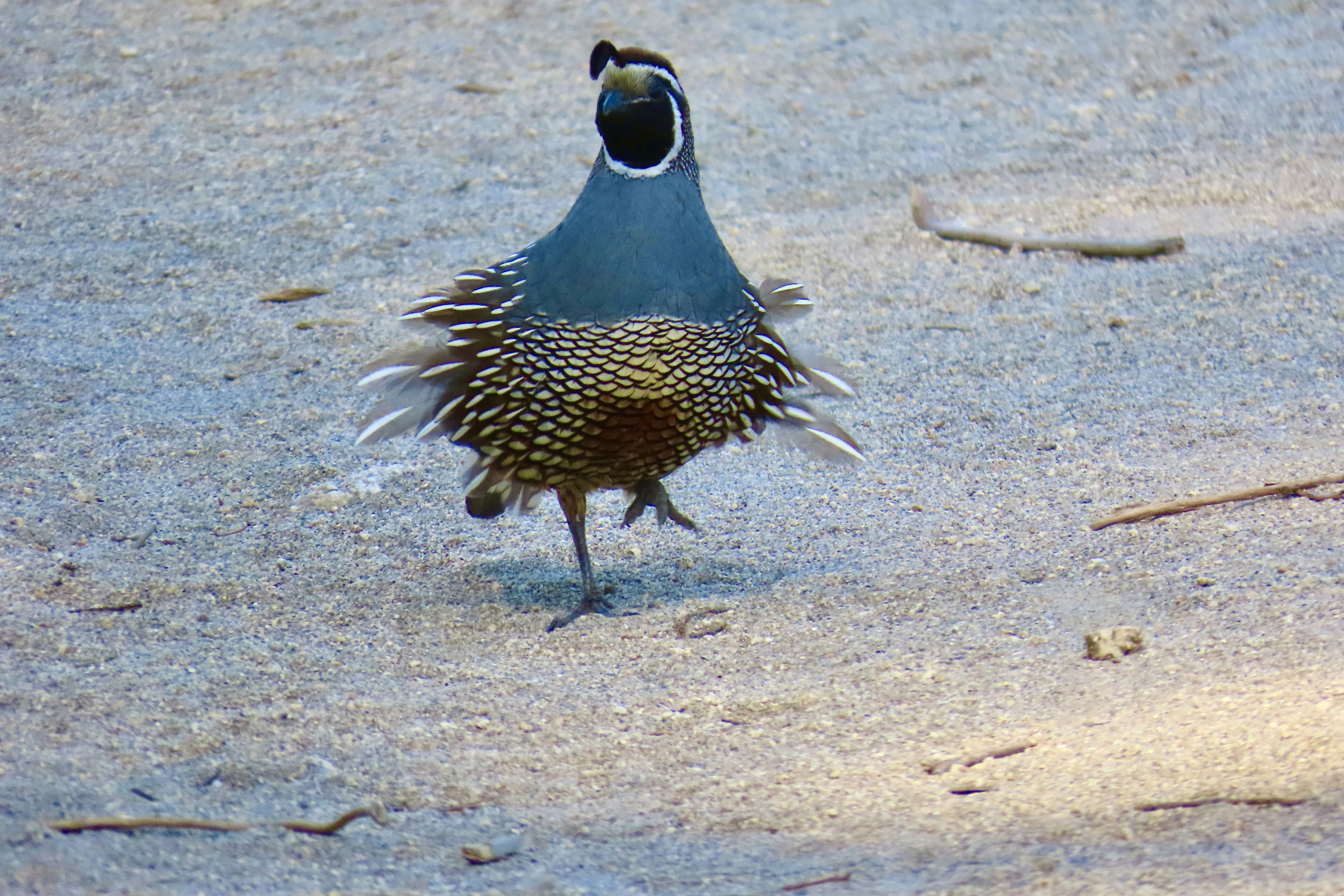
California quail were running around the ranch when we visited. The wind was ruffling this guy’s feathers.
And a large herd of tule elk is usually found nearby.

REDWOODS NATIONAL PARK

The National Park Service works in close coordination with the California Department of Parks and Recreation to maintain the towering redwoods that grace the coastal area of far northwestern California. It’s all about the trees , some of the oldest and tallest in the world, but its rainforest character, crashing waves and wildlife add to its splendor.

Massive trees reach for the sky…
Crashing waves roll ashore…
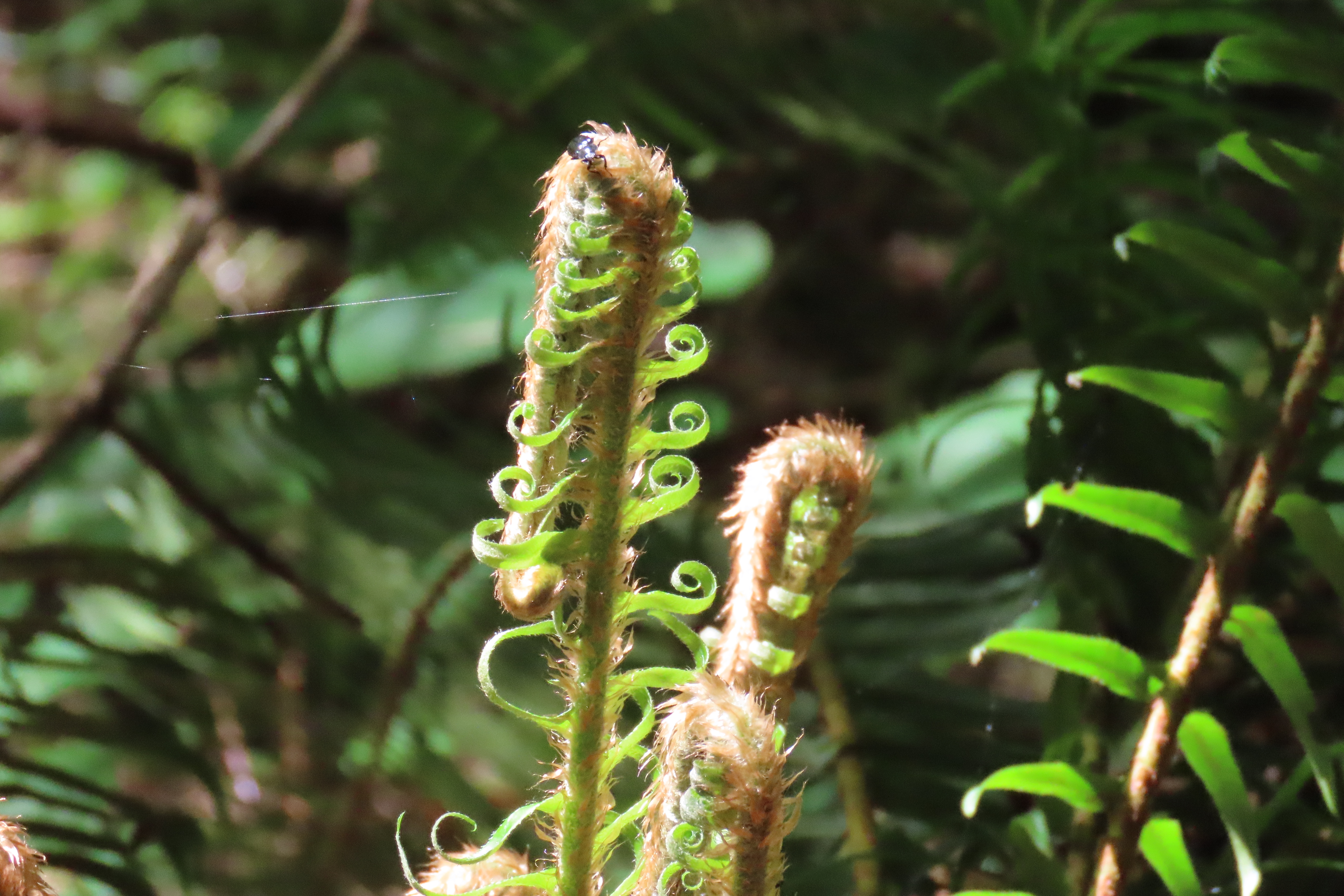
The rainforest harbors ferns whose origins are lost in the mist of time…
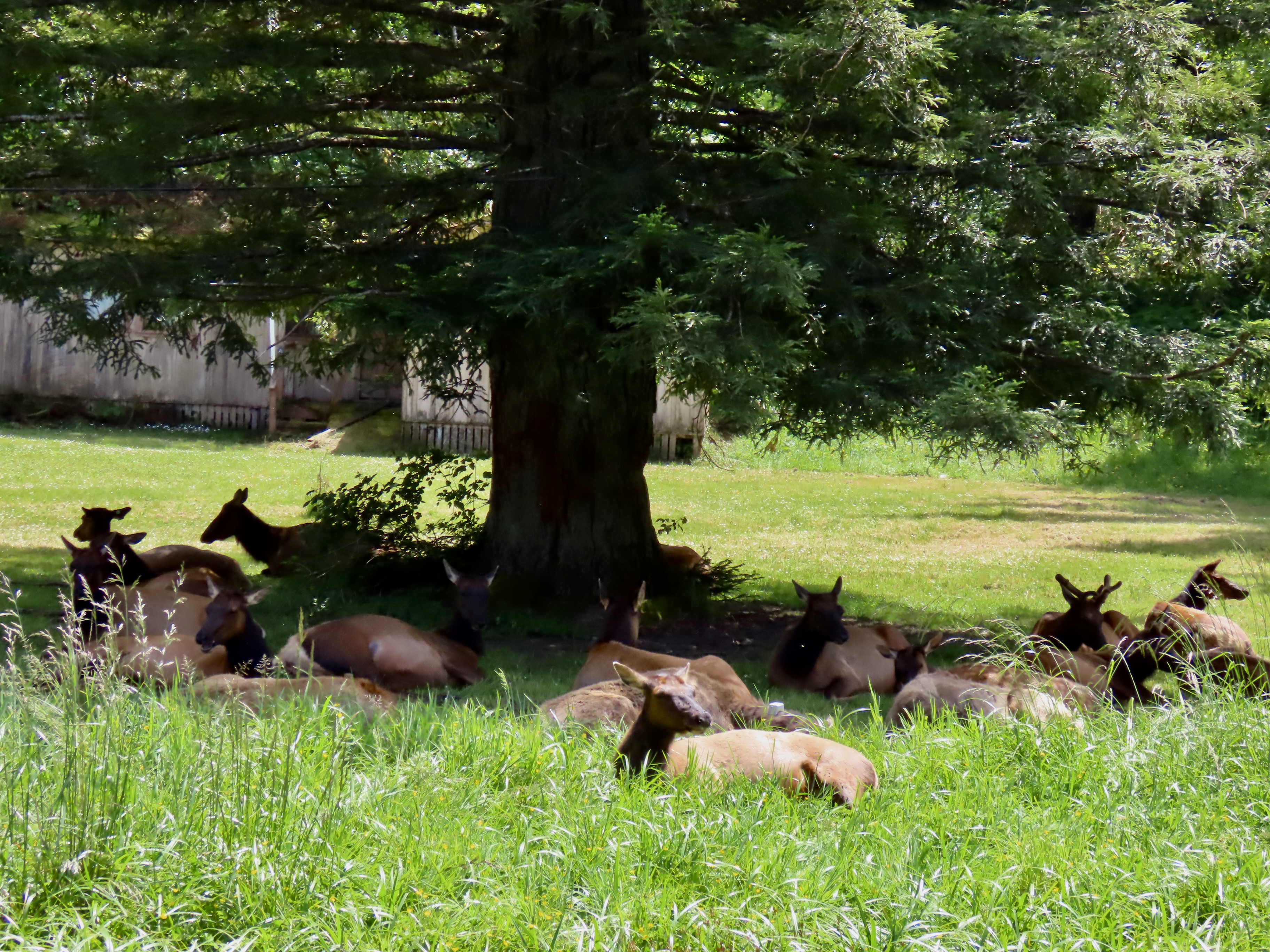
Herds of Roosevelt elk are as likely to be found bedding down in someone’s front yard as they are wandering through the redwoods…
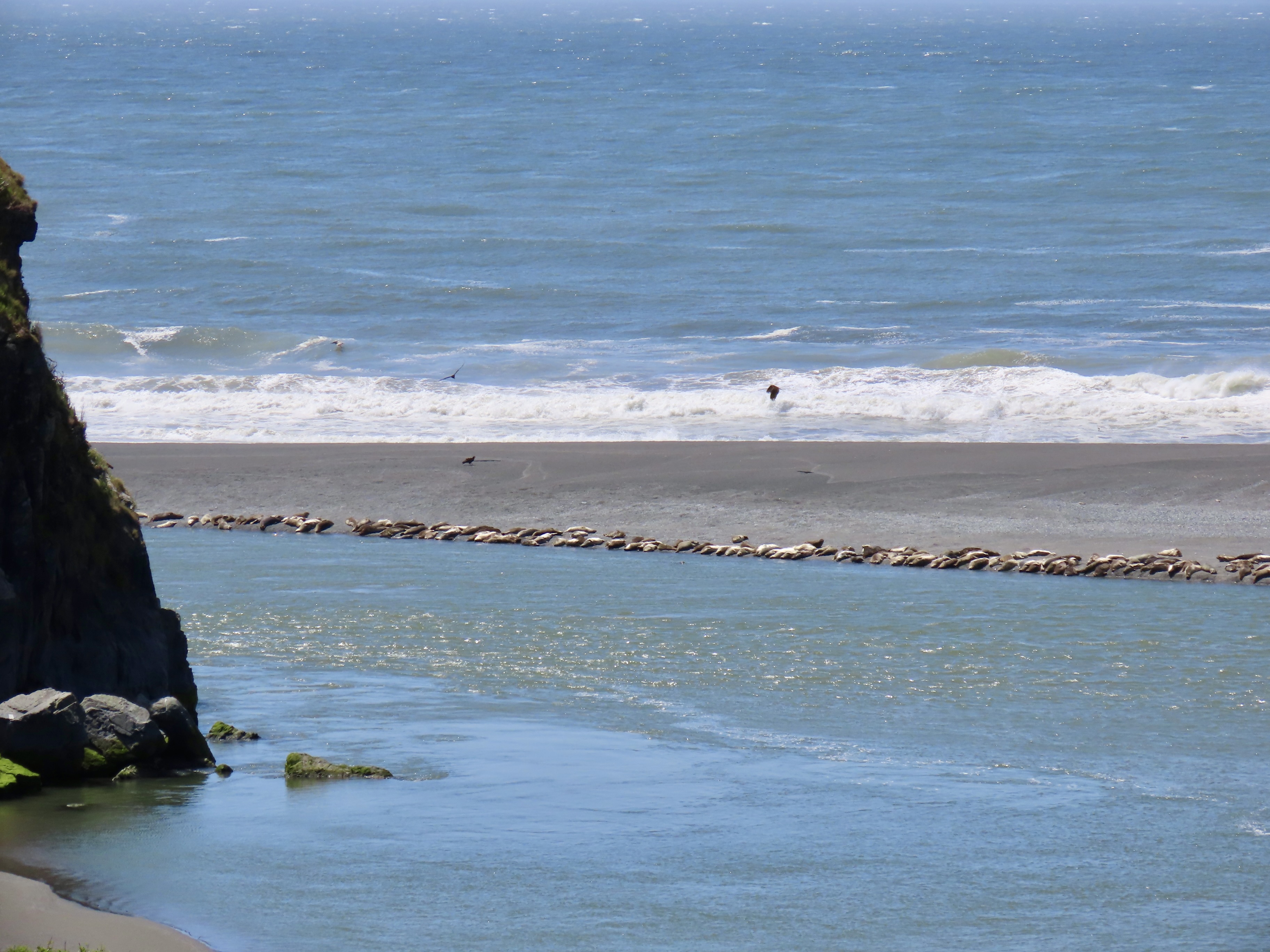
And hundreds of seals pull up on remote shores to rest and bathe in the sun.

OLYMPIC NATIONAL PARK

Olympic National Park serves as an iconic example of a temperate rainforest receiving over 150 inches of rain on its west side while harboring old growth forests on its drier east side. Major rivers come tumbling down from its glacier covered peaks. Its 62 miles of wilderness coastline constitutes the longest undeveloped coastline in the contiguous US. As I noted in my post on Olympic National Park, our visit was limited this year, so I have added a couple of photos from previous trips. The other photos you will probably remember from last week!


The Skokomish River is one of several that flow out of the park fed by the extensive rainfall and high glaciers.
Photo of rainfall at Forks, Wa. by Curtis Mekemson.
In 2017 we stopped in the small town of Forks (home to the Twilight books and movies) on the western side of Olympic National Park. Here Peggy points out how much rain the park had received by November.
On that same trip, we drove over to the wilderness part of the park that runs along the Pacific Coast. Here Peggy is admiring sea stacks. Huge piles of driftwood brought in by Pacific storms stretch up the coast.
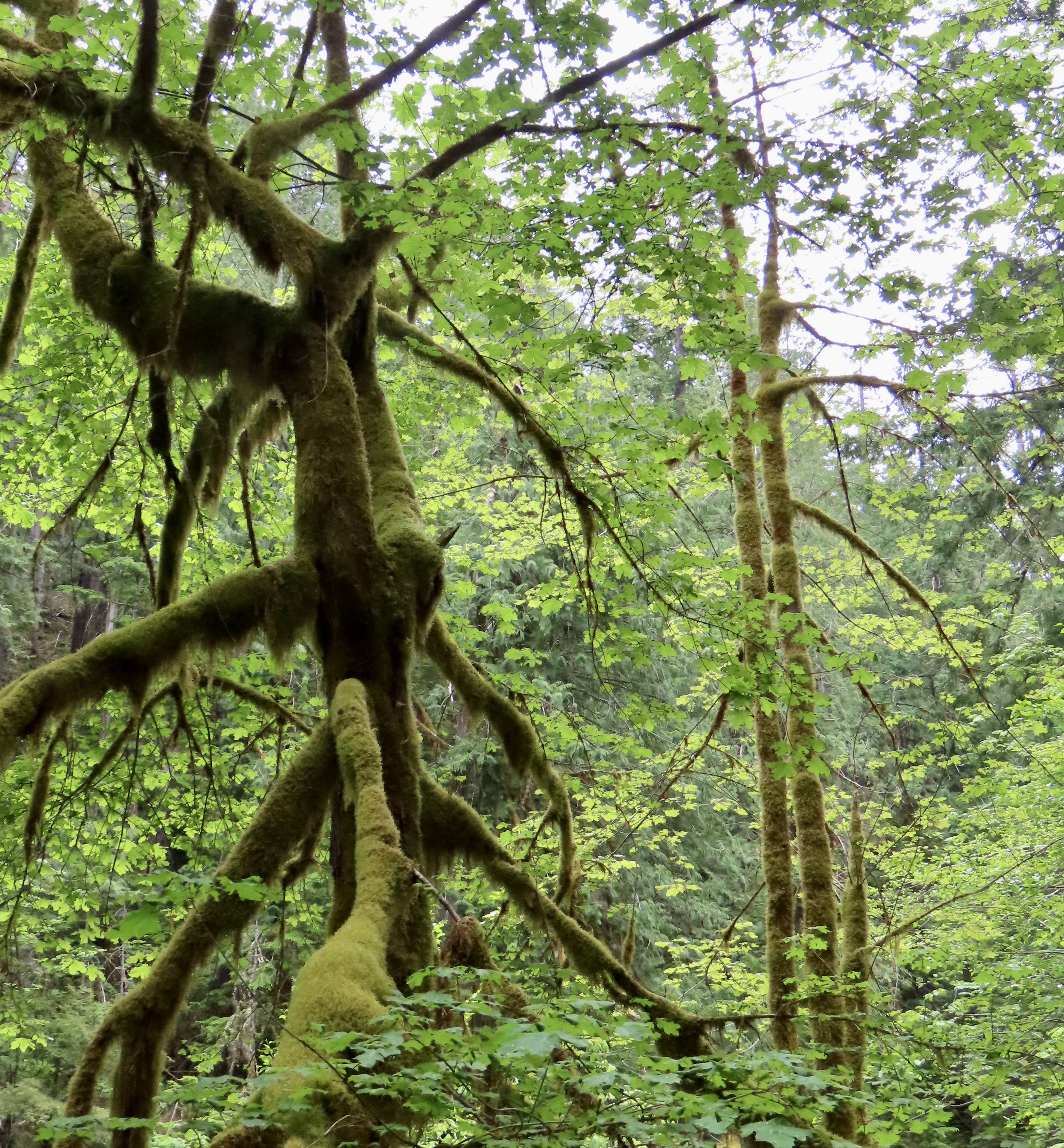
Back on the southeastern portion of the park, we admired the moss covered trees that are typical of temperate climate rainforests.
Our hike up the Staircase Rapids trail along the Skokomish, led to this view we had when crossing a bridge that had been wiped out twice before by the raging river during spring melt.
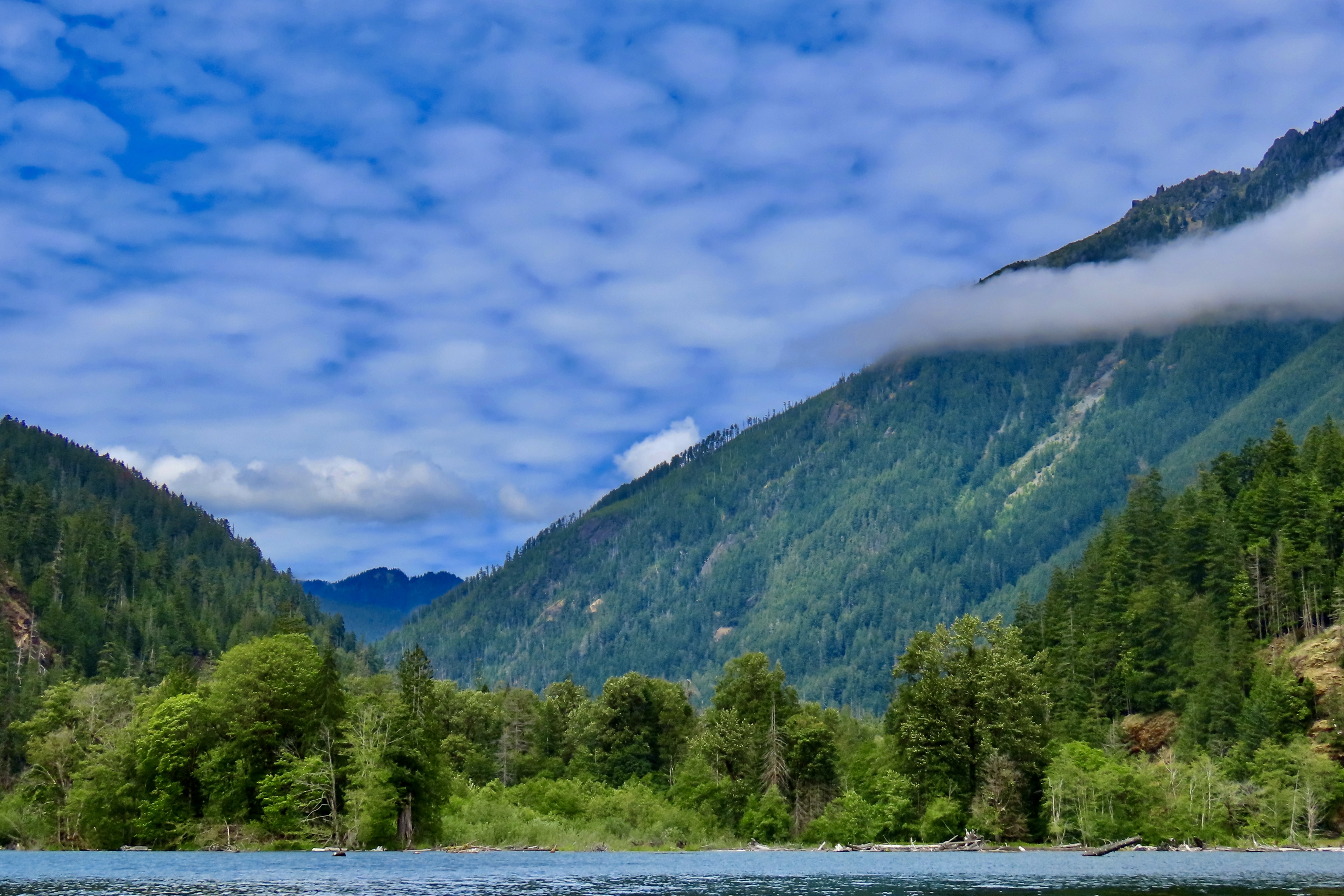
A final photo that provides a view into the park from our kayak trip on upper Cushman Lake. Next, we will explore the impressive mountains of Cascades National Park as we leave our trip up the Pacific Coast and start our journey back to our basecamp/home in Virginia.
Cascades National Park

The Peripatetic Pinnacles National Park: It Wanders… Pacific Coast Series 4

Pinnacles National Park is located inland from California’s Central Coast. Peggy and I followed a narrow, curvy, one lane road east of the small town of Soledad to get there, holding our breath each time we met another vehicle— especially if it was as large as our truck. While the location was a slight detour from our coastal focus, we are totally incapable of skipping a National Park.

Pinnacles National Park has a twin near the city of Santa Clarita some 200 miles to the south, the Neenach Volcanic Formation. Born of fiery rhyolite lava flows some 23 million years ago, they were ripped apart in their youth by the notorious San Andreas Fault. Pinnacles has been making its way north ever since: Inch by inch and earthquake by earthquake.

Noted for its personality-plus pinnacles, talus tunnels, and wild flowers, the region was declared a National Monument by Teddy Roosevelt in 1906. Legislation by Congressman Sam Far from the Monterey/Carmel area in 2012 led to its being established as a national park. (Sam, like me, was an early Peace Corps Volunteer. For a brief time, we worked together in the Western United States as Peace Corps Recruiters.)

The Pinnacles are something of a poster-child for Plate Tectonics. While the existence of the plates and their impact on geology and geography is a well-known and accepted theory today, the history of the concept is relatively recent. I remember sitting in a geology class I took at UC Berkeley in 1964 when the professor came in almost glowing. “I have something to share,” he declared, “please understand that it is still a theory. I’m late because I was just in a meeting where substantial evidence was given that the surface of the world is made up of giant plates that separate, crash into each other, move along each other’s edges.”

The close relationship between the rocks and minerals of Pinnacles and the Neenach Volcanic Formation helped to show that the Pacific Plate and North America Plate have been moving past each other via the San Andreas Fault for 20 some million years. Pt. Reyes National Seashore north of San Francisco, where we are now, also sits on the San Andreas Fault and is another example of the movement. In fact, our campground is sitting on top of the fault. Our fervent hope is that it stays in place, at least for another week!

Our hike along Juniper Canyon Trail into the Park provided this view of the pinnacles. Not surprisingly, rock climbers get very excited about the challenges involved in climbing to the tops of the peaks.
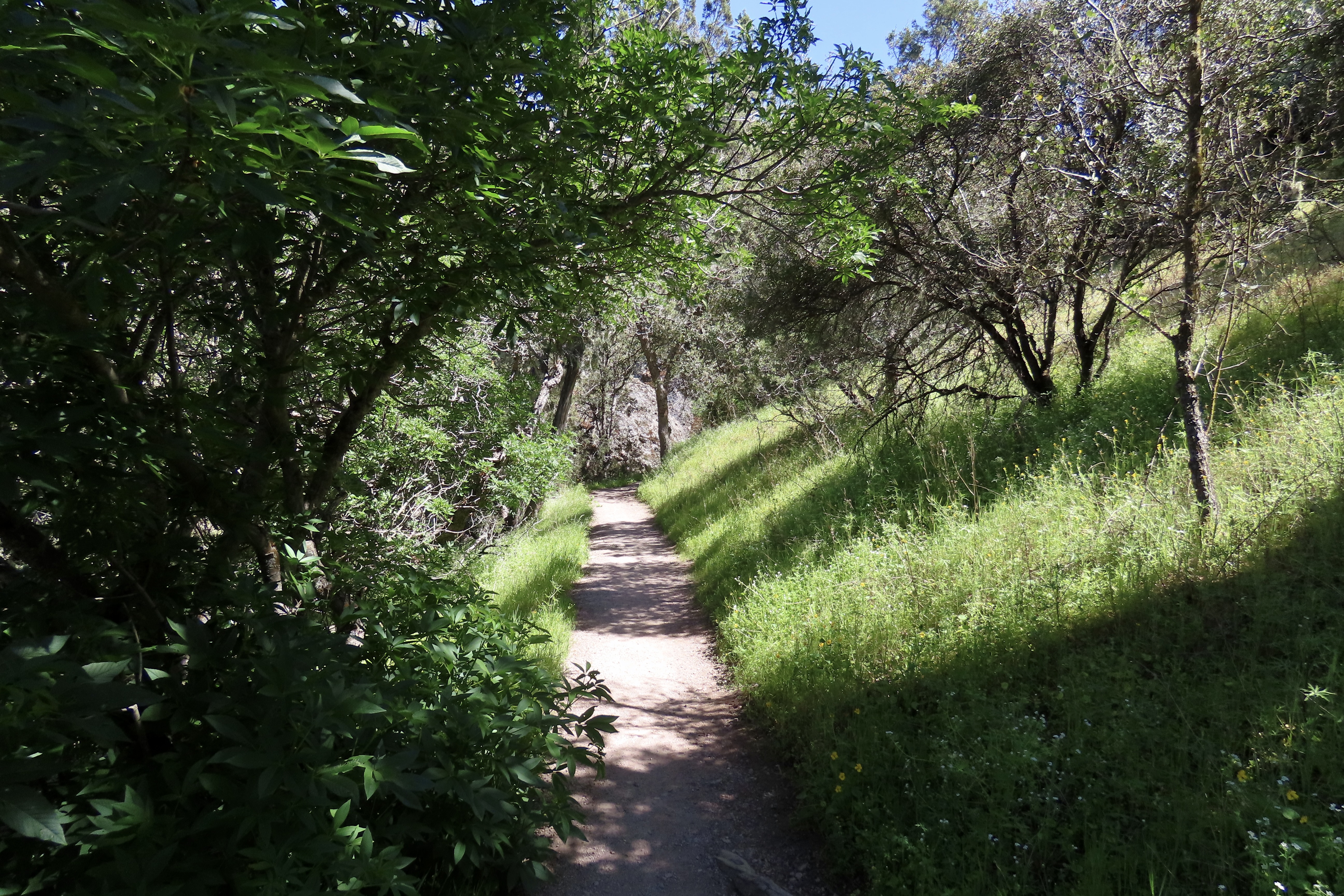
Here’s our trail. A small creek burbled along beside the trail.
In places, the tiny creek was covered with huge boulders that had rolled down the mountain, possibly during earthquakes. They formed small tunnels known as talus caves. In other sections of the park, the talus caves can be miles long and people hike through them. This one was short enough I could stand on one end and photograph Peggy on the other. The embedded rocks in the rhyolite are breccia.
Peggy’s perspective showed a colorful pool.
What she couldn’t see was this magnificent bunch of shooting stars just beyond the pool. I’ve been admiring shooting stars for decades. I’ve never seen this many on a single stem.
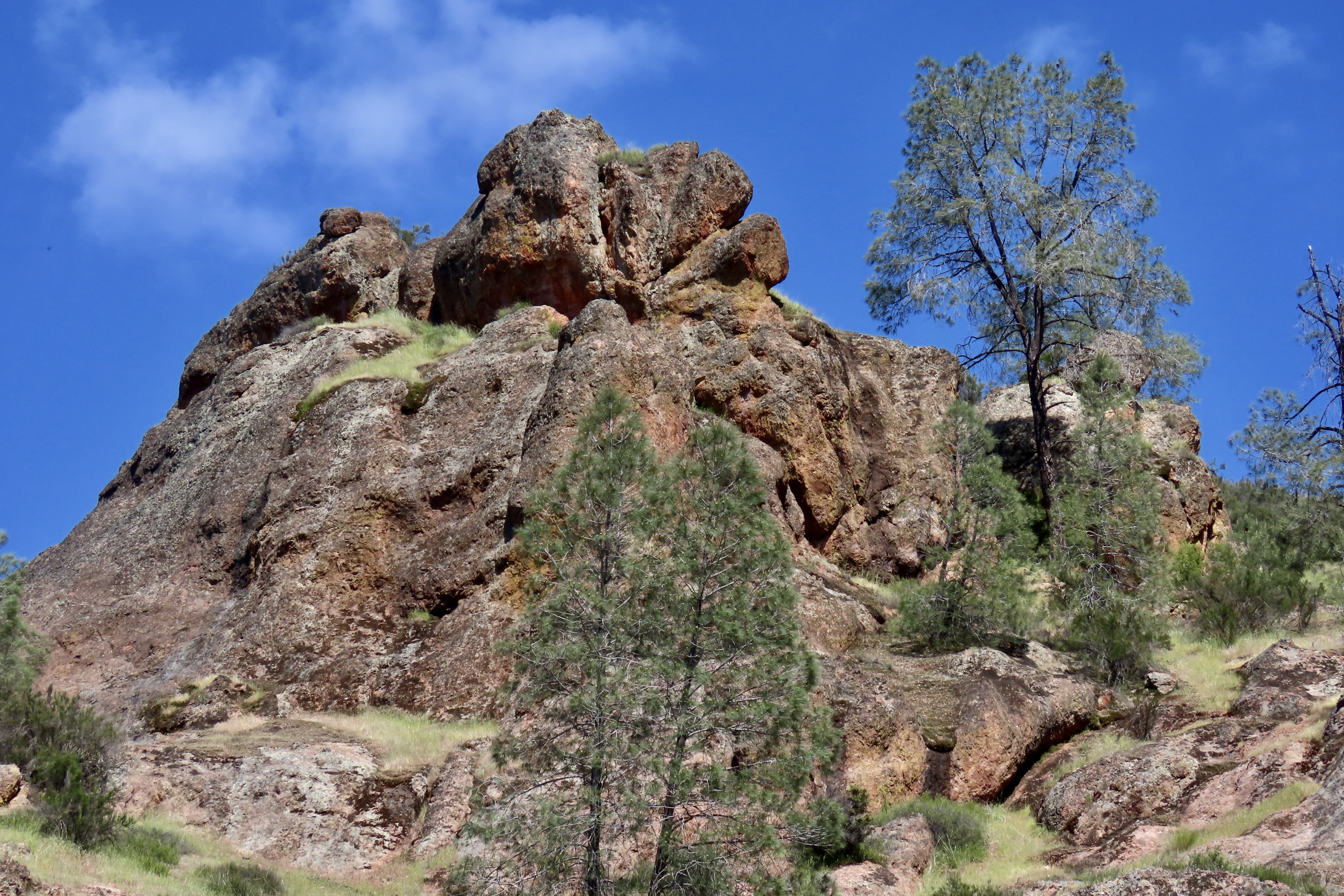
Our trip up the canyon provided numerous opportunities for Peggy and me to take close ups of the pinnacles.
Each one was different
And had its own personality.
Peggy called these “the fingers.”
Can you spot the duck?
Peggy became quite excited about her new camera’s ability to catch close-ups of lizards. This one was quite colorful. I believe it is one of several variations of a western fence lizard.
We entered the Park from the West where this photo was taken. There is also an eastern entrance.
This oak tree caught my attention.
Wildflowers, like the shooting stars I featured above, were everywhere. Here are two more I found particularly charming. This is purple owl’s clover (Castilleja exserta), a species of Indian paint brush…
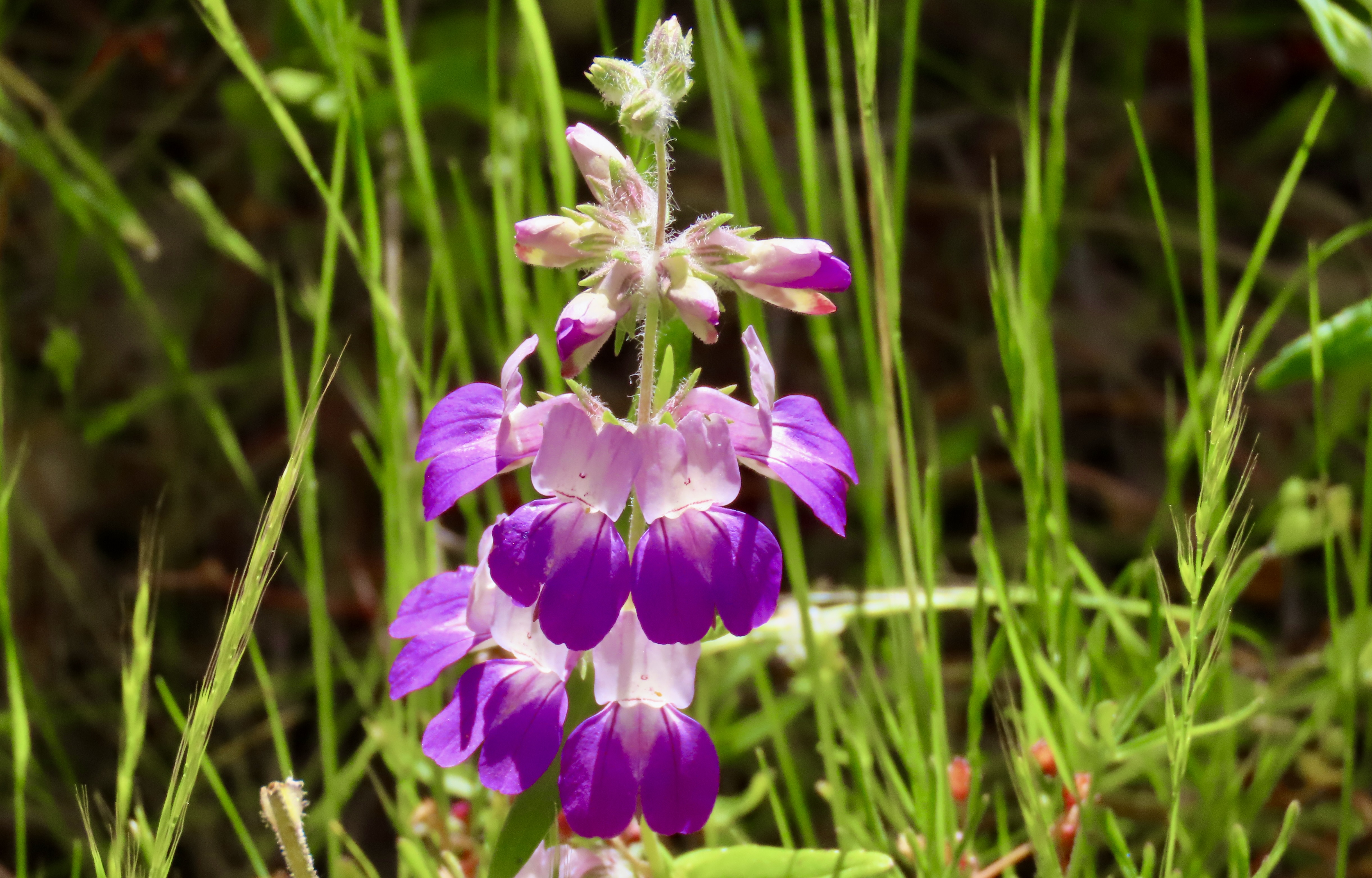
And purple Chinese houses (Collinsia heterophylla), said to resemble fairytale pagodas.
We were on the lookout for condors since they have been successfully reintroduced in Pinnacles National Park. Maybe…
We hope you’ve enjoyed our introduction to the Pinnacles. If you are looking for a National Park experience without the crowds, this small park is definitely worth a visit. Next up: Pt. Reyes National Seashore, one of our all-time favorite parks.