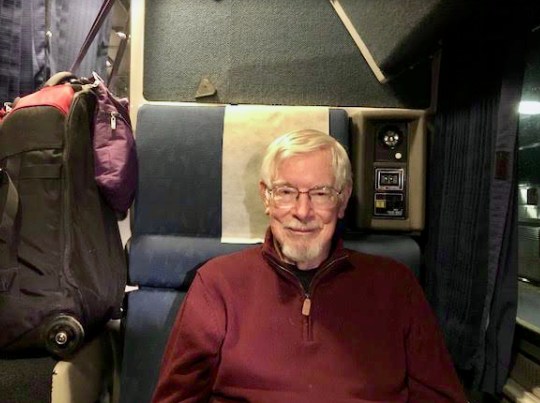
The last time I slept in a bunk bed I was sharing a one bedroom apartment with two classmates, Cliff and Jerry, at Berkeley in 1964/65. I was on the bottom bunk then, as well. My memory includes one particularly wild night. It was our first weekend back at UC. Cliff had brought home a small wooden barrel of tequila from Mexico where he had spent the summer in a Spanish language immersion program. For some insane reason, the three of us decided we had a solemn responsibility to drain the barrel to kick off our senior year. It was not our best decision.
Jerry promptly fell asleep and started snoring. Loudly, if I remember correctly. He had the regular bed. I spent 30-minutes staring at myself in the bathroom mirror in a semi-hallucinatory state fascinated by the fact I couldn’t stop drooling. When I returned to bed, Cliff, who had the top bunk, talked unceasingly. He wouldn’t shut up. Since neither Jerry nor I was listening, I assume he was talking to himself. I’d grunt on occasion. Finally, I lifted up my leg and kicked his mattress. Down came Cliff, mattress and all on top of me. After we had untangled ourselves, we laughed until we were hoarse and then put Cliff’s mattress on the floor for the rest of the night. I think he was still talking when I fell asleep. Damn, did we have headaches the next morning!
Fast forward 56 years to now for my second bunk bed experience. This time on Amtrak. Peggy had top honors. Our tiny sleeper was about five feet wide and seven feet long. It started as two comfortable chairs facing each other. Large windows provided great views from our double decker roomette. There was barely, and I do mean barely, room for our two day packs and two small suitcases. When we were ready for bed, the car attendant came to our room and set it up. Our two chairs became the lower bunk and the top bunk was released from its attachment to the ceiling. The whole process took about three minutes.
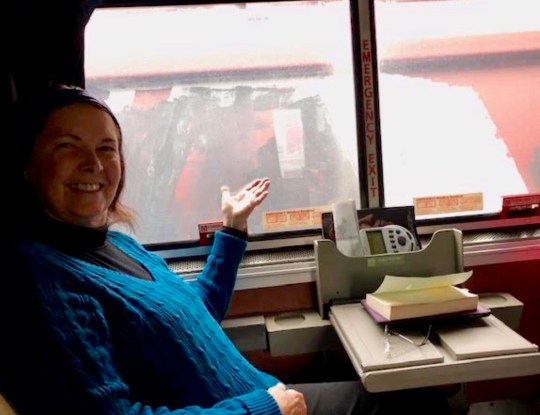

The bottom line of all this, of course, is how did we sleep. There were three factors. The first was the comfort of the beds. No problem there. The second was their width. Given all of the times that Peggy and I have slept in small backpacking tents, they felt roomy. The real challenge was adapting to the moving train. First there was the clickety-clack of the wheels passing over the joints in the rails. It was repetitive, however, and soon disappeared into the background. I thought of it as noisemaker to lure me sleep.
The train’s swaying was another issue altogether. We didn’t have a problem coming across the Sierras. Trains go slowly when they climb and go down mountains. It’s on the flats that the engineers put the pedal to the metal. It’s where they make up for lost time. I can imagine one engineer boasting to another, “I made it across there in an hour!” with the other responding, “Ha, it only took me 59 minutes.” For the most part, the swaying is like the clickety-clack. You get used to it. But there were instances when I was reminded of being on a ship during a really bad storm or hitting heavy turbulence in a jet. There were three particularly bad situations: when the train was traveling over rough tracks, when it went over a poorly maintained road crossing, and when it went around a corner faster than it should.
During the day, it wasn’t much of a problem, assuming you had something to grab onto if you were out and about. Sleeping was a different issue, as we learned our first night. The attendant had worked his three-minute magic and we had settled down for a long winter’s sleep across Nevada when the train hit some rough track, traveled over a poorly maintained road crossing, and went around a sharp curve— all at the same time— fast. Wham! Peggy was thrown into the netting designed to keep her from rolling off the bed and I was thrown into the side of the train. “That does it!” I head Peggy mumble loudly as she scooted across the bed, climbed down from her bunk, and slipped into mine. Remember how I said the bunk was roomy. That’s for one person. There was simply no room for the two of us. We had to sleep head to toe. I slept with Peggy’s feet and she slept with mine. I’m not sure which of us got the better deal.
Traveling between Chicago and Washington DC we were upgraded to a bedroom. It came with a double-sized bed that was comfortable for the two of us, a sink, and its own bathroom! We didn’t have to use the communal facility. While our bedroom wasn’t large by any stretch of the imagination, it felt palatial in comparison to our roomette. A small shower even provided a bath assuming you didn’t mind washing off the toilet at the same time. Recommendation: Choose a time to bathe when the train isn’t swaying.

We had one other configuration. Amtrak had supposedly upgraded its roomettes with a restroom. We had one returning home on our route between Chicago and LA. The toilet that snuggled up to the bottom bunk, sort of like you might see in a prison cell. It was inches away from my head when I was is bed. That was not okay. To add insult to injury, Amtrak had removed the communal restrooms from the car. We had to go on a three-car hike to find a real bathroom. Our attendant told us that the company had realized the error of its ways and was no longer building the roomette restrooms. What a surprise.
All in all, while I’ve had a bit of fun with this post, we slept in relative comfort, especially if you compare it with trying to sleep on an airplane. Even the coach seats on Amtrak are wide, comfortable, and fold back far enough to create a half-way decent night’s sleep.
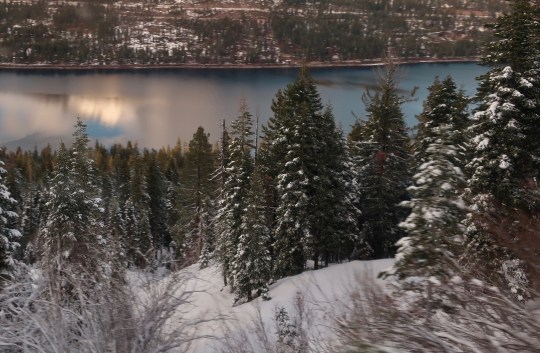
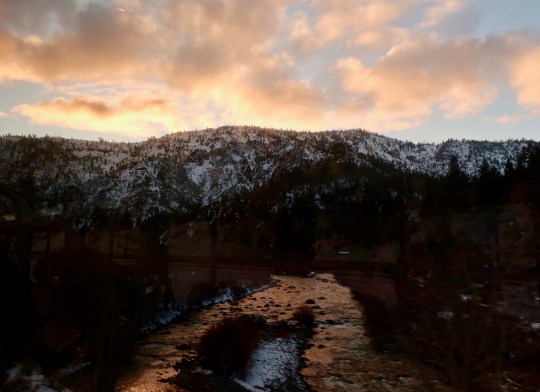
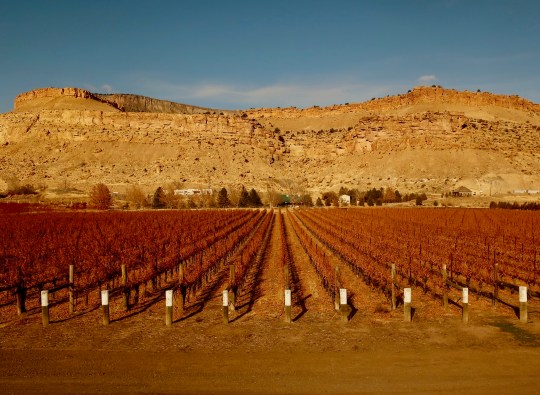
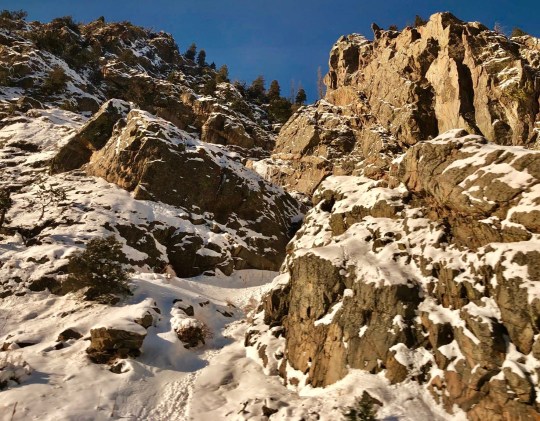
My photos of the trip today include our journey from Sacramento to Washington DC, minus, of course, the pictures we took while crossing the Rocky Mountains that I shared in my last post. Enjoy.

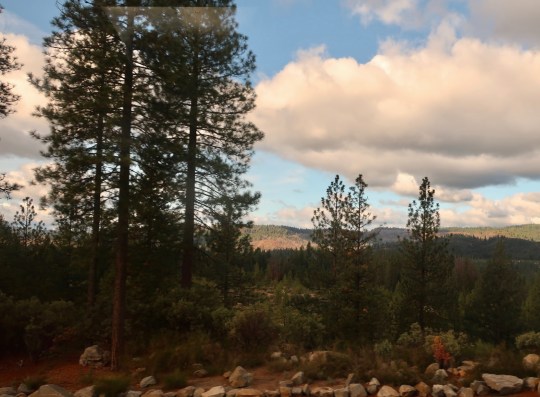
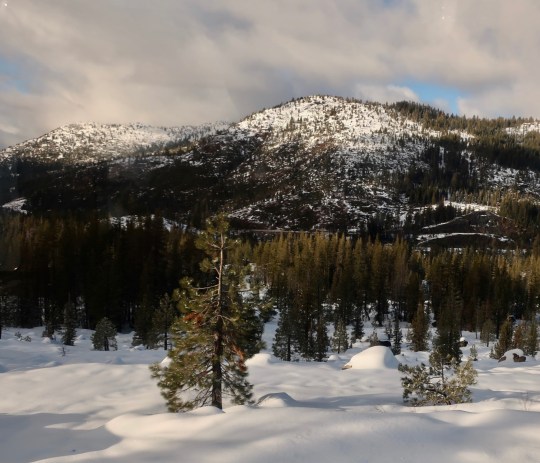









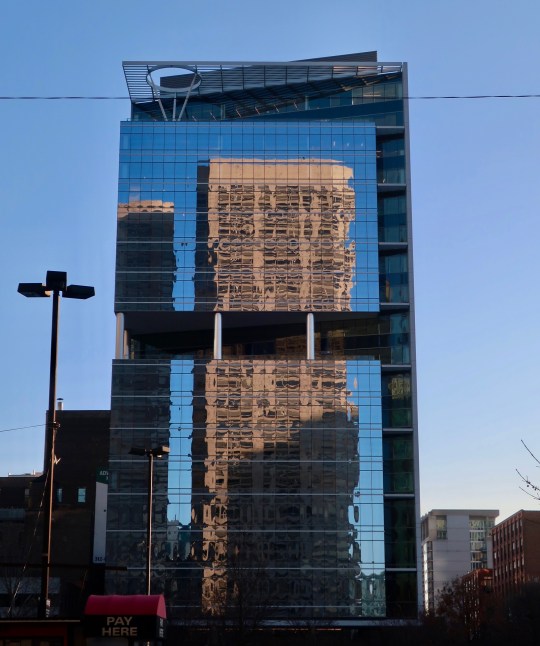

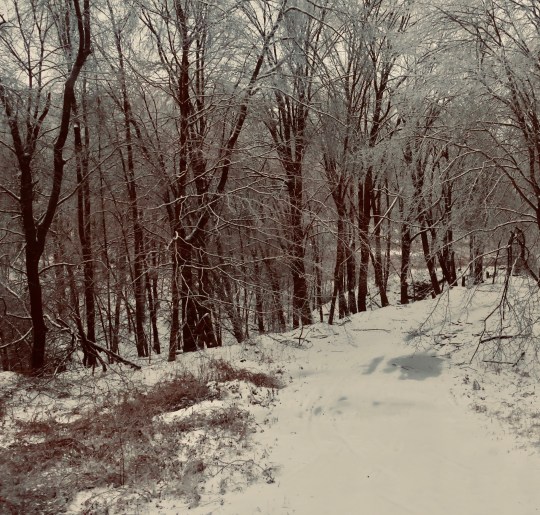

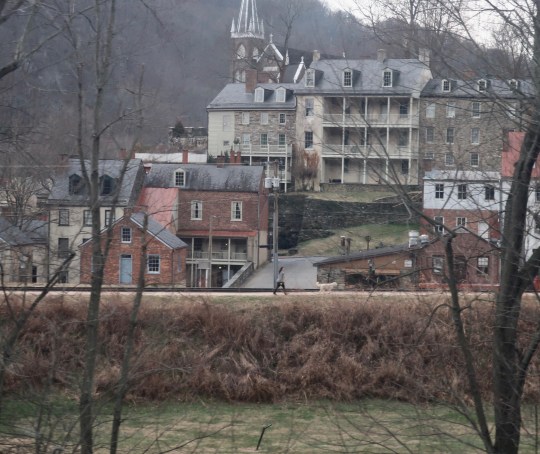
For my next post, I am going to experiment with a photo essay. (It’s called what do you do with your 80,000 plus photos.) The post after that I’ll feature our Amtrak trip back to the West plus eating on the train, which is all about meeting strangers.
 Wandering through Time and Place