My Thoughts Are on Scotland…

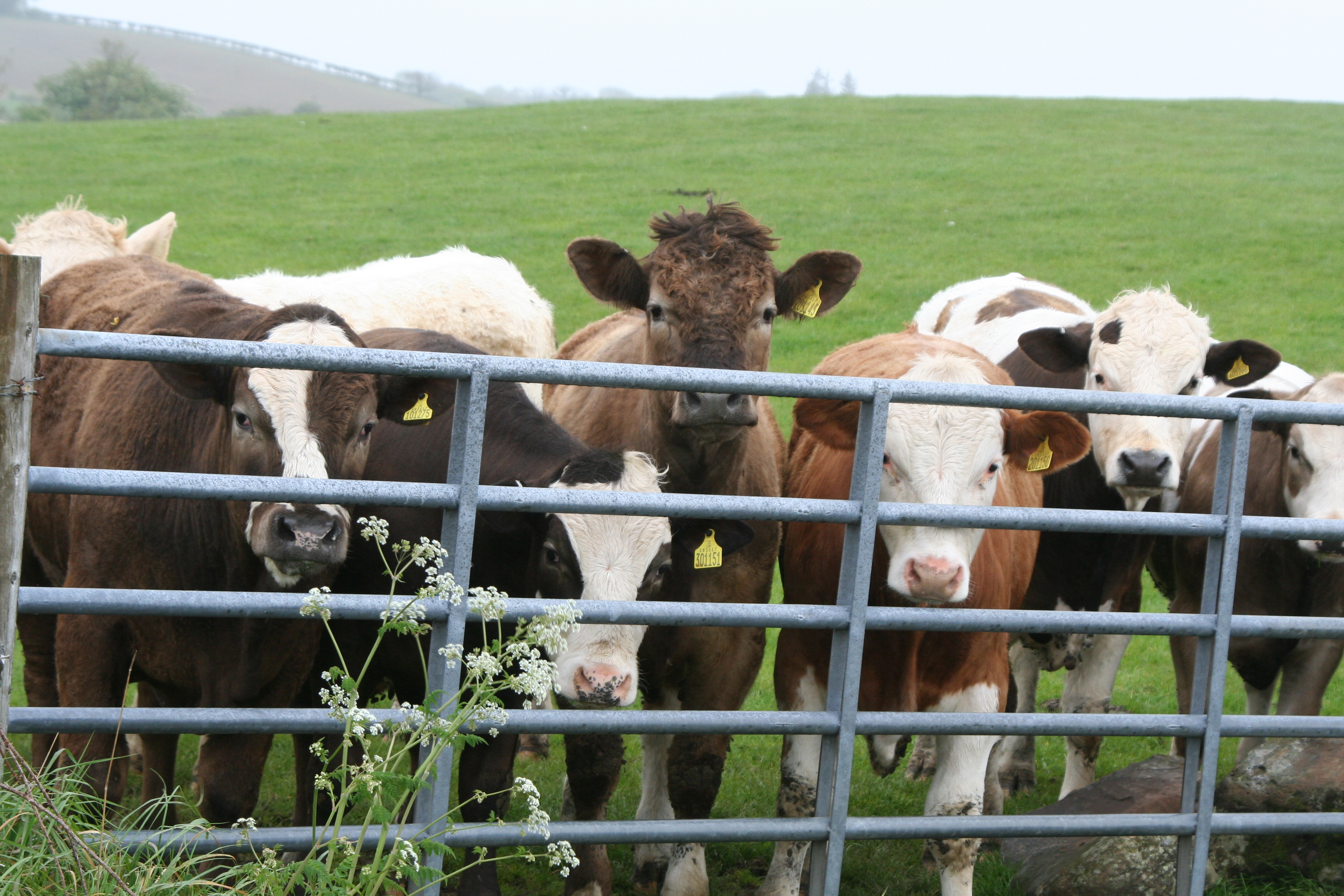
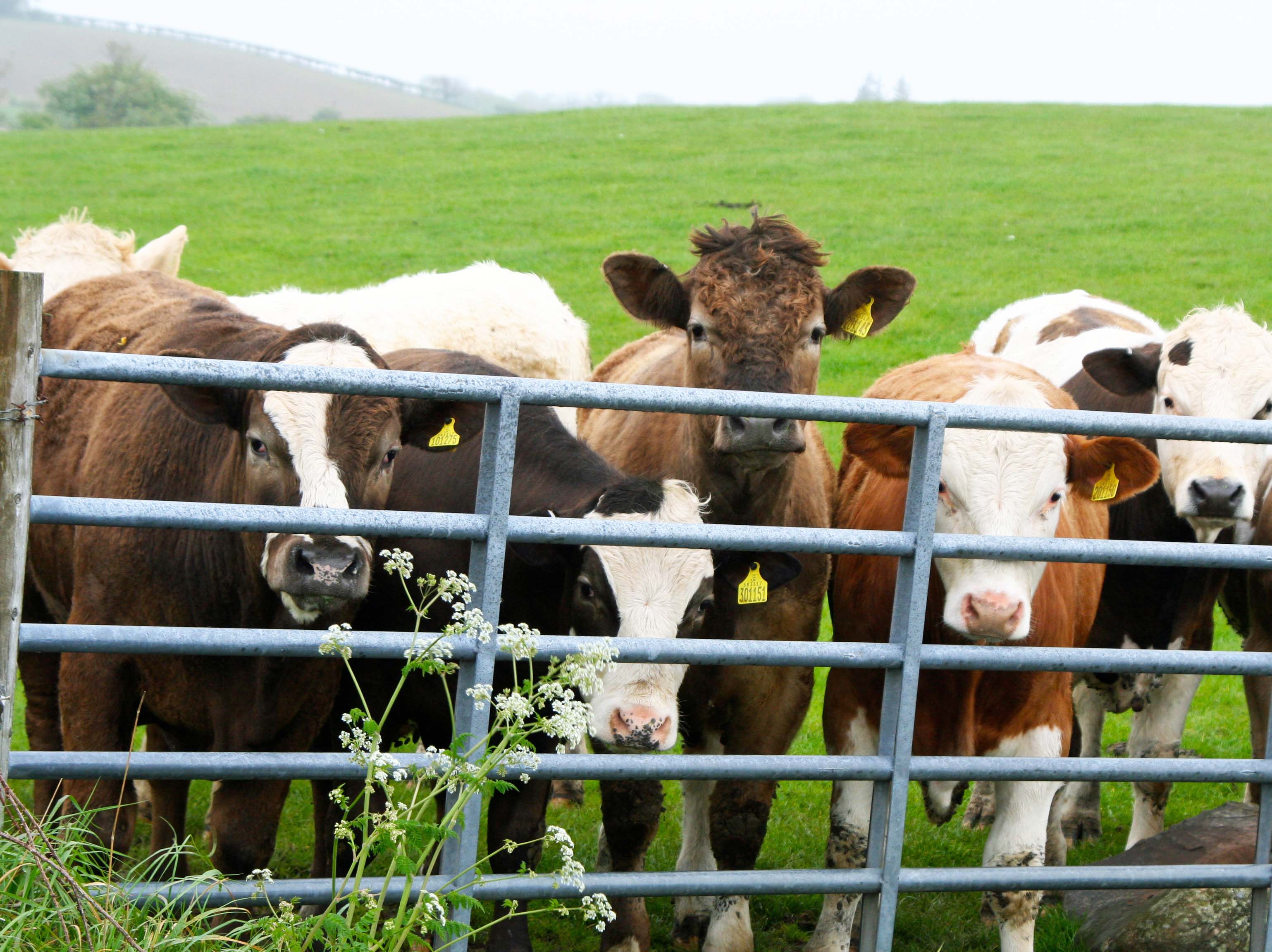
Phot of Scottish cattle taken by Curtis Mekemson.

Scottish cattle line up and eagerly await the news on Scotland’s bid for independence.

Scots are going to the polls today to decide their future. The decision is a tough one: do they remain part of the United Kingdom, or do they break free and create their own nation-state?

I wish the good people of Scotland and their beautiful country well, regardless of the outcome. As I wish the English well. Our nation owes both countries a deep debt of gratitude for who we are. So do I.

But my heart is with the Scots. My father went to a family reunion in the late 1960s and came back with a family chart that showed a long connection with Scotland going all the way back to the 1600s and John Brown the Martyr. Brown was killed in front of his wife and children in 1685 because he refused to renounce his Presbyterian beliefs in favor of the English king.

I’ve been to Scotland twice. The first time I was wandering by myself. I rented a car in Glasgow and explored much of northern Scotland. The beauty of the country and the warmth of the Scots impressed me deeply, even though Nessie, the Loch Ness monster, refused to pose for a photograph.

Three years ago Peggy and I returned to do genealogical research in the southwestern region of the country where John Brown had died and my great-grandmother had been born. Once again, I was impressed— as was Peggy. When looking for John Brown’s grave, we stayed at the excellent Old Church B&B in Muirkirk and had the opportunity to become friends with the owners David and Lesley Martin. We have maintained that friendship since over Facebook. Lesley, BTW, is an excellent chef and runs a baking school. David is a Scottish patriot. Over the past year, he has posted on Scottish independence a thousand times, at least. (Grin)

Following are some photos from our trip to Scotland that reflect the beauty of the country. (Next blog I will return to Burning Man.)
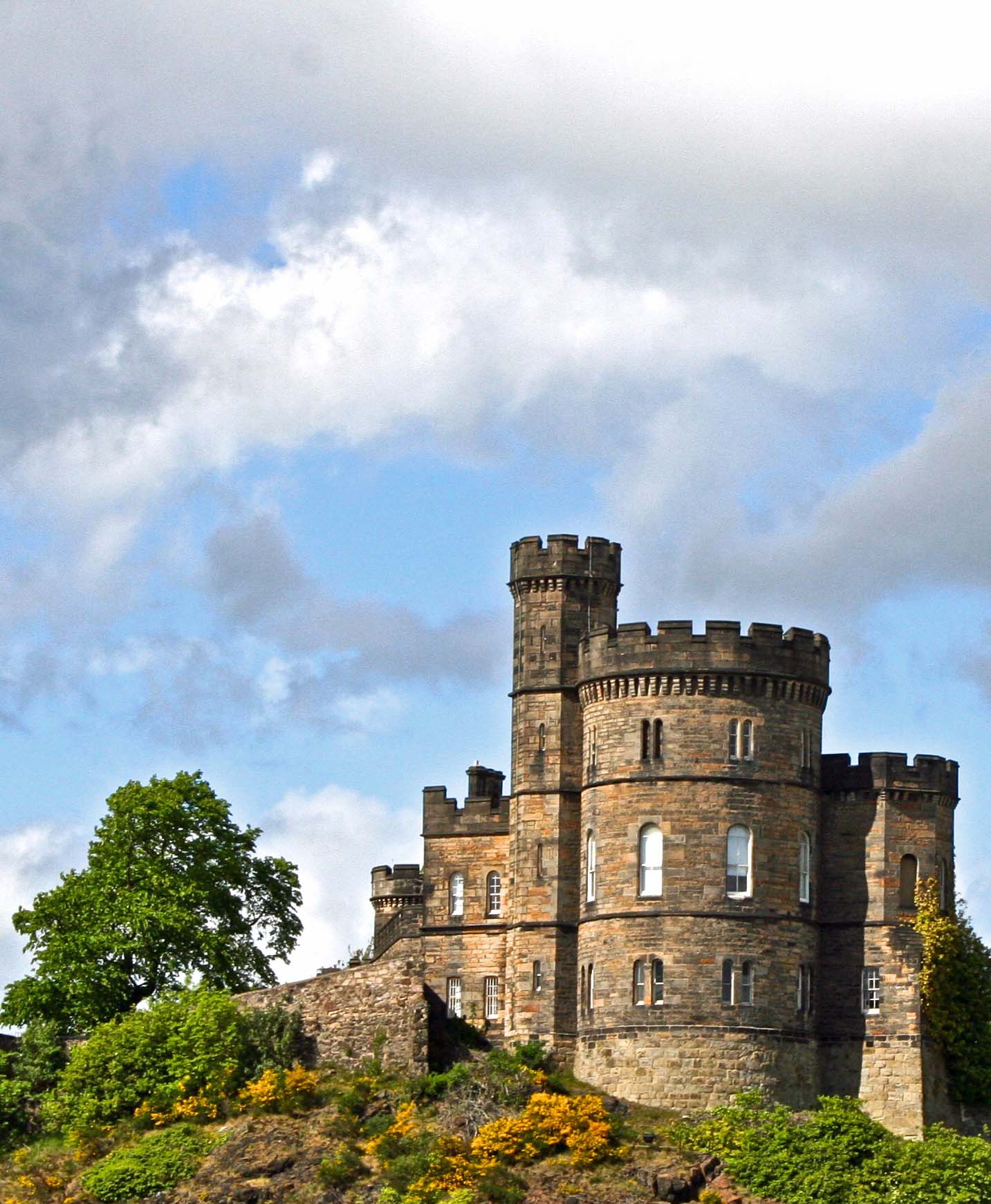
A Scottish Castle in Edinburg.
A Scottish Castle in Edinburg.

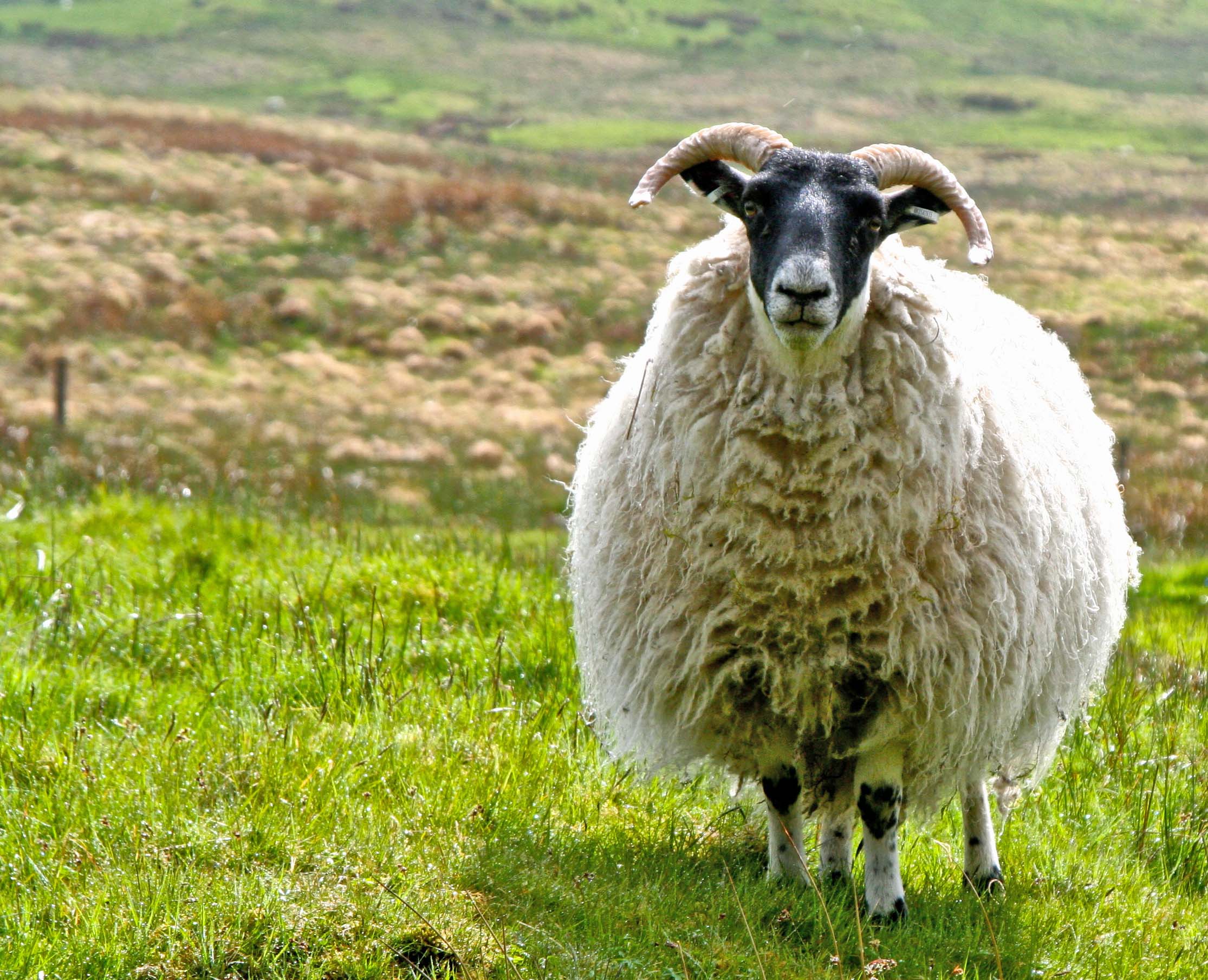
Scottish sheep photo by Curtis Mekemson.

Furry fellow. We were happily lost on a remote road when this guy greeted us and wanted to know where we thought we were going.
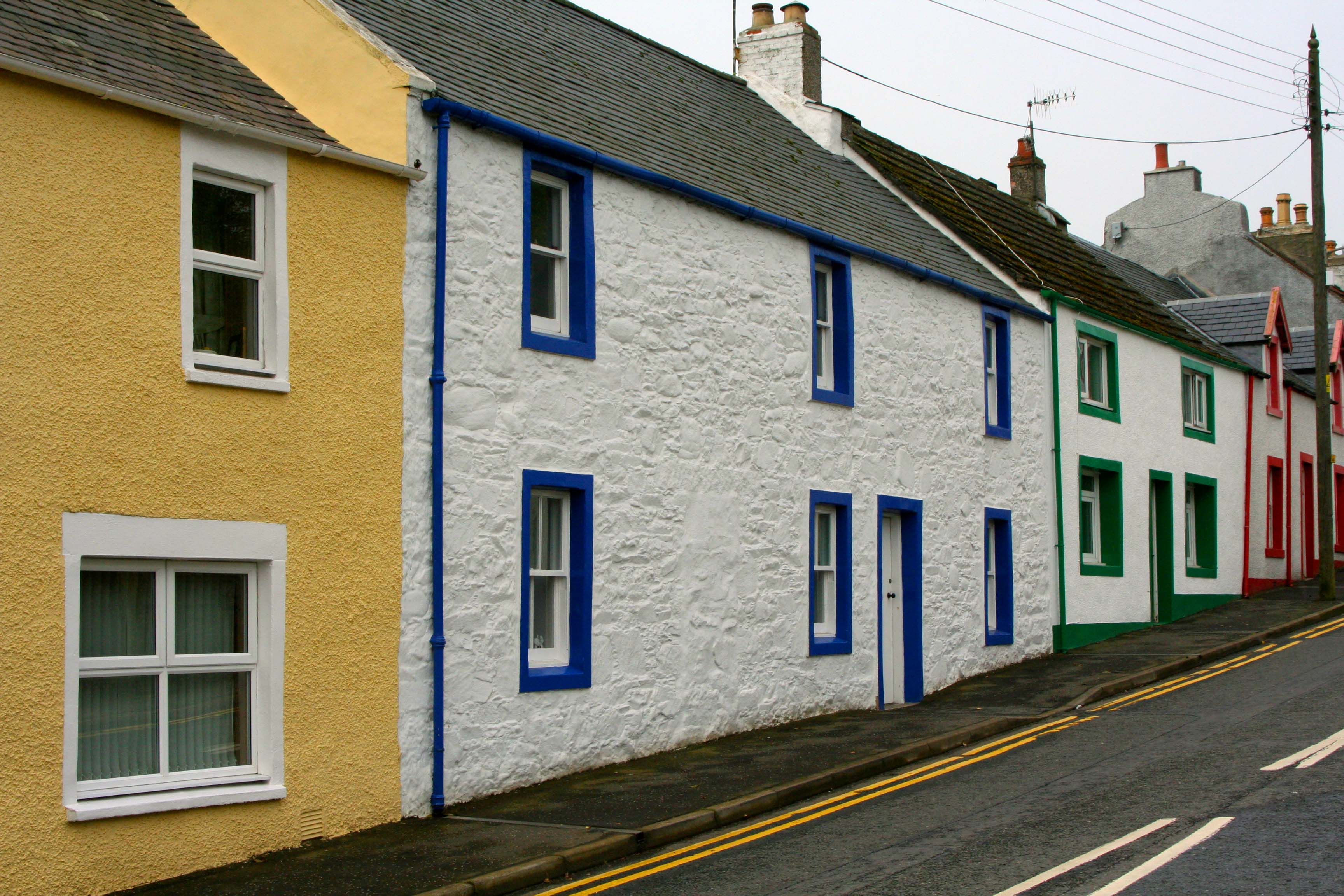
Photo of Kirkcolm, Scotland by Curtis Mekemson.

The small town of Kirkcolm where my great-grandmother was born.
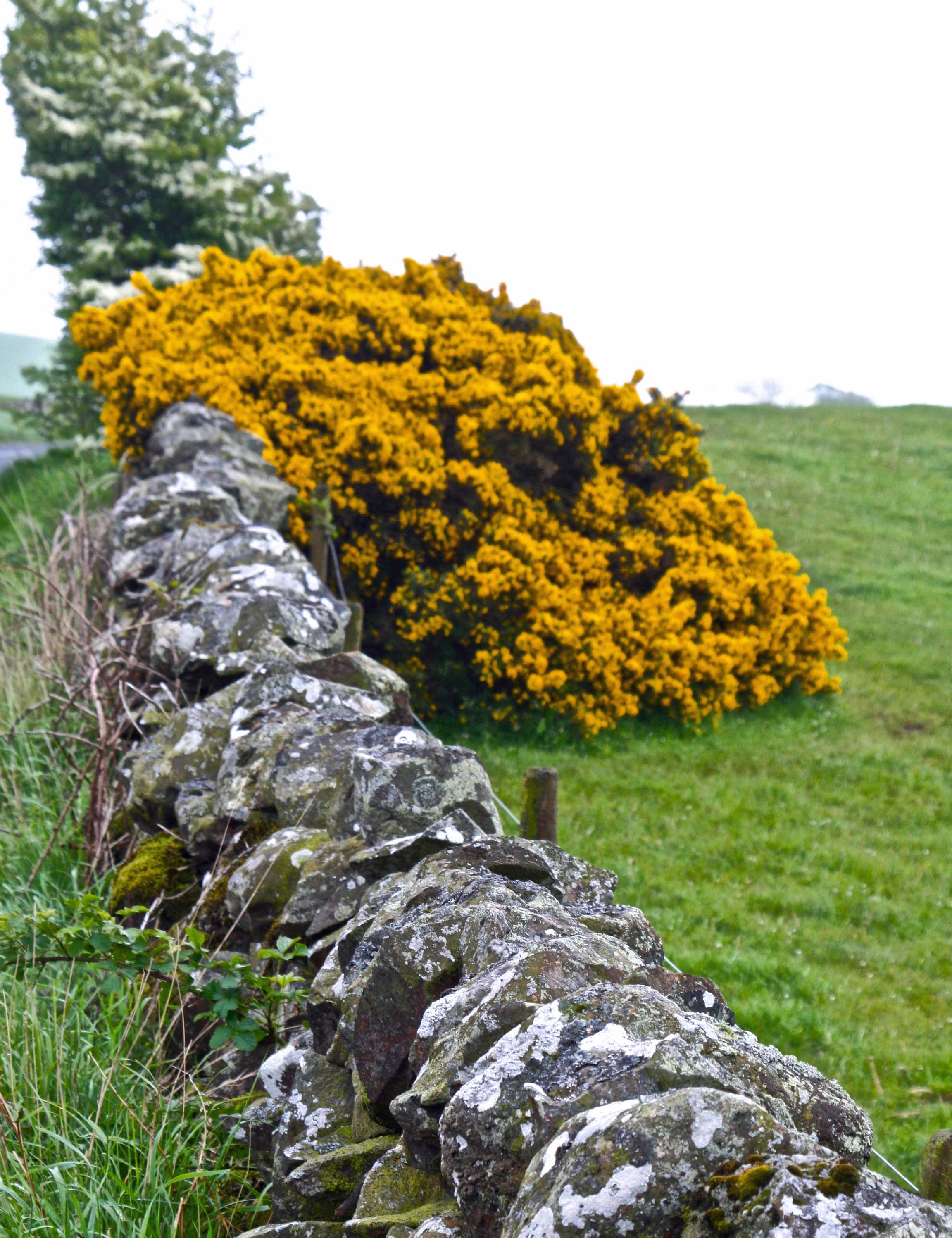
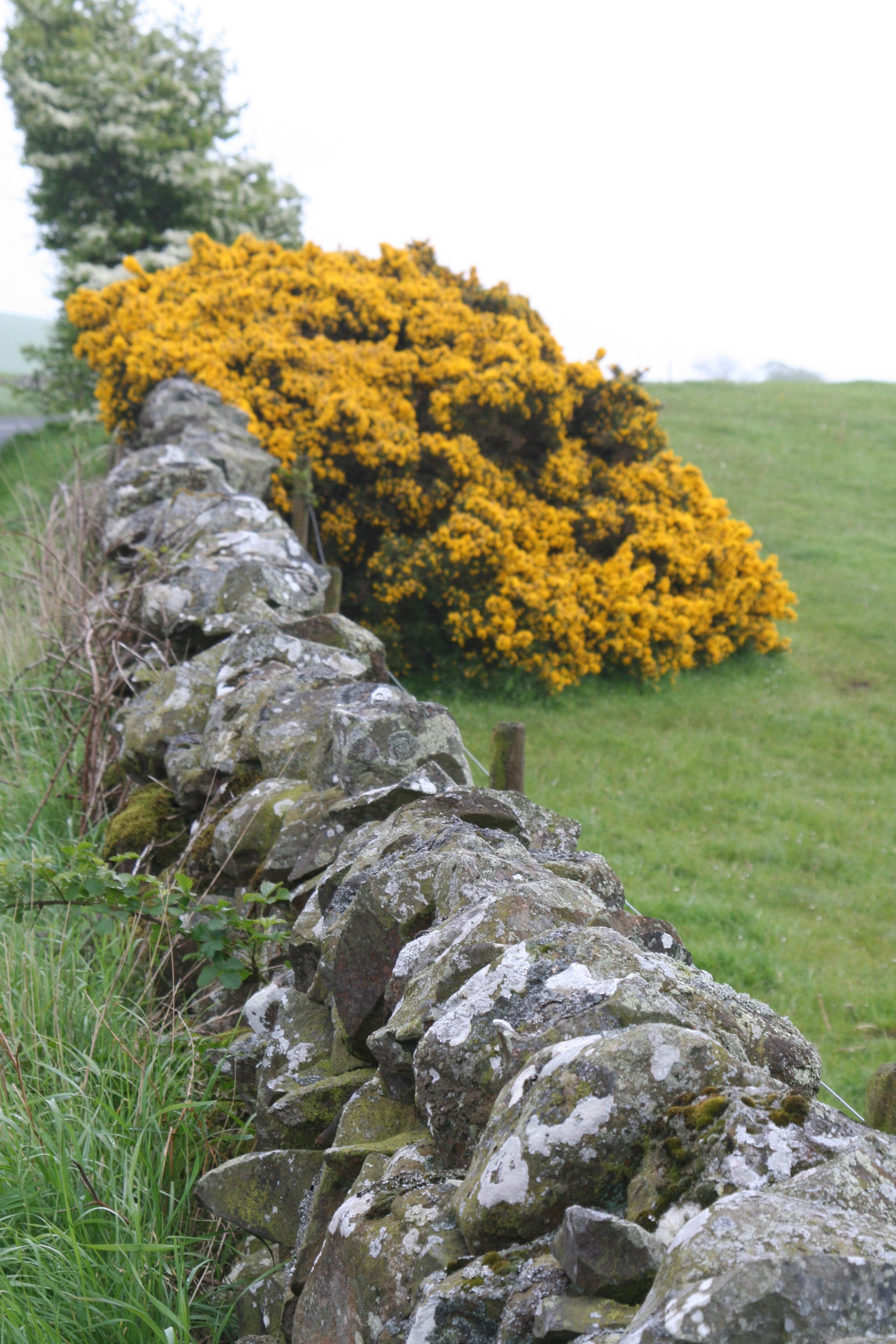
Photo of ancient fence in Scotland and Scottish Broom taken by Curtis Mekemson.

A view of the Scottish countryside featuring an ancient rock fence and Scottish Broom.
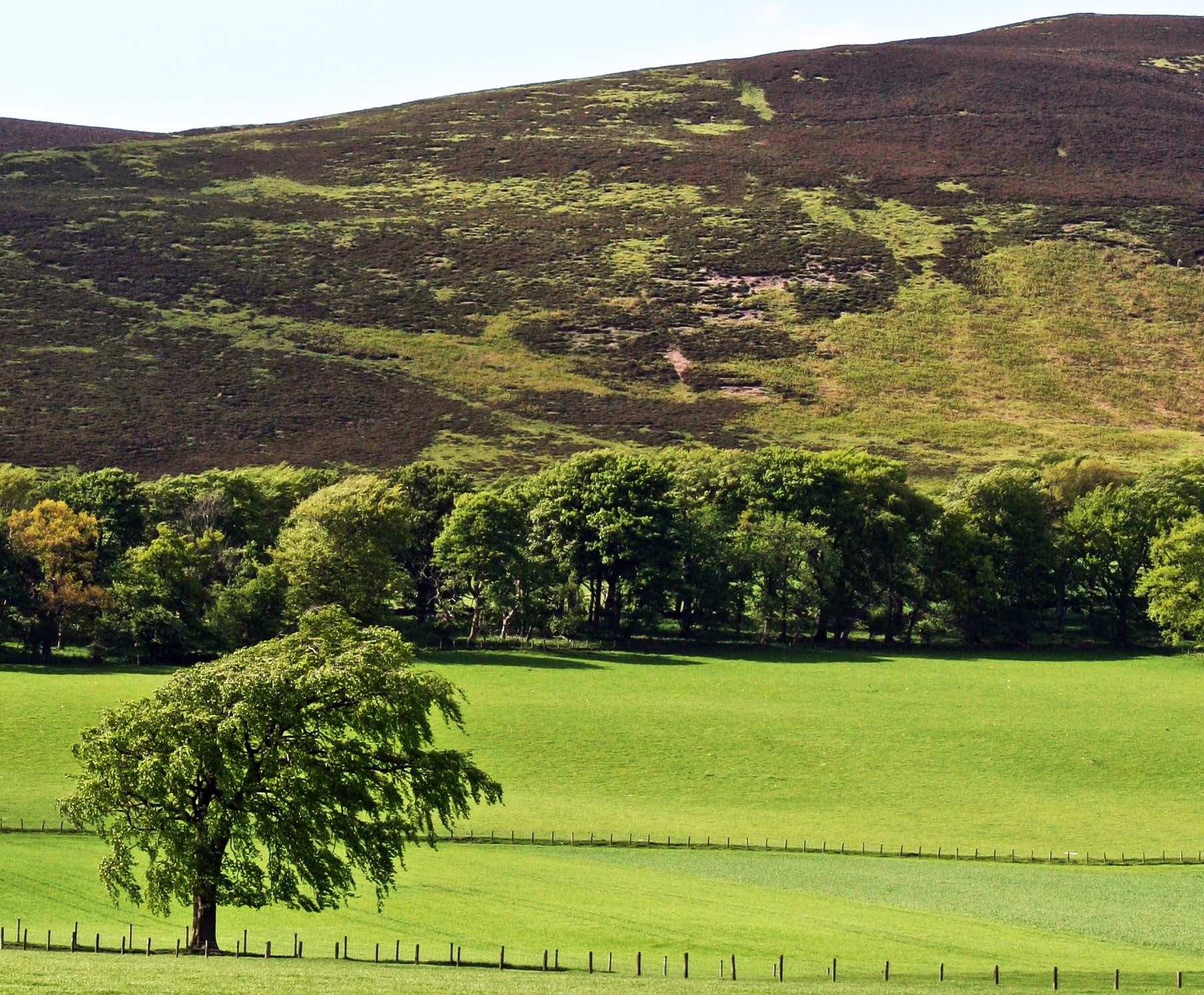
View of Scottish countryside taken by Curtis Mekemson.

Another view of the beautiful countryside of Scotland.
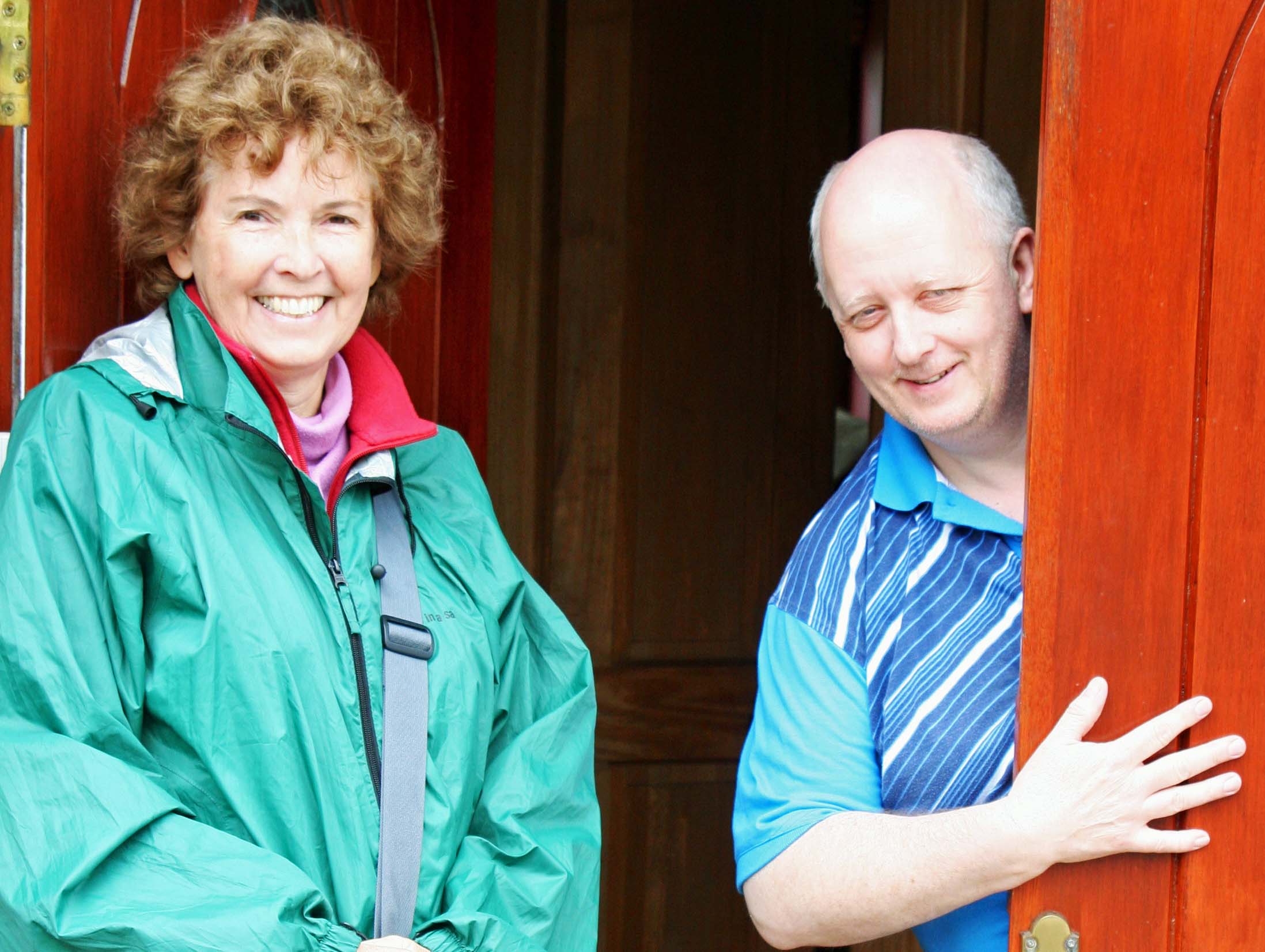
My wife Peggy and the Scottish patriot David Martin in front of the Old Church B&B in Muirkirk, Scotland.
My wife Peggy and the Scottish patriot David Martin in front of the Old Church B&B in Muirkirk, Scotland.

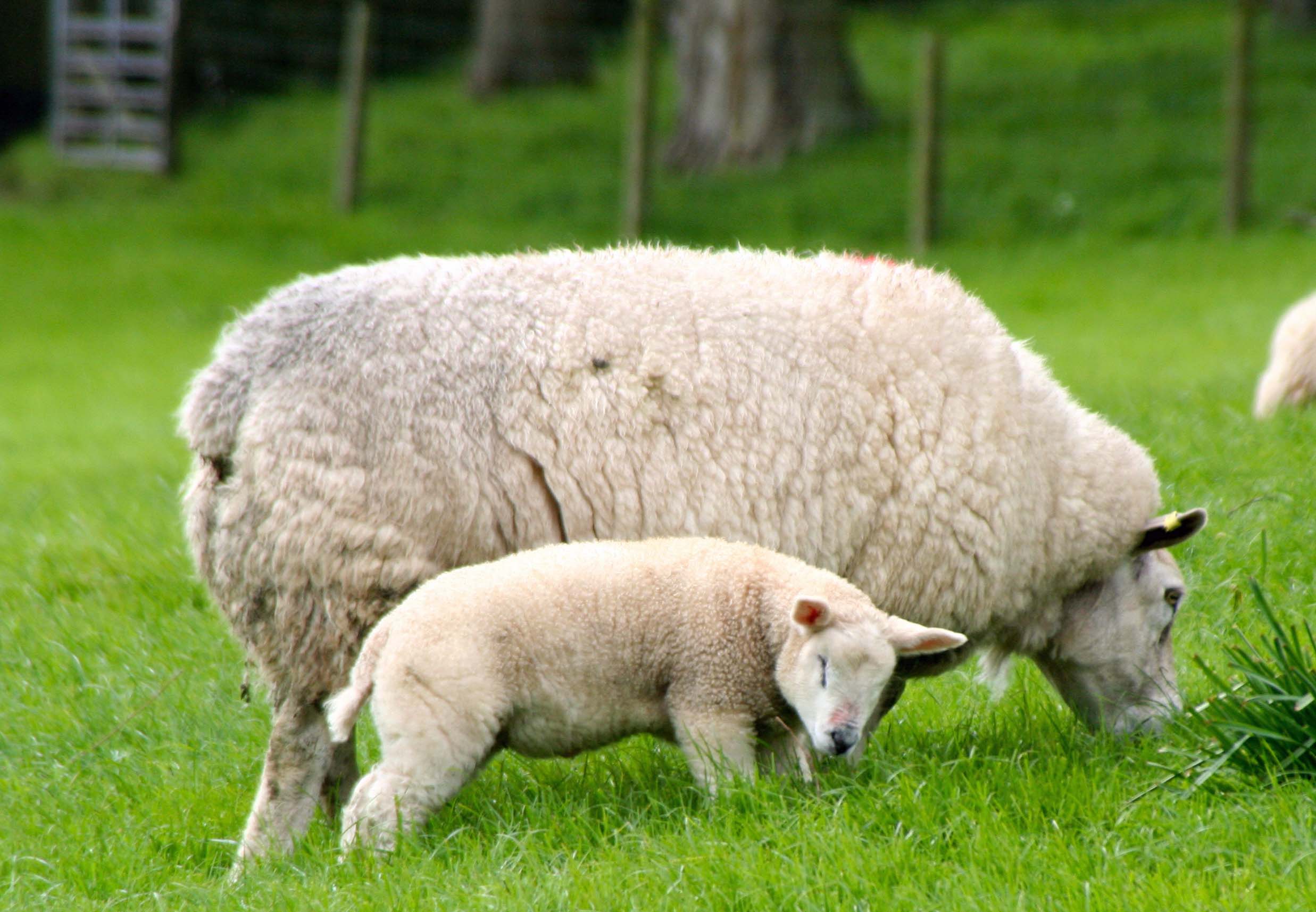
Mother sheep and lamb in southwestern Scotland. Photo by Curtis Mekemson.

Mom and baby.

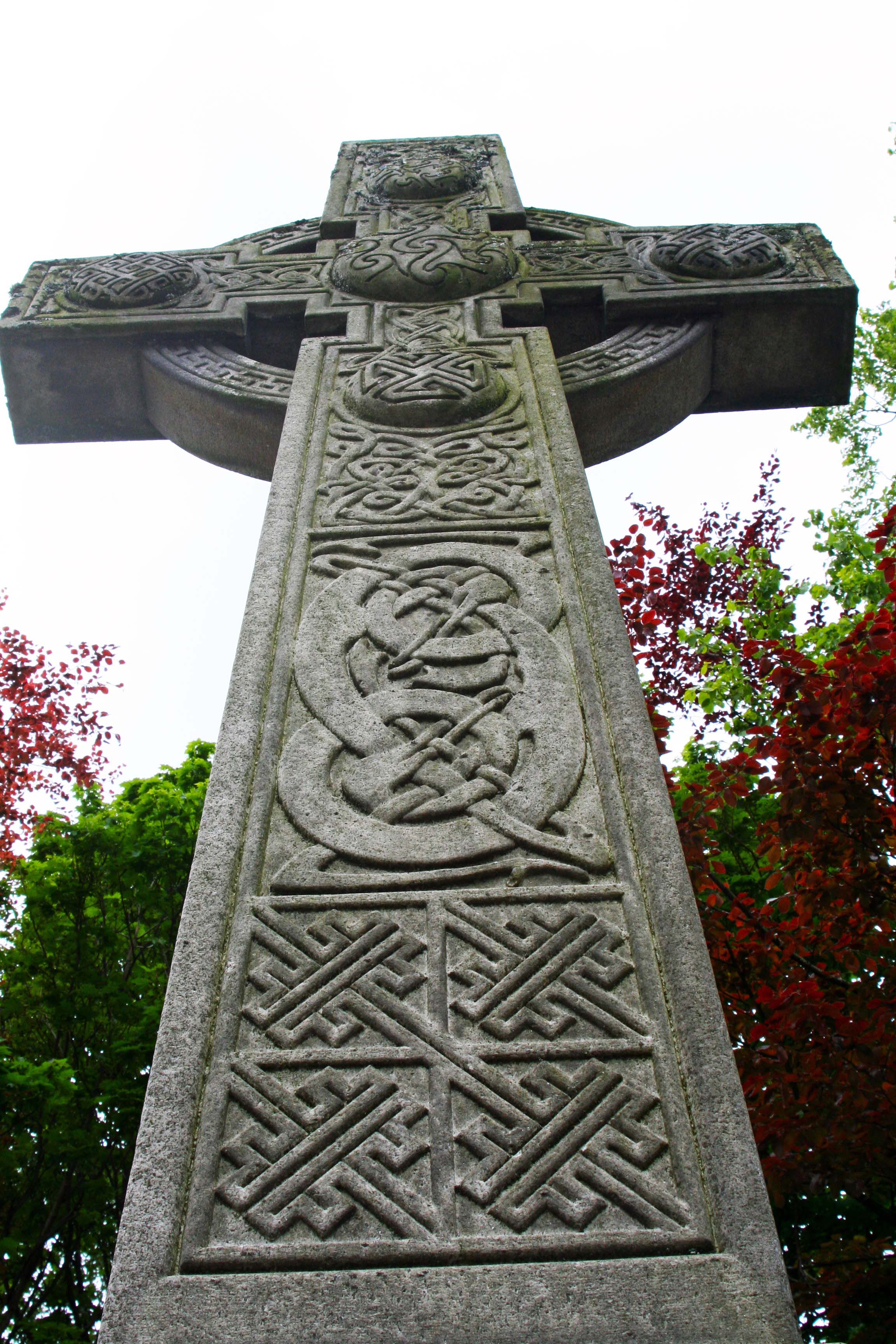
Ancient Celtic Cross in Scotland. Photo taken by Curtis Mekemson.

Celtic Cross.

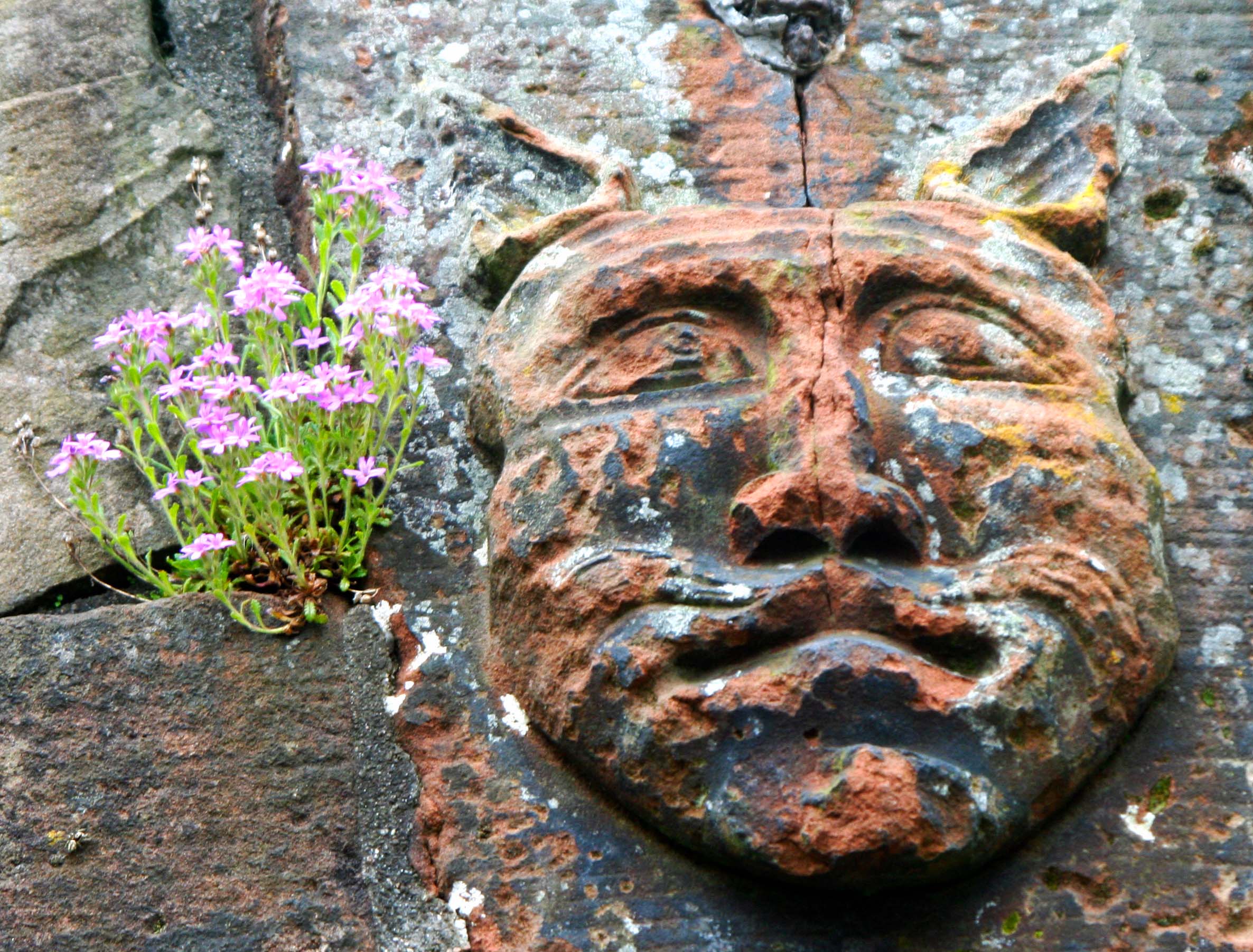
Cat man. I liked the way the flowers found a crack next to this gargoyle-like figure.

Cat man? I liked the way the flowers found a crack to grow in next to the gargoyle-like figure.
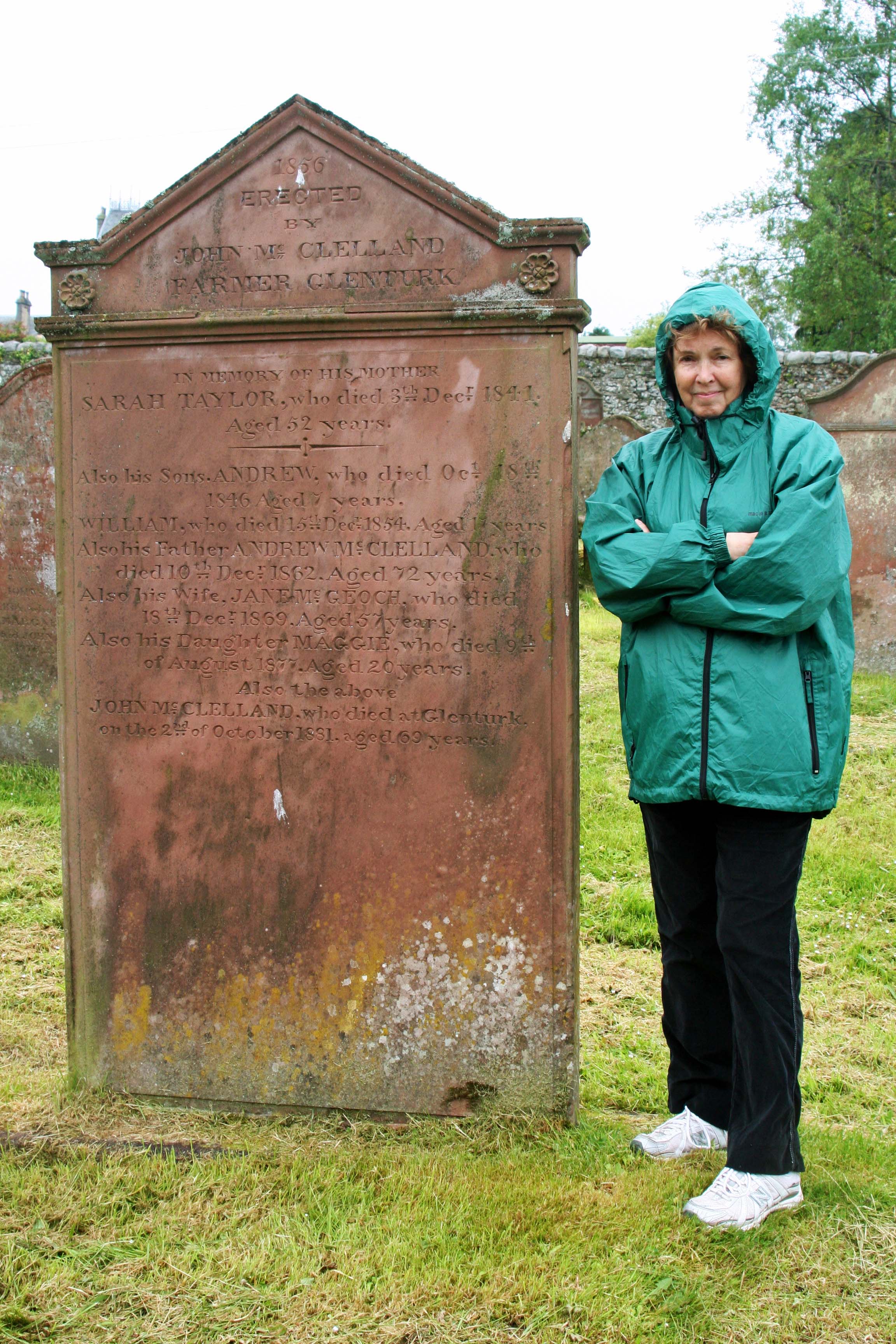
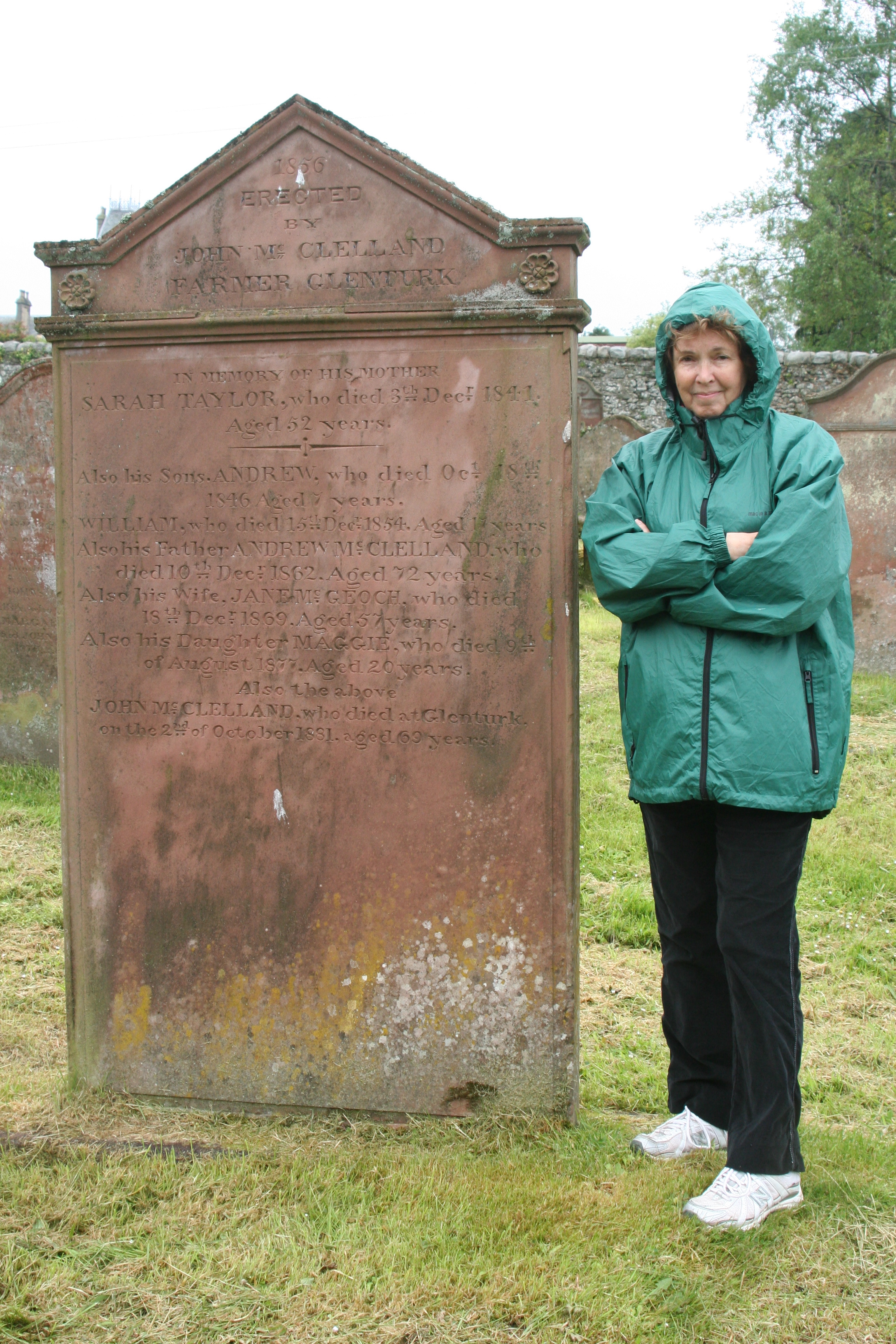
Scottish tombstone photo with Peggy Mekemson.

Genealogical work involves spending a lot of time in graveyards. I was amazed by the size of Scottish tombstones. Peggy provides perspective by standing next to a grave of a person who may have been a distant cousin of hers— and mine.
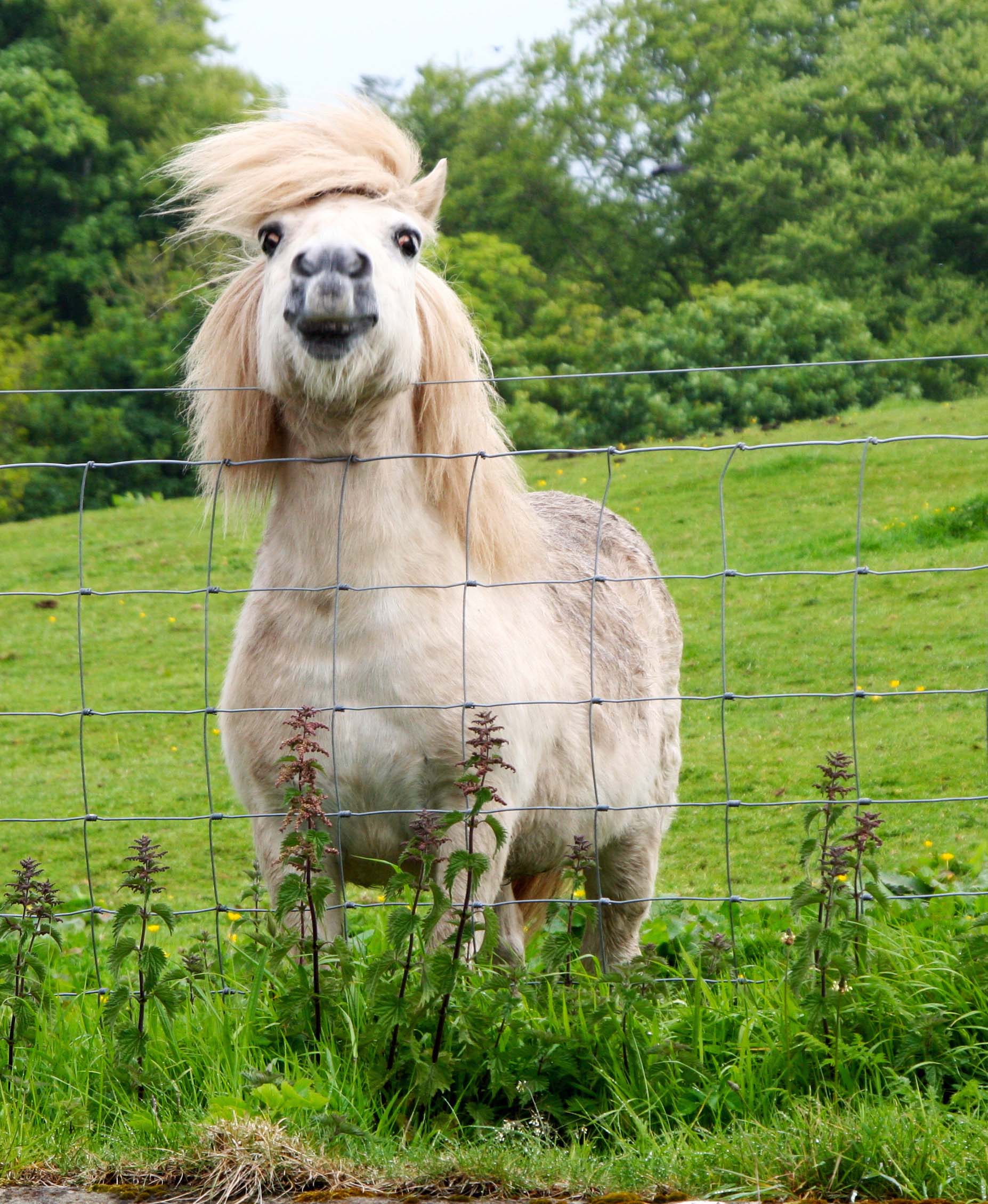
Photo of Scottish pony taken by Curtis Mekemson.

I’ll close with my favorite photo from Scotland. This pony came running up to see us when we visiting Kirkcolm. I suspect he was saying vote yes.

Was Great G’Ma Reincarnated as a Shetland Pony? The Road from Wigtown to Kirkcolm…

When we arrived in Kirkcolm Scotland, the ancestral home of my Great Grandmother, a Shetland Pony dashed over to the fence. I couldn't help but wonder if Great G'Ma had been reincarnated and was delighted to see us. Either that or the horse thought I was good for an apple.

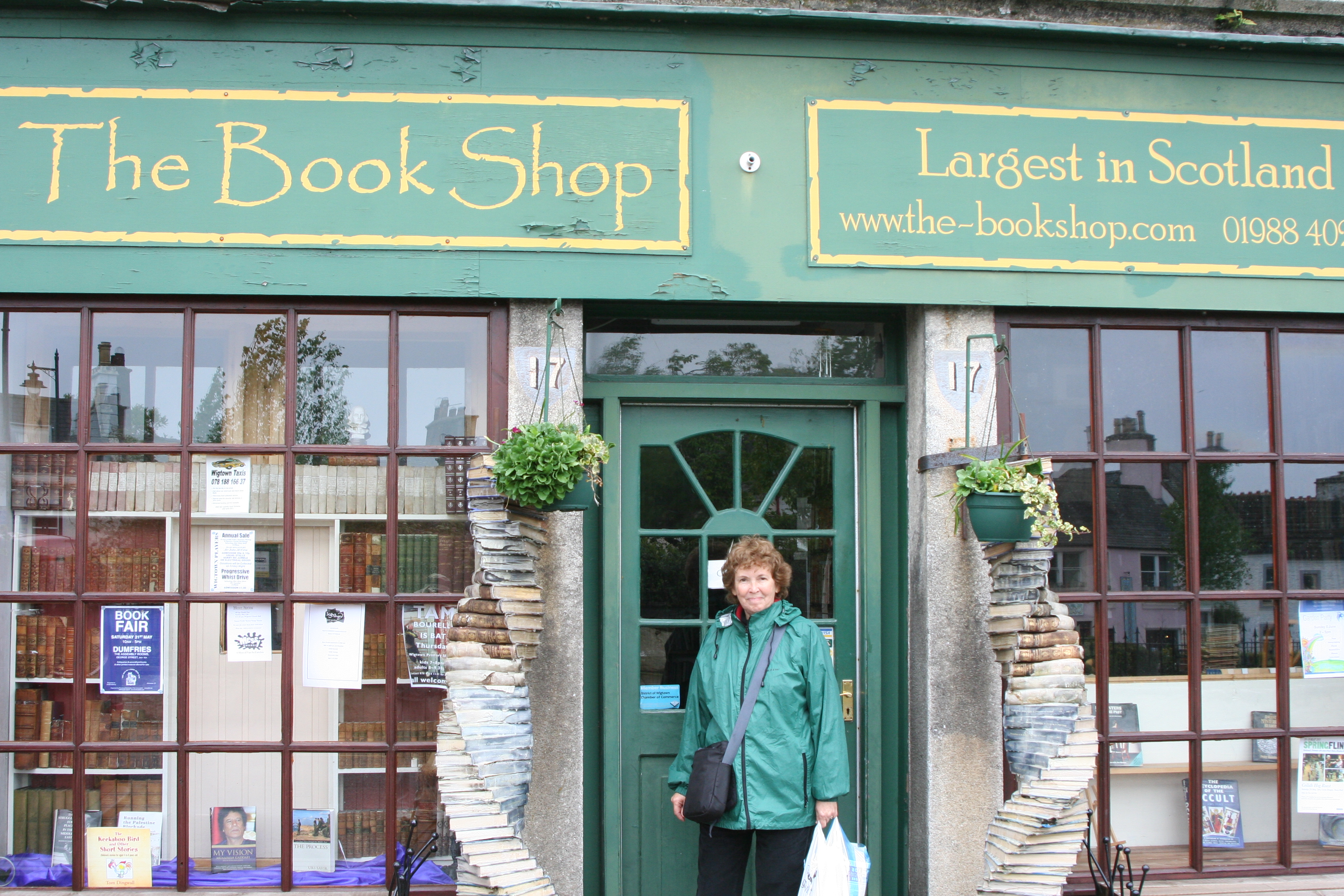
The bookstores in Wigtown were closed when we arrived on Sunday morning. Good thing. Our small house is already crammed with bookshelves stuffed with books. Plus our suitcases were bursting at the seams.

Not that an exploding suitcase would have stopped us. We’ve never met a bookstore we could resist.

The locked up stores were disappointing, though. Wigtown is billed as Scotland’s National Book Town. My brochure listed 13 bookstores in the small 4-block community. We had been prepared to gorge ourselves on the printed page. The dead ancestors could wait.

Peggy stands in front of one of Wigtown's many bookstores. I liked the creative use of books as an entry way.

We were looking longingly at books through a window when a taxi drove up. Out jumped the driver.

“Welcome to Wigtown,” he greeted us. “I’ll open the door for you.

“Wow,” I thought to myself. “Here’s a service I’ve never seen a taxi driver offer before.”

As it turned out, he owned the bookstore and Wigtown’s only taxi. While customers browsed, he ran around picking up fares. “Hard to make ends meet with only a bookstore,” he told us. Peggy and I bought six books to keep his kids from starving.

Naturally we had to stop by the town’s graveyard. While Peggy busied herself reading book length tombstones, I checked out the martyred Presbyterians. Two had been staked out in the mudflats so the flood tide would drown them: a slow, terrible way to go.

A standard sized tombstone in Wigtown

The king and his agents were infinitely creative when it came to reducing the population of Covenanters. But there is a thing about Martyrs; they hang around for a long time reminding people how bad their persecutors were.

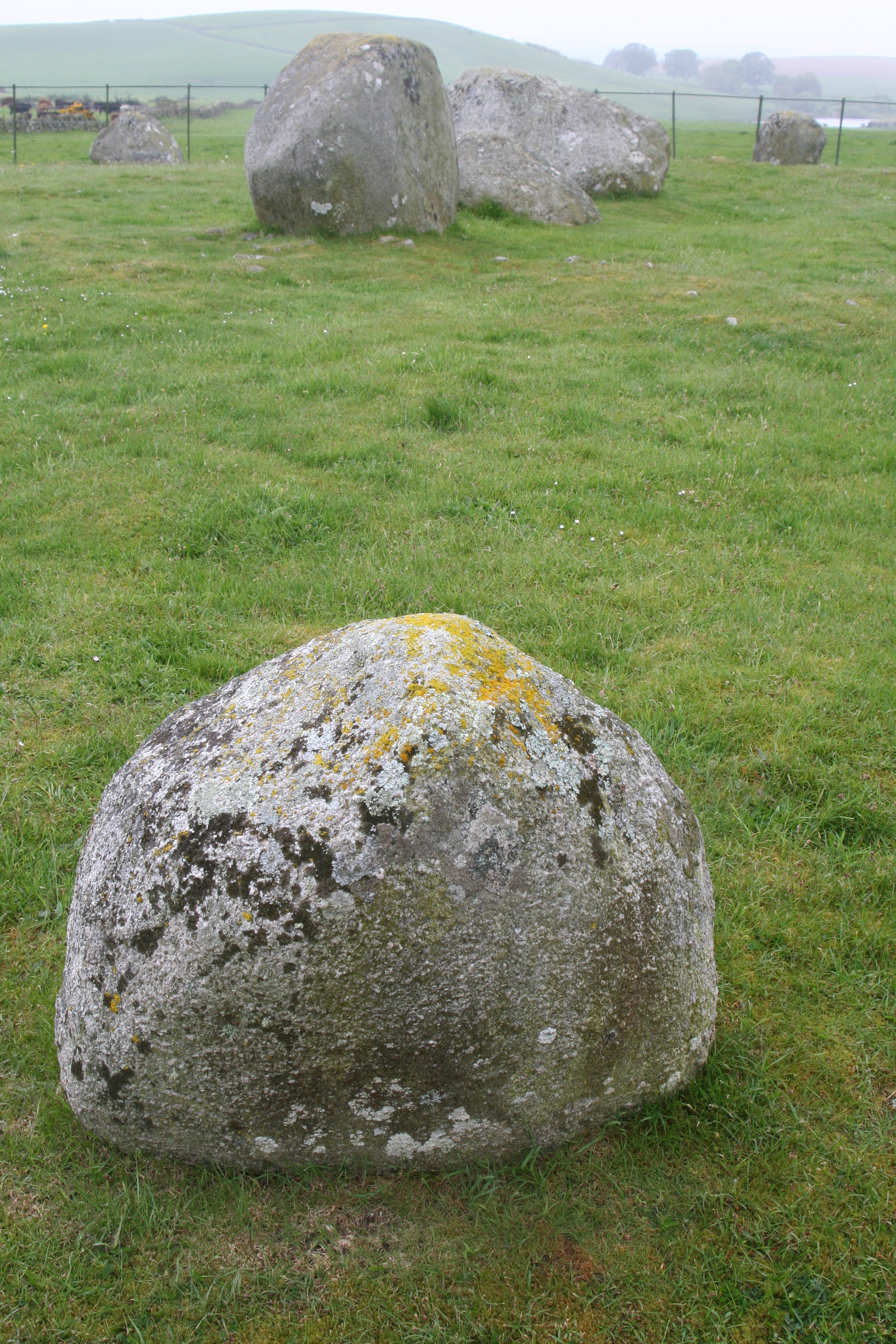
4000 years ago a different religion held sway in the region. Druids were the priests of the day and mistletoe was the ‘in’ thing. Lining up huge stones in circles kept folks off of the unemployment rolls. Stonehenge is just one of numerous examples.

Outside of Wigtown we came across one of the early sites. I almost got a hernia thinking about what it would take to move the rocks. Some cows gathered to see if I was going to test my manhood. I refused. Instead I photographed the cows and the local scenery.

The stones of the Torhouse Stone Circle.

The cows.

And the scenery: stone fences, Scotch Broom and the green, green grass of Scotland.

Kirkcolm is the ancestral home of my Great Grandmother, Jannette McRoberts Thomson Mekemson. A wild-eyed Shetland pony dashed over to greet us when we parked at the lower end of town. “Maybe,” I thought, “Great G’ma has been reincarnated as a horse and is excited to see me.

Or maybe the pony thought I was good for an apple.

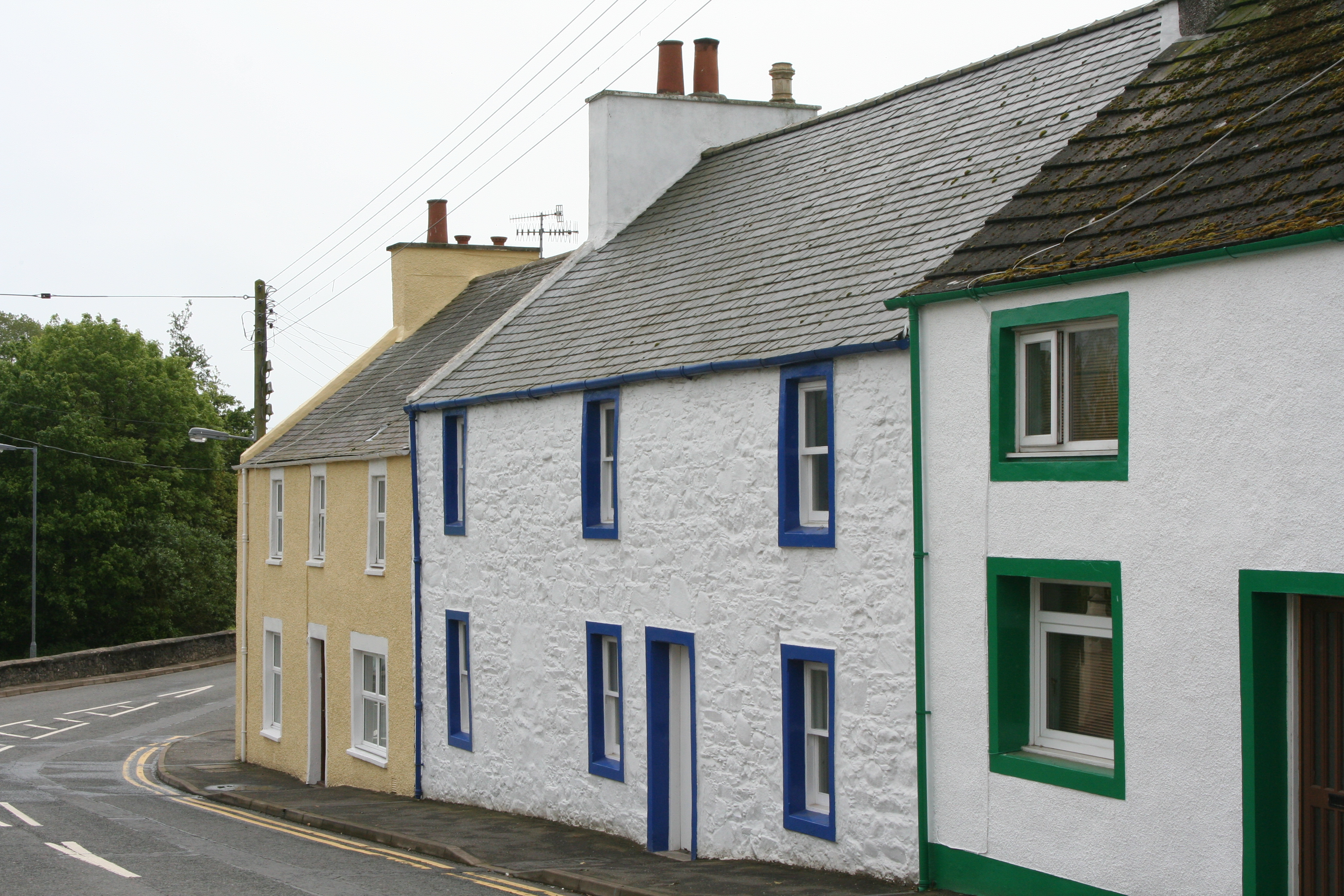
Peggy and I took a leisurely ten-minute stroll from one end of the town to the other. The houses were neat and colorfully painted. I would have been happy to spend the day, or a week.  The clock was ticking, however, and we had miles to go to our next destination.

The colorful, neat homes of Kirkcolm, Scotland.

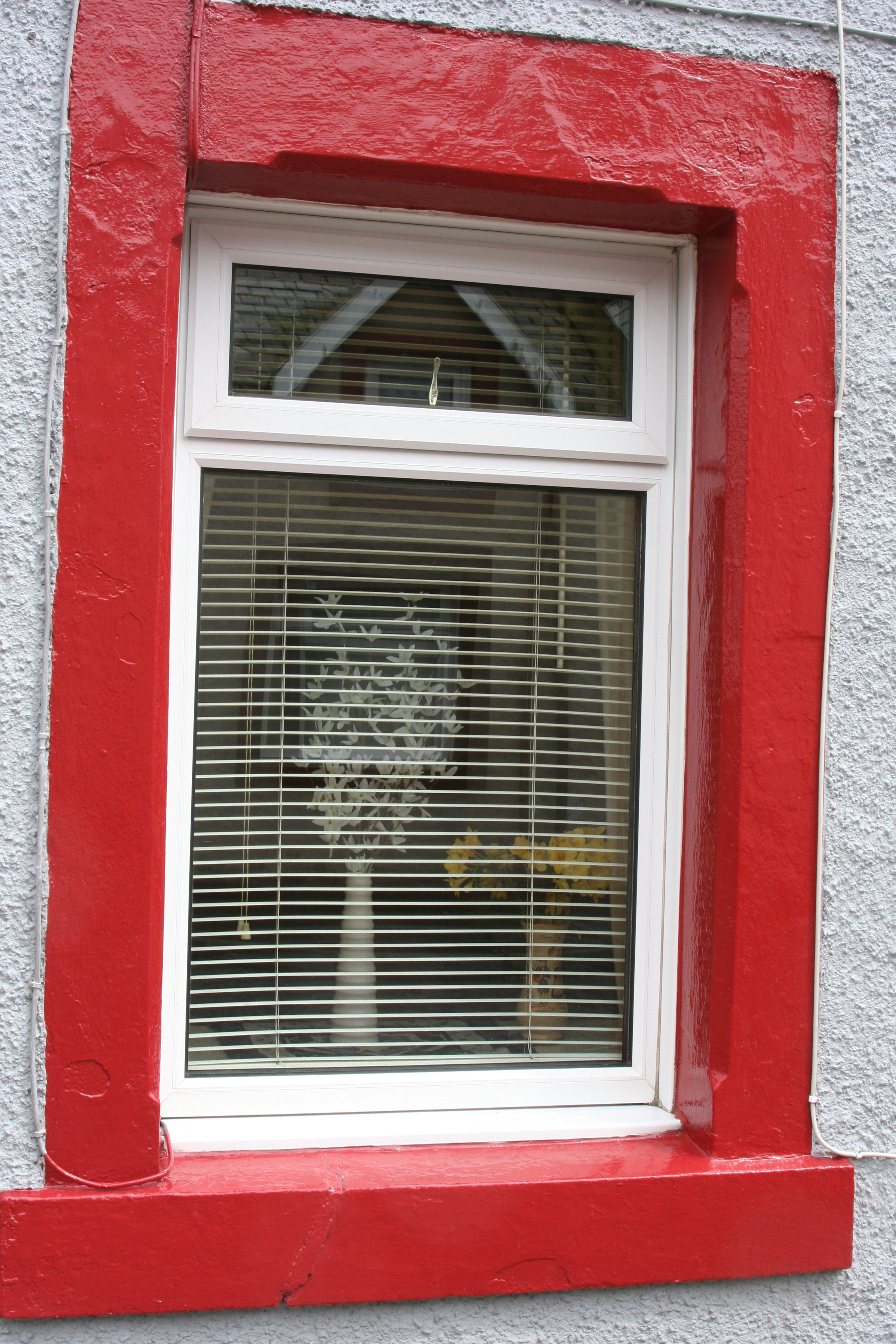
Another example of colorful Kirkcolm Scotland. Note the flowers behind the blinds.

First we took a quick detour across the peninsula following narrow roads to where Jannette’s father had been born. Then we headed on for Muirkirk, the Old Church B&B, a possible ghost, and the lonely grave of my Great Grandfather to the eighth, John Brown the Martyr.

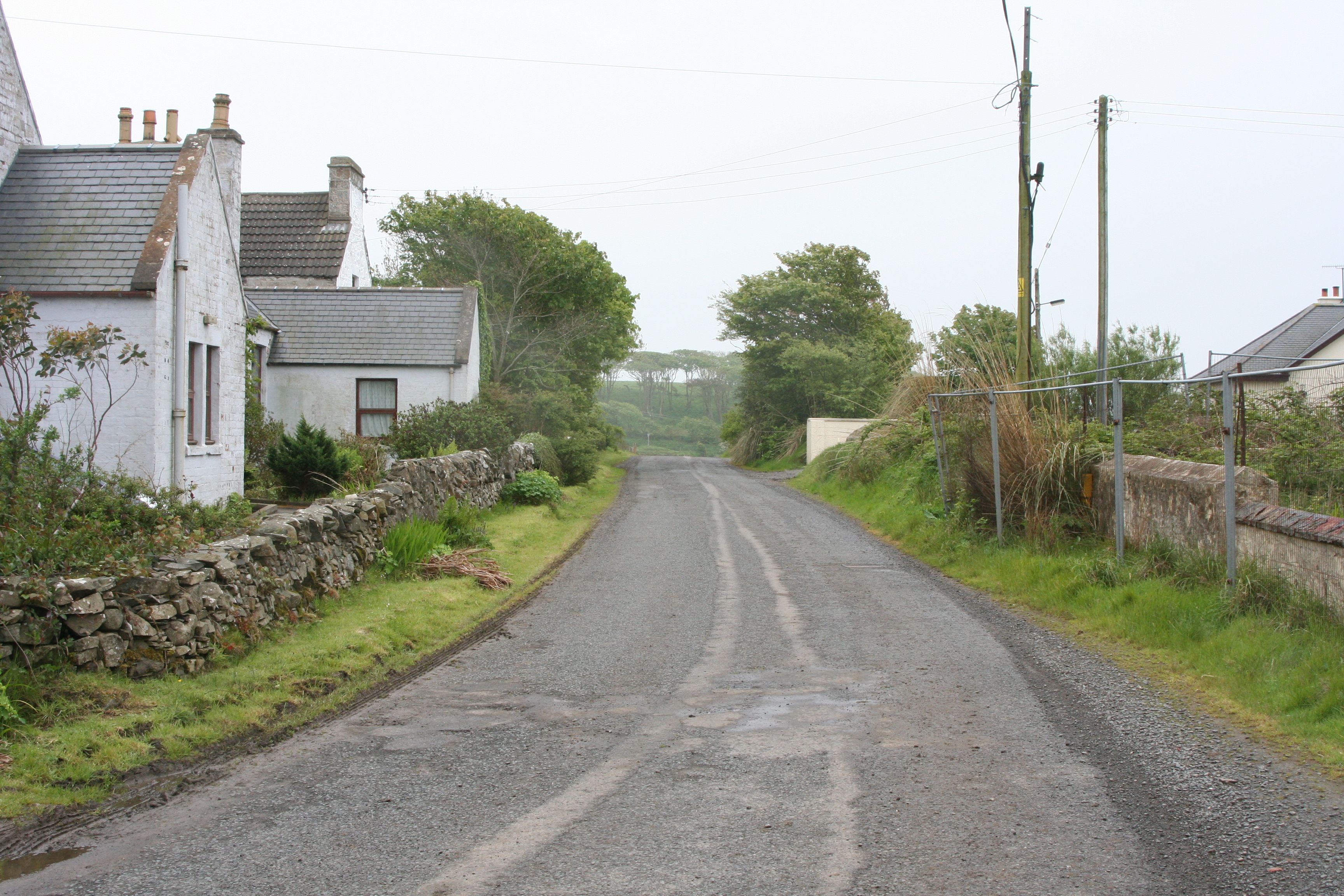
The narrow road through Dhuloch farm in Southwest Scotland. The early 1800's home of Samuel Melvin Thomson, my Great Grandmother's father.