North Cascades NP: Kayaking on the Stunning Diablo Lake… National Parks Series 2

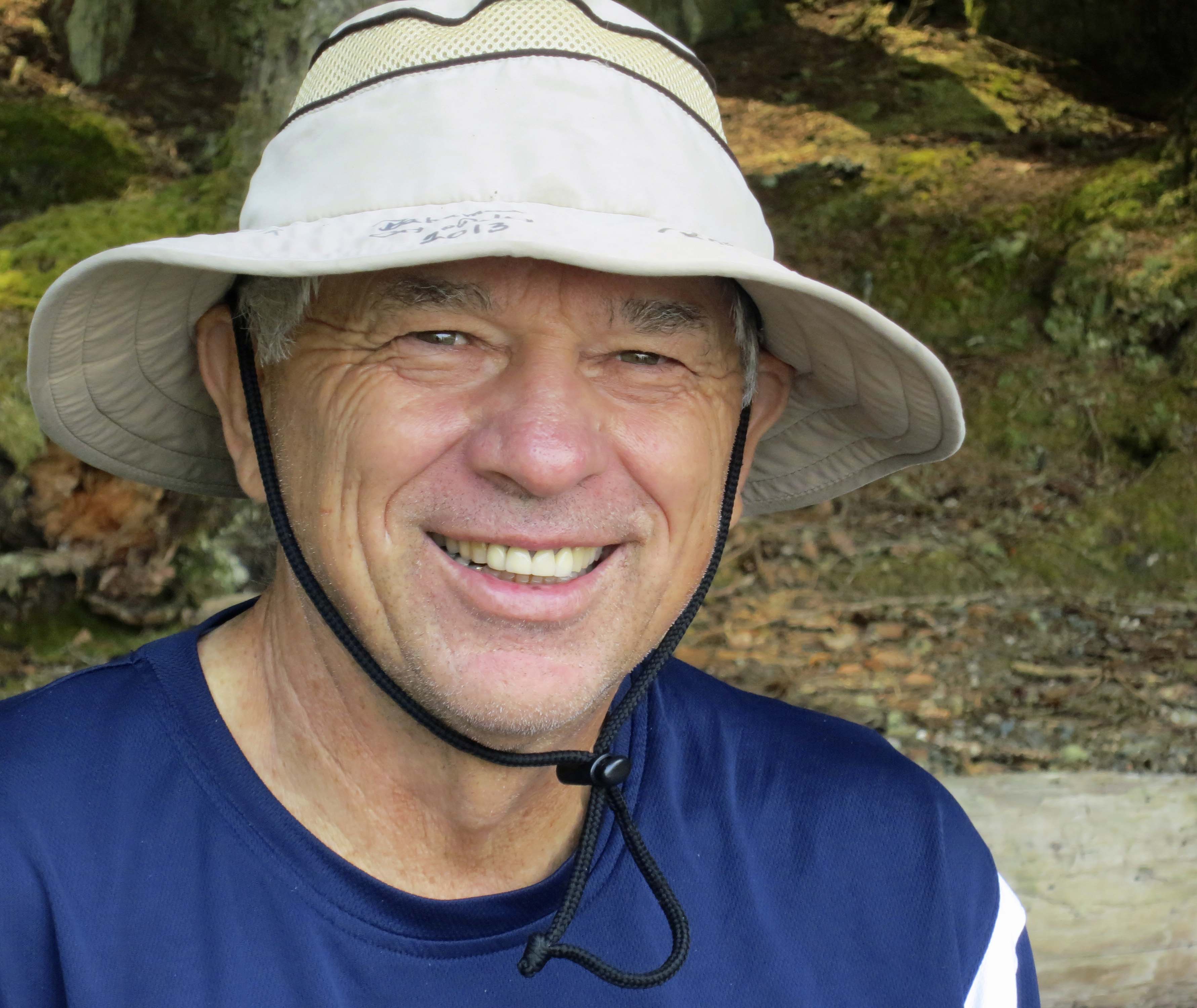
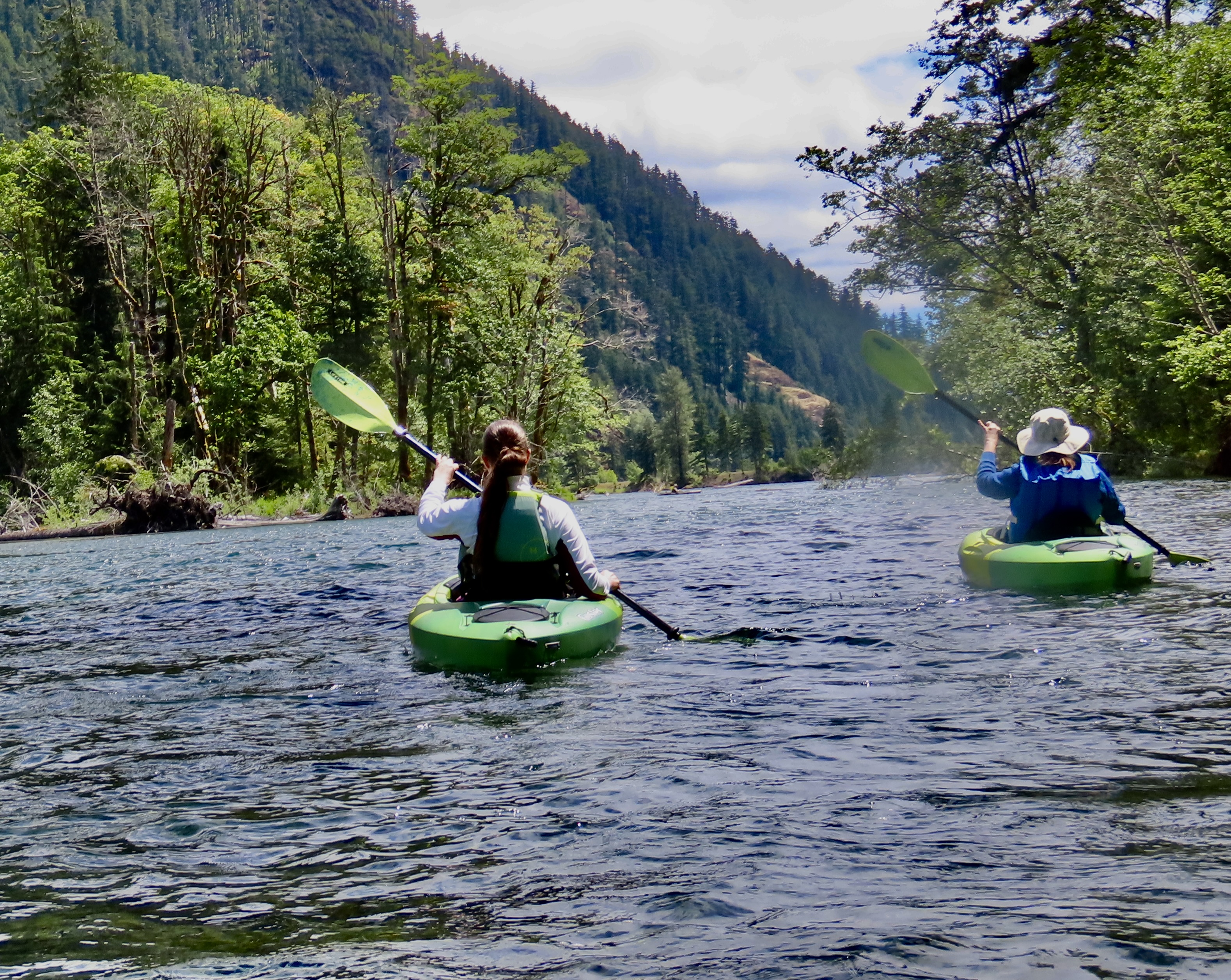
Diablo Lake is known for its beautiful teal-green waters and surrounding scenery. The water’s color is the result of tiny rock particles suspended in the water refracting light. The particles are created by the surrounding mountain glaciers grinding rock into what is called glacier flour. The ‘flour’ is then washed down to the lake by glacial streams. Having lived in Alaska for three years, I was quite familiar with the process. Here, Peggy is kayaking up the Thunder Arm of the lake toward Thunder Creek.

Peggy and my first trip through the Northern Cascades National Park was in 1999 as we marathoned north to join our friends Ken and Leslie Lake for backpacking and kayaking in Alaska. They were flying into Anchorage and we had promised we would be there to pick them up. A long trip up the Alaska Highway was ahead, so there was no time to tarry. We spent a night camping in the park where we were entertained by a banana slug and the beautiful surroundings.

Banana Slug at Redwoods National Park.
A bright yellow banana slug makes its way along the forest floor. Some interesting facts about this unique creature are that they can grow up to 10 inches in length, which makes them the second largest slug in the world. They can zip along the ground at the amazing speed of 6 1/2 inches per minute. They are covered in slime which is an anesthetic. You can discover this yourself if you lick one. They breathe through their skin and their eyes are located on the ends of retractable antenna. The guy/girl above is looking around. Yes, guy/girl. They come equipped with both male and female parts and can mate with themselves. They prefer to mate with others, however, and that’s when their procreation activities get really weird. Enough said.

What we remembered most about the park— other than the banana slug— was Diablo Lake. Located in the heart of the park, its dramatic setting combined with the milky-teal color of the water is guaranteed to make a life-long impression. We vowed to return someday and kayak on the lake. A quarter of a century later, this summer, we finally accomplished our goal. 

Diablo Lake is one of three reservoirs built by the power company, Seattle City Lights, to create the Skagit River Hydroelectric Project in the 1920s and 30s to provide electricity to Seattle. The lakes are Ross, Diablo and Gorge, shown on the map below. When it was completed in 1930, Diablo Dam at 389 feet (119 meters) was the highest dam in the world. (The highest dam today is the Jinping-I Dam in China at 1001 feet (305 meters)). Today, Seattle receives approximately 90% of its electricity from hydroelectric power. 20 % of it is provided by the Skagit River Hydroelectric Project.

This map from an information board shows the three lakes included in the Skagit River Hydroelectric Project. Diablo is in the middle. The tannish line shows the route past the lakes with its multitude of great views.
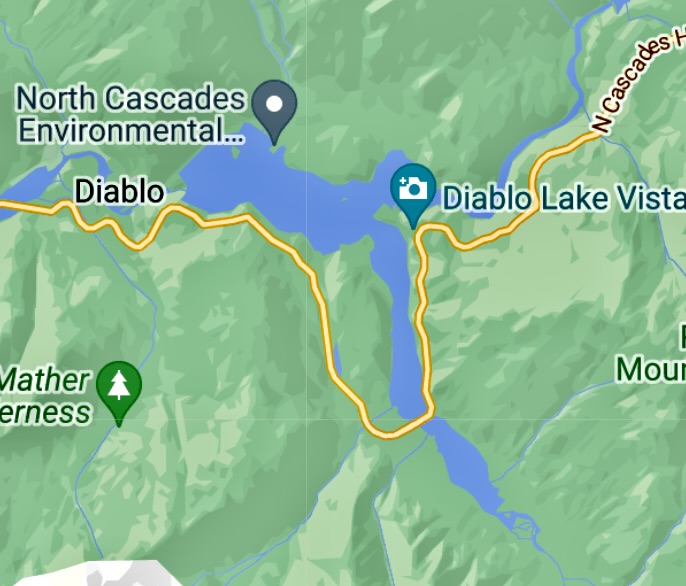
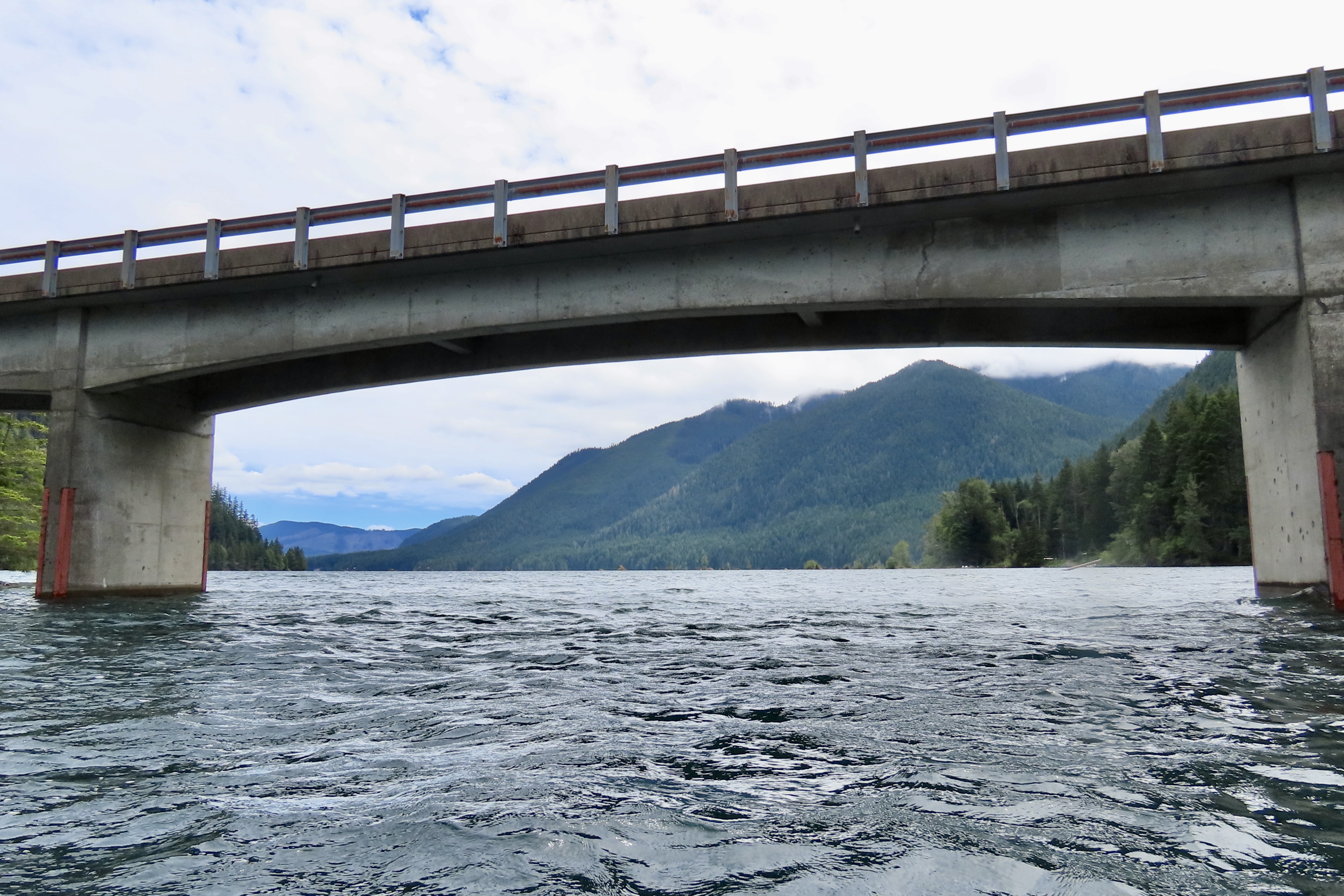
Map showing Diablo Lake. The camera is where we shot the photos looking down at the lake. We kayaked south from the bridge down the lake’s Thunder Arm to Thunder Creek.
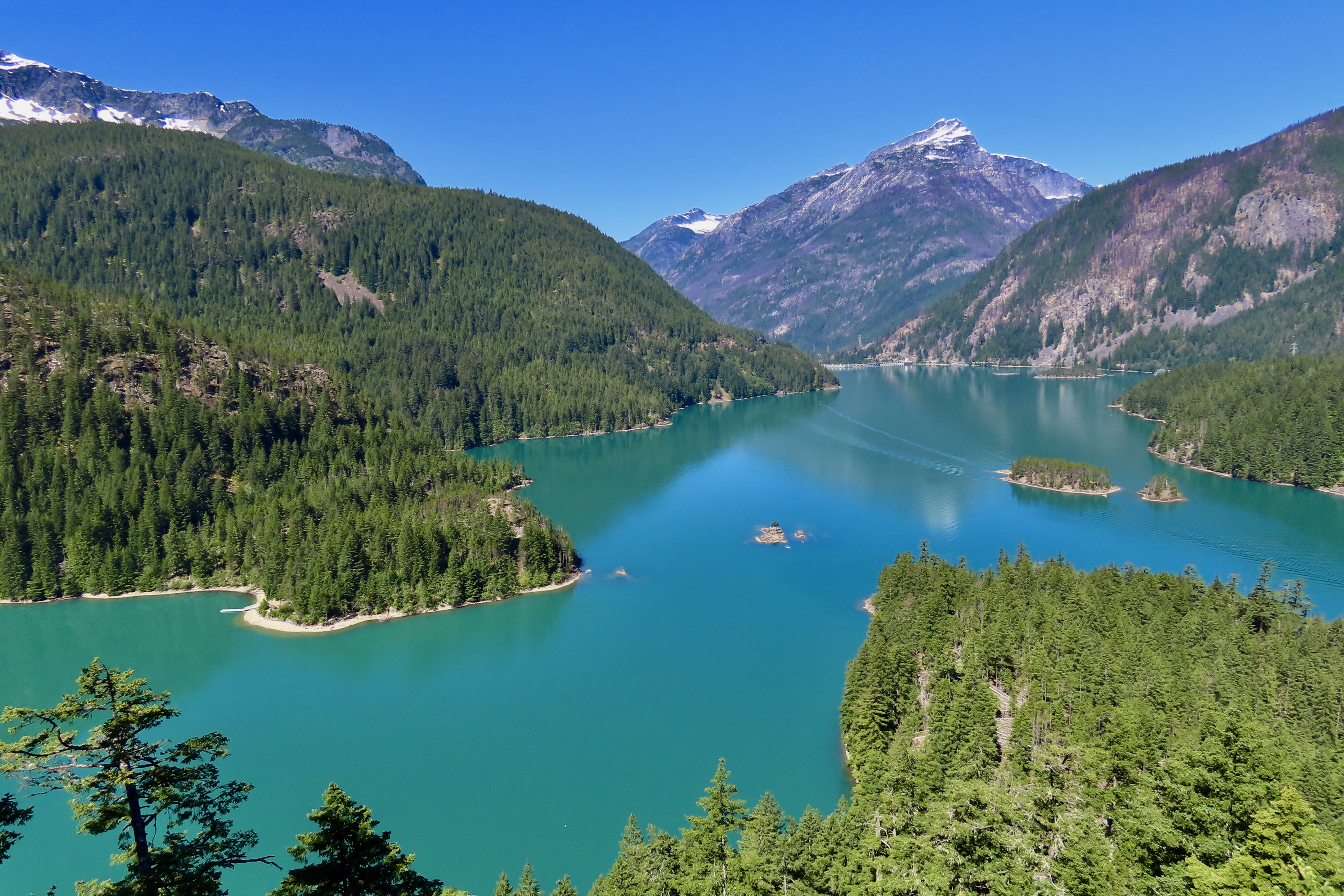
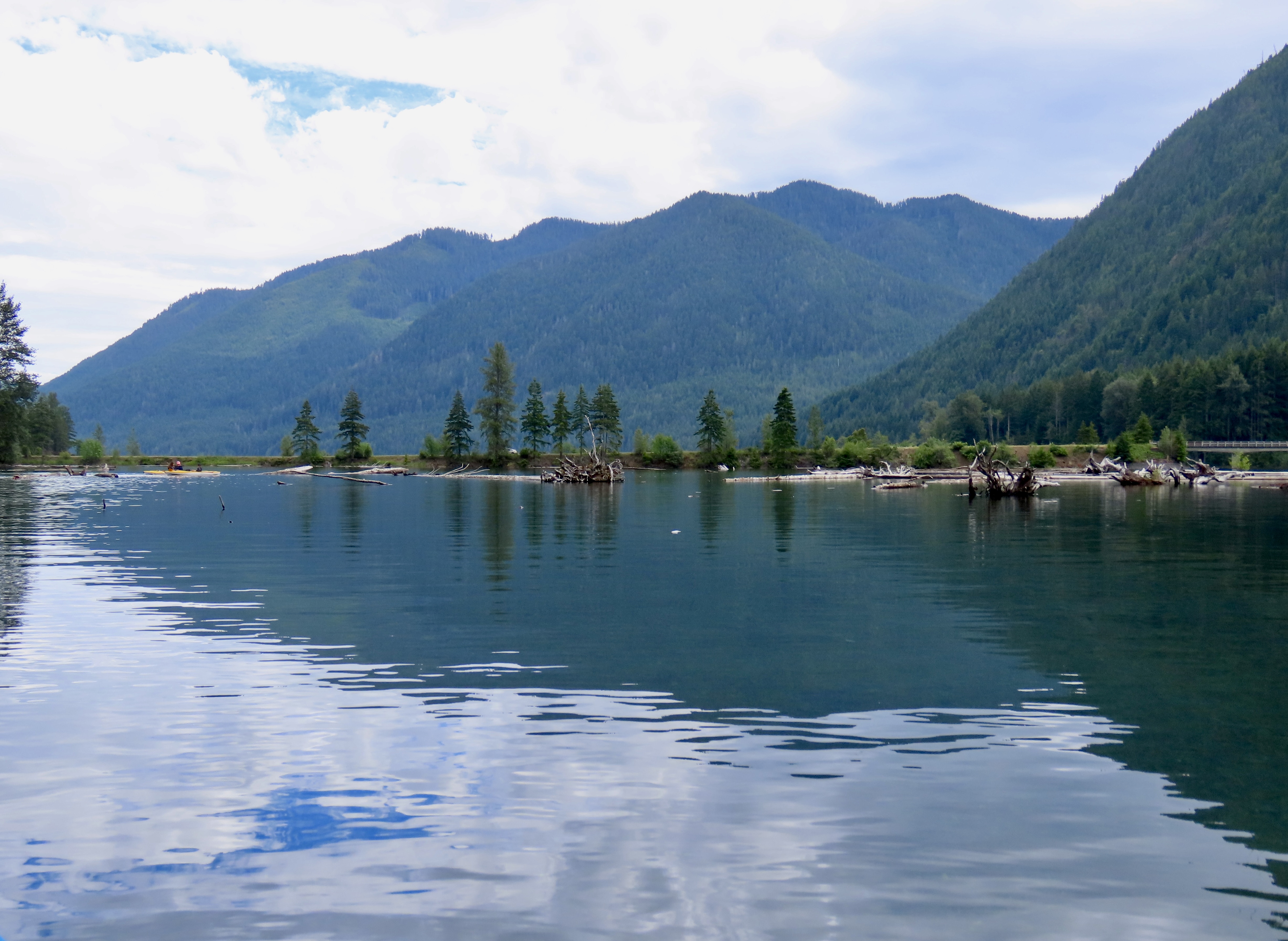
This view of the lake and the next one led us to our vow that we would be back. In the distance you can see Diablo Lake Dam. Note the small island in the middle. There were kayakers exploring it.
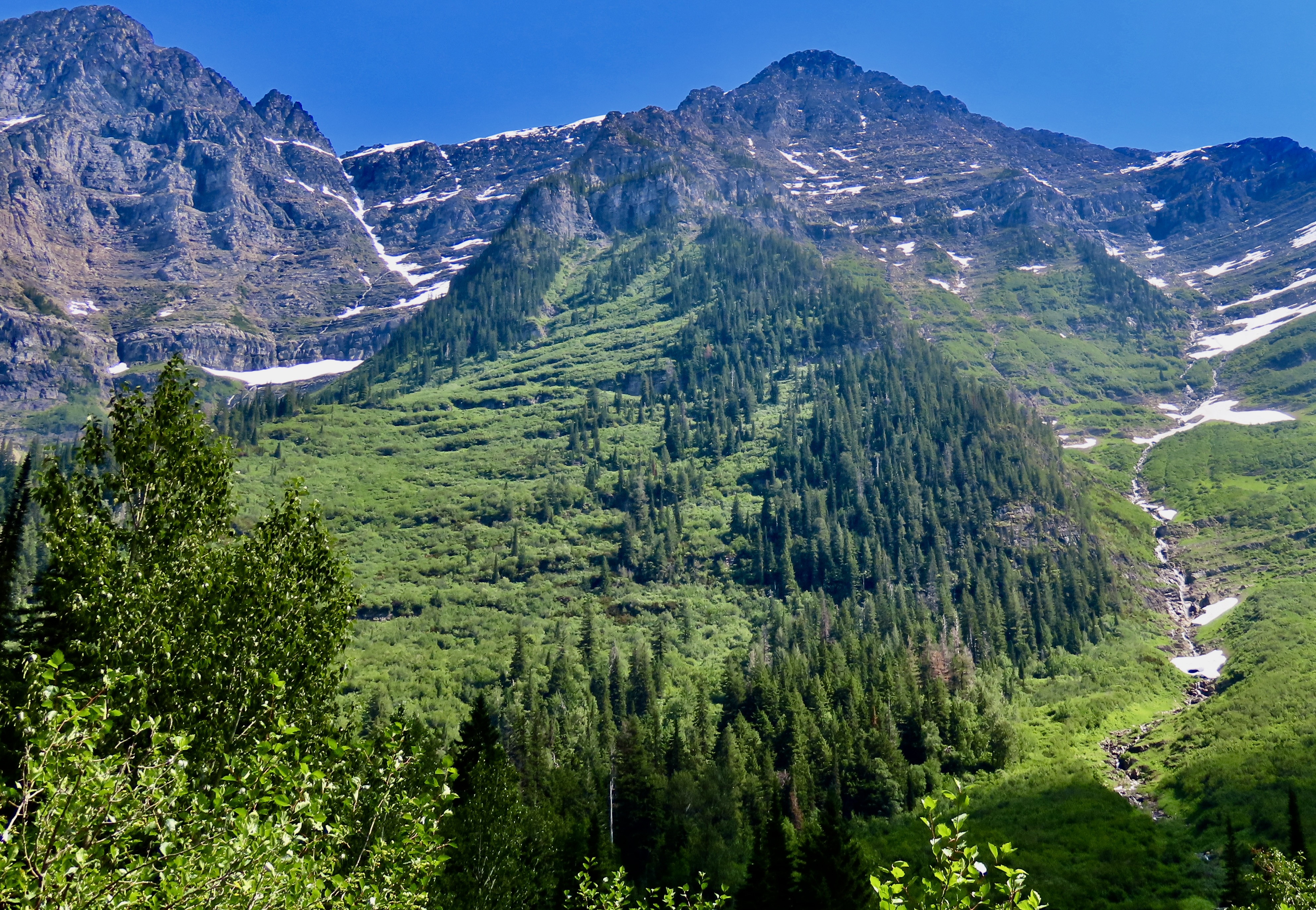
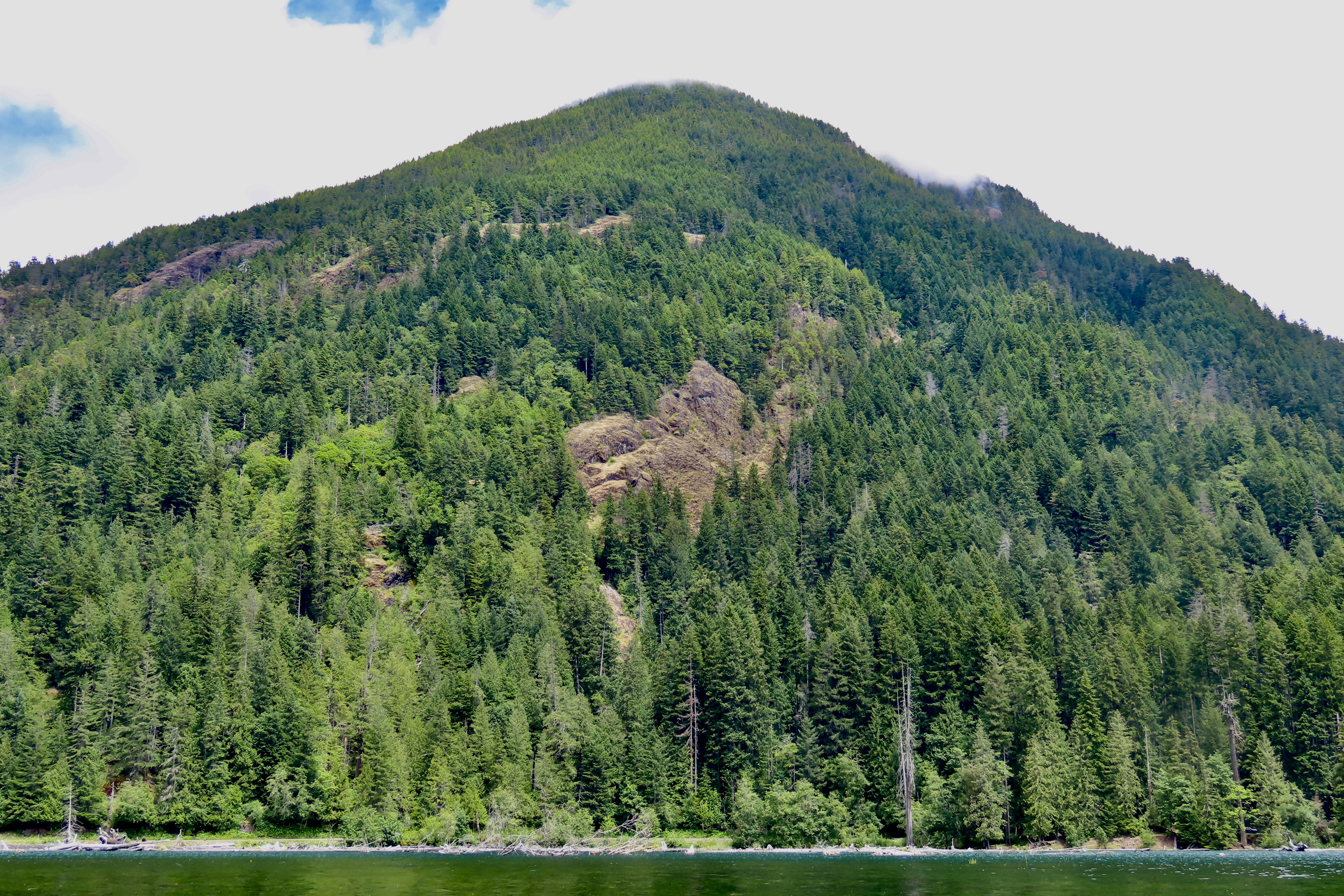
This view provides a look at some of the surrounding mountains hanging above the Thunder Arm of the lake. We were kayaking off to the left. A slight reflection of the mountains and surrounding hills can be seen in the lake.
This is the island with kayakers I mentioned above. We didn’t have time to explore Thunder Arm plus paddle out to the island. Maybe on our next visit. If I wait another 25 years I’ll be 106.
We found the upper end of the Thunder Arm particularly attractive with its contrasting colors of green and looming mountains. If I appear a little laid back, that’s because I am.
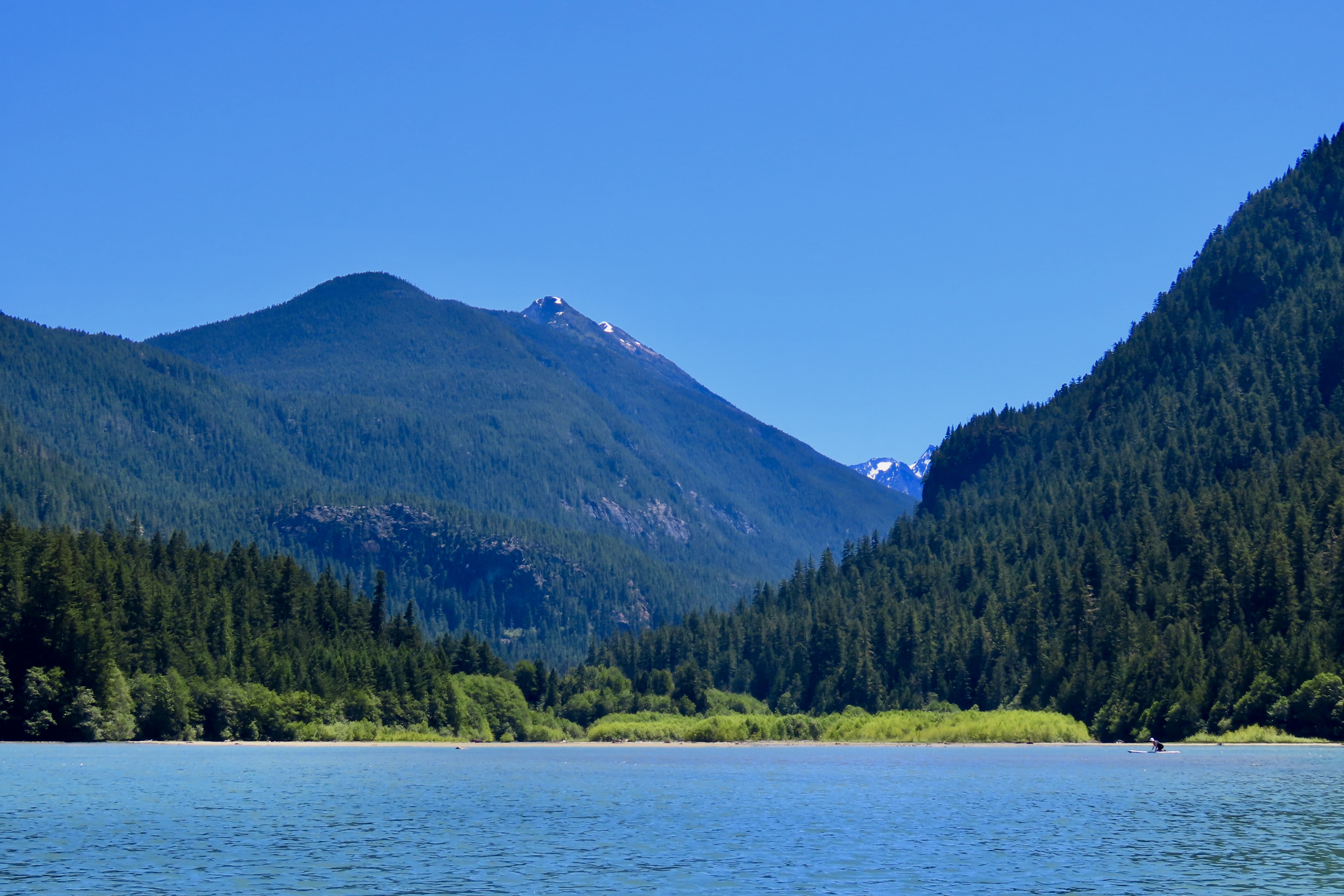
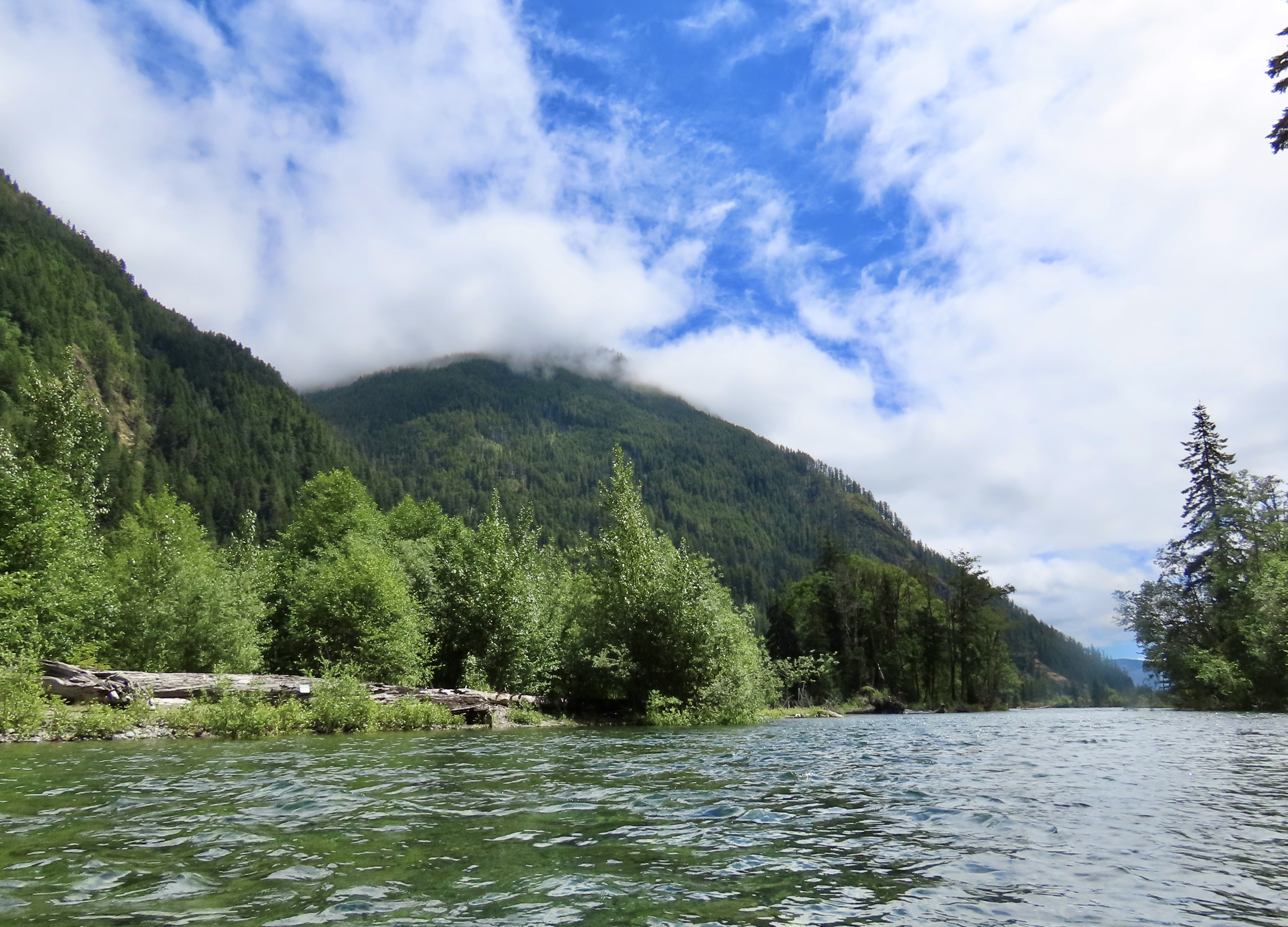
Another perspective. More distant mountains can be seen up the valley. Slightly hazy skies dimmed our views of the mountains.
Photos by Curt and Peggy Mekemson
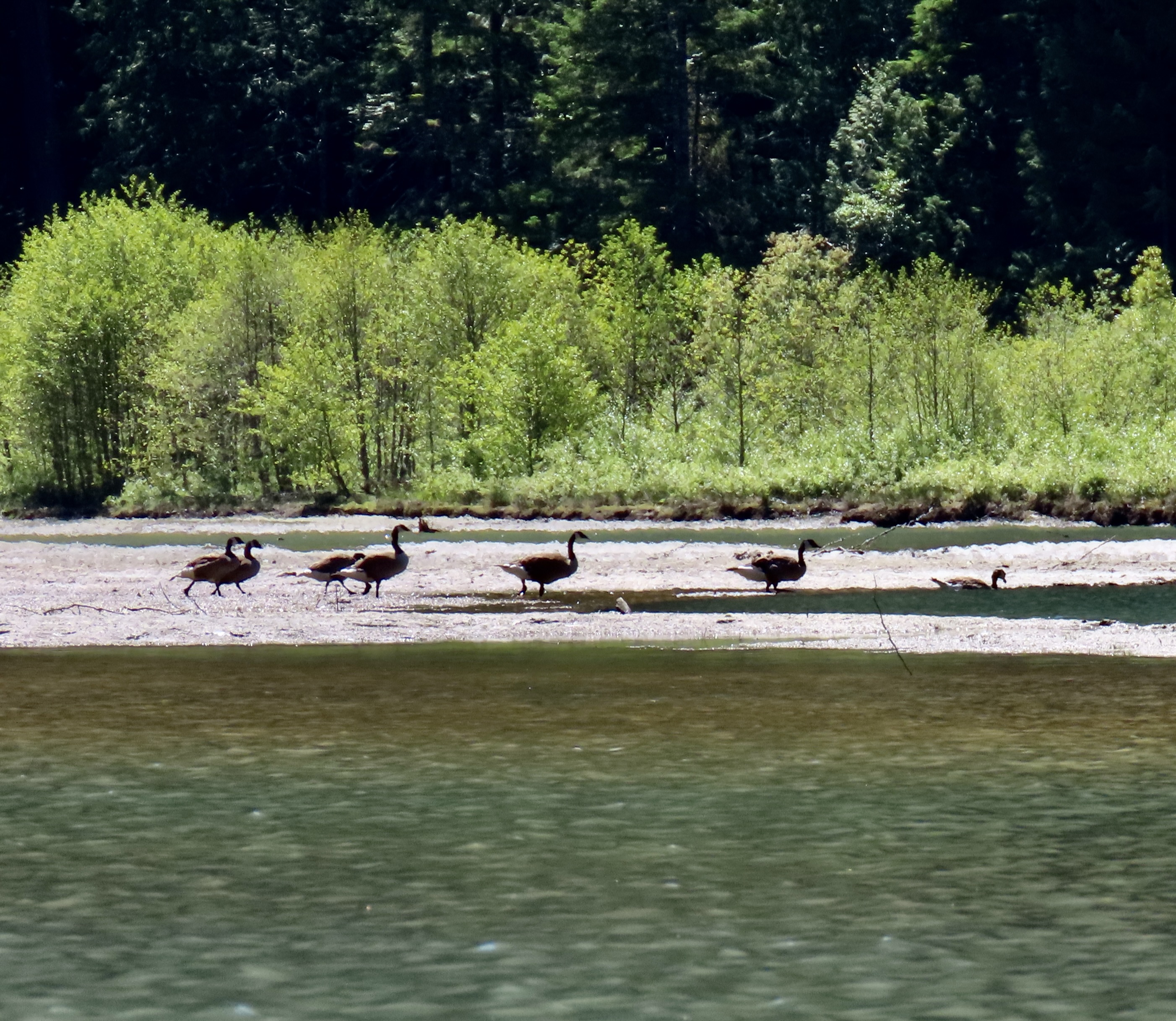
Canada geese greeted us at the head of the lake.
And grazed along the shore. A teenage goose is behind this one.
A goldeneye appeared to give us a the ‘look.’
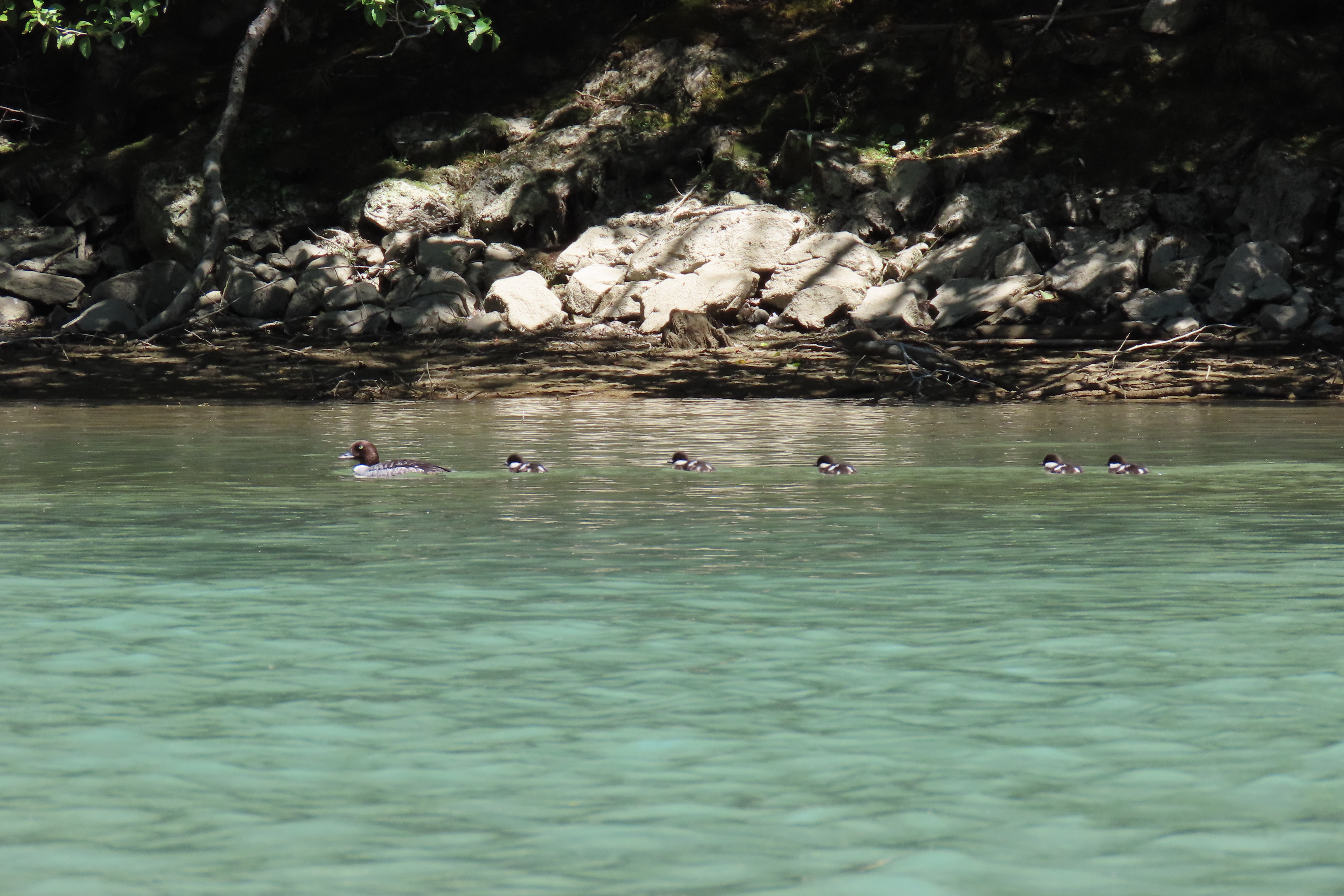
And another one scurried away with her chicks. I caught up with them, however.
And mom had a fit, flapping her wings, screaming at her chicks to hide, and squawking at me with a very clear message. It’s probably a good thing I couldn’t understand what she was saying. I left mom and her ducklings to go about their business.
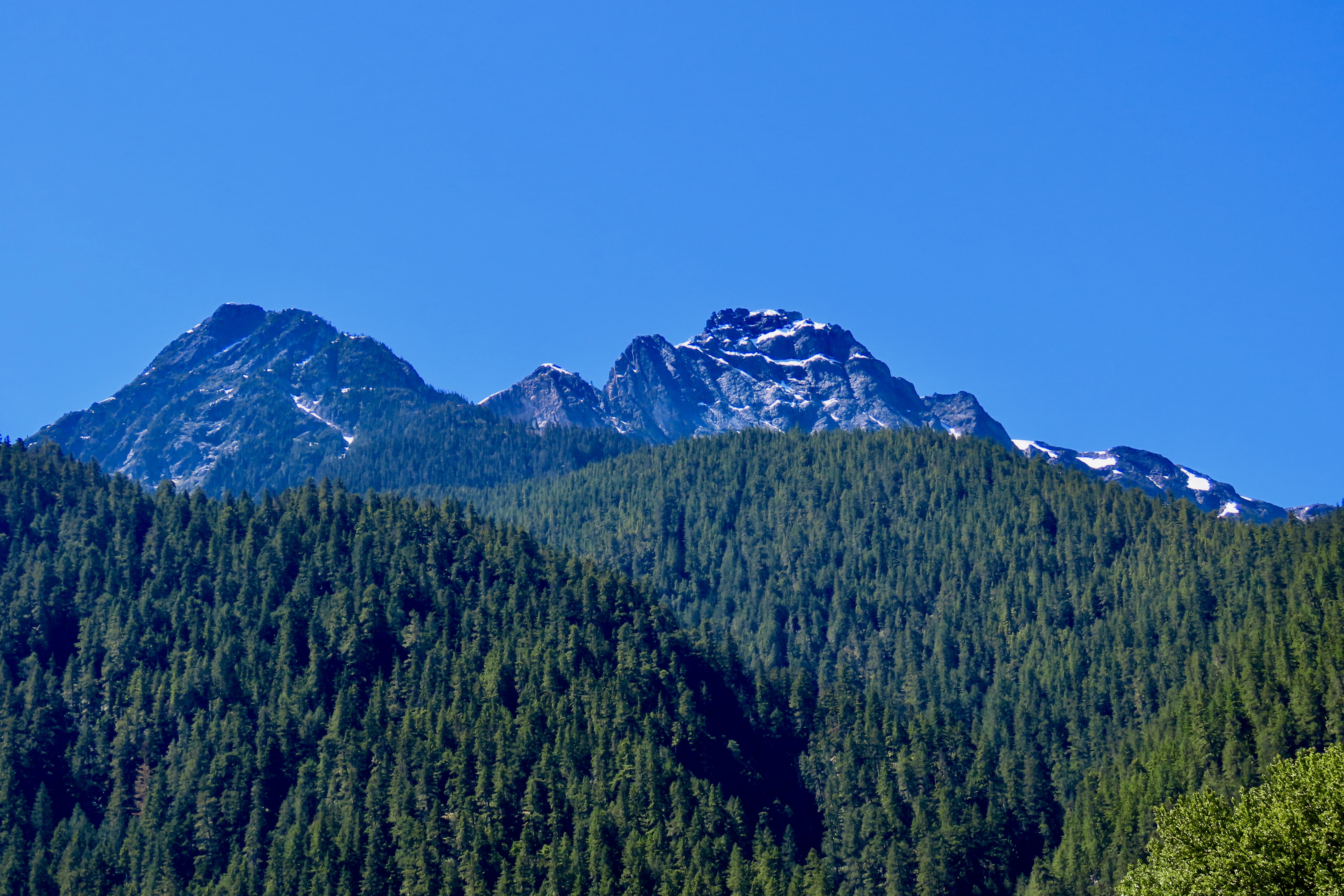
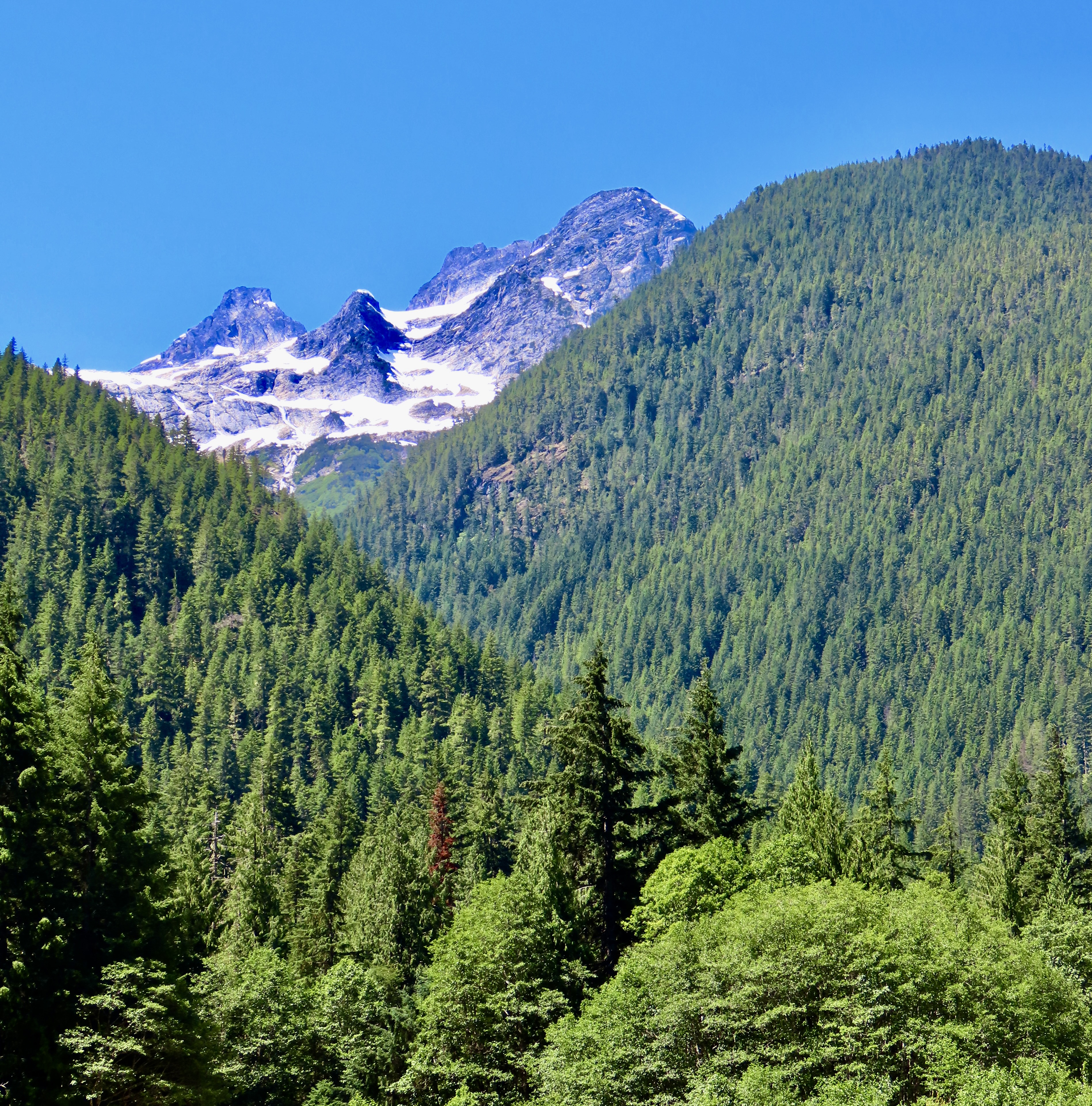
Kayaking back, we had more views of the surrounding mountains.
Our final photo. Next post: We will travel on to Glacier National Park in Montana.
Photos of Glacier National Park by Curt and Peggy Mekemson

Olympic National Park: Kayaking… The Pacific Coast Series #24

Cushman Lake is a fairly large lake around 10 miles in length and a 100 feet in depth. While it isn’t in Olympic National Park, the northern end where we kayaked serves at the gateway to the Staircase entry to the park. The road into the park can be seen on the right. The Skokomish River, which I featured in my last post, flows into the lake at the upper right end of this photo.
The upper end of the lake is connected to the lower end via the bridge on the left. We kayaked from the Bear Gulch Picnic Site and explored this upper section including the lower end of the Skokomish River.
The red pin shows the location of Lake Cushman in Washington. Note: Forks, the site of the Twilight books and movies, is on the upper left. We were camped near Shelton.
Our niece, Christina and Peggy are kayaking into the Skokomish River here. The slight blur around Peggy was due to a drop of water on my lens. Grin.
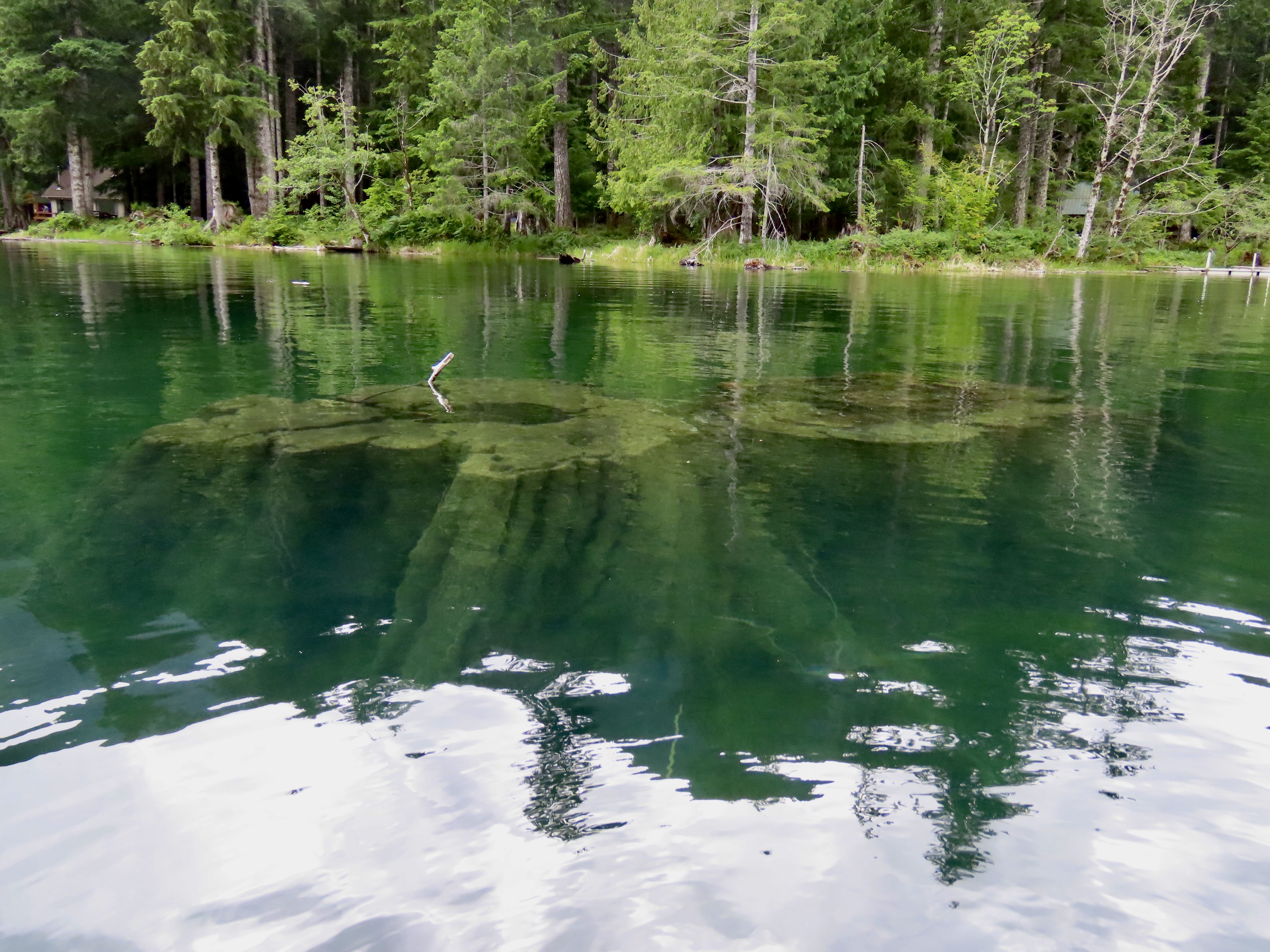
Peggy caught this interesting photo. An old growth forest of huge trees once occupied this canyon before they were logged out. These large stumps, now flooded by the lake, provide perspective. Compare them to the trees on the lake’s edge. And doesn’t the photo seem surreal?
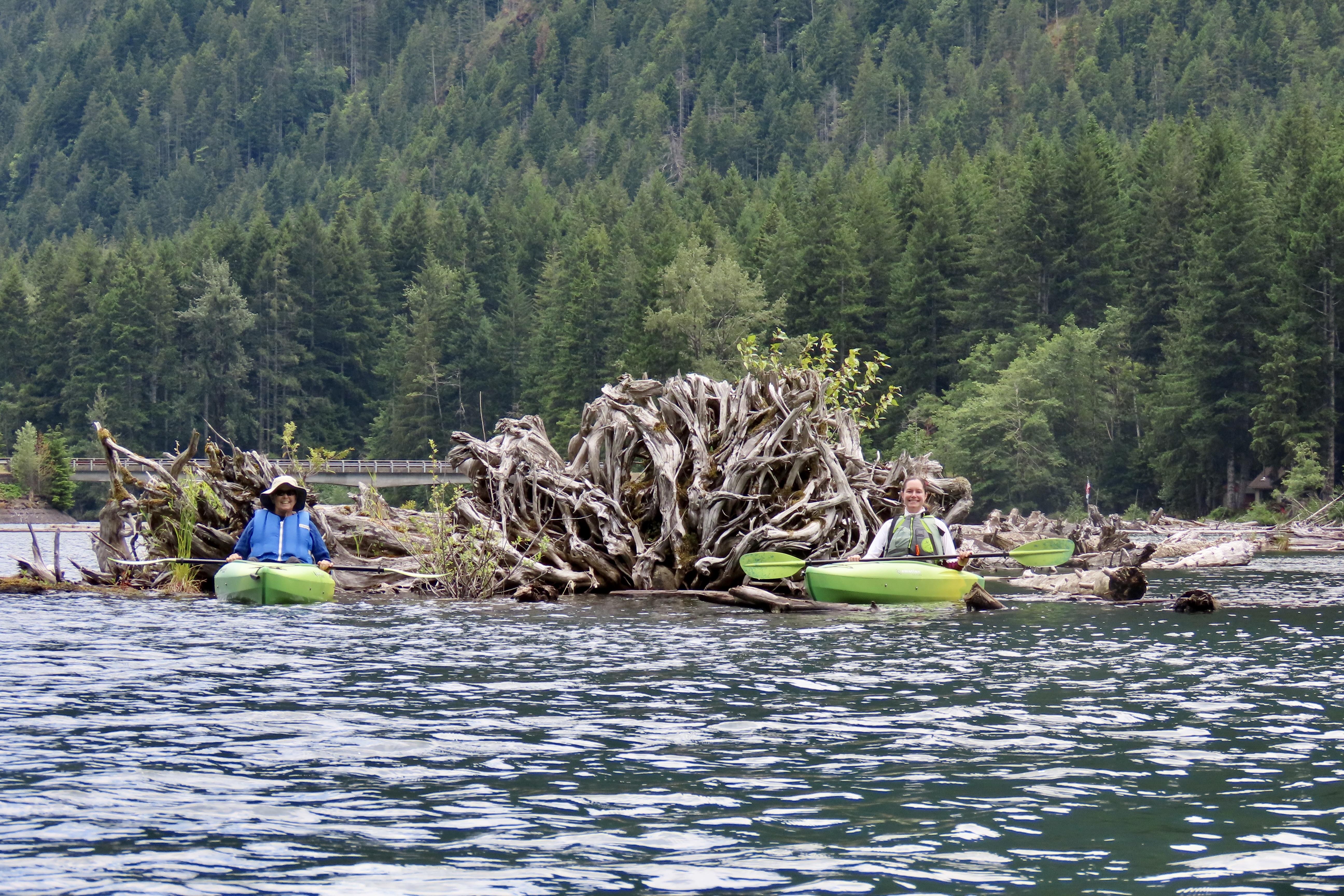
Peggy and Christina wanted their photo taken by these roots from another large tree that would have once stood in the canyon before Lake Cushman was dammed. The bridge on the map can be seen in the background.
This surface shot of upper Lake Cushman shows how shallow the hundred foot deep lake had become.
I thought the roots had personality.
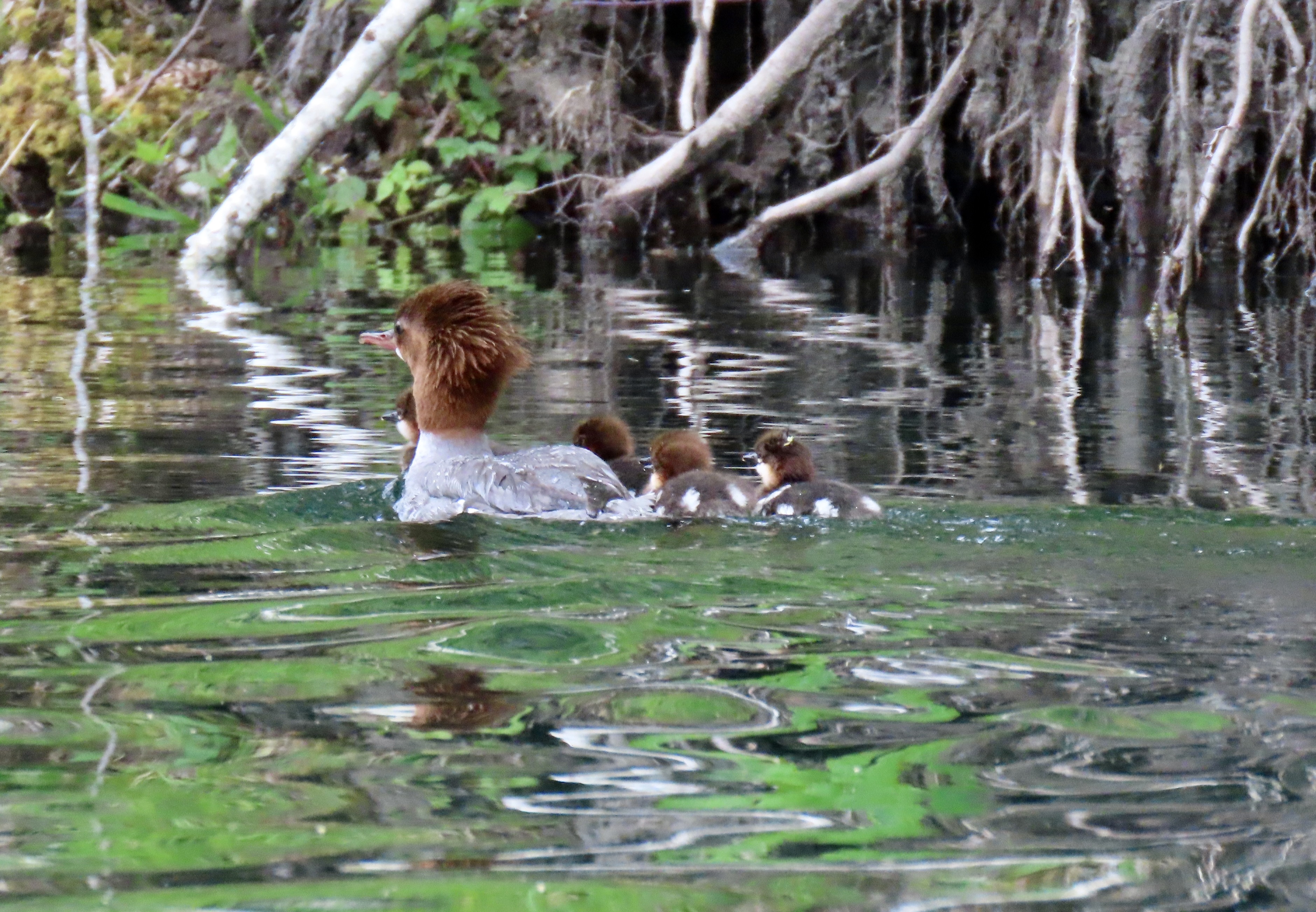
Peggy found this merganser with its chicks.
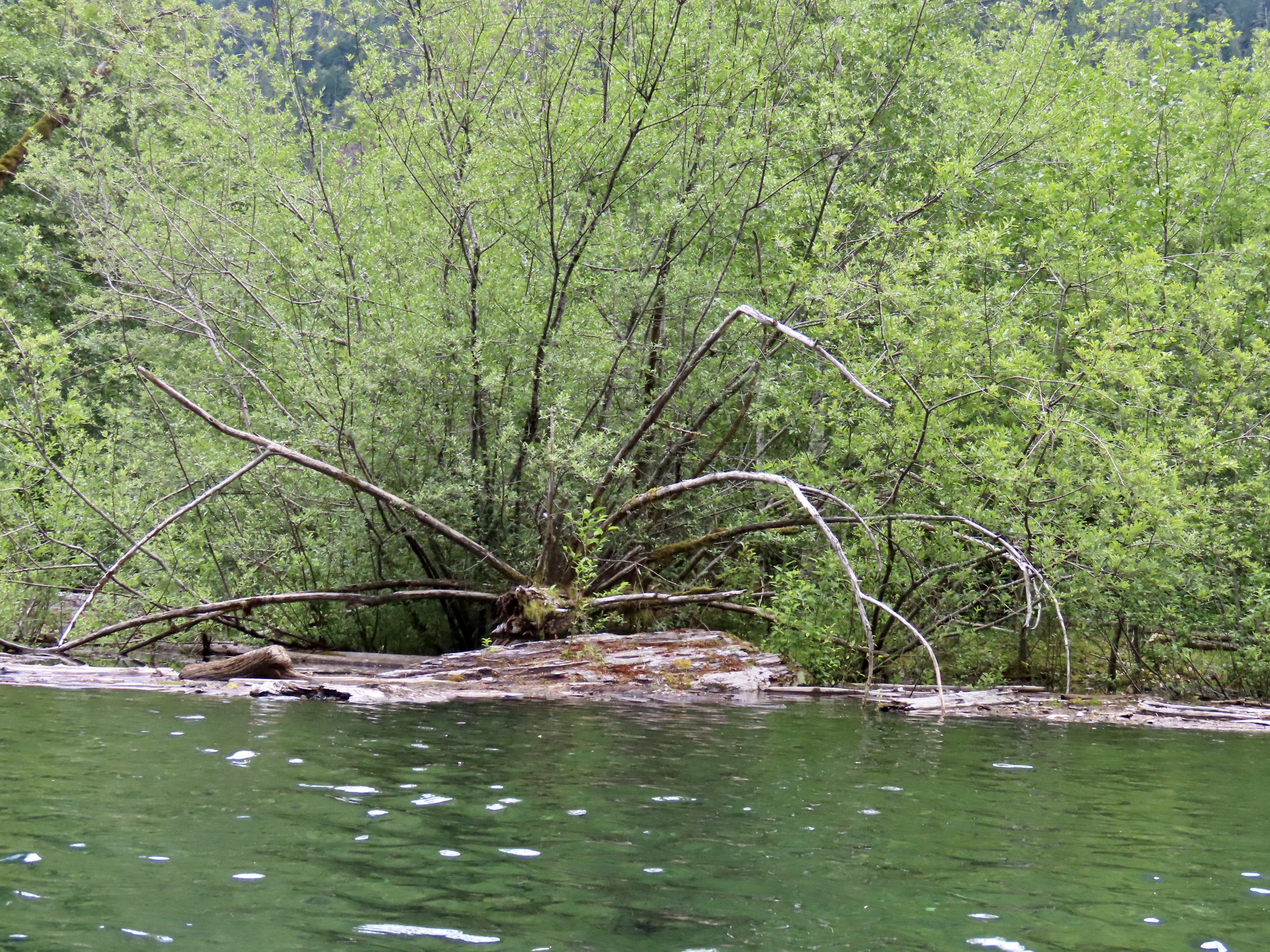
And she imagined this bush as a huge spider lurking on the bank of the Skokomish waiting to capture unwary kayakers.
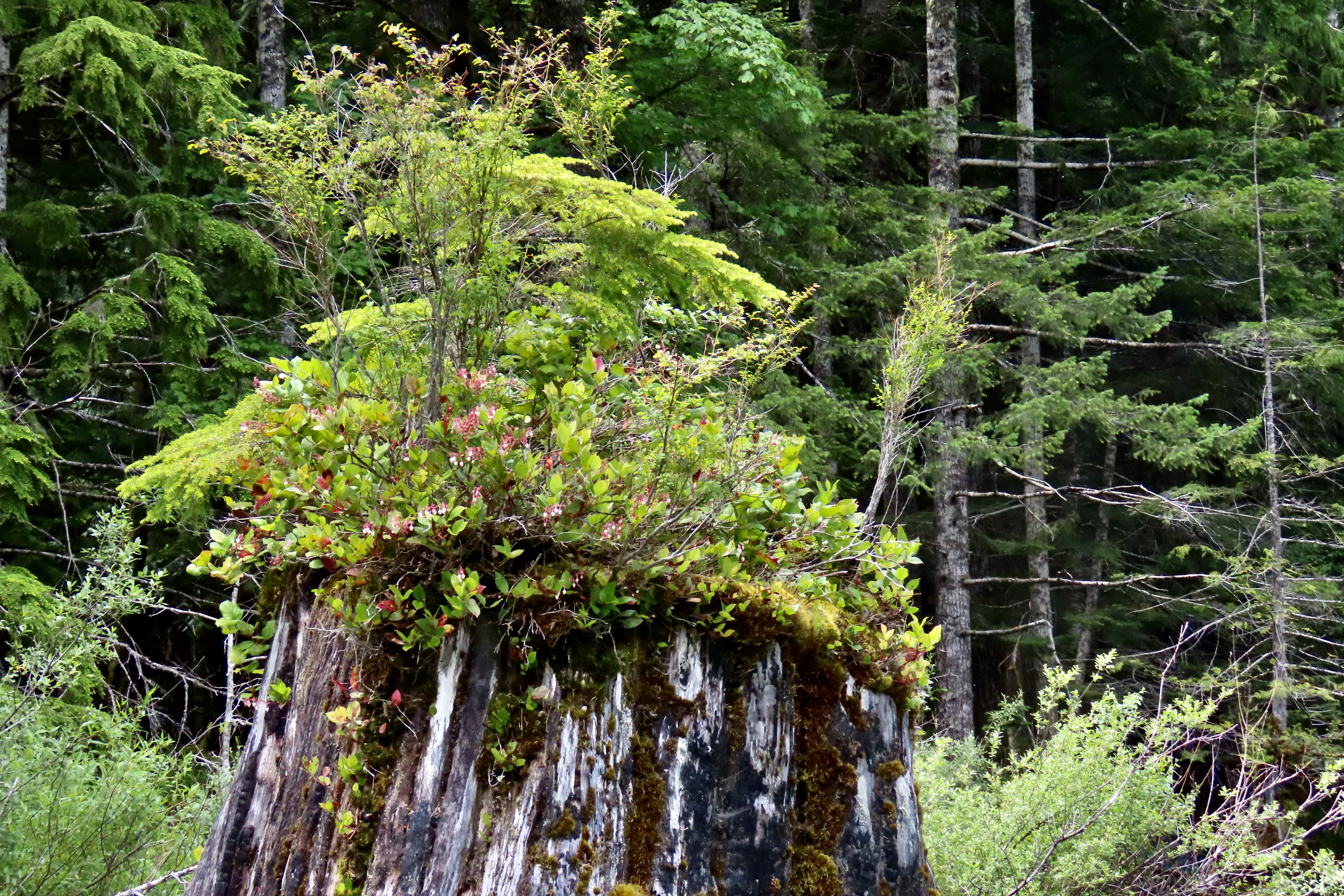
This stump on the lake’s edge was busy growing its own forest
A close up.
Tall trees lined a portion of the upper lake.
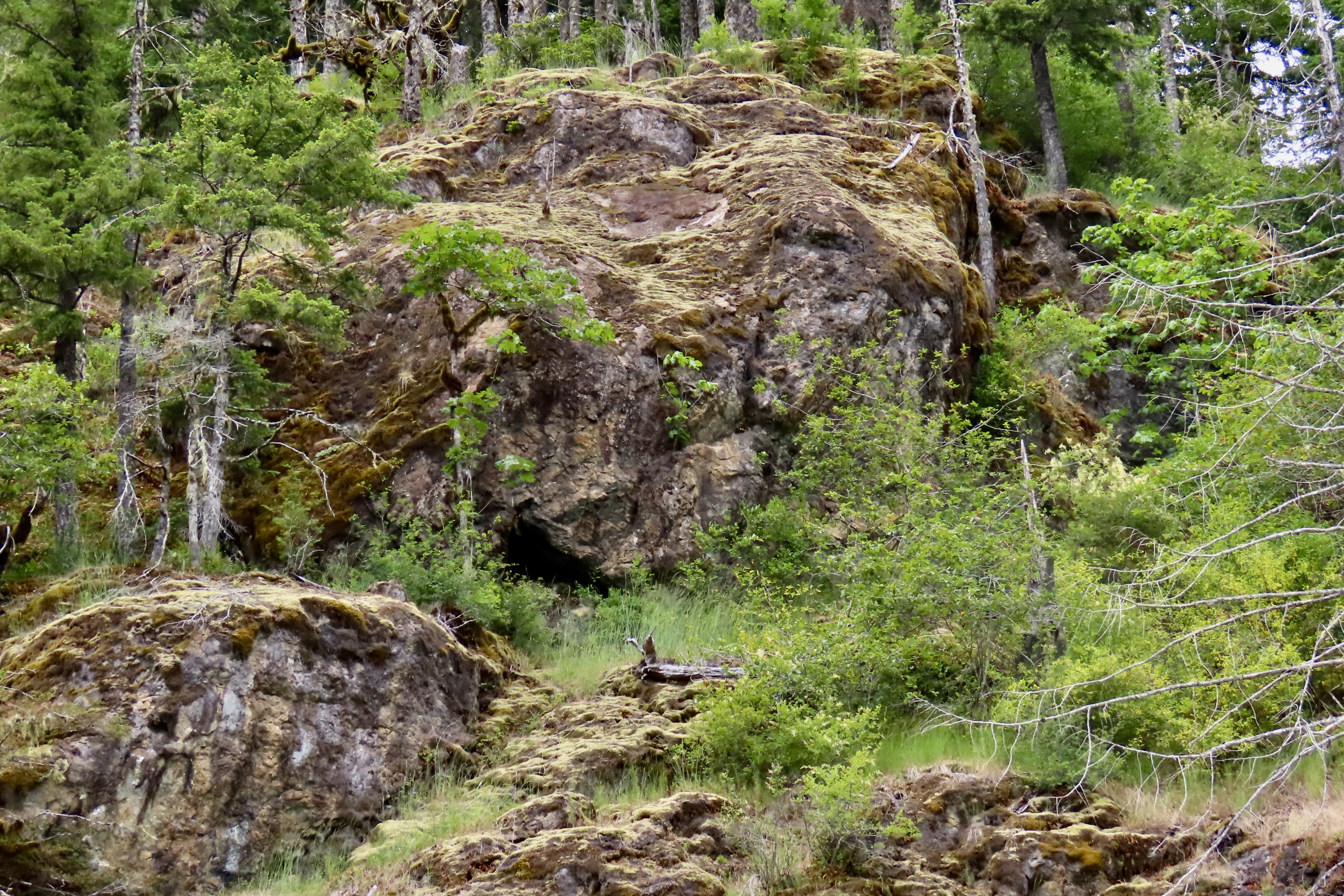
Large rocks were located in the forests above the lakes.
We wondered what wildlife the cave might host? A snoozing bear in the winter, perhaps…
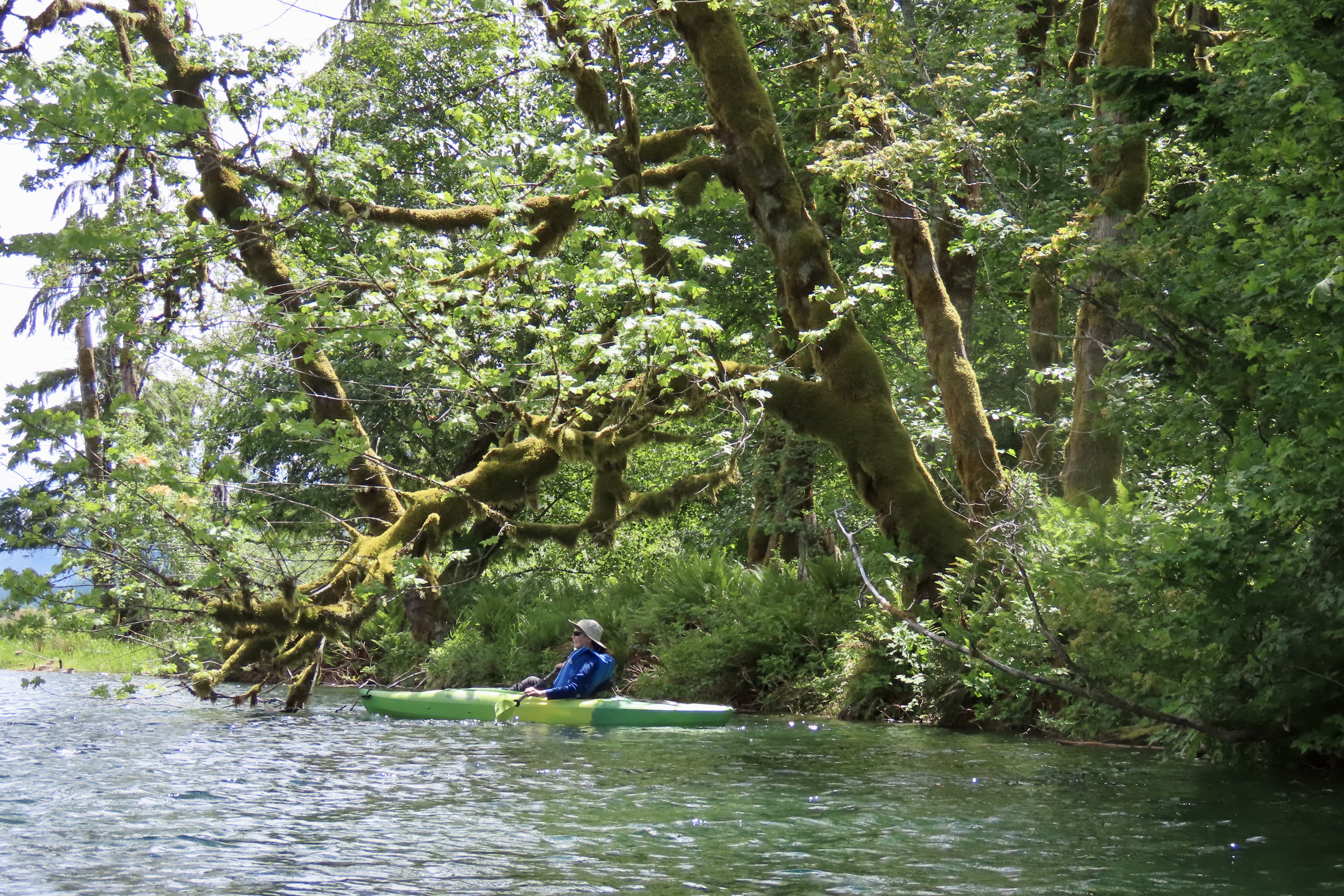
Peggy found a convenient tree to rest under on the Skokomish River.
It was a beautiful day for kayaking. A slight breeze came up and the water grew more choppy in the early afternoon.
We rowed over to the bridge for a glance at the lower section of Cushman Lake and things got much more windy and choppy! We decided that it was time to call it a day. That’s it for now. Next, we will feature a walk at Nisqually National Wildlife Refuge north of Olympia that Christina took us on.
There were frogs…

Who Needs A Barber When You Have a Starfish? British Columbia Sea Kayak Adventure: Part 3

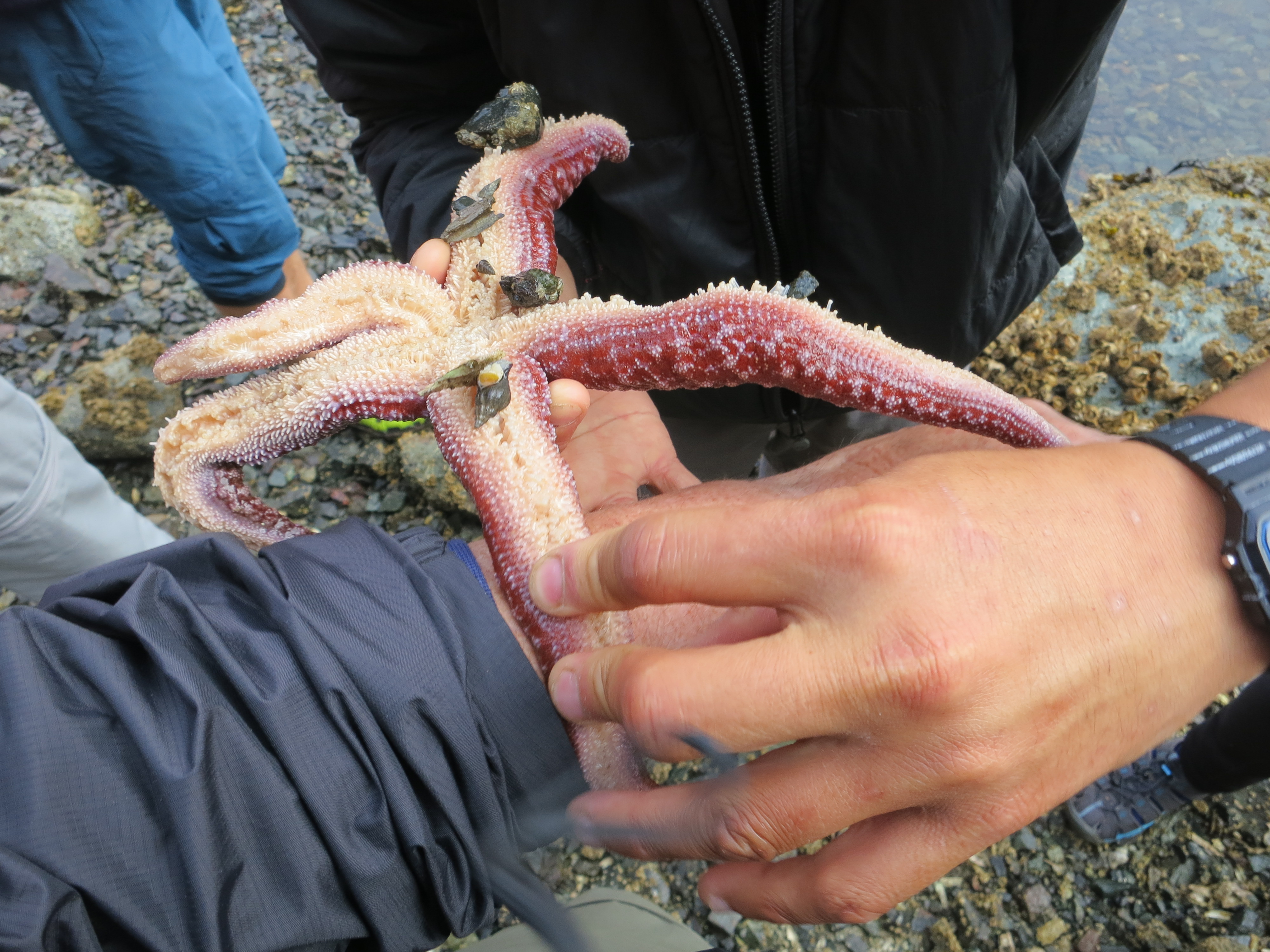
Starfish pedicellariae can clip the hair off an arm. Photo by Curtis Mekemson.

Quy bent the starfish over my wrist, and it clipped hair off my arm while I took a selfie of the process.

I’ve never been much of a with-it type guy. When there is a fad, I try to do the opposite. But I confess I’ve tried a selfie or two. And I just had to take a picture of the starfish clipping hair off of my arm. When Quy picked up a starfish on our six-day, British Columbia sea kayak adventure and offered to demonstrate pedicellariae at work, I was the first to volunteer. Pedicellariae what, you say?

While you are probably stumbling over the word like I did, I’ll explain how it works. Starfish have a defense mechanism for destroying tiny parasites that land on their skin. They have tiny claws that cut the bad guys in half. If you put these claws under a microscope, they look like your worst nightmare. (Check this out.)

Quy, however, assured us that while the pedicellariae would define our hairs as enemy invaders and clip them off, there would only be a slight pulling sensation with no harm done to us. Easy for him to say, right. But that’s what happened. Quy bent the arm of the starfish over my wrist and I felt the pulling sensation. When he removed the starfish, my arm was bare. Peggy was up next.
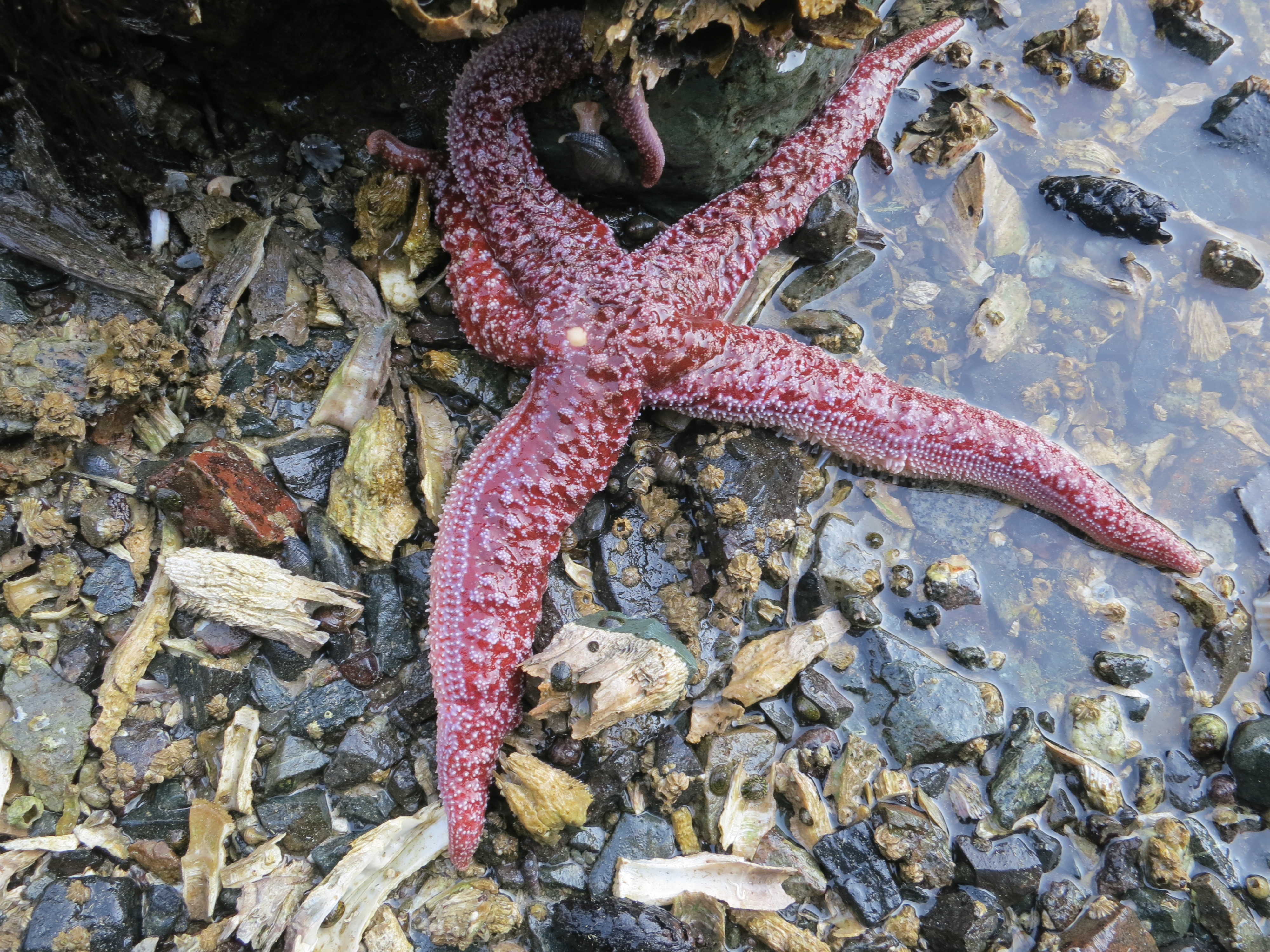
Here is the starfish happily at home in Johnstone Strait before Quy picked him up to clip hair.

Here is the innocent starfish, happily at home in Johnstone Strait before Quy picked him up to clip hair.
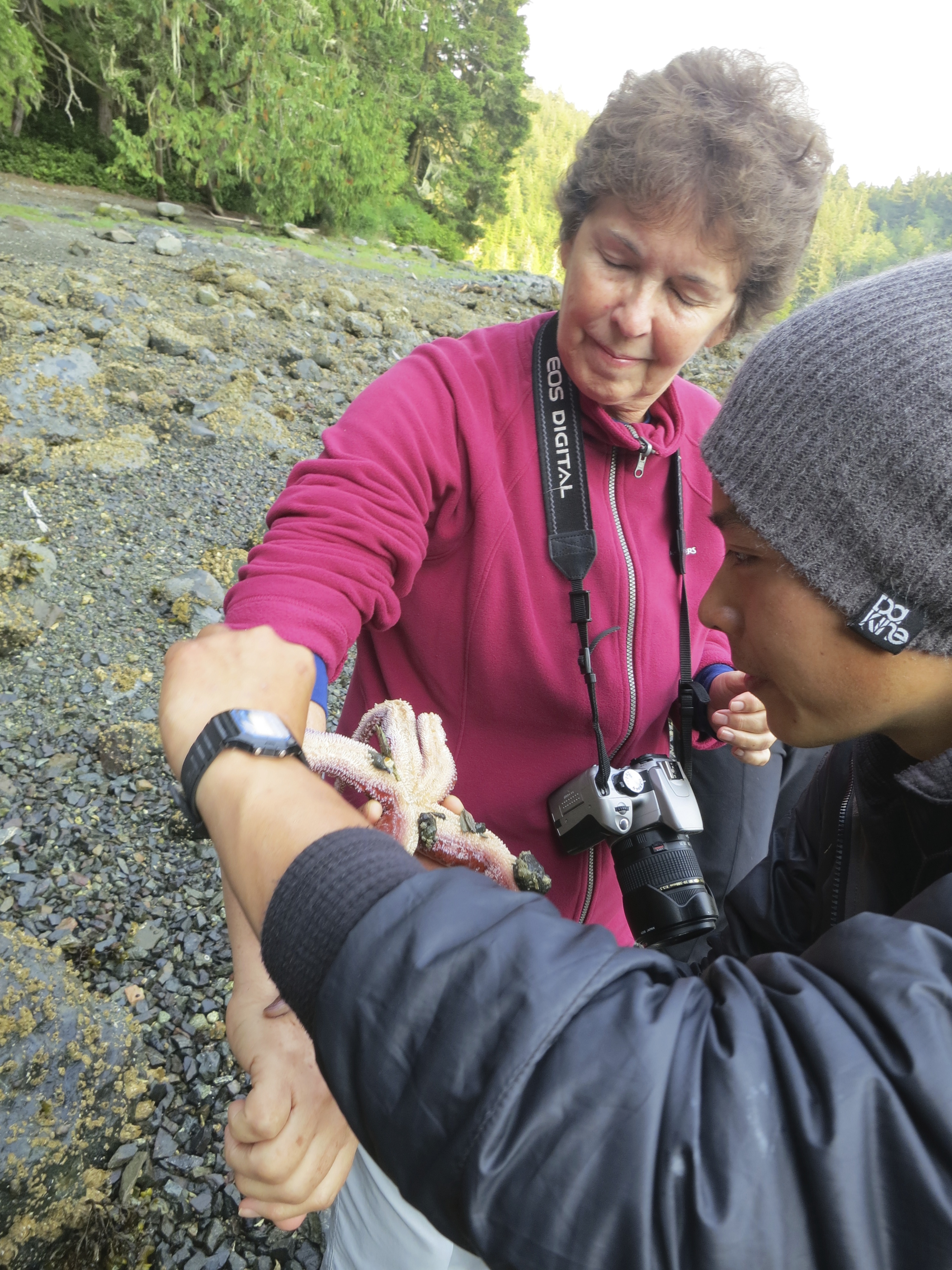
And here, the starfish goes to work on Peggy. Is that a smile or a grimace on her face?

And here, the starfish goes to work on Peggy. Is that a smile or a grimace on her face?

I expected whales and striking scenery on our Sea Kayak Adventures’ trip, but hair-removing starfish, no way. The pedicellariae were only a small part of our second day, however. We kayaked from our campsite on Hanson Island to Compton Island on Blackfish Sound. Along the way we watched humpback whales and were once again awed by the beauty of the region. At Compton Island, we got to play with our food….
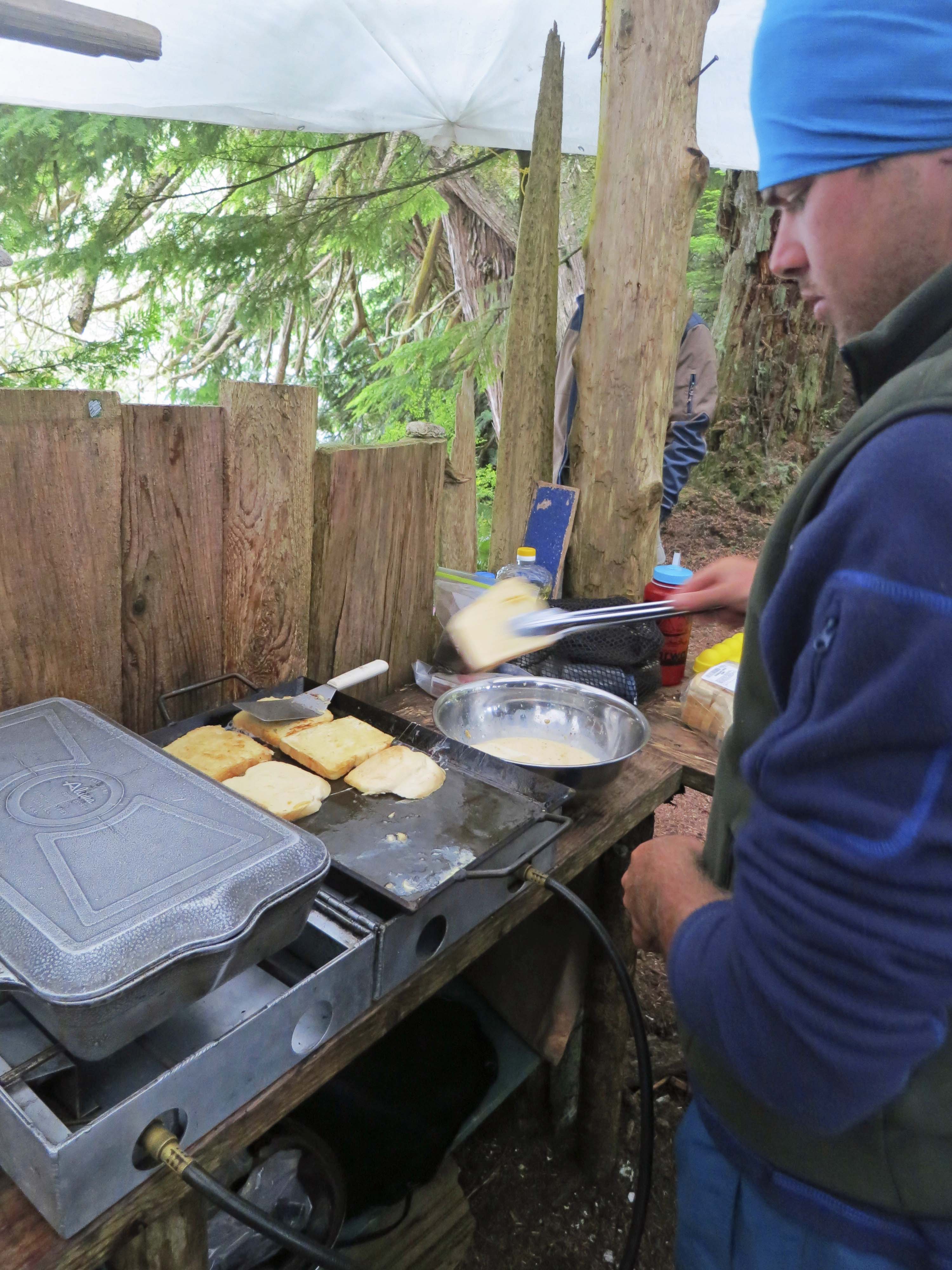
Sea Kayak Adventures provides a hearty breakfast to its sea kayakers.

Coffee would be waiting when we got up each morning— to be followed by a hefty breakfast. Here, our guide, Nick, whips up French toast in the make-shift kitchen.
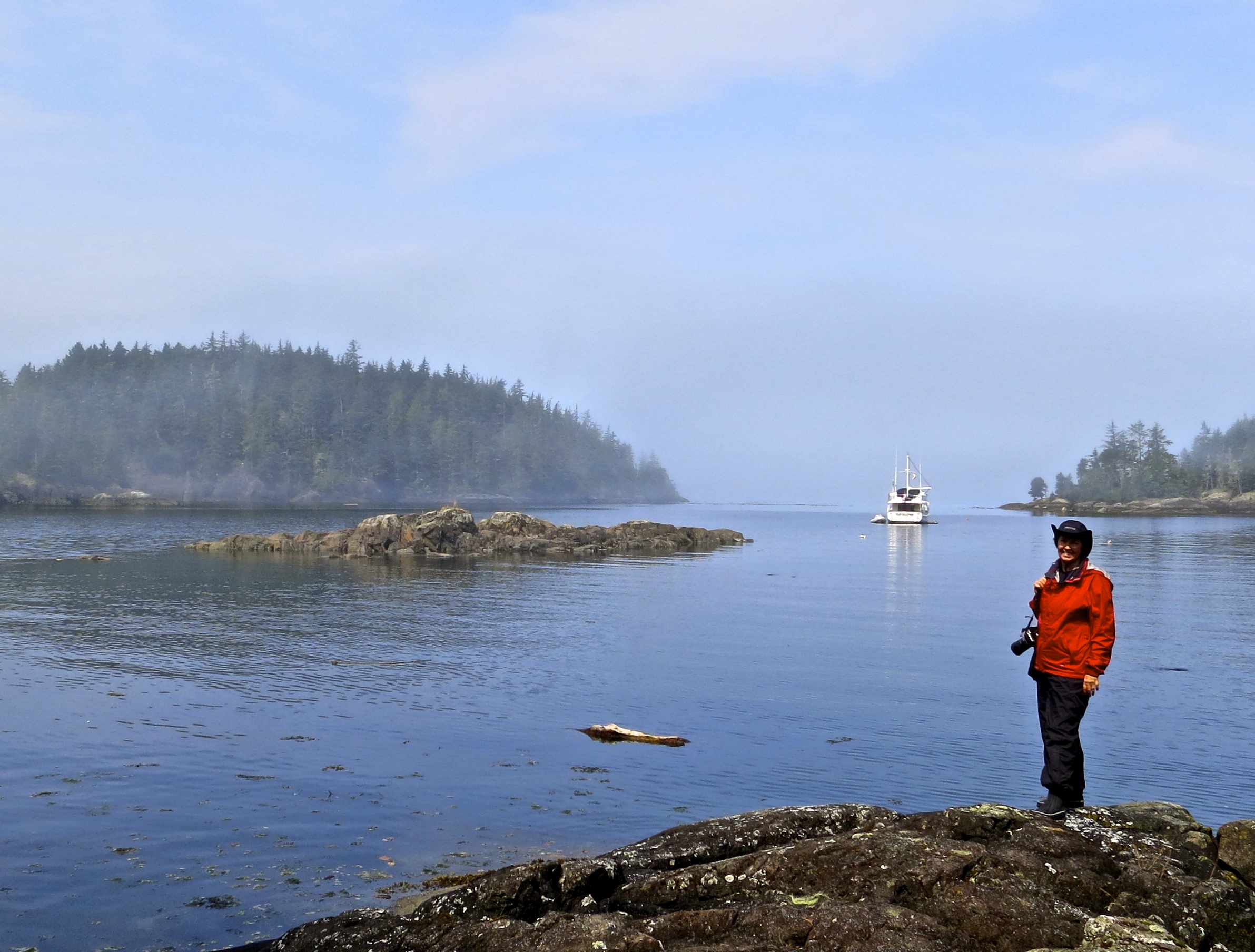
Fishing boat in Johnstone Strait off of Hanson Island. Photo by Curtis Mekemson.

After breakfast, we had time to go for a brief walk. A fishing boat moves between islands on  Johnstone Strait looking for salmon.
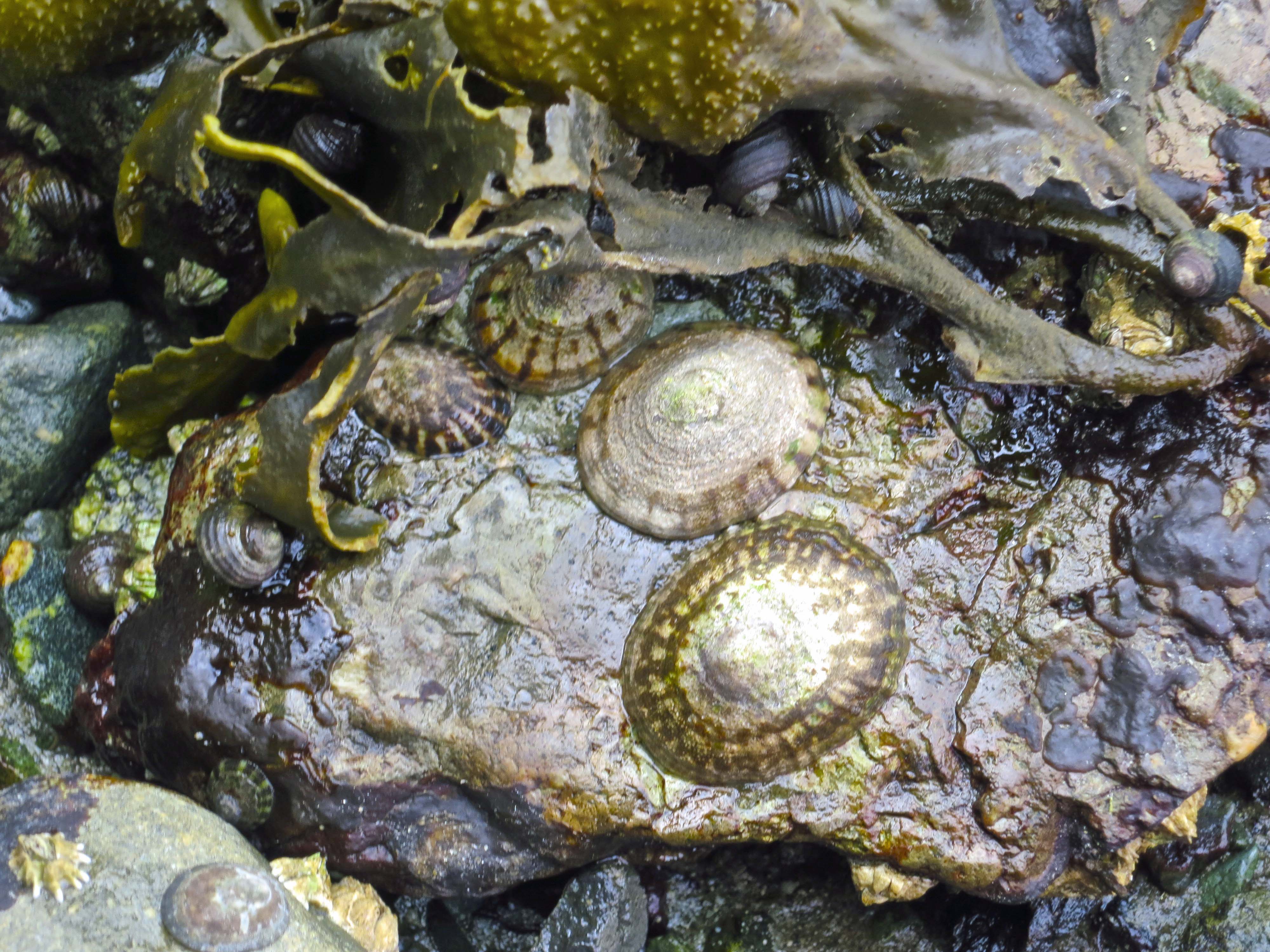
Limpets and snails are exposed by low tide on Hanson Island British Columbia off of Johnstone Strait. Photo by Curtis Mekemson.

Low tide exposed theses limpets and snails.
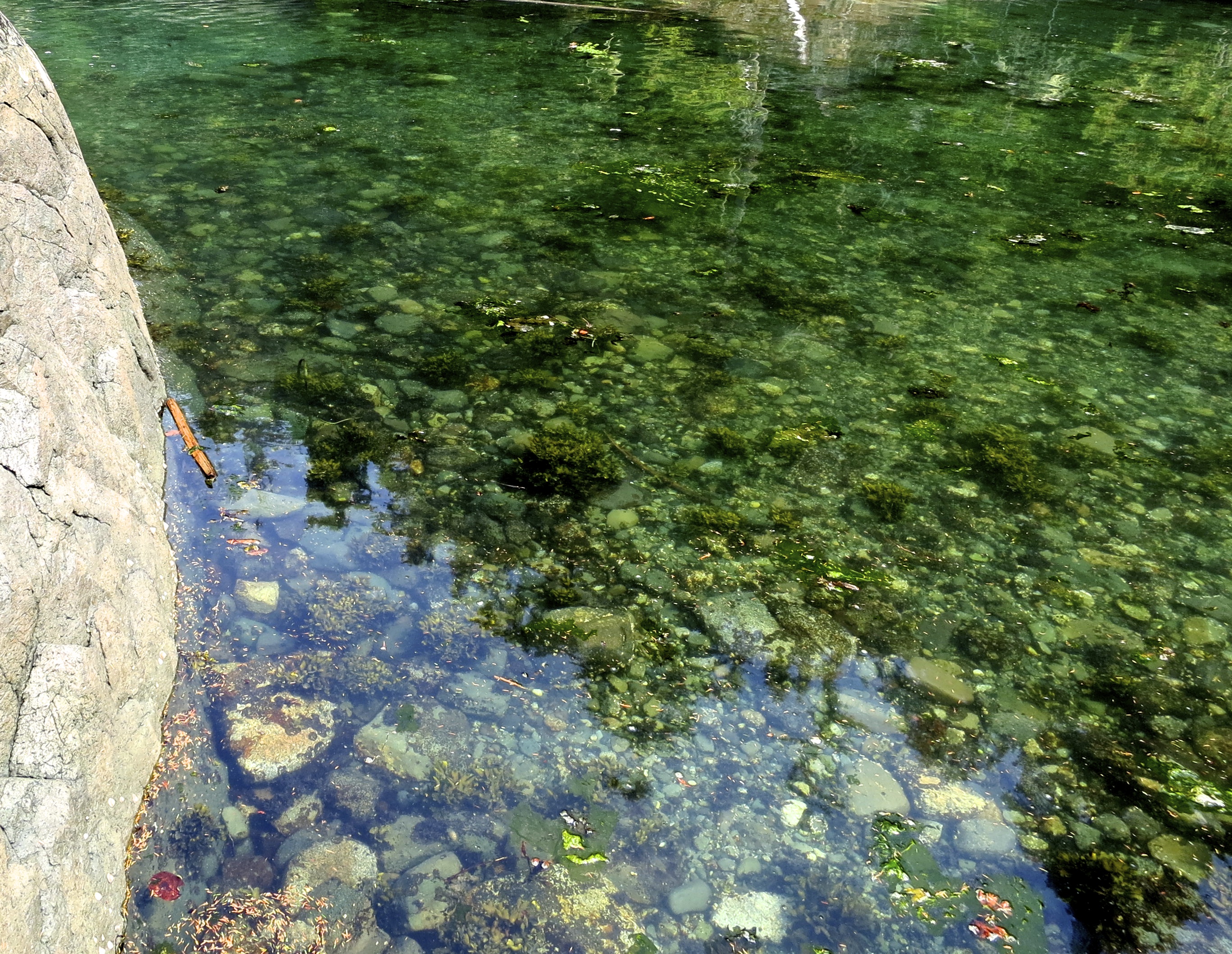
Green waters of a small bay on Hanson Island on Johnstone Strait off of Vancouver Island. Photo by Curtis Mekemson.

We peered in to the green waters of the small bay we were camped on.
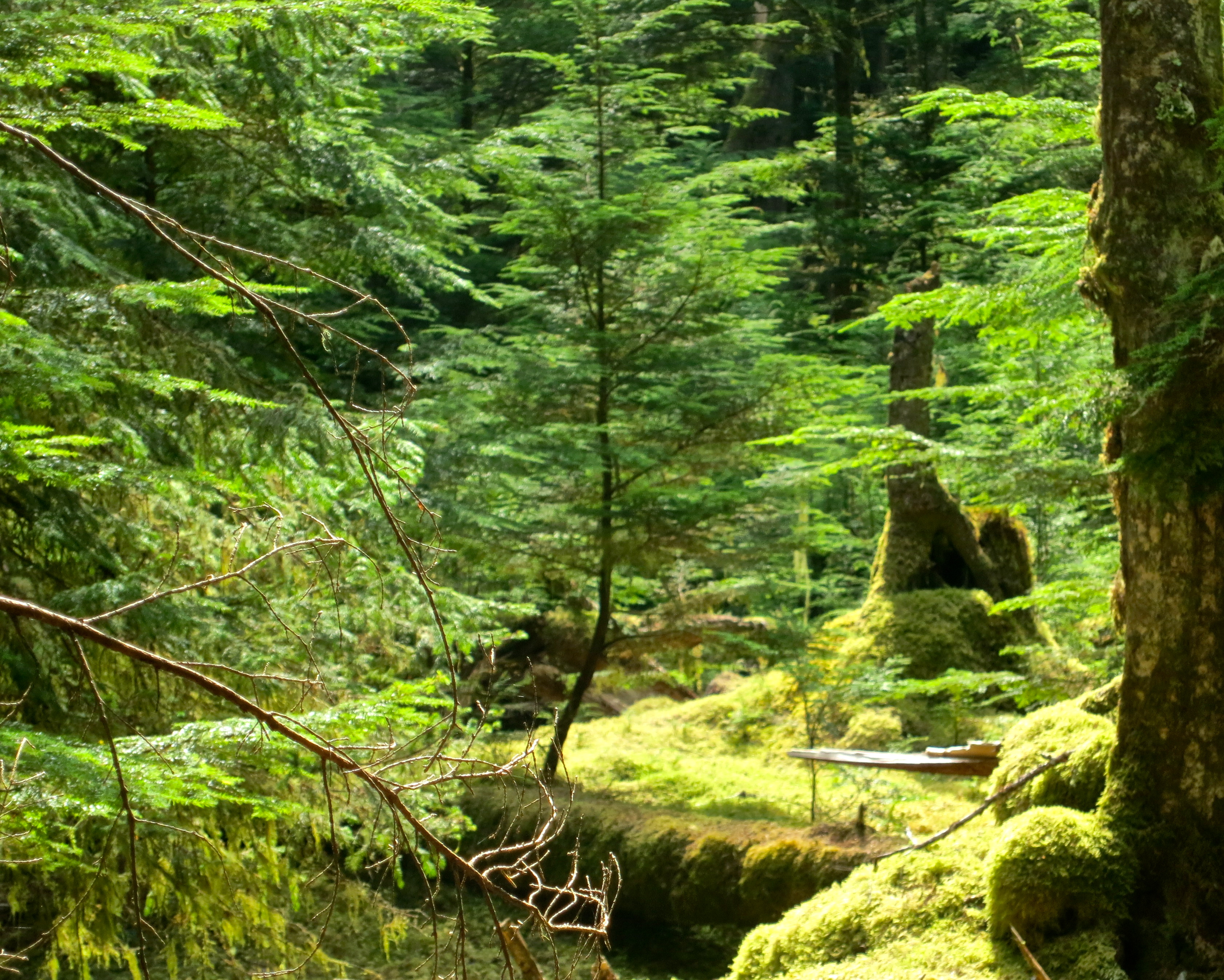
Sunlight illuminates a very green forest on Hanson Island in British Columbia. Photo by Curtis Mekemson.

And were dazzled by the sun illuminated green of the forest.
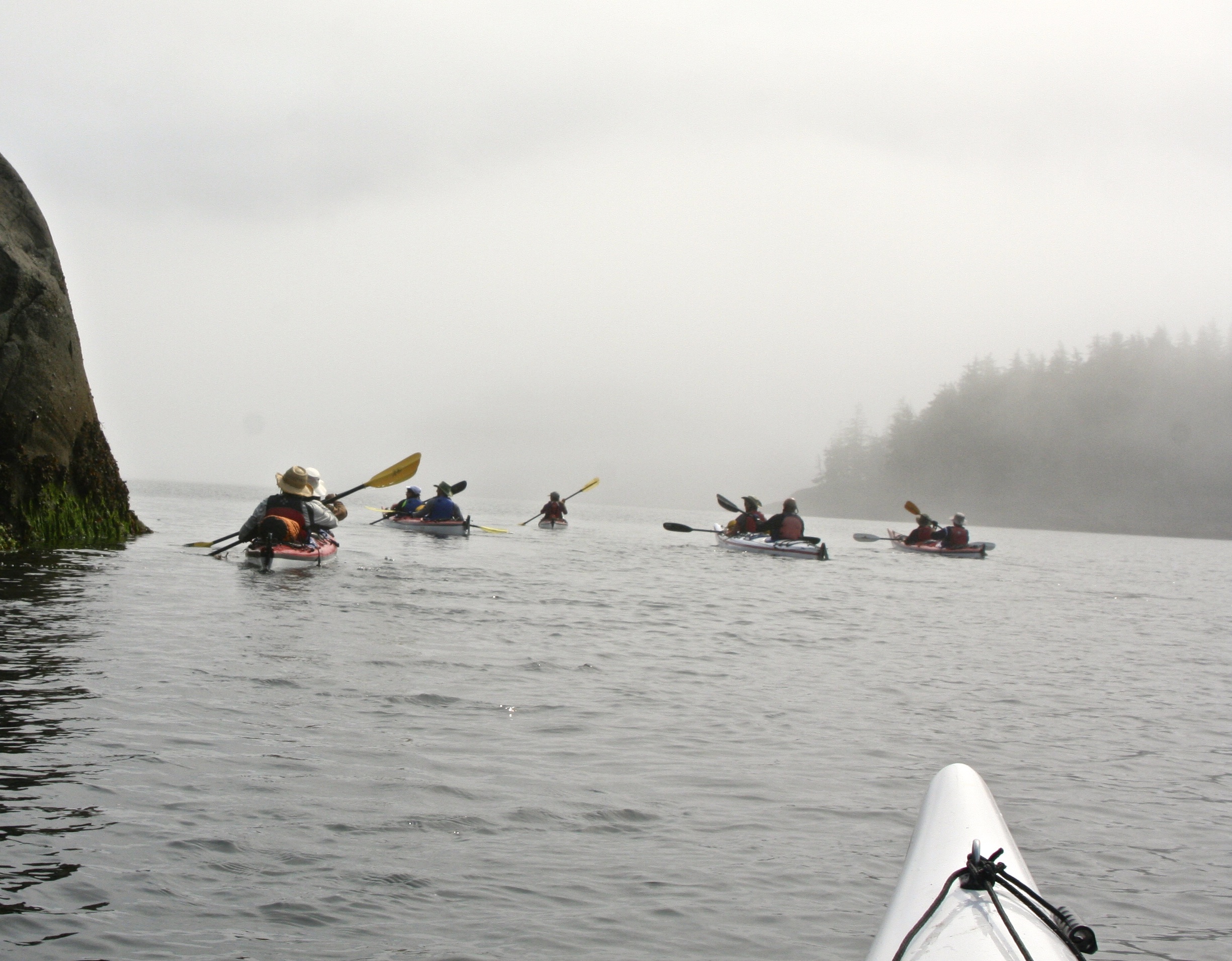
Sea Kayak Adventure group works its way around Hanson Island, British Columbia in the fog.

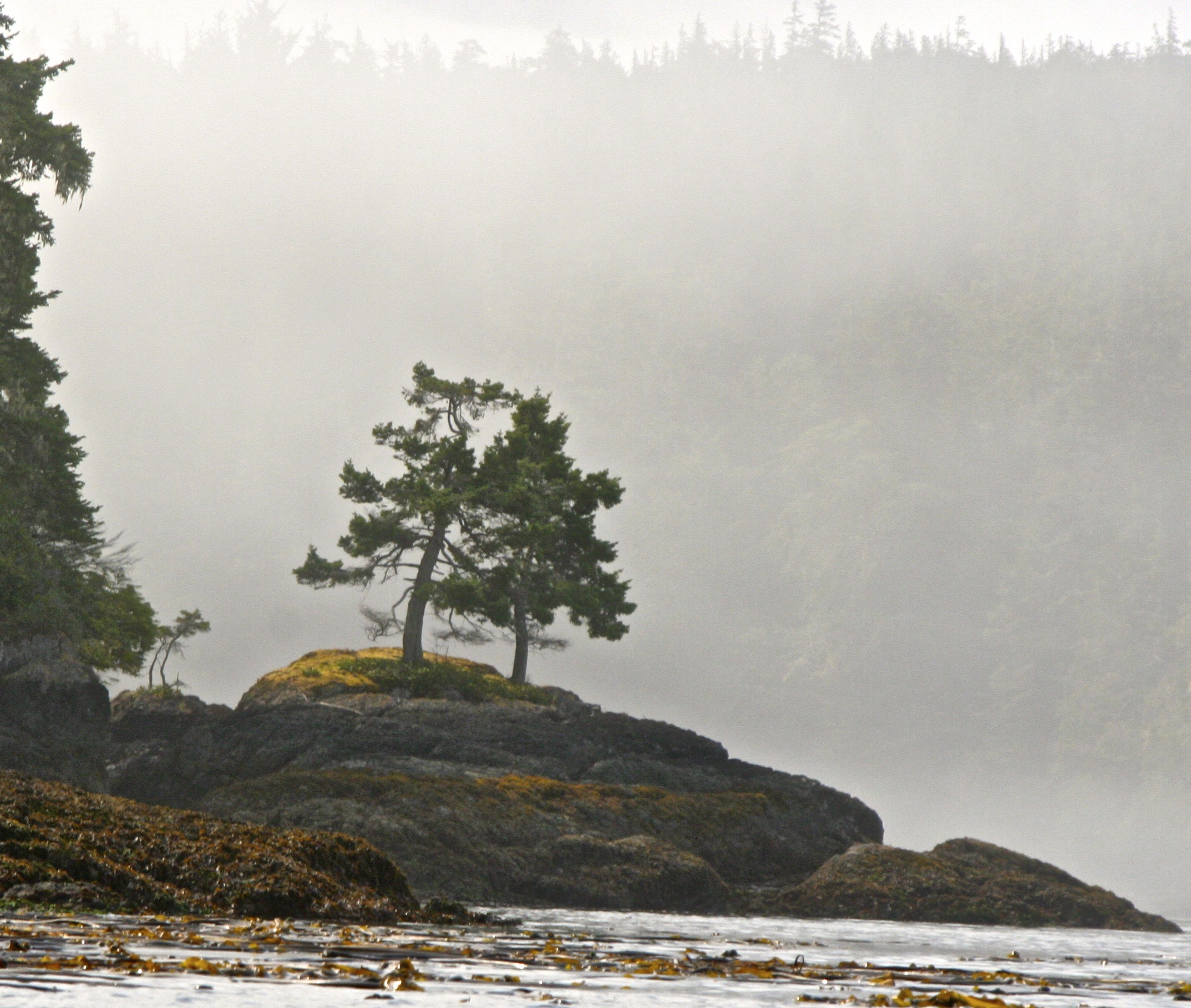
Morning fog greeted us as we worked our way around Hanson Island and into Blackfish Sound. (Photo by Peggy Mekemson.)
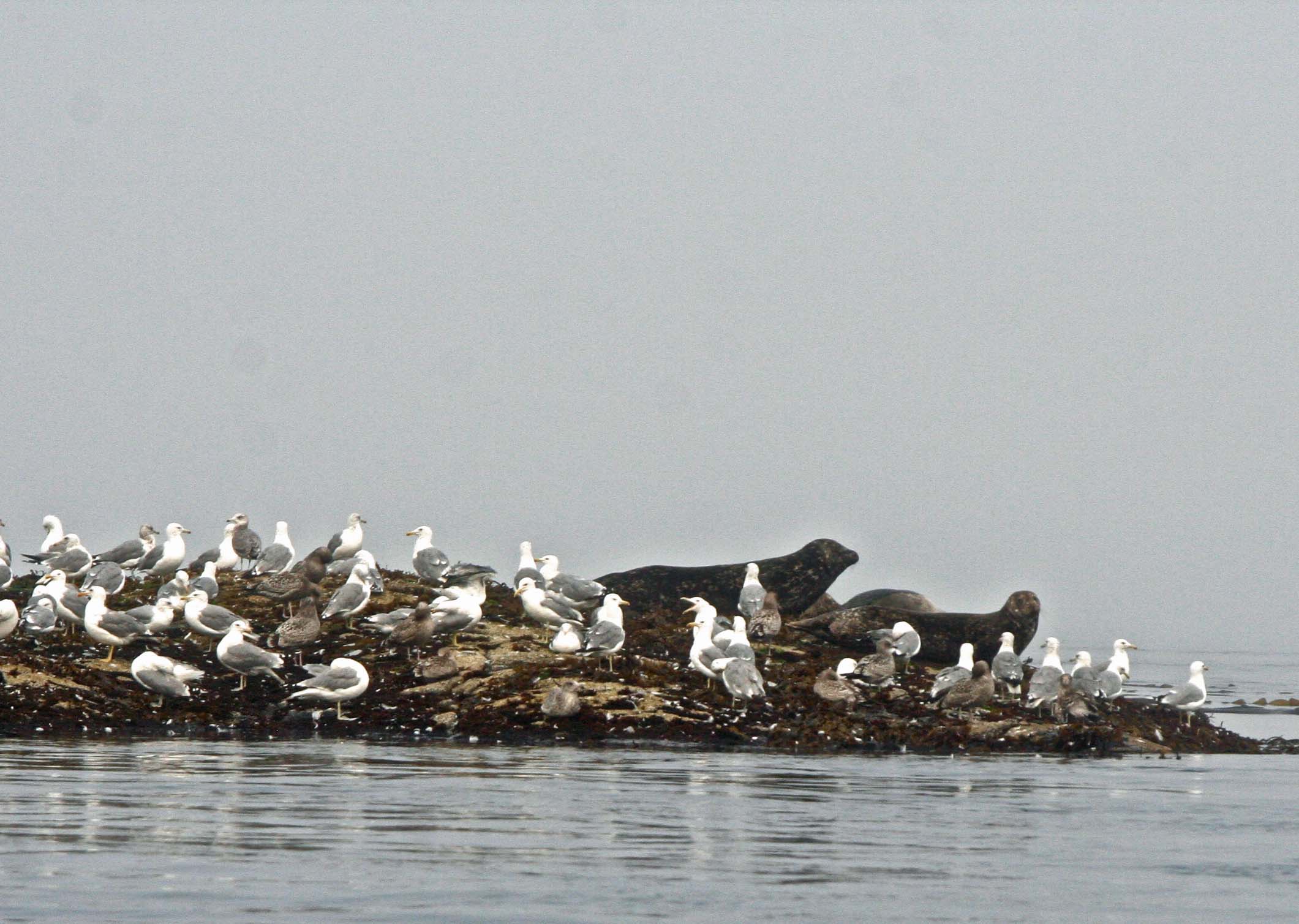
Seals and seagulls on an island in Blackfish Sound, British Columbia.

We checked out these seals and seagulls on a small island. Or were they checking us out? (Photo by Peggy Mekemson.)
By the time we had worked our way around the end of Hanson Island, the sun was beginning to peak through. (Photo by Peggy Mekemson.)
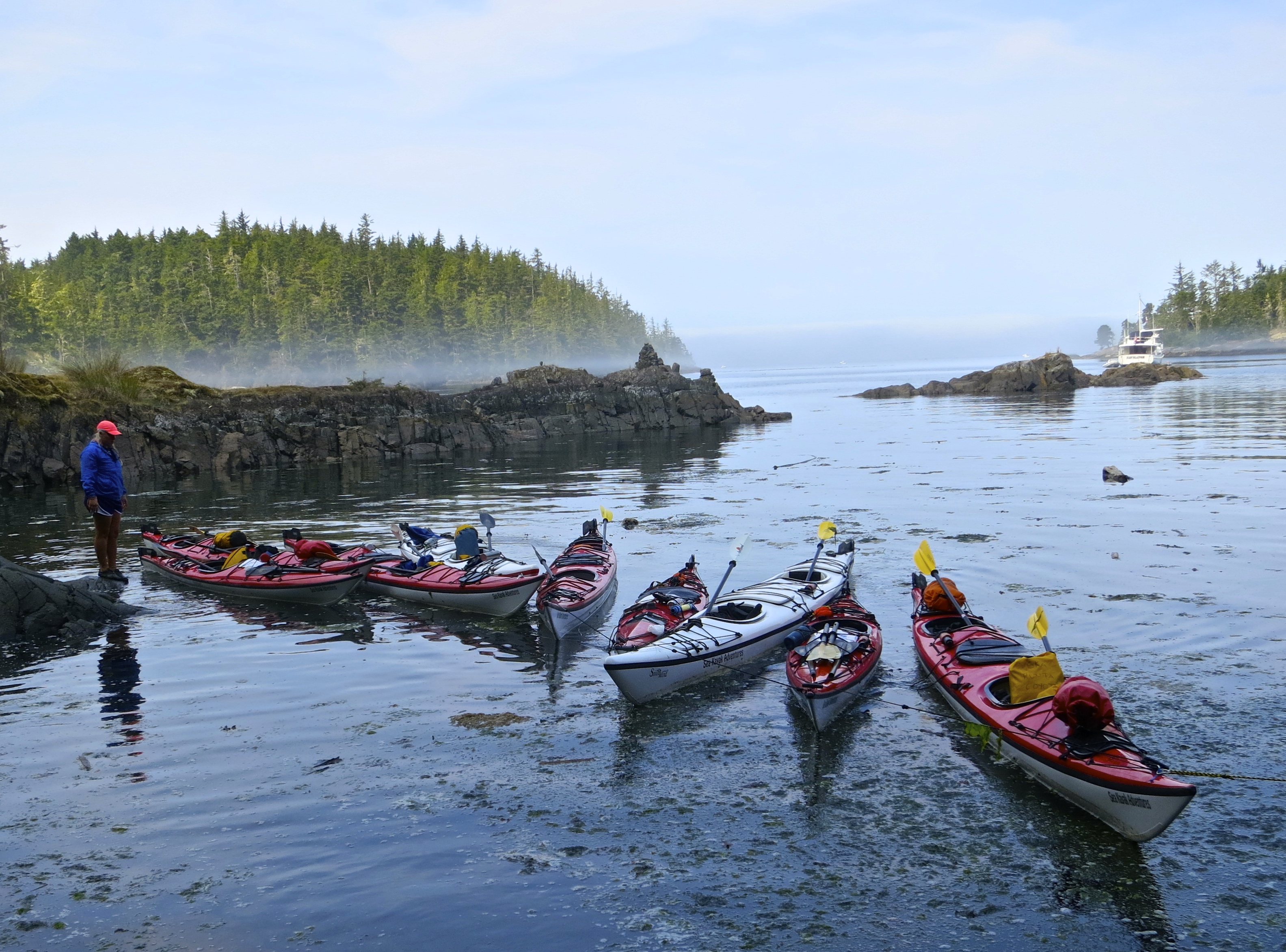
By the time we had worked our way around the end of Hanson Island, the sun was beginning to peak through. (Photo by Peggy Mekemson.)

Sea Kayak Adventure kayaks roped together in small inlet on Hanson Island. Photo by Curtis Mekemson.

I took this picture of our kayaks at lunch. They were roped together so they wouldn’t stray.
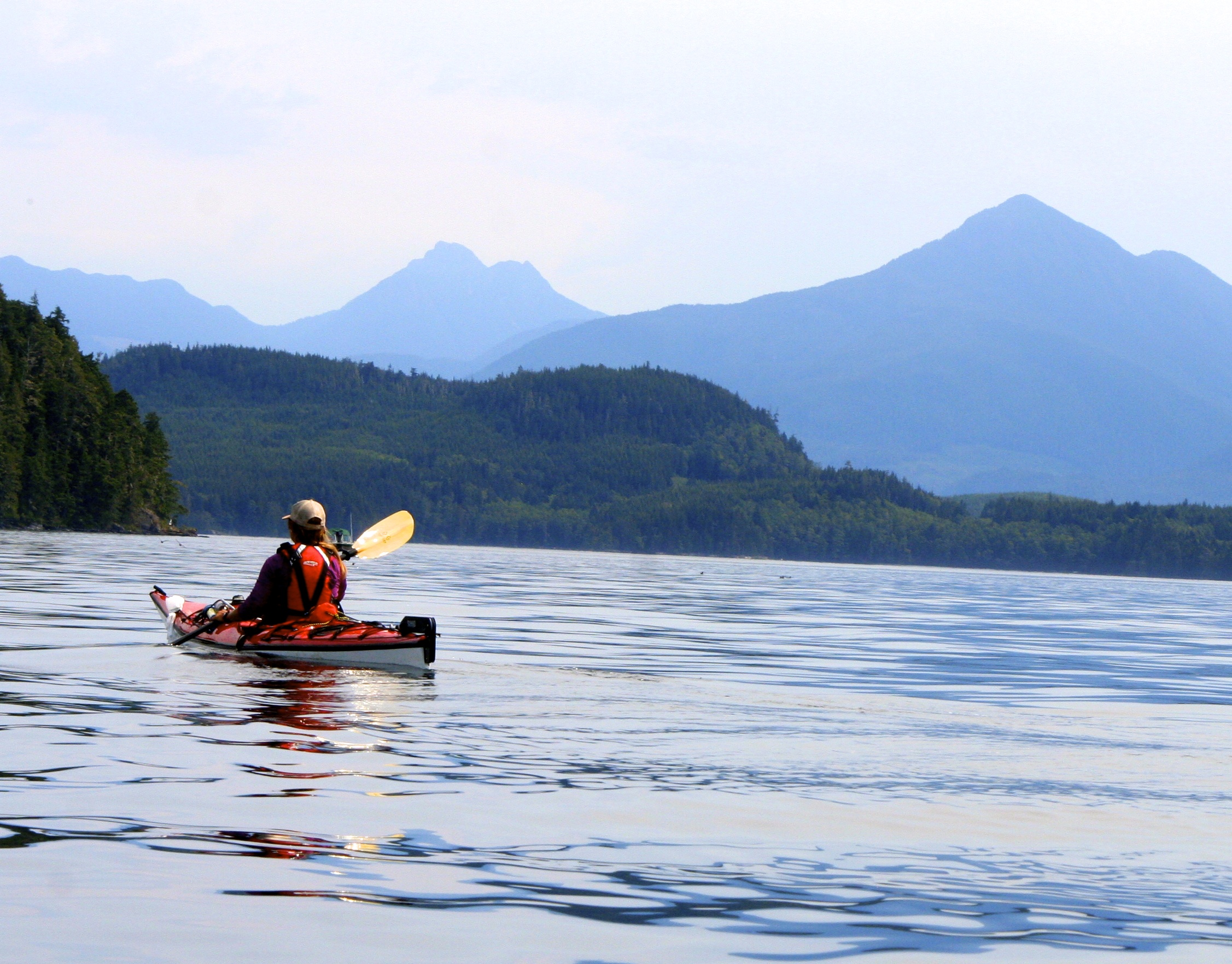
After lunch, we followed out trip leader, Julia, out into Blackfish Sound. As you will note, most of our on-water photos are taken by Peggy. I was busy paddling. (grin) (Photo by Peggy Mekemson.)

After lunch, we followed out trip leader, Julia, out into Blackfish Sound. As you will note, most of our on-water photos were taken by Peggy. I was busy paddling. (grin) (Photo by Peggy Mekemson.)
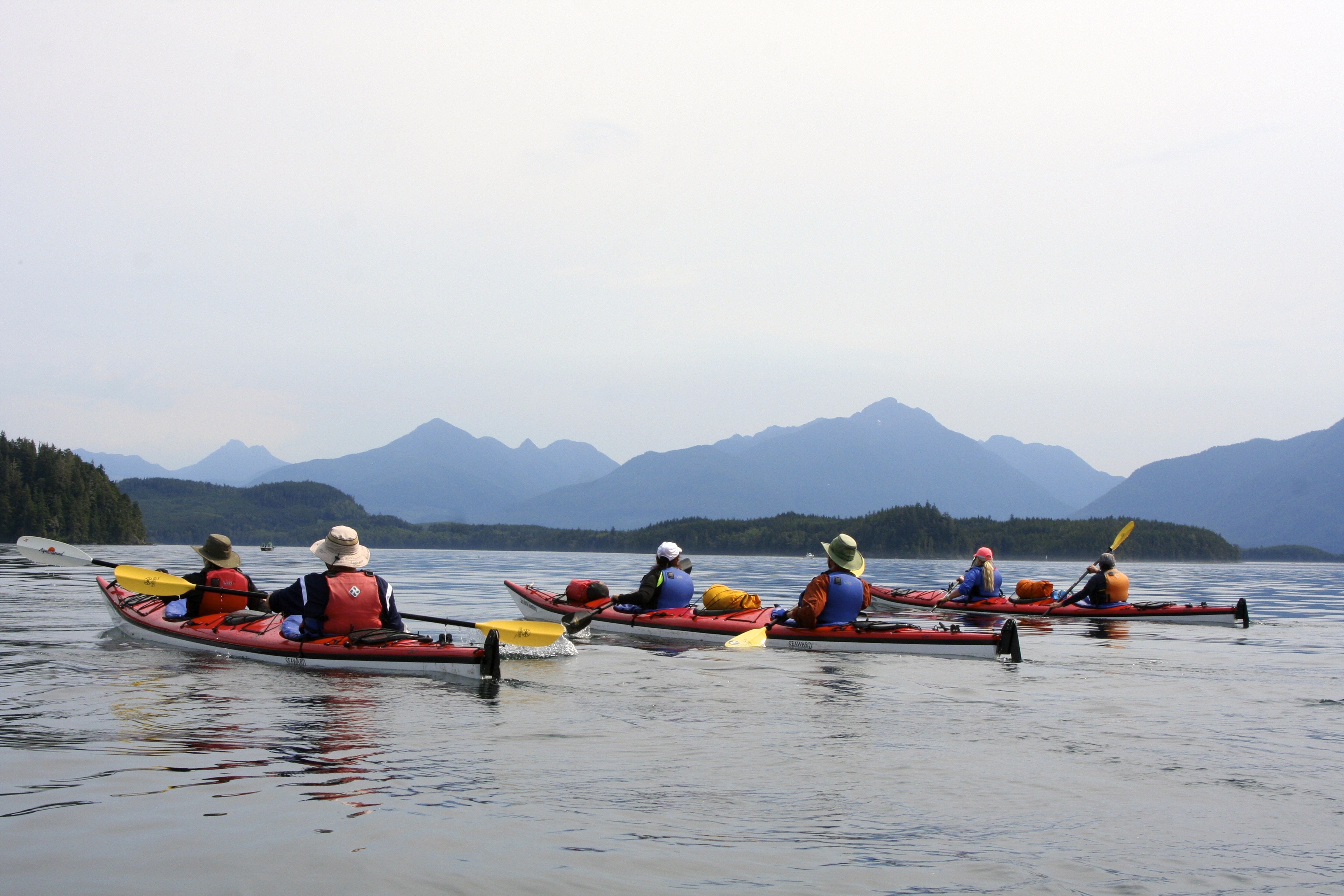
A whooshing sound caused us to stop and search for whales. (Photo by Peggy Mekemson.)
A whooshing sound caused us to stop and search for whales. (Photo by Peggy Mekemson.)

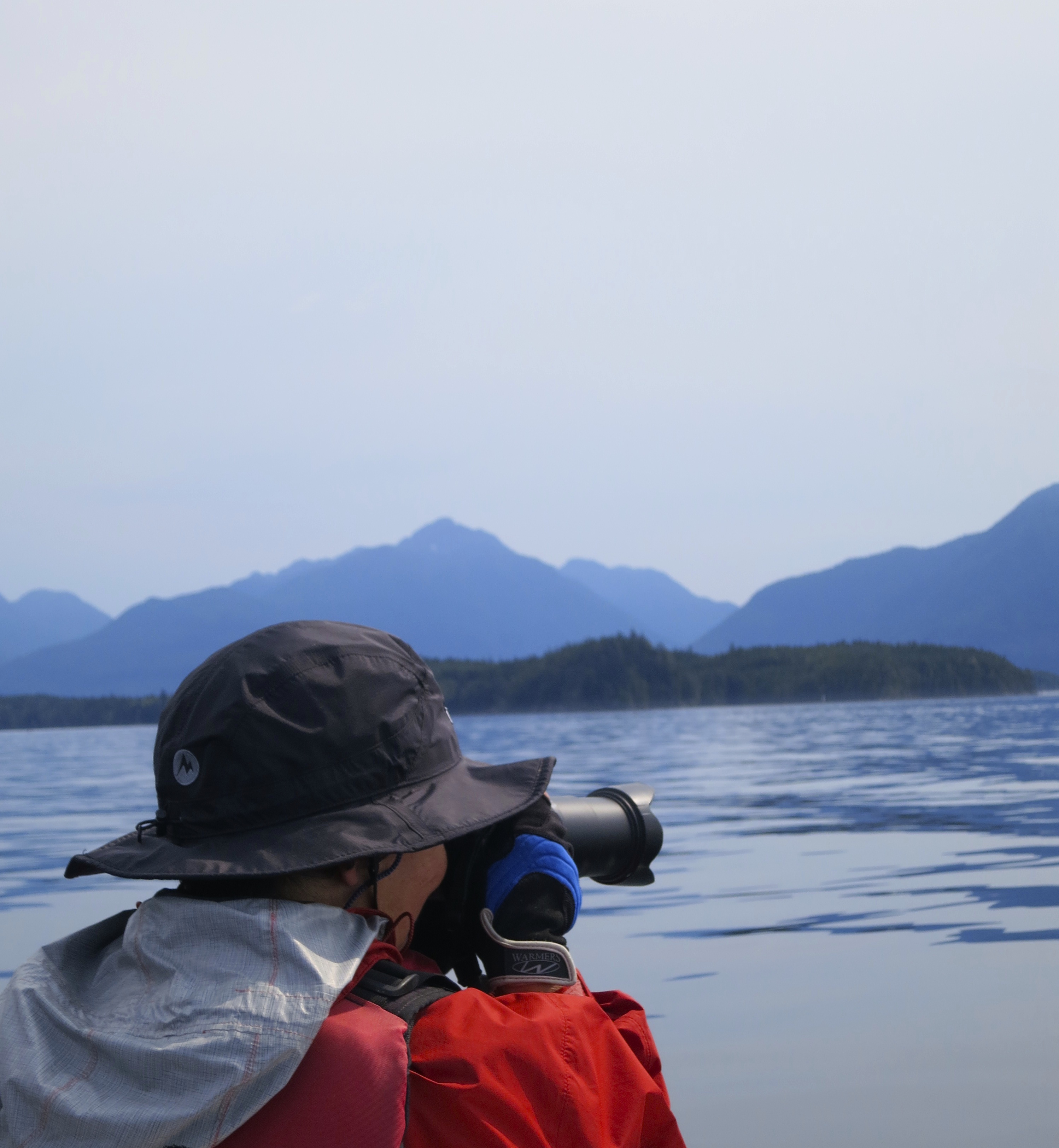
Peggy Mekemson prepared to photograph whales in Blackfish Sound, British Columbia. Photo by Curtis Mekemson.

I took this photo of Peggy poised to capture a picture of the whale with her telephoto.
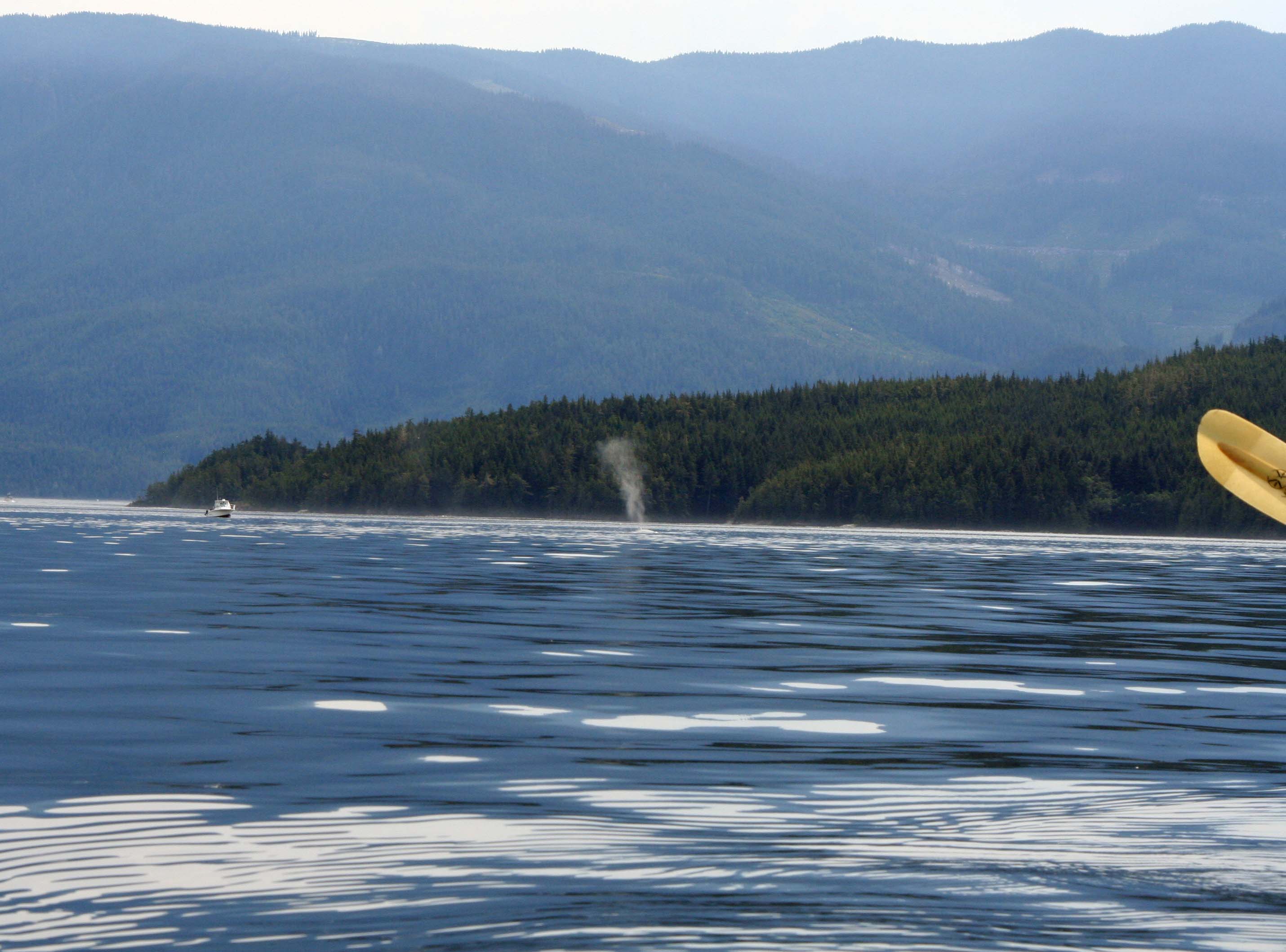
Thar she blows! We spot the tell-tale spume of a humpback whale as it surfaces. (Photo by Peggy Mekemson.)

Thar she blows! We spot the tell-tale spume of a humpback whale as it surfaces. That’s a kayak paddle on the right.(Photo by Peggy Mekemson.)
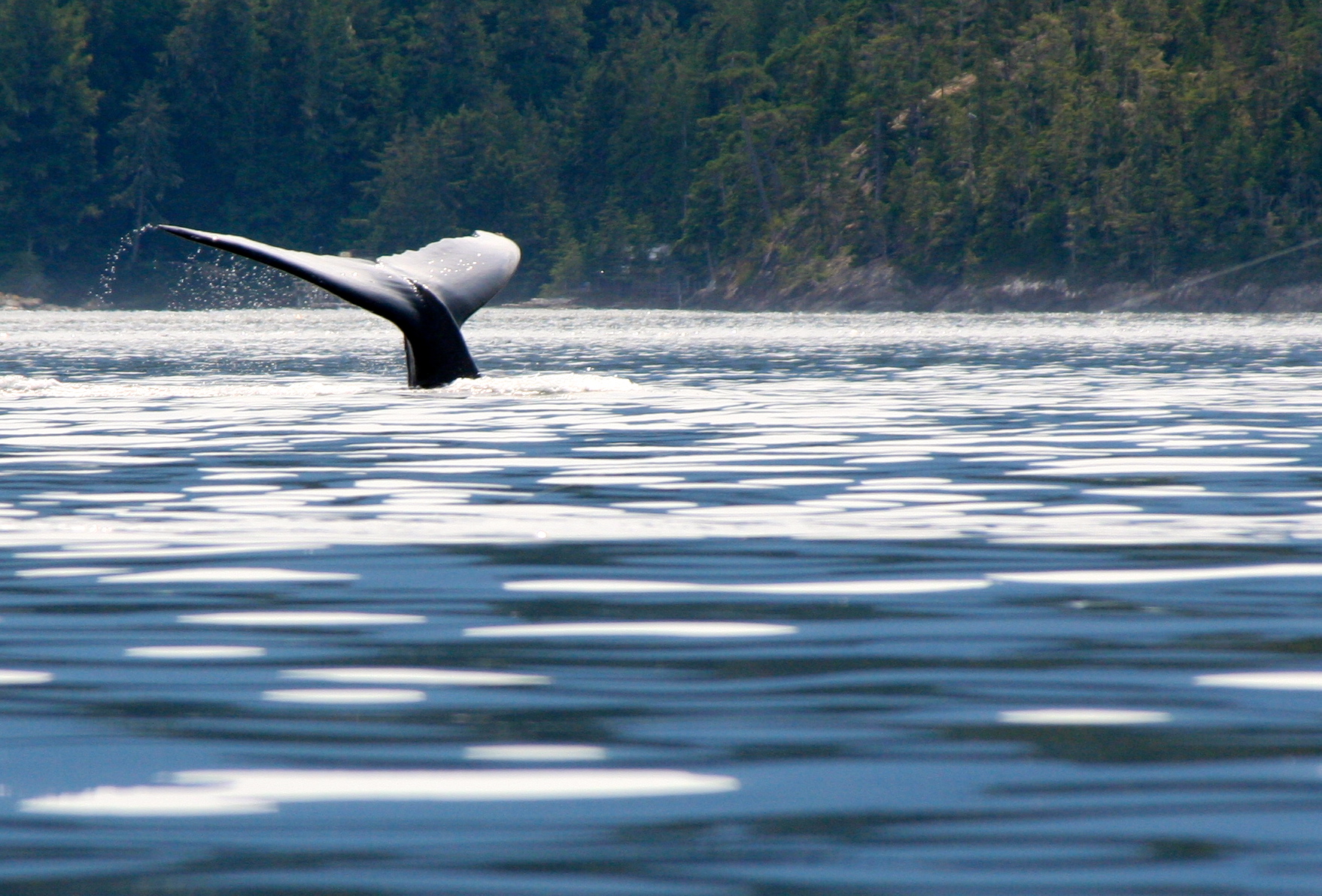
The humpback, brought in closer by Peggy's telephoto, dives back under the water. (Photo by Peggy Mekemson.)

The humpback, brought in closer by Peggy’s telephoto, dives back under the water. (Photo by Peggy Mekemson.)
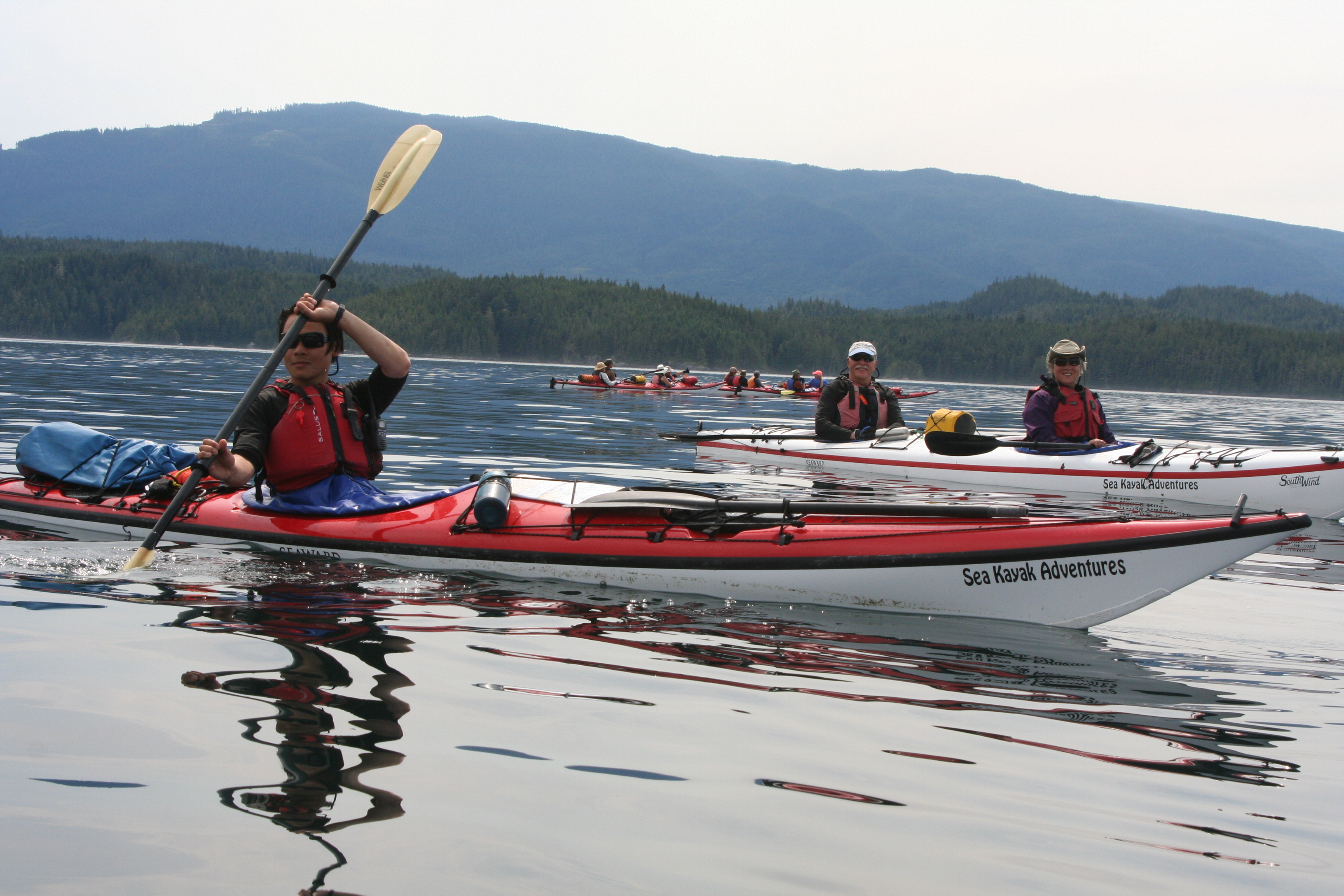
I liked the watch the waves distorted the reflection of Quy in the water. Edie and Dave look on. The other kayakers are watching the approach of a cruise ship. (Photo by Peggy Mekemson.)
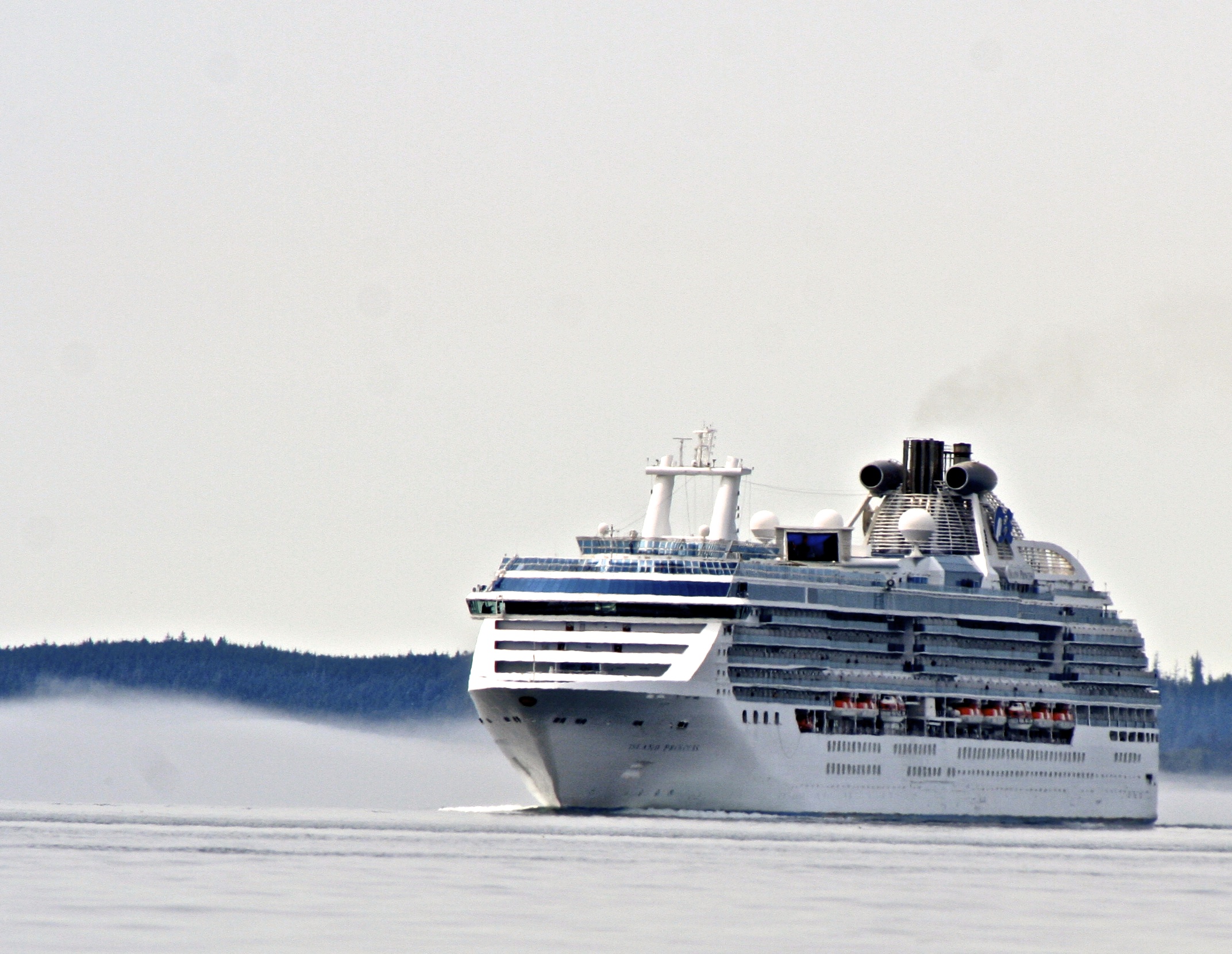
I liked the way the waves distorted the reflection of Quy in the water. Edie and Dave look on. The other kayakers are watching the approach of a cruise ship. (Photo by Peggy Mekemson.)

The cruise ship. You can imagine how big the ship seems from the perspective of a kayak. You do not want to get in the way. (Photo by Peggy Mekemson.)
The cruise ship. You can imagine how big the ship seems from the perspective of a kayak. You do not want to get in the way. (Photo by Peggy Mekemson.)

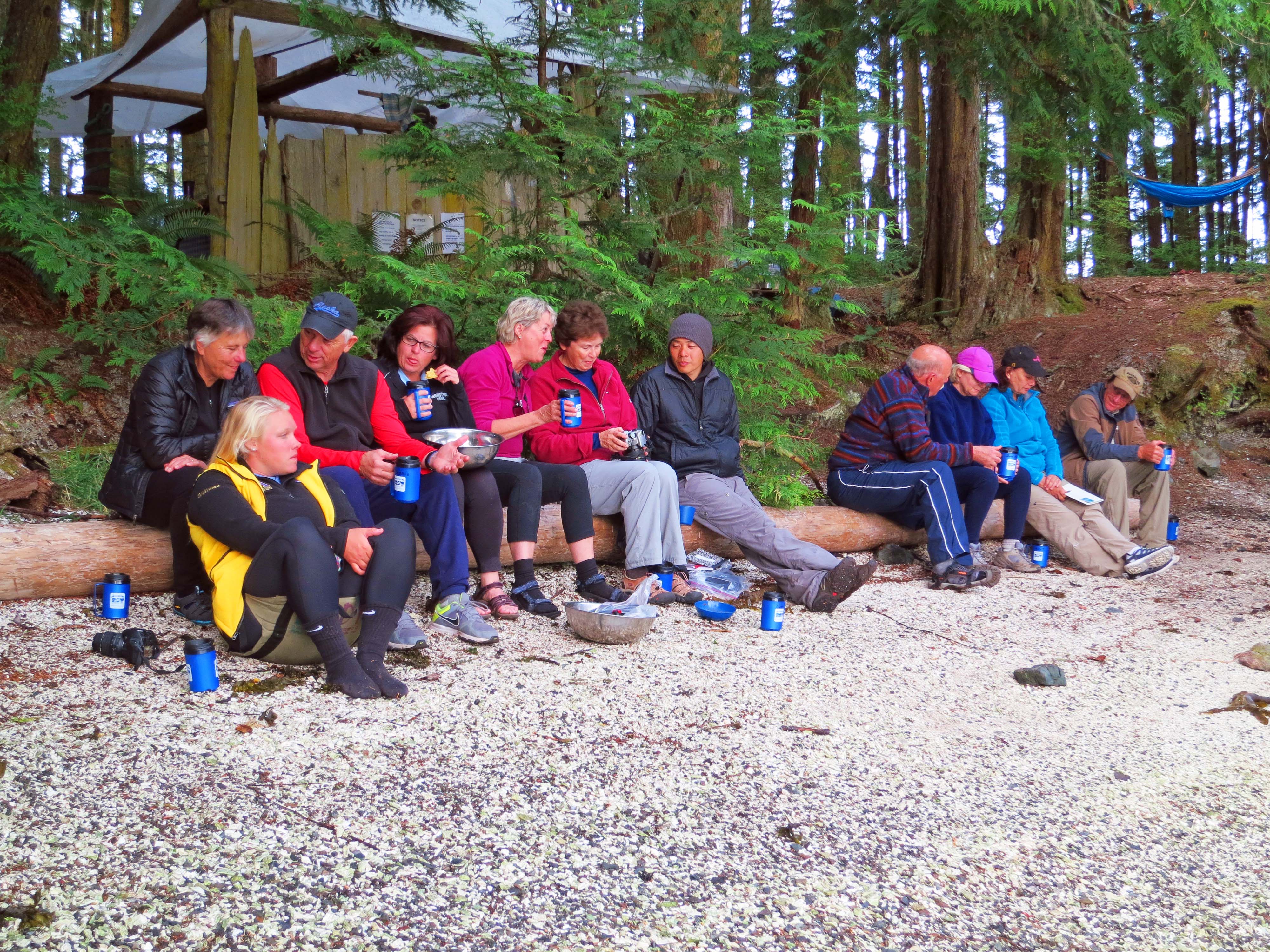
Sea Kayak Adventures group relaxes on beach at campsite on Compton Island, British Columbia.

Our group, having safely navigated through the whales and the cruise ships, relaxes at cocktail hour in our campsite on Compton Island. It was right about then that a fishing boat approached the beach.
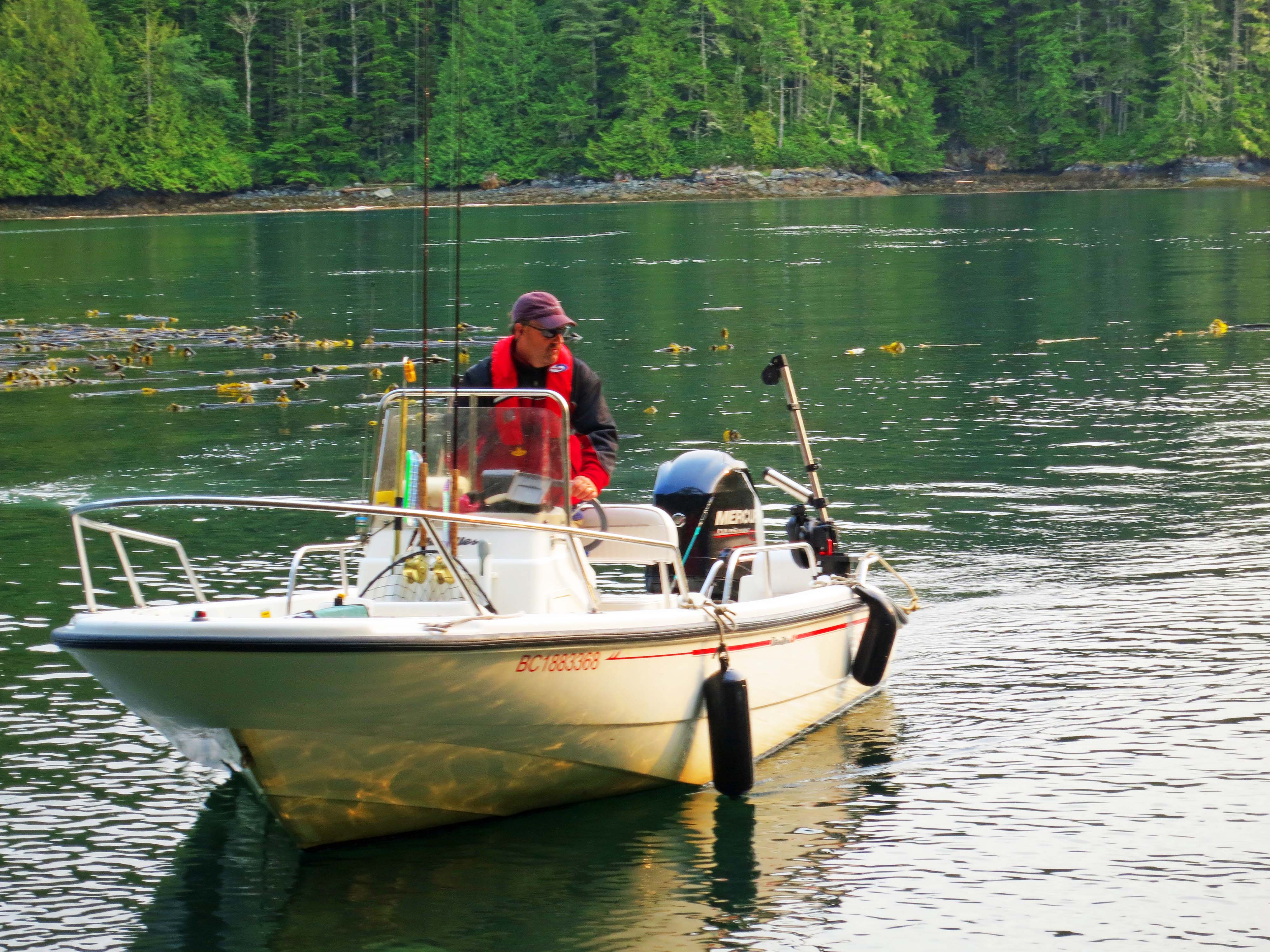
"Would you like a salmon?" he asked— and to our enthusiastic  yes, threw it overboard.

“Would you like a salmon?” he called out— and to our enthusiastic, yes!, threw it overboard.
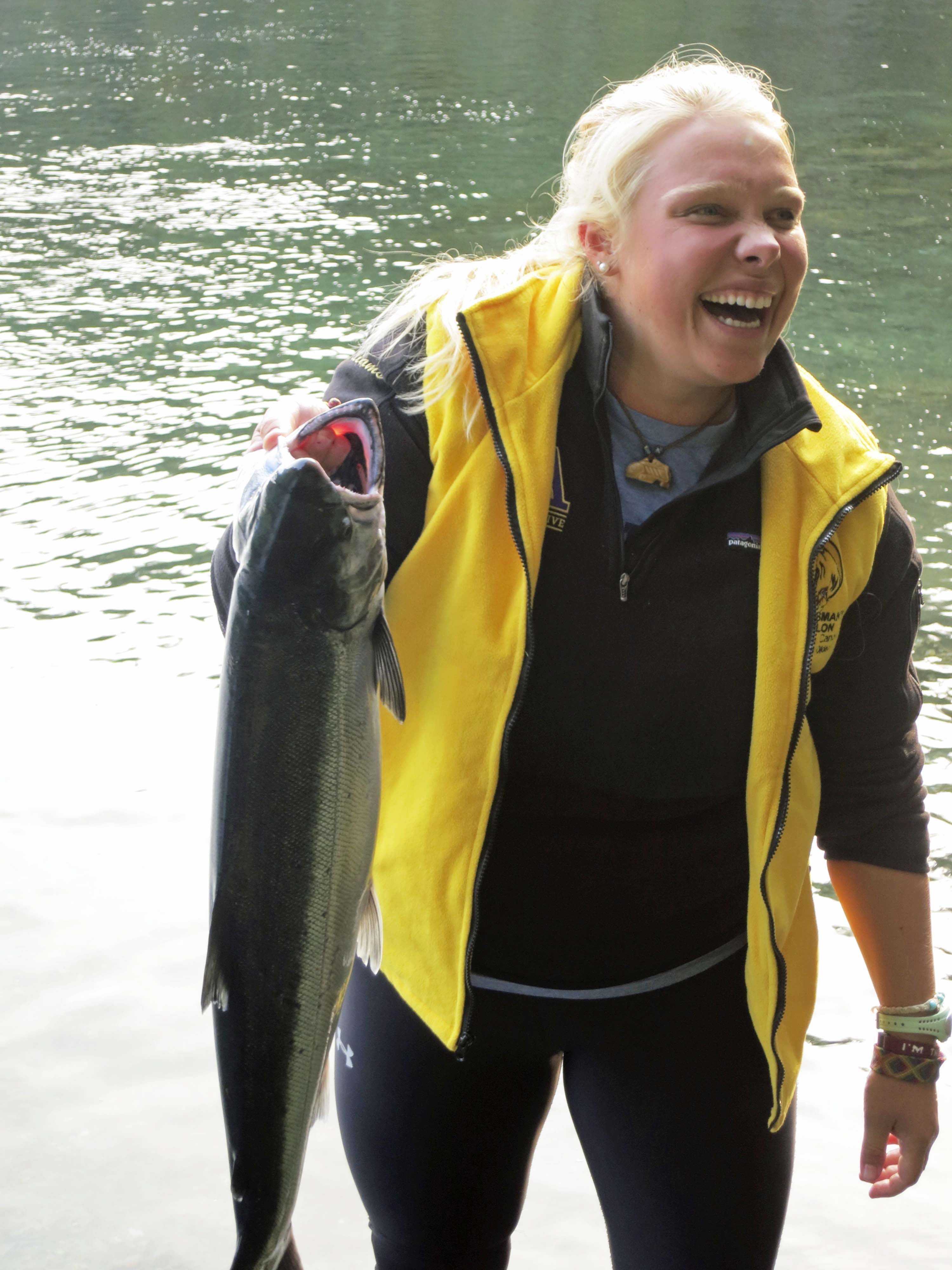
Coho salmon caught in Blackfish Sound, British Columbia. Photo by Curtis Mekemson.

The ever energetic and vivacious Lindy retrieved the salmon and handed it off to Quy.
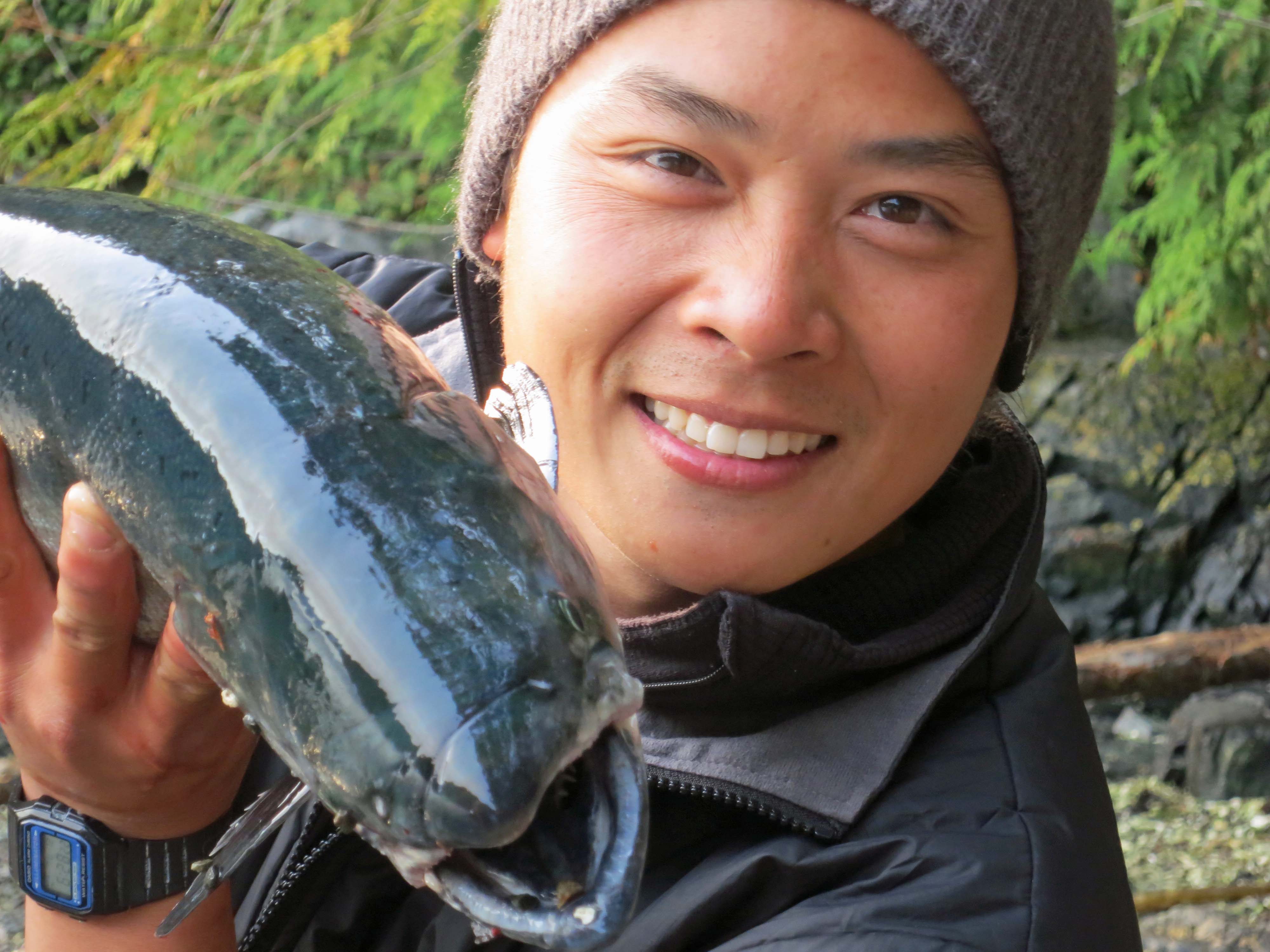
Quy was happy to pose with the salmon, until...

Quy was happy to pose with the salmon, until…
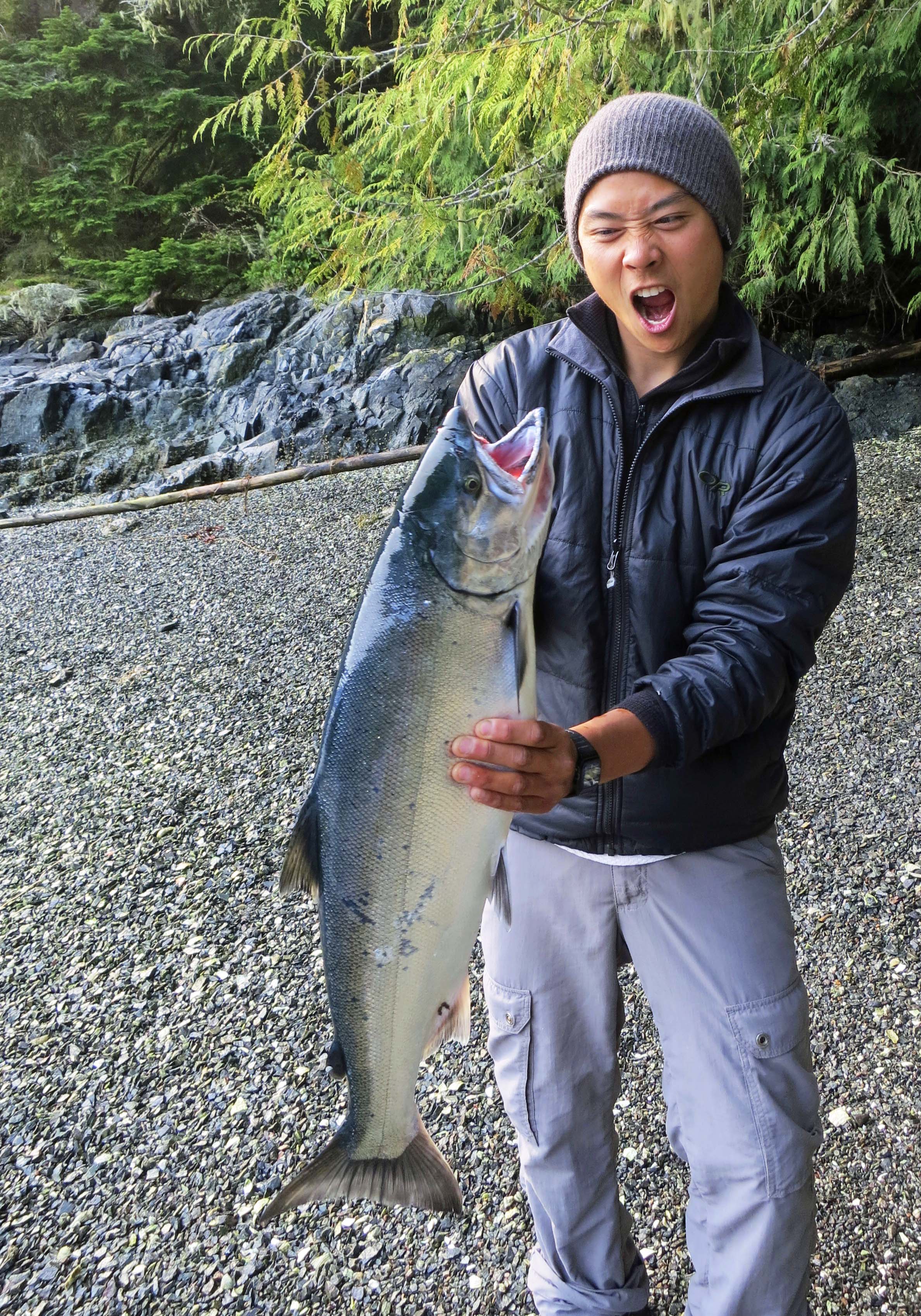
Sea Kayak Adventures guide reacts to wiggling salmon he thought was dead.

… it wiggled.

The true hero of the day was Dennis who now lives in Idaho but has fished extensively off of Alaska. He offered to fillet the fish.

The true hero of the day was Dennis, who now lives in Idaho but has fished extensively off of Alaska. He offered to fillet the fish.
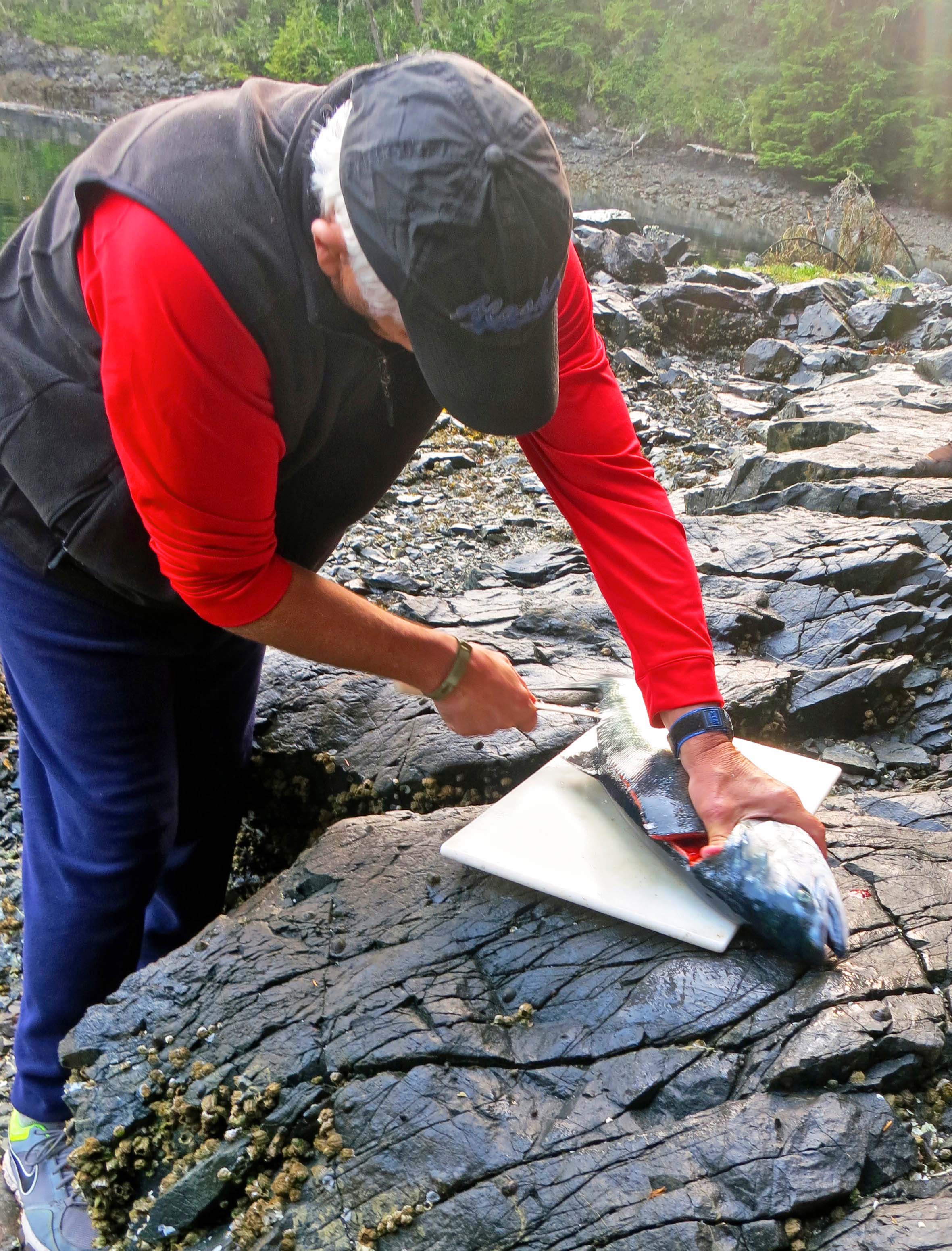
Here, Dennis goes to work.
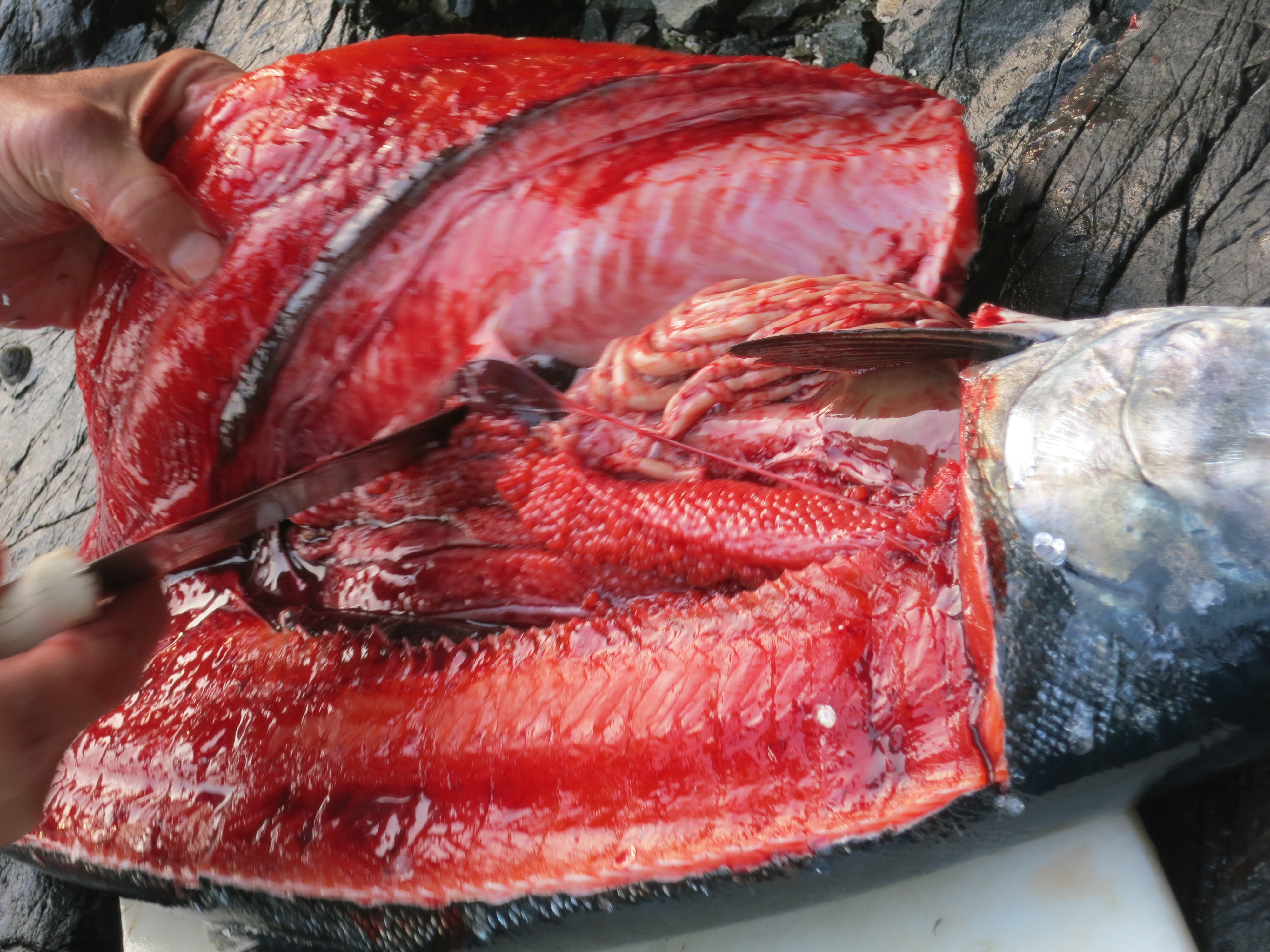
Here, Dennis goes to work.

A filleted coho salmon displaying roe. Photo by Curtis Mekemson.

And displays the rich red meat, roe, and innards of the salmon. The salmon made a delicious lunch the next day, easily feeding all of us.
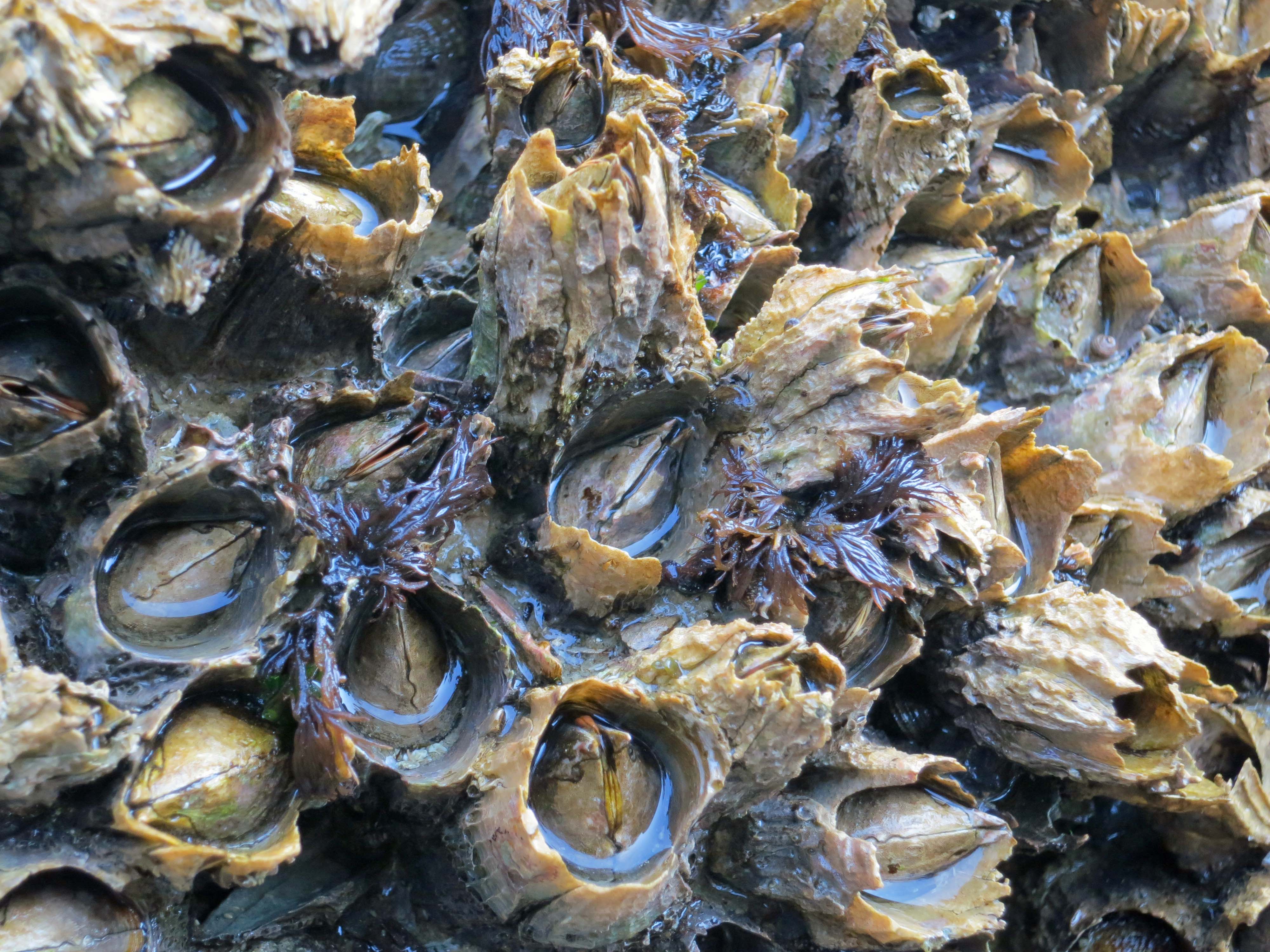
Photo of barnacles off of Compton Island in Blackfish Sound, British Columbia. Photo by Curtis Mekemson.

It was after all of the salmon excitement that we discovered the starfish, and these barnacles.
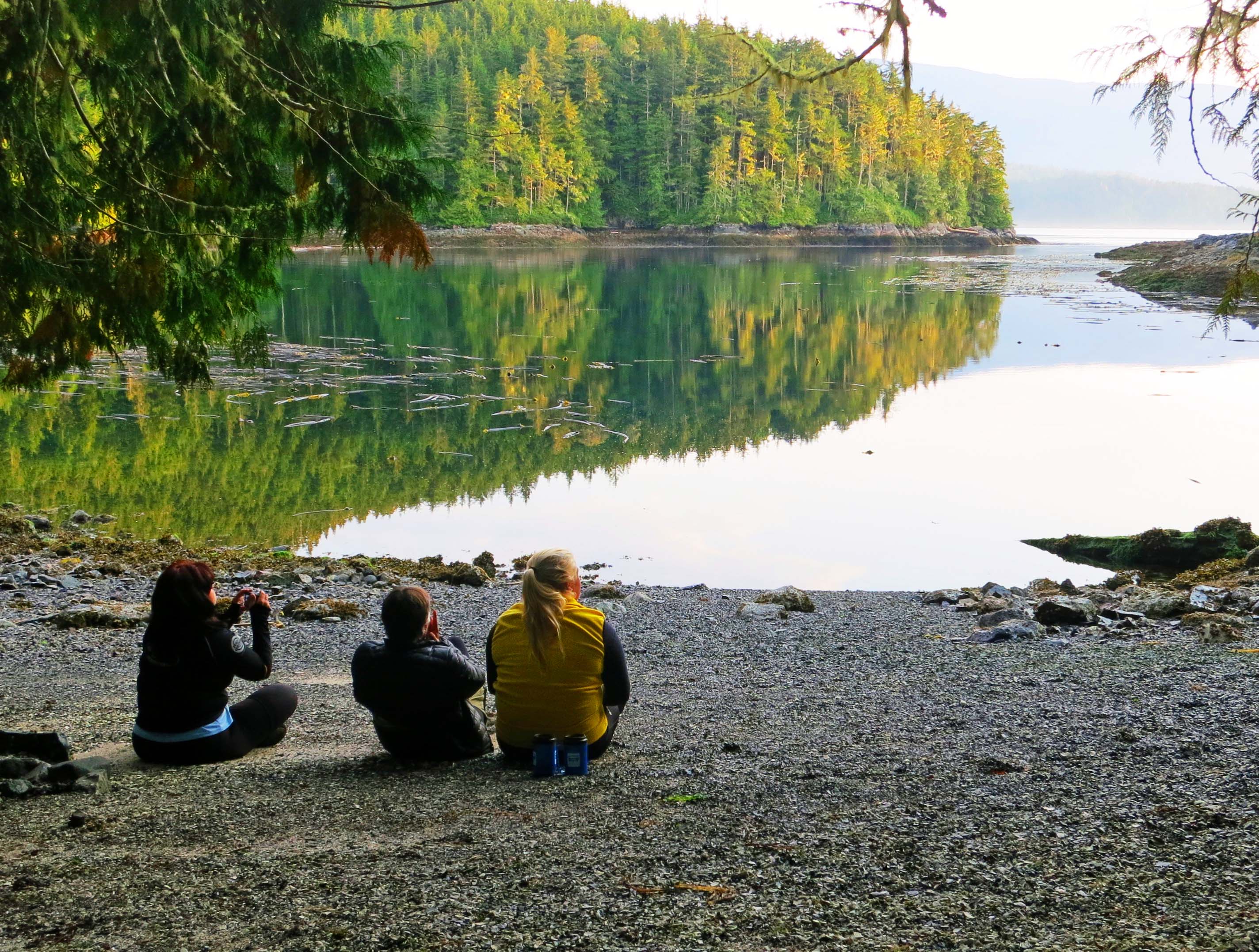
Members of our group enjoy a quiet moment at the end of the day, hoping for a whale to appear. Next blog: we kayak to Berry Island and hear a tale about Bigfoot.

Members of our group enjoy a quiet moment at the end of the day, hoping for a whale to appear. Next blog: we kayak to Berry Island and hear a strange tale about Bigfoot.

Kayaking the Beautiful Squaw Lakes of Southern Oregon… An Interlude

Kayaking on Squaw Lake, Oregon. Photo by Curtis Mekemson.

Peggy paddling our inflatable Innova Kayak on Little Squaw Lake.

We went kayaking yesterday at a small lake near our house. It’s about seven miles away southeast of Applegate Lake. We can easily head up there when we have a couple of hours to spare. I am not done with my Burning Man series but thought you might enjoy this interlude. When I complete Burning Man, I am going to blog about a weeklong sea kayak trip Peggy and I took this summer off of Vancouver Island, British Columbia.

Reflection shot on Squaw Lake in southern Oregon.

Paddling under cloudy skies, we thought it might rain.

Kayaking on the small Squaw Lake in southern Oregon provides beautiful refection shots. Photo by Curtis Mekemson

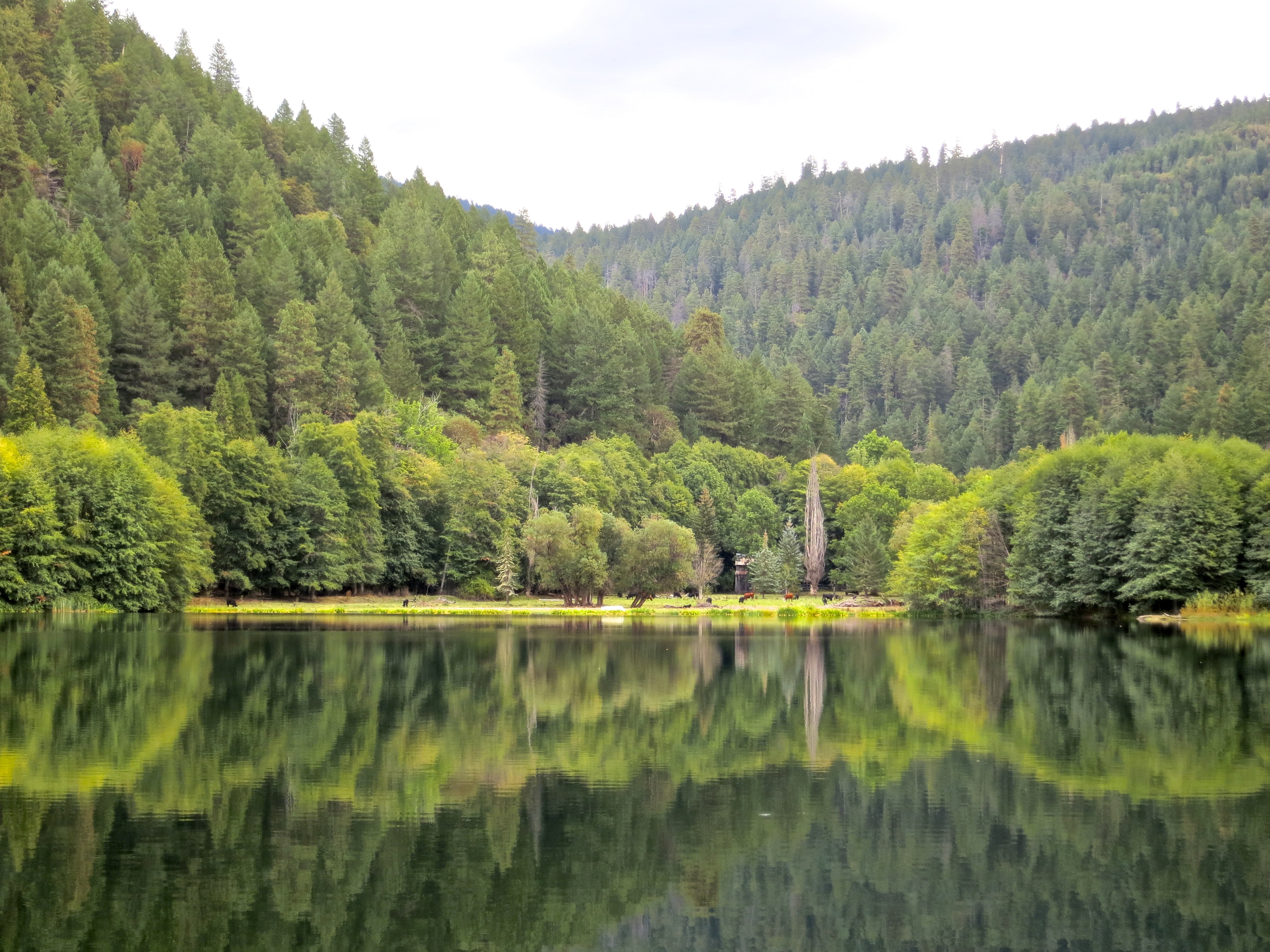
But then the sun came out, allowing for this very green reflection shot.
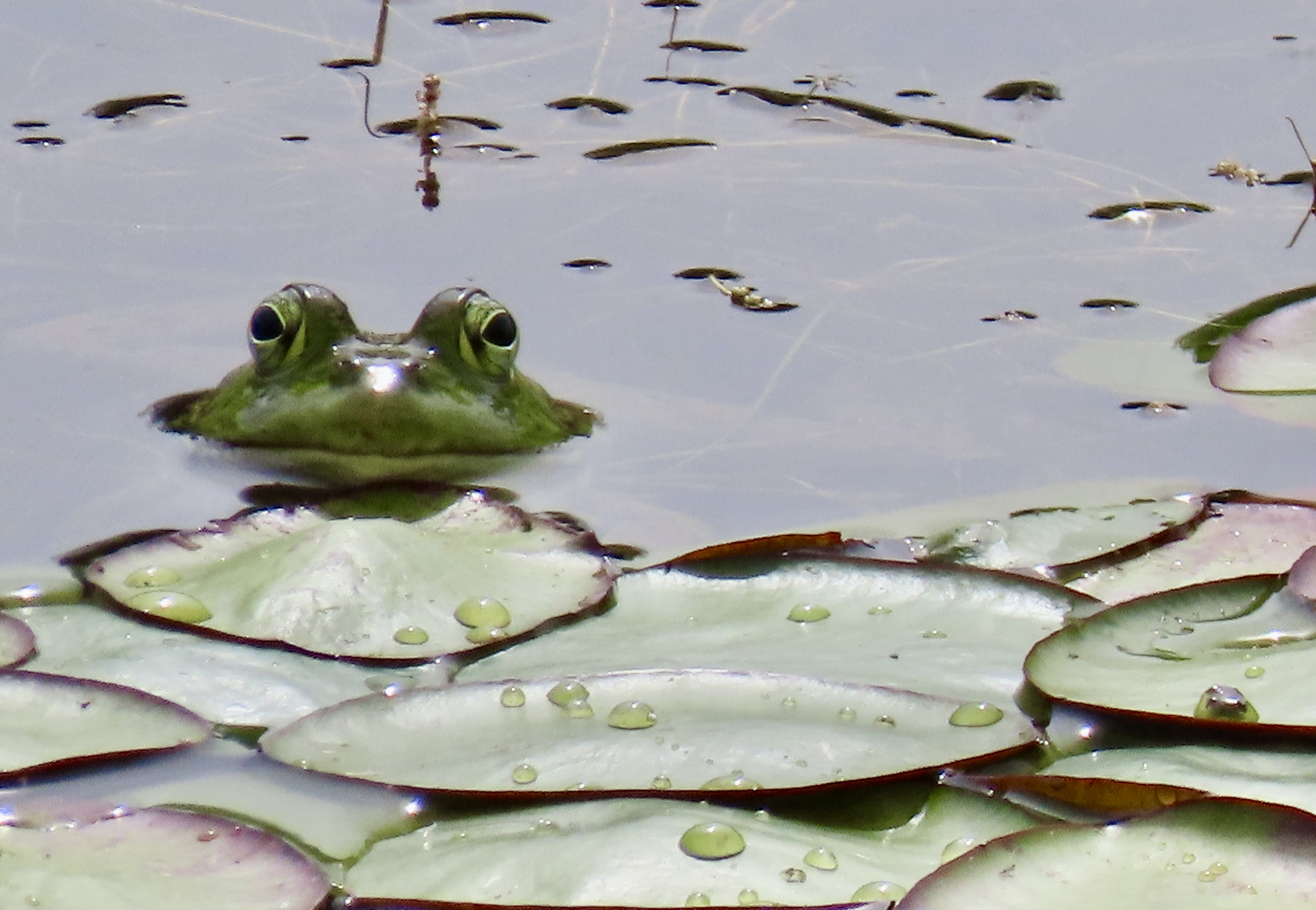
Young steer next to Squaw Lake in Southern Oregon. Photo by Curtis Mekemson.

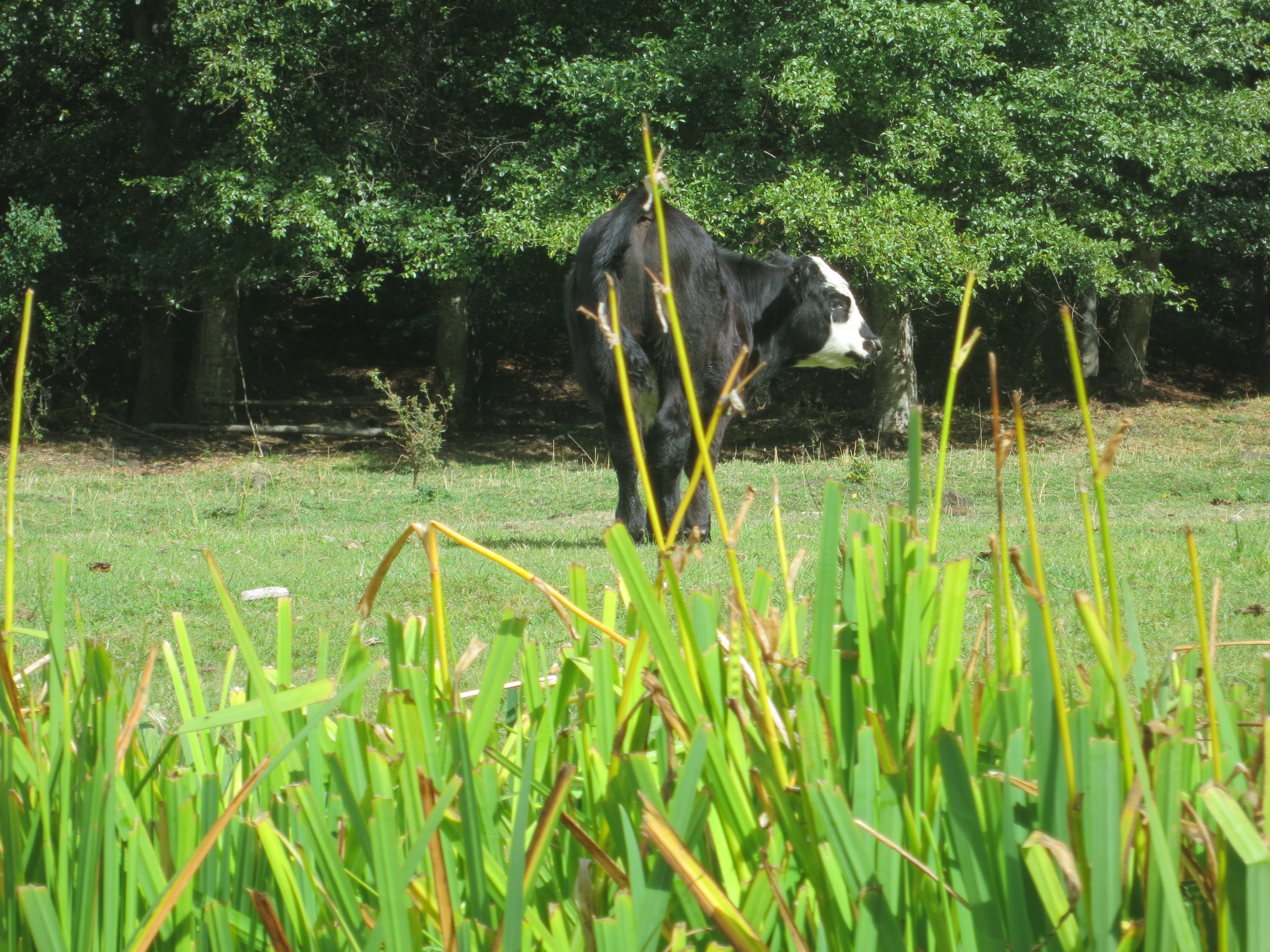
We kayaked up to the end of the lake and caught this photo of a young steer, who also seemed happy to see the sun. 

Cumulous clouds dominate the horizon at Squaw Lake in southern Oregon.

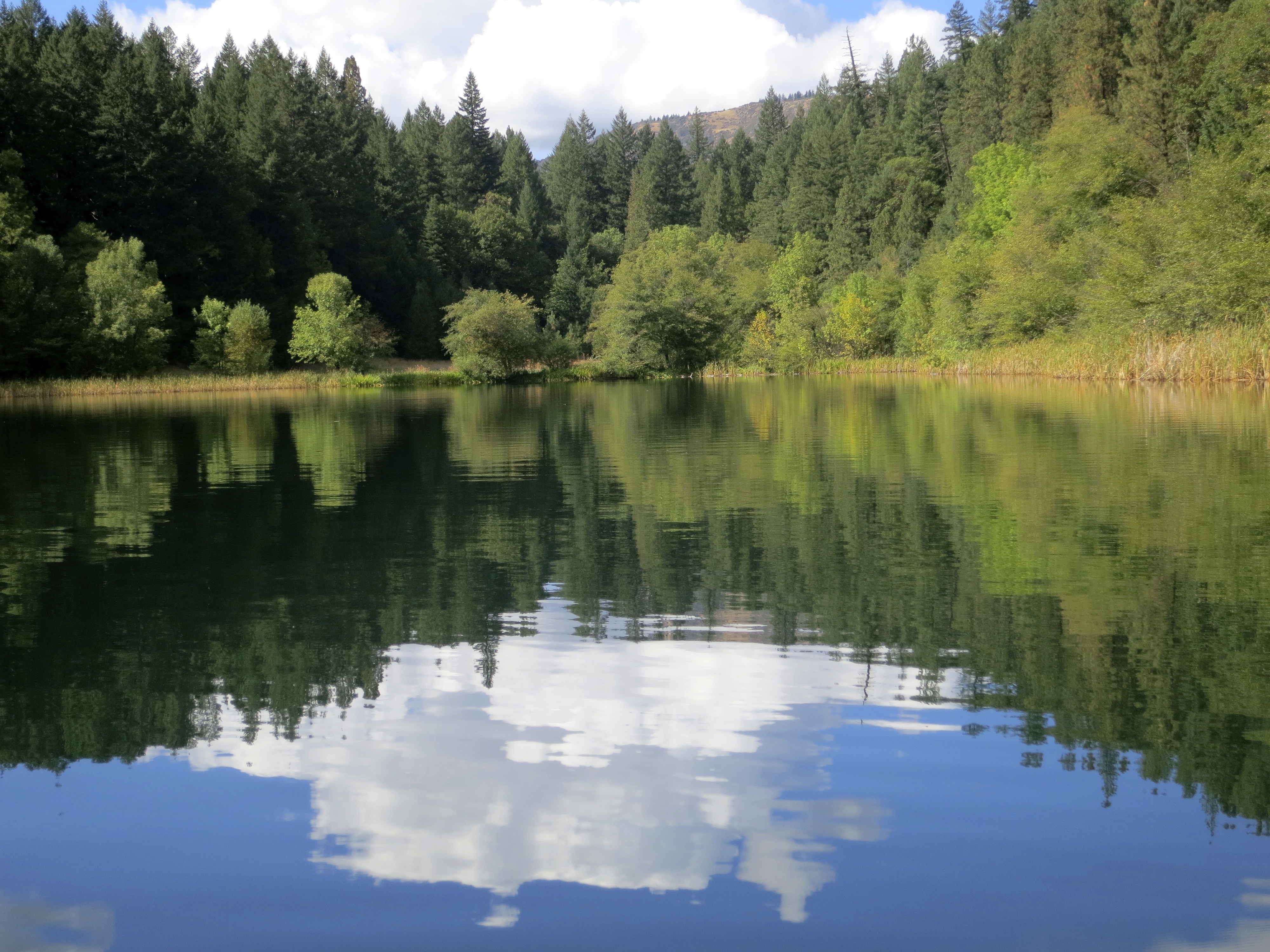
Towering cumulus clouds dominated the horizon.

Cumulous clouds reflected in Squaw Lake of Southern Oregon near Applegate Lake. Photo by Curtis Mekemson.

And were reflected in the lake.

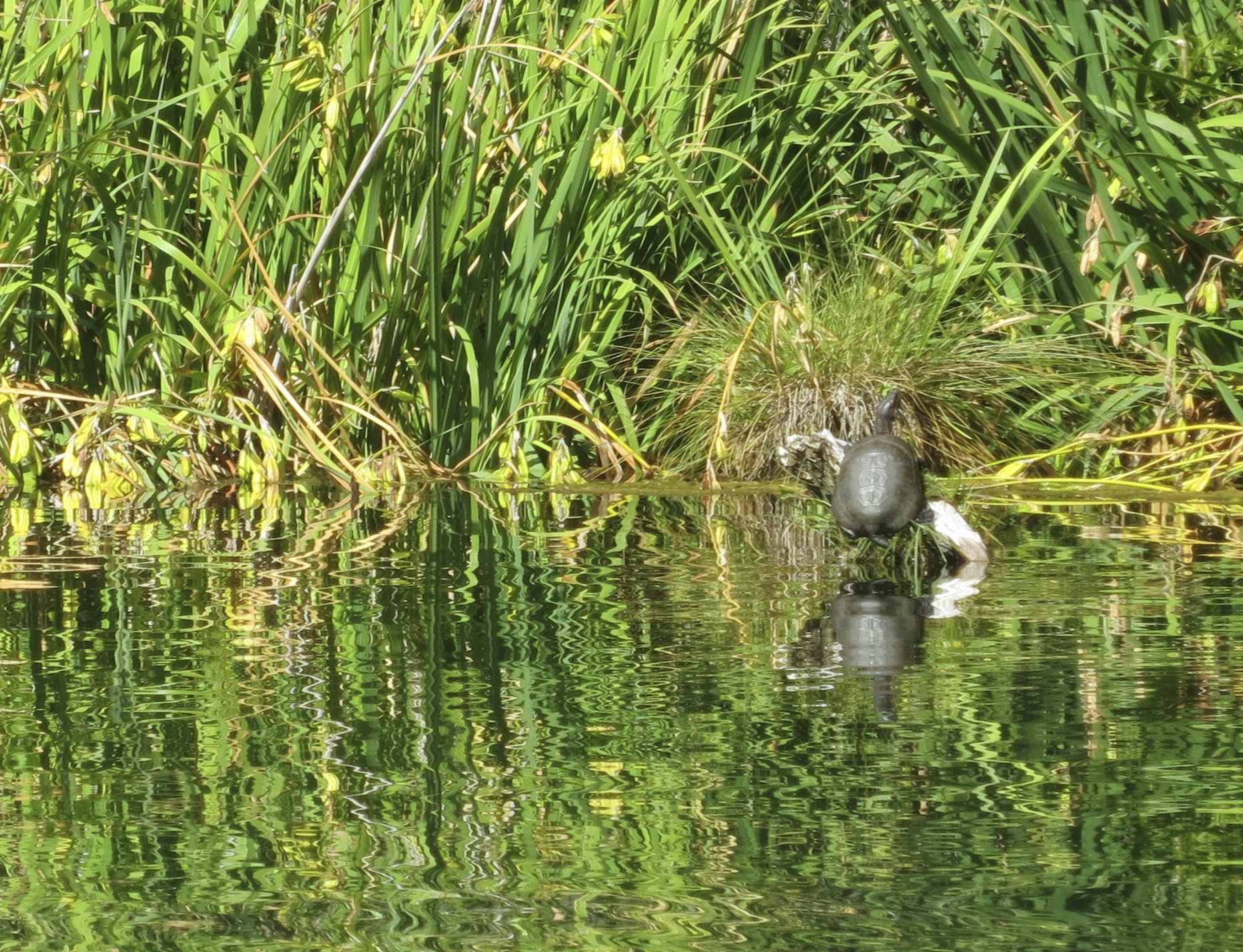
Turtle sunning on Squaw Lake in Southern Oregon near the California border. Photo by Curtis Mekemson.

A curious turtle, blending into the green, checked us out.

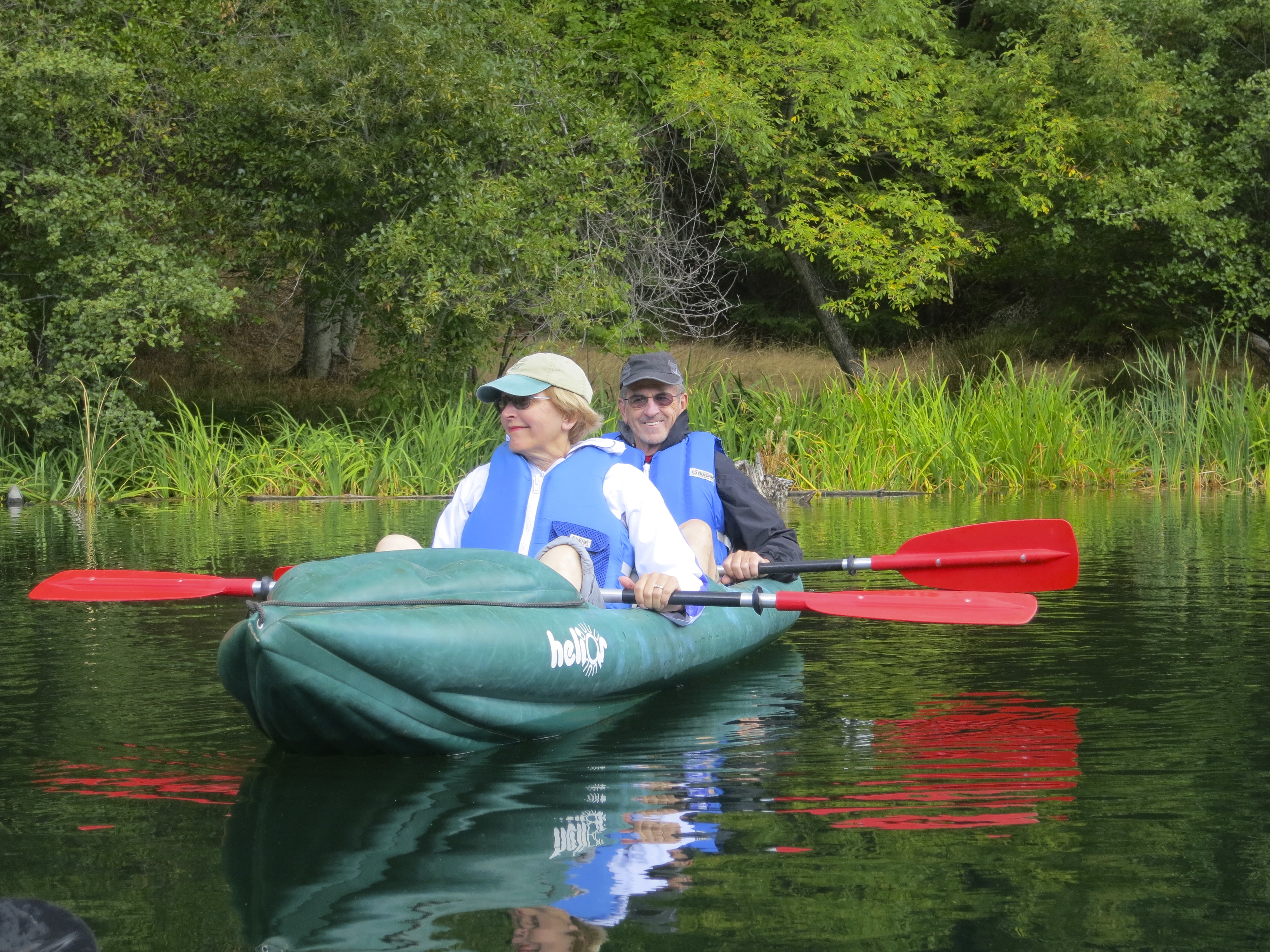
Jane and Jim Hagedorn kayaking on Squaw Lake in Southern Oregon. Photo by Curtis Mekemson.

Peggy’s sister, Jane Hagedorn and her husband Jim, joined us. We often take friends and family up to Squaw Lake. Its beauty and small size make it an ideal location for beginning kayakers.

Photo of Squaw Lake in Southern Oregon. Photo by Curtis Mekemson.

A final photo capturing the beauty and peace of the lake. Ripples from a fish that had just jumped are on the lower right. Next blog: Back to Burning Man.