Cub Creek Petroglyphs… Dinosaur National Monument

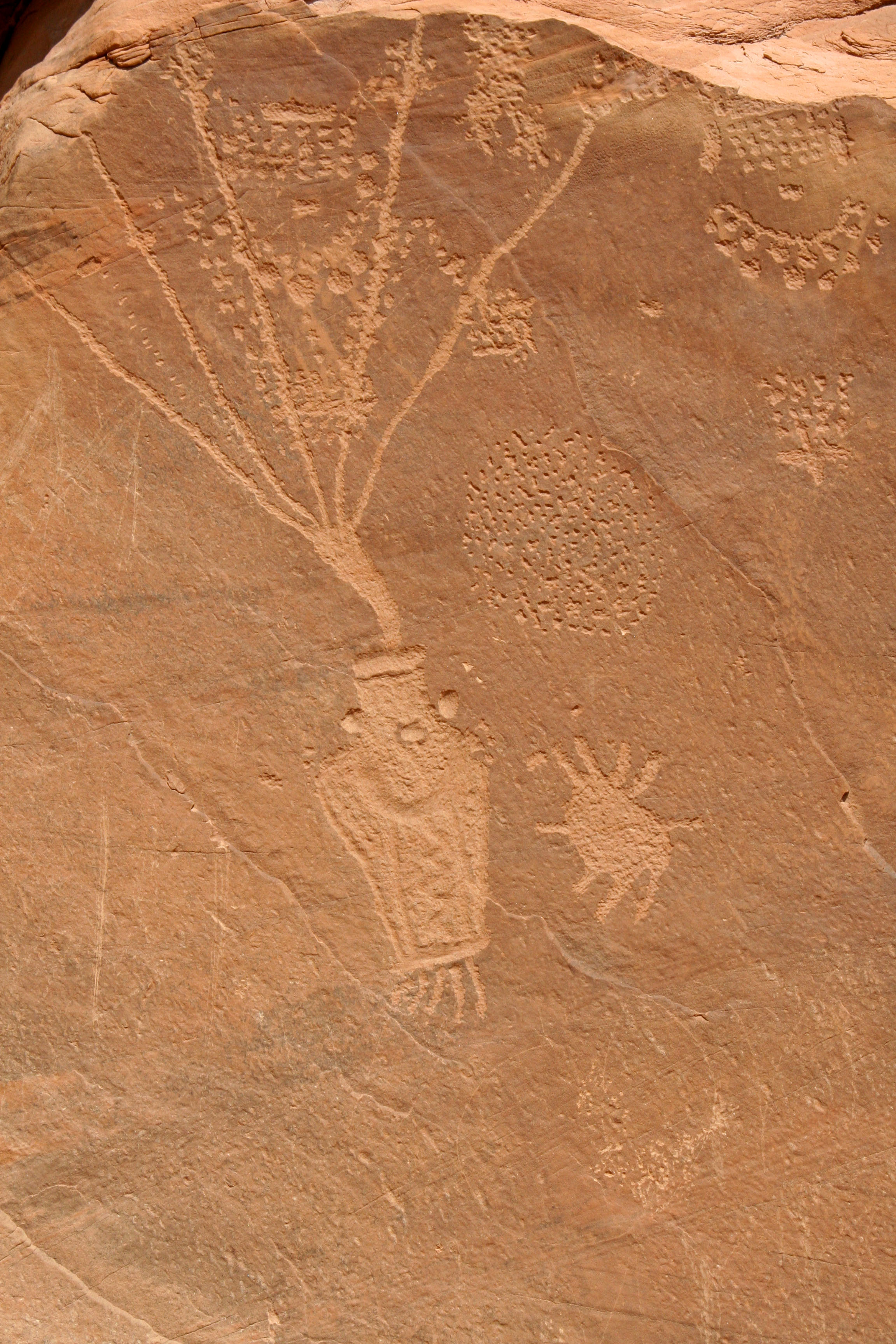
Like much Indian rock-art, Cub Creek petroglyphs in Dinosaur National Monument raise intriguing questions. It would be fascinating to know the story behind this unique anthropomorphic figure. What do the lines stretching toward the sky represent?

Peggy and I crossed over the Green River in Dinosaur National Monument and followed the road toward the cabin of Josie Basset Morris, the tough old pioneer woman who had worked her way through five husbands and finally discovered she preferred living alone.

The river, mountains and distant vistas entertained us along the way. Two prominent landmarks, Elephant Toes and Turtle Rock, lived up to the names the early settlers had bestowed on them. I found the big toes particularly amusing.
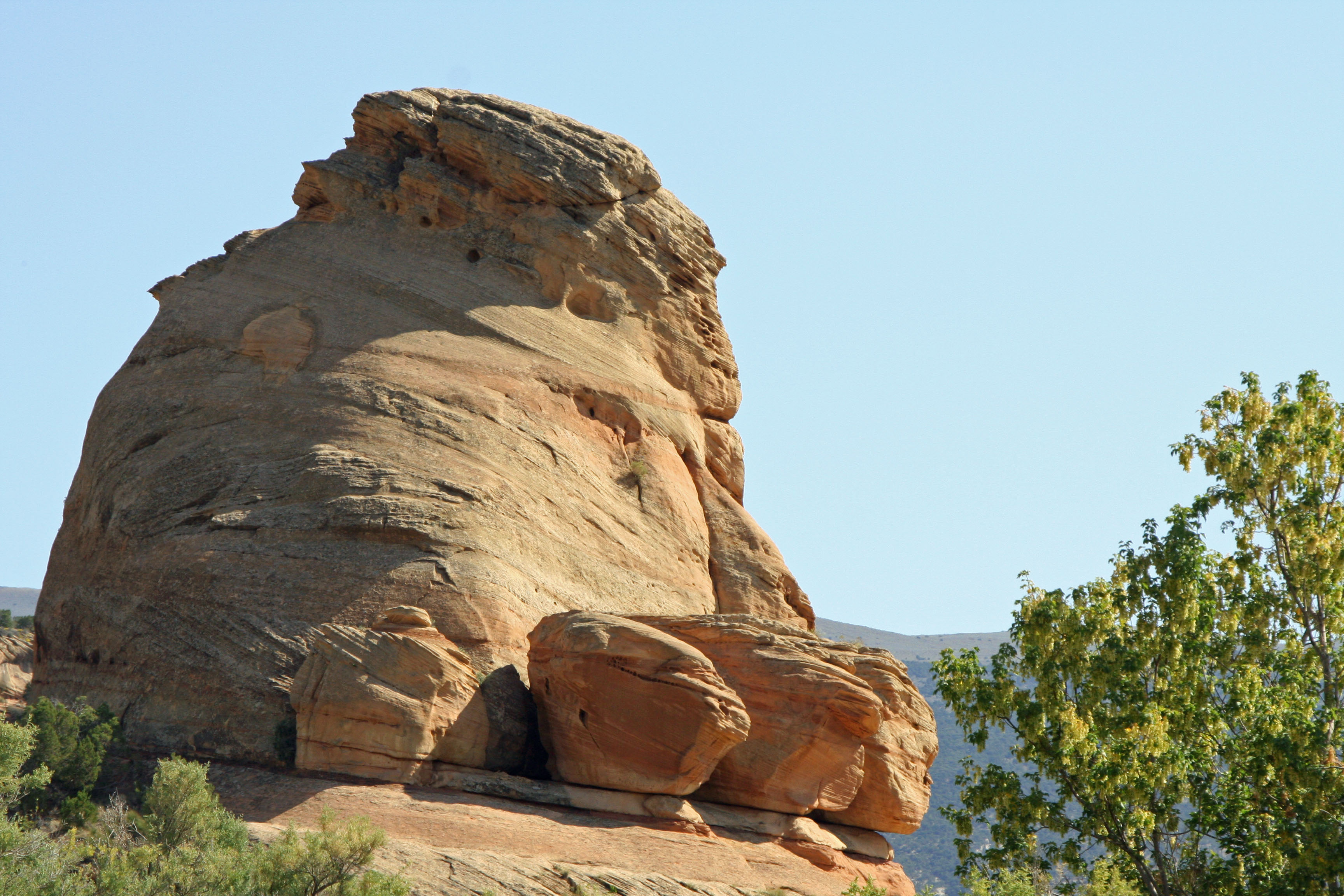
Elephant Toes Rock in Dinosaur National Monument along the Cub Creek Road. 
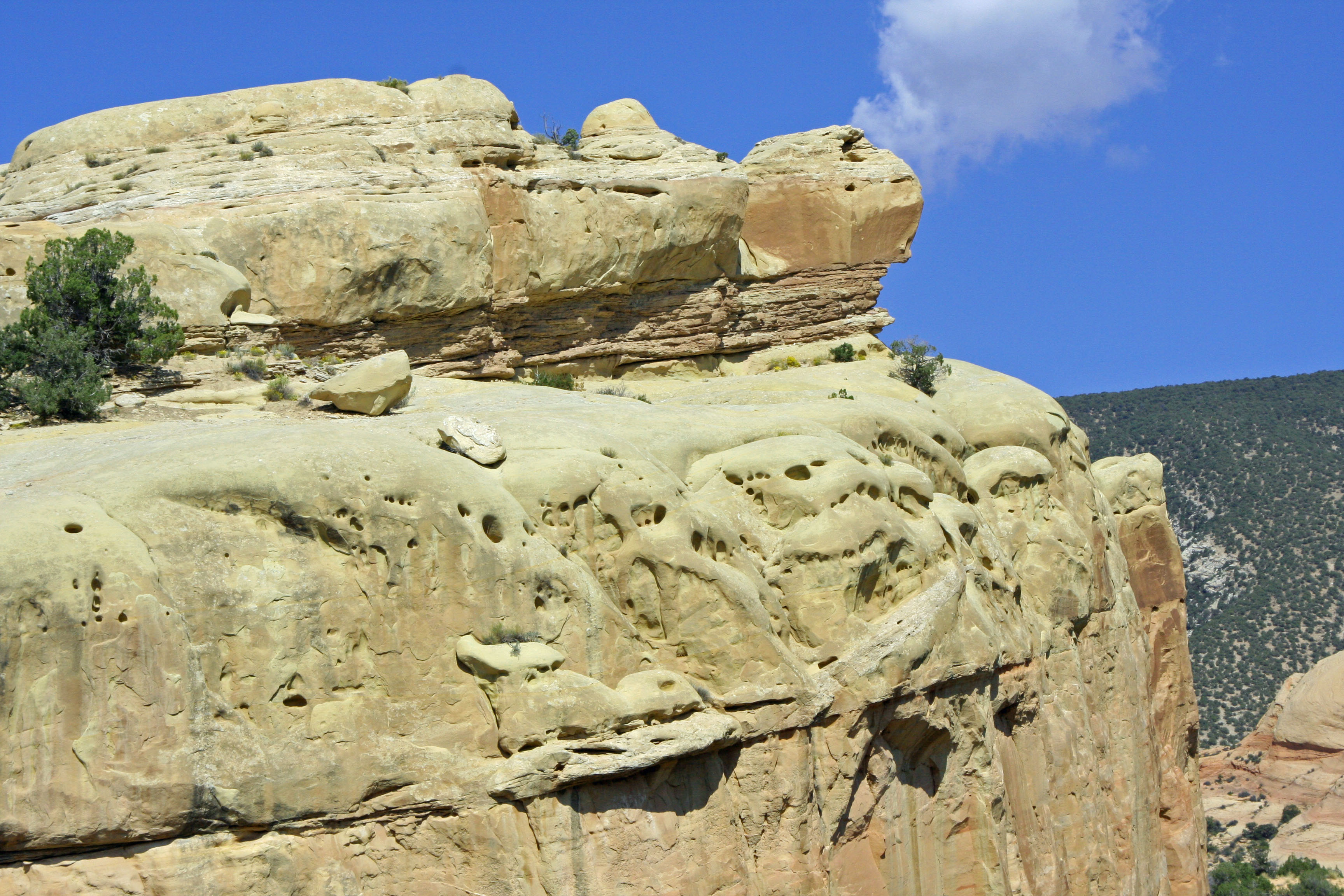
While not  as humorous as Elephant Toes, the turtle of Turtle Rock is easy to see. Both Native Americans and pioneers were quick to see and name familiar figures in the landscape.

The true surprise on our way to Josie’s, however, was the Indian rock-art. Huge six-foot lizards had been pecked into the cliff faces high above the Cub Creek Valley. One can only wonder if the Native Americans of the Fremont Culture had somehow made the correlation between dinosaur bones found throughout Dinosaur National Monument and really big lizards. Or did small lizards so prominent in desert environment serve as the models?
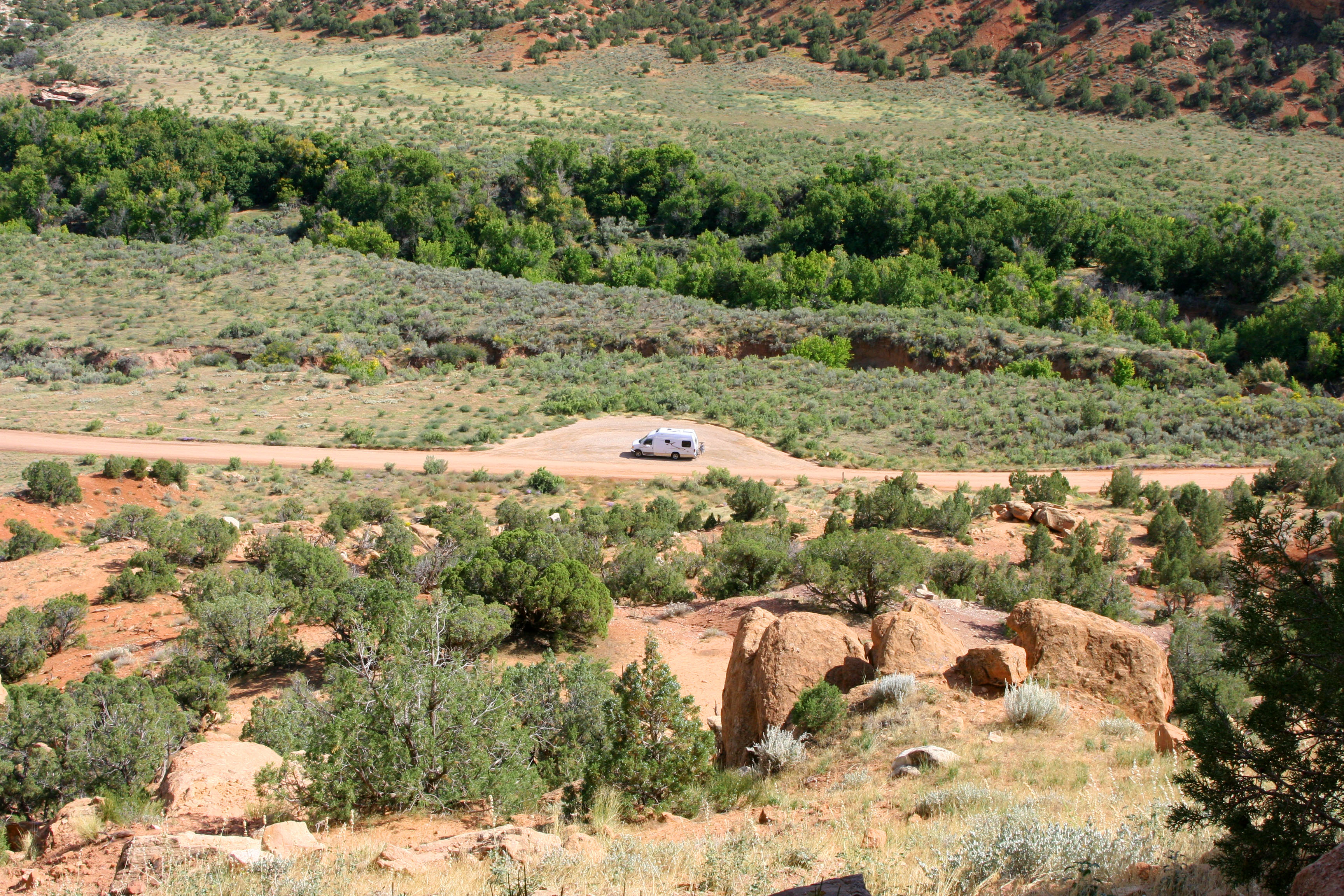
Our van, Quivera, provides perspective on how high up in the cliffs the Cub Creek petroglyphs are.

Giant, six-foot long, rock-art lizards work their way up the rock face at Cub Creek. Are they representative of the dinosaur bones Native Americans found at Dinosaur National Monument?

Or did the giant petroglyph lizards represent the small lizards so prominent in the arid regions of the West?

Numerous other petroglyphs also demanded our attention. We even found a partial image of Kokopelli, the hunch backed flute player found in ancient rock-art from Mexico to Canada and whose image has been applied on everything from jewelry, to blankets, to pottery in today’s gift shops throughout the West. Kokopelli was both a musician and trickster god, but mainly he was a fertility deity known for his for his bad behavior. Watch out fair maidens one and all.

My wife Peggy admires a small section of the numerous petroglyphs found at the Indian rock-art site on Cub Creek in Dinosaur National Monument.

A partial petroglyph of the flute playing Kokopelli is found at the Cub Creek Indian rock-art site. Odds are he is luring young maidens with his music.
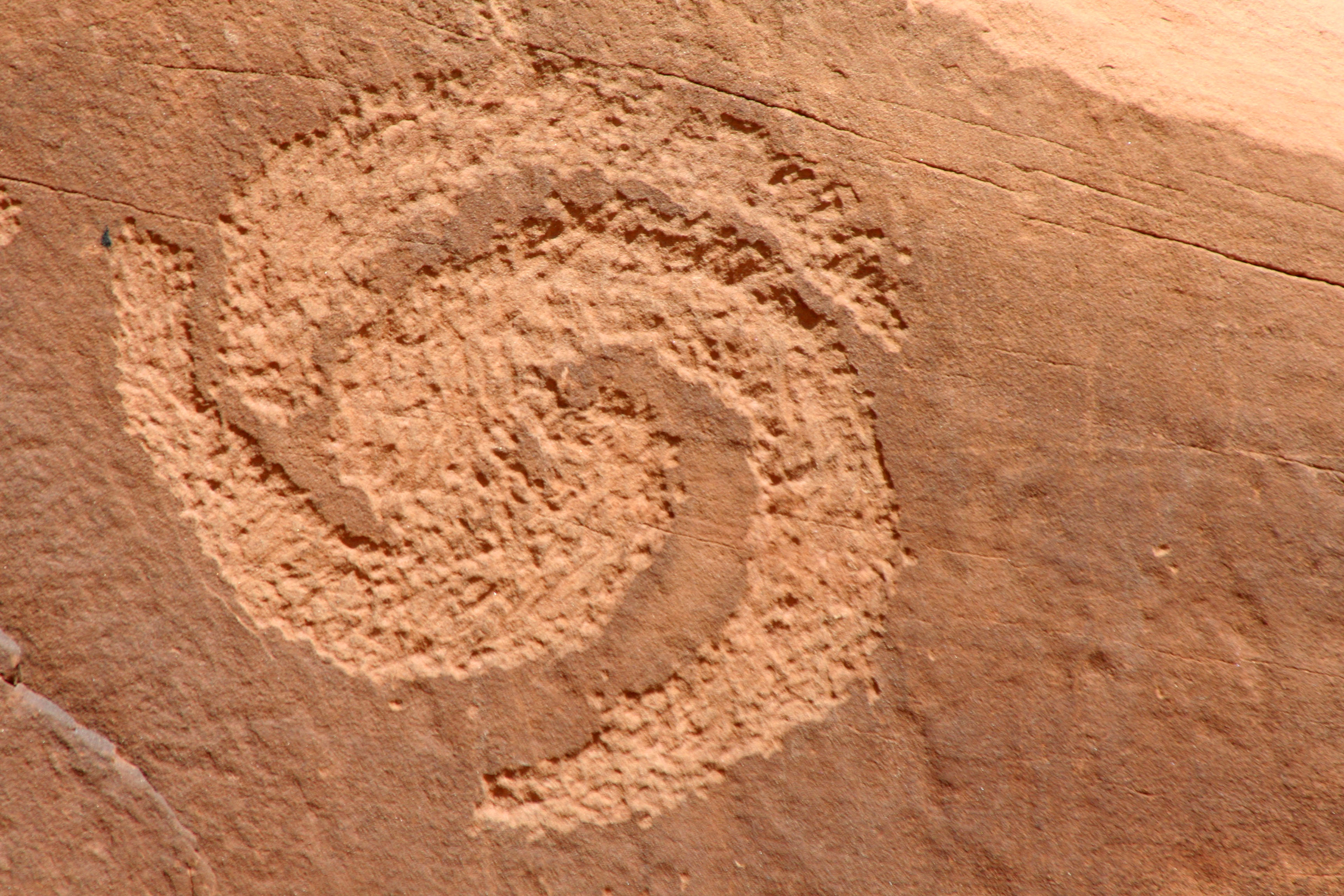
Geometric forms are common in rock-art. This galaxy-like representation caught my attention.
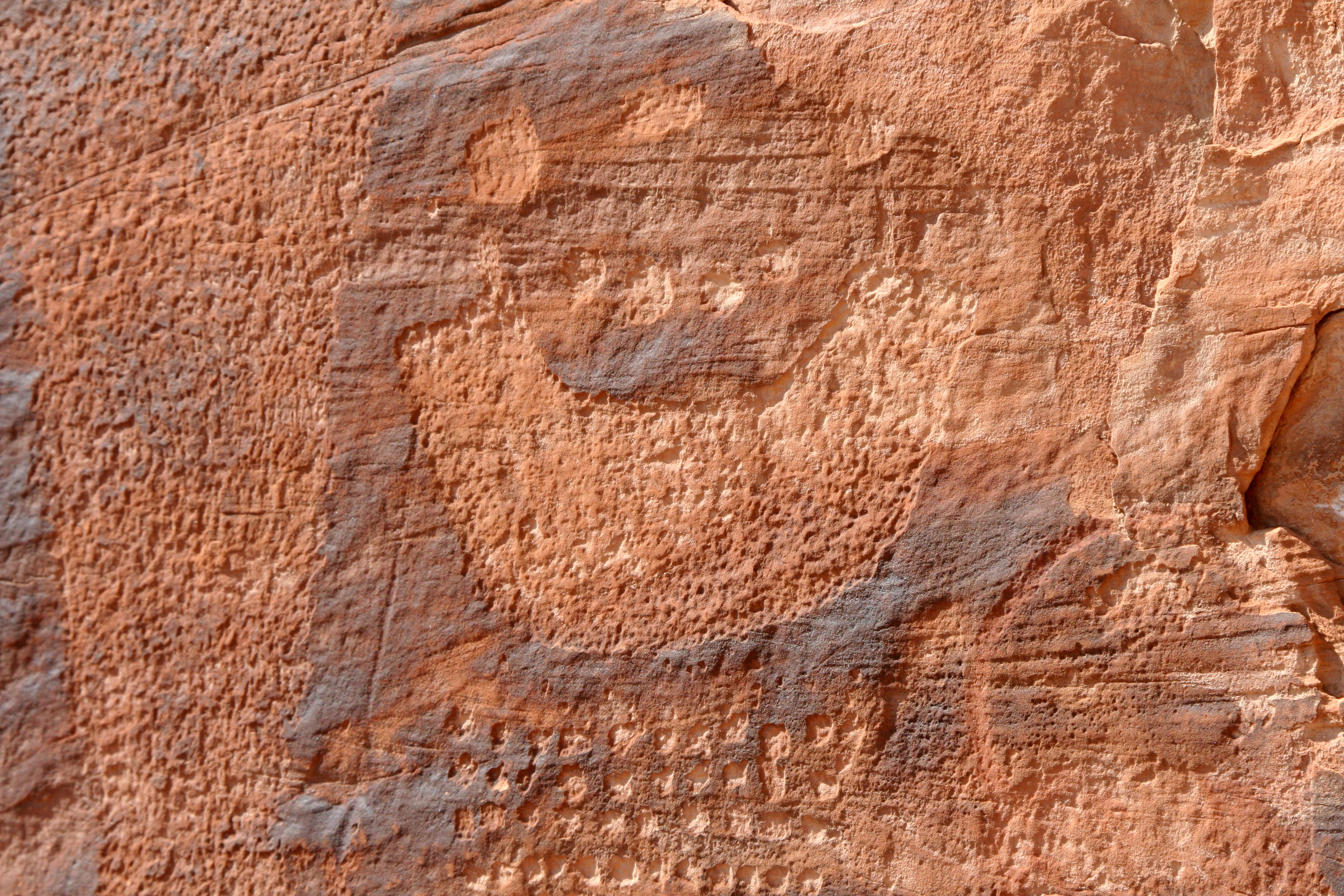
I selected this particular photo because it demonstrates how dark rock varnish has been chipped away in the petroglyph process to reveal the lighter colored rock underneath.

An early day smiley? This guy appears to me to be all mouth and legs but it’s creator likely had something else in mind.
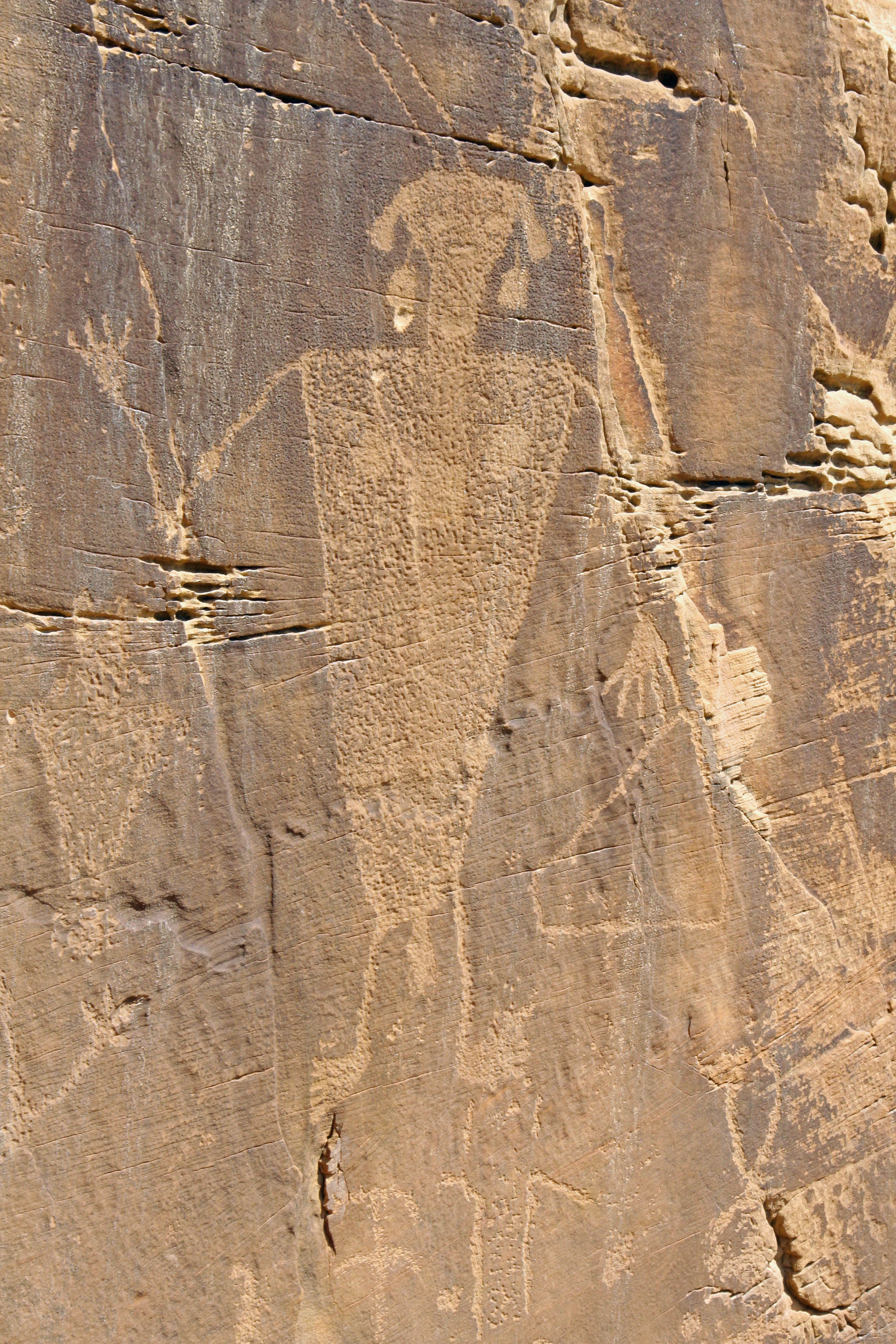
Greetings Earthlings. Check out the dangling ear rings and necklace on this guy. Jewelry apparently was quite important to early Native Americans and may have represented an individuals importance or clan. You will probably note the prominent anatomy as well. Genitalia was often included on Indian rock-art until the Spanish Missionaries informed the natives that such display was sinful.

I call this petroglyph Big Boy.

A Jurassic Playground… Dinosaur National Monument

Dinosaur National Monument is located on the border between Colorado and Utah on the southeast flank of the Unita Mountains. This photo featuring the Green River was taken near our campsite. Yellow Rabbit Bush provides a splash of yellow.

While Dinosaur National Monument lacks the grandeur of some of it’s better-known cousins, it has an armload of subtle beauty, two gorgeous rivers, and a super abundance of dinosaur bones that attract world-renowned paleontologists like bears to honey.

It also has a fine collection of Indian rock-art and at least one eccentric pioneer. I’ll save the rock-art for my next blog but I’ll introduce the pioneer now. Her name was Josie Basset Morris. She lived to be 90 years old, divorced four husbands, buried a fifth, and spent the majority of her life living alone in the backcountry of what is now Dinosaur National Monument.

She was one tough old coot.

During Prohibition, she was known for making a fine apricot brandy. In her 60s she was arrested and acquitted for cattle rustling, twice.

Peggy and I went to visit the log cabin that she had built and lived in for 50 years. Natural features compensated for what it lacked in modern amenities such as electricity, running water and a phone. An ice-cold spring provided water, a hidden box canyon served as a corral, and river bottom dirt supplied fertile ground for fruit trees and other crops. 

Apparently she lived quite well. But what about the tough times? I am guessing she lived off of homemade booze and rustled filet mignon.

Peggy stands next to the log cabin that Josie Basset Morris lived in for 50 years and provides a five-foot, six-inch perspective on the size of the cabin.

A photo of Josie at her cabin in the early 50s. (Photo from Google images.)

Earl Douglass was working for the Carnegie Museum out of Pittsburg PA when he discovered the dinosaur bones in 1909. He was looking for more recent mammal fossils. The dinosaurs roamed the area in Jurassic times, some 100 million years ago. He spent several years digging bones, packing them up and shipping them off to Pittsburg where you can now see them reassembled at the museum.

Or you can visit the Douglass Quarry at Dinosaur National Monument and see how paleontologists dig up the bones. Some 1400 have been exposed and labeled at the Quarry. It’s an incredible site. It was closed when Peggy and I visited due to disrepair but fortunately I had visited it before.  Funding from the Obama Administration has since allowed this treasure to be reopened to visitors from around the world.

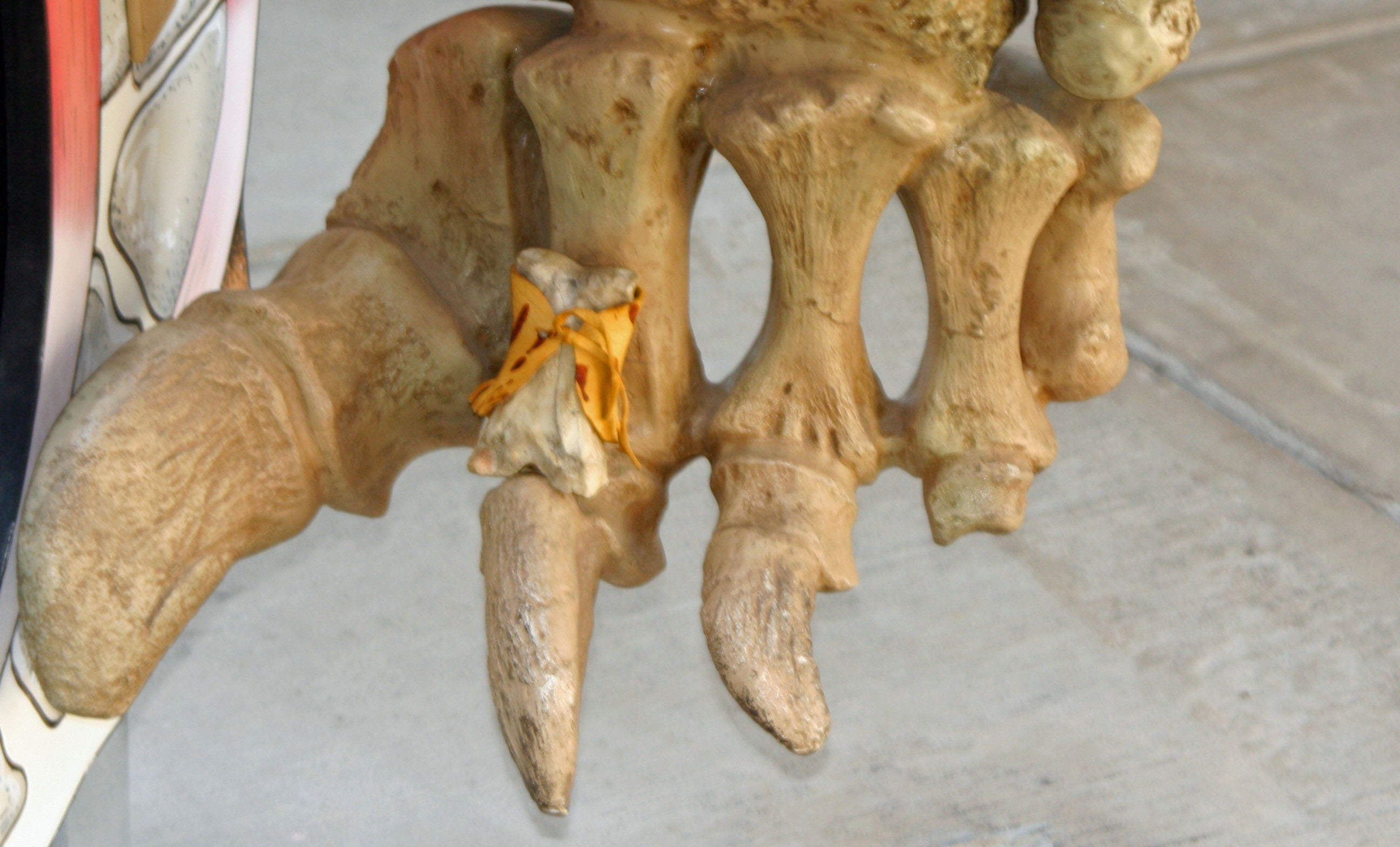
Peggy and I satisfied our desire to see dinosaur bones by scrambling around on the hillside near the Quarry and stopping off at the Visitor Center. The Peripatetic Bone was impressed with his ancient relatives.

The Peripatetic Bone was quite impressed with the size of his ancient relatives. Here he rests on dinosaur toes at the Dinosaur National Monument Visitor Center.

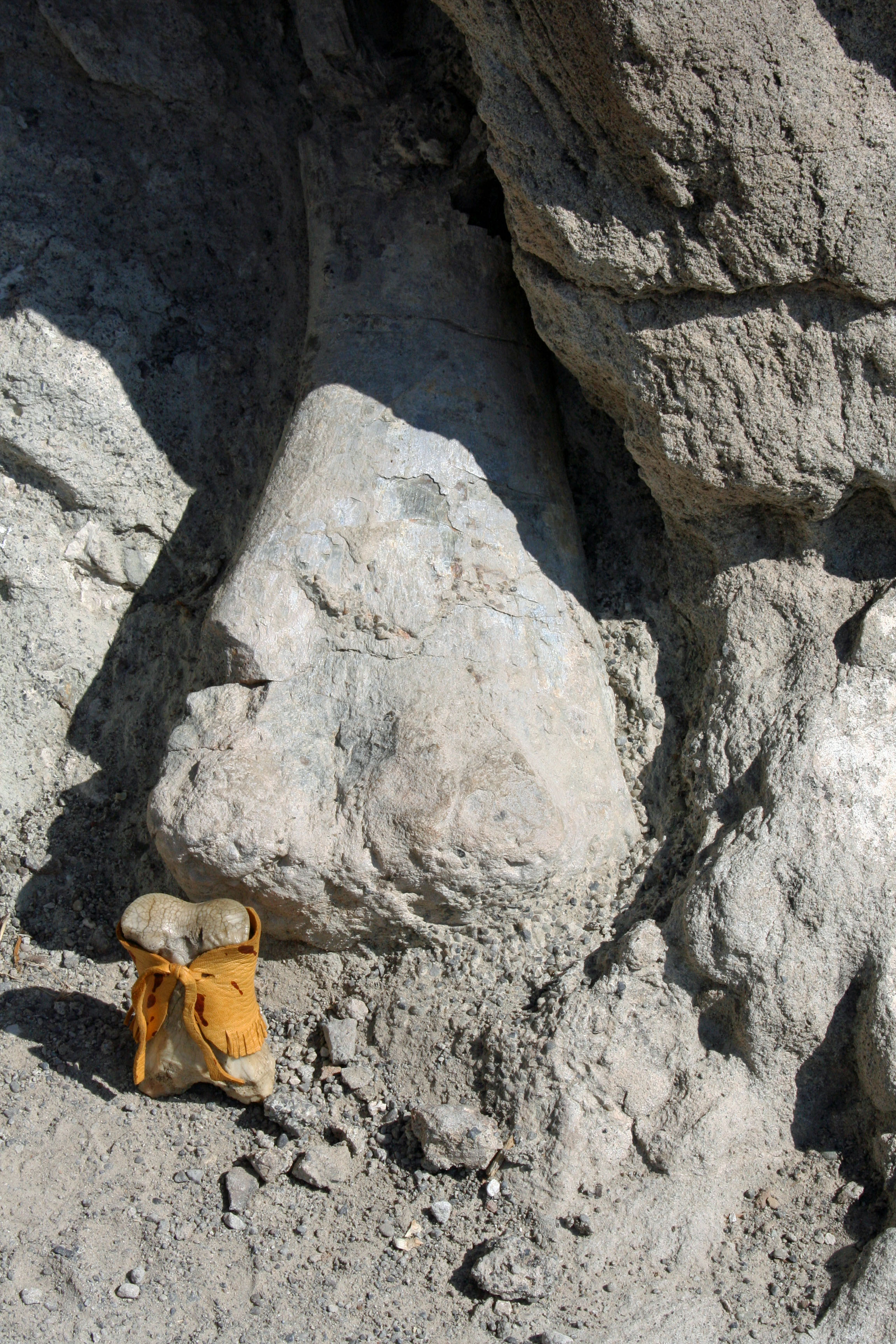
Since the Douglass Quarry was closed we scrambled up the hillside to find where a dinosaur bone had been exposed in the hillside.

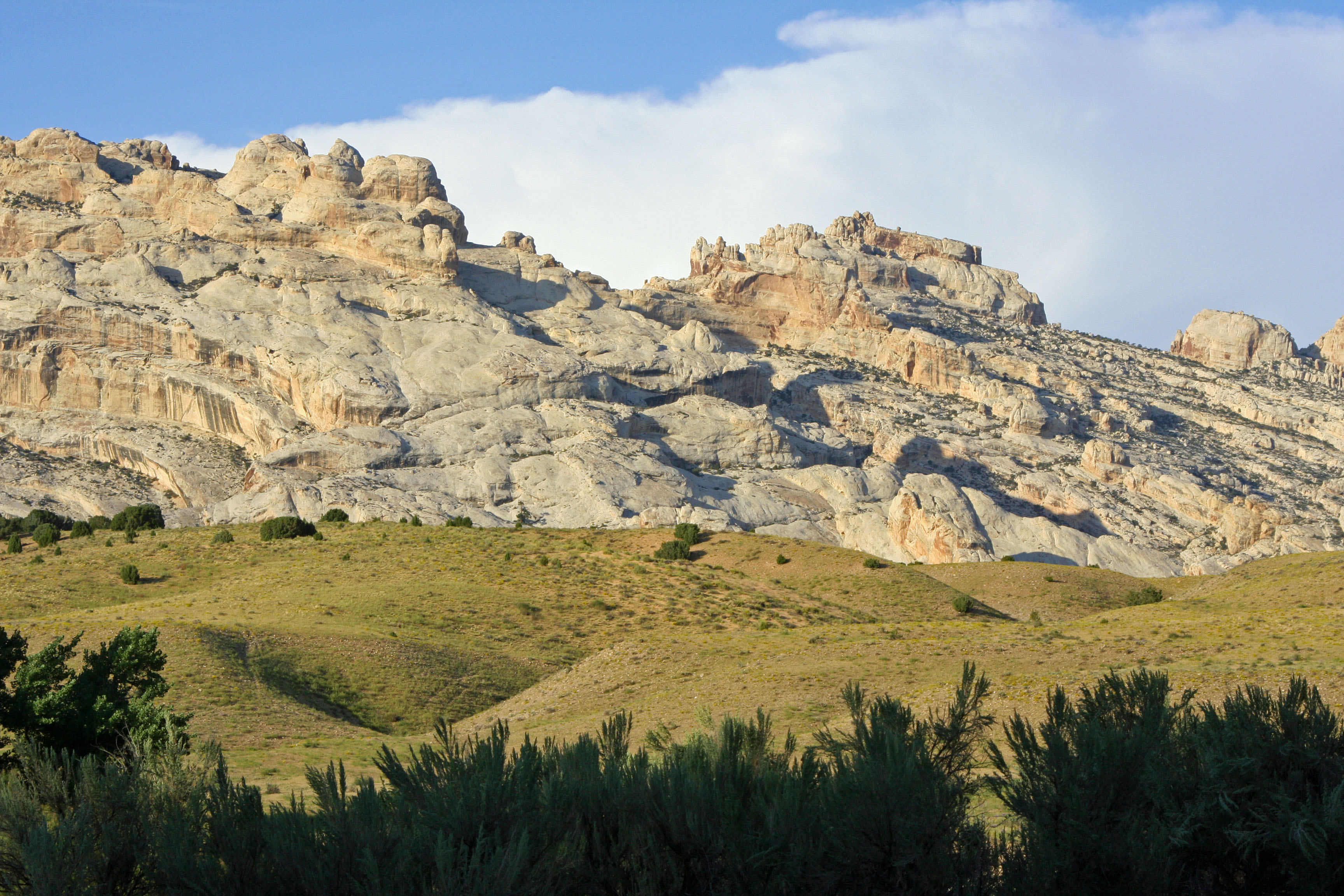
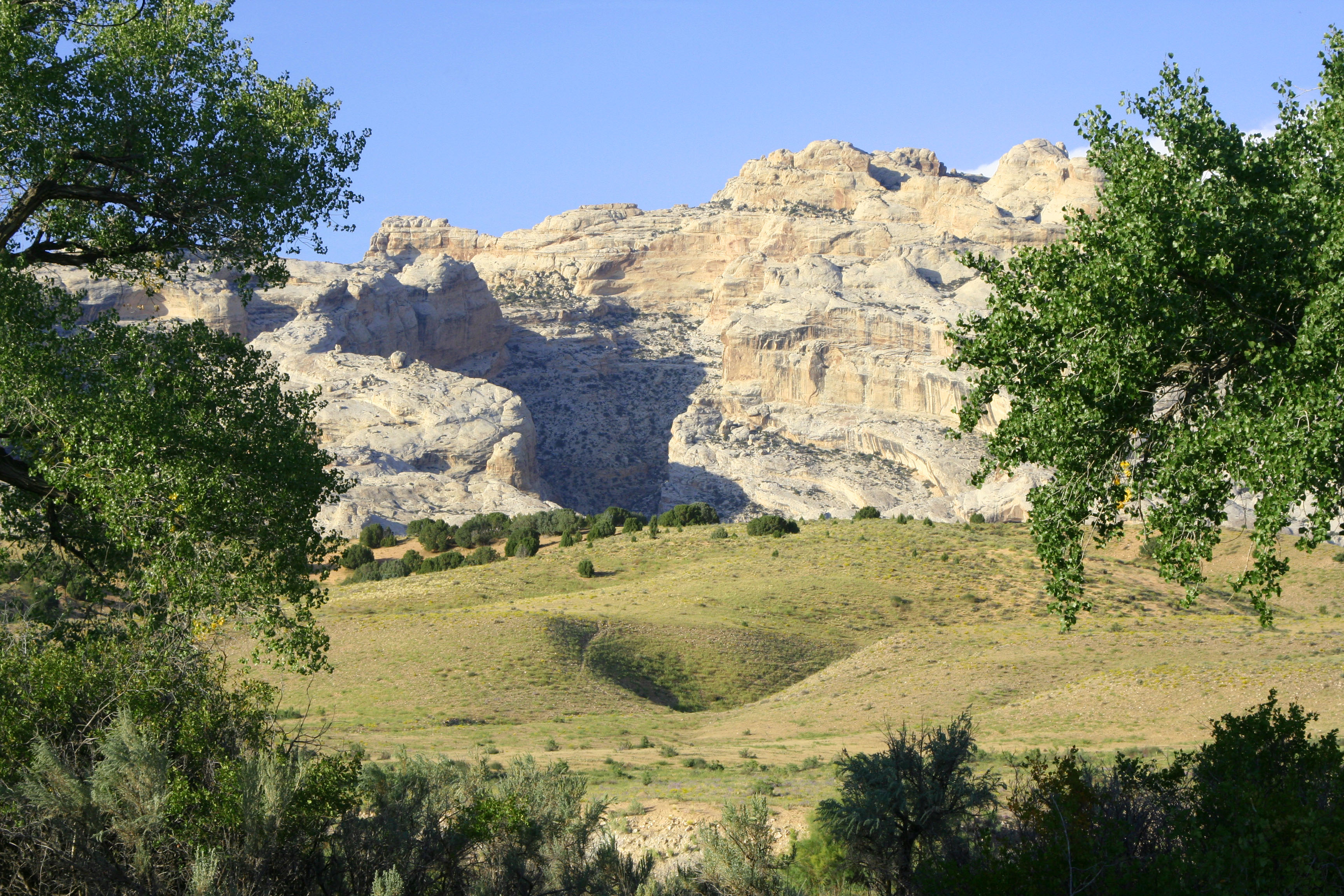
We camped on the Green River and looked out on the surrounding mountains. Dinosaur National Monument is located on the southeast flank of the Unita Mountain Range, which is a part of the Rockies. Both the Green River and its sister, the Yampa, make my river running friends drool.

The River was wide and calm where we camped, however. Fremont Cottonwoods provided shade and rabbit bush a dash of yellow. I wandered around with my camera and enjoyed the beauty. 

Next blog: The Petroglyphs of Dinosaur National Monument.

View from our campsite on the Green River in Dinosaur National Monument.

A close up of the mountains shown in the Dinosaur National Monument photo above.

Another view of the mountains from our campsite on the Green River in Utah. This photo is set off by Fremont Cottonwood Trees.

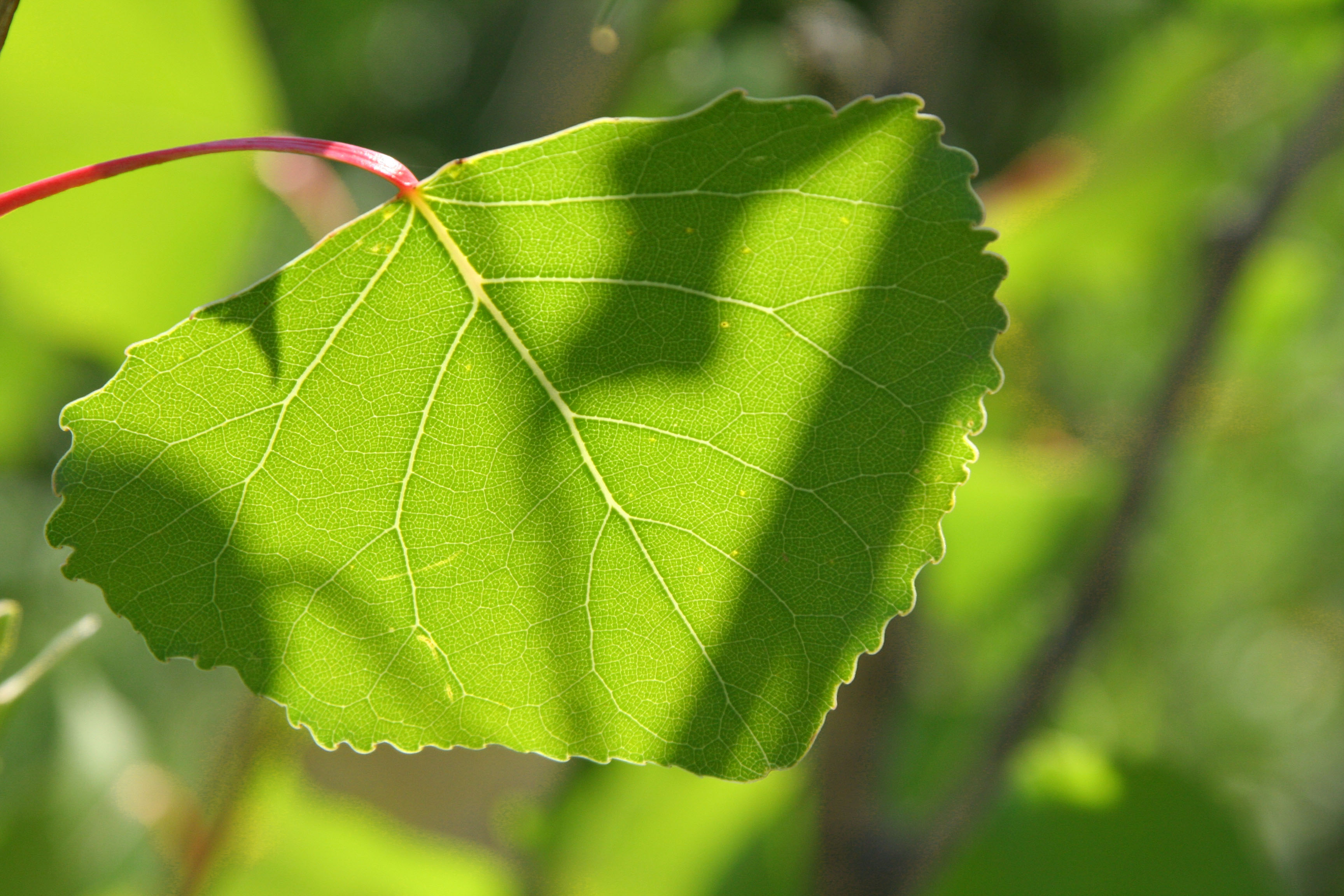
The leaf of a Fremont Cottonwood tree backlit by the sun.

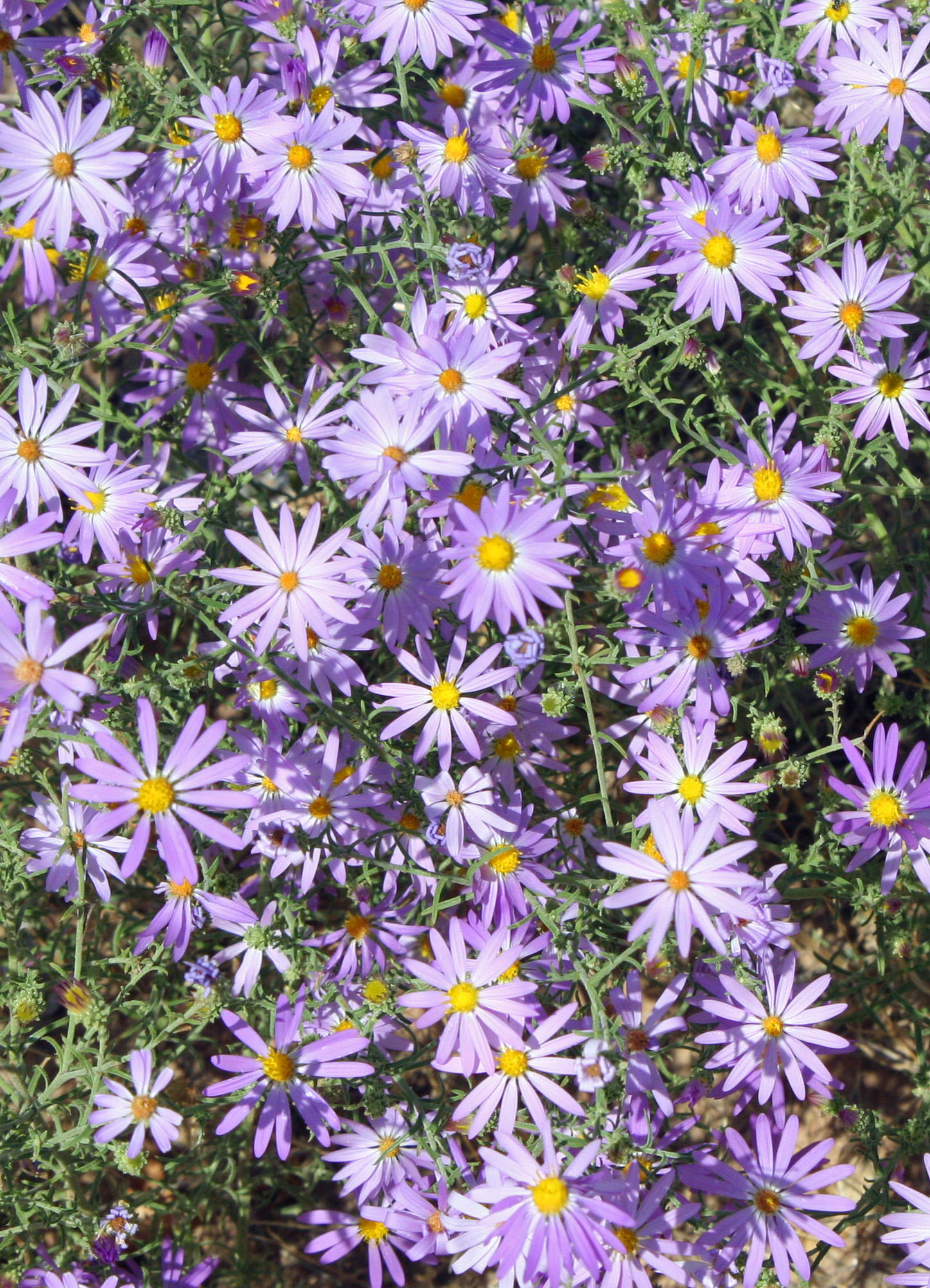
Flowers decorating the road into Dinosaur National Monument.