Our blogs each year, for the most part, are based on our wandering ways. We kicked off 2025 with a trip to the Big Island of Hawaii where we stayed in a VRBO 30 miles outside of Hilo for a month, rented a car, and explored the island. Spring and summer found us wandering through the Southwestern US for five months, pulling a small trailer behind our truck, and visiting national parks and monuments. In October/November, we left the trailer behind at our home base in Virginia and traveled for three weeks through New England admiring the beautiful fall colors.
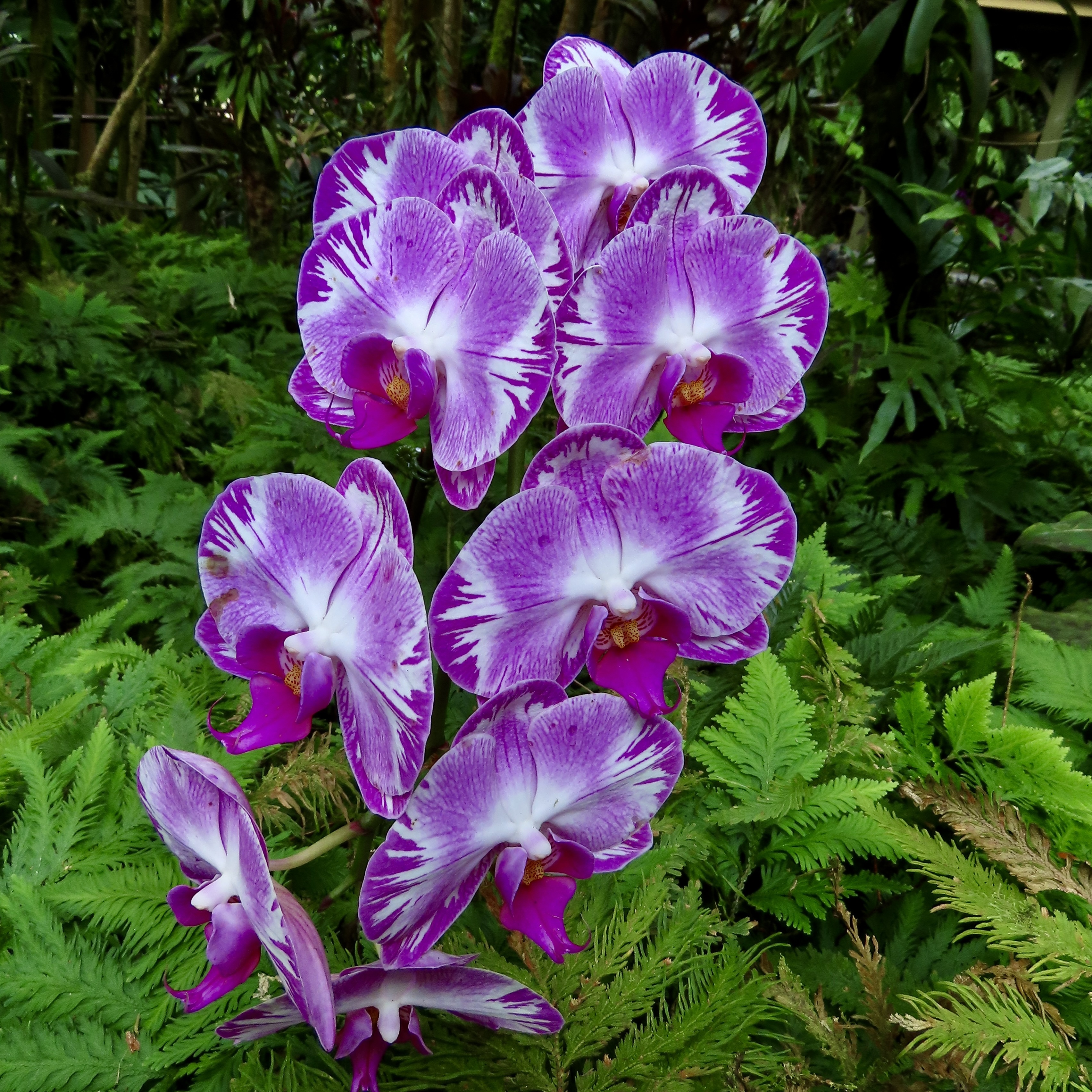
Our next three posts will be devoted to doing our yearly wrap-up of our travels— based on our annual calendar. Each year we select 13 photos from among what we consider our best travel photos for use in a calendar we create for our extended family. This year we created three: one for each of the areas we visited. Family members got to choose which calendar they wanted. The photos for today’s post were selected for our Hawaii Calendar. The orchid above is one of numerous different species found at the Hawaii Tropical Botanical Garden just outside of Hilo. We highly recommend a visit if you travel to the Big Island. Over 2000 tropical plants are found in the garden.
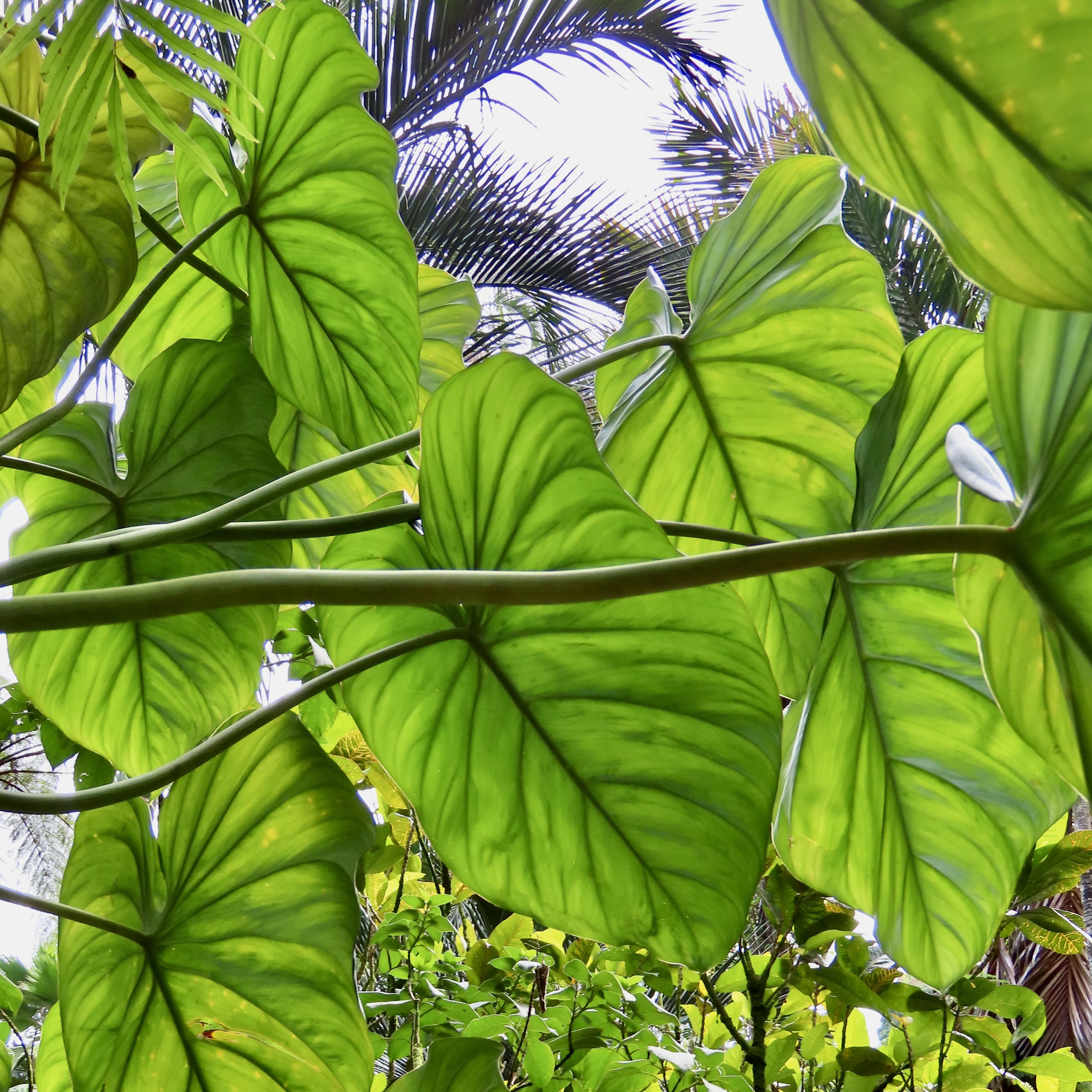
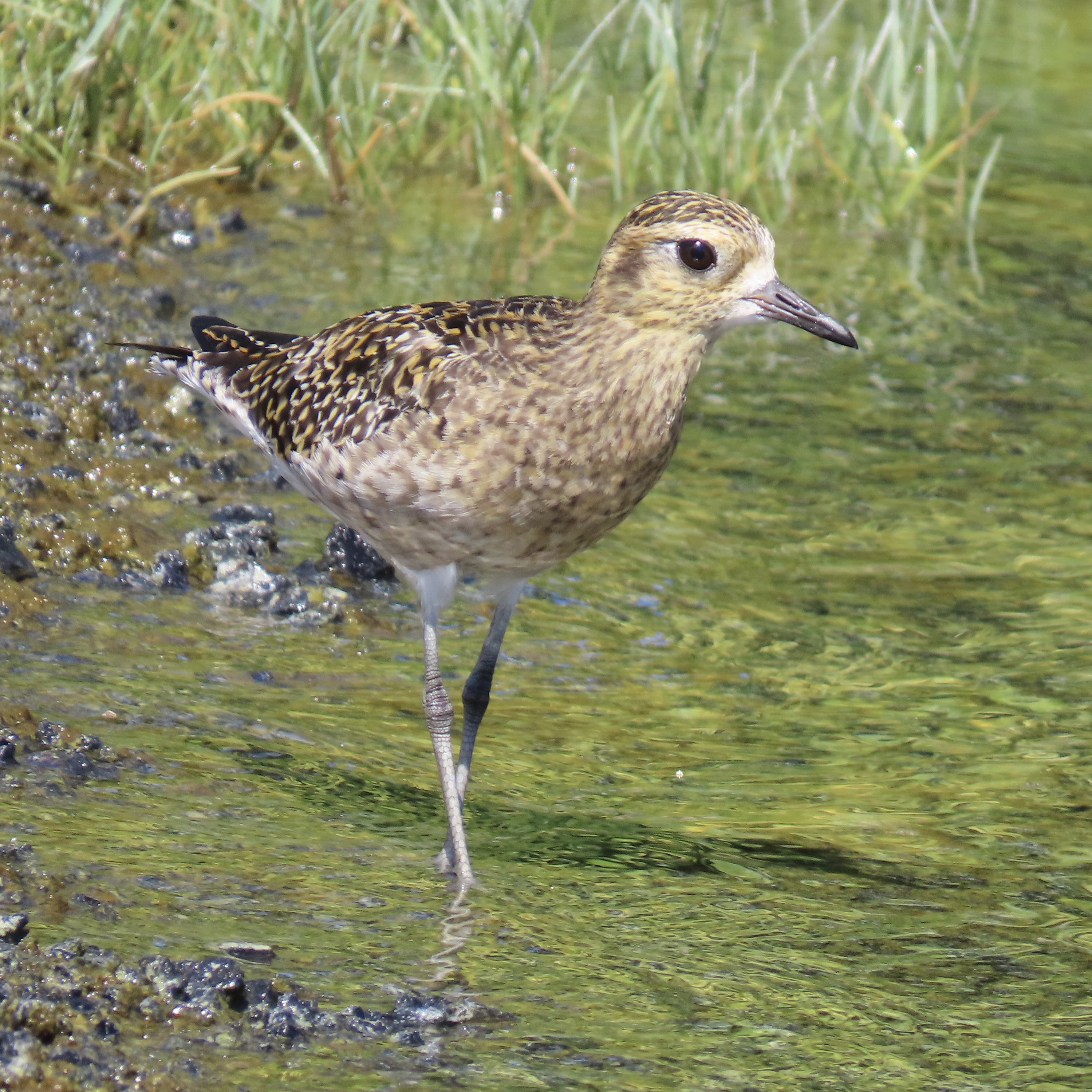
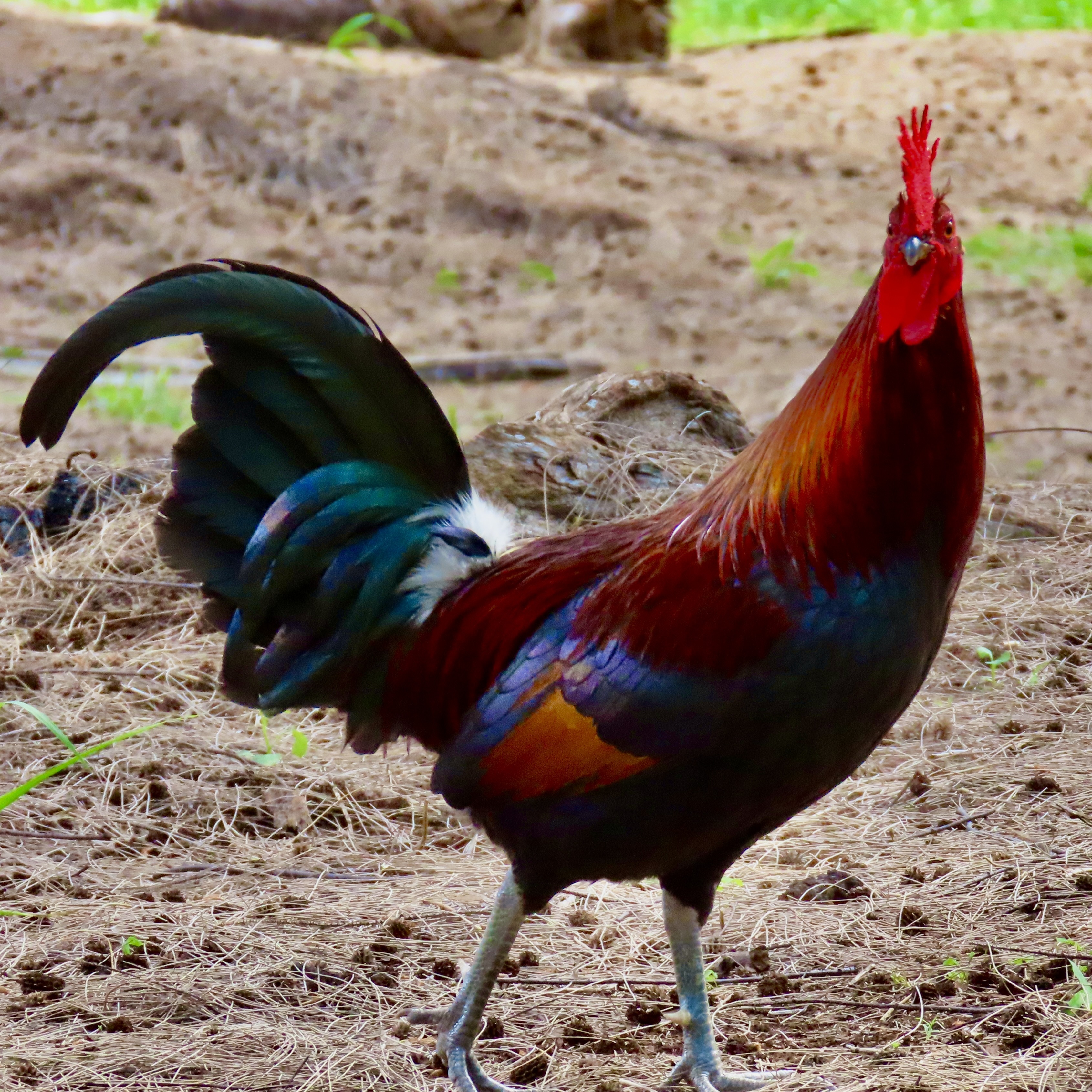
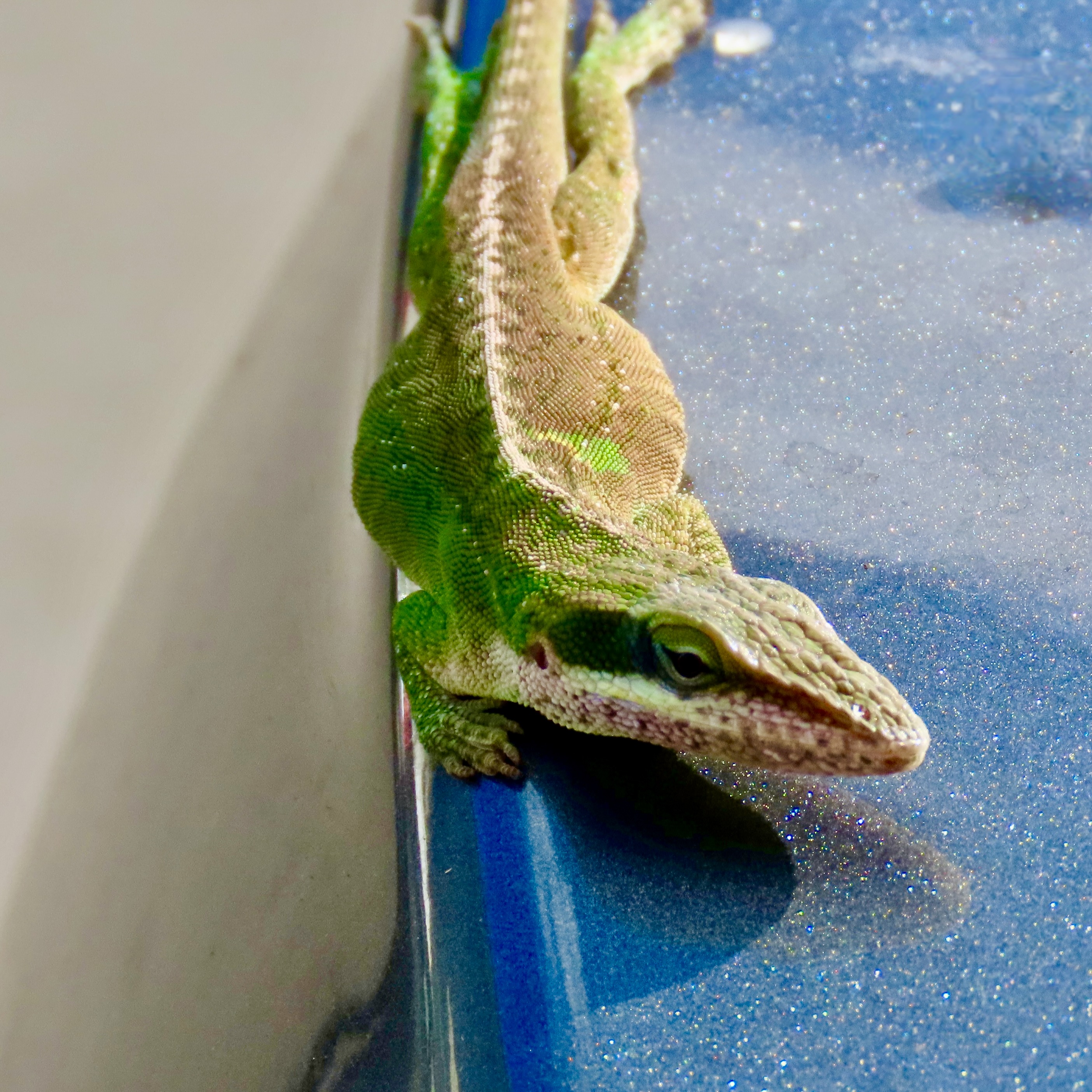
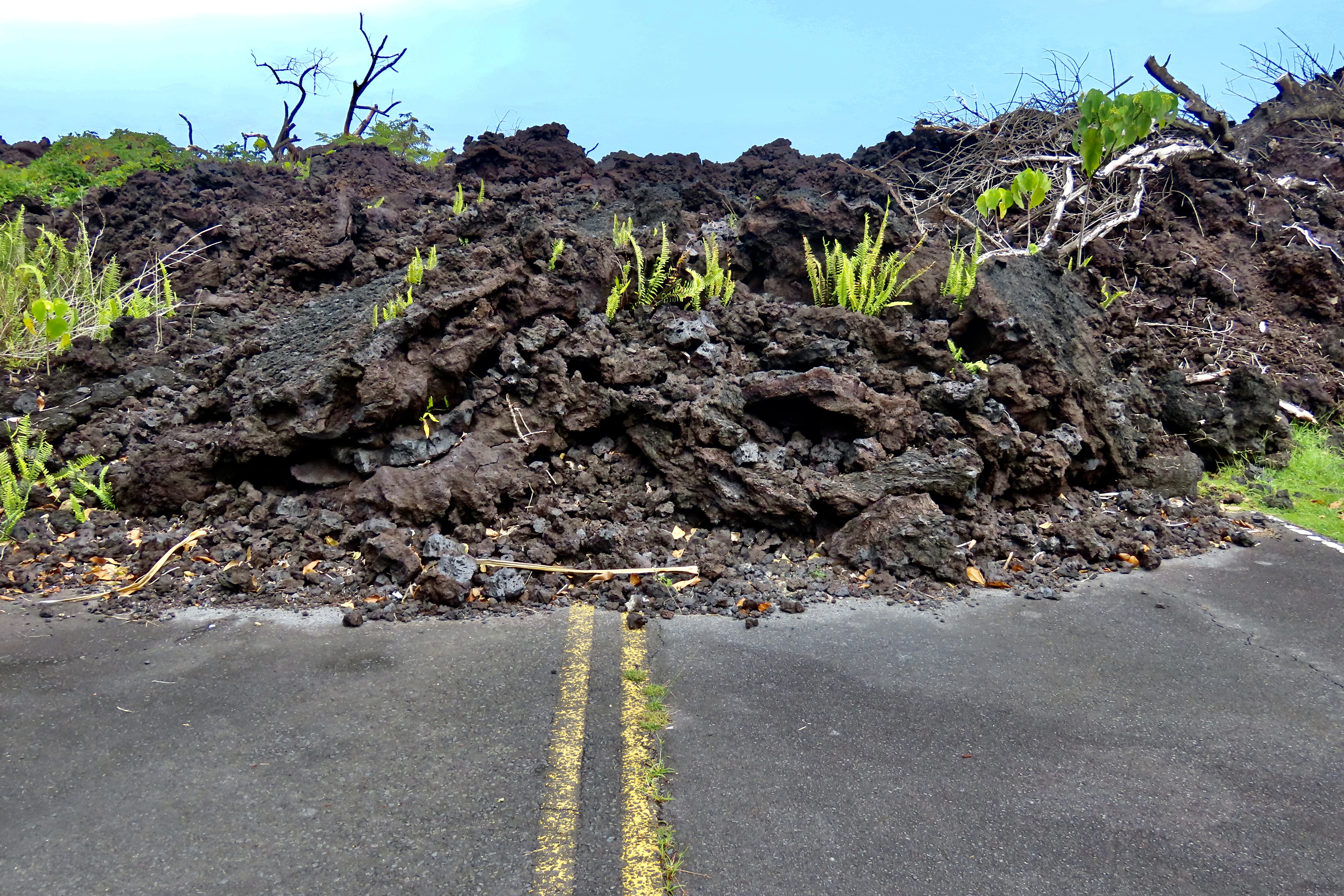
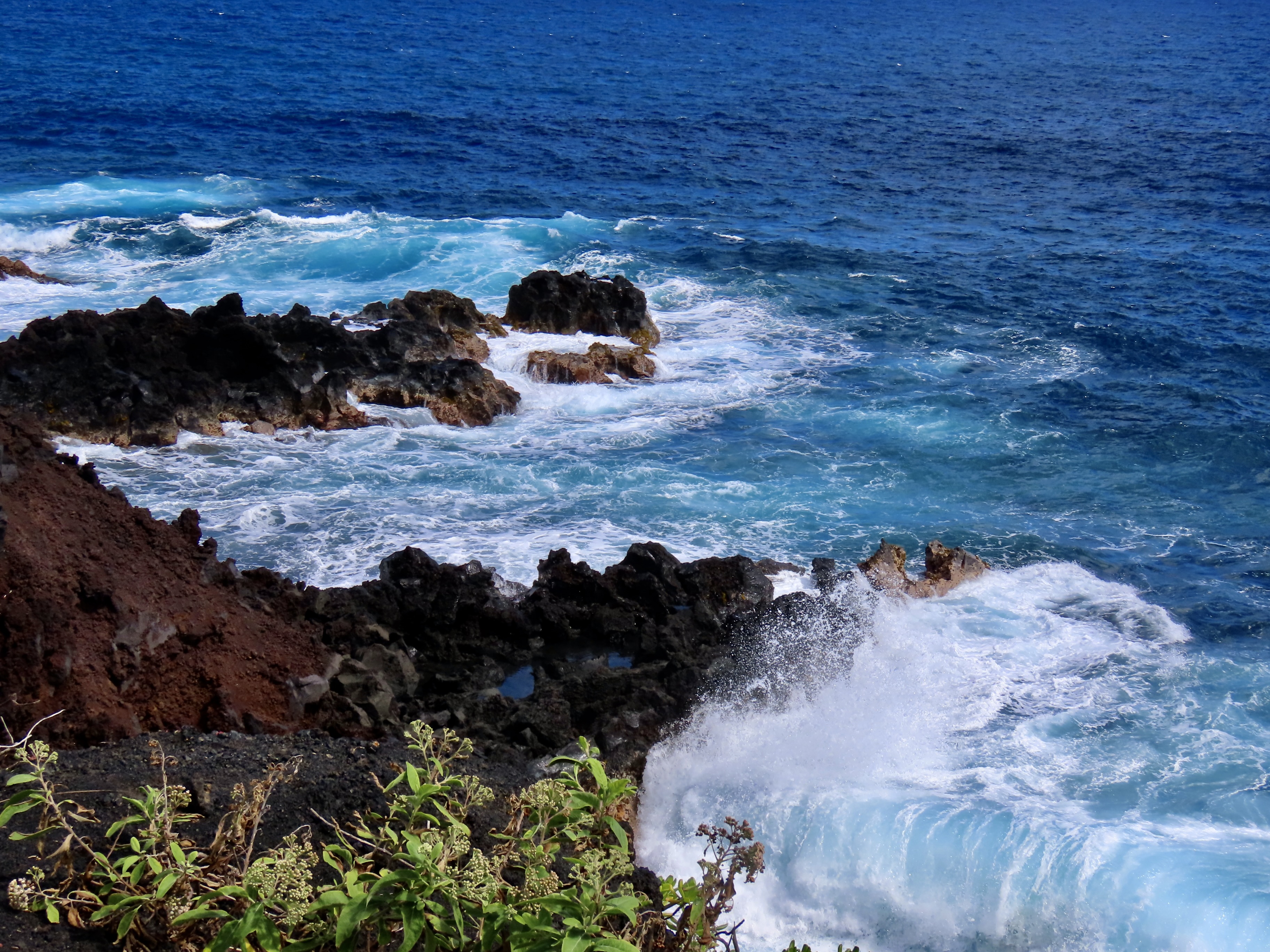
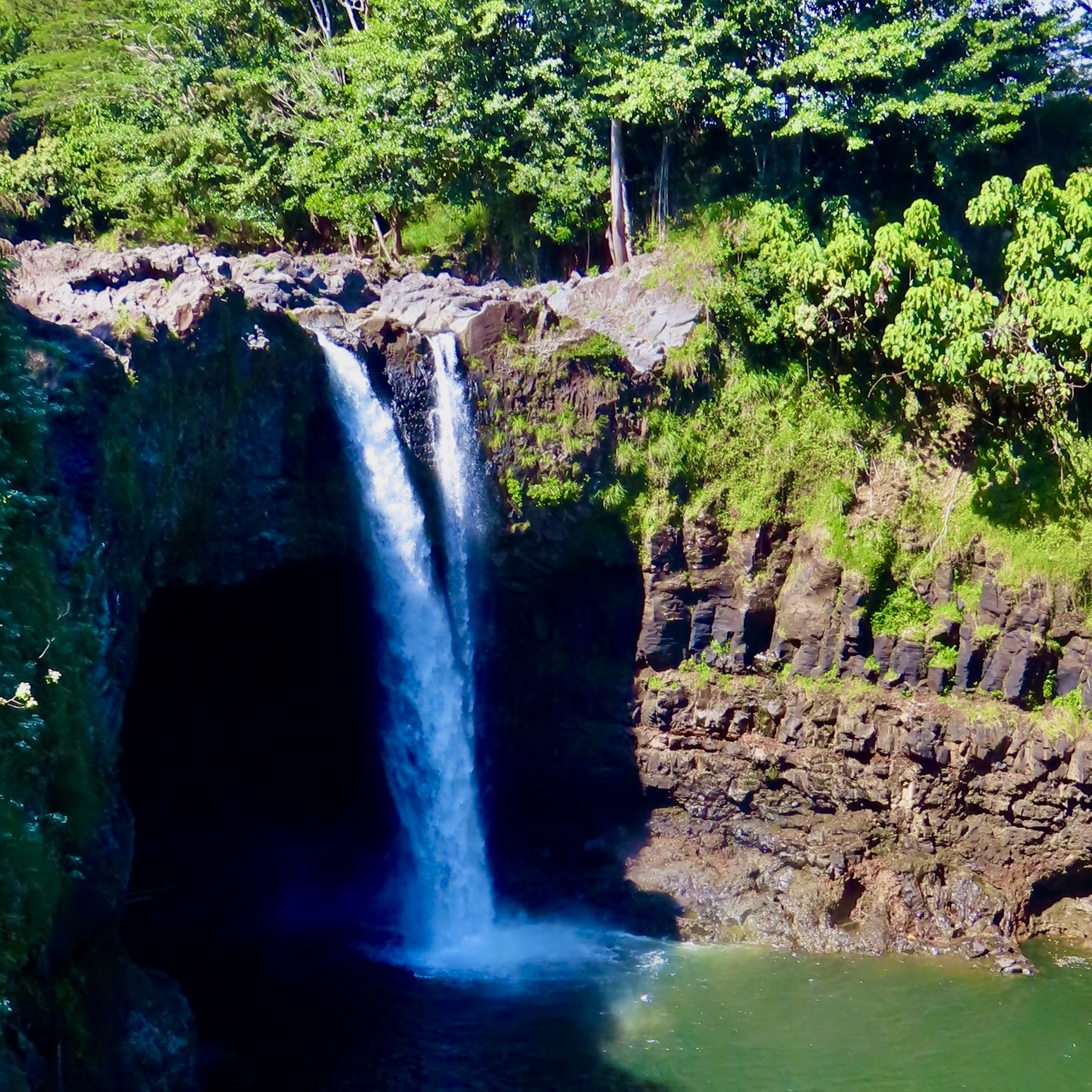
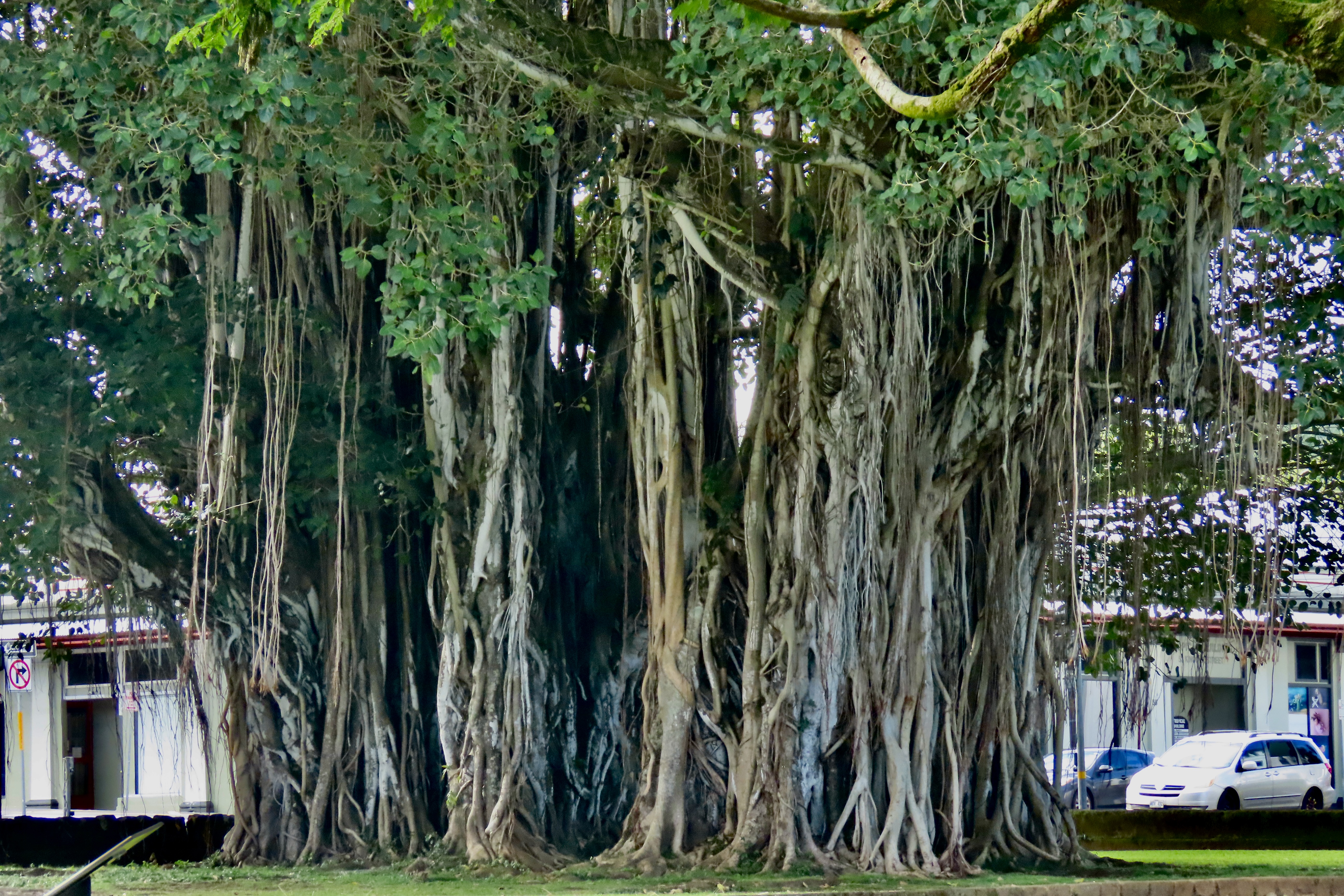
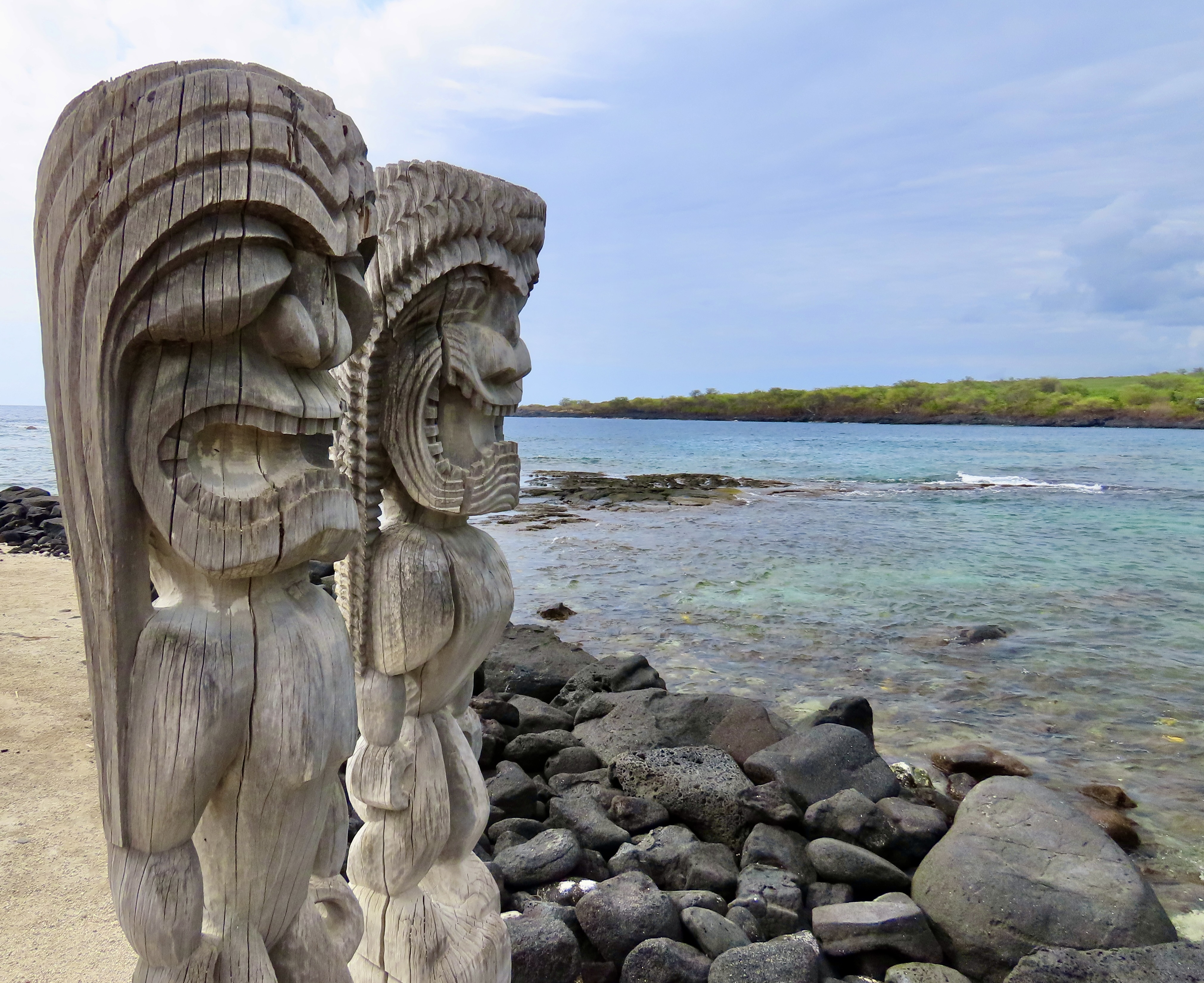
Big leaves are expected whenever one travels in tropical rainforests. Having served as a Peace Corps Volunteer in tropical Africa for two years, I can speak to this personally. Peggy and I were particularly impressed by the beauty, size, and importance of taro leaves to native Hawaiians. Served as a food staple thoughout the islands, Taro is also important in Hawaiian mythology where Taro is regarded as the ‘Elder Brother’ of humankind.If you are a crossword buff, you will know the name of this bird: Meet nene, the native goose of Hawaii.While we photographed a number of birds, as always, we found this slender golden plover particularly attractive. It hardly looks like it is up to a 3000 mile journey to get here each year, but it is. Breeding and raising its chicks in the arctic each summer, it makes the 3000 mile journey to Hawaii each August/September where it will live and feed until April/May when it will make its return journey to the far north. A couple of other facts we found interesting: It often flies non-stop and it always returns to the same location. We would likely find this same bird here if we traveled back to the Big Island this year!Any discussion of the wild birds of Hawaii almost always includes chickens which arrived in the Hawaiian Islands with the Polynesians around 1200 AD, went wild, and have since interbred with modern chickens brought over in the 19th and 20th centuries. We found this gorgeous fellow wandering around in the forest near us.The anole is another interesting member of the Hawaiian wildlife. We had been shopping at a local supermarket when we came out and found the colorful lizard on the hood of our rental car. I suggested that it might want to relocate but it refused, even when we were driving 50 miles per hour down the road. Turns out that anole lizards have specialized toe pads covered with millions of tiny, microscopic hairs that create molecular attraction with slick surfaces. They are related to the iguanas I featured three weeks ago and even come with dewlaps.We were fortunate to find the Kīlauea Volcano active during our visit in February. We watched as it spewed lava 300-400 feet into the air. By November, it was shooting lava as high as 1500 feet!Isaac Hale State Park was located 15 minutes away from where we were staying south of Hilo in the small development of Seaview on the coast. The park was the end of the road for us. No sign was required. An eruption of a side vent on the lower east rift zone of Kīlauea sent lava spreading out over 14 square miles in 2018, destroying 700 homes, blocking several several roads, and covering a portion of the state park before reaching the ocean. Residents of Seaview watched in fear at the time, hoping that the lava flowing a mile away wouldn’t reach their development. They lucked out.Having destroyed homes and blocked roads, the lava finally plunged into the ocean, sending steam high into the air and adding new land to the island. This is what it looks like today off of Isaac Hale State Park as waves from the Pacific Ocean roll in.With Hilo, Hawaii receiving over 100 inches of rain a year, it isn’t surprising that there are a number of waterfalls in the surrounding country. Rainbow Falls is actually located in the town.Coconut trees are a common sight in Hawaii.As are Banyan trees. This one was located in downtown Hilo.While we spent the majority of our time on the Hilo side of the Big Island, we did take a day to drive over to the Kona side, which is where most of the tourists hang out. We went to check out a petroglyph site we had been to before and visit the Puʻuhonua o Hōnaunau National Historical Park, or Place of Refuge. Ancient Hawaiians who broke sacred laws could flee to the site and find safety instead of death. A number of wooden carvings like these represent the Hawaiian gods that once protected the sanctuary.
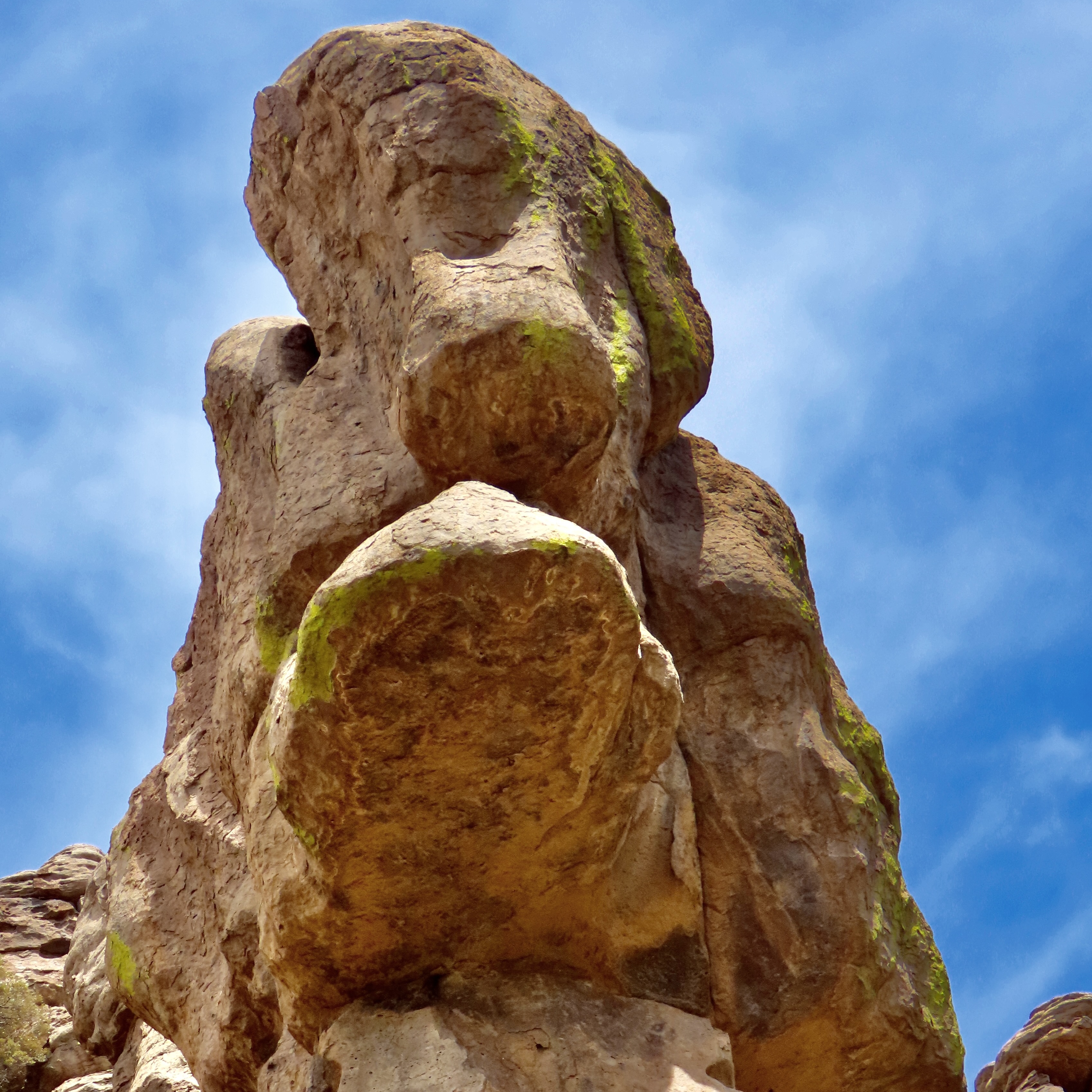
That’s the overview for our trip to Hawaii. Next up is the Southwest.Our trip though the Southwest took us to three national parks and five national monuments. This photo is from Chiricahua National Monument in southeastern Arizona.
I want to give a special thanks today to Lauren Scott at baydreamerwrites.com who did a great review of my book, The Bush Devil Ate Sam. Lauren is a published poet and author of a children’s book. Her most recent works include King Copper and Cora’s Quest. King Copper is a touching collection of poems about her dog, a chocolate lab, that recently passed away. Cora’s Quest is a children’s book that follows a young fawn as she goes on a delightful journey of exploration through the woods with her parents— until she gets lost.(Don’t worry, the book has a good ending.) You can learn more about both books by visiting Lauren’s site listed above.
What I like most about Lauren is her humanity— her warm sense of caring. Here’s what she says about her writing: So, whatever genre I share with you, whether poetry, personal stories, fiction, or kid-lit, I hope you’ll discover a piece of writing that evokes a special memory or acts as a reminder that you are not alone living with your emotions. Maybe you’ll get a good laugh, after all, we know laughter is the best medicine. Or perhaps you’ll experience an ‘aha’ moment.
We’re back. Sort of. Shortly after returning we came down with the flu. Nasty stuff. It wiped us out and we are still suffering the after-effects: Brain fog. But there’s more, a type of lethargy. I gave it a Hawaiian name, lac-a-wanna. Each morning I sit down to whip out a blog, it strikes. I snuggle down into my comfy chair for a nap. Peggy has a solution. “Just post some photos, Curt.” Okay. Waterfalls always work. We visited two: Rainbow Falls in Hilo and Akaka Falls just north of Hilo. But first, this…
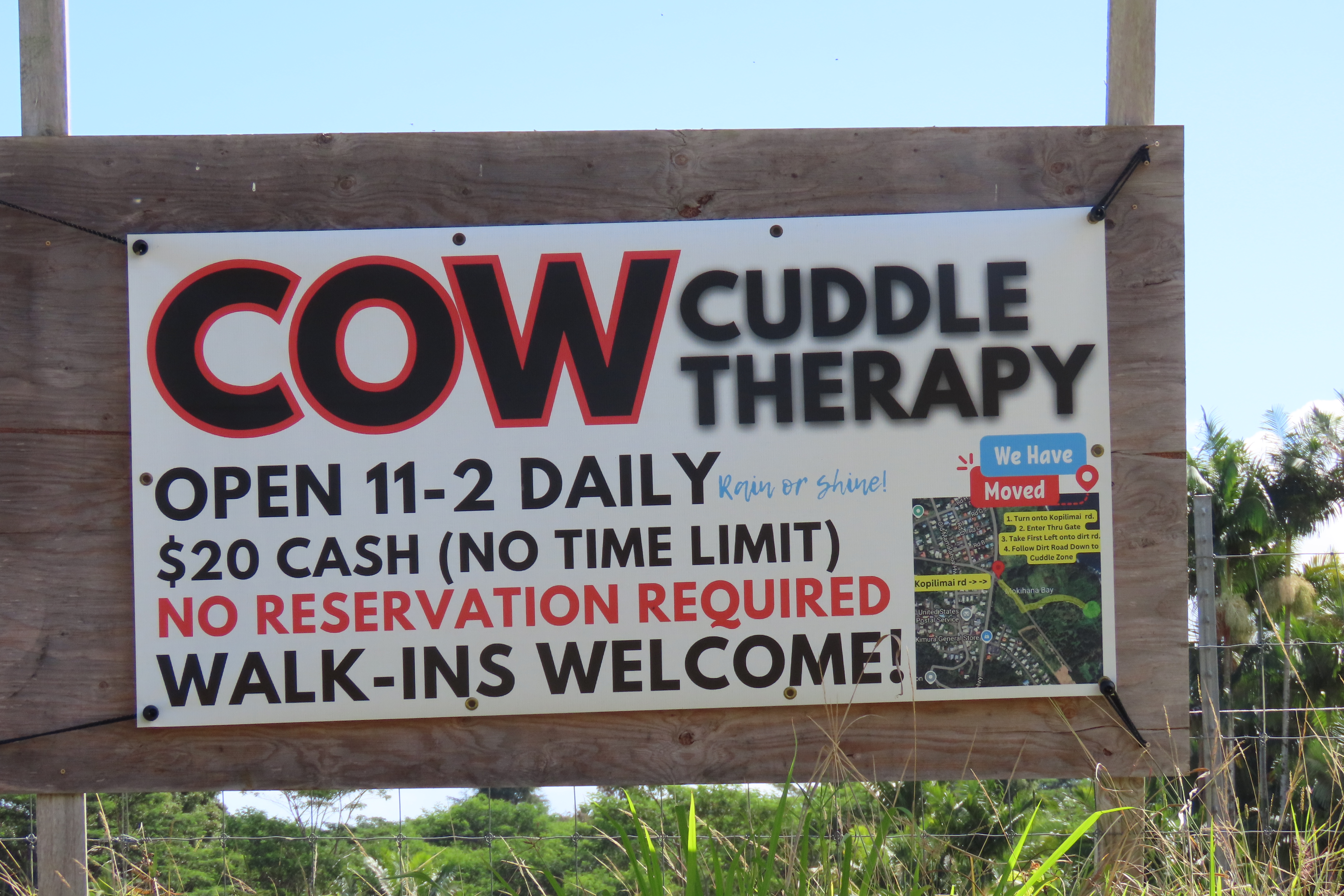
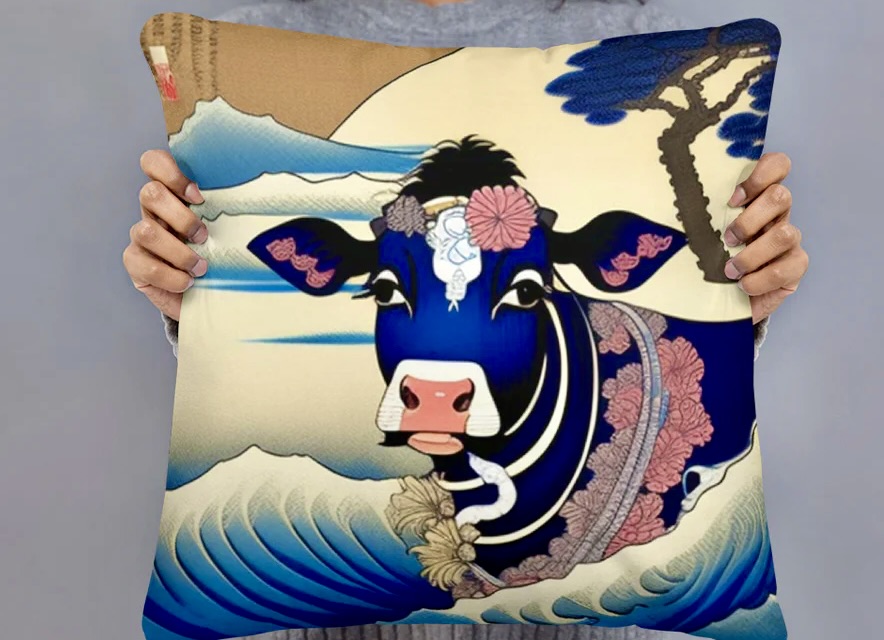
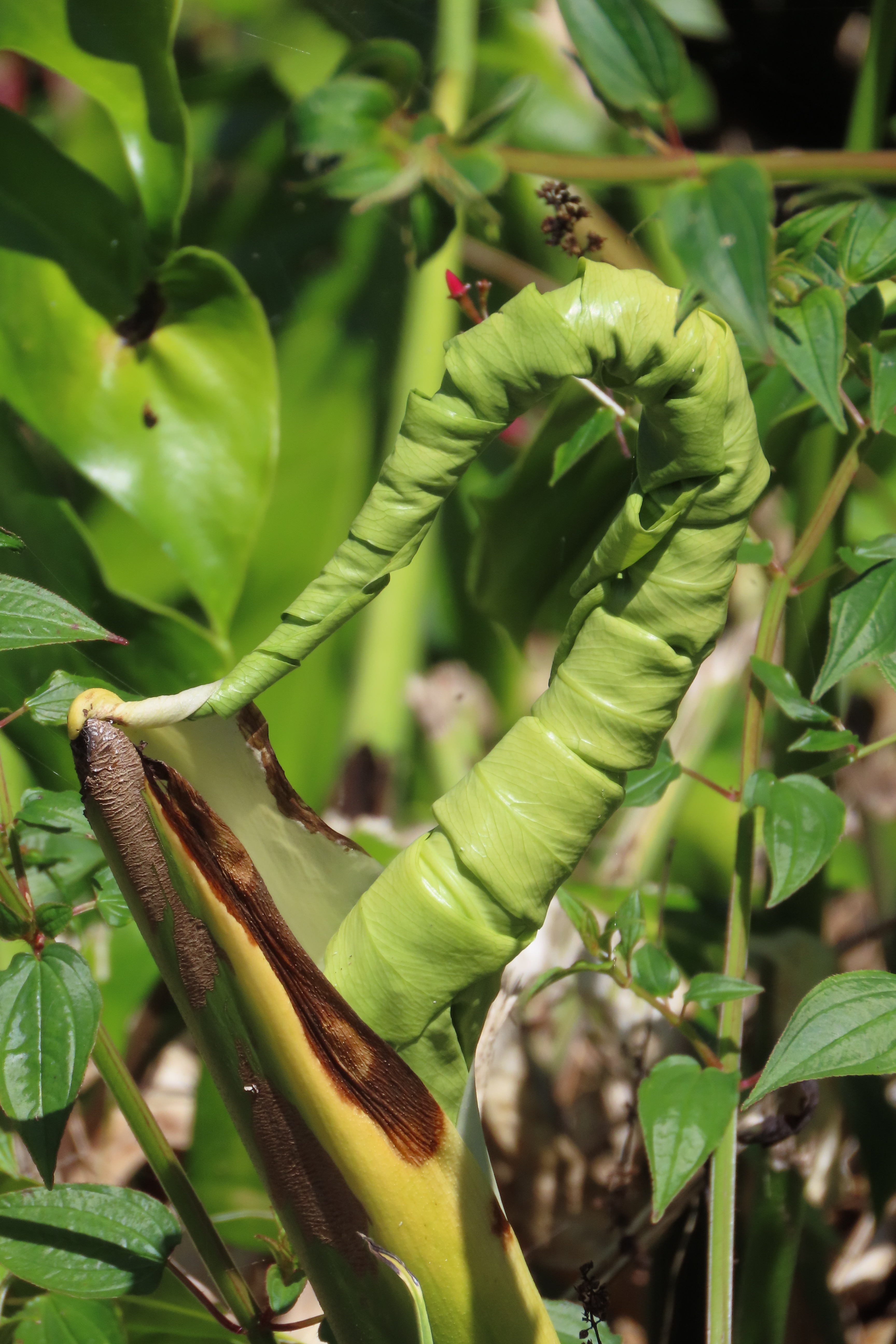
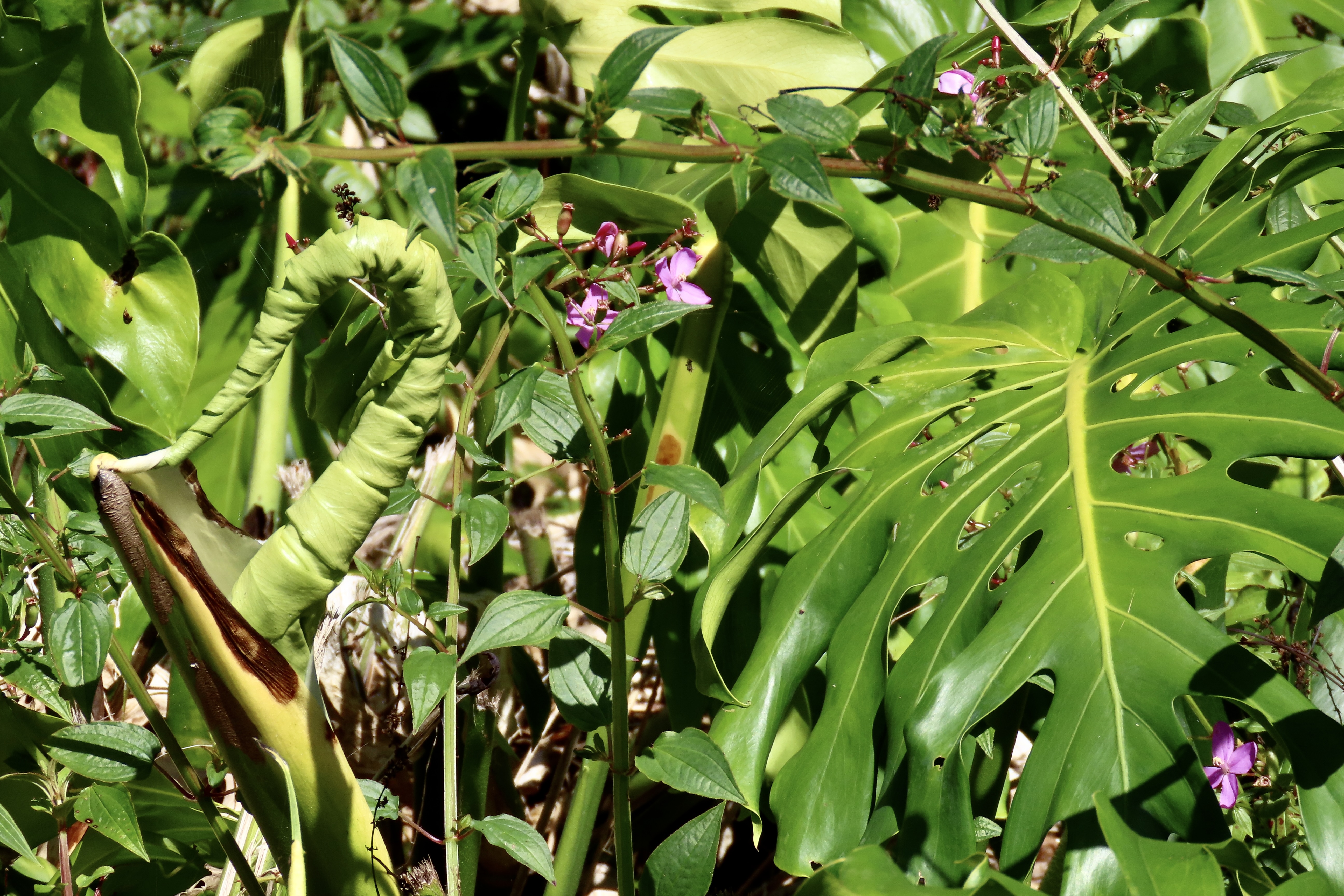
We came across this sign just outside of Akaka Falls State Park. For a mere $20, we could cuddle a cow. Woohoo! Who could resist cuddling Elsie? Step aside kittens and puppies.Turns out, the farm is run by the Hare Krishna Cult. Remember when the members used to march through airports in their Indian clothes, chanting and soliciting funds? At least here, they were giving you something in return, assuming cow cuddling is your thing. The Krishna folks even have a sense of humor about it. You can buy a t-shirt. Or…A comfy cow cuddle pillow. In case your are wondering, Peggy and I passed on the opportunity to shell out $40 between us for the privilege. But back to the falls starting with Rainbow Falls in Hilo.We’ll start with a photo of the falls photographed through a spider web since it seems to reflect the state of our mind right now, fuzzy.The twin falls of the Wailuku River plunge about 80 feet. The large cave behind it, hidden in the shadows, is said to be the home of the Hawaiian Goddess, Hina, mother of the God Maui.An upper view of the falls. The falls were given their nickname because you can often see rainbows in the falls on sunny days. We didn’t, and believe me, Peggy was looking. She loves rainbows.There was also unique flora such as this leaf that was about to open.We thought it might resemble the leaf to the right of it.The size of the leaves in Hawaii always blows my mind. As do the number of vines that find their way up almost every tree. In addition to flora, there is interesting fauna. The Rainbow Falls cave was the perfect sanctuary for Hina in ancient times, except for a giant lizard or mo’o named Kuna, who would hassle Hina by throwing boulders and logs over the falls when the river flooded. Hina was safe in her cave, however, until one day Kuna blocked the river with thoughts of drowning her. Hina called desperately for her son Maui, who heard her plea and rushed over to save her. First, he knocked the huge boulder aside that was blocking the river and then he went in hot pursuit after Kuna, eventually catching the giant lizard and pounding him with his mighty club. Thus ended Kuna and the story, except…When we got back to our car to drive back to our home from Rainbow falls, Kuna’s small cousin, Little Mo’o had taken over the hood of our car and refused to budge. “Aha, Little Mo’o, I told him, let’s see how well you hold on when Peggy is driving 60 MPH down the highway!”Little Mo’o was still perched on the hood when we arrived home! He had hardly moved. How it had managed to hold on was totally beyond us. Akaka Falls, north of Hilo, is 442 feet tall.Unfortunately, heavy vegetation didn’t let us see the bottom of the falls. There was a fence on the edge that I could have perched precariously on and possibly got a shot, but I had visions of making it to my 82nd birthday, which was three weeks away.We satisfied ourselves with taking pictures of the top of the falls.Close-ups.And the attractive Hawaiian vegetation.Including bananas. That’s it for the day. I’ve earned my nap. Next up will either be more of Hawaii or we will be back on the Danube River.
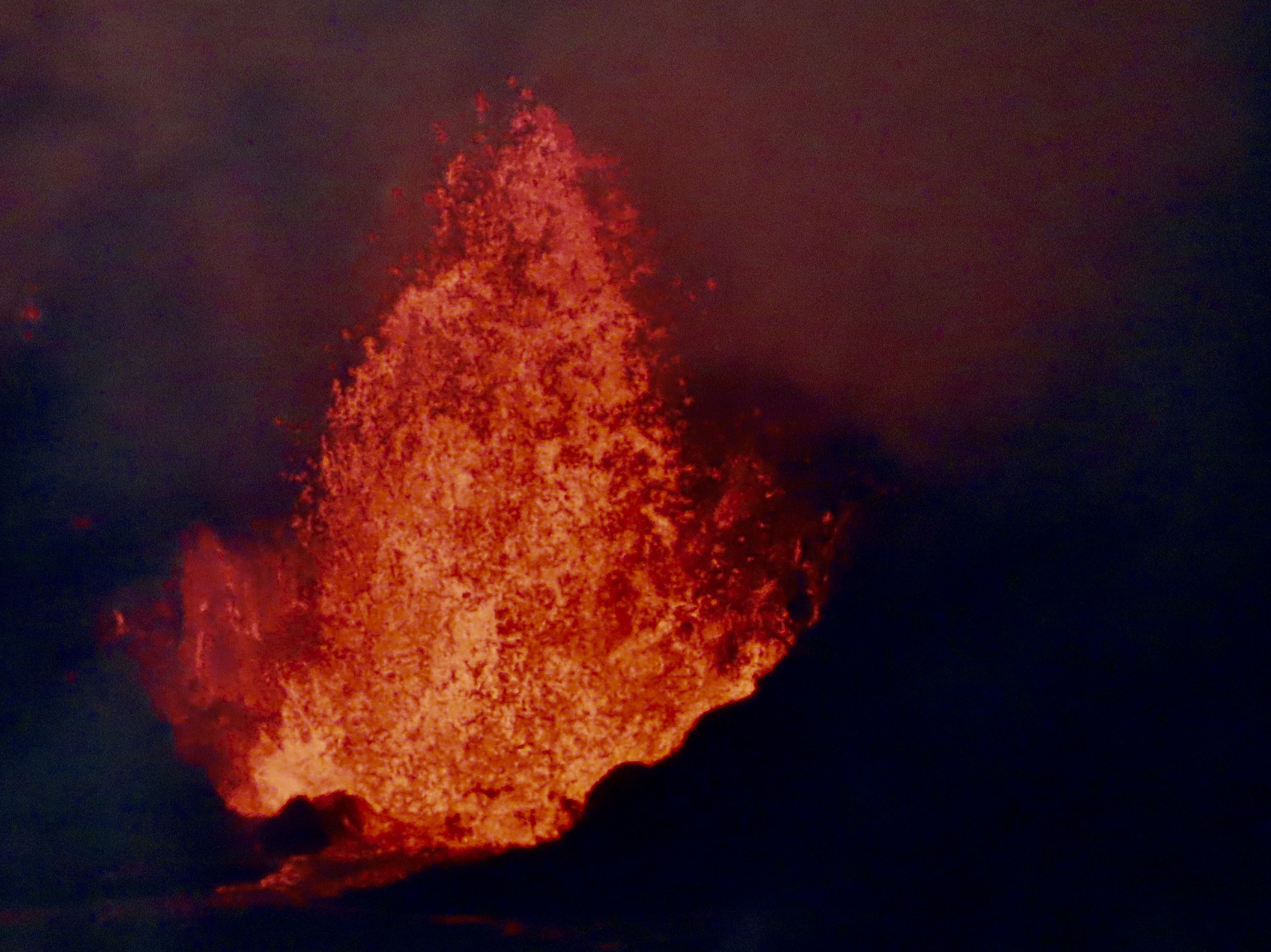
When Peggy and I visited Hawaii’s youngest and most active volcano, Kīlauea, on January 17, we took this photo of lava erupting 200 feet into the air in the Halemaʻumaʻu Crater.The location of where we are staying for the month in Sea View, Hawaii at the Starlit Skies of Kalapana VRBO rental (Very nice). To provide perspective Hilo is 32 miles north of us via road and the Kīlauea Volcano is 46 miles to the west.
The Hawaiian goddess of volcanoes and fire, Pele, is said to live up in the Kilauea Volcano. She’s been restless since we arrived, spewing lava into the air and covering the floor of the Halemaʻumaʻu crater.
A painting in the park’s headquarters showed an artist’s conception of Pele. You might say ‘she’s hot,’ too hot to handle in fact. The temperature of lava when it erupts is somewhere between between 1,300 to 2,200 degrees Fahrenheit. Early Polynesians who arrived by boat between 1000-1200 CE, have a myth describing how Pele ended up on Hawaii: she was escaping from her sister, Nāmakaokahai, goddess of the ocean. In one version of the myth, Nāmakaokahai was jealous of Pele’s beauty and strength; in another, Pele had seduced her husband. (Before you ask, the egg contains Pele’s younger sister and companion, Hi’iaka),
Scientists have a different theory of what makes Hawaii one of the most active volcano sites in the world. It is sitting on top of a hot spot in the middle of the Pacific Ocean where lava is rising up from the earth’s mantle. The island is making its way over the hotspot as the Pacific Tectonic Plate moves in a northwest direction at a speedy 2-4 inches per year. With the exception of Maui, the other islands have moved beyond the hotspot and their volcanoes are extinct. A new island named Loihi Seamount is currently being created about 20-30 miles southeast of where we are. You can expect to see it rise above the ocean— if you are around— in about a hundred thousand years or so.
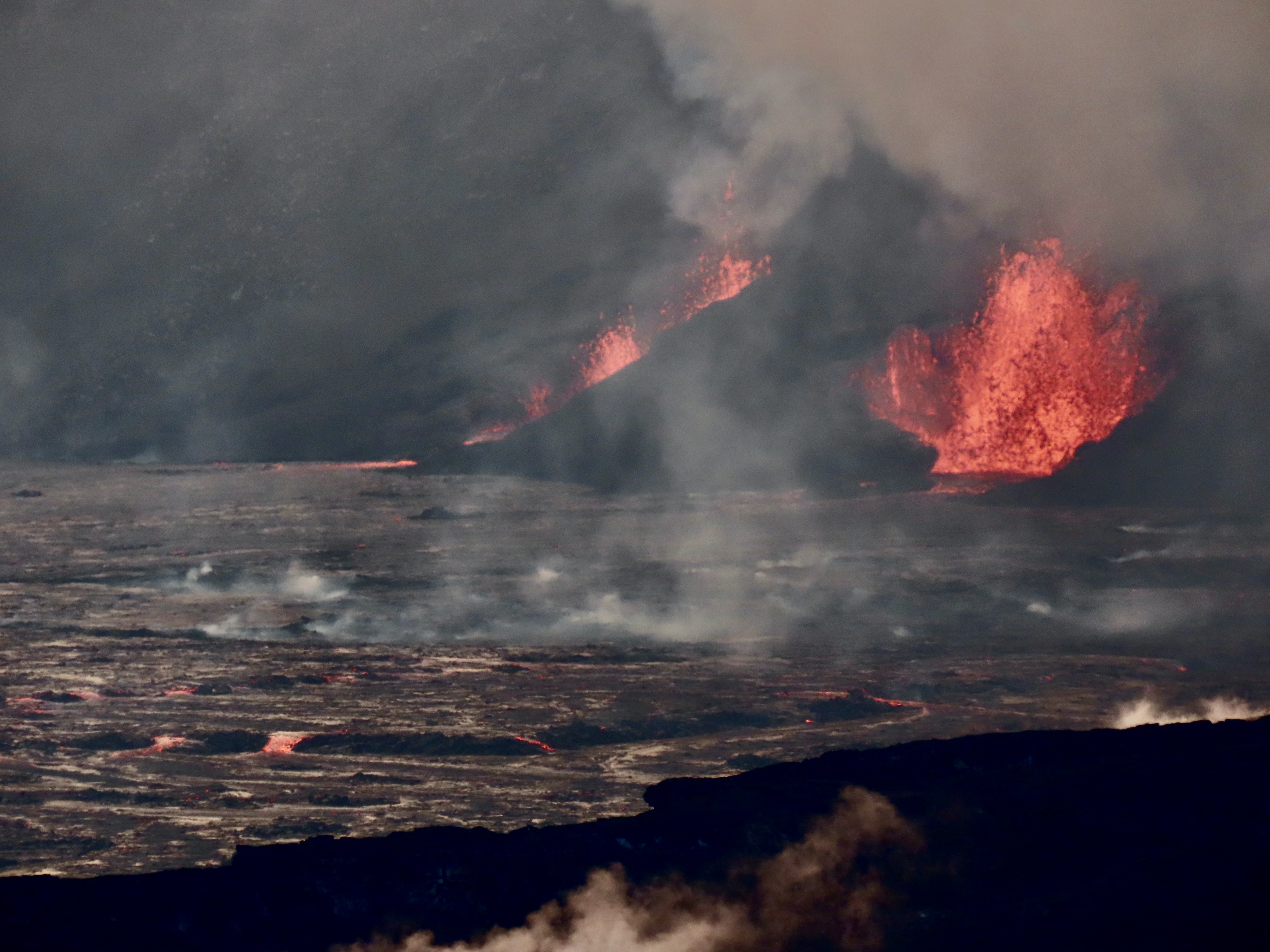
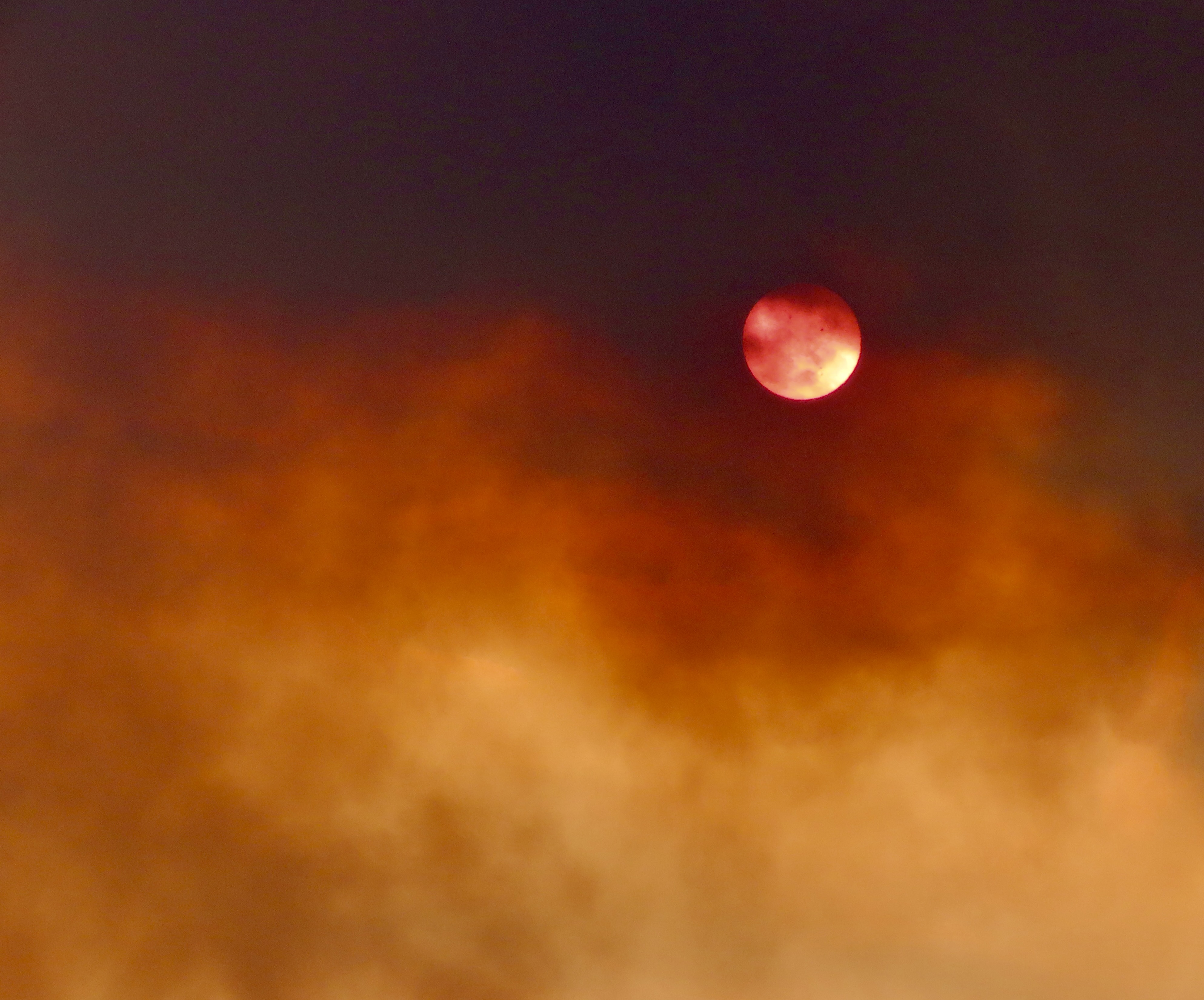
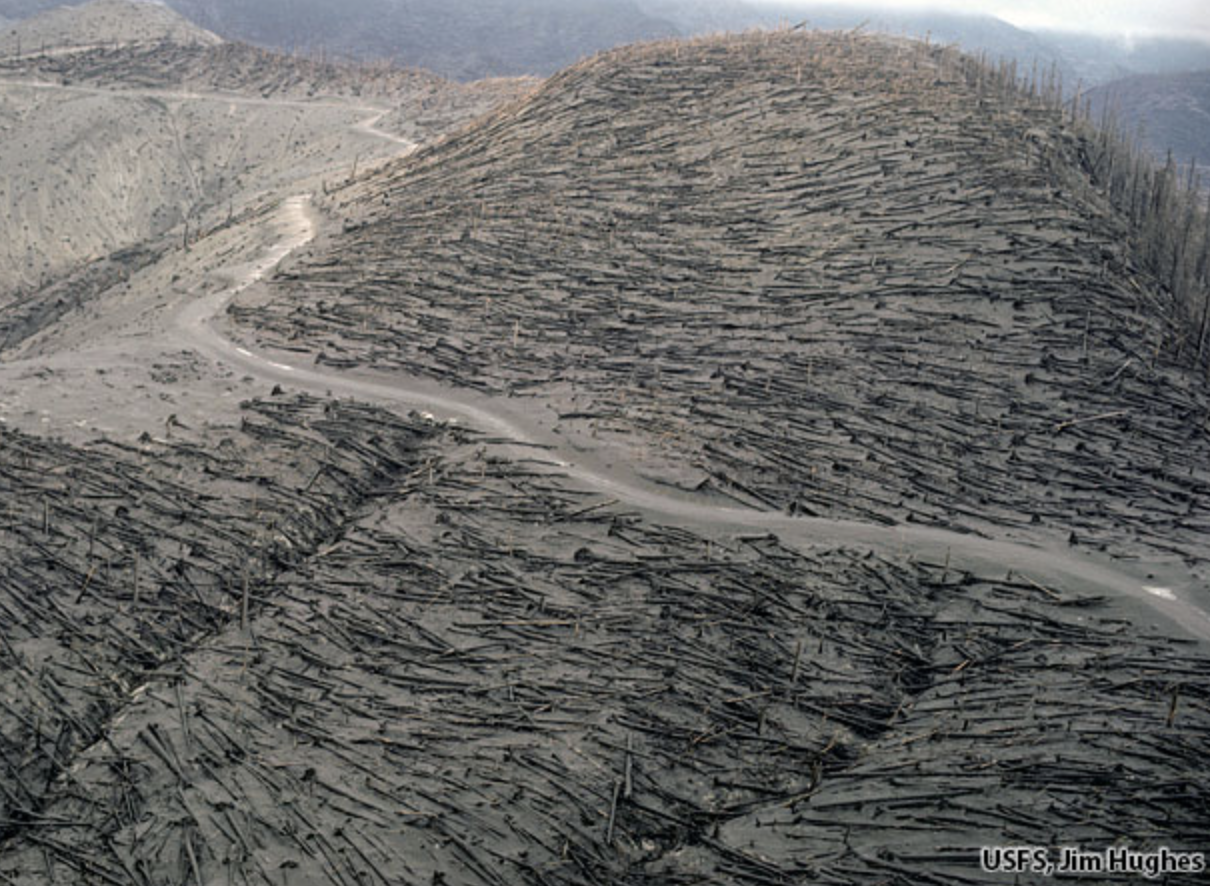
Most people think of the Hawaiian Islands as being the green ones on the lower right. There are actually 132 islands, atolls and undersea volcanoes included in the chain that extends over 2600 miles toward Alaska’s Aleutian Islands! They all originated over the hot spot that the Big Island now occupies. The area within the dotted line is the Papahānaumokuākea Marine Reserve (Pronounced Pa-pa-hah-now-mo-koo-ah-keh-ah in Hawaiian.) You will be quizzed on the name and its pronunciation later. (National Oceanic and Atmospheric Administration map.)Peggy and I standing in front of the Kīlauea Crater as the volcano does what active volcanoes do. The last time this particular section of the volcano erupted was almost 50 years ago. I was on the island at the time. The National Park had built a walkway out to the crater so visitors could look down into its seething mass.This time we were at least a mile away. Fortunately, we both have excellent telephoto lens.We could look into the heart of the crater. This is a close up of the lava spewing out.Two vents were blasting away. Note the lava flowing out of the vent on the right as it covered the crater floor.A view of the vents and a portion of the floor.A plume rose from the volcano and played hide and seek with the sun. (This is how far away the volcano looked without our telephoto lenses.)The plume led to a photo op, and an observation…At one point, the plume looked almost like a mushroom cloud created by an atomic bomb. It wasn’t, of course, but it did serve as a reminder that volcanoes are more than tourist attractions. They are dangerous, sometimes extremely so. Even the cloud carried a risk: Vog. Think smog but worse. When we were there, the National Park had posted a health advisory alert. We were also told to be on the lookout for Pele’s Hair. One could only ask, “what?” The National Park provided a photo…Looks like hair to me, but who knew Pele was a blond? Actually it is volcanic glass produced from lava stretched into thin strands and transported by air. Touching is not advised. It can break into small splinters and enter your skin.What we saw had already been broken into small pieces. I didn’t try to pick up one. Of much greater concern than the vog or Pele’s Hair is what magma decides to do when it erupts as lava. It depends on the type of lava. All magma holds gas that is highly compressed under intense pressure in the earth’s mantle. As the lava approaches the surface, the gas expands and has to escape in one way or another. Thicker lava, like that found along the Pacific Rim where the Pacific Plate is plunging under continental plates, holds the gas, not allowing it to escape. The result is violent explosions that lead to the creation of steep, conical shaped, composite mountains like California’s Mt. Shasta shown below.A photo of Mt. Shasta I took while I was hiking down the Pacific Crest Trail. The devastation created by these explosions can be extensive. I flew over Mt. St. Helens a couple of weeks after it erupted in 1980 and thousands of trees had been blown down by the eruption.This photo by Jim Hughes of the US Forest Service shows what I saw. Between asphyxiation and burns, 57 people lost their lives because of the eruption.
The lava flowing out of the volcanoes on Hawaii is much thinner. The gas can escape in bubbles. It doesn’t have to explode and is much ‘kinder,’ so to speak— if you don’t mind seeing your homes and roads burn and disappear under thick layers of lava. No one was killed in the major 2018 eruption that took place near where Peggy and I are staying. People could walk faster than the lava was flowing. The eruption will be the subject of our next post on Hawaii.
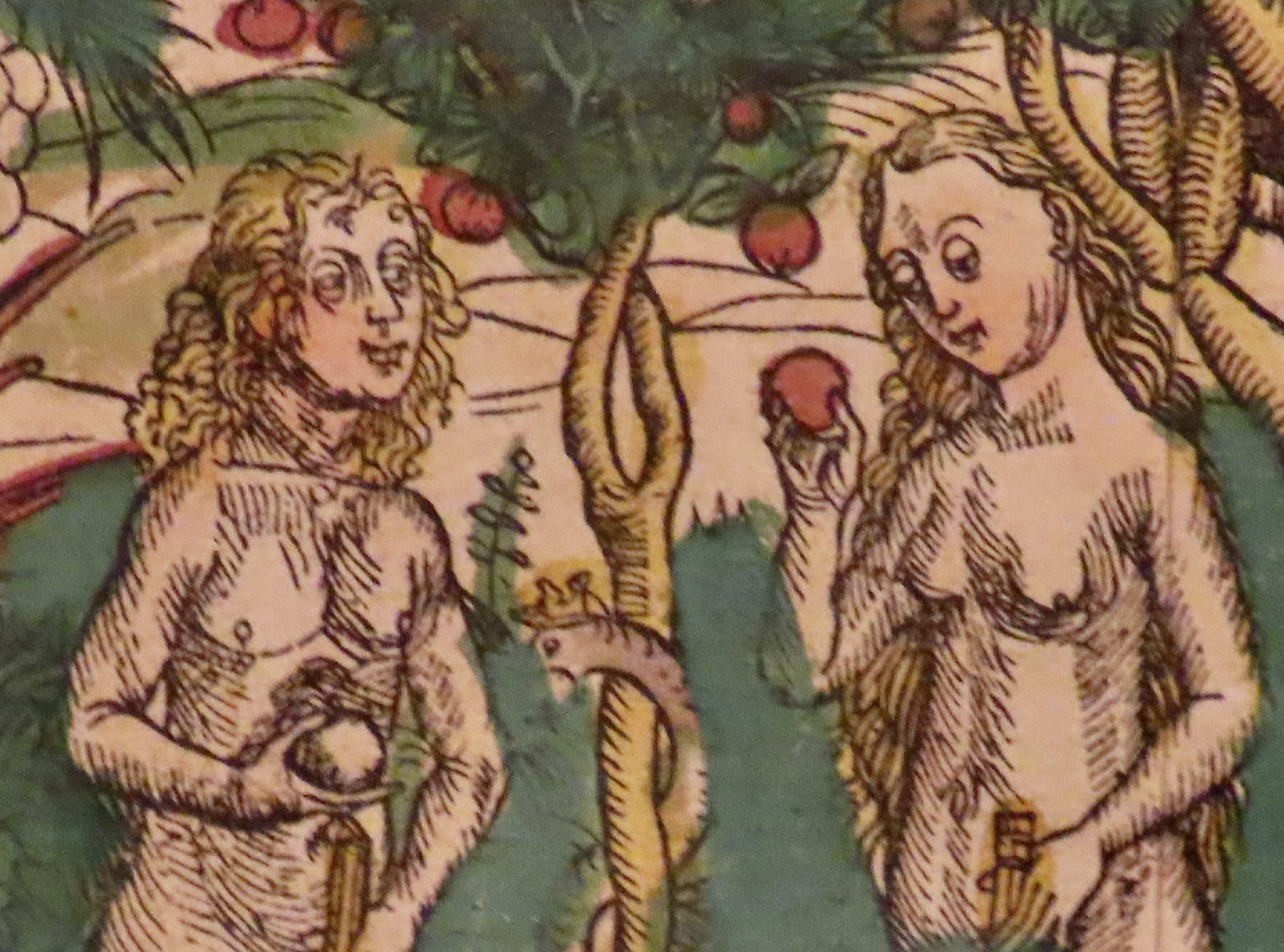
But first, as promised, we will return to our fall journey down the Danube River and the historic town of Kalocsa, Hungary where we visit a library featuring thousands of illustrated books that are hundreds of years old. I found this Adam and Eve illustration humorous. Is Adam holding a duck? (The words underneath are mine.)“Eat the apple,” Snake urges. “God made it. What could possibly go wrong?”












 Wandering through Time and Place