Introduction to the National Park Series… A Quick Review of the Five We Have Visited in 2024

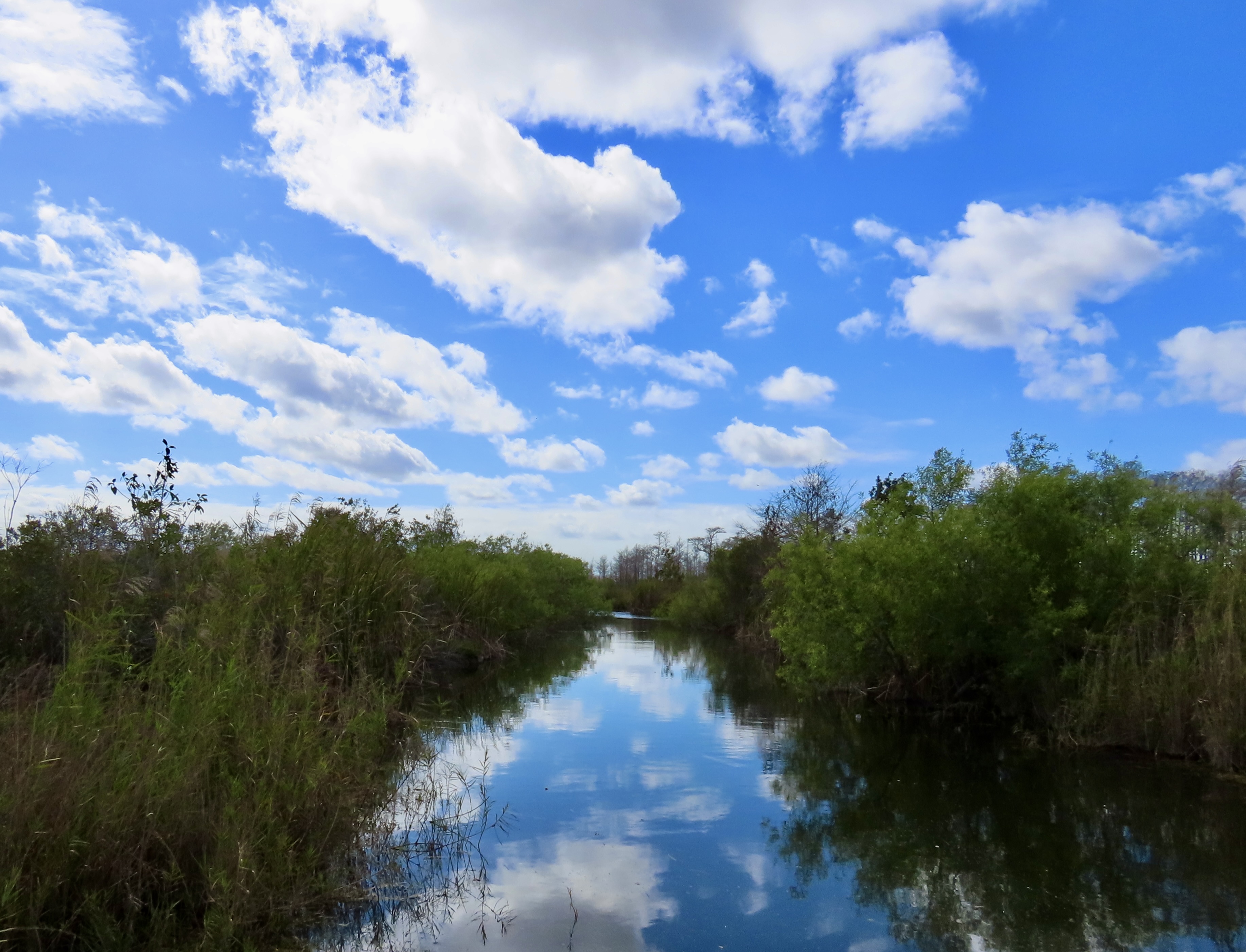
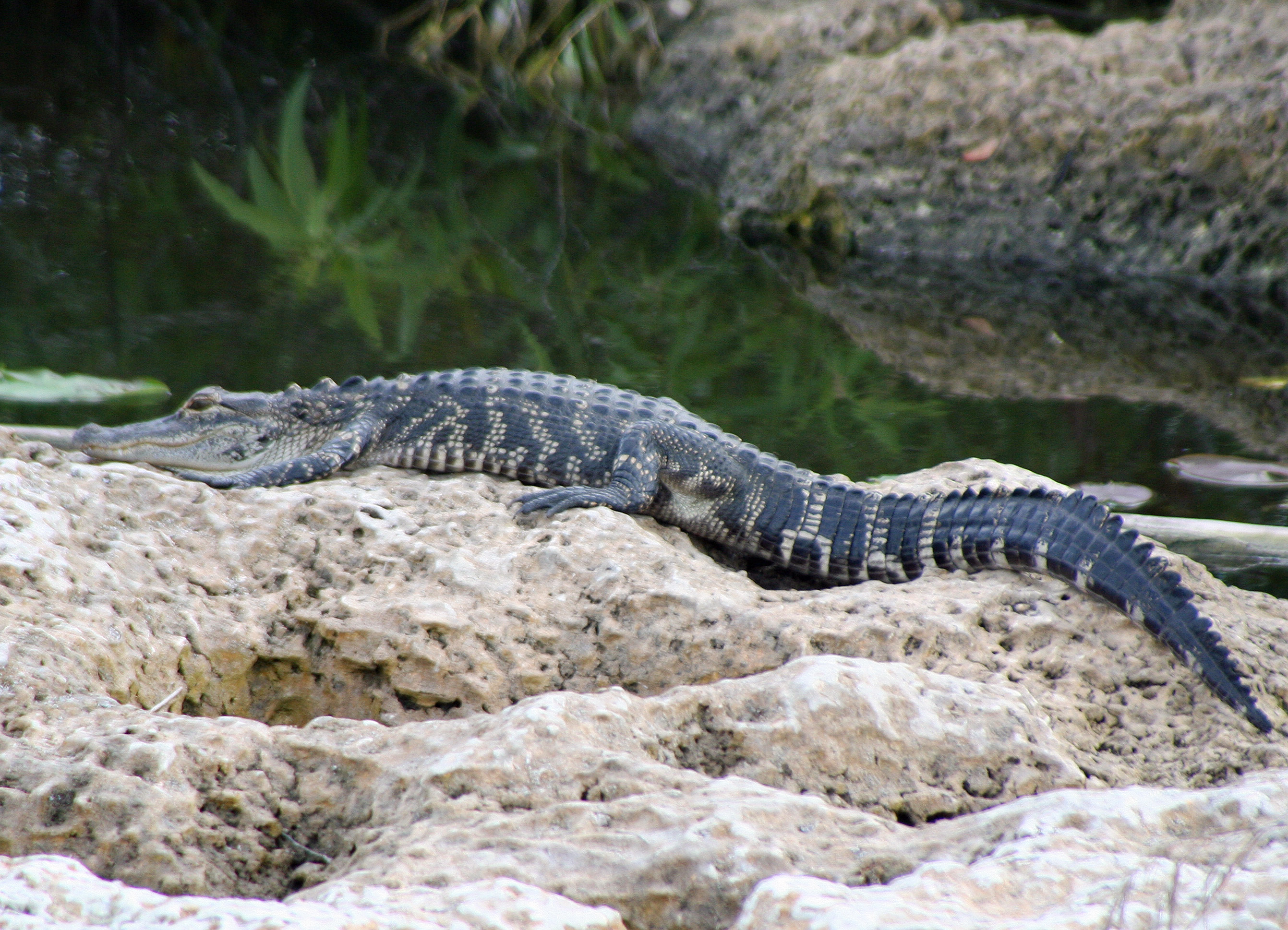
Each national park has its own beauty and uniqueness. We visited the Florida Everglades in February just before we started our trip west.

Peggy and I are great fans of national parks. Each has its own beauty and uniqueness. After all, that’s how they become national parks! In 1999 Peggy and I took a year’s sabbatical from our jobs for an extended trip around North America. One of our goals was to see as many national parks as we could. We ended up visiting 50, which was close to all that America had at the time. We also visited Canadian national parks as we drove the Alaska Highway up and back from Alaska.

We’ve continued to visit parks ever since. Several, we have returned to many times. Our journey up the Pacific Coast that we just concluded included four. I’m going to do a quick review of them today and throw in the Everglades since we were there before we headed west. Then I will move on to the two parks we just visited: North Cascades and Glacier. But there is more—as they always used to say on late night tv ads.

Over the past three years, as Peggy and I zigzagged our way across the US six times, we visited several parks including four that I didn’t have time to blog about: The North Rim of the Grand Canyon, Mesa Verde, Big Bend, and Theodore Roosevelt. That will bring the total in this series to 11 counting today’s review. Let’s get started! Note: All photos in this series were taken by either Peggy or me unless otherwise noted.

THE EVERGLADES

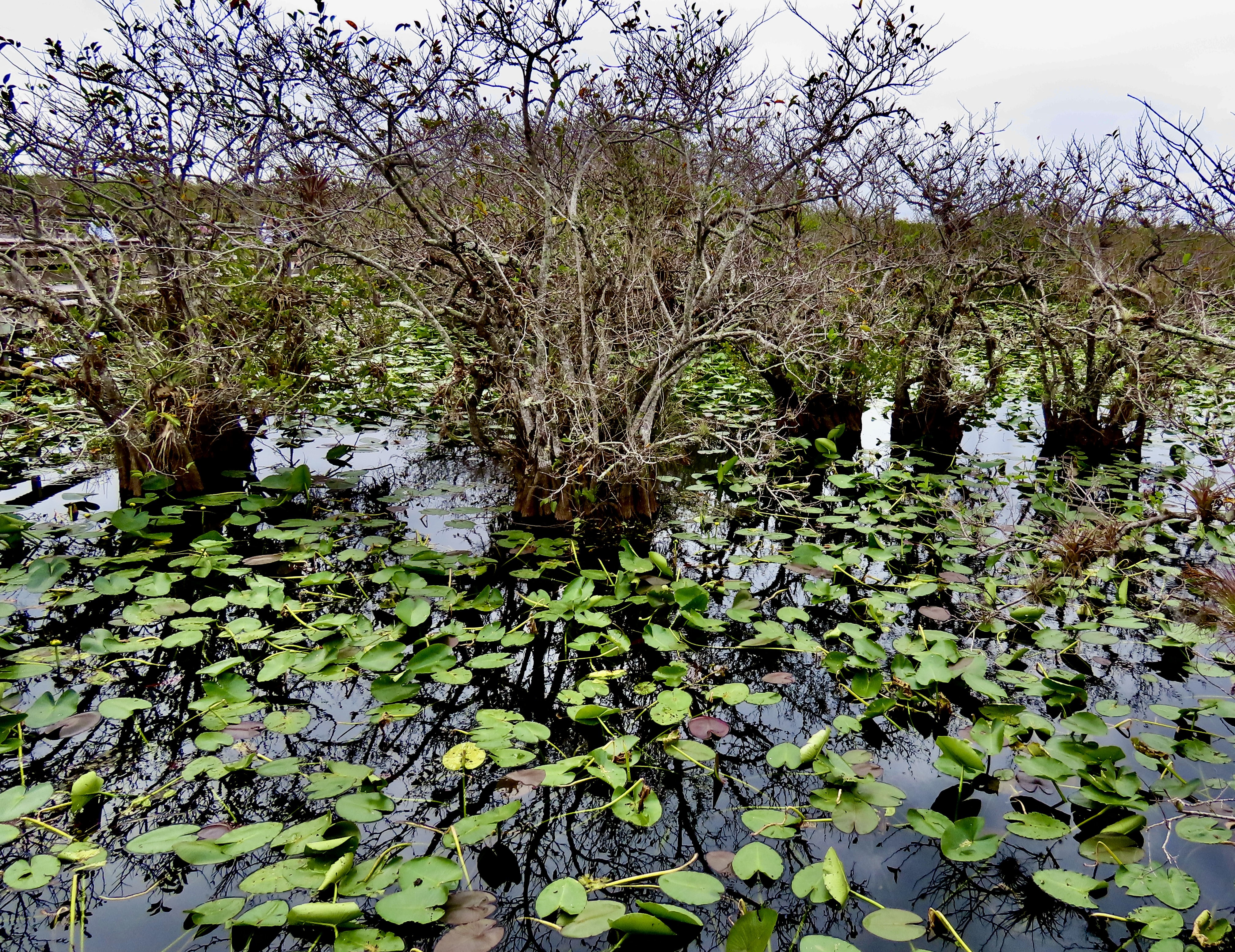
One way to think of the Everglades is as a vast, slow flowing river spread out over 7,000 square miles. According to the National Park Service, the “Everglades are home to frogs, toads, alligators, hundreds of species of birds, 300 different species of fish, Florida panthers (endangered), crocodiles, and snakes, just to name a few!” There are, also, more mangroves than anywhere else in North America.

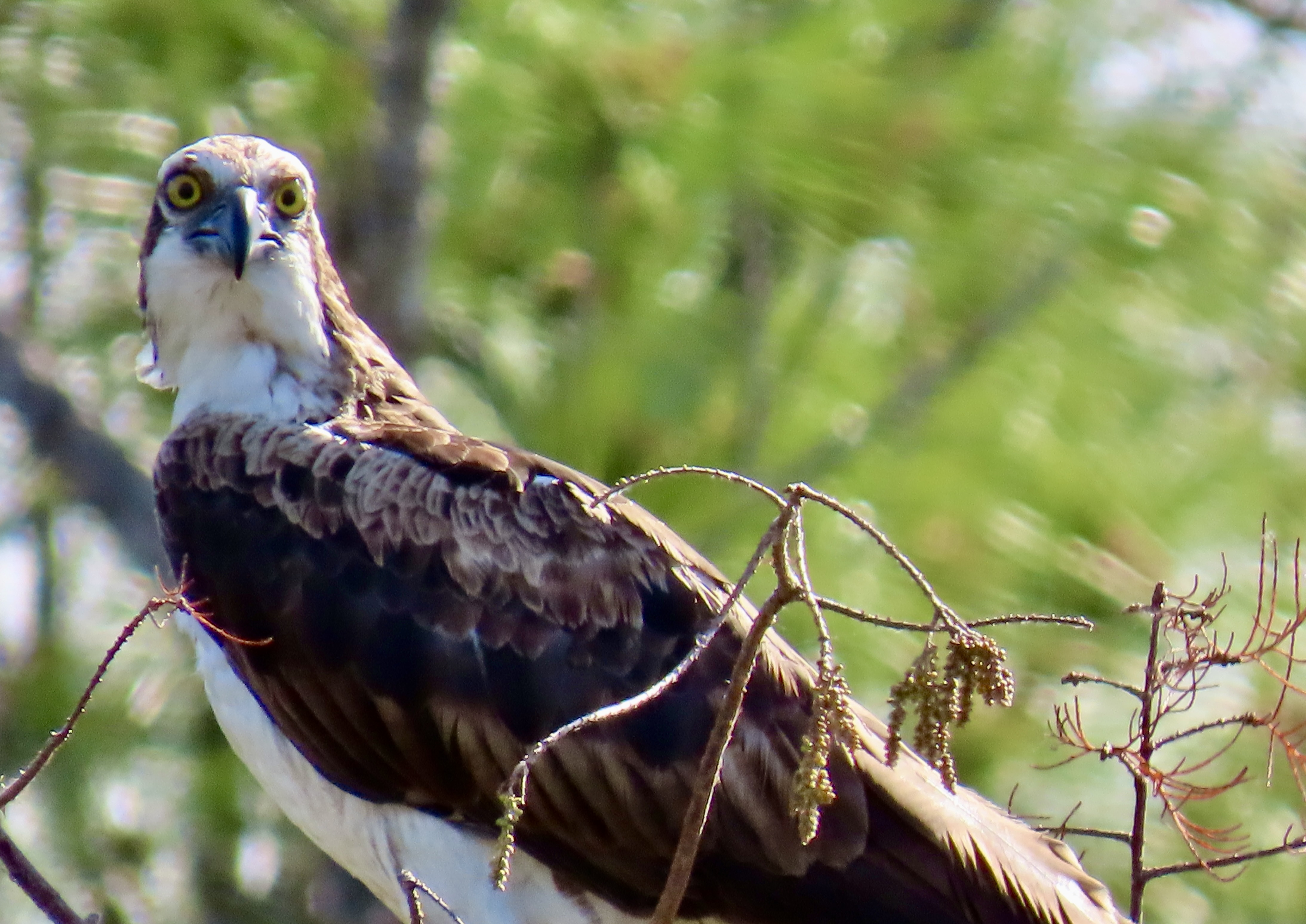
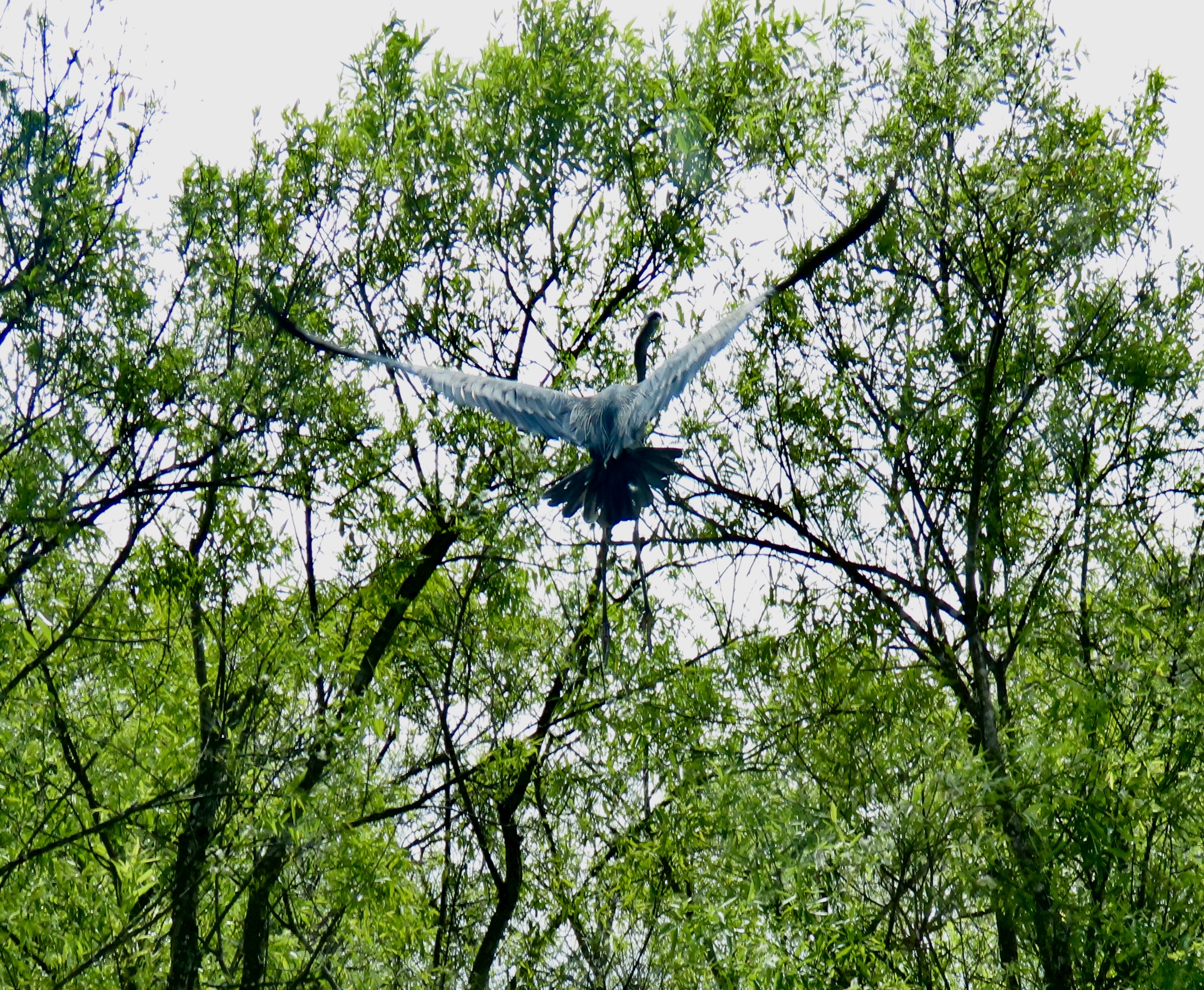
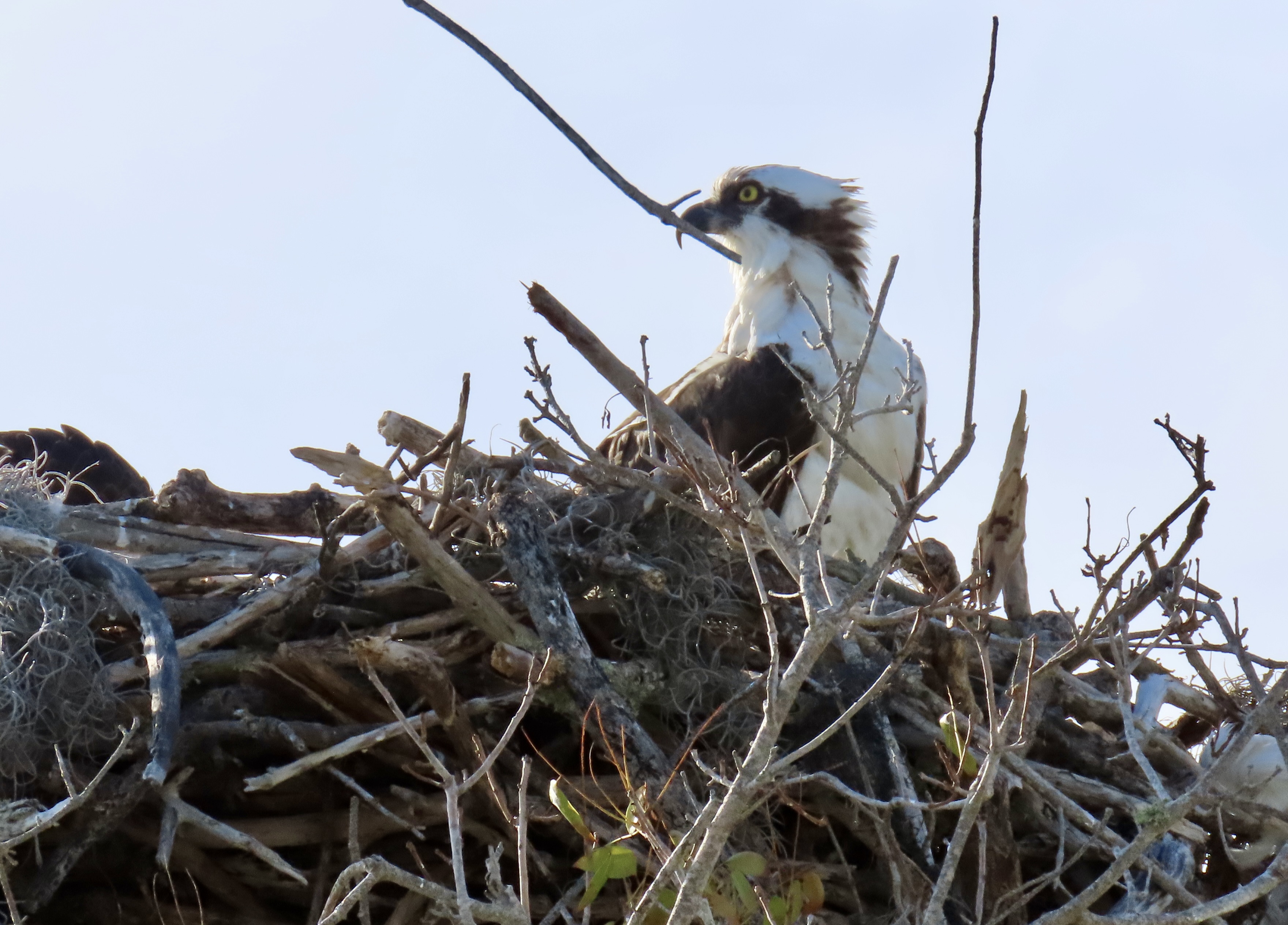
The bird life was incredible! It ranged from Osprey…
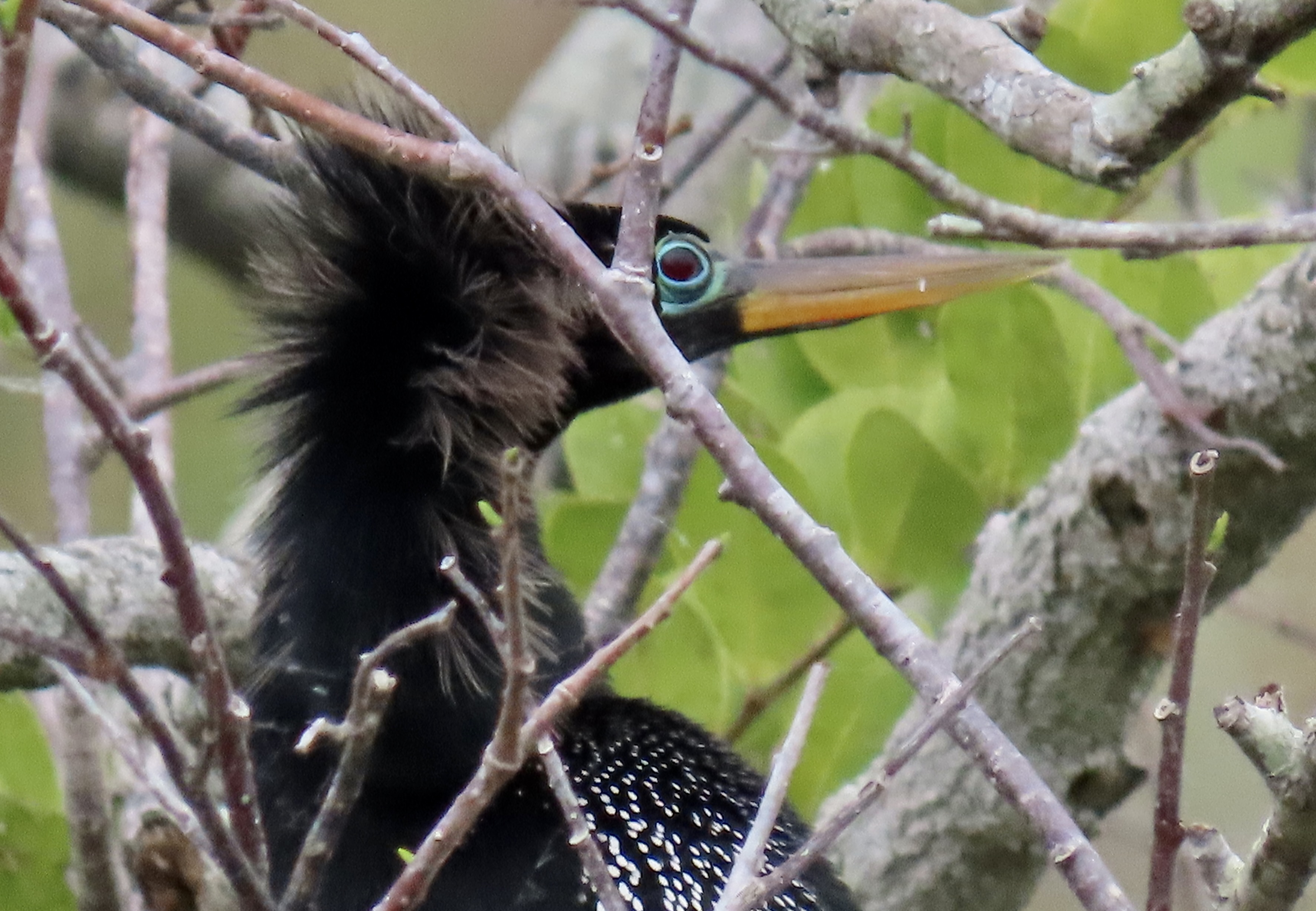
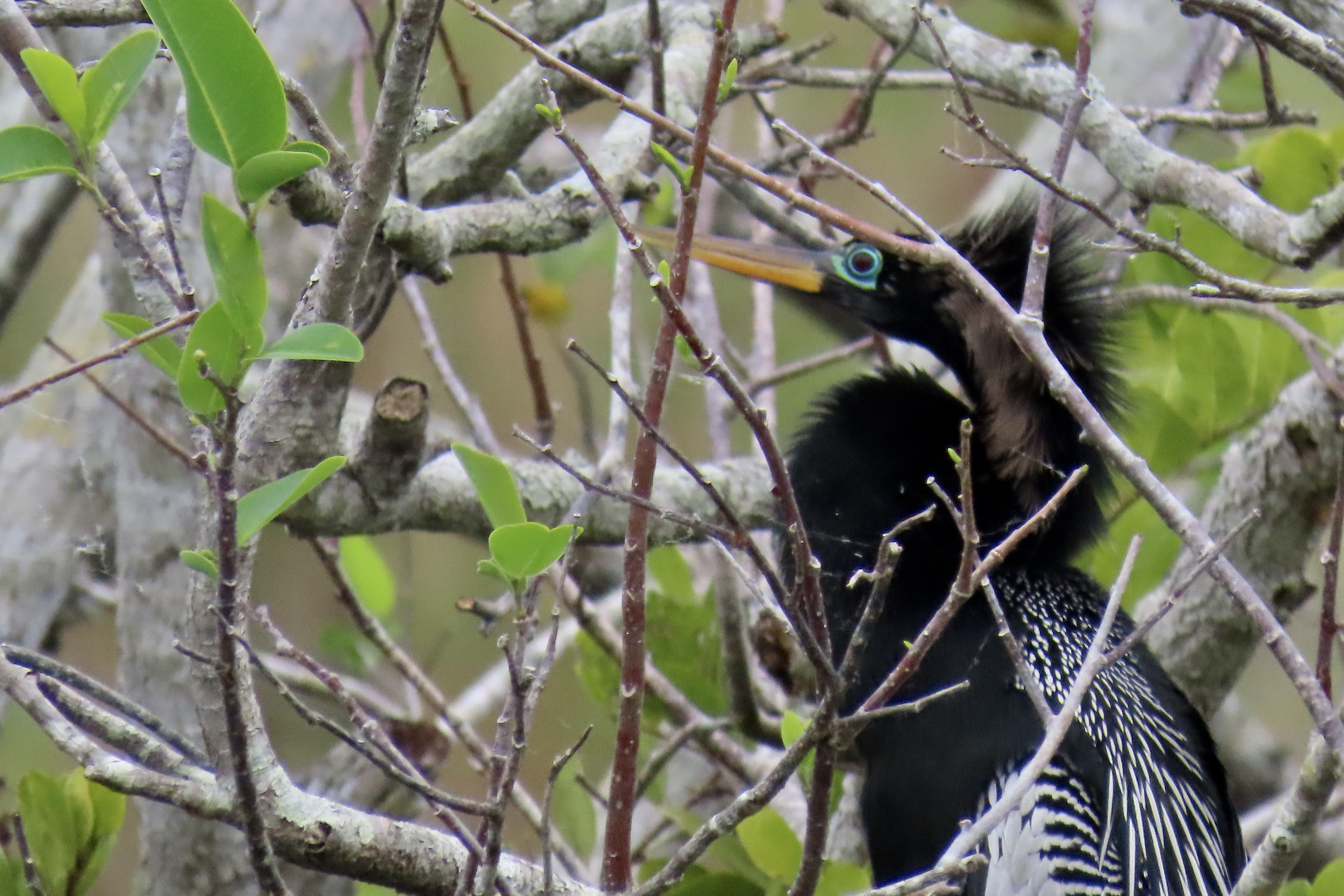
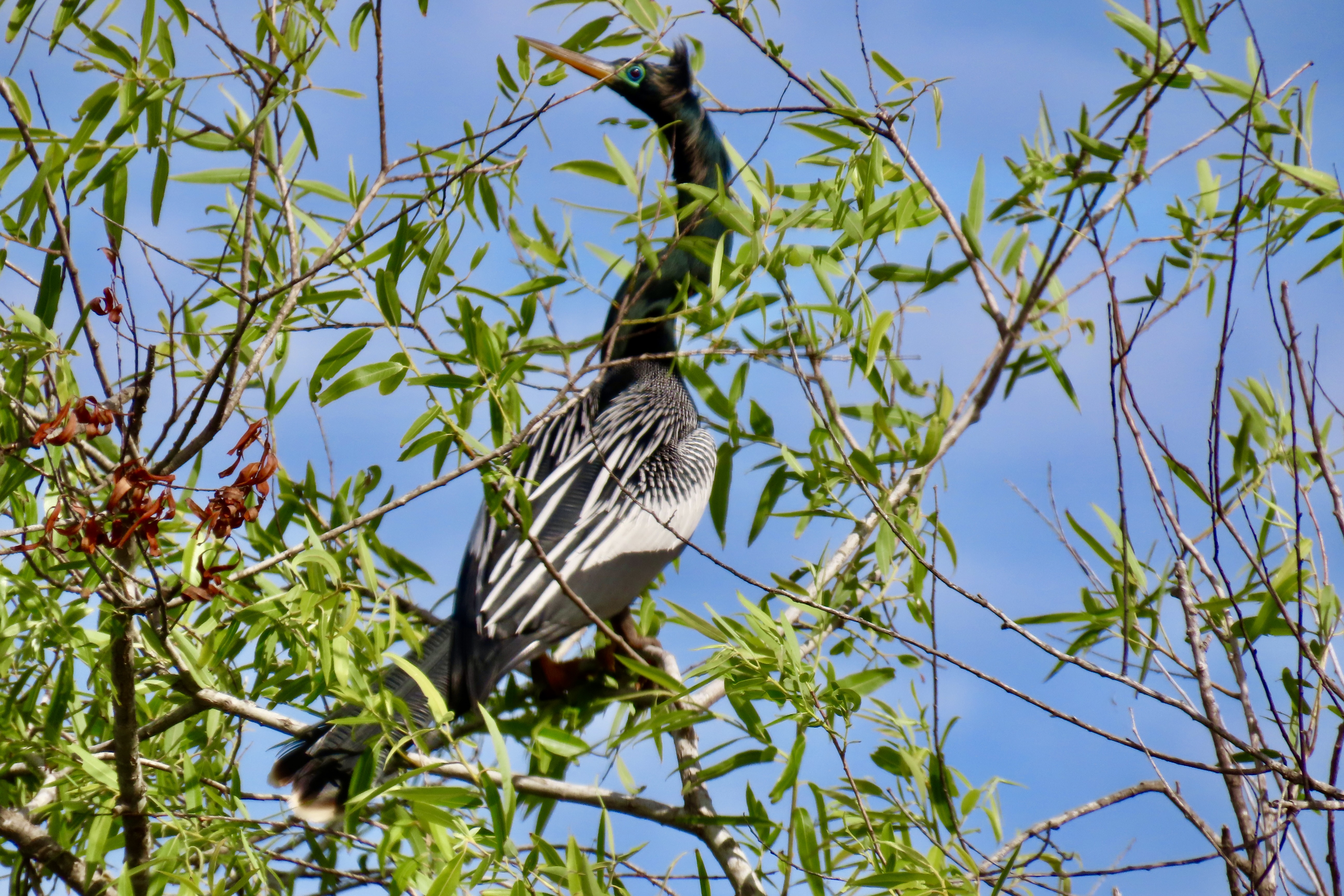
To anhingas…
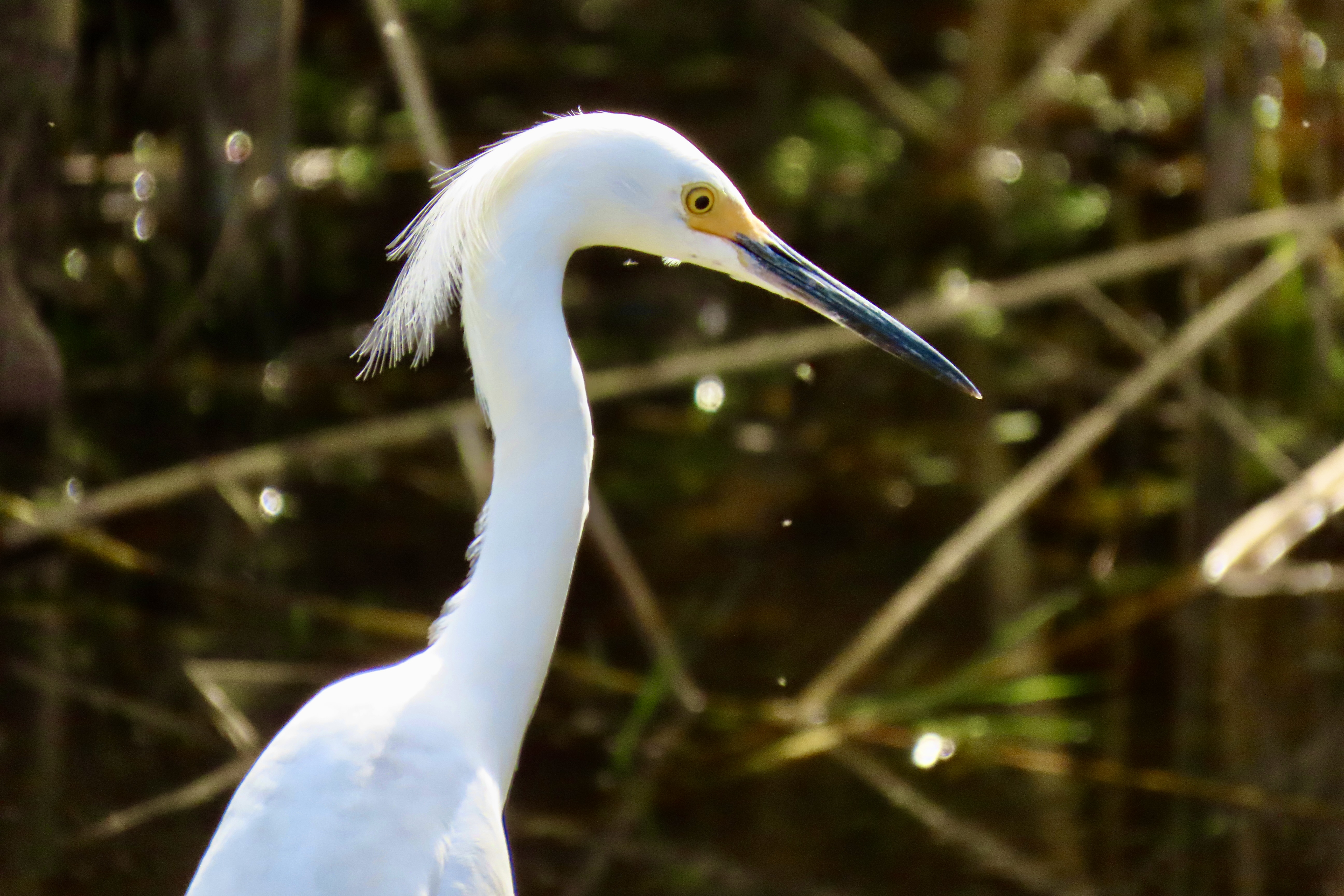
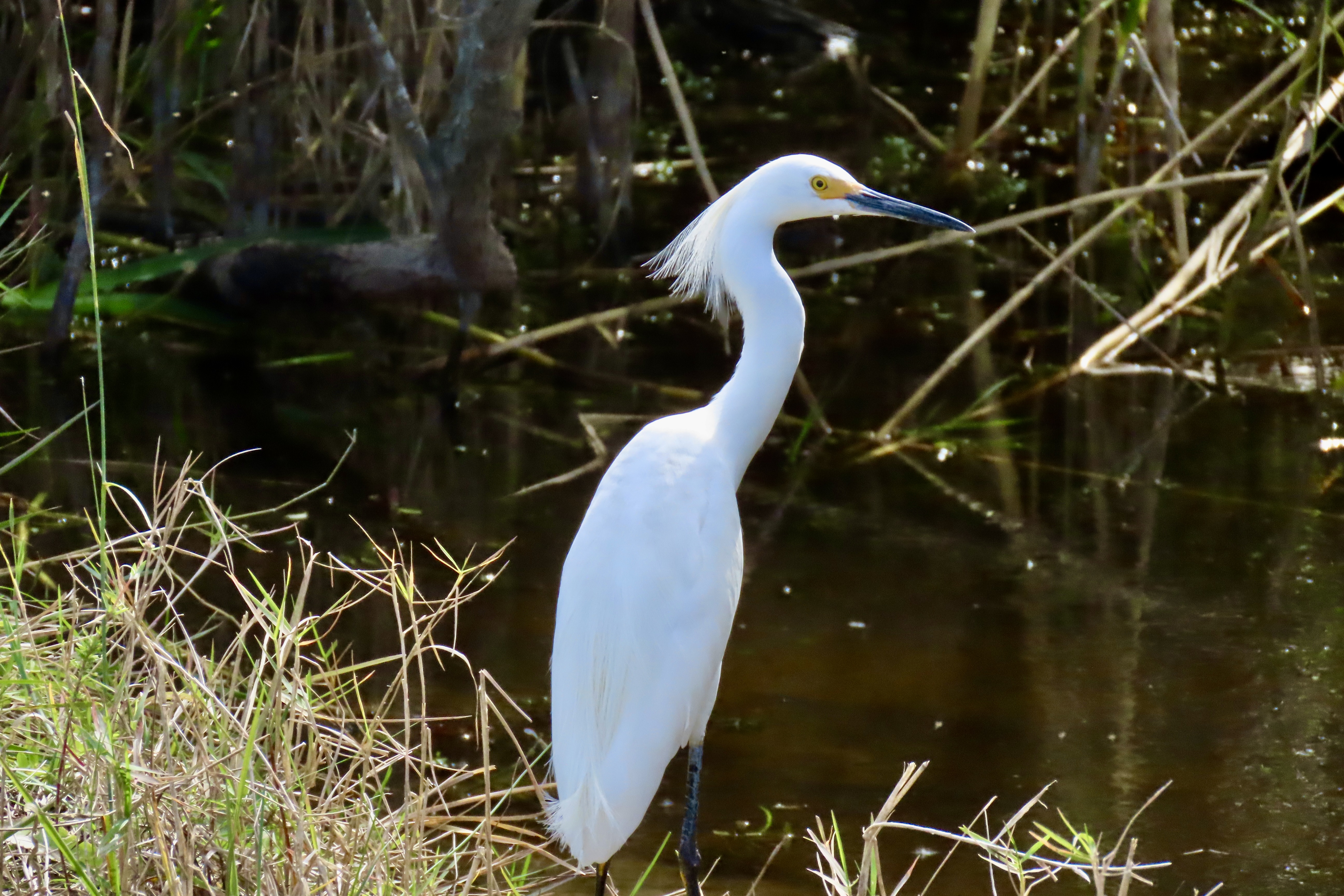
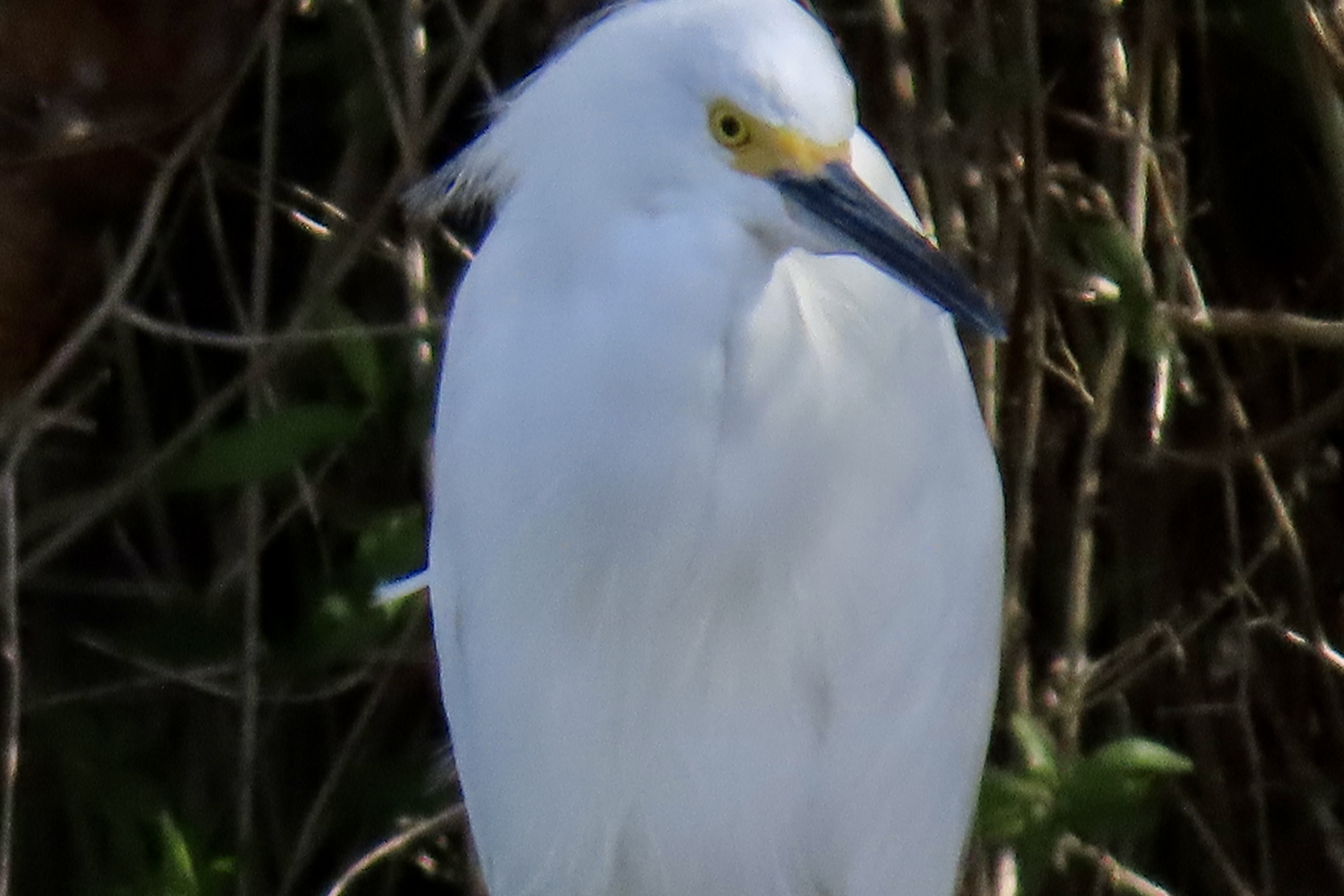
To snowy egrets…
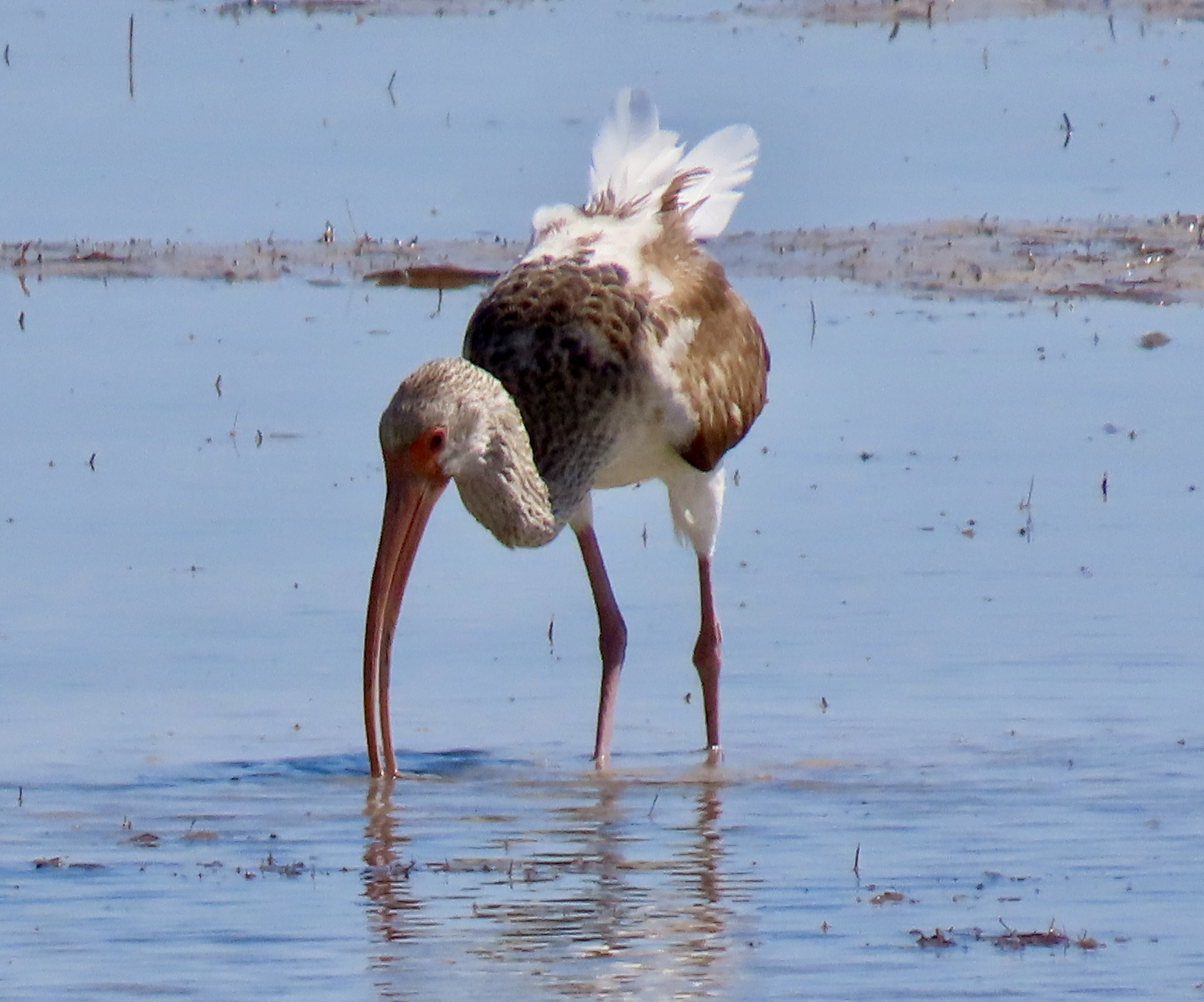
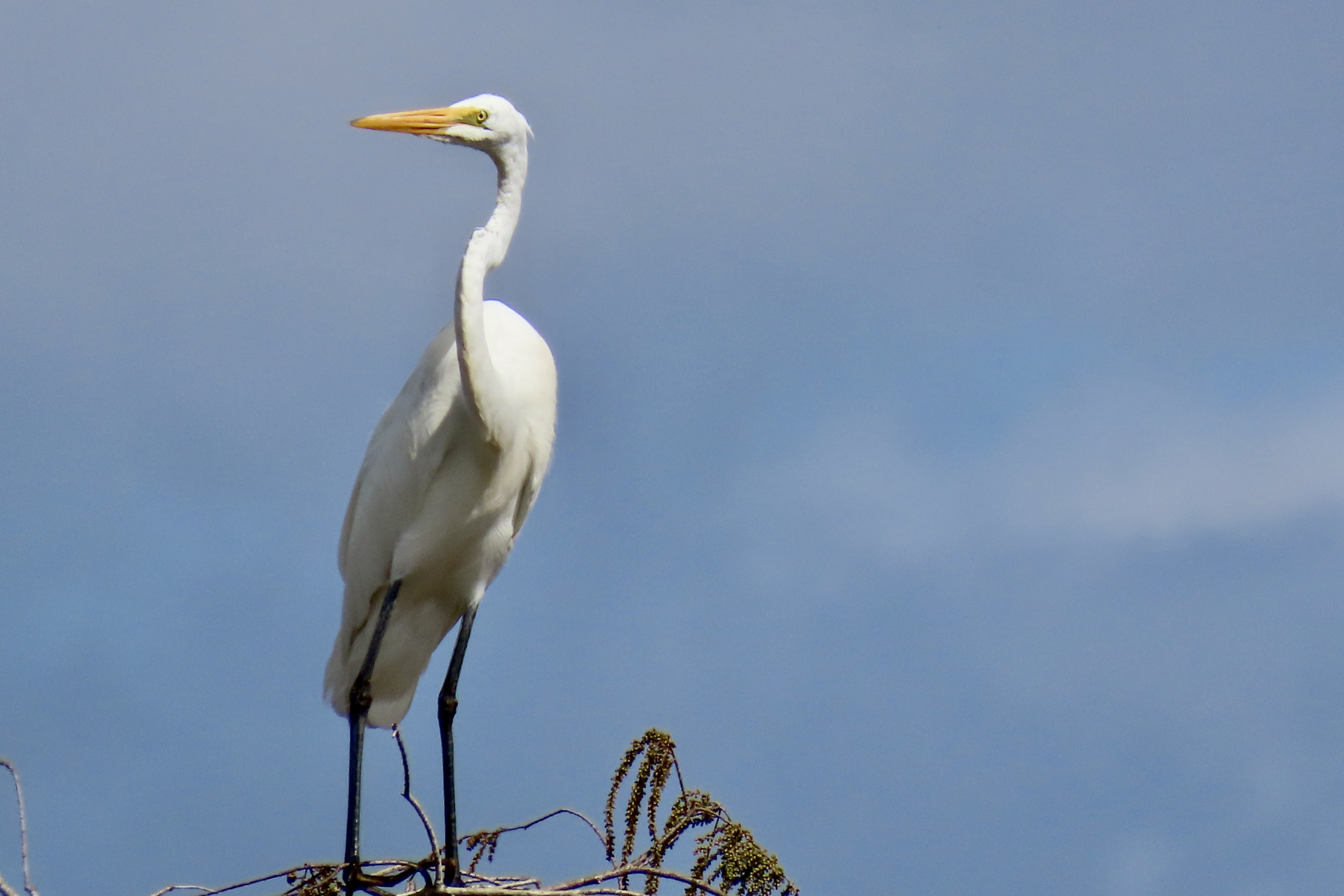
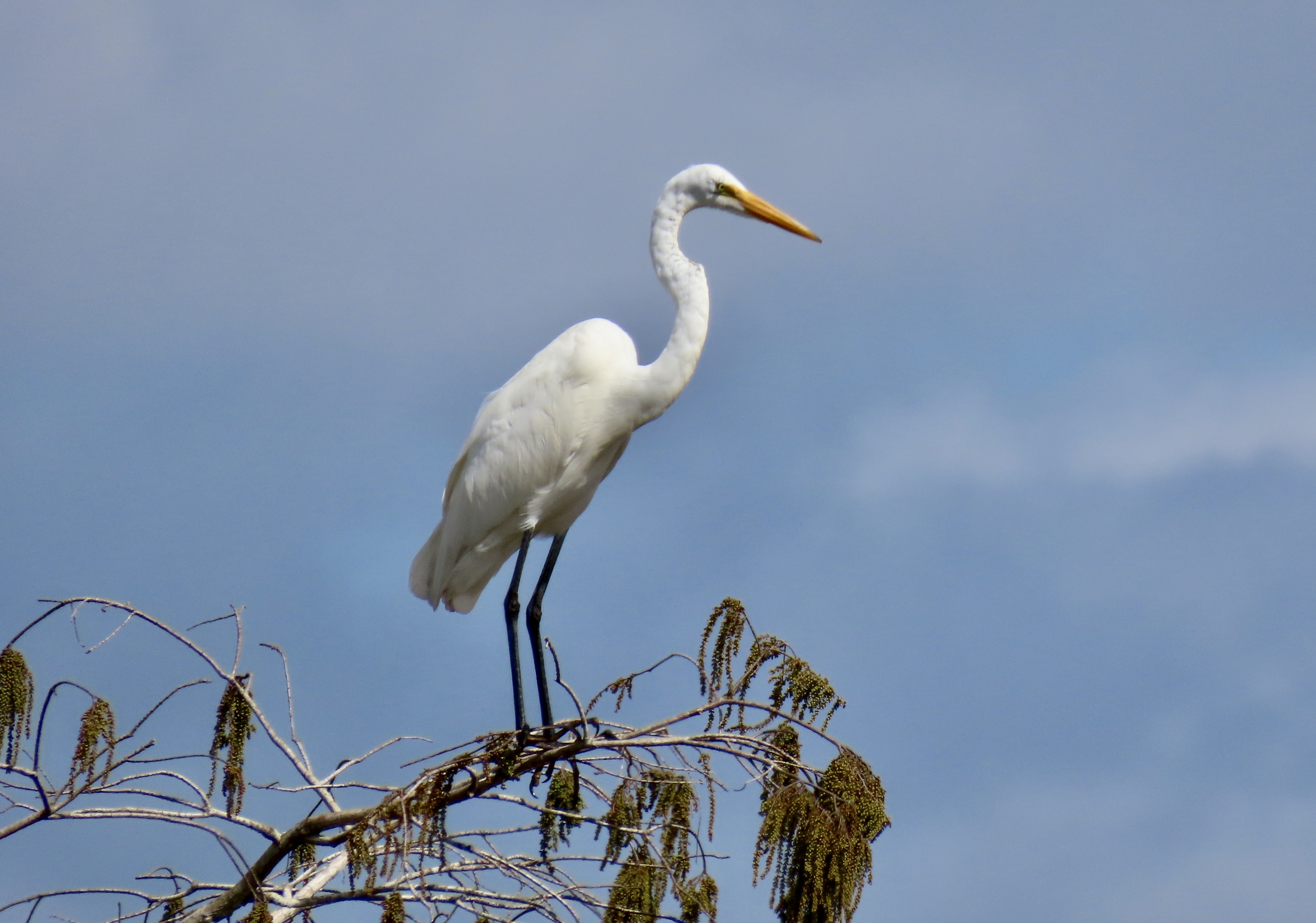
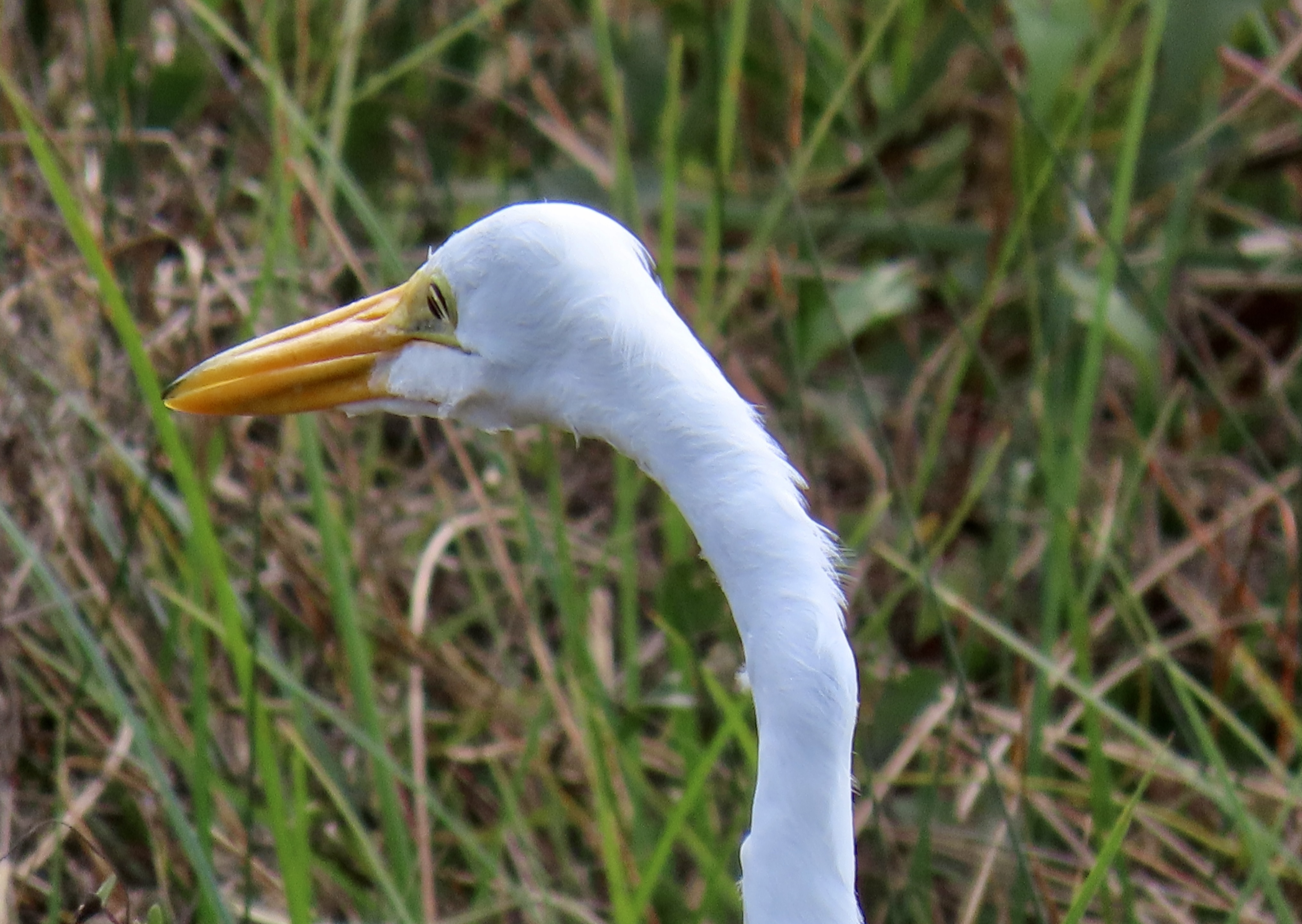
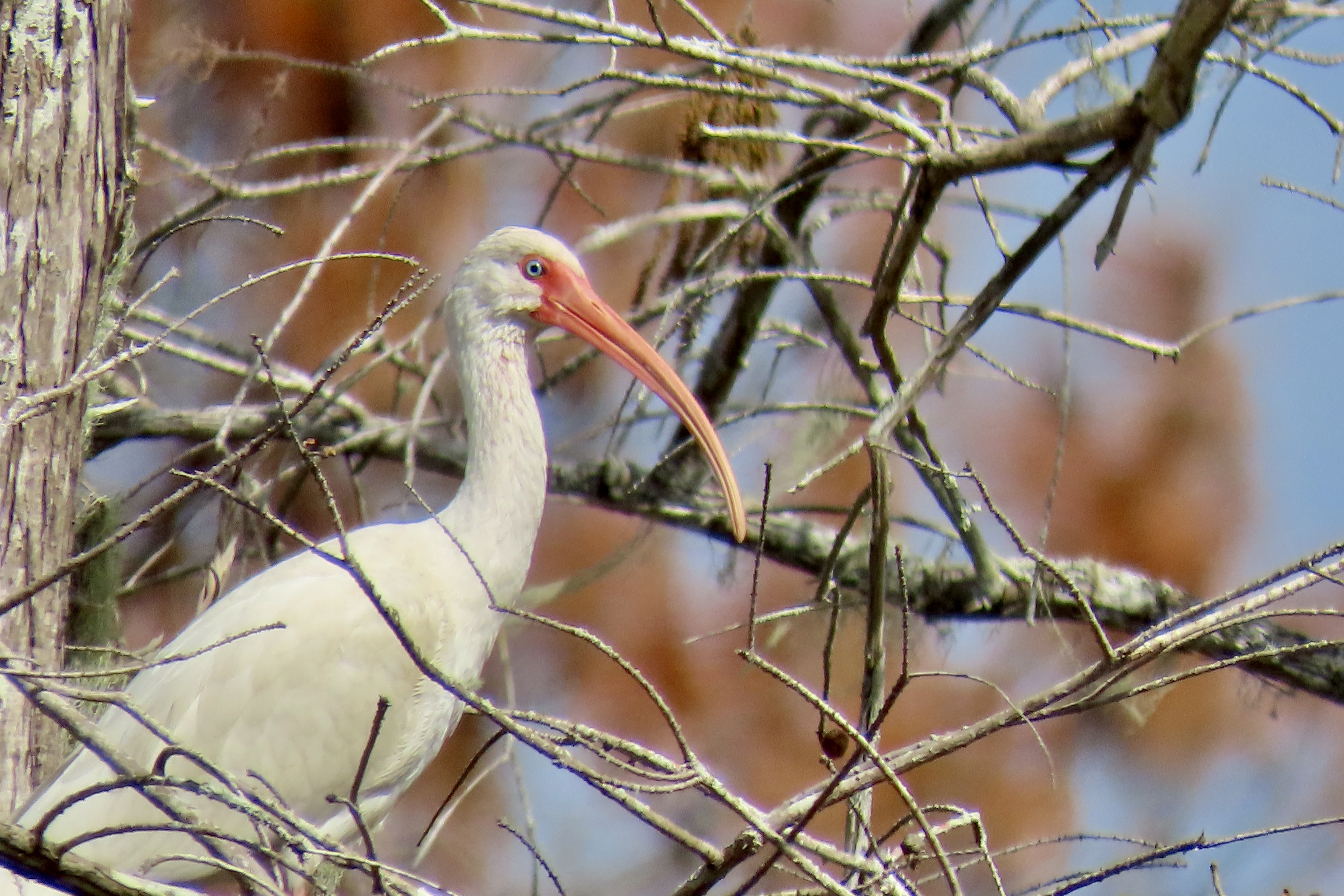
To ibis and many, many other species.
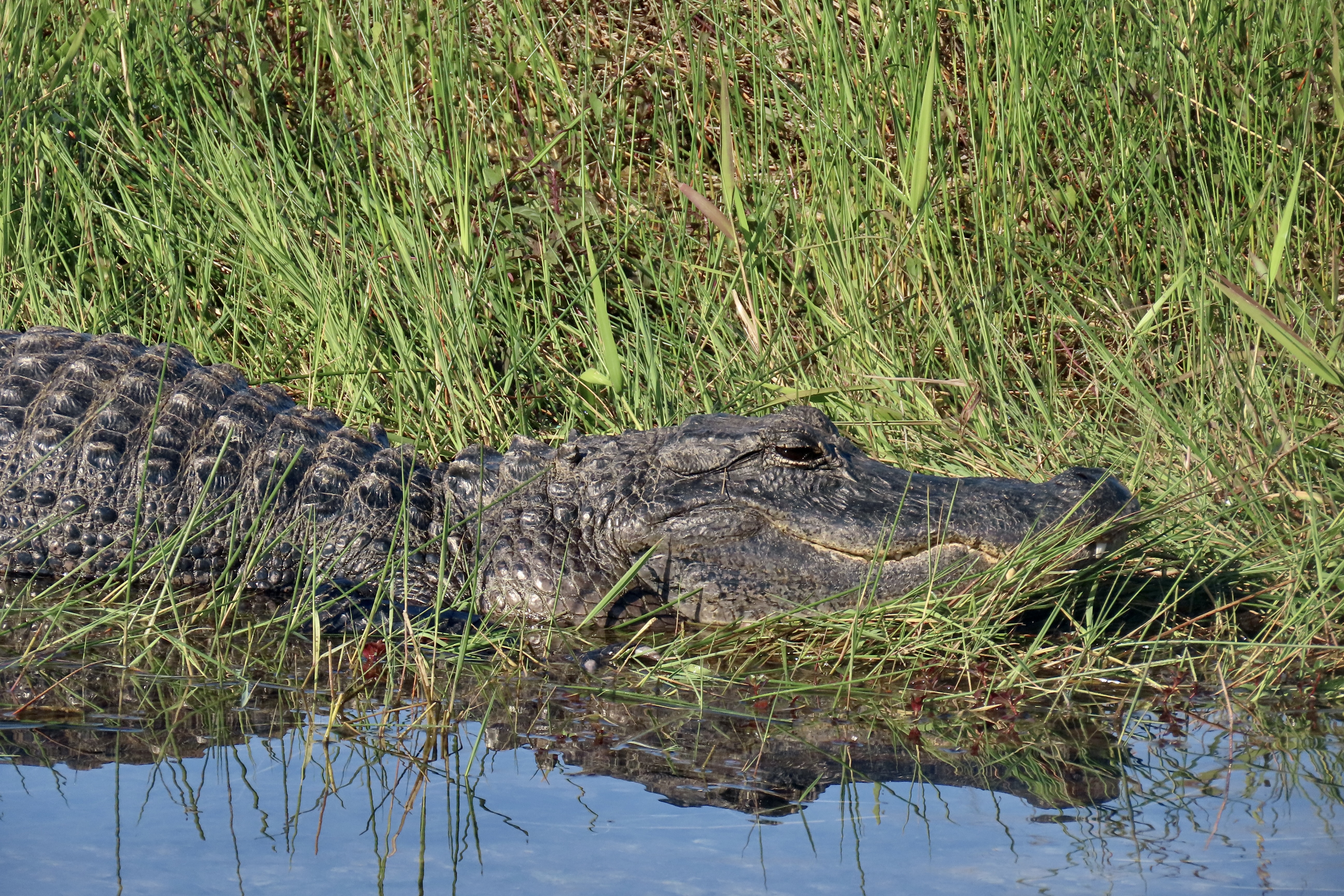
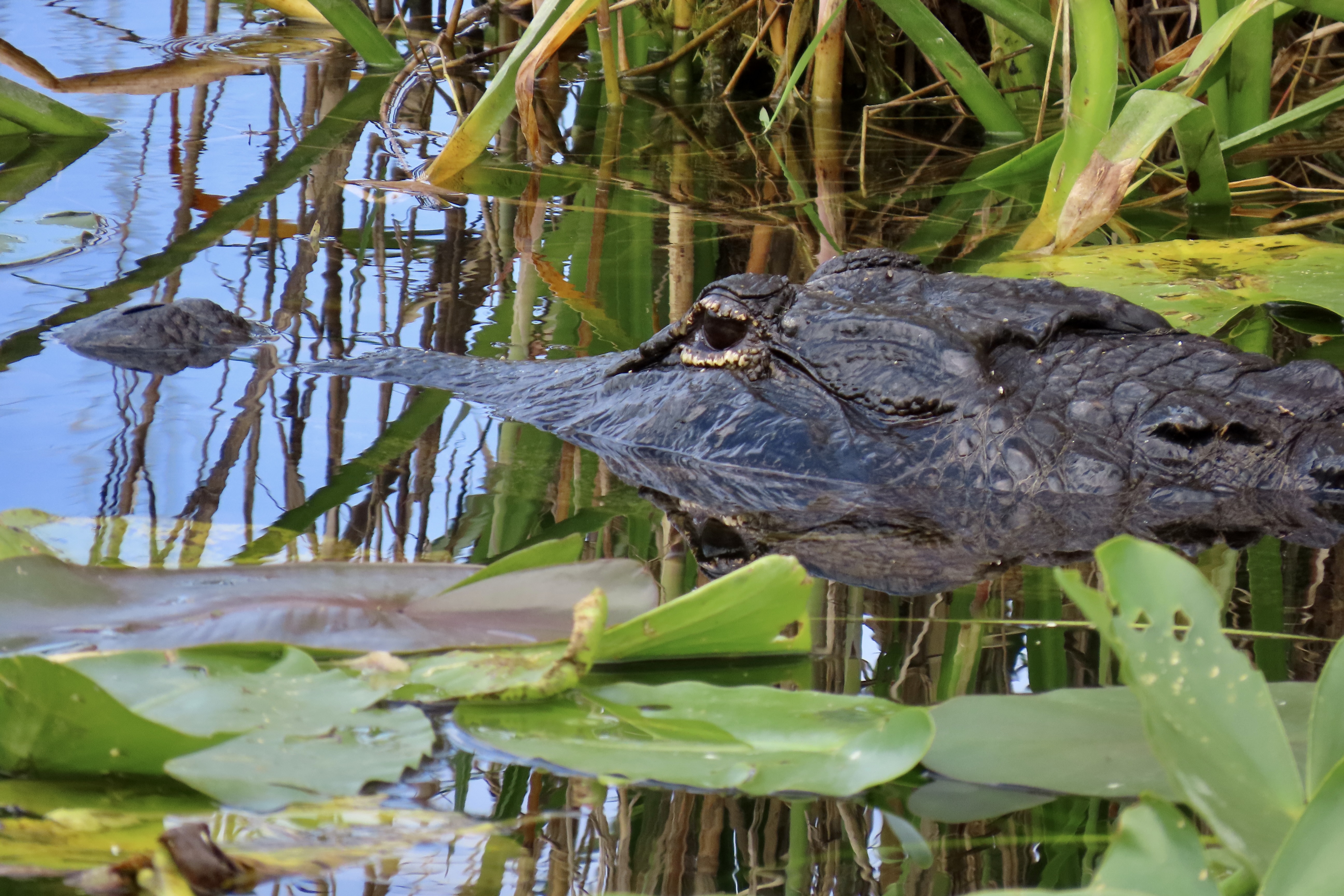
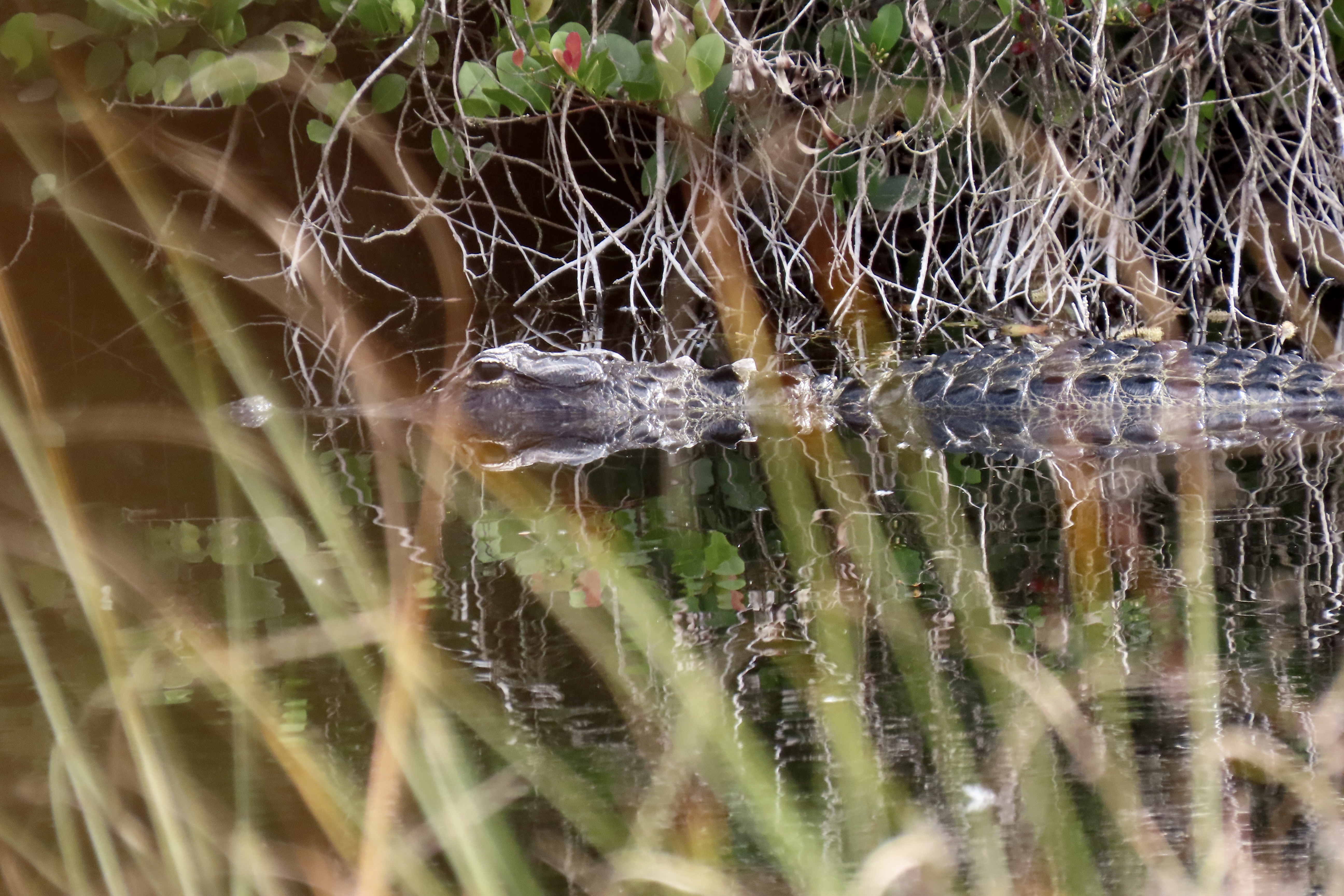
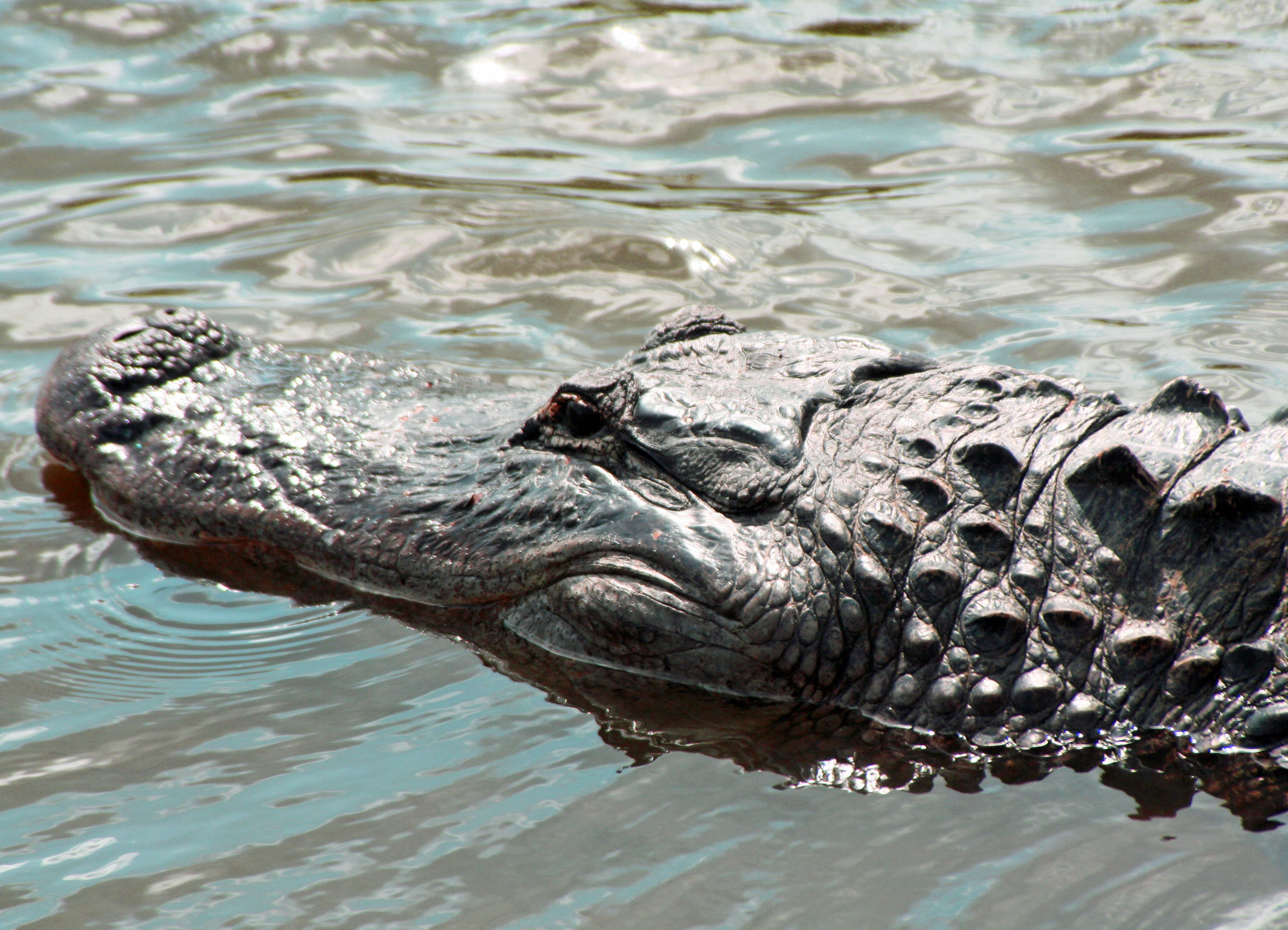
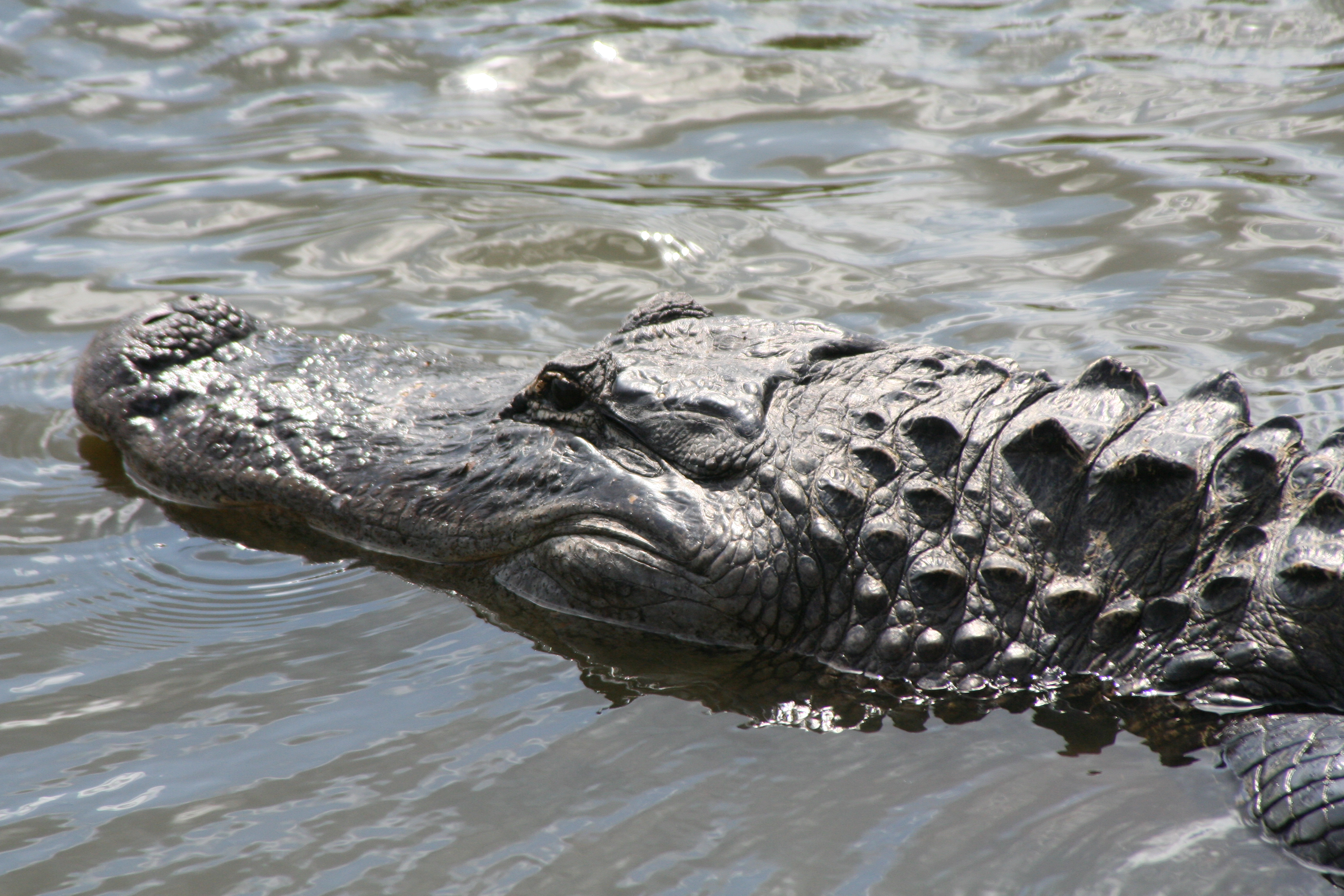
We also saw a number of alligators, and several crocodiles. We liked the reflection on this alligator. The look on its face made us wonder what it had been up to!

THE PINNACLES…

The Pinnacles National Park, located just east of the Salinas Valley in central California, was the first national park we visited on our trip up the coast. Raised to national park status in 2013 by President Obama, it is a recent addition to the system. The park is noted for its monoliths, spires, canyons and the beauty of its spring wildflower display.

Huge monoliths rise up from the ground…
As do impressive spires.
Massive boulders have tumbled down from the ridges creating talus slopes and ‘caves’ people can actually walk through. This small one contained a creek we followed up a canyon.
We were there in April and wildflowers were everywhere. We had never seen a shooting star displaying this many flowers.
A lone oak standing on the crest of a hill caught our attention.

POINT REYES NATIONAL SEASHORE

Technically, Point Reyes National Seashore is not a national park. The primary reason is that the land incorporates a number of dairy ranches that were there before the park was created. But it is a unit in the national park system. And, I might add, a well-justified unit. Located just north of San Francisco, it is renowned for its beauty and wildlife. It also has the interesting geological history of having migrated north from Southern California along the San Andreas Fault. (Pinnacles has a similar history.) I was a regular visitor during the years I lived in Sacramento. It served as my winter go-to break. The summers were for the mountains.
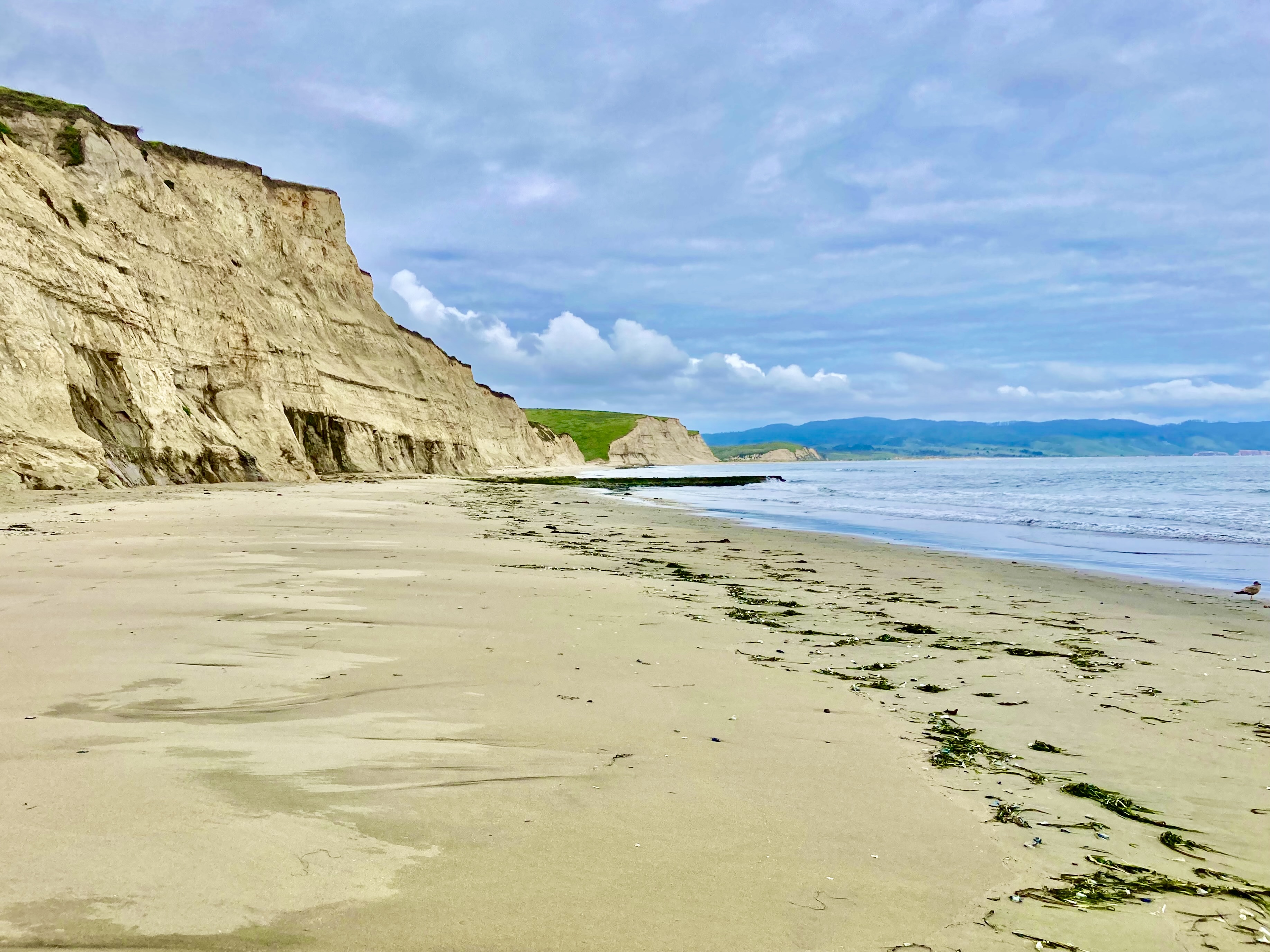
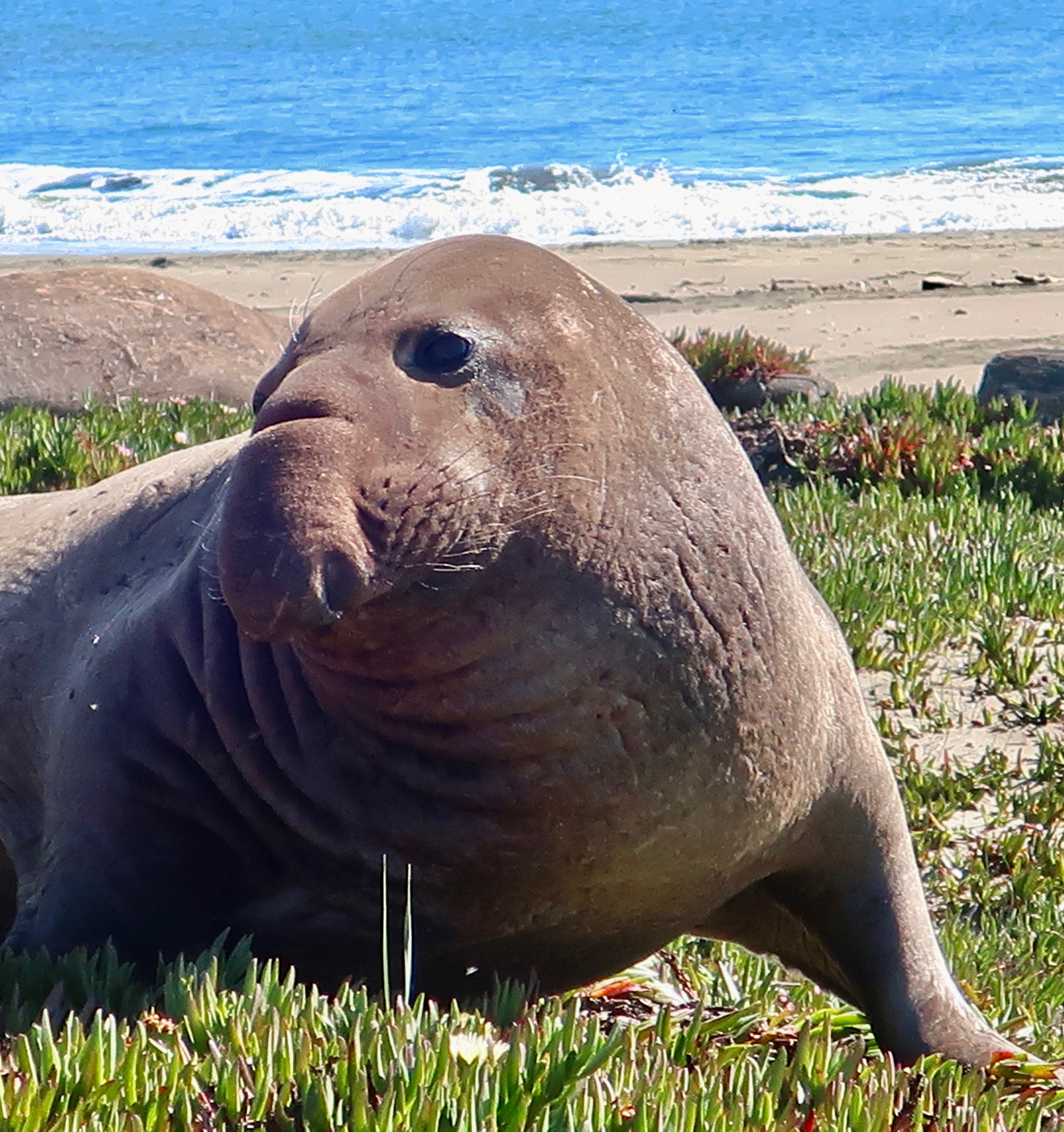
Long Beaches with spectacular cliffs, forested mountains, grass covered hills and valleys, plus abundant wildlife contribute to the appeal of the park. During December through March, this beach will be busy with elephant seals breeding and having pups.
We found this charming fellow and other elephant seals at Drake’s Beach on a previous visit. He’s come ashore looking for love.
This whimbrel was strolling down the shore at Limantour Beach.
A great blue heron made a lightning fast strike to catch a fish at Abbots Lagoon.
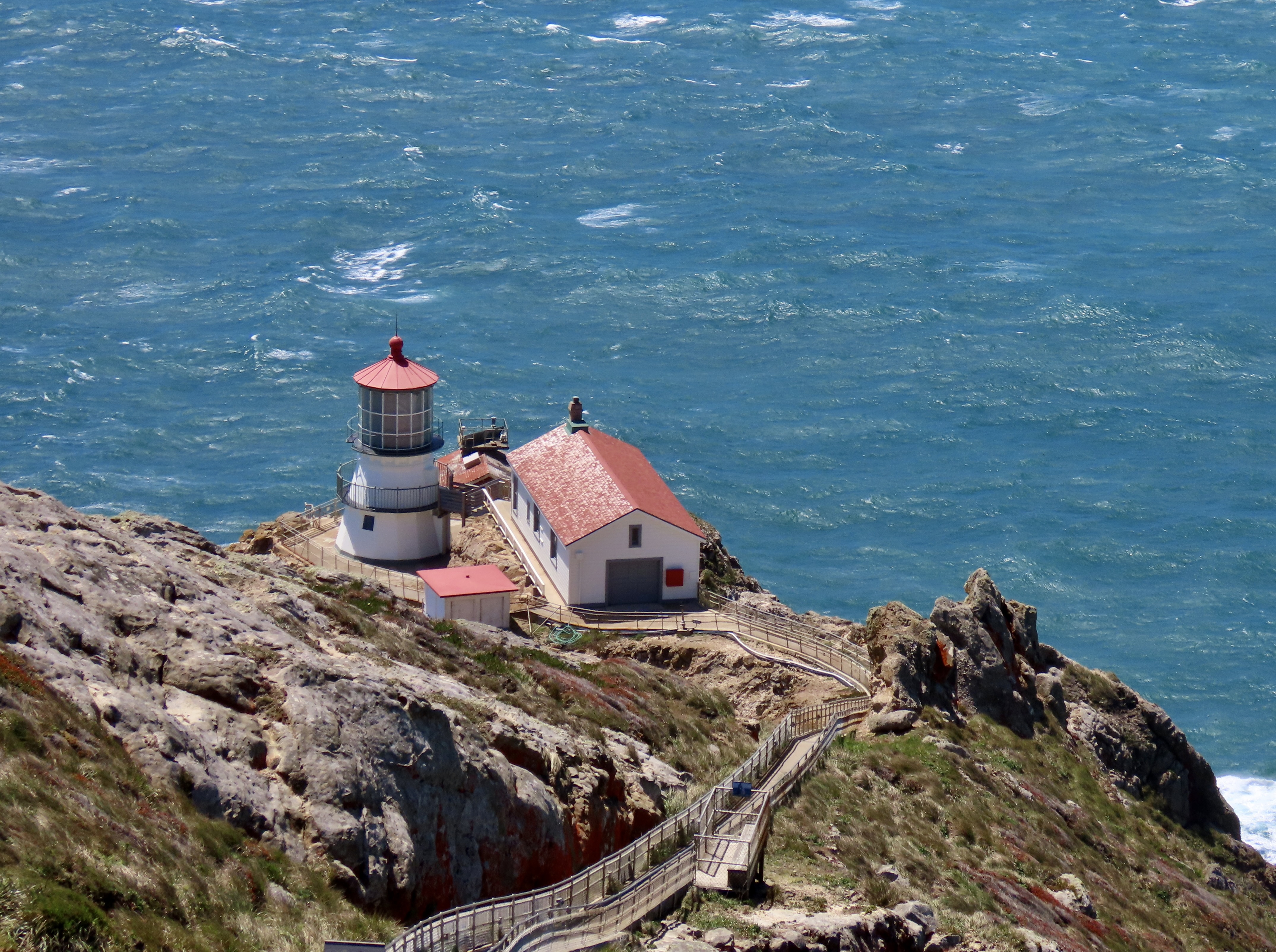
The Point Reyes Lighthouse, always worth a visit.
The Pierce Point Ranch provides an introduction to the historic significance of dairy farming at Point Reyes.
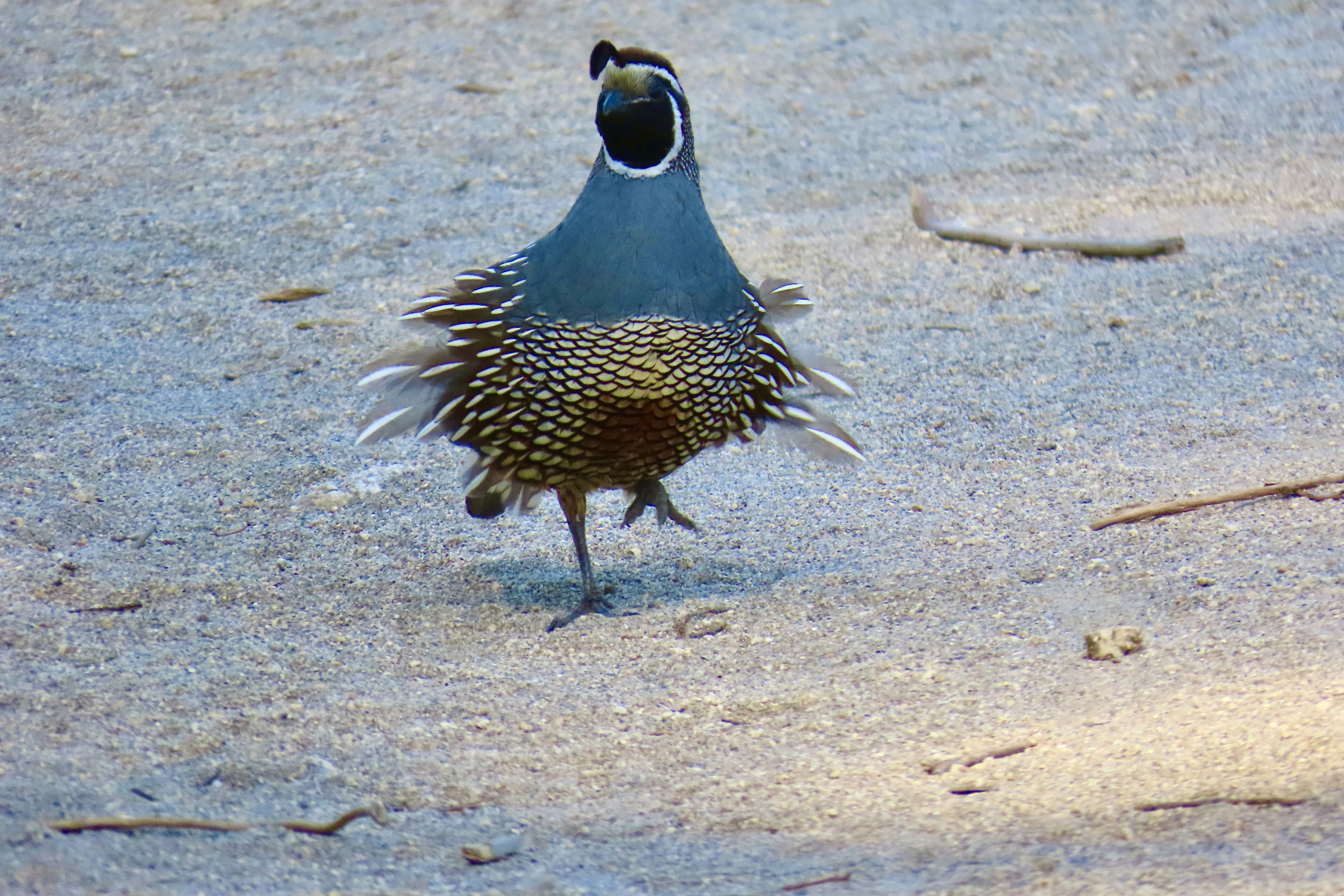
California quail were running around the ranch when we visited. The wind was ruffling this guy’s feathers.
And a large herd of tule elk is usually found nearby.

REDWOODS NATIONAL PARK

The National Park Service works in close coordination with the California Department of Parks and Recreation to maintain the towering redwoods that grace the coastal area of far northwestern California. It’s all about the trees , some of the oldest and tallest in the world, but its rainforest character, crashing waves and wildlife add to its splendor.

Massive trees reach for the sky…
Crashing waves roll ashore…
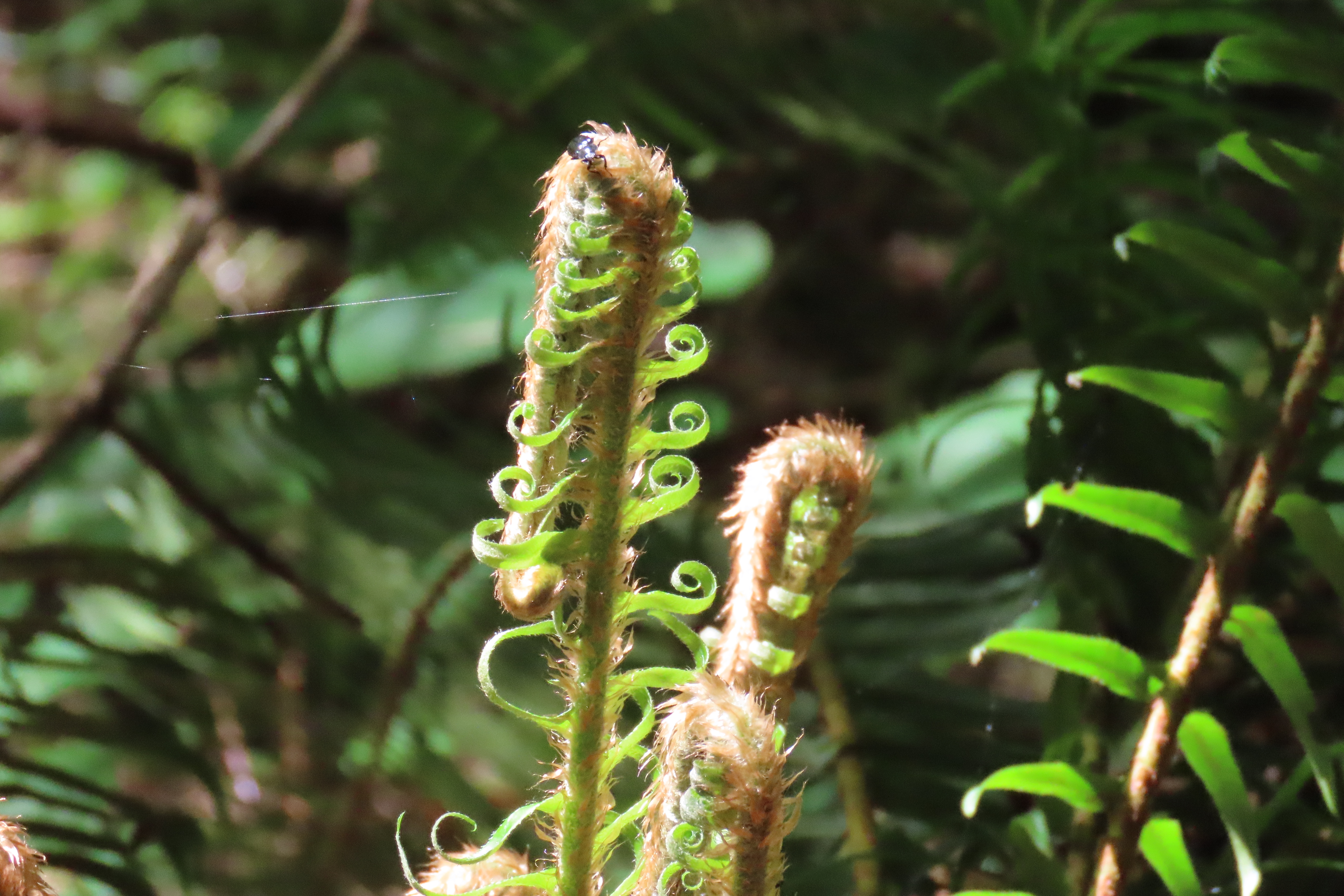
The rainforest harbors ferns whose origins are lost in the mist of time…
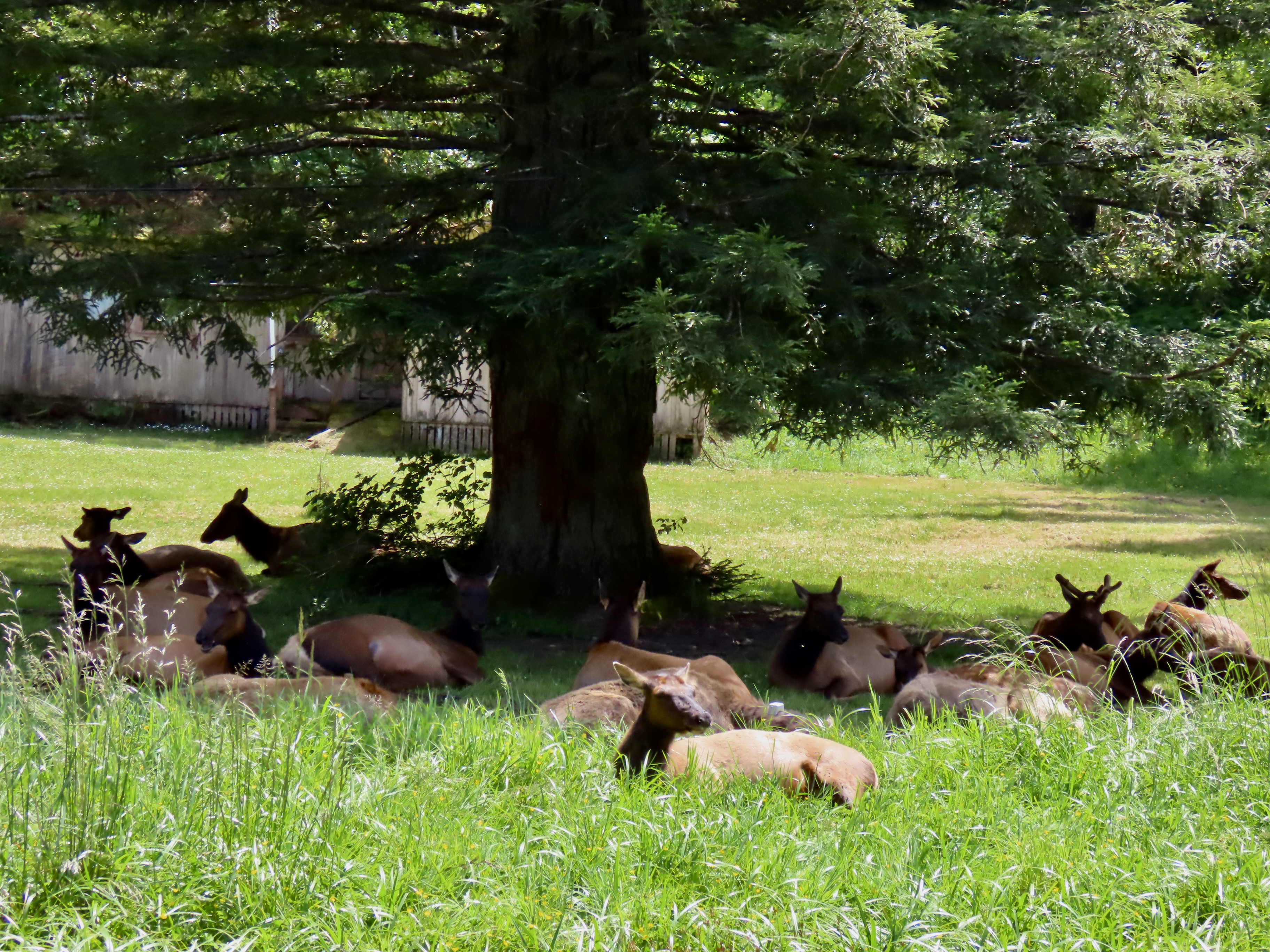
Herds of Roosevelt elk are as likely to be found bedding down in someone’s front yard as they are wandering through the redwoods…
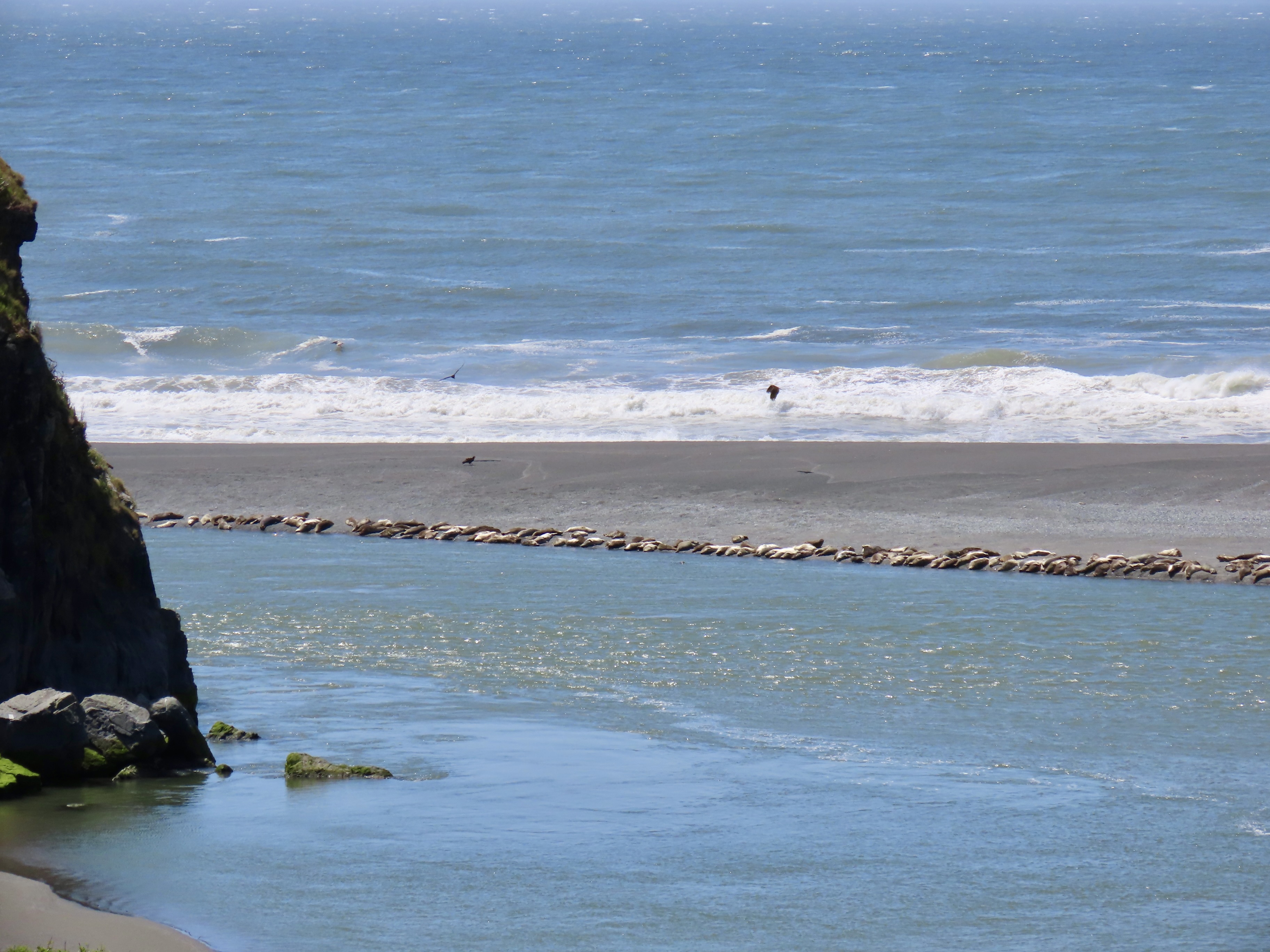
And hundreds of seals pull up on remote shores to rest and bathe in the sun.

OLYMPIC NATIONAL PARK

Olympic National Park serves as an iconic example of a temperate rainforest receiving over 150 inches of rain on its west side while harboring old growth forests on its drier east side. Major rivers come tumbling down from its glacier covered peaks. Its 62 miles of wilderness coastline constitutes the longest undeveloped coastline in the contiguous US. As I noted in my post on Olympic National Park, our visit was limited this year, so I have added a couple of photos from previous trips. The other photos you will probably remember from last week!

The Skokomish River is one of several that flow out of the park fed by the extensive rainfall and high glaciers.
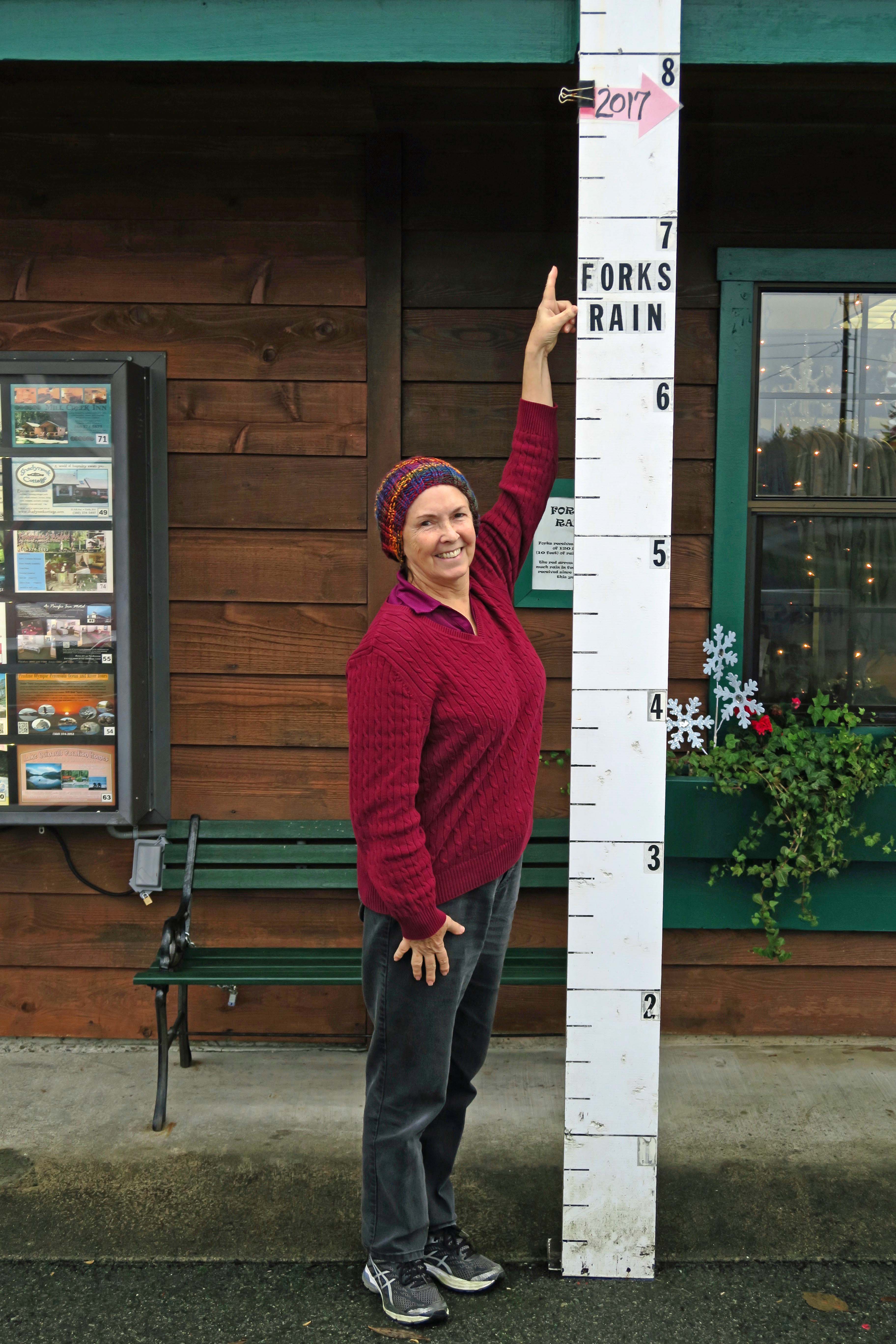
Photo of rainfall at Forks, Wa. by Curtis Mekemson.
In 2017 we stopped in the small town of Forks (home to the Twilight books and movies) on the western side of Olympic National Park. Here Peggy points out how much rain the park had received by November.
On that same trip, we drove over to the wilderness part of the park that runs along the Pacific Coast. Here Peggy is admiring sea stacks. Huge piles of driftwood brought in by Pacific storms stretch up the coast.
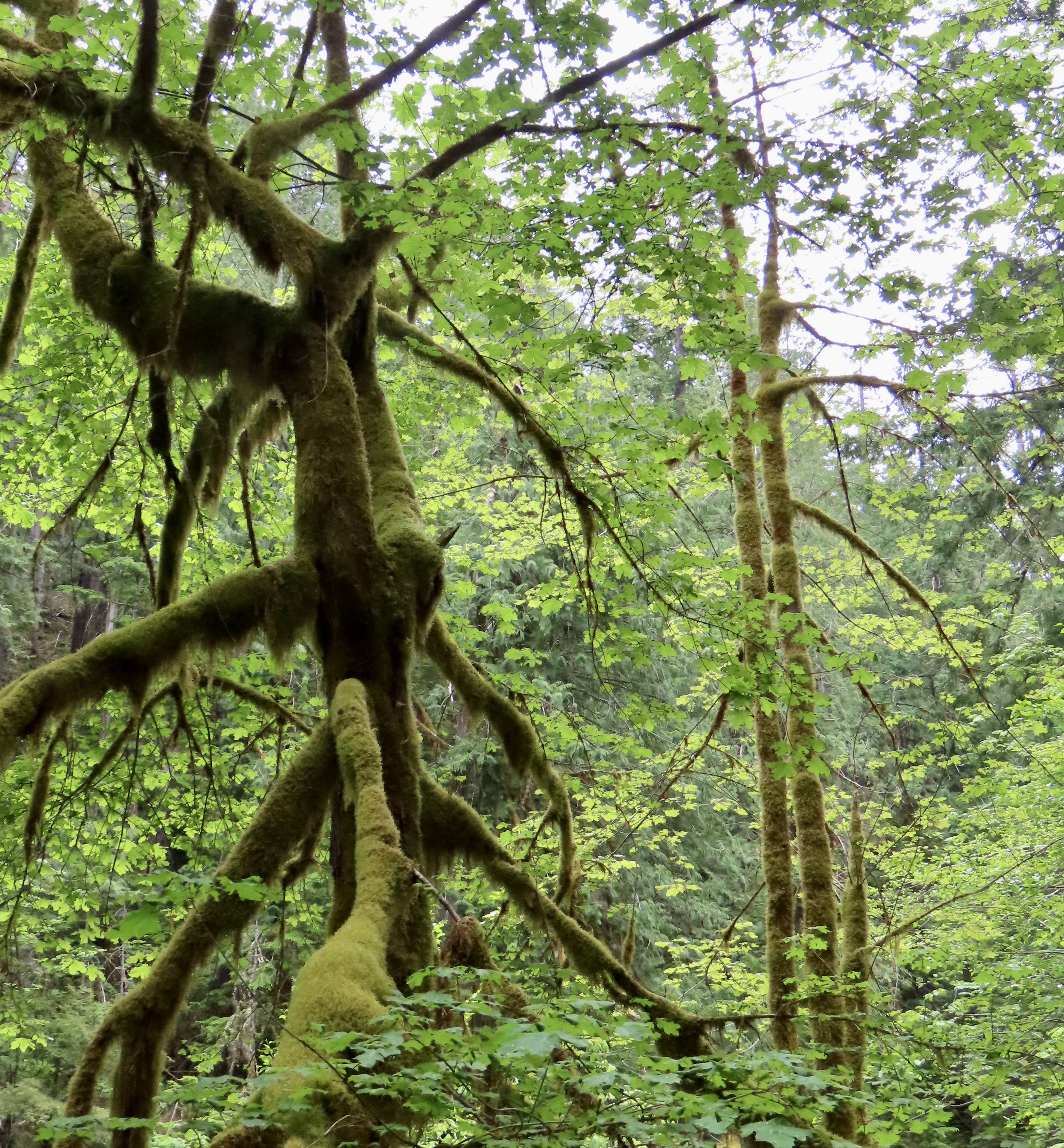
Back on the southeastern portion of the park, we admired the moss covered trees that are typical of temperate climate rainforests.
Our hike up the Staircase Rapids trail along the Skokomish, led to this view we had when crossing a bridge that had been wiped out twice before by the raging river during spring melt.
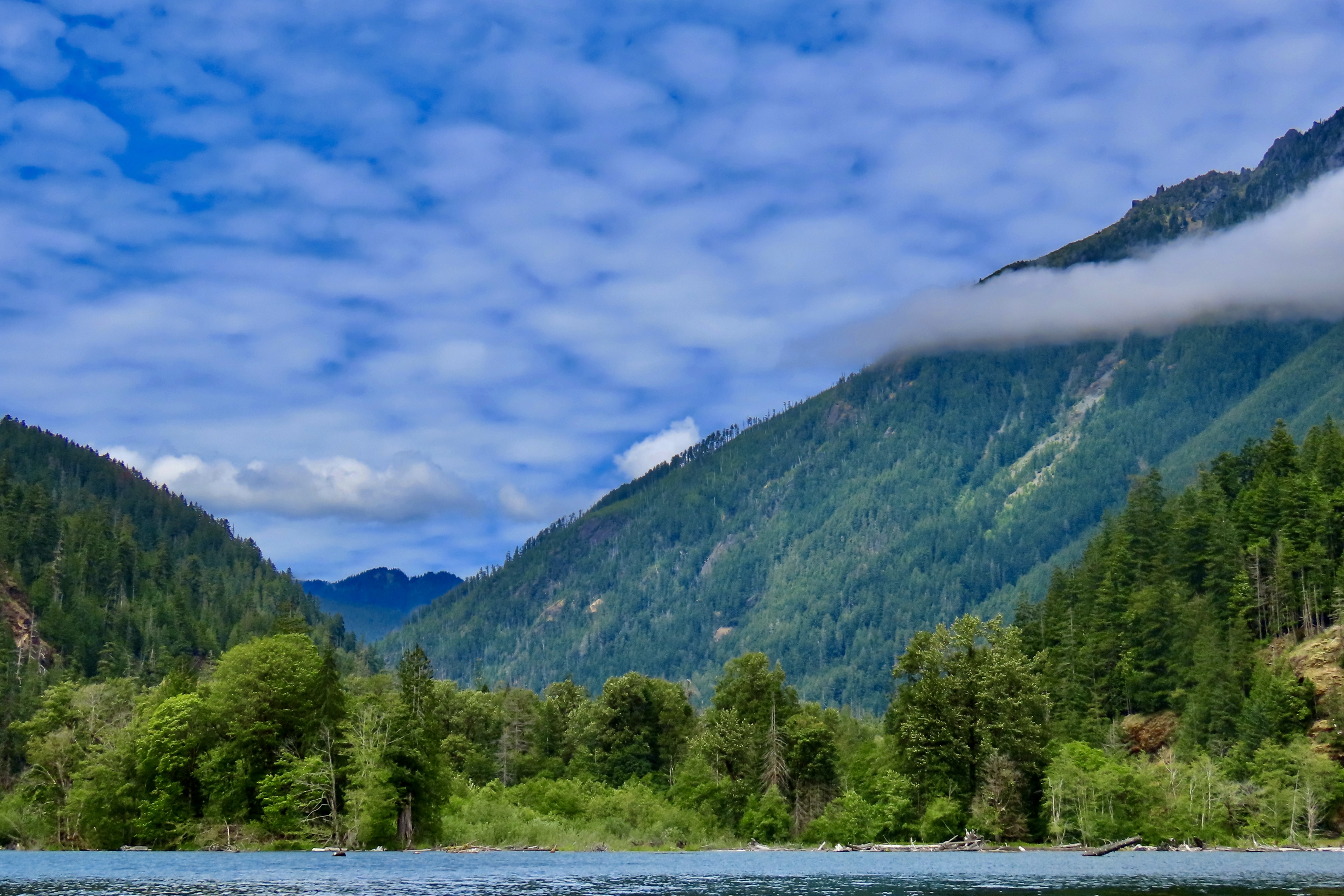
A final photo that provides a view into the park from our kayak trip on upper Cushman Lake. Next, we will explore the impressive mountains of Cascades National Park as we leave our trip up the Pacific Coast and start our journey back to our basecamp/home in Virginia.
Cascades National Park

The Anhinga Trail and Flamingo… Everglades National Park

If you’ve been following my blog over the past couple of months, you have already met Anhingas: In Africa. I showed one demonstrating the proper way to eat a fish in Chobe National Park, Botswana. We found this fellow with its googly eyes along the Anhinga Trail in the Everglades National Park, Florida.

Peggy and I traveled to Everglades National Park a few weeks ago, came back to our basecamp in Virginia, spent two weeks rushing to prepare for our five-month road trip, and are now in Terre Haute, Indiana sitting on the border of Missouri. We were supposed to be continuing west today, but the National Weather Service had a severe thunder and lightning storm warning up for Missouri. It’s not the type of weather to be out on the road, especially when pulling a small, light trailer.

The storm introduced itself last night. We could hear it approaching from miles away, at first a distant constant rumble, it became an earth-shaking roar. We hunkered down and wondered if Armageddon had arrived. I worried about hail. Baseball size chunks were crashing down on Kansas City. Serafina, our trailer, would not have been happy. But the storm passed us by without any damage.

On top of that, we had a propane leak, which can be more dangerous than softball-size hail. My solution, other than a few chosen words, was to shut the tanks off and wait until we could find an RV service facility to fix it, which often takes days or even weeks to schedule. Fortunately, we have options that allow us to function without propane.

Peggy and I have learned in our recent travels that mobile techs can solve most RV problems, however, often on a same-day basis and at a fair cost. Since we were here for the day, I called a local business in Terre Haute: At Your Service— Mobile RV Repair. And boy did we luck out. I reached the owner, Allen Grota, and he told me he would be over as soon as the storm stopped. He went through everything, tanks, connections and regulator. Finally he found the problem. The hose to the trailer had been left hanging next to one of our levelers and the lowering and rising of the leveler had cut it. As soon as this had happened, the regulator had shut down the tank. We weren’t in danger, but neither would we have propane. Allen then ran downtown to get what he needed to fix the problem. The cost was incredibly reasonable. And it turns out, Allen is a heck off a nice guy.

I’ve already done three posts on our Everglades trip: One on white pelicans, one on osprey, and one on the area around Everglade City on the Gulf Coast. I’ll conclude today featuring more of the Atlantic Coast side where we found the osprey and white pelicans. We entered the park at the Ernest F. Coe entrance. After stopping off at the Visitor Center, we made a beeline for the Anhinga Trail, just inside the park. Peggy and I had been there before and were quite impressed with the alligators and birdlife.

From there, we drove down through the park to Flamingo, where we would be glamping. We stopped along the way at various pulloffs to check out features of the Everglades emphasized by the National Park. First up, the Anhinga Trail.

Our first stop was to admire this impressive mangrove. Peggy provided perspective.
Shortly afterwards, we came on this colorful bird that was busily walking over lily pads. It’s a Purple Gallinule.
Quite the stretch! Check out the feet.
Pretty amazing, huh.
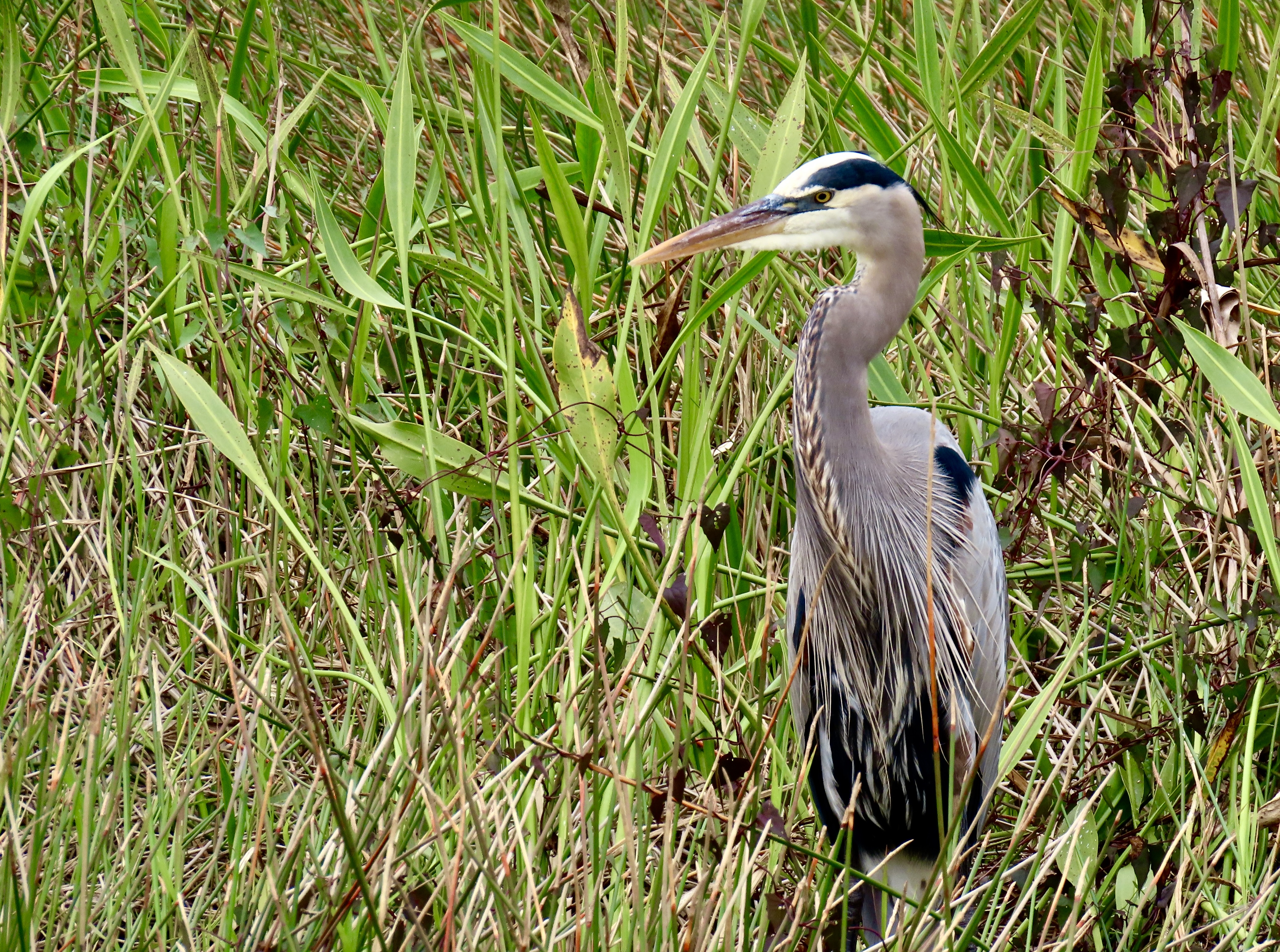
Next on our list of colorful birds along the Anhinga Trail was this great blue heron.
Head shot.
Here’s another shot of the googly-eyed Anhinga. One of its relatives was busily fishing in the pond below.
Anhinga style, only its head was above the water. We liked the shadow.
It had been fishing under water and came up for air here.
A turtle also swam by underwater while we were watching the Anhinga.
In addition to the wildlife, the scenery along Anhinga Trail is also quite attractive. A loud noise in the middle of it caught our attention…
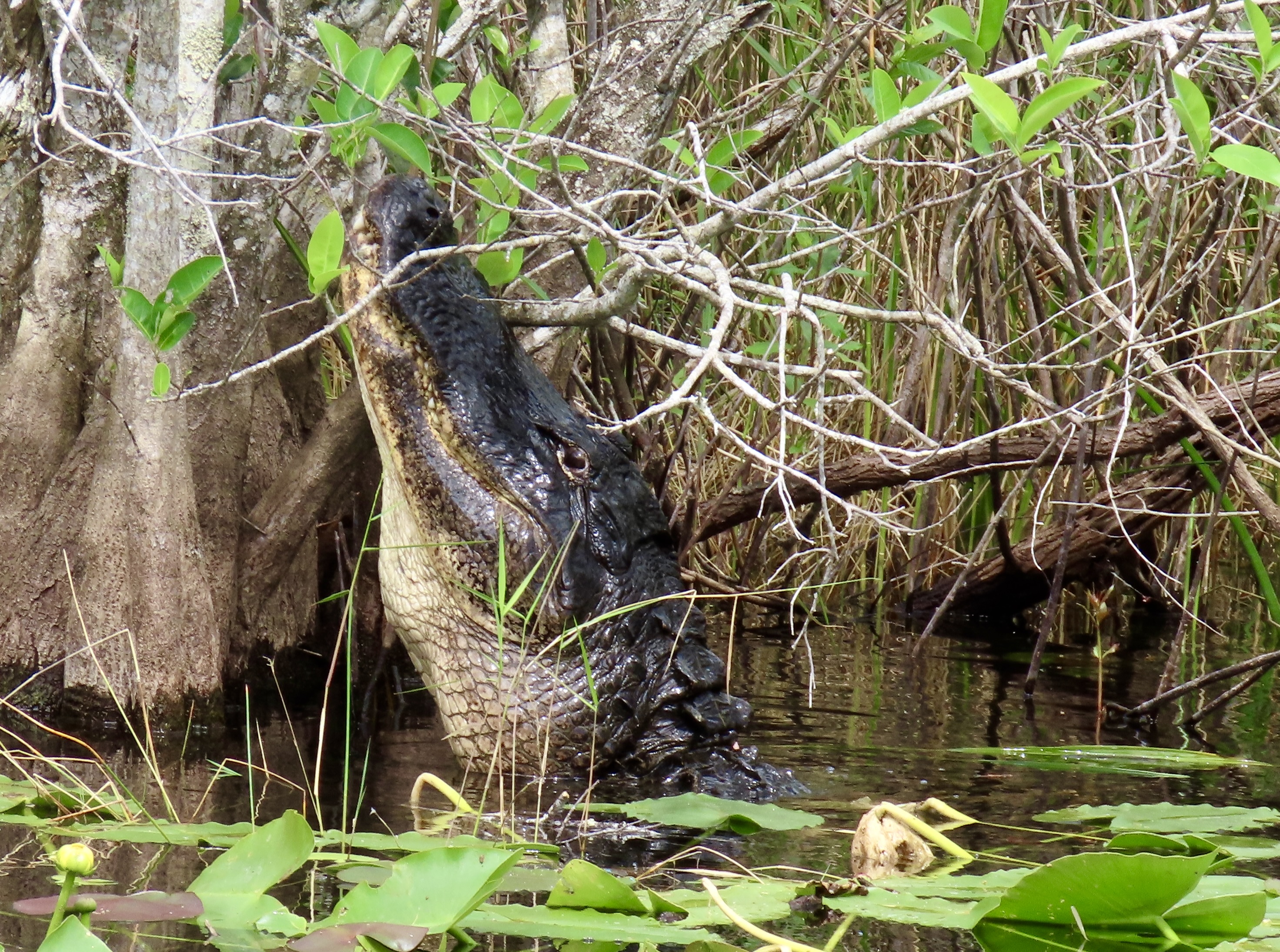
A large alligator had raised its head among the trees and was bellowing.
A close up. Remember, one way you can tell the difference between a crocodile and an alligator is that the crocodile shows its teeth. The alligator doesn’t. Another is the alligator has a shorter snout.
Having made his point, whatever it was, the big fellow swam toward us.
We liked this photo as well.
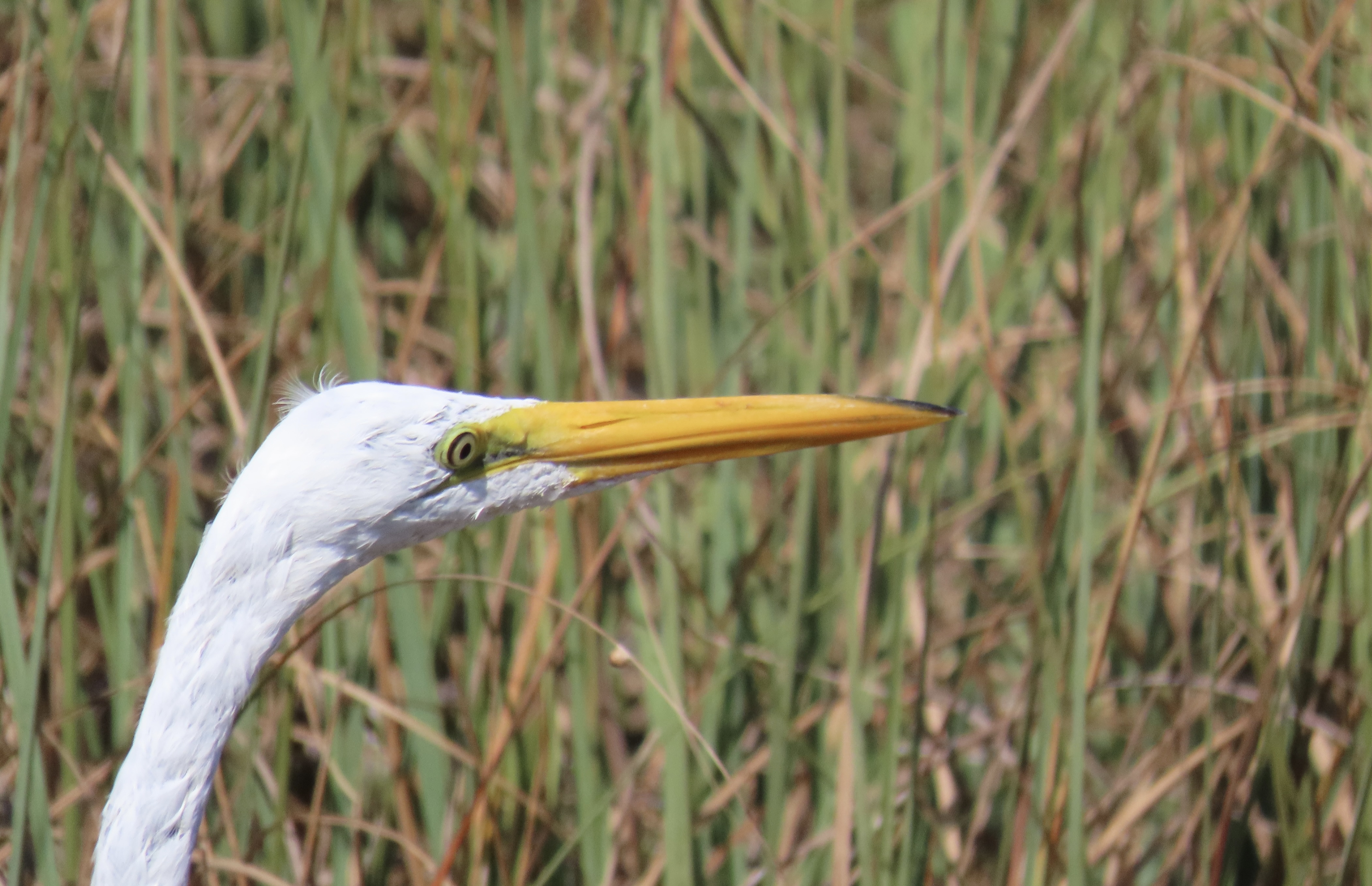
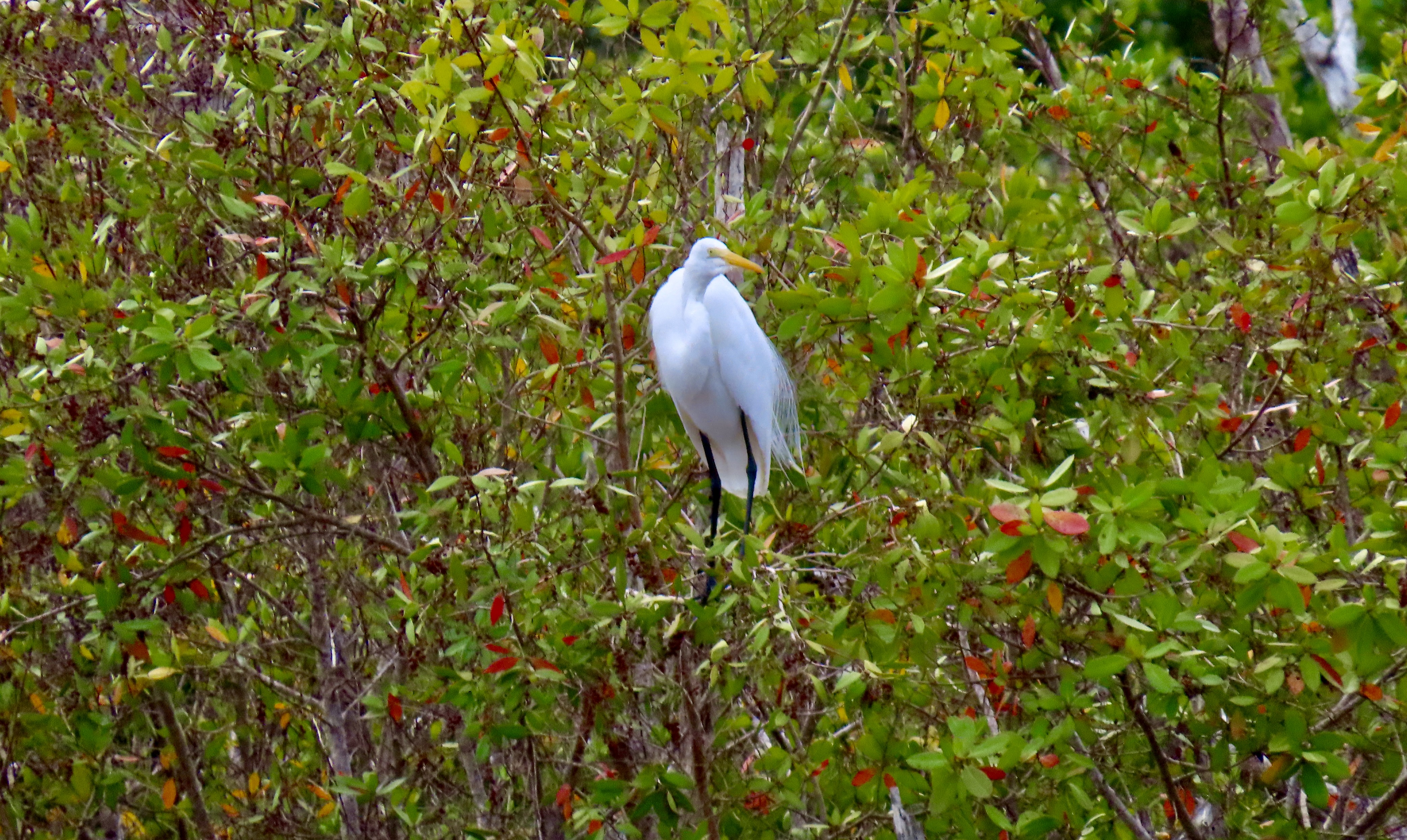
One of our stops along the way toward Flamingo was the Mahogany Hammock Trail where we found this great egret. I called it scruffy neck. They say that great egrets have really long necks.That would certainly appear to be true from this photo. But it got longer…
We wondered if it had inherited giraffe genes!
A head shot.
Our glamping tent in Flamingo. It had a good view of Florida Bay. Low tide brought in various birds to take advantage of the the feast it made available.
Among them were these guys hungrily scarfing down miscellaneous delicacies, at least from their perspective. While they may seem like different birds, they are all white ibis in their various development stages from juvenile to adult.
A reflection shot of one of the adults.
A snowy egret joined the white ibis.
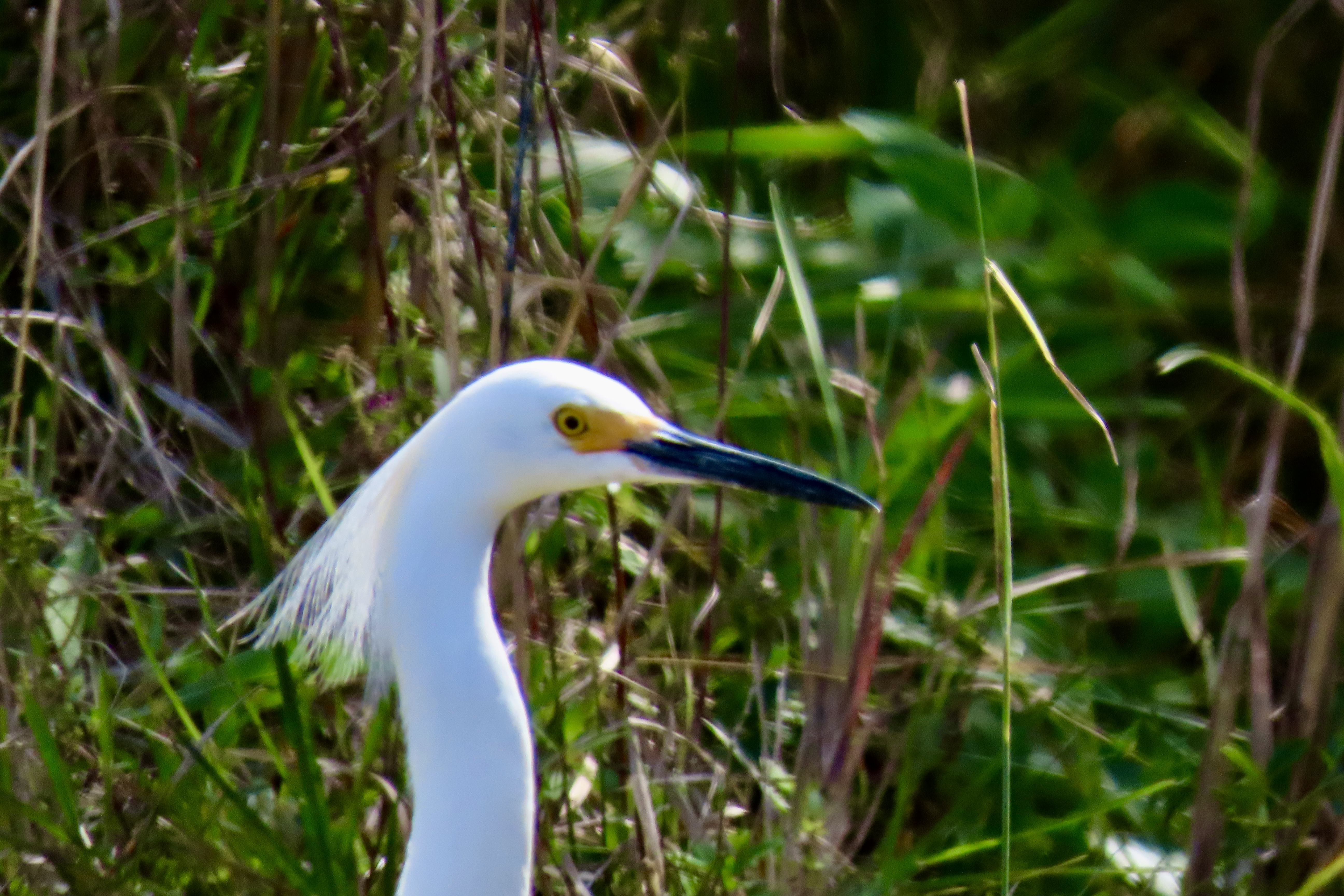
I close with this shot of the egret. Next up, we take a look at some of the excellent wildlife carvings we found in Victoria Falls, Zimbabwe and take you to the workshop where they were made. You will be surprised.

Who’s a Pretty Bird… Florida’s 10,000 Islands and Big Cypress National Preserve

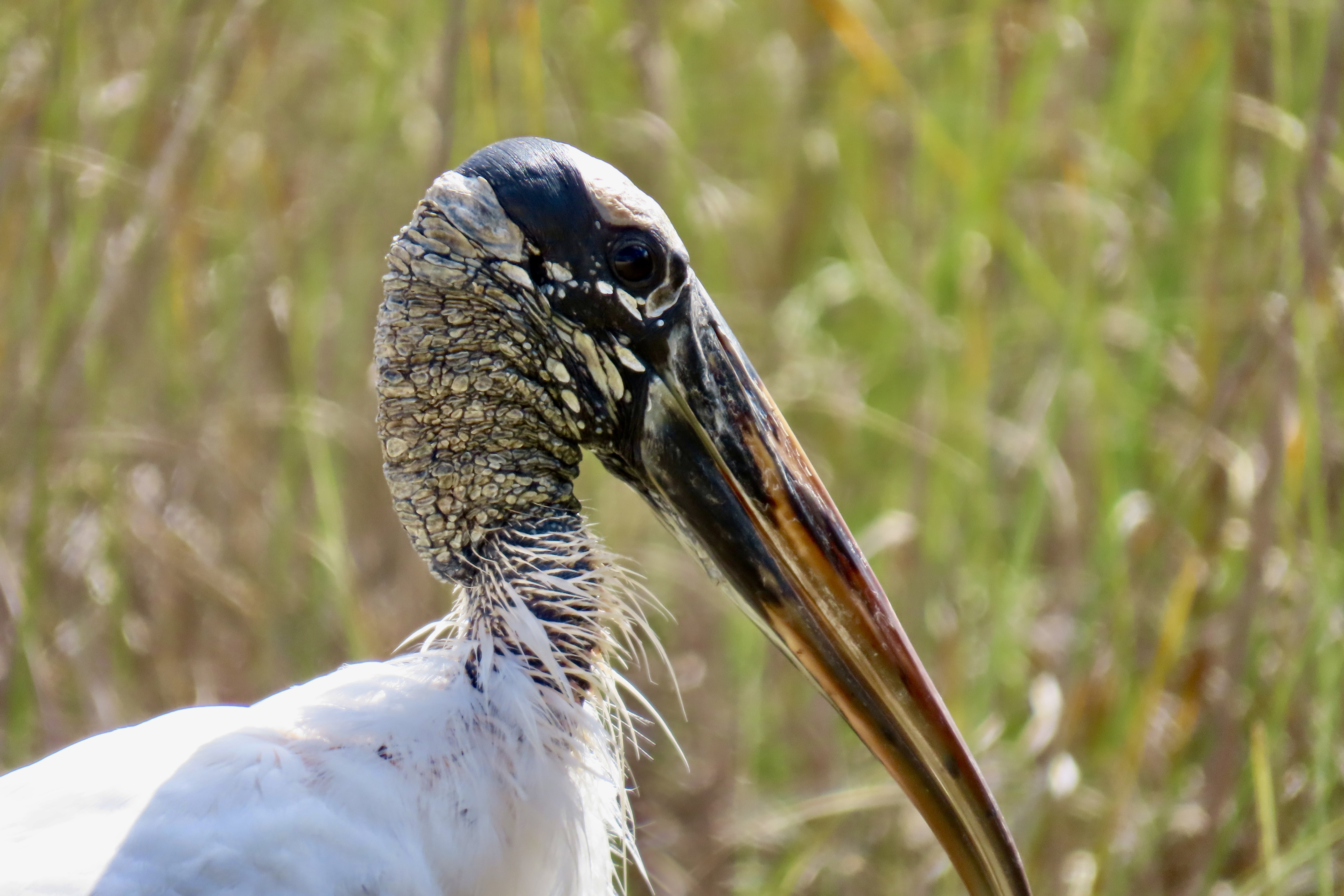
Well maybe not pretty, but we thought the neck colors of this wood stork we found standing next to the road in Big Cypress National Preserve rather striking. We asked her if she hired out for delivering babies. Her response was, “Are they tasty?”

Peggy and I visited two different areas during our recent trip to the Everglades. The first was Everglade City that I will be blogging about today. It’s a small town on the southwest Gulf Coast that has a feel of old Florida. It’s far away from the huge populations and hustle-bustle of the southeast coast where Miami reigns. We could easily walk anywhere in town and meet friendly people, including a few old timers who fit the description of quirky. Our kind of folks.

The town’s primary source of income is the tourist trade that comes to experience the natural wonders and adventures provided by the Everglades 10,000 Islands and the Big Cypress National Preserve. Local businesses offer a variety of options for exploring inside and outside of the park from airboats and swamp buggies to eco-tours and kayaks. We chose a motorboat eco-tour for the 10,000 Islands area. To start, we drove south from Everglade City for a couple of miles to Chokoloskee Island and the end of the road. Our objective was the old Smallwood Store, which does double duty as a museum and a tour center. The store provided a perspective on the first white settlers in the area. We met out tour guide/boat captain there and headed out into the 10,000 Islands with one other couple. Following are a few highlights.

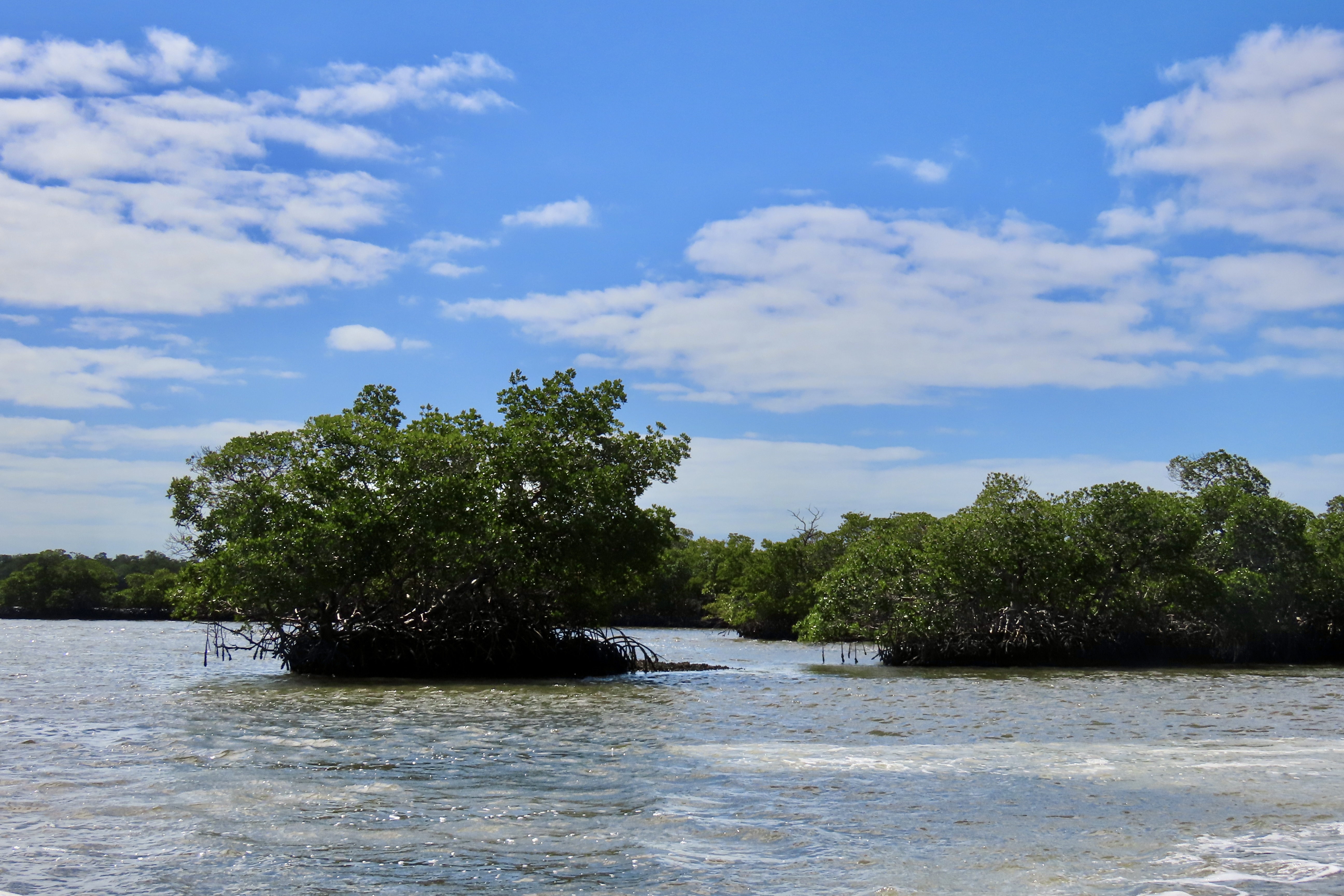
Three different species of mangroves provide the base for most of Florida’s 10,000 Islands. These trees have adaptations that allow them to take in extra oxygen and to remove salt that allows them to thrive in coastal intertidal zones. The creation of new islands is an ongoing process. 10,000 is a guesstimate at best.
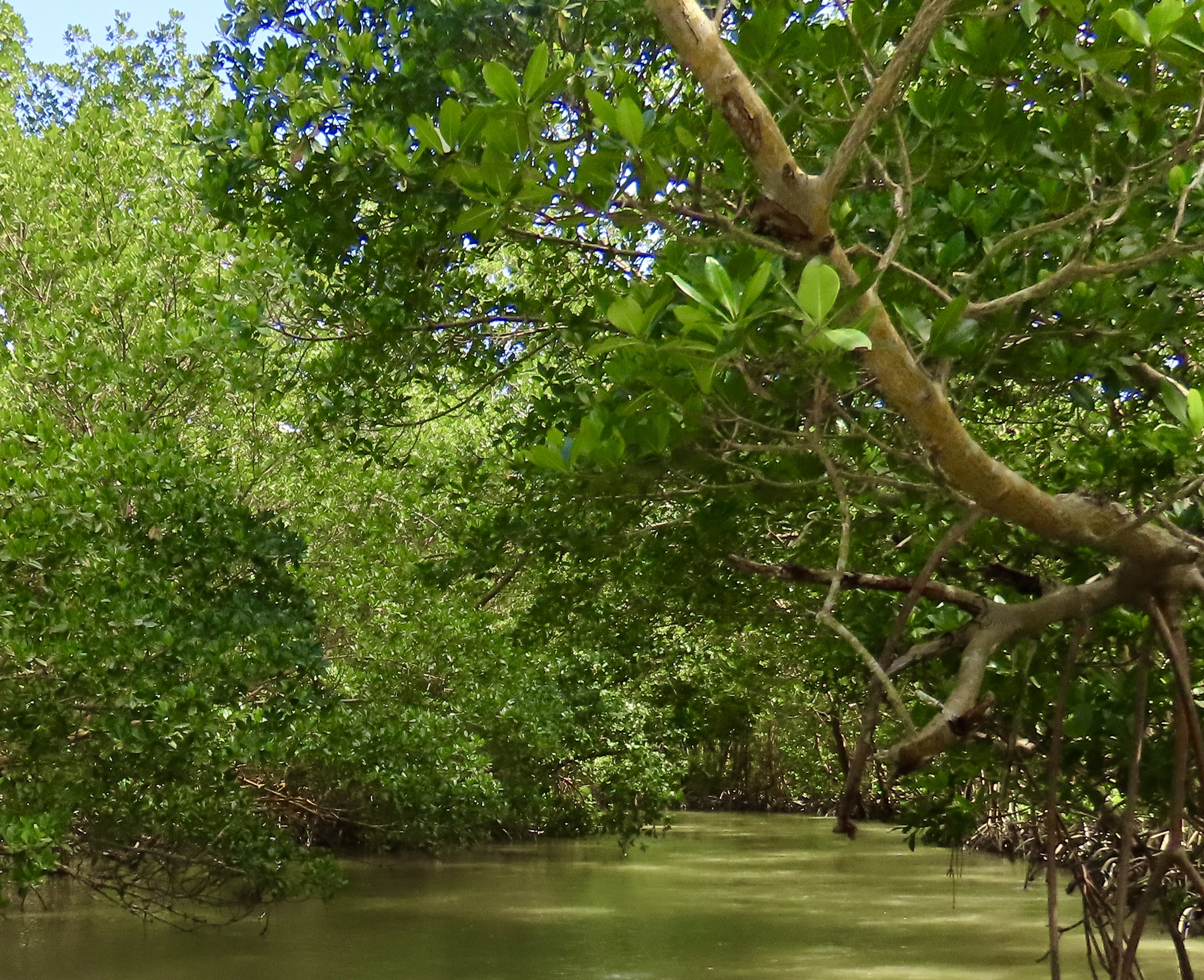
Our two hour trip took us through the relatively open waterways shown above to the enclosed jungle-like canal shown here. Speed varied from zoom to put-put with occasional stops to admire the local flora and fauna.
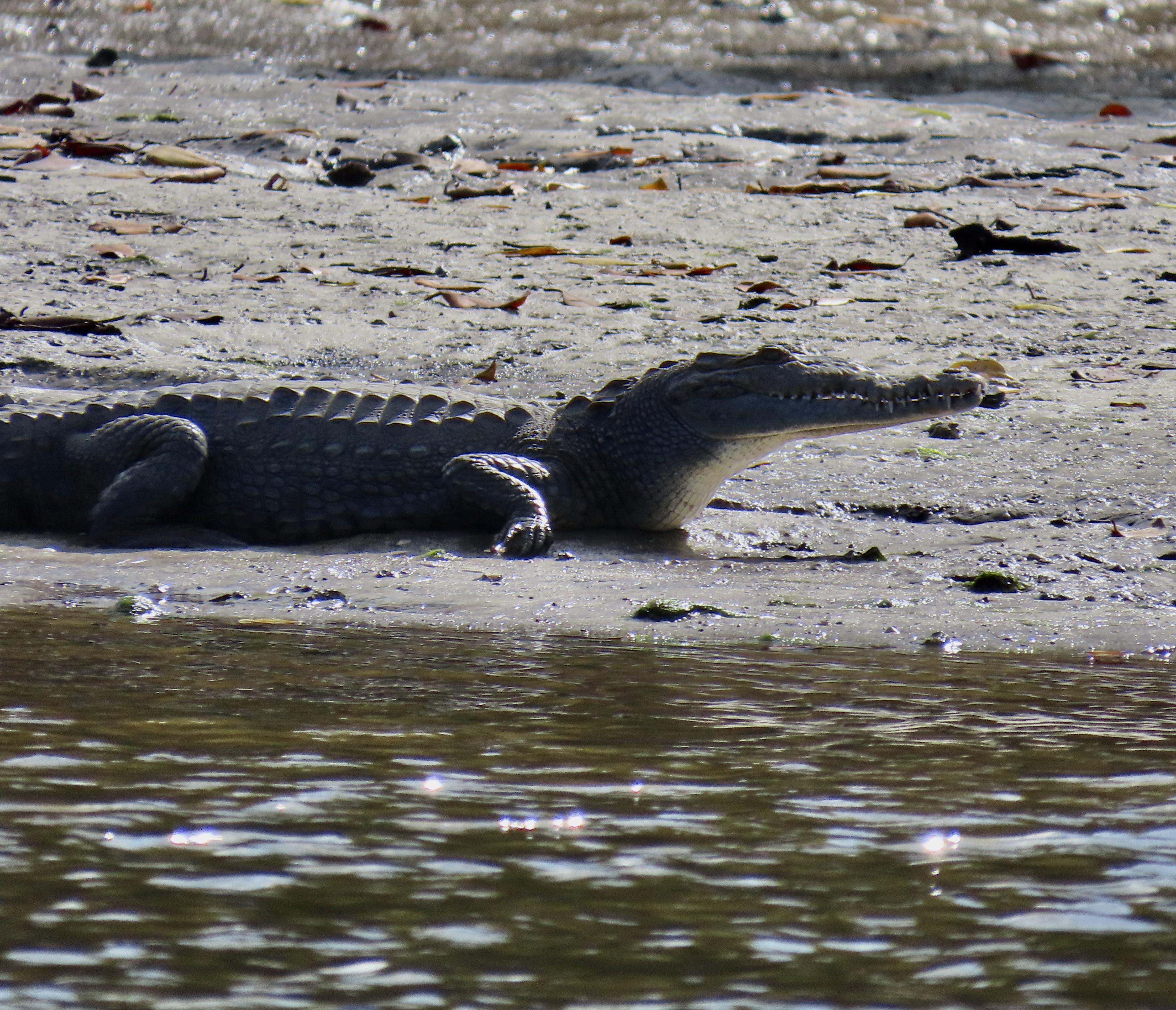
The Everglades are one of the few places on earth where crocodiles and alligators co-exist. While our small, bouncy boat wasn’t the best platform for photography, it’s easy to see that this is a crocodile from its long, thin snout and visible teeth.
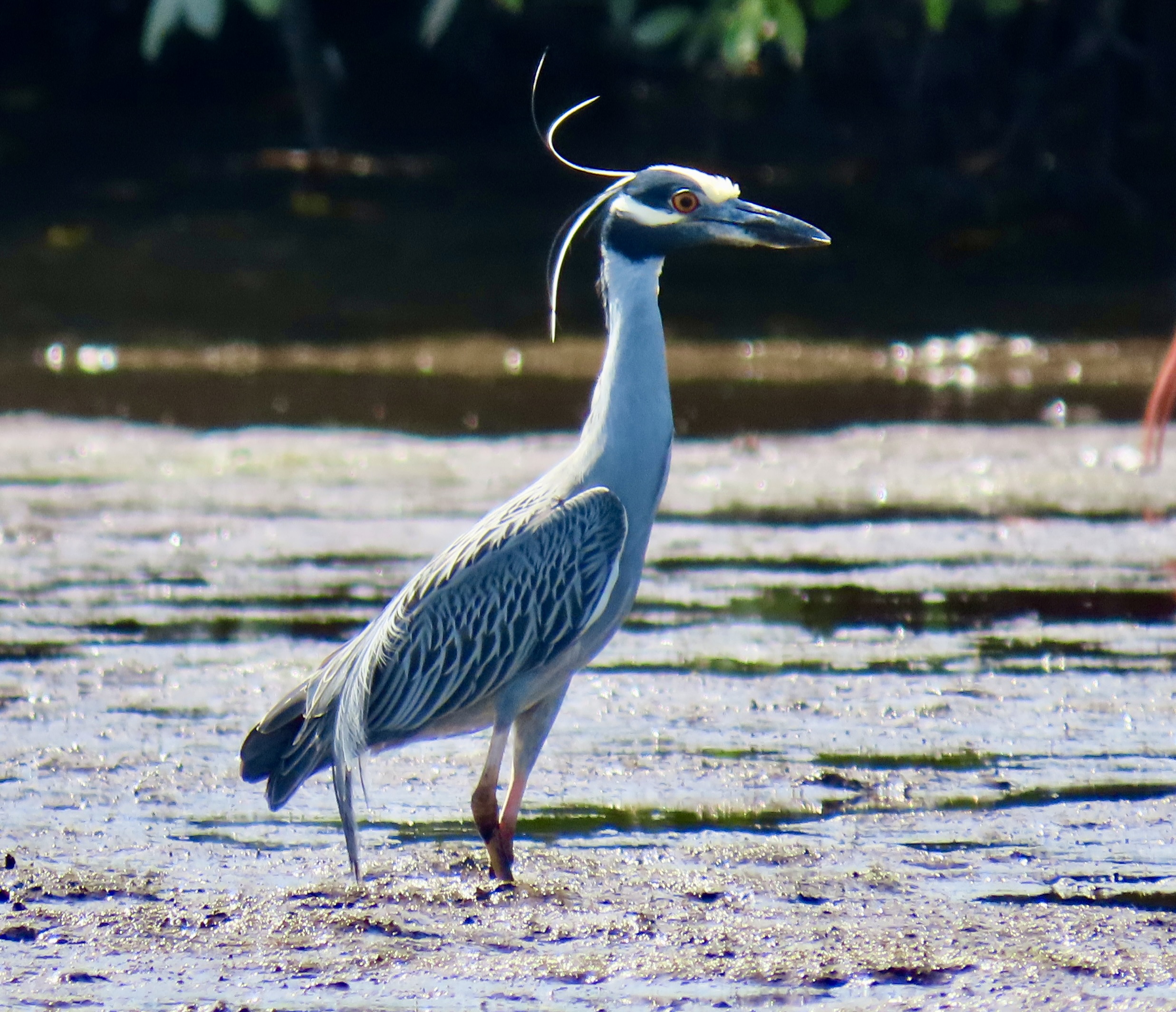
Our tour through the 10,000 Islands also produced this colorful bird with its interesting top-knot, a yellow-crowned night heron.
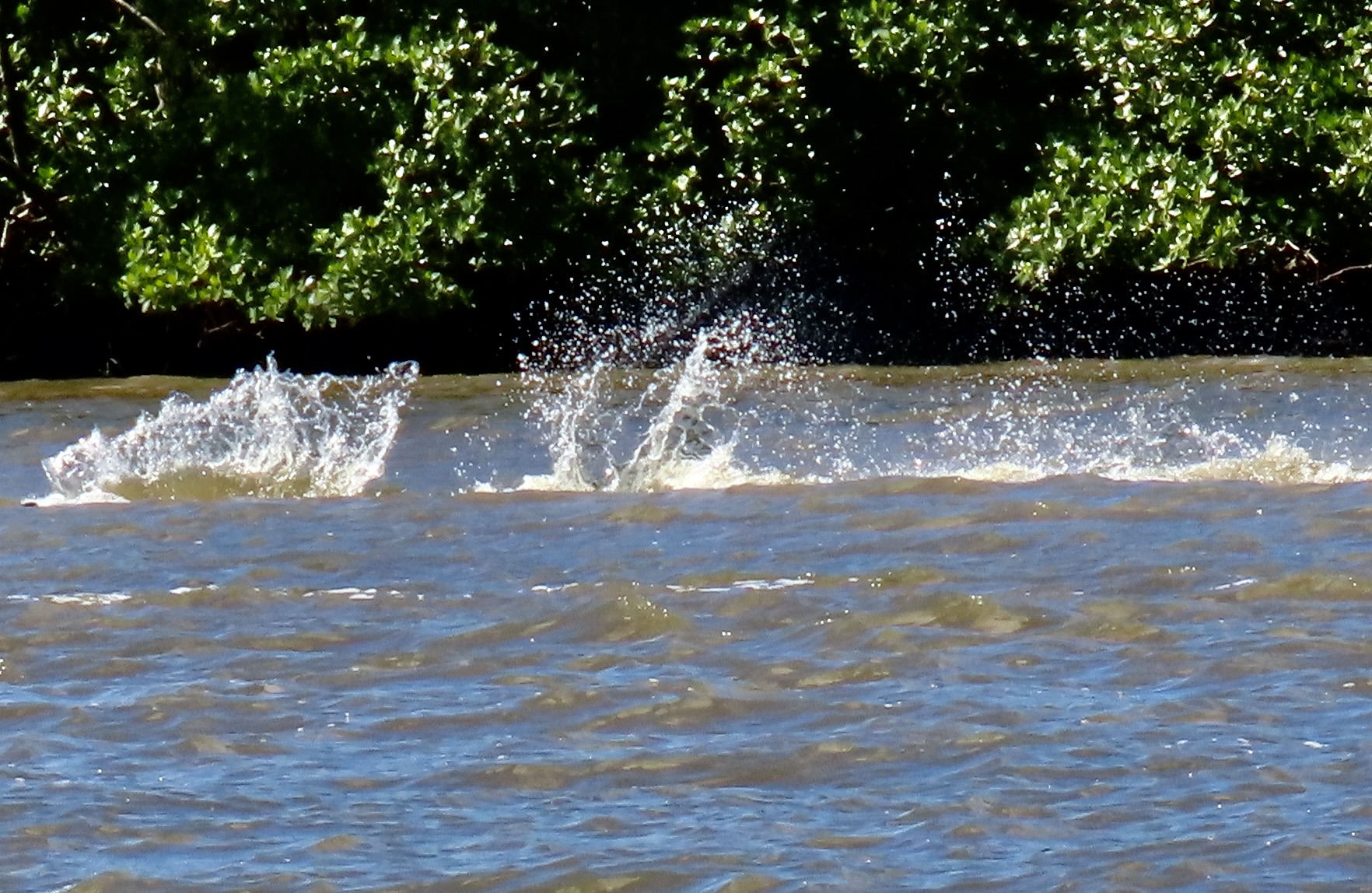
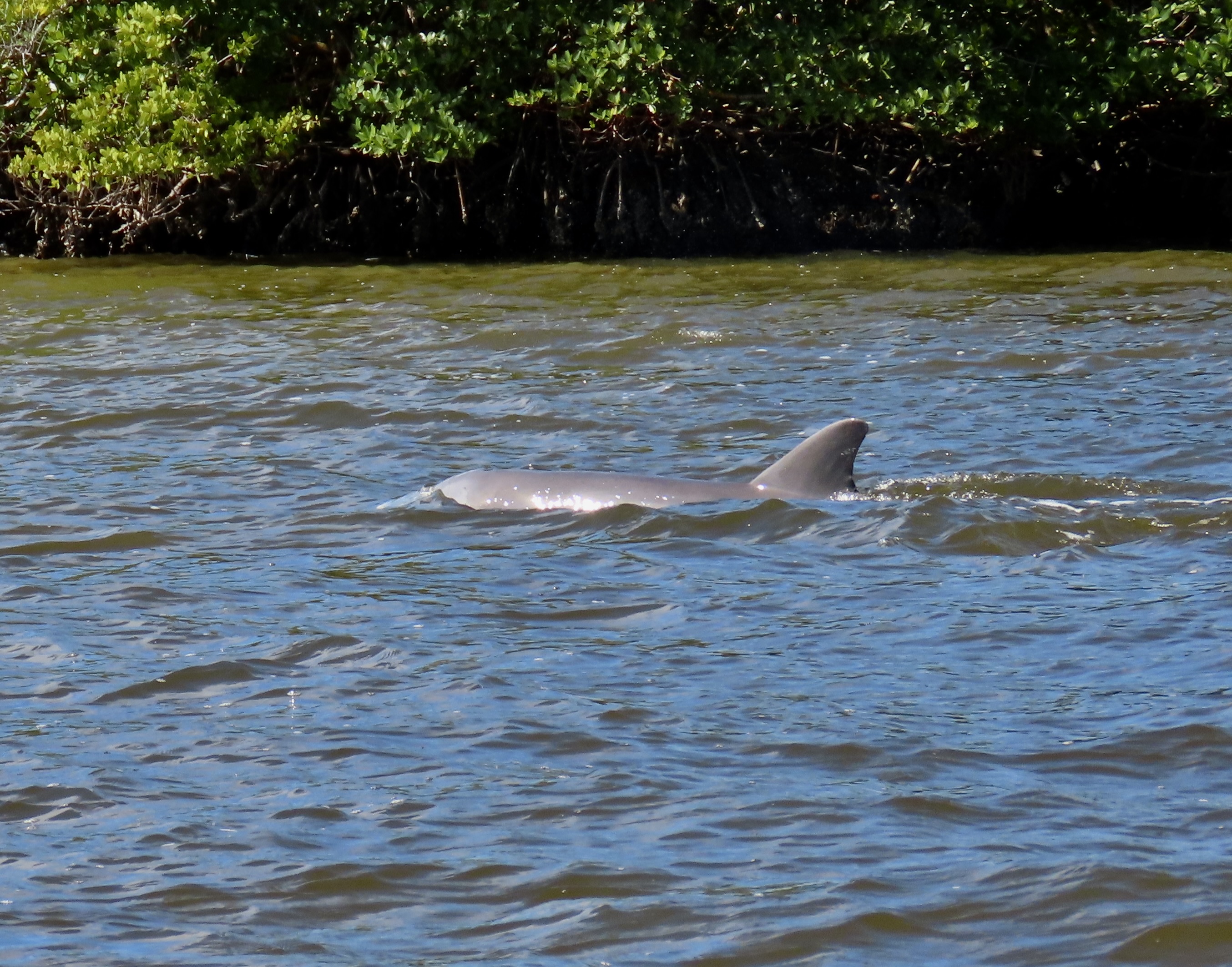
Something moving very fast left this trail through the water in a split second. Can you guess what it was?
It was a dolphin. Several of them had chased fish into the shallow water and were working to catch them. I had never realized how fast they are. Apparently they are quite common in the area. One tour operater offered, “If you don’t see dolphins on our trip we will refund your tickets.”

After our tour, we stopped at a local Chokoloski Island institution, the HavAnnA Cafe for lunch. It’s a charming, roofed-over, open air restaurant with lots of greenery— and chickens. A flock came clucking through while we were eating, eager to pick up any crumbs that had escaped to the floor. “The officials won’t let me sell their eggs to our customers,” the owner complained to us. I was both surprised and pleased that the officials allowed the chickens visiting rights at all. I did see chicken on the menu, however. I ordered a Cuban Sandwich instead.

We decided to drive ourselves on a tour of the Big Cypress National Preserve, which was just north of Everglade City. The name of the road we would start on is Birdon Road. How could we resist? And it was true. The three roads we drove over— Birdon, Wagon Wheel, and the Turner River— followed streams and were packed with birds, and alligators.

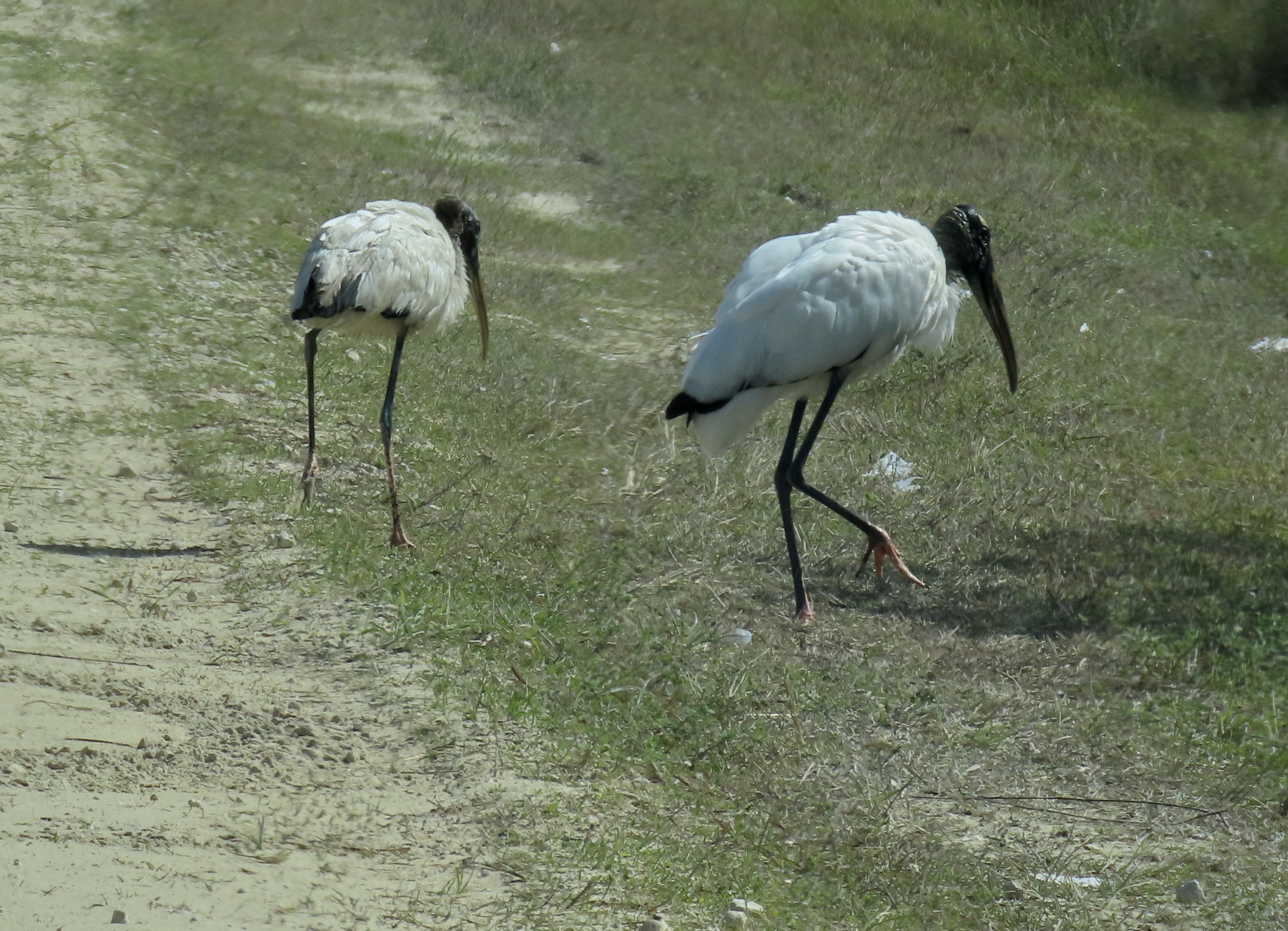
A pair of wood storks barely bothered to move off of Birdon road as we drove by.
An osprey seemed surprised by our presence.
A snowy egret hovered over a stream where it was fishing.
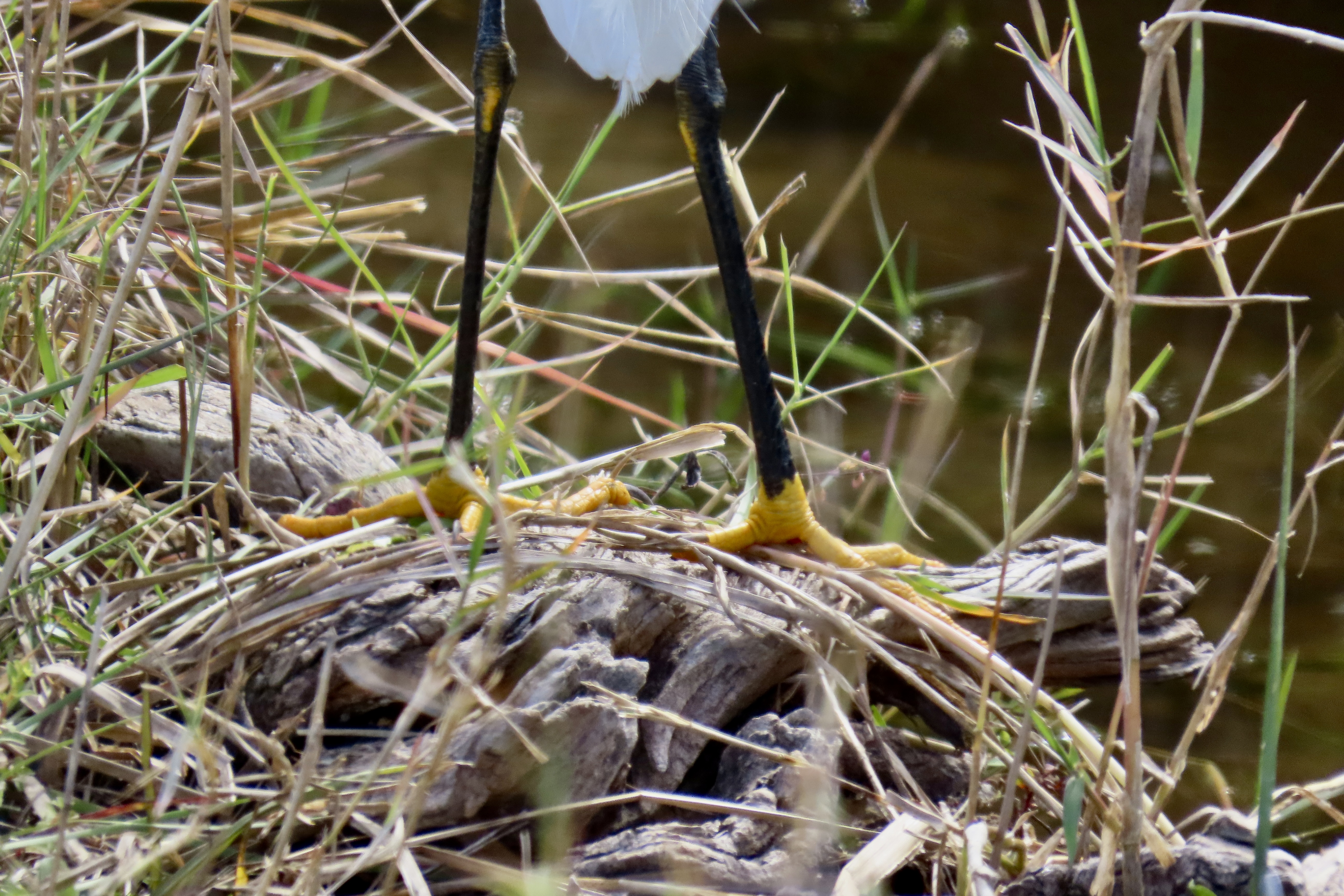
One of the defining chacteristics of a snowy egret is its yellow feet. Hard to miss!
Close up.
This snowy egret was perched in a tree.
One of the streams we followed through the Preserve.
This great white egret was surveying its world from the top of a tree.
Another view.
We found another one fishing by the stream and took a close up.
A great blue heron flew away before we could take his photo. “Be that way,” I called after it and snapped a photo in flight.
An anhinga twisted its neck so it could keep an eye on us.
A white ibis was also curious.
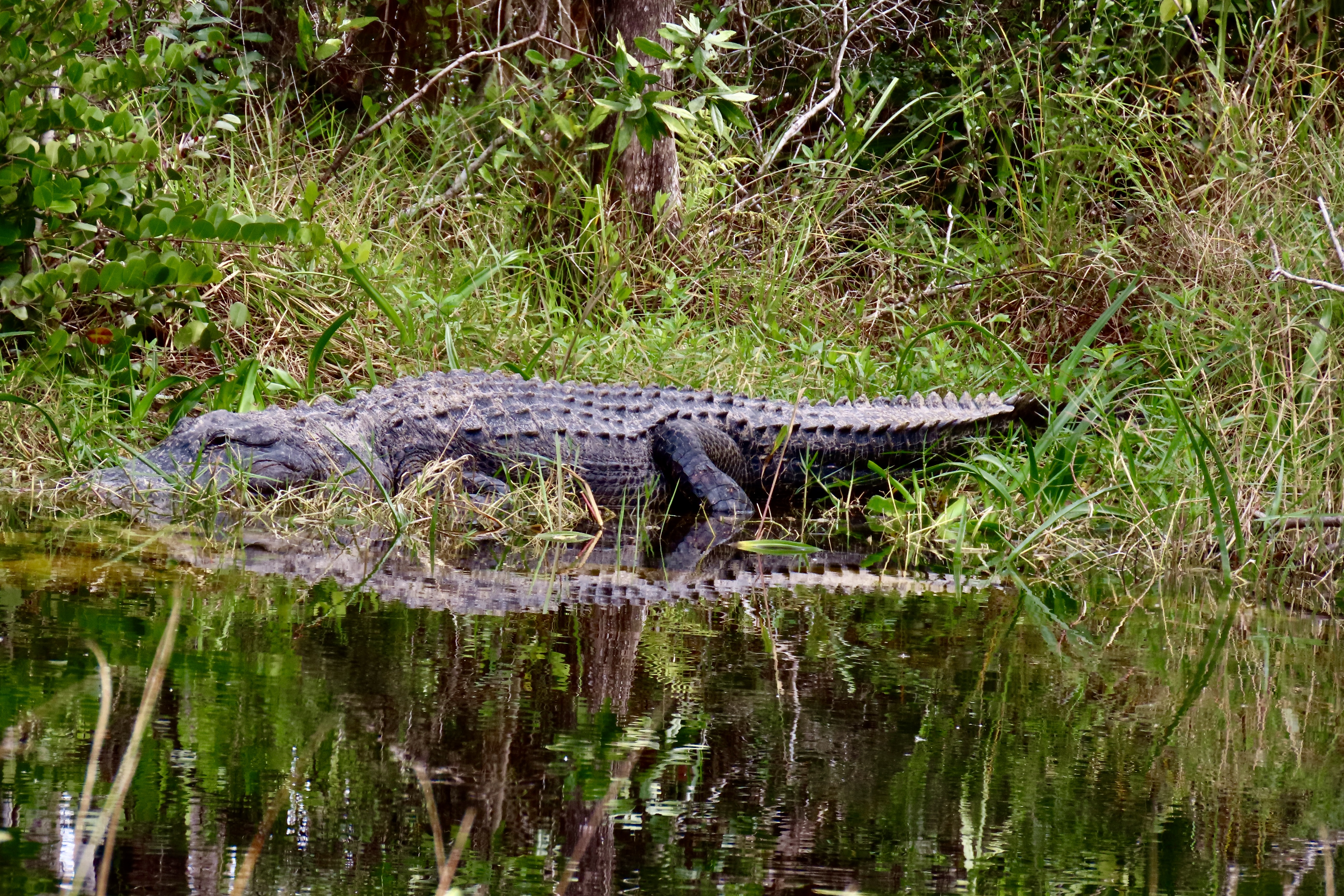
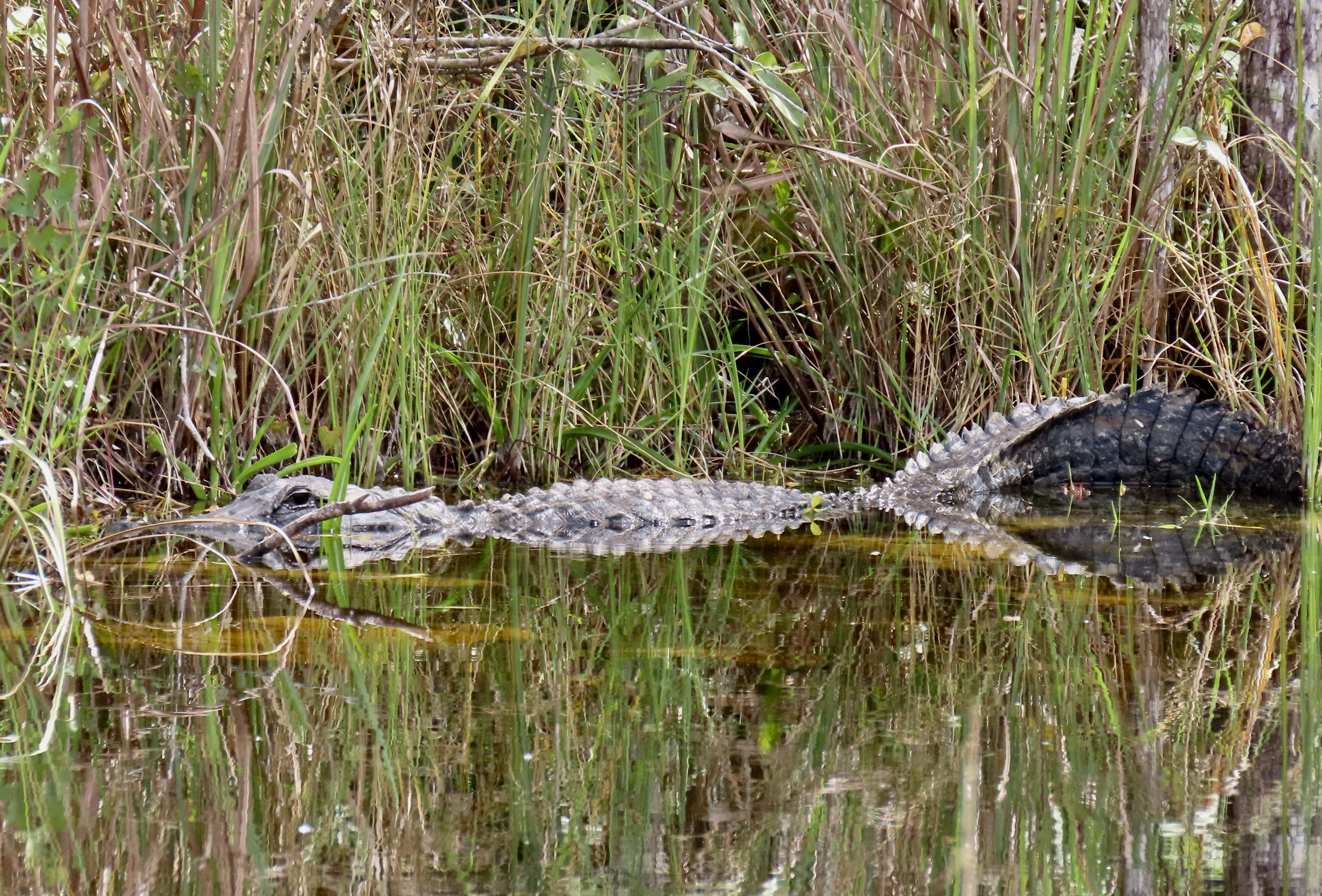
We also found alligators lurking along the stream. The clearness of the water and the time of day led to some interesting reflection shots.
…such as this.
And even more so here! I’ll wrap up today’s post with this ‘two tailed’ example. At first glance, Peggy and I thought we had spotted a monster! The next blog will be on the most dangerous animal in Africa, the Cape buffalo.

Getting Up Close with Osprey… Everglades National Park

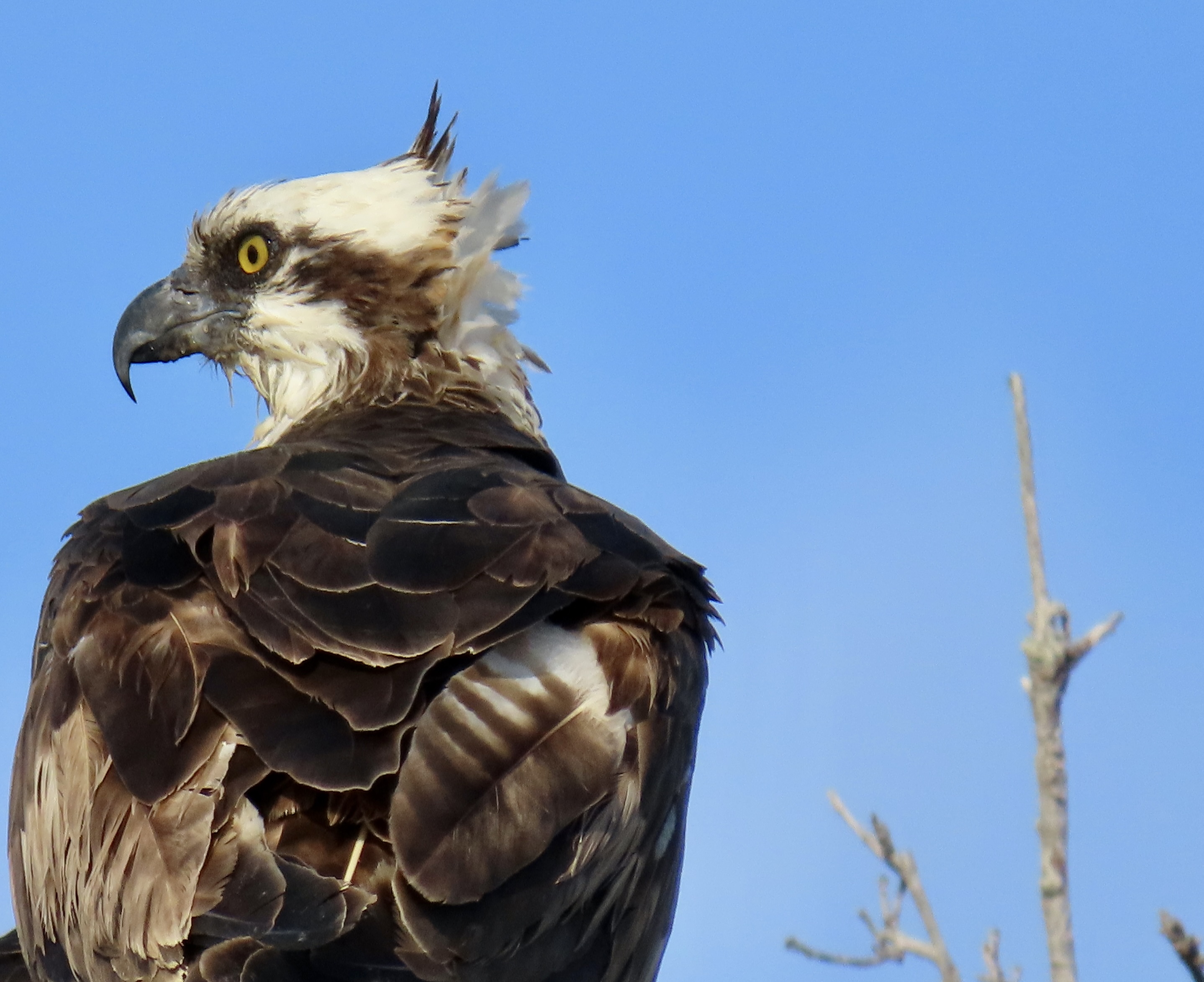
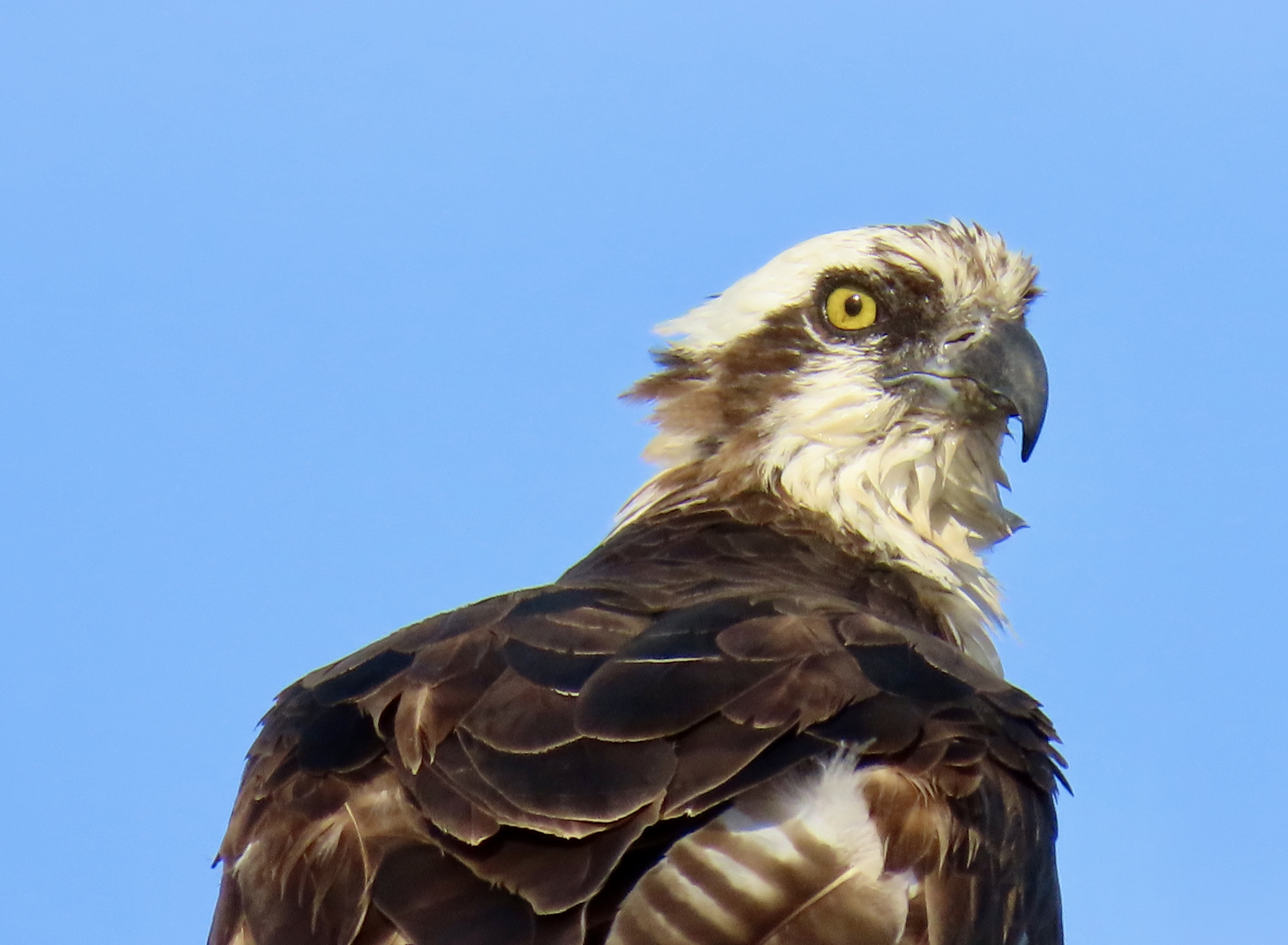
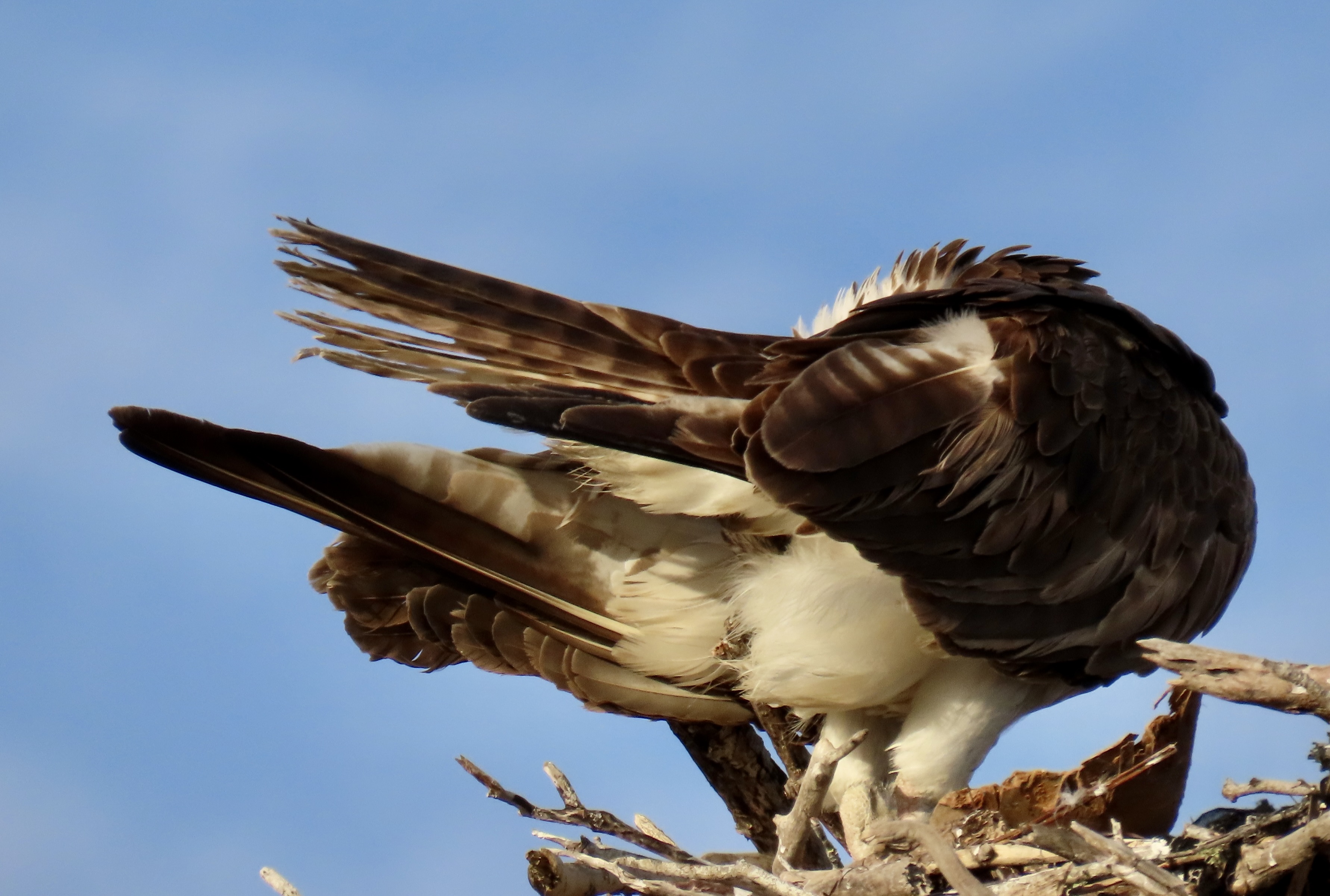
A large nest with two Osprey was located near our camp in Everglades National Park. The wind was playing with this fellow’s feathers.

At the beginning of February, Peggy and I drove down to Florida to visit with our son Tony, his wife Cammie and their three boys: Connor, Chris and Cooper. Afterwards, we drove down to Everglade City in southeast Florida where we explored the 10,000 Island area of the Everglades and Big Cypress National Preserve. There were birds galore, alligators, and even crocodiles! We then crossed the state and drove down to Flamingo in Everglades National Park where we went glamping, i.e. stayed in a tent camp with floors, electricity and comfortable beds.

Peggy discovered an osprey nest nearby when she was searching for a restroom. The one in our glamp-camp was closed for cleaning. She came back to our tent quite excited— to say the least. It was imperative that we go check it out, immediately! We decided to have lunch near the nest so we could watch the osprey come and go. Peggy had seen a chick being fed on her first foray. Unfortunately, we didn’t get to see it. “Teach me to head for a restroom without my camera!” Peggy groused. But there was plenty of other action as the ospreys watched us, preened, and remodeled their nest.

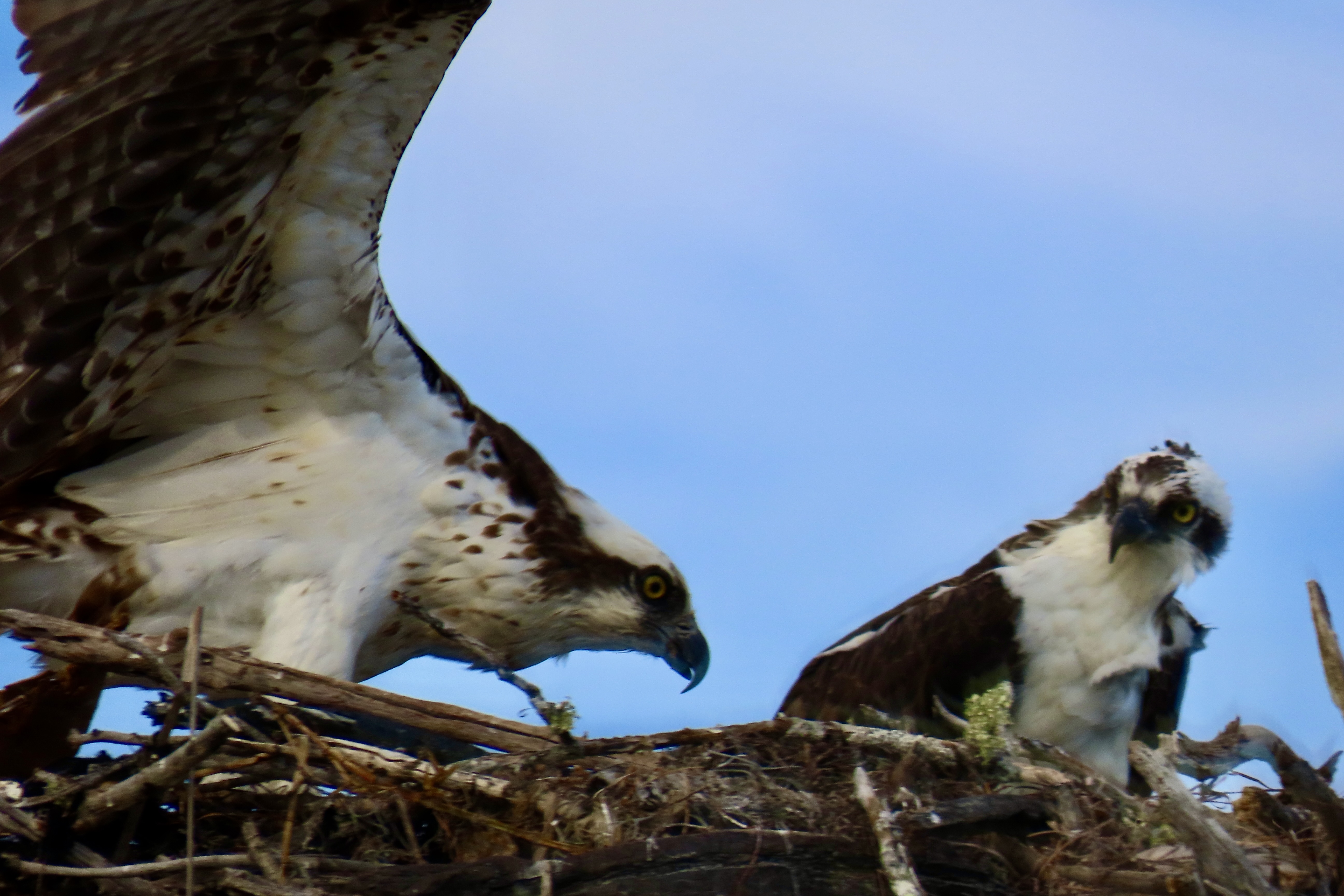
The female Osprey lands on the nest. Her ‘necklace’ gives her away. Had I been faster in refocusing, I could have captured her large wing span. The black streak that extends down from the beak to the wing is an identifying factor for osprey. Its partner watched as she landed. The birds mate for life and can live 15-20 years.
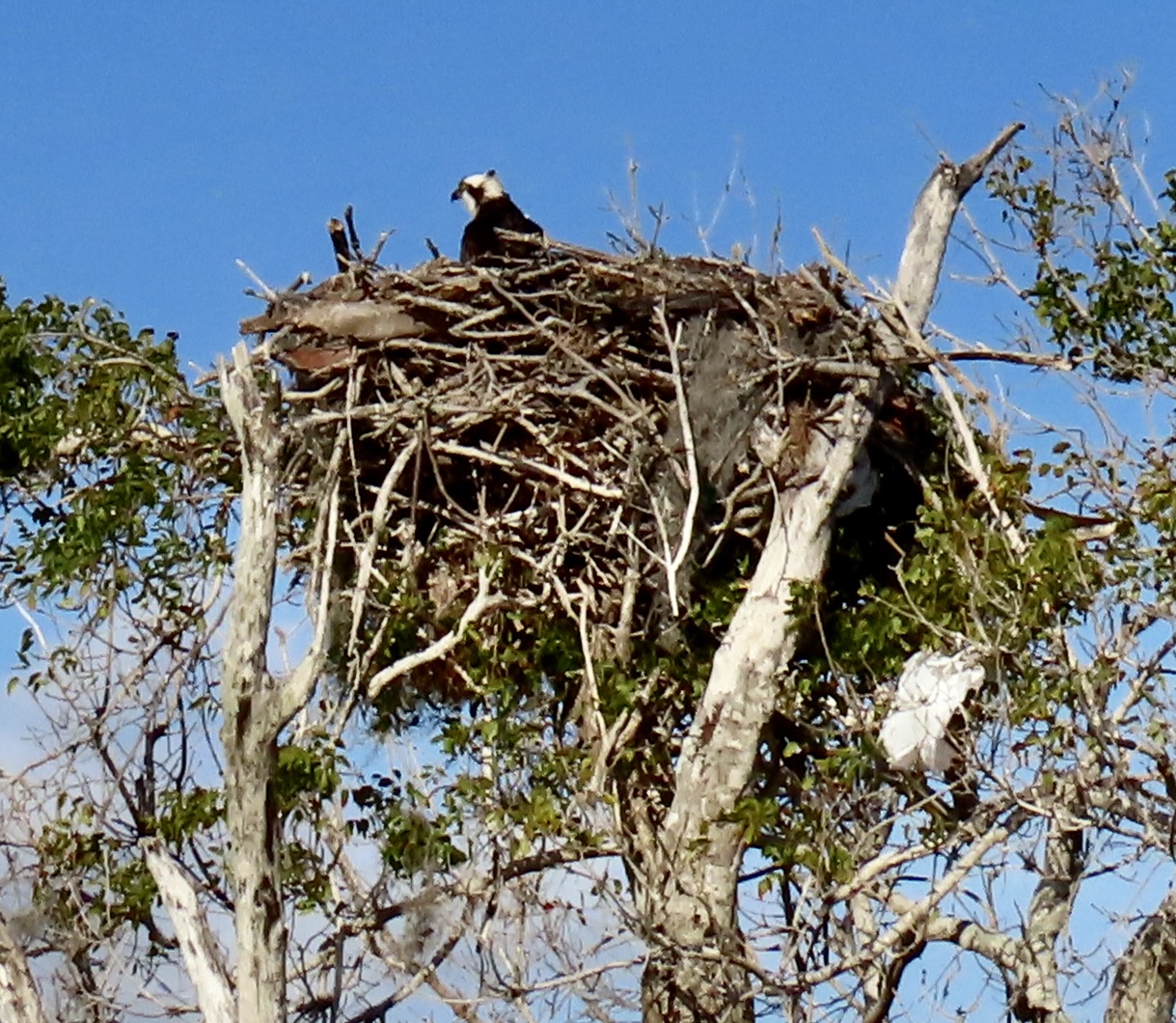
The size of the nest suggested that the two Osprey had been using it for several years.
I’ve always been excited to see osprey. Besides their beauty, they are superb hunters. Watching one dive feet first from 30 to 100 feet up in the air to capture a fish is a sight one never forgets.
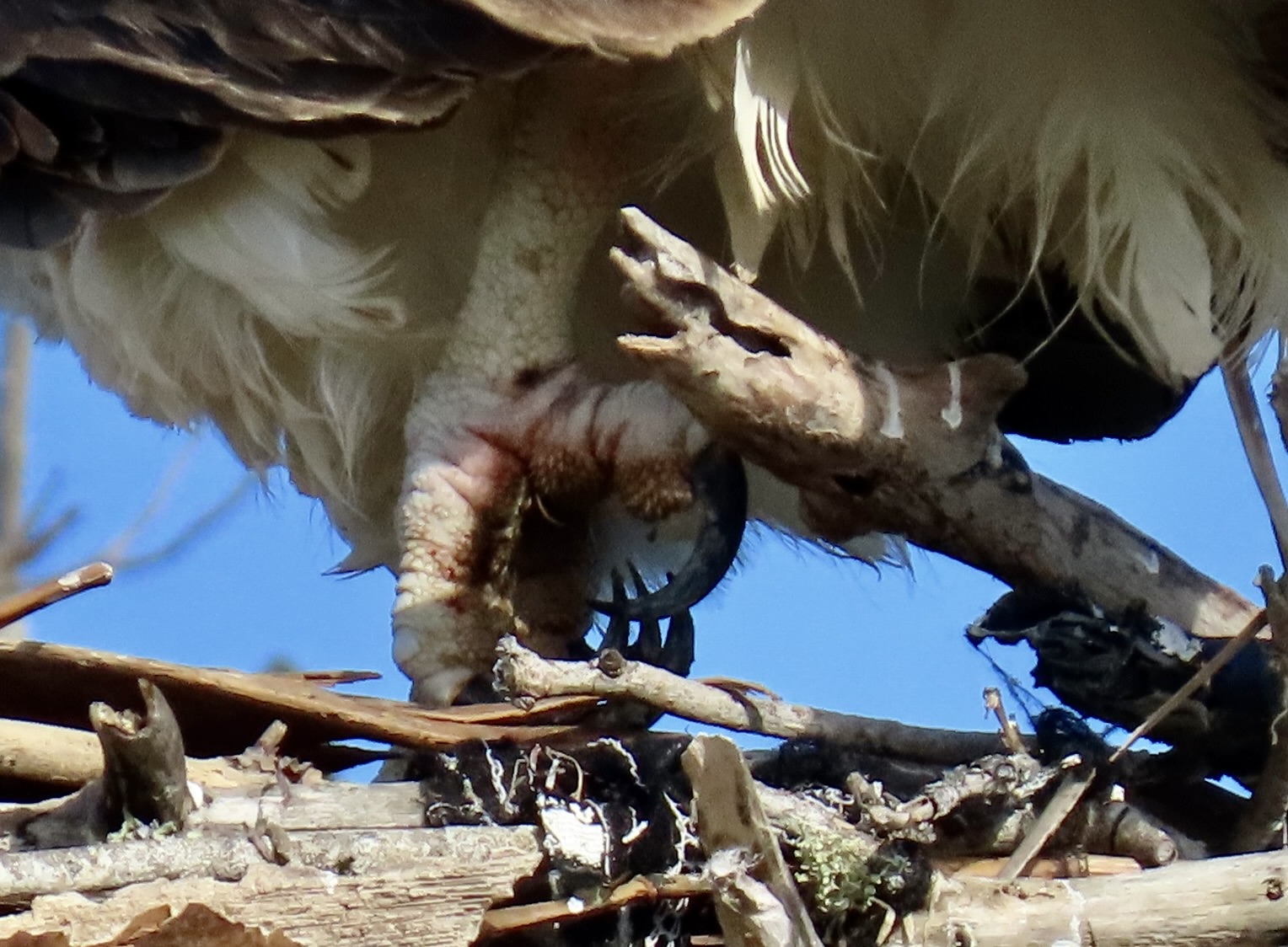
These fierce looking talons are specialized for catching fish. That they are sharp, is obvious. Not so obvious is the fact that Osprey are unusual in possessing a reversible outer toe that enables them to hold a fish with two toes in front and two behind. Note the pads. They are barbed to help them grip their slippery catch. We were amused to learn that an Osprey lines up its fish head first to reduce wind resistance.
Given their strict fish diet, it isn’t surprising that Osprey always build their nests near water including rivers, lakes and the ocean. Somewhat more surprising is that they are found on every continent except Antartica. If conditions are right, they may live in the same area year round, but if not, they migrate and have been known to fly as far as 4200 miles. Their history as a species dates back over 11 million years.
Some remodeling was going on.
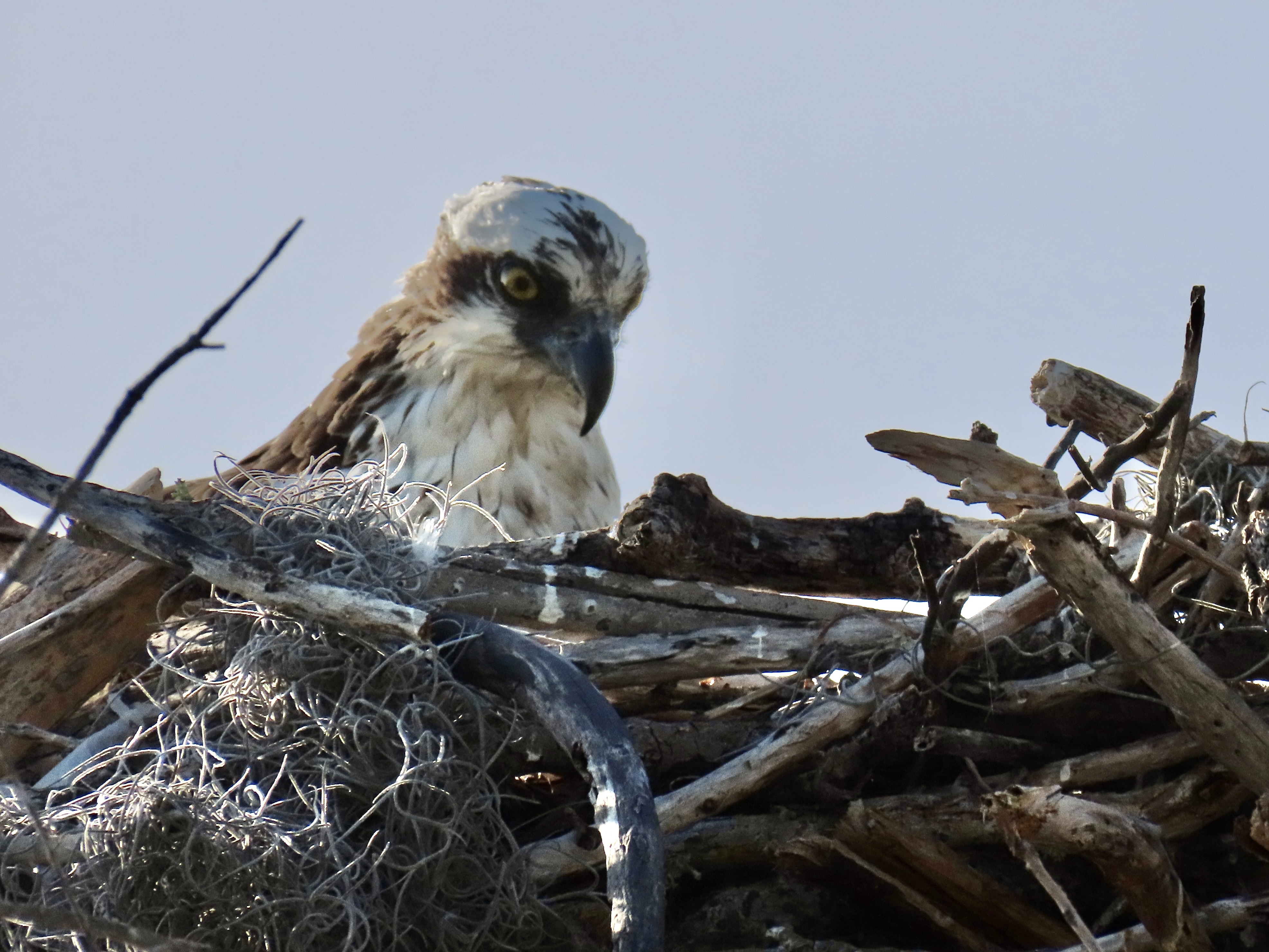
While the birds weren’t particularly worried, they did keep an eye on us.
Sometimes, it seemed like they were posing.
One peered over the edge of the nest at us. Or maybe it was checking its chicks.
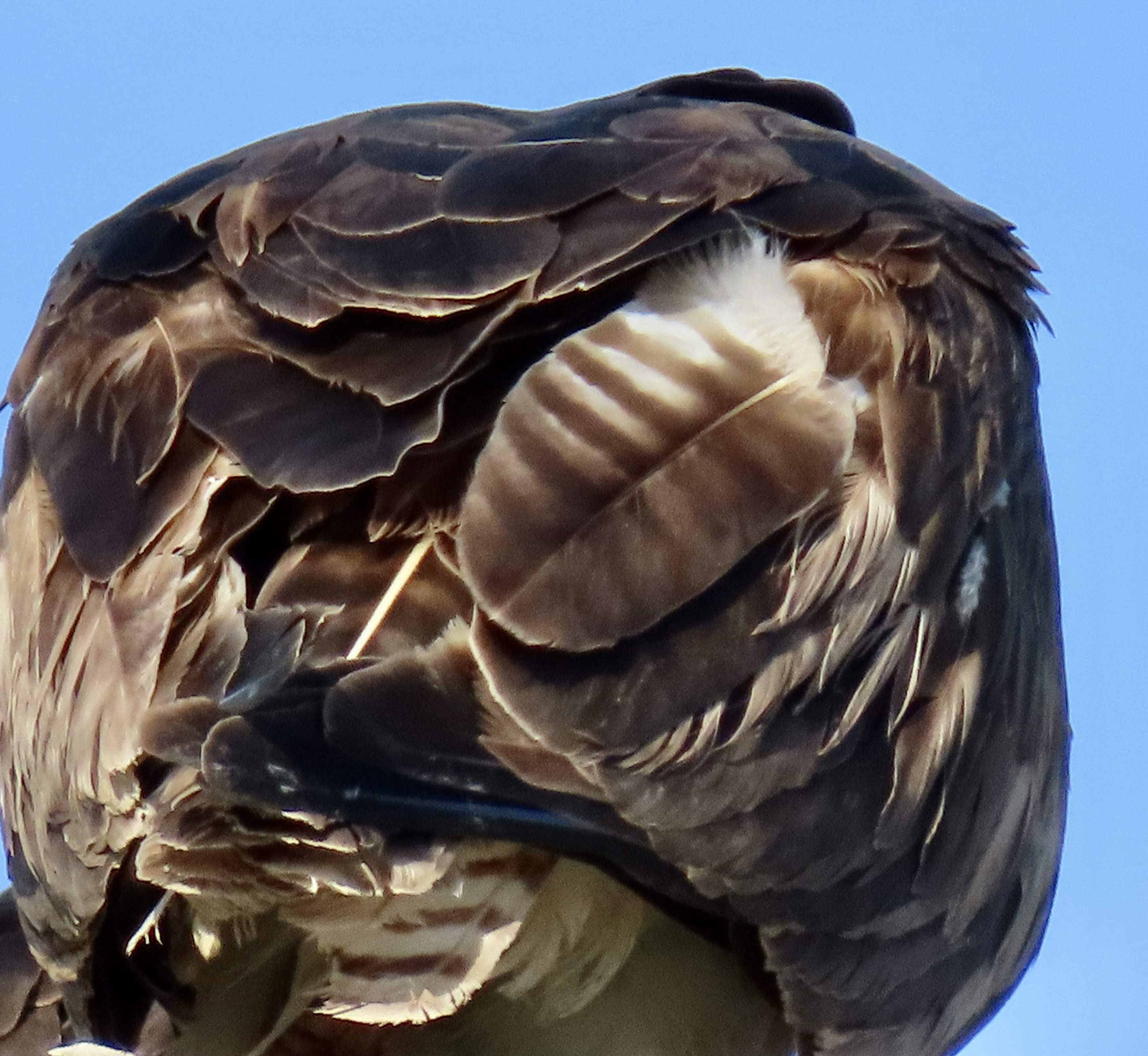
A tail shot…
Eventually they ignored us and started to preen…
Which is always fun to photograph.
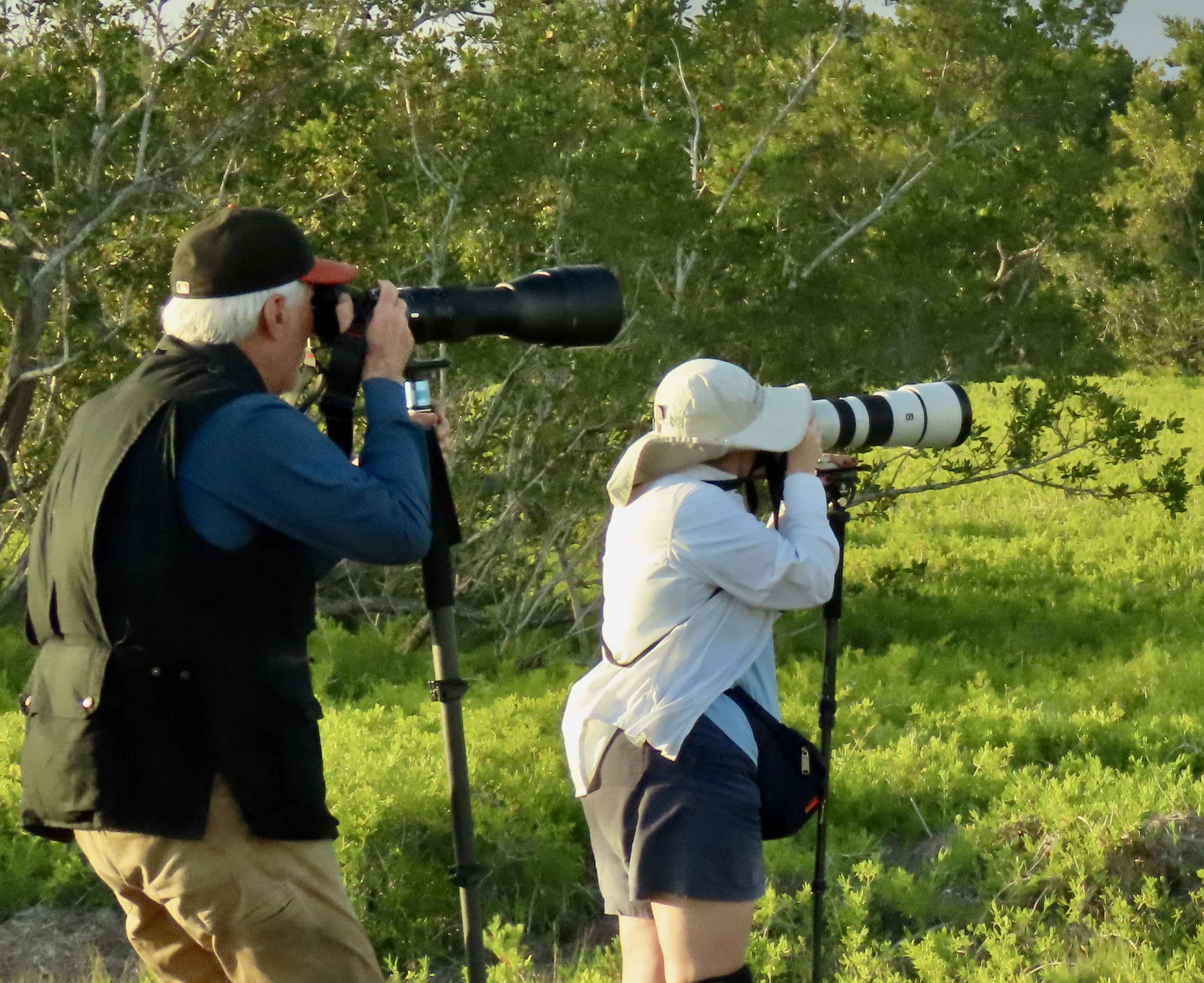
And then a van showed up and disgorged a group of photographers with serious cameras. They scared the Osprey. I kept my small, light weight camera with its mega digital lens that I easily hold in one hand to myself. Grin. That’s it for today. Friday’s safari post will be on zebras.

A Flotilla of Over 250 Hungry White Pelicans… The Everglades

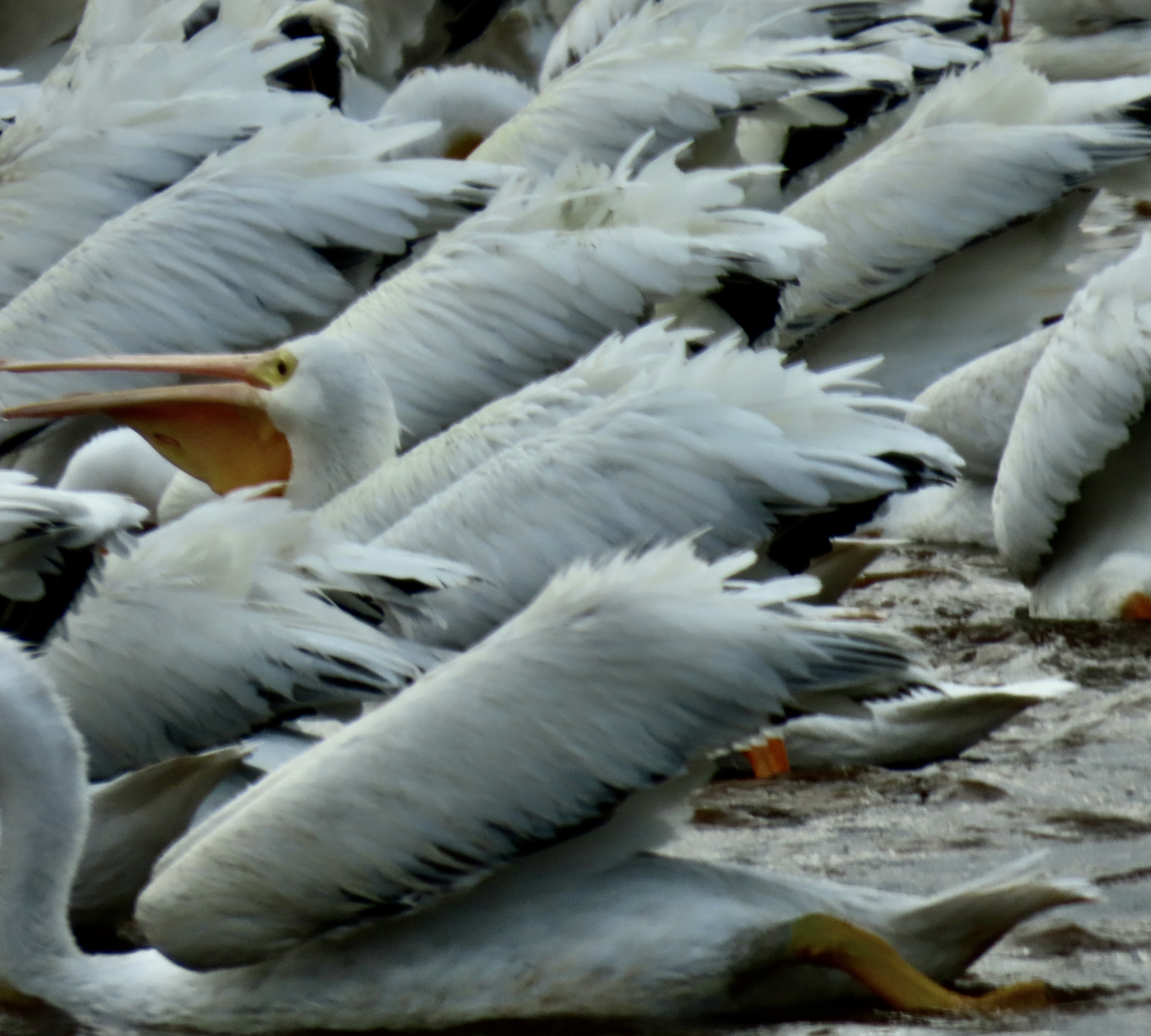
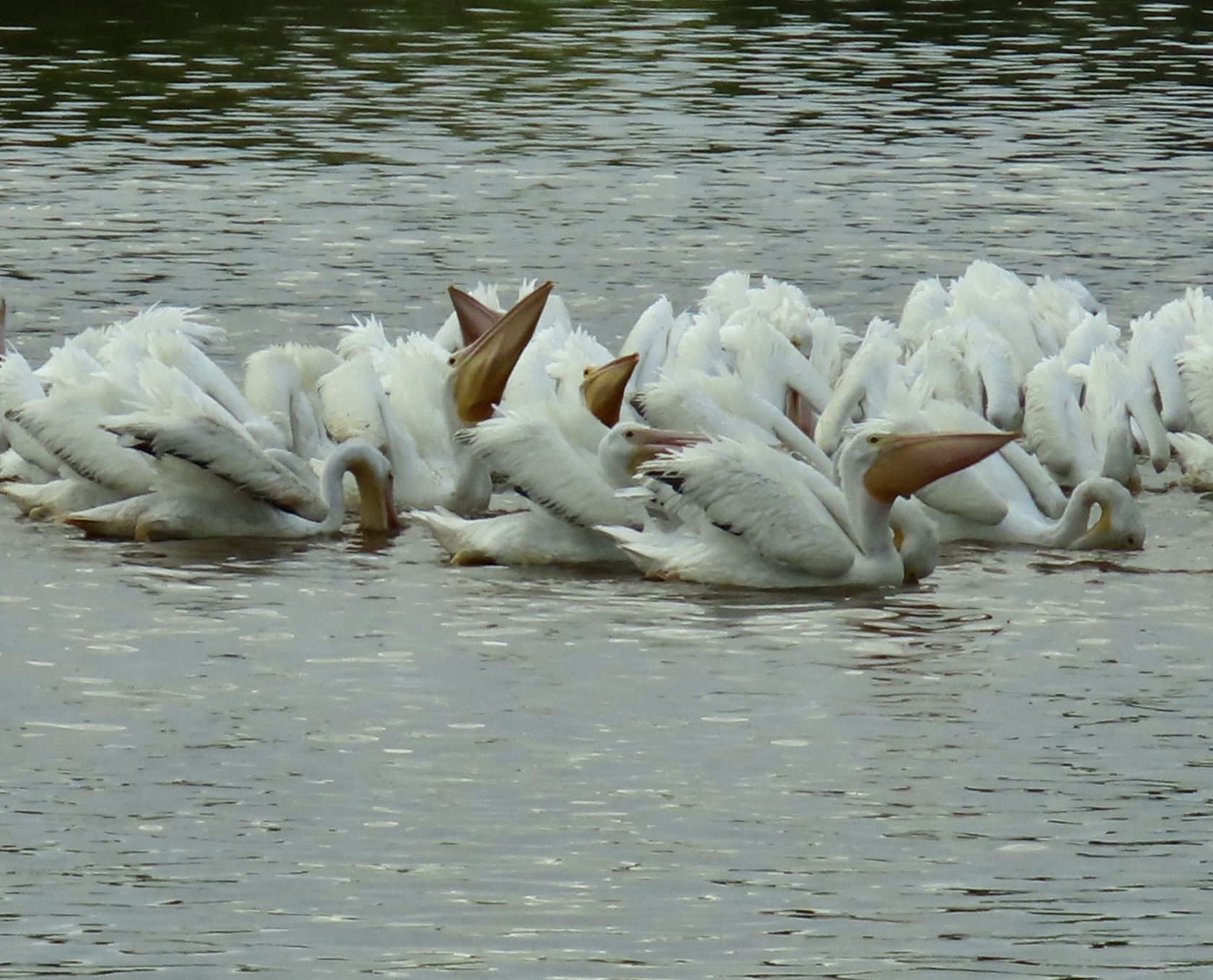
Peggy and I were leaving the Everglades last week when we drove by a small pond that had at least 250 white pelicans working their way back and forth across the pond, herding fish, and downing them as they went.

Having lived in California and Oregon with occasional trips to Washington and the west coast of Mexico for most of my life, I have spent hours watching brown pelicans make their impressive dives into the Pacific Ocean capturing fish. White pelicans are much leas common in the West and have a very different approach to fishing. They don’t dive. Instead, they herd fish as a group, scooping them up as they go. Peggy and I had only seen this process once before. We were at Morro Bay on California’s Central Coast and watched a half dozen white pelicans form a semi-circle and herd fish toward shallower waters. Imagine our surprise when we passed by a pond that had between 200-300 swimming back and forth in unison!

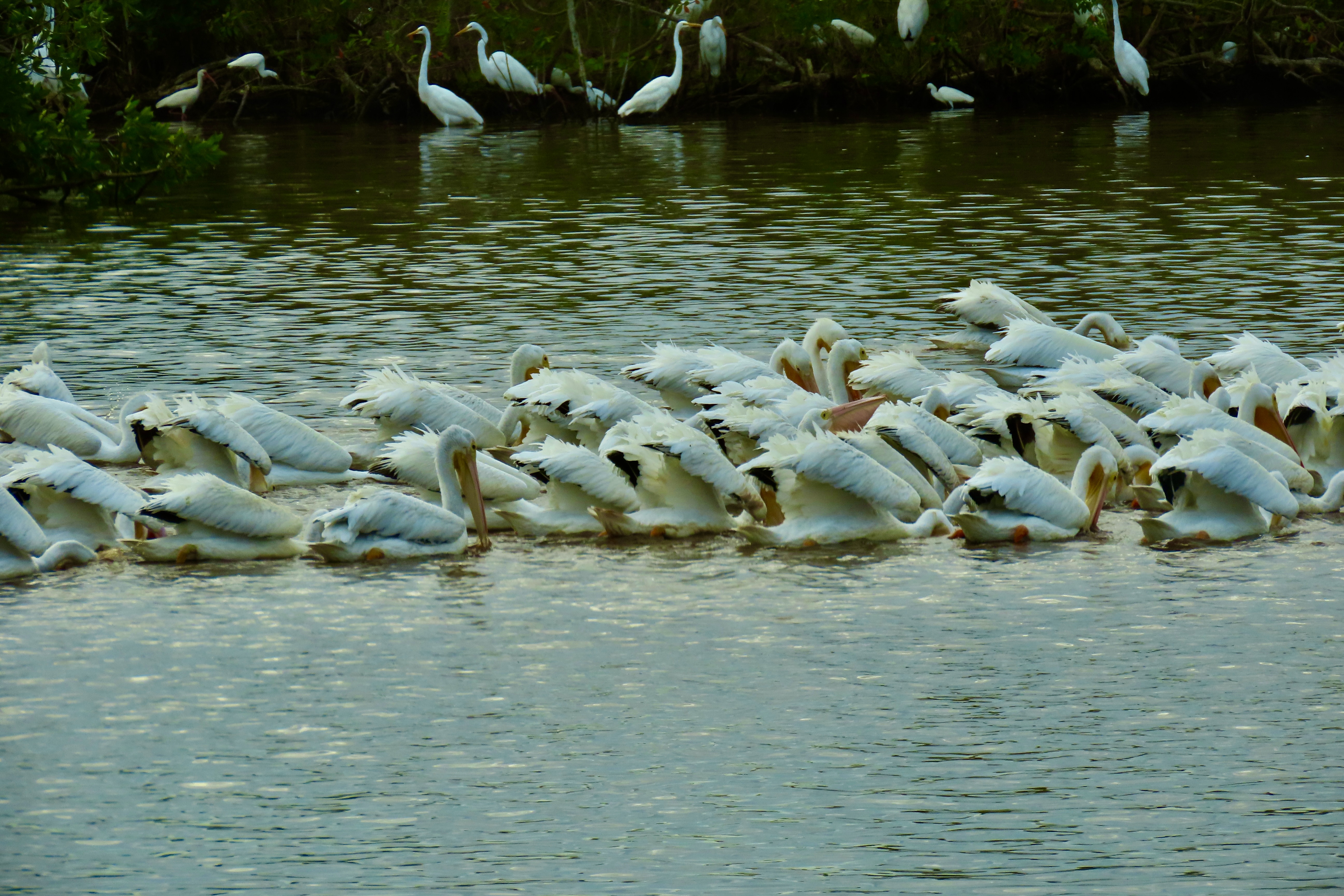
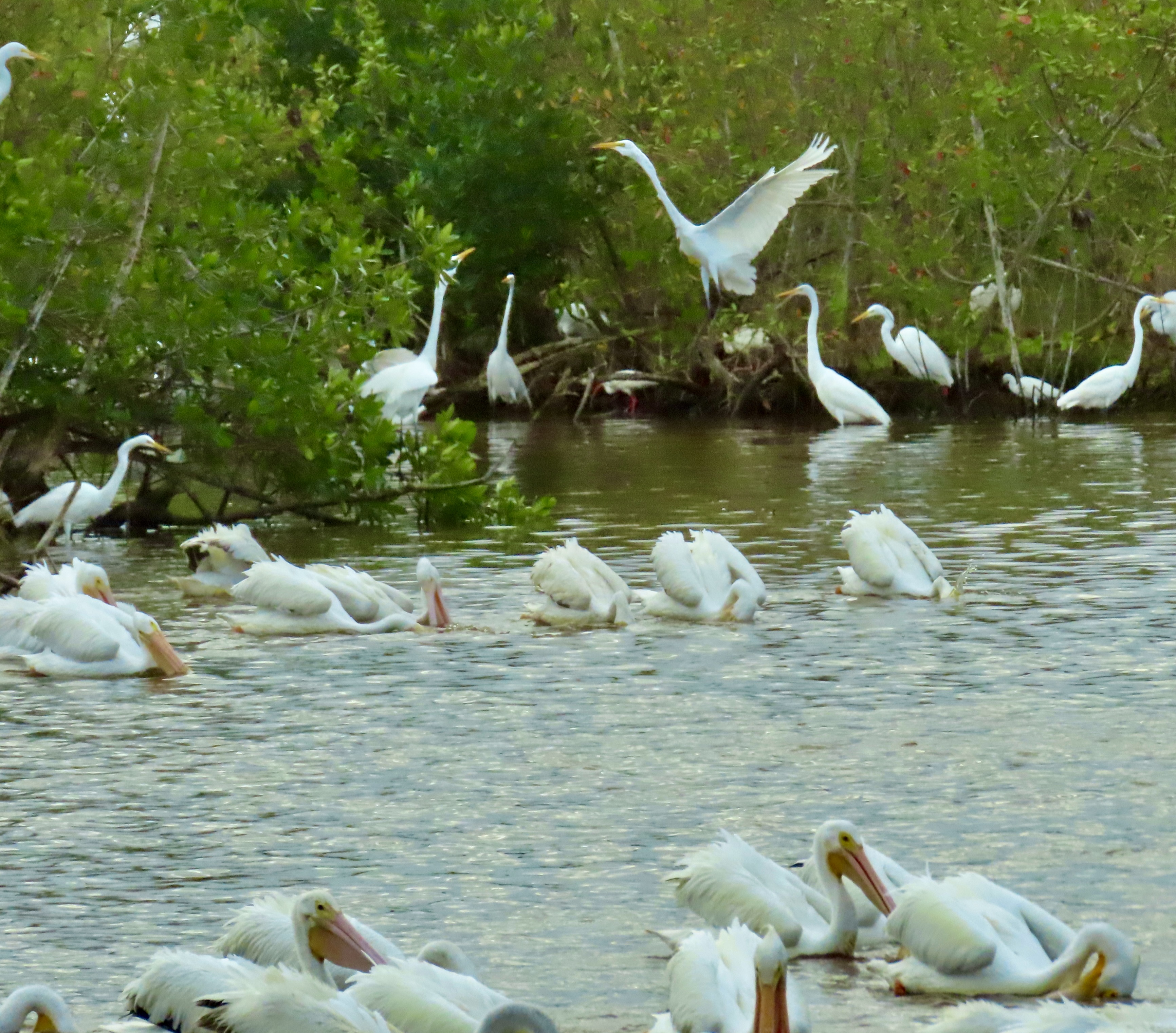
As we were driving by, this is what we saw. More pelicans were off to the right and other birds could be seen in the background. Peggy was driving. She slammed on the brakes and backed up. What you can’t see were all of the mosquitoes and biting flies. Grin.
The Pelicans would cross the pond in one direction and then come back the other way. Great egrets, cattle egrets and snowy egrets were some of the birds seen in the background.
Going in the other direction.
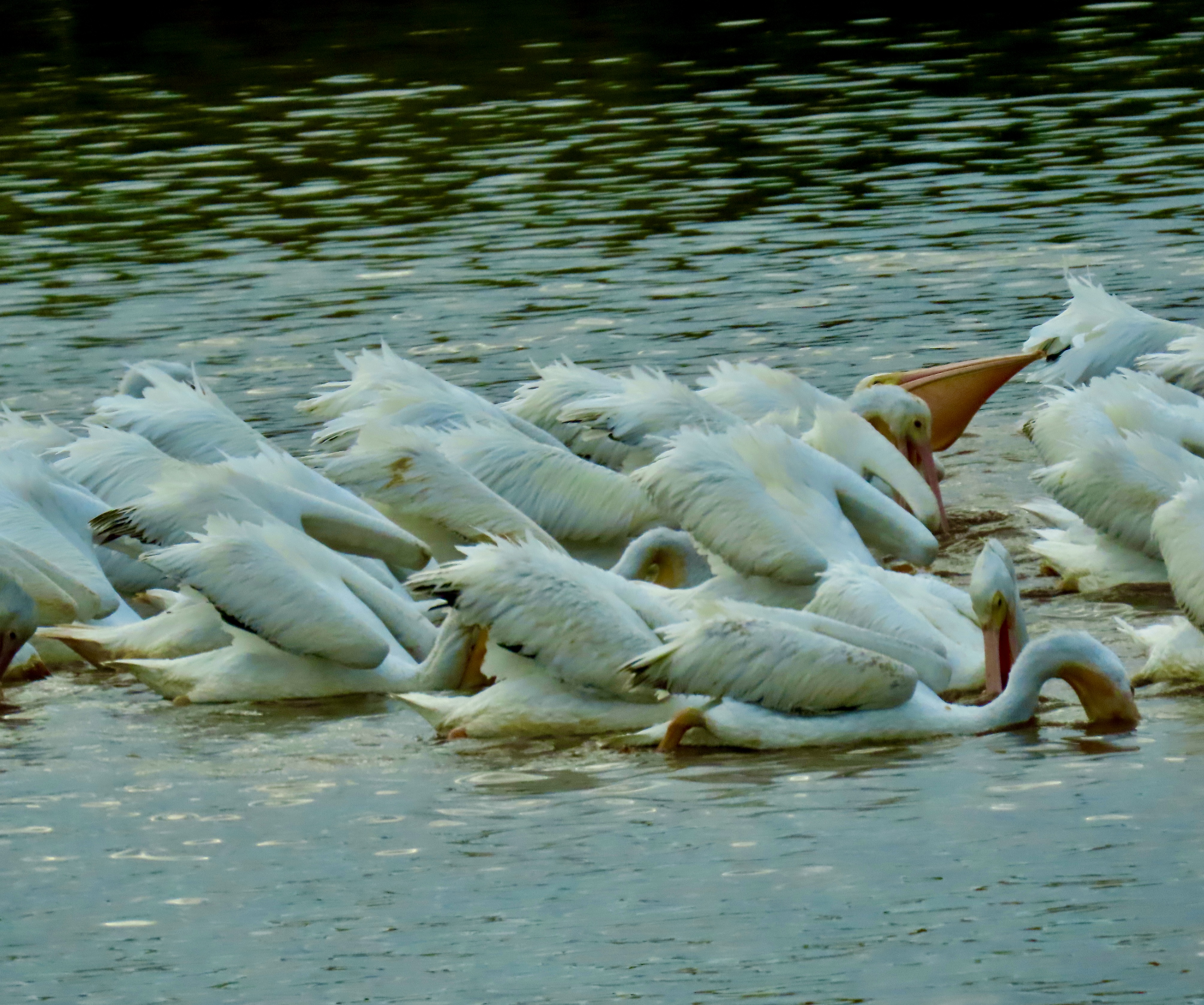
A close up of the action.
And another.
When white pelicans capture a fish, they also get a bill full of water. They then raise their bill to let the water drain out before they swallow the fish.
Some of the other birds. I think the pink flash was a Roseate Spoonbill.
Given the black legs on this bird, I’m guessing it is a great egret.
A final photo of the magical pond.

Friday’s post will feature baboons.

The Everglades… A Photographic Exploration of America’s National Parks

Photo of a Black Buzzard in Everglades National Park. Photo by Curtis Mekemson.

I’ve blogged about Black Buzzards before, but these characters deserve a repeat visit.

Peggy, in her former life, which I refer to as BC, before Curt, bought some swampland in Port Charlotte, Florida with dreams of a handsome profit. Eventually, over a period of about 20 years, the land reached the value she and her ex-husband had paid for it. In the heady years of the early 2000s, the property shot up to triple the original investment. We were able to dump (oh, I mean sell) it before the 2006 housing crash to a land speculator. We split the profits between our kids, the realtor, and Uncle Sam.

I tell this story because the property provided an excuse to visit Florida. It was one of three. The second was that Peggy’s parents had retired to the state from Ohio, joining the relentless flood of people from the Midwest whose elderly bones had lost their sense of humor about freezing cold winters. My brother, Marshall, a homeless man with a bank account and a van, provided the third excuse. He included Florida on his migration route. Marshall, in fact, gave us advice on when to sell the property. In the days before he had decided being homeless was more fun, he had owned a successful real estate appraisal business.

Our regular trips to Florida gave us a chance to explore the state, which can be quite scenic if you can see around the billboards and like orange trees. It’s long sandy beaches are very attractive. Peggy loves them. As a general rule, the state is too flat for me. I can gain more elevation in the twenty-minute walk to our mailbox than I can from driving to the top of Florida’s highest hill.

The low elevation and flat land make for  extensive wetlands in Florida, however. And I find this quite attractive. The swamps are filled with fascinating wildlife such as Black Buzzards, Pink Flamingos and the lurking alligators. Everglades National Park provides an excellent opportunity to explore what Florida has to offer.

Photo of Flamingos by Curtis Mekemson.

You are much more likely to see photographs about Flamingos than Black Buzzards when reading about the Everglades. I suspect you have never seen a yard featuring plastic buzzards.

Anhinga in Everglades National Park.

This Anhinga was drying his feathers and presented another photo-op. (Photo by Peggy Mekemson.)

Alligator sunbathing in the Florida Everglades.

We came on this alligator sunbathing. It would be hard to appear more relaxed. (Photo by Peggy Mekemson.)

Alligator swimming through water in Florida Everglades. Photo by Curtis Mekemson.

I photographed this guy as he swam under a wooden bridge the park had built out above the wetlands.

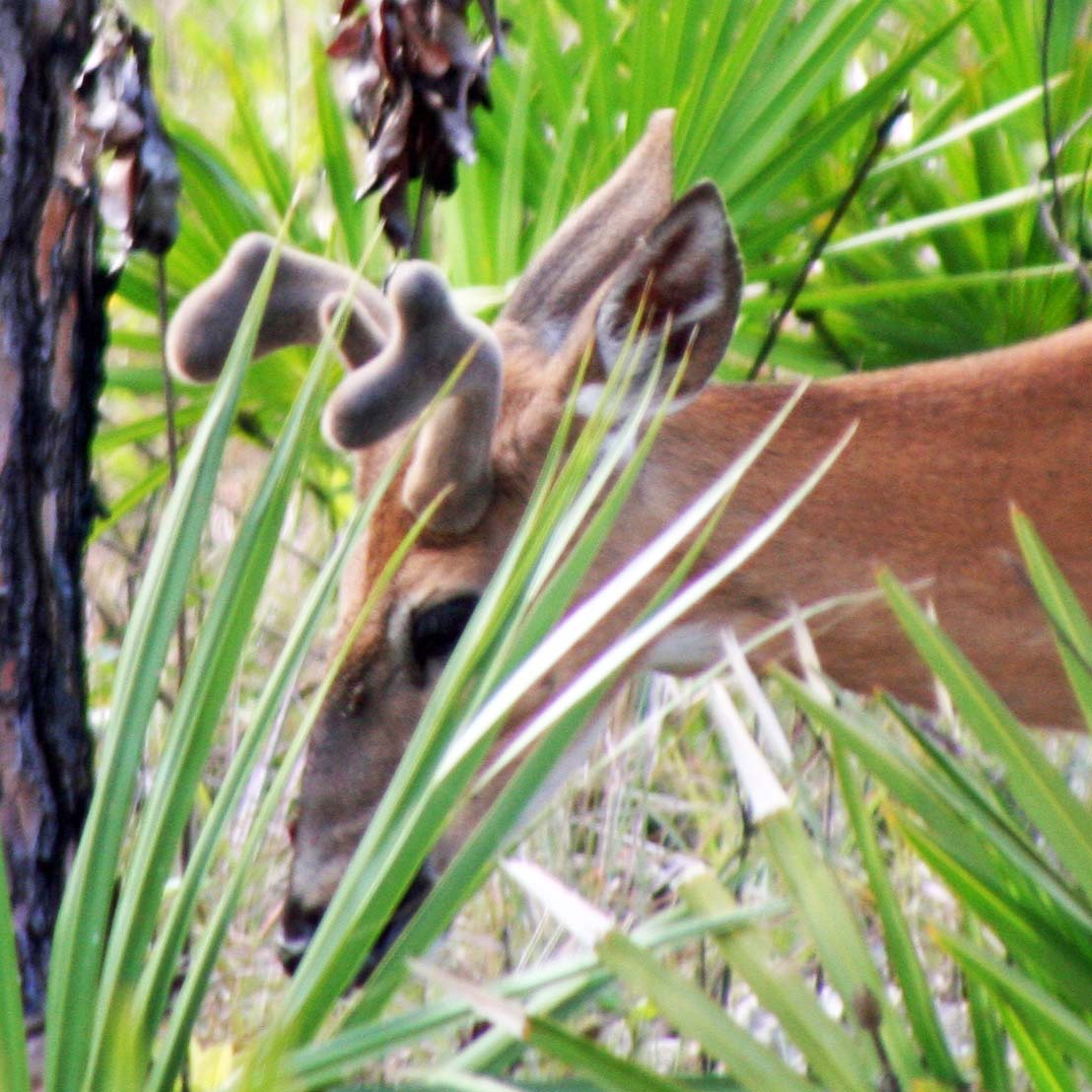
Everglade deer photographed by Curtis Mekemson.

This buck, whose antlers were still in velvet, came by to visit our campsite.

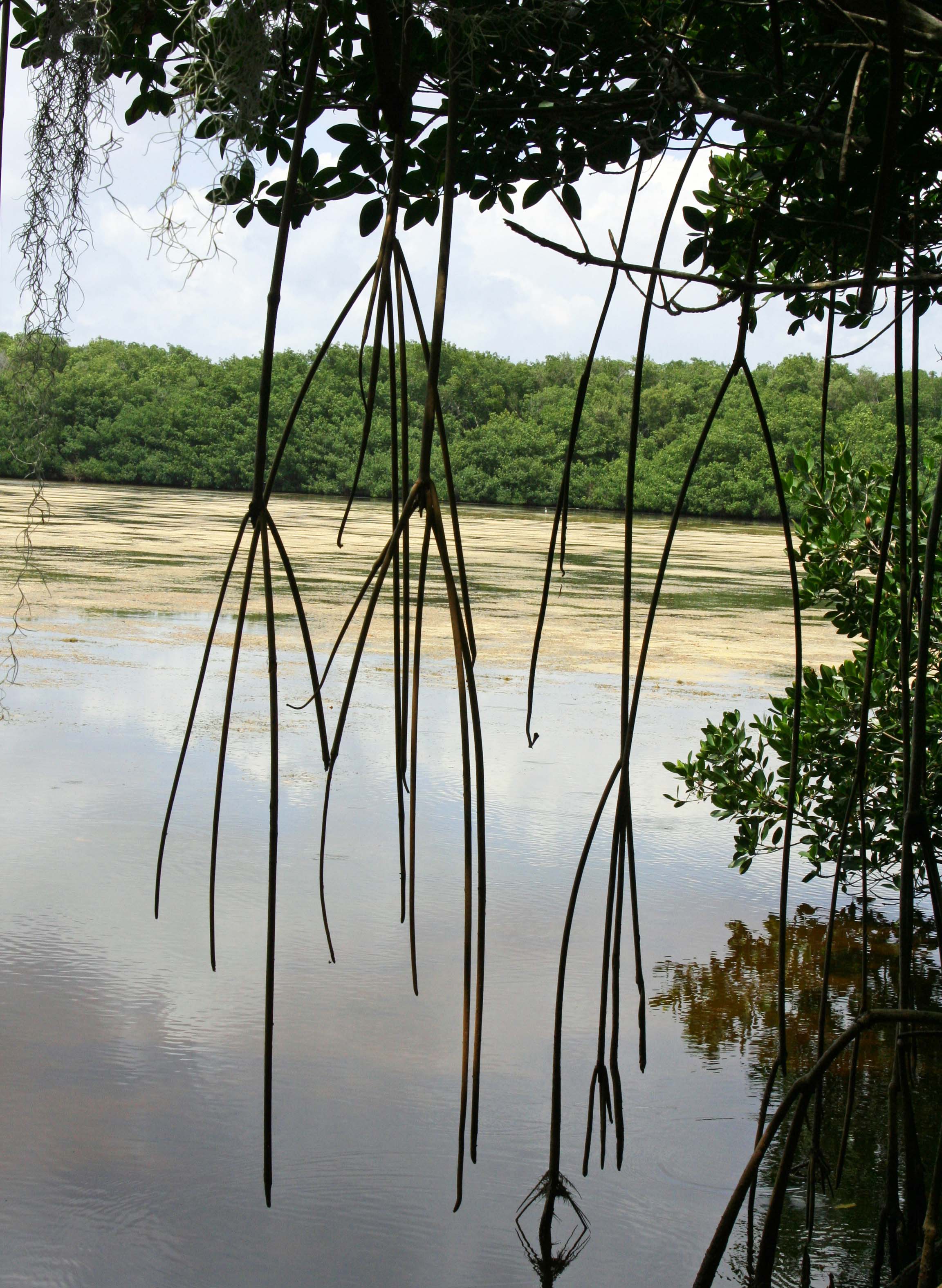
Everglades lake photo by Curtis Mekemson.

The Everglades teem with life. Our binoculars showed that the trees across the lake were filled with birds.

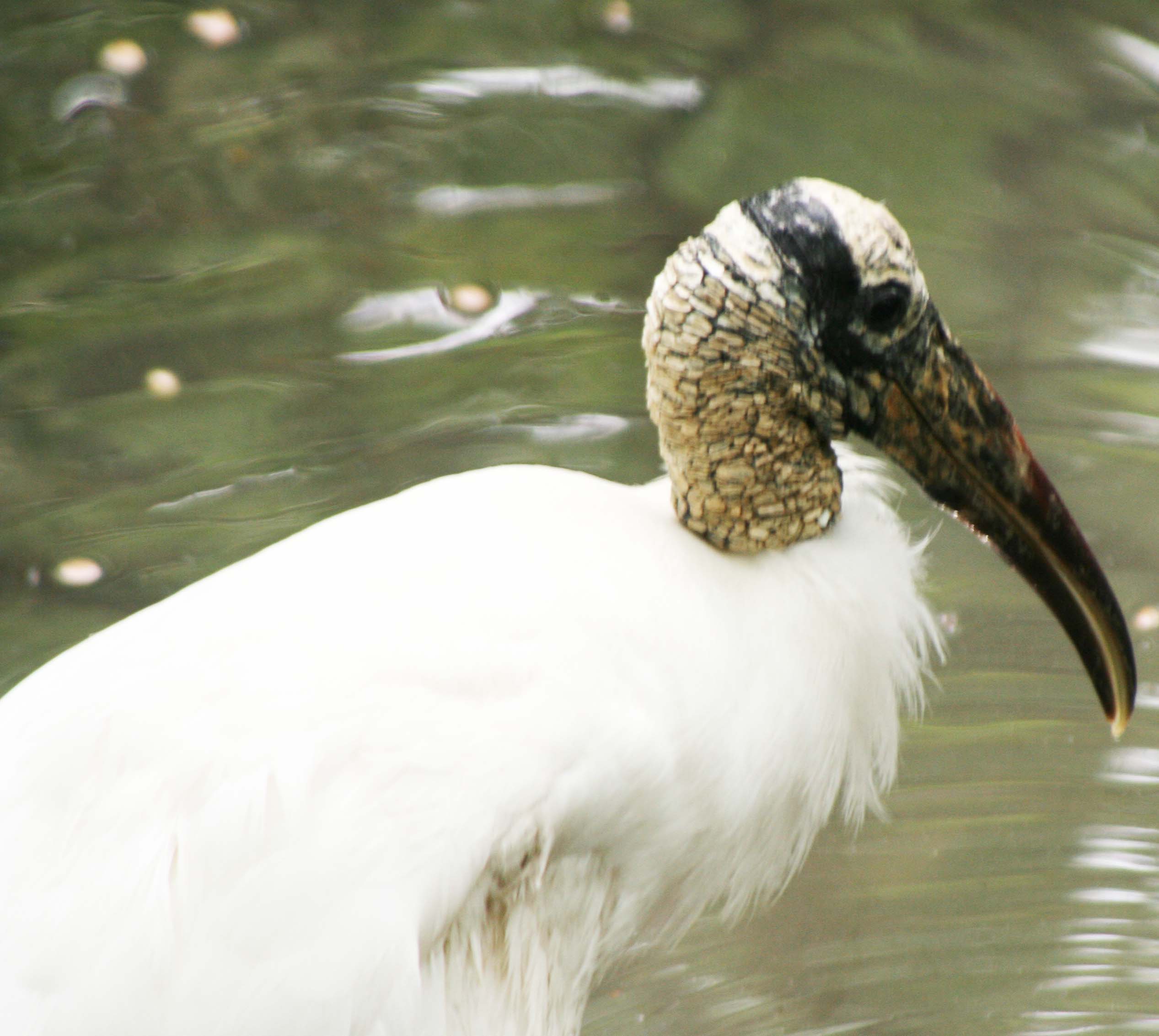
Photo of Wood Stork in Everglades by Curtis Mekemson.

This fellow, with his definitive neck and bill, is a Wood Stork.

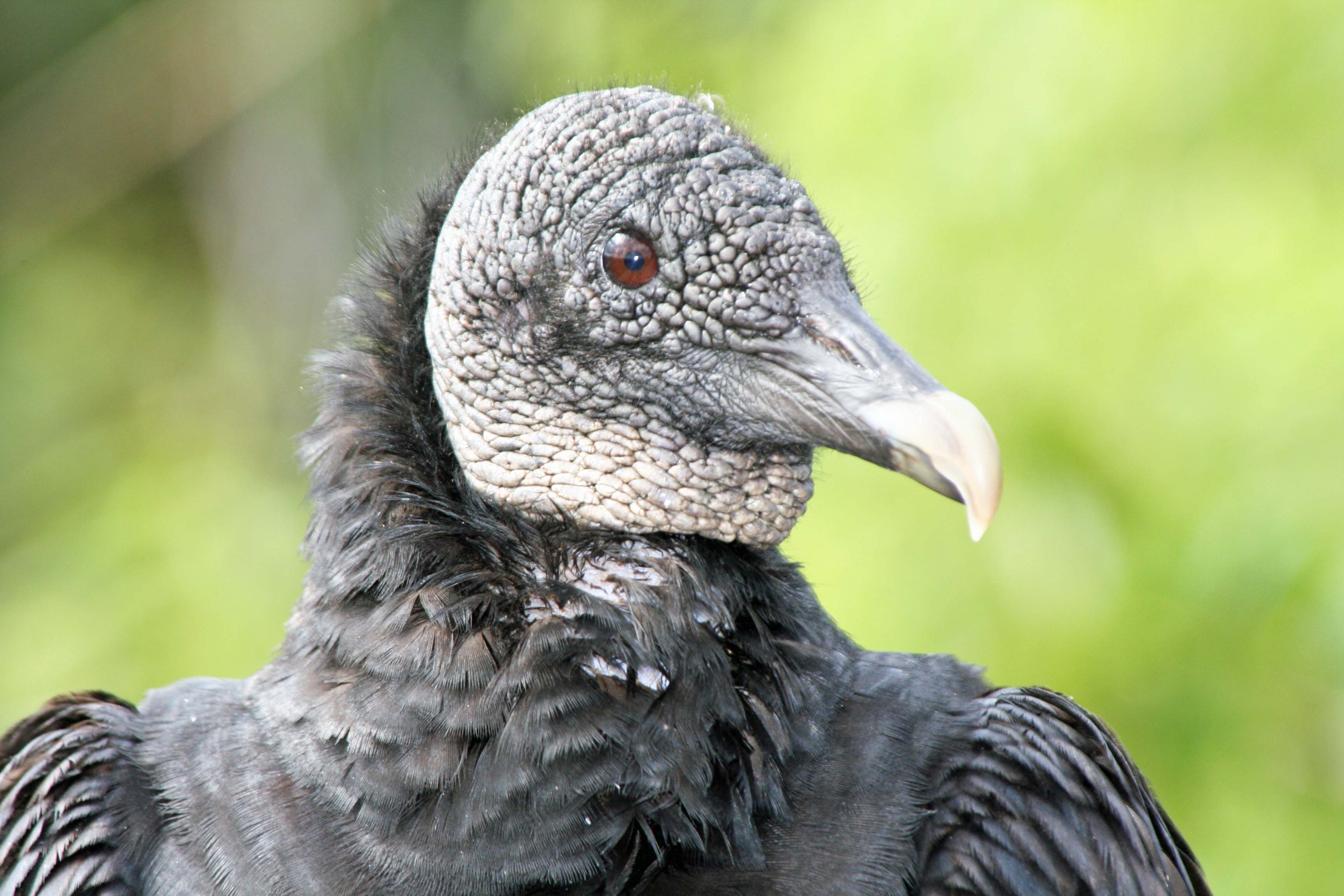
Everglades Black Buzzard. Photograph by Curtis Mekemson.

I’ll close this brief visit to the Everglades with two more photos of the Black Buzzards.

Florida Everglades Black Buzzard take a bow. Photo by Curtis Mekemson.

Taking a bow. The buzzard and I thank you for following this blog. (grin)

NEXT BLOG: Since we’ve been hanging out where it is really wet, let’s dry out and head for Organ Pipe Cactus National Monument in Southern Arizona next to the Mexican Border.

It’s National Park Week 2013… April 20-28

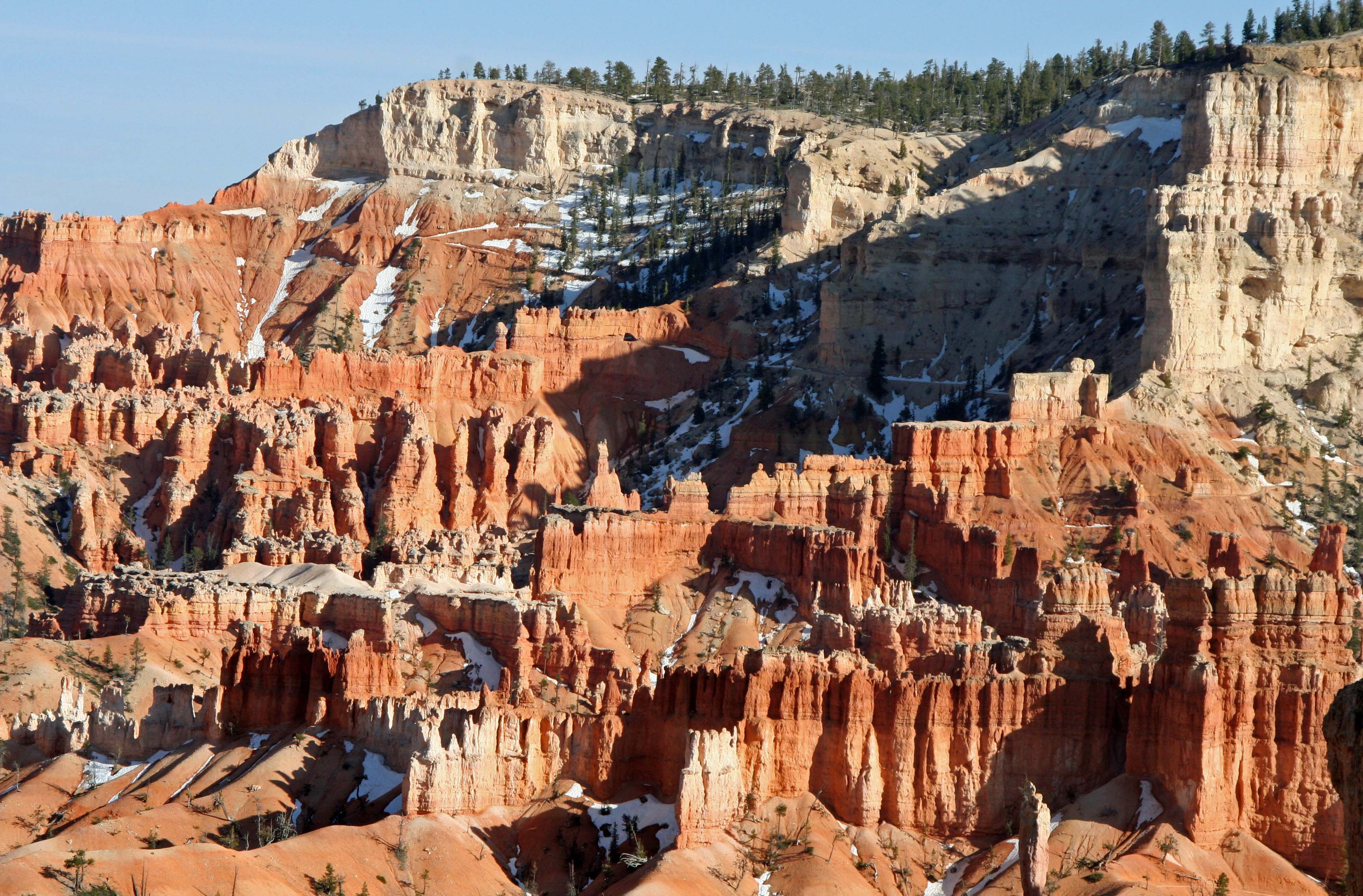
Bryce Canyon

Bryce Canyon National Park, Utah

It’s National Park Week. One of my blogging friends reminded me. Somehow I lost track of time and became so wrapped up in the minutia of life that the week had arrived before I realized it was happening. Shame on me.

The United States and many other nations around the world have done a magnificent job of setting aside national parks. We owe it to ourselves to go out and explore these treasures. And, we owe it to our great, great, great, great-grandchildren to protect these sites of rare natural beauty for future generations.

It won’t be easy. There will always be people who believe financial gain outweighs any other consideration. Why save thousand-year-old redwood trees when they can be turned into highly profitable redwood decks?

Redwood

This 1500 year old redwood is located in Redwoods National Park on the northern coast of California.

Several years ago, Peggy and I set a goal to visit all of America’s National Parks. With the exception of Kobuk Valley and Lake Clark in Alaska, we’ve succeeded. It has been an incredible journey. Our travels have taken us from Denali National Park in Alaska to the Dry Tortugas National Park off the Florida Keys.

In addition to driving through and hiking in these parks, I have also backpacked in 13, biked through five, and kayaked or rafted in three. Once I even organized a winter ski trek into Denali National Park where we slept out in minus 30-degree weather and listened to wolves howl. That was a learning experience…

Since I couldn’t escape to a national park this week, I did the next best thing; I went through photos of parks Peggy and I have taken. All I could think of was wow– what incredible beauty!

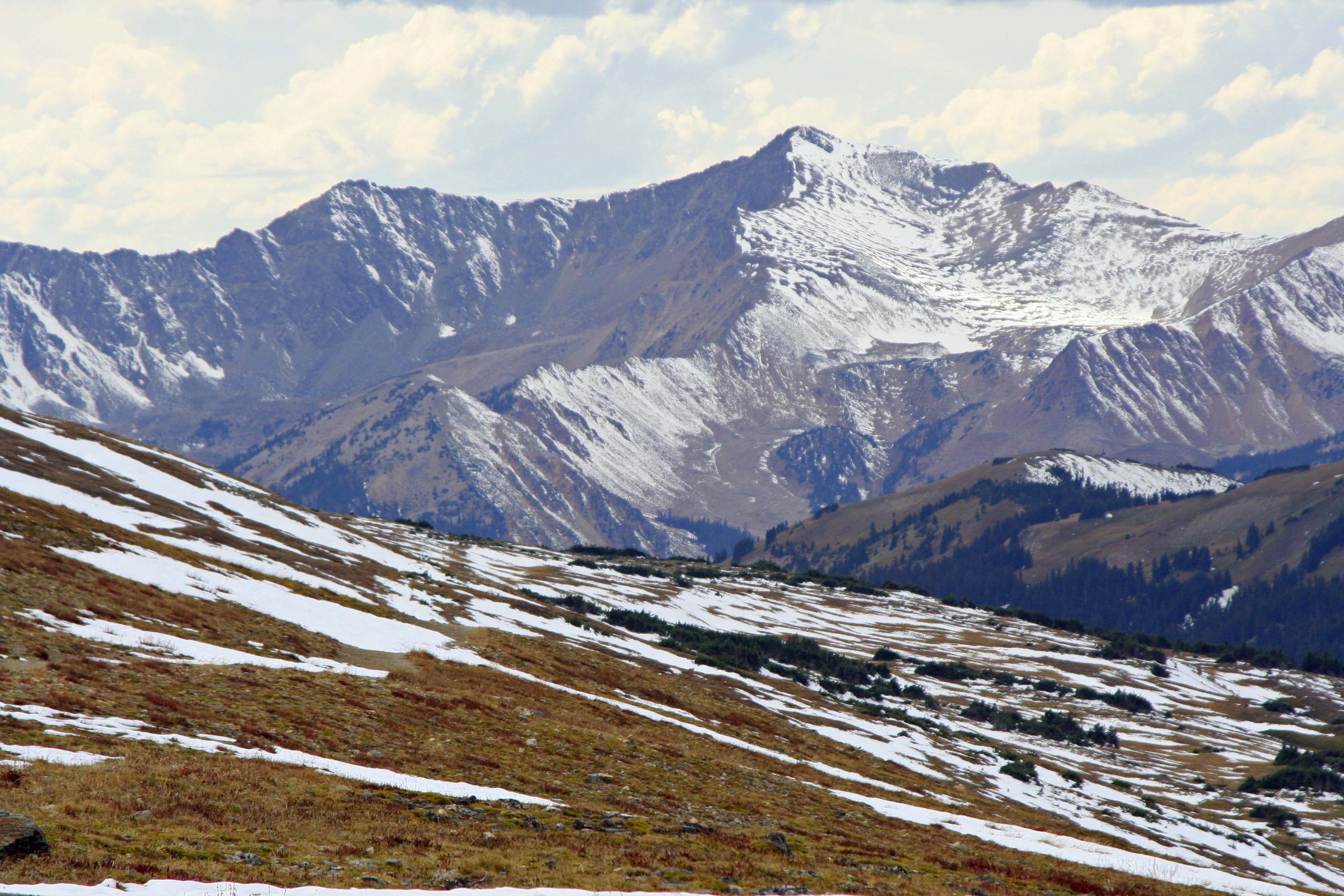
Rocky National Park in Colorado.

Rocky Mountain National Park in Colorado.

Hawaii Volcanos National Park.

An active volcano in Hawaii Volcanos National Park on the Island of Hawaii.

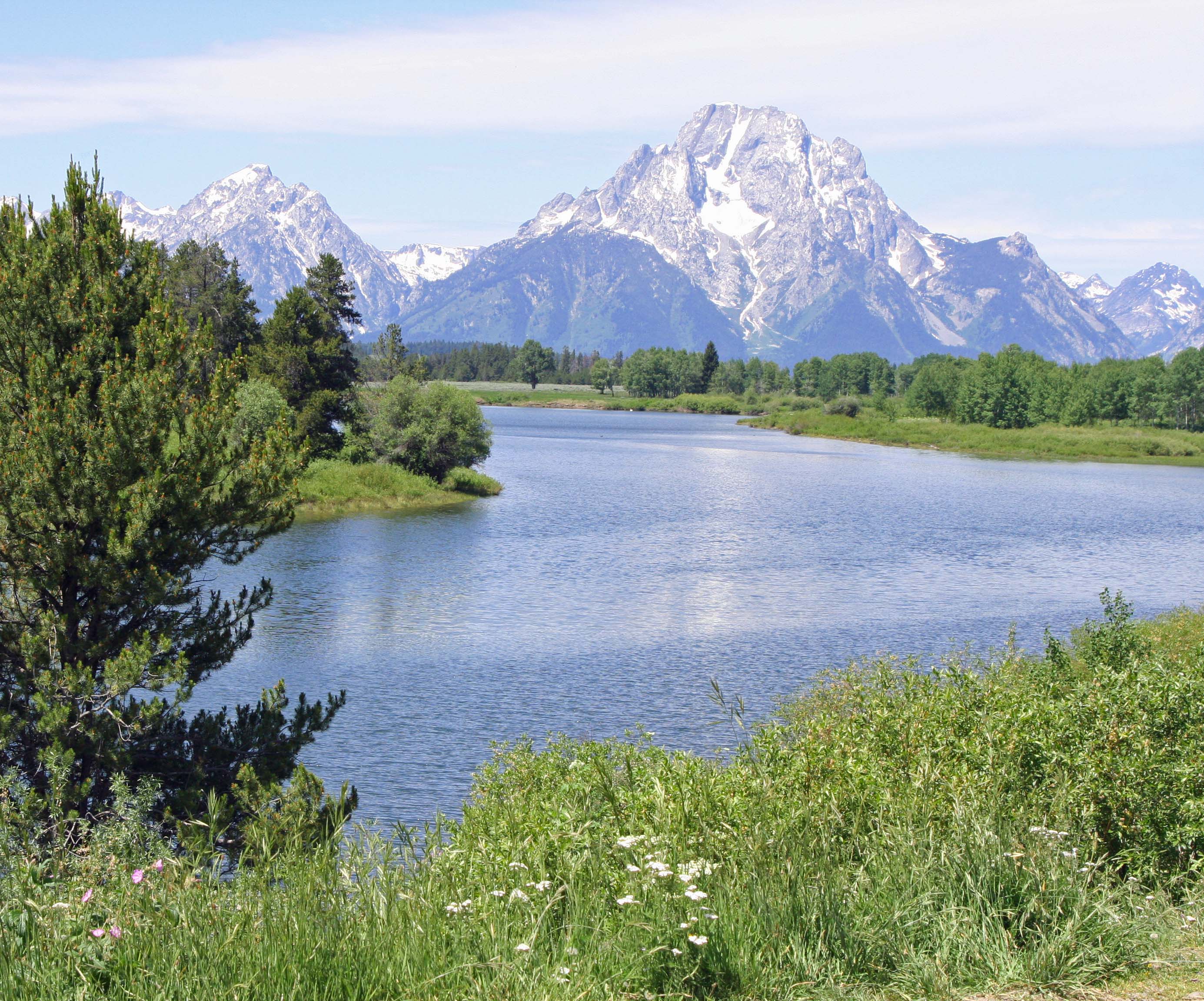
Grand Tetons National Park in Wyoming.

Grand Tetons National Park in Wyoming. A sign warned us to look out for an active grizzly bear.

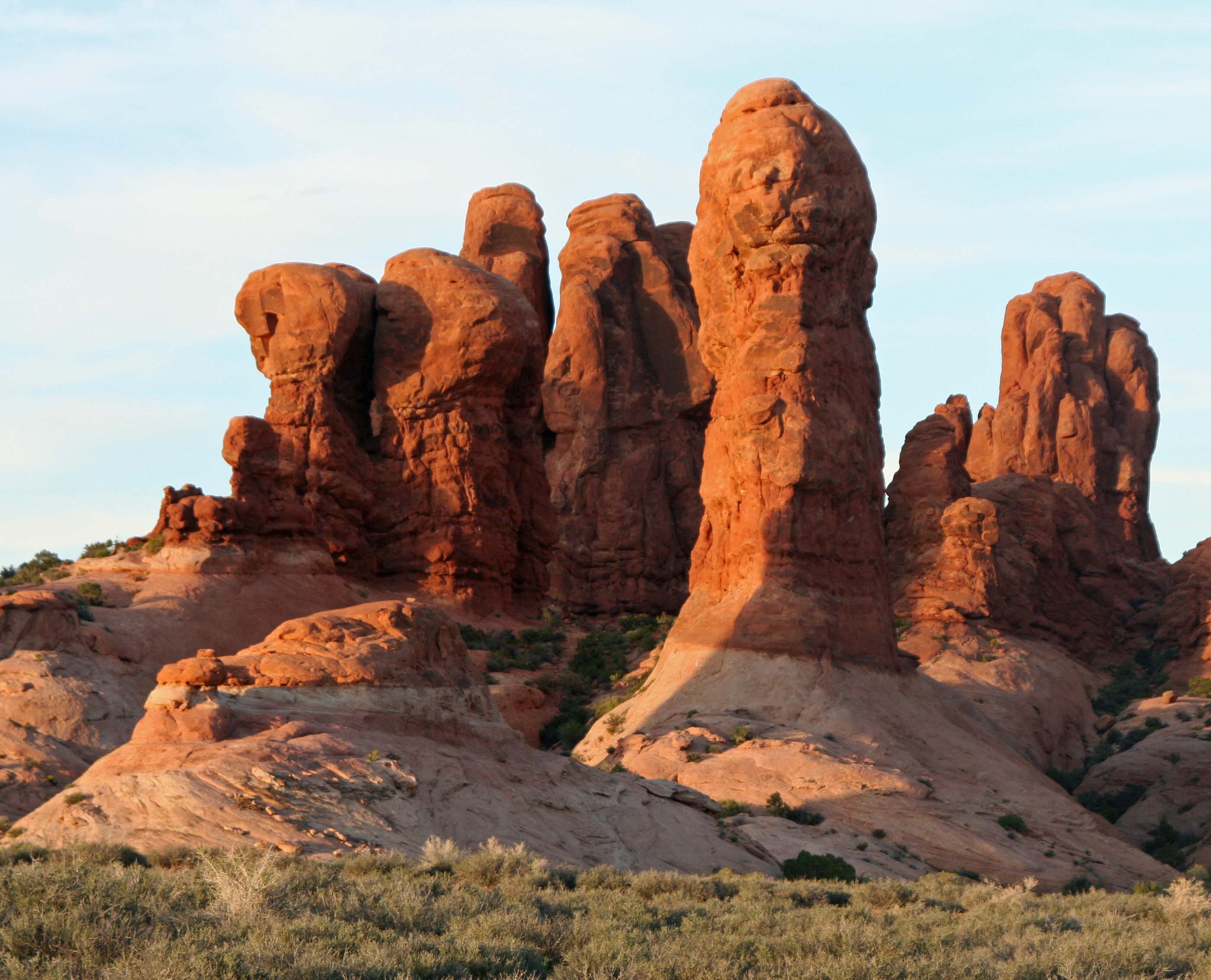
Arches National Park, Utah

Arches National Park, Utah

Tuolumne Meadows, Yosemite National Park, California

Tuolumne Meadows, Yosemite National Park, California. I once woke up near here with a bear standing on top of me.

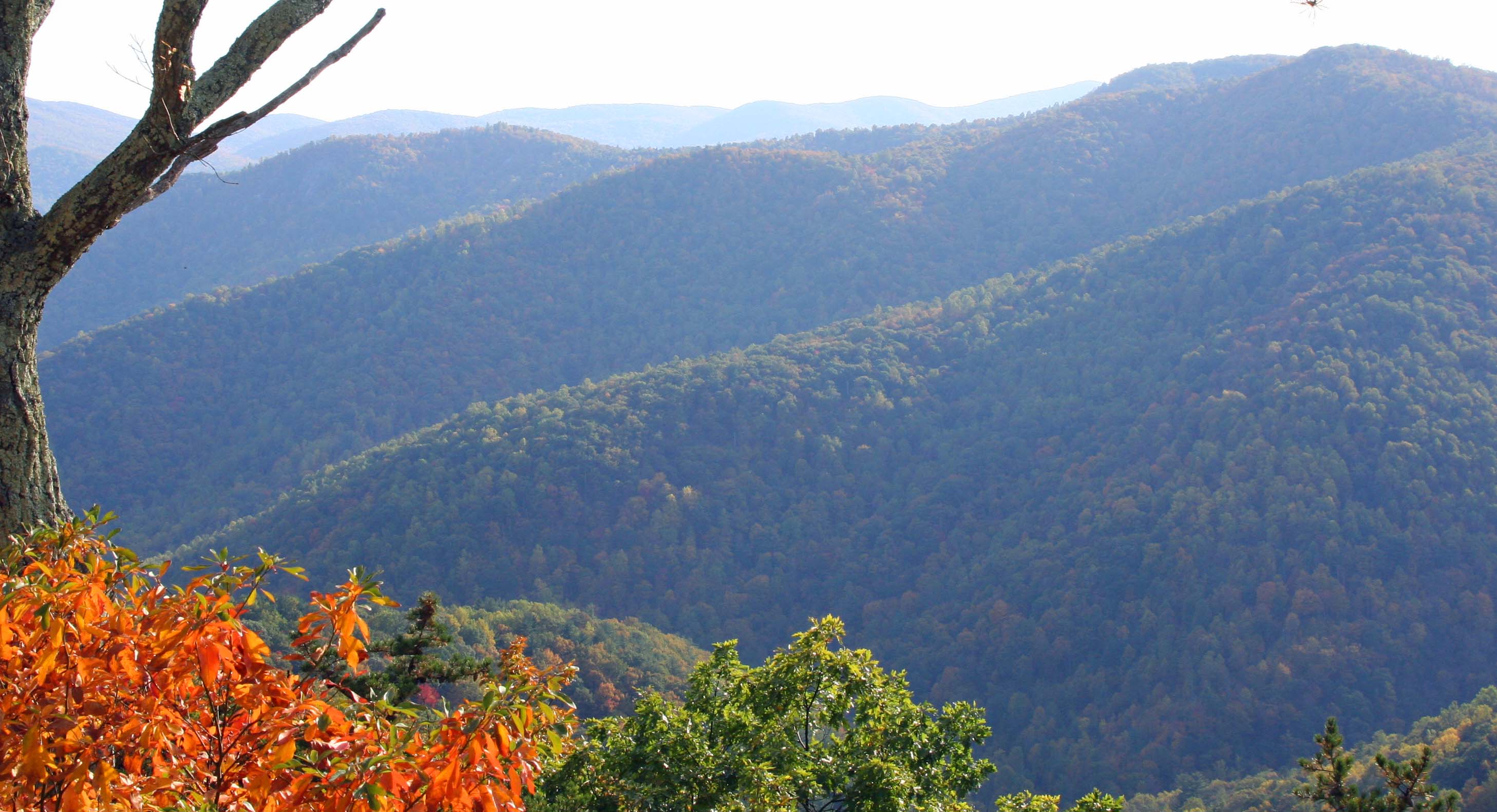
Fall colors of Shenandoah National Park in Virginia

Fall colors of Shenandoah National Park in Virginia.

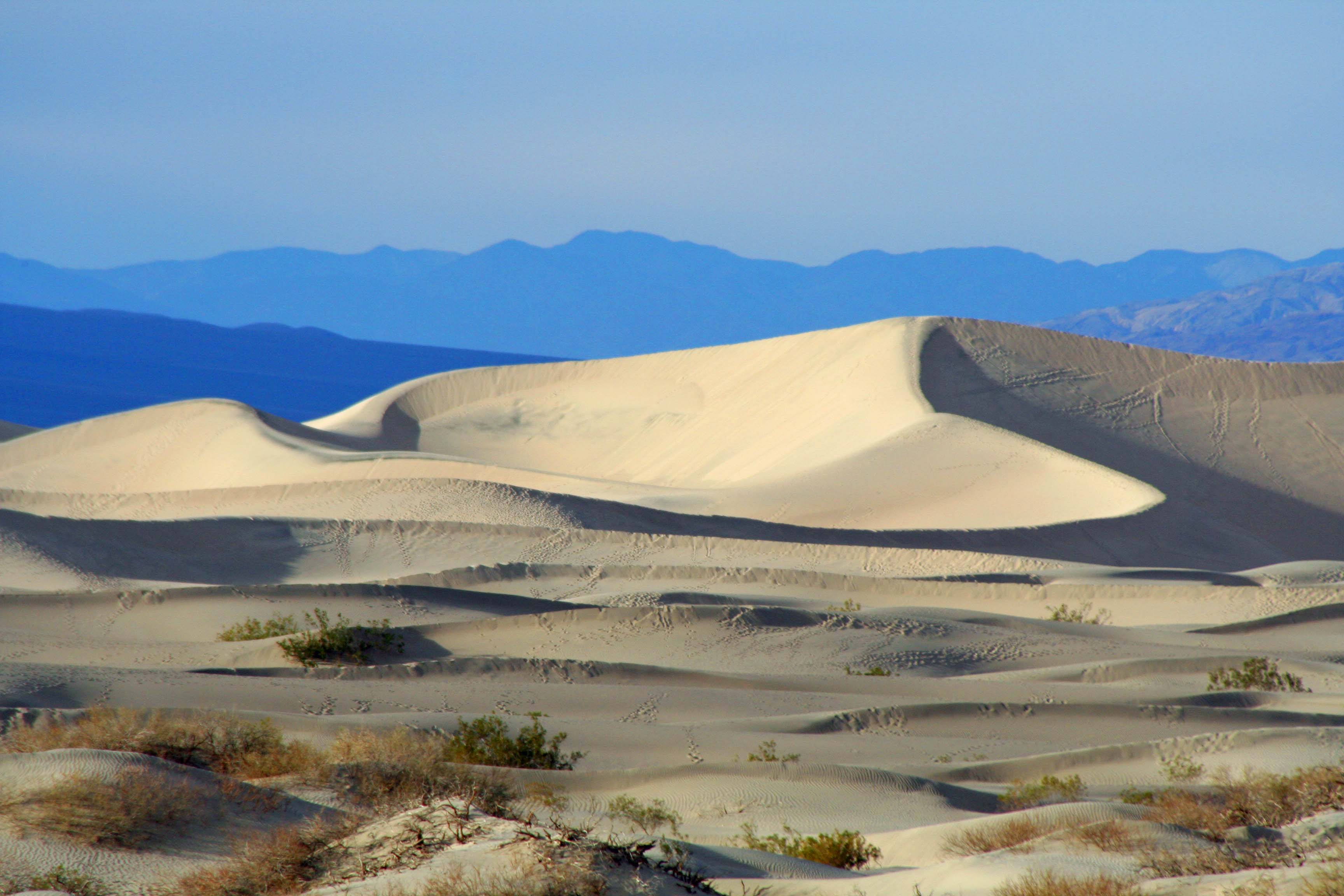
Sand Dunes in Death Valley National Park.

Sand dunes in Death Valley National Park.

The green of Olympic National Park in Washington.

The green of Olympic National Park in Washington.

Lesser known National Parks such as Great Basin in Nevada also hold great charm and beauty. This photo features the van Peggy  and I travelled in for four years as we travelled around North America.

Lesser known national parks such as Great Basin in Nevada also hold great charm and beauty. This photo features the van Peggy and I travelled in for four years as we wandered around North America.

Spectacular scenery is only part of the national park story. Wildlife, birds, insects, reptiles, flowers and history add to the experience.

Peggy and I found this beauty swimming through the water at Everglades National Park in Florida.

Peggy and I found this beauty swimming through the water at Everglades National Park in Florida.

And this striking Black Buzzard was another Everglades resident.

And this striking Black Buzzard was another Everglades resident.

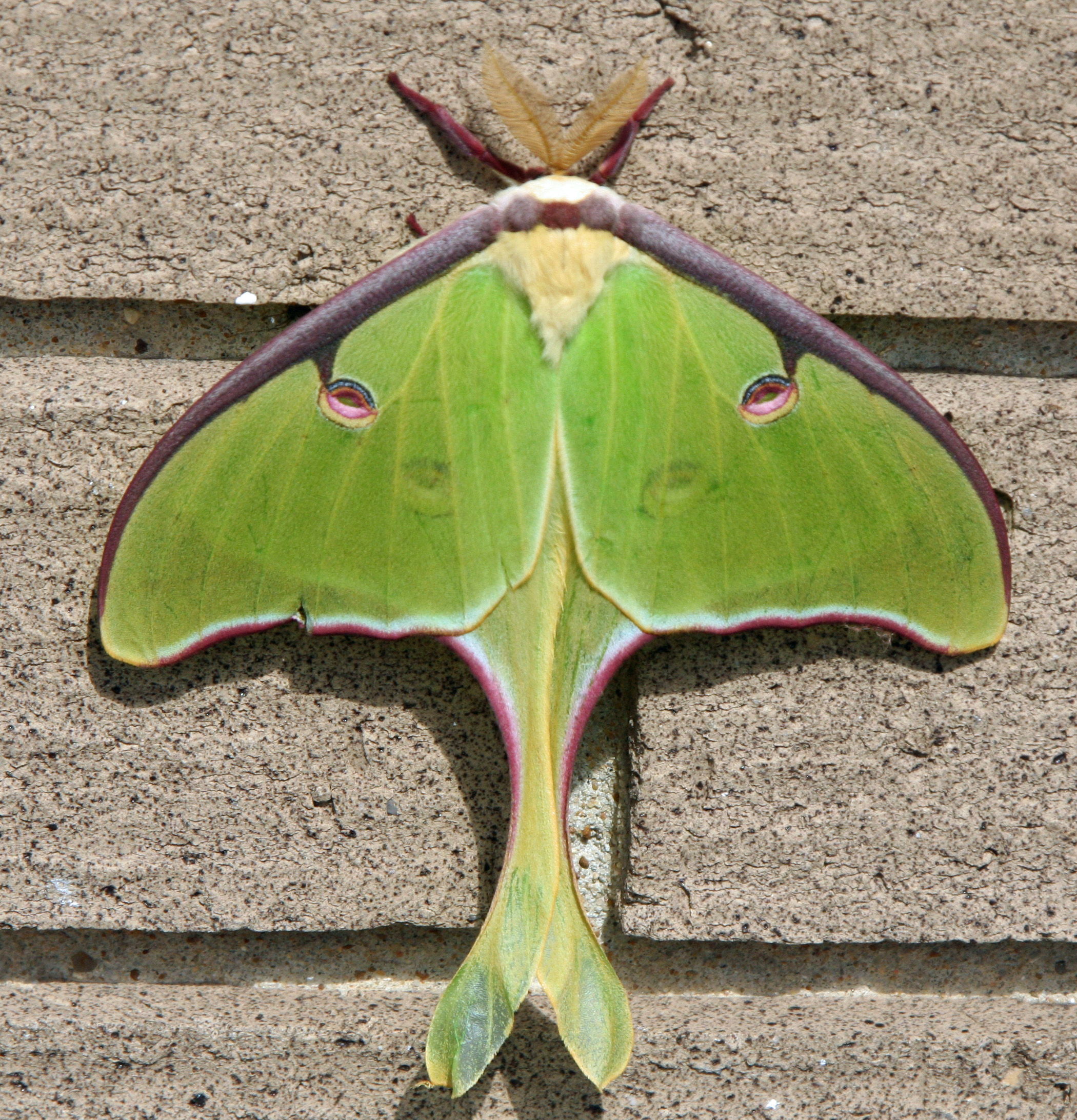
We found this Luna Moth on the Natchez National Parkway.

We found this Luna Moth on the Natchez Trace National Parkway.

Brown Pelicans are a common visitor at Pt. Reyes National Seashore.

Brown Pelicans are common visitors at Pt. Reyes National Seashore.

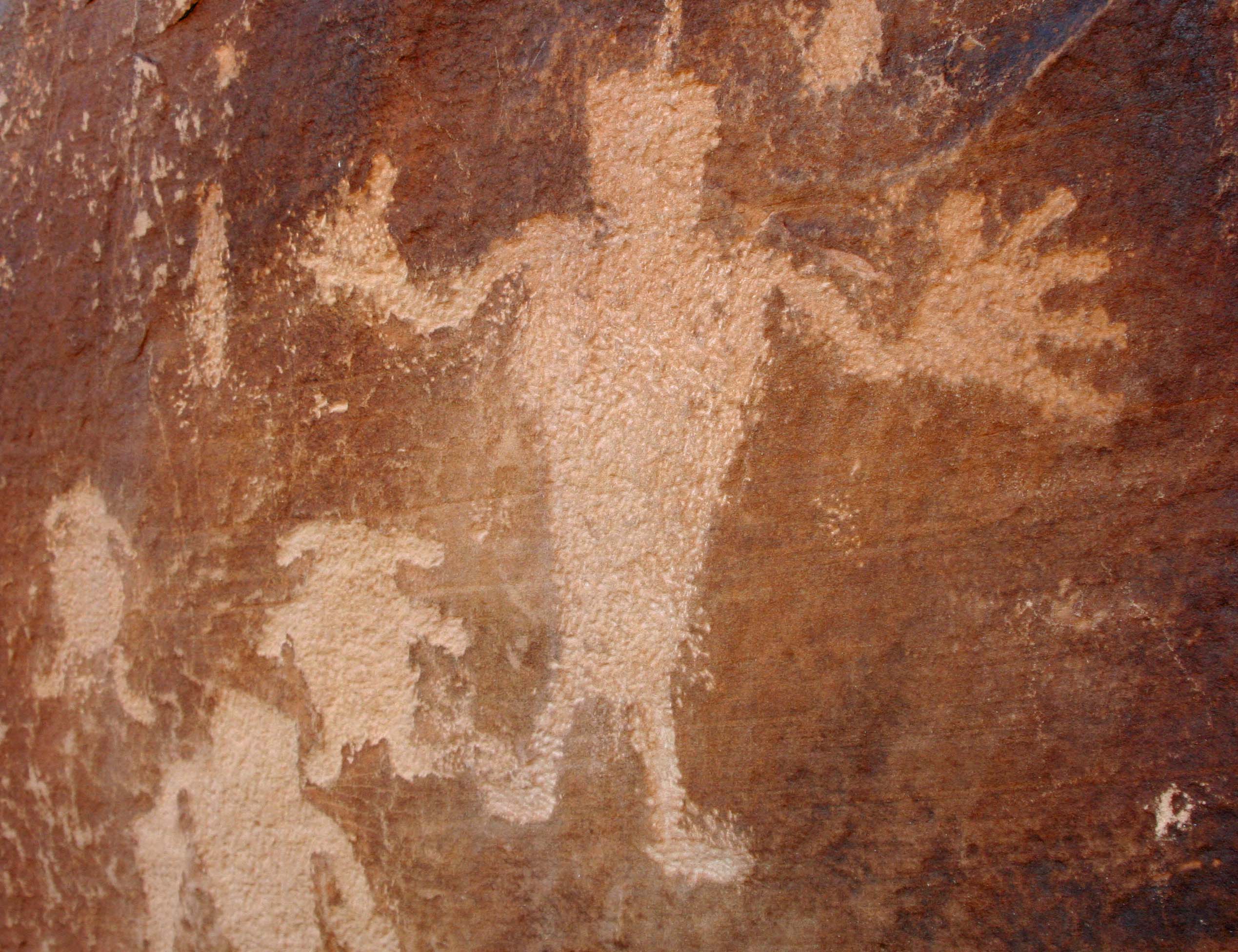
Peggy and I are great fans of Native America rock art, much of which is protected in National Parks and at National Monuments. This man with his big hands and fat little dogs has always been one of my favorites.

Peggy and I are great fans of Native America rock art, much of which is protected in national parks and at national monuments. We have several thousand photos from different sites. This one from Dinosaur National Monument in Colorado/Utah has always been a favorite because of the big hands and fat little dogs.

It never hurts to complete a blog with a pretty flower. We found this Foxglove growing in Olympic National Park.

It never hurts to complete a blog with a pretty flower, even if it goes on and on. (grin) We found this Foxglove growing in Olympic National Park.

NEXT BLOG: I hope you have enjoyed my two diversions over the past week because of Earth Day and National Park Week. On Monday I will return to Europe and Rome’s historic Colosseum.

The Wonderful World of Birds’ Bills… On the Road

I love pelicans. They have that ‘put together by a committee’ look. Check out the sharp hook on his bill. I took this photo in Baja California near Cabo San Lucas.


A wonderful bird is the pelican, His bill will hold more than his belican.

Dixon Lanier Merritt

Whenever I see a pelican, Dixon Merritt’s poem pops into my mind unbidden. Birds’ beaks, or bills if you prefer, are wonderful adaptations to their environment.

As I write this blog from my home in southern Oregon, a Rufous Hummingbird has his beak buried deep in our feeder while a Black Headed Grosbeak worries sunflower seeds on the hill behind him. The hummingbird’s beak is long and delicate, designed to capture nectar in the hidden recesses of flowers. The grosbeak’s beak is short and stubby, perfect for cracking open seeds.

I photographed the Brown Pelican in Baja California near Cabo San Lucas. Peggy found the Snowy Egret there as well. The rest of the birds featured in this blog are from Florida except for my final picture of Brown Pelicans. Few places can match Everglades National Park when it comes to unique bird life with interesting bills.

Peggy captured this Snowy Egret on film on the same Baja trip we found the pelican. Both Egrets and Herons have spear like bills. I like the way the Egret’s shadow allows his feet to be seen.

Speaking of spear like bills, how would you like to be on the receiving end of this one? I took this photo of a Great Blue Heron in Florida. While we normally think of Great Blue Herons eating frogs, fish and baby alligators, they are also quite fond of small rodents. I have often watched them patiently stalk mice on the Bodega Bay Headlands of Northern California. Their strike is lightning fast.

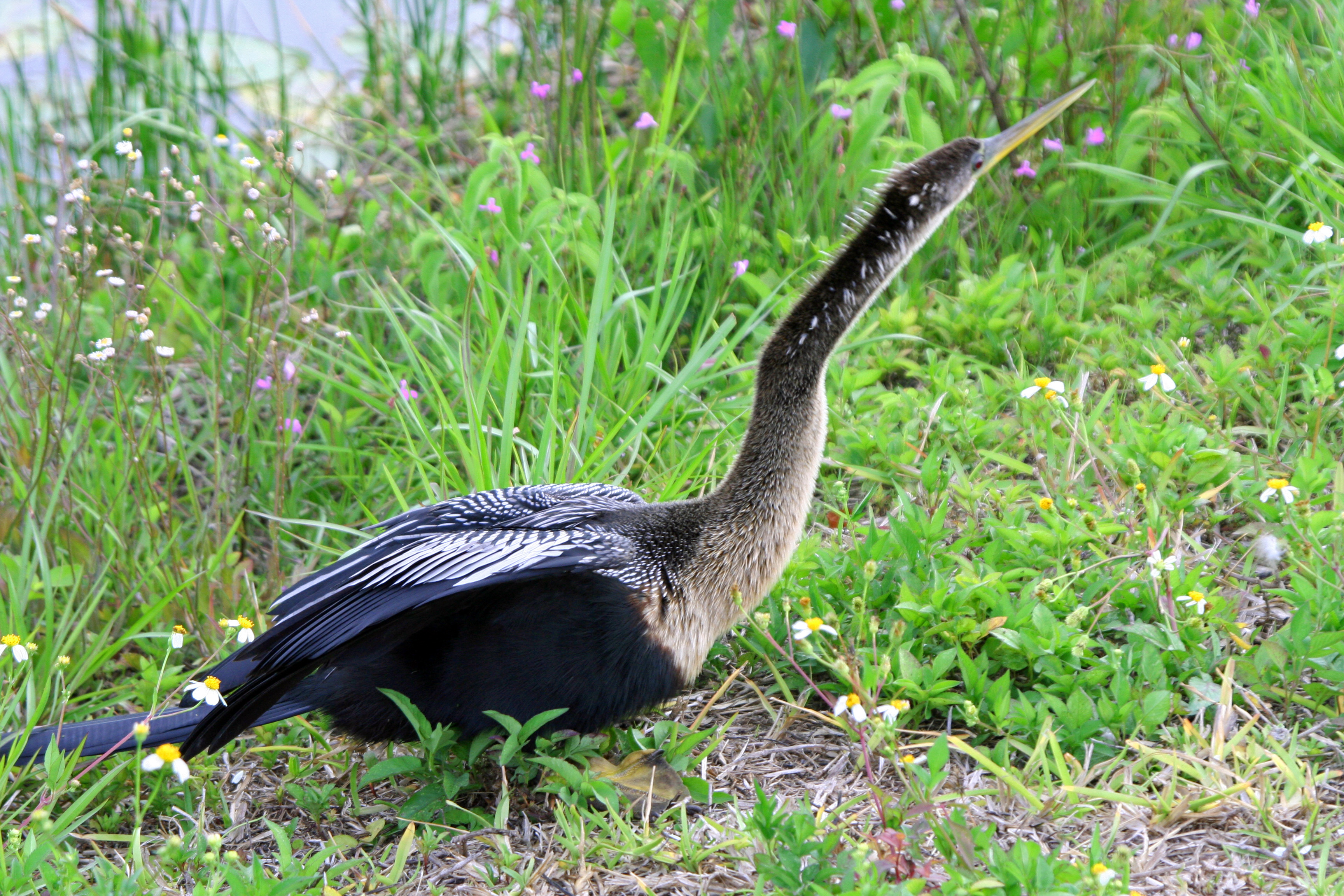
This Anhinga in Everglades National Park is obviously eyeing something in the grass next to it. Like Cormorants, Anhinga are designed to catch their dinner while diving and are well designed to do so.

A more typical picture of an Anhinga, drying its wings after a dive.

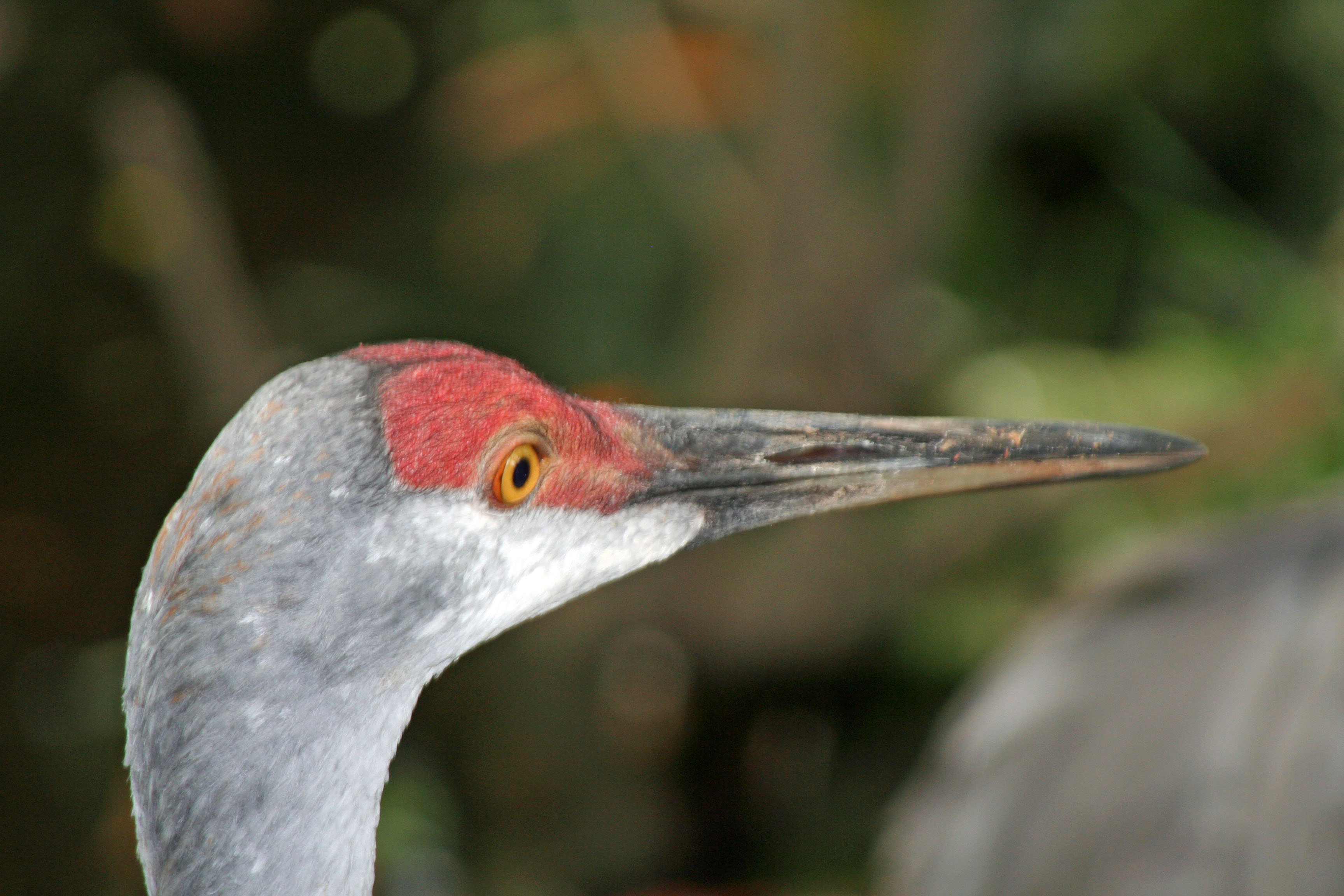
This Sand Hill Crane and four buddies came strolling into our camp in Central Florida.

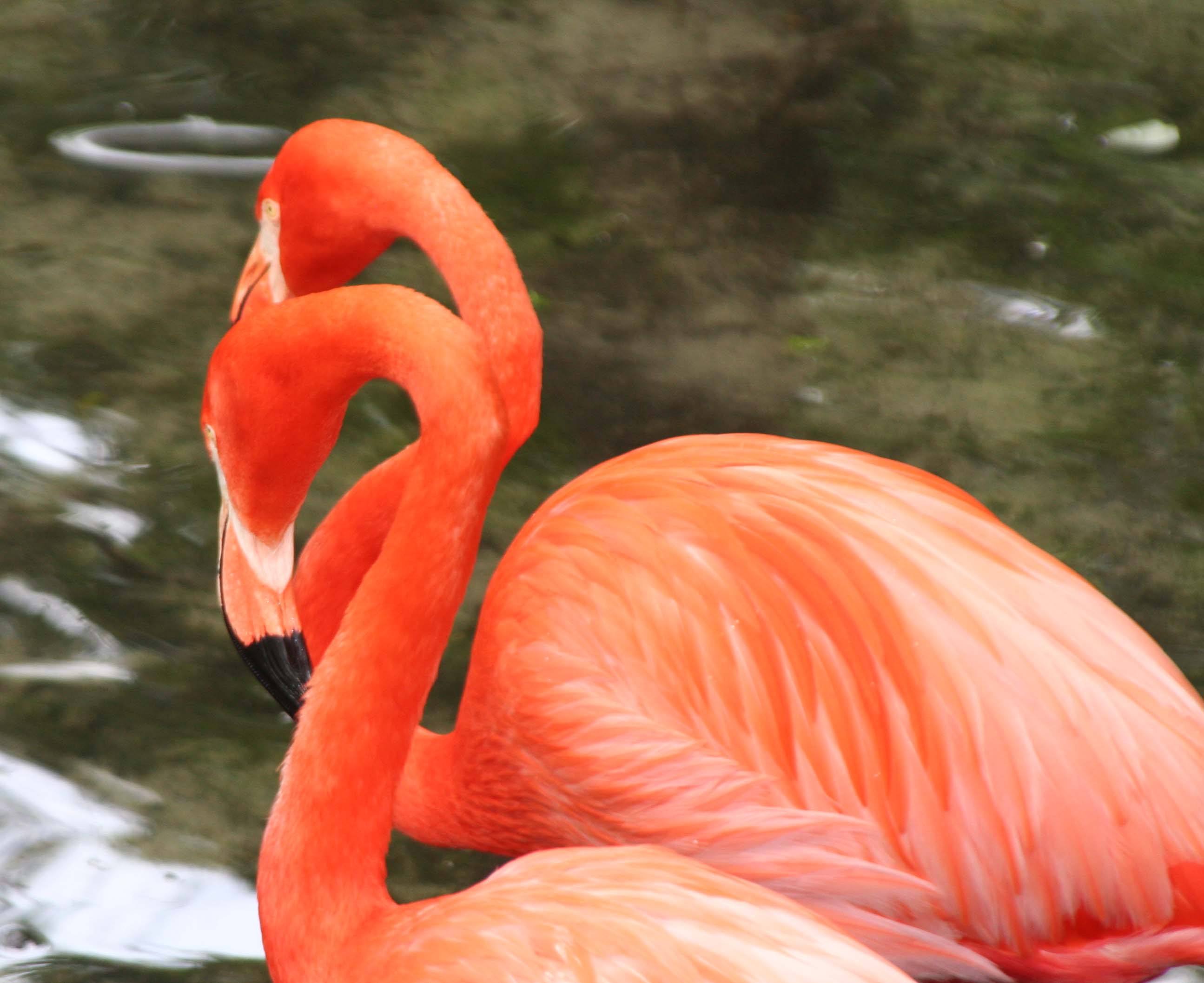
When one thinks Florida and Everglades, it is natural to think of Flamingos. It’s hard to find more colorful beaks.

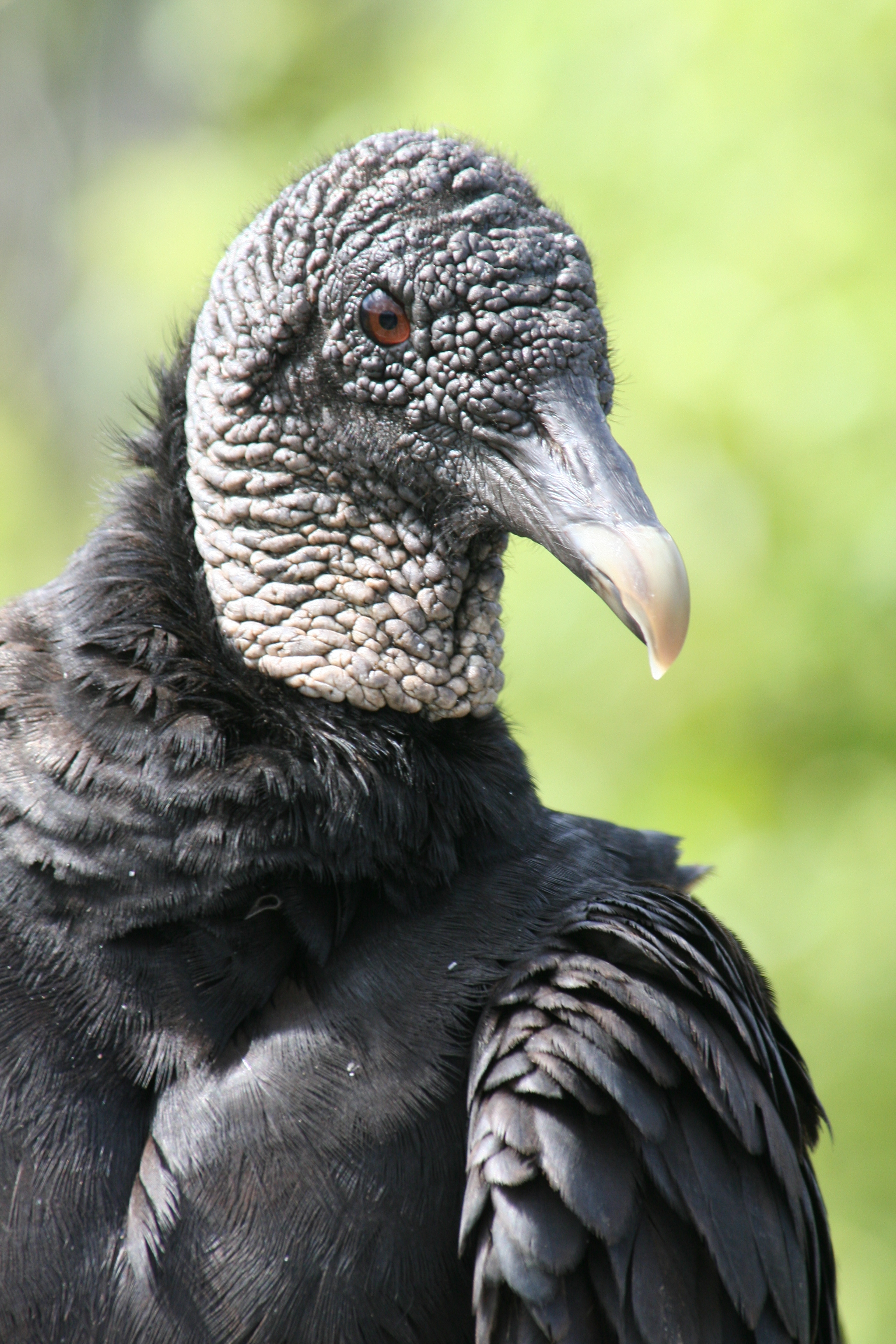
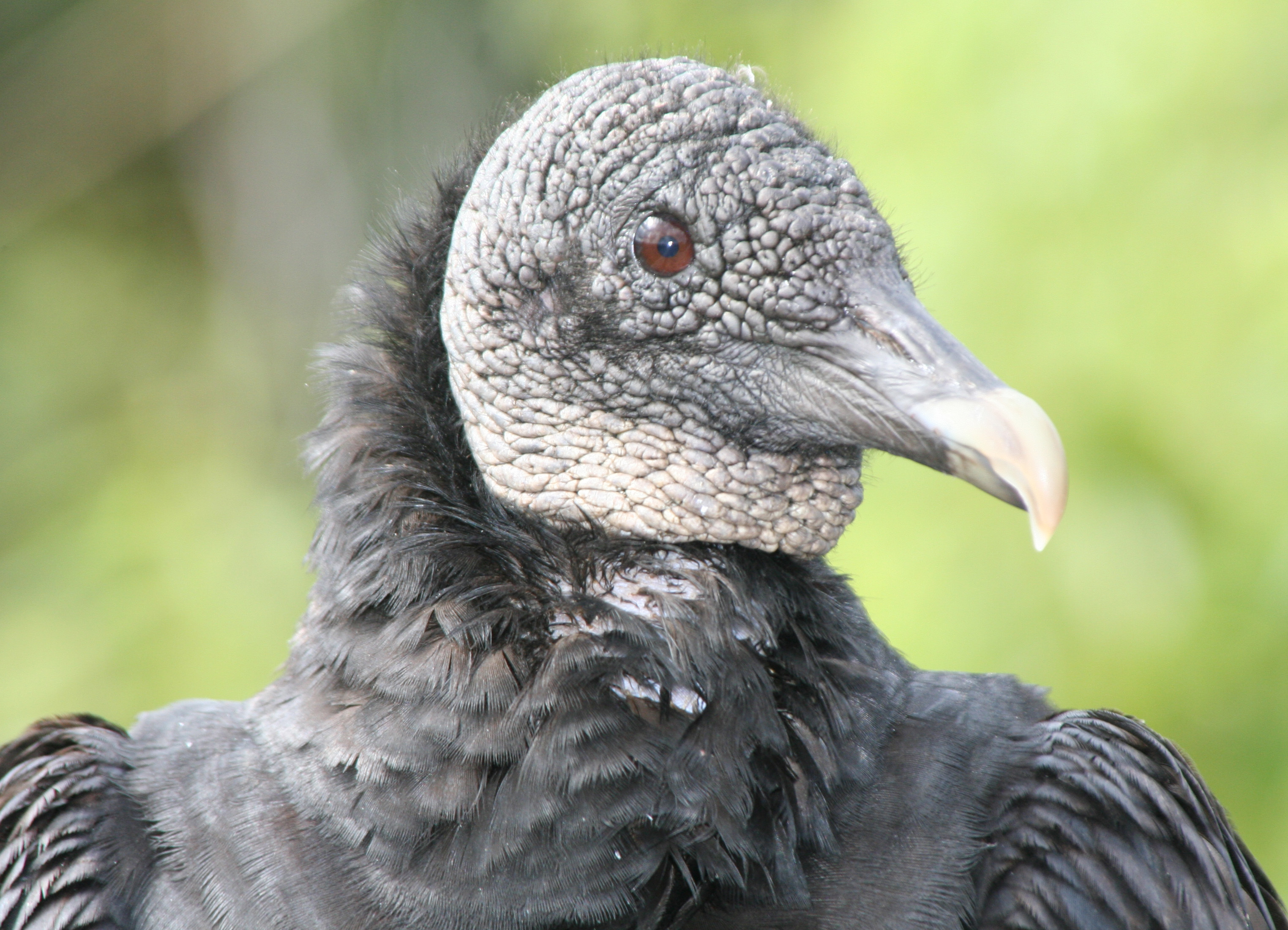
In my last blog I featured Black Vultures in Everglades National Park. This one looks pensive. Again, note the hooked bill designed for tearing flesh off of dead things.

White Ibis are common in the Everglades. They use their long curved bill to probe mud.

This guy is a little fuzzy but any collection of photos featuring birds beaks needs to include the Spoonbill, another resident of the Florida Everglades.

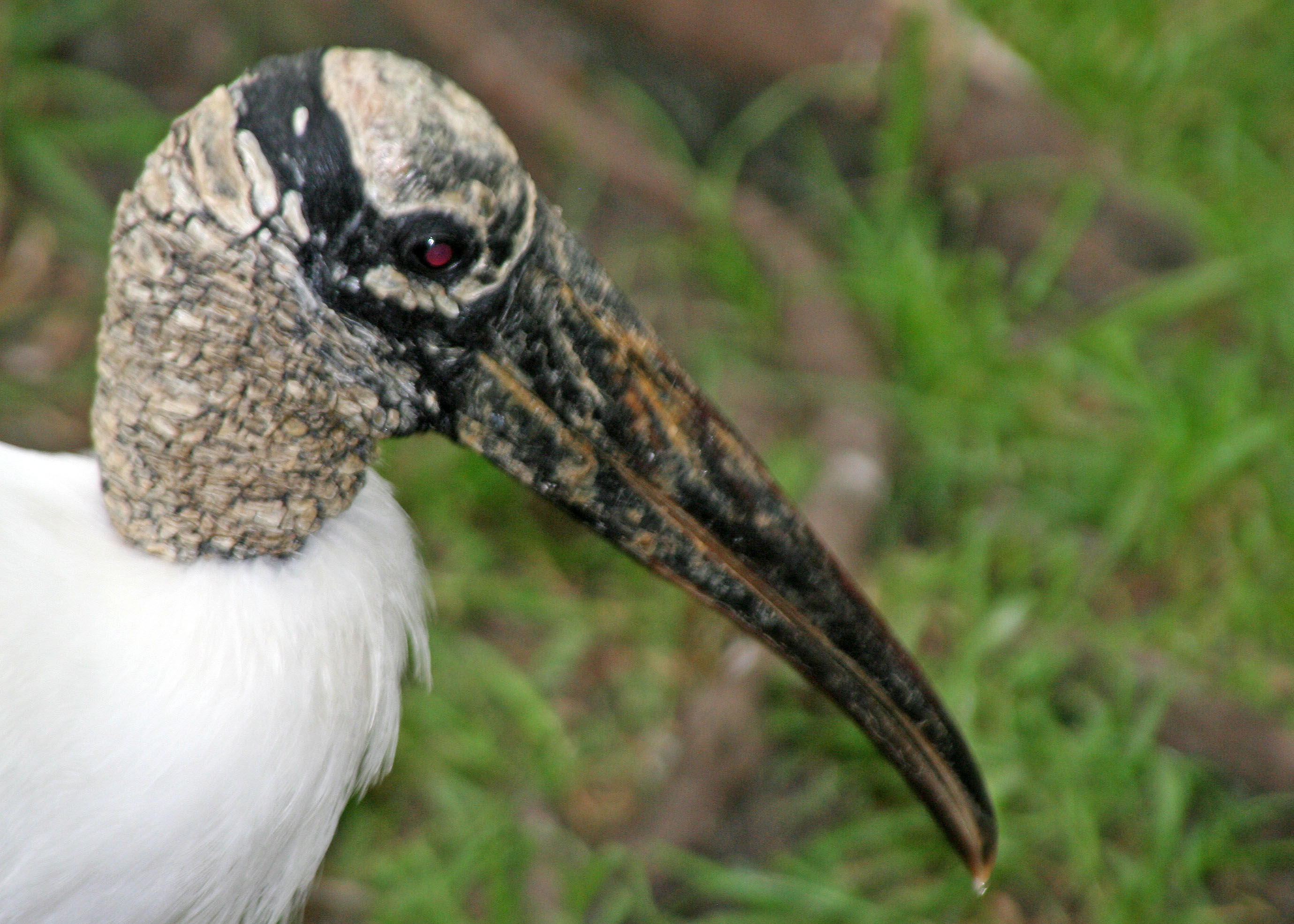
The mottled head and beak of a Wood Stork, also photographed in the Everglades.

I’ll close with my favorite bird. I took this shot of Brown Pelicans just south of Santa Barbara, California.

The Handsome Black Vulture… Everglades National Park

A Black Vulture appears to take a bow after cleaning out a camper’s food.

The warning signs at Flamingo Campground in Everglades National Park were clear: Food Must Be Properly Stored. The best place was in the trunk of your vehicle.

The folks from New Jersey apparently didn’t get the message, or more likely, chose to ignore it. Signs were posted everywhere. They left their picnic table packed with a weeks worth of food as they drove off.

I glanced over from our campsite five minutes later. The trees over the table had turned black. Fifty or so vultures were contemplating dinner. What happened next wasn’t pretty. If you have ever watched hyper five-year-olds tear into Christmas presents you get the picture. Food wrapping paper flew everywhere.

I walked over and shouted at the invading forces. They flew up into the trees. As I walked back to our site they returned to their feast. I tried again. This time they croaked angrily at being interrupted and walked away instead of flying. As I strolled after them another group landed on the table. An exploding bag of potato chips elicited a chorus of delight.

I gave up. You have to know when you are defeated. I once tried to rescue an ice chest from a bear at Tuolumne Meadows in Yosemite National Park. A family from Iowa had left it outside their camper. The bear stood up on his hind legs and growled at me.  He was huge. I told the bear he was welcome to the ice chest and the Iowans.

I left the Black Vultures with a similar message. Later that night I heard the family from New Jersey arrive back at their camp. They let loose a torrent of obscenities that even a writer couldn’t imagine. Their camp looked like New Orleans after Katrina. The family was laughing the next morning, however. One of the joys of travel is having stories to tell when you get back home and they had a doozy.

Usually Black Vultures eat carrion. You can spot them throughout the Southeast wherever roadkill is found. But they are also quite willing to clean out a camper, gather at the local municipal dump or even eat an occasional calf. They are birds of opportunity.

Like buzzards, they have bald heads to make reaching into dead things easier. Imagine how messy feathers would become. They also have large ripping beaks and are noted for peeing on their legs to keep cool. Given all this you may find it surprising I think they are quite handsome. But check out their photos below.

Black Vultures are monogamous and share incubation responsibilities. They don’t build nests but are known to lay their two eggs in caves, on rocks or even in old buildings. Bits of broken glass, bright plastic, bottle caps and other baubles are used to decorate the area. They value privacy and may scout an area for days to assure its isolation. Young vultures often stay with their parents for years in a social group.

In addition to the Southeast, they are found throughout Central and South America. With global warming they are expanding into the north.

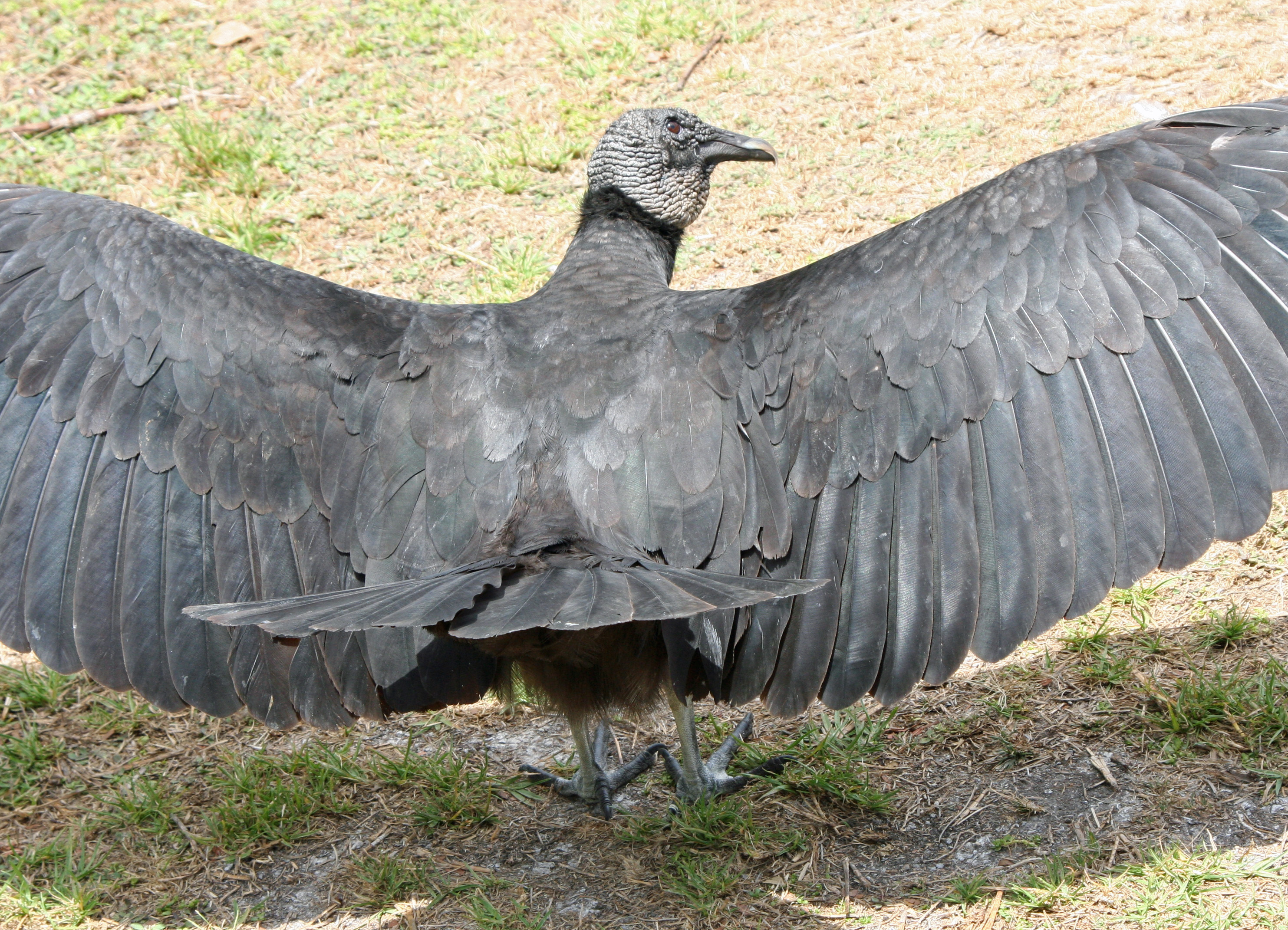
One reason given for Black Vultures assuming this pose is to dry out their feathers. I often seen buzzards perched in trees in the West with wings spread like this before beginning to fly on damp mornings. The wingspan of mature Black Vultures is around five feet.

This is the same Black Vulture shown above with his wings folded. He looks well fed to me. Note his large feet.

I found this Black Vulture along the Anhinga Trail in Everglades National Park.

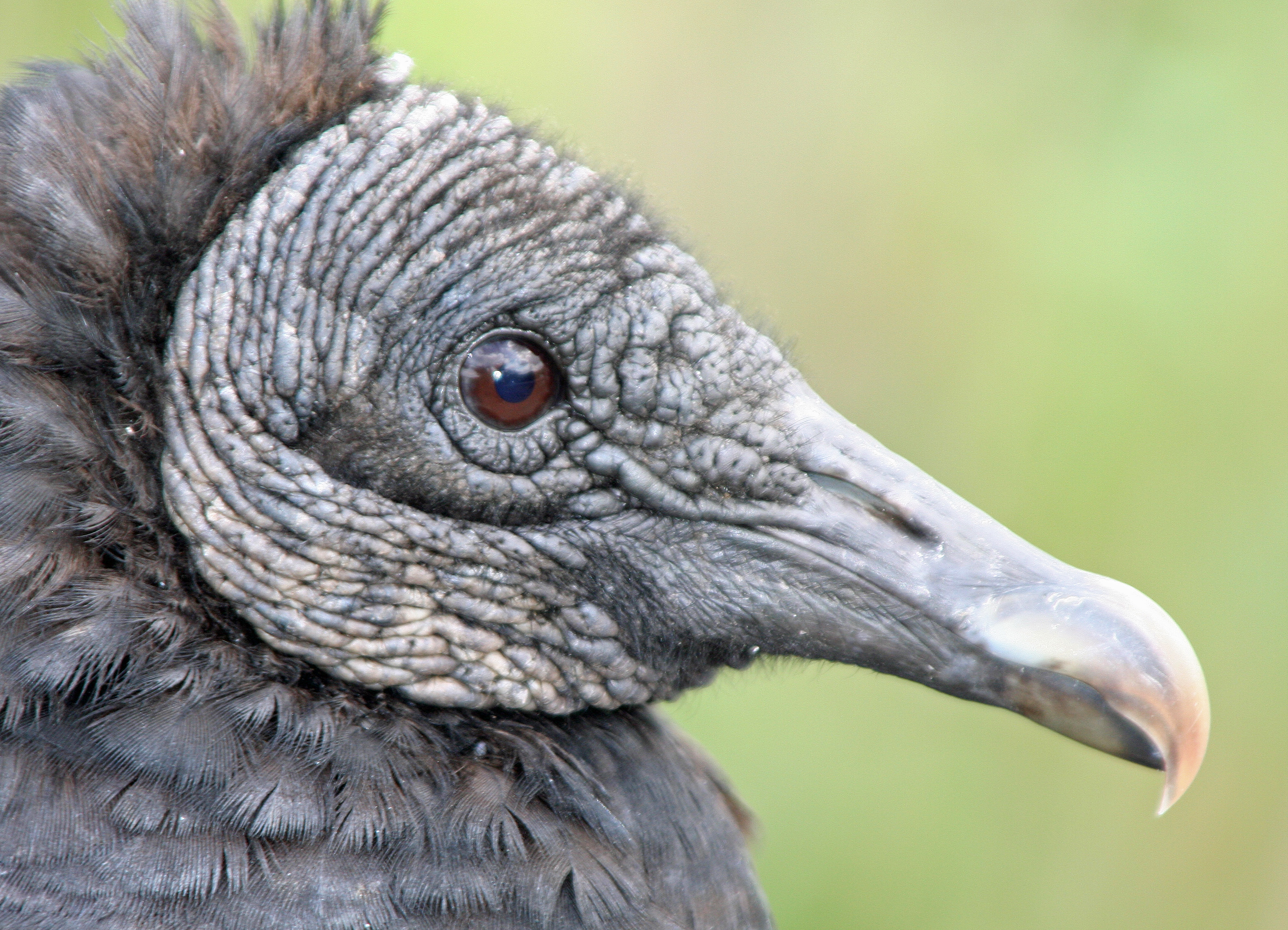
The vulture waited patiently while I took photos. Maybe he was contemplating my food value. Note the large, ripping beak. It is easy to understand how this guy would make short work of either a dead cow or a bag of potato chips. In my next blog I will feature specialized beaks from other Everglades birds.

A closed eyelid gave this Black Vulture an eerie appearance. While my readers may not agree with my handsome designation, I am sure that everyone will agree that these birds have a striking appearance.

Gators and Glades… The National Park Series

The ancestors of this alligator, photographed in Florida’s Everglades National Park, roamed the earth some 150 million years ago.

I’ve been following the blog Serenity Spell by FeyGirl that explores the natural world of Florida. It is well written and includes great photos, in-depth information, and a strong ecological philosophy. I highly recommend it.

FeyGirl’s posts have reminded me of my own experiences in the Everglades National Park and other Florida wetlands.

My brother Marshall, a 72-year-old homeless man with a pickup truck and a bank account, likes to hide out in remote Florida campgrounds six months out of the year and read books. Catching up with him has taken me into places where tourists rarely tread. Trust me, Marshall does not hang out at Disneyworld or Epcot Center.

Peggy’s parents, John and Helen, also lived in Central Florida for years and John, in his 70s and 80s at the time, loved to take us for hikes and point out anhinga, alligators, cottonmouths and other Florida wildlife.

Given all this, I decided to write about the Everglades this week. I’ll start with alligators, move on to a handsome vulture and end with some very impressive bird beaks.

The photographer in me loves alligators. They are big (up to 1000 pounds), like to sunbathe and don’t see any reason to run away. With over a million residing in Florida, they are also easy to find. During dry season they congregate where water is found and actually enlarge wet areas by digging out “gator holes.”

What makes them so photogenic, however, is their exotic look. It comes from having been around for 150 million years and surviving the demise of dinosaurs. I am particularly fond of photographing them as they slither through the water. It captures them at their primitive best.

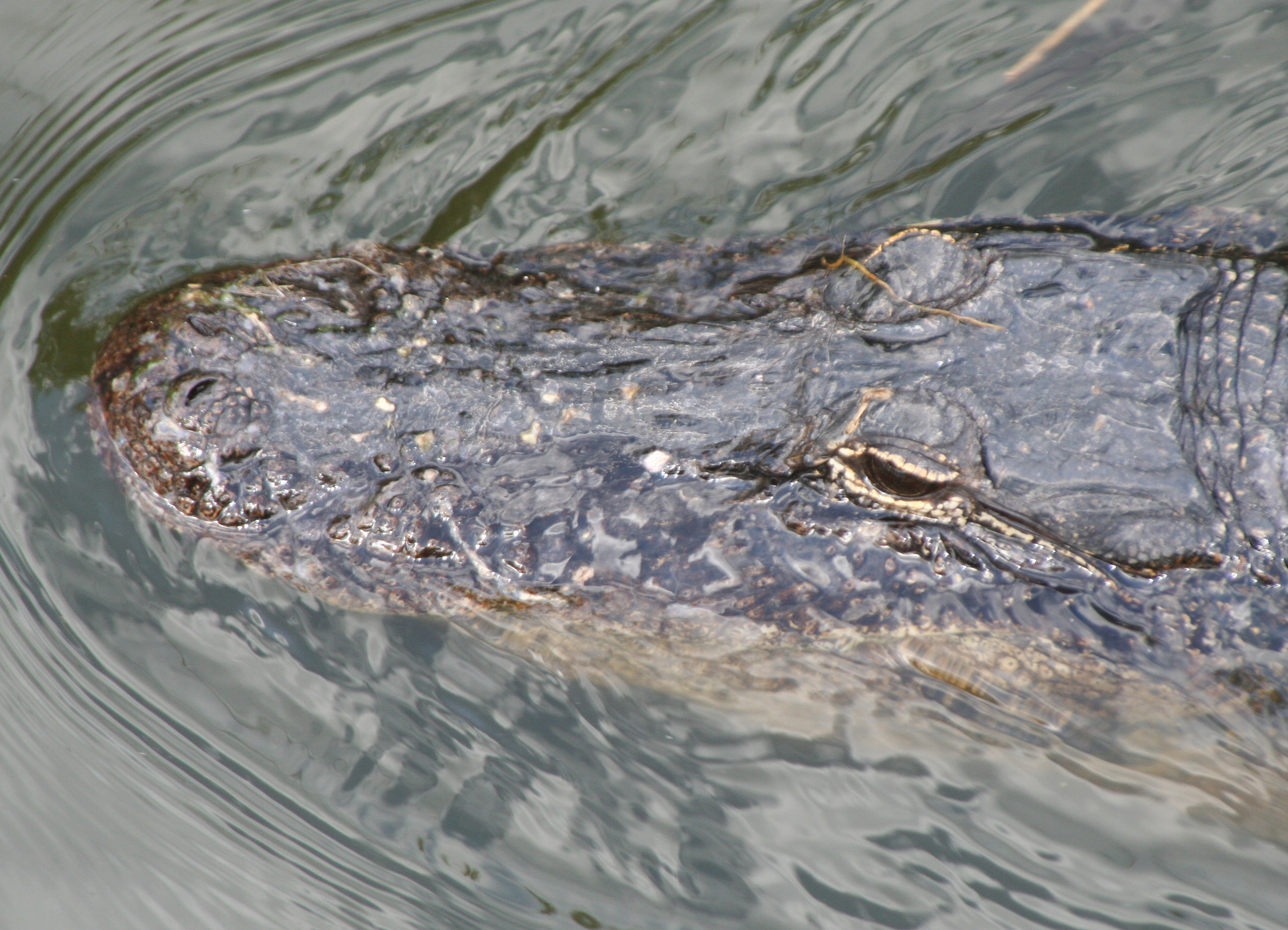
I begin photographing this alligator at some distance and ended when it was a few feet away. He went about his own business and I went on about mine.

The most surprising fact for me about alligators is that the females make such good mothers. They start by building nests two-three feet high of plant debris and dirt.  They then lay 30 to 50 eggs and patiently guard the nest for 70 days until the babies hatch. The sex of the babies is determined by how warm the nest is. Cooler produces females, hotter produces males.

Mom’s job isn’t over with the hatching. She hangs out and protects her babies for another year. Lots of things including other alligators, fish, raccoons and even Great Blue Herons find baby alligators tasty. Later, when the babies grow up, they return the favor by eating the same creatures that wanted to eat them. What goes around comes around.

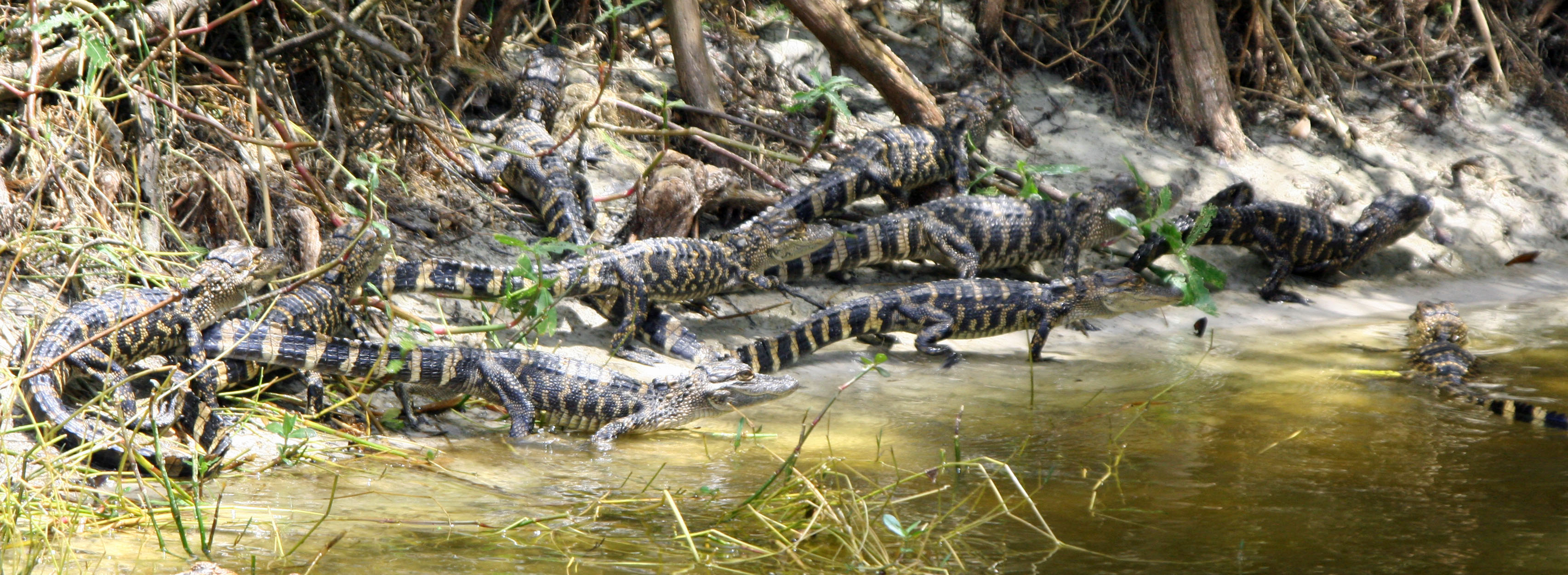
The protective coloration of these young alligators makes them difficult to see. Mom is hiding out near by on guard duty against predators.

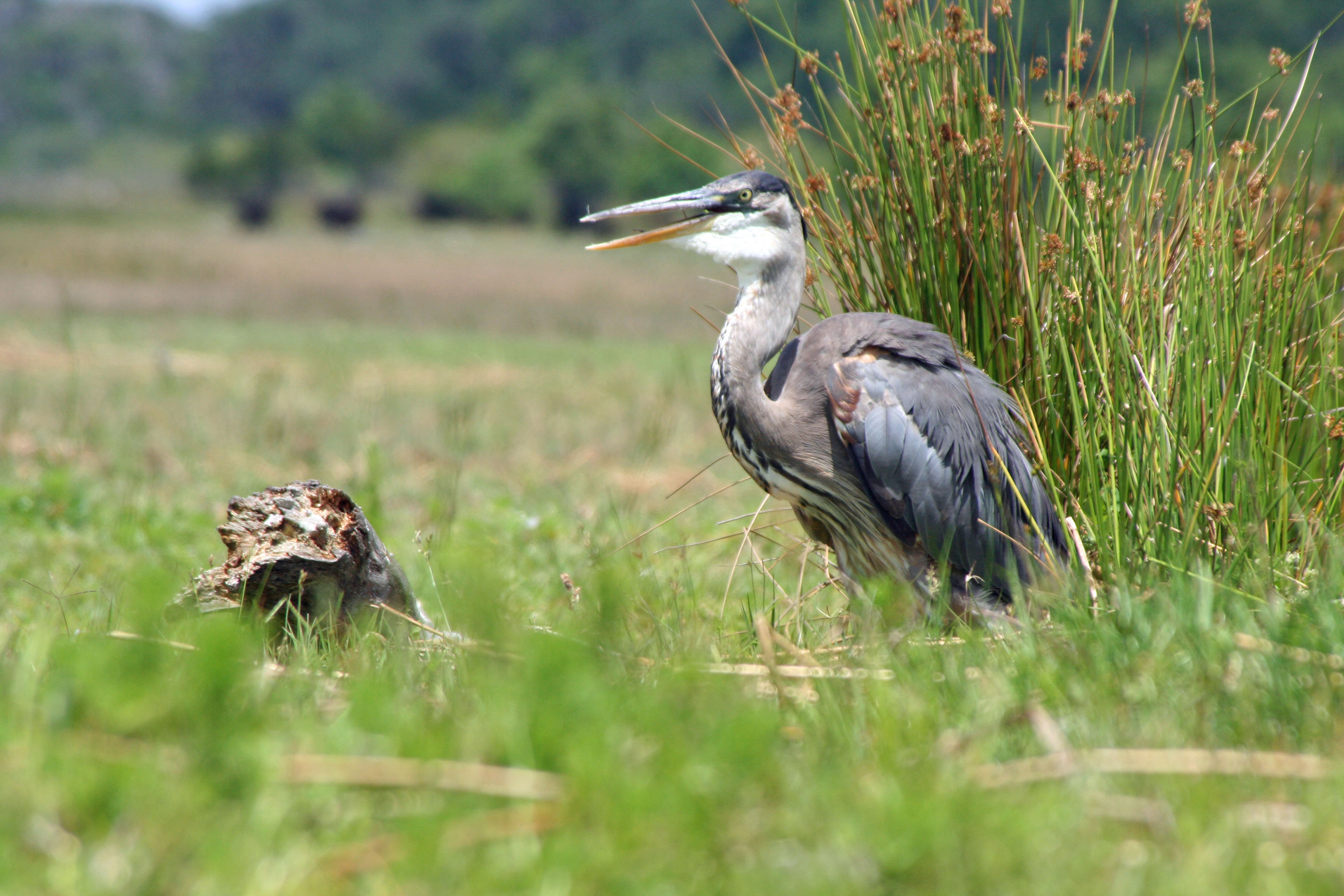
One predator that is fond of eating baby alligators is the Great Blue Heron. Peggy photographed this one about 50 yards away from where the pod of young alligators was located.

While alligators normally don’t eat people, they are dangerous. Any animal that weighs several hundred pounds, has 80 sharp teeth and a bite to die for deserves respect. Ask a dog. Their collars are frequently found in the stomachs of alligators that live in close proximity to people. Alligators rarely catch cats. The dog sees the alligator as something to bark at and chase off of the property. The cat sees the alligator as a reason for climbing a tree. It’s best to error on the side of cats.

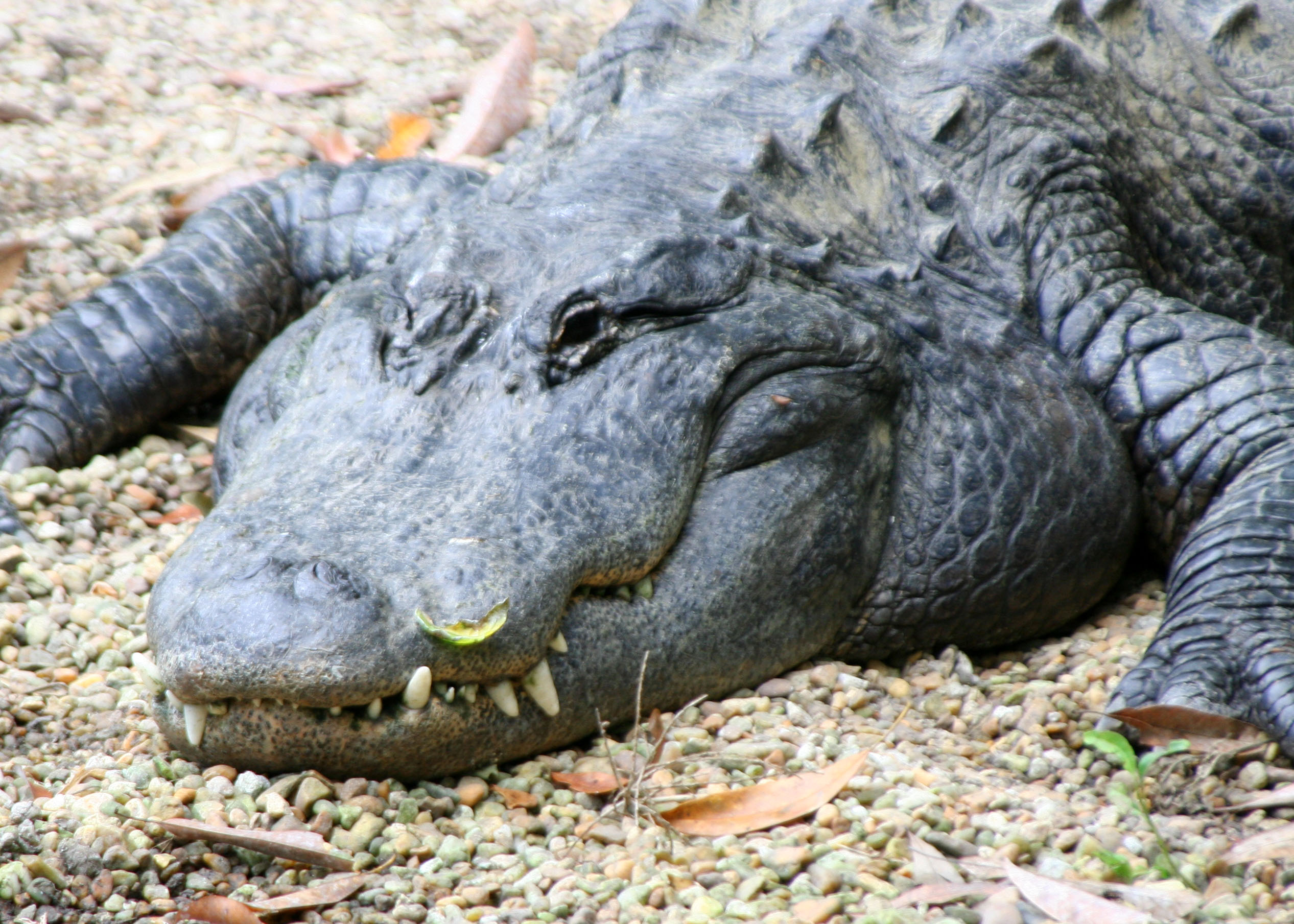
Reptiles that can weigh several hundred pounds, have mouths full of teeth, and jaws with crushing power deserve respect.

Our traveling mascot, Eeyore the Donkey, hides out in the van when we go out to photograph alligators.

As one might expect, alligators are particularly aggressive during breeding season and while protecting nests. Also, feeding alligators is both dangerous and illegal. A Florida man learned this lesson the hard way a few days ago and lost his hand.

Having put in the cautionary label, respect not fear is the key word. These ancient reptiles are fascinating to see and safe to visit as long as common sense and caution are used. The Anhinga Trail at the Royal Palm Visitor Center in Everglades National Park provides a safe, excellent introduction to alligators as well as Florida’s unique bird life. Winter is the best time to visit.

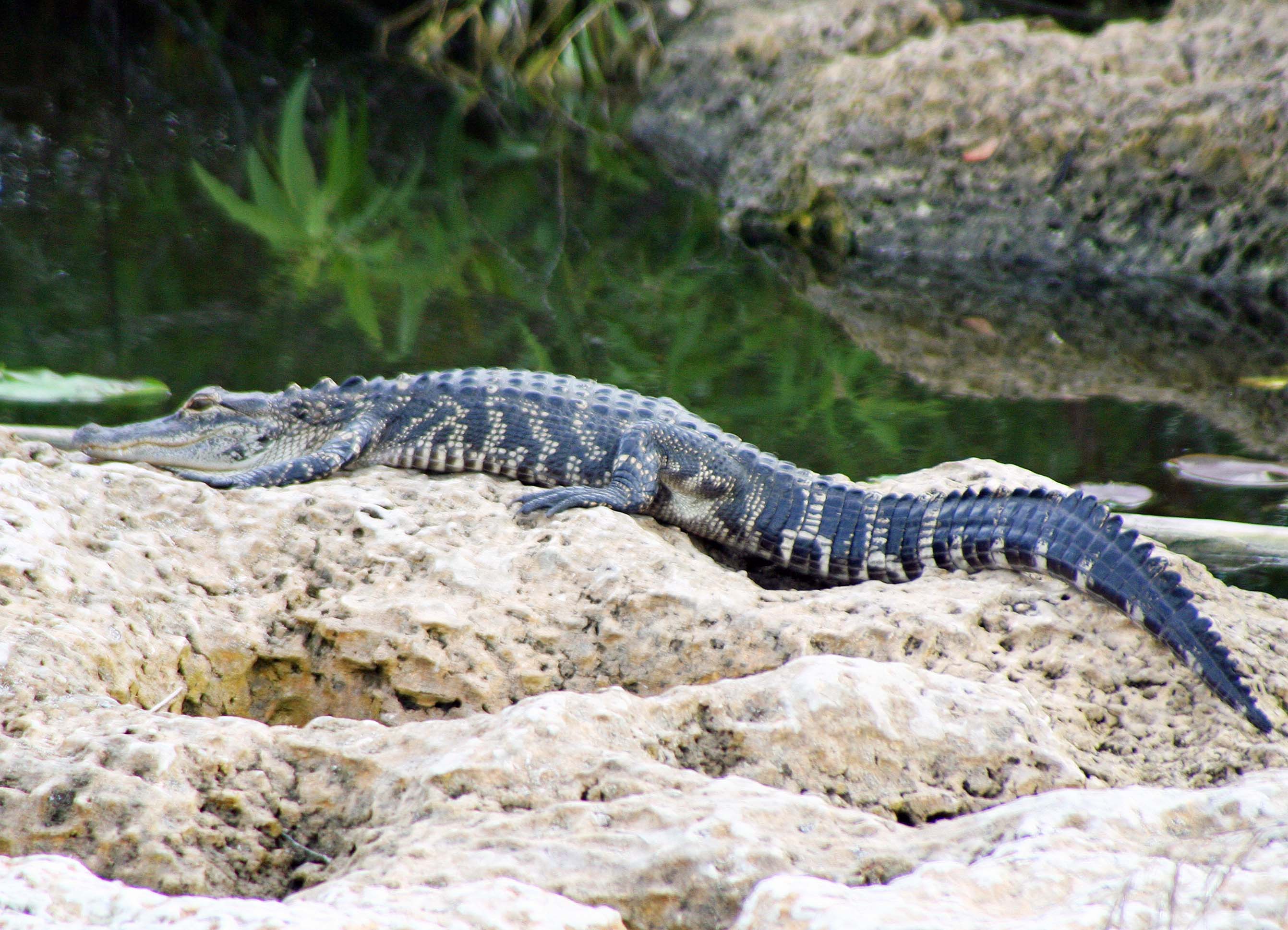
We caught this alligator doing what alligators love to do, sunbathe. I took this photo on the Anhinga Trail next to the Royal Palm Visitor Center at Everglades National Park. I love the way the gator’s body conforms to the rock.